
The Secret Ingredient Was The Container
Sometimes the biggest innovation in the grocery aisle isn't something you can eat. It's the box, bag, can, or wrapper that gets dinner home in one piece. From crackers to fruit pouches, these familiar foods owe part of their appeal to clever packaging.
 Anna Zelena, Shutterstock Images
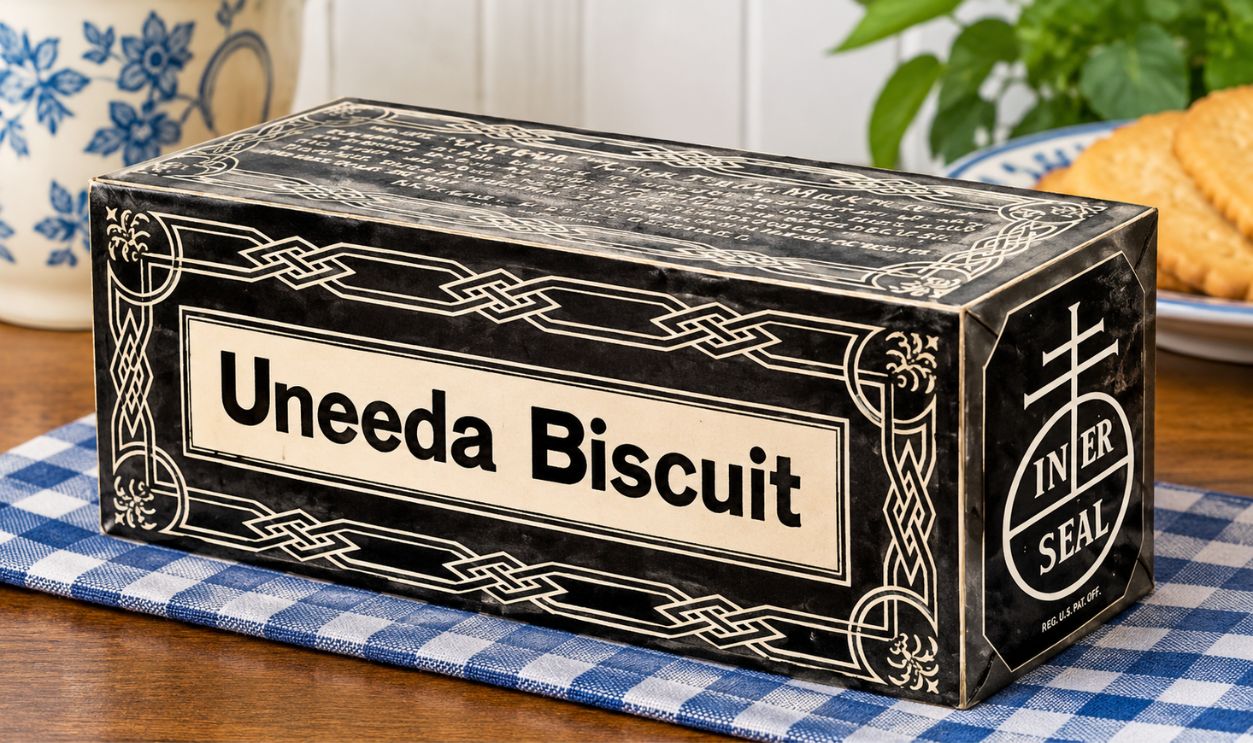
Uneeda Crackers Escaped The Barrel
In 1898, National Biscuit Company introduced Uneeda Biscuit in its patented In-er-seal carton, combining cardboard with folded wax paper. Crackers had traditionally been sold from bulk barrels. The protective package helped turn a fragile bakery item into a convenient grocery product.
 Internet Archive Book Images, Wikimedia Commons, Enhanced
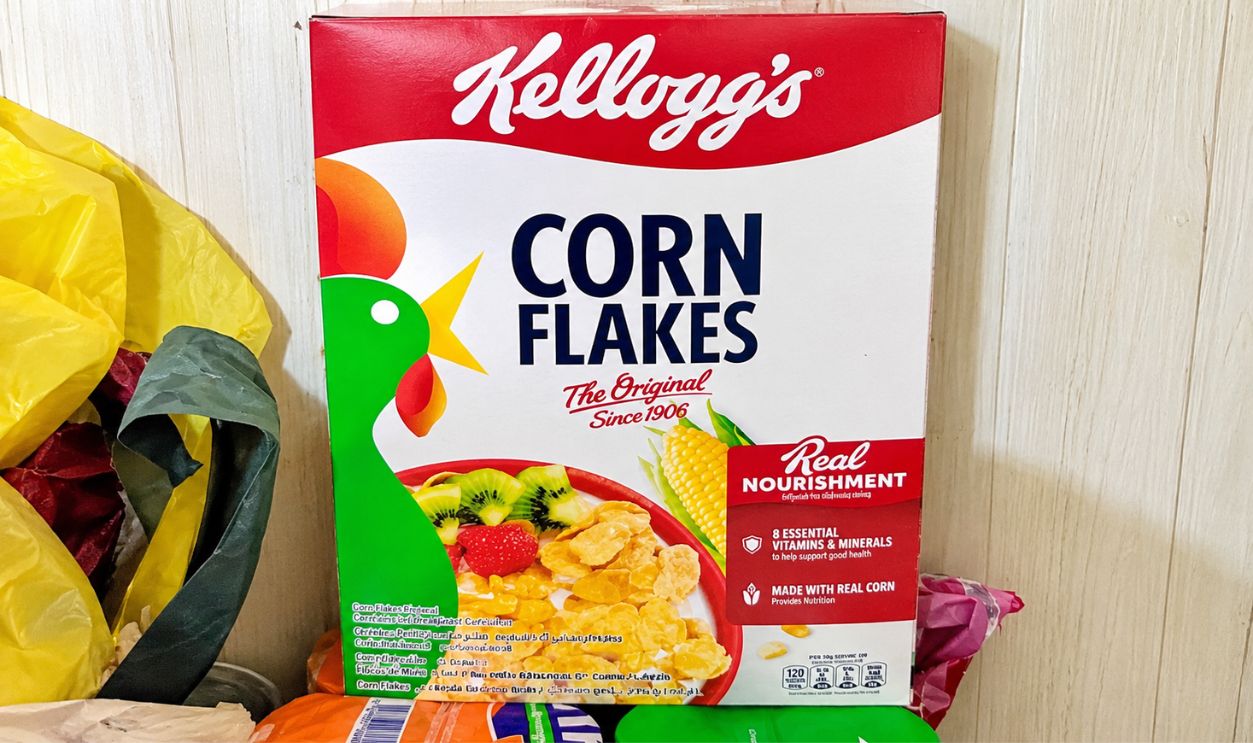
Corn Flakes Got A Protective Inner Layer
Kellogg's early cereal cartons used waxed Waxtite wrappers to guard against moisture. Eventually, the barrier moved inside the cardboard box, creating the bag-in-box arrangement. Crunchy flakes could travel farther while the printed carton did double duty as advertising.
 DiwangPingkian, Wikimedia Commons, Enhanced
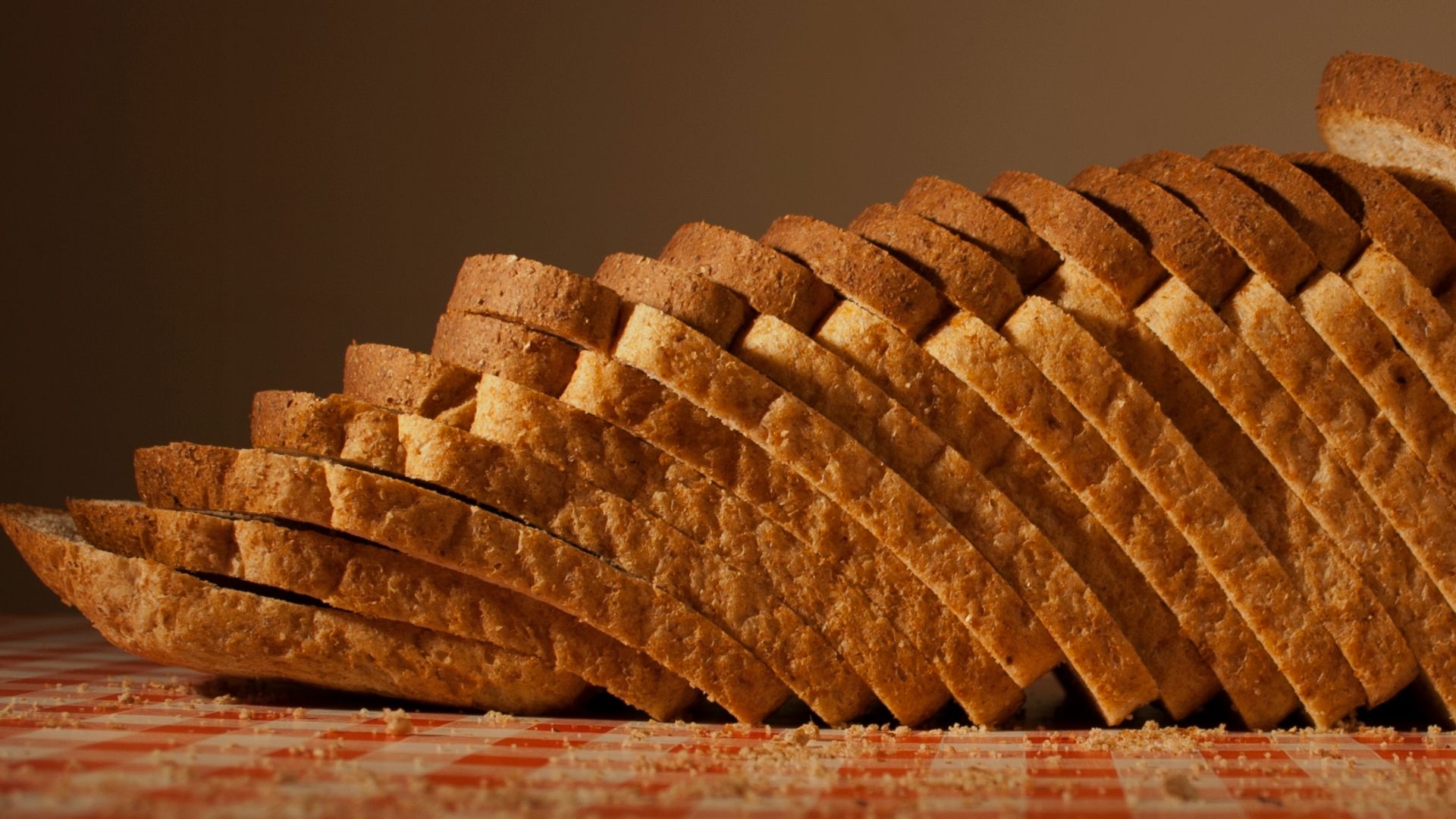
Sliced Bread Found Its Wrapper
Otto Rohwedder's commercial bread slicer debuted in Chillicothe, Missouri, in 1928. The new convenience was especially useful in a market already embracing wrapped bakery loaves. Protected, uniform slices turned bread into an easy breakfast shortcut rather than a chore.
 Jeremy Segrott from Cardiff, Wales, UK, Wikimedia Commons
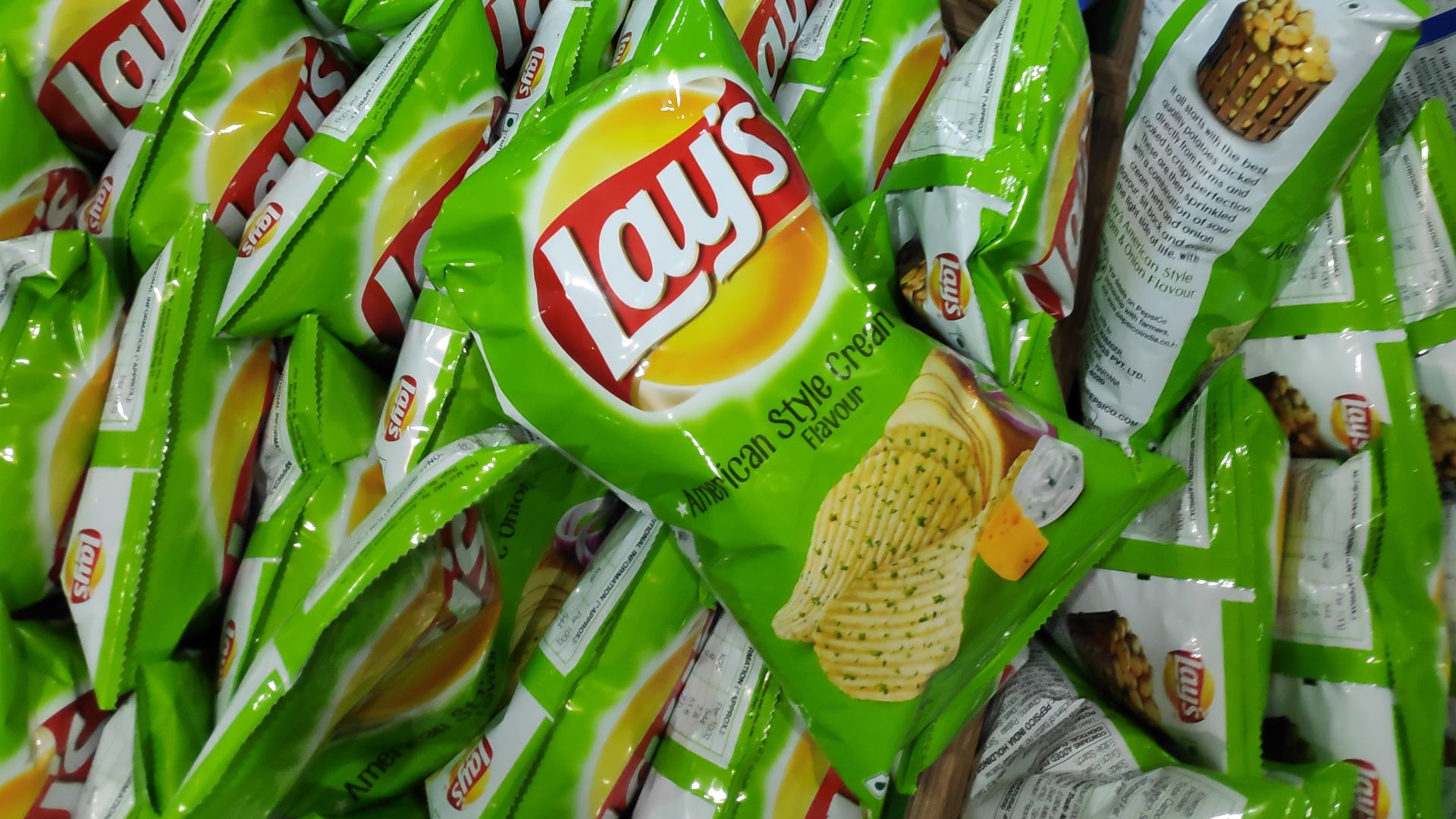
Potato Chips Got Sealed In
Before reliable bags, shops often scooped chips from barrels or glass cases. In 1926, California entrepreneur Laura Scudder began using sealed wax-paper bags. They helped preserve crunch and protect the chips, making this once-delicate snack suitable for retail sales.
 Gaurav Dhwaj Khadka, Wikimedia Commons
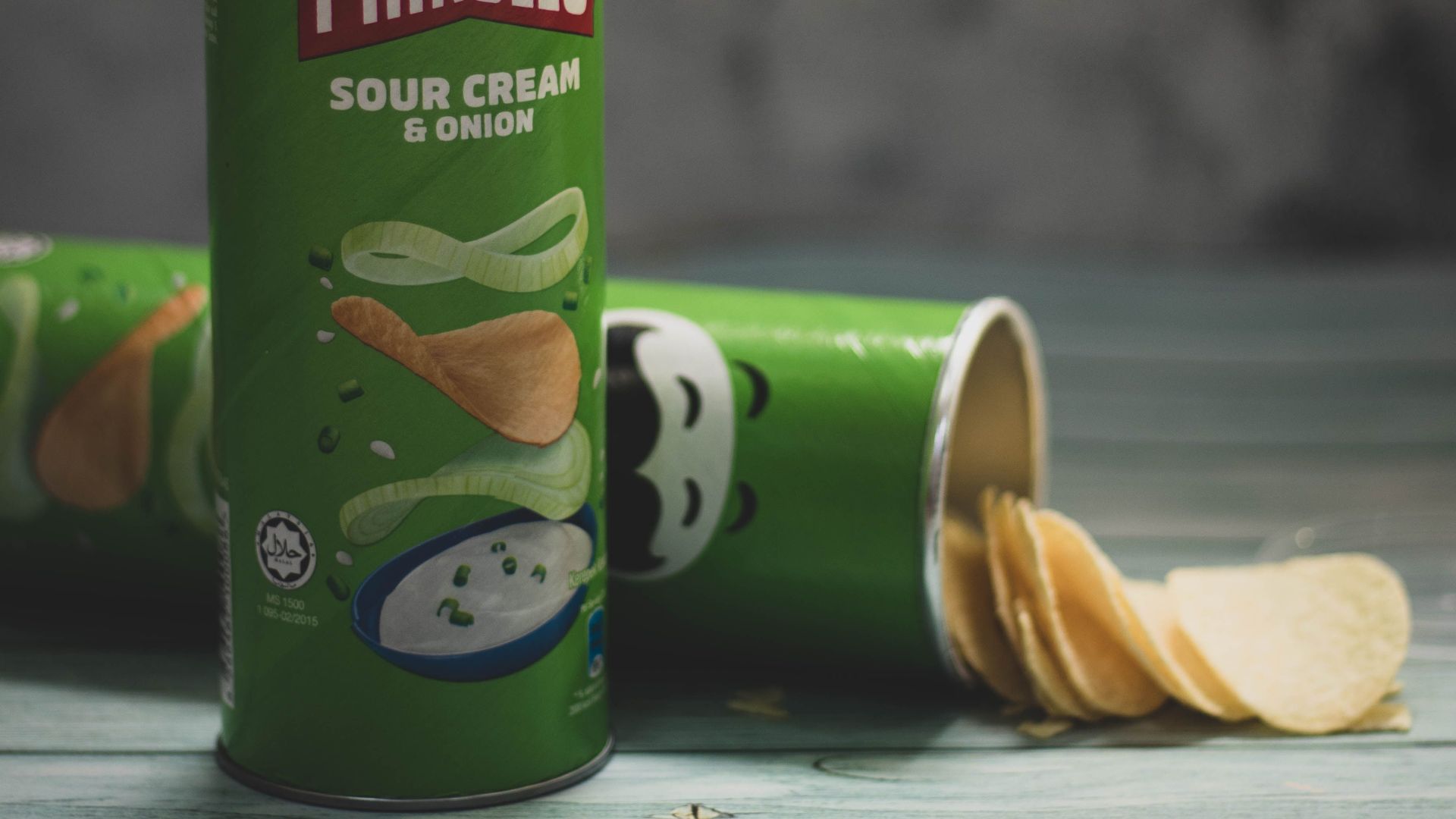
Pringles Found Their Perfect Stack
Pringles weren't merely shaped differently for fun. Developed in the 1960s, their uniform curved crisps could nest neatly inside a rigid cardboard tube. That distinctive can reduced breakage during shipping and made the product recognizable beside potato-chip bags.
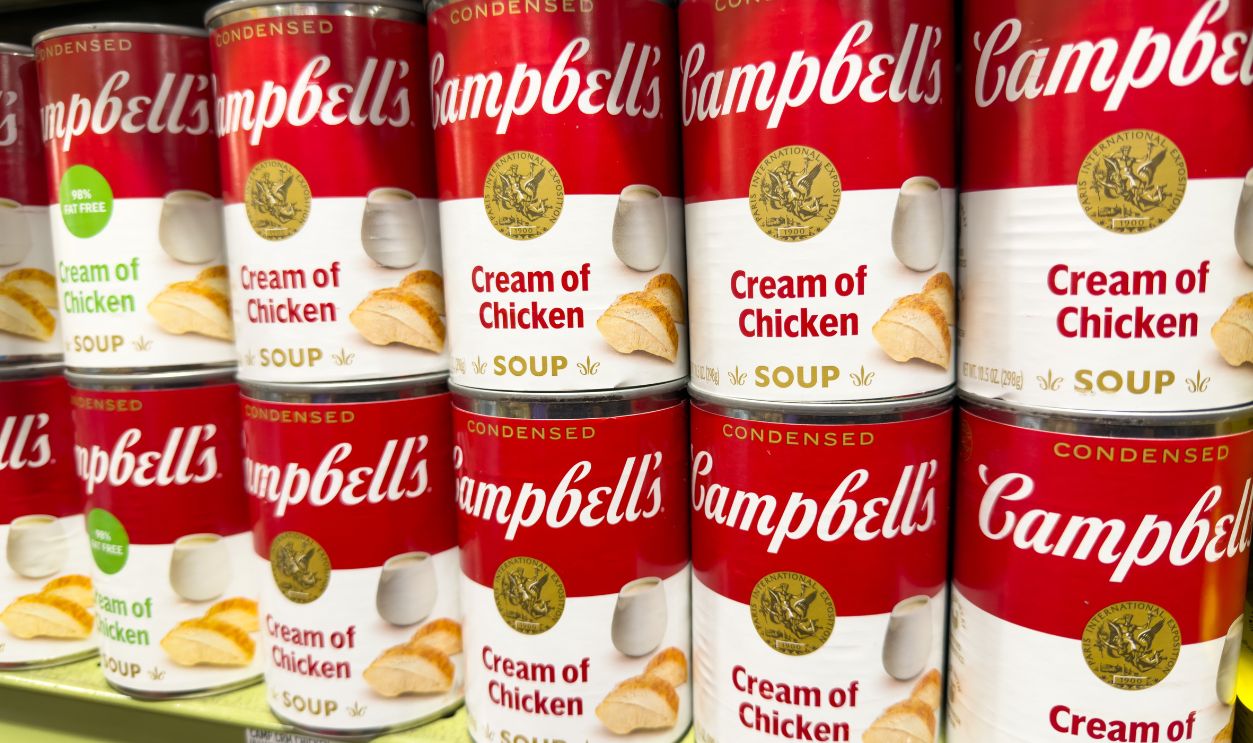
Condensed Soup Fit Into Smaller Cans
Campbell's chemist John T. Dorrance developed condensed soup in 1897. Removing much of the water meant a smaller can and lower transport costs, making soup more affordable. Add water, and a compact can became an economical bowl of soup.
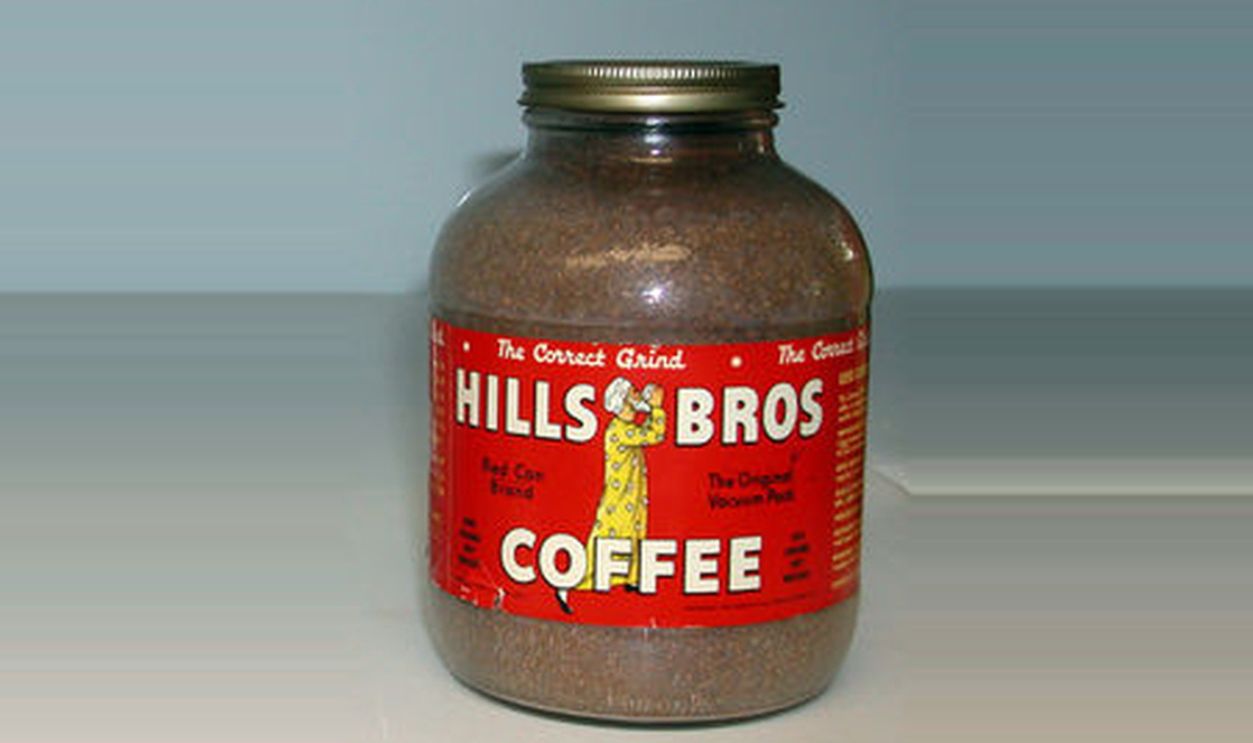
Coffee Stayed Fresher In Vacuum Tins
In 1900, Hills Bros. began selling vacuum-packed coffee in cans. Removing air helped preserve roasted coffee's aroma during storage and shipping. This packaging breakthrough opened distant markets to a product that could lose its freshness before reaching the buyer.
 Richard Arthur Norton (1958- ) at English Wikipedia., Wikimedia Commons, Enhanced
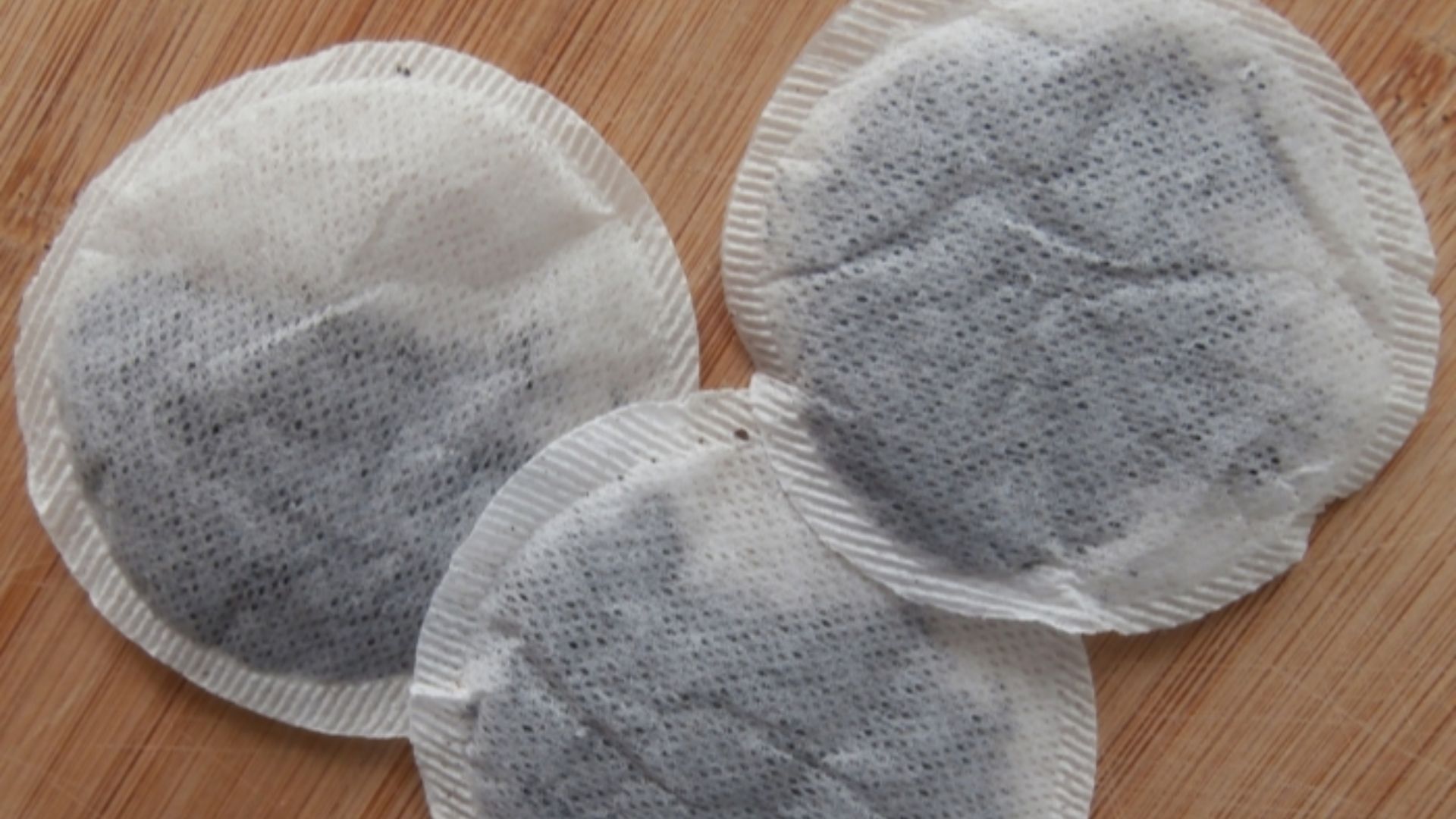
Tea Became A Bagged Convenience
Early tea-bag designs existed well before 1908, when merchant Thomas Sullivan famously sent tea samples in silk pouches. Later paper innovations made bags practical for mass production. Brewing a single cup no longer required handling loose leaves and a strainer.
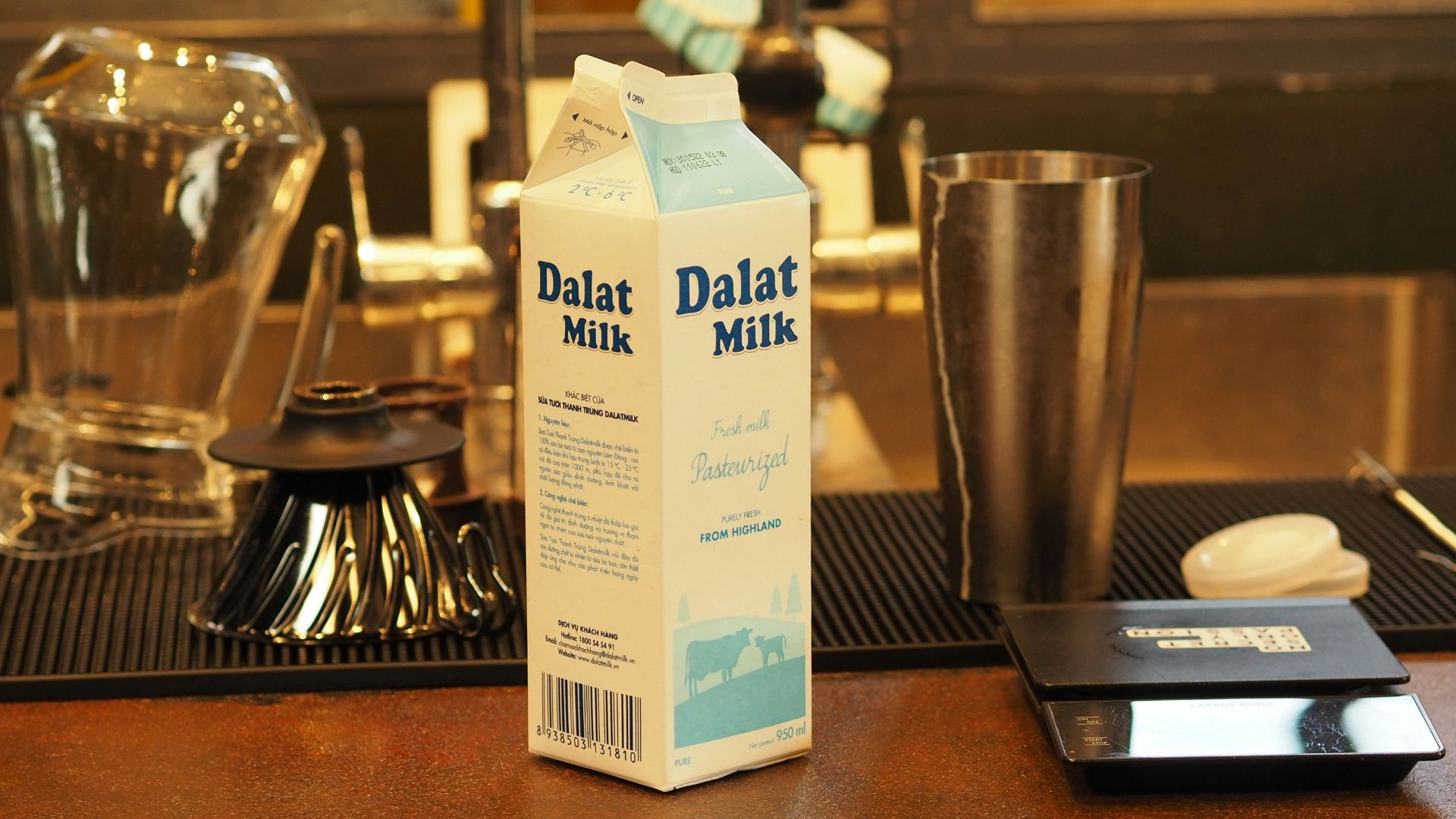
Milk Swapped Glass For Folded Cartons
John Van Wormer patented his Pure-Pak paper milk container in 1915. The flat cartons could be assembled, filled, and sealed at dairies, saving space and weight compared with glass bottles. The format helped milk move through self-service grocery stores.
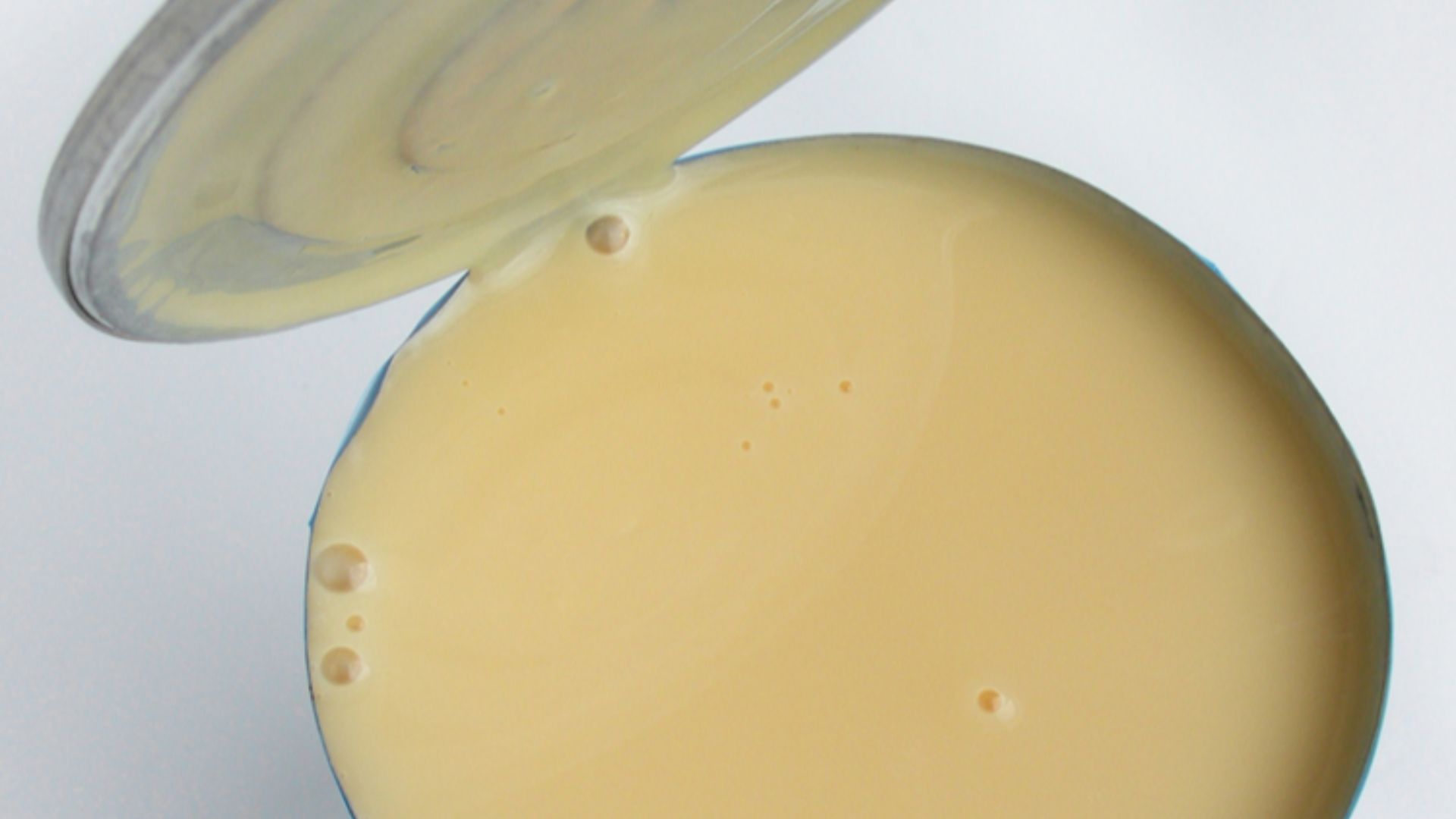
Sweetened Condensed Milk Survived The Journey
Gail Borden's condensed milk became a canned product in the nineteenth century. Its durability proved valuable during the American Civil War, when huge military orders increased demand. Returning soldiers then helped spread enthusiasm for a shelf-stable milk that needed no immediate refrigeration.
 Robin from Rotterdam, Netherlands, Wikimedia Commons
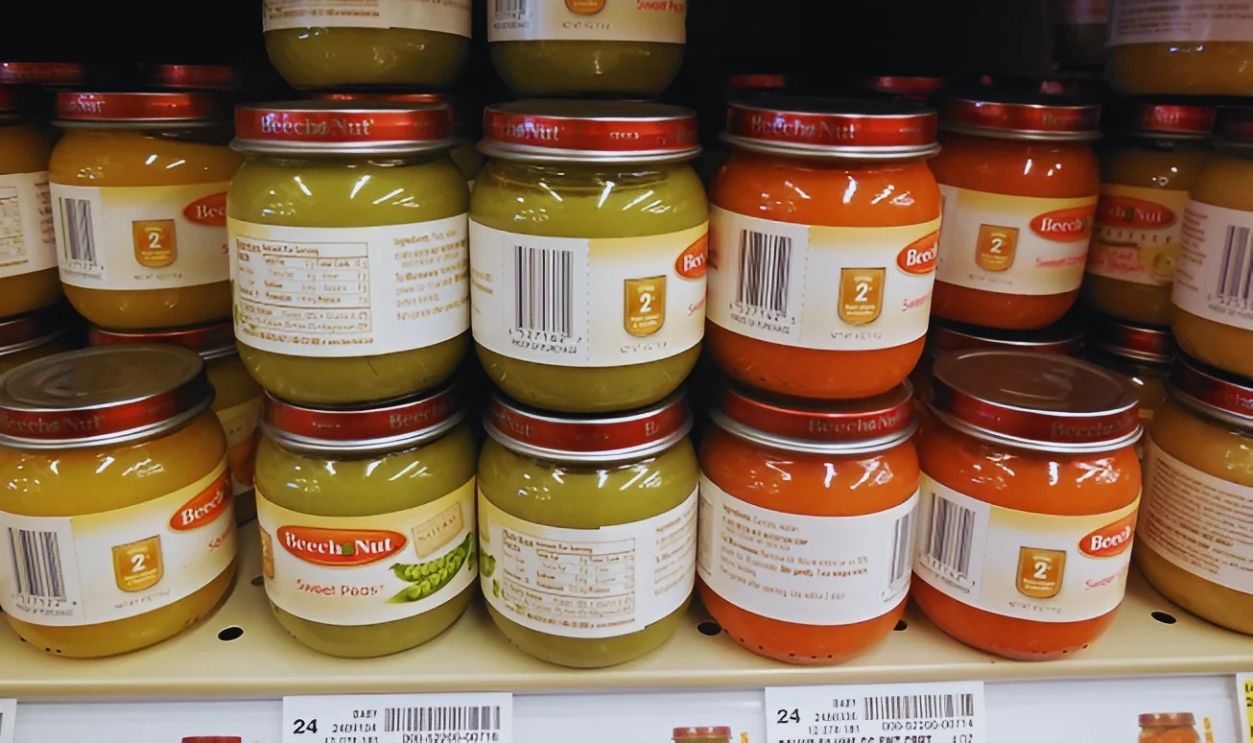
Baby Food Became Visible In Glass
Beech-Nut entered the baby-food business in 1931 and pioneered vacuum-sealed glass jars. Unlike opaque tins, the containers let parents see the strained vegetables and fruit inside. That small reassurance helped establish glass jars as a recognizable baby-food packaging format.
 ParentingPatch, Wikimedia Commons
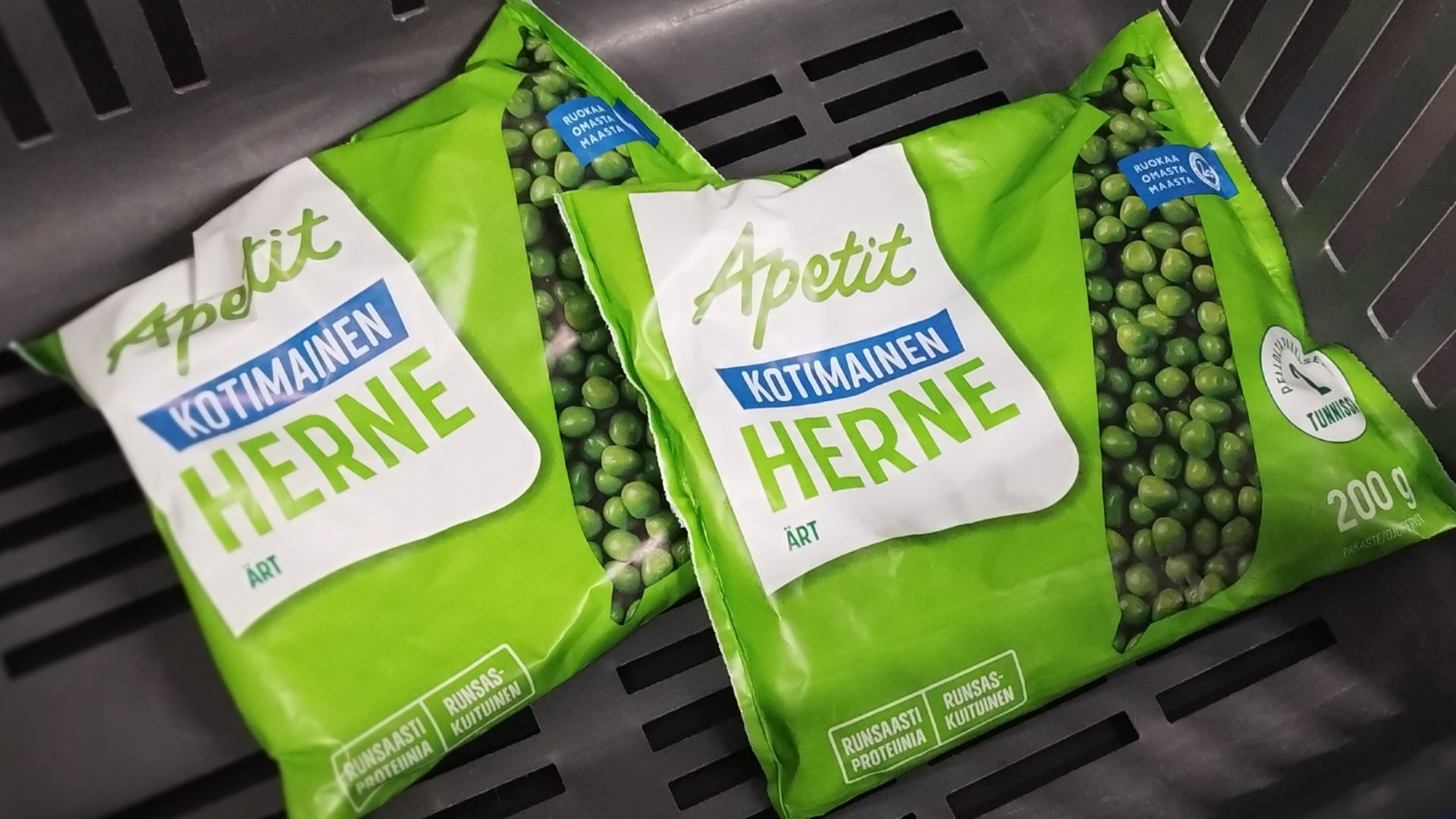
Frozen Peas Entered The Freezer Aisle
Clarence Birdseye developed quick-freezing equipment and packaging in the 1920s. Earlier freezing techniques often left foods unpleasantly mushy after thawing. Commercially packaged frozen vegetables offered shoppers a convenient alternative to fresh produce, especially as home freezers became more common.
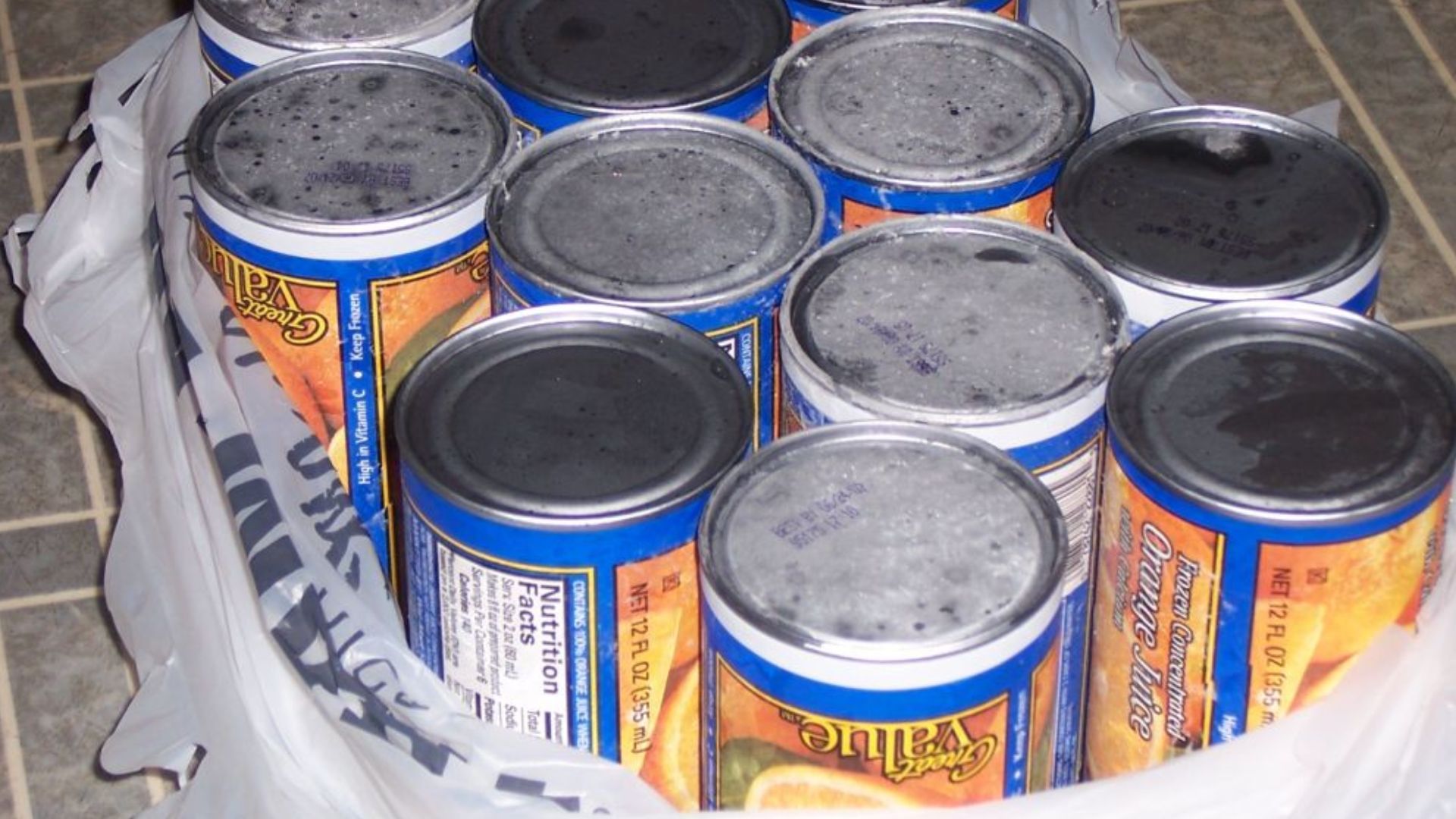
Orange Juice Came In A Frozen Can
Frozen orange juice concentrate became a postwar grocery success after researchers improved its flavor. Compact cans held concentrated juice for mixing with water at home. By the 1950s and 1960s, those small frozen cylinders were a breakfast fixture.
 Luca Masters, Wikimedia Commons
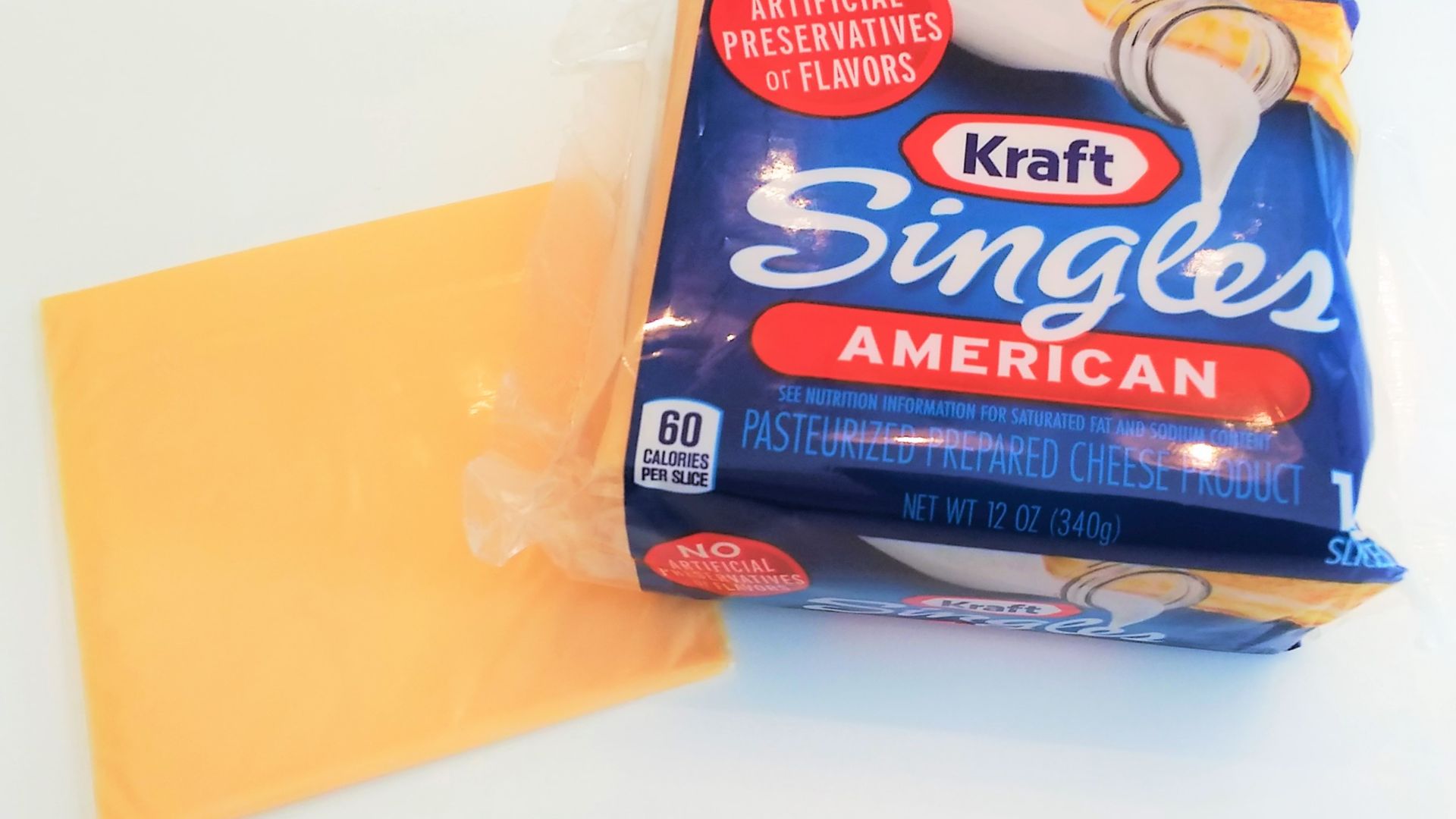
Kraft Singles Made Every Slice Separate
Kraft introduced commercially packaged cheese slices in the 1950s, then individually wrapped Singles in 1965. Each slice could be peeled away without opening the others. For sandwiches and burgers, the wrapper offered a combination of portion control, convenience, and freshness.
 Martylunsford, Wikimedia Commons
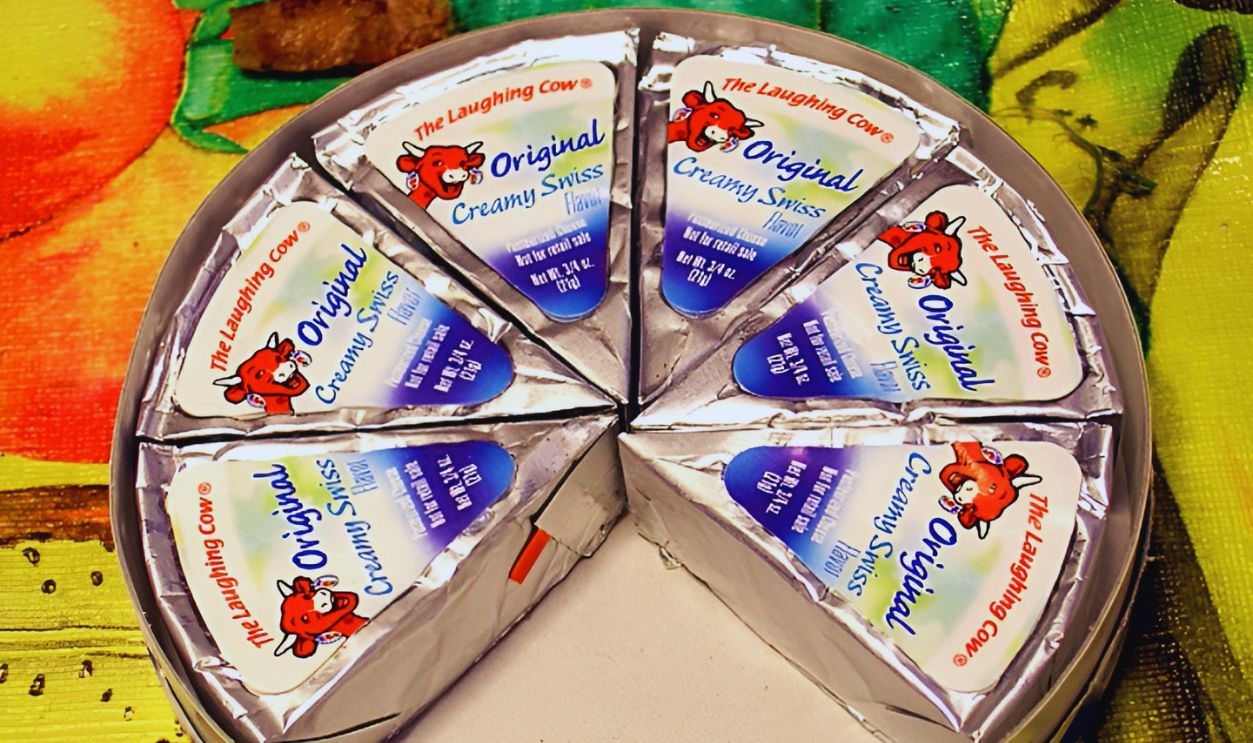
Laughing Cow Cheese Got Foil Wedges
The Laughing Cow started in France in 1921. By 1924, the company had adopted individual aluminum-foil-wrapped wedges, which helped keep the spreadable cheese fresh. The tiny portions made the product easy to share, carry, and serve.
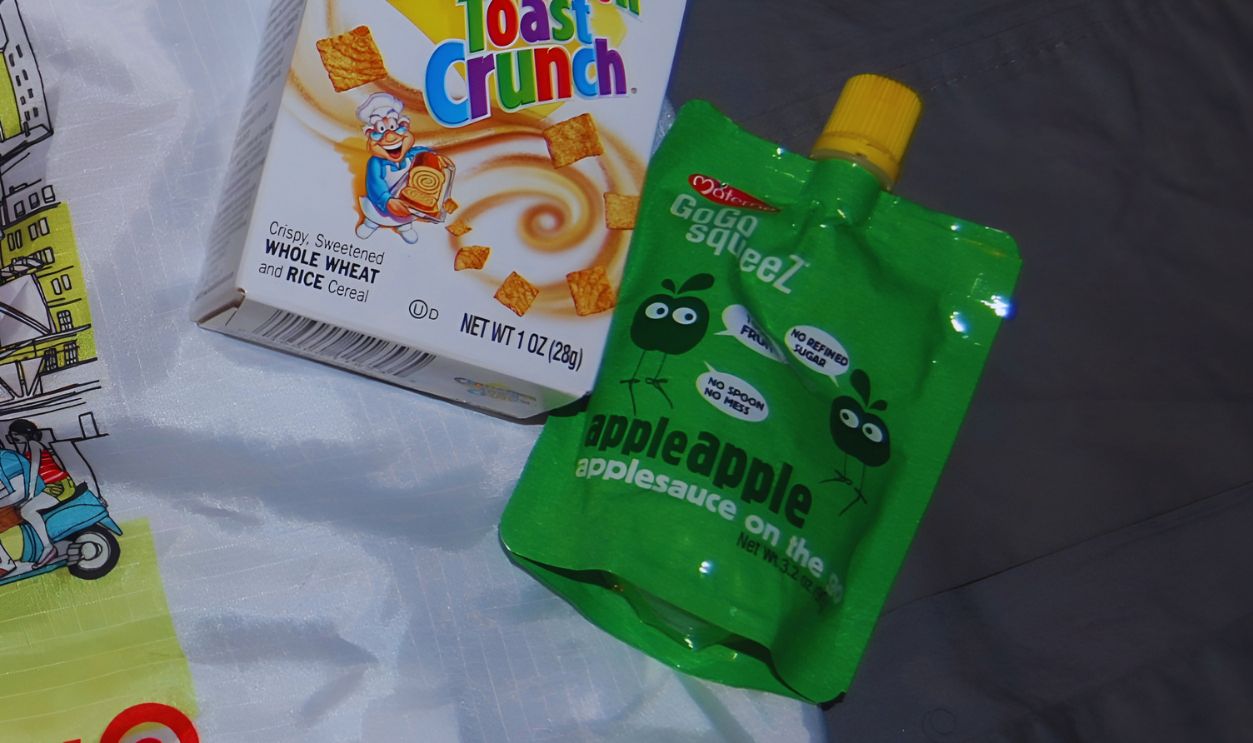
Applesauce Learned To Squeeze
Materne introduced fruit puree in a pouch in France in 1998, then brought GoGo squeeZ to the United States in 2008. Its resealable spout turned applesauce into a spoon-free portable snack. The package transformed how families could eat it.
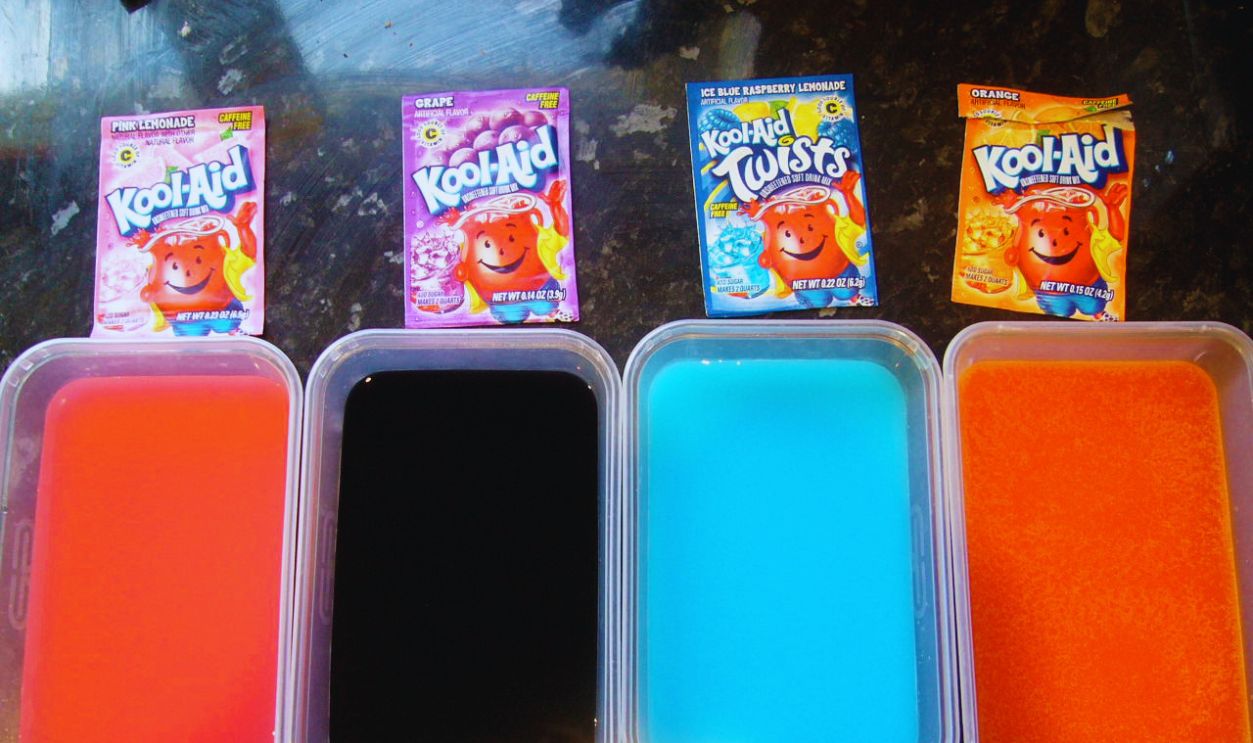
Kool-Aid Ditched The Heavy Bottle
Edwin Perkins sold a bottled drink concentrate before developing powdered Kool-Aid in 1927. Glass bottles were heavy, breakable, and prone to leaking. Bright paper envelopes solved those shipping headaches and helped the drink mix reach shelves across the country.
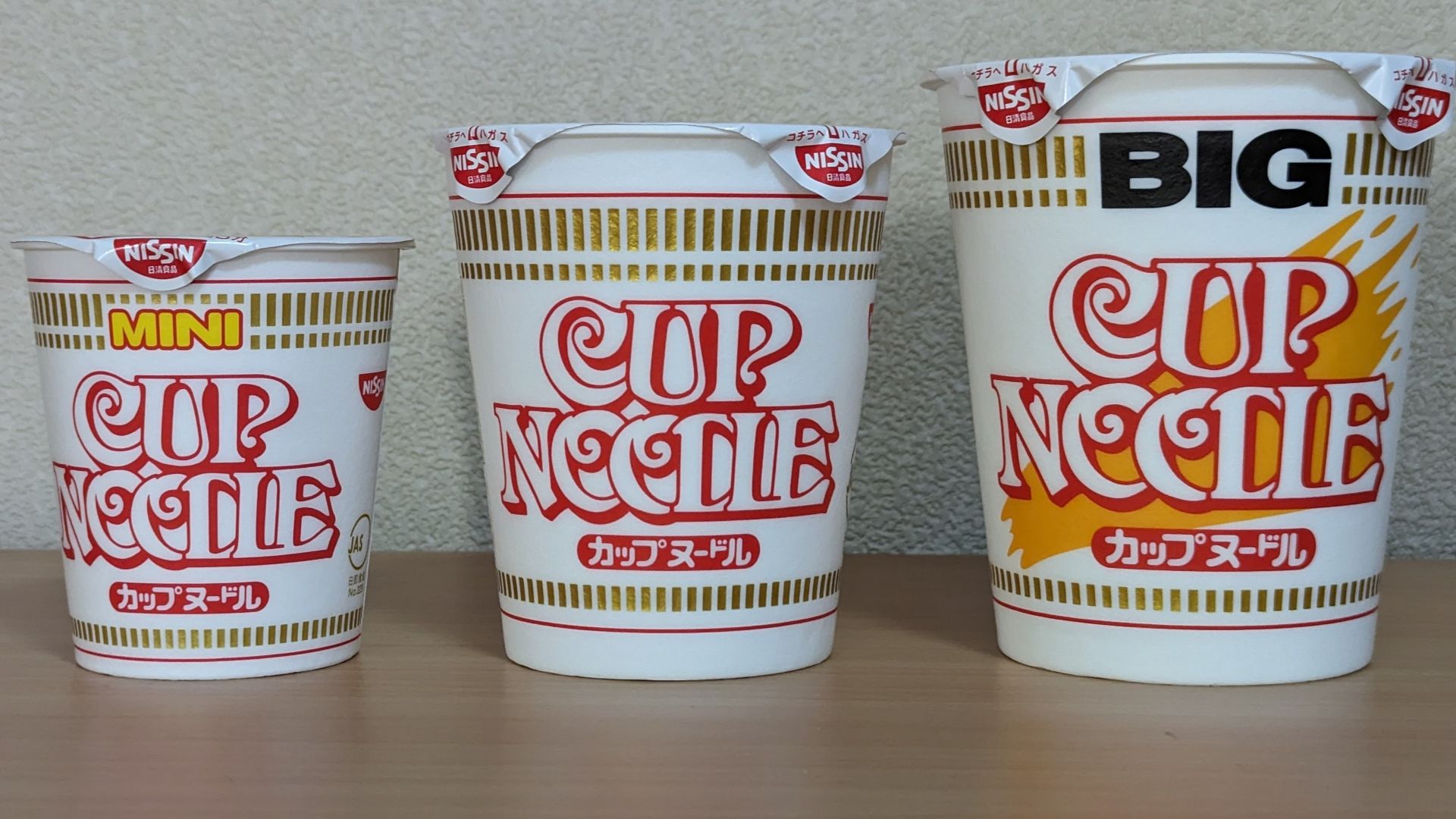
Cup Noodles Made The Container The Bowl
Momofuku Ando introduced Cup Noodles in Japan in 1971 after developing a container for preparing and eating the noodles. Add hot water, and the package itself became the bowl. Its clever design helped turn instant noodles into a portable meal.
 Bocchi Board, Wikimedia Commons
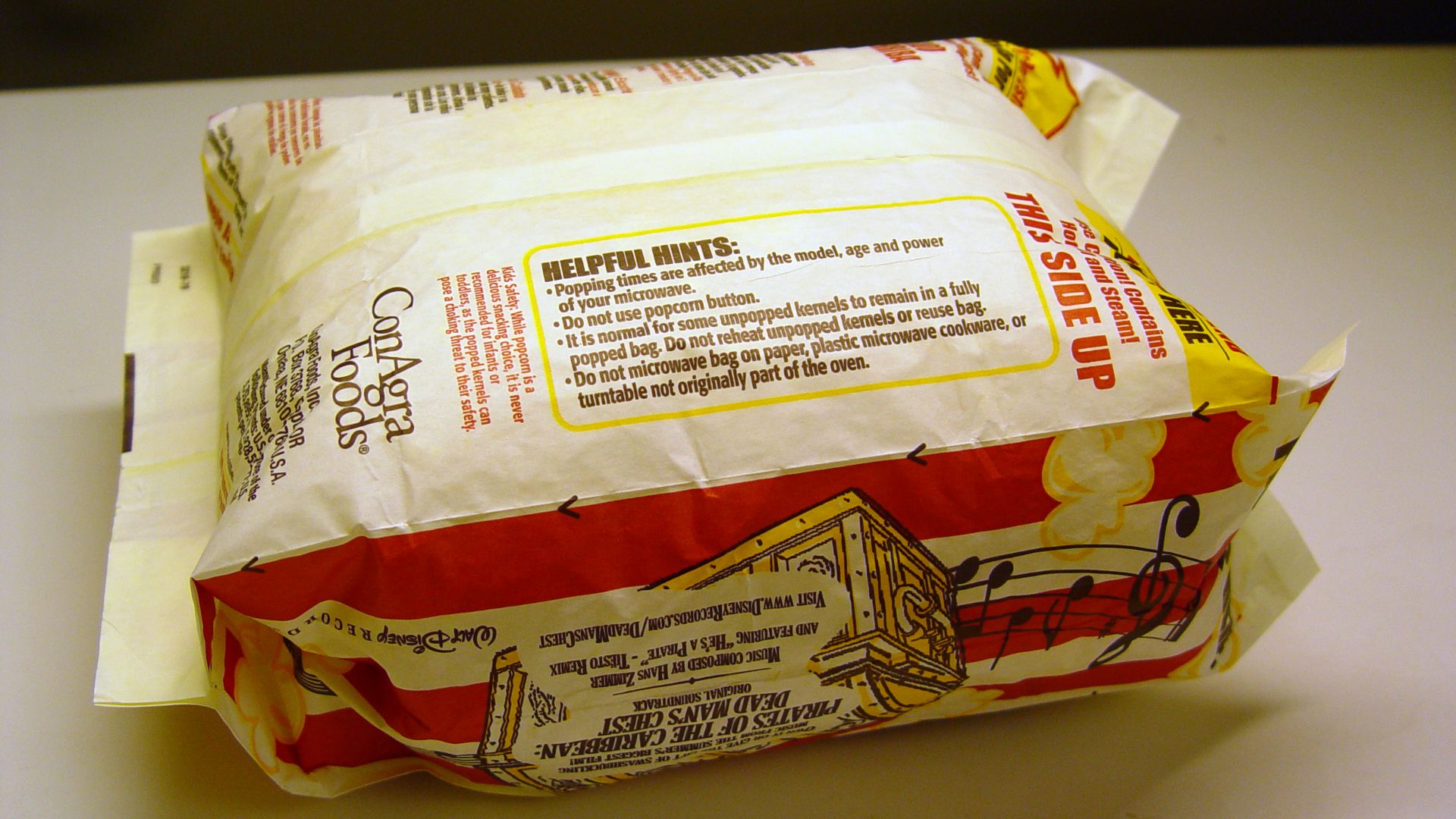
Microwave Popcorn Found A Special Bag
Popcorn's microwave breakthrough required more than kernels in paper. Specialized bags helped heat the contents and expand as the corn popped. Shelf-stable versions arrived in the 1980s, allowing families to keep a ready-to-pop snack in the pantry.
 Holly Cheng, Wikimedia Commons
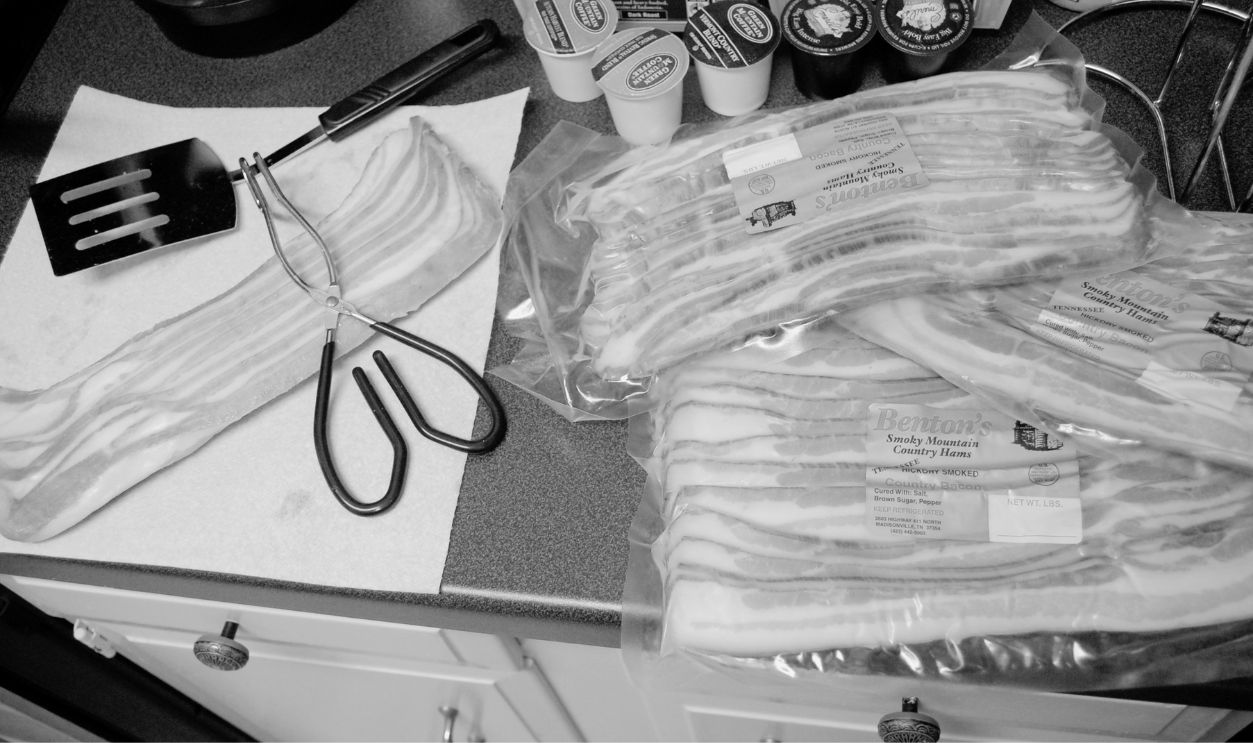
Bacon Became A Grab-And-Go Package
Oscar Mayer began selling prepackaged sliced bacon in 1948 using cellophane and a cardboard backing. In 1962, it adopted vacuum packaging that offered additional protection against spoilage. Shoppers could choose ready-sliced bacon from a refrigerated case without visiting the butcher counter.
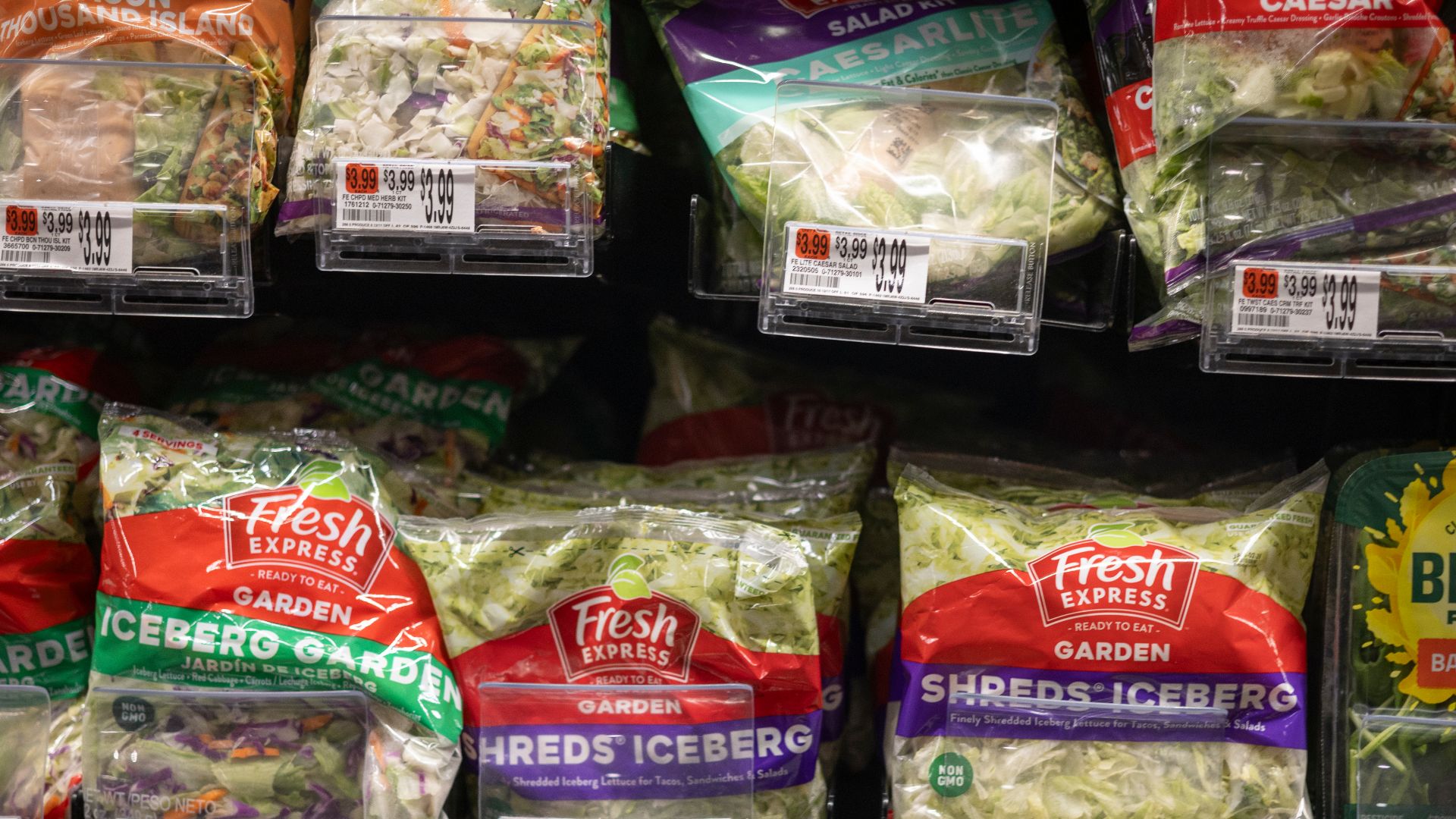
Bagged Salad Finally Learned To Breathe
Fresh Express introduced nationally distributed, ready-to-eat bagged salad in 1989. Its breathable packaging allowed oxygen and carbon dioxide to move in carefully controlled amounts, helping leaves stay fresher. Prewashed greens became a practical option for hurried weekday meals.
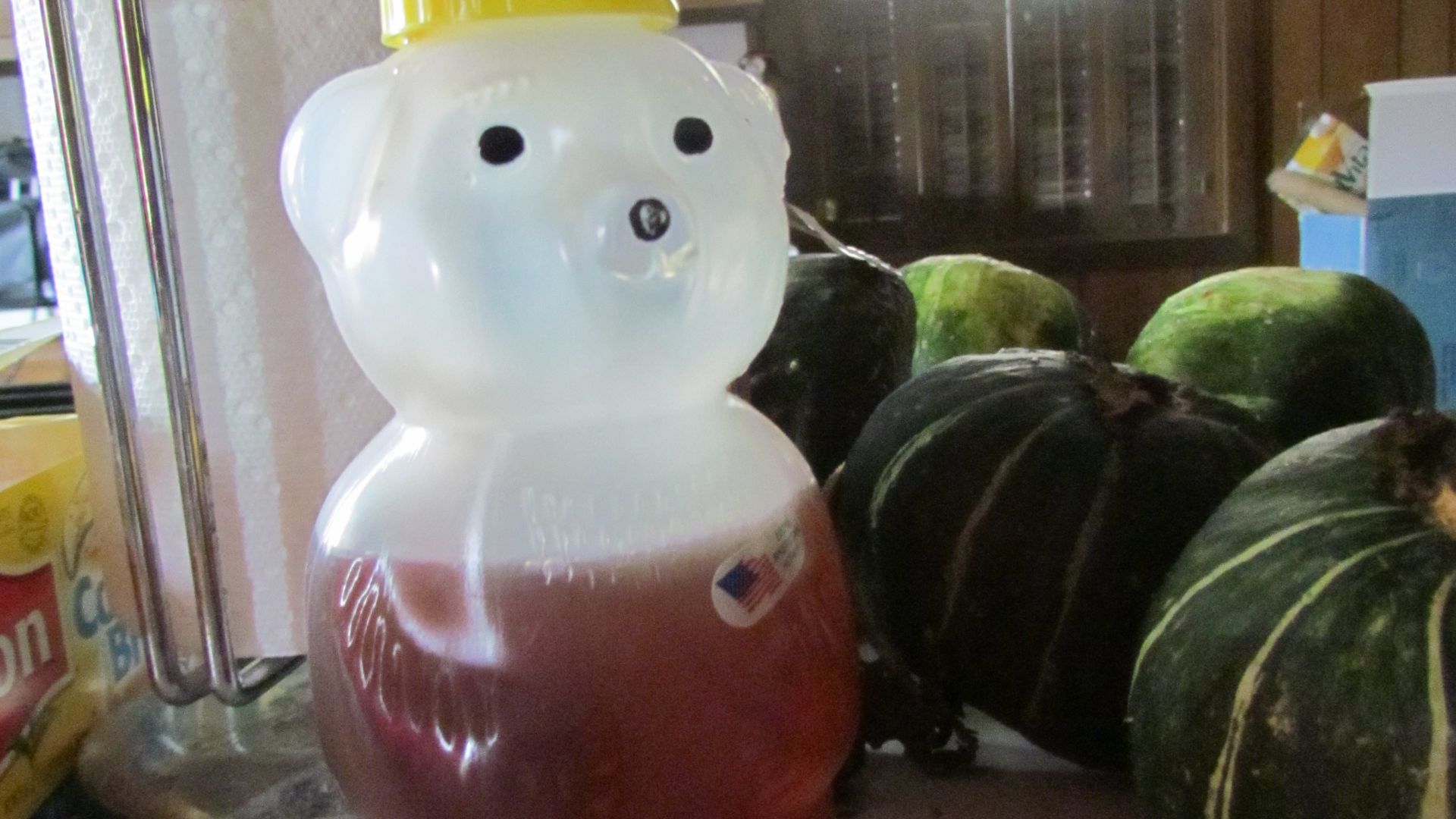
Honey Got A Bear-Shaped Squeeze Bottle
Ralph and Luella Gamber introduced their plastic honey bear in 1957. The squeezable, recognizable package made pouring honey easier and gave Dutch Gold Honey a memorable identity. What began as a playful container helped turn a family business into a major brand.
 ParentingPatch, Wikimedia Commons
Capri Sun Made Drinks Flexible
Capri Sun debuted in Germany in 1969 with drinks sold in lightweight, stand-up pouches. The alternative to heavier bottles was easy to carry and distinctive on shelves. That flexible package became inseparable from the brand's appeal to families worldwide.

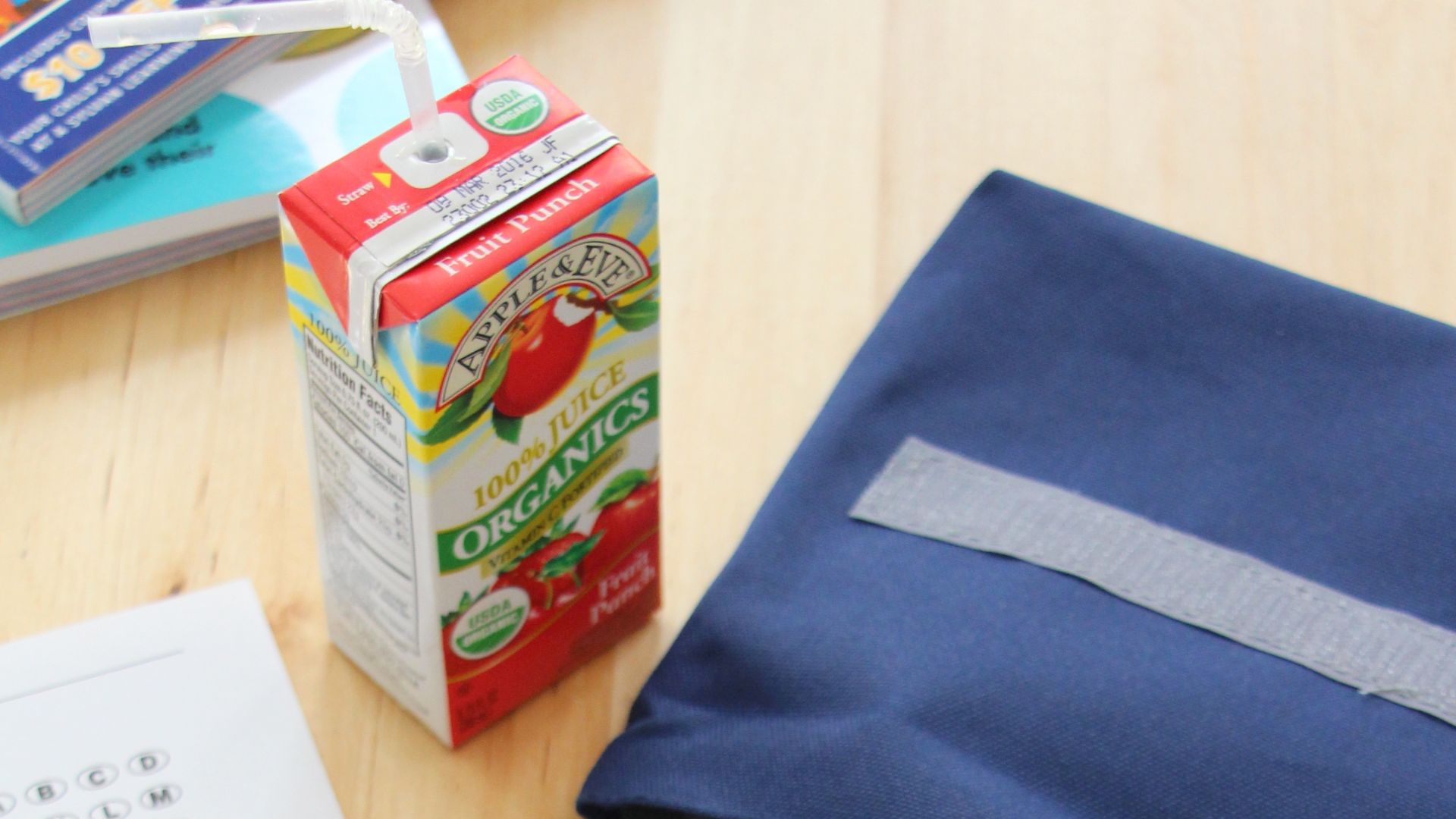
Juice Boxes Fit Inside Lunch Bags
The small Tetra Brik Aseptic carton, introduced in the 1970s, helped make single-serving juice portable and shelf-stable. Its layered structure protected the drink without constant refrigeration before opening. Brightly printed boxes soon appeared in school lunches.
 Personal Creations, Wikimedia Commons
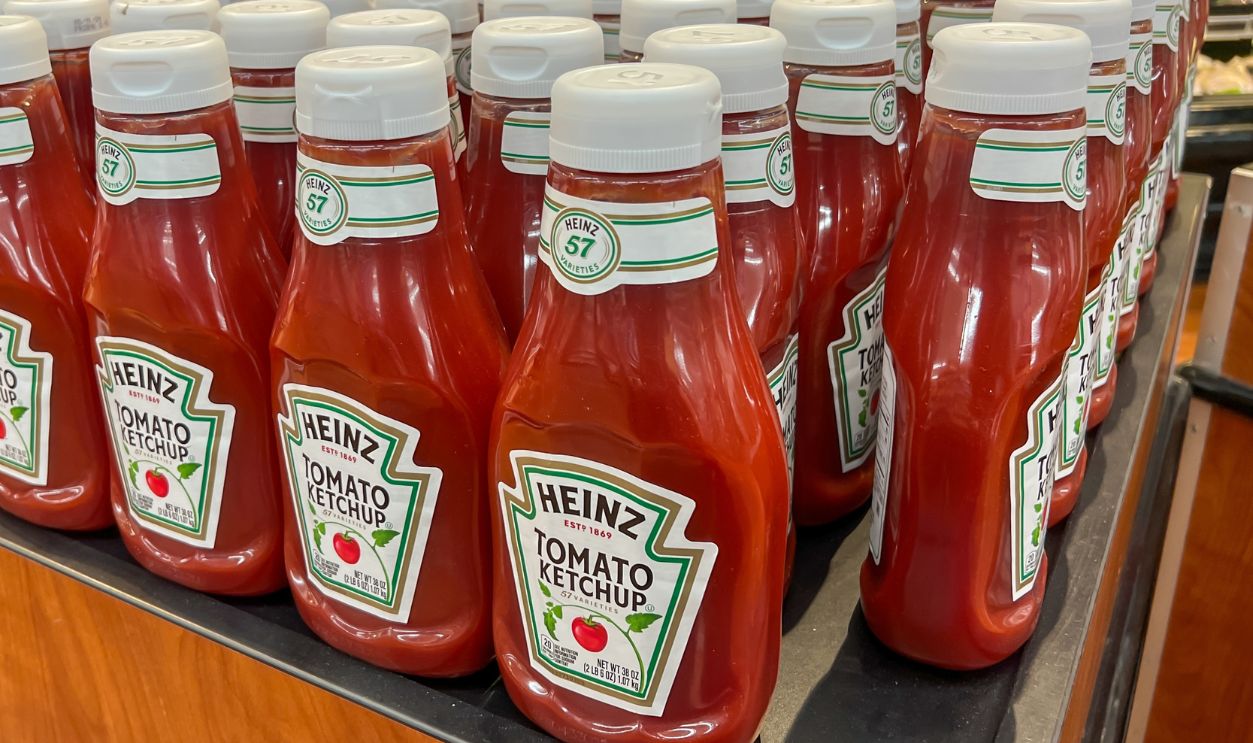
Ketchup Became Easier To Squeeze
Heinz introduced its plastic squeeze bottle in 1983, challenging the traditional glass ketchup bottle. The lighter package was easier to handle, cheaper to ship, and less vulnerable to breakage. By 1985, the new format had already captured a share of Heinz's bottle sales.
You May Also Like: