When Shopping Came Knocking
Before subscription boxes and automatic deliveries, American households had another convenient shopping system: the traveling salesperson. From milkmen to Avon representatives, familiar faces brought everyday necessities directly to customers. Today, technology has revived many of these old-fashioned services, usually without the friendly doorstep conversation.
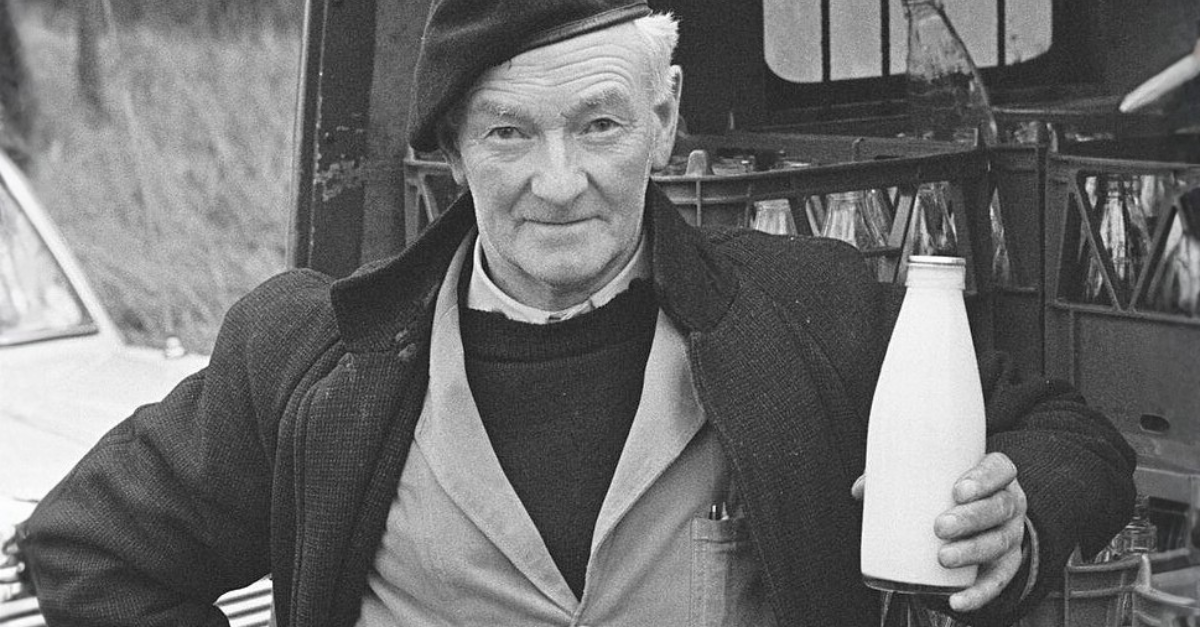
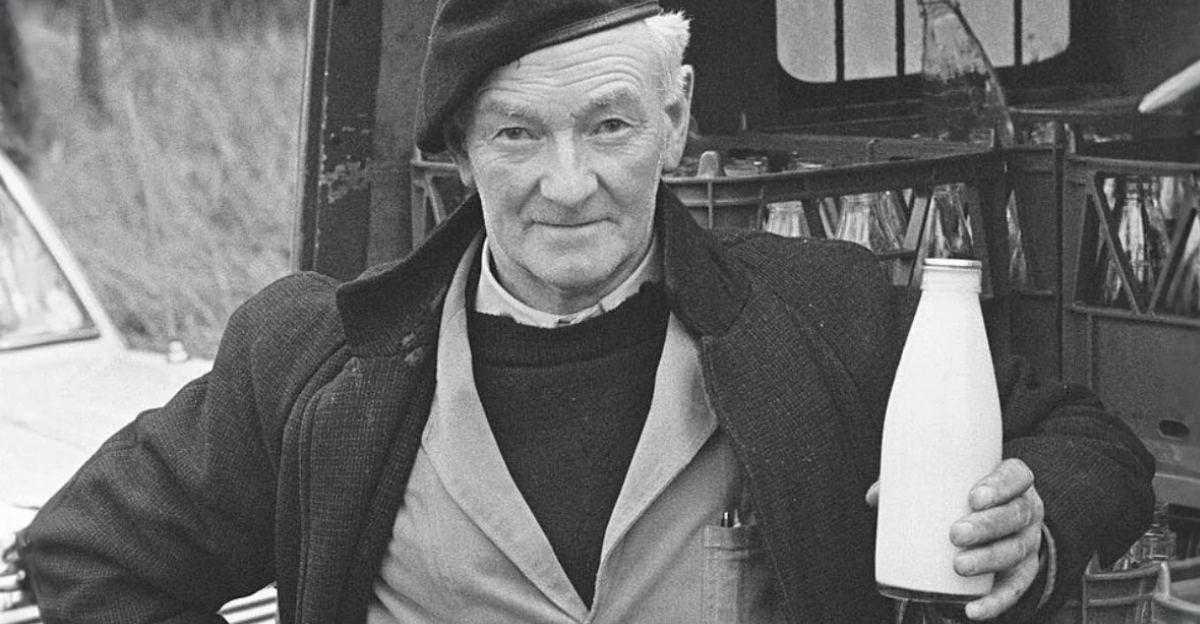 National Library of Wales, Wikimedia Commons
Fresh Milk
In the 1950s, more than half of consumer milk sales came through home delivery. Milkmen collected empty bottles and delivered fresh replacements on regular routes. Today, services like Modern Milkman have revived weekly doorstep deliveries, complete with reusable glass bottles.
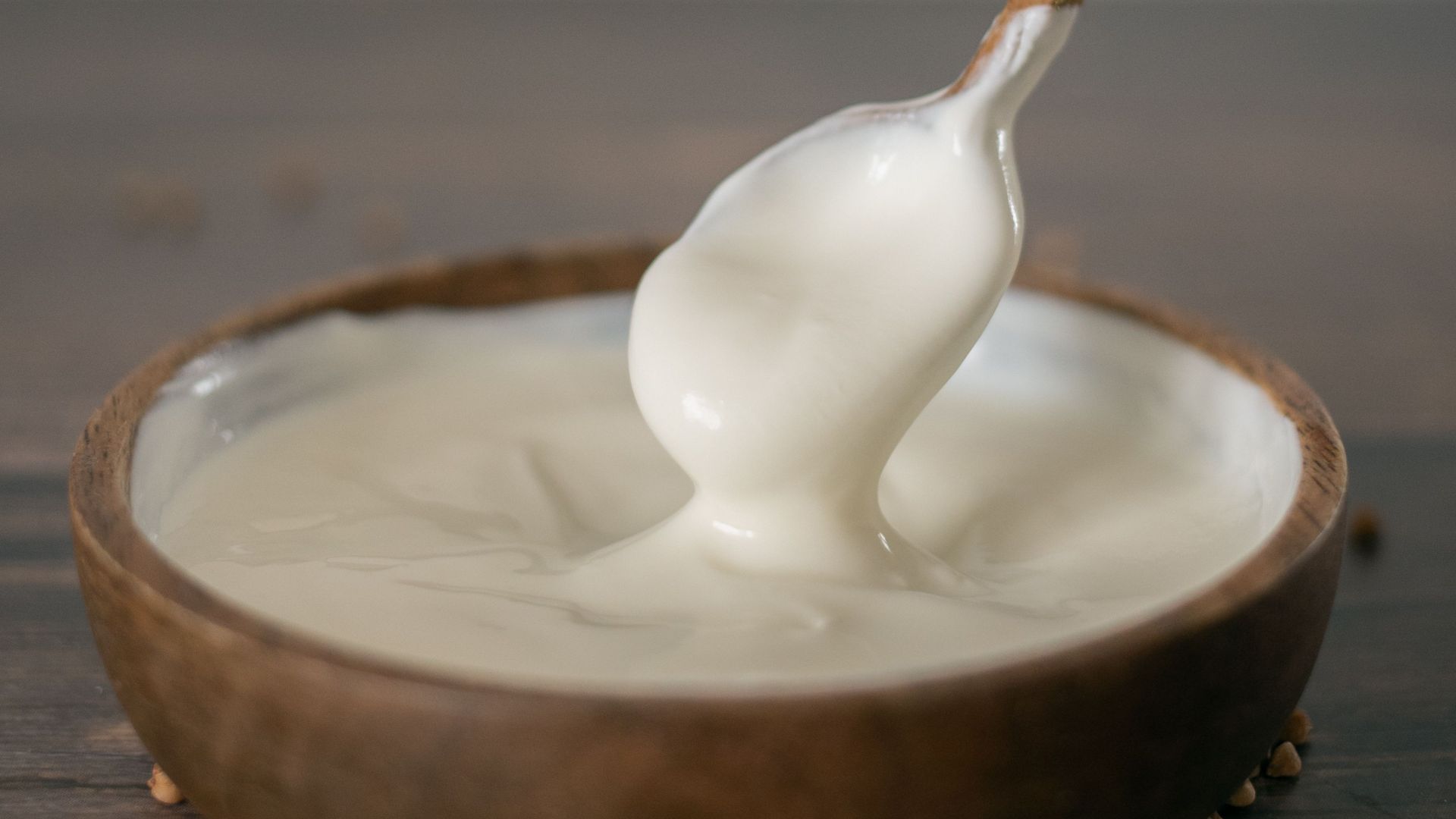
Heavy Cream
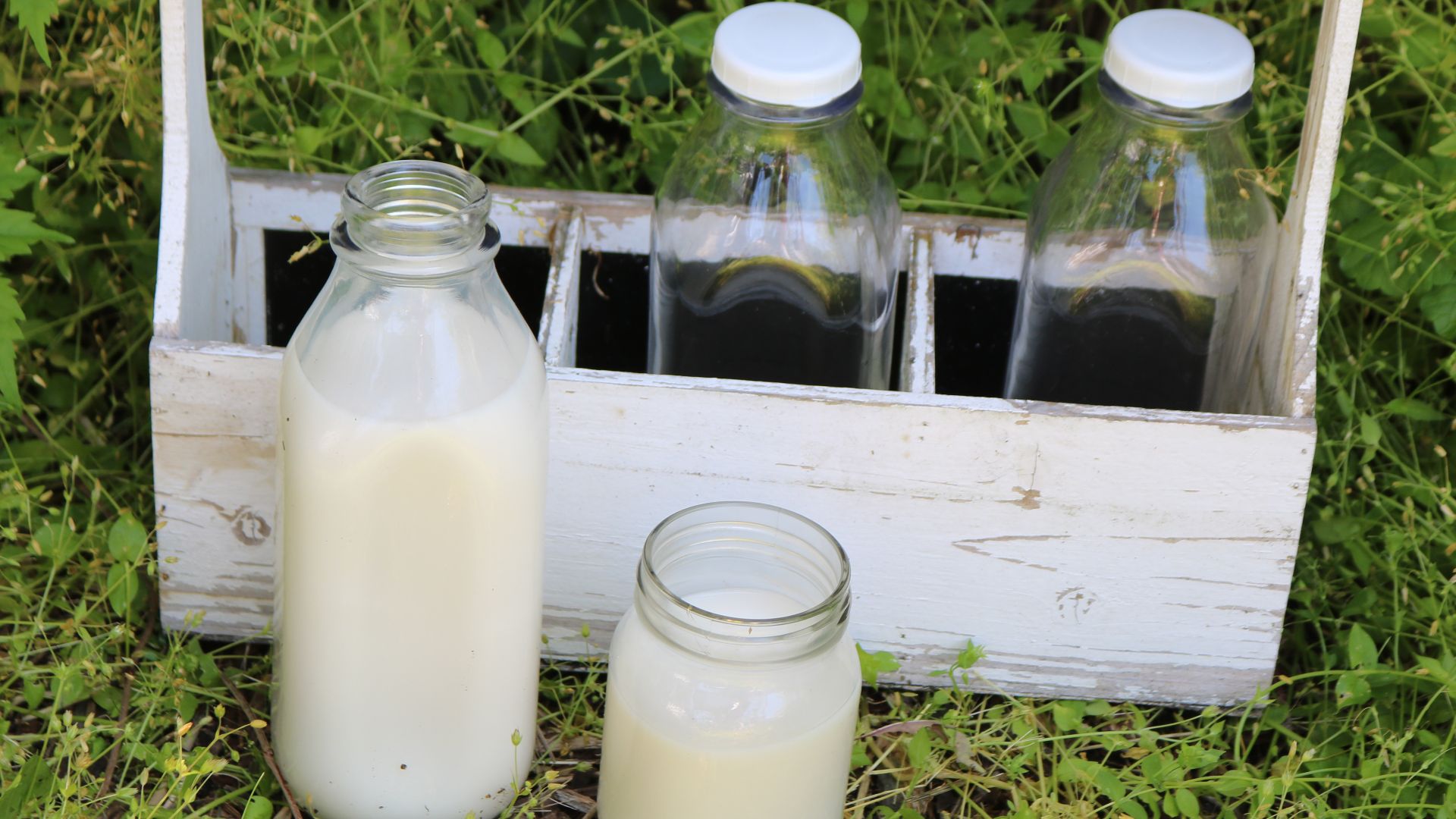
Milk routes carried more than ordinary drinking milk. Customers could also purchase sweet cream and sour cream, often directly from the person making deliveries. Modern dairy delivery services offer similar products through recurring orders, letting customers restock without visiting a supermarket.
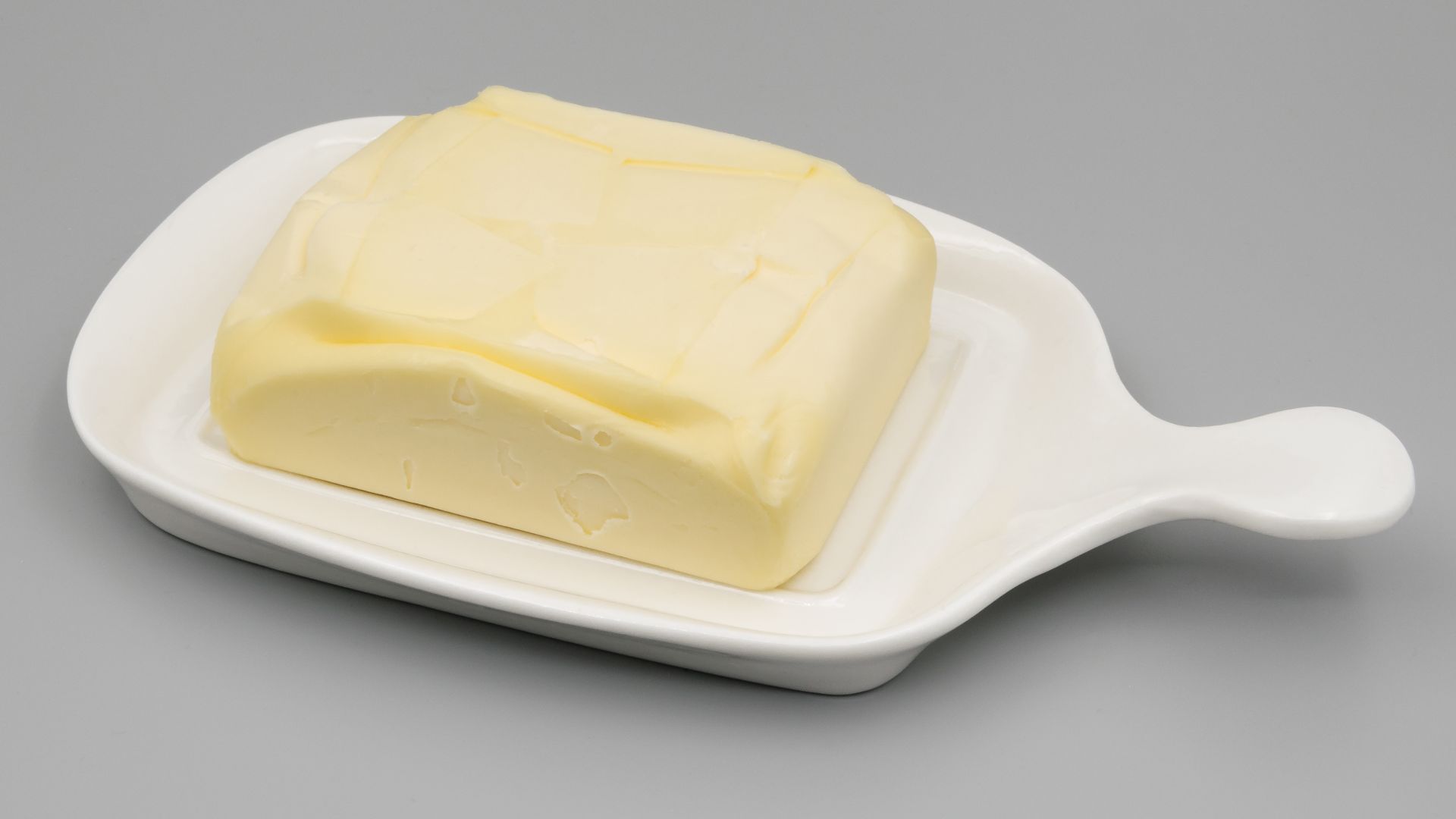
Butter
Butter was another familiar product delivered by neighborhood dairy workers. Some milkmen carried it alongside milk and eggs, saving families an extra shopping trip. Today, companies such as Ploughgate Creamery offer monthly butter subscriptions, including traditional and flavored varieties.
 Jacek Halicki, Wikimedia Commons
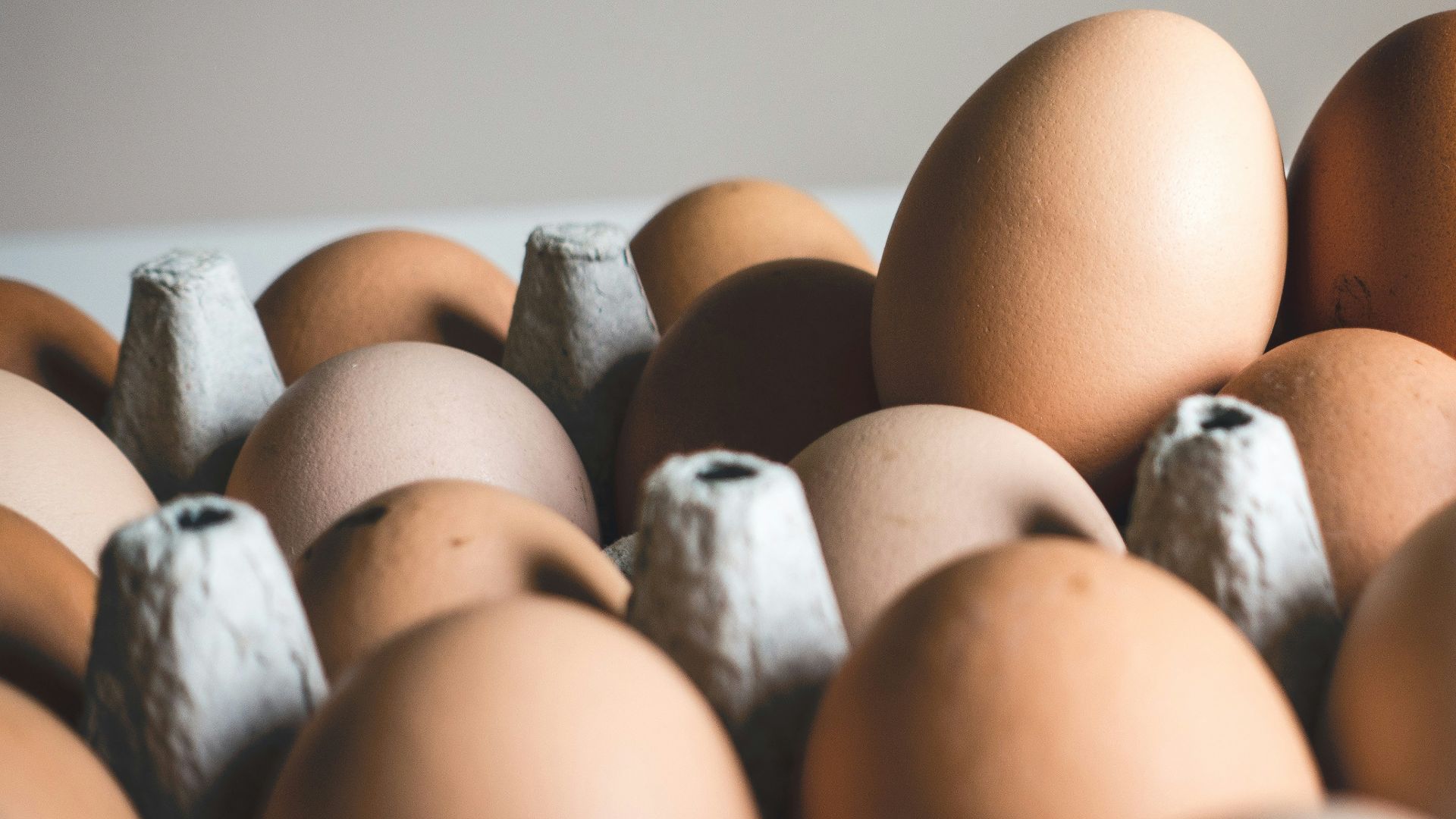
Fresh Eggs
Before supermarkets dominated grocery shopping, eggs frequently arrived alongside other dairy products. Milkmen knew their customers' regular orders and could supply household staples during routine visits. Modern farm subscription boxes similarly combine fresh eggs with bread, produce, and other groceries.
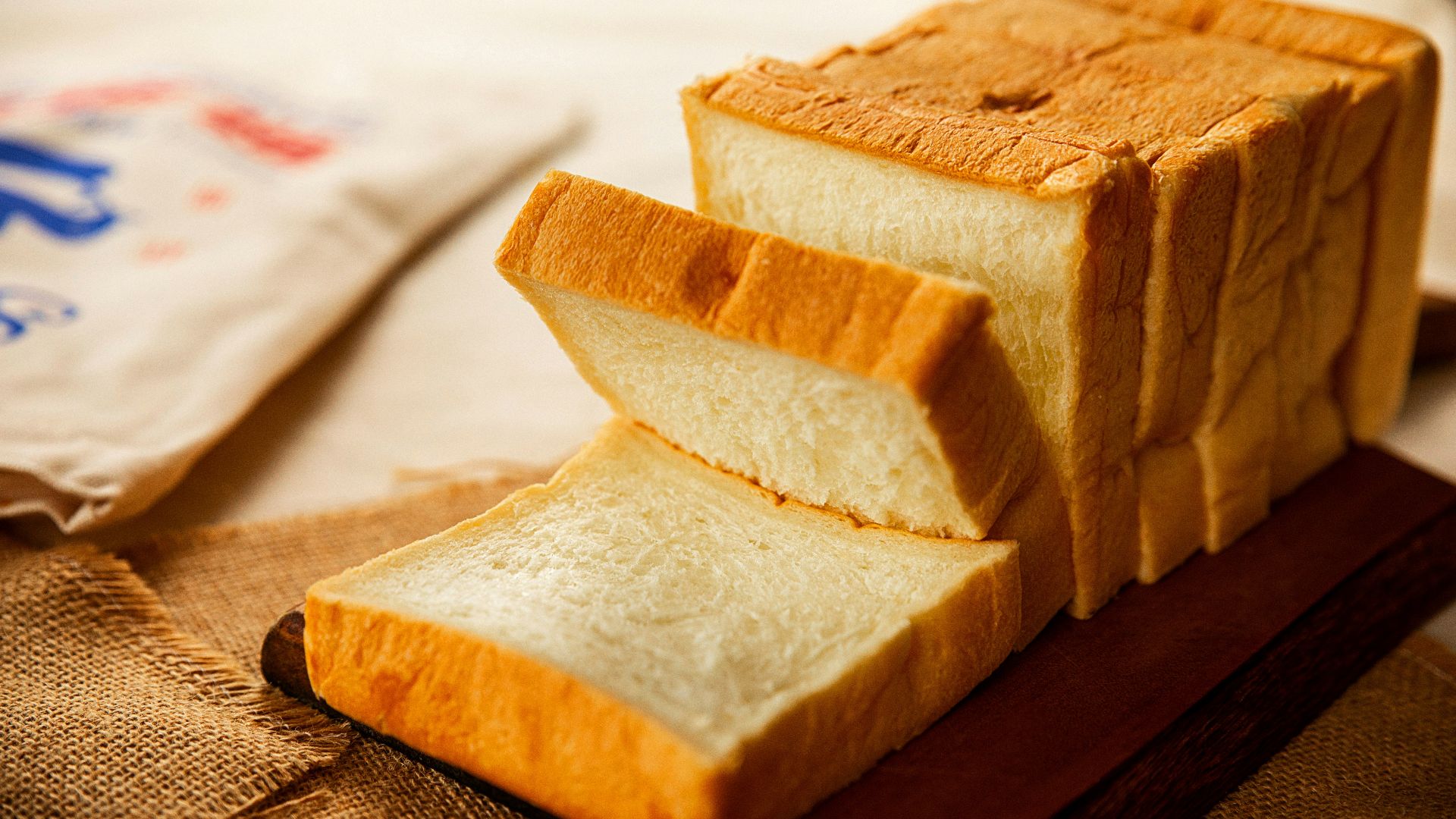
Fresh Bread
Southern California's famous Helms Bakery operated neighborhood delivery trucks from 1931 to 1969. Drivers sold freshly baked loaves directly to households, following familiar routes. Today, farm-to-door subscription services can include bakery bread in scheduled grocery deliveries.
Cakes And Pastries
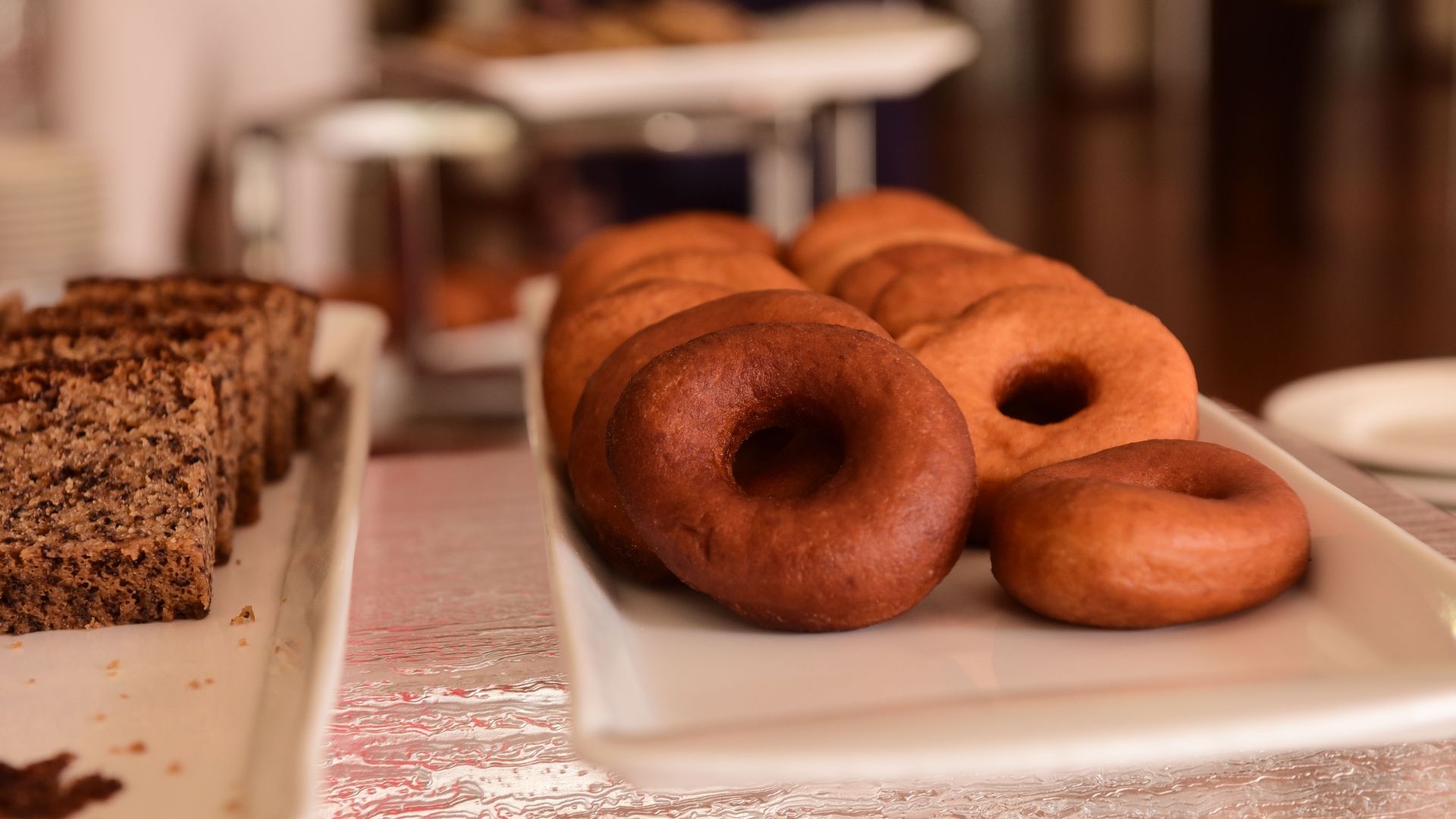
Helms Bakery trucks also carried cakes, doughnuts, and pastries in specially designed wooden drawers. Customers could choose treats when the delivery driver stopped outside. Modern pastry subscriptions offer a similar indulgence, with curated baked goods arriving at scheduled intervals.
Fresh Fruit
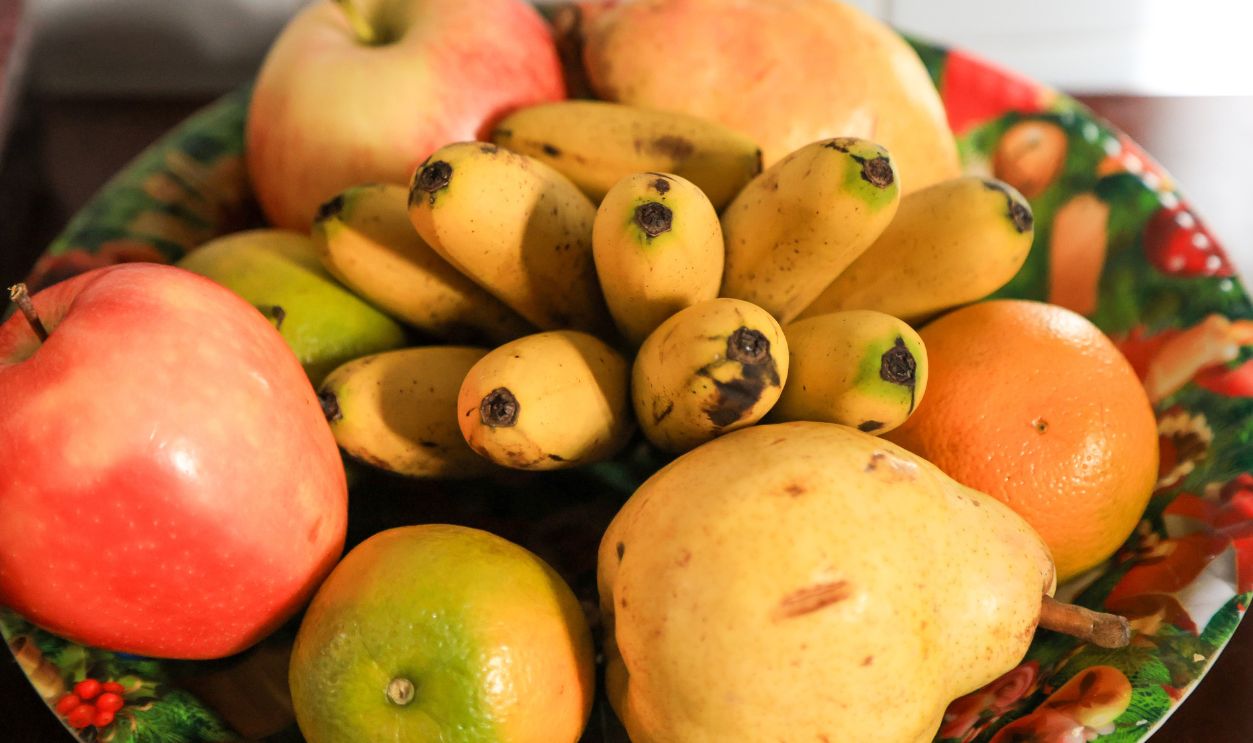
Fruit peddlers once traveled through American neighborhoods with produce loaded into wagons and carts. Customers could purchase seasonal selections without leaving home. Today's farm subscription boxes deliver assorted fruit directly to participating households, replacing the neighborhood vendor with online ordering.
 Bruno Martins Imagens, Shutterstock
Fresh Vegetables
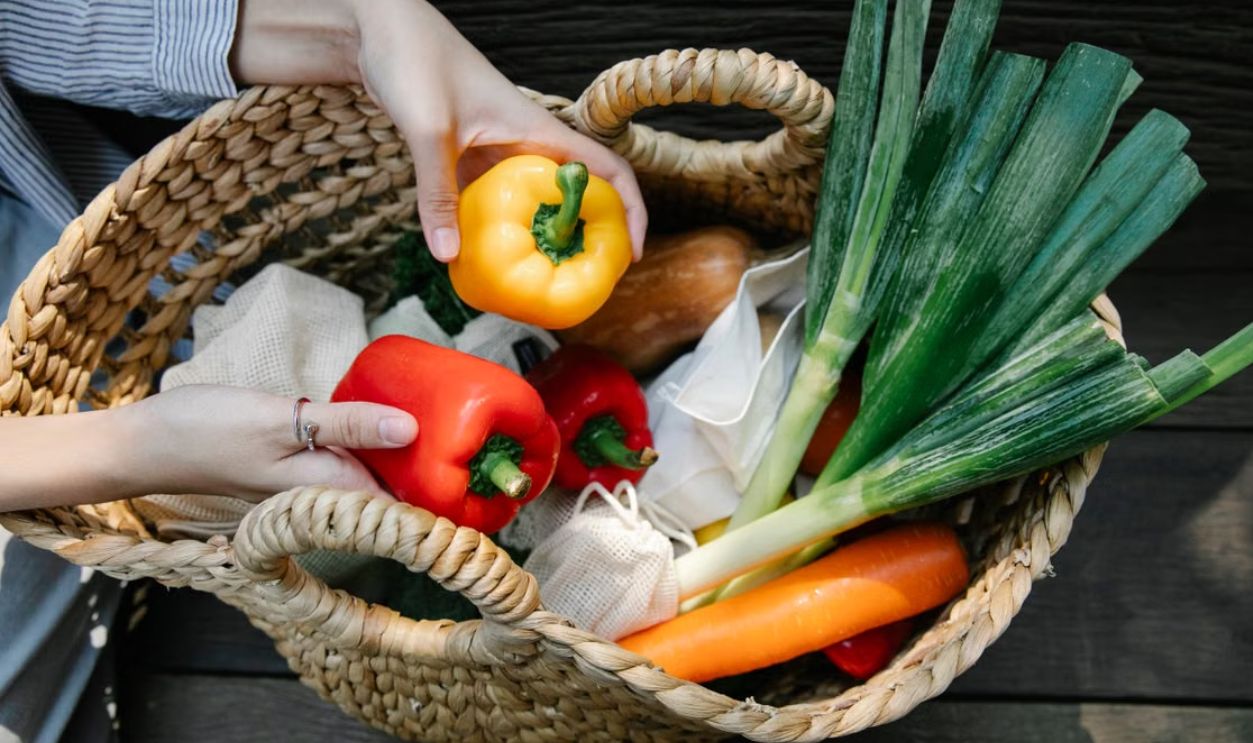
By 1880, Chinese vendors operated most of the recorded vegetable-peddling businesses in Los Angeles. Their door-to-door trade helped supply growing neighborhoods. Modern produce subscriptions follow a recognizable model, delivering rotating selections of seasonal vegetables from participating farms.
Meat By The Box
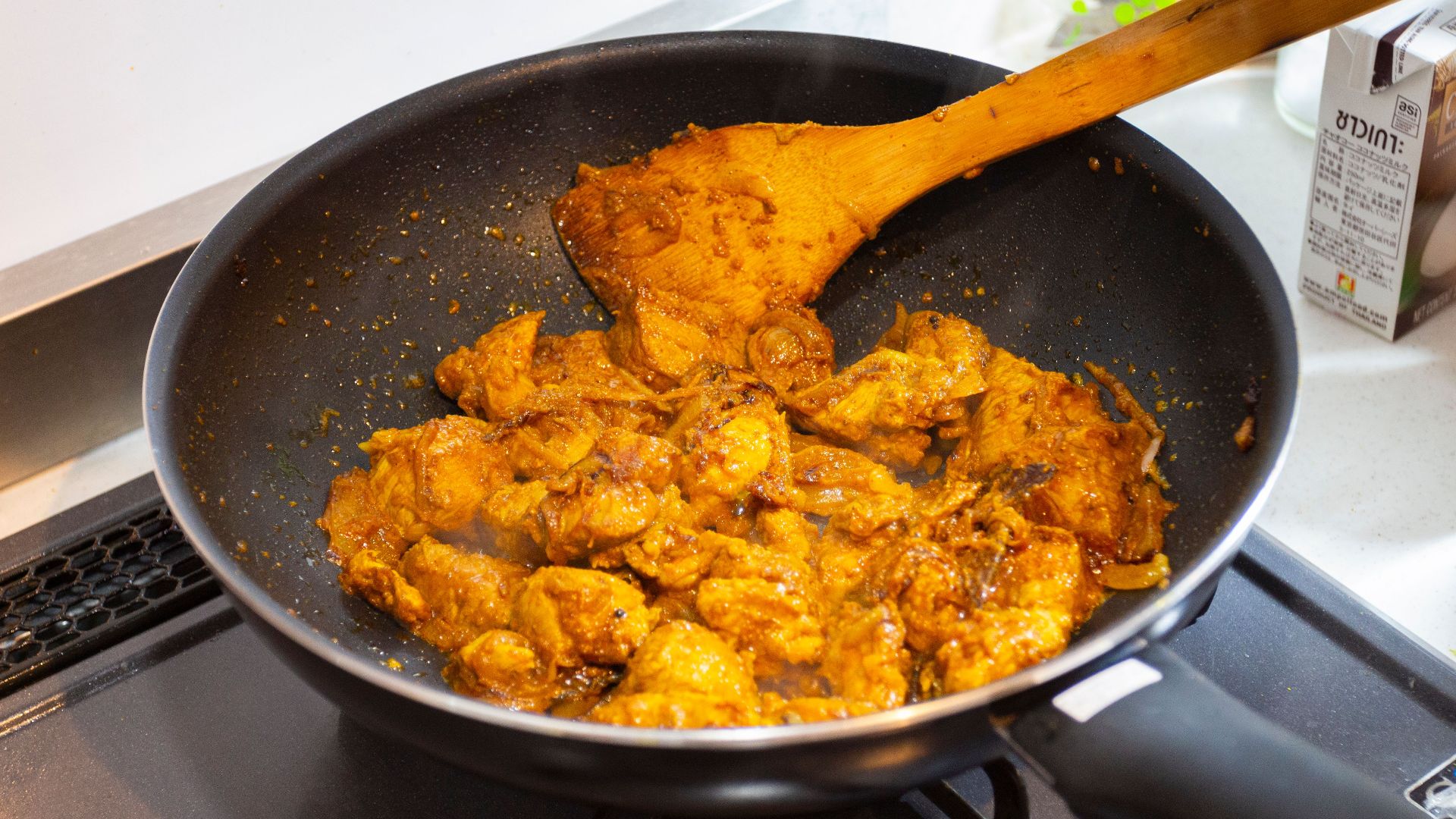
Schwan's delivery drivers once brought frozen chicken and other meats to households on established routes. Instead of choosing from a truck's inventory, customers can now subscribe to ButcherBox for recurring deliveries of beef, chicken, pork, and other proteins.
Fish And Seafood
Schwan's added fish to its home-delivery offerings in 1962, giving customers another reason to welcome the familiar delivery truck. Today, MilkRun offers wild-caught fish in customizable farm subscription boxes, with seafood selections depending on local availability.
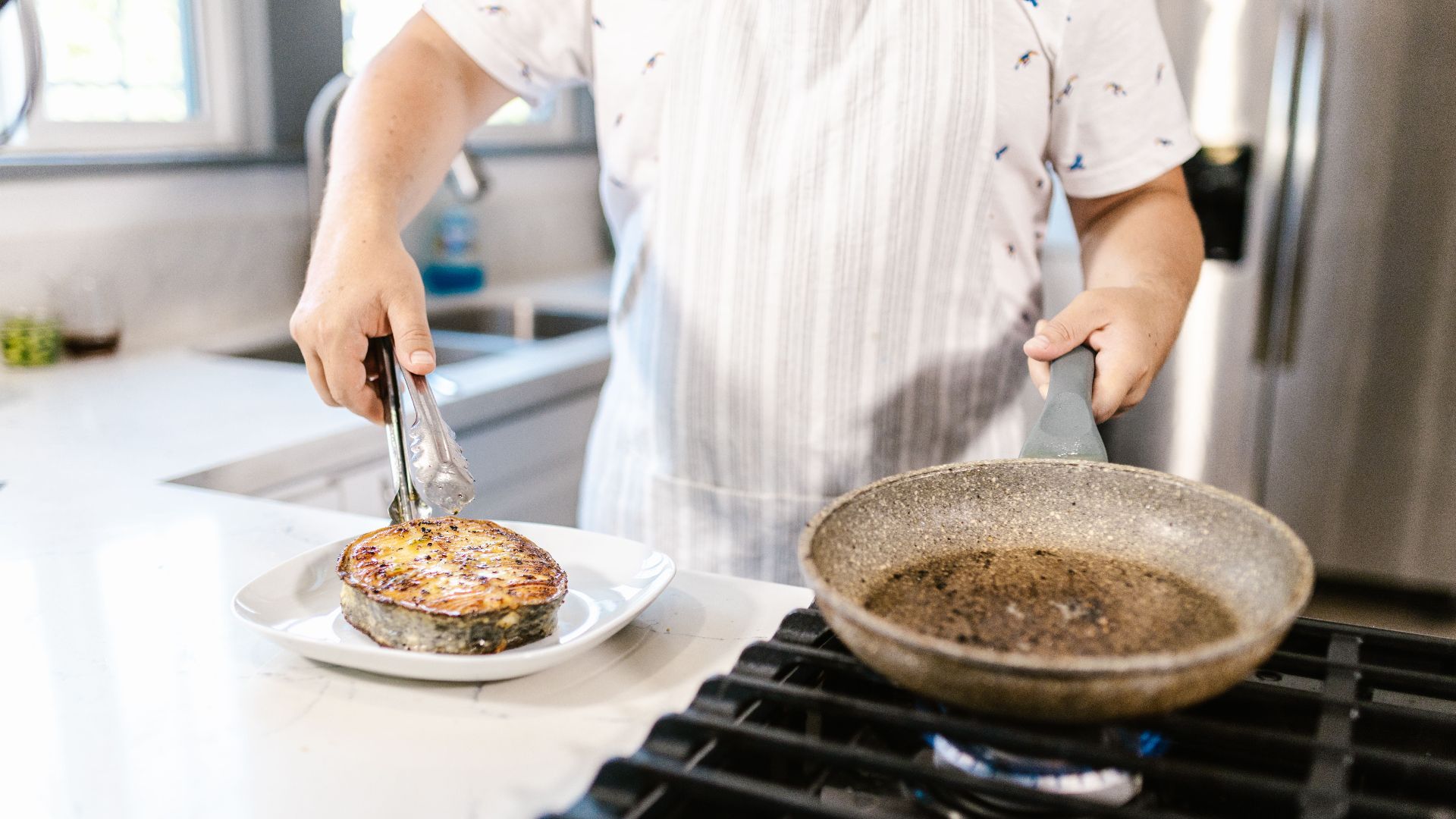
Ice Cream
Marvin Schwan started delivering his family's ice cream to Minnesota households in 1952, carrying just 14 gallons on his first trip. Today, Jeni's Pint Club sends four pints of ice cream to subscribers each month.
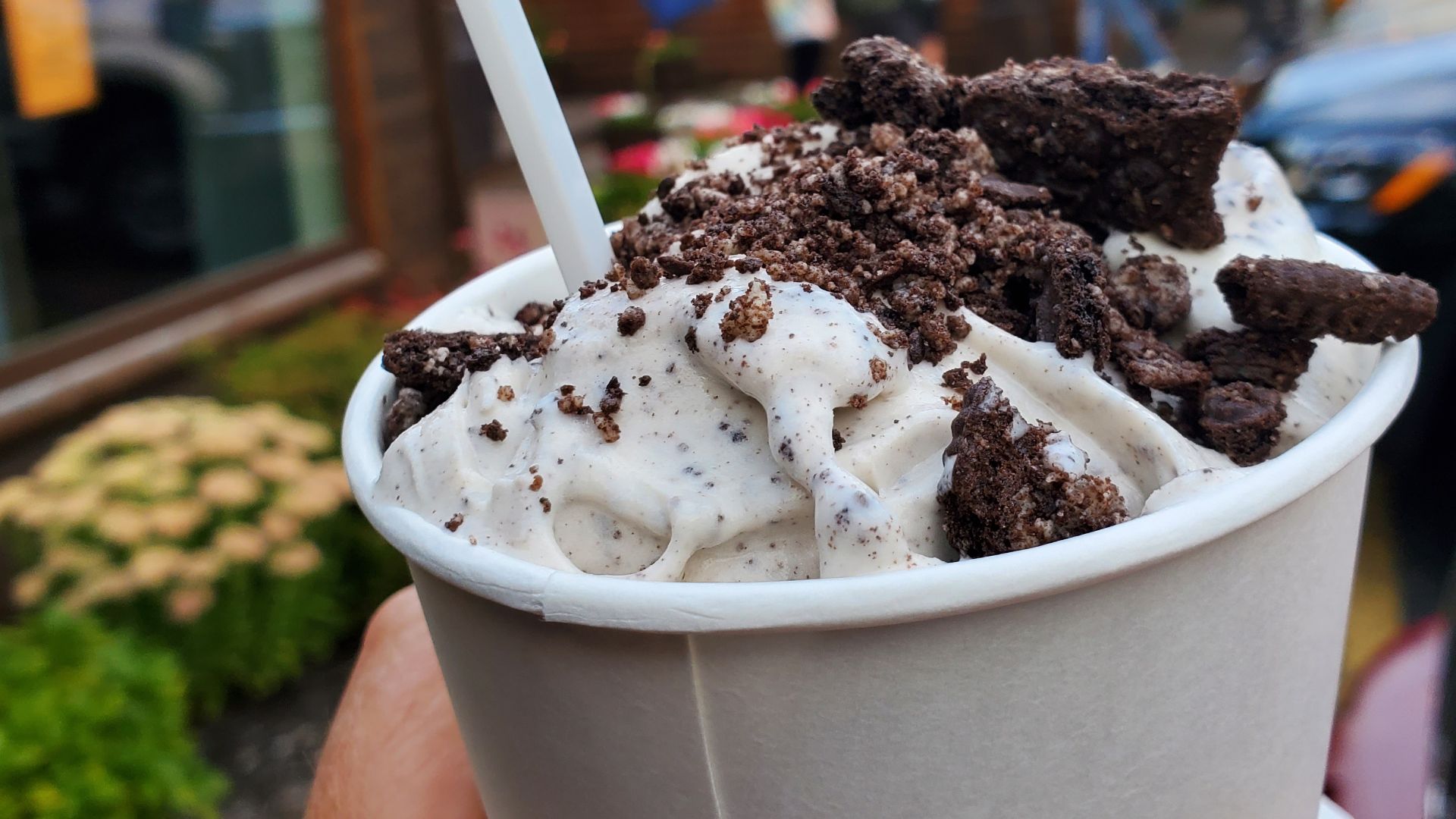
Frozen Pizza
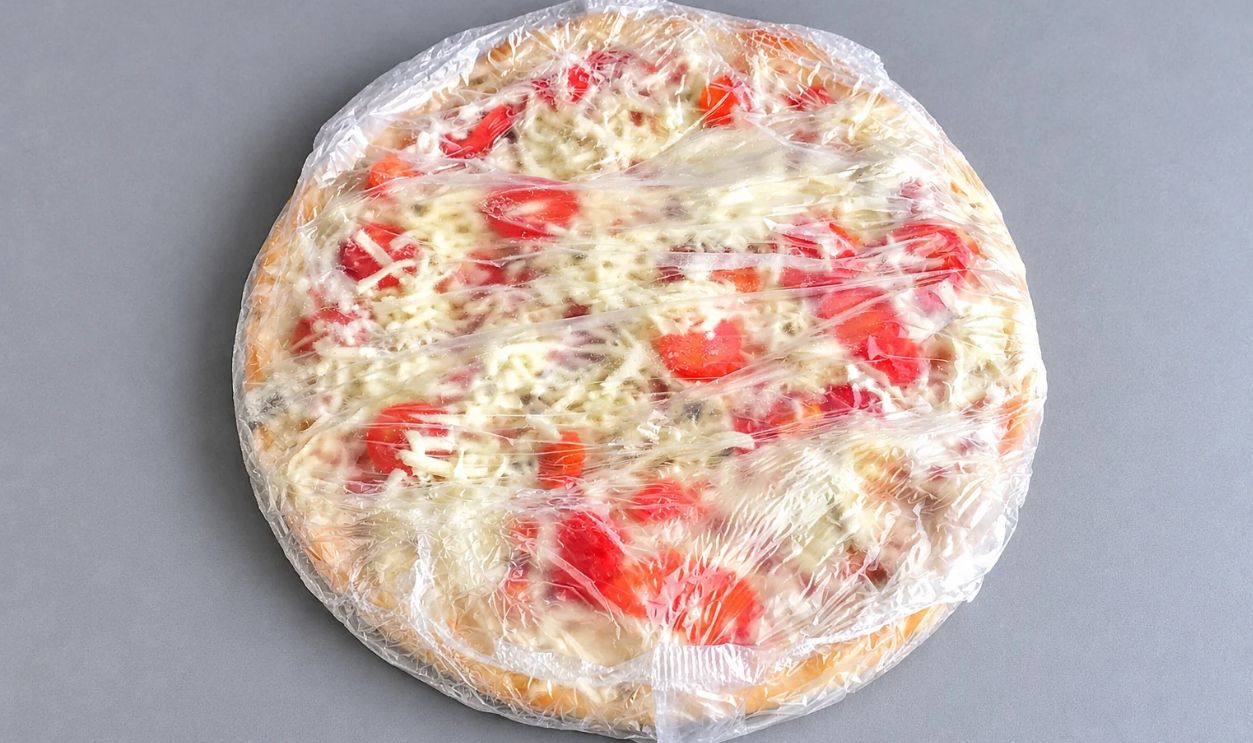
Schwan's began selling frozen pizza from its delivery trucks during the 1960s. Customers could stock their freezers without visiting a grocery store. Today, Goldbelly offers pizza subscriptions featuring selections from restaurants across the country.
 Amin, CC BY-SA 4.0, Wikimedia Commons
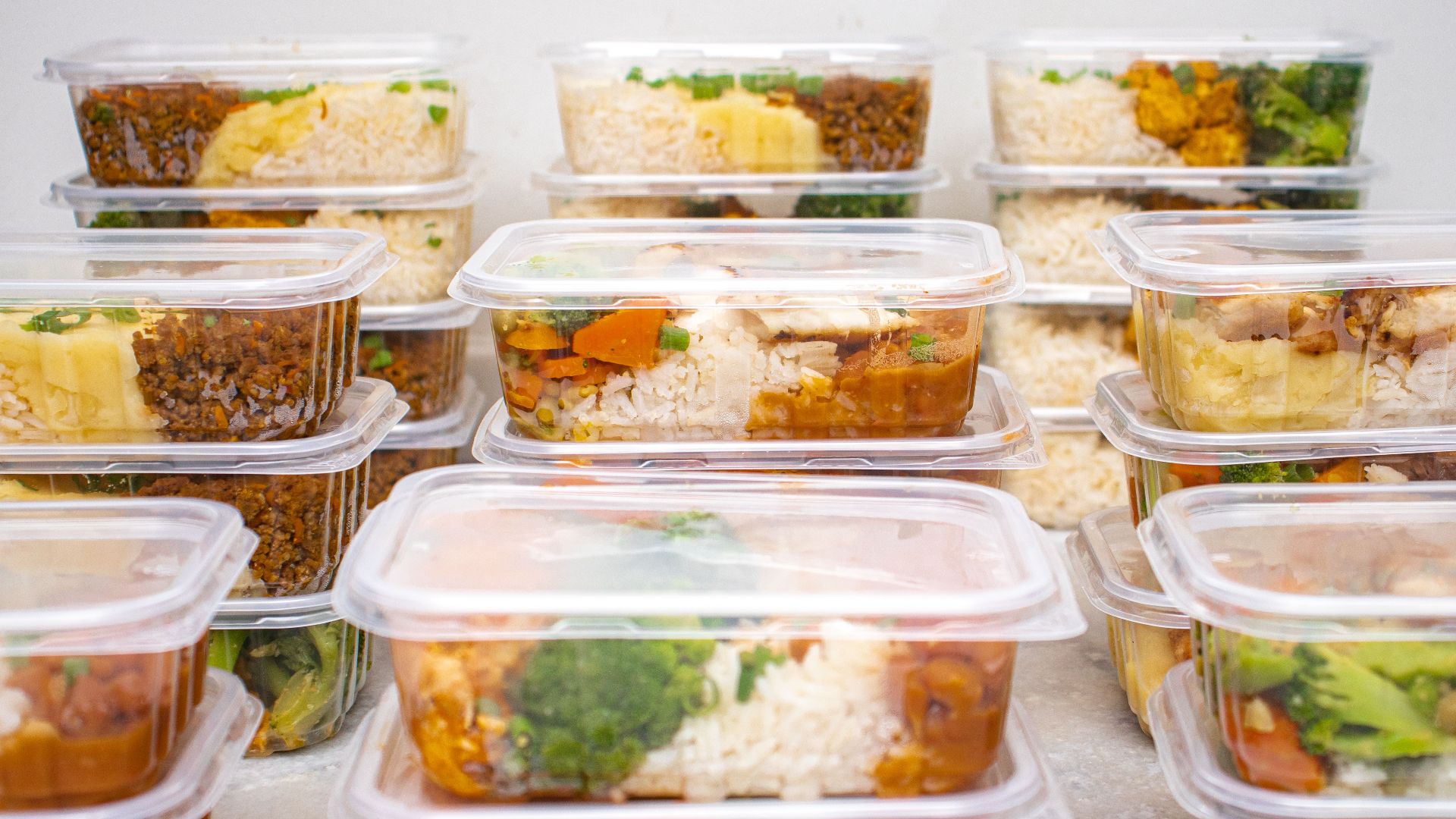
Ready-Made Meals
Schwan's drivers eventually carried casseroles, sandwiches, and other prepared frozen foods alongside their ice cream. Modern services like Factor deliver fully cooked meals on recurring schedules. The main difference? Factor's meals arrive refrigerated rather than frozen.
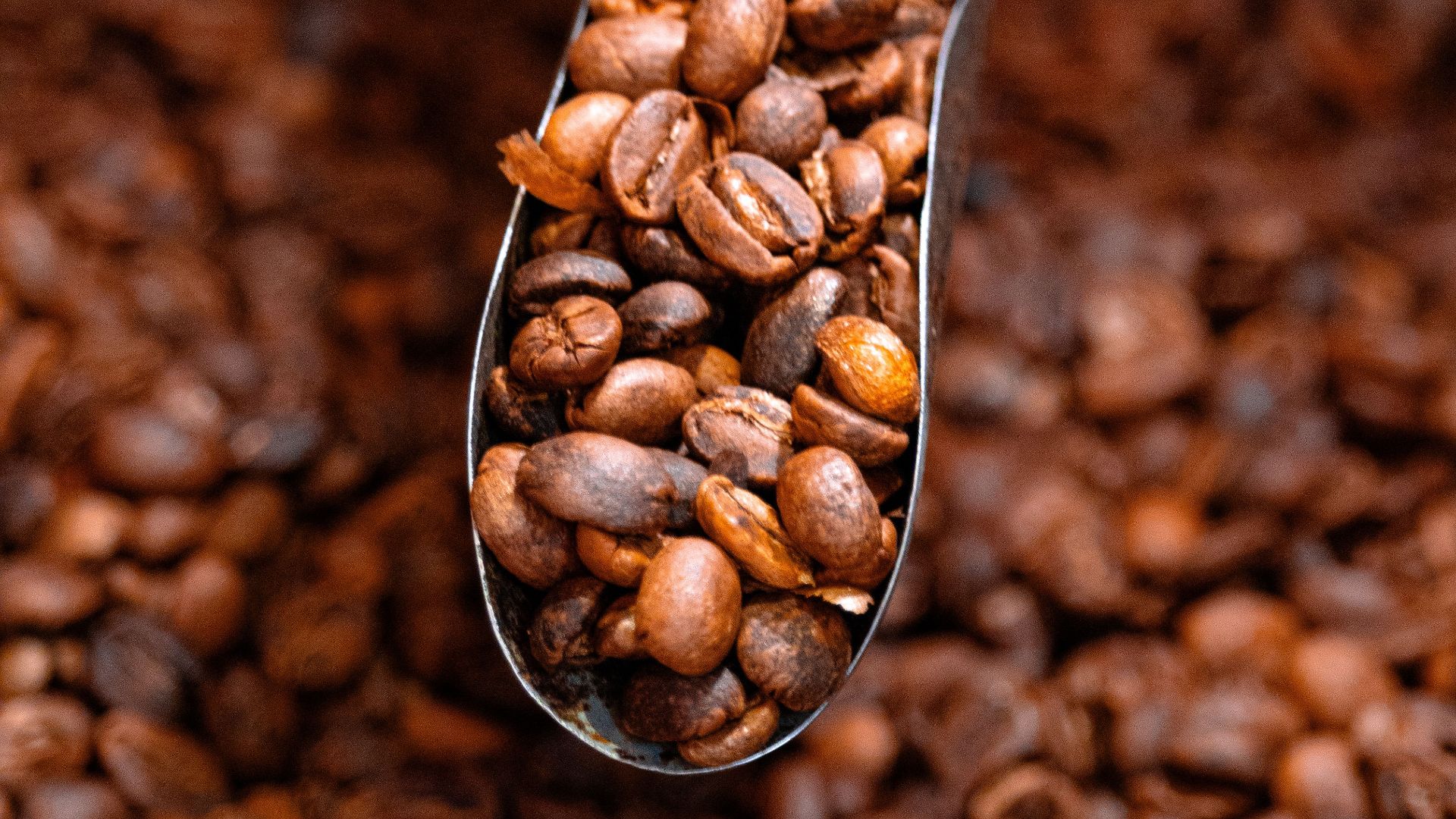
Coffee
The Jewel Tea Company began selling coffee and tea door-to-door in Chicago in 1899. Its salespeople built relationships with customers who regularly purchased household staples. Today, Trade Coffee delivers specialty coffee through customizable subscription plans.
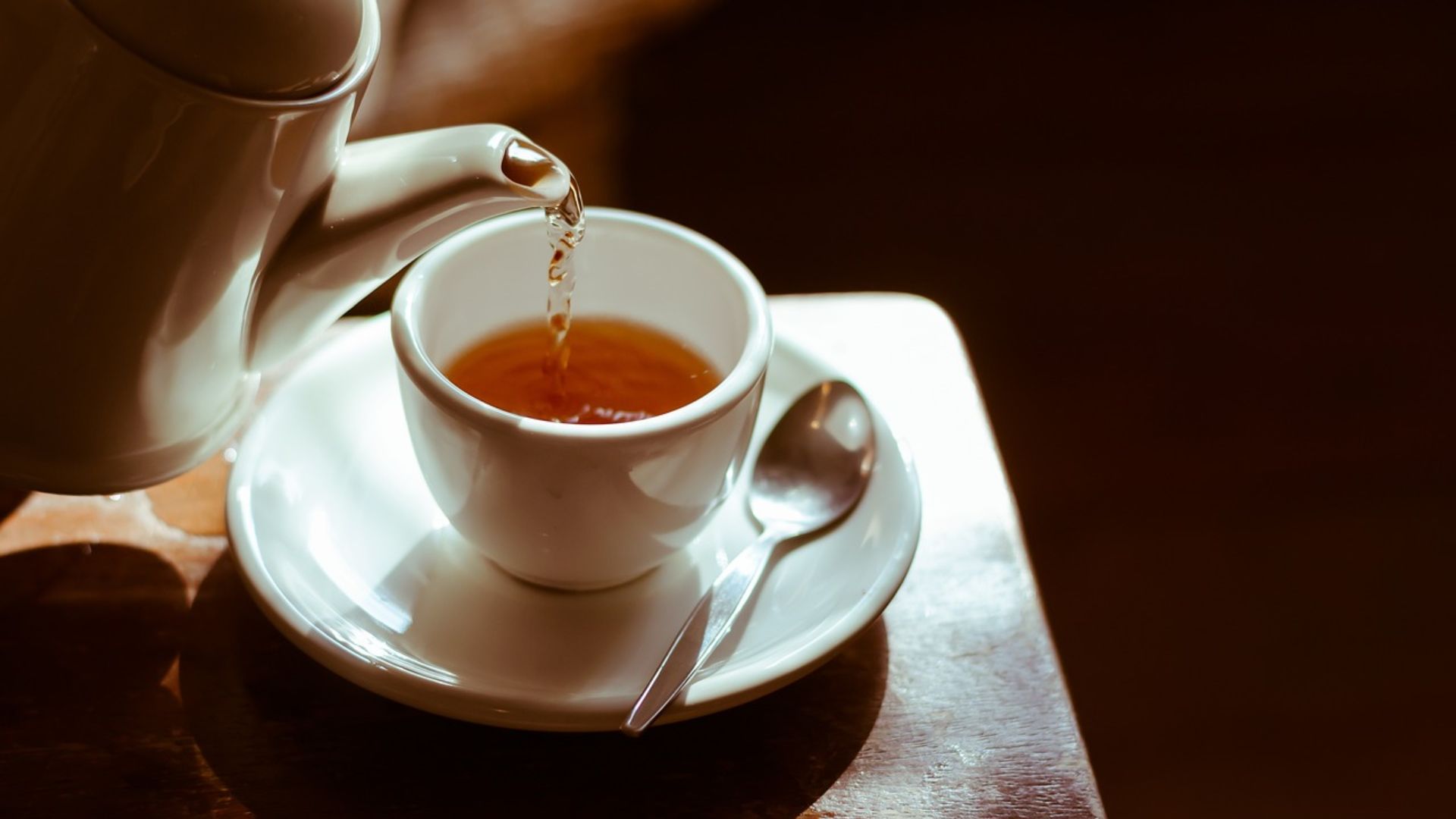
Tea
Jewel Tea customers could purchase tea without setting foot inside a store, often earning loyalty rewards along the way. Today's tea enthusiasts can subscribe to Art of Tea's tea club, receiving rotating selections without meeting a traveling representative.
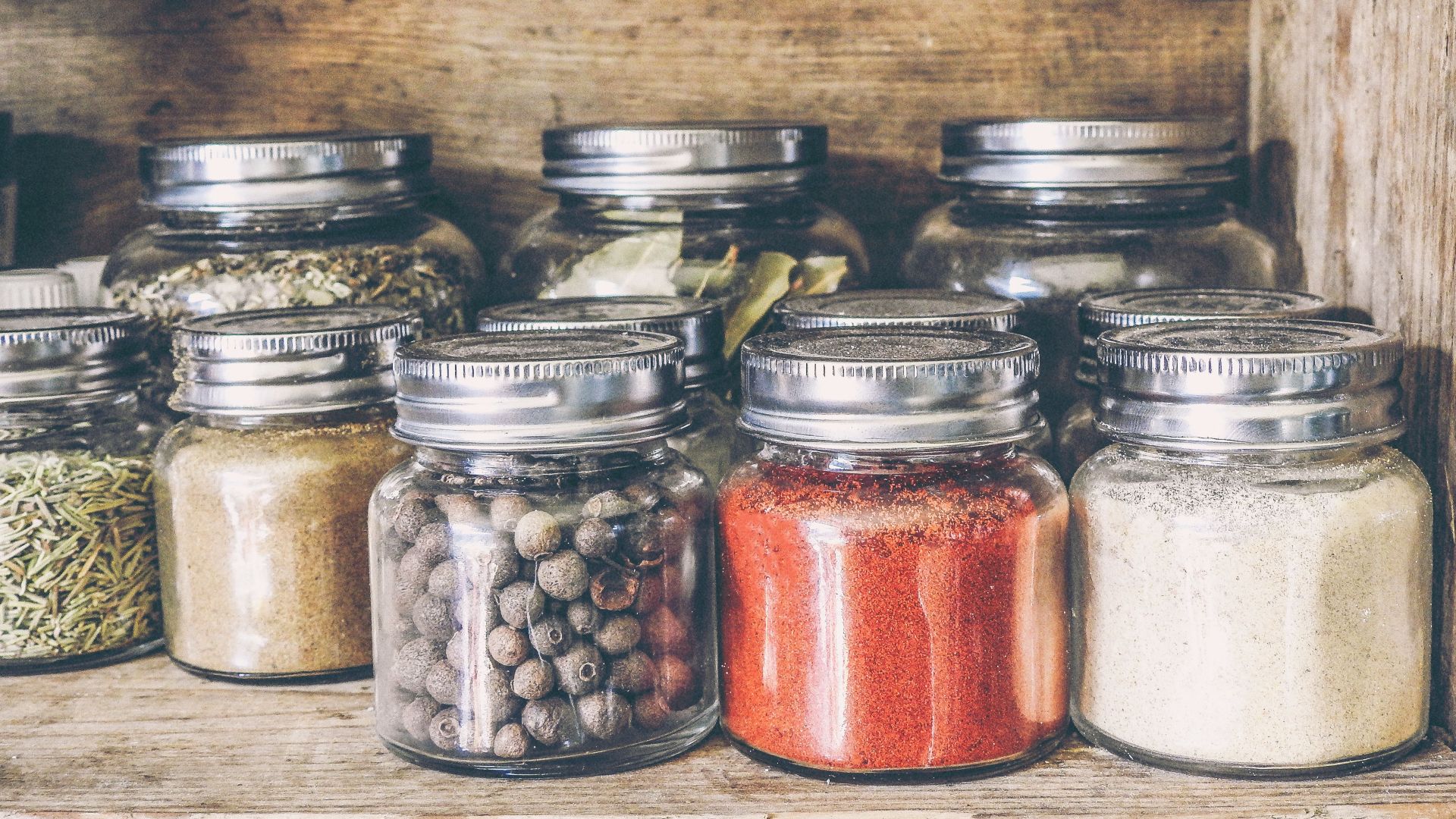
Spices
J.R. Watkins salespeople traveled through neighborhoods in branded wagons, carrying cases filled with extracts, spices, and other merchandise. Modern companies such as The Spice Suite deliver curated spice boxes monthly, replacing product demonstrations with surprise selections.
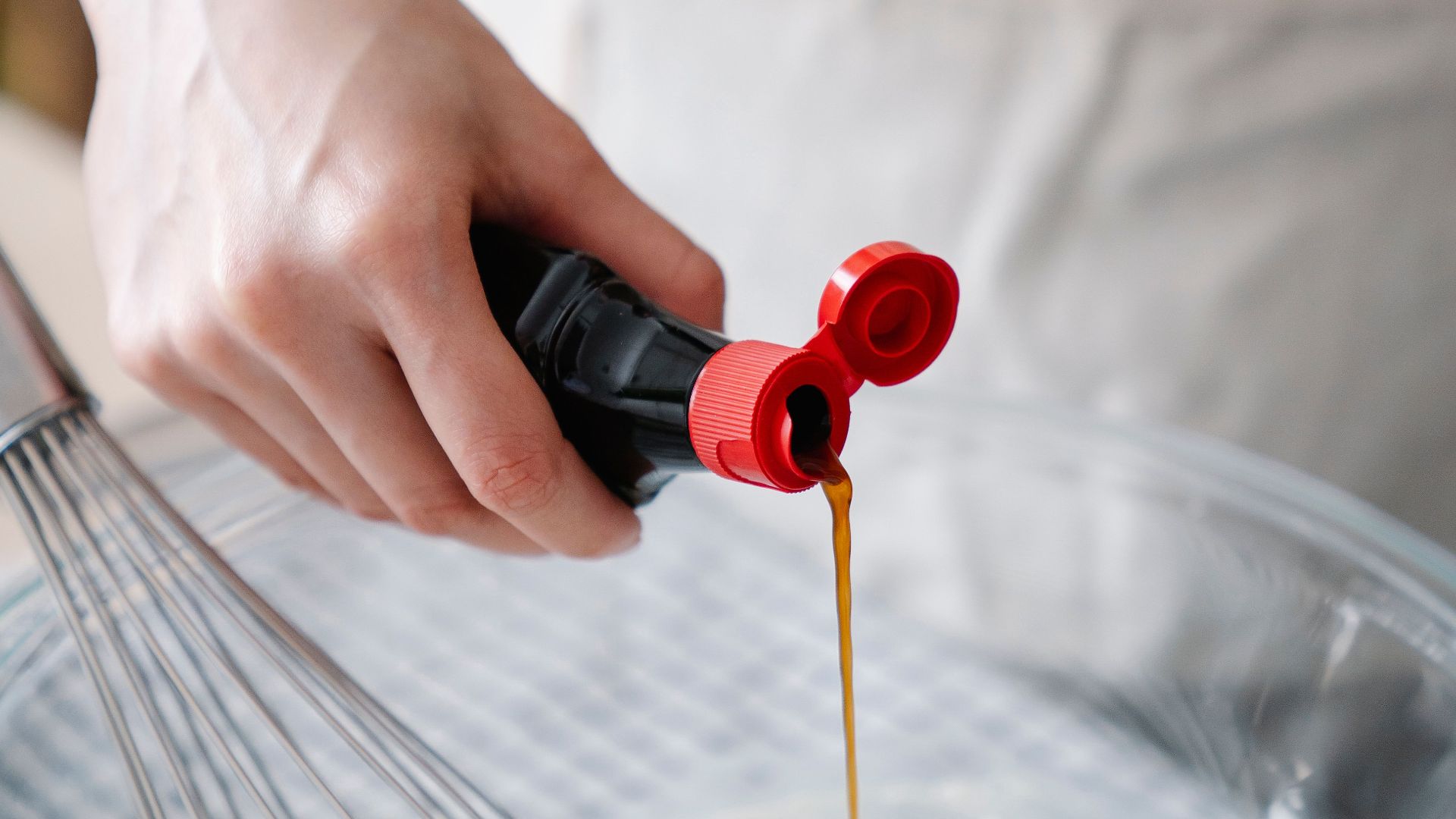
Vanilla Extract
Watkins representatives also offered baking extracts, making vanilla another product families could purchase at their doors. Today, retailers such as Swanson offer recurring delivery options for bottled vanilla extract, helping home bakers keep a familiar pantry staple stocked.
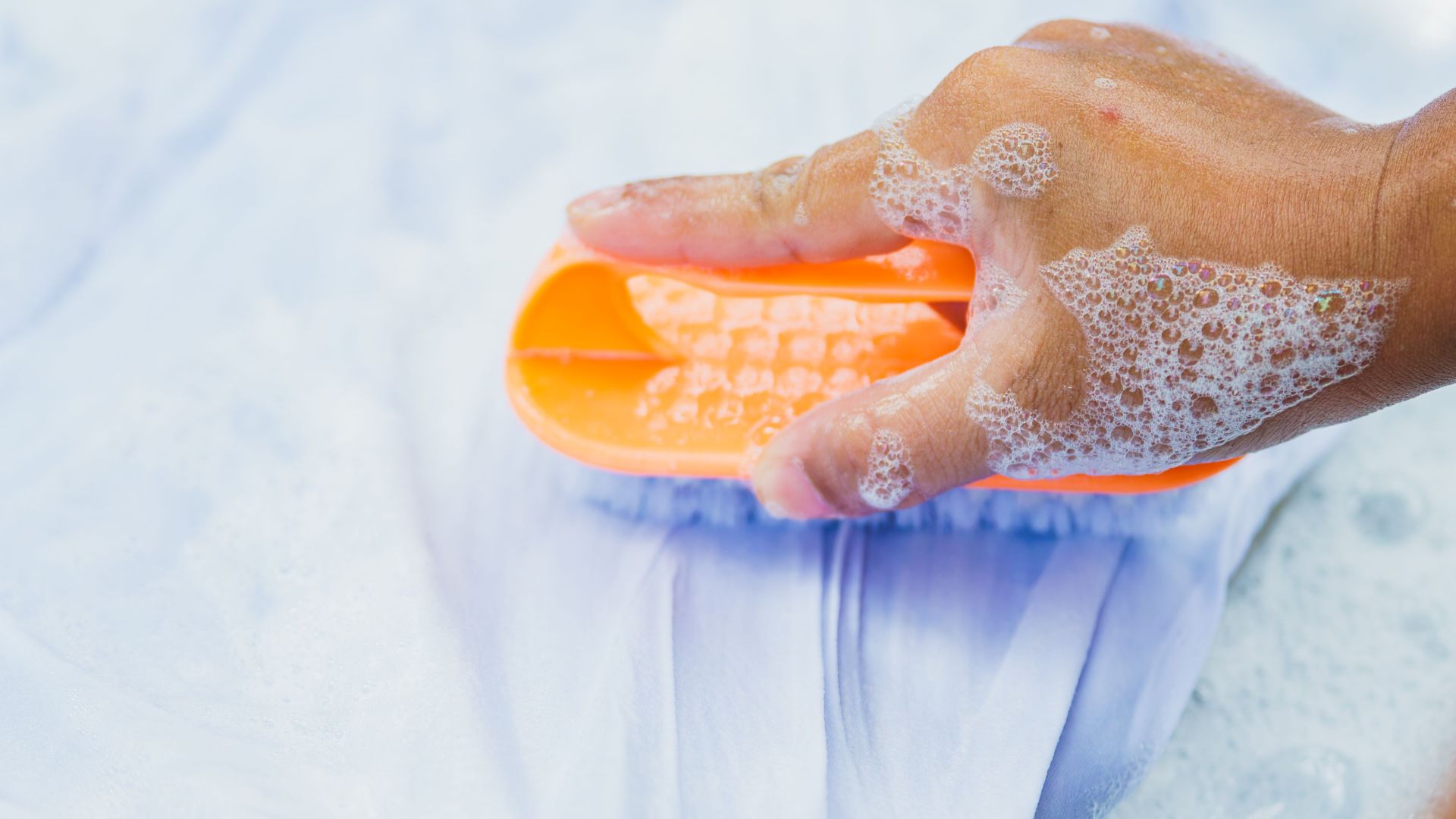
Laundry Soap
The Larkin Company began manufacturing laundry soap in Buffalo in 1875, building an early business around direct sales. Customers once purchased bars from representatives. Today, Blueland offers automatic shipments of laundry-cleaning tablets and other refill products.
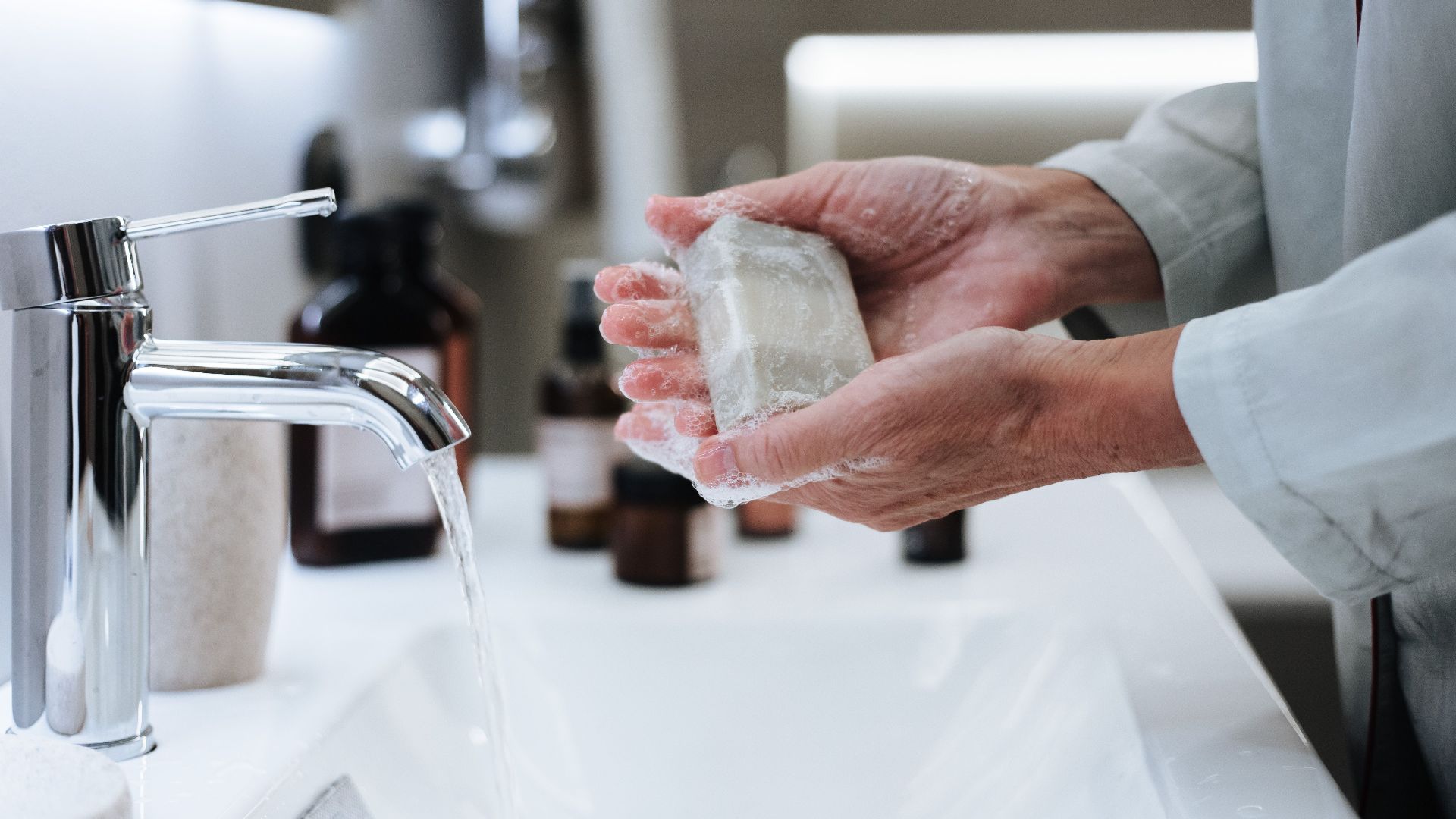
Hand Soap
Larkin also sold toilet soap, including its Elite brand, during the nineteenth century. Personal cleansing products were already part of the household salesman's inventory. Modern Blueland subscriptions deliver hand-soap refills designed for reusable dispensers.
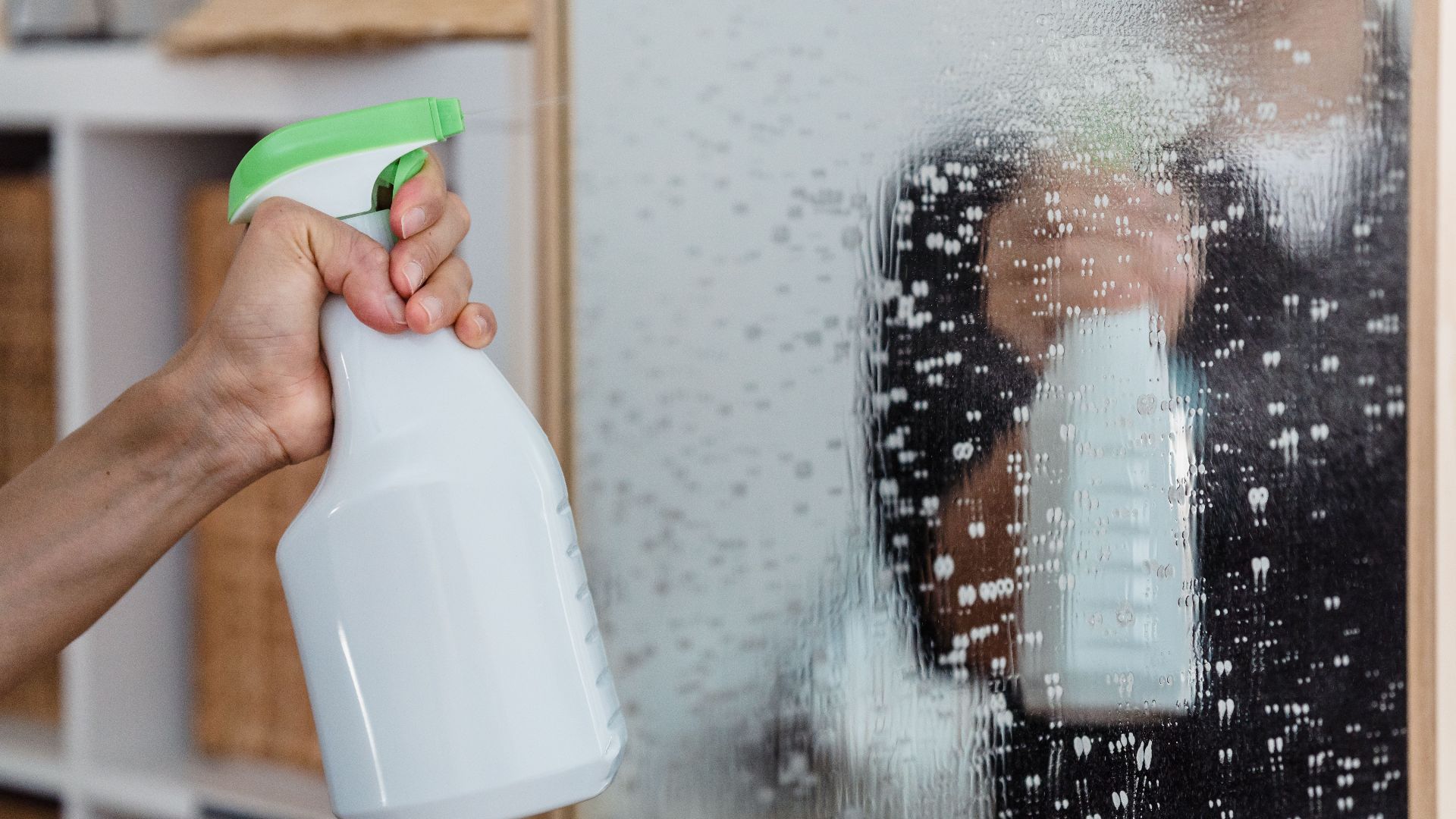
Household Cleaners
Fuller Brush representatives became famous for demonstrating household cleaning products during doorstep visits. Their sales approach relied on showing customers what products could do. Today, Blueland provides recurring shipments of cleaner refills without the demonstration.
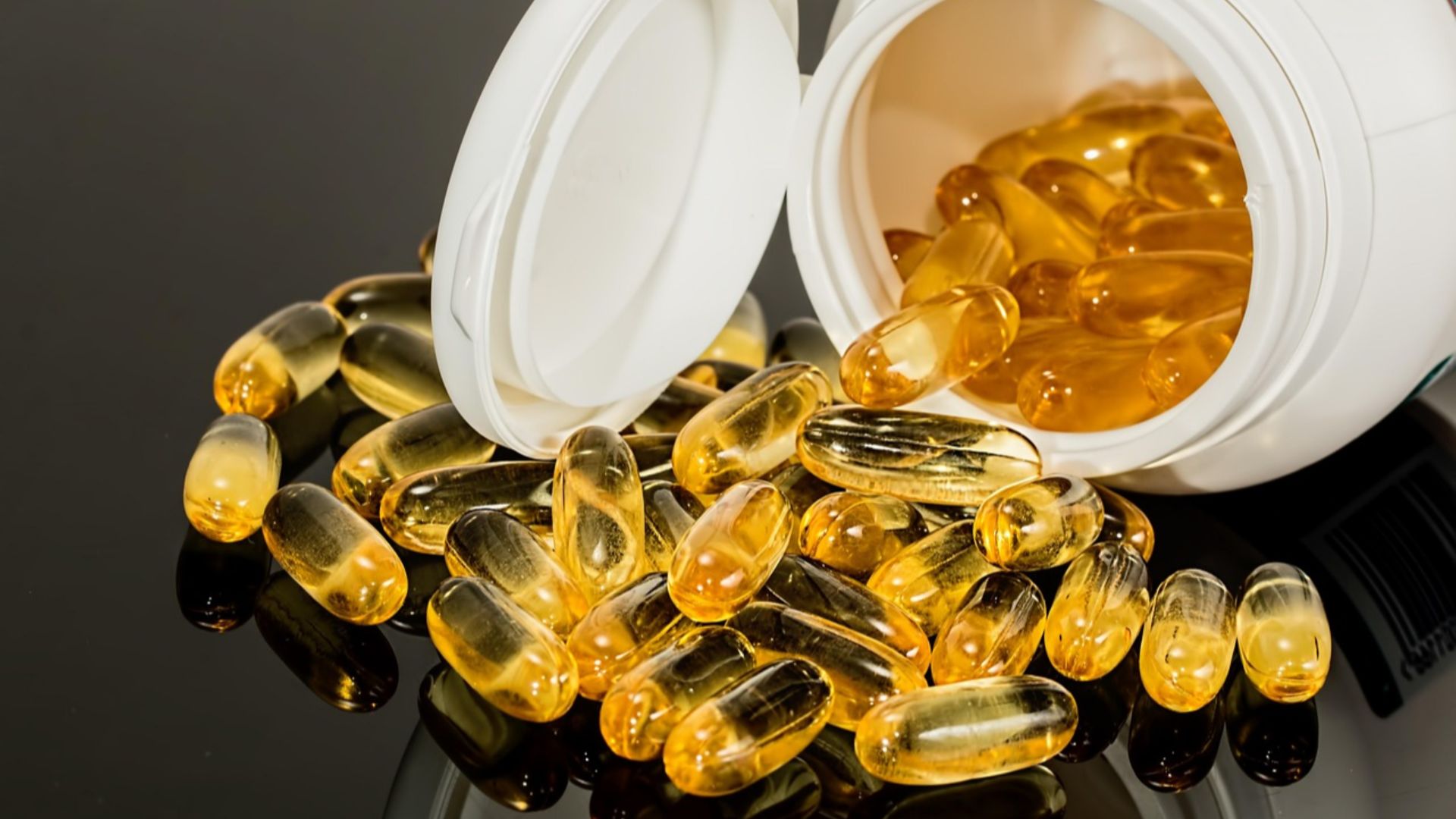
Vitamins
Fuller Brush eventually expanded beyond cleaning products into vitamins, while companies such as Shaklee relied on independent sellers to distribute nutritional products. Today, Ritual sells vitamins through recurring subscriptions, bringing another familiar direct-sales category online.
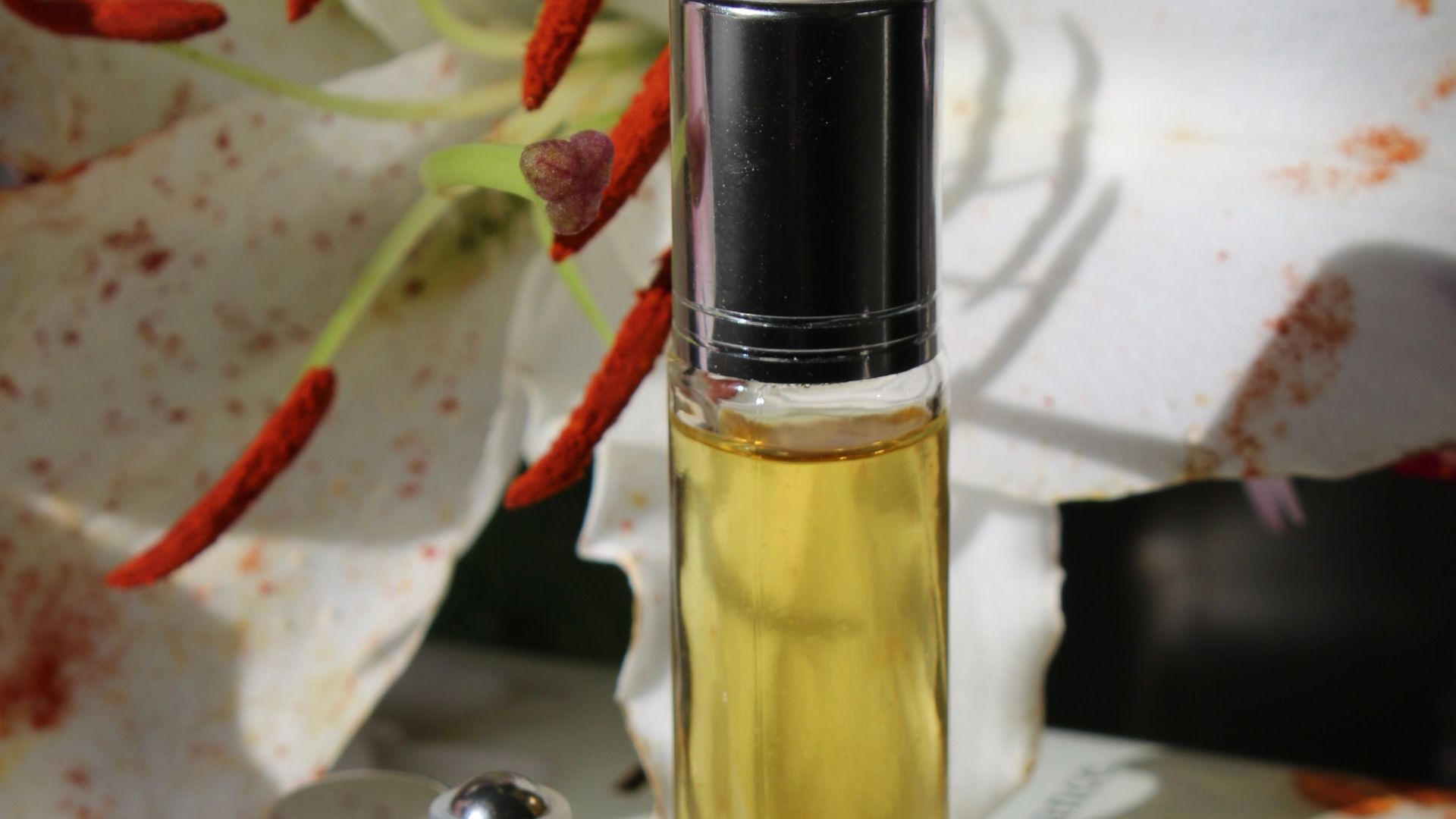
Perfume
Avon's founder, David H. McConnell, originally sold books door-to-door before discovering customers loved the perfume samples he offered. His beauty company began in 1886. Today, Scentbird subscribers receive fragrance samples through a monthly delivery service.
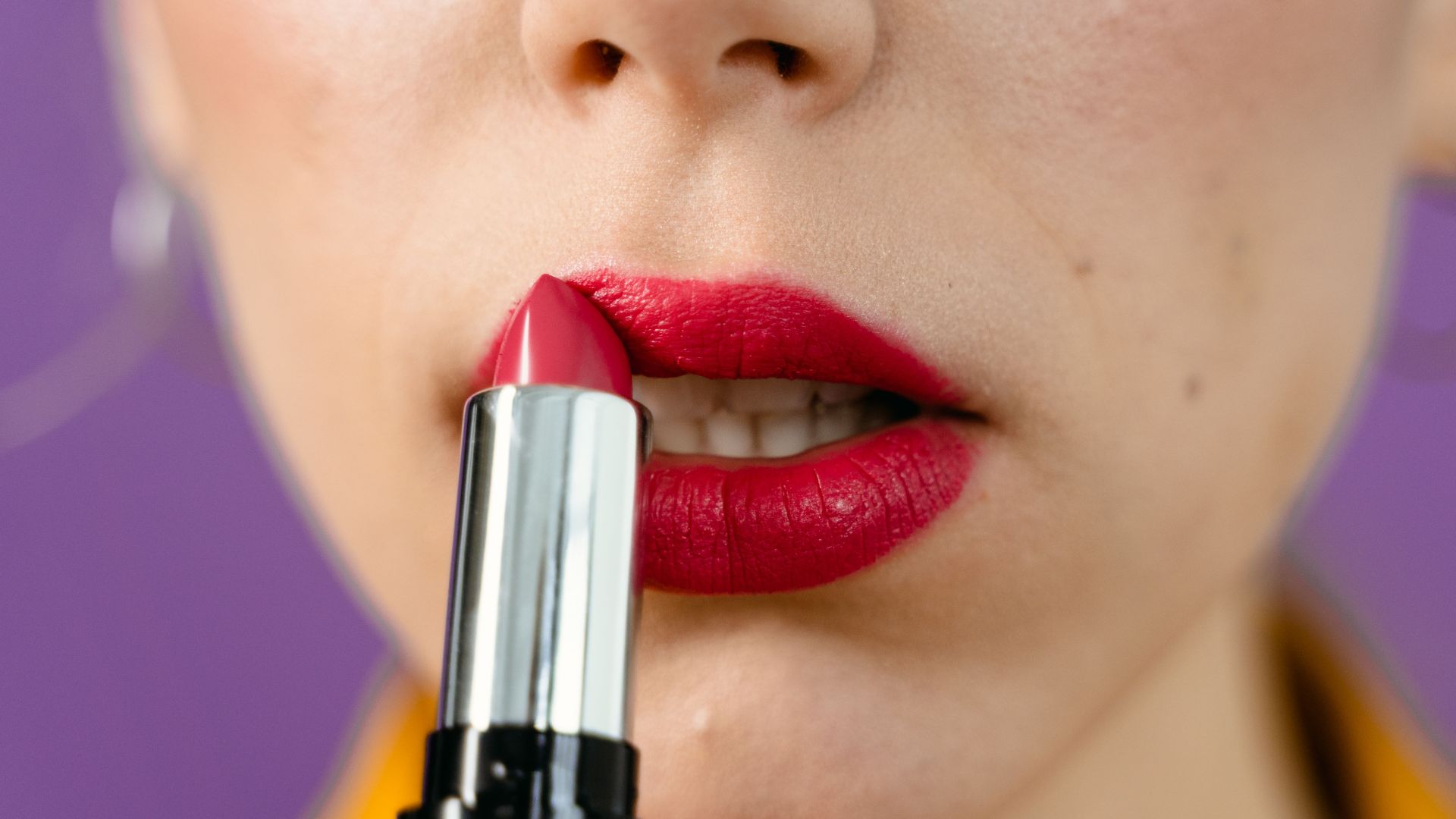
Lipstick
Avon representatives became familiar faces in American neighborhoods, selling makeup directly to customers. Lipstick was among the products available through beauty catalogs. Today, subscriptions such as IPSY offer curated makeup selections, sometimes including lip products.
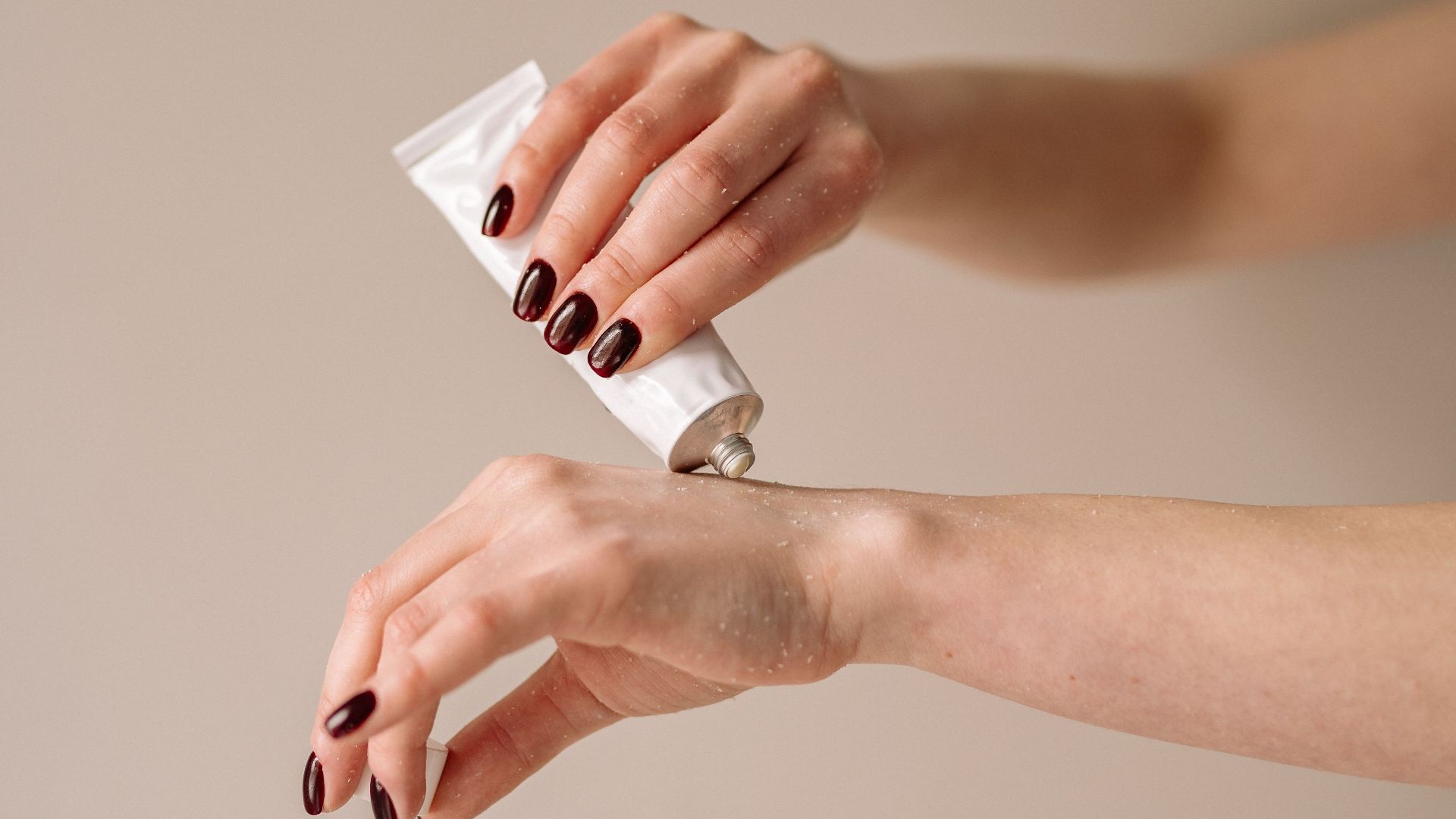
Skin Care
Beauty representatives also offered creams, lotions, and other complexion products through personal sales visits. Avon helped make that shopping experience familiar. Today, IPSY subscriptions bring assorted beauty and skin-care products directly to customers each month.
Books
Door-to-door book selling helped launch Avon, and publishers such as Time-Life later used direct-marketing approaches. Today's Book of the Month subscribers choose from a fresh selection of featured titles each month, with no salesperson required.

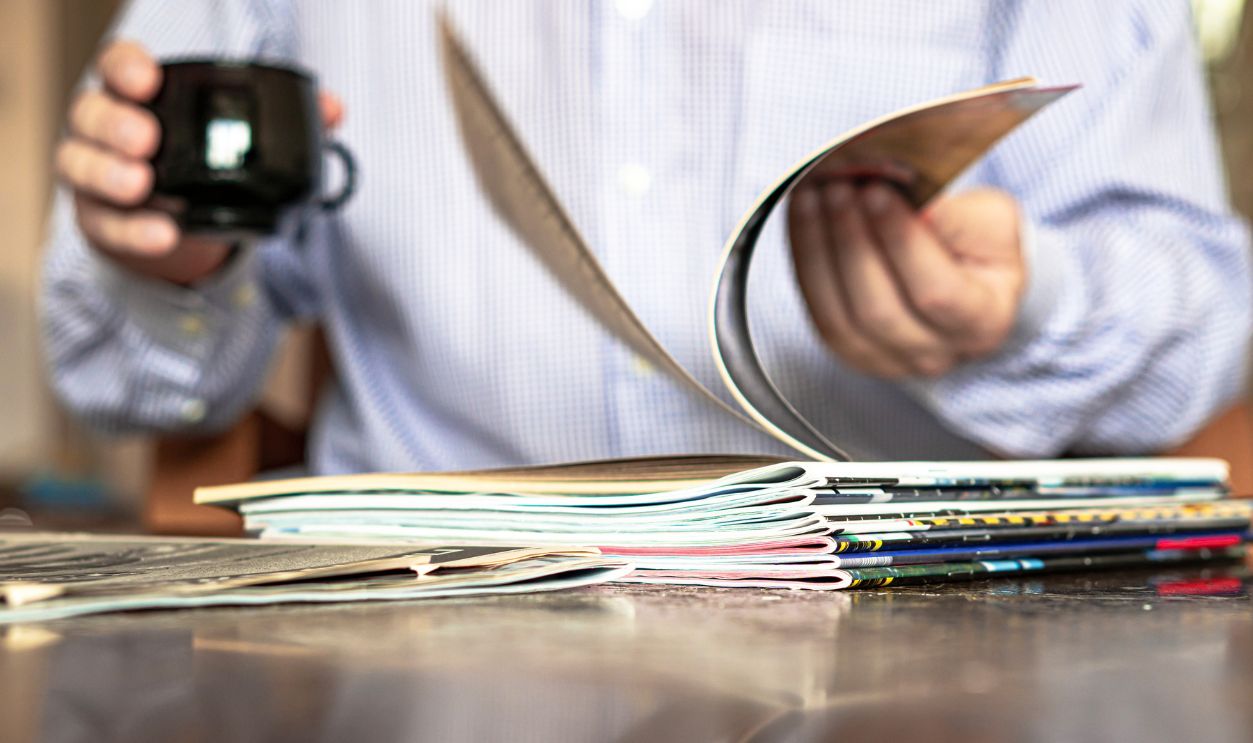
Magazines
Door-to-door magazine subscription sales were widespread enough to feature in a 1969 federal court case involving traveling sales crews. Today, readers can subscribe directly to publications such as National Geographic and receive print issues regularly.
 Matushchak Anton, Shutterstock
You May Also Like:
Kitchen Gadgets Americans Once Bought As Status Symbols Before They Became Junk Drawer Clutter