The Heart She Never Let Go
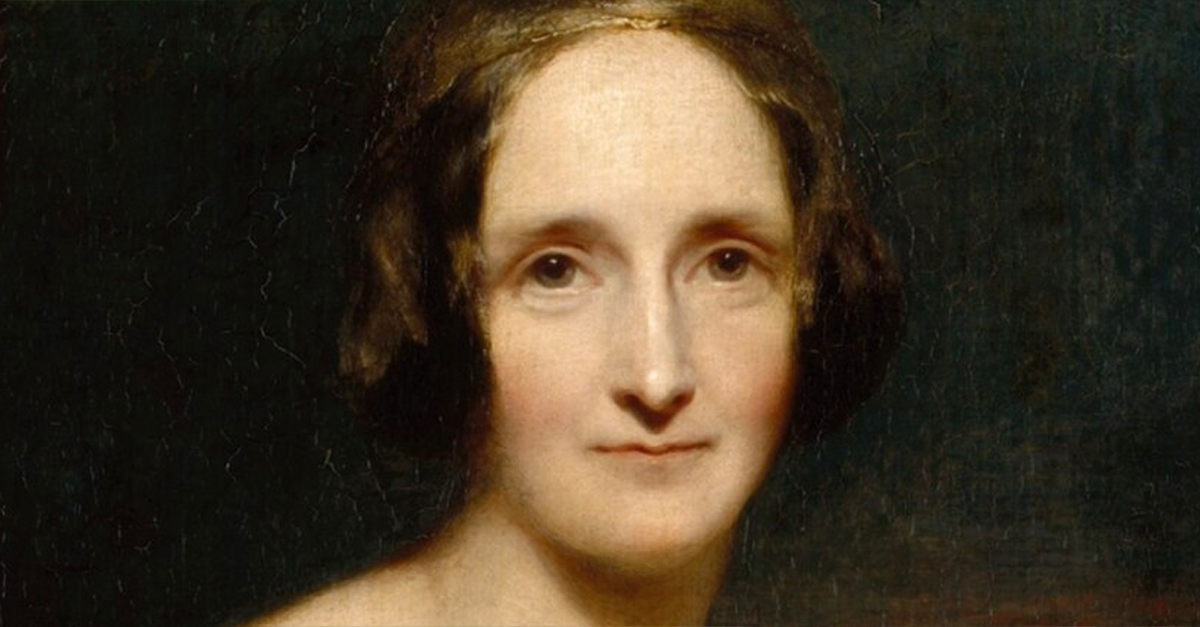
Mary Shelley gave the world Frankenstein, one of literature’s most enduring stories about creation, grief, and the terrible refusal to let the dead remain dead. But her own life contained a Gothic image almost as unsettling as anything she imagined: after her death, her family found what were believed to be the remains of Percy Bysshe Shelley’s heart, wrapped in silk and kept among her most intimate relics.
 Richard Rothwell, Wikimedia Commons
She Was Born Into A Legacy Of Loss
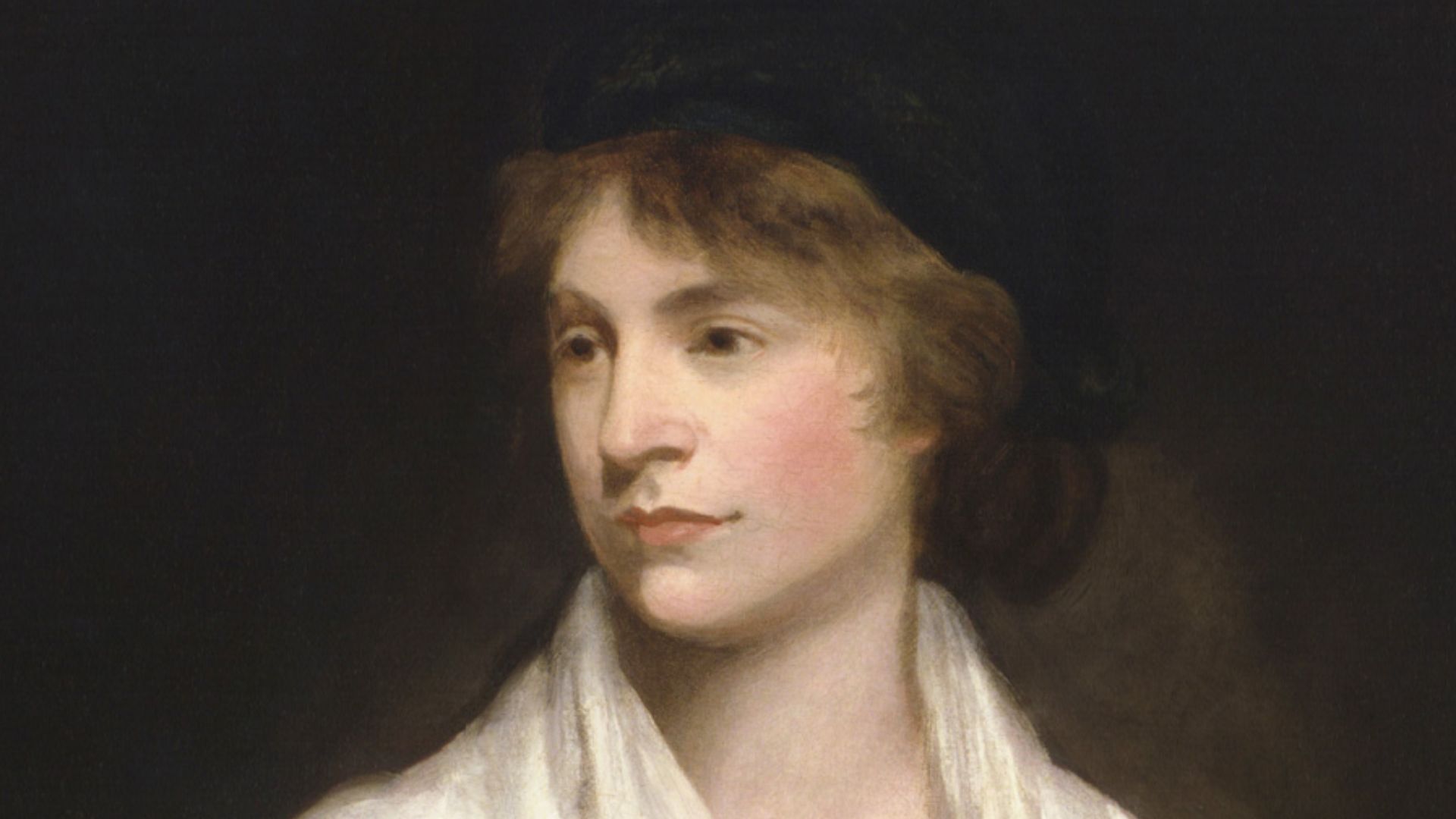
Mary Wollstonecraft Godwin was born in London in 1797, the daughter of feminist writer Mary Wollstonecraft and political philosopher William Godwin. Her mother passed shortly after giving birth, leaving Mary to grow up with a famous absence at the center of her life. Long before Percy Shelley entered her world, love and death were already linked.
Of course, in the beginning, she had no clue just how dark life could be.
Her Mother’s Grave Became Sacred Ground
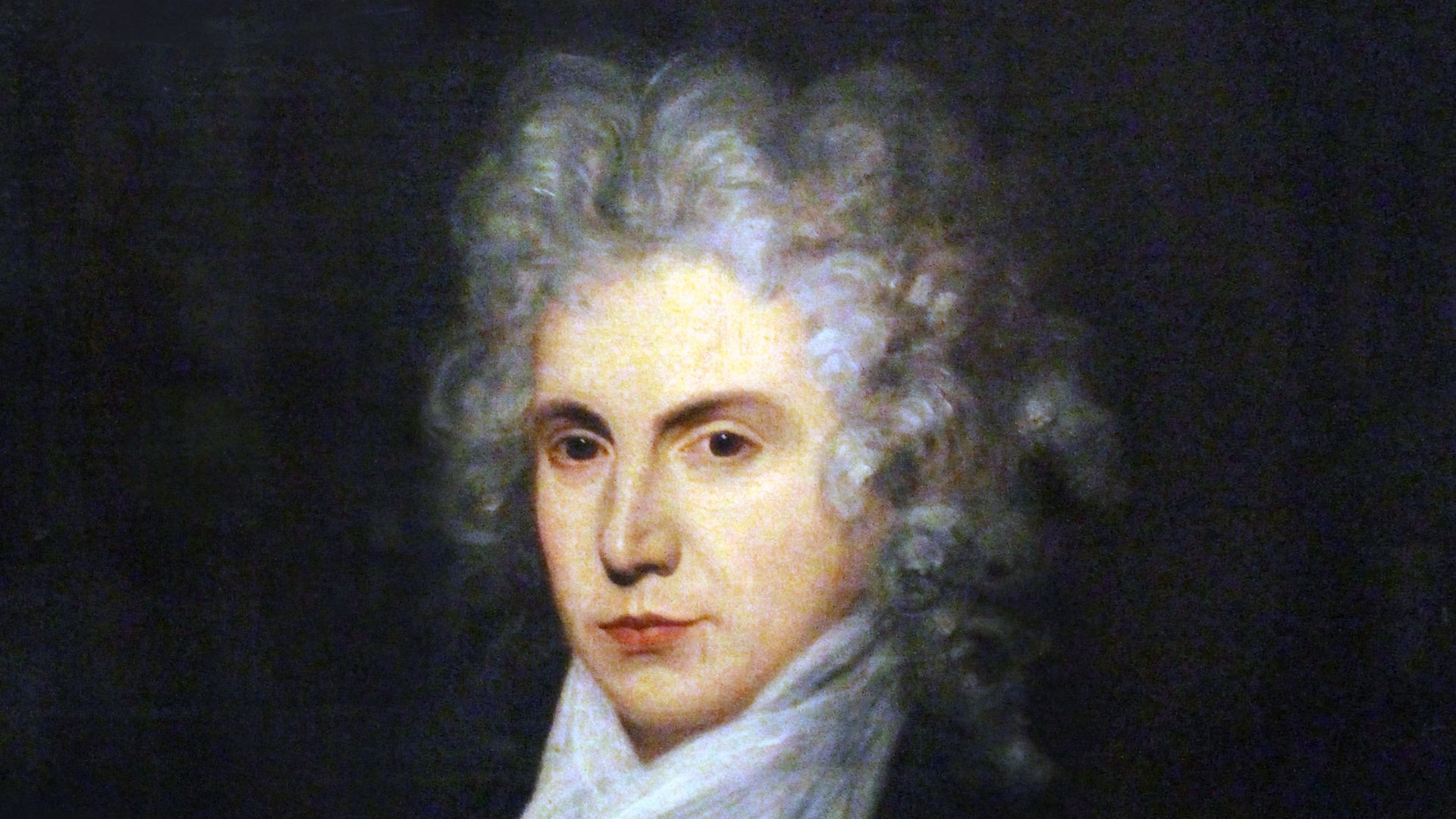
Mary grew up deeply aware of her mother’s intellectual legacy. As a teenager, she reportedly spent time at Wollstonecraft’s grave in St Pancras churchyard, a place that became emotionally charged in her young life. It was there, according to later accounts, that her relationship with Percy Shelley took on its first intense romantic force.
 John Williamson, Wikimedia Commons
Percy Shelley Entered As A Radical Dream
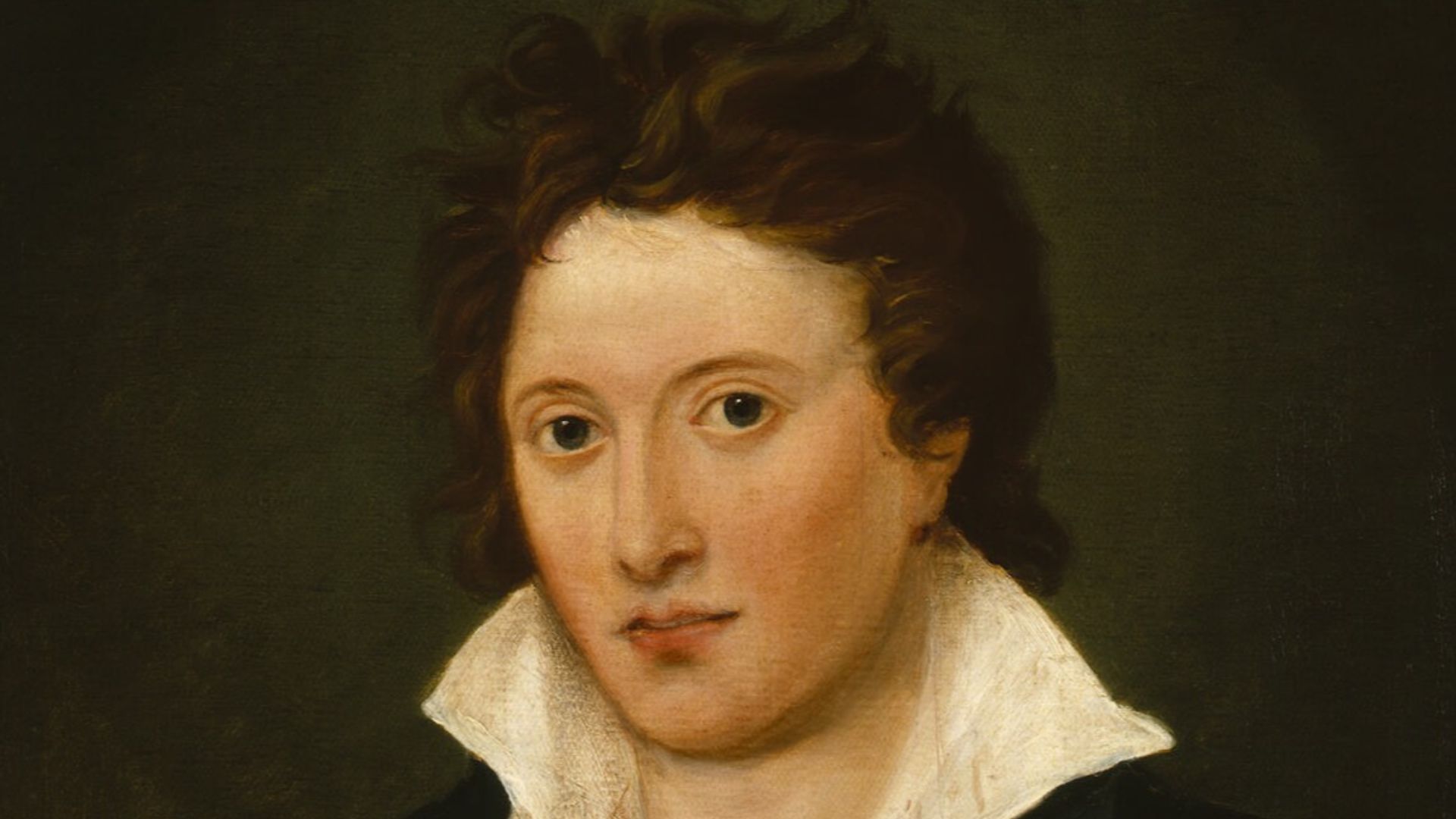
Percy Bysshe Shelley was already married when he became involved with Mary. He was brilliant, restless, idealistic, and reckless, drawn to radical politics, poetry, and emotional rebellion. To Mary, he must have seemed like a figure from the world of ideas she had inherited from her parents: dangerous, dazzling, and alive with possibility.
And for love, she was ready to take all the risks.
 After Amelia Curran, Wikimedia Commons
Their Love Began In Scandal
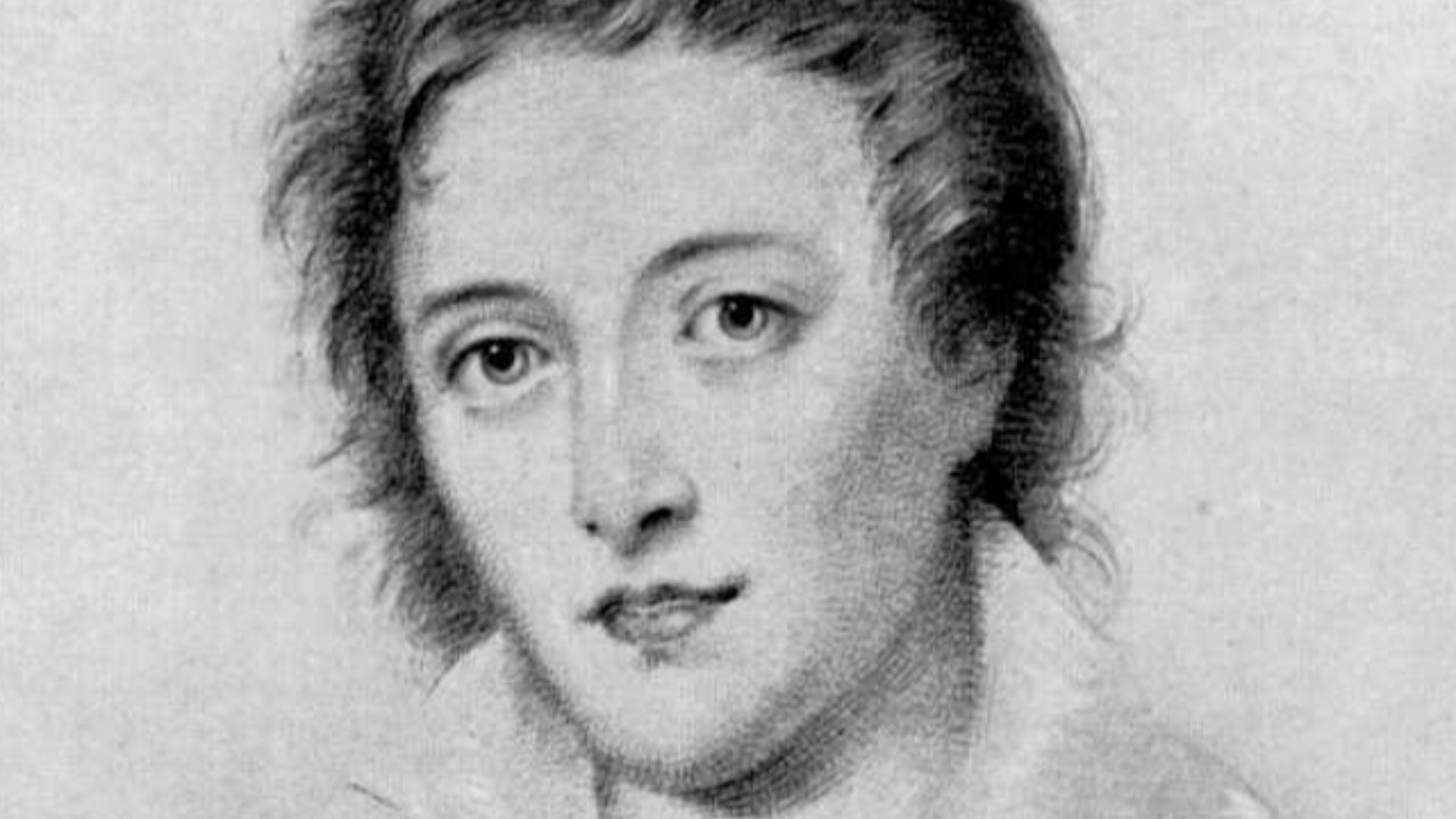
In 1814, Mary and Percy ran away together, accompanied by Mary’s stepsister Claire Clairmont. The elopement shocked society and devastated Mary’s relationship with her father, William Godwin. Their love was not treated as a fairy tale. It began under the shadow of scandal, abandonment, money trouble, and moral outrage.
And sadly, there was only more pain to follow.
 Amelia Curran, Wikimedia Commons
Mary Chose Percy At Enormous Cost
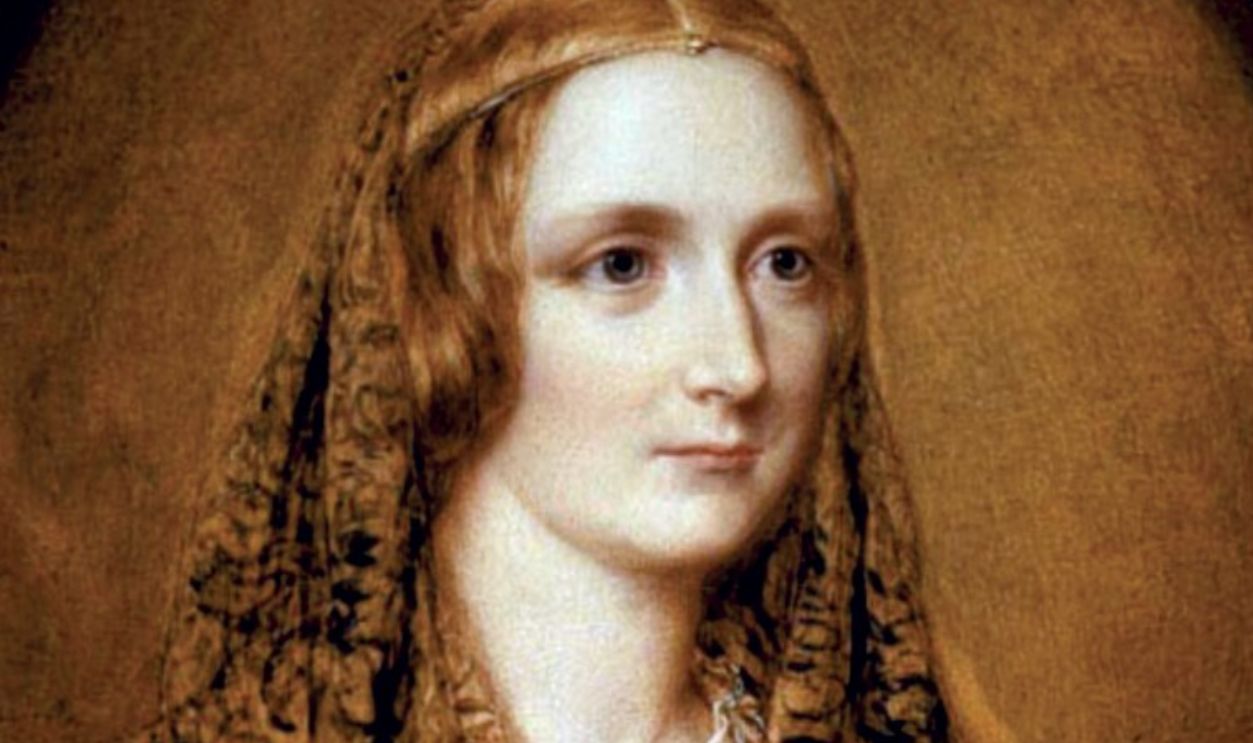
Mary was still a teenager when she tied her life to Percy’s. Choosing him meant leaving behind respectability and security. Their early years together were unstable, marked by travel, debt, pregnancy, grief, and emotional strain. The romance that later looked poetic was, in lived reality, often exhausting and brutal.
 Reginald Easton, Wikimedia Commons
Their Circle Was Brilliant And Dangerous
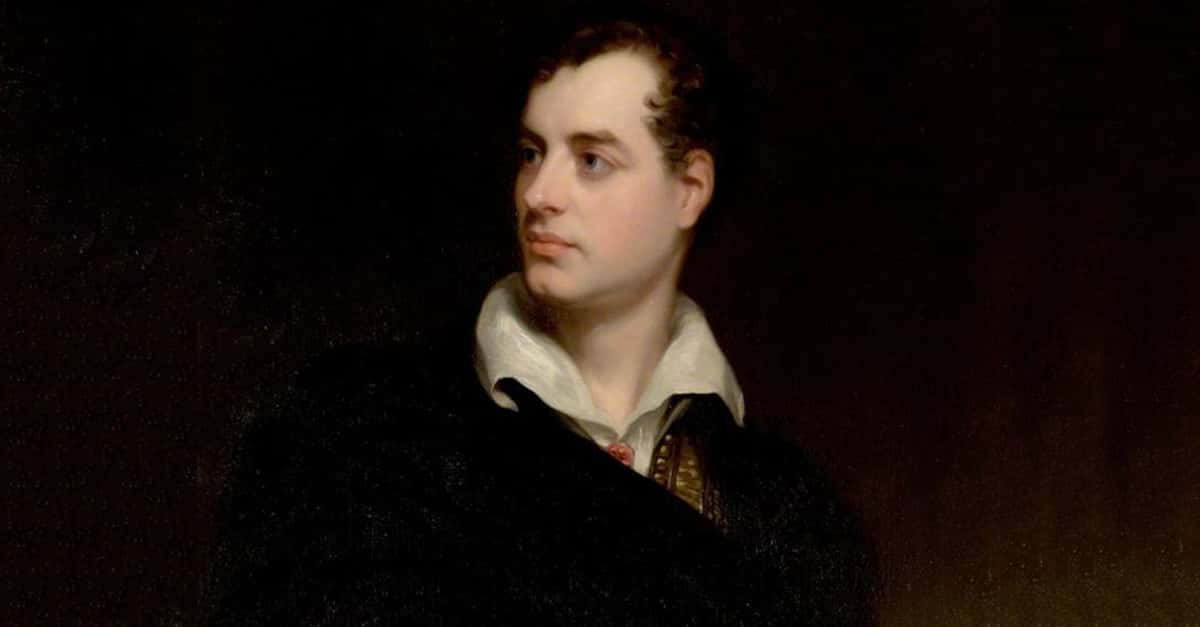
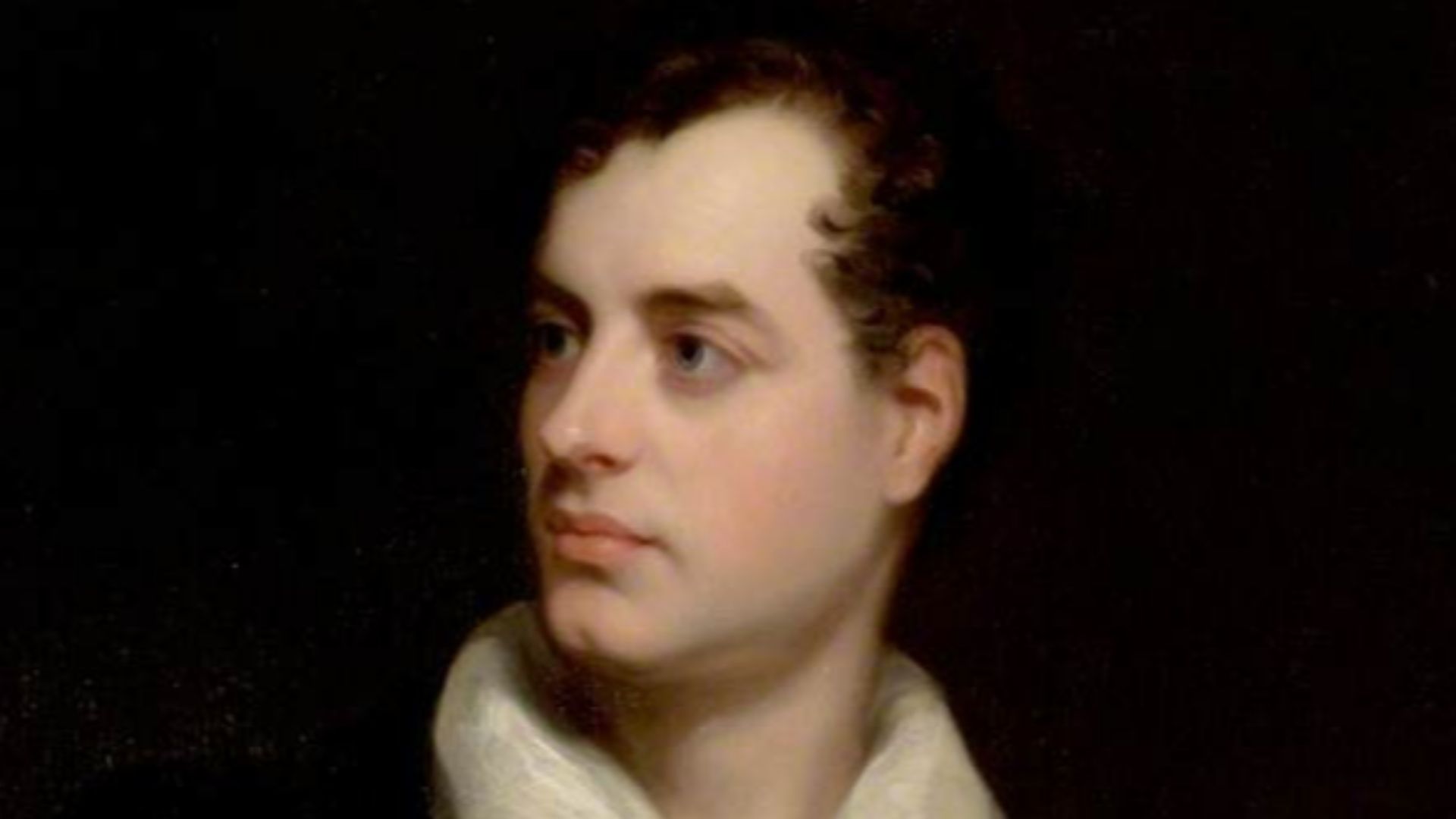
Mary and Percy moved among some of the most famous literary figures of the age, including Lord Byron. Their world was creative, unconventional, and intense. It produced extraordinary writing, but it also carried emotional chaos. The same atmosphere that inspired art could also destroy peace.
 Thomas Phillips, Wikimedia Commons
Frankenstein Was Born From Darkness
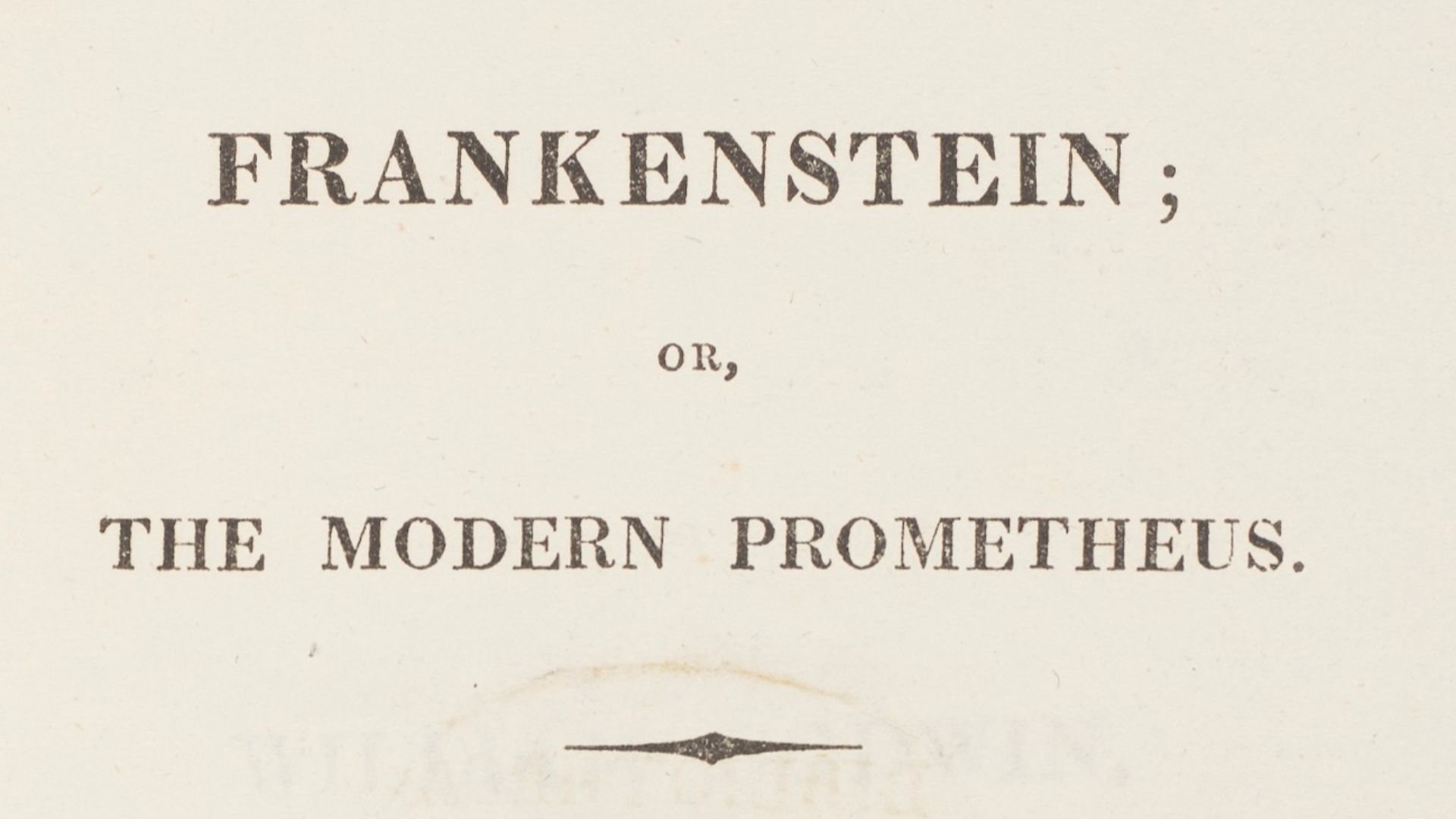
In 1816, while staying near Lake Geneva with Percy, Byron, Claire, and John Polidori, Mary began the story that became Frankenstein. The famous ghost-story challenge gave her the opening, but the book’s deeper power came from grief, loneliness, creation, abandonment, and the fear that love could turn monstrous.
 Mary Shelley, Wikimedia Commons
Mary And Percy Married After Another Tragedy
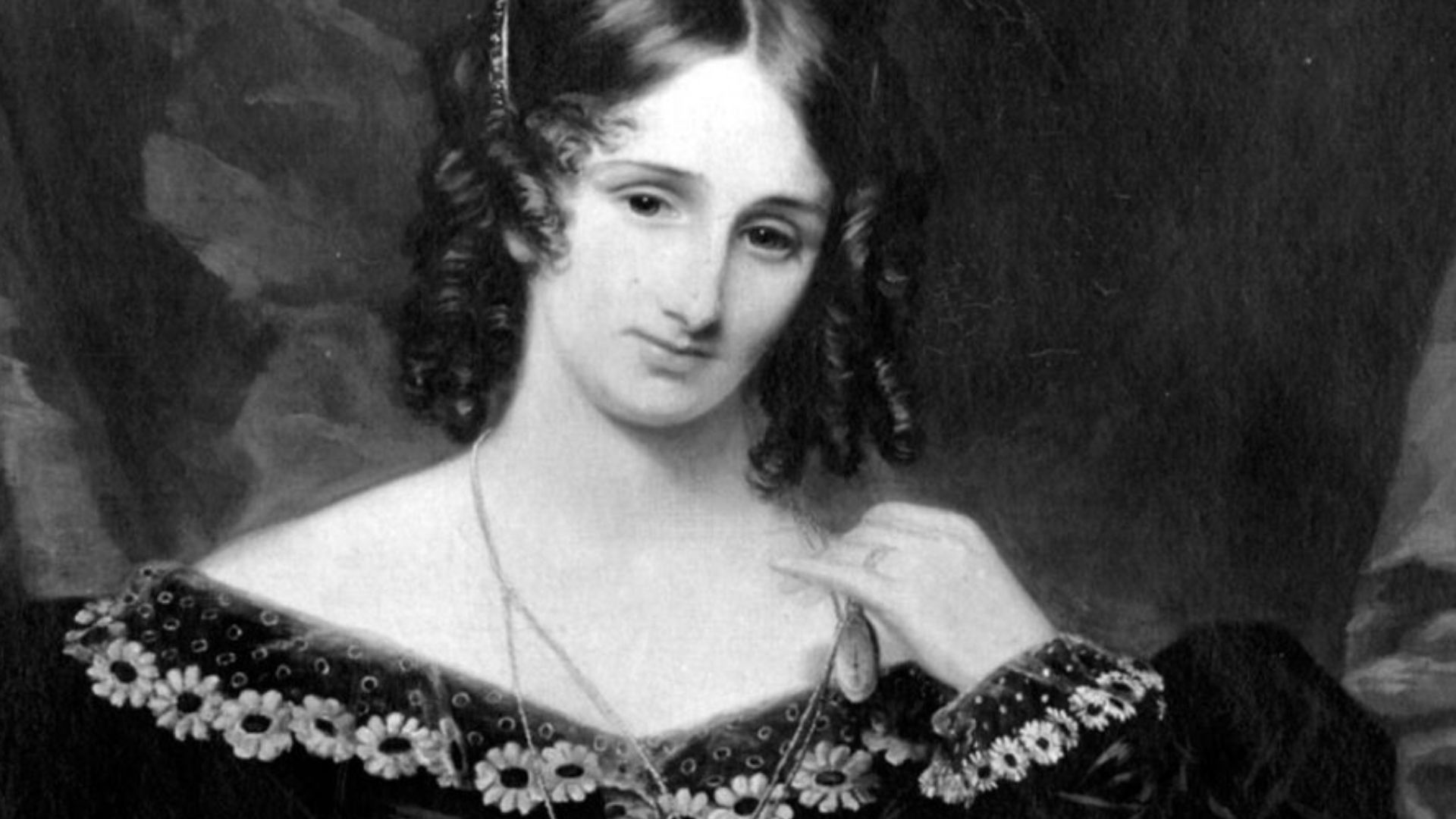
Percy’s first wife, Harriet Westbrook, took her own life in 1816. Shortly afterward, Mary and Percy married. The marriage gave their relationship legal standing, but it could not erase the grief and controversy around them. Their union was always shadowed by earlier wounds and public judgment.

History's most fascinating stories and darkest secrets, delivered to your inbox daily.
Their Children Brought Joy And Devastation
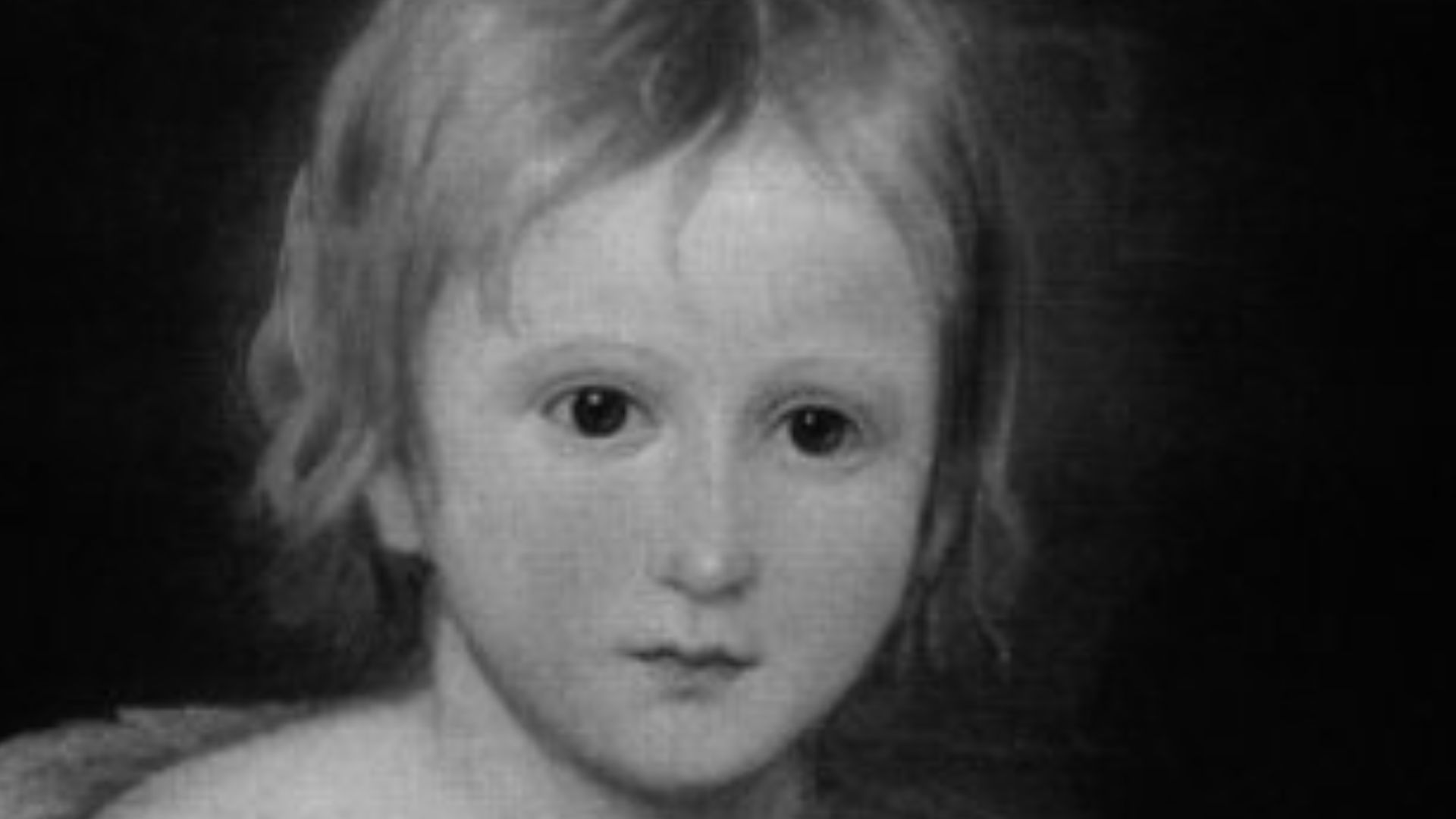
Mary and Percy had several children, but most did not survive early childhood. Their daughter Clara died in 1818, and their son William died in 1819. Only Percy Florence Shelley lived into adulthood. These losses hollowed Mary out, turning motherhood into one of the deepest sources of both love and suffering in her life.
 Amelia Curran, Wikimedia Commons
Grief Became The Language Of Her Life
After the passing of her children, Mary’s journals and letters carried the weight of repeated mourning. She had already lost her mother, been estranged from her father, endured public condemnation, and watched her family shrink. By the time Percy passed, grief was no stranger to her. It had become part of how she understood the world.
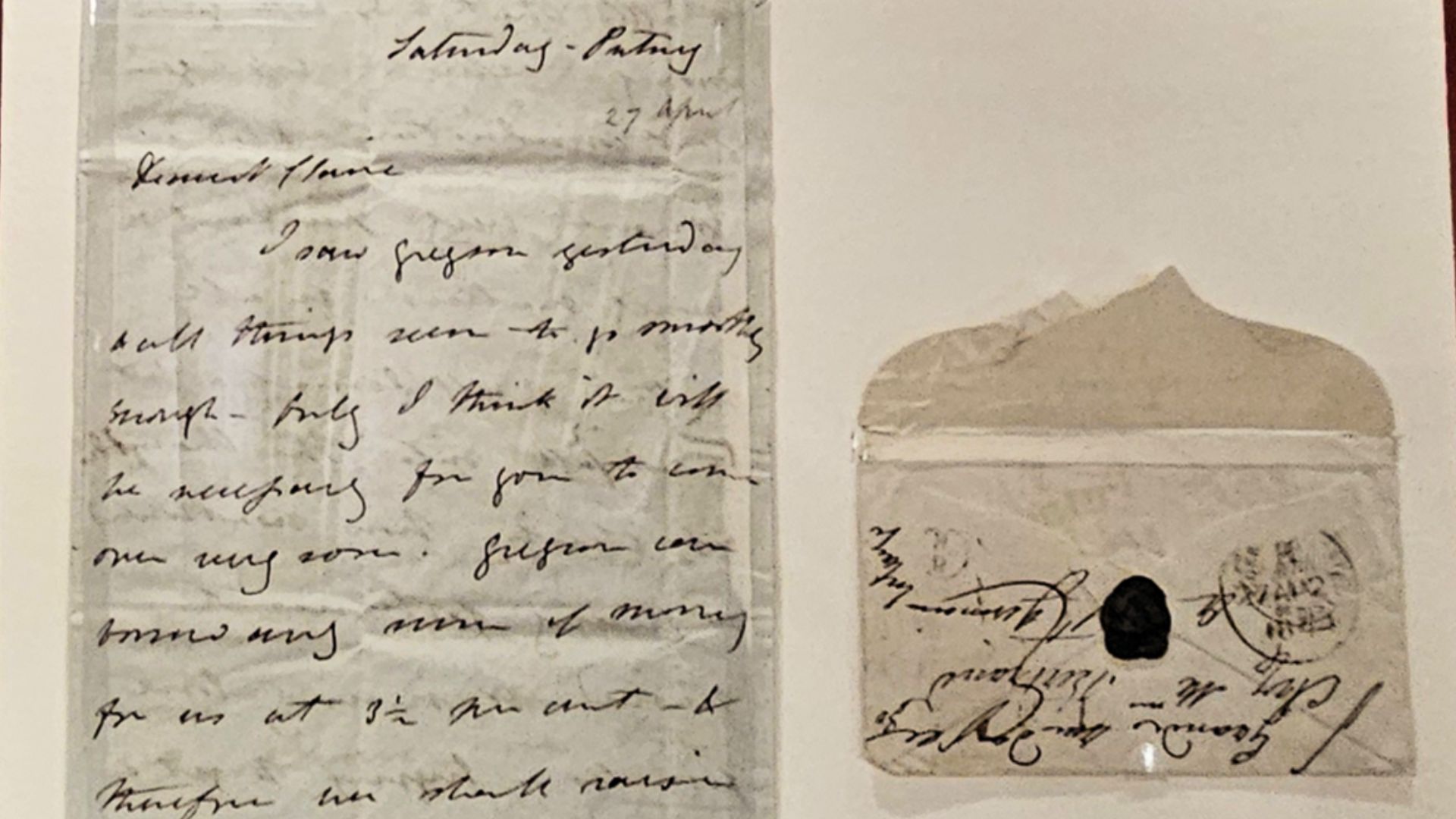
Italy Became Their Last Home Together
In 1818, Mary and Percy left England for Italy, where Percy wrote some of his most important works. The years in Italy brought beauty and creativity, but also loneliness, illness, and the loss of their children. Italy gave the Shelleys sunlight and art, but it also became the landscape of Mary’s worst moments.
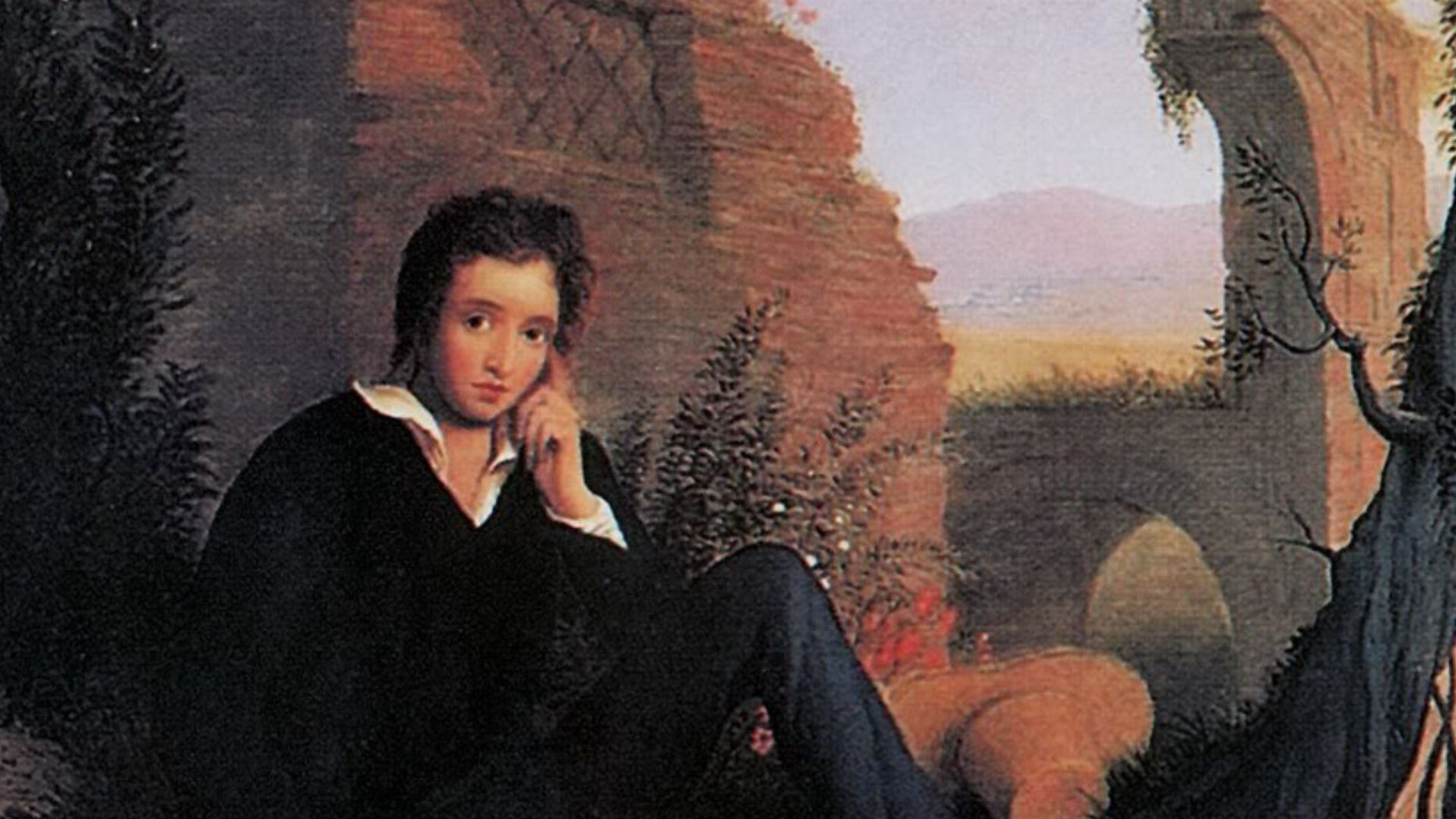 Joseph Severn, Wikimedia Commons
Percy’s Final Voyage Changed Everything
On July 8, 1822, Percy Shelley set sail across the Gulf of Spezia after visiting Lord Byron and Leigh Hunt. A storm overtook his boat, and he drowned before he could return to Mary at Lerici. He was not yet 30. Mary was left a widow at 24.
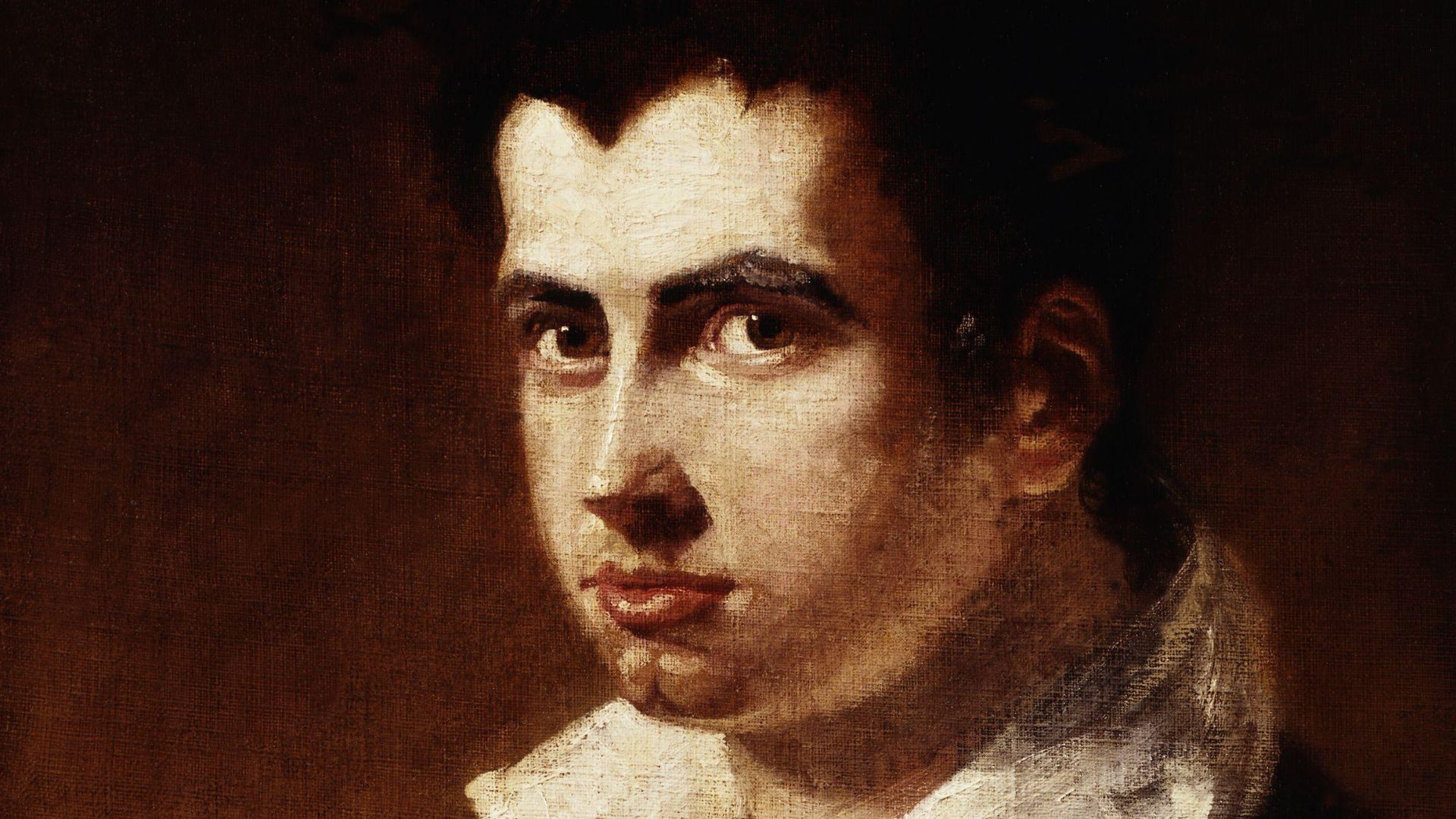 Benjamin Robert Haydon (died 1846), Wikimedia Commons
Mary Waited For A Husband Who Never Came Back
The horror of Percy’s demise was not only that he drowned. It was that Mary was waiting for him. The delay, the uncertainty, and then the confirmation of his sad fate made the event especially cruel. For a woman already shaped by bereavement, this loss became a defining rupture.
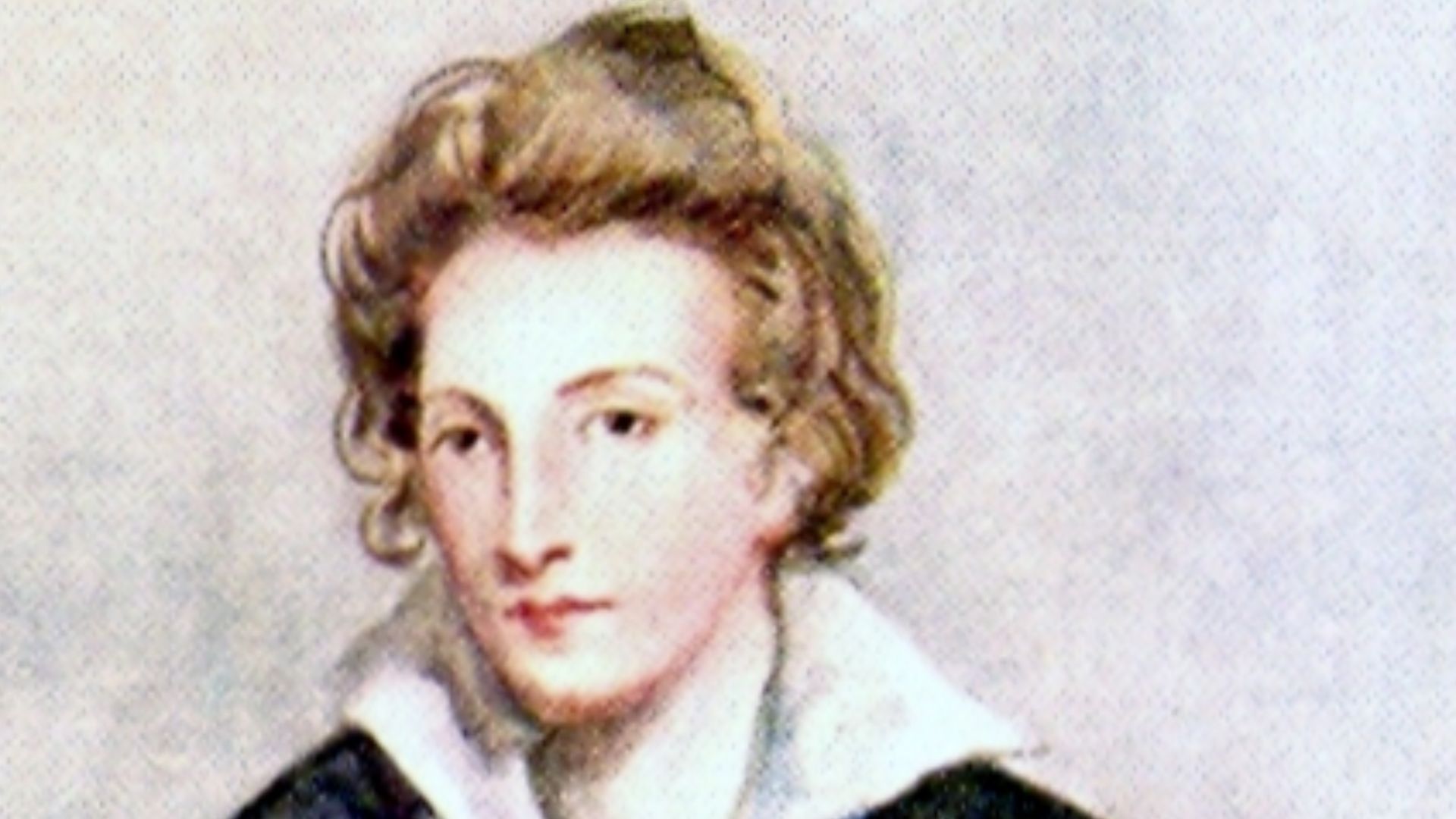 Unknown authorUnknown author, Wikimedia Commons
His Body Was Found Days Later
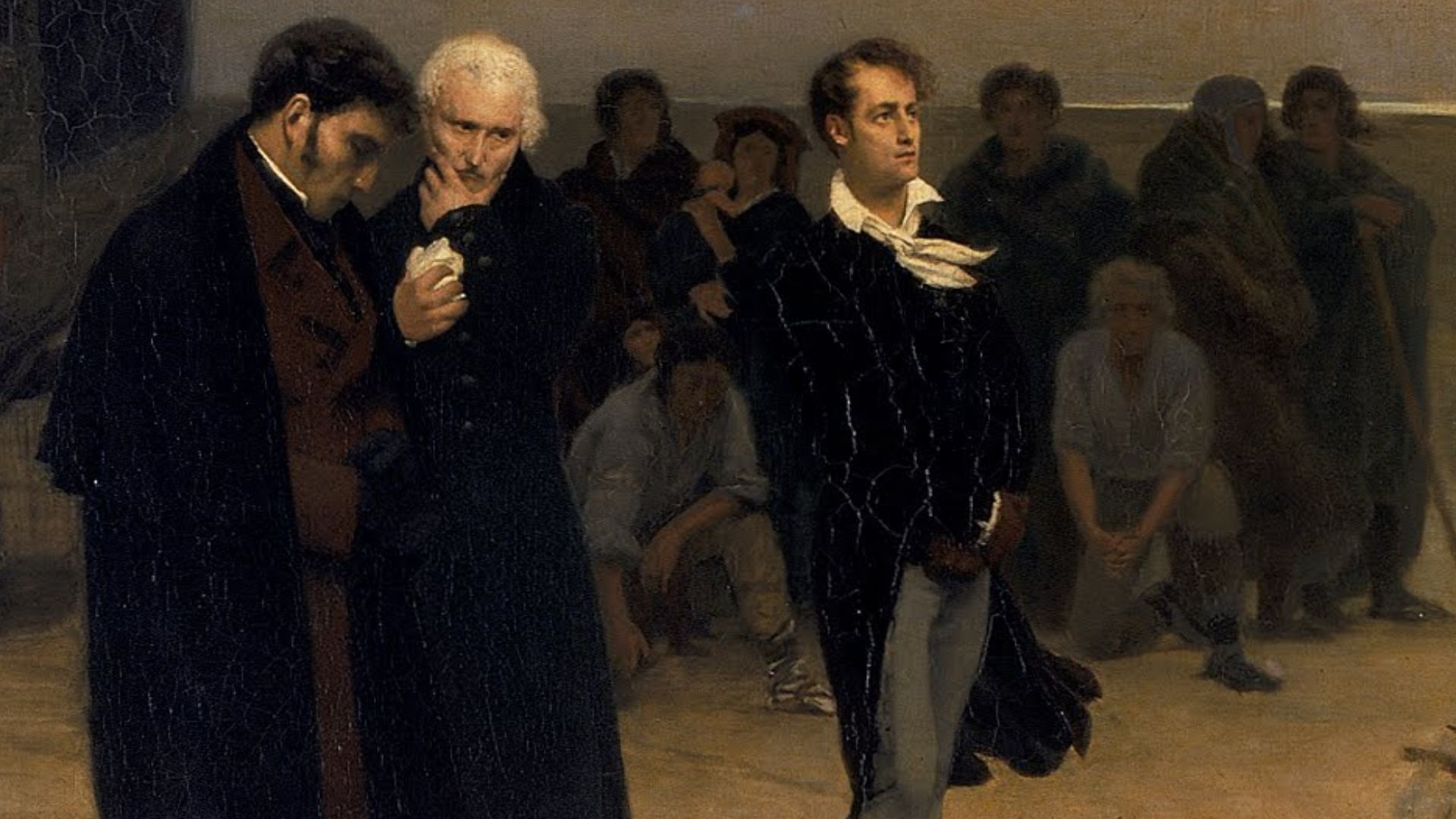
Percy’s body washed ashore after days in the sea and was identified partly by the books found with him. His drowning quickly became part of Romantic legend, but for Mary it was not legend. It was the sudden destruction of the person around whom much of her adult life had been built.
 Louis Édouard Fournier, Wikimedia Commons
The Cremation Became Famous And Haunting
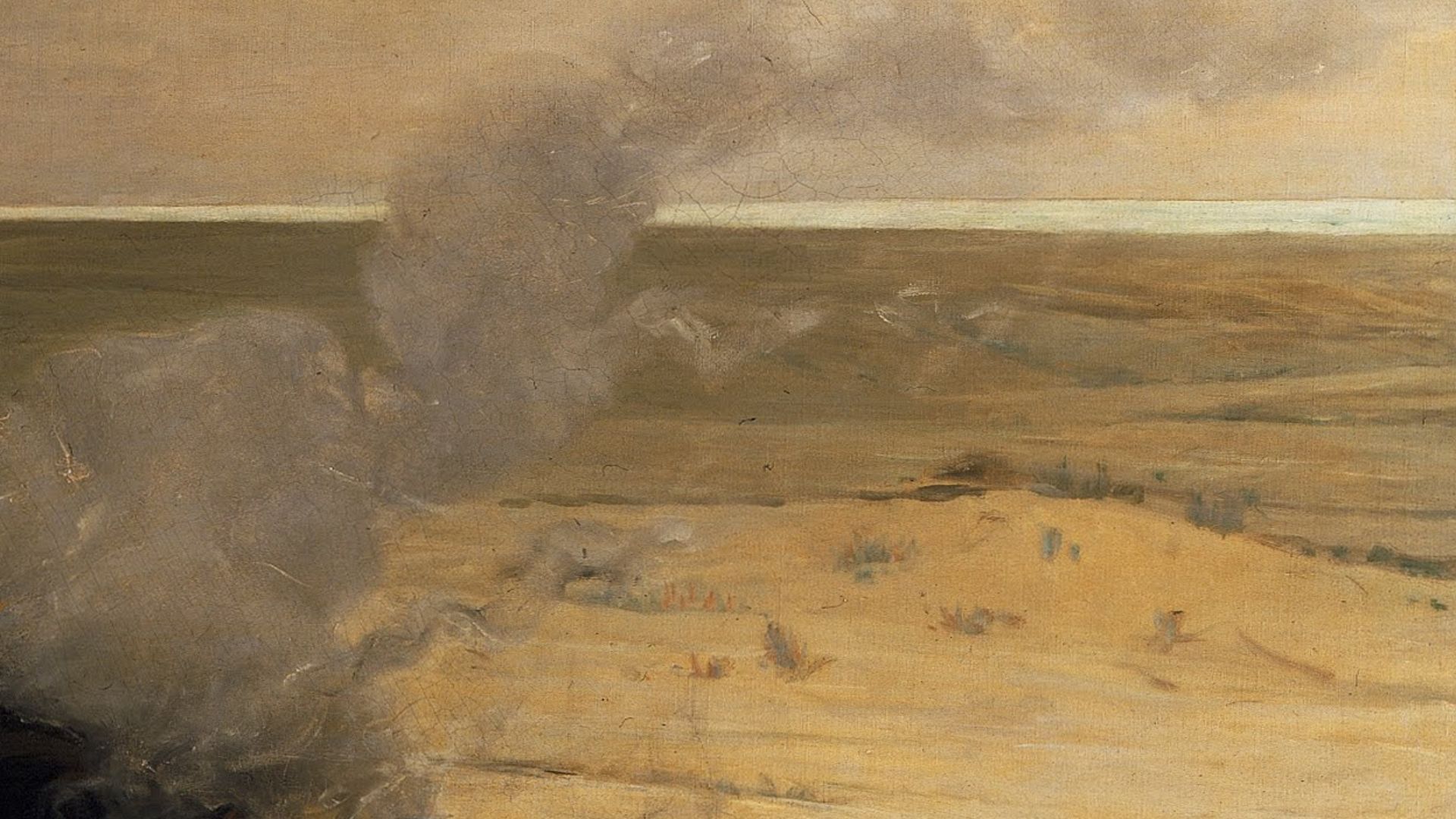
Percy’s remains were cremated on the beach in Italy, in a scene later mythologized through art and biography. Friends including Edward Trelawny, Leigh Hunt, and Byron became associated with the story. The image of the young poet’s body burning by the sea became one of the most Gothic moments in Romantic history.
 Louis Édouard Fournier, Wikimedia Commons
The Heart Was Said To Have Survived
According to tradition, Percy’s heart did not burn completely during the cremation. Some later accounts suggest it may have resisted the flames because it was calcified, possibly from illness. Whatever the exact medical explanation, the object was treated as Shelley’s heart and became a relic of grief.
 Colin McLaughlin, Wikimedia Commons
Mary Claimed The Relic Of Her Husband
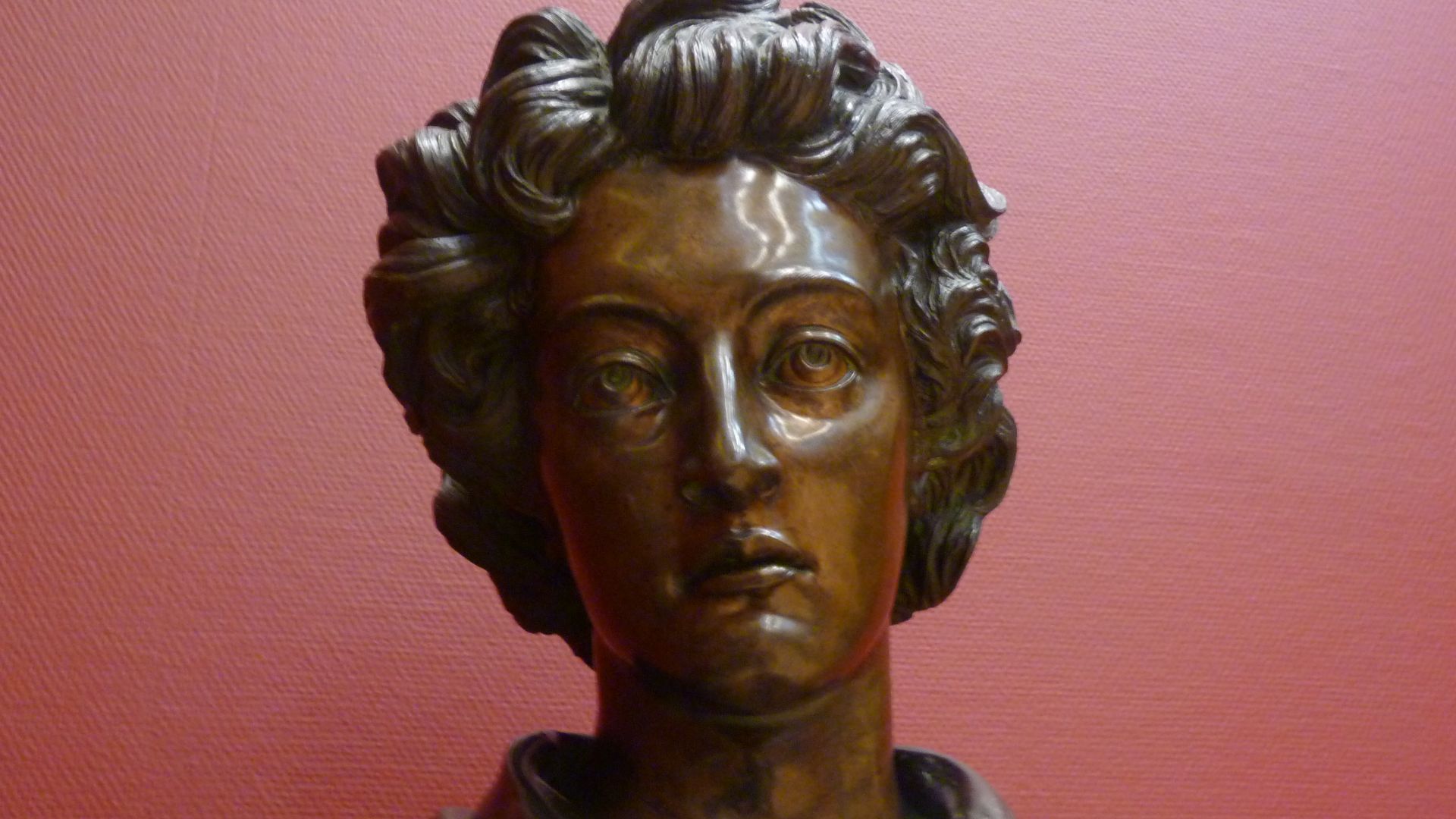
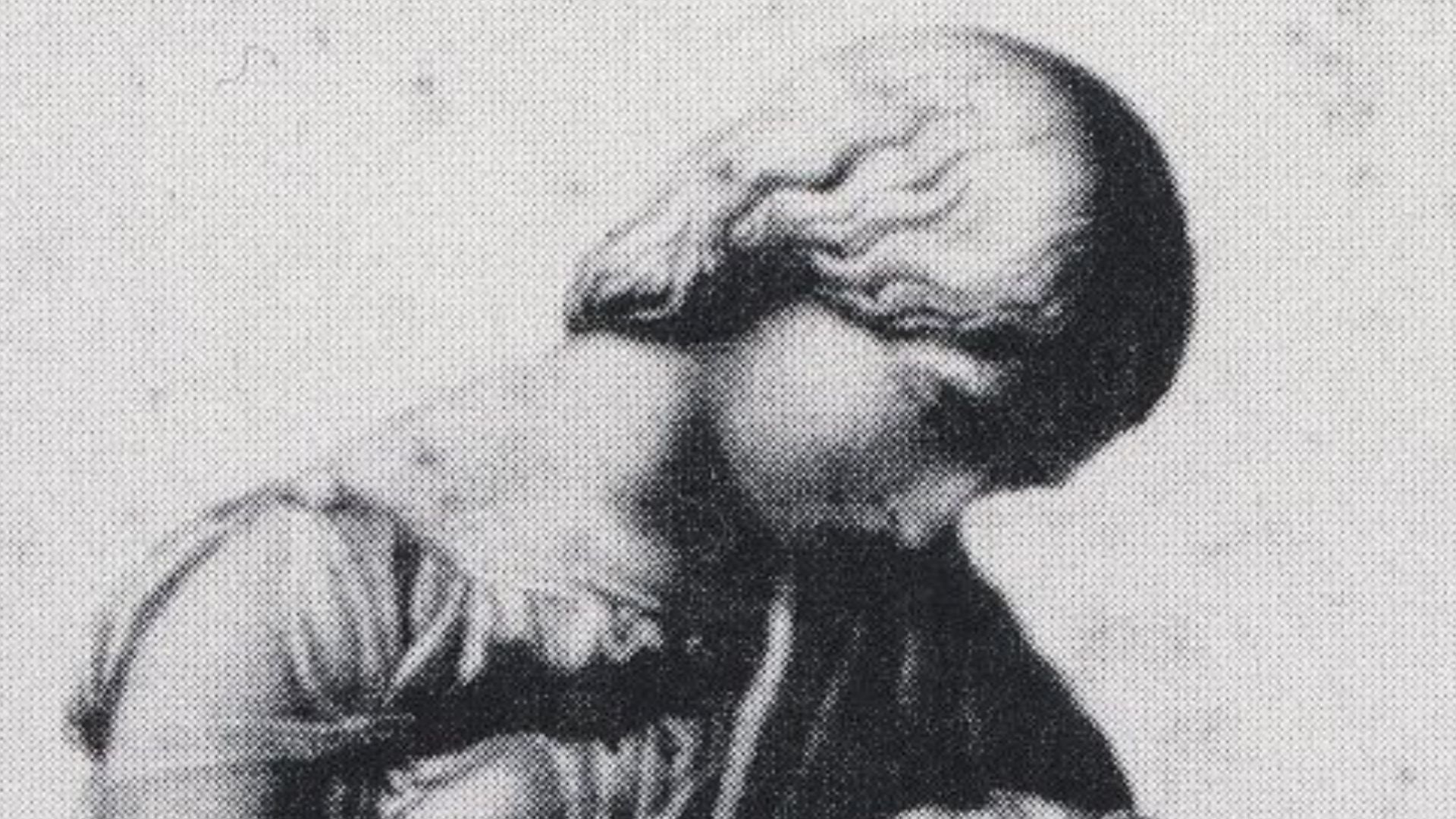
The remains believed to be Percy’s heart eventually came into Mary’s possession. It was an extraordinary, unsettling keepsake, but also strangely fitting for a woman whose imagination had already explored resurrection, bodily remains, and the unbearable refusal to release the dead.
 George J. Stodart / Henry Weekes, Wikimedia Commons
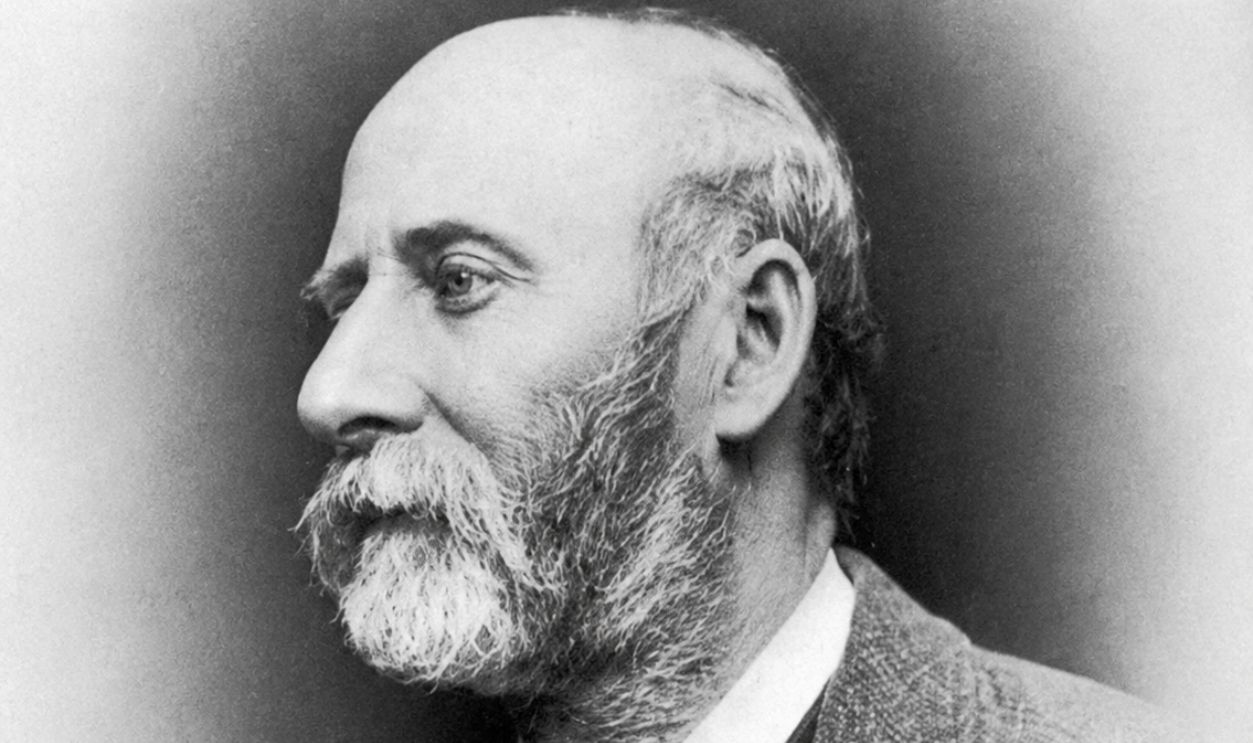
She Returned To England As A Widow
After the loss of her husband, Mary returned to England with their surviving son, Percy Florence. She was young, widowed, financially vulnerable, and still marked by scandal. Her life became a long effort to protect her son, support herself through writing, and preserve Percy’s literary reputation.
 George Romney, Wikimedia Commons, Modified
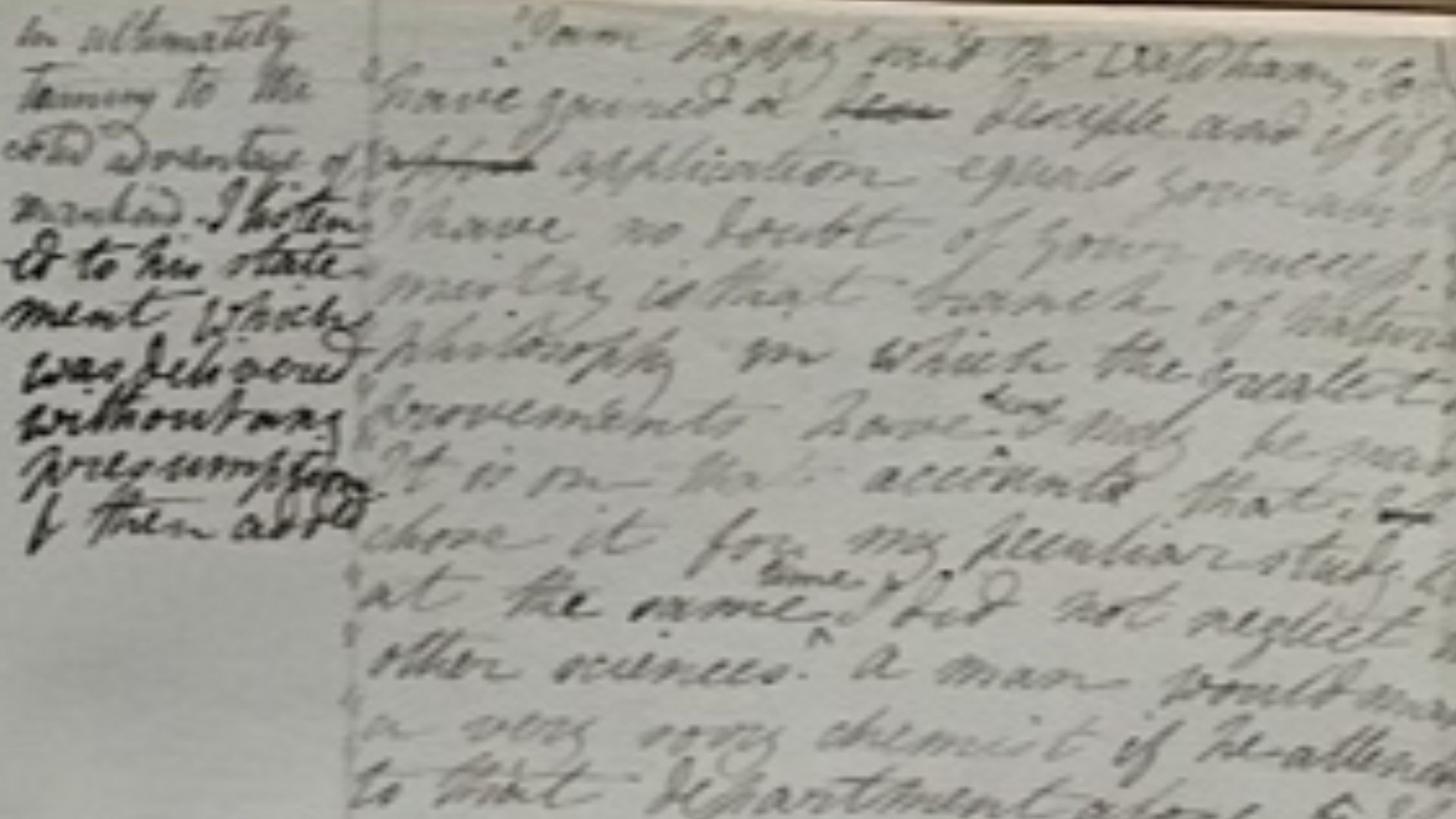
She Became The Guardian Of Percy’s Memory
Mary devoted enormous energy to editing and promoting Percy’s work after his death. She prepared editions, guarded his legacy, and tried to make the world see him as the great poet she believed him to be. In doing so, she turned widowhood into a lifelong literary mission.
 Percy Bysshe Shelley, Wikimedia Commons
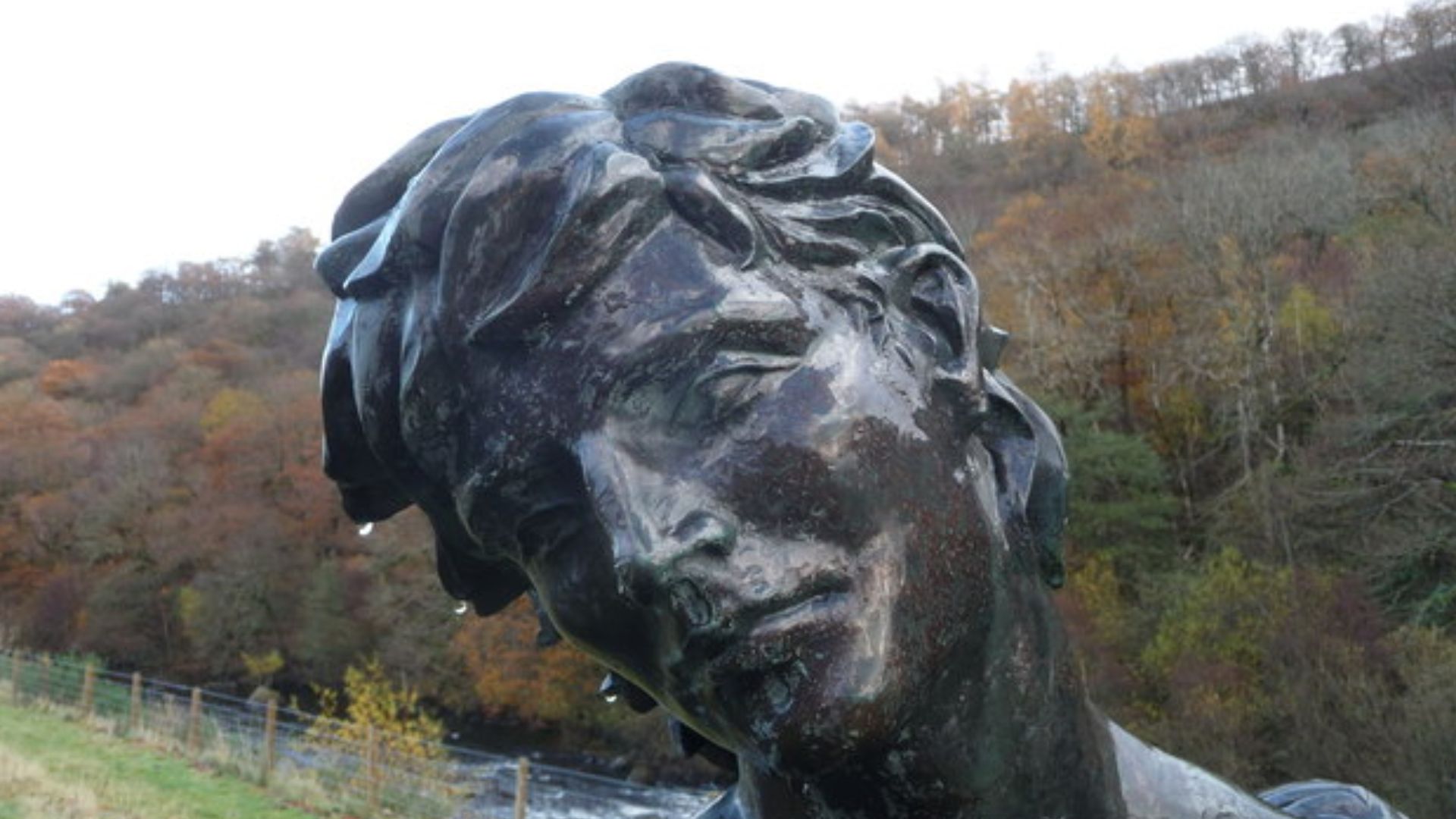
She Could Not Publicly Tell The Whole Truth
Mary’s preservation of Percy’s reputation required tact. His life had included scandal, political radicalism, unconventional relationships, and emotional complications. To secure his literary afterlife, she often had to shape the story carefully. Her grief became both private devotion and public management.
 Jeremy Bolwell , Wikimedia Commons
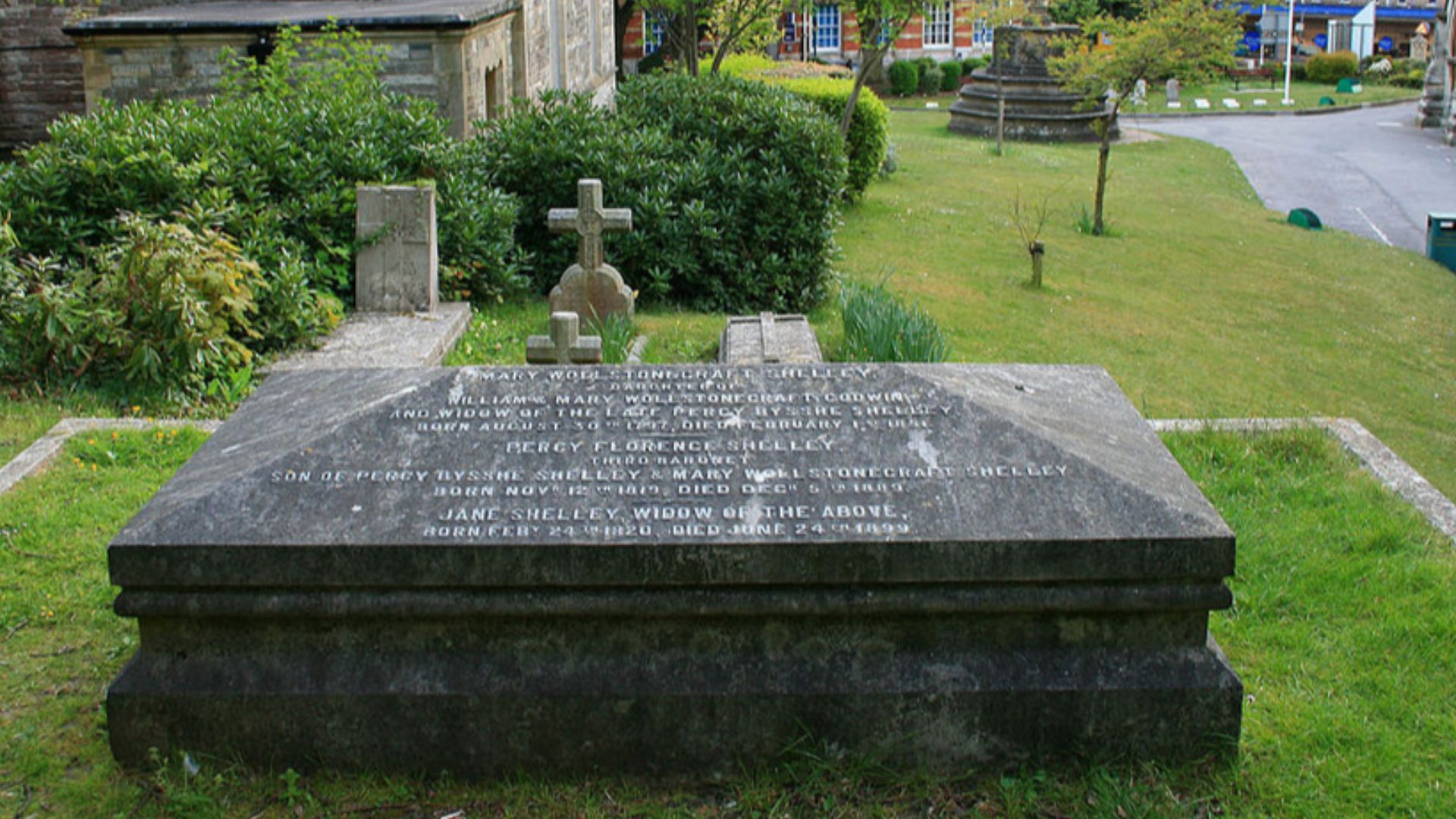
Her Final Years Were Quieter But Not Empty
Mary’s later years were not as chaotic as her youth. Her son Percy Florence and his wife Jane became important sources of comfort. After years of insecurity, she eventually had more stability, especially after Sir Timothy Shelley’s death improved the family’s financial circumstances.
 David Lally , Wikimedia Commons
Ill Health Darkened Her Last Chapter
Mary suffered from poor health in her final years. She continued writing and working on her husband’s legacy, but illness increasingly limited her. She passed in 1851 at age 53, leaving behind not only Frankenstein, but also decades of private grief carefully folded into memory.
However, her story wasn't over quite yet. She'd left behind a grisly keepsake for her son to find.
Her Family Opened The Box-Desk A Year Later
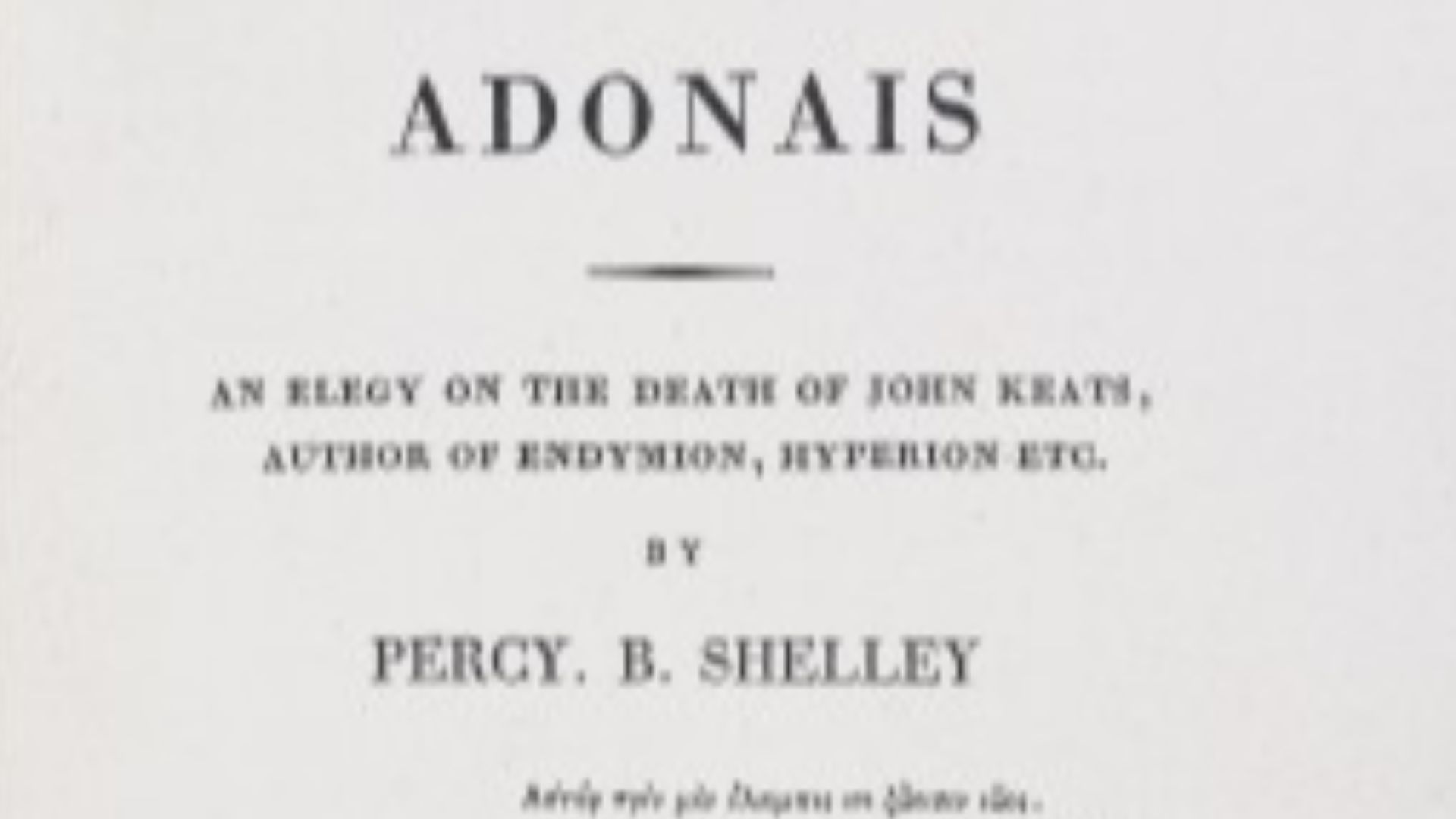
A year after Mary’s passing, her son Percy Florence Shelley and his wife Jane opened her box-desk. Inside, they found an intimate archive of mourning: locks of hair from her dead children, a notebook she had shared with Percy, and a copy of his poem Adonaïs.
But that wasn't all.
 Percy Bysshe Shelley, Wikimedia Commons
The Silk Parcel Was Hidden Inside Adonaïs
Inside the copy of Adonaïs, one page had been folded around a silk parcel. Within that parcel were some of Percy’s ashes and what were described as the remains of his heart. The discovery turned Mary’s desk into something like a private shrine to all she had lost.
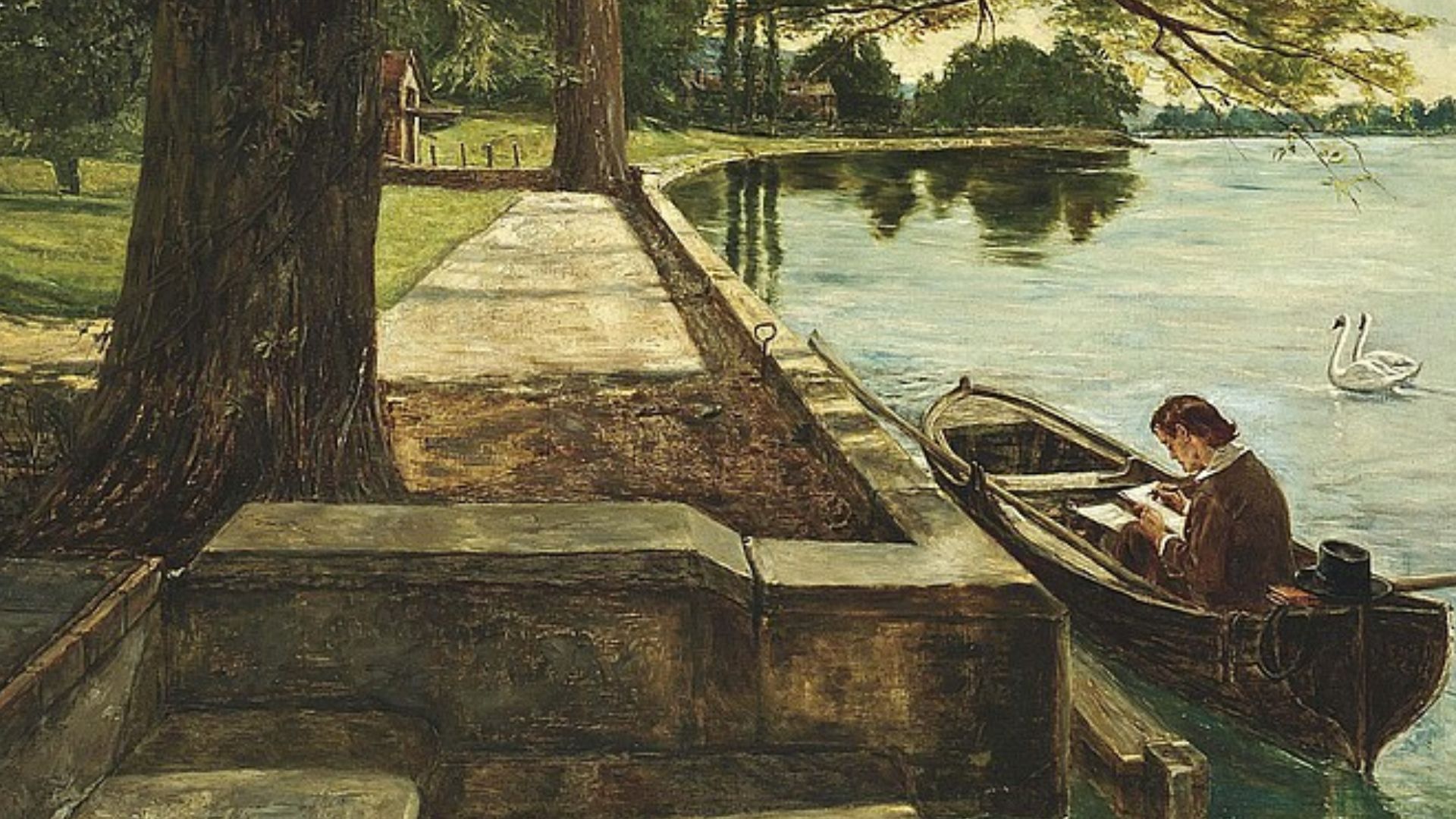
The Object Revealed How She Grieved
The heart was not just a morbid curiosity. It showed how Mary mourned: privately, intensely, and symbolically. She had spent nearly 30 years carrying Percy’s memory through writing, motherhood, editing, and survival. The silk-wrapped relic made visible what had always been true emotionally. She had never really let him go.
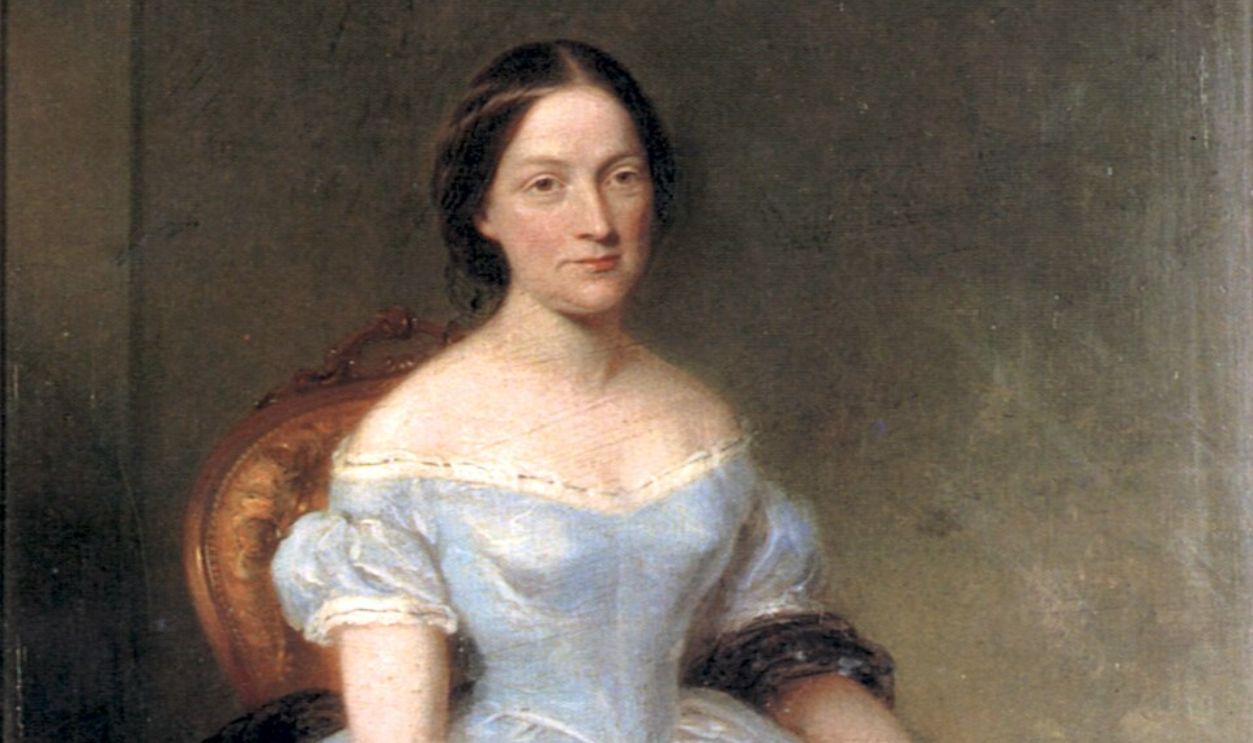 Richard Rothwell, Wikimedia Commons
Why Mary Shelley’s Keepsake Still Feels So Unsettling
Mary Shelley’s life was defined by the line between love and death. She wrote Frankenstein, lost children, buried friends, survived scandal, and spent decades guarding Percy Shelley’s memory. When her family opened her desk and found the remains believed to be his heart wrapped in silk, they uncovered the most haunting symbol of her devotion: a widow’s grief preserved until the end.
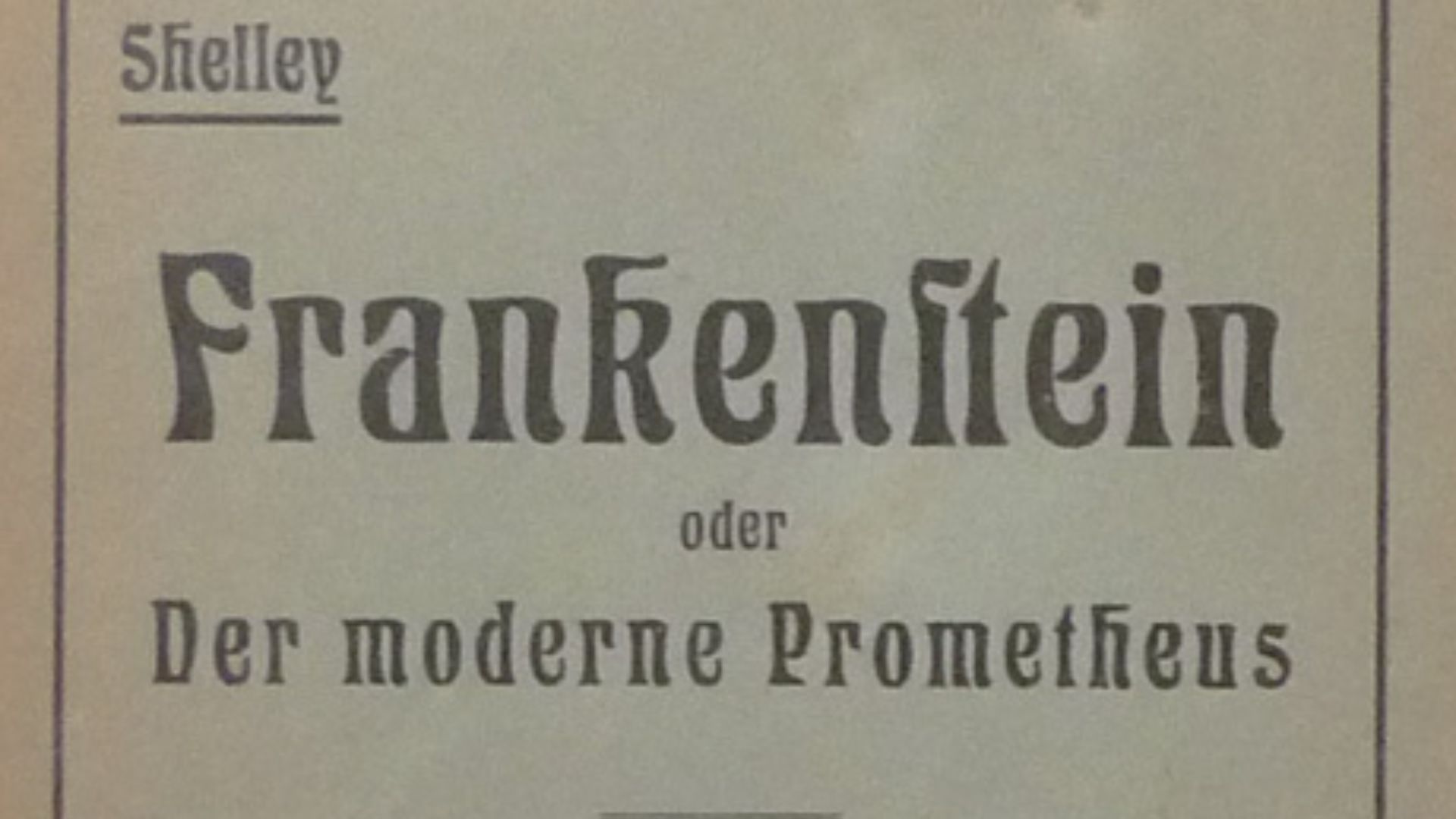 Woodland987, Wikimedia Commons
You May Also Like:
These “Siamese Twins” Met A Disturbing End
Peculiar Facts About Famous Writers
The Sad Fates Of The Brontë Sisters, Literature's Gothic Masterminds