Ancient Courtrooms Had Plenty Of Drama
Think courtroom drama is a modern invention? Think again. Thousands of years ago, people were arguing over unpaid loans, family inheritances, and missing property. Fortunately for curious historians, some of those disagreements were recorded on clay tablets and stone. And the stories they tell are surprisingly familiar.
A Woman Demands Her Money Back
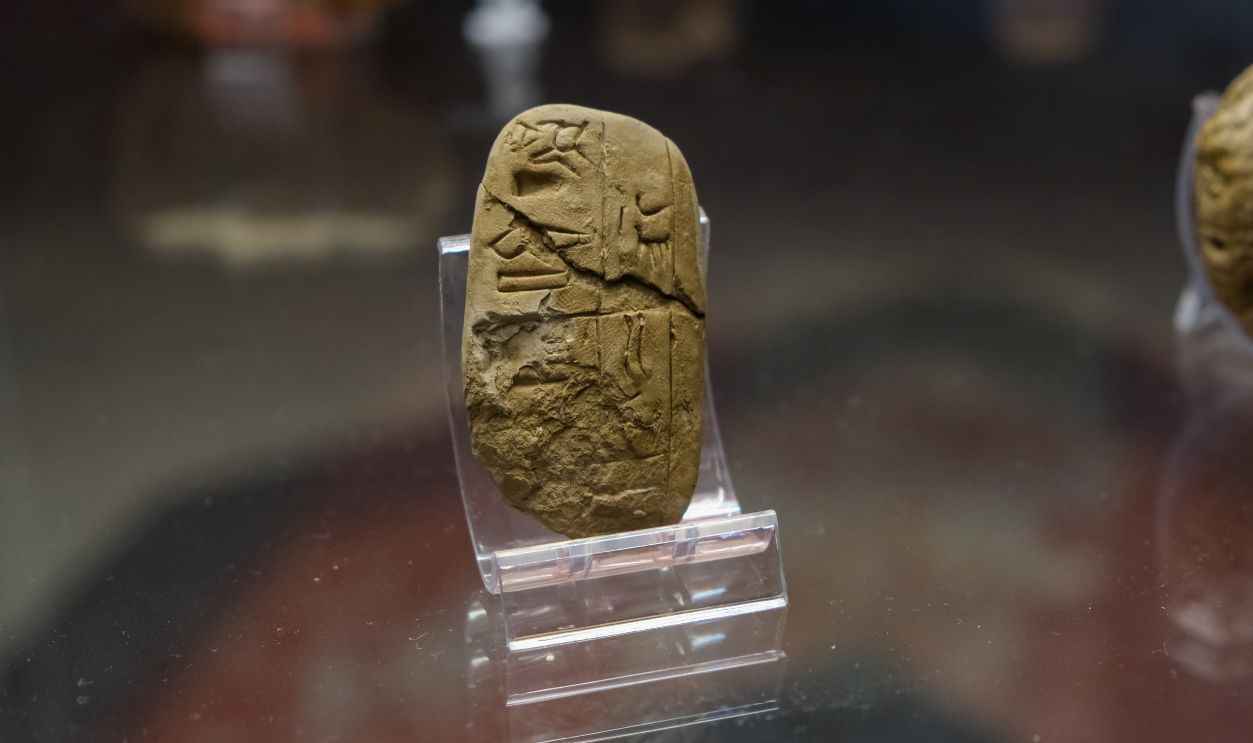
Around 4,000 years ago, in the Mesopotamian city of Umma, a woman named Geme-Suen wanted her money back. She claimed another woman, identified only as the wife of Ur-lugal, had borrowed two minas of silver and failed to repay everything. This wasn't exactly pocket change.
A Fortune Worth Fighting Over
Two minas amounted to 120 shekels of silver, an enormous sum in ancient Mesopotamia. According to historian Amanda Podany, that was equivalent to roughly 50 years of a laborer's wages. Geme-Suen clearly wasn't interested in simply forgetting the debt, so the disagreement ended up before a judge.
The Defendant Had An Interesting Excuse
Ur-lugal's wife insisted the matter had already been settled in her favor. She even named the official who supposedly handled the earlier proceedings. Unfortunately, when that official was questioned, he denied her story. Suddenly, her explanation wasn't looking particularly convincing.

Even Her Children Wouldn't Back Her Up
The case took an extraordinary turn when all five of the woman's children refused to swear an oath supporting her account. Eventually, she admitted she still owed ten shekels. One son acknowledged owing another five. Geme-Suen won, and the whole embarrassing affair survived on a tiny clay tablet.

Two Merchants And A Missing Archive
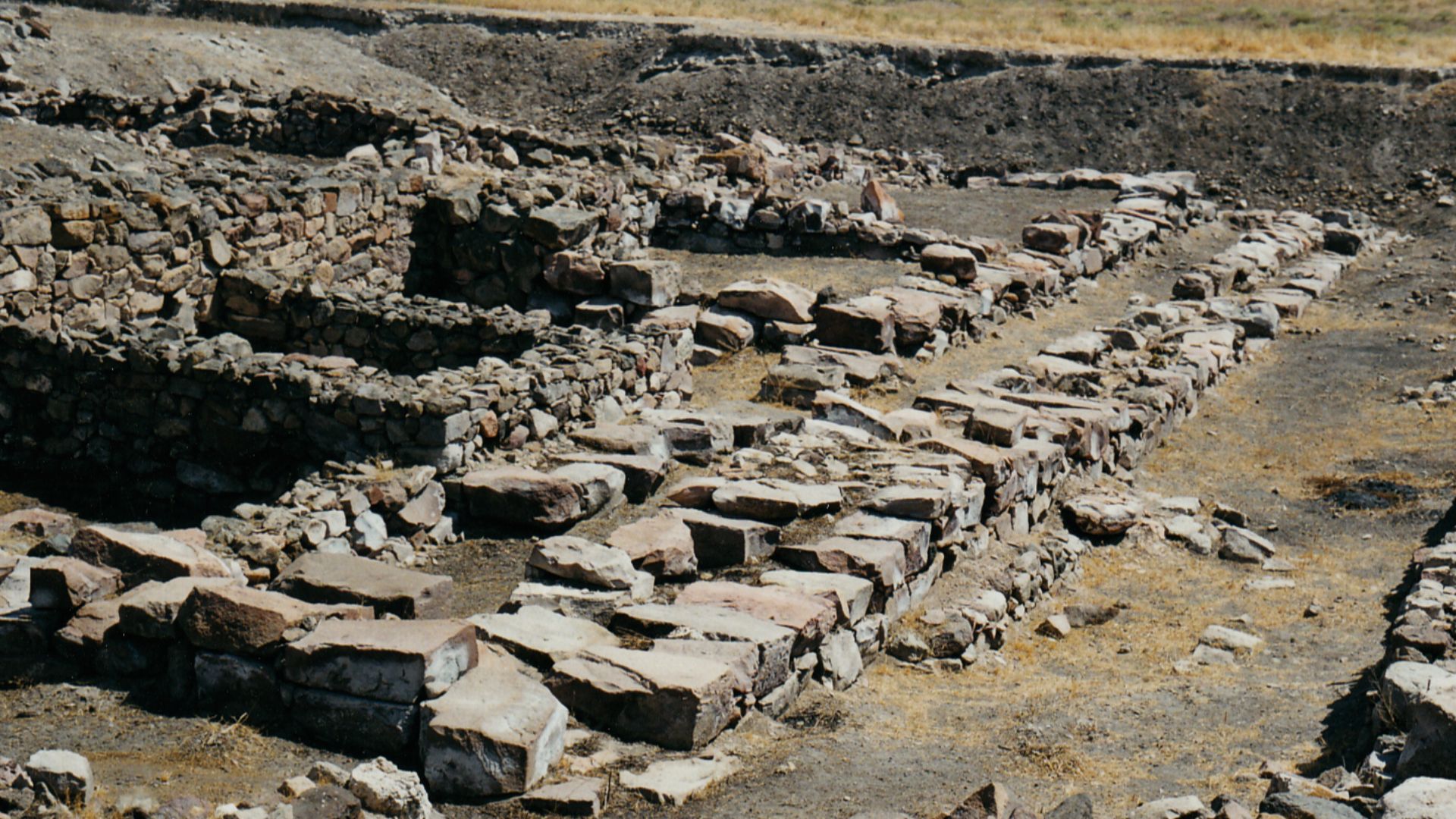
In ancient Kanesh, in what's now Turkey, two merchants named Suen-nada and Ennum-Ashur became involved in a disagreement over a private archive. Both claimed ownership, and each accused the other of taking valuable contents from it. For businessmen who depended on written records, this was serious trouble.
 Klaus-Peter Simon, Wikimedia Commons
The Ancient Equivalent Of Missing Bank Records
The disputed archive contained cylinder seals and numerous clay tablets recording business dealings. Some belonged to other merchants who had deposited documents for safekeeping. Imagine discovering that your financial records, legal papers, and important contracts had disappeared. That gives you an idea of the stakes.

The Gods Were Invited Into Court
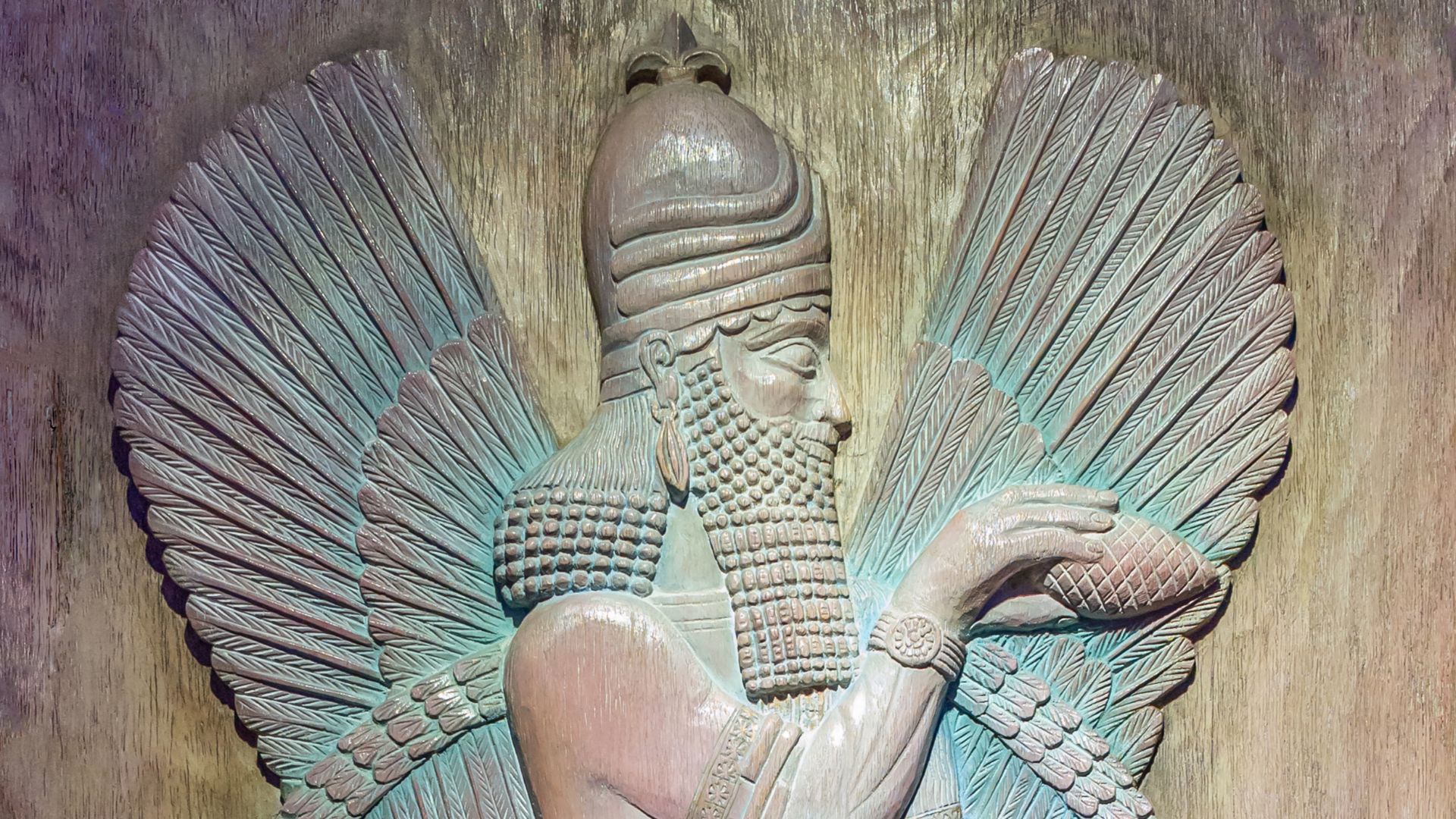
The proceedings took place before representatives of the merchant authorities in Kanesh, with the ceremonial dagger of the god Ashur also present. Religion and legal proceedings were closely connected in ancient Assyria. An argument between businessmen could therefore involve both civic officials and sacred authority.
The Case Was Heading To A Higher Court
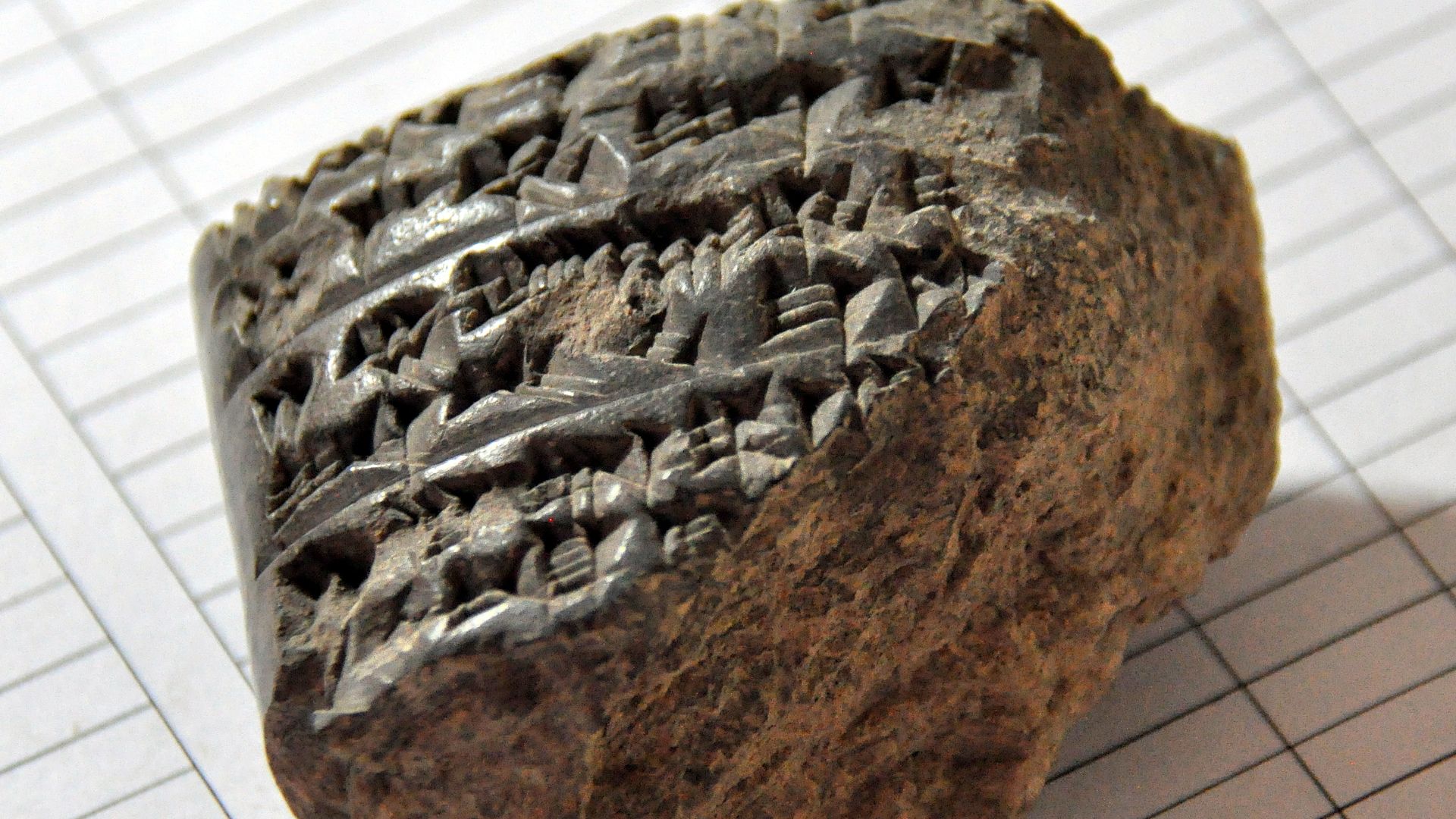
Ennum-Ashur requested that the dispute be transferred to Ashur, where the city assembly and king could consider it. Unfortunately, the surviving tablet doesn't reveal the final verdict. We know what the merchants argued about, but not who eventually won. That's one ancient mystery still waiting for an answer.
 Osama Shukir Muhammed Amin FRCP(Glasg), Wikimedia Commons
An Egyptian Family Fights Over Land
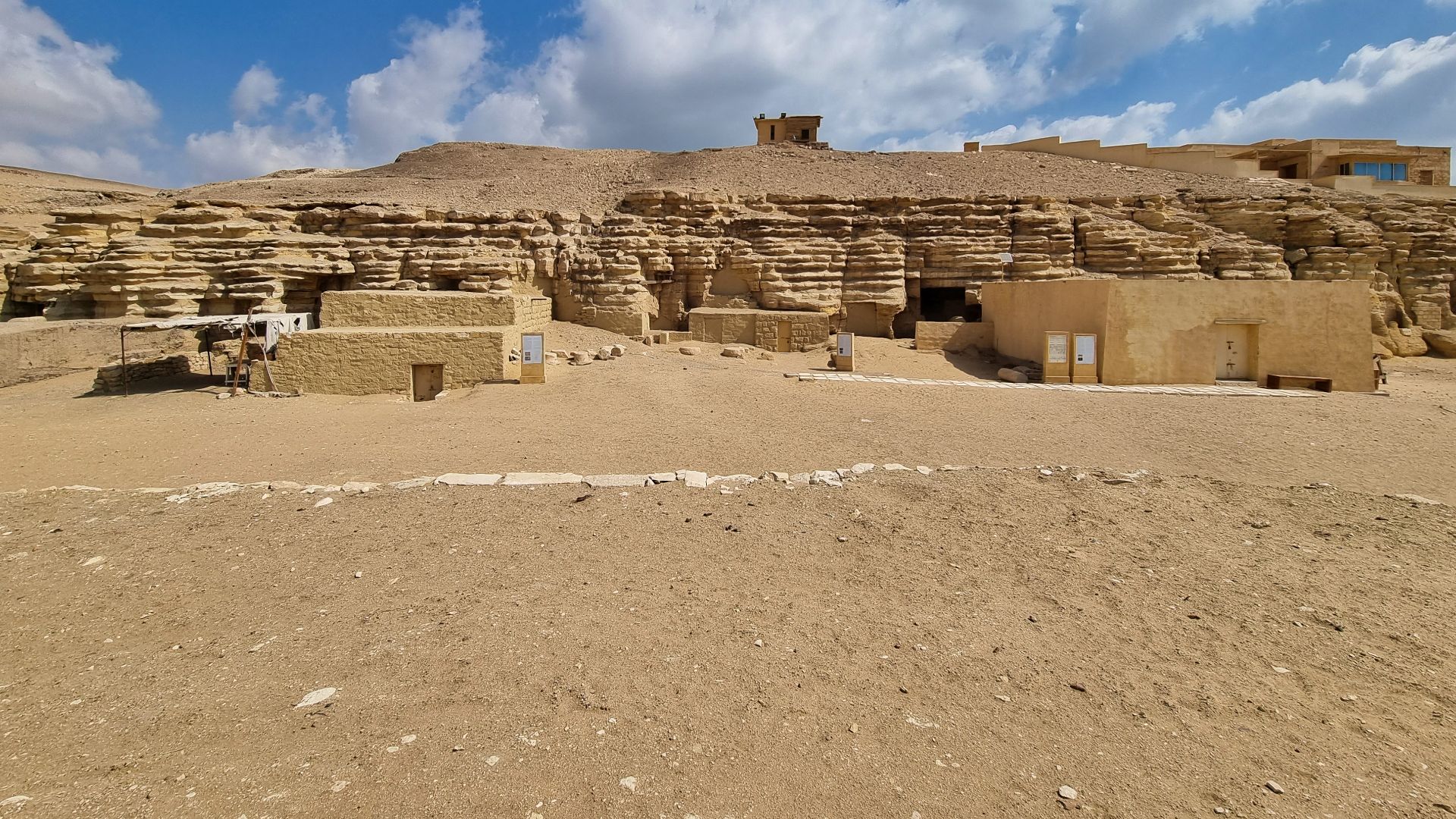
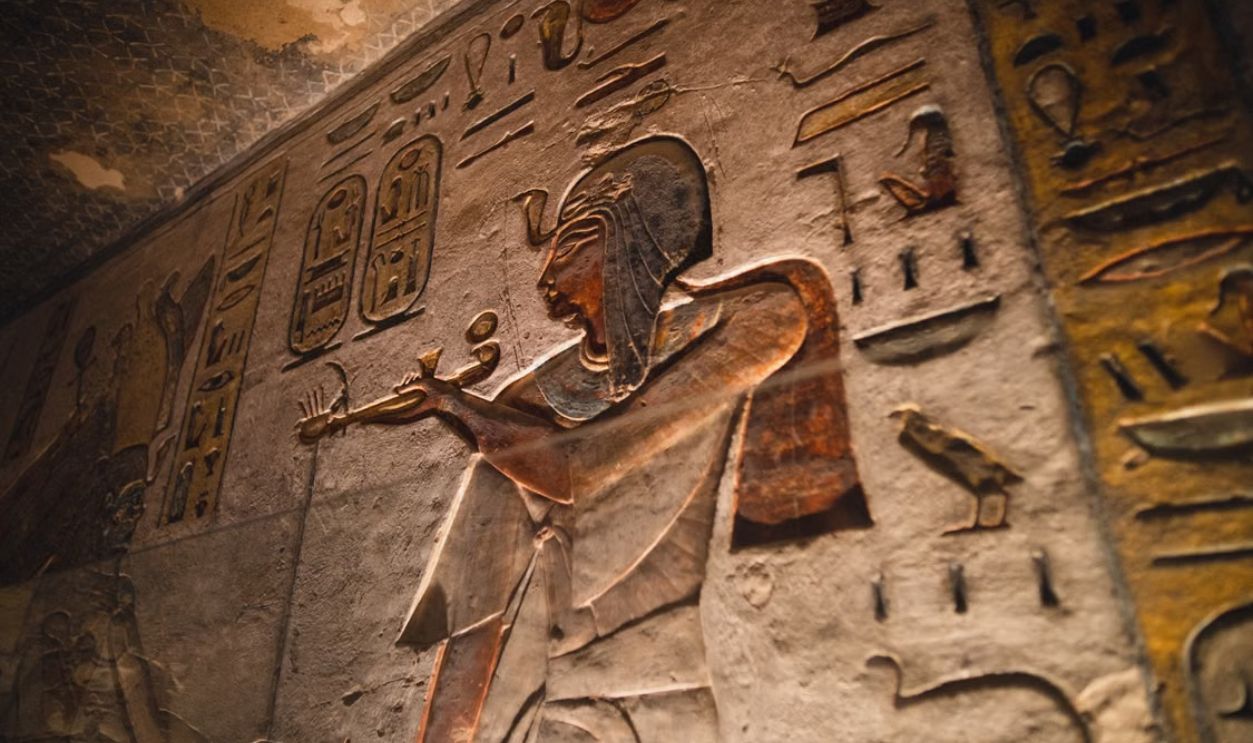
Ancient Egypt had its share of inheritance disagreements. One particularly remarkable case survives in an inscription inside the tomb of a man named Mes at Saqqara. Dating to the Nineteenth Dynasty, it describes a lengthy dispute involving family members, inherited fields, and the complicated business of proving ownership.
 Richard Mortel, Wikimedia Commons
Everyone Thought The Land Was Theirs
The disagreement involved competing claims to agricultural property that had passed through generations of a family. Different relatives argued over who was entitled to particular fields. As the dispute developed, Egyptian officials faced a familiar problem: deciding which family documents and competing statements could actually be trusted.
The Court Wanted Better Evidence
At one hearing, disputants presented their documents before the vizier's court. Rather than accepting their claims at face value, officials consulted government land registers. The records helped establish who was entitled to the property. Even thousands of years ago, having the correct paperwork could make all the difference.
The Argument Was Carved Into A Tomb
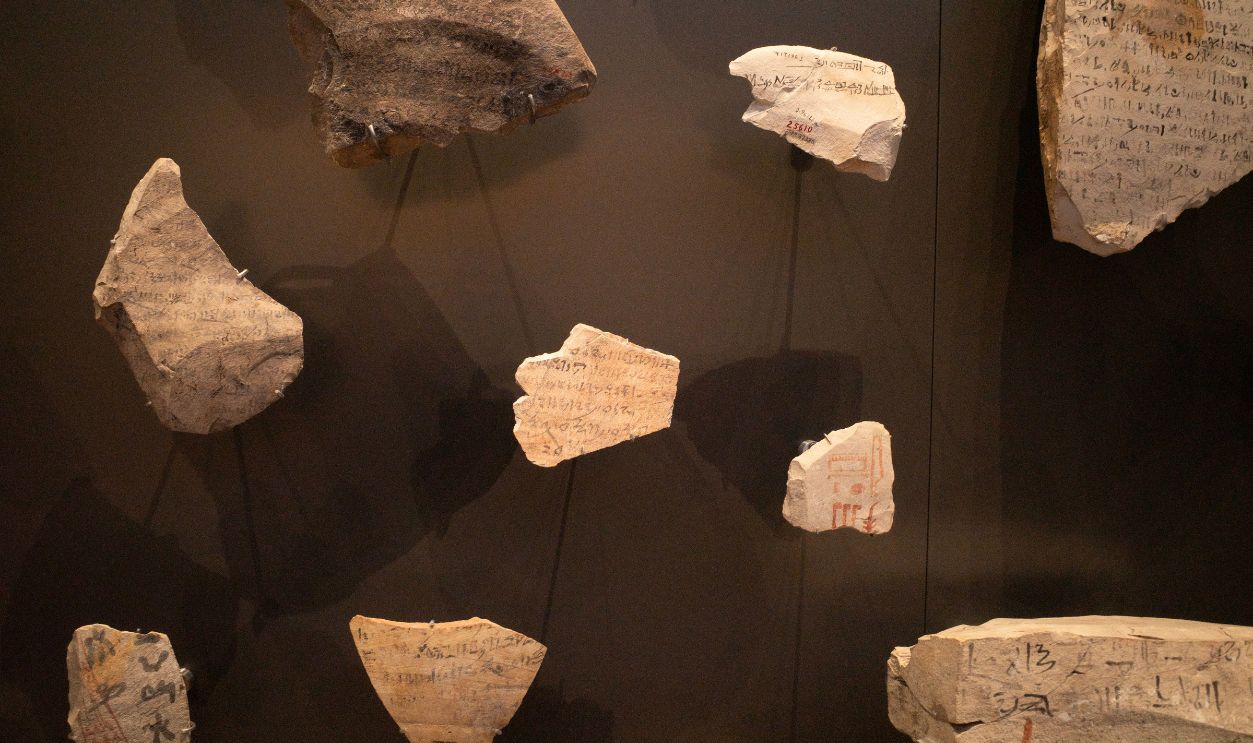
What's especially remarkable is how the lawsuit survived. Mes had details of the family's legal struggles inscribed on his tomb walls. Instead of merely celebrating his achievements, the monument preserved a complicated property dispute. Historians are still studying its details, which aren't always easy to interpret.
An Egyptian Debt Worth A Fortune
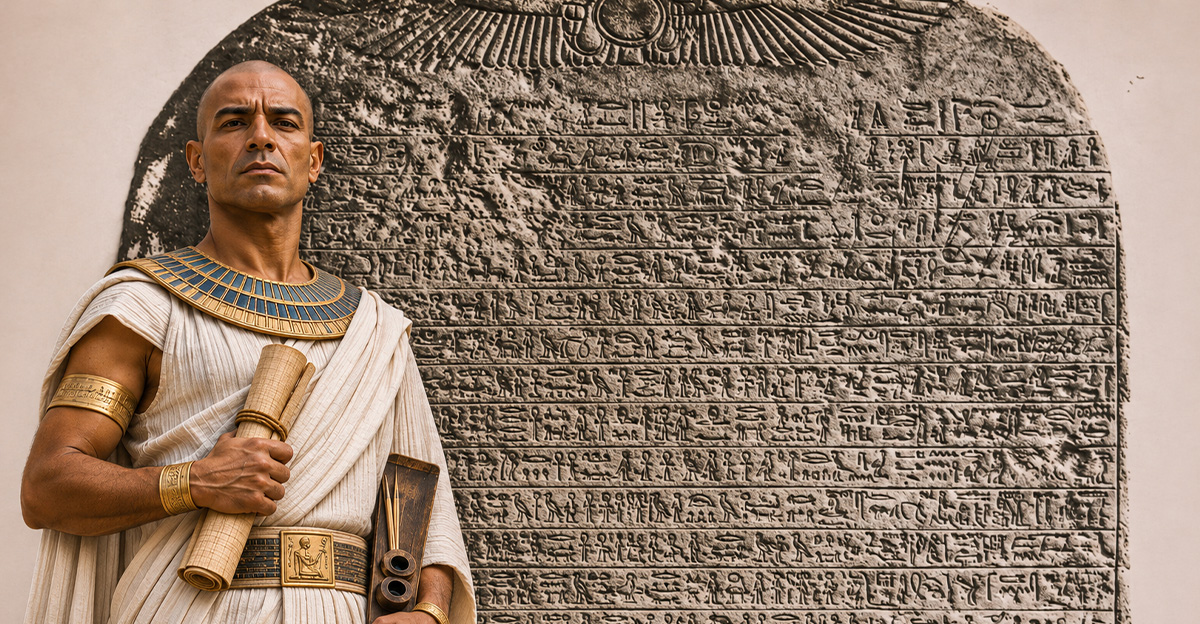
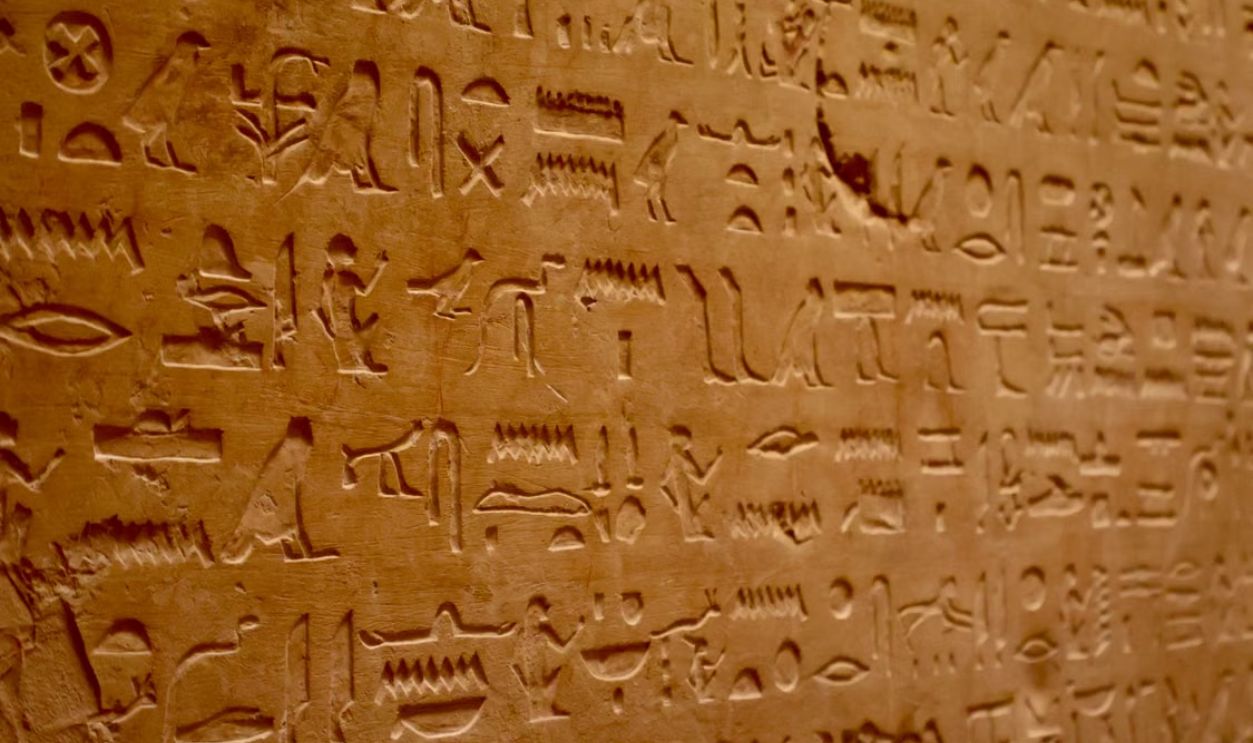
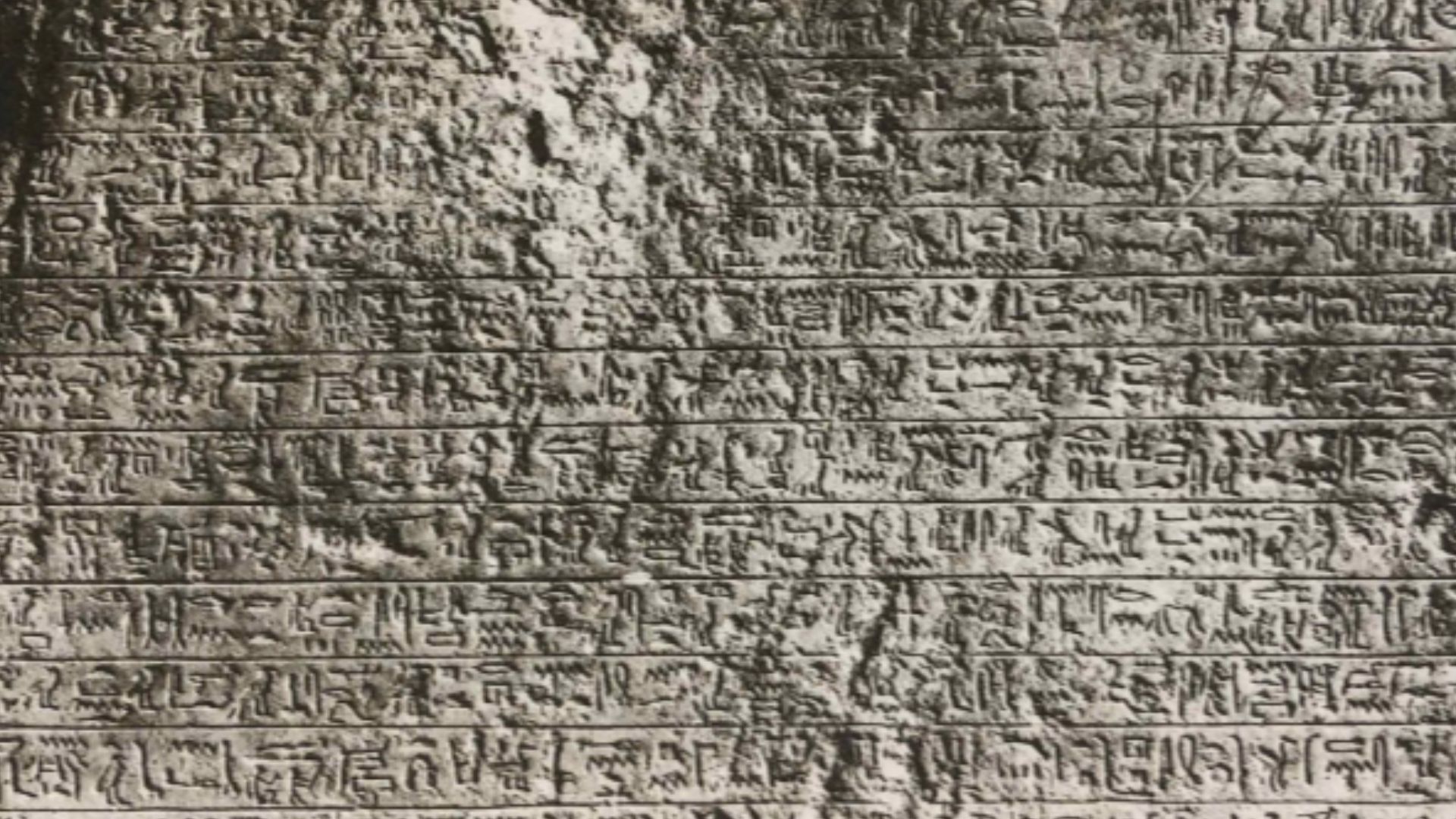
Another Egyptian legal record, known as the Juridical Stela, preserves a dispute from the seventeenth century BCE. The inscription concerns a claim involving property valued at approximately 5.5 kilograms of gold. That was a staggering amount of wealth, and resolving the obligation required something rather unusual.
 AnonymousUnknown author, Wikimedia Commons
An Important Job Became Part Of The Settlement
The proceedings concerned an obligation that was eventually satisfied through the transfer of a powerful administrative office. Instead of simply exchanging money, the resolution involved a position carrying significant authority. It reminds us that wealth and government responsibilities were often closely connected in ancient Egyptian society.

The Verdict Was Preserved In Stone
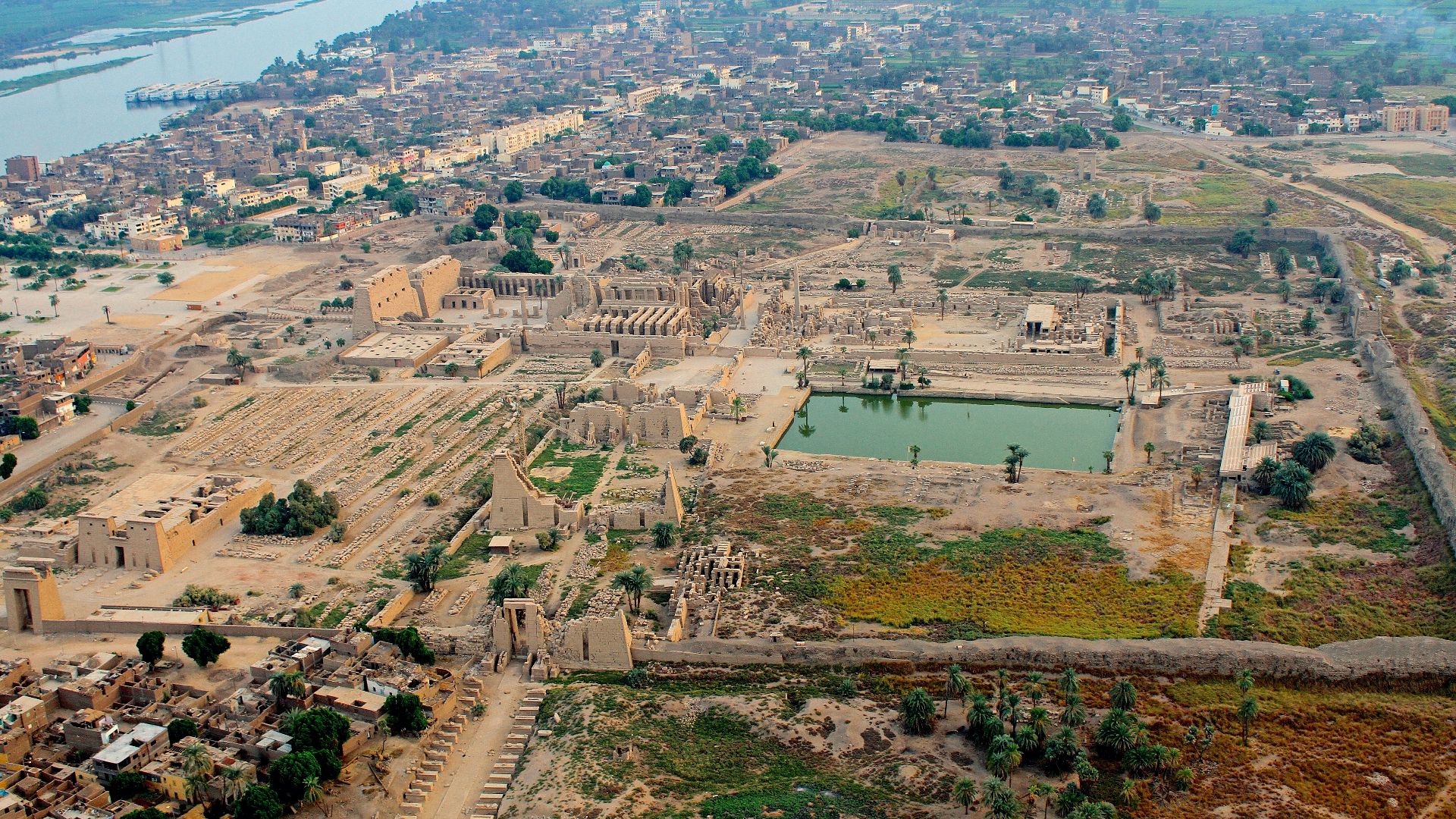
The case was recorded on a stone monument associated with Karnak, now known as Cairo JE 52453. Its inscription preserves details of official testimony and legal proceedings. Unlike an ordinary business agreement, this document offers a rare glimpse into how a significant financial dispute was handled by Egyptian authorities.
 Ahmed Bahloul Khier Galal, Wikimedia Commons
A Babylonian Family Has An Inheritance Dispute
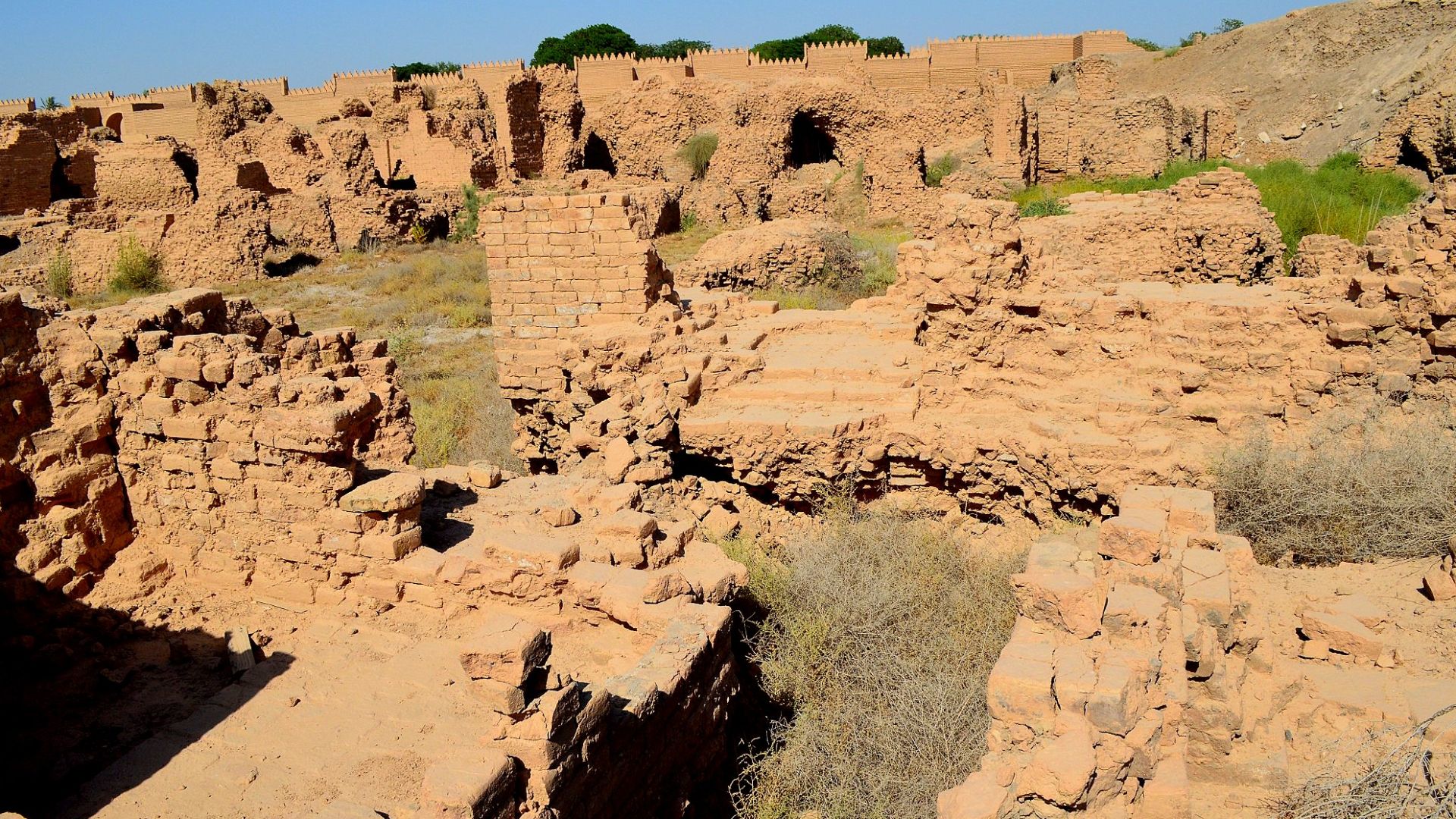
Fast-forward to sixth-century BCE Babylon, where a family disagreement became serious enough to require a court decision. A surviving tablet, known to scholars as VAT 13254, concerns the descendants of a man named Nabu-ahhe-iddin and his wife, Ahatu. The argument involved family property and inheritance rights.
 Osama Shukir Muhammed Amin FRCP(Glasg), Wikimedia Commons
Who Actually Looked After Their Mother?
This wasn't simply a disagreement about dividing possessions. The legal arguments also addressed which family members had cared for the widowed Ahatu. Her daughters' support became an important part of the proceedings. Ancient Babylonian judges had to consider both written legal evidence and expectations about family responsibilities.
Family Loyalty Became Legal Evidence
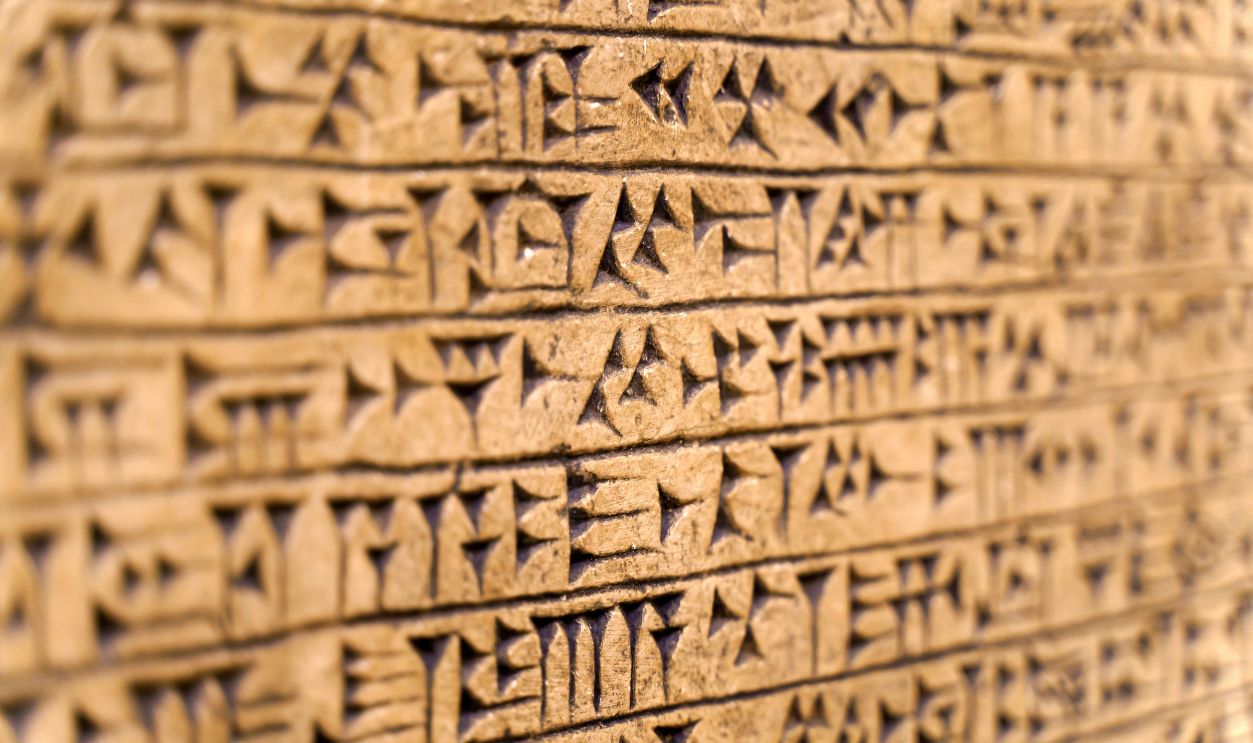
What makes the case fascinating is the detailed discussion of family obligations. The competing arguments show that providing care for an elderly parent could matter when inheritance claims were considered. Modern families might recognize that tension immediately: who deserves what, and does helping a parent affect the answer?

Someone Stole A Pig
Not every ancient lawsuit involved wealthy merchants or valuable estates. An Old Babylonian court record cataloged as CT 48, 023 concerns the theft of a pig. The surviving document is described as a public trial, demonstrating that everyday property disputes could become formal legal matters worthy of being recorded.
 Emoke Denes, Wikimedia Commons
Even Livestock Could End Up In Court
A pig represented something valuable in an agricultural society, so its disappearance wasn't necessarily a minor inconvenience. Unfortunately, the cataloged record doesn't provide enough accessible detail to confidently reconstruct every accusation or the final judgment. Still, the case proves that ancient courts handled disputes over remarkably ordinary possessions.

An Uncle And Nephew Fight Over An Inheritance
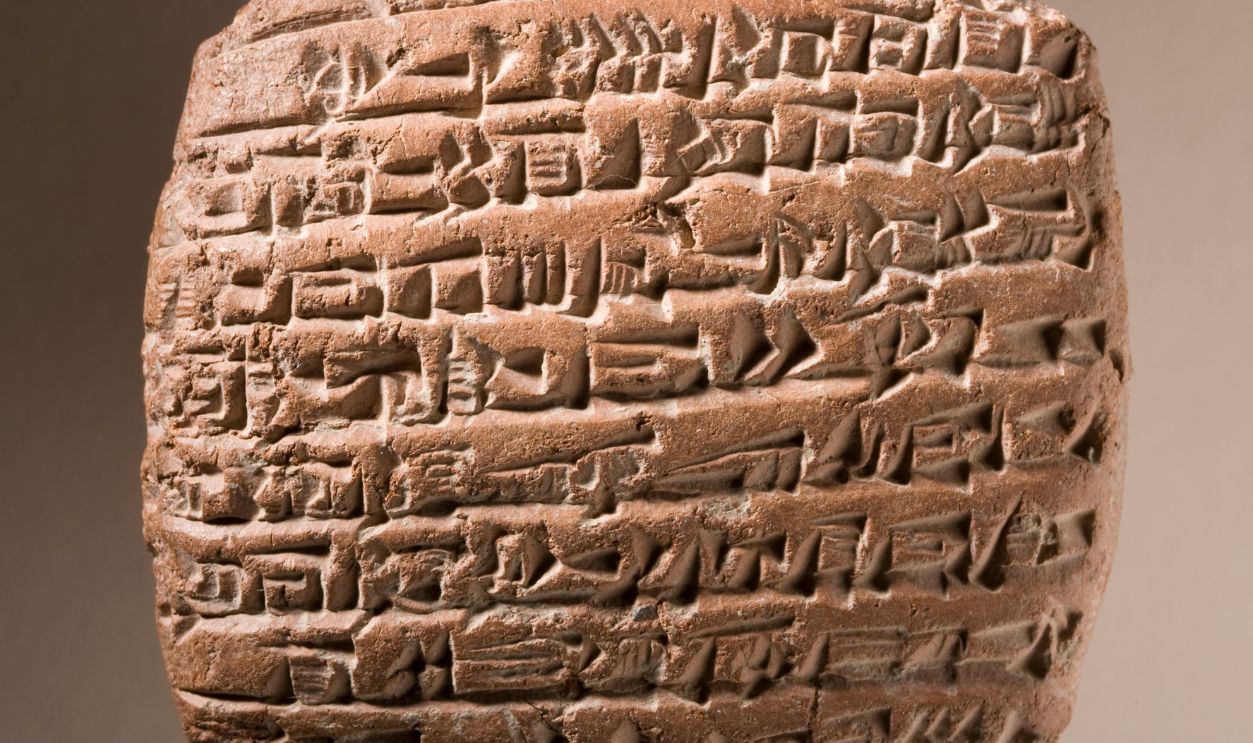
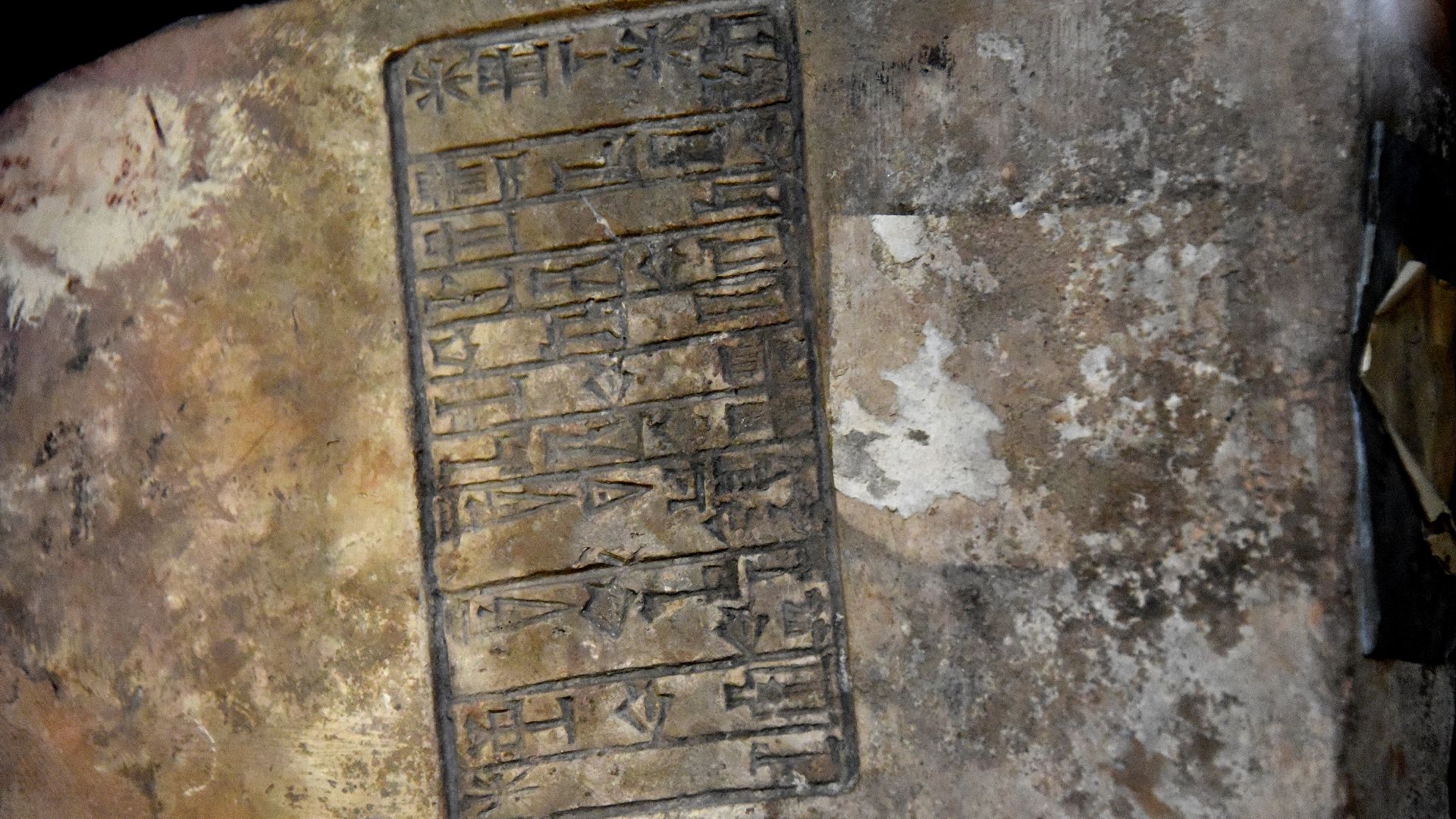
A clay tablet from ancient Nippur contains a legal example involving an inheritance disagreement between a man and his uncle. The document, known as CBS 11324, illustrates how family property claims could become complicated. However, researchers identify these narratives as model court cases, rather than straightforward surviving trial transcripts.
 Noemi Alzayadi, Wikimedia Commons
Two Brothers Disagree Over Family Property
The same tablet includes another model case involving an inheritance dispute between brothers. Evidently, disagreements over who should receive family property made useful examples for ancient legal instruction. The tablet also includes a case about adoption, demonstrating the variety of family questions addressed in Mesopotamian legal traditions.
A King Gets Involved In A Family Dispute
One of the Nippur tablet's model cases features a decision attributed to King Ishme-Dagan of Isin. That royal connection has helped scholars date the text. It's an intriguing reminder that ancient legal teaching could incorporate royal authority, even when the examples weren't necessarily records of actual courtroom proceedings.
 Osama Shukir Muhammed Amin FRCP(Glasg), Wikimedia Commons
Ancient Greece Had Rules For Family Arguments Too
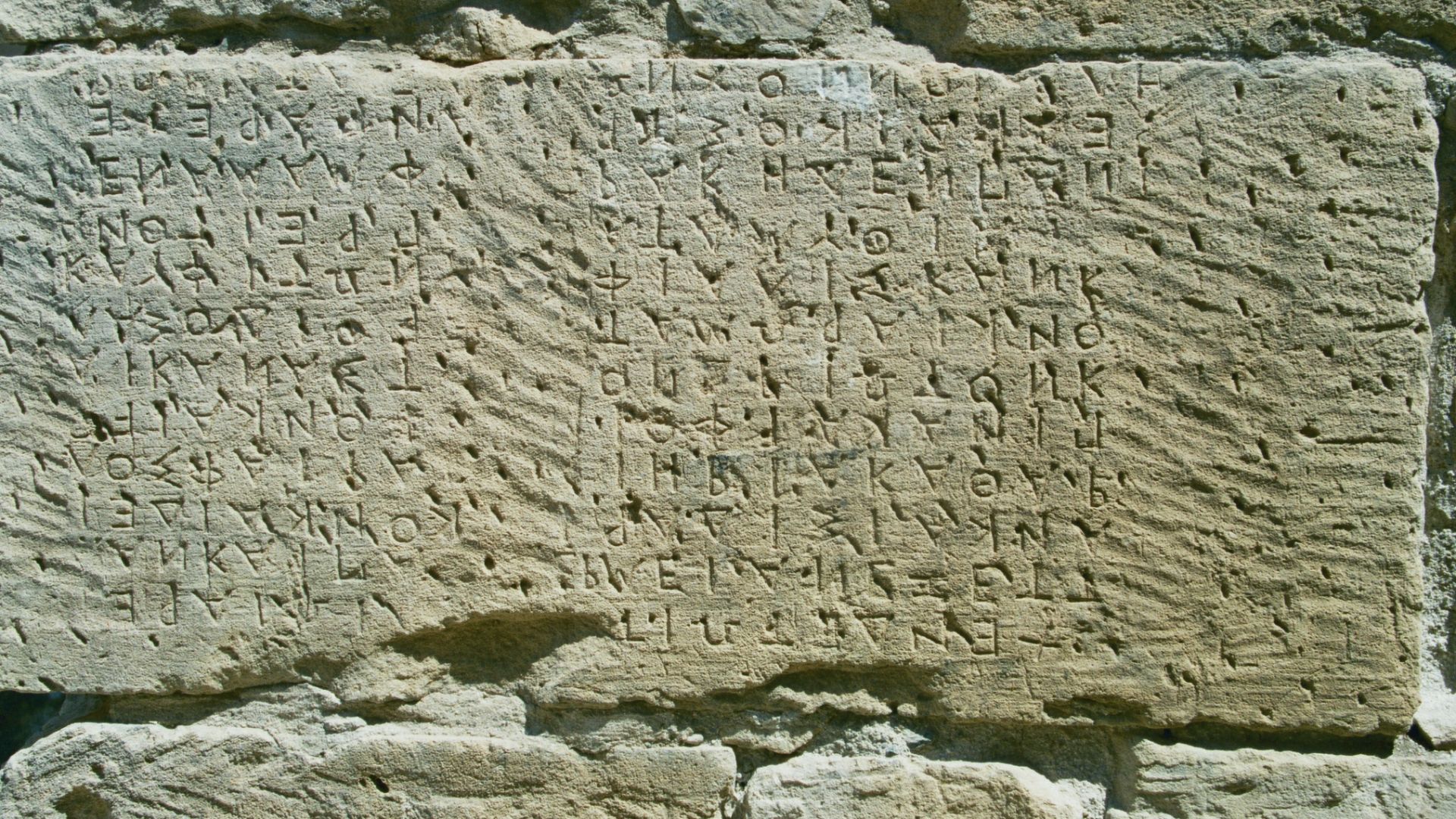
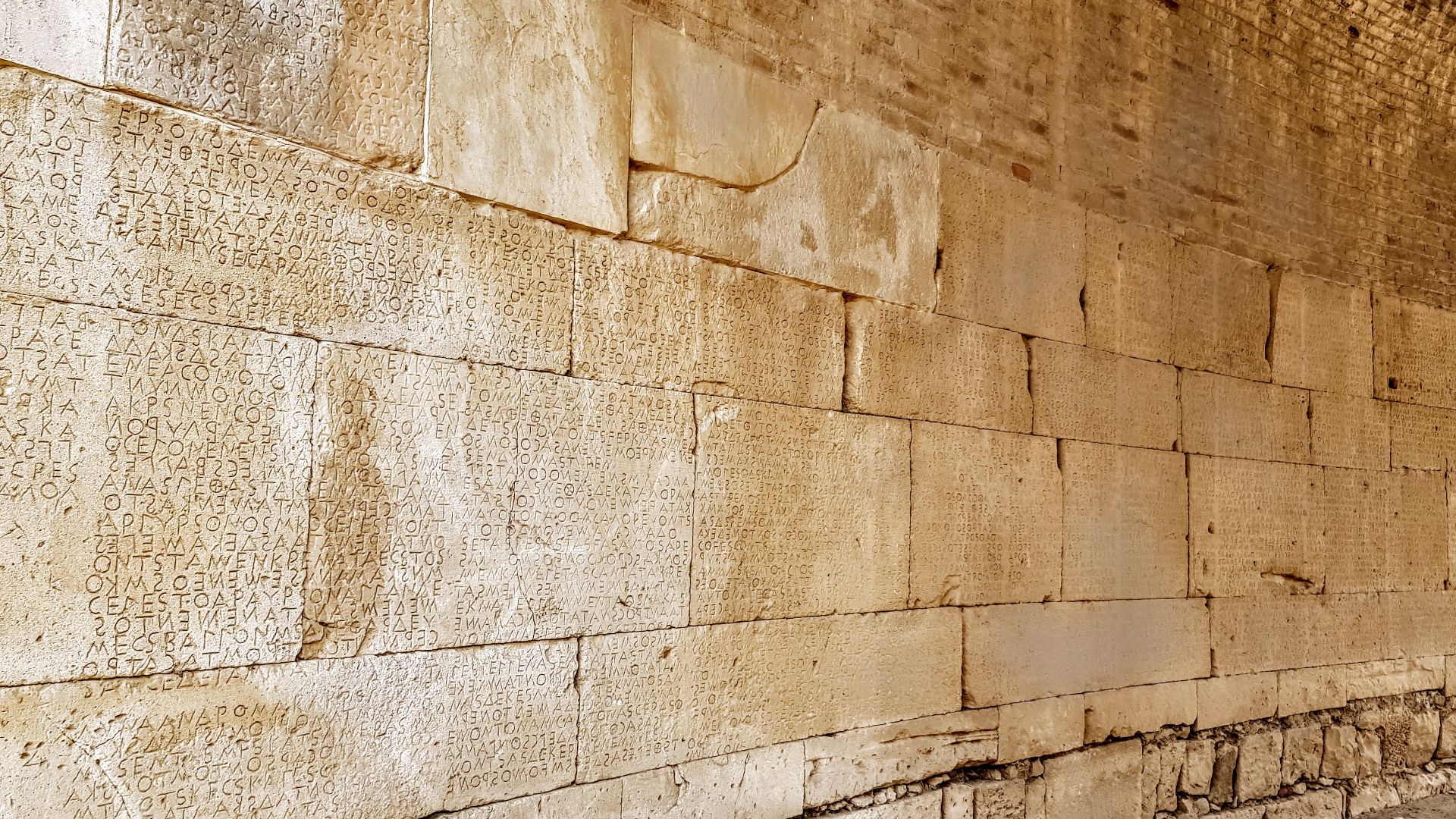
On the Greek island of Crete, the city of Gortyn displayed an extensive collection of laws carved into stone around the fifth century BCE. They addressed inheritance, property, marriage, and other disputes. Unlike the Mesopotamian trial tablets, however, the inscription preserves legal rules rather than individual courtroom dramas.
 photosiotas, Wikimedia Commons
Ancient Laws Could Be Surprisingly Detailed
The Gortyn inscription even specified procedures for bringing disputes before judges and penalties for certain improper actions. Some provisions addressed how property should pass among relatives. The surviving text shows that ancient communities developed detailed legal systems long before modern courts, lawyers, and printed law books became familiar.
Thousands Of Years Later, The Arguments Sound Familiar
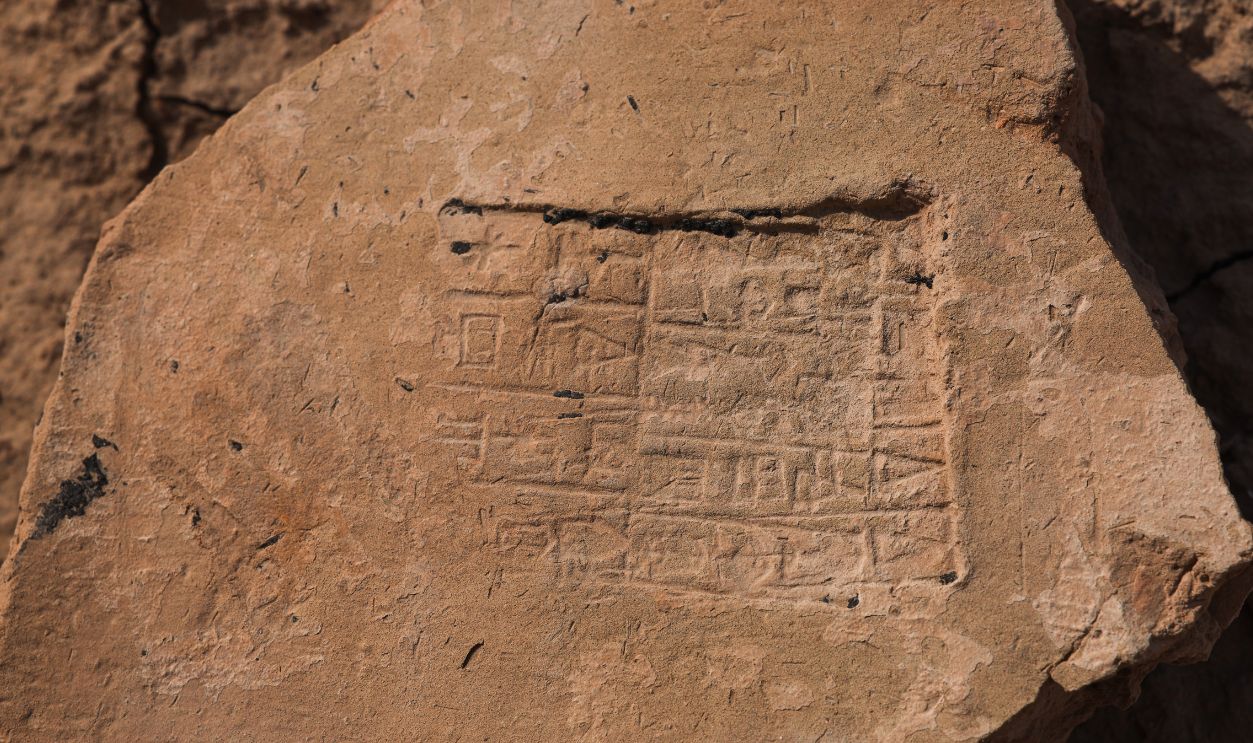
What makes these ancient records so entertaining isn't just their age. It's how recognizable the disagreements remain. People wanted their money back, relatives argued over inheritances, and merchants accused one another of wrongdoing. The clay tablets and stone inscriptions may be ancient, but the human behavior they preserve feels remarkably modern.
You May Also Like:
How One Mistake Turned A 24-Cent Stamp Into A Collector's Treasure Worth More Than A Diamond
Ridiculously Dangerous Substances That They Sold In Kids Sceince Kits In The 1960s