When Science Class Came With A Warning Label
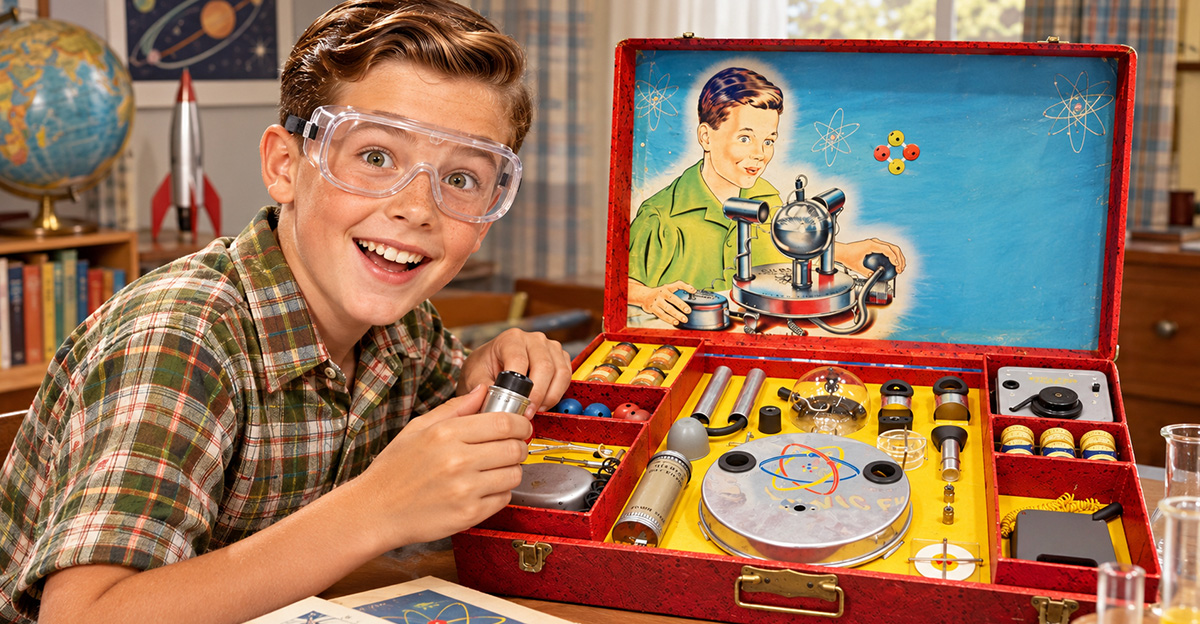
If you grew up in the 1960s, you might remember getting a chemistry set for Christmas. It came with tiny bottles, glass test tubes, and the promise of becoming a real scientist. What nobody mentioned quite so loudly was that some of those innocent-looking bottles contained chemicals that could seriously hurt you.
The Golden Age Of Backyard Scientists
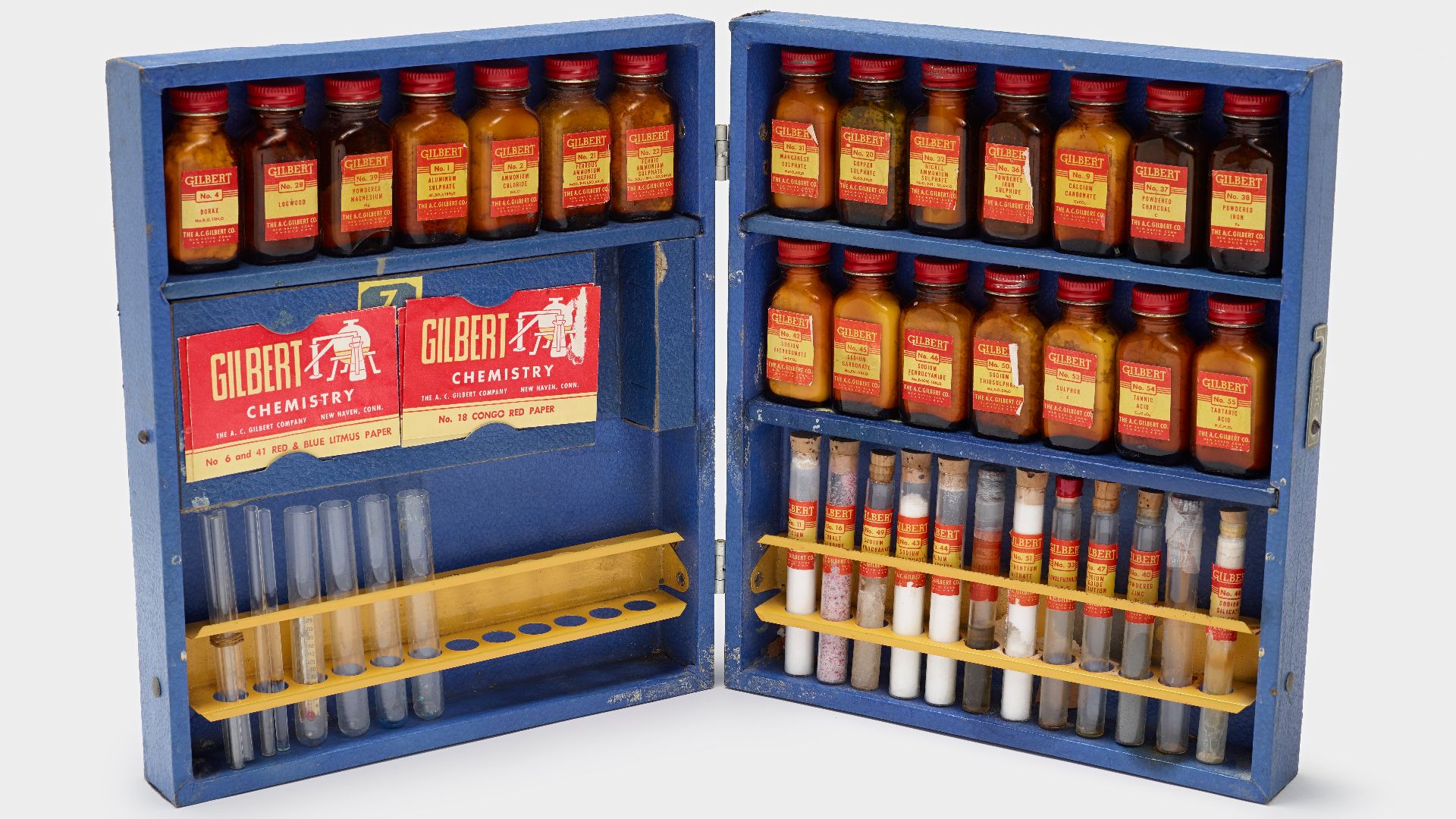
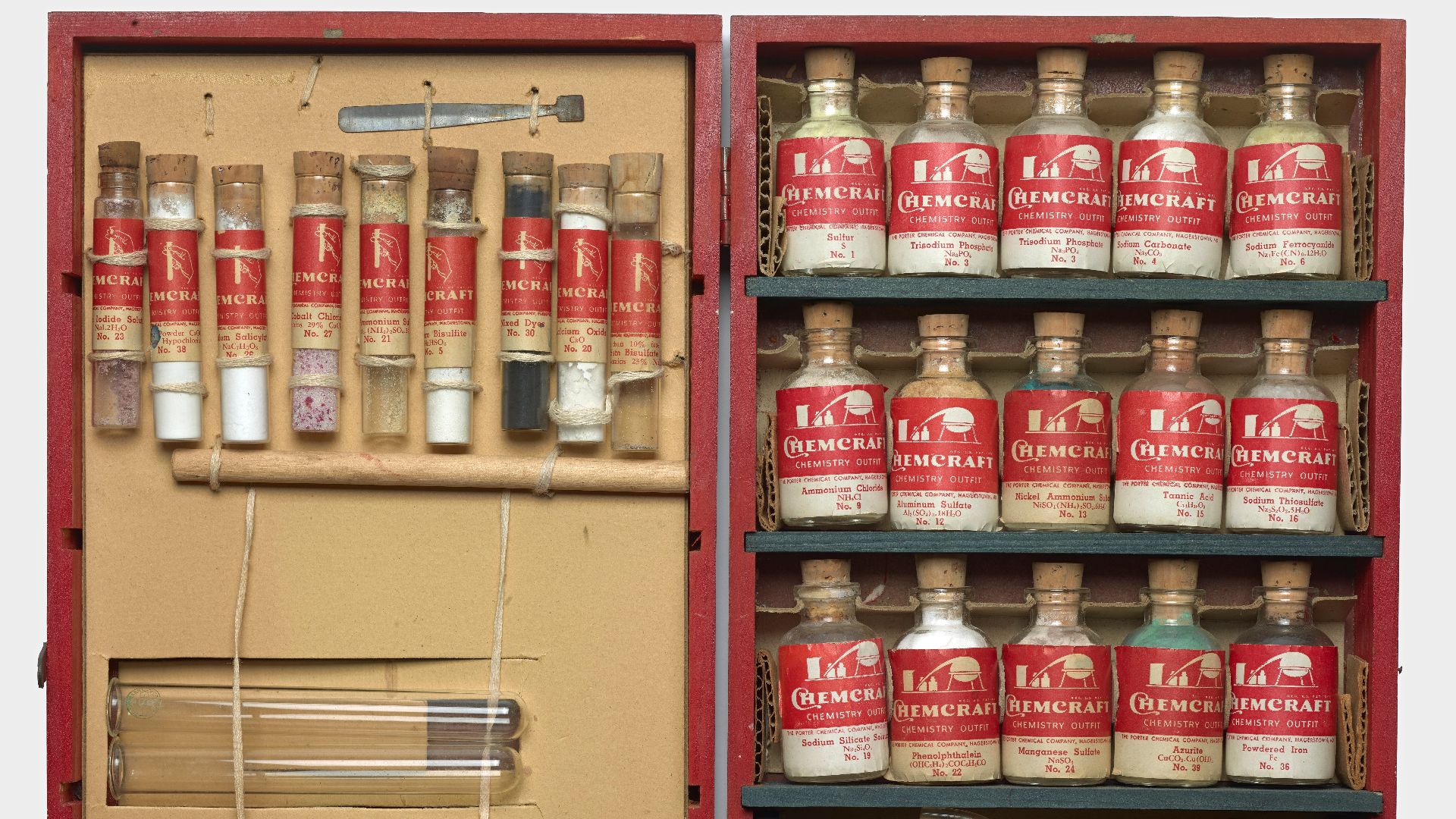
During the 1950s and early 1960s, companies like Gilbert and Chemcraft sold chemistry sets that turned bedrooms and basements into miniature laboratories. Parents loved the educational promise, while children loved making things bubble, fizz, and change color. Safety standards, however, were considerably different from today's.
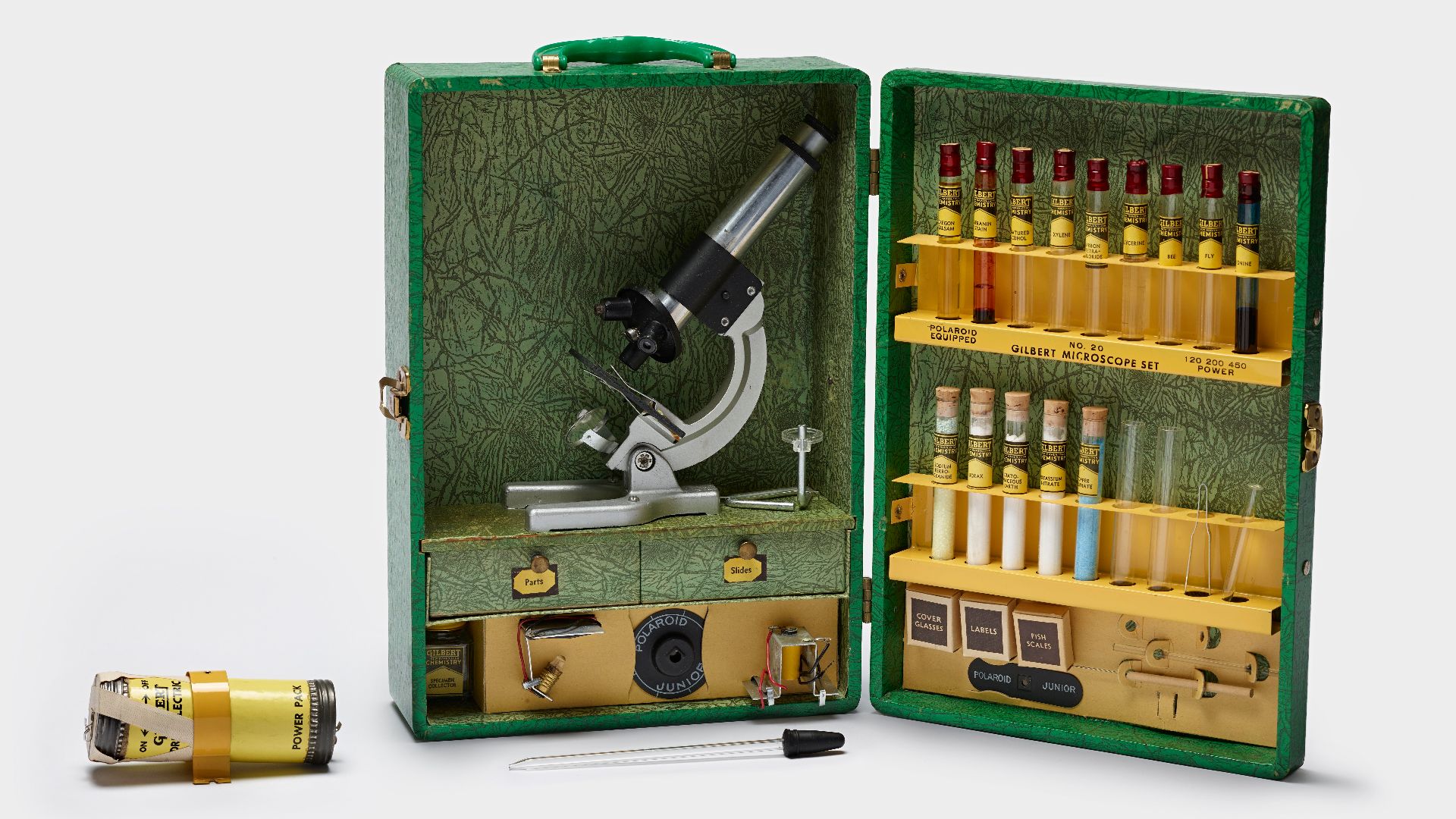 A.C. Gilbert Company, Wikimedia Commons
Cobalt Chloride Wasn't Exactly Harmless
Gilbert's 1960 Chemistry Experiment Lab included cobalt chloride, a chemical used in color-changing experiments. It seemed like innocent fun, but cobalt chloride can cause skin irritation and allergic reactions. Certain cobalt compounds are also linked to serious long-term health risks. Not exactly something you'd want spilled across the kitchen table.
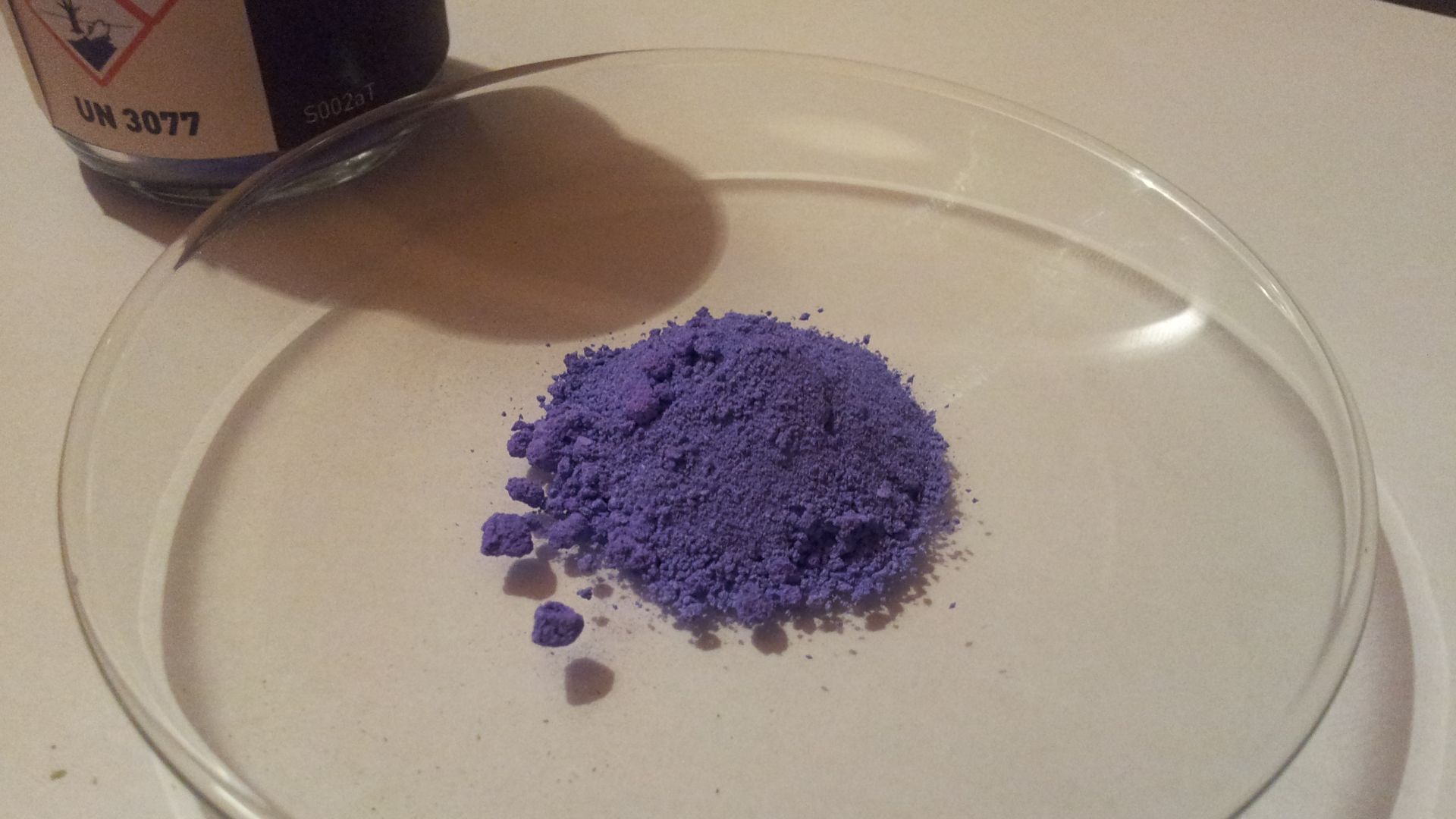
Calcium Oxide Could Burn Your Skin
Another ingredient in Gilbert's 1960 kit was calcium oxide, commonly called quicklime. This powder reacts with moisture and releases heat. Contact with wet skin or eyes can cause chemical burns. Imagine accidentally knocking over a bottle while conducting experiments on the family dining table. Suddenly, science class wasn't so entertaining.
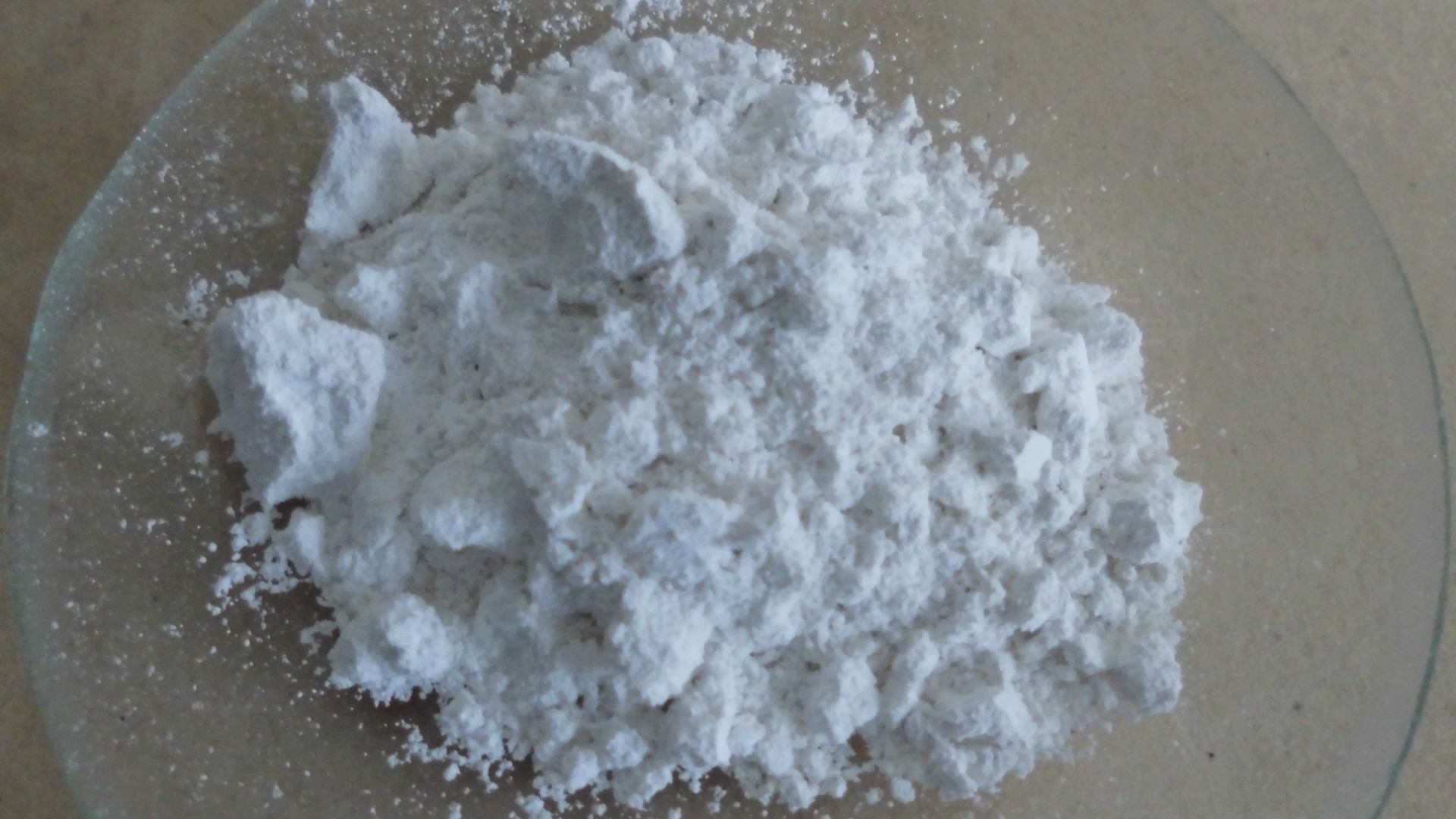
The Strange Case Of Sodium Ferrocyanide
Sodium ferrocyanide appeared in Gilbert chemistry sets, including the 1960 Experiment Lab. Despite its frightening name, it isn't nearly as poisonous as sodium cyanide under normal conditions. However, improper heating or exposure to strong acids can create dangerous conditions. It was a good example of why chemistry required more caution than an ordinary toy.
 A.C. Gilbert Company, Wikimedia Commons
Phenolphthalein Had A Surprising Secret
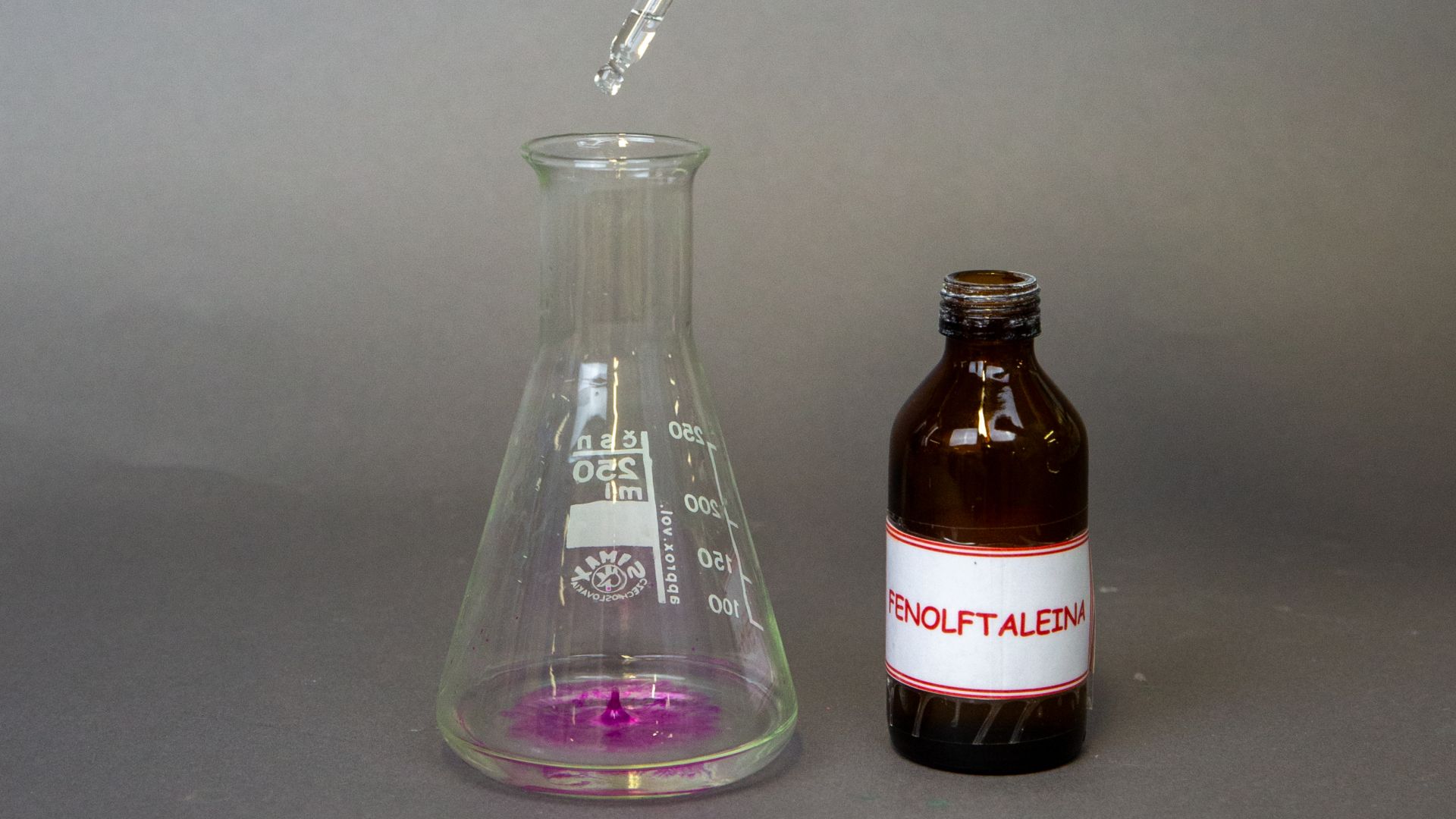
Remember making clear liquids turn bright pink? Phenolphthalein was one chemical responsible for those magical changes. It appeared in Gilbert's 1960 kit and was also used historically as a laxative. Later research raised concerns about its potential cancer risks. Something that once seemed perfectly ordinary became much less appealing.
 BobbyFish88, Wikimedia Commons
Borax Was More Than A Laundry Ingredient
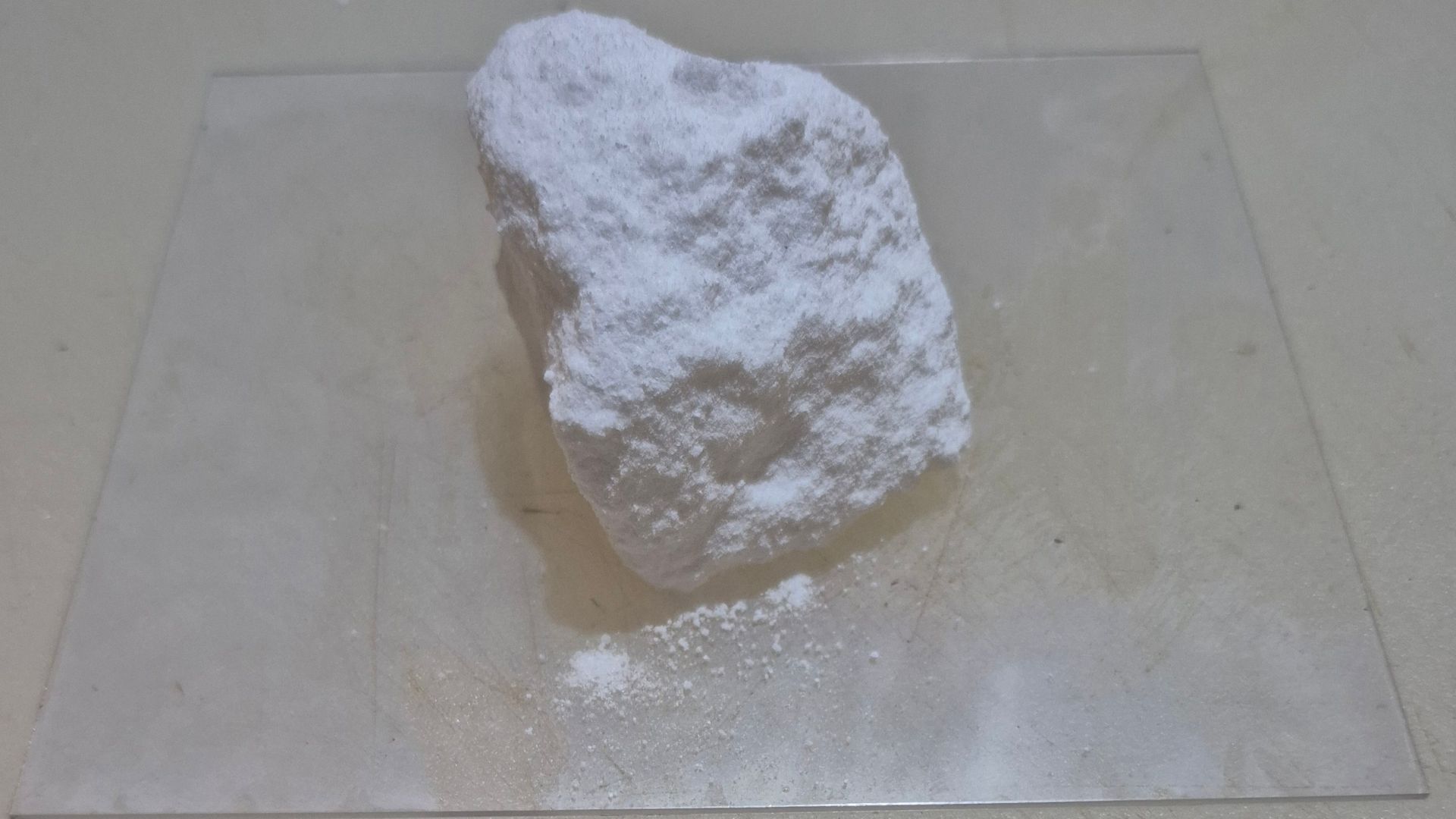
Borax was another familiar ingredient in Gilbert's 1960 science kit. Although it was commonly used in household cleaning products, that didn't make it suitable for careless handling. Swallowing significant amounts can cause poisoning, and exposure can irritate the eyes. Children were learning genuine chemistry, but the materials deserved genuine precautions.
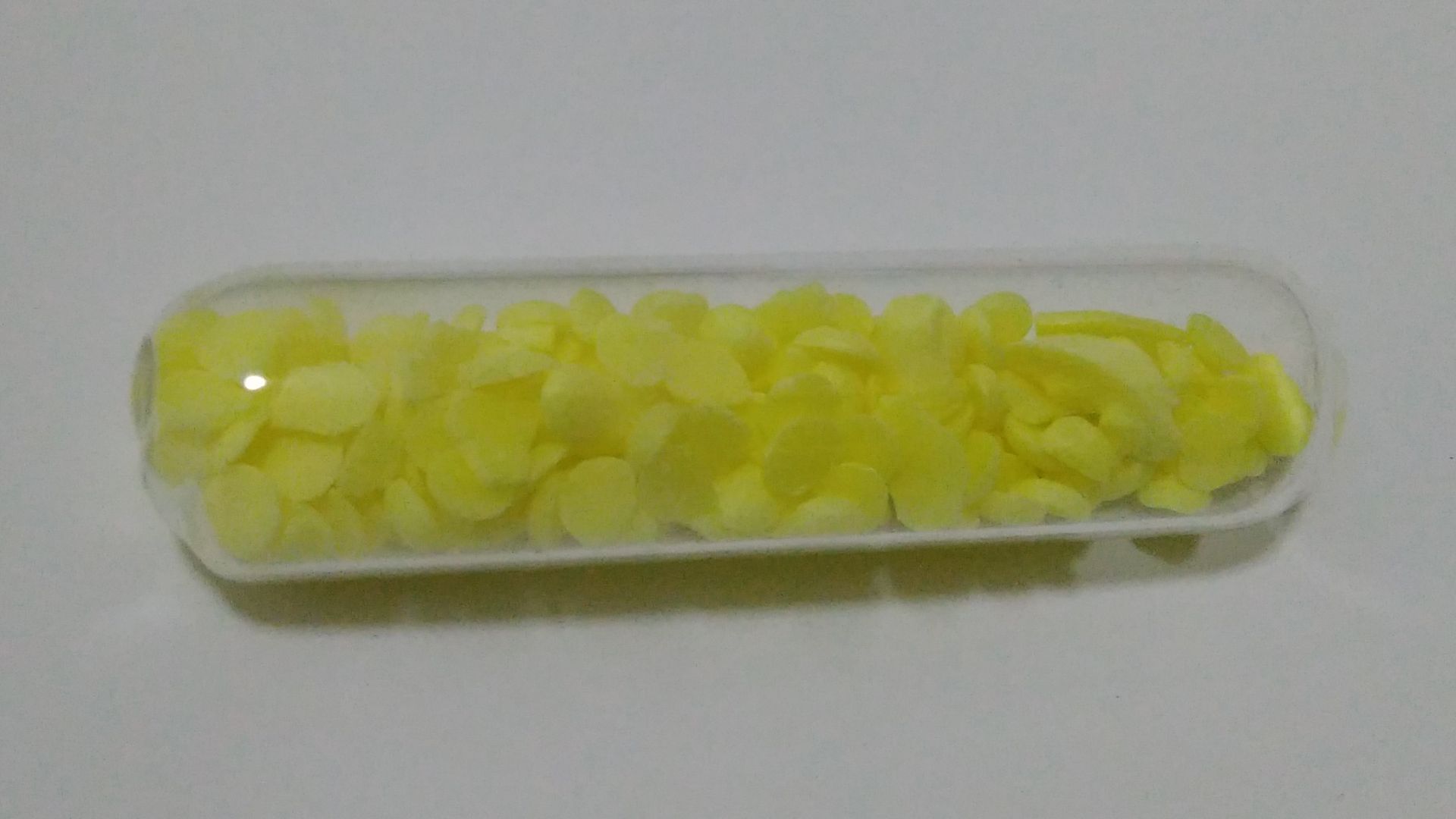
Sulfur Made Things Interesting
Sulfur was a favorite ingredient in older chemistry sets, including Gilbert's 1960 Experiment Lab. Its bright yellow appearance made it easy to recognize. The trouble came from its combustible properties and the irritating gases produced when it burned. Giving children sulfur alongside laboratory equipment required considerably more supervision than building a model airplane.
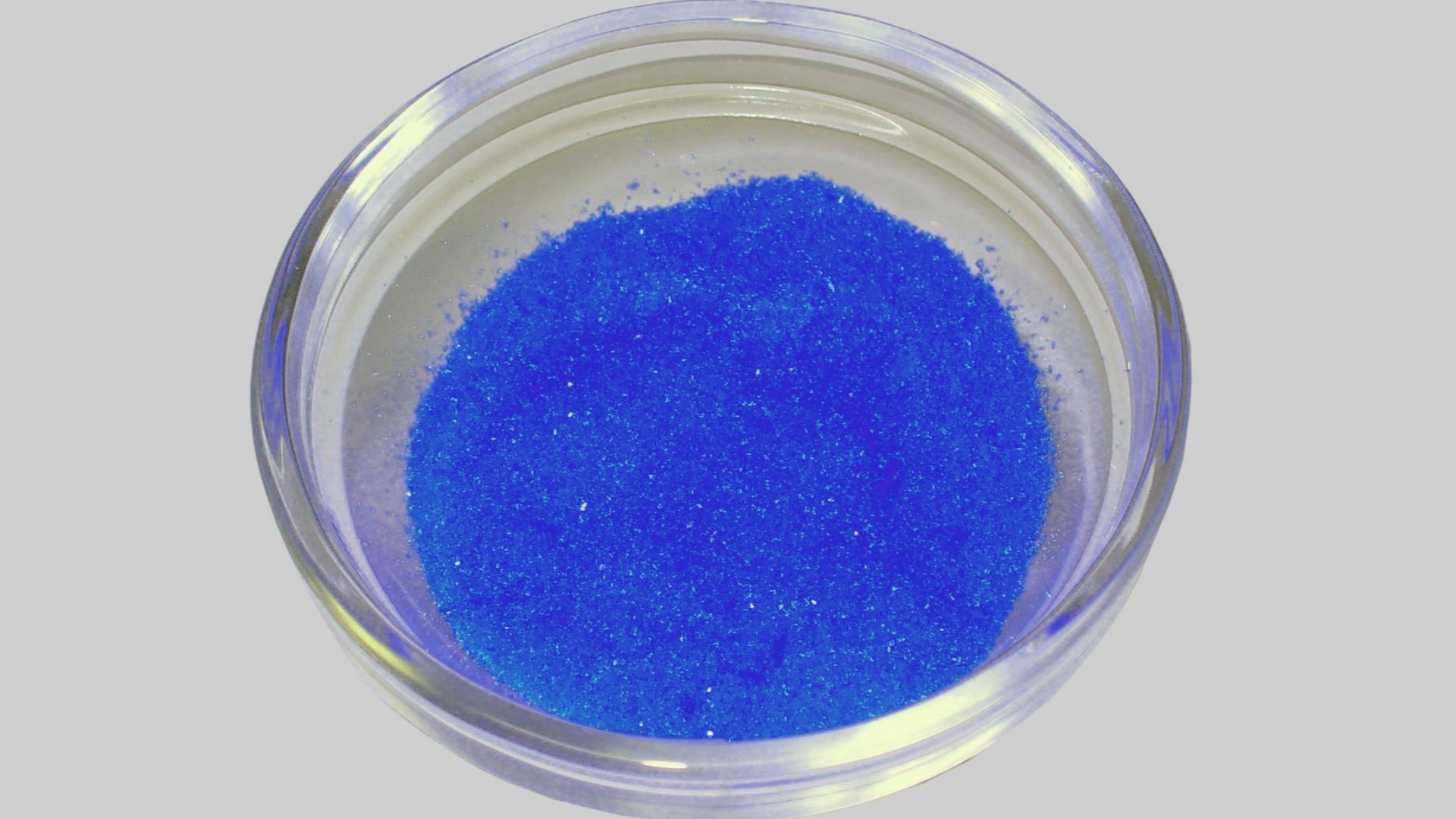
Copper Sulfate Looked Almost Like Candy
The striking blue crystals of copper sulfate were included in Gilbert's 1954 Chemistry Outfit No. 7, a predecessor to many 1960s sets. They looked beautiful in a glass bottle, but swallowing copper sulfate can cause serious poisoning. Its colorful appearance certainly wasn't a reliable indication of safety.
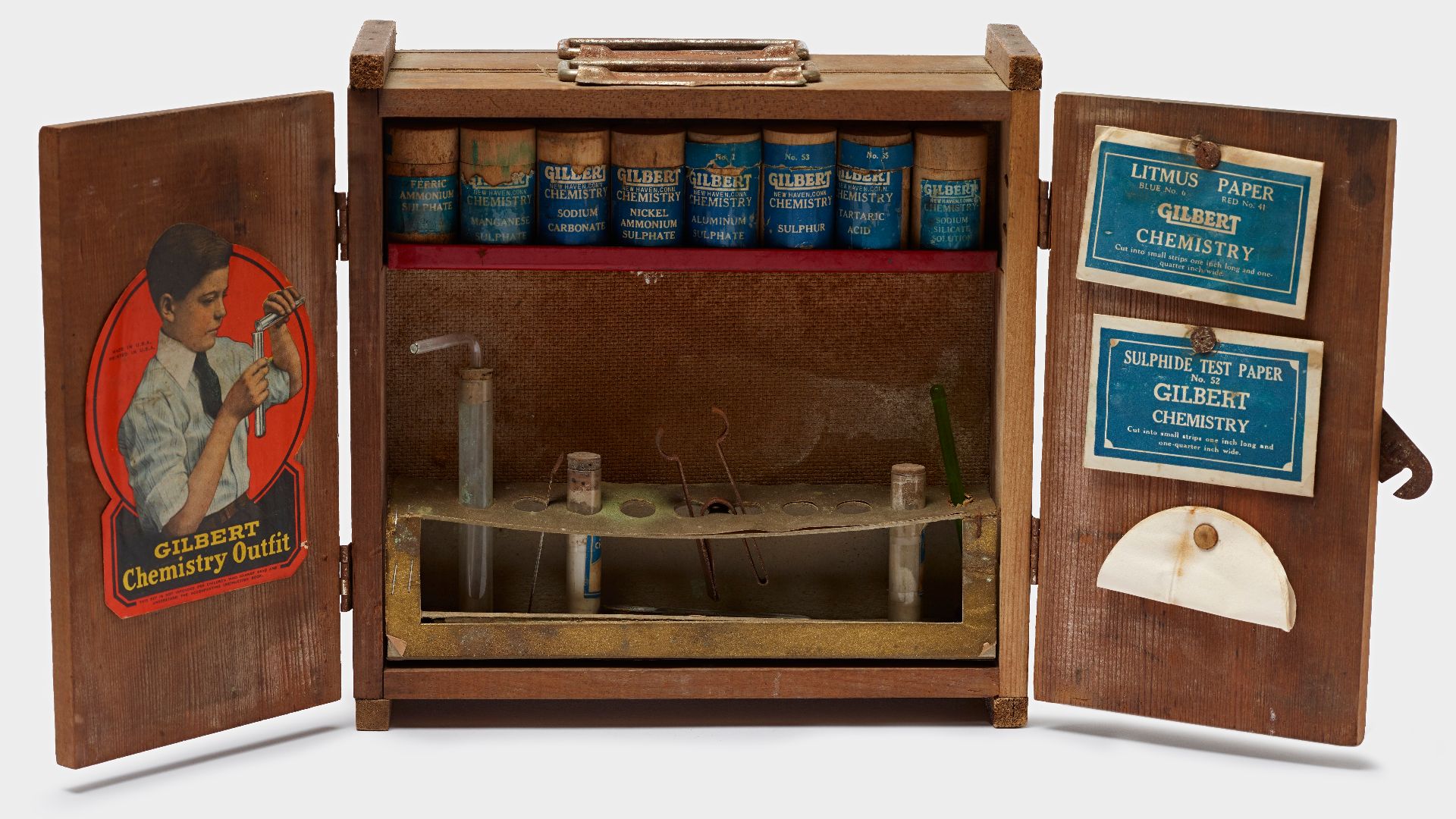
Nickel Compounds Were Another Concern
Gilbert's larger 1950s chemistry sets also included nickel ammonium sulfate. Nickel compounds can trigger allergic skin reactions, and some present more serious risks depending on how they're encountered. At the time, exposing young experimenters to various industrial chemicals was considered part of learning real science. Today, those materials would warrant careful handling.
 A.C. Gilbert Company, Wikimedia Commons
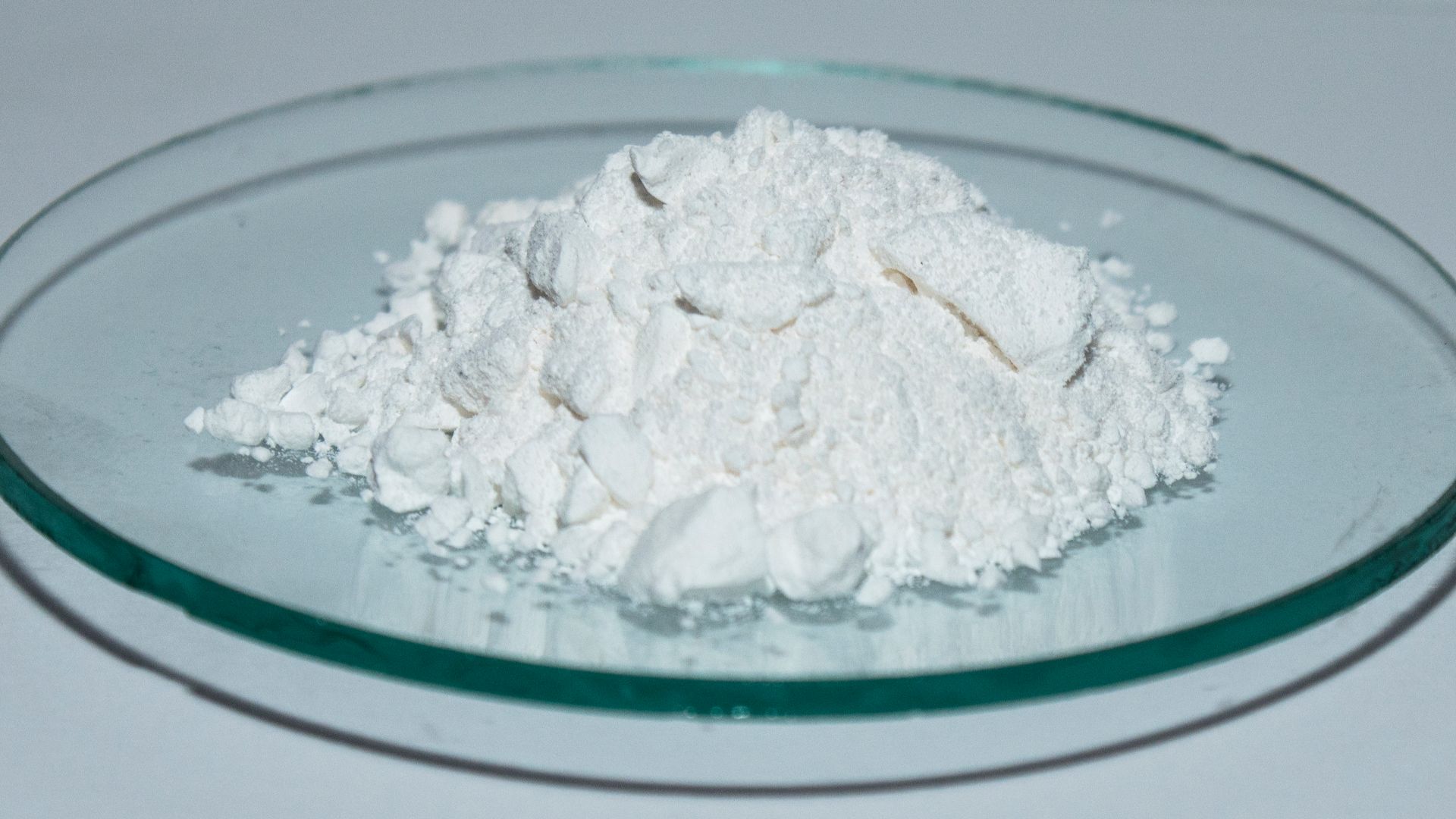
Magnesium Powder Could Get Exciting
Powdered magnesium appeared in Gilbert's 1954 Chemistry Outfit No. 7. Magnesium burns with an intensely bright flame, making it fascinating for demonstrations. But fine magnesium powder is also flammable and can present serious fire hazards. What looked like an exciting chemistry lesson could become dangerous if experiments got out of hand.
 Adam Redzikowski, Wikimedia Commons
Some Kits Contained Strong Acids
Earlier chemistry sets sometimes included hydrochloric and sulfuric acids. These substances were useful for demonstrating chemical reactions, but they were also corrosive. Mishandling concentrated acids could result in serious burns. By the 1960s, increasing safety concerns and new labeling requirements encouraged manufacturers to remove these materials from children's kits.
 Porter Chemical Company, Wikimedia Commons
The Alcohol Lamp Was A Fire Hazard
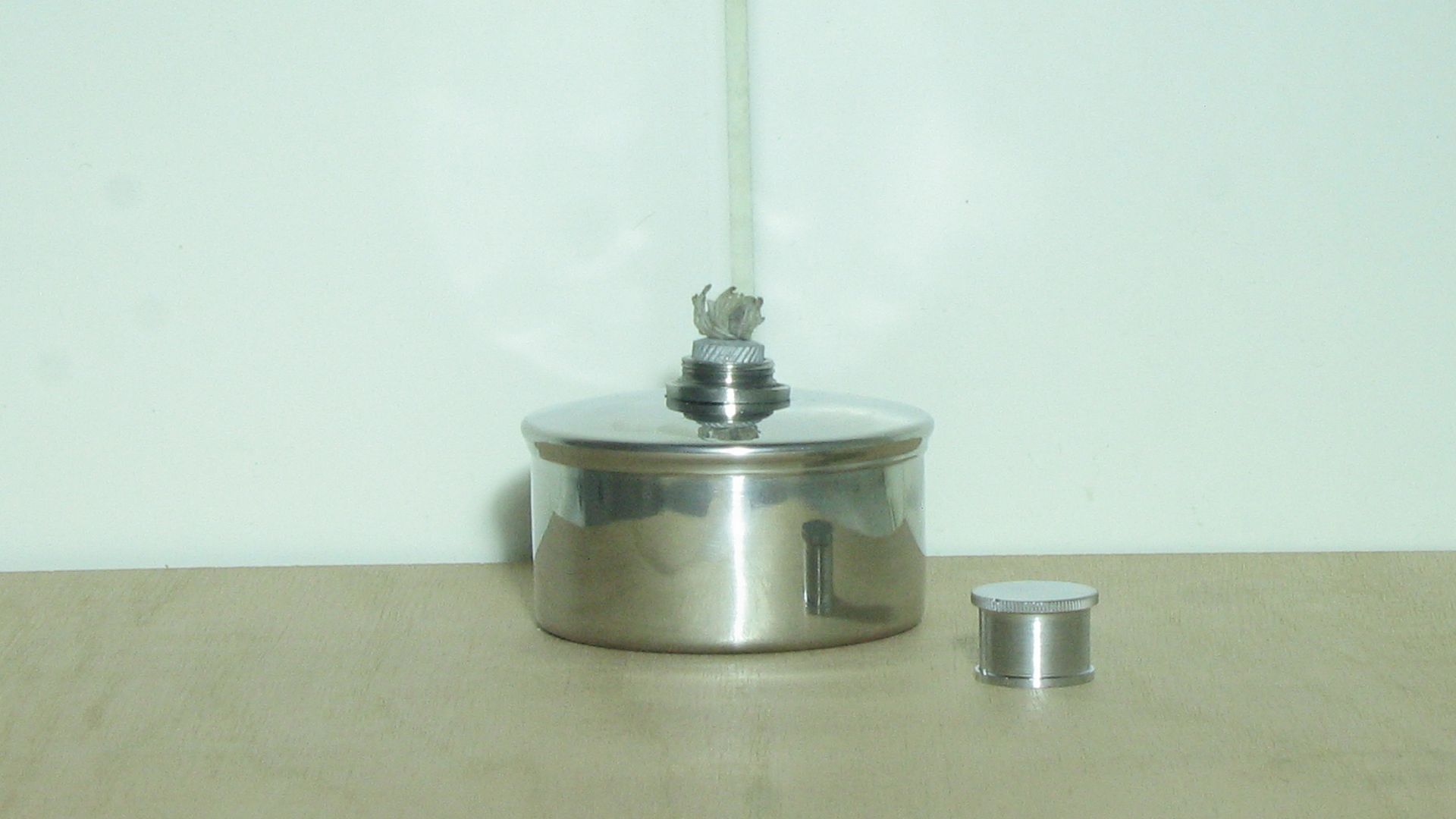
Many older chemistry sets came with alcohol lamps, allowing children to heat test tubes just like professional scientists. Unfortunately, this also meant giving youngsters an open flame to use around chemicals and glassware. As safety concerns increased during the 1960s, manufacturers began removing these lamps from their products.
Glassblowing Was Actually A Hobby For Kids
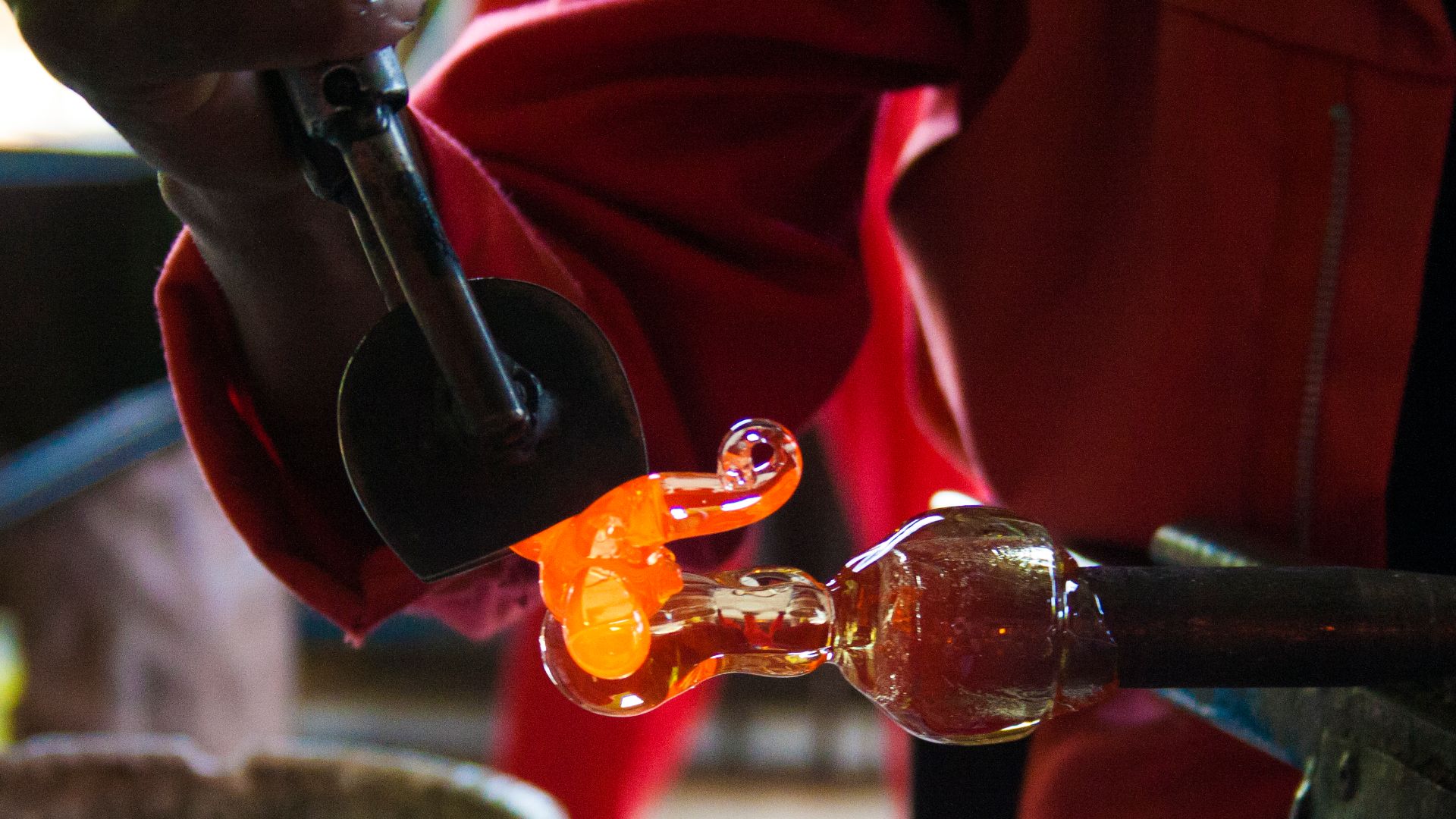
Believe it or not, some children's science equipment taught glassworking techniques. Young experimenters could use heat to soften and shape glass tubing. Smithsonian Magazine notes that some glassblowing kits even included blowtorches. Between the intense heat, fragile glass, and sharp edges, these hobbies demanded much more care than most ordinary toys.
 Bentaylor13413, Wikimedia Commons
Sodium Cyanide Was Once Part Of The Picture
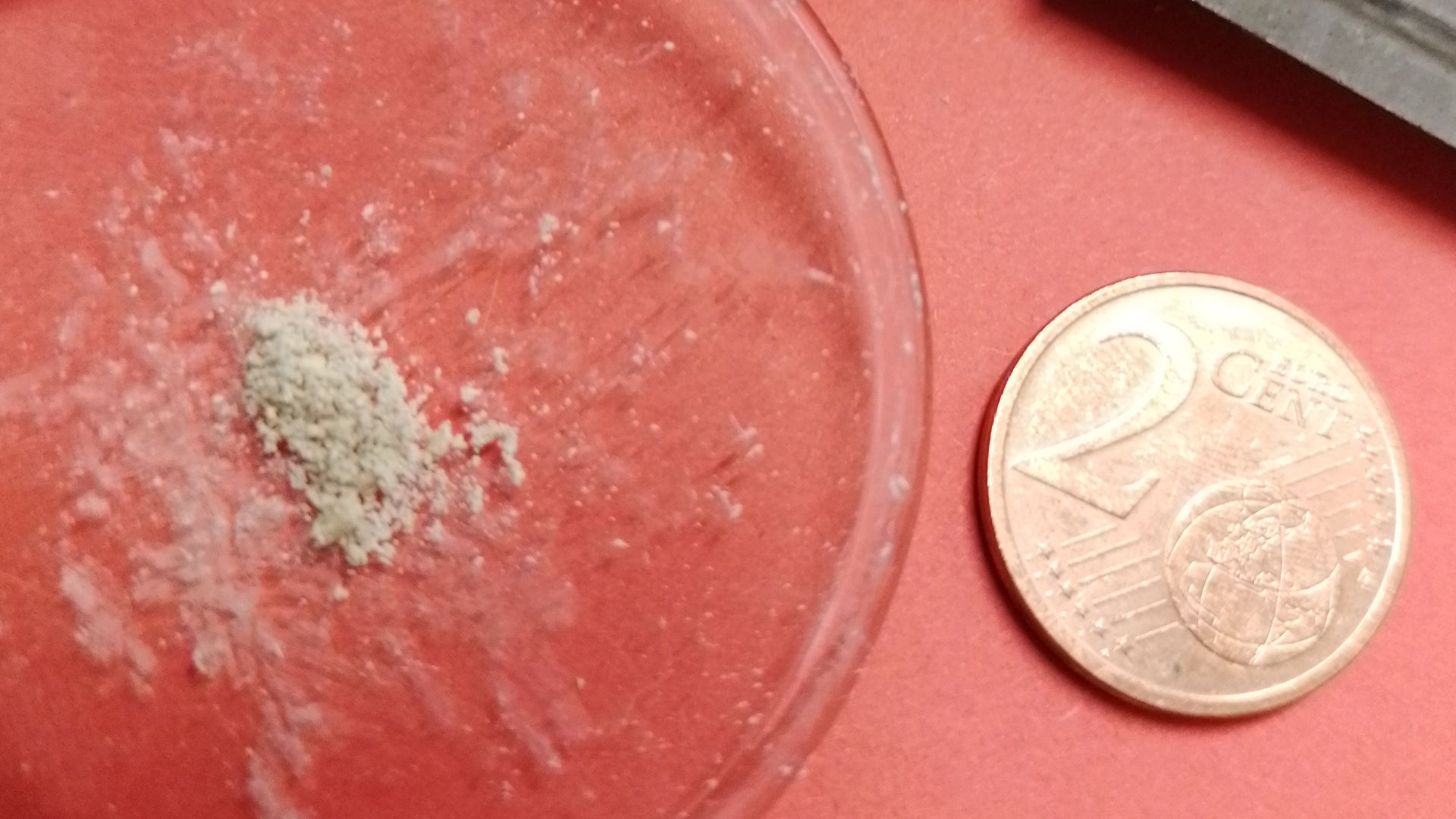
One of the most alarming substances documented in the history of children's chemistry sets was sodium cyanide, a potentially deadly poison. It appeared in some older chemistry kits, although it shouldn't be mistaken for a standard ingredient in 1960s sets. Its historical inclusion shows just how different manufacturers' early ideas about educational safety could be.
 Krimimiminalkommissar, Wikimedia Commons
Then There Were Actual Radioactive Materials
Perhaps the strangest chapter in children's science toys involved radioactive substances. During the atomic age, manufacturers wanted to introduce youngsters to nuclear science. Instead of simply explaining radiation in a book, some kits included actual radioactive specimens. And one 1960s science club went considerably further than you might expect.
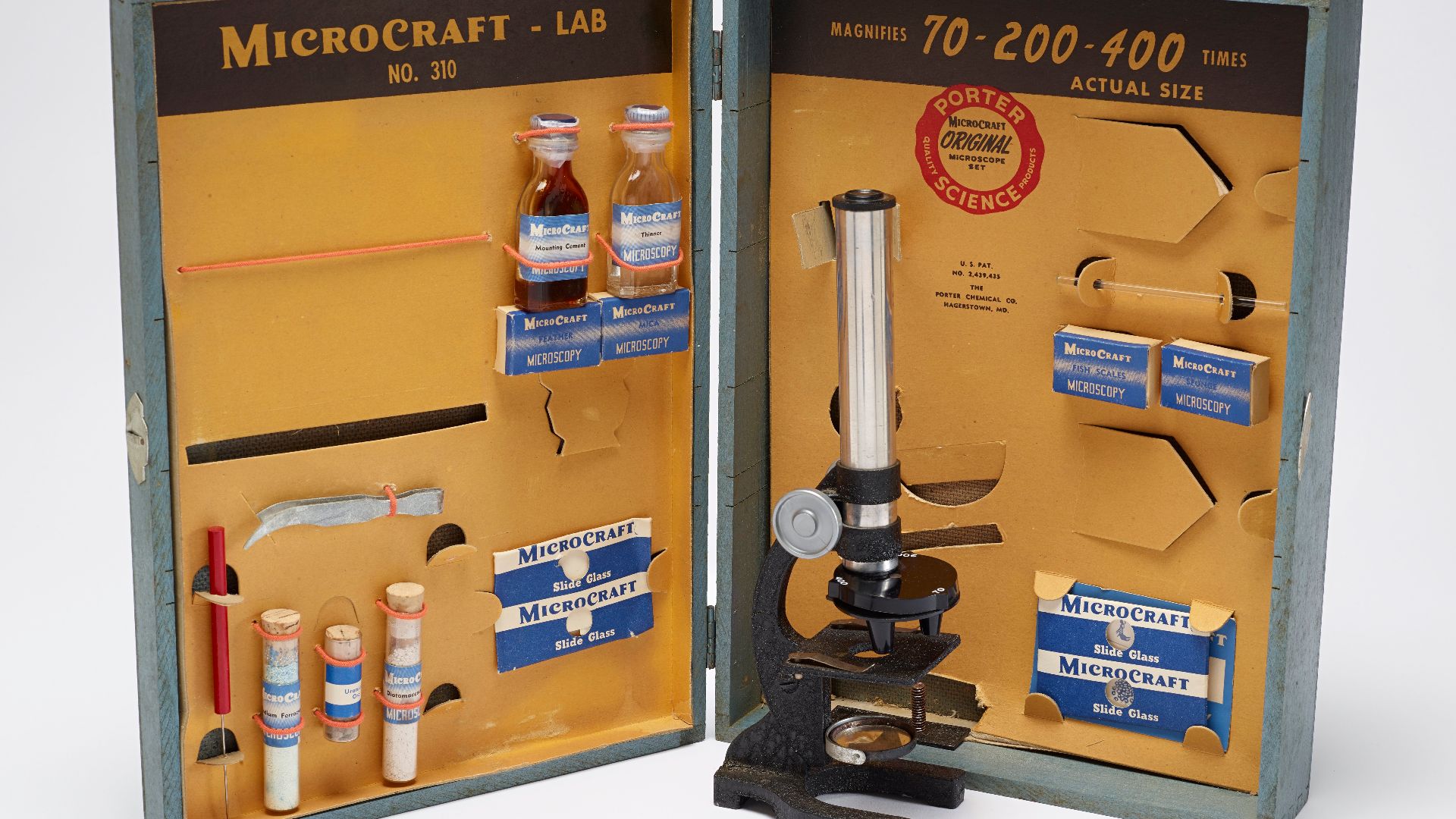 Porter Chemical Company, Wikimedia Commons
The American Basic Science Club's Atomic Energy Lab
In 1962, the American Basic Science Club offered an Atomic Energy Lab for $5.95. This wasn't merely a pretend laboratory. The kit included uranium ore, a radioactive source, and equipment for demonstrating radiation. Children could assemble scientific instruments themselves, bringing experiments normally associated with research laboratories into their homes.
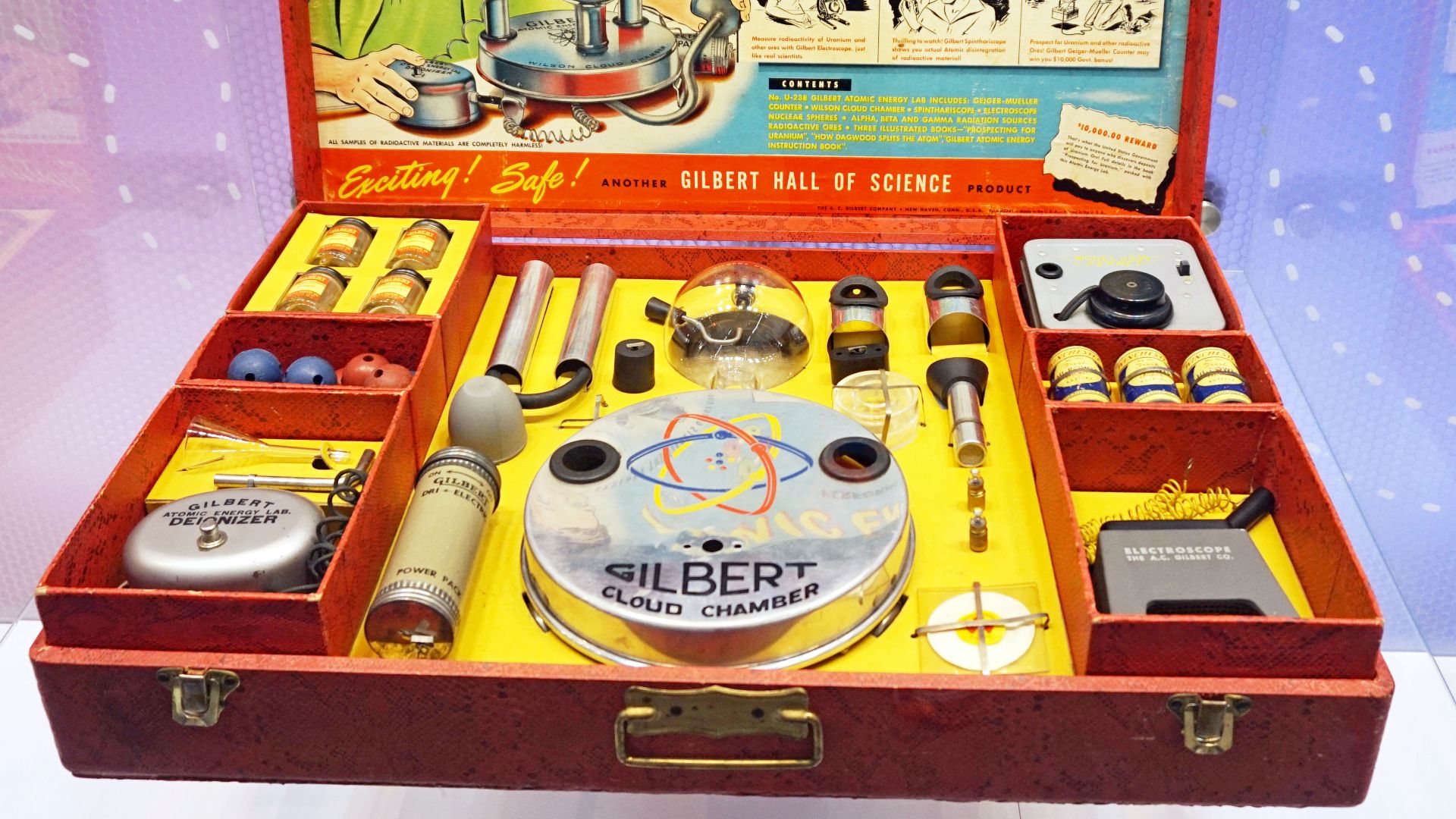
Yes, It Really Included Uranium Ore
The American Basic Science Club's atomic kit contained genuine uranium ore. The samples helped children explore radioactivity firsthand. While simply possessing a small specimen doesn't automatically mean a dangerous radiation dose, mishandling radioactive minerals can create contamination risks. Modern parents would probably prefer a model of an atom instead.
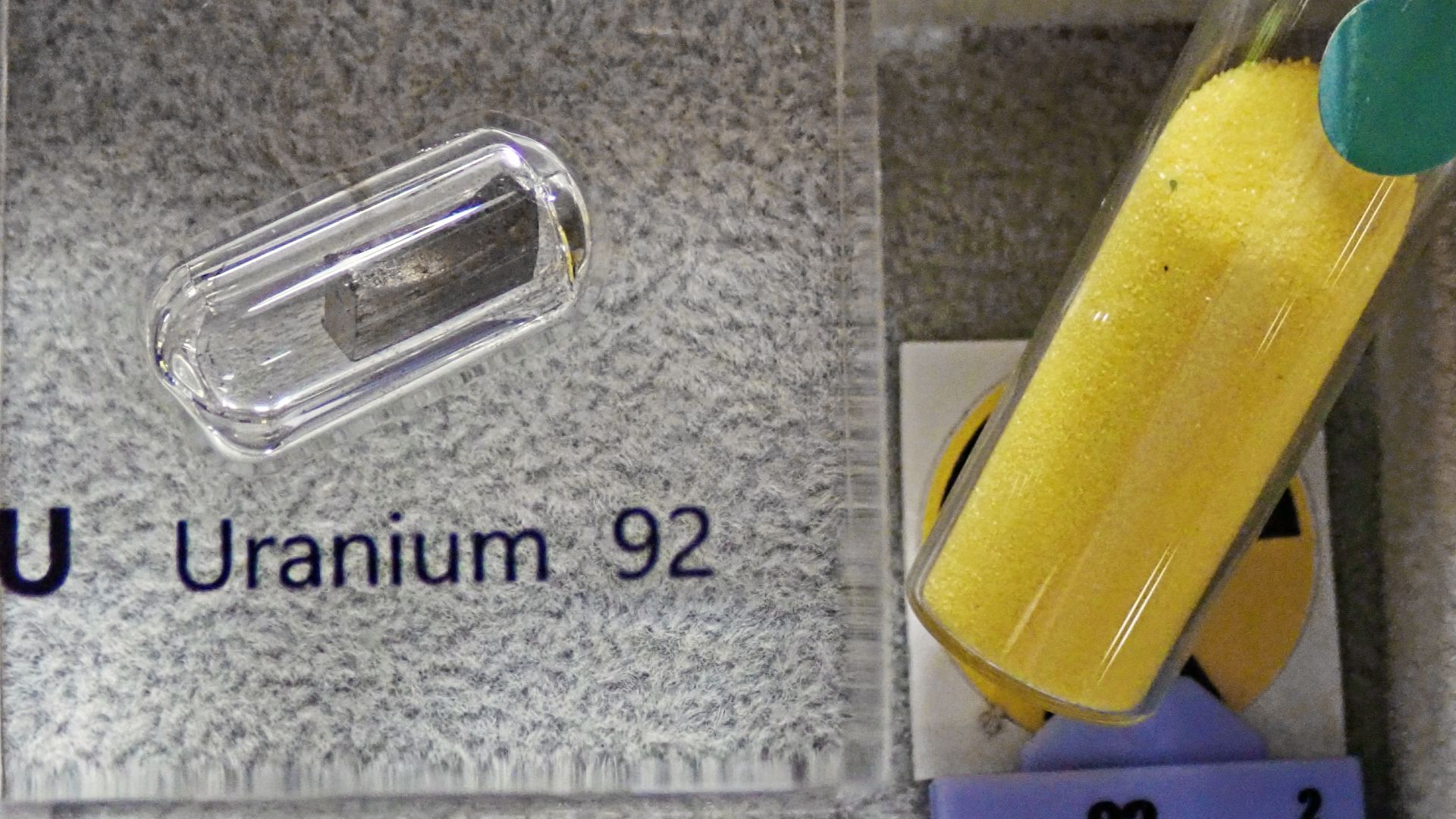 James St. John, Wikimedia Commons
Radium Was Part Of The Experiment
The same 1960s atomic kit also included a small radium source. Radium emits ionizing radiation, and exposure becomes particularly concerning if radioactive material enters the body. The source was intended for scientific demonstrations, not casual handling. Nevertheless, it was a genuine radioactive component supplied as part of a child's educational toy.
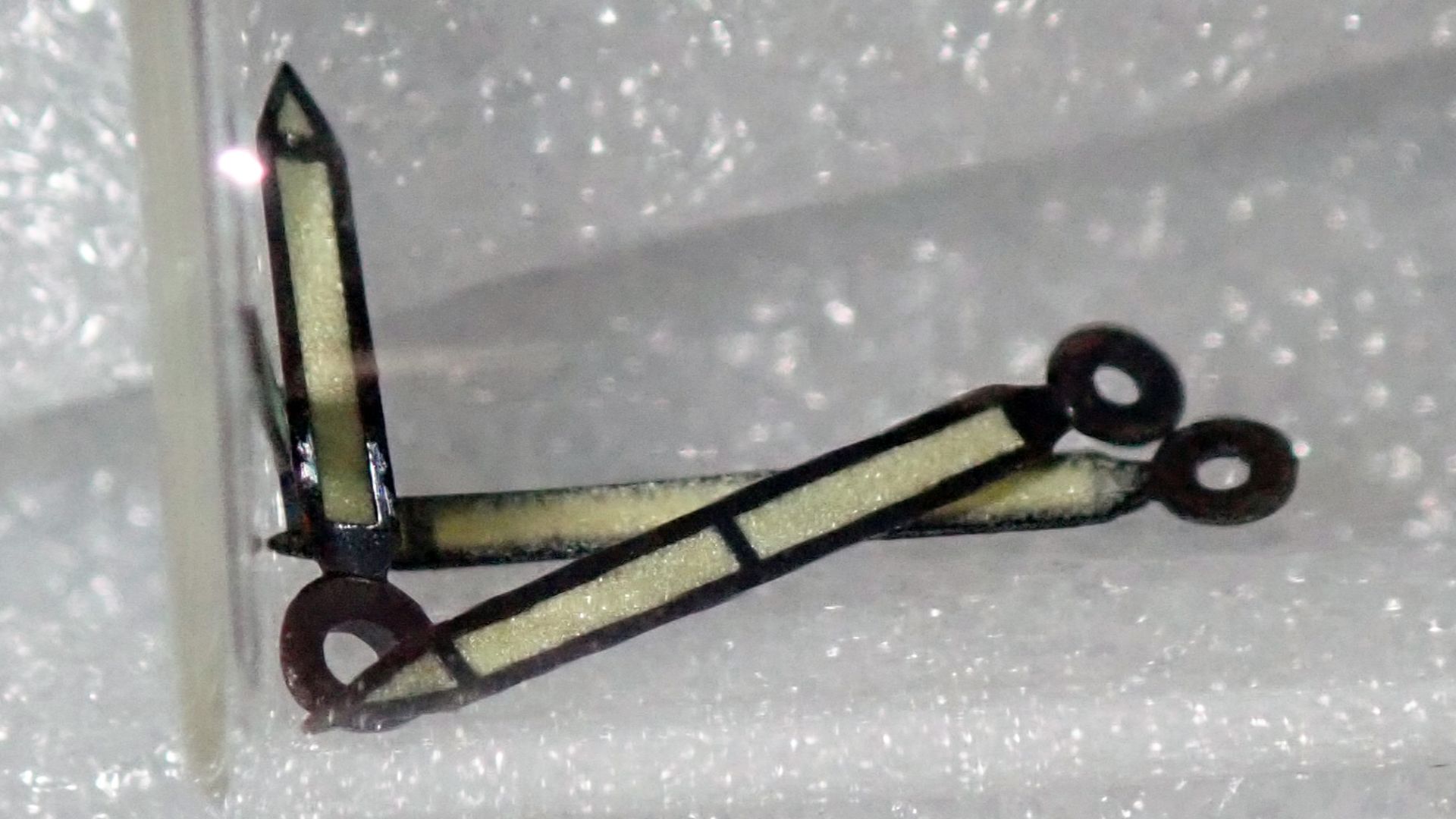 James St. John, Wikimedia Commons
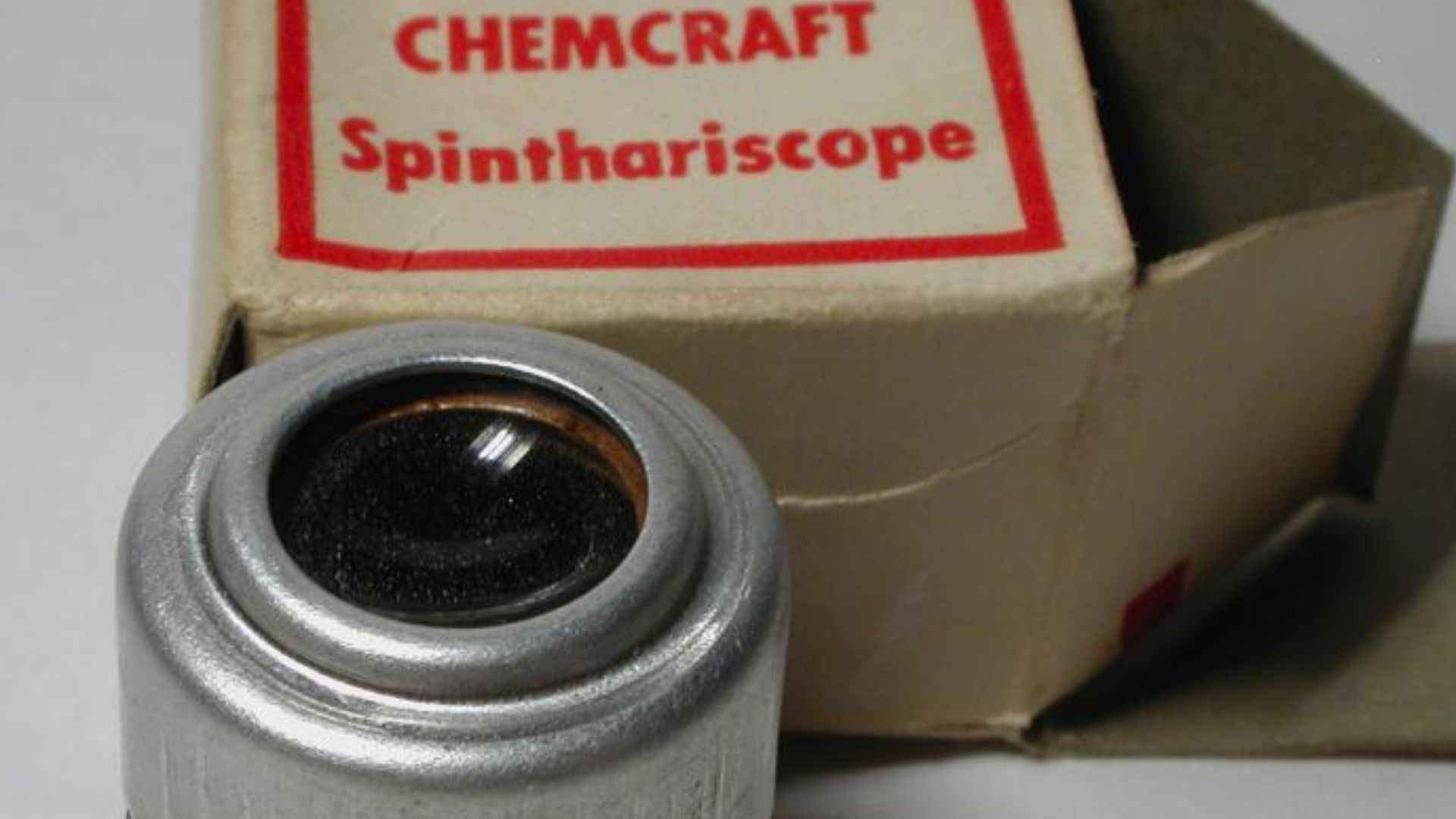
Children Could Build A Spinthariscope
One experiment involved constructing a spinthariscope, an instrument that lets users observe tiny flashes produced by radiation. The American Basic Science Club's version used its radium source and a special viewing surface. To children fascinated by space exploration and atomic power, seeing evidence of invisible radiation must have seemed like science fiction.
 Theodore Gray, Wikimedia Commons
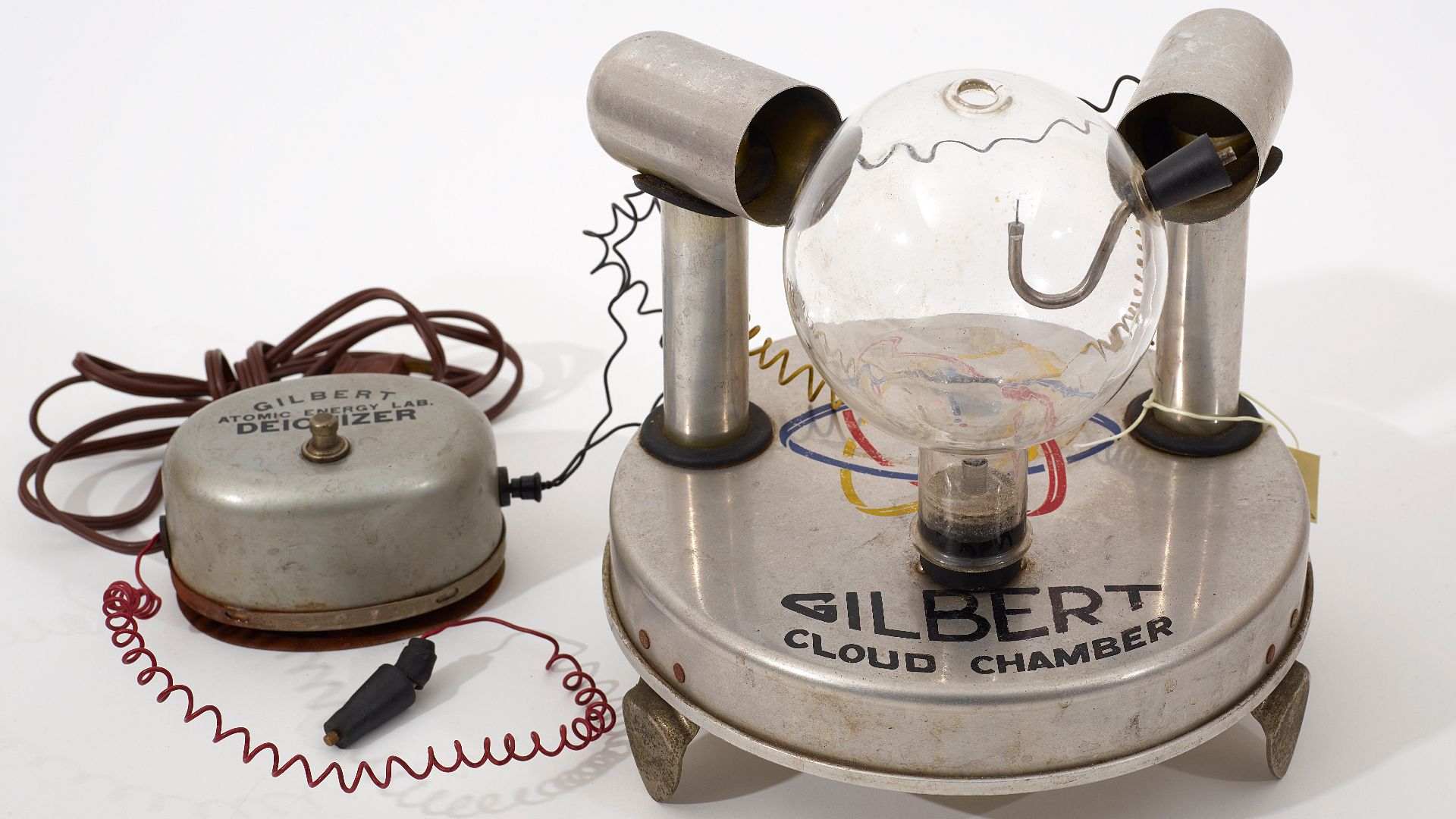
A Cloud Chamber In The Living Room
The same kit allowed children to assemble a cloud chamber, a device that makes tracks from charged particles visible. Its instructions involved scientific equipment, cooling materials, and alcohol vapor. The experiment was genuinely educational. Still, the thought of children handling radioactive sources to explore particle physics at home seems remarkable today.
 A.C. Gilbert Company, Wikimedia Commons
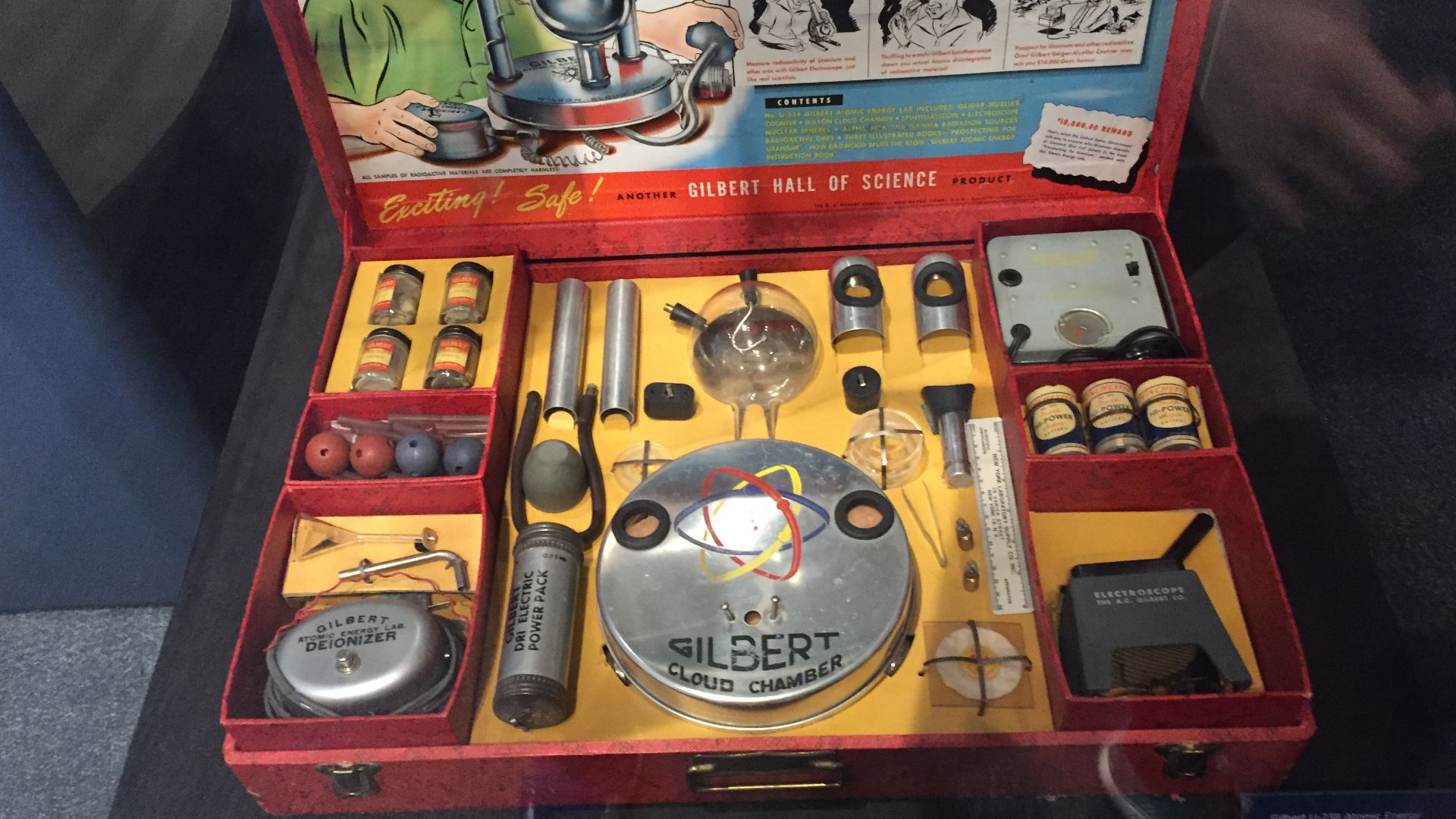
The Famous Gilbert Atomic Energy Lab
No discussion of dangerous science toys would be complete without Gilbert's U-238 Atomic Energy Lab. It actually appeared in 1950 and 1951, not the 1960s, but helped define the era's enthusiasm for atomic toys. Its contents included uranium-bearing ore, radiation detectors, and multiple radioactive sources.
 Atomicdragon136, Wikimedia Commons
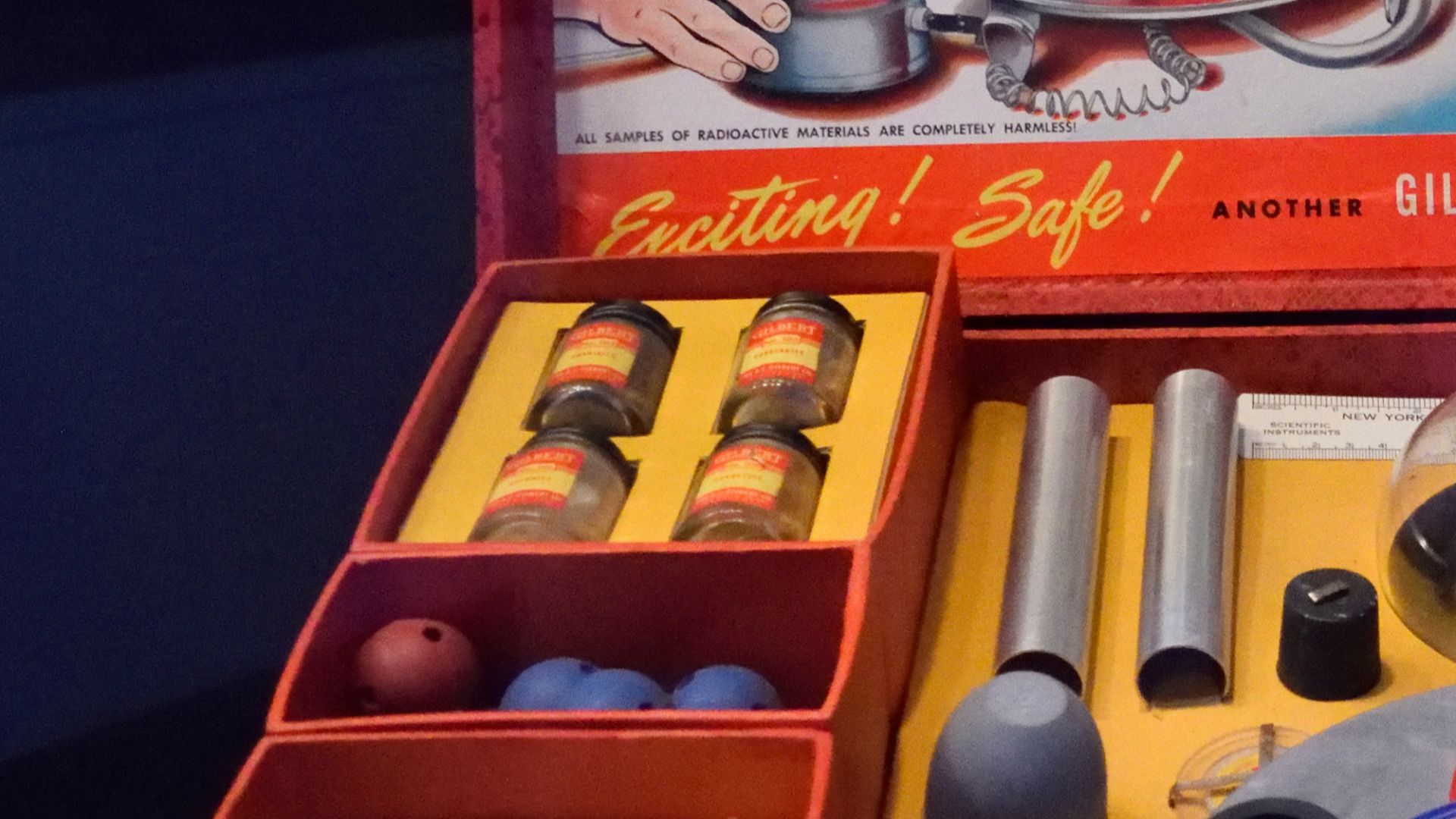
Four Types Of Uranium Ore In One Box
Gilbert's famous atomic laboratory included four different uranium-bearing minerals: autunite, torbernite, uraninite, and carnotite. The samples were packaged in small containers, with instructions warning users not to break their seals. The concern was that the minerals could crumble and spread radioactive material. That was quite a warning for a children's toy.
 Daniel Hartwig, Wikimedia Commons
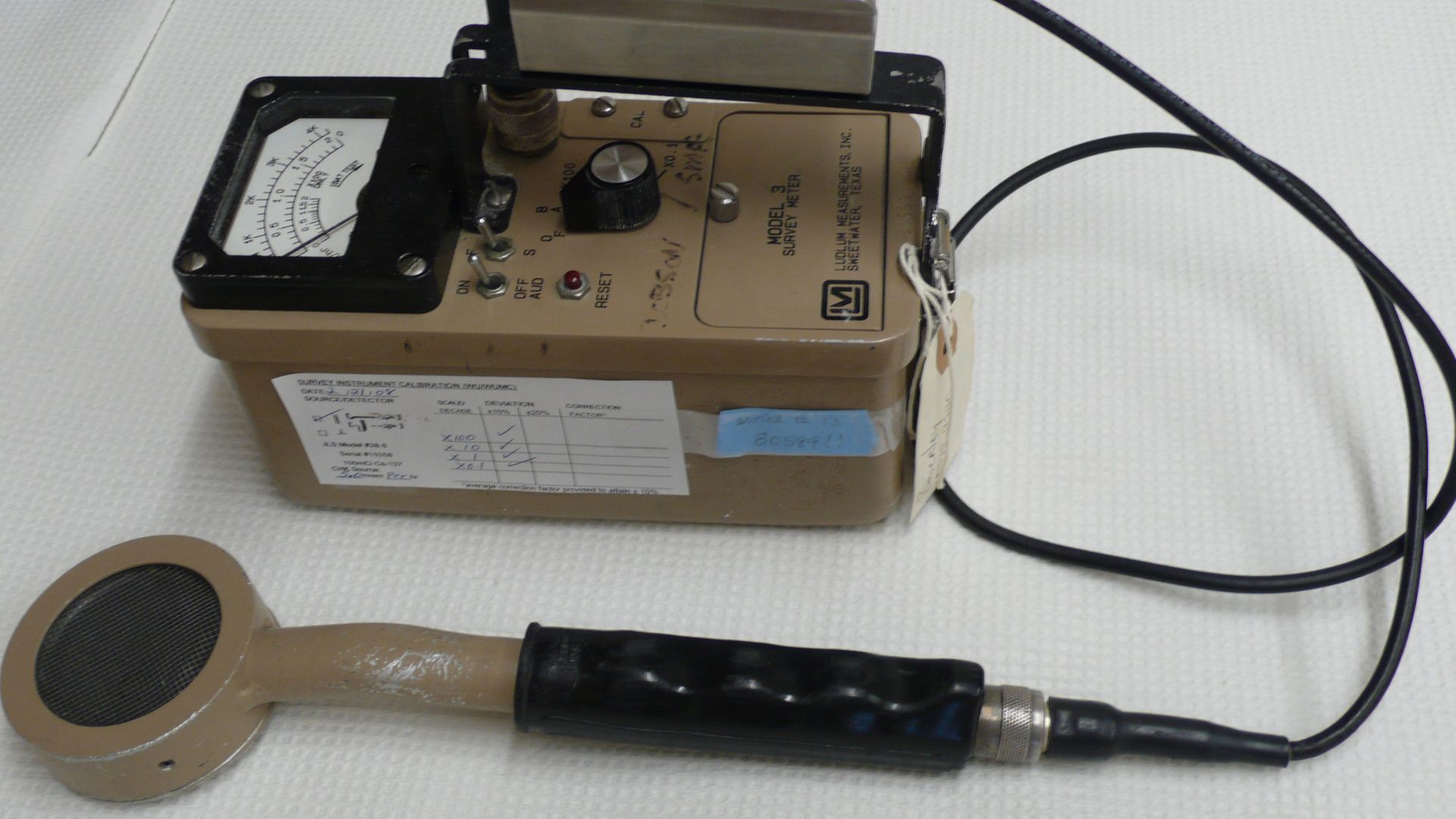
It Even Came With A Geiger Counter
The Gilbert laboratory also contained a battery-powered Geiger counter, allowing children to measure radiation. There was even a comic book featuring Dagwood from the popular Blondie comic strip. For $49.50, young scientists received a surprisingly sophisticated laboratory. Fewer than 5,000 sets reportedly sold, possibly because the price was so high.
Why Parents Didn't Panic Immediately
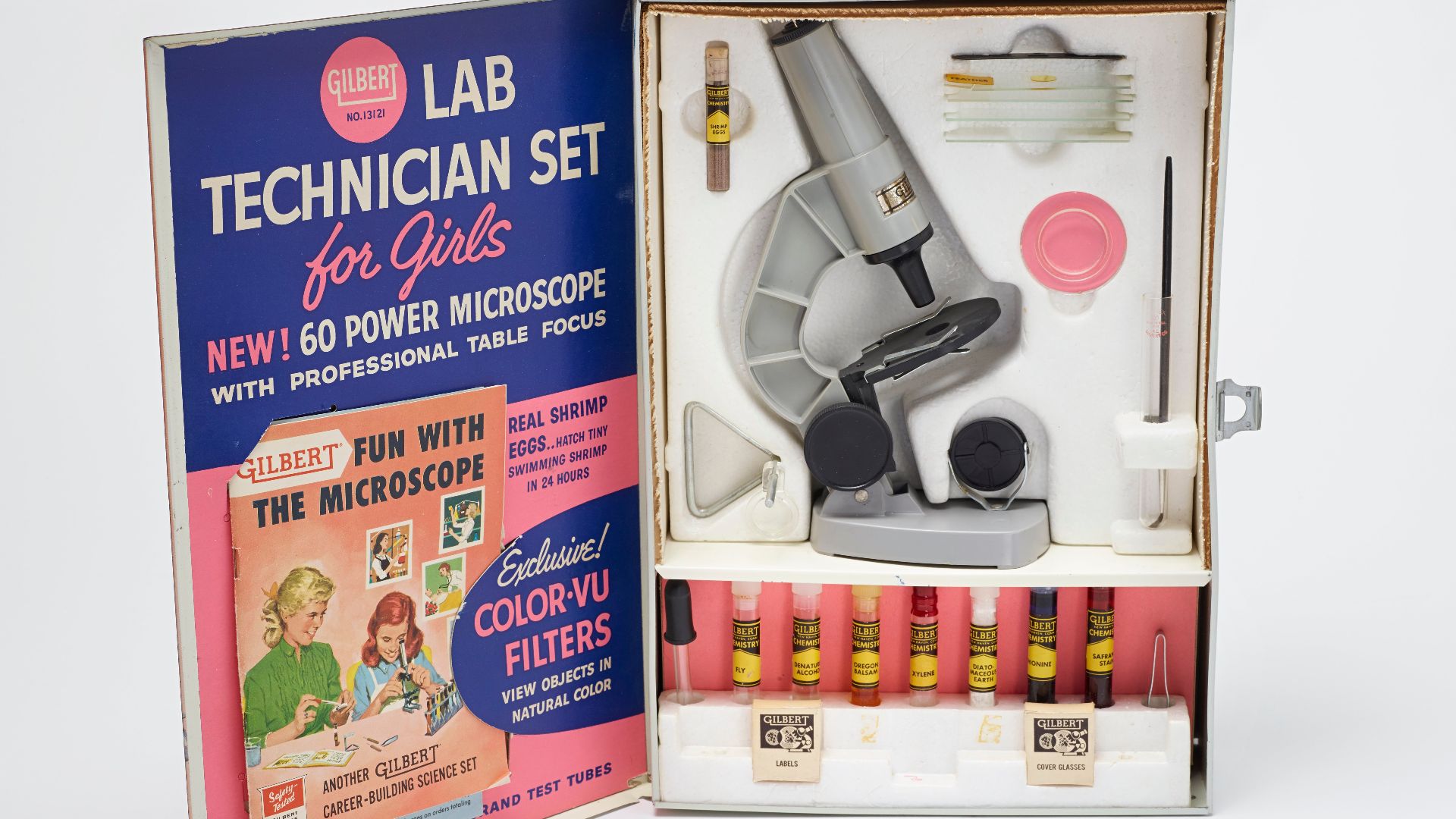
Science enjoyed enormous prestige after World War II. The space race, nuclear technology, and promises of exciting new discoveries inspired families to encourage scientific careers. Chemistry sets were marketed as educational investments rather than ordinary playthings. Many parents believed a laboratory kit might help their children become the next great American scientist.
 Gregory Tobias, Wikimedia Commons
The 1960s Finally Changed Everything
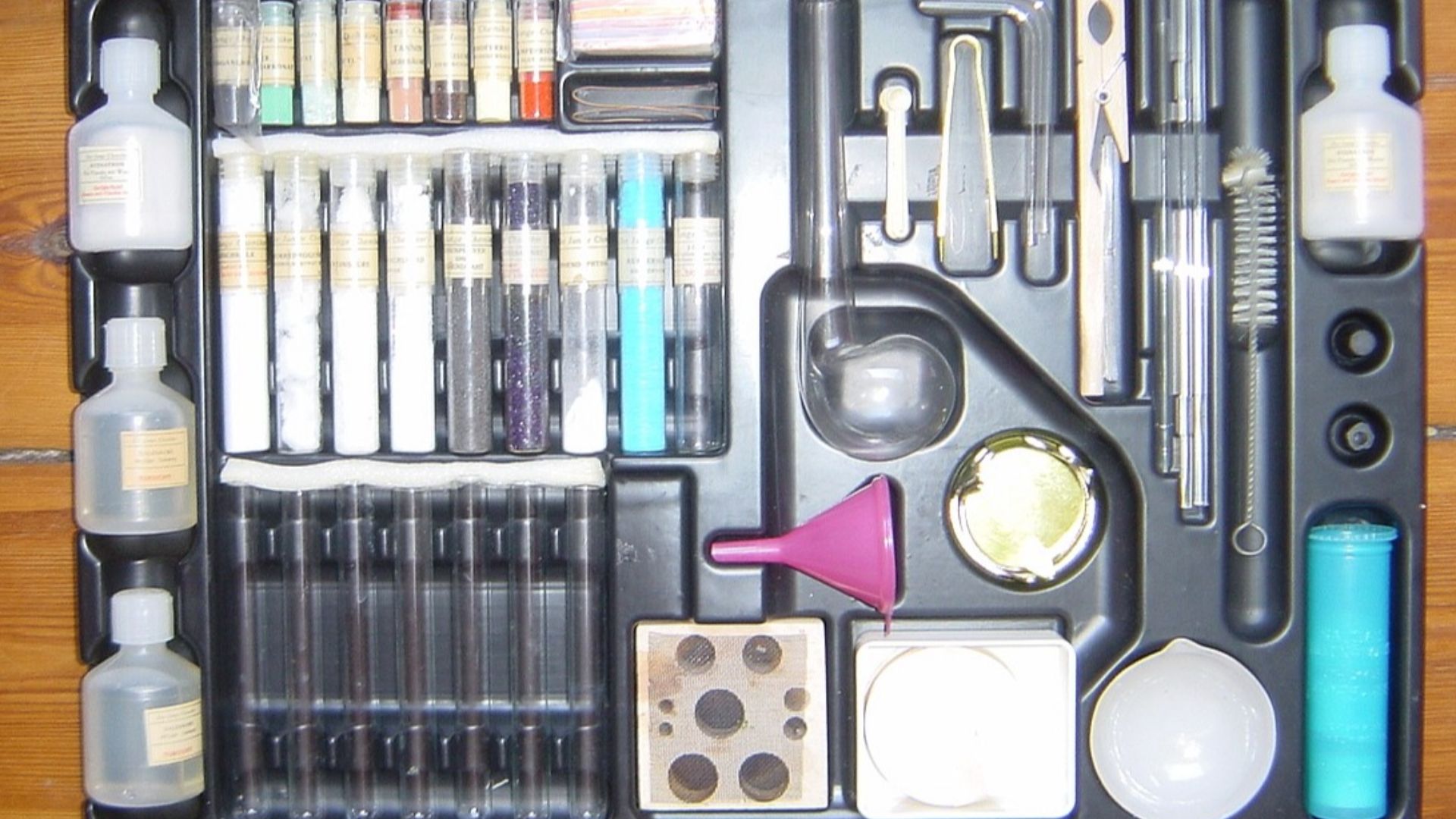
By the mid-1960s, public attitudes were shifting. The Federal Hazardous Substances Labeling Act of 1960 introduced warning requirements, while later legislation strengthened protections for children. Manufacturers increasingly removed dangerous chemicals and open flames from their kits. Chemistry sets became safer, although some enthusiasts complained that they had also become less exciting.
Would You Let Your Grandchildren Play With One?
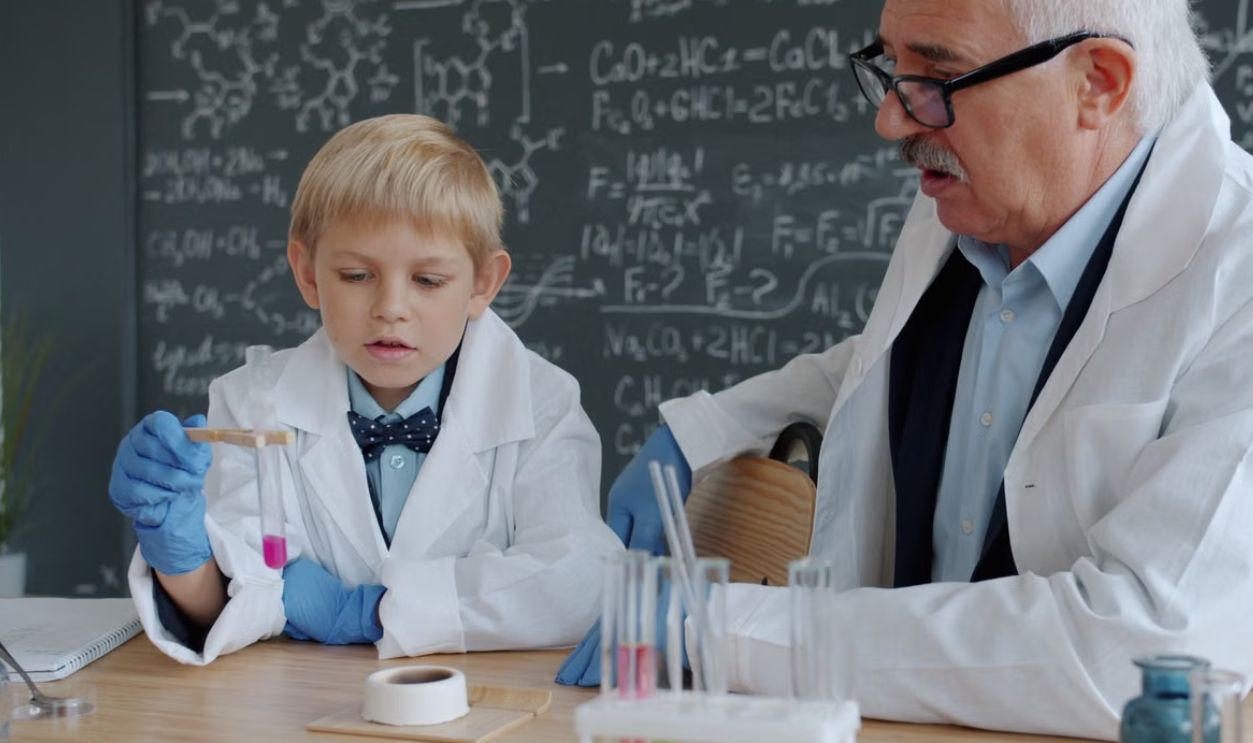
Looking back, it's remarkable what children once found beneath the Christmas tree. From cobalt chloride and quicklime to genuine uranium ore and radium, science kits offered experiences that would surprise many parents today. They inspired curiosity and sometimes lifelong careers, but they also remind us why toy safety standards changed.
You May Also Like:
The Women Who Took Charge Of A Kingdom During A Crisis And Changed Its Future