The Most Expensive Mistake In Postal History
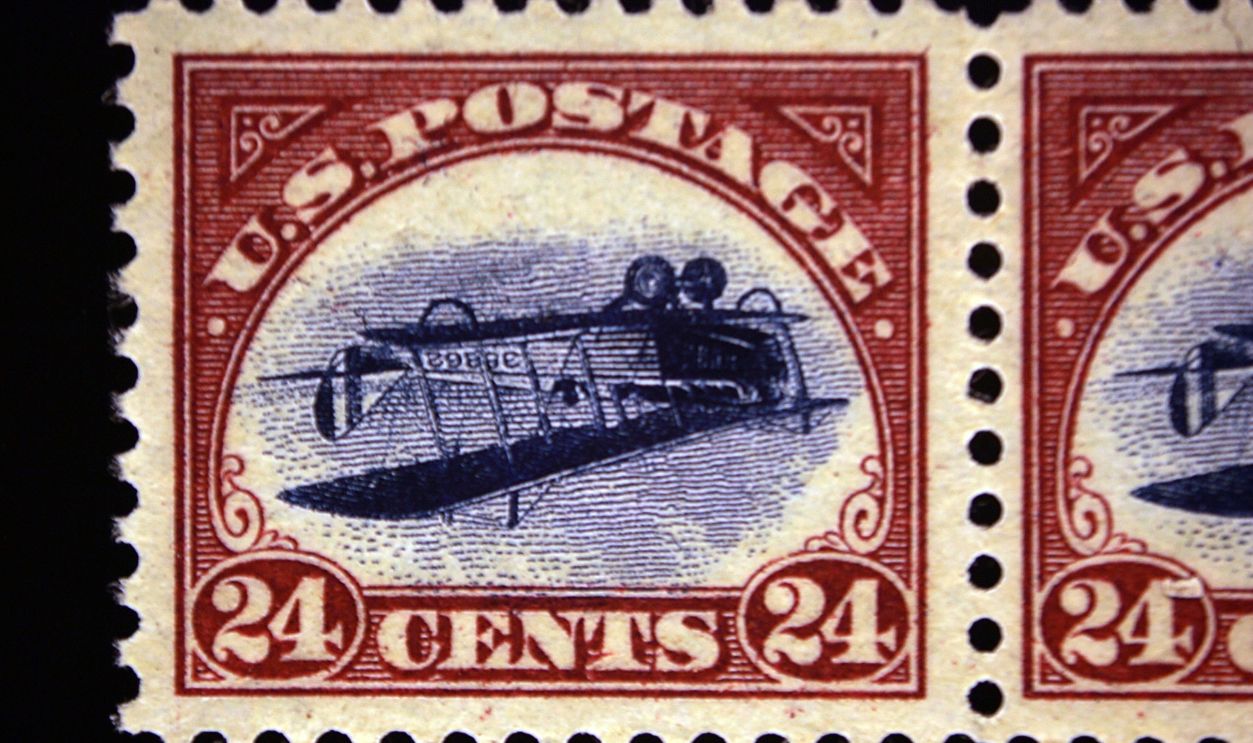
Imagine buying a postage stamp for 24 cents, only to discover that a tiny printing mistake made it worth millions. That's exactly what happened with America's famous Inverted Jenny. Its story involves a lucky collector, a government blunder, stolen treasures, and one astonishing auction price.
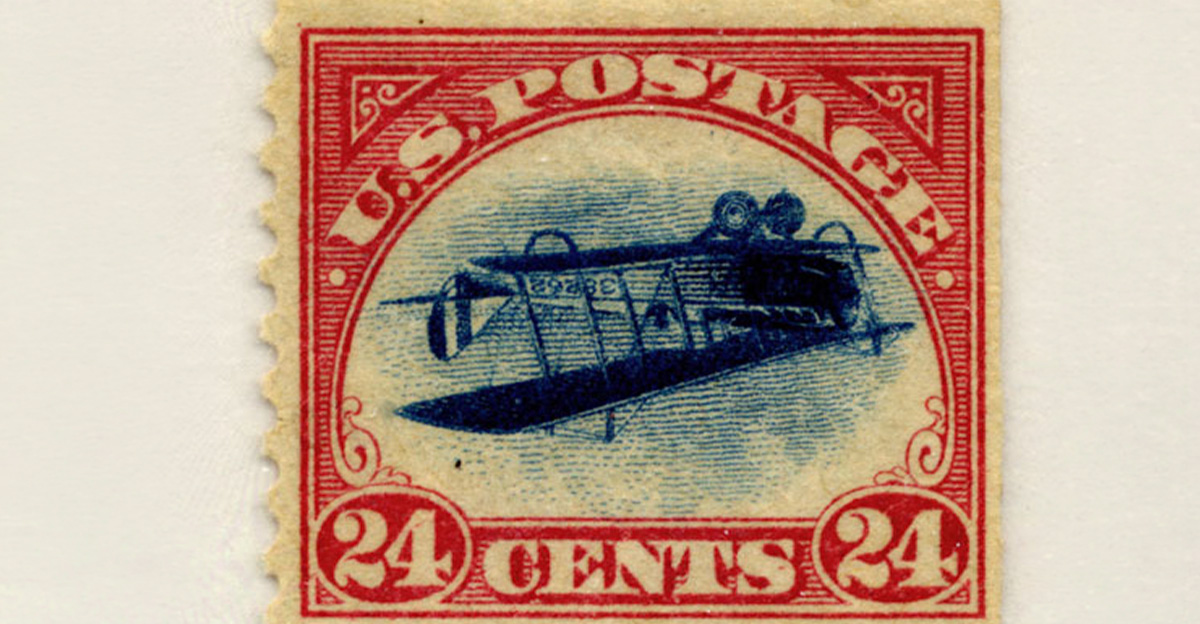 U.S. Postal Service, Public Domain, via Wikimedia Commons
A New Era For American Mail
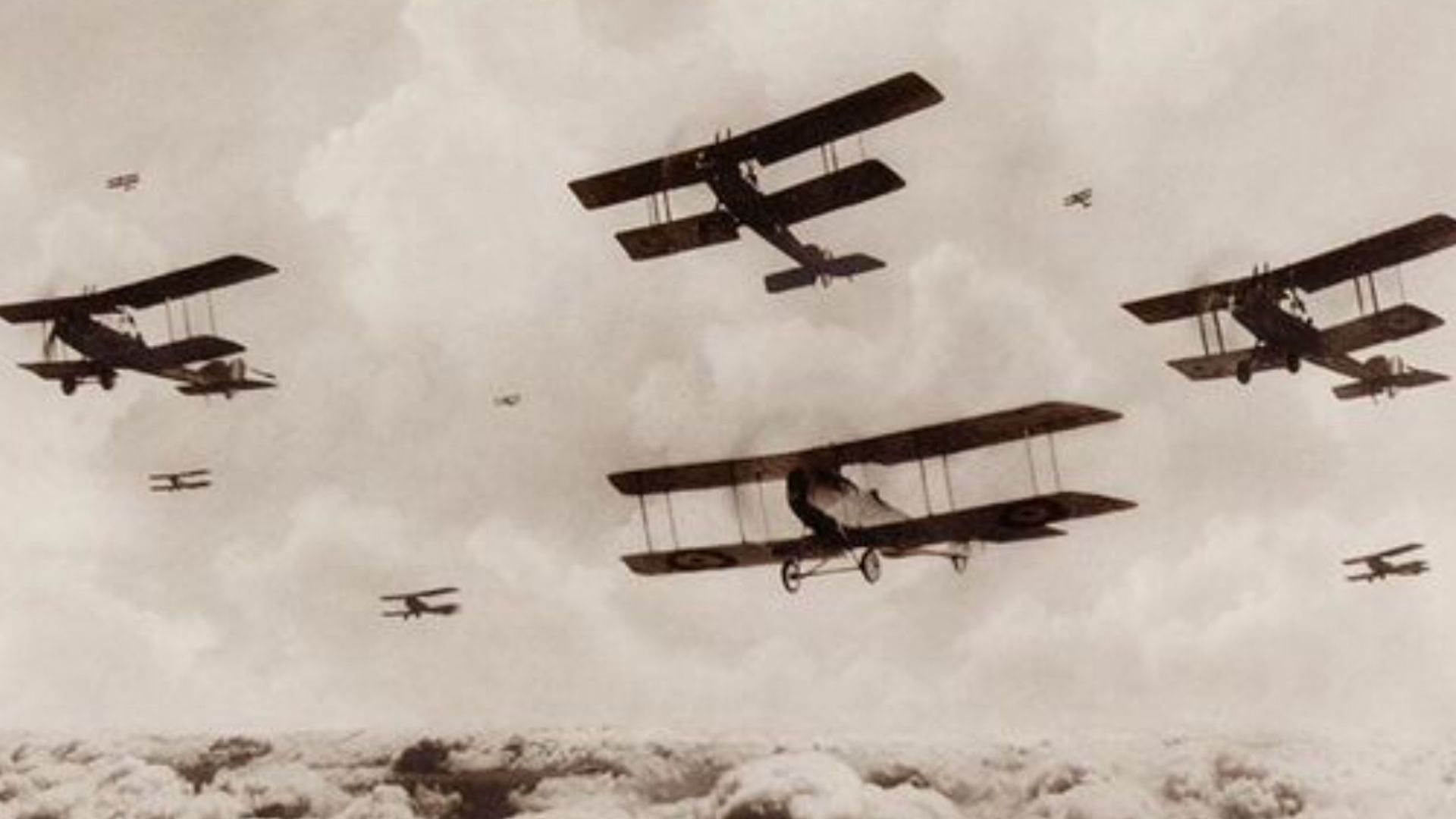
In 1918, Americans were getting excited about aviation. Airplanes had already proven useful during World War I, and the government wanted to use them to deliver mail. To celebrate its new scheduled airmail service, the Post Office introduced a special stamp featuring a familiar aircraft.
Meet The Curtiss Jenny
The stamp featured a Curtiss JN-4H biplane, nicknamed the Jenny. Originally developed as a training aircraft, the Jenny became one of America's best-known early airplanes. Its appearance on a postage stamp celebrated a remarkable new idea: sending letters between cities through the sky instead of by train.
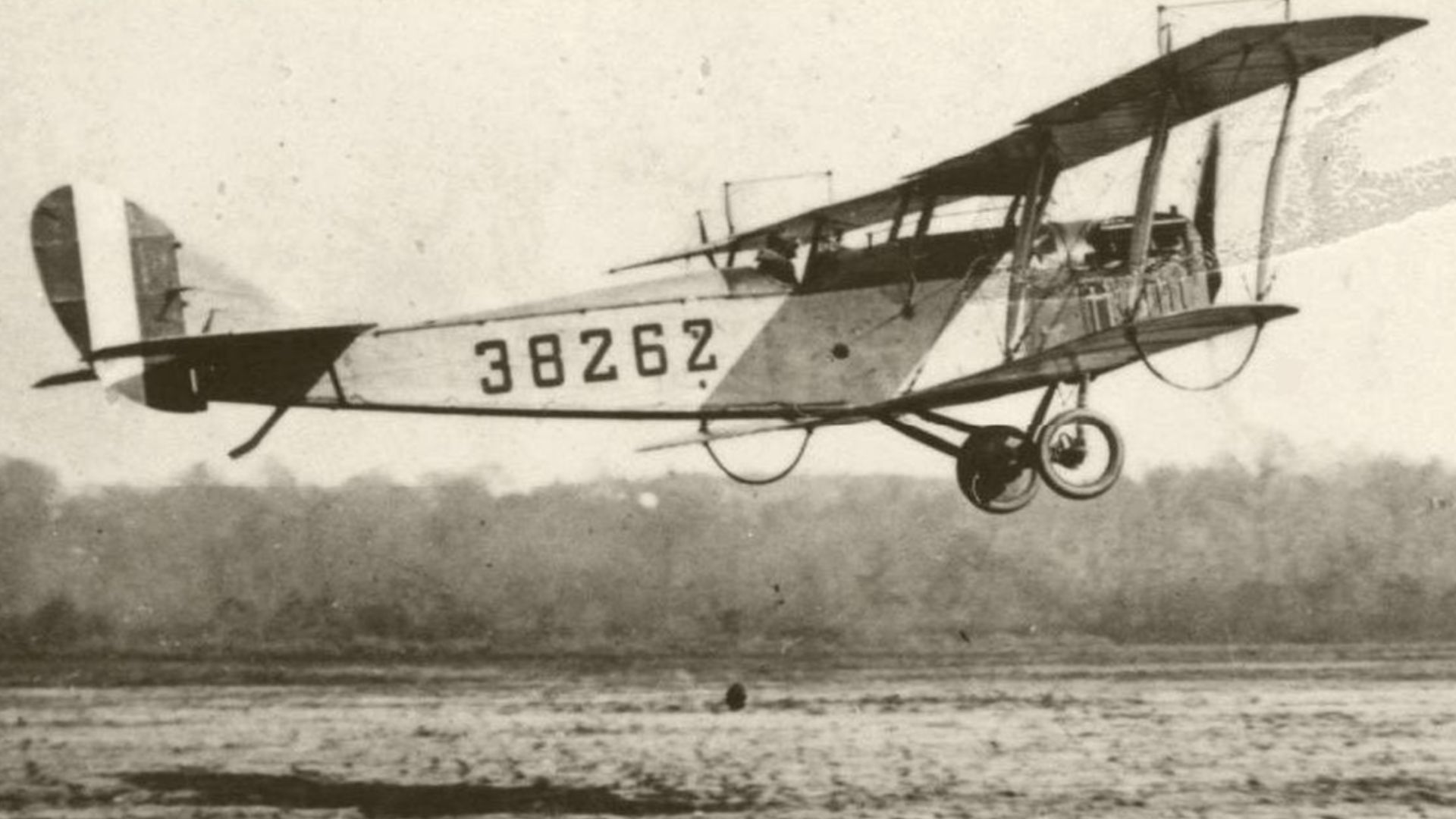 Unknown photographer; ; Imaging by Gwillhickers, Wikimedia Commons
Twenty-Four Cents Wasn't Cheap
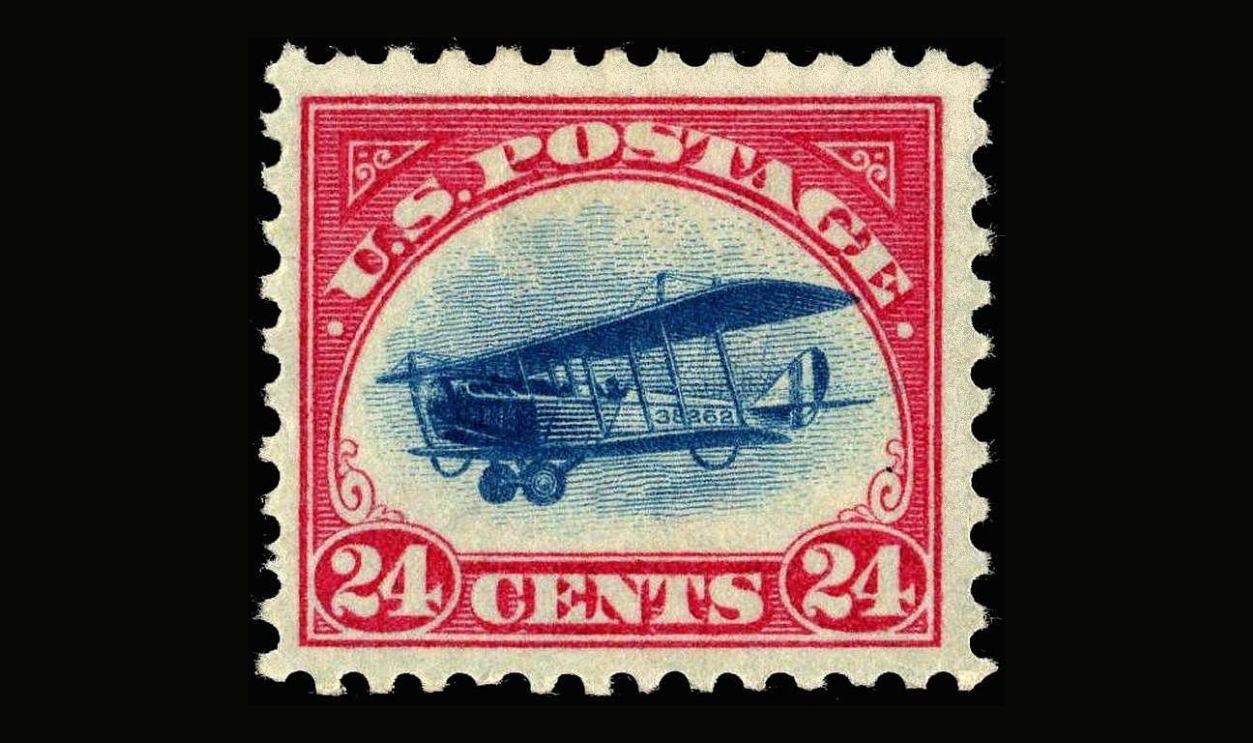
The new airmail stamp cost 24 cents, which was considerably more than the three-cent price of an ordinary domestic letter stamp in 1918. However, the higher price covered a special service. For people excited about modern technology, sending a letter by airplane was something worth trying.
 Gwillhickers, Wikimedia Commons
A Beautiful Two-Color Design
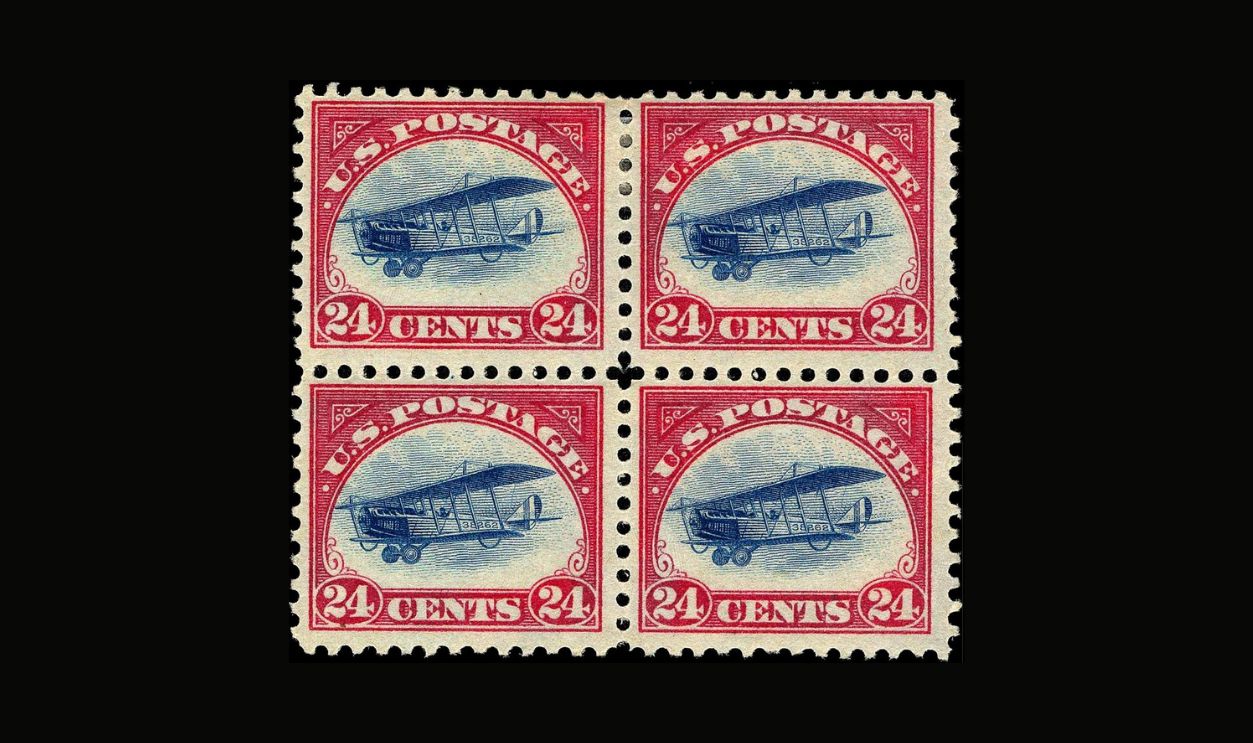
The stamp looked rather impressive, with a reddish frame surrounding a blue illustration of the Jenny. Unfortunately, using two colors required two separate printing operations. That gave workers at the Bureau of Engraving and Printing twice the opportunity to make a costly mistake.
 Bureau of Engraving and Printing, Wikimedia Commons
The Mistake Nobody Wanted
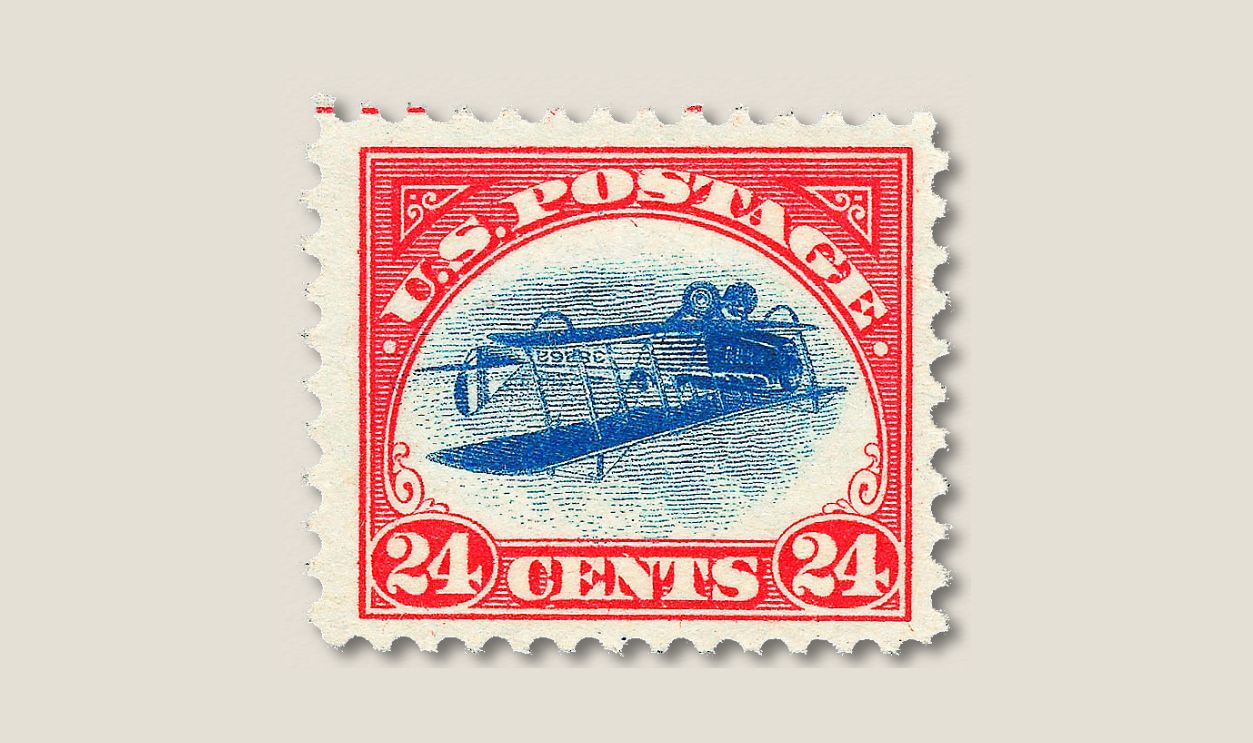
During production in May 1918, something went wrong. The blue airplane appeared upside down inside its red border. The exact printing mishap remains uncertain, but it involved the positioning of a sheet or printing plate. Suddenly, a perfectly ordinary postage stamp had become something extraordinary.
Most Of The Mistakes Were Caught
Postal officials discovered the printing problem, and incorrectly printed sheets were supposed to be kept out of circulation. Unfortunately for the government, one sheet containing 100 upside-down airplanes slipped through. Those 100 little pieces of paper would eventually become some of America's most prized collectibles.
Enter William T. Robey
William T. Robey was a young Washington, D.C., clerk with a passion for collecting stamps. Unlike most customers, he actually hoped to find a printing error. He knew that the complicated two-color process created opportunities for mistakes, and he was determined to take a look.
A Visit To The Post Office
On May 14, 1918, Robey visited the New York Avenue post office in Washington, D.C. He wanted to purchase the new airmail stamps before the service officially began. When a clerk produced a sheet, Robey spotted something that almost certainly made his heart race.
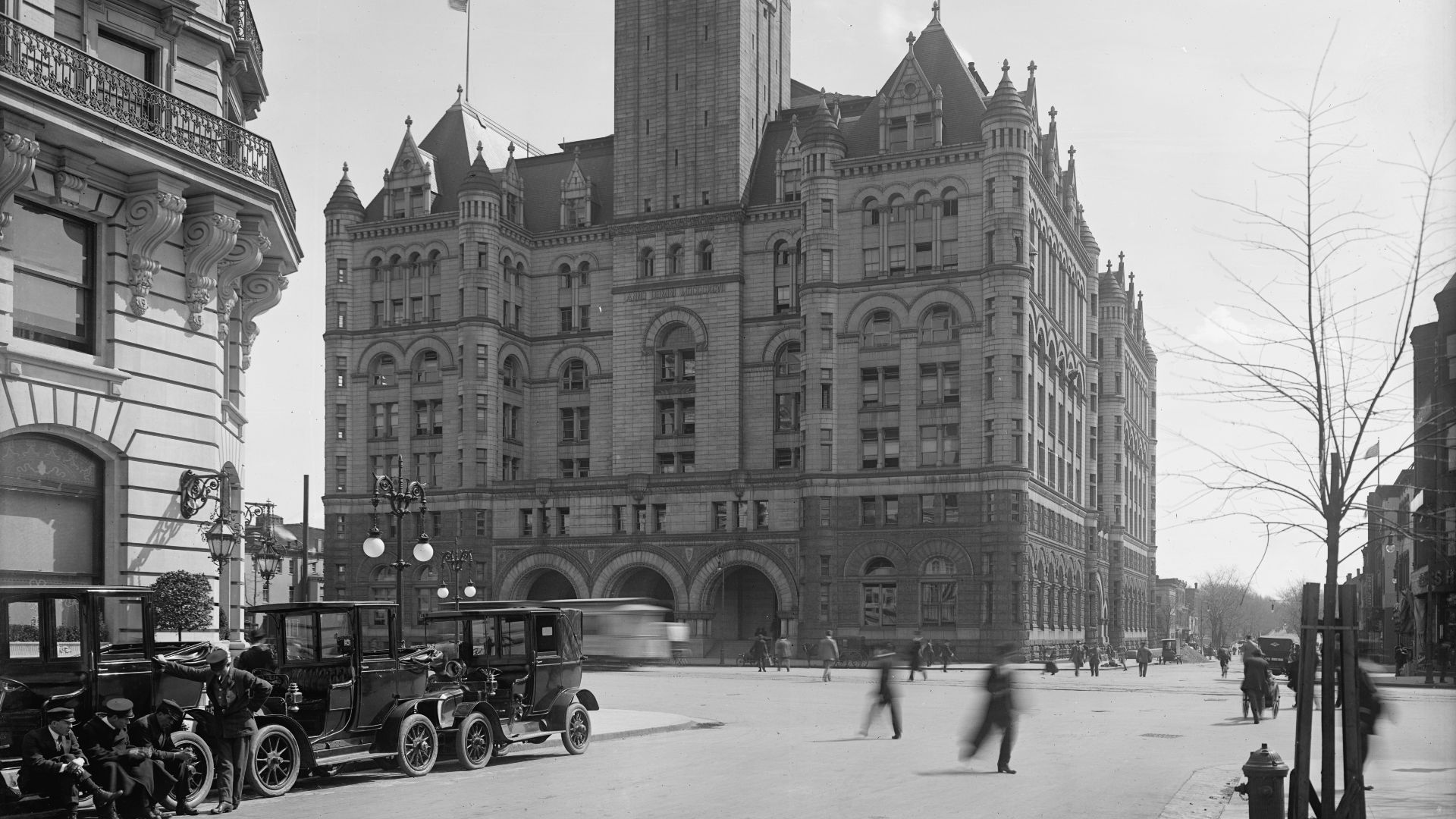 Harris & Ewing, Wikimedia Commons
The Airplane Was Upside Down
There, staring back at him, were 100 stamps showing the Jenny flying upside down. Robey immediately recognized the mistake. The clerk apparently didn't appreciate its importance. Instead of pointing out the problem, Robey calmly purchased the entire sheet for its face value of $24.
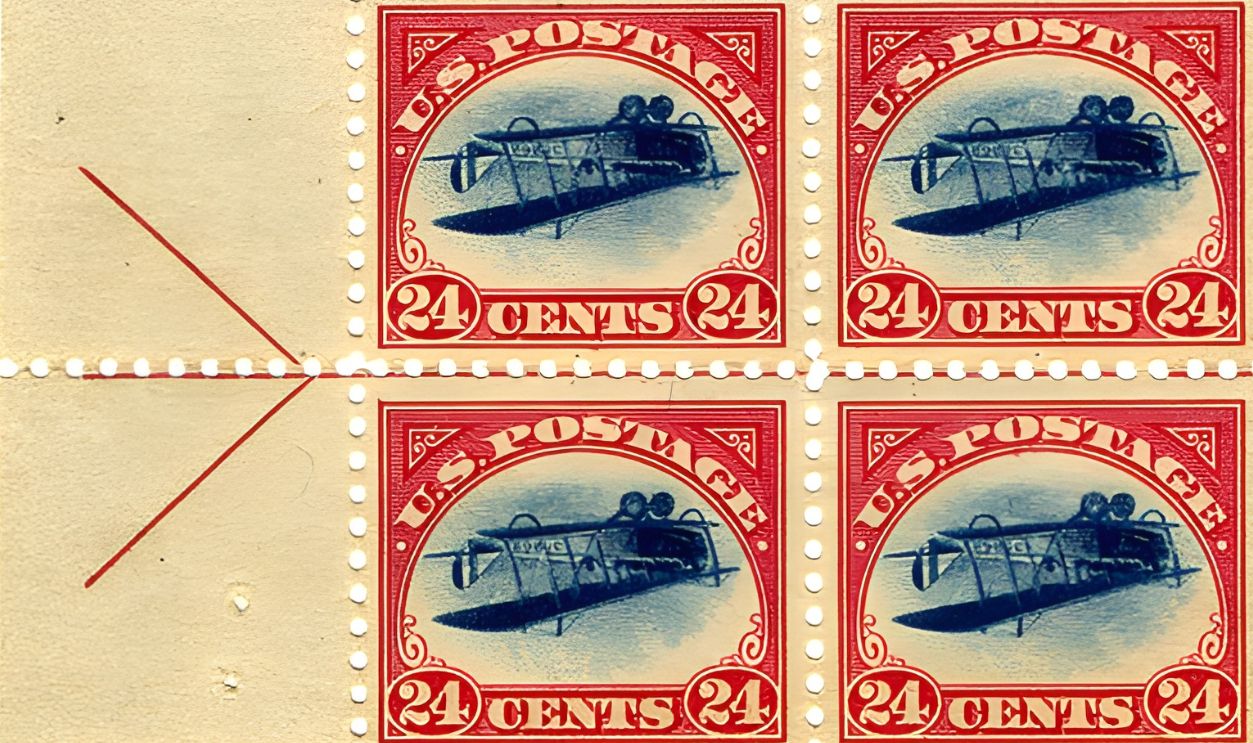 U.S. Post Office -- U.S. Bureau of Engraving and Printing, Wikimedia Commons
The Luckiest Purchase Of His Life
Robey had just made an extraordinary purchase. He paid only 24 cents apiece for stamps that collectors would soon fight to own. But he still needed to find someone willing to pay for them, and government officials were becoming interested in recovering the embarrassing mistake.

The Government Wanted Them Back
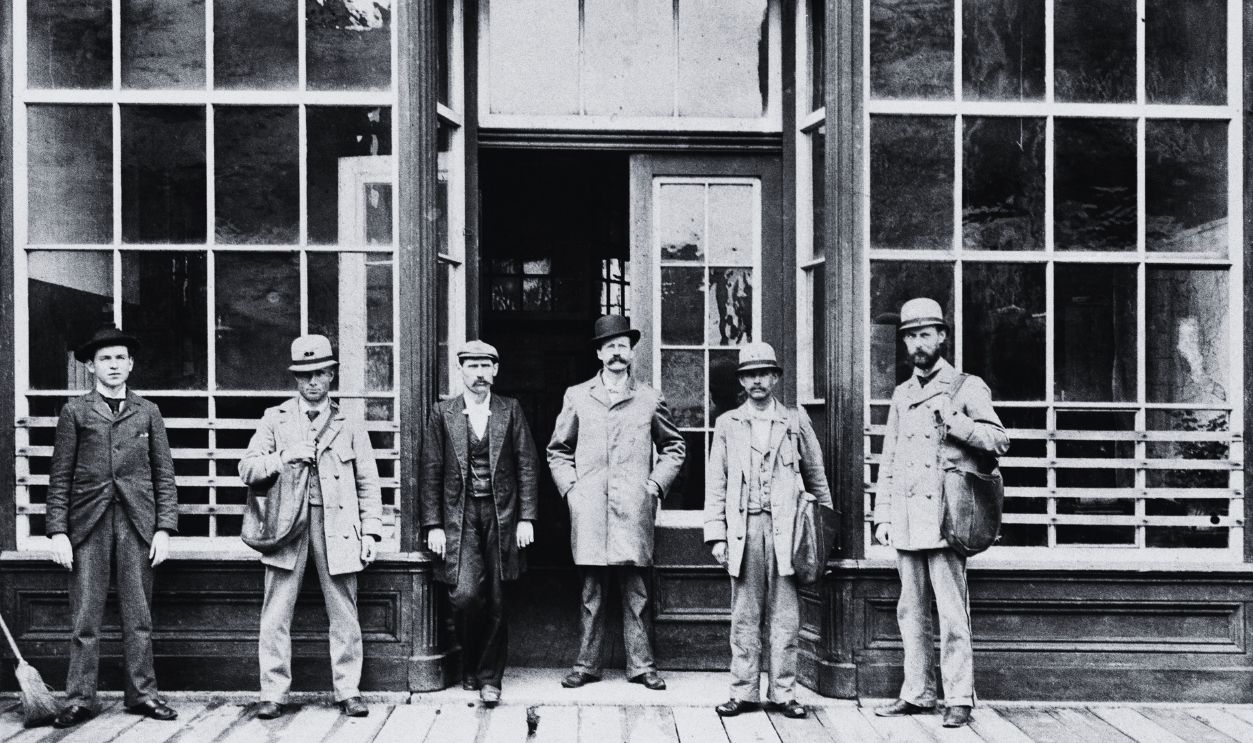
News of Robey's discovery spread quickly through collecting circles. Postal inspectors also learned about the misprinted stamps and sought to recover them. Robey wasn't eager to surrender his discovery. He reportedly carried the sheet around Washington while trying to avoid officials who wanted it returned.
A Treasure Hidden Under A Mattress
For a short time, Robey kept his valuable purchase hidden beneath the mattress in the apartment he shared with his wife, Caroline. It's a wonderfully ordinary hiding place for an extraordinary treasure. Of course, neither of them could have imagined just how valuable those stamps would become.
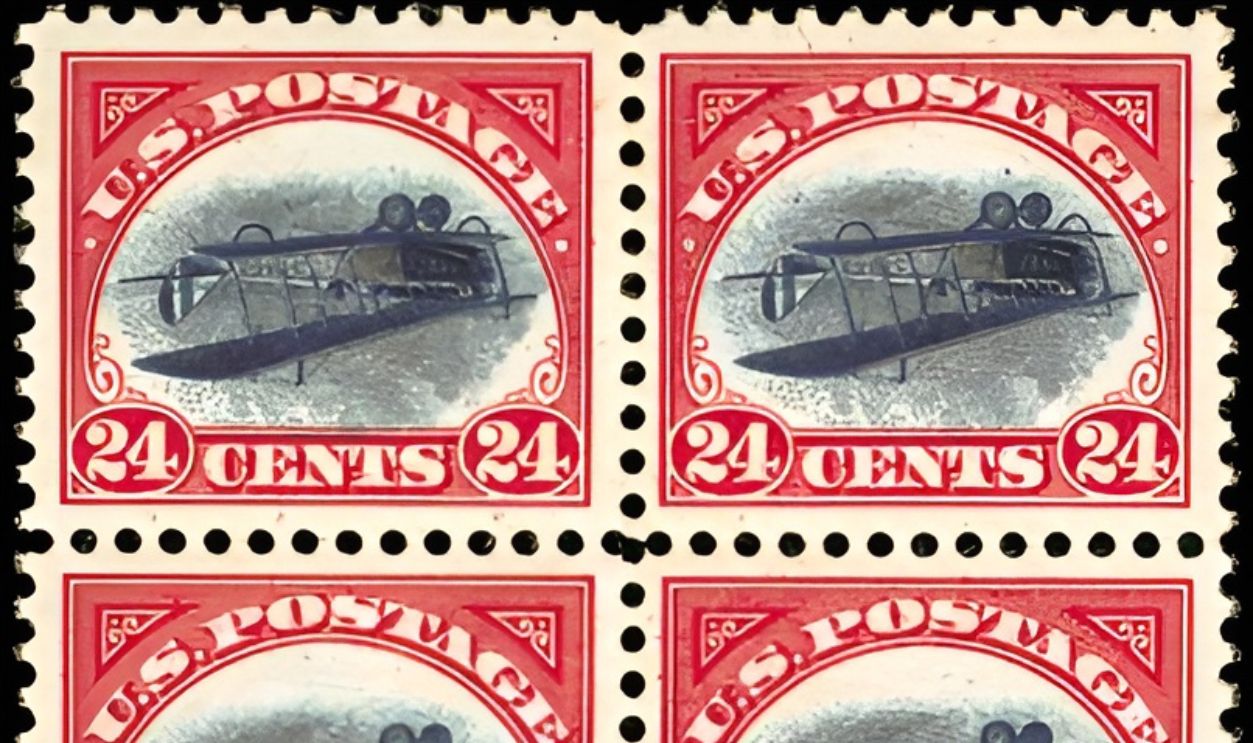 Unknown Author, Wikimedia Commons
A $15,000 Payday
Within days, Robey sold the complete sheet to Philadelphia stamp dealer Eugene Klein for $15,000. That was an enormous profit on a 24-cent purchase. Although the stamps would eventually become worth much more, Robey had turned a lucky post office visit into a life-changing payday.
 Unknown Author, Wikimedia Commons
The Wealthy Collector Who Bought Them
Klein quickly sold the sheet to wealthy collector Colonel H.R. Green, son of the famously wealthy financier Hetty Green. Green had the resources to purchase exceptional collectibles, and the Inverted Jenny was an irresistible prize. But keeping the entire sheet together wasn't his plan.
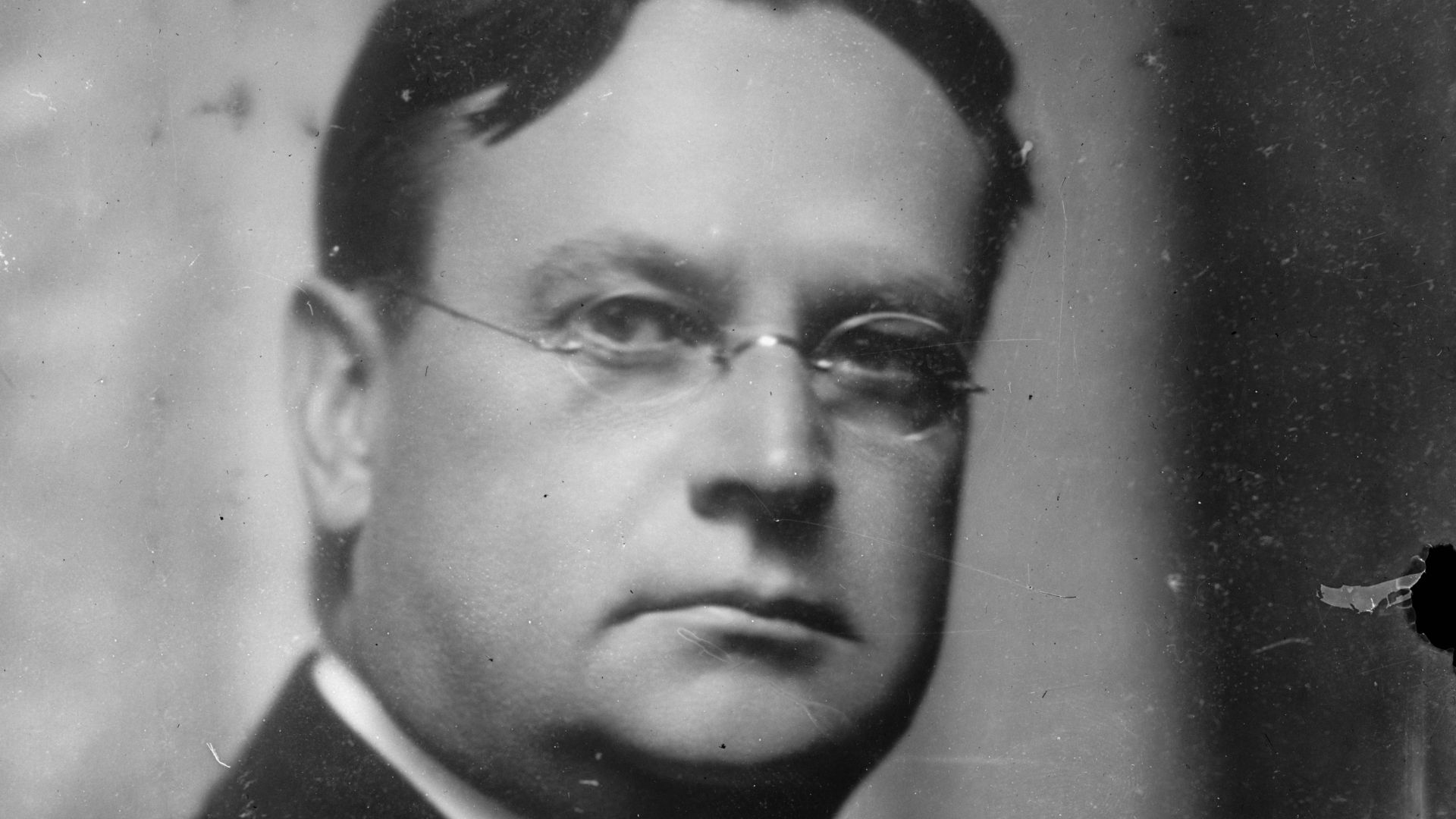 Bain News Service, publisher, Wikimedia Commons
Breaking Up The Famous Sheet
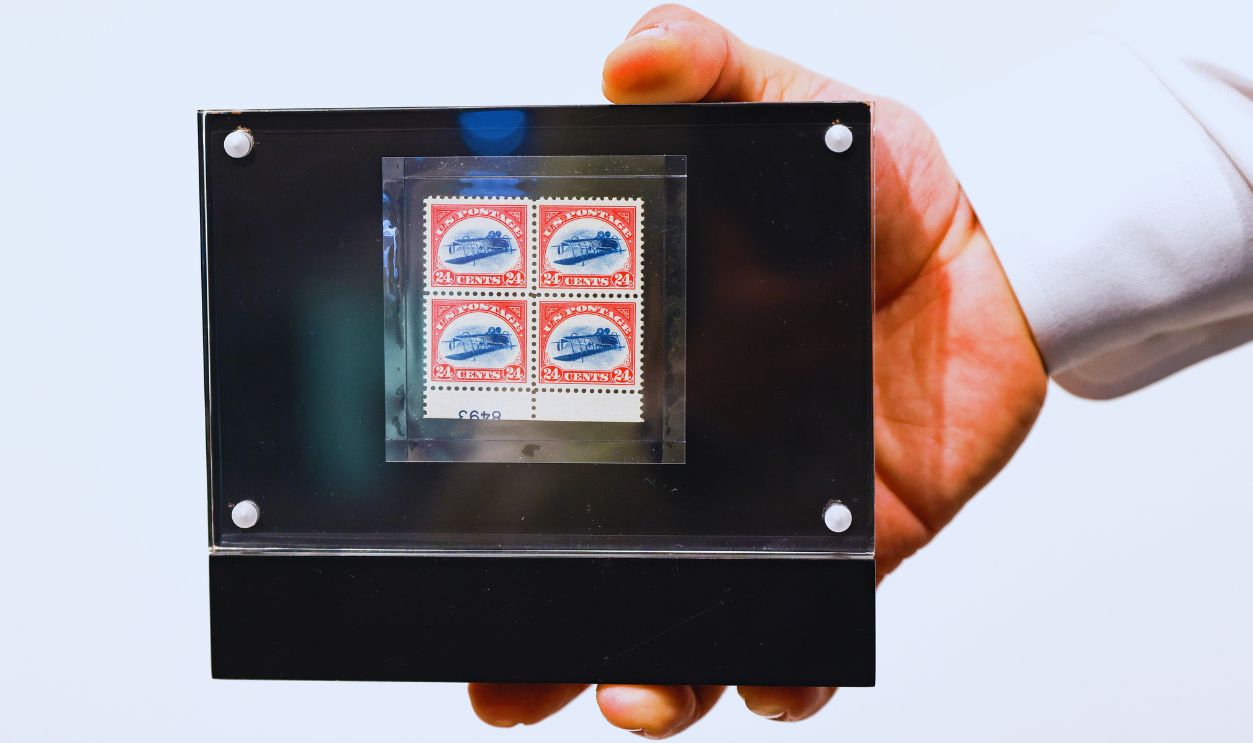
Green eventually divided the sheet into individual stamps and larger blocks. This allowed different collectors to acquire pieces of the famous mistake. The stamps were also identified by their original positions within the sheet, helping collectors trace their histories as they changed hands over the decades.
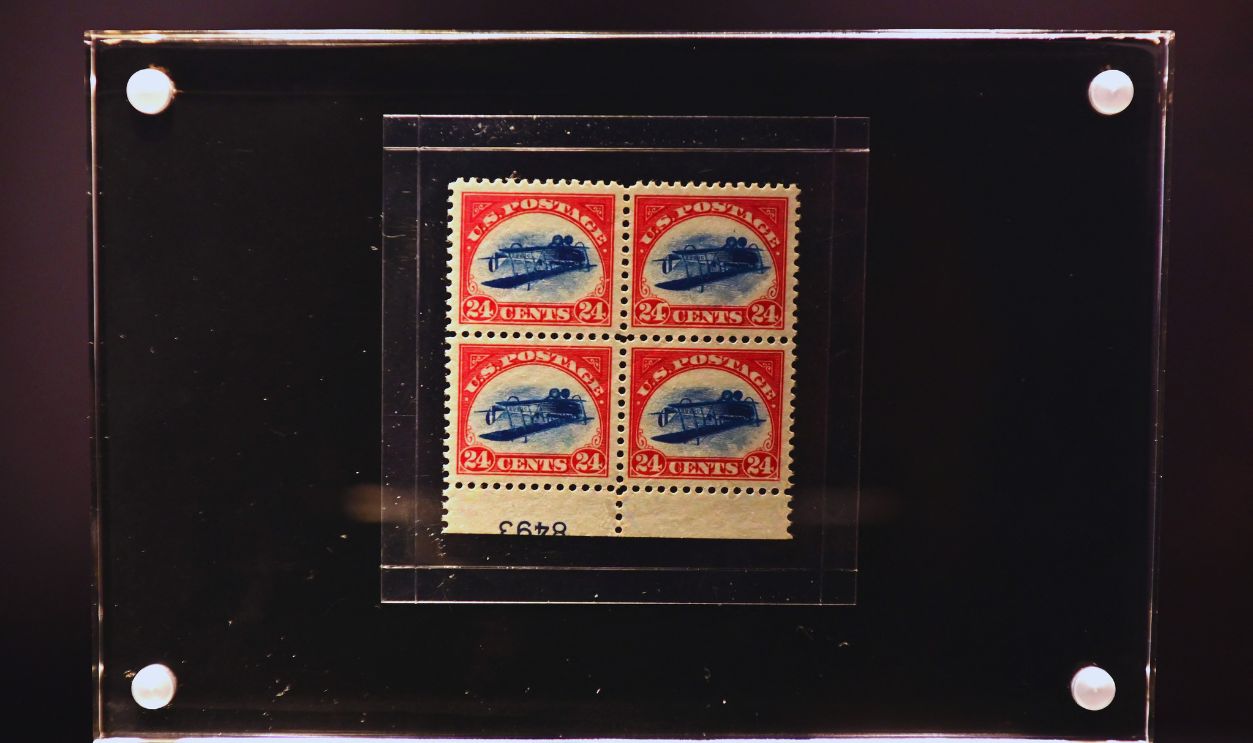
Only One Hundred Existed
What made the Inverted Jenny so special wasn't simply its unusual appearance. Only one sheet of 100 stamps with the inverted center was ever sold, and no additional genuine examples have been discovered. For collectors, that combination of a famous error and extreme rarity was irresistible.
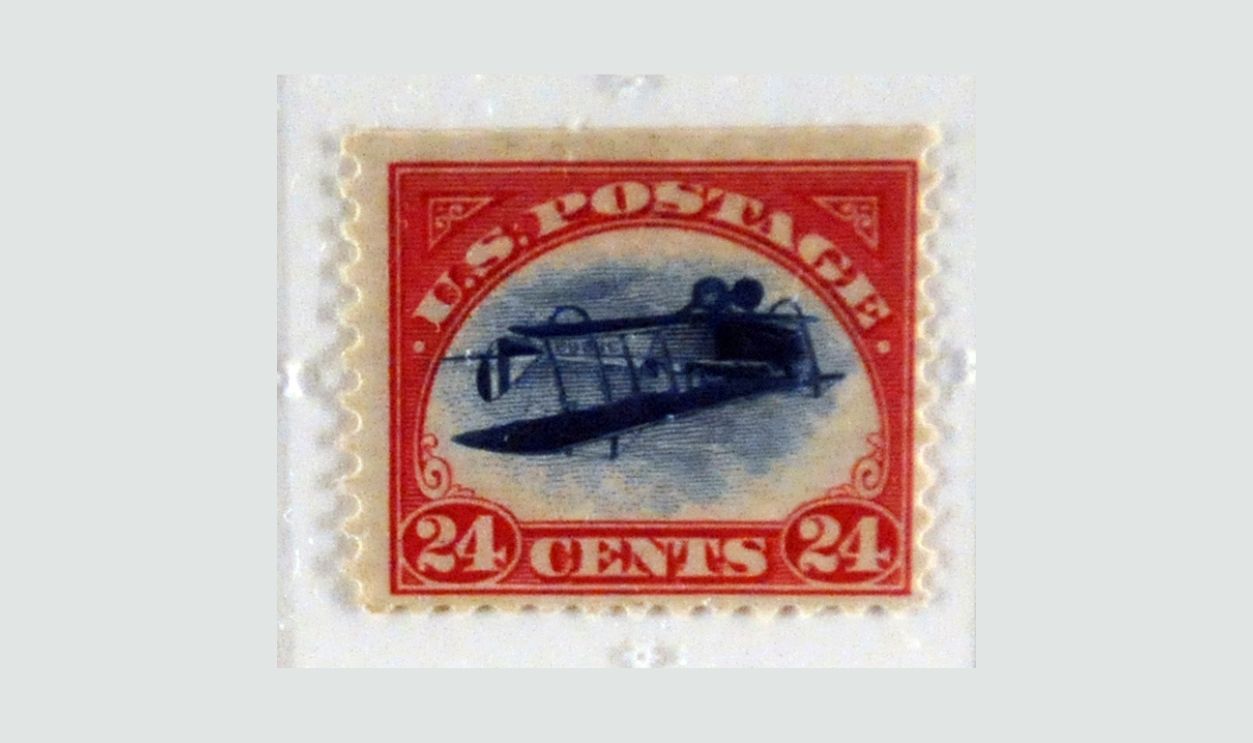
The Airplane's Own Unlucky Adventure
Here's an amusing twist. On May 15, 1918, the day scheduled airmail service began, the pilot flying the first Washington-to-Philadelphia delivery got lost and crash-landed in Maryland. His aircraft overturned during the mishap. In a strange coincidence, the real Jenny ended up upside down, too.
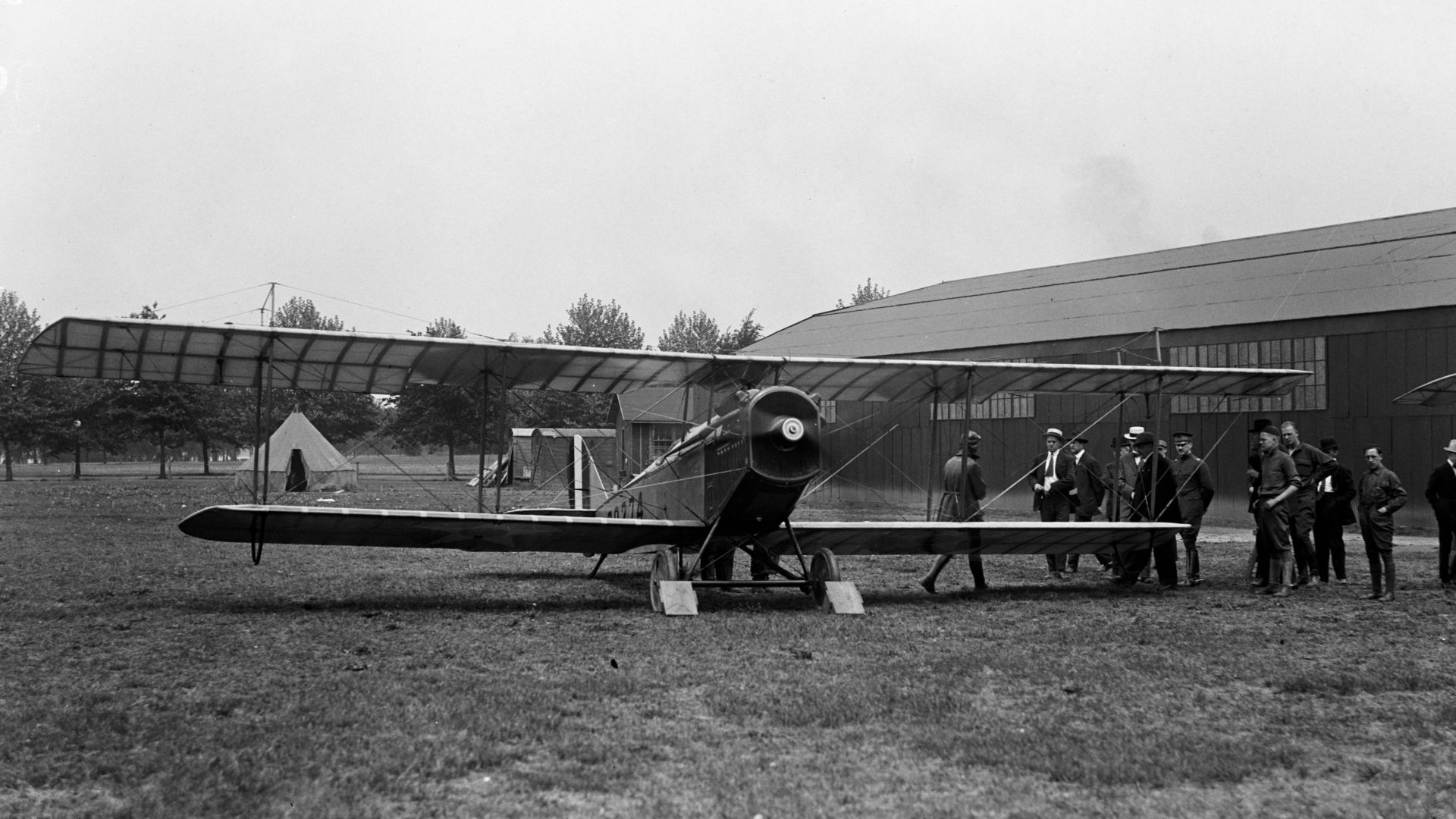 Harris & Ewing, photographer, Wikimedia Commons
From Curiosity To National Treasure
As the decades passed, the Inverted Jenny became much more than a stamp-collecting curiosity. Its unusual design was instantly recognizable, even to people who knew nothing about stamps. Collectors prized its history, while museums recognized it as a remarkable reminder of America's early aviation days.
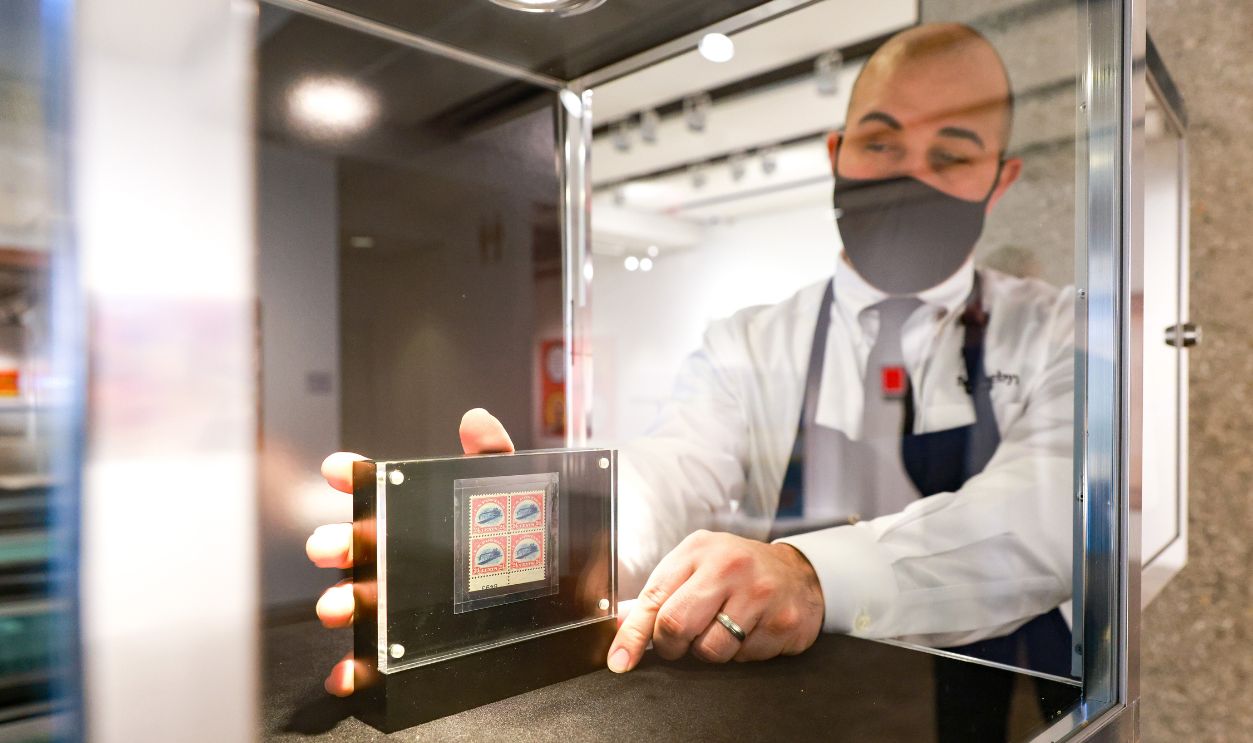
A Daring Theft In 1955
The Inverted Jenny's value also attracted thieves. In 1955, a valuable block of four belonging to collector Ethel McCoy disappeared during a stamp exhibition in Norfolk, Virginia. The theft shocked collectors, and the missing stamps became the subject of a mystery lasting several decades.
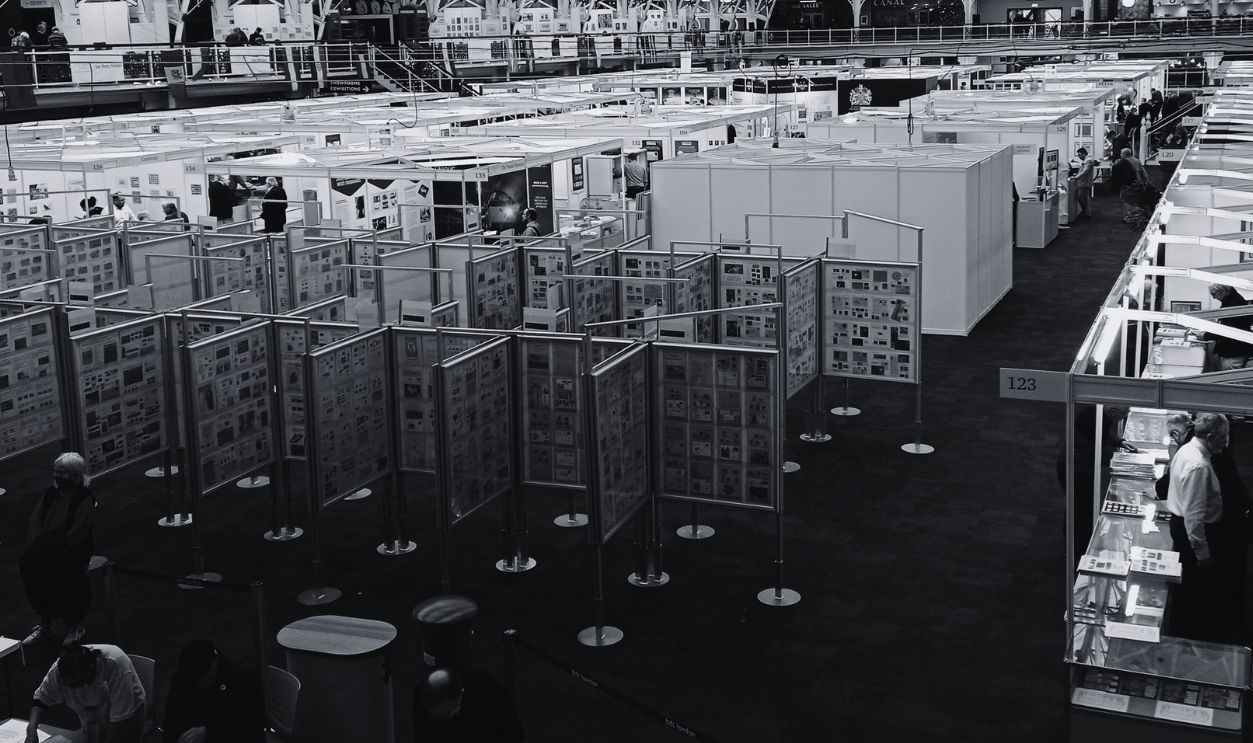 Philafrenzy, Wikimedia Commons
The Missing Stamps Resurface
One stolen stamp appeared in 1958, and another was recovered in 1982. Then, in 2016, a third surfaced when someone brought it to an auction house. Experts identified it as part of McCoy's stolen block. One stamp from that famous theft remained missing.
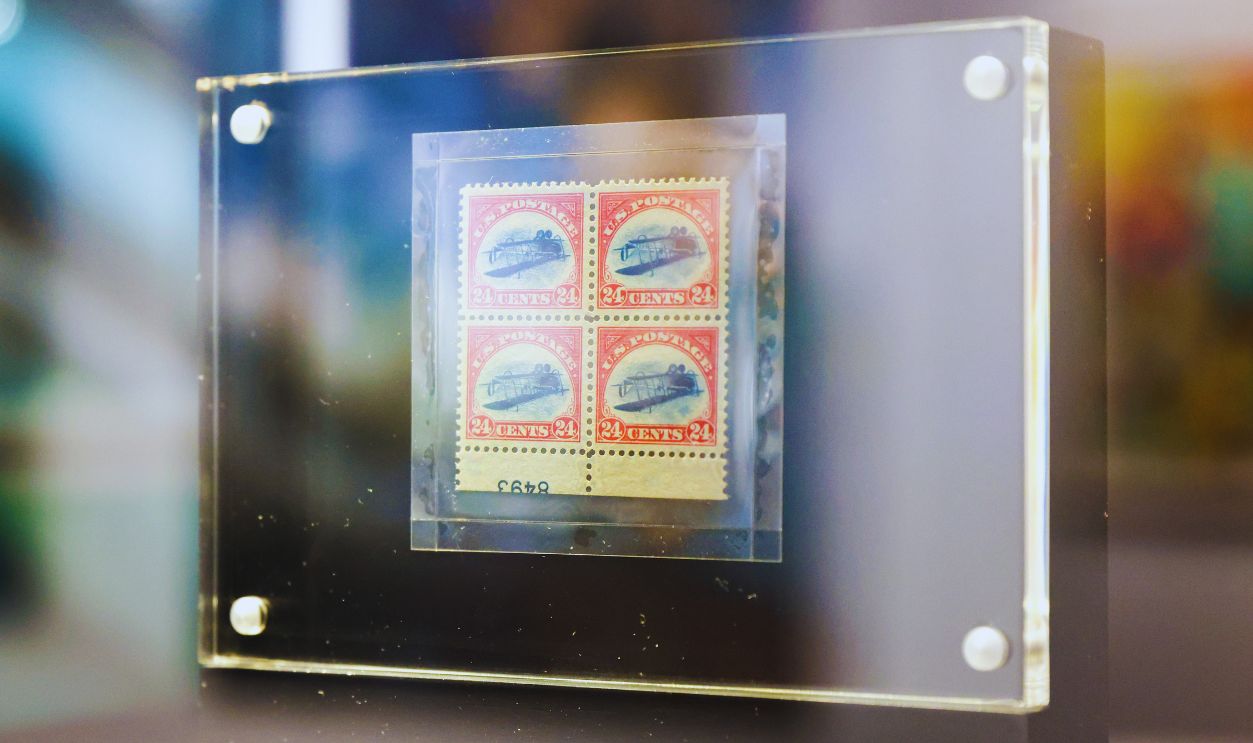
Even Homer Simpson Made A Mistake
The Inverted Jenny eventually became famous enough to appear on television. In a 1993 episode of The Simpsons, Homer discovers a sheet of upside-down airplane stamps at a swap meet. Naturally, he dismisses them as worthless. Real collectors probably groaned at the sight.
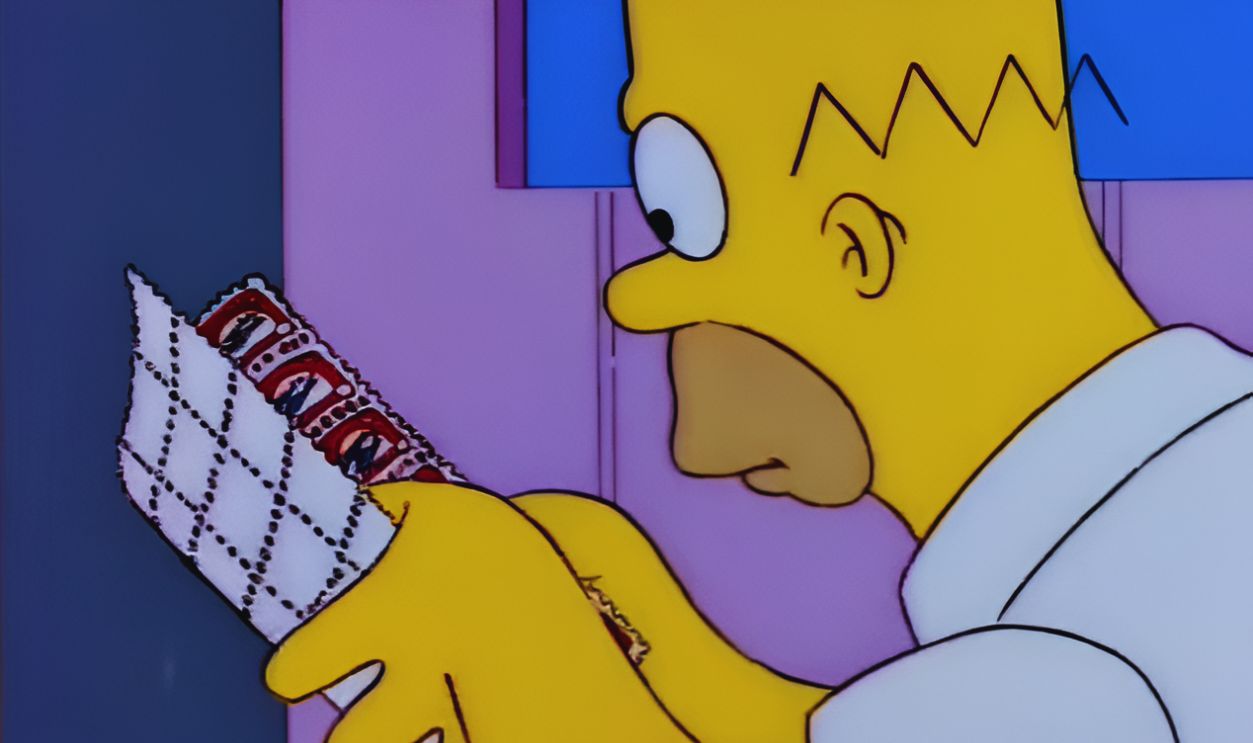 Screenshot from The Simpsons, 20th Television (1989)
The Post Office Celebrated Its Mistake
In 2013, the U.S. Postal Service released a commemorative version of the famous stamp, this time worth $2. The airplane was deliberately printed upside down. The Postal Service even created a limited number of sheets with the airplane right side up, turning the original mistake into a clever reversal.
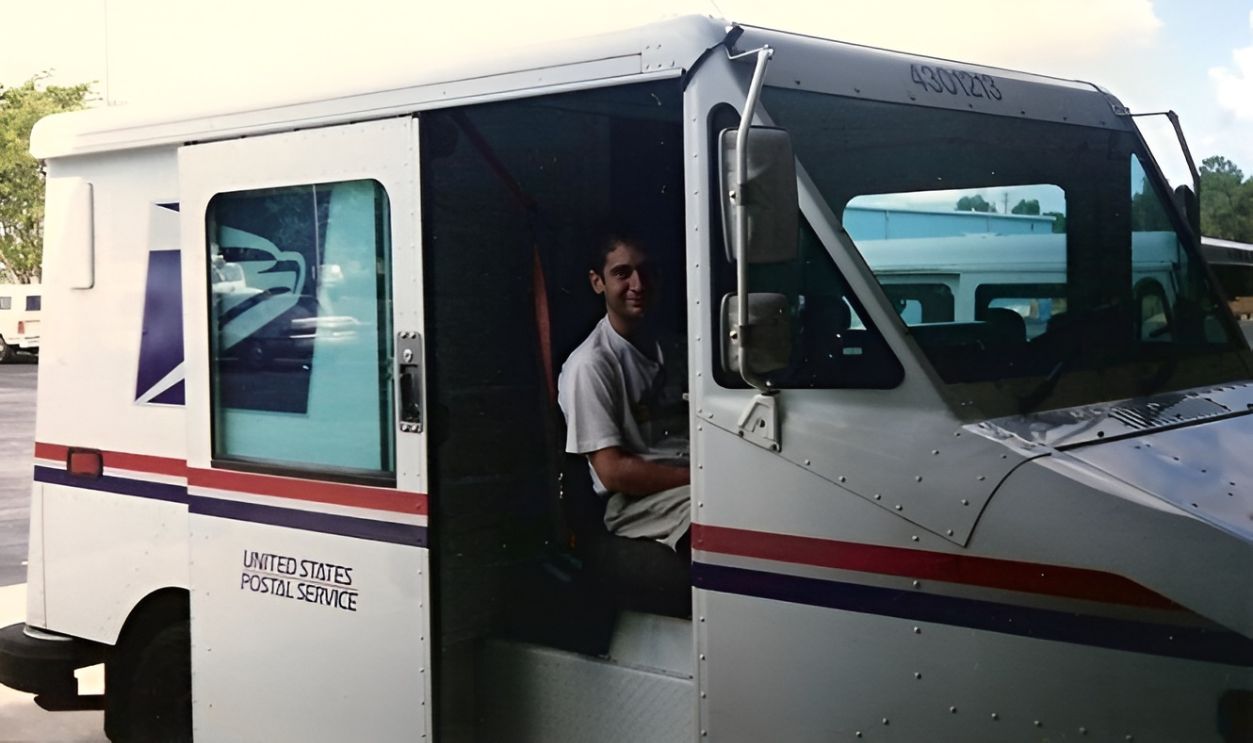 Johnny_Spasm, Wikimedia Commons
A Stamp Worth Over Two Million Dollars
On November 8, 2023, an exceptionally preserved Inverted Jenny sold at Robert A. Siegel Auction Galleries for $2,006,000, including the buyer's premium. The stamp, known as Position 49, set a record for a single Inverted Jenny. Not bad for something originally sold for 24 cents.
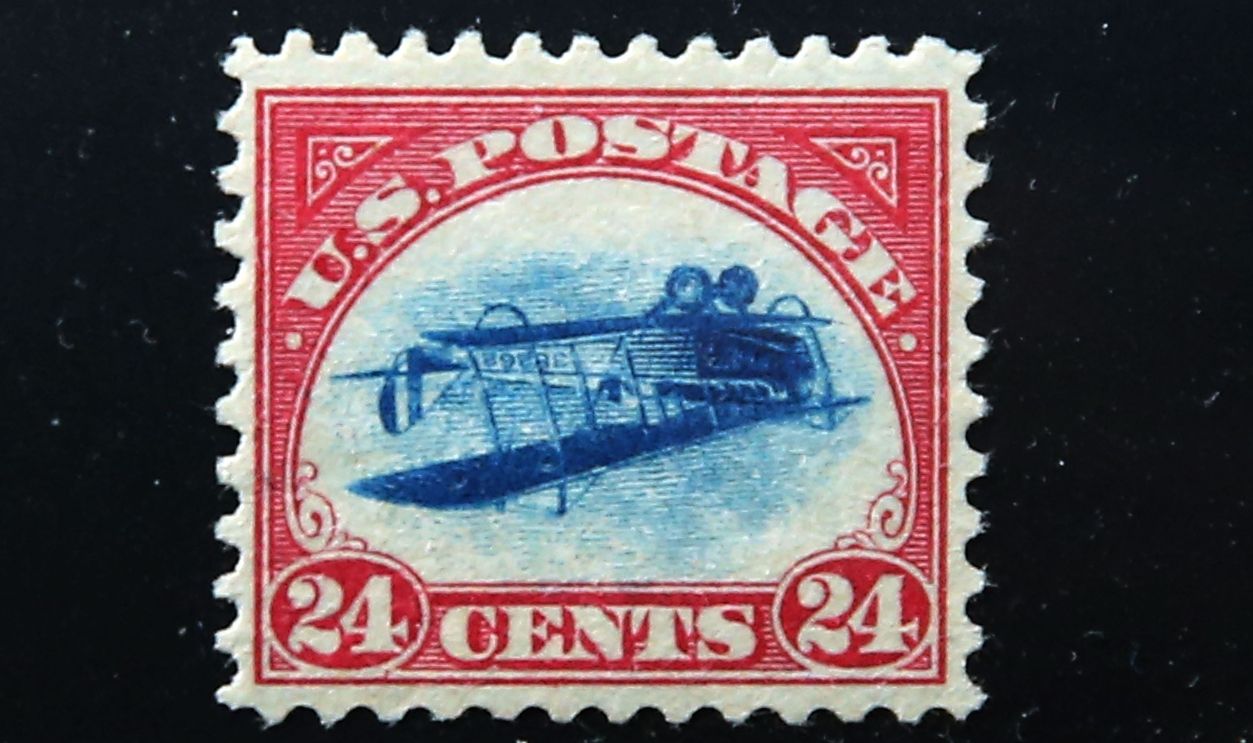
The Collector Who Finally Got His Dream
The buyer was Charles Hack, a longtime collector who had admired Inverted Jennys since childhood. He already owned another fine example, but Position 49 was considered superior. Graded 95 and retaining its original gum, it represented the sort of treasure collectors spend lifetimes chasing.
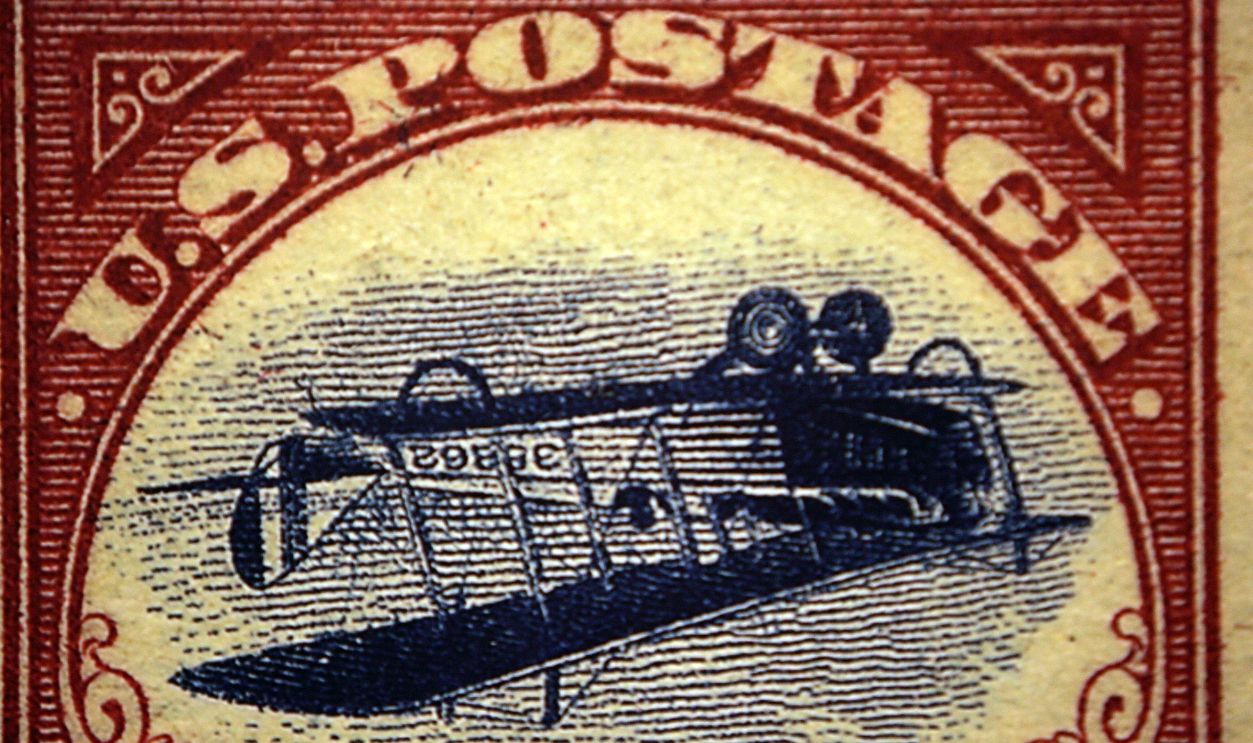
Why This Little Stamp Is Worth A Fortune
Plenty of valuable diamonds cost less than $2 million, but the Inverted Jenny has something a jeweler can't manufacture: a century of fascinating history. Its rarity, recognizable mistake, remarkable condition, and famous ownership stories all help explain why collectors are prepared to pay extraordinary prices.
One Mistake That Made History
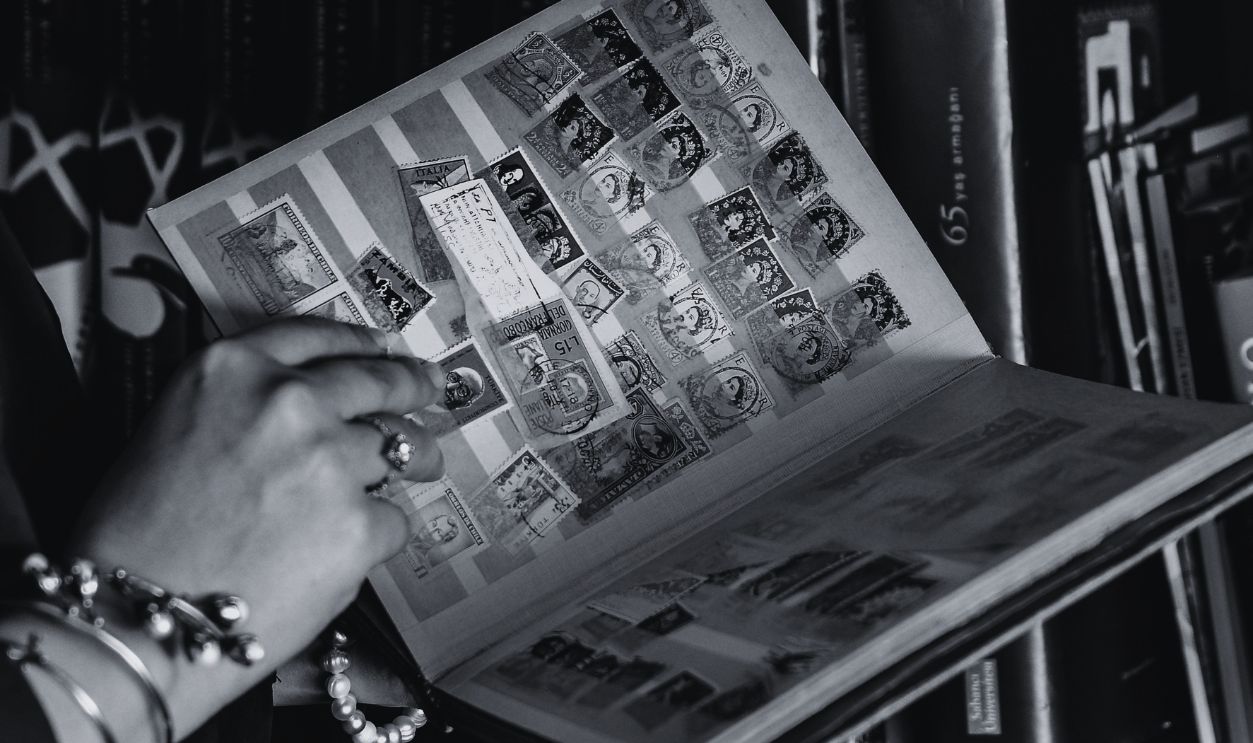
More than a century after William Robey walked into a Washington post office, the Inverted Jenny remains one of America's greatest collecting stories. A simple printing mistake transformed a 24-cent stamp into a multimillion-dollar treasure. It makes you wonder what overlooked treasures might be hiding in an old family stamp album.
You May Also Like:
The Women Who Took Charge Of A Kingdom During A Crisis And Changed Its Future
Britain Once Erased Eleven Days From Its Calendar Overnight—But The Real Reason Had Nothing To Do With Time