When Red Lights Needed Real People
Imagine every busy intersection requiring someone to personally decide when traffic could move. That was once normal. Before electronic systems took over, managing crowded streets demanded constant human attention, considerable patience, and some surprisingly inventive machinery.
The First Traffic Signal Borrowed From Railroads
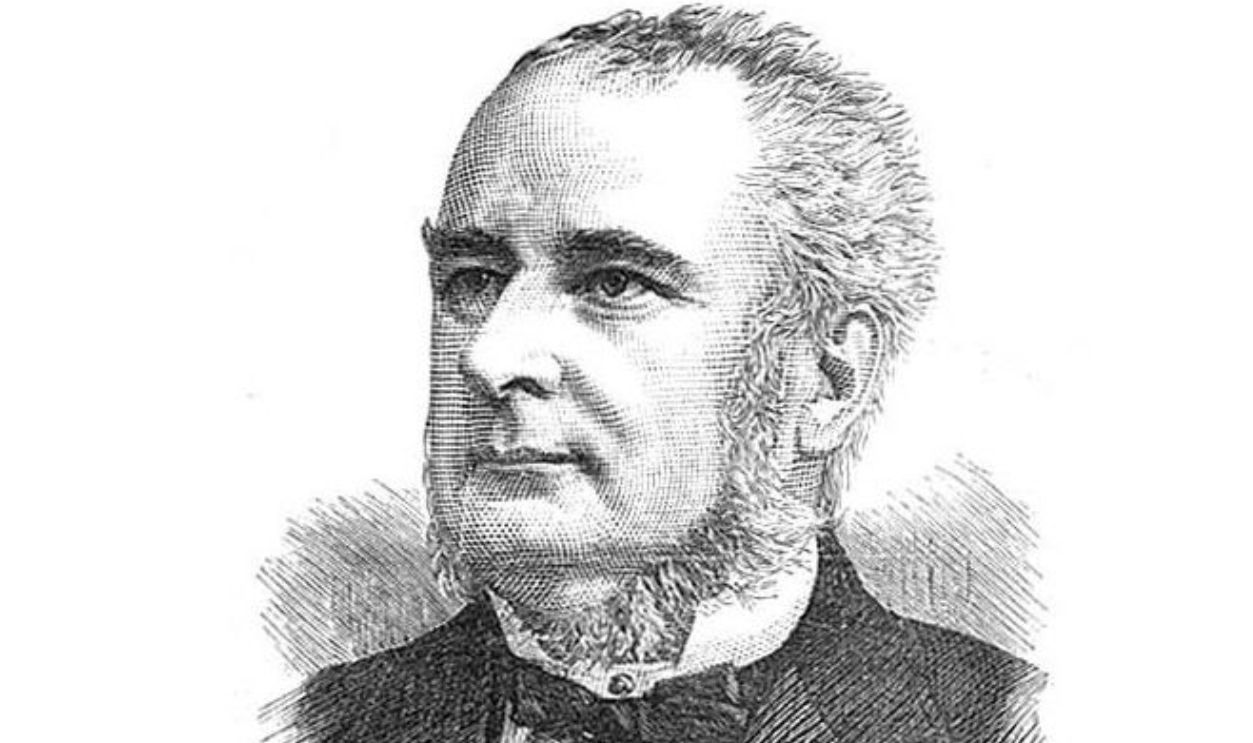
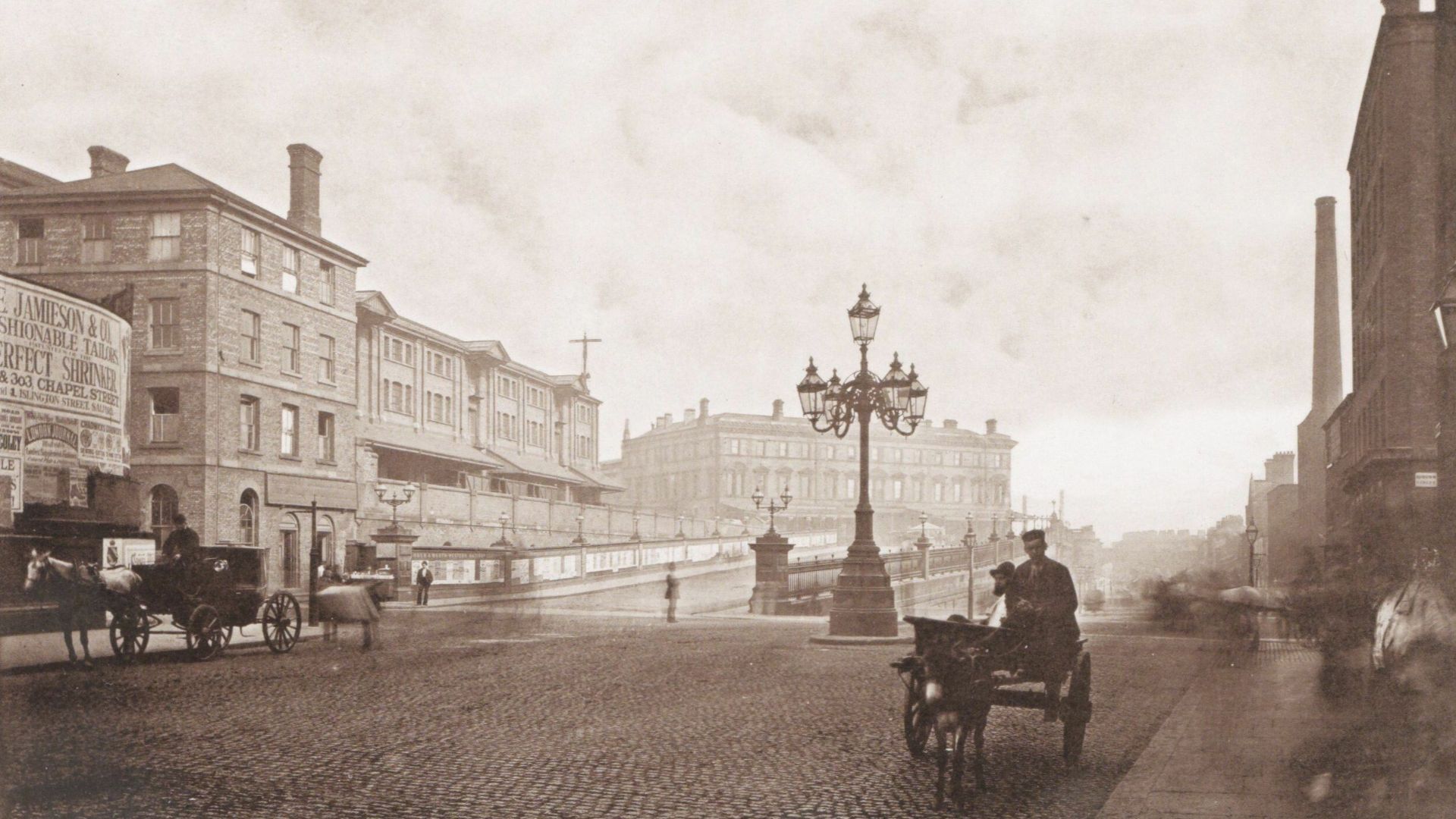
In 1868, railway engineer John Peake Knight introduced a traffic signal outside London's Houses of Parliament. Inspired by railway equipment, it used movable semaphore arms to direct horse-drawn vehicles through the busy intersection.
Victorian London's Gas Lamp Disaster
The London signal used red and green gas lamps after dark. Unfortunately, the experiment ended dramatically when the equipment exploded in January 1869, injuring its operator. The idea disappeared from British streets for decades.
 Rijksmuseum, Wikimedia Commons
Lester Wire Tries An Electric Alternative
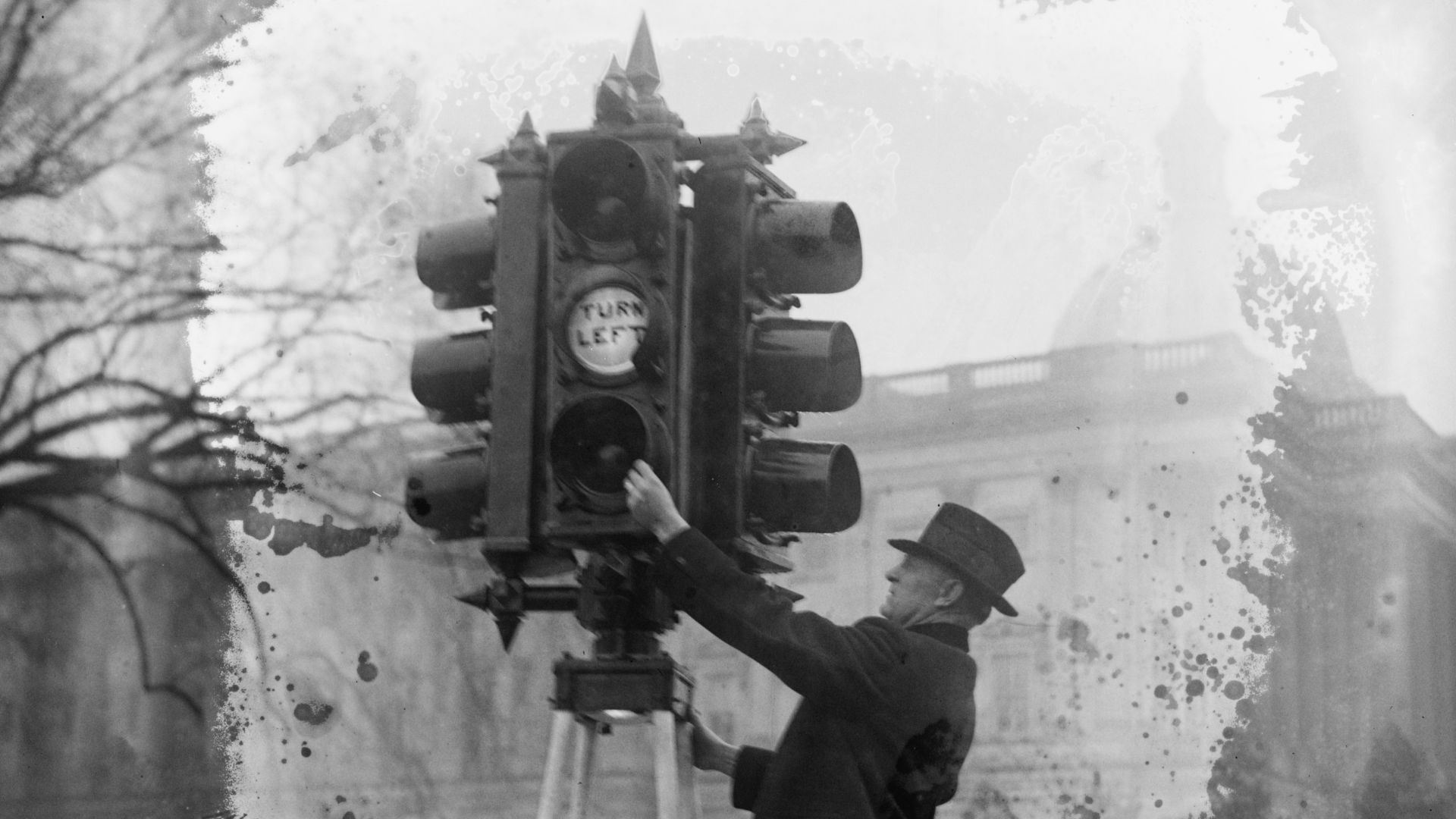
In 1912, Salt Lake City officer Lester Wire designed an electric signal using red and green lights. His homemade invention demonstrated how electricity could replace older signaling methods, although he never patented his design.
 National Photo Company Collection, Wikimedia Commons
Cleveland Switches On A New Era
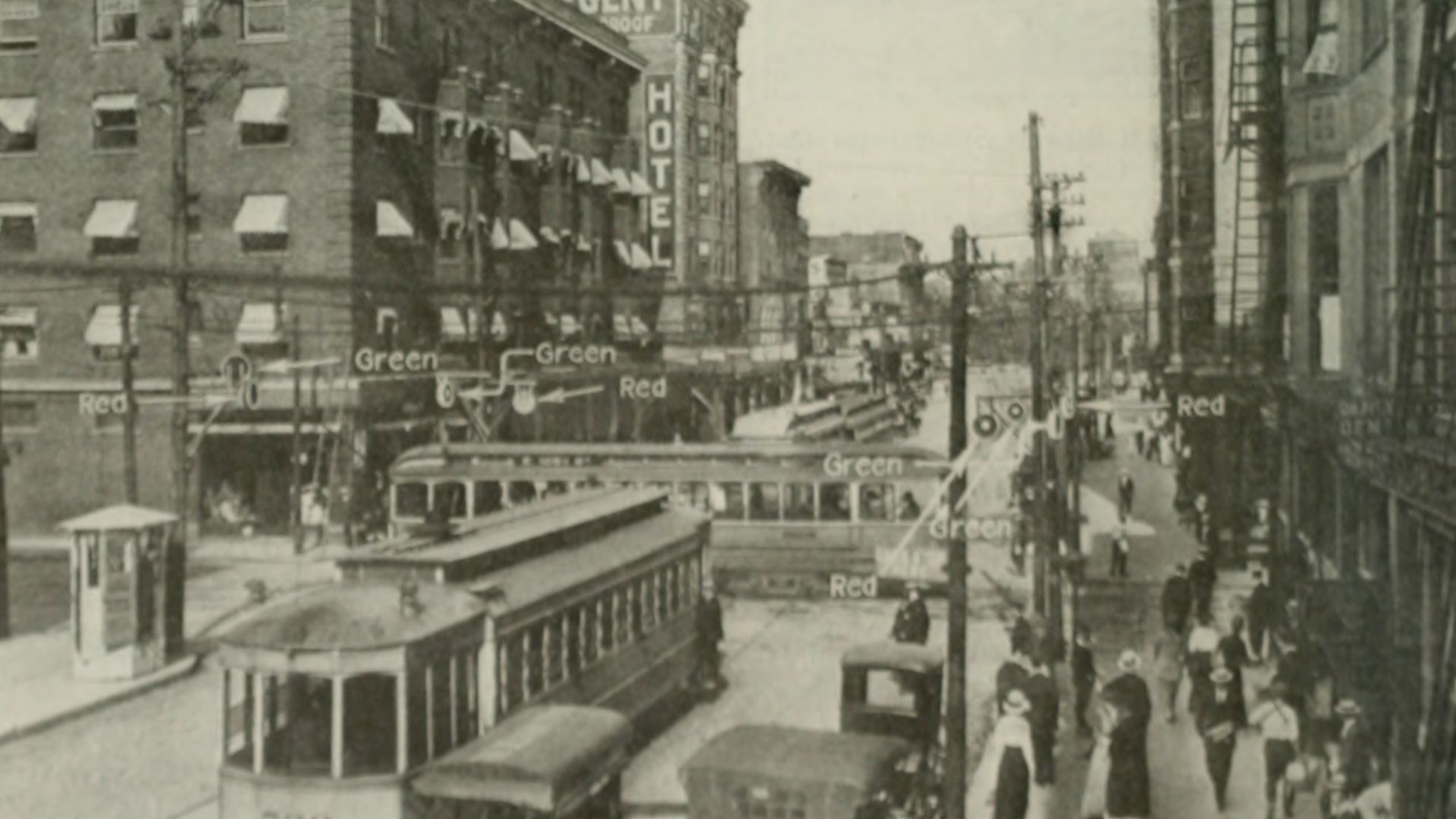
On August 5, 1914, Cleveland introduced an electric traffic signal at Euclid Avenue and East 105th Street. Based on James Hoge's design, the installation used red and green indicators to organize competing traffic movements.
 Engineering News, Wikimedia Commons
The First Electric Signals Still Needed Operators
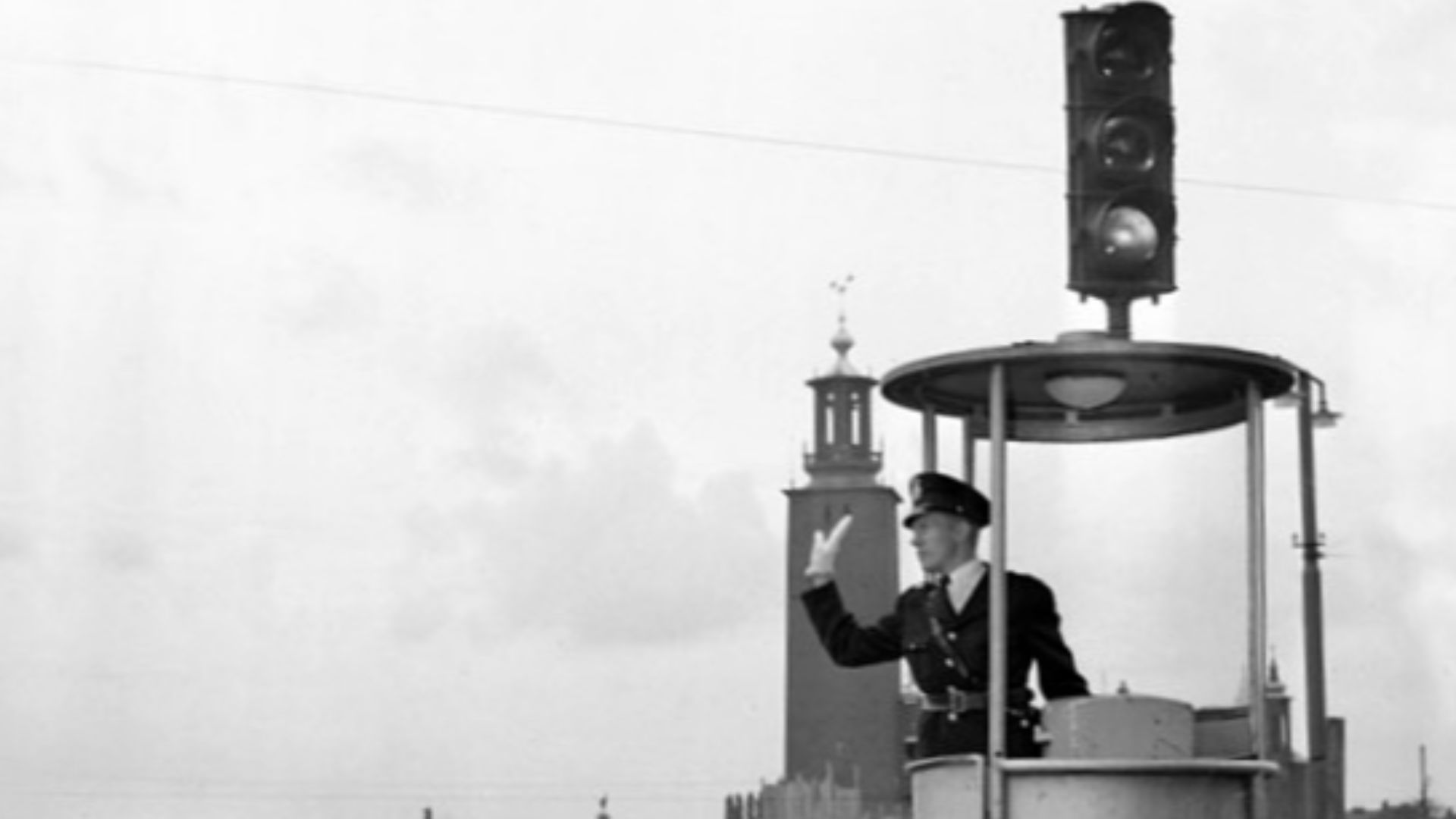
Electricity didn't immediately eliminate human involvement. Cleveland's equipment relied on a manually operated switch inside a control booth. Officers could change the lights without standing directly in the middle of moving traffic.
 Olle Karlsson, Wikimedia Commons
Six Intersections Begin Working Together
Salt Lake City introduced an interconnected signal system in 1917. Instead of operating six intersections independently, officials could control them together. This represented an important step toward coordinating traffic across entire streets.
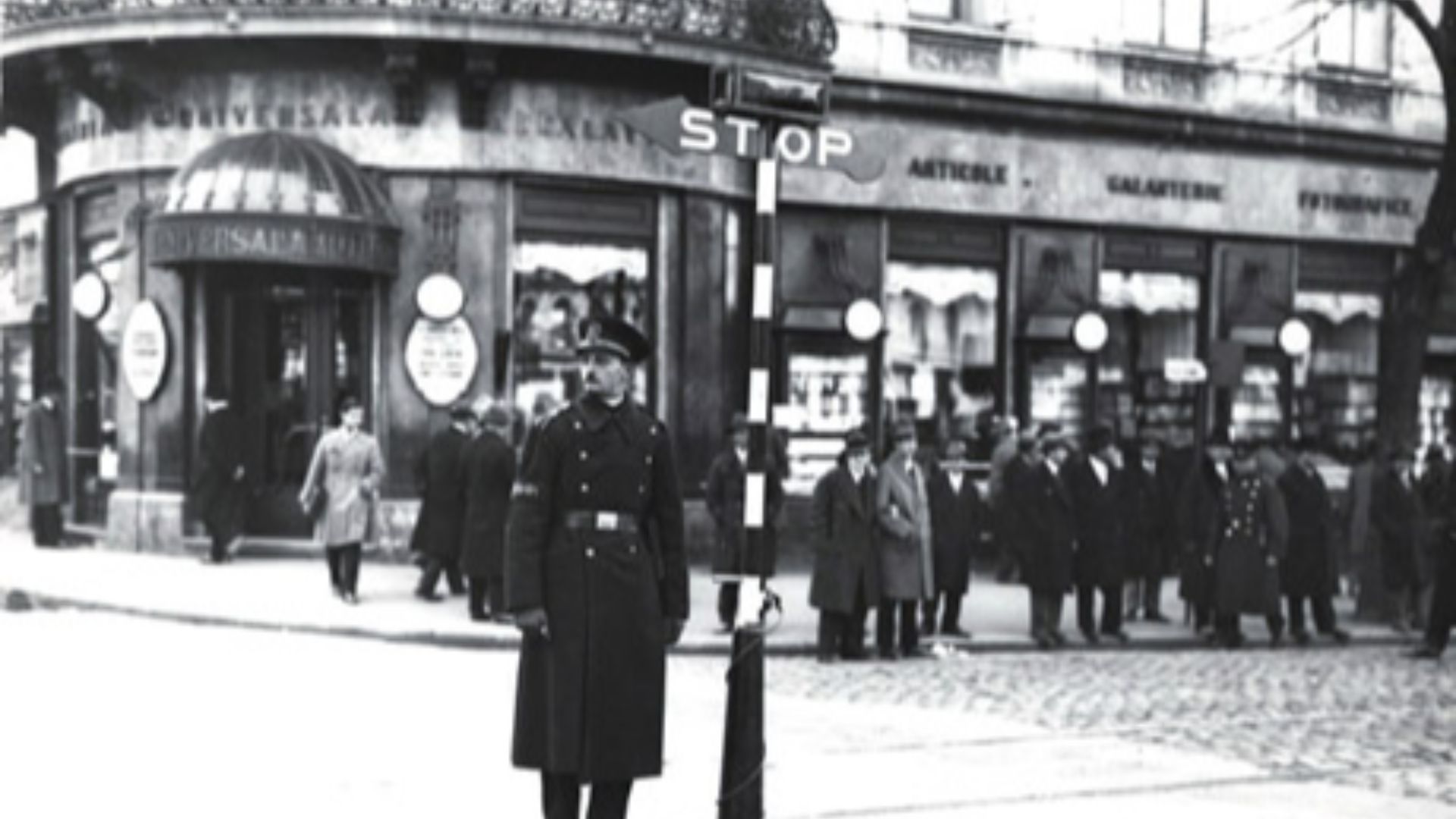 Nicolae Ionescu, Wikimedia Commons
Detroit Adds The Yellow Light
Detroit officer William Potts developed a four-way, three-color traffic signal around 1920. Adding yellow provided drivers with a warning between movements, helping establish the familiar red, yellow, and green arrangement.
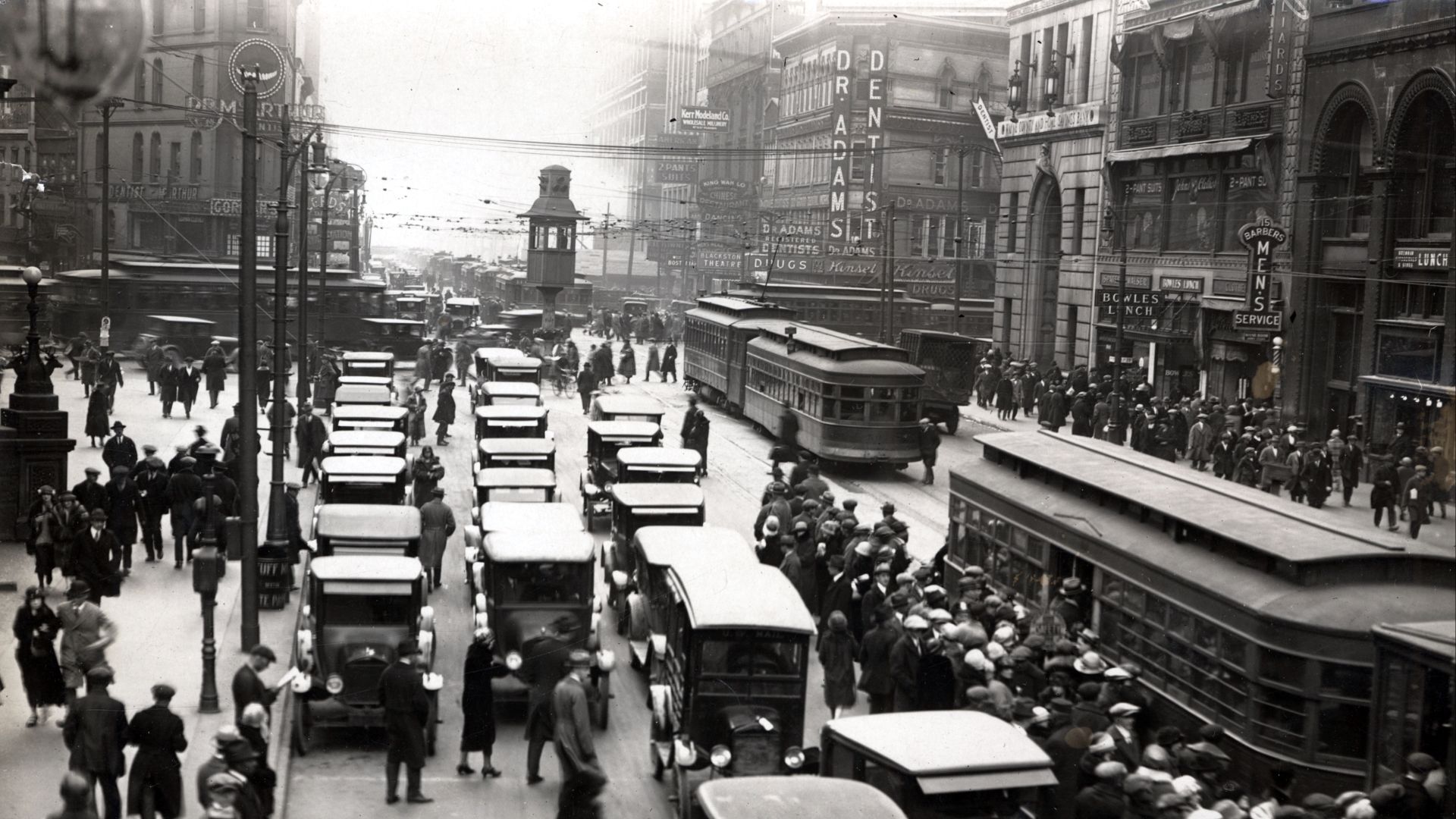 Unknown authorUnknown author, Wikimedia Commons
Los Angeles Rings A Warning Bell
Los Angeles installed automated Acme signals along Broadway in October 1920. These unusual machines combined illuminated lights with mechanical Stop and Go arms. Bells announced changes, giving motorists an audible warning.
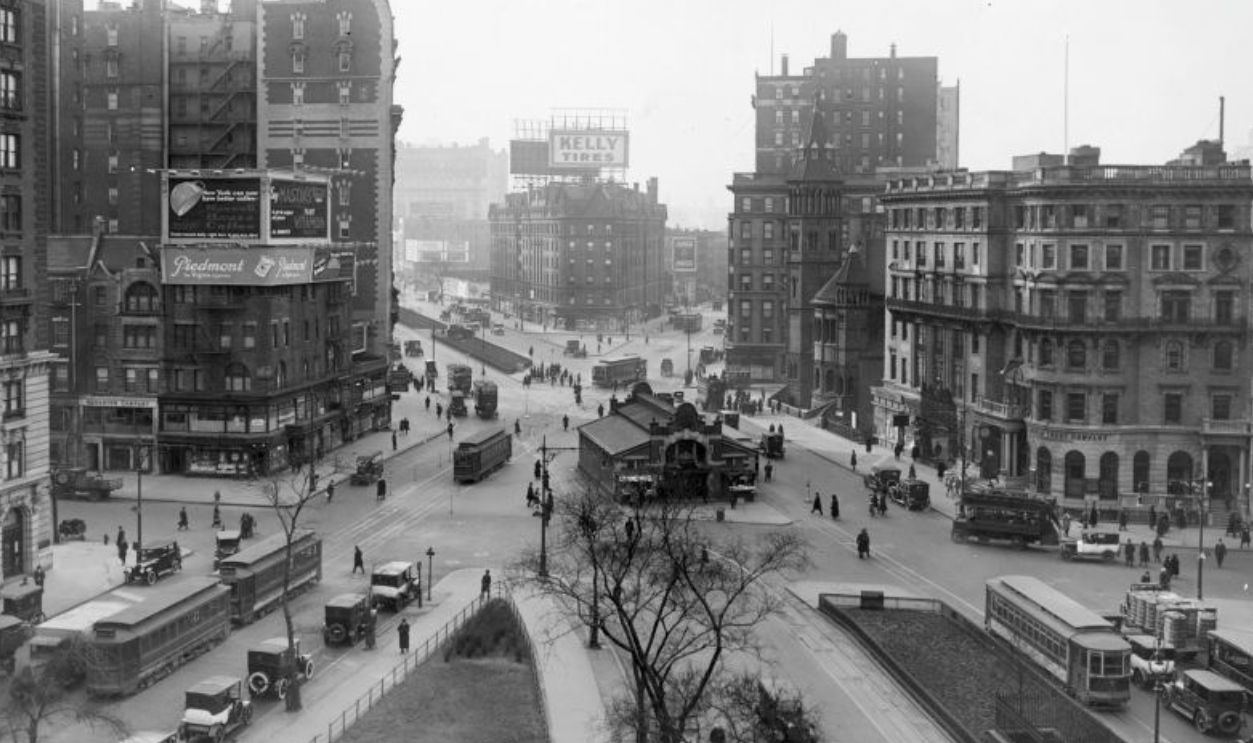
New York Builds Traffic Towers
New York introduced manually controlled electric traffic towers along Fifth Avenue in 1920. Officers stationed inside elevated booths operated the signals while watching surrounding vehicles, bringing order to increasingly crowded Manhattan intersections.
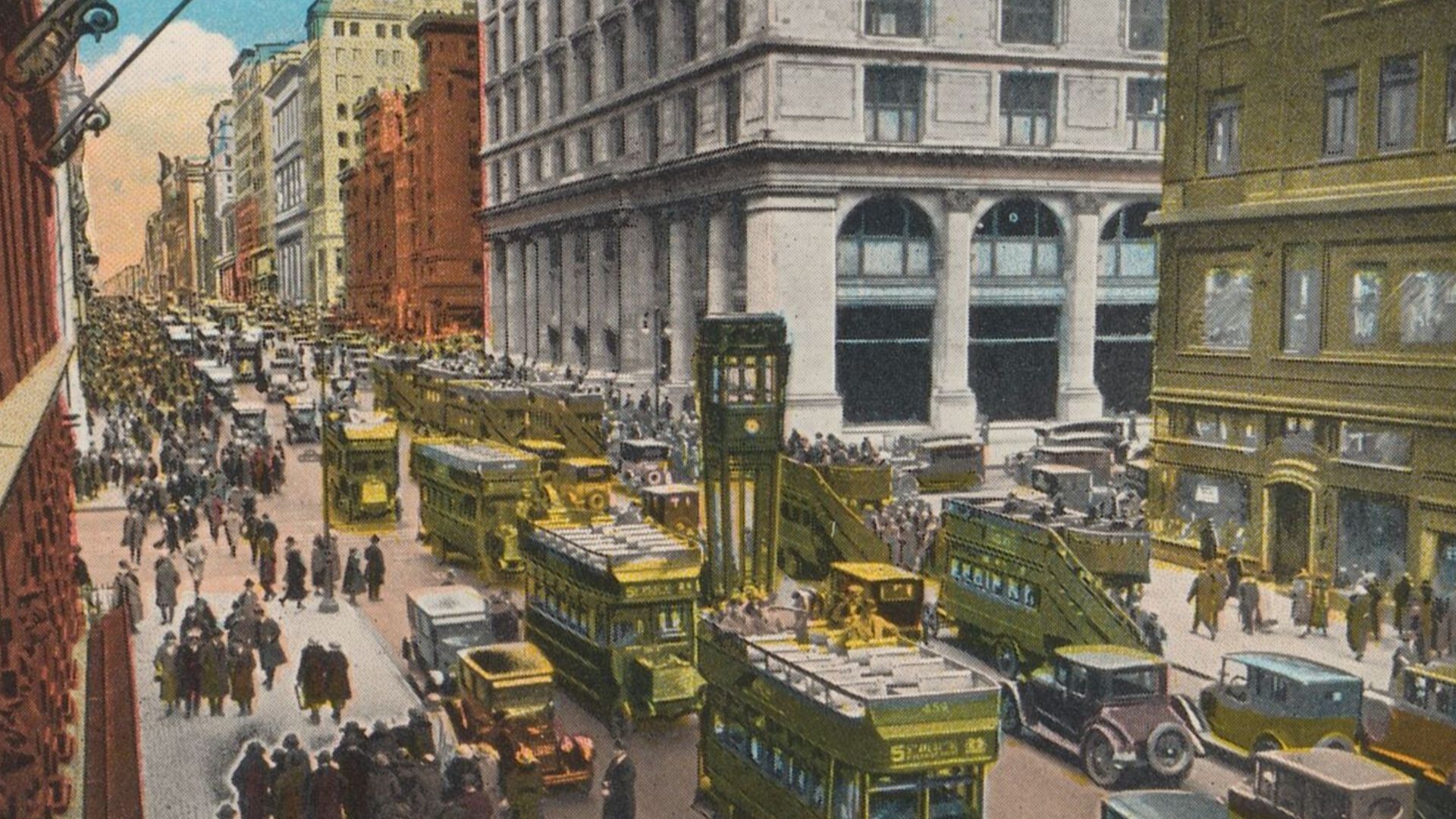 Rijksmuseum, Wikimedia Commons
Houston Lets Timers Take Charge
Houston introduced an interconnected traffic signal system in 1922. Its equipment could coordinate multiple intersections using an automatic electric timer, reducing dependence on officers making every individual change by hand.
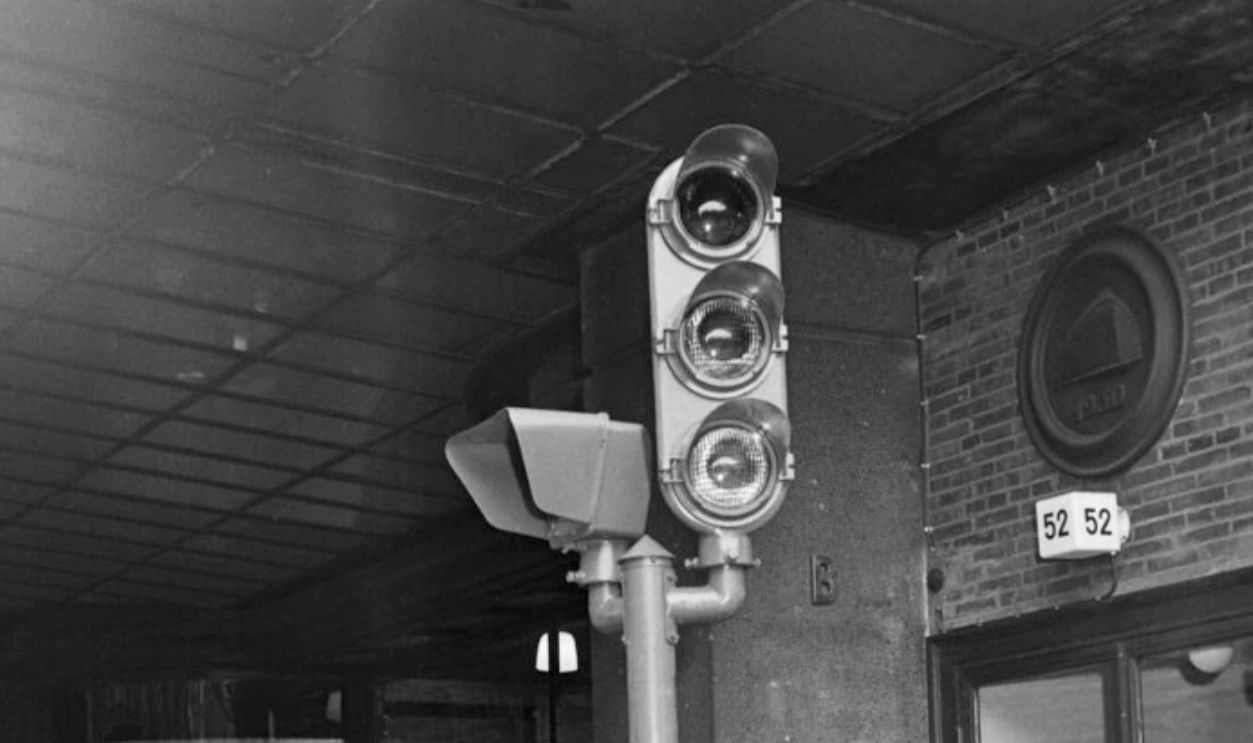 U. A. Saarinen, Wikimedia Commons
Fifth Avenue Gets A More Elegant System
During 1922 and 1923, New York replaced its basic traffic towers with elaborate bronze structures. Designed by architect Joseph H Freedlander, the replacements made traffic regulation part of the city's streetscape.
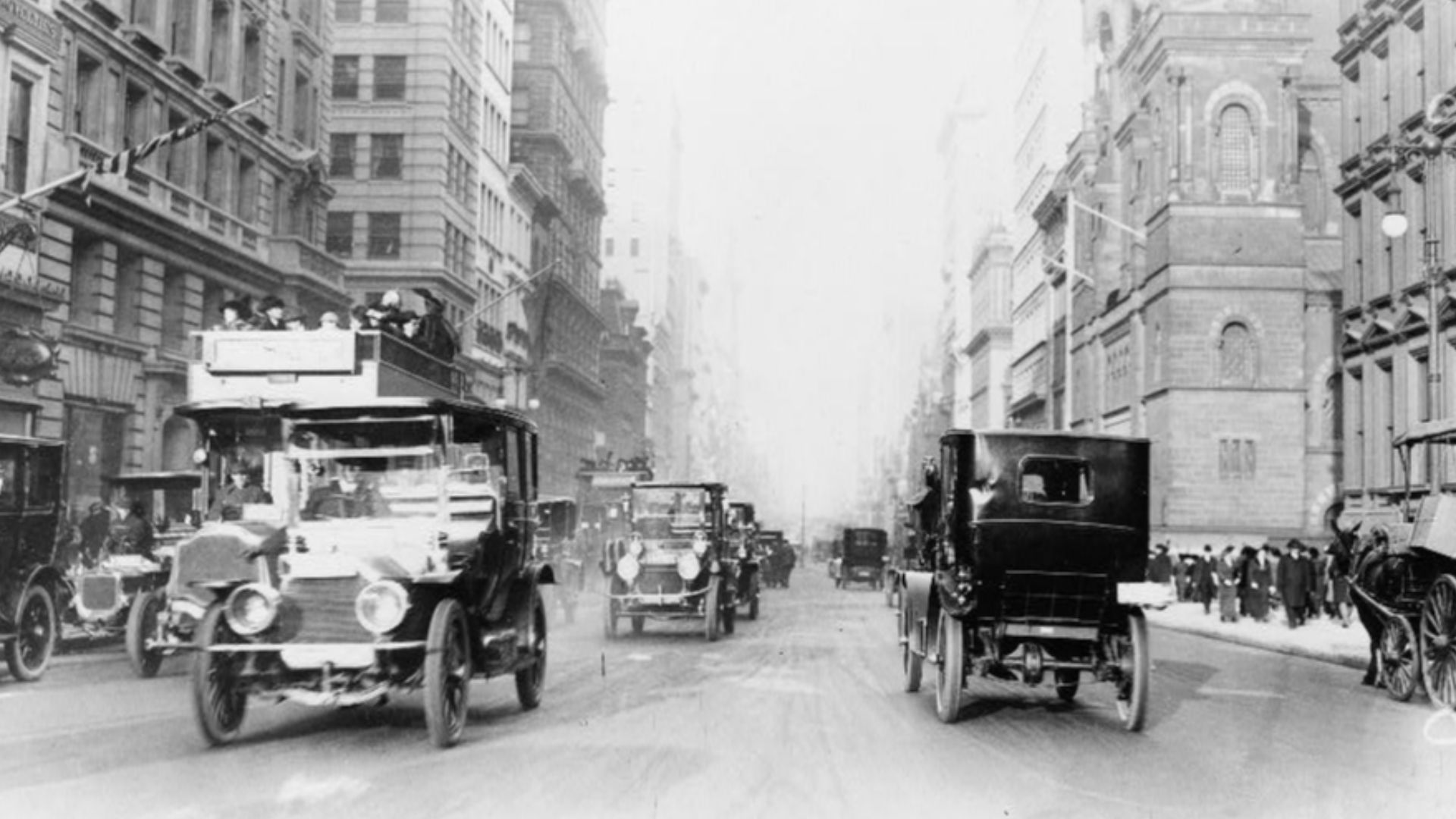 Bain News Serviceen.wikipedia], Wikimedia Commons
Garrett Morgan Makes Room For Everybody
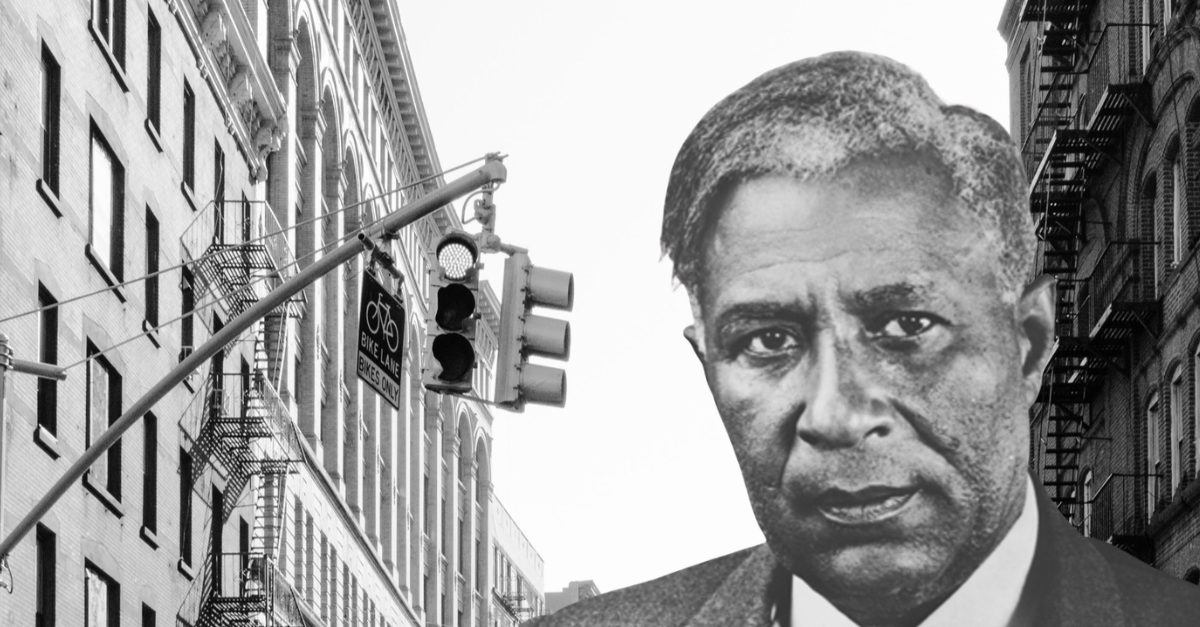
Inventor Garrett Morgan patented a three-position traffic signal in 1923. His manually operated design included an all-direction stop, giving intersections time to clear before opposing traffic moved. It also accommodated pedestrians.
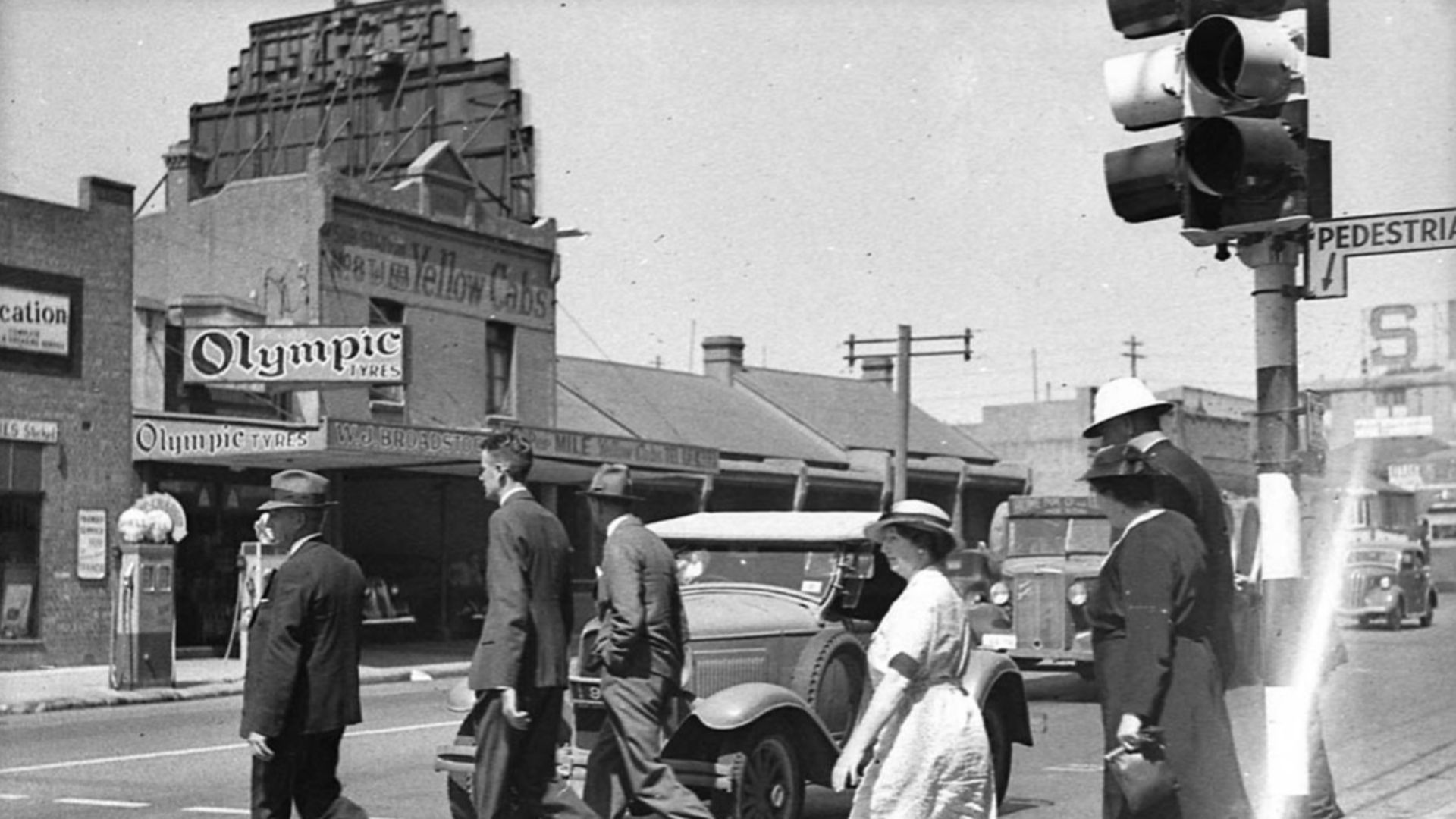
London Tries Electric Signals Again
London introduced manually operated electric traffic lights in 1926. Installations along Piccadilly used the familiar three colors, but human operators still controlled their timing. Electricity had arrived before full automation.
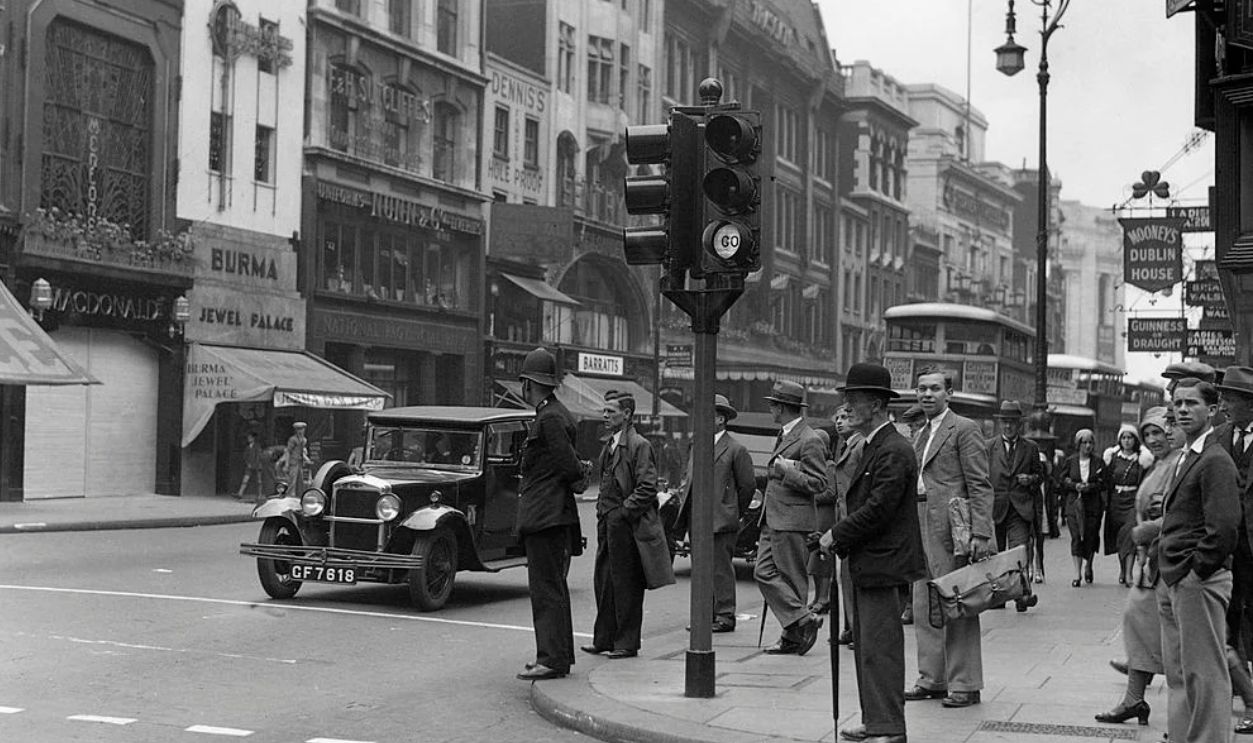 Daily Herald Archive, Getty Images
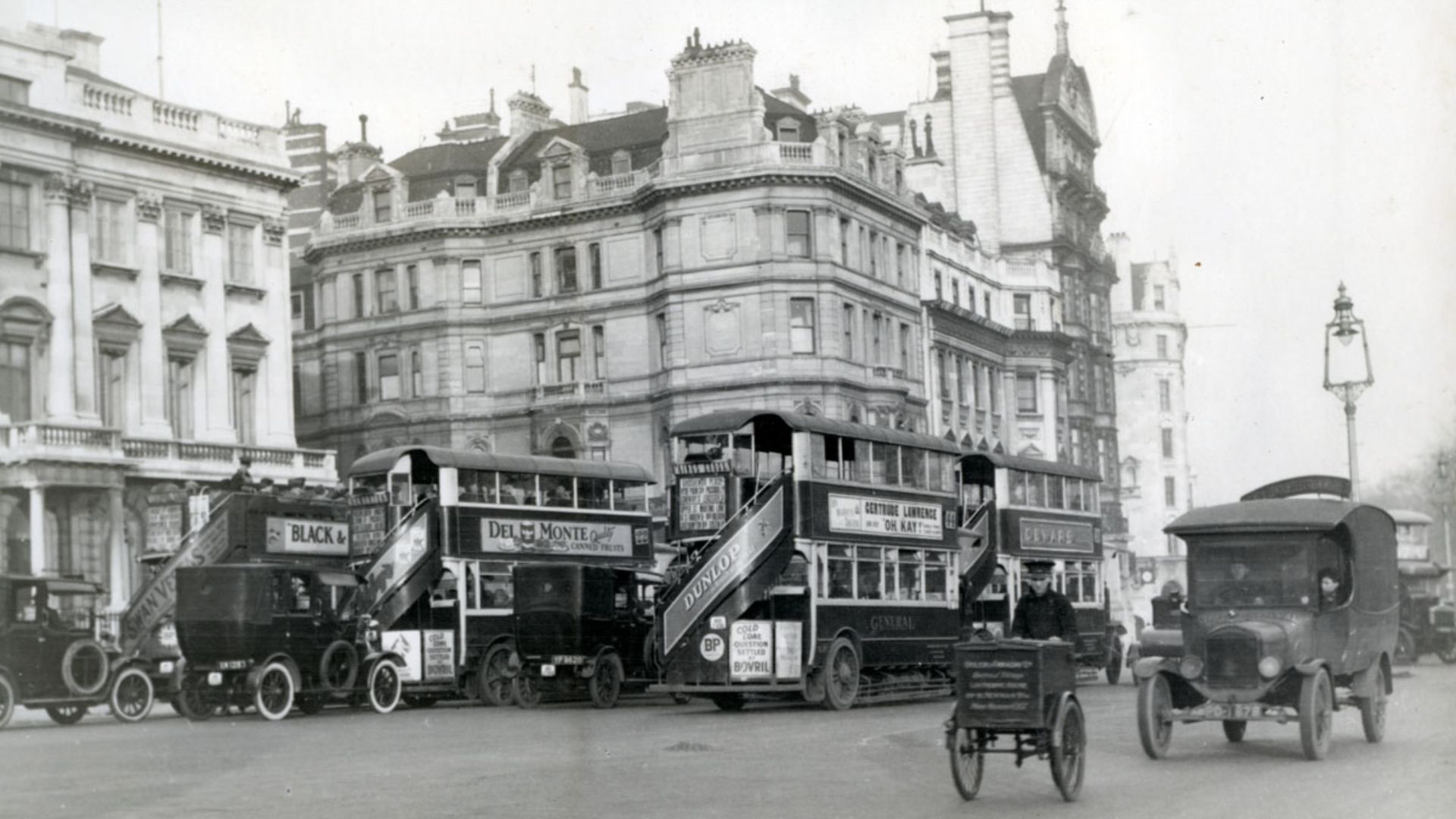
Wolverhampton Experiments With Automation
Britain tested automatic traffic lights at Princes Square in Wolverhampton during November 1927. Unlike London's earlier manually operated installations, the experimental equipment demonstrated how signals could function without constant human intervention.
 Stockholm Transport Museum Commons, Wikimedia Commons
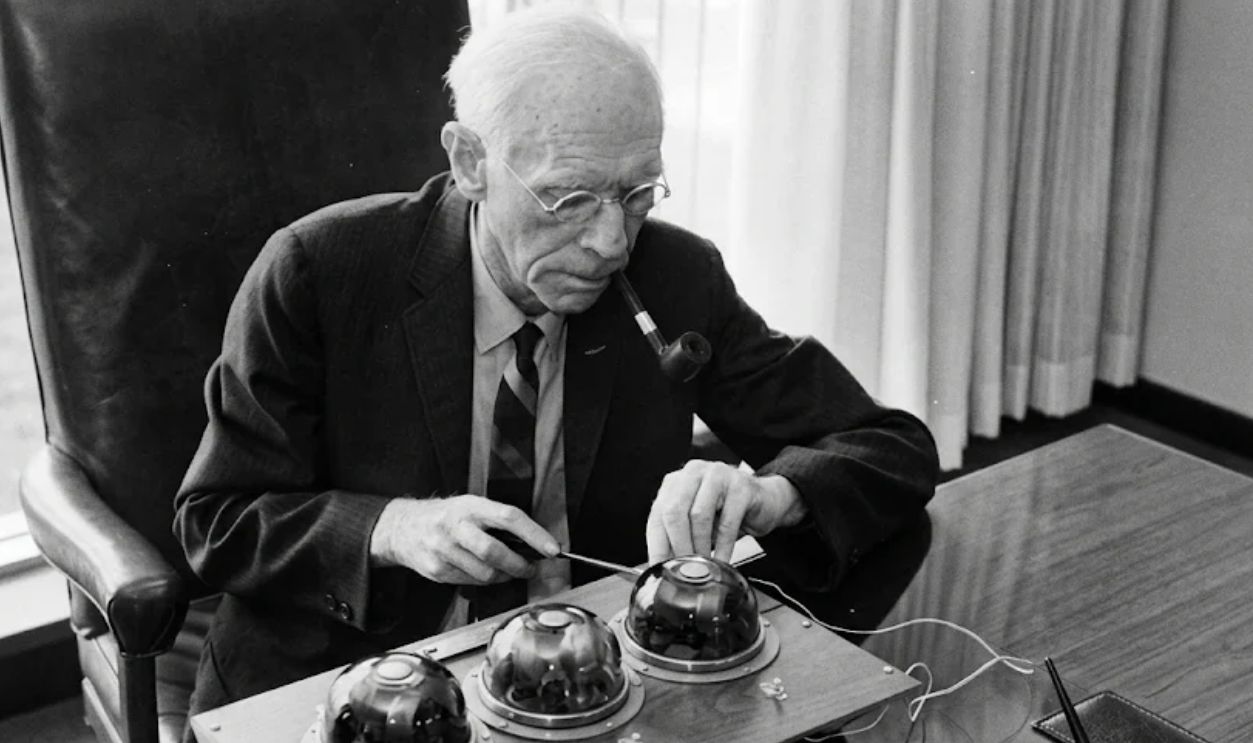
Baltimore Drivers Honk For Green
In 1928, inventor Charles Adler Jr introduced a remarkable traffic-responsive signal in Baltimore. Drivers approaching a red light could sound their horns, activating a microphone that requested a signal change.
 Androiduser88, Wikimedia Commons
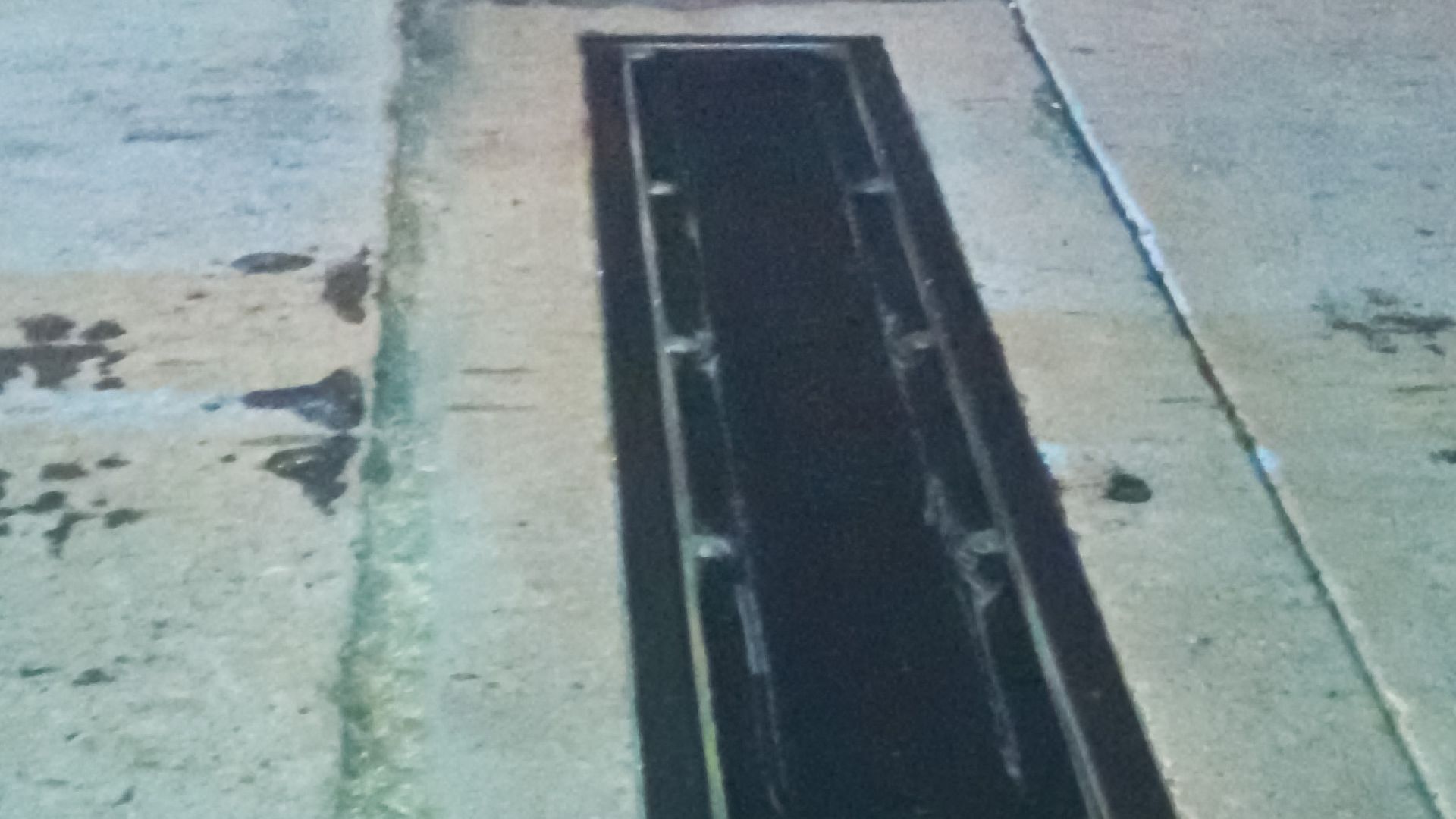
Pressure Sensors Replace Guesswork
Around the same period, engineer Henry A Haugh developed pressure-sensitive roadway detectors. Metal plates embedded in the pavement registered passing vehicles, allowing controllers to recognize traffic without requiring drivers to honk.
 Northwalker, Wikimedia Commons
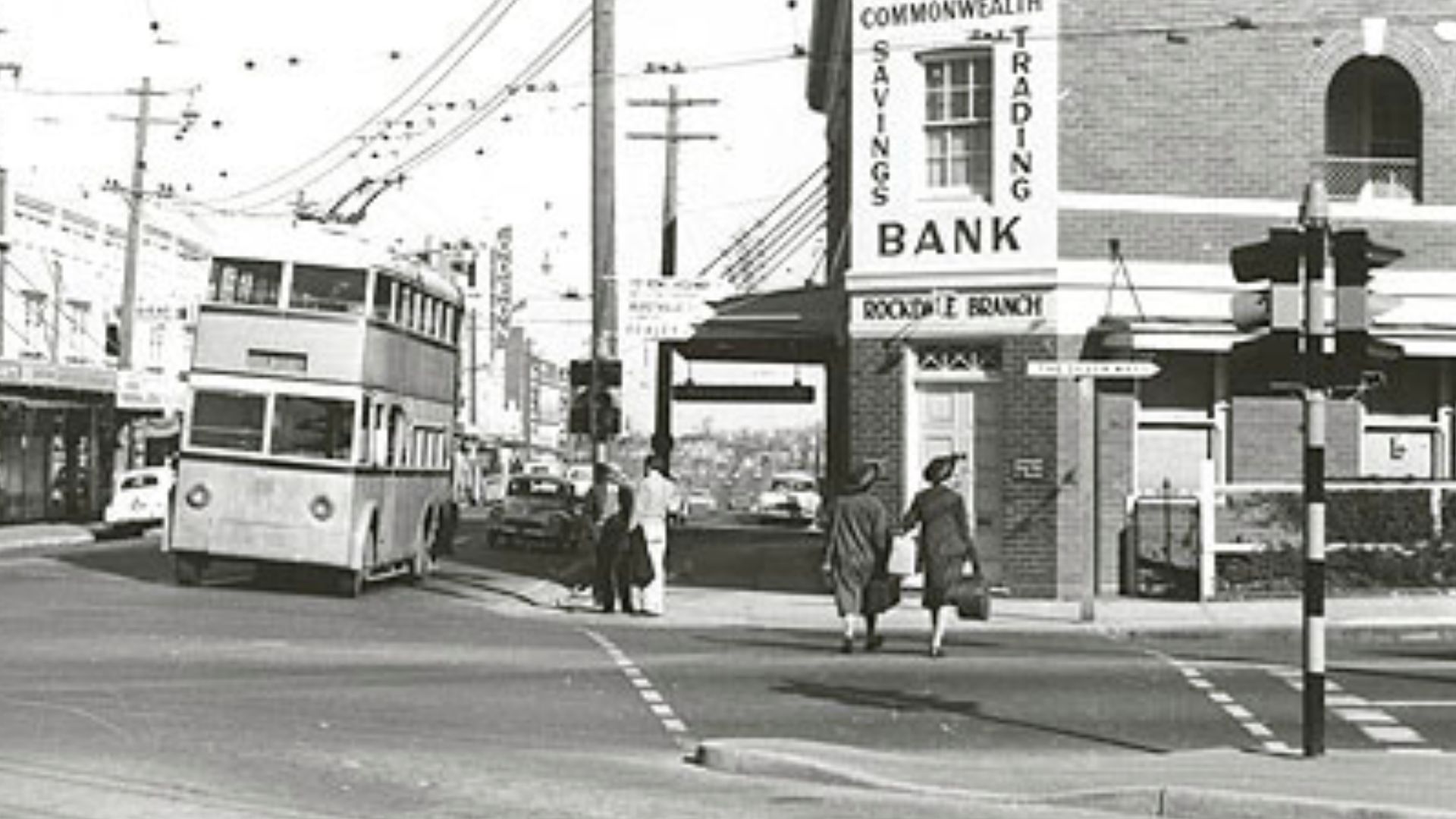
Fixed-Time Signals Sweep Across Cities
By 1928, more flexible coordinated timing systems were emerging. Controllers followed predetermined schedules, making installations comparatively economical and dependable. Their weakness was obvious: an empty street could receive green while motorists waited elsewhere.
 Unknown authorUnknown author, Wikimedia Commons
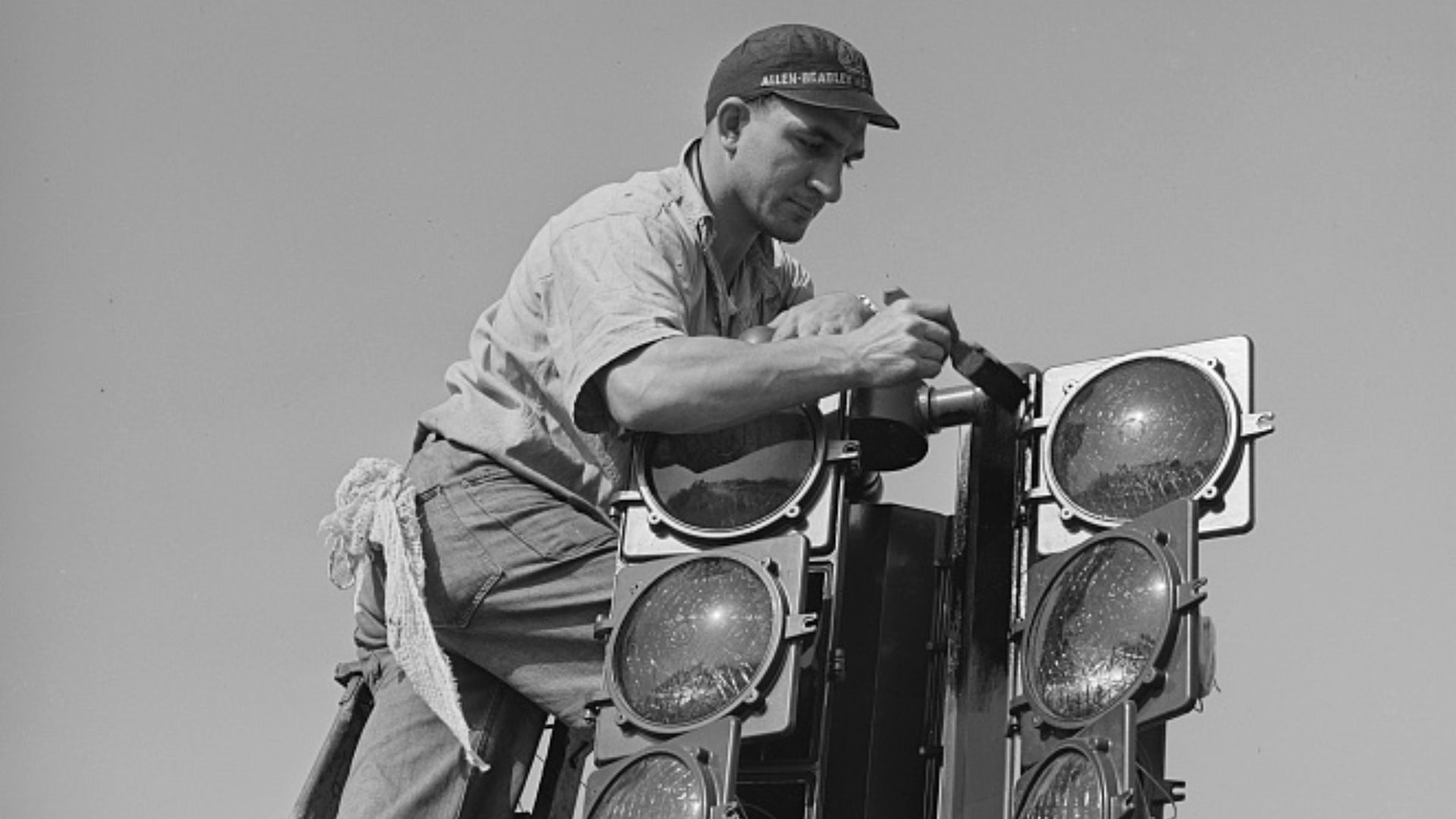
Manhattan Retires Its Tower Operators
On March 8, 1929, Manhattan introduced a fully automated traffic signal system. Independent lights replaced the old arrangement, and demolition of the remaining traffic towers began that May. Human operators were increasingly unnecessary.
 Russell Lee, Wikimedia Commons
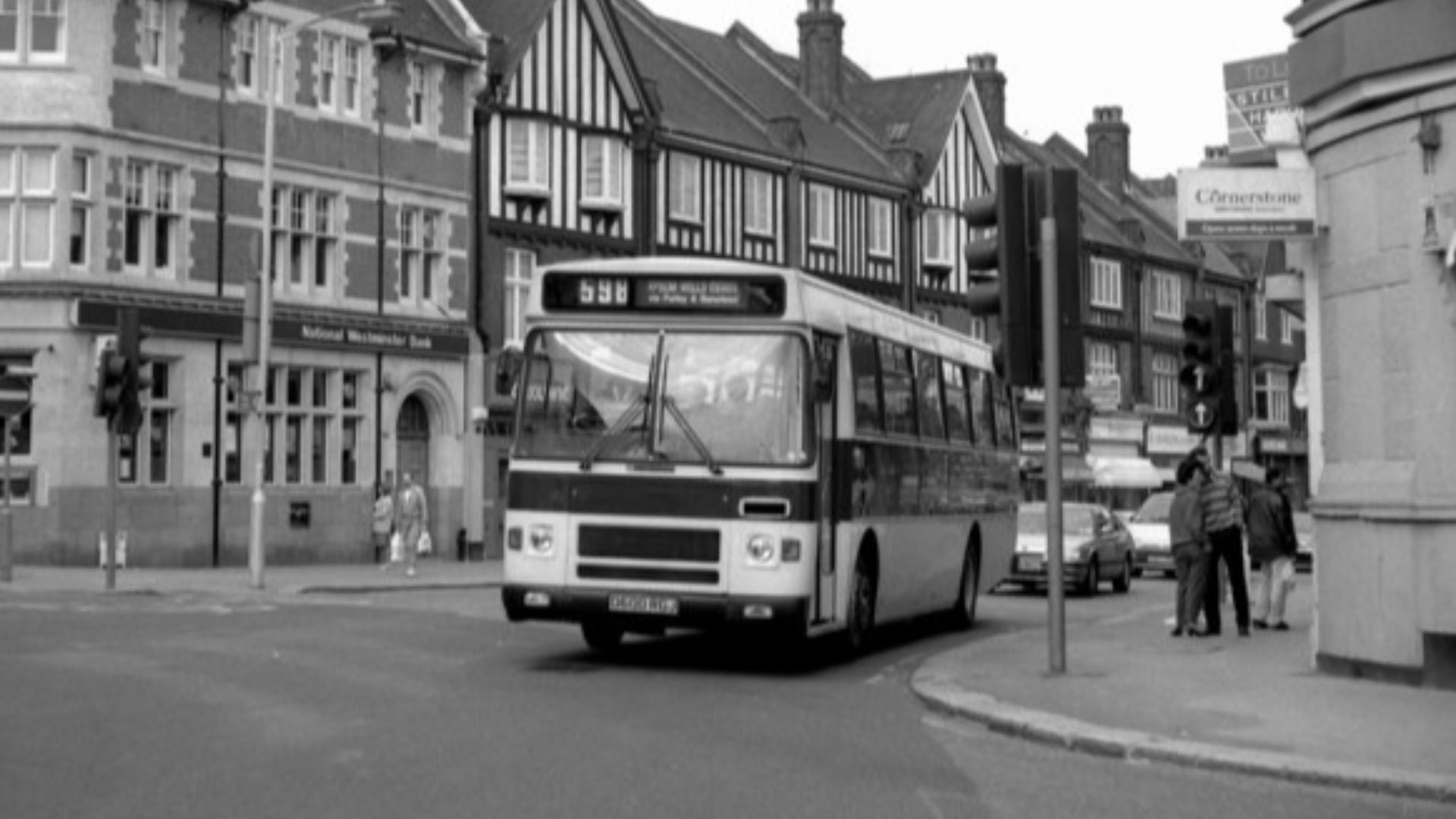
Pedestrians Get Their Own Crossing Controls
Pedestrian-operated crossing lights appeared on Brighton Road in Croydon, England, in 1932. Instead of depending entirely on vehicle signals, people walking could request a crossing opportunity through dedicated equipment.
 Dr Neil Clifton, Wikimedia Commons
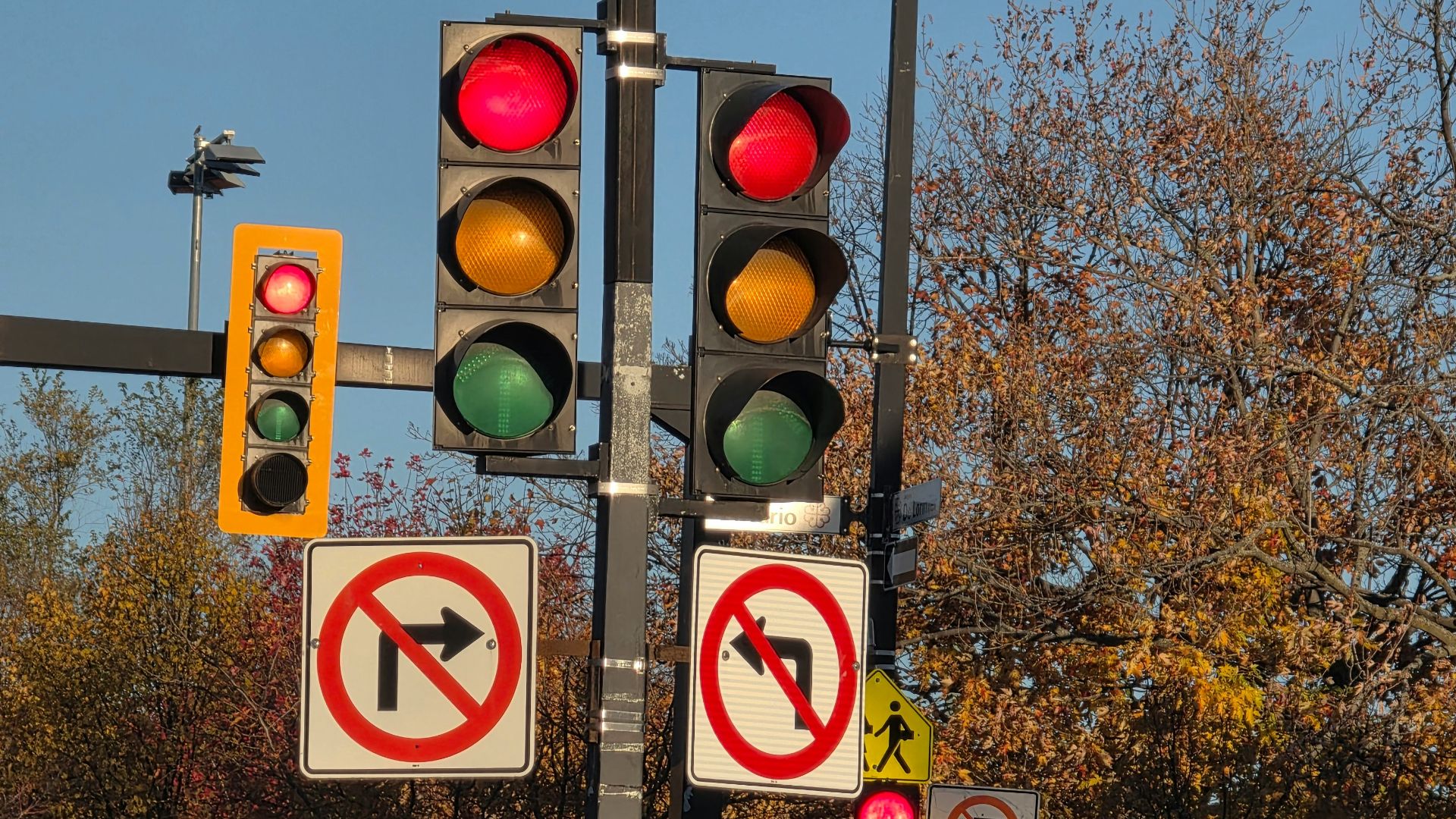
America Standardizes The Three Colors
The United States published its first Manual on Uniform Traffic Control Devices in 1935. Among its important provisions, the manual established three-color signal arrangements as a national standard, reducing earlier inconsistencies.
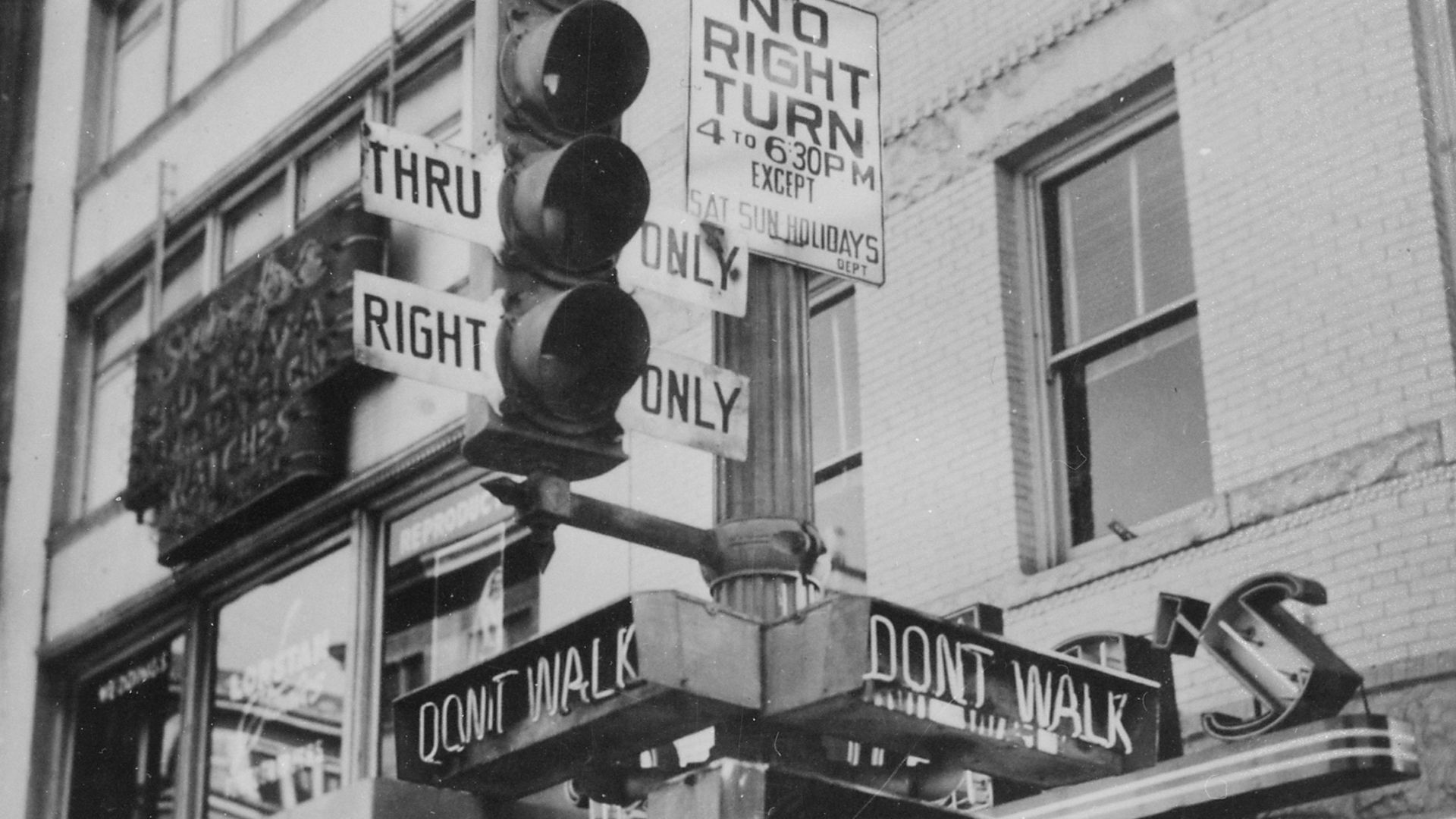
Walk Signals Give Pedestrians A Message
By 1939, Washington, DC, was experimenting with illuminated Walk and Don't Walk displays. These dedicated signals communicated crossing instructions directly to pedestrians, rather than requiring everyone to interpret vehicle lights.
 Unknown authorUnknown author or not provided, Wikimedia Commons
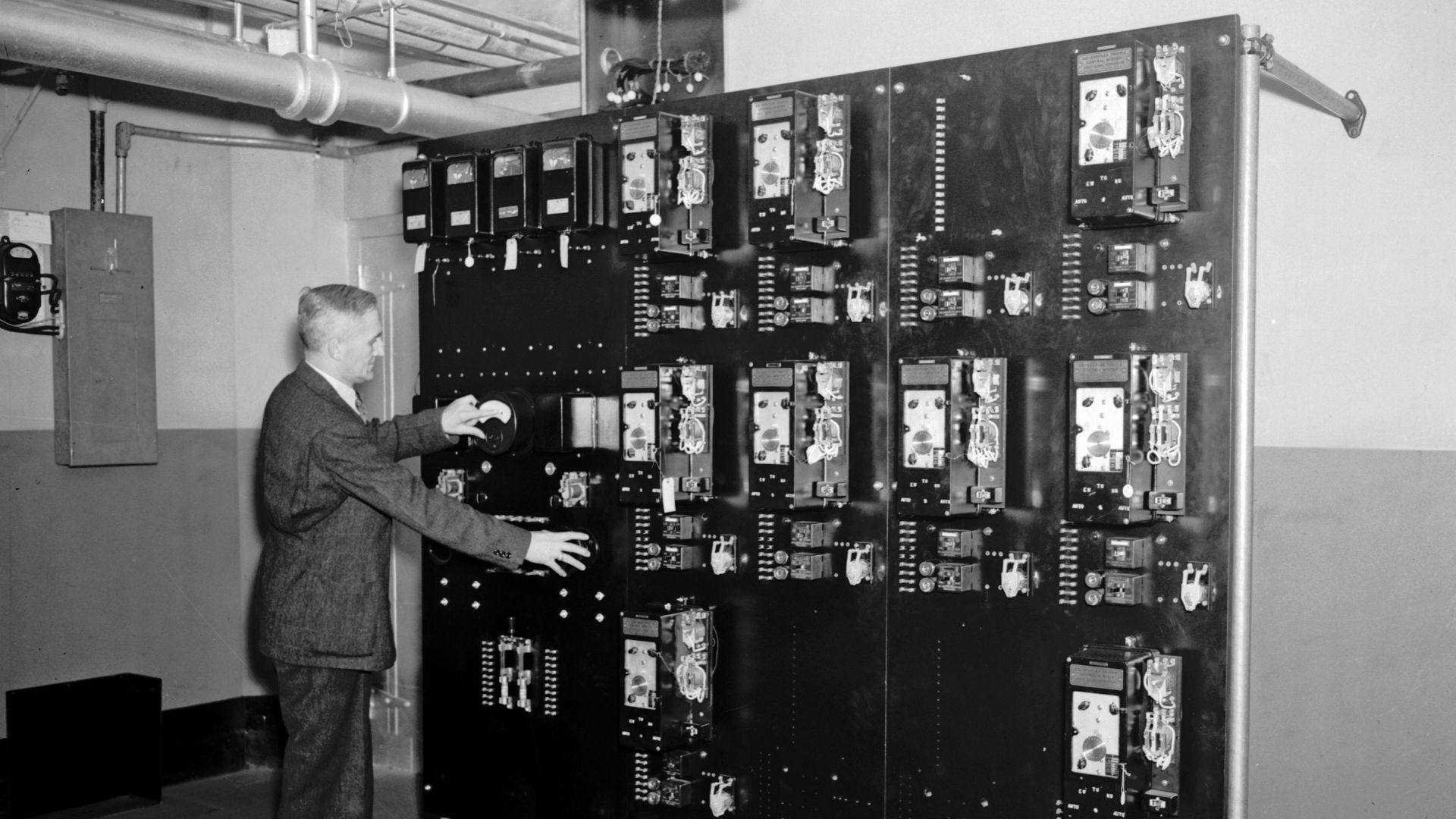
Denver Gives A Computer The Controls
Denver introduced an analog computer traffic control system in 1952. Vehicle detectors supplied information about demand, and the system adjusted timing accordingly. Traffic management was becoming a computational problem.
 Seattle Municipal Archives from Seattle, WA, Wikimedia Commons
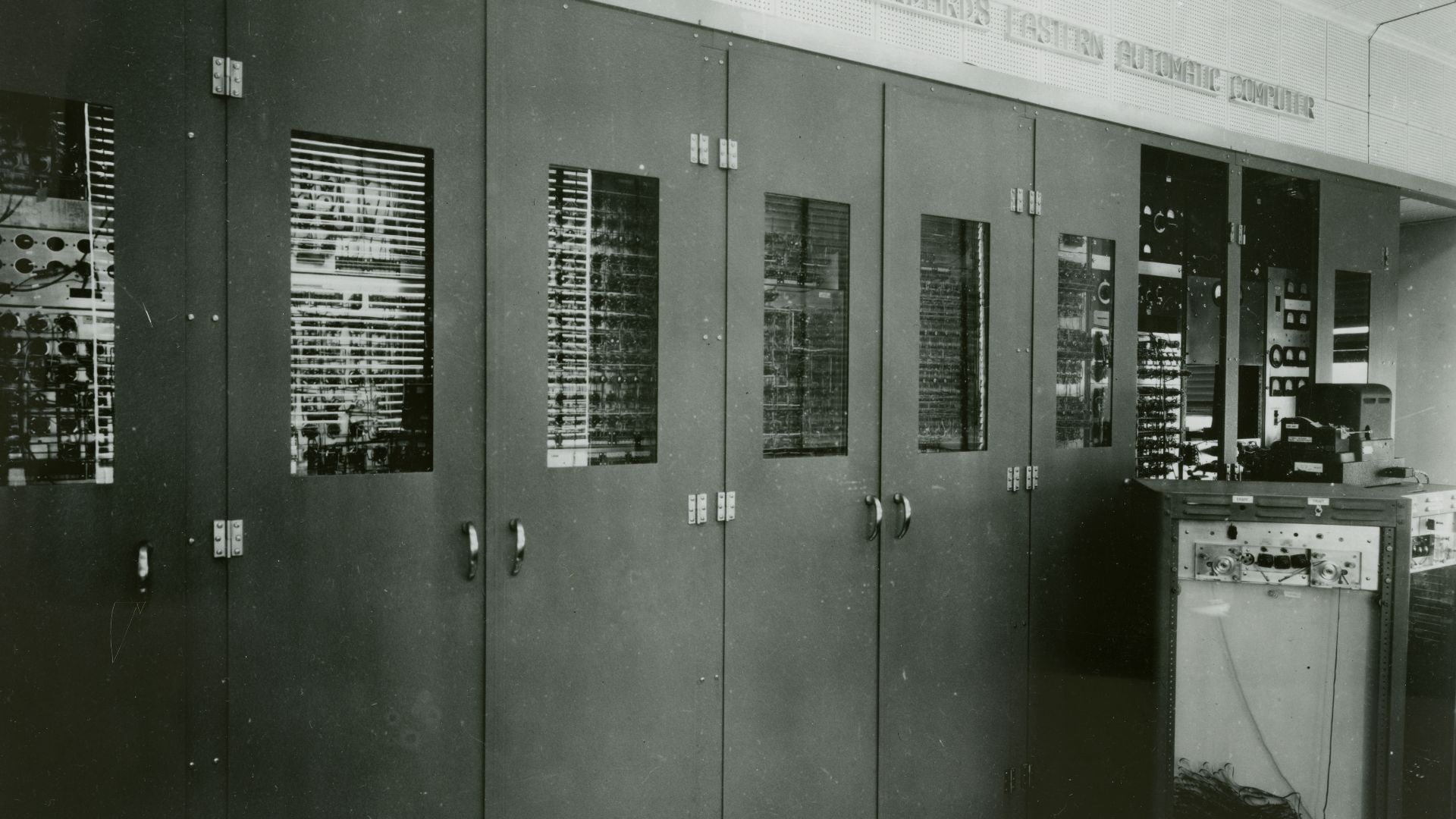
Toronto Connects A Whole City
In June 1963, Metropolitan Toronto introduced a pioneering full-scale computerized traffic control system. Detectors and telephone lines connected intersections to a central computer, allowing traffic conditions to influence signal timing.
 National Institute of Standards and Technology, Wikimedia Commons
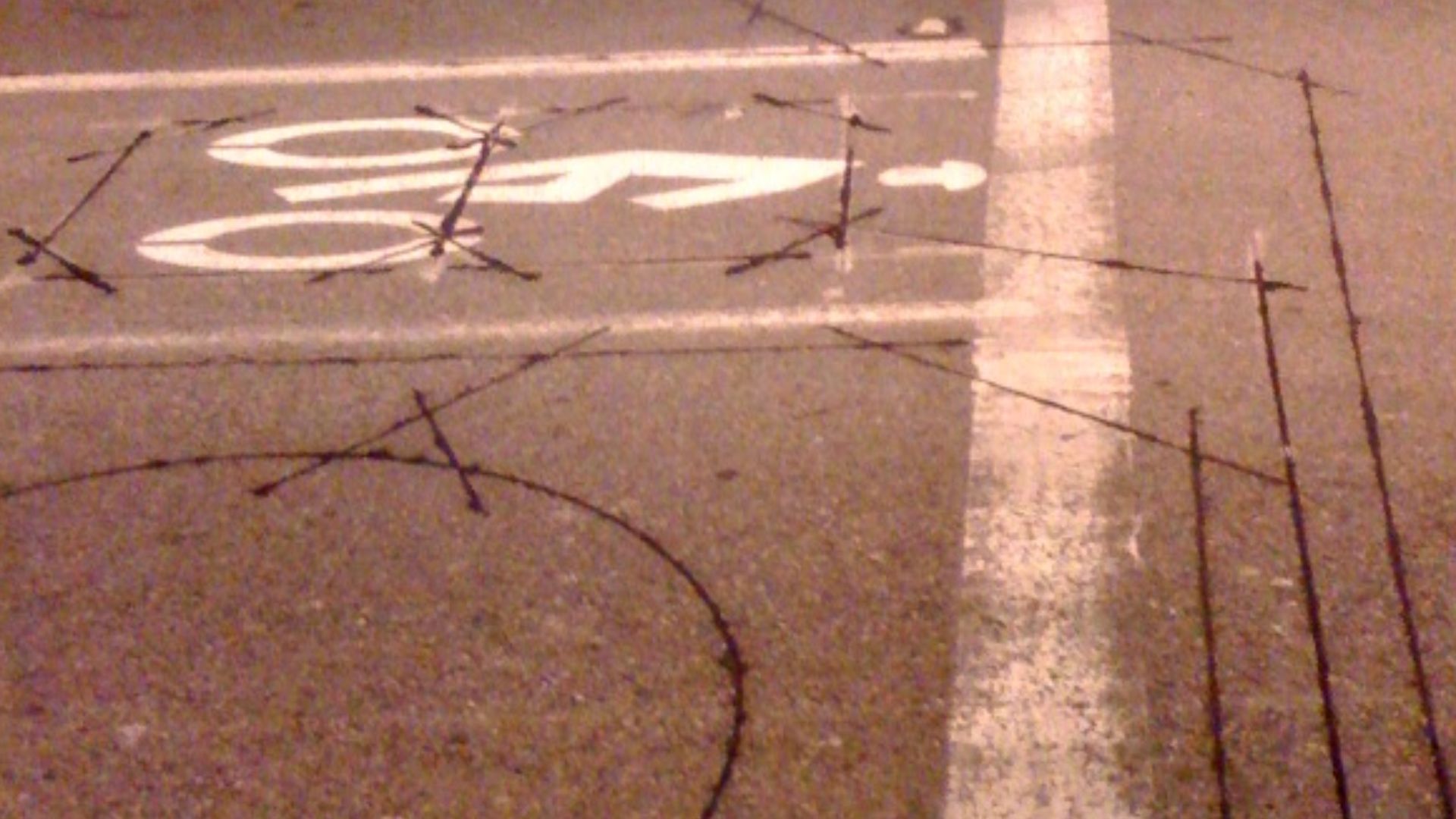
Wires Beneath The Pavement Spot Cars
Inductive-loop detectors appeared during the early 1960s. These embedded wire loops identify vehicles through changes in electromagnetic properties. They became an especially important technology for traffic-responsive intersection control.
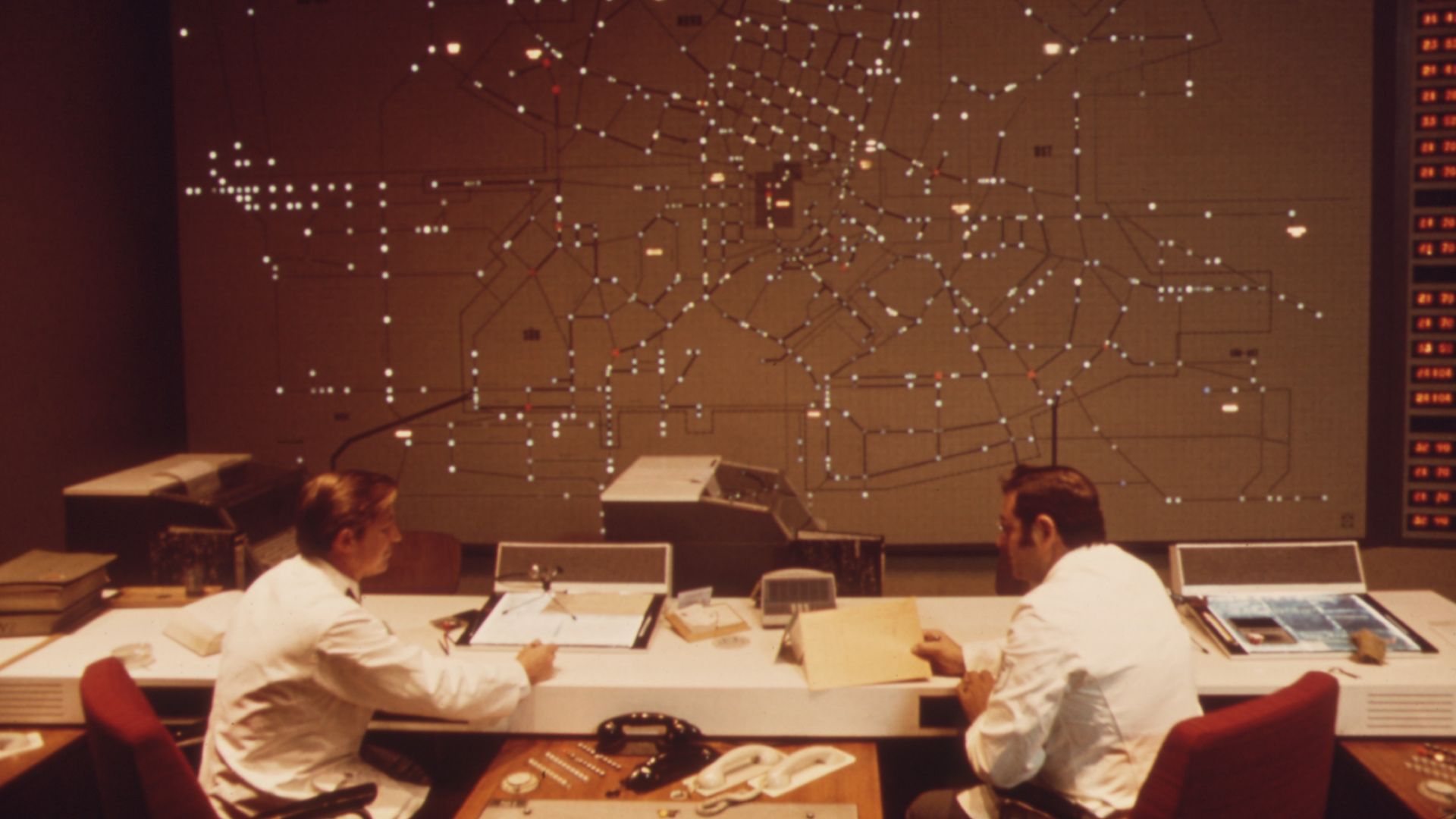
Washington Experiments With Network Control
Beginning in 1967, federal researchers developed the Urban Traffic Control System project. Completed in Washington, DC, in 1972, its experimental network used 512 detectors to help determine signal timing at 113 intersections.
 Yoichi Okamoto, Wikimedia Commons
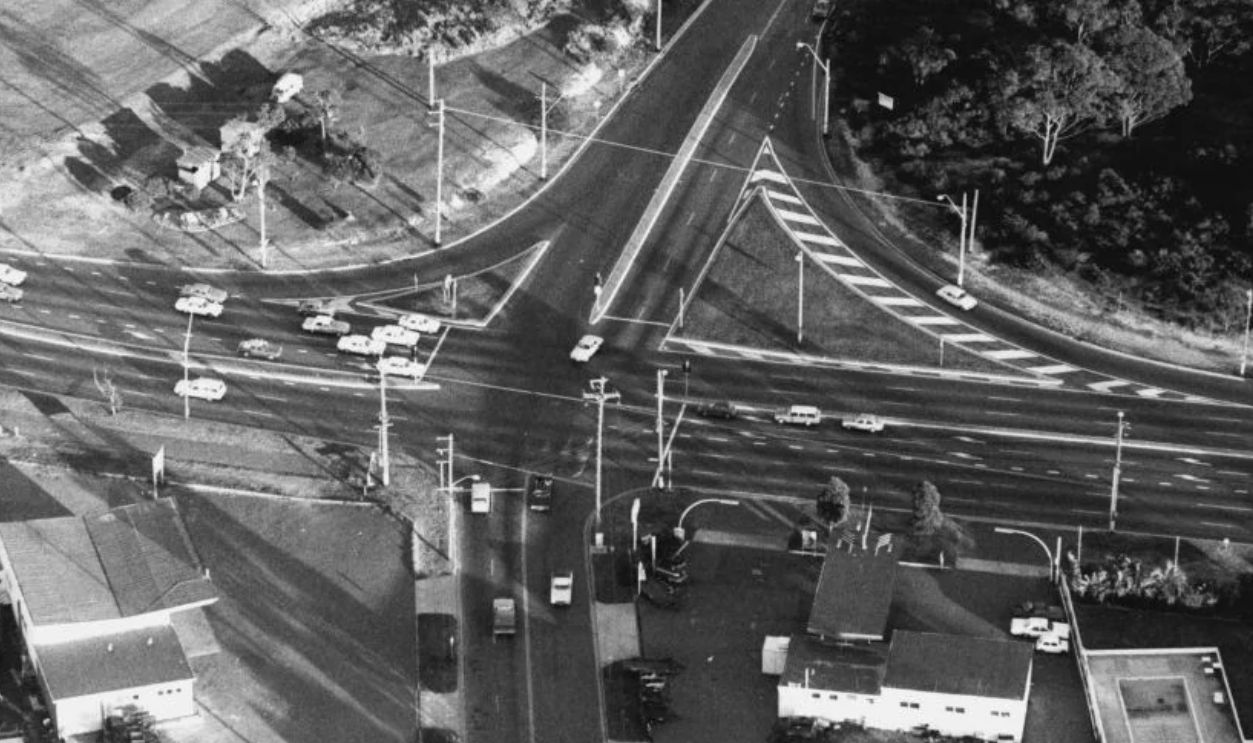
Sydney Makes Traffic Timing Adaptive
Australia developed the Sydney Coordinated Adaptive Traffic System, known as SCATS, in 1975. It used changing traffic conditions to adjust signal operations, helping move city networks beyond schedules based solely on predicted demand.
 Fairfax Media Archives, Getty Images
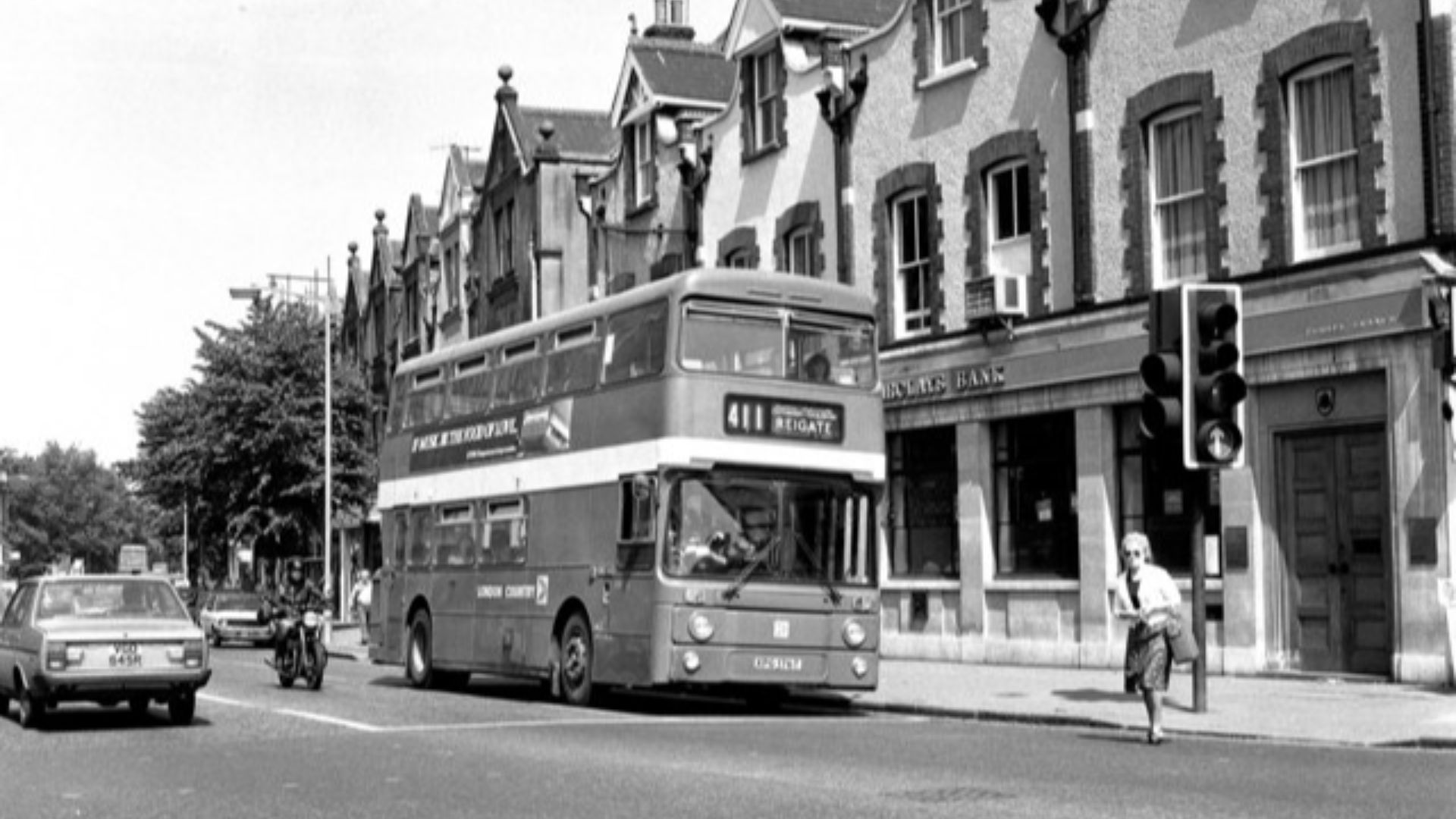
Britain Develops SCOOT
British researchers developed another adaptive approach called SCOOT during the 1970s. Documented in 1981, the system analyzed detector information and made frequent small timing adjustments, reducing delays compared with conventional fixed schedules.
 Dr Neil Clifton, Wikimedia Commons
LEDs And Modern Sensors Change The Hardware
LED technology gradually replaced traditional incandescent signal lamps, reducing energy consumption. Meanwhile, video detection, radar, and magnetic sensors expanded the ways intersections could monitor traffic without relying exclusively on embedded pavement equipment.
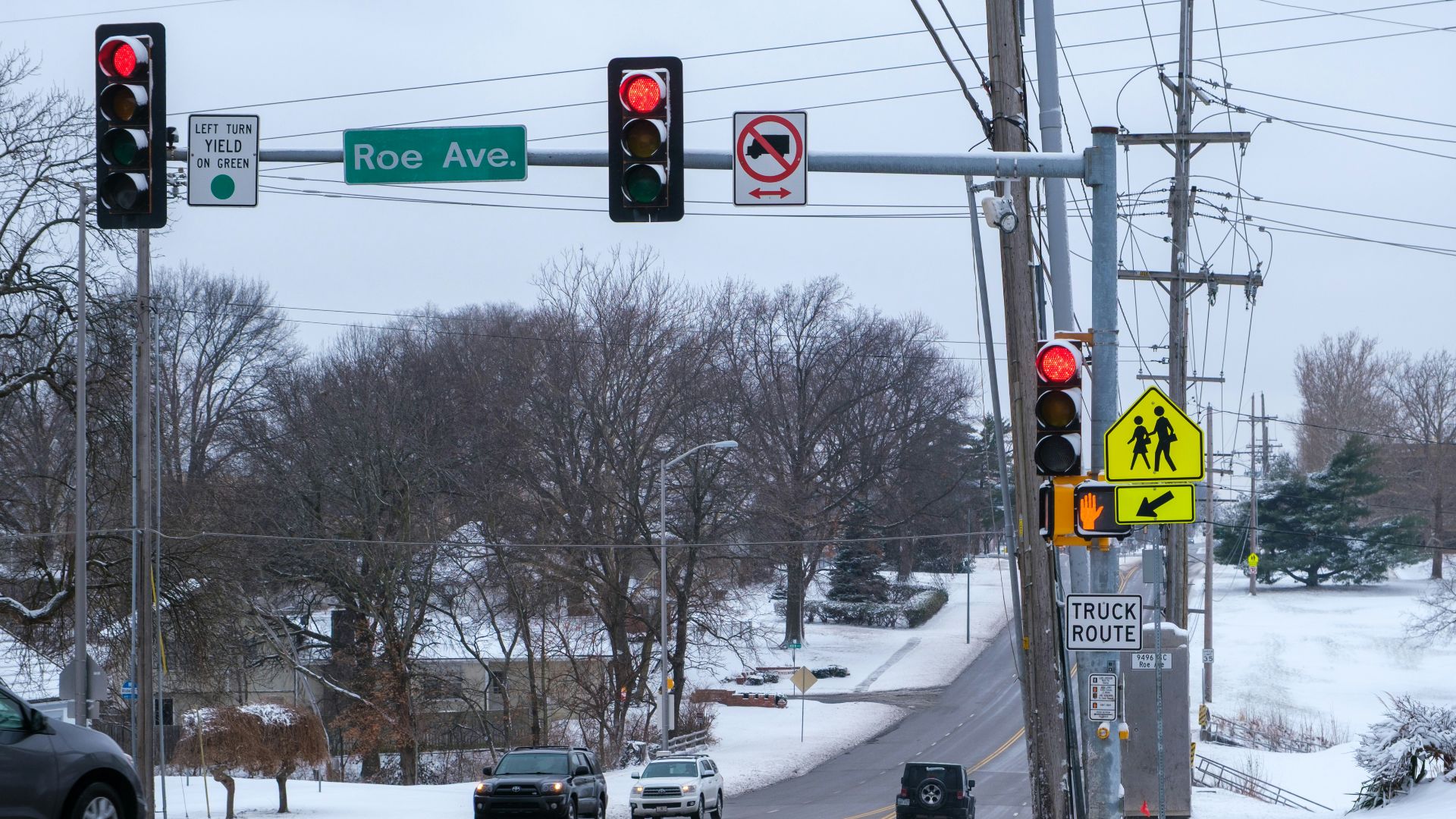
Today's Signals Manage Entire Networks
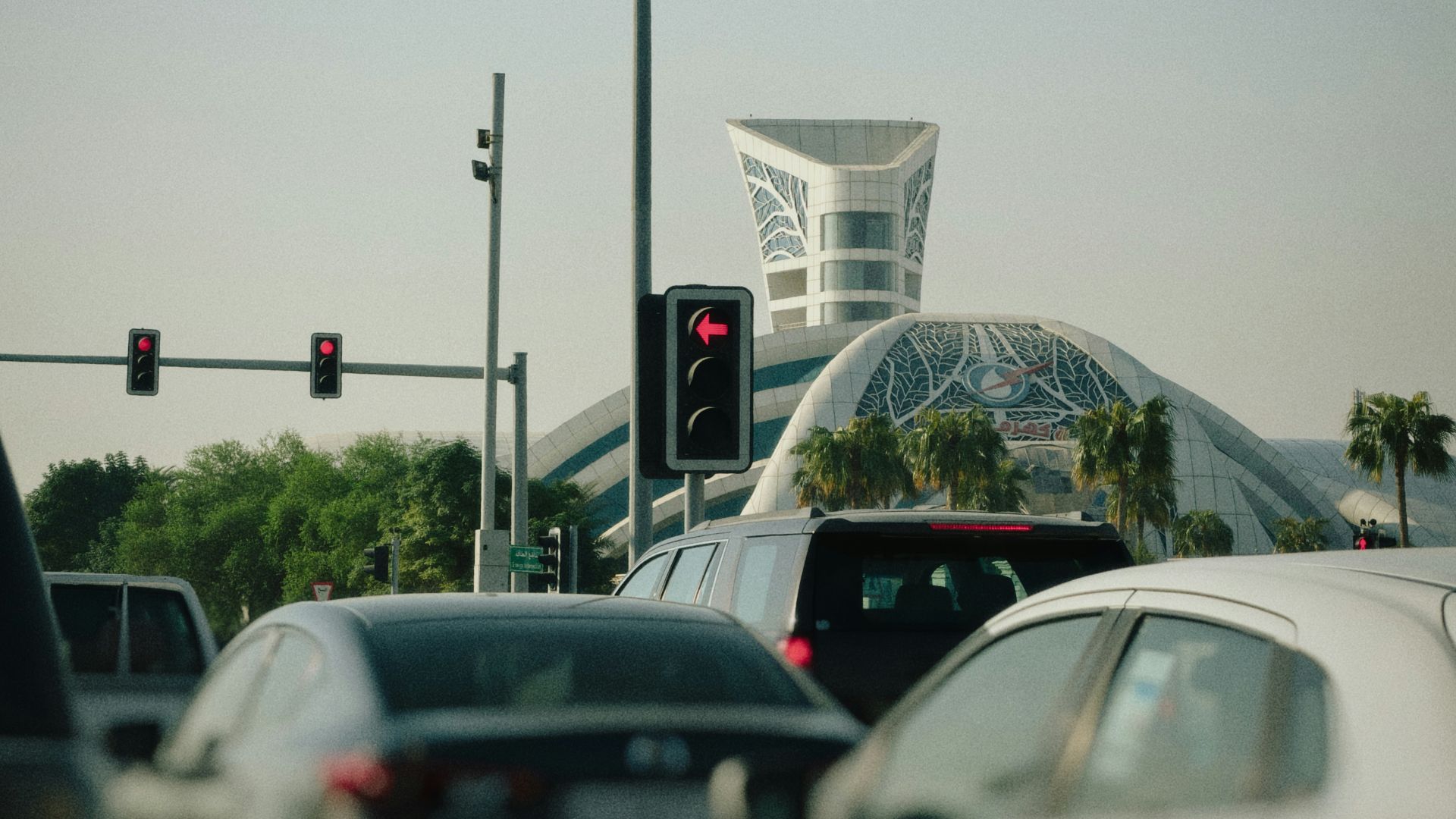
Modern systems can coordinate intersections, prioritize buses, accommodate emergency vehicles, and adjust timings using current traffic information. Centralized monitoring also helps engineers identify problems. The officer's original responsibilities have become an interconnected technological operation.
You May Also Like:
The Tiny Engineering Mistake That Helped Doom The Tacoma Narrows Bridge
Things You Used To Need A Human Being To Do For You
Old Technology Everyone Thought The Internet Would Kill, But Refuses To Die
Sources: 1, 2, 3, 4, 5, 6, 7, 8, 9, 10, 11, 12, 13, 14, 15, 16, 17