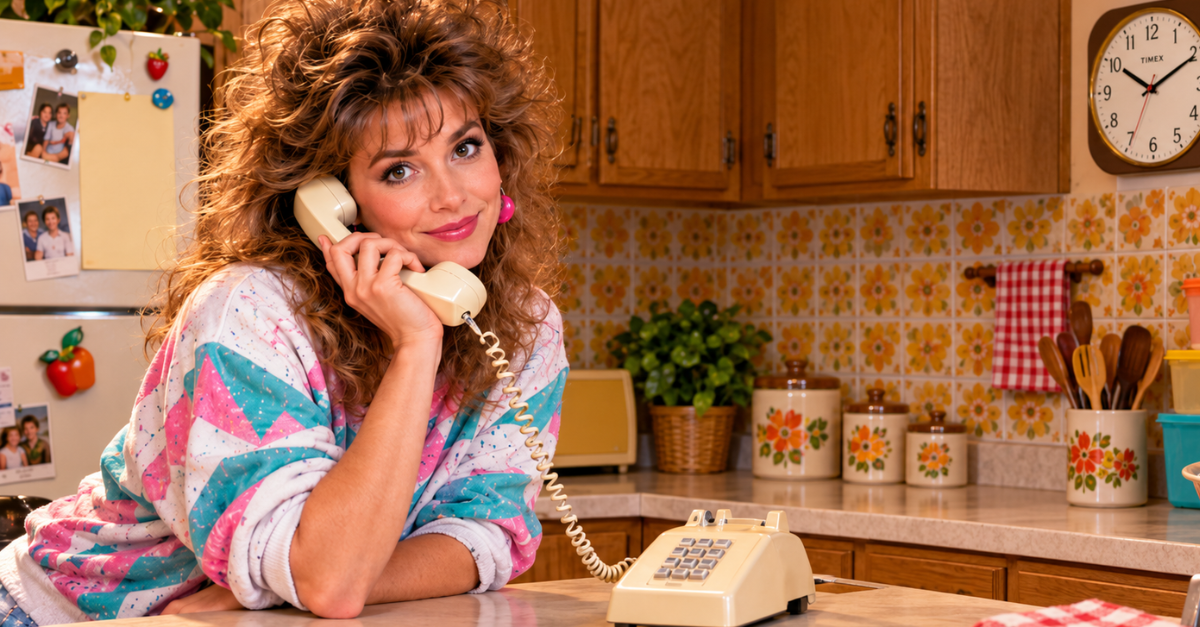
Keeping A House Was Once Brutal Work
Modern appliances did not just make chores easier. They compressed jobs that could swallow entire days, exhaust a household, and then demand to be done all over again the following week.
Monday Belonged To The Laundry
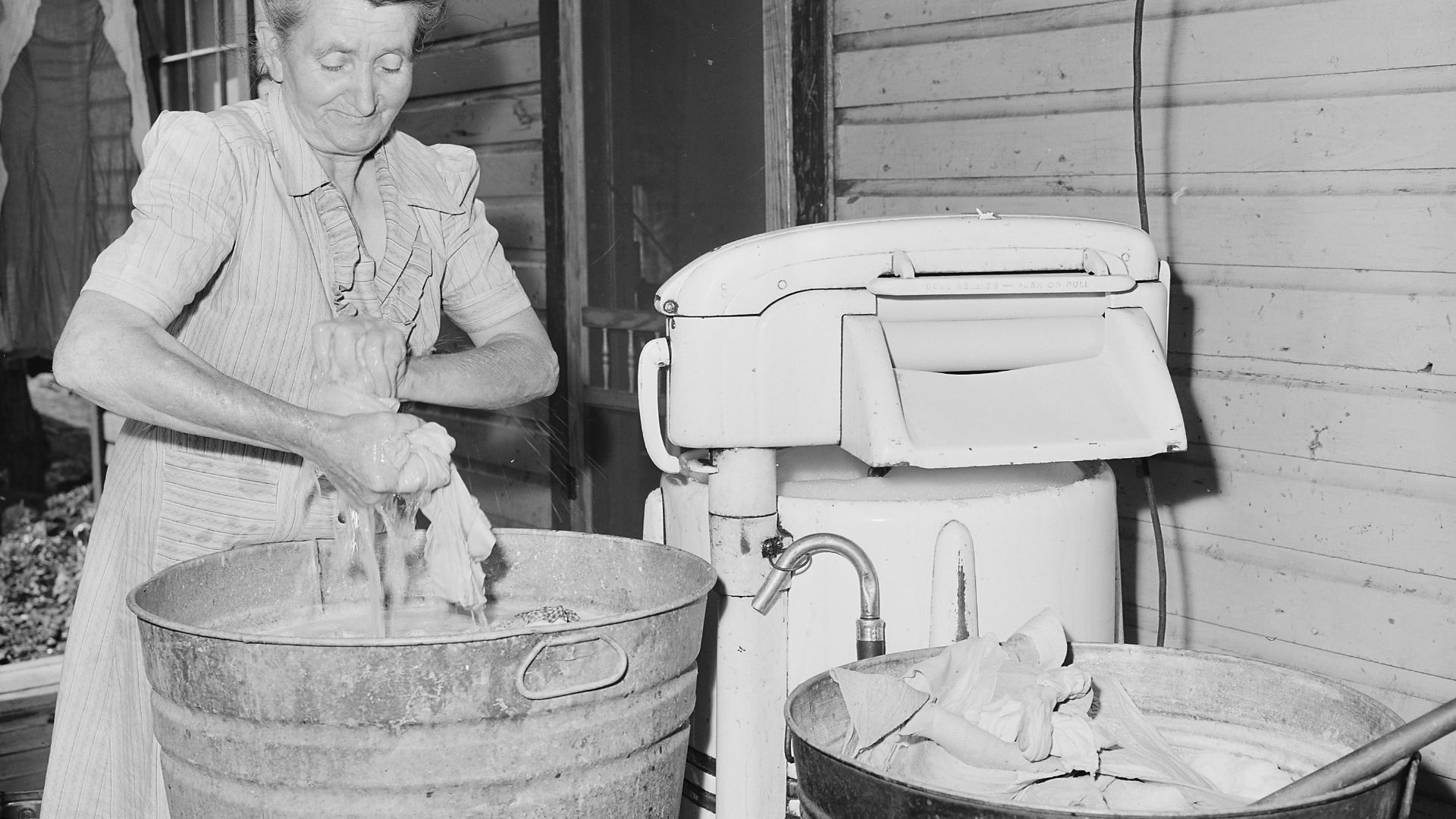
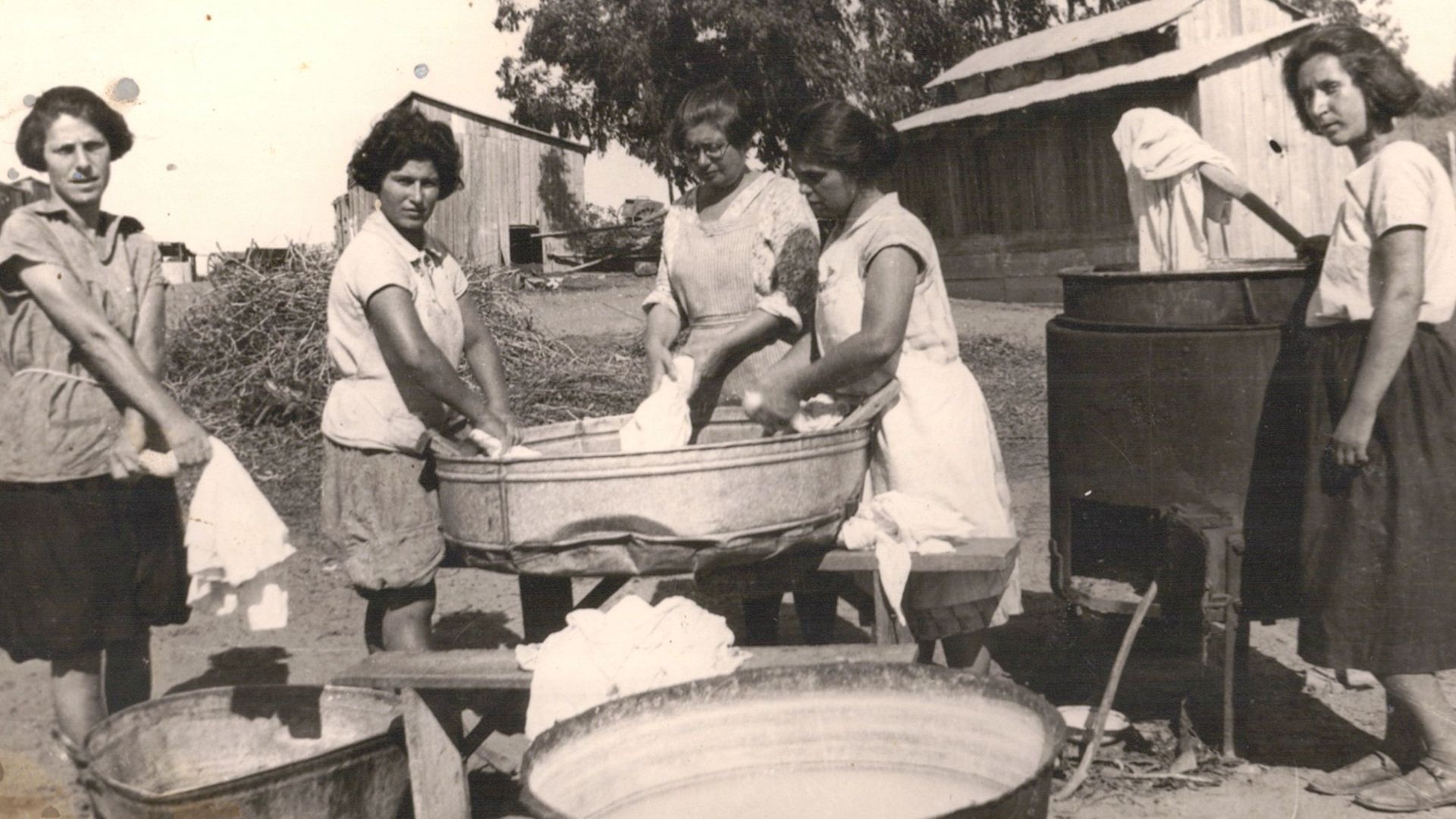
For many families in the 19th and early 20th centuries, laundry was not something squeezed in between other errands. “Washday” commonly occupied most of Monday because the process involved fetching water, heating it, soaking clothing, scrubbing, rinsing, wringing, starching, and hanging everything to dry. Historians have described it as one of the most physically demanding recurring jobs in the household.
 Russell Lee, Wikimedia Commons
The Washing Machine Replaced An Assembly Line
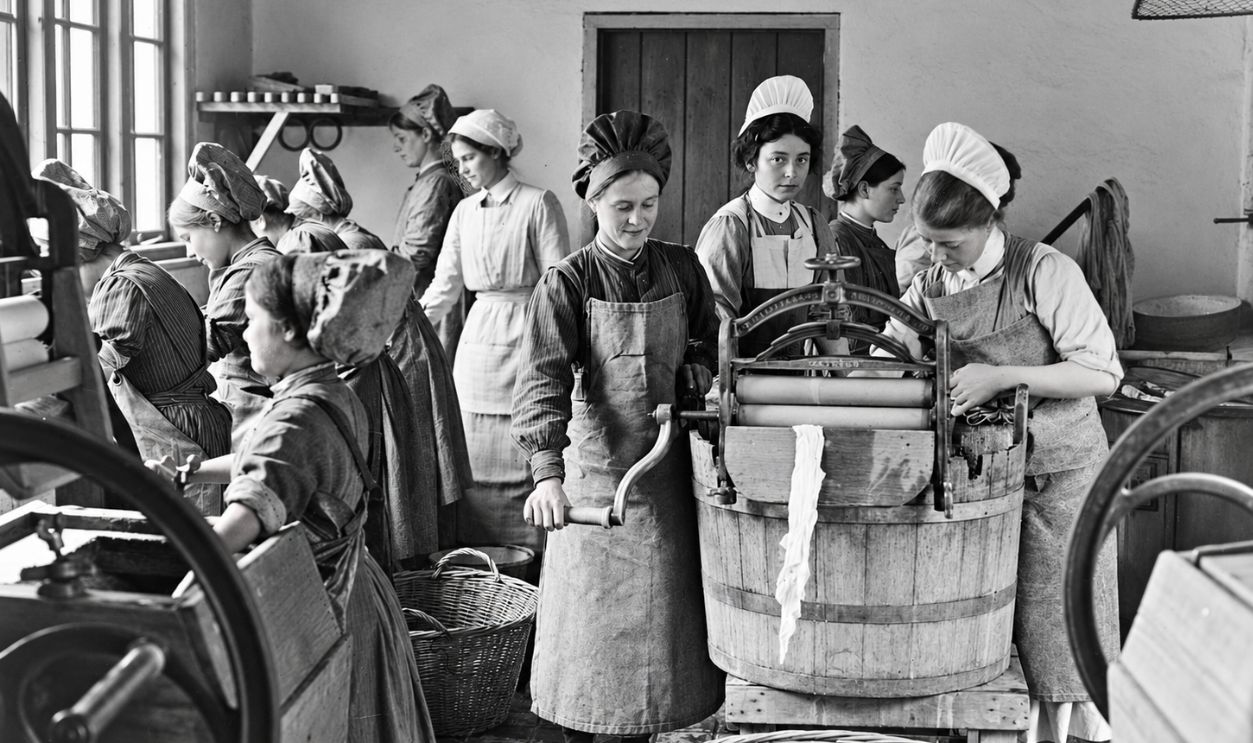
Before automatic machines, tubs, washboards, boilers, wringers, buckets, and clotheslines all had separate roles. Clothes might be boiled before they were scrubbed, then rinsed several times and treated with bluing or starch. A modern washer now performs several stages that once required constant lifting, stirring, squeezing, and carrying.
 Horace Nicholls, Wikimedia Commons, Enhanced
Tuesday Could Be Entirely For Ironing
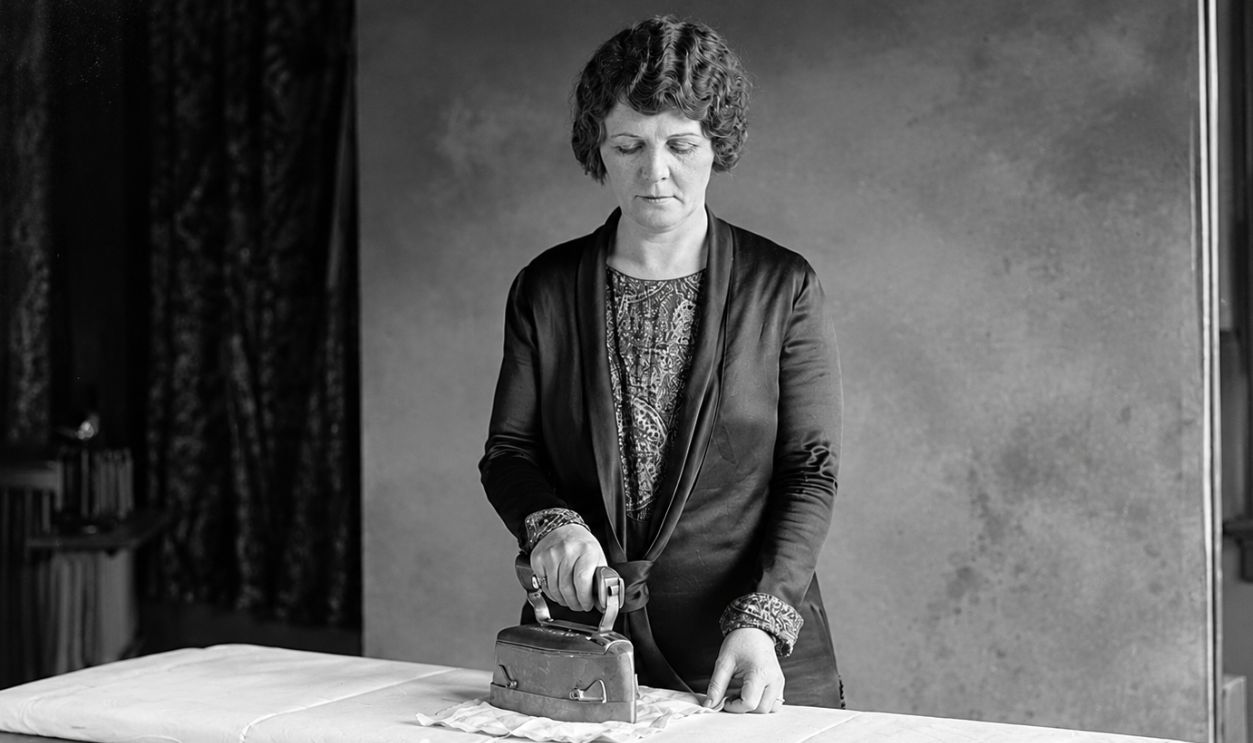
Finishing the wash did not mean finishing the laundry. Once clothes dried, they were often folded, sprinkled with water, rolled, and left ready for the next day's ironing. The Library of Congress notes that Tuesday was commonly devoted to ironing and that the job itself could consume most of the day.
 National Photo Company Collection, Wikimedia Commons, Modified
Every Iron Had To Be Heated By Hand
A solid cast-iron “sad iron” did not remain conveniently hot. Several irons could be heated near a fire or on a stove so the user could swap a cooling one for a hot one while continuing to work. The combination of heavy metal, hot handles, repeated reheating, and piles of clothing turned pressing shirts and linens into serious physical labor.
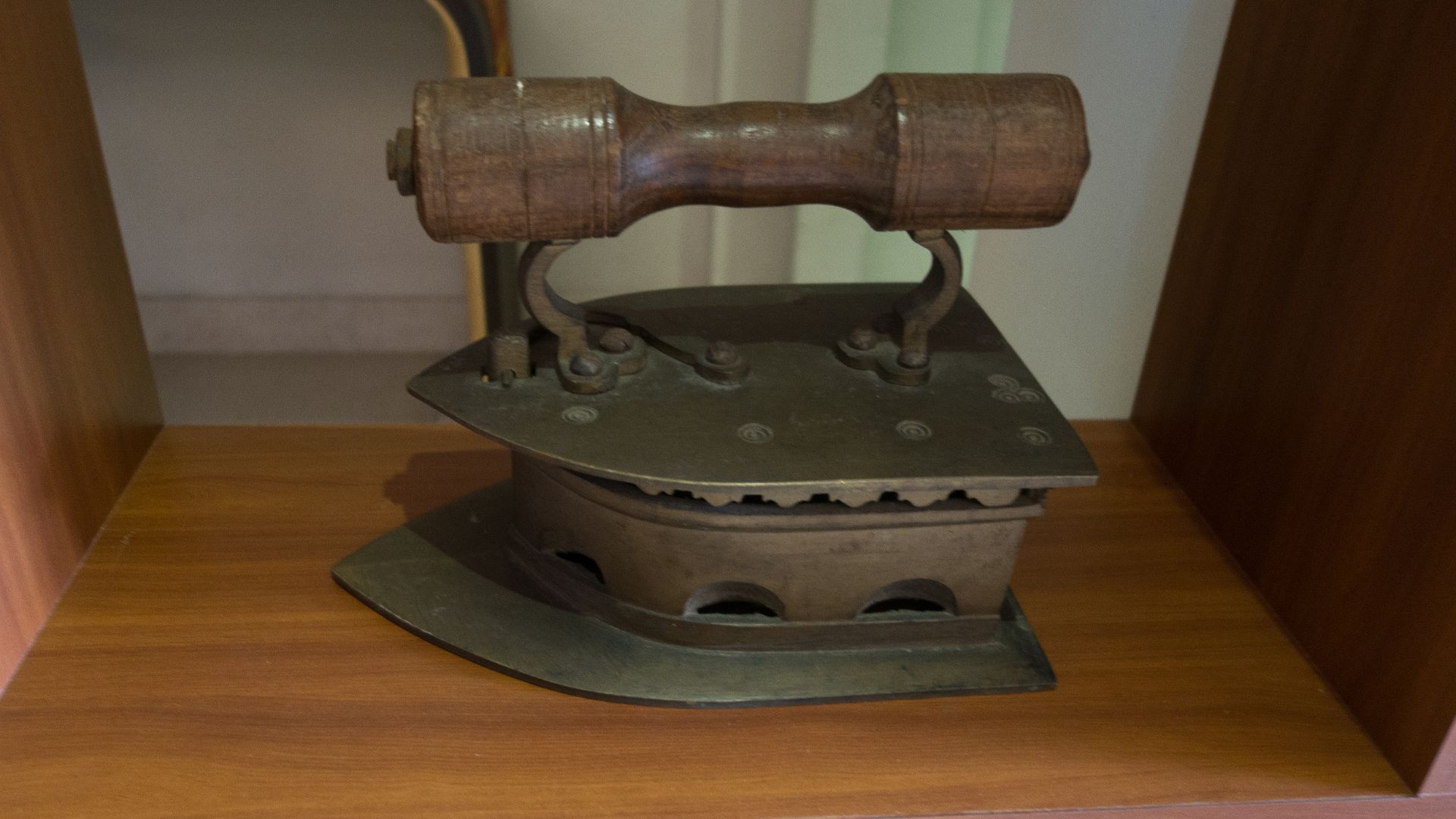 Thomas Quine, Wikimedia Commons
Dinner Started Long Before Dinner
Cooking without electricity, gas service, refrigeration, or modern packaged ingredients meant far more than preparing a recipe. A household might first have to haul water, bring in fuel, start a fire, regulate a wood stove, retrieve ingredients from a cellar, and make basic components from scratch. At homes without running water, even washing vegetables and cleaning the cookware created additional trips with heavy buckets.
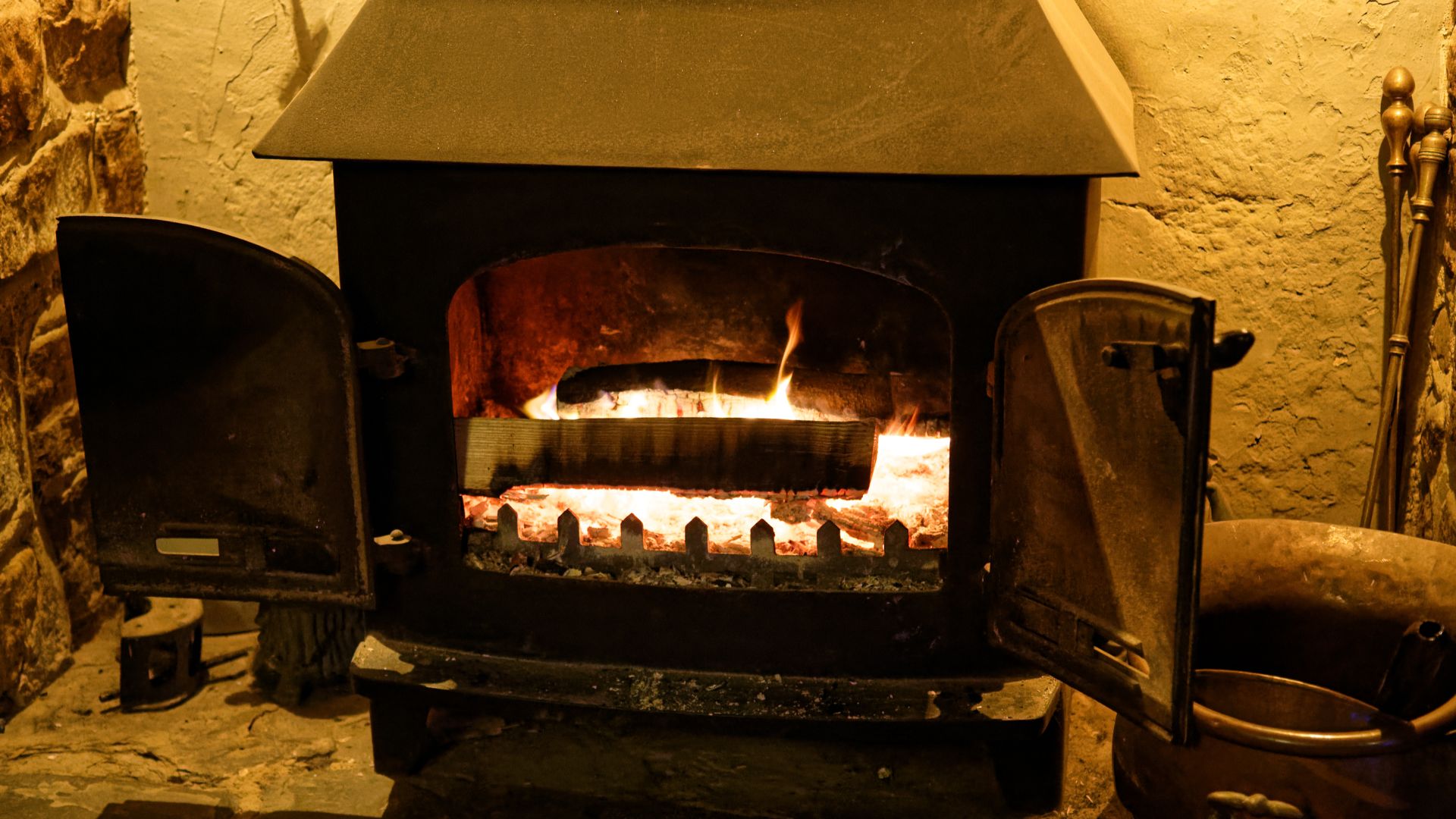
A Stove Needed Constant Attention
Wood-fired ranges did not offer numbered temperature settings. Cooks controlled heat by adding fuel, moving pots, adjusting dampers, and judging conditions through experience. At places like Pipe Spring's Winsor Castle, the kitchen stove was likely kept working for much of the day simply because so many people needed to be fed.
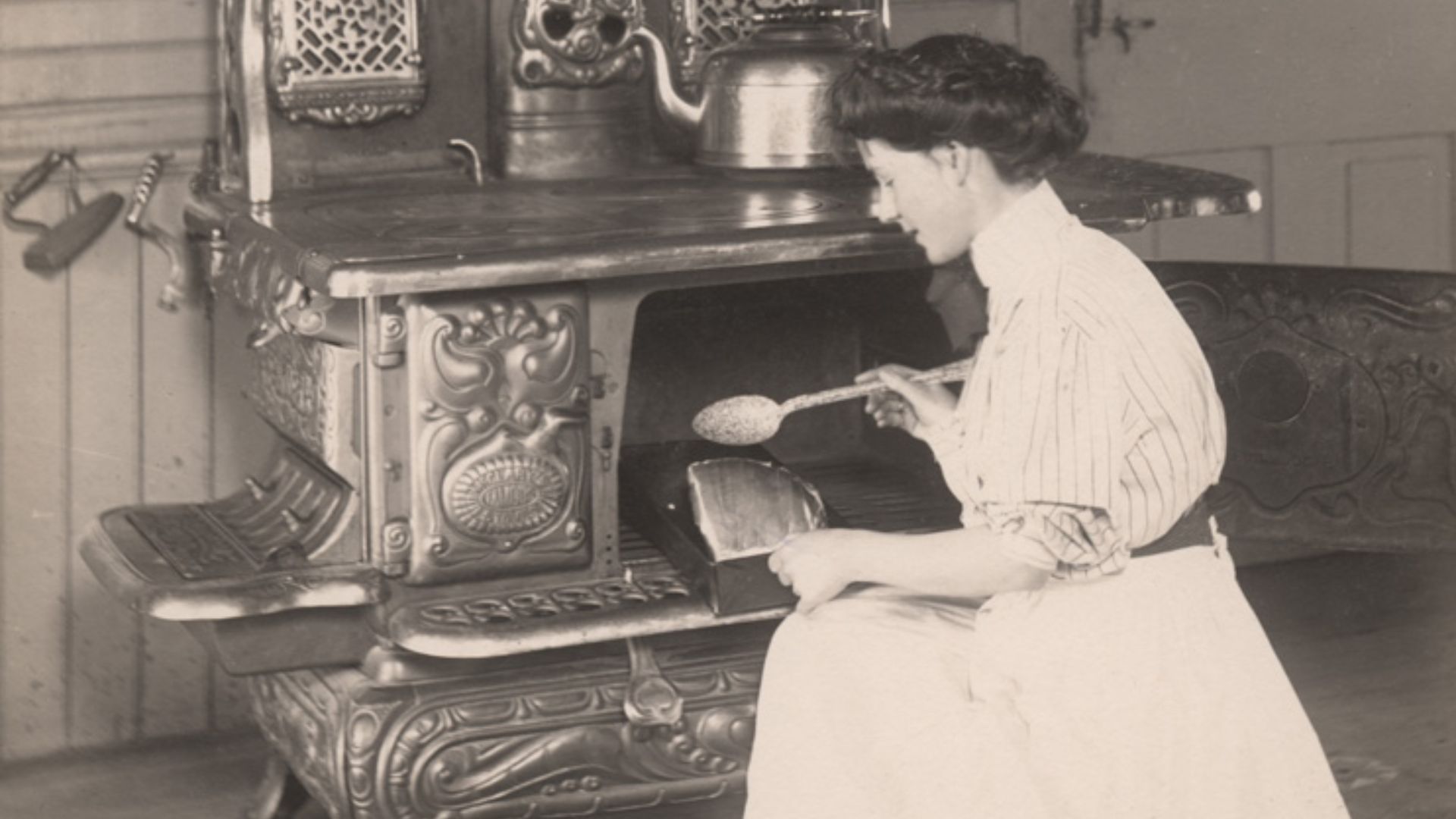 Huron County Museum & Historic Gaol, Wikimedia Commons
Bread Could Dominate The Kitchen
Store-bought sliced bread erased an enormous amount of domestic labor. Home bakers had to mix and knead dough, wait for it to rise, prepare and heat an oven, monitor the bake, and then repeat the process frequently because bread was a staple. At Yosemite, Bridget Degnan eventually used an oven capable of producing 50 loaves a day as demand for her homemade bread grew.
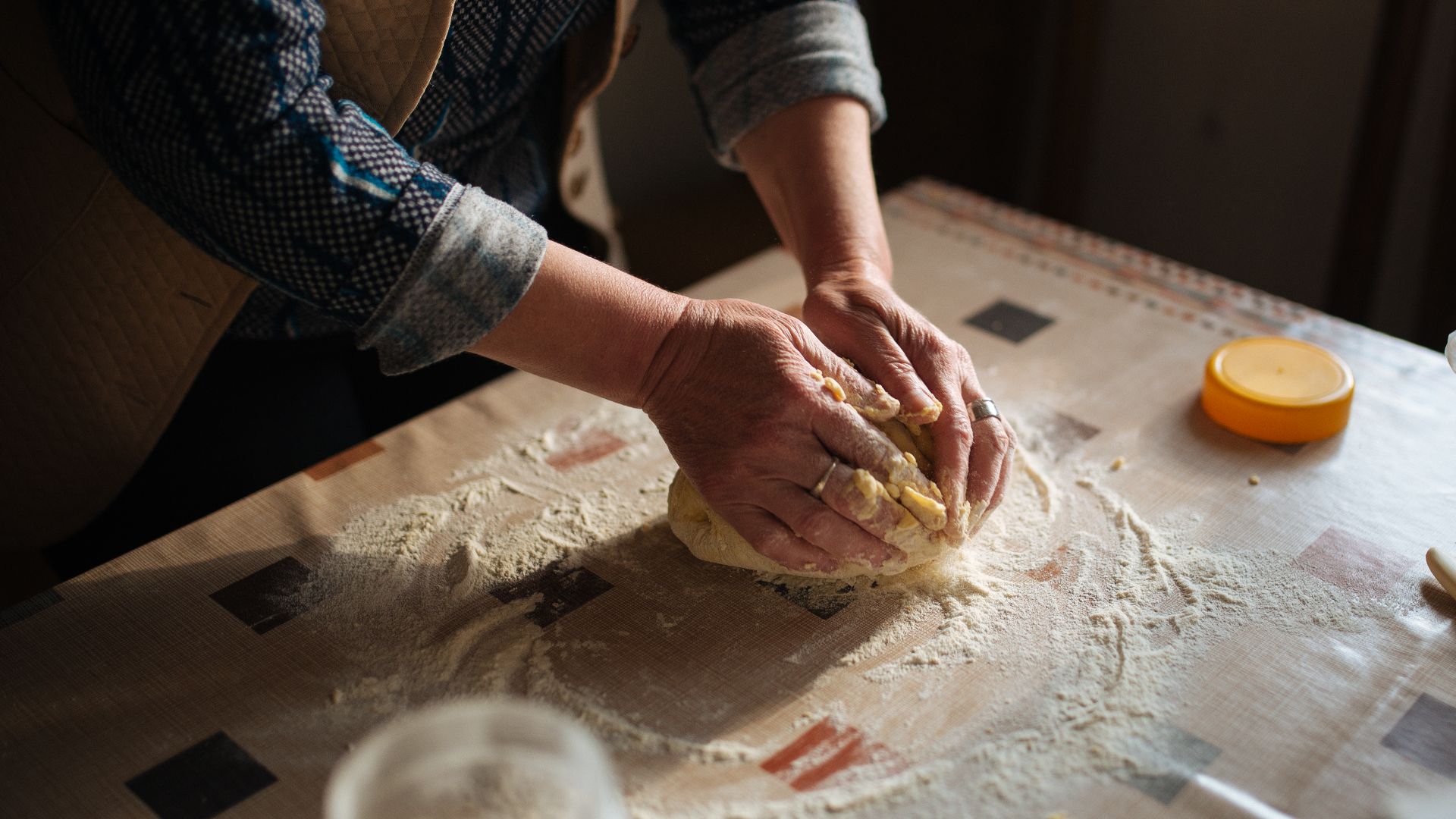 Shixart1985, Wikimedia Commons
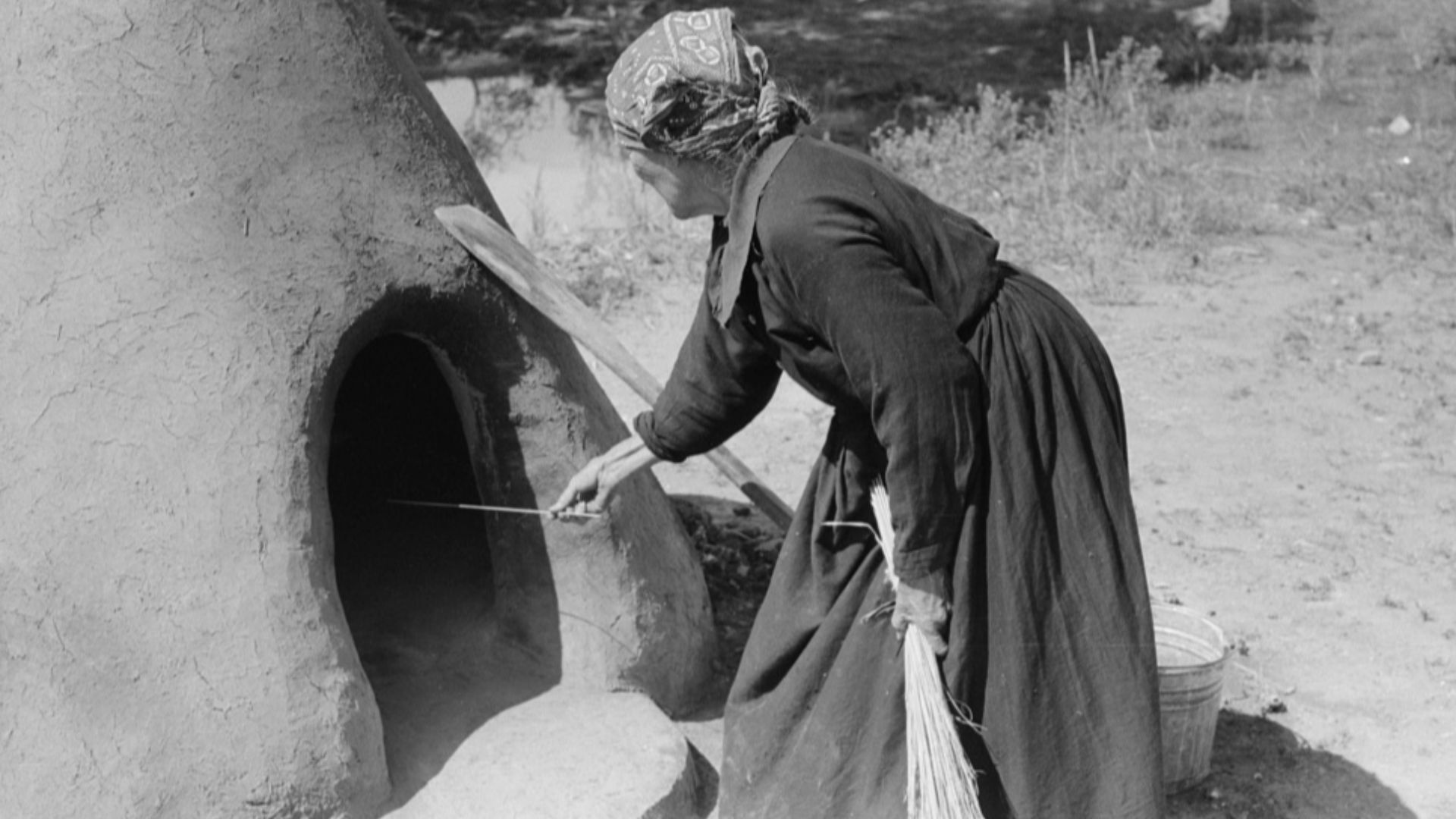
The Oven Was A Job Before Baking Began
Hearth and wood-fired ovens required preparation that modern bakers barely think about. Fuel had to be gathered, a fire built, and the oven brought to an appropriate temperature before dough ever went inside. Professional bakers at Fort Vancouver spent long hours working around massive ovens to supply bread and biscuits for hundreds of people.
 Lee Russell, Wikimedia Commons
Water Did Not Come From A Faucet
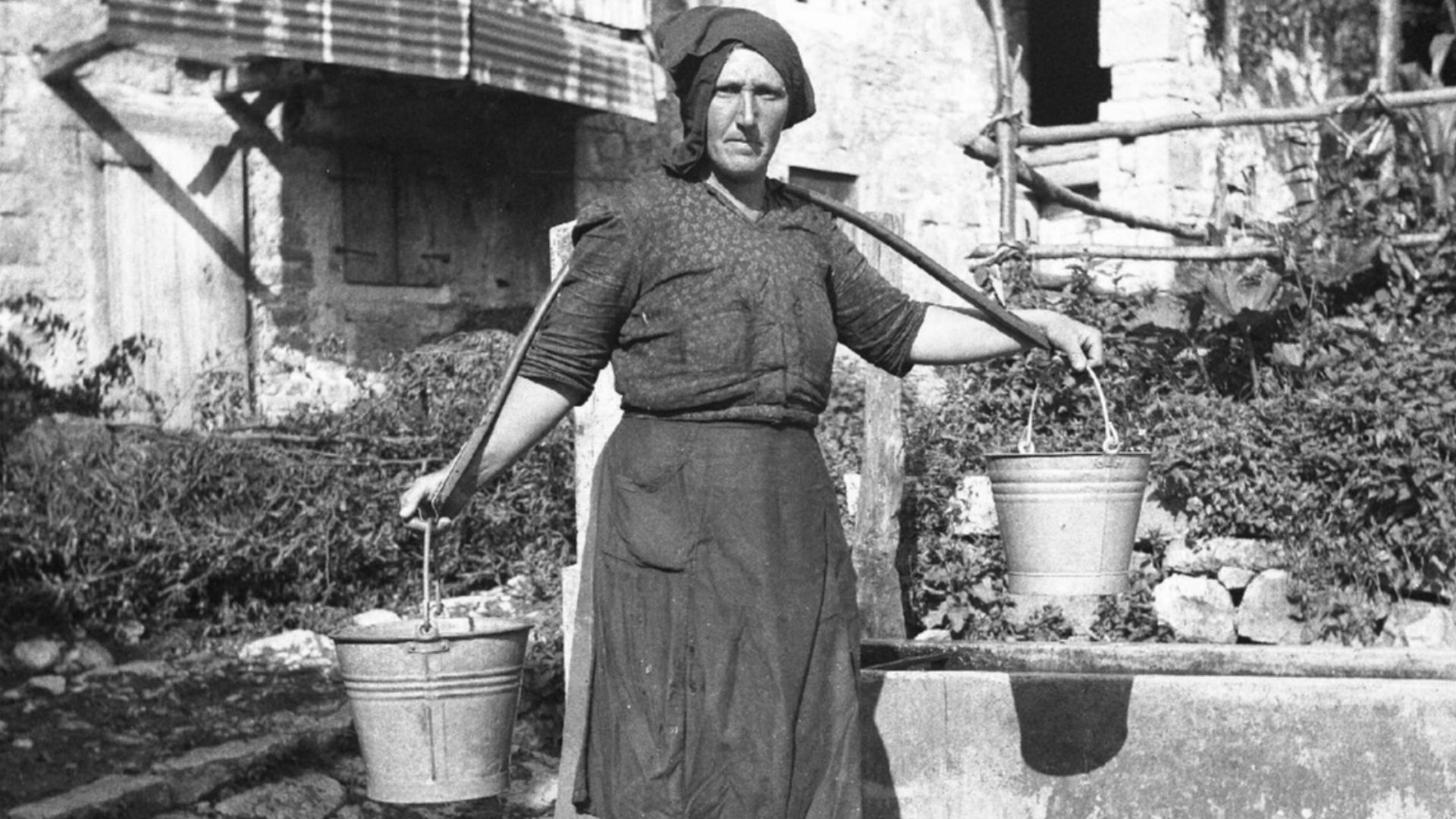
Before household plumbing, virtually every water-intensive chore began somewhere outside the kitchen. Families drew water from wells, cisterns, pumps, streams, or rivers and carried it home in buckets. Abraham Lincoln's household chores in Springfield included both chopping wood and carrying water, while rural families continued hauling water well into the 20th century.
One Wash Could Mean Dozens Of Heavy Trips
Laundry demanded an especially punishing amount of water because separate tubs could be needed for boiling, scrubbing, and rinsing. Fort Laramie laundresses began by collecting enough water for several stages of the wash. The water then had to be heated, transferred between containers, and eventually disposed of by hand.
Taking A Bath Required Planning
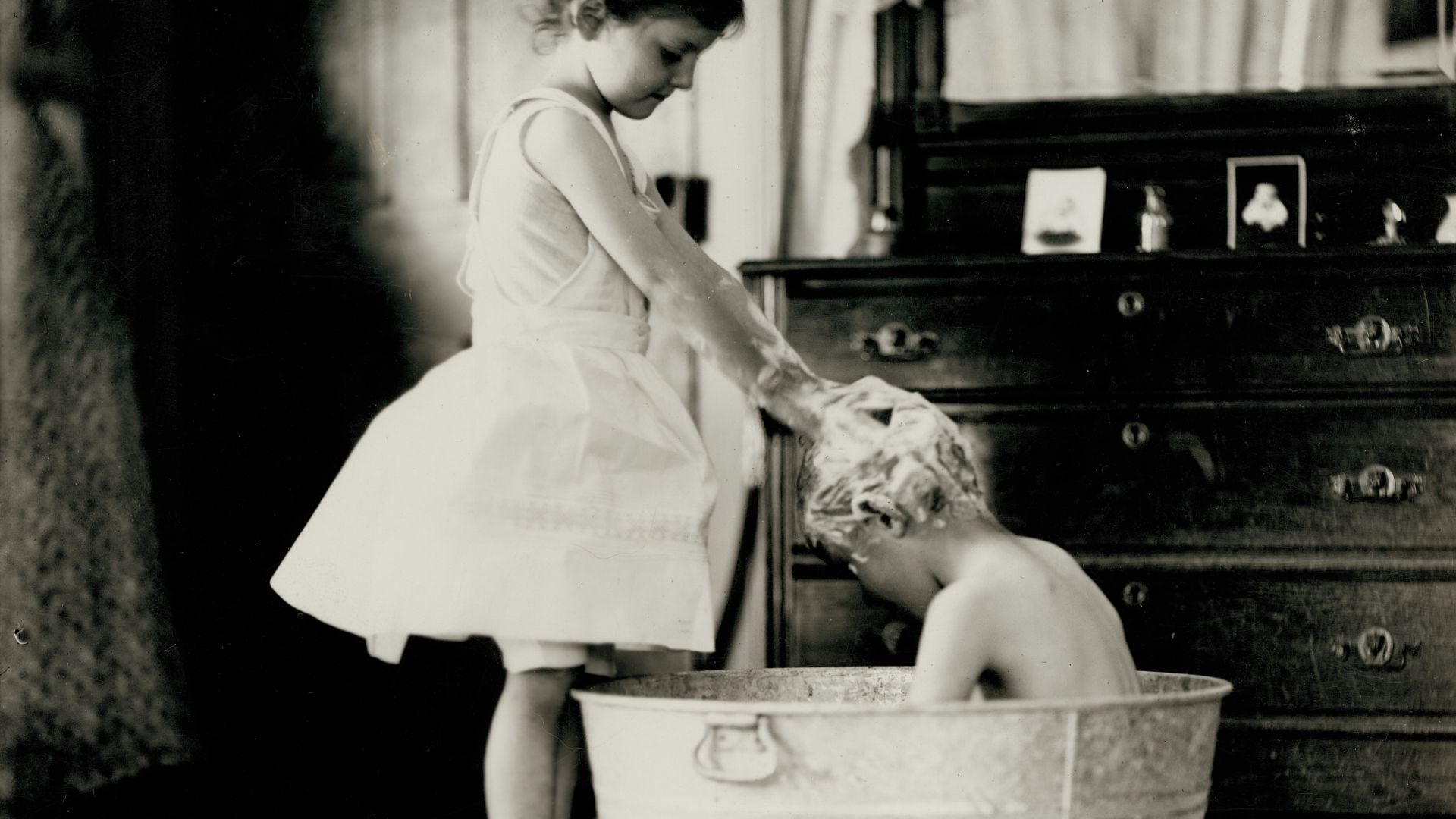
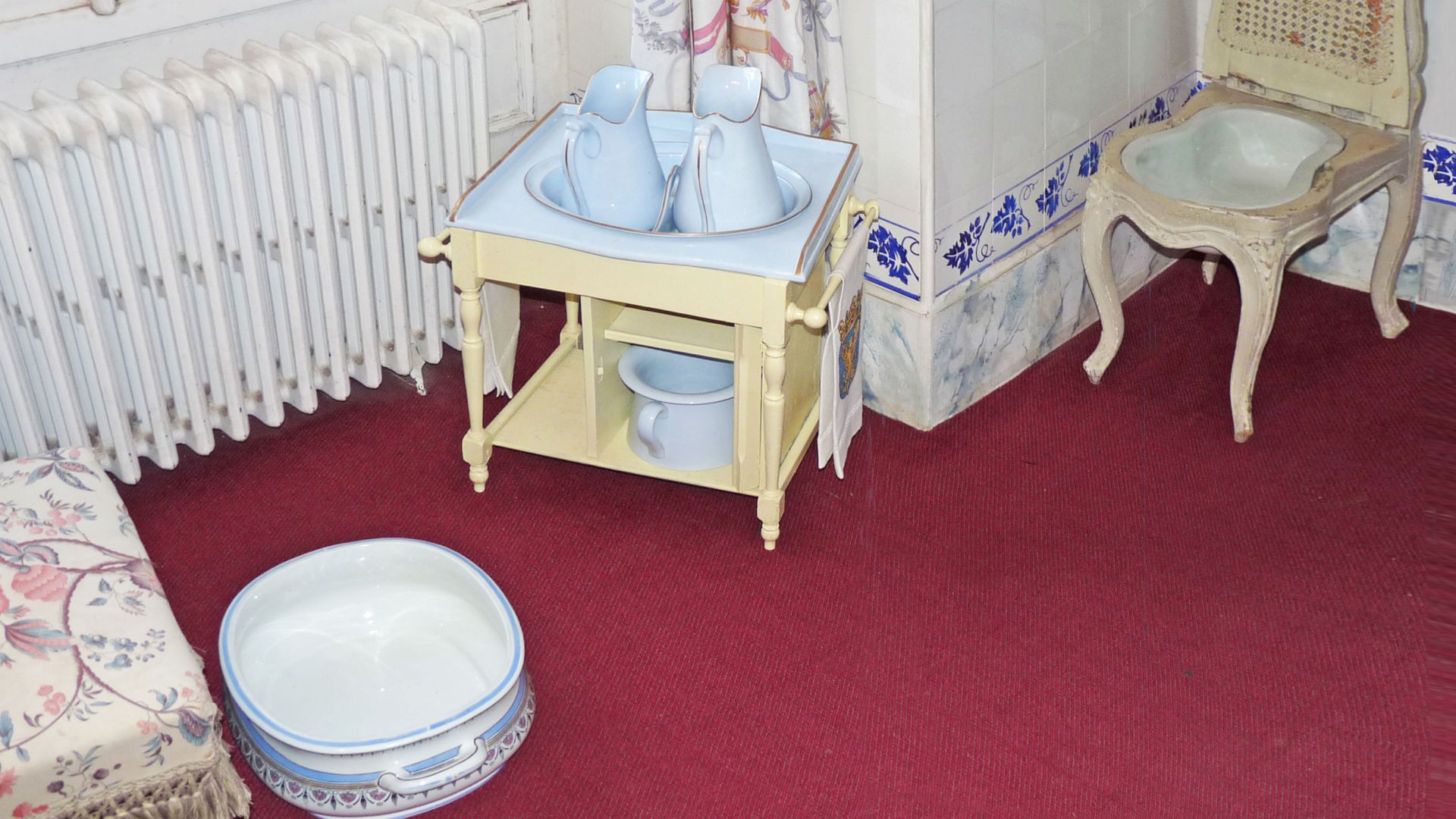
A hot bath was once an event rather than something available whenever someone turned a tap. Water could have to be hauled into the house, warmed on a wood stove, and poured into a portable tub near the fire. Families often scheduled bathing weekly because preparing enough warm water for everyone took substantial time and fuel.
 Unknown authorUnknown author, Wikimedia Commons
Everyone Could Share The Same Routine
Oral histories preserved by the National Park Service describe households in which family members washed at bedroom basins and bathed in portable tubs near fireplaces. Other families remembered Saturday as bath day, with a wood stove heating the water. Modern water heaters quietly replaced an entire chain of fetching, heating, carrying, and emptying.
 Le plombier du desert, Wikimedia Commons
Dirty Dishes Created Another Water Problem
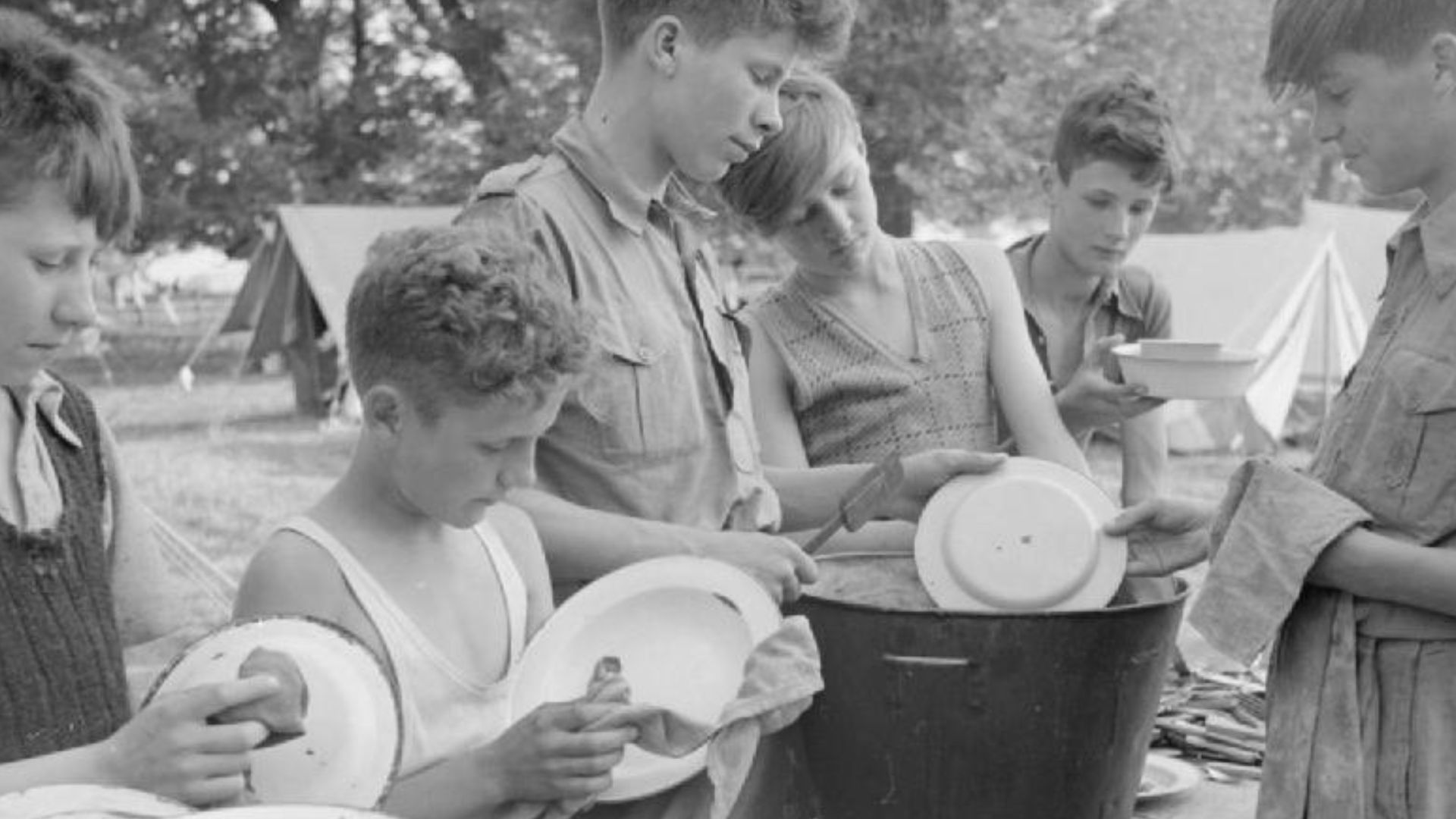
Washing dishes was harder when the kitchen lacked both a faucet and an automatic water heater. At Winsor Castle in Arizona, a dry sink was used because there was no conventional running water in the kitchen, while a reservoir attached to the wood stove provided heated water. Every meal therefore created cleanup that depended on the same fuel-and-water system already supporting cooking.
 Ministry of Information Photo Division Photographer, Wildman Shaw, Wikimedia Commons
A Dishwasher Replaced More Than Scrubbing
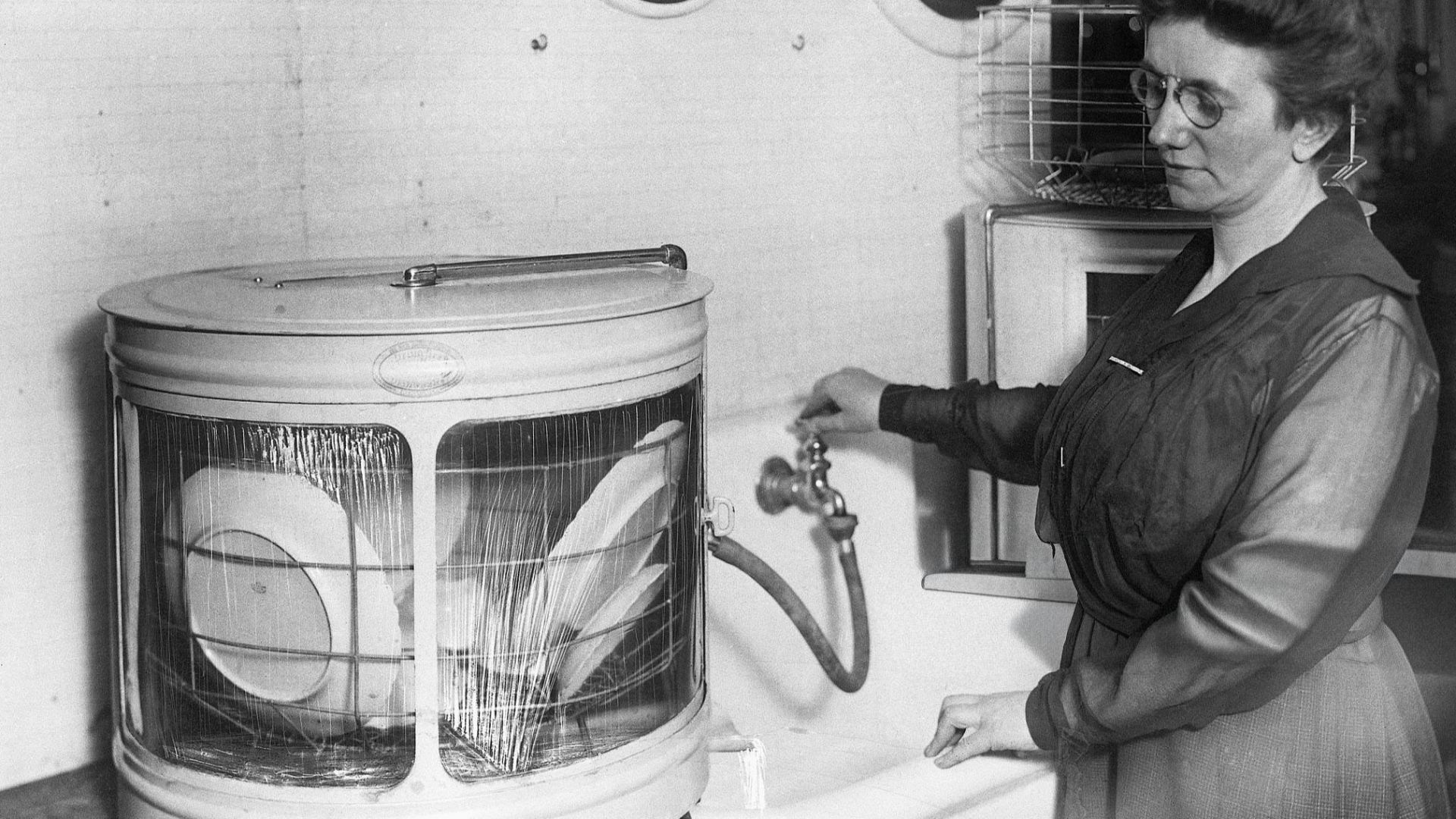
Modern dishwashers automate washing, rinsing, and drying while drawing hot water directly from household plumbing. Earlier households had to supply that hot water themselves and dispose of the dirty water afterward. For large families or households entertaining guests, repeated meals meant the washing-up cycle could continue throughout the day.
 Unknown authorUnknown author, Wikimedia Commons
Cleaning Carpets Meant Taking Them Outside
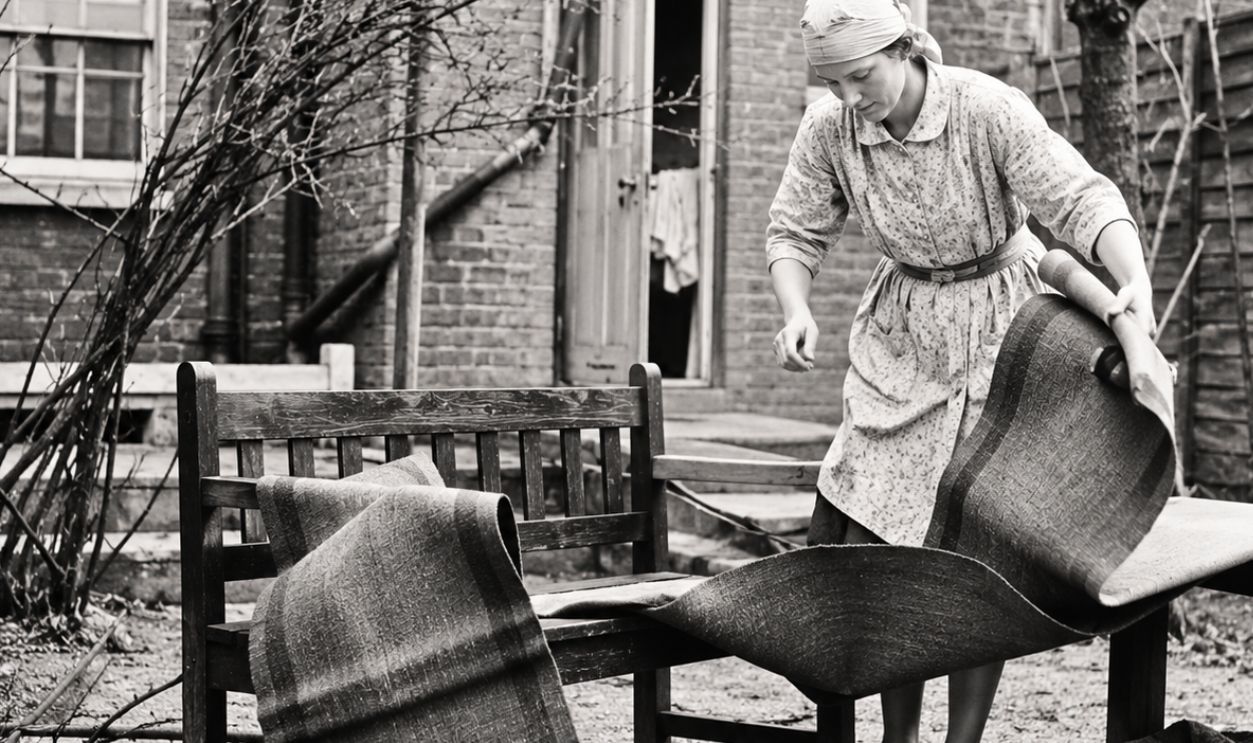
Before powered vacuum cleaners became common, sweeping was the normal way to clean floors and rugs. Carpets accumulated dust that a broom could struggle to remove, so households periodically carried rugs outdoors and beat them by hand. Smithsonian records note that many American families continued this practice well into the 20th century.
 Ministry of Information Photo Division Photographer, Wikimedia Commons, Modified
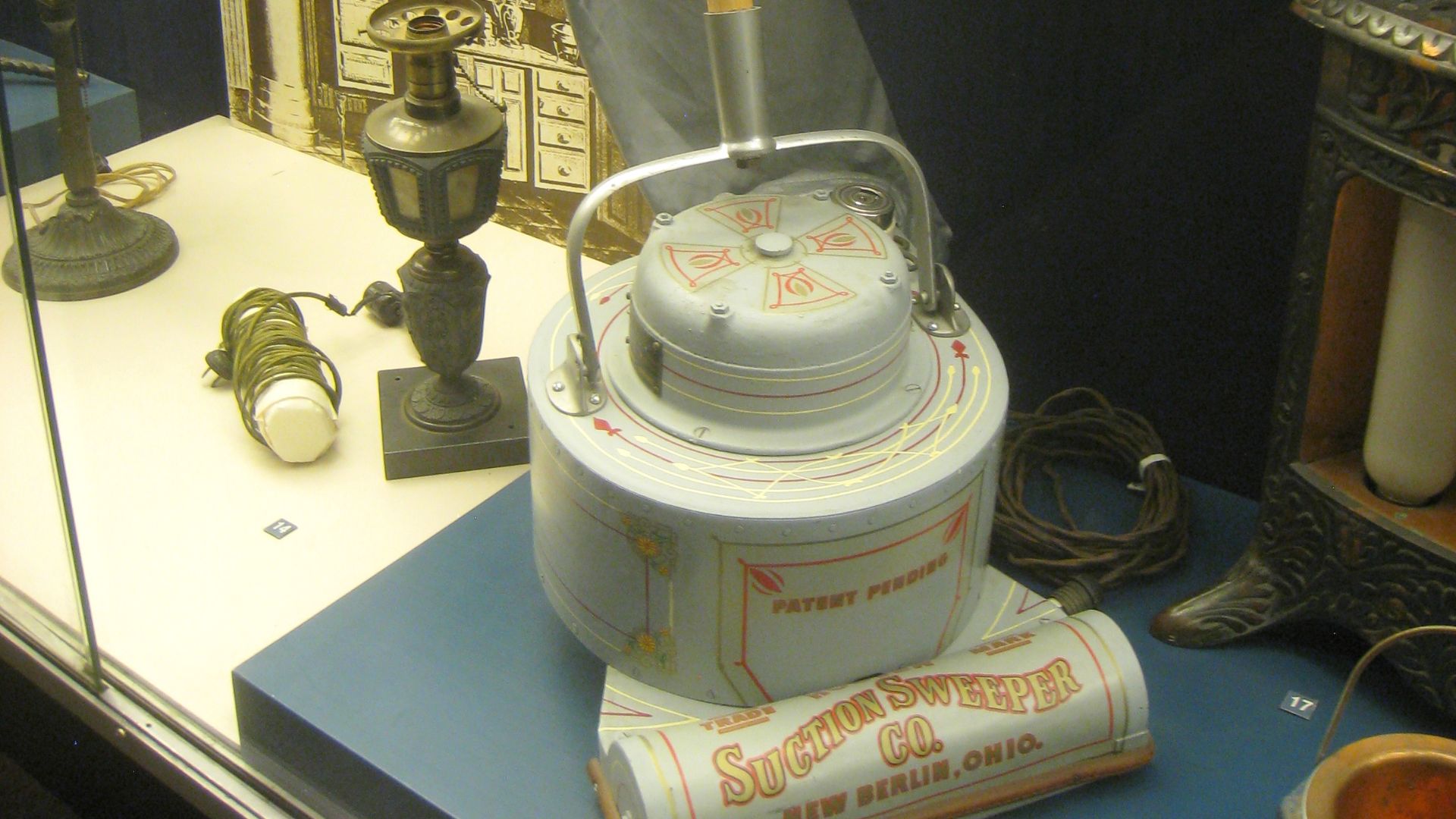
Vacuuming Was The Labor-Saving Revolution
Early hand-powered suction cleaners still required physical pumping, but electric vacuum cleaners eventually eliminated much of the lifting, beating, and sweeping associated with carpet care. Hoover began marketing electric suction sweepers in 1908. By the 1920s, advertisements were explicitly selling them as machines that could save a housekeeper's strength and time.
Clothes Did Not Arrive Ready To Wear
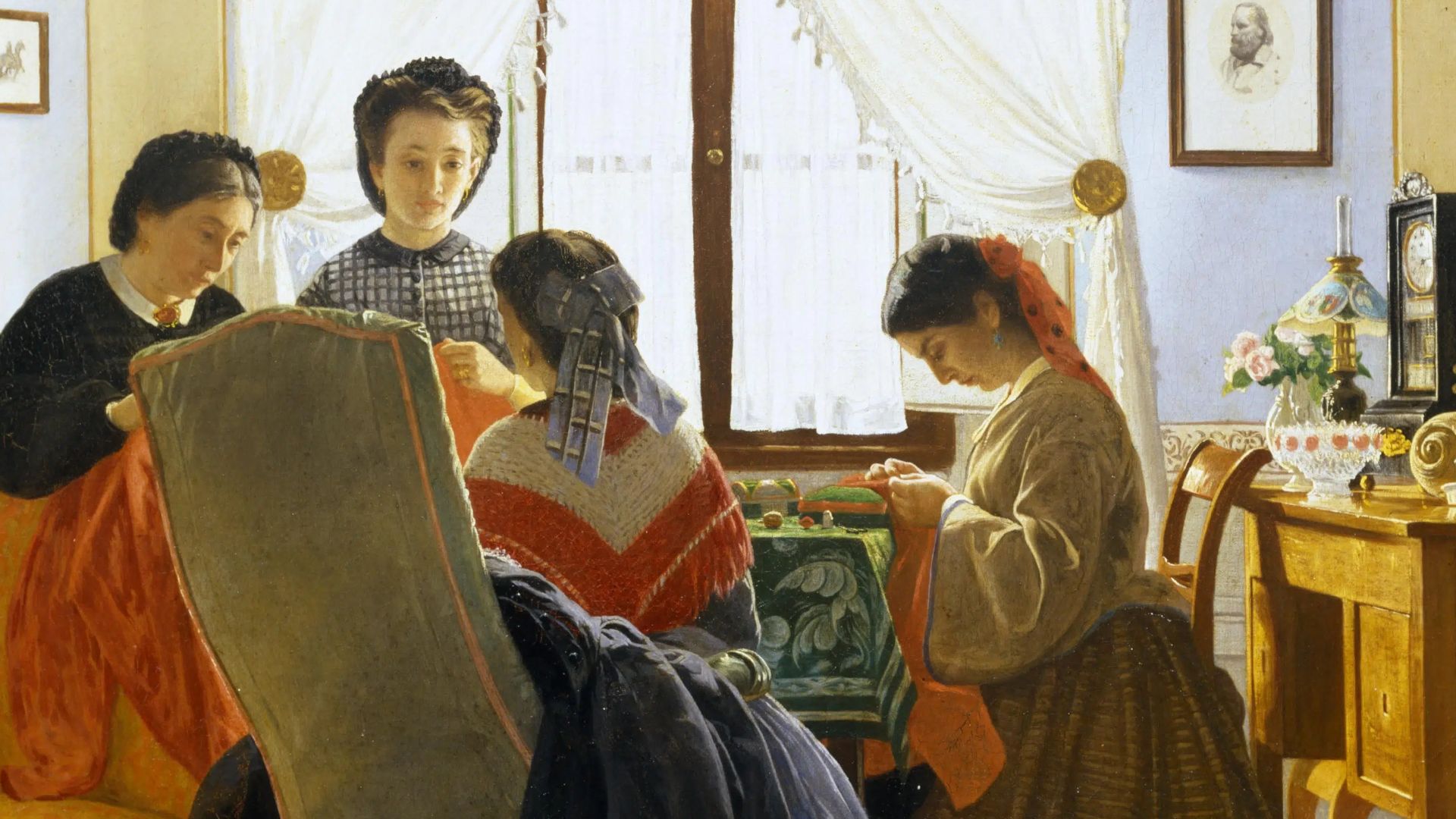
Families could spend an extraordinary amount of time making and maintaining clothing at home. Sewing shirts, dresses, undergarments, sheets, curtains, and other textiles meant measuring, cutting, pinning, stitching, finishing seams, and repairing damage entirely by hand. National Park Service records from historic farm households describe sewing and mending as seemingly endless work that frequently filled evening hours.
 Odoardo Borrani, Wikimedia Commons
One Machine Changed The Needle Forever
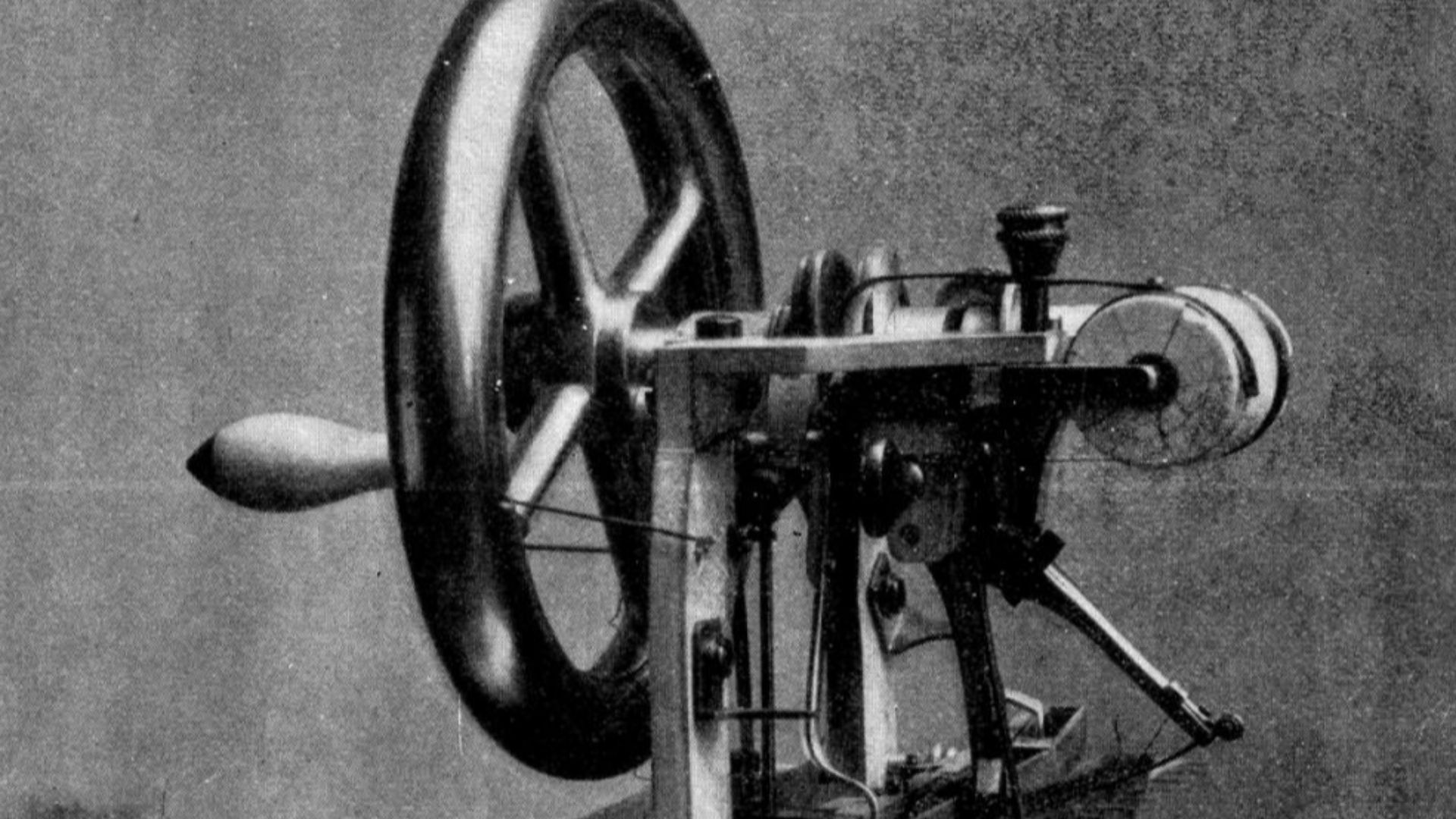
Inventors spent decades trying to mechanize sewing because hand stitching was so slow and repetitive. Elias Howe received an American sewing-machine patent in 1846 after watching his wife sew commercially by hand while the family struggled financially. Household sewing machines eventually turned thousands of individual hand stitches into work that could be completed far more quickly.
Preserving Food Could Consume Summer Days
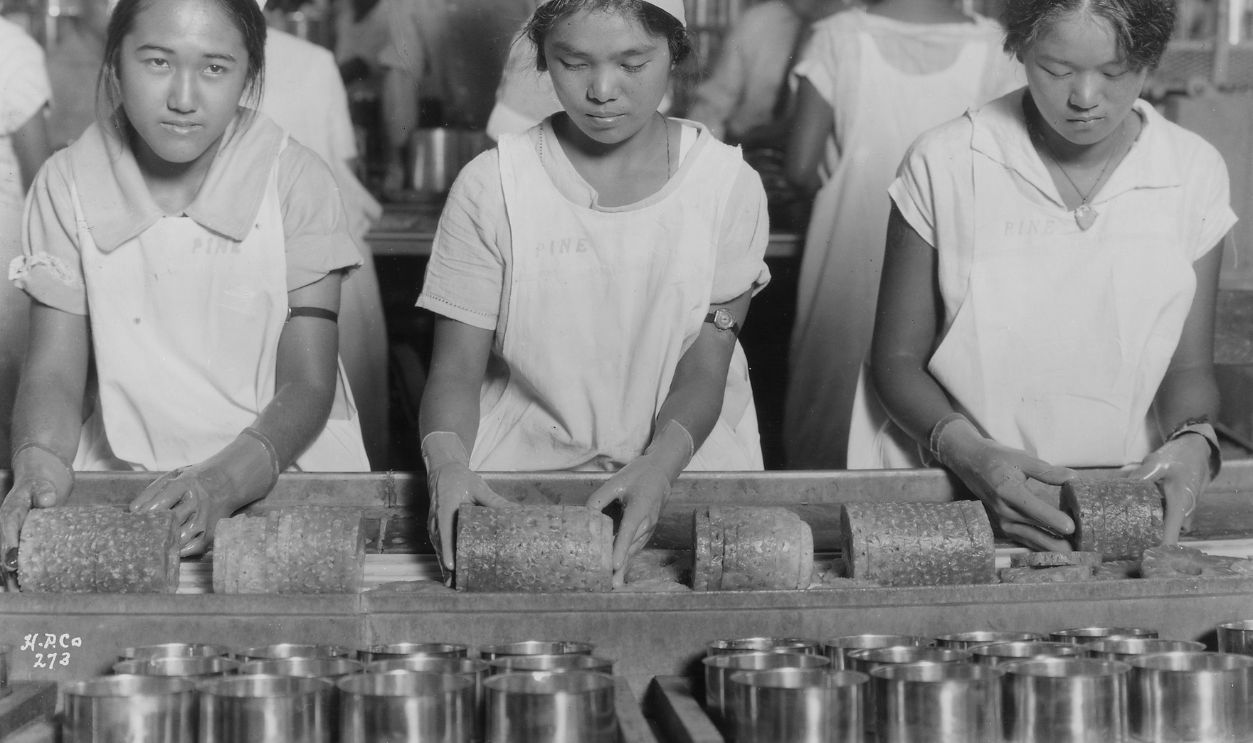
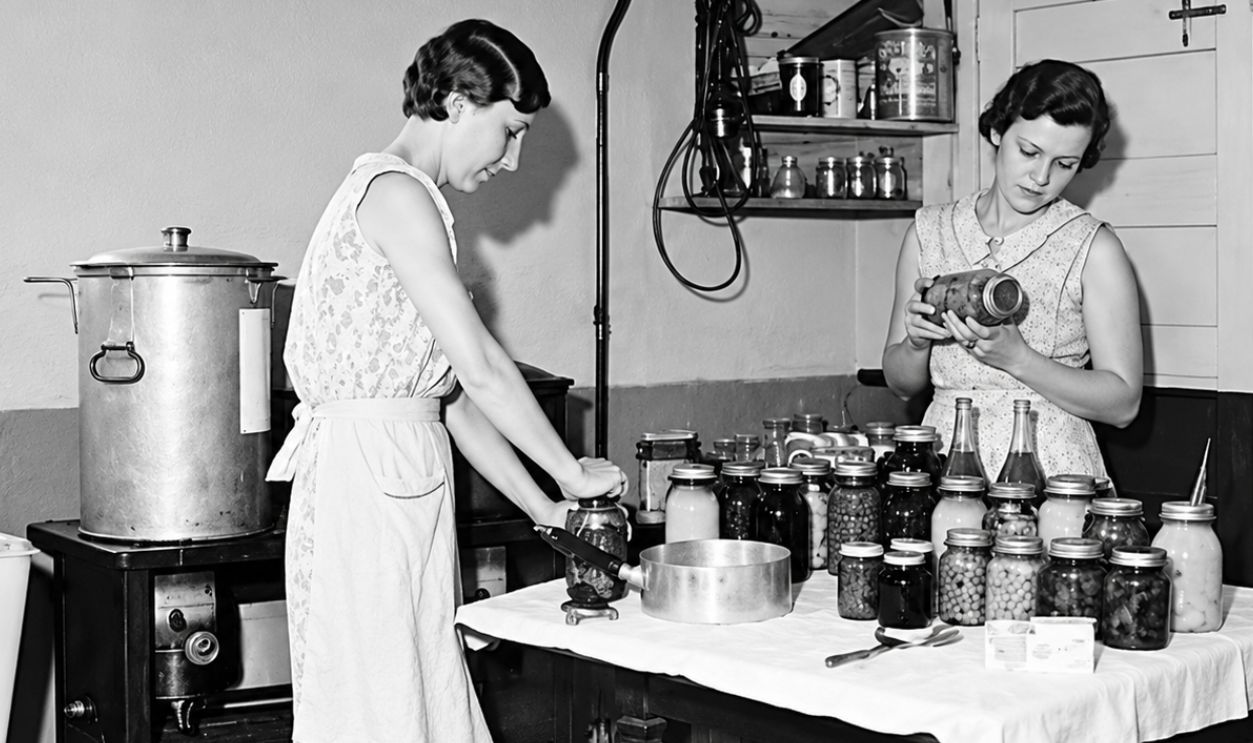
Families without modern refrigeration could not simply buy fresh produce year-round and assume it would keep. Fruits and vegetables were canned, dried, pickled, or otherwise preserved when they were abundant. Rural households often devoted intense stretches of summer and autumn to building enough stored food to last through winter.
 Unknown author or not provided, Wikimedia Commons
Canning Meant Working Over A Hot Stove
Preserving food often required washing produce, preparing jars, cooking ingredients, heating water, sealing containers, and processing batches over a hot stove. National Park Service accounts of rural Texas specifically describe families canning garden produce in summer while laboring over wood stoves. The work was particularly punishing because preservation season often arrived during the hottest part of the year.
 Mydans, Carl, Wikimedia Commons, Enhanced
Even Keeping Food Cold Took Work
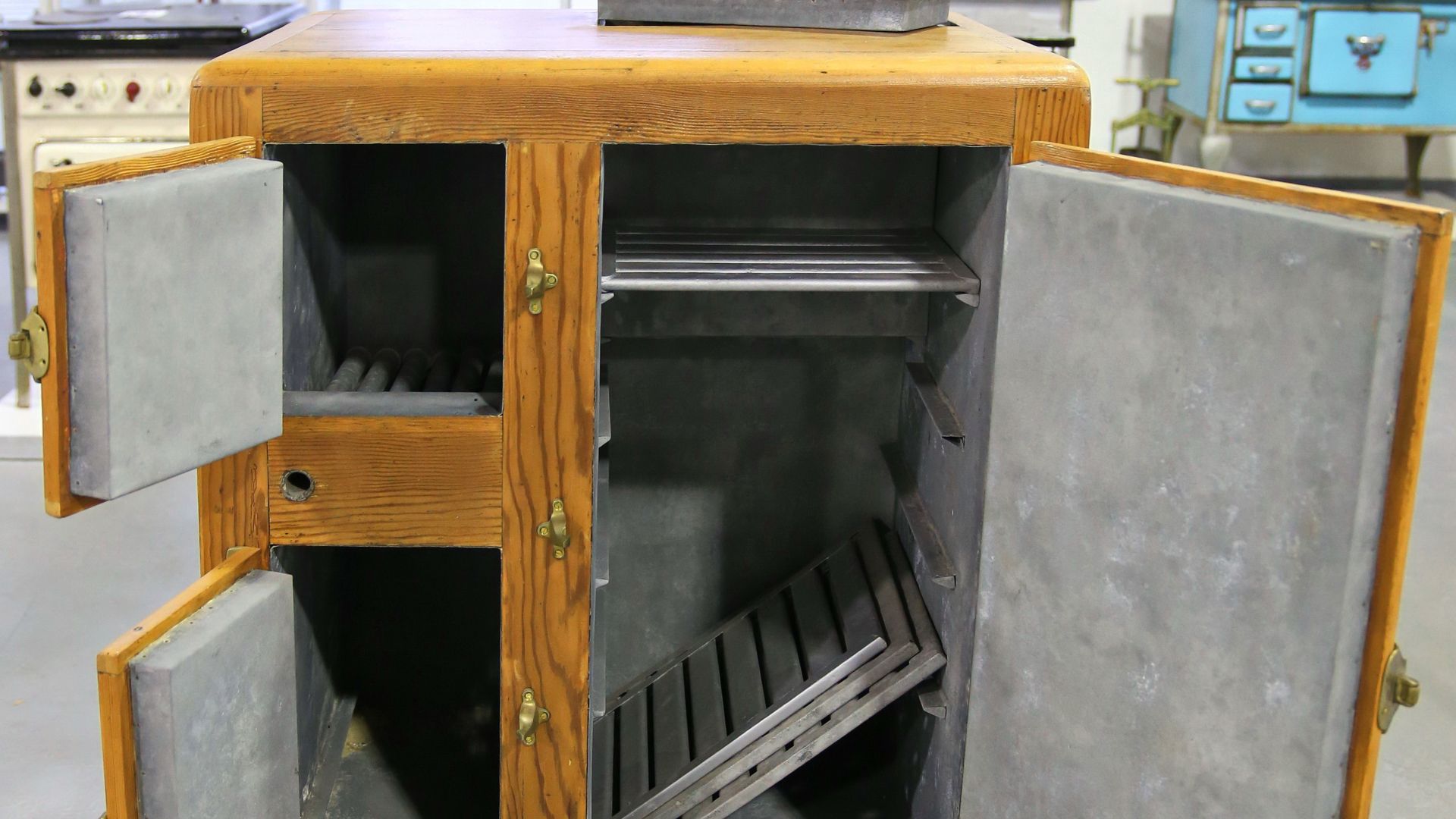
Before electric refrigerators, many American households relied on insulated iceboxes. A large block of ice kept food cool, but someone had to supply fresh ice as it melted. Iceman deliveries became part of everyday life, and households signaled whether they wanted 25, 50, 75, or 100 pounds brought to the door.
 Milos Jurisic, Wikimedia Commons
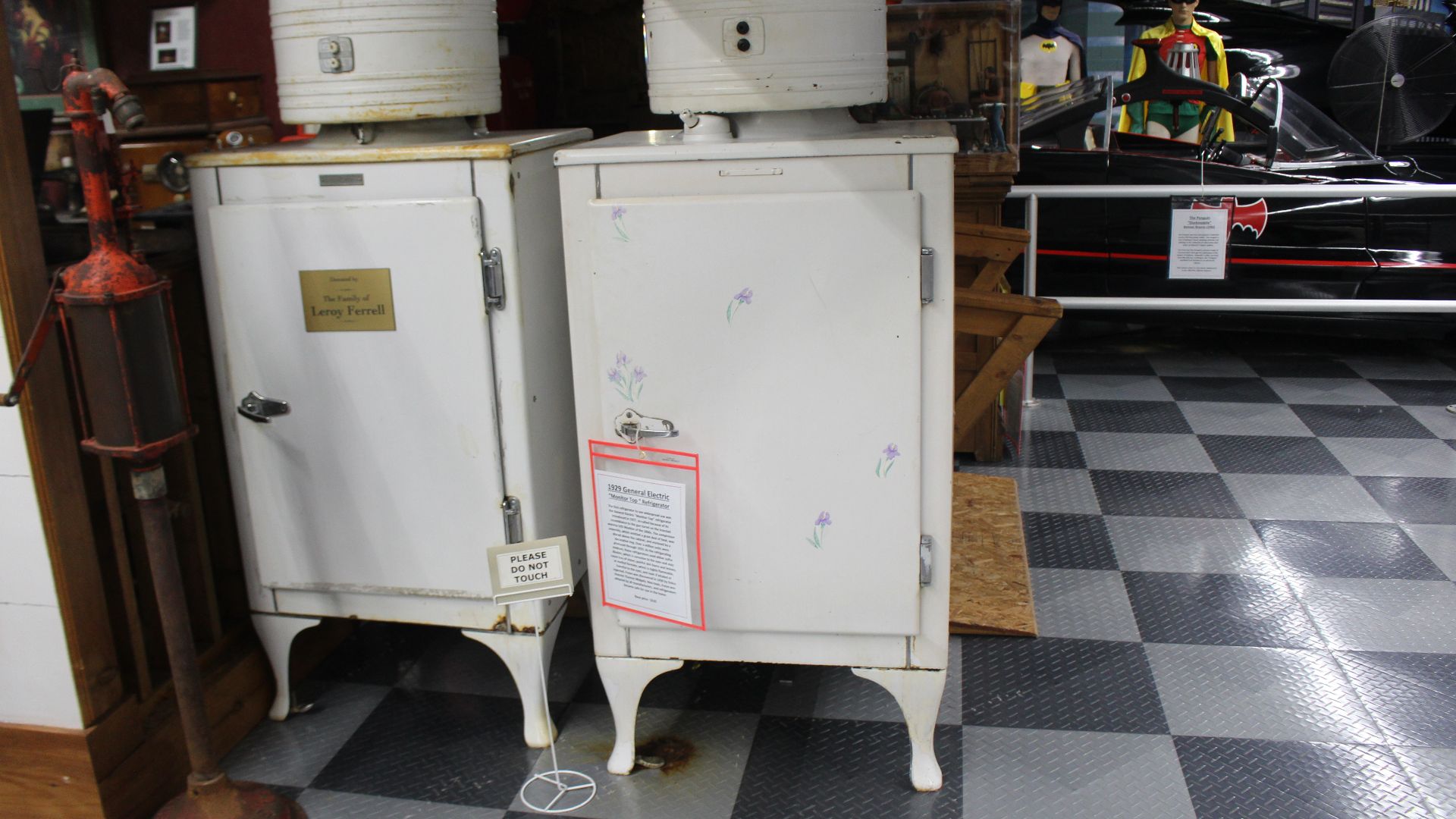
Refrigeration Eliminated A Daily Calculation
Without dependable refrigeration, cooks had to plan meals around what would spoil first and preserve anything that needed to last. Salt, drying, canning, and cellar storage demanded additional preparation compared with simply placing leftovers in a refrigerator. Electric refrigeration therefore saved time long after the initial meal was finished.
 Michael Rivera, Wikimedia Commons
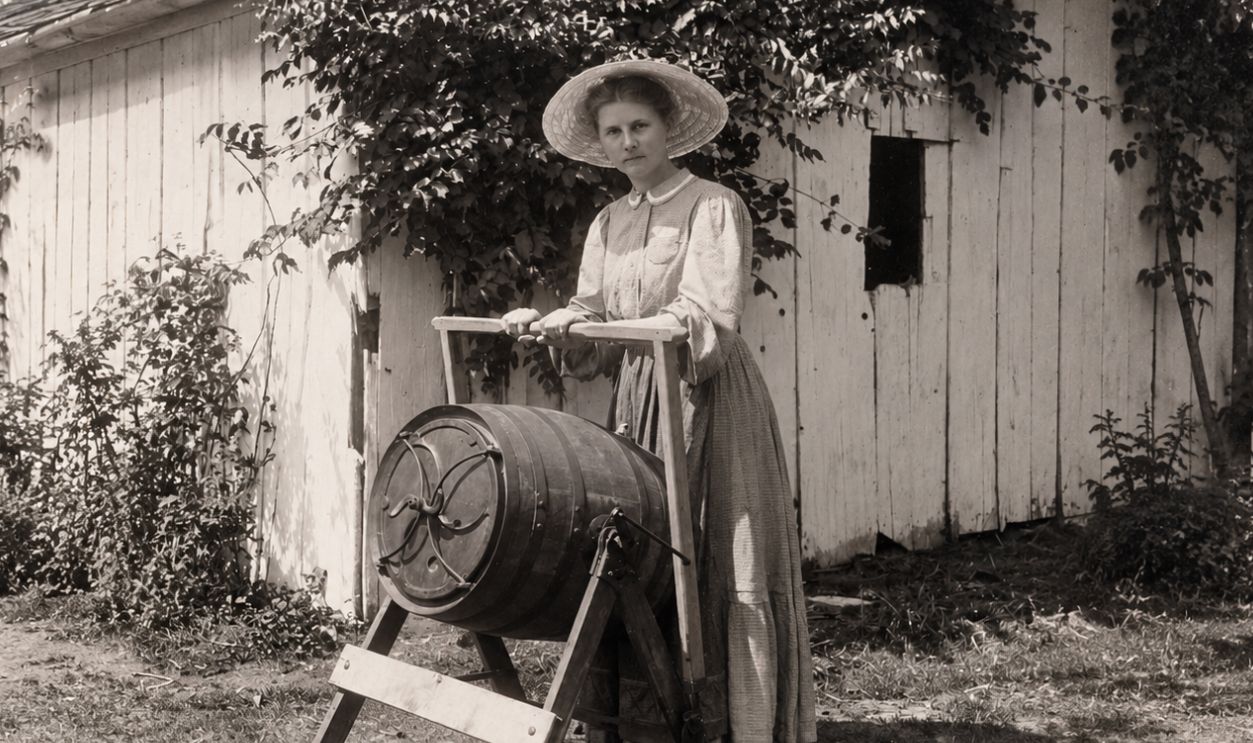
Butter Had To Be Made Before It Could Be Spread
Butter was another ordinary food that could begin as a household chore. Cream had to be collected and churned until fat separated into butter, after which the butter was worked and prepared for storage. Living-history sites still demonstrate the process because it was once part of the normal routine on farms that produced their own dairy food.
 Archives Of Ontario, Wikimedia Commons, Modified
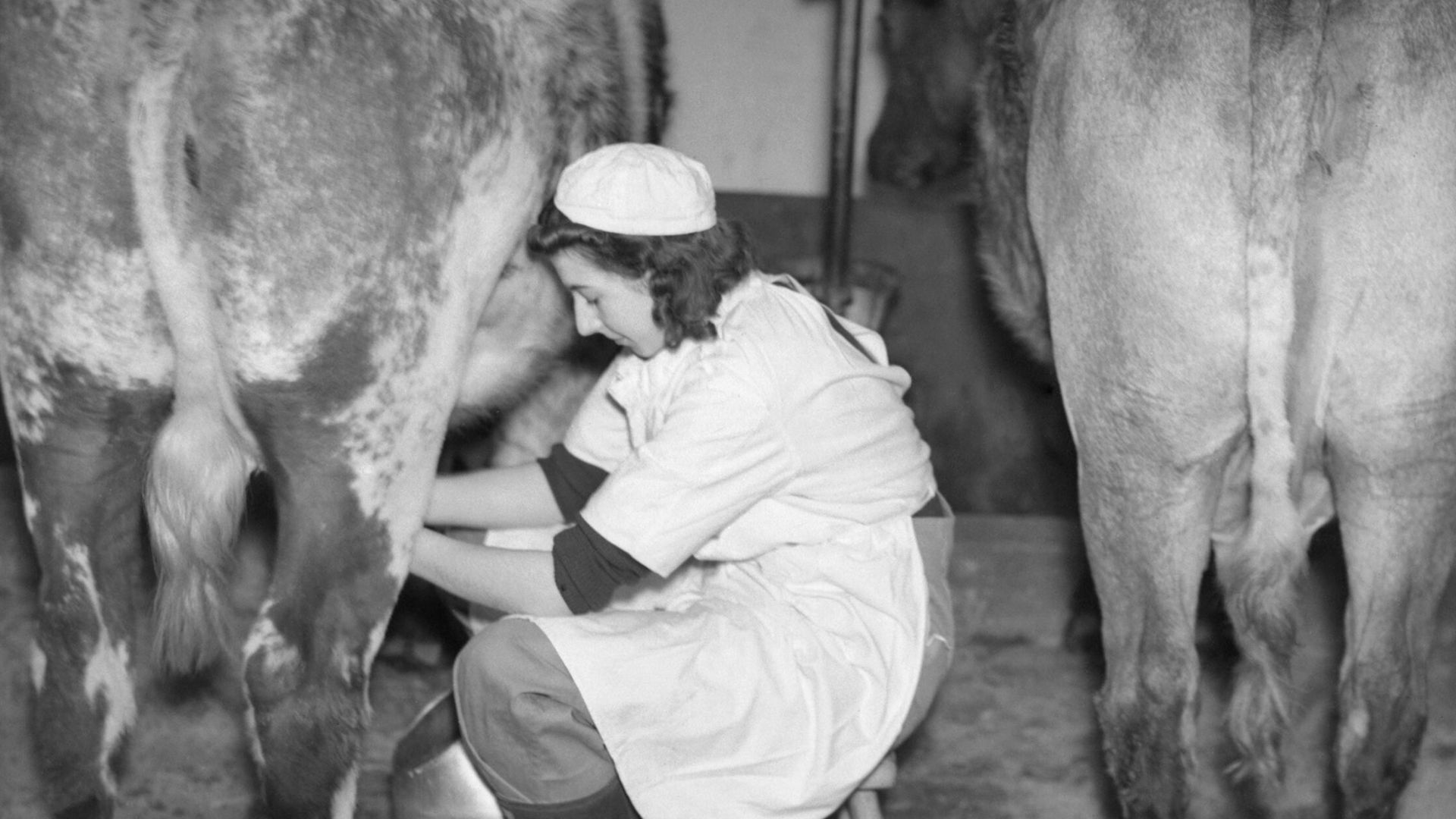
Milk Created Work Every Single Day
Keeping dairy animals also meant milking them on a schedule regardless of weather, illness, or competing household jobs. Turn-of-the-century farms combined milking with churning butter and making cheese. Refrigerators and industrial dairy production eventually removed much of that daily process from individual households.
 Ministry of Information Photo Division Photographer, Wikimedia Commons
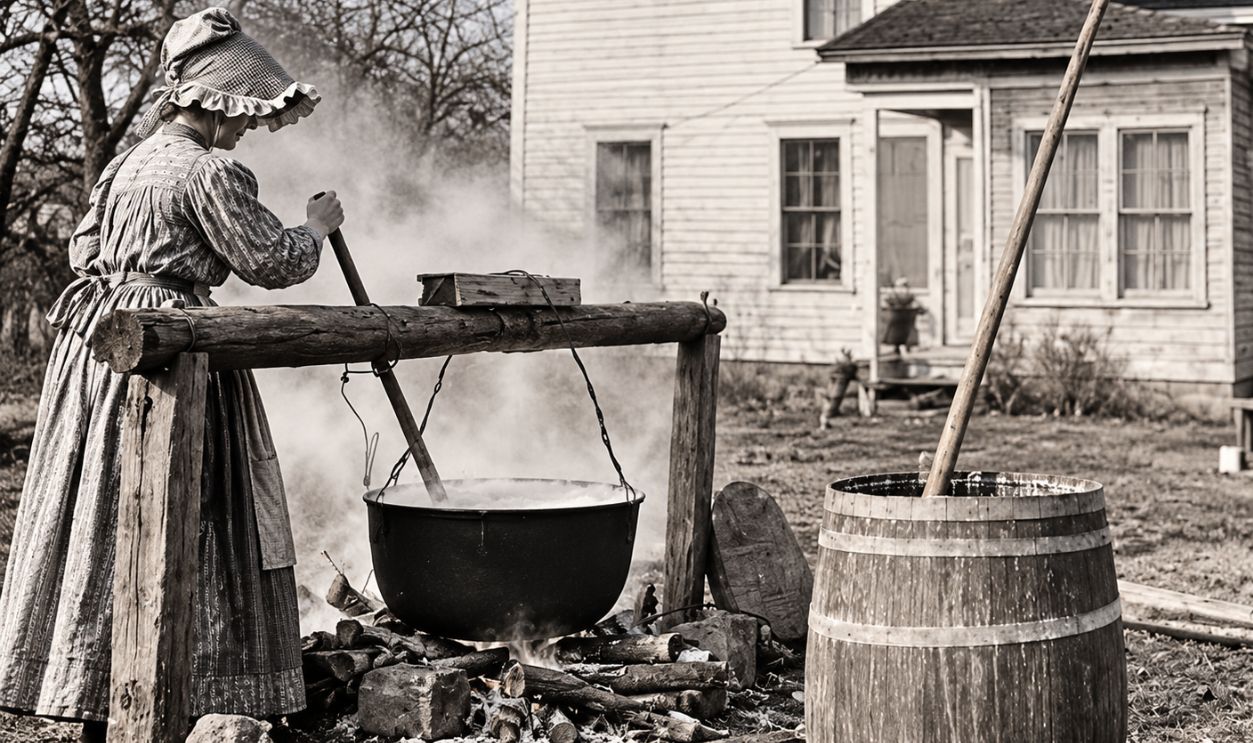
Soap Could Take The Whole Day
Laundry and bathing required soap, but frontier families could not always buy it conveniently. Traditional soap making involved producing lye from wood ashes, saving animal fat, heating ingredients, and boiling the mixture until it thickened. The National Park Service describes lye soap making in the Ozarks as an all-day undertaking.
 Unknown author, Wikimedia Commons, Enhanced
The Ingredients Could Burn You
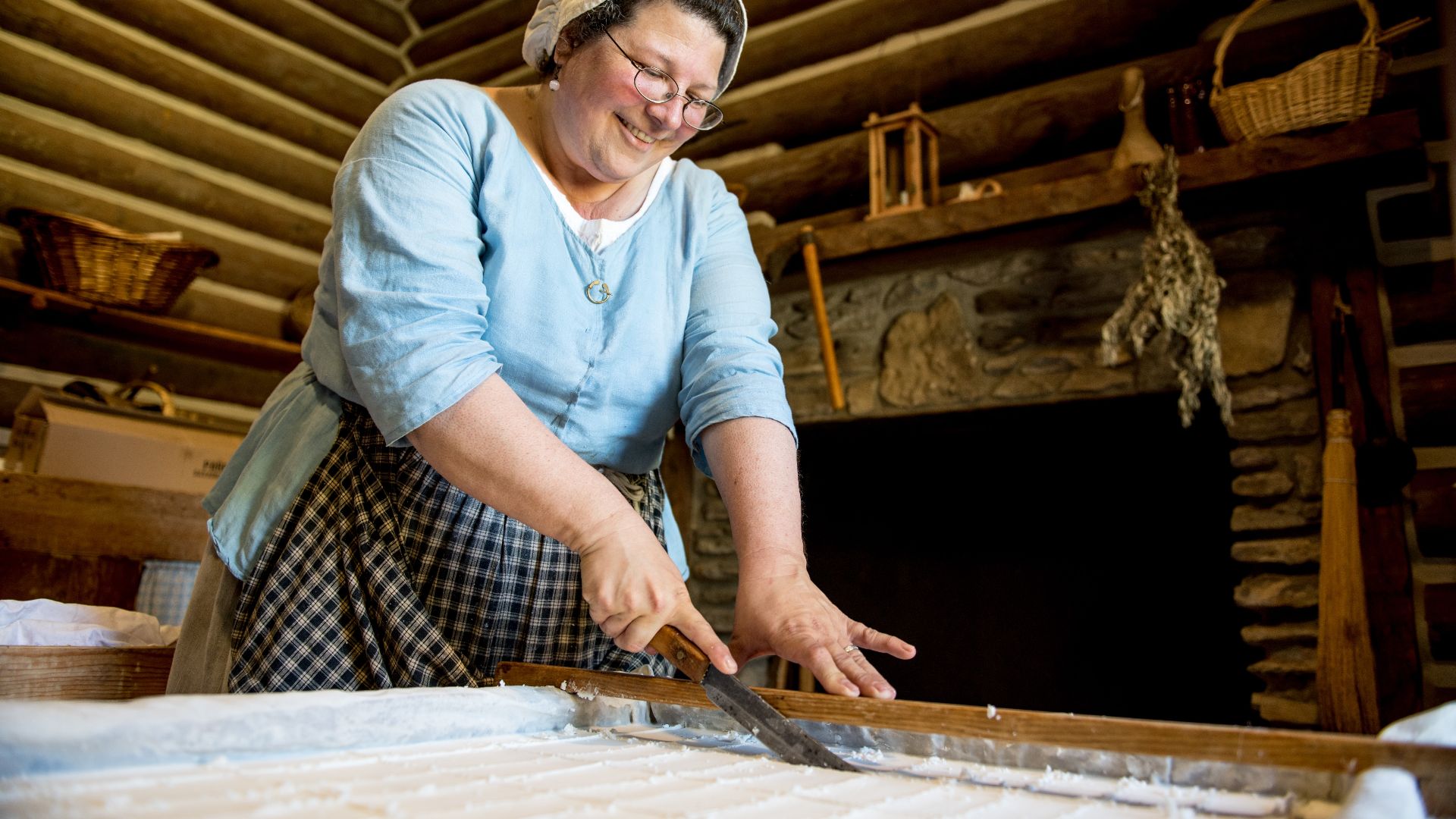
Homemade soap was not merely time-consuming. Lye was highly caustic, and getting the concentration wrong could damage skin or ruin the batch. Smithsonian experiments recreating 19th-century soap making found the mixing process tiring even with modern equipment, while historic households performed it with fire, heavy pots, and hand stirring.
Firewood Powered Almost Everything
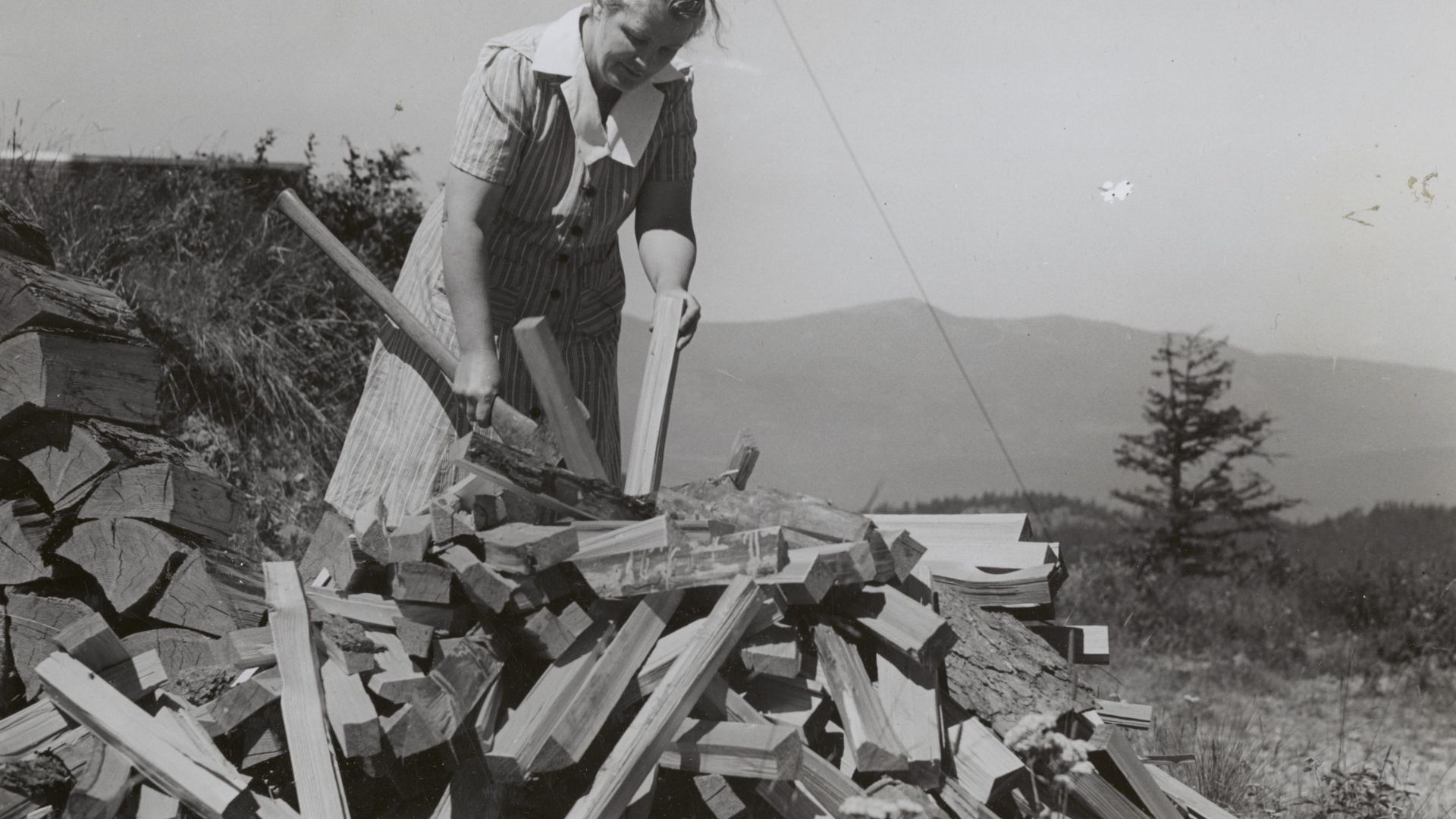
A house without electricity depended heavily on fuel. Wood might heat the rooms, cook dinner, warm bathwater, boil laundry, heat irons, and support food preservation. That meant chopping, splitting, hauling, stacking, drying, and continually feeding wood into fires before many other chores could even begin.
 Forest Service Photography, Wikimedia Commons
Losing The Fire Could Ruin The Schedule
The Library of Congress records households struggling when wood supplies ran low or water froze during winter. A fire was not background ambience because it functioned as the household's stove, furnace, water heater, and sometimes laundry equipment. Modern utilities removed an entire layer of preparation from almost every domestic task.
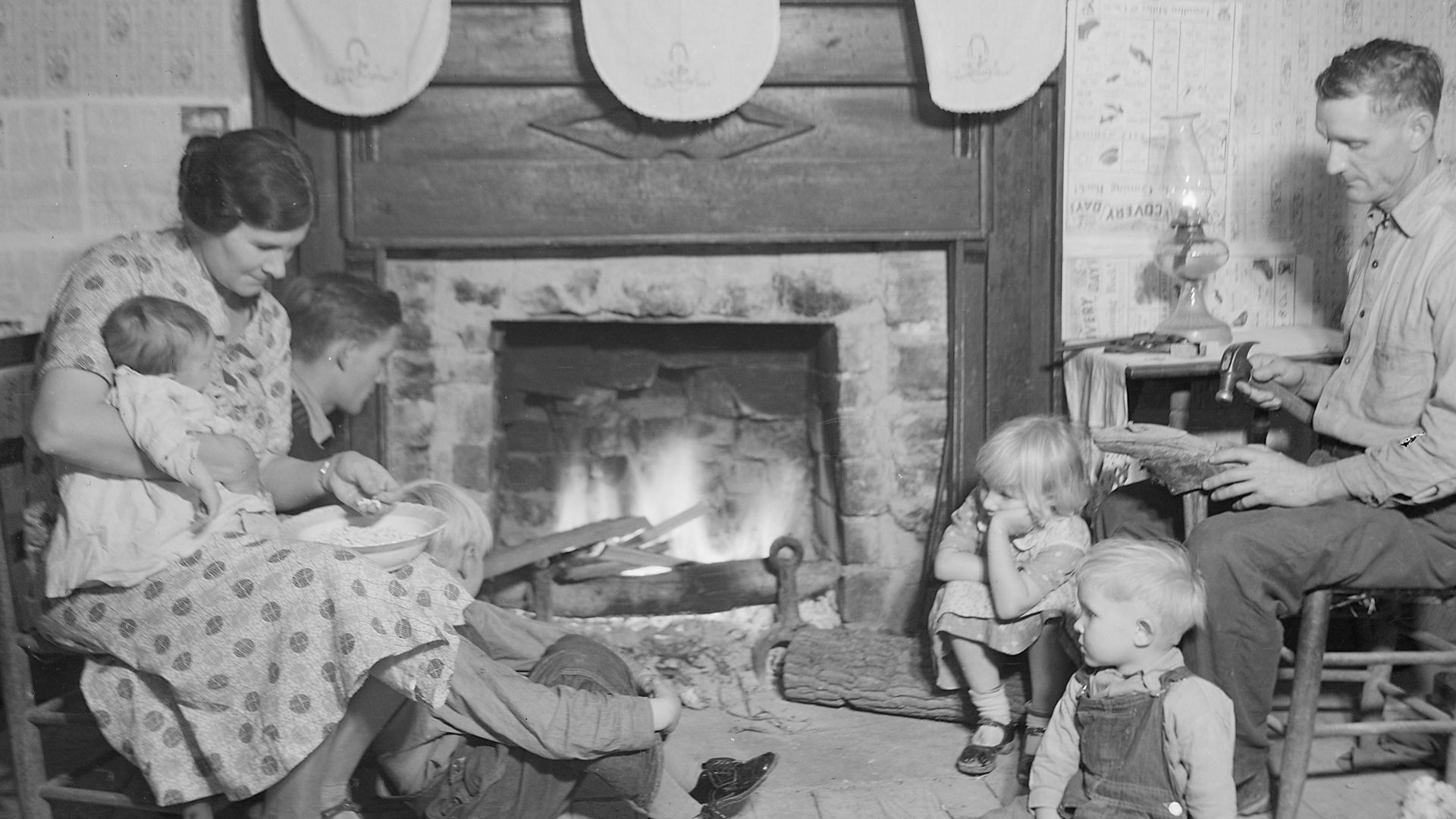
Electric Light Ended Another Daily Ritual
Before electrification, households relied on candles, oil lamps, or kerosene lamps after dark. Fuel had to be purchased or prepared, lamps refilled, wicks maintained, and glass cleaned when smoke accumulated. Rural American homes were still relying heavily on kerosene lighting during the first decades of the 20th century.
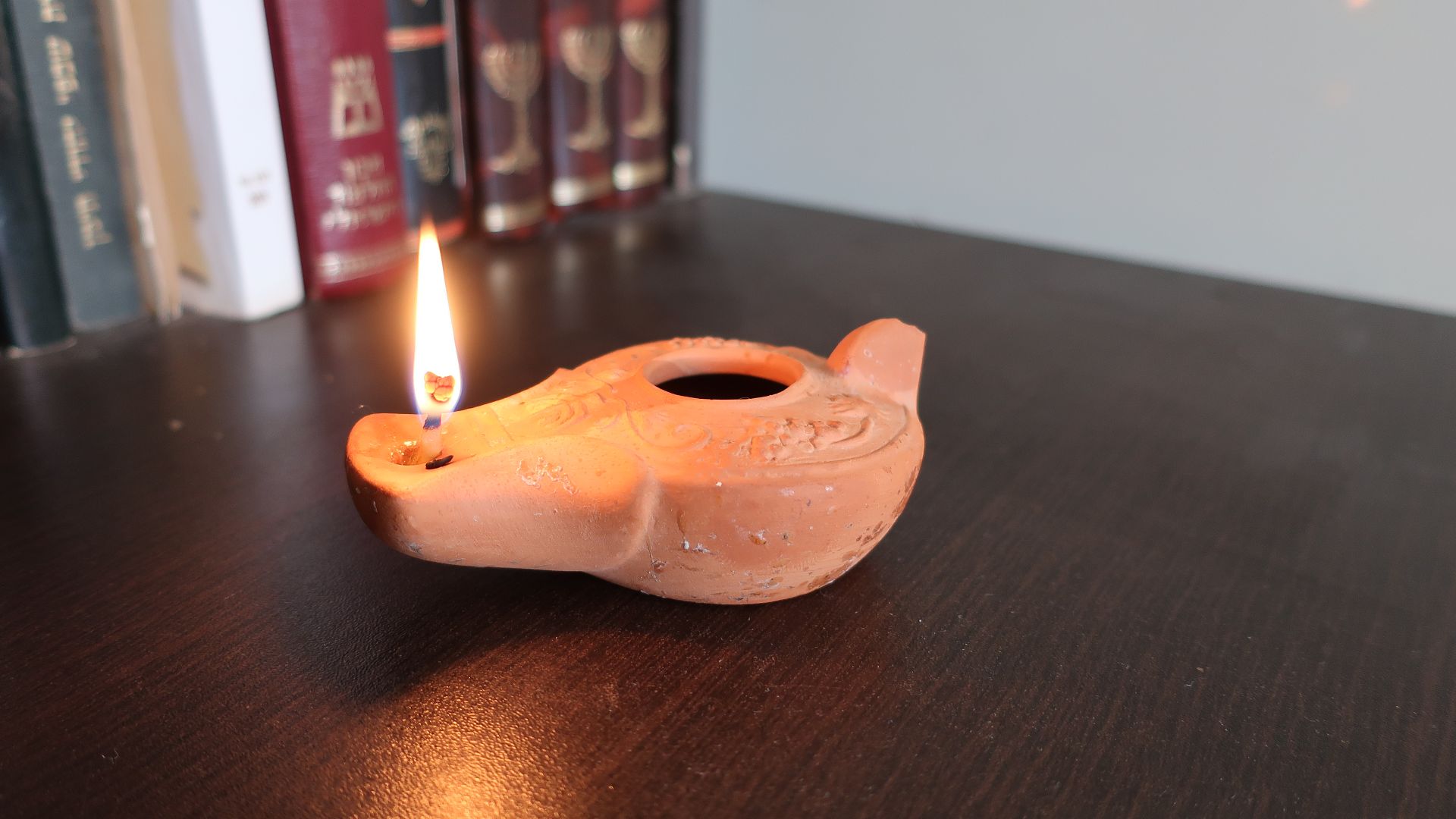
Then The House Finally Worked At A Switch
Electricity did more than replace the lamp flame. It made washing machines, vacuums, refrigerators, irons, water pumps, and countless later appliances practical in ordinary homes. What disappeared was not simply a collection of quaint old chores, but thousands of hours of repetitive physical labor that previous generations had little choice but to perform.
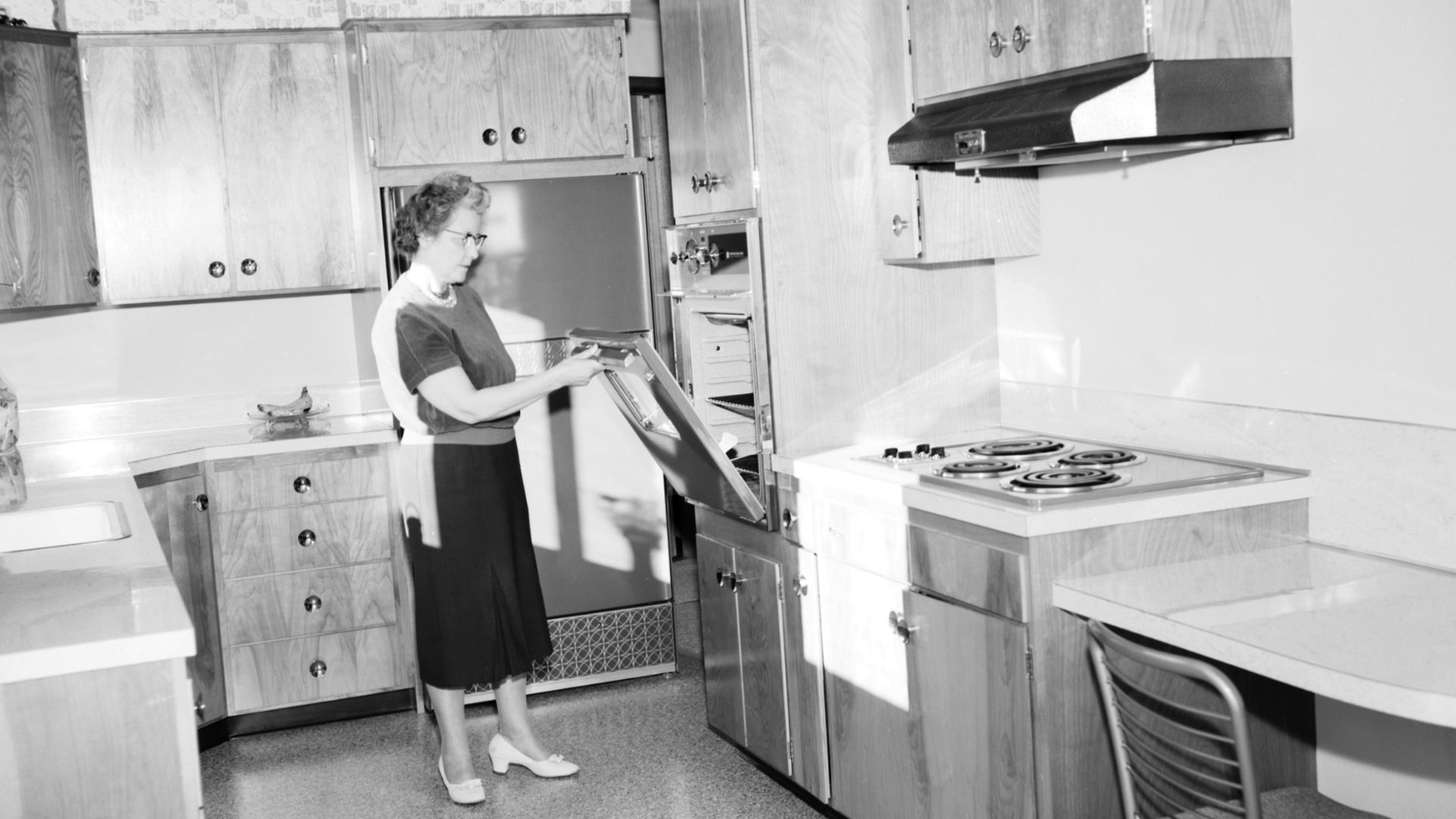 Seattle Municipal Archives from Seattle, WA, Wikimedia Commons
You May Also Like:
Forgotten Brands That Once Sat In Almost Every American Kitchen
Everyday Items From The Past That We Should Bring Back
Sources: 1, 2, 3, 4, 5, 6, 7, 8, 9, 10, 11, 12, 13, 14, 15, 16, 17, 18, 19, 20, 21, 22, 23, 24