When American Kitchens Were Filled With Familiar Names
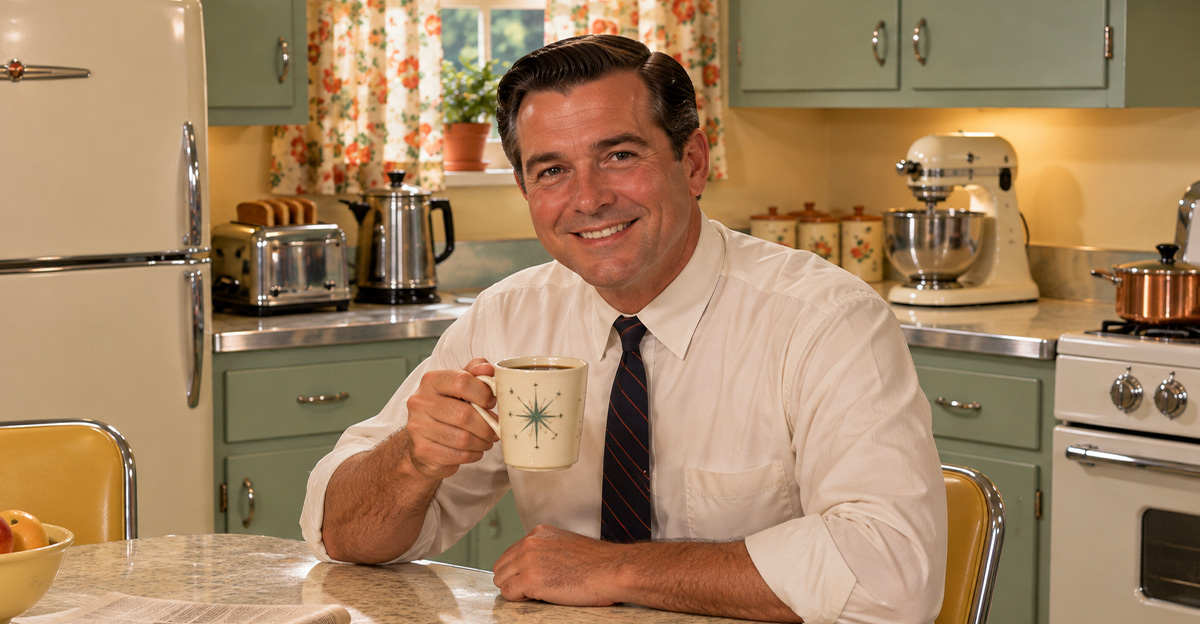
Remember when a kitchen appliance was something you bought once and expected to last forever? Throughout the 1950s, 1960s, and 1970s, American kitchens were filled with brands that became as familiar as the family sitting around the dinner table. Some disappeared, while others survive in name only or are far less recognizable today. How many of these old kitchen favorites do you remember?
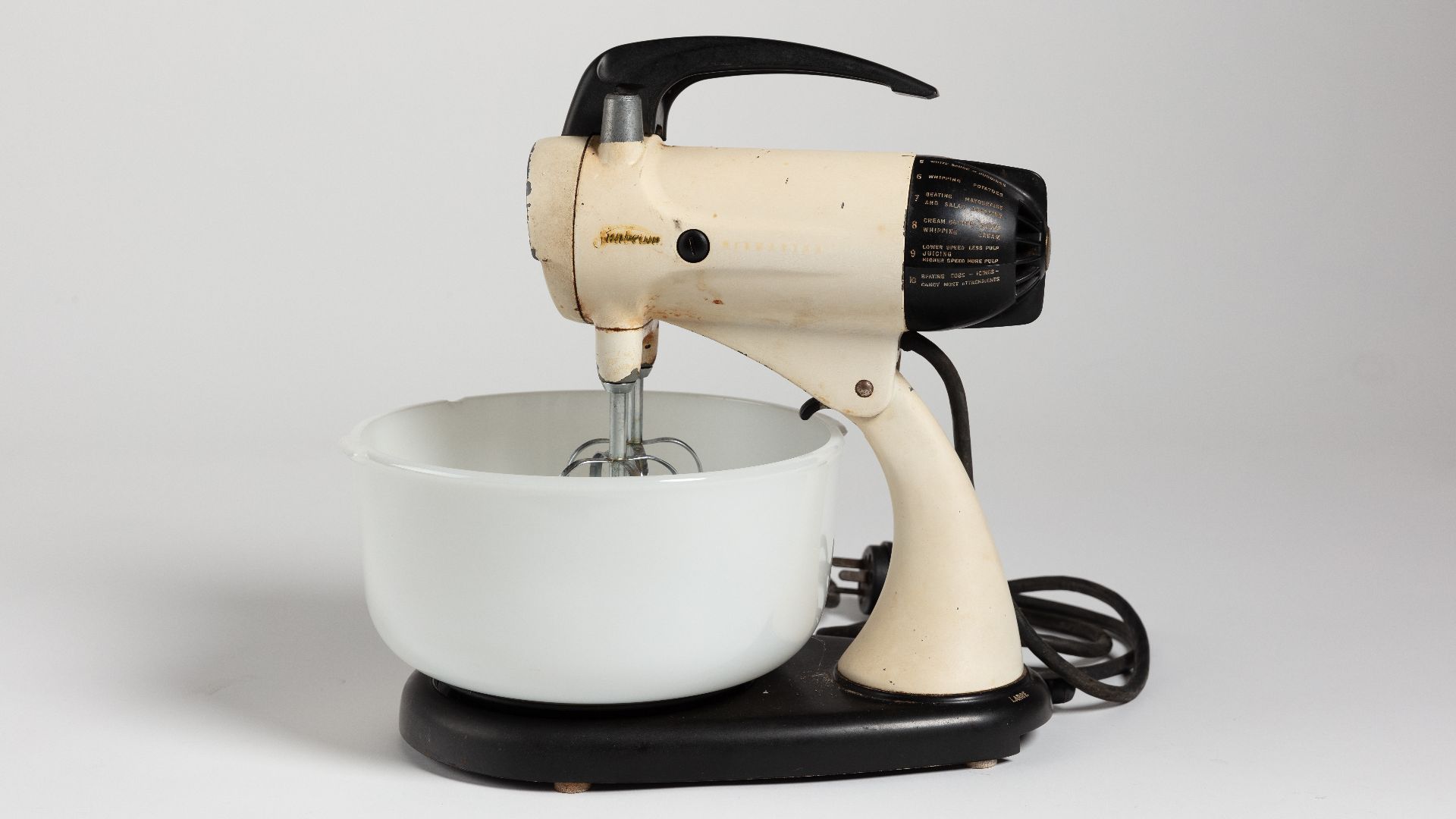
Sunbeam: The Mixer That Meant Business
Long before fancy kitchen gadgets came with digital screens, there was the Sunbeam Mixmaster. This powerful machine tackled everything from birthday cakes to Sunday mashed potatoes. Sunbeam also made electric frying pans, toasters, and percolators. If your mother owned a Mixmaster, chances are she treated it like another member of the family.
 Auckland War Memorial Museum, Wikimedia Commons
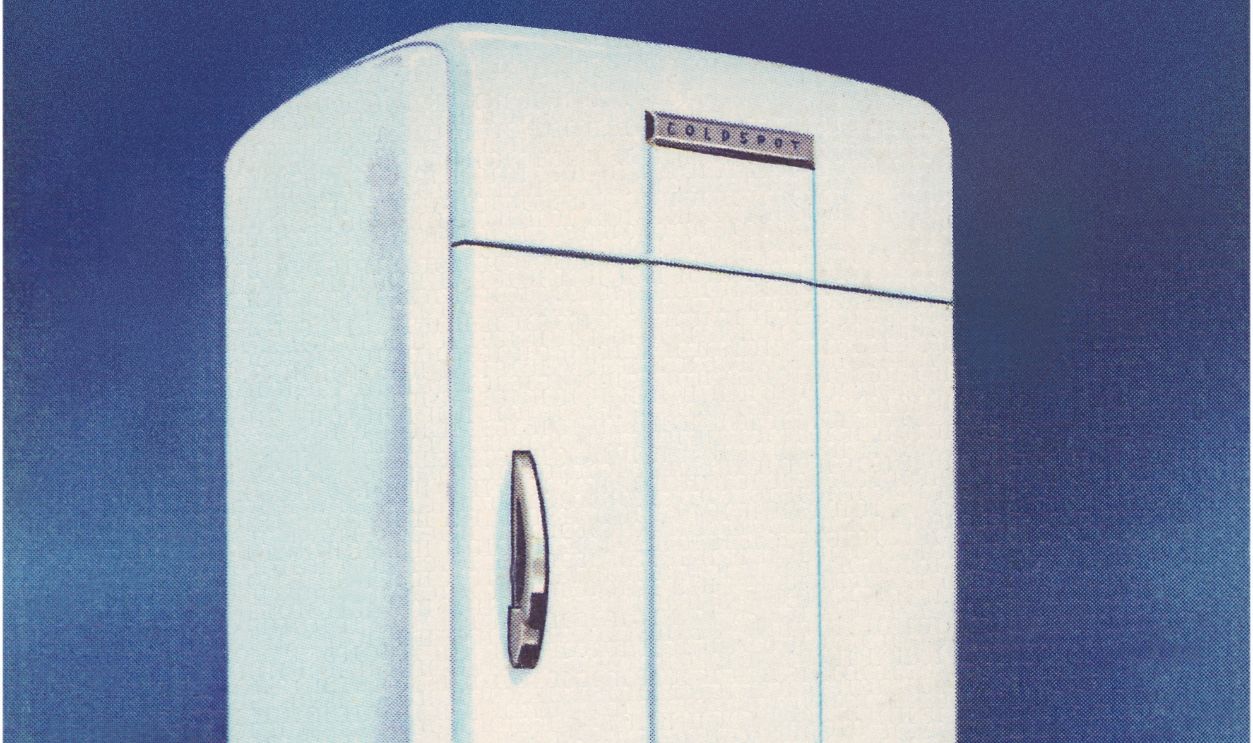
Coldspot: The Refrigerator From Sears
Before Kenmore became the familiar name on Sears refrigerators, Coldspot was keeping America's groceries chilled. Introduced in 1928, Coldspot refrigerators became fixtures in homes across the country. They were sturdy, dependable, and often enormous. Sears eventually replaced the Coldspot name with Kenmore in the 1970s, ending an era of American kitchen history.
 Found Image Holdings Inc, Getty Images
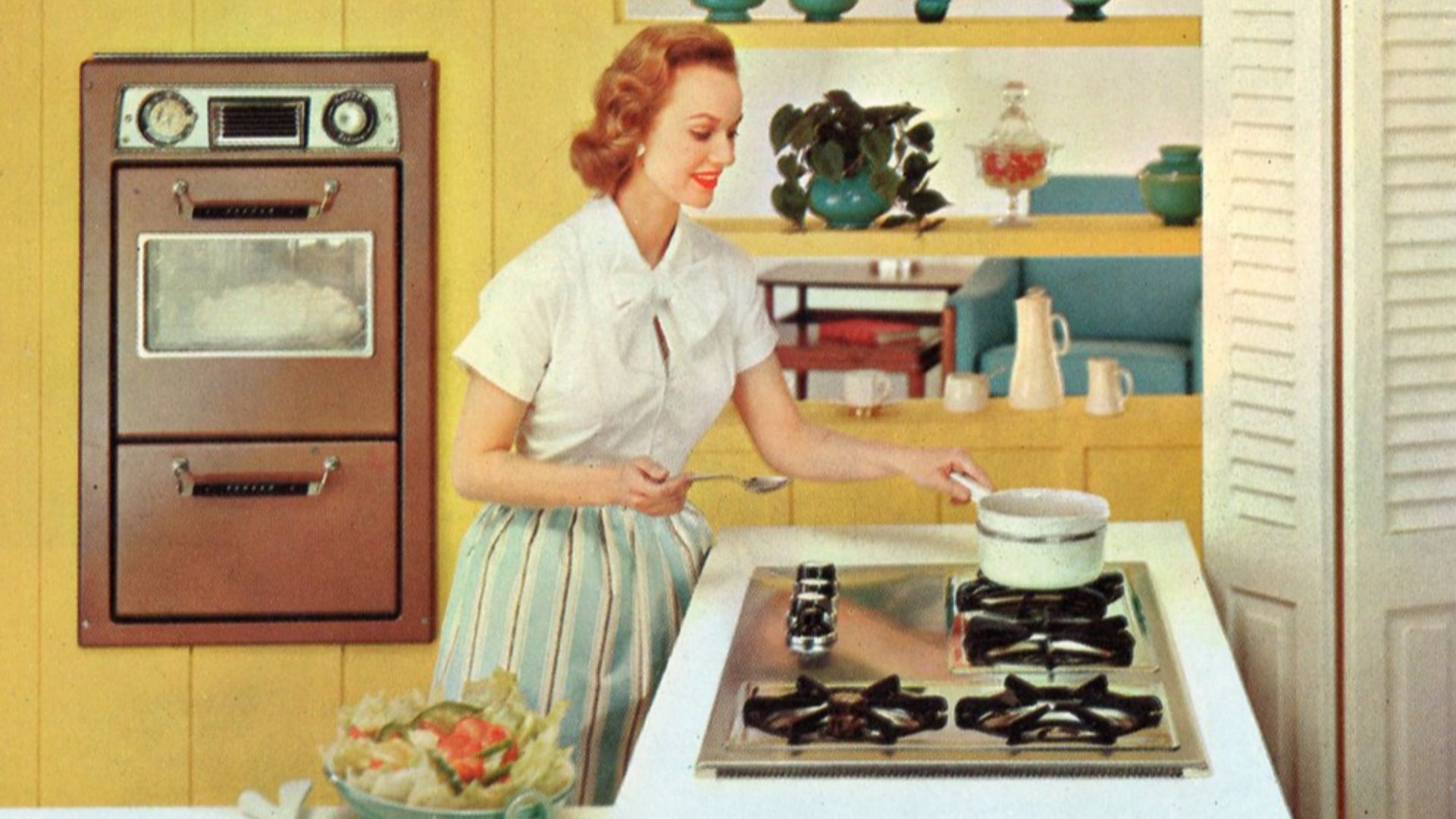
Tappan: The Stove That Cooked Everything
If you grew up eating Sunday roasts prepared on a Tappan stove, you're certainly not alone. Tappan was a major name in American cooking appliances, offering dependable ranges and ovens. The company also helped popularize microwave cooking. Although the Tappan name eventually disappeared from mainstream appliance showrooms, plenty of older Americans still remember those familiar kitchen ranges.
Mirro: The Aluminum Cookware Everybody Recognized
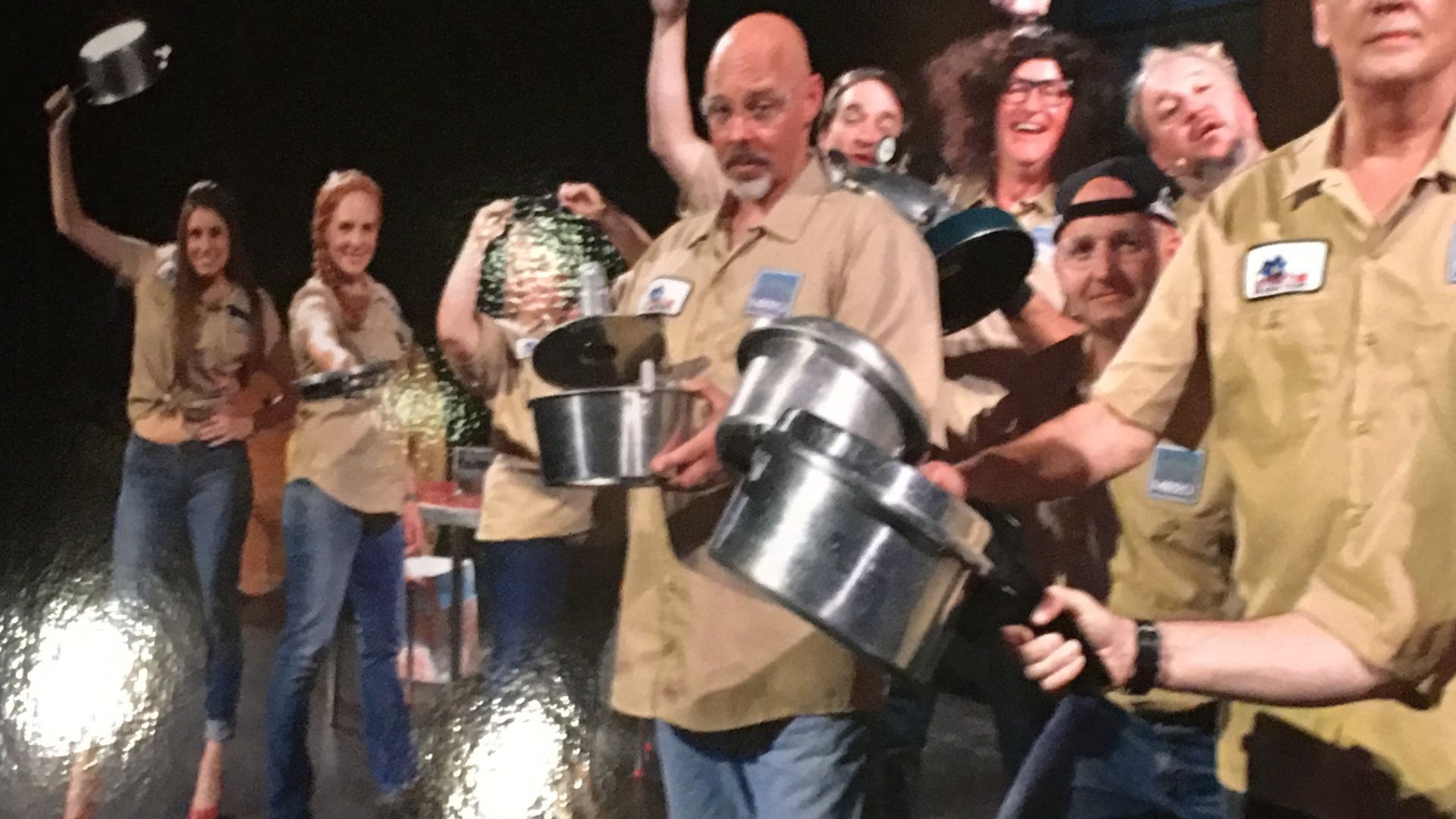
A shiny Mirro aluminum saucepan was practically a kitchen essential for generations of American families. Based in Manitowoc, Wisconsin, Mirro produced everything from baking pans to pressure cookers. Its cookware was affordable and familiar. The original American manufacturing company closed in 2003, although the Mirro brand itself continued under different ownership.
 Michael Steeber from USA, Wikimedia Commons
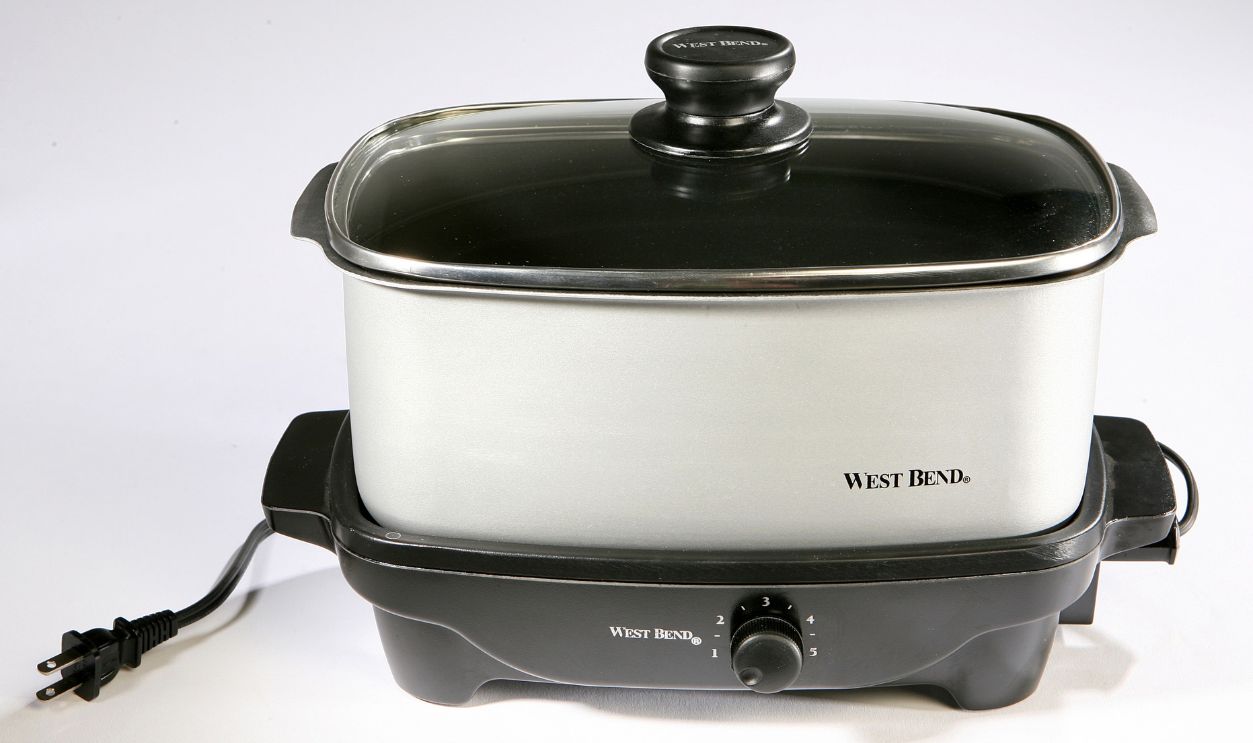
West Bend: The King Of Countertop Gadgets
West Bend seemed determined to manufacture something for every possible kitchen task. Its electric frying pans, slow cookers, popcorn makers, and coffee percolators became household favorites. During the 1970s, the company expanded into specialty appliances that promised to make cooking easier. Of course, finding cupboard space for all those gadgets was another matter entirely.
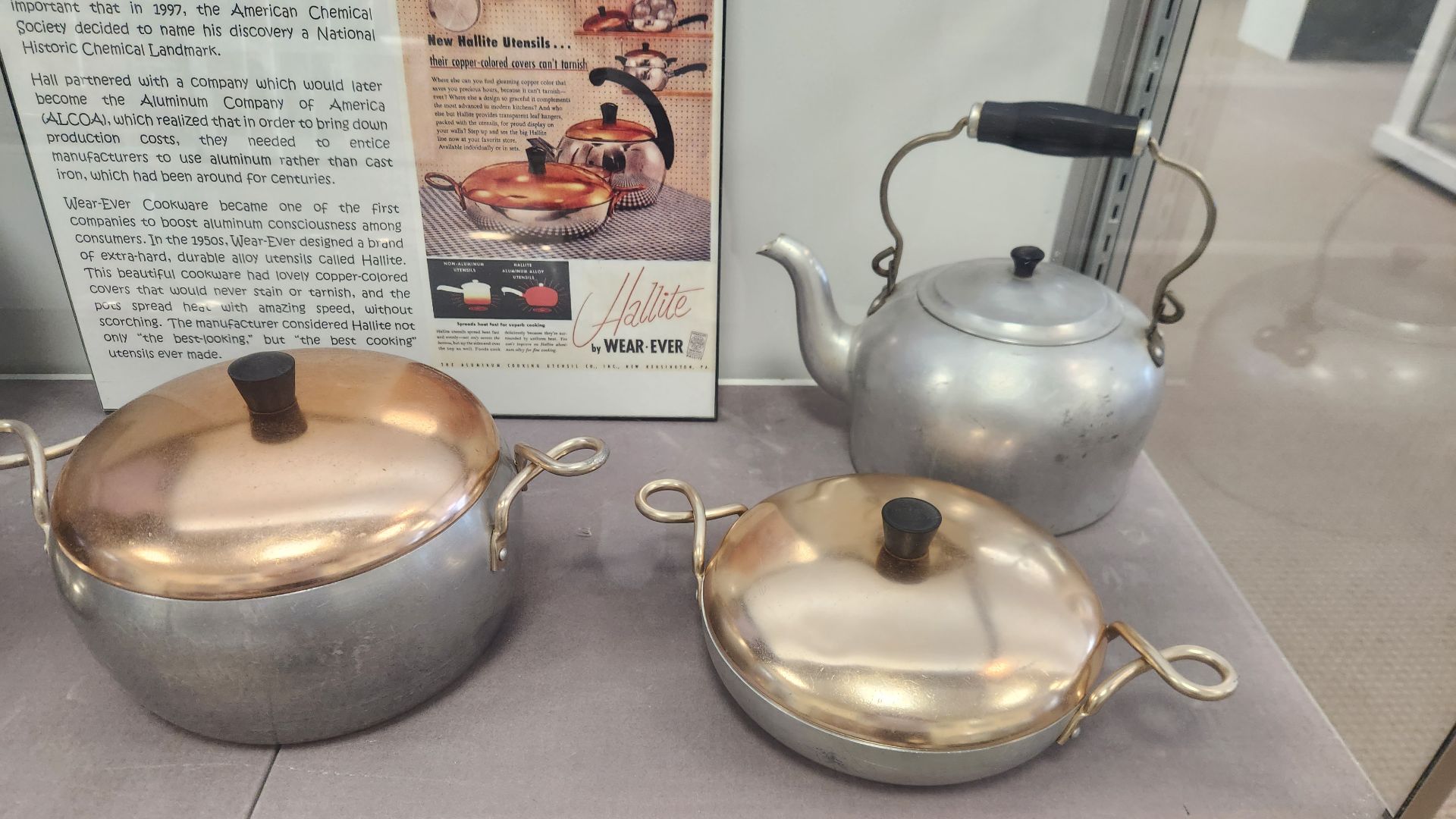
Wear-Ever: The Pots That Refused To Retire
Wear-Ever aluminum cookware was a familiar sight in American kitchens long before today's expensive specialty pots became fashionable. Its saucepans, roasting pans, and skillets handled decades of family dinners. Many pieces were passed down between generations. If you inherited one, there's a reasonable chance it outlasted several newer replacements purchased along the way.
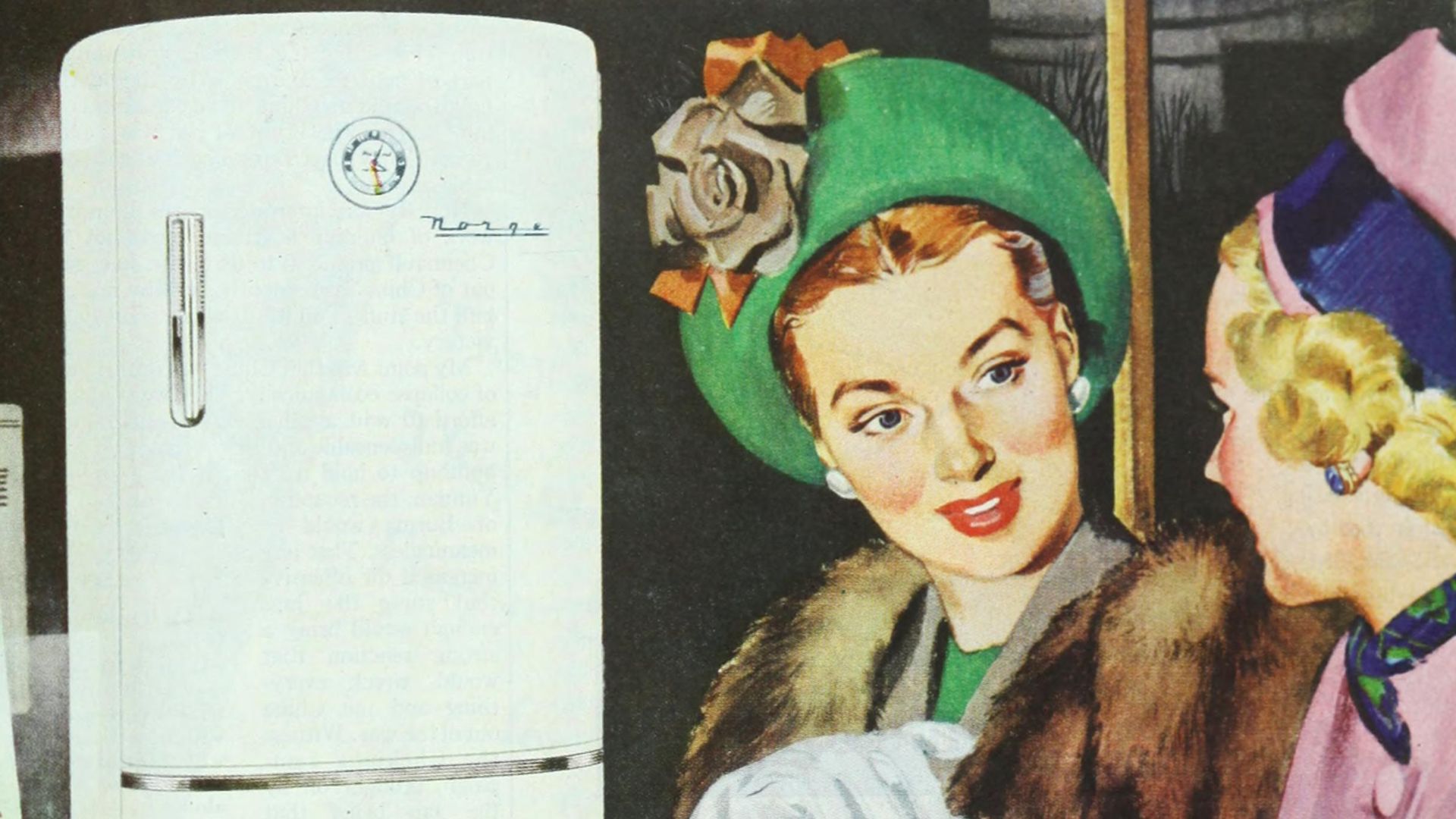
Norge: The Refrigerator With A Familiar Name
Norge was once a recognizable American appliance manufacturer, selling refrigerators, freezers, and other household machines. During the 1960s, the company was experimenting with convenient features such as automatic ice makers. Eventually, ownership changes and consolidation pushed the Norge name out of American showrooms. For former owners, however, the name still brings back memories of an earlier kitchen.
 Wyeth, N. C. (Newell Convers), 1882-1945, Wikimedia Commons
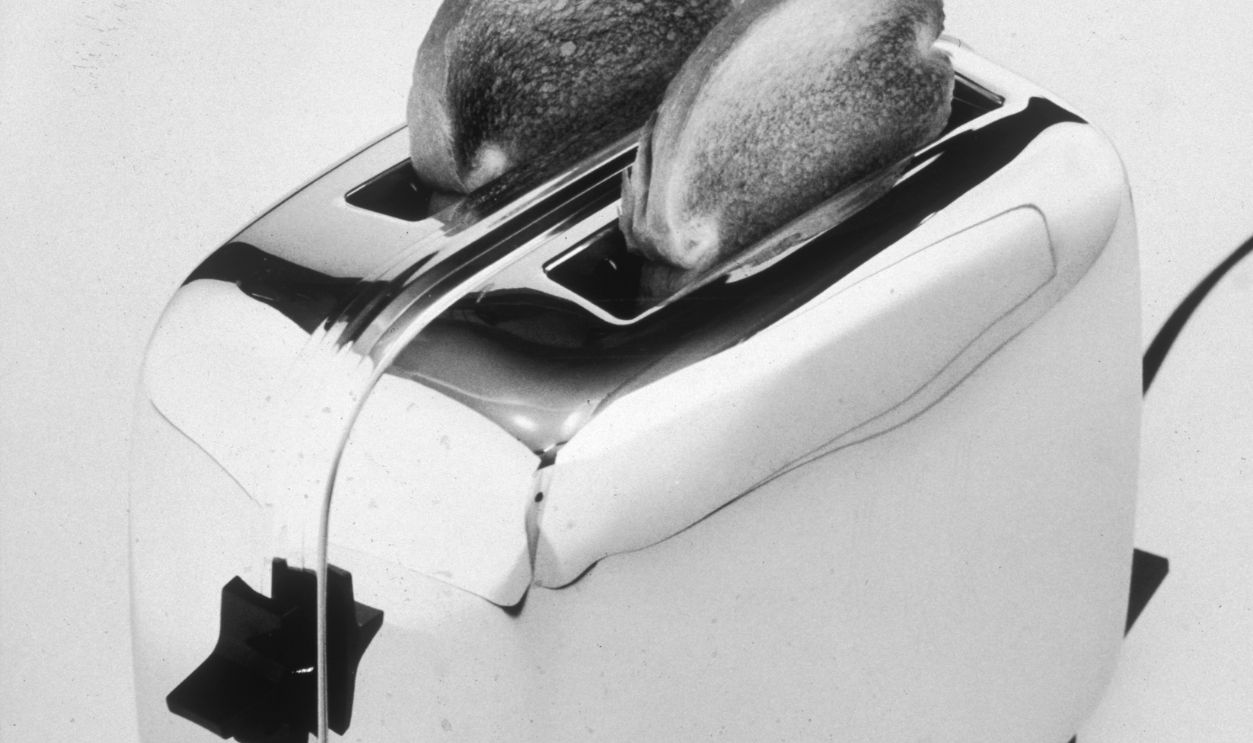
Toastmaster: The Breakfast Table Champion
Before cheap plastic toasters became commonplace, Toastmaster made beautiful chrome machines that looked built for the long haul. The brand helped pioneer automatic pop-up toasters and became a familiar fixture on American countertops. Some vintage models were constructed so solidly that collectors still restore them today. Nothing quite says breakfast in 1958 like a gleaming Toastmaster.
 Harold M. Lambert, Getty Images

History's most fascinating stories and darkest secrets, delivered to your inbox daily.
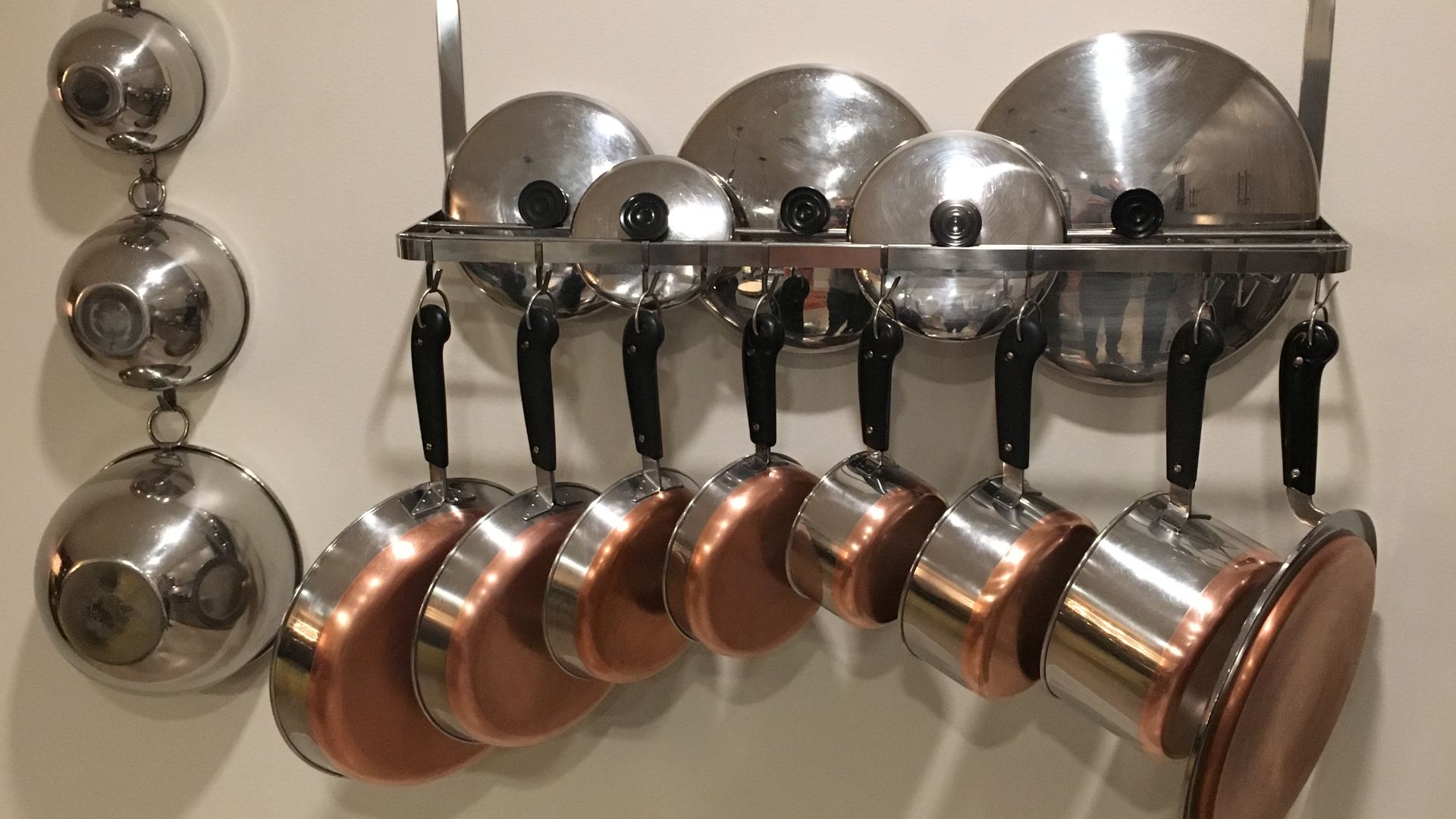
Revere Ware: Those Famous Copper-Bottom Pots
For countless families, the sight of copper-bottomed Revere Ware cookware meant dinner was on its way. These distinctive pots and pans were practical, recognizable, and often treasured wedding gifts. They could survive years of soups, stews, and holiday cooking. Modern Revere Ware is no longer the everyday kitchen staple it once was, but vintage examples still attract loyal fans.
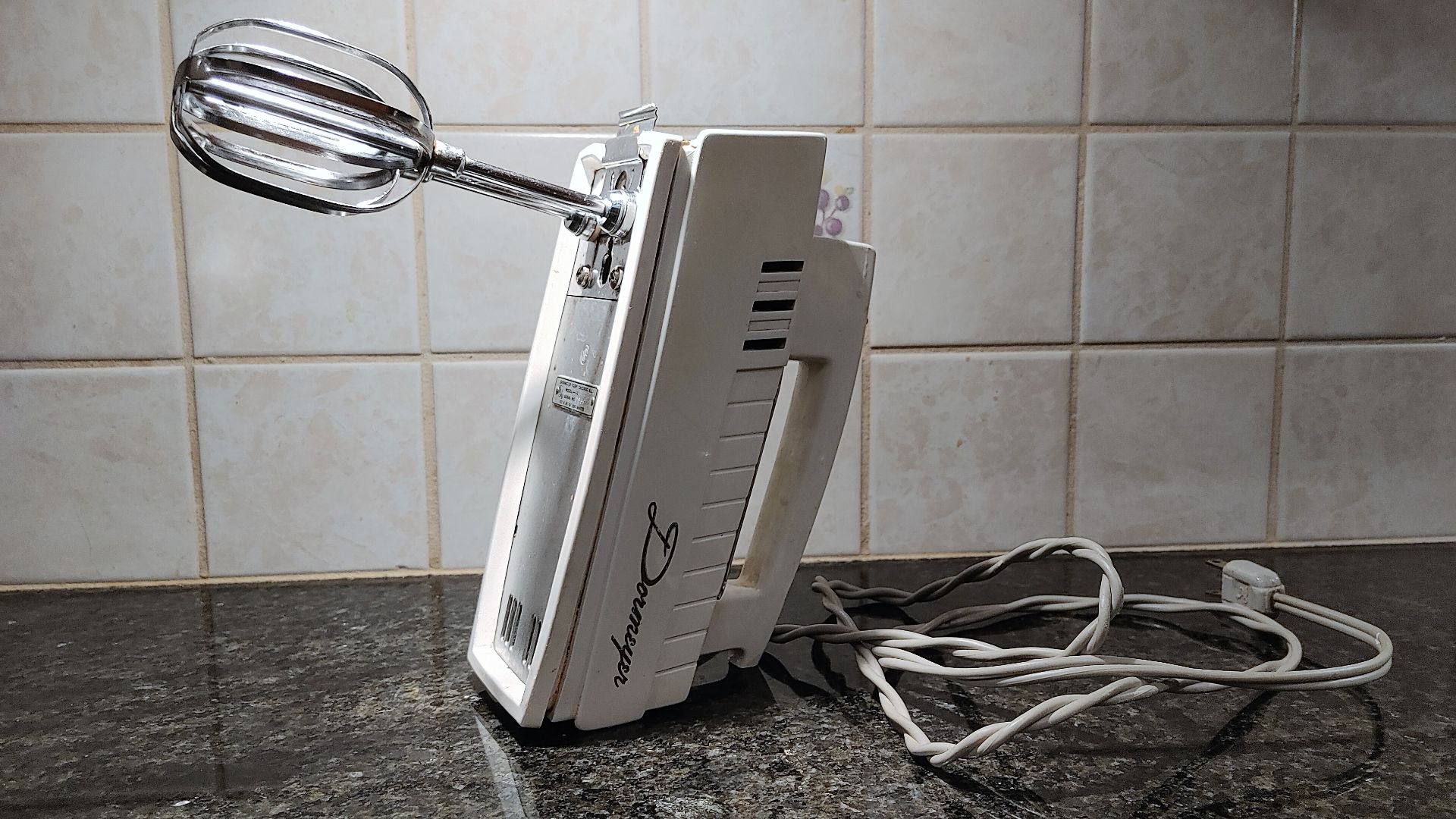
Dormeyer: The Mixer That Time Forgot
Before today's countertop mixers became kitchen status symbols, Dormeyer offered sturdy electric mixers that promised to simplify baking. Its popular models appeared throughout the mid-20th century, with innovative designs that helped shape modern kitchen appliances. Dormeyer eventually faded away, but its machines remain a wonderful reminder of an era when even an electric mixer looked like serious industrial equipment.
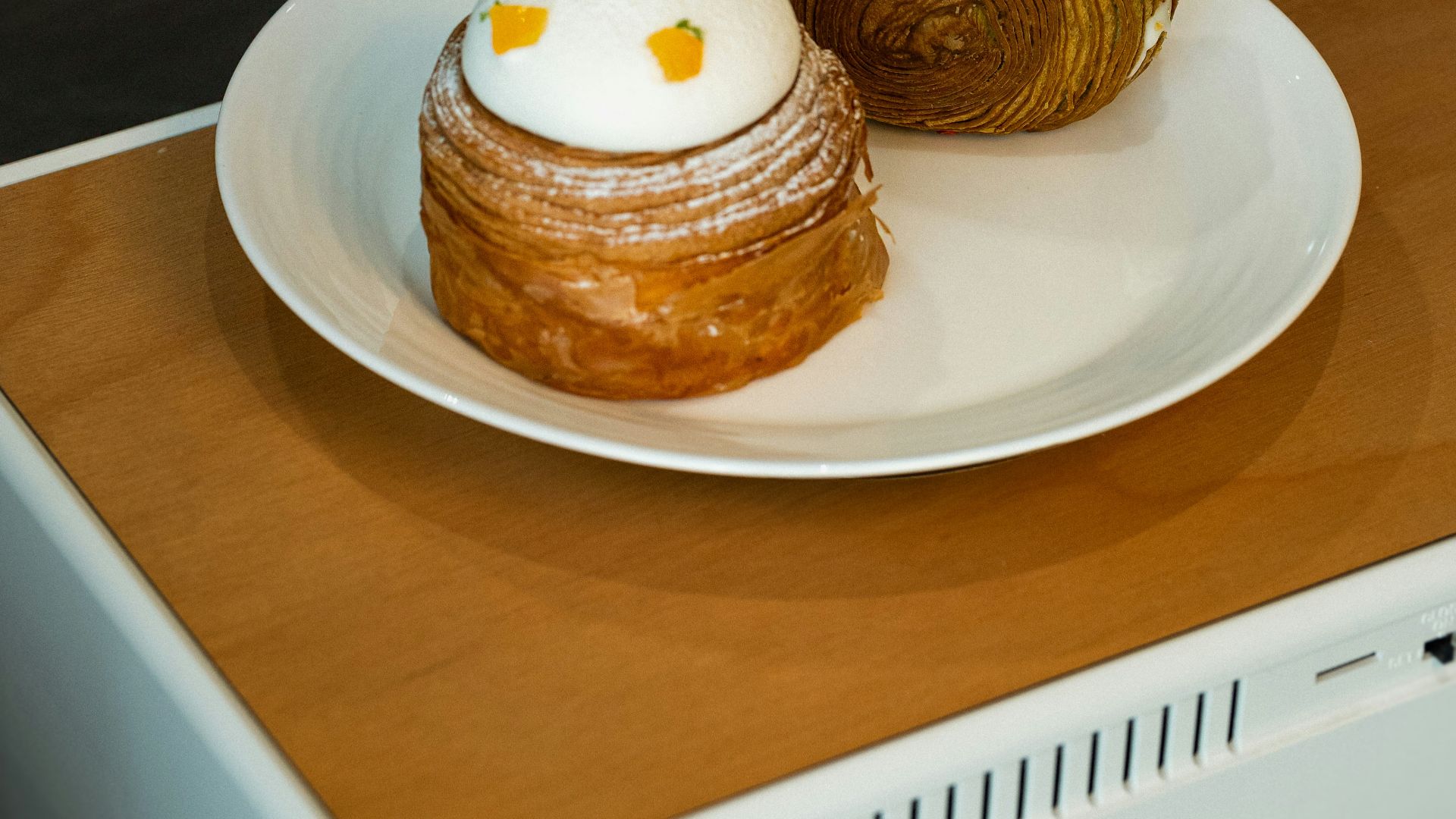
Salton: The Hotray That Saved Dinner Parties
Remember the Salton Hotray? This electric warming tray kept casseroles and serving dishes warm while everybody gathered around the table. It became particularly popular during the 1950s and 1960s, when entertaining at home was serious business. As microwave ovens became more common, warming trays gradually lost their appeal. Salton survives, but the Hotray's glory days are behind it.
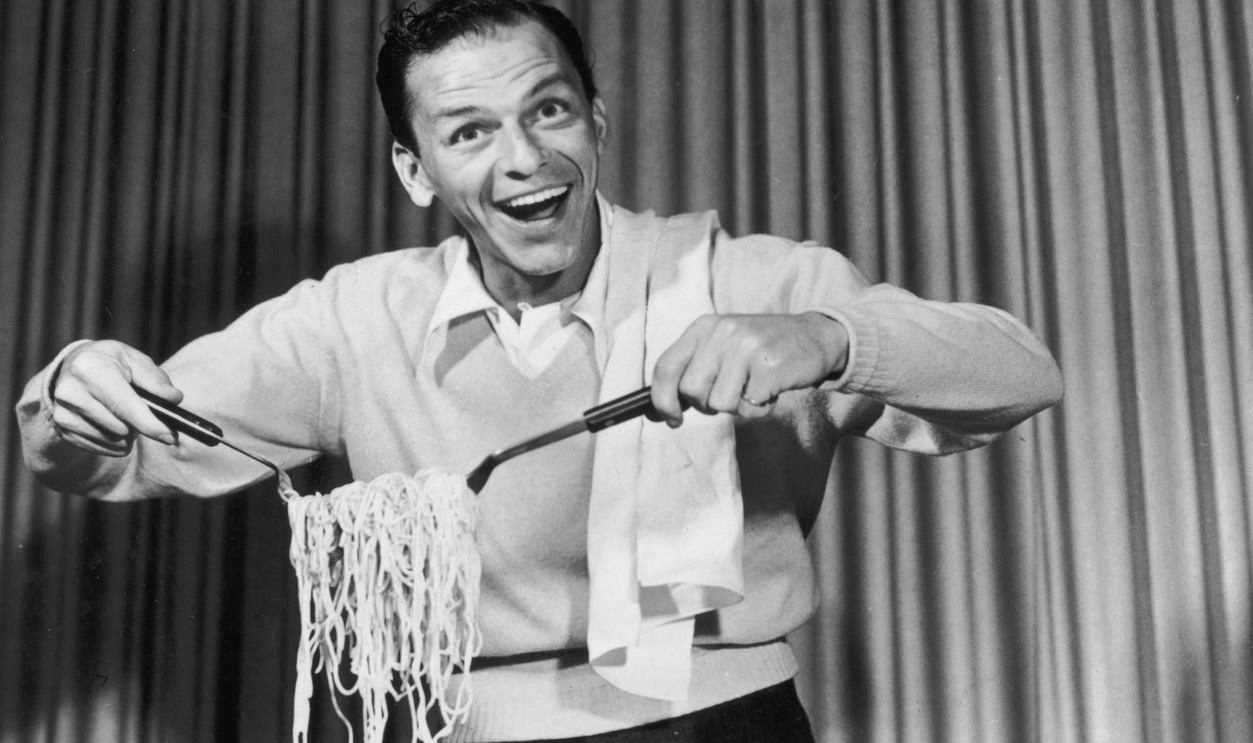
Ekco: The Name Hiding In Every Drawer
Open a typical mid-century kitchen drawer and you might have found several utensils stamped with the Ekco name. The company manufactured spatulas, strainers, measuring tools, and countless other household essentials. Ekco became such a force in American kitchenware that Time profiled its success in 1952. Today, many people recognize those old utensils without remembering who made them.
 CBS Photo Archive, Getty Images
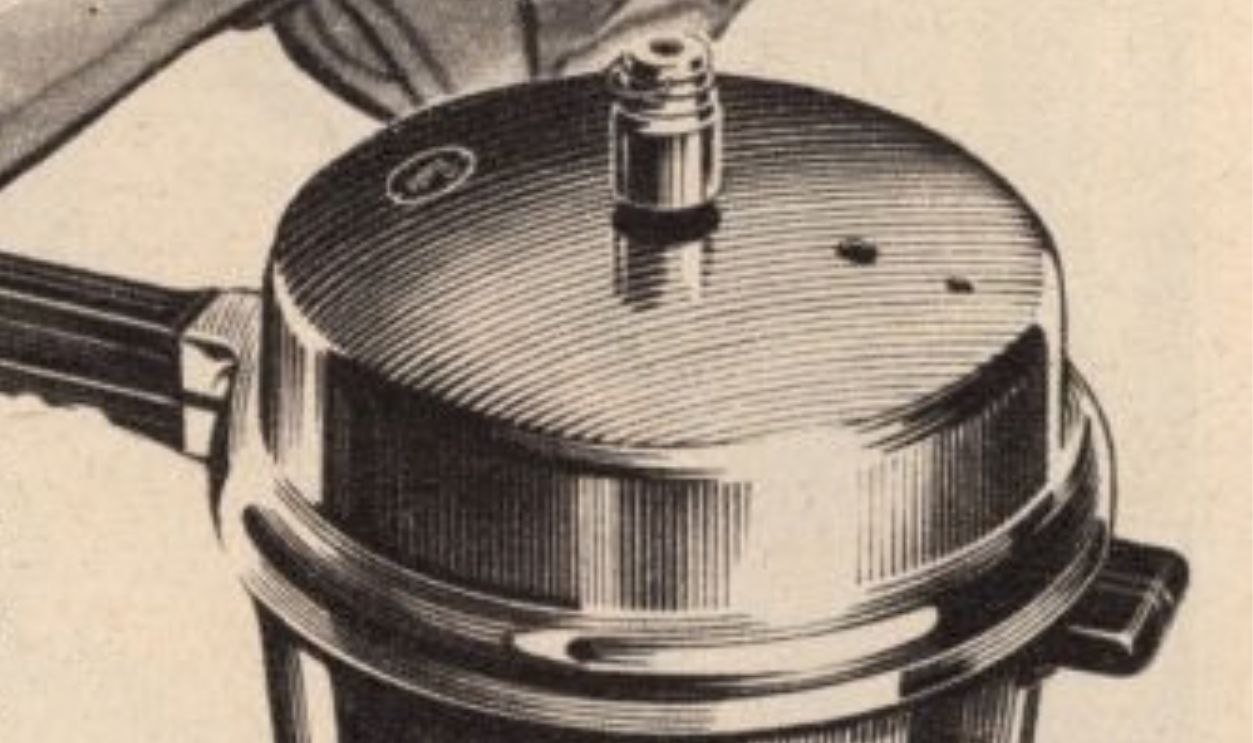
Presto: The Pressure Cooker Everybody Respected
Few kitchen appliances commanded attention quite like an old Presto pressure cooker. These sturdy machines helped families prepare meals faster, especially when tougher cuts of meat needed serious cooking time. Presto also sold electric appliances and canning equipment. The brand continues today, but its vintage pressure cookers remain especially memorable to anyone who grew up hearing one hissing on the stove.
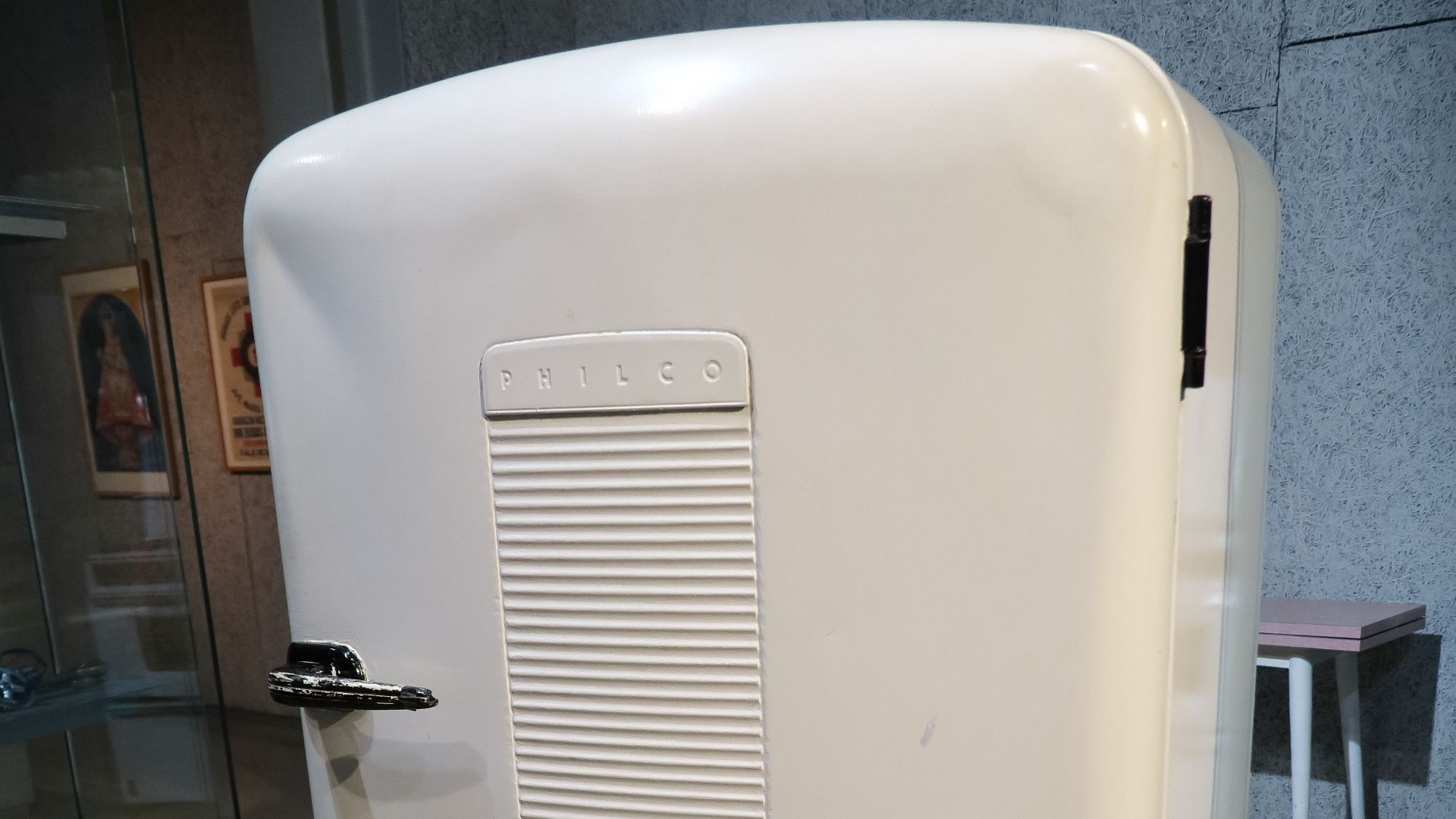
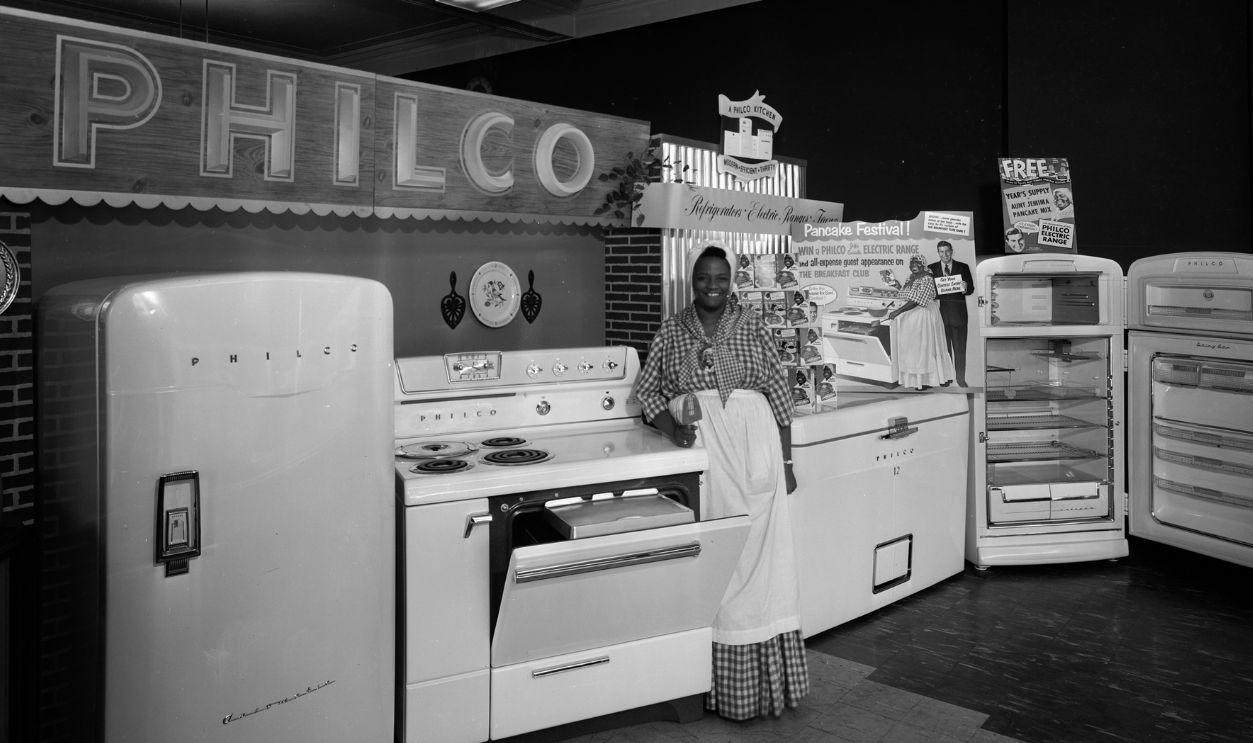
Philco: When A Radio Company Made Refrigerators
Most Americans associate Philco with radios and televisions, but the company also manufactured refrigerators and other household appliances. Its kitchen products competed in a crowded marketplace during the postwar boom. Eventually, the Philco name faded from American appliance stores. Still, a vintage Philco refrigerator can bring back memories of a time when every major manufacturer seemed eager to conquer the kitchen.
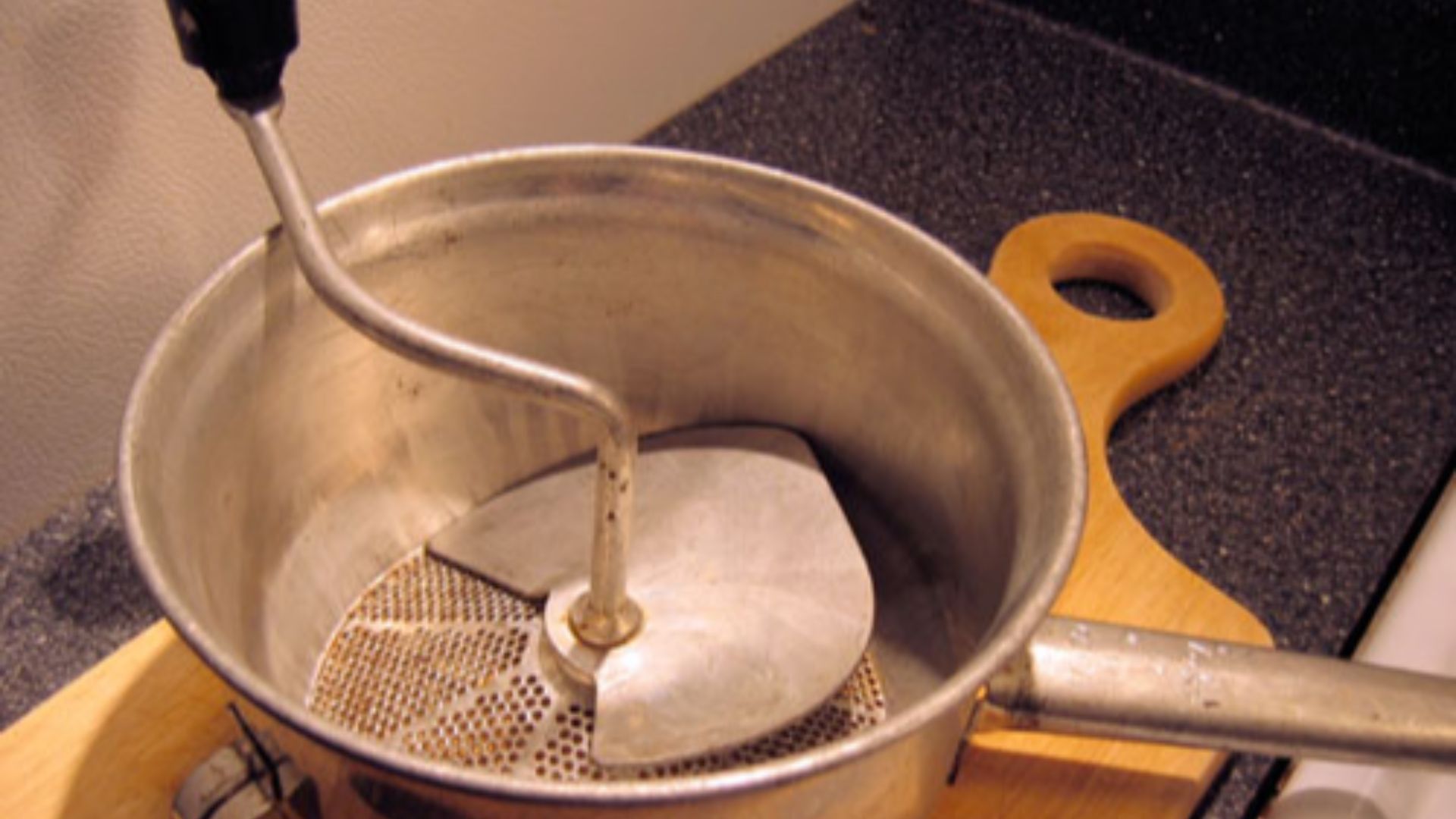
Foley: The Food Mill That Required Elbow Grease
Before food processors took over American countertops, the Foley Food Mill was a kitchen workhorse. Its simple hand-cranked design transformed cooked vegetables and fruit into smooth sauces and purees. Making homemade applesauce or preparing tomatoes for canning could mean plenty of turning that handle. The machine required some effort, but it never needed batteries, software updates, or an instruction video.
 Rickwakenyc at English Wikipedia, Wikimedia Commons
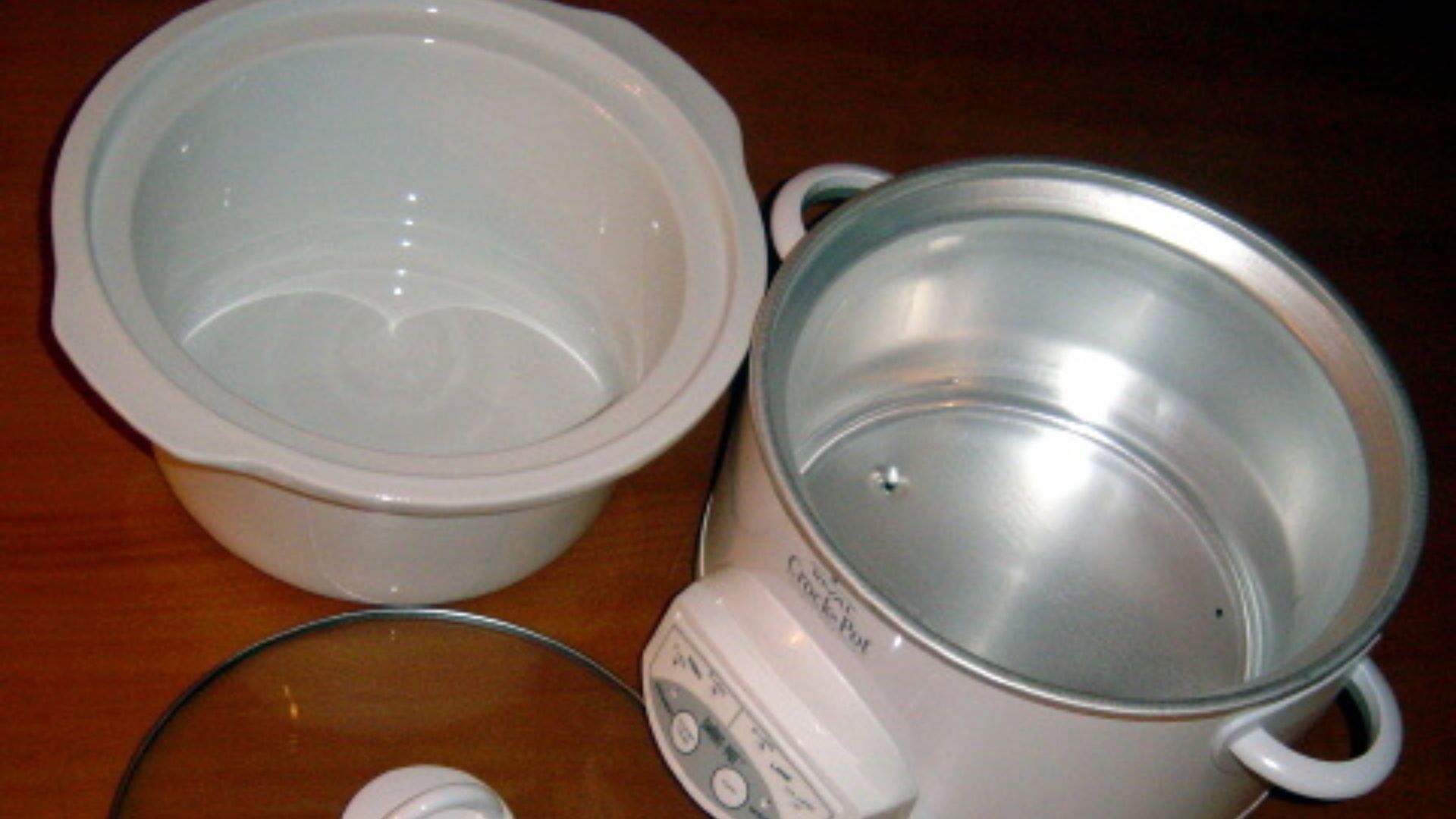
Rival: The Crock-Pot That Changed Family Dinners
Rival became famous for bringing the Crock-Pot slow cooker into American homes during the 1970s. Suddenly, families could prepare ingredients in the morning and return home to a ready-made dinner. Rival also manufactured other small appliances, including can openers and food-preparation gadgets. Although Crock-Pot remains a recognizable name, the original Rival branding has largely retreated from everyday conversation.
 Kowloonese at en.wikipedia, Wikimedia Commons
Club Aluminum: The Colorful Cookware Collection
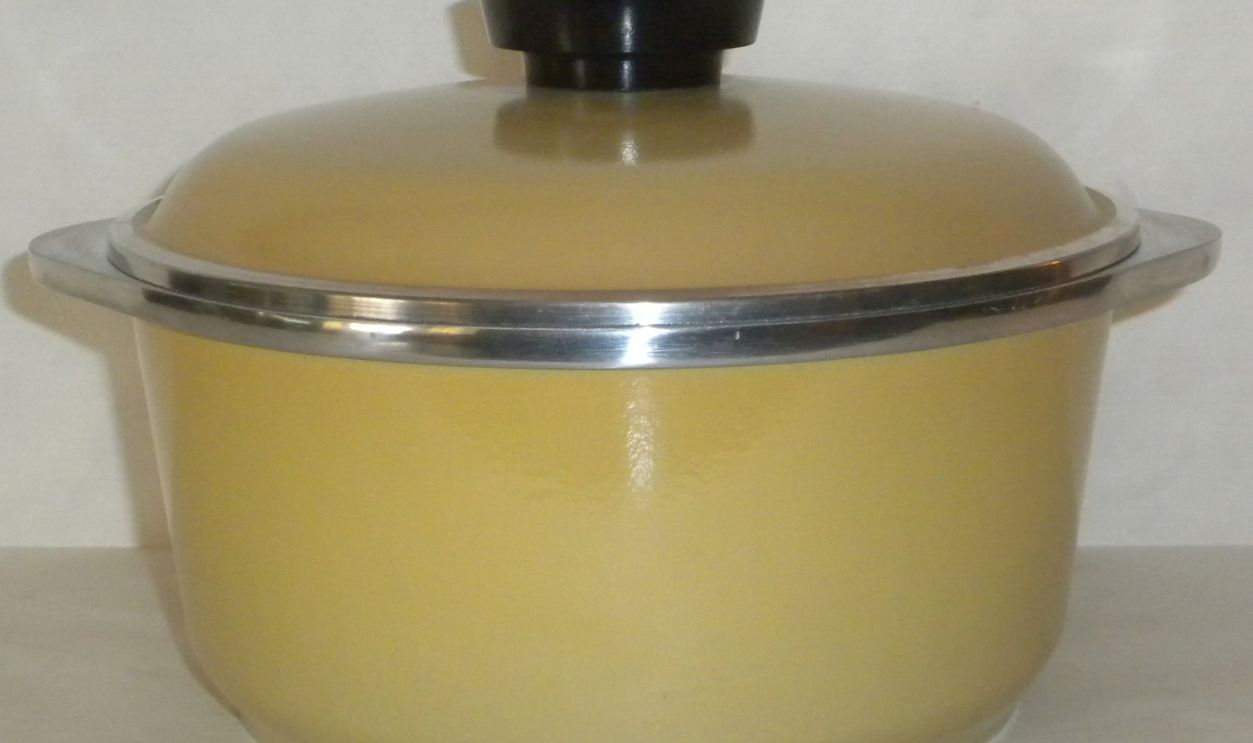
Club Aluminum cookware brought something different to mid-century kitchens: practical pots and pans in attractive colors. Its heavy cast-aluminum pieces became popular among home cooks who wanted reliable cookware that also looked good. Sets were sometimes proudly displayed instead of hidden away. Today, surviving examples have become nostalgic collectibles, especially when their original colorful finishes remain intact.
Silex: The Coffee Maker Before Mr. Coffee
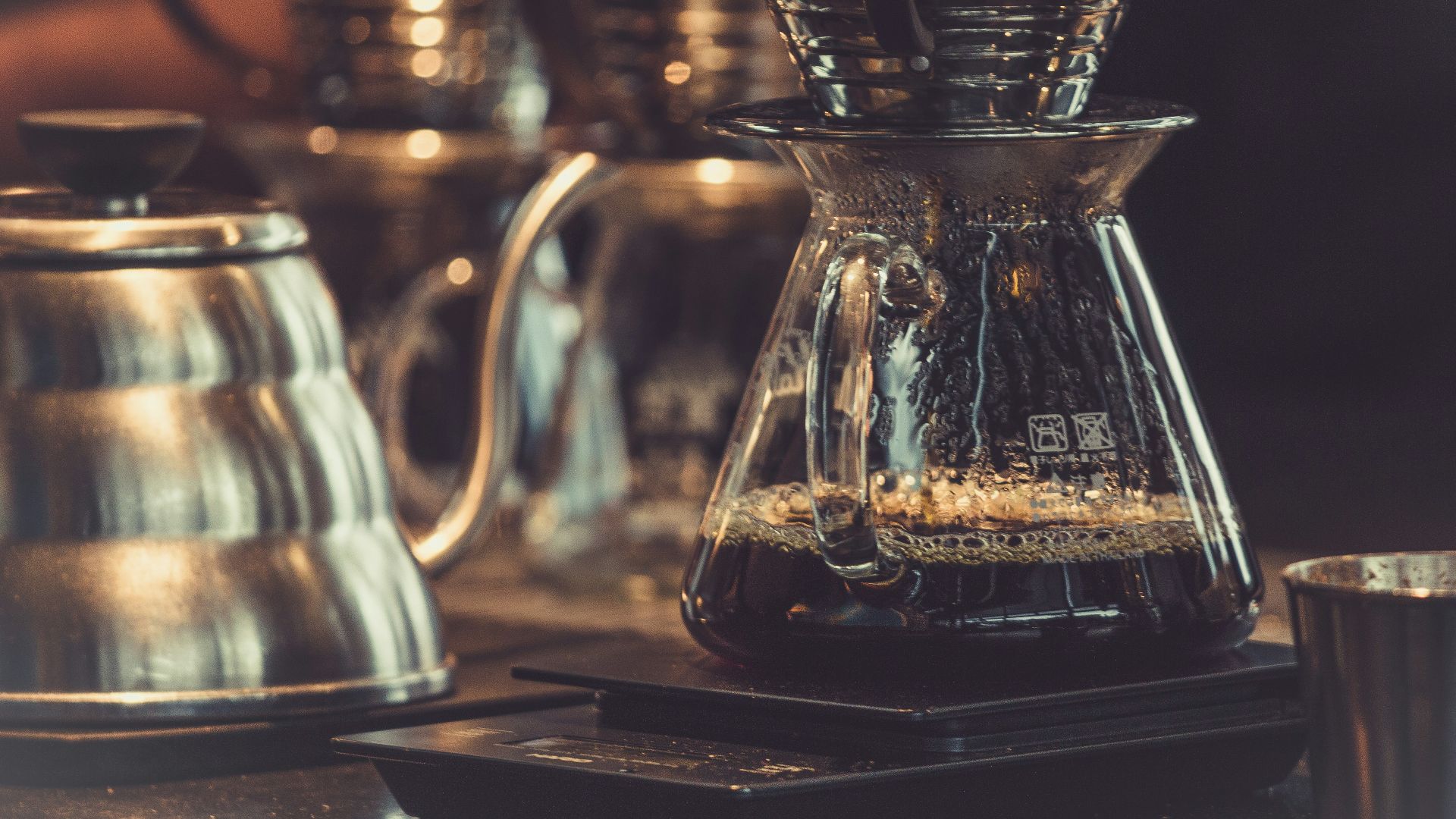
Before automatic drip machines became standard, Silex was a respected name in American coffee making. Its vacuum-style coffee makers used an intriguing brewing process involving heated water and glass chambers. Preparing coffee could look almost like a science experiment. The Silex name later became associated with Proctor Silex, but those elegant old coffee makers remain recognizable pieces of kitchen history.
Kelvinator: The Refrigerator That Sounded Important
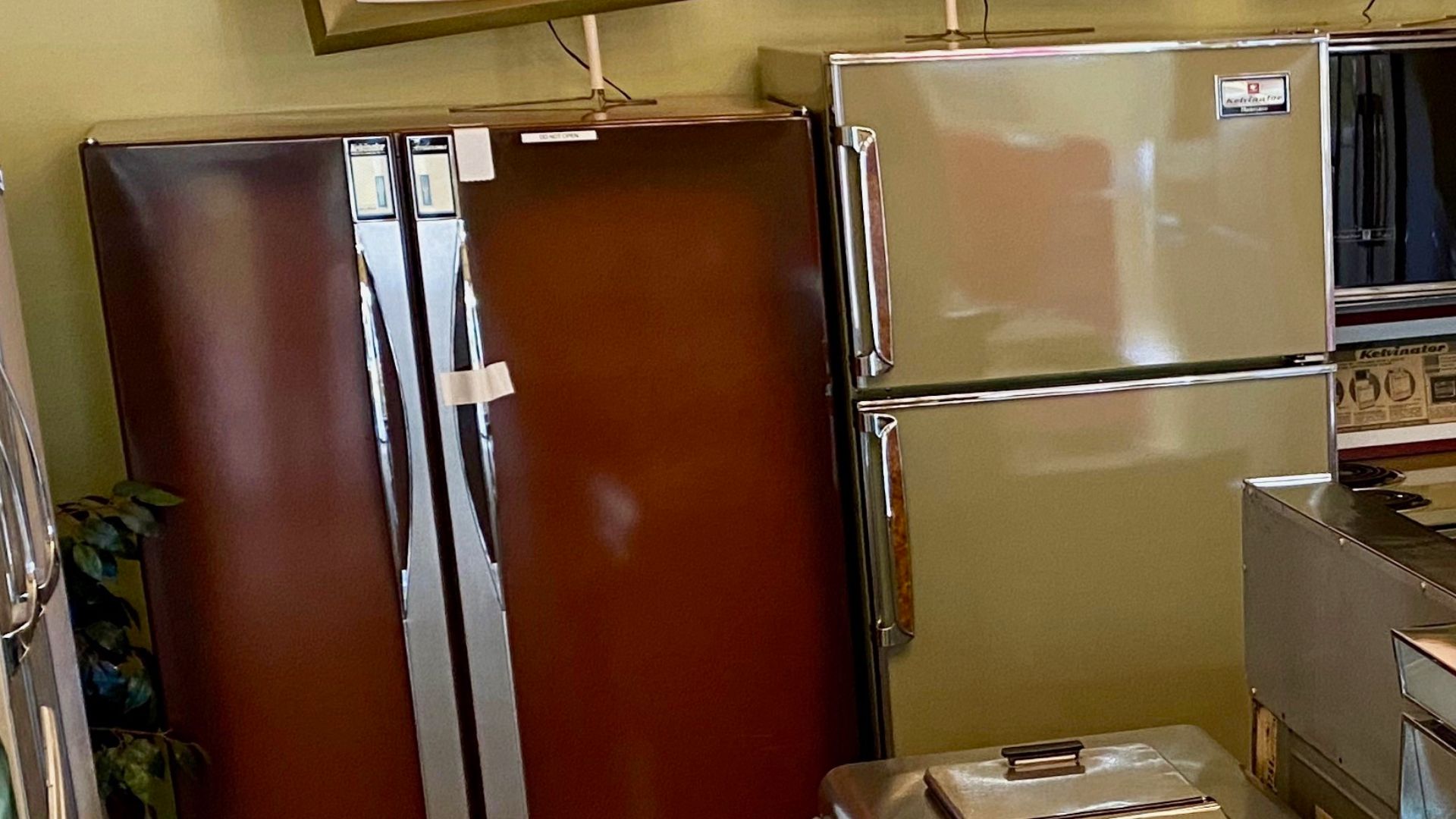
Kelvinator was once a major name in household refrigeration. Its refrigerators and freezers helped generations of American families preserve everything from leftovers to holiday desserts. The name sounded almost futuristic, which suited an era fascinated by modern appliances. Although Kelvinator products still exist in some markets, the brand is no longer a familiar fixture in ordinary American kitchens.
 CZmarlin — Christopher Ziemnowicz, Wikimedia Commons
Universal: The Kitchen Brand That Did Everything
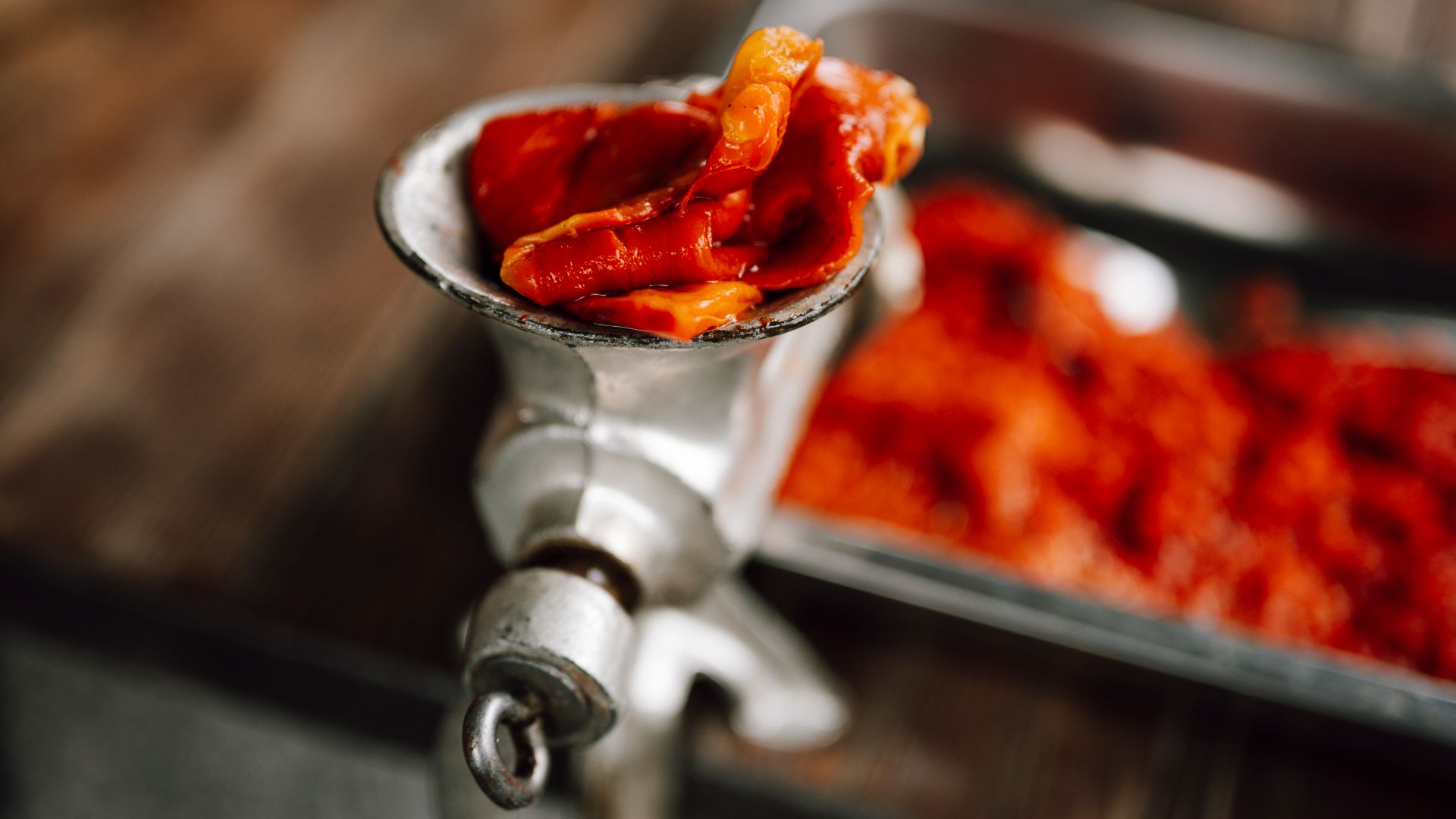
Universal was a familiar name on vintage coffee makers, food grinders, and other household equipment. Its metal kitchen tools reflected an era when appliances were designed to feel substantial. Many families owned a Universal grinder or coffee percolator without thinking twice about it. Today, the name is more likely to appear on vintage collectibles than on a modern wedding registry.
 Shixart1985, Wikimedia Commons
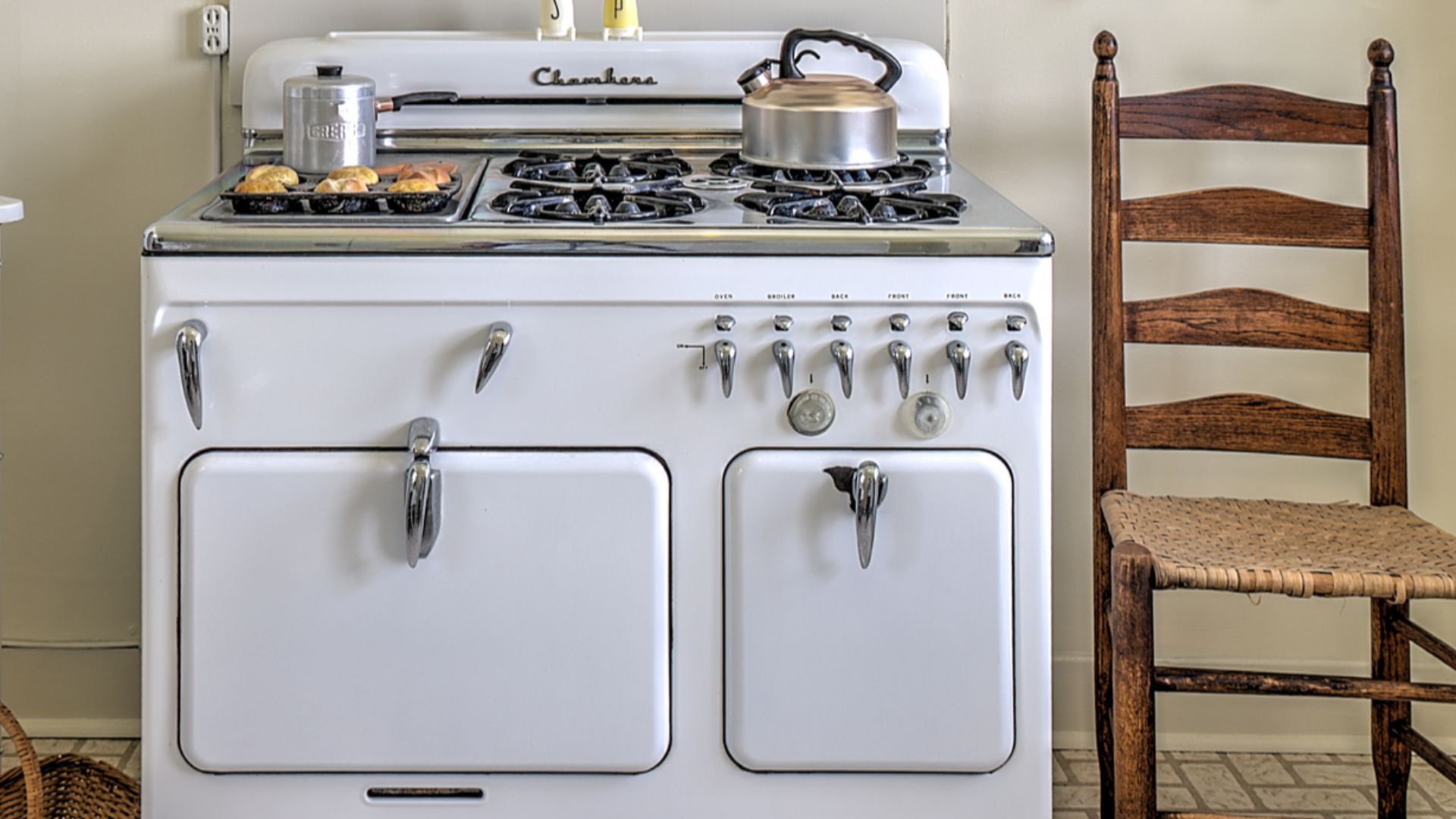
Chambers: The Stove That Could Cook With The Gas Off
Chambers ranges were legendary for their unusual cooking design. Their heavily insulated ovens could retain enough heat to continue cooking after the gas was turned off, a feature that made them stand out. These substantial stoves had a distinctive appearance and a loyal following. Vintage Chambers ranges are still prized by enthusiasts who appreciate their remarkable engineering and old-fashioned charm.
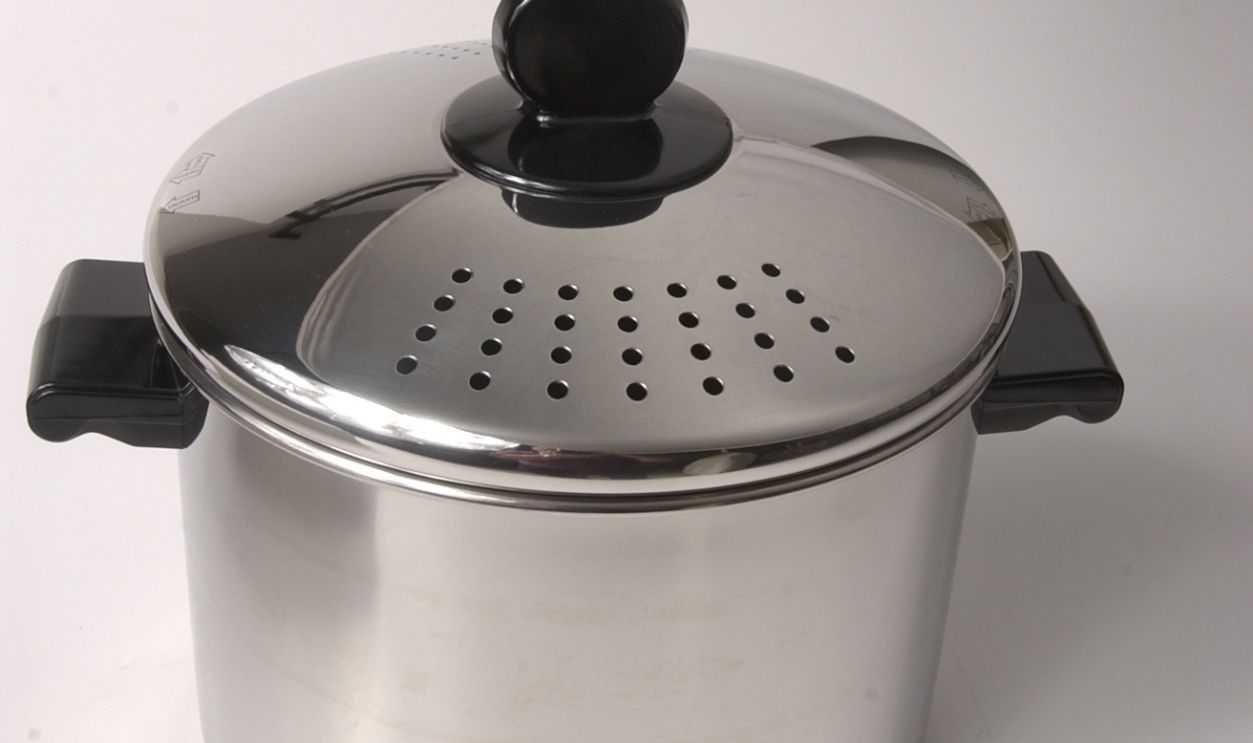
Farberware: Before The Countertop Appliance Boom
Farberware was once closely associated with sturdy stainless-steel cookware and electric coffee percolators. Its polished pots were wedding-gift favorites, and its familiar percolators served countless morning cups. Farberware remains in business, but the brand's place in American kitchens has changed dramatically. For many Boomers, the real Farberware experience still involves a stainless-steel percolator bubbling away before breakfast.
 Houston Chronicle/Hearst Newspapers, Getty Images
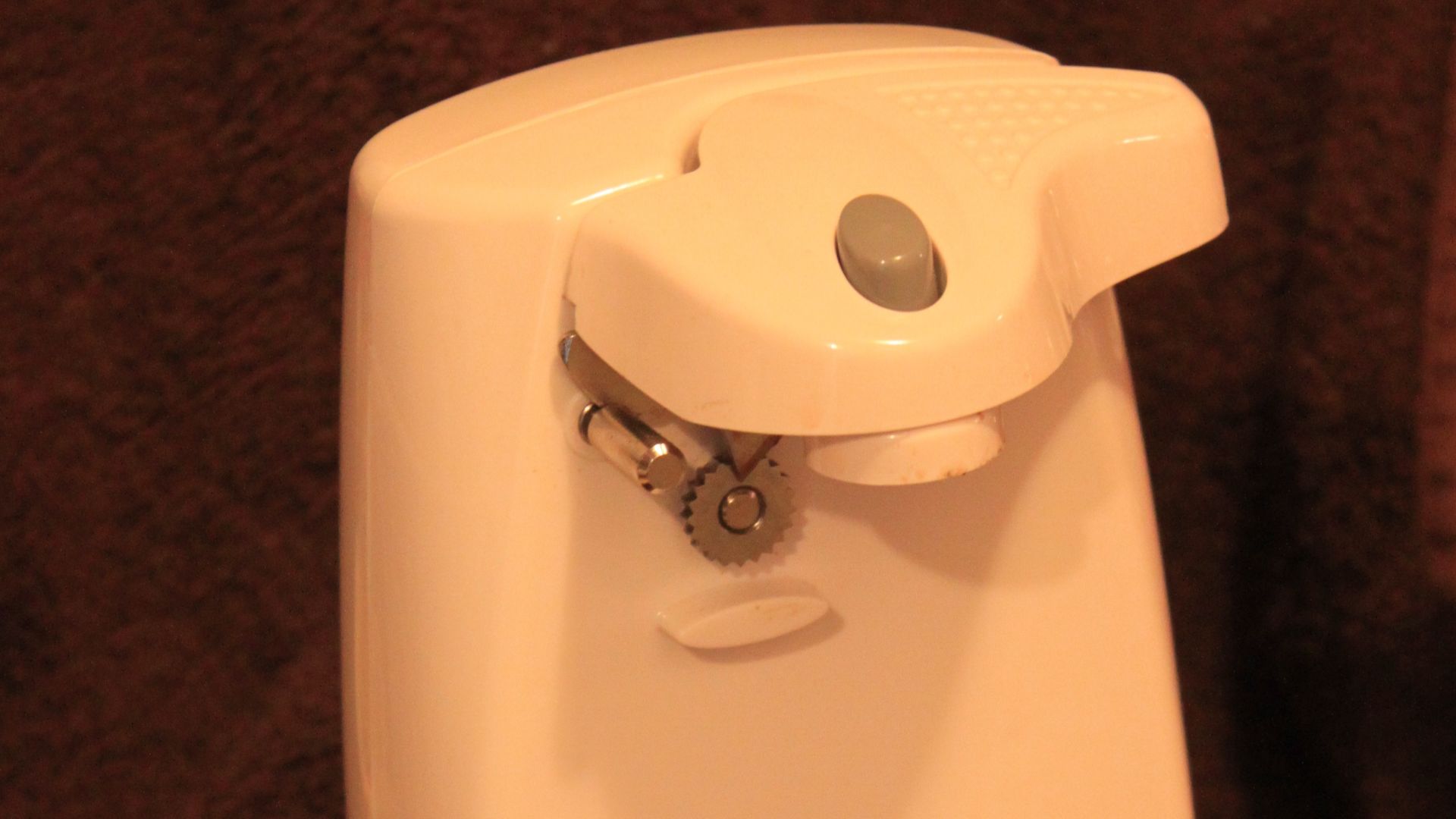
Proctor Silex: The Everyday Appliance Specialist
Not every kitchen gadget needed to be fancy, and Proctor Silex understood that perfectly. Formed in 1960 through the merger of Proctor Electric and Silex, the brand became known for practical household appliances. Its coffee makers, toasters, and can openers were familiar countertop companions. The brand survives today, although its vintage appliances have a particularly nostalgic following.
 Dwight Burdette, Wikimedia Commons
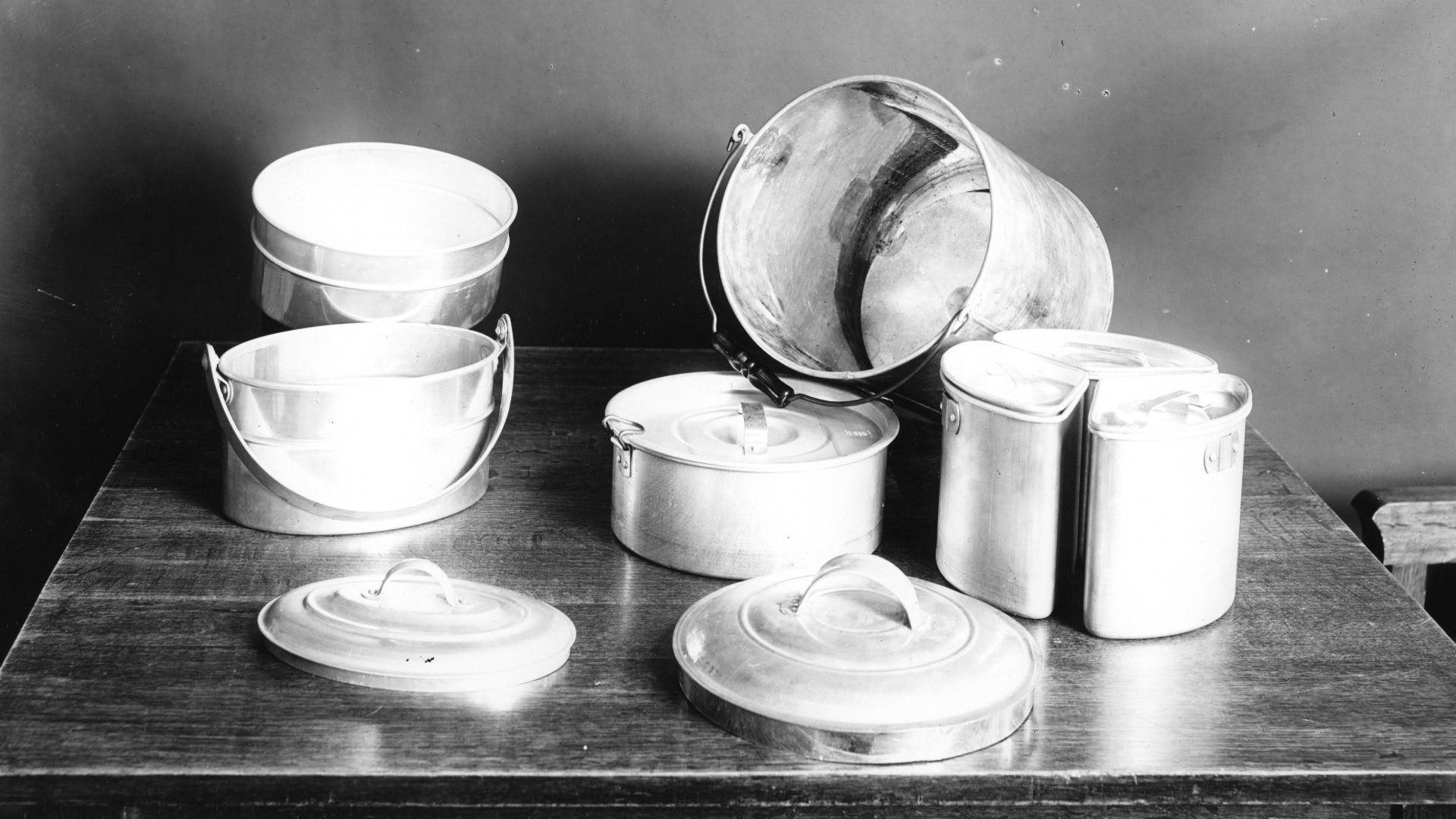
Guardian Service: The Cookware Built Like A Tank
Guardian Service cookware was the sort of heavy aluminum equipment that made you wonder whether it could survive being run over by a truck. Known for its distinctive design and substantial construction, it was often sold through home demonstrations. Many sets came with glass lids and multiple cooking pieces. Today, vintage Guardian Service cookware still has devoted admirers.
 Cornell University Library, Wikimedia Commons
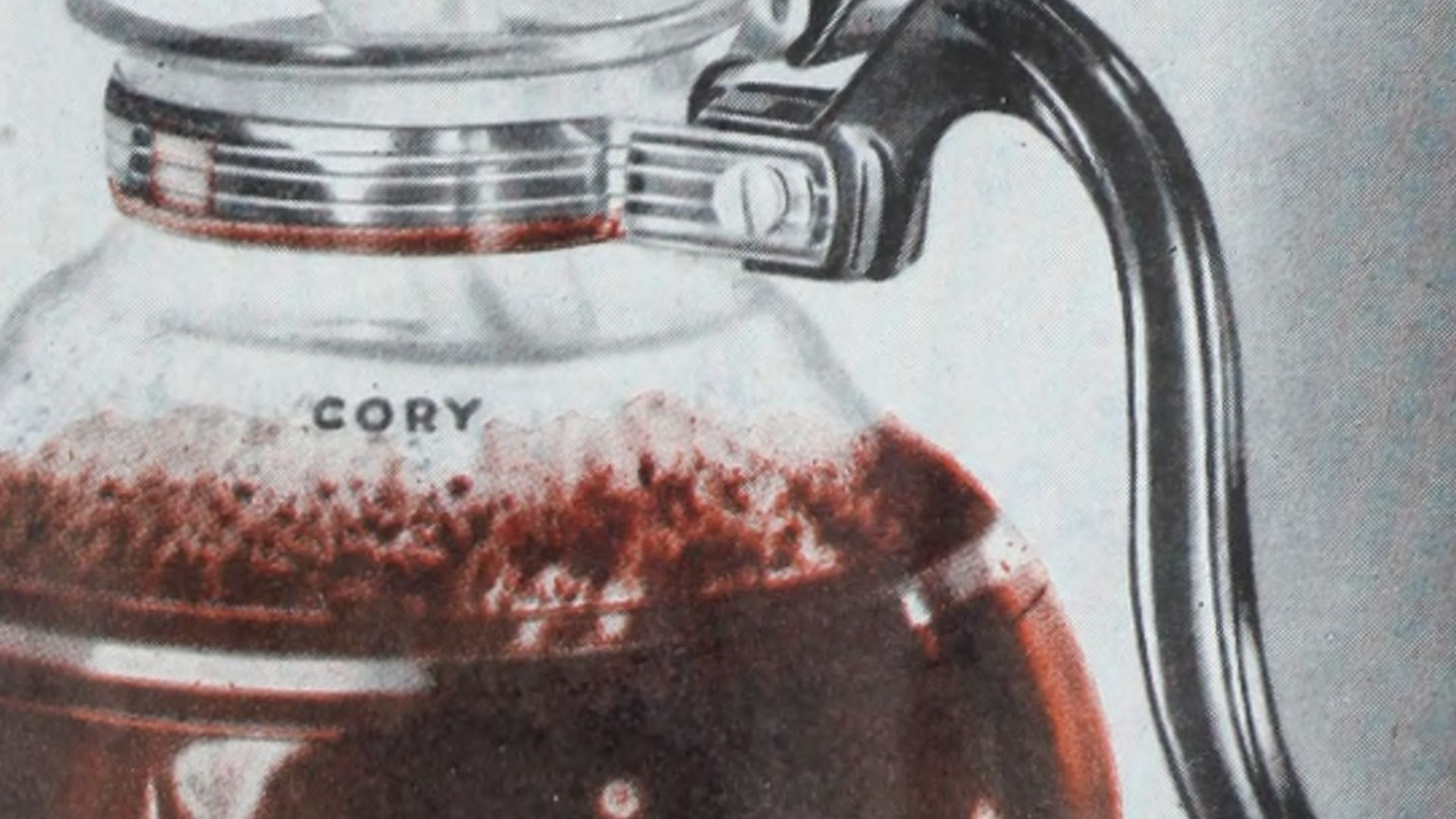
Cory: The Coffee Maker Your Grandparents Remembered
Before coffee pods and programmable brewing schedules, Cory coffee makers helped Americans get their morning caffeine fix. The company produced distinctive glass vacuum coffee makers that combined practical brewing with an impressive countertop appearance. Preparing coffee was practically a performance. The brand eventually faded, but its glass brewing equipment remains an appealing reminder of how seriously earlier generations approached coffee.
 Internet Archive Book Images, Wikimedia Commons
The Kitchen Brands That Still Bring Back Memories
These old kitchen names weren't just manufacturers. They were part of birthdays, holiday dinners, Sunday breakfasts, and ordinary family life. Some disappeared through mergers, while others simply lost their place in American homes. Yet plenty of their products are still sitting in cupboards, basements, and garages today. And who knows? Somewhere, a 60-year-old mixer might still be making better cookies than a brand-new one.
 Wisconsin Historical Society, Getty Images
You May Also Like:
Ordinary American Comforts That Started As Expensive Status Symbols. Which One Surprises You Most?
Famous Ghost Stories That Began With Real Historical Tragedies
Royal Deaths That Still Leave Most Historians With More Questions Than Answers