Behind The Velvet Rope
Before photo IDs, searchable databases, passports with standardized checks, and instant communication, identity could be surprisingly flexible. A polished stranger with the right clothes, accent, documents, or confidence could enter elite spaces and stay there. These impostors succeeded because people often trusted performance before looking for real proof.
 Nathan Cooper Branwhite, Wikimedia Commons
Status Made People Strangely Vulnerable
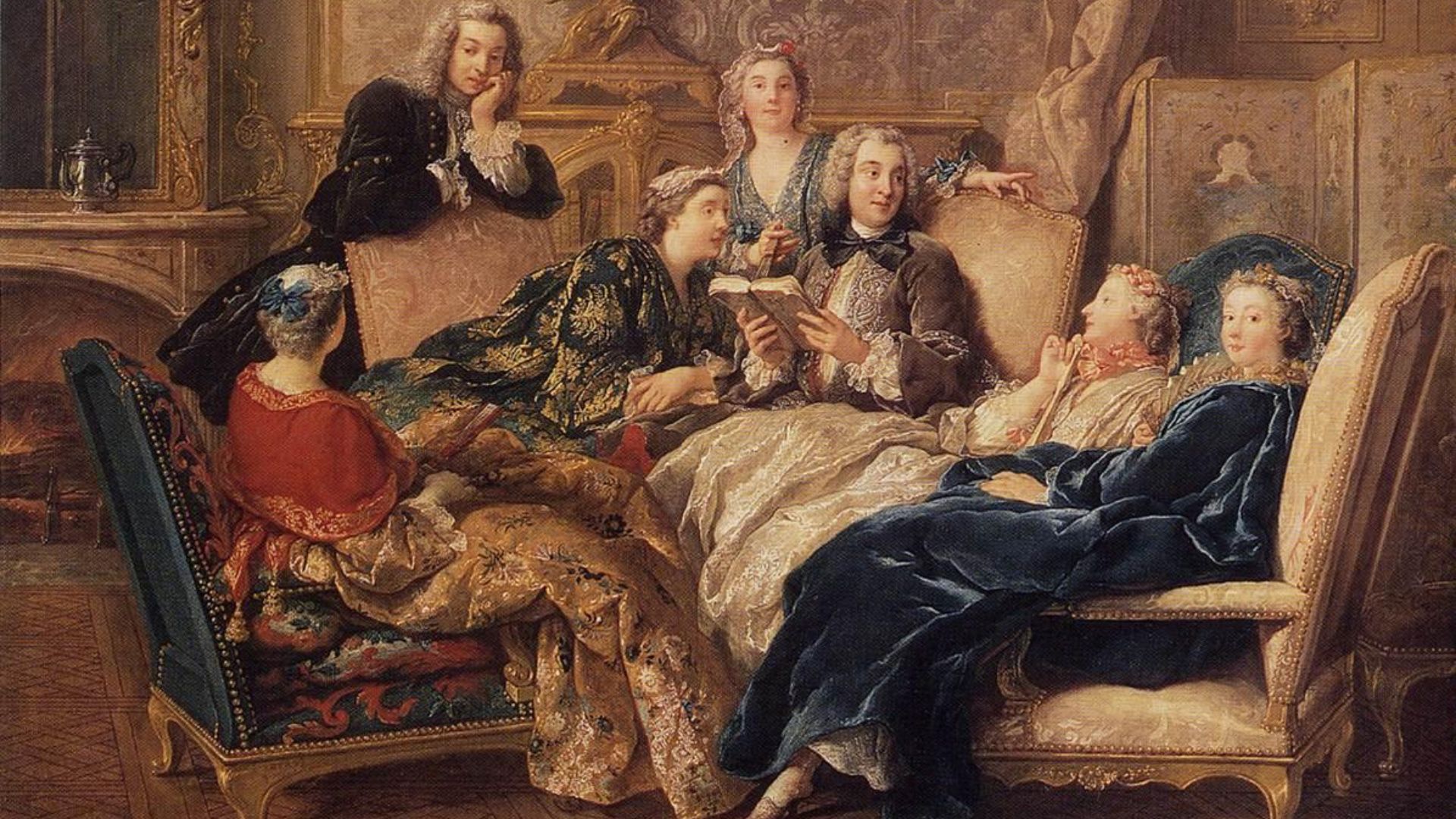
High society liked to believe it could recognize rank, education, and breeding at a glance. That confidence created an opening. If someone sounded noble, foreign, royal, wealthy, or connected, people were often slow to challenge the story. Deference, snobbery, and embarrassment could all protect a lie.
Here are some of the most notorious imposters throughout history.
 Jean-François de Troy, Wikimedia Commons
Princess Caraboo Arrived As A Mystery
In 1817, Mary Baker, also known as Mary Willcocks, appeared near Bristol speaking an unfamiliar language and presenting herself as Princess Caraboo from the island of Javasu. Her story fascinated local residents, including socially prominent hosts who treated her as a royal figure rather than an English impostor.
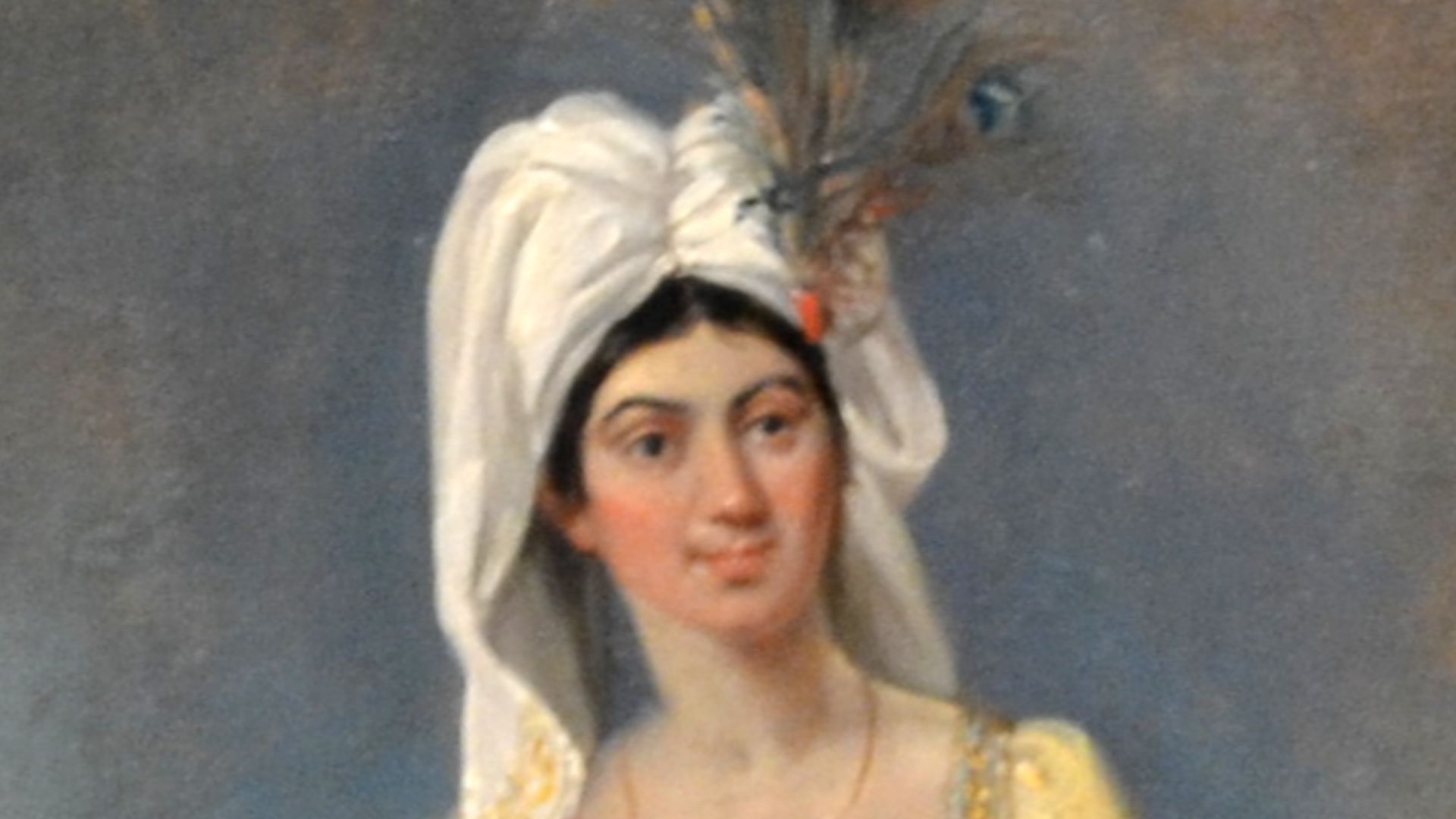 Edward Bird, Wikimedia Commons
People Helped Build Her Fantasy
Caraboo’s hoax worked because the people around her wanted the story to be extraordinary. Translators, hosts, newspapers, and curious visitors helped turn confusion into romance. Once she was treated like a lost princess, every gesture became evidence, feeding the fantasy.
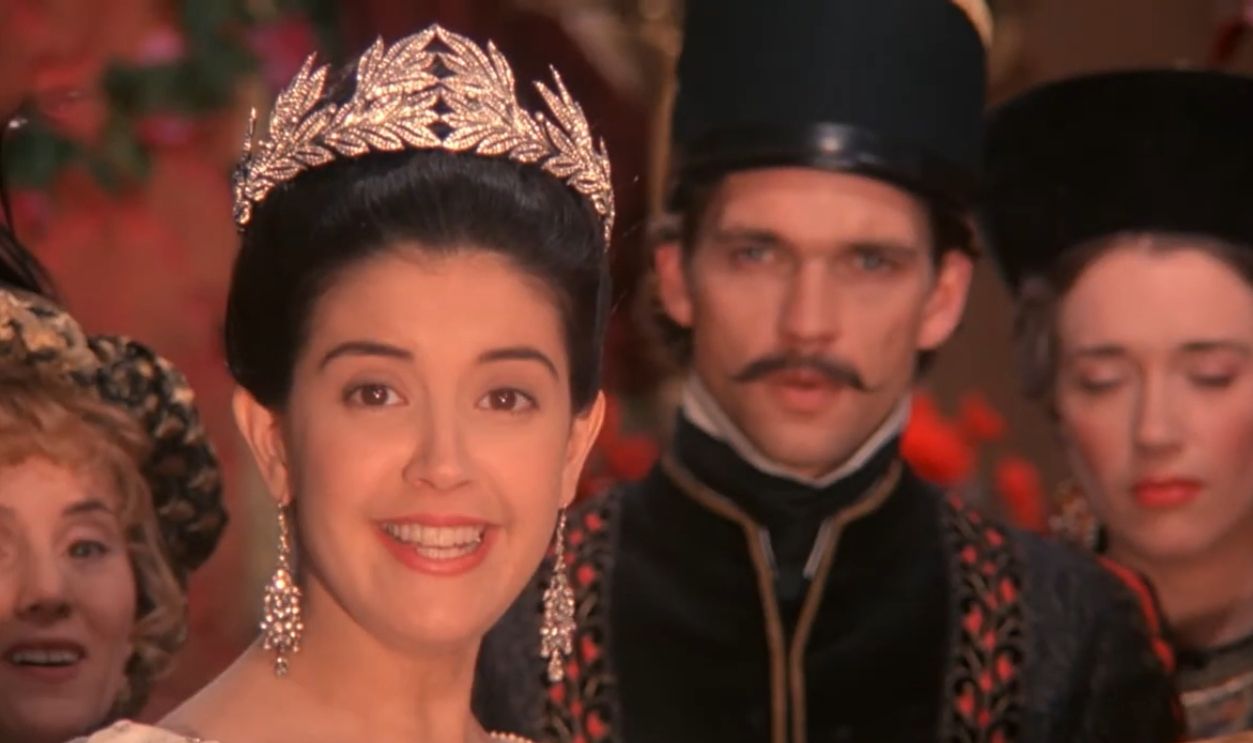 Screenshot from Princess Caraboo, TriStar Pictures (1994)
The Truth Was Much More Ordinary
Caraboo was eventually exposed as a local English woman rather than a foreign princess. That did not make the story disappear. If anything, the exposure made her more famous. Her brief success showed how eagerly respectable people could turn uncertainty into spectacle when the story was strange enough.
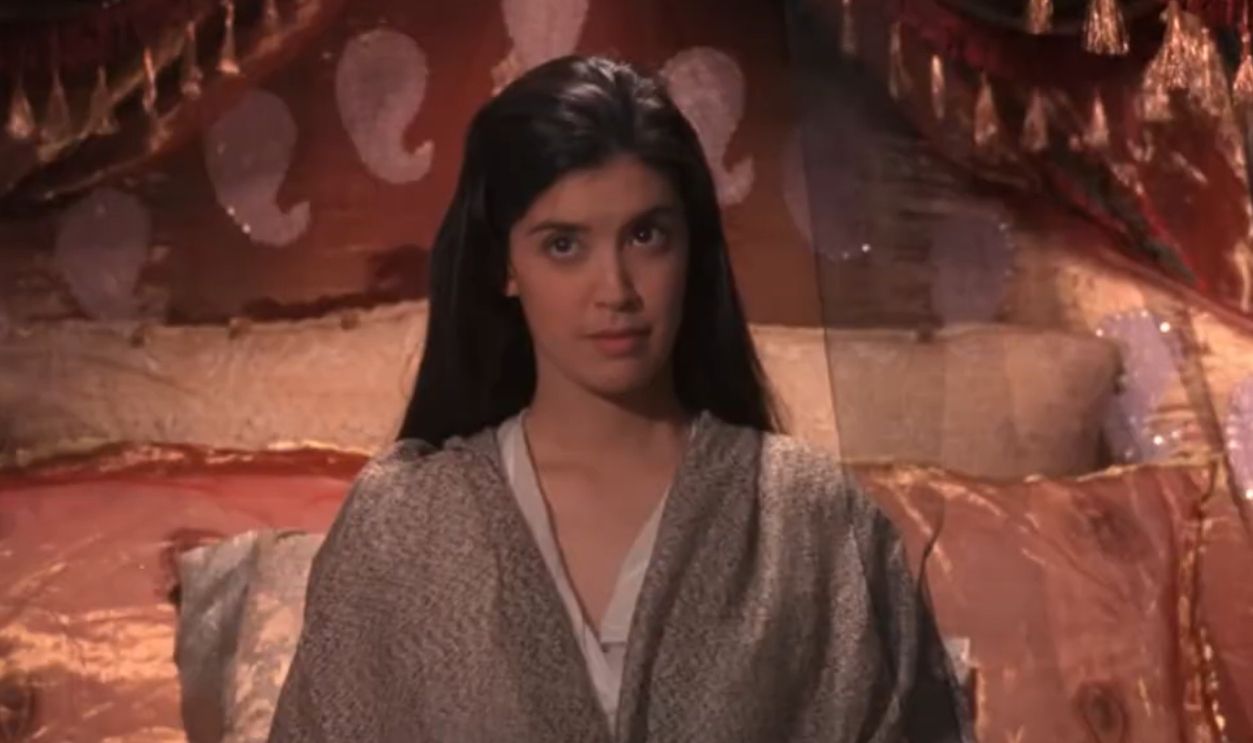 Screenshot from Princess Caraboo, TriStar Pictures (1994)
George Psalmanazar Invented Formosa For England
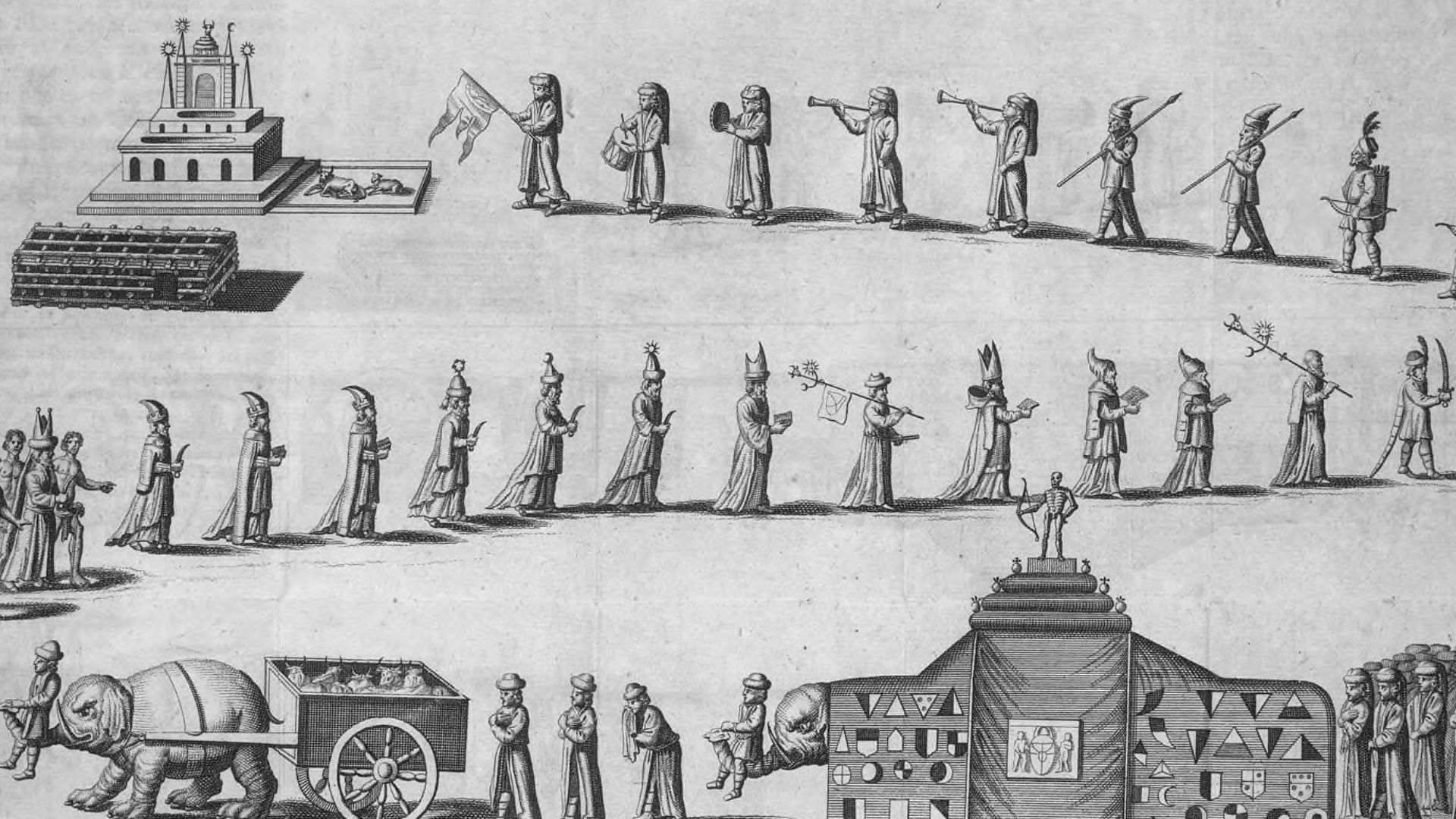
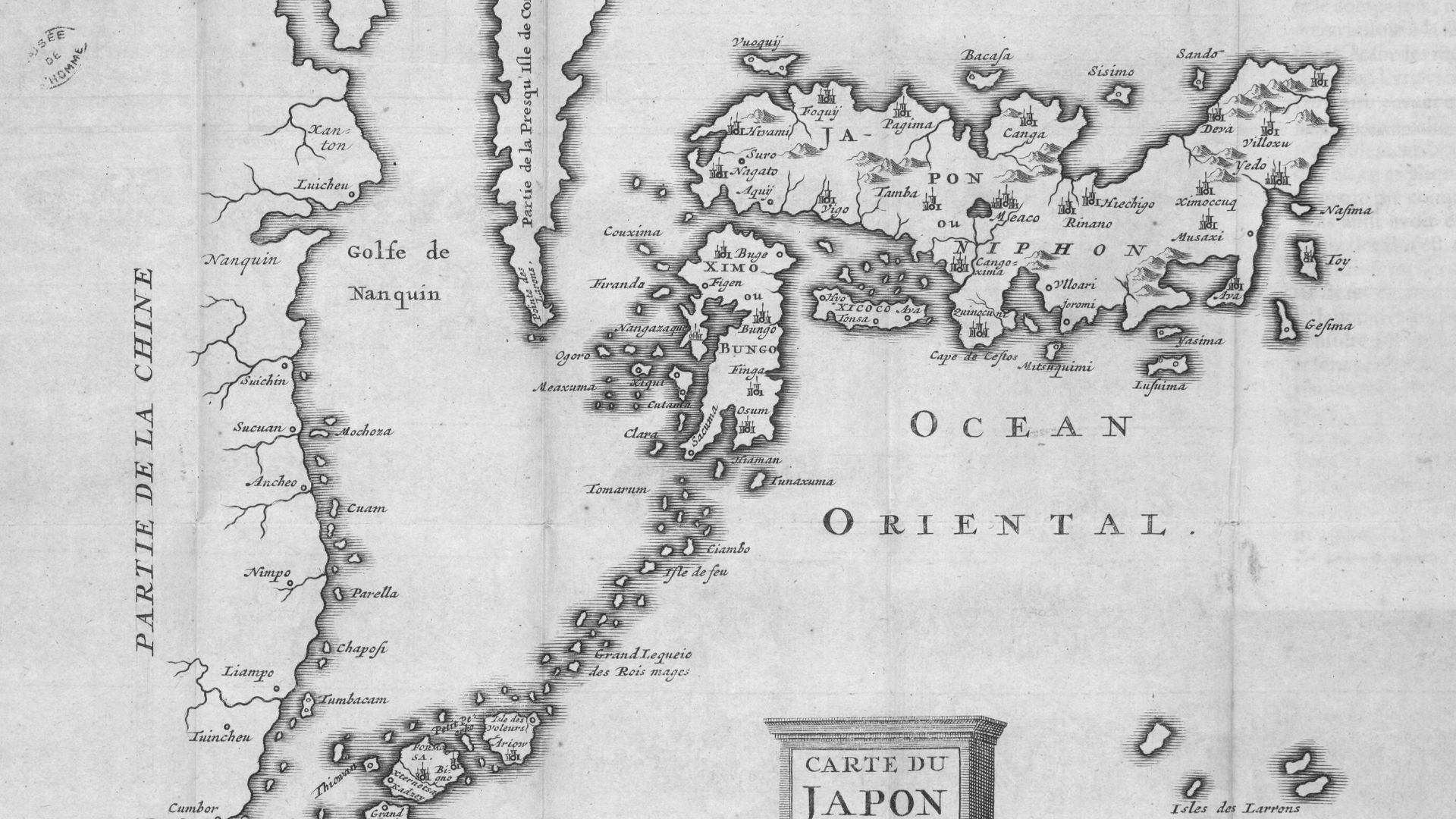
In the early 1700s, the man known as George Psalmanazar claimed to be from Formosa, now Taiwan. He created fake customs, a fake language, and a sensational description of a place most English readers could not easily verify. His invented expertise made him a curiosity among educated and religious circles.
His Details Made The Lie Feel Stronger
Psalmanazar did not rely on vague claims. He supplied maps of behavior, customs, alphabets, food rules, and shocking religious practices. Many of the details were bizarre, but that helped rather than hurt him. To audiences who expected distant places to seem strange, absurdity could look like authenticity.
He Later Became His Own Confessor
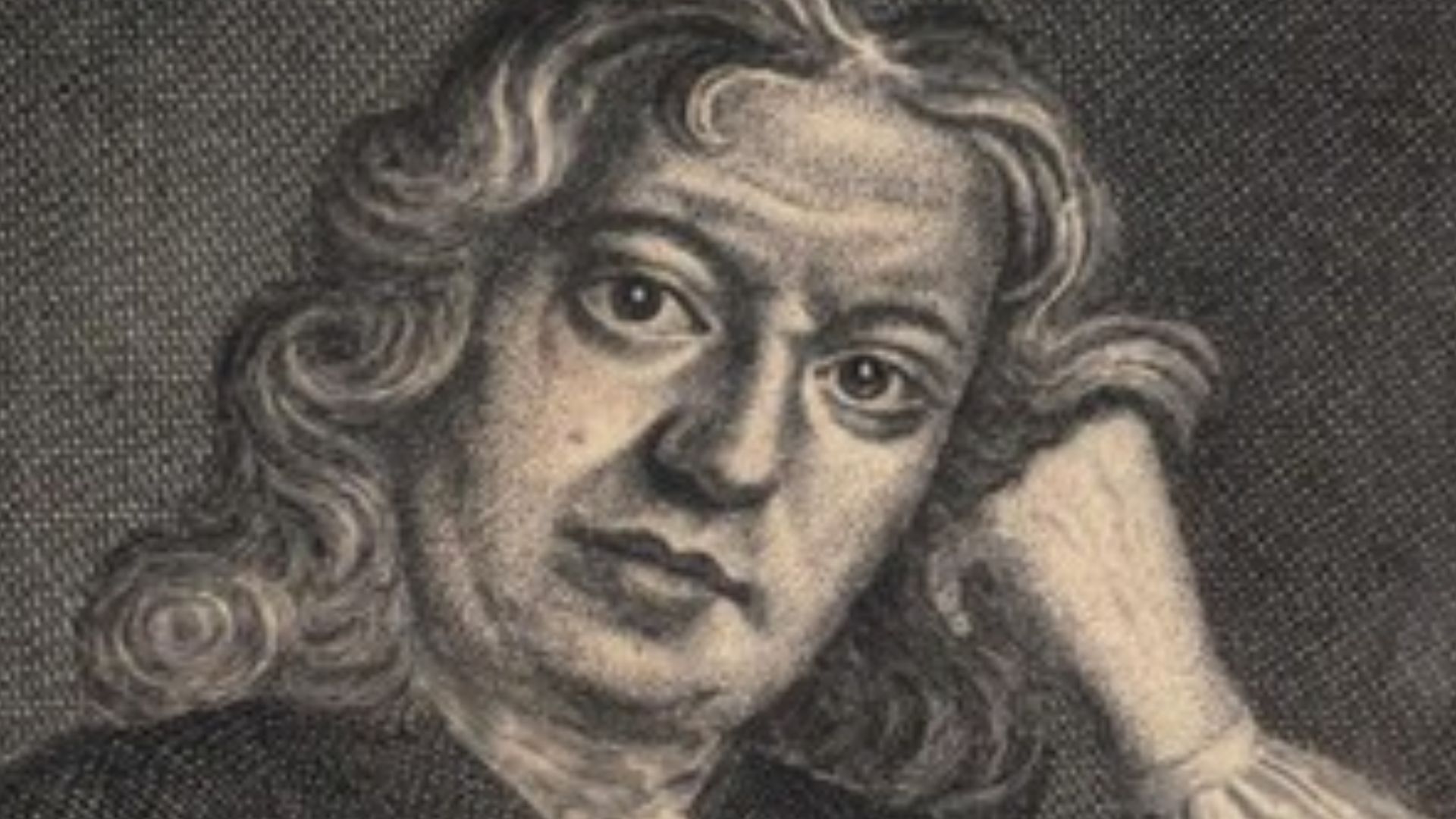
Psalmanazar eventually admitted he had invented the Formosa story. That later confession makes him especially revealing. He was not just someone who lied once and vanished. He became a living example of how curiosity, limited knowledge, and elite confidence could turn a fabricated identity into temporary authority.
 Antérieur à 1763, Wikimedia Commons
Perkin Warbeck Claimed A Lost Prince’s Name
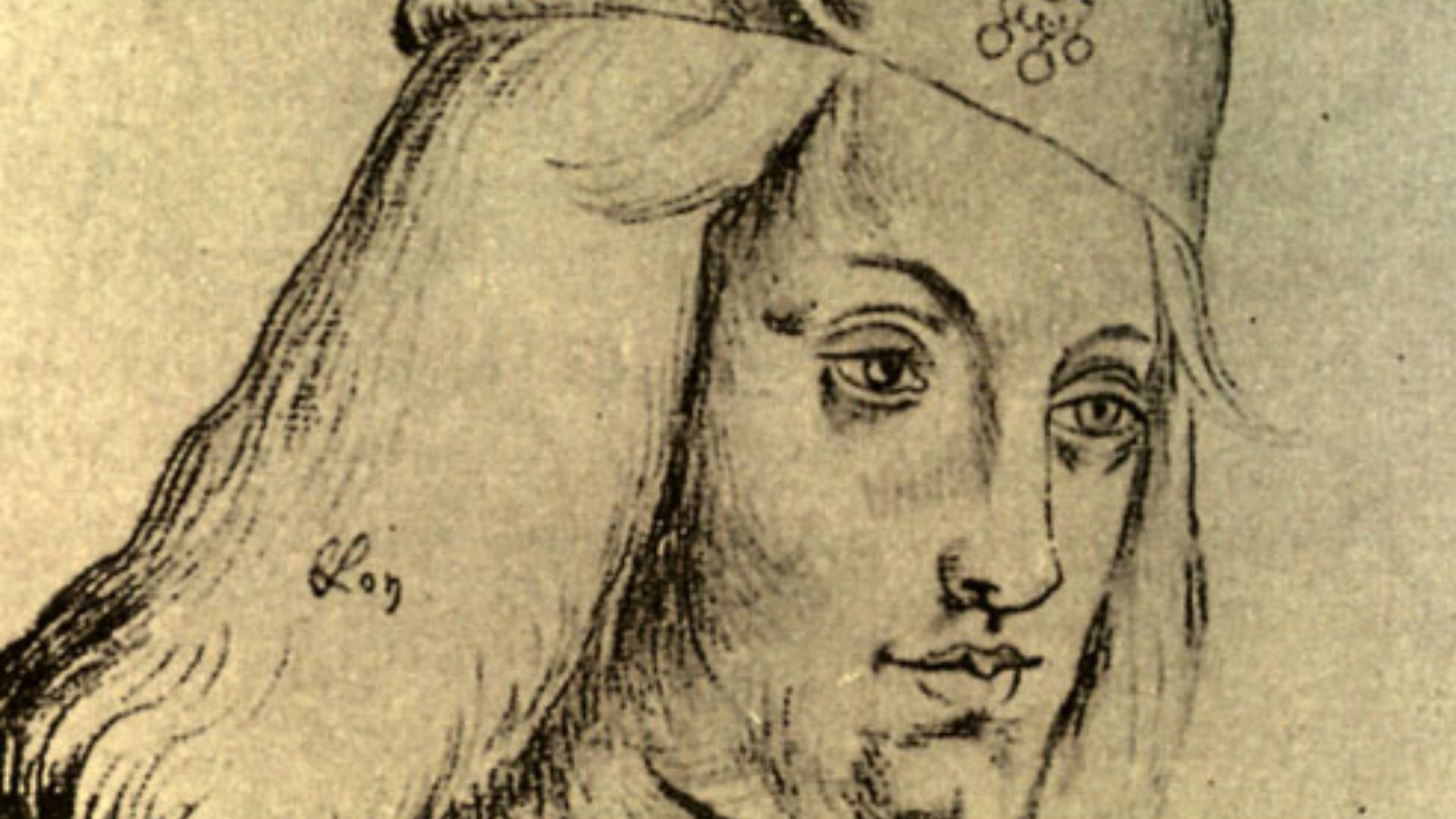
In the 1490s, Perkin Warbeck claimed to be Richard, Duke of York, one of the vanished Princes in the Tower. That was not a harmless story. If accepted, it threatened Henry VII’s claim to the throne. Warbeck’s identity claim drew attention from European courts and revived dangerous Yorkist hopes.
 Jacques Le Boucq, Wikimedia Commons

History's most fascinating stories and darkest secrets, delivered to your inbox daily.
His Claim Became Useful To Powerful People
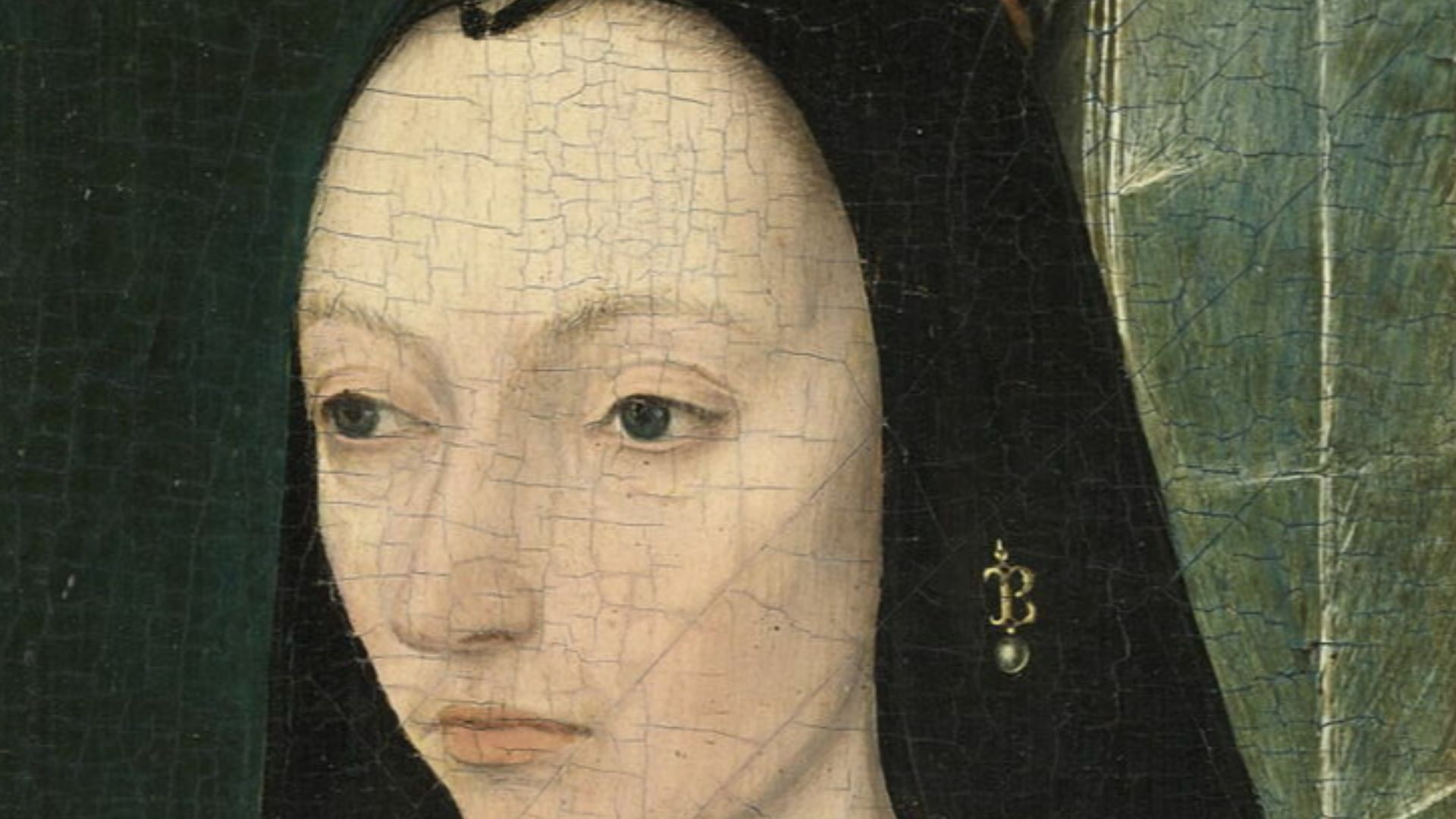
Warbeck did not need everyone to believe him sincerely. He needed enough powerful people to find him useful. Margaret of Burgundy supported him, and other rulers entertained his claim when it served anti-Tudor politics. In royal Europe, an impostor could become a threat even when doubts remained.
 anonymous / Unidentified painter, Wikimedia Commons
Lambert Simnel Was Turned Into A Pretender
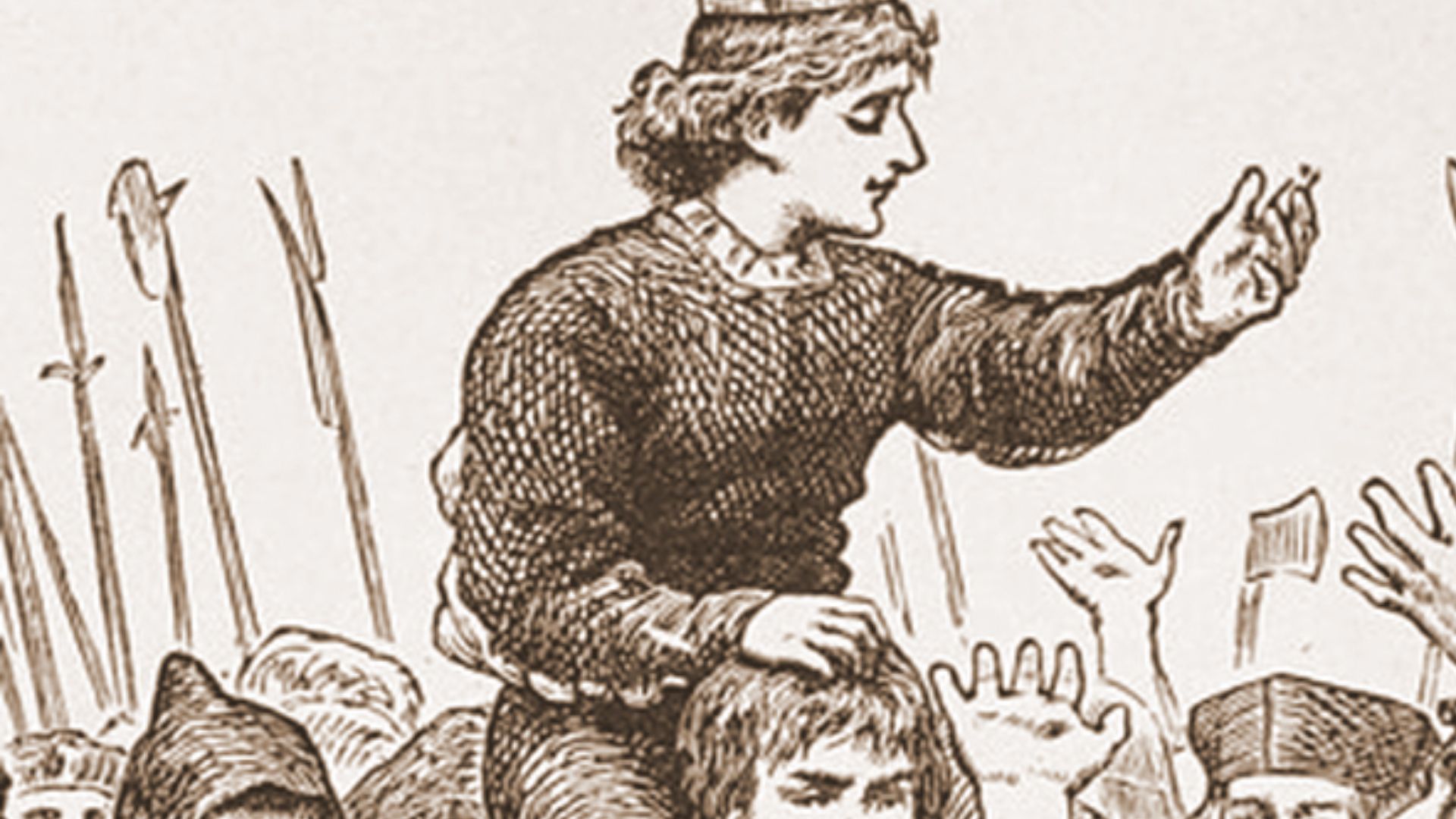
Lambert Simnel was a boy pushed forward by Yorkist supporters during Henry VII’s reign. He was presented as Edward, Earl of Warwick, and crowned in Dublin by people who wanted to challenge Tudor rule. Simnel himself was likely less mastermind than instrument, a child used by ambitious adults.
 Wikimedia Commons, Wikimedia Commons
His Punishment Was Political Theater
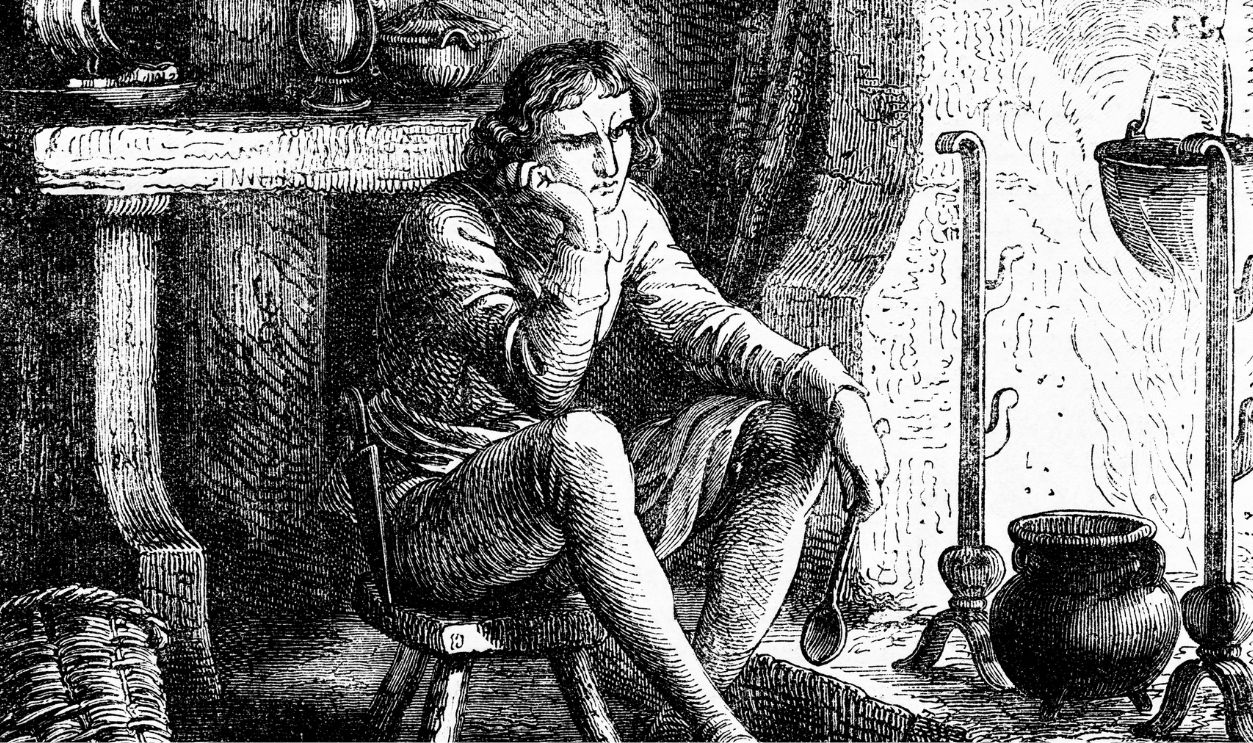
After Simnel’s cause collapsed at the Battle of Stoke in 1487, Henry VII did not execute him. Instead, the king placed him in the royal household, reportedly first in the kitchens and later as a falconer. The message was clever and brutal: a fake king could be reduced to a servant.
 Universal History Archive, Getty Images
False Dmitry Went Further Than Most
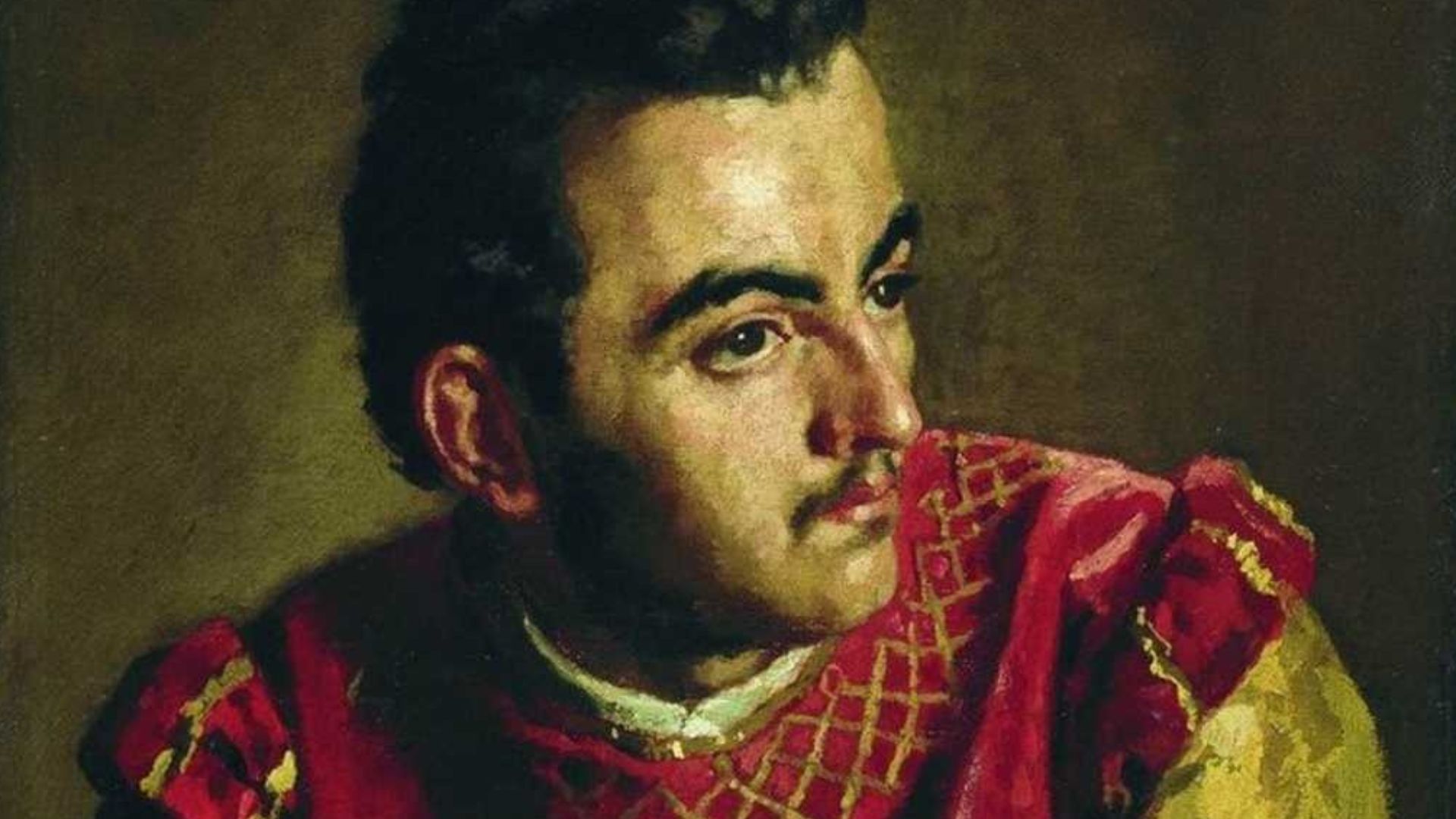
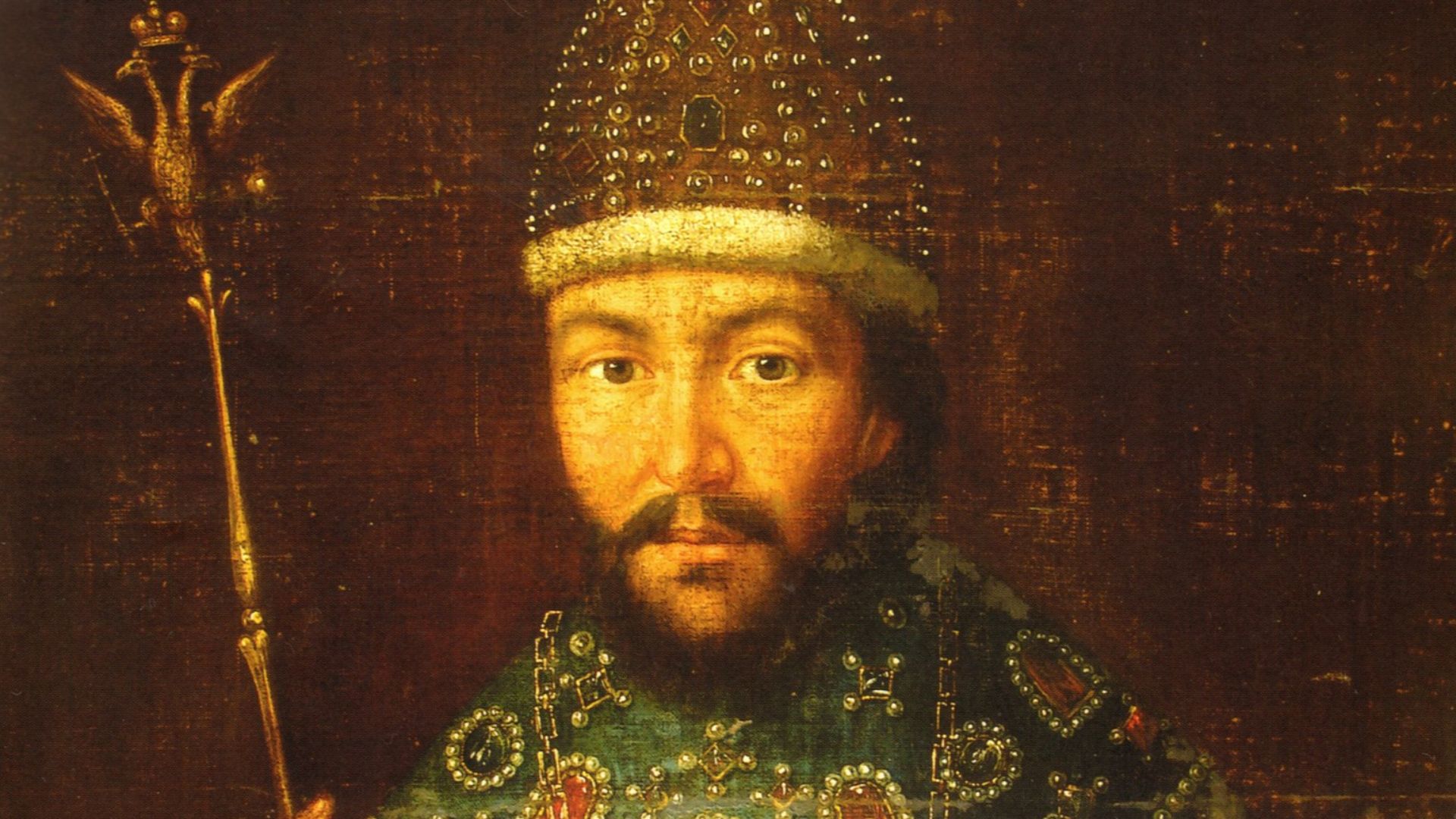
The man later known as False Dmitry I claimed to be Dmitry, the supposedly dead son of Ivan the Terrible. During Russia’s Time of Troubles, he gained enough support to enter Moscow and become tsar. His case was not just social deception. For a short time, imposture became state power.
 Nikolai Nevrev, Wikimedia Commons
Russia’s Crisis Opened The Door
False Dmitry’s rise depended on more than personal charisma. Russia was shaken by dynastic uncertainty, famine, elite rivalry, and distrust of Boris Godunov. In that atmosphere, a surviving royal heir could sound plausible to people desperate for change. The fake prince succeeded because the system was already unstable.
Princess Tarakanova Moved Through Royal Rumor
In the 1770s, a mysterious woman known as Princess Tarakanova claimed a connection to the Russian imperial family. Her story changed across Europe, but it drew enough attention that Catherine the Great’s government treated her as a political danger. She was eventually captured and apprehended by Russian authorities.
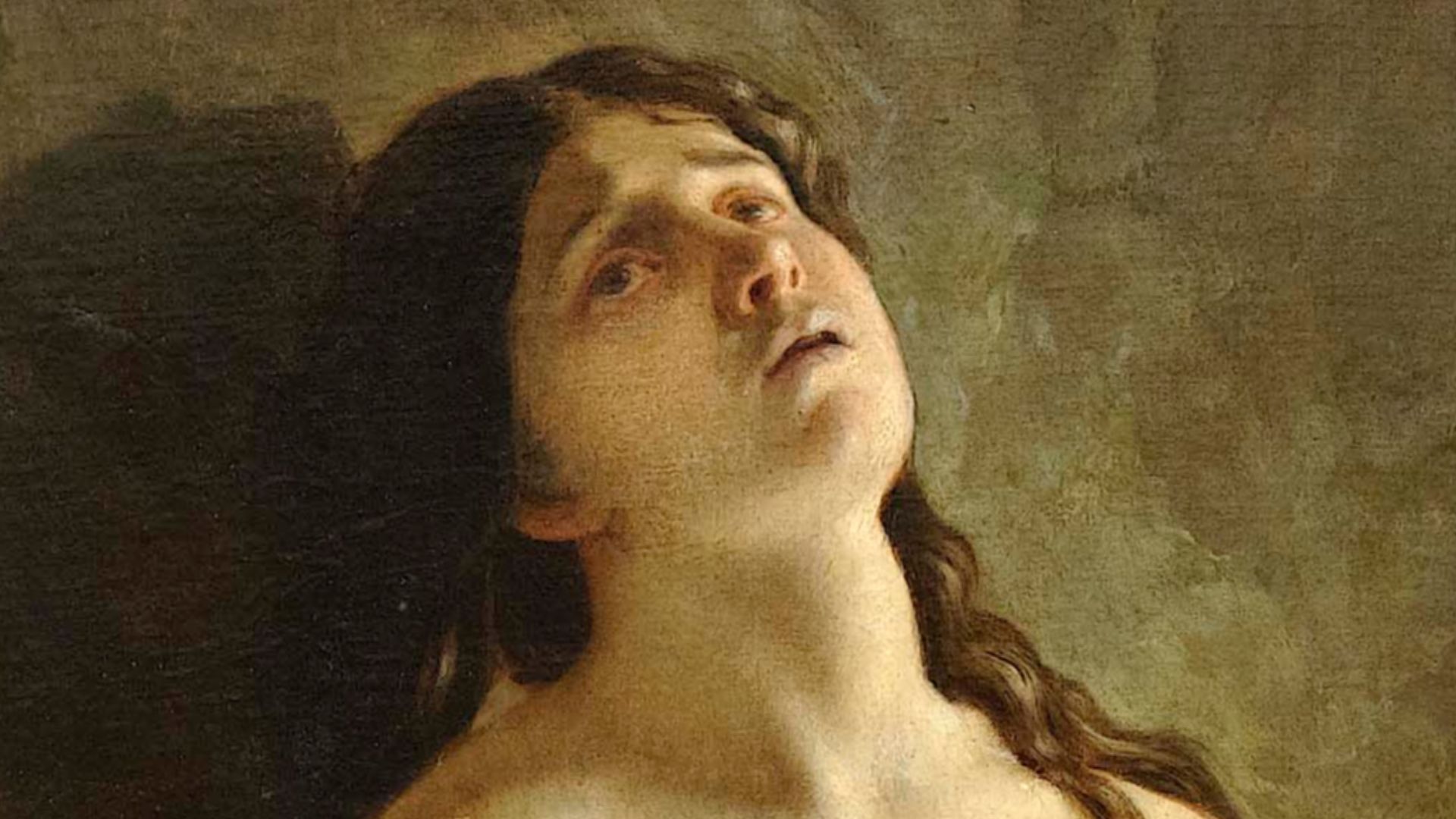 Konstantin Flavitsky, Wikimedia Commons
Her Legend Became Larger Than The Record
Tarakanova’s story is tangled with romance, rumor, propaganda, and later artistic myth. That uncertainty is part of what makes her useful here. She did not have to produce perfect proof. In aristocratic Europe, a mysterious woman with a possible royal claim could attract attention before evidence caught up.
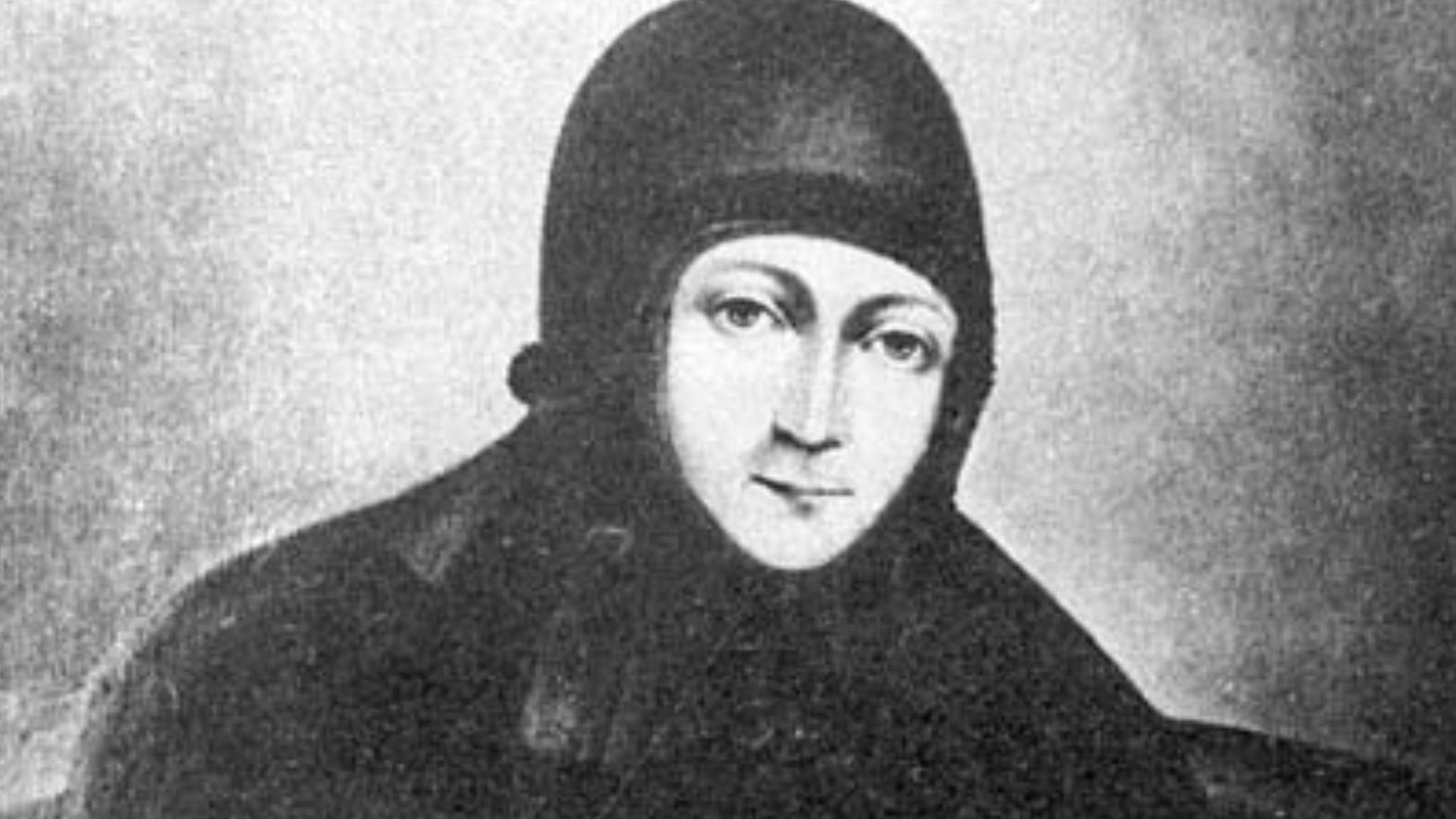
Gregor MacGregor Sold A Country That Barely Existed
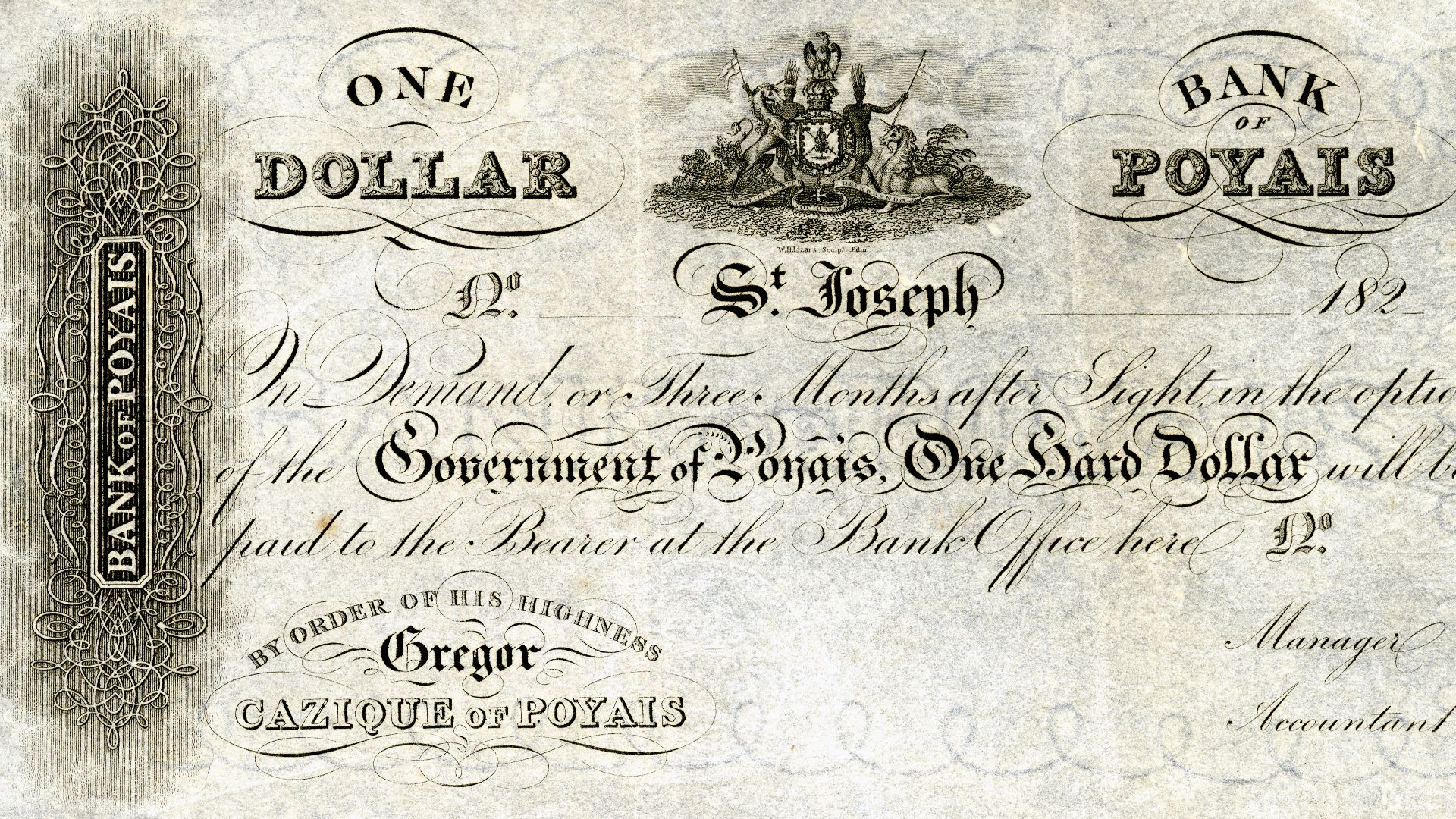
In the 1820s, Scottish adventurer Gregor MacGregor promoted himself as the “Cazique” of Poyais, a supposed Central American territory with institutions, fertile land, and investment potential. In Britain, he sold bonds, land certificates, and colonial dreams tied to a country that existed mainly in his promotional materials.
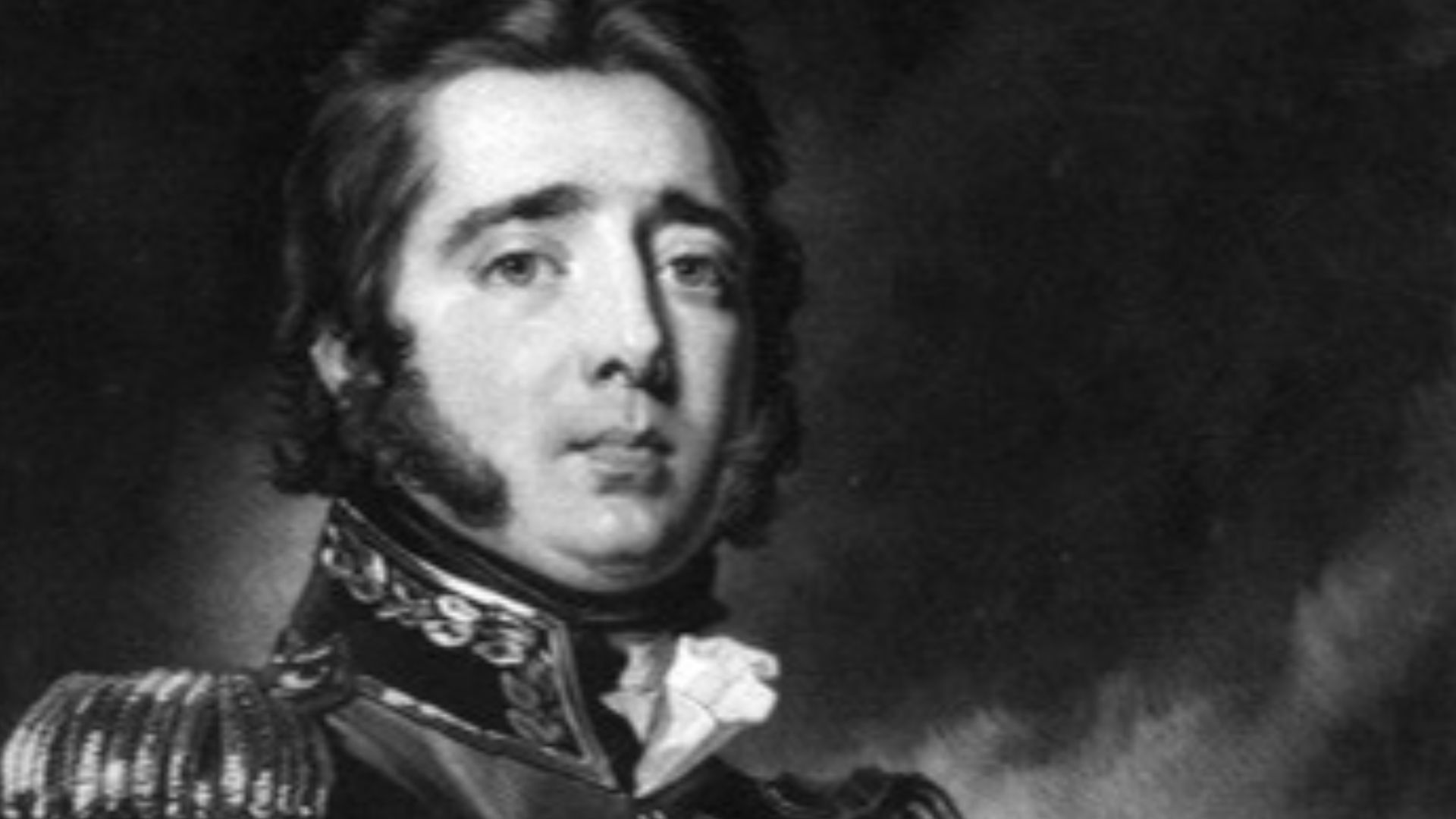 Samuel William Reynolds (1773–1835), after Simon Jacques Rochard (1788–1872), Wikimedia Commons
Poyais Worked Because It Sounded Respectable
MacGregor’s scheme did not look like a carnival trick. It came with maps, books, offices, titles, and financial language. Investors believed they were buying into empire, settlement, and opportunity. The fraud was powerful because it wrapped fantasy in the respectable clothes of development and finance.
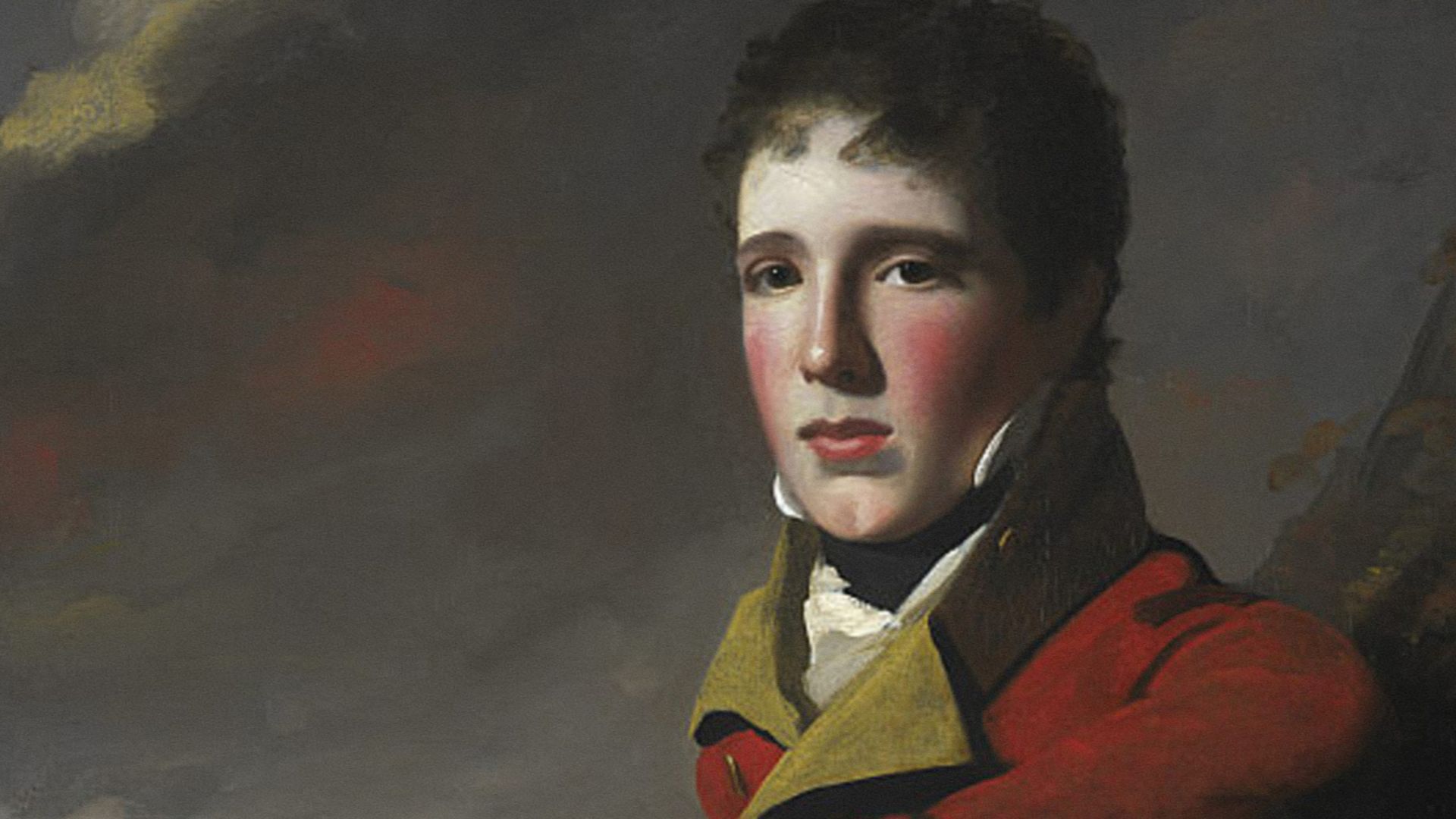 George Watson (†1837), Wikimedia Commons
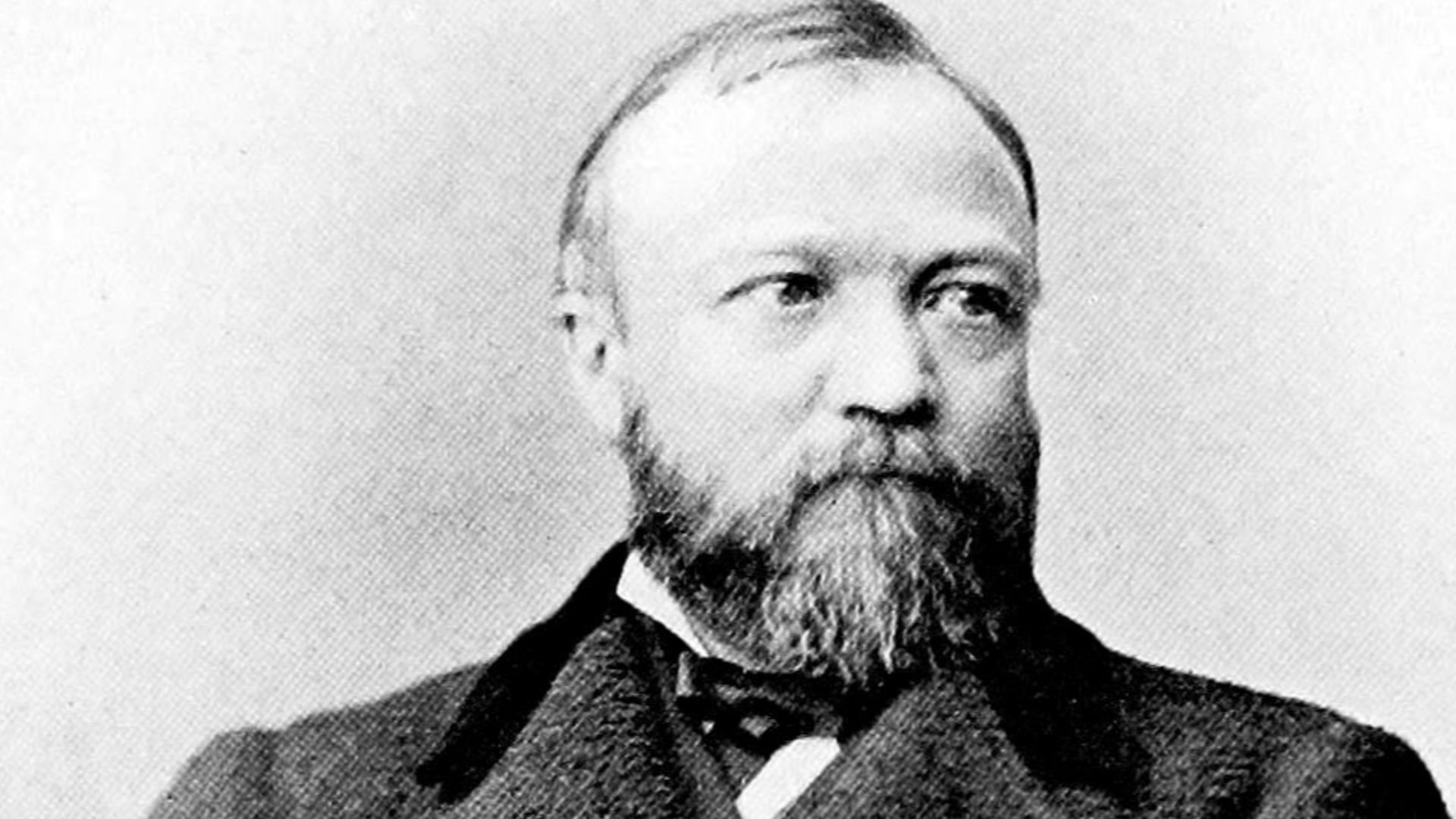
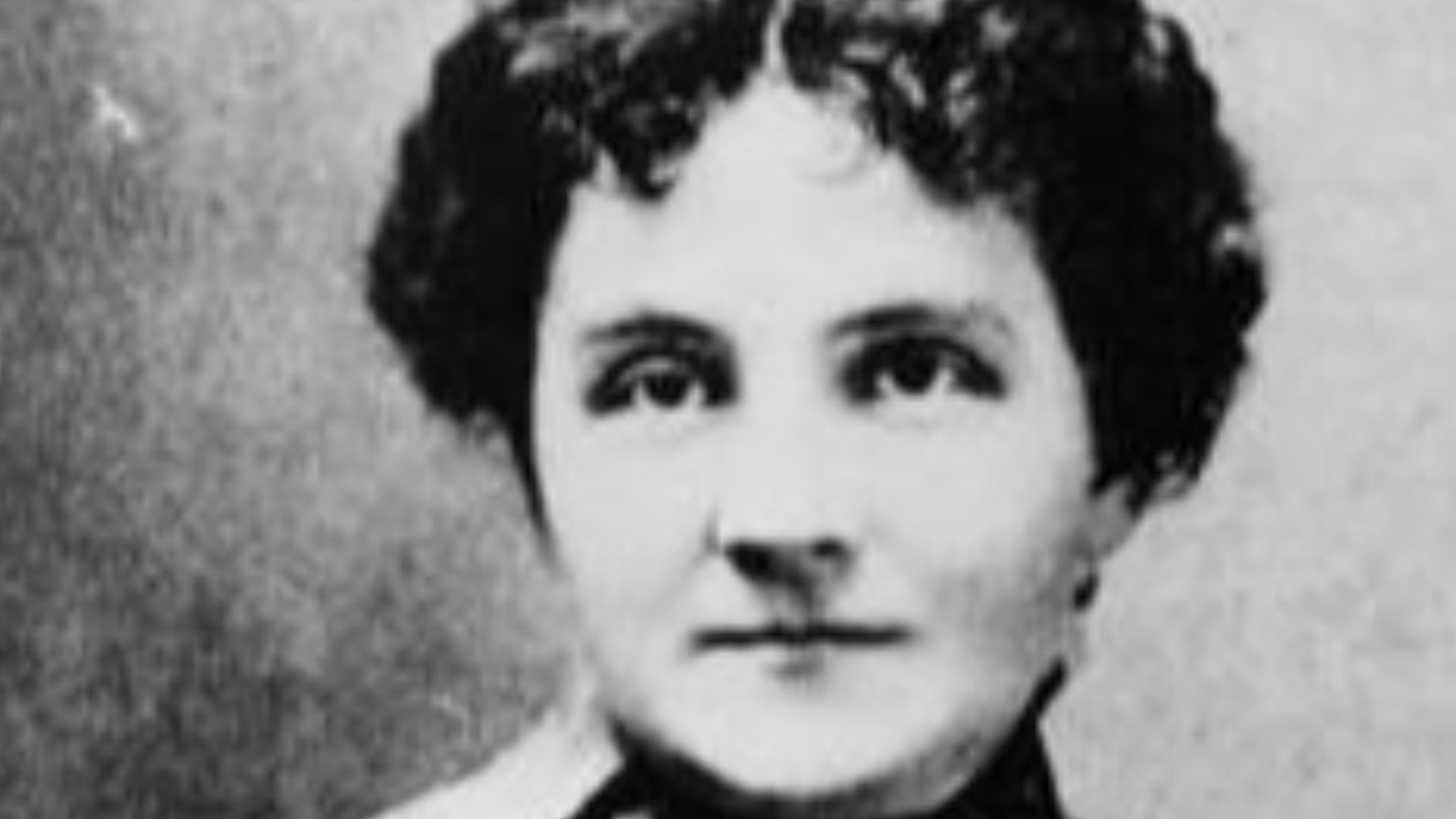
Cassie Chadwick Borrowed The Carnegie Name
Cassie Chadwick, born Elizabeth Bigley in Canada, convinced lenders and acquaintances that she was Andrew Carnegie’s illegitimate daughter. That supposed secret inheritance opened doors and credit lines. Her claims worked because the Carnegie name suggested hidden wealth, social access, and almost unlimited financial backing.
Her Best Accomplice Was Greed
Chadwick used forged documents, private hints, and the promise of discretion, but greed did much of the work. Bankers who imagined themselves close to Carnegie money had reasons not to ask too many questions. Her lie survived because people wanted the secret to be profitable.
 Unknown photographer, Wikimedia Commons
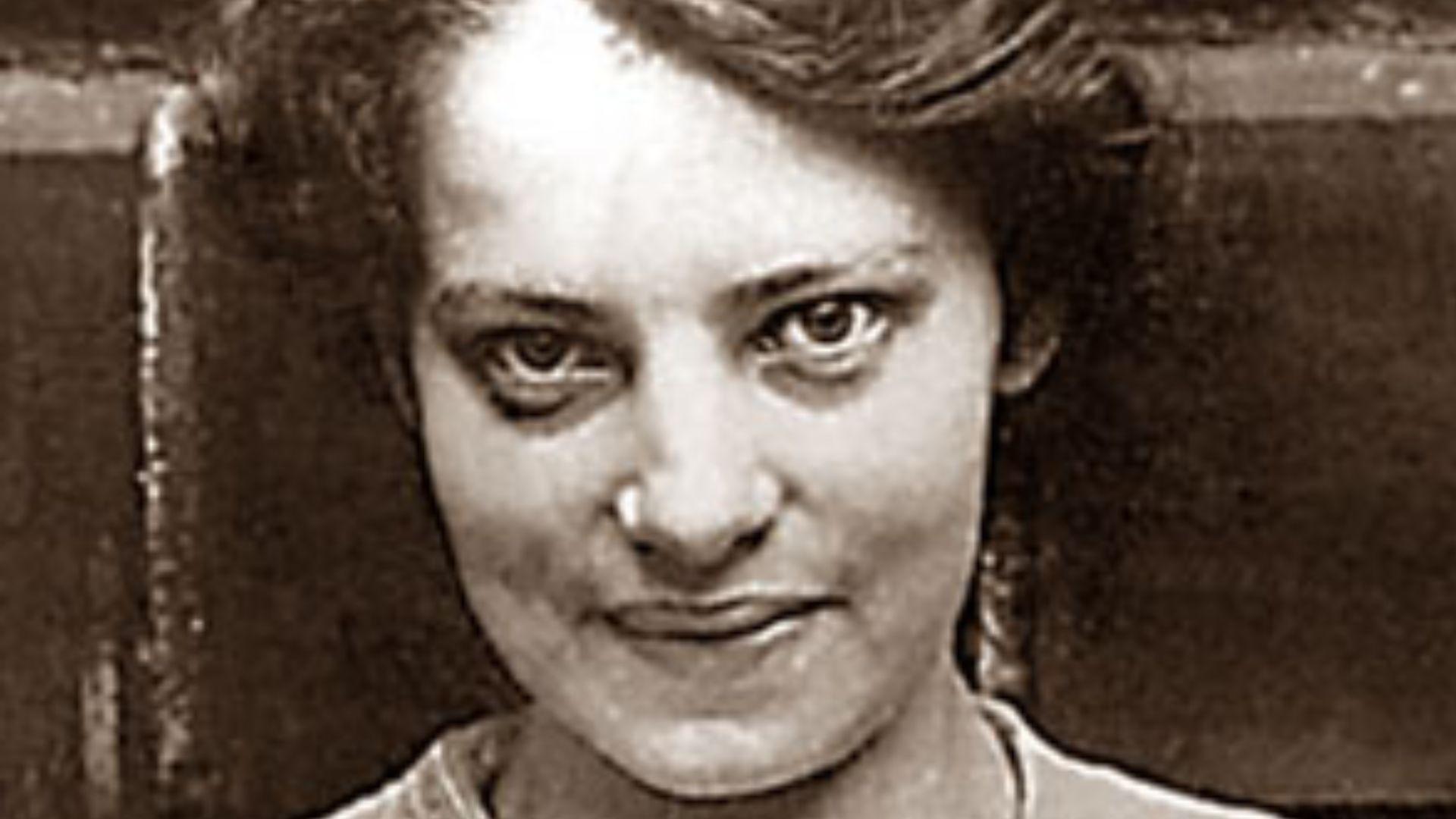
Anna Anderson Became The Anastasia Everyone Wanted
Anna Anderson was the most famous woman to claim she was Grand Duchess Anastasia, daughter of Russia’s last tsar. After the Romanov murders, the idea that one daughter might have survived was emotionally powerful. Some relatives and émigrés rejected her, but others defended the possibility for decades.
 Unknown authorUnknown author, Wikimedia Commons
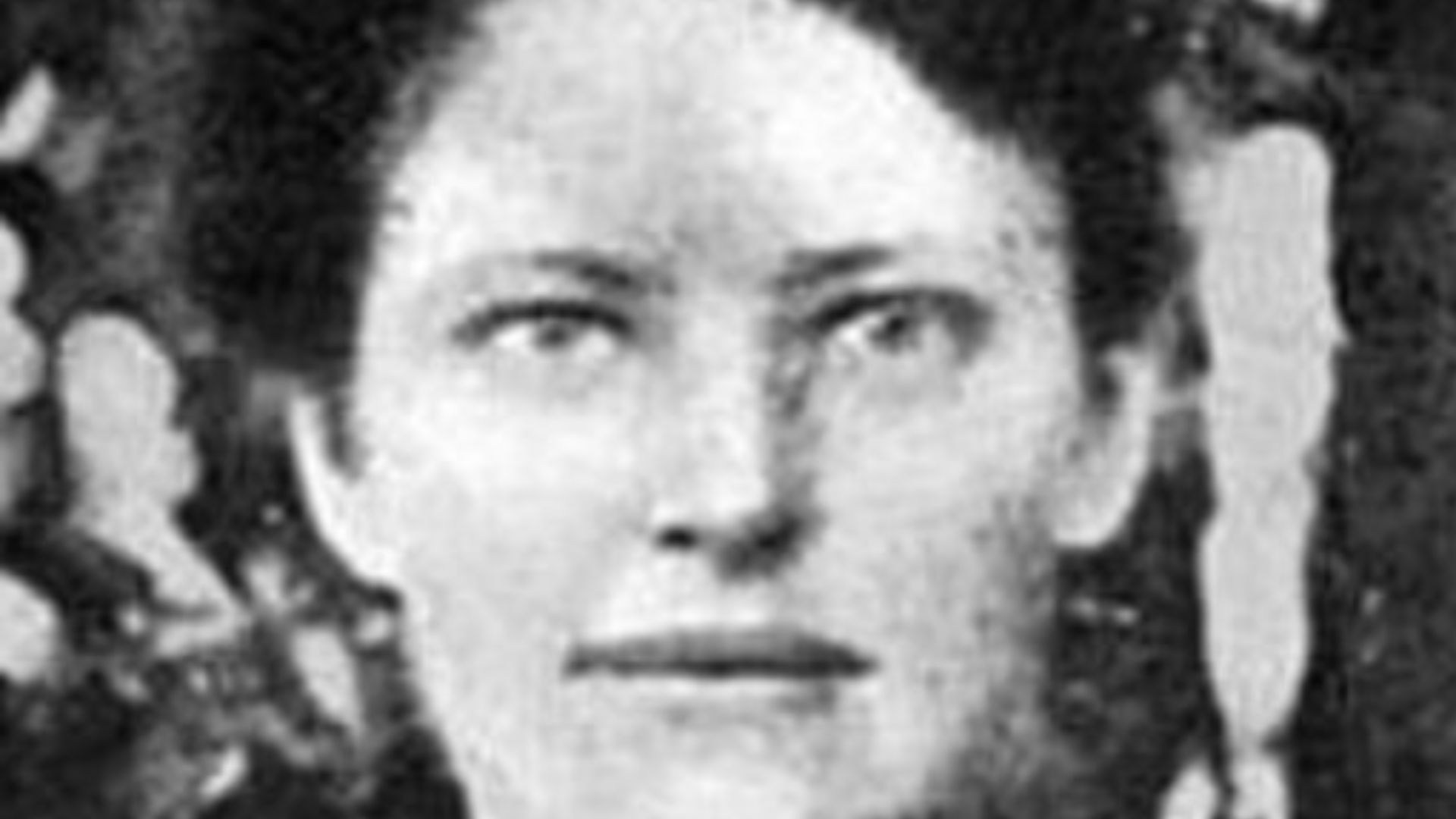
DNA Finally Closed The Door
Anderson’s claim lasted because longing, trauma, and uncertainty can outlive ordinary evidence. But DNA testing in the 1990s showed she was not related to the Romanovs and supported the identification of her as Franziska Schanzkowska. Science ended a story that rumor and grief had kept alive.
 Unknown authorUnknown author, Wikimedia Commons
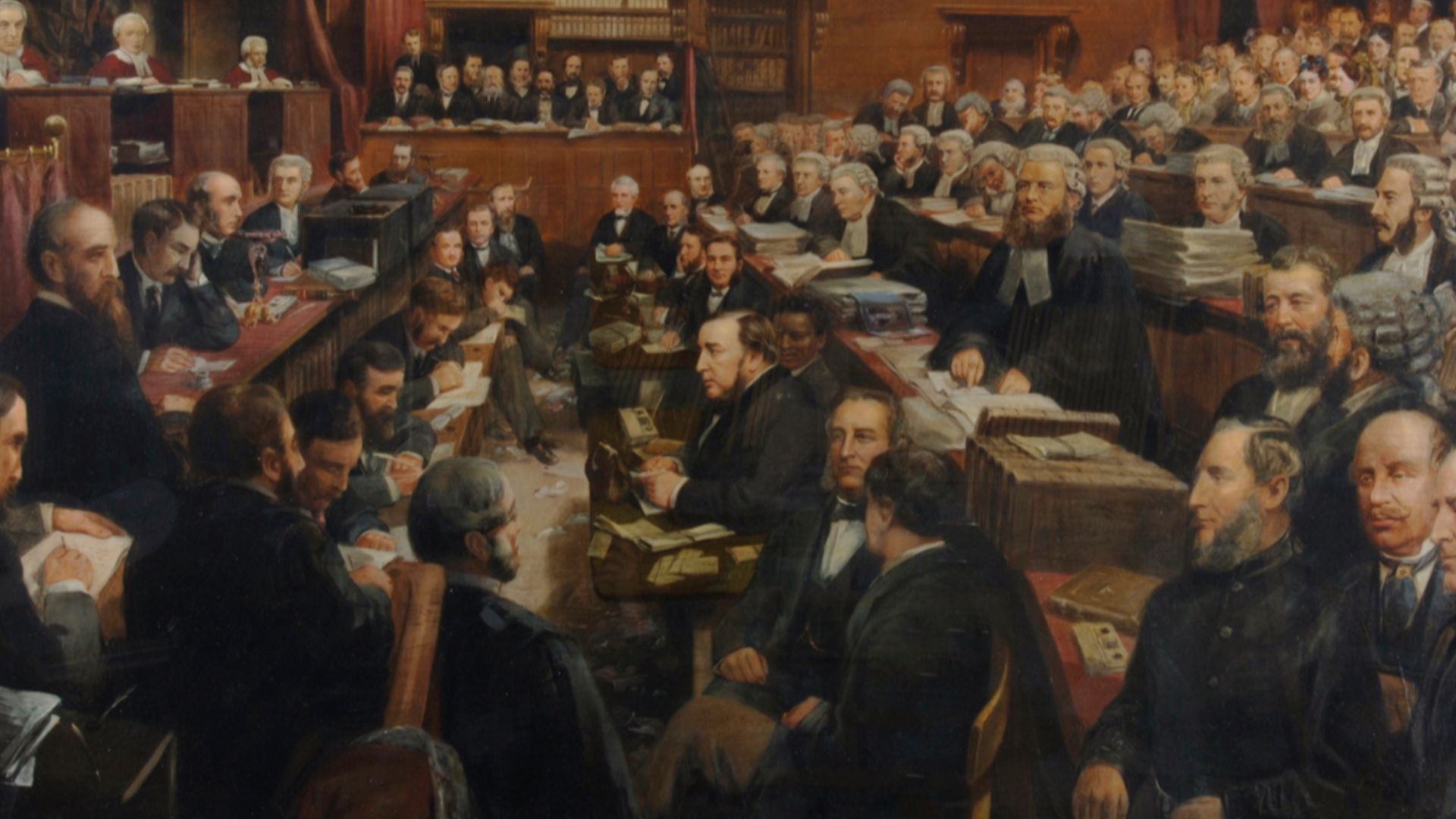
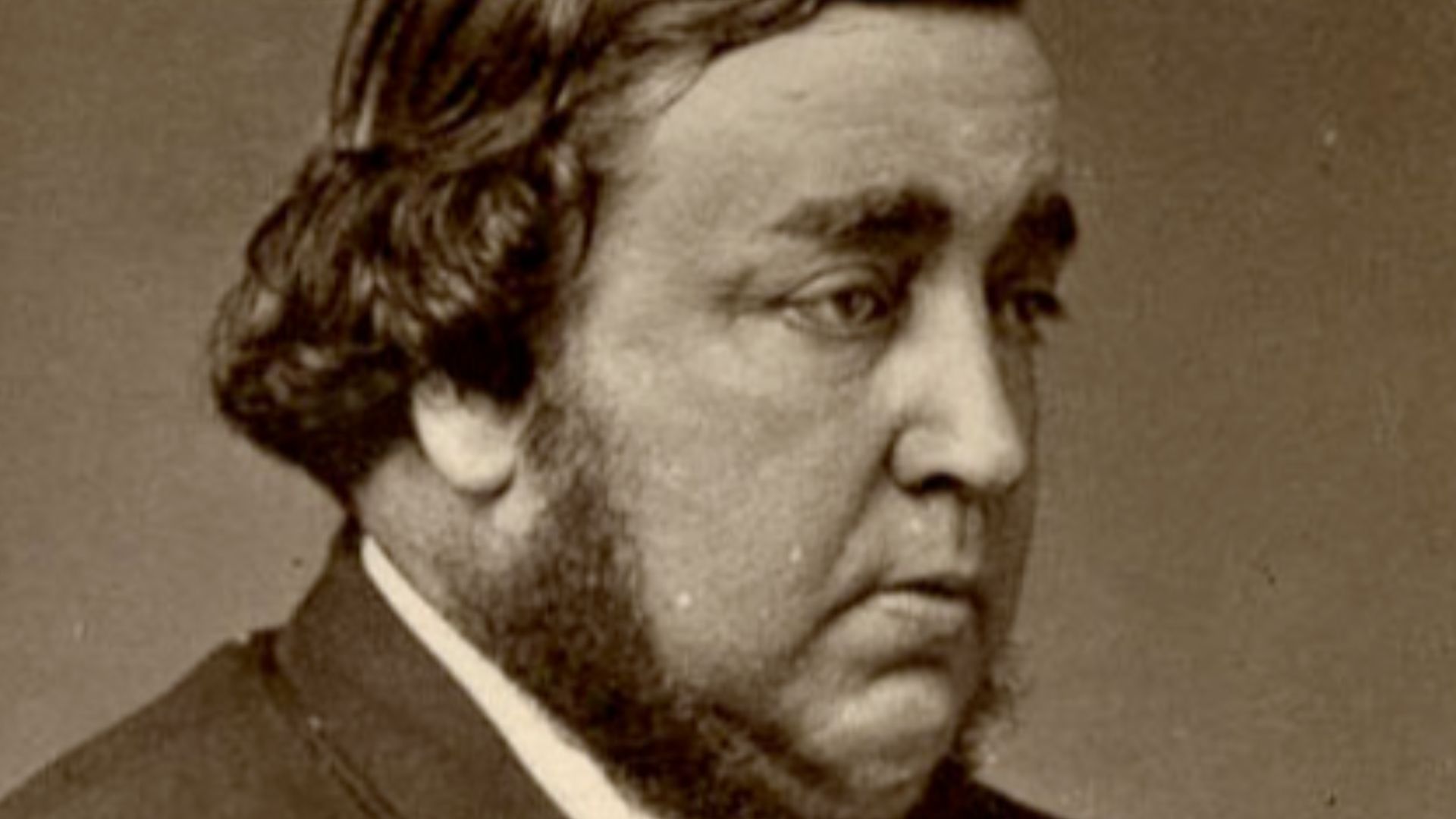
The Tichborne Claimant Won A Public Following
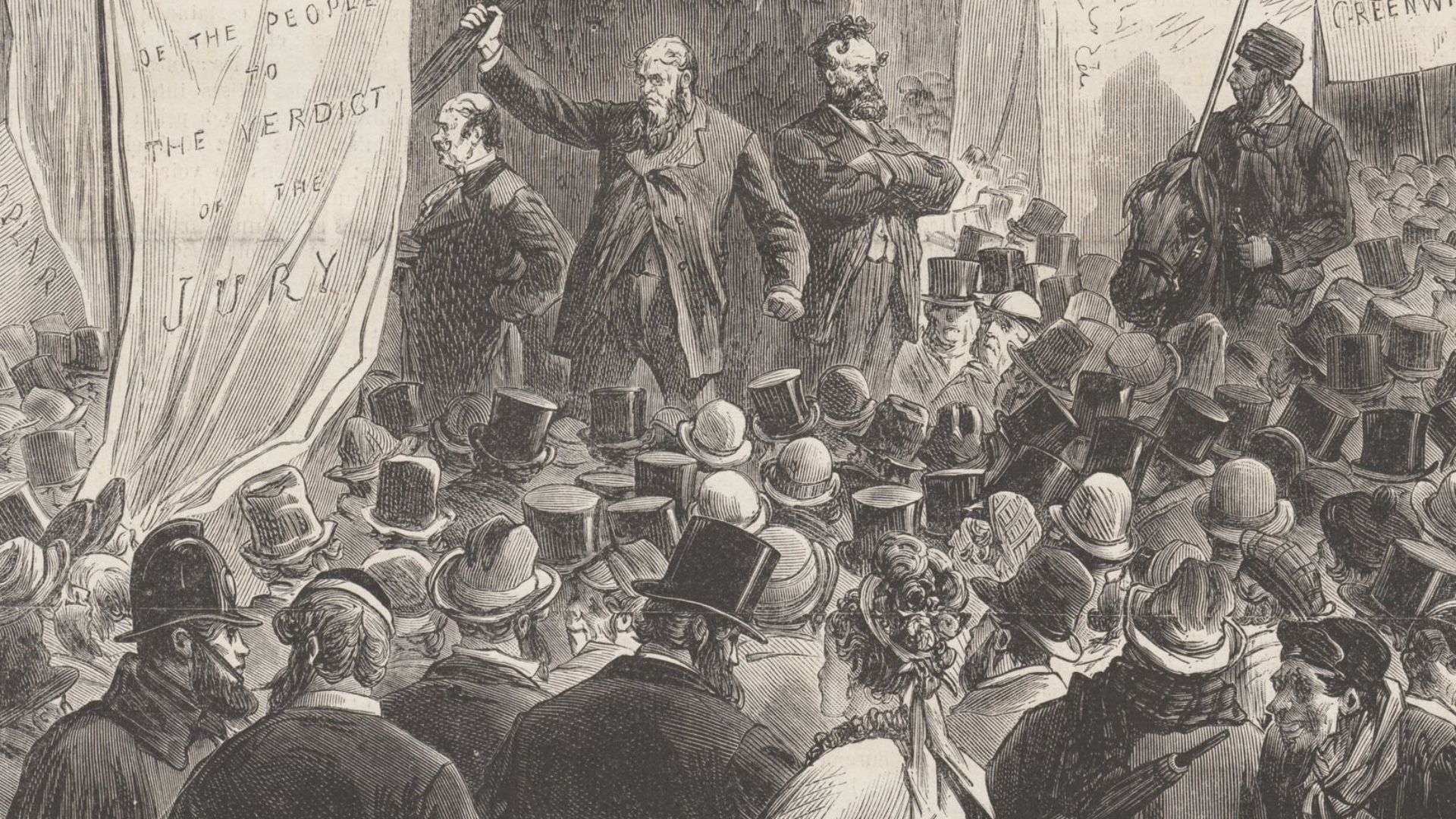
In Victorian Britain, a man from Australia claimed to be Sir Roger Tichborne, a missing heir from a wealthy Catholic family. He was widely identified as Arthur Orton, the son of a Wapping butcher, but Lady Tichborne accepted him. The case became a massive legal and social spectacle.
 Frederick Sargent, Wikimedia Commons
His Supporters Ignored Huge Problems
The claimant’s appearance, manners, language, and education did not fit the missing Sir Roger neatly. Yet supporters treated objections as snobbery, conspiracy, or family cruelty. The case showed how an impostor could become a movement. Once identity became political, contradictions could strengthen belief instead of weakening it.
 Unknown authorUnknown author, Wikimedia Commons
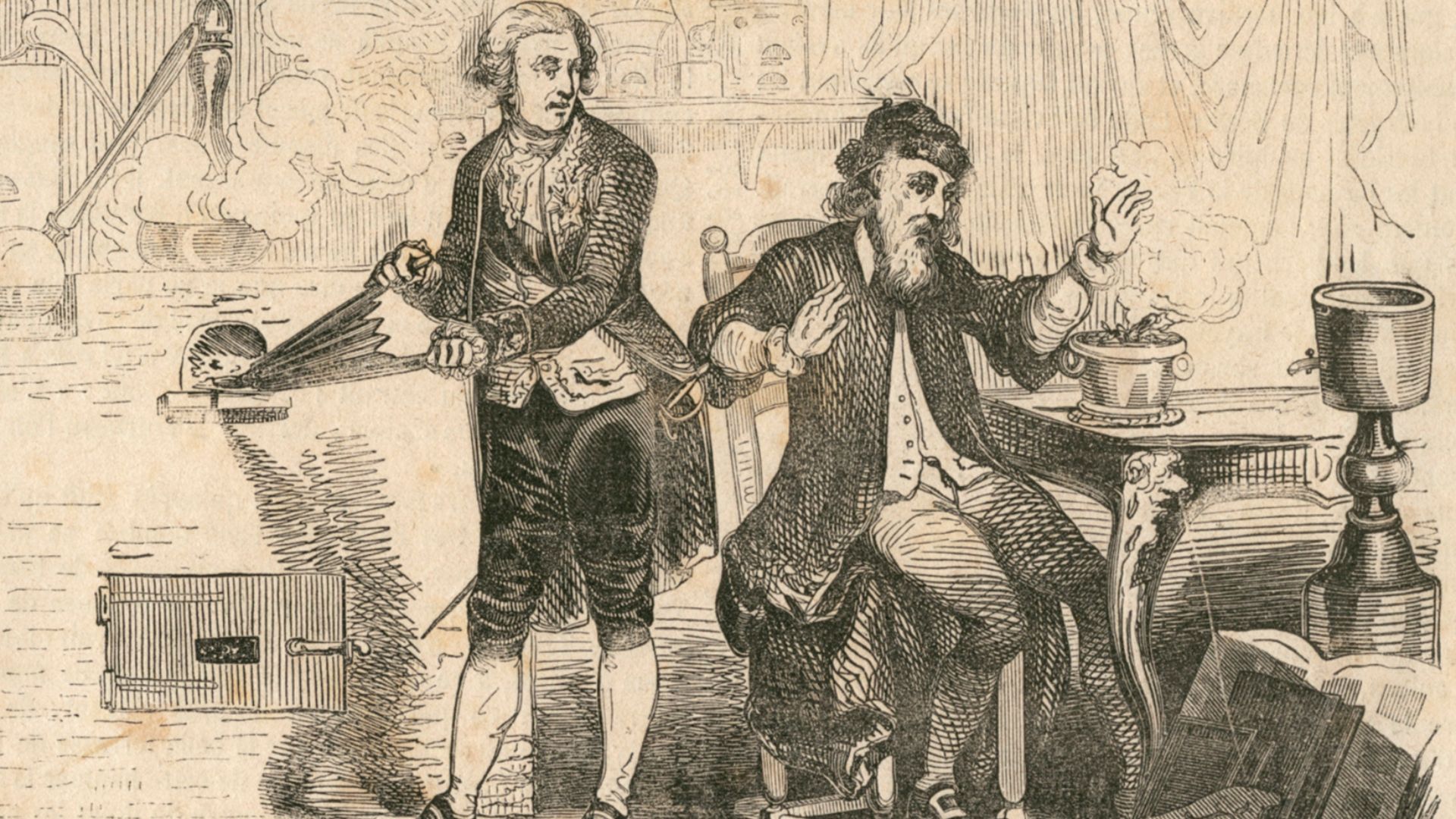
Cagliostro Made Mystery Look Noble
Alessandro Cagliostro, born Giuseppe Balsamo, moved through 18th-century Europe as an occult healer, Freemason, and self-fashioned noble figure. He used ritual, secrecy, performance, and claims of hidden knowledge to impress people who wanted access to something rare. Mystery became his social passport.
 BIU Santé - David Benoist, Wikimedia Commons
He Thrived Where Skepticism Felt Rude
Cagliostro’s act worked because he made doubt feel unsophisticated. If followers wanted ancient wisdom, secret orders, cures, and aristocratic glamour, demanding ordinary proof could seem small-minded. He turned vagueness into status, and status helped him keep moving through elite circles.
 Unidentified painter, Wikimedia Commons
Sarah Wilson Borrowed A Royal Sisterhood
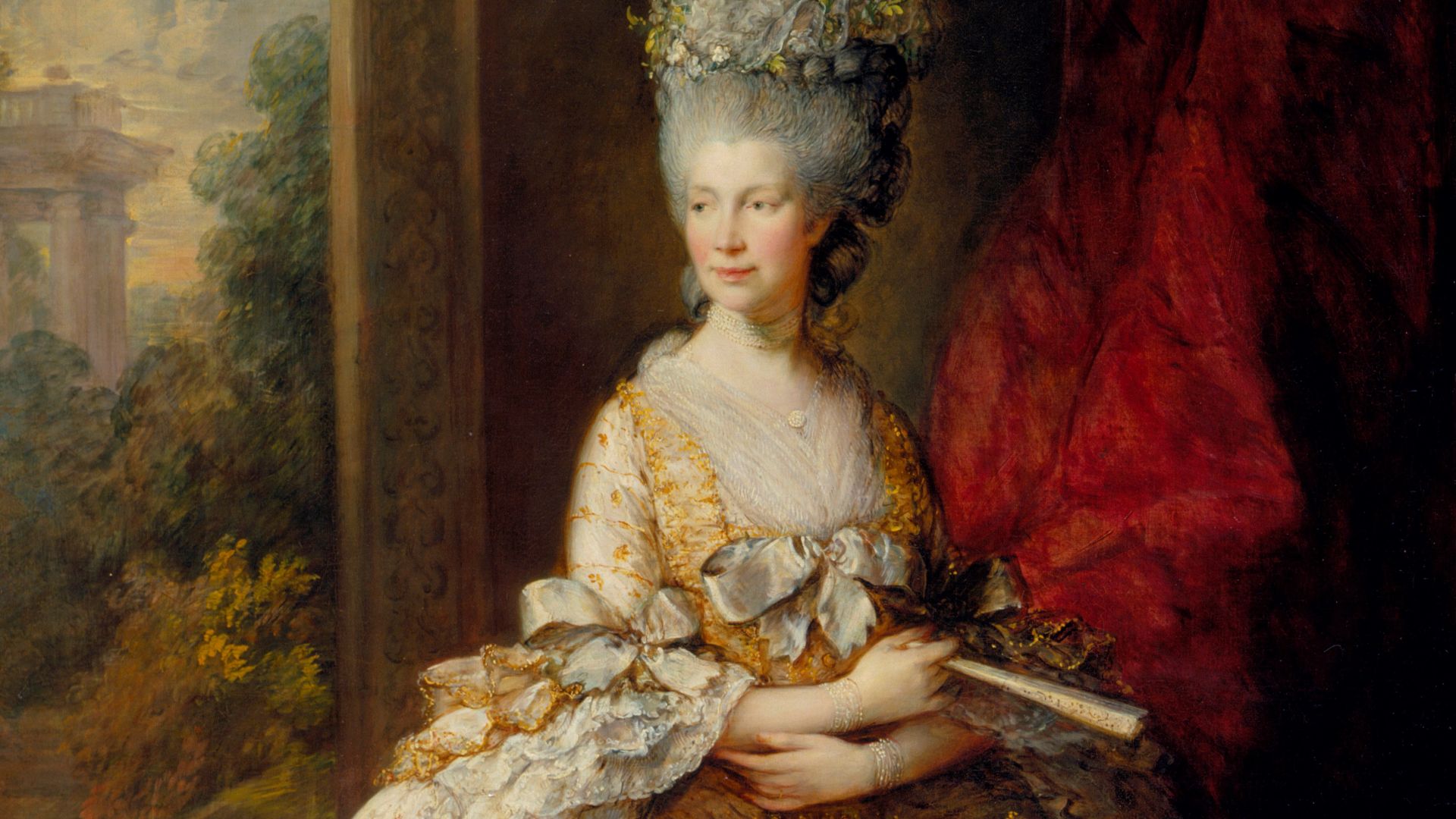
In colonial America, Sarah Wilson claimed to be Princess Susanna Caroline Matilda, supposedly connected to Queen Charlotte’s family. She exploited distance from the British court, slow communication, and colonial fascination with royalty. Her identity was fake, but the deference it produced was real.
 Thomas Gainsborough, Wikimedia Commons
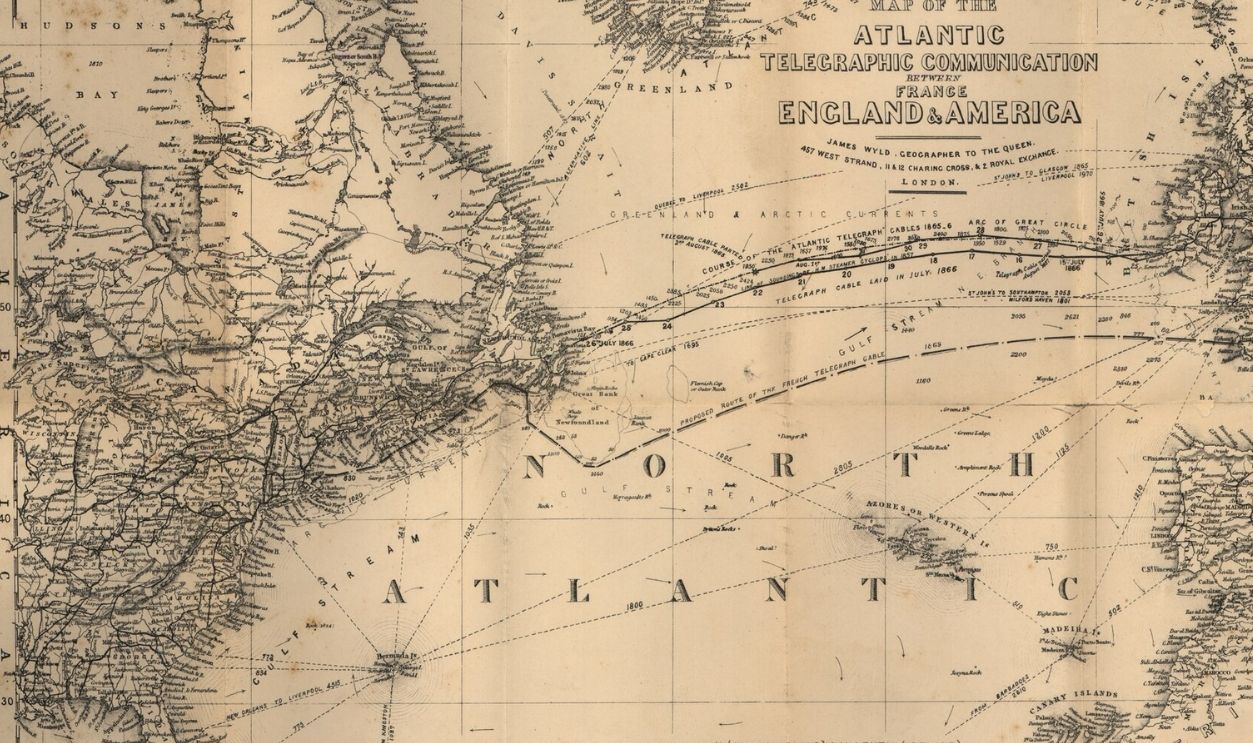
The Atlantic Protected Her Story
Wilson’s scam worked because verification was slow and awkward. People in the colonies could not easily check the details of European royal households. A woman with courtly claims, clothes, manners, and confidence could turn geography into protection. Distance gave the lie time to breathe.
Impostors Needed Willing Audiences
These frauds did not succeed by confidence alone. They needed hosts, patrons, bankers, courtiers, readers, newspapers, officials, and spectators who helped the stories spread. Some were naive. Some were ambitious. Some probably suspected the truth but found the illusion useful enough to continue.
 Frédéric Théodore Lix, Wikimedia Commons
Paper Could Help, But It Could Also Mislead
Historical societies were not without documents. They had letters, seals, introductions, passports, legal papers, church records, and family testimony. But documents could be forged, misunderstood, or socially overruled. A confident impostor could make weak evidence feel sufficient if the story was attractive enough.
 National Museum of American History
, Wikimedia Commons
National Museum of American History
, Wikimedia Commons
Class Etiquette Protected The Lie
Elite manners often made direct questioning difficult. To ask too bluntly might seem rude, vulgar, or insulting. That hesitation gave impostors room to perform. The same etiquette that made drawing rooms appear civilized could also make them strangely easy to manipulate.
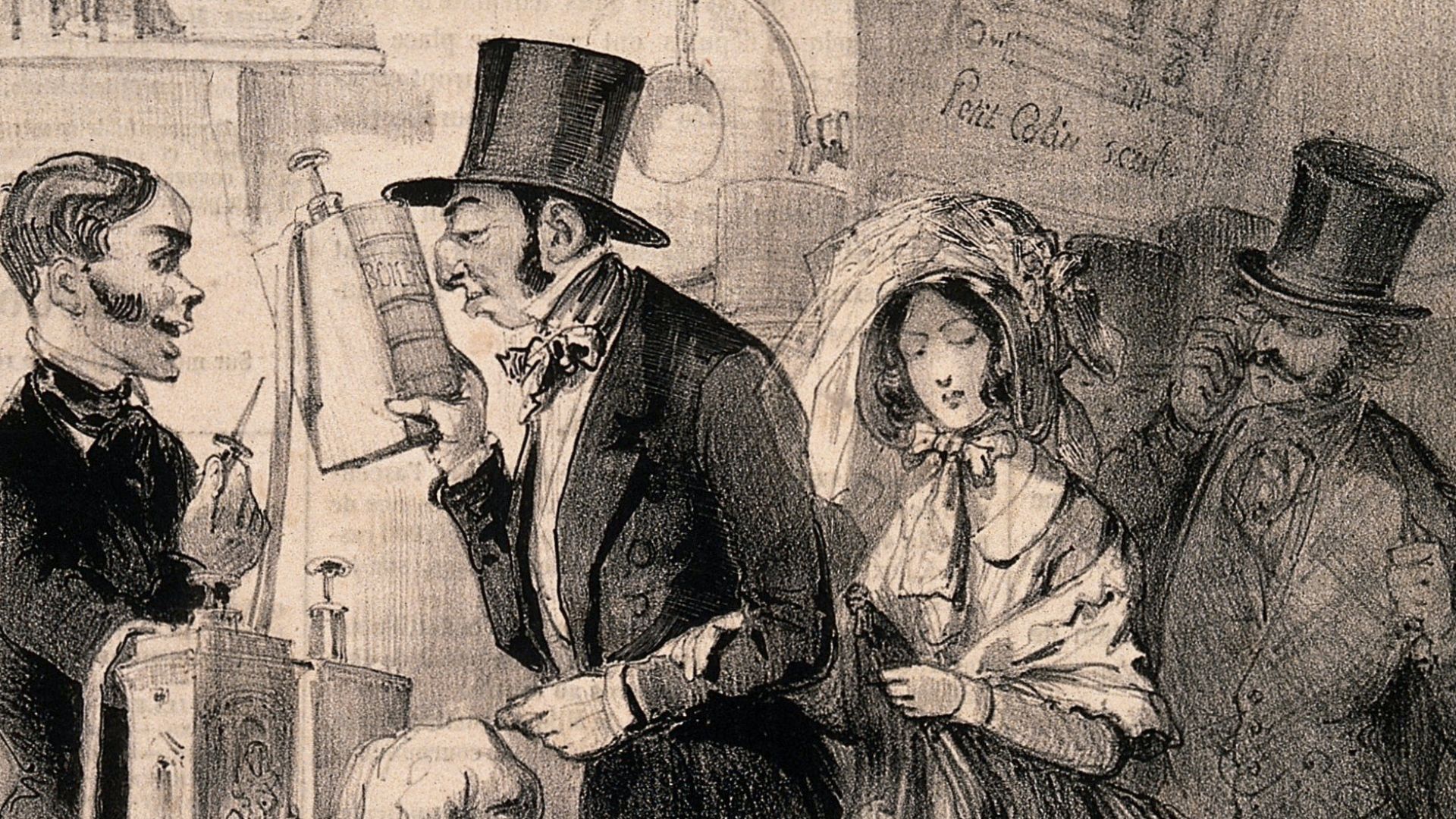
The Modern Lesson Is Not That We Are Smarter
Today’s security standards make some old tricks harder, but deception has not vanished. People still fall for status, exclusivity, urgency, celebrity, insider access, and special knowledge. The technology has changed. The emotional weaknesses are familiar.

You May Also Like:
What Happened After JFK Was Shot?
Strange Historical Coincidences That Are Almost Impossible To Believe
Sources: 1, 2, 3, 4, 5, 6, 7, 8, 9, 10, 11, 12, 13, 14, 15, 16, 17, 18