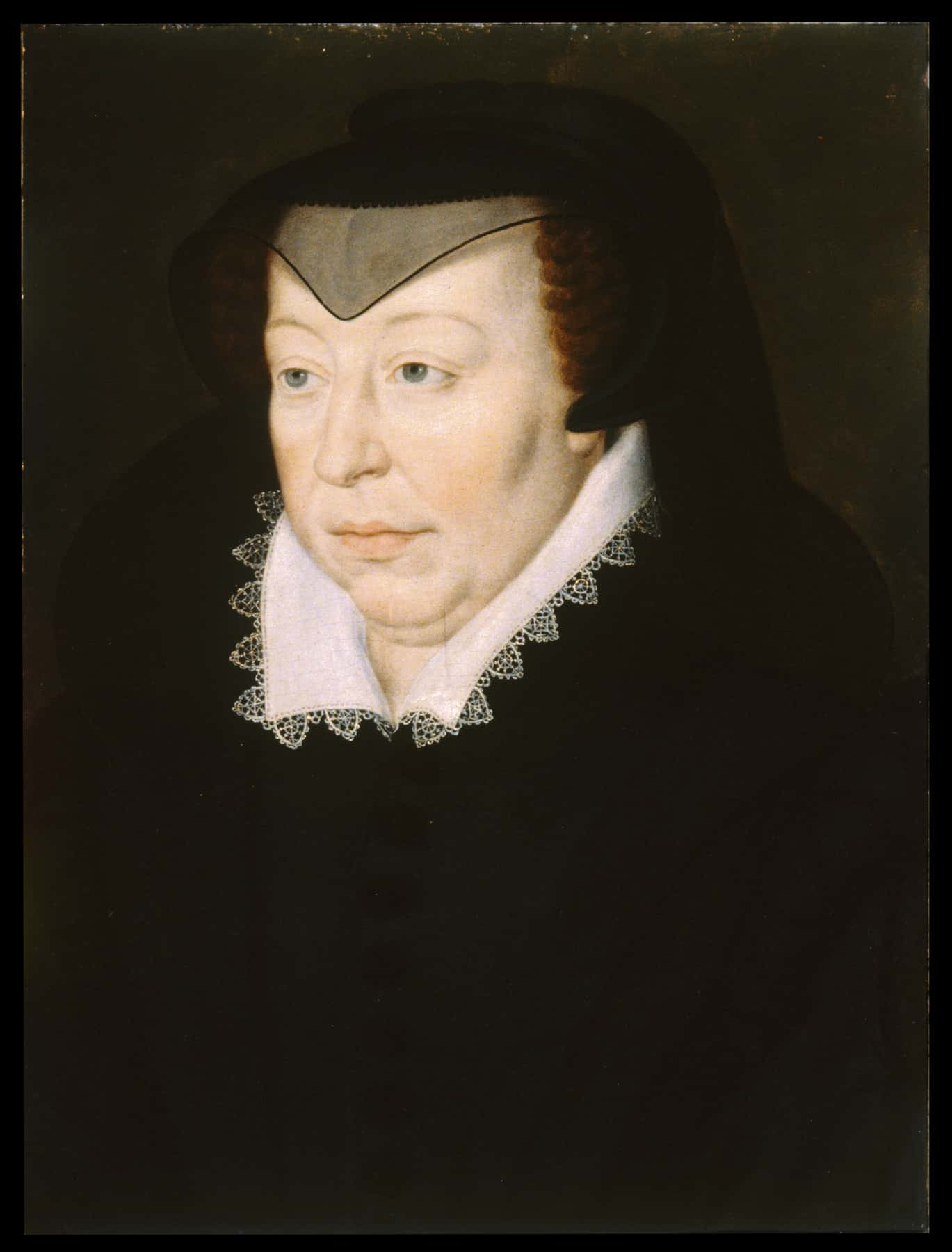
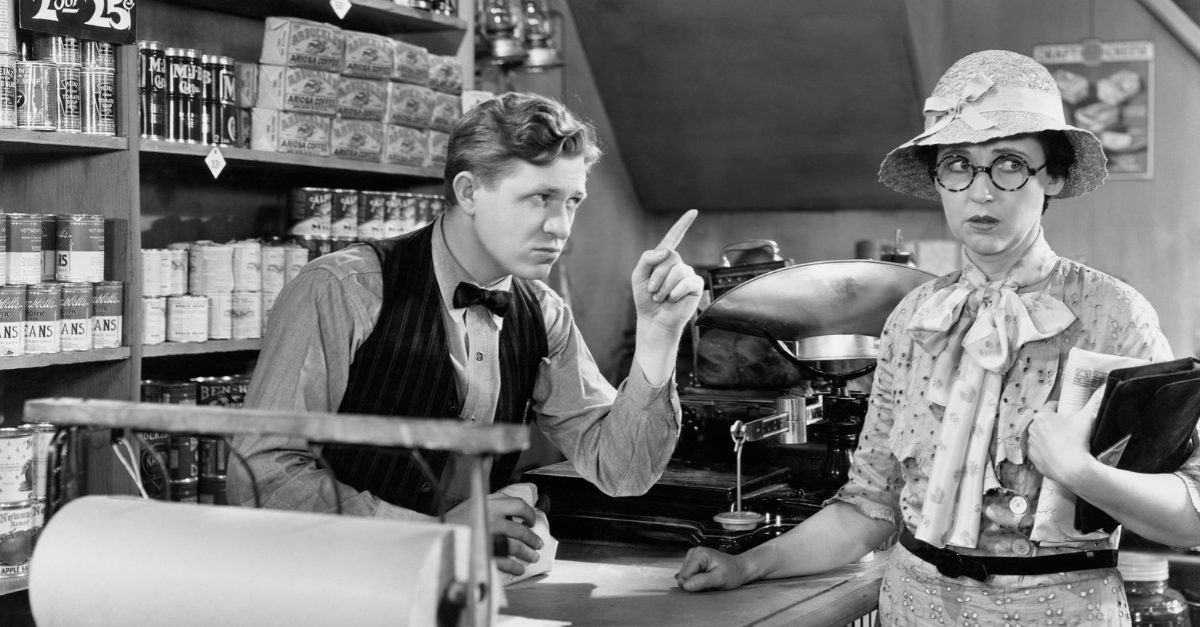
Before Scanners, Grocery Shopping Was A Different Experience
Today, grocery shopping involves scanning products, checking a screen, and paying within minutes. Before barcode technology transformed supermarkets, however, checkout required considerably more human effort. Cashiers entered prices manually, employees labeled merchandise individually, and keeping track of inventory was a complicated business.
 Everett Collection, Shutterstock Images
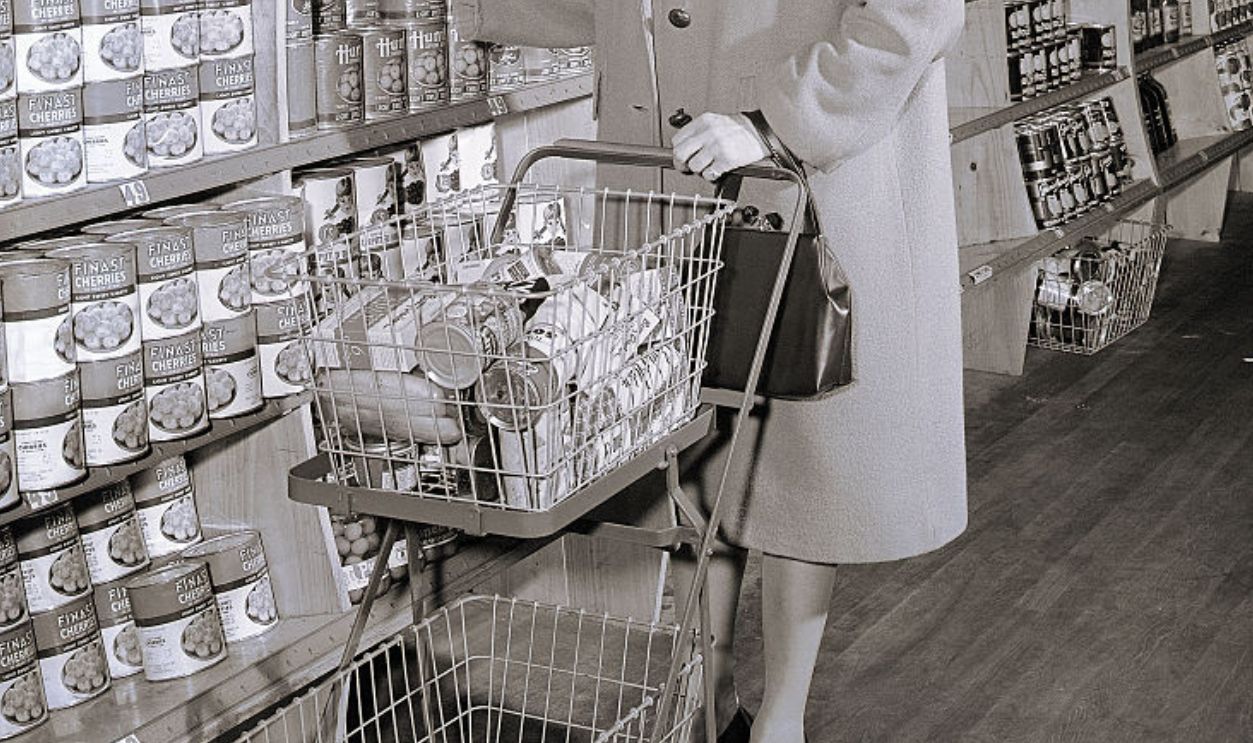
Nearly Every Packaged Item Had A Price Sticker
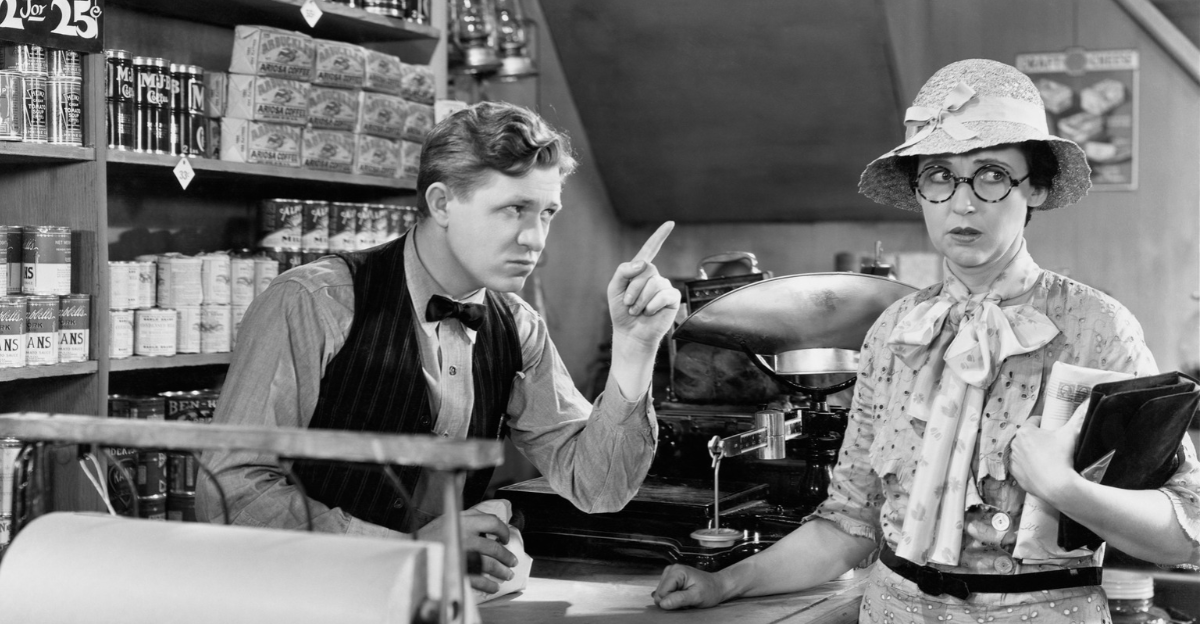
Before barcode scanning became widespread, supermarkets commonly placed individual price stickers on packaged products. Those little labels told cashiers what to charge. They also allowed shoppers to see the price directly on the merchandise rather than relying entirely on shelf displays.
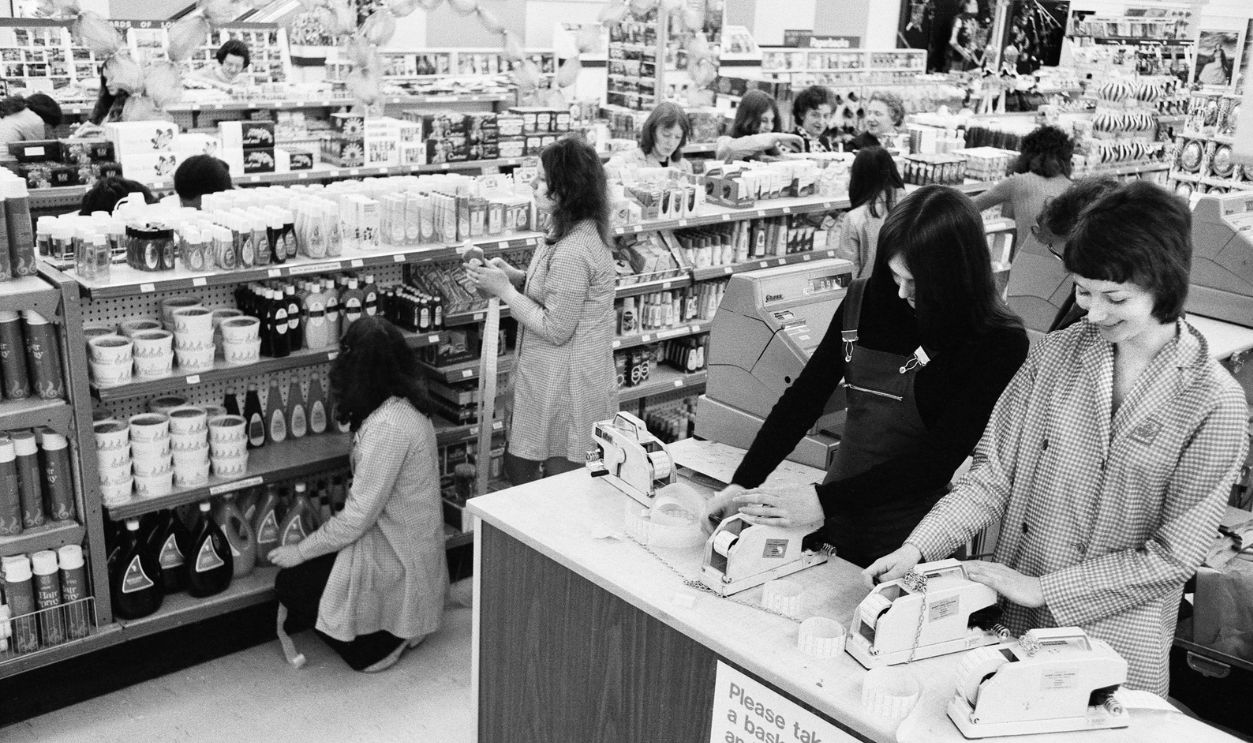
Marking Merchandise Was A Job Of Its Own
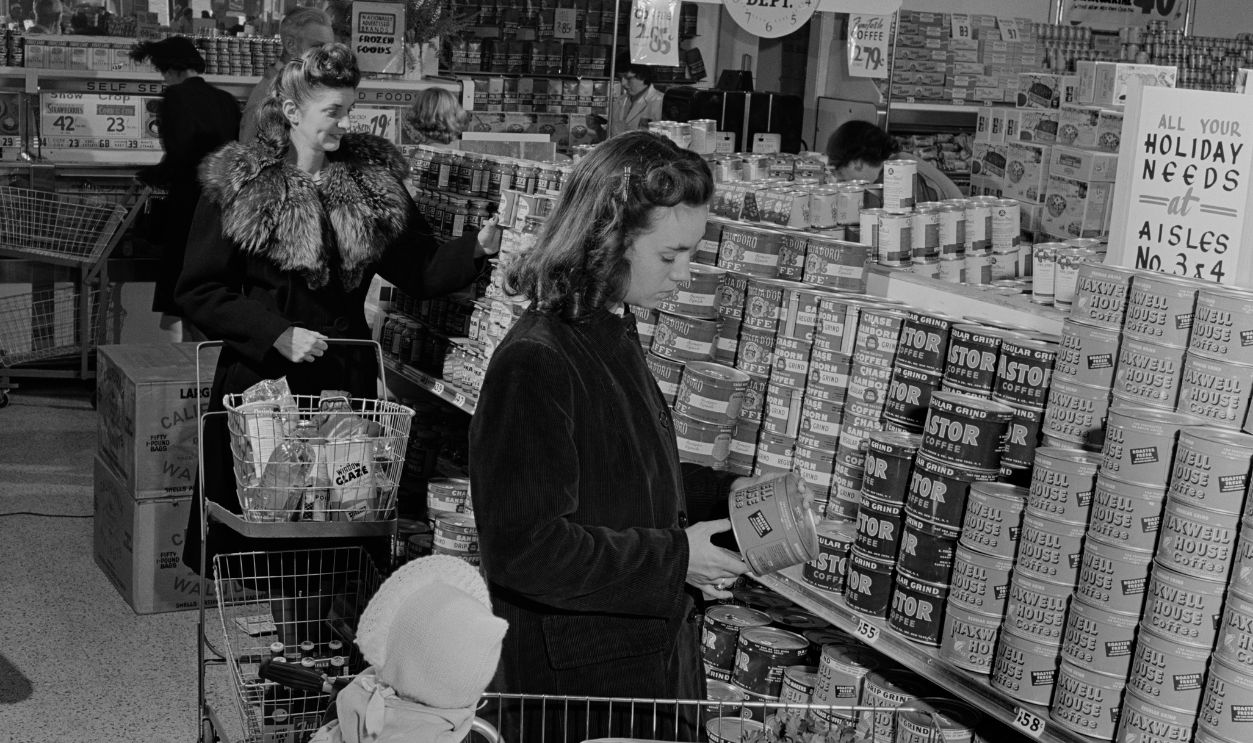
Supermarket employees spent substantial amounts of time attaching price labels to products. With thousands of different goods filling store shelves, keeping everything marked was labor-intensive. This work continued behind the scenes long before customers reached the checkout counter.
Changing Prices Was Surprisingly Complicated
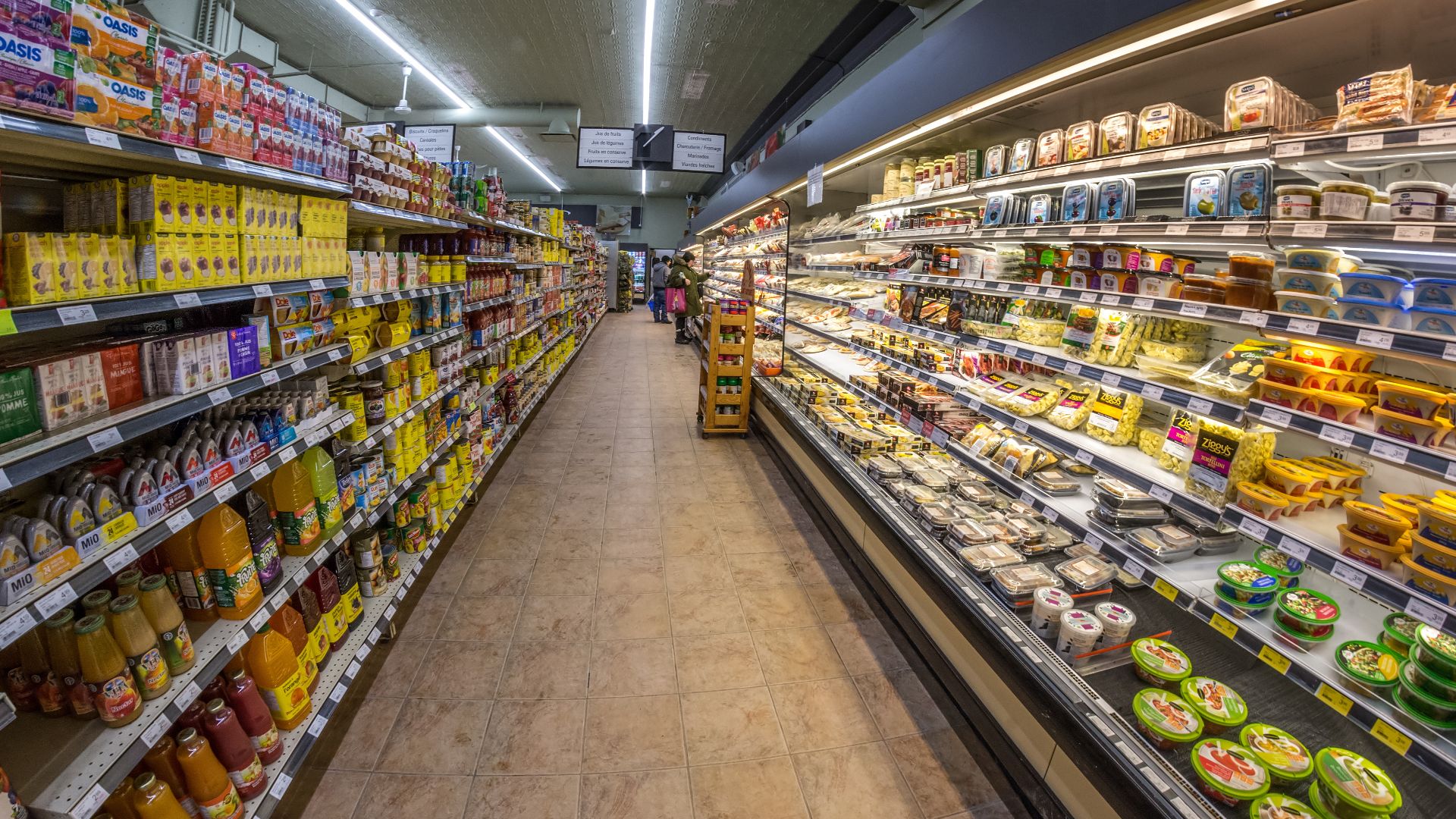
Imagine having to update the price of every can on a crowded supermarket shelf. Before computerized pricing, workers often needed to remove old labels and apply new ones. Changing prices meant considerably more work than updating a store's central database.
Inflation Made The Problem Even Worse
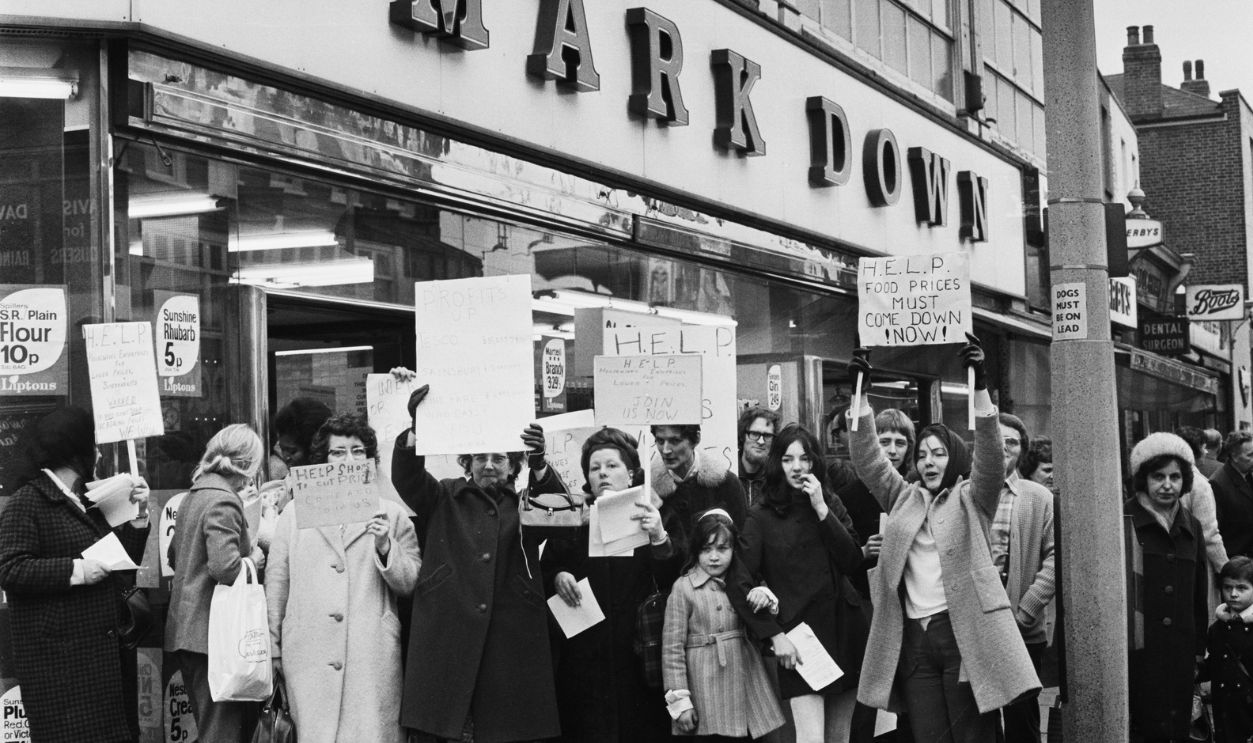
During the inflationary 1970s, supermarkets faced additional challenges when adjusting prices. Existing stickers could display outdated amounts, creating confusion for employees and shoppers. Retailers wanted systems that allowed quicker updates without the enormous task of relabeling merchandise throughout the store.
 Evening Standard, Getty Images
Missing Price Tags Could Slow Everything Down
A product without a readable price created an immediate problem at checkout. Without a scanner retrieving information from a database, the cashier needed another way to establish its cost. That could interrupt an otherwise straightforward transaction while someone checked the price.
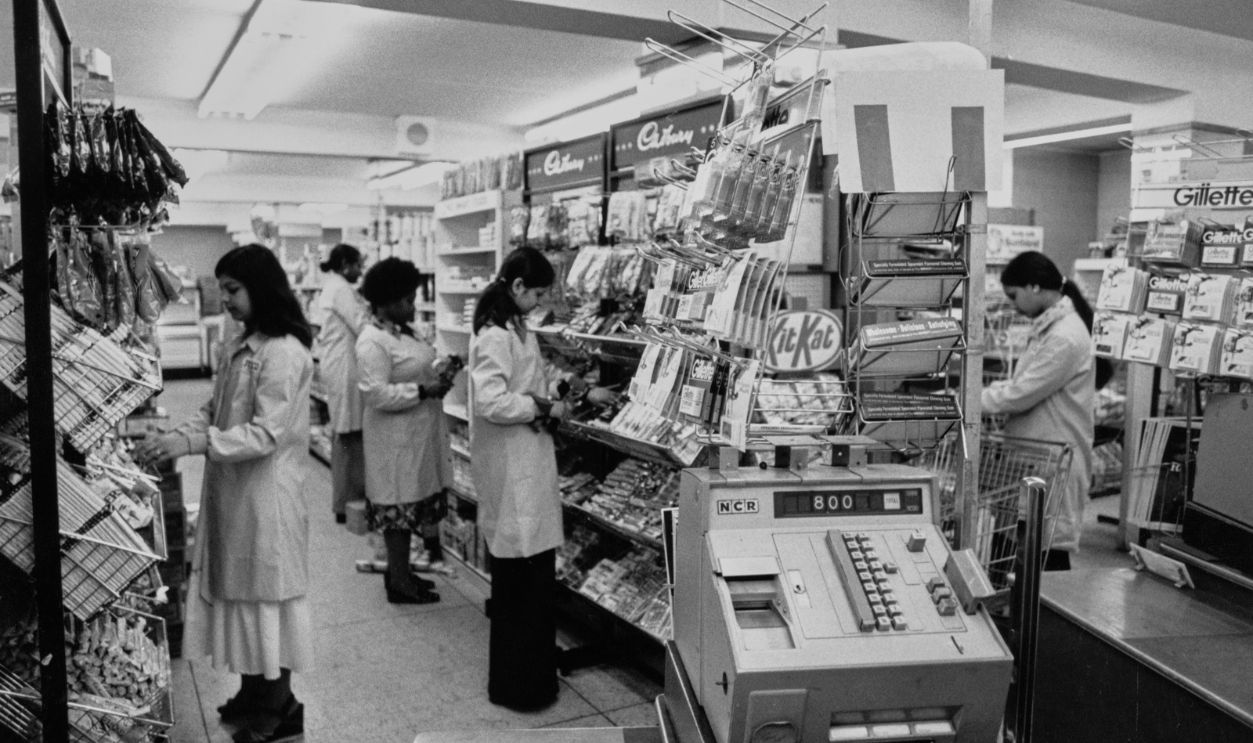
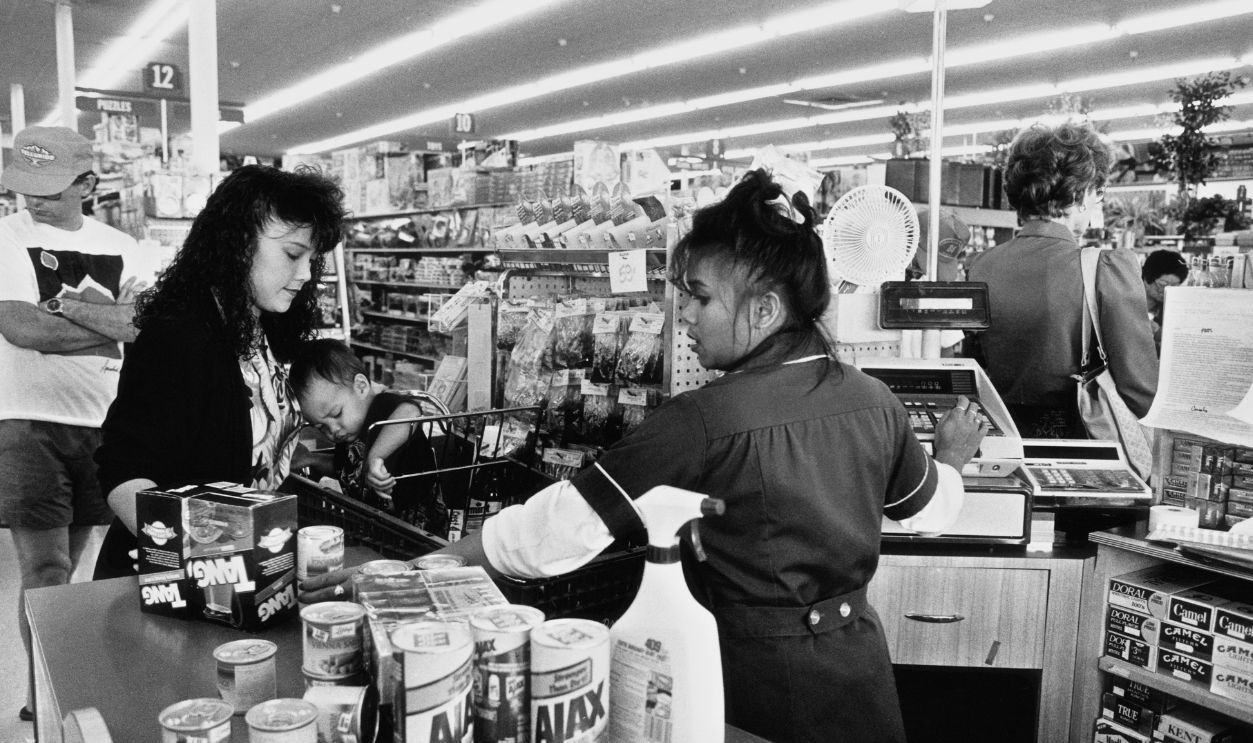
Cashiers Had To Read Every Price
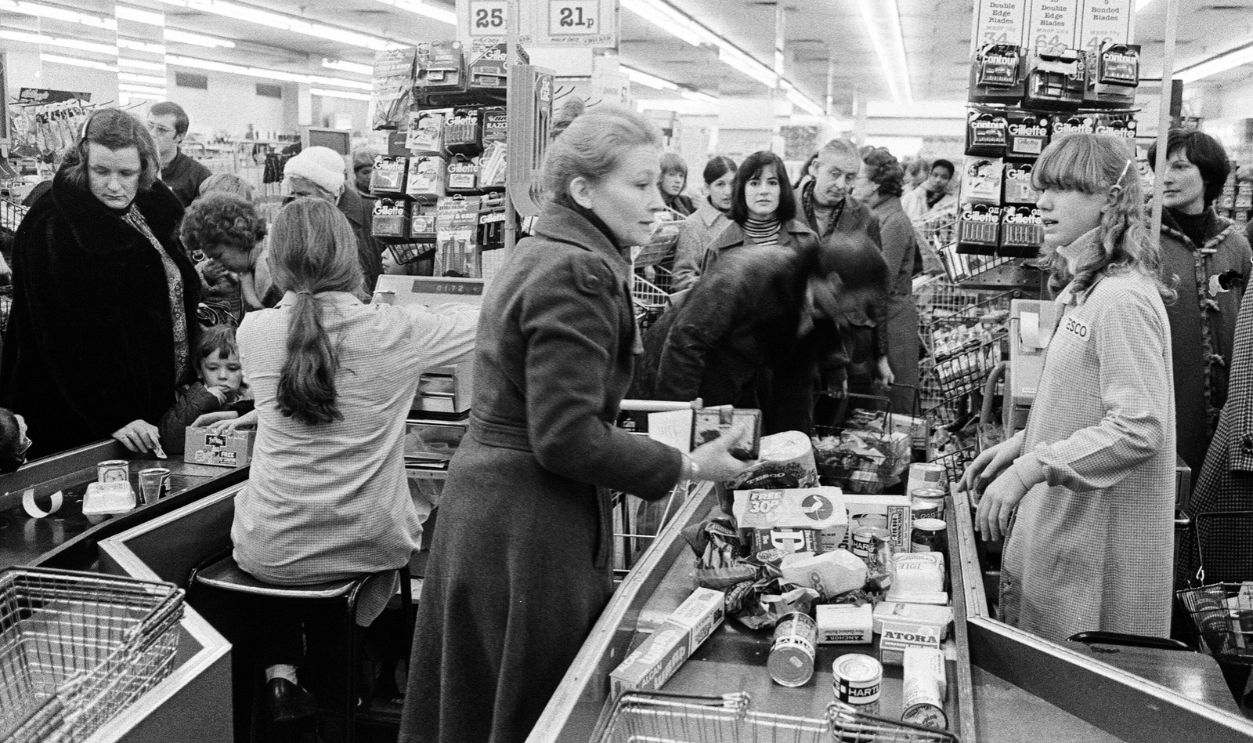
Before automated checkout, cashiers relied on the amounts printed or attached to merchandise. Instead of moving an item across a scanner, they had to locate and read its price. Processing an entire shopping cart involved repeating that action again and again.
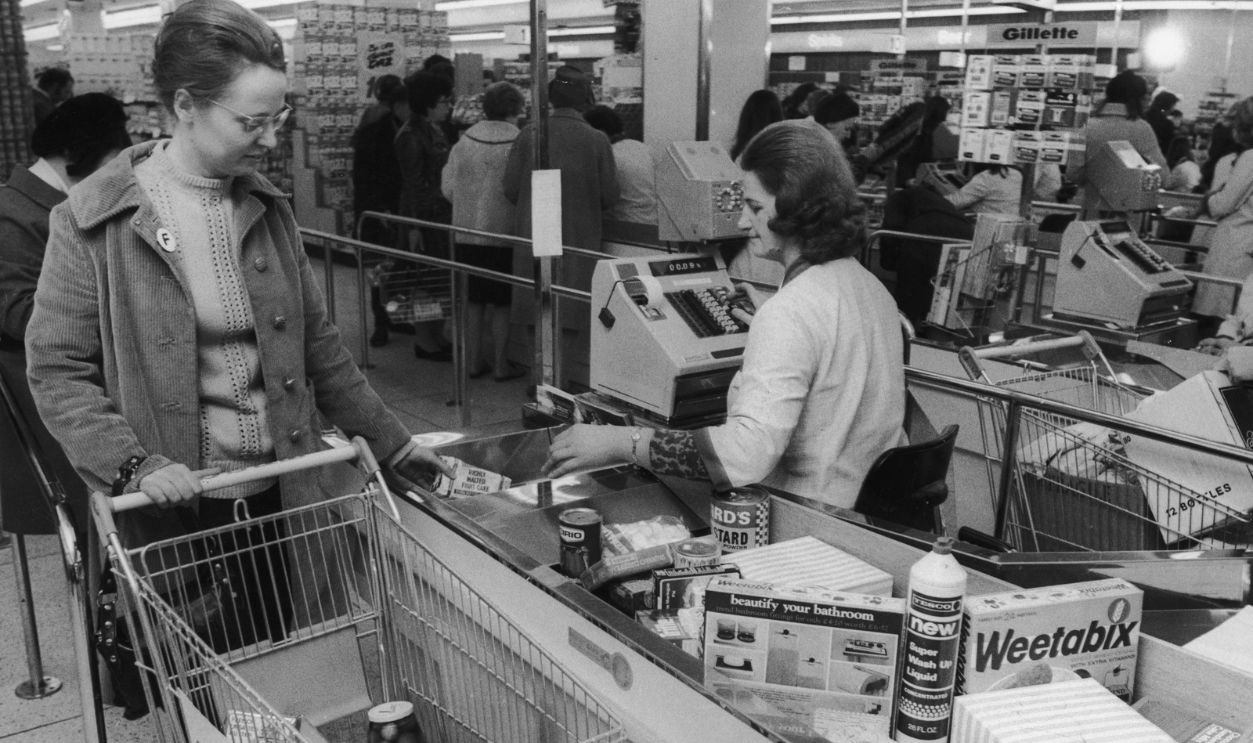
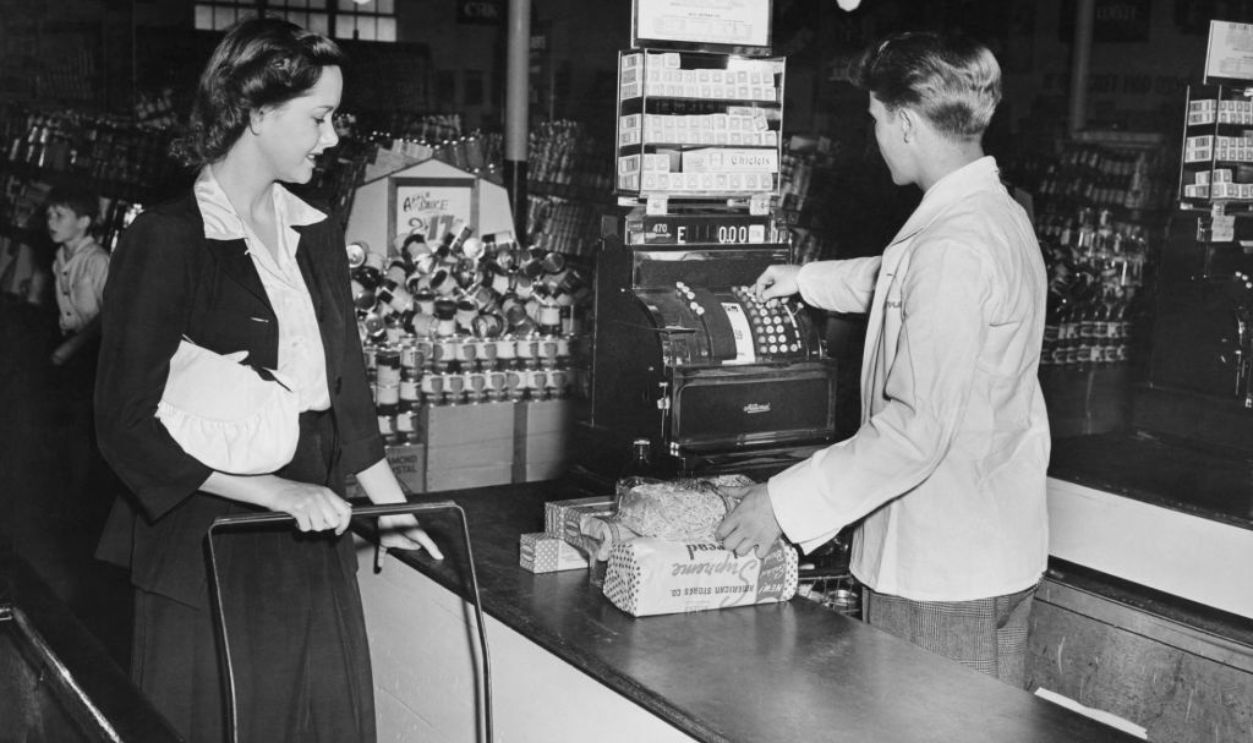
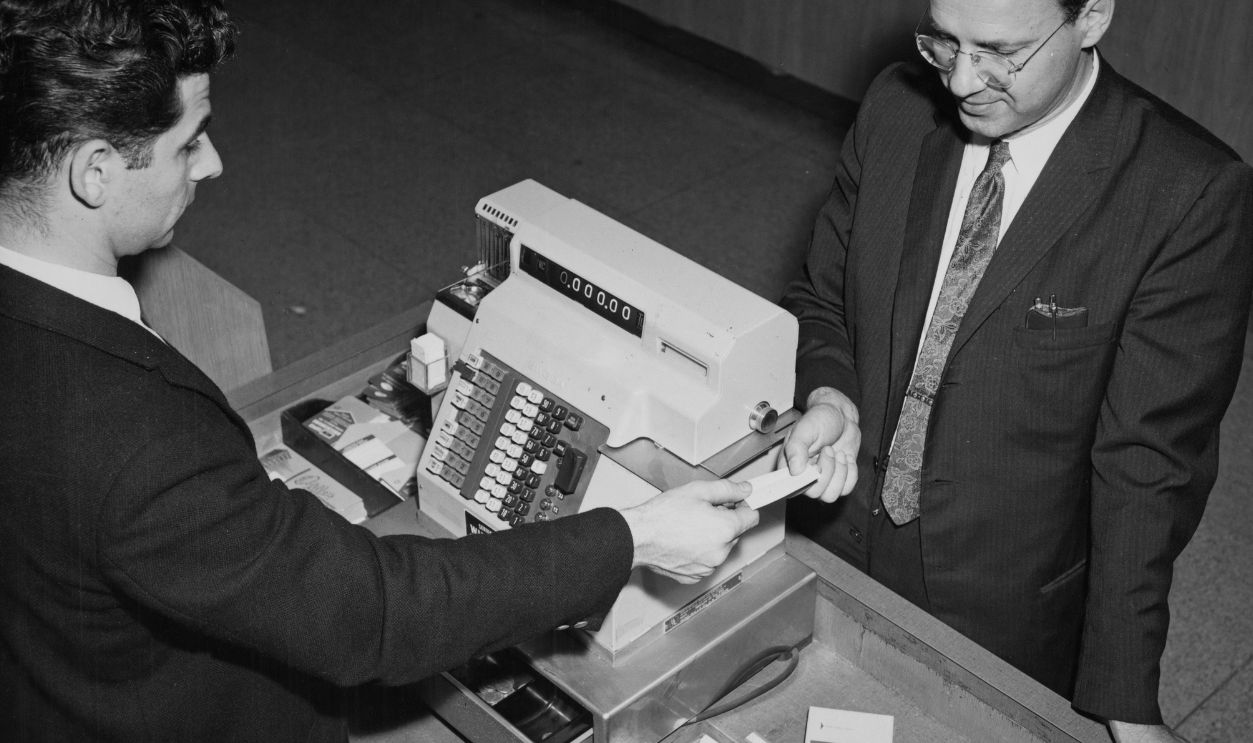
Every Price Had To Be Entered Manually
Reading prices was only half the job. Cashiers also entered amounts into their registers using keys, creating opportunities for mistakes. Modern barcode systems eventually removed much of this repetitive work by identifying products electronically and retrieving prices automatically.
 Harold M. Lambert, Getty Images
Cash Registers Had Their Own Soundtrack
Older mechanical registers produced distinctive clicks, clattering keys, and ringing bells. Electronic models appeared before barcode scanners became common, so not every checkout operated mechanically. Still, shopping lacked the rapid scanning sounds that would eventually become familiar in supermarkets everywhere.
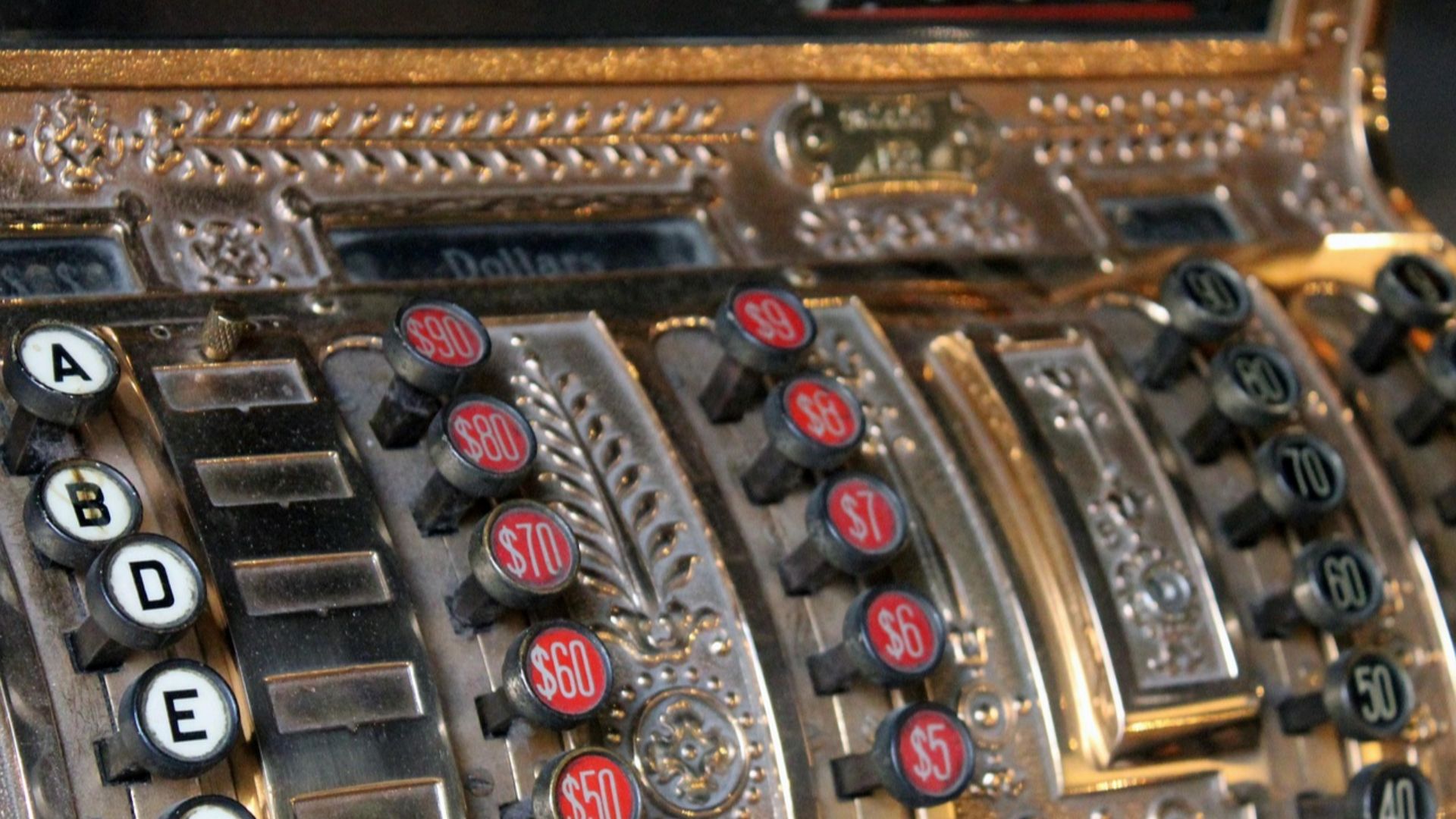
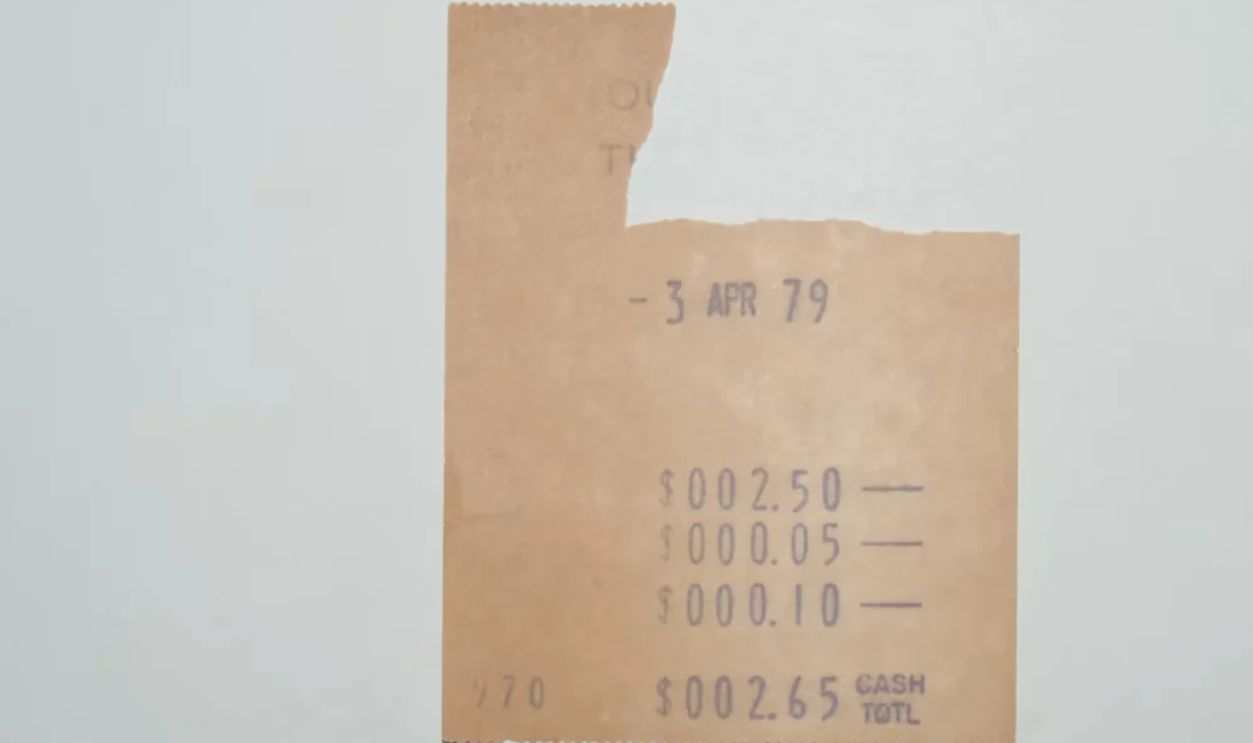
Receipts Were Much Less Informative
Modern receipts typically identify individual products alongside their prices. Earlier cash register receipts were often far simpler, recording amounts without providing detailed product descriptions. Barcode-linked computerized systems eventually allowed stores to print more informative records of what customers actually purchased.
Human Error Was An Expensive Problem
Manually entering prices made checkout mistakes a continuing concern for grocery retailers. An incorrect amount could affect both the customer's bill and the store's records. Reducing such errors became one of the grocery industry's strongest arguments for introducing automated scanning technology.
 Archives New Zealand from New Zealand, Wikimedia Commons
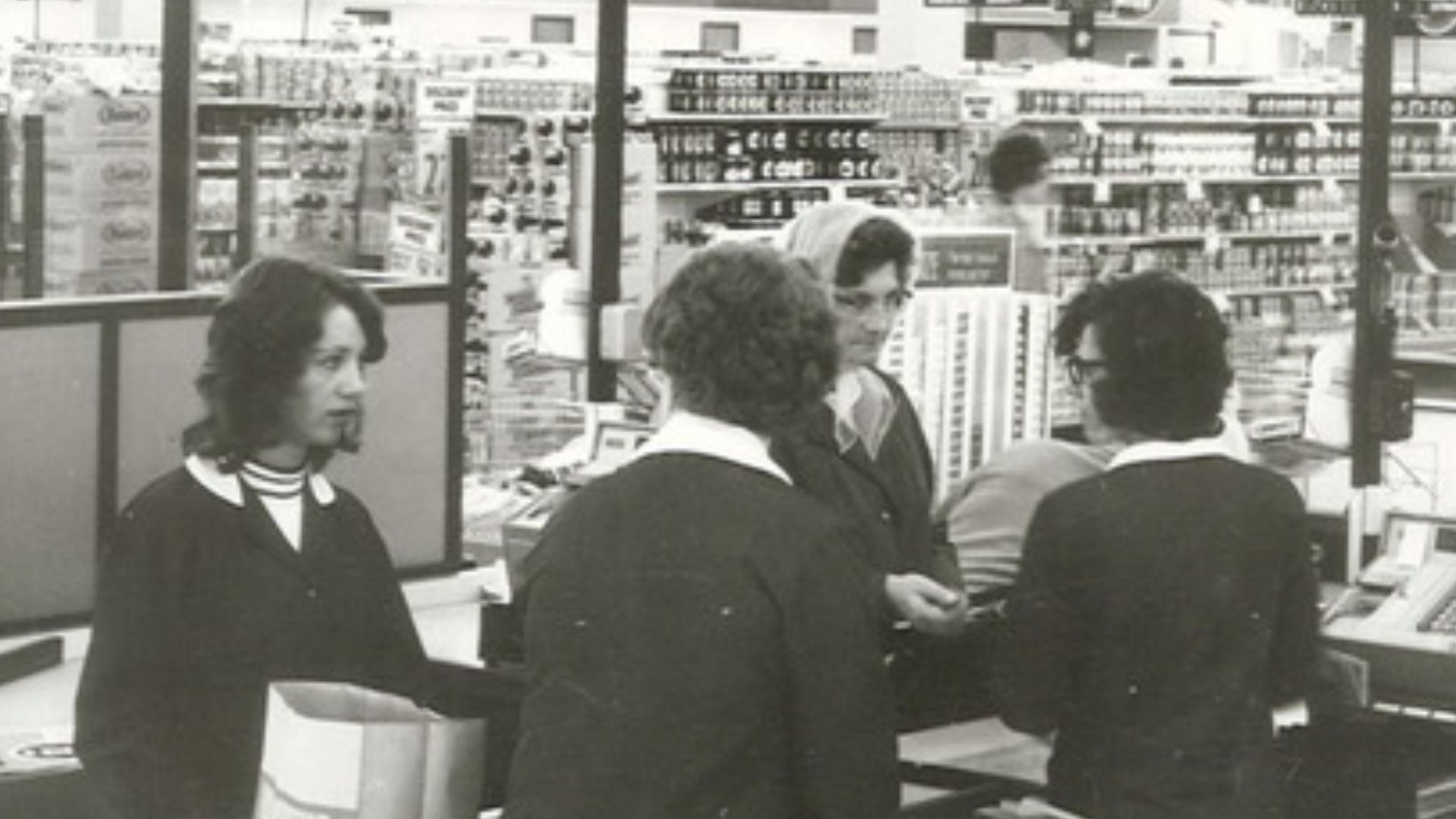
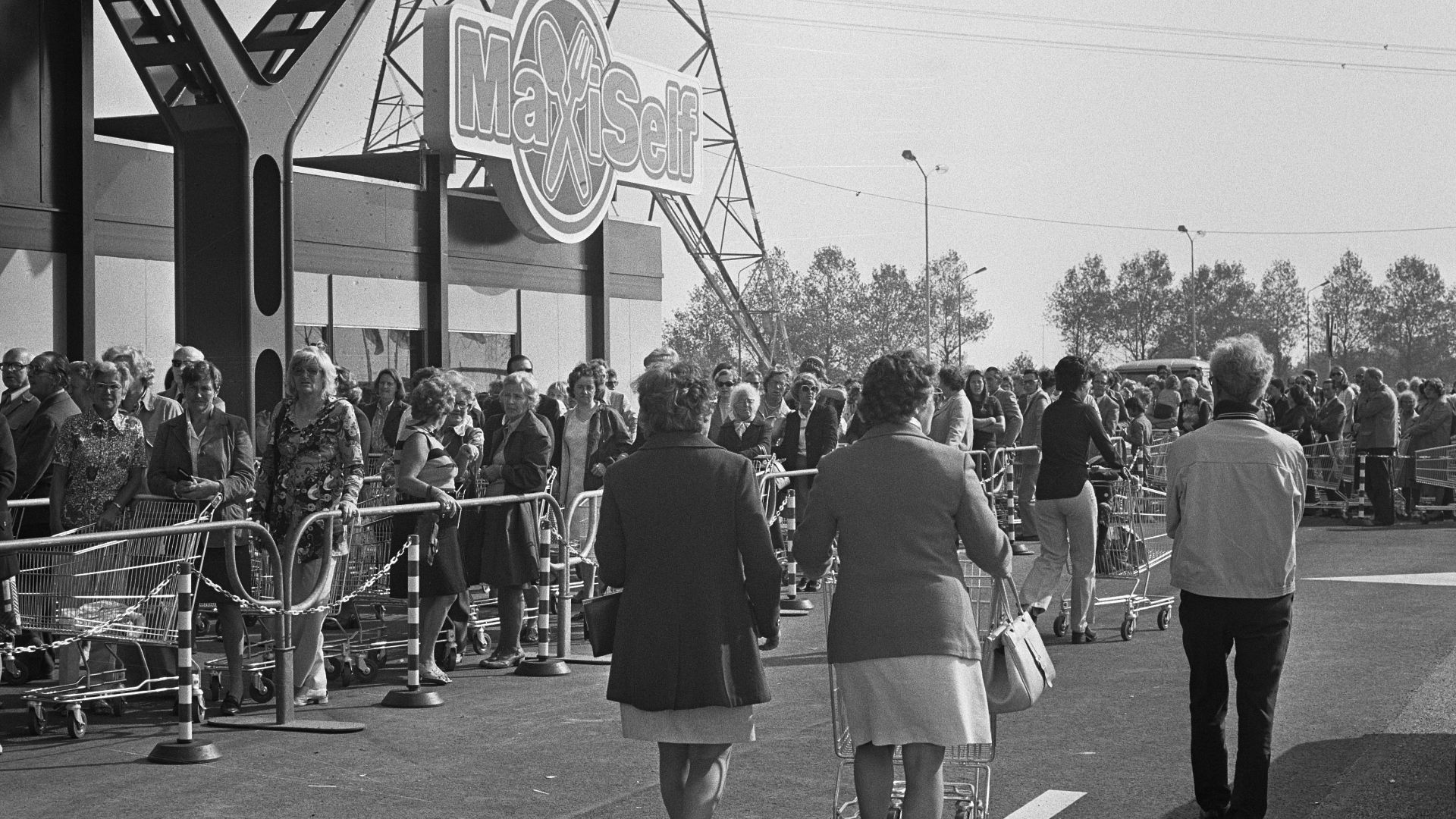
Long Checkout Lines Worried Store Owners
Slow checkout was more than a minor inconvenience. Supermarkets operated on narrow profit margins, making labor expenses especially important. Retailers wanted to process purchases more efficiently, reduce costly mistakes, and serve customers without continually increasing the resources needed to operate checkout lanes.
 Rob Mieremet / Anefo, Wikimedia Commons
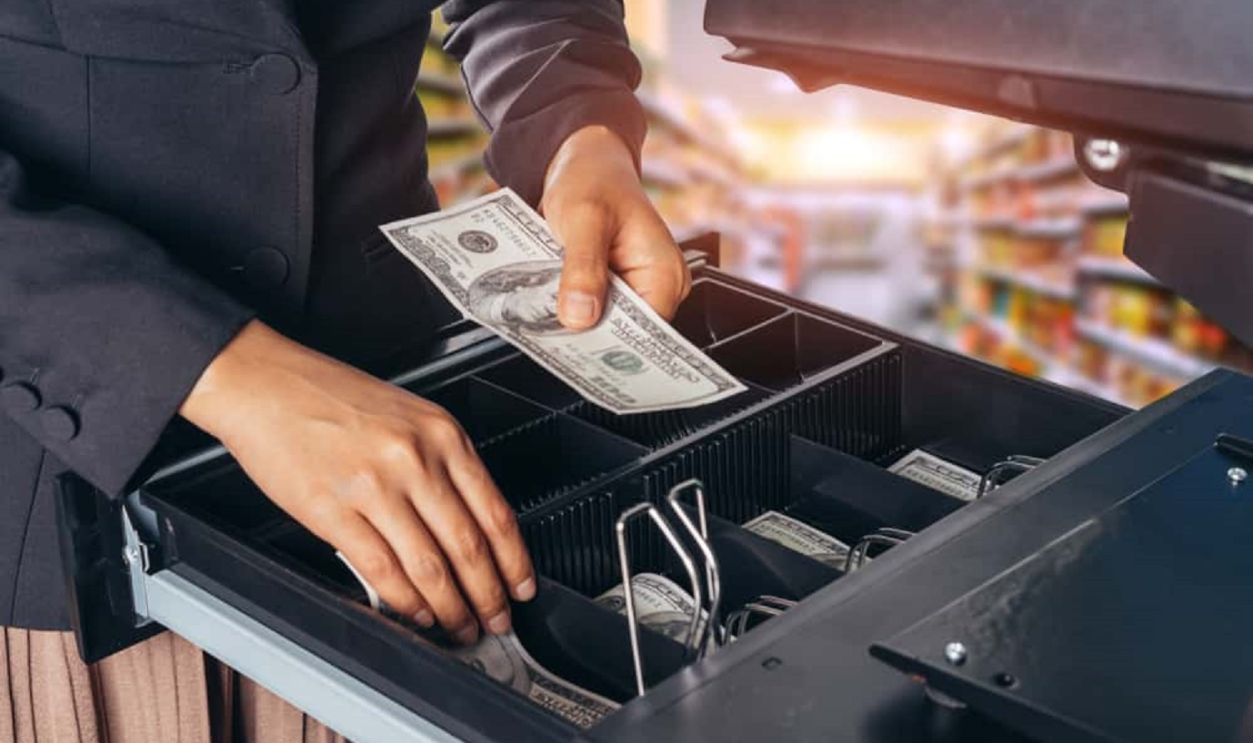
Cash Was Still A Familiar Choice
Cash remained an important payment method during the decades before barcode checkout became widespread. Customers could settle grocery bills using bills and coins, while cashiers handled payments at their registers. Electronic payment options had not yet developed into today's extensive network.
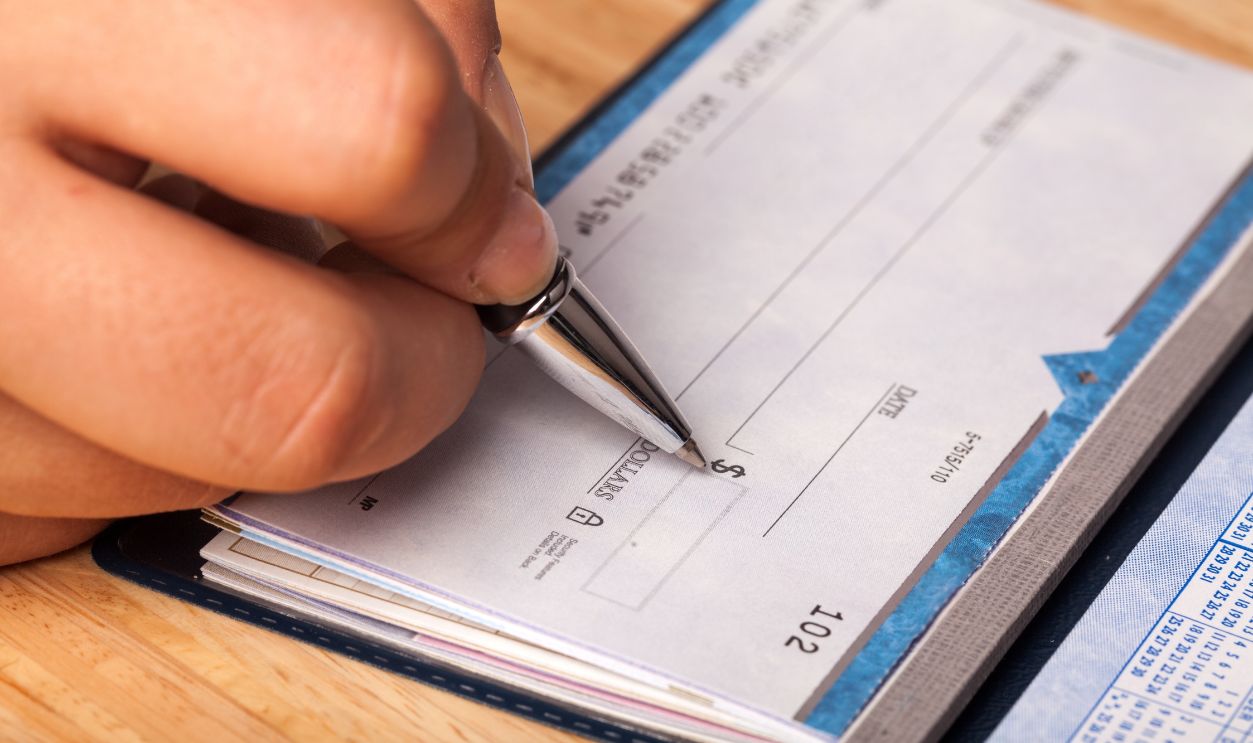
Writing Checks Was Also Common
Paper checks became increasingly popular for American retail payments after World War II. Shoppers could use them to pay for groceries at participating stores, adding another manual step to checkout. Nationwide check volumes continued growing dramatically throughout the 1960s and 1970s.
Credit Cards Were A Different Story
Credit cards existed before modern barcode scanners, but today's nearly universal card payment experience was still developing. Some early cards worked only with particular merchants. Debit cards emerged later in the 1970s, gradually expanding the payment choices available to American shoppers.
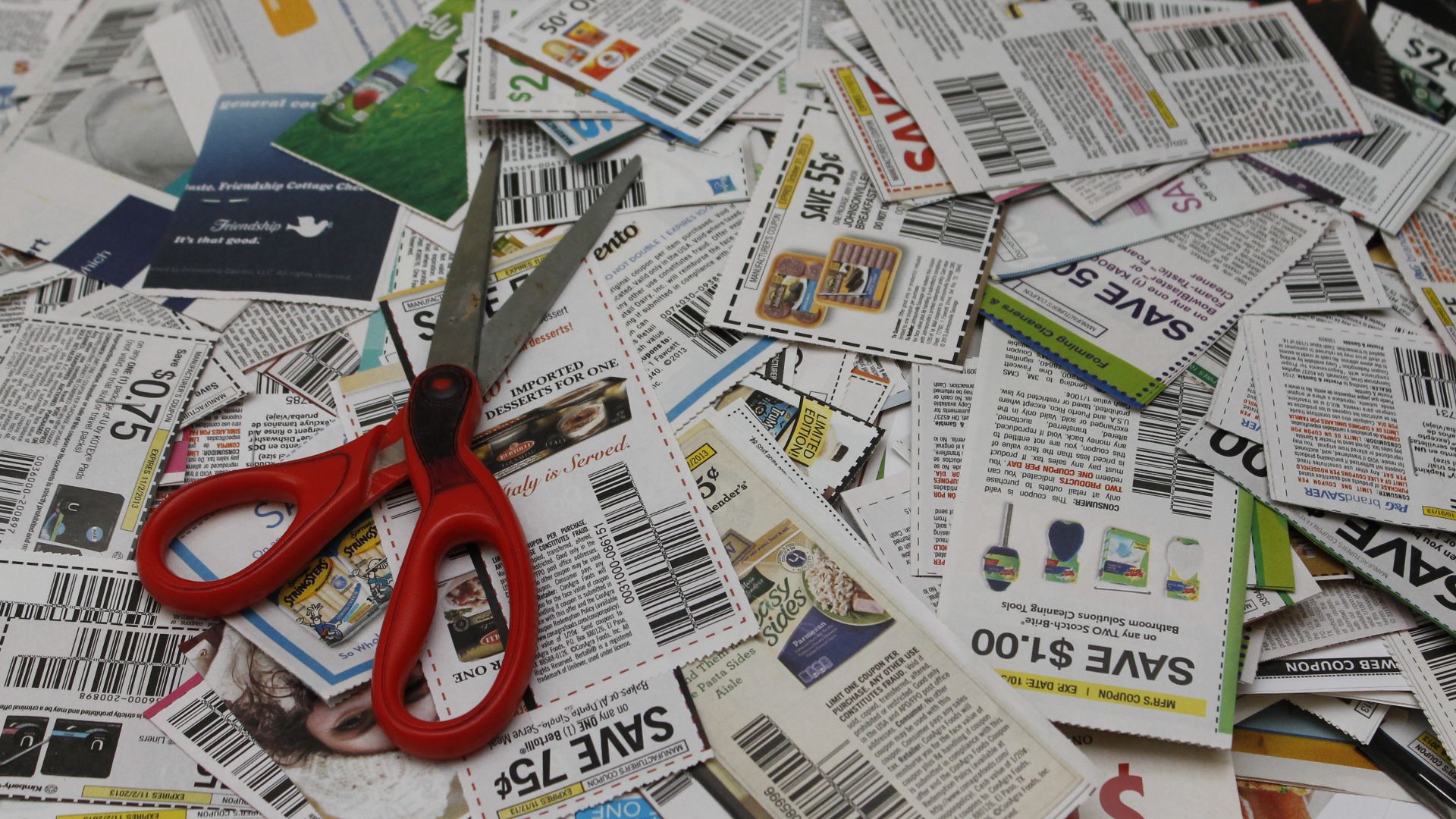
Grocery Coupons Were Already Everywhere
Paper coupons were an established part of grocery shopping long before digital discounts arrived. Customers collected promotional offers and presented them when purchasing eligible products. A 1965 marketing study described billions of retail coupons being distributed annually, illustrating their enormous popularity.
 Carol Pyles from Winter Haven, FL, US, Wikimedia Commons
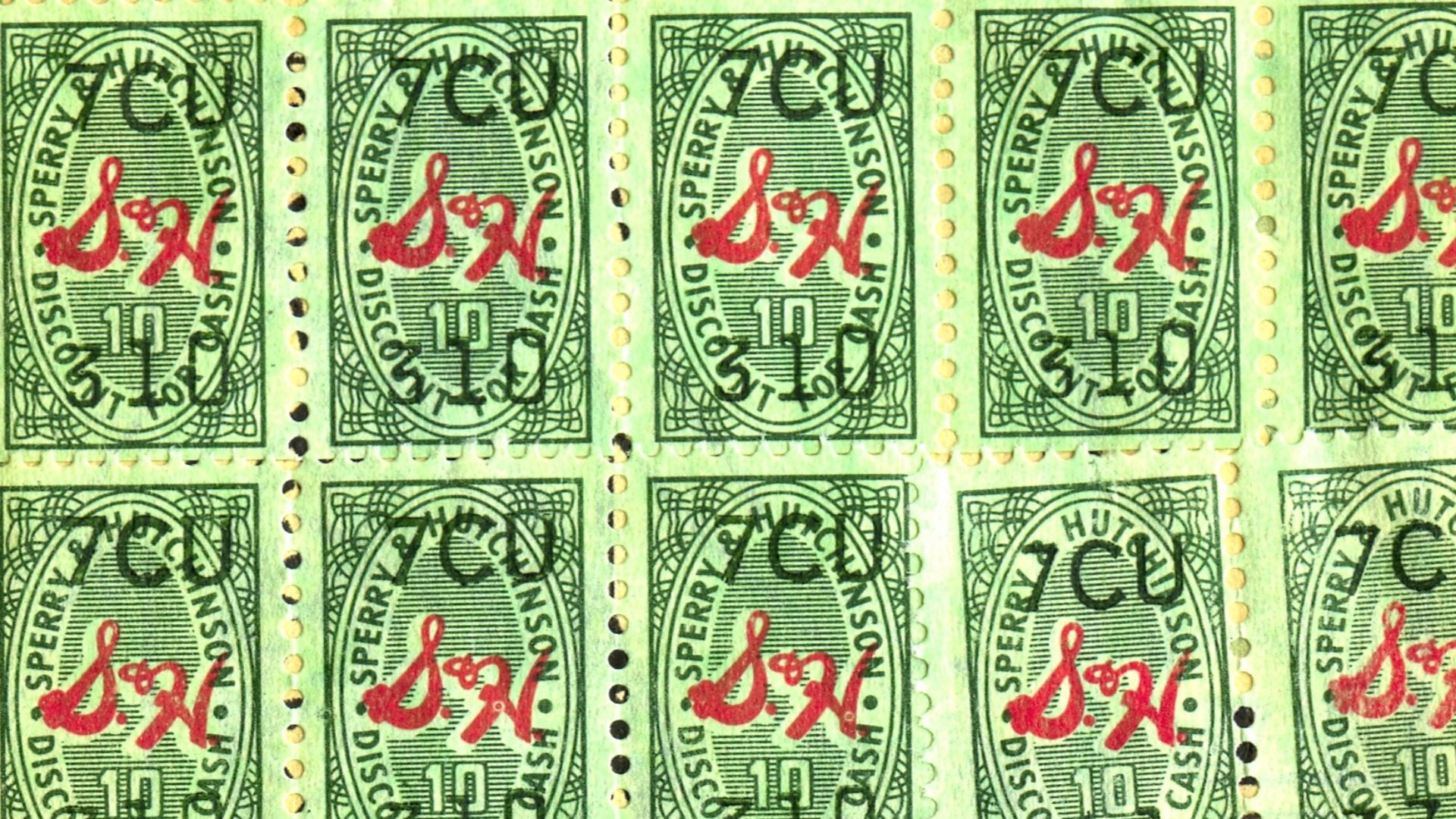
Loyalty Rewards Came In Green Stamps
Instead of collecting digital points, many shoppers accumulated trading stamps with their purchases. S&H Green Stamps were especially popular during the 1960s. Customers saved them in paper booklets and exchanged completed collections for merchandise, including household goods and bicycles.
 Wandering Magpie from Surf City, CA, USA, Wikimedia Commons
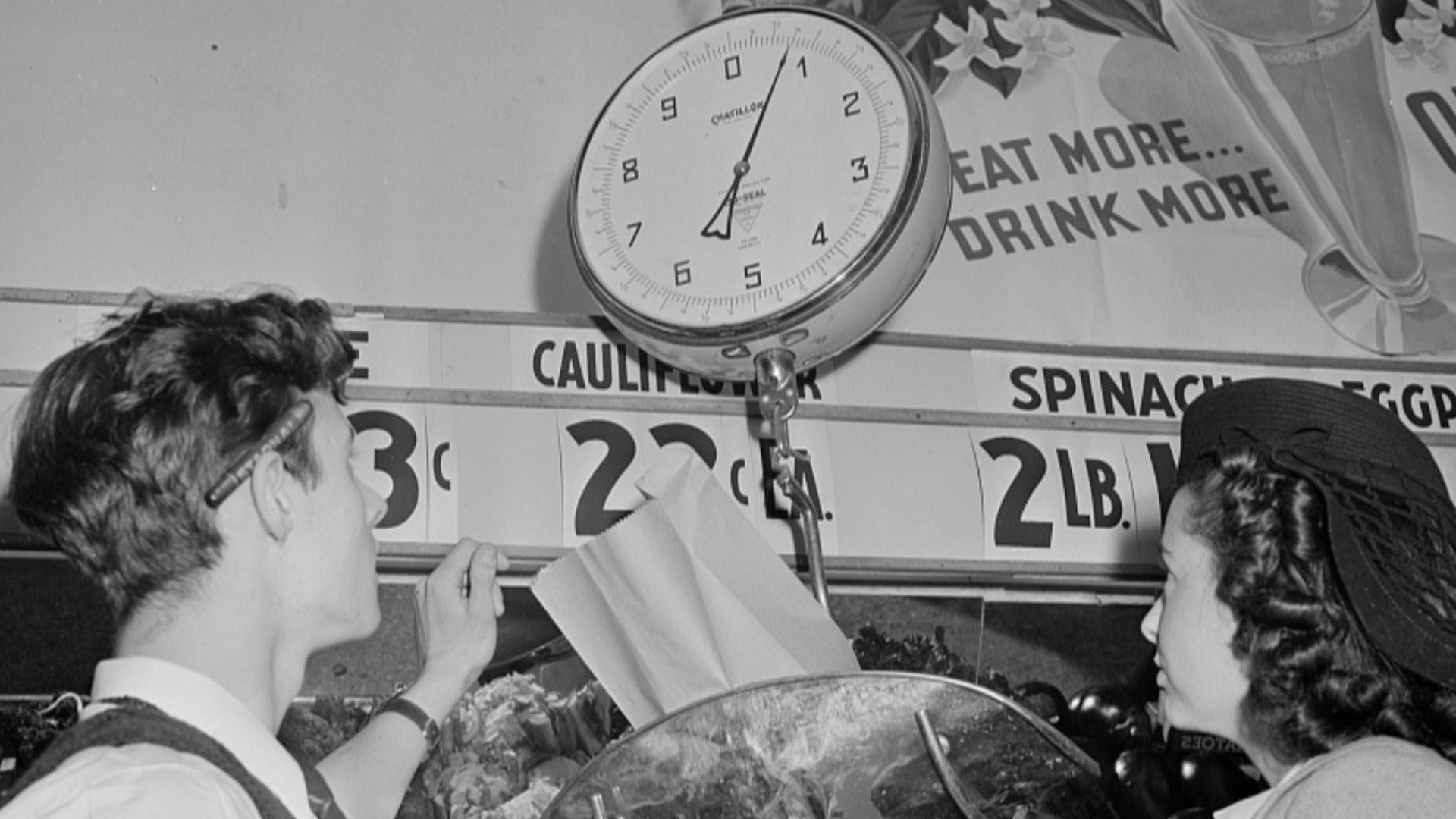
Meat And Produce Needed Special Handling
Products sold by weight presented challenges that ordinary packaged merchandise did not. Supermarket weighing equipment could calculate prices and print labels showing weight and cost. Developing compatible barcode labels for variable-weight goods consequently became an important part of checkout modernization.
 Ann Rosener, Wikimedia Commons
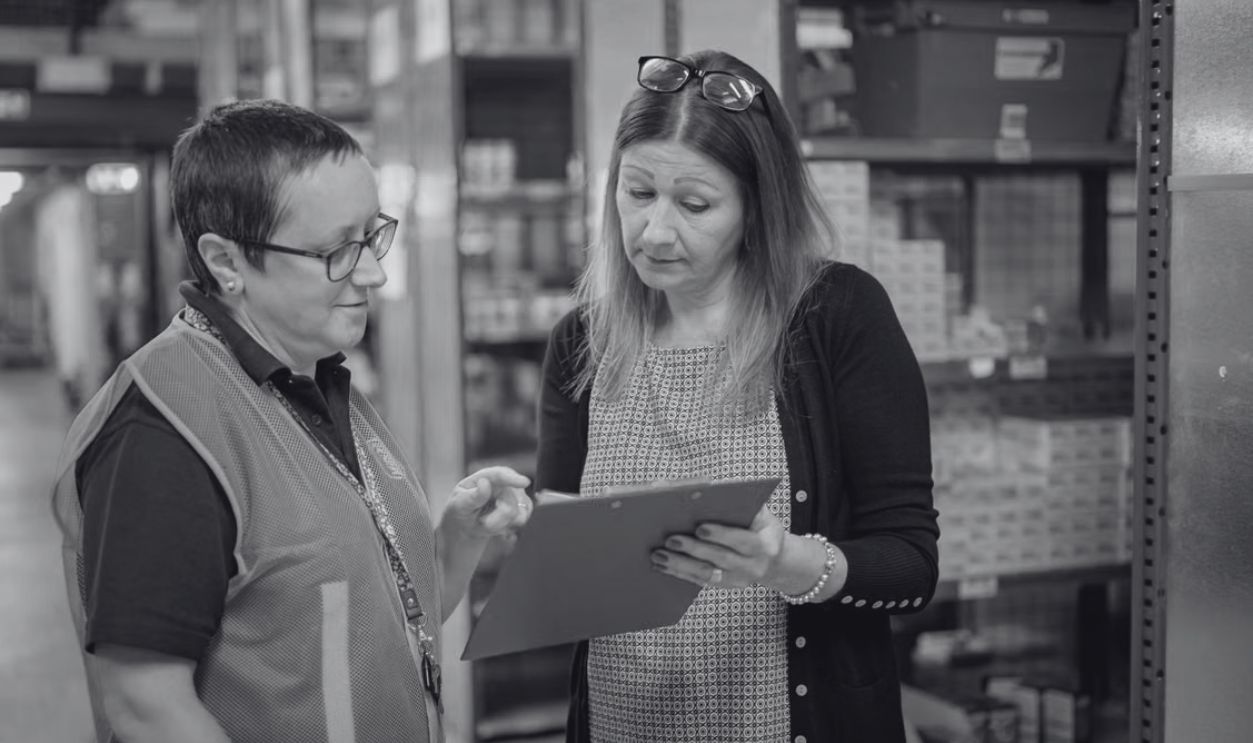
Counting Inventory Required Considerable Effort
Before computerized scanning linked purchases to inventory records, stores relied more heavily on physical stock checks and shelf audits. Employees needed to determine what remained available and what required replenishment. Barcode technology eventually made monitoring product movement considerably easier for supermarket managers.
 Centre for Ageing Better, Pexels, Modified
Stores Had Limited Information About What Sold
Traditional cash registers could record sales without identifying every product purchased. That restricted how precisely managers could monitor customer demand. Automated scanning changed the situation by collecting product-level information, helping retailers identify popular merchandise and make better purchasing decisions.
Product Identification Was Surprisingly Disorganized
Different manufacturers and grocery chains once maintained their own product-numbering systems. This lack of consistency complicated efforts to build universal computerized checkout equipment. Industry leaders eventually recognized that stores and suppliers needed a shared identification system for automation to succeed.
The Barcode Idea Started On A Beach
During the late 1940s, inventor Joseph Woodland worked on a machine-readable product identification system. He reportedly drew lines in the sand on Miami Beach while developing his idea. Working with Bernard Silver, he sought a way to make grocery checkout faster and more efficient.
 Klaus-Dieter Keller, Wikimedia Commons
The Original Design Looked Like A Target
Woodland and Silver's early barcode concept developed into concentric circles resembling a bull's-eye. The pair filed for a patent in 1949. However, the technology needed to read such symbols reliably was not yet practical or affordable for widespread supermarket use.
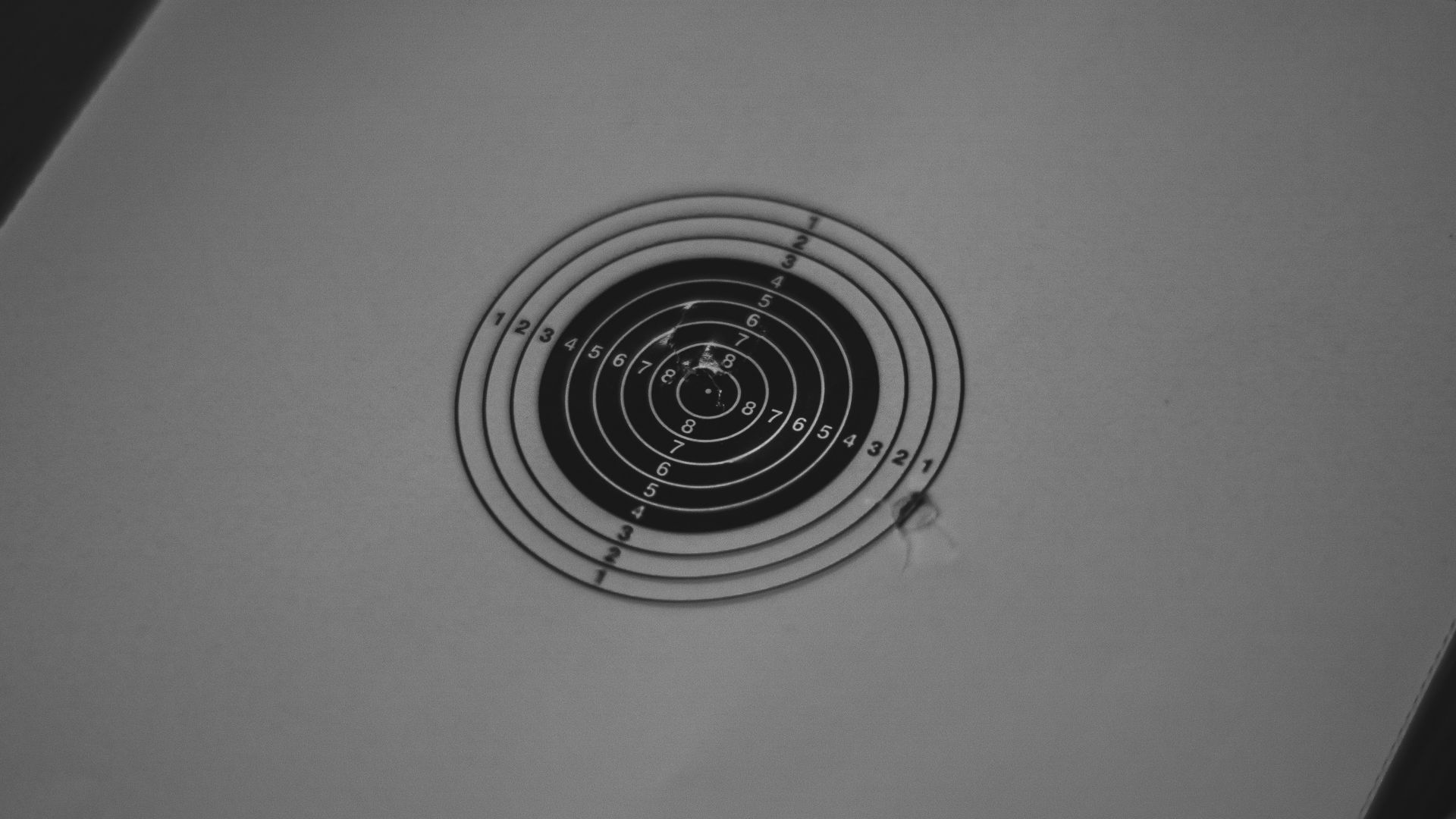
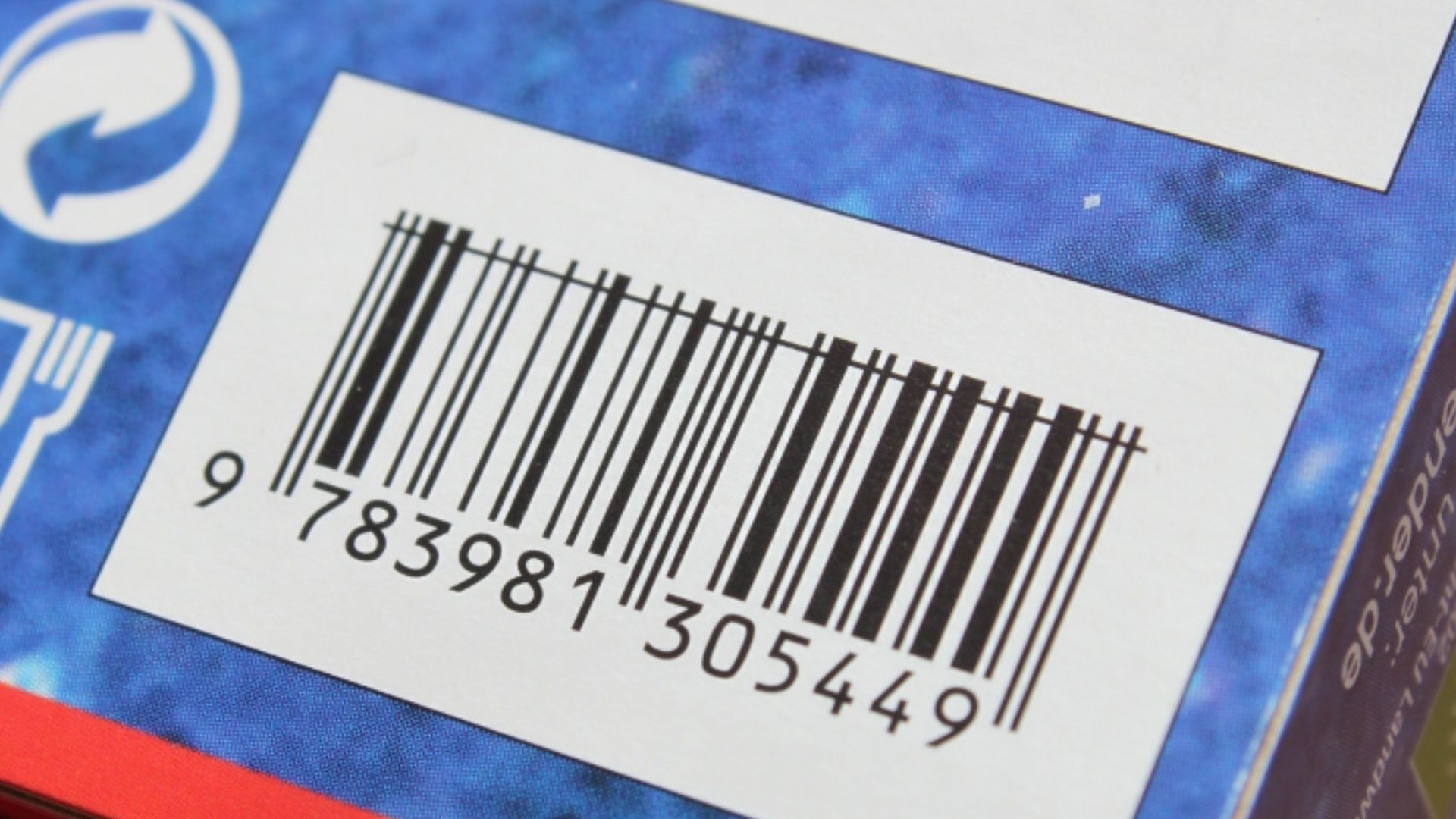
Straight Lines Eventually Won
IBM engineer George Laurer developed the vertical-striped barcode design that became familiar worldwide. His approach offered advantages over circular symbols, which could suffer printing problems. Grocery industry representatives selected the Universal Product Code design in 1973, establishing the foundation for automated checkout.
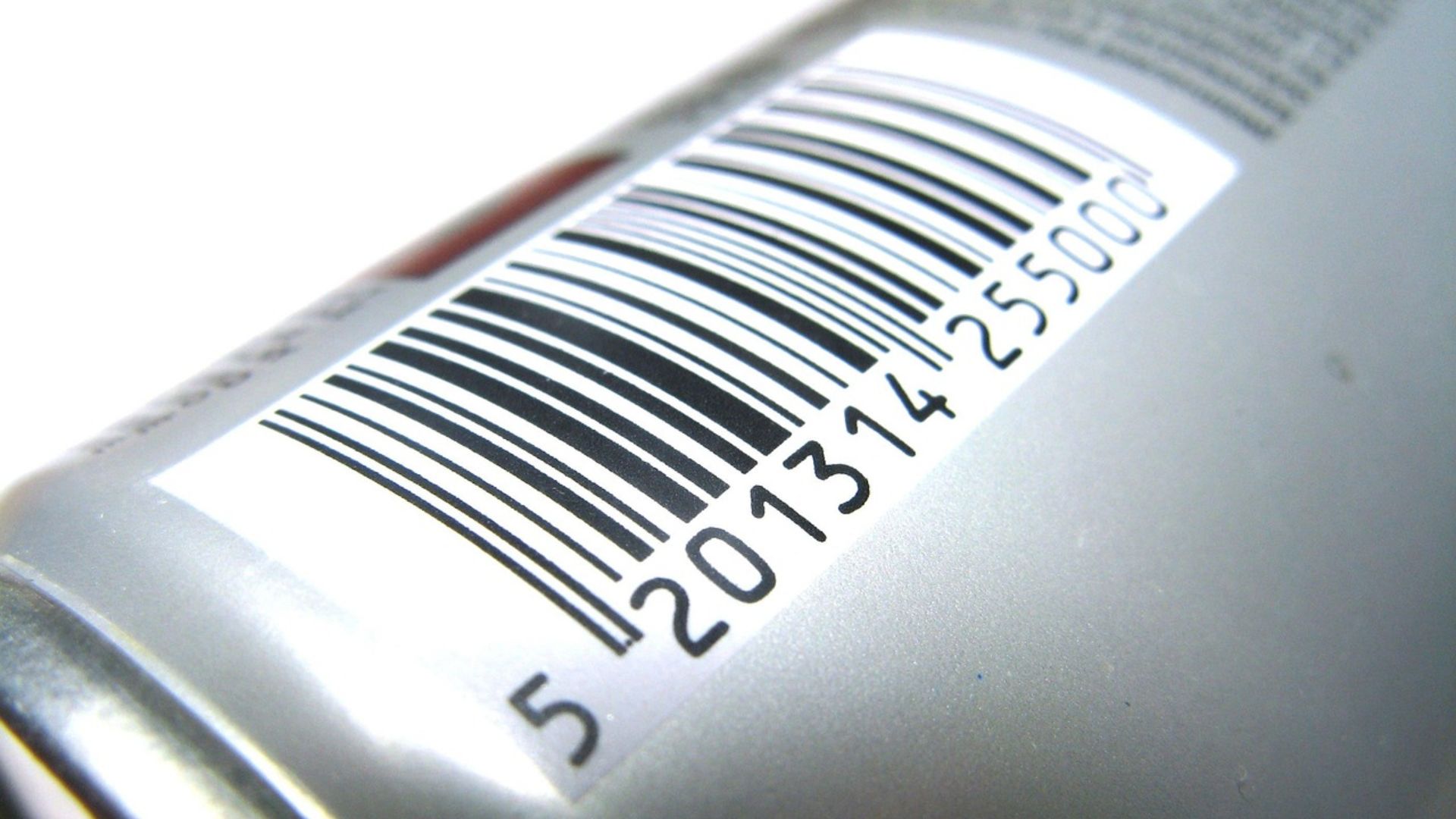
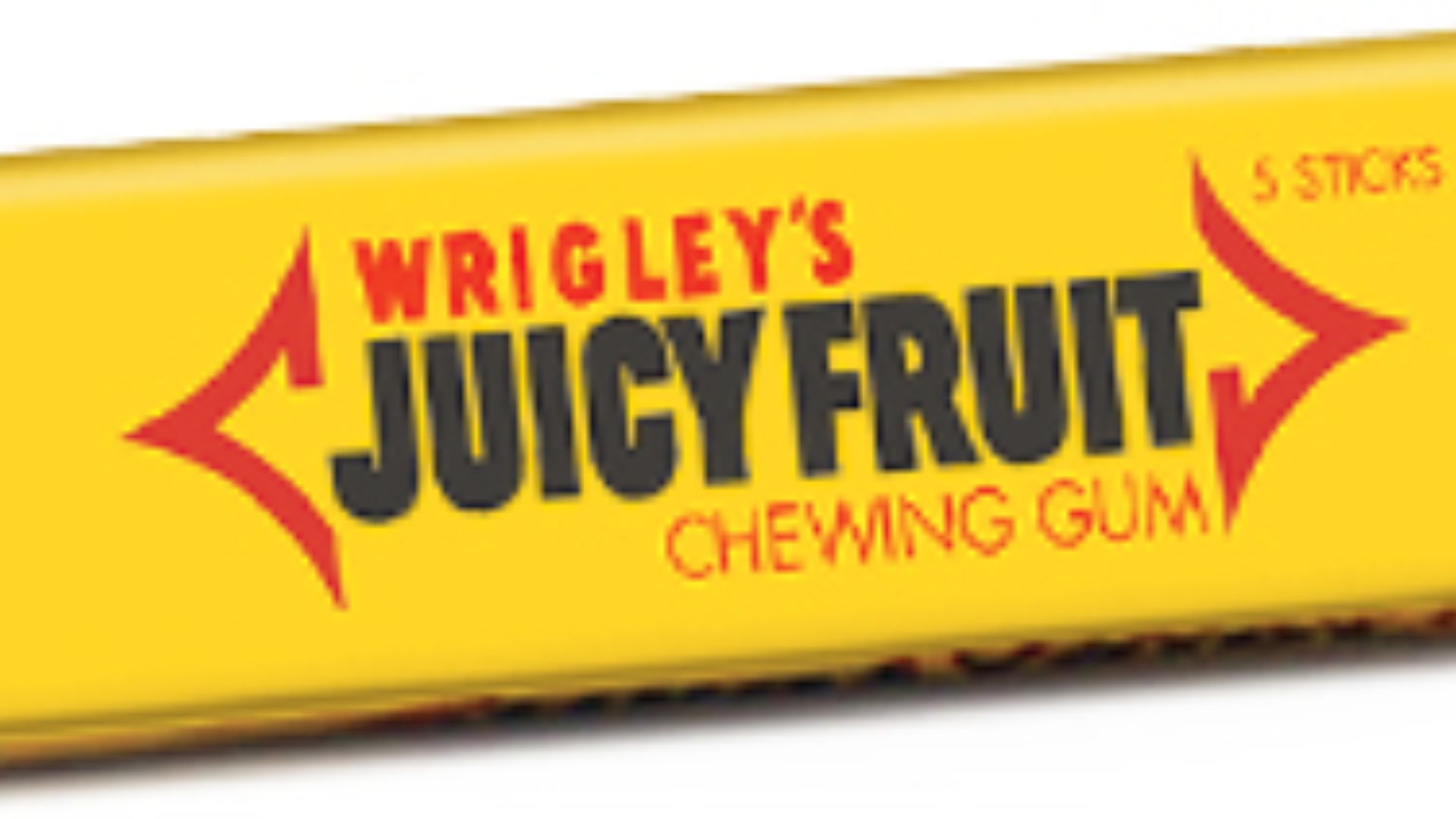
A Pack Of Gum Made Shopping History
On June 26, 1974, cashier Sharon Buchanan scanned a package of Wrigley's Juicy Fruit gum at Marsh Supermarket in Troy, Ohio. The historic demonstration involved Clyde Dawson, a Marsh executive. That modest purchase became the first UPC retail scan.
 Diamondbybold, Wikimedia Commons
The New Technology Was Far From Cheap
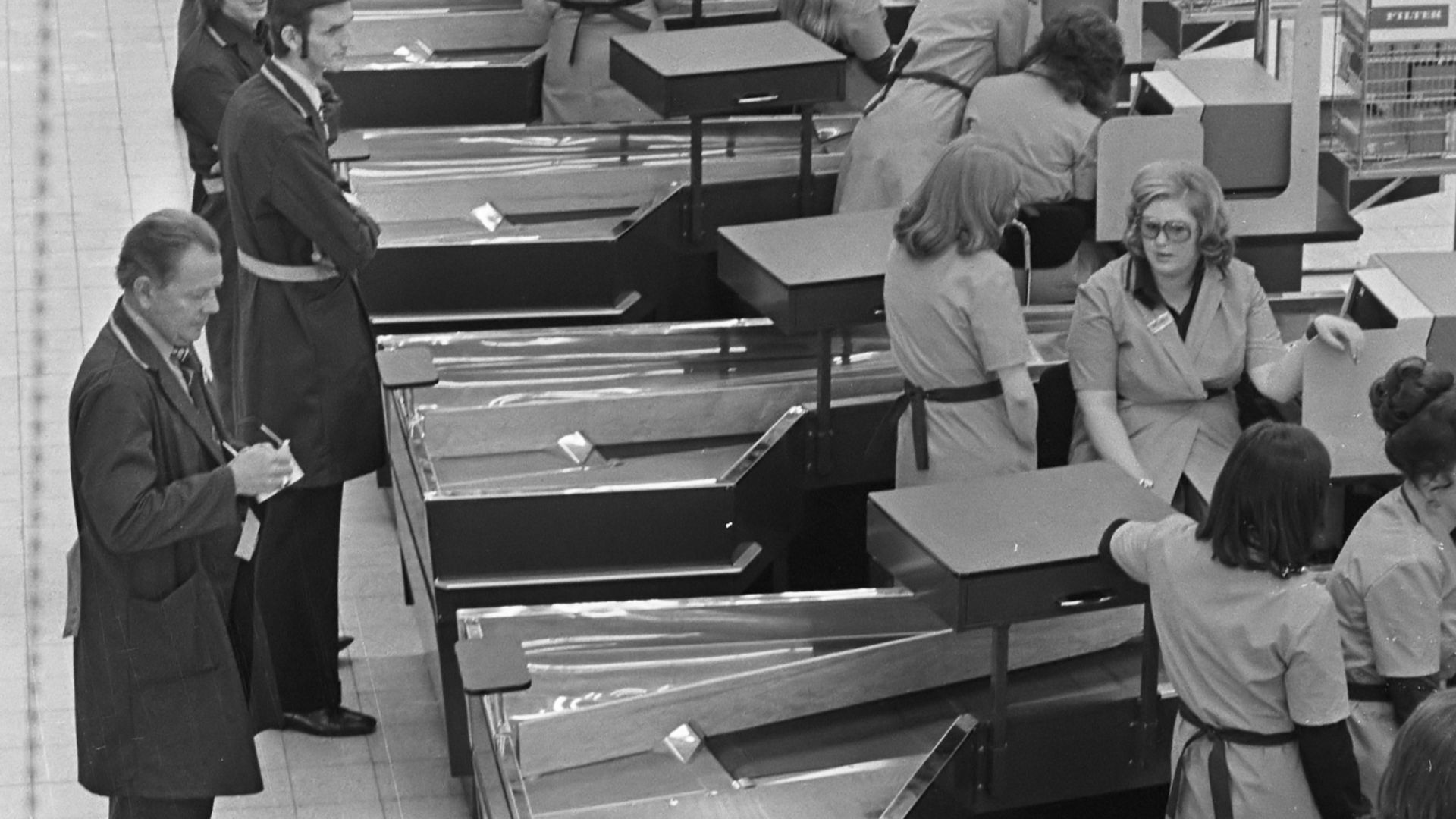
Early supermarket scanners were enormous compared with modern equipment. Marsh's original Spectra-Physics units cost approximately $4,000 each, excluding installation and training expenses. Those substantial investments presented a genuine challenge for retailers considering whether to abandon familiar checkout methods.
 Anefo; R. Mieremet, Wikimedia Commons
The Barcode Revolution Took Years To Catch On
Not everyone welcomed the disappearance of individual price labels, and some shoppers questioned computerized pricing accuracy. Adoption therefore developed gradually. By early 1985, approximately 29% of American supermarkets used scanners, showing how long the transition took after that historic gum purchase.
You May Also Like: