Thanksgiving Used To Look Very Different
Turkey, football, and a parade may feel inseparable from Thanksgiving now, but Americans have repeatedly reinvented the holiday. Earlier celebrations included costumed street begging, bicycle races, shooting contests and foods that have all but vanished from the modern table. Some traditions were regional rather than national, but all once belonged to Thanksgiving in ways that might surprise families today.
Thanksgiving Masking Turned The Streets Into A Costume Party
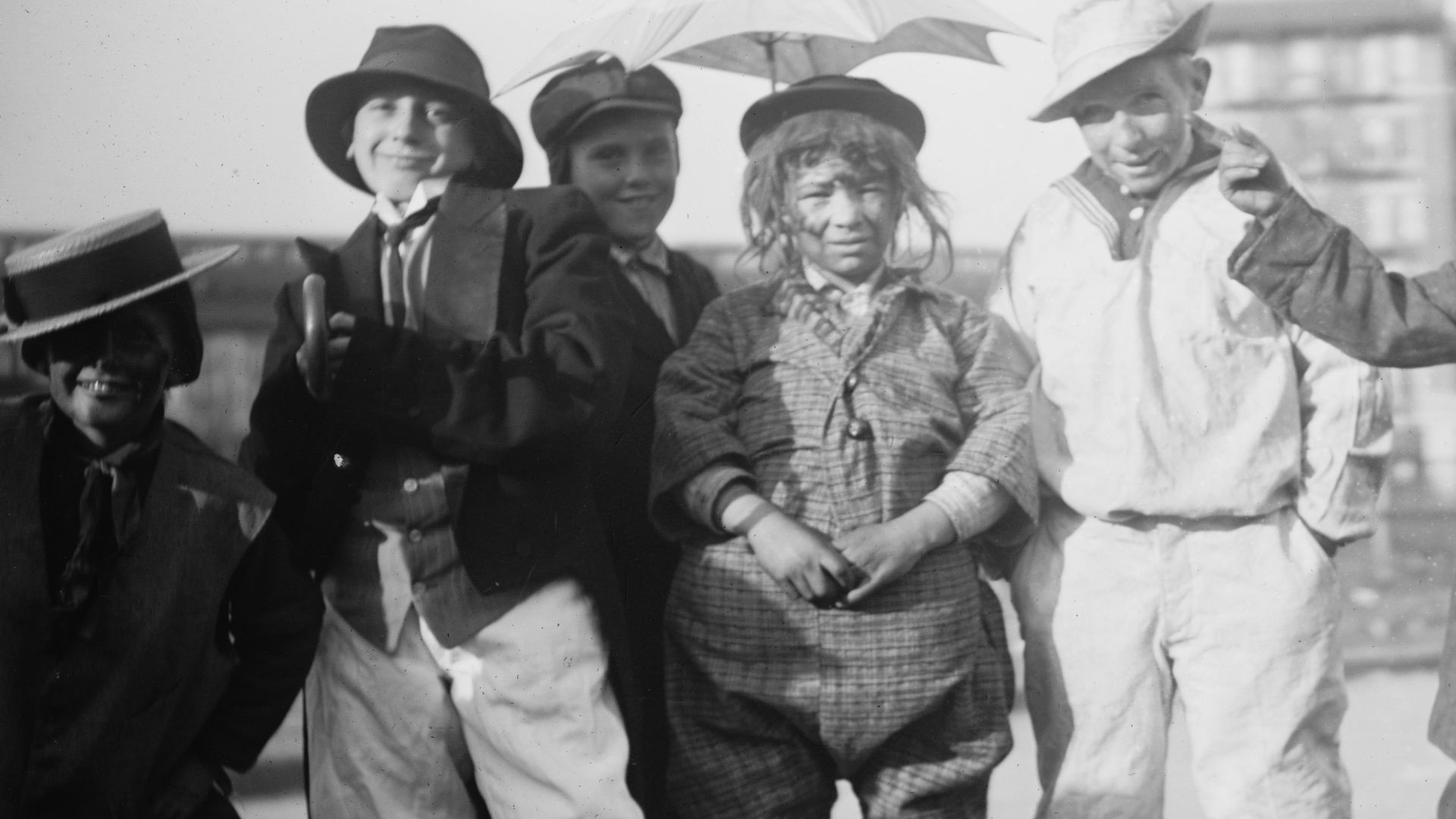
Long before Halloween monopolized the costume business, Thanksgiving could involve masks. In New York and some other northeastern communities during the late 19th and early 20th centuries, children and adults dressed in strange costumes and poured into the streets. Newspaper descriptions mention masks, painted faces, horns, drums, and disorderly processions. Some participants dressed elegantly, while others intentionally looked ridiculous or ragged. The Library of Congress preserves photographs of these “Thanksgiving maskers,” making old holiday scenes look surprisingly like Halloween accidentally landed on the wrong month.
 Bain News Service, publisher, Wikimedia Commons
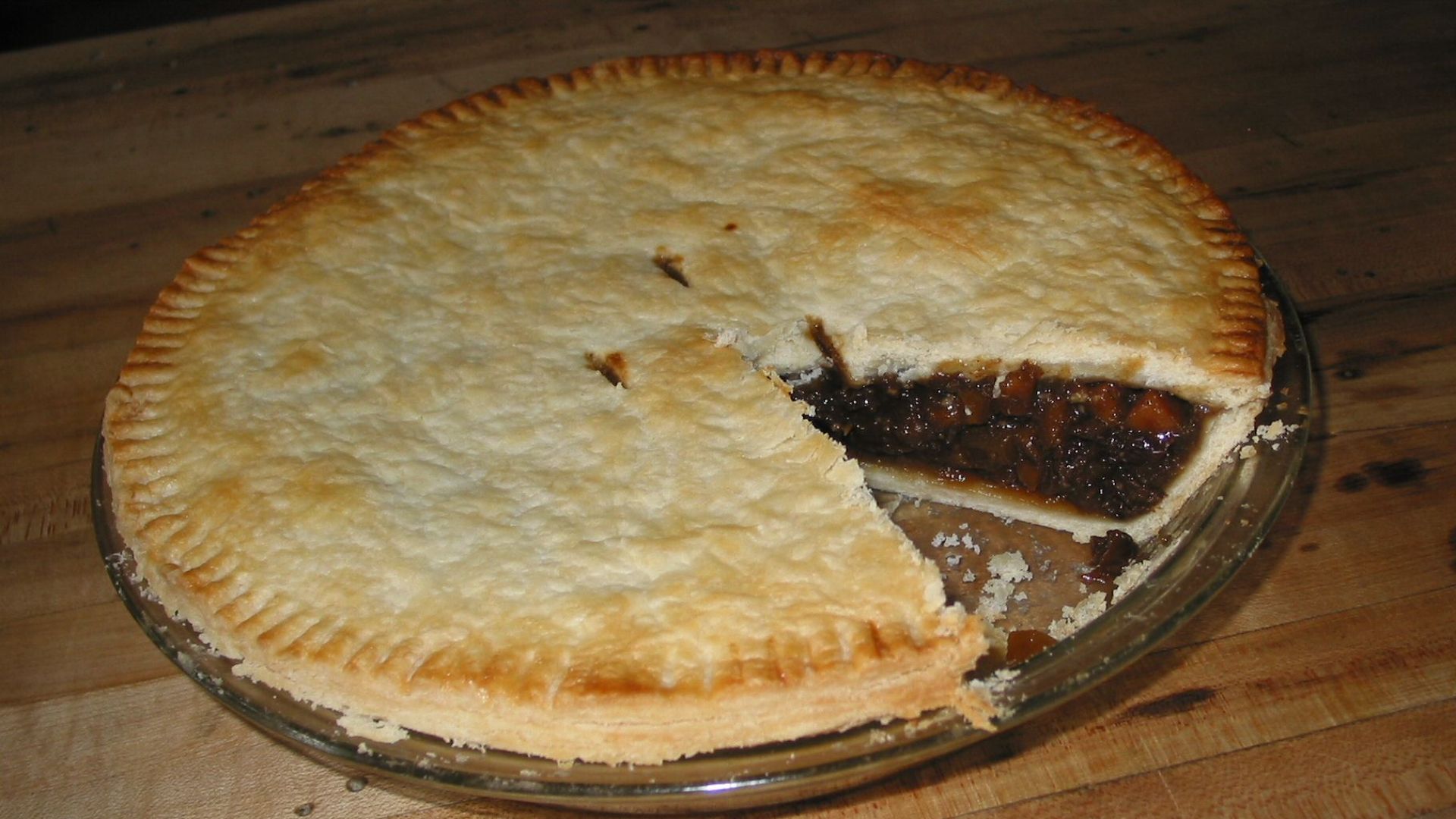
Mincemeat Pie Once Rivaled Pumpkin
Pumpkin pie survived. Its old Thanksgiving rival largely didn't. Mincemeat pie was enormously popular in New England and appeared regularly in 18th- and 19th-century cookbooks. Despite the modern name, historical mincemeat often really did contain meat, commonly beef, combined with suet, apples, raisins, spices, sugar, and cider or booze. English settlers had brought the tradition with them, but New Englanders increasingly associated it with Thanksgiving rather than Christmas. Amelia Simmons included minced-meat pie in her 1796 American Cookery, the first known cookbook written by an American.
Football Fans Once Arrived In Decorated Carriages
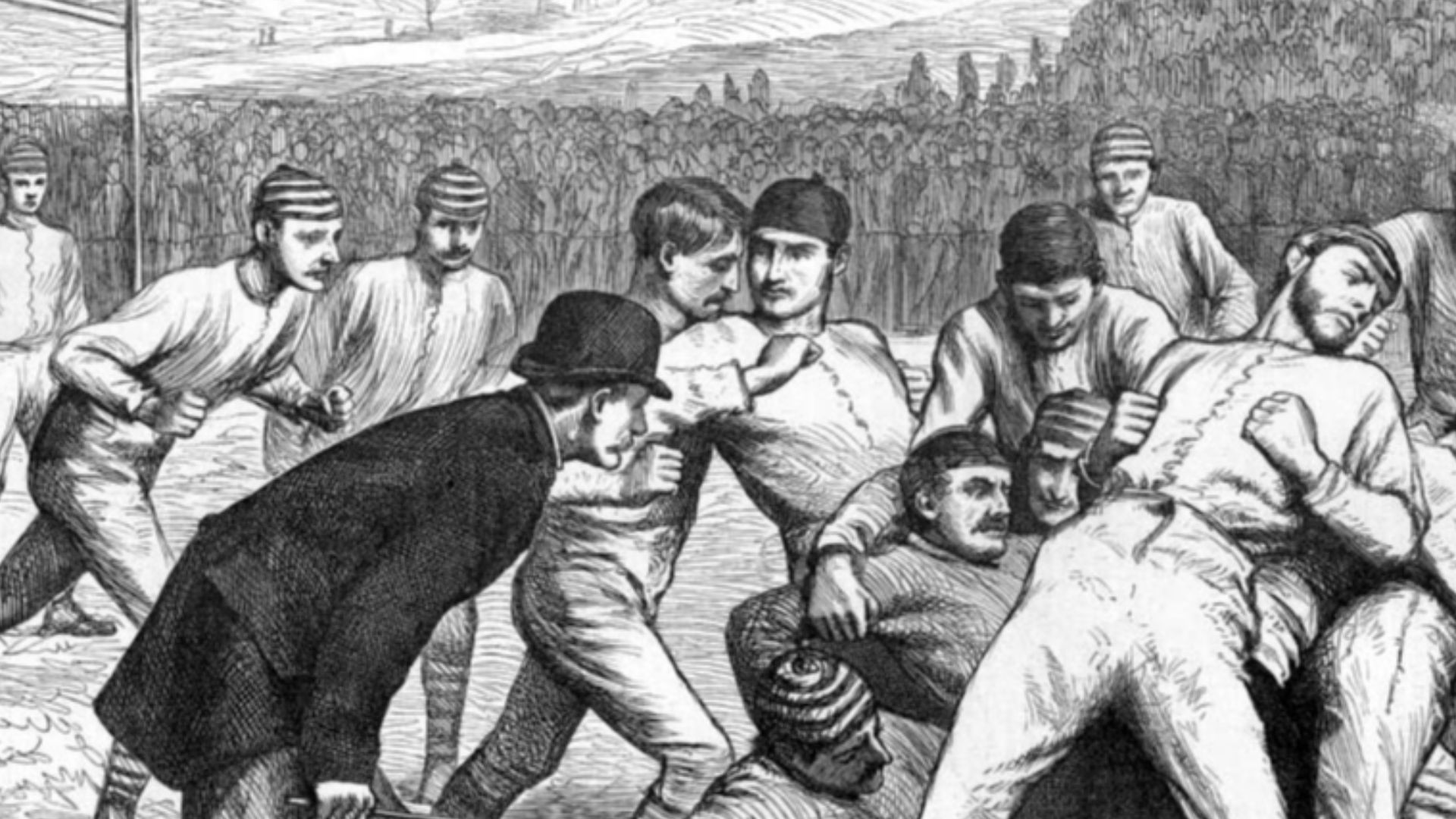
College football became one of Thanksgiving's great spectator traditions surprisingly early. By the late 19th century, major rivalry games could draw fashionable crowds who treated the occasion as both athletics and social theatre. Before cars filled stadium parking lots, wealthy fans sometimes arrived in horse-drawn carriages decorated with ribbons, flags, flowers, and school colours. The Yale-Princeton rivalry became especially associated with Thanksgiving, and the teams played under the newly established Intercollegiate Football Association rules on Thanksgiving Day in 1876. The tailgate eventually replaced the decorated carriage, but showing off before kickoff clearly isn't new.
 Arthur B. Frost (1851-1928) - per source, Wikimedia Commons
Church Could Take Up A Large Part Of The Day
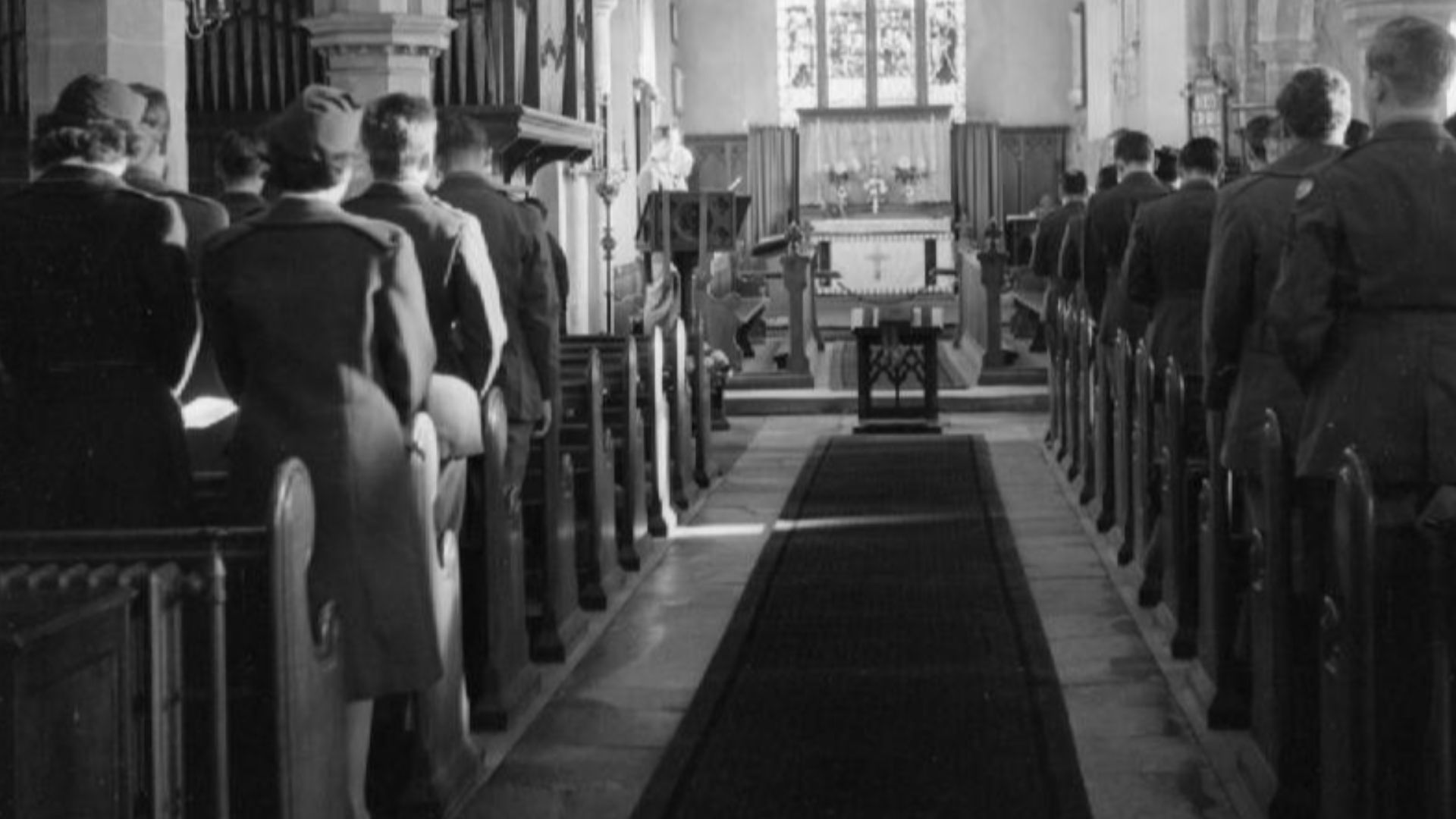
Thanksgiving developed from religious traditions of designated days for prayer and gratitude, so dinner wasn't always the day's central event. In many New England communities, families attended special church services featuring prayers, hymns, and lengthy sermons before beginning the feast. Earlier thanksgiving observances could be considerably more solemn than the modern holiday. Even after Thanksgiving became more family-oriented during the 19th century, religious services remained important in many communities. The familiar image of everyone rushing straight toward the turkey would have missed a major part of what the holiday meant to earlier generations.
 Joysmith Eric, Ministry of Information Photo Division Photographer, Wikimedia Commons
Turkey Shoots Put Dinner On The Line
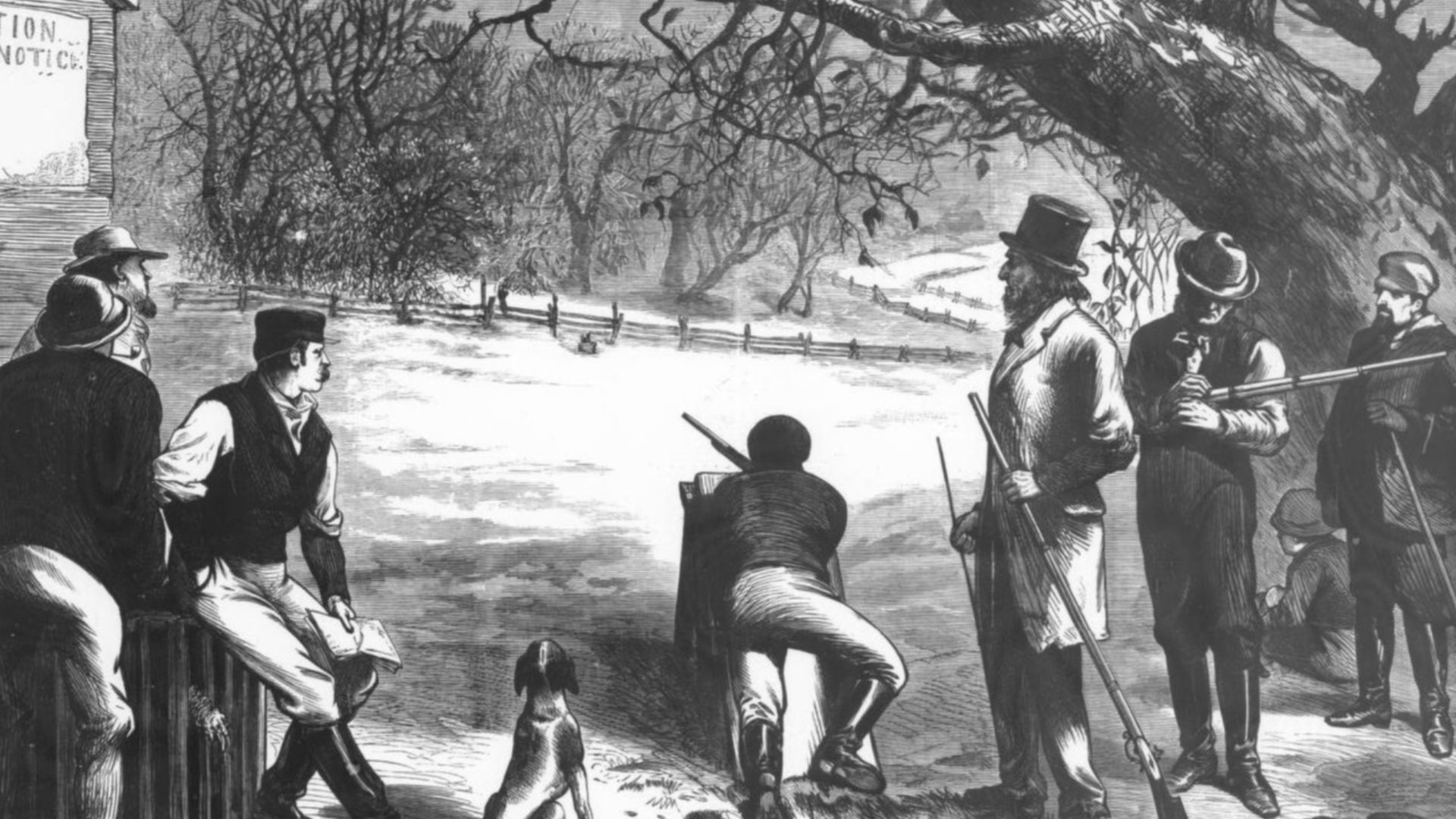
For some rural Americans, getting a Thanksgiving turkey could involve proving your aim. Turkey shoots were competitions in which a bird was offered as the prize. Historical versions sometimes used live turkeys as targets, although later events increasingly shifted toward paper targets or other shooting contests with a frozen or dressed turkey awarded to the winner. The custom wasn't unique to Thanksgiving, but it became closely associated with fall community gatherings and holiday meals. Turkey shoots haven't vanished completely, either. Some American clubs and community organizations still hold target competitions as seasonal fundraisers.
 Unknown authorUnknown author, Wikimedia Commons
Americans Used To Mail Thanksgiving Cards
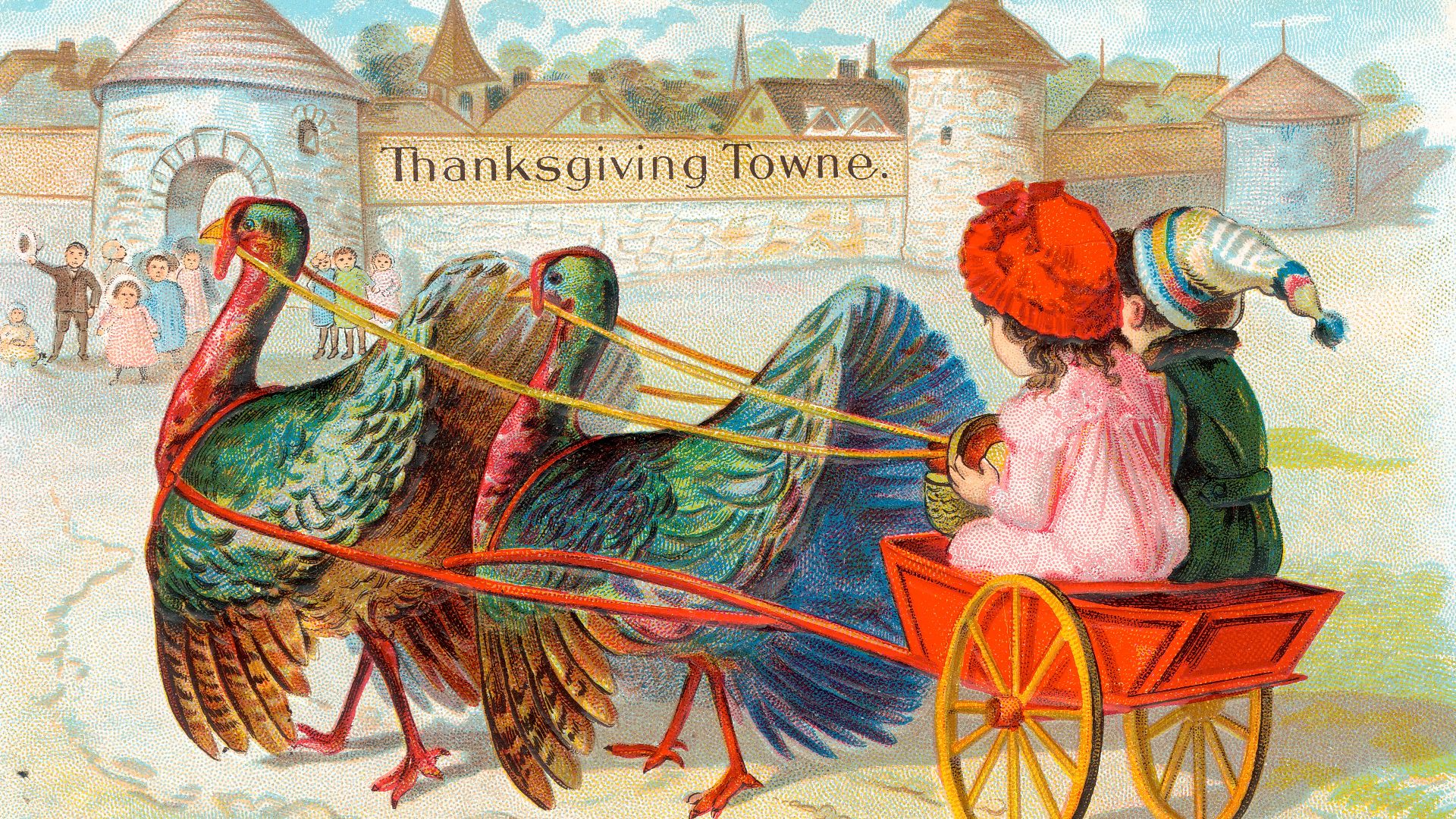
Christmas wasn't the only holiday that filled mailboxes with greeting cards. Commercial Thanksgiving cards were being advertised by the late 19th century and remained familiar for decades. Designs could feature autumn landscapes, sentimental family scenes, patriotic imagery, children, pumpkins, and an astonishing number of enormous turkeys. An 1880 newspaper described Thanksgiving cards as the newest picture-card trend, while later examples offered everything from sincere blessings to jokes about the holiday bird. The practice eventually faded while Christmas cards remained a much stronger annual ritual.
 Unknown authorUnknown author, Wikimedia Commons
Chicken Pie Could Sit Beside The Turkey
A turkey didn't necessarily have the Thanksgiving table to itself. Nineteenth-century menus sometimes included chicken pie as another substantial main dish. An 1845 Thanksgiving menu reproduced by the National Park Service included stuffed roast turkey, boiled chickens, chicken pie, pork, potatoes, squash, onions, cranberry and apple sauces, oyster sauce, puddings, and multiple pies. Chicken pie was especially associated with regional cooking traditions but appeared widely enough to be recognizable holiday fare. Over the 20th century, Thanksgiving menus became more standardized, and the second poultry centerpiece quietly disappeared from most tables.
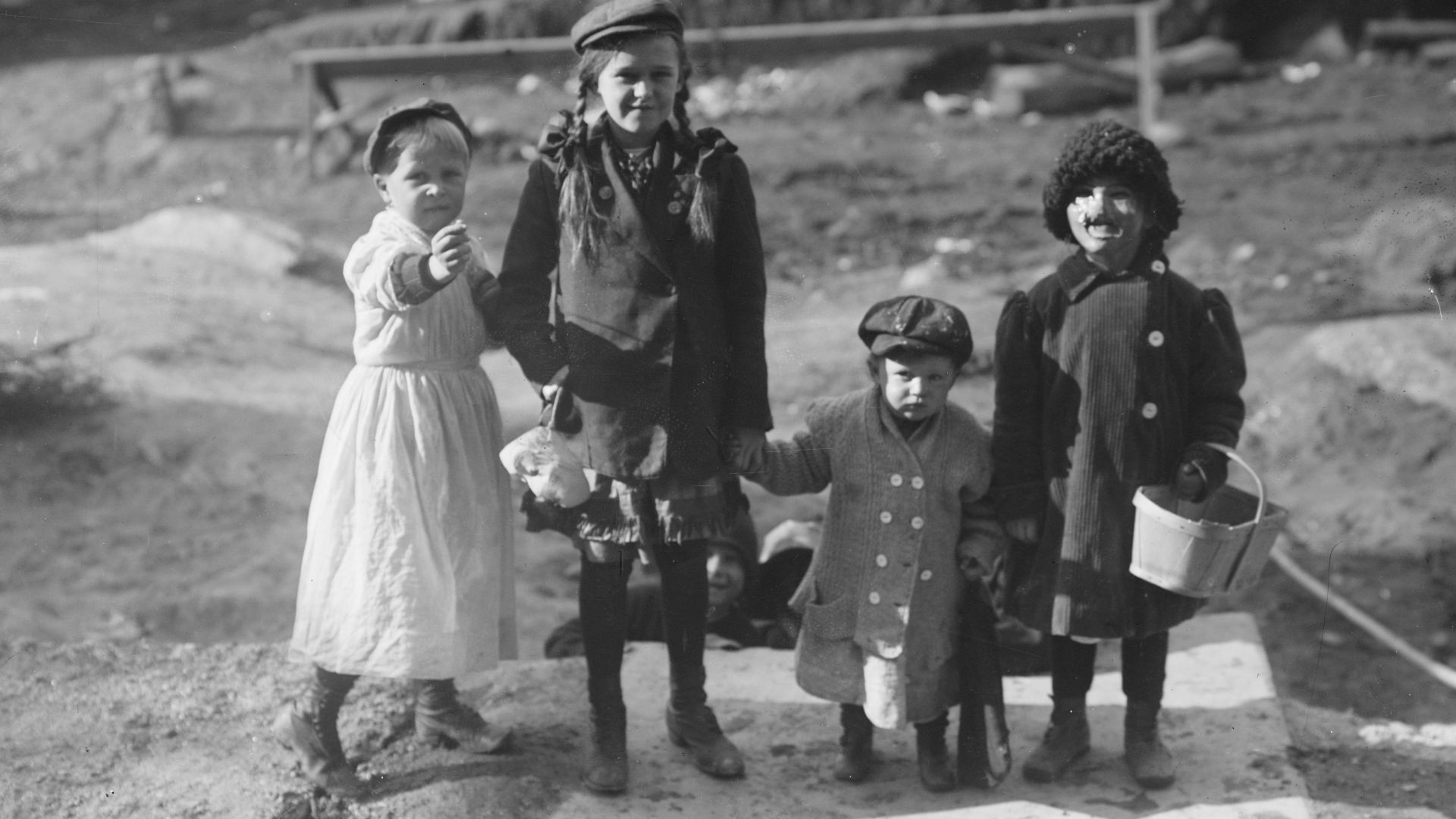
Ragamuffin Day Was Almost Thanksgiving Trick-Or-Treating
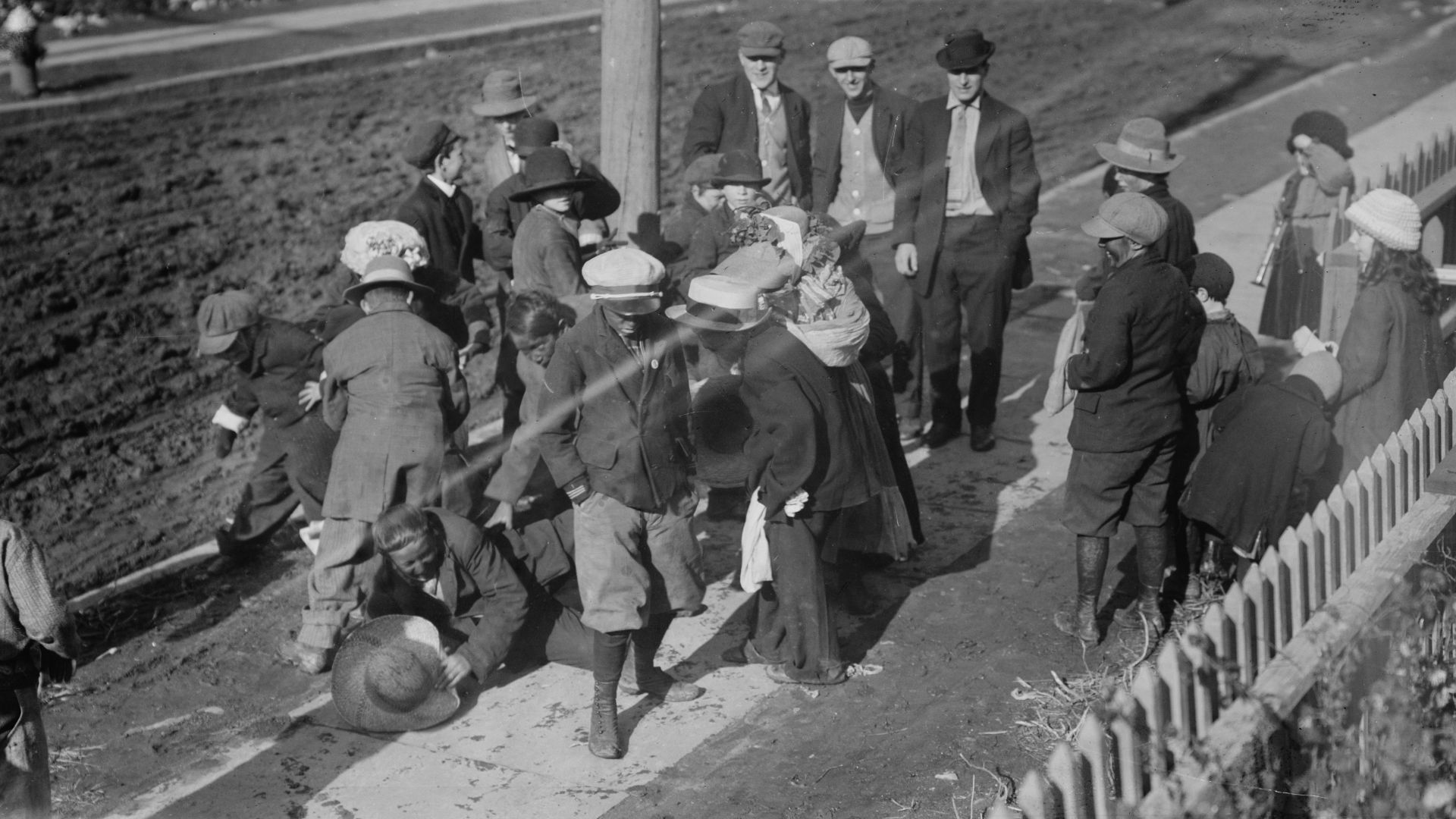
In New York, Thanksgiving morning once belonged to children dressed like little hobos. During the Ragamuffin Day tradition, kids wore oversized clothes, masks, patched outfits, and deliberately shabby disguises before roaming neighborhoods asking, “Anything for Thanksgiving?” Their rewards might include pennies, apples, oranges, or candy. Contemporary photographs show groups of costumed children filling city sidewalks. The custom continued in some neighborhoods well into the 20th century before fading as Halloween trick-or-treating became the dominant fall door-to-door tradition. If it had survived, American children might have ended up with two candy-collecting holidays less than a month apart.
 Bain News Service, publisher, Wikimedia Commons
Thanksgiving Parades Were Really Christmas Kickoffs
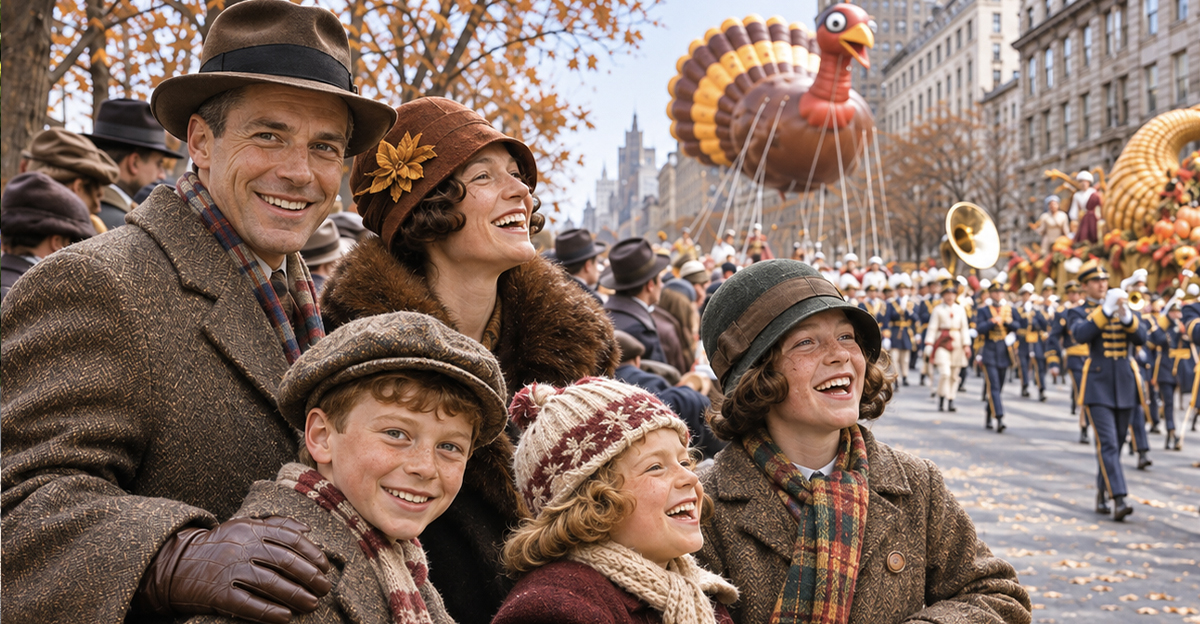
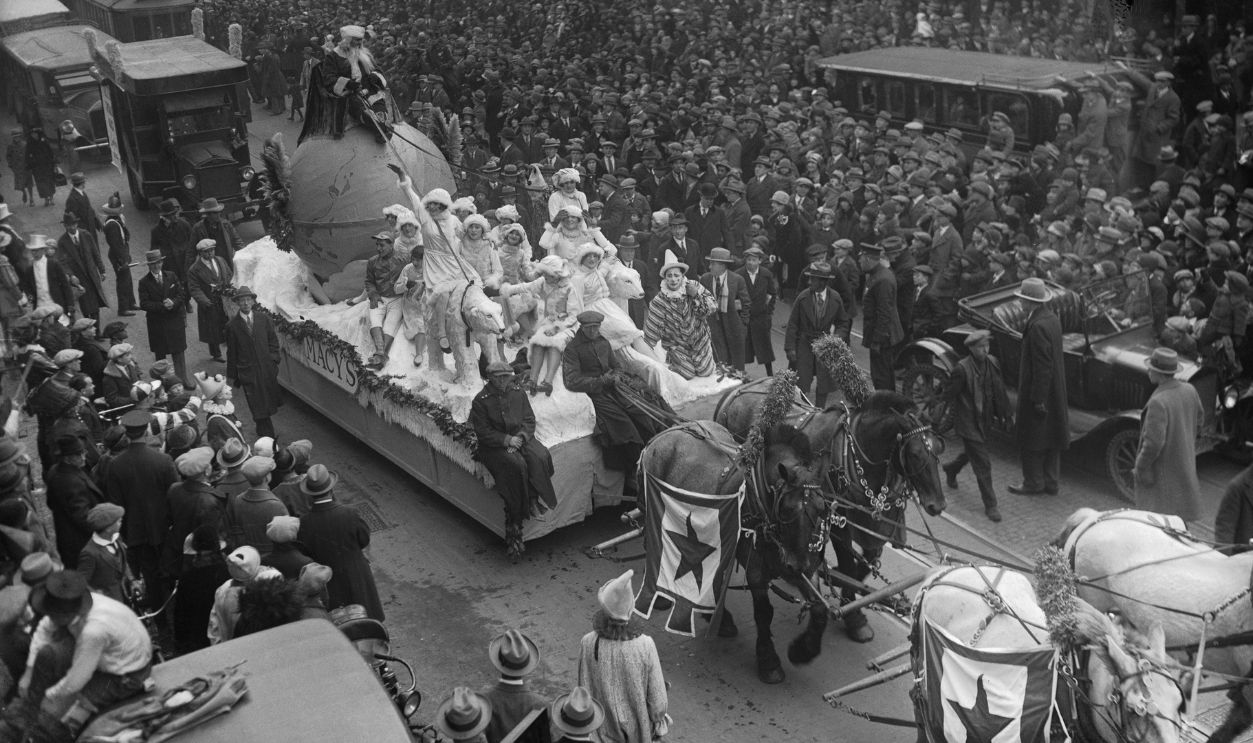
Early department-store Thanksgiving parades weren't intended simply to celebrate Thanksgiving. They were giant advertisements announcing that Christmas shopping had begun. Philadelphia's Gimbels staged a parade in 1920, four years before Macy's famous New York procession. The original Gimbels event travelled from City Hall to the store, where Santa arrived at the finale to greet children. Macy's adopted a similar concept in 1924. Modern Thanksgiving parades retain Santa as a closing attraction, but the department store itself is no longer necessarily the destination that everyone is marching toward.
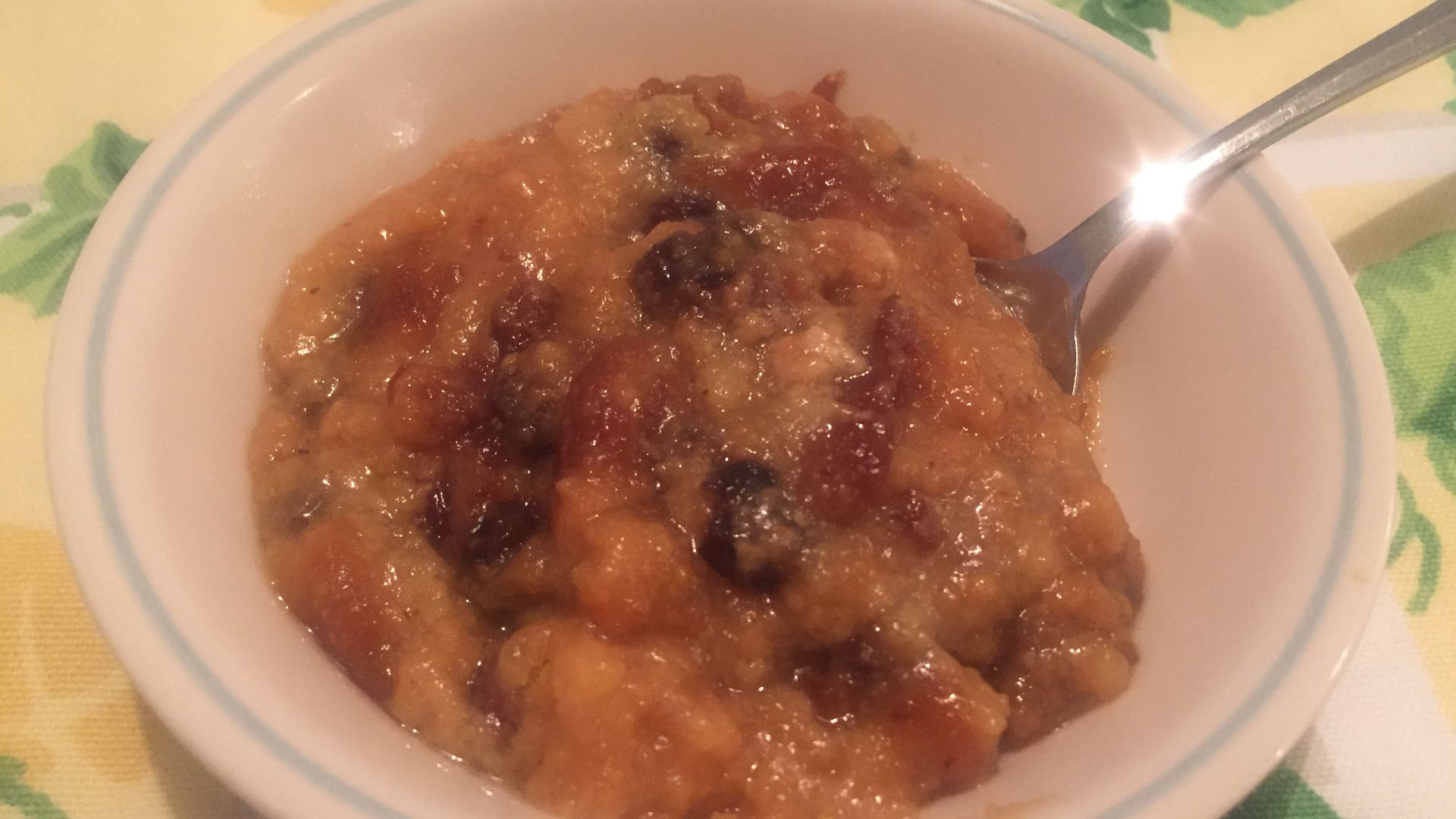
Indian Pudding Was Once A Familiar Dessert
Indian pudding sounds unusual now, but generations of New England families would have recognized it immediately. The baked or boiled pudding traditionally combined cornmeal, milk, molasses, and warming spices, producing a dense dessert with deep colonial roots. Its name reflected an older term for cornmeal connected to Indigenous maize. It could be served warm, sometimes with cream or later ice cream. The dessert remained strongly associated with New England well into the 19th and early 20th centuries. Pumpkin and apple pie endured nationally, while Indian pudding increasingly became a regional specialty rather than an expected Thanksgiving dessert.
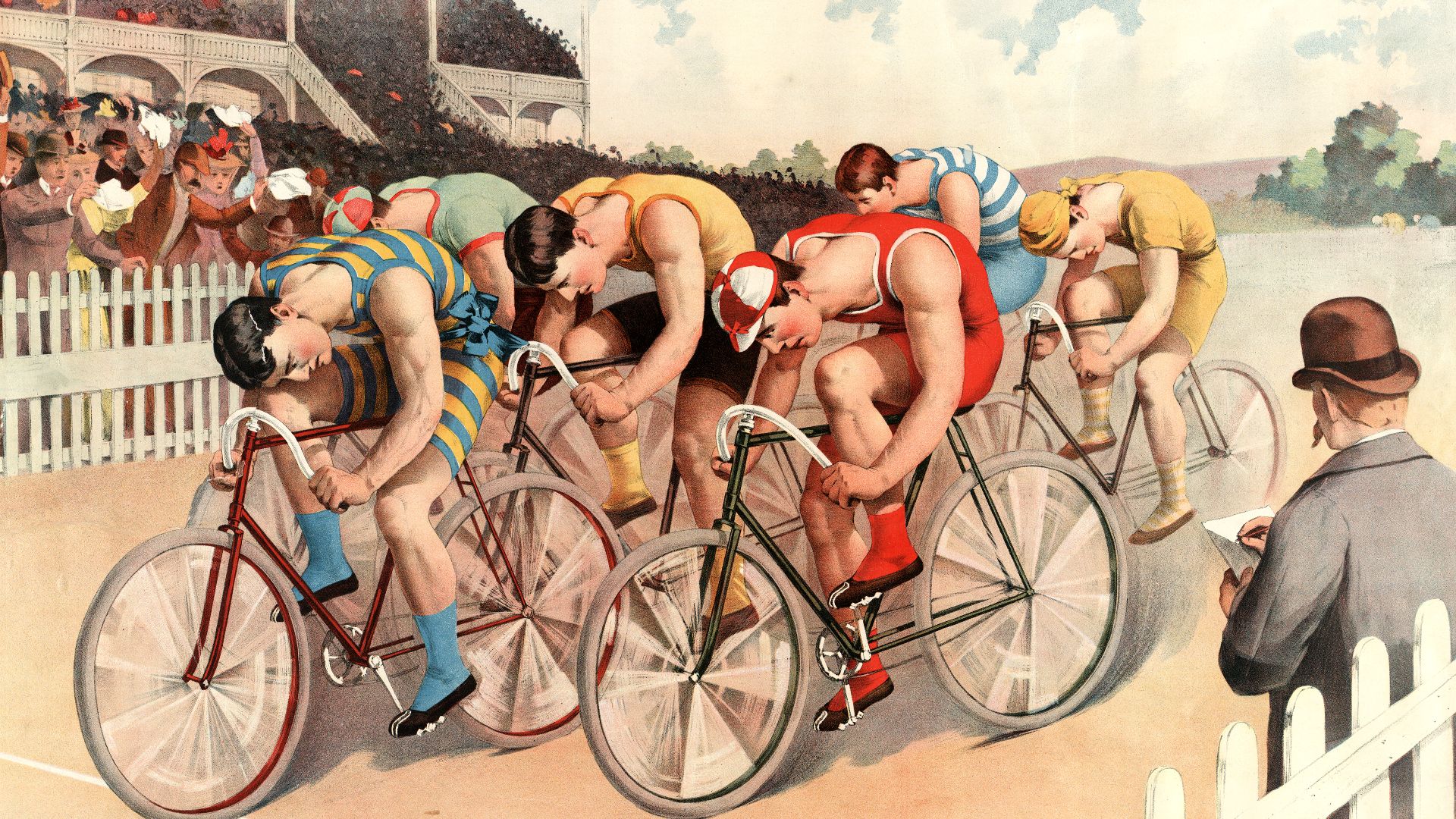
Some Towns Celebrated With Bicycle Races
During America's 1890s bicycle craze, Thanksgiving could mean race day. New Bern, North Carolina, began holding Thanksgiving bicycle races in 1895, and the first event reportedly attracted about 500 paying spectators. The programme included novice racing, a married men's race, a club championship, trick riding, and a gymkhana obstacle course where cyclists navigated barrels, rings, planks, and other challenges. The event returned in subsequent years. Today, bicycles rarely enter anyone's mental picture of Thanksgiving, but for communities swept up in the cycling boom, two wheels briefly became legitimate holiday entertainment.
 Calvert Lithographic Co., Detroit, Michigan, Wikimedia Commons
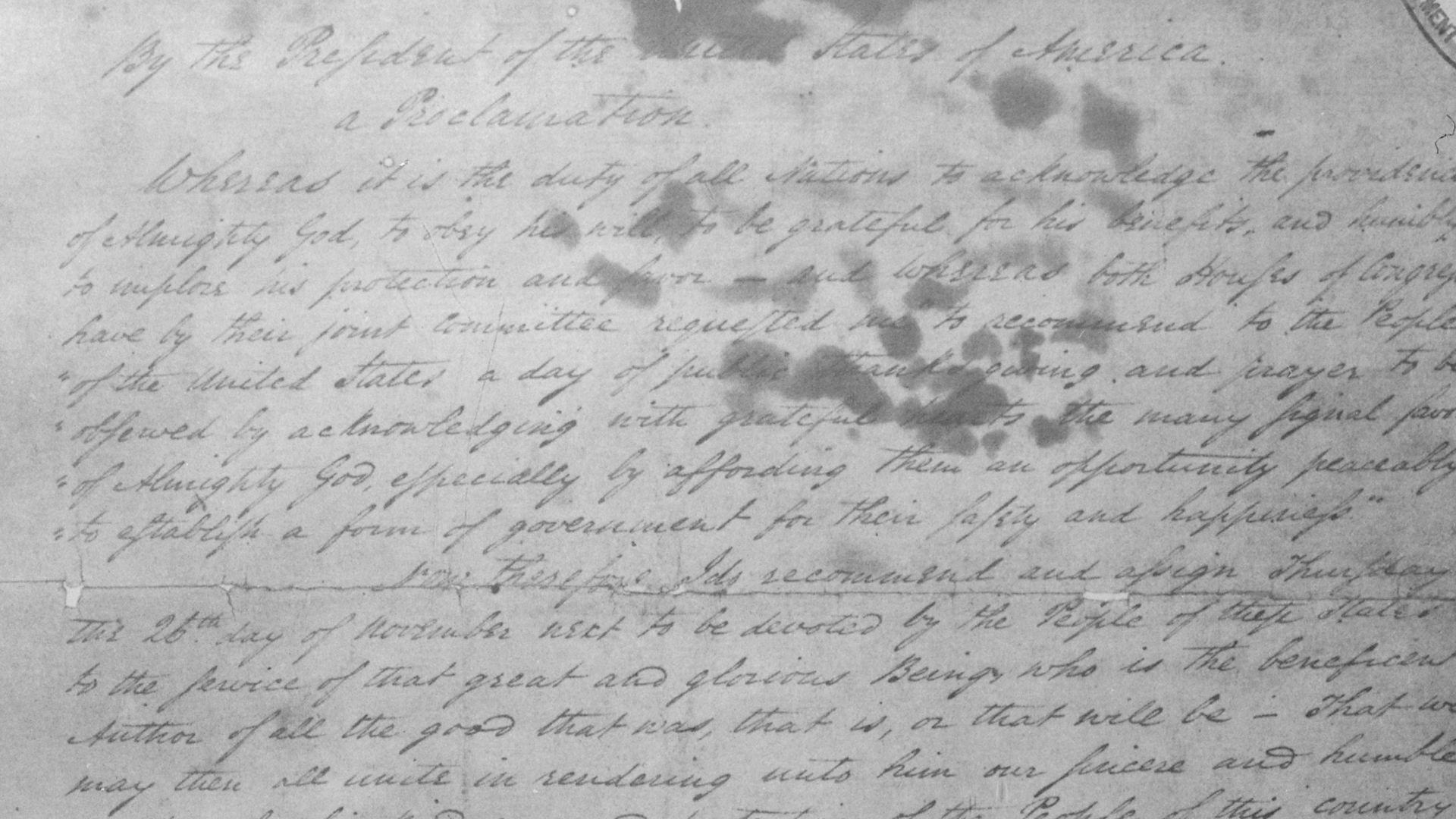
The Holiday Once Arrived By Official Proclamation
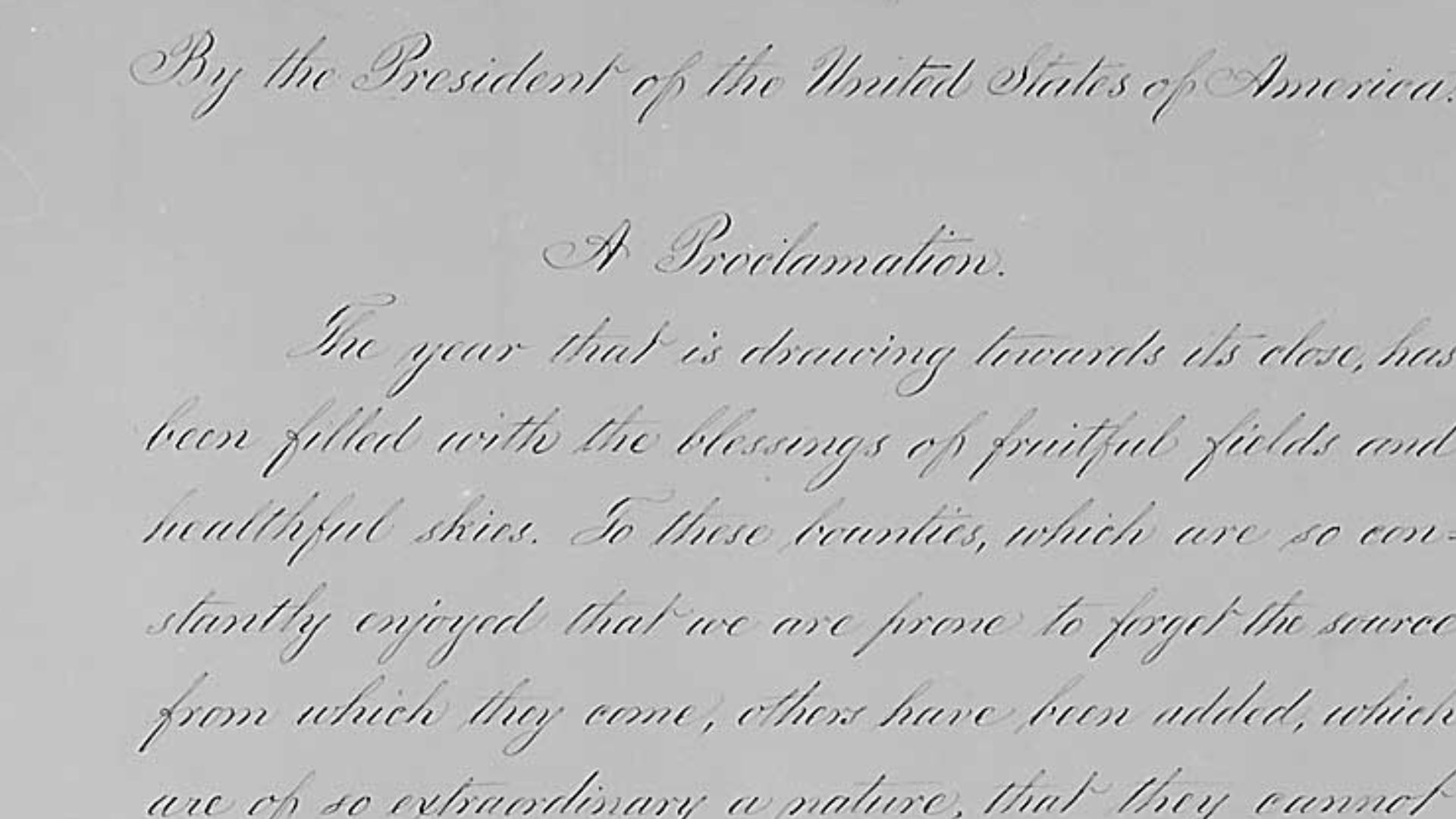
Thanksgiving wasn't always a permanently scheduled date printed years ahead on every calendar. Governors and other political leaders issued proclamations calling communities to observe specific days of thanksgiving, often emphasizing prayer, public gratitude, and civic responsibility. George Washington proclaimed November 26, 1789, as a national day of thanksgiving and prayer, but an annual presidential Thanksgiving didn't immediately follow. John Adams and James Madison issued similar proclamations, while regular presidential proclamations became established much later. Hearing the official Thanksgiving proclamation could therefore feel less ceremonial than it does now. It was part of how people learned that a special observance had actually been called.
 Unknown authorUnknown author or not provided, Wikimedia Commons
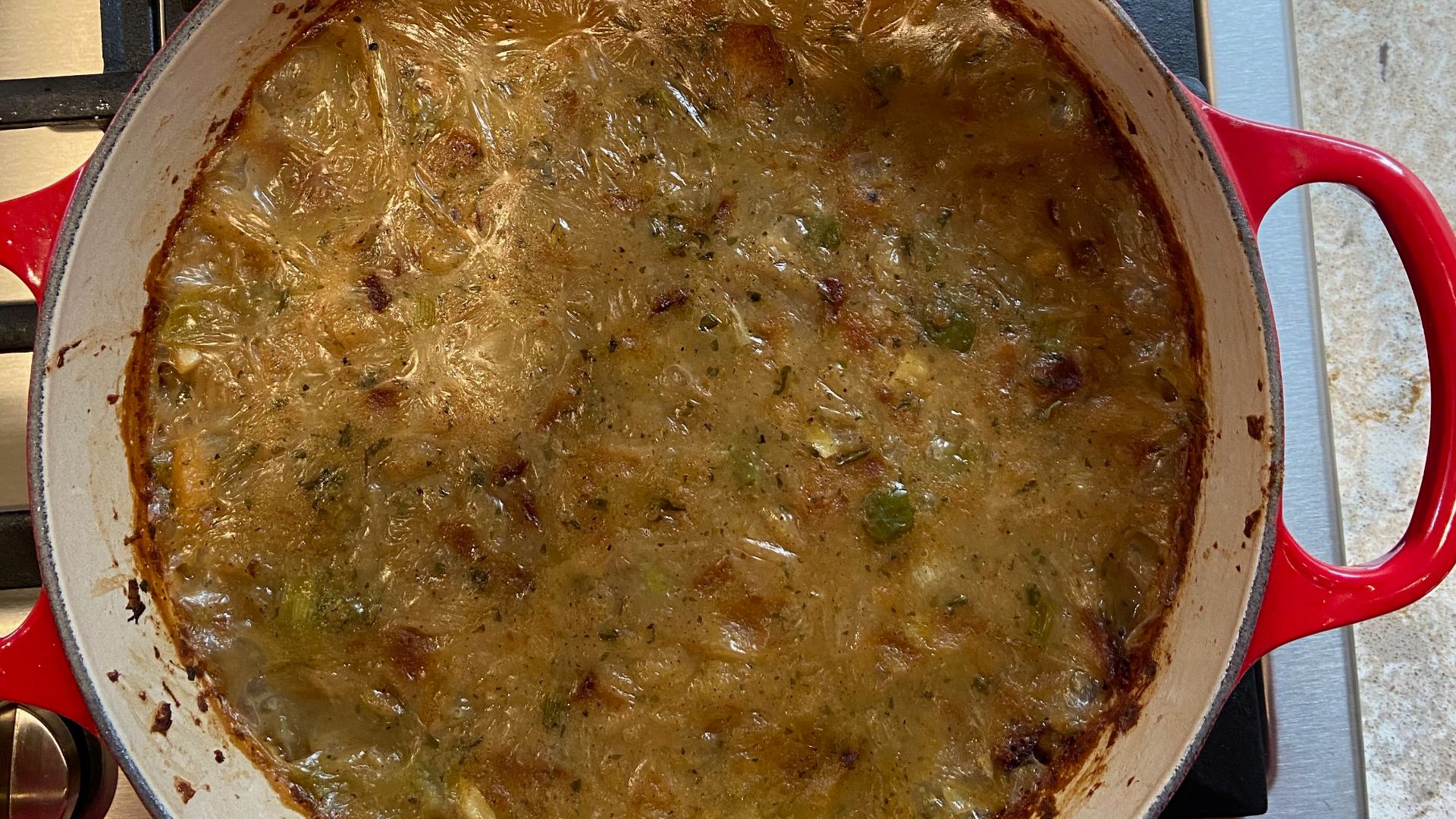
Oyster Stuffing Wasn't Considered Unusual
Oysters once occupied a much bigger place in American cooking, particularly when coastal oyster beds were abundant and the shellfish were relatively inexpensive. Thanksgiving menus reflected that availability. Families put oysters into turkey stuffing, served scalloped oysters, or prepared oyster sauce to accompany poultry. Sarah Josepha Hale, whose campaigning helped establish the national Thanksgiving holiday, promoted holiday menus that included oysters alongside turkey, potatoes, cranberries, and pie. Victorian Thanksgiving menus also regularly featured scalloped oysters and clams. What now sounds like a specialty variation could once look perfectly ordinary on the holiday table.
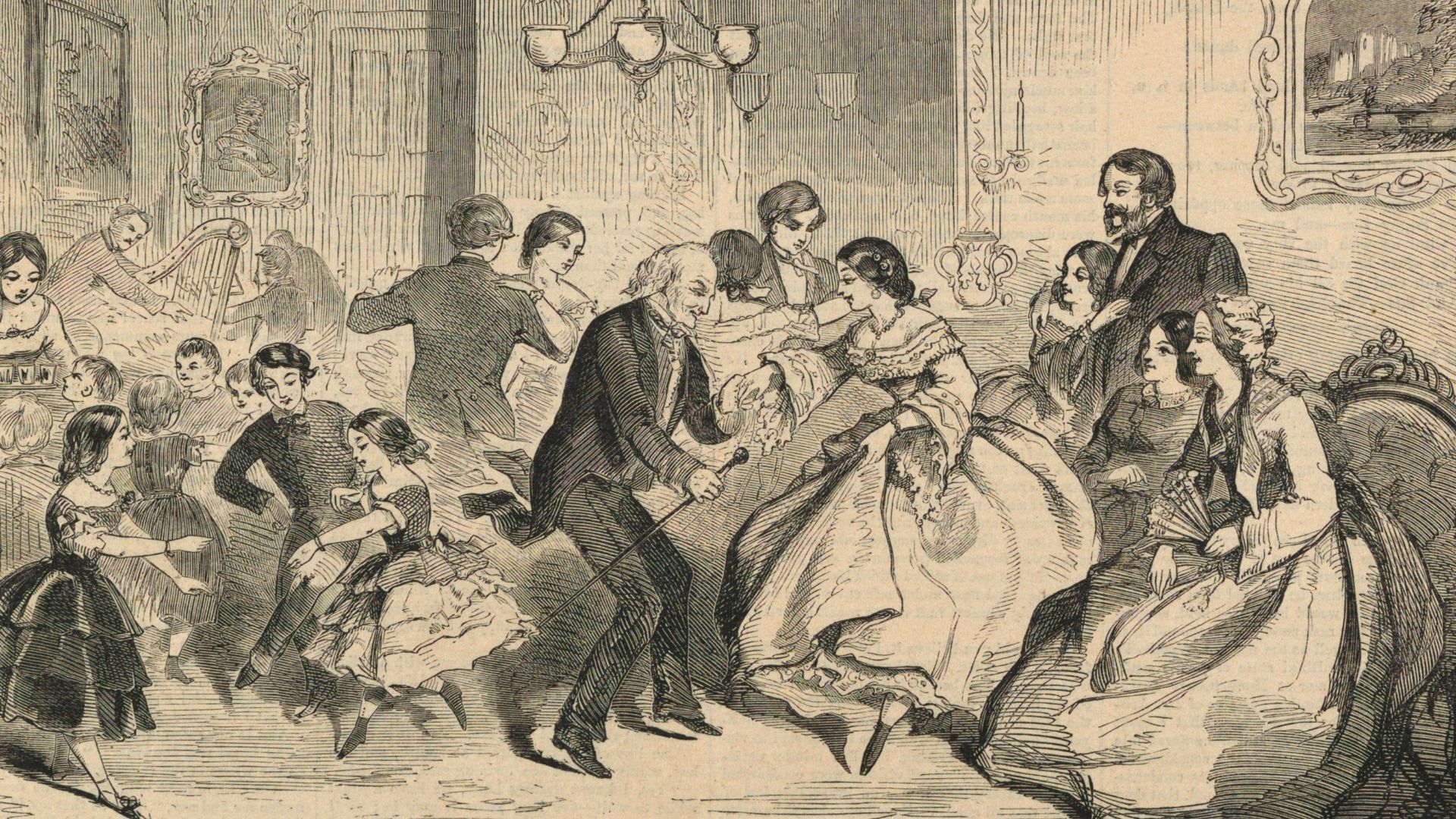
Dinner Could Be Followed By A Community Ball
Thanksgiving wasn't necessarily an entire day spent inside with immediate family. In some 19th-century communities, dinner could be followed by a dance, public ball, or other evening gathering. New Englanders might spend the daytime portion of the holiday attending church and eating with relatives, then leave home later to socialize with neighbours and friends. These gatherings gave young people an especially welcome excuse to meet, dance, and extend the celebration well beyond the meal. Modern Thanksgiving evenings are more likely to involve football, television, travel, or collapsing on the couch after dessert.
 Winslow Homer, Wikimedia Commons
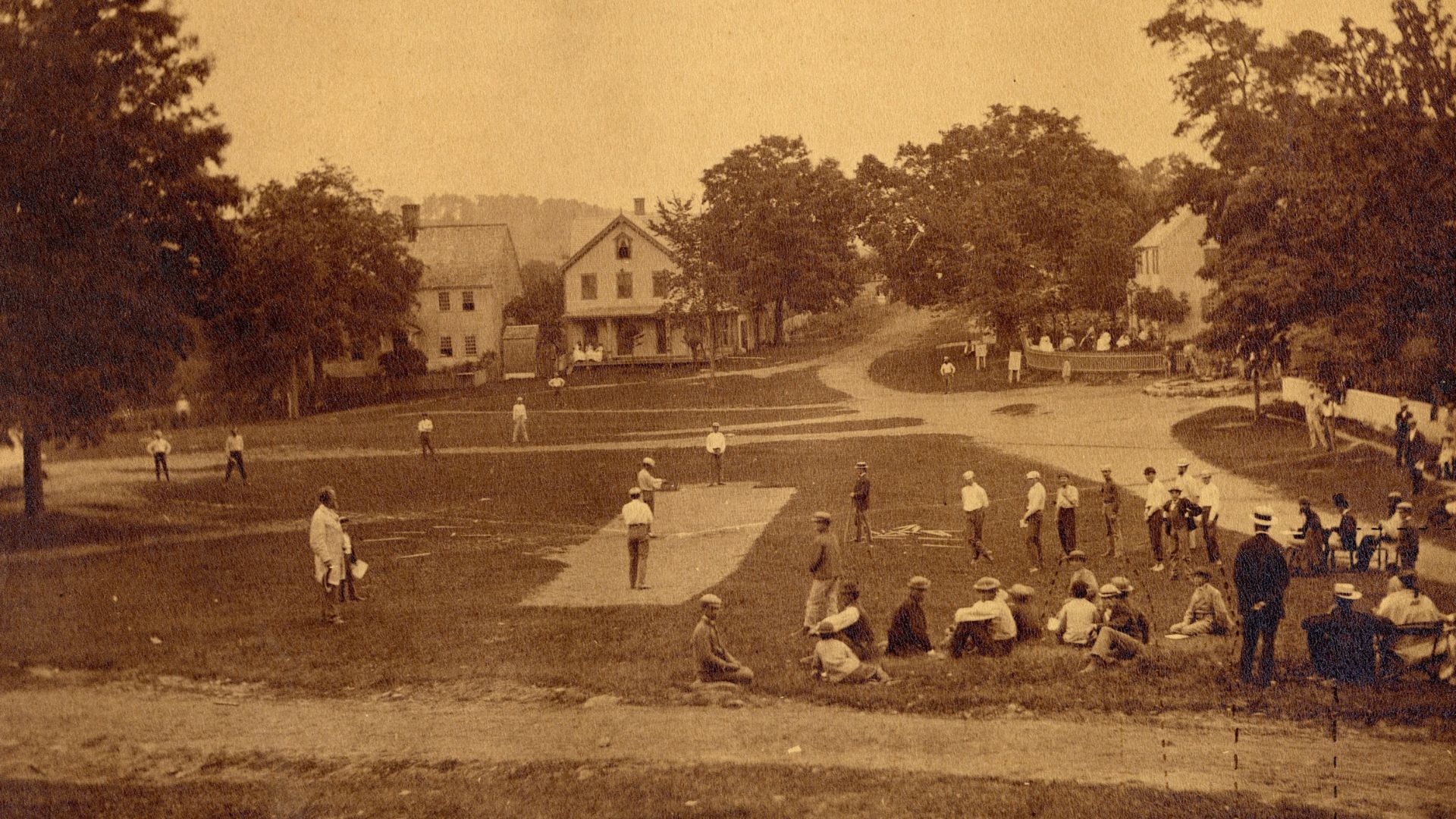
Baseball Had Its Own Thanksgiving Moment
Football eventually claimed Thanksgiving so completely that another fall sporting tradition is easy to miss. During the 1860s and 1870s, organized baseball games were sometimes scheduled for Thanksgiving, giving spectators another reason to leave the dinner table. Baseball was still developing into America's dominant professional spectator sport, and holiday games offered clubs an audience with leisure time to spare. The association never became as durable as Thanksgiving football, which exploded in popularity during the late 19th century. Still, there was a period when heading to a baseball field after the feast wouldn't have seemed particularly strange.
 Seth C. Landon, Wikimedia Commons
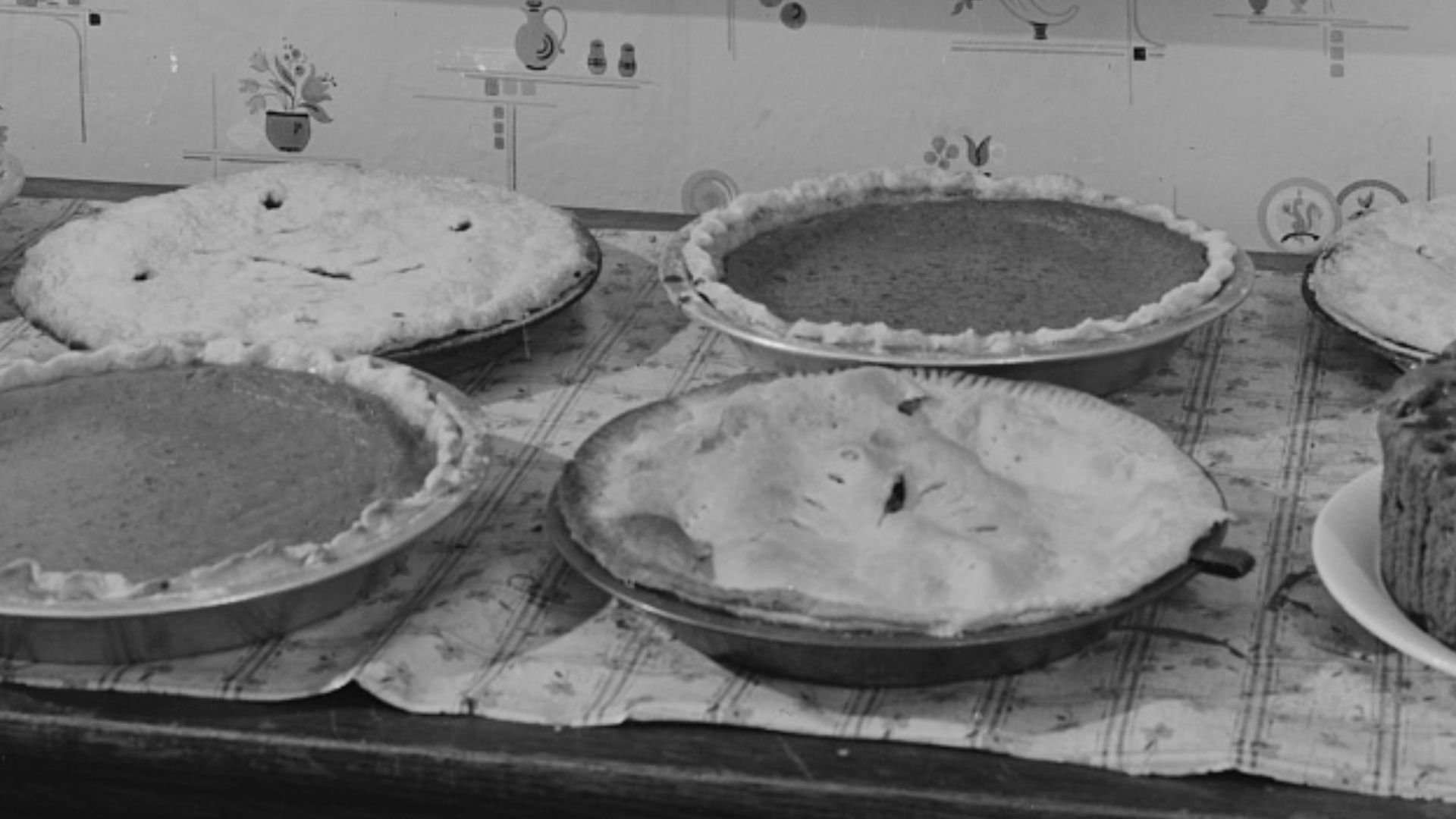
Some Families Baked An Almost Absurd Number Of Pies
One pie per flavour apparently wasn't enough for everyone. An 1854 description of a New England Thanksgiving recalled an aunt who never prepared fewer than 60 pies and sometimes made exactly 100. The varieties included mince, apple, cranberry, squash, and pumpkin. Large households, visiting relatives, hired workers, and days of entertaining could help justify enormous quantities, while pies could also be prepared ahead in cold weather. Even allowing for literary enthusiasm, the account illustrates how central pie was to the New England Thanksgiving table. A modern host worrying about whether two desserts are excessive would not have impressed this household.
 The Library of Congress, Wikimedia Commons
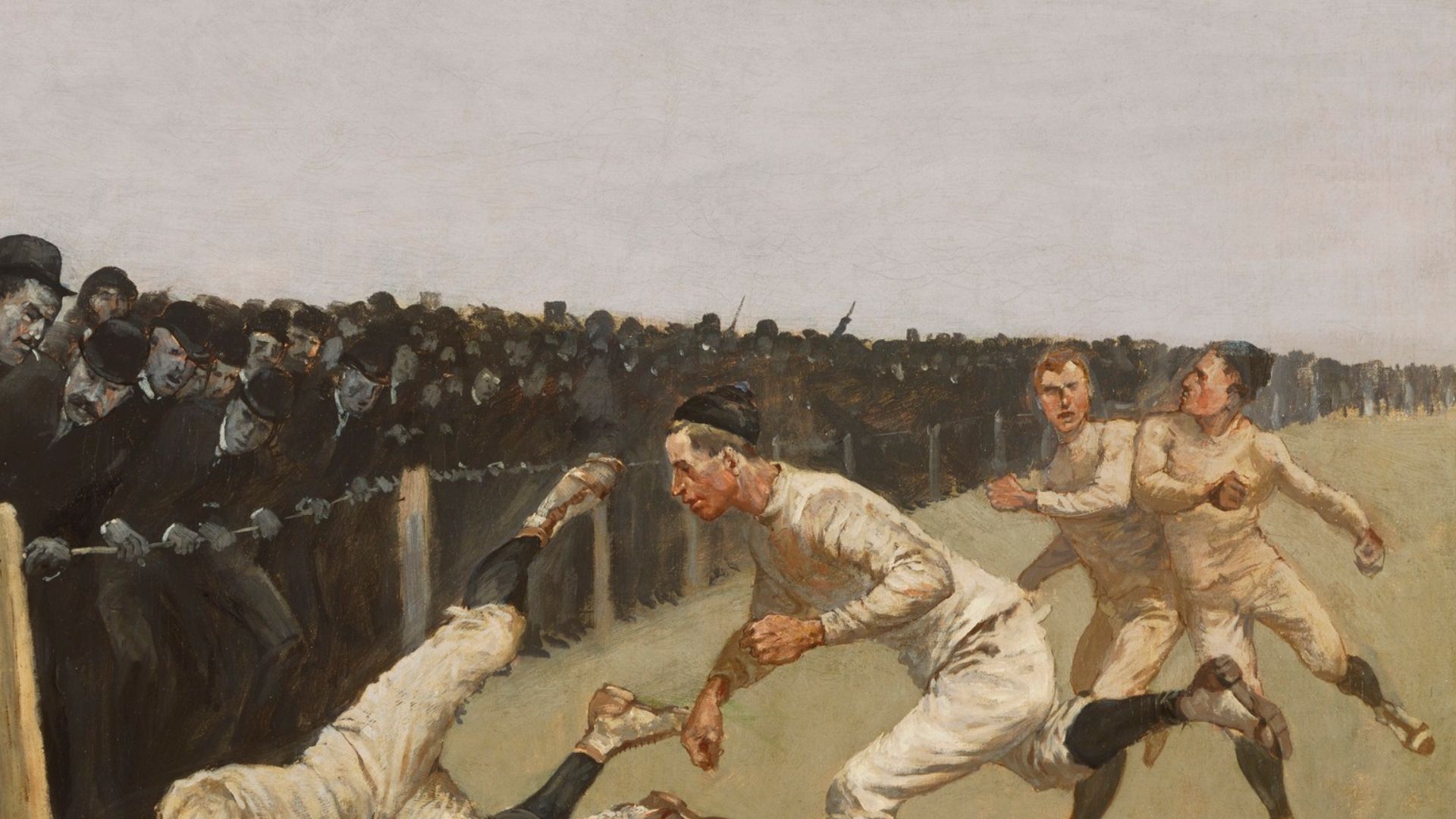
Football Games Once Came With Street Processions
The football game itself was only part of Thanksgiving's late-19th-century college spectacle. Major matchups, particularly Yale versus Princeton, attracted crowds who carried school colours, waved banners, paraded through streets, and turned the trip to the field into a social event. By the 1880s, the annual Yale-Princeton Thanksgiving contest had become a major attraction in New York. Modern fans still travel, tailgate, chant, and cover themselves in team colours, but the old processions made the whole city feel like part of game day rather than concentrating most of the spectacle around a stadium.
 Frederic Remington, Wikimedia Commons
Plum Pudding Could Finish The Meal
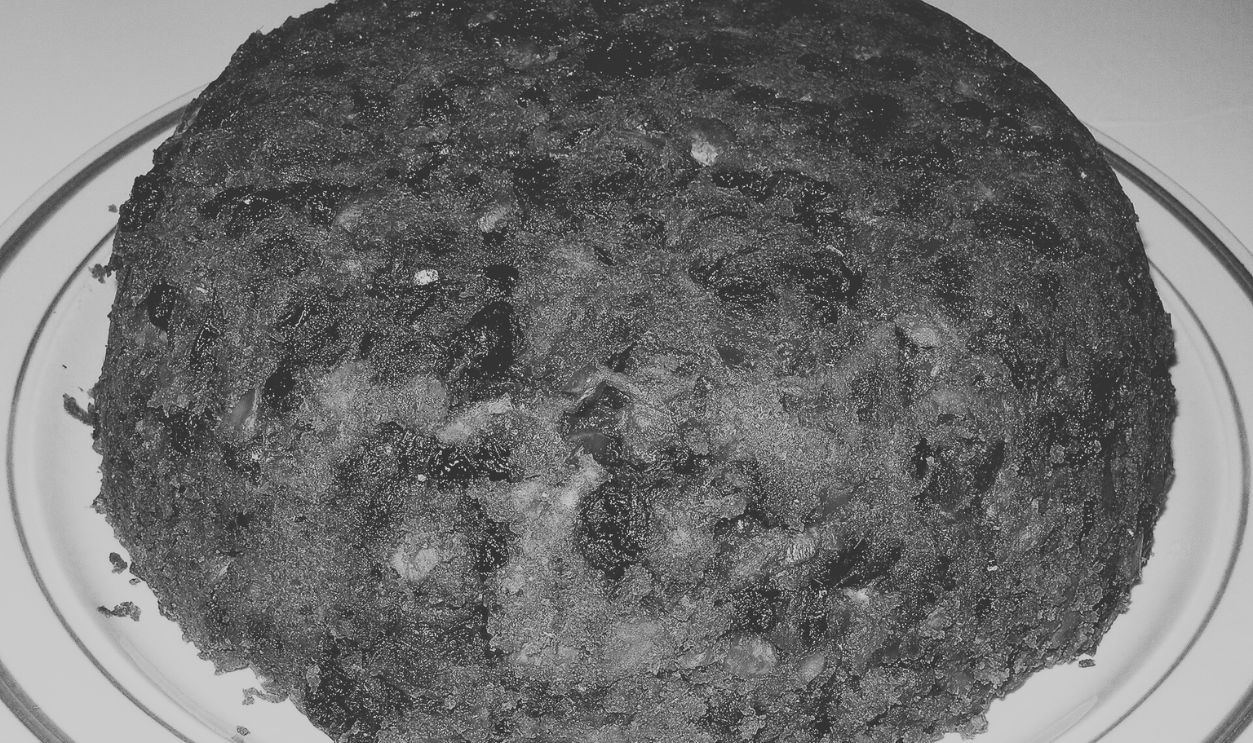
Another dessert that has almost disappeared from American Thanksgiving tables is plum pudding. Despite the name, “plum” traditionally referred broadly to dried fruits such as raisins and currants rather than requiring fresh plums. Rich versions could contain suet, bread crumbs or flour, spices, dried fruit, and booze before being steamed or boiled for hours. Its presence reflected the continuing influence of British festive cooking on American households. Thanksgiving eventually developed a more distinctly American dessert identity around pumpkin, pecan, apple, and sweet potato pies, leaving plum pudding much more strongly associated with old-fashioned Christmas celebrations.
 Dennis Sylvester Hurd, Wikimedia Commons, Modified
Thanksgiving Didn't Always Have One National Date
Colonial and early American thanksgivings weren't originally a single annual holiday occurring everywhere on the same Thursday. Colonies, states, churches, and political leaders could designate thanksgiving days after harvests, military victories, or other significant events. Even after Washington's 1789 national proclamation, Thanksgiving didn't immediately become a fixed annual federal observance. By the Civil War, many states were celebrating it regularly, and Abraham Lincoln's 1863 proclamation helped nationalize the holiday on the last Thursday of November. Congress finally established the modern fourth-Thursday schedule in 1941.
 The U.S. National Archives, Wikimedia Commons
A Raffle Could Decide Who Got The Turkey
Before everyone could walk into a supermarket and choose among dozens of frozen birds, communities found more entertaining ways to distribute Thanksgiving poultry. Turkey and poultry raffles offered participants a chance to win a turkey, goose, or chicken for the family meal. They combined social entertainment with a very practical prize, especially in New England and other regions where local clubs, taverns, or organizations arranged holiday gatherings. The tradition fits an older Thanksgiving world where acquiring the dinner could itself become part of the celebration rather than something handled during a rushed grocery-store trip.
School Thanksgiving Pageants Were Everywhere
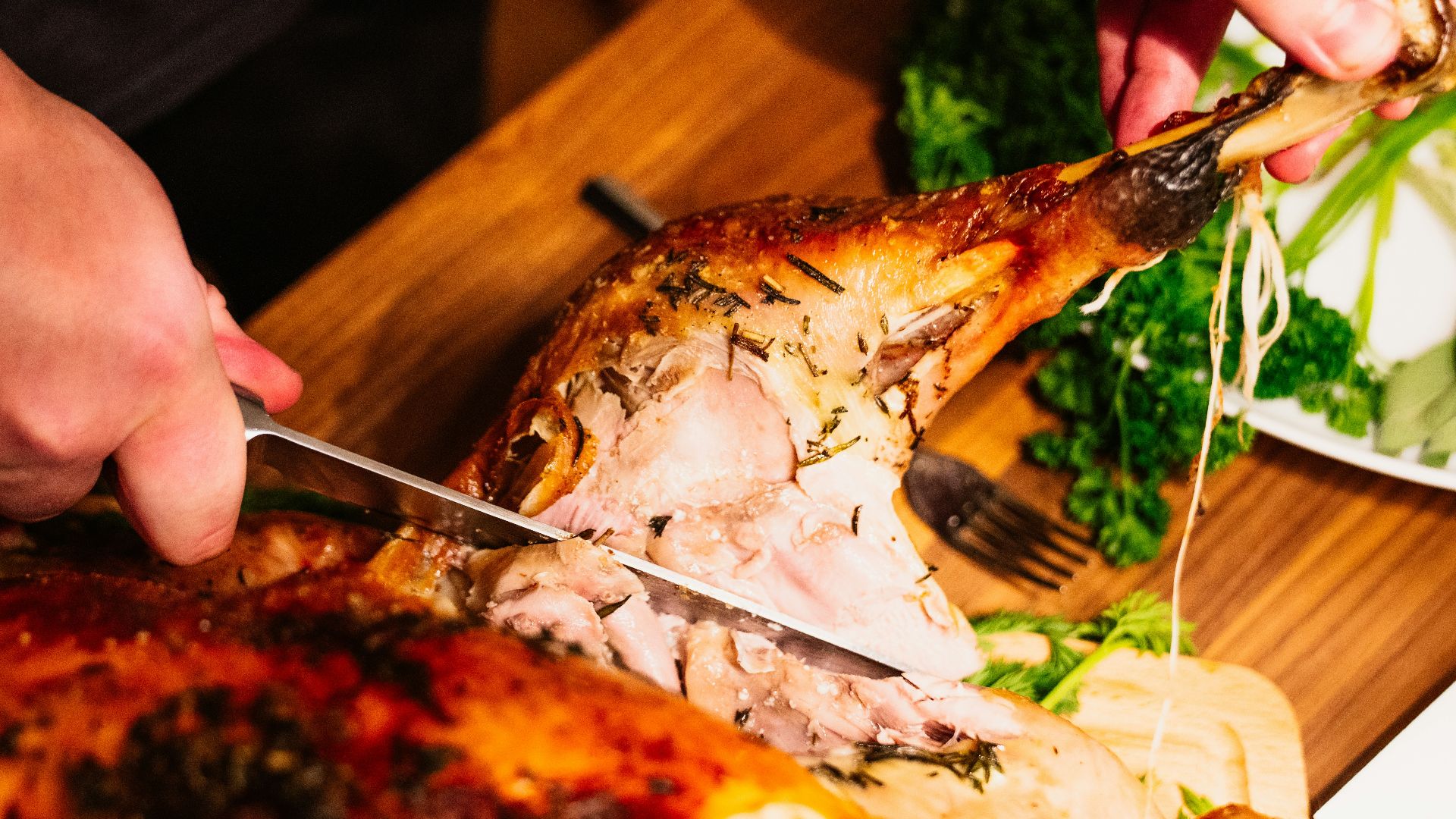
For generations of American schoolchildren, November could mean rehearsing a Thanksgiving play. Schools staged songs, recitations, tableaux, and pageants built around Pilgrims and the supposed “first Thanksgiving”. Children wore homemade costumes intended to represent English colonists and Native Americans, often presenting the encounter as an uncomplicated story of friendship. Historians and educators have increasingly challenged those performances because they reduced complex Wampanoag history and the consequences of colonization to stereotypes. Many schools still teach about Thanksgiving, but the paper-feather-and-Pilgrim-hat pageant has become far less automatic than it once was.
Turkey Wasn't The Only Meat On The Table
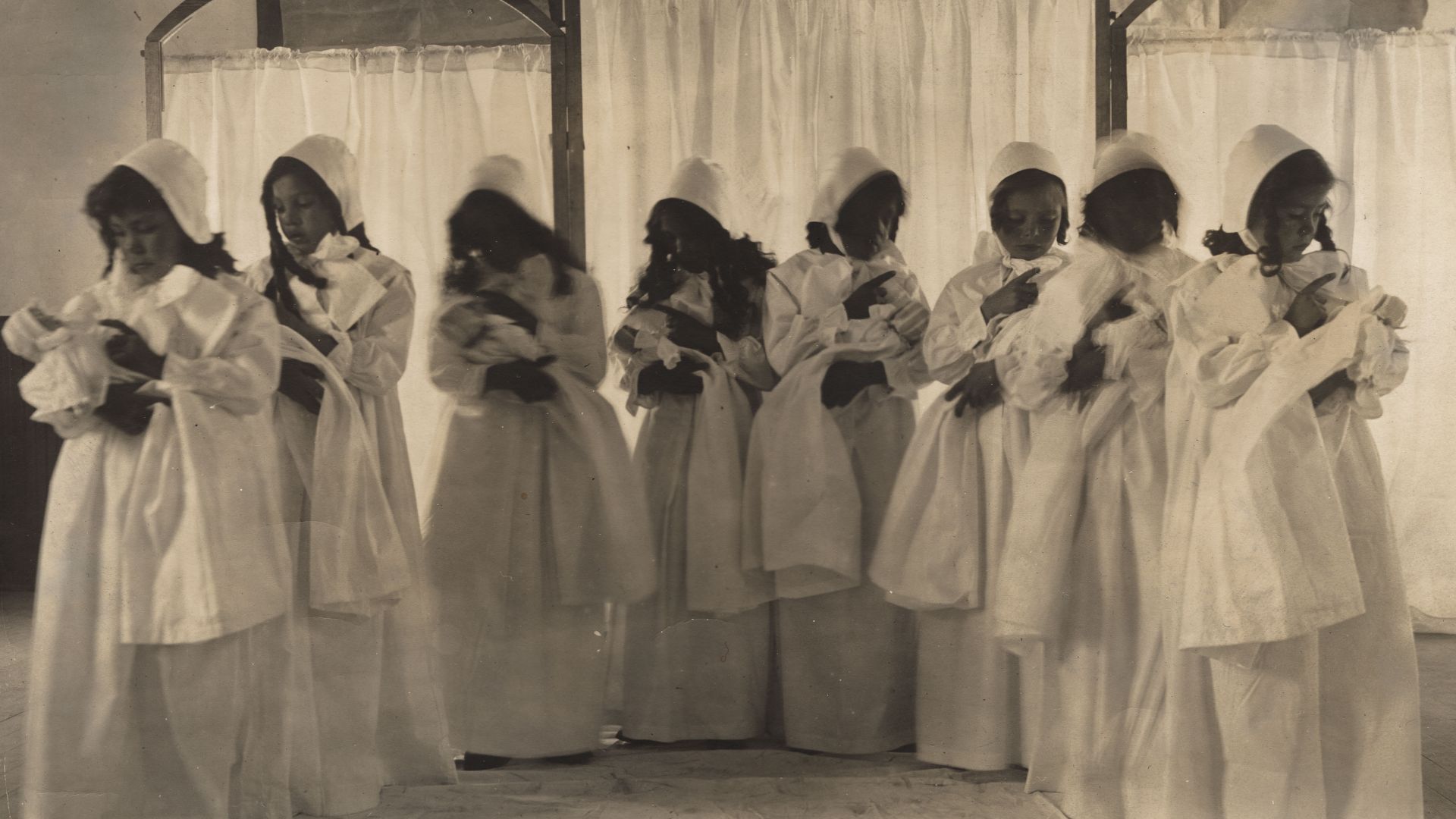
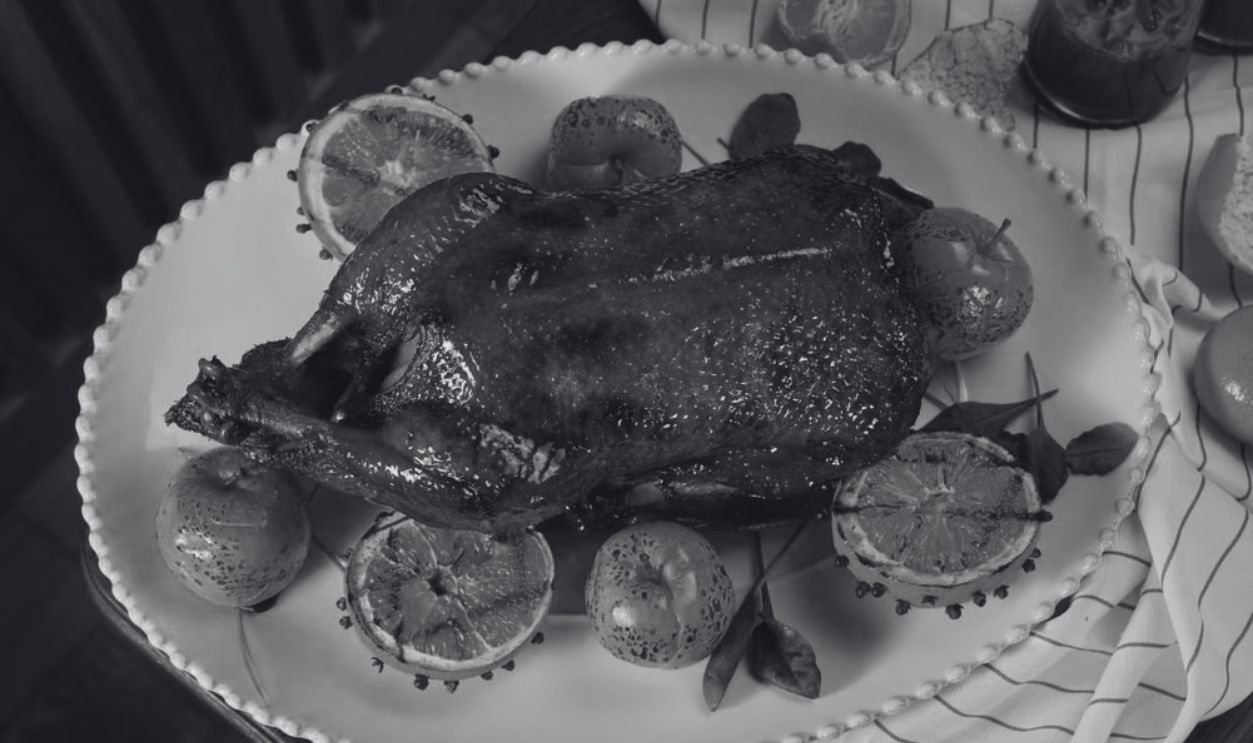
A large Thanksgiving dinner could once look more like a catalogue of available meat than today's standardized roast-turkey meal. Goose, duck, venison, rabbit, chicken, and other game could appear depending on geography, family resources, hunting traditions, and local availability. Turkey became increasingly central to the American Thanksgiving image during the 19th century, helped by cookbooks, magazines, literature, and Sarah Josepha Hale's promotion of a New England-style feast. But the idea that everyone throughout American history automatically sat down to one giant turkey is much tidier than the food record actually suggests.
Masquerade Balls Made Thanksgiving Surprisingly Glamorous
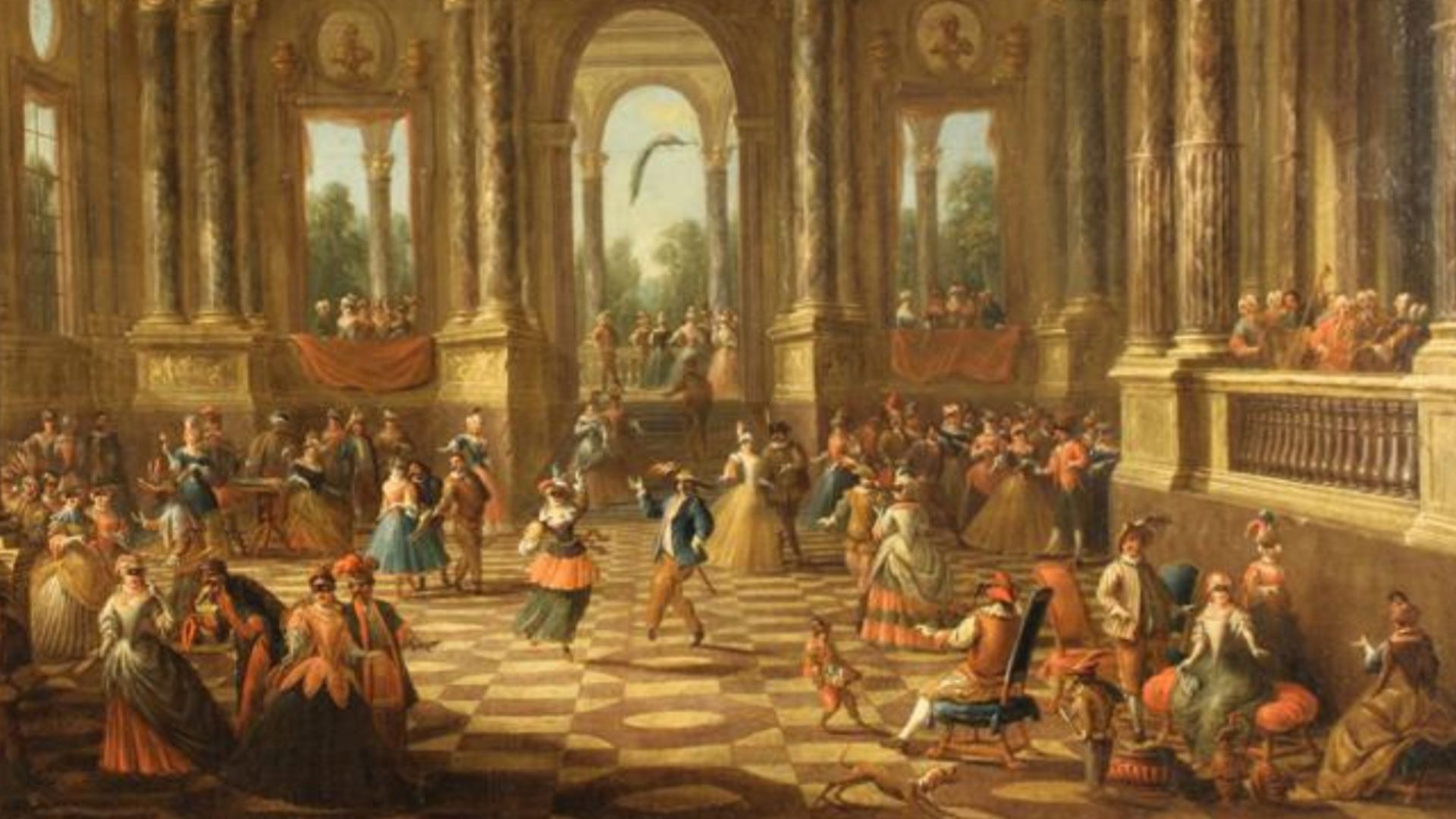
Street masking wasn't the only Thanksgiving costume tradition. Some northeastern communities also held formal masquerade or fancy-dress balls, particularly during the 19th century. Adults wore masks and costumes for evenings of dancing, music, and socializing that could make Thanksgiving feel closer to Carnival than the quiet family holiday familiar today. These gatherings belonged to a broader culture of public balls and seasonal entertainments rather than one standardized nationwide custom. Still, they show just how flexible Thanksgiving once was. Costumes weren't automatically associated with October, and Thanksgiving night didn't necessarily end when someone cleared the dinner plates.
 Willem Augustin van Minderhout, Wikimedia Commons
Soldiers Organized Their Own Holiday Field Games
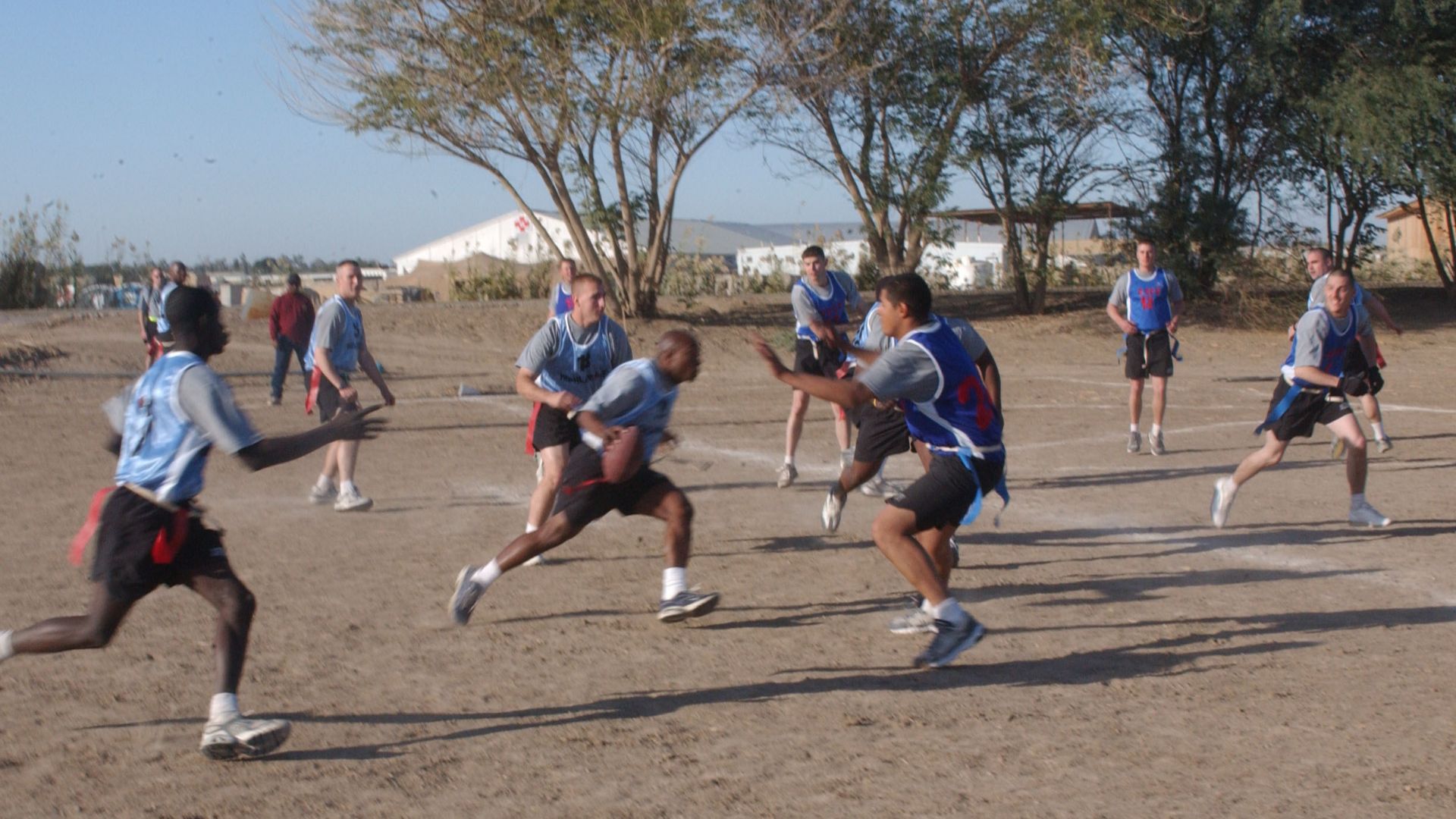
Americans serving far from home often recreated Thanksgiving as best they could, and the holiday wasn't limited to a special military meal. Camps and bases organized races, athletic competitions, baseball, football, and other field games to give soldiers something celebratory to do before or after dinner. Such events were especially valuable where normal family traditions were impossible. The combination of sports and Thanksgiving wasn't confined to wealthy college spectators back home. Athletic contests could also turn an otherwise ordinary military camp into a temporary holiday gathering place.
 Spc. Jason Jordan, Wikimedia Commons
Wealthy Diners Sometimes Ate Course After Course
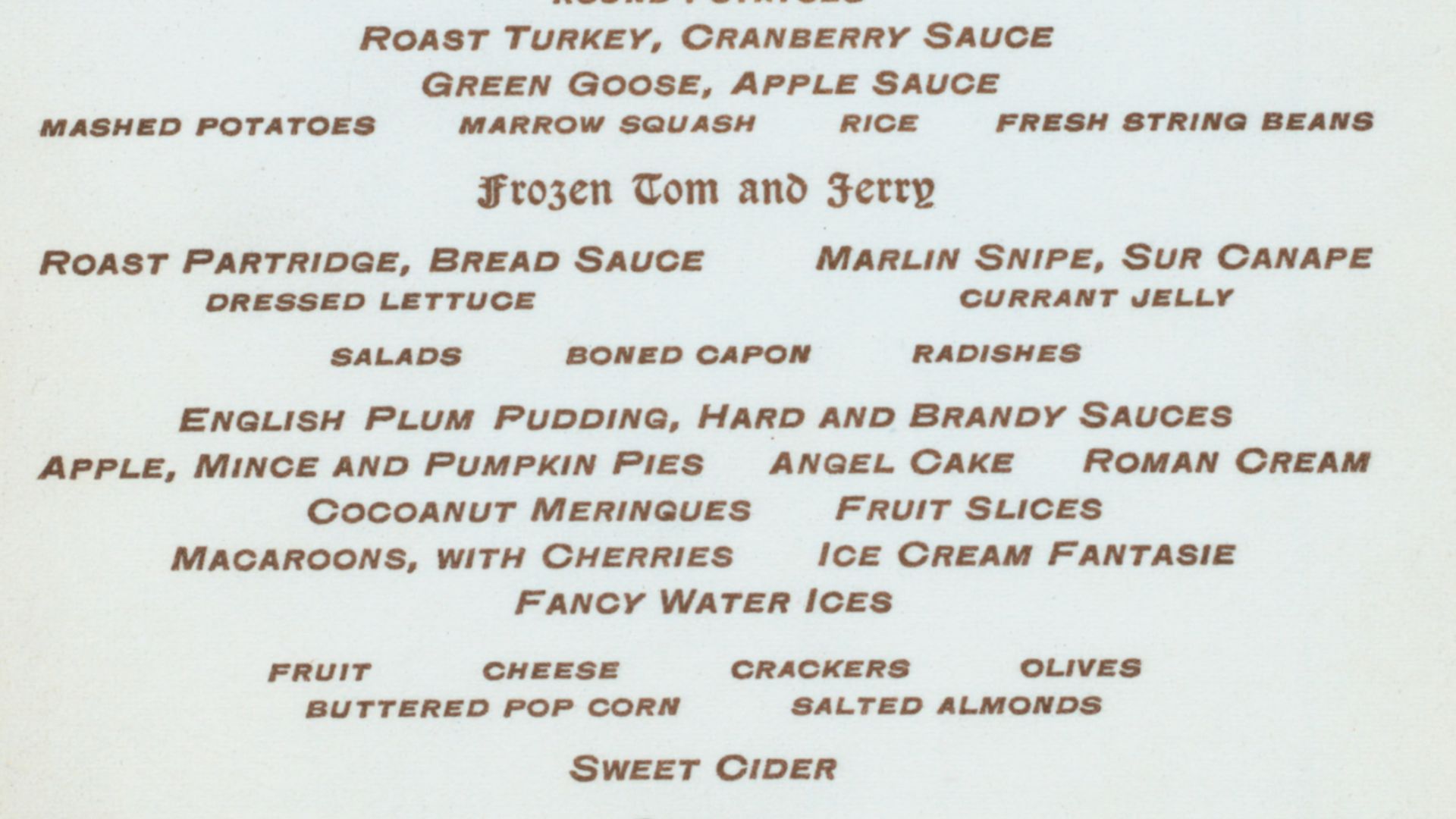
The familiar modern Thanksgiving plate piles almost everything together at once. Fashionable late-19th- and early-20th-century hotel dinners could work very differently. Elaborate menus might proceed through oysters, soup, fish, entrées, roasts, vegetables, salads, puddings, pies, fruit, cheese, and coffee. An 1894 Thanksgiving menu from Boston's Hotel Vendome offered Blue Point oysters, turtle preparations, foie gras, prime rib, Peking duck, and turkey among its choices. Thanksgiving had become both a family holiday and an opportunity for restaurants and hotels to stage serious culinary extravagance.
 Scan by NYPL, Wikimedia Commons
The Holiday Once Had Far More Public Traditions
Modern Thanksgiving is often imagined as private: travel home, eat with relatives, watch television, and recover. Earlier versions could spill much farther into churches, streets, dance halls, and downtown shopping districts. Even the traditions that survived usually changed dramatically. Football moved from collegiate street spectacle to national television, parades became enormous broadcast events, and turkey became more dominant as older dishes disappeared. The familiar holiday didn't simply descend unchanged from colonial America. Americans kept rebuilding it generation after generation.
 Bain News Service, publisher, Wikimedia Commons
You May Also Like:
Everyday American Habits Whose Practical Origins Have Been Totally Forgotten
Bestselling Novels From The 1970s That Seemed To Define The Era—Then Faded From Memory