When America Built The Impossible
The Hoover Dam. The Interstate Highway System. The skyscrapers and bridges that transformed entire cities. These projects were enormous gambles even in their own time, but trying to recreate them today could be staggeringly expensive. We're not saying they absolutely couldn't be built. Modern engineers could accomplish remarkable things with enough money and political support. But today's costs of land, labor, materials, environmental protections, and legal approvals could make many of these historic undertakings prohibitively expensive.
 PitukTV, Shutterstock; Factinate Ltd
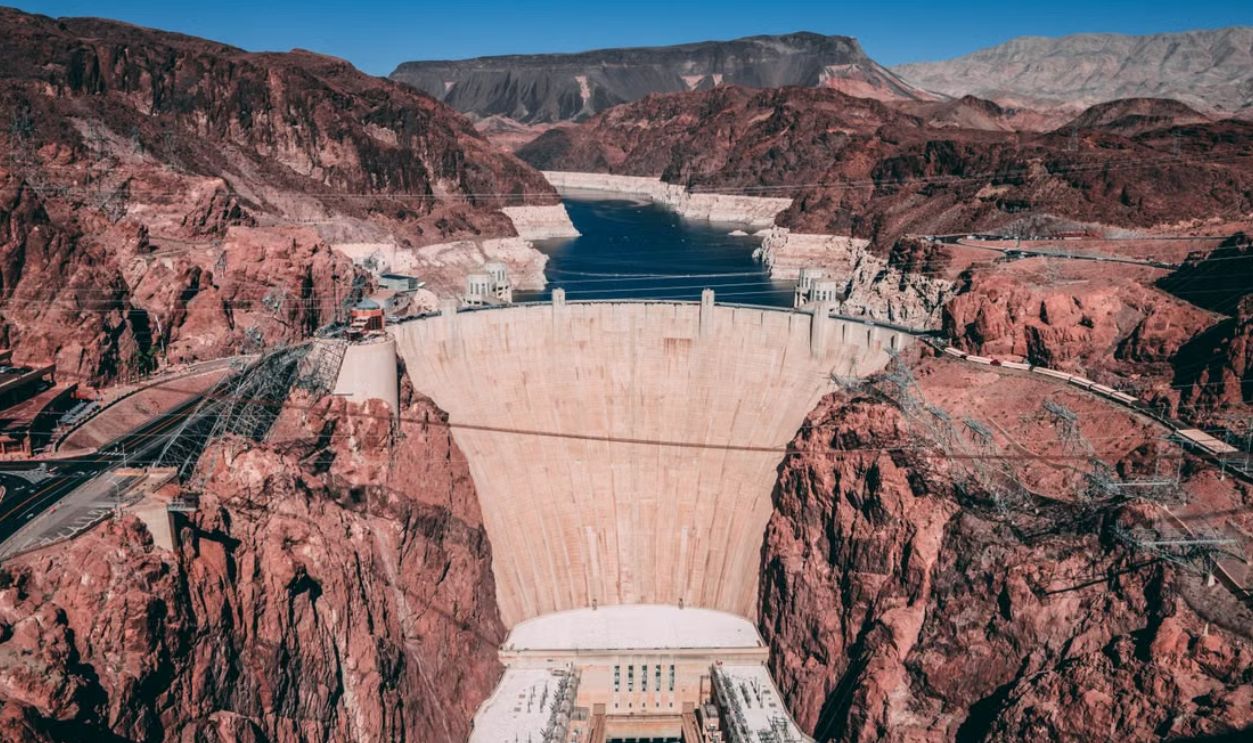
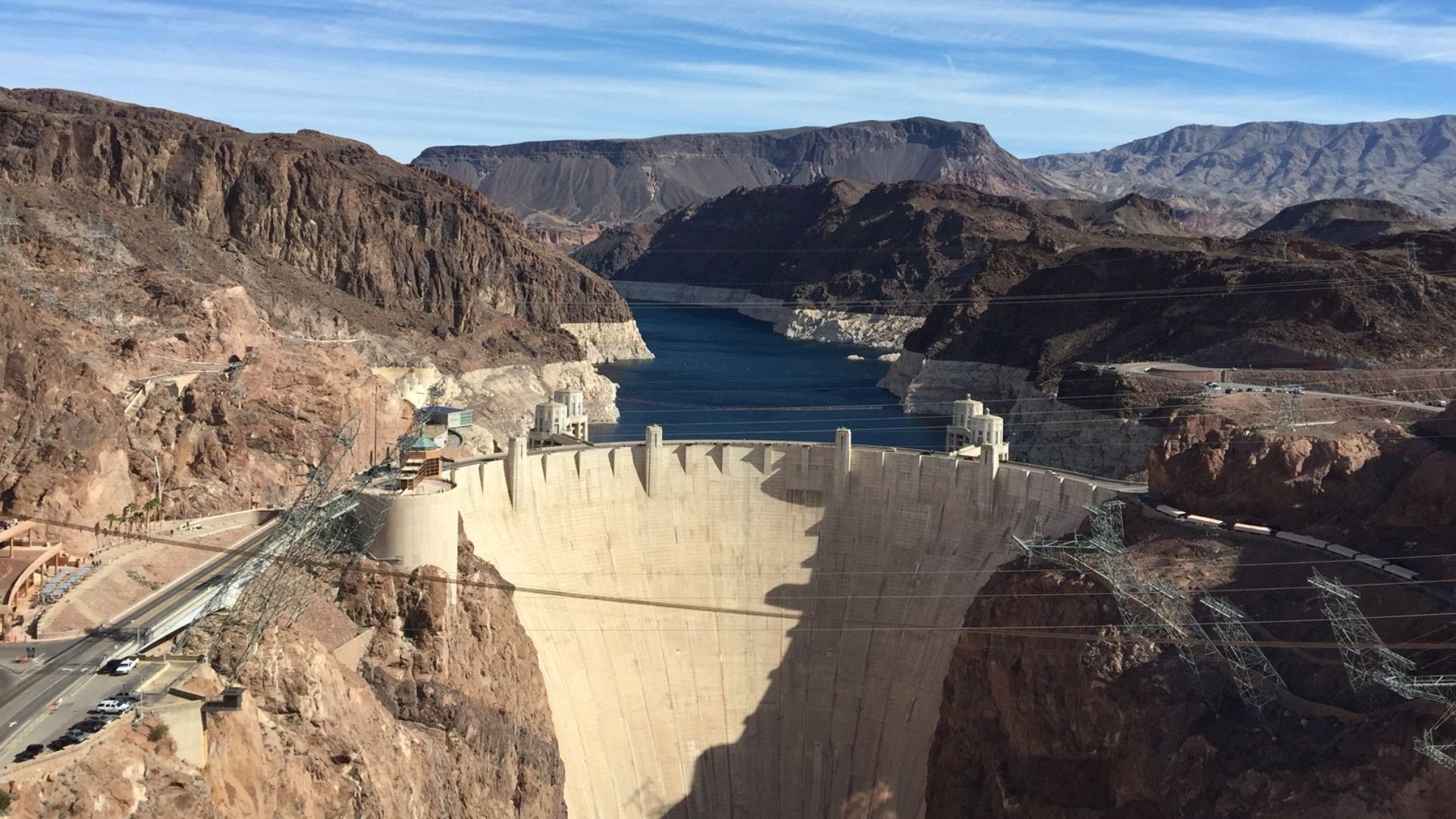
Hoover Dam (1931–1936)
When construction began on Hoover Dam in 1931, thousands of workers descended on the Nevada-Arizona border to tame the Colorado River. The massive concrete structure cost approximately $49 million to construct, excluding associated facilities and other project expenses. Recreating it today would involve far more than adjusting that figure for inflation. Environmental reviews, water-rights disputes, worker protections, and the cost of building in an already heavily developed river system would make an equivalent undertaking enormously complicated.
 Western Area Power, Wikimedia Commons
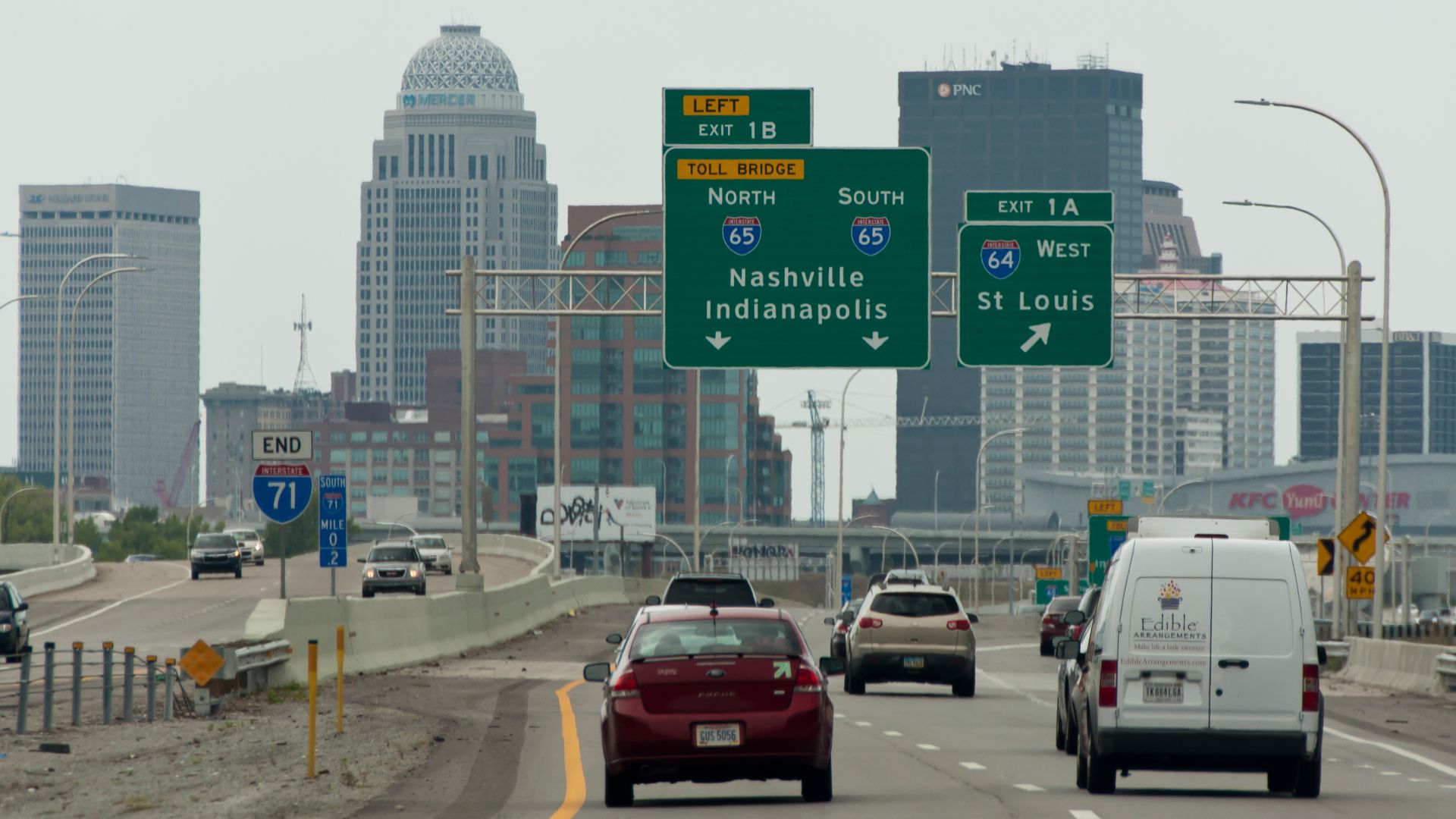
The Interstate Highway System (1956–1992)
President Dwight Eisenhower's interstate highway program transformed American transportation, eventually creating a network exceeding 48,000 miles. Its construction required enormous federal investment, the acquisition of private property, and the demolition of entire urban neighborhoods. Recreating that network from scratch today would mean purchasing land through some of America's most expensive metropolitan areas. Modern environmental standards, community opposition, utility relocation, and construction costs would make a comparable nationwide program an almost unimaginable financial commitment.
 Sixflashphoto, Wikimedia Commons
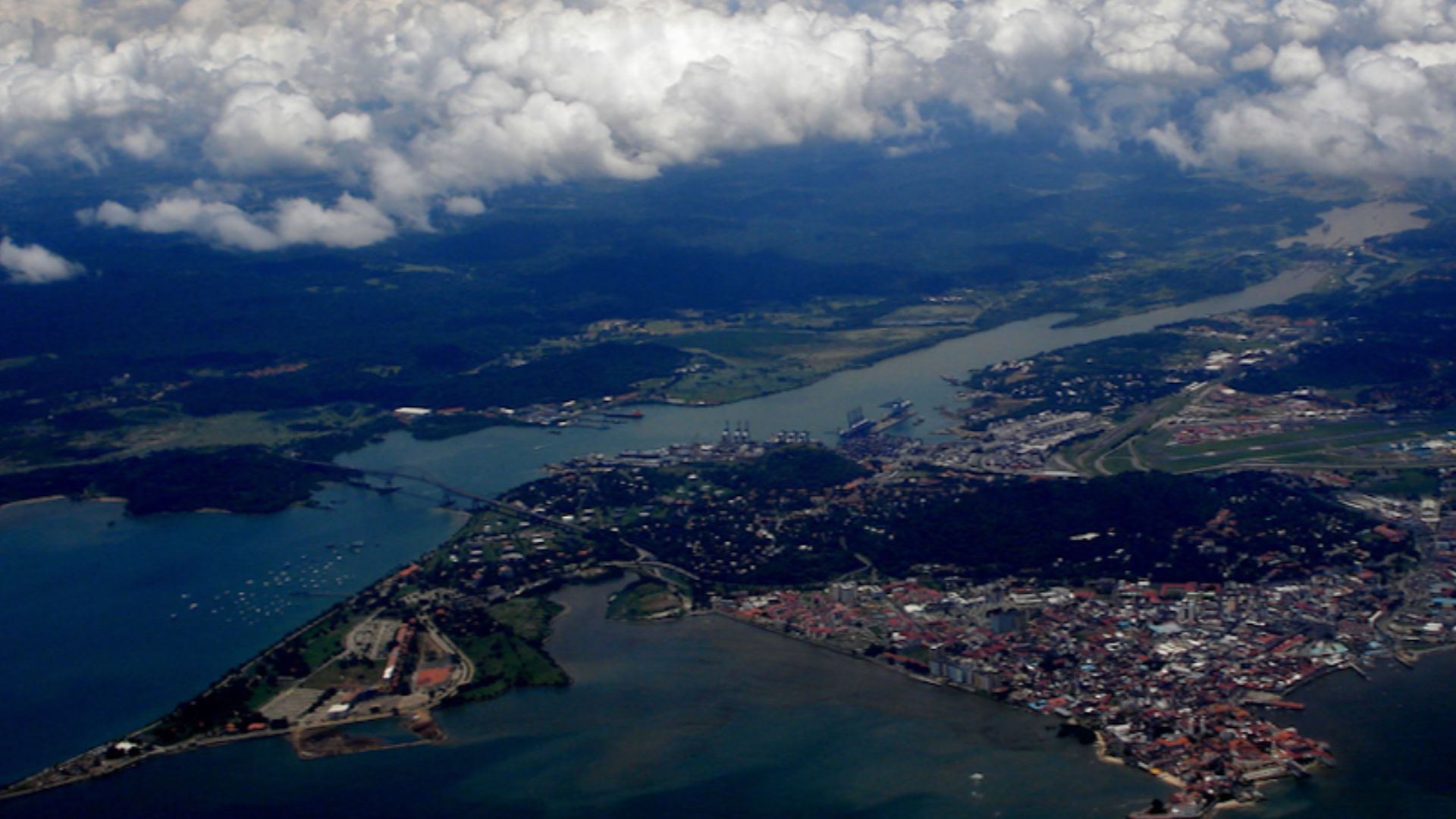
The Panama Canal (1904–1914)
The American-led construction of the Panama Canal required cutting through mountains, controlling tropical diseases, and creating an artificial waterway connecting two oceans. The United States spent approximately $375 million on the undertaking, including payments to Panama and France. A similar project today would face immense environmental and social costs, not to mention international negotiations and expensive modern construction requirements. The canal's 2016 expansion demonstrated that even enlarging an existing waterway can require billions of dollars.
 Camilo Molina
derivative work: MrPanyGoff, Wikimedia Commons
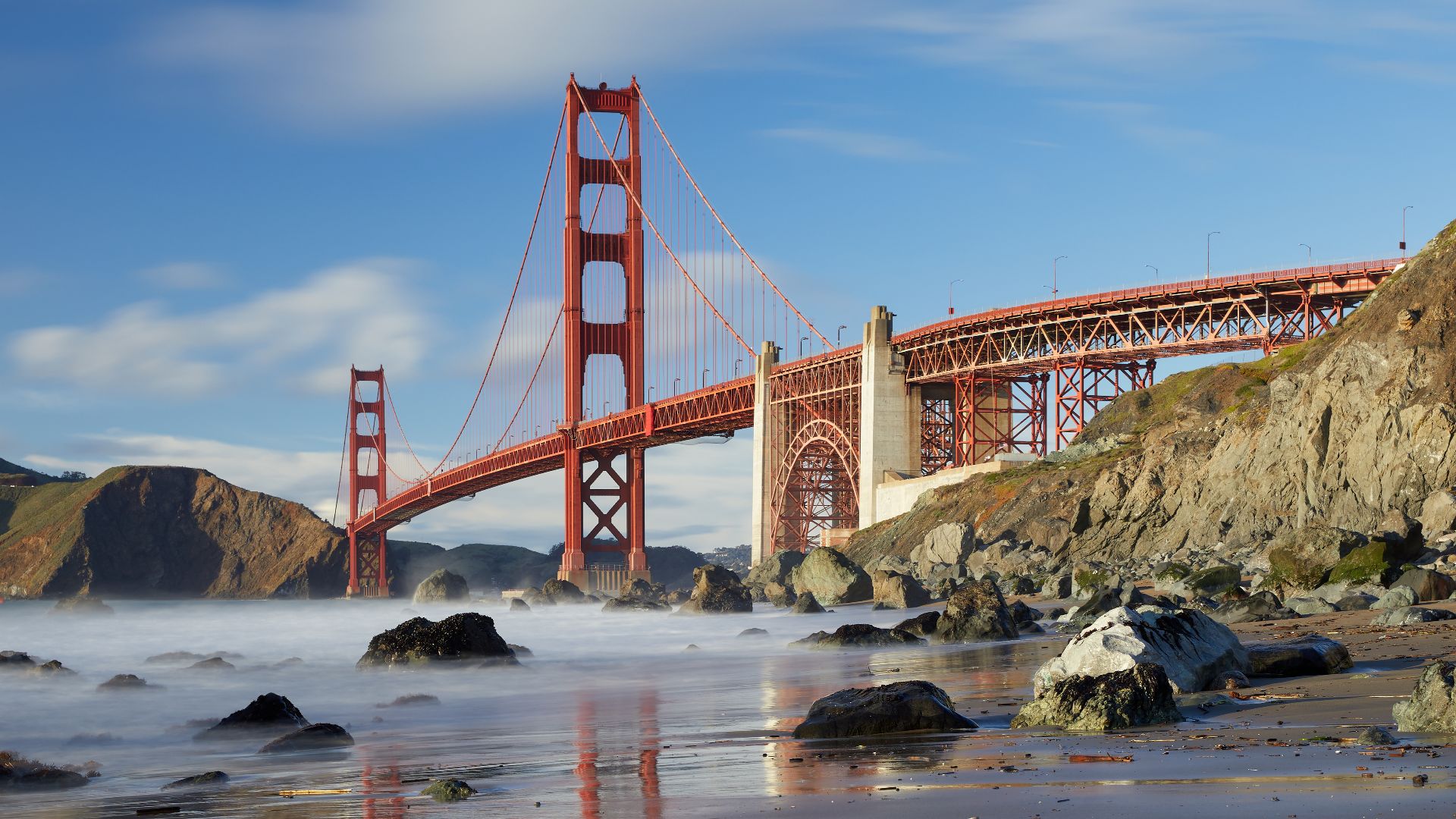
The Golden Gate Bridge (1933–1937)
San Francisco's Golden Gate Bridge was an engineering marvel when it opened in 1937. Construction cost approximately $35 million, an extraordinary sum during the Great Depression. Building another suspension bridge across the same challenging strait today would involve sophisticated seismic engineering, costly marine construction, environmental protections, and extensive transportation planning. The bridge's iconic appearance might be relatively straightforward to reproduce, but acquiring the land and navigating the approval process would be another matter entirely.
 Frank Schulenburg, Wikimedia Commons
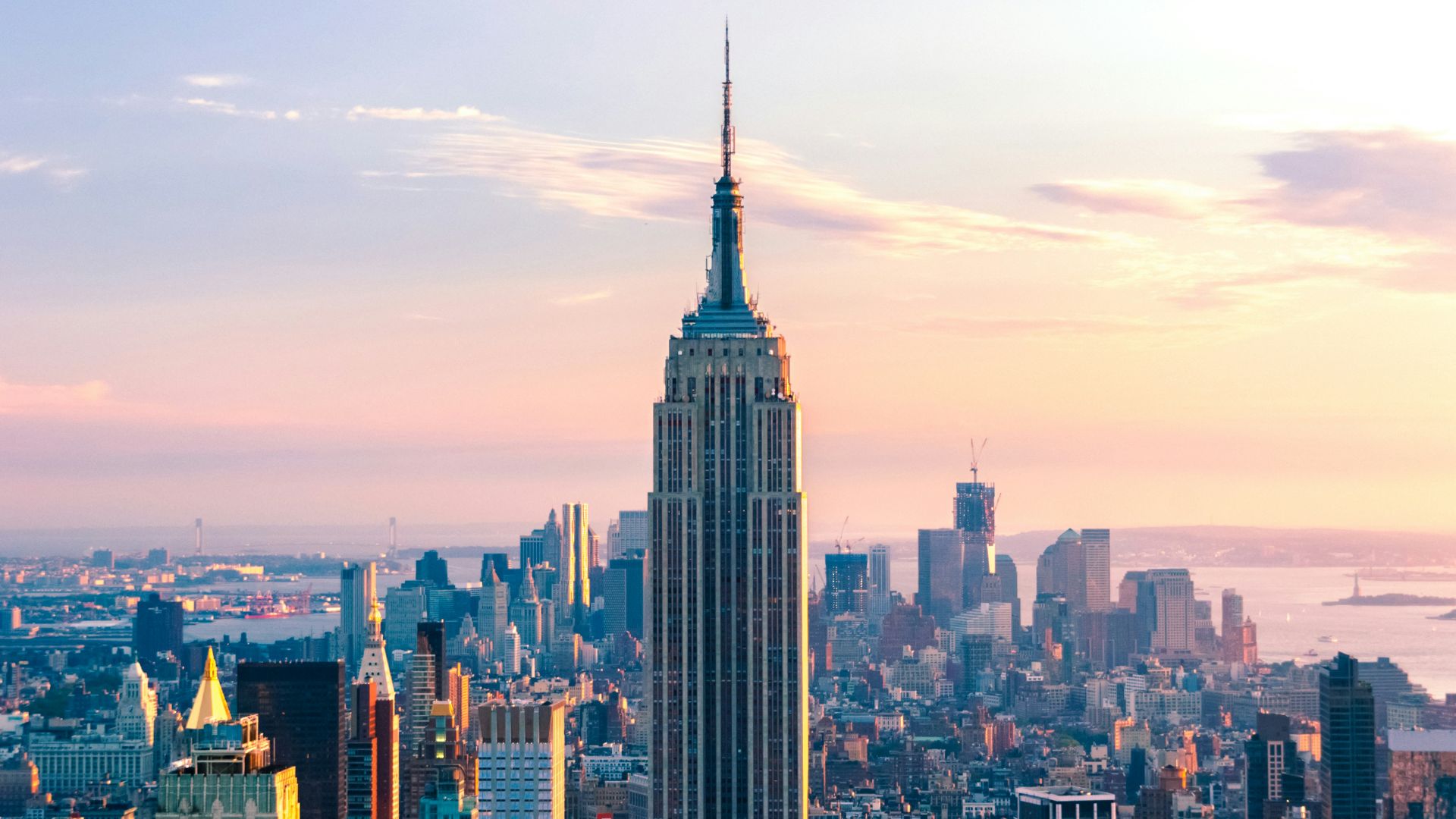
The Empire State Building (1930–1931)
The Empire State Building rose from Manhattan in an astonishingly short construction period, reaching completion in roughly 13 months. Its developers benefited from a combination of available labor, competitive bids, and relatively limited regulatory requirements. A comparable skyscraper today would need to satisfy demanding fire-safety, accessibility, energy-efficiency, and structural standards. Building at that speed in the middle of Manhattan would be exceptionally difficult, even before accounting for the enormous value of the land beneath it.
The Transcontinental Railroad (1863–1869)
America's first transcontinental railroad connected the country's existing eastern rail network with the Pacific coast in 1869. Its builders crossed mountains, deserts, and vast stretches of sparsely populated territory, relying heavily on immigrant labor and federal land grants. Recreating the route today would mean negotiating modern property rights, protected habitats, tribal interests, and expensive mountain construction. The original project also depended on dangerous working conditions that would be unacceptable under contemporary safety standards.
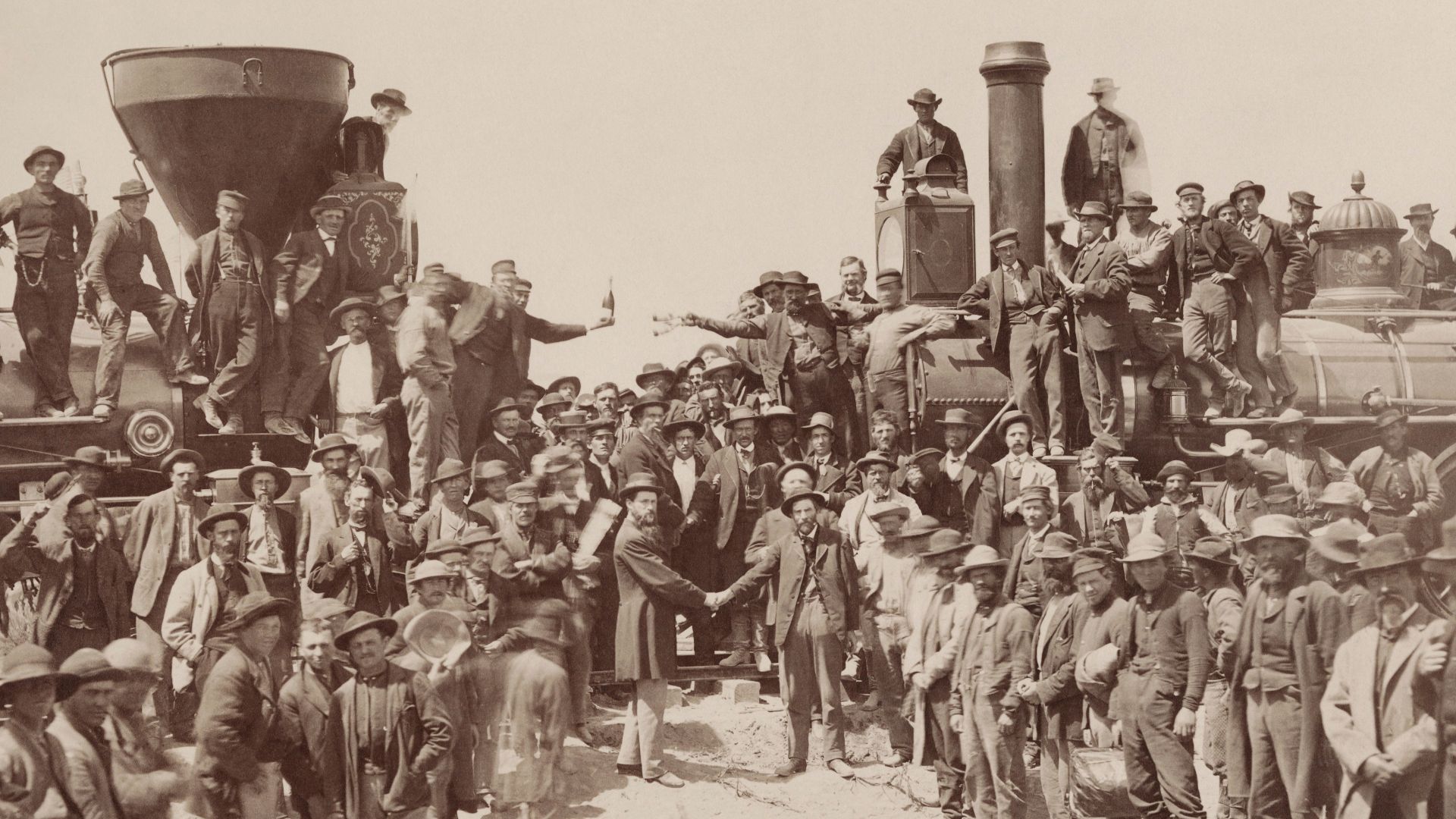 Andrew J. Russell / Adam Cuerden, Wikimedia Commons
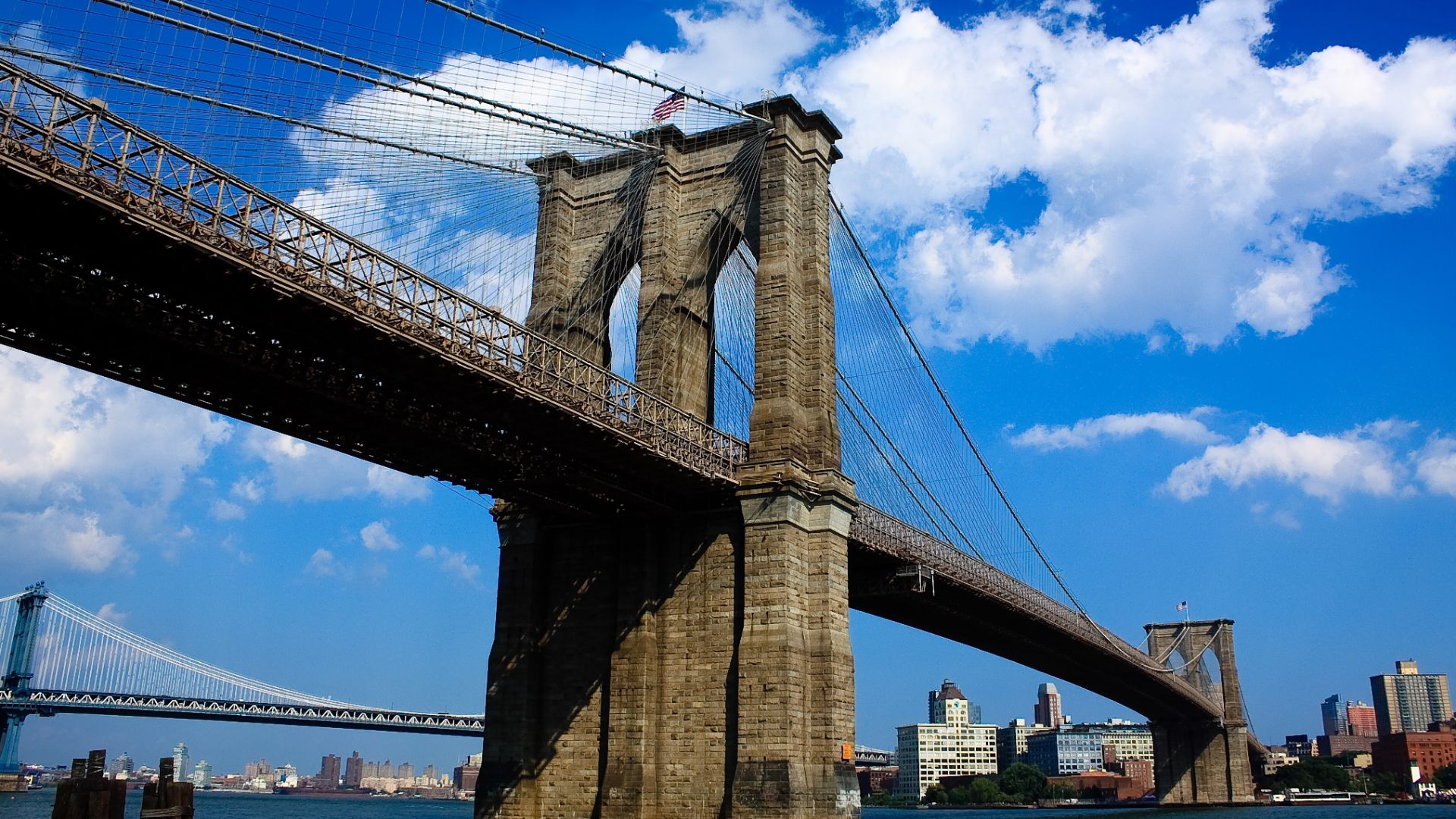
The Brooklyn Bridge (1869–1883)
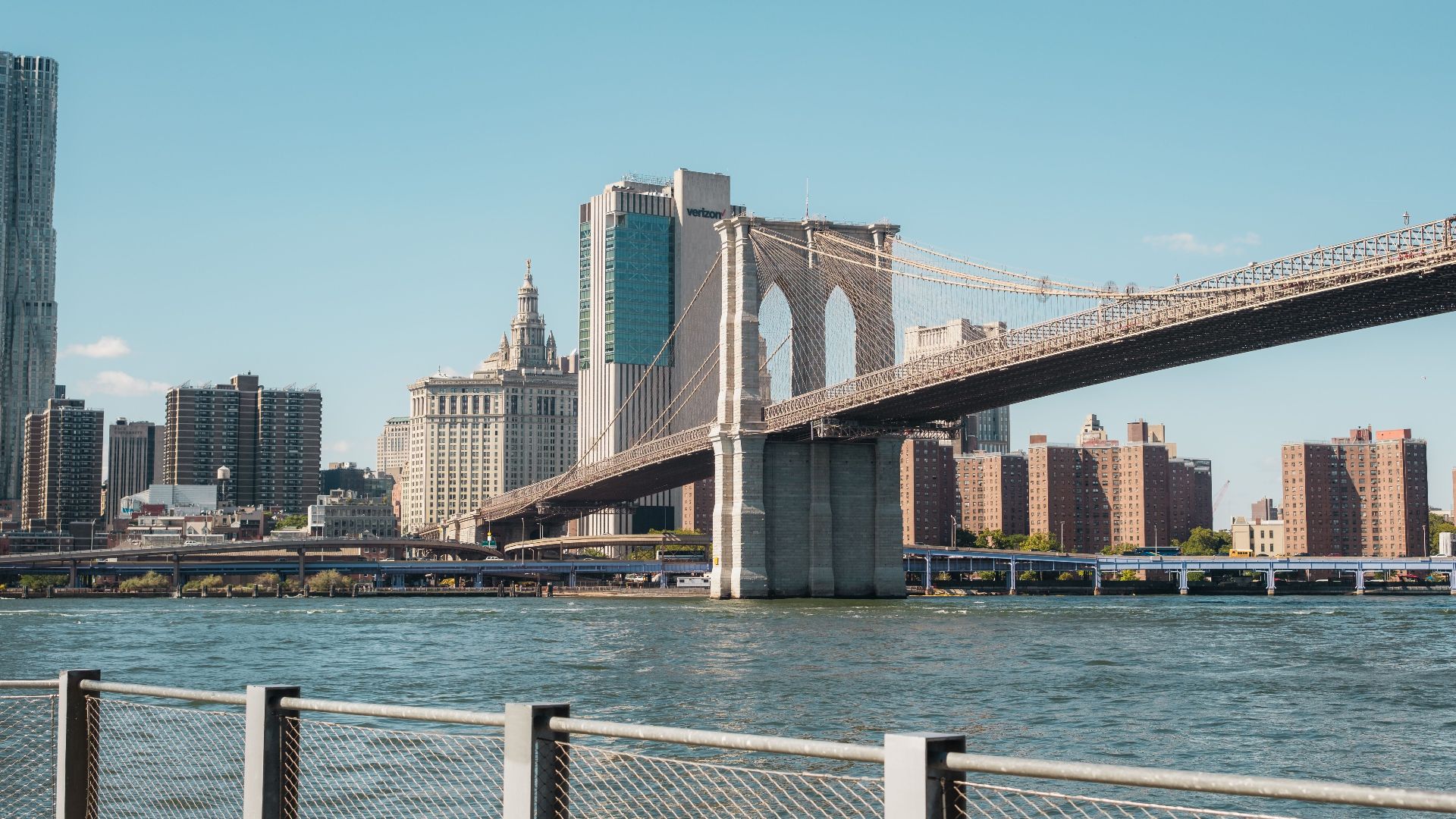
The Brooklyn Bridge required 14 years of construction and cost approximately $15 million. Workers built enormous underwater foundations using pressurized caissons, exposing themselves to dangerous conditions that were poorly understood at the time. A similar crossing today would require extensive engineering studies, worker protections, marine permits, and coordination with an exceptionally crowded urban transportation network. The bridge remains a masterpiece, but reproducing its construction methods would be neither acceptable nor economical.
The Erie Canal (1817–1825)
New York's Erie Canal stretched 363 miles from Albany to Buffalo, linking the Great Lakes with the Hudson River and transforming American commerce. Its original construction cost approximately $7.1 million. Digging a comparable canal today would involve purchasing extensive rights-of-way, protecting wetlands, relocating utilities, and constructing modern locks. The original canal crossed land that was far less developed than it is now, making a new waterway through the same corridor extraordinarily expensive and disruptive.
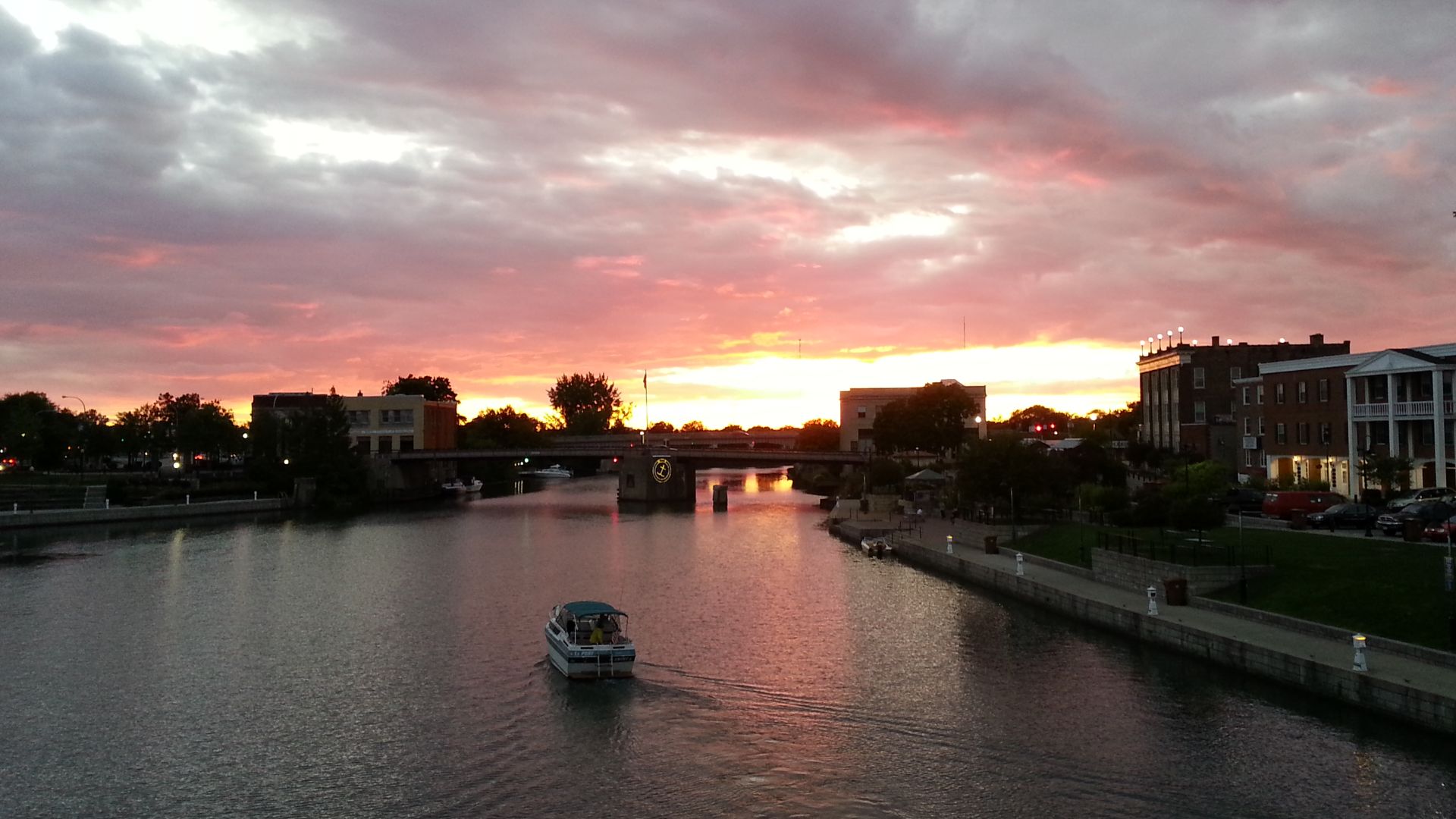 Joshua Karn, Wikimedia Commons
The Los Angeles Aqueduct (1908–1913)
Los Angeles transformed its future by constructing an aqueduct that carried water hundreds of miles from the Owens Valley. The undertaking required tunnels, pipelines, reservoirs, and substantial political influence. It also devastated relationships with communities whose water supplies were diverted. A comparable project today would face intense scrutiny over environmental damage, groundwater impacts, tribal rights, and the interests of existing water users. Modern construction might be possible, but obtaining permission to redirect an entire region's water would be another challenge.
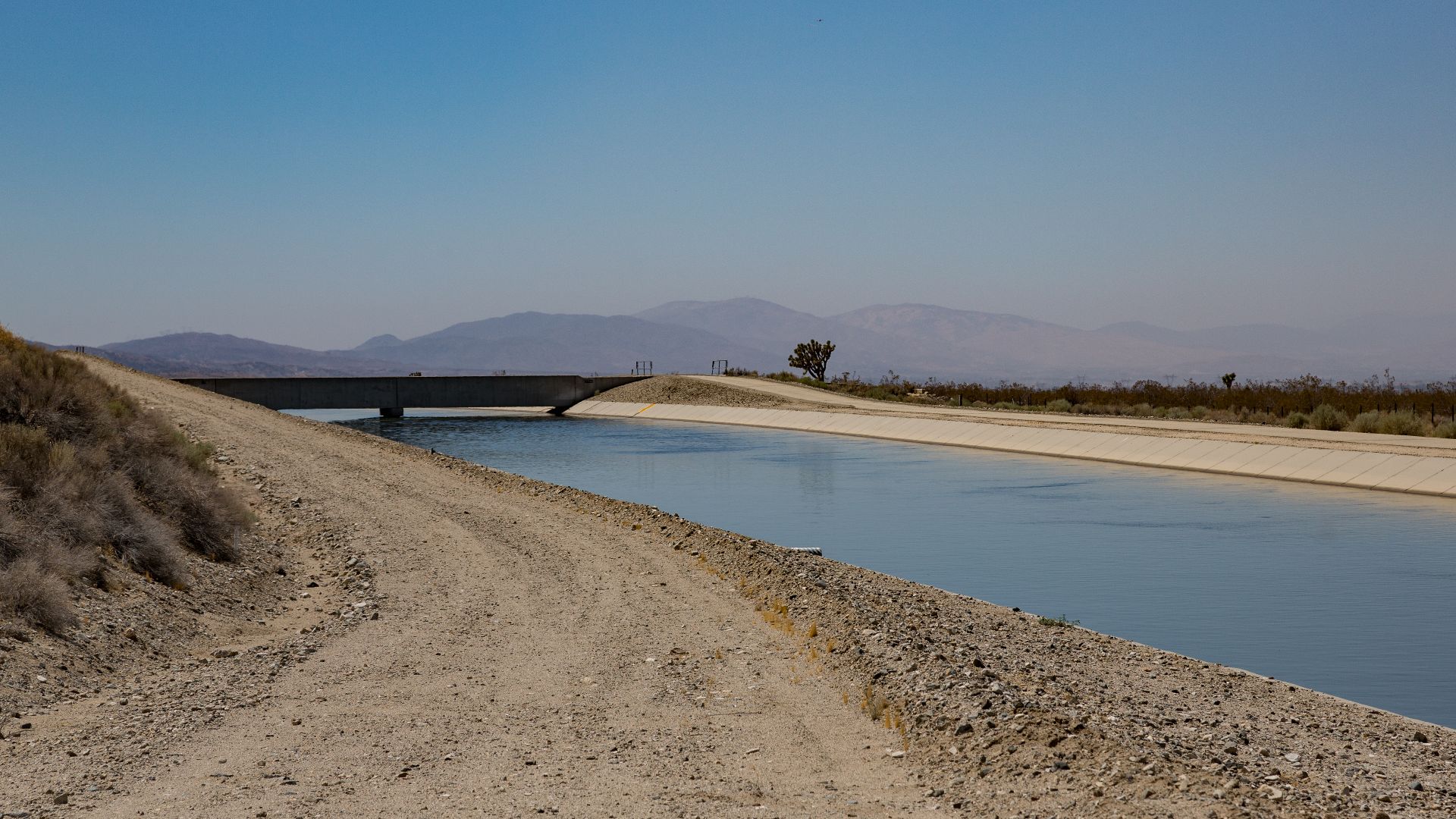 Tony Webster from Minneapolis, Minnesota, Wikimedia Commons
The New York City Subway (1900–1904)
New York's first subway line opened in 1904 after approximately four years of construction. Workers excavated beneath busy streets, relocated utilities, and built underground stations through densely populated neighborhoods. Constructing a comparable system today would require far more sophisticated safety equipment, extensive utility coordination, accessibility features, and expensive underground engineering. Modern subway extensions demonstrate how even relatively short additions to an established transit network can require years of planning and enormous public investment.
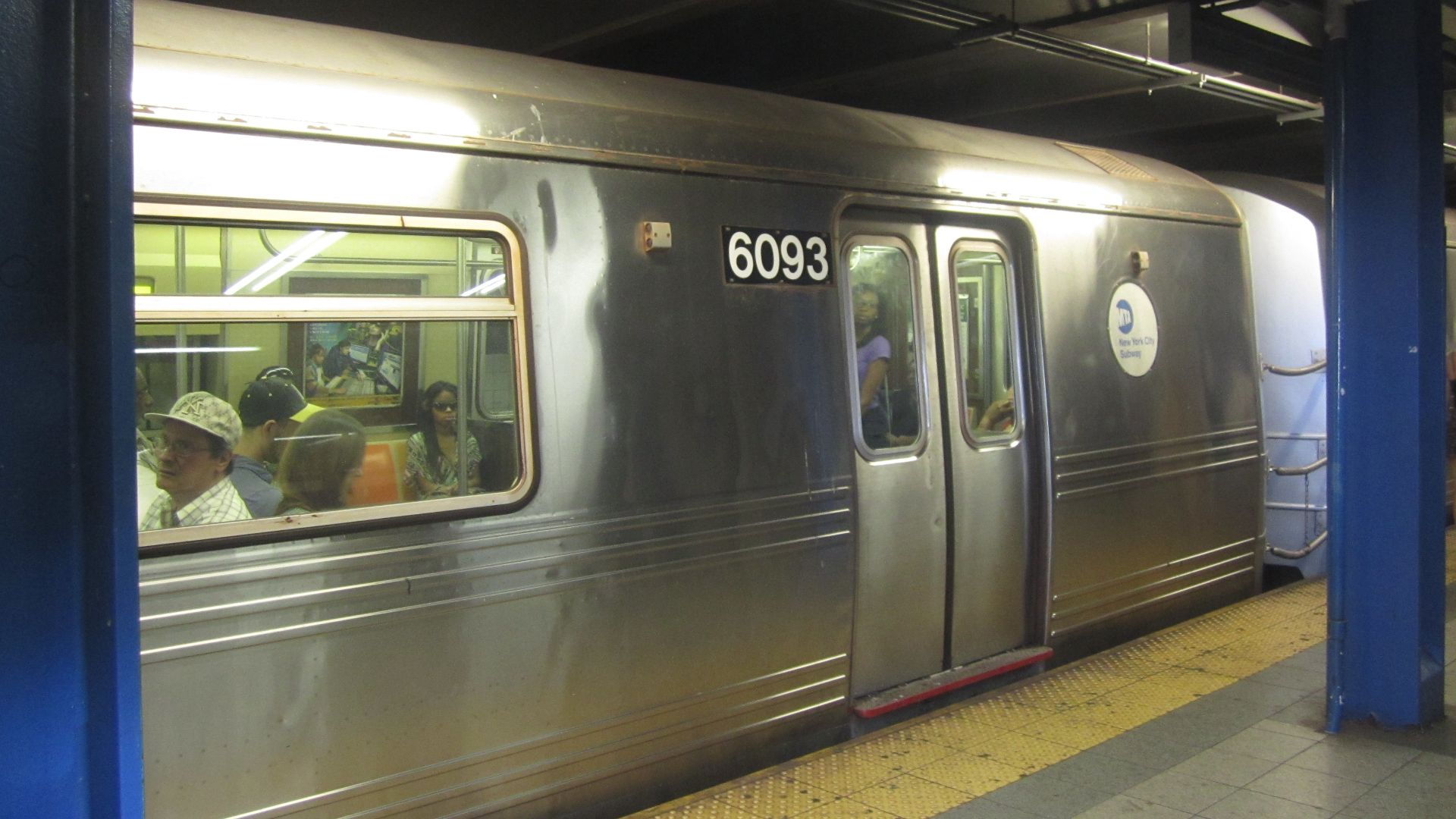 Billy Hathorn, Wikimedia Commons
The Holland Tunnel (1920–1927)
Connecting Manhattan with New Jersey beneath the Hudson River, the Holland Tunnel was a triumph of early automotive engineering. Its revolutionary ventilation system made it possible to carry vehicle traffic safely through a long underwater tunnel. Repeating the undertaking today would require expensive environmental studies, modern fire protection, seismic assessments, and extensive coordination with two heavily developed waterfronts. The tunnel itself would be challenging enough, but constructing the approaches through modern Manhattan could prove equally expensive.
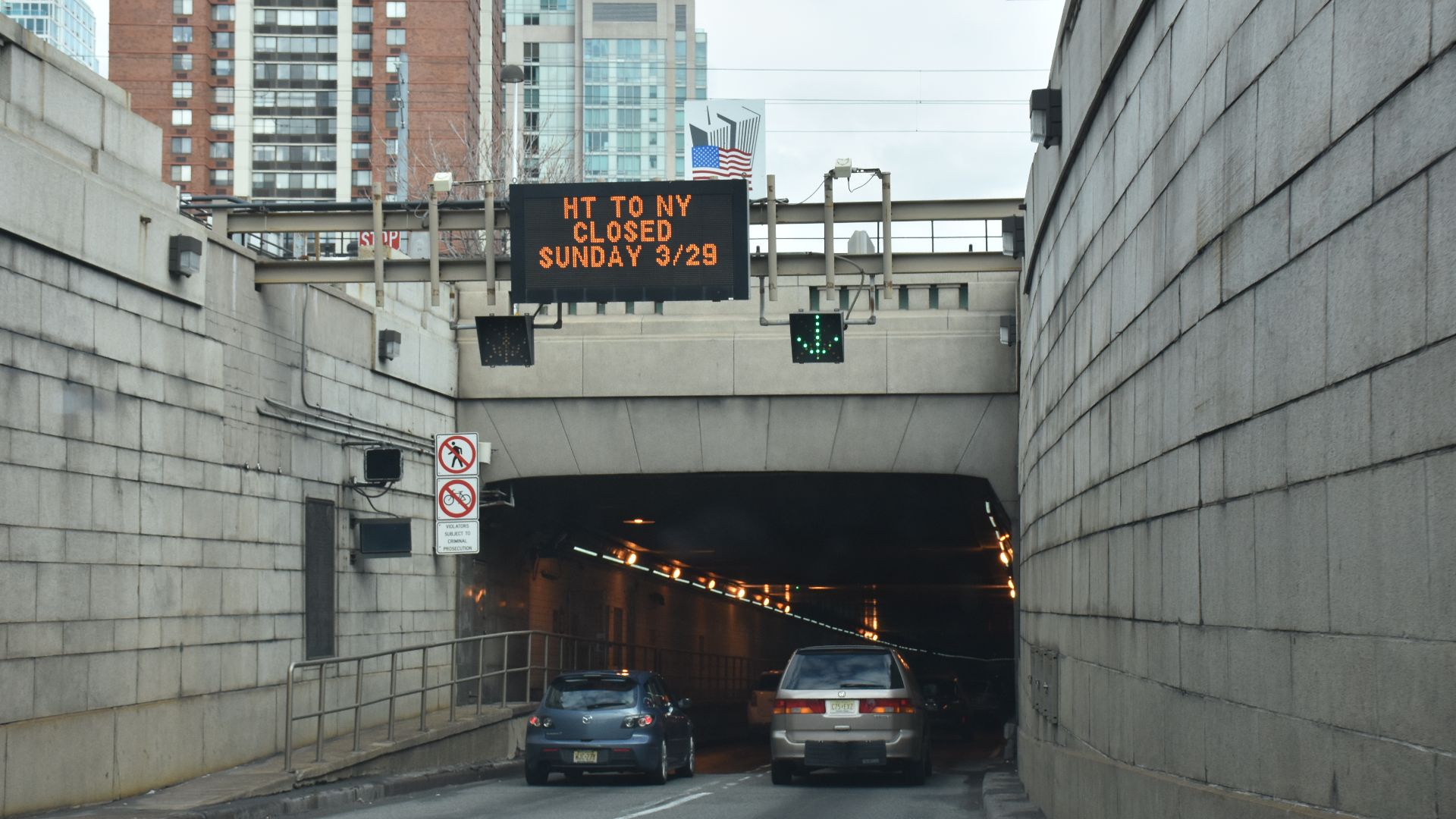 MusikAnimal, Wikimedia Commons
The Mount Rushmore Memorial (1927–1941)
Mount Rushmore required workers to remove hundreds of thousands of tons of granite from a South Dakota mountainside. The monument was carved on land sacred to the Lakota people, whose objections remain central to its history. A similar project today would face major questions involving tribal sovereignty, cultural preservation, environmental impacts, and public funding. Modern equipment could make the physical carving easier, but the political and legal obstacles surrounding such a project would be formidable.
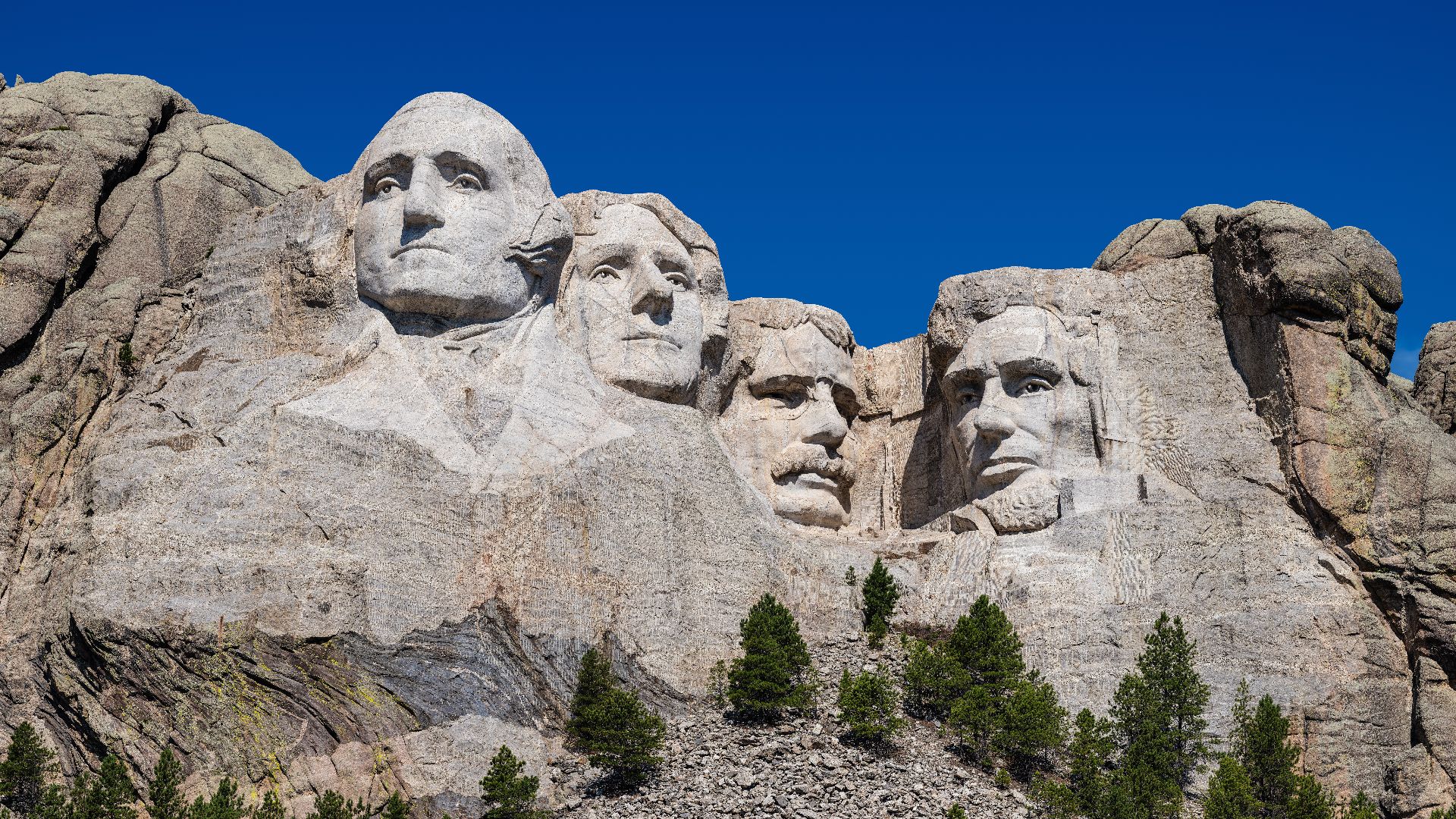 Thomas Wolf, www.foto-tw.de, Wikimedia Commons
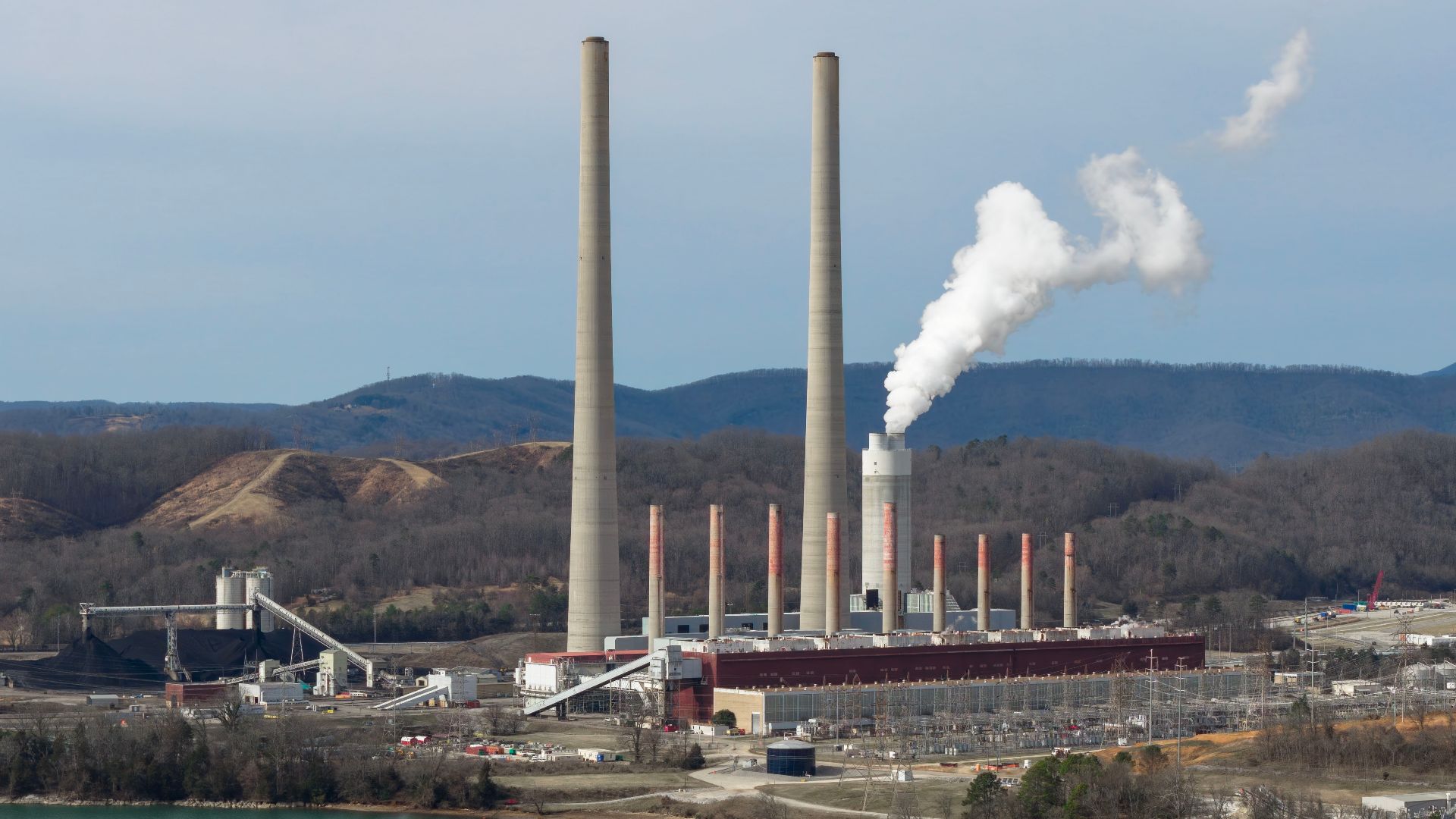
The Tennessee Valley Authority (1933–Present)
Created during the Great Depression, the Tennessee Valley Authority undertook an enormous regional transformation through dams, power plants, reservoirs, and flood-control projects. Entire communities were relocated as valleys disappeared beneath newly created lakes. Reproducing such a program today would require extensive property acquisition, environmental mitigation, and negotiations with affected residents. The sheer scale of the public investment would also invite scrutiny over whether the benefits justified the displacement and ecological consequences.
 Quintin Soloviev, Wikimedia Commons
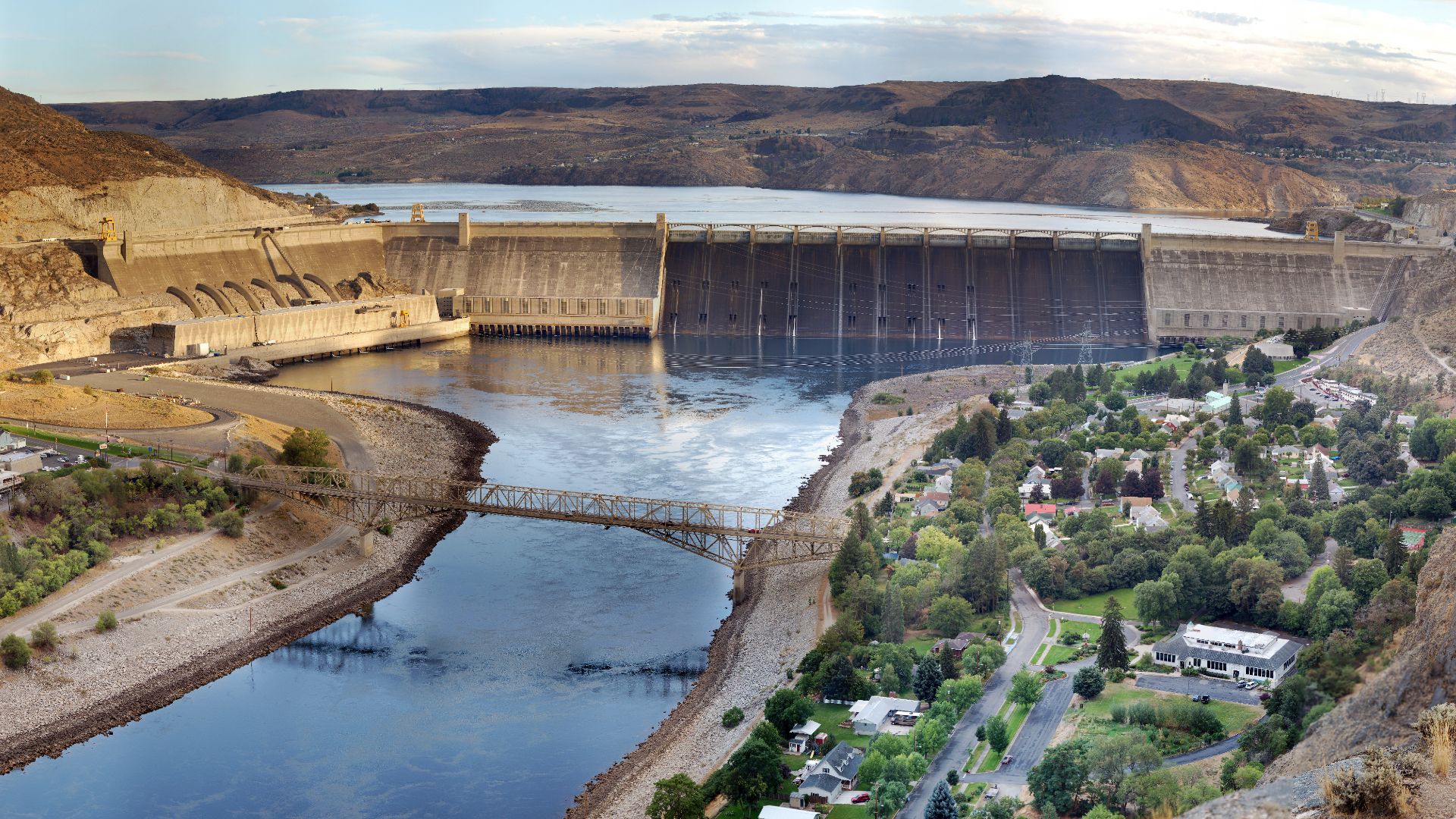
Grand Coulee Dam (1933–1942)
Washington's Grand Coulee Dam became one of the largest concrete structures ever constructed, producing hydroelectric power and supporting irrigation across the Columbia Basin. Its reservoirs also inundated communities and disrupted salmon migrations and Indigenous fishing traditions. Building another dam of comparable size today would require enormous spending on construction, transmission infrastructure, environmental mitigation, and compensation. The costs would extend well beyond concrete and turbines, making the project a difficult proposition even with strong political support.
 Farwestern Photo by Gregg M. Erickson, Wikimedia Commons
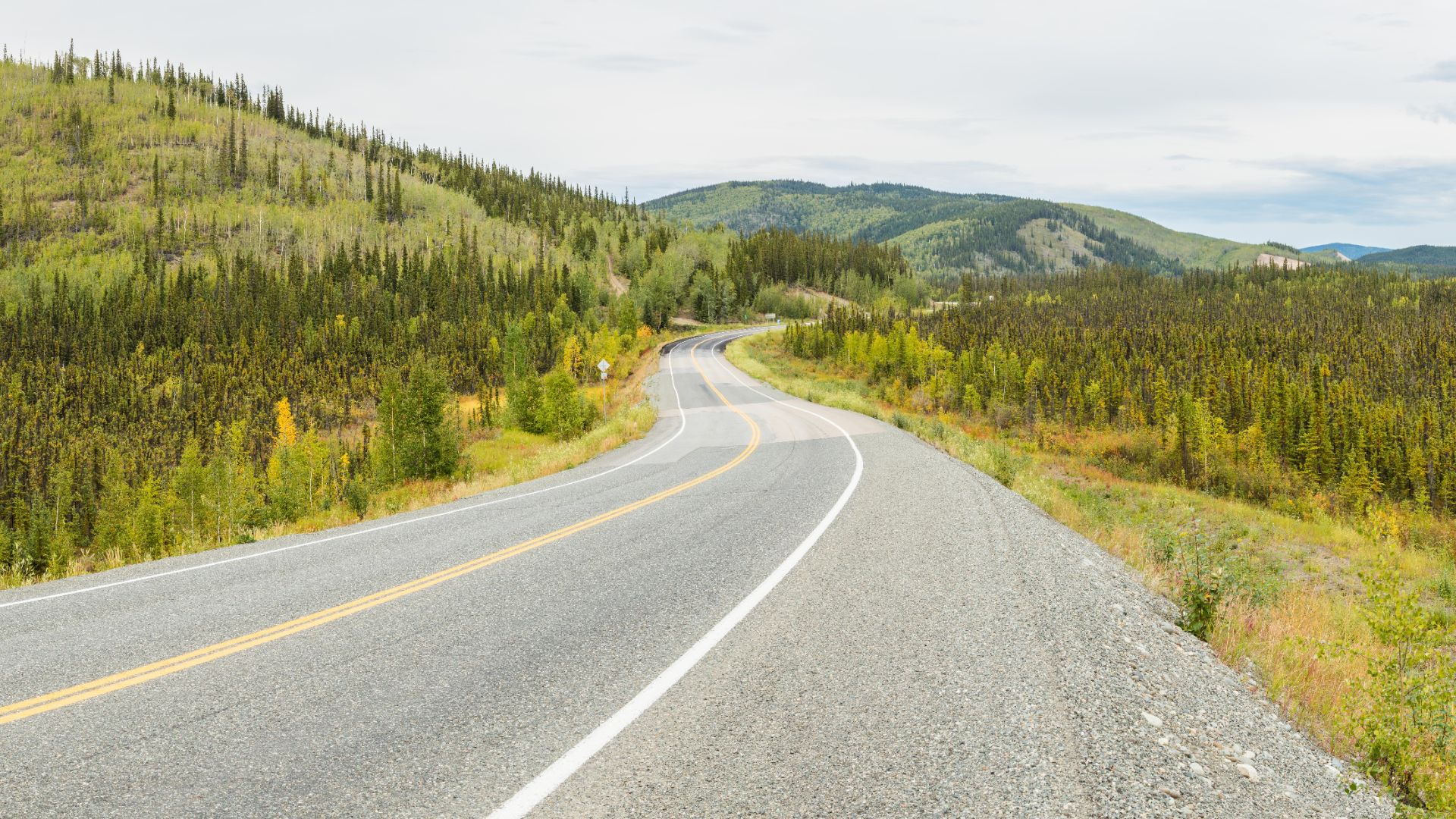
The Alaska Highway (1942)
During World War II, American military and civilian crews pushed a roughly 1,500-mile pioneer road through mountains, forests, and frozen wilderness in approximately eight months. The Alaska Highway's initial route was completed in 1942, but substantial improvements continued into 1943. A comparable highway today would require extensive environmental studies, Indigenous consultation, permafrost engineering, and modern safety provisions. Even with better equipment, reproducing that extraordinary wartime construction schedule would be extremely difficult.
 Diego Delso, Wikimedia Commons
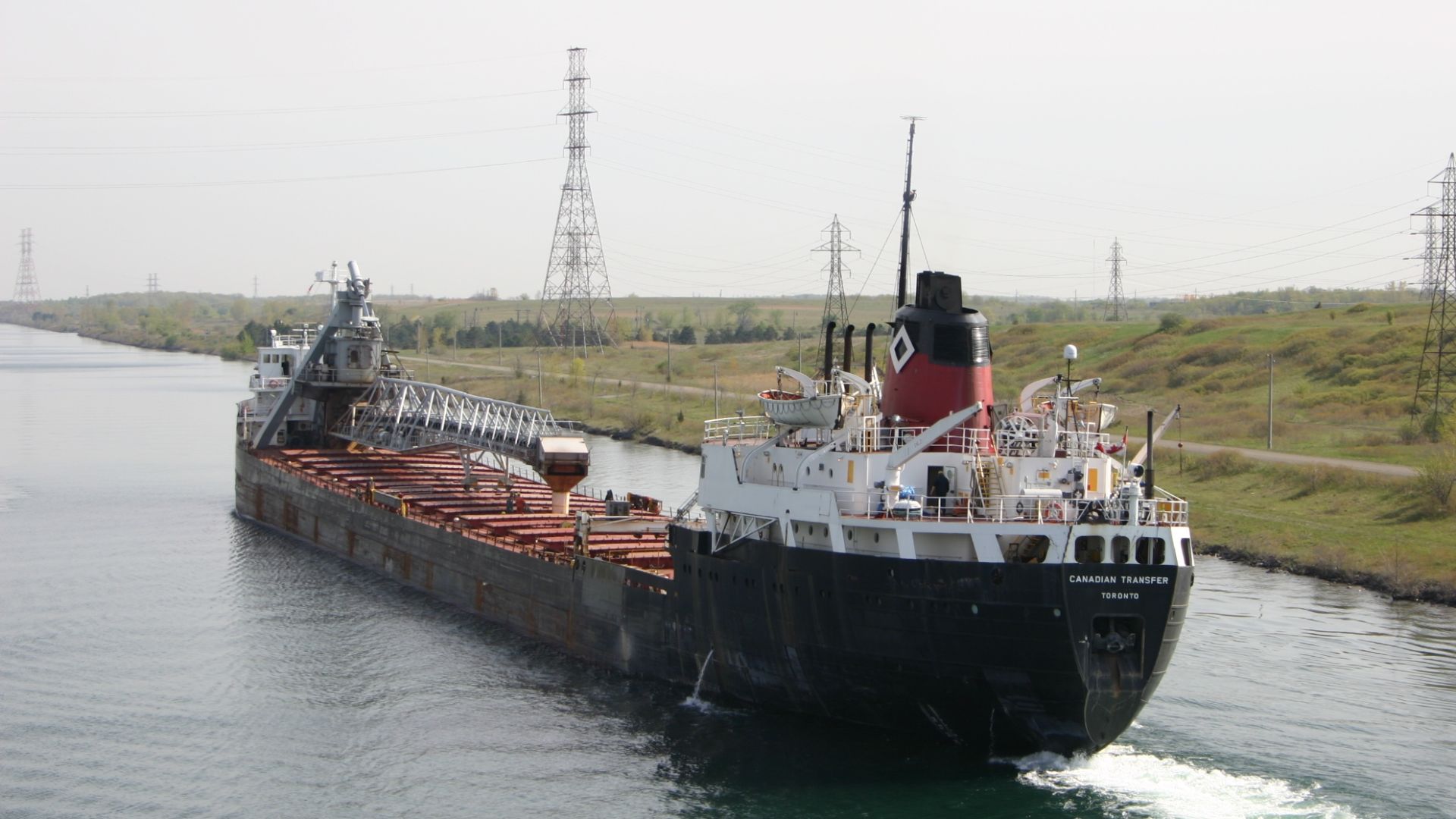
The St. Lawrence Seaway (1954–1959)
The St. Lawrence Seaway opened the Great Lakes to oceangoing ships through an ambitious network of locks, channels, and navigational improvements. Constructed through cooperation between Canada and the United States, the project also required the relocation of communities and the flooding of inhabited land. Building a similar international waterway today would involve complicated negotiations, environmental safeguards, property acquisition, and enormous public financing. Modern engineers could handle the locks, but reproducing the entire undertaking would be a formidable political and economic challenge.
 Niels Johannes, Wikimedia Commons
The Chesapeake Bay Bridge-Tunnel (1960–1964)
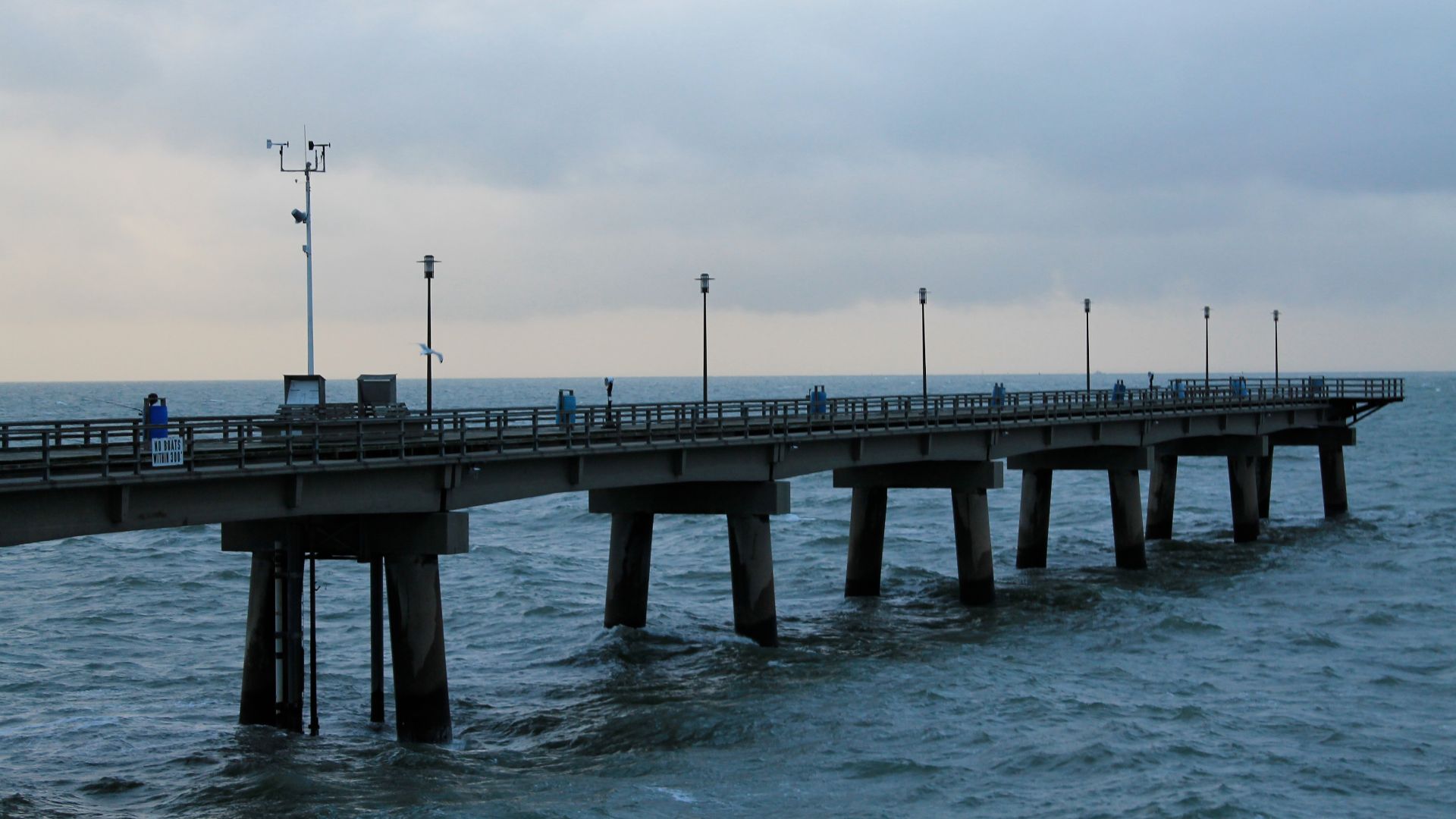
Virginia's Chesapeake Bay Bridge-Tunnel combined bridges, underwater tunnels, artificial islands, and causeways to create a remarkable crossing between Virginia Beach and the Eastern Shore. The original project cost approximately $200 million. Recreating its roughly 17.6-mile crossing today would involve expensive marine construction, coastal environmental protections, shipping-channel requirements, and resilience against increasingly severe storms. Even routine maintenance of major marine infrastructure is costly, making an entirely new crossing a daunting financial proposition.
 Patrick Nouhailler from Genève, Suisse, Wikimedia Commons
Glen Canyon Dam (1956–1966)
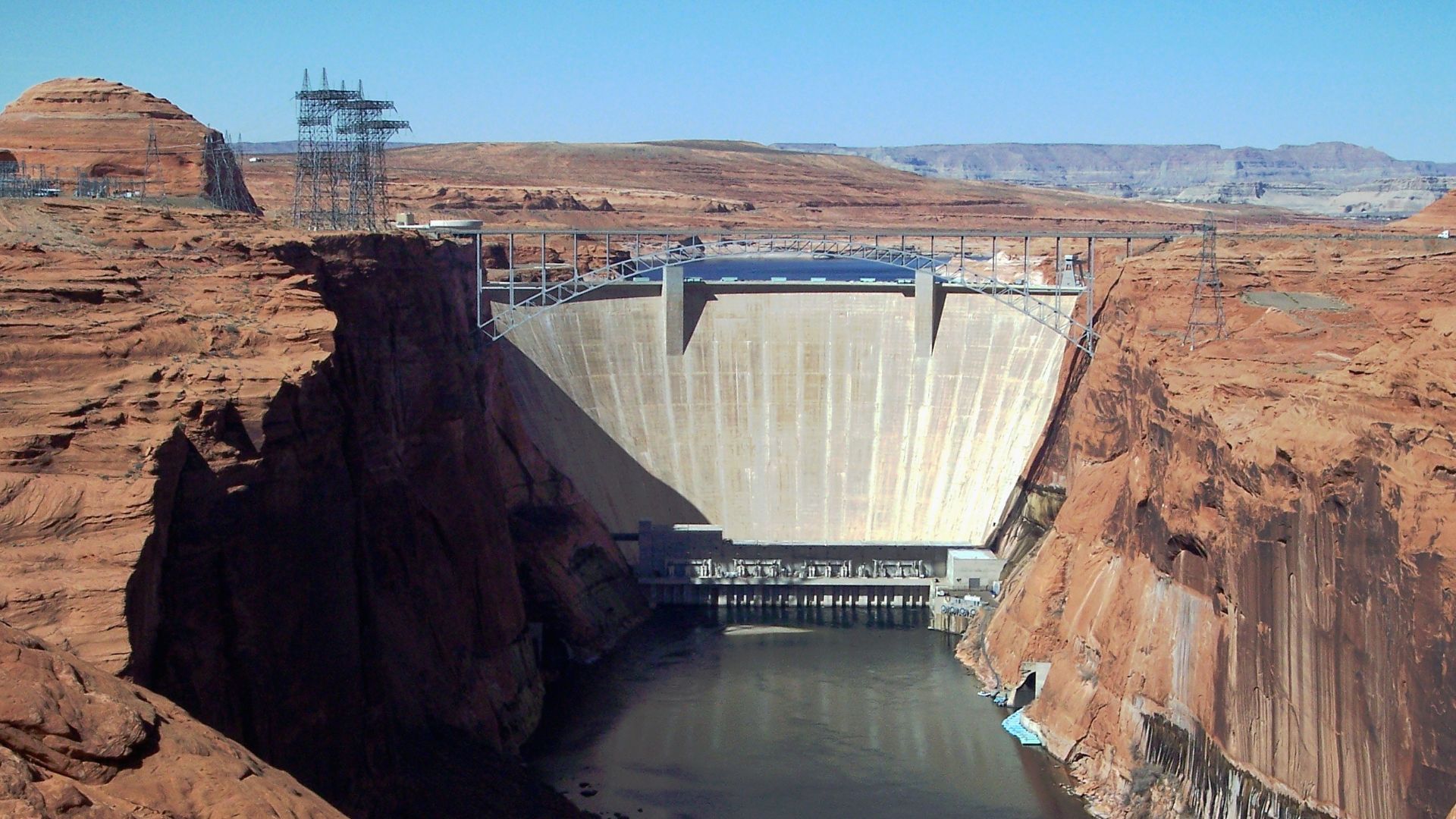
Glen Canyon Dam created Lake Powell, one of America's largest reservoirs, by flooding a spectacular stretch of the Colorado River. The project generated hydroelectric power and provided water storage for the Southwest, but it also submerged archaeological sites and dramatically altered the river's ecosystem. Building another reservoir of comparable size today would provoke intense environmental scrutiny, disputes over scarce water supplies, and questions about long-term drought conditions. The engineering might be achievable, but securing approval and financing would be enormously difficult.
The Bay Area Rapid Transit System (1964–1972)
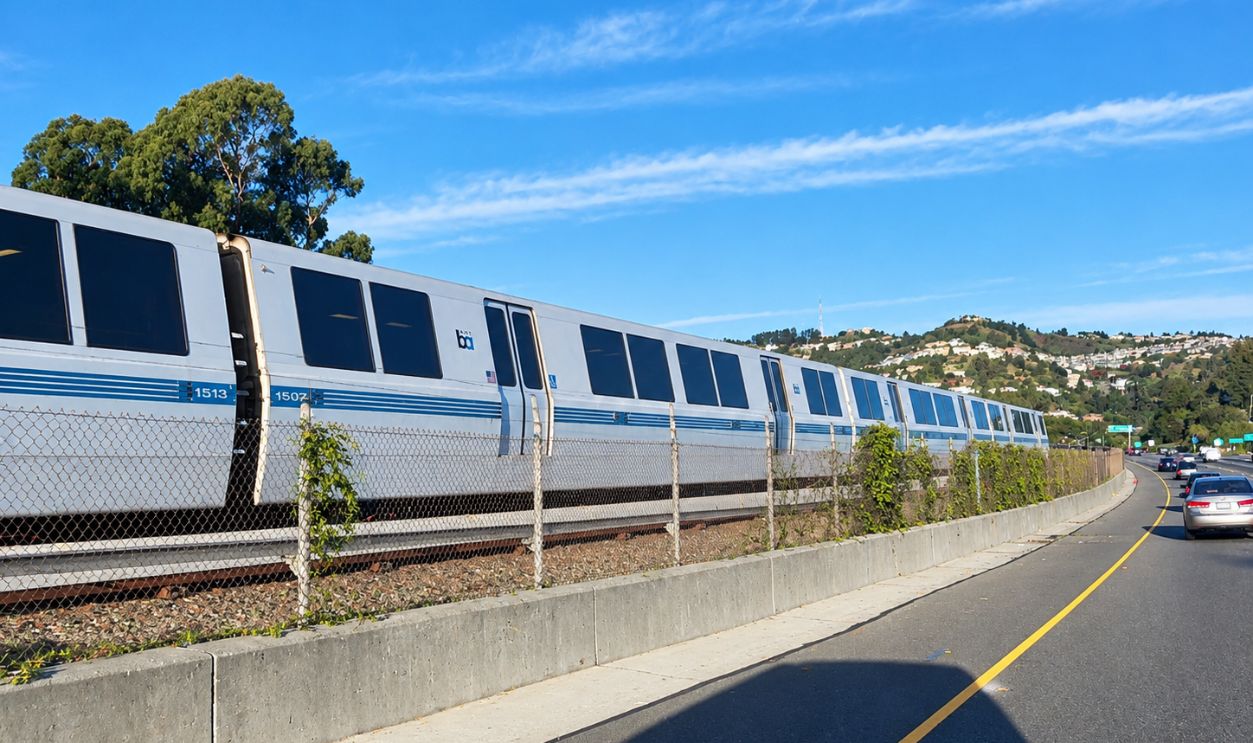
San Francisco's BART system was an audacious attempt to connect an entire metropolitan region through modern electric railways, underground stations, and a tunnel beneath San Francisco Bay. The original system ultimately cost approximately $1.6 billion. Recreating it today would involve extraordinarily expensive tunneling, property acquisition, seismic engineering, and construction through densely populated neighborhoods. Even the original project encountered lawsuits, funding difficulties, and political disputes, demonstrating that the economic challenges of megaprojects were already becoming apparent.
 Clotee Pridgen Alloc…, Wikimedia Commons
The Big Dig (1991–2007)
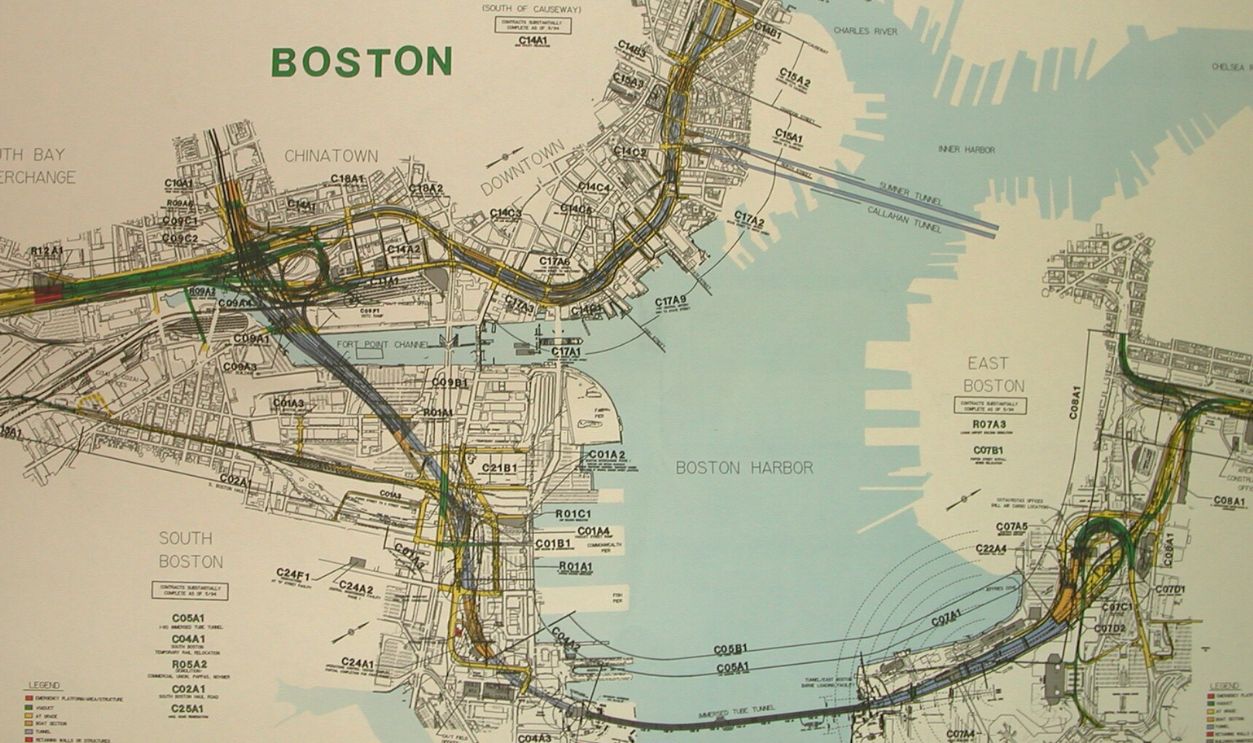
Boston's Central Artery/Tunnel Project, better known as the Big Dig, moved a major elevated highway underground while keeping a busy city functioning. Its enormous complexity helped push costs far beyond early estimates, ultimately reaching approximately $15 billion in construction spending. The project demonstrated how difficult modern urban engineering had become. Repeating such an undertaking today would involve costly utility relocation, groundwater management, safety systems, and traffic coordination, with financing risks capable of overwhelming even wealthy metropolitan governments.
 Metropolitan Highway System, Wikimedia Commons
The Original World Trade Center (1966–1973)
Building New York's original World Trade Center required clearing a huge section of Lower Manhattan and constructing two enormous skyscrapers above a vast underground complex. The project displaced businesses and transformed the neighborhood. Its replacement, One World Trade Center, demonstrated that ambitious skyscrapers remain possible, but at an extraordinary cost. Completed in 2014 for approximately $3.9 billion, the new tower required years of planning, enhanced security measures, and sophisticated structural engineering, illustrating the expense of rebuilding on such a scale.
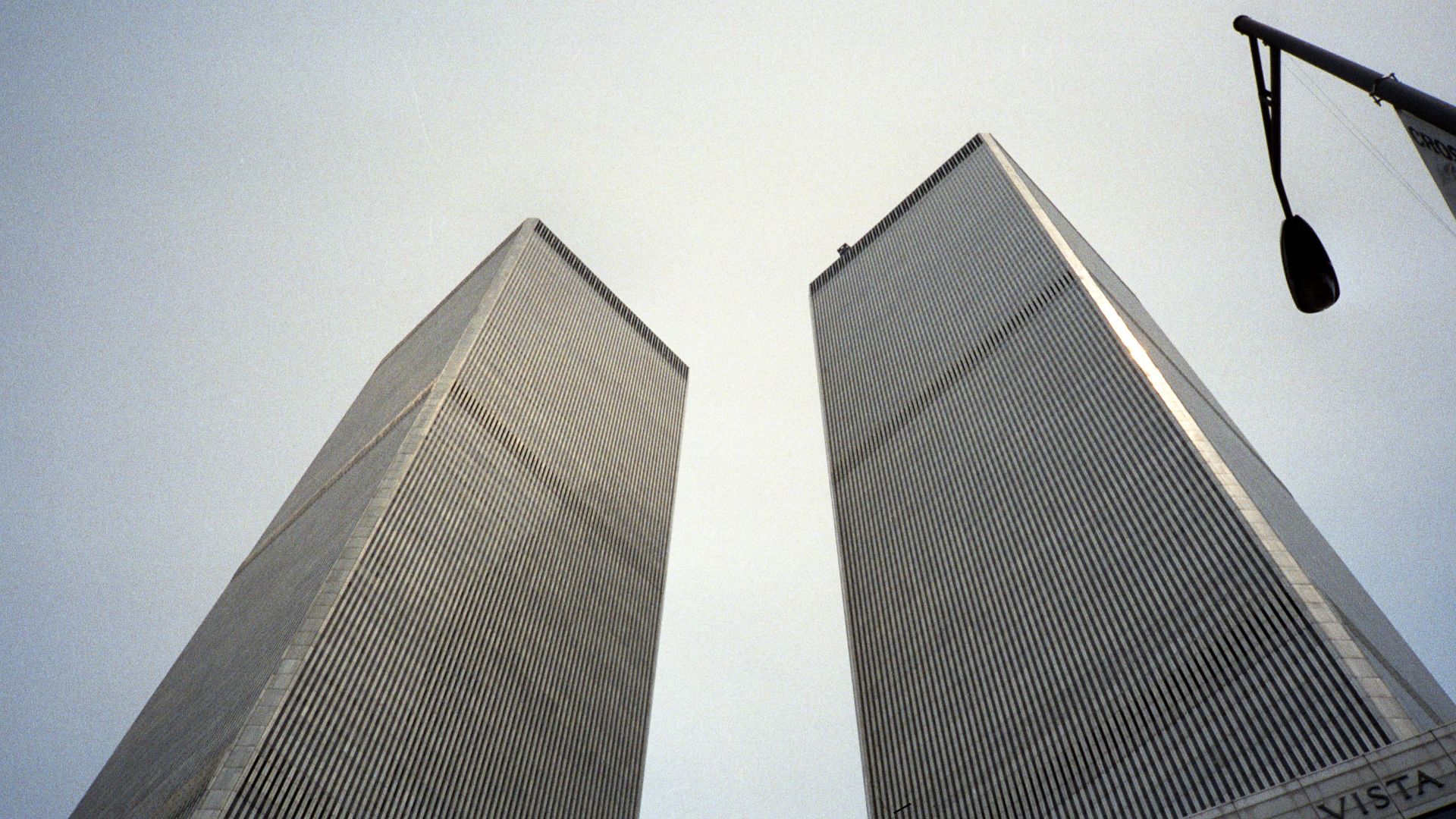 Sander Lamme, Wikimedia Commons
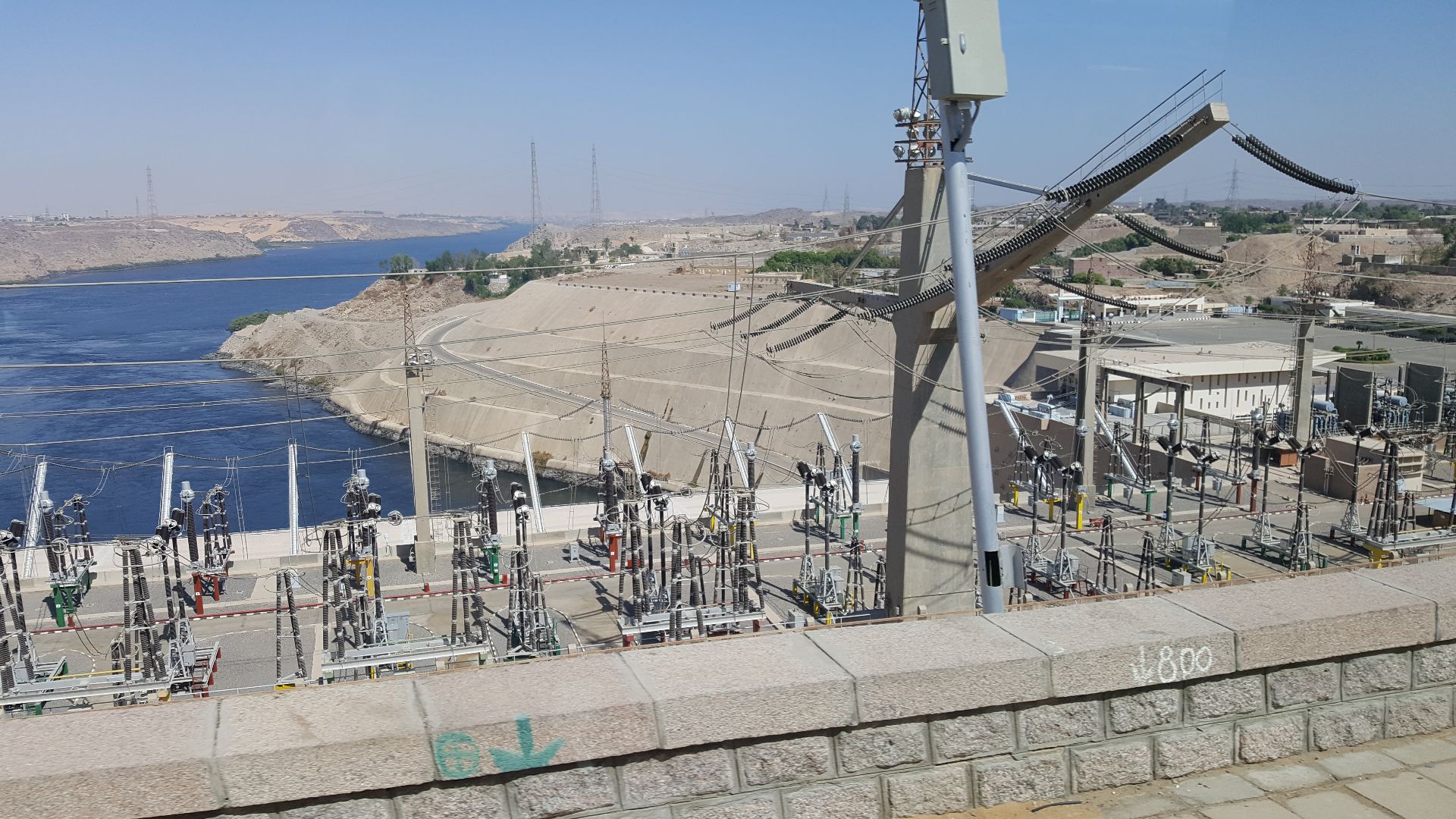
The Aswan High Dam (1960–1970)
Egypt's Aswan High Dam transformed the Nile, creating Lake Nasser and providing electricity and flood control. But the reservoir also displaced tens of thousands of residents and required the rescue of important ancient monuments. Building the same dam today would involve enormous resettlement expenses, archaeological preservation, environmental assessments, and negotiations over downstream water supplies. Its long-term effects on sediment movement and agriculture would also demand careful consideration before construction could begin.
The Channel Tunnel (1988–1994)
The Channel Tunnel connected Britain and France beneath the English Channel through approximately 31 miles of railway tunnels. It was an extraordinary feat of international engineering, but construction costs and financing problems placed immense pressure on the companies involved. A comparable project today would face high borrowing costs, sophisticated safety requirements, cross-border regulations, and uncertainty about future passenger and freight revenues. Its existence proves that modern megaprojects can succeed, but also that their financial risks can be staggering.
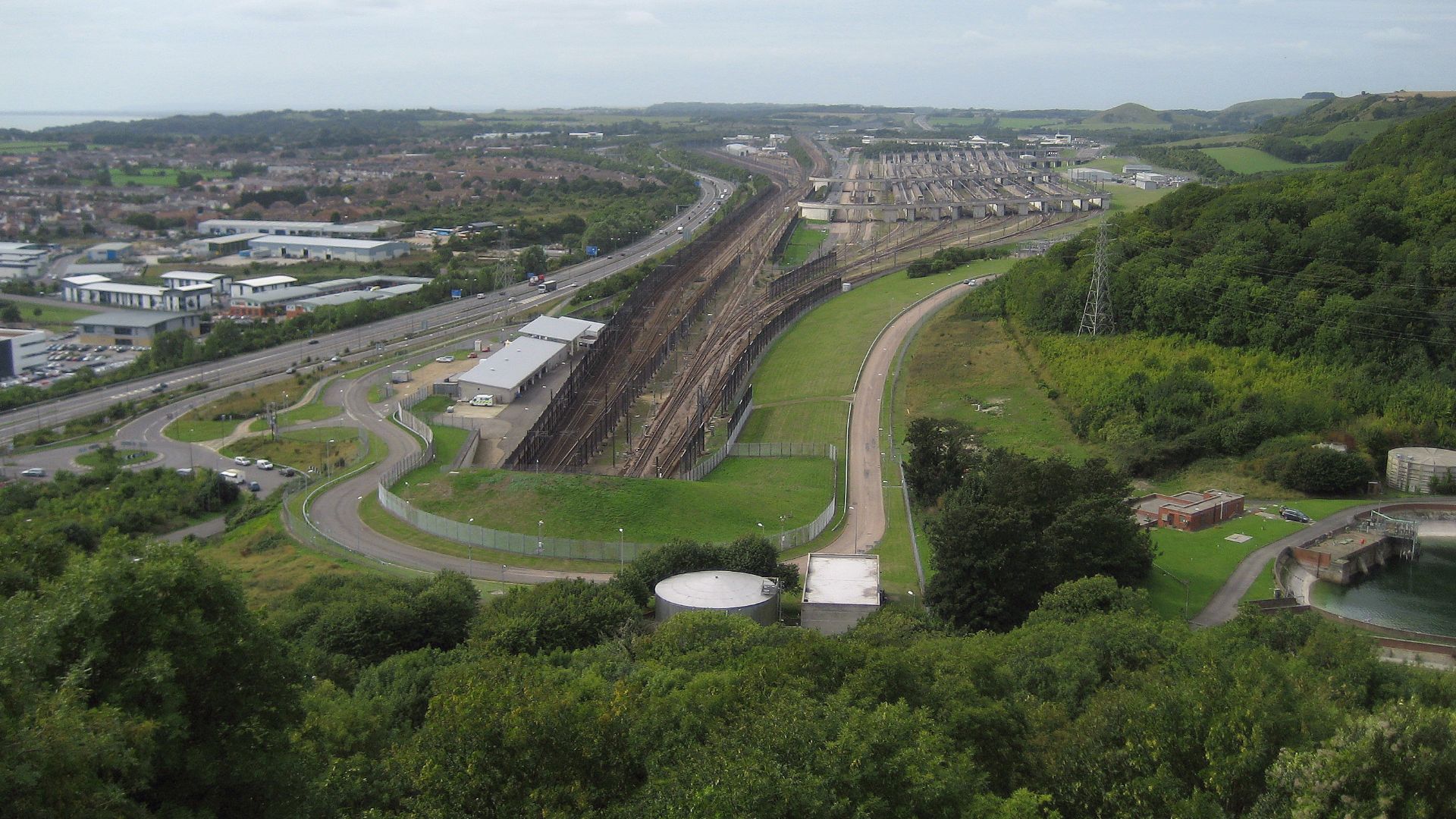 Chris Heaton , Wikimedia Commons
Environmental Rules Changed Everything
One major difference between historic megaprojects and their modern equivalents is environmental law. America's National Environmental Policy Act, enacted in 1970, established procedures for examining the environmental consequences of major federal actions. Projects may also require permits addressing water quality, endangered species, and historic preservation. These protections can prevent serious damage, but they also require studies, design changes, consultation, and potentially expensive mitigation. Modern infrastructure must account for consequences that previous generations frequently left unresolved.
Land, Labor, And Lawsuits
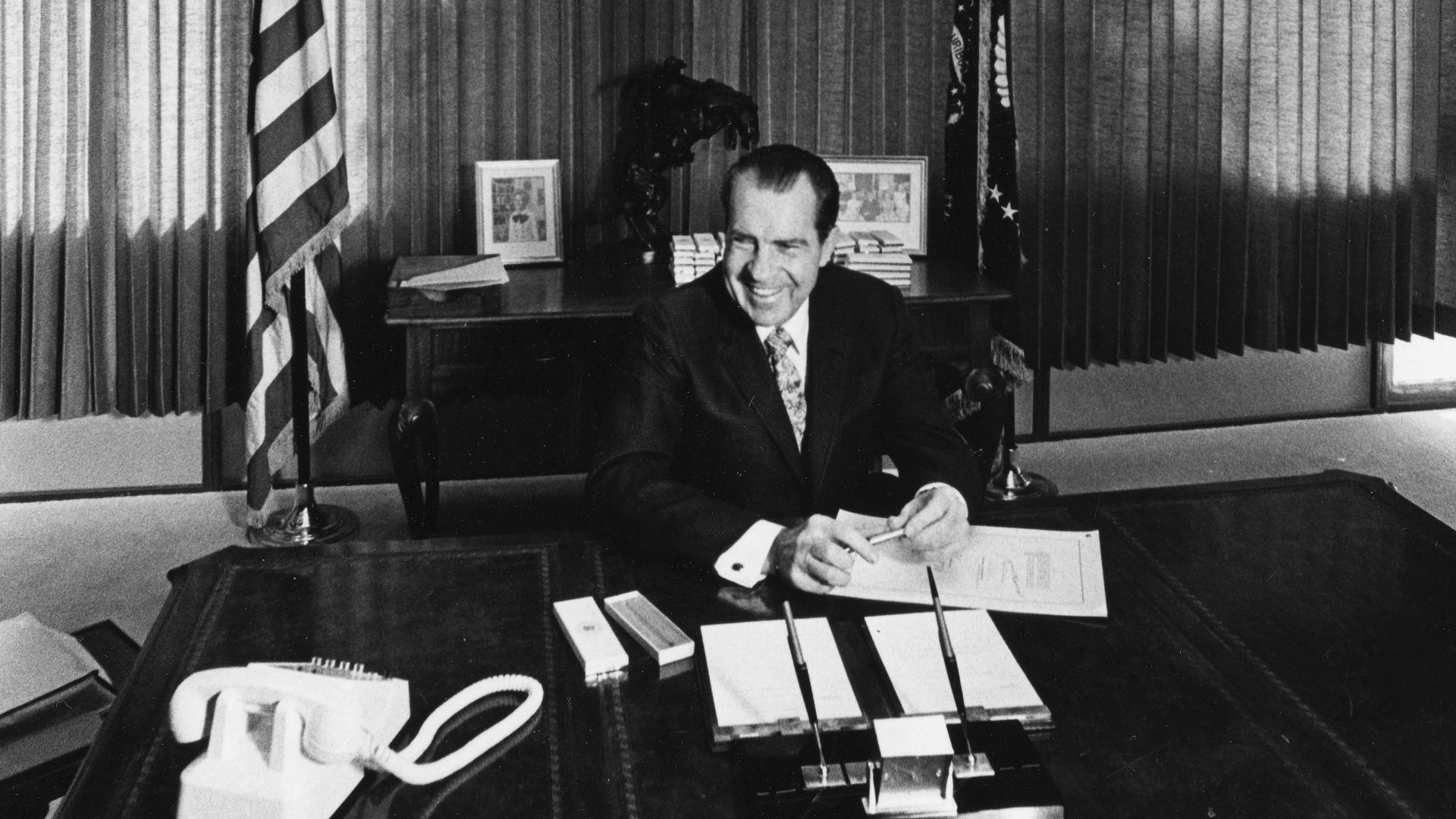
Modern megaprojects also face challenges that cannot be solved with bigger construction equipment. Acquiring land in developed areas can cost billions, while skilled labor, insurance, safety systems, and financing add substantial expenses. Residents and affected communities have greater opportunities to challenge decisions, and governments must navigate complicated contracts and overlapping jurisdictions. All this can increase costs by a lot.
The Price Of Building Big
The great engineering achievements of the past weren't necessarily cheap or easy when they were built. They demanded a massive amount of political determination, enormous public spending, and sacrifices that would be unacceptable today. Modern technology has made some construction tasks easier, but the economic and social expectations surrounding major infrastructure have changed. Projects like Hoover Dam and the Interstate Highway System remain technically achievable. But the real question is whether modern governments, taxpayers, and communities would be willing to pay the full price.
You May Also Like:
The Tiny Engineering Mistake That Helped Doom The Tacoma Narrows Bridge
The Three Gorges Dam Is A Chinese Colossus
Ferdinand de Lesseps And The French Attempt To Build The Panama Canal