History Loves Picking A Side
Medieval rulers rarely came with clean hands. Yet some emerged as heroes because the people standing against them became so notorious that their own violence, betrayals, confiscations, and political ruthlessness faded into the background.
 Heritage Images / Getty Images
Robert The Bruce Started With A Church Killing
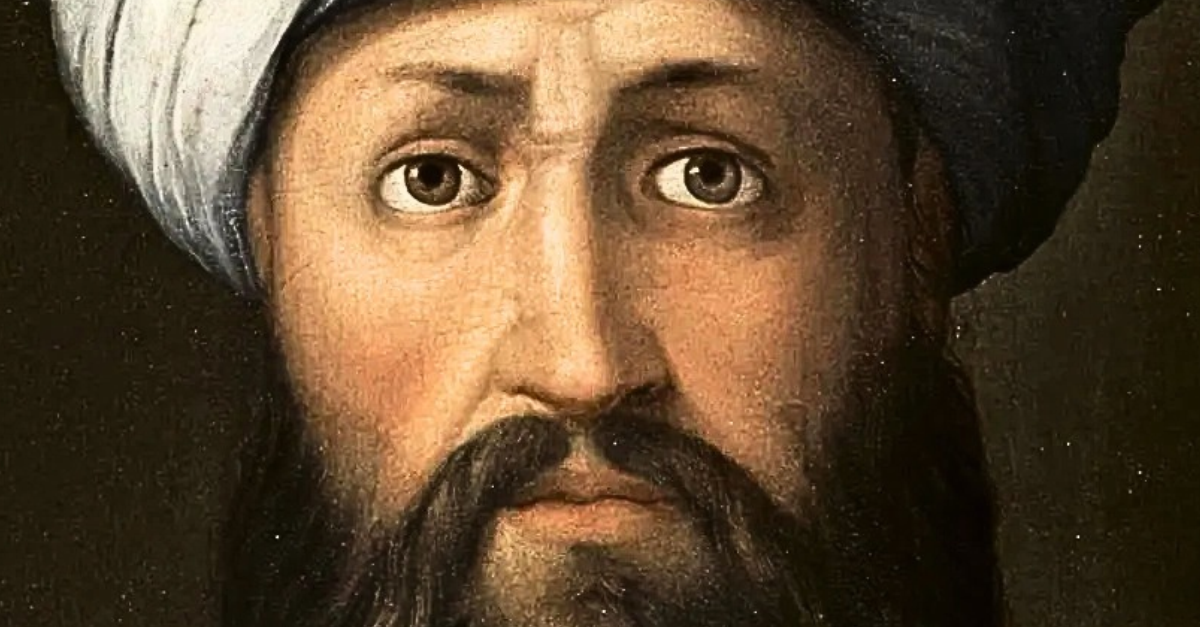
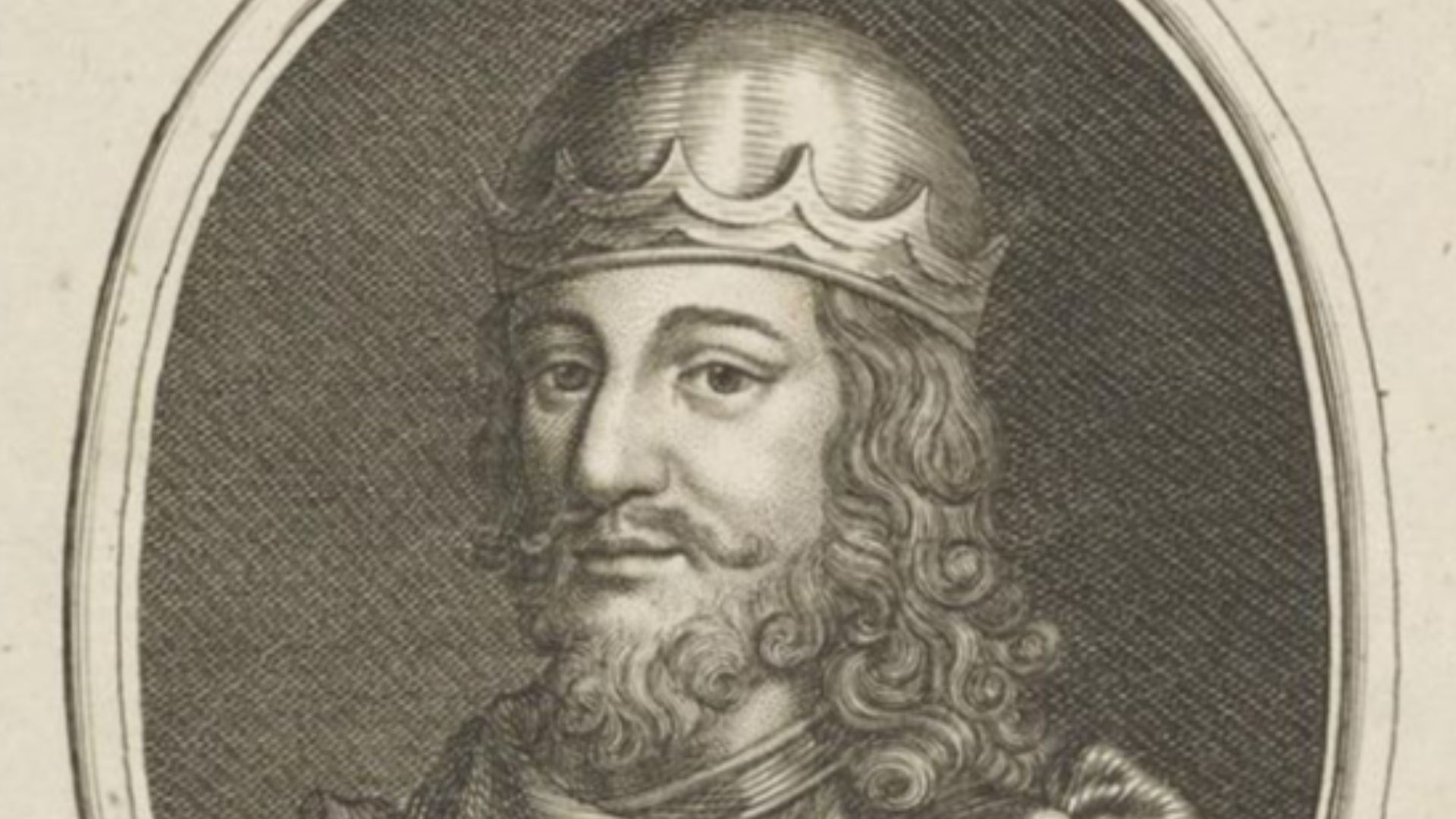
Robert the Bruce is remembered as Scotland's great warrior king, but his road to the throne began with the killing of a political rival. In February 1306, Bruce met John Comyn at the Greyfriars church in Dumfries and attacked him there. Killing a rival in a sacred space was serious enough to contribute to Bruce's excommunication.
 Isaac Taylor, Wikimedia Commons
He Also Destroyed His Scottish Rivals
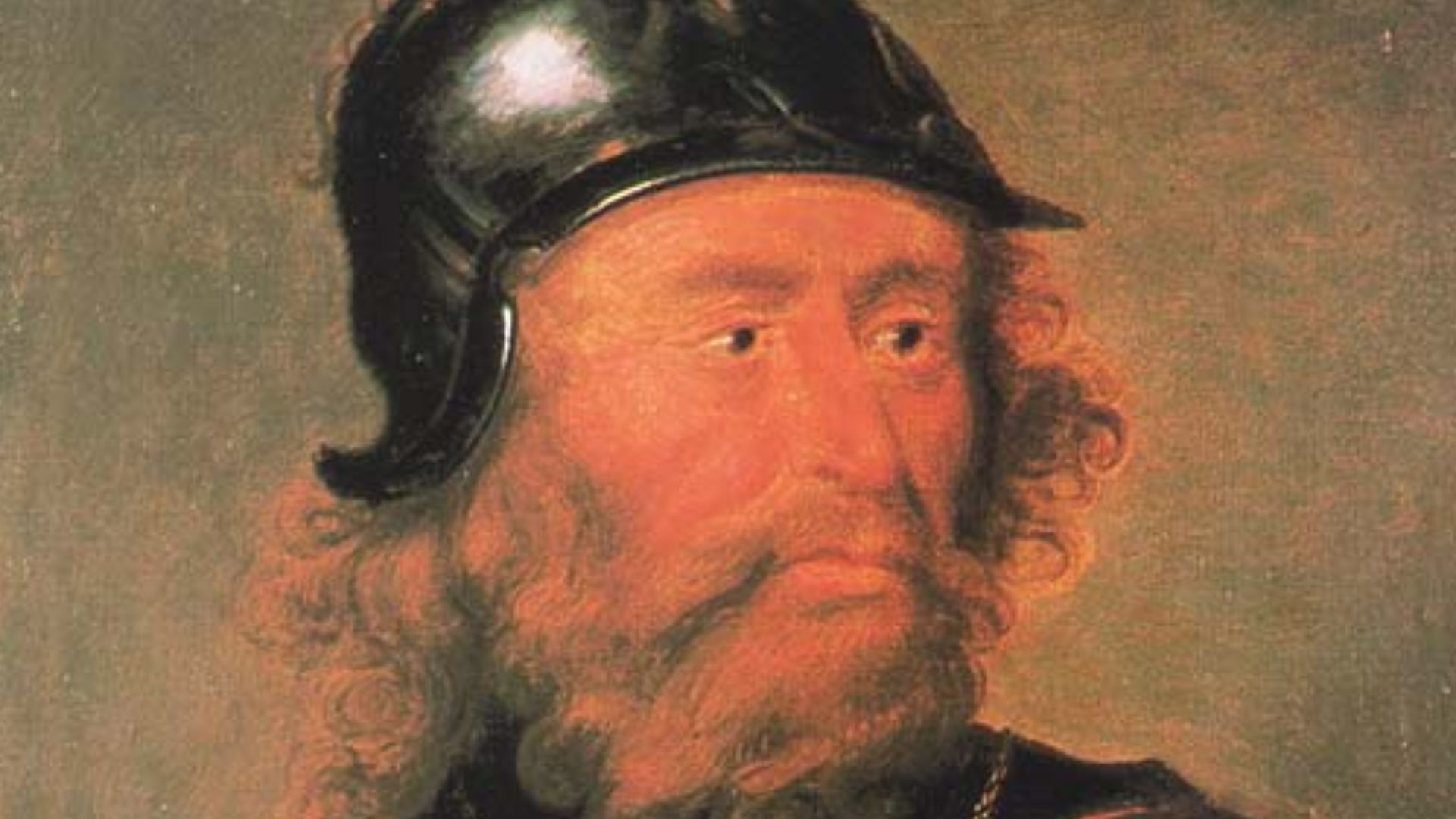
Bruce's war was not simply Scotland against England. It was also a Scottish civil war in which the Comyn family and its allies opposed his claim to the crown. After defeating the Earl of Buchan in 1308, Bruce devastated Comyn territory so thoroughly that later tradition remembered the campaign as the “Herschip of Buchan.”
Edward I Made Bruce Look Like The Liberator
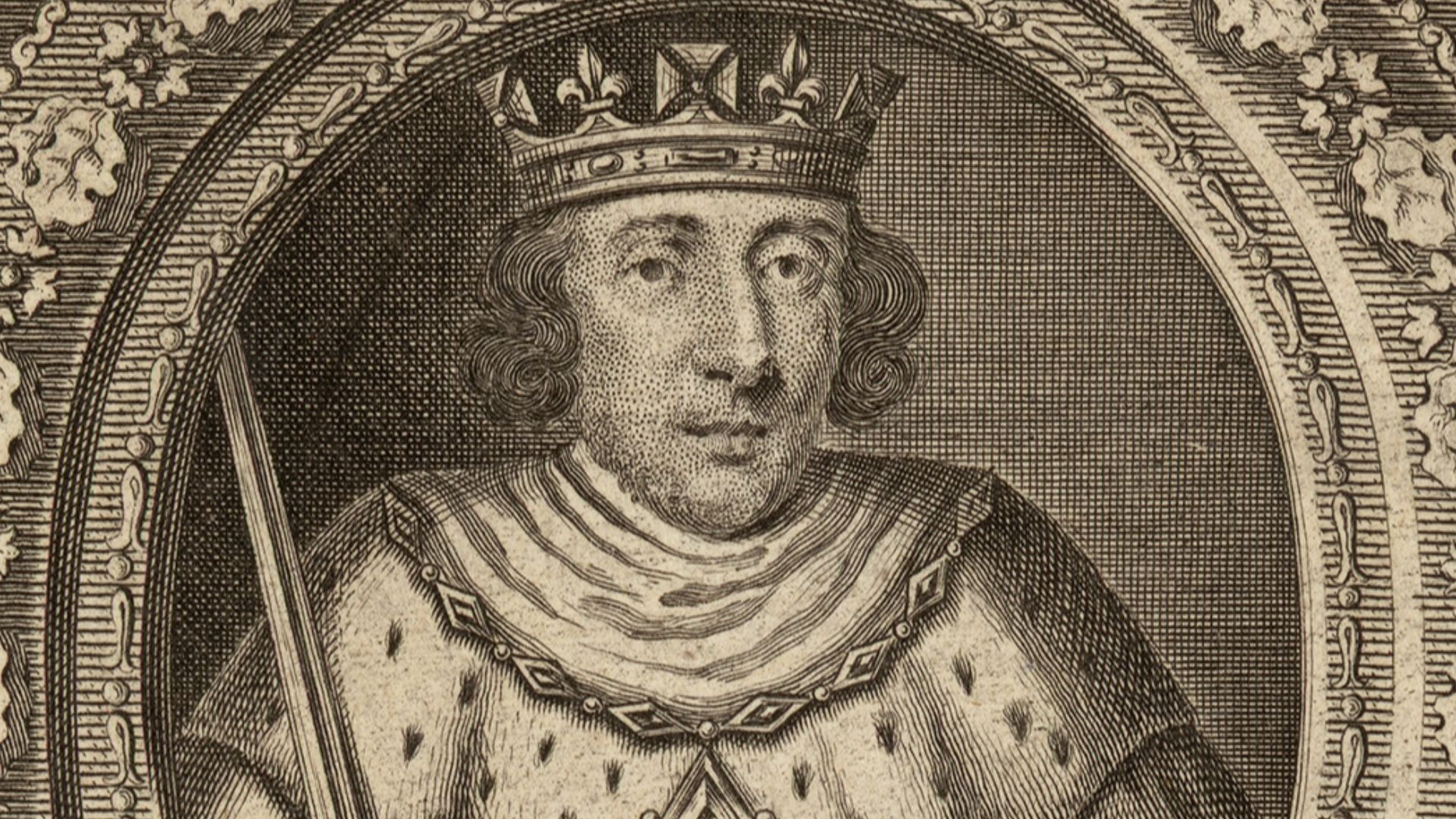
Bruce's reputation benefited enormously from the opponent on the other side of the border. Edward I invaded Scotland repeatedly, deposed John Balliol, took control of Scottish fortresses, and oversaw the brutal execution of William Wallace. Against the king later nicknamed the “Hammer of the Scots,” Bruce's own ruthless rise could be absorbed into a much cleaner national story about resistance and independence.
 Thomas Pennant, Wikimedia Commons
Henry II's Temper Had Deadly Consequences
Henry II was an enormously capable king whose legal reforms helped shape English common law. He was also volatile, controlling, and determined to force the English Church into a relationship that suited the Crown. His furious complaints about Thomas Becket were followed by four royal knights murdering the archbishop inside Canterbury Cathedral in 1170.
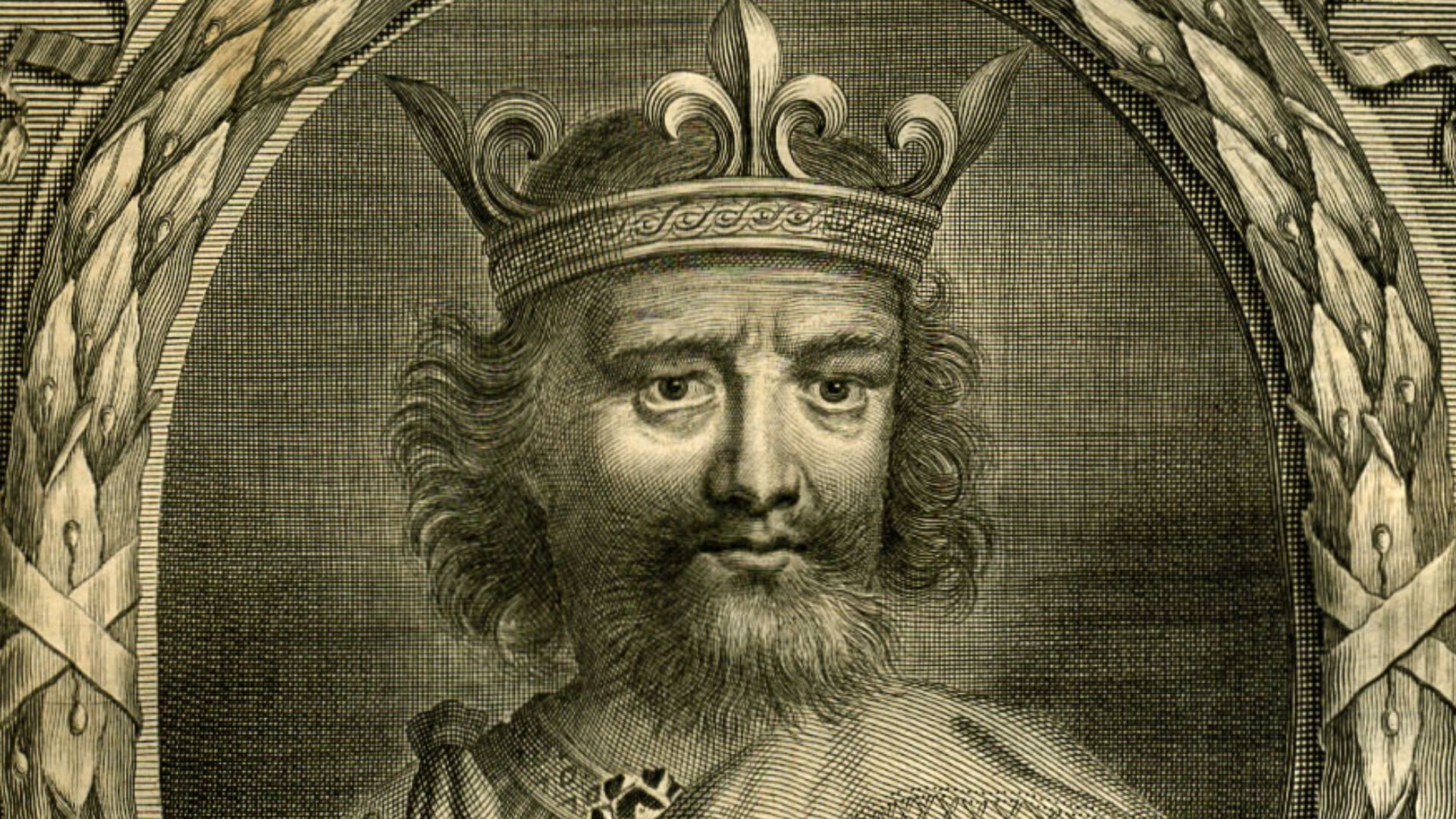 P. Vanderbanck and E. Lutterell, Wikimedia Commons
Then His Own Family Became The Villains
Henry's sons repeatedly rebelled against him, sometimes with the support of their mother Eleanor of Aquitaine and foreign rulers. The future Richard I eventually joined Philip II of France against his father, while John secretly sided with the rebels during Henry's final crisis. Because John later acquired one of the worst reputations of any English king, Henry increasingly looked like the formidable patriarch betrayed by an awful son rather than the ruler whose own behavior had helped drive his family into revolt.
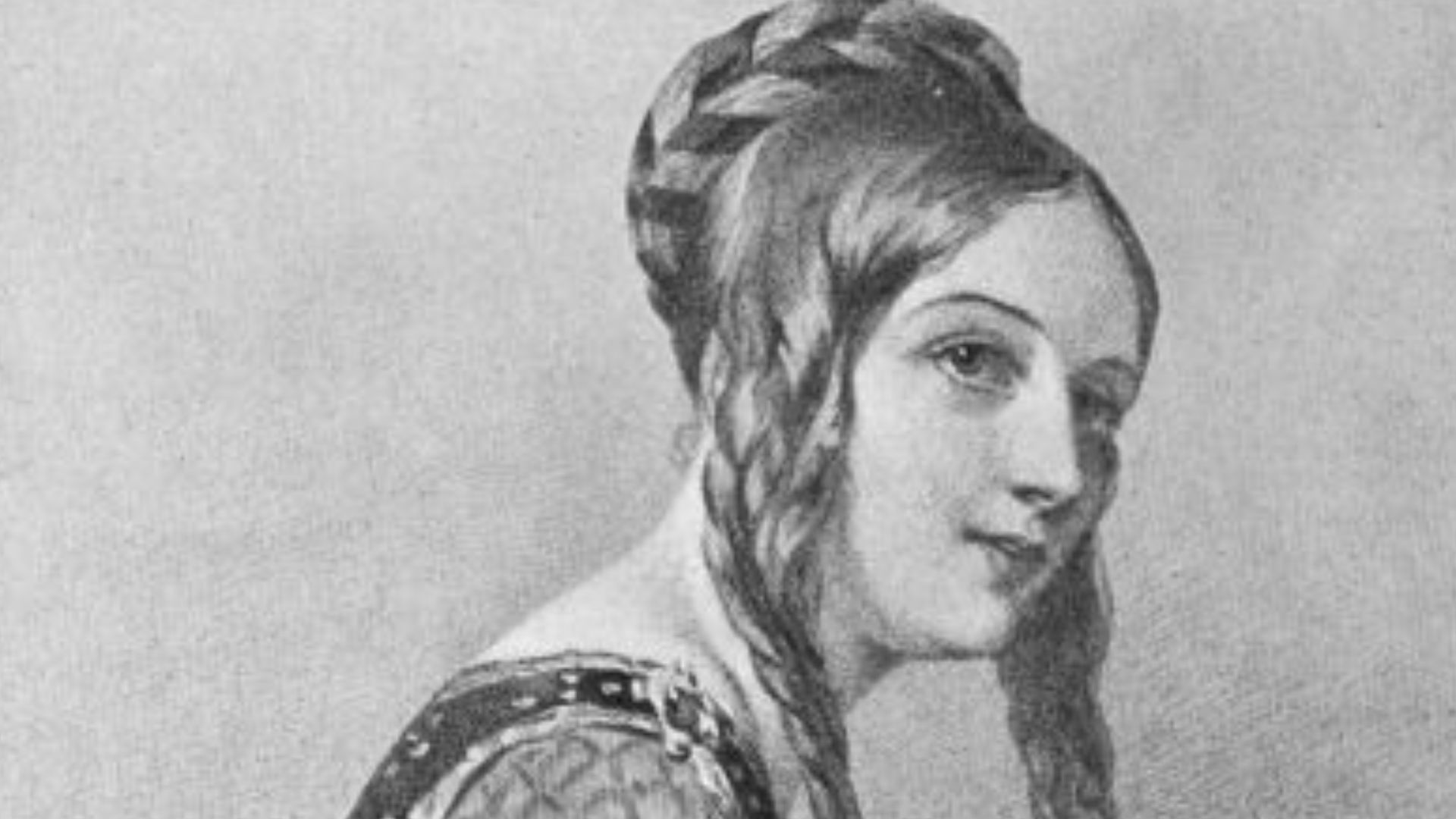 J. W. Wright (see here), Wikimedia Commons
Henry IV Took A Crown That Was Not His
Henry Bolingbroke returned from exile in 1399 claiming that he merely wanted the inheritance Richard II had confiscated from him. Within months, Richard had been deposed and Henry had crowned himself Henry IV. The new king then faced years of rebellion because plenty of people remained unconvinced that his seizure of the throne was legitimate.
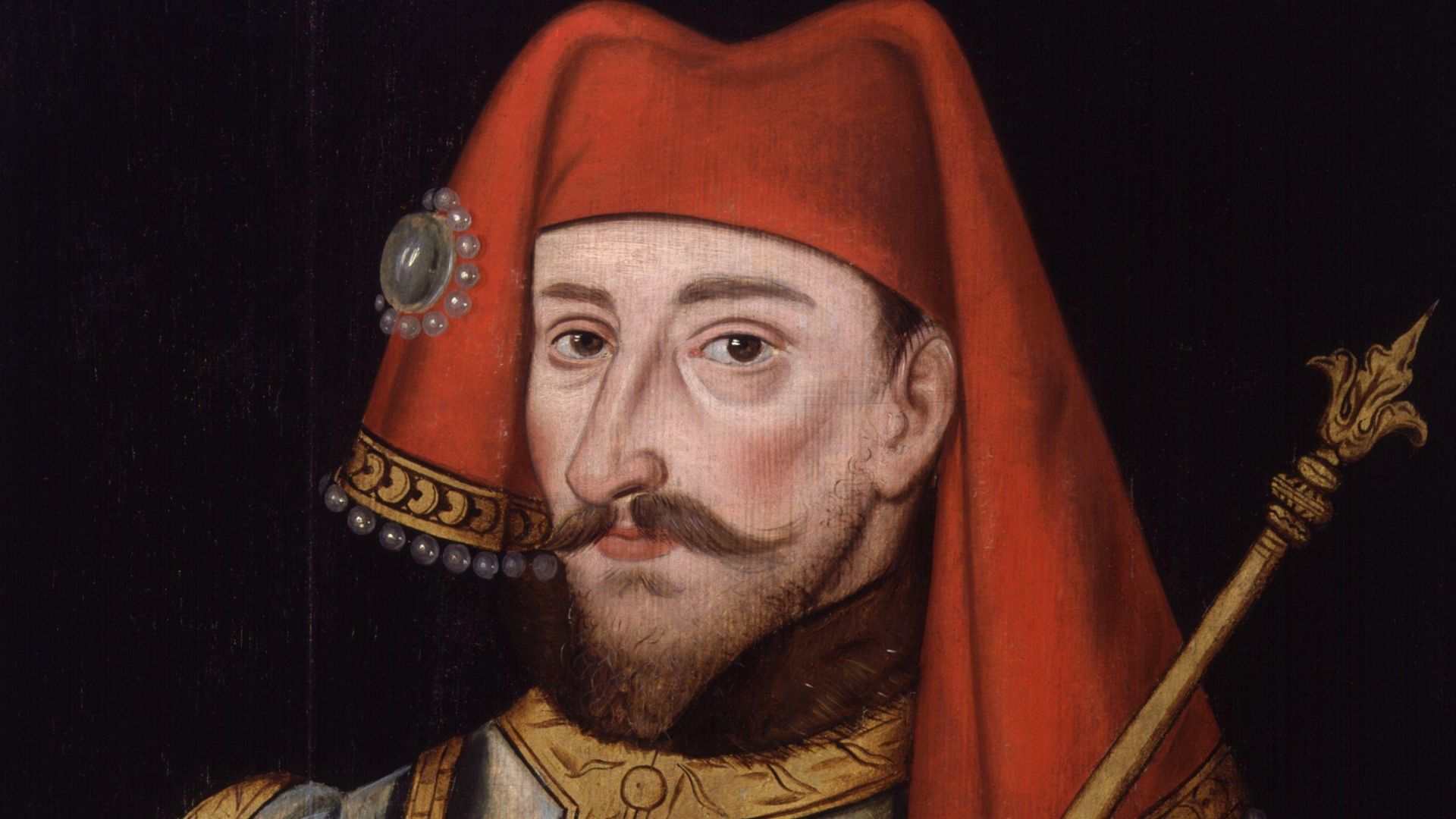
Richard II Made The Usurper Look Reasonable
Henry could benefit from the fact that Richard had become increasingly authoritarian before his fall. Richard exiled opponents, confiscated the Lancastrian inheritance, relied heavily on favorites, and took revenge against nobles who had challenged him. Henry's own regime later executed rebels including Archbishop Richard Scrope, but Richard's abuses made the original usurpation easier for generations of writers to rationalize.
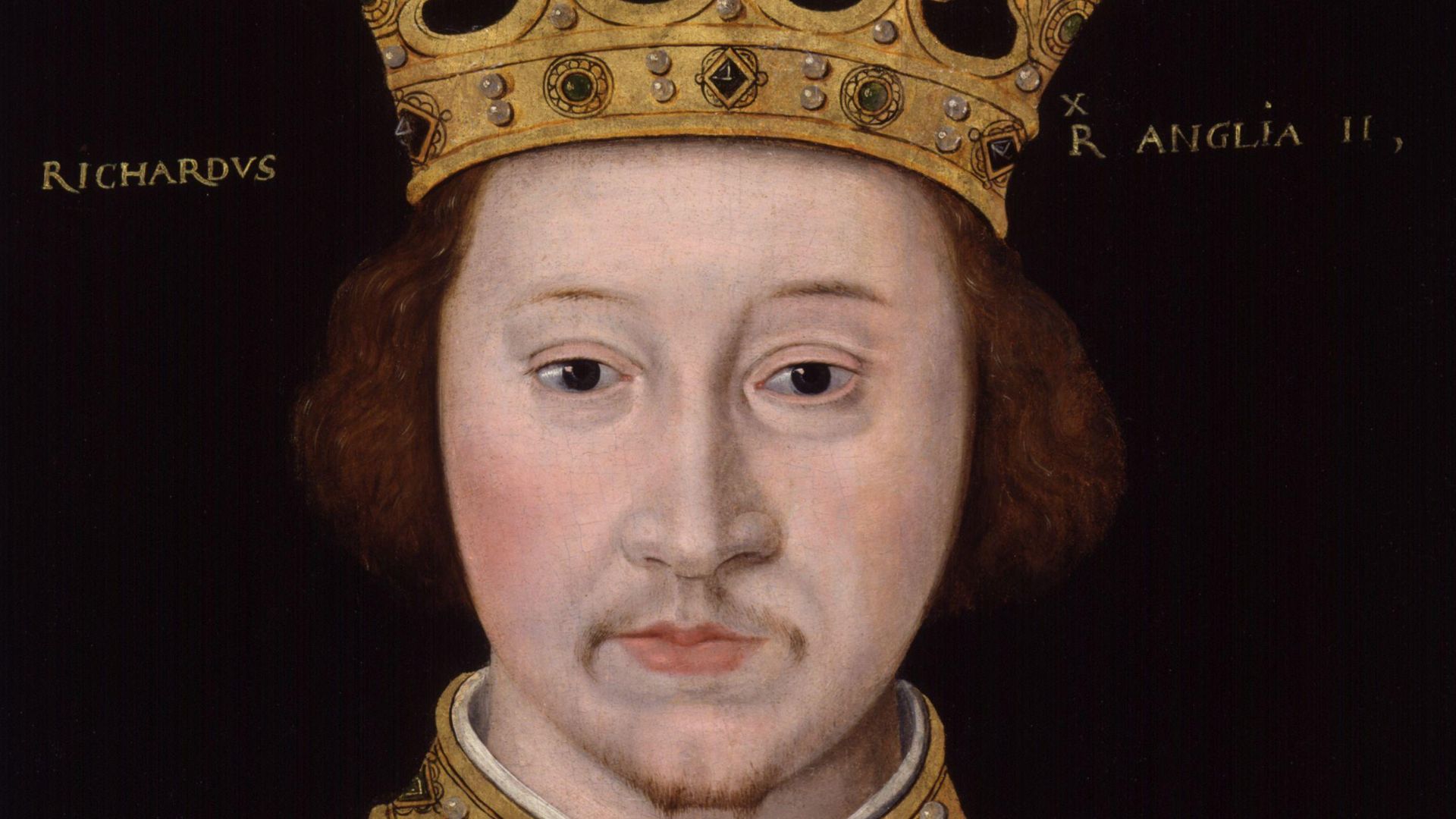 Unknown authorUnknown author, Wikimedia Commons
Henry VII Won By Killing A Villain
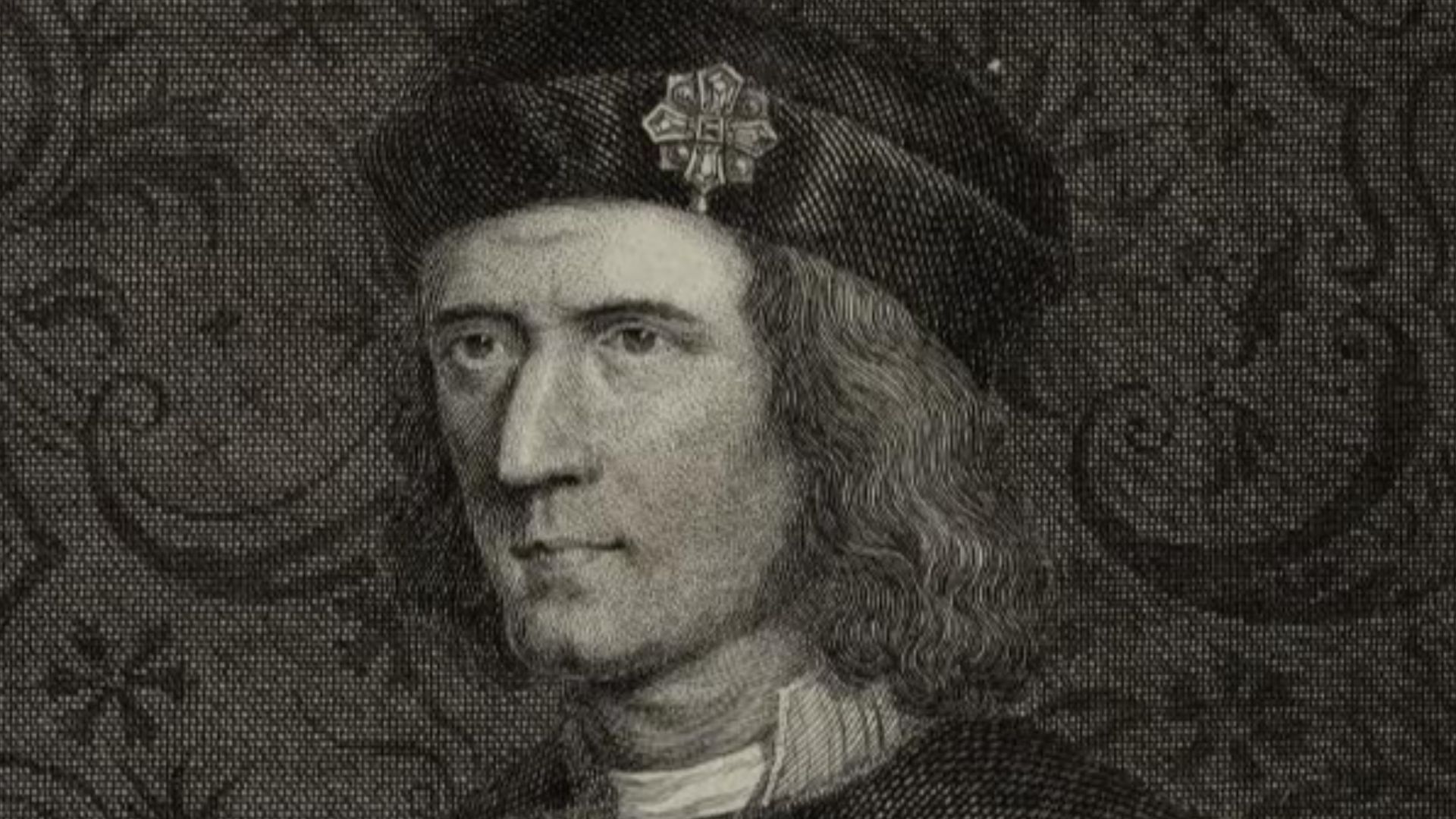
Henry Tudor's claim to the English throne was hardly overwhelming when he landed in Wales in 1485. His army defeated Richard III at Bosworth, and the dead king's already controversial seizure of the throne made Henry's victory easy to frame as liberation. The Tudors then had every incentive to ensure that Richard became the dark ending to one age and Henry the respectable beginning of another.
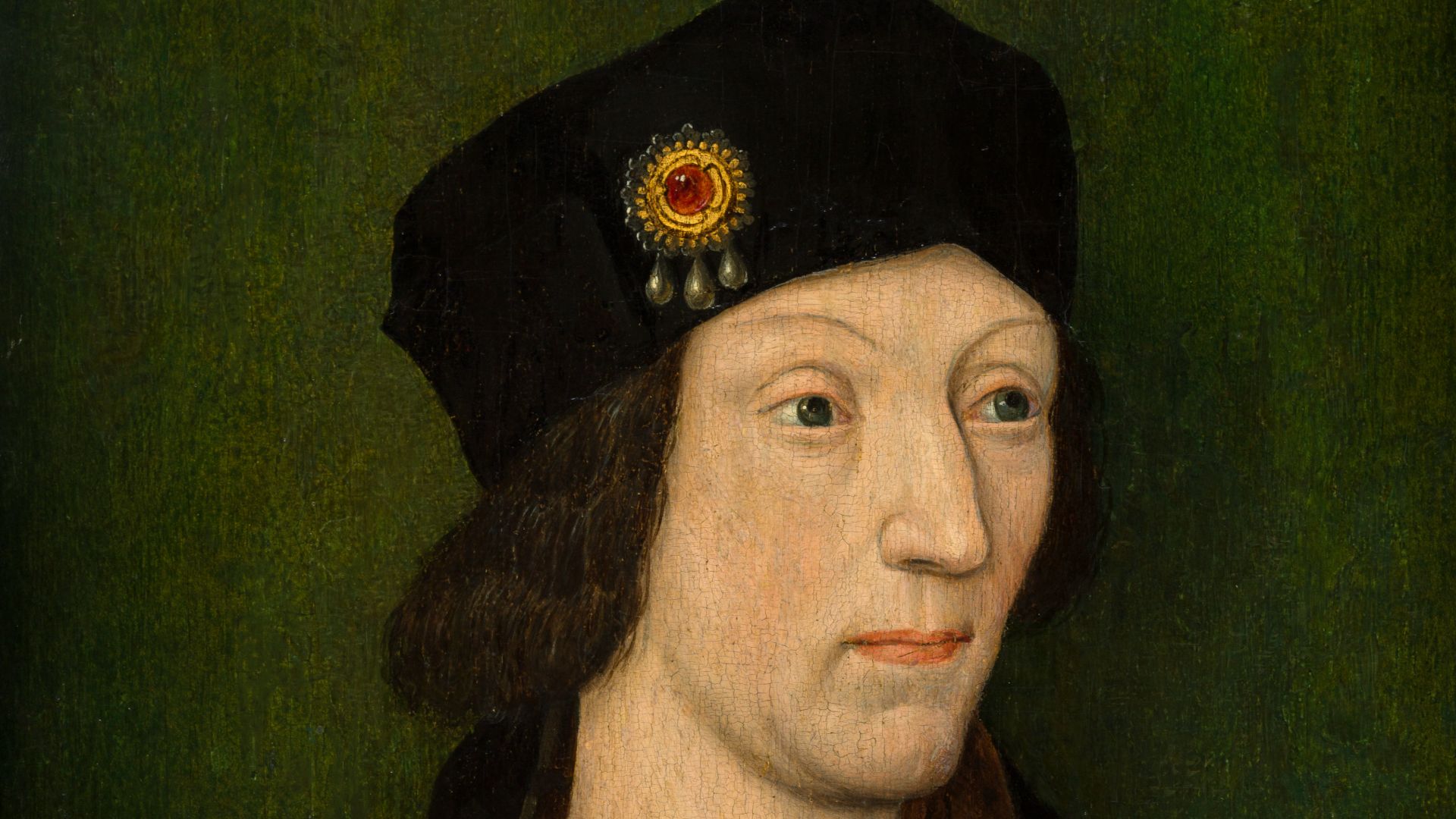 Anonymous (England)Unknown author, Wikimedia Commons
Henry Was Much Less Gentle Than That Story Suggests
Henry VII became increasingly obsessive about money and political security as his reign continued. He used bonds, recognizances, fines, and aggressive financial administration to keep nobles obedient and increase royal revenue. The system became sufficiently unpopular that Henry VIII arrested and eventually executed two of his father's most notorious financial agents, Edmund Dudley and Richard Empson.
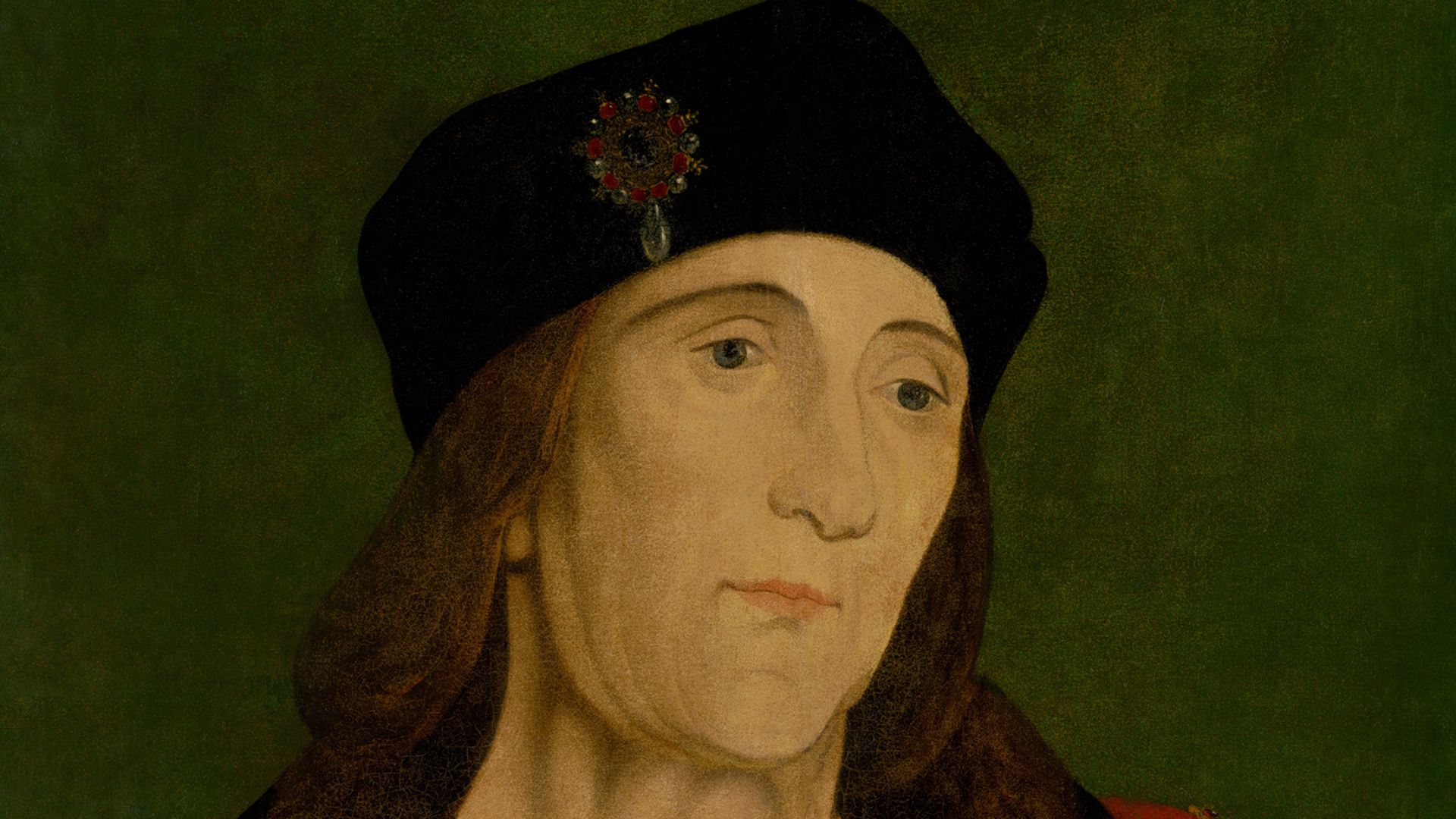 Not stated., Wikimedia Commons
Richard's Reputation Did Henry A Huge Favor
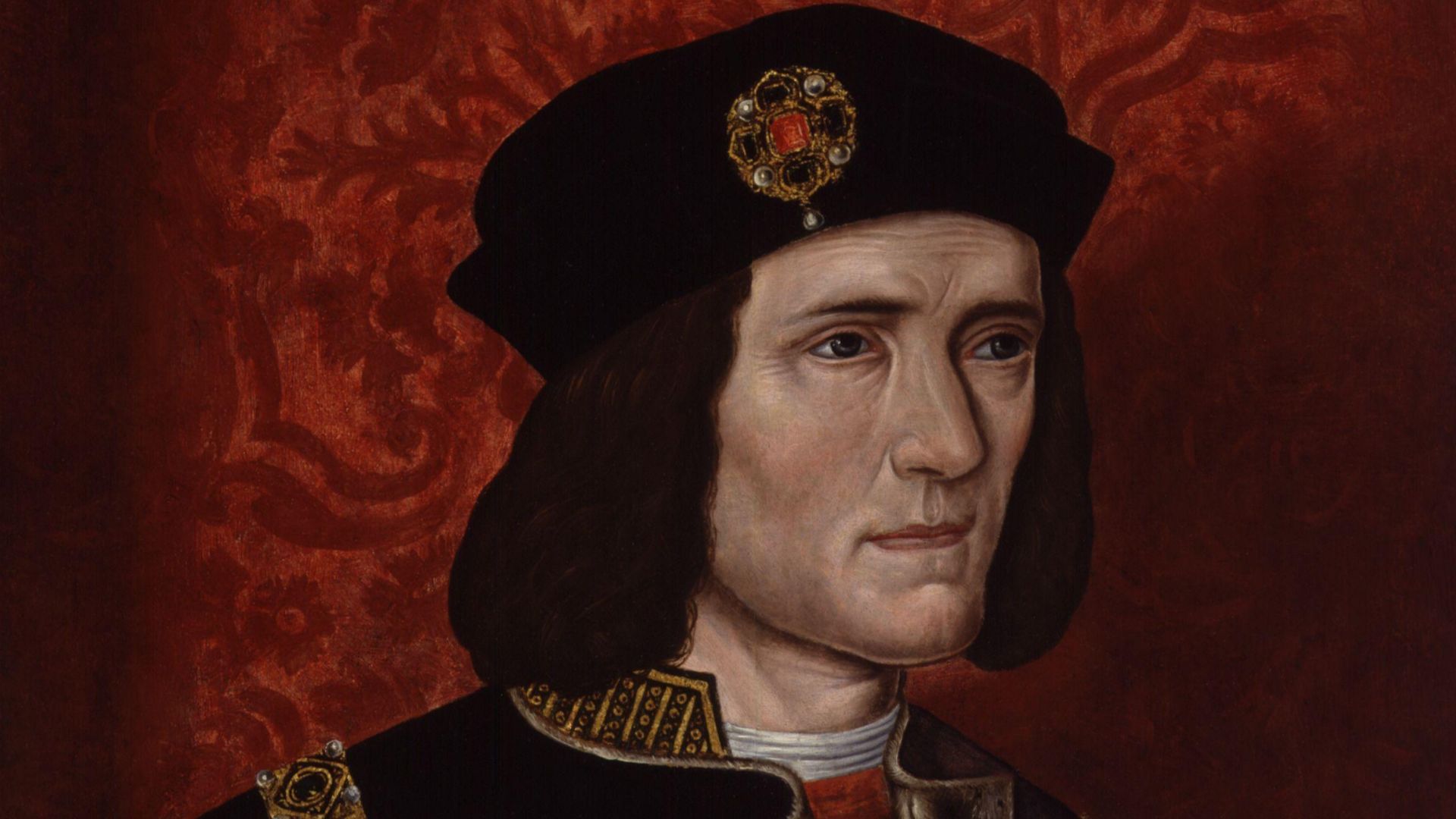
Richard III's disappearance into Shakespearean villainy made Tudor coercion look comparatively dull. Stories about murdered princes, usurpation, and deformity dominated the public imagination, while Henry's quieter methods involved account books, legal pressure, surveillance, and carefully calculated punishment. Richard became the memorable monster, leaving Henry's less theatrical authoritarianism far less prominent.
Philip Augustus Expelled France's Jews
Philip II of France is remembered as the king who dramatically expanded Capetian power and defeated King John's coalition at Bouvines. Early in his reign, however, Philip imprisoned wealthy Jews for ransom and in 1182 expelled Jews from the royal domain while confiscating property. He later allowed Jewish communities to return when doing so became financially useful.
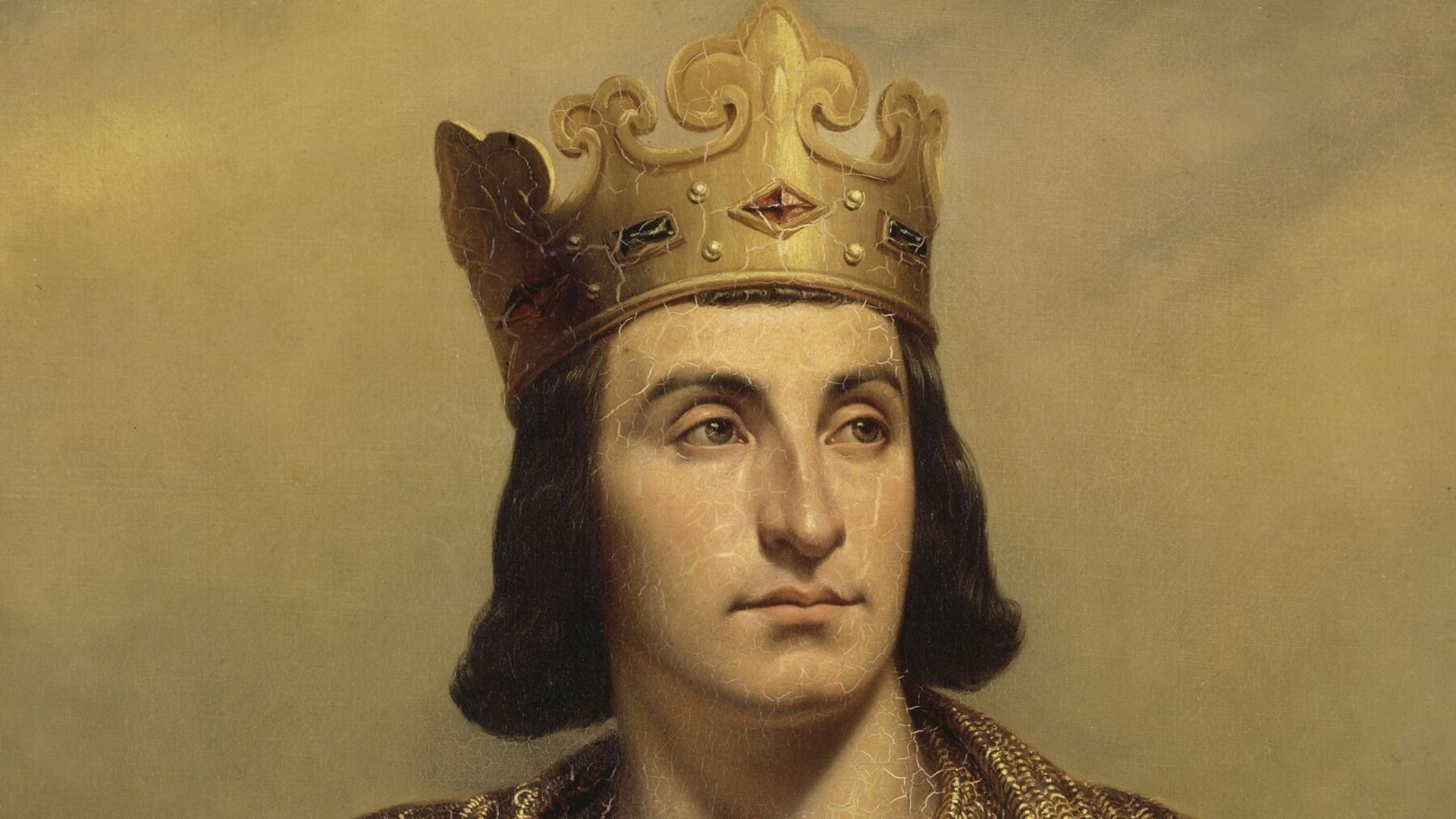 Louis-Félix Amiel, Wikimedia Commons
King John Was The Perfect Opponent
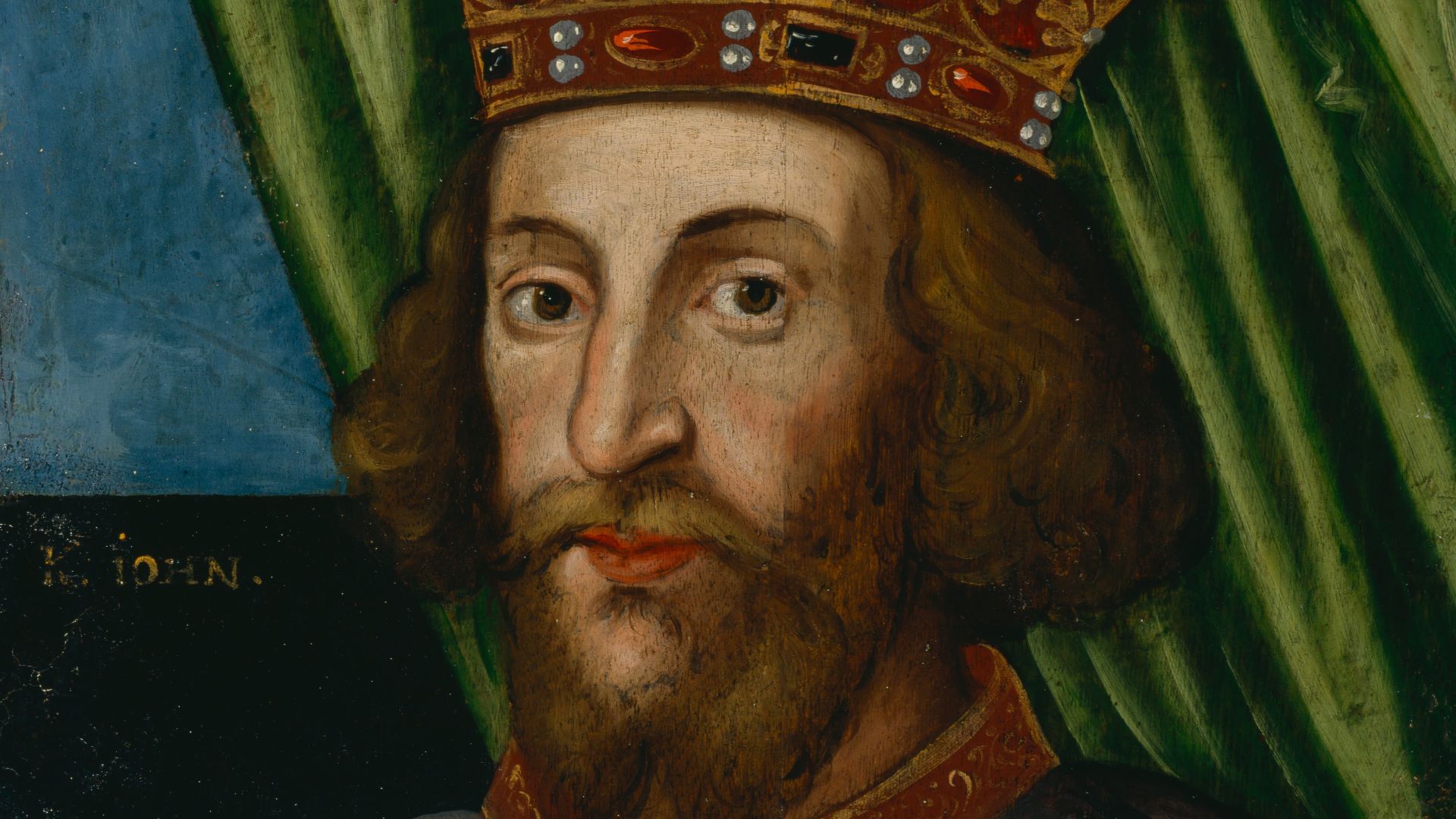
Philip's greatest English rival was John, whose own reputation became legendary for all the wrong reasons. John's loss of Normandy, conflict with his barons, association with his nephew Arthur's disappearance, and eventual acceptance of Magna Carta made him one of England's classic bad kings. That contrast helped Philip remain the victorious state-builder, while the uglier parts of his domestic rule rarely receive equal attention.
 British School – School Details on Google Art Project, Wikimedia Commons
Saladin's Mercy Had Limits
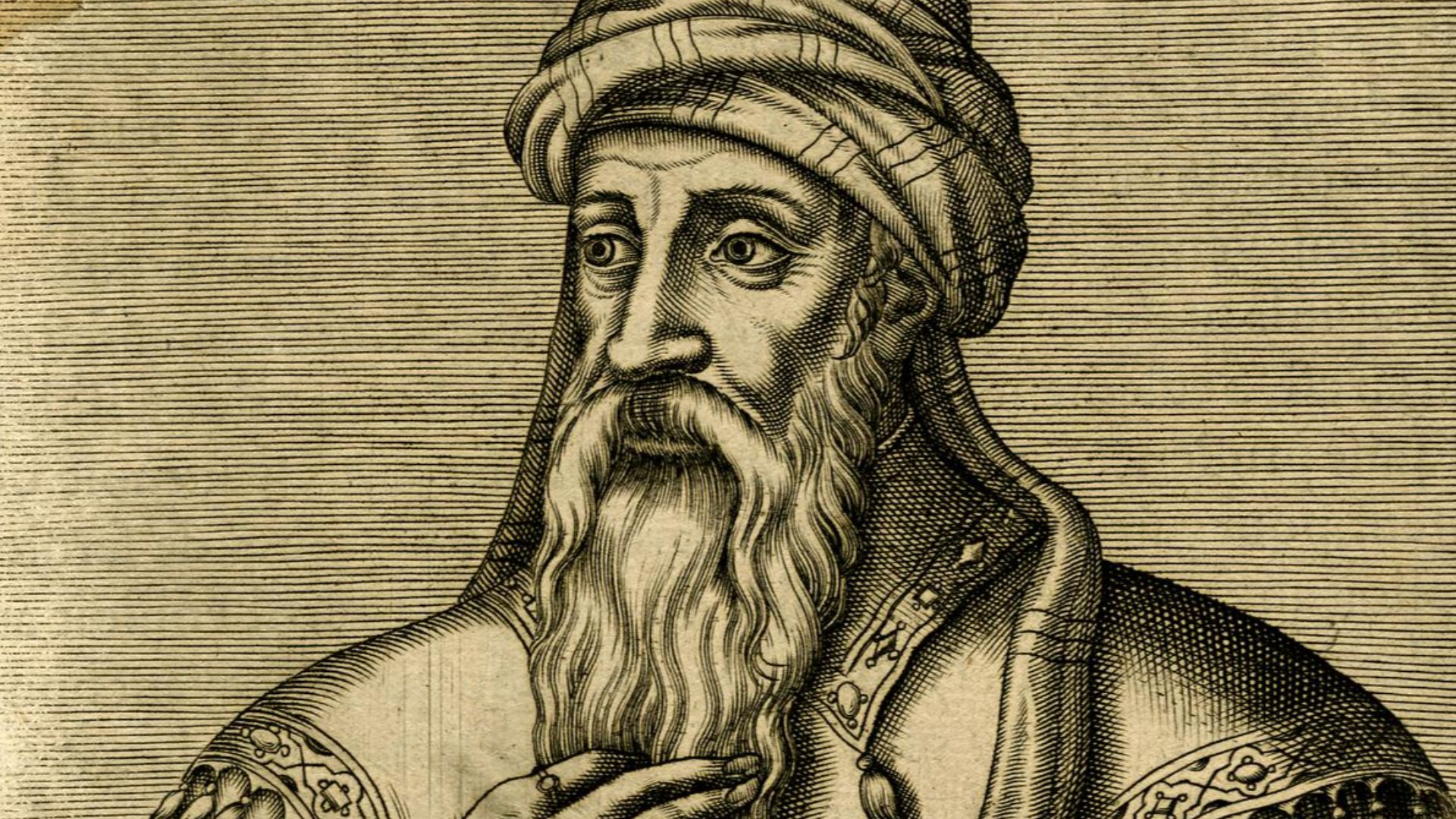
Saladin's capture of Jerusalem in 1187 became famous partly because he avoided repeating the enormous slaughter associated with the First Crusade's conquest of the city in 1099. Yet he could also be ruthlessly practical. After his victory at Hattin, captured Templar and Hospitaller knights were executed because he regarded the military orders as particularly dangerous opponents.
The Crusaders Made Him Look Gentle
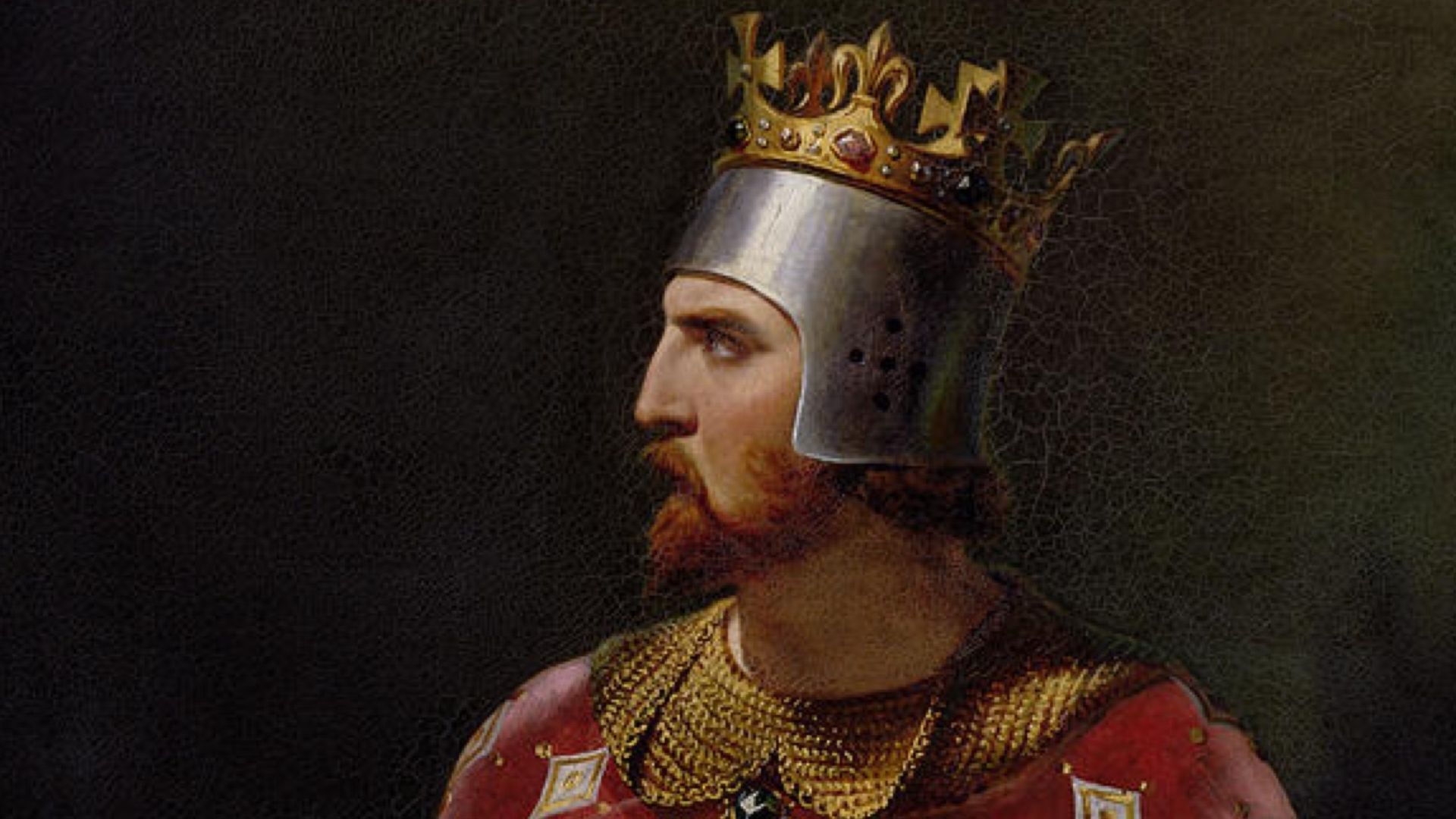
Saladin's enemies supplied even more brutal comparisons. During the Third Crusade, Richard I ordered the killing of more than 2,000 Muslim prisoners after negotiations following the capture of Acre broke down. Against memories of the 1099 sack of Jerusalem and Richard's mass execution at Acre, Saladin's carefully cultivated reputation for chivalry became especially powerful.
 Merry-Joseph Blondel, Wikimedia Commons
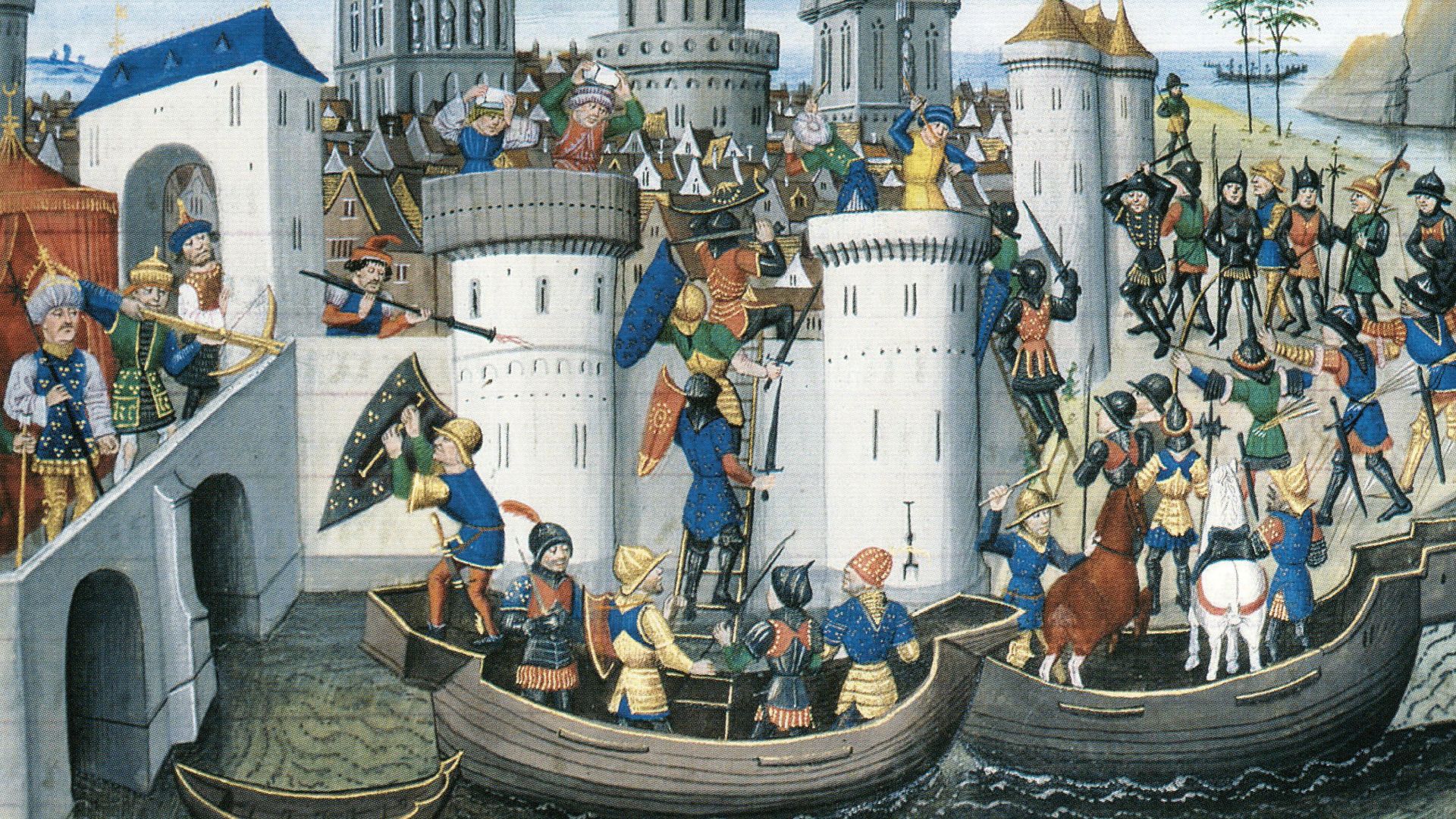
Michael VIII Saved Byzantium By Betraying A Child
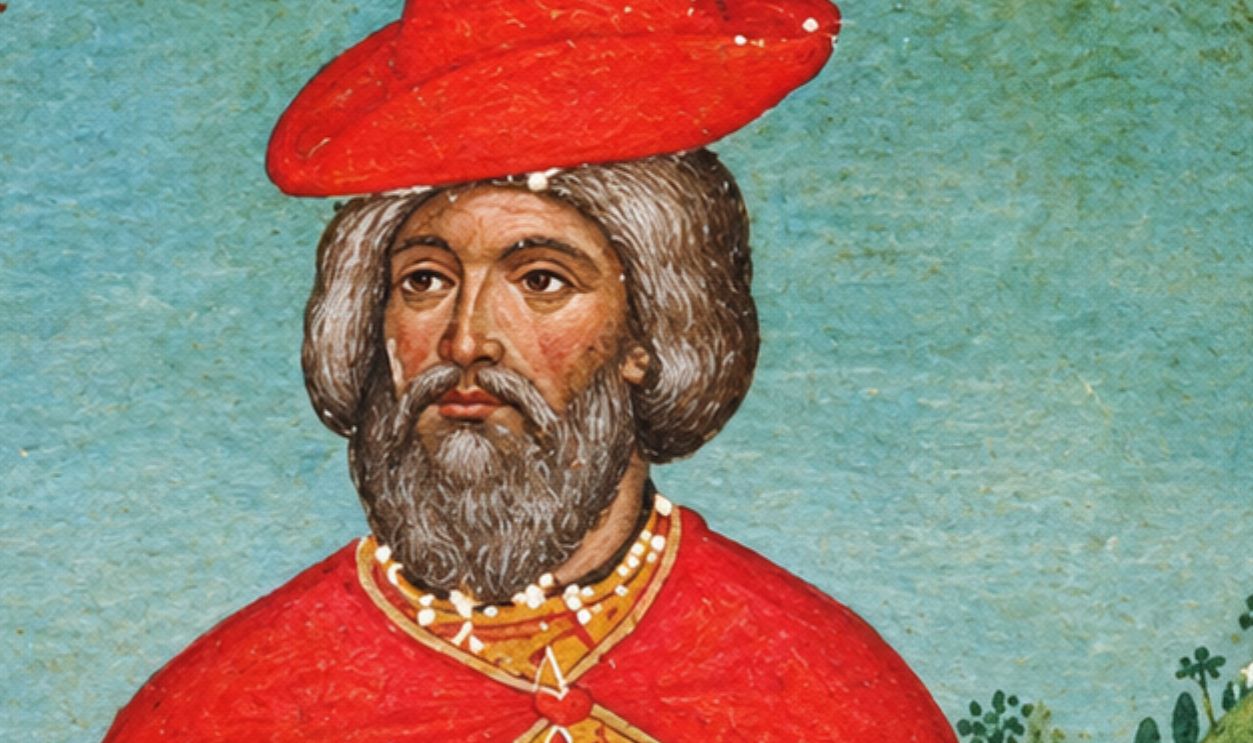
Michael VIII Palaiologos is remembered for restoring Byzantine rule to Constantinople in 1261 after nearly six decades of Latin control. The achievement came after he had risen to power as guardian and co-emperor to the young John IV Laskaris. Once Constantinople was secure, Michael ordered the boy blinded, removing him permanently as a rival for the throne.
 Unknown author, Wikimedia Commons, Enhanced
The Fourth Crusade Made Michael A Restorer
Blinding an 11-year-old was controversial even by Byzantine political standards and helped get Michael excommunicated. Yet his enemies were associated with the Latin regime created after the Fourth Crusade had sacked Constantinople in 1204. Because Michael ended that hated occupation, his dynastic crime could sit awkwardly beside a much more triumphant image as the emperor who brought Constantinople back.
 Loyset Liédet, Wikimedia Commons
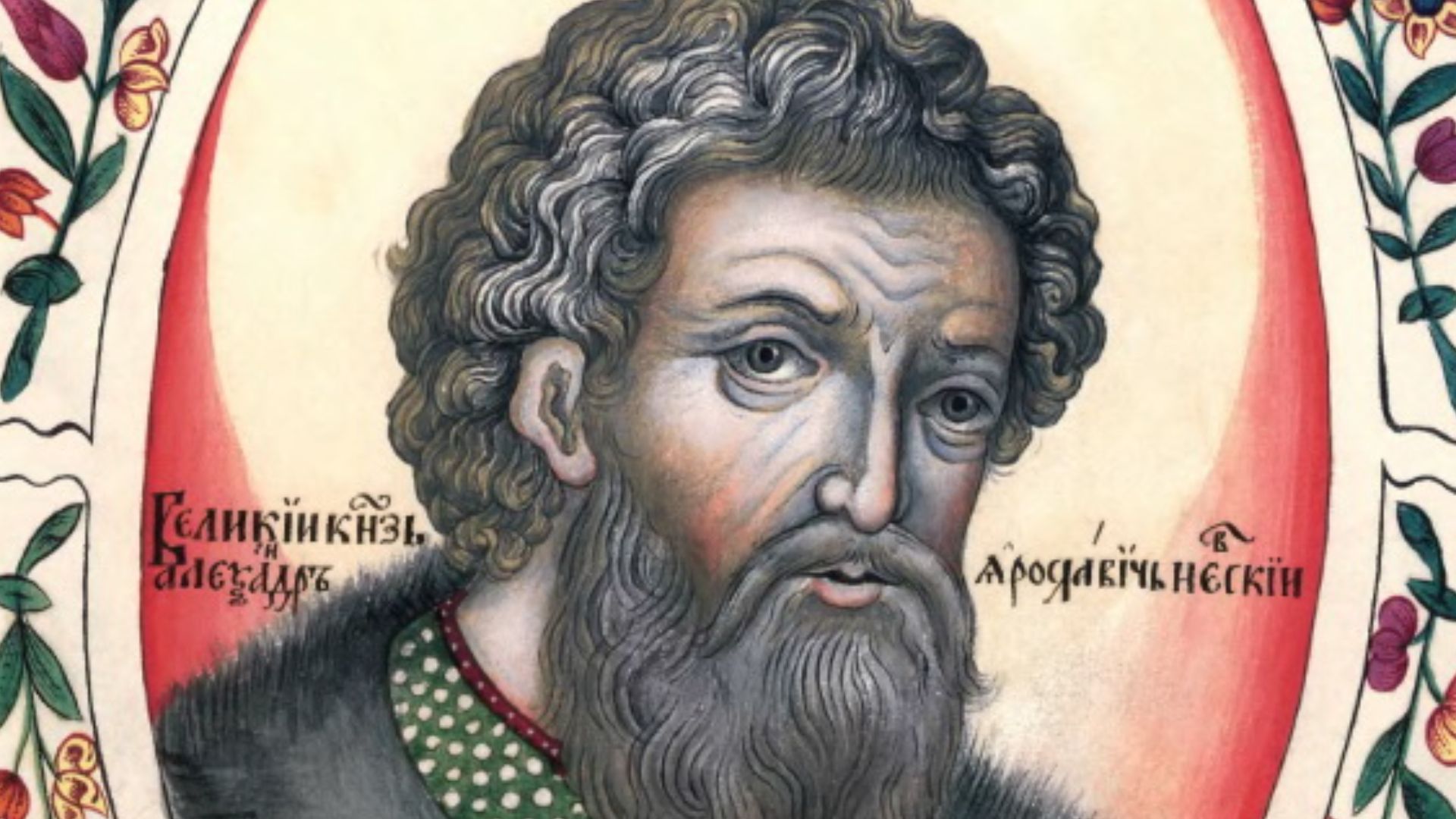
Alexander Nevsky Cooperated With The Mongols
Alexander Nevsky became famous for defeating Swedish forces and the German crusaders advancing from the west. His relationship with the Mongol rulers to the east was much more cooperative. In 1259, when Novgorod resisted a Mongol census connected with taxation, Alexander helped ensure that the census was completed rather than allowing the city to defy the Horde.
 Collective of Kremlin Armory artists, Wikimedia Commons
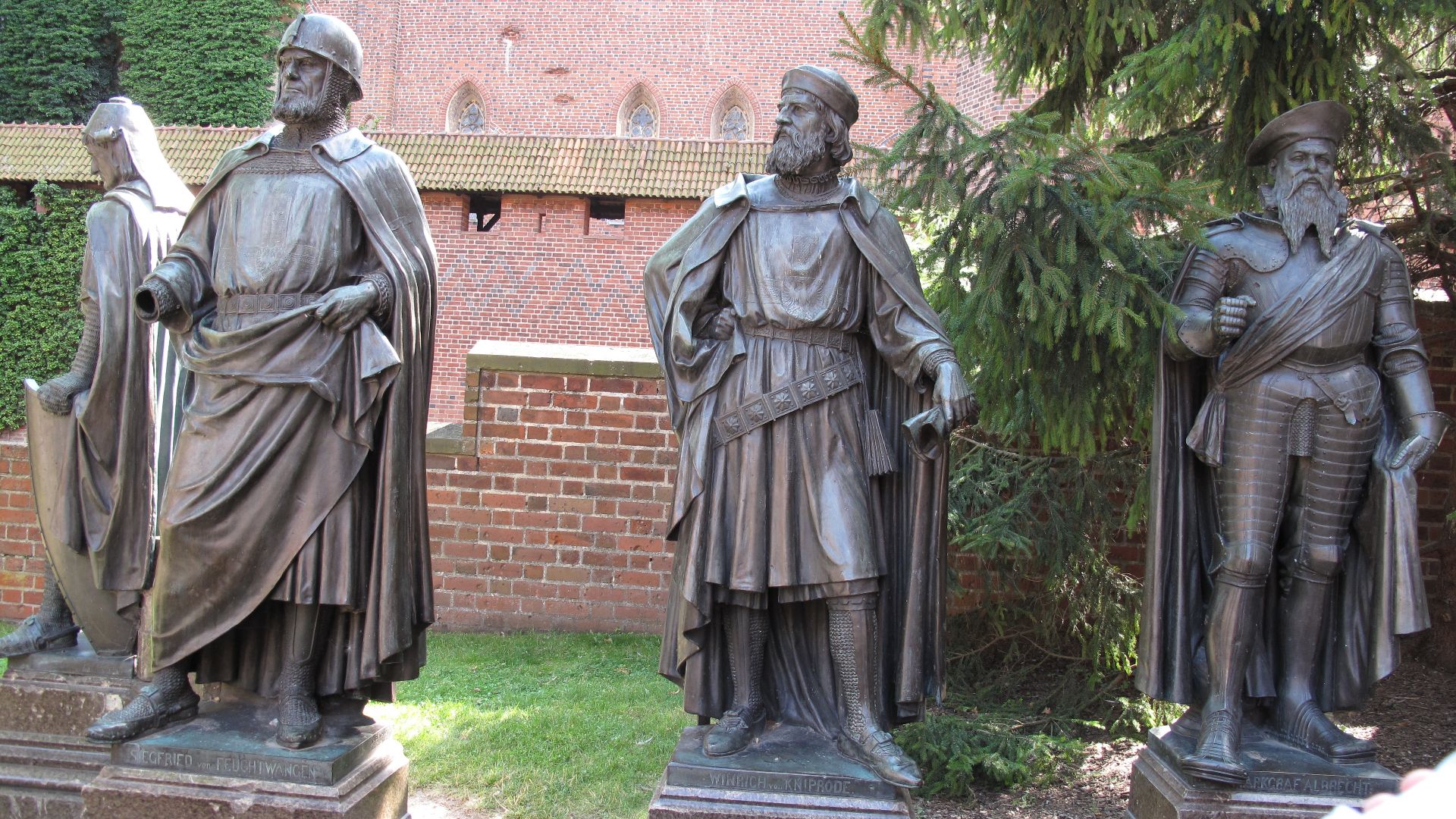
The Teutonic Knights Gave Him A Cleaner Story
Later Russian memory focused heavily on Alexander's western victories, especially the Battle on the Ice in 1242. The Teutonic Order and other Baltic crusaders were themselves expanding through warfare justified as religious conversion. Against an image of armored invaders pushing eastward, Alexander's much messier accommodation with Mongol power became easier to overlook.
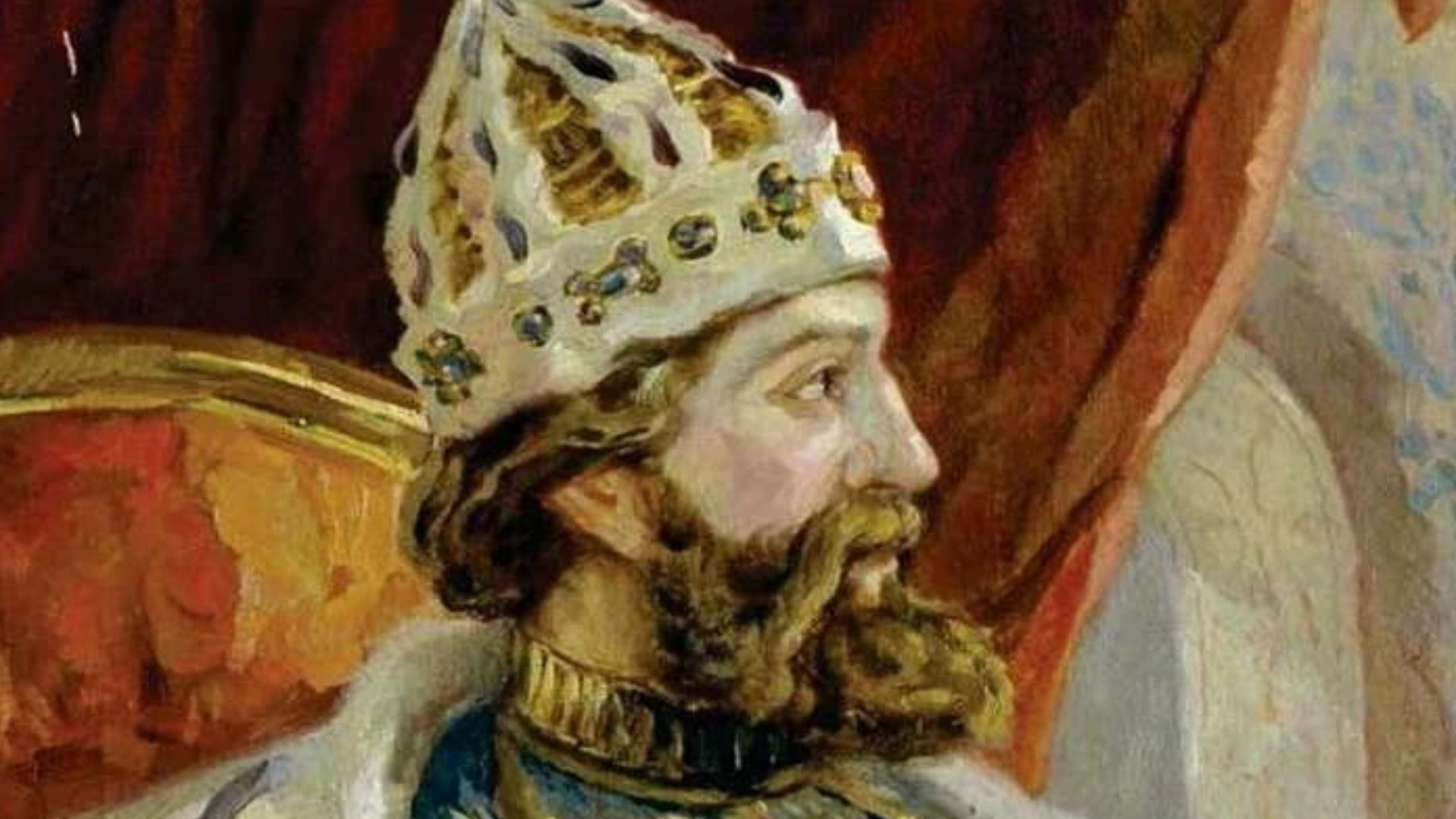
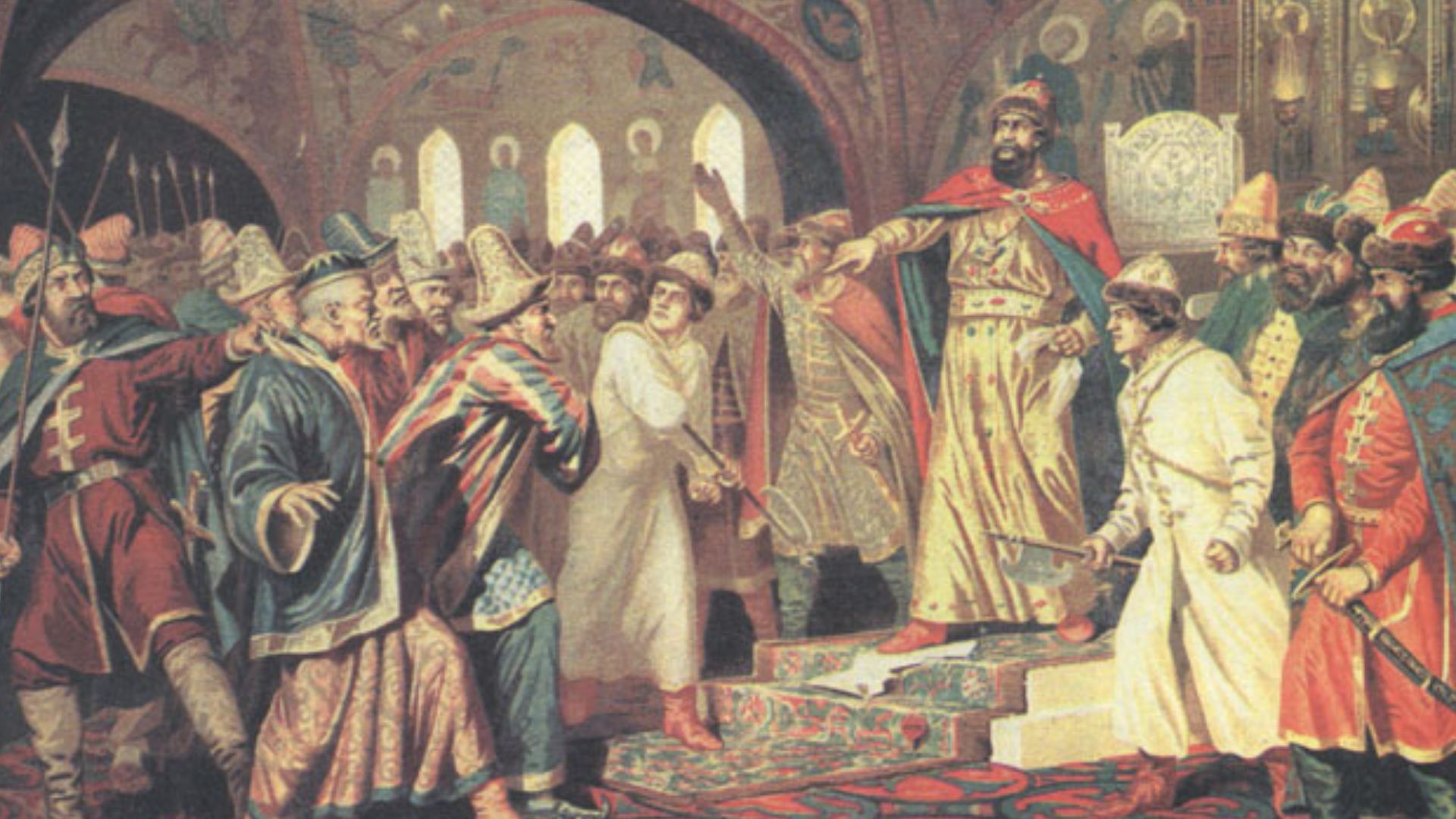
Ivan III Crushed Novgorod's Independence
Ivan III is celebrated for greatly expanding Moscow and breaking the political dominance of the Golden Horde. His unification of Russian lands was hardly voluntary. Novgorod resisted Moscow's growing control, and Ivan answered with military force before finally ending the city's political independence in 1478.
 Sergeyev, P. G., Wikimedia Commons
The Horde Made Centralization Look Like Freedom
Ivan's confrontation with Khan Ahmed on the Ugra River in 1480 became symbolic of the end of Mongol political supremacy over Moscow. Generations of national history therefore celebrated him as the ruler who liberated Russia from the so-called Tatar yoke. That heroic framework made the destruction of rival Russian political traditions, especially Novgorod's, easier to treat as necessary unification.
 Aleksey Kivshenko, Wikimedia Commons
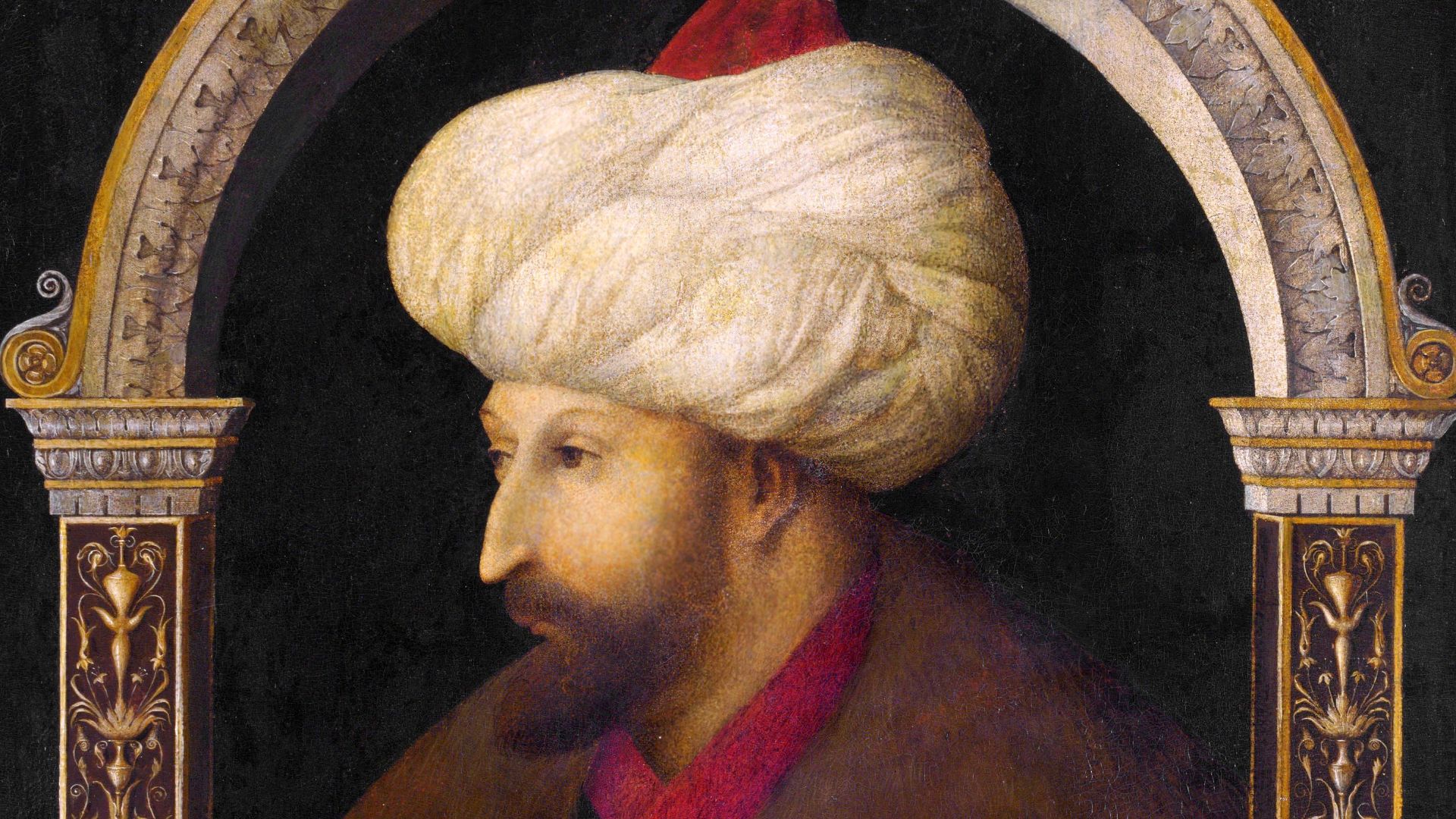
Mehmed II's Great Victory Came With A Sack
Mehmed II's conquest of Constantinople in 1453 was one of the defining events of the late Middle Ages. After Ottoman troops entered the city, residents were killed, captured, enslaved, and separated from their families during the sack. Mehmed later worked aggressively to repopulate and rebuild Constantinople, but the conquest itself involved enormous human suffering.
 Gentile Bellini, Wikimedia Commons
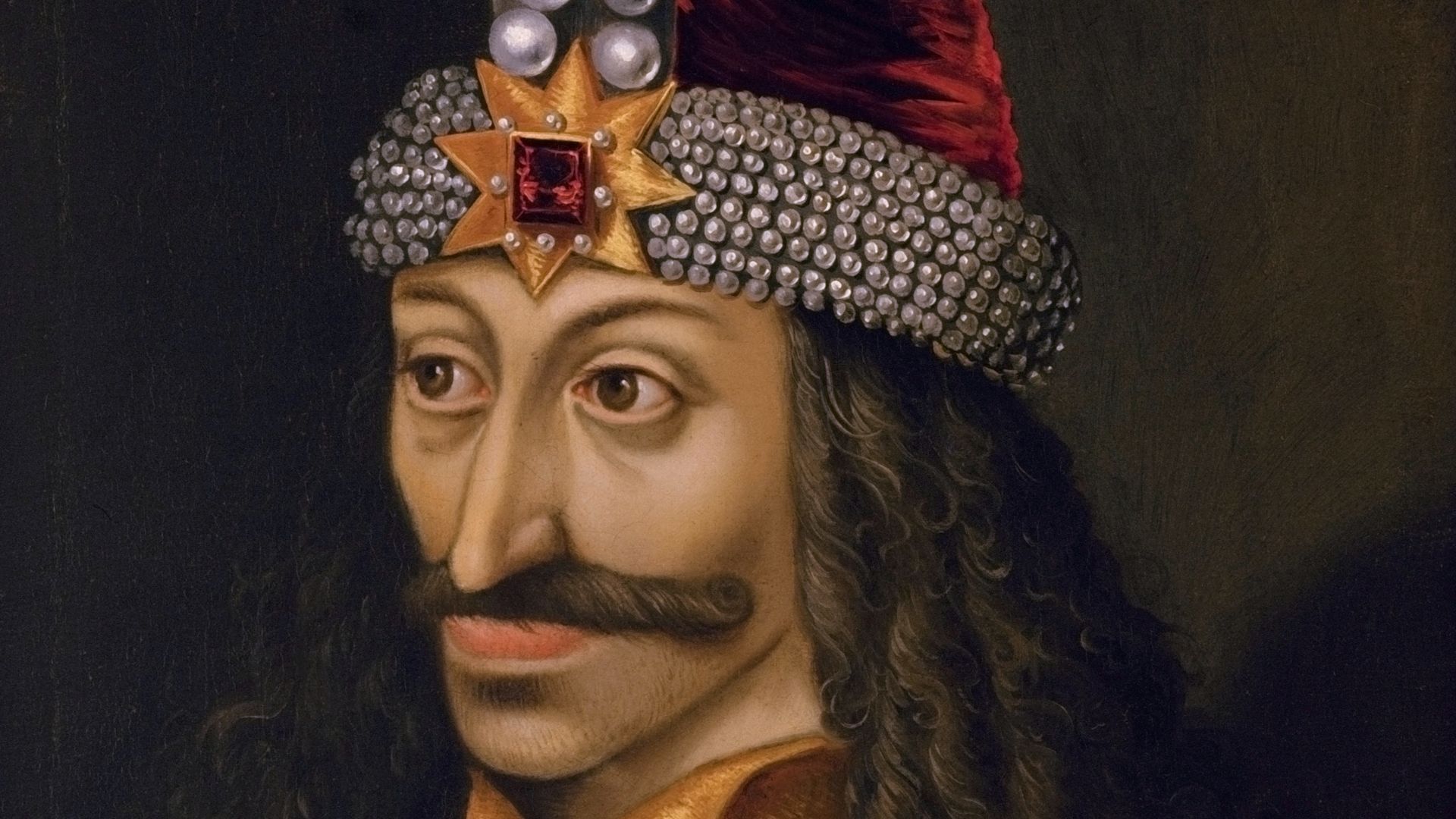
Vlad The Impaler Was An Extraordinary Rival
One of Mehmed's most famous later opponents was Wallachian ruler Vlad III. Vlad used impalement on a terrifying scale and deliberately advertised his killings as psychological warfare against Ottoman forces. The spectacular cruelty attached to Vlad's reputation can make Mehmed seem like the conventional imperial statesman in their rivalry, even though Ottoman expansion under Mehmed involved executions, enslavement, forced resettlement, and hard military conquest.
 AnonymousUnknown author, Wikimedia Commons
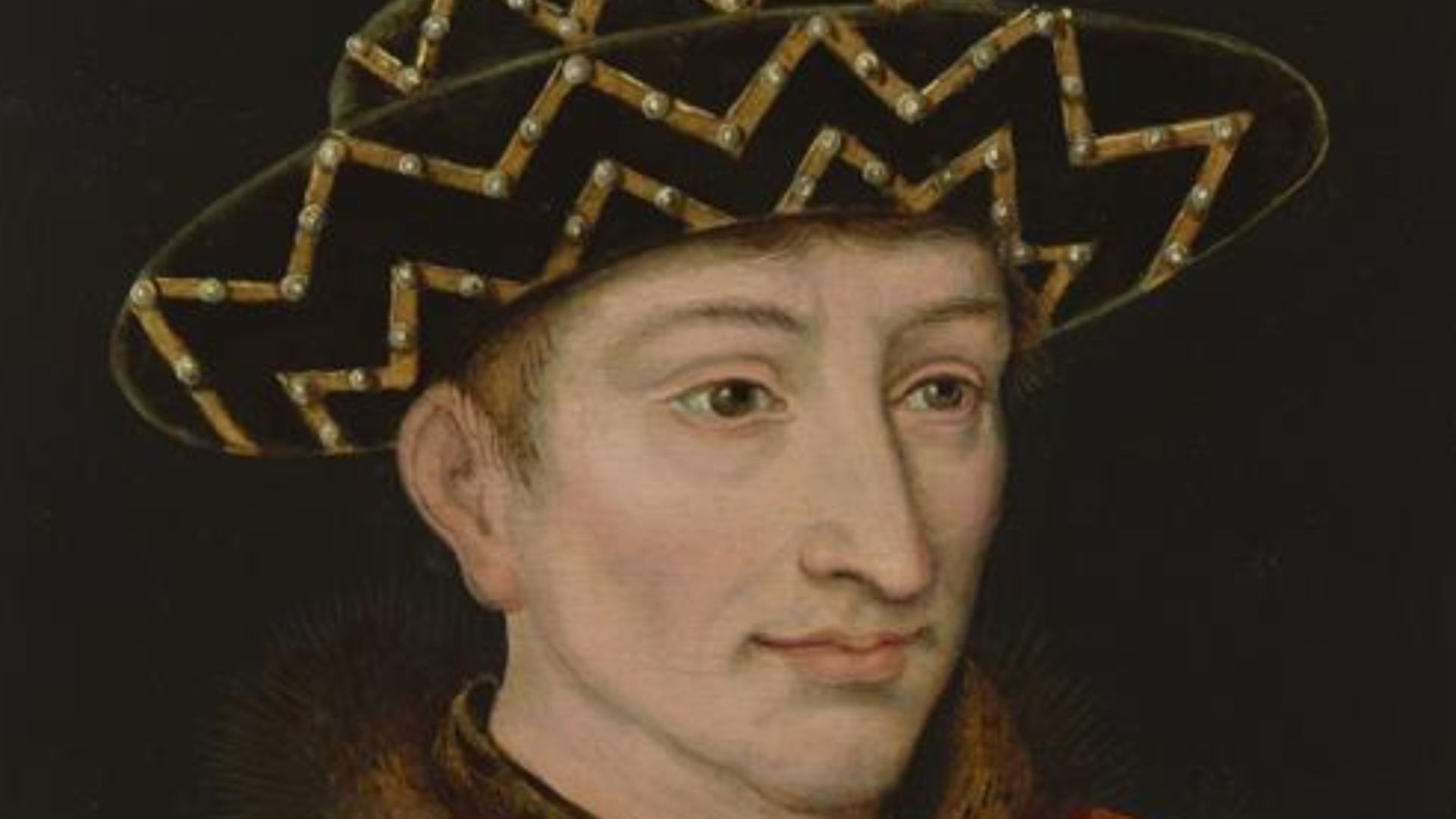
Charles VII Let Joan Face Her Enemies Alone
Joan of Arc helped transform Charles VII from a deeply insecure claimant into a crowned French king. Yet when Burgundian forces captured Joan in 1430, Charles did not mount a successful effort to recover the woman who had become essential to his legitimacy. She was ultimately transferred to the English, tried, and executed in Rouen in 1431.
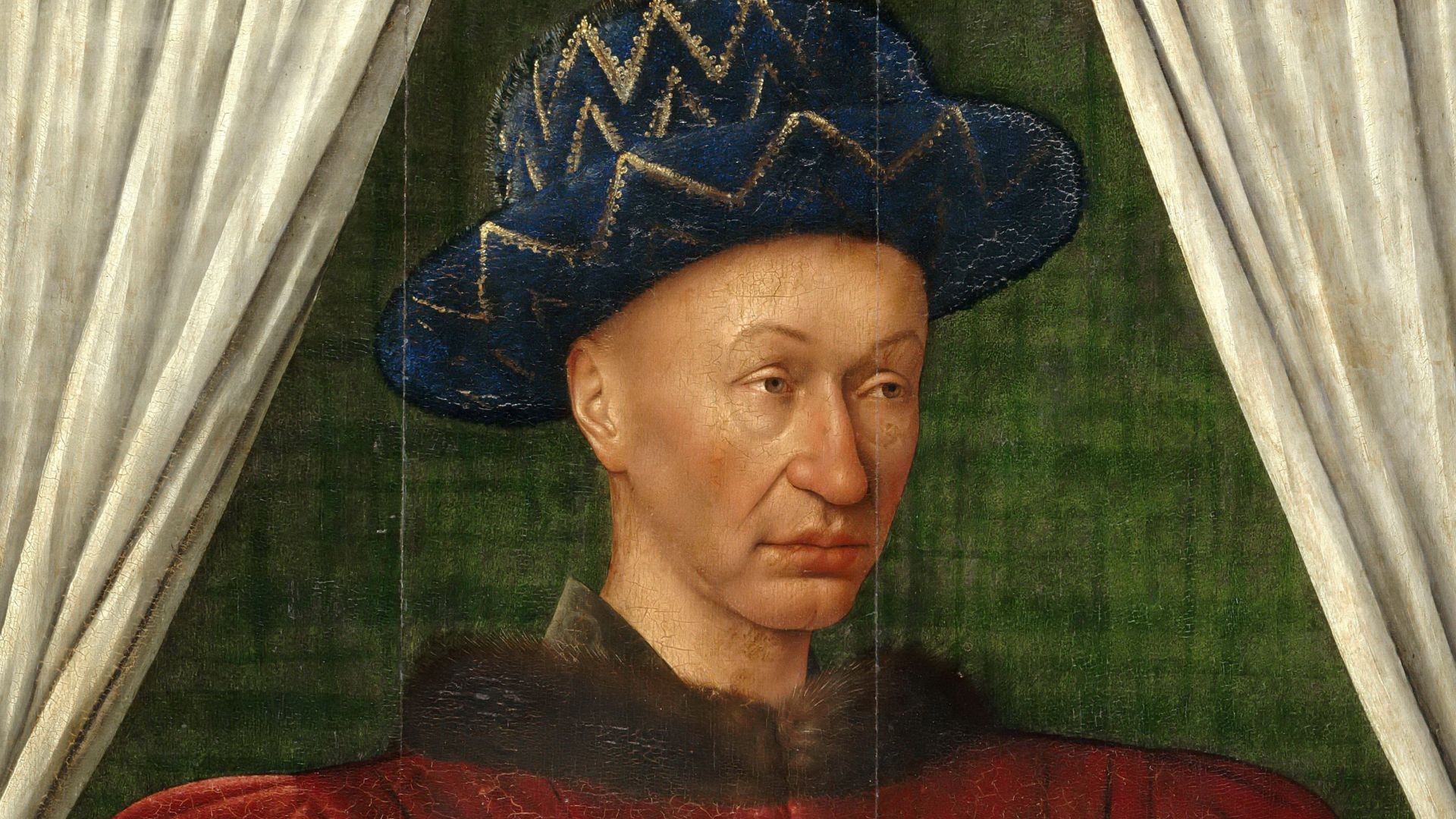
The English Occupation Made Charles The Savior
Charles also strengthened taxation and built a more permanent royal military structure as his authority increased. Those changes expanded the power of the French monarchy as well as helping defeat English forces. Because his enemies represented foreign occupation during the final phase of the Hundred Years' War, Charles could emerge as the king who restored France while the harder edges of his state-building received less romantic attention.
 After Jean Fouquet, Wikimedia Commons
Louis XI Was Proudly Manipulative
Louis XI did not earn the nickname “Universal Spider” because people thought he was straightforward. He relied on espionage, secret negotiations, bribery, pressure, shifting alliances, and relentless manipulation of rivals. His expansion of royal authority came at the expense of major nobles who wanted to preserve their own political independence.
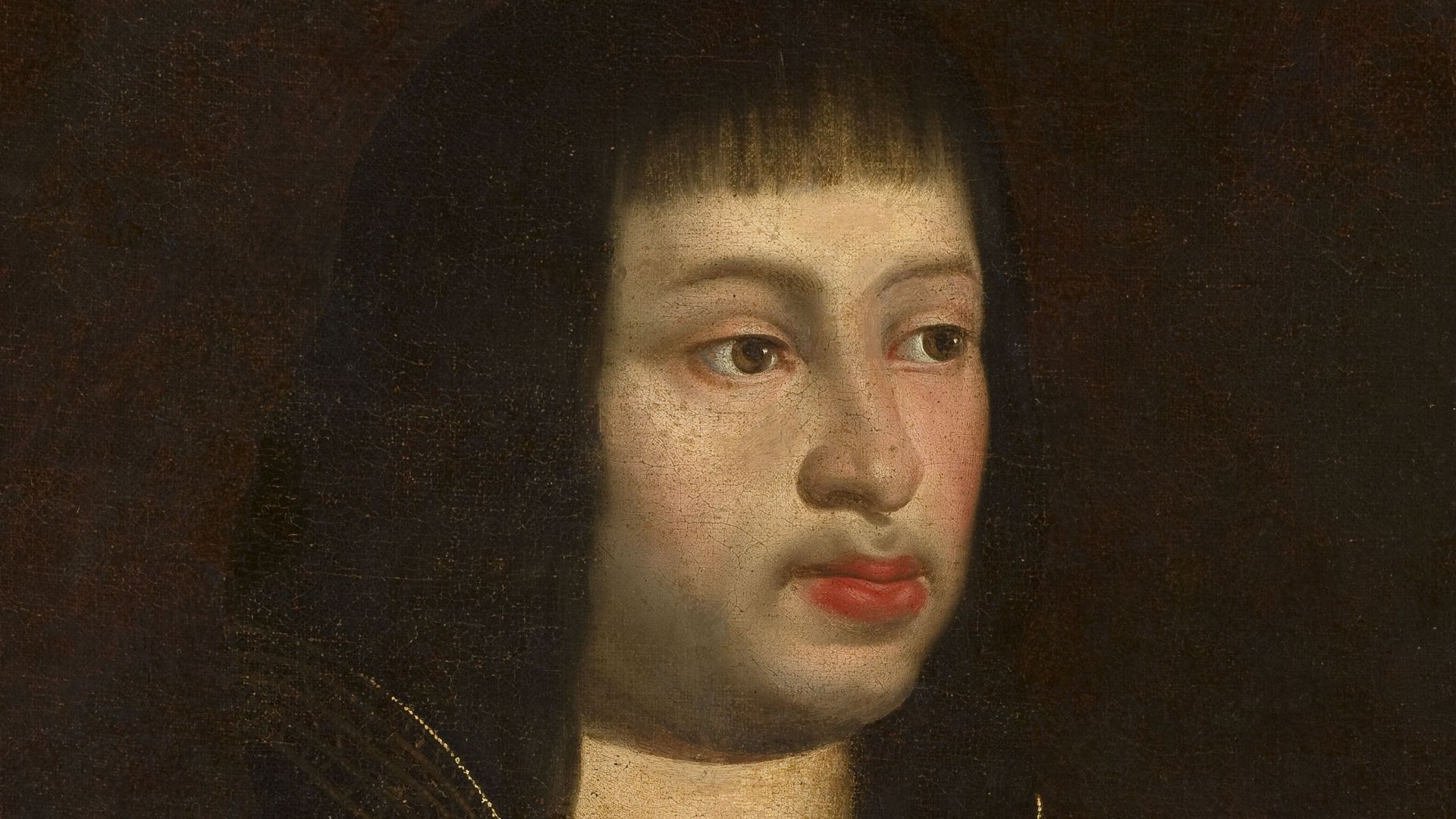
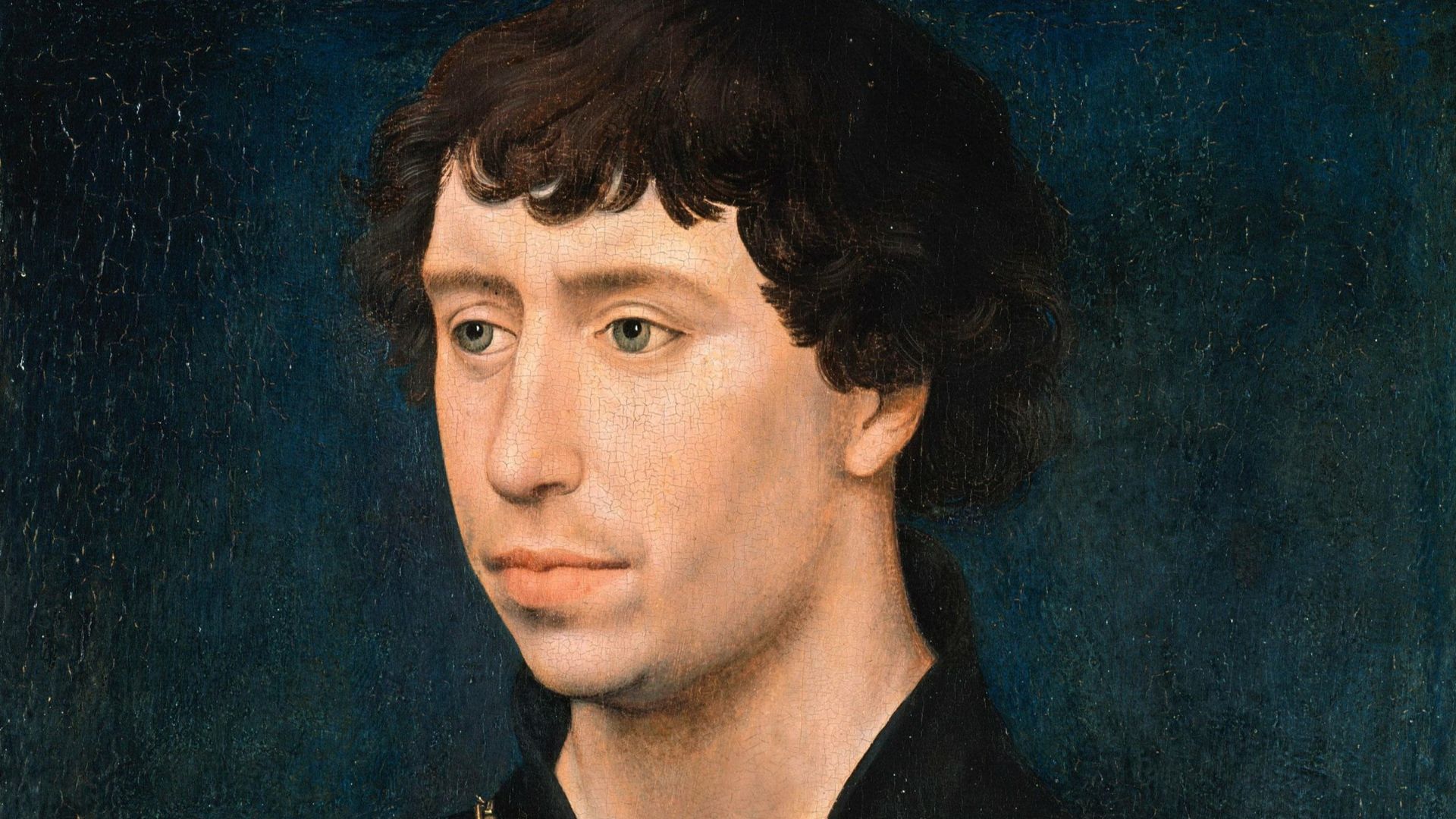
Charles The Bold Made Intrigue Look Moderate
Louis's great rival Charles the Bold supplied a useful contrast. Burgundian forces under Charles destroyed Dinant and later devastated Liège after repeated rebellions against Burgundian authority. Next to Charles's spectacular military punishments, Louis's preferred weapons of money, diplomacy, and conspiracy could almost look civilized.
 Rogier van der Weyden, Wikimedia Commons
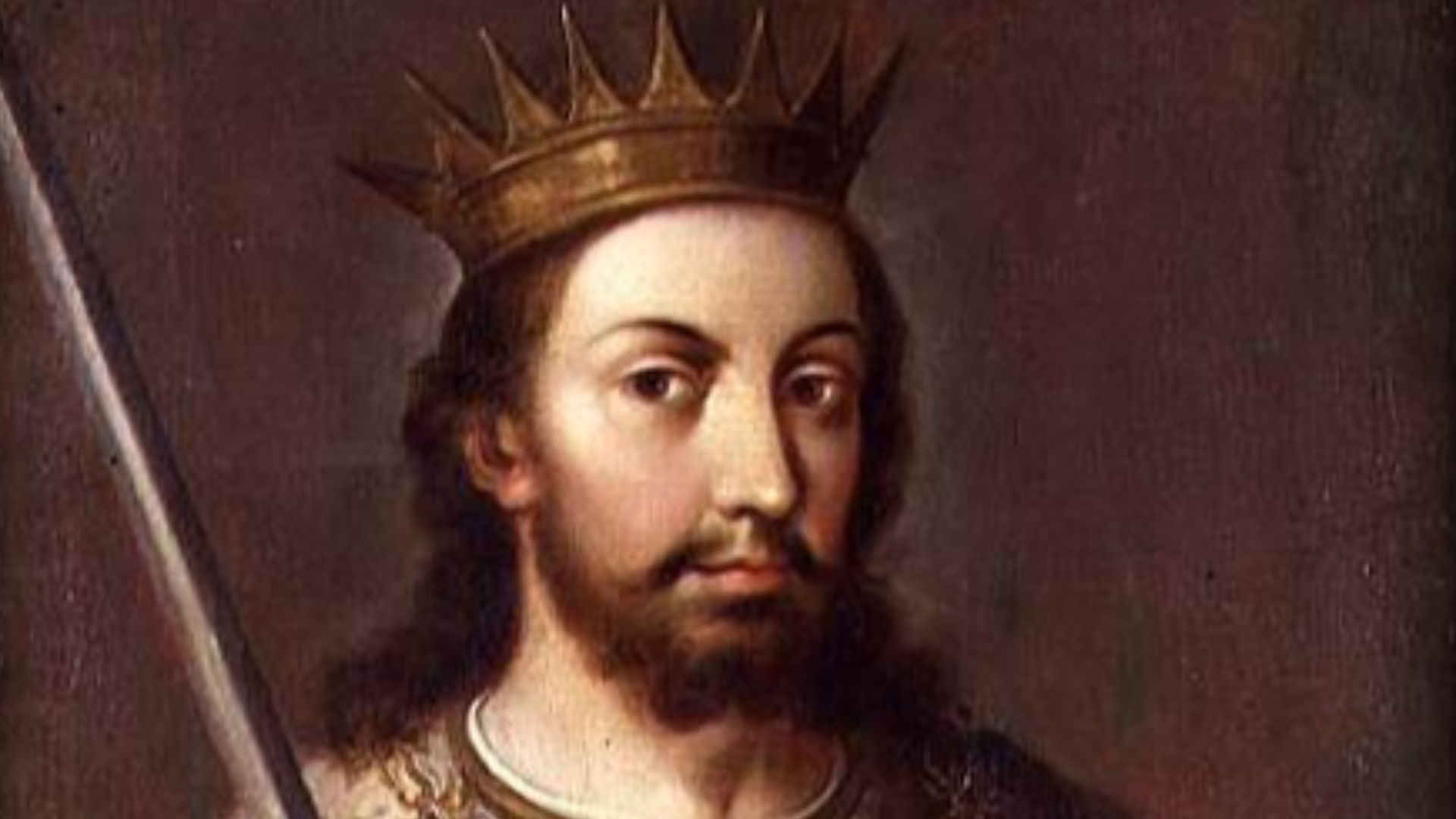
Ferdinand III Conquered Cities, Not Empty Territory
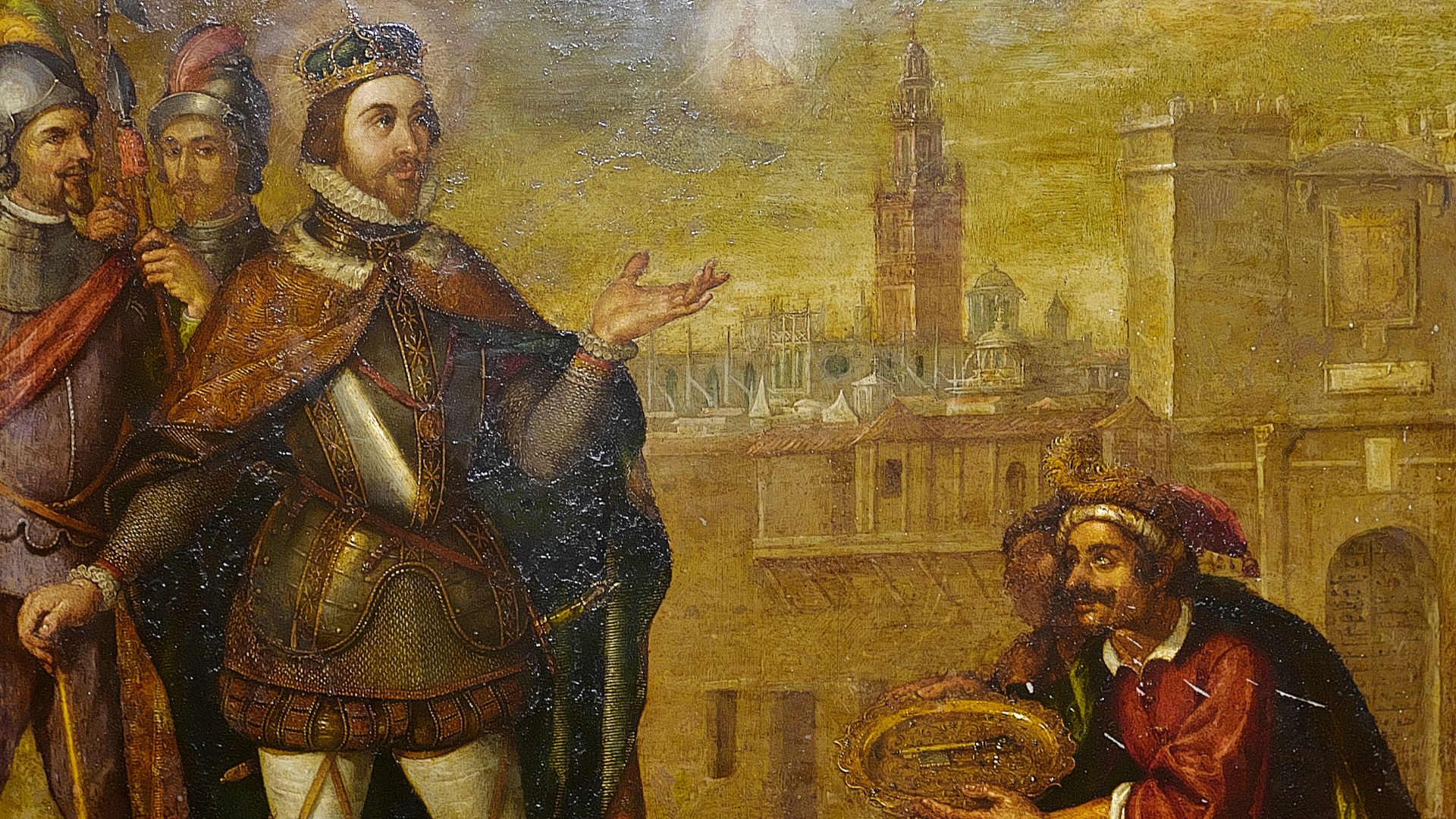
Ferdinand III of Castile and León became a saint and one of the great heroes of the Christian Reconquista. His armies captured major Andalusian cities including Córdoba and Seville as Muslim power fragmented during the 13th century. Those victories also involved the transfer of land and political power away from existing Muslim communities.
 anonymous, Spanish School, Wikimedia Commons
Seville's Population Paid For The Victory
After Ferdinand's long siege, Seville surrendered in 1248. Research on the conquest notes that the Muslim inhabitants were expelled, after which property was redistributed under Christian rule. Ferdinand's enemies, the Almohads, had themselves imposed harsh religious policies on Christians and Jews in their domains, helping later Christian memory cast conquest as deliverance rather than also a process of displacement.
 José Luis Filpo Cabana, Wikimedia Commons
Heroes Usually Get Better Editing
None of these rulers needs to be transformed into a secret villain, and their enemies were not uniformly worse in every respect. What matters is that historical memory thrives on contrast, allowing one side's violence to disappear whenever the other side provides a more memorable monster. Medieval politics rarely offered clean heroes, but later generations were remarkably good at creating them anyway.
 George Vertue, Wikimedia Commons
You May Also Like:
History's Most Unbelievable Screwups
Facts About Military Underdog Victories
Legendary Facts About Lost Cities
Sources: 1, 2, 3, 4, 5, 6, 7, 8, 9, 10, 11, 12, 13, 14, 15, 16, 17, 18, 19, 20, 21, 22, 23, 24, 25, 26, 27