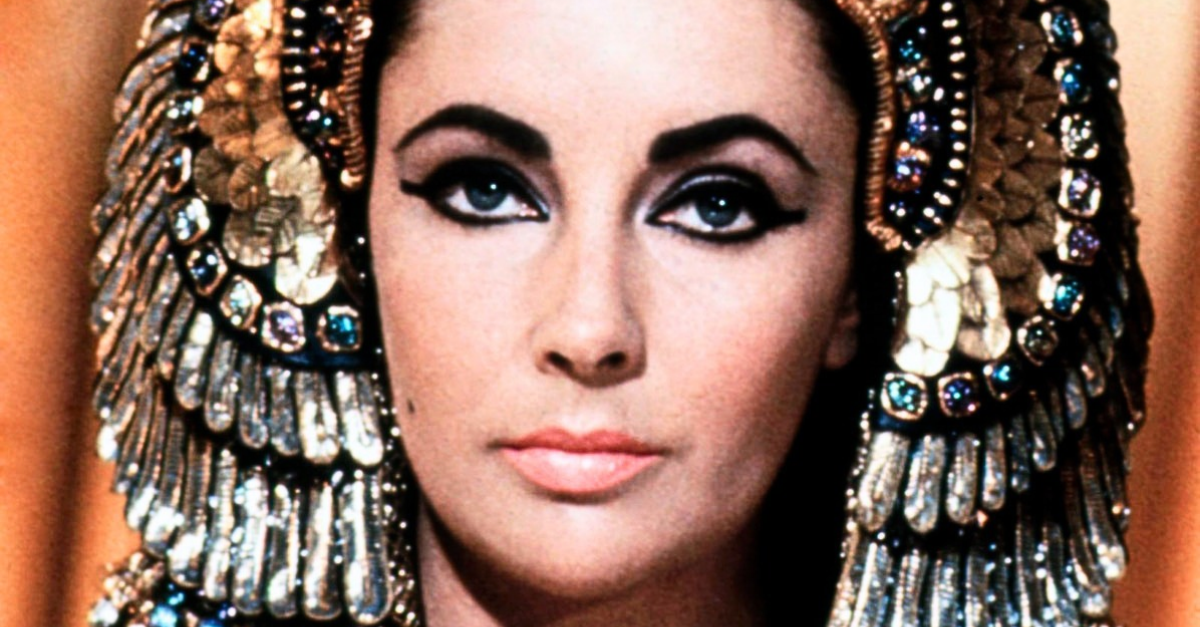
History Has A Publicity Problem
Some reputations were built by the people who hated their subjects most. Centuries later, hostile chroniclers, political rivals, propagandists, and playwrights still shape what millions of people think they know about some of history's most famous figures.
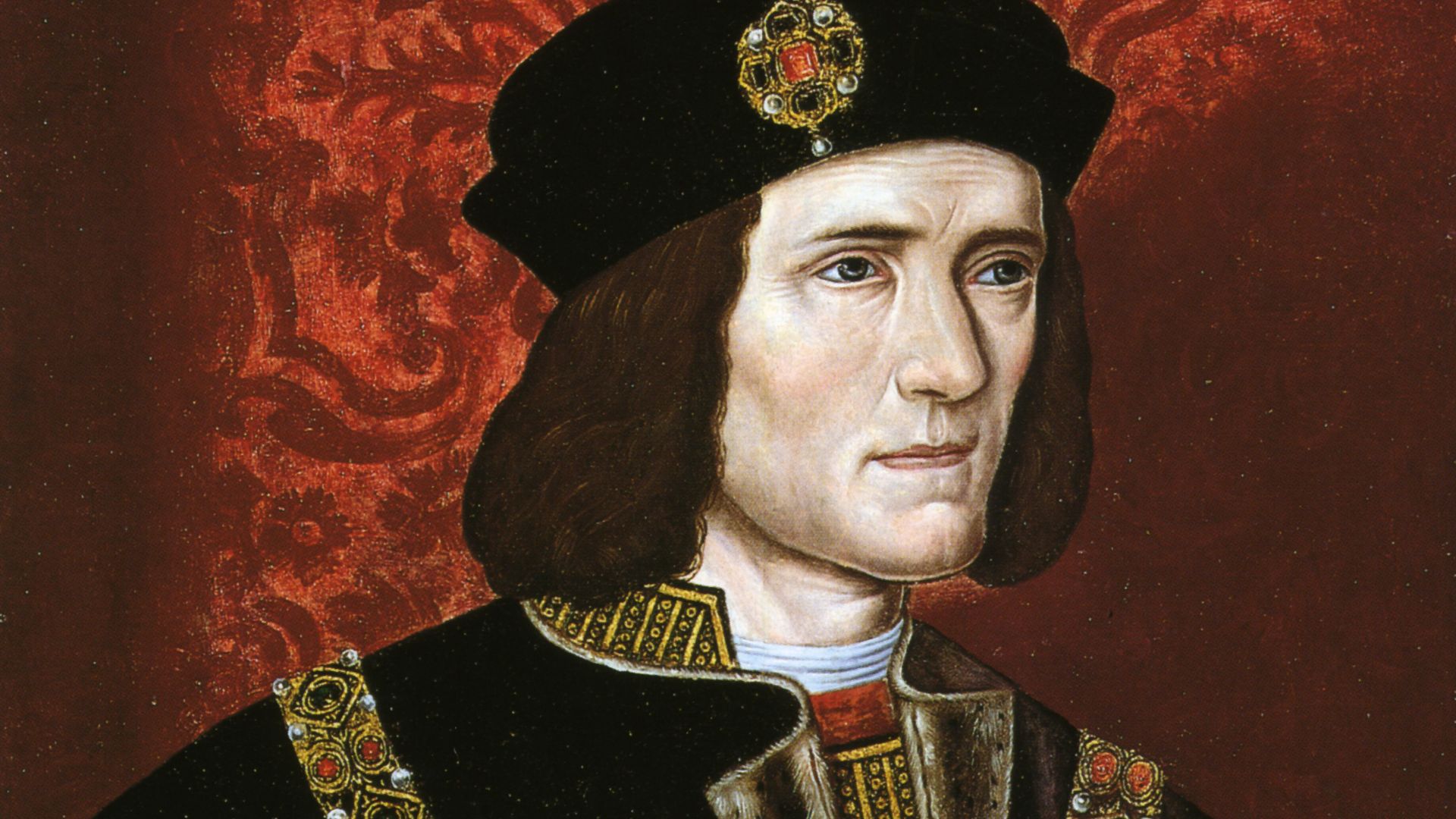
Richard III Became England's Perfect Villain
Richard III did seize the crown from his young nephew Edward V in 1483, and the disappearance of Edward and his brother remains an enormous stain on his reputation. Yet the familiar picture of Richard as a physically twisted monster who personally arranged an endless series of murders developed largely after his defeat at Bosworth. His victorious Tudor enemies had every reason to portray the king they replaced as illegitimate and evil.
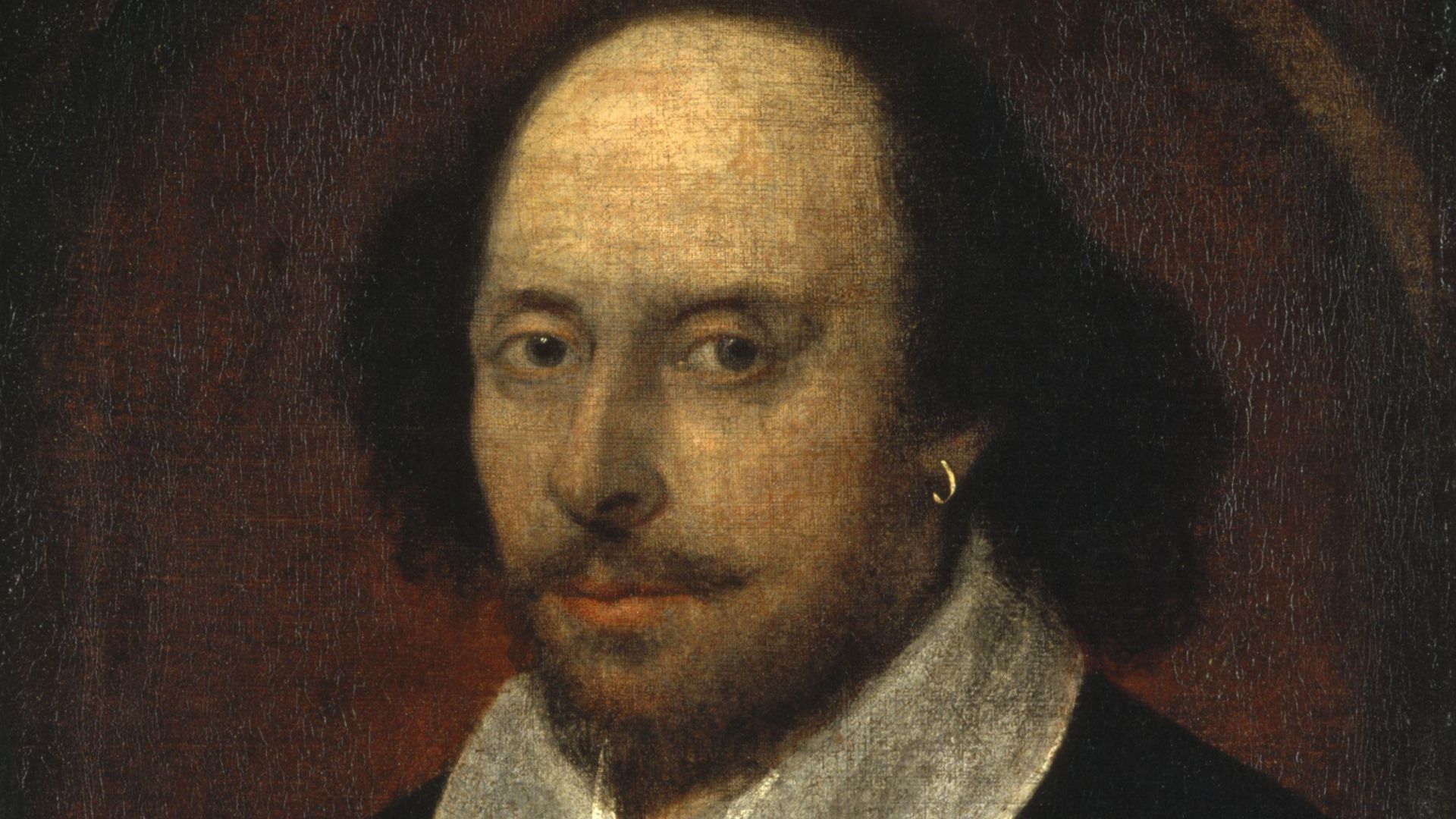
Shakespeare Made The Tudor Story Immortal
Thomas More's unfinished history, written decades after Richard's death, portrayed him as physically deformed and blamed him for the princes' murders. Shakespeare later transformed that tradition into one of literature's greatest villains while writing under Elizabeth I, the granddaughter of Richard's enemy Henry VII. The real Richard had scoliosis, but archaeological examination did not reveal the grotesque hunchback of popular imagination.
 Attributed to John Taylor, Wikimedia Commons
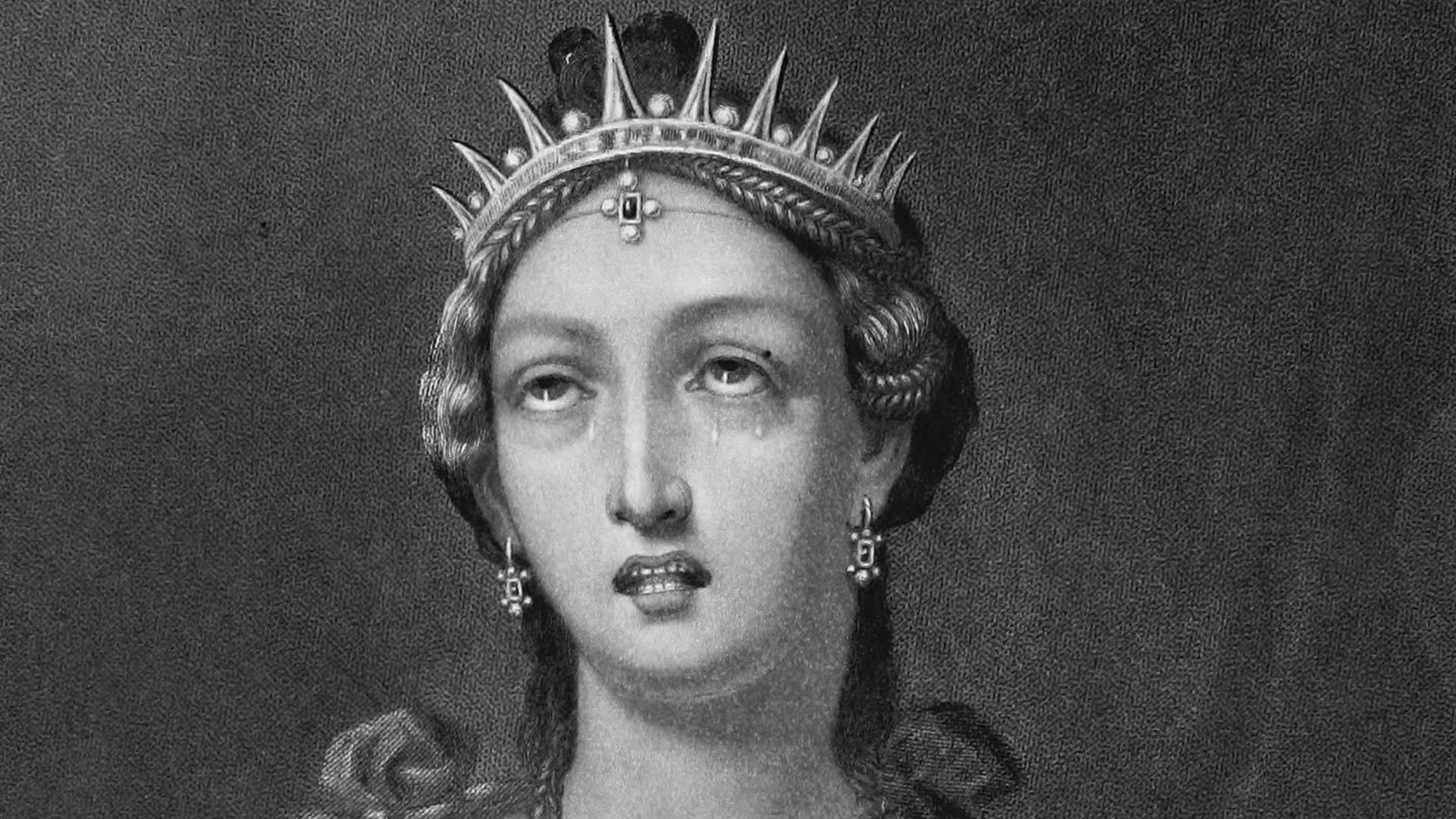
Cleopatra Lost The War And The Story
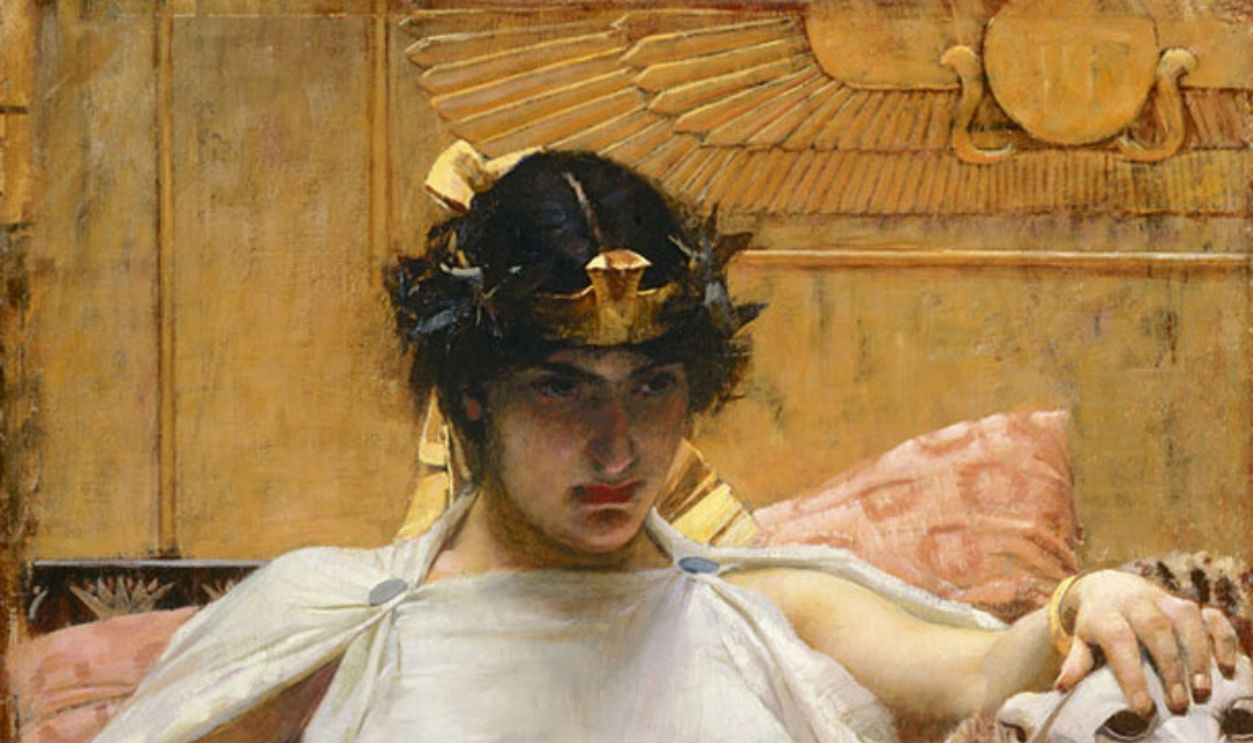
Cleopatra VII is still often remembered as an irresistible seductress who manipulated powerful Roman men. That image owes an enormous debt to Octavian, the future Augustus, who was fighting a civil war against Mark Antony and needed to make the conflict look like Rome versus a dangerous foreign queen. Casting Antony as the bewitched victim of Cleopatra also made it easier to avoid admitting that Romans were once again slaughtering one another for power.
 John Sartain, Wikimedia Commons
Roman Writers Kept Octavian's Cleopatra Alive
Poets and historians close to the victorious Roman regime described Cleopatra as extravagant, treacherous, lustful, and threatening. The reality was more complicated: she was an experienced monarch who spoke multiple languages and worked to preserve Egypt's independence in an increasingly Roman Mediterranean. The enemy propaganda proved remarkably durable because the victors also controlled much of the surviving literary record.
 John William Waterhouse, Wikimedia Commons
Nero's Enemies Wrote The Best Stories
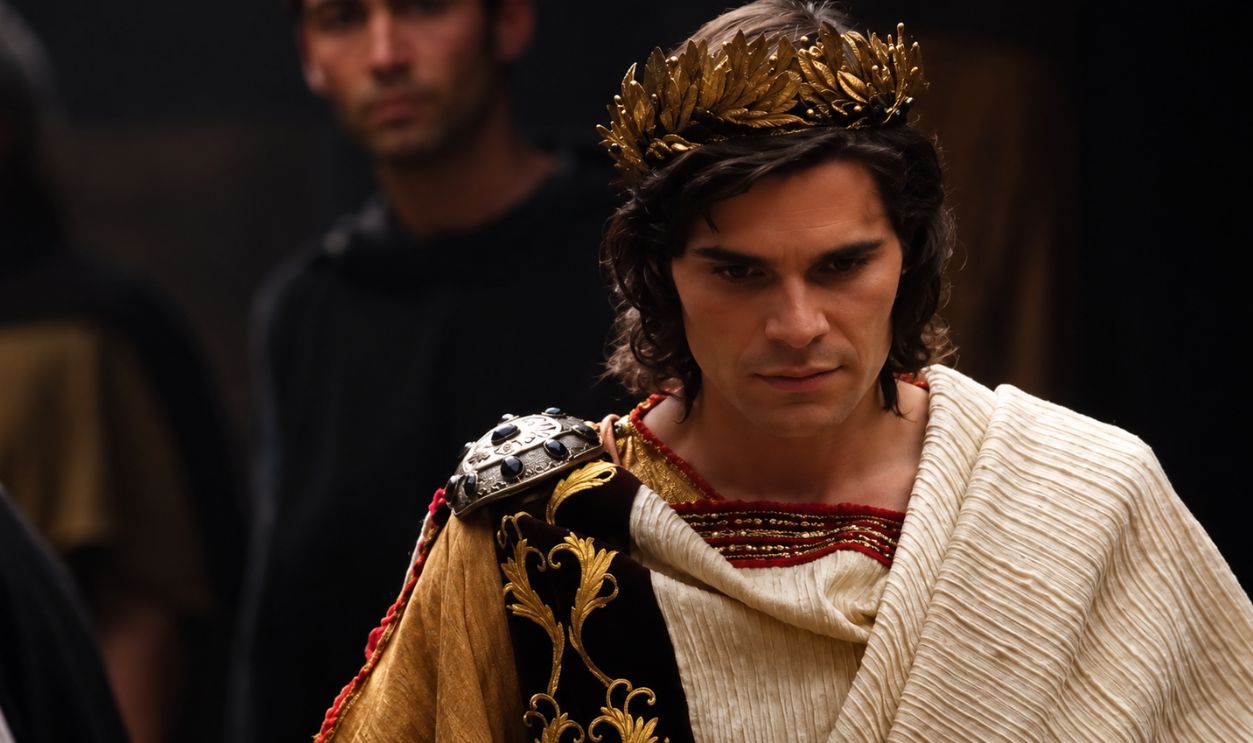
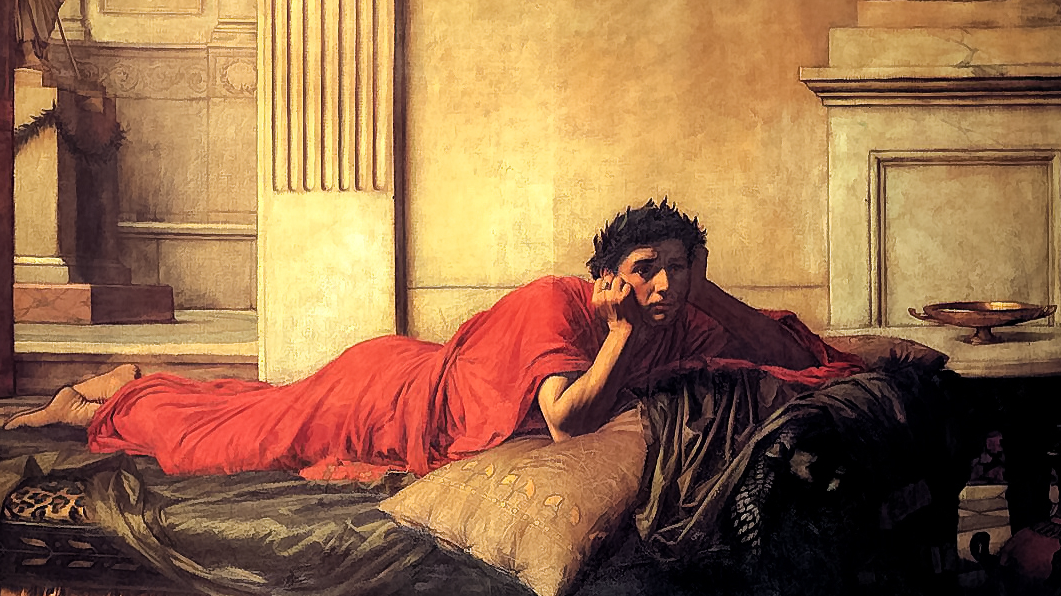
Nero is remembered as the emperor who casually made music while Rome burned and turned murder into entertainment. He certainly ordered killings and ended his reign facing rebellion, but much of his biography comes from elite writers such as Tacitus, Suetonius, and Cassius Dio. Those writers belonged to social and political traditions deeply suspicious of emperors who cultivated popularity among ordinary Romans.
 Screenshot from Nero, Sony Pictures Home Entertainment (2004)
The Monster Has Been Getting A Reassessment
Modern historians have increasingly questioned the most sensational stories about Nero, including the famous claim that he fiddled while Rome burned. Ancient authors repeatedly used allegations of outrageous luxury, cruelty, and improper behavior as standard weapons against rulers they disliked. Nero was hardly an innocent victim, but the man reconstructed from archaeology and closer source criticism looks less like the one-dimensional monster inherited from his political enemies.
 John William Waterhouse, CC BY-SA 4.0, Wikimedia Commons
Marie Antoinette Became Everything France Hated
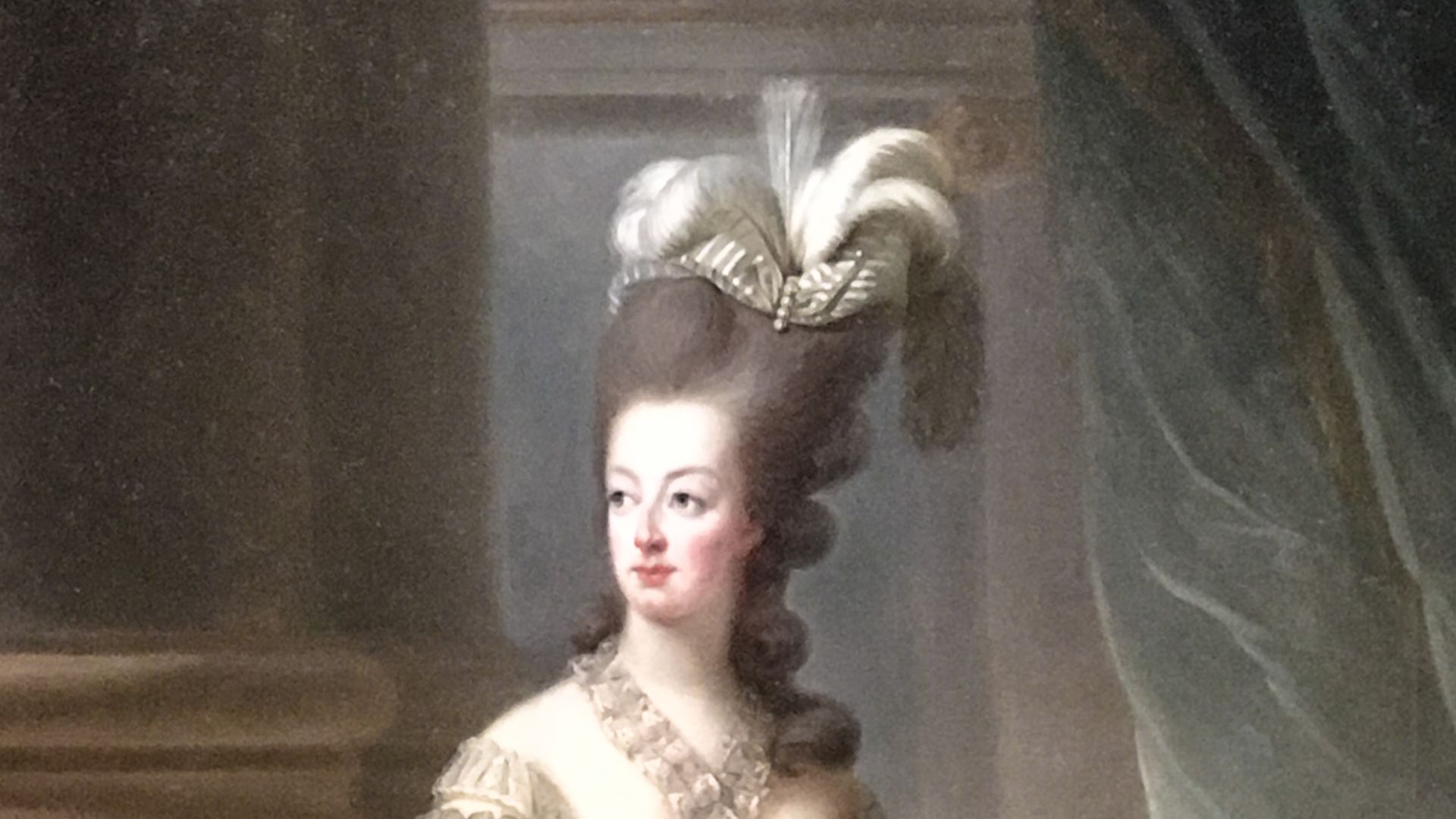
Marie Antoinette entered France as an Austrian teenage princess and eventually became a convenient target for anger about the monarchy. Pamphleteers accused her of outrageous extravagance, political treachery, and scandalous private behavior. As France's financial and political crisis deepened, attacking the foreign-born queen became an easy way to personify problems far larger than one woman.
 Joseph Hickel, Wikimedia Commons
She Never Told Anyone To Eat Cake
The most famous line attached to Marie Antoinette is almost certainly one she never spoke. Jean-Jacques Rousseau had attributed a version of the remark to an unnamed princess before Marie Antoinette even arrived in France. Yet the quotation fit the revolutionary image of a heartless queen so perfectly that it became more memorable than the evidence.
 Yann Caradec from Paris, France, Wikimedia Commons
Mary I Became Bloody Forever
Mary I really did oversee a brutal campaign against Protestant religious dissent, and roughly 290 people were executed for heresy during her reign. That record deserved condemnation, but her Protestant successors also had a powerful interest in making her reign the nightmare from which Protestant England had escaped. Her name eventually became inseparable from the nickname "Bloody Mary."
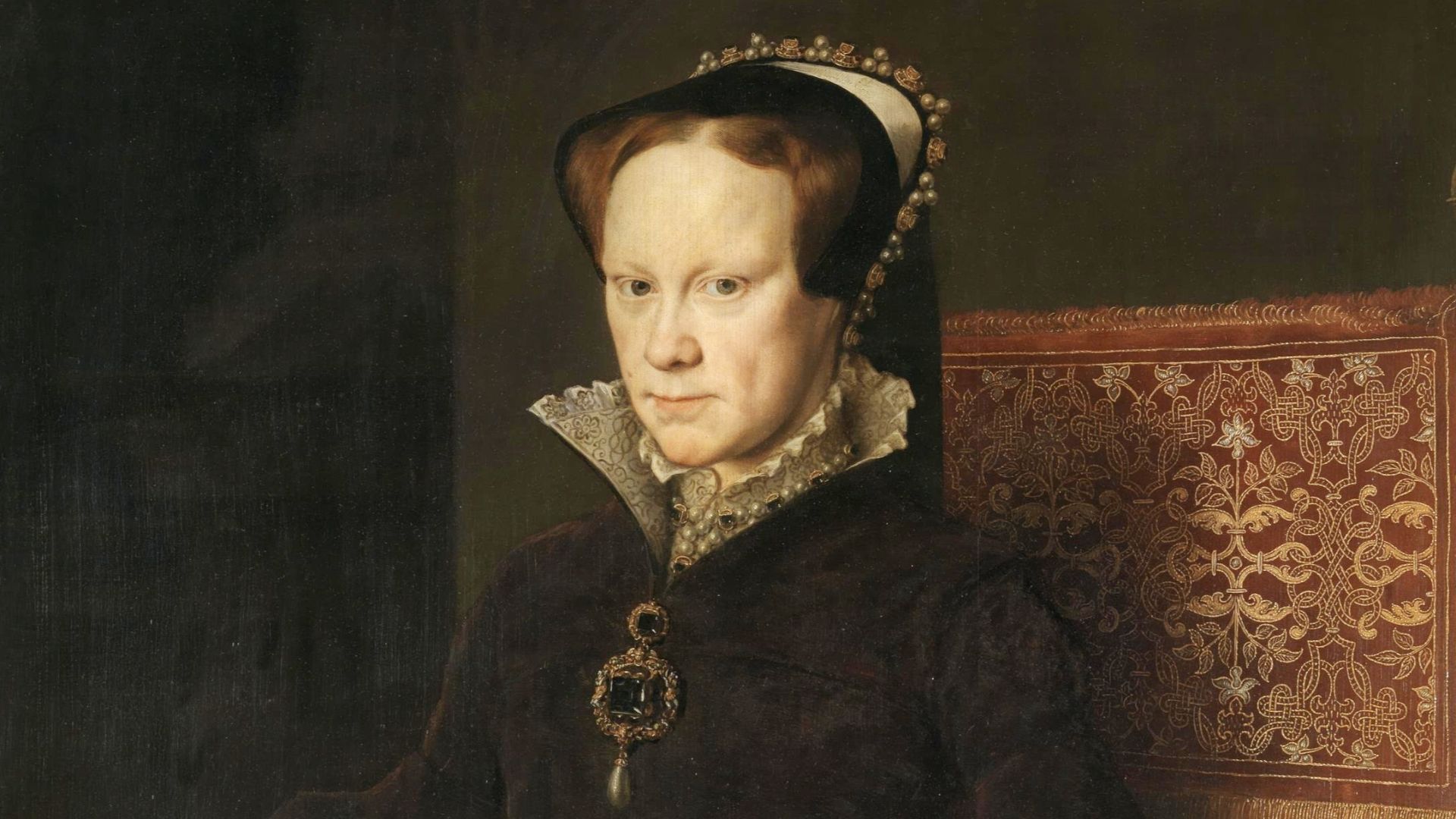 Antonis Mor, Wikimedia Commons
John Foxe Helped Fix The Image
Protestant writer John Foxe's Acts and Monuments, better known as the Book of Martyrs, documented the suffering of Protestants under Mary's government in vivid detail. The enormously influential work glorified the victims and was explicitly designed to condemn the regime responsible for their deaths. Mary's persecution was real, but later English memory treated her differently from Tudor rulers who also employed severe religious and political violence.
 Master John (floruit 1544-1545), Wikimedia Commons
Anne Boleyn's Enemies Destroyed More Than Her Life
Anne Boleyn fell from queen to prisoner with extraordinary speed in 1536. Thomas Cromwell built a case accusing her of adultery with several men, including her own brother, while Henry VIII was already interested in Jane Seymour. Anne was convicted by a court packed with men who had little reason to risk defending her.
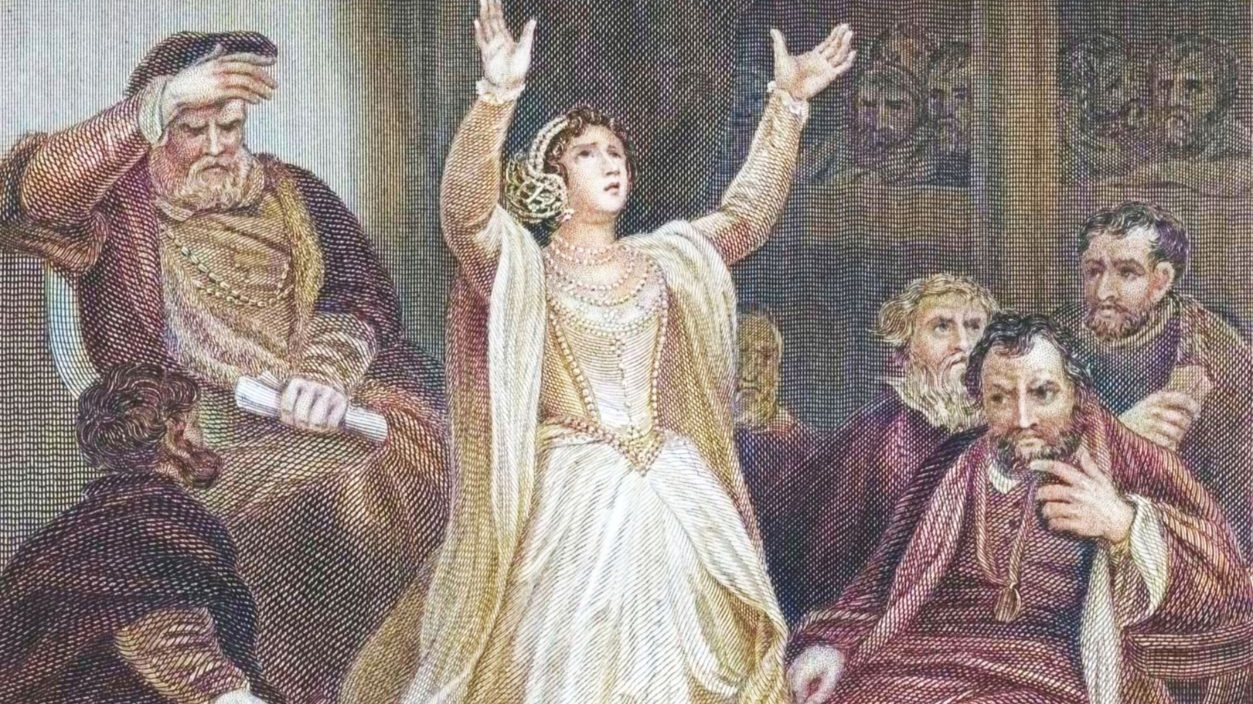
Then The Rumors Became Her Biography
After Anne's execution, hostile writers portrayed her as a scheming seductress, adulterer, and even a physically deformed woman associated with witchcraft. Mary I, whose mother Katherine of Aragon had been displaced by Anne, encouraged the image of her as a heretic who had corrupted Henry VIII. Stories of a sixth finger and other deformities appeared later and have no reliable contemporary foundation.
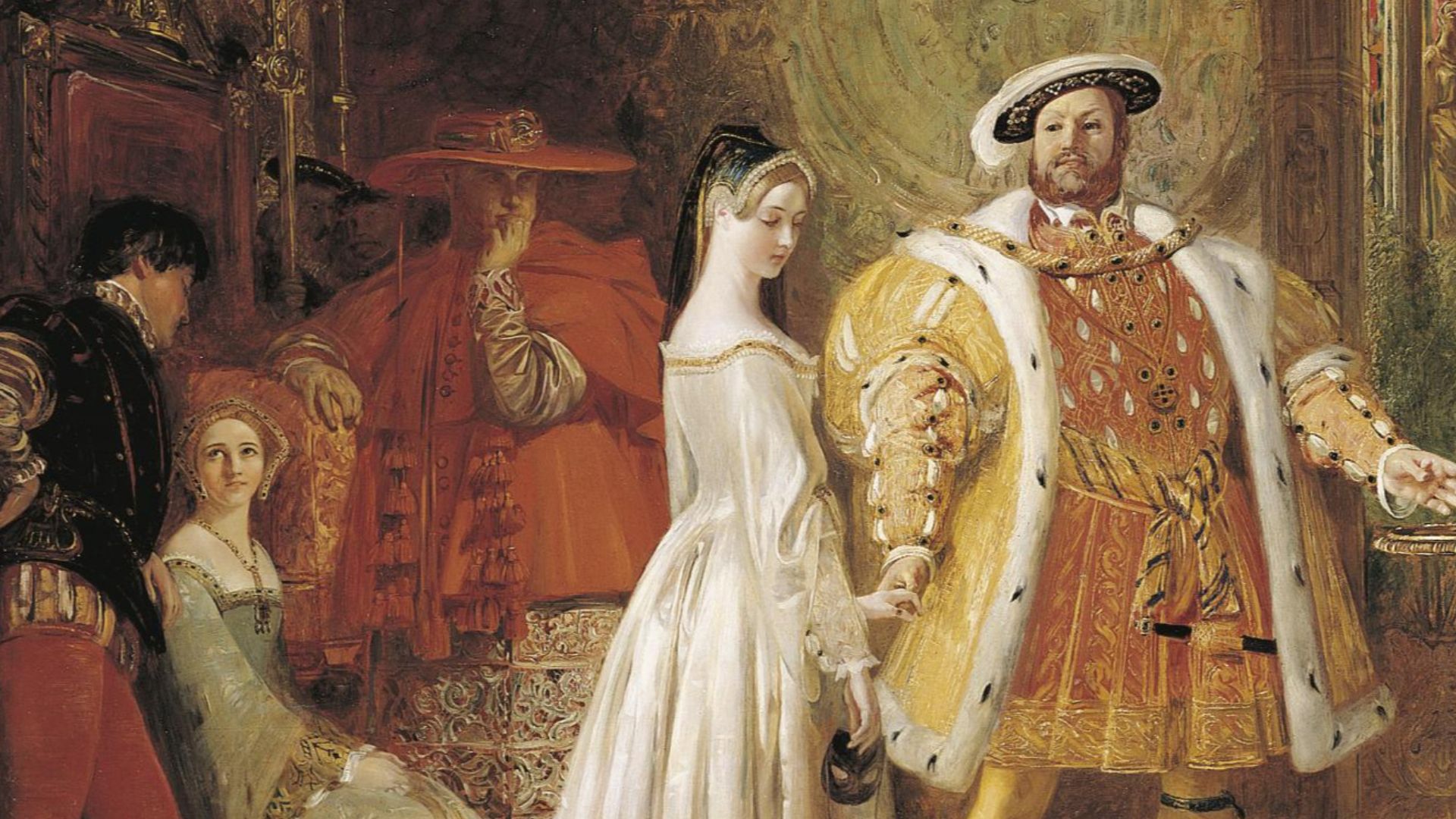 Daniel Maclise, Wikimedia Commons
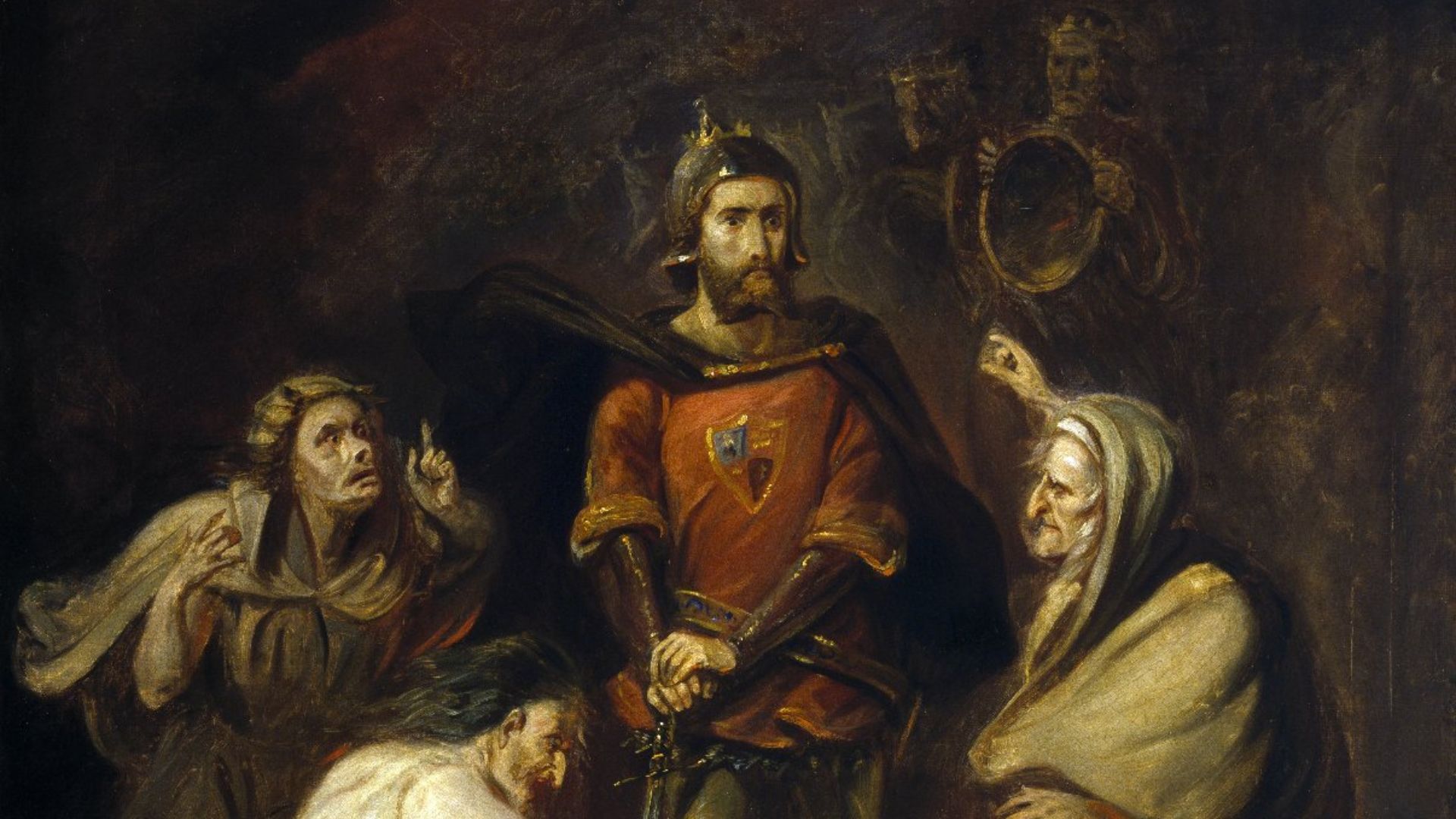
The Real Macbeth Was Not Shakespeare's Macbeth
Say Macbeth's name and most people imagine an ambitious murderer who kills a good king and descends into paranoia. The historical Macbeth ruled Scotland for about 17 years after Duncan died in battle in 1040. Historic Environment Scotland describes the real monarch as a comparatively successful ruler whose reign was far more stable than Shakespeare's nightmare suggests.
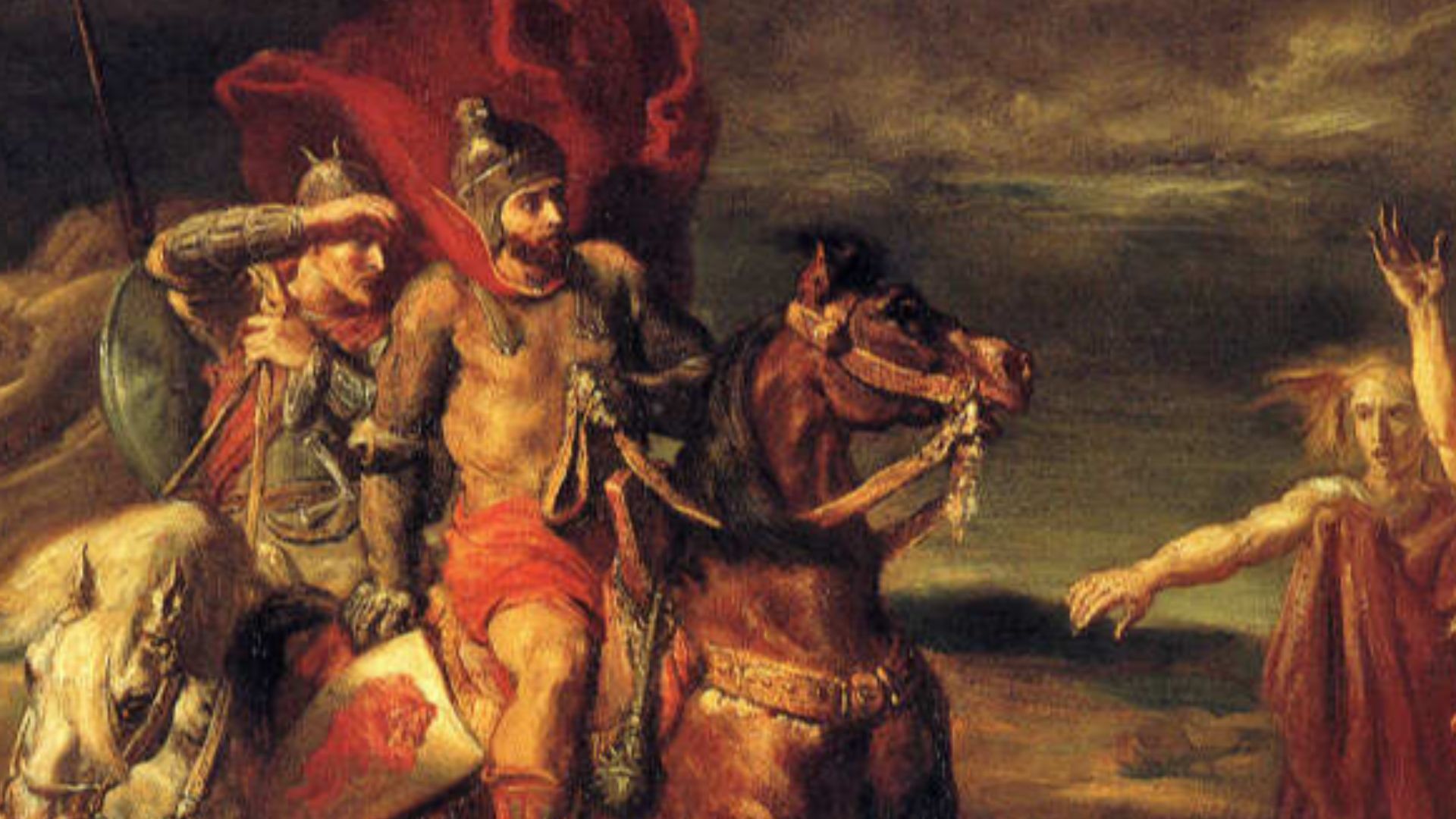 Theodore Chasseriau, Wikimedia Commons
Politics Had Already Rewritten Him
Scottish chroniclers had begun casting Macbeth as an illegitimate usurper long before Shakespeare wrote his play. Shakespeare then intensified the villainy while performing for James VI and I, who traced his lineage through Macbeth's enemies and had a fascination with witchcraft. The play was brilliant theater, but it effectively replaced the medieval king with his opponents' version of him.
 Thomas Barker of Bath, Wikimedia Commons
Rasputin's Murderers Got To Tell The Ending
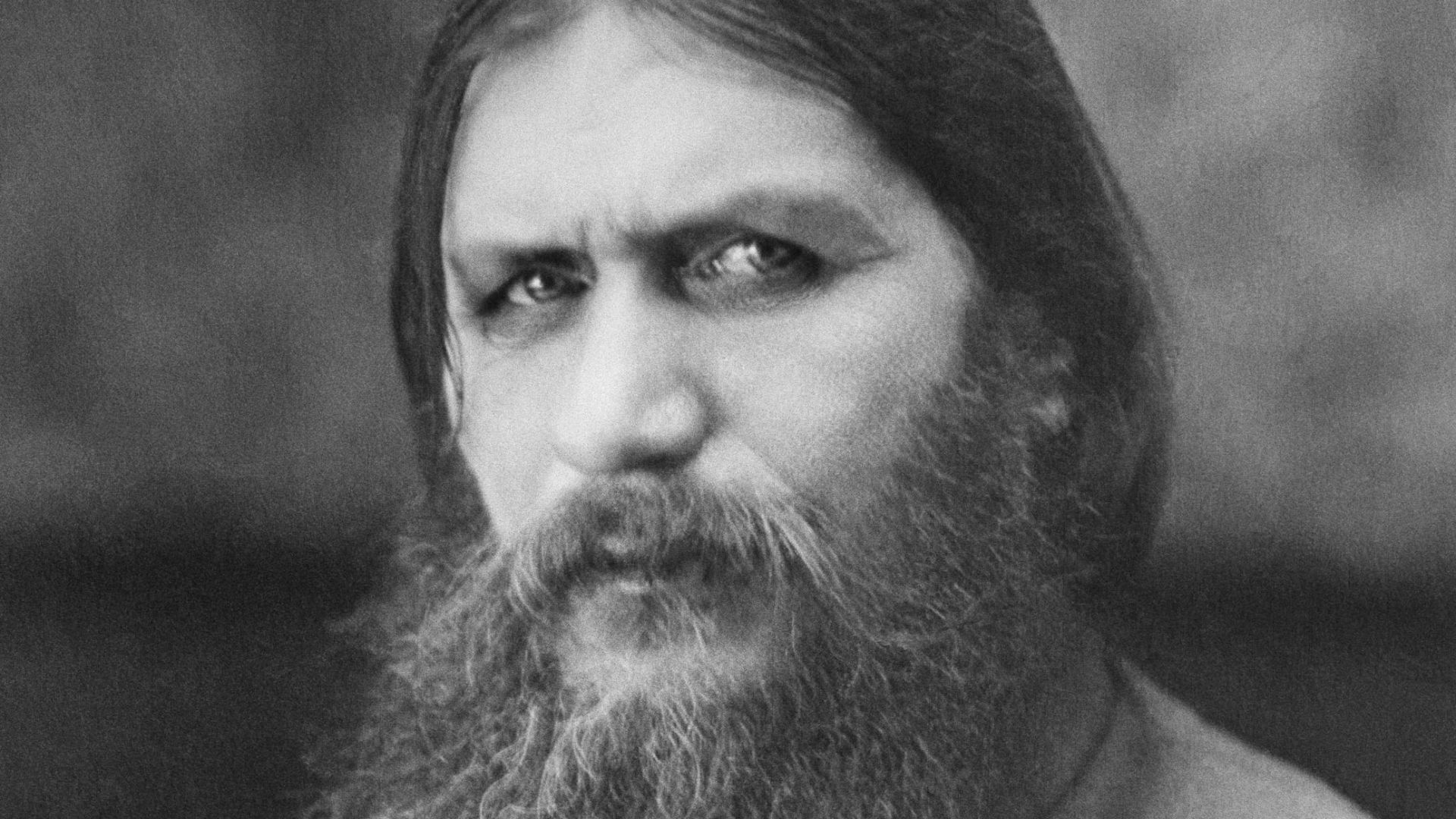
Grigori Rasputin had genuinely accumulated scandal around himself before his death in 1916. He drank heavily, had relationships outside his marriage, and gained extraordinary access to Russia's imperial family because Alexandra believed he could help her son Alexei. That reality made the stories told by his aristocratic killers much easier to believe.
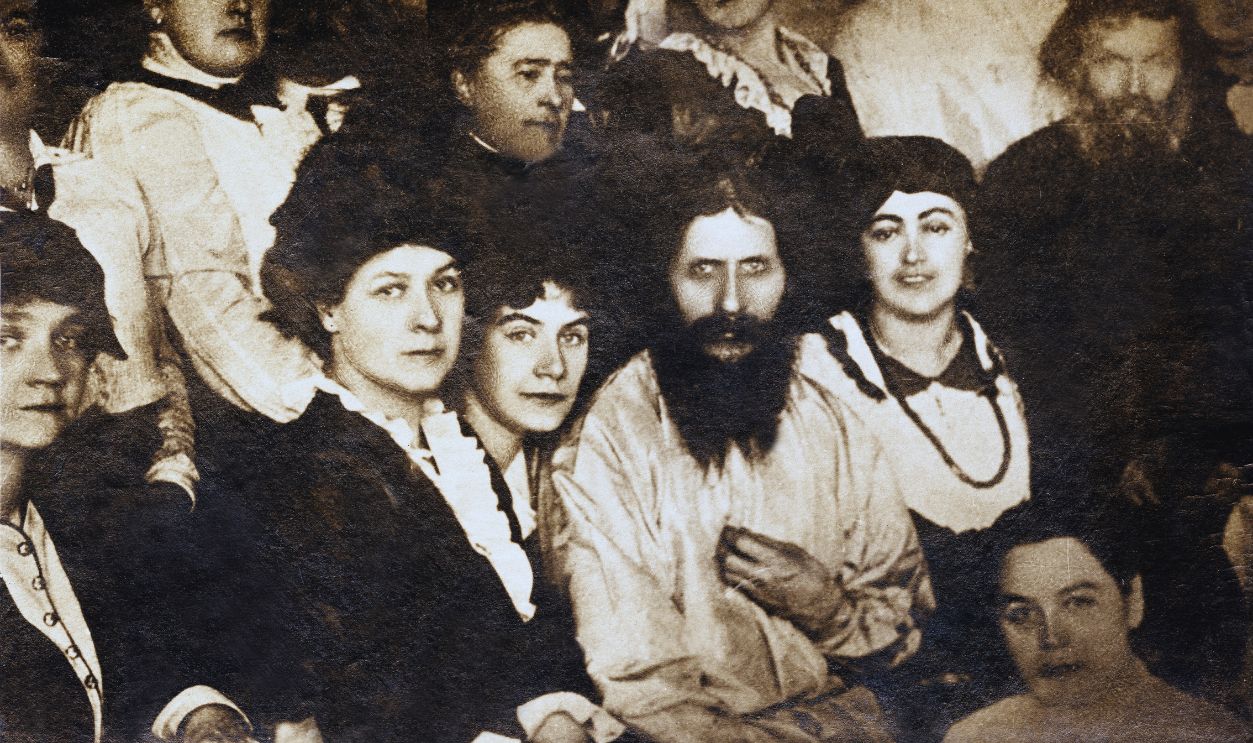
Yusupov Turned Murder Into A Legend
Prince Felix Yusupov later claimed Rasputin survived poisoned cakes and wine, multiple gunshots, a beating, and finally drowning beneath the ice. The surviving medical evidence does not support that famous sequence, and accounts from the conspirators contradict one another. Yusupov had transformed a political murder into a supernatural battle with an almost indestructible villain, and the dramatic version proved irresistible.
 Unknown authorUnknown author, Wikimedia Commons
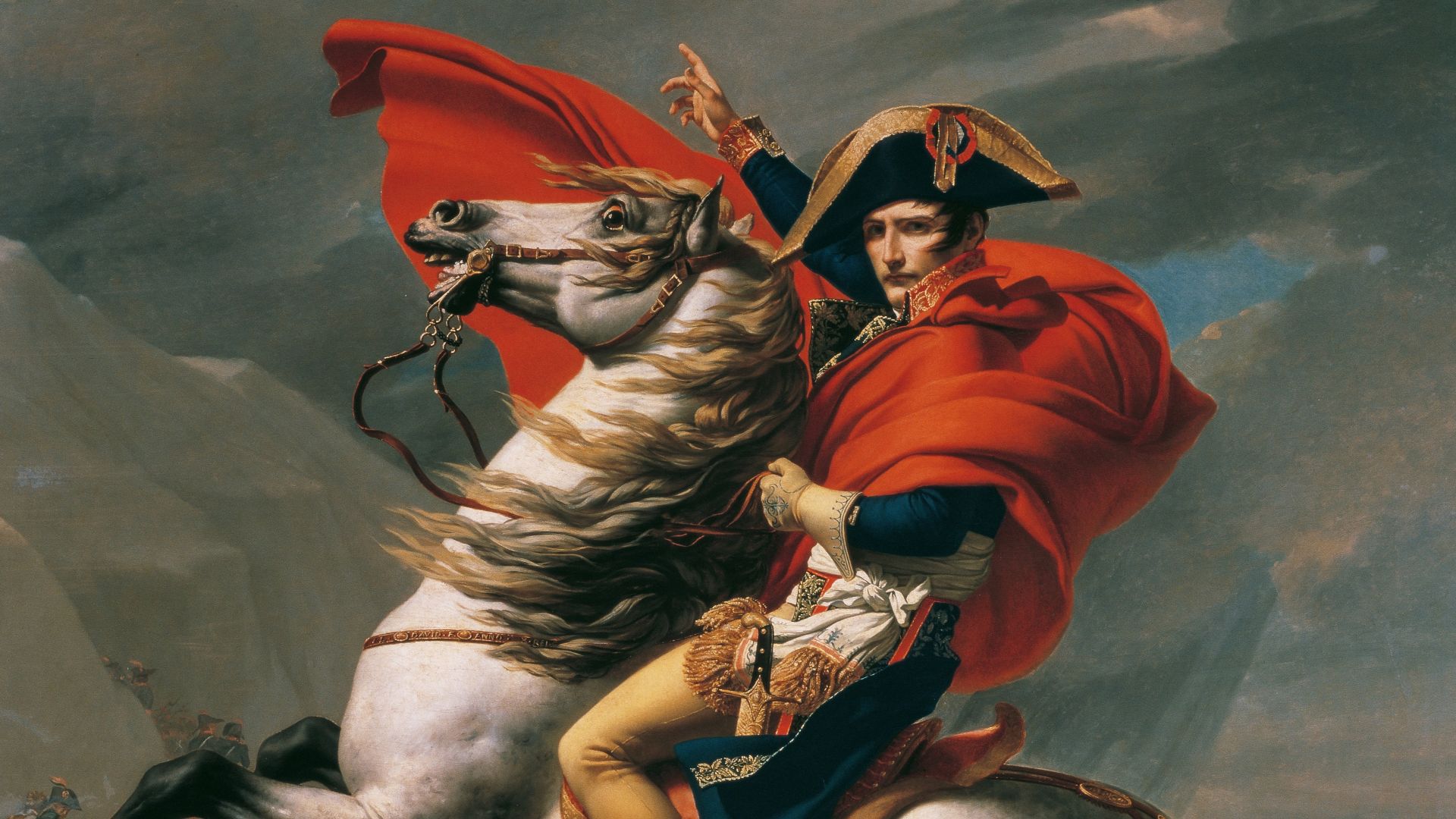
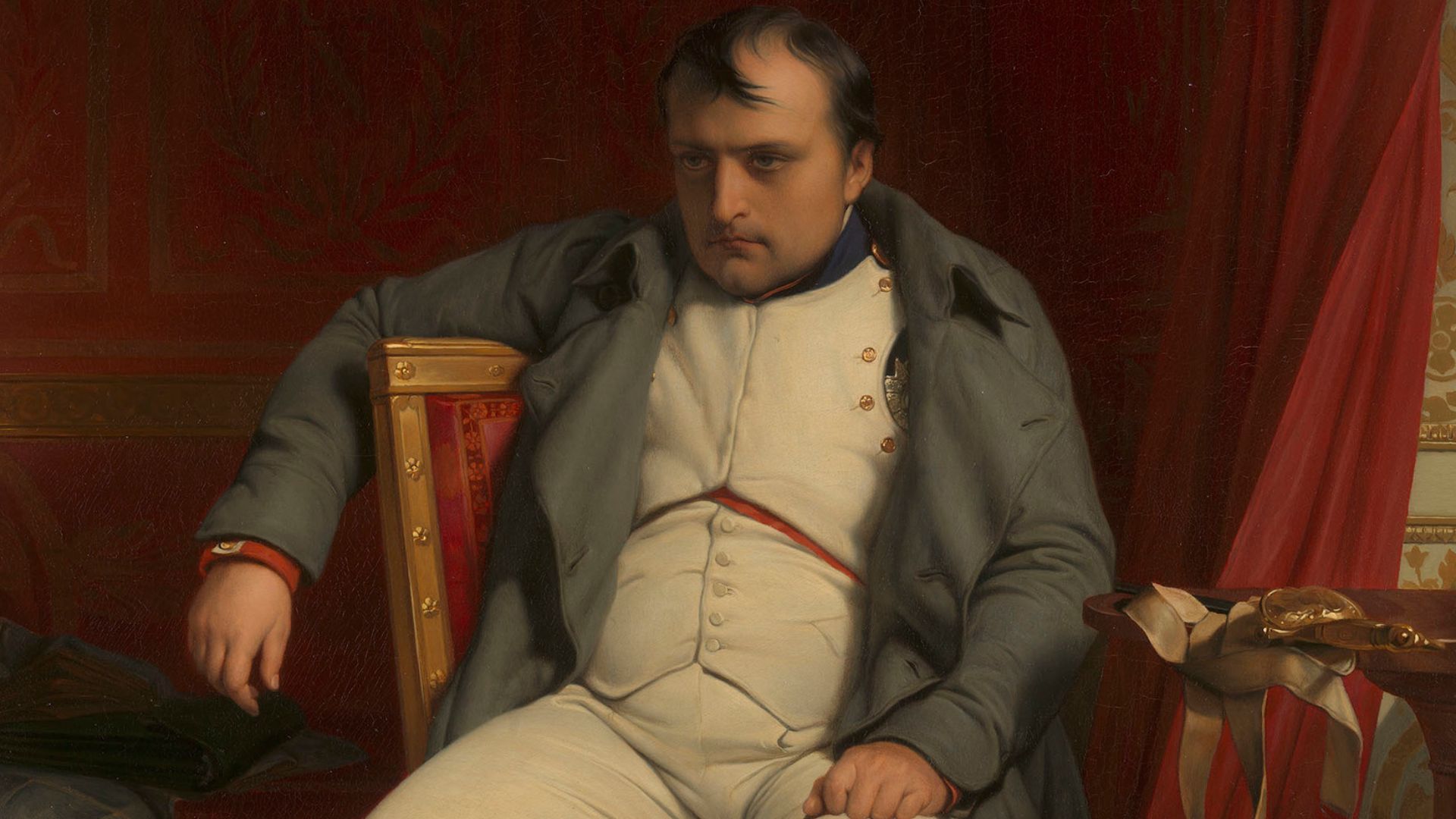
Napoleon Became A Tiny Tyrant
British caricaturists relentlessly mocked Napoleon during the wars against France. Artists portrayed him as childish, ridiculous, greedy, unstable, and frequently much smaller than his opponents. The image of the diminutive "Boney" became a useful way to make a ruler who dominated much of Europe look less frightening.
 Jacques-Louis David, Wikimedia Commons
The Cartoons Outlived The War
James Gillray and other satirists repeatedly shrank Napoleon or placed him beside enormous British figures such as John Bull. Some government-backed propaganda deliberately used caricature as part of the war effort. Napoleon was not literally the tiny comic-book dictator created by those images, but the association between his ambition and supposed physical smallness remains deeply embedded in popular culture.
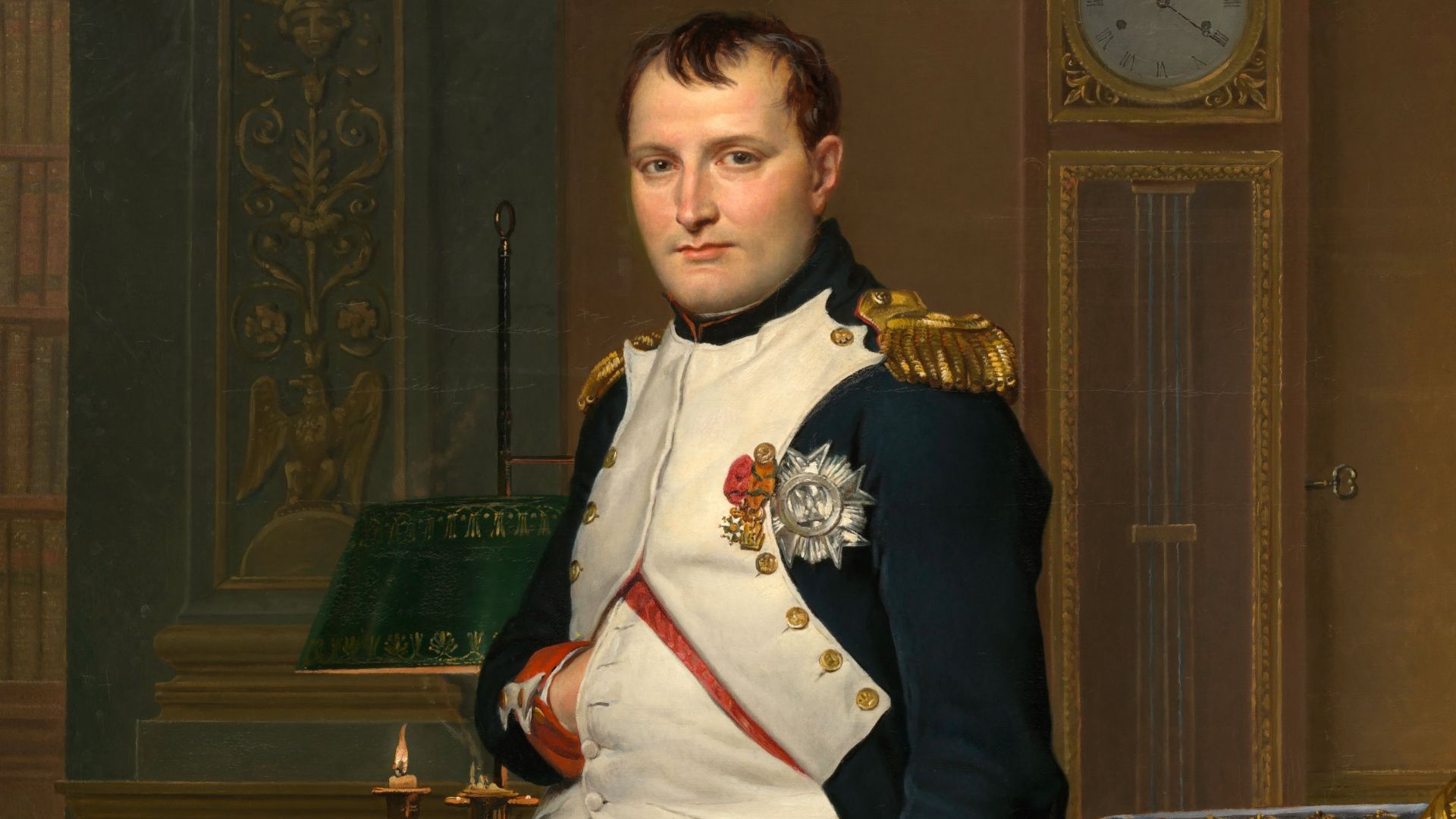 Jacques-Louis David, Wikimedia Commons
Wu Zetian Offended The People Who Wrote History
Wu Zetian became the only woman in Chinese history to rule in her own name as emperor. She was ruthless, used political violence, and eliminated opponents, but she also presided over a powerful and comparatively prosperous state. Her biggest reputational problem was that many later historians belonged to a Confucian political culture that considered a ruling woman inherently disruptive.
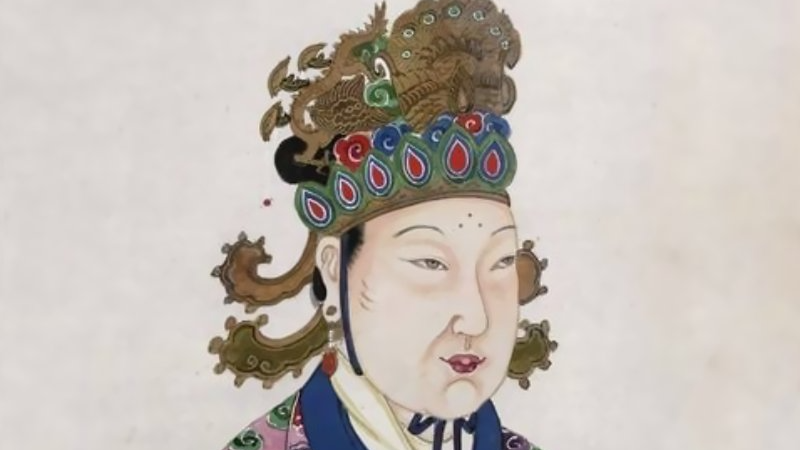 Unknown author, Wikimedia Commons
Centuries Of Historians Turned Her Into A Warning
Official histories accused Wu of extraordinary cruelty, sexual misconduct, and crimes within her own family. Some accusations may reflect real events, but the sources were written by officials who disapproved of both her seizure of power and her challenge to male political authority. Modern reassessments have emphasized her administrative ability, promotion of officials through examinations, and success in maintaining Tang power.
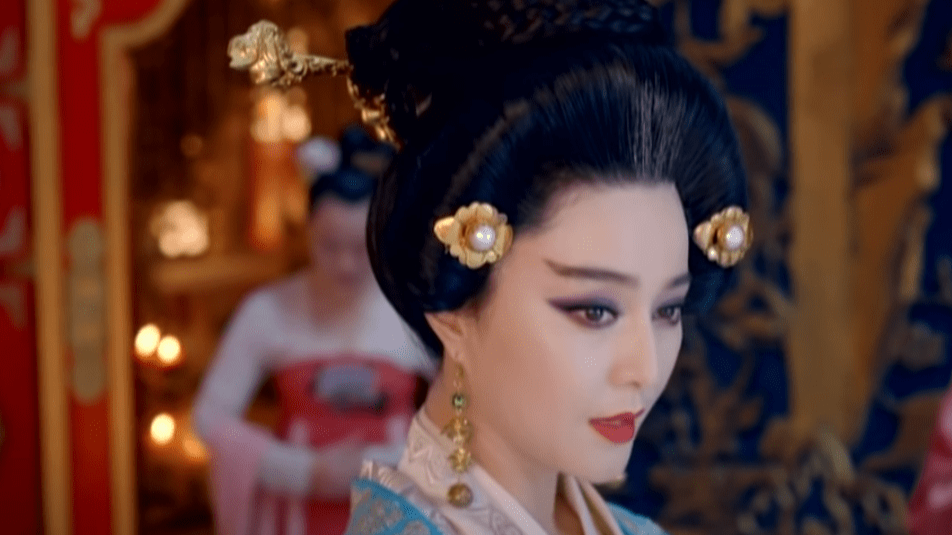 Screenshot from The Empress of China, Dimsum Entertainment (2014)
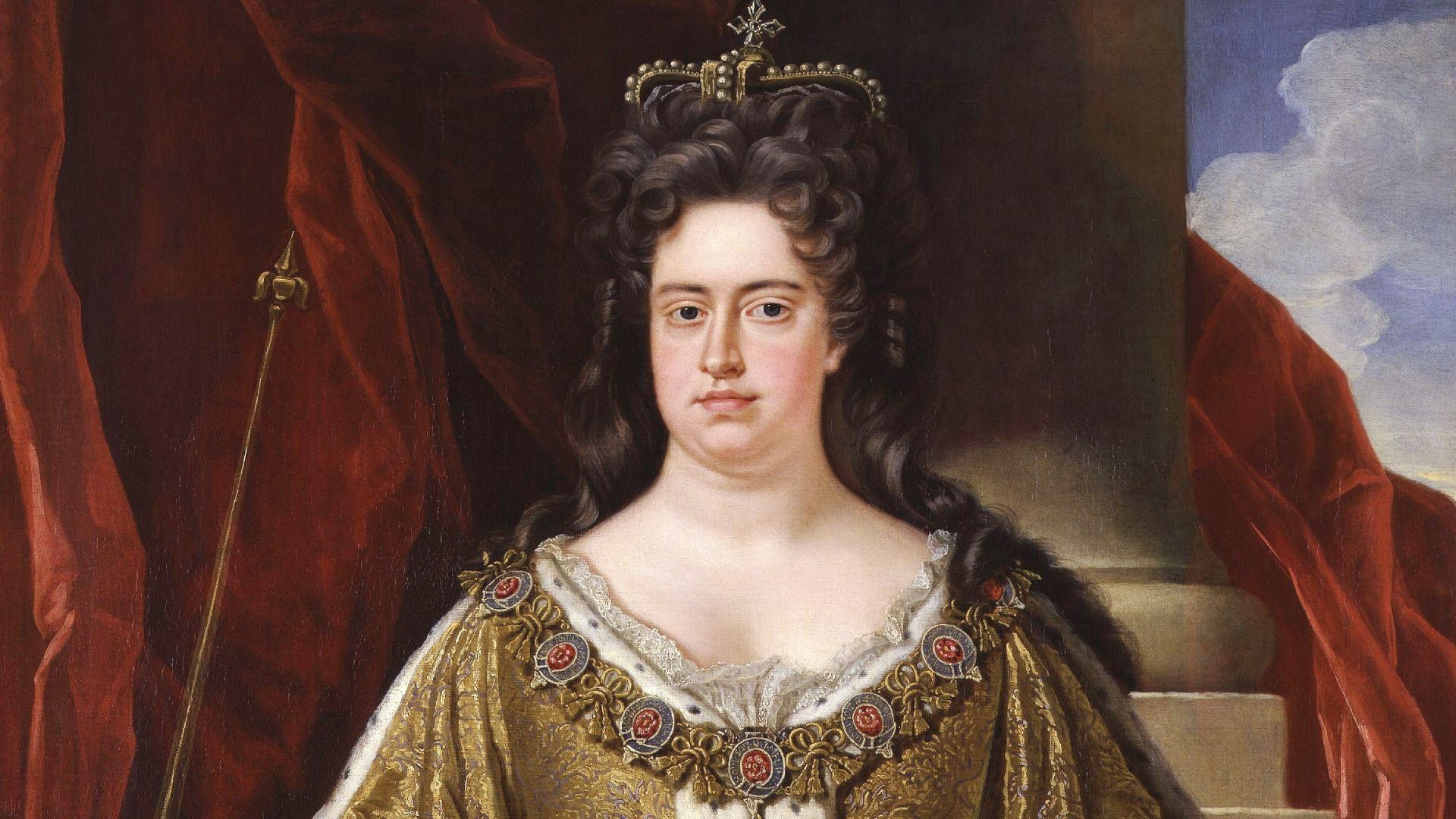
Queen Anne's Former Friend Had The Last Word
Queen Anne has often been portrayed as weak, sickly, easily manipulated, and controlled by powerful female favorites. Her former confidante Sarah Churchill helped make that version famous after their friendship collapsed spectacularly. Sarah had both intimate knowledge of the queen and powerful reasons to settle old scores.
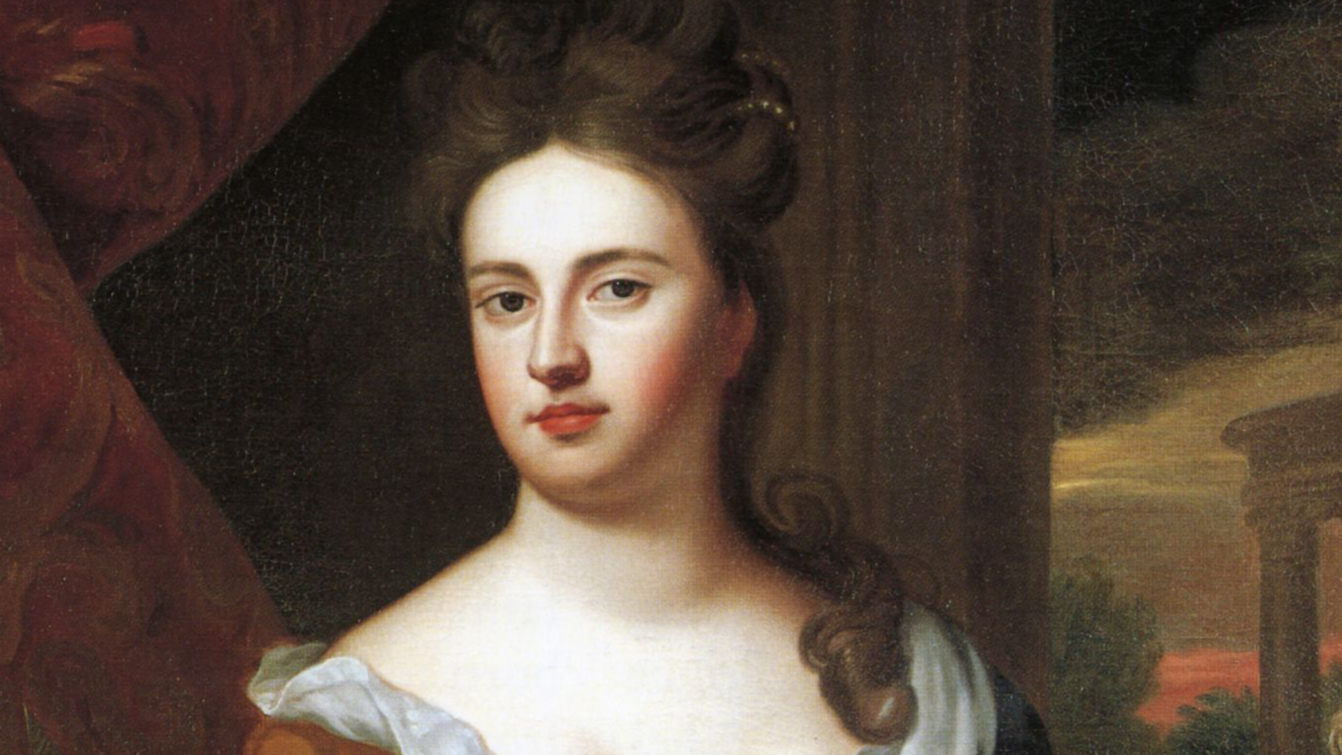 Workshop of Godfrey Kneller, Wikimedia Commons
Sarah Turned Private Letters Into History
Sarah preserved correspondence that Anne had asked her to destroy and later published accounts of their relationship. Sarah's political allies also circulated scandalous rumors about Anne and her new favorite, Abigail Masham. Modern work by Historic Royal Palaces instead emphasizes Anne as a hardworking monarch who managed ministers, attended government regularly, and navigated fierce Whig-Tory rivalry with considerable independence.
 Workshop of John Closterman, Wikimedia Commons
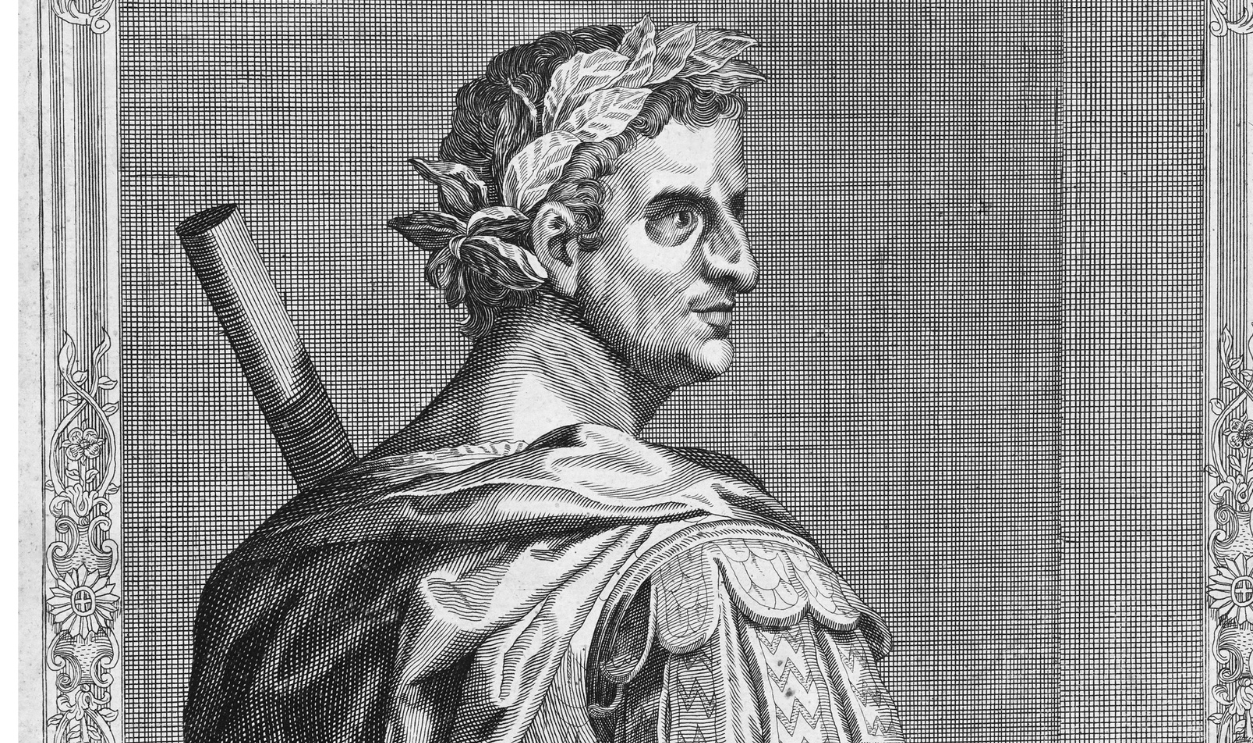
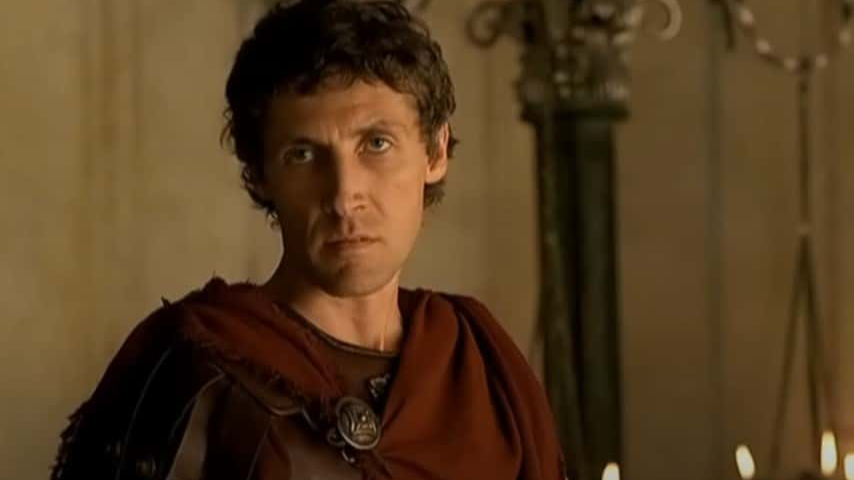
Tiberius Became The Monster Of Capri
Roman emperor Tiberius spent his later years away from Rome on the island of Capri. Suetonius later filled his biography with allegations of depravity, cruelty, and bizarre private behavior at the emperor's villas. Those stories turned Capri into the setting for one of antiquity's most lurid reputations.
 Pictures from History, Getty Images
The Gossip Came Decades Later
Suetonius wrote roughly eight decades after Tiberius died and repeated stories that modern historians treat cautiously. There is no way to prove that every accusation was false, and Tiberius unquestionably became increasingly authoritarian. Still, the scandalous private life that dominates popular portrayals rests heavily on gossip written by people far removed from the events.
 Screenshot from Imperium: Augustus, Rai Fiction (2003)
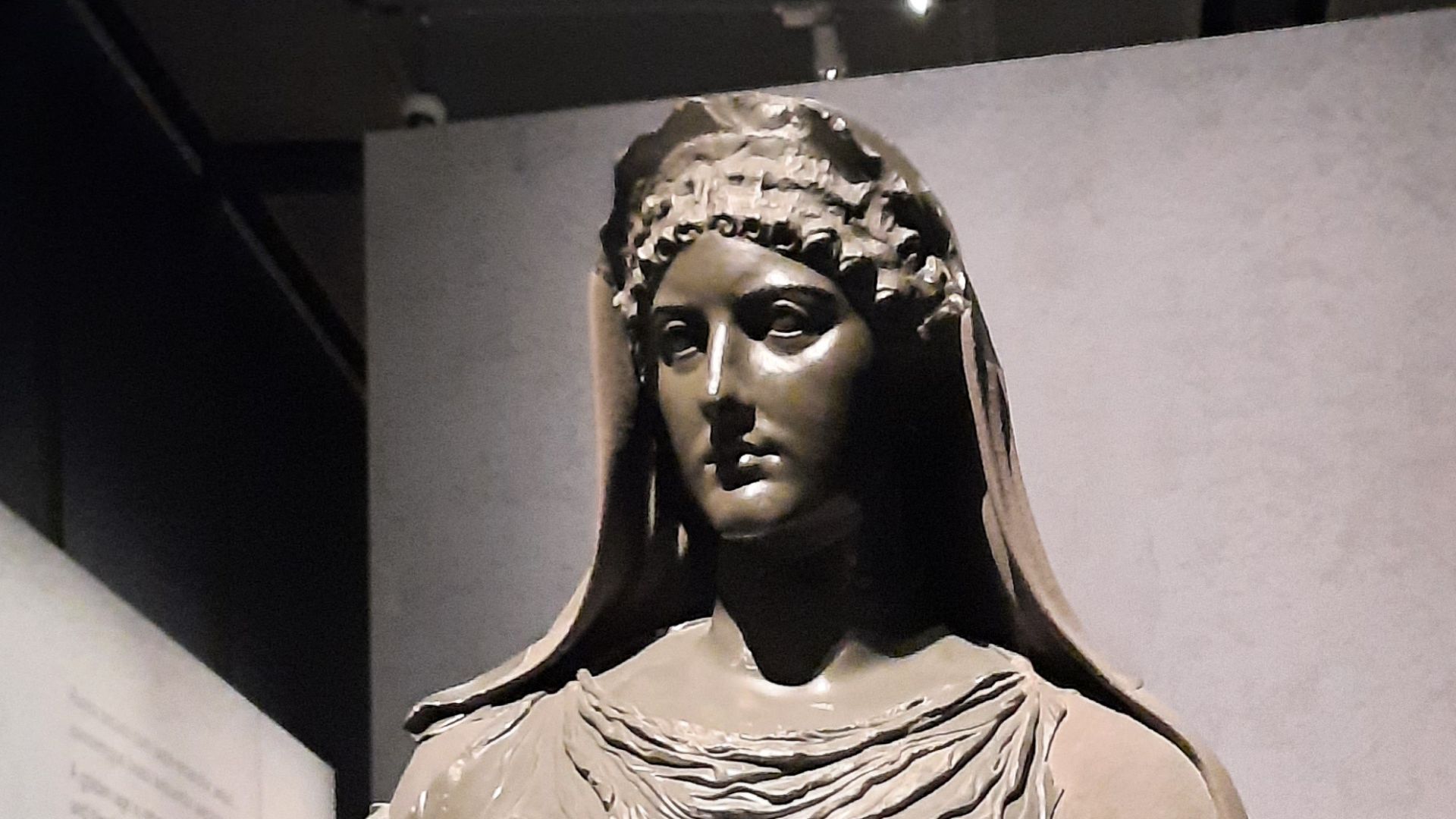
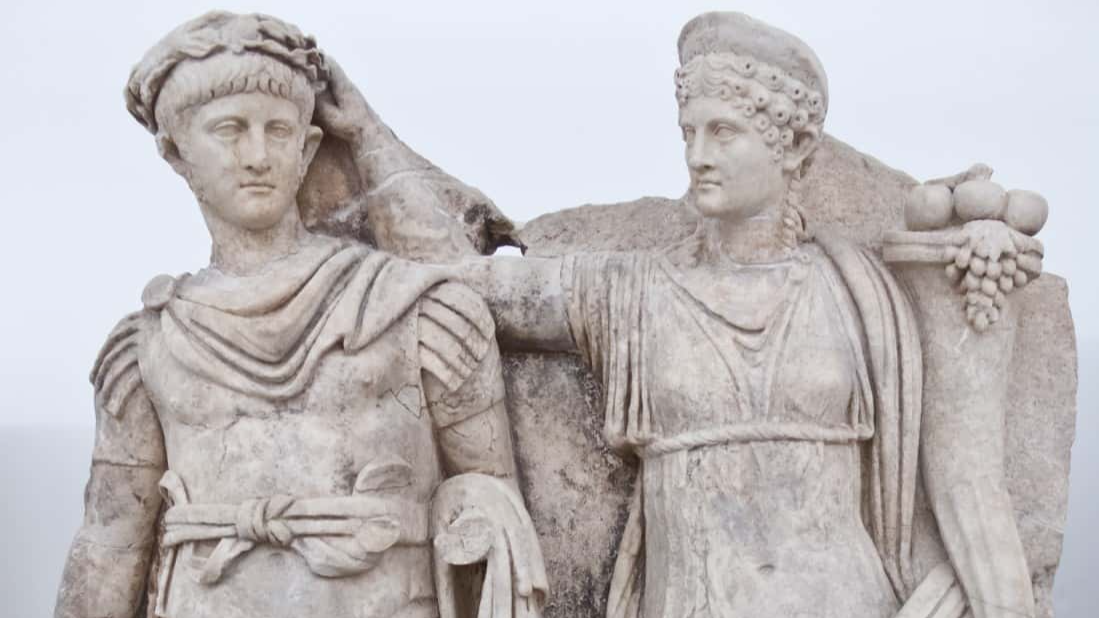
Agrippina Was Too Powerful For Roman Comfort
Agrippina the Younger was one of the most formidable political women of ancient Rome. Ancient writers portrayed her as a ruthless schemer who married her uncle Claudius, poisoned him, maneuvered Nero onto the throne, and attempted to dominate her son. The portrait was shaped by Roman authors who regarded female political power with profound suspicion.
 Jamie Heath, Wikimedia Commons
Tacitus Could Barely Imagine A Woman Ruling
Tacitus described Agrippina's authority in language emphasizing that her rule seemed unnaturally masculine. Modern historians still regard her as ambitious and formidable, but some have questioned whether the surviving sources made ordinary dynastic politics look uniquely sinister because a woman was directing them. Her eventual murder by Nero ensured that the men who survived her controlled almost every version of her story.
 Wikimedia Commons, Carlos Delgado
Attila Was Remembered By The People He Terrified
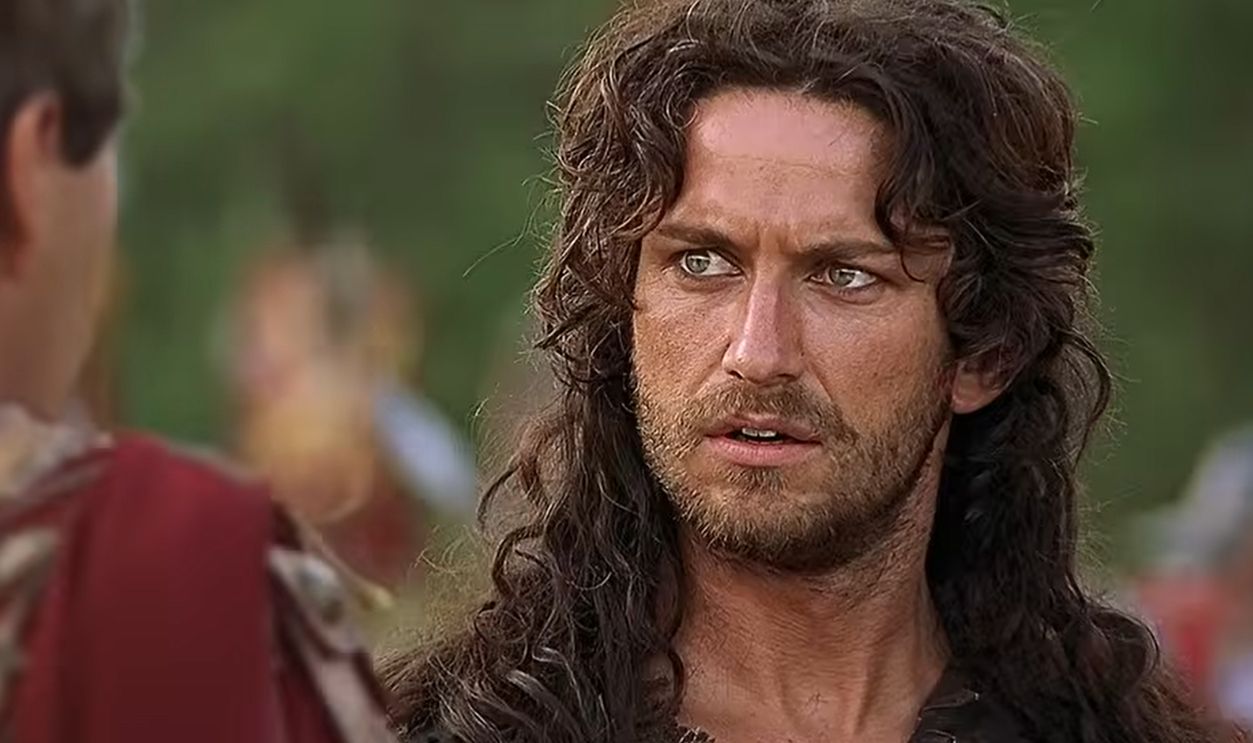
Attila the Hun left very little written testimony produced by his own people. Much of what survives comes instead from Romans and other settled societies that feared Hun armies approaching their cities. That imbalance helped turn Attila into the ultimate barbarian destroyer.
 Screenshot from Attila, USA Network (2001)
One Roman Visitor Saw Something Different
The diplomat Priscus actually visited Attila's court and described a ruler who ate from wooden plates while guests used silver and gold. He also recorded discipline, diplomacy, political calculation, and a functioning court rather than an encampment of mindless destroyers. Attila remained a violent conqueror, but the civilization-versus-barbarism caricature tells us as much about Rome's fears as it does about the Huns.
 Eugene Delacroix, Wikimedia Commons
The Enemy Version Usually Has Better Lines
Propaganda succeeds when it turns complicated people into simple characters. A villainous king, depraved emperor, seductive queen, bloodthirsty fanatic, or helpless monarch is easier to remember than a ruler surrounded by conflicting evidence. Historians cannot rehabilitate every notorious figure, but they can ask the most important question first: who benefited from telling the story this way?
 Paul Delaroche, Wikimedia Commons
You May Also Like:
History's Most Unbelievable Screwups
Sources: 1, 2, 3, 4, 5, 6, 7, 8, 9, 10, 11, 12, 13, 14, 15, 16, 17, 18, 19, 20, 21, 22, 23, 24, 25, 26, 27