The History Lessons Left Out A Few Details
Remember learning about Bloody Mary, Richard the Lionheart, and Ivan the Terrible in school? Those colorful nicknames certainly made history easier to remember. But our teachers often left out the darker details behind them. Some involved family betrayals, terrible punishments, and royal scandals. Others were downright embarrassing. Here's what those famous names really meant.
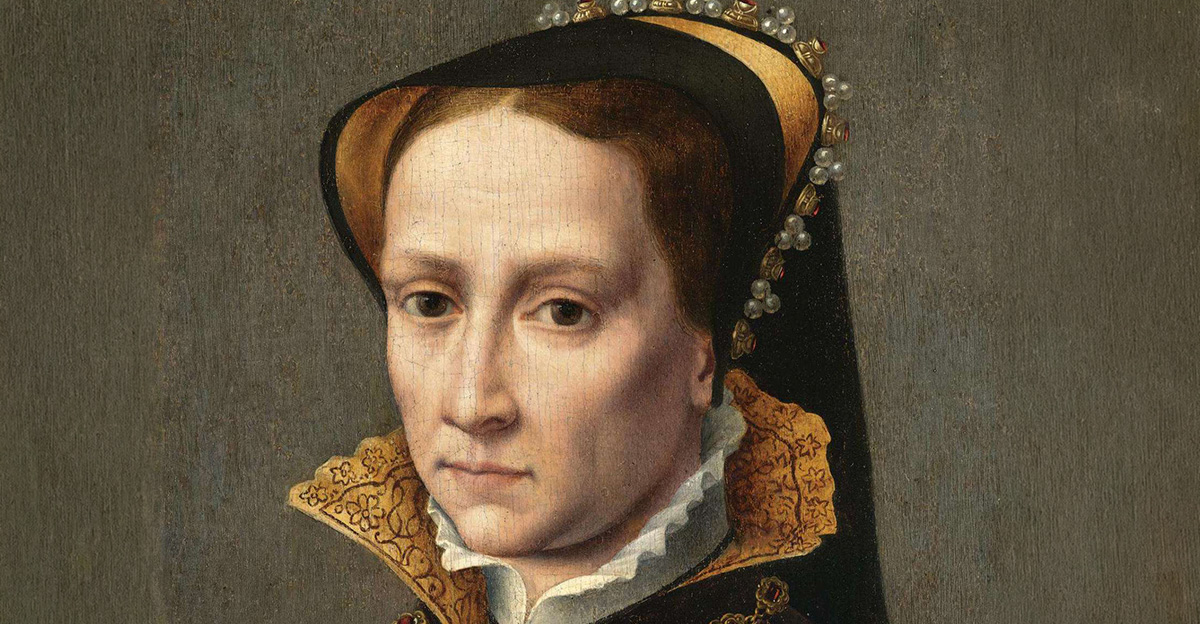 Follower of Antonis Mor, Public domain, via Wikimedia Commons
Bloody Mary: The Queen With A Terrifying Reputation
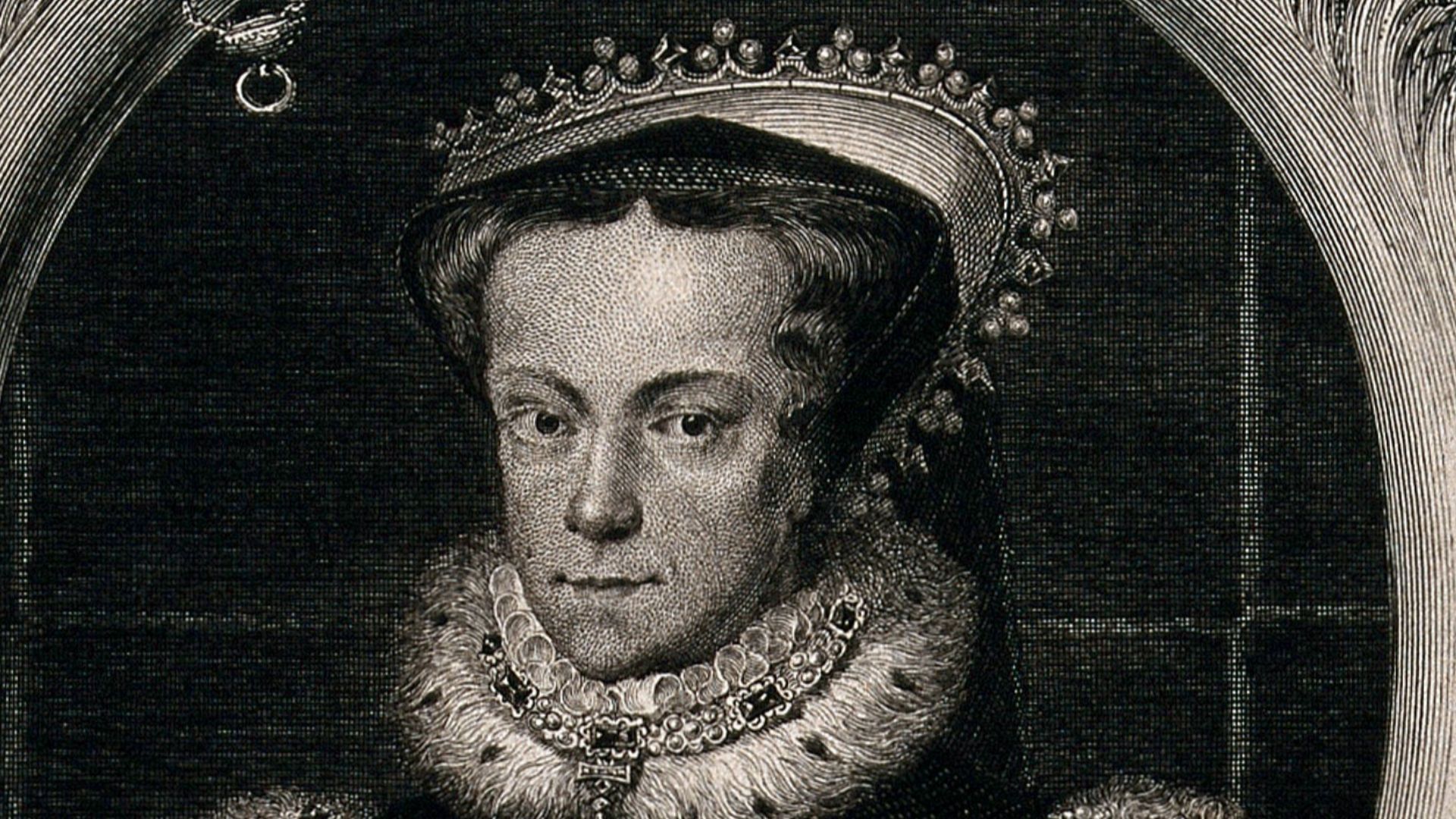
Queen Mary I of England didn't get her nickname from a spooky mirror game. During her reign in the 1550s, nearly 300 Protestants were burned for refusing to follow her religious beliefs. Her enemies called her "Bloody Mary," and the name stuck. Other rulers were just as cruel, but Mary never escaped her terrible reputation.
Vlad The Impaler: A Nickname He Certainly Earned
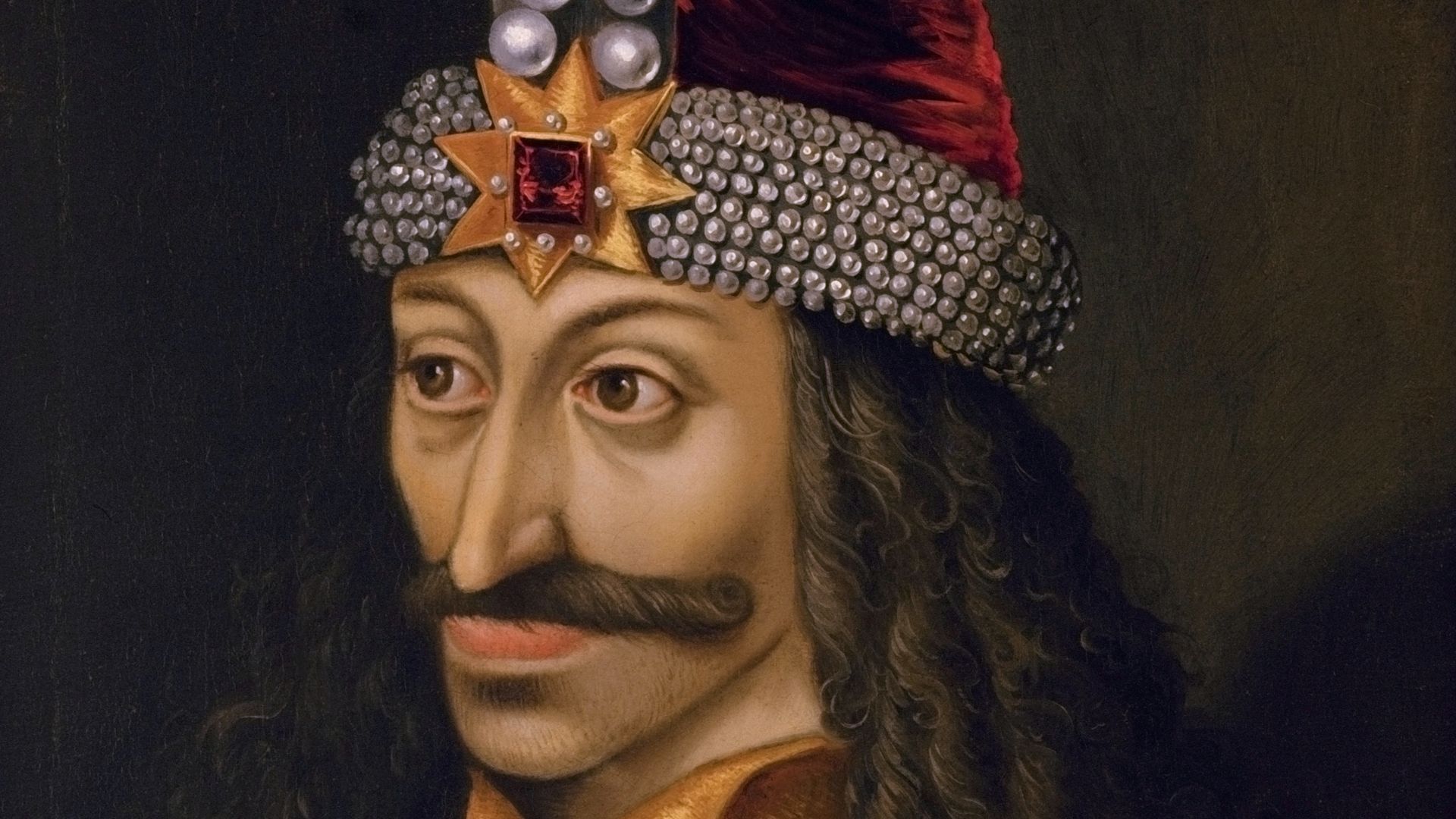
Long before Dracula appeared in horror movies, there was Vlad the Impaler. This 15th-century ruler became famous for punishing his enemies by placing them on wooden stakes. It was a horrifying way to frighten anyone who challenged him. Some stories about Vlad were exaggerated by his enemies, but his cruel punishments were very real.
 AnonymousUnknown author, Wikimedia Commons
Caligula: The Sweet Childhood Nickname Of A Feared Emperor
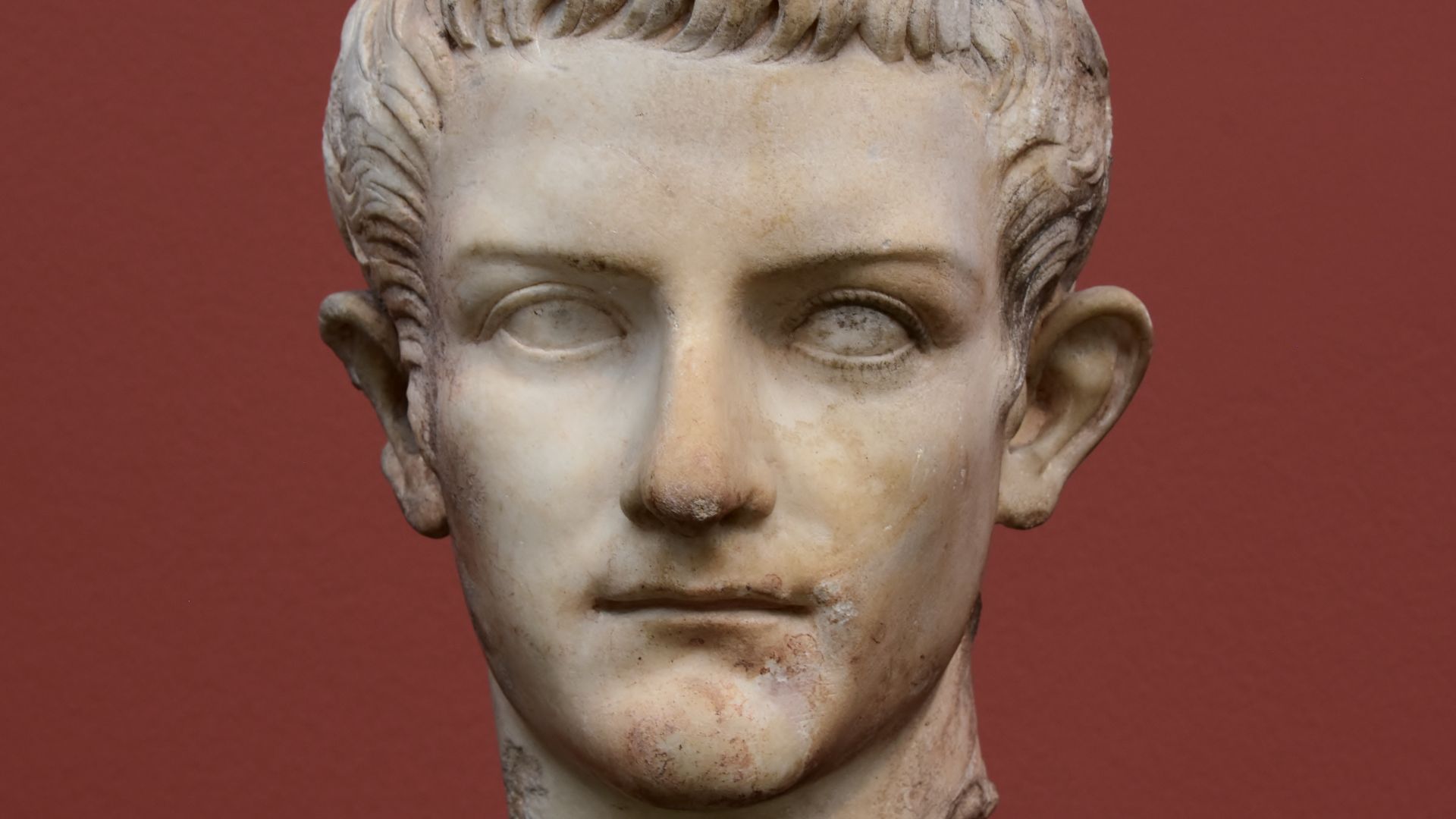
One of Rome's most feared emperors actually had an adorable nickname. Caligula meant "Little Boots," because he wore tiny military boots while visiting army camps with his father. Soldiers thought it was cute. Unfortunately, that sweet childhood name followed him into adulthood, when his rule became famous for cruelty, wild spending, and strange behavior.
 Richard Mortel from Riyadh, Saudi Arabia, Wikimedia Commons
Eric Bloodaxe: The Family Reunion Nobody Wanted
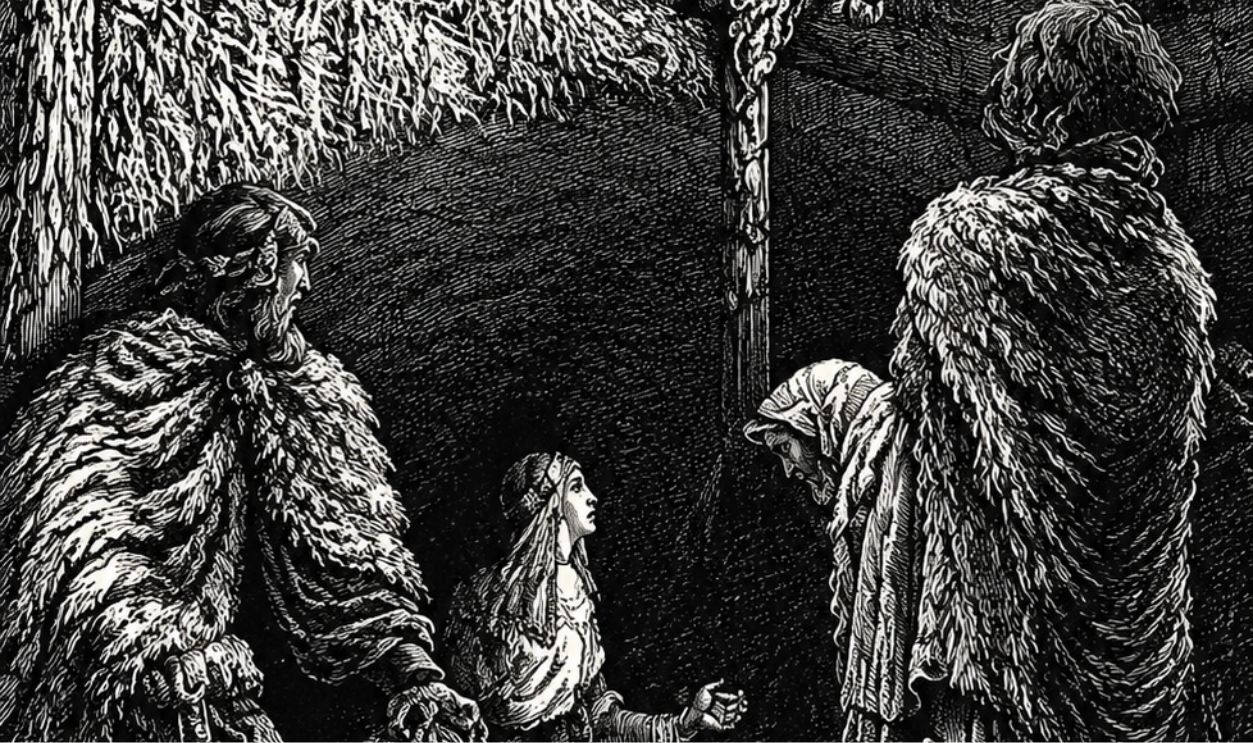
With a name like Eric Bloodaxe, you'd expect some pretty frightening stories. According to later Viking tales, this Norwegian king had several of his own brothers killed to protect his claim to the throne. Historians aren't sure how much of the story is true, but it might explain his nickname. Family gatherings must have been interesting.
 Christian Krohg, Wikimedia Commons, Enhanced
Æthelred The Unready: An Insult That Lasted A Thousand Years
King Æthelred wasn't called "Unready" because he kept showing up late. The name actually meant something closer to "poorly advised." His reign was filled with Viking attacks and costly mistakes. In 1002, he even ordered the killing of Danes living in England. Considering what followed, calling him poorly advised seems rather generous.
 Unknown Author, Wikimedia Commons
Blackbeard: A Pirate Who Made Himself Look Terrifying
Blackbeard wasn't just a pirate with impressive facial hair. He knew how to frighten people before a fight even started. According to accounts, he tied burning fuses into his beard and around his hat, making smoke rise around his face. Imagine seeing that coming toward your ship. Most sailors probably weren't eager to argue with him.
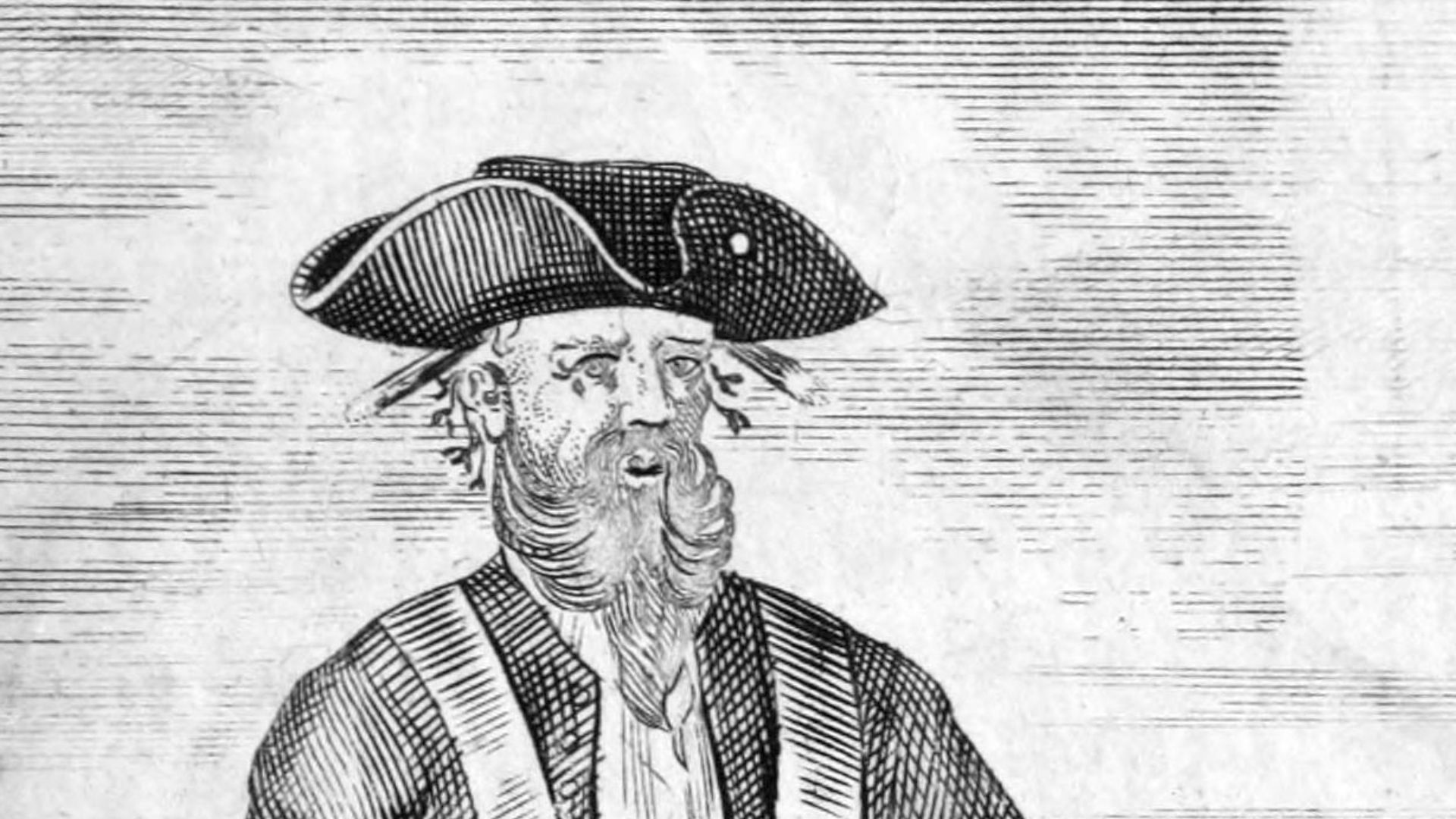 Engraved by Benjamin Cole[1] (1695–1766), Wikimedia Commons
Attila The Scourge Of God: A Nickname Born From Fear
Attila the Hun became one of the most feared leaders of the fifth century. His armies attacked cities, demanded money, and spread fear throughout the Roman Empire. Christian writers later called him the "Scourge of God," suggesting he had been sent to punish sinful people. It wasn't exactly a friendly nickname, but it certainly made him unforgettable.
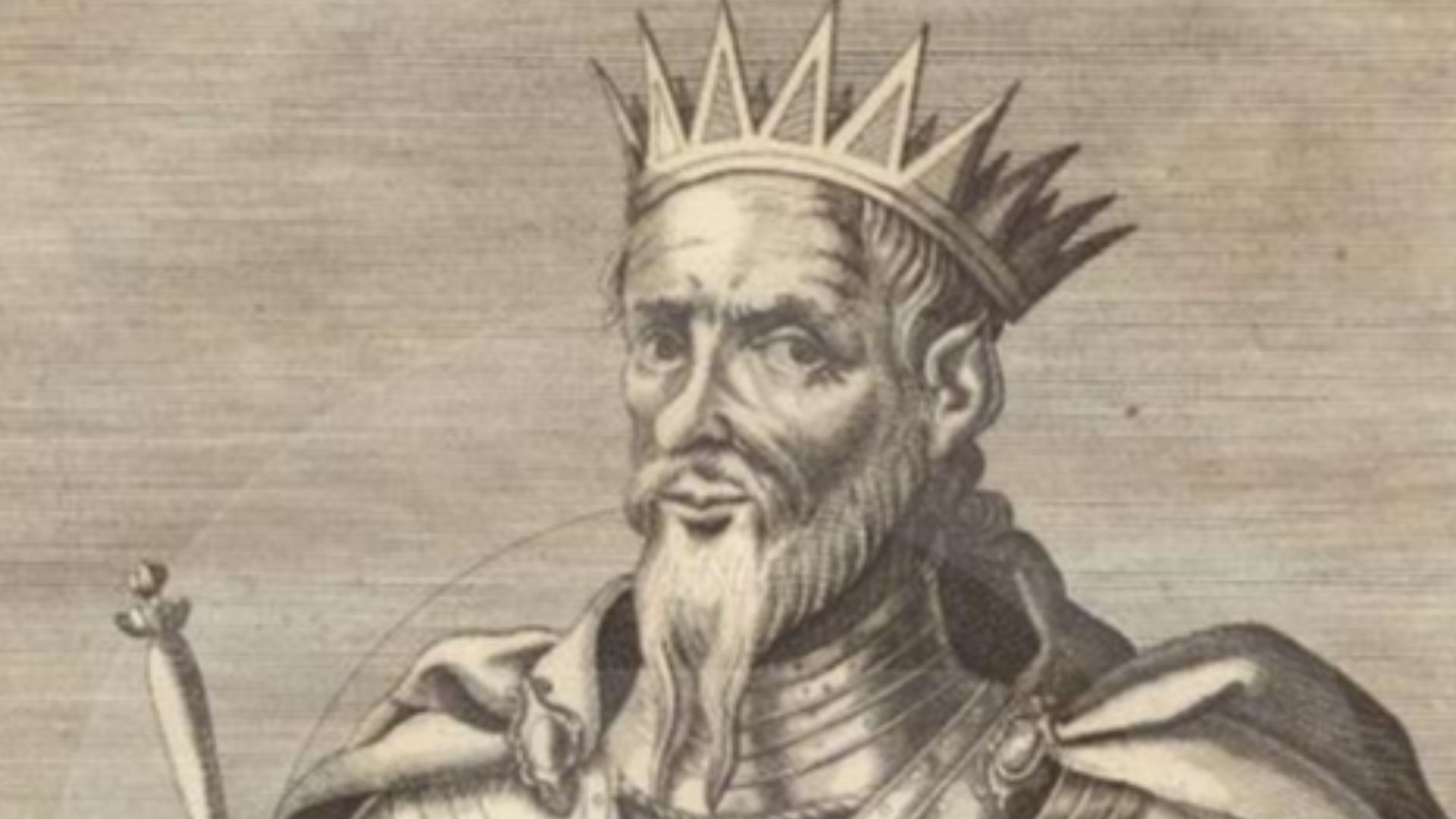 Julio Strozza, Wikimedia Commons
Tamerlane: A Conqueror Named After An Injury
The powerful conqueror Tamerlane ruled a huge empire, but his famous name was actually about a physical injury. His original name was Timur, and he became known as Timur the Lame because he had trouble walking. His enemies used the name against him. Despite his disability, he led armies that destroyed cities and conquered enormous territories.
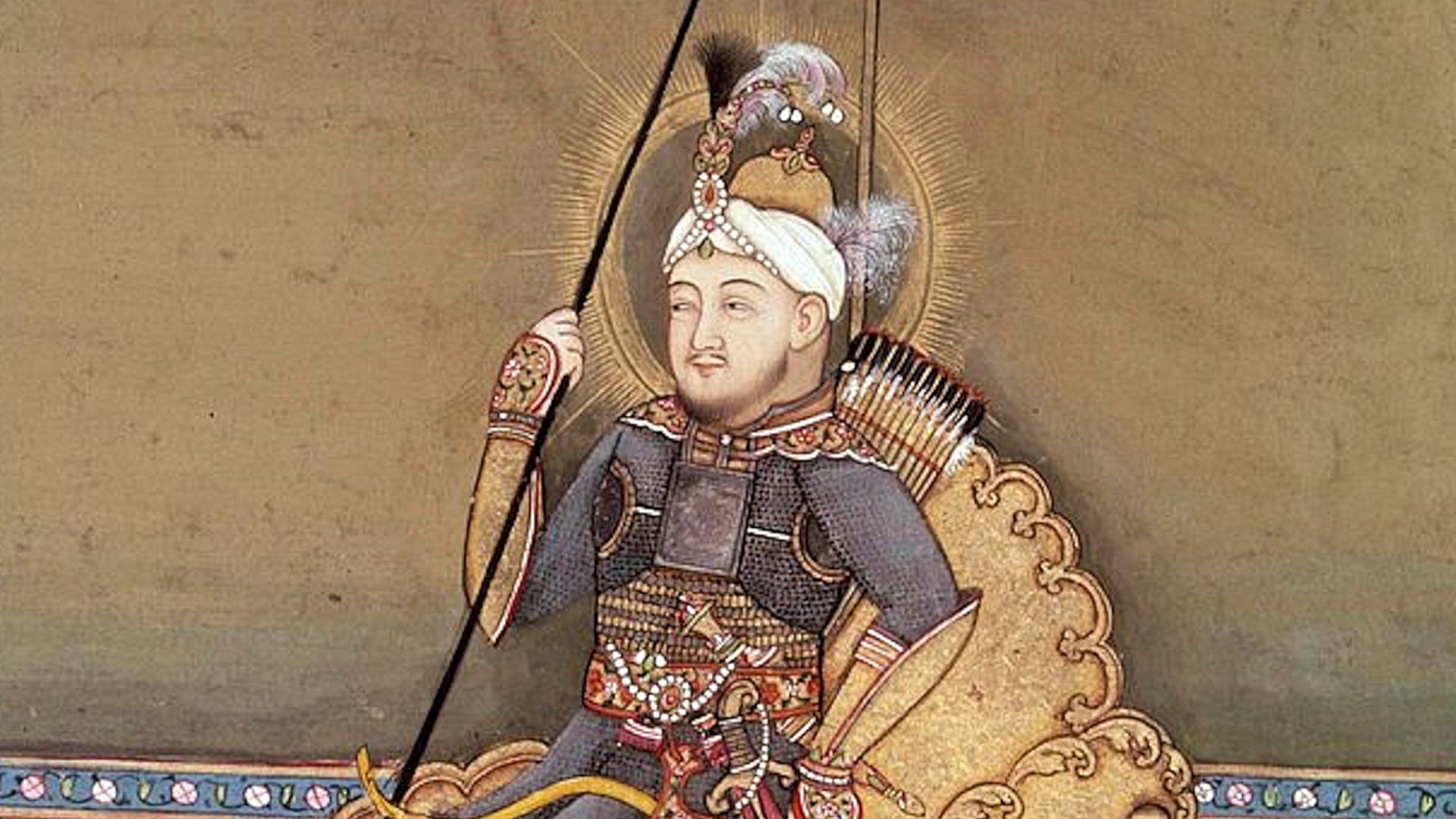 15th century artist, Wikimedia Commons
Harald Bluetooth: The King With A Dental Problem
Ever wonder where Bluetooth technology got its name? It comes from a Viking king called Harald Bluetooth. His unusual nickname may have referred to a dead or badly discolored tooth. Nobody knows for certain, but that's one popular explanation. More than a thousand years later, people are still using his nickname every time they connect their wireless headphones.

Richard The Lionheart: A Hero With A Ruthless Side
Richard the Lionheart sounds like the perfect medieval hero. He was brave, strong, and famous for fighting during the Crusades. But he could also be extremely cruel. In 1191, his forces executed thousands of prisoners after negotiations failed. Schoolbooks often celebrate his courage, but they don't always explain just how ruthless this famous king could be.
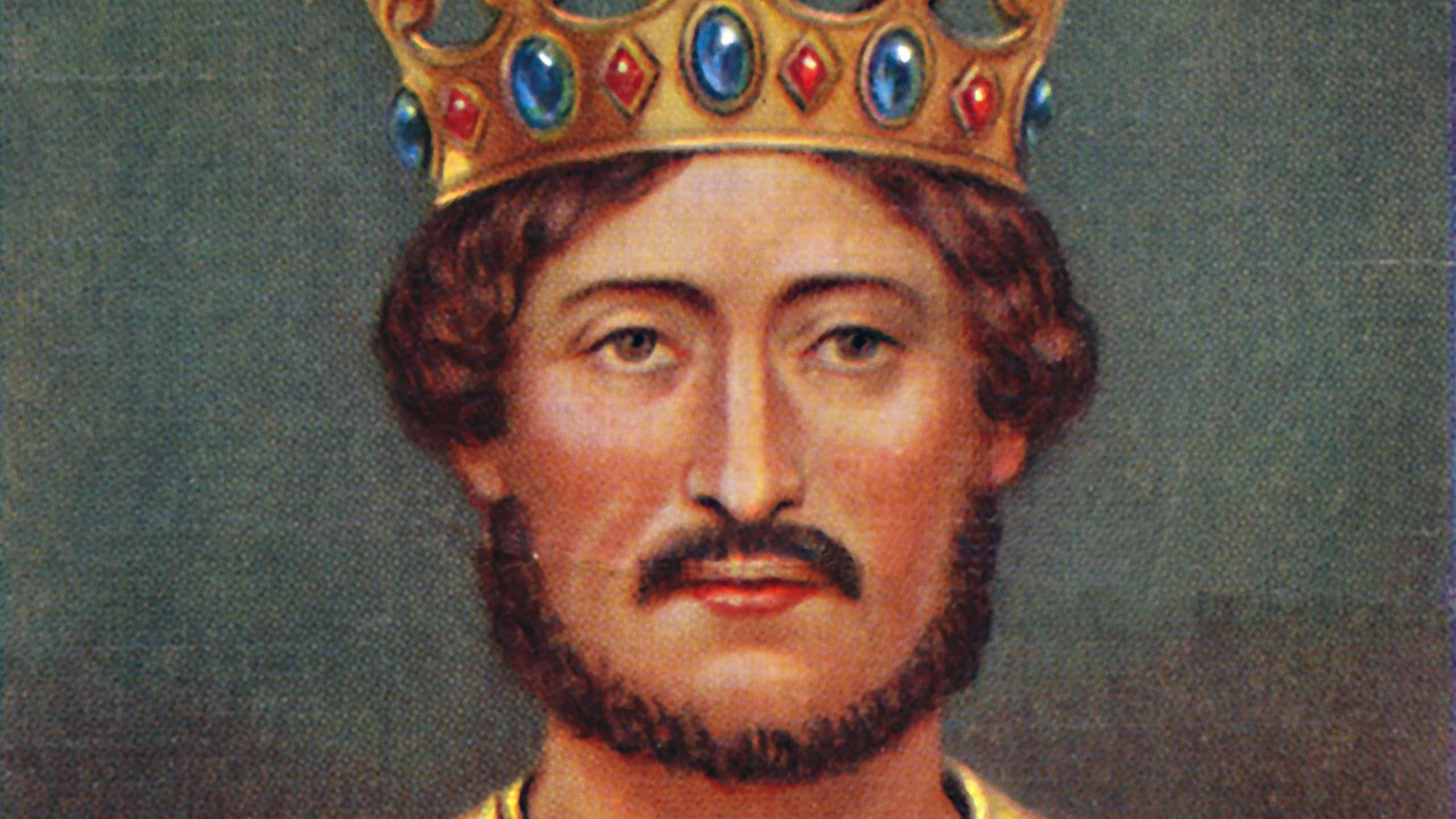 Print Collector, Getty Images, Modified
Henry VIII, Defender Of The Faith: The Ultimate Irony
Here's a nickname that didn't age particularly well. Pope Leo X gave Henry VIII the title "Defender of the Faith" because he supported Catholic teachings. But years later, Henry broke away from the Catholic Church after the Pope refused to end his marriage. He eventually made himself head of the Church of England. Talk about changing your mind.
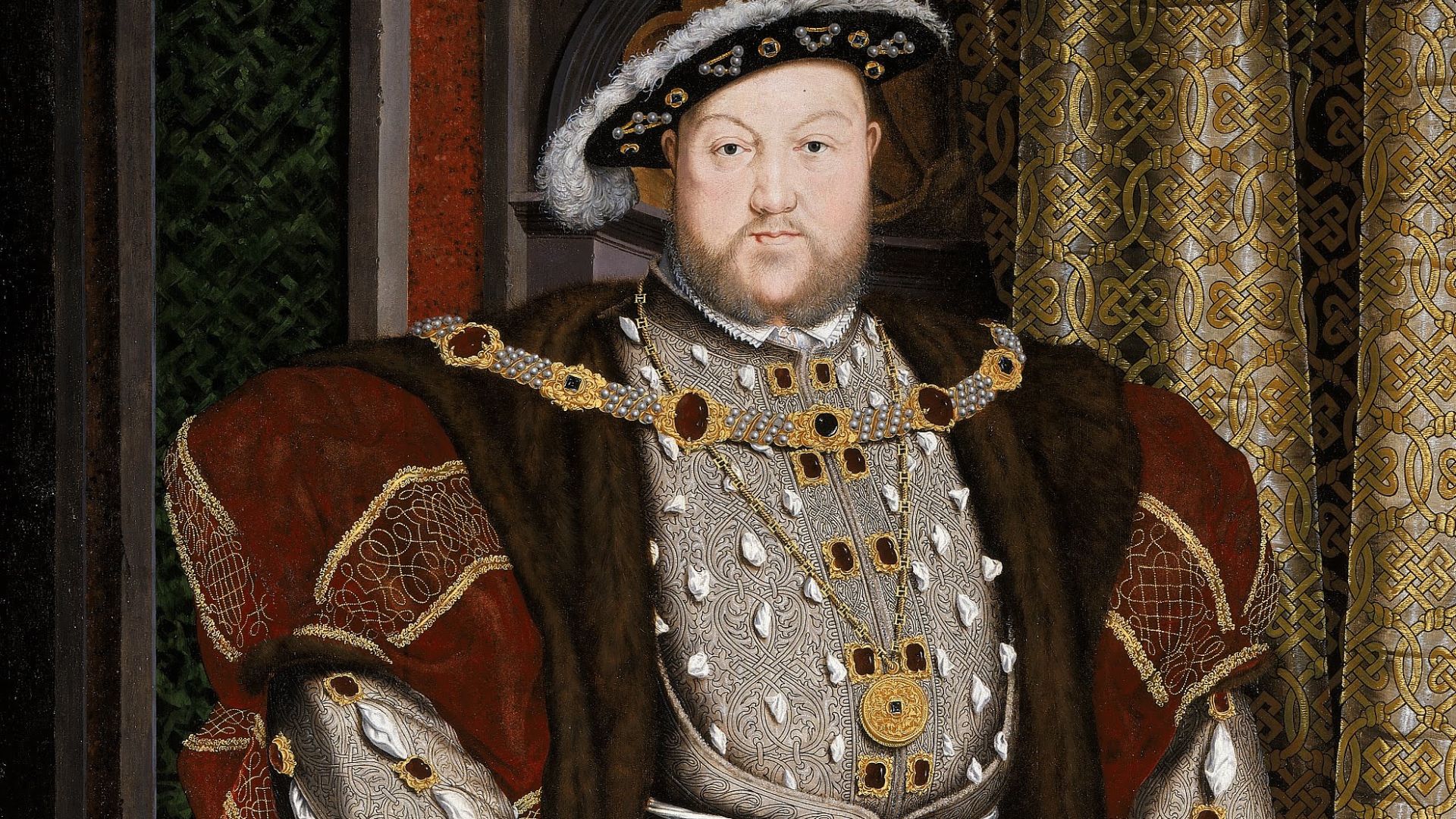 Workshop of Hans Holbein the Younger, Wikimedia Commons
Elizabeth The Virgin Queen: A Carefully Managed Reputation
Queen Elizabeth I became known as the Virgin Queen because she never married. But the nickname was also useful for her public image. Elizabeth wanted people to believe she belonged entirely to England. Meanwhile, rumors about her relationships with powerful men followed her throughout her life. Whether any of those rumors were true remains a mystery.
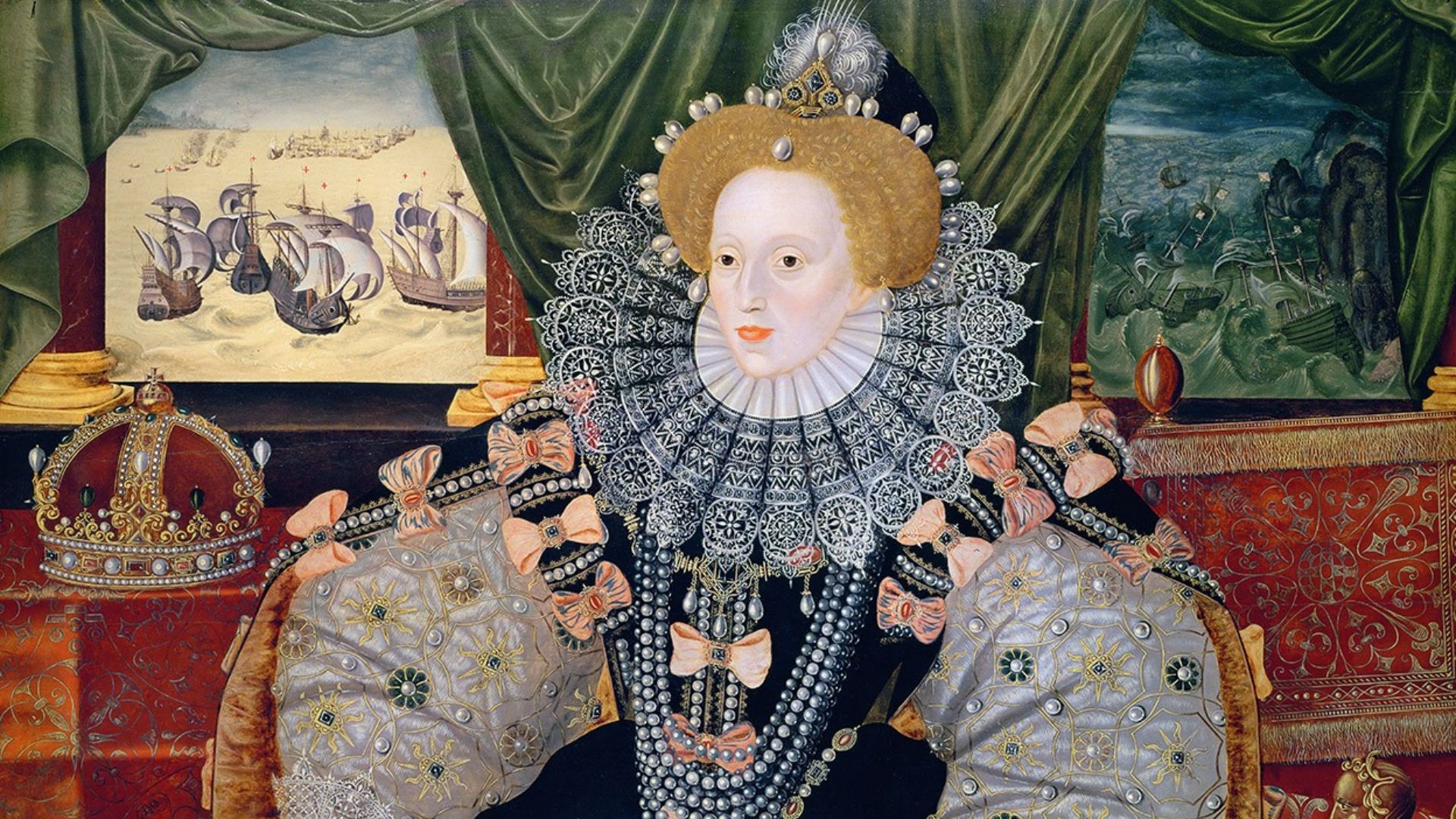 Formerly attributed to George Gower, Wikimedia Commons
Ivan The Terrible: The Translation Doesn't Tell The Whole Story
Ivan the Terrible sounds like someone who was simply awful at everything. But his Russian nickname actually meant something closer to "fearsome" or "powerful." Unfortunately, Ivan really did have a frightening side. His reign included harsh punishments, political killings, and attacks on entire cities. So while the translation isn't quite right, his reputation wasn't completely undeserved.
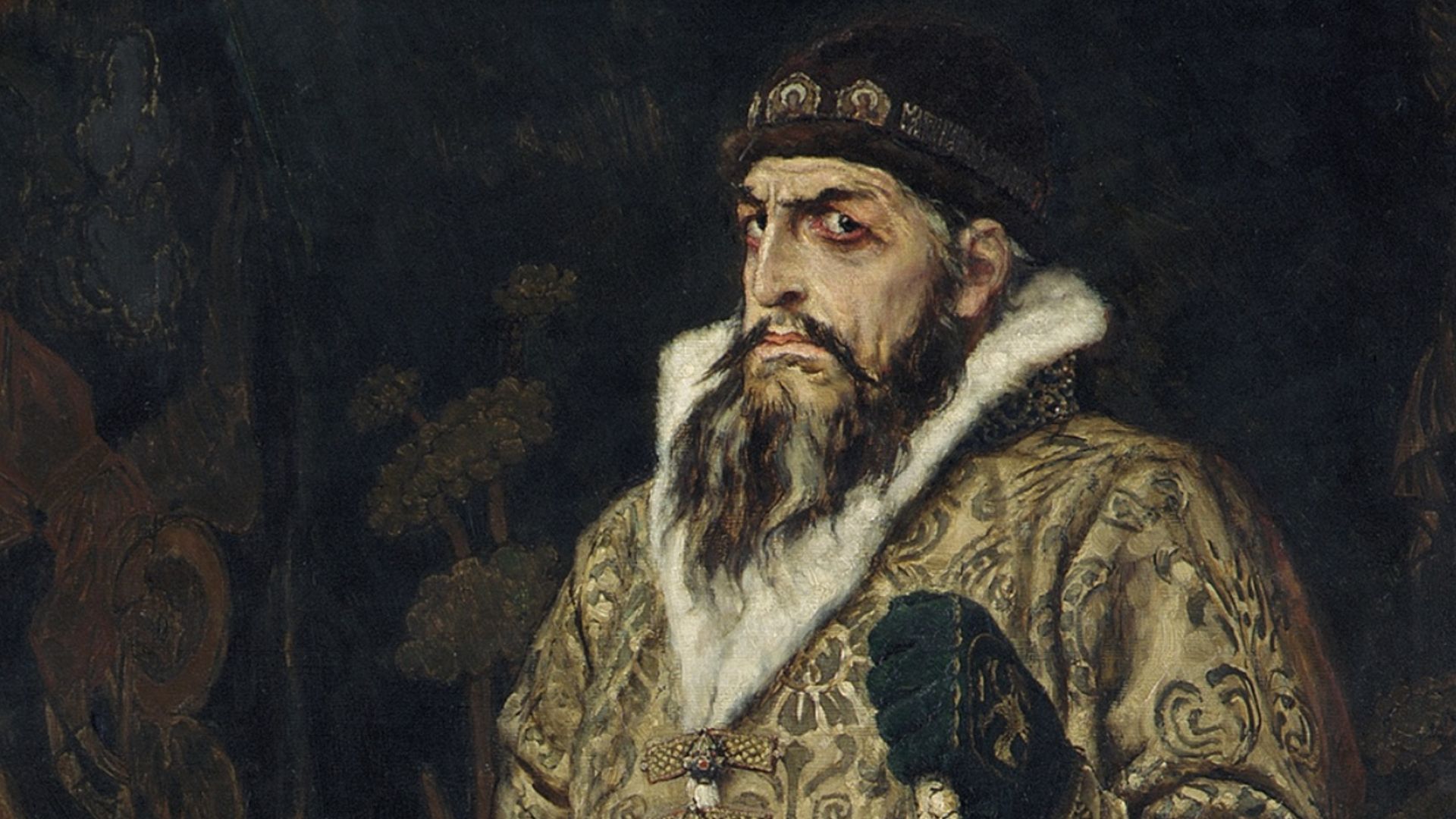 Viktor Vasnetsov, Wikimedia Commons
Peter The Great: His Family Paid A Terrible Price
Peter the Great is remembered for turning Russia into a powerful modern country. But his home life was another story. His son Alexei disagreed with many of his decisions, leading to a bitter conflict. Alexei was imprisoned, tortured during questioning, and died in custody in 1718. Peter may have been great for Russia, but his family suffered terribly.
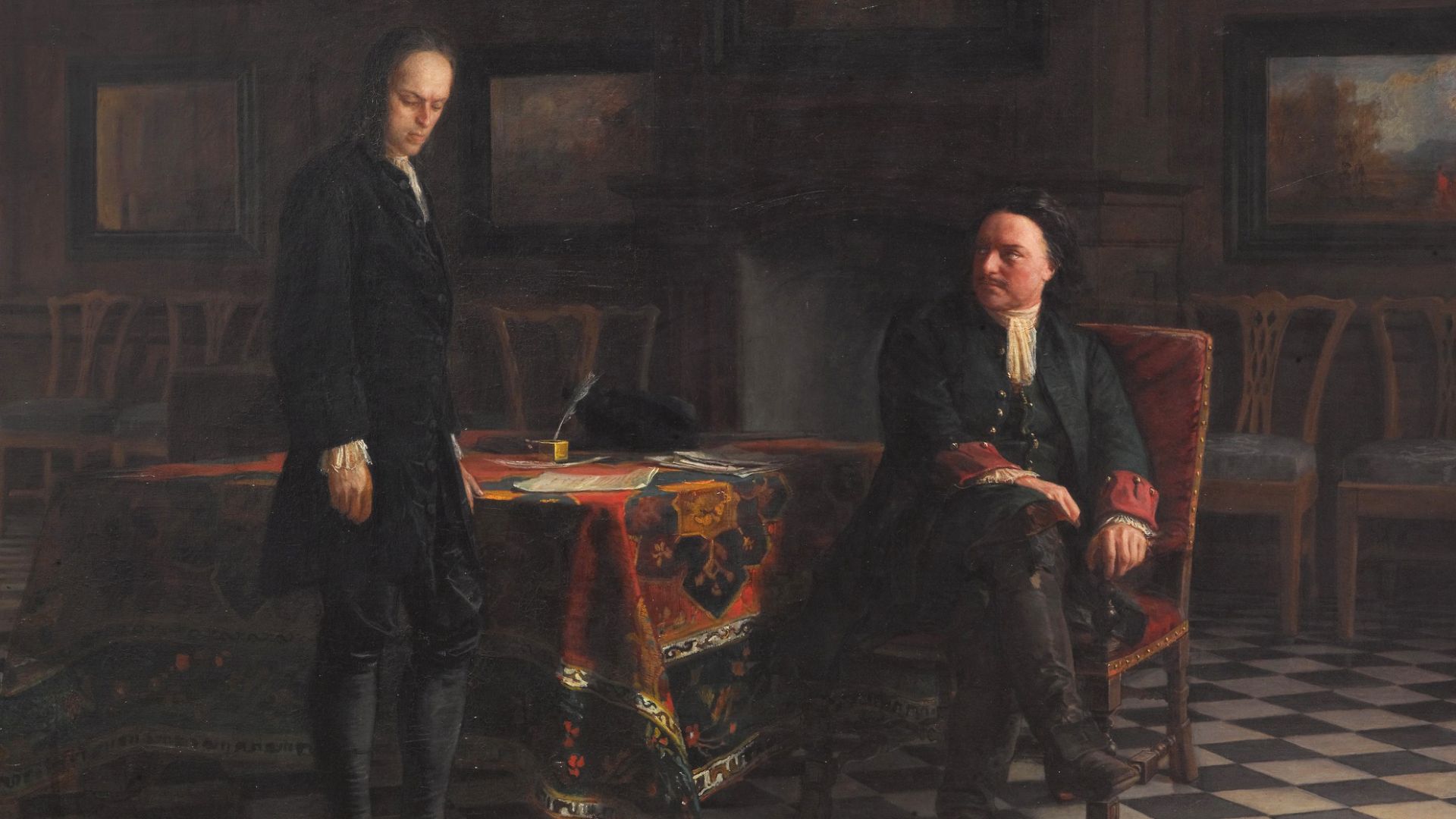
Catherine The Great: A Royal Marriage Gone Very Wrong
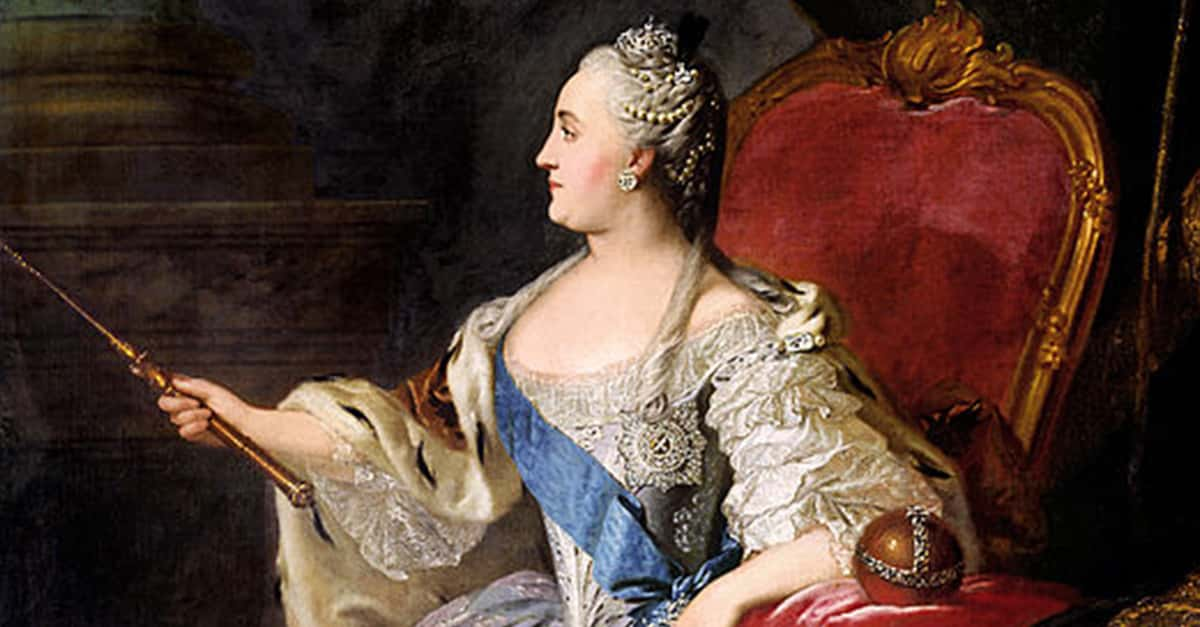
Catherine the Great became one of Russia's most famous rulers, but her rise to power involved a shocking family betrayal. In 1762, she helped remove her own husband, Peter III, from the throne. He died shortly afterward under suspicious circumstances. Historians still debate whether Catherine was involved in his death. Either way, their marriage had a terrible ending.
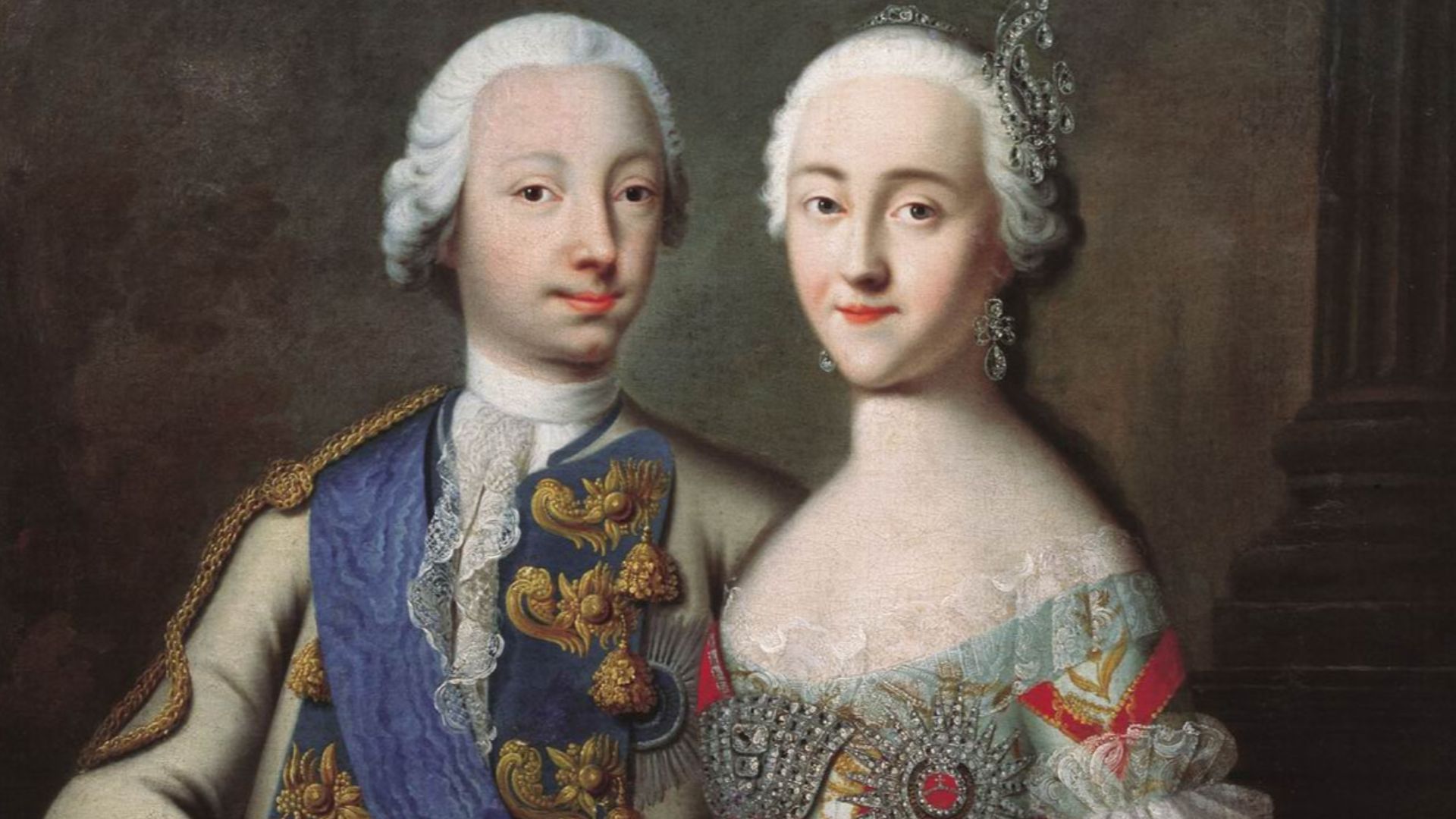 Georg Cristoph Grooth, Wikimedia Commons
King John Lackland: The Brother Who Lost Nearly Everything
King John of England had a nickname that sounds like something his siblings might have invented. "Lackland" originally referred to the fact that he was Henry II's youngest son and had little land of his own. Later, John lost important English possessions in France. The nickname became even more embarrassing as his troubled reign continued.
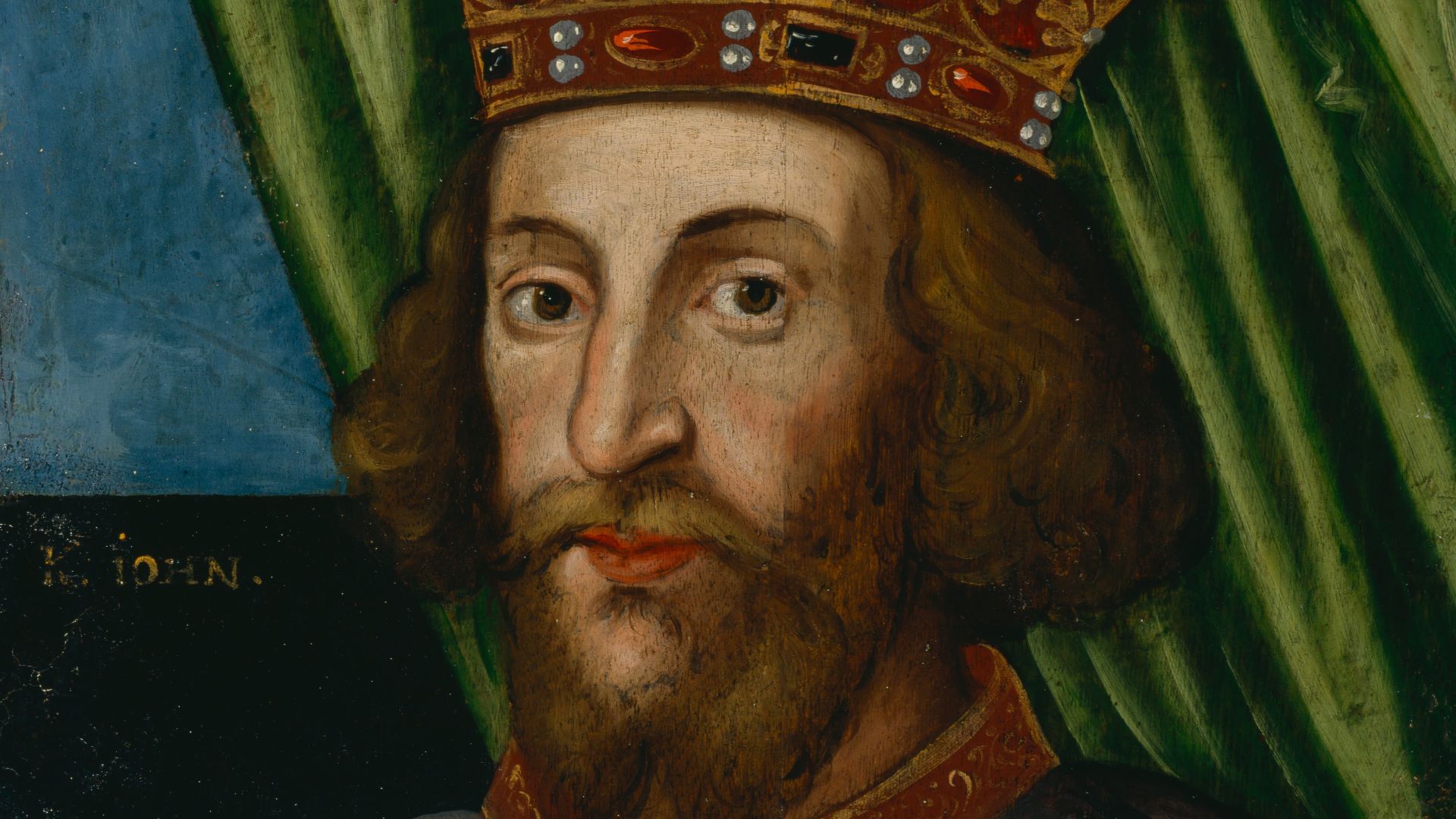 British School – School Details on Google Art Project, Wikimedia Commons
Charles The Mad: A King Whose Illness Became His Identity
King Charles VI of France suffered from serious mental illness, which medieval people struggled to understand. At times, he reportedly believed his body was made of glass and might break. His illness also made ruling France extremely difficult. Instead of remembering his struggles with sympathy, history gave him the unfortunate nickname "Charles the Mad."
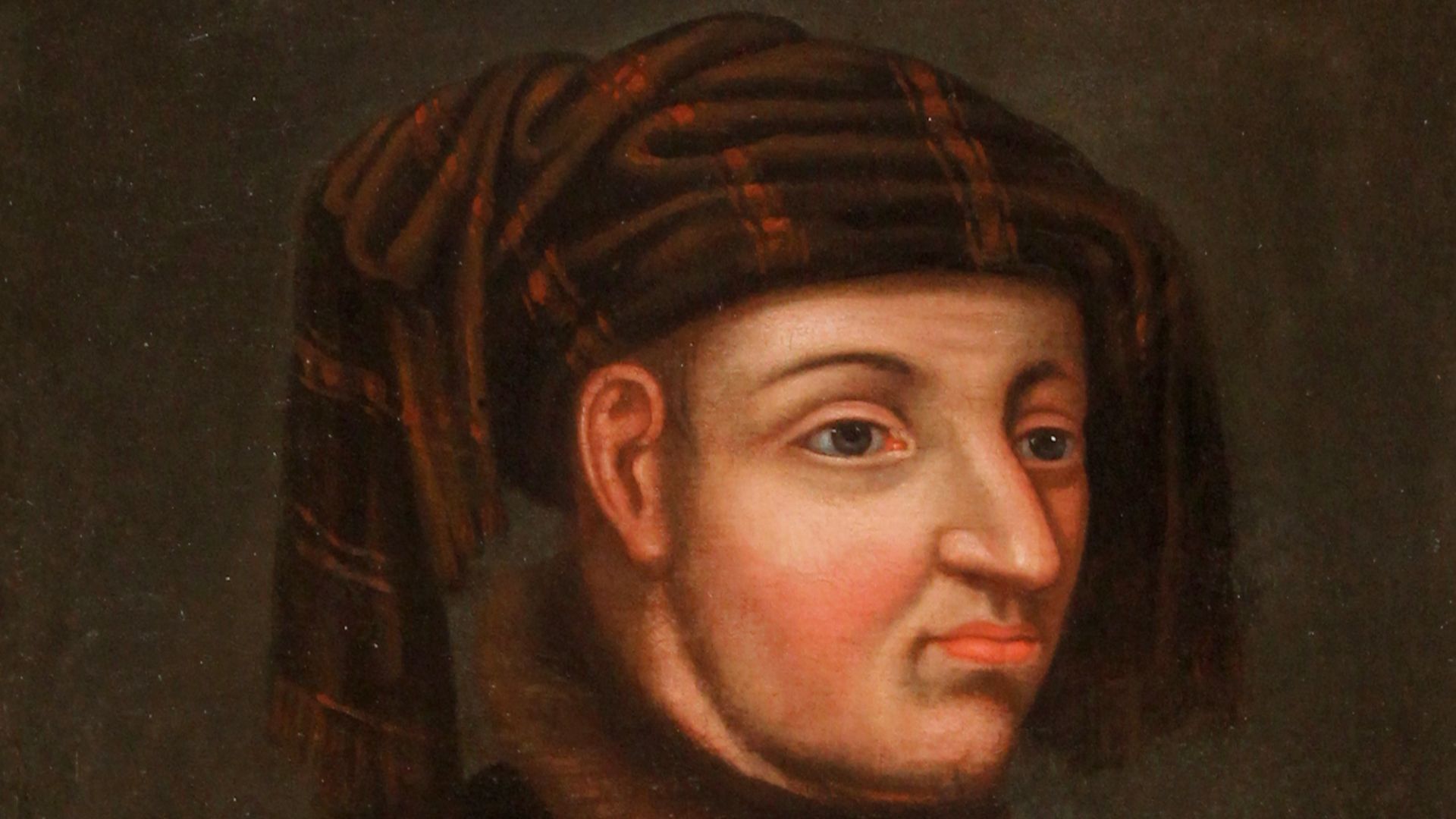 UnknownUnknown , French School, Wikimedia Commons
Philip The Fair: Good Looks Didn't Mean Good Behavior
Philip IV of France was called "the Fair," but that didn't mean he treated people fairly. The nickname referred to his good looks. During his reign, members of the wealthy Knights Templar were arrested, questioned under torture, and accused of serious crimes. Philip helped bring down their powerful organization. Apparently, looking handsome didn't mean having a kind heart.
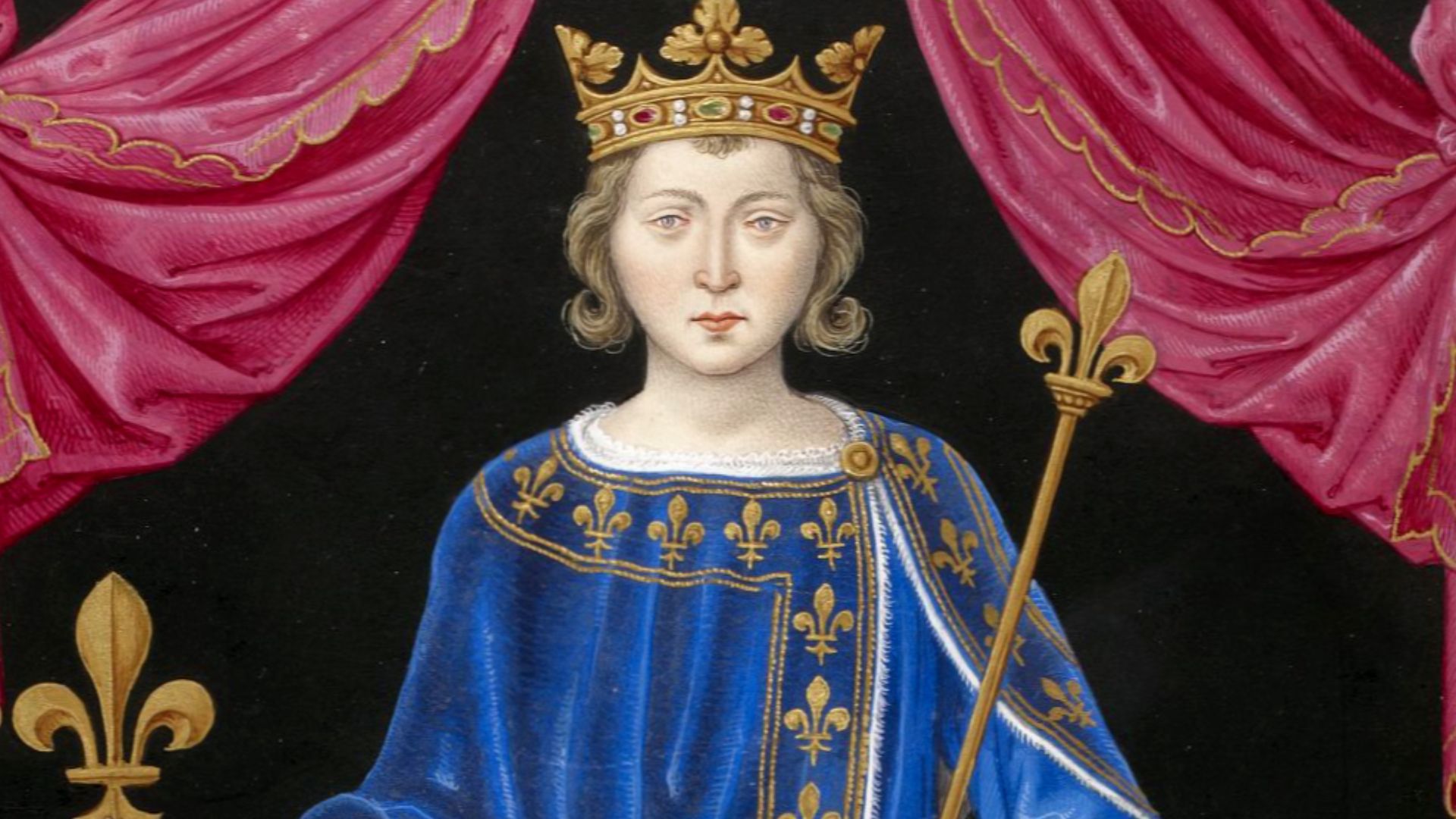
Edward Longshanks: The King With Two Memorable Nicknames
Edward I of England was nicknamed Longshanks because he was unusually tall and had very long legs. But he also became known as the "Hammer of the Scots" because of his military campaigns against Scotland. Those wars brought terrible suffering. His second nickname sounds impressive, but it reminds us how brutal medieval battles could be.
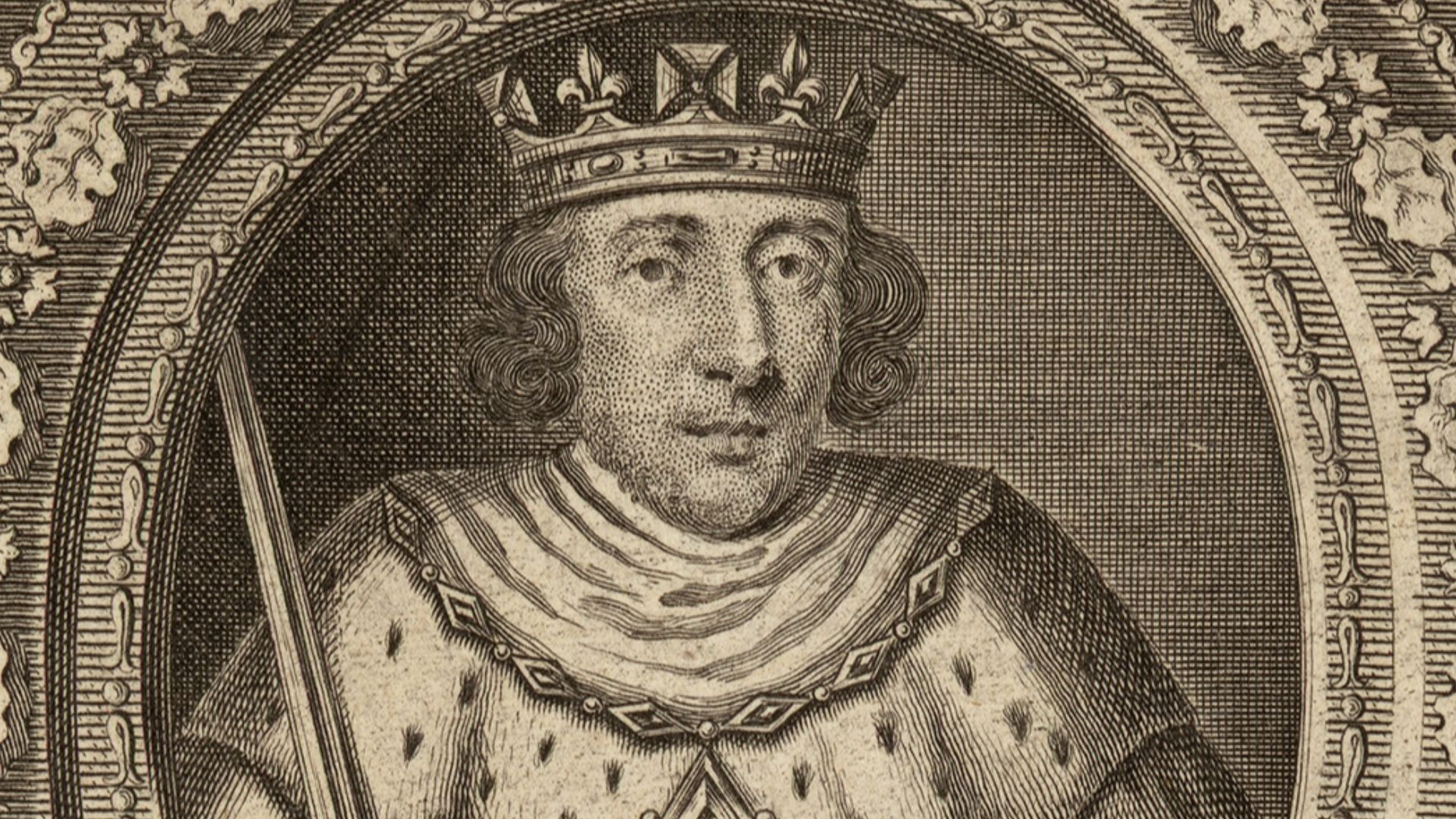 Thomas Pennant, Wikimedia Commons
The Butcher Of Cumberland: A Victory That Became Infamous
Prince William Augustus, Duke of Cumberland, was celebrated for defeating the Jacobite army at Culloden in 1746. But what happened afterward destroyed his reputation among many Scots. Government soldiers carried out harsh punishments, and Highland communities suffered badly. Cumberland eventually became known as "the Butcher." Not exactly the nickname you'd want attached to a military victory.
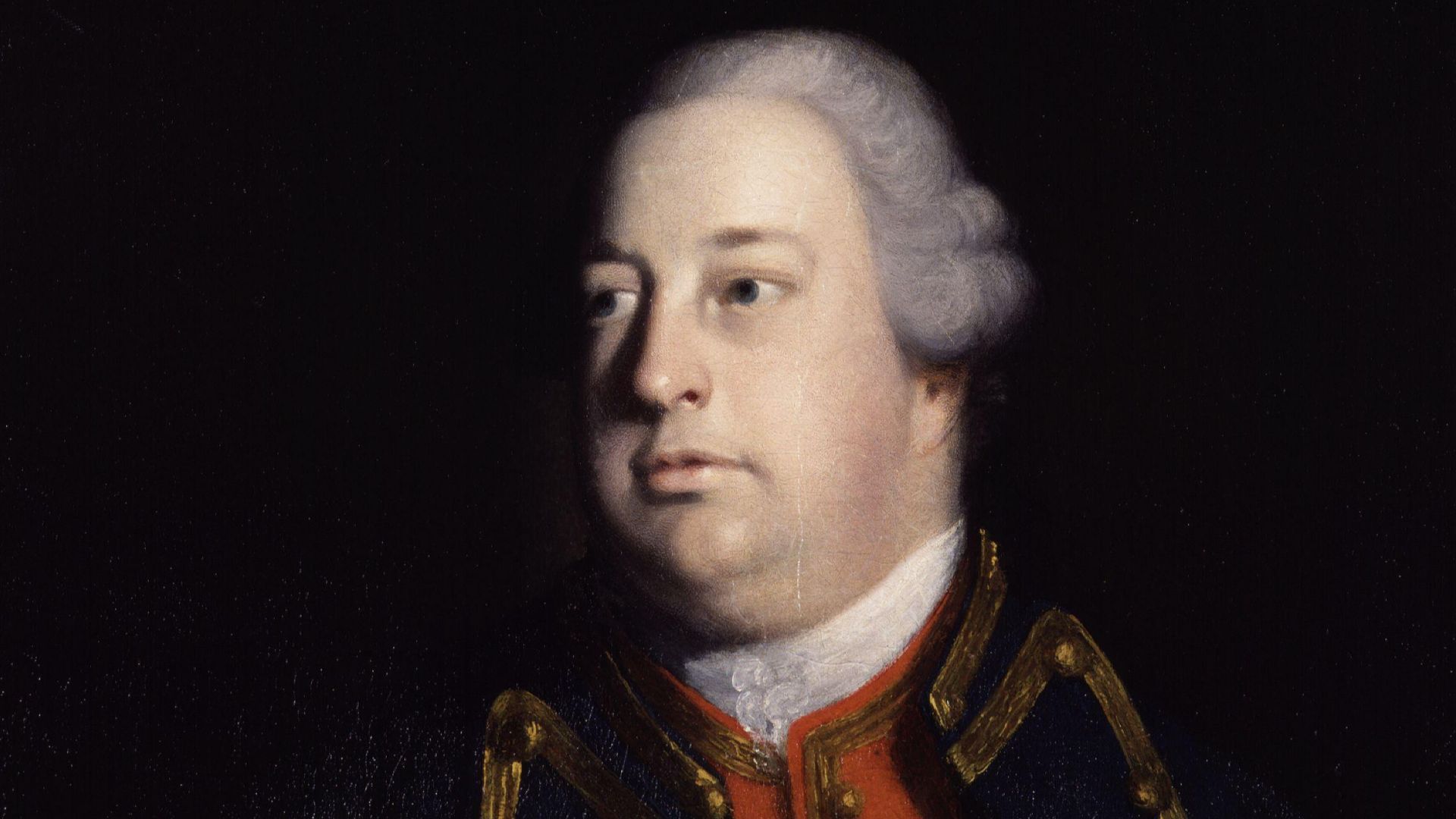 Joshua Reynolds, Wikimedia Commons
Andrew Jackson, Old Hickory: Tougher Than The History Books Suggested
Andrew Jackson earned the nickname "Old Hickory" because his soldiers thought he was as tough as hickory wood. But America's seventh president also had a fierce temper and fought duels. His policies forced thousands of Native Americans from their homes. The nickname made him sound dependable, but his actions left a much more complicated legacy.
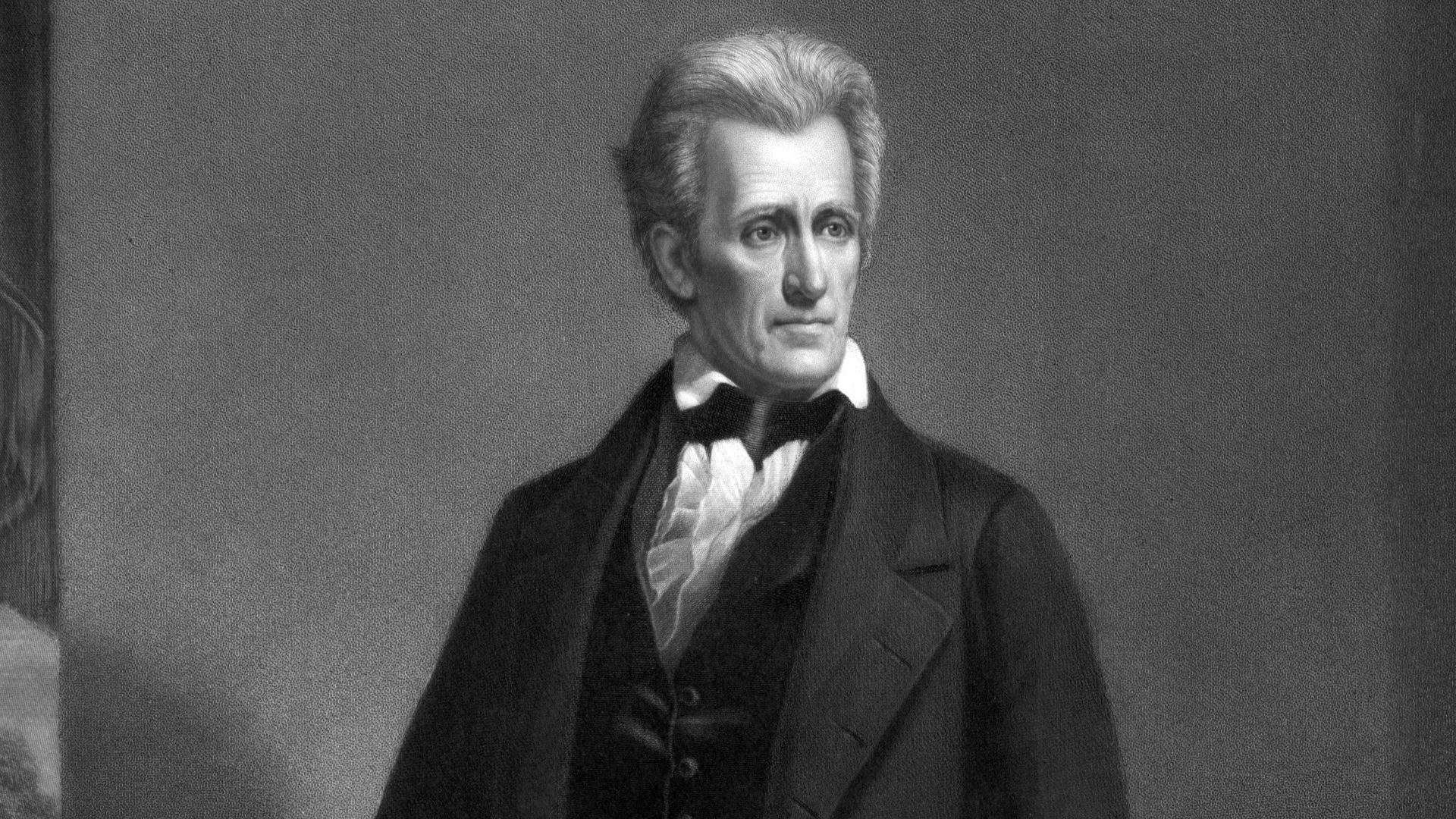 Alexander Hay Ritchie, Wikimedia Commons
Edward The Black Prince: A Dark Name With A Darker Possibility
Edward of Woodstock, better known as the Black Prince, was a famous English military leader. Some believe his nickname came from his dark armor. Others think it reflected the destruction his armies caused in France. Nobody knows for certain, especially since the nickname appeared long after his death. The real explanation remains one of history's mysteries.
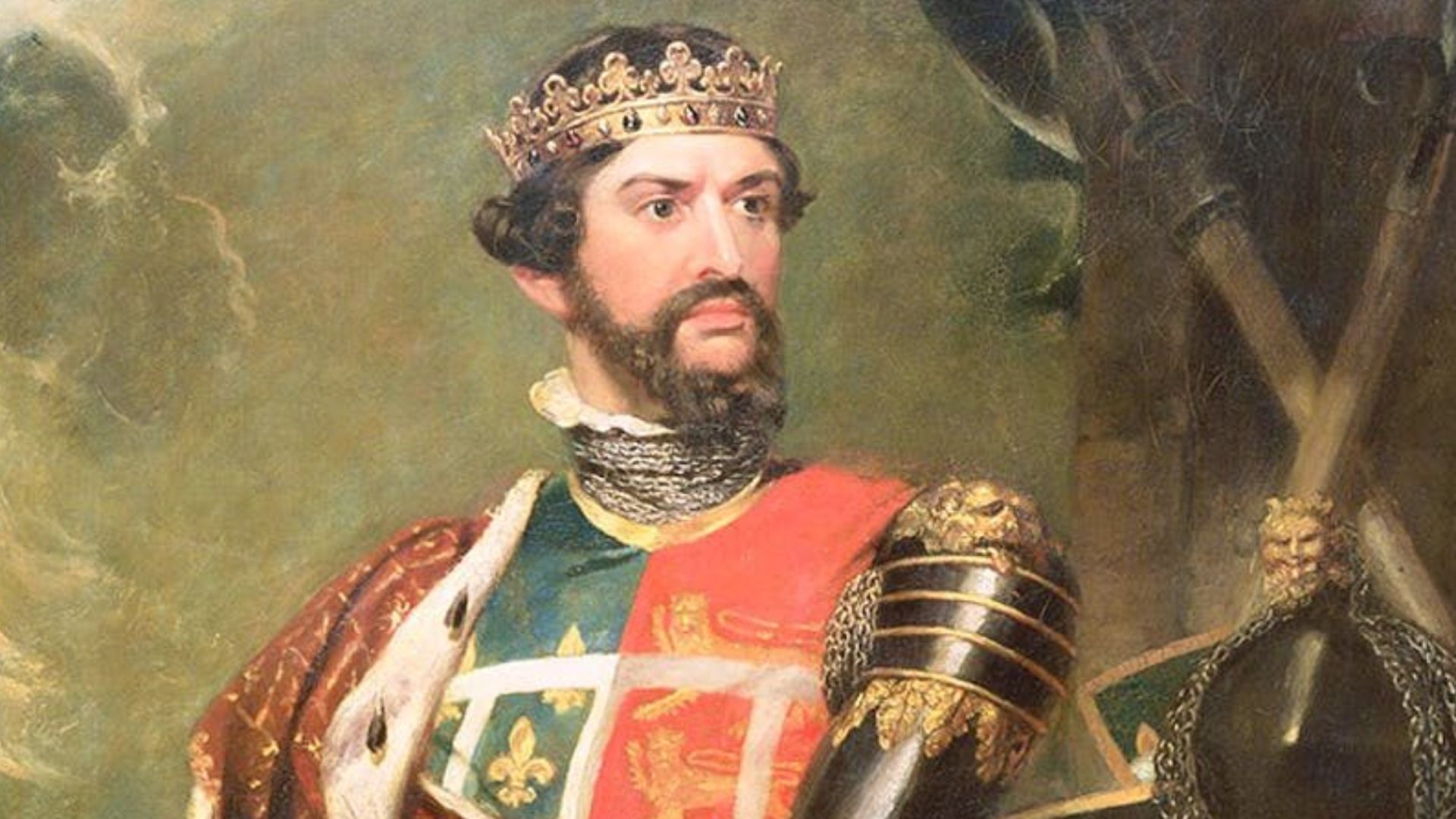 Robby Copeland, Wikimedia Commons
Rasputin The Mad Monk: He Wasn't Even A Monk
Grigori Rasputin became famous as Russia's mysterious "Mad Monk." There's just one problem: he wasn't actually a monk. He was a religious figure who became close to the Russian royal family. Stories about his drinking, relationships, and strange behavior spread across the country. His growing influence made people suspicious, and his unusual nickname only added to the mystery.
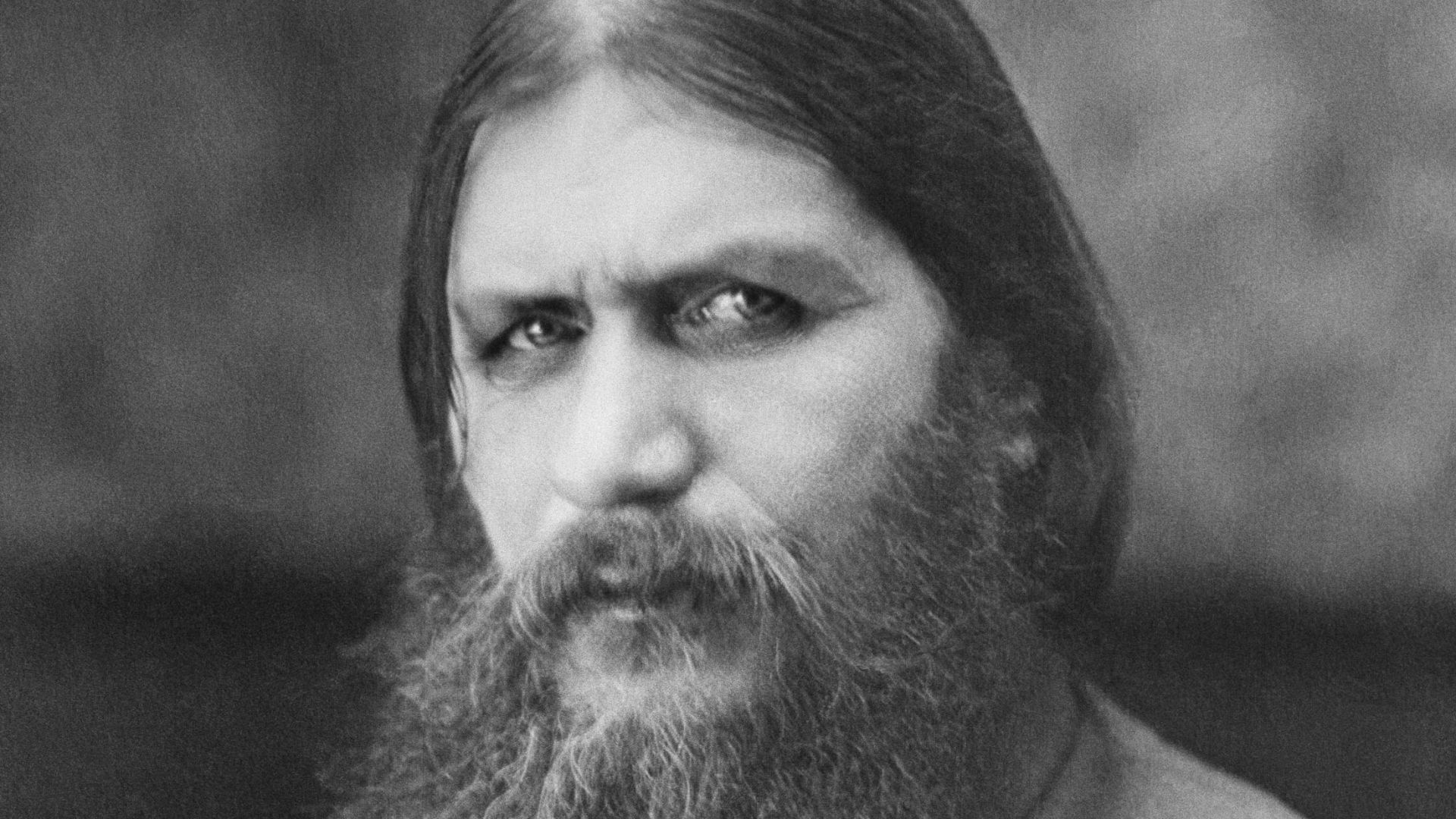 Unknown authorUnknown author, Wikimedia Commons
Napoleon The Little Corporal: A Surprisingly Affectionate Insult
Napoleon conquered huge parts of Europe, but his soldiers had a surprisingly friendly nickname for him: the Little Corporal. It became associated with his bravery during his early military campaigns. Despite sounding like an insult, it was actually a sign of affection. Of course, the famous commander would eventually lead wars that changed Europe forever.
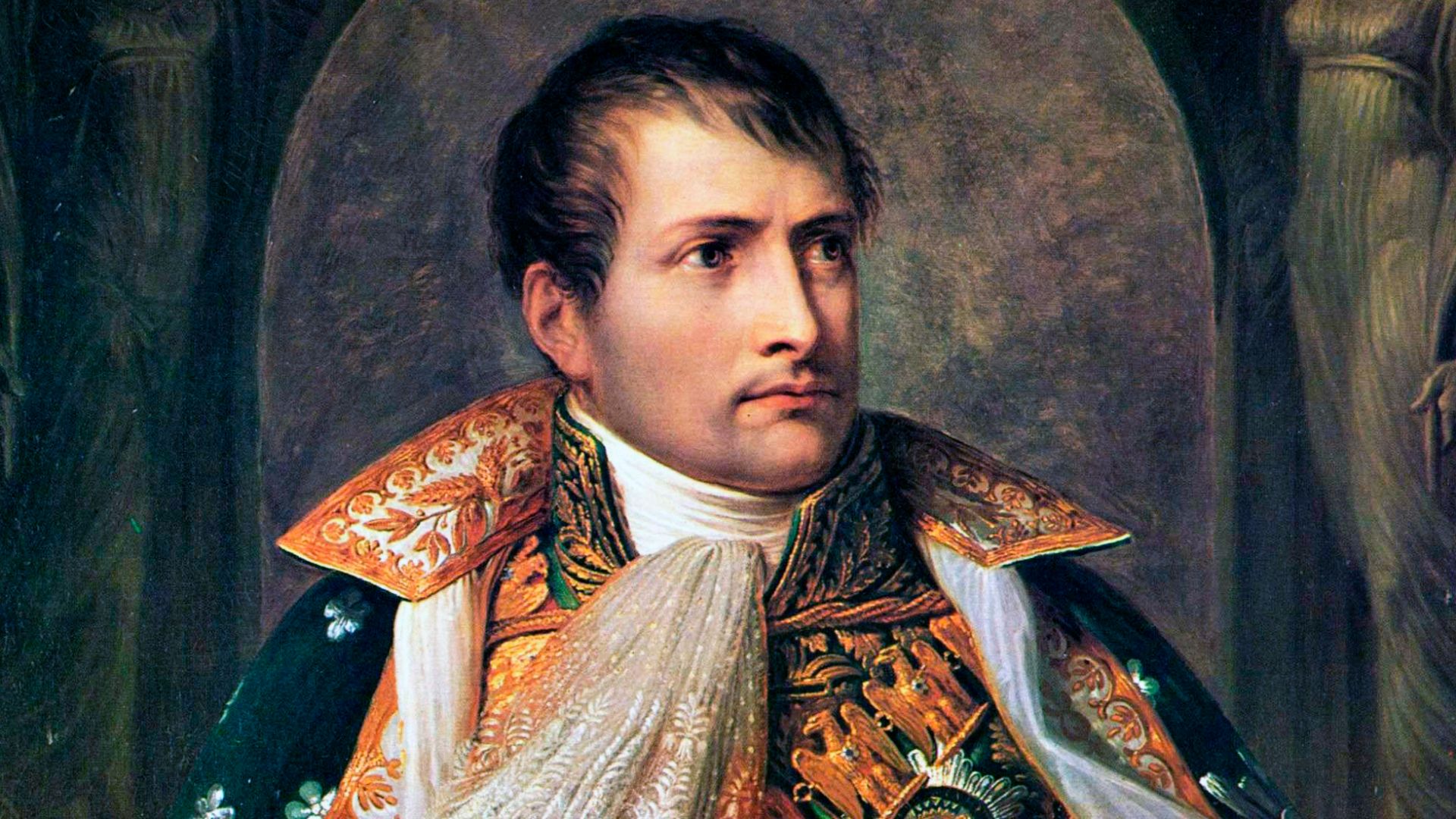 Andrea Appiani, Wikimedia Commons
History Wasn't Nearly As Polite As We Remember
From embarrassing family secrets to terrifying punishments, famous historical nicknames often hide stories we never heard in school. Some were cruel insults, others were clever publicity, and a few were surprisingly sweet. But every one of them tells us something about the people behind the name. Which nickname surprised you most, and which do you remember learning in school?
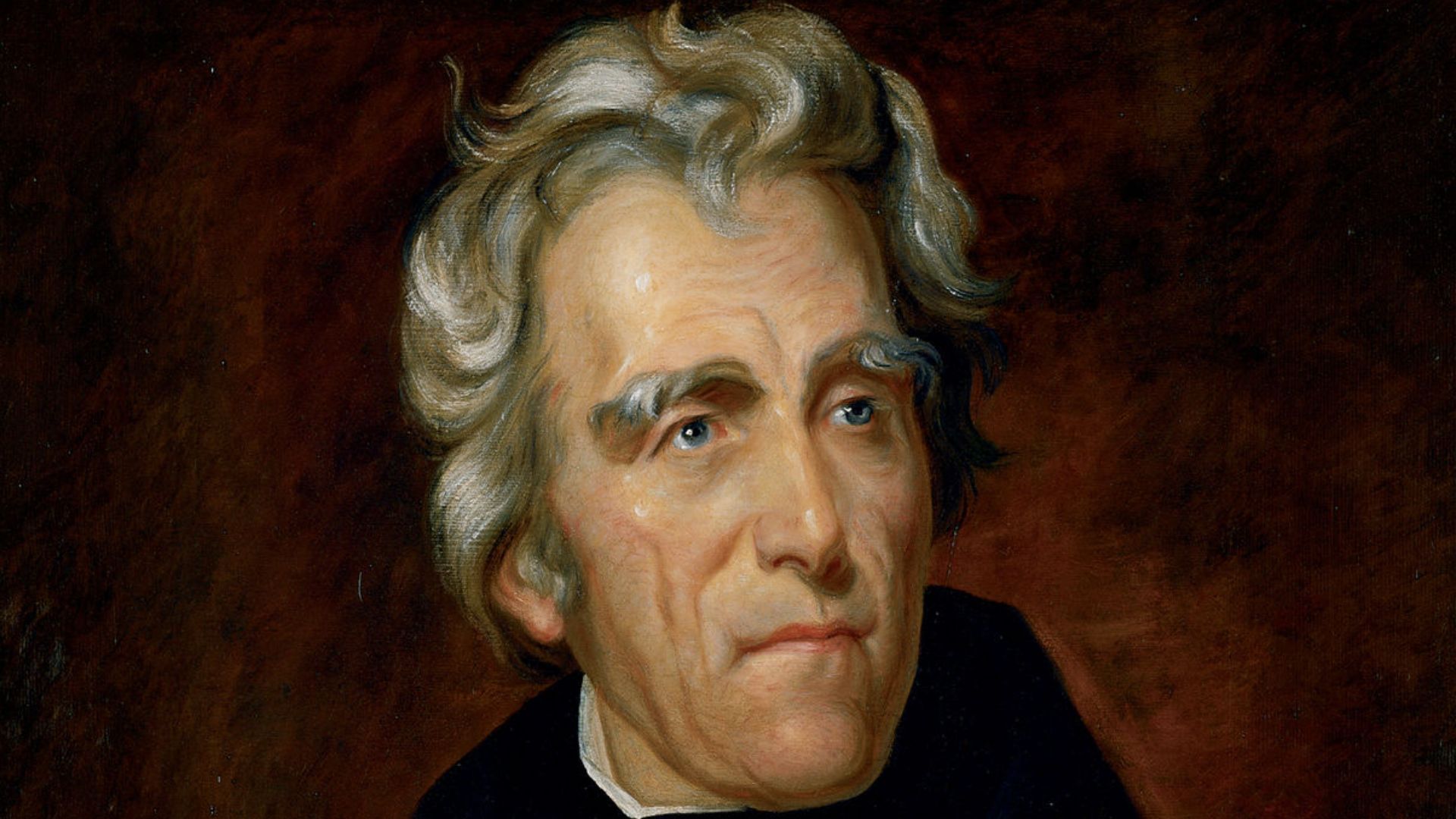 Thomas Sully, Wikimedia Commons
You May Also Like: