Home Wasn't Always The Safest Place
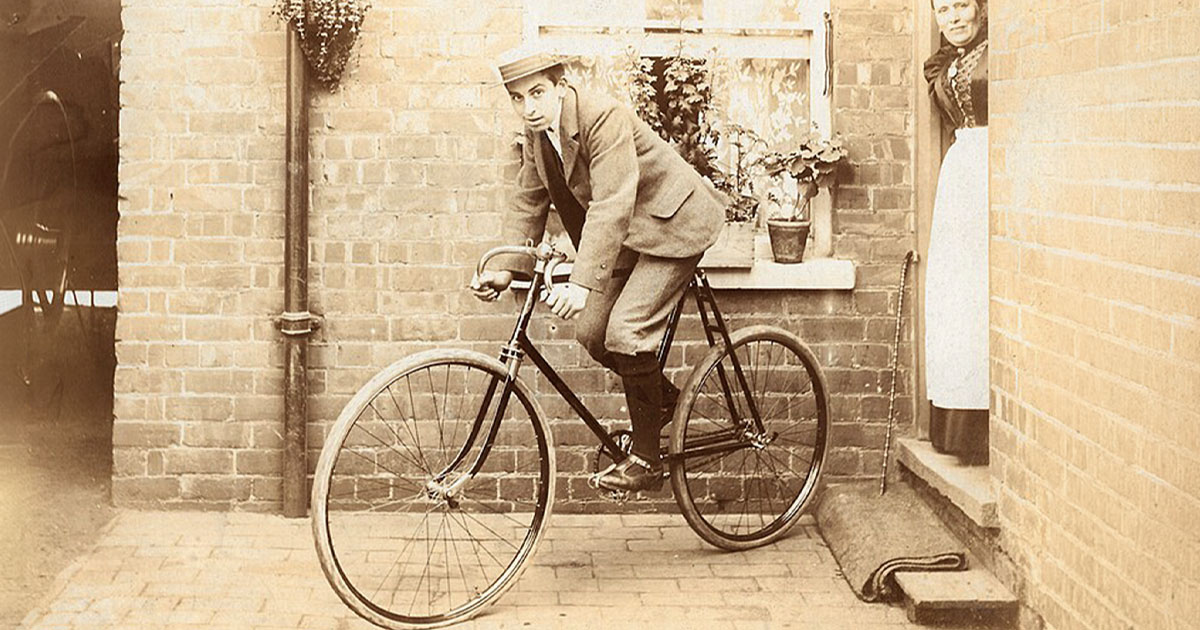
Older homes can be charming, but they also preserve a strange history of everyday risk. Paint, wiring, furniture, toys, heaters, and nursery products once came with hazards that later generations addressed through new standards and safer designs. Some of these objects may still be hiding in basements and attics today.
Lead-Based Paint
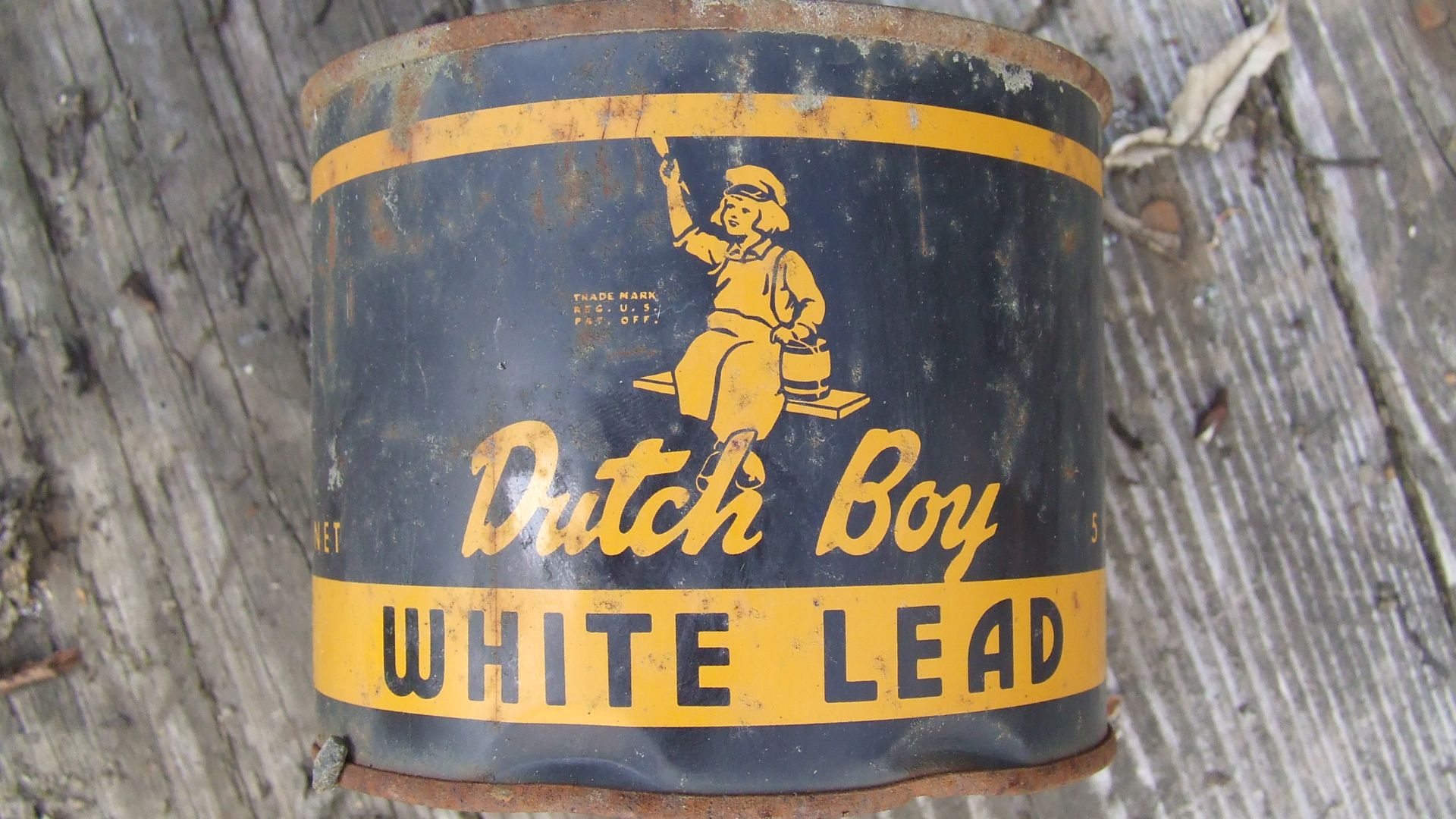
For generations, lead-based paint covered walls, doors, windows, and trim. The United States banned its sale for residential use in 1978, but it remains in many older houses. When aging paint chips or turns to dust, lead can be inhaled or swallowed, with young children facing especially serious risks.
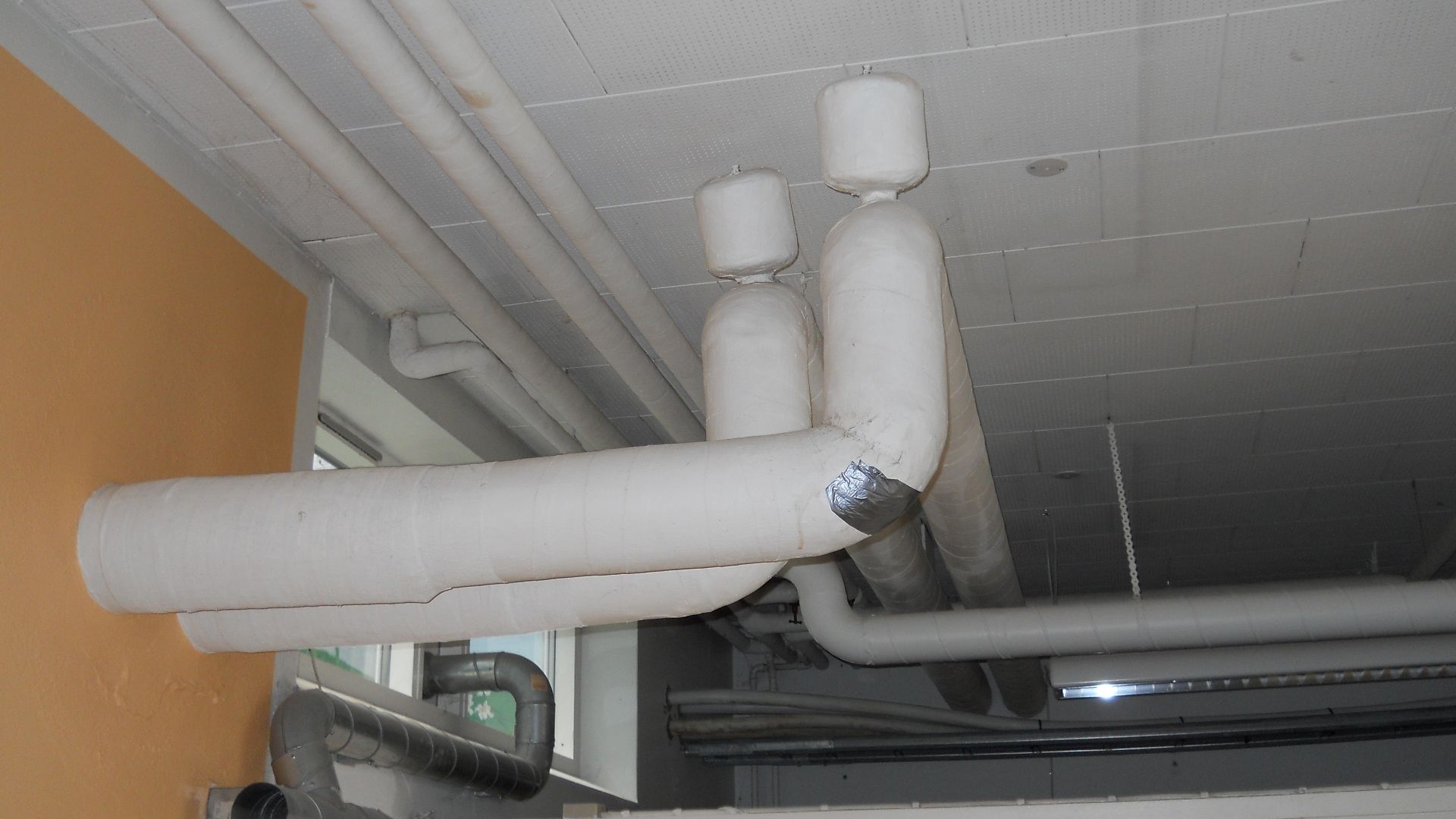
Asbestos Floor Tiles And Pipe Insulation
Asbestos wasn't confined to factories. It appeared in flooring, ceiling materials, pipe wrap, and insulation inside ordinary homes. Intact asbestos-containing material may pose little risk when left alone, but cutting, sanding, breaking, or otherwise disturbing it can release hazardous fibers into the air.
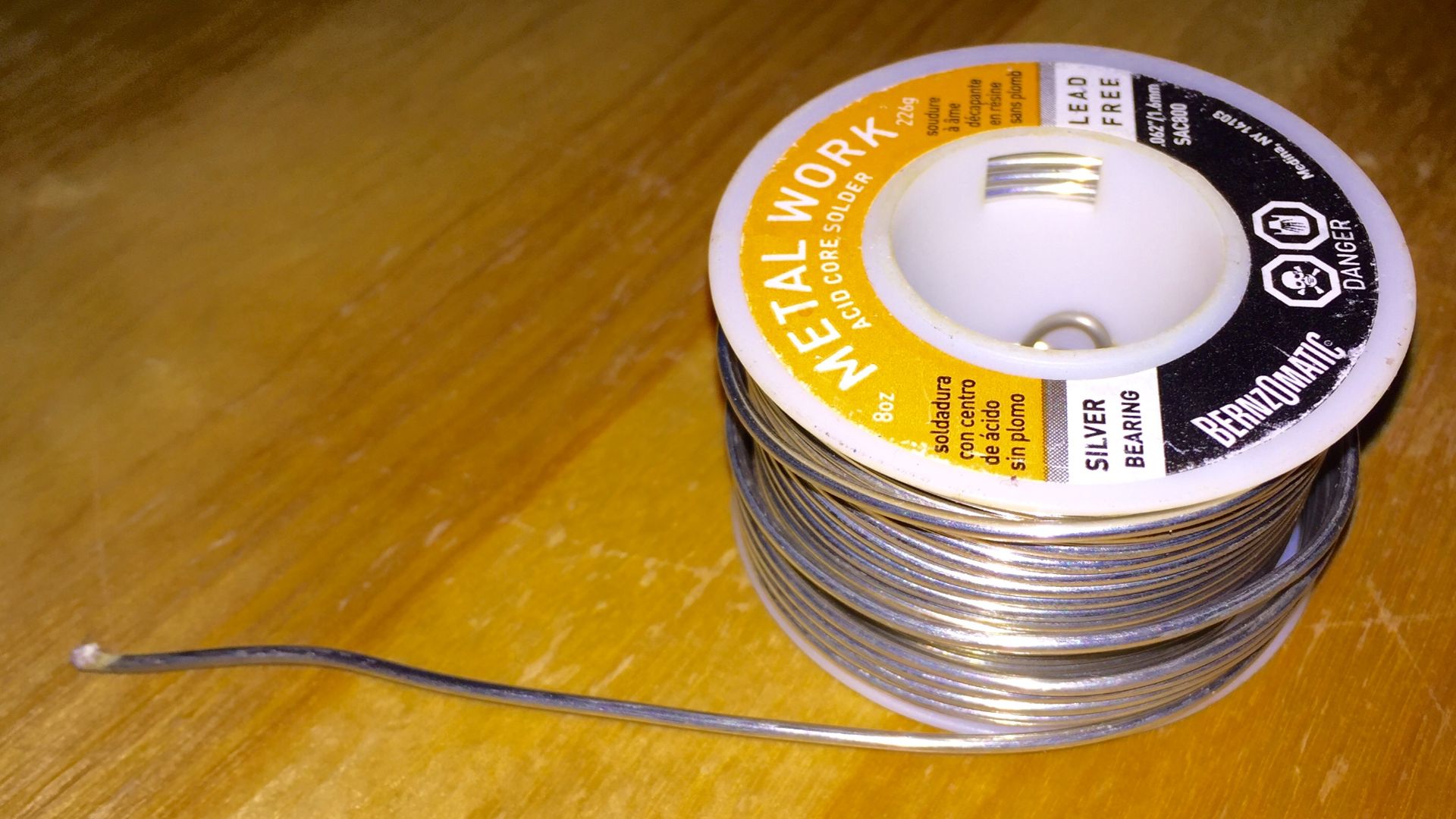
Lead Pipes And Solder
A kitchen faucet could once be connected to plumbing that quietly added lead to drinking water. Lead service lines are especially associated with older cities and homes, while older solder and certain fixtures can also contribute. Because lead cannot be seen, tasted, or smelled in water, testing is needed to know whether it is present.
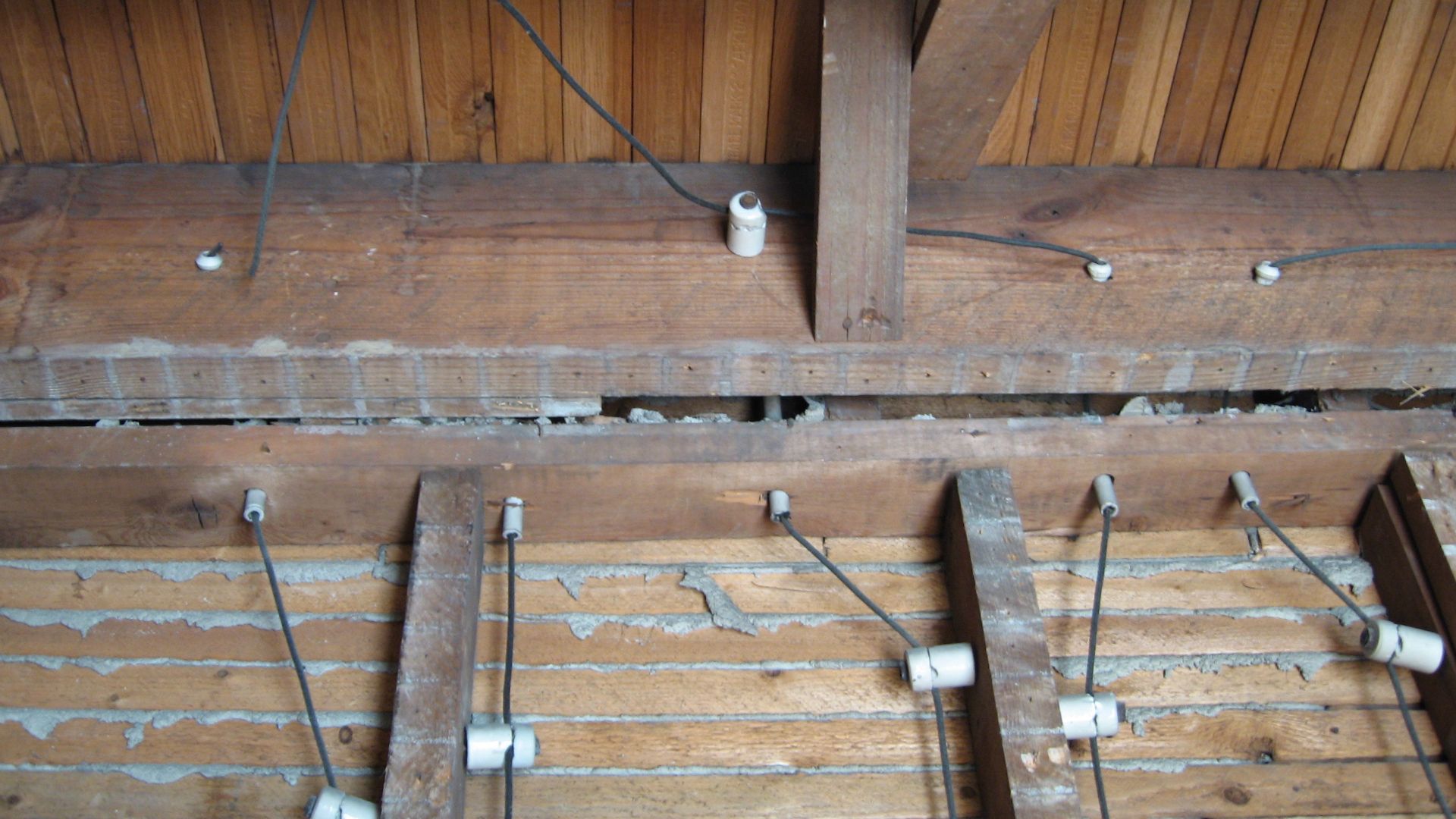
Knob-And-Tube Wiring
Those ceramic knobs and tubes visible in some old basements and attics are remnants of a wiring system common from the late 1800s through the early decades of the 20th century. It lacks a modern grounding conductor, while aging insulation, deterioration, and later alterations can create additional electrical and fire concerns.
 Laura Scudder, Wikimedia Commons
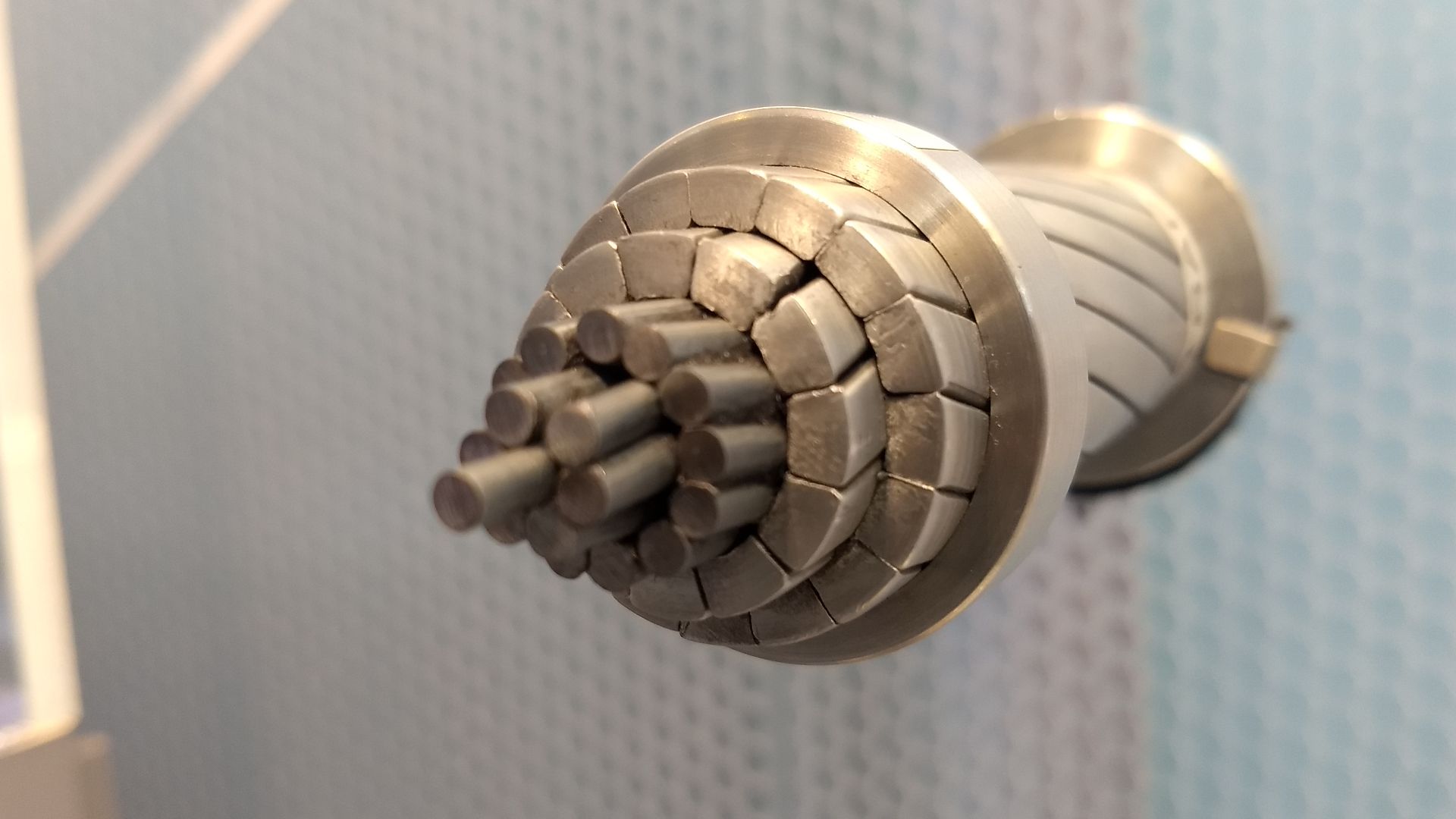
Aluminum Branch Wiring
Rising copper prices helped make aluminum branch wiring popular in many homes during the 1960s and early 1970s. Problems can develop at connections, where deterioration may increase resistance and create dangerous heat. Warning signs can include warm switch plates, flickering lights, burning smells, or failing circuits.
 Eduardo Sanchez, Wikimedia Commons
Two-Prong Electrical Outlets
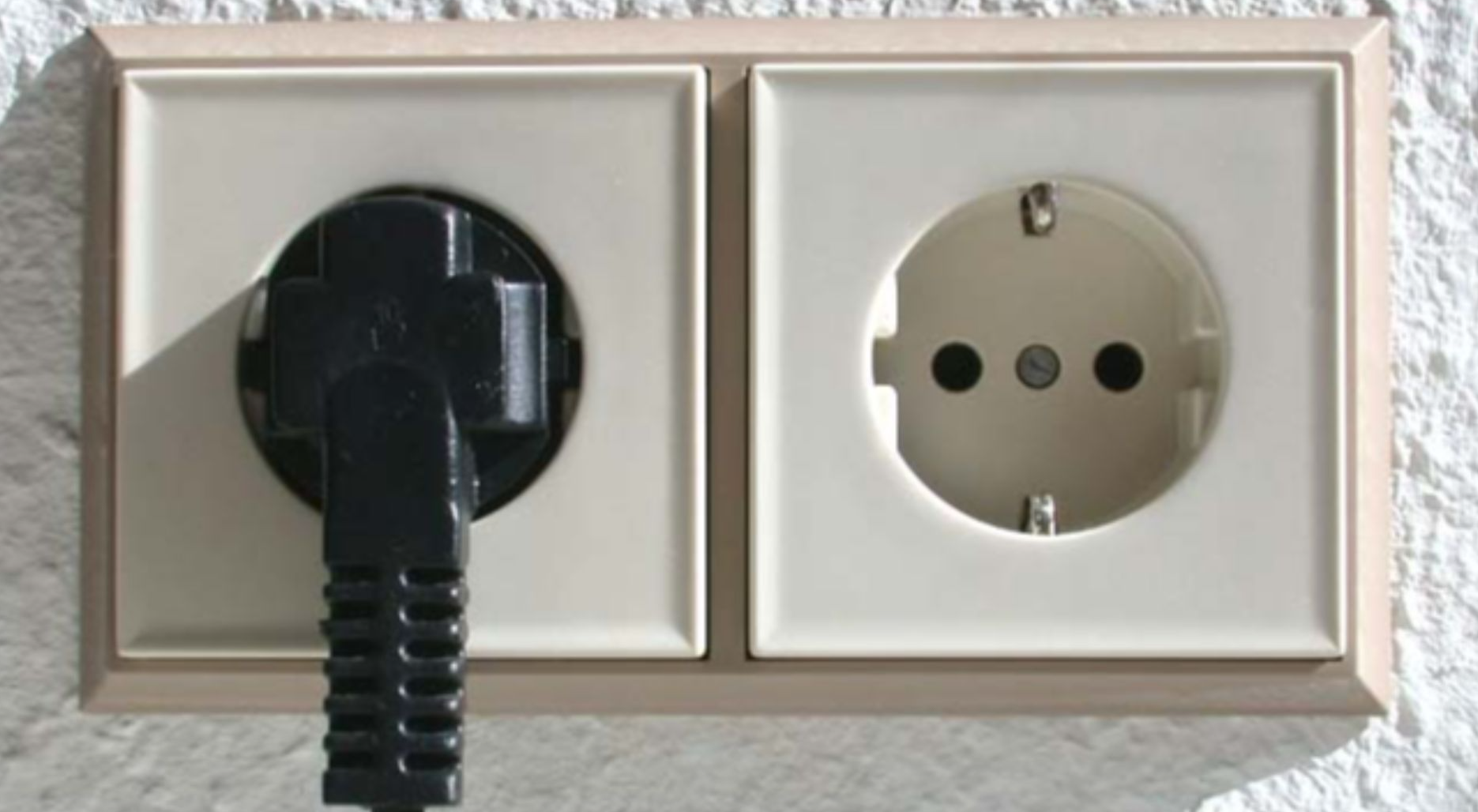
Two-prong outlets were once completely ordinary. What they did not provide was the grounding connection offered by the familiar third prong. Grounding reduces electric-shock risk and helps protect equipment, which is one reason modern electrical systems look noticeably different from those found in many mid-century homes.
Glass Mercury Thermometers
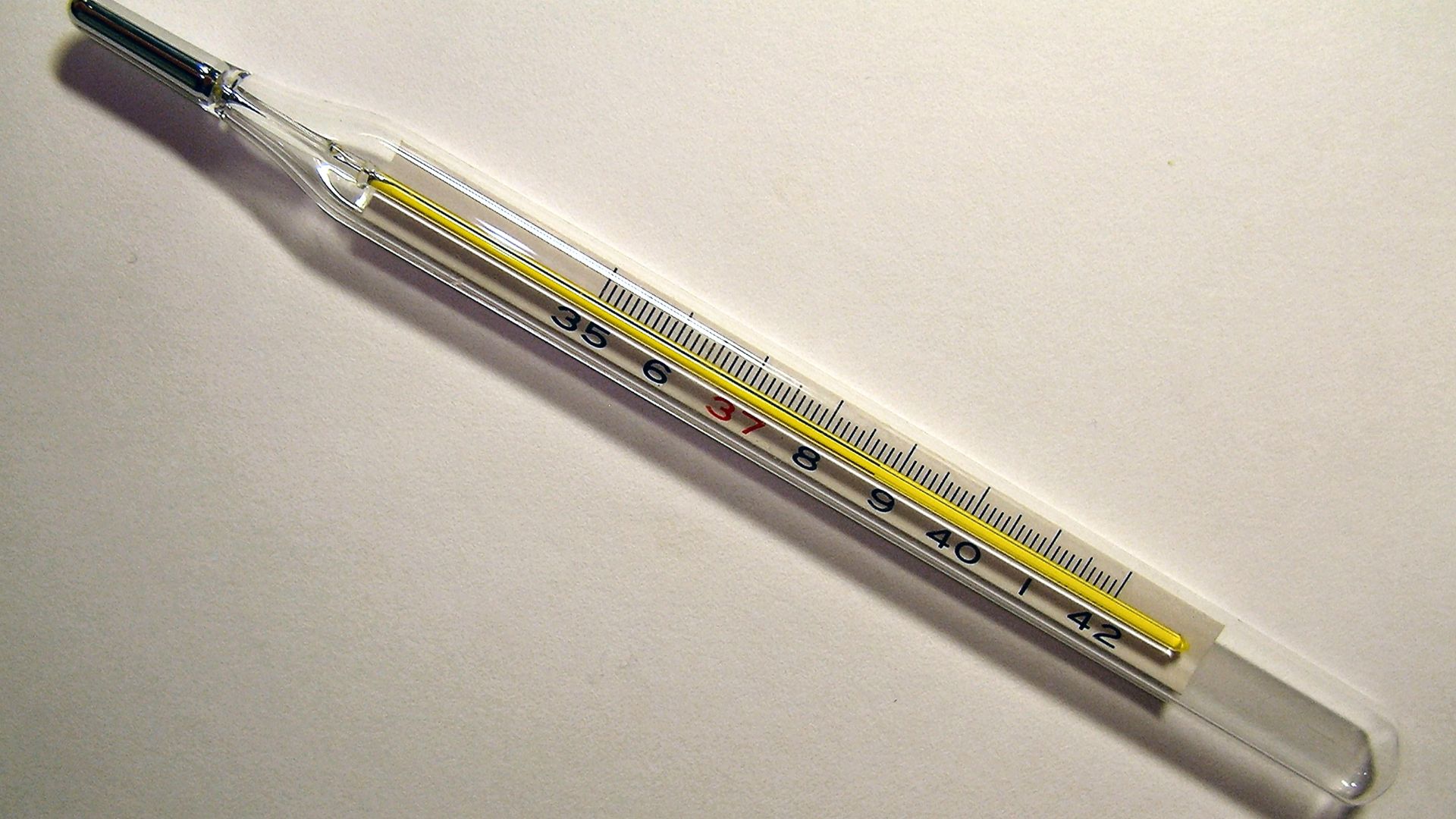
That silver liquid inside the family thermometer was elemental mercury. Glass fever thermometers were once common in medicine cabinets, along with mercury-filled cooking and household thermometers. Break one, however, and tiny droplets can scatter into cracks and release toxic mercury vapor if they are cleaned up incorrectly.
Mercury Thermostats
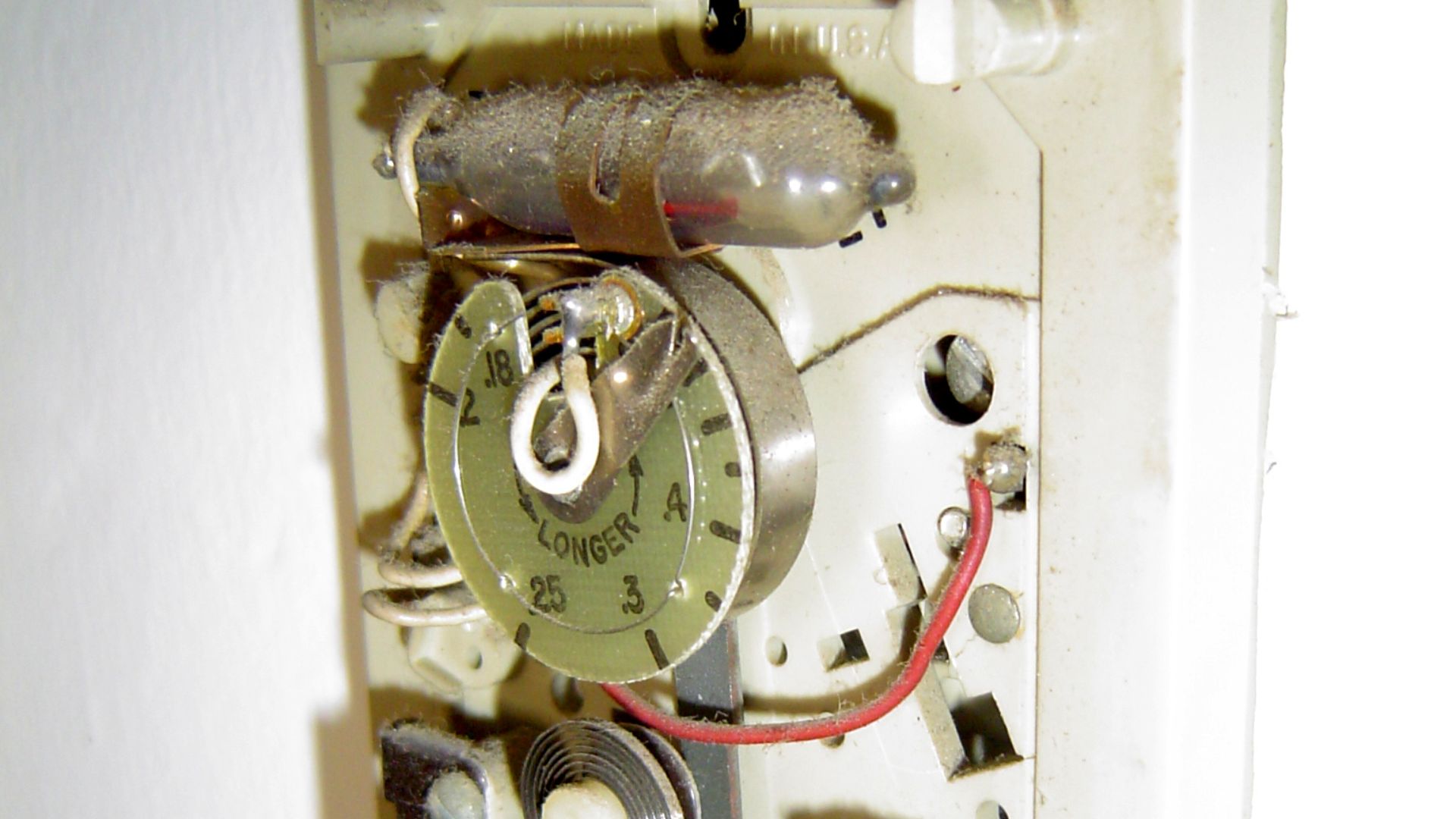
For decades, familiar round and rectangular wall thermostats used tiny sealed switches containing mercury. They generally pose little risk while intact, but breaking one can create a mercury spill. Old units still turn up during renovations, which is why environmental agencies recommend special recycling rather than tossing them in household trash.
Radium-Dial Clocks
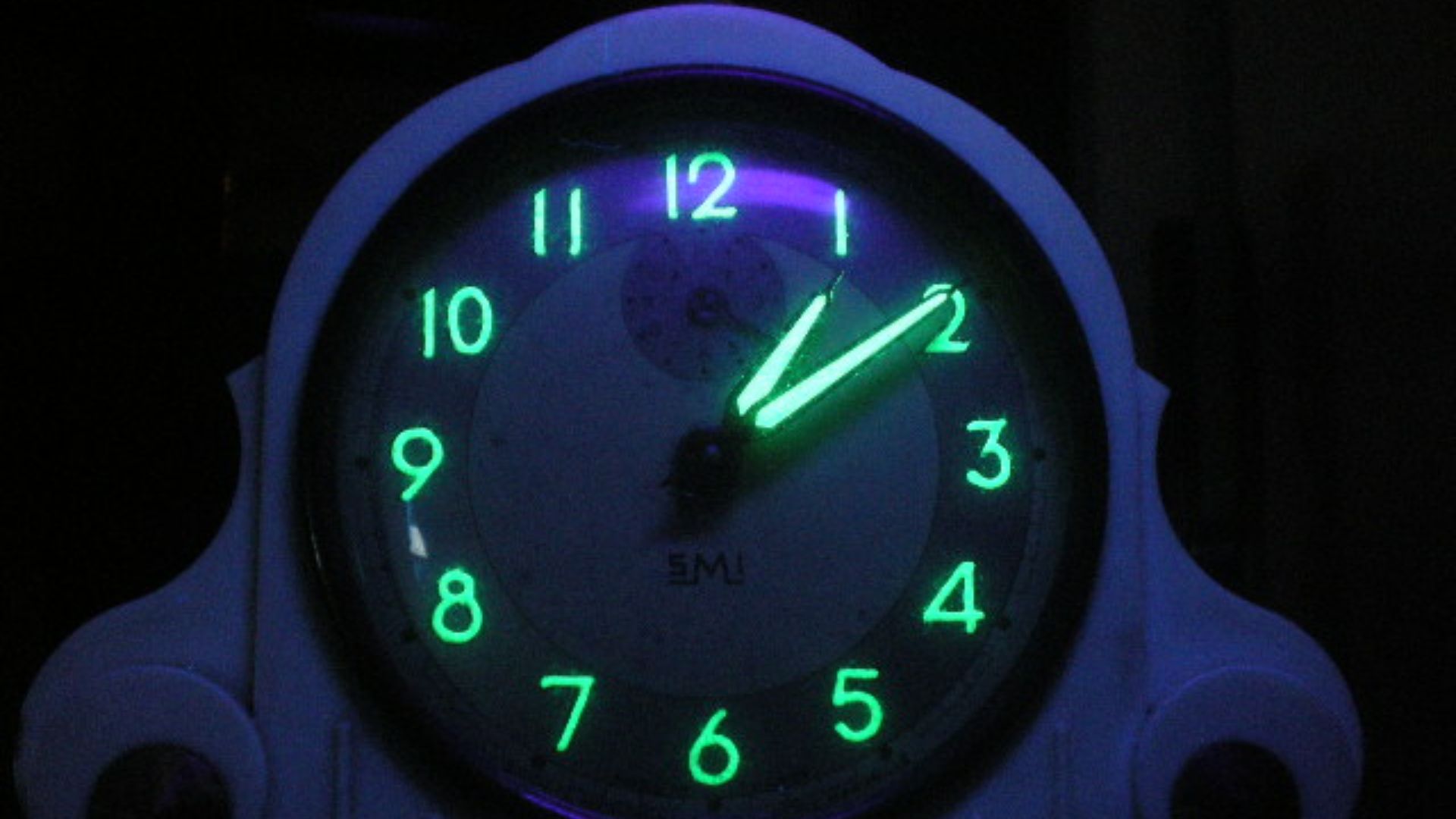
Some old alarm clocks really did glow all night without electricity. Manufacturers used radium-containing luminous paint on clocks and watches well into the 20th century. An intact antique presents much less risk than damaged material, but flaking radium paint should never be opened, scraped, inhaled, or swallowed.
Glass Fire Grenades
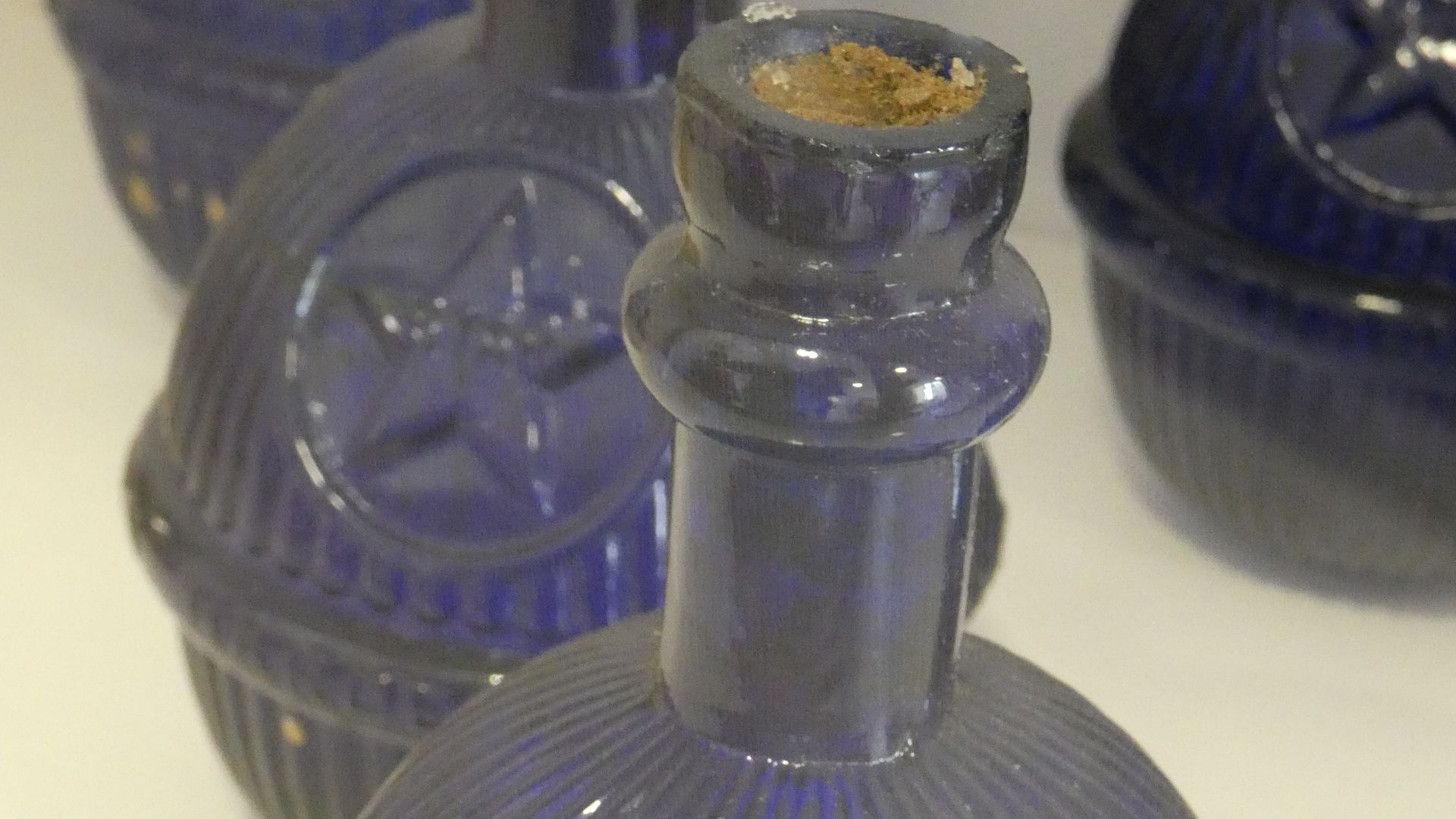
Long before the modern extinguisher became standard, homeowners could hang glass "fire grenades" around the house and throw them at a blaze. Some later versions contained carbon tetrachloride, an effective fire suppressant eventually recognized as hazardous to human health. Filled antique examples require particular caution.
 David.Monniaux, Wikimedia Commons
Cans Of DDT
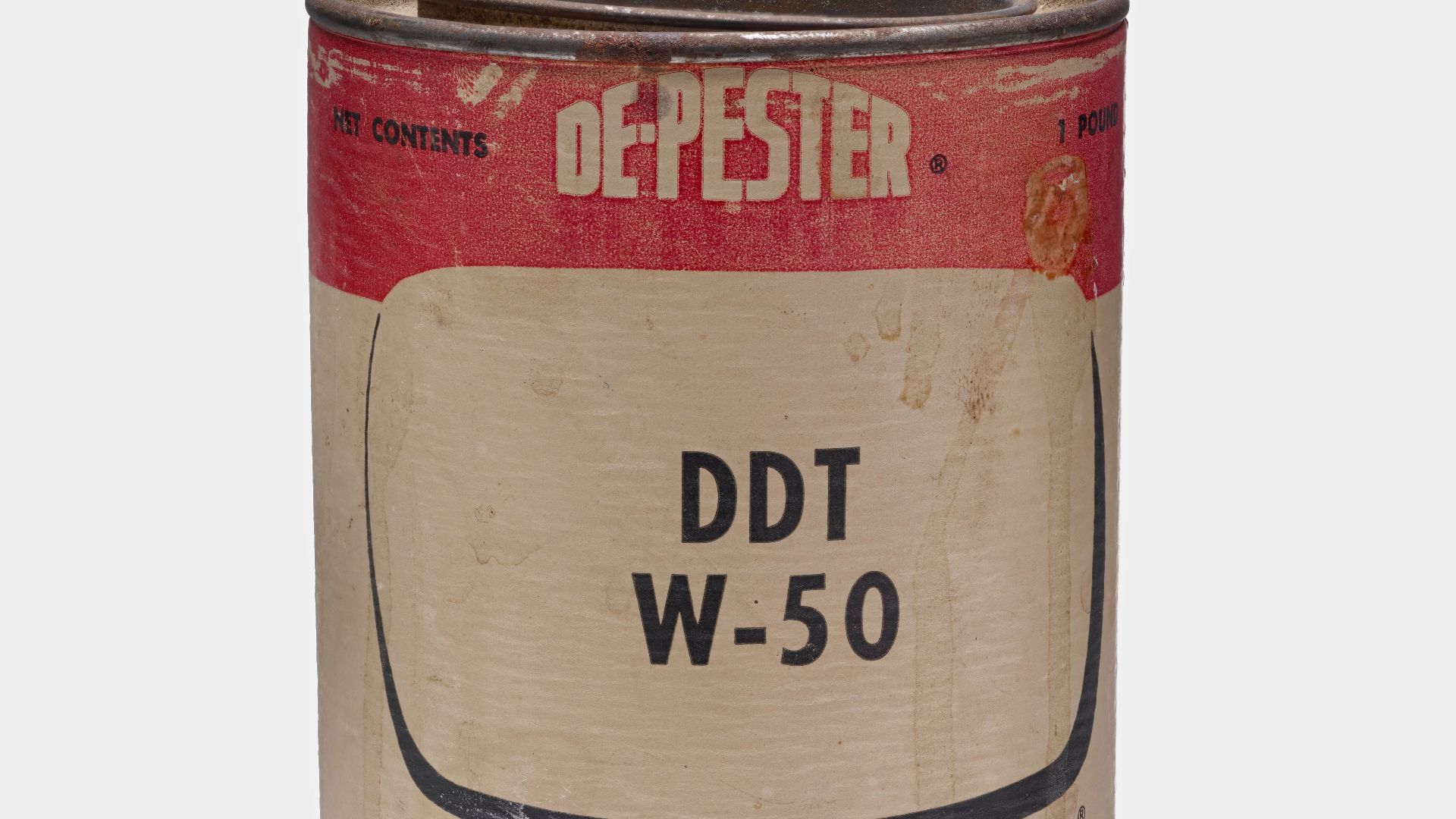
DDT was not merely an agricultural chemical. For decades, it was also used around American homes and gardens to kill insects. The EPA canceled nearly all remaining domestic uses in 1972 after mounting concerns about its persistence in the environment, accumulation through food chains, and harmful effects on wildlife.
 Thompson-Hayward Chemical Company, Wikimedia Commons
Mothballs Everywhere
Grandma's unmistakable closet smell wasn't necessarily harmless. Traditional mothballs commonly contained naphthalene, and using large quantities throughout living spaces could create significant exposure. The CDC has documented households where excessive mothball use was associated with headaches, nausea, vomiting, anemia, and other symptoms.
 Wiki Farazi, Wikimedia Commons
Portable Kerosene Heaters
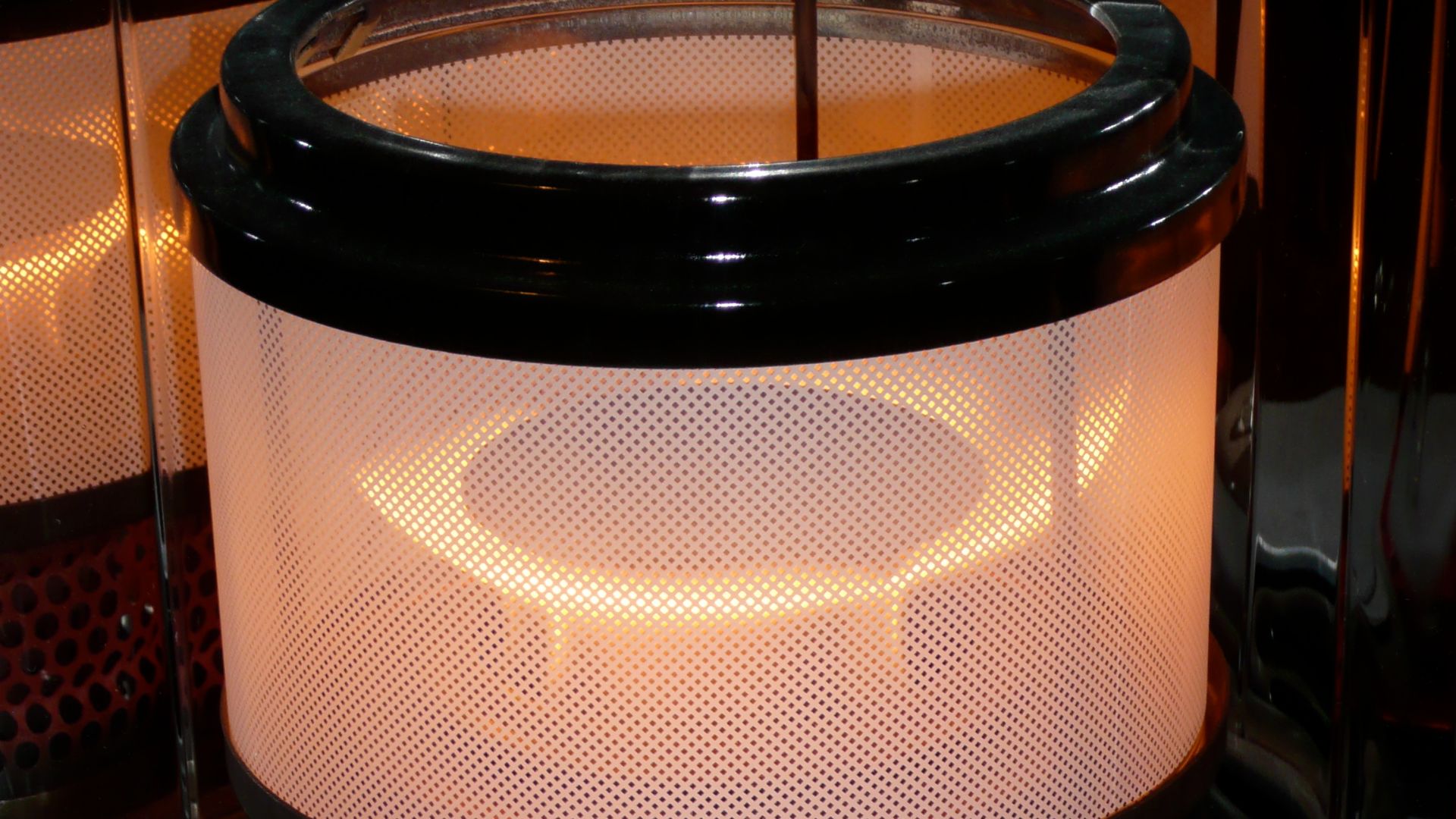
Portable kerosene heaters were an easy way to warm a chilly room, but burning fuel indoors comes with risks. Improperly maintained or incorrectly used heaters can contribute to carbon monoxide exposure, while their hot surfaces and fuel create additional burn and fire hazards. Ventilation and proper operation are essential.
Latching Chest Freezers
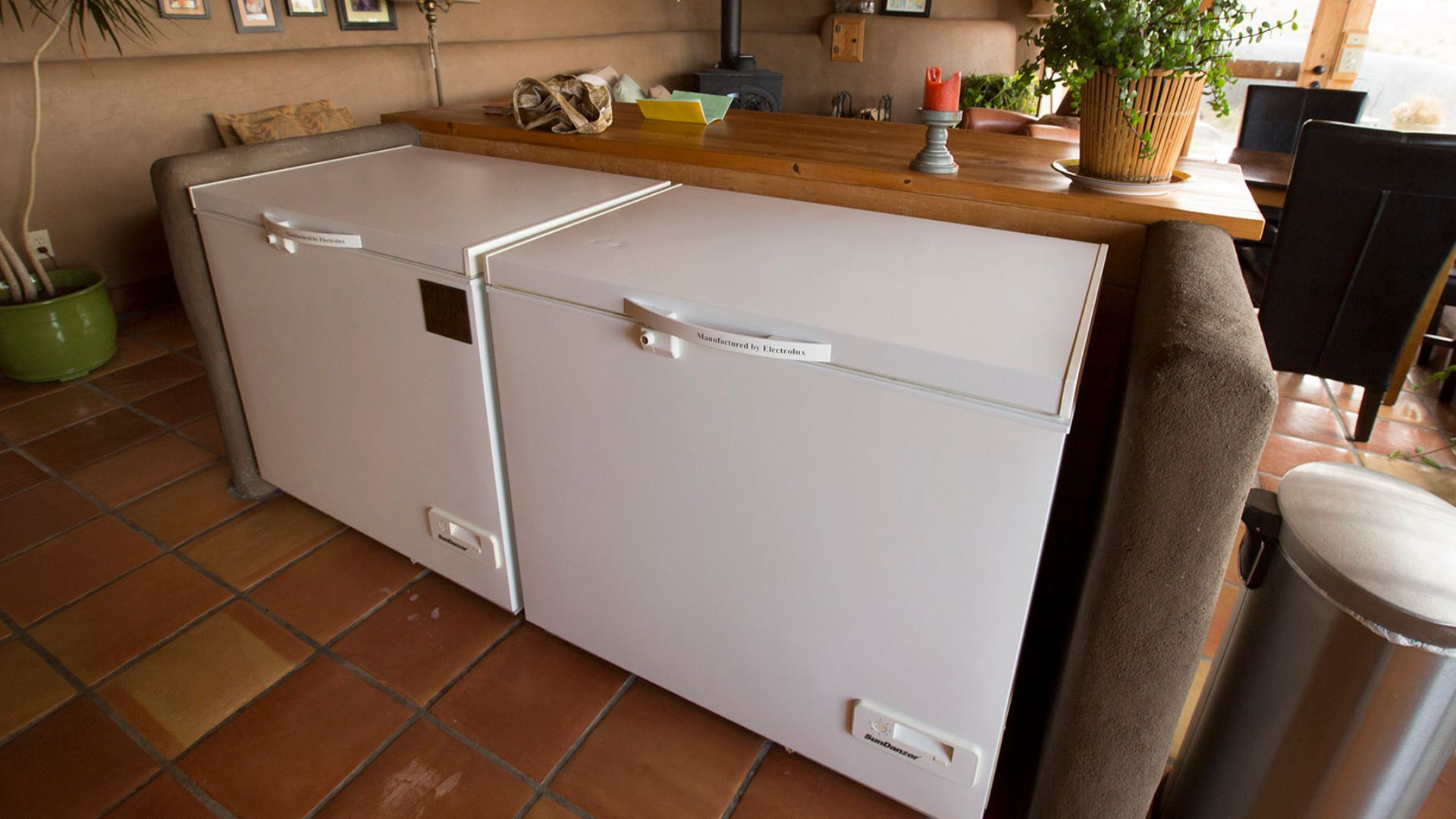
Old chest freezers could be surprisingly lethal hiding places. Models produced during the mid-20th century sometimes had heavy lids that latched shut, leaving children unable to escape after climbing inside. CPSC reported 27 deaths involving old chest freezers between 1980 and 1999 alone.
 Kyle Greenberg, Wikimedia Commons
Auto-Locking Cedar Chests
Some older Lane and Virginia Maid cedar chests used locks that automatically latched when the lid closed. Children who climbed inside could become trapped and suffocate. Millions of chests made from 1912 through 1987 were covered by a lock-replacement program after fatal entrapments were reported.
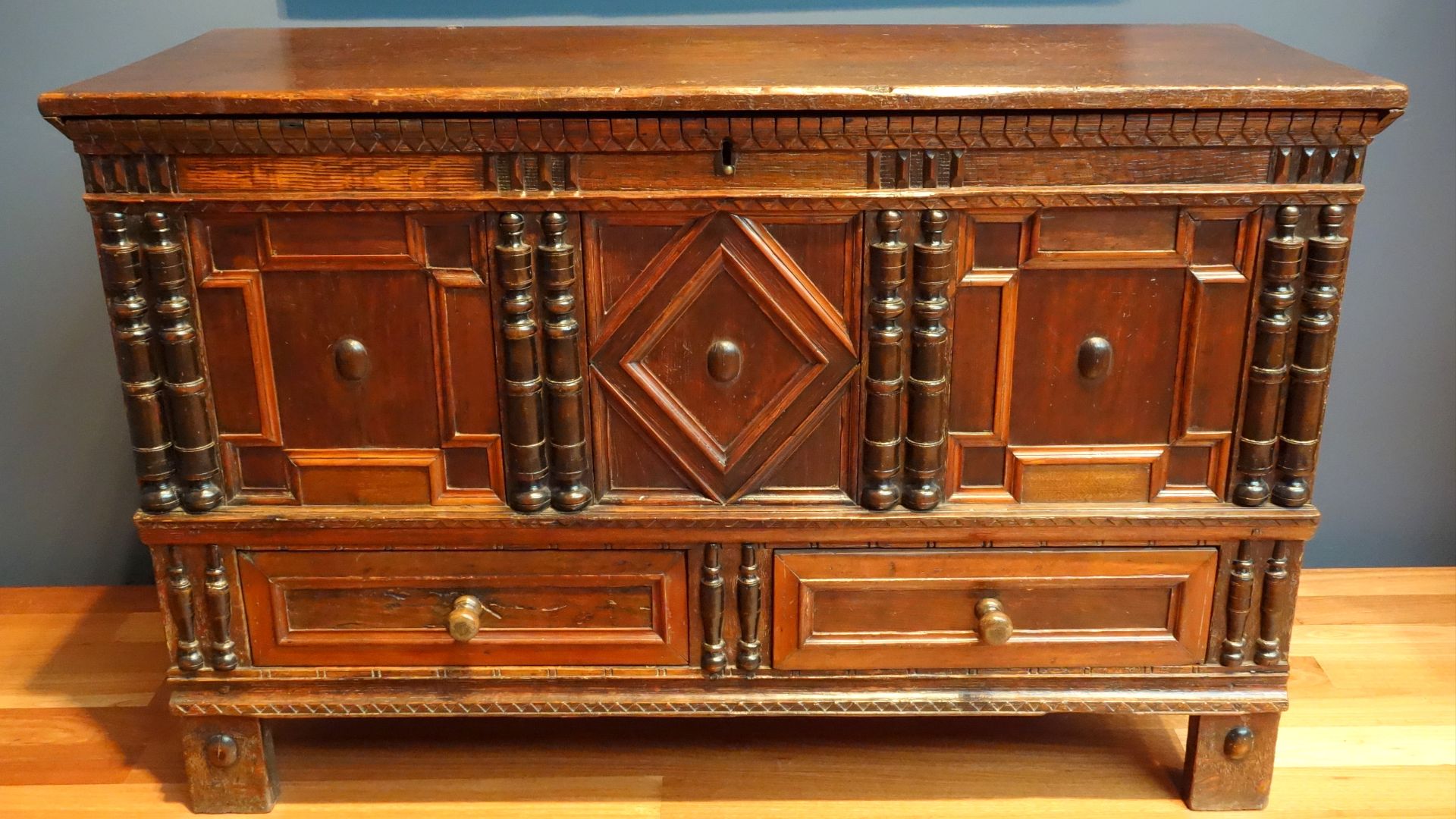
Hair Dryers Without Safety Plugs
Dropping an old hair dryer into a bathtub could turn an everyday grooming appliance into an electrocution hazard. Before modern immersion-protection requirements took hold, millions of dryers offered no such safeguard. CPSC estimated around 17 annual electrocutions involving hand-held dryers falling into water in 1990.
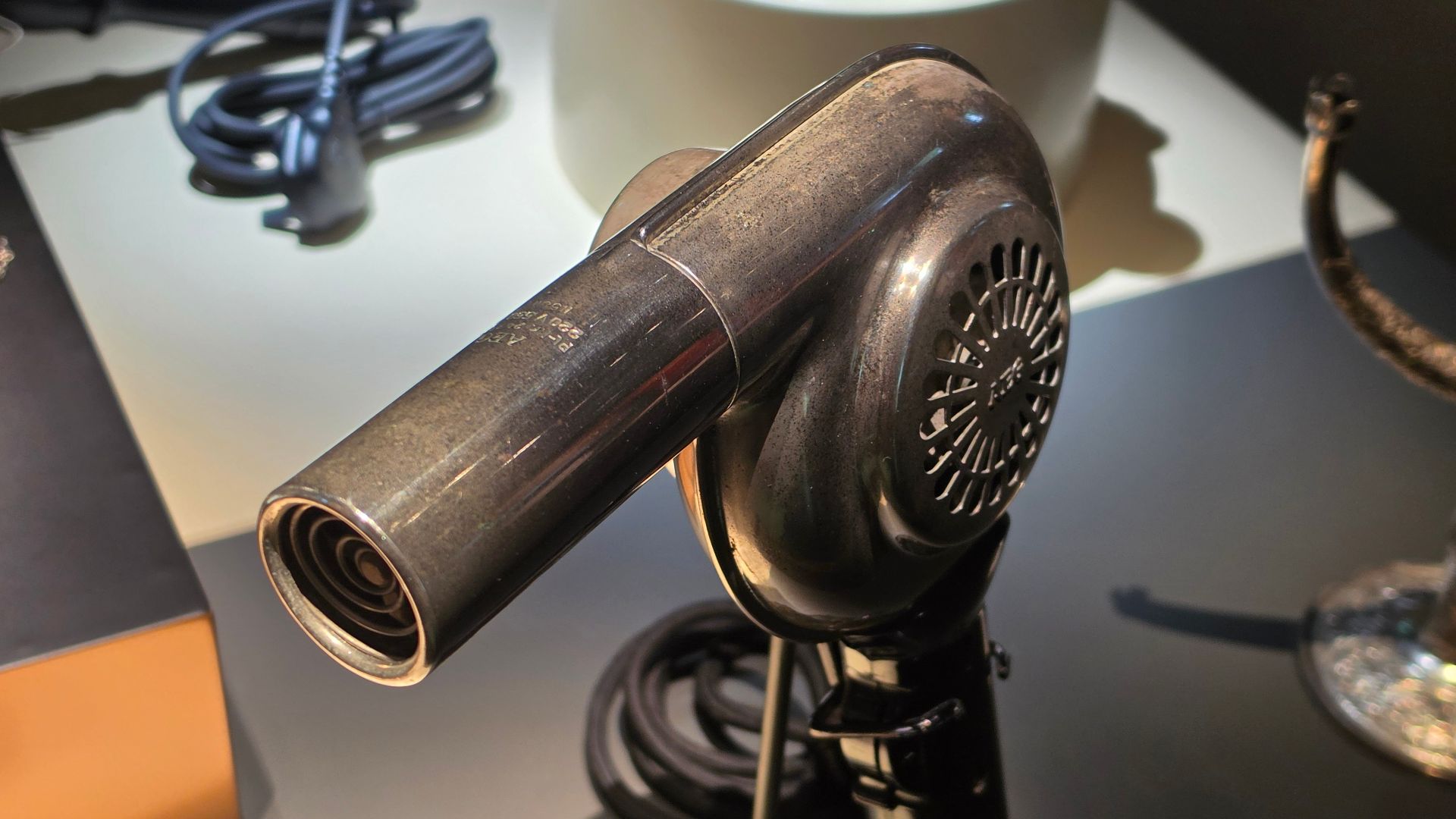
Medicine Bottles Without Child-Resistant Caps
There was a time when pills and dangerous household chemicals could sit in containers that a small child could open with little resistance. The 1970 Poison Prevention Packaging Act changed that by requiring child-resistant packaging for many substances. Childhood deaths from accidental ingestion declined dramatically afterward.
 Cindy Shebley, Wikimedia Commons
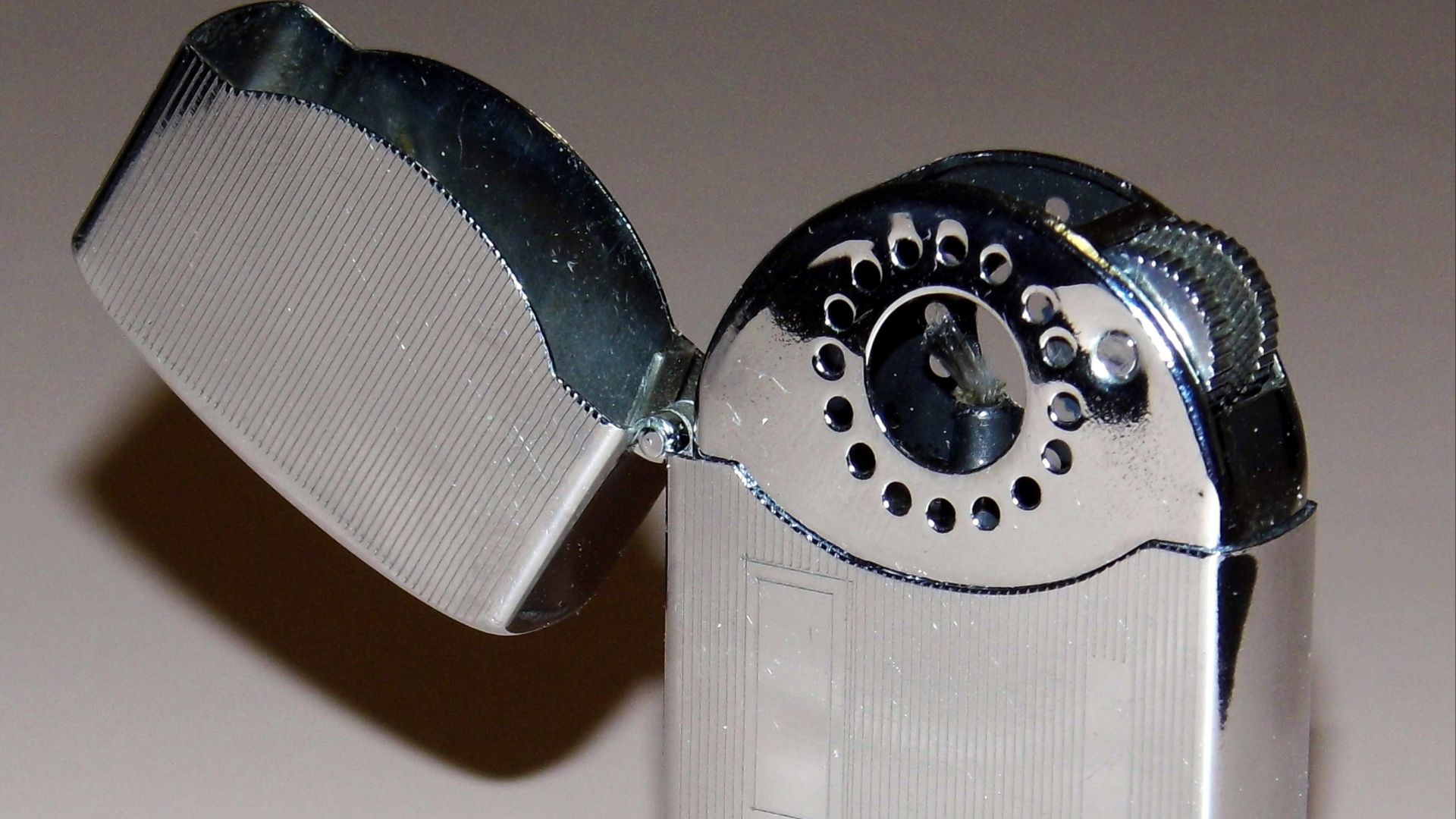
Lighters Without Child-Resistant Mechanisms
Before child-resistant cigarette lighters became mandatory in the 1990s, a curious toddler could operate many of them remarkably easily. CPSC linked young children playing with lighters to thousands of residential fires each year. Deaths connected with those fires dropped substantially after the safety standard took effect.
 Joe Haupt from USA, Wikimedia Commons
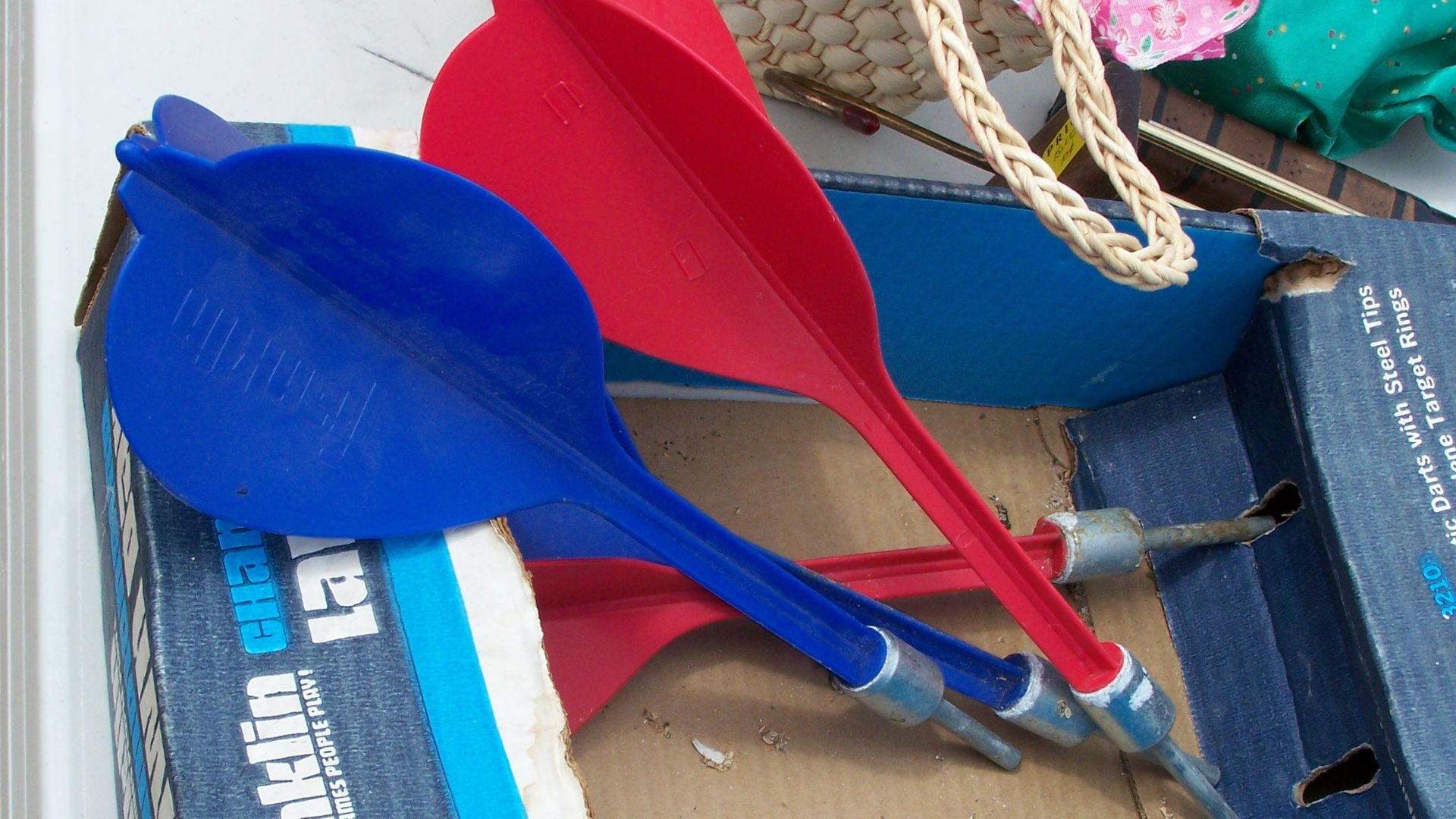
Lawn Darts
Few discontinued toys capture changing attitudes toward safety quite like lawn darts. These weighted darts were designed to fly through the air and stick point-first into the ground. After thousands of injuries and three known child fatalities, CPSC banned the sale of dangerous pointed lawn darts in 1988.
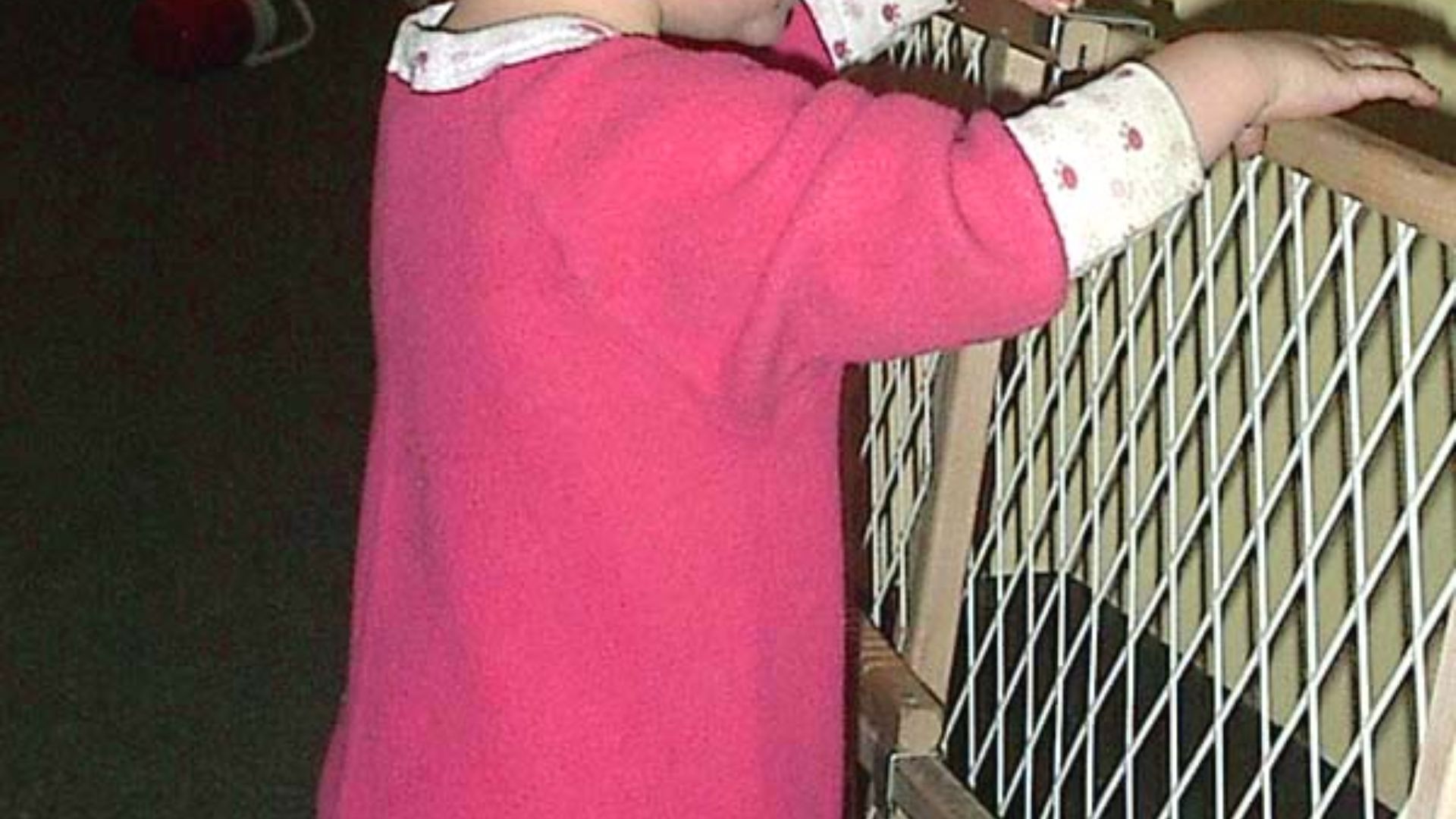
Accordion-Style Baby Gates
The old wooden accordion gate looked practical, but its V-shaped and diamond-shaped openings created an entrapment hazard. Children's heads could become caught in the openings, leading to strangulation. CPSC had already documented seven deaths and 17 near misses when it warned consumers about the design in the 1980s.
 Melissa Gutierrez, Wikimedia Commons
Drop-Side Cribs
For years, a crib rail that slid downward seemed like a clever convenience for parents. Unfortunately, hardware failures or incorrect assembly could create a gap between the rail and mattress where a baby could become trapped. After dozens of fatalities and major recalls, new federal crib standards eliminated traditional drop sides.
 Lars Plougmann from London, United Kingdom, Wikimedia Commons
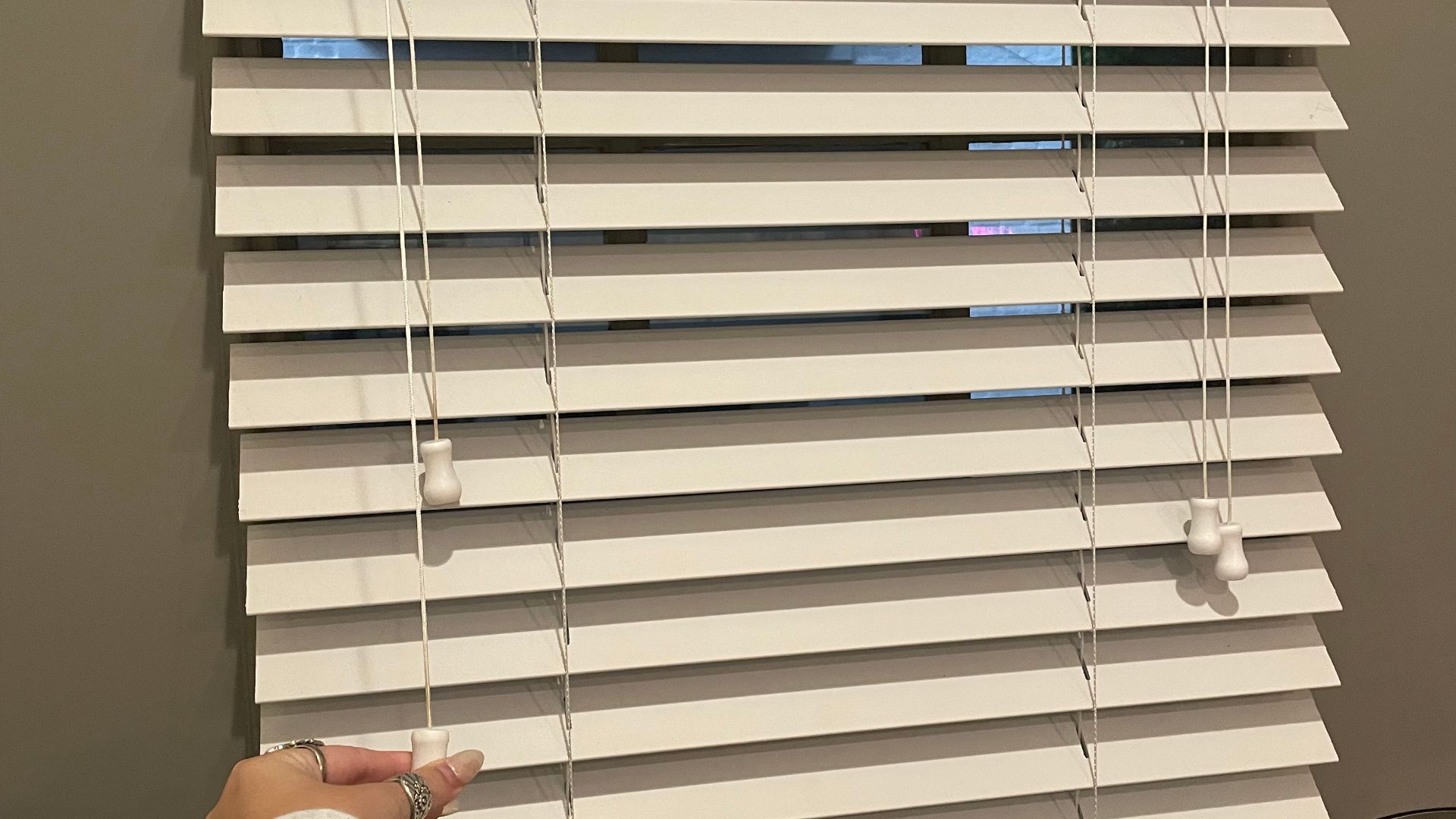
Looped Window-Blind Cords
Long loops hanging from blinds were once such an ordinary sight that few people viewed them as dangerous. Children could become silently entangled and strangled in outer pull cords or inner cords. CPSC eventually urged families to repair or replace older coverings, and newer designs have increasingly moved toward cordless operation.
 SelenaJKruse, Wikimedia Commons
Older Mattresses
A mattress does not look like a fire hazard until it ignites. Earlier federal rules addressed cigarette and smoldering ignition, but a stronger standard taking effect in 2007 targeted open flames such as candles, matches, and lighters. New mattresses had to limit the severity and spread of a fire, giving occupants more time to escape.

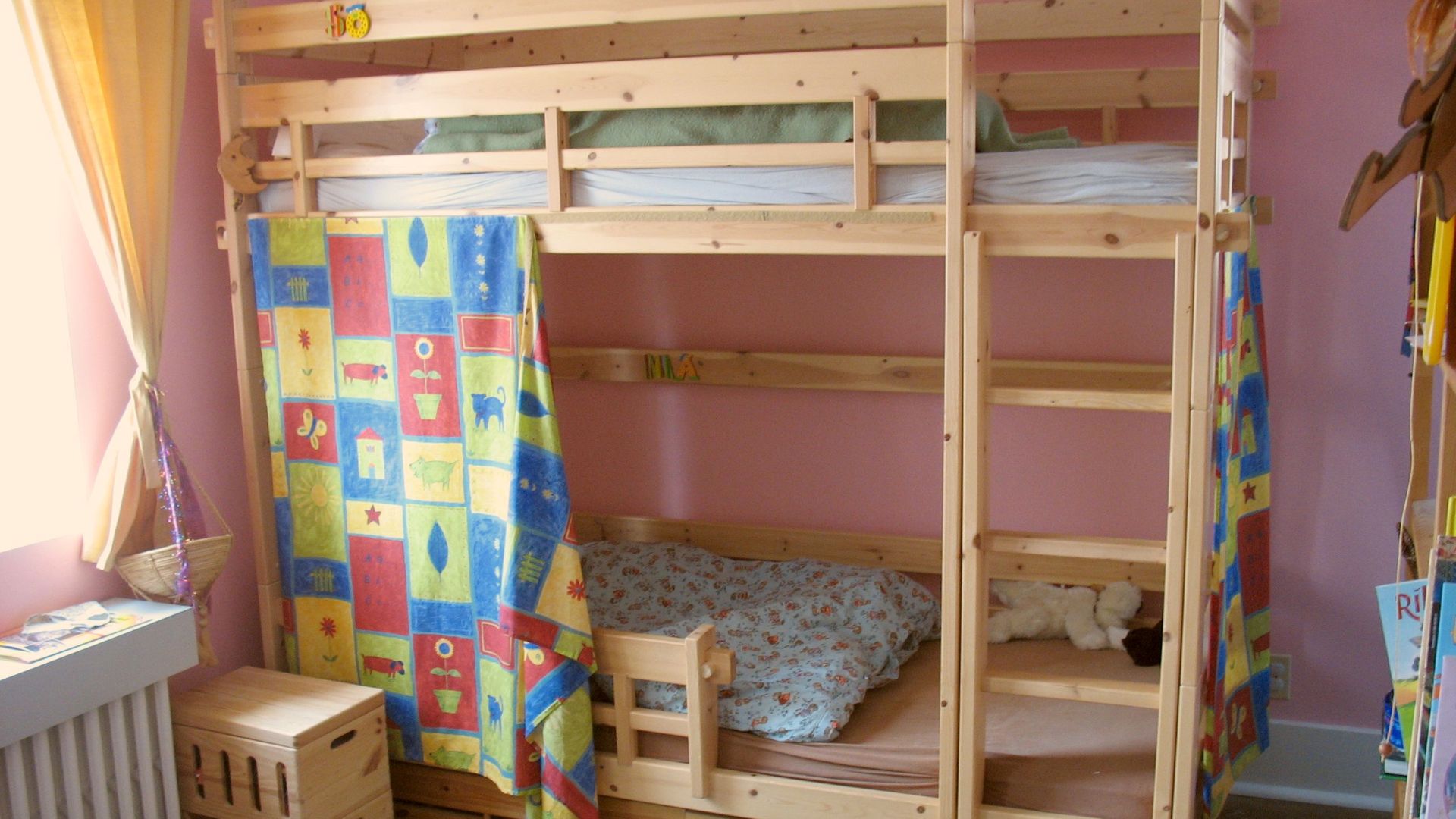
Older Bunk Beds
Bunk beds offered an easy way to fit siblings into one bedroom, but poorly designed openings could trap a child's body while catching the head or neck. After fatal entrapments, federal requirements established stricter rules for guardrails and openings. A mandatory US standard took effect for beds manufactured from mid-2000 onward.
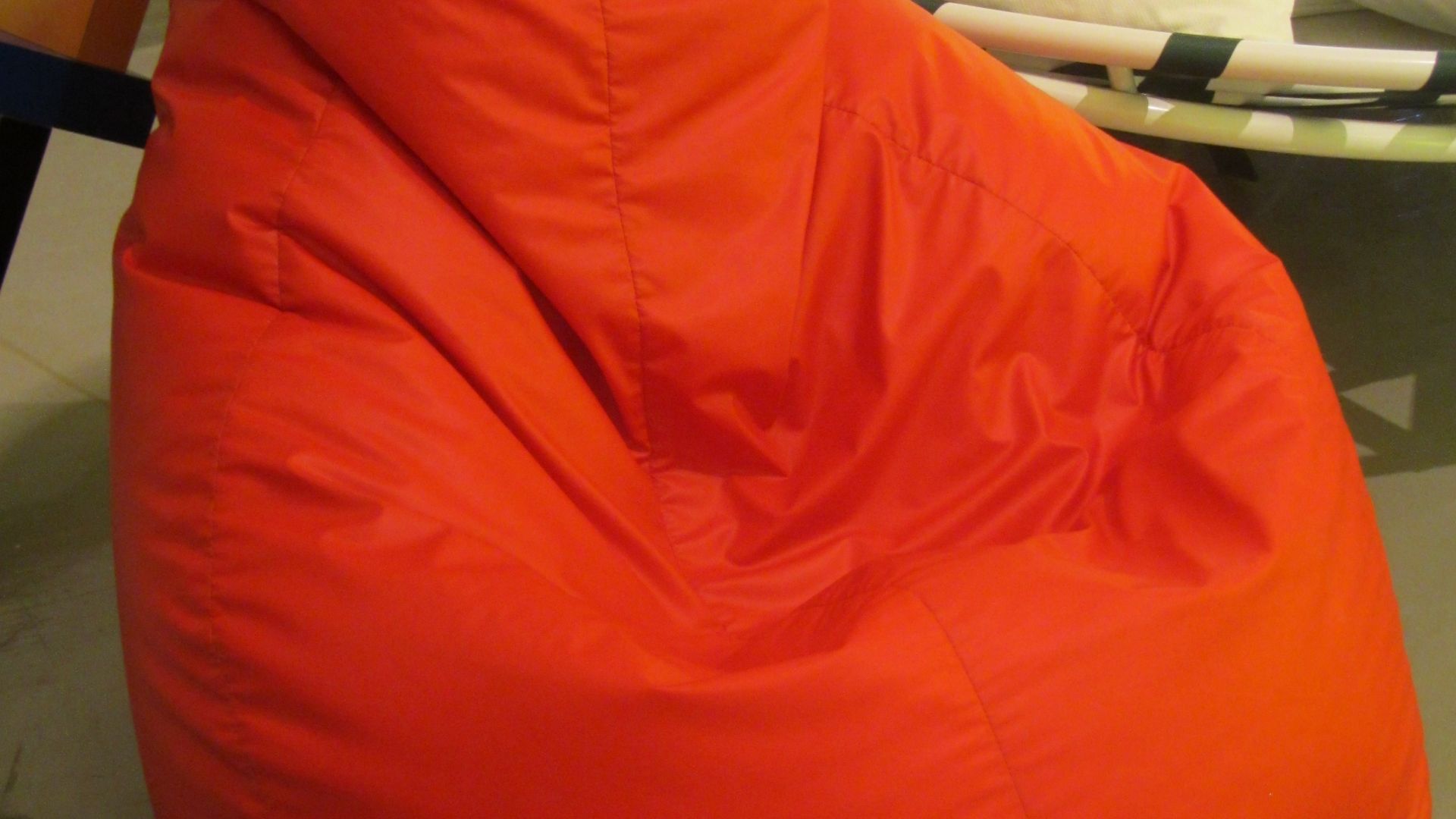
Old Zippered Bean Bag Chairs
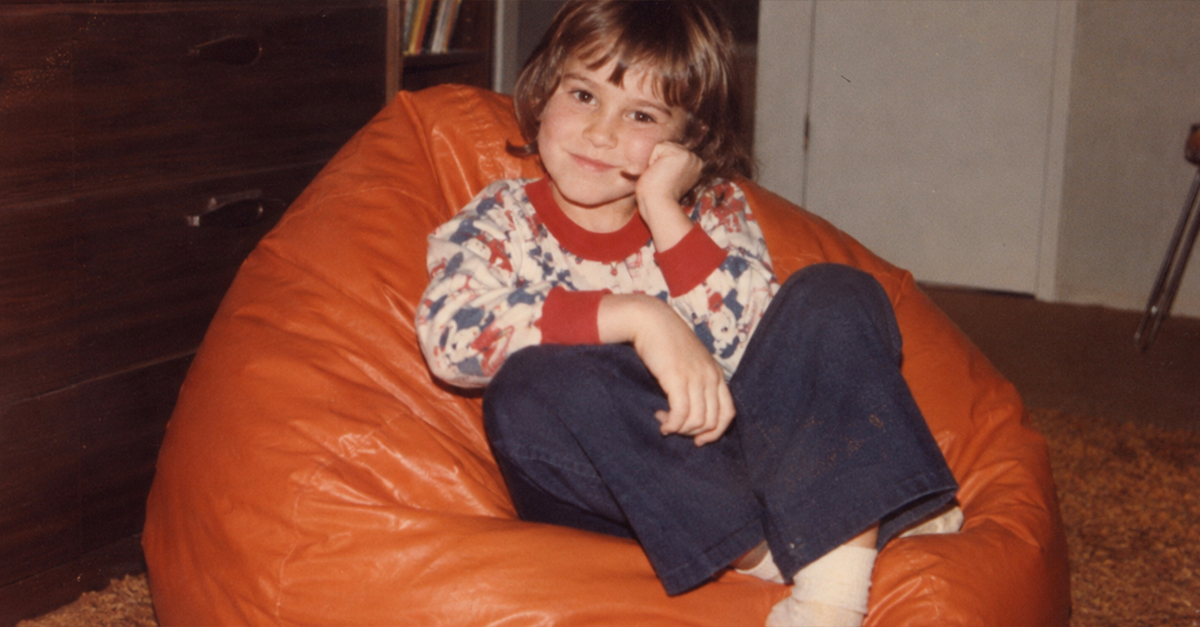
Even the humble bean bag chair had a dangerous chapter. Some older zippered versions allowed children to open the covering, crawl inside, or gain access to the tiny foam pellets. CPSC documented child suffocation deaths linked to the filling, leading to recalls involving millions of zippered bean bag chairs.
Ordinary Objects, Extraordinary Risks
What makes these objects unsettling is how normal they once seemed. Families painted bedrooms, checked fevers, warmed houses, put babies to sleep, and let children play without realizing that the product itself might carry an avoidable hazard. Today's home is hardly risk-free, but many protections we barely notice were written in response to hard lessons.
 Nenad Stojkovic, Wikimedia Commons
You May Also Like:
“Fake News” Stories From History That Newspapers Printed And Everyone Believed
Ordinary Household Objects You Would Never Expect To Find In A Museum—Until You Hear Their Stories
Sources: 1, 2, 3, 4, 5, 6, 7, 8, 9, 10, 11, 12, 13, 14, 15, 16, 17, 18, 19, 20, 21, 22, 23, 24, 25