Humans Doing Weird Things? It's In Our Nature.
Every generation has its fads, but some trends become so huge that they seem to take over an entire country. People line up for toys, copy strange dances, buy useless novelty items, or follow odd fashion rules simply because everyone else is doing it. These nationwide crazes are funny, revealing, and sometimes surprisingly intense.
Tulip Mania Turned Flowers Into A Financial Frenzy
In 17th-century Dutch society, tulip bulbs became wildly fashionable among wealthy collectors and speculators. Rare bulbs changed hands for astonishing prices before the market collapsed in 1637. Historians still debate how extreme the panic really was, but tulip mania remains one of history's most famous examples of a trend becoming economic madness.
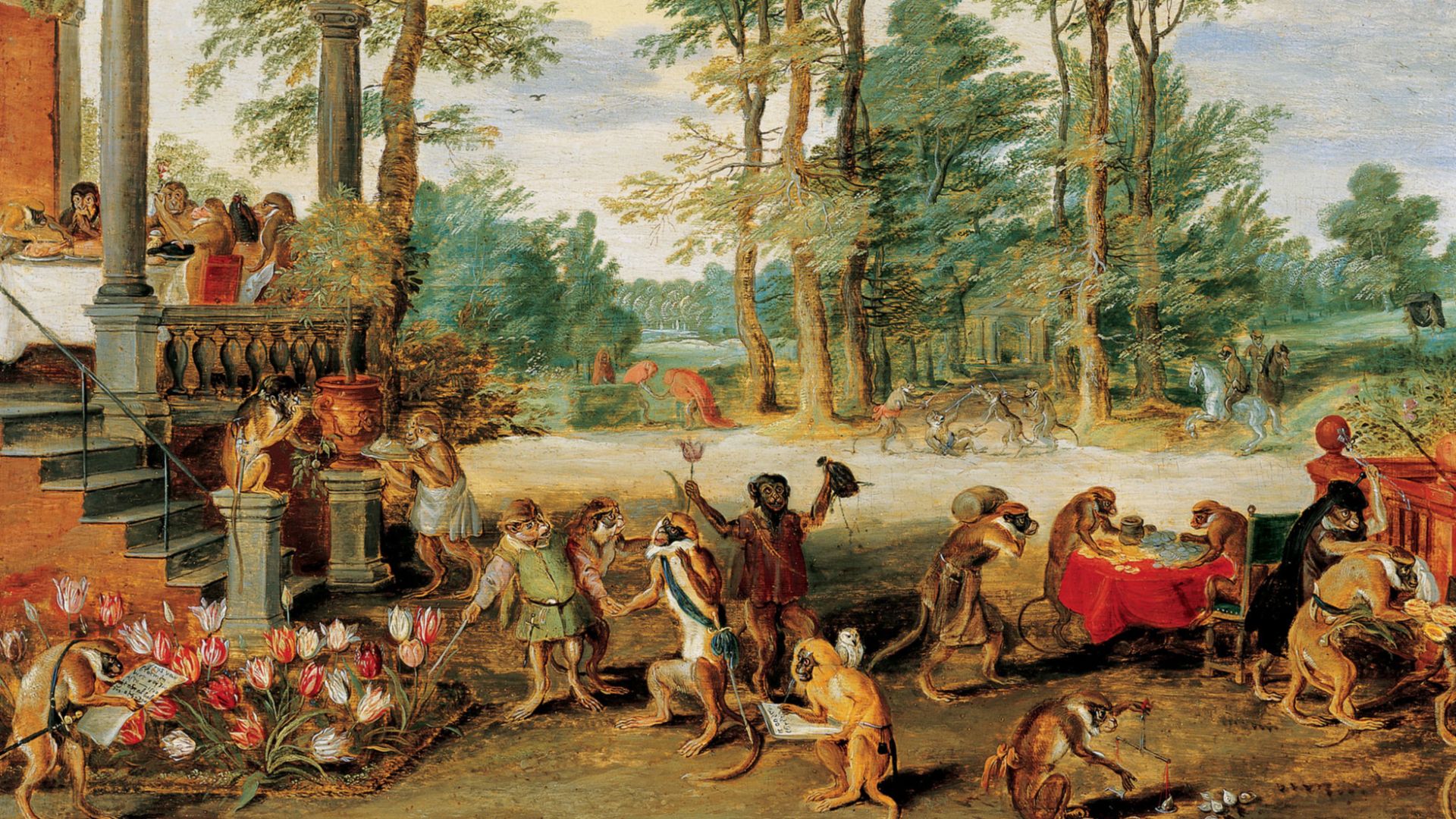 Jan Brueghel the Younger, Wikimedia Commons
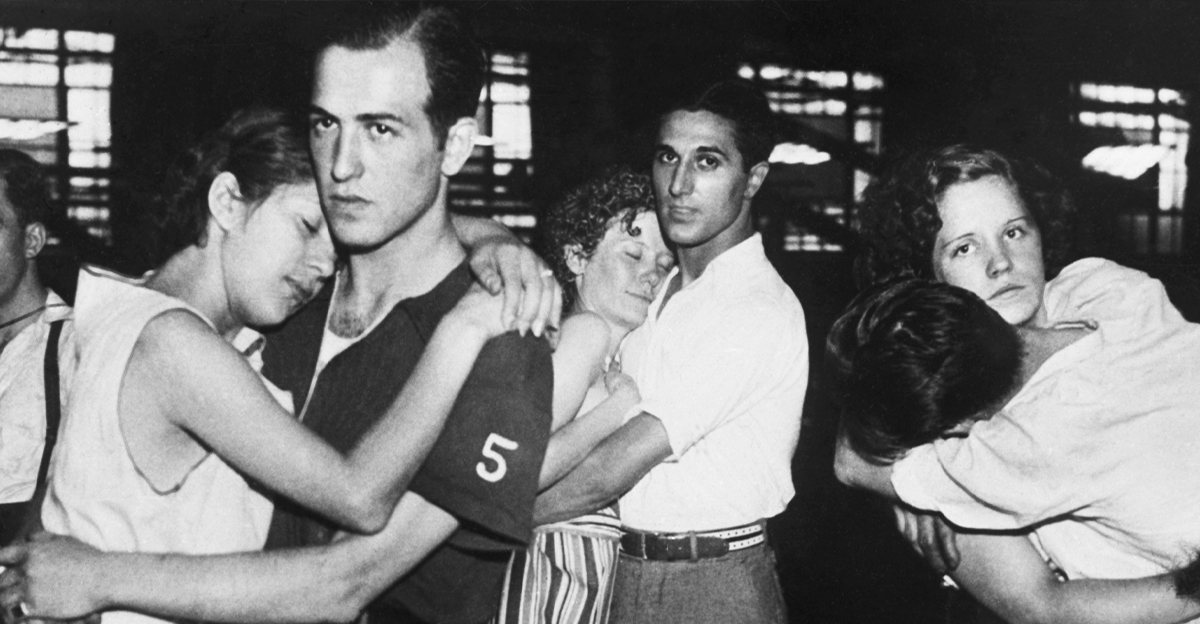
Dance Marathons Pushed Americans To Exhaustion
Dance marathons began during the Roaring Twenties, but became even more intense during the Great Depression. They morphed into a strange form of entertainment and desperation in the United States. Couples danced for days, weeks, or even months while crowds watched. Some contestants hoped to win prize money, while promoters turned human exhaustion into a public spectacle.
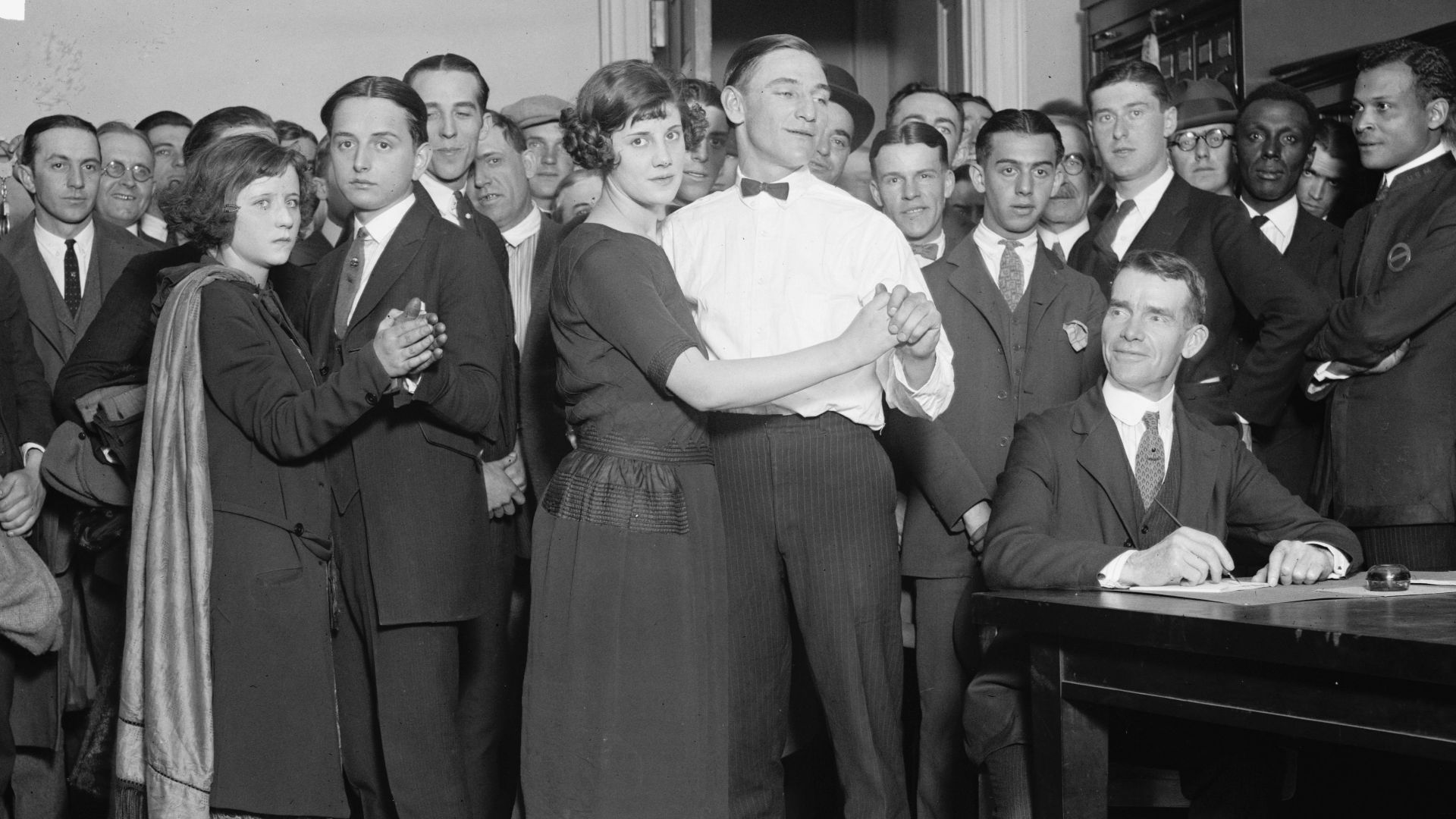 National Photo Company Collection, Wikimedia Commons
Flagpole Sitting Became A National Obsession
In the 1920s, Americans became fascinated by people sitting on top of flagpoles for absurd lengths of time. The craze began with stunt performer Alvin "Shipwreck" Kelly and quickly spread. Crowds gathered to watch sitters eat, sleep, and endure bad weather while perched high above the street.
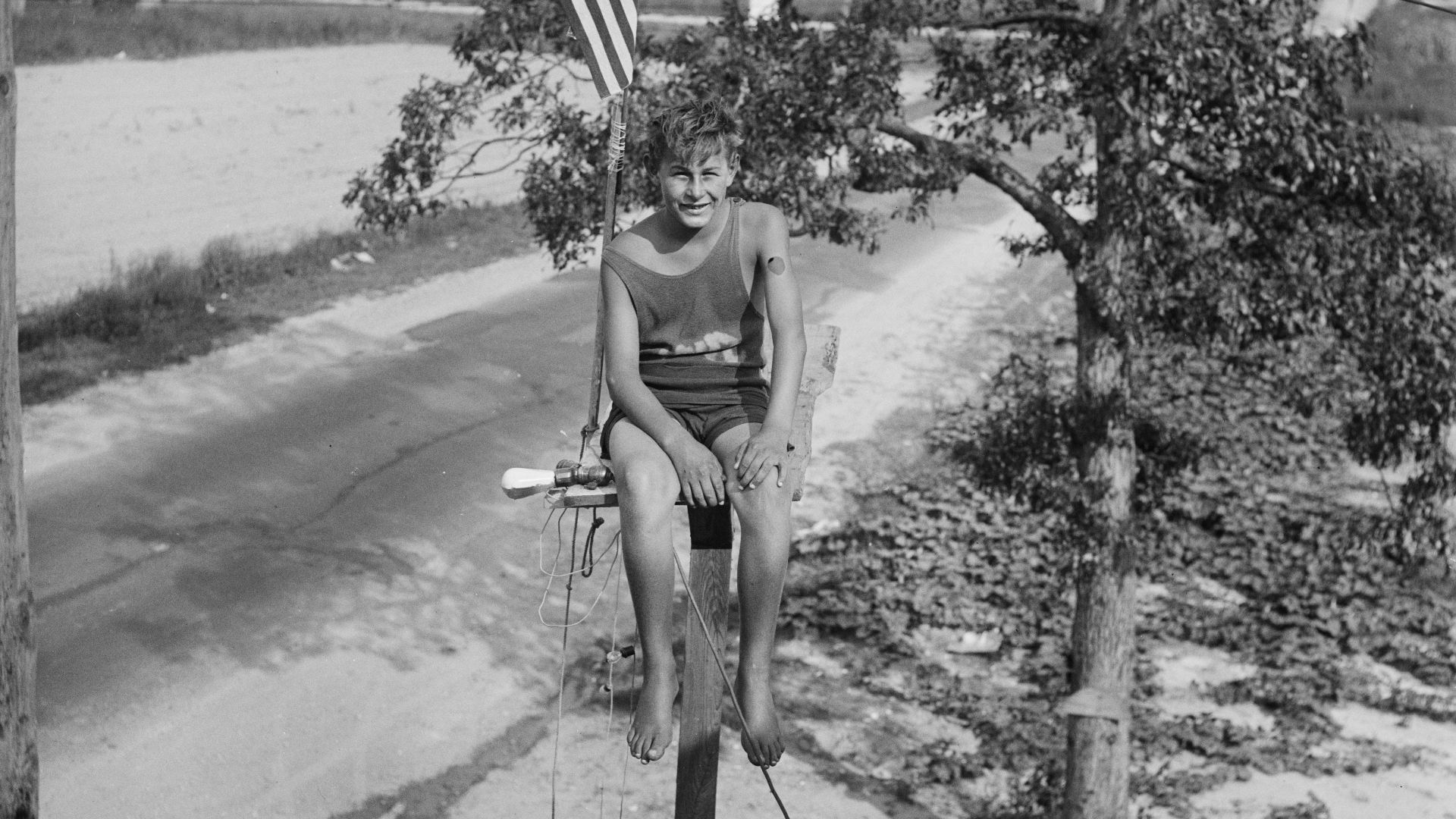 Harris & Ewing, photographer, Wikimedia Commons
Pet Rocks Convinced Americans To Buy Useless Pets
In 1975, advertising copywriter Gary Dahl sold ordinary rocks packaged in cardboard boxes with humorous instruction manuals. The Pet Rock became a national joke that people actually bought in huge numbers. Its success showed how clever marketing could turn almost anything into a must-have novelty.
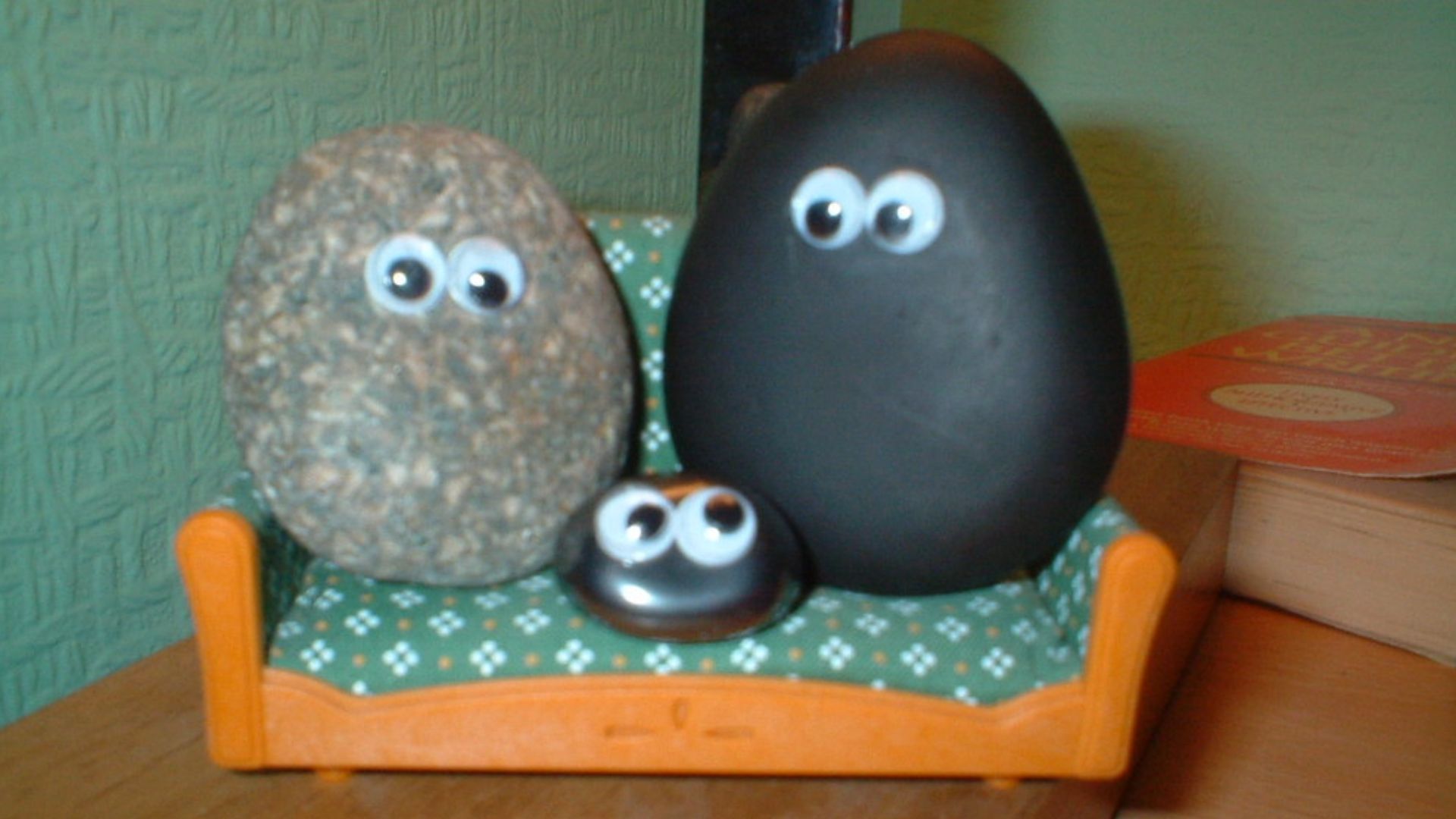 Owner of Pet Rock Net, Wikimedia Commons
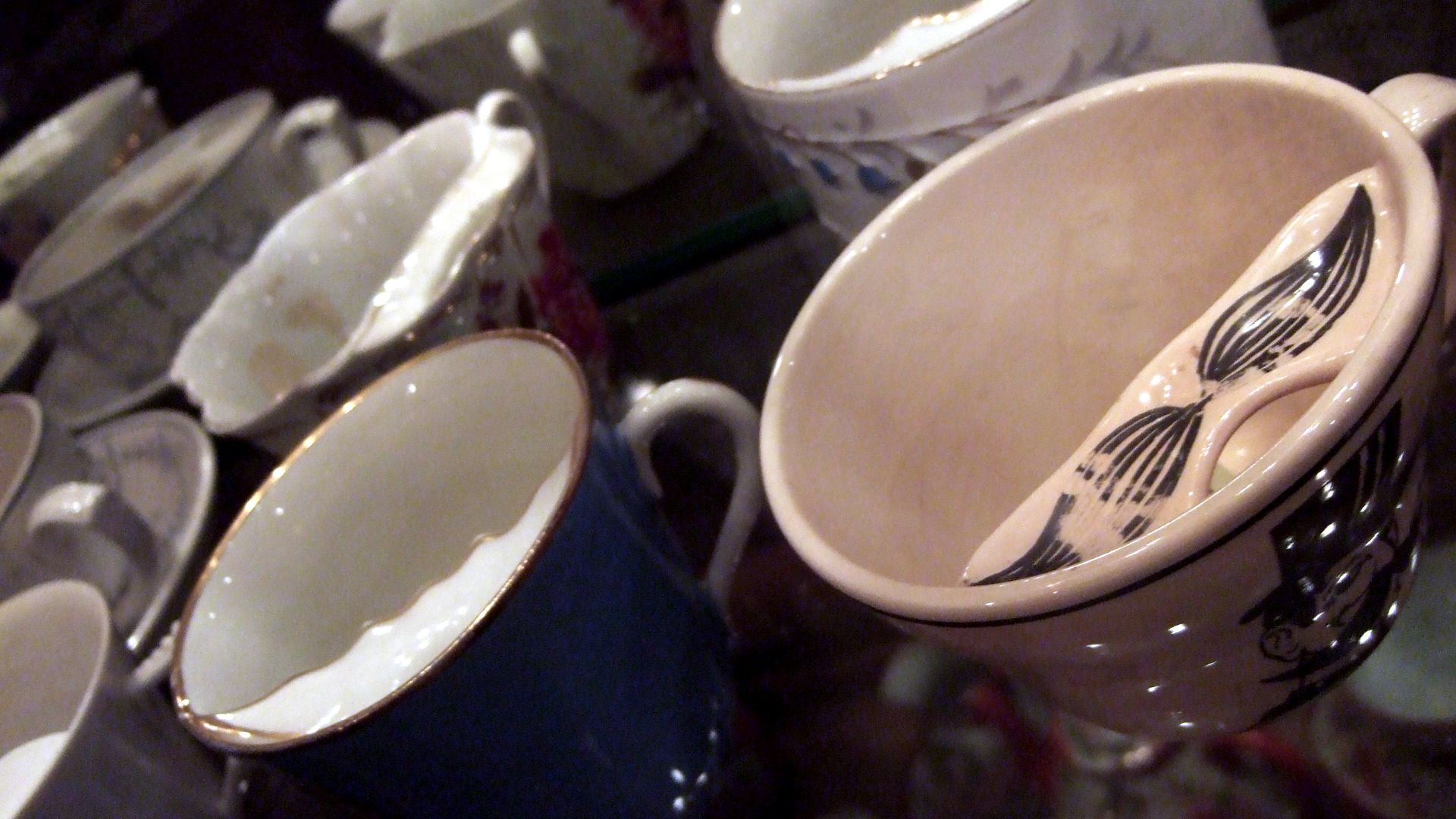
Mustache Cups Reflected A Strange Victorian Concern
In Victorian Britain, elaborate mustaches were fashionable, but hot tea could ruin waxed facial hair. The mustache cup, with a built-in guard, became a popular solution. It was practical in its own odd way and reveals just how seriously some men took grooming trends of the era.
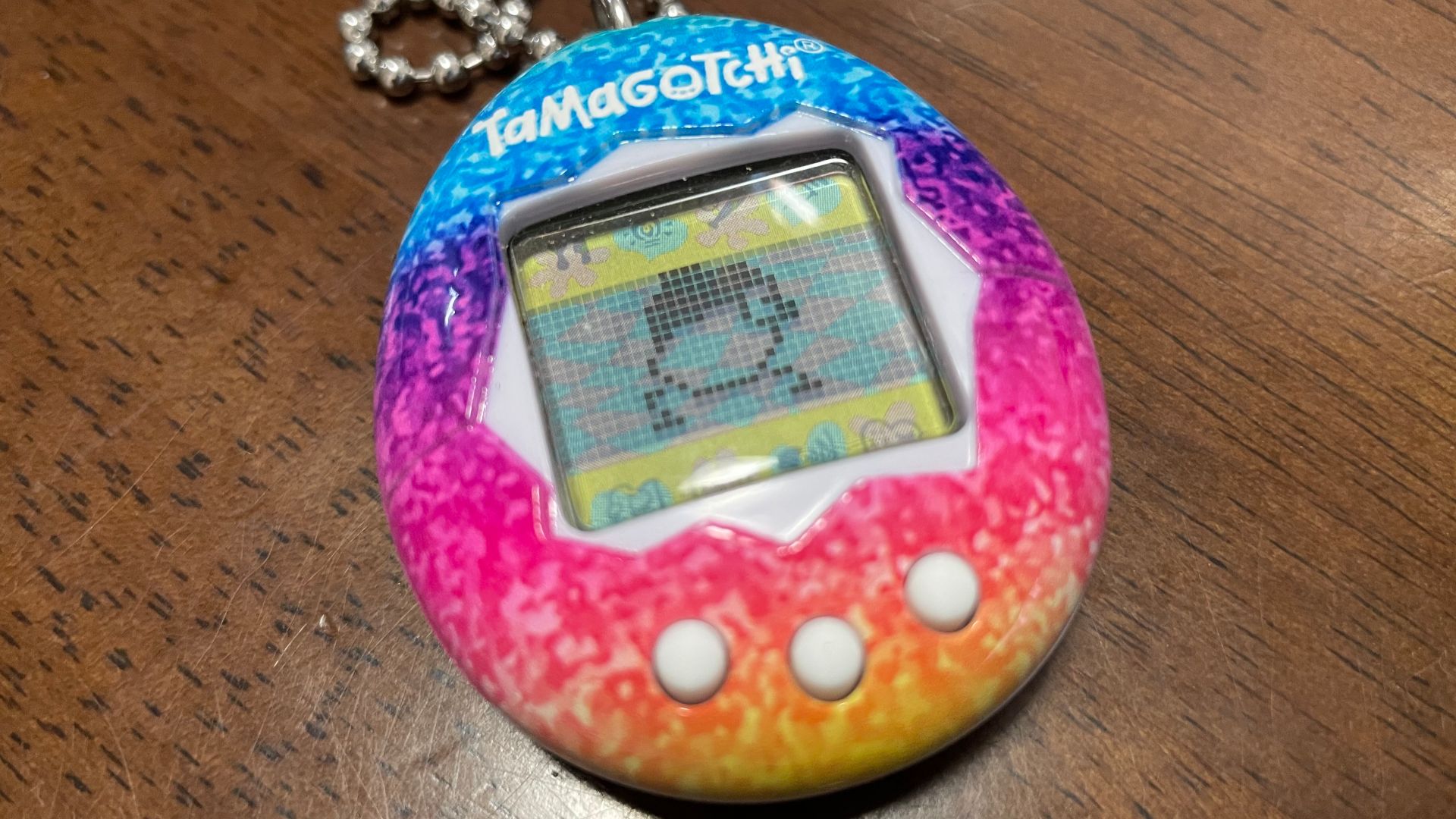
Tamagotchis Made Japan Obsessed With Digital Pets
When Bandai released Tamagotchi in Japan in 1996, the tiny electronic pets became a sensation. Owners had to feed, clean, and care for pixelated creatures that beeped for attention throughout the day. The craze quickly spread worldwide, but in Japan it became a cultural moment tied to technology, cuteness, and responsibility.
 Nori Norisa, Wikimedia Commons
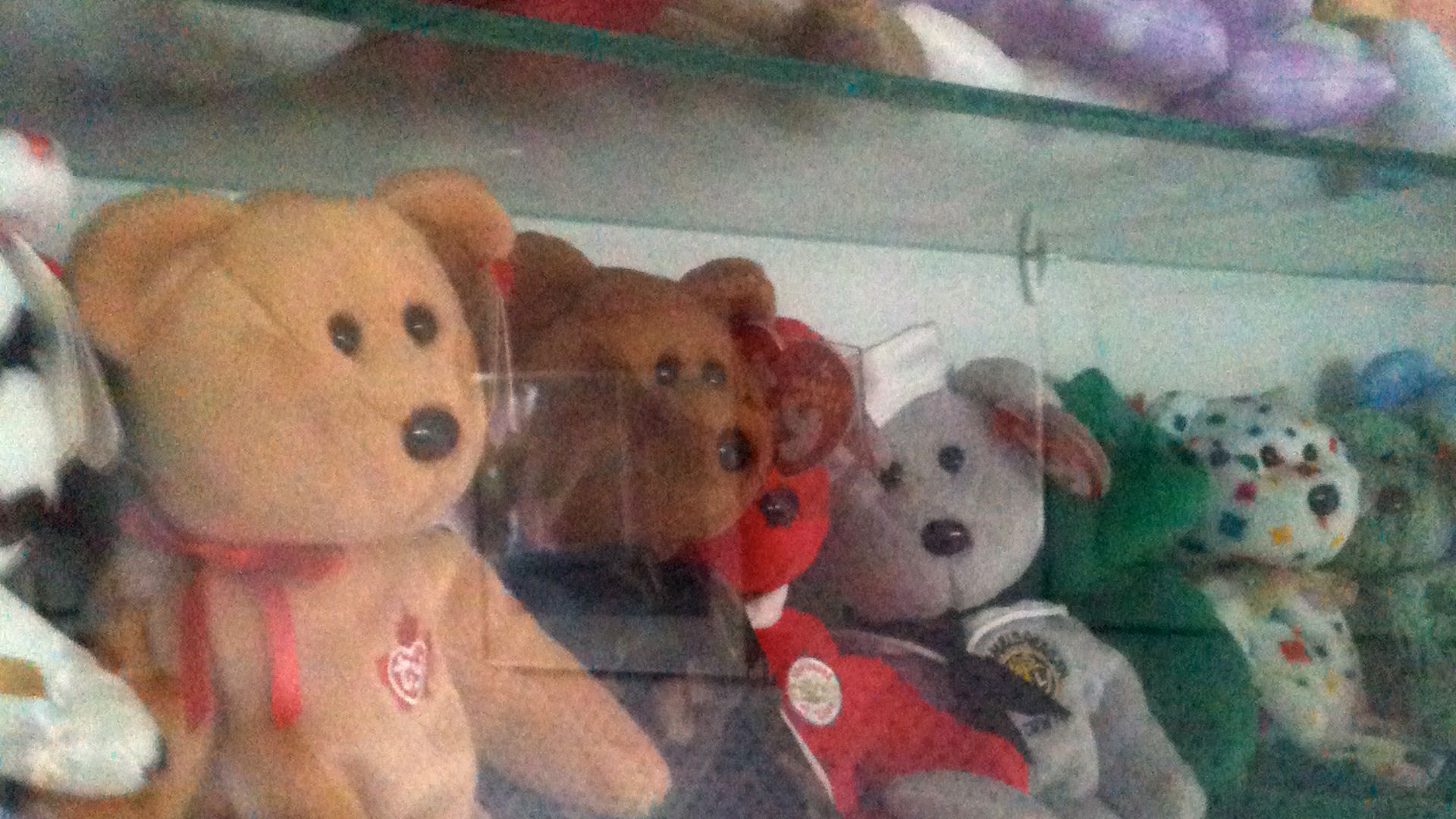
Beanie Babies Turned Plush Toys Into Investments
In the 1990s, Beanie Babies became a massive collecting craze across the United States. Adults and children hunted for rare designs, protected tags, and believed some toys would become valuable investments. The market eventually cooled, leaving many collectors with bins of plush animals worth far less than expected.
 daryl_mitchell from Saskatoon, Saskatchewan, Canada, Wikimedia Commons
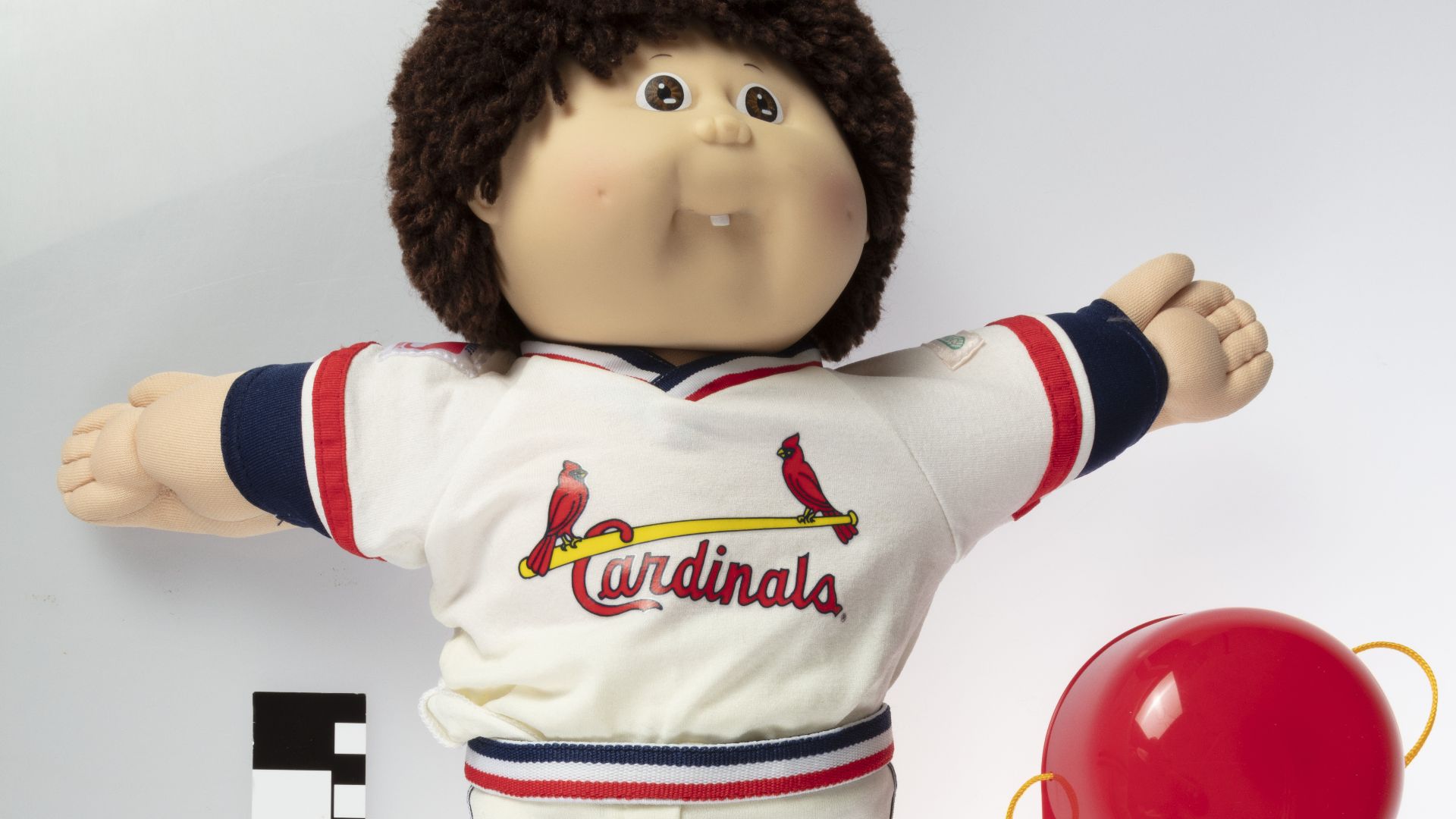
Cabbage Patch Kids Caused Holiday Shopping Chaos
In the early 1980s, Cabbage Patch Kids became one of America's most chaotic toy crazes. Parents fought through packed stores hoping to find the dolls before Christmas. The dolls' adoption certificates and unique names helped make them feel personal, but scarcity turned the trend into a retail frenzy.
 Appalachian Artworks, Inc, Wikimedia Commons

History's most fascinating stories and darkest secrets, delivered to your inbox daily.
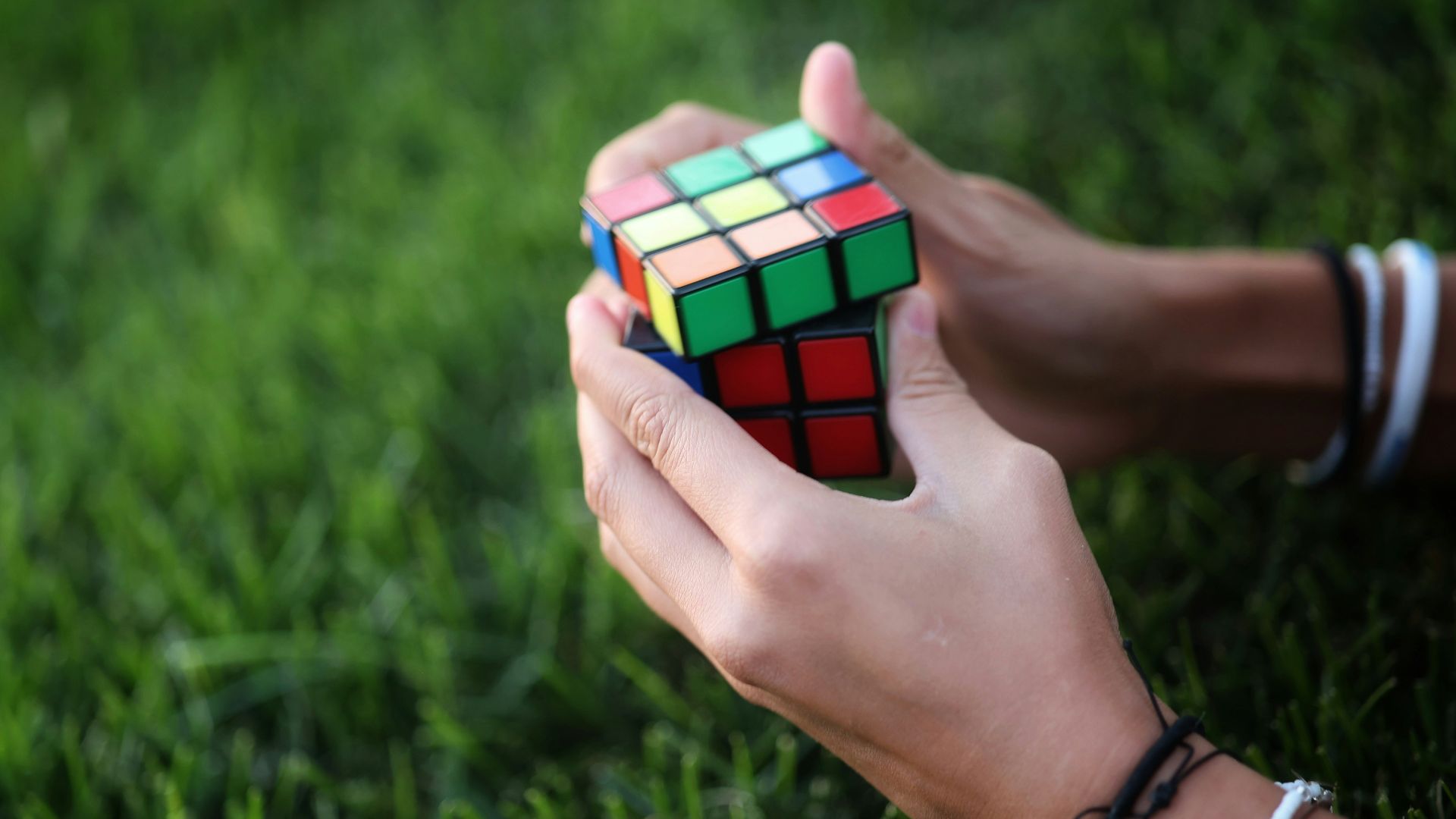
Rubik's Cube Took Over The World
The Rubik's Cube became a global obsession after its international release around 1980. People carried the puzzle everywhere, competing to solve it faster and faster. Its appeal was simple but maddening: anyone could understand the goal, but actually solving it felt like cracking a private mathematical code.
Hula Hoops Had Americans Spinning In The Streets
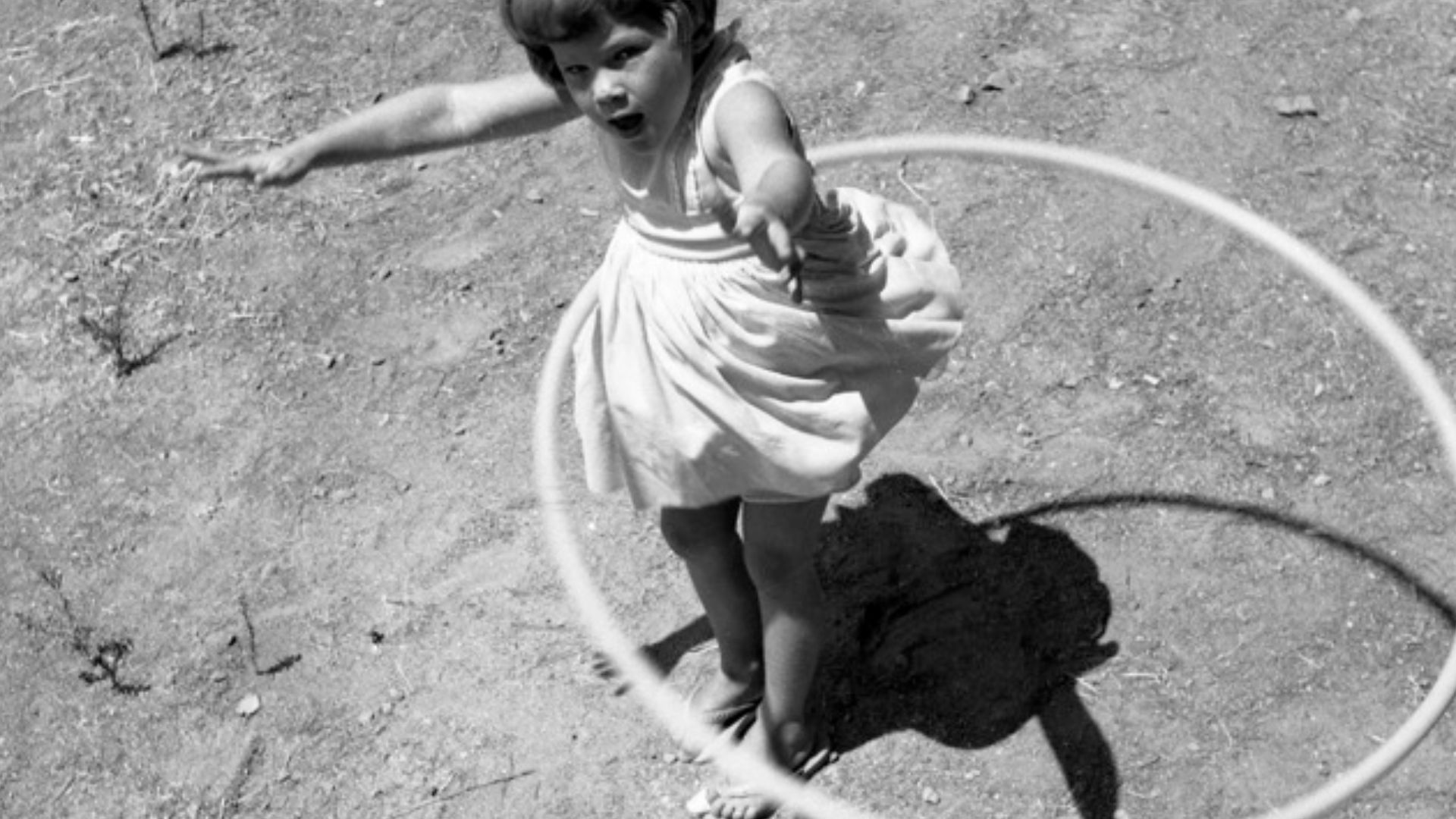
The hula hoop craze exploded in the United States in 1958 after Wham-O popularized the plastic hoop. Millions were sold in just months, and children and adults alike tried to keep them spinning. The fad burned brightly and faded quickly, but it became one of the defining toy trends of the 1950s.
 GeorgeLouis, Wikimedia Commons
Planking Made People Lie Down In Strange Places
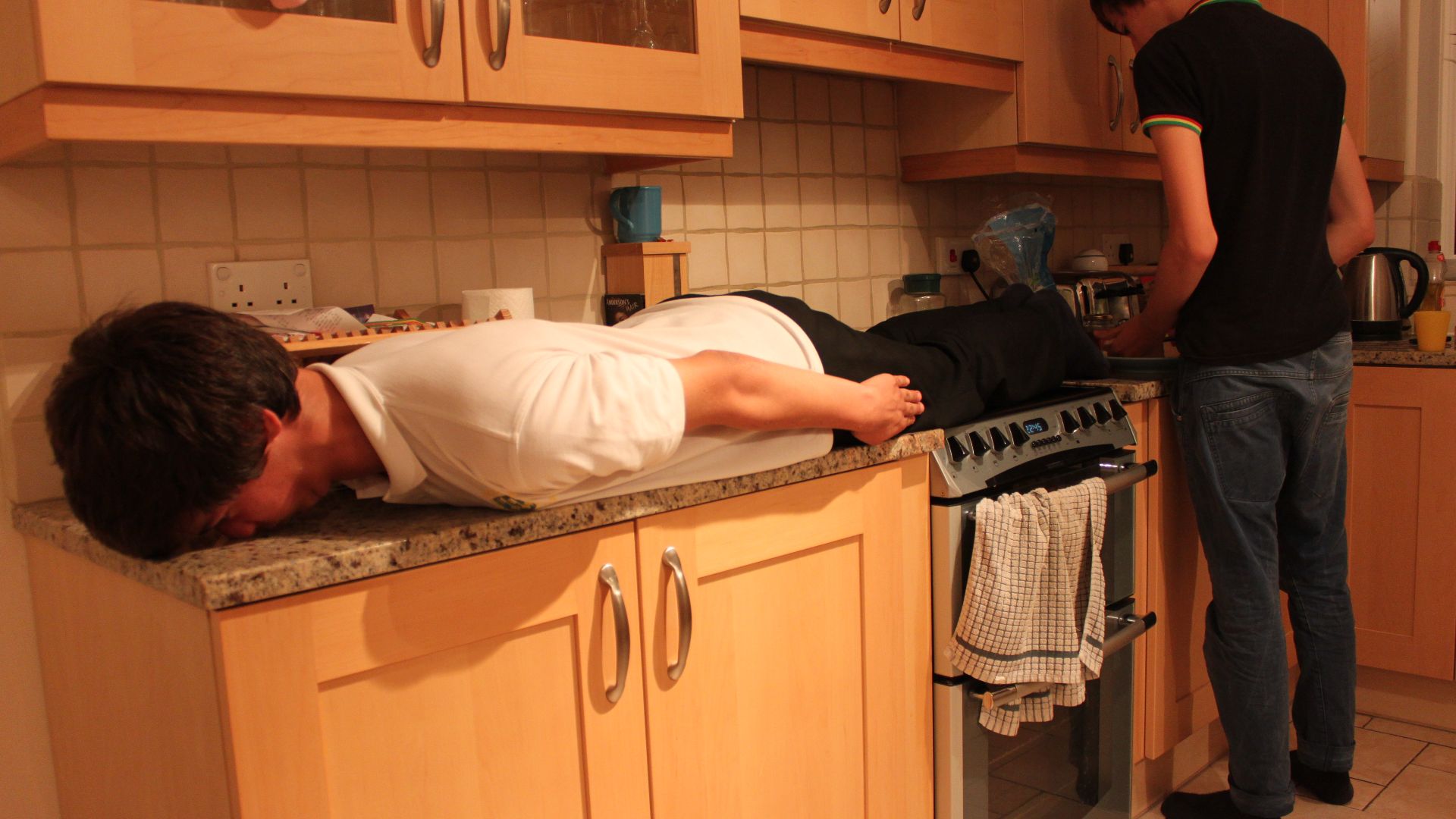
In the late 2000s and early 2010s, planking spread through Australia, Britain, and then much of the internet-connected world. The idea was absurdly simple: lie face down like a board in an unusual location and photograph it. The silliness helped it spread, though risky versions also sparked warnings.
The Ice Bucket Challenge Covered The Internet In Cold Water
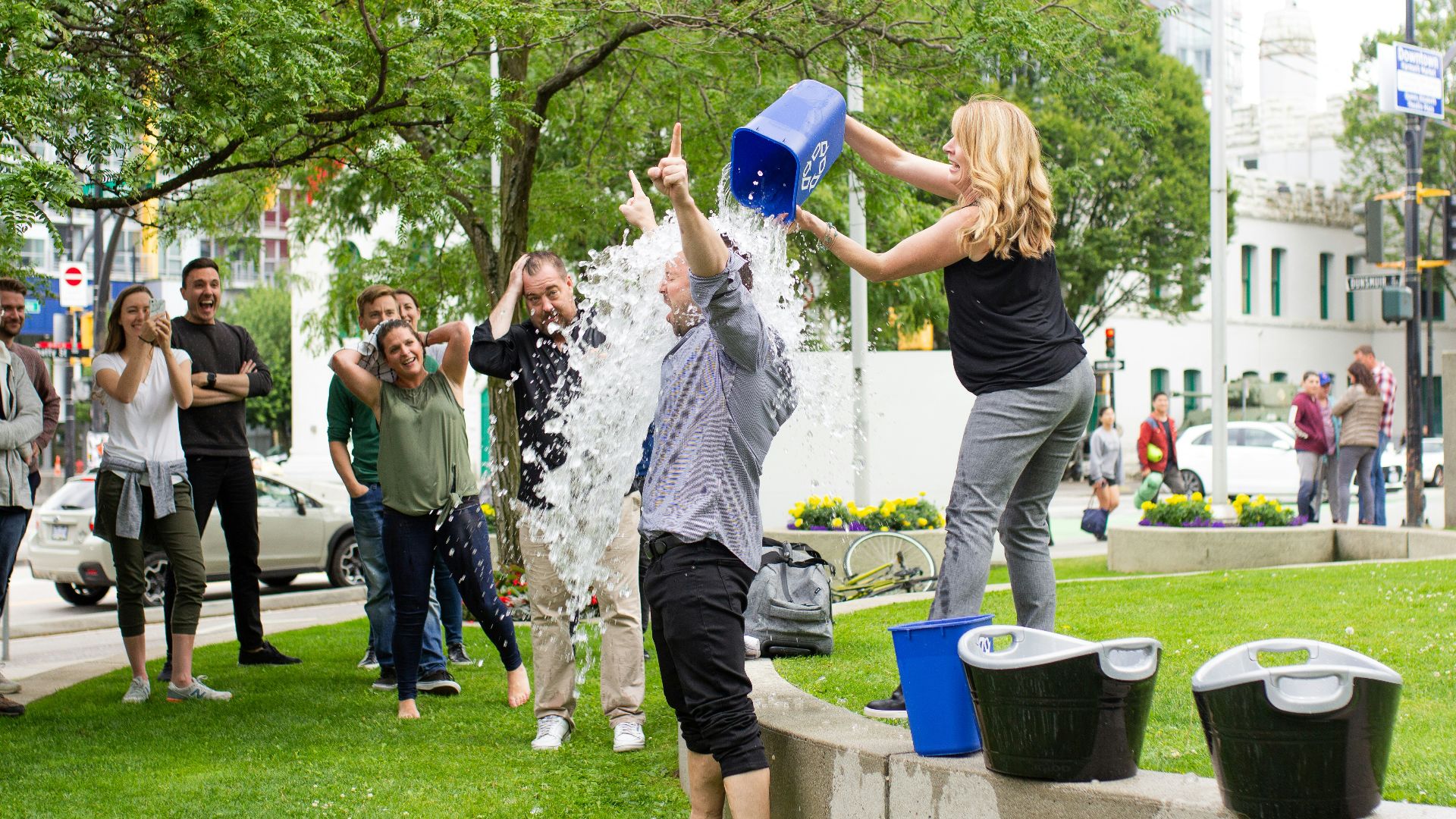
In 2014, the Ice Bucket Challenge became a massive online trend, especially in the United States. People dumped buckets of ice water over their heads to raise awareness and funds for ALS research. Unlike many fads, this one had a lasting charitable impact and brought huge donations to medical research. However, it was also a rather dangerous challenge.
Pokemon Go Sent Crowds Into The Streets
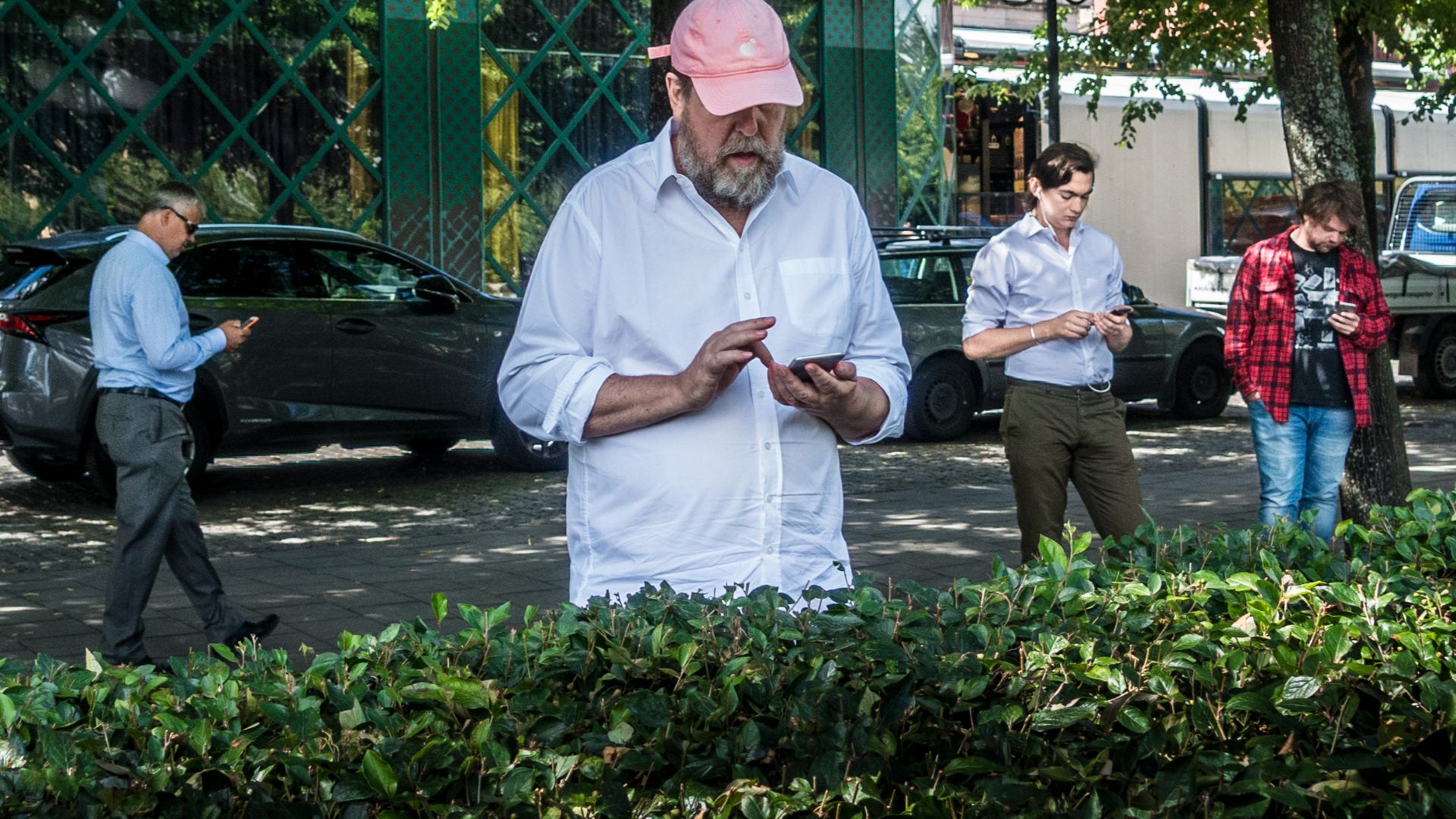
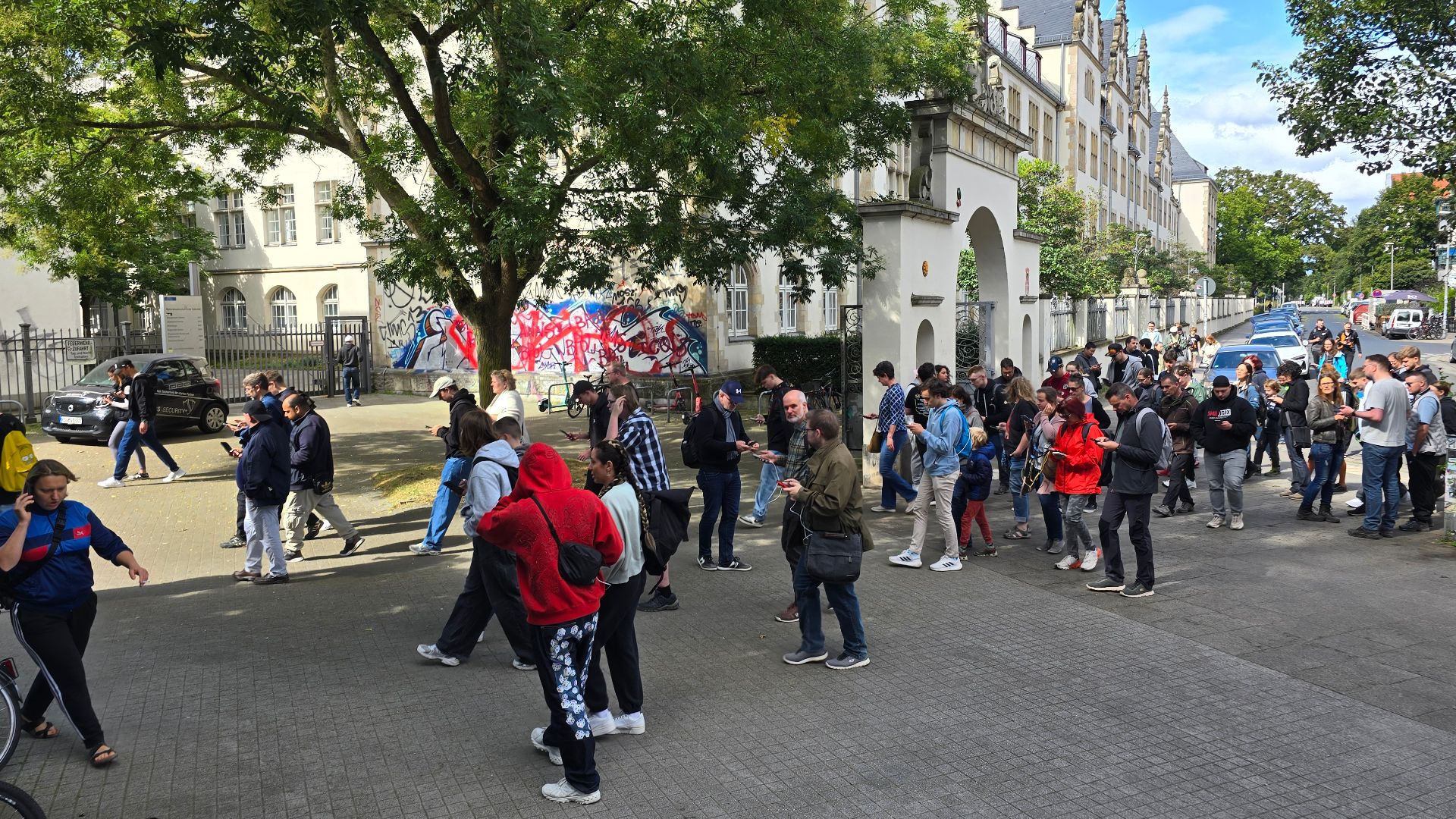
When Pokemon Go launched in 2016, people across multiple countries suddenly wandered parks, landmarks, and sidewalks trying to catch virtual creatures. The augmented-reality game turned ordinary neighborhoods into hunting grounds. It was playful, social, and occasionally chaotic when crowds formed around rare Pokemon.
 Frankie Fouganthin, Wikimedia Commons
The Macarena Took Over Dance Floors Everywhere
The Macarena became nearly unavoidable in the 1990s. Weddings, schools, sports events, and television shows all embraced the easy-to-copy dance. Its repetitive moves made it accessible to almost everyone, which explains why it became both beloved and exhausting at the same time.

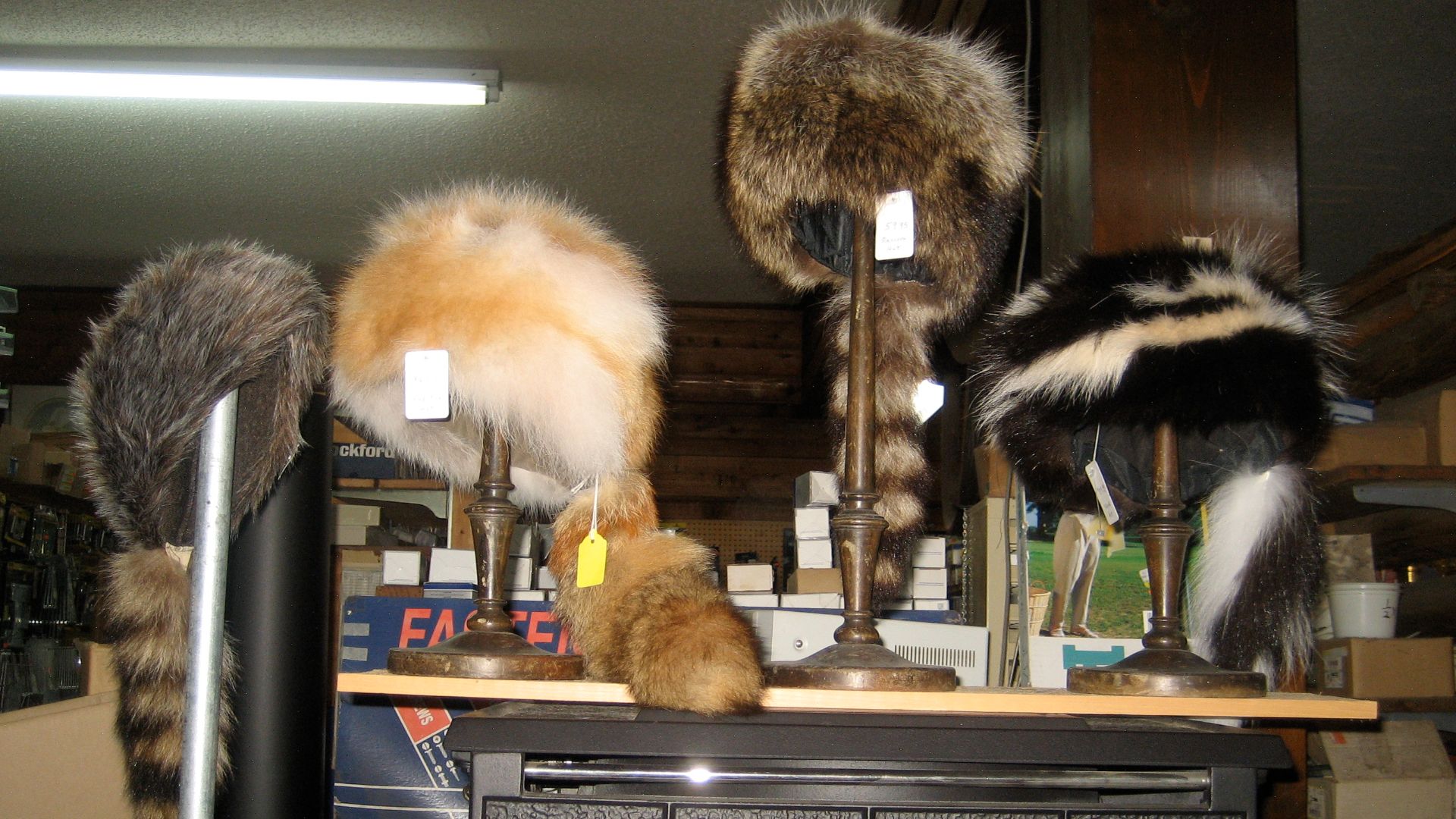
Davy Crockett Coonskin Caps Swept America
After Disney's Davy Crockett television episodes became hits in the 1950s, American children rushed to wear faux coonskin caps. The frontier look became a merchandising phenomenon. For a brief period, playgrounds were filled with children pretending to be rugged heroes from a romanticized version of the American frontier.
 Infrogmation of New Orleans, Wikimedia Commons
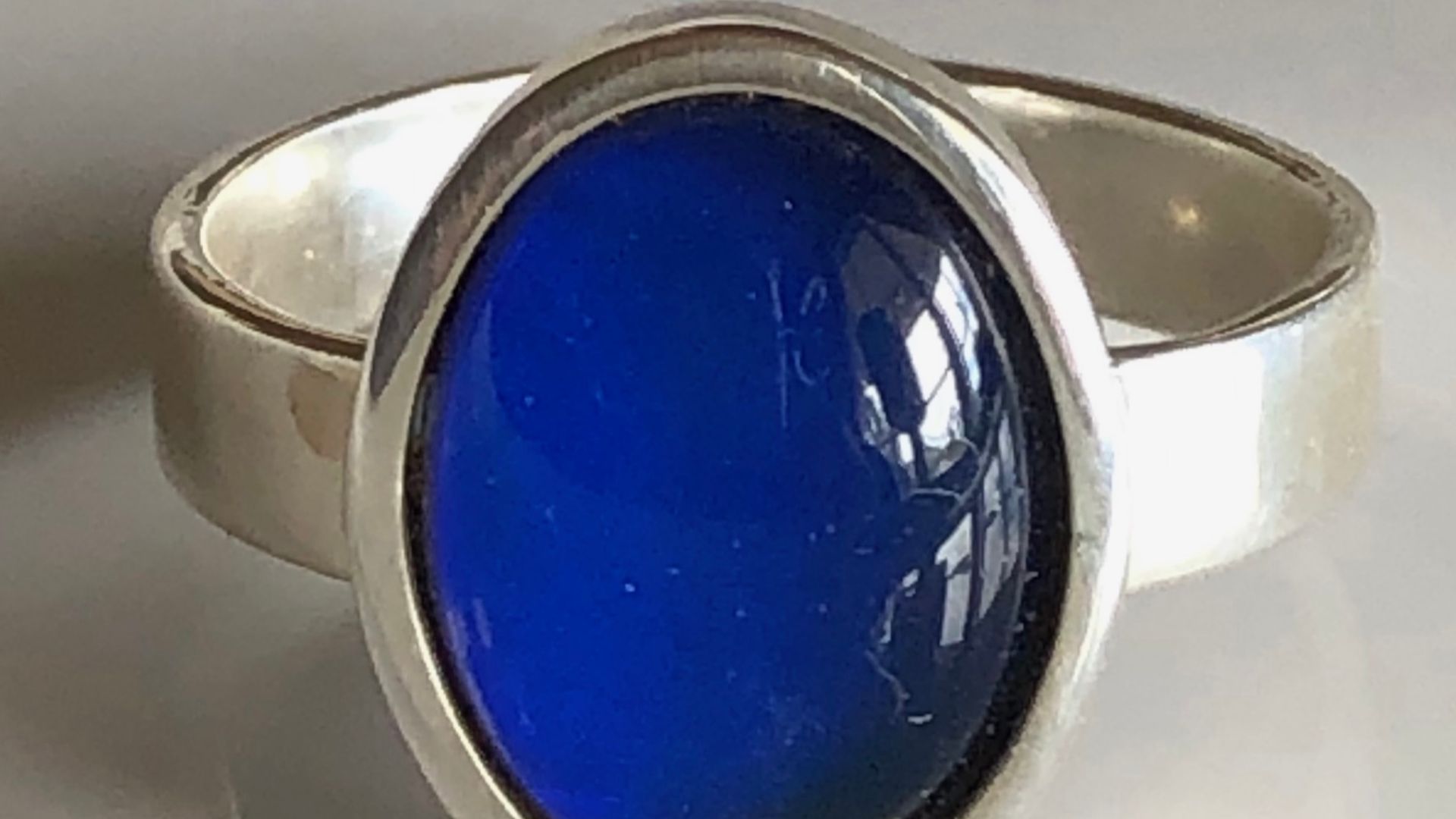
Mood Rings Claimed To Reveal Everyone's Feelings
Mood rings became a major 1970s fad in the United States. The stones changed color with temperature, but marketing suggested they could reveal emotional states. People loved the idea that jewelry might expose secret feelings, even if the science was far less magical than the sales pitch.
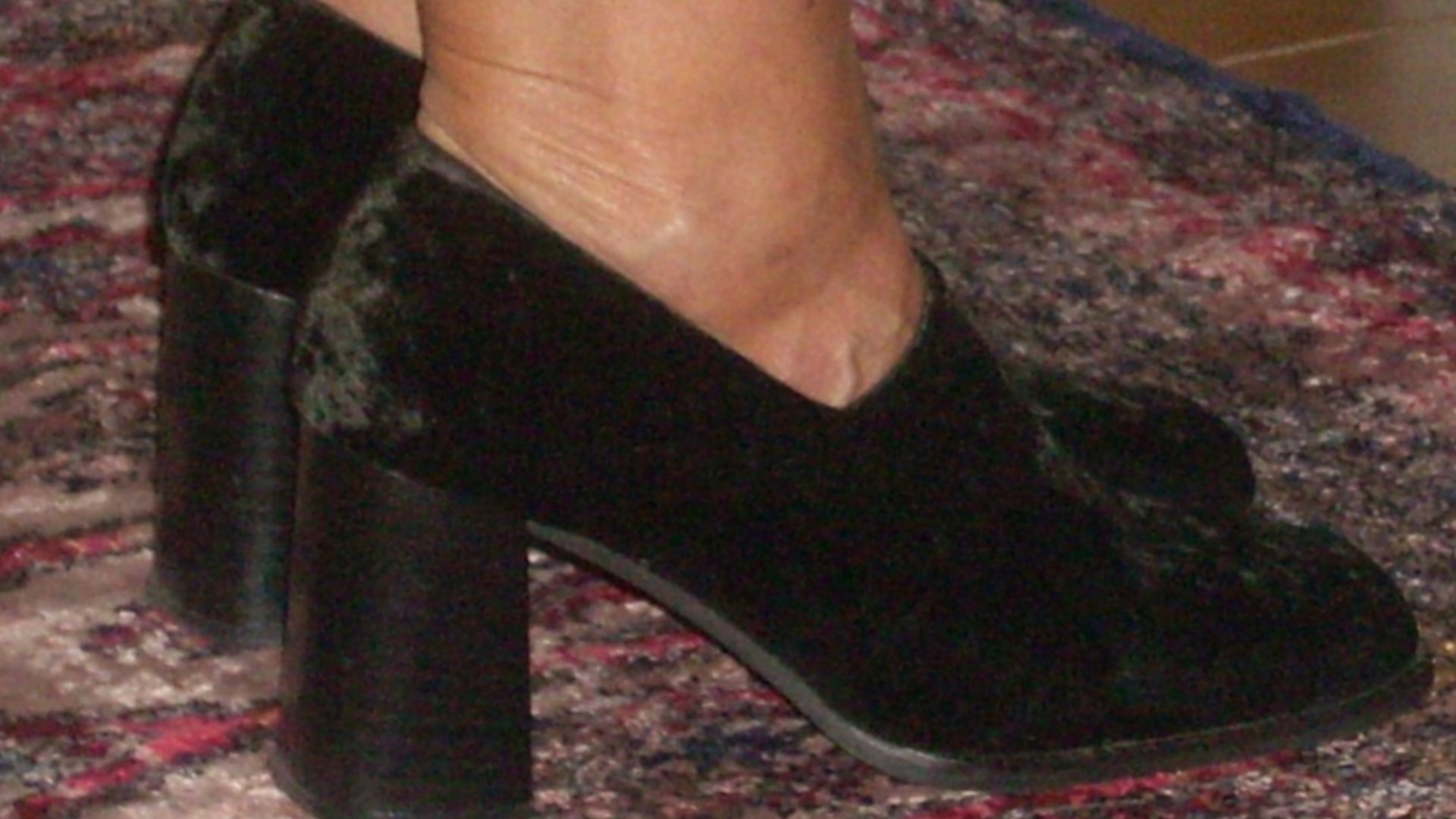
Platform Shoes Towered Over The 1970s
Platform shoes became a defining fashion craze of the 1970s in the United States, Britain, and beyond. Some designs reached dramatic heights, turning everyday walking into a balancing act. The shoes fit perfectly with disco style, theatrical fashion, and a decade that loved bold self-expression.
 jeanne (talk), Wikimedia Commons
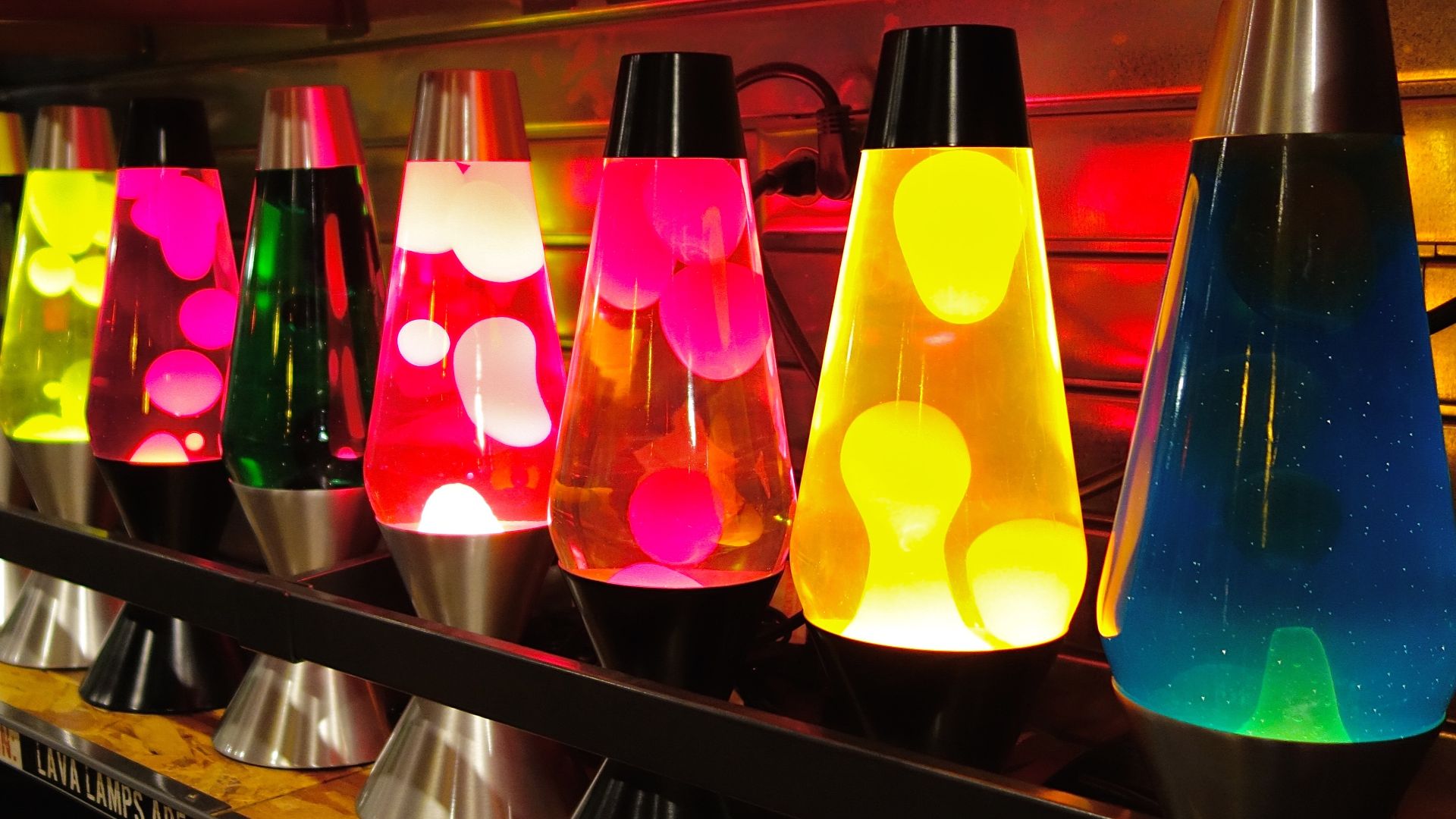
Lava Lamps Made Rooms Feel Psychedelic
Lava lamps became popular in the 1960s and 1970s because they captured the era's fascination with color, movement, and psychedelic design. Their slowly shifting blobs were hypnotic, useless, and oddly soothing. For many households, owning one felt like bringing a little counterculture into the living room.
 Dean Hochman from Overland Park, Kansas, U.S., Wikimedia Commons
Sea-Monkeys Promised A Tiny Underwater World
Sea-Monkeys became a strange childhood obsession thanks to comic-book advertisements promising magical little creatures. In reality, they were brine shrimp, but the marketing made them sound like tiny aquatic people. The disappointment did not stop generations of children from begging for their own tank.
 ML5 at English Wikipedia, Wikimedia Commons
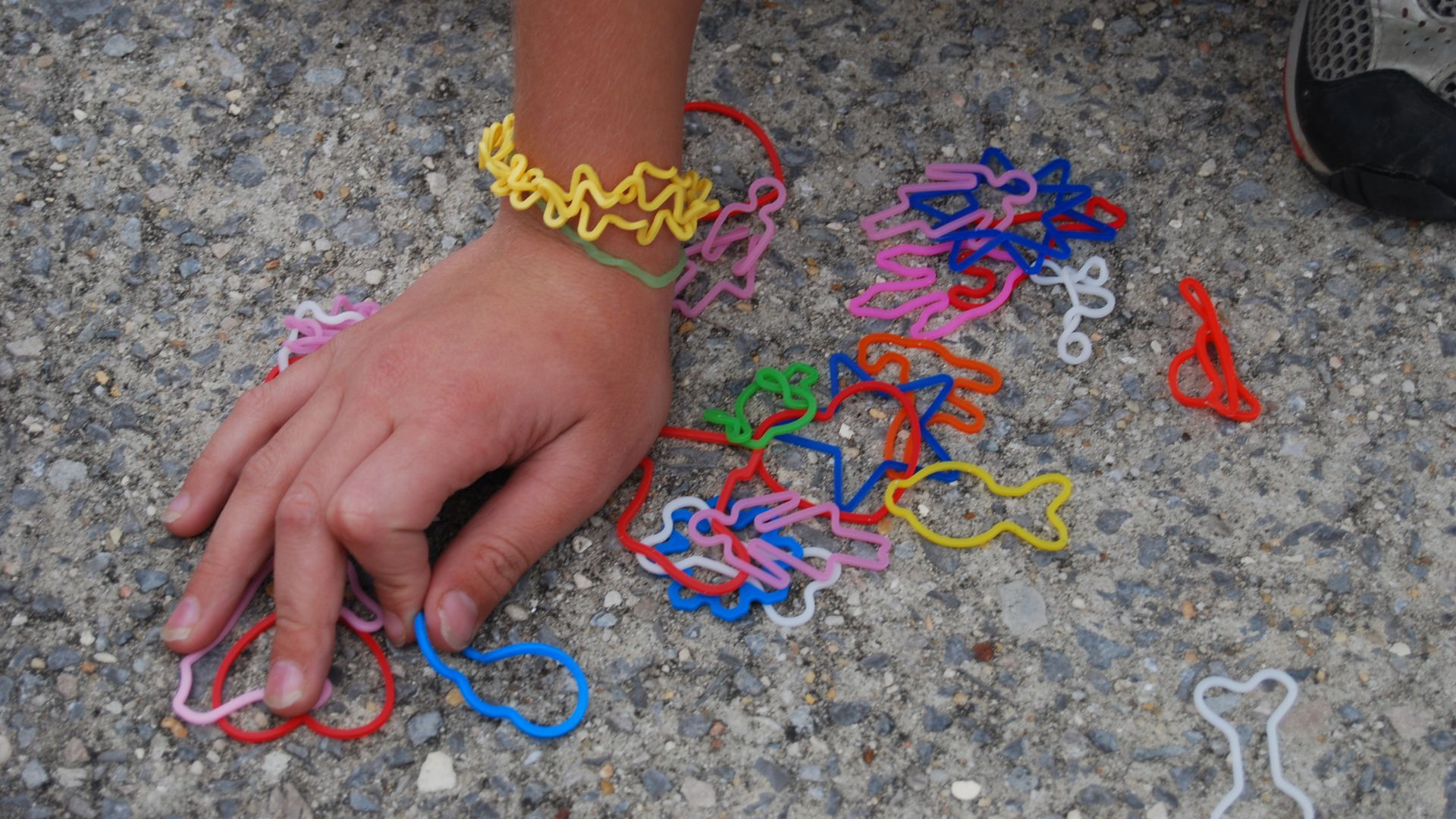
Silly Bandz Covered Kids' Wrists
In the late 2000s, Silly Bandz became a schoolyard craze in the United States. The colorful rubber bracelets snapped back into animal, object, or character shapes when removed. Children traded them constantly, and some schools banned them because they became too distracting in class.
 Melinda Shelton, Wikimedia Commons
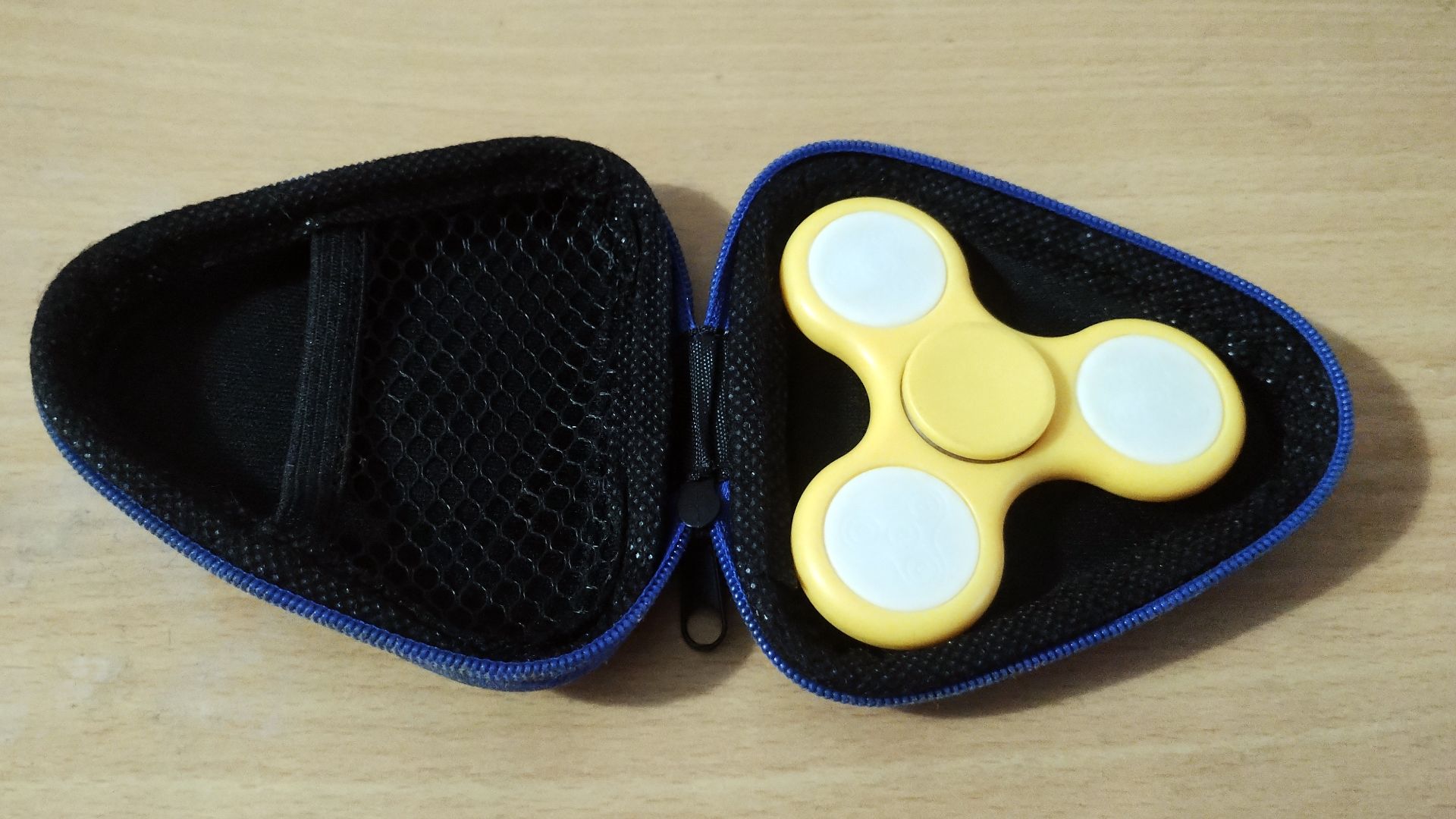
Fidget Spinners Became Impossible To Escape
In 2017, fidget spinners suddenly appeared in classrooms, offices, stores, and online videos. They were marketed as focus tools, but many people simply enjoyed spinning them. The craze spread so quickly that retailers flooded shelves, only for demand to fade almost as fast.
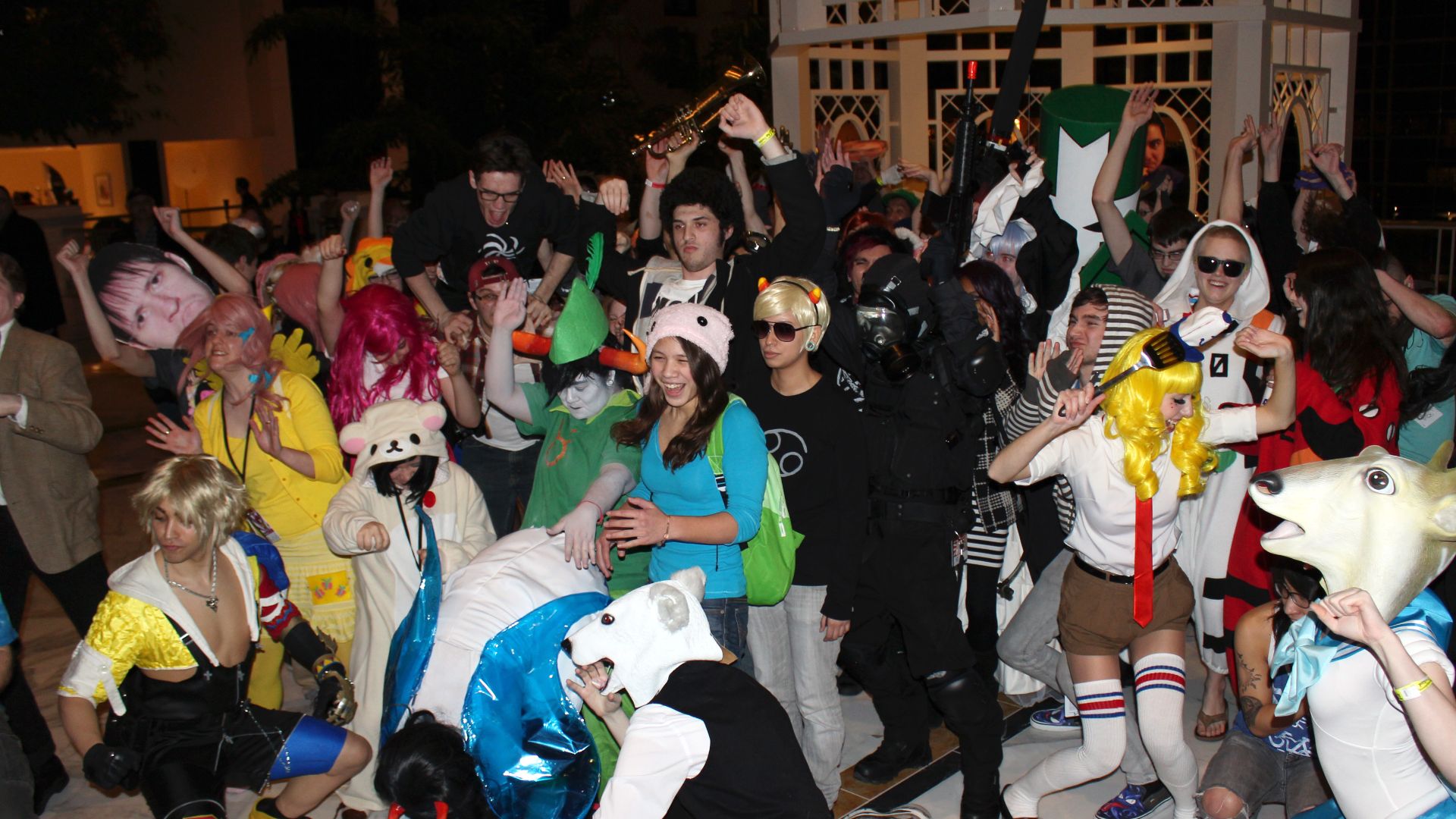
The Harlem Shake Turned Offices Into Dance Sets
In 2013, the Harlem Shake meme exploded online. Videos usually began with one person dancing casually before cutting to a room full of people in costumes moving wildly. Offices, sports teams, universities, and militaries all joined in, turning the trend into a brief but global internet ritual.
 greyloch from Washington, DC, area, U.S.A., Wikimedia Commons
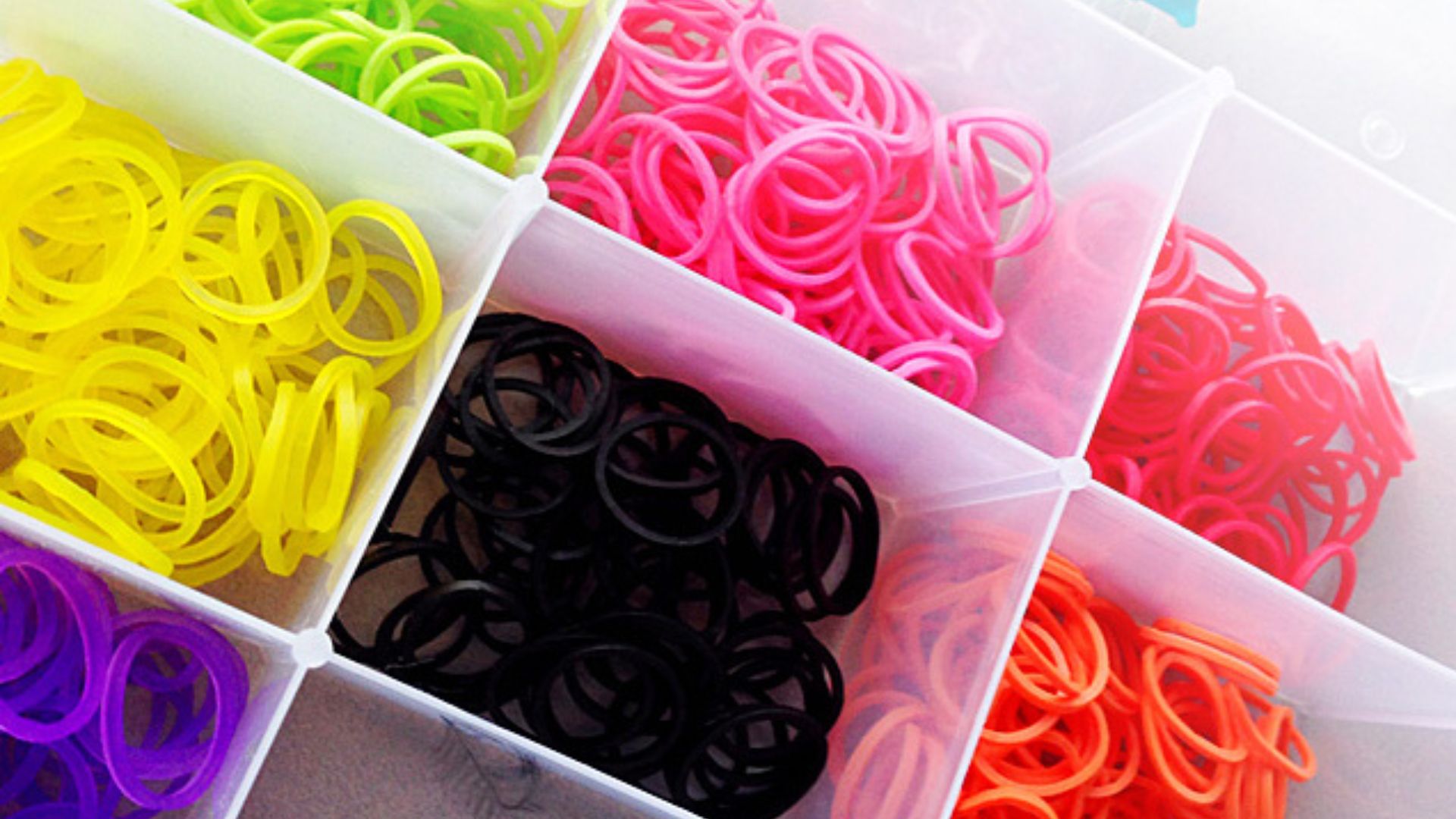
Loom Bands Became A Playground Economy
Rainbow Loom bracelets became a massive trend among children in the early 2010s. Kids used small rubber bands to create colorful bracelets, rings, and charms. The craft was simple enough for beginners but flexible enough for elaborate designs, which helped it become a playground trading system.
Bottle Flipping Took Over Schools
Around 2016, bottle flipping became a viral craze among children and teenagers. The challenge was to toss a partly filled plastic bottle so it landed upright. The appeal was immediate because it required almost no equipment, but teachers quickly tired of hearing bottles thud across classrooms.
 U.S. Marine Corps photo by Cpl. Martha Linares, Wikimedia Commons
Pokemon Cards Created A Trading Frenzy
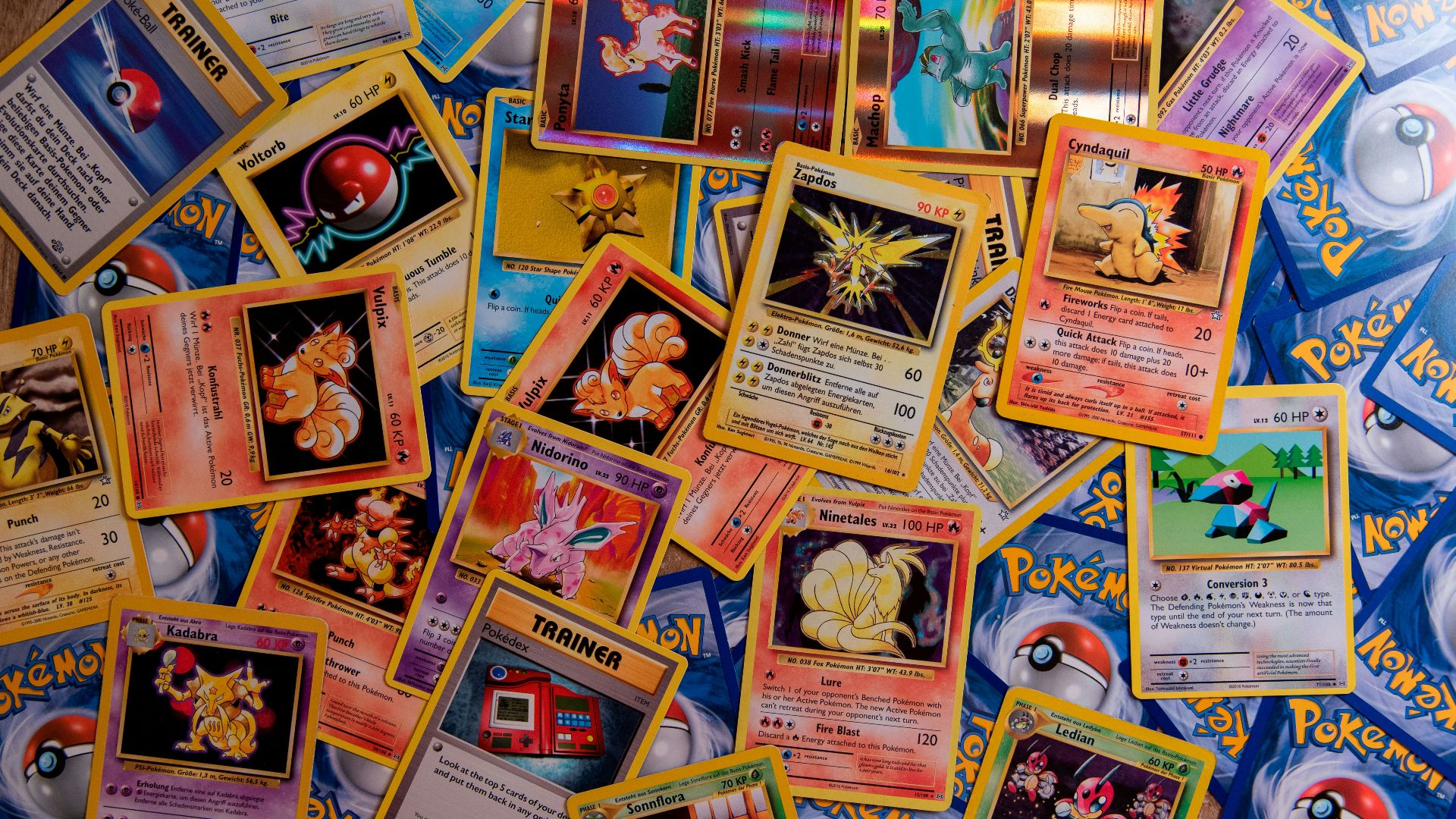
Pokemon cards became a major craze in the late 1990s and early 2000s, especially among children. The cards combined collecting, competition, and playground status. Rare holographic cards became prized possessions, and many schools temporarily banned them because trades caused arguments.
K-Pop Fan Chants Became A National Culture In South Korea
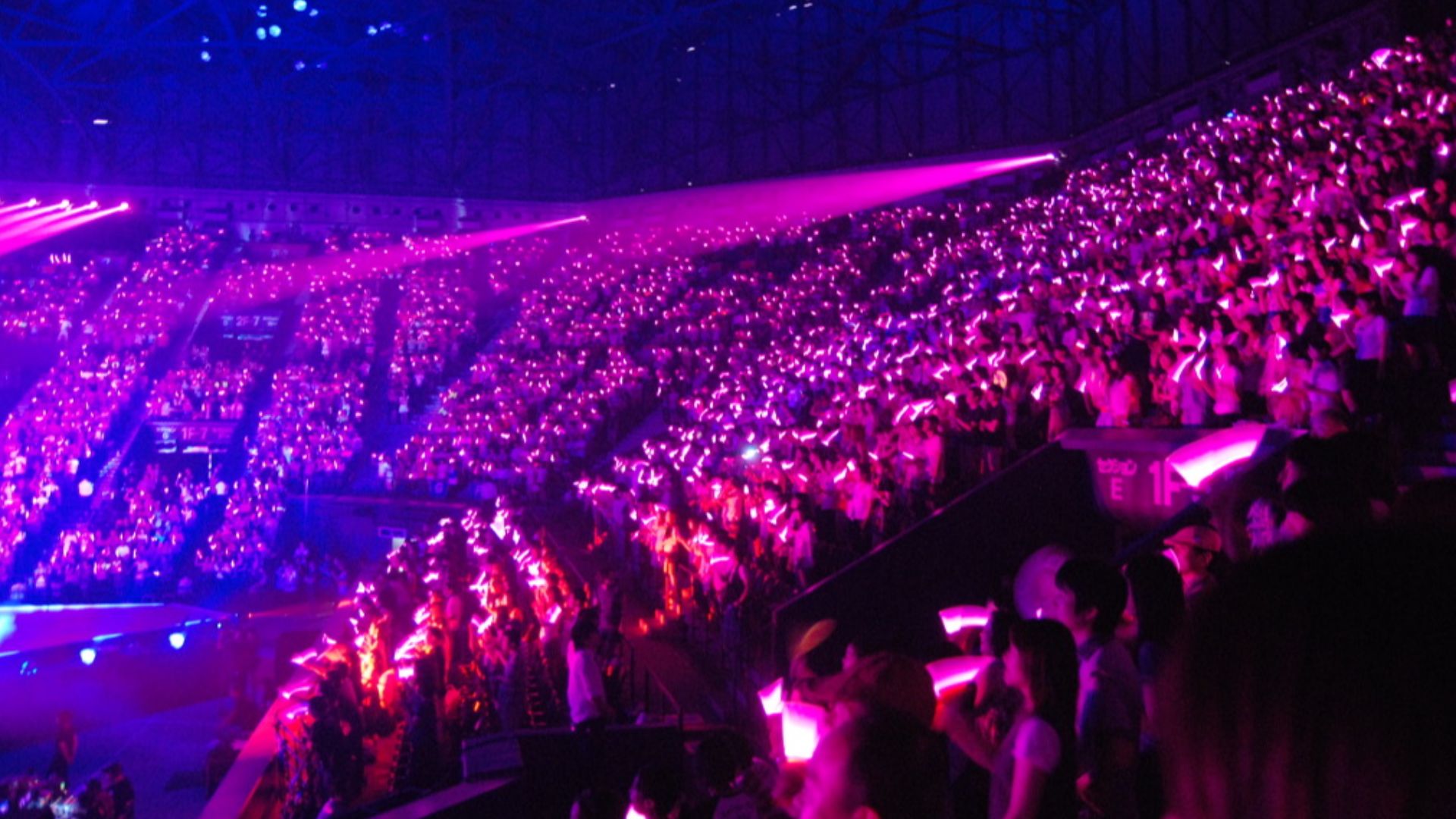
K-pop fandom created trends that extended far beyond buying albums. In South Korea, organized fan chants, light sticks, coordinated streaming, and elaborate birthday ads became part of pop culture. The level of collective participation showed how entertainment fandom could become a highly organized social phenomenon.
The Craziest Trends Reveal What People Wanted
Bizarre trends are rarely just random. They usually reveal something people wanted at the time: status, fun, distraction, belonging, novelty, or hope. Whether it was a tulip bulb, a digital pet, or a spinning toy, each craze gave people a reason to join in and feel part of something bigger.
 Bernd Schwabe, Wikimedia Commons
You May Also Like:
Modern Conveniences That People Fiercely Opposed When They Were Introduced
Indestructible Facts About The Great Pyramids
The Bizarre Inventions People Thought Would Change The World
Sources: 1, 2, 3, 4, 5, 6, 7, 8, 9, 10, 11, 12, 13, 14, 15, 16, 17, 18, 19, 20, 21, 22, 23, 24