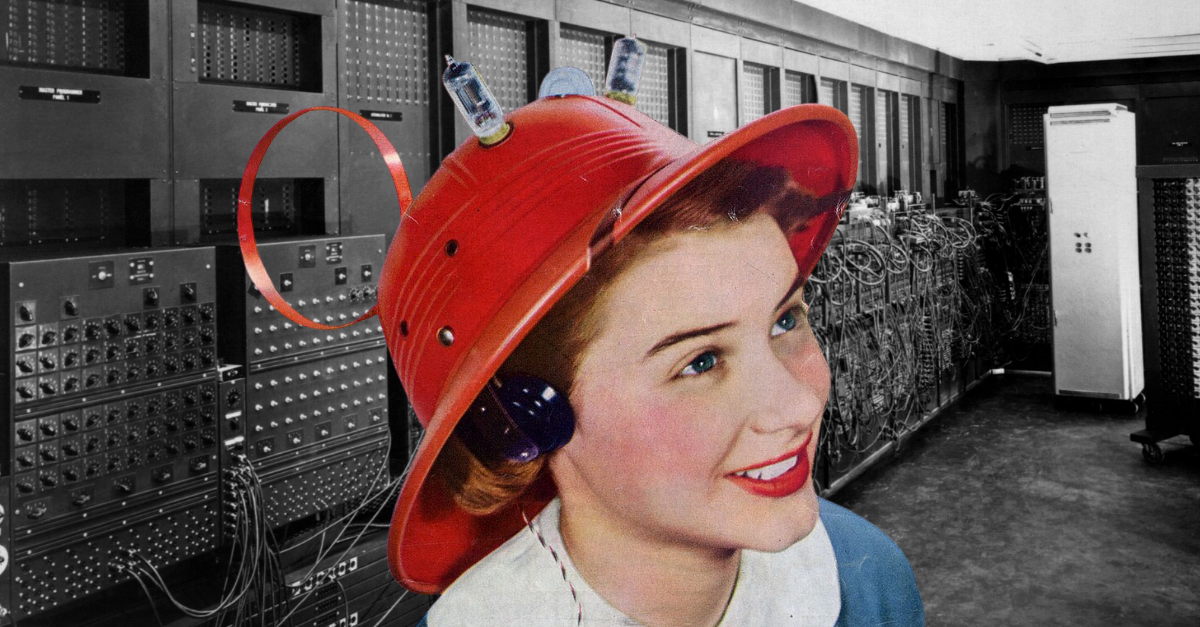
We Usually Hate New Things Before We Love Them
It's funny how history repeats itself. Every time a new invention promises to make life easier, plenty of people are convinced it'll ruin society, threaten jobs, or simply make life worse. Looking back, it's surprising just how many everyday conveniences sparked heated debates before becoming things most of us couldn't imagine living without.
Electricity
It's hard to picture life without electricity, but people were genuinely nervous when it first started showing up in homes during the late 1800s. Fires, electrocution, and mysterious health problems were common fears, especially during the famous rivalry between Thomas Edison and George Westinghouse over competing electrical systems. Once people saw that electricity could safely power lights and appliances, those worries gradually faded away.
Indoor Plumbing
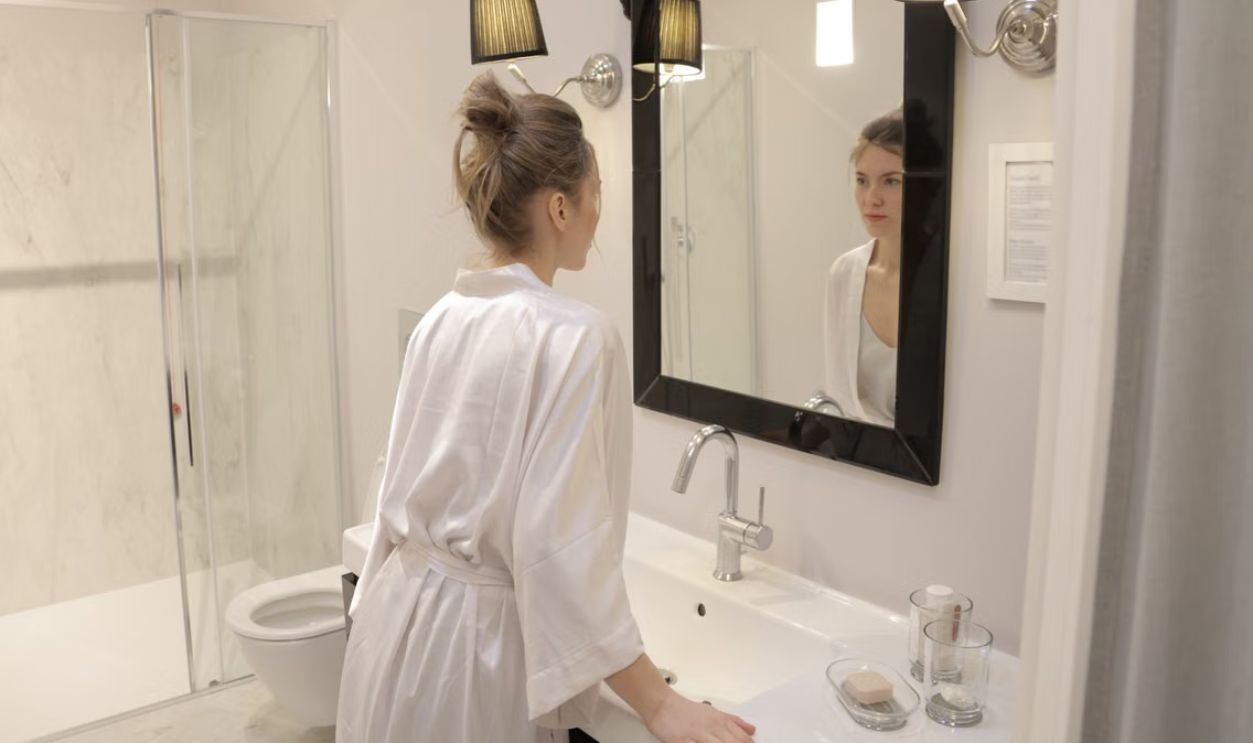
Believe it or not, not everyone wanted a bathroom inside the house. Early indoor plumbing was expensive to install, and some homeowners worried sewer gases or germs would somehow make their homes less healthy. As cities improved sanitation systems and people experienced the convenience firsthand, indoor plumbing quickly became one of the biggest improvements to everyday life.
Telephones
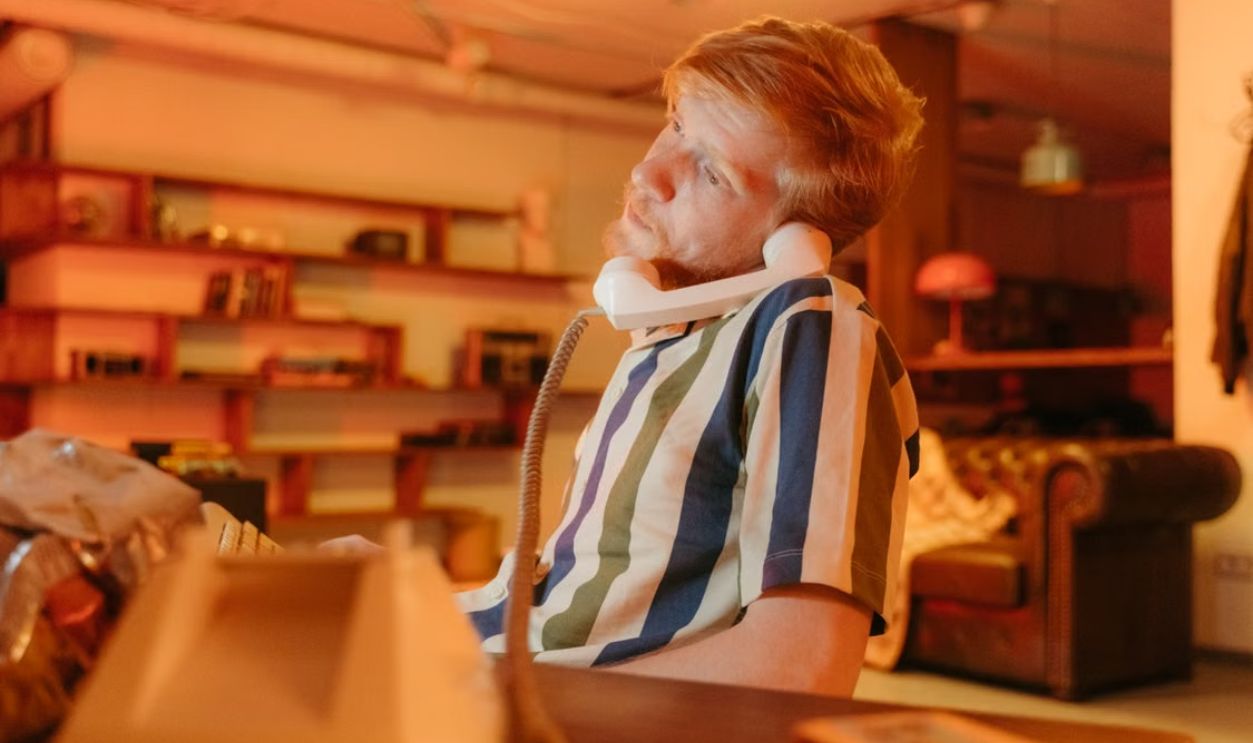
When Alexander Graham Bell introduced the telephone, some people thought talking to someone through a wire sounded strange or even unnecessary. Others wondered why anyone would need to speak with someone who wasn't standing right in front of them. Businesses quickly saw its value, and before long, telephones became a normal part of homes around the world.
Elevators
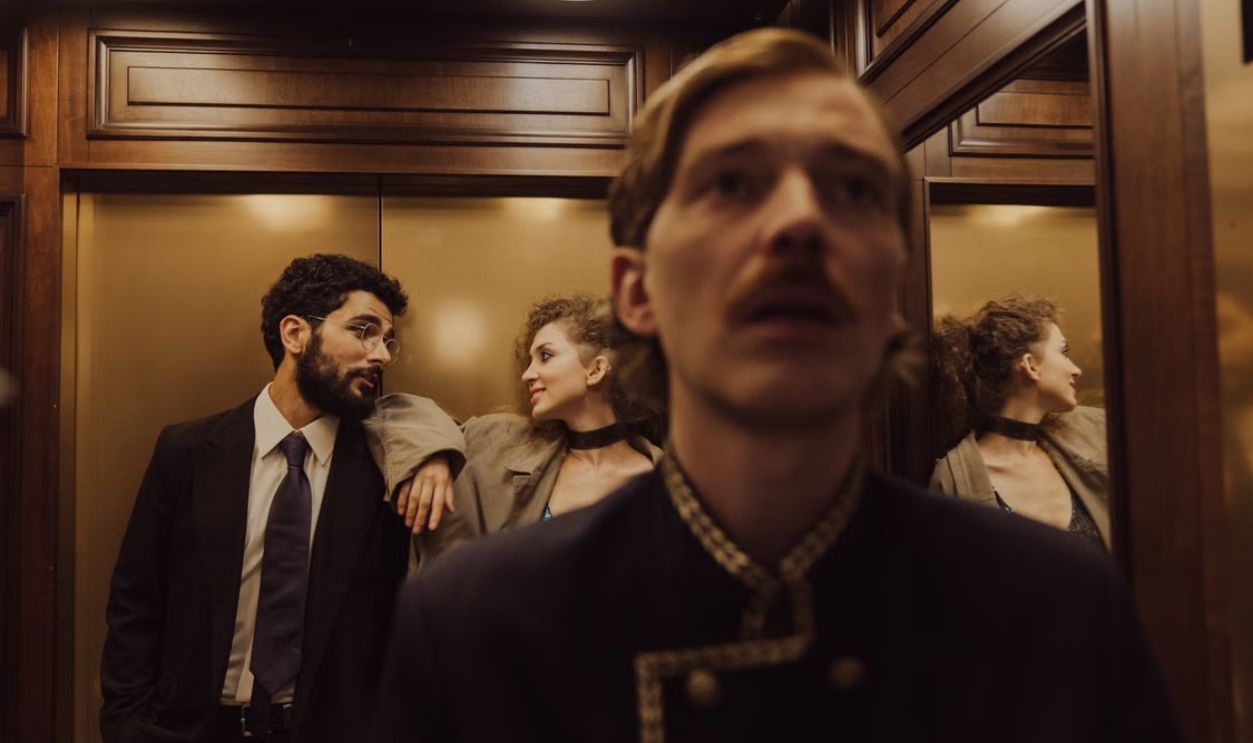
Early elevators didn't exactly inspire confidence. Many people feared the cables would snap, sending passengers crashing to the ground. Inventor Elisha Otis changed minds with a famous public demonstration that proved his safety brake worked exactly as promised, helping people trust elevators and making today's skyscrapers possible.
Escalators
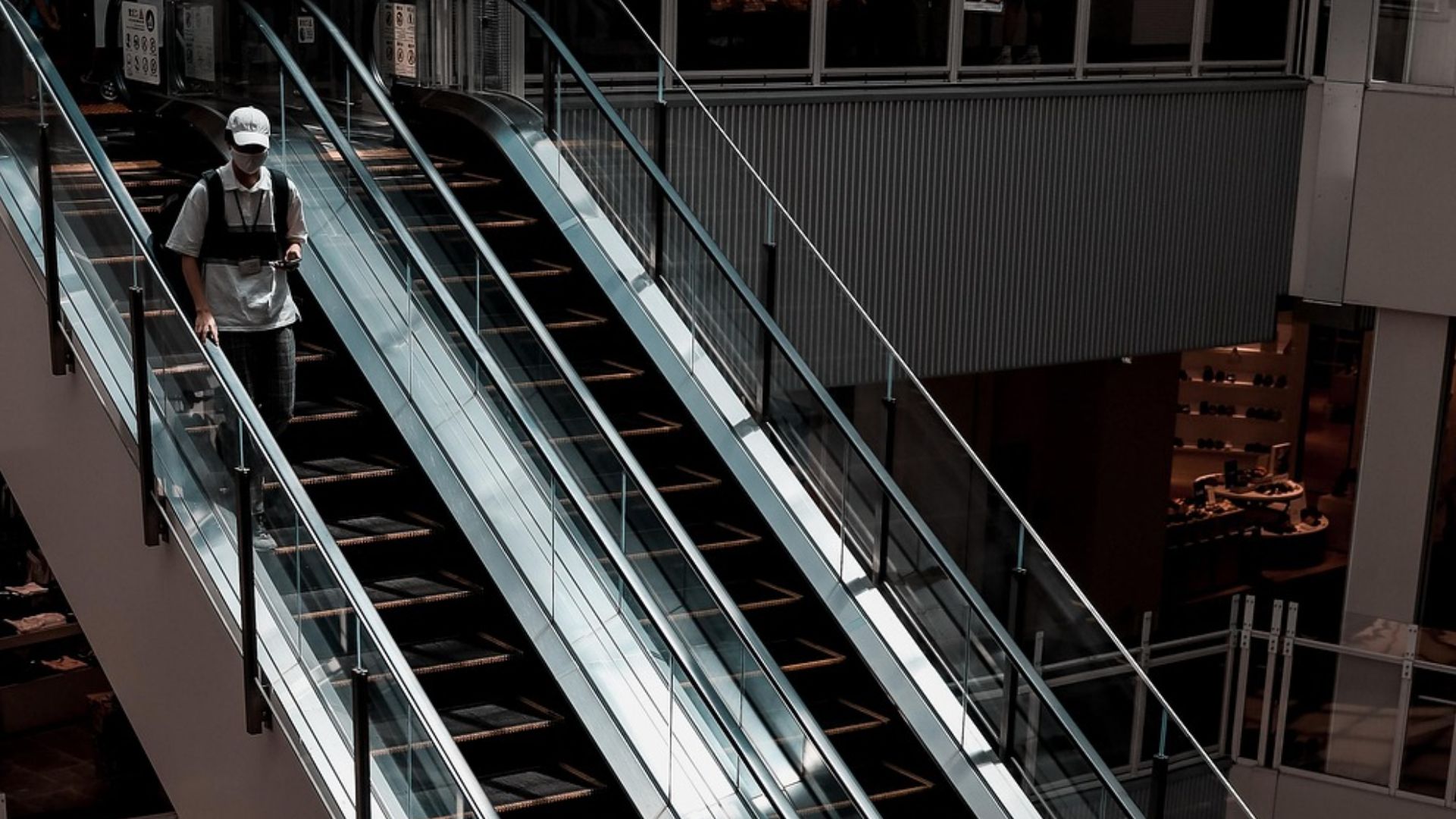
The first time people encountered moving staircases, plenty of them weren't eager to step on. Some riders grabbed the handrails with both hands, while others avoided escalators altogether because they were afraid of falling. As people got used to them, that hesitation disappeared, and today most of us barely think twice before hopping on.
Refrigerators
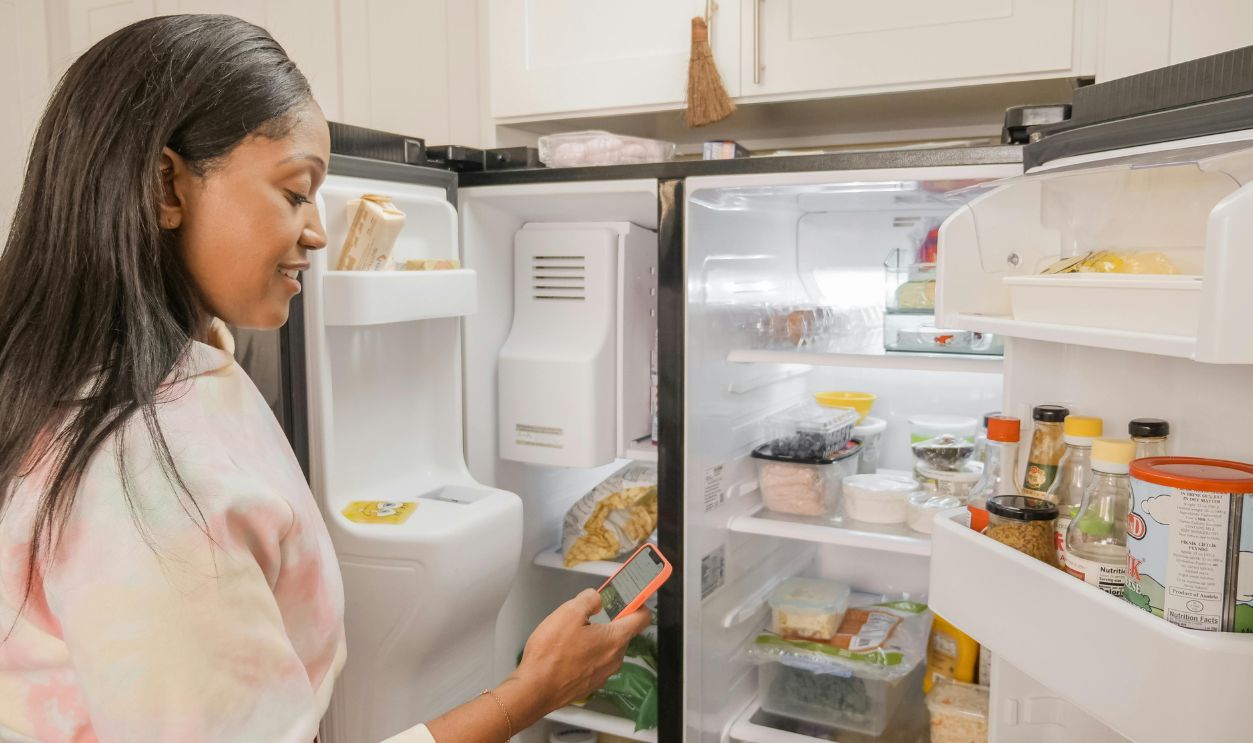
Electric refrigerators weren't instant hits either. Early models sometimes used refrigerant gases that could be dangerous if they leaked, making some shoppers stick with traditional iceboxes instead. As technology improved and safer refrigerants were introduced, refrigerators earned people's trust and became one of the most important appliances in the home.
Washing Machines
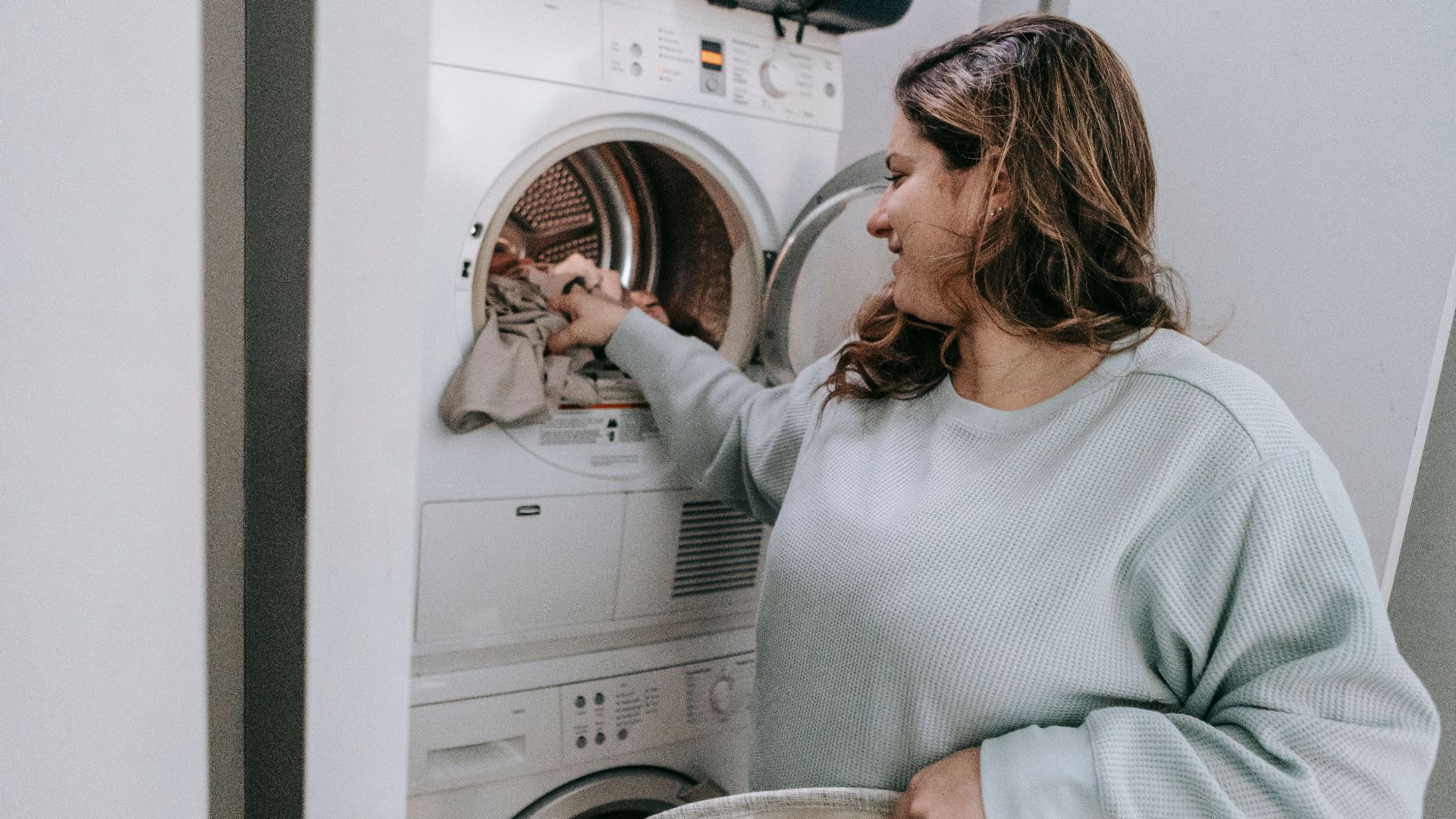
For generations, laundry meant hours of exhausting hand washing. Even so, some families questioned whether washing machines could really clean clothes properly, while others worried about mixing water and electricity. Once the machines proved reliable, they dramatically cut the time and effort needed to do laundry.
Vacuum Cleaners
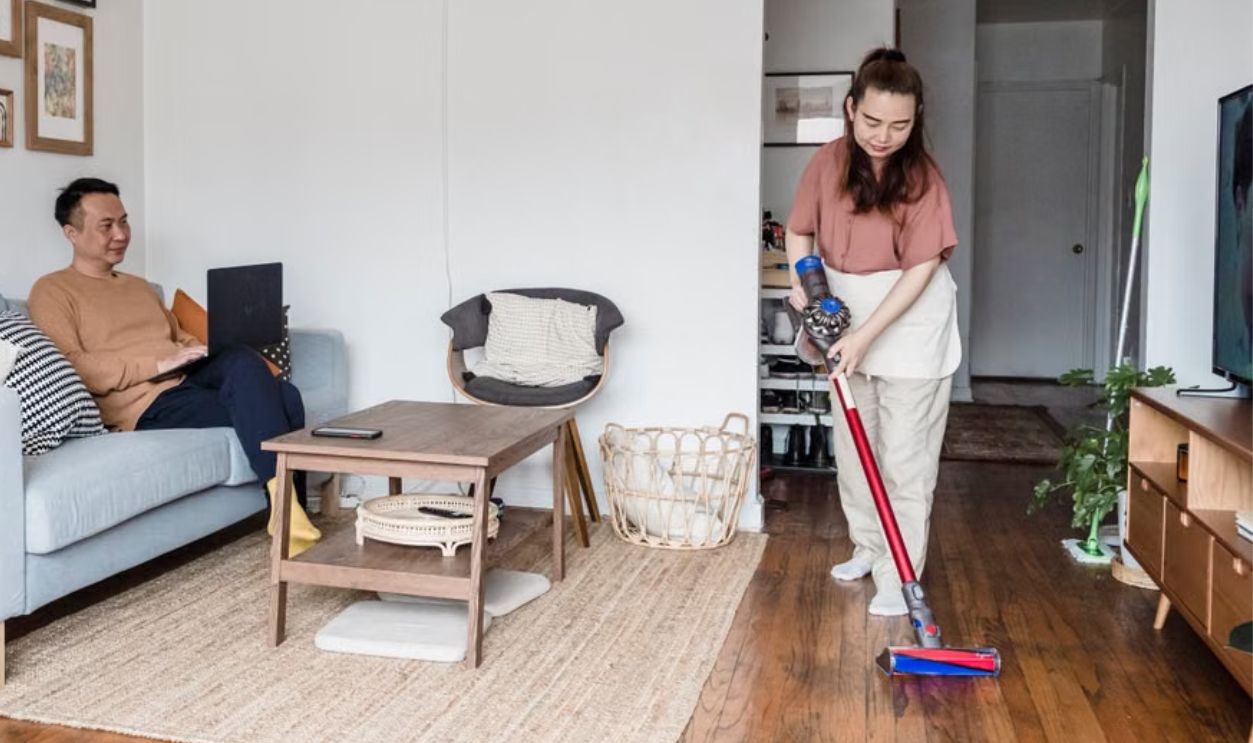
The earliest vacuum cleaners were anything but convenient. Some were so large they had to be transported to homes by horse-drawn wagons, and many people believed beating rugs outdoors worked just fine. Smaller electric models eventually proved far more practical, making vacuum cleaners a household staple.
Dishwashers
When Josephine Cochrane introduced one of the first practical dishwashers, many people thought it solved a problem that didn't exist. Washing dishes by hand seemed good enough, and some worried machines would damage expensive china. Over time, families discovered just how much time dishwashers could save, especially as kitchens became more modern.
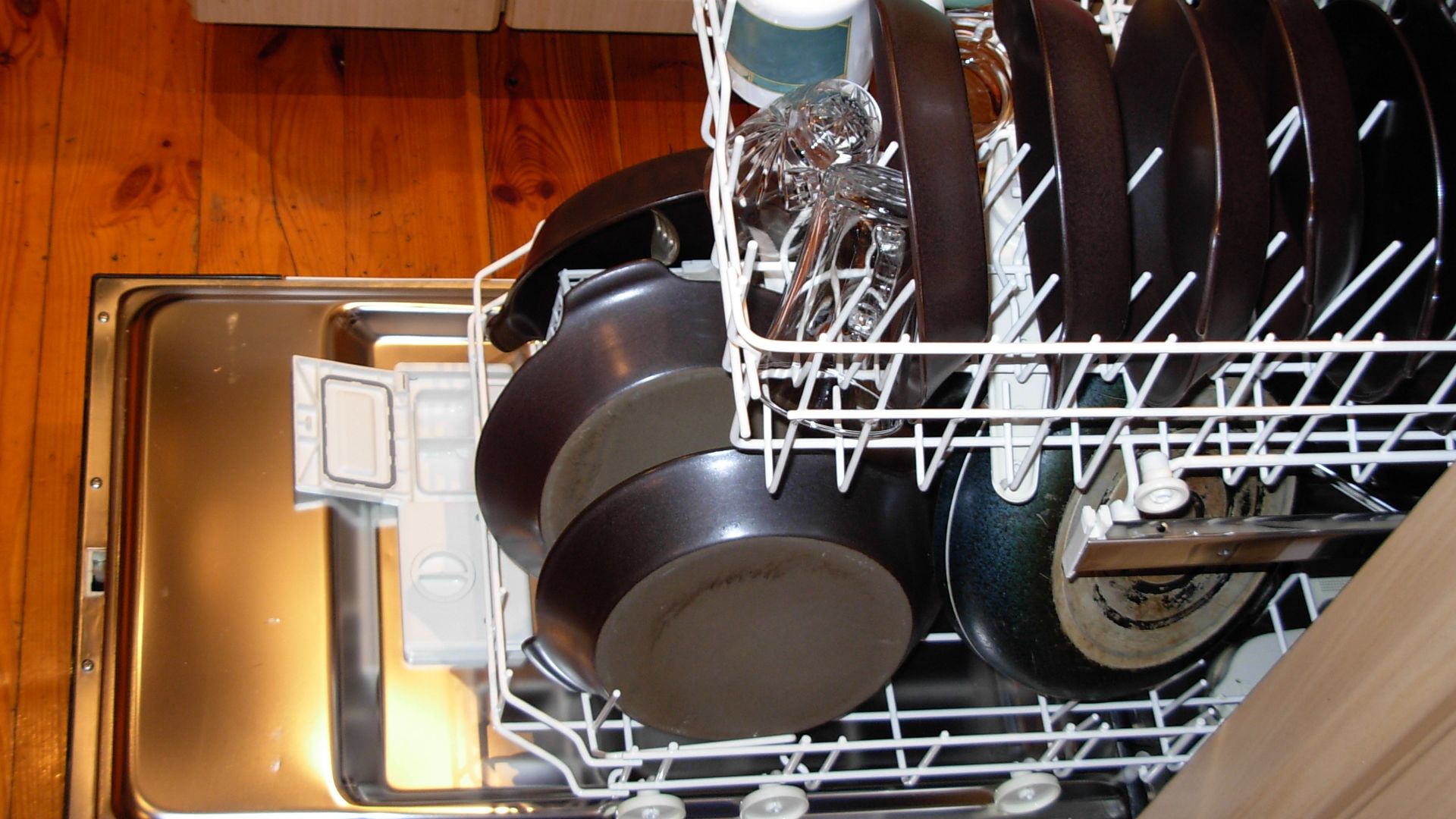 No machine-readable author provided. Piotrus assumed (based on copyright claims)., Wikimedia Commons
Microwave Ovens
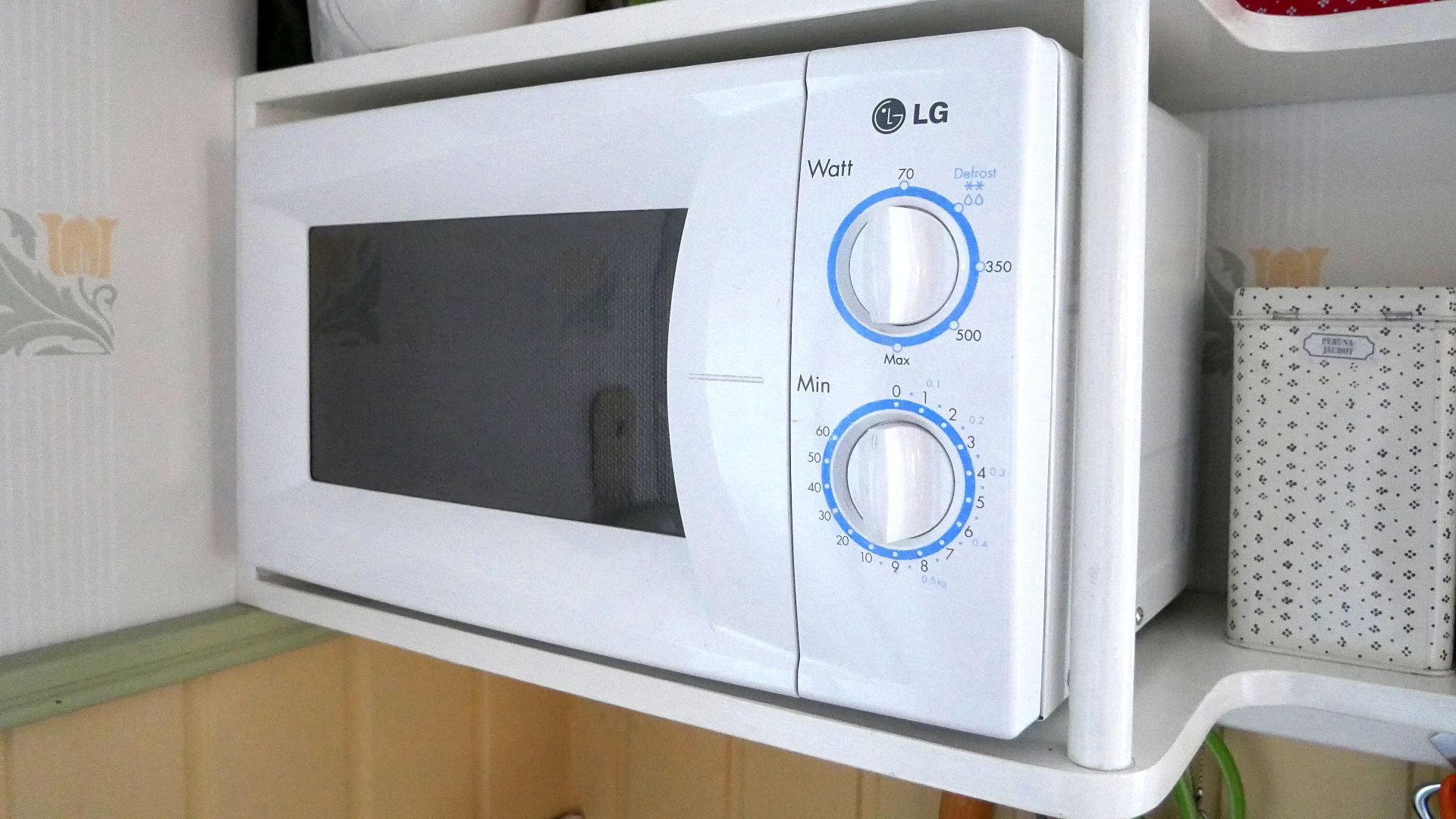
When microwave ovens first became popular, plenty of shoppers were skeptical. Some mistakenly believed microwave radiation would stay in the food or somehow make meals unsafe to eat. Years of scientific research showed those fears weren't supported, and today microwaves are one of the most commonly used appliances in kitchens everywhere.
 Santeri Viinamäki, Wikimedia Commons
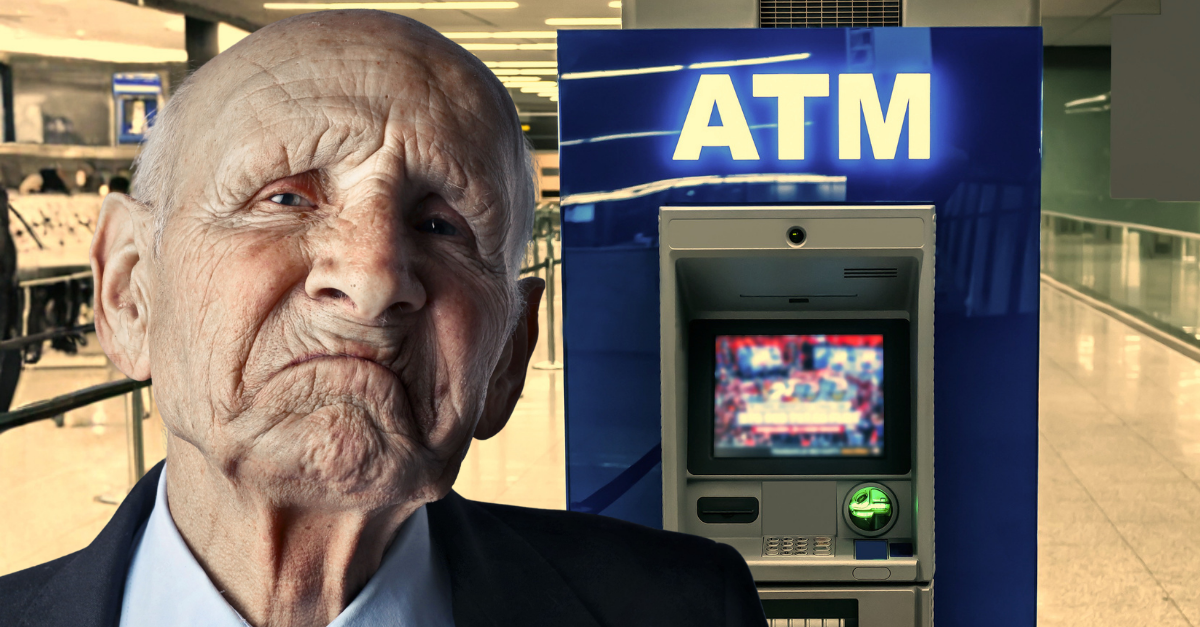
ATMs
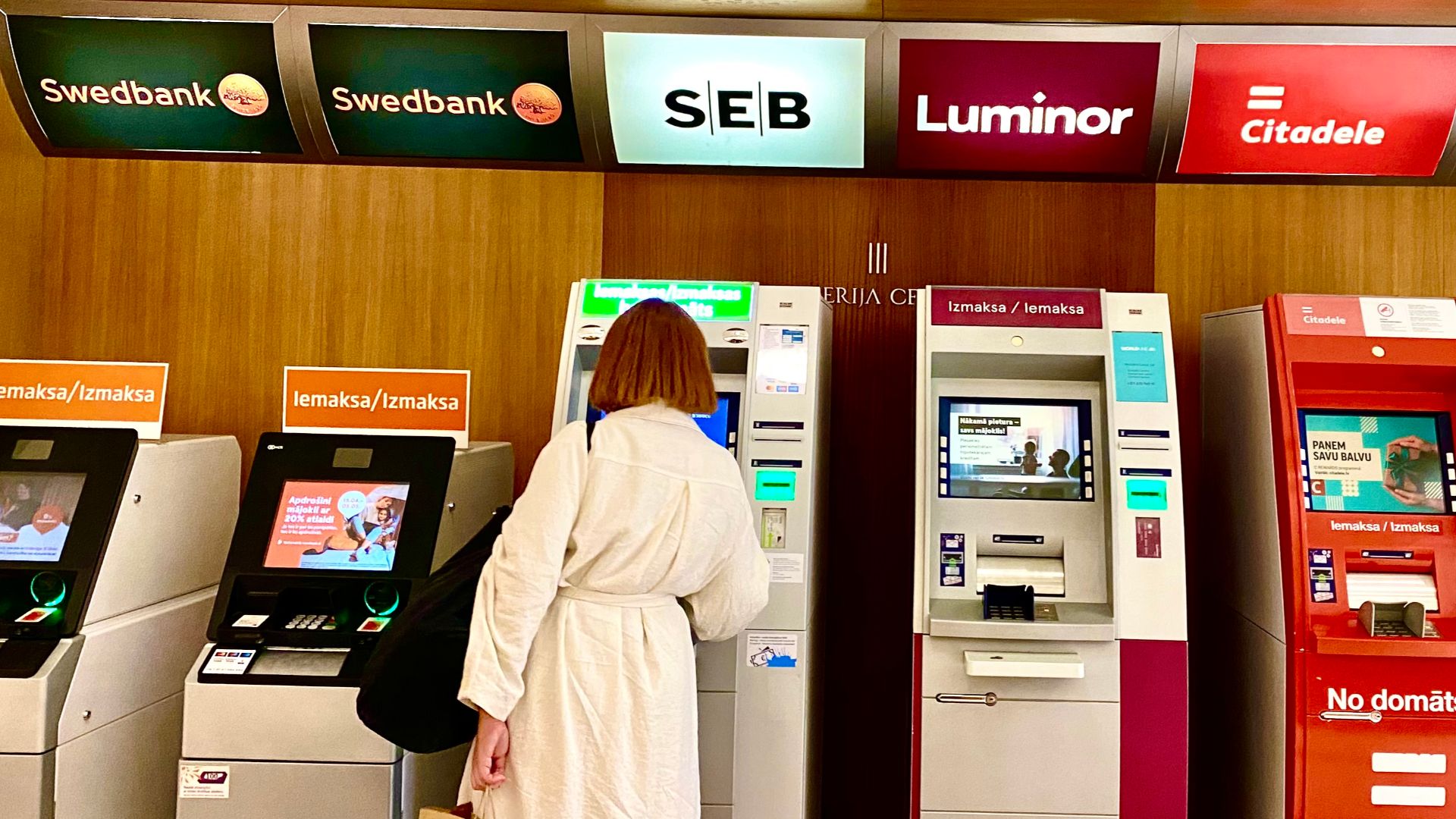
Many people were uneasy about trusting a machine with their money when automated teller machines first appeared. Some feared mistakes, while others wondered if banks were trying to replace human employees altogether. Instead, ATMs gave customers the freedom to withdraw cash and handle basic banking whenever they wanted, not just during business hours.
Credit Cards
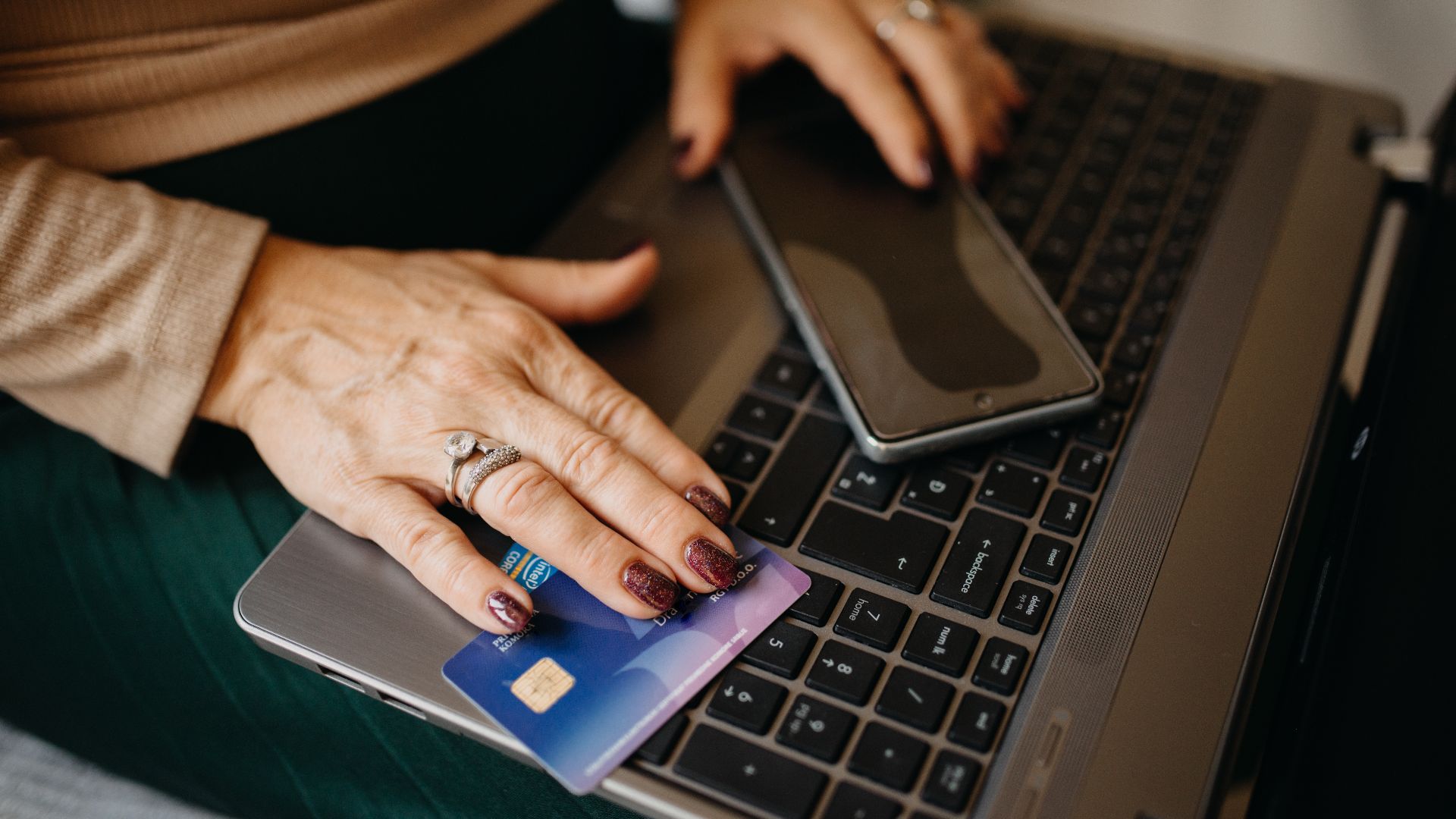
Credit cards sparked plenty of criticism when they became more common. Some experts warned they would encourage overspending, while many businesses weren't thrilled about paying processing fees or dealing with potential fraud. Those concerns haven't disappeared entirely, but electronic payments have become an everyday part of shopping and banking.
 Shixart1985, Wikimedia Commons
Seat Belts
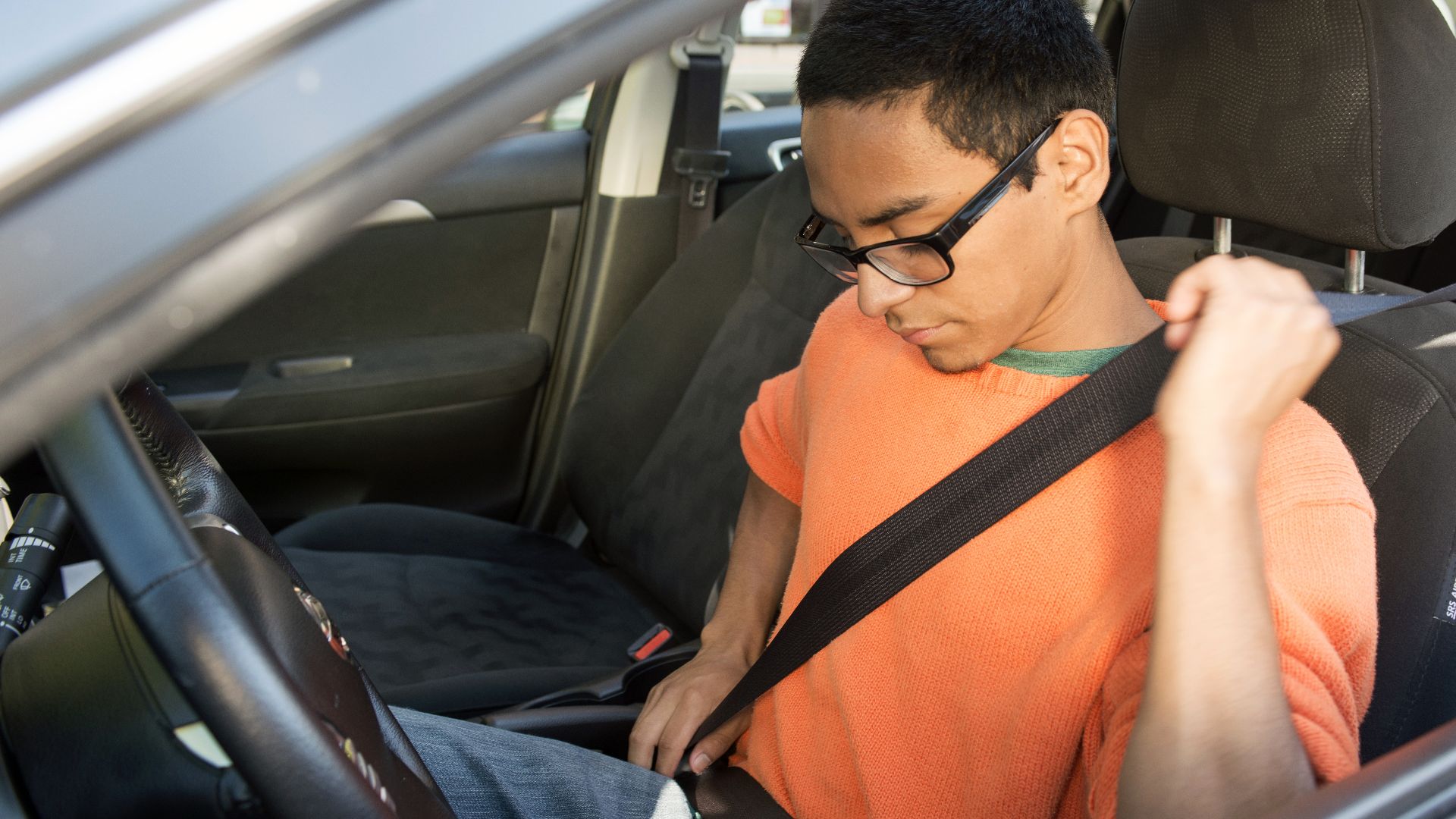
It may seem surprising now, but seat belt laws were incredibly controversial. Many drivers argued that wearing a seat belt should be a personal choice, not something required by the government. Decades of crash research have since shown just how effective seat belts are at preventing serious injuries and saving lives.
Air Conditioning
Air conditioning was once viewed as an expensive luxury rather than a necessity. Some people even questioned whether spending long periods in cooled buildings was healthy. As homes, offices, and businesses adopted air conditioning, especially in warmer regions, it completely changed where and how people lived and worked.

Automatic Doors
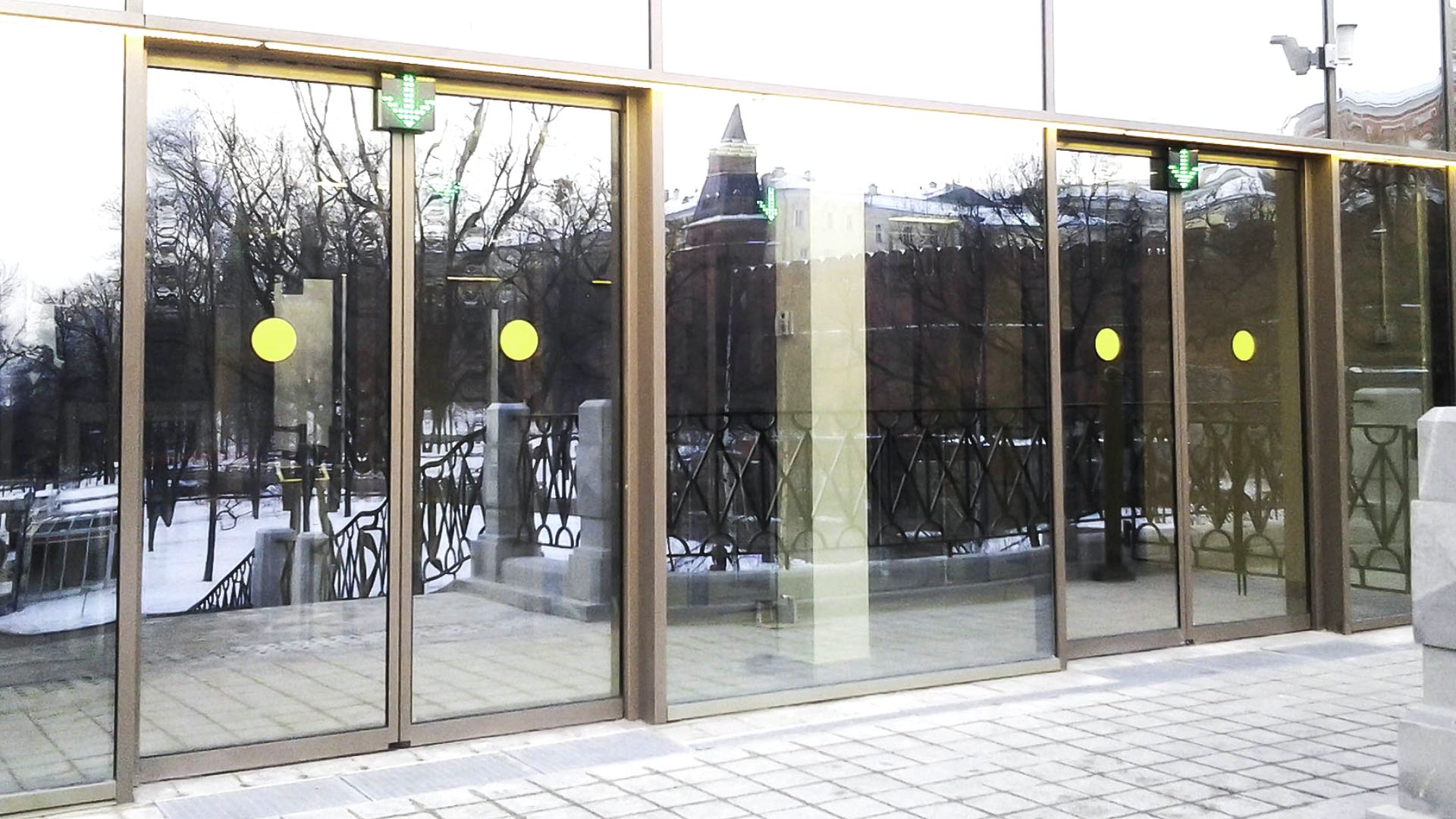
When stores first installed automatic doors, not everyone trusted them. Some shoppers worried the sensors wouldn't work properly or that the doors might suddenly close on them. As the technology became more reliable, automatic doors turned into a feature people now expect at grocery stores, airports, hospitals, and countless other buildings.
 Labanderadeadiosayer, Wikimedia Commons
GPS Navigation
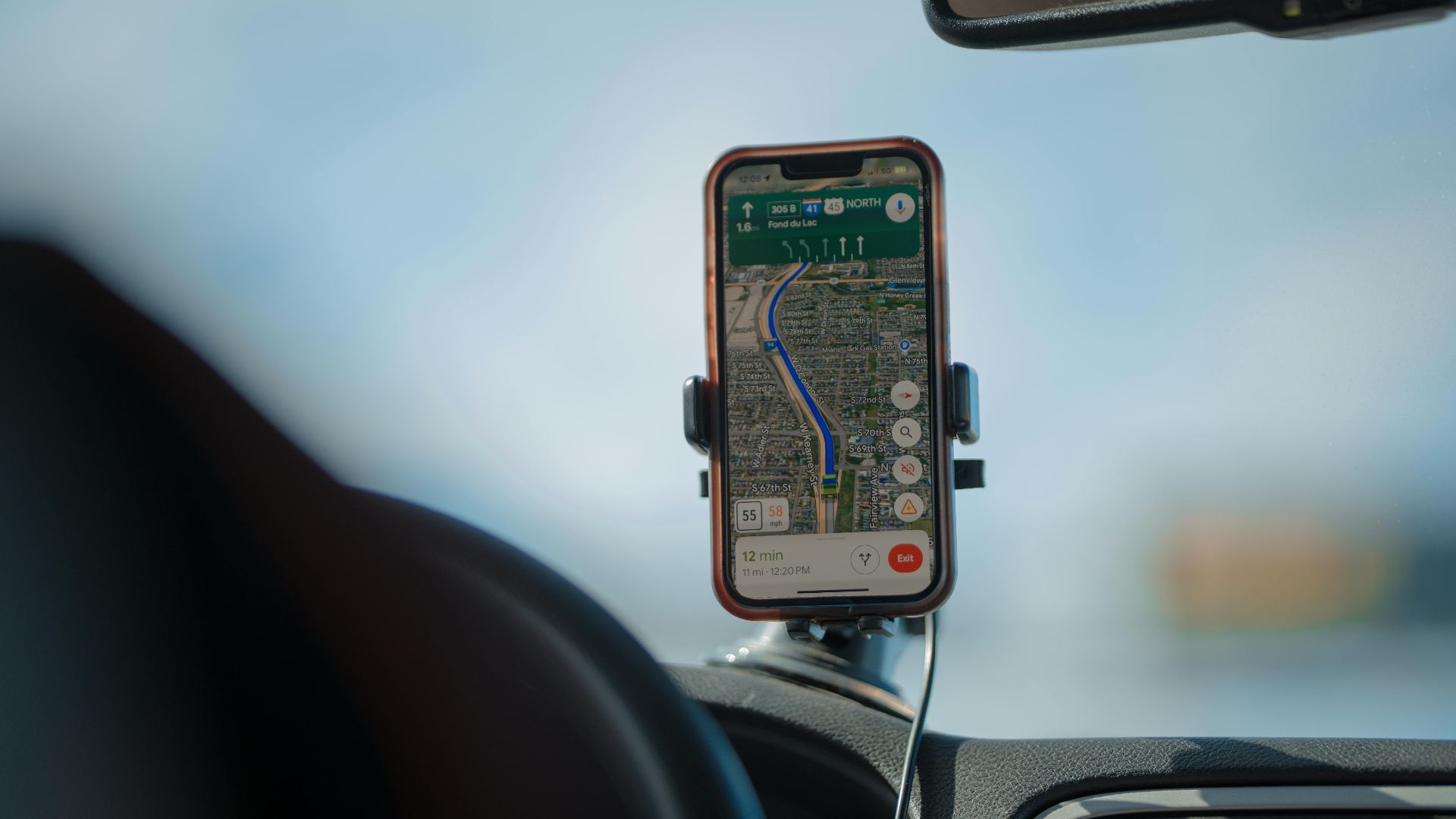
Not everyone was ready to hand over directions to a computer. Many drivers insisted paper maps were more dependable, while others worried GPS systems would make people lose their sense of direction. Although GPS isn't perfect, it has completely changed the way millions of people travel every day.
Contactless Payments
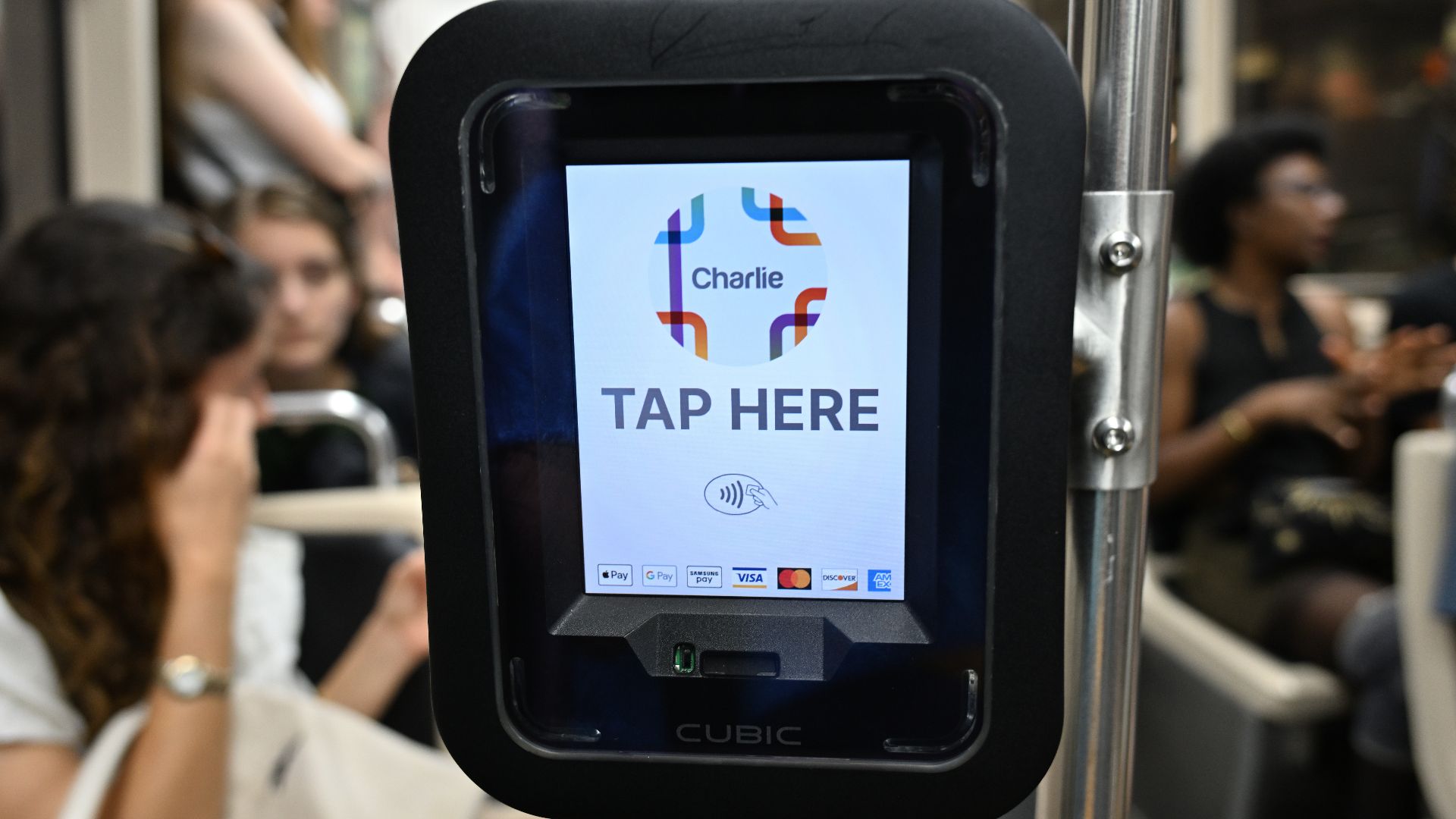
When tap-to-pay cards first arrived, many shoppers hesitated to use them. Questions about hacking, accidental charges, and stolen information made some people feel safer inserting their cards instead. Better security technology has helped build confidence, and contactless payments are now one of the fastest-growing ways to pay.
 4300streetcar, Wikimedia Commons
Smart Speakers
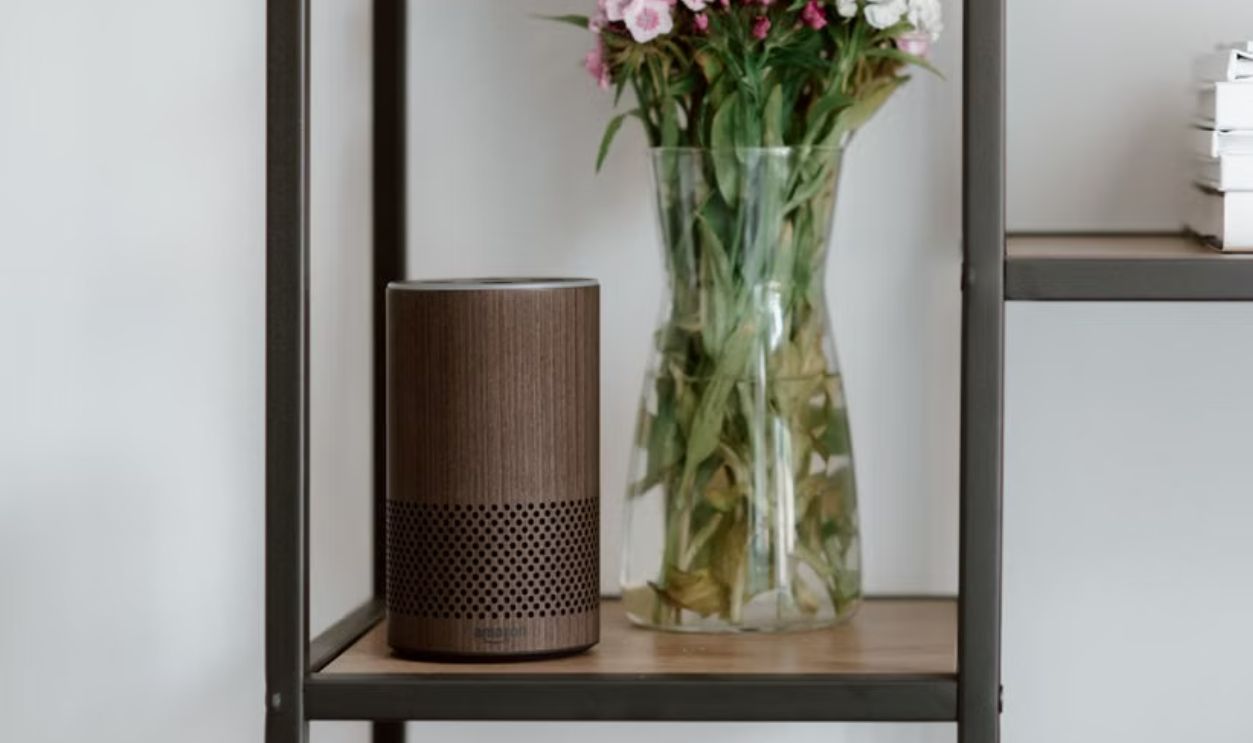
Voice assistants like Amazon Alexa and Google Assistant were designed to make life easier, but they also sparked immediate privacy concerns. Many people worried the devices were always listening or collecting more information than they should. Those conversations about privacy continue today, even as smart speakers have become common household gadgets.
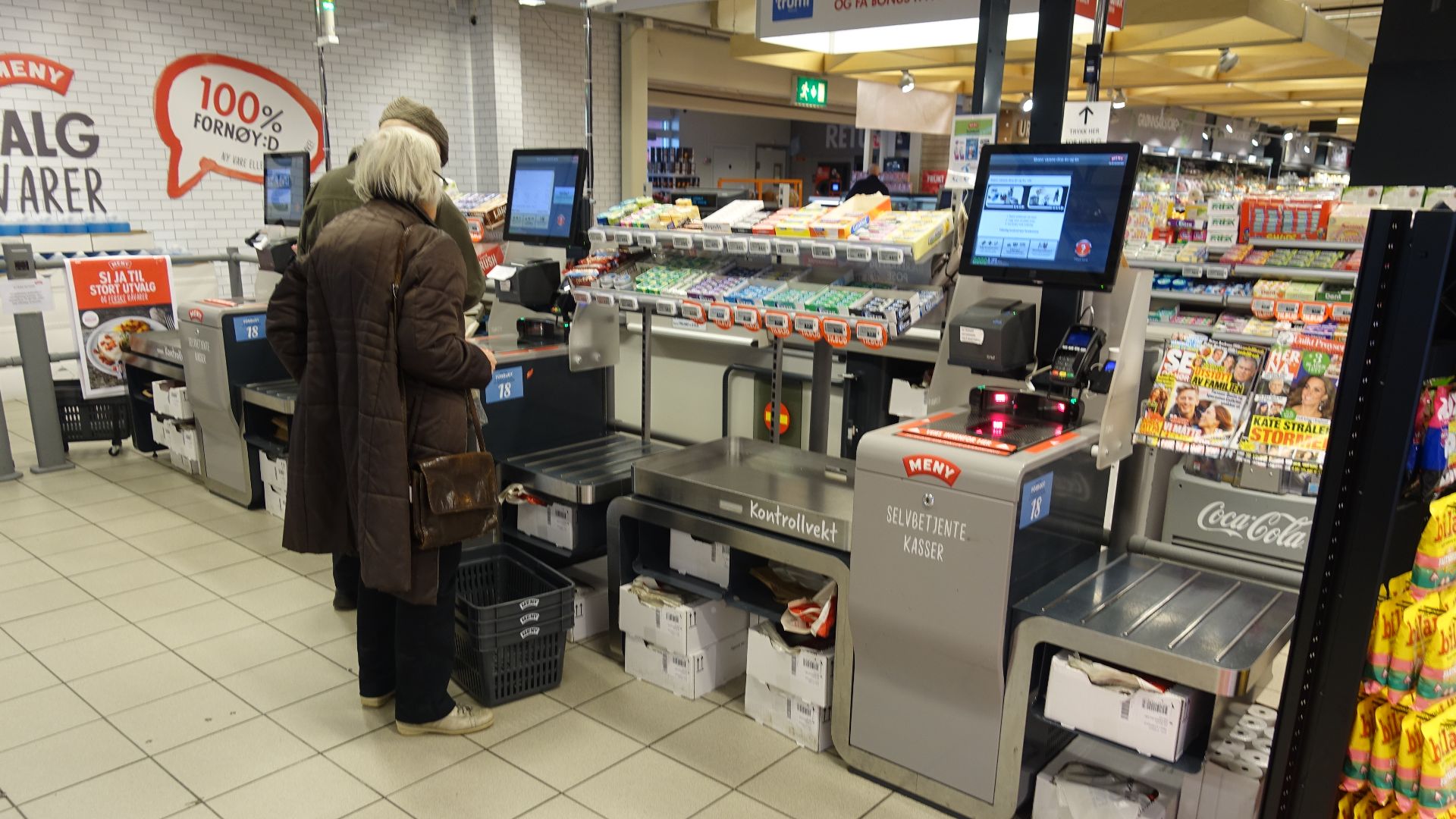
Self-Checkout Lanes
Few modern conveniences still divide opinions quite like self-checkout. Some shoppers love getting in and out of the store faster, while others miss having a cashier or get frustrated when the machines don't cooperate. Even with the complaints, retailers continue expanding self-checkout because it can reduce wait times and improve efficiency.
Today's Normal Was Yesterday's Controversy
History has a funny way of making yesterday's fears seem almost unbelievable. Nearly every major convenience we rely on today was met with skepticism, criticism, or outright resistance when it first appeared. While not every new invention ends up changing the world, these examples show that today's controversial technology could easily become tomorrow's everyday routine.

You May Also Like:
Fascinating Facts For Science Nerds