The General Who Wouldn't Stay Silent
Billy Mitchell believed America's military leaders were dangerously unprepared for the future. He warned that airplanes could destroy battleships, predicted a devastating Japanese attack in the Pacific, and accused his superiors of putting American lives at risk. But when he refused to stop speaking out, the Army responded with a spectacular court-martial. Mitchell was about to discover the terrible price of being ahead of his time.
A Soldier With Unusual Ideas
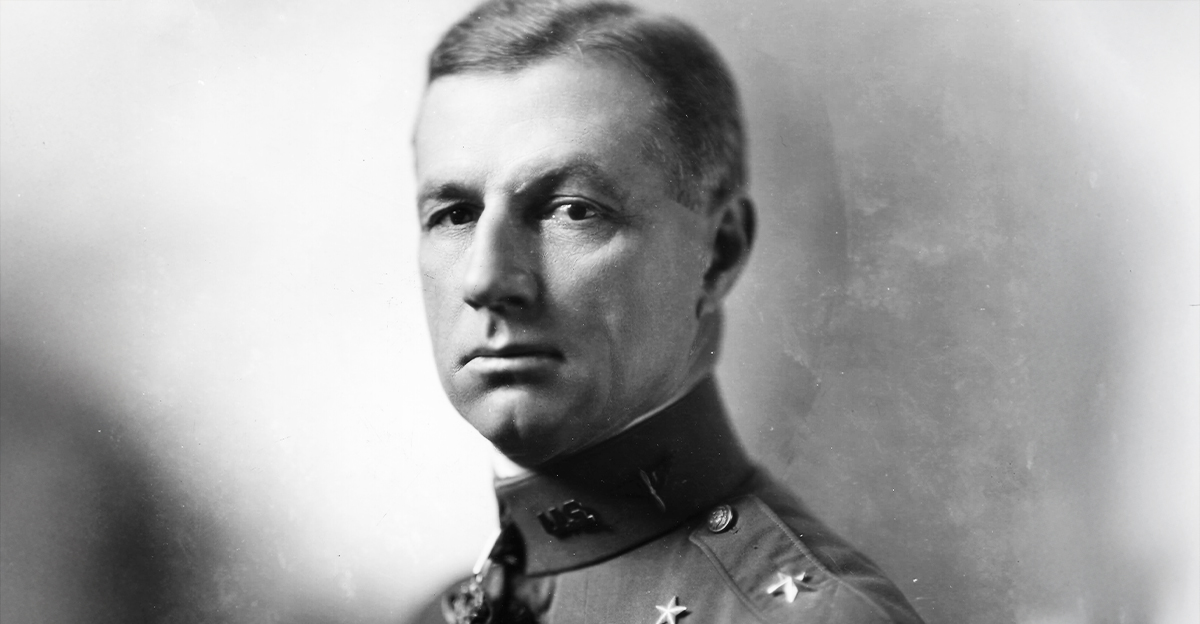
William Lendrum Mitchell was born in Nice, France, on December 29, 1879, to a wealthy American family. Raised in Milwaukee, Wisconsin, he joined the Army during the Spanish-American War and later served in Cuba, the Philippines, and Alaska. His fascination with aviation grew as airplanes began transforming modern warfare. By 1916, Mitchell was learning to fly, convinced that military aircraft would eventually become far more than tools for reconnaissance.
 US Air Force, Public Domain, Wikimedia Commons
War Proved His Point
When America entered WWI in 1917, Mitchell traveled to France, where he studied Allied aviation and learned from British air-power advocate Hugh Trenchard. Promoted to brigadier general, he eventually commanded American combat aviation units in France. During the Battle of Saint-Mihiel in September 1918, Mitchell helped coordinate a massive concentration of Allied aircraft. The experience strengthened his belief that air power could operate independently rather than merely support soldiers fighting on the ground.
He Challenged The Navy
After the war, Mitchell became an outspoken advocate for an independent air force. His most controversial argument was that aircraft could sink even heavily armored battleships, threatening the Navy's traditional dominance at sea. Naval officers disputed the implications of his claims, but Mitchell demanded a demonstration. In July 1921, Army bombers under his command attacked the captured German battleship Ostfriesland off the Virginia coast. The enormous vessel sank, providing Mitchell with dramatic evidence that warships were vulnerable to aerial bombardment.
 US Navy, Public Domain, Wikimedia Commons
A Warning About Japan
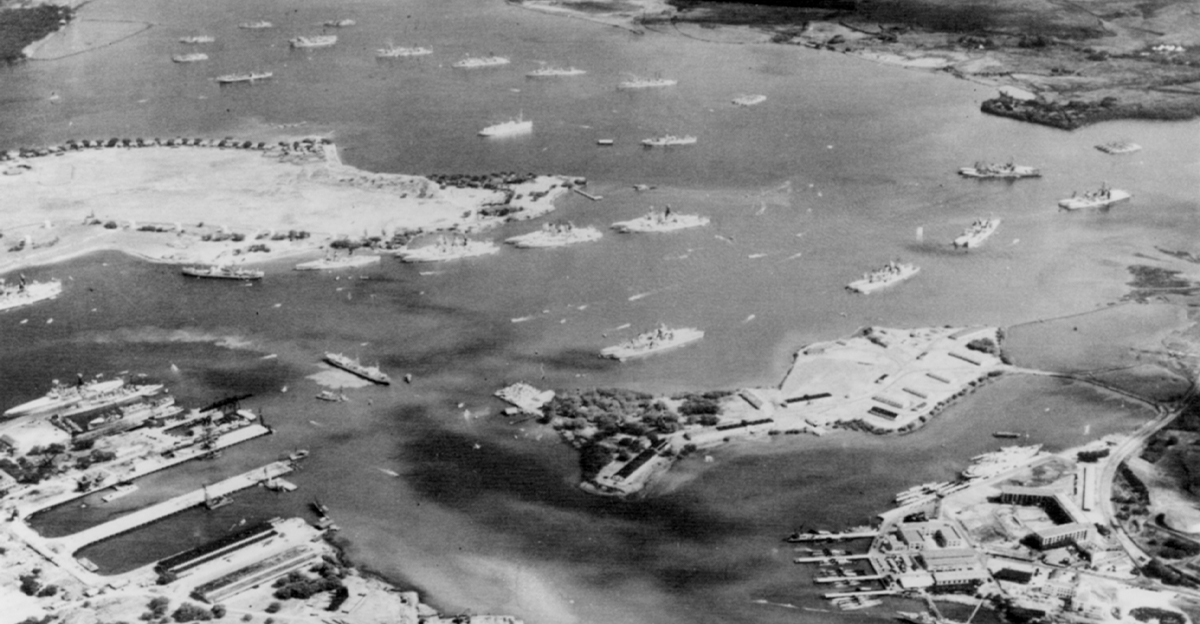
Mitchell's concerns extended far beyond battleships. Following an inspection tour of the Pacific in 1924, he warned that Japan might eventually attack American military installations, including Pearl Harbor and bases in the Philippines. His report even described a surprise aerial assault on Pearl Harbor's Ford Island. Although his predictions didn't precisely anticipate everything that happened in December 1941, they demonstrated his remarkable understanding of the vulnerabilities of American defenses. Unfortunately, many senior military leaders remained skeptical of his proposals.
His Career Was In Doubt
By 1925, Mitchell's increasingly confrontational behavior had exhausted the patience of his superiors. His appointment as assistant chief of the Army Air Service was not renewed, and he reverted from his temporary rank of brigadier general to his permanent rank of colonel. He was reassigned to Fort Sam Houston in Texas, far from the center of military policymaking. But the transfer did nothing to silence him. Mitchell remained convinced that outdated thinking was endangering American servicemen, and he was determined to make the public listen.
 US Navy, Public Domain, Wikimedia Commons
A Disaster Ignites His Fury
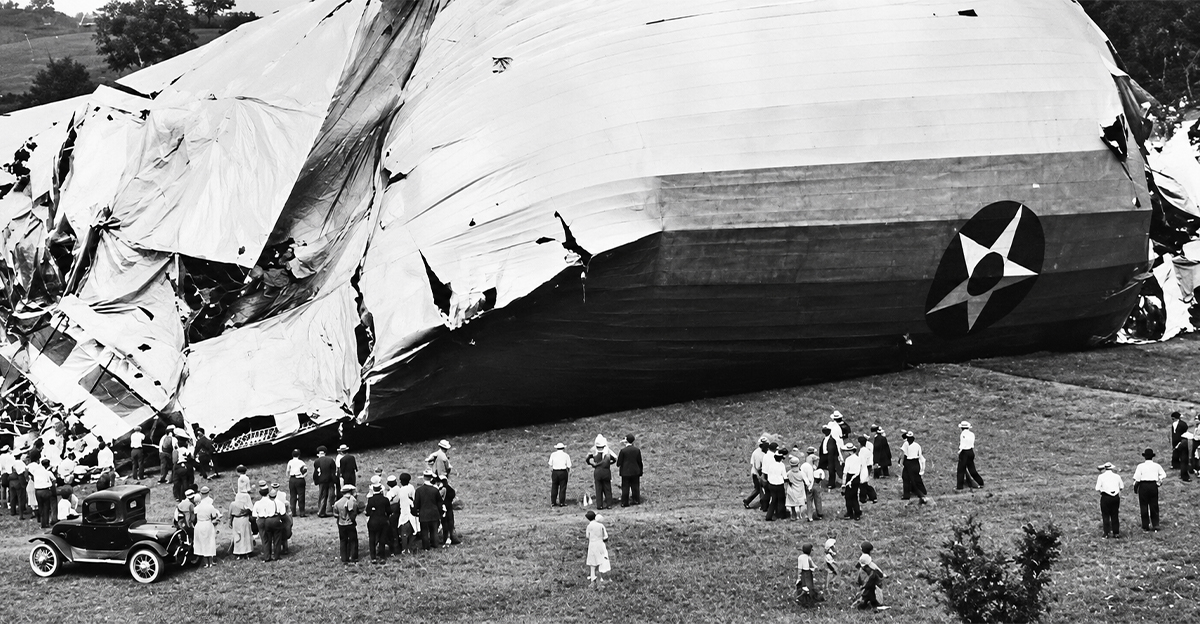
On September 3, 1925, the Navy airship USS Shenandoah broke apart during a violent storm over Ohio, and 14 crew members perished. The disaster came amid other troubling aviation accidents. Two days later, Mitchell issued an explosive public statement accusing the War and Navy Departments of incompetence, criminal negligence, and nearly treasonous administration of national defense. He argued that senior officers who knew little about aviation were making decisions that cost experienced airmen their lives. This time, Mitchell's superiors decided he had gone too far.
The Trial Of The Decade
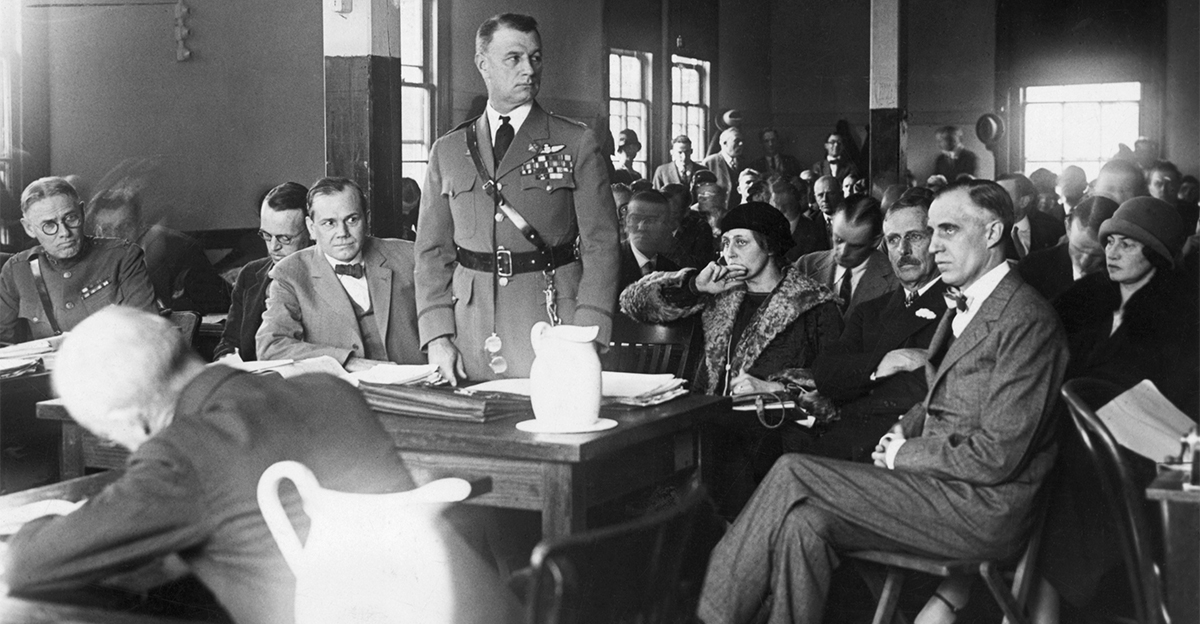
Mitchell's court-martial began in Washington, DC, on October 28, 1925. The proceedings attracted enormous public attention. His defense attempted to demonstrate that his accusations were justified, while the prosecution focused on his conduct as an officer. Among the generals judging him was Douglas MacArthur, who would later become one of America's most famous military commanders. After seven weeks of testimony, the court found Mitchell guilty on December 17. He was sentenced to five years' suspension from rank, command, and duty, without pay.
He Refused To Surrender
President Calvin Coolidge subsequently modified Mitchell's sentence, allowing him to receive half his pay and allowances during the suspension. But Mitchell had no intention of accepting five years on the sidelines. He resigned his commission in February 1926, ending a military career that had once seemed on a path to even greater distinction. As a civilian, he went on campaigning for air power through books, articles, and public lectures. He never abandoned his belief that America needed an independent air force capable of defending the country against modern threats.
History Delivers Its Verdict
Billy Mitchell died on February 19, 1936, at just 56, five years before Japan attacked Pearl Harbor. WWII showed the devastating potential of air power, vindicating many of his warnings. In 1946, Congress awarded him a special Congressional Medal of Honor for his pioneering contributions to military aviation. The United States established an independent Air Force the following year. His dramatic court-martial was later portrayed in The Court-Martial of Billy Mitchell (1955), starring Gary Cooper as Mitchell and directed by Otto Preminger. Mitchell never lived to see these developments, but his ideas helped shape the military future he had fought so fiercely to bring about.
You May Also Like:
The High-Flying Life Of Eddie Rickenbacker
Jackie Robinson Broke Baseball’s Color Barrier—But First, The Army Put Him On Trial