An American Odyssey
Eddie Rickenbacker’s life was a uniquely American odyssey from grease-stained auto mechanic to fearless race car driver, from decorated World War I flying ace to pioneering airline executive. Known as “Fast Eddie”, he broke records on the ground before conquering the skies over Europe, where his unmatched bravery earned him the title of America’s “Ace of Aces.”
Early Years And Racing Passion
Eddie Rickenbacker was born October 8 1890 in Columbus, Ohio, of Swiss‑German descent. He dropped out of school early to work jobs and eventually found himself drawn to automobiles and speed. His mechanical aptitude and fearlessness made him stand out in the early age of auto racing when everything felt like controlled chaos.

The Dawn Of A Racer
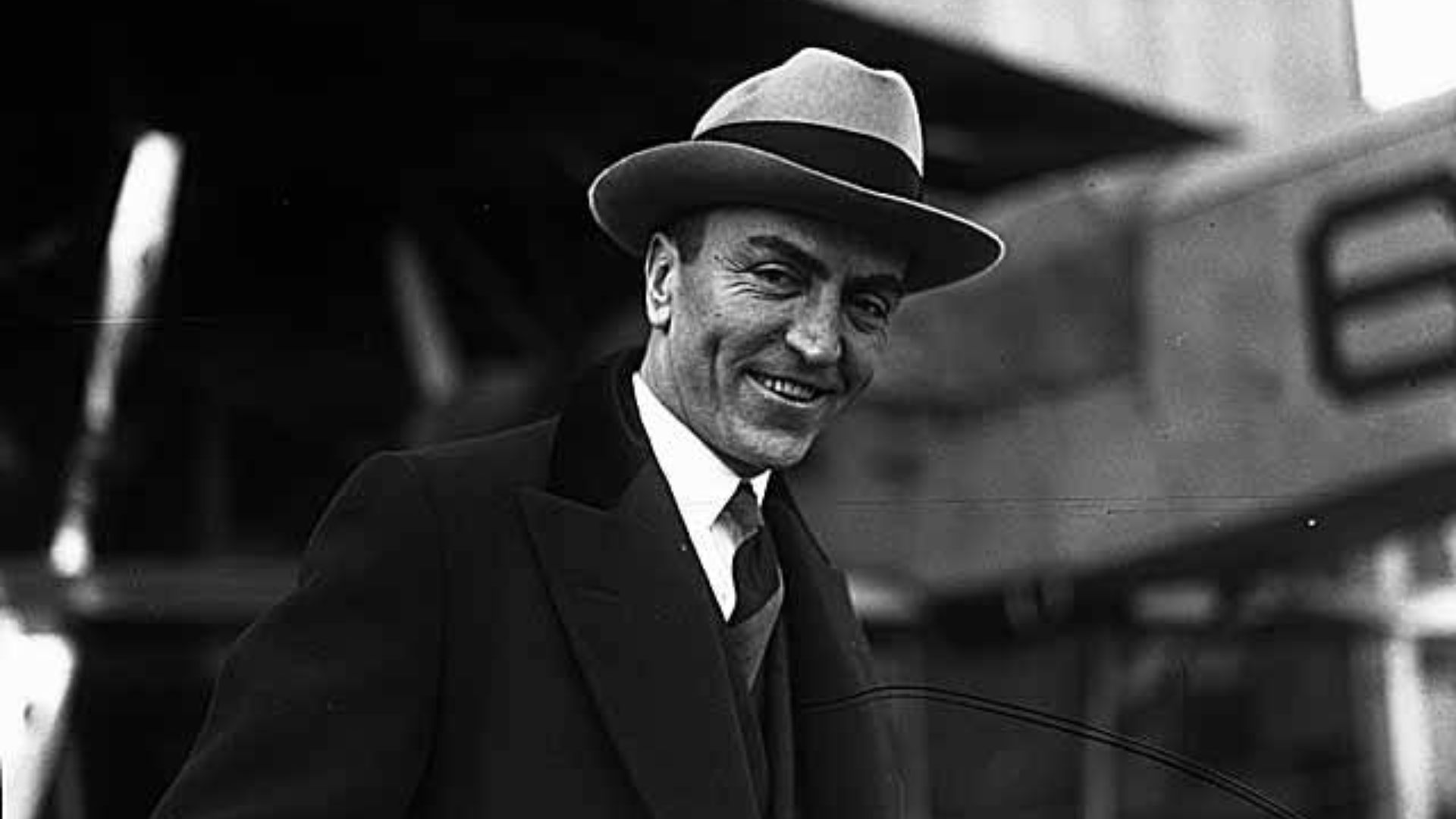
By the early 1910s, Rickenbacker had begun to race cars professionally. He worked as a mechanic and chauffeur before becoming a driver for teams like Frayer‑Miller and Duesenberg. He earned the nickname “Fast Eddie” for his daring style and felt at home in what was then one of America’s most perilous sports.
 Staff Photographer, Seattle Post-Intelligencer, Wikimedia Commons
World Land‑Speed Record At Daytona
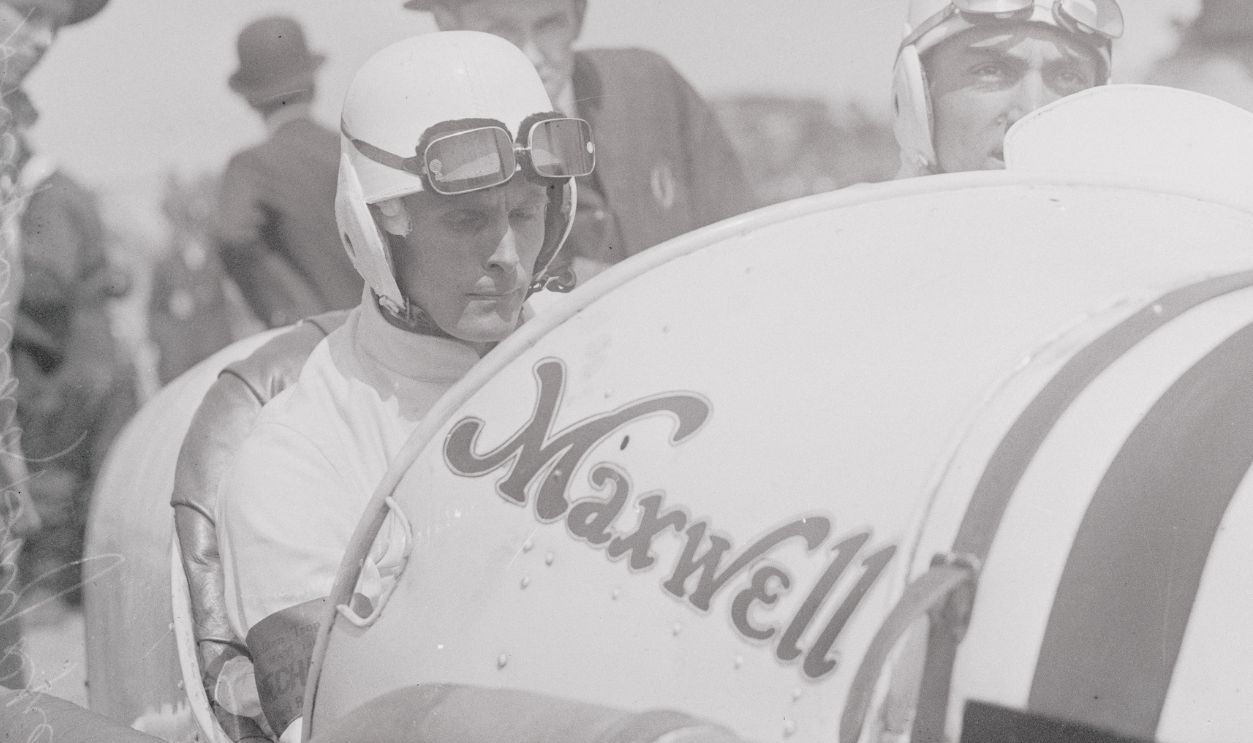
In 1914, Rickenbacker drove a record‑setting car over the sands of Daytona Beach and achieved a speed of approximately 134 mph (215 km/h). That feat placed him among the fastest men on land and foreshadowed the airborne speed he would later embrace.
The Indianapolis Link
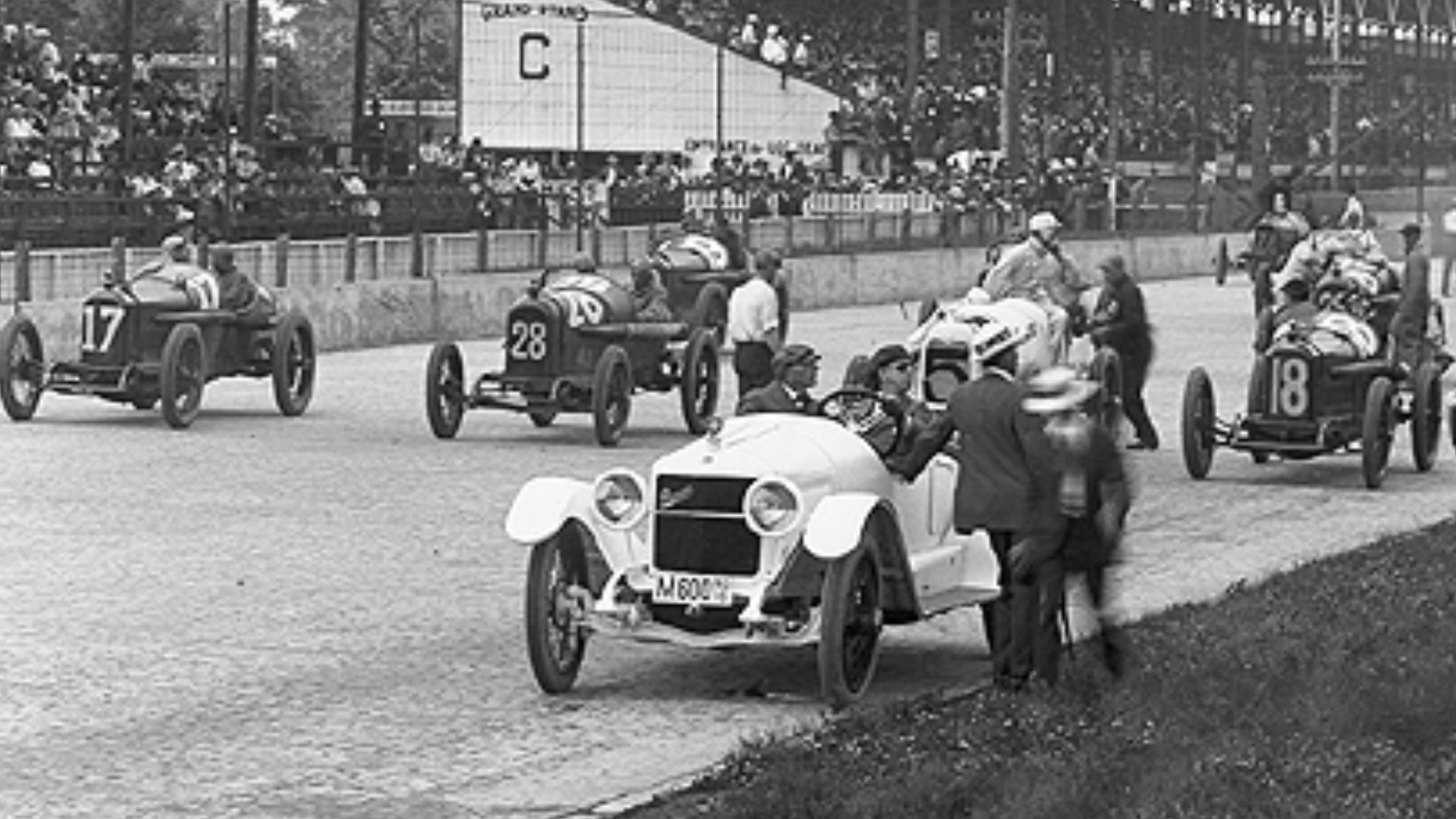
Rickenbacker also competed in the Indianapolis 500 in the years before World War I. While he never won the race, his appearances demonstrated his ambition and prestige in the racing world, making his transition to aviation all the more natural for a man driven by speed and competition.
 Unknown authorUnknown author, Wikimedia Commons
Racing Legacy And The Shift To War
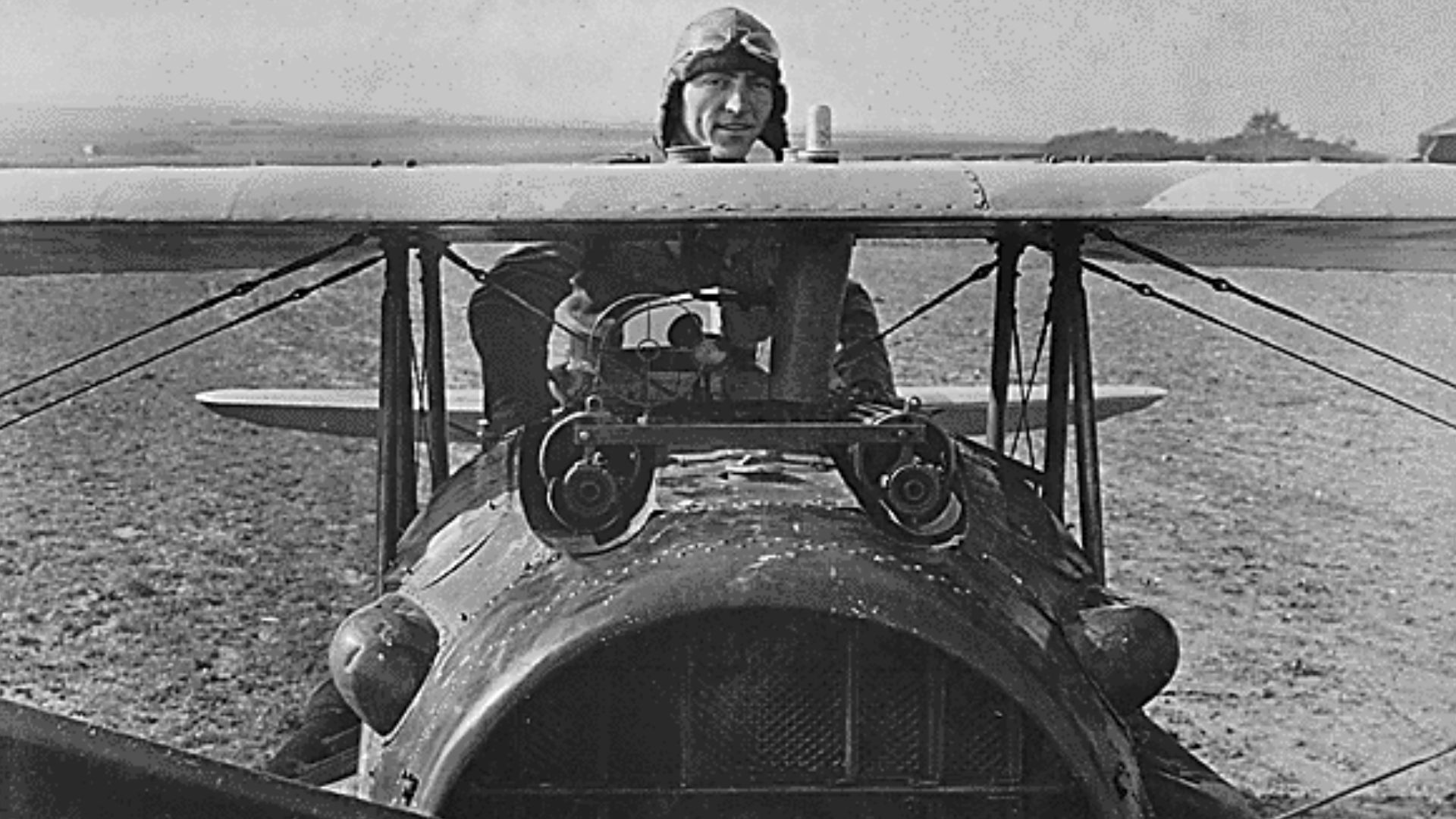
As Europe plunged into war and the US entered WWI, Rickenbacker’s racing credentials caught the attention of aviation figures. His mechanical skill, fearlessness, and experience with speed positioned him uniquely for a shift from the track to the sky. His life was about to change dramatically. In May 1917, Rickenbacker entered the US Signal Corps’ Aviation Section and went to France.
Suspicion Over His German-Sounding Name
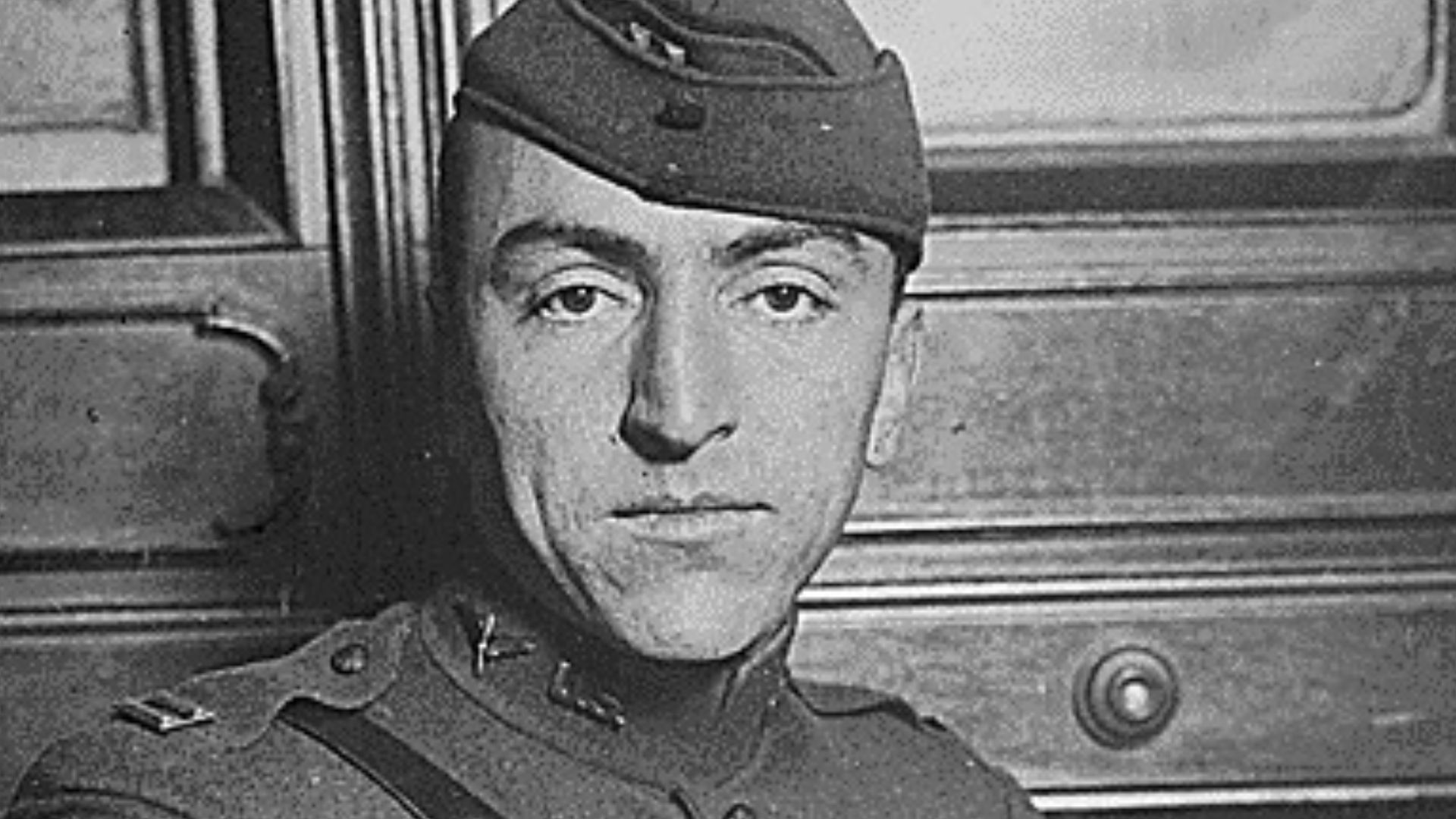
When Eddie Rickenbacker enlisted to serve in WWI, his German-sounding surname—originally spelled “Reichenbacher”—drew suspicion from British intelligence, who feared he might be a German spy. It was all part of the heightened wartime paranoia over espionage. Rickenbacker had to prove his loyalty and American patriotism before being cleared to participate in the Allied war effort.
 Underwood and Underwood, Wikimedia Commons
Flight Training
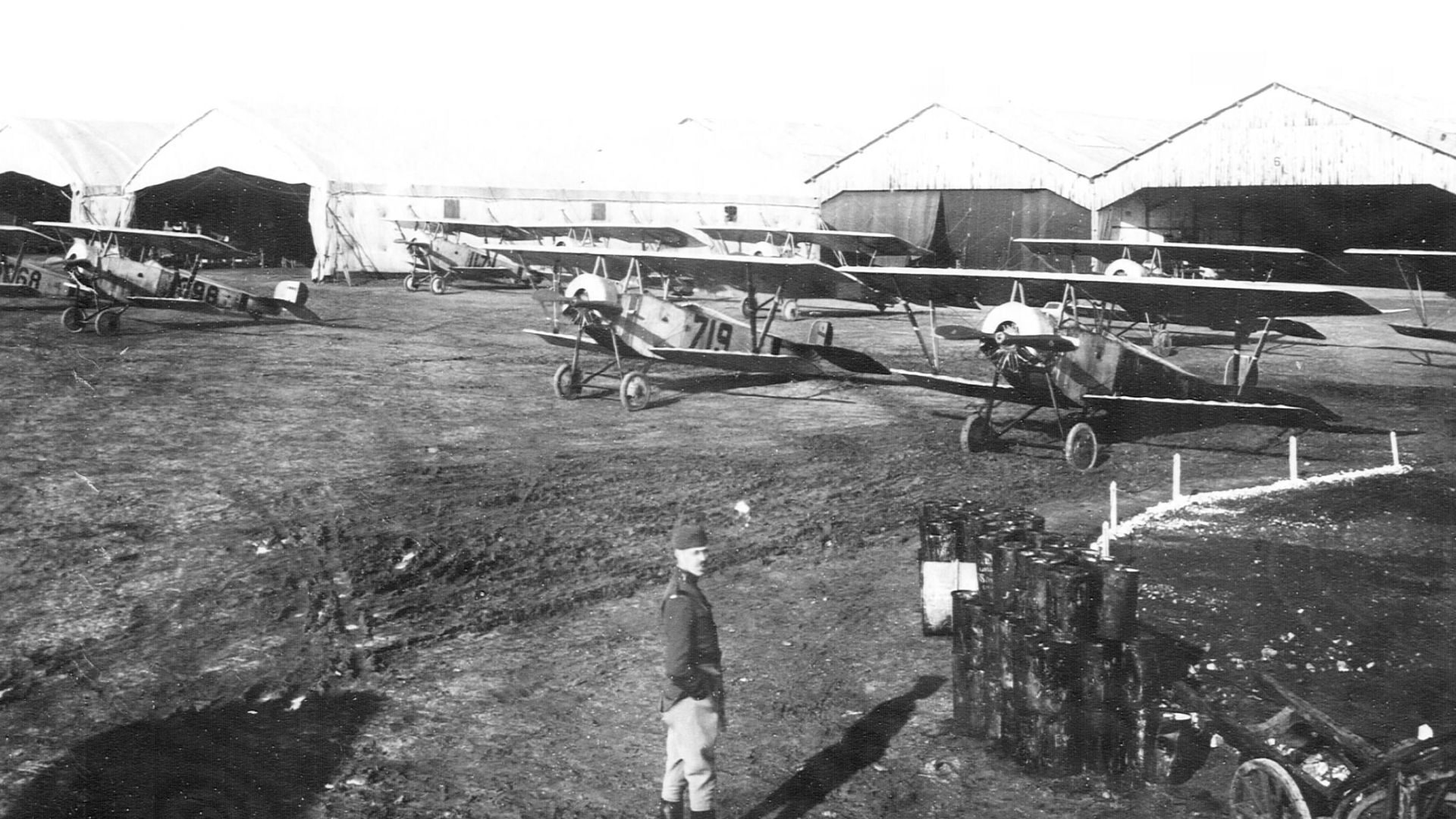
Rickenbacker entered the US Army as a driver and mechanic due to his racing background, and he initially chauffeured senior officers in France. His persistence, mechanical expertise, and reputation as a fearless race car driver eventually earned him a chance to learn to fly. Training at Issoudun flight school in France, he quickly demonstrated exceptional skill in handling aircraft and a natural understanding of aerial mechanics and tactics.
 Air Service, United States Army photograph, Wikimedia Commons
Early Air Combat Success
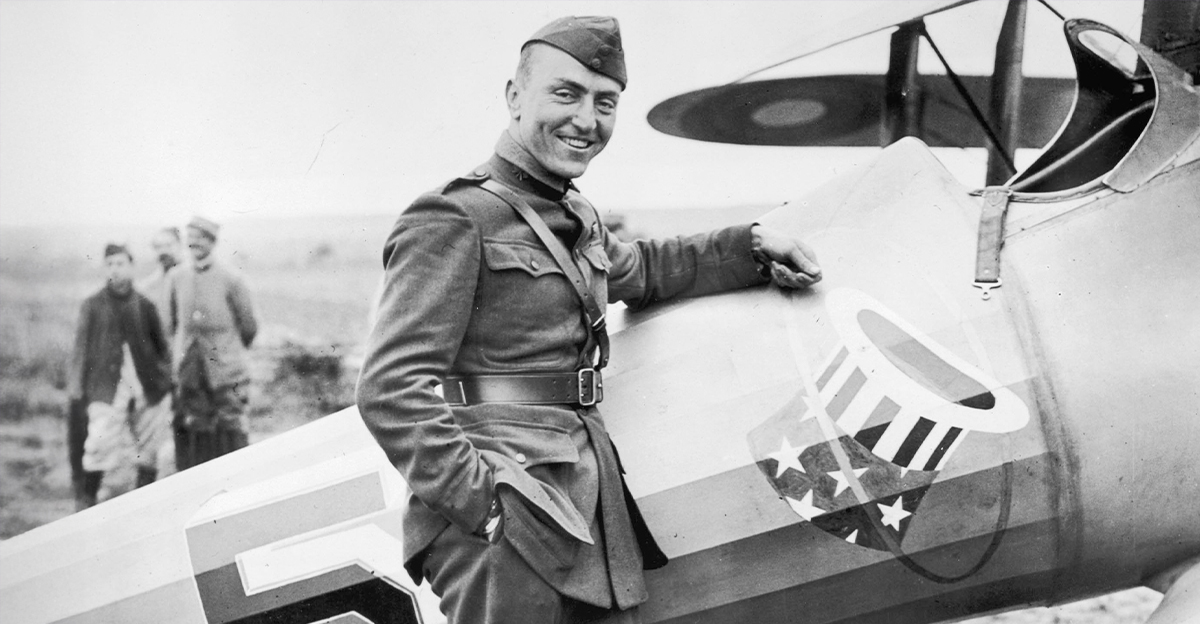
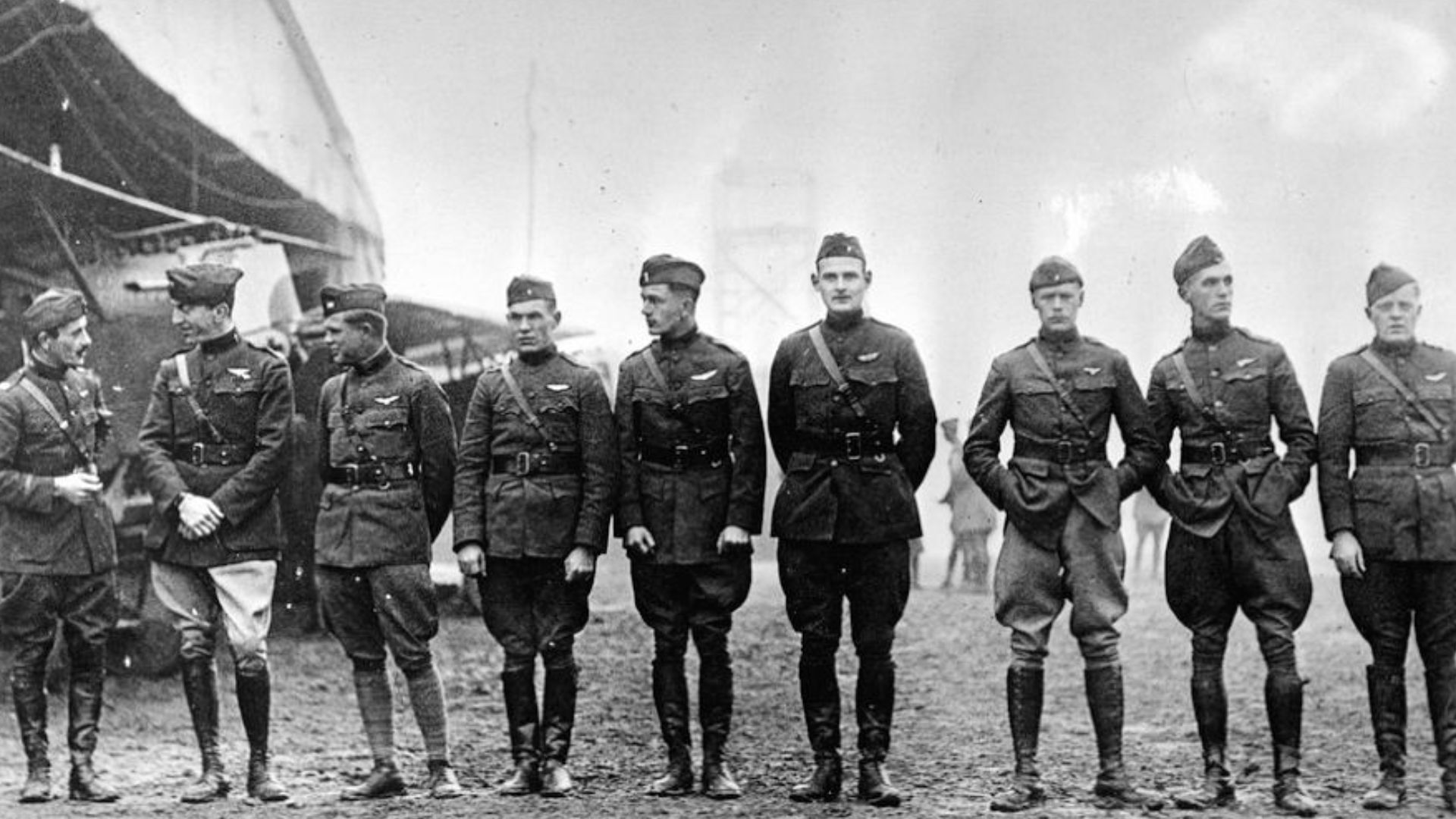
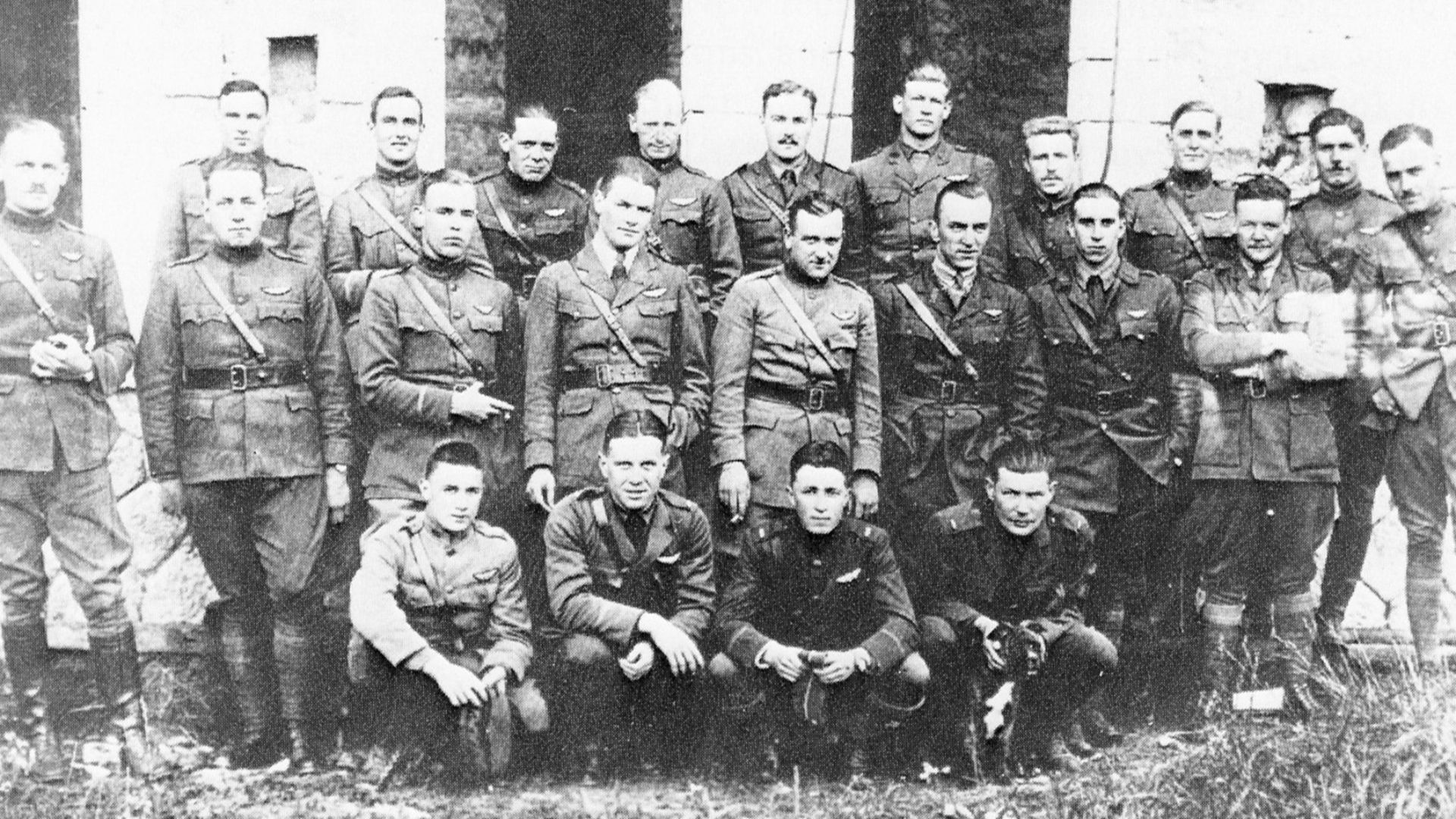
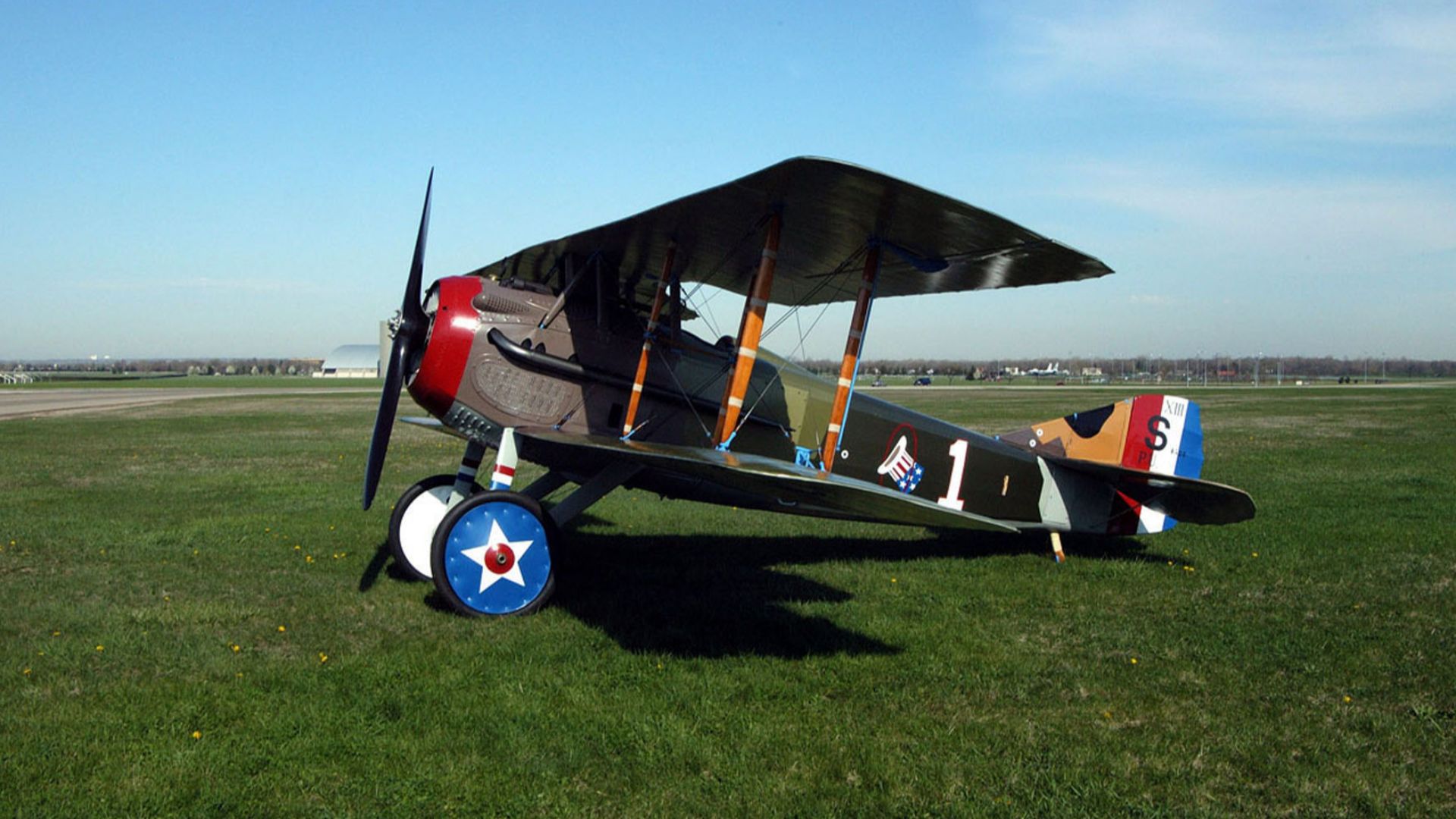
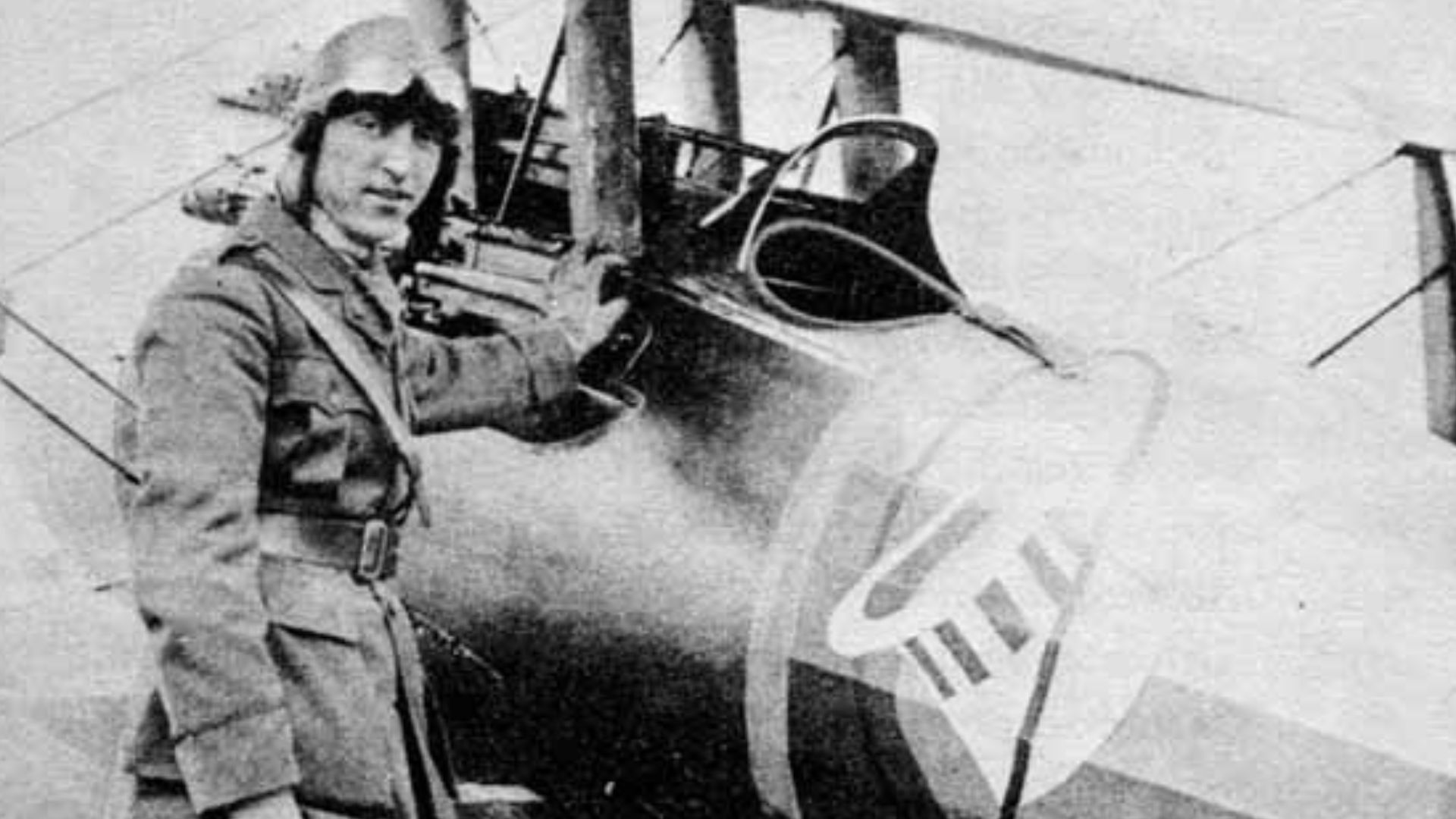
Rickenbacker became a pilot in the famed 94th Aero Squadron, known as the “Hat‑in‑the‑Ring” squadron. His first confirmed aerial victory arrived April 24 1918, and by May he had already earned ace status (five or more victories). His aggressive style in the cockpit mirrored his daring on the racetrack.
 Air Service, United States Army, Wikimedia Commons

History's most fascinating stories and darkest secrets, delivered to your inbox daily.
Commanding The 94th
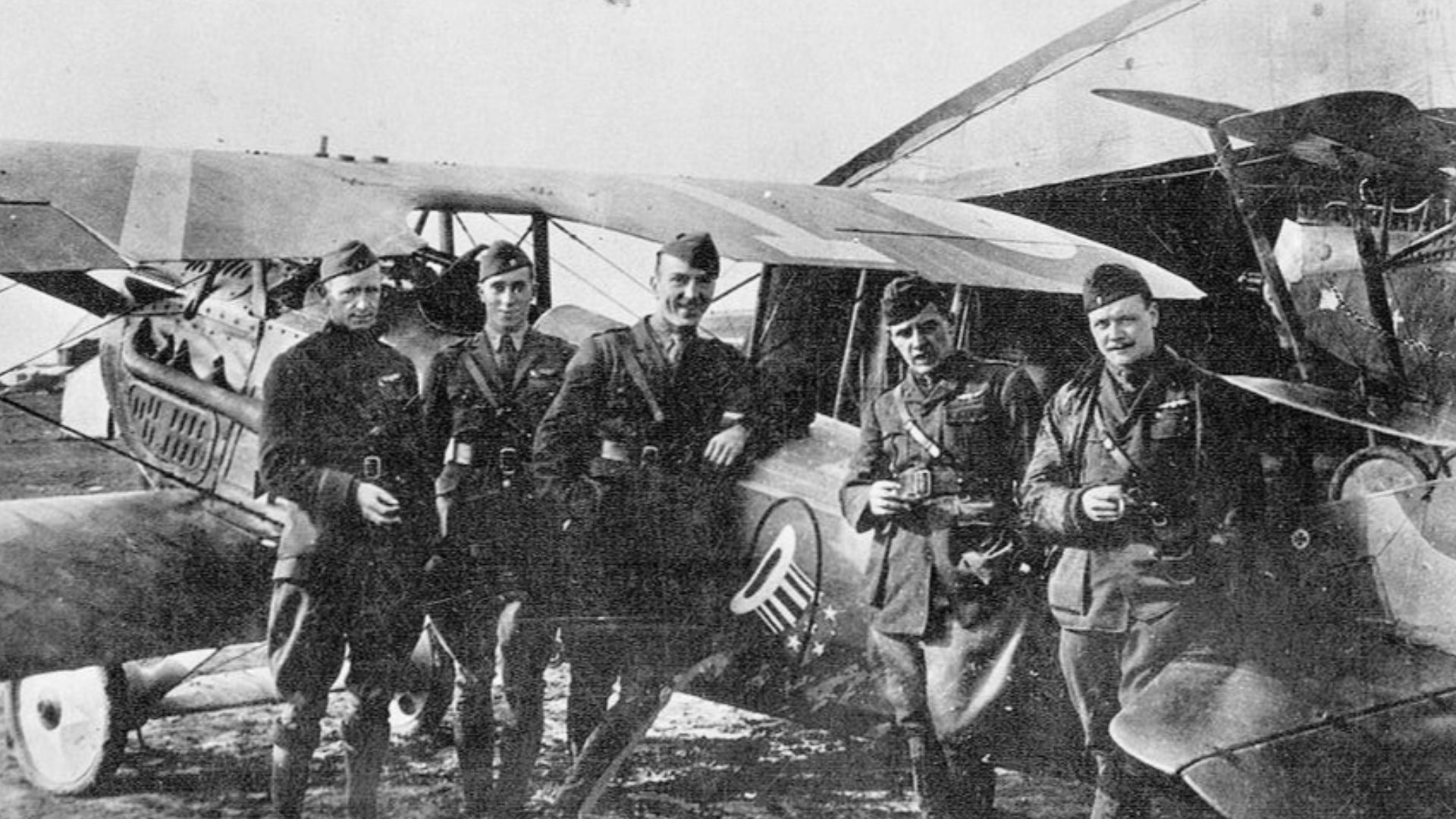
On September 24 1918, Rickenbacker was named commander of the 94th Aero Squadron. The very next day he shot down two German aircraft, contributions that helped him clinch his Medal of Honor later.
 Undetermined, probably Air Service, United States Army, Wikimedia Commons
Ace Of Aces
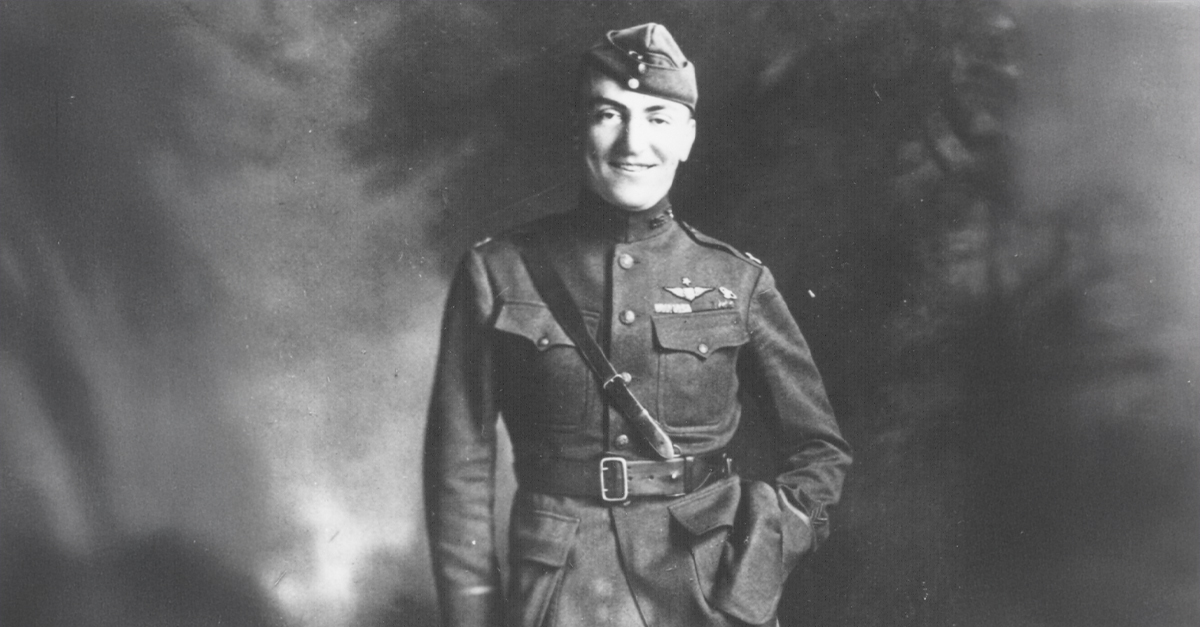
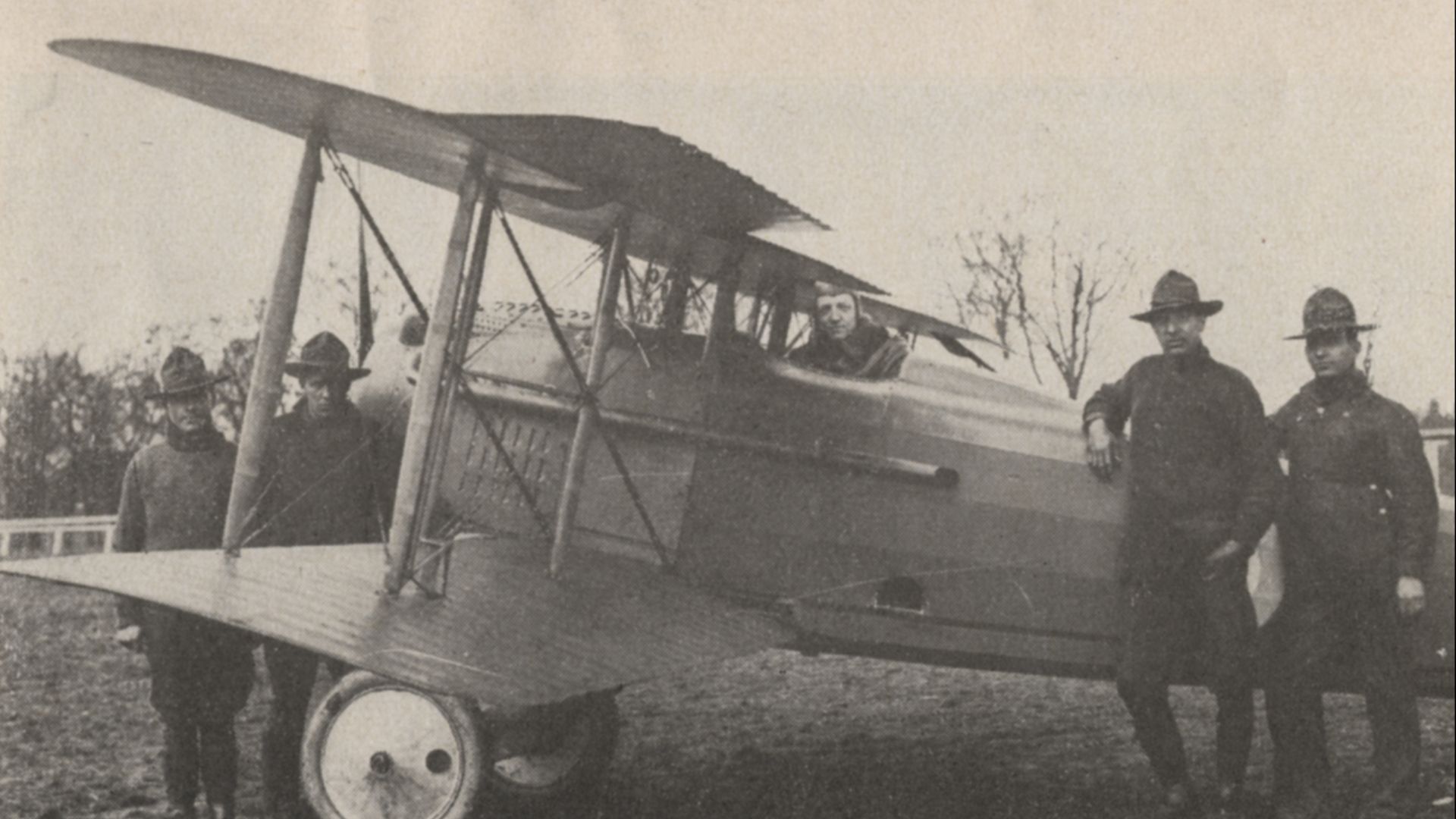
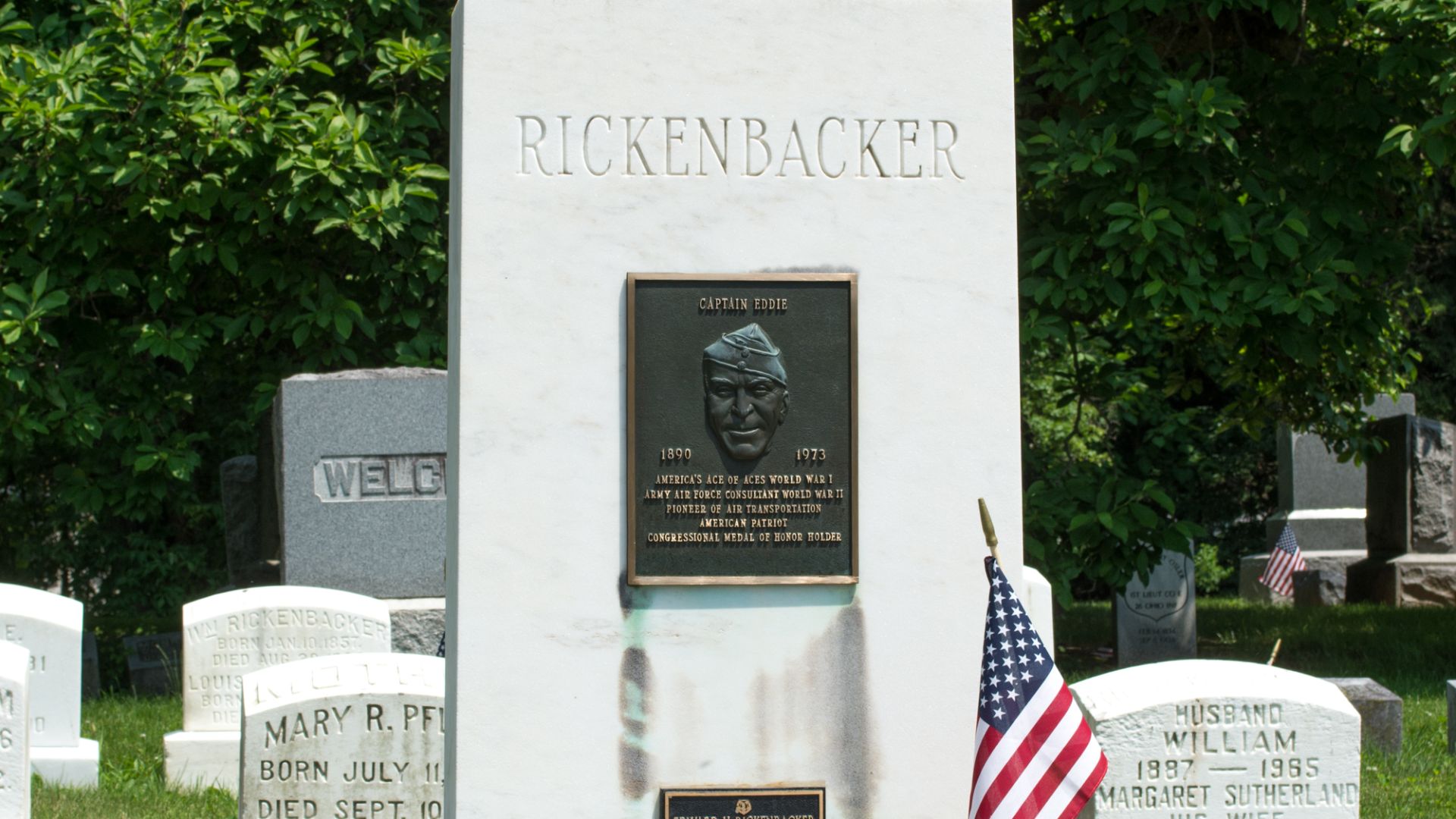
By war’s end, “Captain Eddie” had 26 confirmed victories, the highest total by any American pilot in WWI. He had become America’s “Ace of Aces,” earning the Medal of Honor, multiple Distinguished Service Crosses, and French honours.
 UA Archives | Upper Arlington History from Upper Arlington, OH, United States, Wikimedia Commons
Transition Back To Civil Life
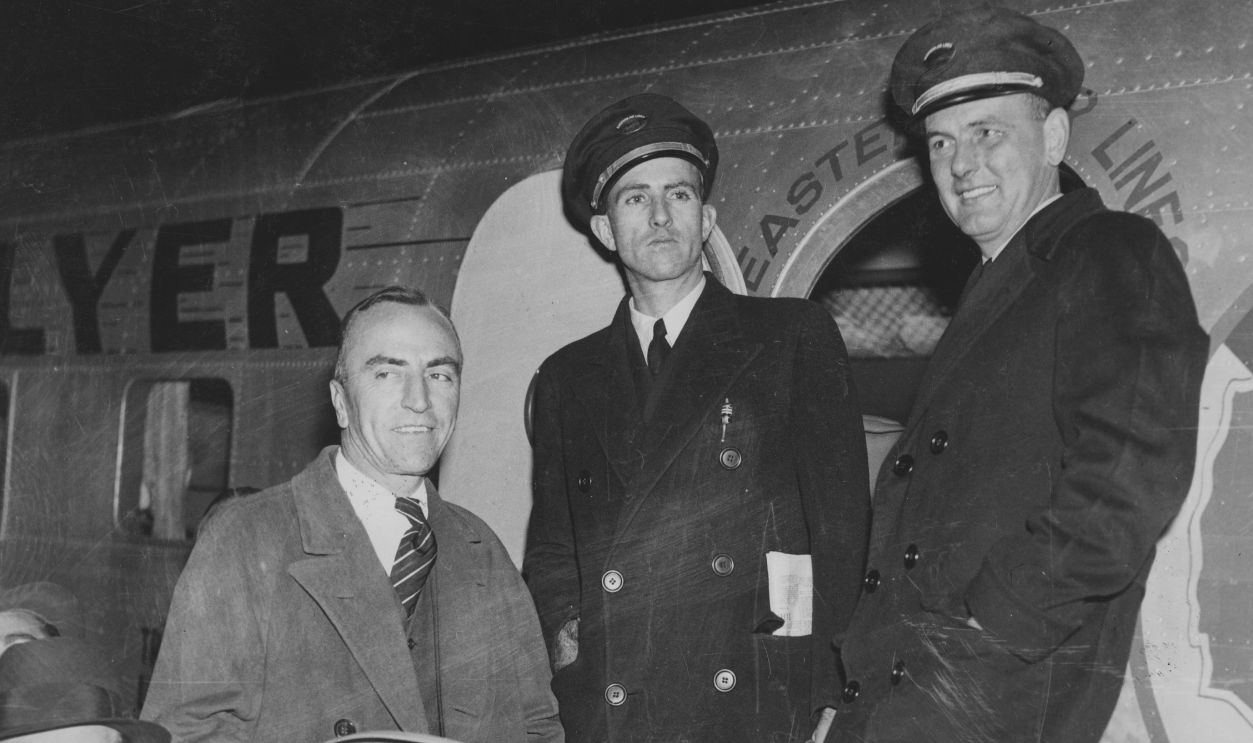
After the war ended in 1919, Rickenbacker returned to a very different world. Determined to find success in civilian life, he applied the same approach he had in racing and aviation to business ventures. He became involved in the emerging airline industry and served as a pioneer executive.
Involvement With Indianapolis Speedway
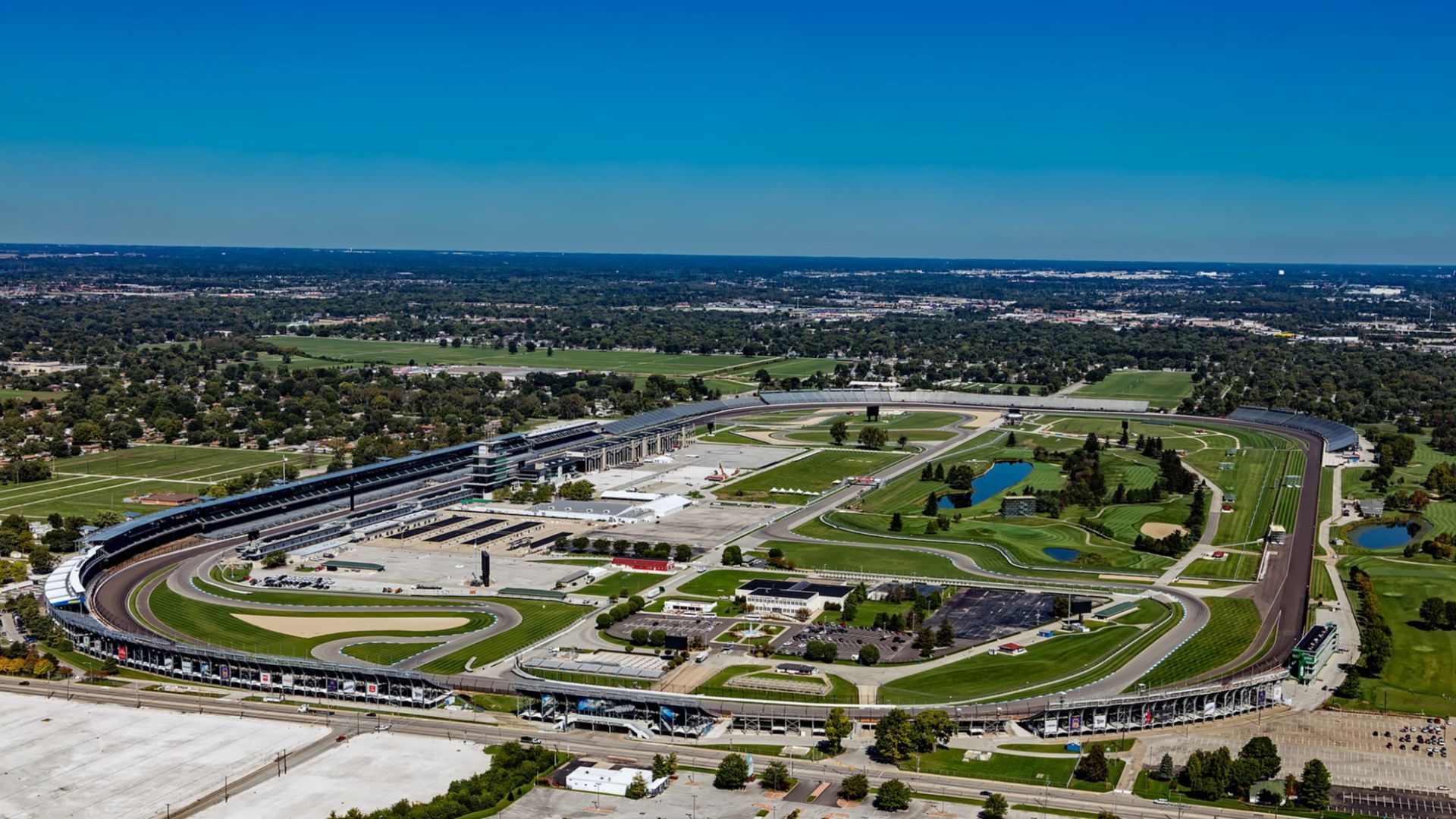
Rickenbacker later became a partner and board member of the Indianapolis Motor Speedway, connecting his auto‑racing roots with his aviation and business ambitions. His vision bridged speed on land and in the air.
Pioneering Commercial Aviation
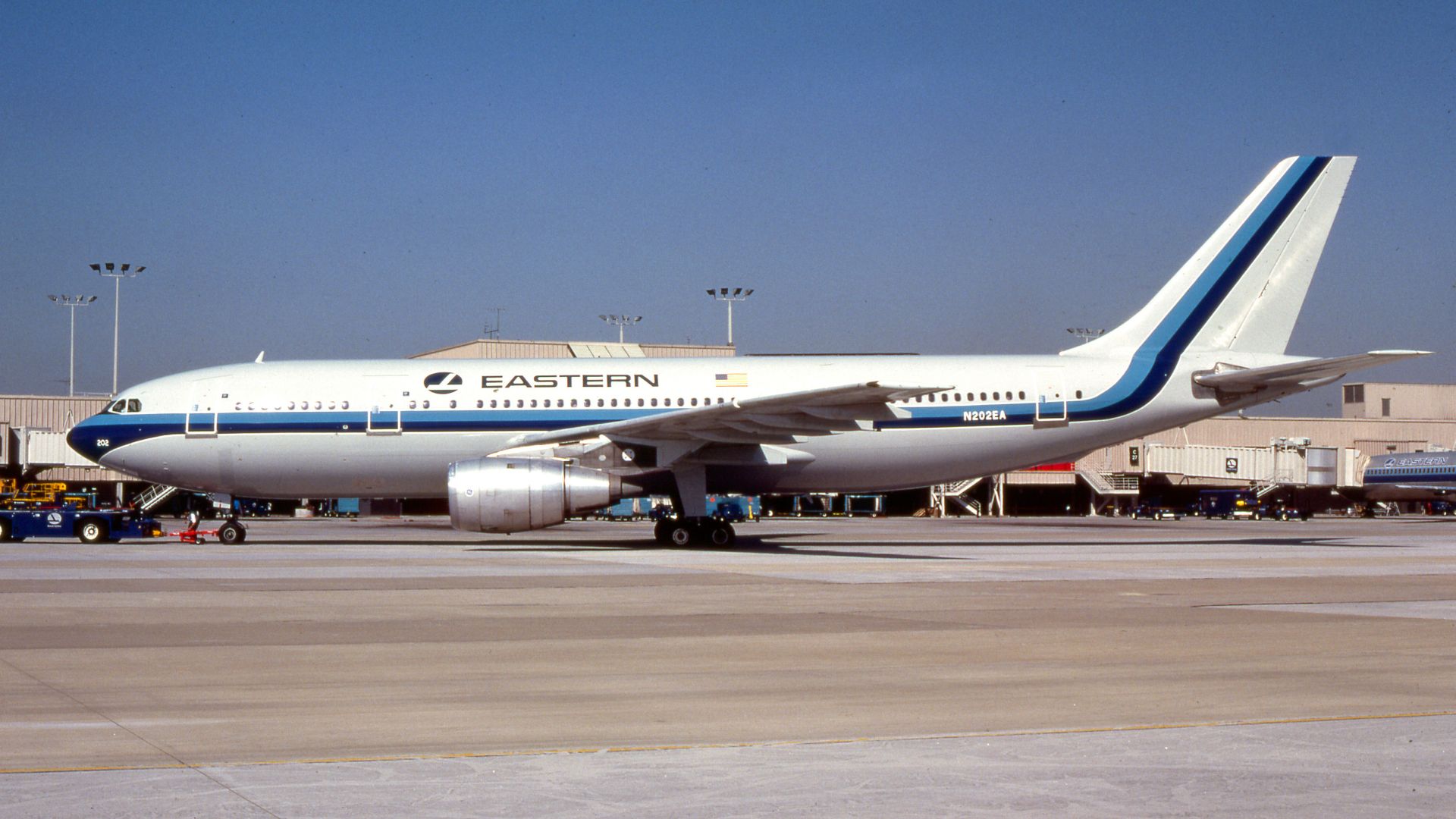
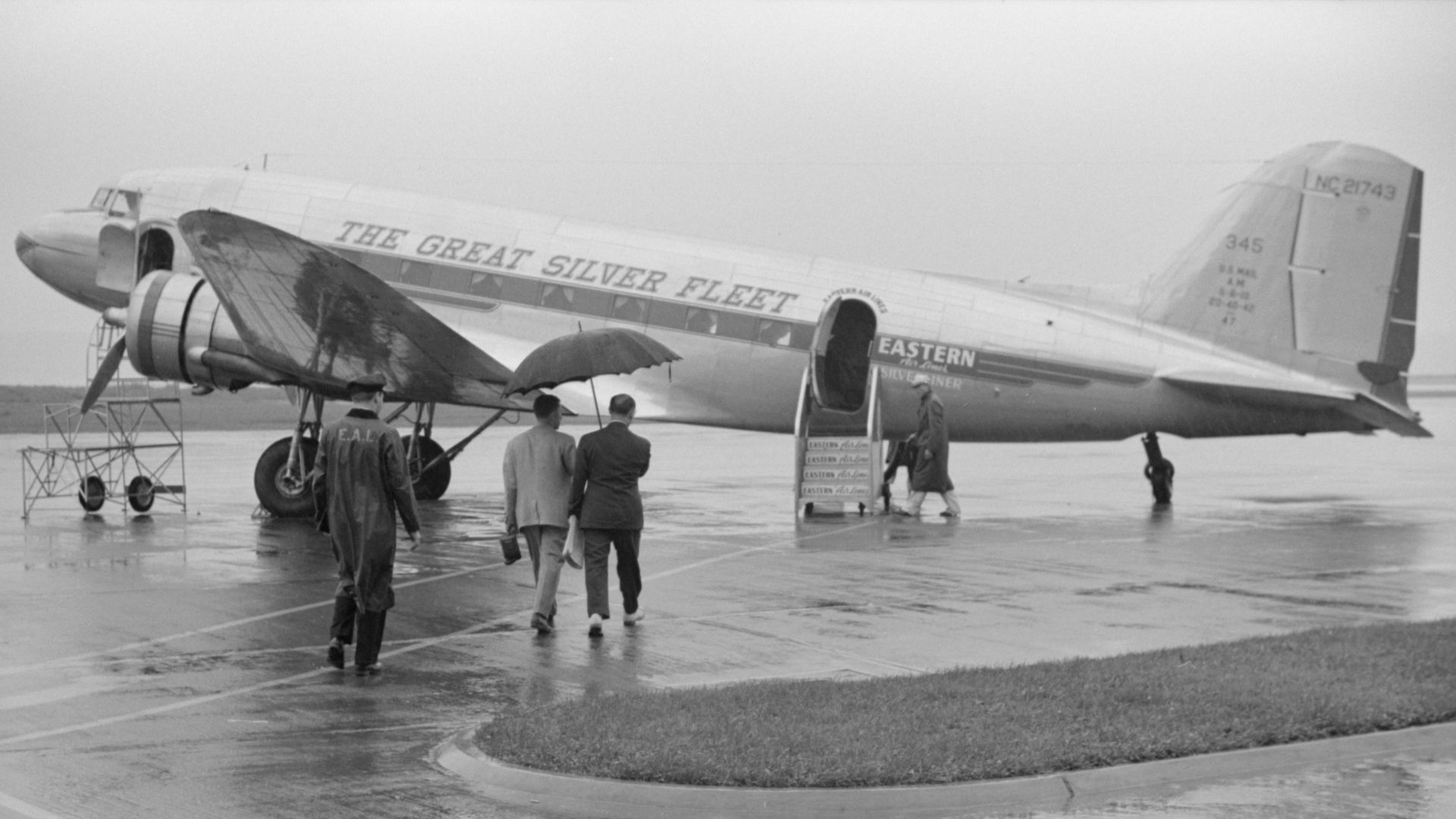
Eddie became president and later owner of Eastern Air Lines, guiding the company in the mid‑20th century. His understanding of logistics and leadership translated into success in the corporate world.
 clipperarctic, Wikimedia Commons
1941 Plane Crash
In 1941, Rickenbacker narrowly survived a severe plane crash in Atlanta while on a business trip. The Eastern Air Lines DC-3 he was aboard crashed during takeoff, killing several passengers and crew members. Rickenbacker suffered multiple fractures, a crushed pelvis, and serious internal injuries. Doctors doubted he would live, but he recovered after months of painful rehabilitation, a testament to his indomitable spirit.
 Jack Delano, Wikimedia Commons
1942 B-17 Crash Over The Pacific
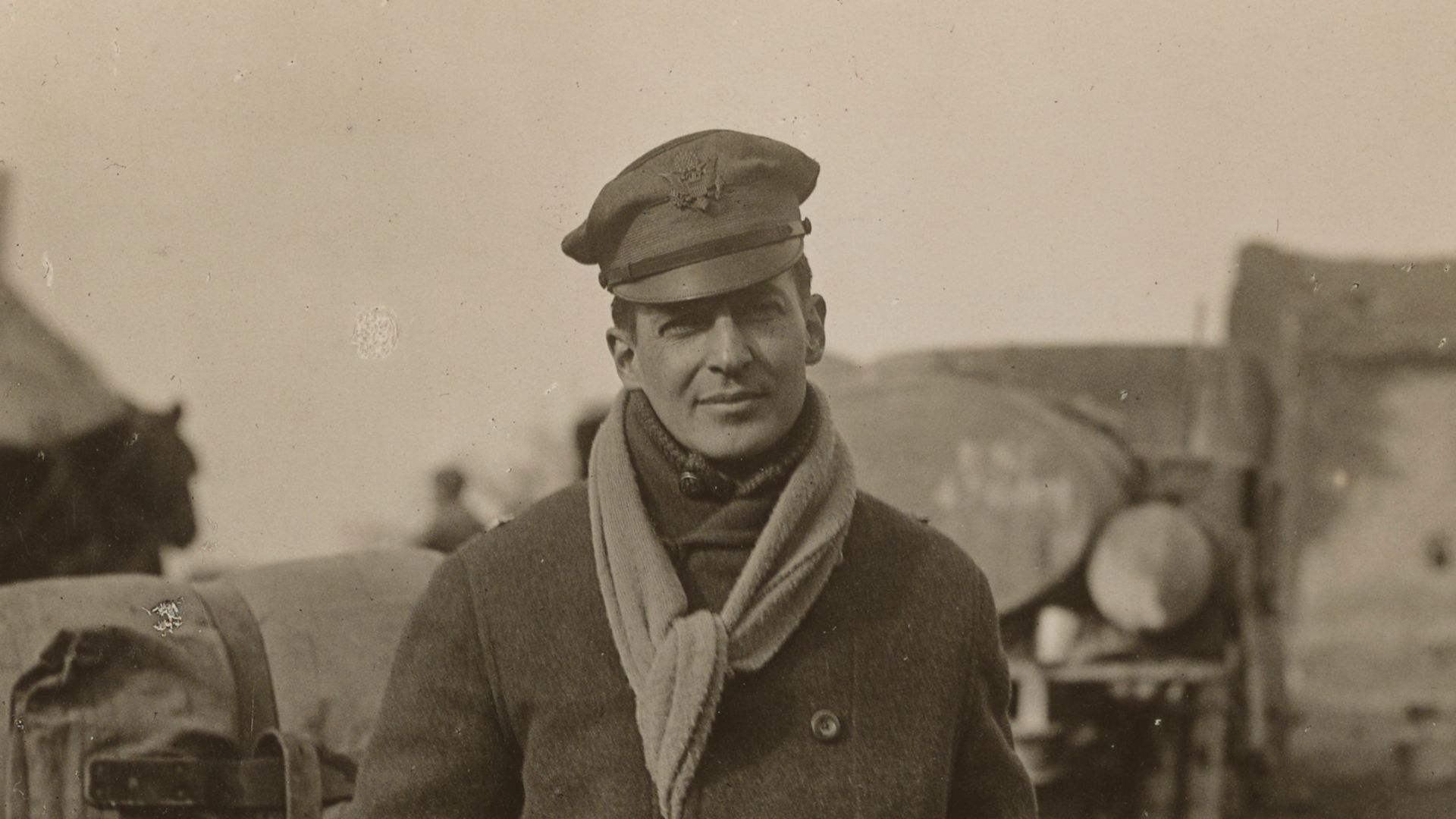
Just a year later, in 1942, Rickenbacker found himself in another near-fatal aviation disaster. While on a secret mission to deliver messages to General Douglas MacArthur in New Guinea, his B-17 Flying Fortress became lost due to a navigation error and ran out of fuel over the Pacific Ocean. The crew was forced to ditch the aircraft into the sea, beginning one of the most harrowing survival stories of WWII.
 Unknown authorUnknown author or not provided, Wikimedia Commons
Survival At Sea
Rickenbacker and seven others endured 24 days adrift on rafts in the blistering Pacific sun with almost no food or water. They survived on rainwater, a few fish they caught by hand, and a single seagull that Rickenbacker managed to snare; they used its remains as bait for fishing. When rescued near the Gilbert Islands, they were severely emaciated but alive, thanks in large part to Rickenbacker’s courage, discipline, and leadership.
Fact-Finding Mission To The USSR
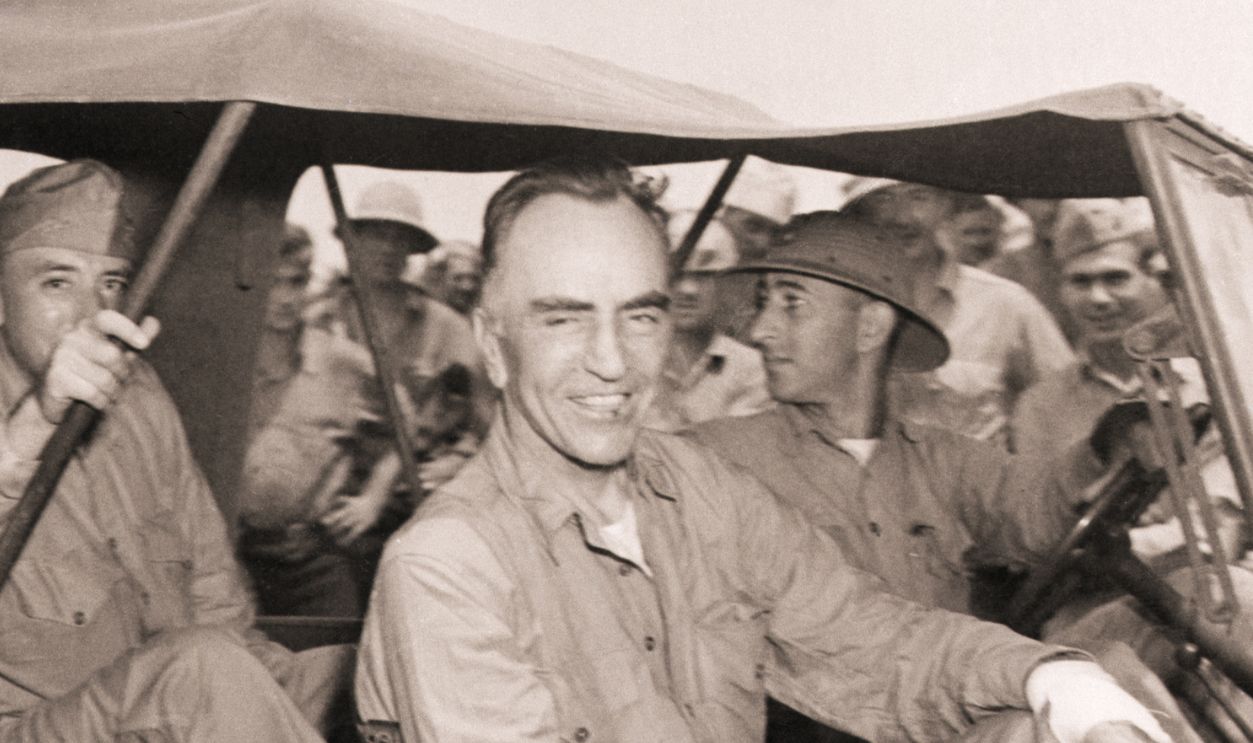
Later in the war, Rickenbacker was sent by the US government on a diplomatic fact-finding mission to the Soviet Union to assess aircraft production and cooperation among Allied nations. He met with Soviet officials and inspected aviation production sites, serving as an unofficial ambassador of American industrial and military ingenuity. His firsthand reports gave valuable insight into Soviet capabilities and morale during the war.
Forced Out Of Eastern Air Lines
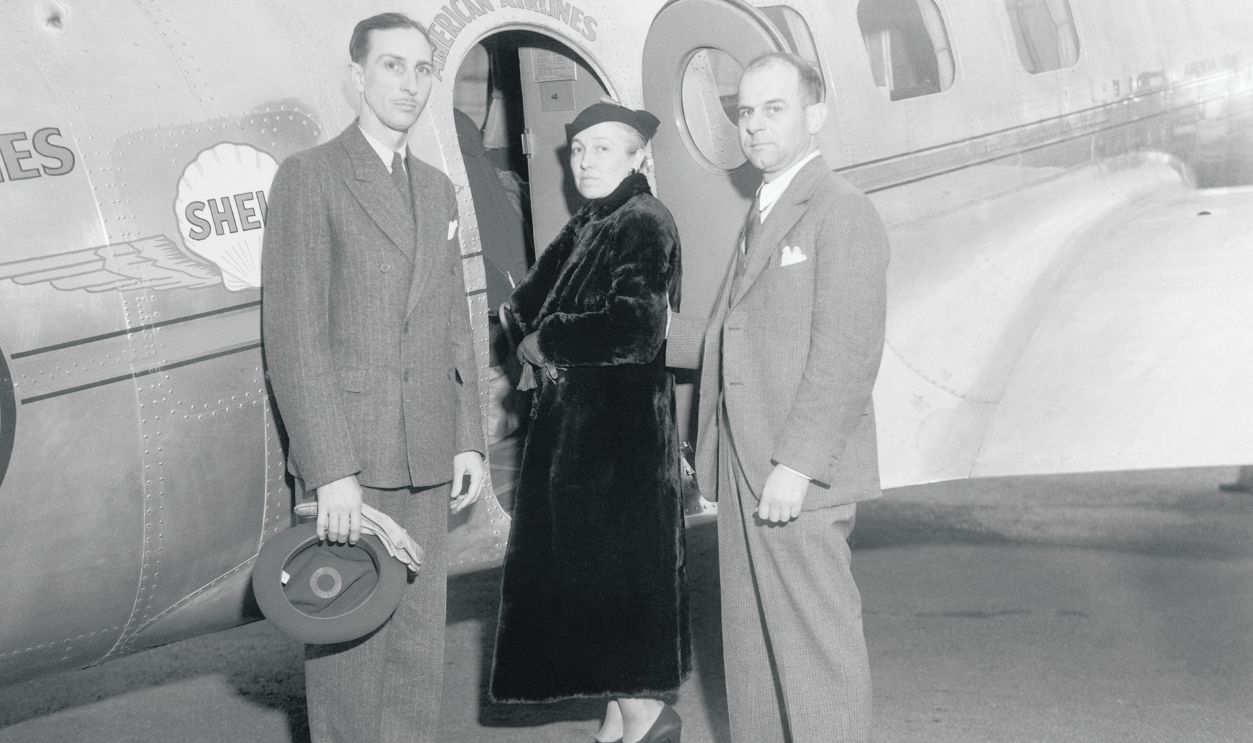
After decades at the helm of Eastern Air Lines, Rickenbacker’s uncompromising management style and clashes with labor unions and regulators finally led to his ouster as CEO in 1959. He stayed on as chairman of the board for a few years, but his influence waned as new corporate leadership sought a different direction. He formally resigned in 1963, ending one of the most storied second acts in American business.
He Passed Into History
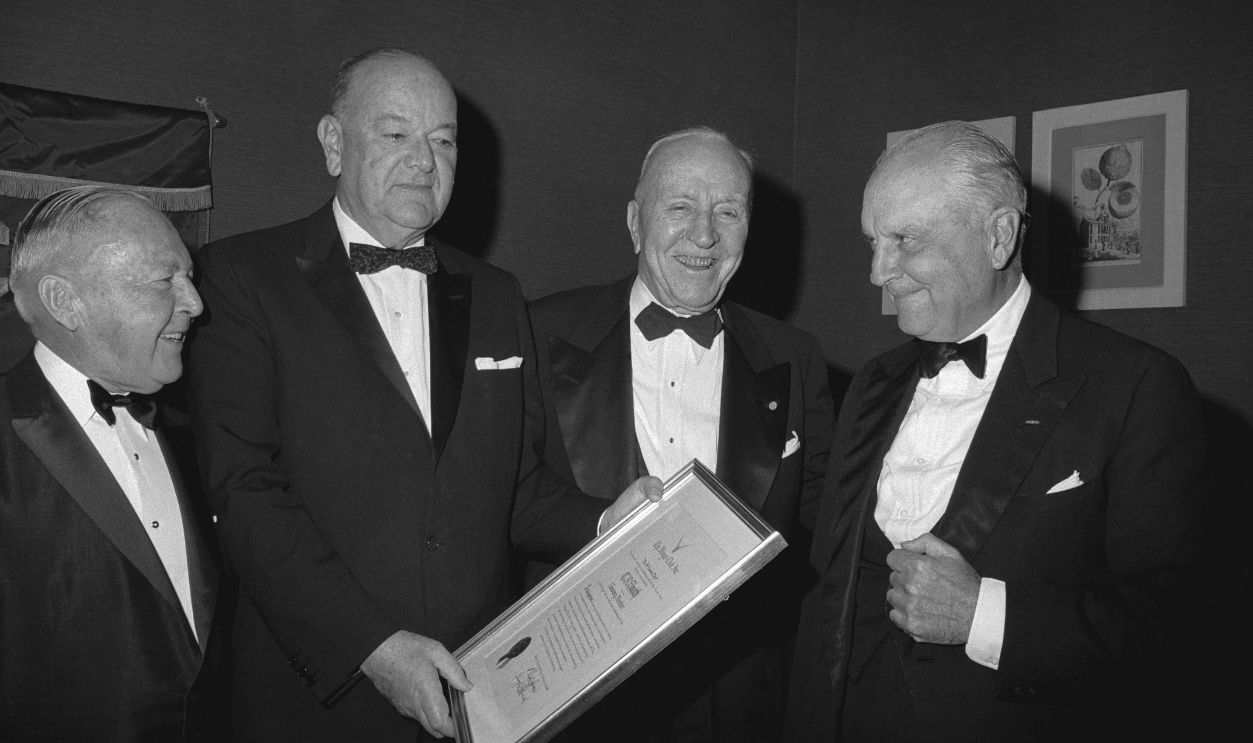
In the years after his resignation from Eastern Airlines, Rickenbacker and his wife Adelaide spent several years traveling the world. Rickenbacker suffered a stroke in 1972 and was in Switzerland with his wife in 1973 when he was stricken by pneumonia. He never recovered and took his last breath at the age of 82.
 Tim Evanson, Wikimedia Commons
Leadership Under Fire
From his days at the wheel of racing cars to facing enemy pilots in World War I; from managing high‑pressure corporate roles to helping men survive adrift at sea, Rickenbacker’s leadership style was forged by danger. He made decisions in split seconds, trusted his skill and instincts, and remained composed where others buckled.
 Air Service, United States Army, Wikimedia Commons
Honors And Remembrance
Today, Eddie Rickenbacker is memorialized across the US in aviation museums, at racing circuits, and in military history. He stands as a bridge between early motorsport and modern flight. His name is symbolic of courage, speed, and service.
 Stahlkocher, Wikimedia Commons
Final Reflection
Eddie Rickenbacker’s story began with wheels, then soared to wings. He set a world‑speed record at Daytona and then became America’s most celebrated fighter pilot. His life encapsulates an American century of innovation, courage, and transformation.
 User Varus on de.wikipedia, Wikimedia Commons
You May Also Like:
42 High-Flying Facts About History's Greatest Fighter Pilots
Wild Facts About Charles Lindbergh, The First Celebrity Aviator