
The Oldest Tech Is Not Always Obsolete
For all our modern technology, some ancient builders achieved results that still leave engineers impressed today. Working without electricity, advanced tools, or computer models, they created structures that have endured for centuries and, in some cases, outperform modern solutions. Their secrets reveal just how much innovation existed long before the modern age.

Roman Concrete Knew How To Heal
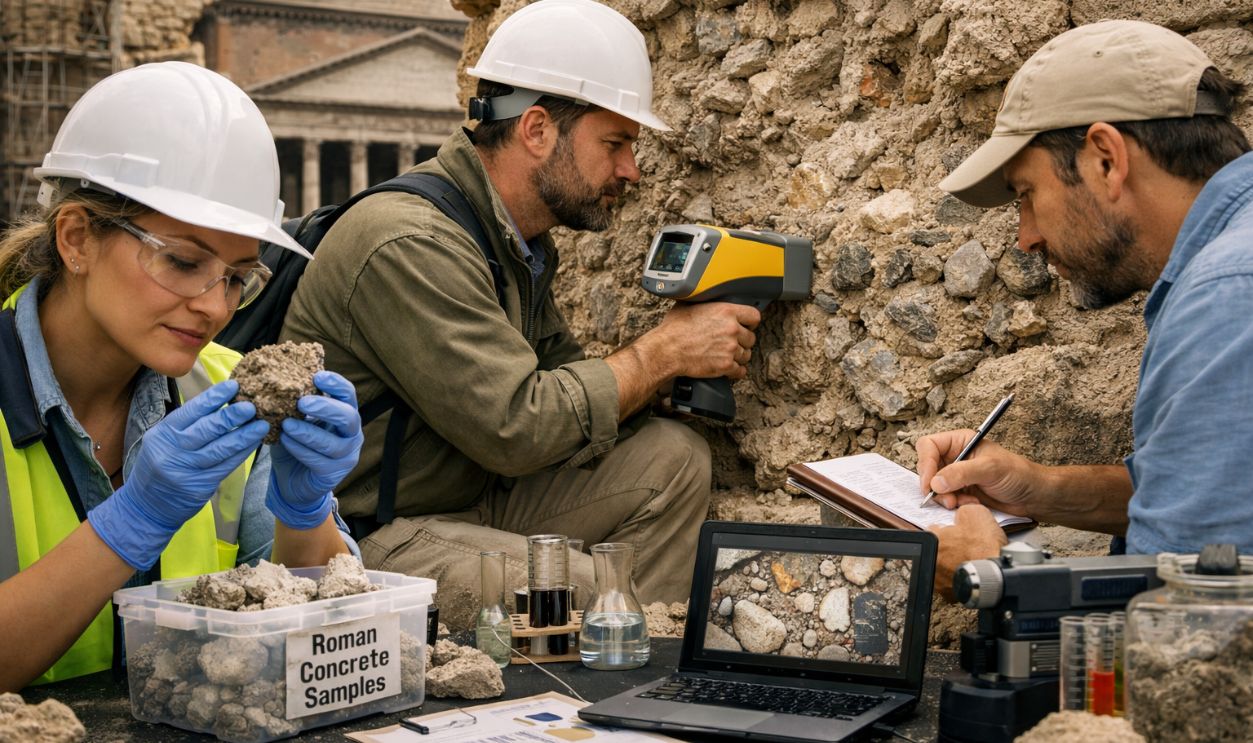
Roman concrete has survived in aqueducts, seawalls, ports, and the Pantheon for nearly two thousand years. MIT researchers found that lime clasts in Roman concrete could help cracks seal themselves when water entered the material. That discovery has pushed modern engineers to rethink concrete that lasts longer and needs less repair.
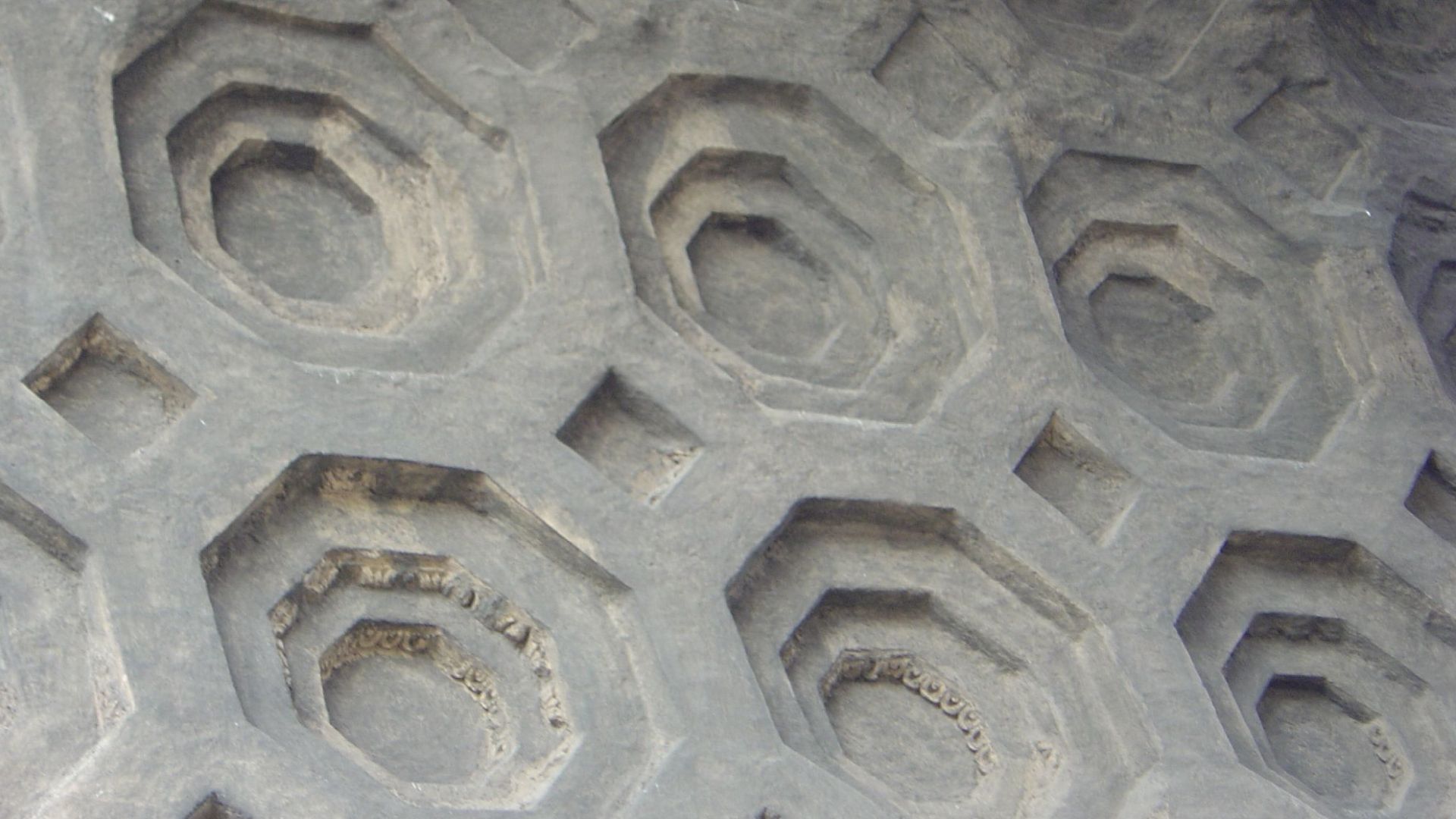 Michael Wilson from York, United Kingdom, Wikimedia Commons
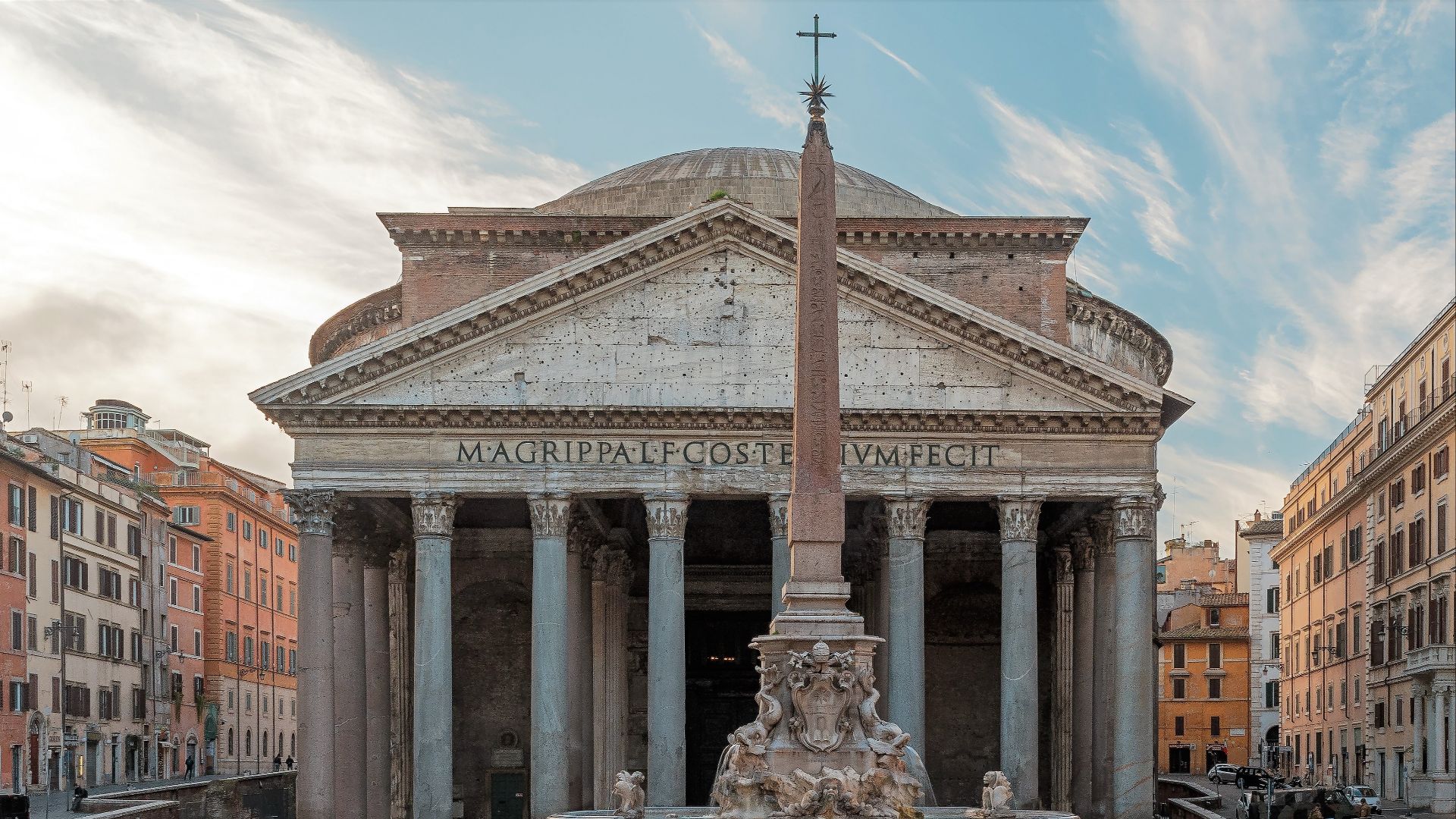
The Pantheon Still Holds Its Crown
The Pantheon in Rome was dedicated in 128 CE and still contains the world’s largest unreinforced concrete dome. Its builders reduced weight as the dome rose, using lighter materials near the top and an oculus at the crown. Modern architects still study it because its elegance is also a structural solution.
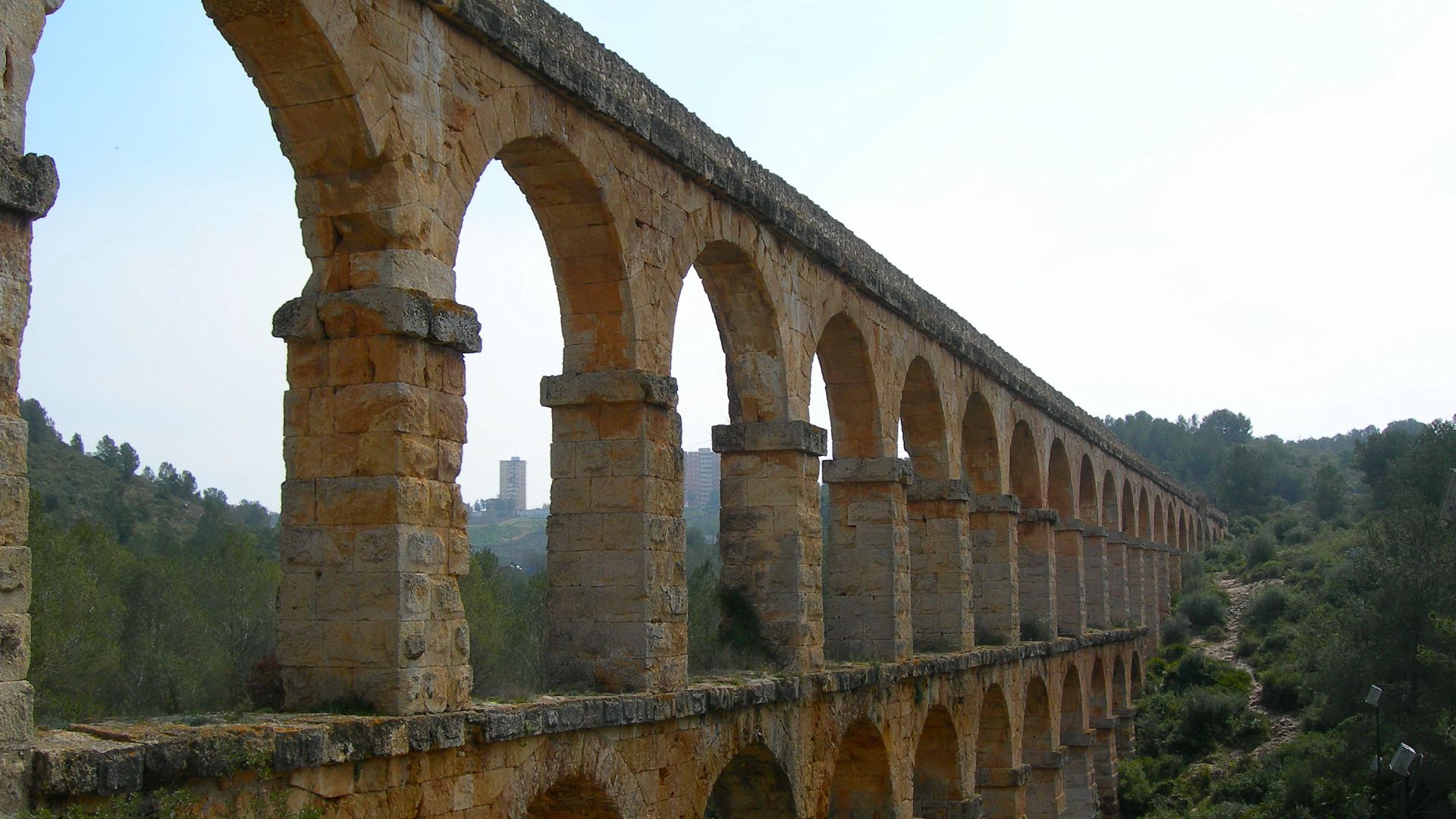
Aqueducts Beat Gravity With Grace
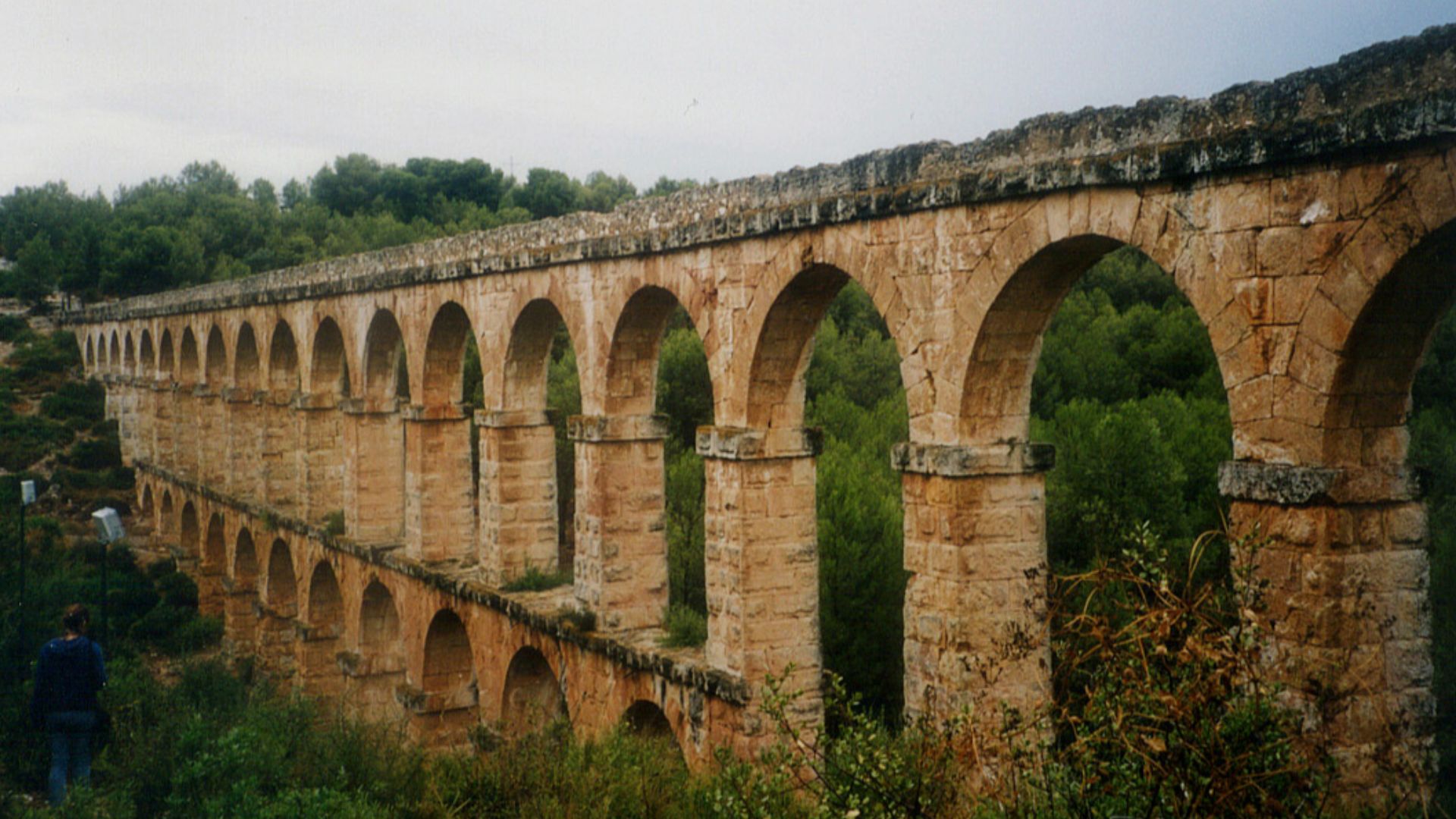
Roman aqueducts carried water across valleys, hillsides, and cities using carefully calculated slopes. Some ancient aqueduct routes still influence water infrastructure in Rome today. Their brilliance was not in brute force, but in letting gravity do most of the work.
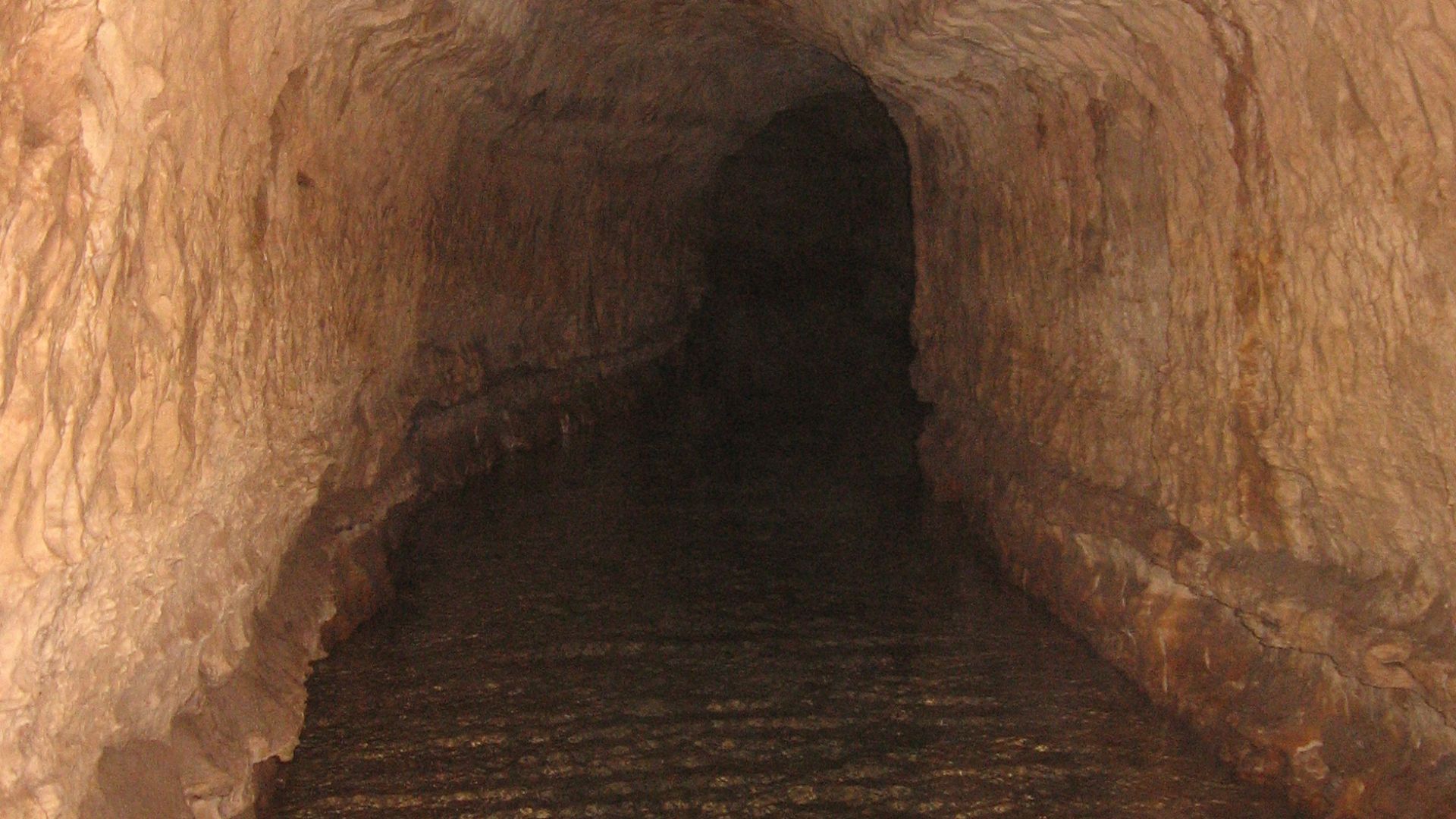
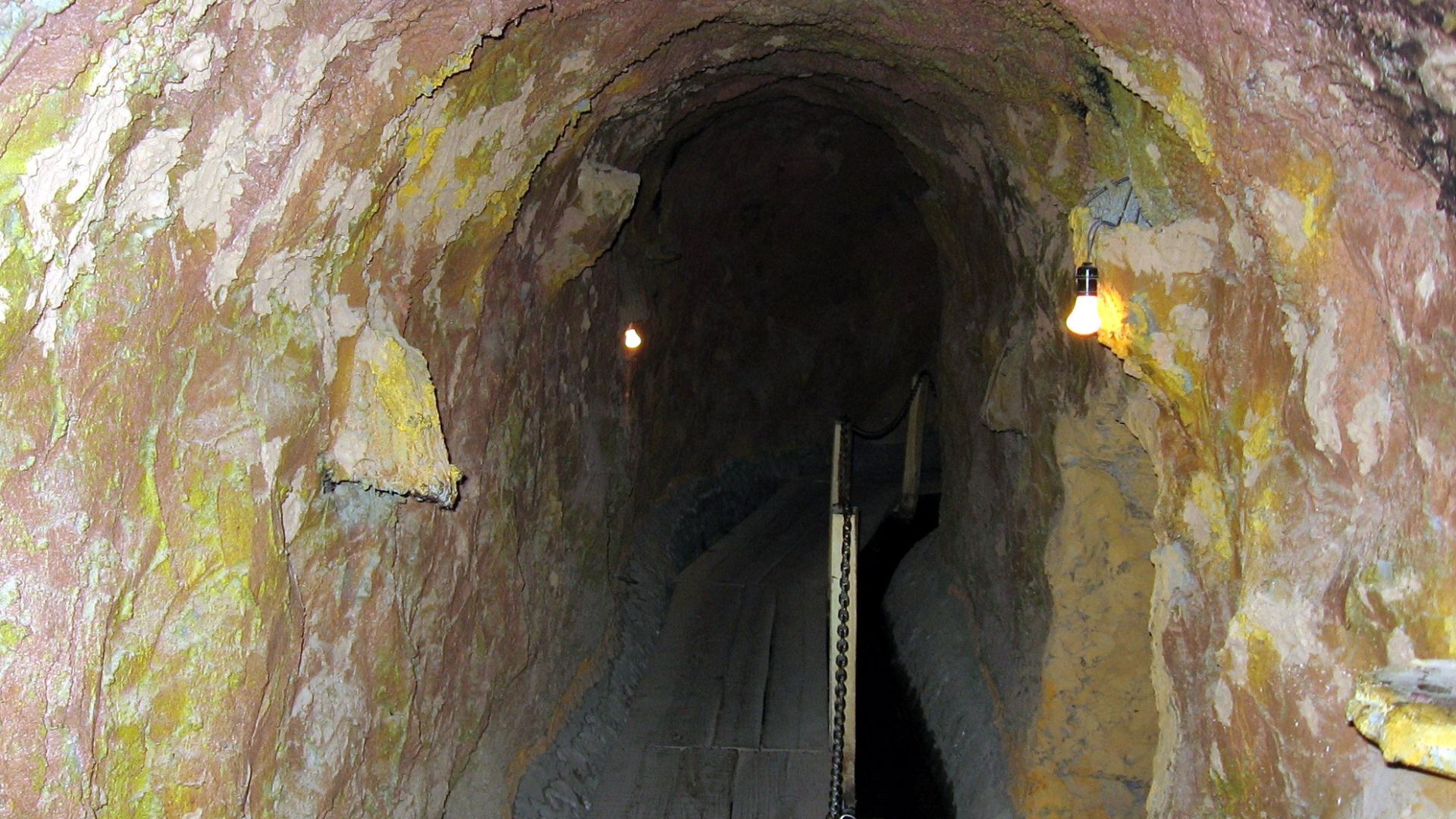
Qanats Made Deserts Livable
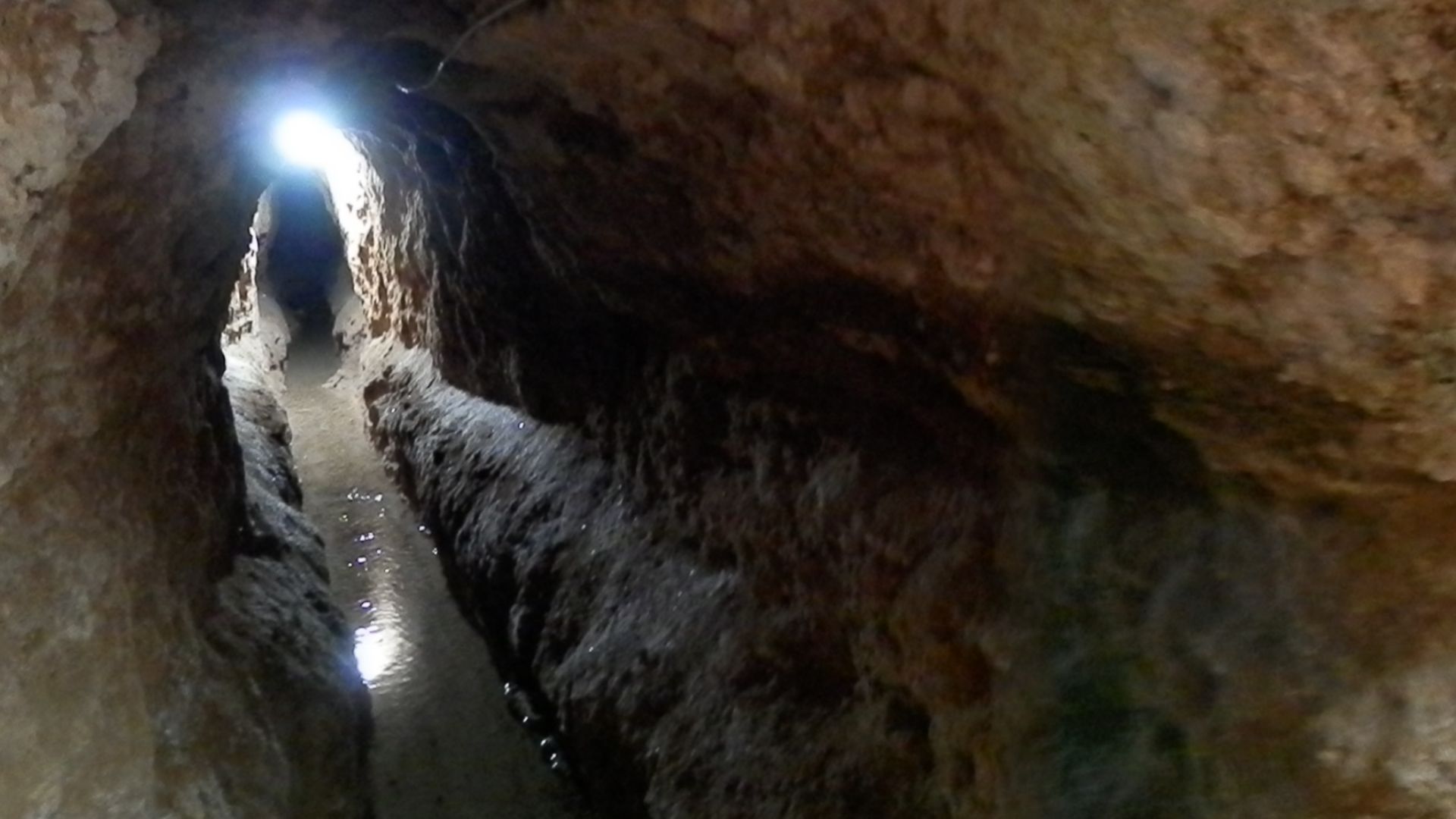
Qanats are underground water channels that tap mountain groundwater and carry it gently downhill. They are still used in arid regions because they reduce evaporation and require no pumps. In a warming world, that kind of low-energy water delivery looks less ancient than visionary.
Yazd Turned Scarcity Into Architecture
The Iranian city of Yazd is famous for desert architecture built around limited resources. UNESCO notes that water reaches the city through qanats, while earth buildings, vaults, domes, and compact neighborhoods help people survive harsh conditions. The city proves that sustainability can be cultural, practical, and beautiful at once.

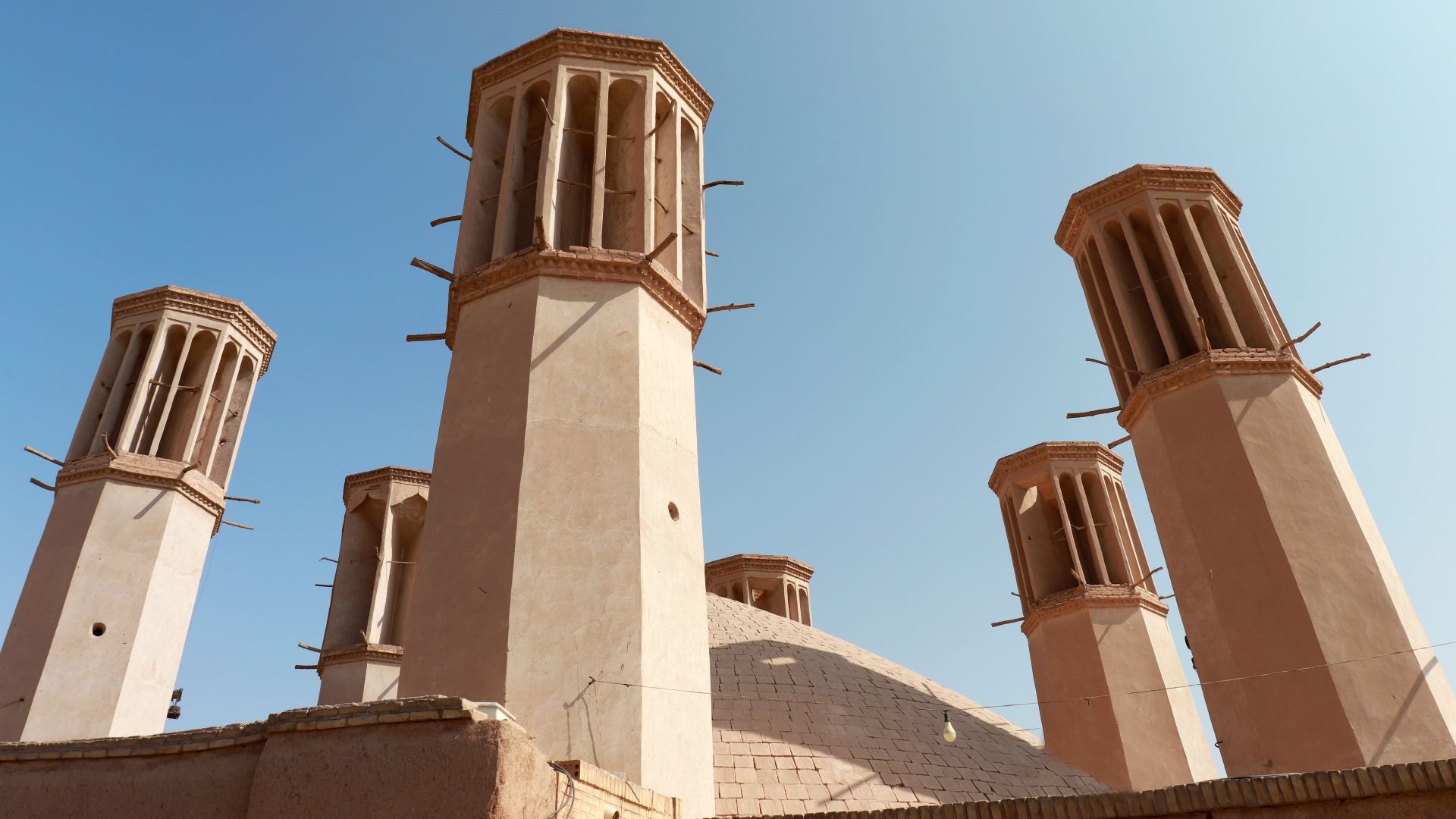
Windcatchers Cooled Homes Without Electricity
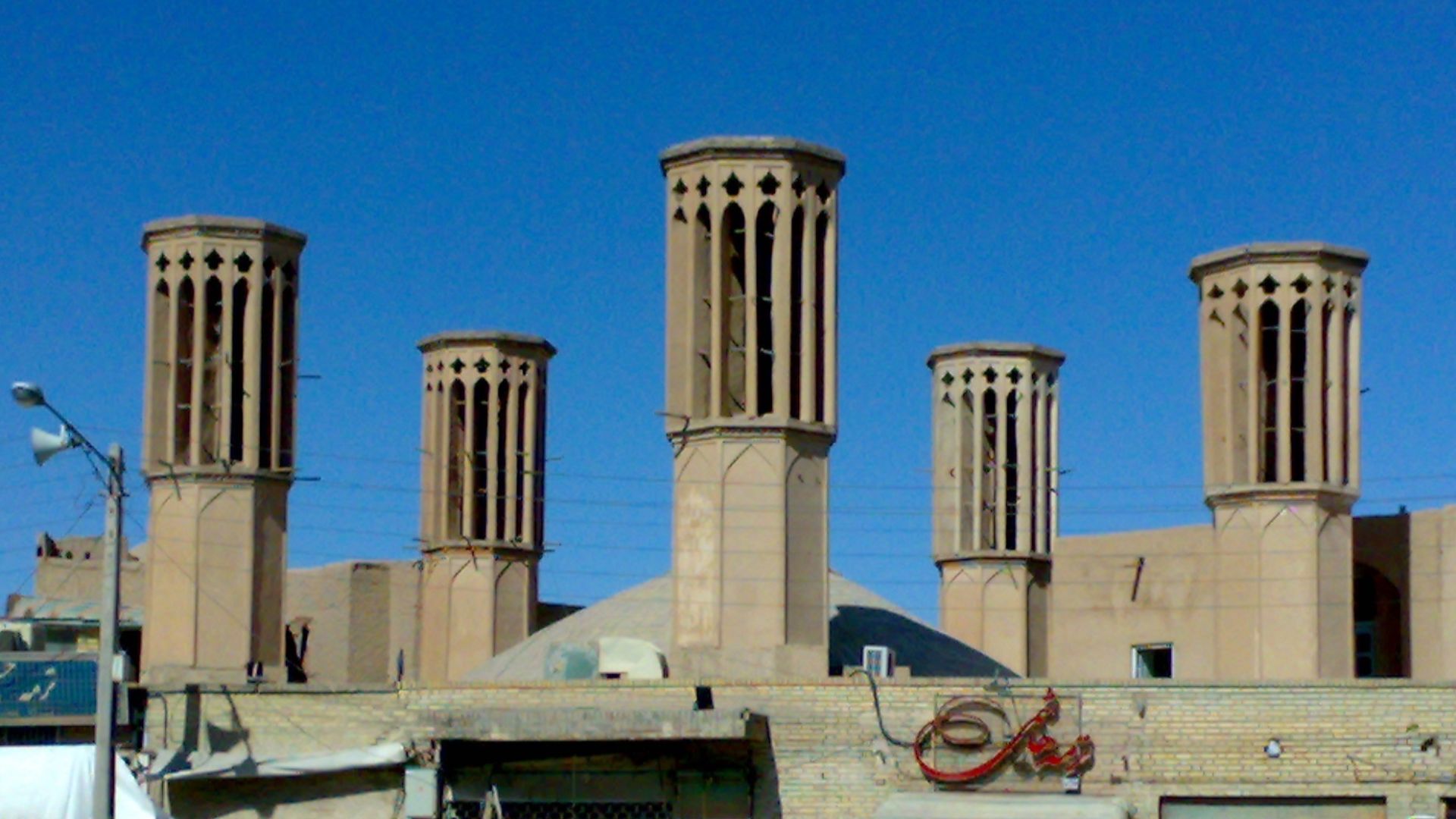
Yazd’s badgirs, or windcatchers, pull air through buildings and help hot air escape through tall vertical shafts. These structures cooled homes long before modern air conditioning, without electricity or refrigerants. As cities struggle with heat and power demand, this old idea feels newly urgent.
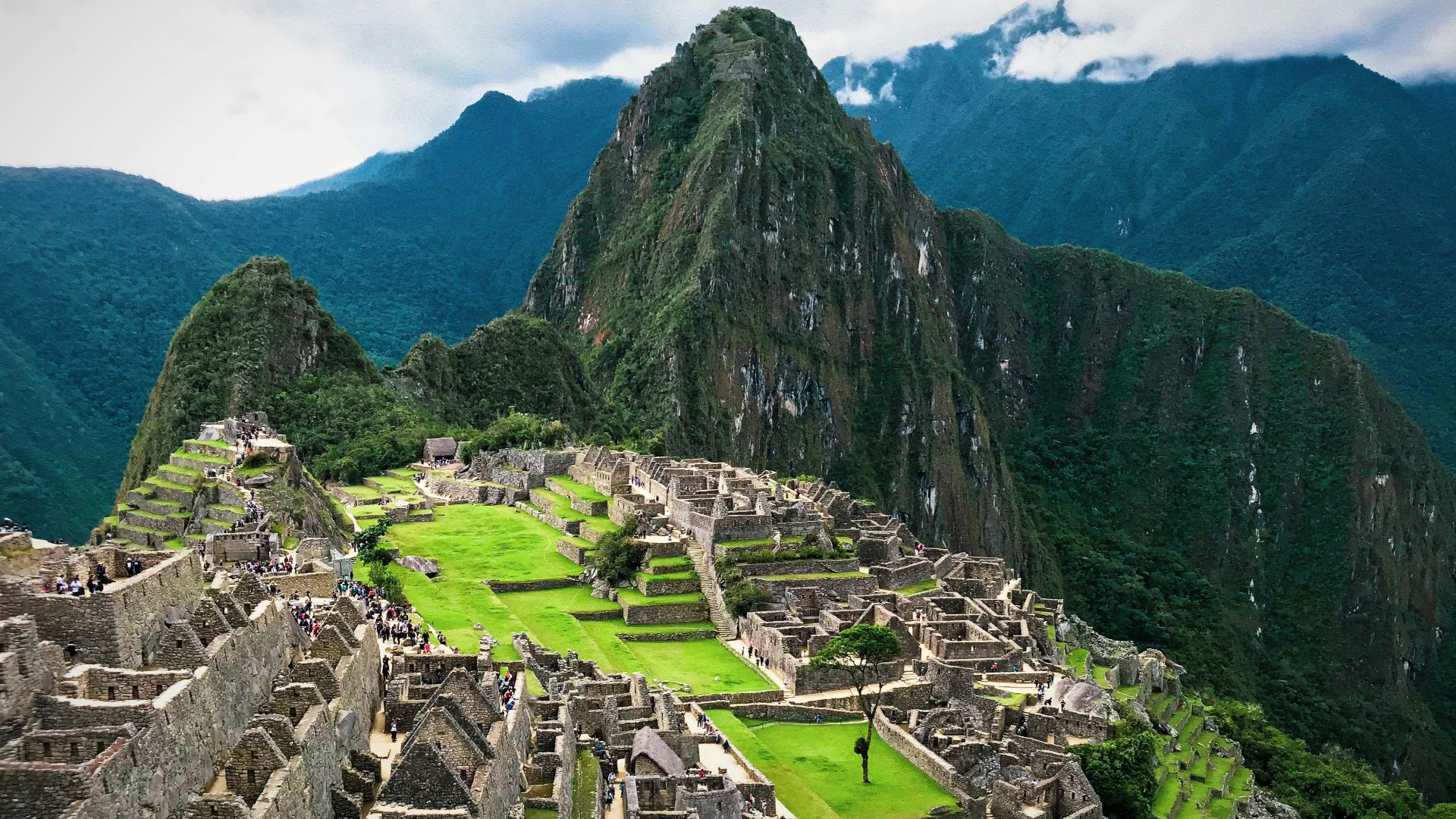
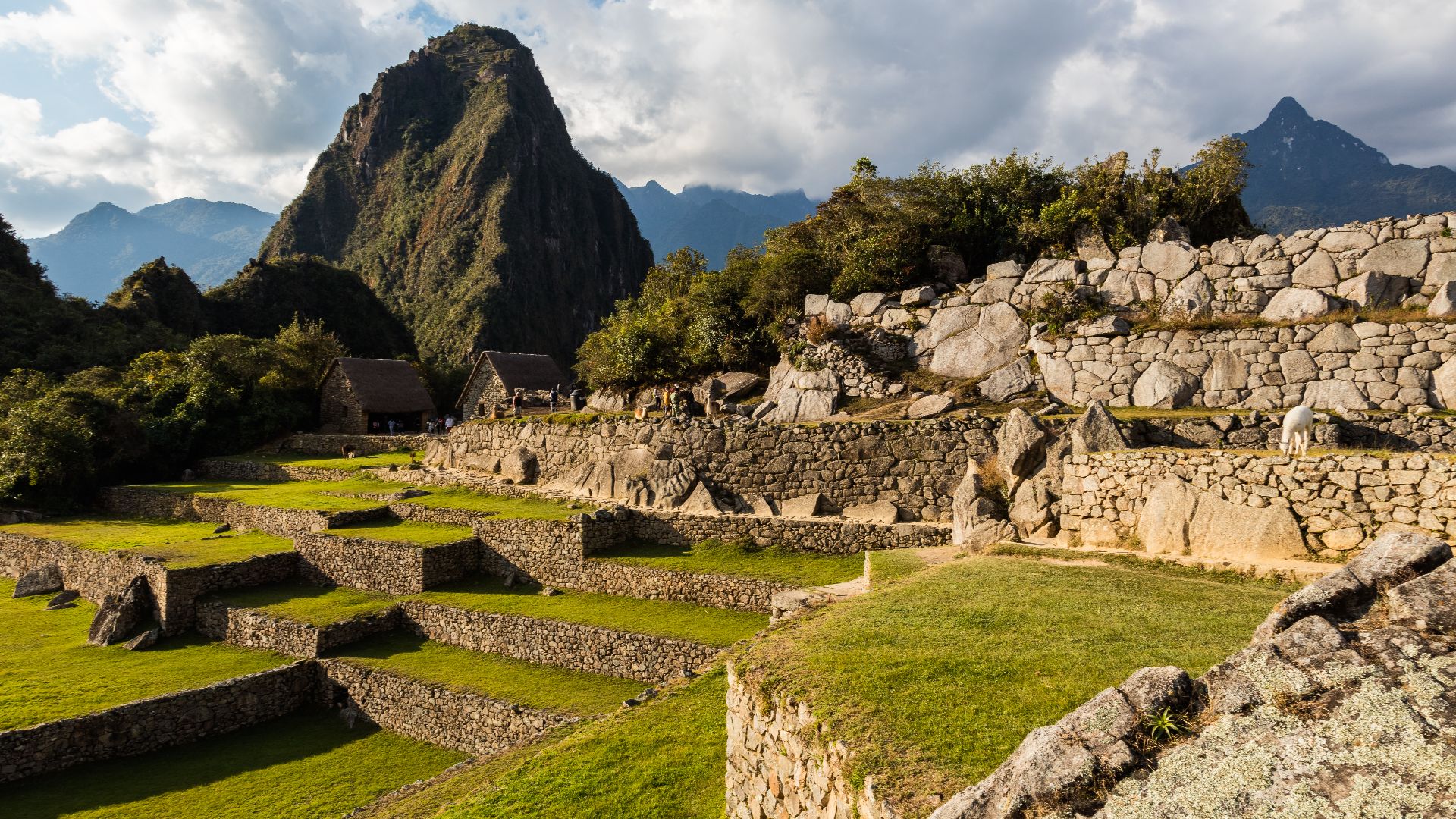
Machu Picchu Drained The Mountain
Machu Picchu sits on steep, wet, unstable terrain, which should have made it a nightmare to build on. Inca engineers used terraces, foundations, channels, fountains, and drainage systems to manage water across the site. The result has endured for centuries in a place where poor drainage could have destroyed everything.
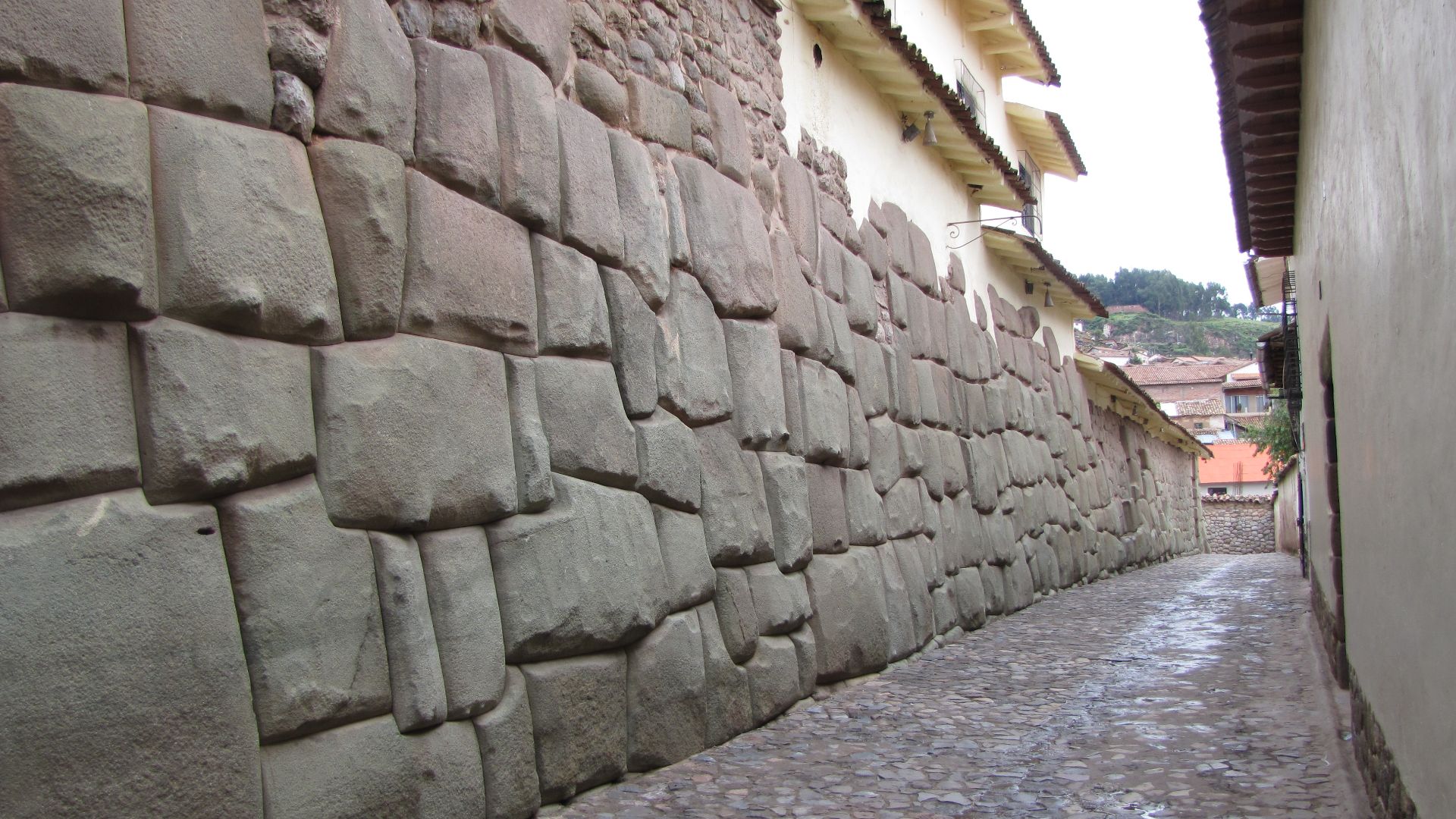
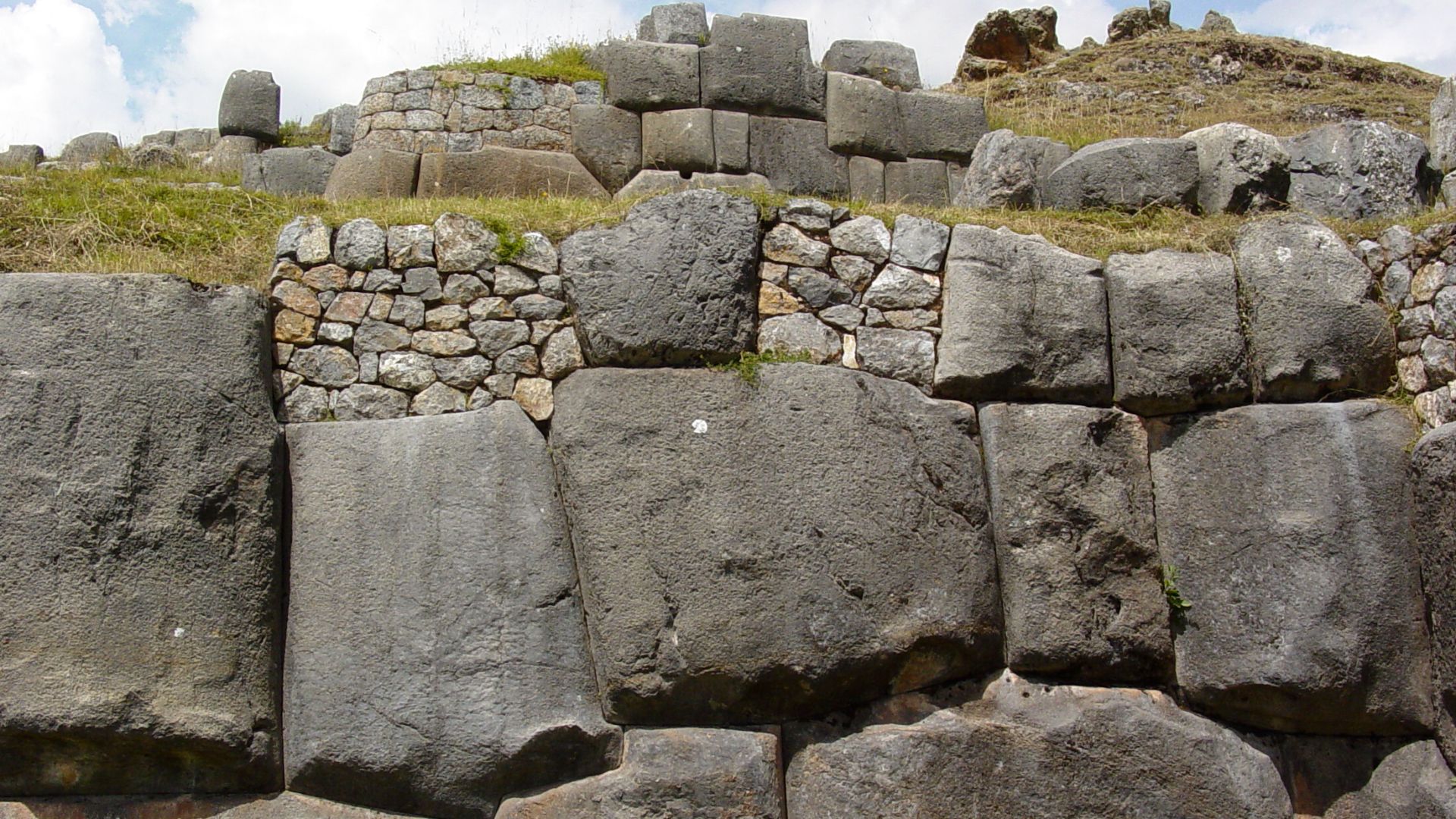
Inca Walls Moved Without Falling
Fine Inca masonry used tightly fitted stones without mortar in major buildings. Studies of Inca walls show that friction, impact, and stone geometry helped these structures respond to earthquakes. Instead of fighting motion with rigidity, the walls absorbed it through their joints.
Japanese Pagodas Learned To Bend
Japan’s wooden pagodas have survived centuries of earthquakes and storms. The five-storied pagoda at Horyu-ji is among the oldest surviving wooden towers in the world. Its flexible timber structure shows that sometimes the safest building is not the stiffest one.
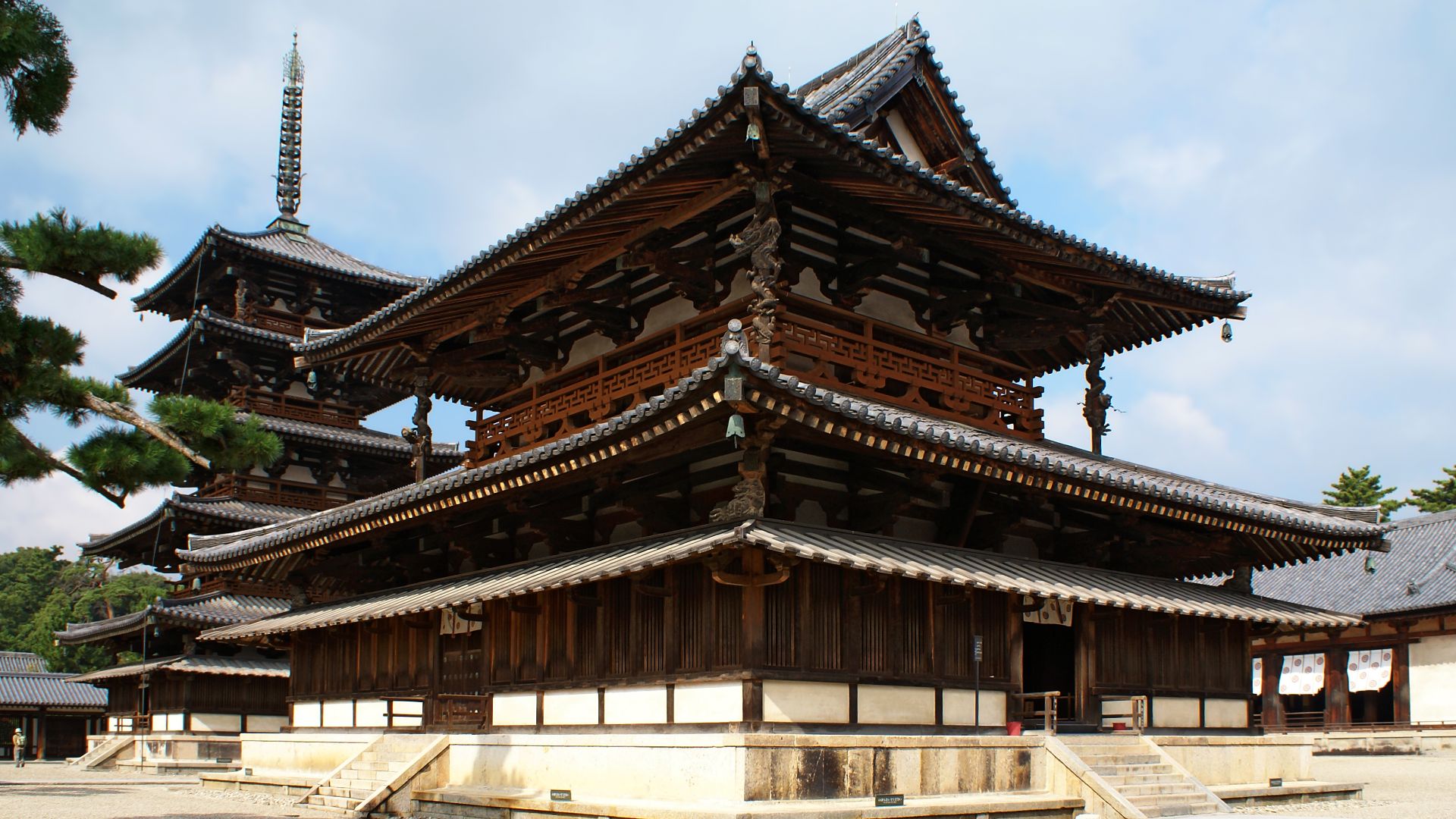 663highland, Wikimedia Commons
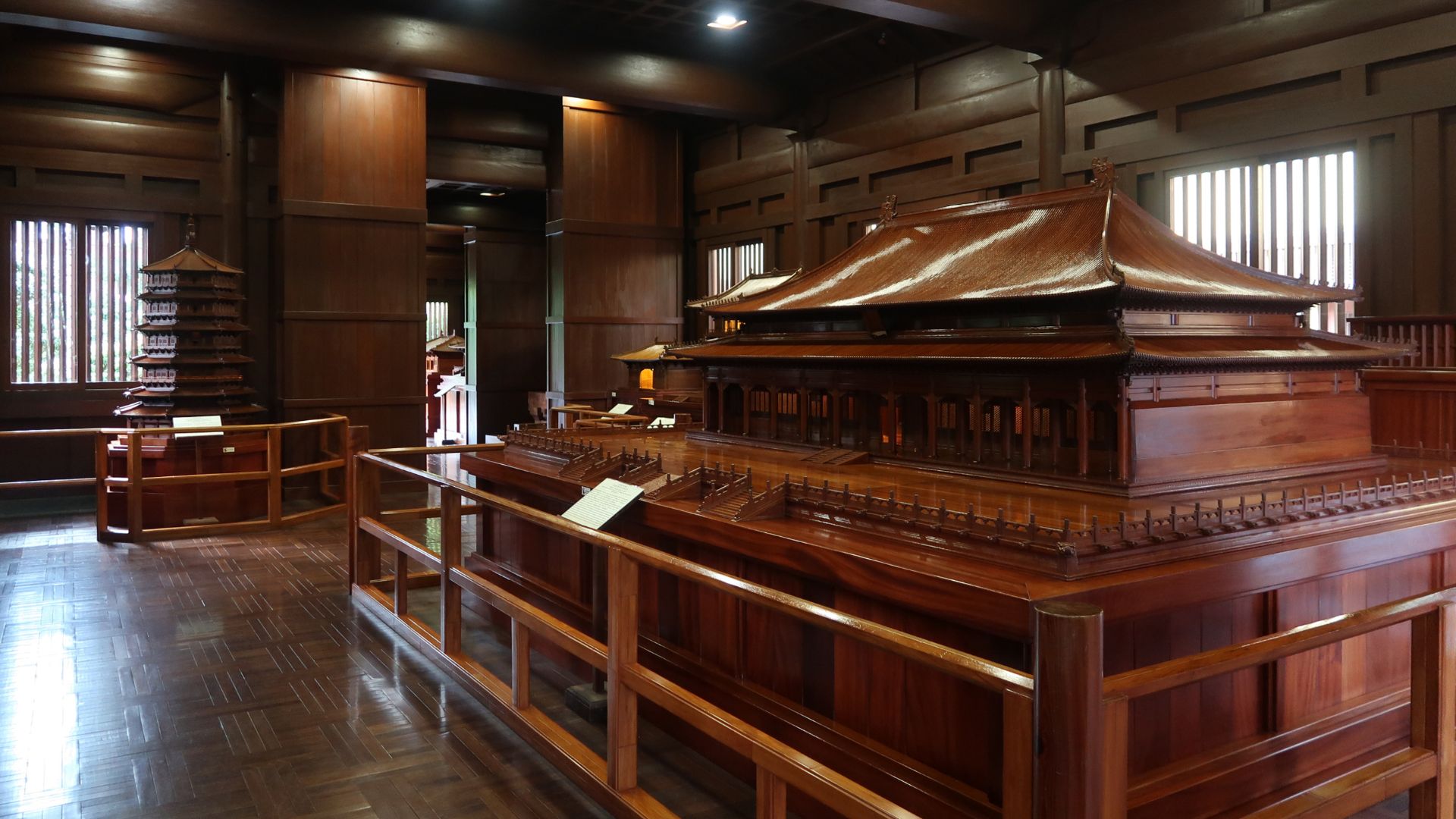
Ancient Chinese Timber Framing Had Hidden Flexibility
Traditional Chinese wooden buildings used joinery systems that could deform without immediate collapse. Recent research on ancient wooden structures highlights how weak connections, strong deformability, and coordinated movement can improve seismic resistance. That lesson still matters for modern earthquake engineering.
Angkor Built A City Around Water
The Khmer Empire at Angkor created reservoirs, canals, embankments, and moats across a vast tropical landscape. This hydraulic system supported agriculture, urban life, and monumental temples. Angkor’s achievement reminds us that infrastructure can be both practical and symbolic.
 Dennis G. Jarvis, Wikimedia Commons
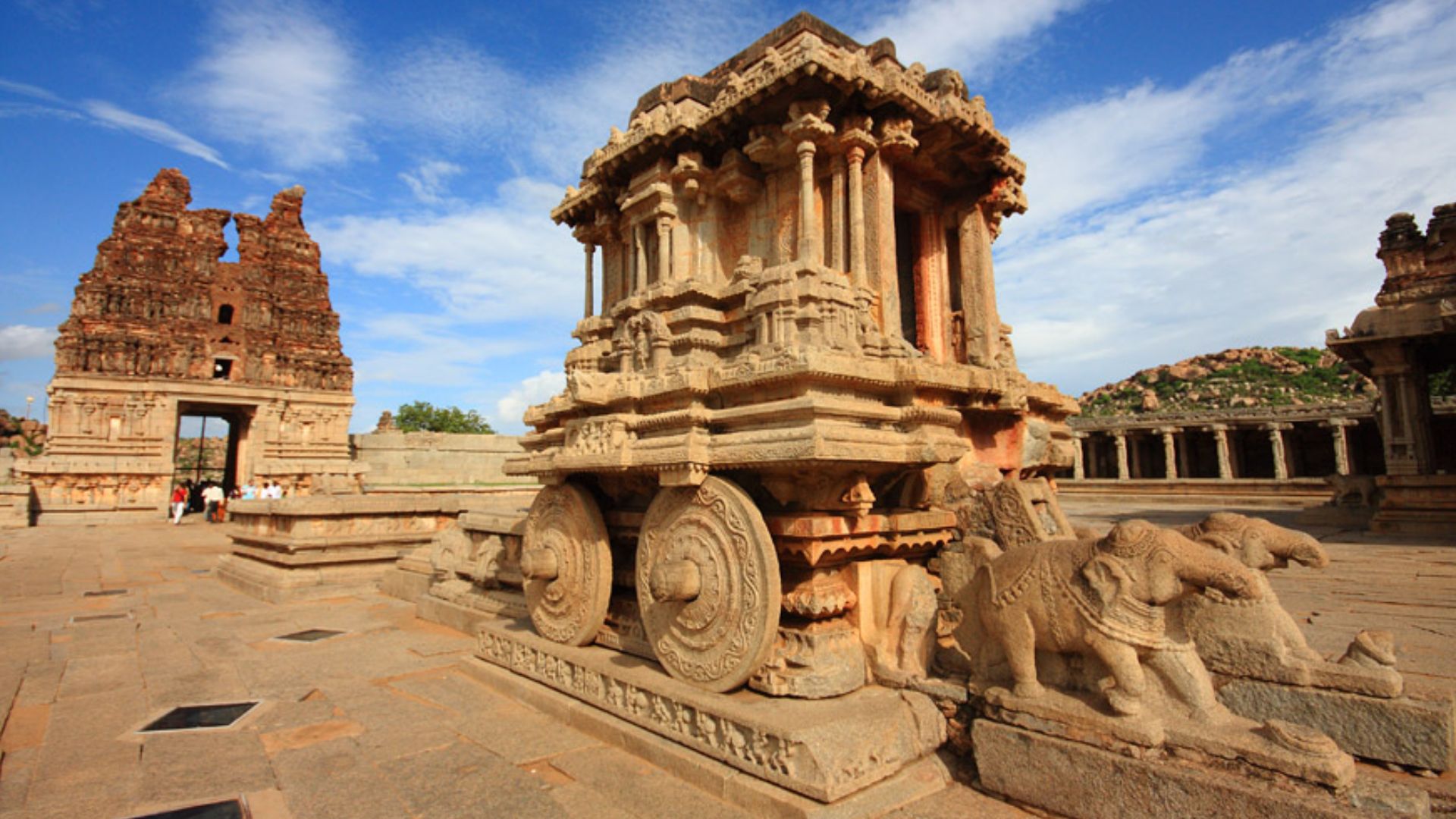
Hampi Planned For Water In Stone
Hampi, the former capital of the Vijayanagara Empire, contains temples, royal structures, and water management installations. Its landscape includes tanks, channels, and other systems designed for a dry, rocky environment. The site shows how premodern cities could weave water storage into civic and sacred space.
 Joel Godwin, Wikimedia Commons
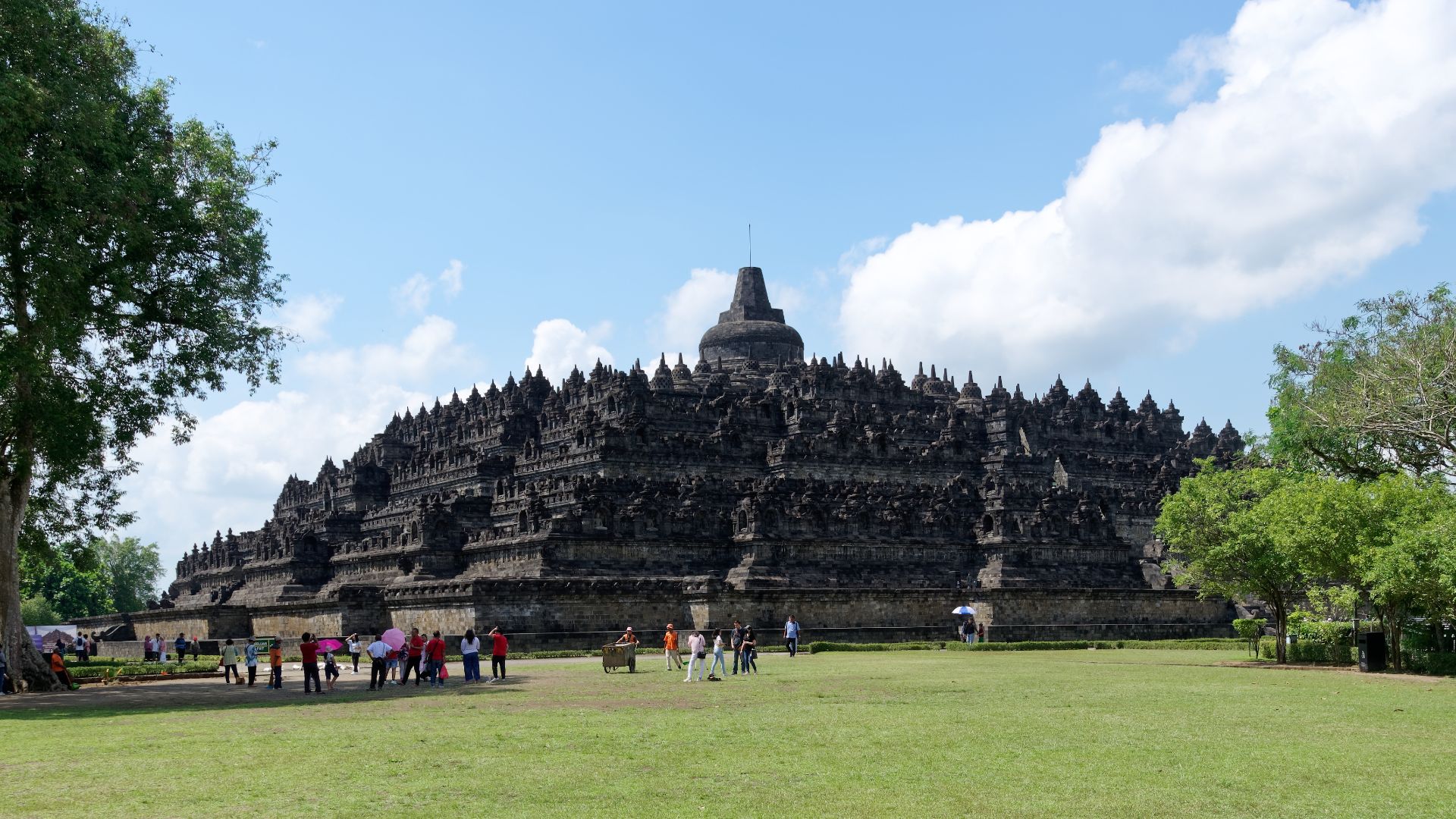
Borobudur Managed Rain On A Mountain Of Stone
Borobudur in Java is a vast Buddhist monument built between the eighth and ninth centuries. Its stepped terraces and stone architecture needed careful management of rainwater in a tropical climate. Modern restoration work has continued to focus on drainage because water remains one of the monument’s greatest threats.
 Jakub Halun, Wikimedia Commons
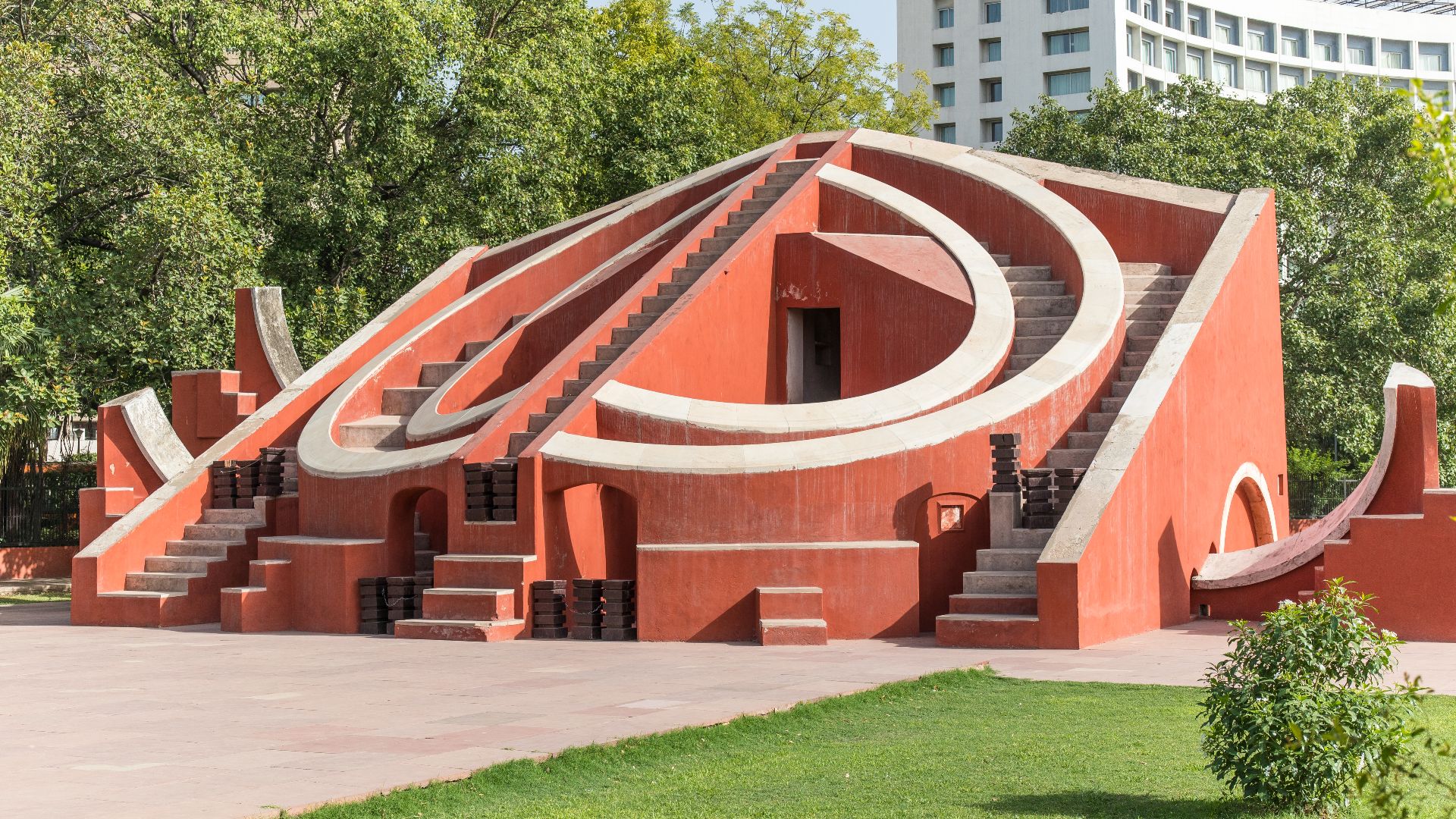
Jantar Mantar Turned Buildings Into Instruments
The Jantar Mantar in Jaipur is an eighteenth-century observatory made of monumental masonry instruments. UNESCO describes it as the best preserved and most comprehensive of India’s historic observatories. These structures measured astronomical positions with the naked eye, turning architecture into precision science.
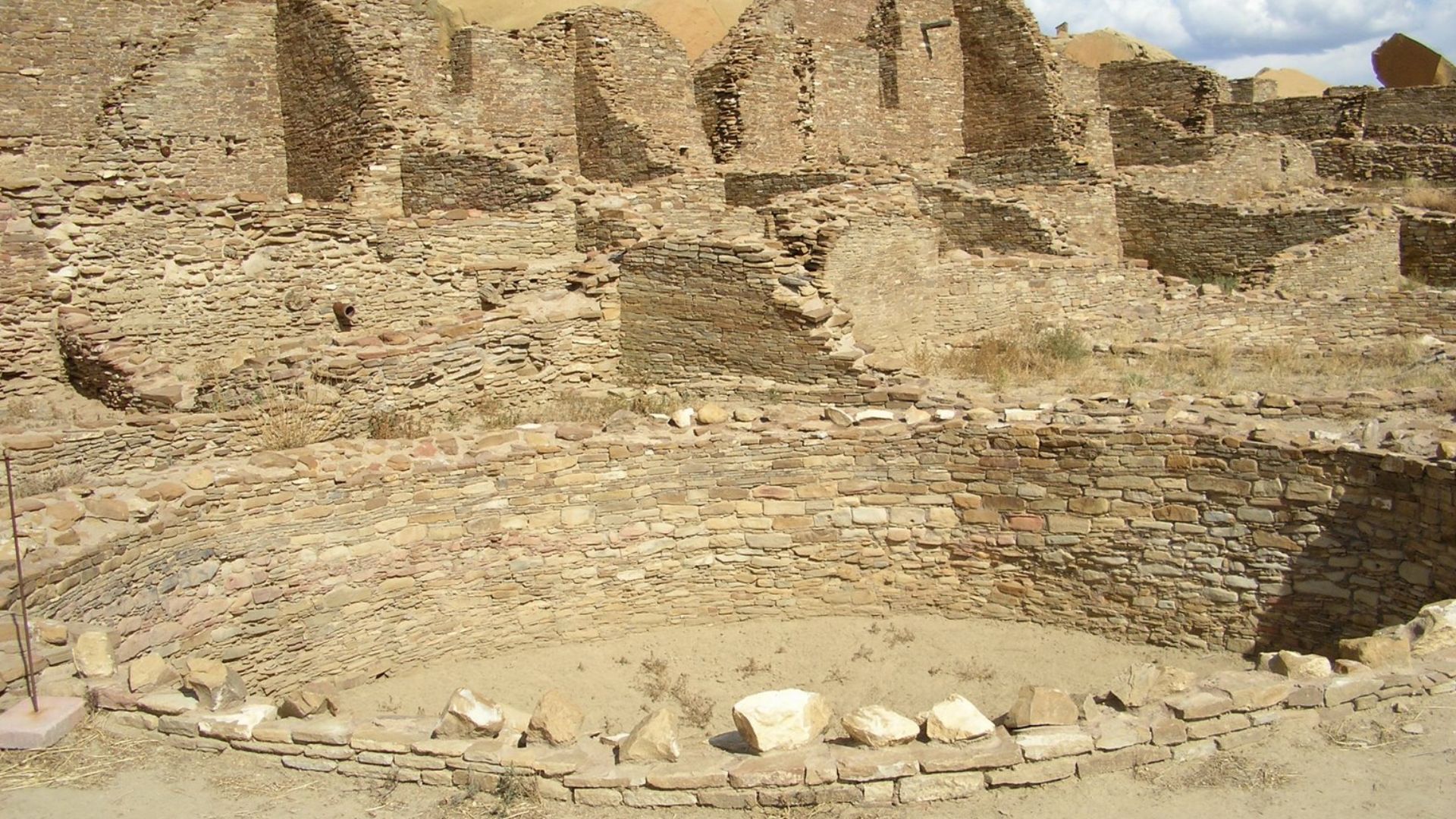
Chaco Canyon Watched The Sky In Stone
Chaco Canyon’s builders arranged architecture and ceremonial sites with deep attention to solar, lunar, and stellar cycles. The famous Sun Dagger petroglyph marked seasonal patterns of sunlight. It shows that ancient observation could be embedded directly into the built environment.
 SkybirdForever, Wikimedia Commons
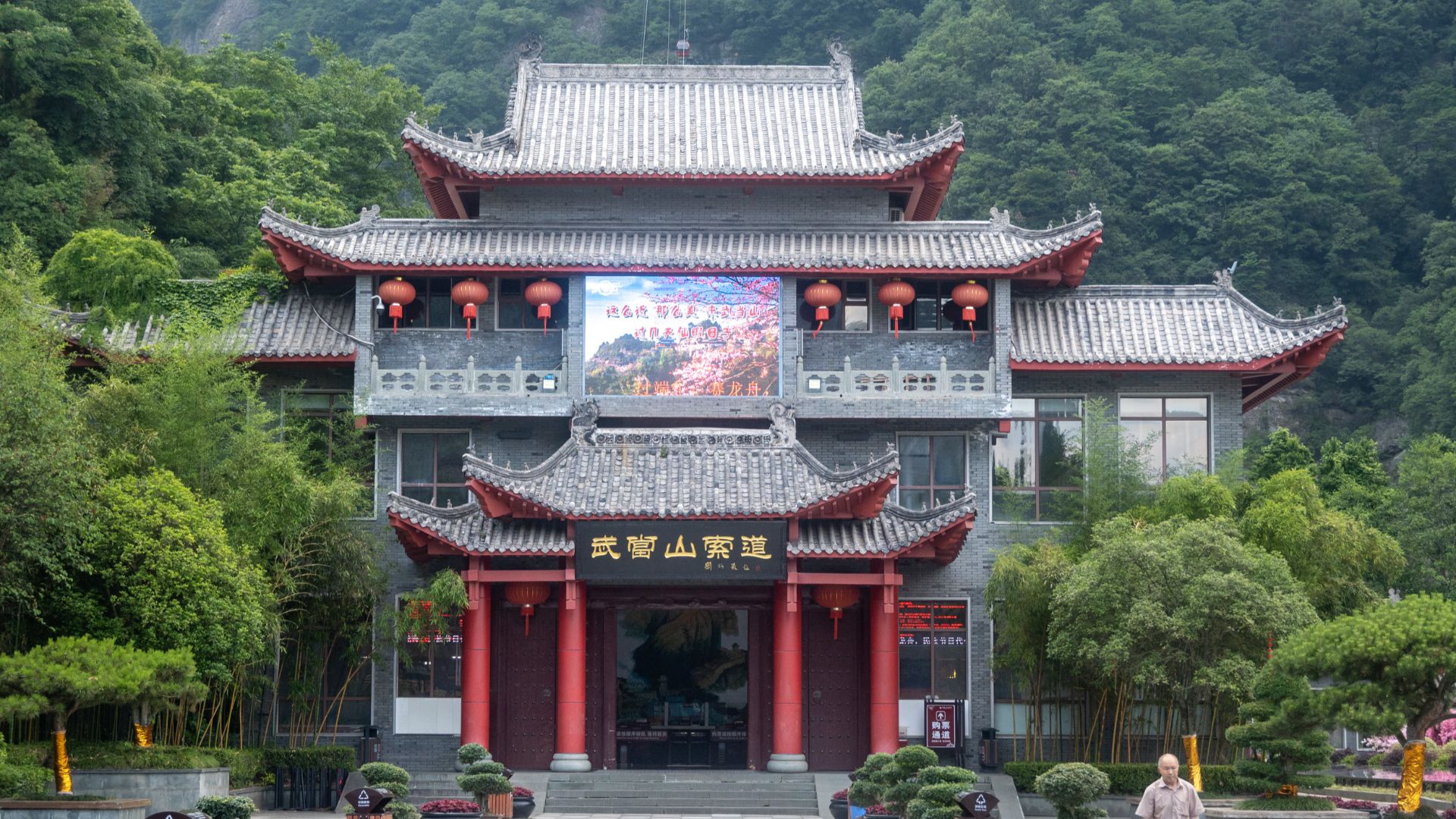
Wudang Mountains Built With Landscape
The ancient building complex in China’s Wudang Mountains sits among peaks, ravines, and valleys. UNESCO describes it as a major achievement of Chinese architecture over nearly a thousand years. The builders did not dominate the mountain setting, but organized architecture around it.
 xiquinhosilva, Wikimedia Commons
Ancient Builders Understood Local Materials
Many of these structures worked because builders knew their materials intimately. Roman concrete, Inca stone, Japanese timber, and Yazd’s earth architecture all came from close observation of local conditions. Modern construction often imports standardized solutions, but these sites prove that place-specific design can outperform convenience.
 Adam Jones from Kelowna, BC, Canada, Wikimedia Commons
Passive Design Was Not Primitive
Windcatchers, qanats, thick earth walls, shaded streets, and gravity-fed water systems all share one idea. They reduce energy use by working with natural forces instead of constantly overpowering them. That is not primitive thinking, but disciplined engineering.
 Kaveh Parseh, Wikimedia Commons
Durability Was A Design Goal
Many modern buildings are designed around cost, speed, and short maintenance cycles. Ancient builders often had to design for generations because repairs were difficult and materials were precious. Their structures remind us that longevity is not an accident, but a choice.
 Pamela McCreight from Florida, USA, Wikimedia Commons
The Best Systems Were Integrated
Machu Picchu was not just a collection of walls, and Angkor was not just a group of temples. Their water systems, roads, terraces, buildings, and landscapes worked together. Modern cities still struggle when infrastructure is planned in isolated pieces.
 Diego Delso, Wikimedia Commons
Ancient Technology Was Often Social Technology
A qanat needs maintenance, a terrace system needs shared labor, and a water city needs coordinated management. These structures worked because communities knew how to operate them. Their success was not only technical, but organizational.
Outperforming Does Not Mean Perfect
Ancient systems could fail, and many were abandoned because of drought, conflict, neglect, or changing societies. The point is not that older technology was magical. The point is that some ancient solutions still outperform modern ones in durability, efficiency, repairability, and environmental fit.
Modern Engineers Are Paying Attention
Researchers are now studying Roman concrete, seismic timber systems, passive cooling, and ancient water management with fresh urgency. Climate change has made low-energy, durable design more valuable than ever. Ancient structures are becoming research partners, not just tourist attractions.
The Past Still Has Blueprints For The Future
The most impressive ancient structures do not make modern technology look foolish. They make it look unfinished. Their survival proves that the future may depend on recovering ideas we were too quick to leave behind.
You May Also Like:
Scientists Now Think Neanderthals May Have Been Physically Stronger—But Far Less Efficient
If You Care About Architecture, This Is Every State's Must-See Building