Places Built To Impress
Strange how a single building can make someone stop, stare, and wonder who dreamed it up in the first place. That same spark appears across the country in structures that reveal a place’s character long before anyone offers an explanation.
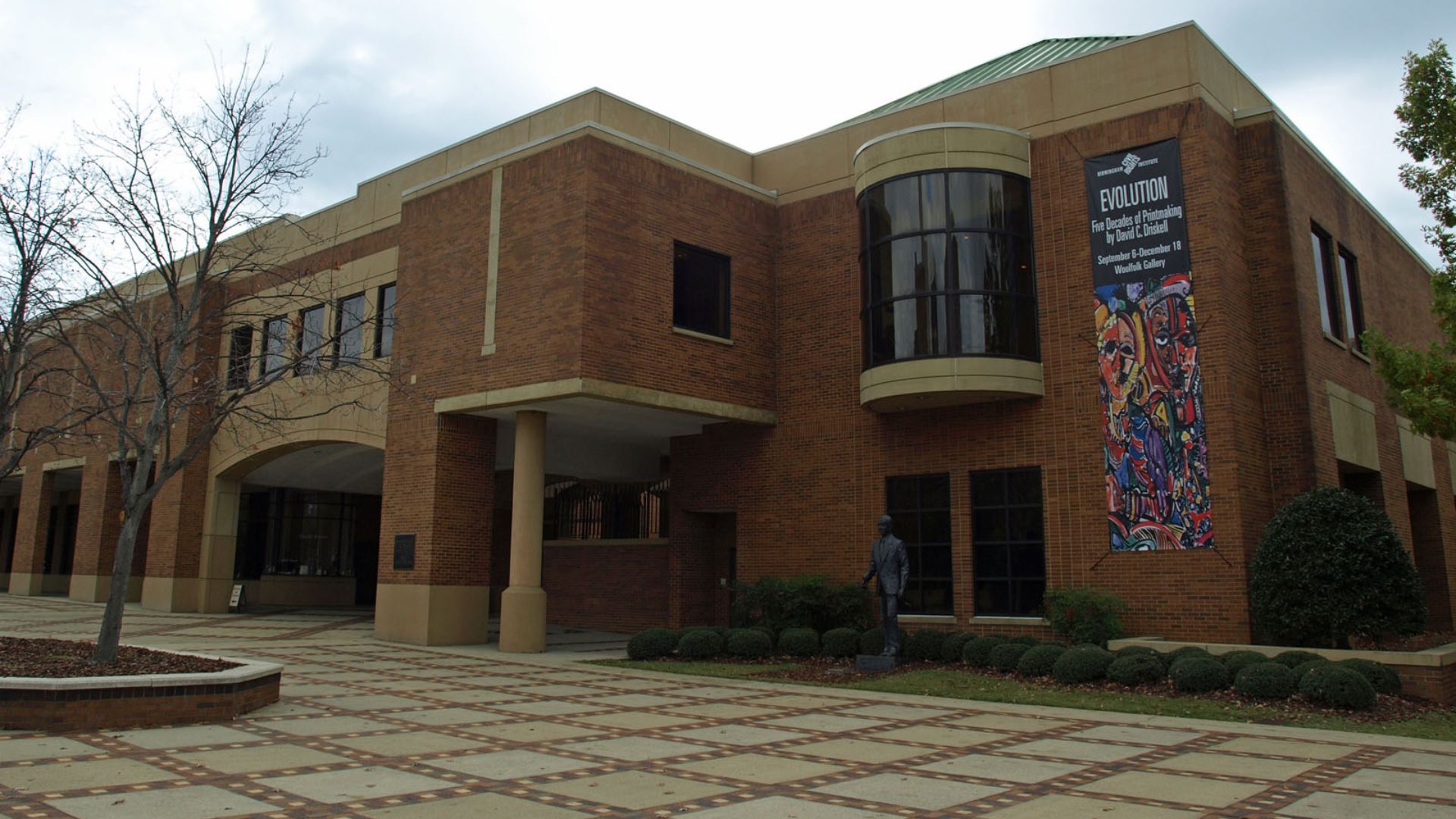
Birmingham Civil Rights Institute In Alabama
A walk past the 16th Street Baptist Church sets the stage for a structure built to honor Birmingham’s long fight for justice. The institute opened in 1992 as a museum and research center. Inside, immersive exhibits and historic artifacts document the civil rights movement in Birmingham and beyond.
 Chris Pruitt, Wikimedia Commons
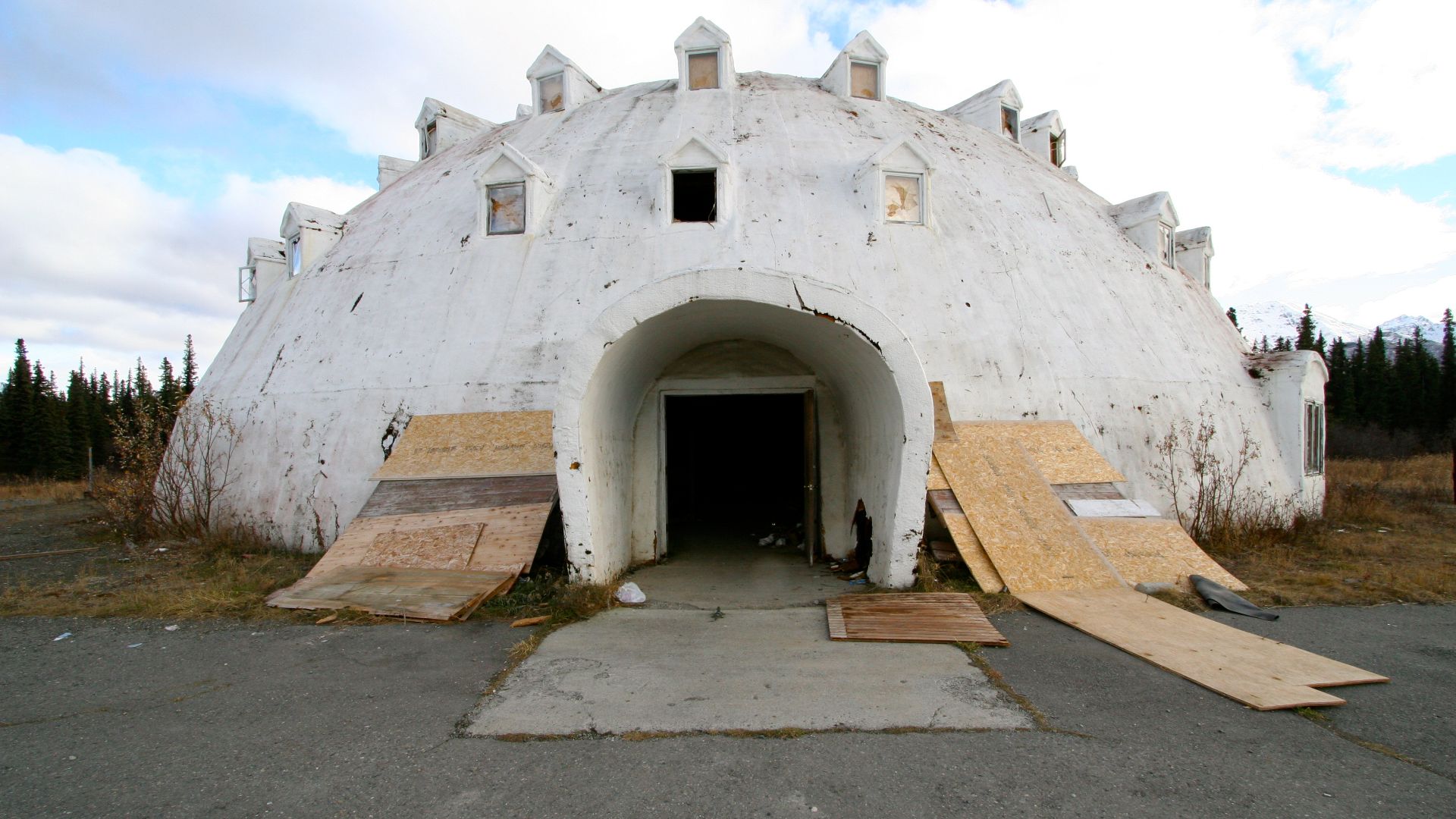
Igloo City Hotel In Alaska
Travelers on the George Parks Highway often pull over when a massive dome appears beside the road. Construction on the Igloo City Hotel began in the 1970s but never finished. This abandoned landmark’s unusual shape still attracts visitors looking for a memorable roadside photo stop.
 davidd from Hatch, Utah, USA, Wikimedia Commons
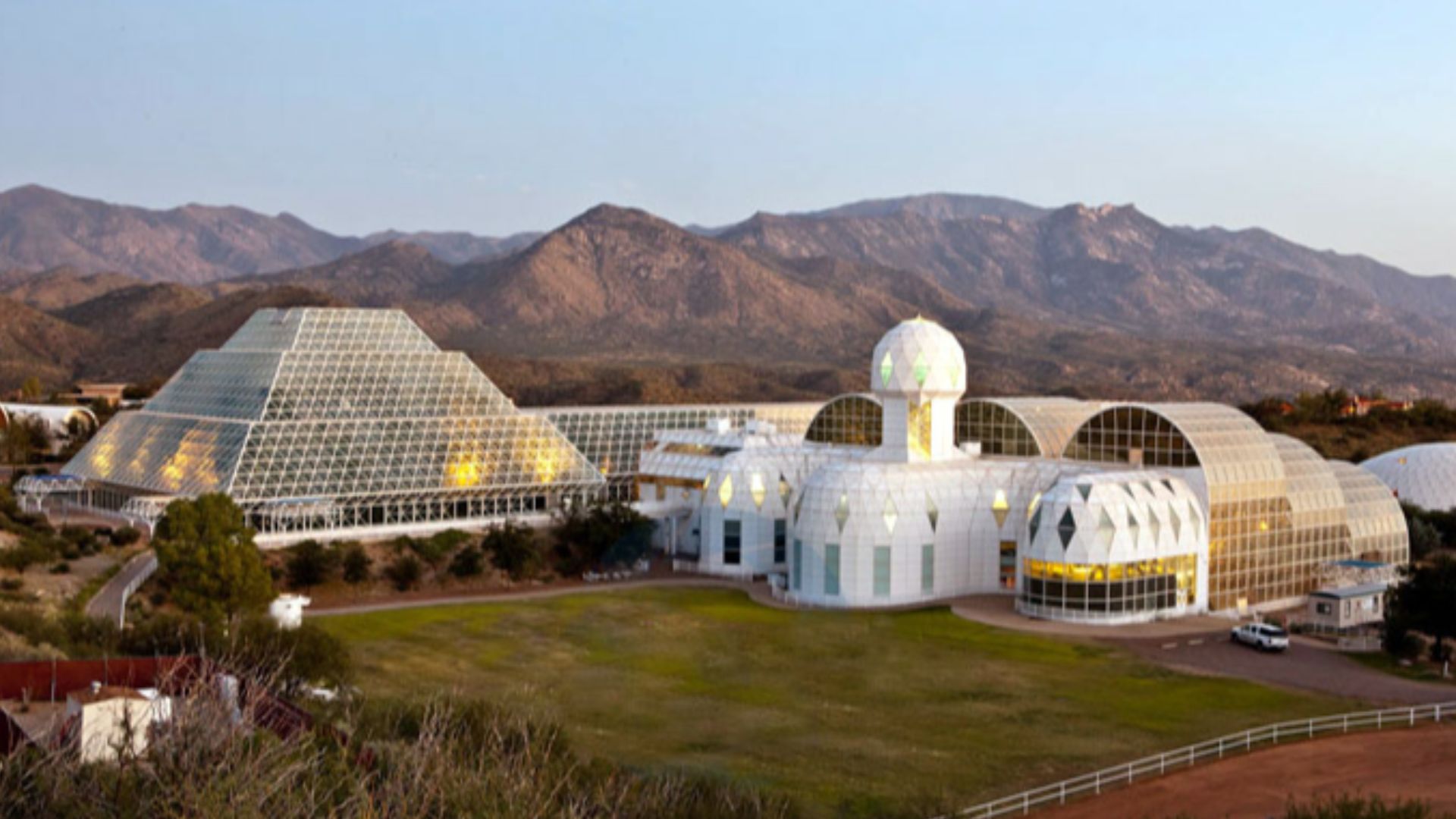
Biosphere 2 In Arizona
This 3.14-acre research facility in Oracle looks engineered for another planet. Built between 1987 and 1991 to test closed ecological systems, Biosphere 2 holds biomes ranging from rainforest to ocean. Fun fact: 8 people even lived inside for two years during an ambitious experiment.
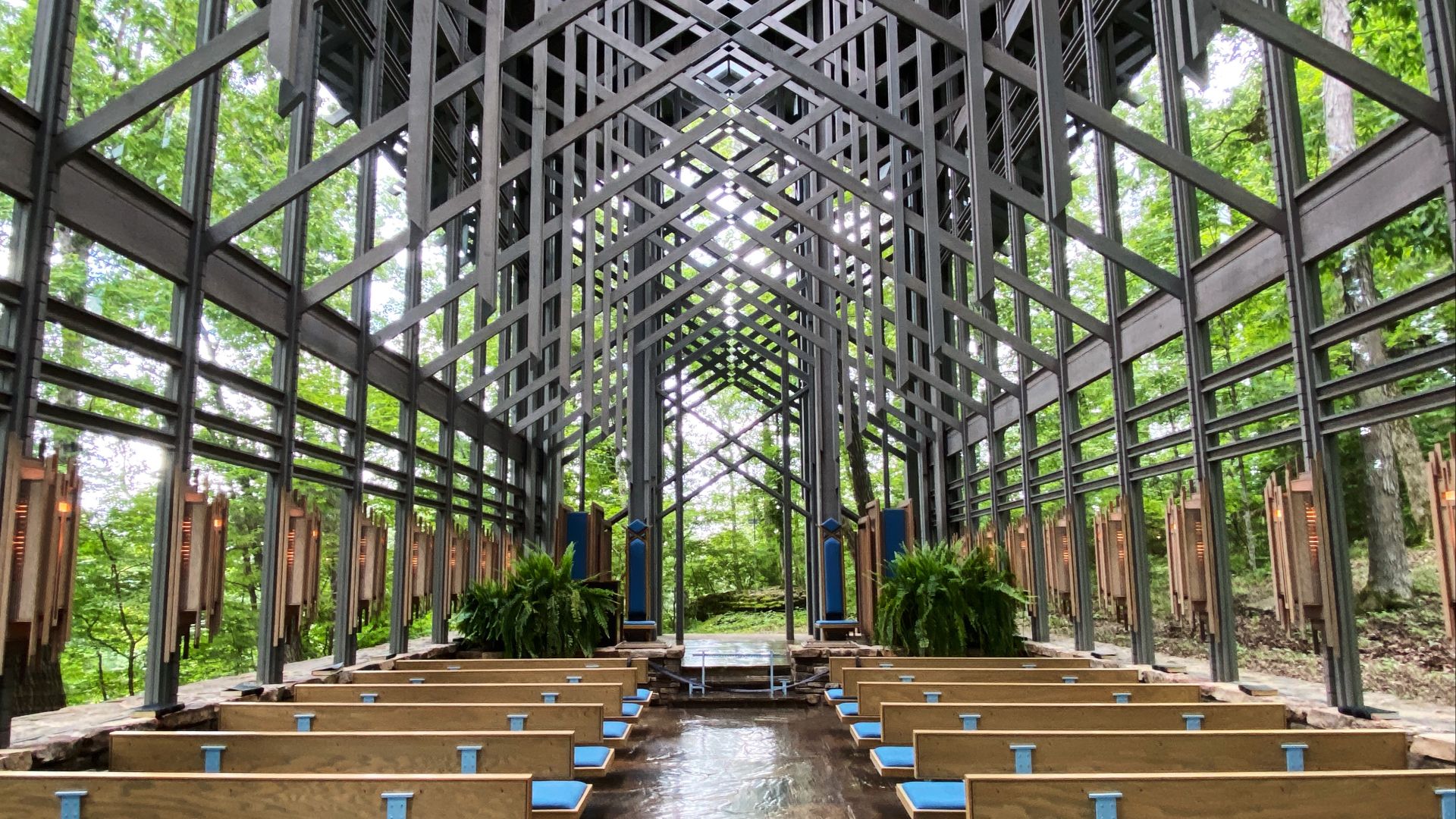
Thorncrown Chapel In Arkansas
Located in the forest of Eureka Springs, this glass-and-wood structure was designed by E Fay Jones and opened in 1980. The chapel’s 425 windows and 6,000 square feet of glass help it blend seamlessly with nature. It later earned an AIA Honor Award.
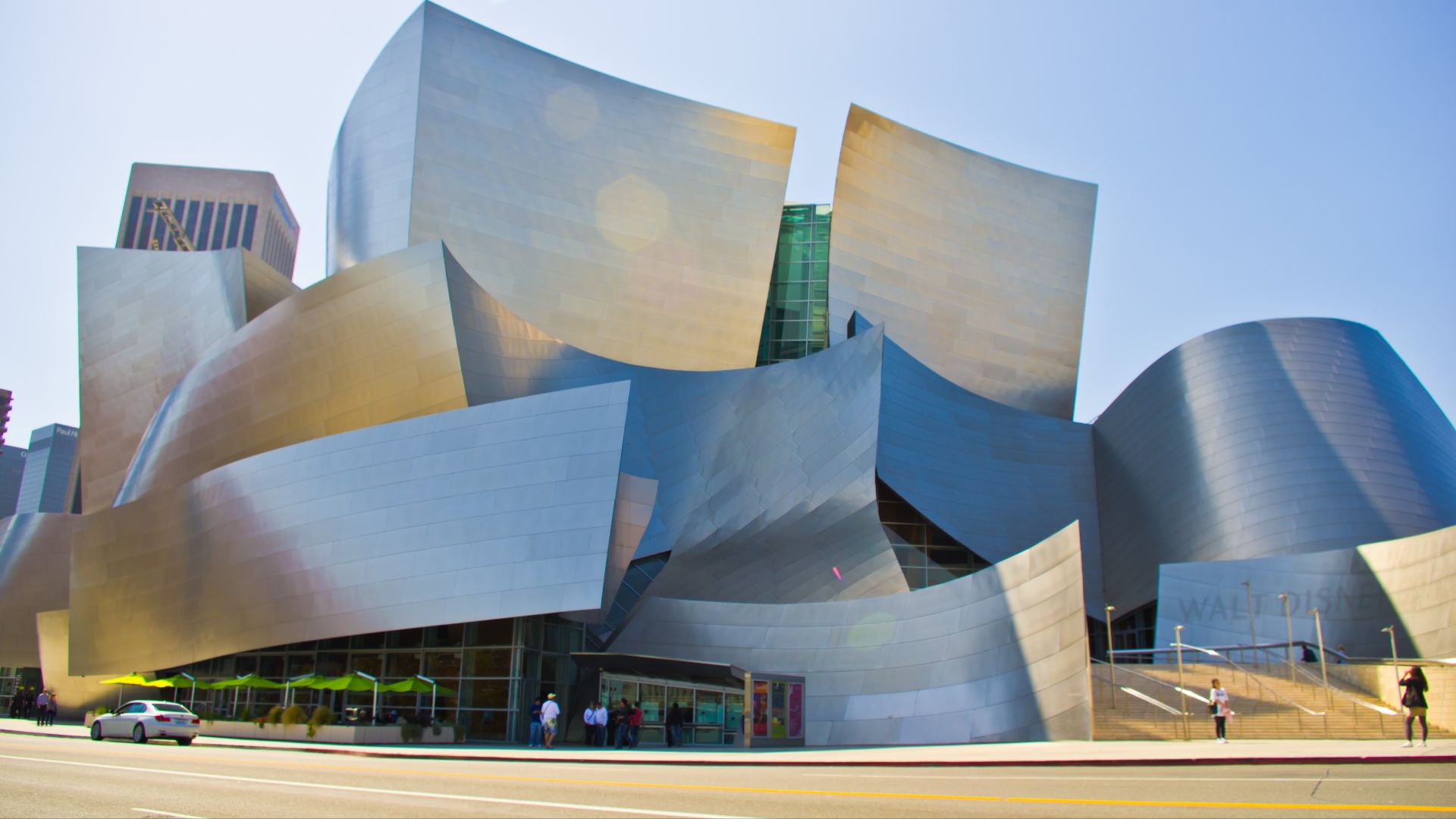
Walt Disney Concert Hall In California
Before its acoustics even come up, the stainless steel curves catch every eye in downtown Los Angeles. Designed by Frank Gehry and later opened in 2003, the hall serves as home to the LA Philharmonic. Yasuhisa Toyota’s acoustic work shaped one of the world’s most refined concert experiences.
 Antoine Taveneaux, Wikimedia Commons
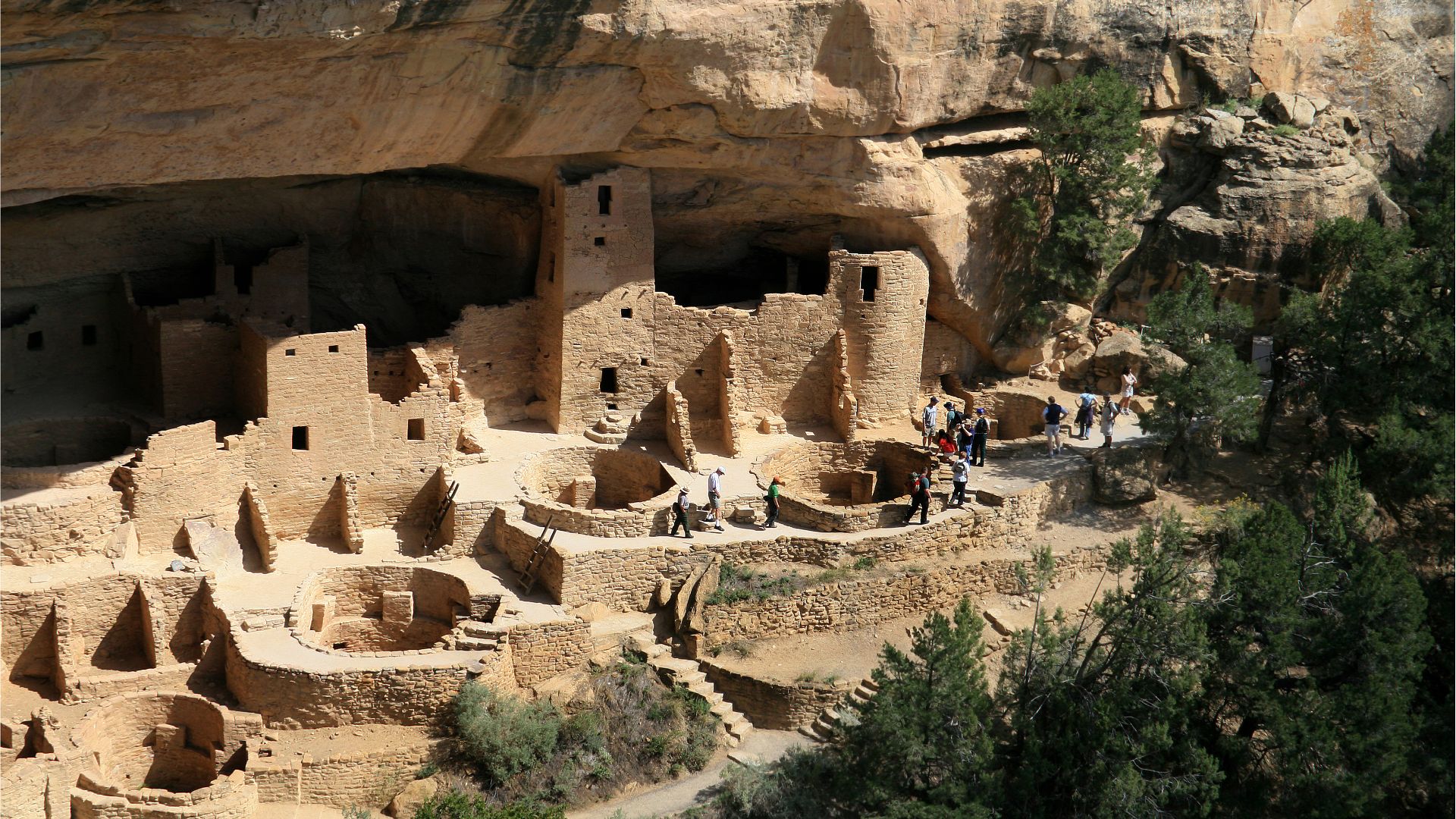
Cliff Palace At Mesa Verde In Colorado
You don’t expect to find a cliff dwelling this large until the canyon opens and Cliff Palace appears. Its construction dates to AD 1190–1260, when Ancestral Puebloans created roughly 150 rooms and 23 ceremonial kivas. Ranchers eventually rediscovered the remarkable site in 1888.
 Andreas F. Borchert, Wikimedia Commons
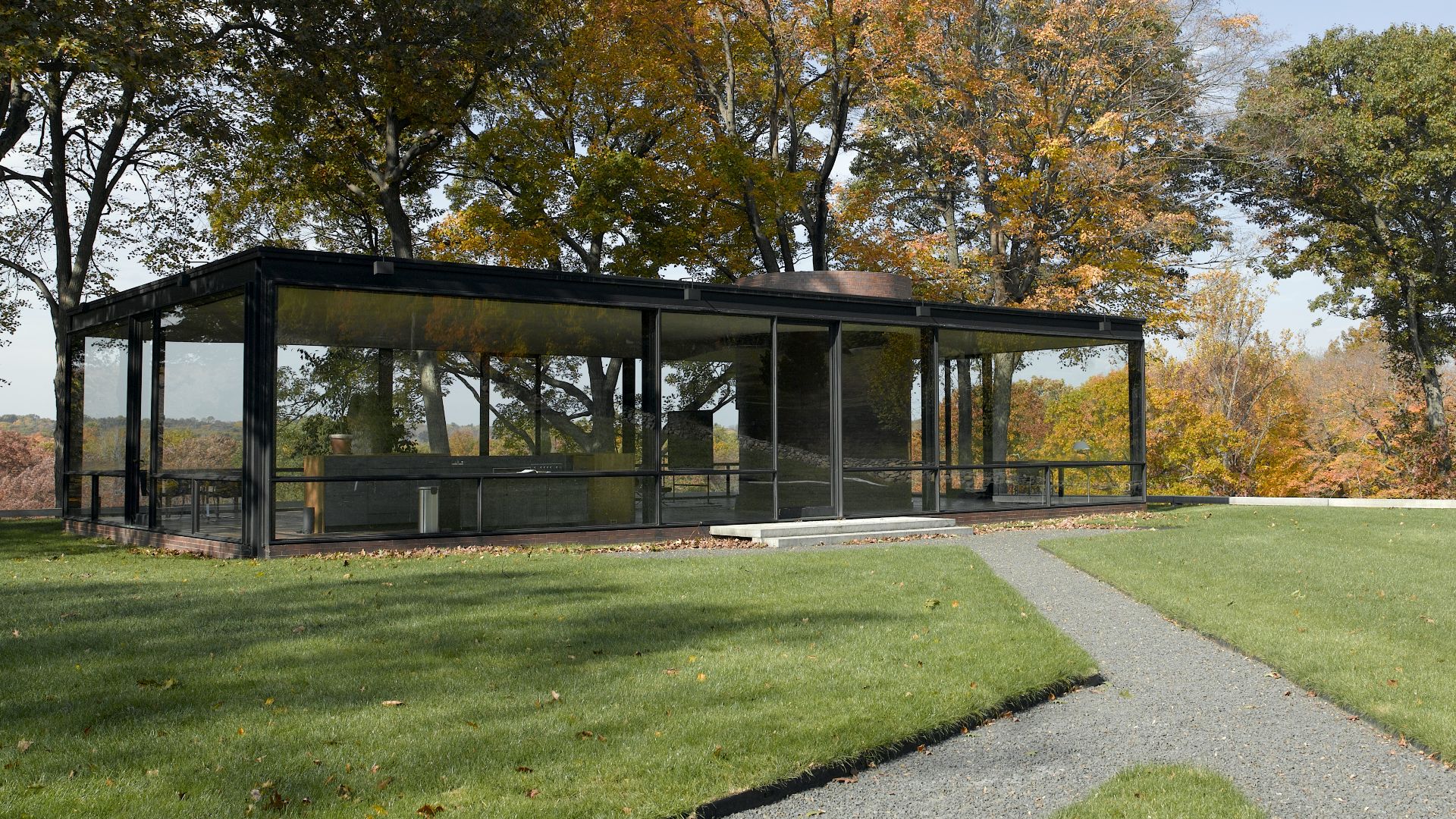
Glass House In Connecticut
Light becomes the main building material at this 1949 modernist landmark designed by Philip Johnson. Built almost entirely of glass and steel, the home offers panoramic views. Over five decades, the surrounding property expanded to include fourteen Johnson-designed structures in total here.
 Carol M. Highsmith, Wikimedia Commons
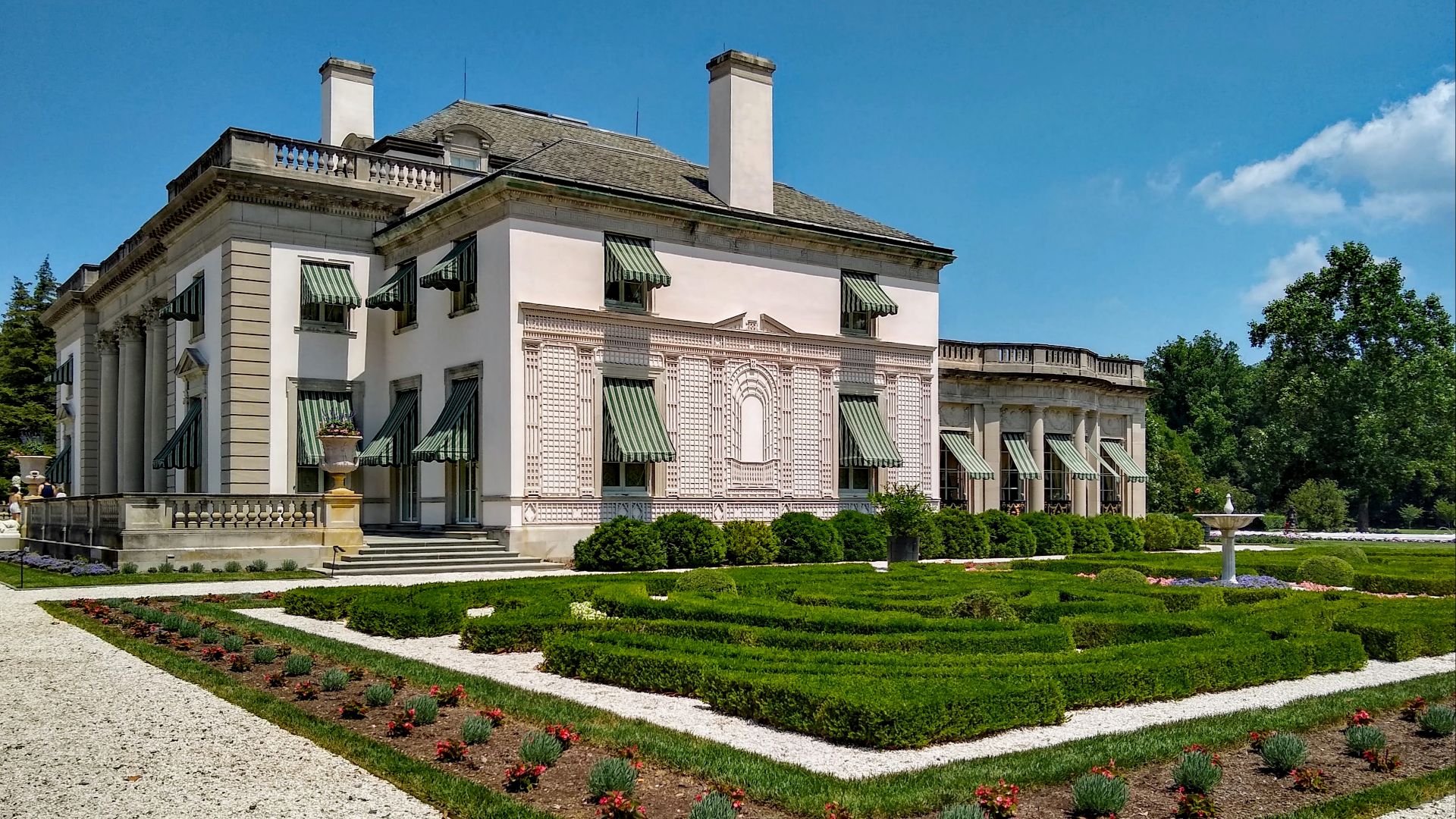
Nemours Mansion In Delaware
French-style architecture defines the Nemours Mansion, completed in 1909 for Alfred I duPont. The 77-room home anchors grounds laid out with the largest formal French gardens in North America. And while the mansion draws crowds, Delaware’s statewide lists frequently mark the Grand Opera House as iconic, too.
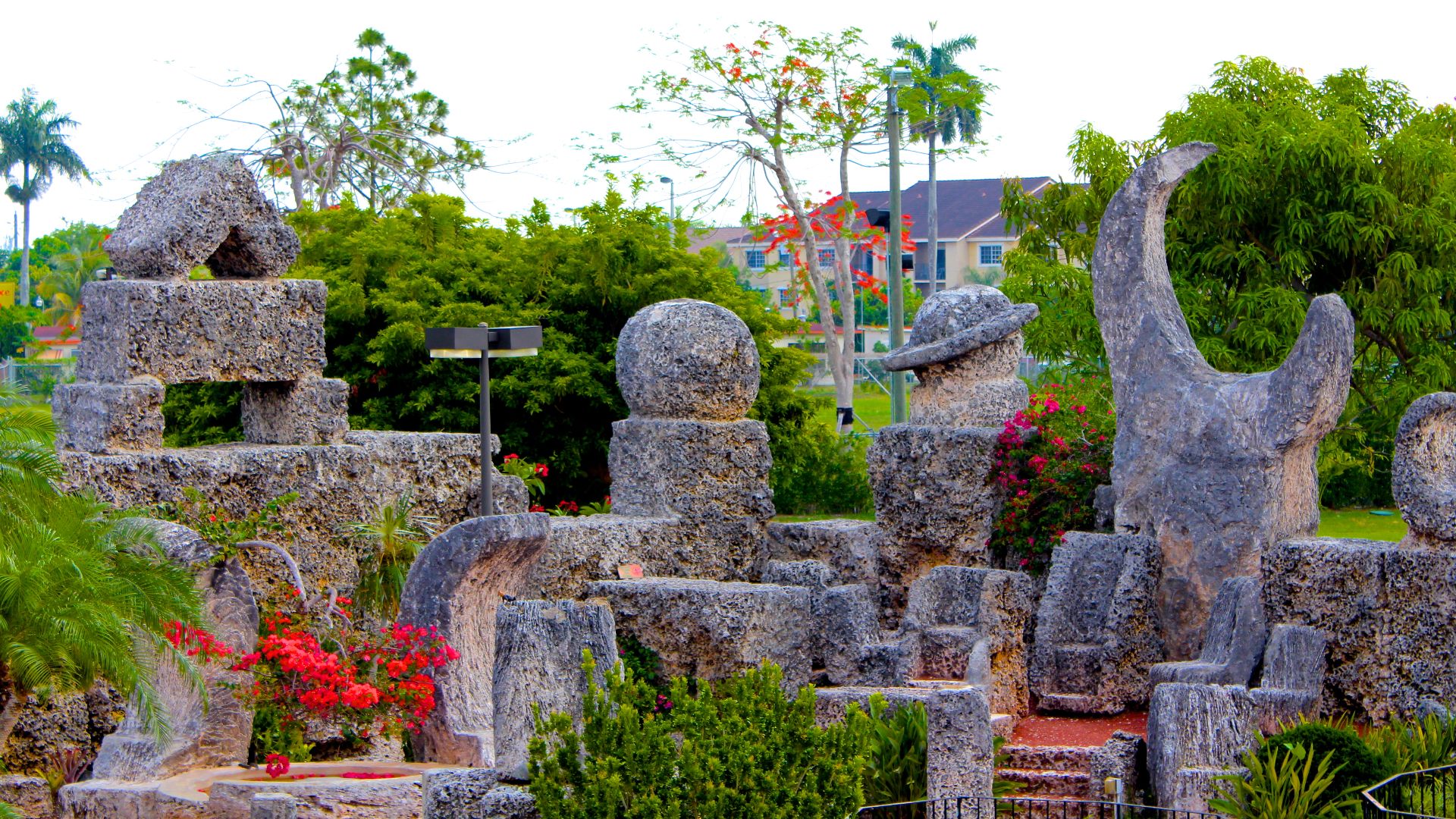
Coral Castle In Florida
Curiosity grows fast once people hear that a single man carved more than 1,100 tons of oolite limestone without help. Between 1923 and 1951, Edward Leedskalnin built Coral Castle piece by piece, relying on techniques still debated today. Even the nine-ton gate, balanced to move with a fingertip, remains a puzzle.
 Pennington.beau, Wikimedia Commons
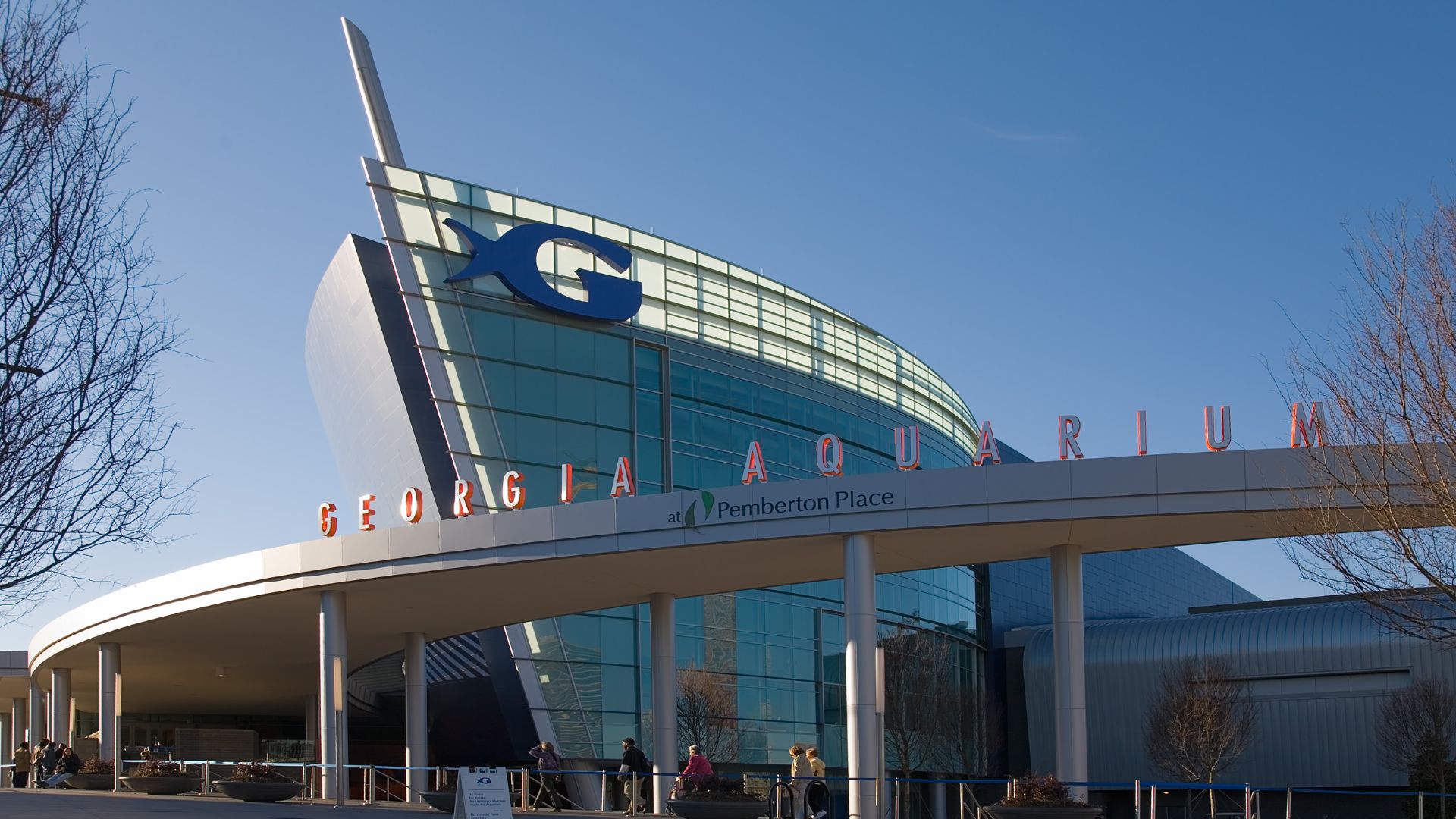
Georgia Aquarium In Georgia
Massive scale becomes part of the impact before the first tank comes into view. The Georgia Aquarium stands as the state’s most iconic modern structure, known for innovative aquatic exhibits and sweeping design. Its prominence contrasts with Savannah’s Cathedral of St John the Baptist, Georgia’s most iconic historic architectural landmark.
ʻIolani Palace In Hawaii
Royal history settles into the architecture here, where the 1882 palace once housed Hawaii’s monarchy. It remains the only official royal palace in the United States, shaped by Italian Renaissance and Hawaiian influences. Surprisingly, electricity and telephones reached the palace even before they were installed in the White House.
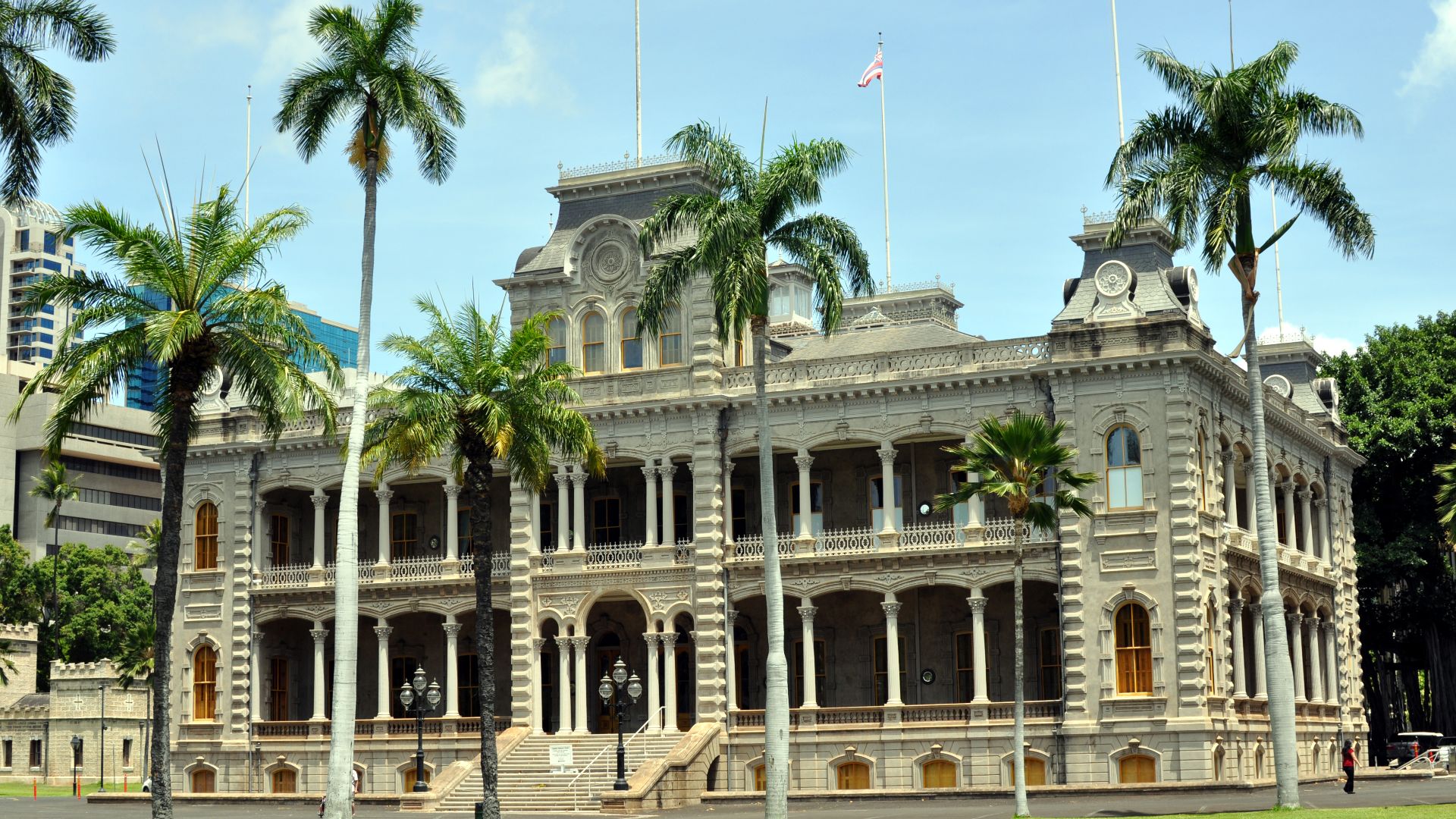 Don Ramey Logan, Wikimedia Commons
Dog Bark Park Inn In Idaho
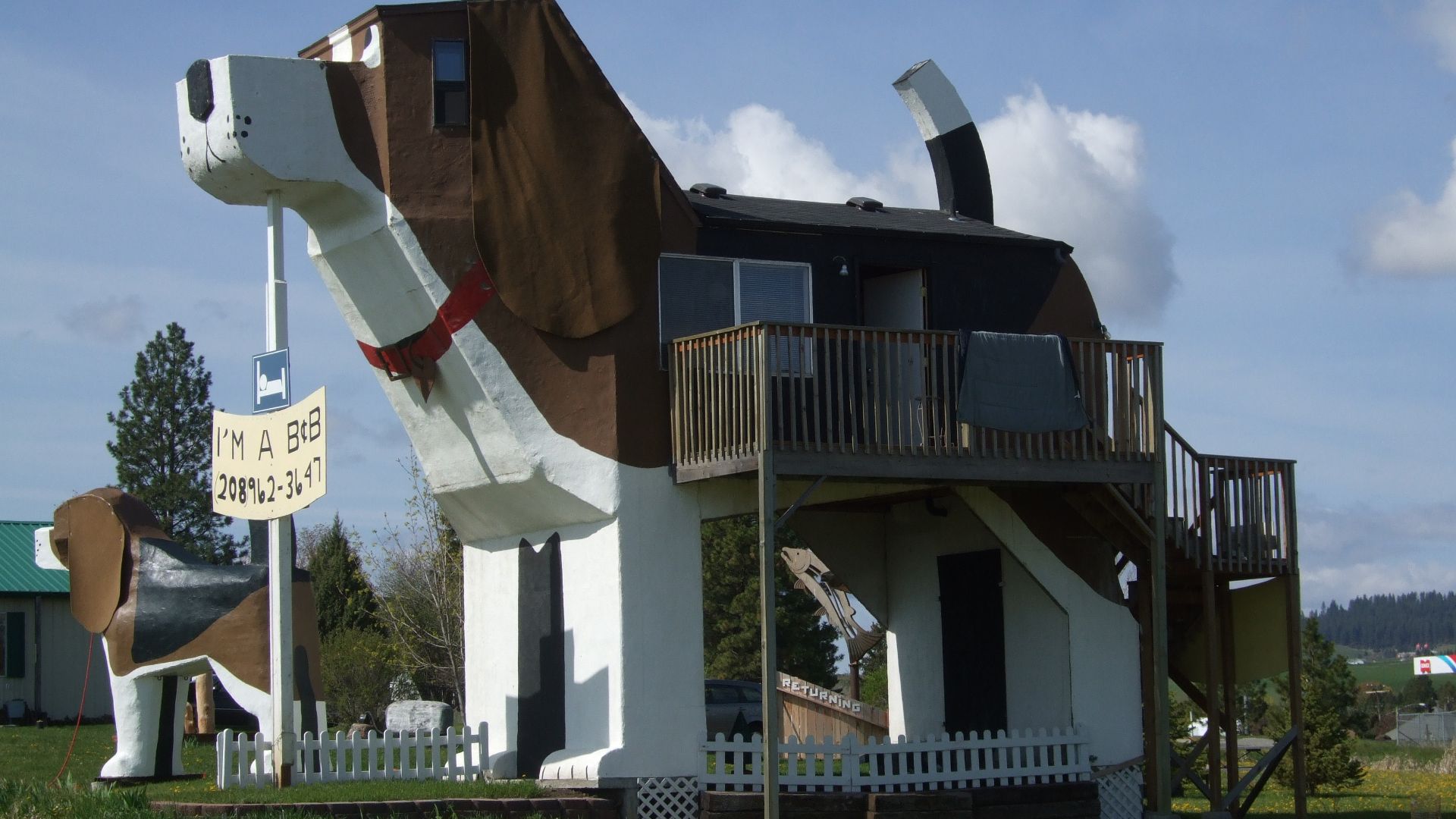
A giant beagle sitting off the road in Cottonwood sets up one of the country’s quirkiest places to stay. Completed in 2003, the 30-foot-tall structure serves as a bed-and-breakfast. Guests enter through the dog’s body and admire the workmanship of chainsaw artists Dennis Sullivan and Frances Conklin.
The Rookery In Illinois
Chicago’s skyline tells many stories, and this 1888 office building adds a chapter of its own. Considered one of the city’s oldest high-rises, the place later received a 1905 lobby redesign by Frank Lloyd Wright. Its name recalls birds once crowding the city hall and the fire station.
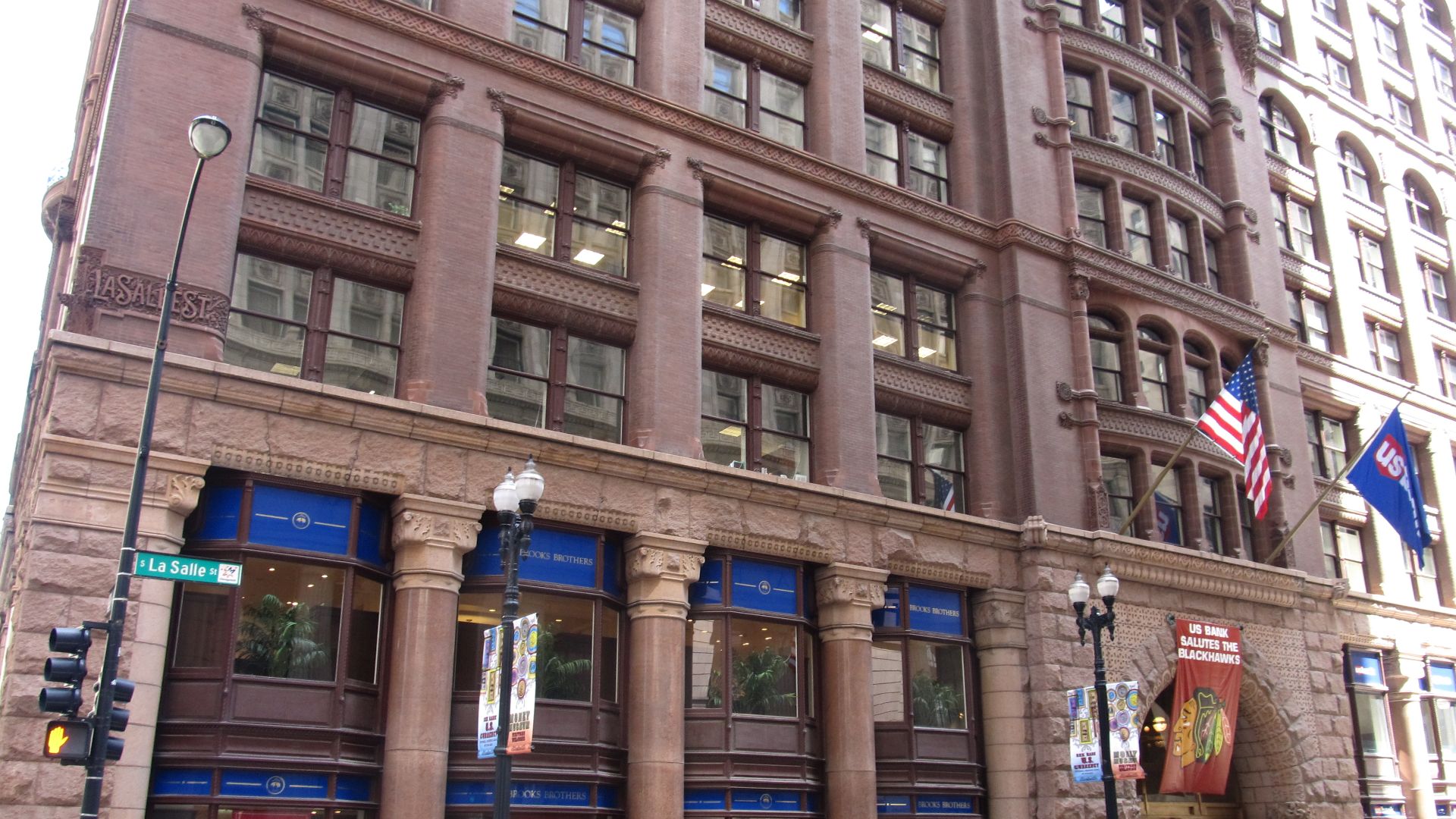 Ken Lund from Reno, Nevada, USA, Wikimedia Commons
West Baden Springs Hotel In Indiana
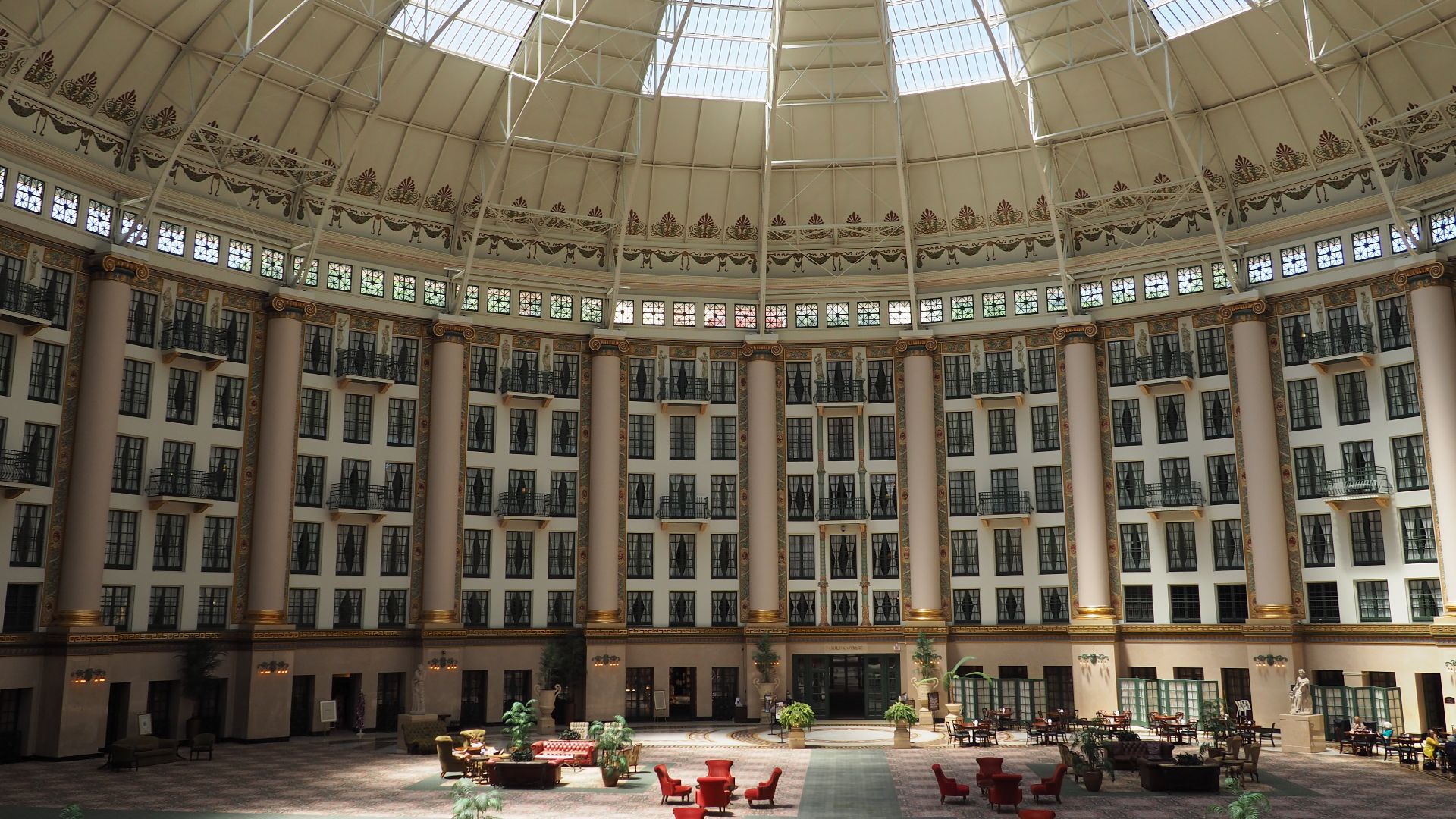
Visitors stepping under the 200-foot free-span dome understand why the hotel was once called the “Eighth Wonder of the World”. Completed in 1902, it held the record for the world’s largest dome until 1955. Over time, it has served as a Jesuit seminary and military hospital.
American Gothic House In Iowa
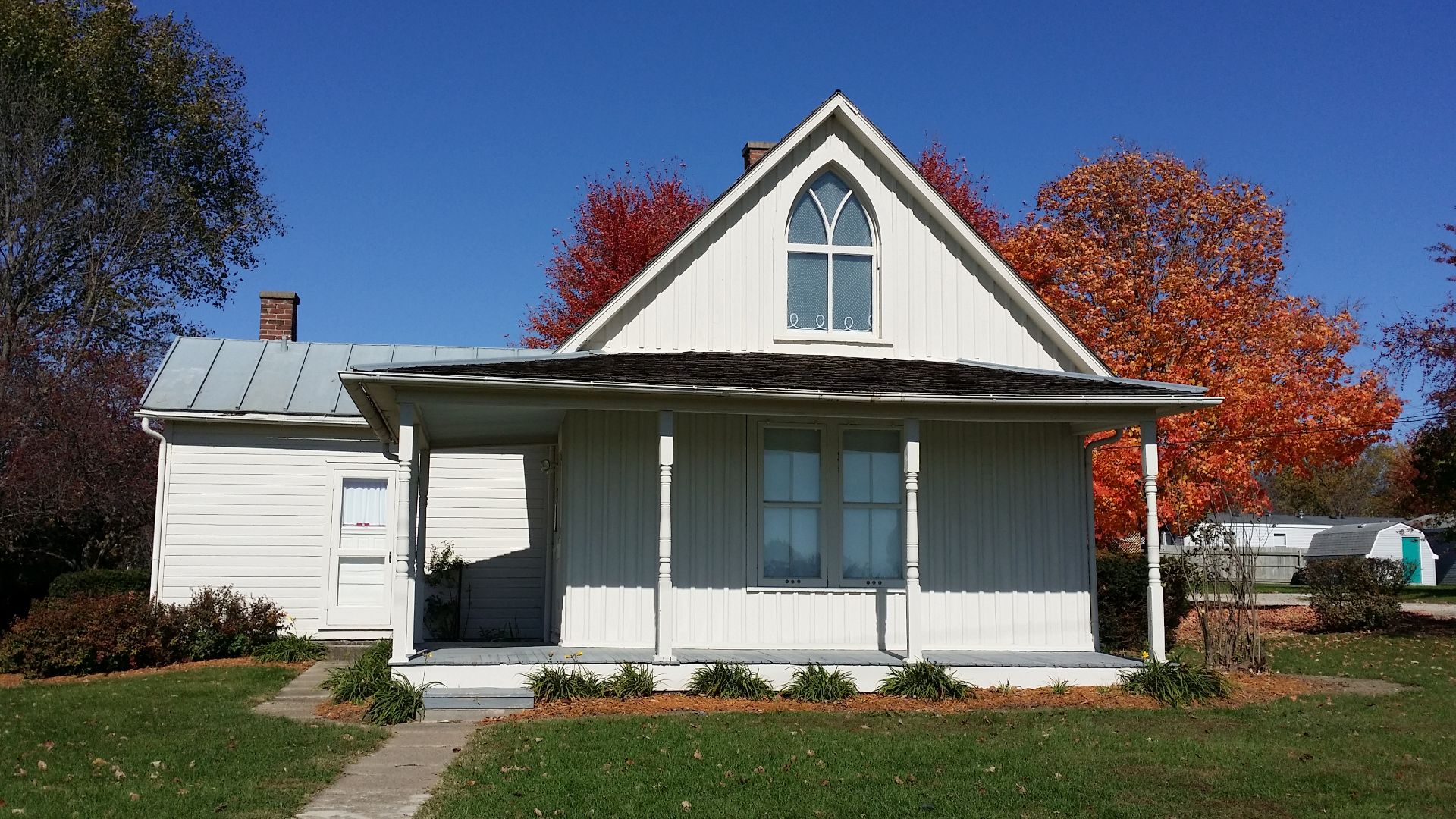
Grant Wood used a simple white cottage in Eldon as the backdrop for his 1930 painting American Gothic, giving the Dibble House lasting fame. The cottage draws fans today, while Iowa’s Figge Art Museum stands out for its modern architecture and Wood collection.
 Eric Friedebach, Wikimedia Commons
Kansas State Capitol In Kansas
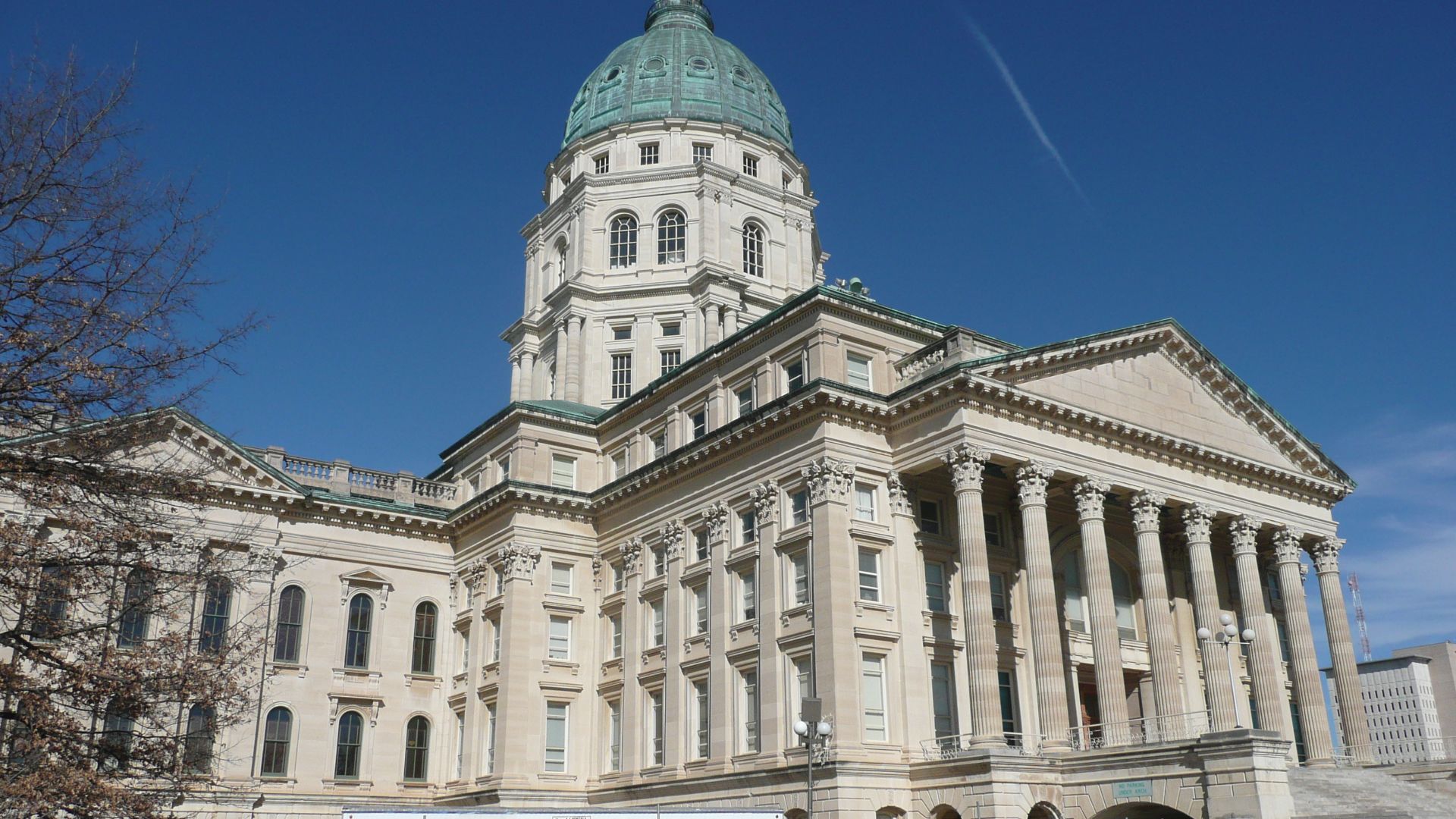
Construction stretched from 1866 to 1903, and this left Topeka with a capitol crowned by a 304-foot copper dome. Taller than the one in Washington, DC, it anchors a building known for striking details such as John Steuart Curry’s John Brown mural.
Churchill Downs (Twin Spires) In Kentucky
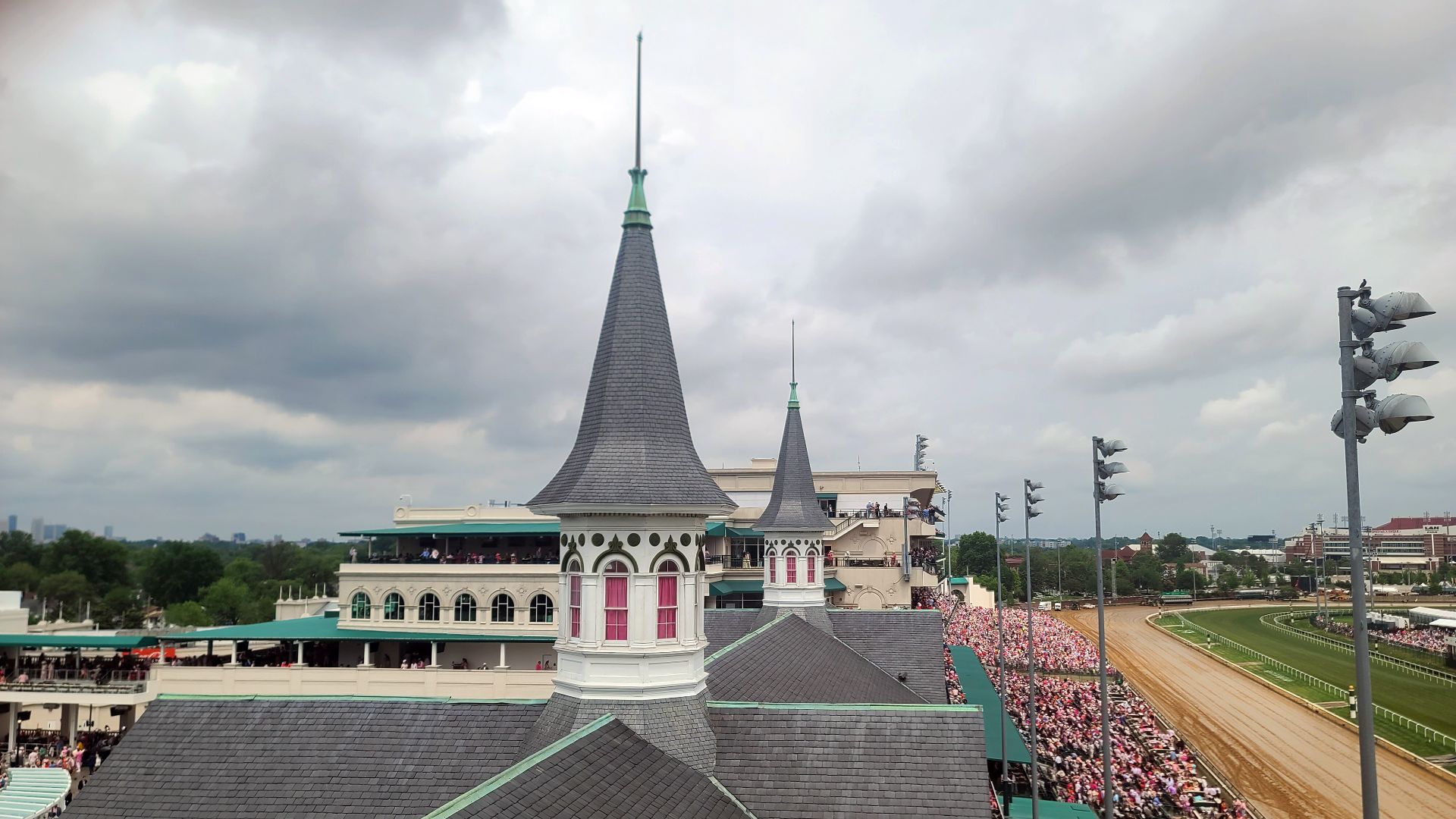
Racetrack traditions began with the first Kentucky Derby in 1875. The twin spires, added in 1895 and designed by Joseph Dominic Baldez, soon became the track’s signature. Today, Churchill Downs remains one of the world’s most recognized sporting venues, with the Derby drawing global attention every spring.
St Louis Cathedral In Louisiana
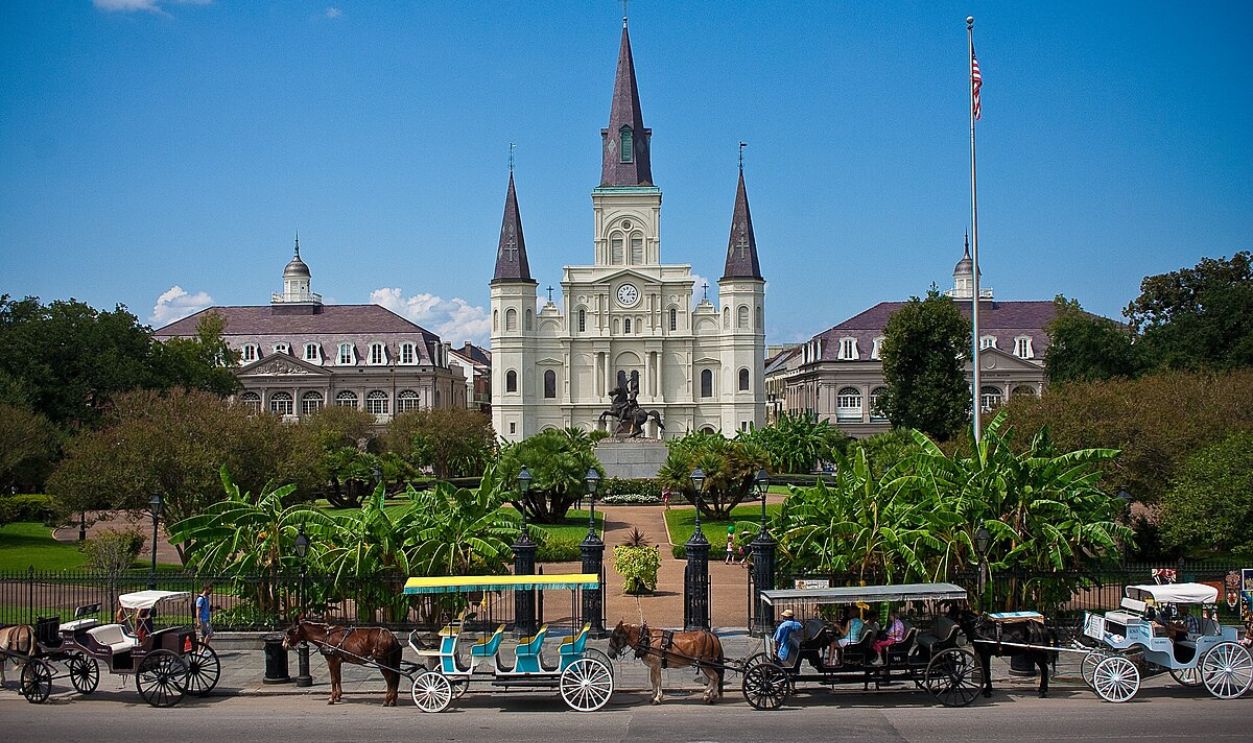
Jackson Square feels anchored by this landmark, whose origins reach back to 1789. It’s the oldest continuously active Roman Catholic cathedral in the United States, though its present form emerged in the 1850s after earlier damage. A memorable moment arrived in 1987 with Pope John Paul II’s visit.
 Royalpt78, CC BY-SA 3.0, Wikimedia Commons
Portland Observatory In Maine
Sitting high above Portland Harbor since 1807, this 86-foot wooden tower remains the only surviving historic maritime signal tower in the United States. Visitors climbing to the top see the same sweeping views of Portland and Casco Bay that mariners once relied on.
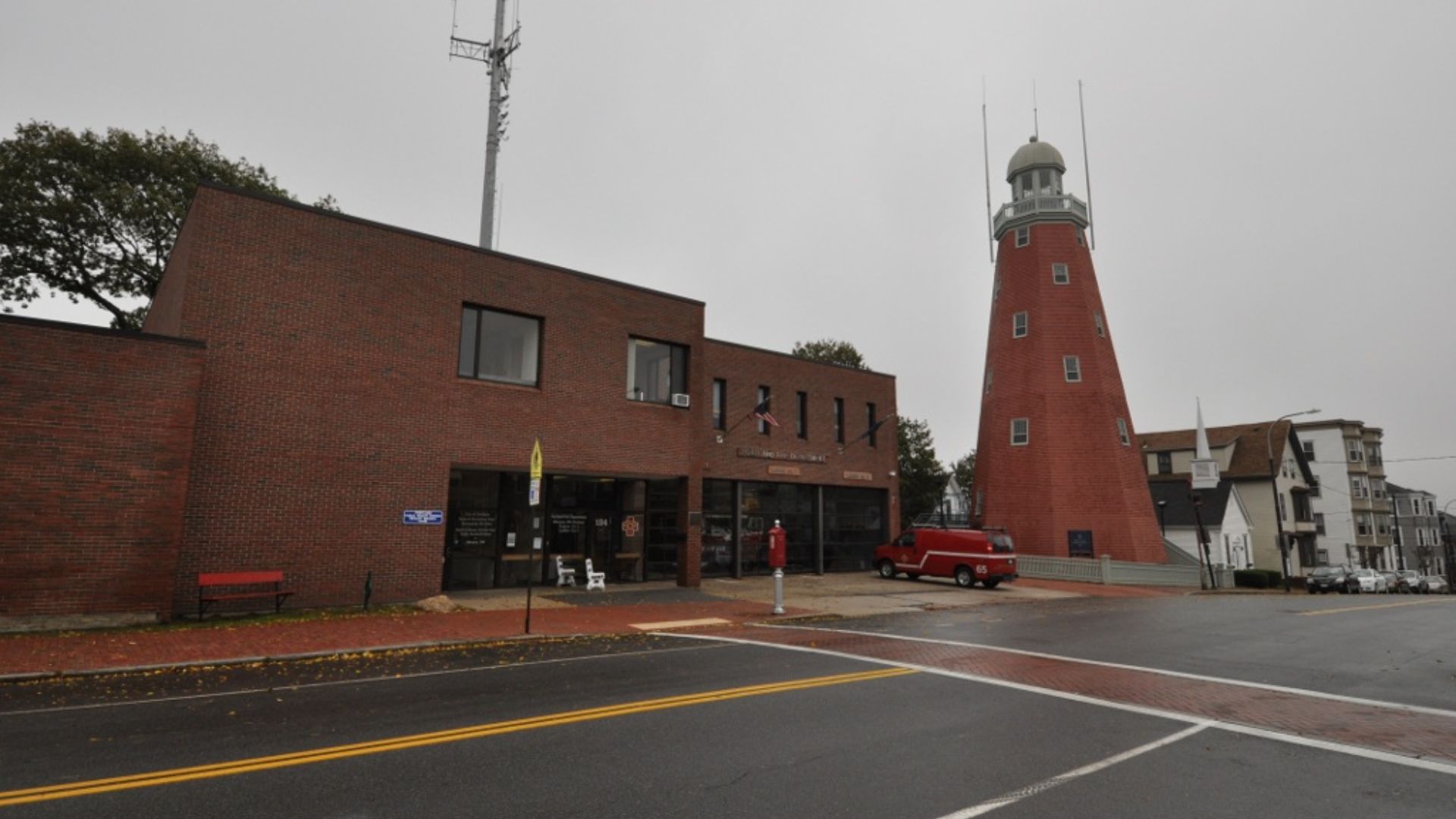 User:Magicpiano, Wikimedia Commons
Maryland State House In Maryland
History unfolded inside this 1772 Capitol, still active for legislative use. The wooden dome, built entirely without nails, stands as the largest of its kind in the country. Congress met here from 1783 to 1784, and George Washington resigned his commission in the building.
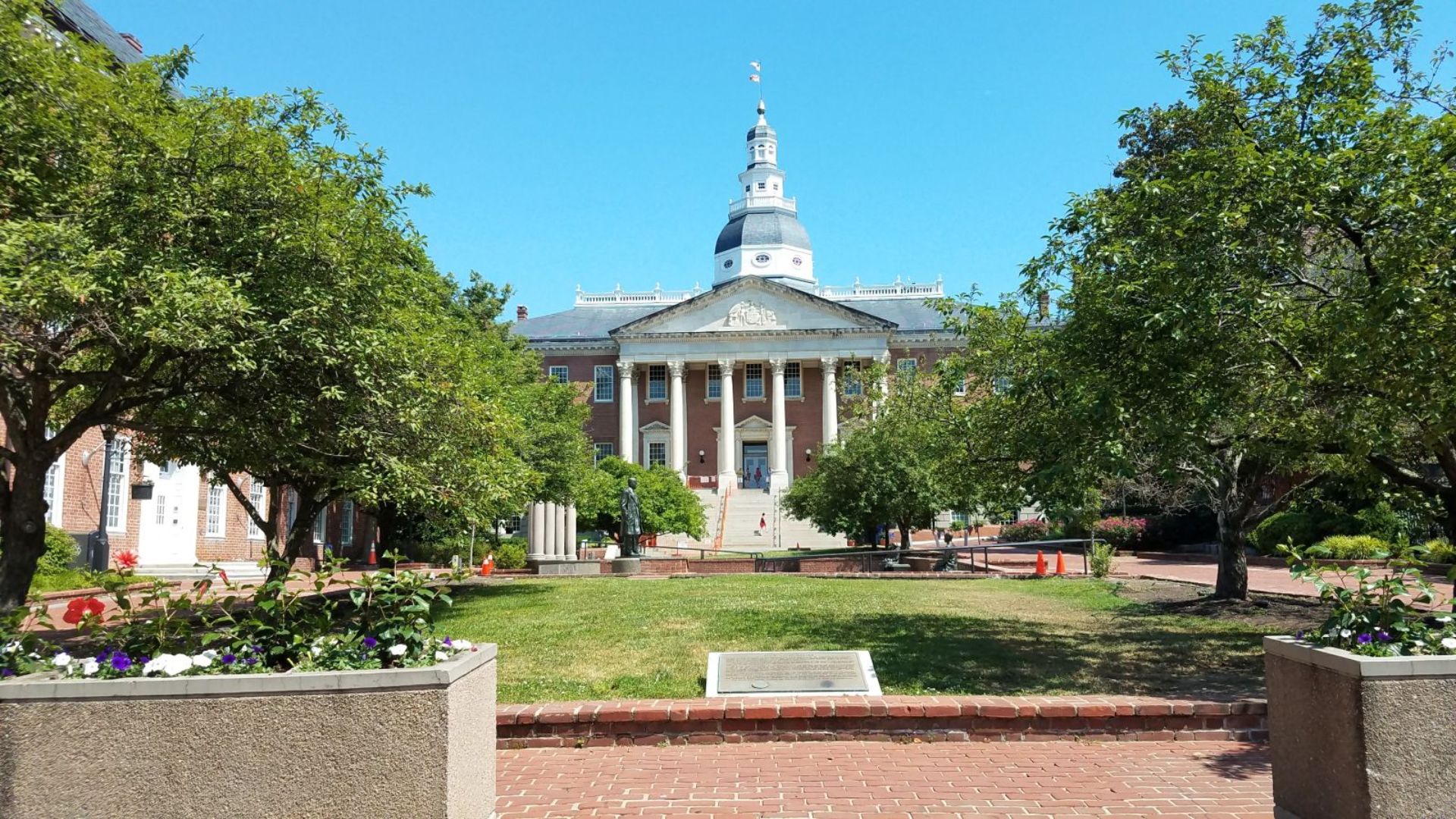 Upstateherd, Wikimedia Commons
MIT Stata Center In Massachusetts
Curiosity often begins with Simmons Hall, the “sponge-like” dorm known for its porous facade and bold presence. Its design puts MIT on countless coolest-building lists. Nearby, the Ray and Maria Stata Center brings its own drama, where Frank Gehry’s deconstructivist forms shape research labs and collaborative spaces.
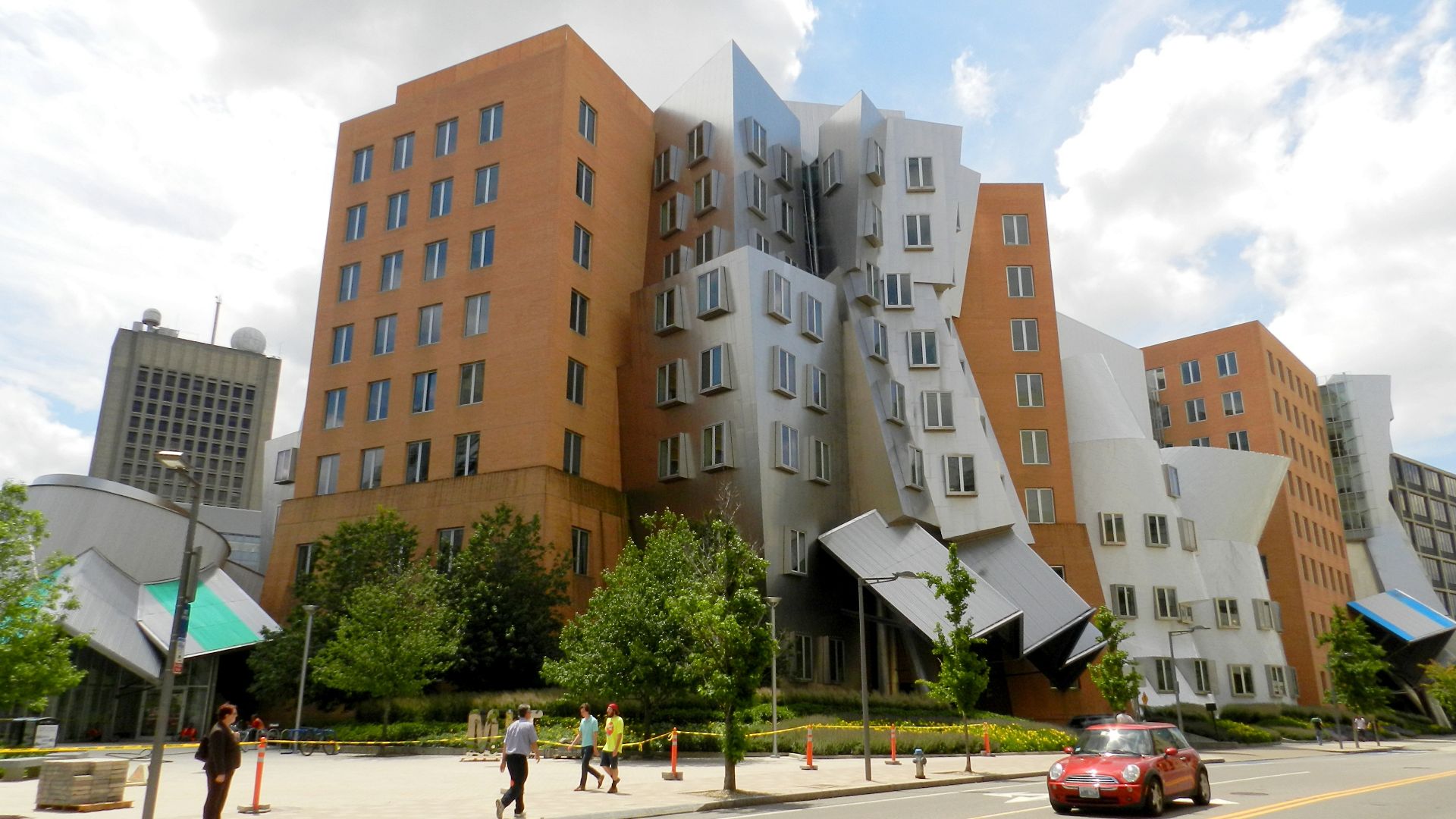 Pablo Valerio, Wikimedia Commons
Michigan Central Station In Michigan
Detroit’s story shifts dramatically when the 1913 rail depot comes into view. Designed by the architects behind Grand Central Terminal, the Beaux-Arts station once welcomed travelers from across the country. After being abandoned in 1988, it sat empty for decades until Ford Motor Company bought it in 2018.
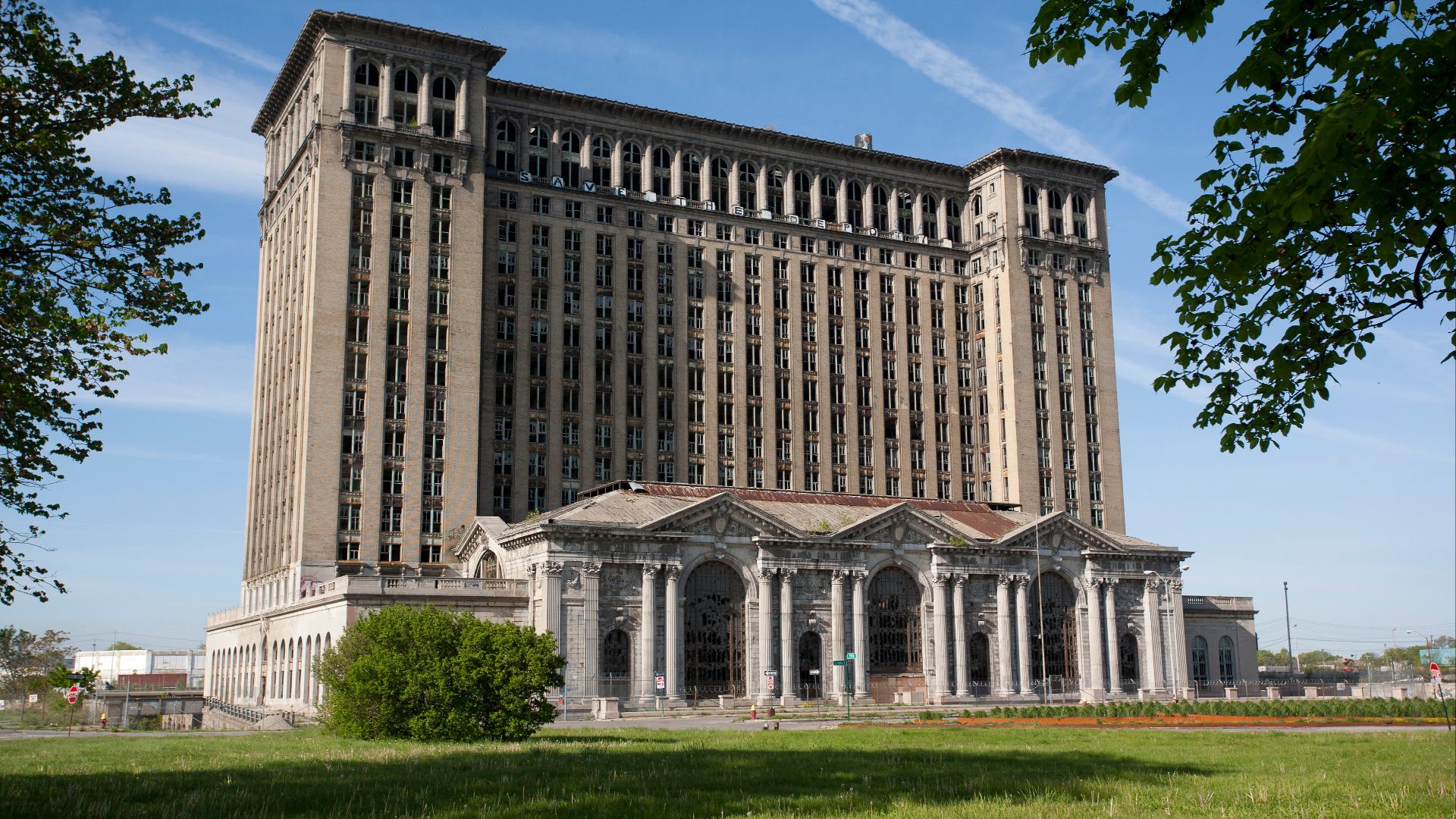 Albert duce, Wikimedia Commons
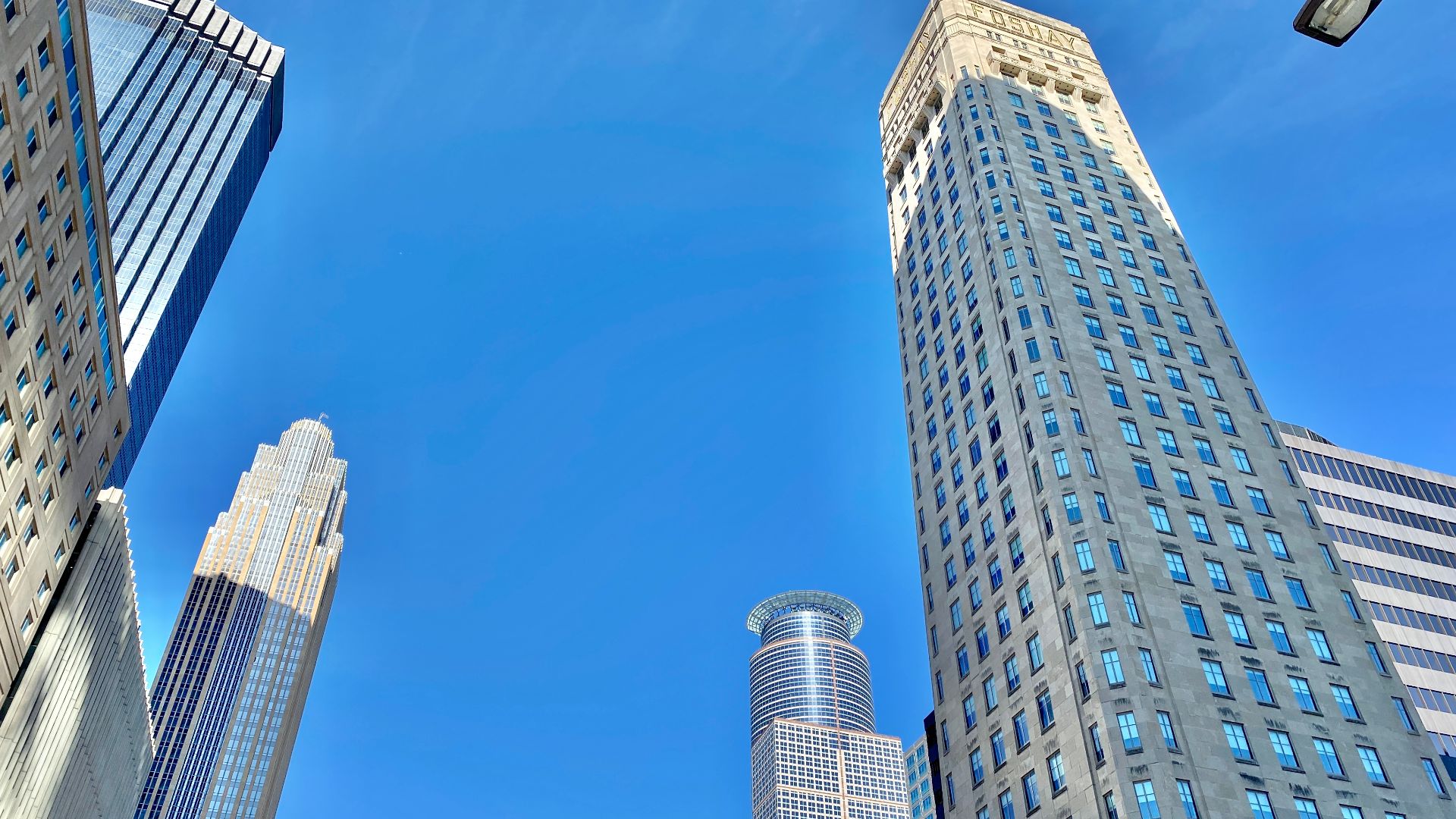
Foshay Tower In Minnesota
A glance at Minneapolis in 1929 meant seeing this Washington Monument–inspired skyscraper standing far above its neighbors. The 447-foot tower stayed the city’s tallest until 1972. Its grand opening included a performance by John Philip Sousa, who wrote a march for the event.
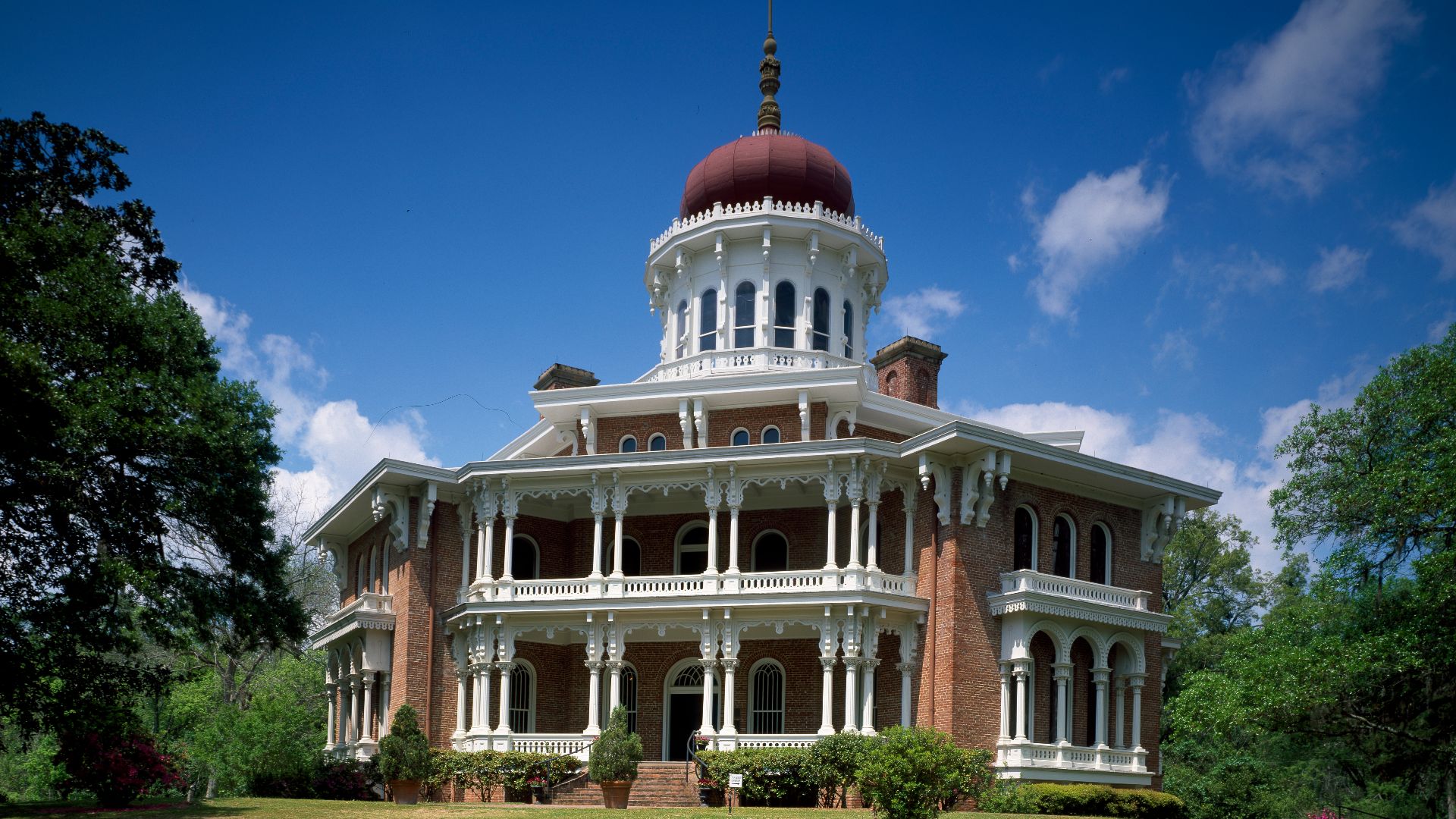
Longwood Plantation In Mississippi
Natchez holds a rare eight-sided architectural experiment that never reached its full plan. Construction began in 1859 on what would have been the nation’s largest octagonal house, but the Civil War stopped the project. Nicknamed “Nutt’s Folly,” it retains a basement preserved exactly as it appeared in the 1860s.
 Carol M. Highsmith, Wikimedia Commons
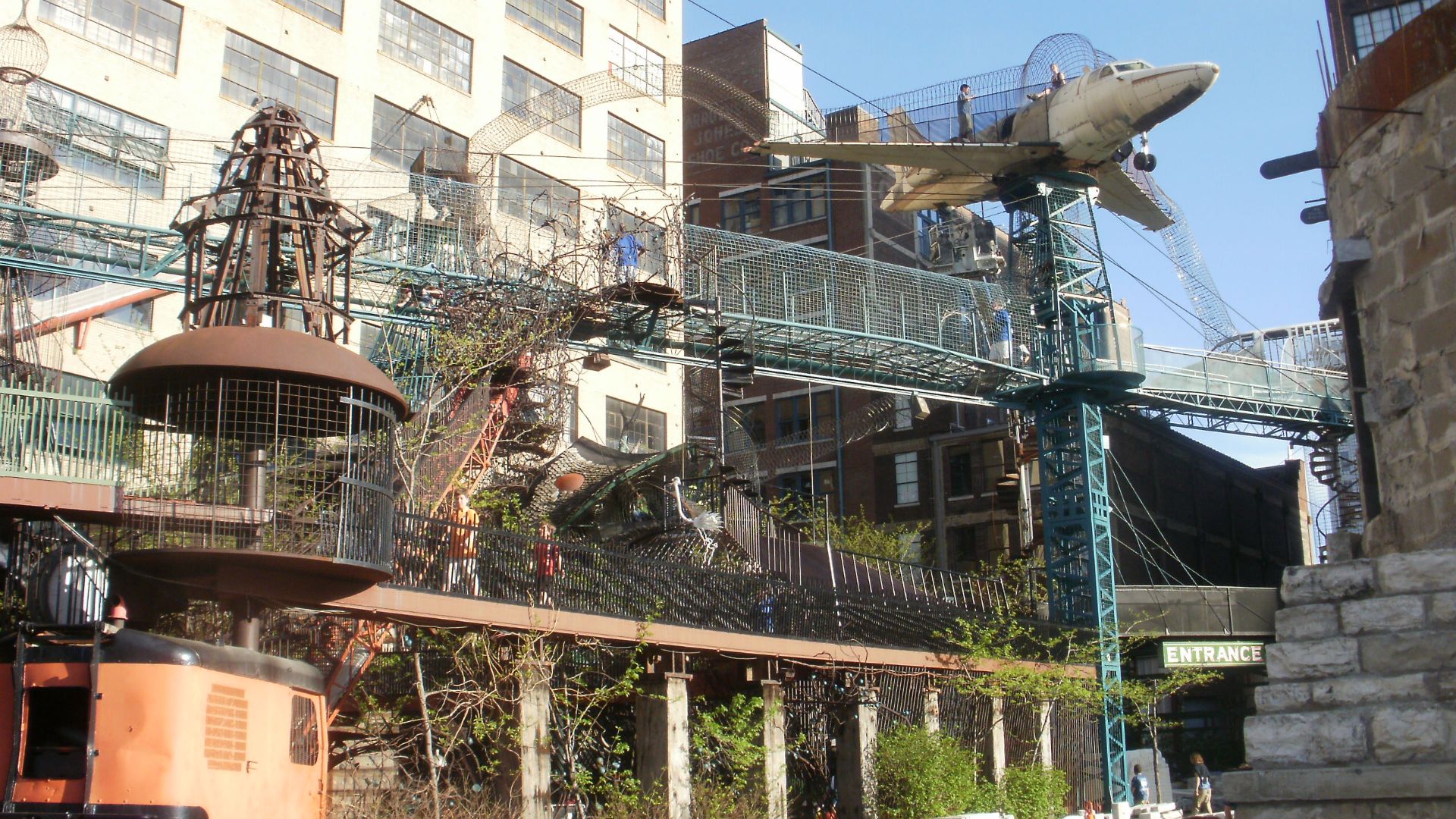
City Museum Building In Missouri
A former shoe factory doesn’t usually suggest slides or rooftop thrills, yet this 1997 creation leans fully into reinvention. Sculptor Bob Cassilly upgraded the warehouse with repurposed architectural and industrial pieces. Visitors now encounter a rooftop Ferris wheel and a school bus dramatically perched along the building’s edge.
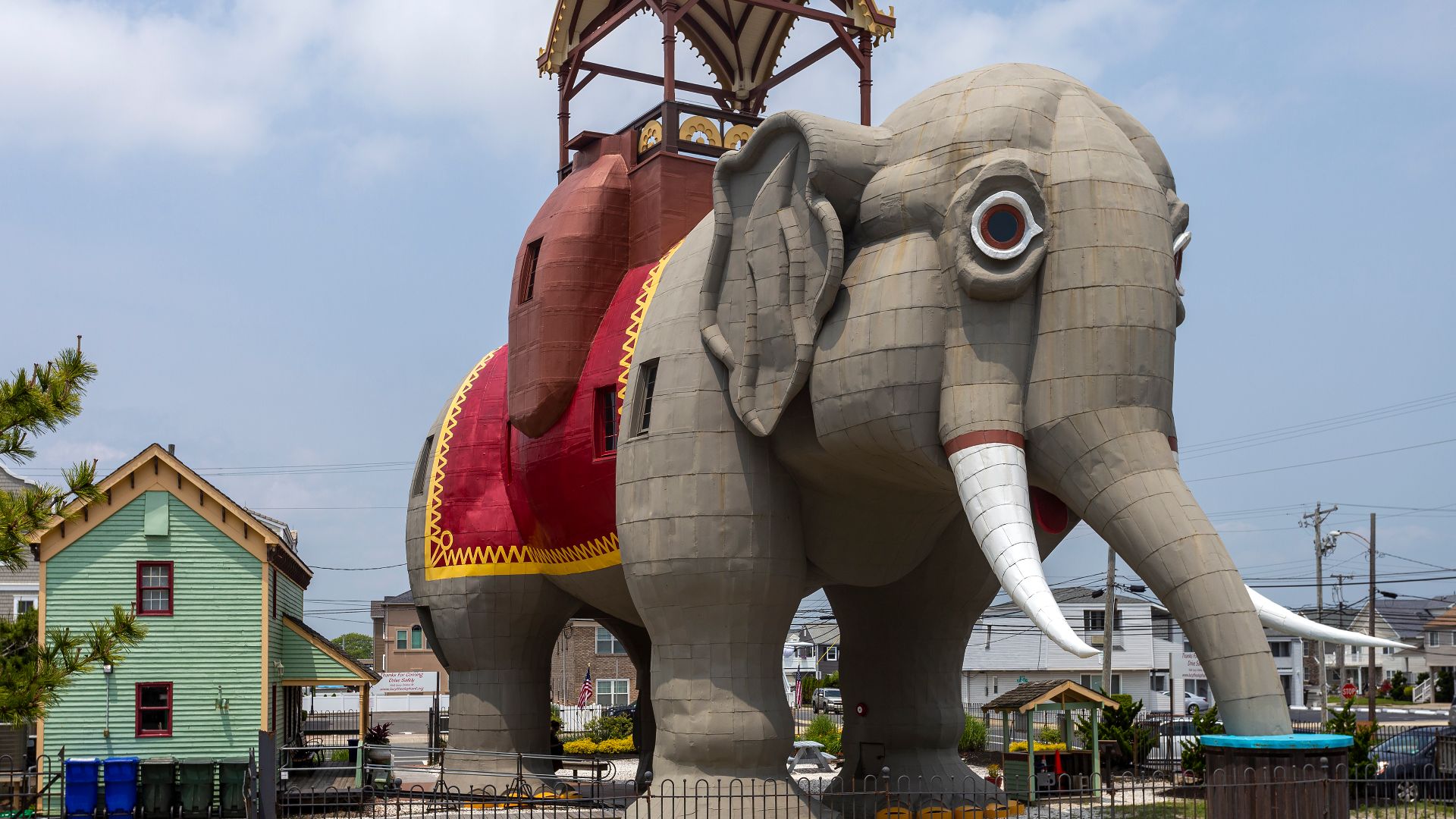
Lucy The Elephant In New Jersey
Real estate promotion looked a little different in 1882, when James V Lafferty built a six-story elephant by the Margate City shoreline. Prospective buyers climbed to the howdah for panoramic views. Today, Lucy stands as a National Historic Landmark and one of America’s oldest surviving roadside attractions.
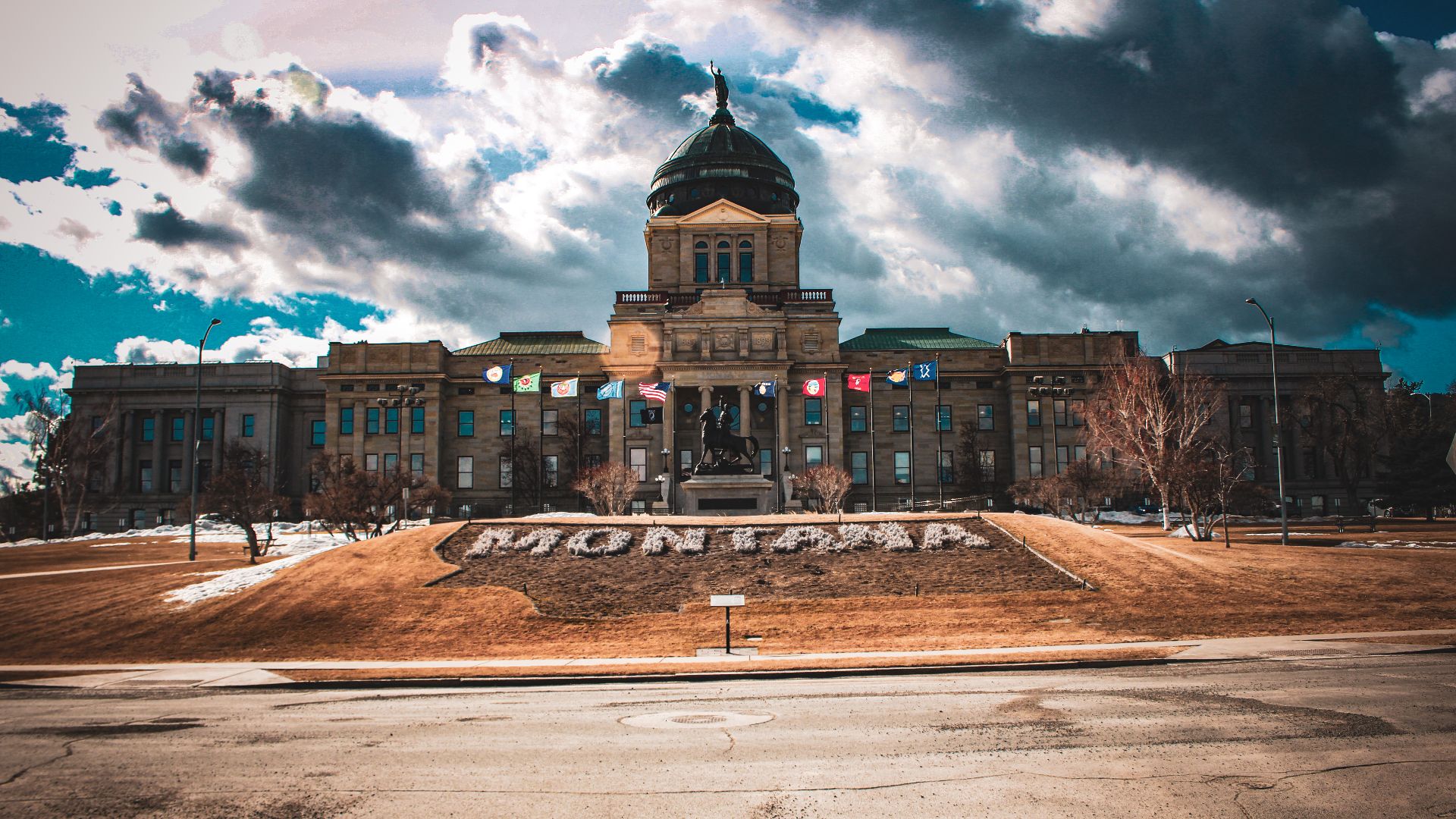
Montana State Capitol In Montana
Helena’s neoclassical Capitol rises from a hill with a copper statue called “Montana” on its dome. Built between 1896 and 1902, the structure features four rotunda paintings portraying chapters of state history. The statue represents Liberty, though it’s rarely mistaken for the New York one.
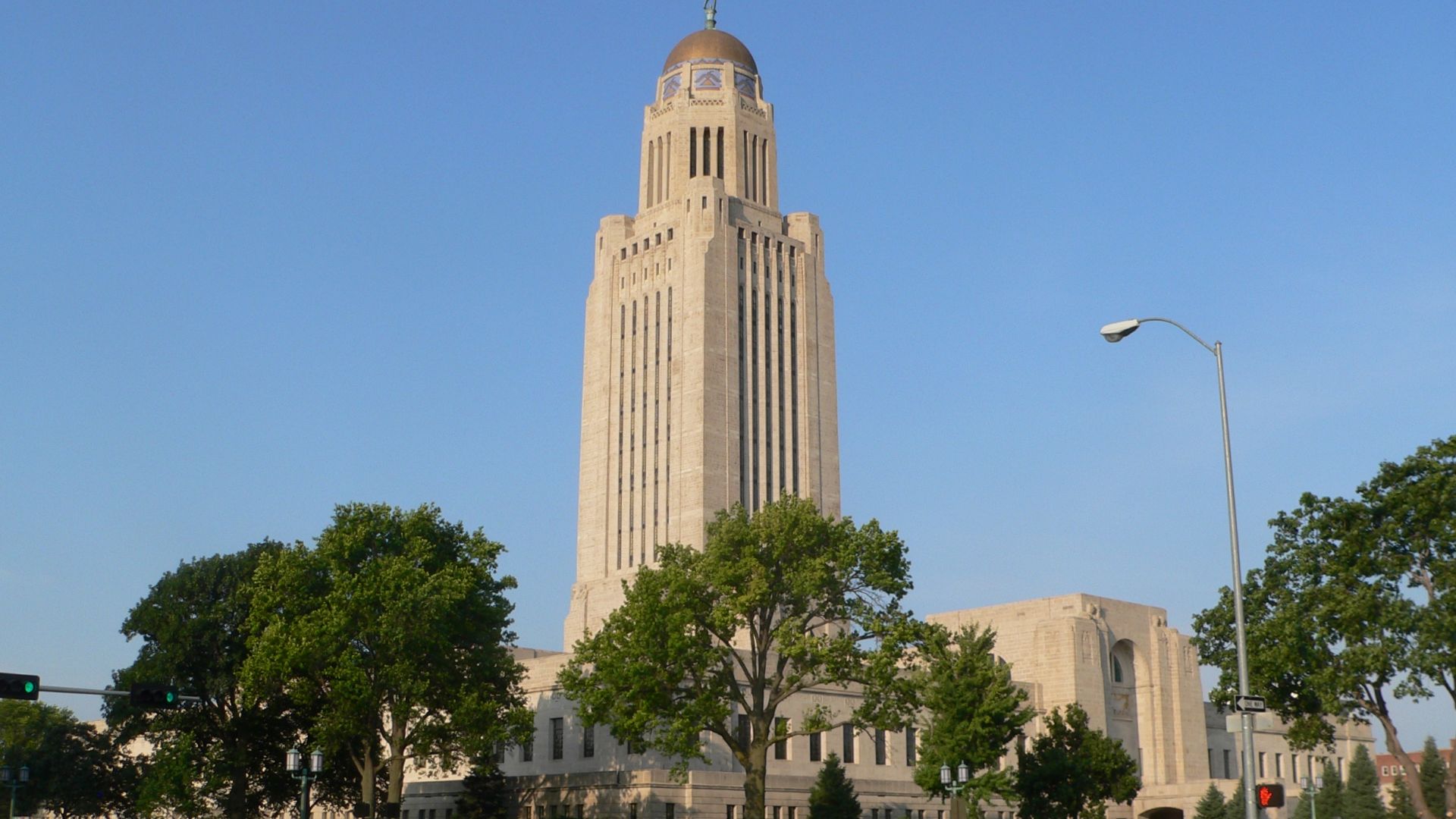
Nebraska State Capitol In Nebraska
Instead of a traditional dome-topped design, Lincoln’s Capitol stretches upward into a 400-foot tower completed in 1932. Architect Bertram Goodhue’s striking silhouette earned it the nickname “Tower on the Plains”. Inside, mosaics and murals map out Nebraska’s cultural and historical stories.
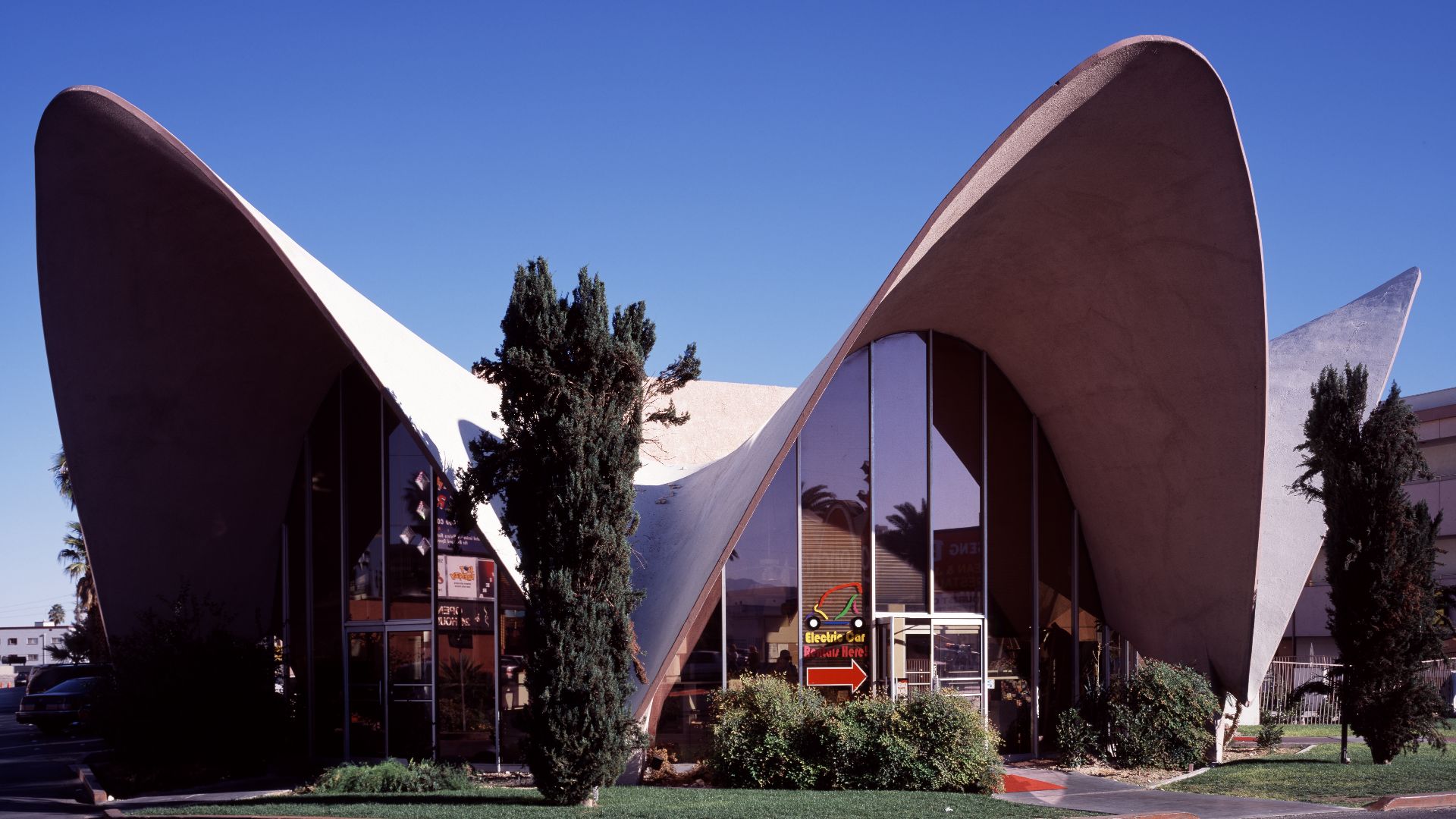
The Neon Museum (La Concha Lobby) In Nevada
Las Vegas nostalgia gathers here, where historic neon signs retired from the Strip find a second life. The visitor center sits inside the restored La Concha Motel lobby, a mid-century modern landmark moved in eight pieces in 2006. The surrounding Neon Boneyard displays more than 200 glowing relics.
 Carol M. Highsmith, Wikimedia Commons
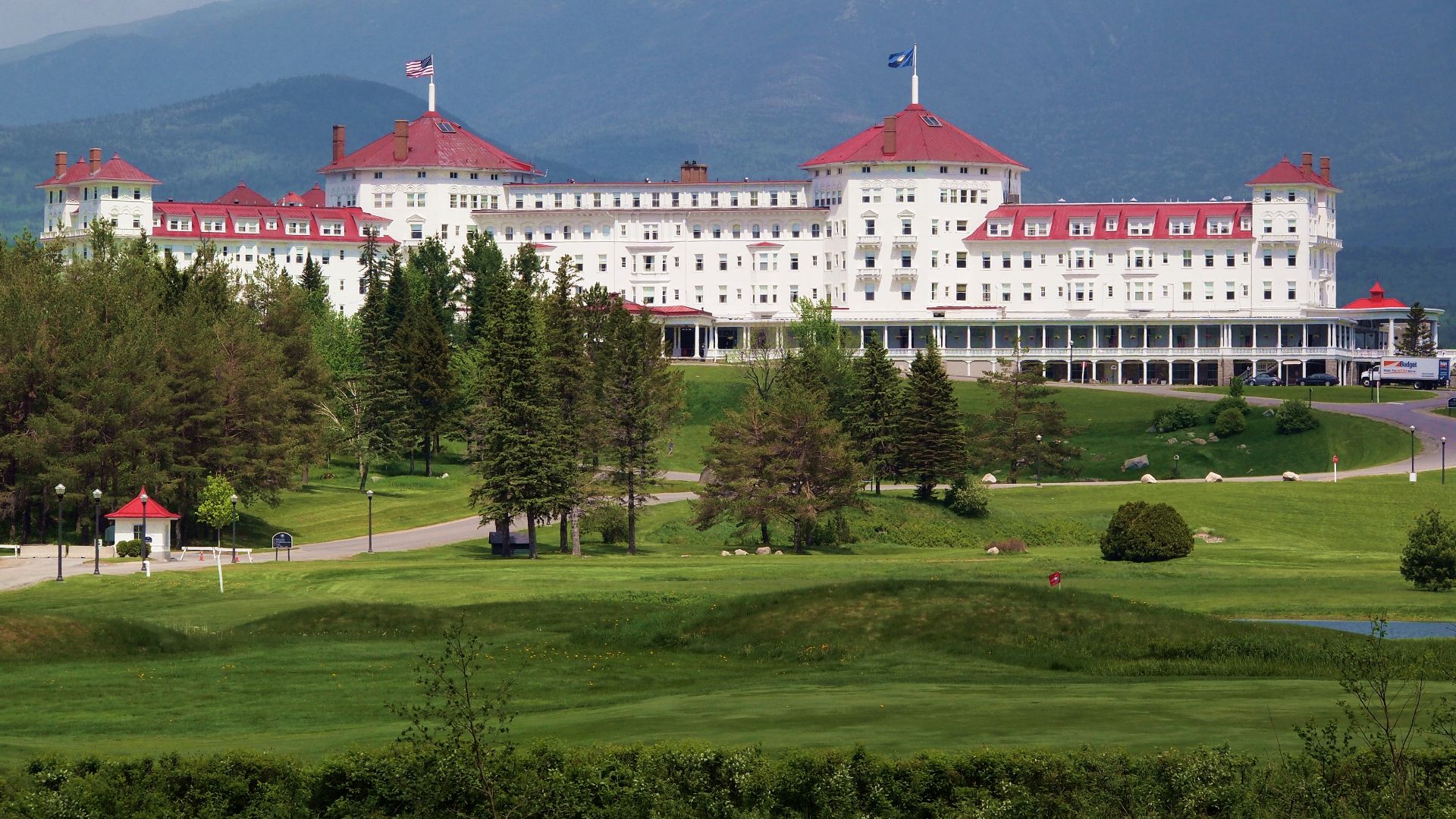
Mount Washington Hotel In New Hampshire
Bretton Woods gained global significance inside this grand 1902 resort, where the 1944 conference created the World Bank and IMF. Guests still trade stories about Carolyn Stickney’s ghost moving through its halls. The hotel’s 900-foot veranda stretches across the property and ranks among the longest in the country.
 rickpilot_2000 from Hooksett, USA, Wikimedia Commons
Taos Pueblo In New Mexico
Life has unfolded here for more than a thousand years, with adobe homes shaped from earth, straw, and water standing against the New Mexico sky. The community, a UNESCO World Heritage Site, sits on both sides of the Rio Pueblo.
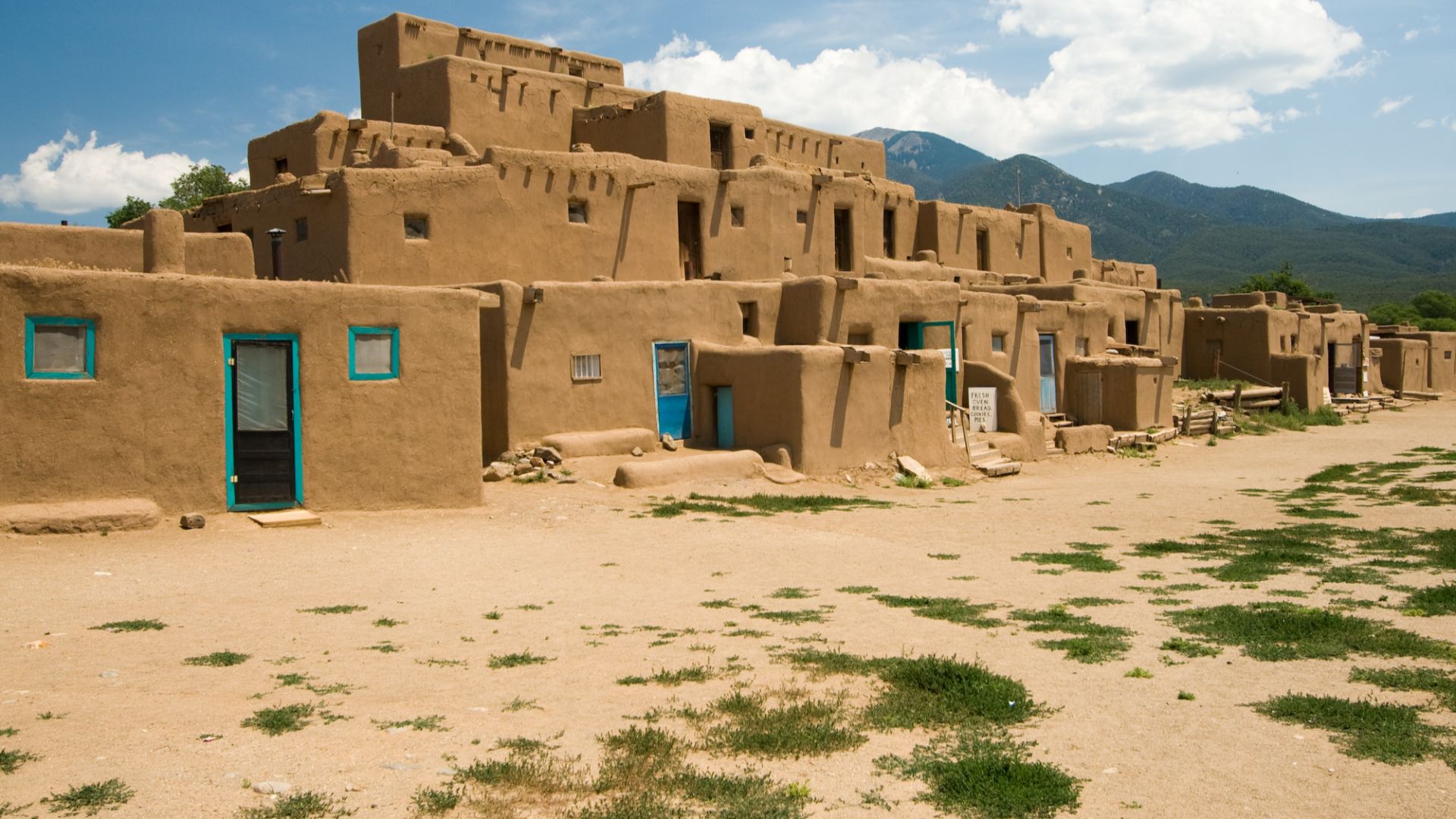 Luca Galuzzi (Lucag), Wikimedia Commons
Empire State Building In New York
The first sight of this 102-story tower brings back 1931, when it claimed the title of the world’s tallest building for about four decades. The spire began as a mooring mast for airships, an idea quickly abandoned. Fun fact: lightning strikes the skyscraper about 25 times a year.
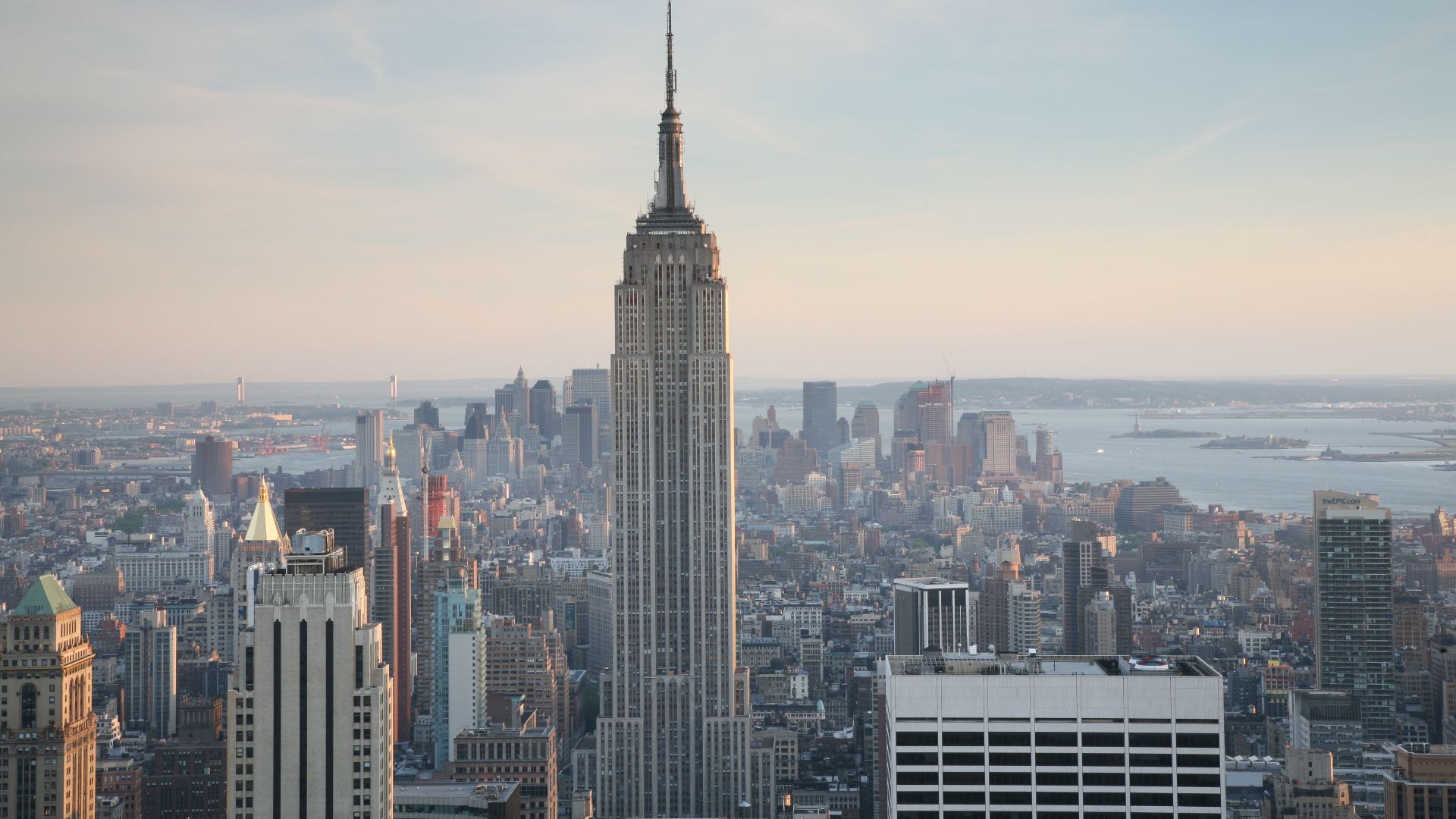 Daniel Schwen, Wikimedia Commons
Biltmore Estate In North Carolina
Asheville’s rolling hills reveal a 250-room mansion built by George Washington Vanderbilt II. It remains the largest privately owned home in the United States, designed in an elaborate Chateauesque style by Richard Morris Hunt. Surrounding gardens stretch outward, carrying the estate’s Gilded Age scale across the area.
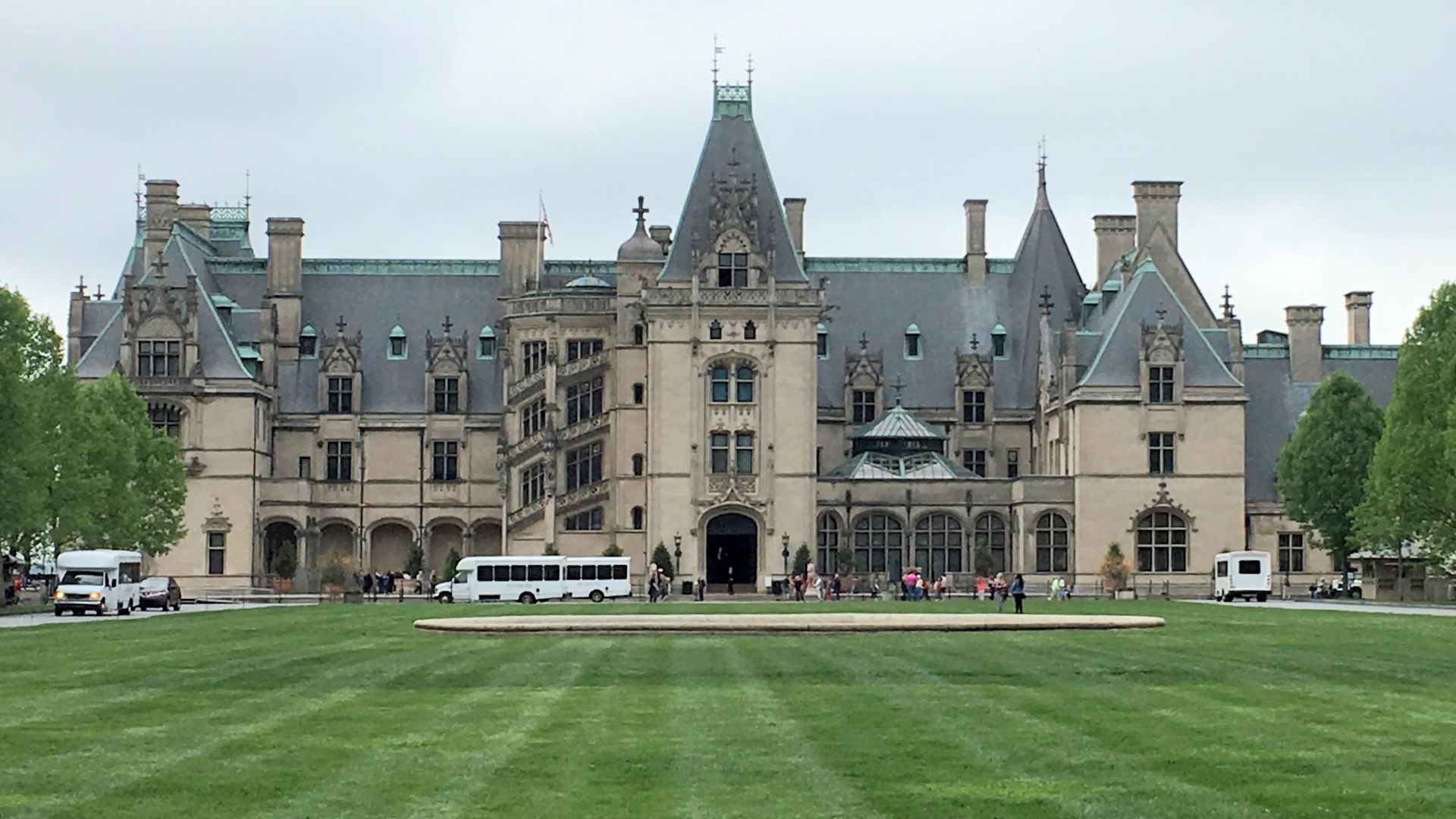 Carolschmidt333, Wikimedia Commons
North Dakota State Capitol In North Dakota
If you scan Bismarck’s skyline, the building that catches your eye first is the 241-foot state capitol. Finished in 1934 to replace one lost to fire, the 21-story tower breaks from dome-topped tradition. Locals still call it the “Skyscraper on the Prairie,” the state’s tallest structure.
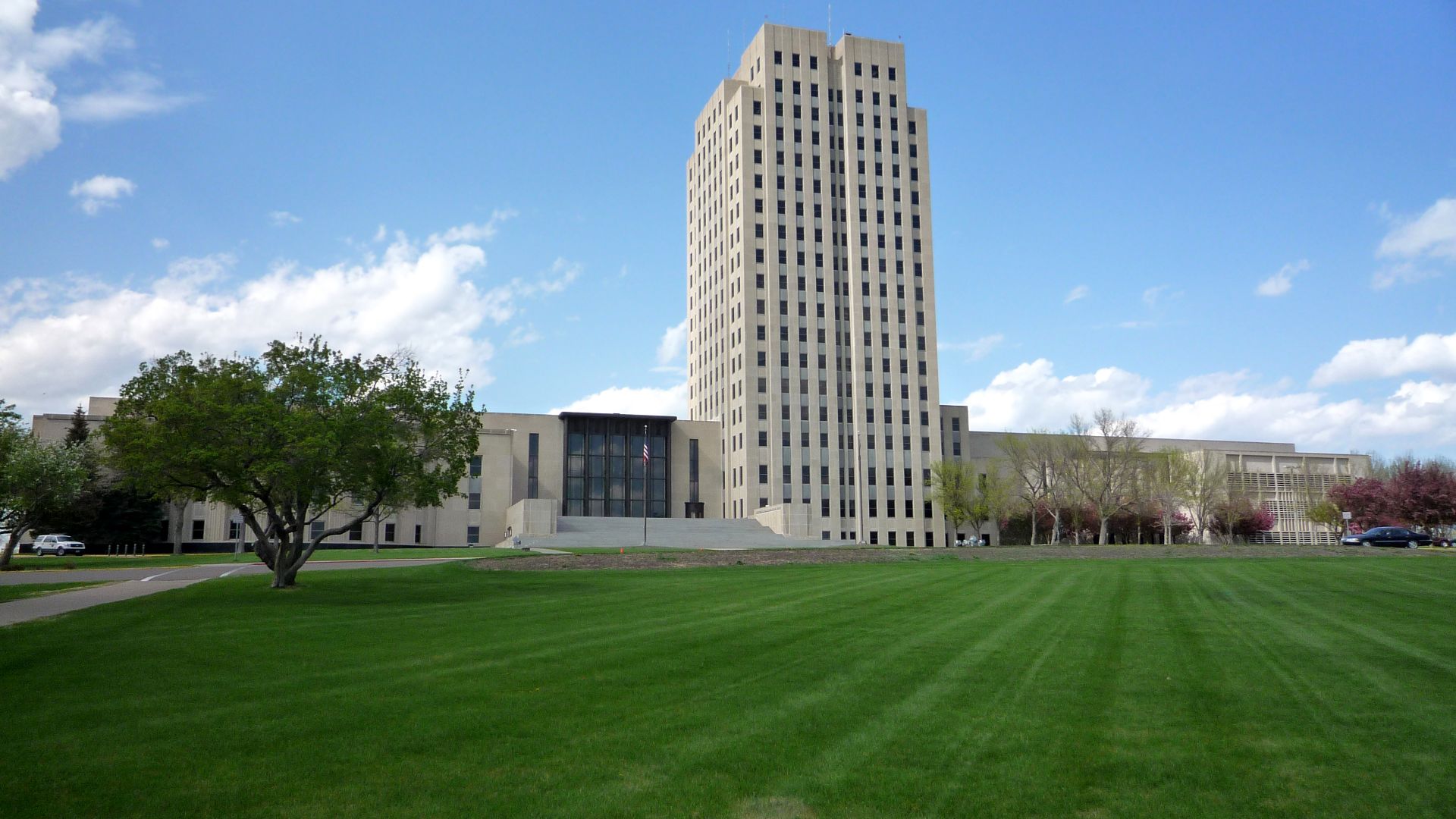 Bobak Ha'Eri, Wikimedia Commons
Rock And Roll Hall Of Fame In Ohio
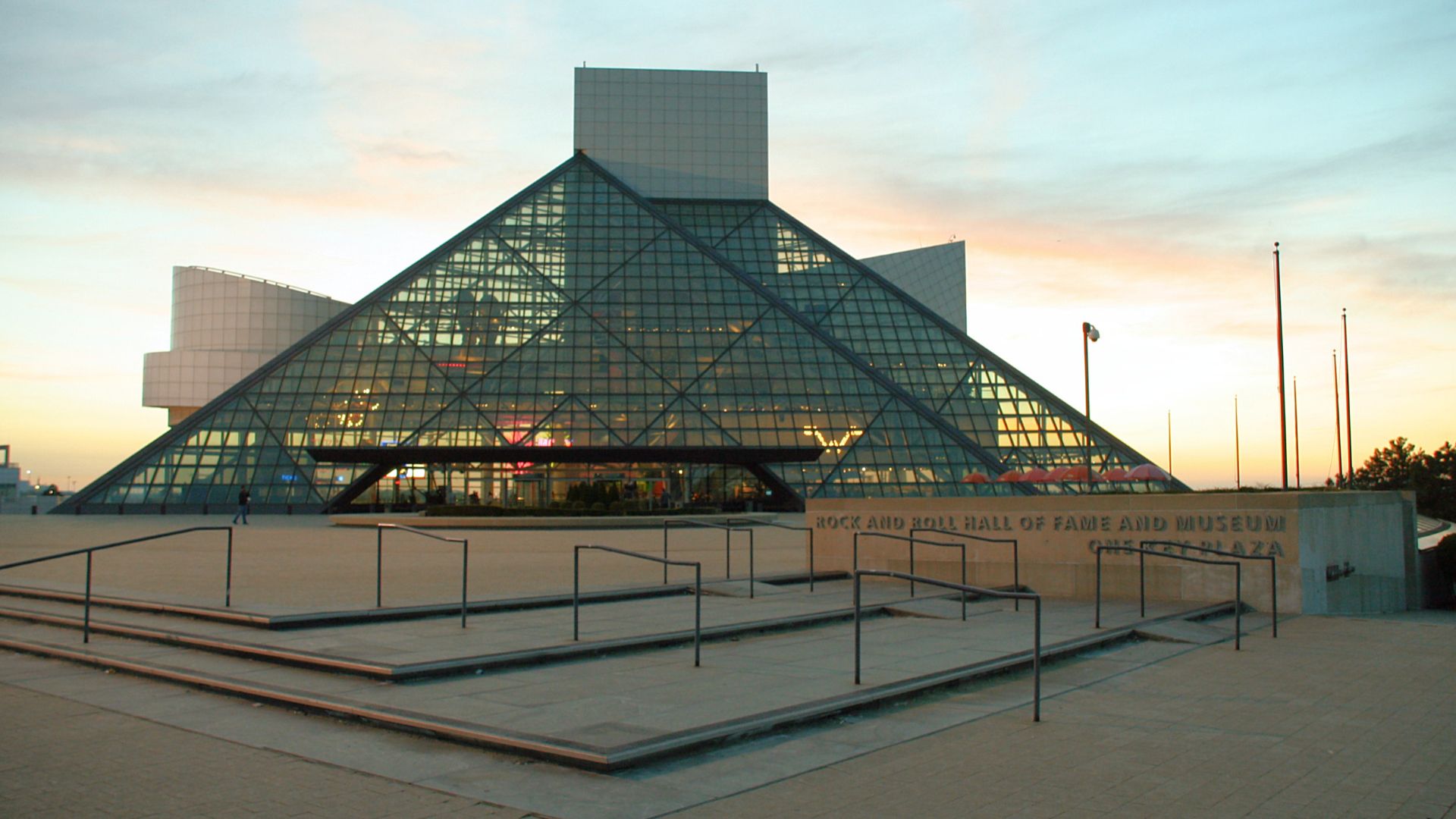
Many assume the glass pyramid nods to the Louvre, but IM Pei didn’t base Cleveland’s 1995 museum on his Paris landmark. The shape simply fit the city’s waterfront setting. Every year, the building comes alive again during induction ceremonies featuring legendary rock artists.
 Derek Jensen (Tysto), Wikimedia Commons
Price Tower In Oklahoma
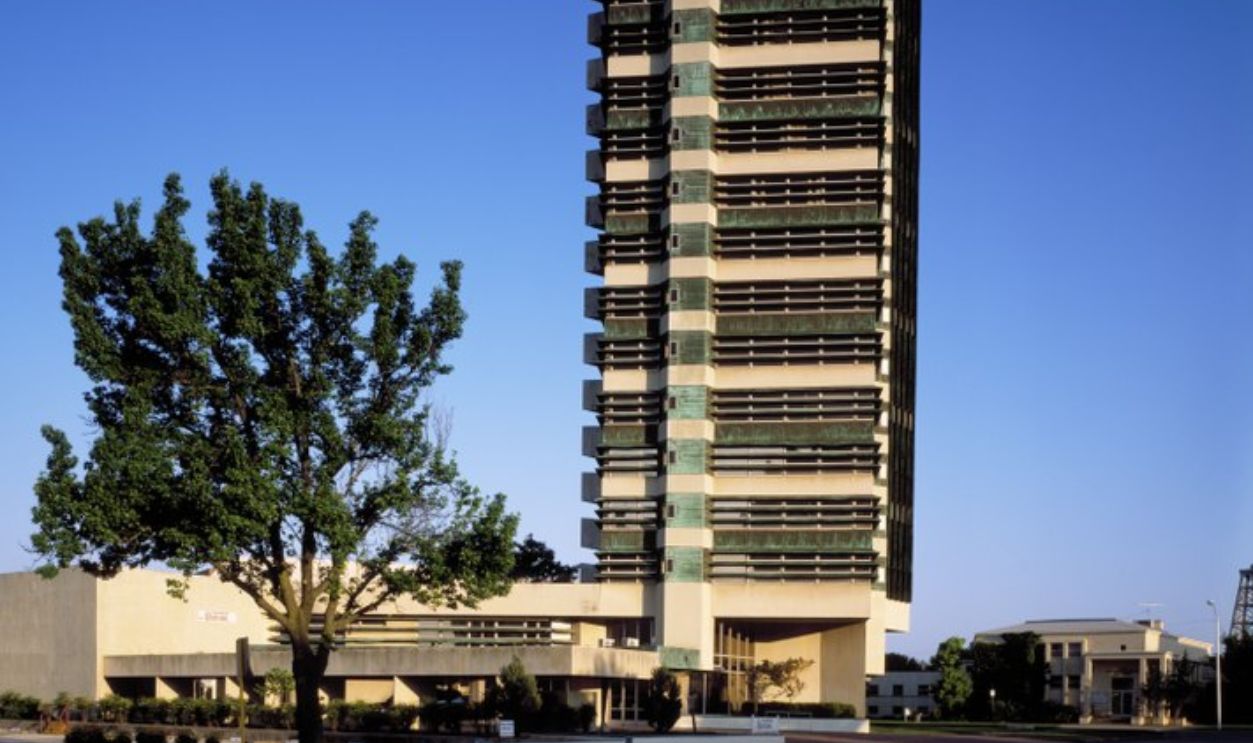
Bartlesville holds the only skyscraper Frank Lloyd Wright ever built. Completed in 1956, the 19-story structure originally housed offices for the HC Price Company. Wright shaped it like a tree, giving the tower a central “trunk” and cantilevered floors that branch outward.
 Carol M. Highsmith, Wikimedia Commons
Pittock Mansion In Oregon
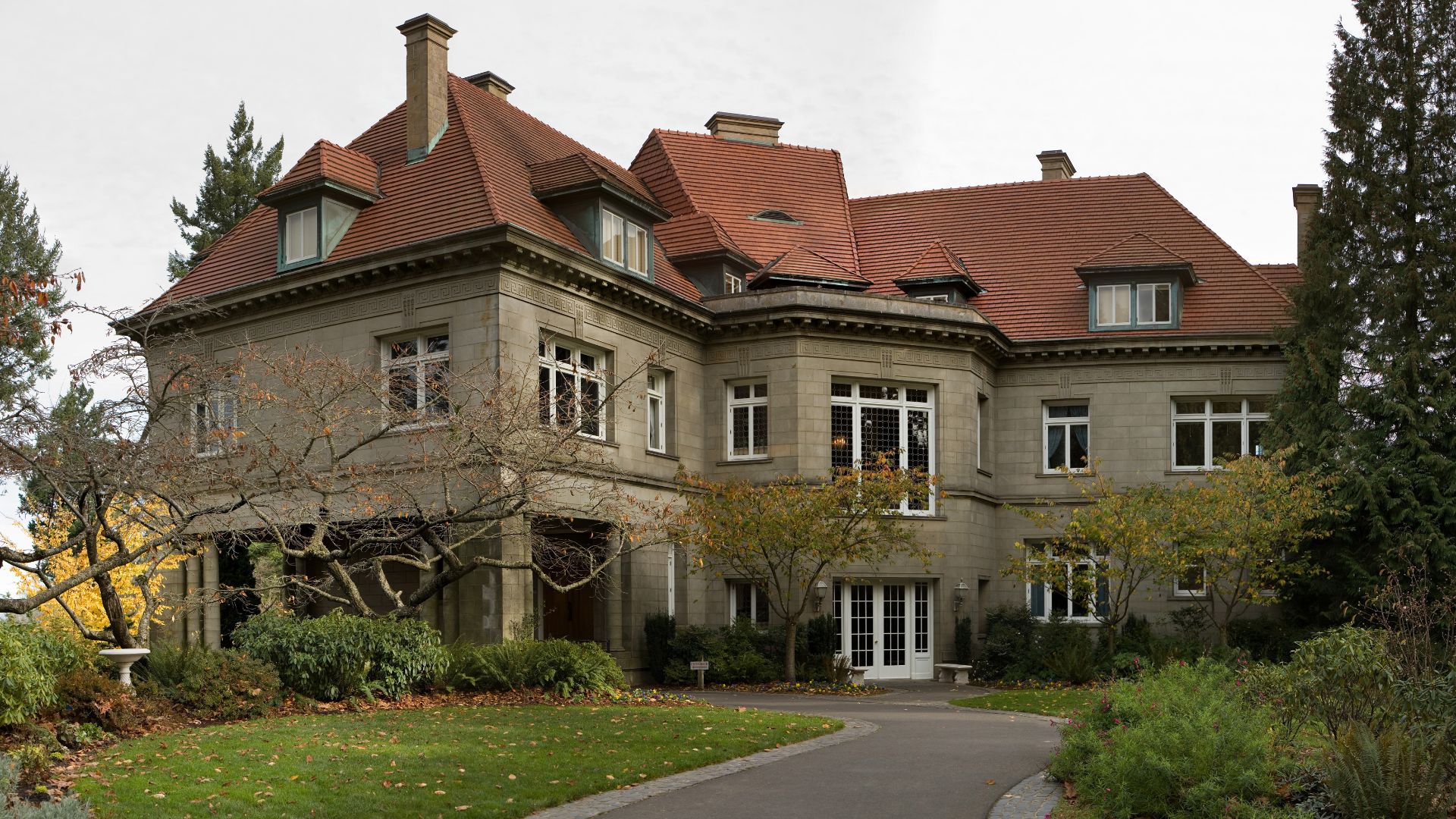
High above Portland, this 1914 hilltop home overlooks the city and Mount Hood. Henry and Georgiana Pittock built the mansion as a symbol of their success. A fundraising effort in the 1960s saved it from demolition and allowed its transformation into a historic museum today.
Fallingwater In Pennsylvania
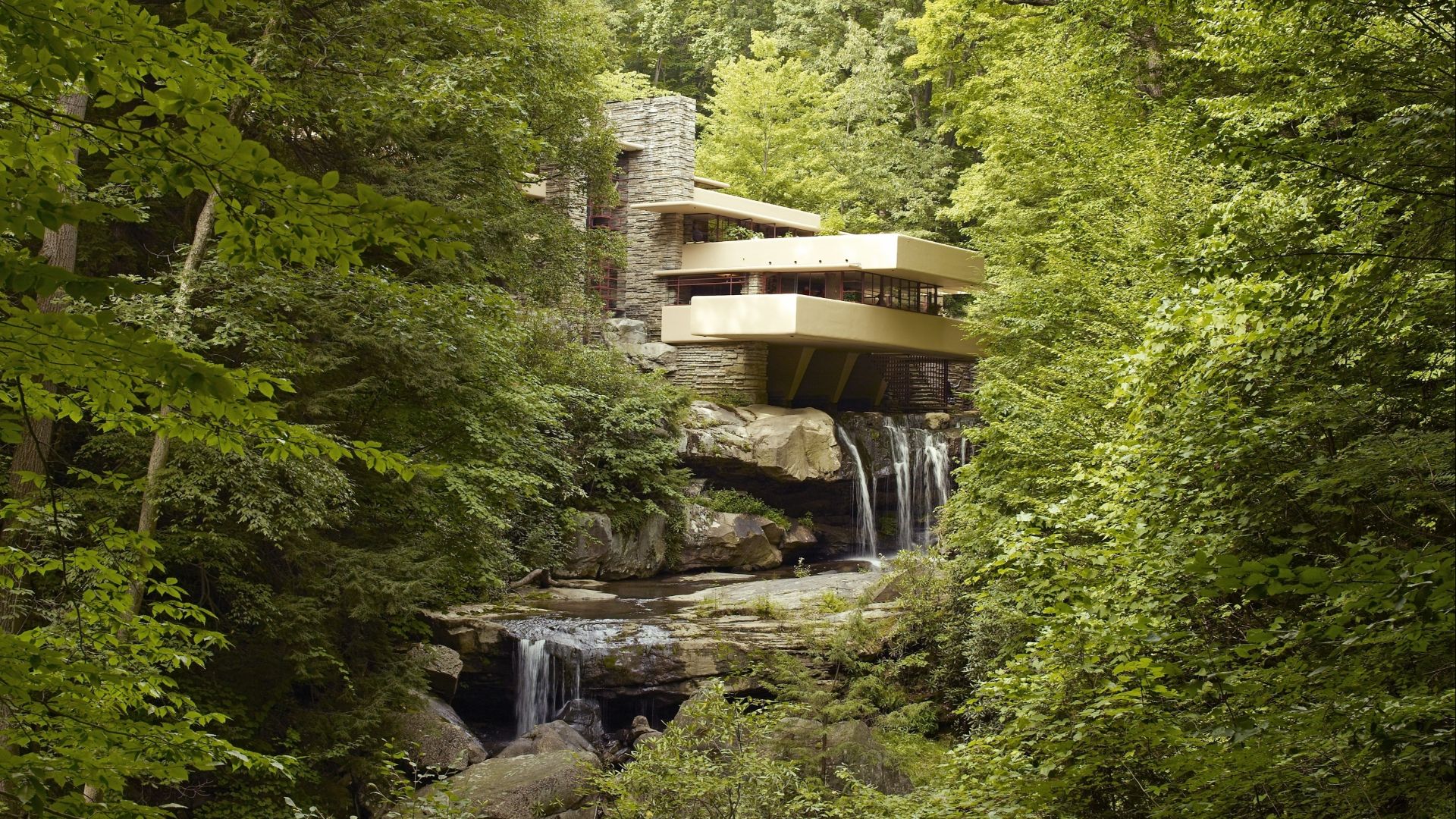
Bear Run’s waterfall flows beneath this 1935 Frank Lloyd Wright creation, a home that seems to grow from the place itself. Fallingwater remains one of his most celebrated achievements and a touchstone of organic architecture. Its significance earned National Historic Landmark status in 1966.
 Carol M. Highsmith, Wikimedia Commons
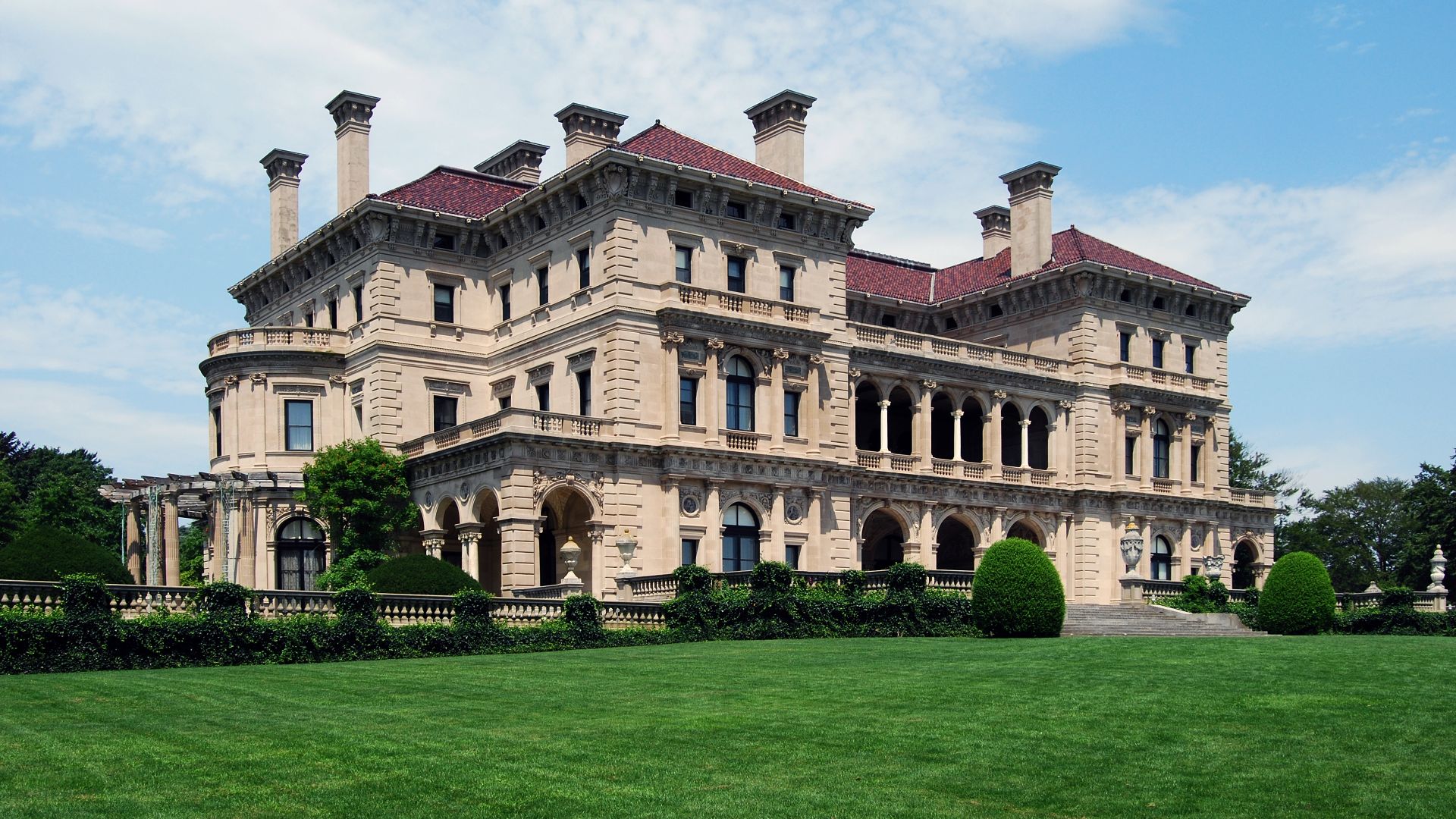
The Breakers In Rhode Island
Cornelius Vanderbilt II commissioned this 70-room summer “cottage,” completed in 1895. Inside, the Great Hall rises 50 feet, echoing the scale of Italian Renaissance palaces. Now run by the Preservation Society of Newport County, the mansion anchors Newport’s lineup of Gilded Age estates.
 UpstateNYer, Wikimedia Commons
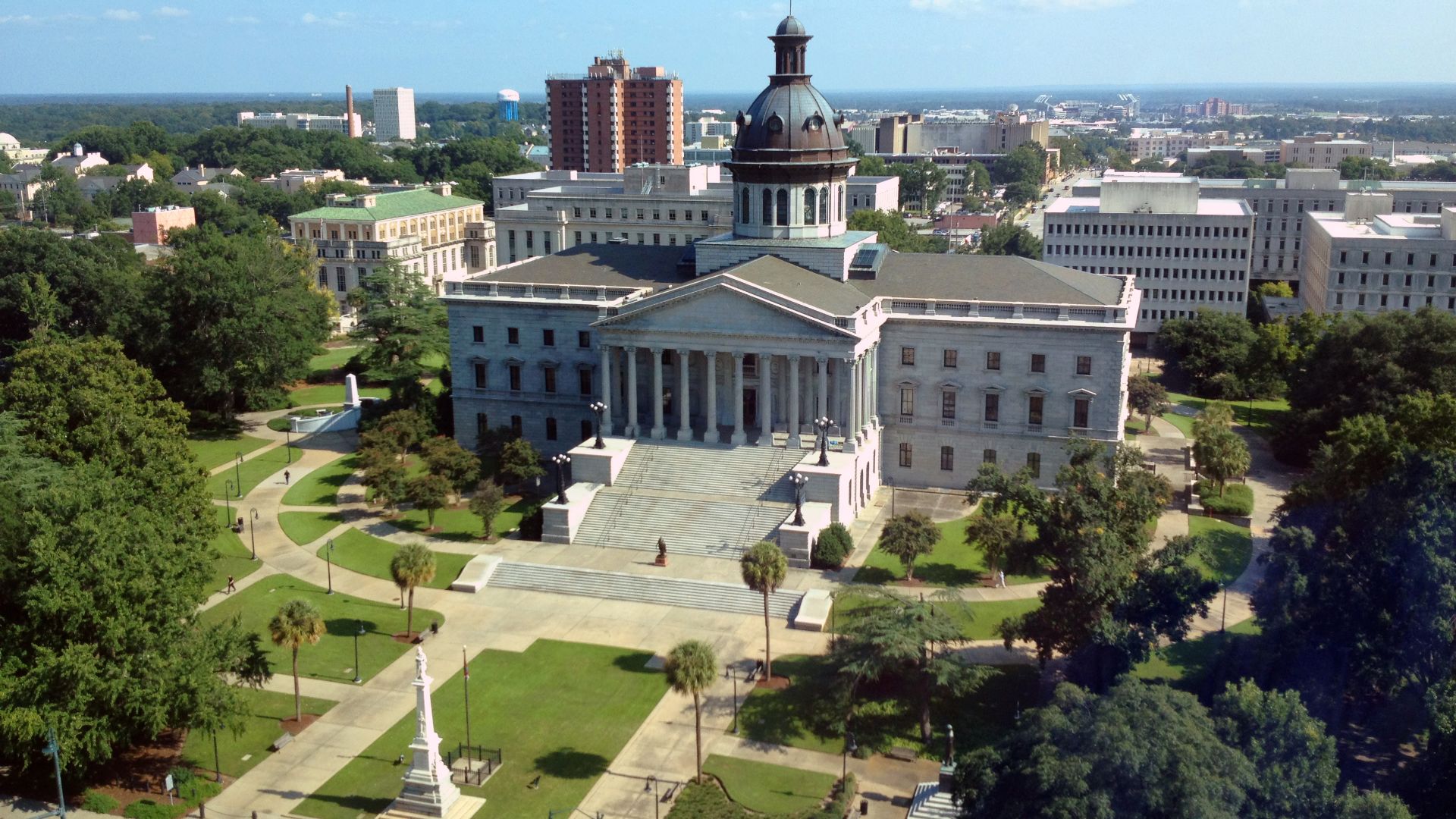
South Carolina State House In South Carolina
Greek Revival columns frame the seat of government in Columbia, where construction spanned from 1855 to 1907. Six bronze stars on the exterior show where Union cannonballs struck during the Civil War. The surrounding grounds feature several monuments, including one dedicated to George Washington.
 HaloMasterMind, Wikimedia Commons
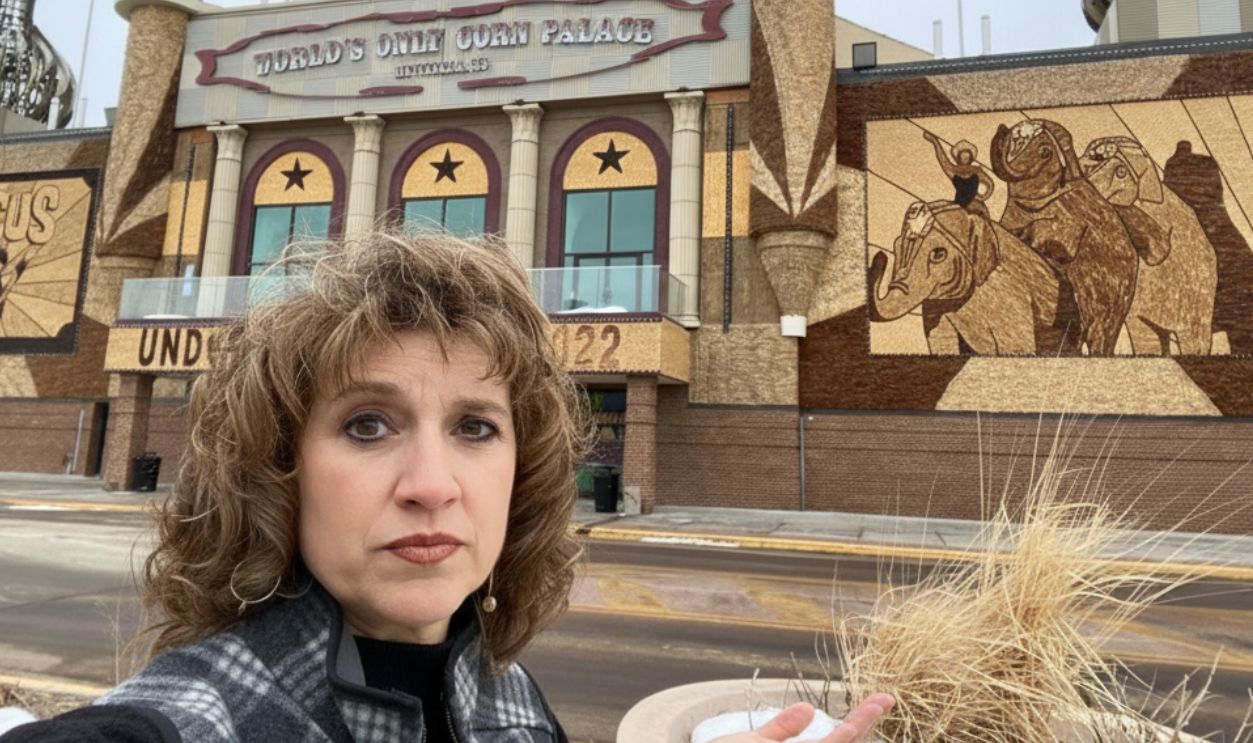
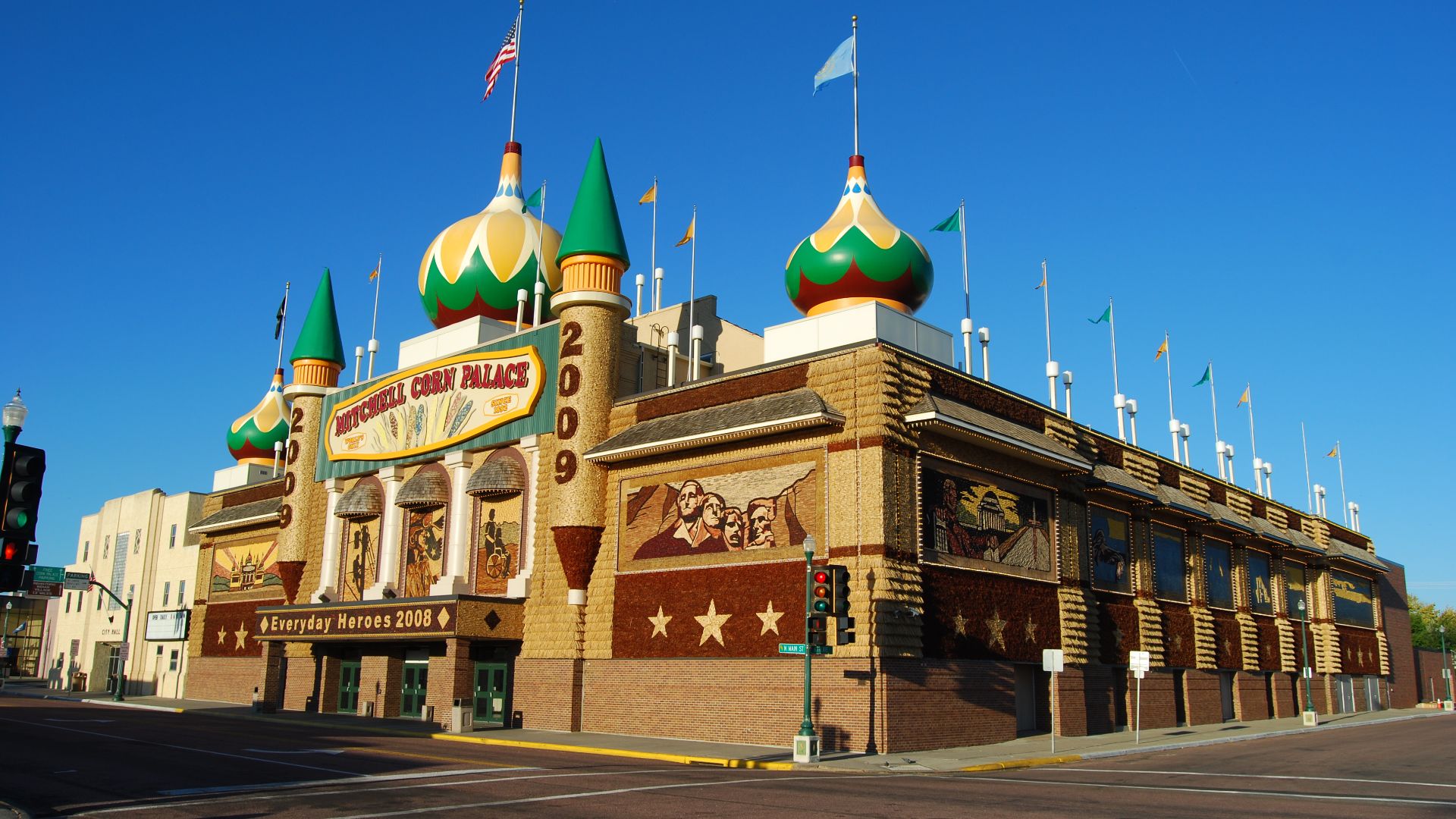
Corn Palace In South Dakota
Every year, the Corn Palace changes its face as artists build new murals from corn and grains. Completed in 1921, the current structure is the third on the site. Step inside and you’ll find concerts, sports events, and the high-energy Corn Palace Festival.
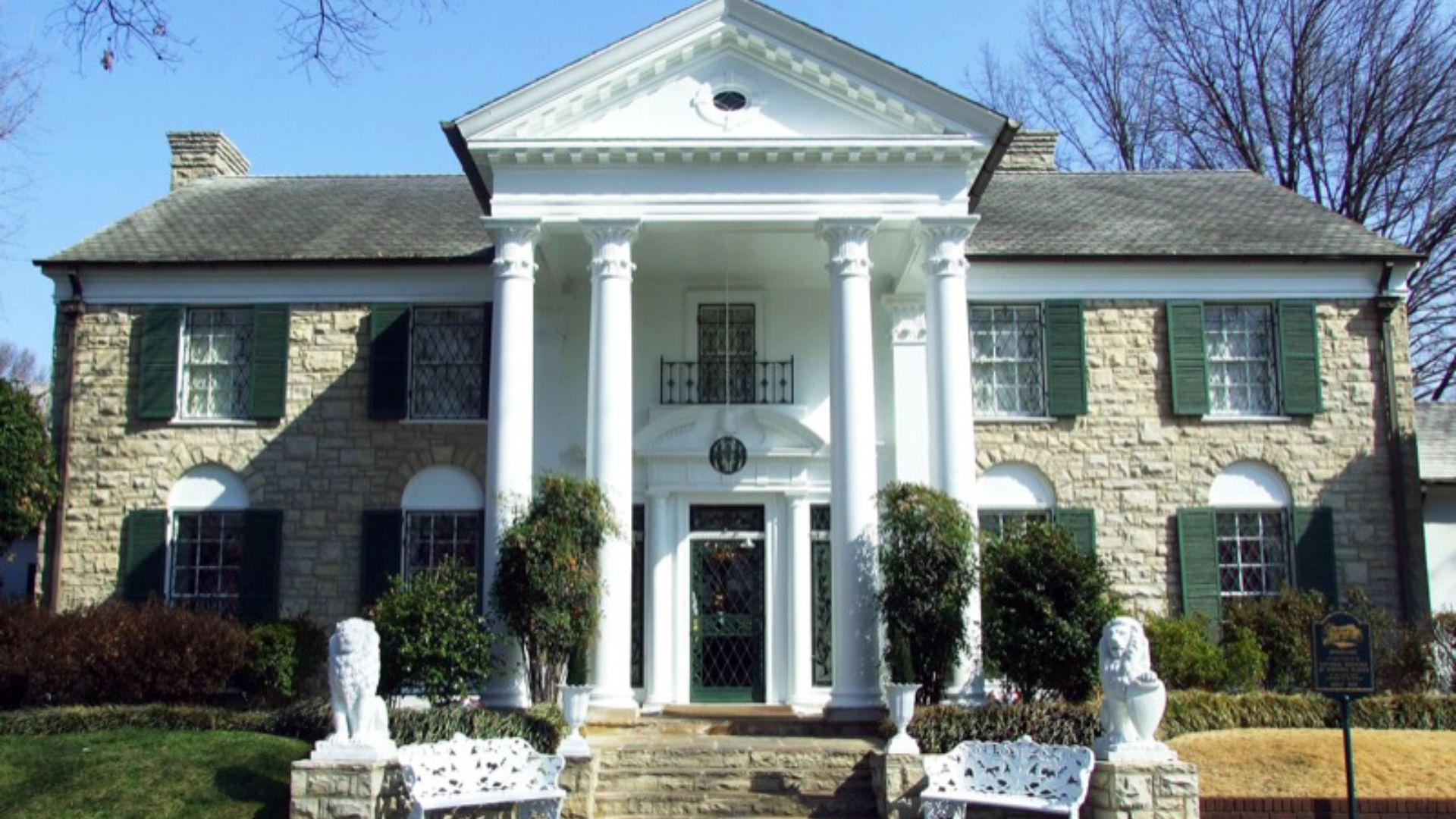
Graceland In Tennessee
Memphis shifts the moment the gates of Elvis Presley’s former home come into view. Opened to the public in 1982, the mansion soon became the nation’s second most-visited house. Fans still flock to the Jungle Room, where green shag carpet and Polynesian decor reflect Elvis’s own taste.
 Joseph Novak, Wikimedia Commons
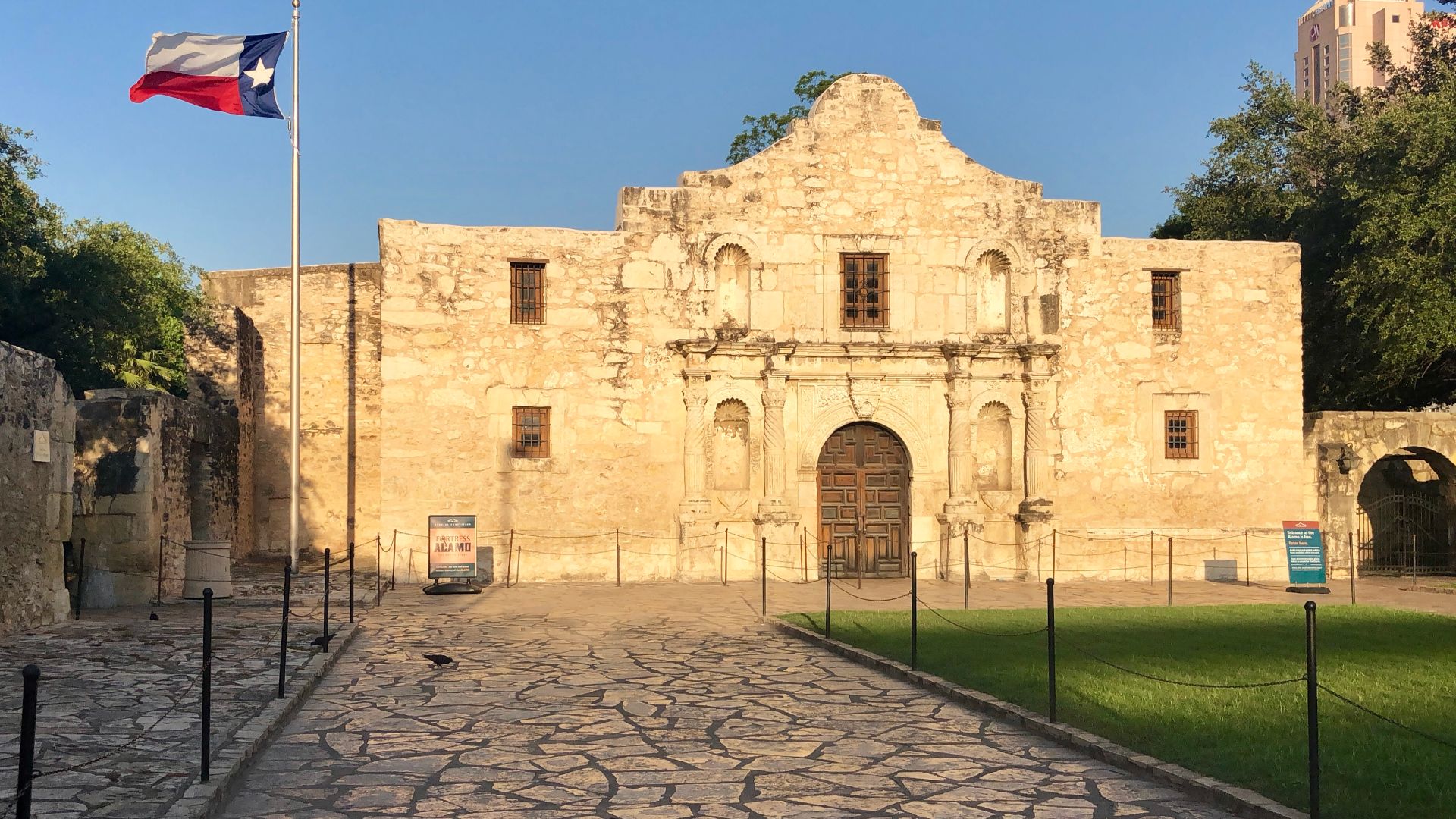
The Alamo In Texas
San Antonio’s Spanish mission holds the memory of the 1836 battle that shaped the Texas Revolution. The chapel ranks among the country’s most recognizable buildings. The phrase “Remember the Alamo!” became a rallying cry for Texan independence that linked the site to architecture and lasting symbolism.
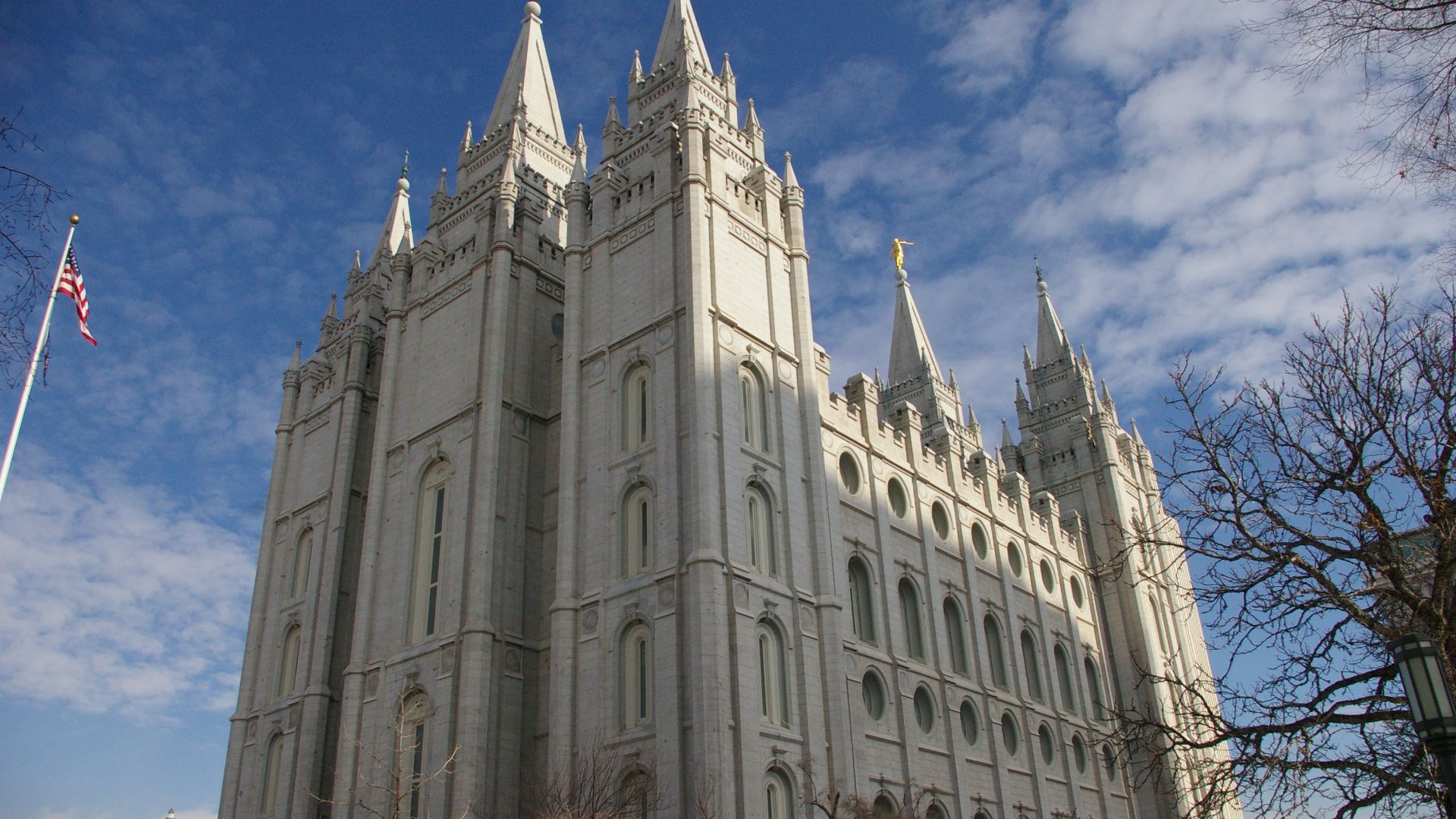
Salt Lake Temple In Utah
Granite walls rising nine feet thick at the base anchor this landmark, the most recognizable temple of the Church of Jesus Christ of Latter-day Saints. Construction stretched from 1853 to 1893. Symbols carved into the exterior include sun, moon, and star stones.
 Scott Catron from Sandy, Utah, USA, Wikimedia Commons
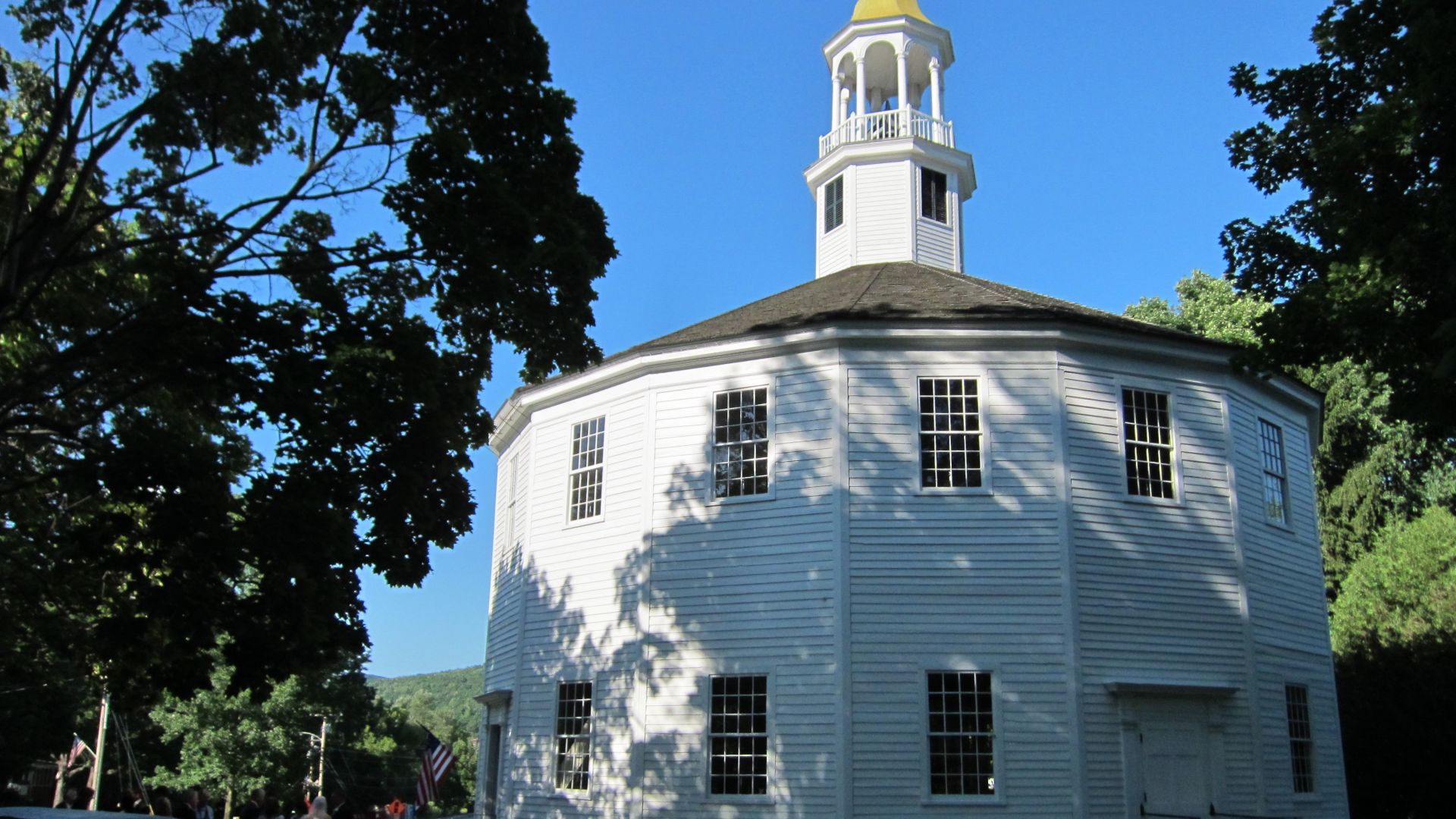
The Round Church In Vermont
Richmond’s 1812 meetinghouse breaks from tradition with its 16-sided form. It served both civic and religious purposes by hosting town meetings alongside worship. Few buildings of its shape survive today, which makes its National Register status even more fitting for such a rare early American structure.
The Pentagon In Virginia
Arlington’s massive military headquarters rose in just 16 months during the early 1940s. With more than 6.5 million square feet of floor area, it’s the largest office building in the world. Five sides, five floors, and five ring corridors give the structure its unmistakable rhythm.
 mariordo59 from Santo Domingo, Dominican Republic, Wikimedia Commons
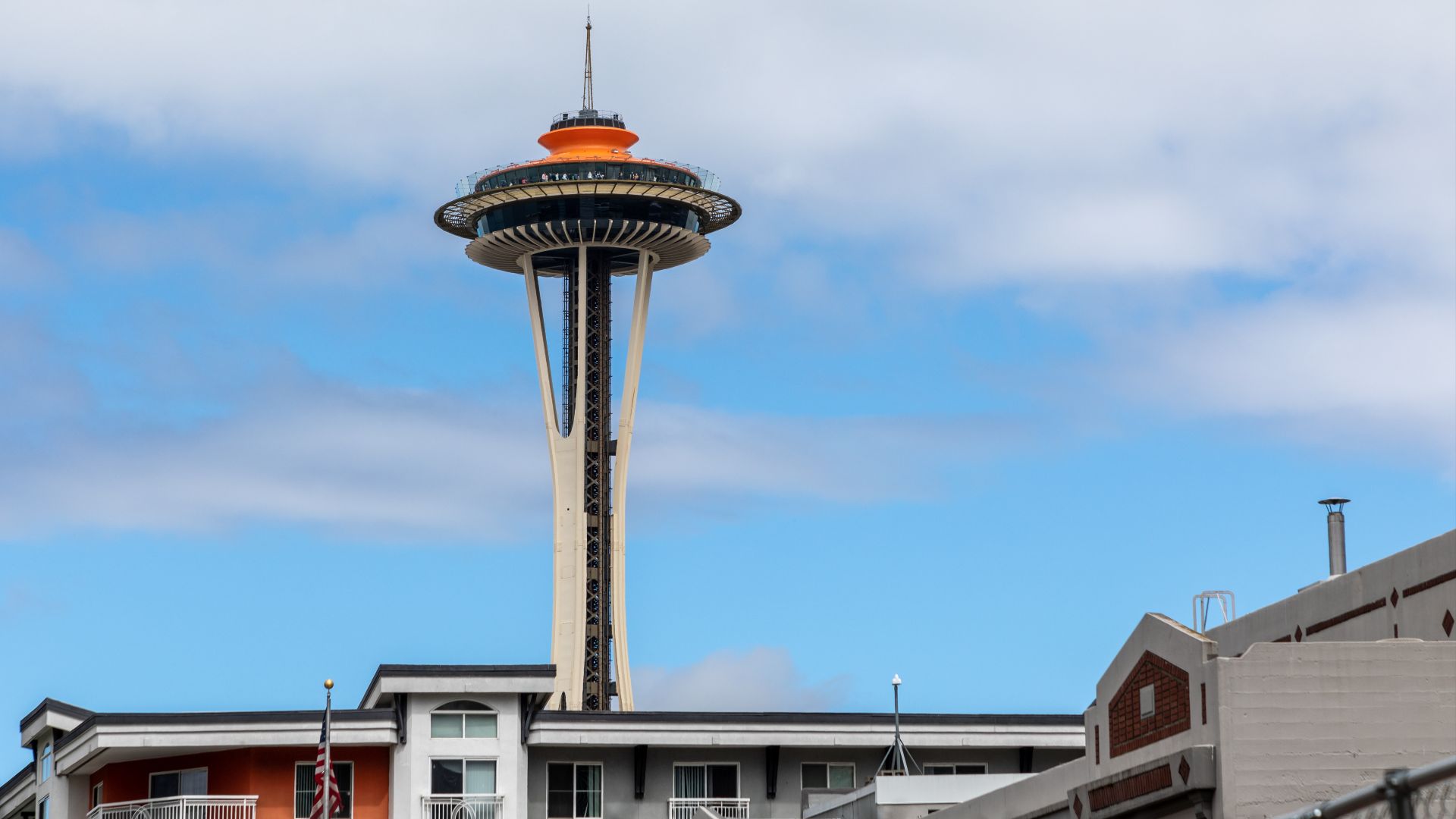
Space Needle In Washington
Seattle’s skyline hinges on this 605-foot tower built for the 1962 World’s Fair. Its top can withstand winds up to 200 miles per hour, a necessity in the Pacific Northwest. A 2018 renovation added a rotating glass floor, offering a full-circle view of the city and Puget Sound.
 Dietmar Rabich, Wikimedia Commons
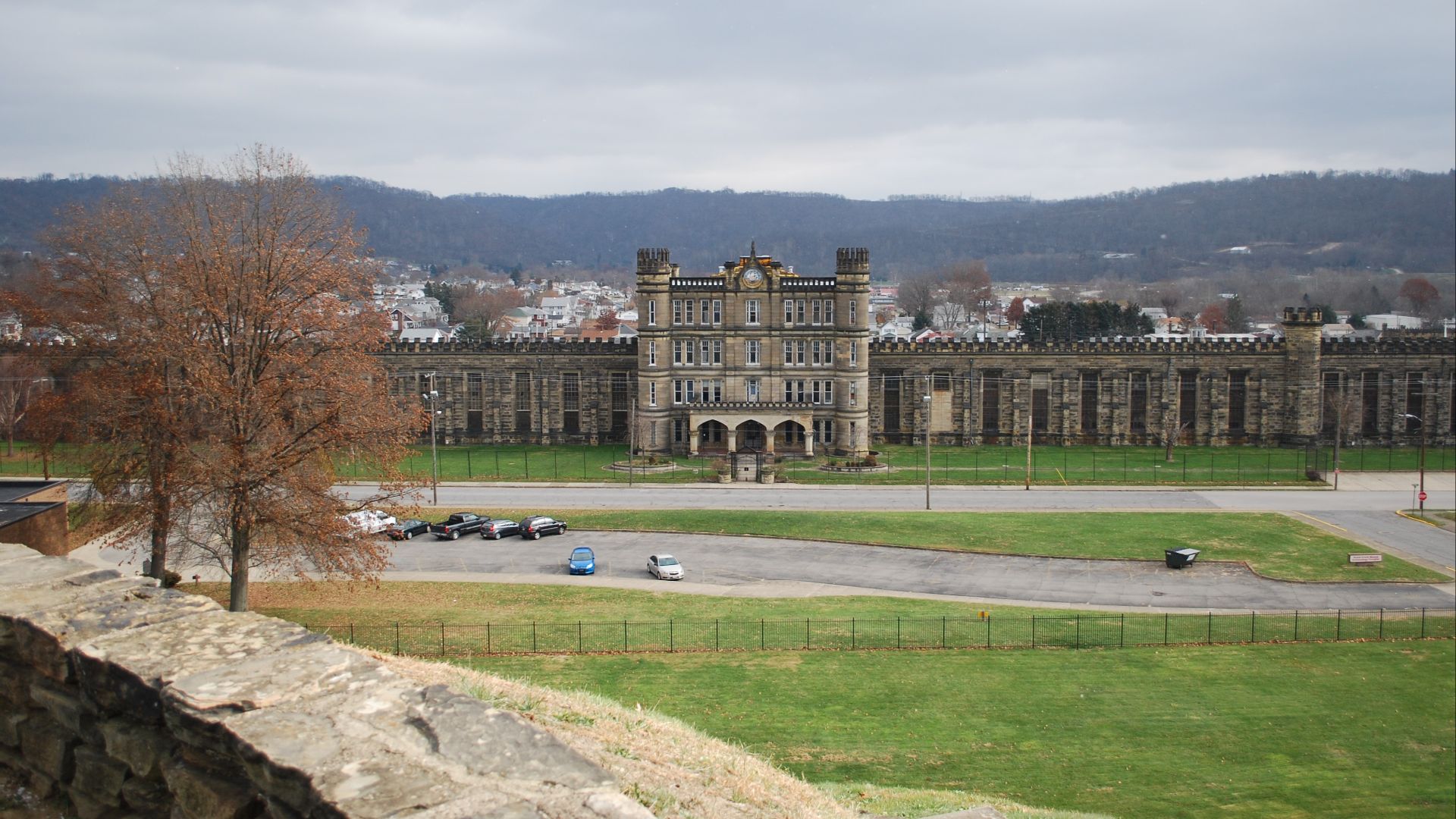
West Virginia State Penitentiary In West Virginia
Moundsville’s Gothic prison opened in 1876 and operated until 1995, leaving behind both history and legends. Visitors tour cell blocks and the execution chamber, once used for hangings and electrocutions. Its reputation for hauntings fuels nighttime ghost tours through the stone corridors.
 Rhonda Humphreys, Wikimedia Commons
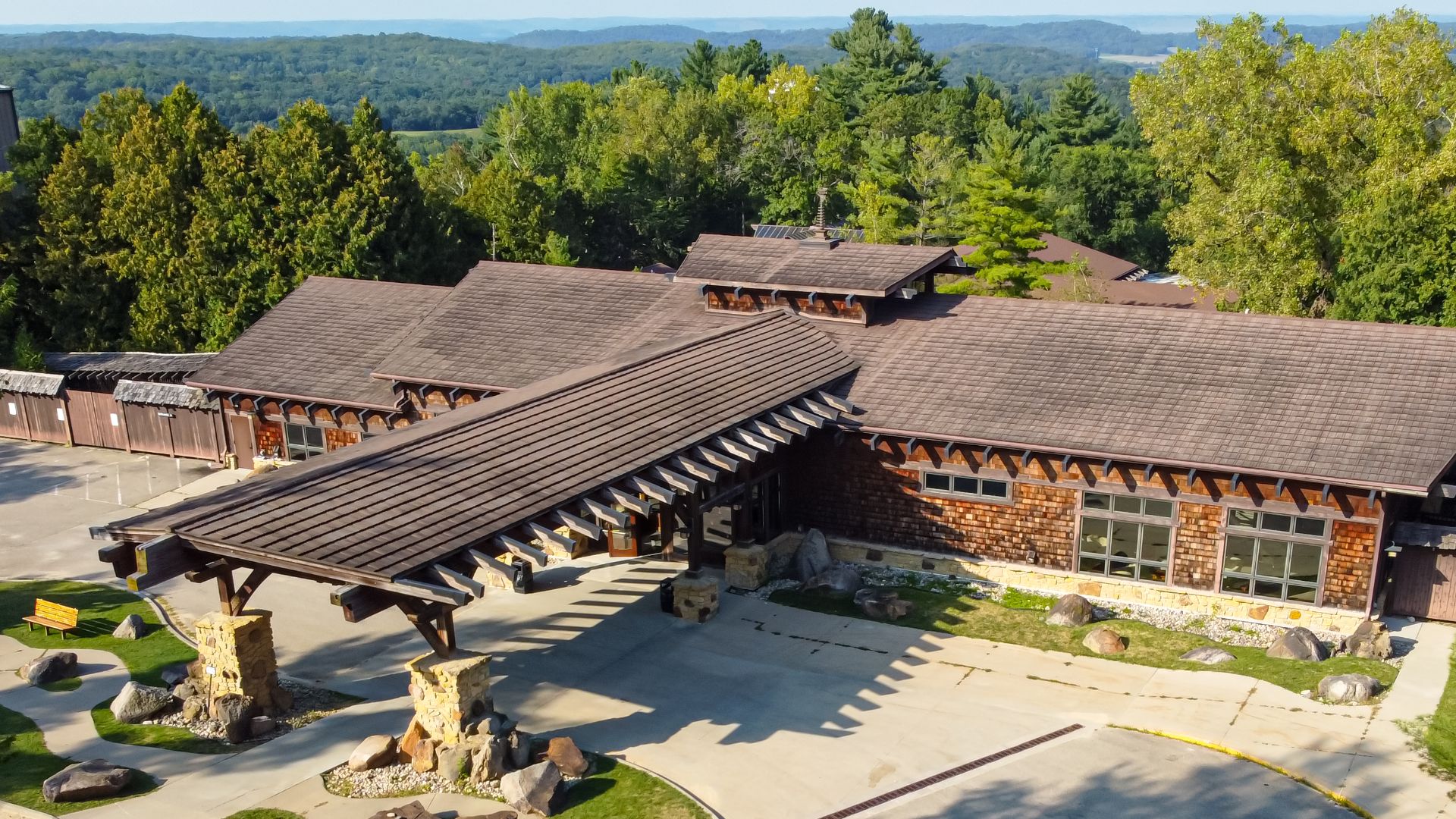
House On The Rock In Wisconsin
Spring Green’s cliffside attraction rises from a 60-foot chimney of rock, shaped by Alex Jordan Jr in 1959. Inside, visitors find the world’s largest indoor carousel lit by more than 20,000 bulbs. The collection ranges from intricate displays to a 200-foot model sea creature.
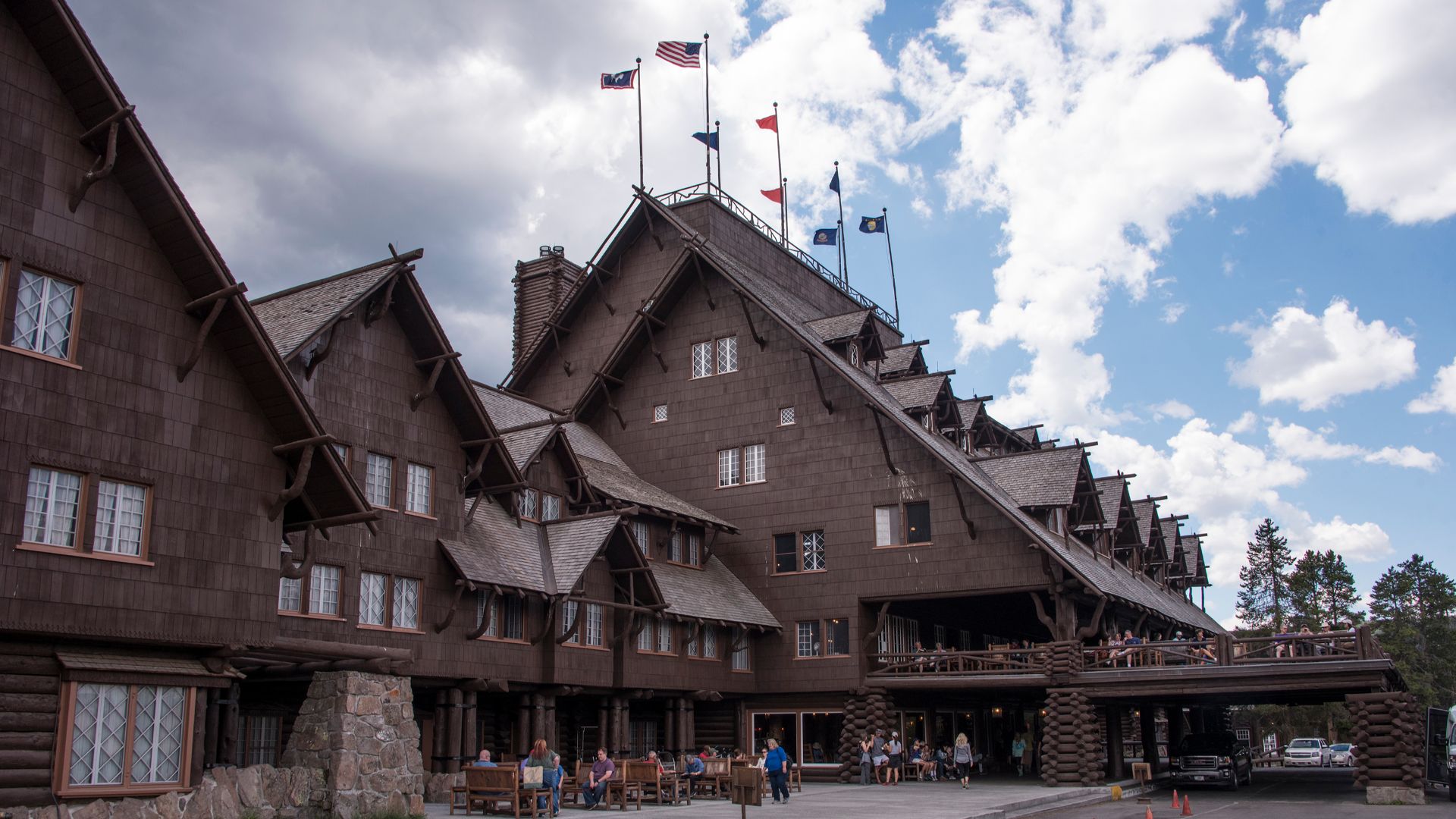
Old Faithful Inn In Wyoming
Yellowstone visitors step into a vast log structure completed in 1904, now considered the largest of its kind. The lobby centers around a 65-foot stone fireplace topped with a hand-crafted clock. Its location near Old Faithful offers guests front-row views of the geyser’s regular eruptions.