Promise And Risk
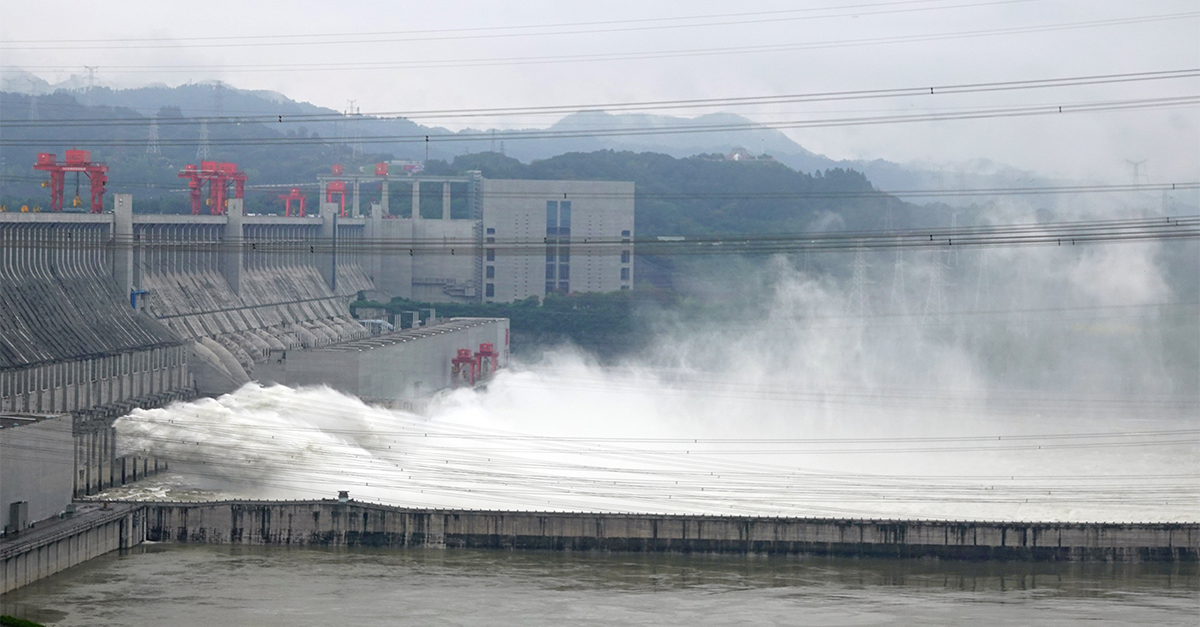
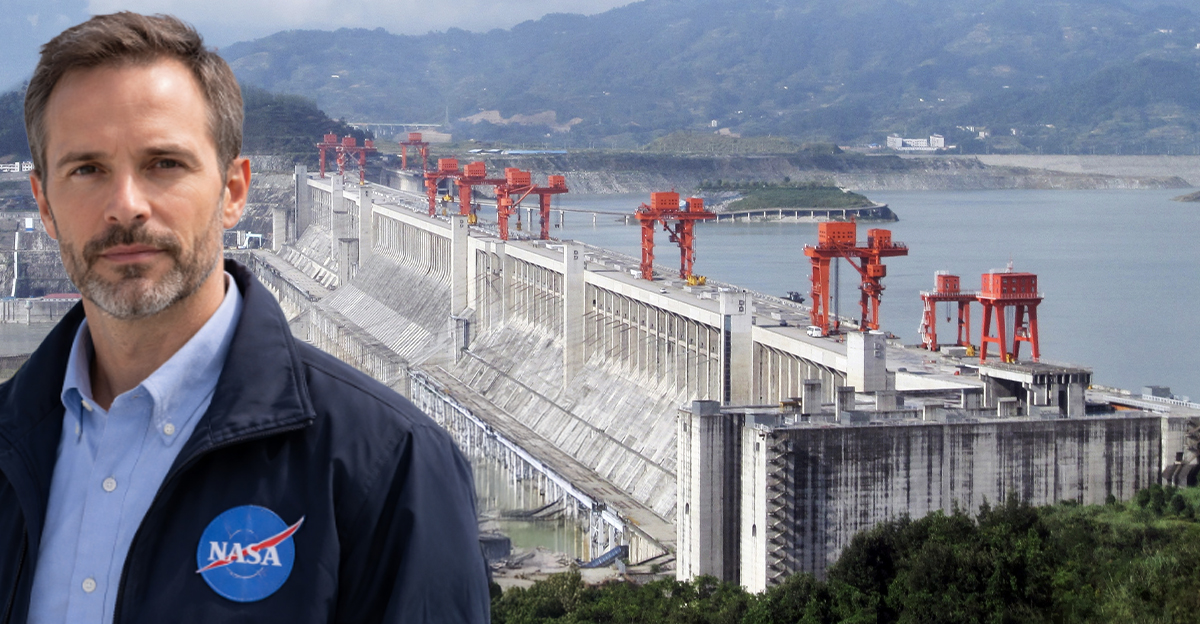
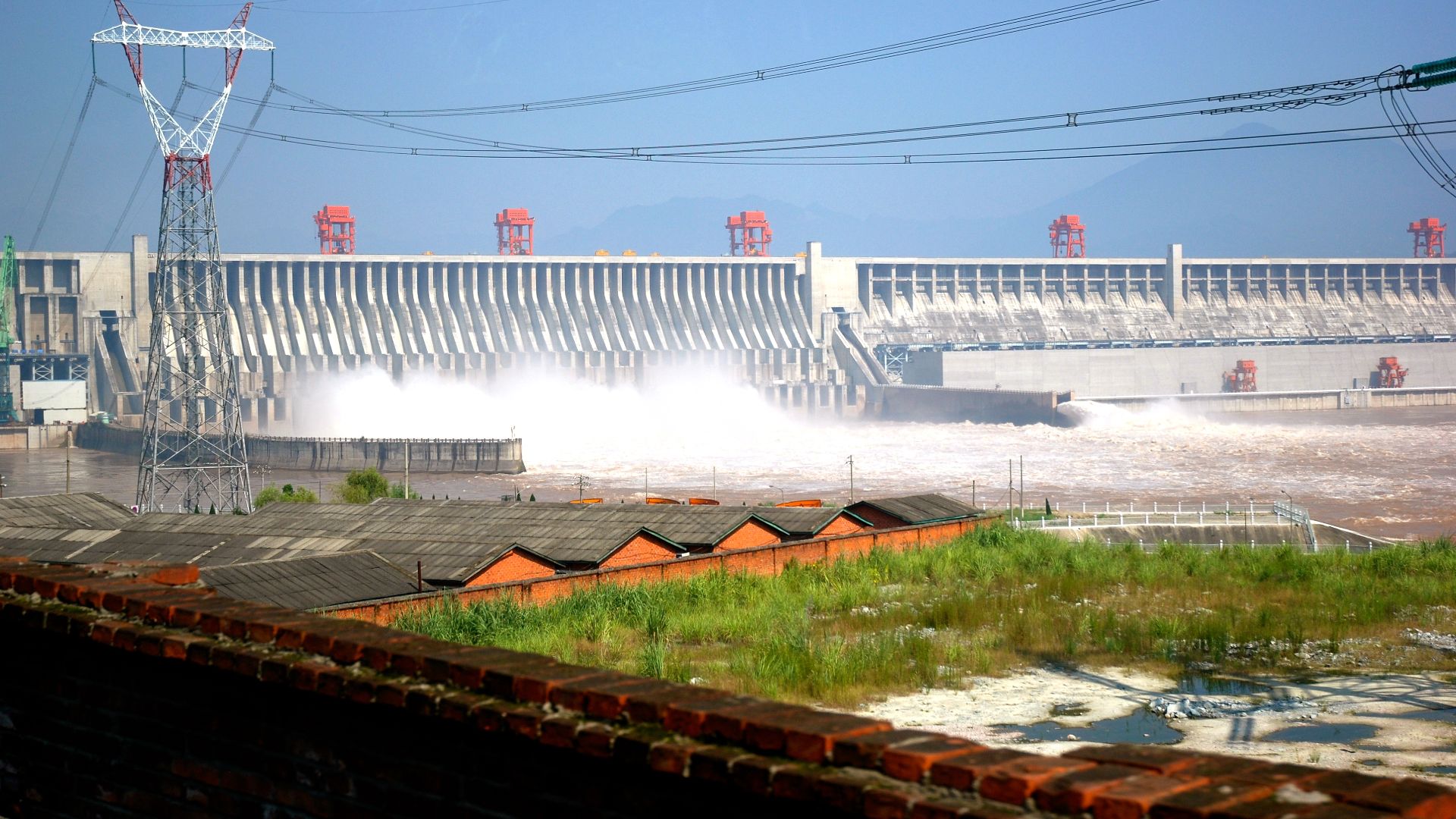
Stretching across the Yangtze River in Hubei Province, the Three Gorges Dam stands as the largest hydroelectric power station ever built. Developed and built as a solution to flooding, energy shortages, and limited inland shipping lanes, the dam has reshaped nature and China’s economic future.
 Le Grand Portage, Wikimedia Commons; Factinate
The Vision Behind The Wall
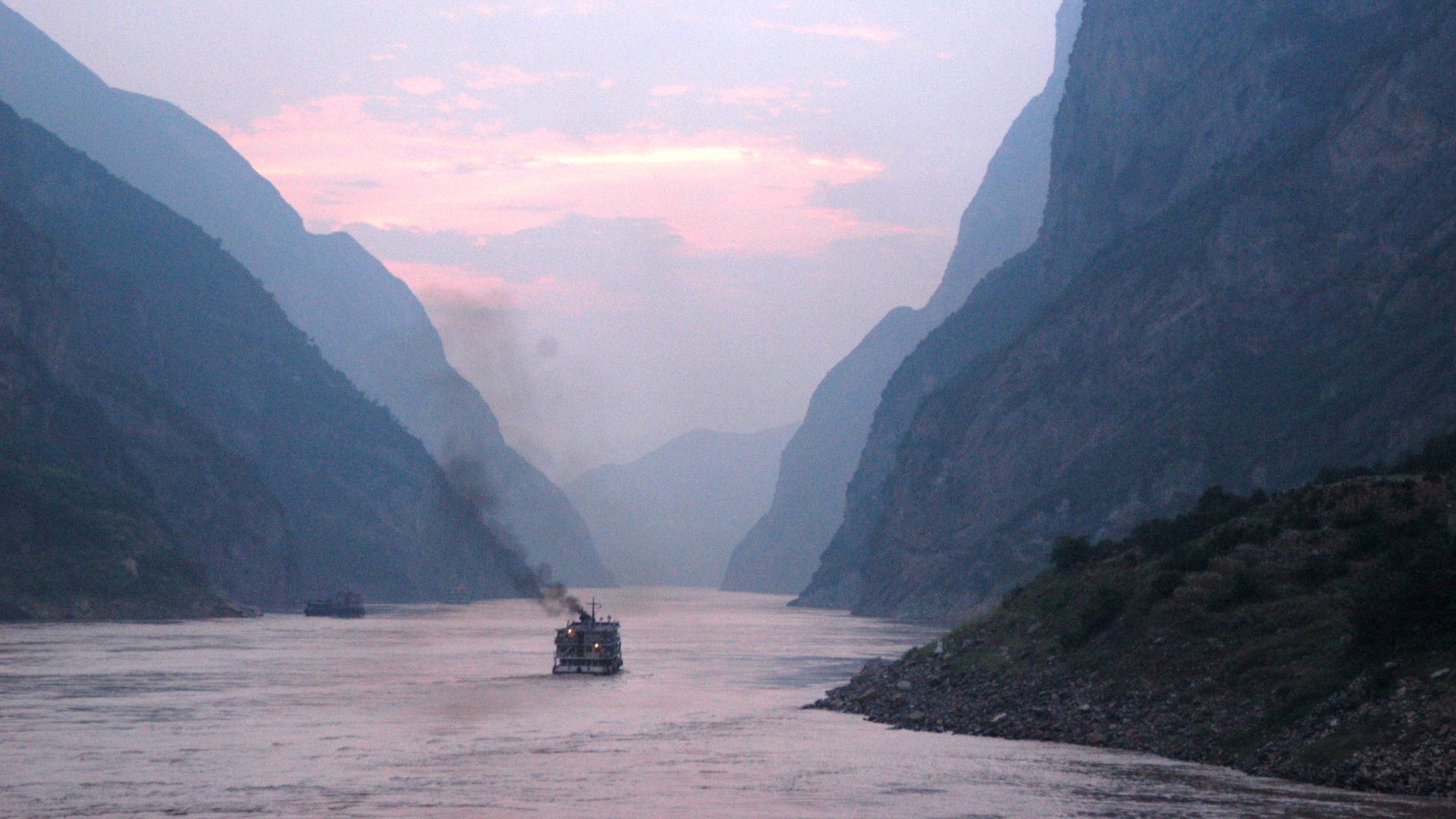
The ambition to control the Yangtze predates the Communist era. Early twentieth-century reformers proposed damming the river to prevent its frequent deadly floods. After decades of political instability and debate, China’s National People’s Congress formally approved the project in 1992, framing it as a defining engineering triumph for a modernizing superpower.
 Andrew Hitchcock, Wikimedia Commons
Construction On A Monumental Scale
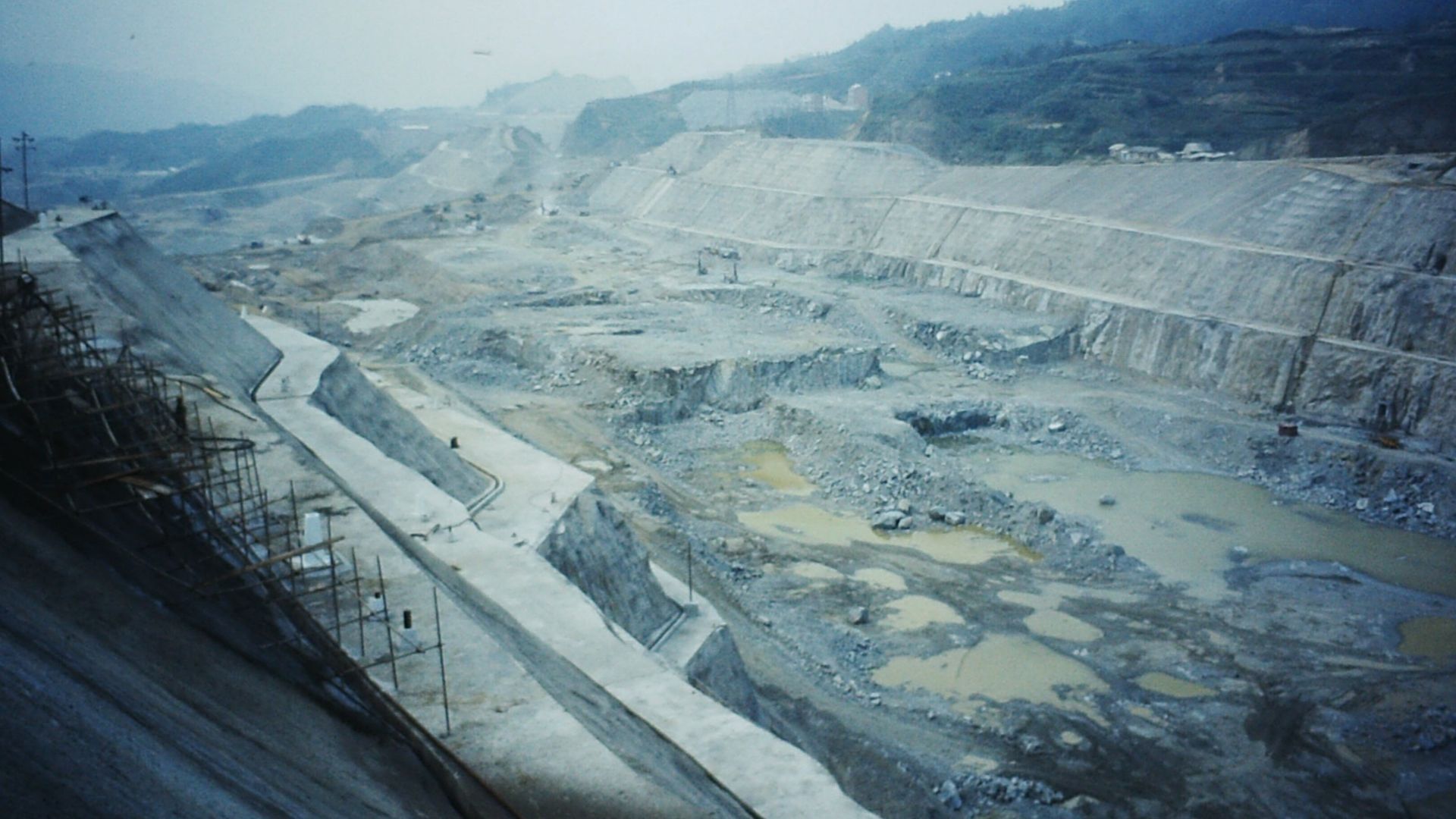
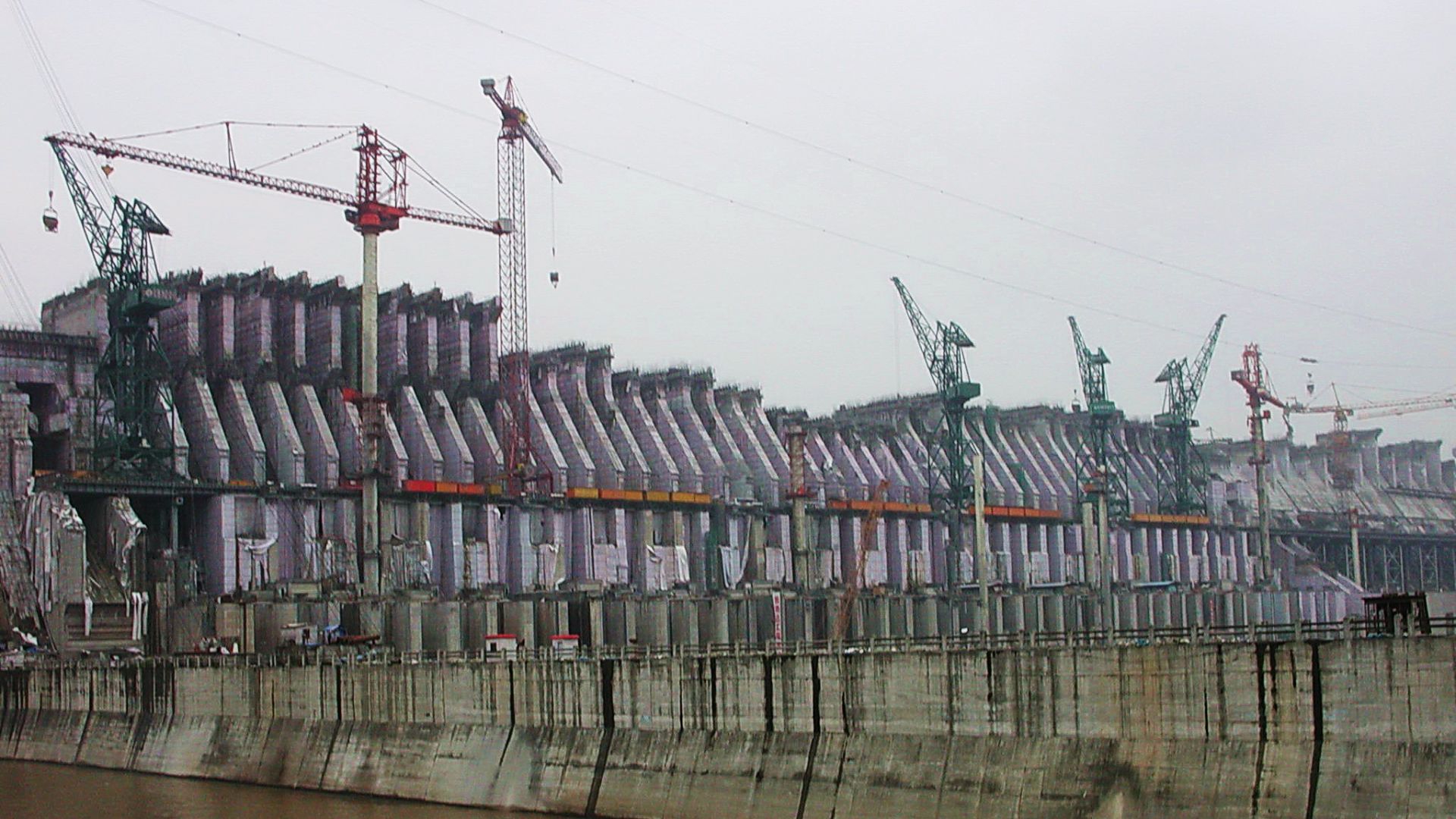
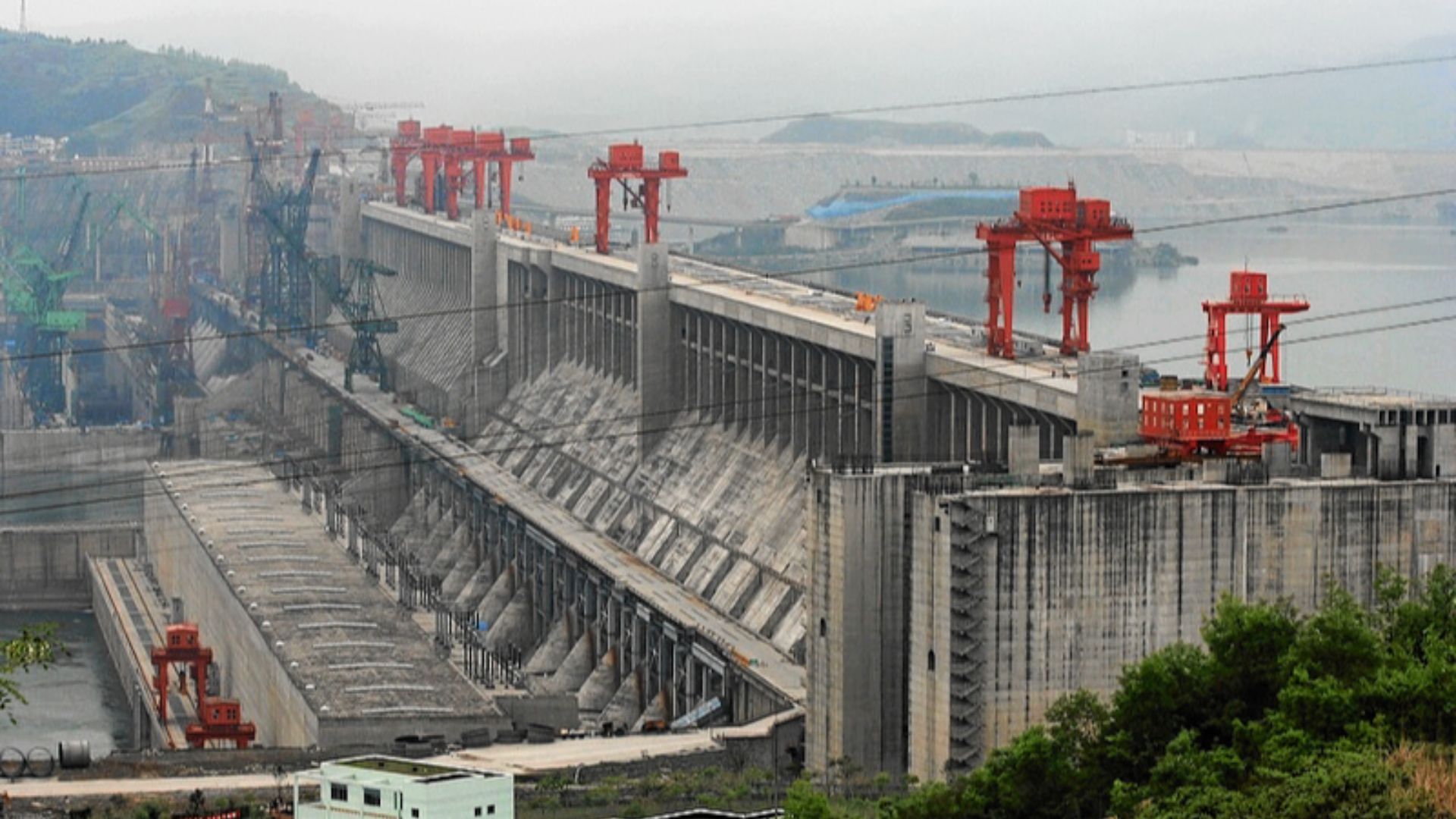
Construction started in 1994, with incredible inputs of material, labor, and coordination. Workers poured more than 27 million cubic meters of concrete. The work reshaped the landscape as thousands of workers toiled around the clock. By 2012, the main generating units were up and running, completing one of the world’s most colossal infrastructure projects. The dam is so enormous that it has actually affected the planet’s rotation.
 Lorenz King at geogr.uni-giessen.de, Wikimedia Commons
NASA’s Planetary Discovery
In 2025, scientists associated with NASA announced that their analysis confirmed the Three Gorges reservoir had measurably redistributed enough mass to cause a microscopic slowdown in Earth’s rotation. By impounding roughly 40 billion cubic meters of water at such an elevation (570 feet above sea level), the dam slightly altered the planet’s moment of inertia, lengthening the day by an almost imperceptible fraction of a millisecond.
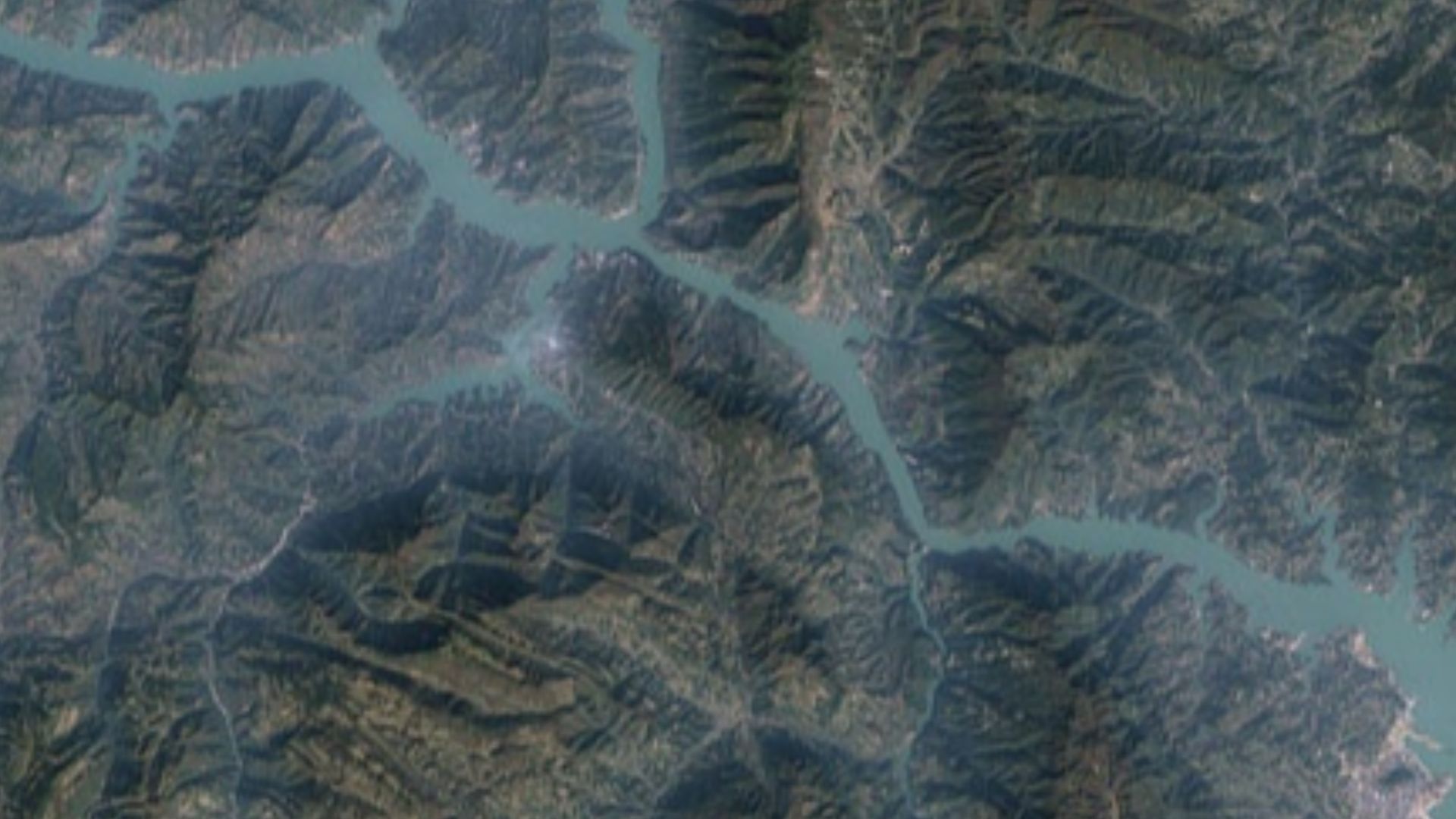 The original uploader was Sagredo at English Wikipedia., Wikimedia Commons
How Scientists Detected The Change
Researchers relied on satellite geodesy, including data from gravity-measuring missions and ultra-precise atomic clock tracking, to detect variations in Earth’s rotational speed. By analyzing shifts in mass distribution and comparing them to long-term rotational records, scientists isolated the reservoir’s marginal contribution. The findings show that human activity can affect planetary-scale physical dynamics. The practical effects on our own day-to-day lives is still unnoticeable, though.
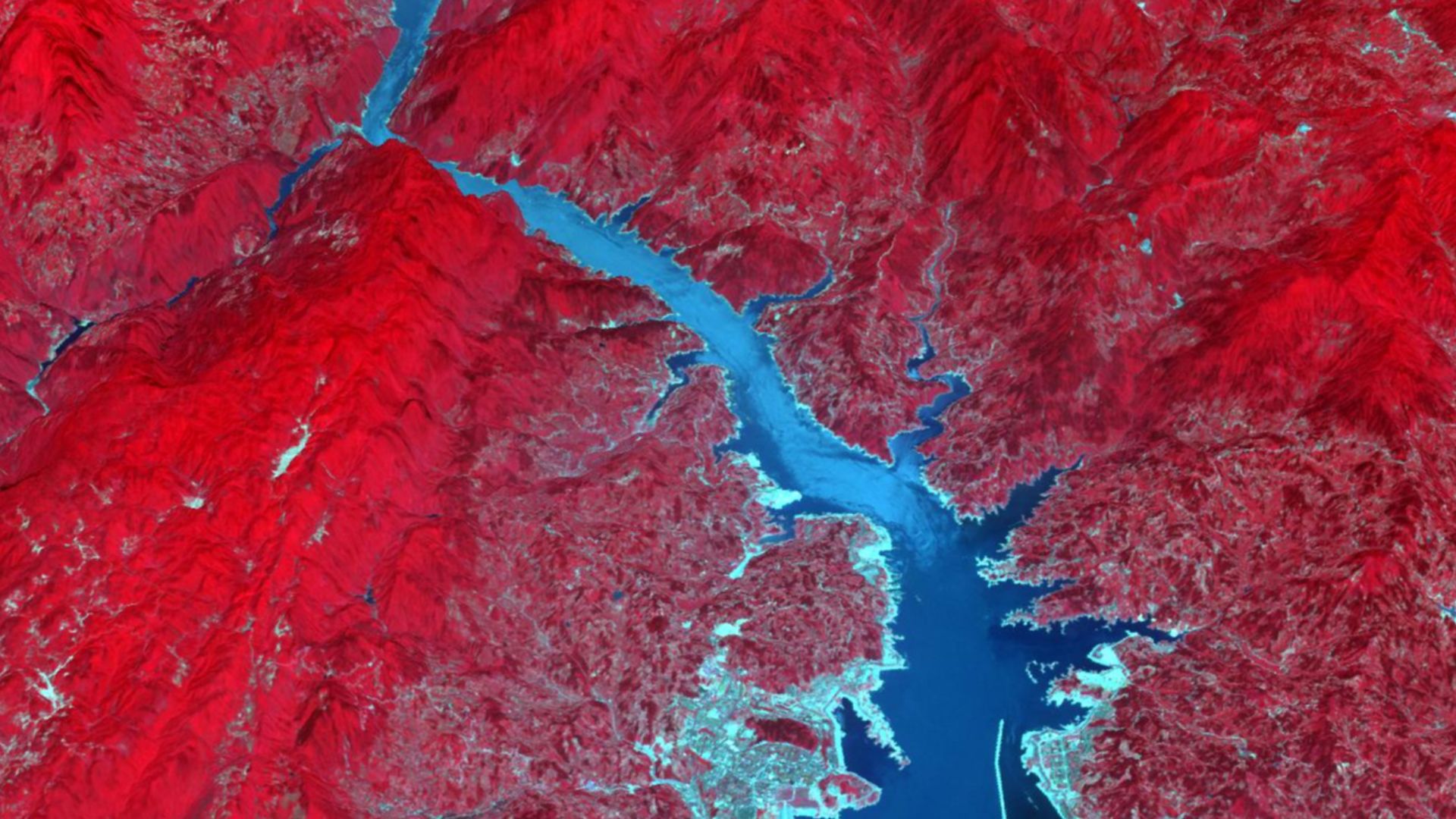 NASA/METI/AIST/Japan Space Systems, and U.S./Japan ASTER Science Team, Wikimedia Commons
Solving The Flood Problem
The Yangtze River has historically brought prosperity and catastrophe. The devastating 1931 flood that claimed the lives of two million people is still one of the deadliest natural disasters in recorded history. Supporters of the dam argued that only a massive reservoir and its controlled release system could realistically reduce the scale and risk of recurring seasonal disasters that plagued downstream cities.
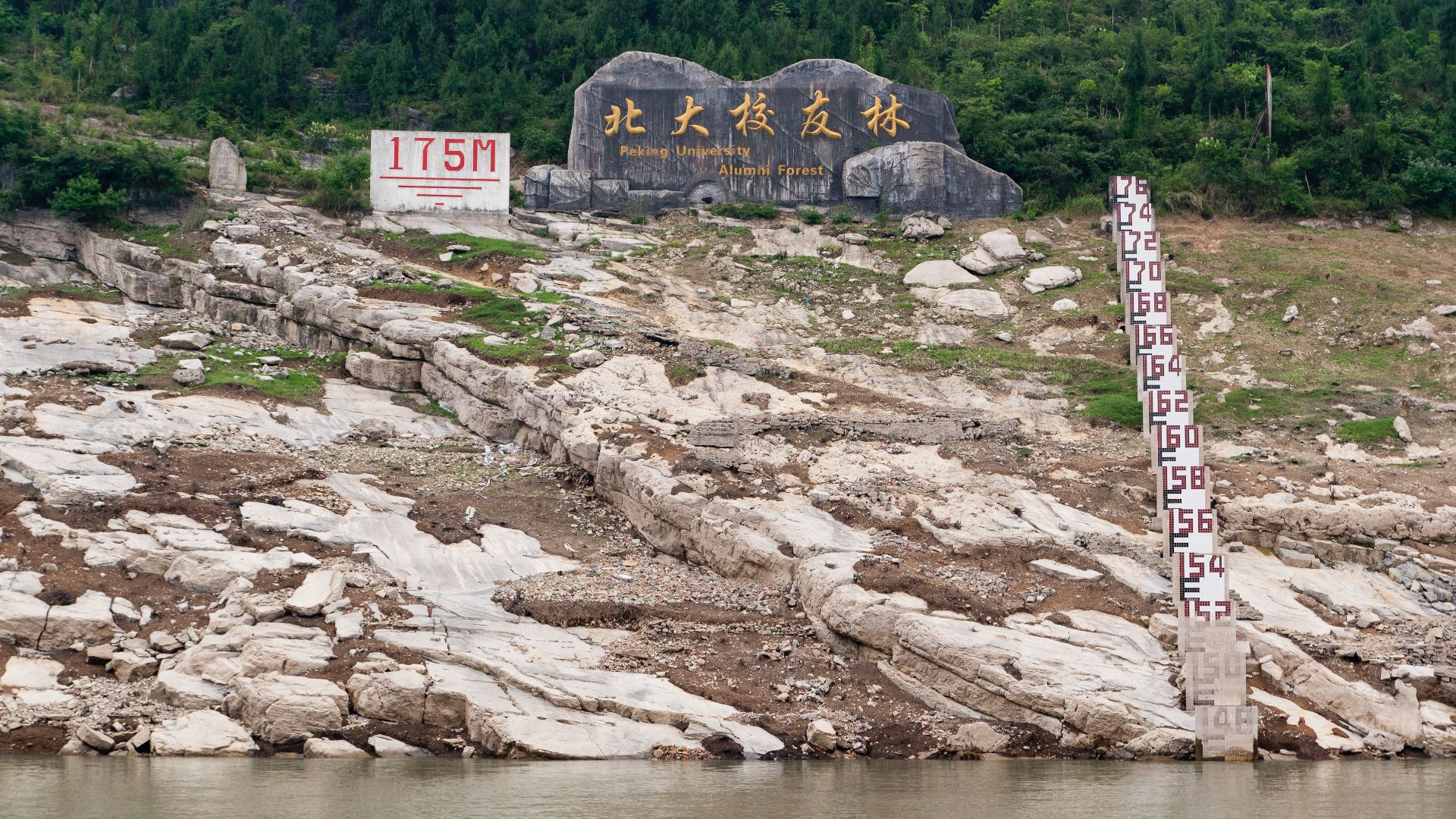 Ekrem Canli, Wikimedia Commons
Displacing A Nation Within A Nation
One out of every 20 people in the world, and one third of the Chinese population lives along the banks of the Yangtze River. To create the reservoir behind the dam, authorities relocated more than a million people from low-lying communities. Whole towns were submerged and rebuilt at higher elevations. While many received new housing, critics argue that economic displacement, loss of farmland, and cultural dislocation caused long-term hardships that aren’t necessarily easily to quantify.
 Виктор Пинчук, Wikimedia Commons
Archaeology Lost
The filling of the reservoir submerged centuries-old villages, temples, burial sites, and archaeological treasures. Emergency excavations were done to select artifacts, but sadly, vast stretches of cultural heritage were permanently lost to the rising waters. Historians argue that the dam erased irreplaceable physical links to China’s distant past in answer to the siren song of modern development.
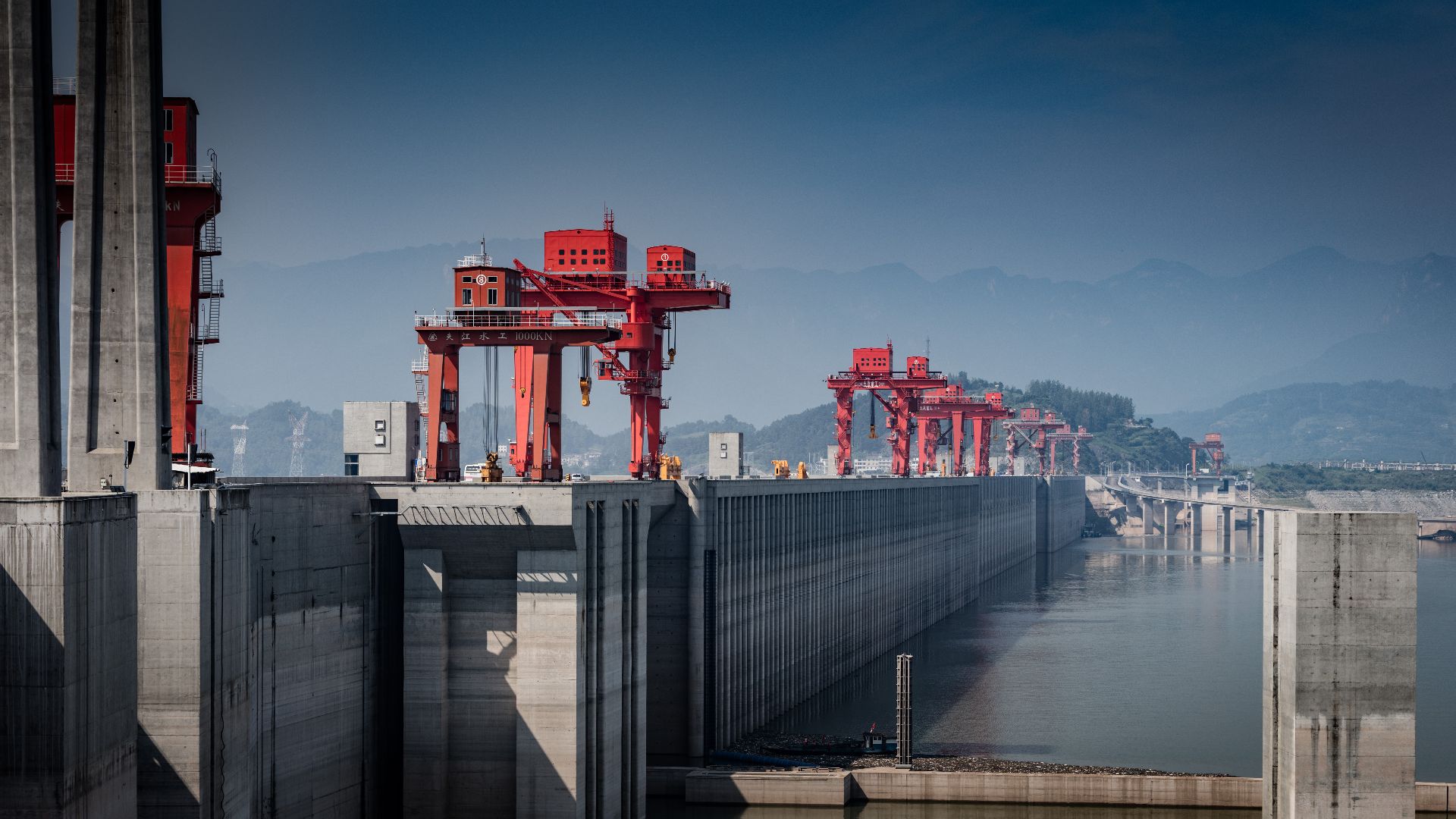 Thomas Bächinger, Wikimedia Commons
Environmental Changes
Environmental scientists raised warnings about the dam’s ecological disruption early and often. Changing the river’s natural flow changed water temperatures, interfered with fish migration, and impacted endangered species like the now functionally extinct Yangtze River dolphin. Sediment trapping and reduced downstream nutrients further transformed delicate ecosystems dependent on the river’s seasonal flooding cycles.


History's most fascinating stories and darkest secrets, delivered to your inbox daily.
Landslides Along The Reservoir
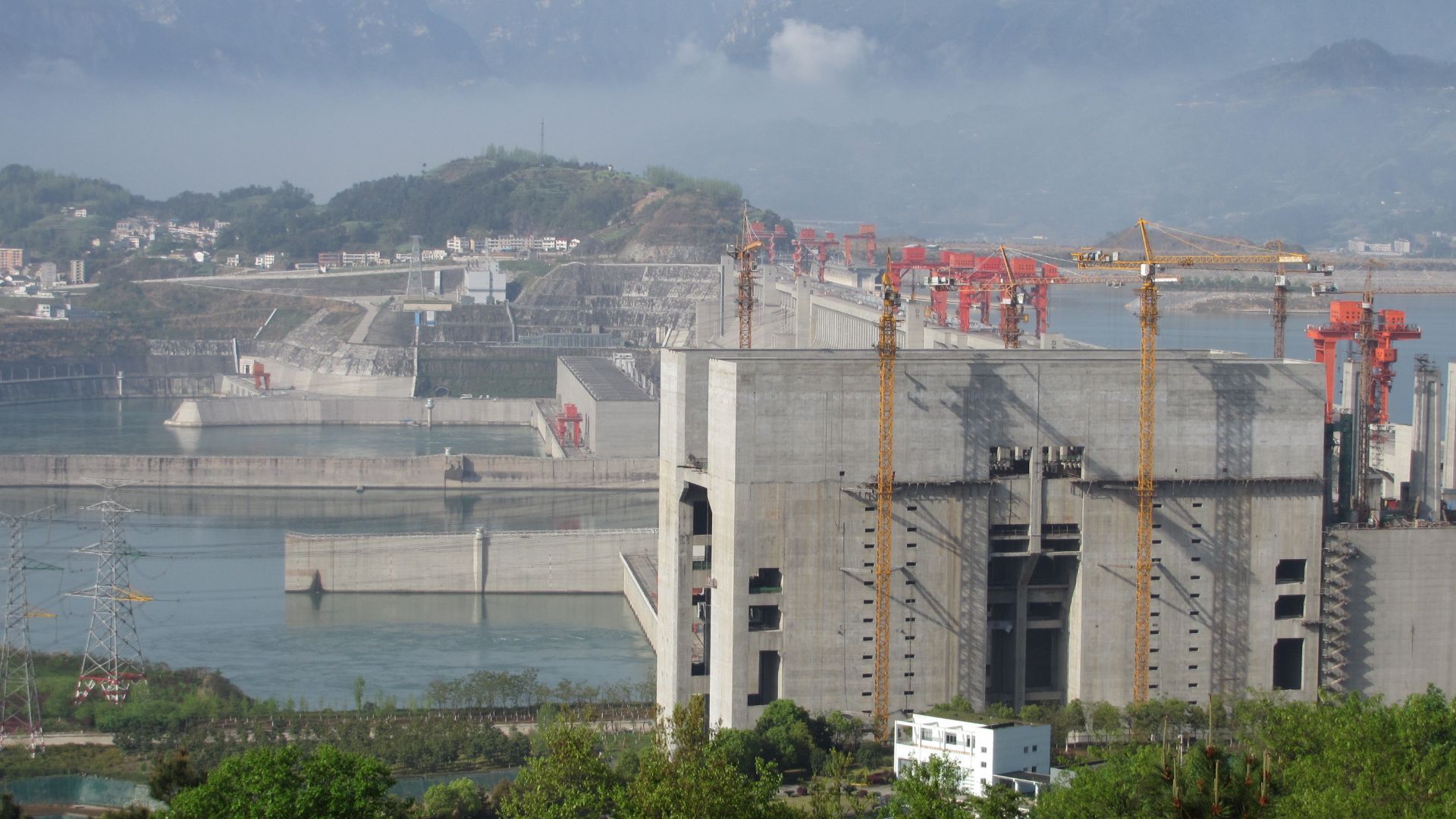
As the immense reservoir filled in the early 2000s, steep banks along its edges began to see landslides. The saturation of rock layers and unpredictable fluctuating water levels destabilized slopes in many areas. Some communities had to be relocated again, confirming earlier worries that geological consequences hadn’t been fully anticipated.
The 2003 Partial Flood Crisis
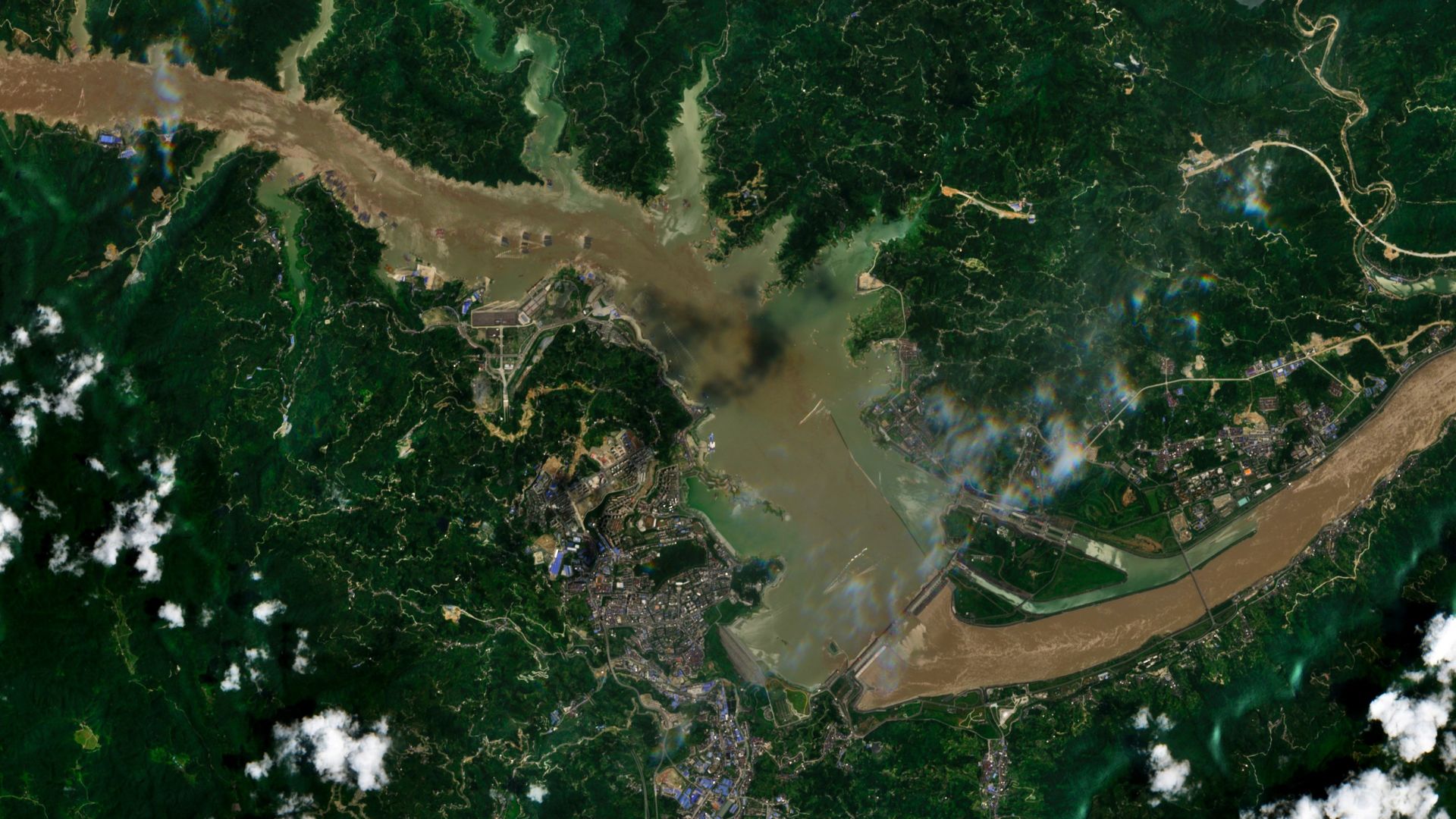
Heavy rains in 2003 tested the partially completed system. Although government officials insisted that downstream flooding was reduced, upstream areas experienced major landslides and structural strain. Critics argued that while the dam shifted the flood risk, it didn’t entirely remove it. The episode marked the beginning of intense scrutiny of the management of the reservoir.
 European Union , Copernicus Sentinel-2 imagery, Wikimedia Commons
Cracks And Structural Rumors
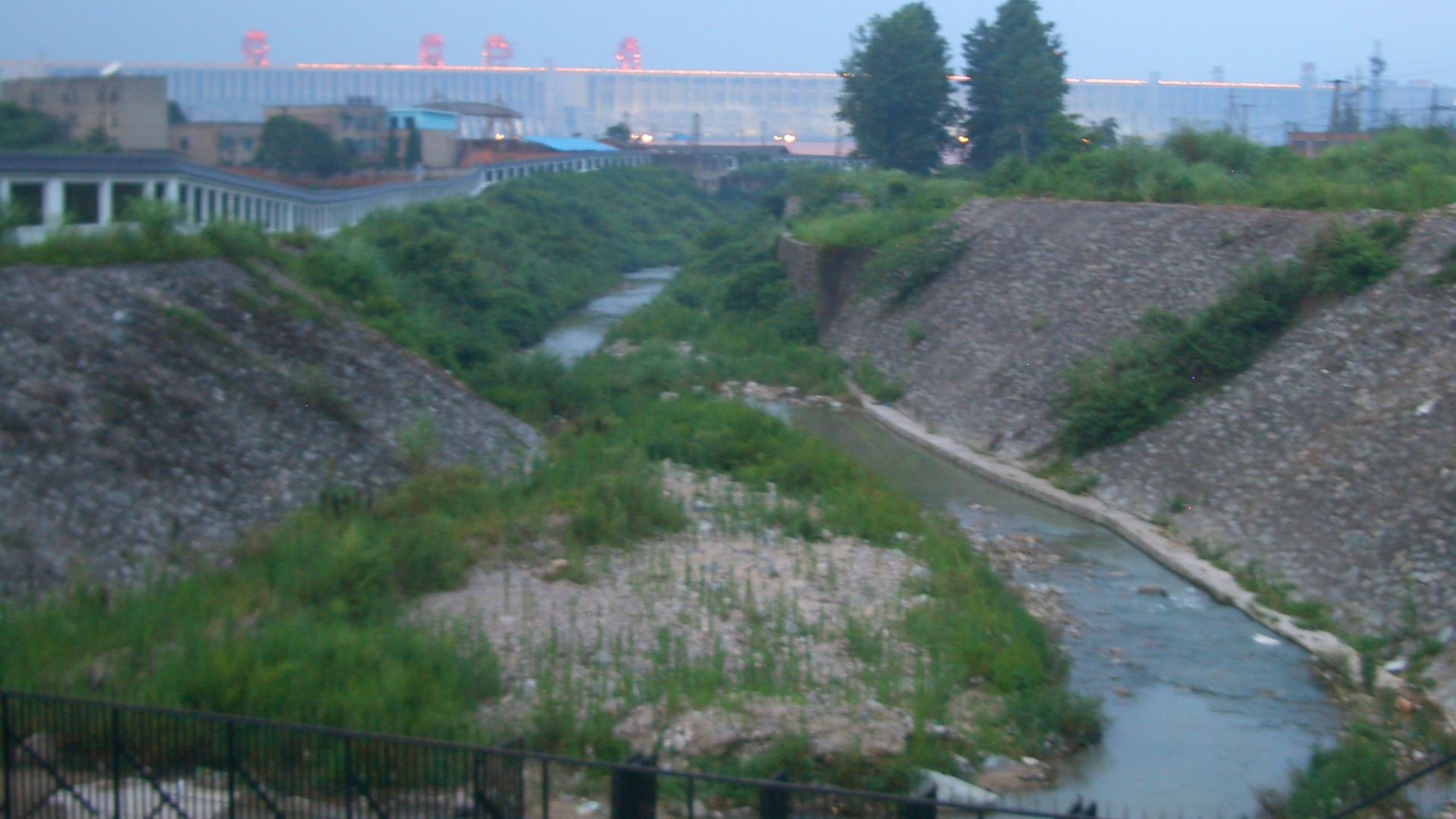
Over the years, online rumors have swirled about the presence of cracks or dangerous deformation in the dam’s structure. Chinese authorities have repeatedly denied these claims, stating that engineering inspections and monitoring systems show no concrete evidence of catastrophic weakness. But the sheer scale of the project ensures that public anxiety is bound to resurface during every major flood season.
 User:Vmenkov, Wikimedia Commons
2010: Extreme Rainfall Returns
Record-breaking rainfall in 2010 pushed inflow levels toward historic highs. The dam temporarily stored colossal volumes of water, which reduced the number and intensity of the peak surges downstream. But several provinces experienced severe flooding, proving that even a structure as mammoth as the Three Gorges Dam cannot completely shelter such a vast river basin from extreme weather events.
Sediment Silently Builds Up
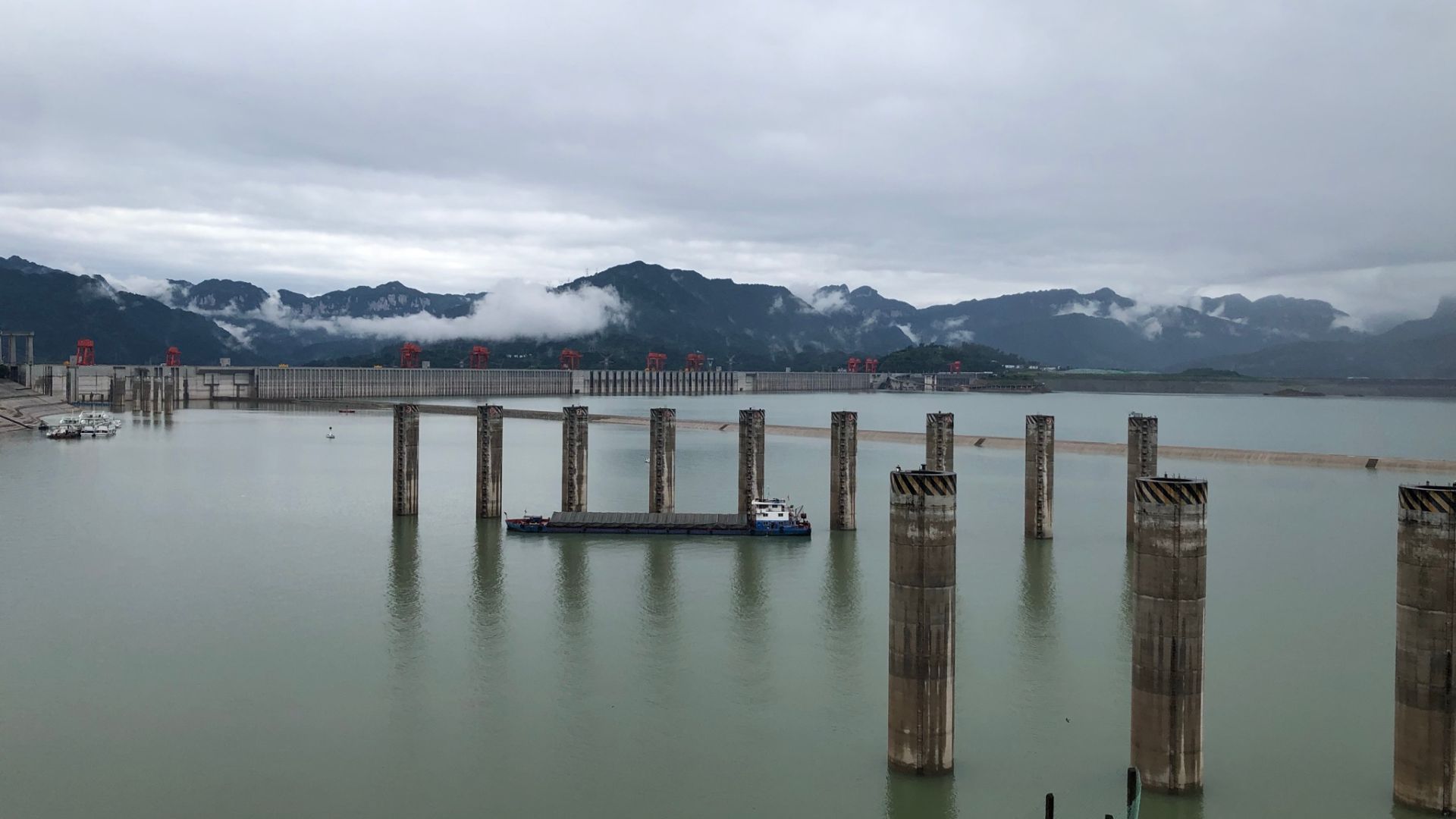
One of the biggest long-term concerns was about the sediment buildup within the reservoir. This is an issue with most dams, but the Yangtze carries tremendous quantities of silt from its upstream reaches. While trapping this sediment can temporarily protect downstream cities, it also reduces the reservoir’s storage capacity and complicates downstream flood controls as the years and decades go by.
Powering A Superpower
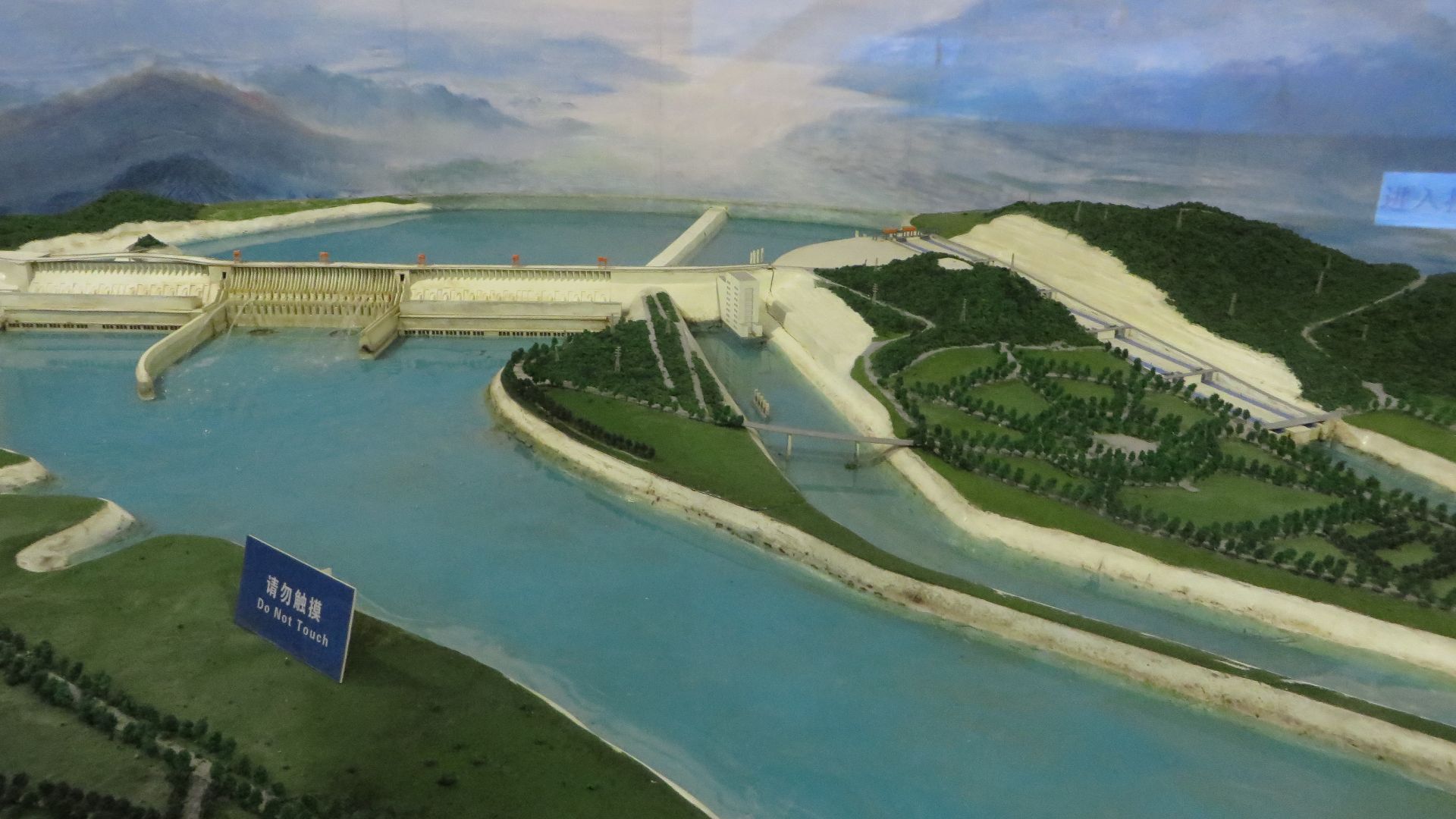
Despite all the technical issues and the raging controversy, the dam generates over 22,000 megawatts of electricity, supplying power to millions of homes and industries. The dam’s supporters point out the reduced coal consumption and lower greenhouse gas emissions in regions that benefit from the abundant hydropower. This energy output is enough for policymakers to justify the project’s immense financial and social investment.
Ship Locks And River Commerce
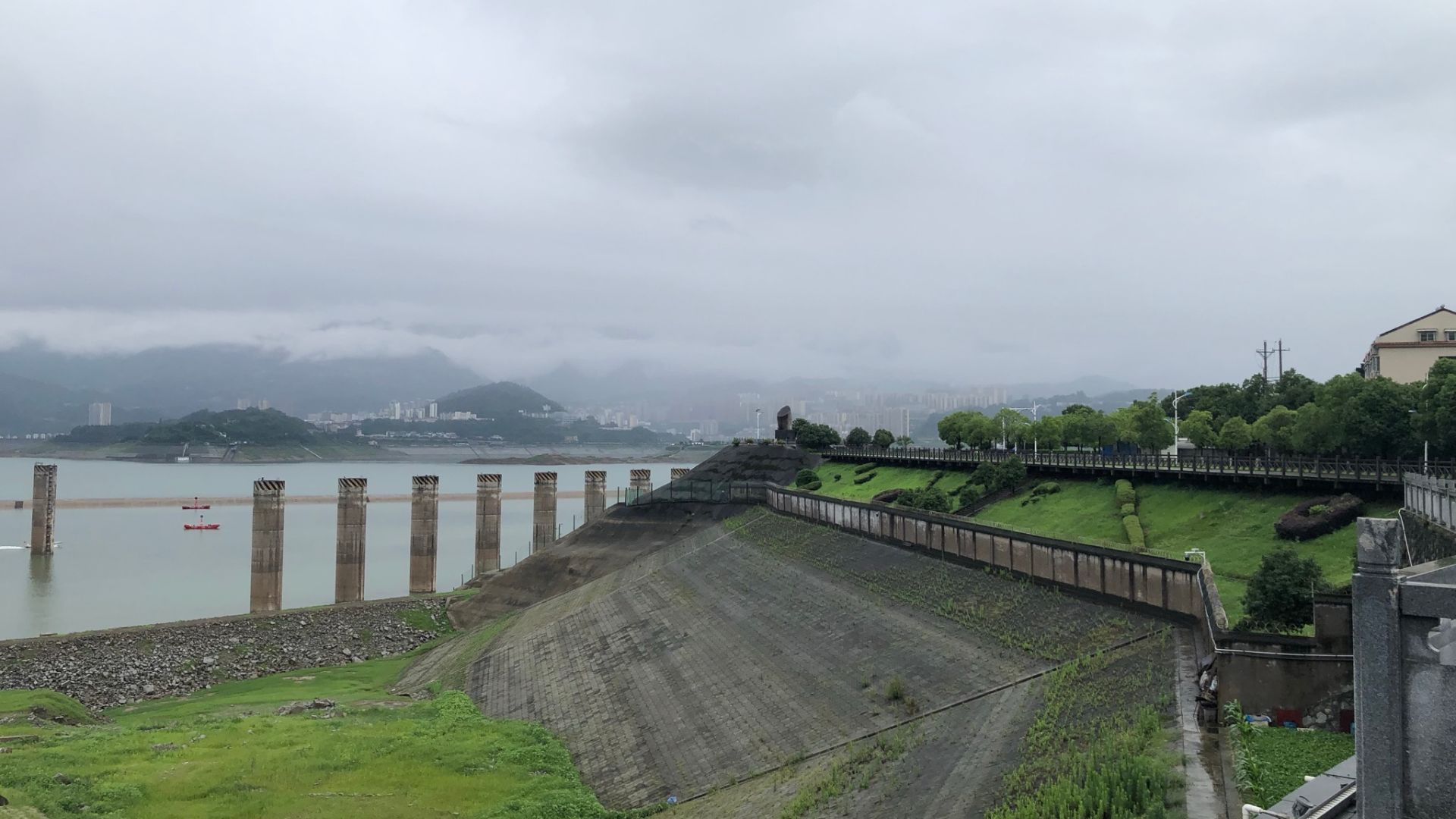
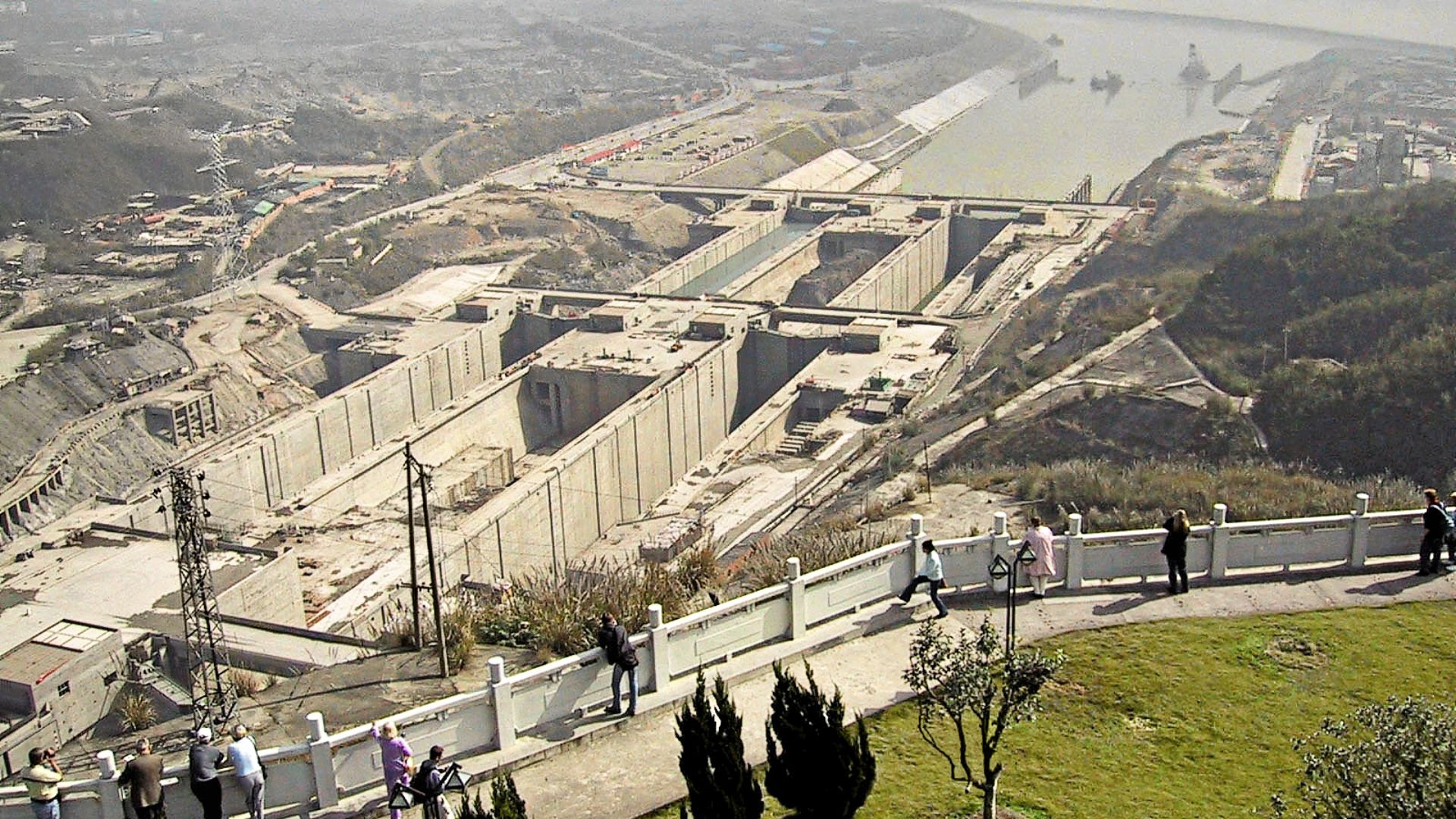
The dam includes a network of sophisticated ship locks and a vertical ship lift. This allows large cargo vessels to navigate what were once extremely hazardous stretches of the Yangtze. River trade has gone up by a lot since the dam’s completion, boosting inland economic activity.
2012 Water Level Crisis
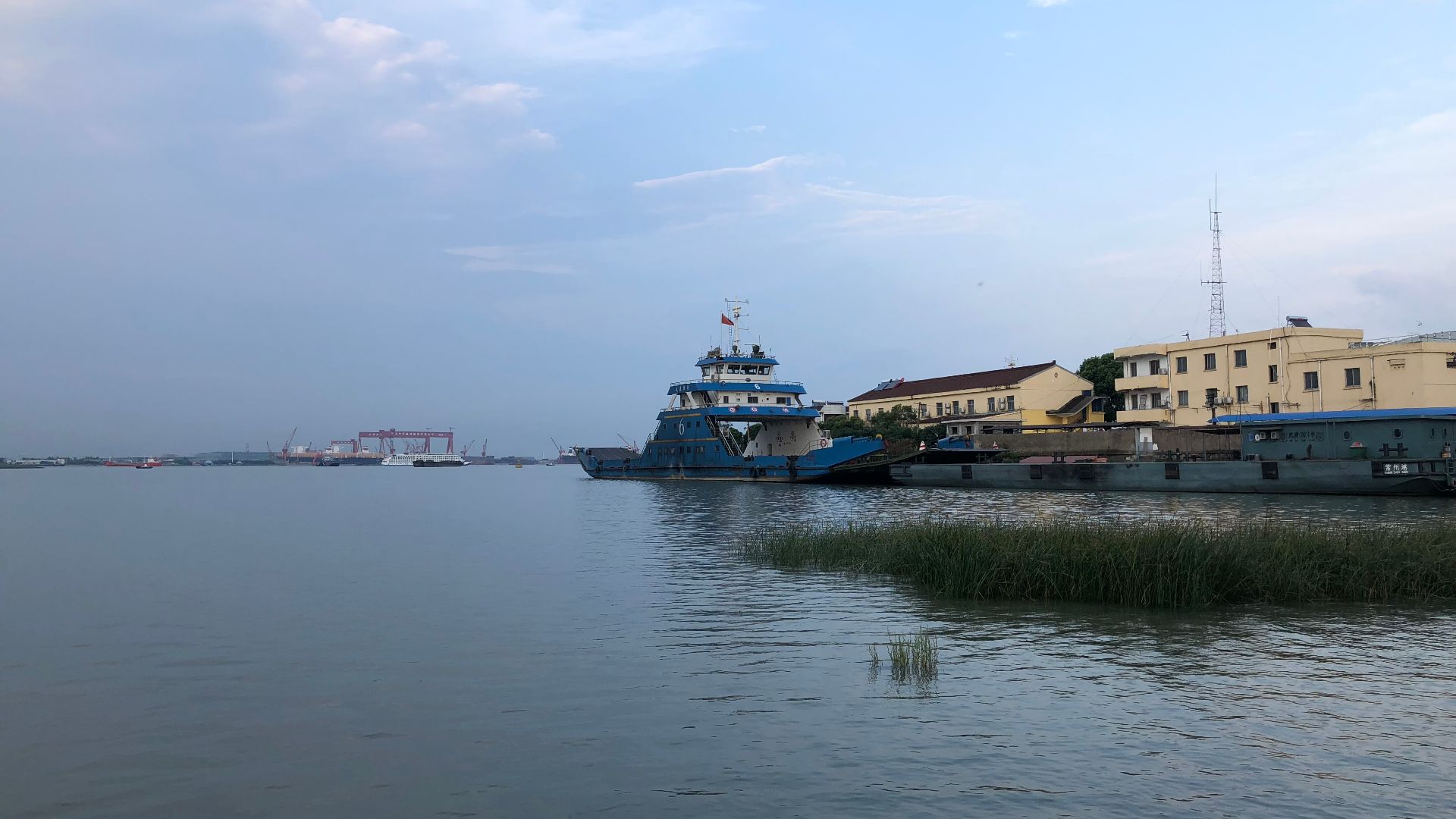
In 2012, heavy monsoon rains again forced the authorities to carefully adjust discharge levels. Balancing upstream reservoir storage with downstream flow rates ended up being politically and technically delicate. While officials were quick as always to praise the successful management, critics maintained that water release strategies inevitably shift risk from one region to another.
Seismic Concerns
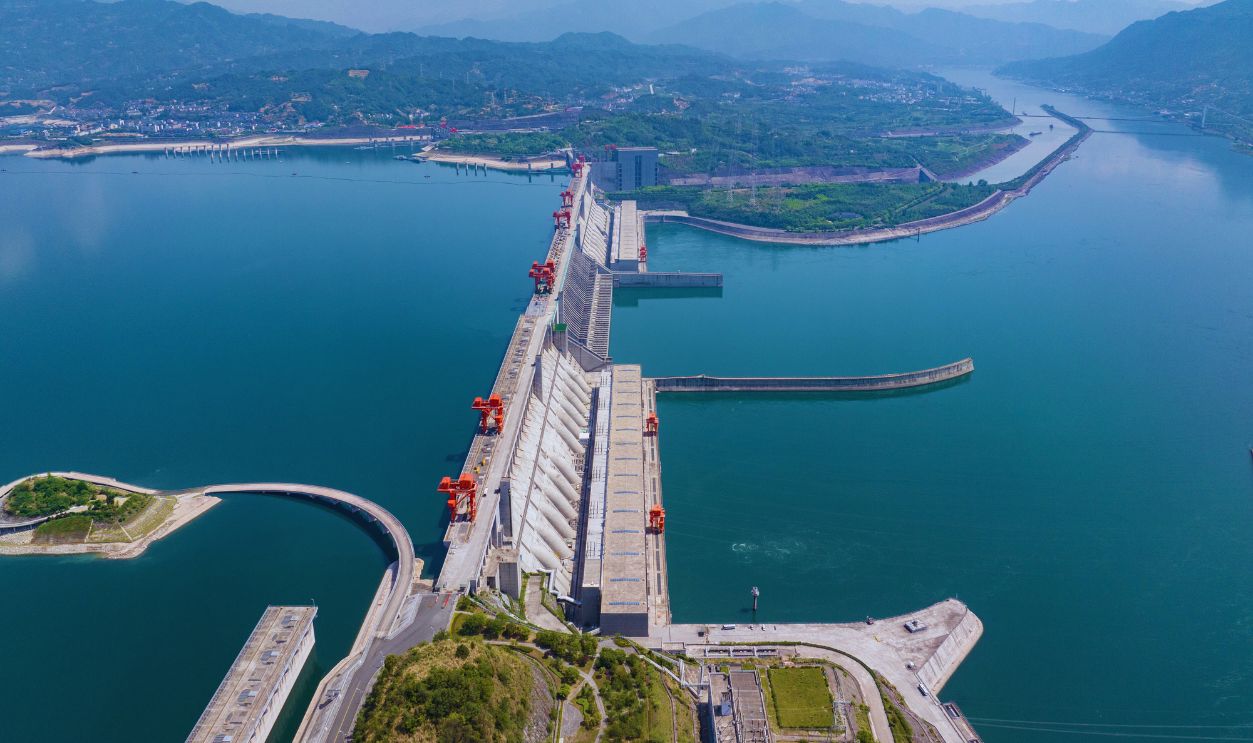
Some geologists have warned that large reservoirs can induce minor seismic activity by increasing the pressure along fault lines. Although no catastrophic quake has ever affected the structure itself, close monitoring is ongoing. Researchers are still divided over how reservoir-induced seismic activity could unfold over decades of sustained water pressure.
 Voice of America's news channel (youtube screenshot), Wikimedia Commons
2020: Social Media Panic
During the severe floods of 2020, satellite images circulated online blaring that the dam looked distorted. Officials dismissed these as nothing more than optical illusions caused by lens effects. But the social media discussion shows how symbolically charged the structure has become for its critics and defenders.
 allen watkin from London, UK, Wikimedia Commons
Flood Control
The Chinese government and press credit the dam with preventing any catastrophic downstream losses in the frequent multiple flood seasons. Independent analysts note that improved levees, forecasting systems, and more modern emergency coordination also play important roles.
 Yogho on de.wikipedia
derivative work: MagentaGreen, Wikimedia Commons
Yogho on de.wikipedia
derivative work: MagentaGreen, Wikimedia Commons
Downstream Impacts
Reduced sediment flow has had its effects on farming patterns along the lower Yangtze. Farmers report changing soil fertility levels, while fisheries deal with shifting ecosystems. The dam interrupts the natural flooding cycles. As a result, it has reshaped the ancient environmental rhythms upon which rural communities historically depended.
 lienyuan lee, Wikimedia Commons
Human Cost
Beyond engineering statistics, the human toll is central to the dam’s story. Families uprooted from ancestral homes have had to adapt economically and socially. While many people have found opportunities in the new urban centers that sprang up all over the place, others faced unemployment, diminished farmland access, and fractured social networks.
 Christoph Filnkößl, Wikimedia Commons
Climate Change Complications
As the world’s climate patterns shift, rainfall intensity and seasonal variability seem to be increasing in recent decades. Engineers are now faced with the possibility that the design assumptions they worked with in the 1990s may need an adjustment. Climate uncertainty adds another layer of complexity to the reservoir operations and flood control strategies.
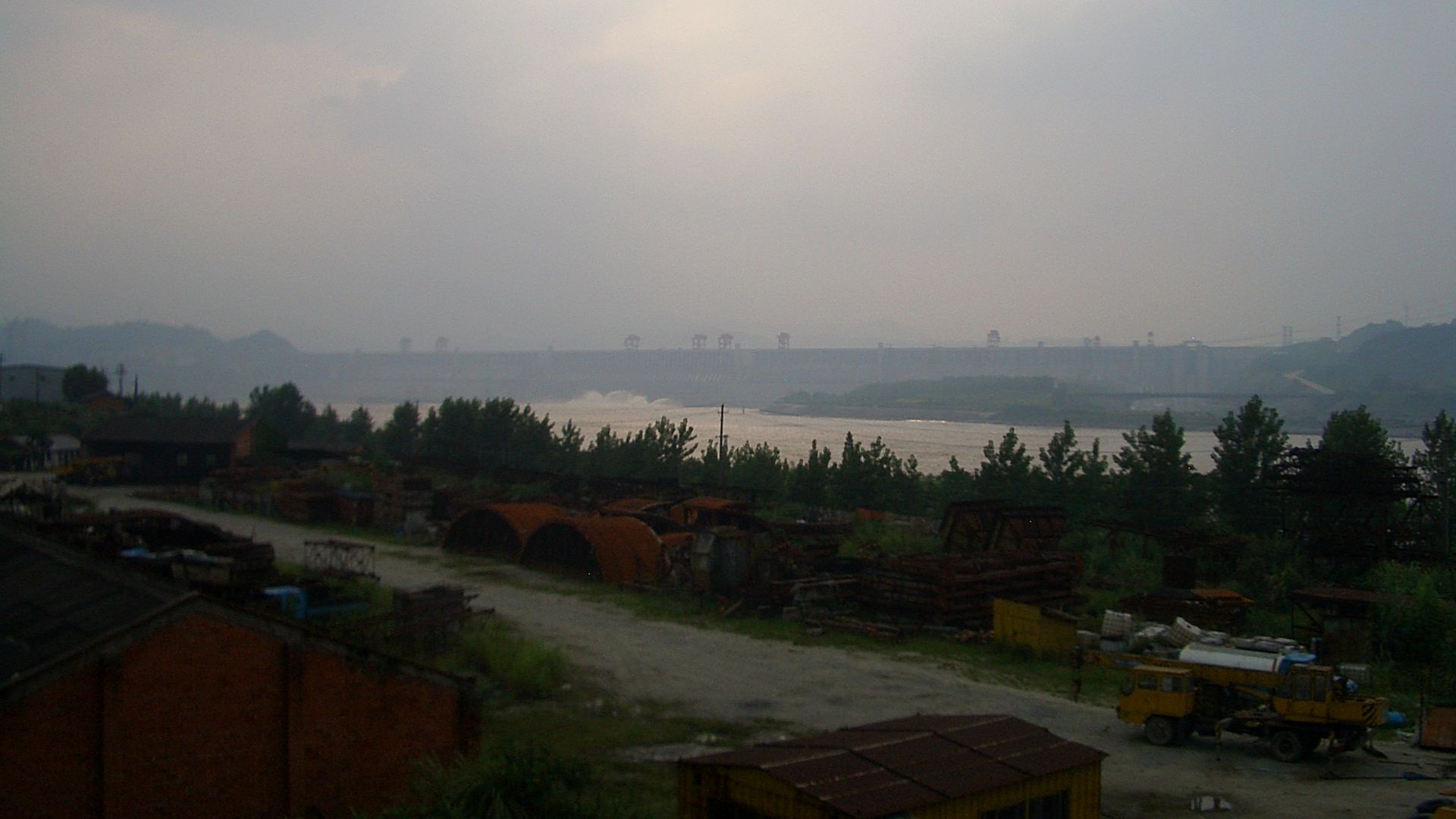 User:Vmenkov, Wikimedia Commons
Round The Clock Monitoring
The dam is equipped with extensive monitoring systems that track every structural movement, internal pressure, and water flow in real time. The dam authorities insist that this constant surveillance guarantees a rapid response to any anomalies. Technology is a central pillar in maintaining confidence in the project’s stability.
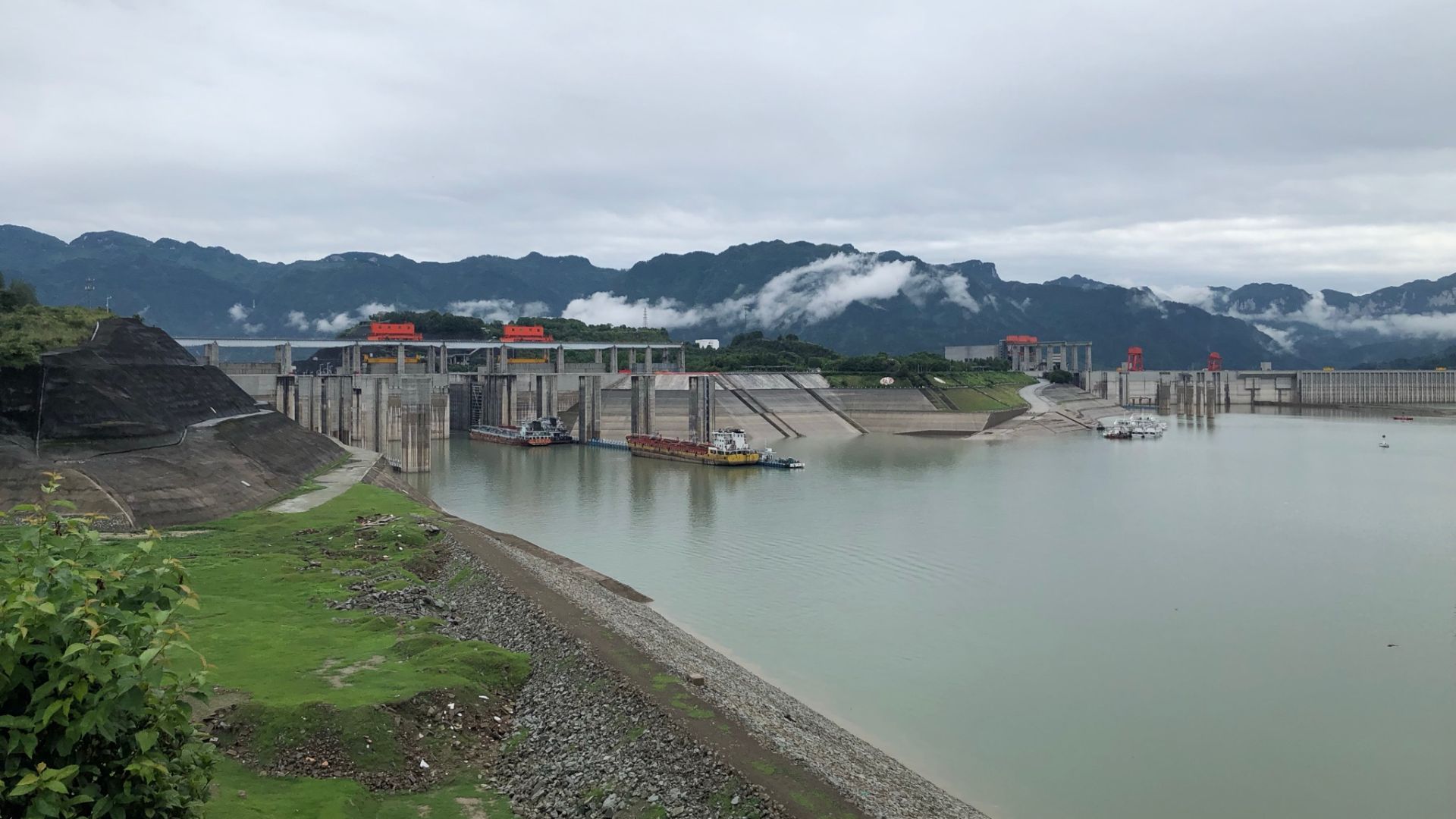
A Symbol Of National Ambition
For China’s leadership, the Three Gorges Dam represents major technological prowess and national pride in mastering the natural forces of the country’s most dynamic river. It’s an inescapable fact that discussion of the dam often goes way beyond the engineering of the thing, and ventures into broader conversations about modernization and government.
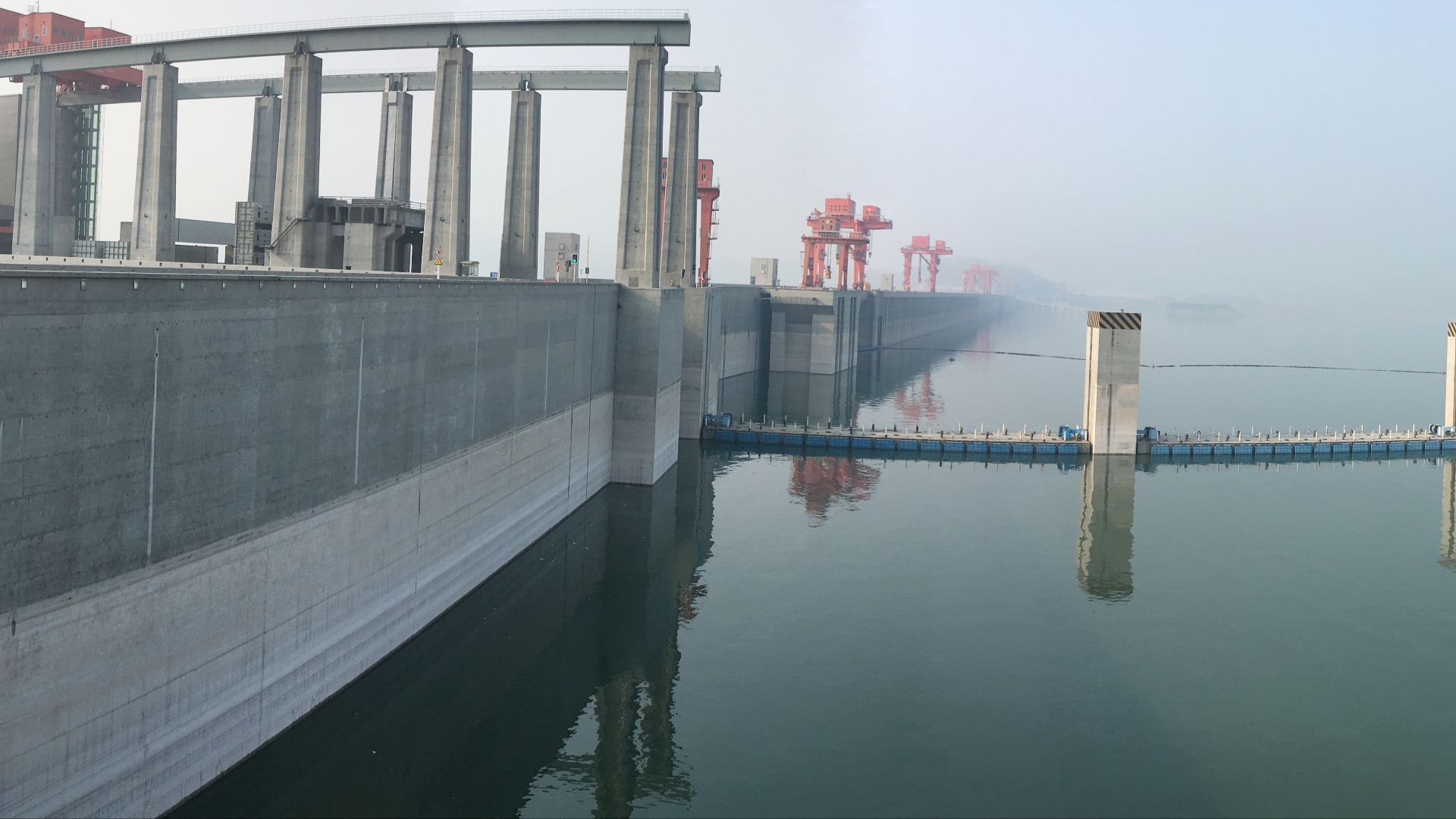 Fredlyfish4, Wikimedia Commons
Triumph And Risk
Three Gorges is undoubtedly an astonishing technical achievement and a source of ongoing debate. It has mitigated the problem of catastrophic flooding and generates vast amounts of renewable energy. But landslides, sediment buildup, displacement, and periodic flooding are all sobering reminders that even the biggest structures can never completely tame the unpredictable force of the Yangtze River.
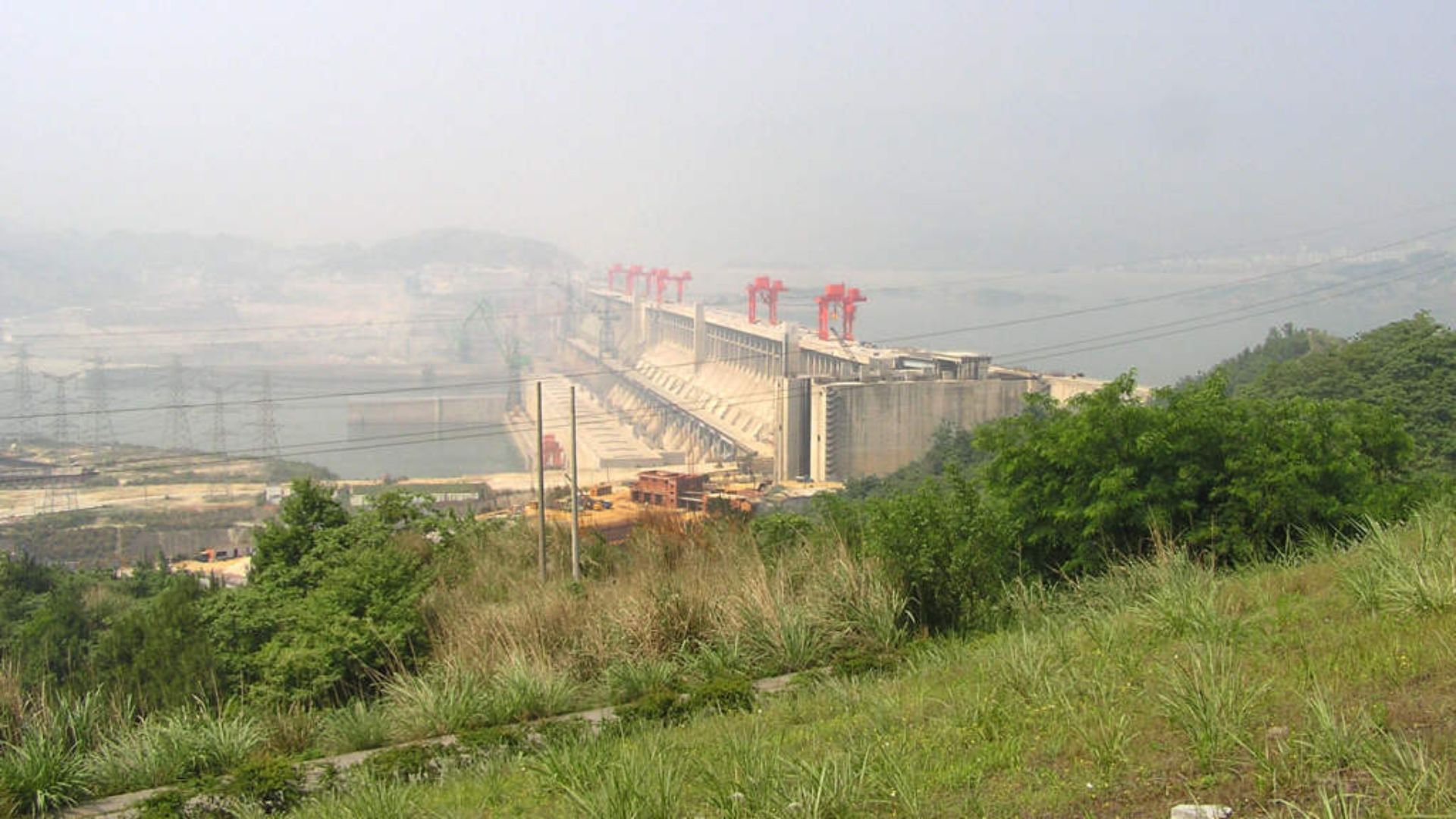 Richardelainechambers at English Wikipedia, Wikimedia Commons
You May Also Like:
Earth-Shaking Facts About Natural Disasters