
 Joastzerttu, Wikimedia Commons, Modified
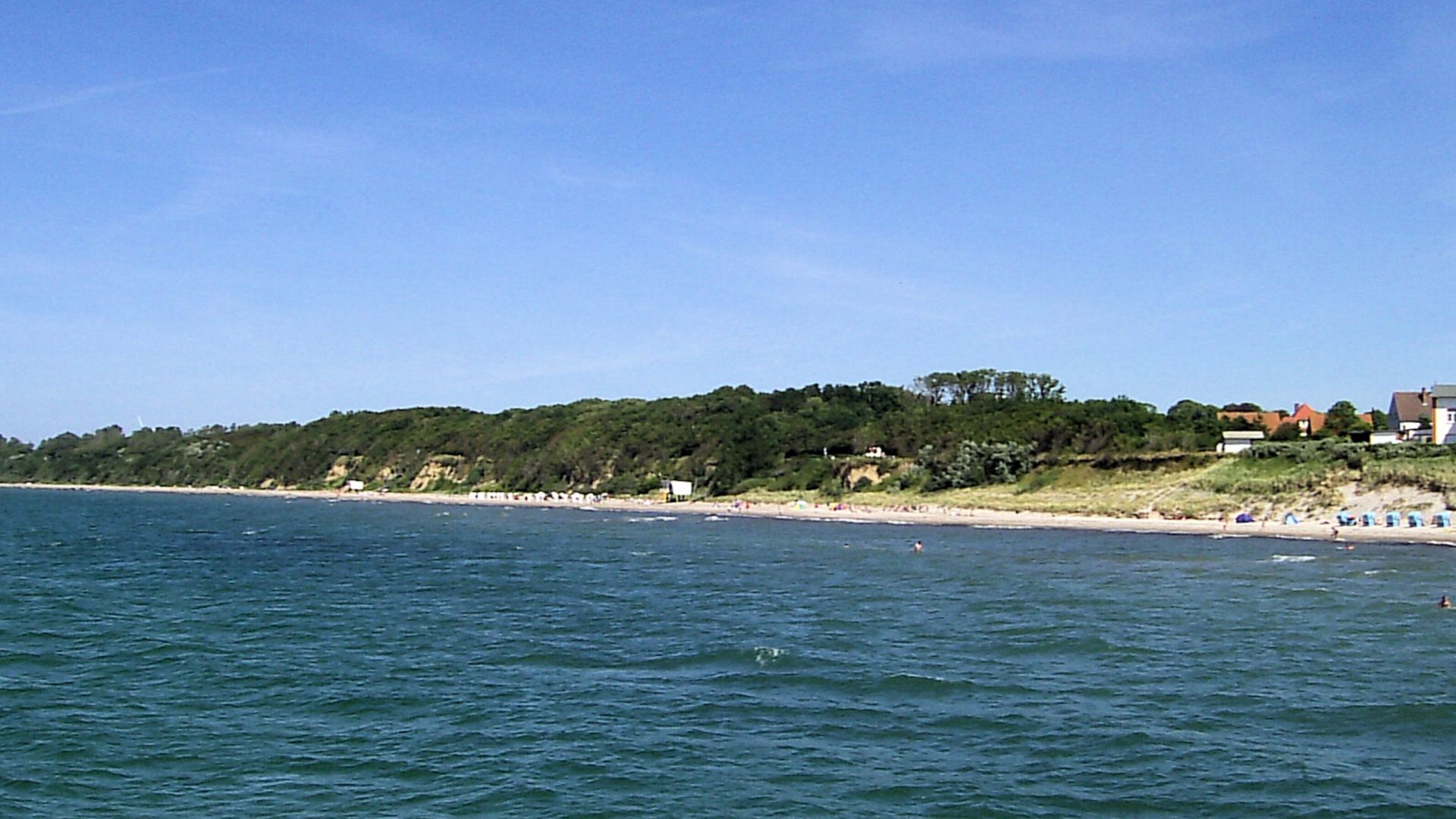
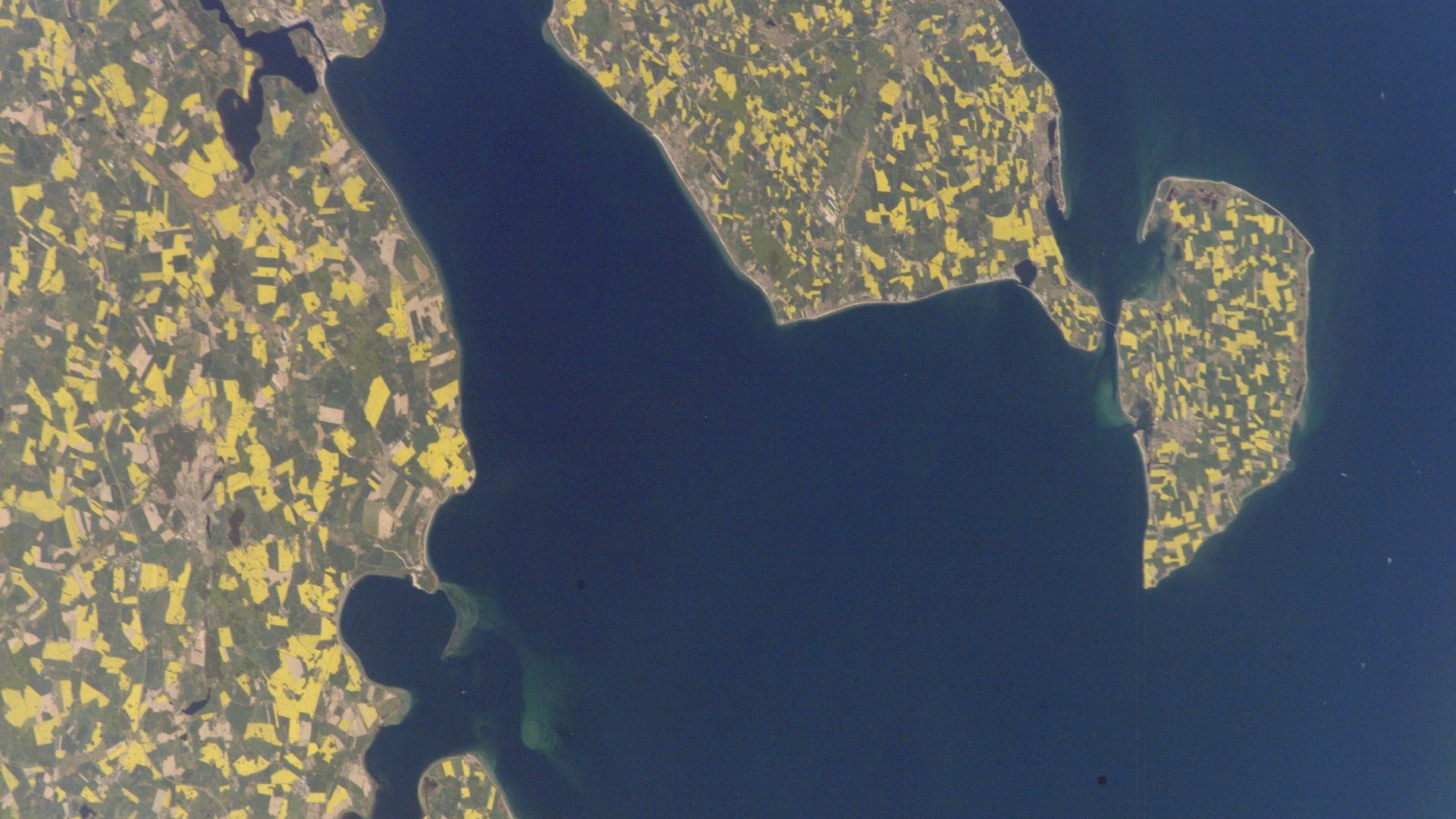
Just a few years ago, explorers mapping the bottom of the Bay of Mecklenburg off northern Germany stumbled on something startling: a nearly 3,200-foot wall of stones lying about 69 ft below the surface. This was a deliberate construction, aligned with regularity and intent. Discovered in 2021 through sonar mapping by geologists during a student training exercise, the structure is now known as the Blinkerwall. Researchers estimate it dates back roughly 11,000 years, based on radiocarbon evidence and sea-level modeling. Scientists believe Stone Age hunter-gatherers built it to guide and trap reindeer across the shallow landscapes that emerged after the last Ice Age. That realization reshapes assumptions about early northern European societies, revealing levels of planning, cooperation, and environmental knowledge once thought unlikely for such a distant period.
A Structure Lost To Time
Long before that stone wall sank beneath the chilly waves of the Baltic, the coast looked entirely different. At the end of the last Ice Age, melting glaciers and changing climates created sprawling plains, lakes, and bogs where today the sea lies. The region around Rerik, Germany, was once dry ground, part of a vast hunting territory for nomadic peoples who moved with the seasons. As those massive ice sheets receded tens of thousands of years ago, rising waters slowly drowned the land around 8,500 years ago. Because it was submerged rather than eroded by wind and farming, the alignment of stones remains remarkably intact on the seafloor. In fact, the structure consists of about 1,673 stones, which include around 300 large boulders with smaller ones placed at calculated intervals. This defies explanation by accident.
A Prehistoric Reindeer Hunting Strategy
When this terrain was dry land, it likely hosted one of the most iconic beasts of the early Holocene: the Eurasian reindeer (Rangifer tarandus). These animals migrated in long seasonal herds across northern Europe, following food sources and open tundra. For the scattered hunter-gatherer groups, reindeer were a vital source of meat, hide, and bone. Yet, they were fast and hard to corner. Unlike random piles, the stones lie in a continuous, shallow wall that runs parallel to what was once a lakeshore or bog edge. This significant placement suggests a strategy: herd animals tend to follow terrain edges and contours, so placing a low wall here would tap into migrating reindeer's instinctive movement patterns. The idea was to guide the herd into a narrowing space between the wall and the water where hunters could wait with spears and close-range weapons.
What It Teaches Today
Evidence from sediment samples and sonar mapping makes clear this feature isn’t a natural remnant from shifting tides or glacial drift. It stands as a deliberate Stone Age construction, built by people who understood animal behavior and land features deeply enough to fuse them into a practical hunting tool centuries before written history. In other words, finding a project like the Blinkerwall changes assumptions about ancient human capability and cooperation. A wall stretching over half a mile required labor, planning, cooperation, and knowledge shared across groups and seasons. When hunter-gatherer bands worked together to build a feature like this, they weren’t just reacting to the environment; they were shaping it.
Because the structure lies in an area now submerged, it has been protected from the decades of farming and construction that erase so many terrestrial prehistoric sites. That makes the Blinkerwall especially valuable for archaeologists seeking to understand how early human communities understood animal movement patterns and cooperated across generations. The site fits into a broader picture of how people lived after ice sheets melted. As further dives and sonar scans search for buried tools or smaller features around the wall, researchers hope to add more details to this ancient story. Perhaps even personal traces.
 Earth Science and Remote Sensing Unit, Lyndon B. Johnson Space Center, Wikimedia Commons