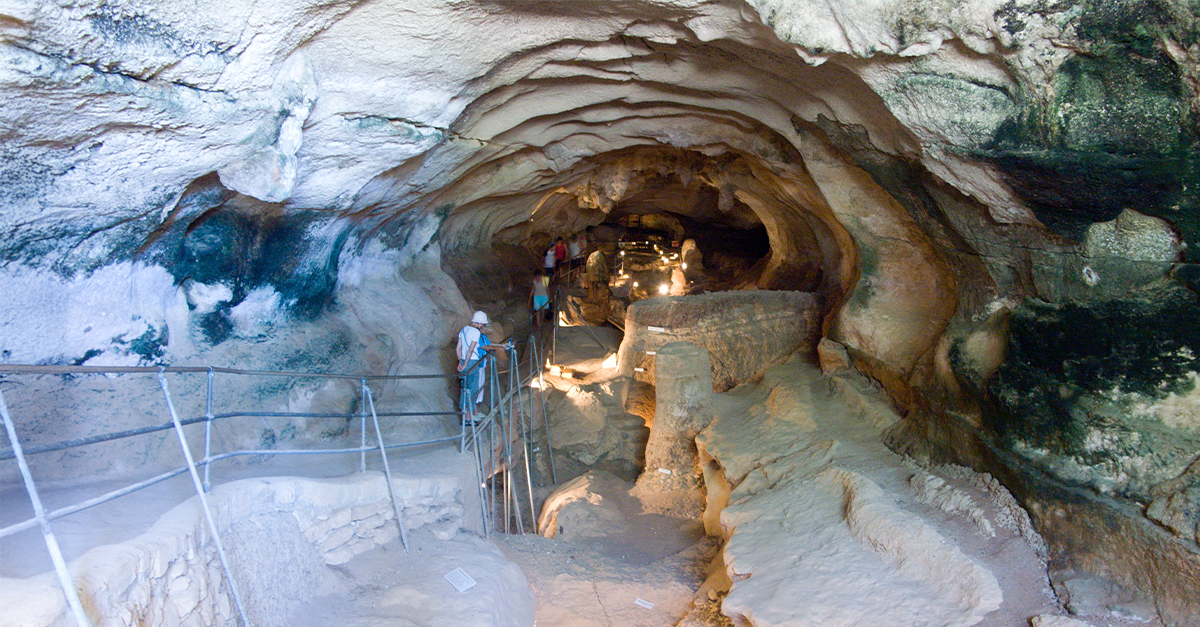
New archaeological findings have upended our previous beliefs about early human migration with evidence that hunter-gatherers came ashore on the Mediterranean island of Malta about 8,500 years ago. The new findings challenge the assumption that early seafarers couldn’t make such a journey. The discovery reopens the story of prehistoric navigation and settlement of the central Mediterranean.
Surprising Clues In A Limestone Cave
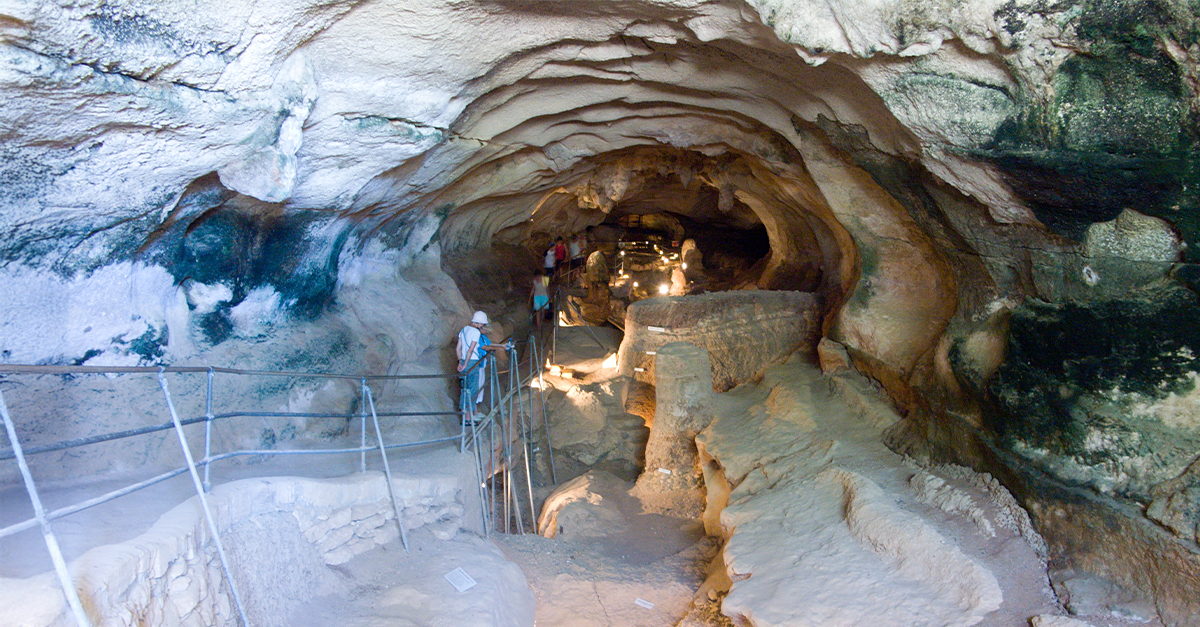
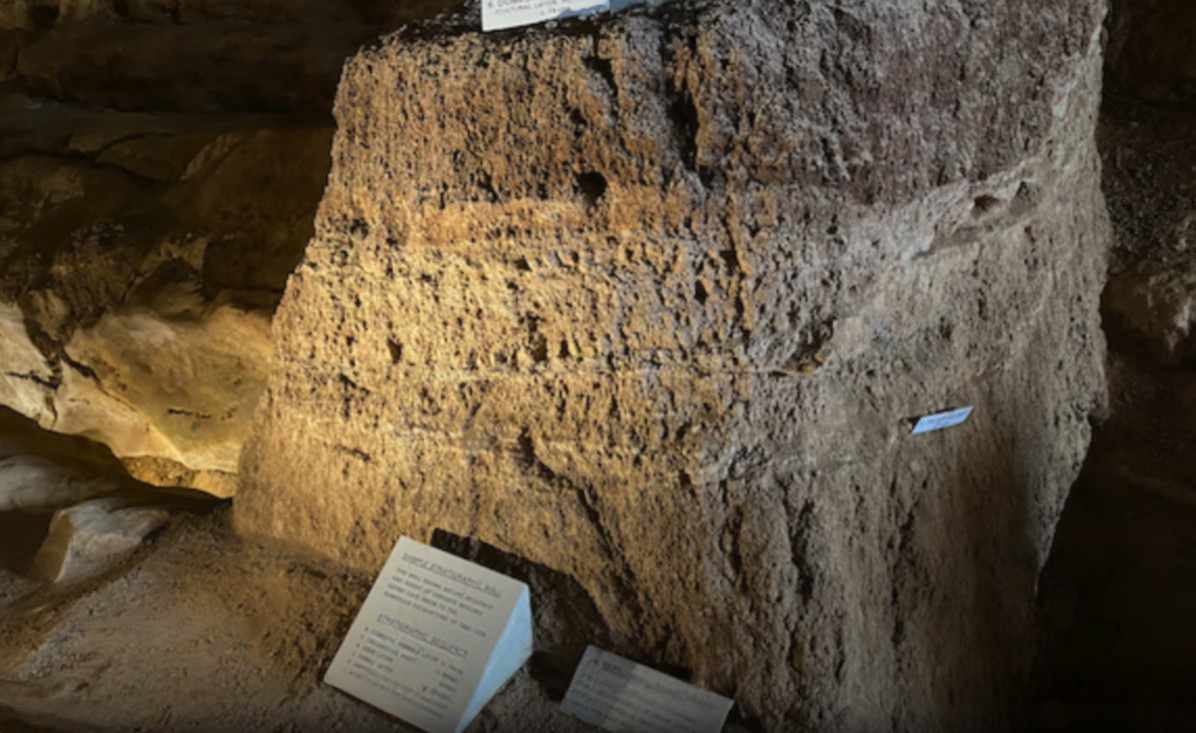
The key evidence came from Għar Dalam, a limestone cave in Malta that has long attracted the curiosity of archaeologists. A study published in Nature described ancient tools, animal bones, and human remains hosted in a sediment layer many centuries older than the earliest known evidence of Neolithic farming. The artifacts were radiocarbon dated to between 7,000 and 5,900 BC: final proof that humans lived here before agricultural settlers arrived.
 Jean-Christophe BENOIST, Wikimedia Commons
It Was No Accident
The conventional theory always said that the first people to settle Malta came over from Sicily around 5,900 BCE, bringing farming and pottery with them. The new evidence, however, shows that people had arrived earlier, when Malta was already separated from the mainland by open water. This suggests intentional seafaring, not overland wandering, and implies a higher degree of maritime skills among Mesolithic people than we previously thought.
A Stone Age Way Of Life
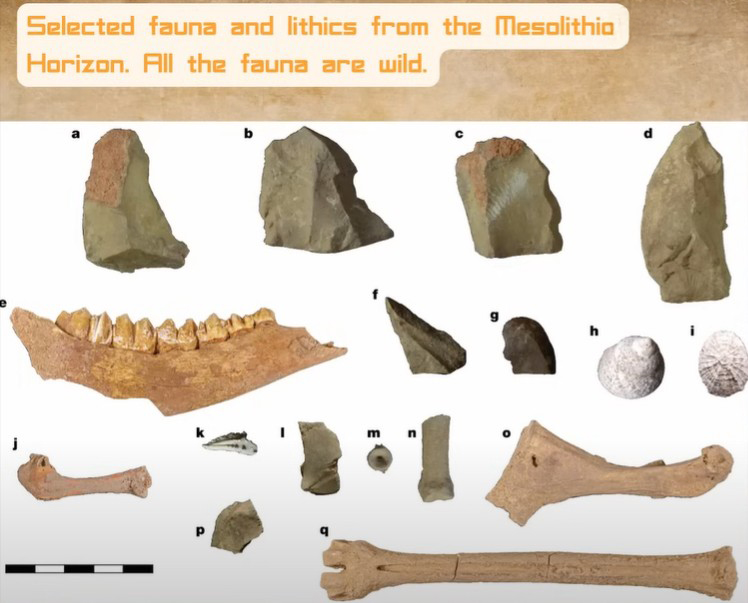
The toolkit includes flint blades, scrapers, and burins of a classic Mesolithic hunter-gatherer community. Faunal remains show that early settlers survived on deer and maybe birds. The lack of domesticated animals or crops supports the idea that these people lived off the land and sea. Their existence in this supposedly remote region prior to any farming populations is a major break from standard archaeological models.
A Prehistoric Waterway
These results are part of a growing trove of evidence that water didn’t stop early humans from exploring, but may have encouraged them. In the past few years, researchers have found signs of Mesolithic seafaring in the Aegean, Sardinia, and the Adriatic. The Malta discovery shows that ancient humans were far more mobile than we thought, treating the Mediterranean as a seaway for migration and trade.
Malta’s History Rewritten
The discovery shifts Malta’s role in the saga of early humans. Long regarded as an isolated refuge until the Neolithic period, Malta now seems to have been part of the wider Mesolithic world. The early hunter-gatherers most likely didn’t dot the landscape with monuments or establish large settlements, but their early presence set the stage for later colonization and even might have influenced the agrarian cultures that came after.
 HUNTER-GATHERERS Reached the MEDITERRANEAN Islands of #MALTA, MegalithHunter, YouTube
Future Research And Unanswered Questions
There are a few other matters to clear up. Did these early settlers stay all year, or seasonally? Were their voyages one-off events, or part of long-term migration? More determined digging and better radiocarbon dating methods should give us some clues to follow up on. Underwater archaeology could help trace the routes these seafarers followed and see if they left behind now-submerged settlements or landing spots.
In The Grand Scheme Of World History
This study was guided by researchers from the University of Malta and the Max Planck Institute. Its results force us to rethink the abilities of Mesolithic peoples all across Europe. It indicates that human populations were successfully navigating the open seas with intention and skill. Malta now joins a whole roster of other places that are re-evaluating what we thought we knew about Stone Age peoples.
You May Also Like:
Monumental Facts About Ancient Egypt
Facts About Legendary Pieces of Lost History
A boomerang discovered in a Polish cave is the oldest ever found on Earth.