
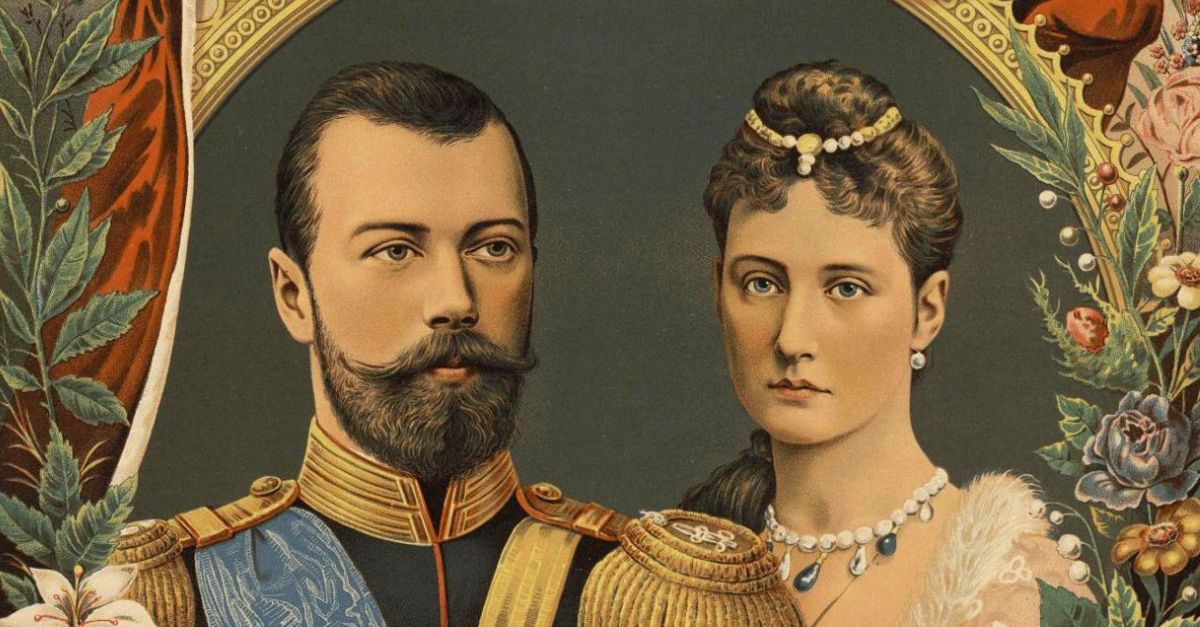
Duty Meets Desire
Love finds a way, even in royal courts where marriages served political purposes first. Kings and queens across centuries surprised everyone. Their formal arrangements, meant only for power and alliance, grew into genuine bonds.
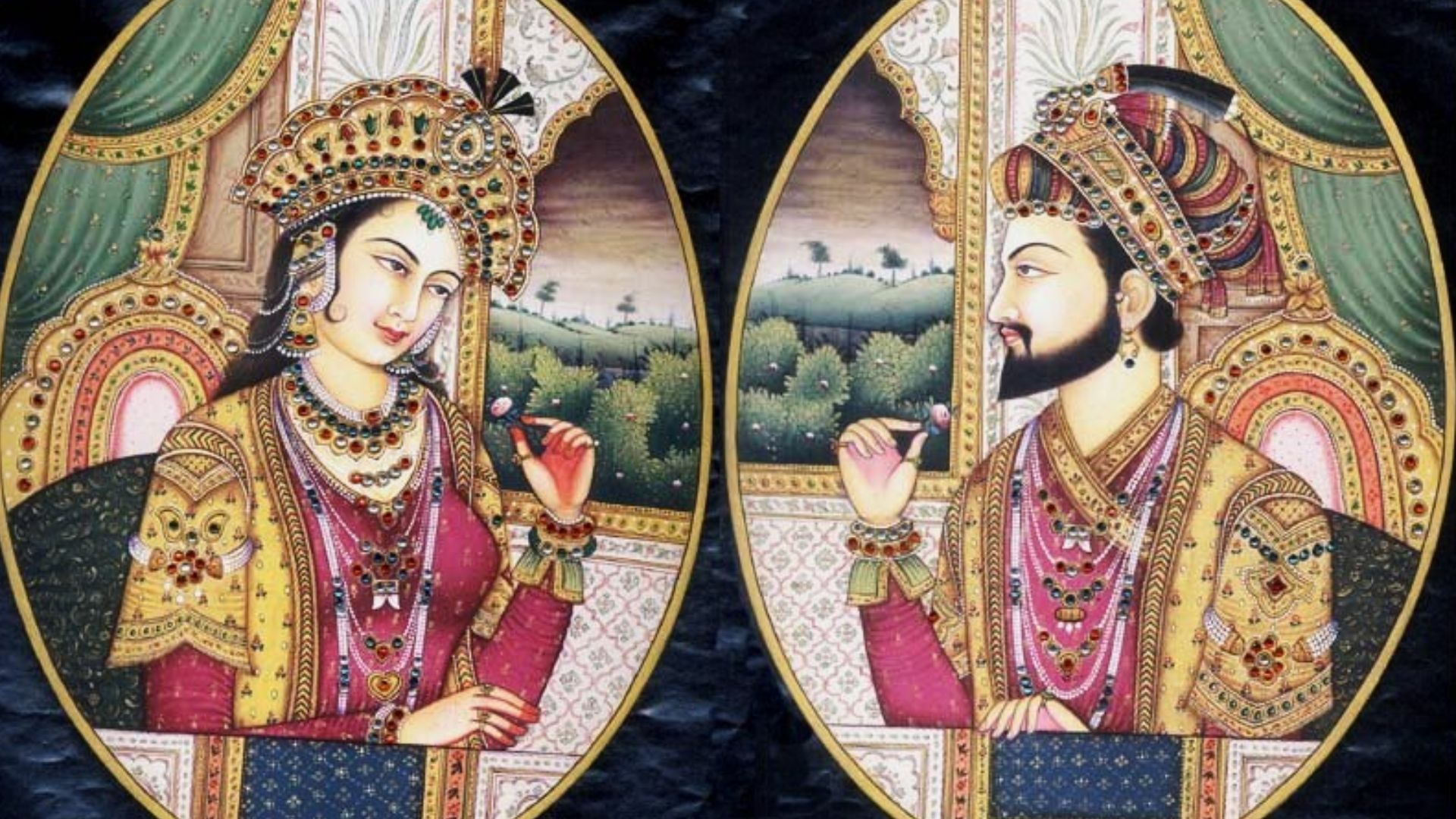
Shah Jahan And Mumtaz Mahal
Mumtaz Mahal accompanied Shah Jahan on most military campaigns, demonstrating an unusually close bond rarely seen among royal couples of their time. Their 1612 marriage within the Mughal royal family may have been arranged, but their relationship developed into extraordinary affection.
 Unknown authorUnknown author, Wikimedia Commons
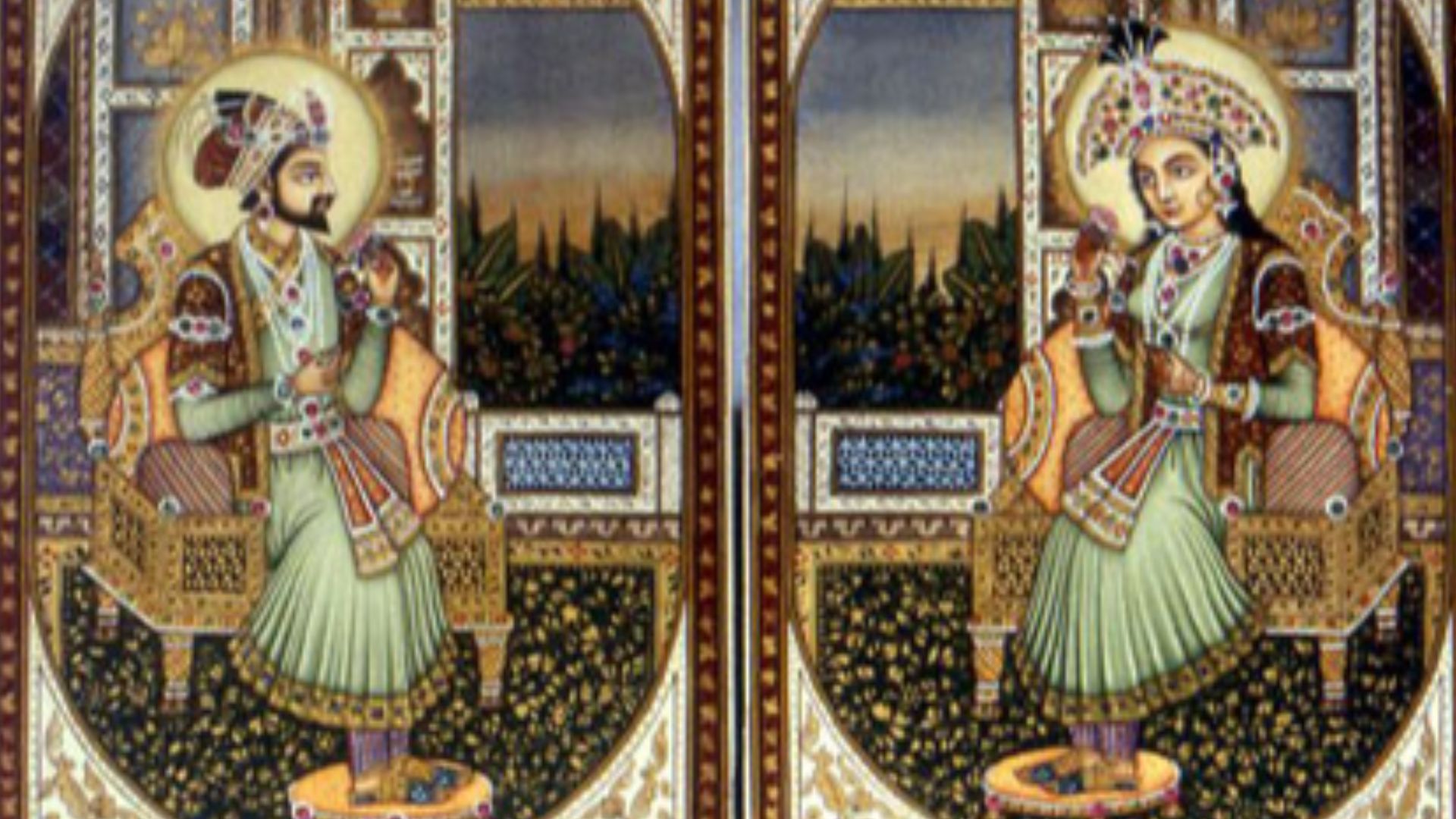
Shah Jahan And Mumtaz Mahal (Cont.)
The depth of their connection turned what could have been merely a political union into a legendary love story. Today, the Taj Mahal stands as Shah Jahan's magnificent tribute to his beloved wife after her demise. This architectural marvel is recognized worldwide as a symbol of eternal love.
 Unknown authorUnknown author, Wikimedia Commons
King George III And Queen Charlotte
Fifteen children, more than any other British monarch, were born to King George III and Queen Charlotte during their long marriage. Their family life began quite unusually, as they married just six hours after meeting for the first time on September 8, 1761.
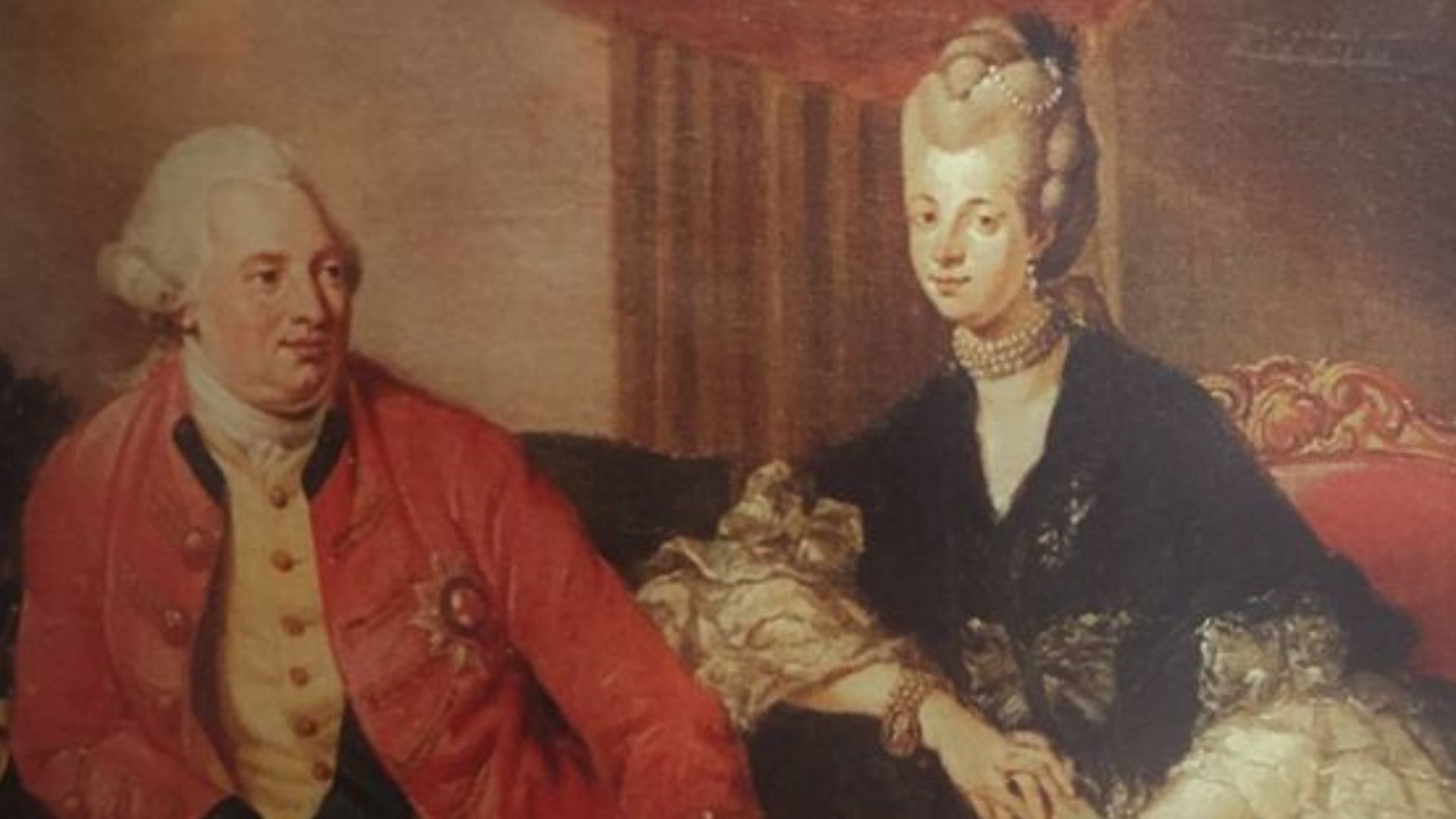 After Johann Zoffany, Wikimedia Commons
King George III And Queen Charlotte (Cont.)
Though arranged by family members, particularly their uncle Leopold, their union wasn't primarily for Protestant alliance but instead focused on dynastic and familial interests that would shape British royal history. Christmas trees became a well-known British tradition thanks to Queen Charlotte.
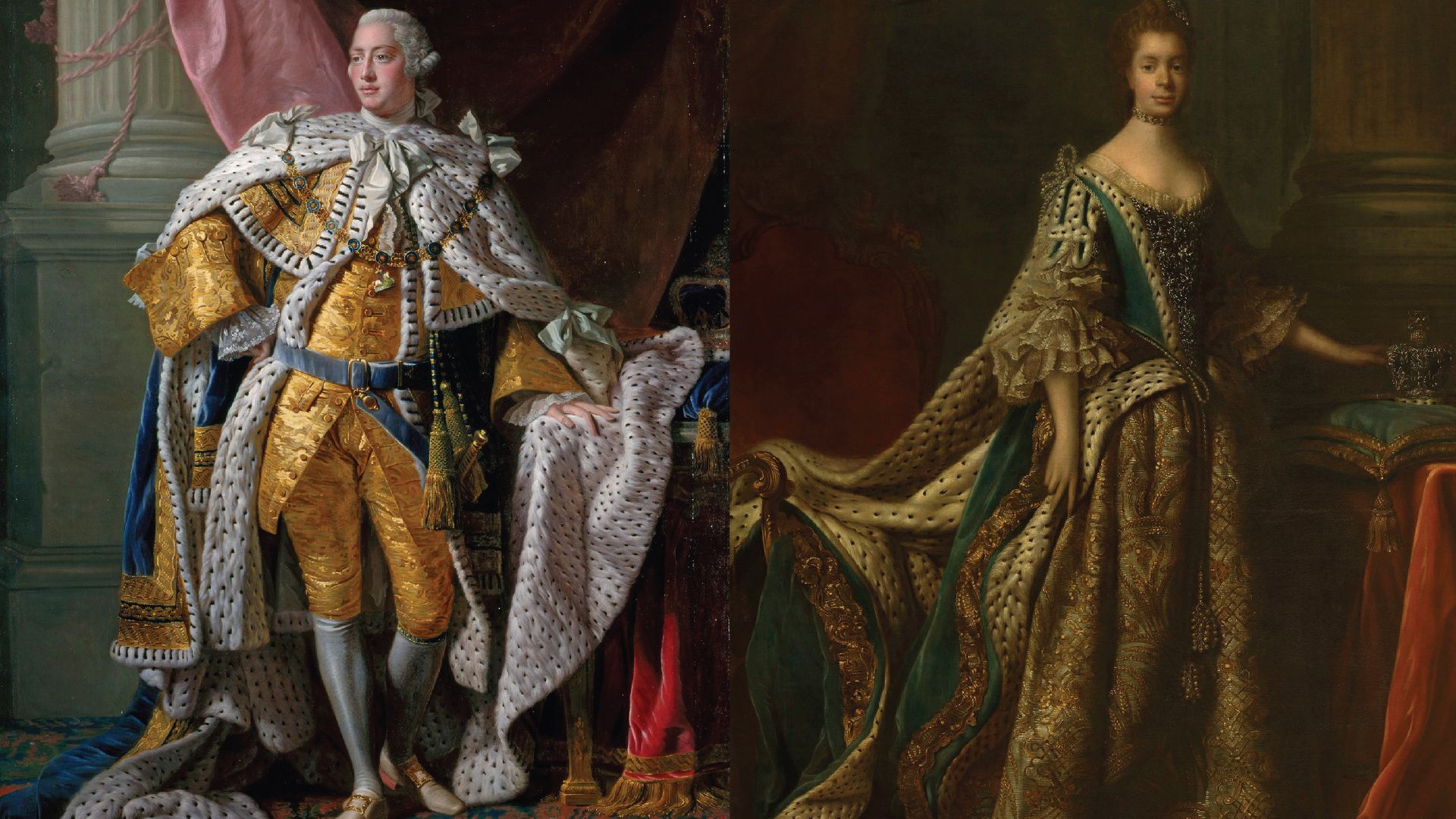 Allan Ramsay, Wikimedia Commons
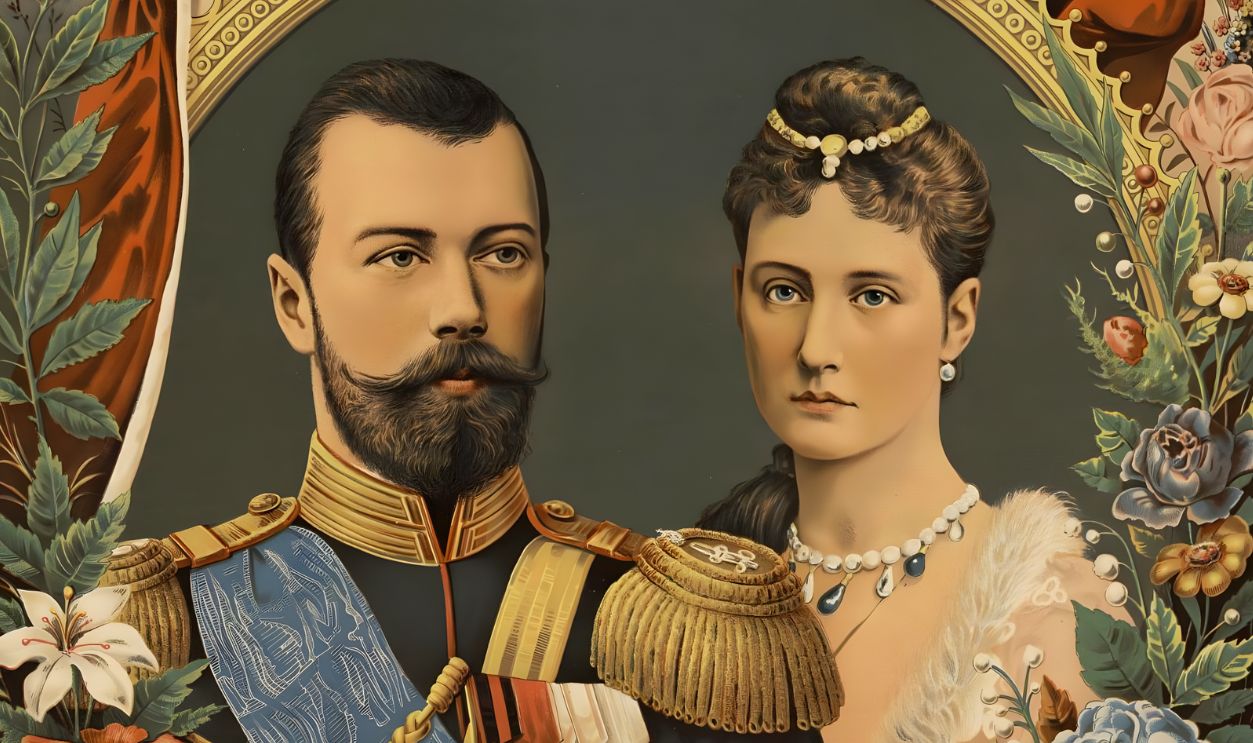
Emperor Nicholas II And Alexandra Feodorovna
A granddaughter of Britain's Queen Victoria, Alexandra Feodorovna, mirrored the interconnected nature of European royal families prior to WWI. She converted to Russian Orthodoxy before marrying Nicholas II. Their marriage developed into something much more meaningful.
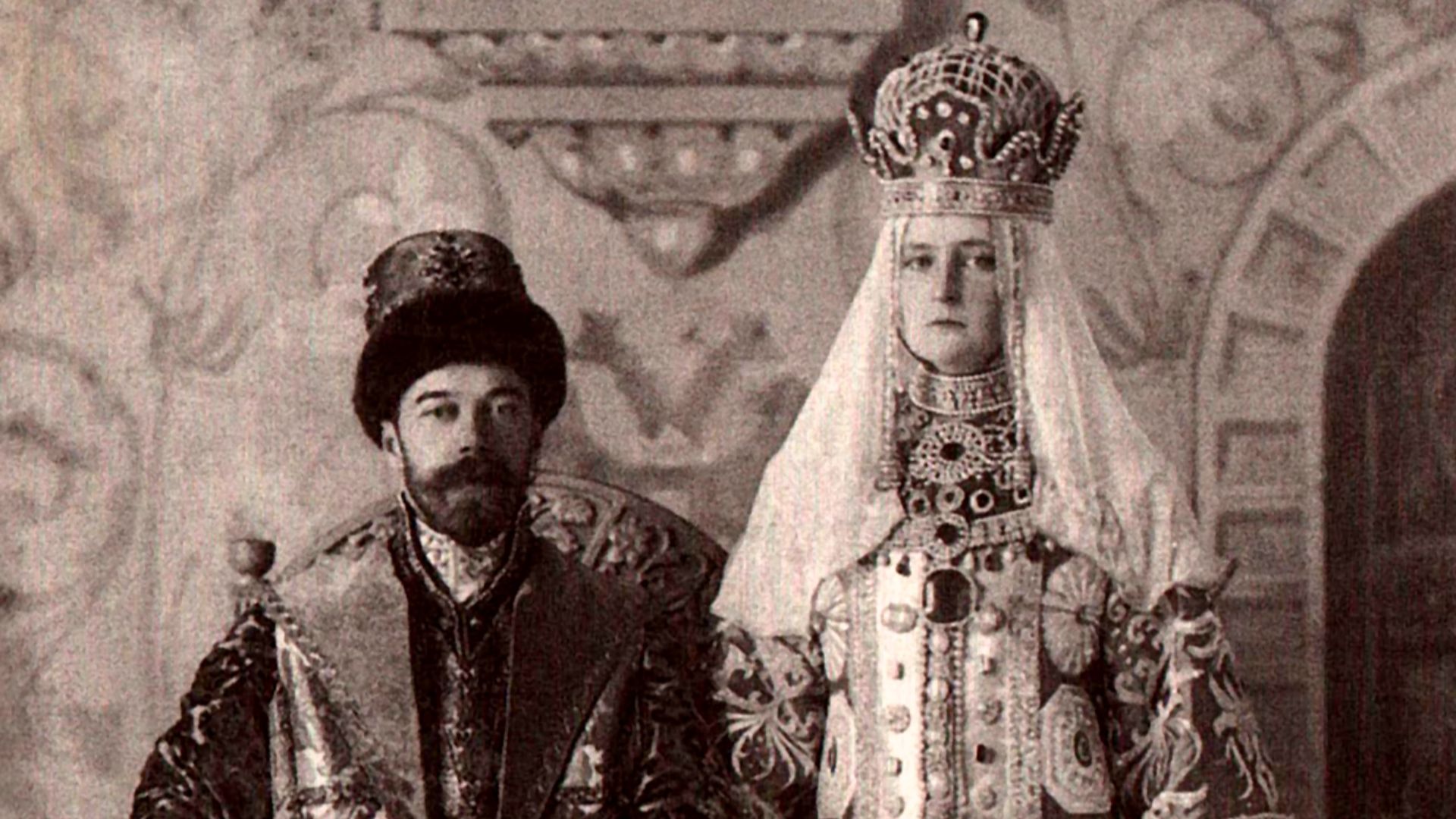 Lev Levitsky, Wikimedia Commons
Emperor Nicholas II And Alexandra Feodorovna (Cont.)
It was a real love match that provided emotional stability during Russia's turbulent final years of the imperial era. Legendary devotion characterized Nicholas and Alexandra's relationship, even during the Russian Revolution that would ultimately lead to their tragic end.
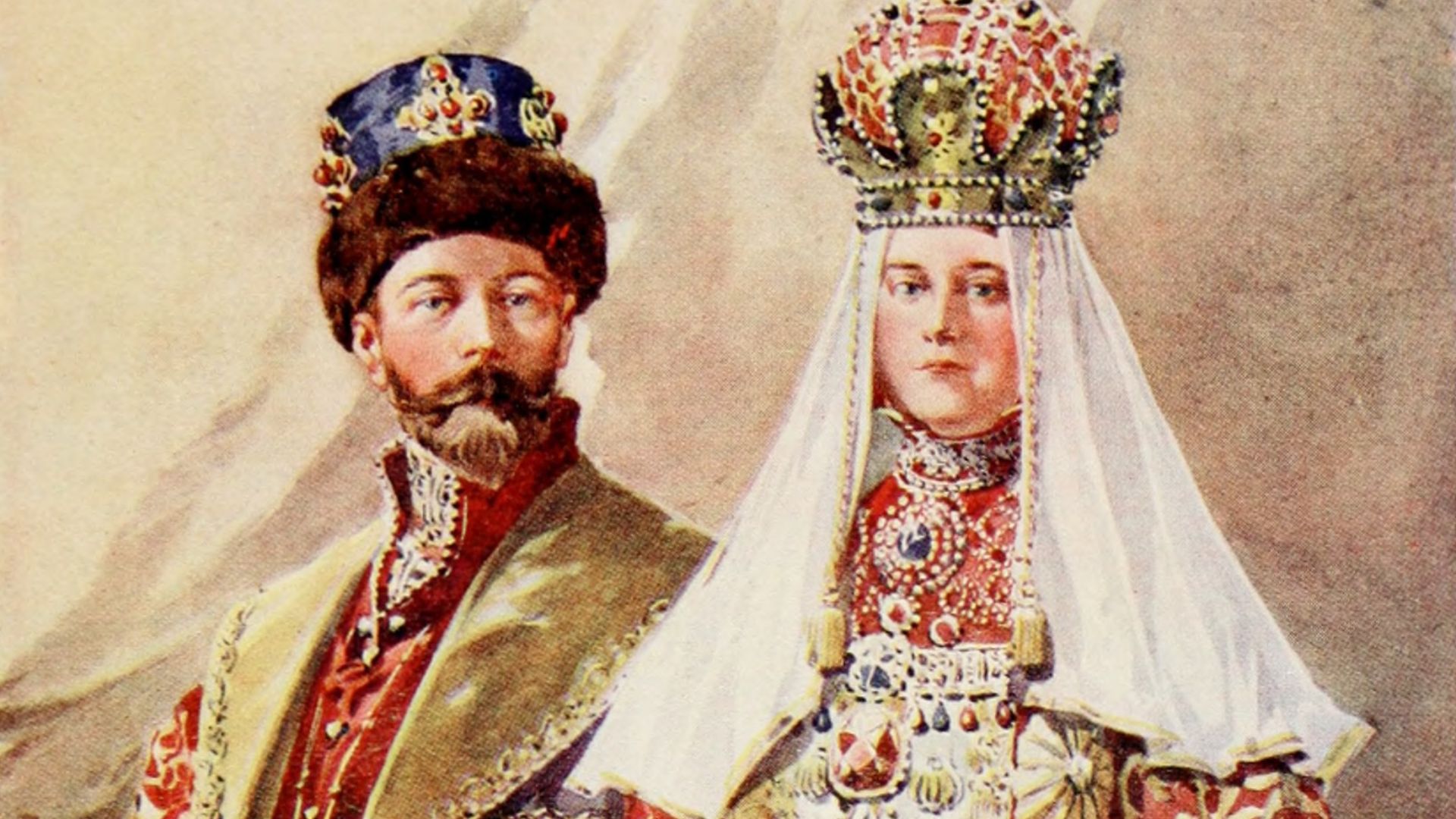 Internet Archive Book Images, Wikimedia Commons
King Louis XVI And Marie Antoinette
At just 14 years old, Marie Antoinette was wed to the future King Louis XVI in a bond designed to strengthen Franco-Austrian relations. Their 1770 marriage represented classic diplomatic statecraft, with the young Habsburg princess sent to marry the Bourbon heir.
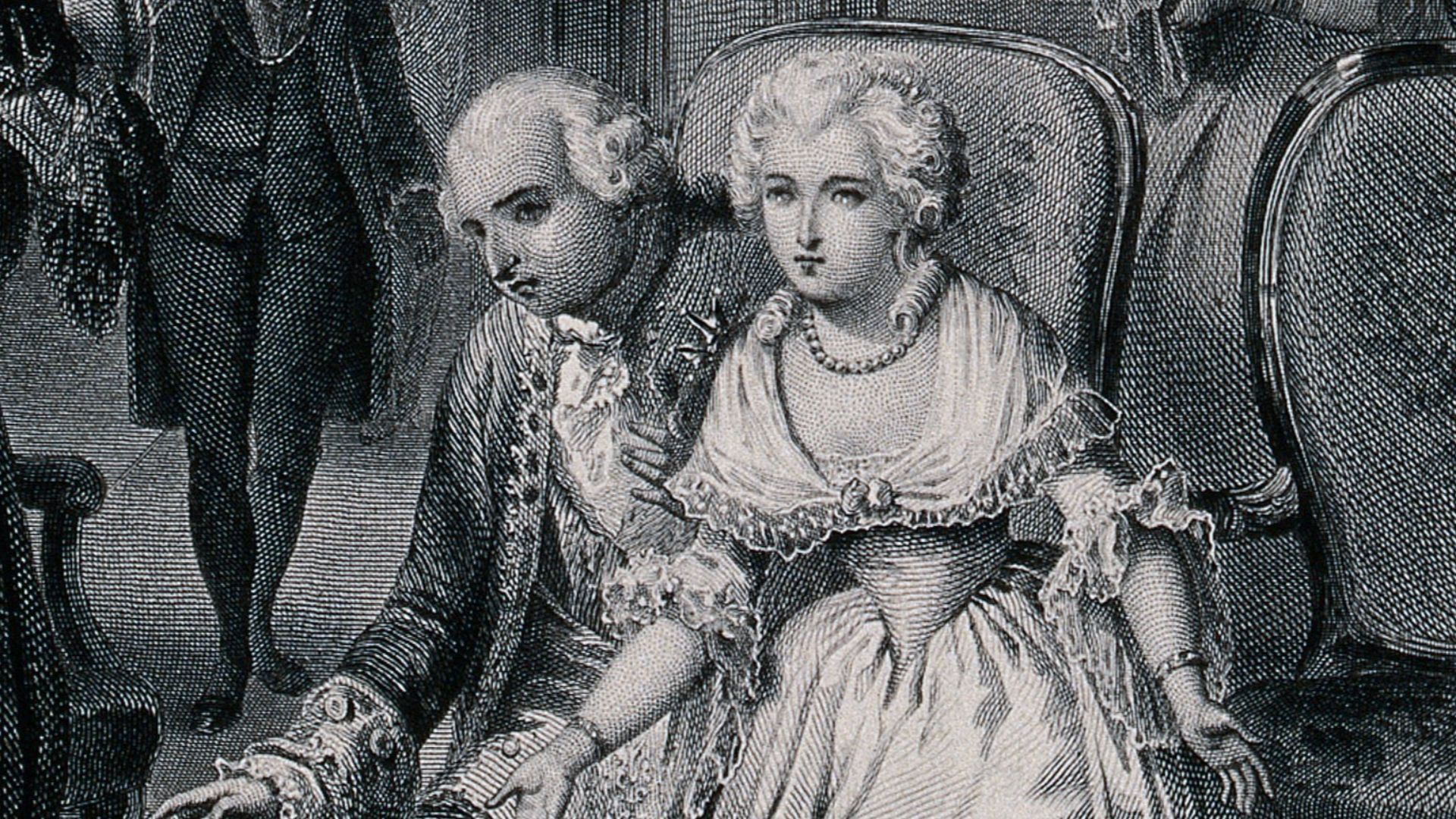 Francois Adolphe Bruneau Audibran / After Jules David, Wikimedia Commons
King Louis XVI And Marie Antoinette (Cont.)
Despite calculated beginnings, their relationship would evolve beyond mere political convenience. Political turbulence ultimately engulfed the royal couple, yet behind palace walls, they developed a companionship rarely mentioned in revolutionary accounts. Louis and Marie Antoinette gradually formed a close bond.
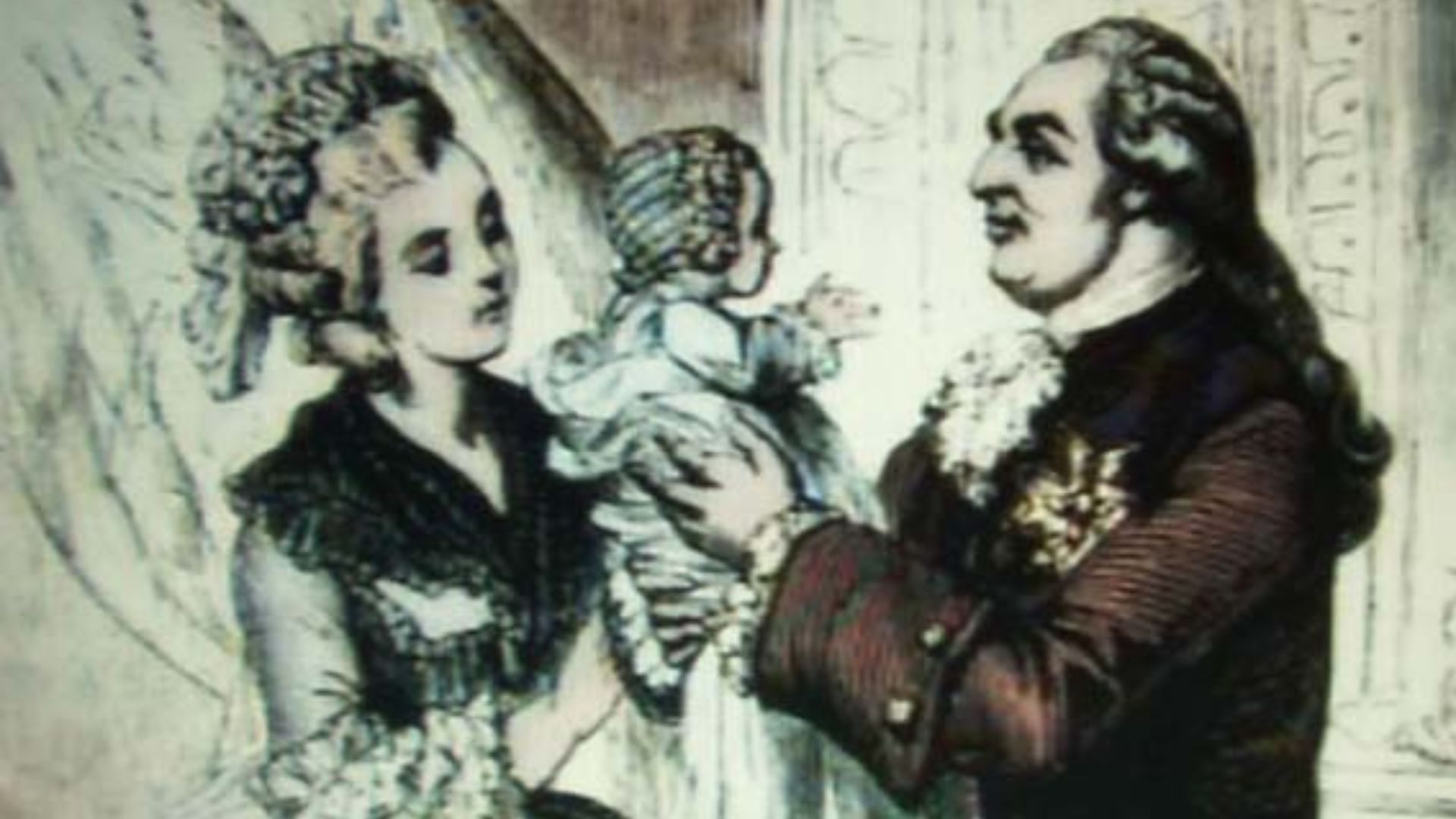 Unknown authorUnknown author, Wikimedia Commons

History's most fascinating stories and darkest secrets, delivered to your inbox daily.
Queen Victoria And Prince Albert
Family hopes became genuine love when Victoria chose Albert herself, turning a usual royal arrangement into something special. She even proposed to him just five days after his Windsor arrival. Their 1840 wedding at St James's Palace began as dynastic planning but blossomed into true affection.
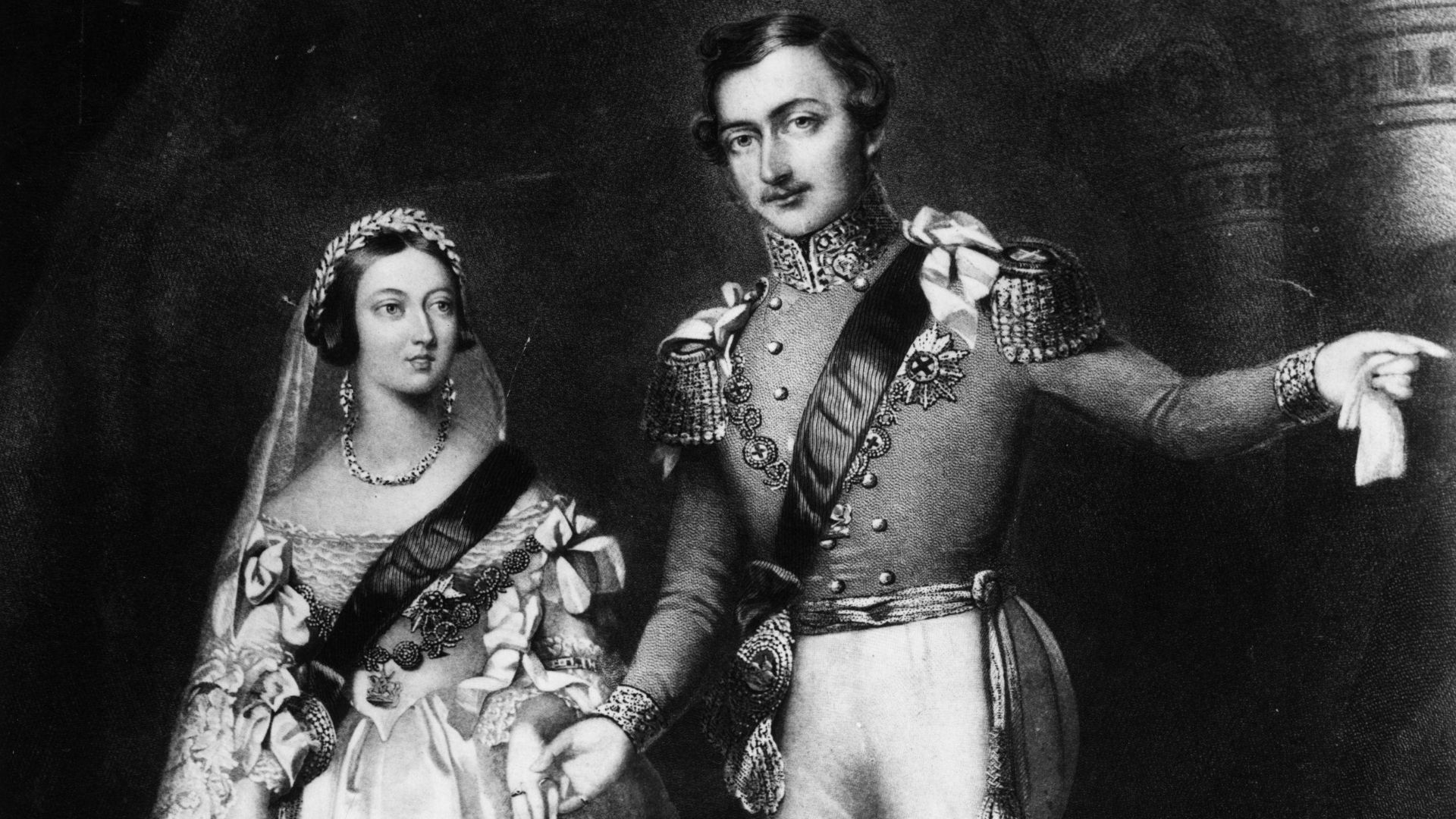 Engraved by S Reynolds after F Lock, Wikimedia Commons
Queen Victoria And Prince Albert (Cont.)
Victoria's white wedding dress started a tradition that continues today, but the real story was happening behind palace walls. Together, they raised nine children and modernized the image of the British monarchy.
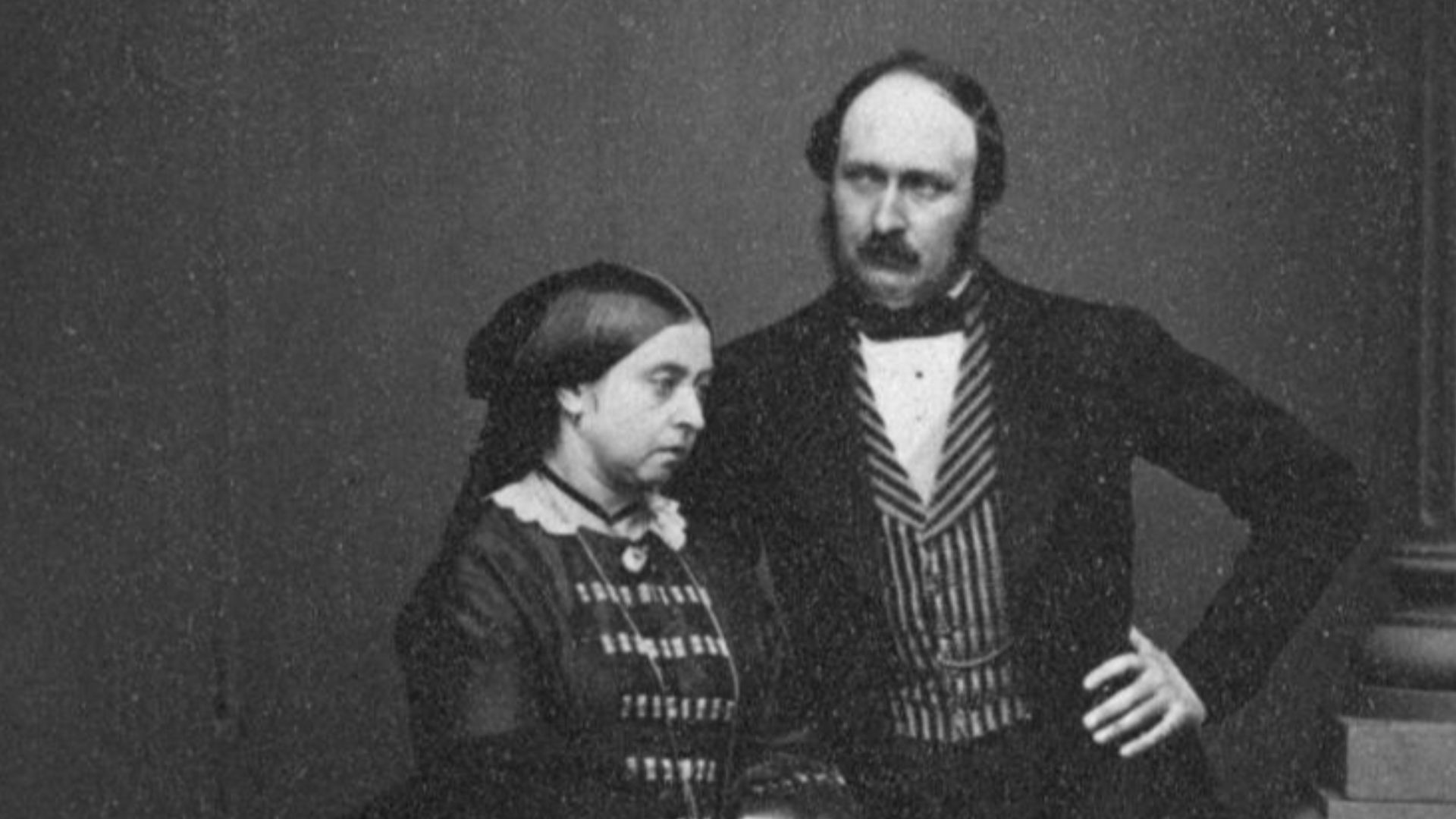 John Jabez Edwin Mayall, Wikimedia Commons
Akbar The Great And Jodha Bai
Religious tolerance in the Mughal Empire received powerful symbolic reinforcement through Emperor Akbar's marriage to Rajput princess Jodha Bai in 1562. Their union represented a significant political strategy, bringing the influential Rajput kingdoms into alliance with the expanding Mughal state.
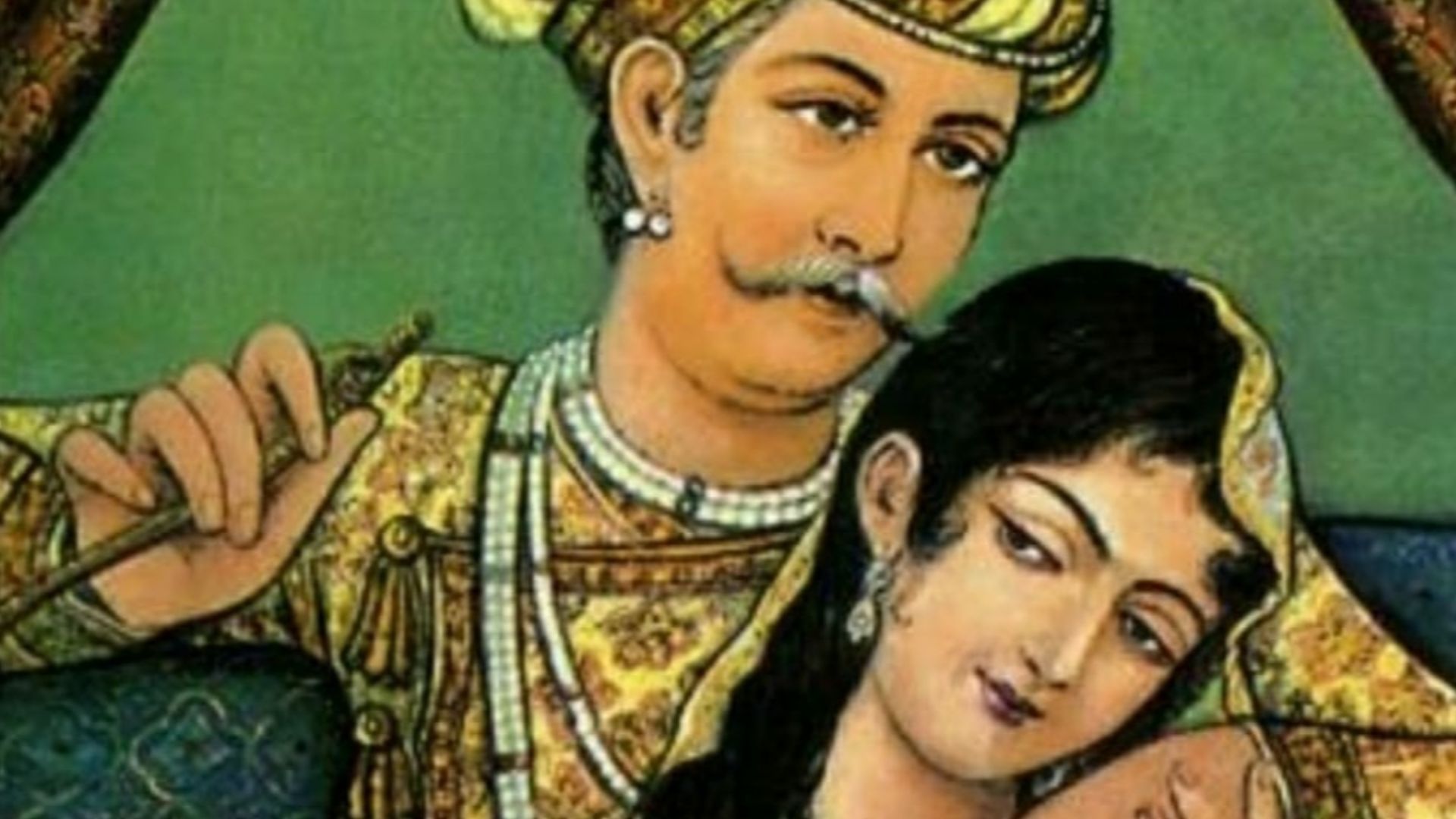 An unknown artist of the 16th century., Wikimedia Commons
Akbar The Great And Jodha Bai (Cont.)
The marriage's impact extended far beyond dynastic politics, helping establish principles of religious pluralism that would define Akbar's historically important reign. Modern Indian cinema and television have repeatedly dramatized the relationship between Akbar and Jodha, reflecting its enduring cultural significance.
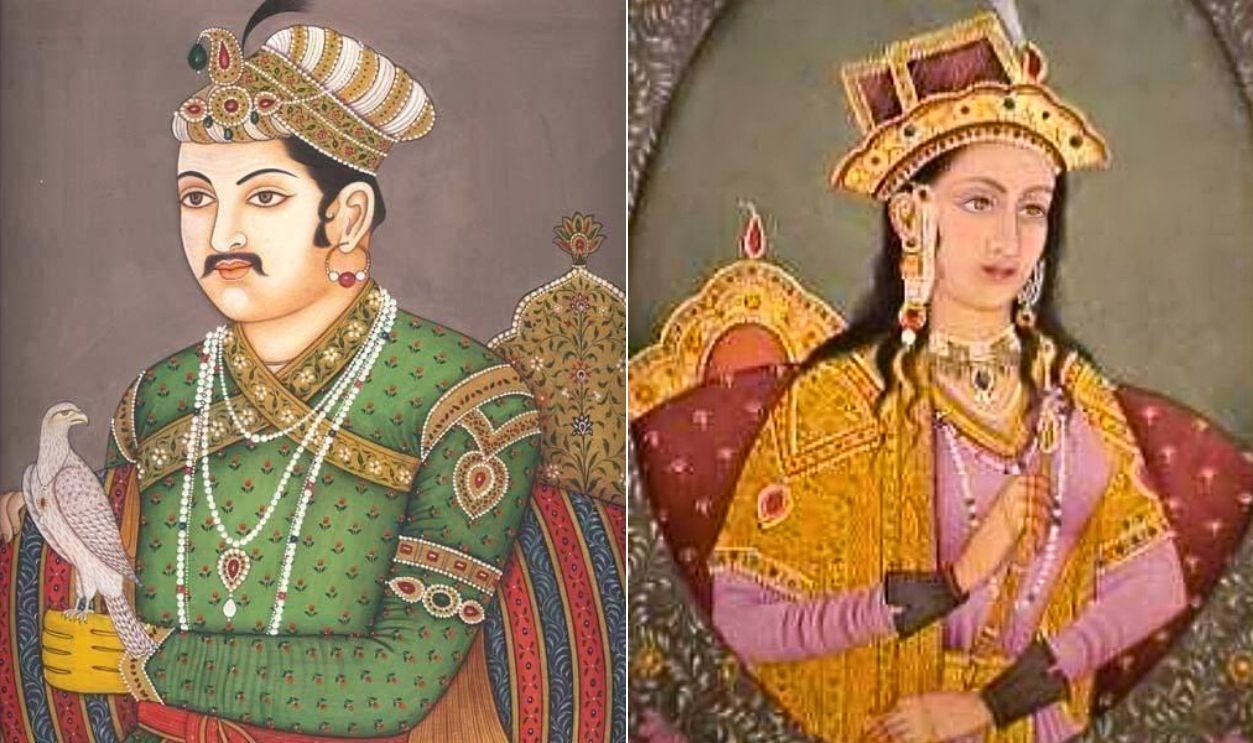 Unknown author, Wikimedia Commons
Emperor Menelik II And Empress Taytu Betul
Strategic military leadership wasn't typically expected from royal consorts, yet Empress Taytu Betul led Ethiopian troops at the decisive Battle of Adwa against Italian forces. Her 1883 marriage to Emperor Menelik II, arranged to consolidate power, brought together two strong personalities who would reshape Ethiopian history.
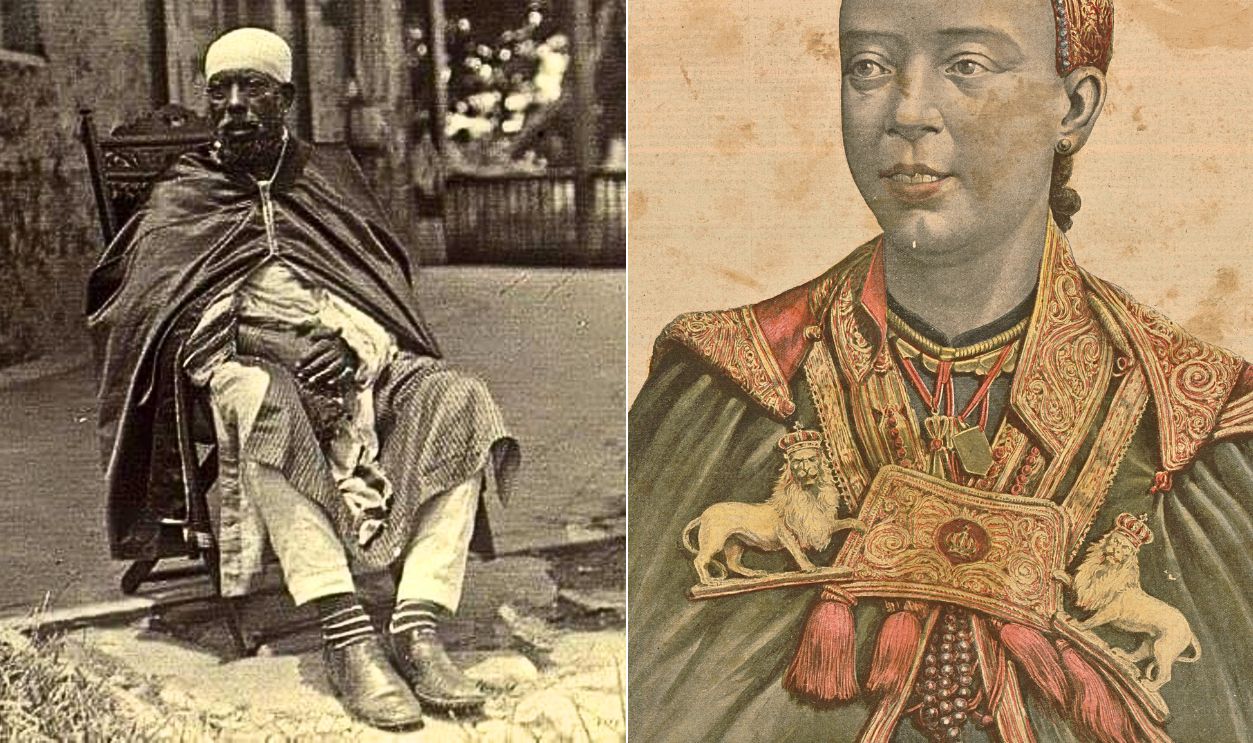 Unknown author and Le Petit Journal - H. Meyer, Wikimedia Commons
Emperor Menelik II And Empress Taytu Betul (Cont.)
Their partnership showed how royal marriages could yield effective political and military alliances beyond the usual gender roles of their era. The founding of Addis Ababa, Ethiopia's capital city, came through the collaborative vision of Menelik II and Taytu Betul.
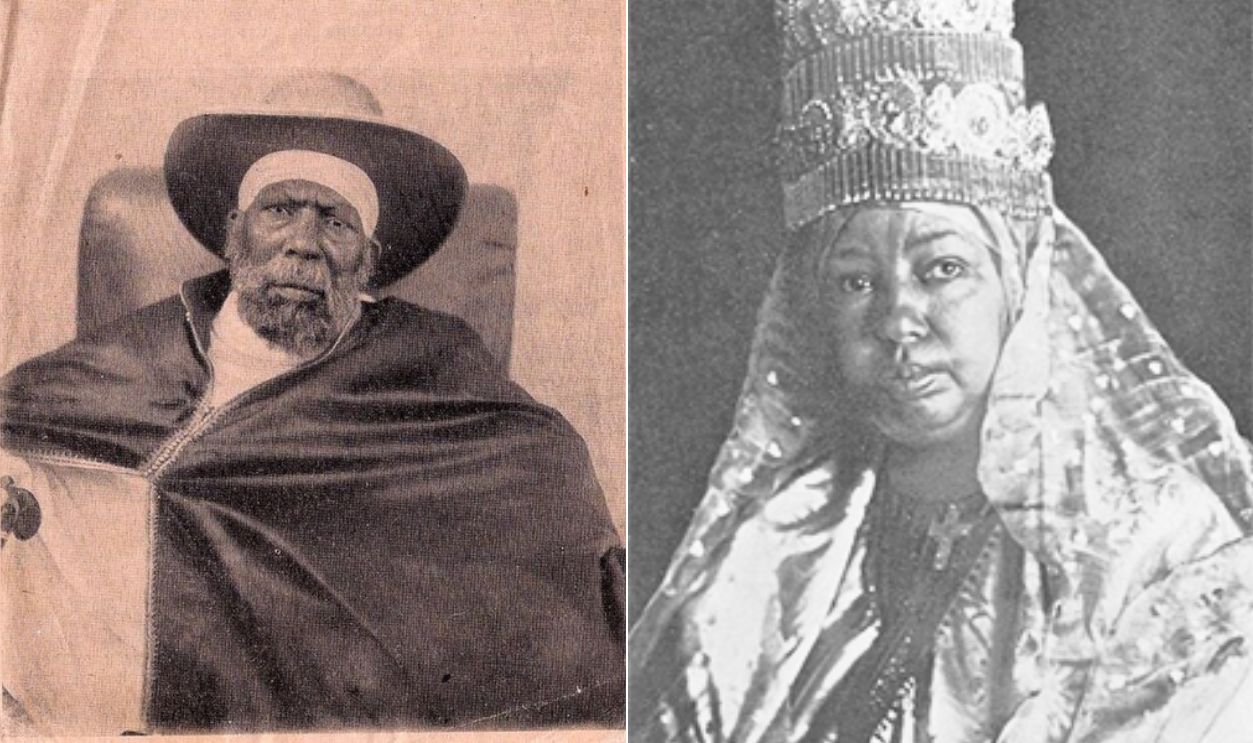 Unknown author, Wikimedia Commons
Emperor Franz Joseph I And Empress Elisabeth
Independent spirit and unconventional behavior characterized Empress Elisabeth ("Sisi") of Austria, who spent considerable time traveling away from court life. Her 1854 marriage to Emperor Franz Joseph I began unexpectedly, as he had originally intended to marry her older sister before falling for the vibrant Elisabeth instead.
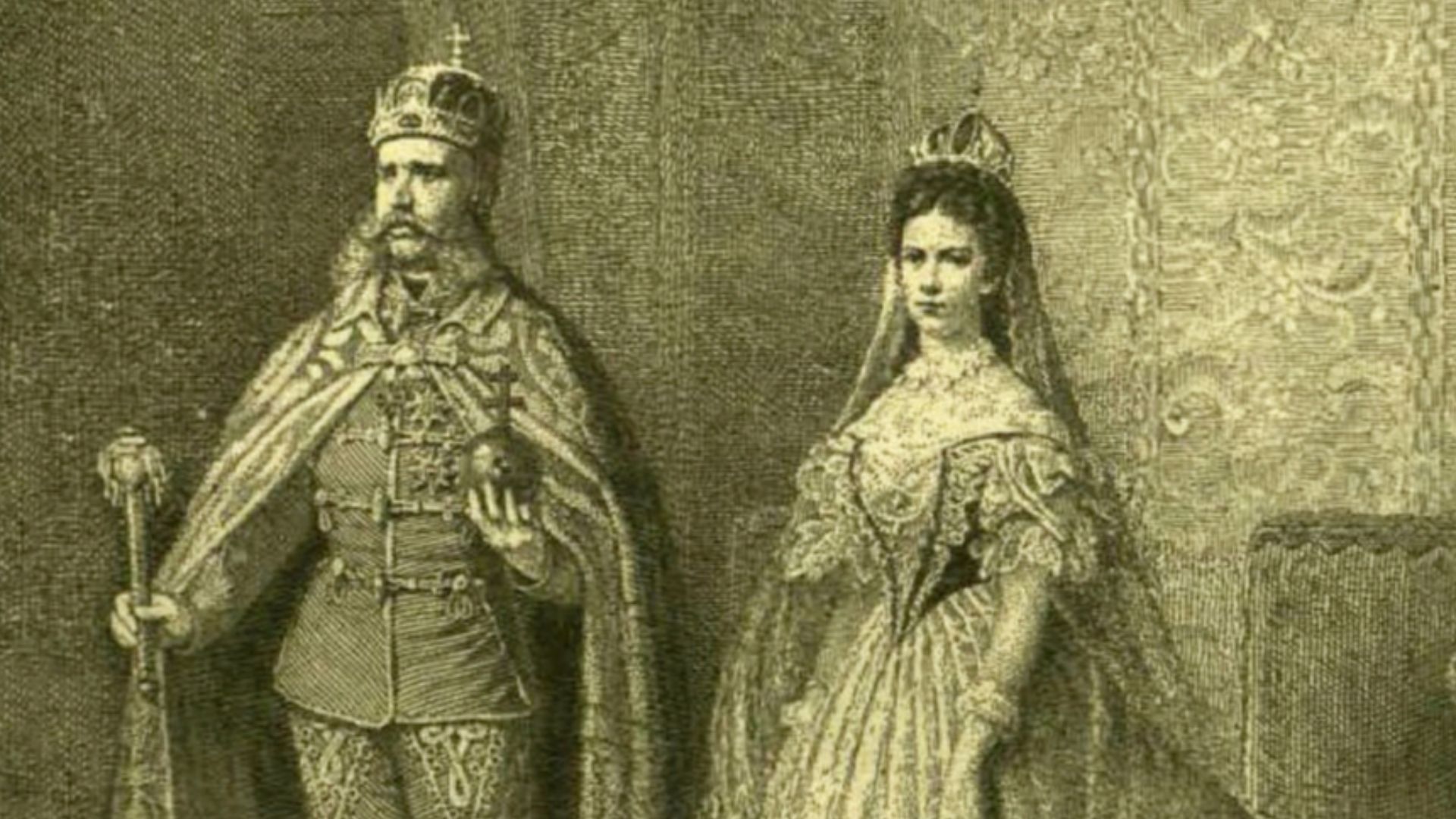 original authors: Ede Engerth and Jeno Doby; cropped and retouched by: Rlevente, Wikimedia Commons
Emperor Franz Joseph I And Empress Elisabeth (Cont.)
Their relationship developed into a complex bond marked by both affection and growing distance as Elisabeth struggled with the constraints of imperial court life. Cultural icon status came to Elisabeth long after her tragic passing, with her beauty and independent nature exciting the public.
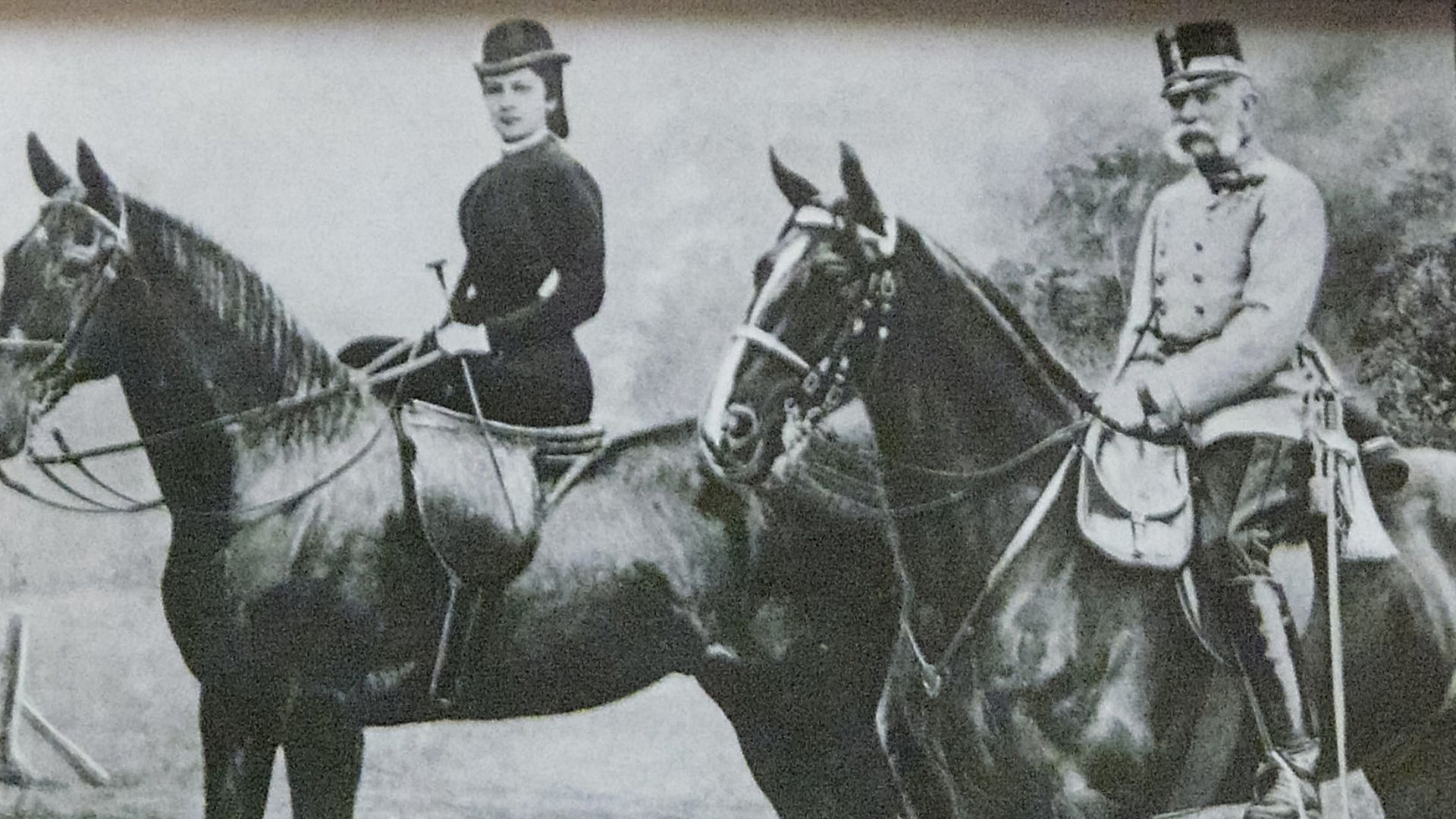 Unidentified photographer, Wikimedia Commons
King Bhumibol Adulyadej And Queen Sirikit
Regency responsibilities fell to Queen Sirikit during King Bhumibol Adulyadej's absence in 1956, demonstrating her important role in Thailand's governance. Their story began in Europe and was formalized through family arrangements, soon turning into one of Thailand's most celebrated royal partnerships.
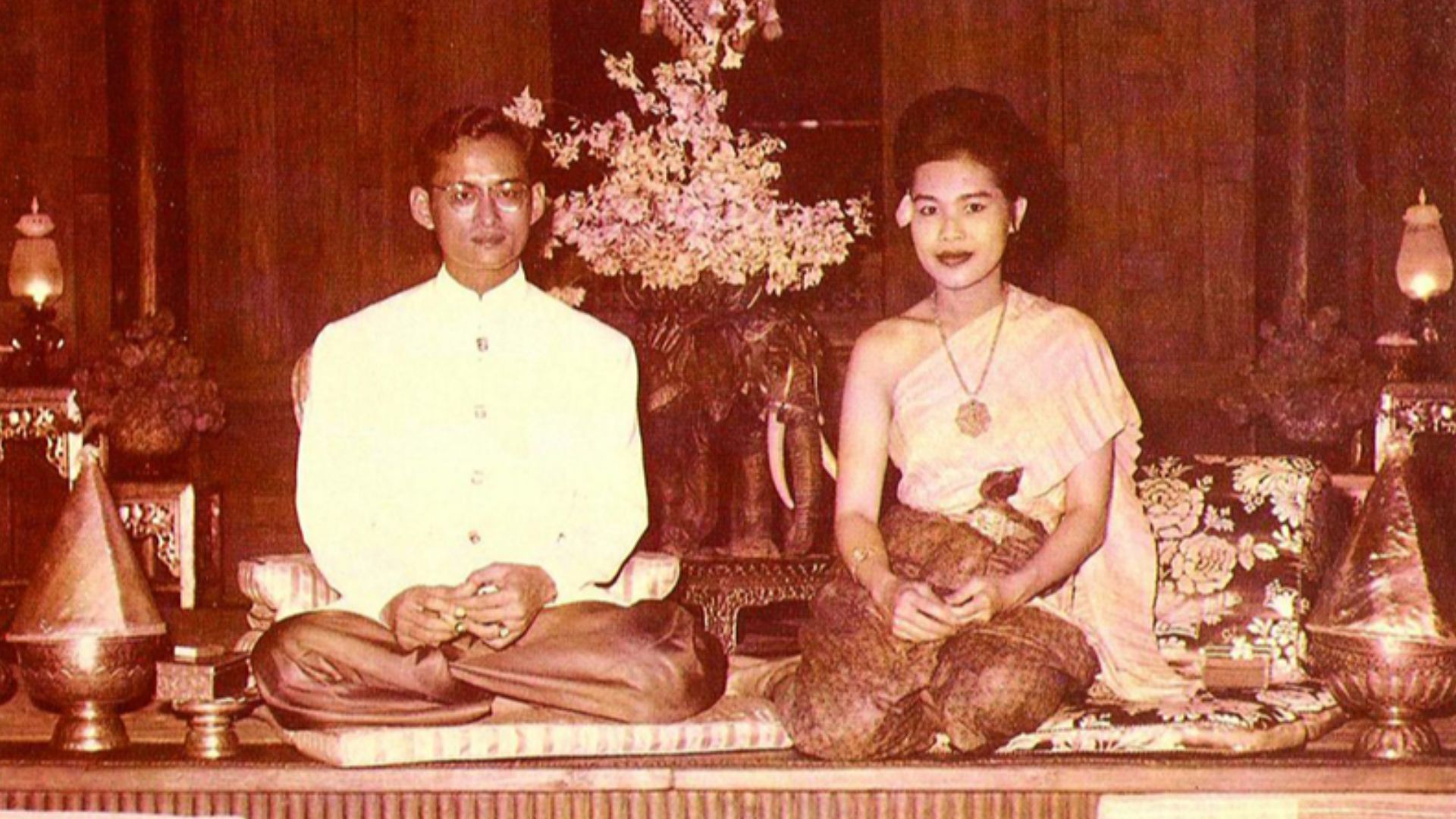 Unknown authorUnknown author, Wikimedia Commons
King Bhumibol Adulyadej And Queen Sirikit (Cont.)
The couple tied the knot on April 28, 1950, just a week before Bhumibol's coronation, marking the beginning of a lifelong bond that would symbolize stability and devotion throughout their reign. Thai arts and crafts received promotion through Queen Sirikit's dedicated cultural patronage.
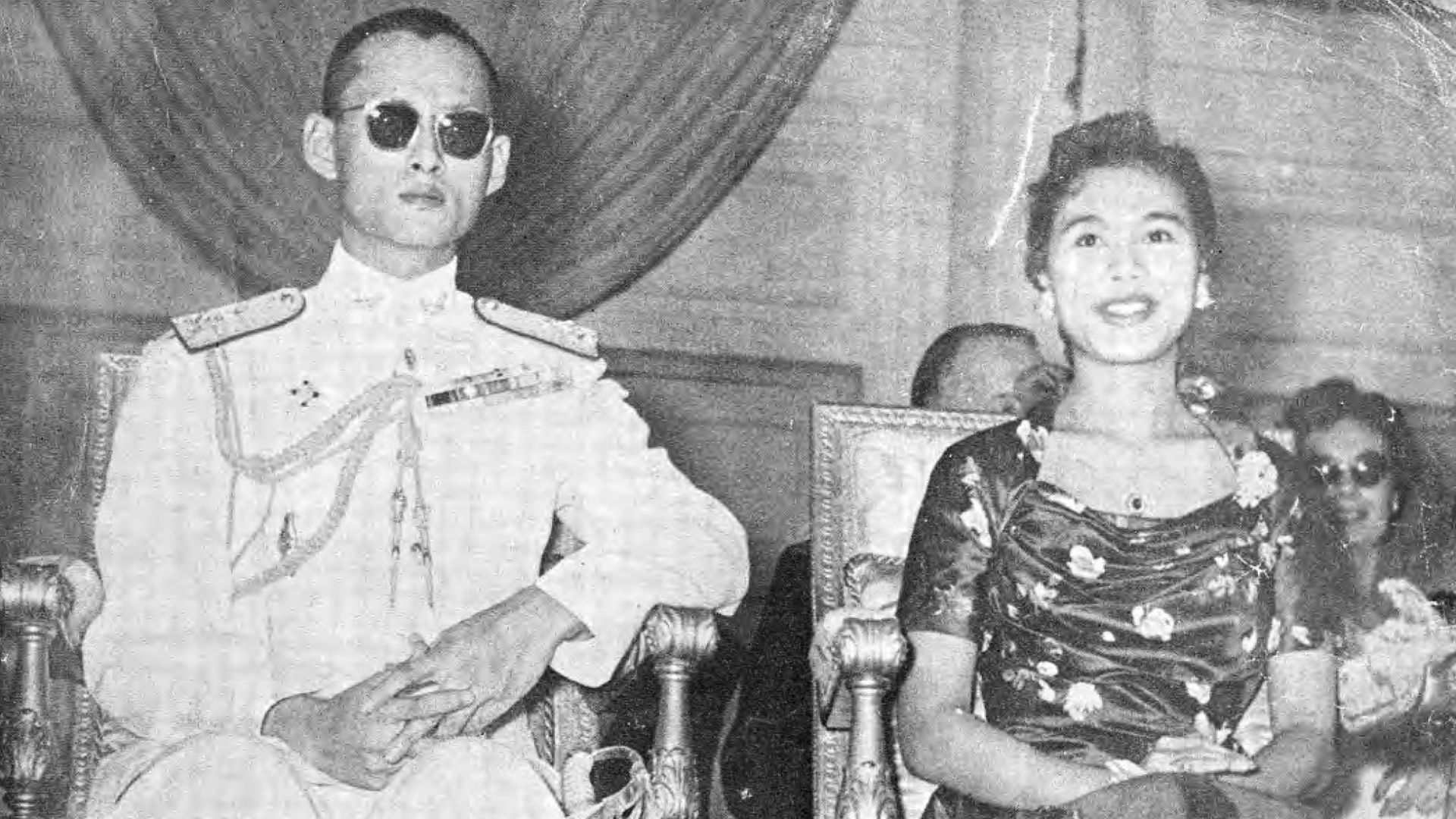 Unknown authorUnknown author, Wikimedia Commons
Emperor Haile Selassie I And Empress Menen Asfaw
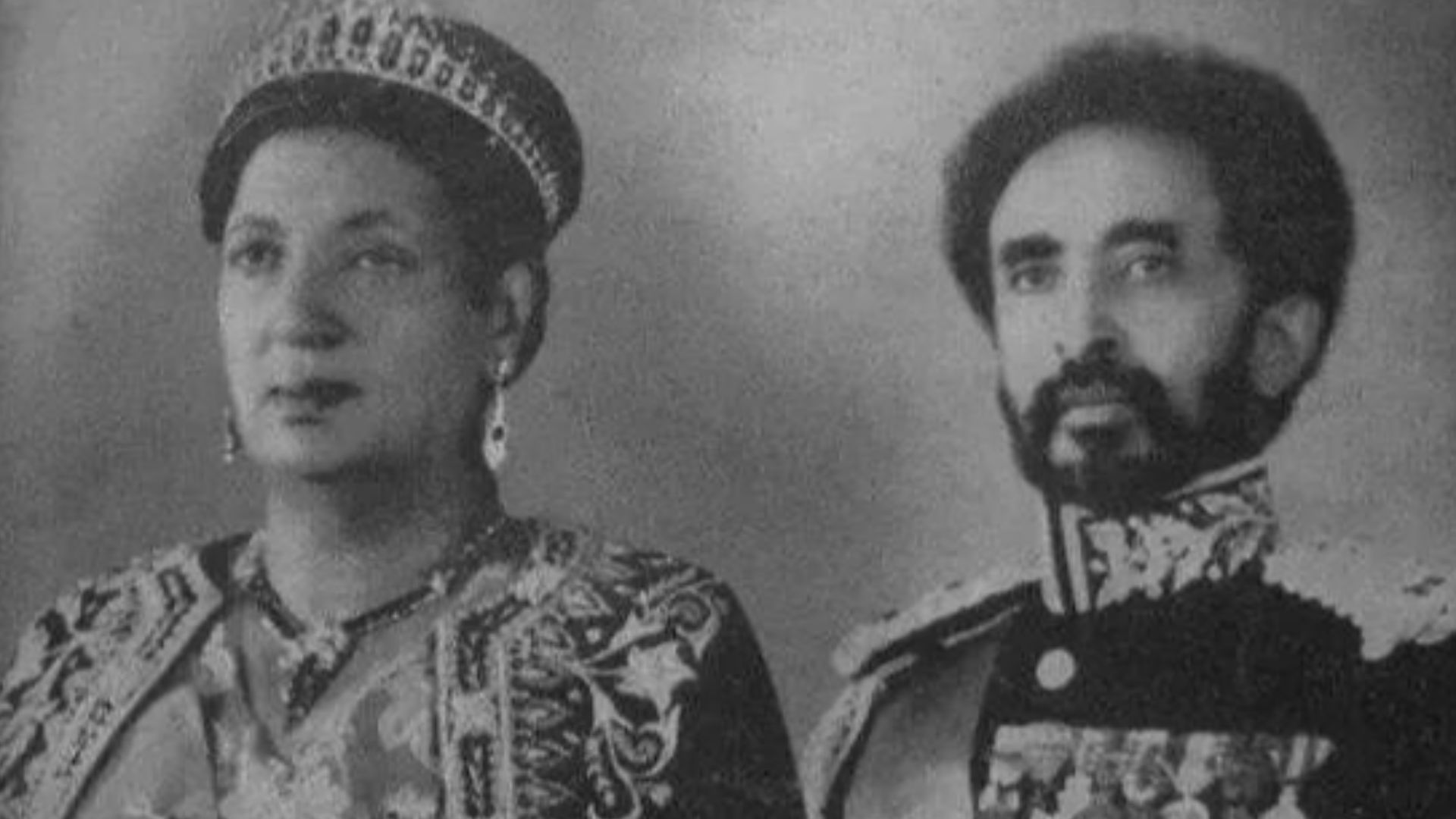
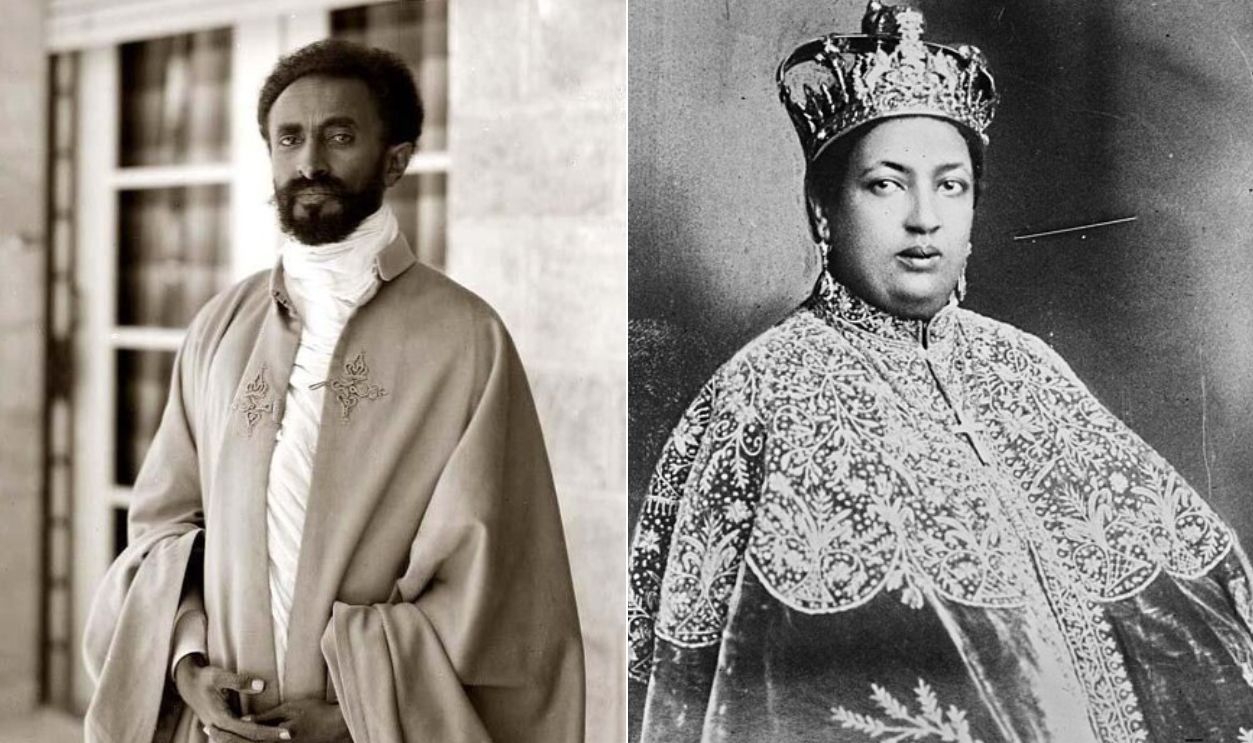
Women's education in Ethiopia advanced through Empress Menen Asfaw's founding of several girls' schools throughout the country. Her pioneering efforts to expand female educational opportunities reflected her progressive vision within the traditional monarchy. She got married to Haile Selassie I in an arranged union in 1911.
Emperor Haile Selassie I And Empress Menen Asfaw (Cont.)
This turned her position into one of meaningful social impact, demonstrating how royal consorts could influence national development beyond ceremonial duties. Historical significance was reinforced when Empress Menen was crowned alongside Haile Selassie in 1930, drawing a powerful image of shared imperial authority.
King Christian IX And Queen Louise Of Hesse-Kassel
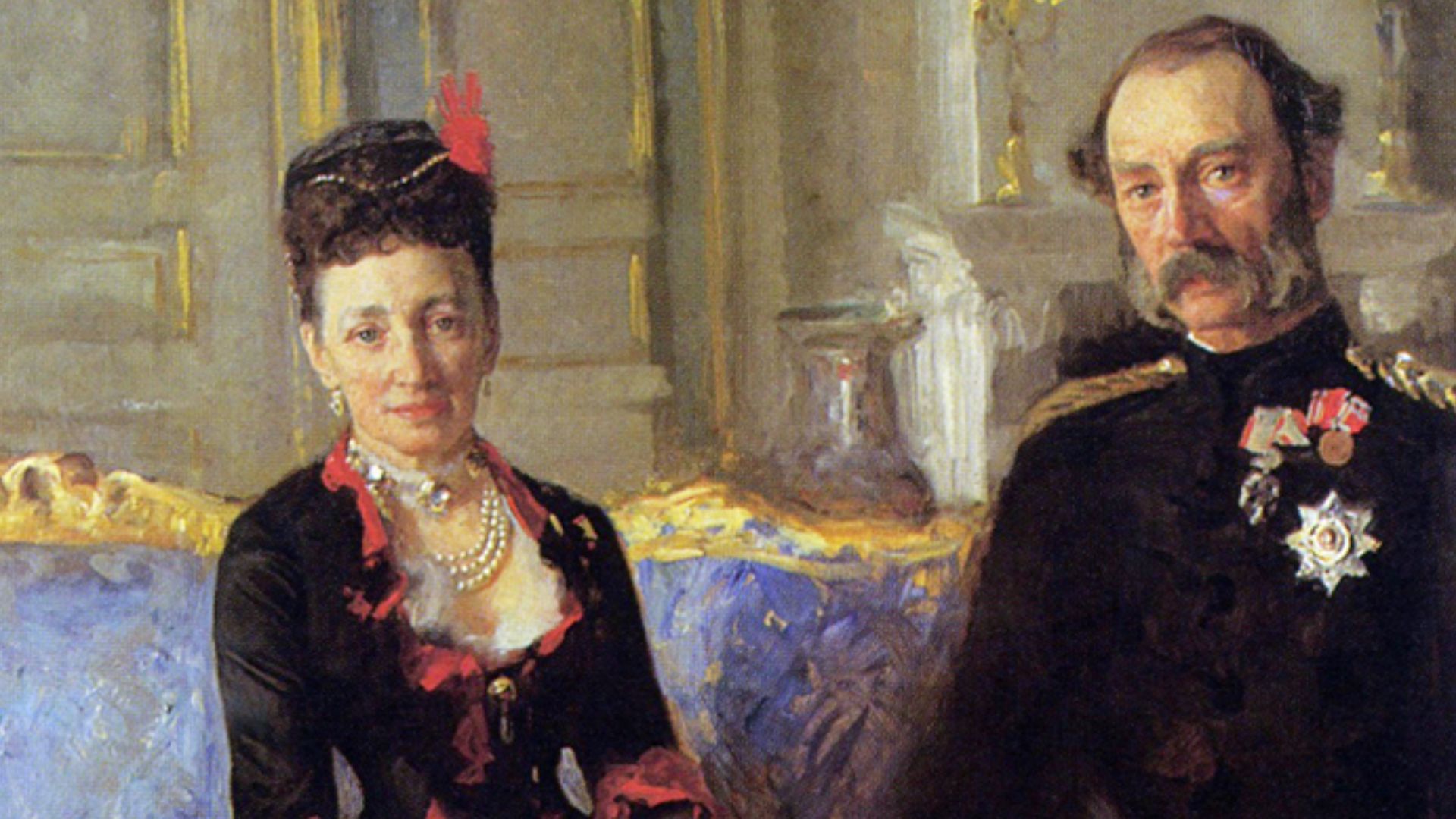
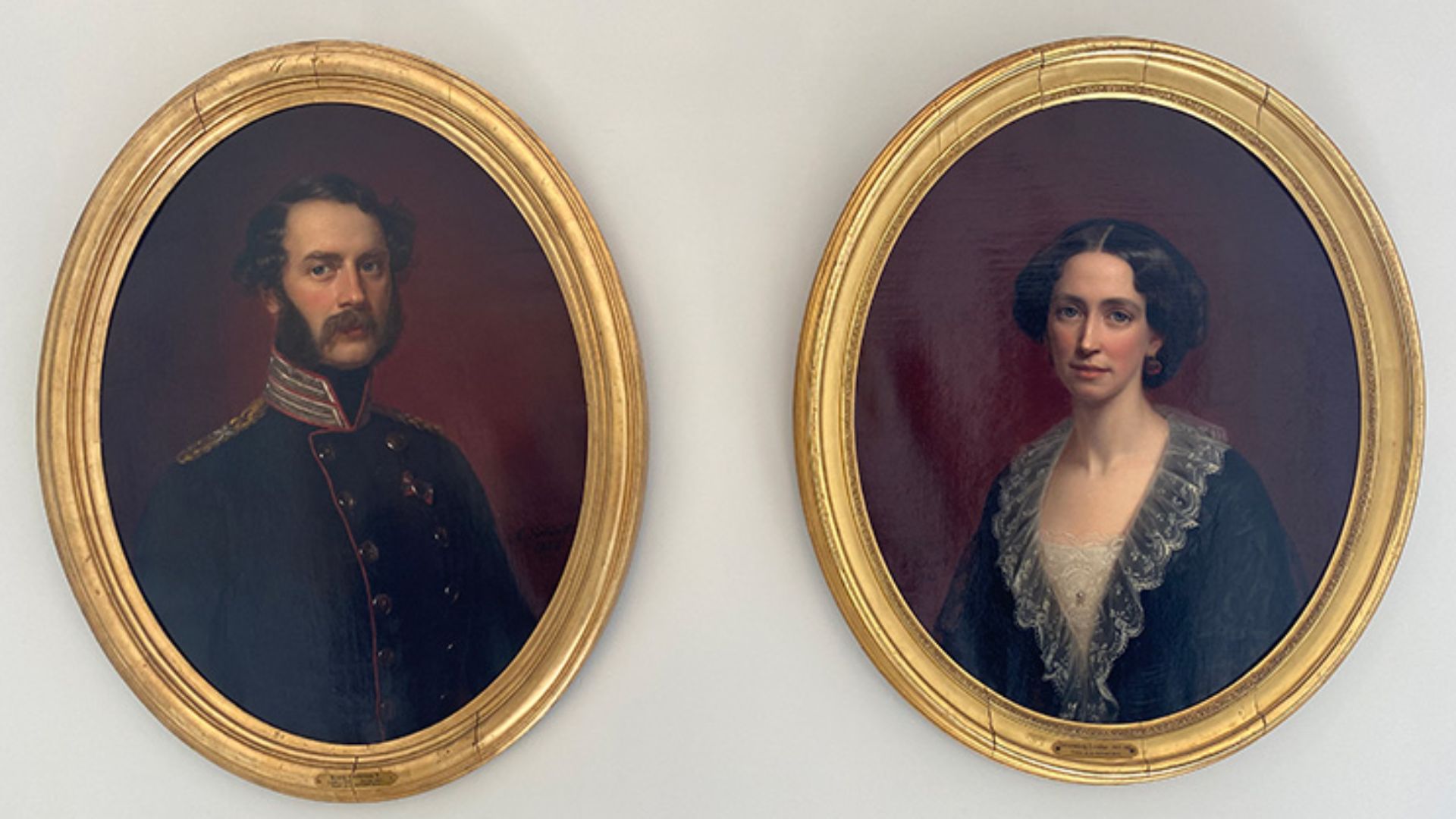
"Father-in-law of Europe" became King Christian IX's nickname due to his children's remarkable marriages into royal houses across the continent. His 1842 arranged union with Louise of Hesse-Kassel created a dynasty whose descendants would occupy thrones from Britain to Russia.
 Laurits Tuxen, Wikimedia Commons
King Christian IX And Queen Louise Of Hesse-Kassel (Cont.)
Matchmaking talents distinguished Queen Louise, who played an instrumental role in arranging advantageous marriages for her children. These strategic partnerships expanded Danish royal influence far beyond what the small kingdom's military or economic power might have achieved.
 August Schiott, Wikimedia Commons
Emperor Meiji And Empress Shoken
The Japanese Red Cross Society received critical support from Empress Shoken, extending her influence beyond traditional imperial roles. Her marriage to Emperor Meiji in 1869 followed ancient arranged imperial traditions, yet she became the first imperial consort to pick the title of Empress in several centuries.
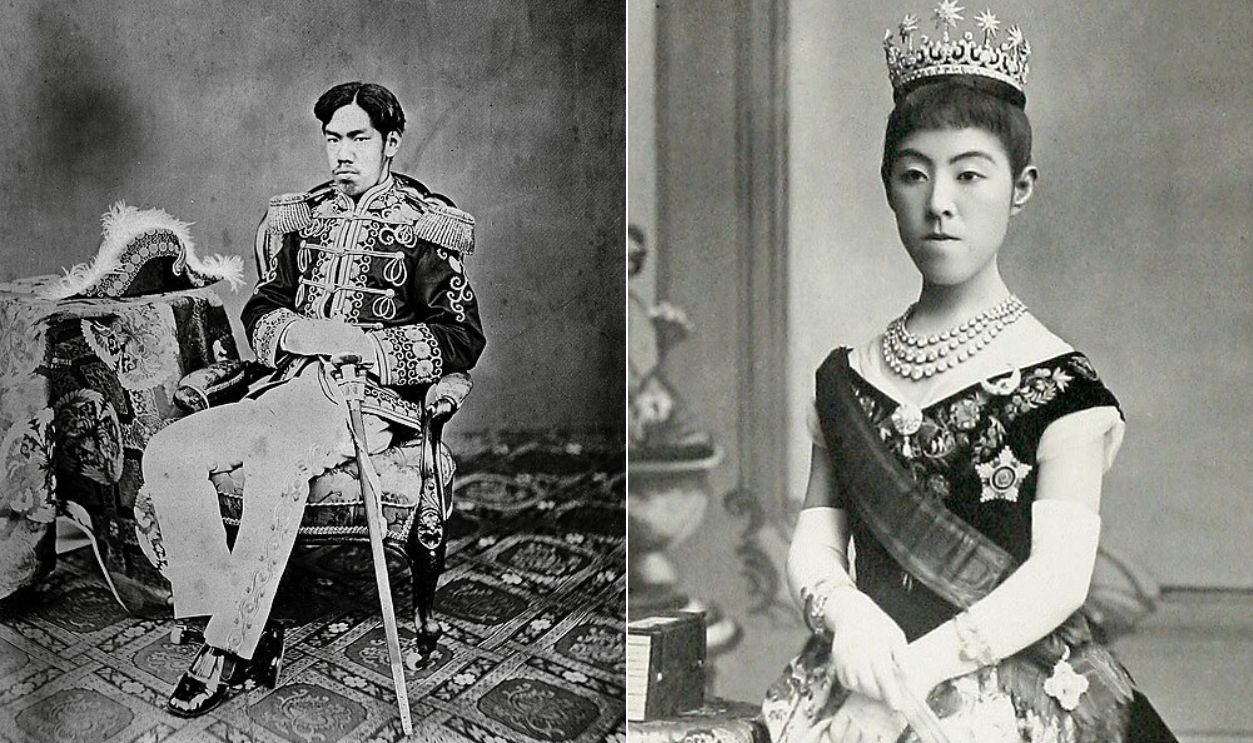 Uchida Kuichi (1844–1875) and Unknown author, Wikimedia Commons
Emperor Meiji And Empress Shoken (Cont.)
Educational reform for women became Empress Shoken's passionate cause, challenging gender restrictions in late 19th-century Japan. Though her marriage to Emperor Meiji followed traditional imperial protocols, she used her position to advocate for female advancement during a time of dramatic national transformation.
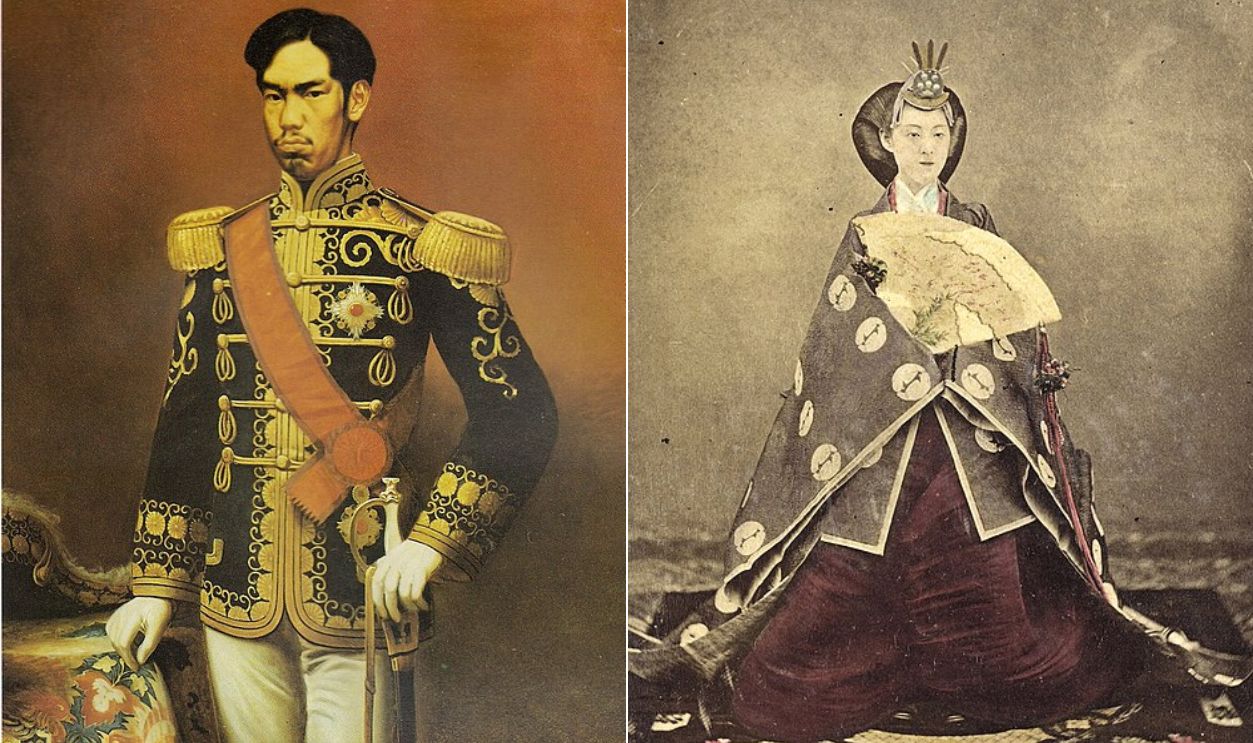 Takahashi Yuichi (1828-1894) and Unknown author, Wikimedia Commons
Peter III Of Russia And Catherine The Great
German princess Sophie of Anhalt-Zerbst underwent a shift upon arriving in Russia, converting to Orthodoxy and adopting a new identity as the future Empress Catherine. Her arranged marriage to Peter III in 1745 was orchestrated by Empress Elizabeth primarily to secure the Russian succession rather than for diplomatic advantage.
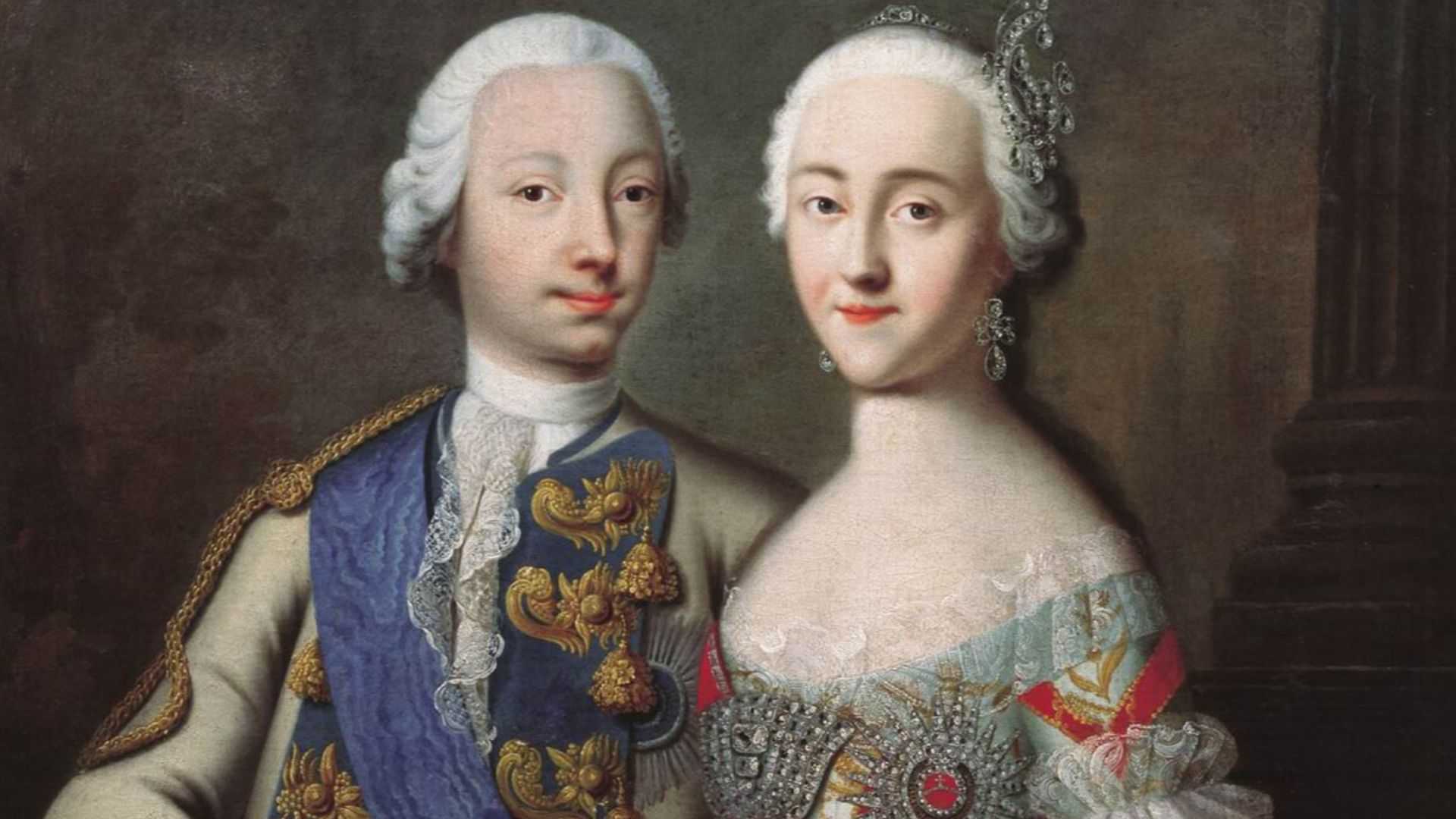 Georg Cristoph Grooth, Wikimedia Commons
Peter III Of Russia And Catherine The Great (Cont.)
This union, intended merely to produce heirs, would instead reshape Russian history through consequences its arrangers never anticipated. Imperial power shifted when Catherine overthrew her husband to become Russia's longest-reigning and most celebrated empress. Catherine transcended her original role to become one of history's most influential rulers.
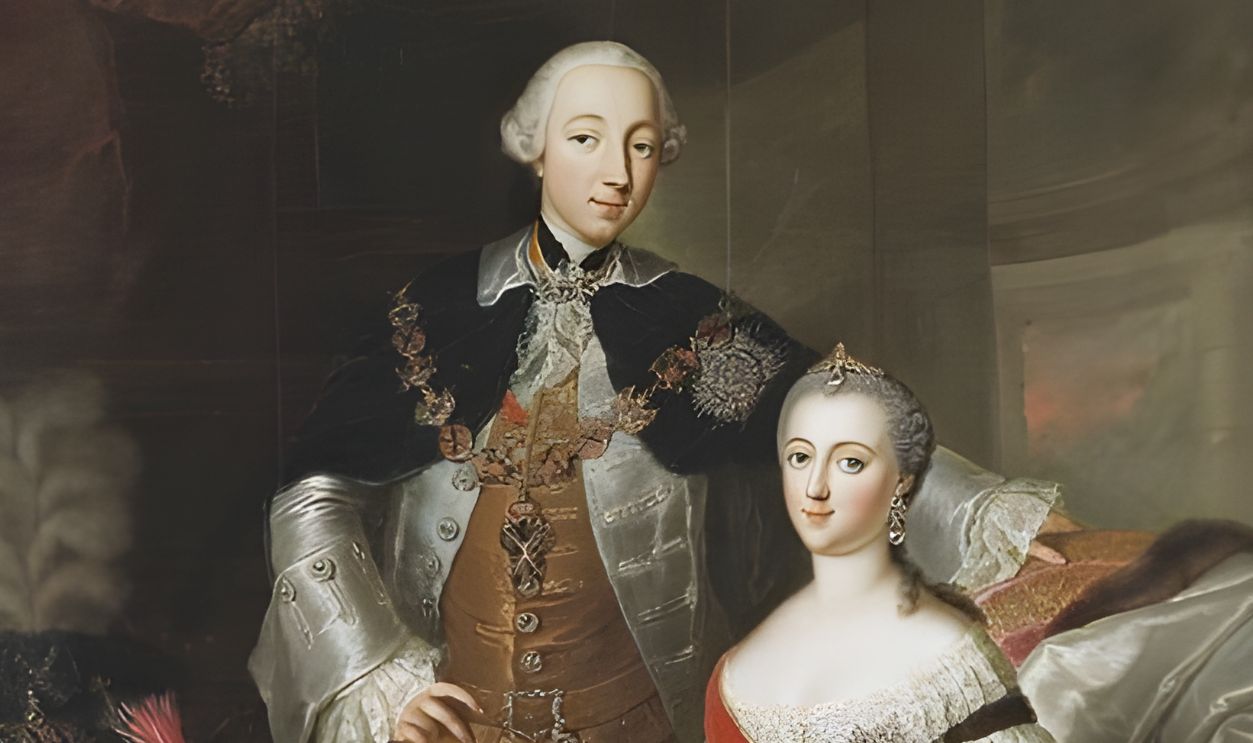 Anna Rosina de Gasc, Wikimedia Commons
King Alfonso XII Of Spain And Maria Christina Of Austria
Strict court etiquette characterized the environment maintained by Maria Christina of Austria during her time in Spain. Her 1879 arranged marriage to King Alfonso XII followed traditional royal protocols, creating a union structured to strengthen Spain's international position.
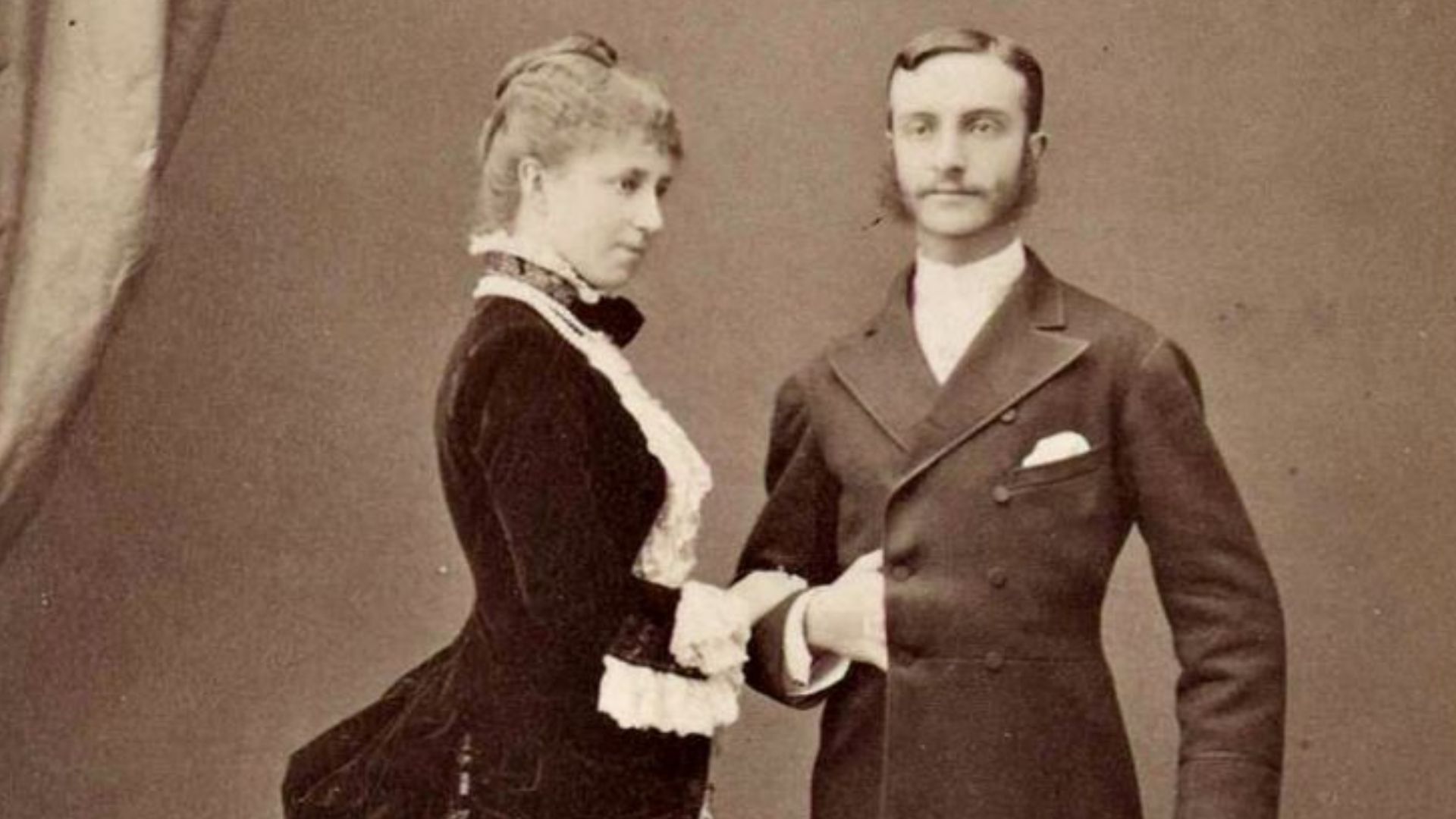 Unknown authorUnknown author, Wikimedia Commons
King Alfonso XII Of Spain And Maria Christina Of Austria (Cont.)
Though formal in its beginnings, their relationship would have profound consequences for Spanish royal succession when Alfonso died prematurely, leaving Maria Christina in a position of unexpected political authority. Posthumous royal birth crafted an unusual situation when King Alfonso XIII was born months after his father's demise.
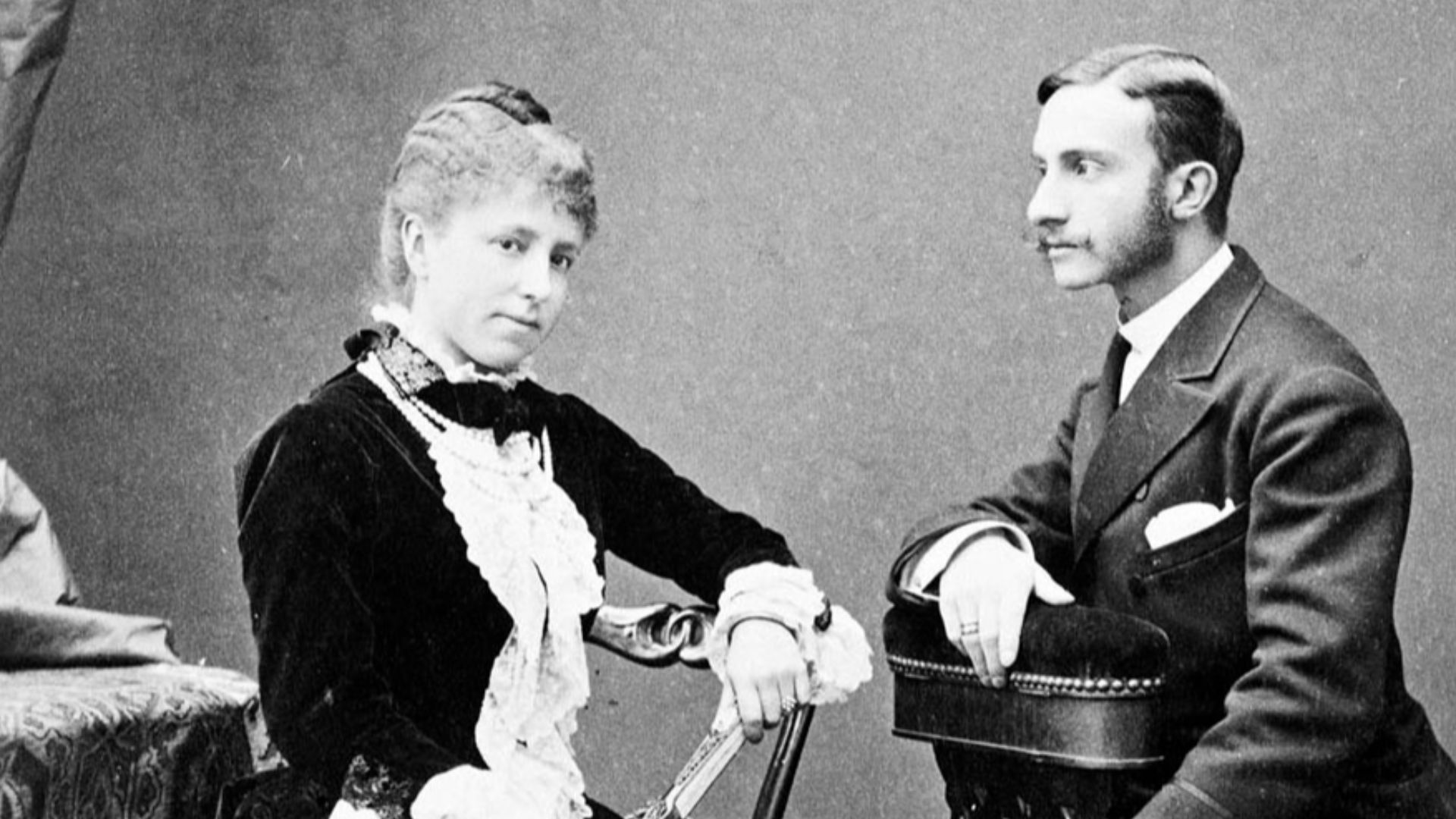 Fernando Debas, Wikimedia Commons
King Rama IV (Mongkut) And Queen Debsirindra Of Siam
Mon ethnic heritage distinguished Queen Debsirindra from many other royal consorts in Siamese history. Originally named Ramphoei Siriwong before her royal elevation, she brought unique cultural perspectives to her role as the principal wife of King Rama IV (Mongkut).
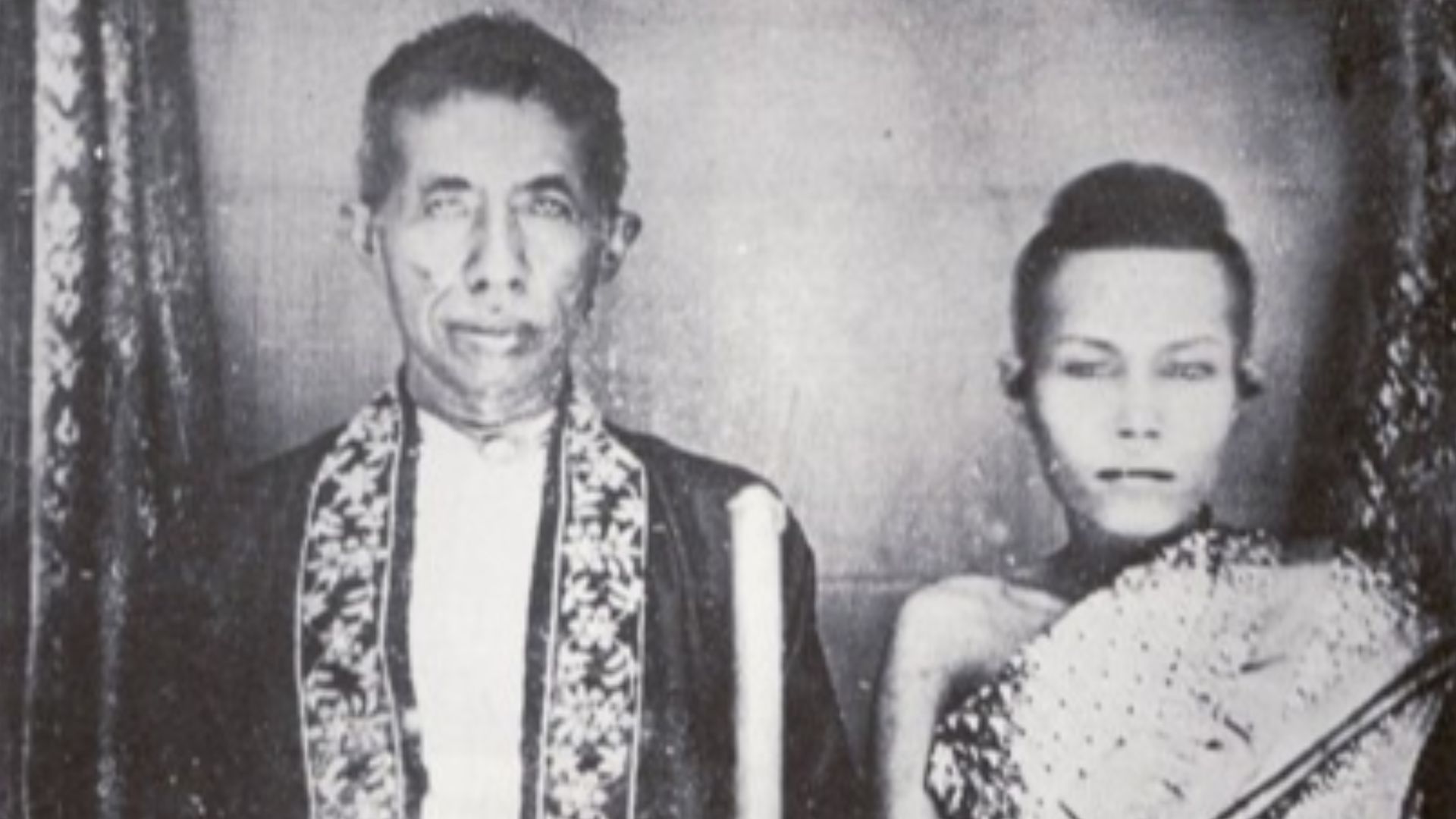 Unknown authorUnknown author, Wikimedia Commons
King Rama IV (Mongkut) And Queen Debsirindra Of Siam (Cont.)
Their arranged marriage followed traditional Siamese royal practices, uniting different aristocratic lineages within the kingdom to strengthen the monarchy's position among diverse ethnic groups. Royal succession gained stability through Queen Debsirindra's most notable contribution, giving birth to Prince Chulalongkorn.
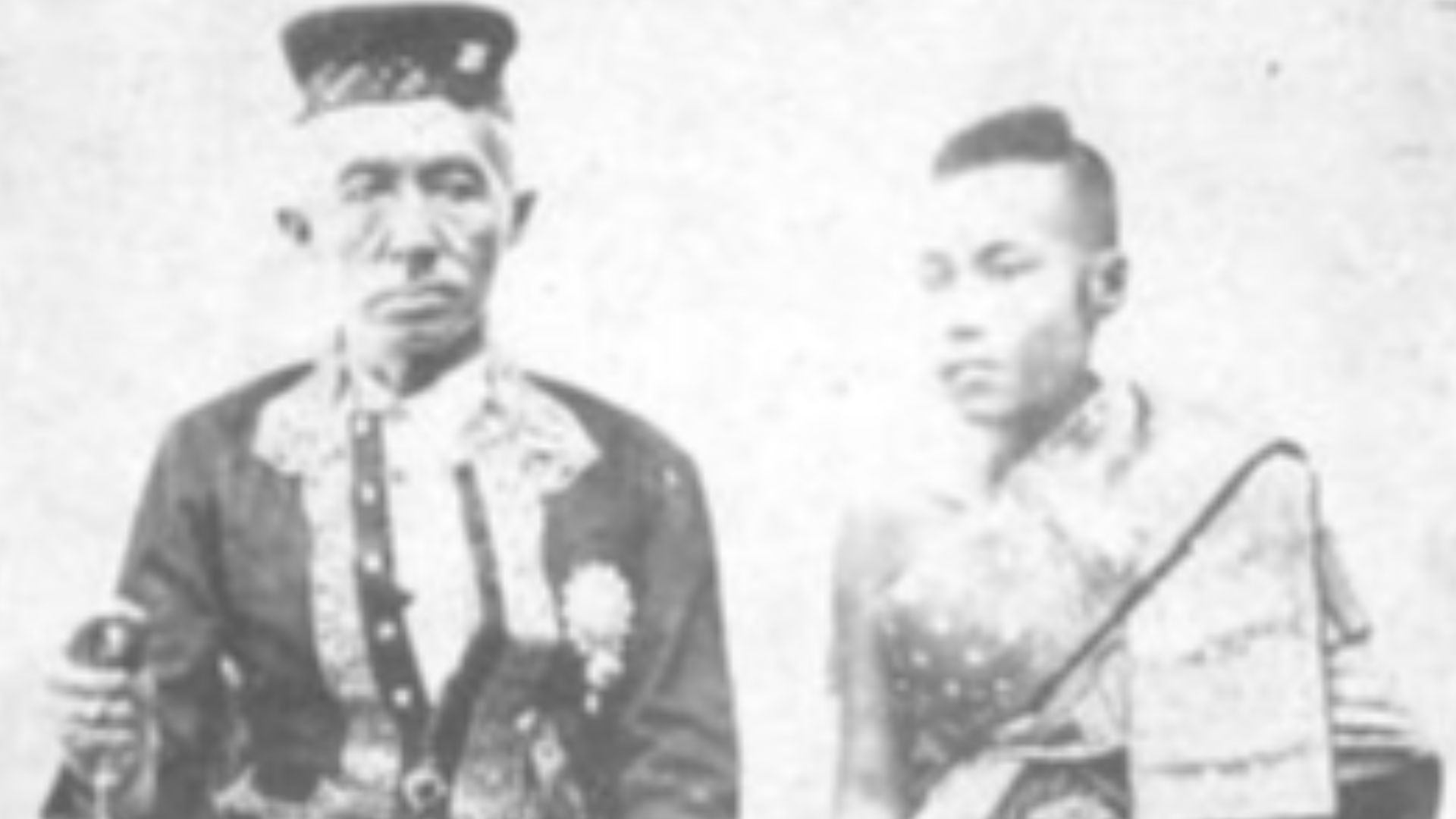 Unknown authorUnknown author, Wikimedia Commons
King Rama V (Chulalongkorn) And Queen Saovabha
Educational pioneering marked Queen Saovabha's establishment of Thailand's first school for girls, the Rajini School. Her marriage to King Rama V followed traditional Siamese royal customs, but she exceeded consort roles by becoming the first Queen Regent of Siam during her husband's travels abroad.
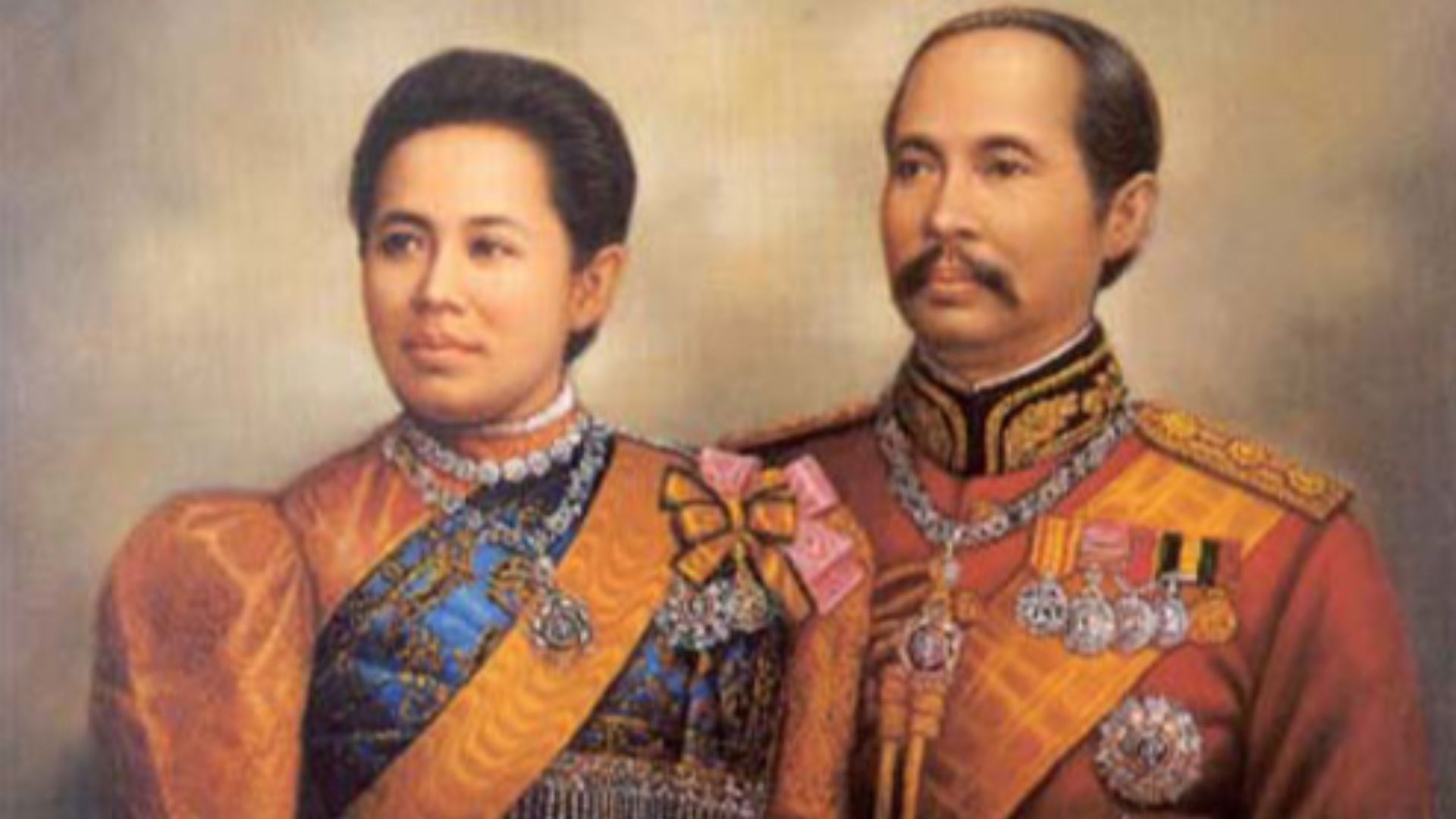 Unknown authorUnknown author, Wikimedia Commons
King Rama V (Chulalongkorn) And Queen Saovabha (Cont.)
This unprecedented position proved her exceptional status within the monarchy and her husband's trust in her administrative abilities. Royal succession gained remarkable stability through Queen Saovabha's maternal influence, as she gave birth to two future kings of Thailand: Rama VI and Rama VII.
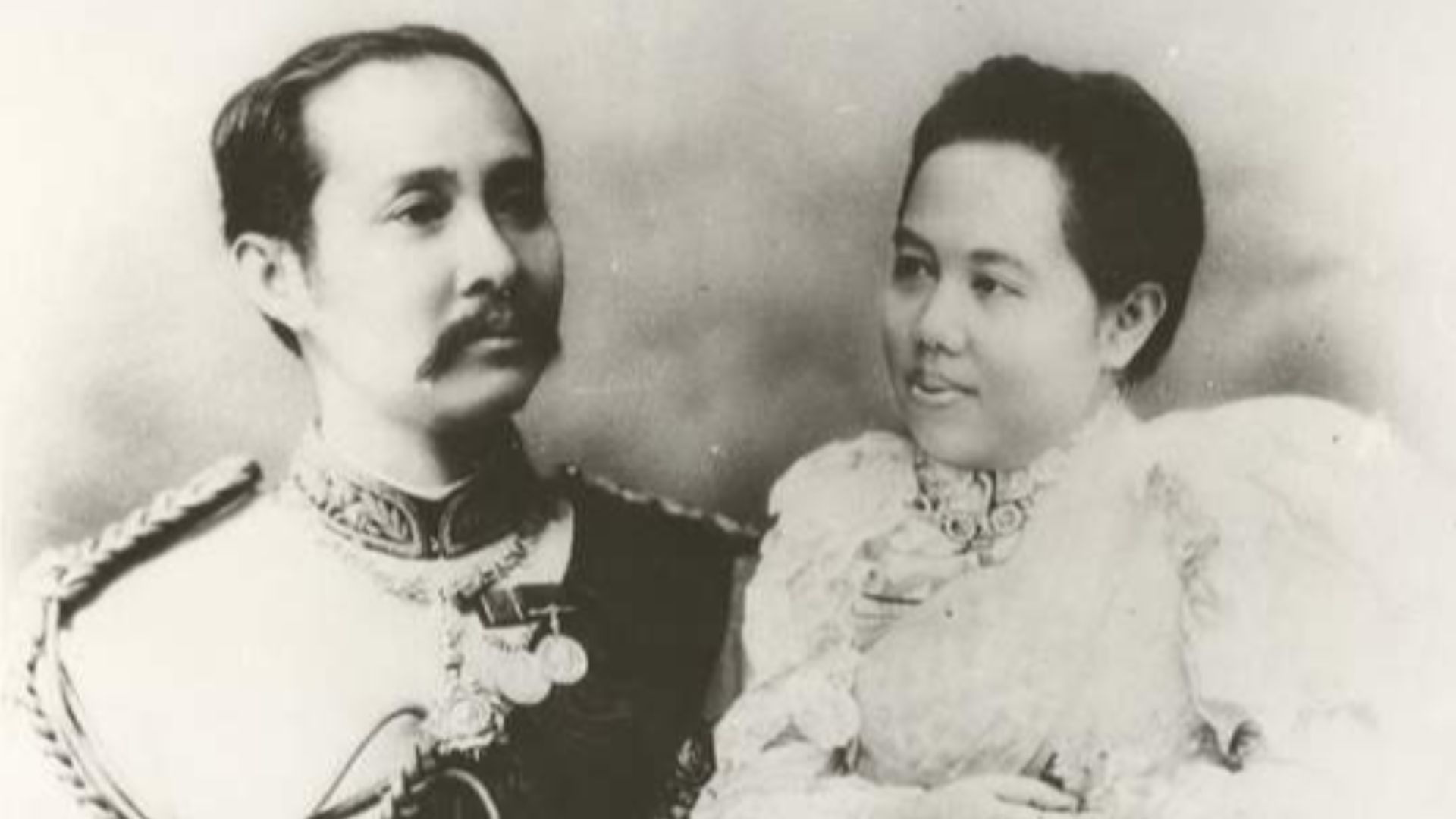 Unknown authorUnknown author, Wikimedia Commons
King Hussein And Queen Noor (Jordan)
Their 1978 marriage began through formal introductions within diplomatic circles. Born Lisa Halaby in the United States, Queen Noor met King Hussein while working on a Jordanian aviation project. What started as a courteous meeting soon grew into a profound emotional bond.
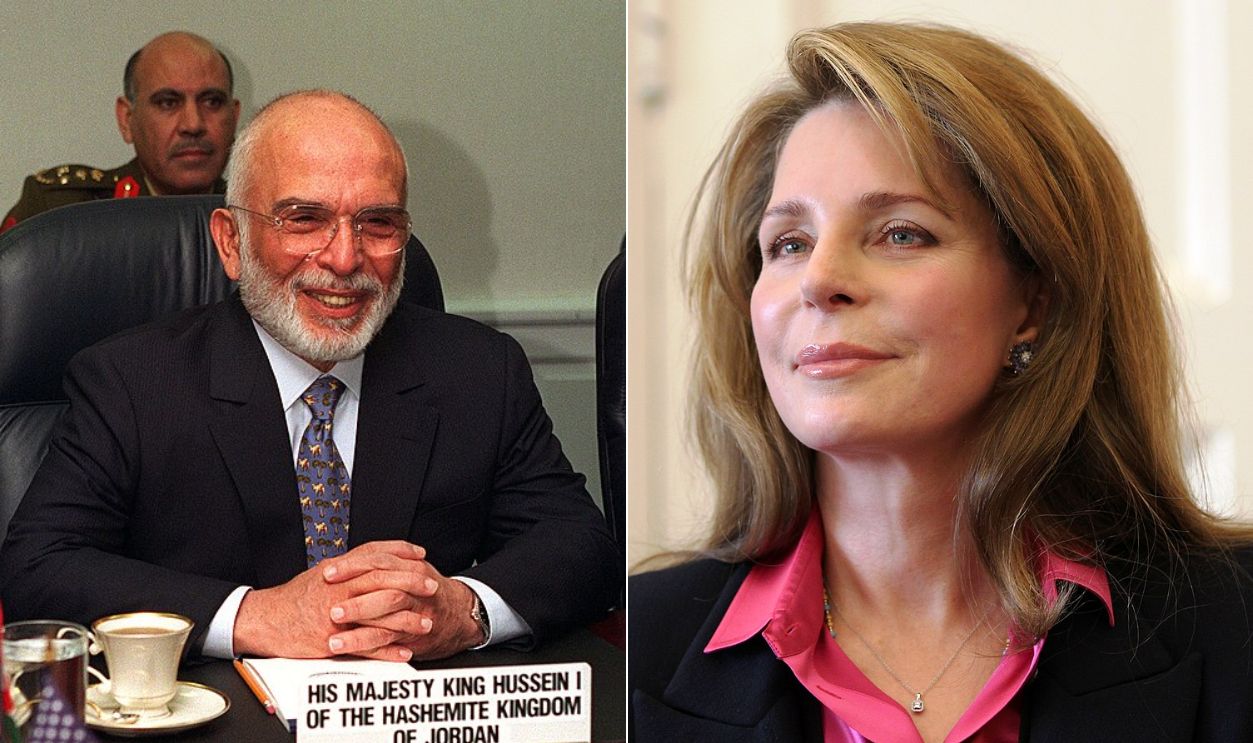 Wikifreund and Skoll World Forum, Wikimedia Commons
King Hussein And Queen Noor (Cont.)
Shared ideals and respect strengthened their bond. Together, they had four children: Prince Hamzah, Prince Hashim, Princess Iman, and Princess Raiyah. Queen Noor also helped raise King Hussein's children from previous marriages, building a blended family that became central to her public image.
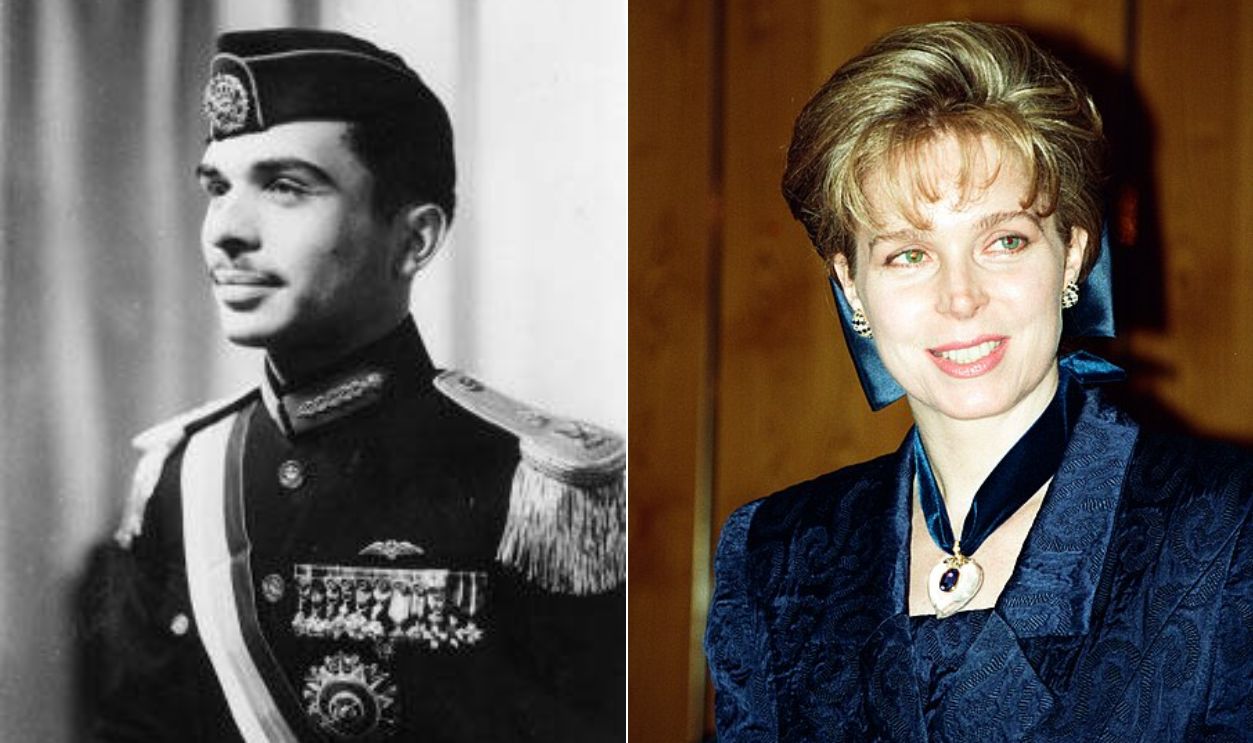 Royal Hashemite Court staff and Visualnarrative, Wikimedia Commons
King Leopold I Of Belgium And Louise-Marie Of Orleans
Charitable causes received dedicated support from Louise-Marie of Orleans, whose piety and compassion defined her approach to royal duties. Her 1832 marriage to King Leopold I was arranged specifically to strengthen diplomatic ties between the newly established Kingdom of Belgium and France, where her father, Louis Philippe I, reigned.
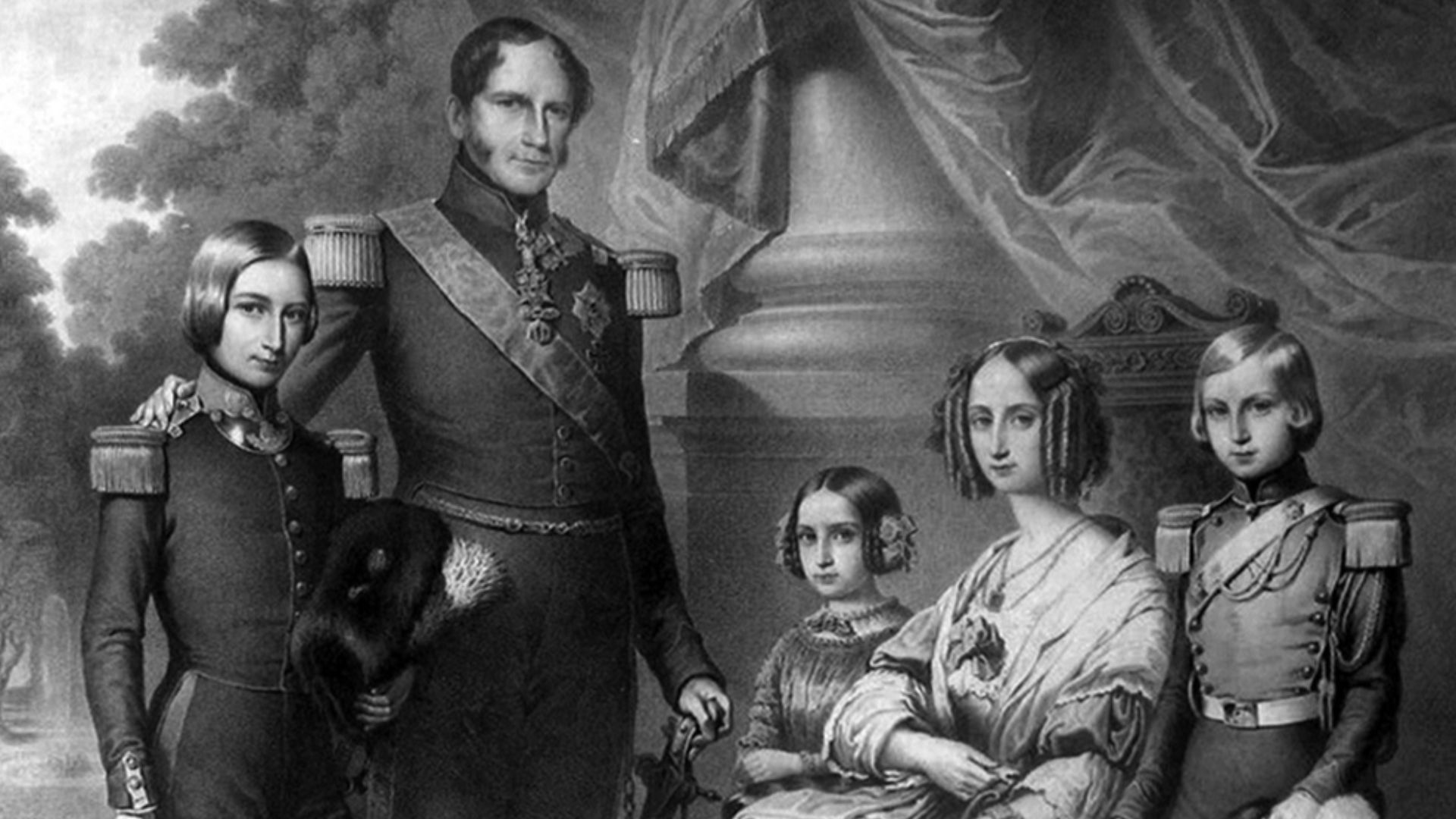 Charles Baugniet, Wikimedia Commons
King Leopold I Of Belgium And Louise-Marie Of Orleans (Cont.)
As Belgium's first queen, she helped establish traditions for a monarchy that lacked historical precedent, demonstrating how royal consorts could shape institutional development in newly formed kingdoms. French royal connections proved politically valuable for the fledgling Belgian monarchy through Louise-Marie's family networks.
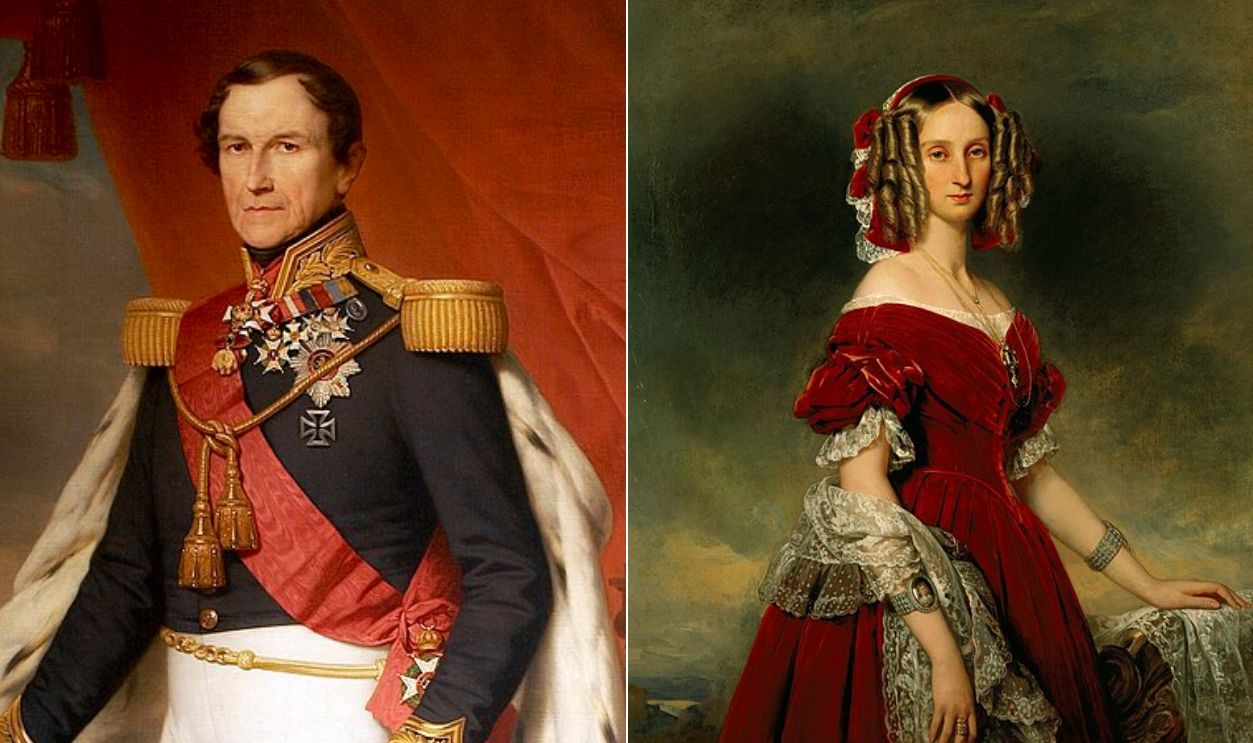 Nicaise de Keyser (1813–1887) and Franz Xaver Winterhalter (1805–1873), Wikimedia Commons
King Henry II Of France And Catherine de' Medici
Papal involvement at the highest level distinguished Catherine de' Medici's marriage to the future King Henry II of France, as her uncle Pope Clement VII personally arranged the 1533 union. This diplomatic masterstroke connected France's powerful Valois dynasty with Florence's influential Medici family.
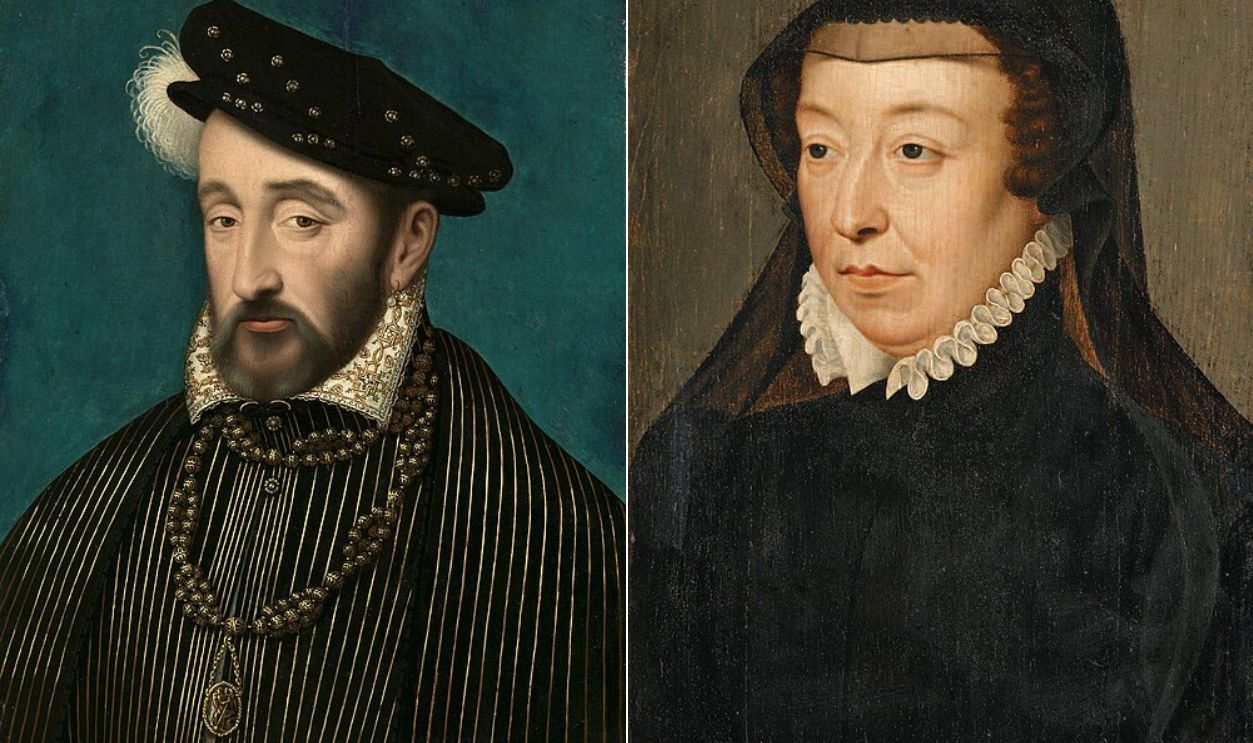 Workshop of Francois Clouet (1510–1572), Wikimedia Commons
King Henry II Of France And Catherine de' Medici (Cont.)
Their arranged marriage shows how royal unions functioned as instruments of international diplomacy, with family connections directly influencing state relationships across borders. Political power achieved by Catherine far exceeded traditional queenly influence, as she became one of 16th-century Europe's most formidable figures after her husband's demise.
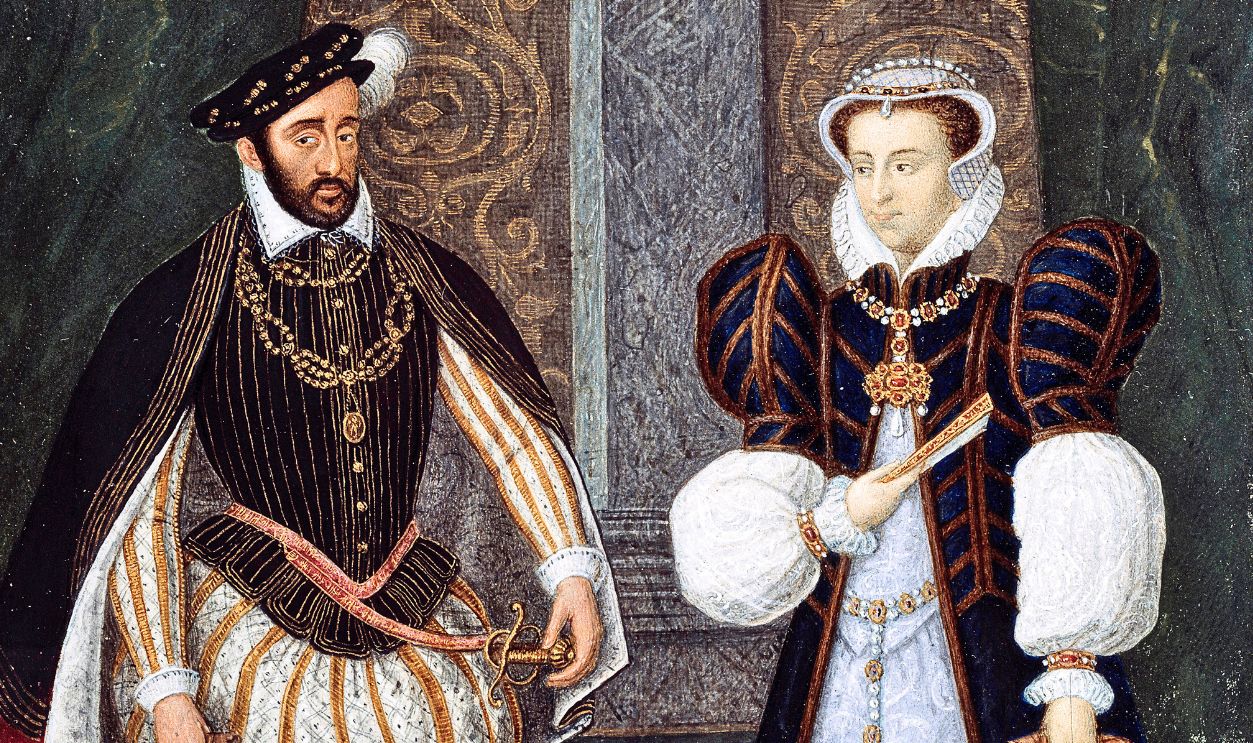 Photo Josse/Leemage, Getty Images
Emperor Justinian I and Empress Theodora
These two had an influential marriage in Byzantine history. Their union, beginning in 525 CE, was initially complicated by Theodora's low social status and background as an actress, which under Roman law forbade marriage to a noble like Justinian.
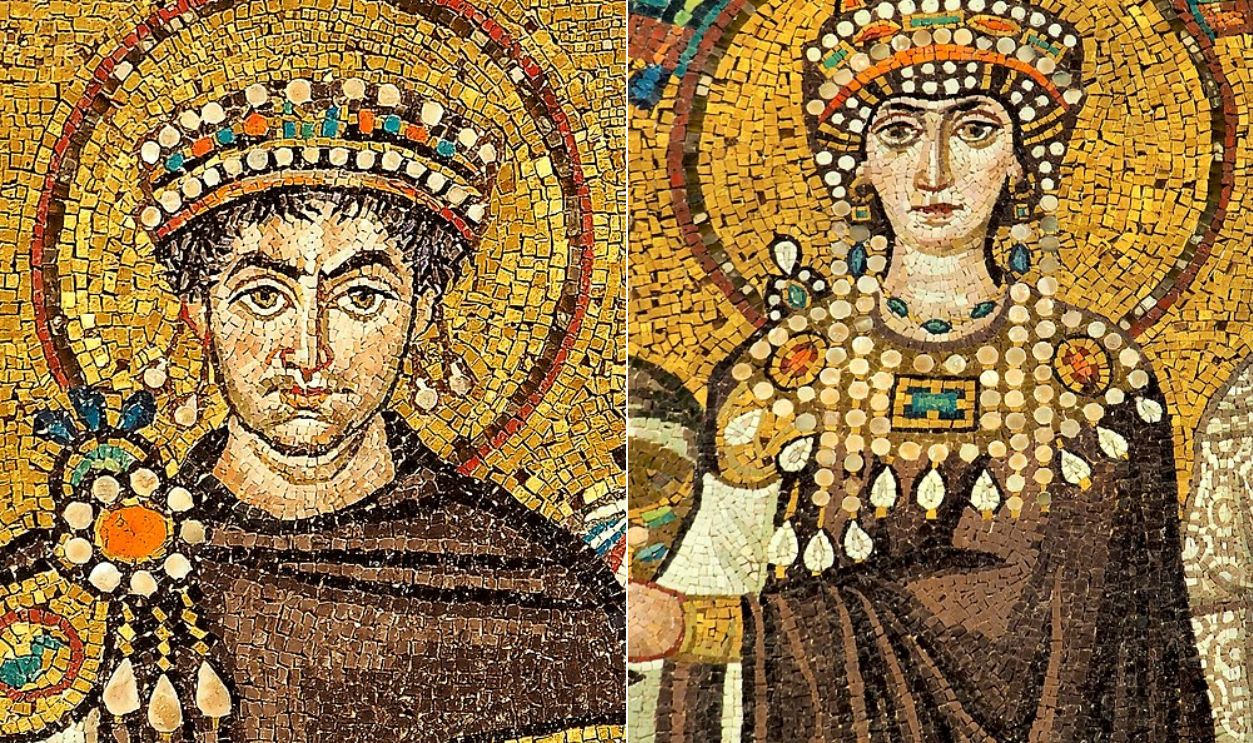 Petar Milosevic, Wikimedia Commons
Emperor Justinian I and Empress Theodora (Cont.)
To enable their marriage, Justinian successfully pushed for a change in the law, elevating Theodora's status to that of a patrician. Their marriage grew into a powerful partnership that shaped the policies and governance of the Byzantine Empire during its golden age.
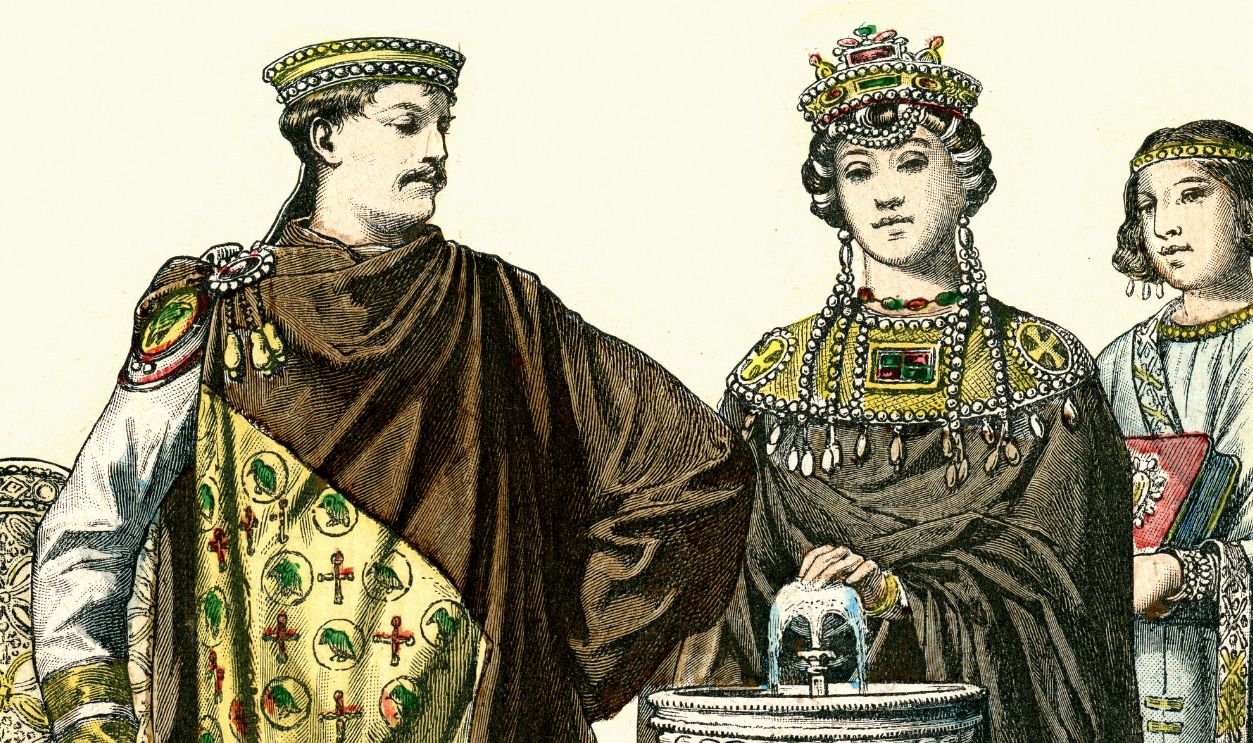
Emperor Franz I And Empress Maria Theresa
They married on February 12, 1736, in Vienna. This arranged marriage united Francis, who was Duke of Lorraine and later Grand Duke of Tuscany, with Maria Theresa, the Habsburg heiress and daughter of Emperor Charles VI. Their union was important in consolidating and continuing Habsburg power.
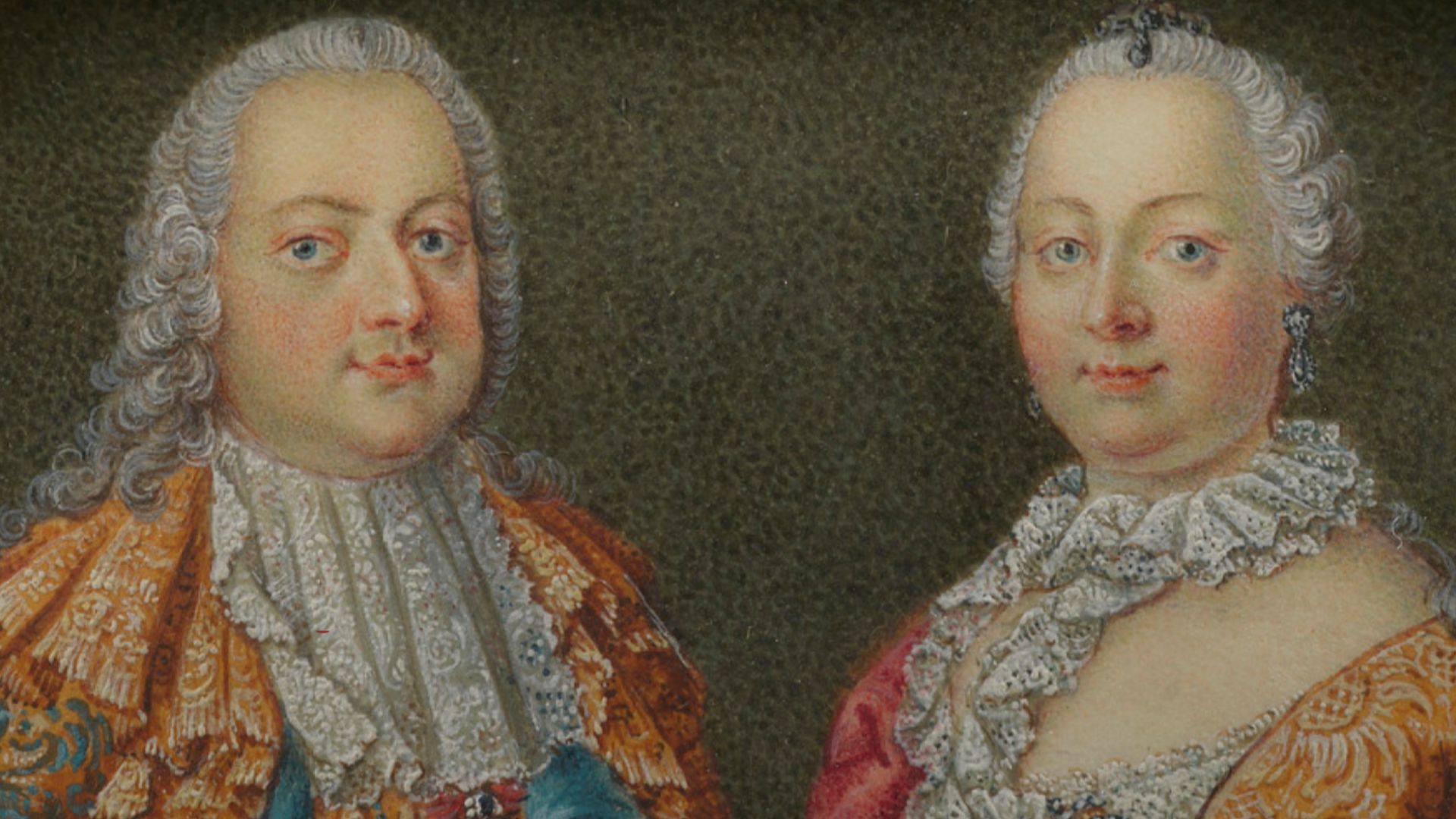 Antonio Pencini / After Martin van Meytens, Wikimedia Commons
Emperor Franz I And Empress Maria Theresa (Cont.)
After all, Maria Theresa was the female heir to the vast Habsburg domains after her father's passing. Though Francis initially hesitated to marry Maria Theresa, their marriage became a partnership with Francis taking responsibility for managing the empire's financial affairs, which he handled competently.
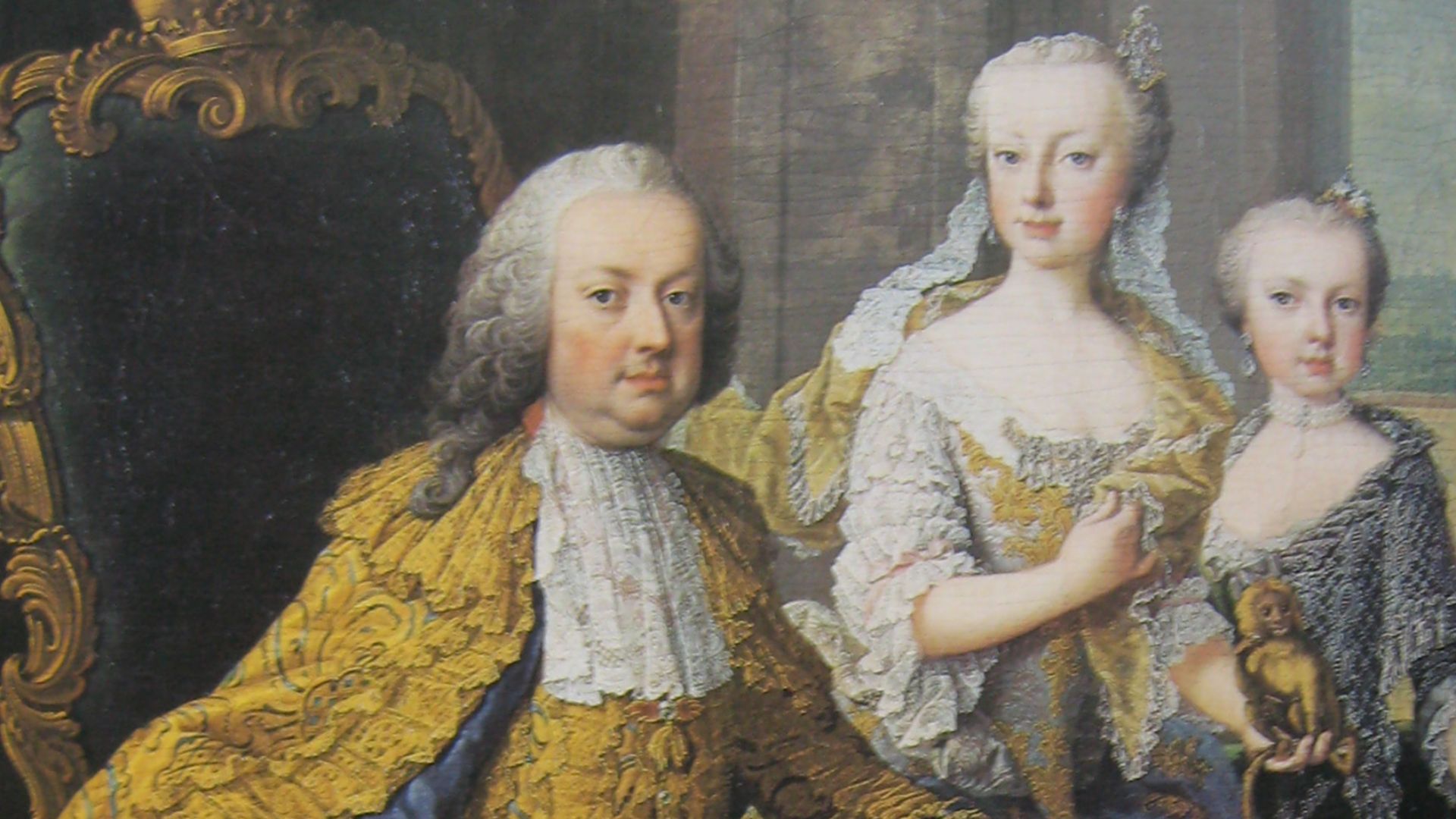 Martin van Meytens, Wikimedia Commons
King Peter I And Queen Zorka
Peter and Zorka got married in 1883, primarily to strengthen the bond between Serbia and Montenegro, as Zorka was the daughter of Prince Nicholas I of Montenegro. Even then, they ended up developing a real affection and respect for each other.
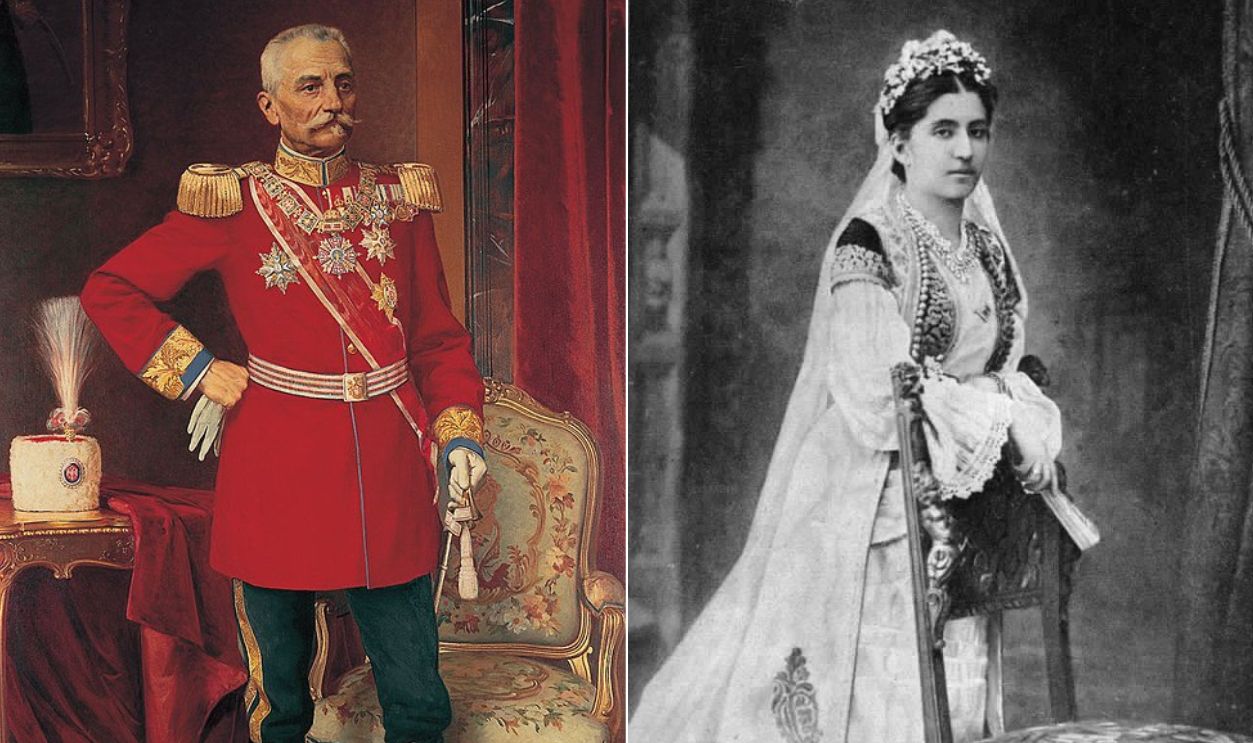 Uros Predic (1857–1953) and Unknown author, Wikimedia Commons
King Peter I And Queen Zorka (Cont.)
They led a pretty down-to-earth life focused on family while handling their royal responsibilities, raising five kids together. Sadly, Zorka passed away in 1890, which hit Peter hard. He never remarried and stayed devoted to her memory for the rest of his time as King of Serbia.
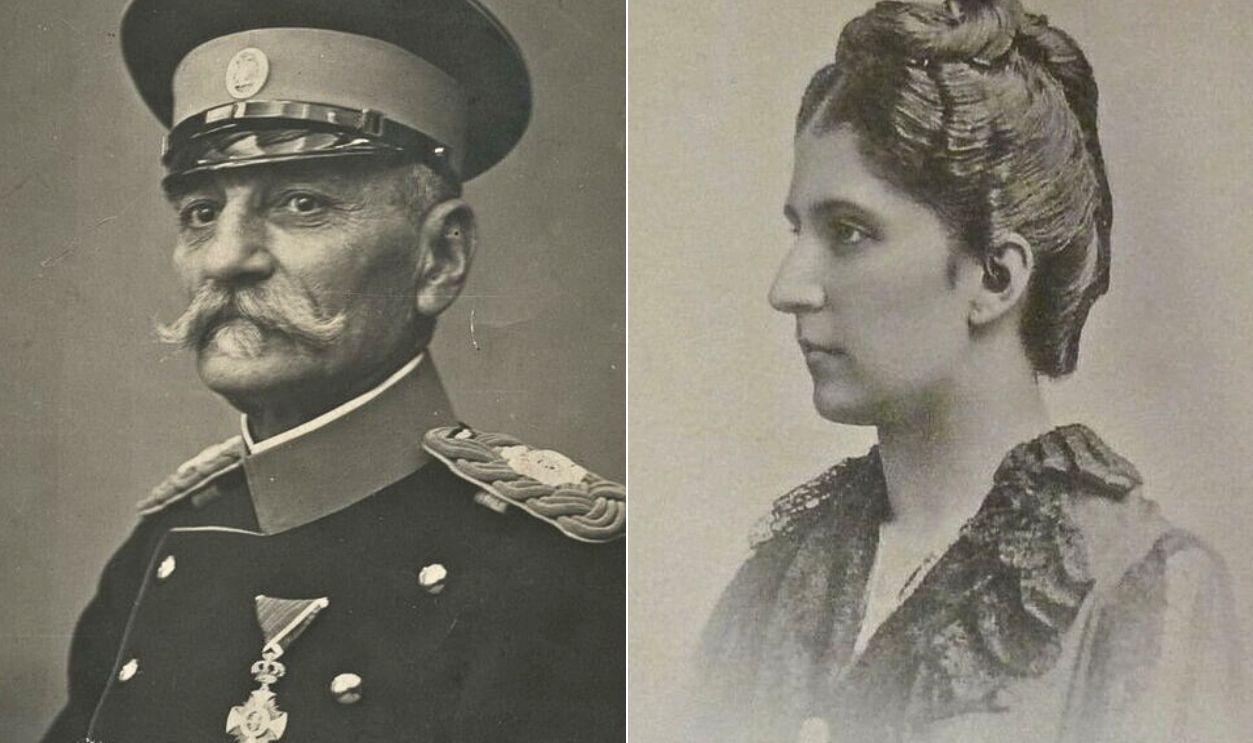 Milan Jovanovic (1863–1944) and Unknown author, Wikimedia Commons











.png)


