Equations Meet Imagination
What if the universe is stranger than any story we tell about it? Physicists have spent decades uncovering clues that stretch the limits of logic and reality. These ideas don’t break science—they expand it.
Wormholes As Shortcuts Through Spacetime
Einstein's equations of general relativity predict these theoretical passages through the fabric of spacetime. Physicists have recently taken wormholes from purely theoretical concepts to simulated phenomena, studying their dynamics on quantum computers right in the lab. To keep a wormhole open, you'd need negative energy.
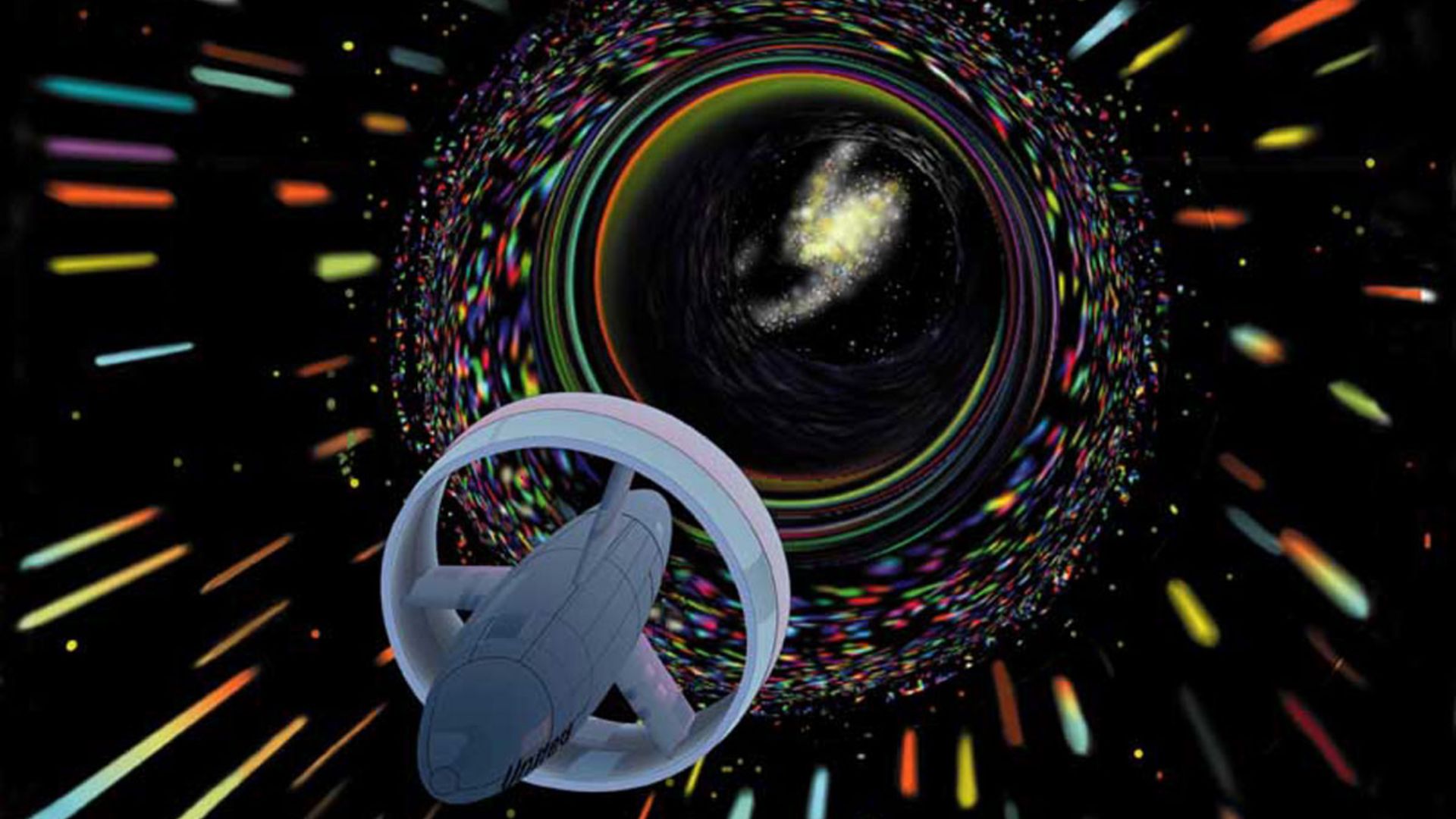 Les Bossinas (Cortez III Service Corp.), Wikimedia Commons
Many-Worlds Interpretation Of Quantum Mechanics
Every decision you've ever made has potentially created branching universes where alternate versions of you took different paths. This isn't just science fiction—the Many-Worlds Interpretation is mathematically consistent with quantum mechanics equations and actively debated by serious physicists.
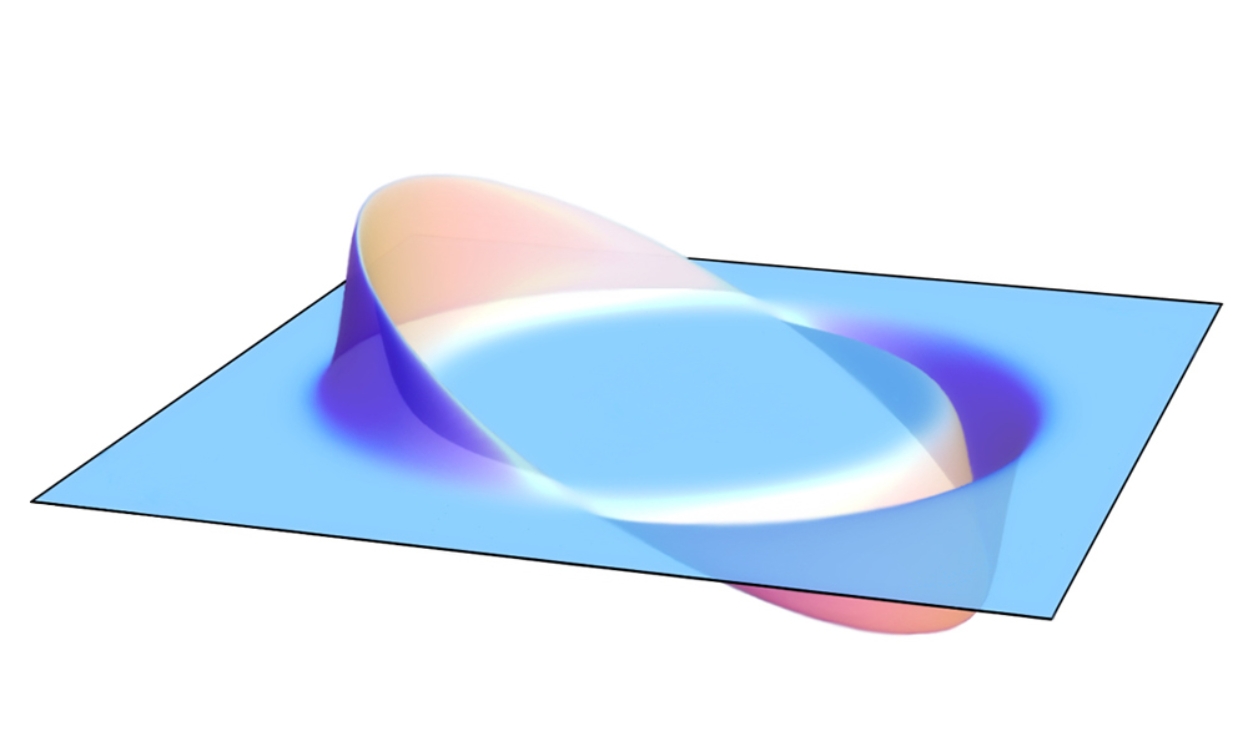
Alcubierre Warp Drive For Faster-Than-Light Travel
Science fiction inspired something real. The Alcubierre drive describes a spacetime bubble that could theoretically allow faster-than-light travel without breaking physics locally. By contracting space ahead and expanding it behind, this warp bubble—a genuine mathematical solution to Einstein's field equations—could bypass light speed limitations.
Quantum Teleportation Of Particle States
Already demonstrated in laboratories with photons and atoms, quantum teleportation harnesses the weird power of entanglement. The process transfers a particle's quantum state to another particle at a distant location without physically moving matter. What travels is pure information, the quantum recipe to recreate the original state elsewhere.
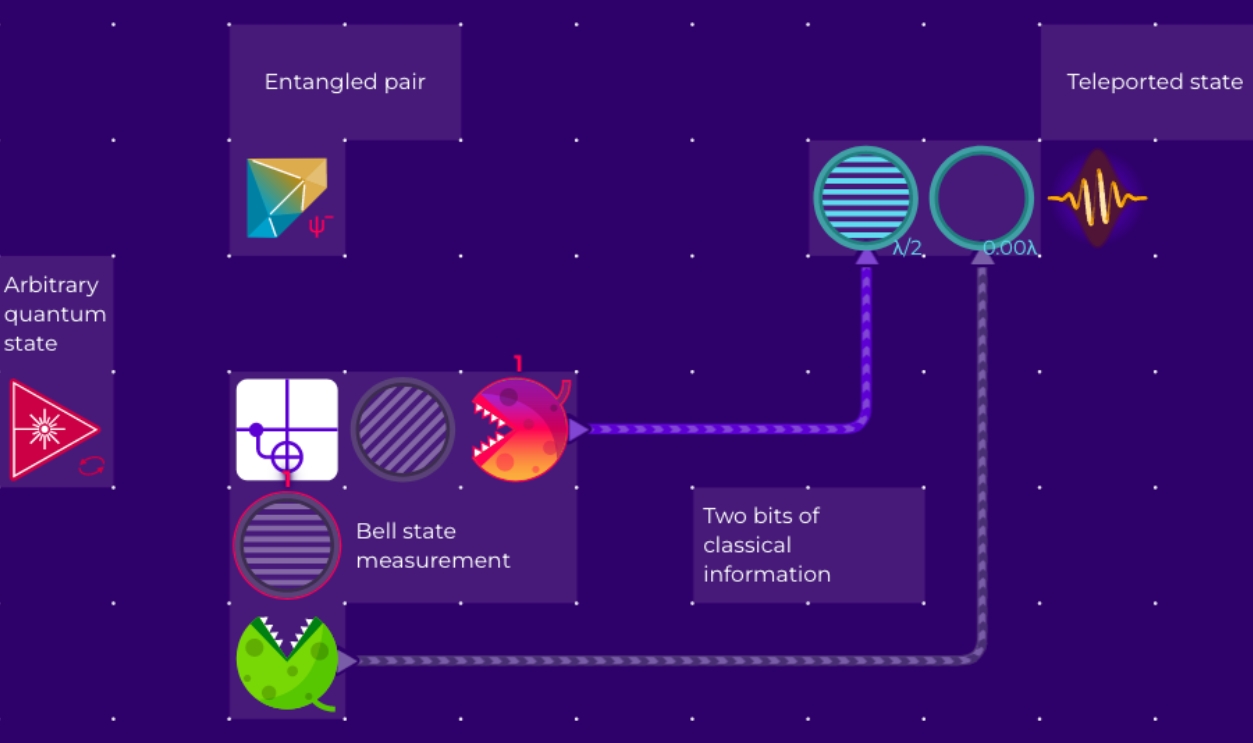 Piotr Migdal, Wikimedia Commons
The Holographic Principle Universe As A 2d Projection
Our seemingly three-dimensional universe might actually be a projection from information stored on a two-dimensional surface. Mathematical models in string theory and black hole physics support this mind-bending holographic principle. According to this theory, all the information present in a volume of space can be described by data on its boundary.
Time Dilation Allows Future Time Travel
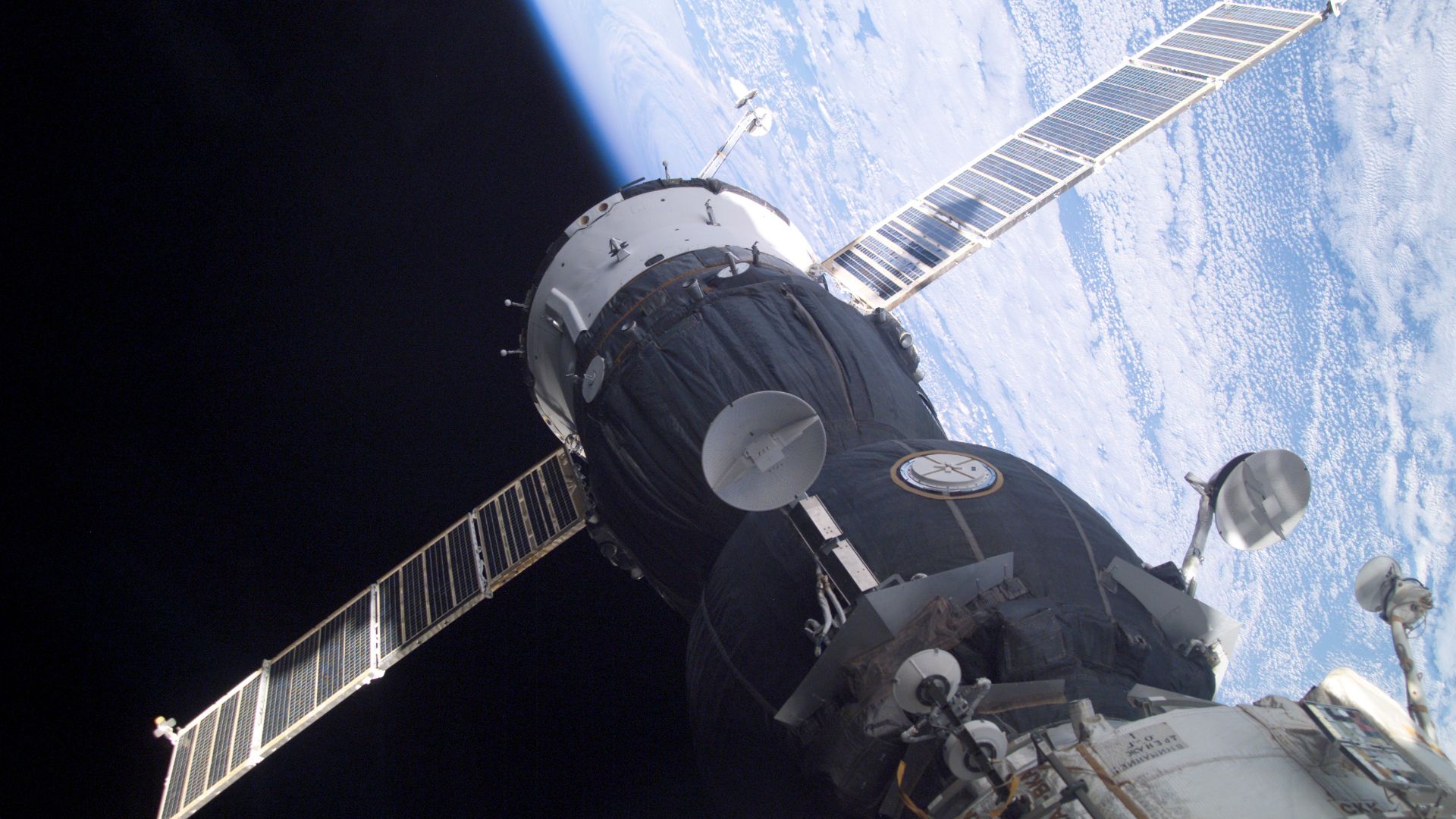
Believe it or not, astronauts on the International Space Station age slightly less than people on Earth due to time dilation. This effect, predicted by Einstein's theory of relativity, has been rightly confirmed through experiments with fast-moving particles and precise atomic clocks.
Time Dilation Allows Future Time Travel (Cont.)
Time literally passes more slowly for objects moving at fast speeds or in strong gravitational fields. In principle, if you could travel at near-light speed, you'd experience a form of time travel into the future—returning to find everyone else aged more than you.
 Imagen-3.0-generate-002, Wikimedia Commons
Frame-Dragging Twisting Spacetime Around Rotating Masses
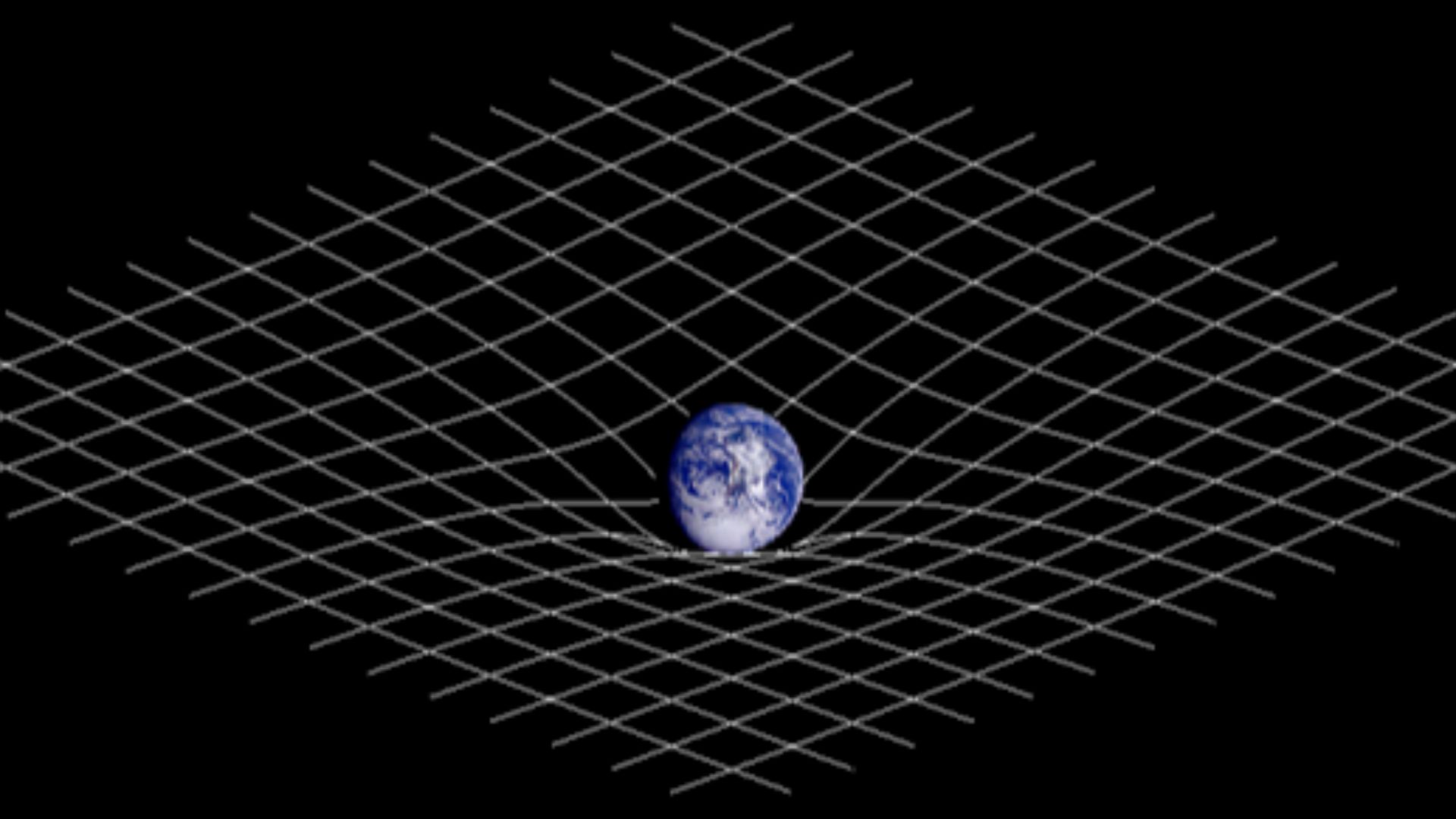
Spinning objects don't just spin themselves—they actually drag the fabric of spacetime around with them. This phenomenon, called frame-dragging or the Lense-Thirring effect, was confirmed around Earth by the Gravity Probe B experiment, which measured the twisting of spacetime caused by our planet's rotation.

History's most fascinating stories and darkest secrets, delivered to your inbox daily.
Penrose Process For Extracting Energy From Rotating Black Holes
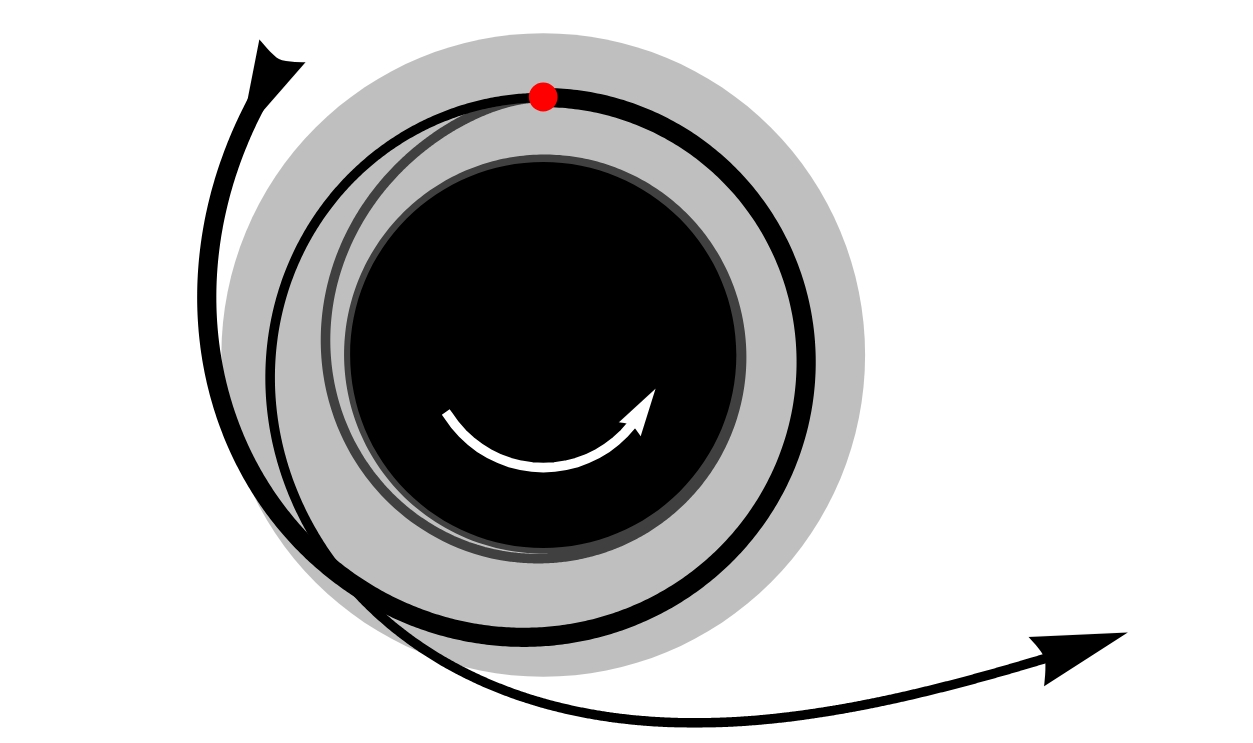
The Penrose process describes a theoretical method for extracting energy from the ergosphere of a rotating black hole. By splitting particles near the black hole in just the right way, one part falls in while the other escapes with more energy than the original.
Black Hole Evaporation Via Hawking Radiation
Stephen Hawking shocked the physics world in 1974 when he mentioned that black holes emit radiation. This Hawking radiation occurs due to quantum effects near the event horizon, causing black holes to lose mass slowly over time.
 Kim Shiflett, Wikimedia Commons
Multiverse From Eternal Inflation
Our entire universe might be just one "bubble" in a vast, ever-expanding multiverse. According to the eternal inflation theory, the process that expanded our universe after the Big Bang never completely stops everywhere, creating an endless series of bubble universes.
 User:K1234567890y, Wikimedia Commons
Quantum Superposition Of Macroscopic Objects
Quantum superposition allows particles to be present in multiple states simultaneously, and experiments have pushed this phenomenon to molecules containing hundreds of atoms. This challenges our everyday understanding of reality, where objects occupy definite states rather than existing in multiple states at once.
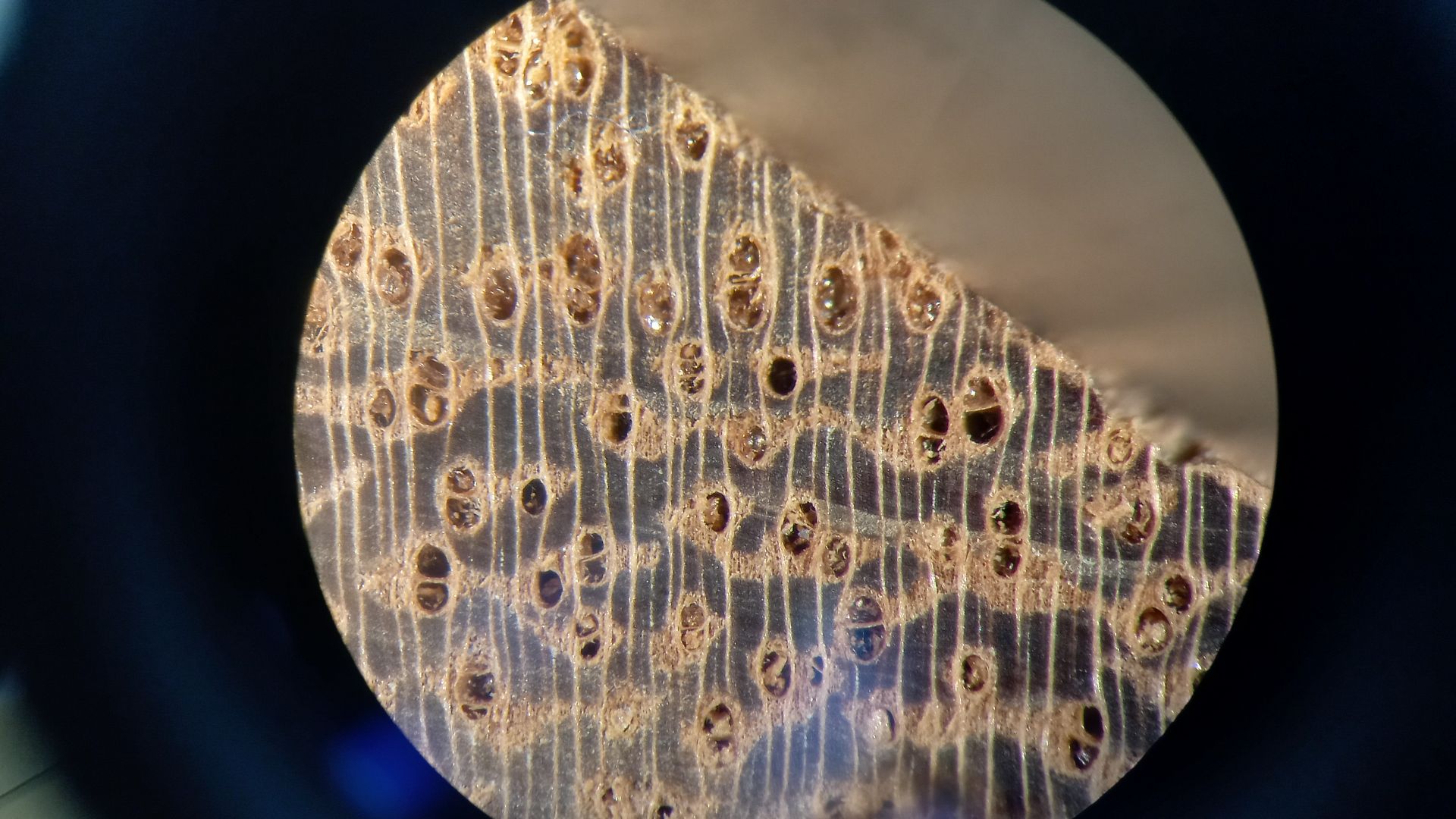
Quantum Superposition Of Macroscopic Objects (Cont.)
The famous Schrodinger's cat thought experiment illustrates macroscopic superposition, showing how quantum weirdness might apply to everyday objects. Achieving superposition in larger objects isn't just a theoretical curiosity—it could lead to revolutionary quantum technologies with applications beyond our current imagination.

Negative Energy For Exotic Matter In Warp Fields
According to general relativity, negative energy is required to stabilize wormholes and warp drives. Remarkably, the Casimir effect demonstrates that negative energy densities can exist in quantum field theory, where quantum fluctuations create measurable attractive forces between uncharged plates in a vacuum.
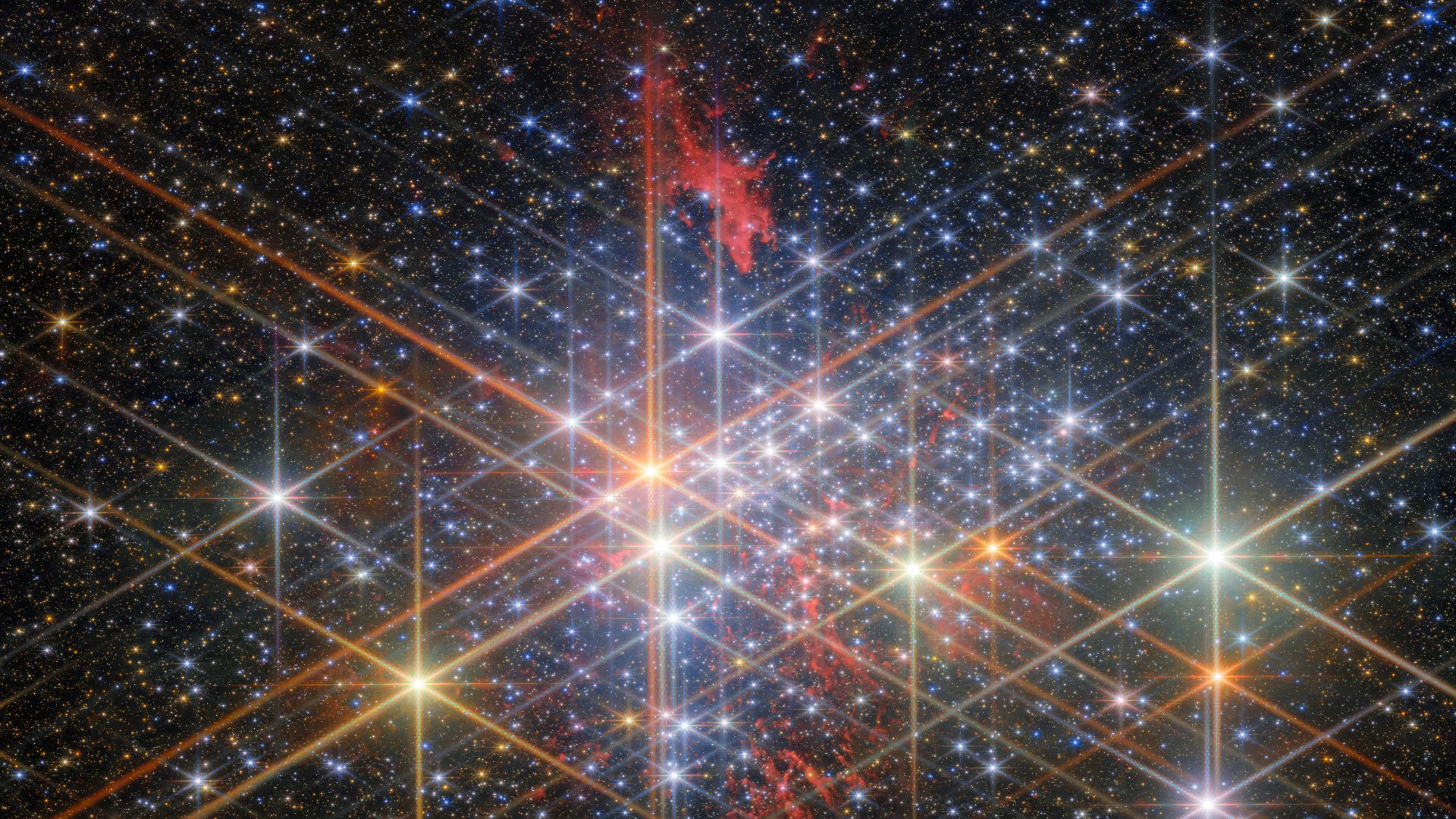
Negative Energy For Exotic Matter In Warp Fields (Cont.)
This exotic matter with negative energy could theoretically enable faster-than-light travel by warping spacetime in specific ways. The same physics applies to traversable wormholes, suggesting these concepts aren't merely science fiction but possibilities with foundations in current physics research.
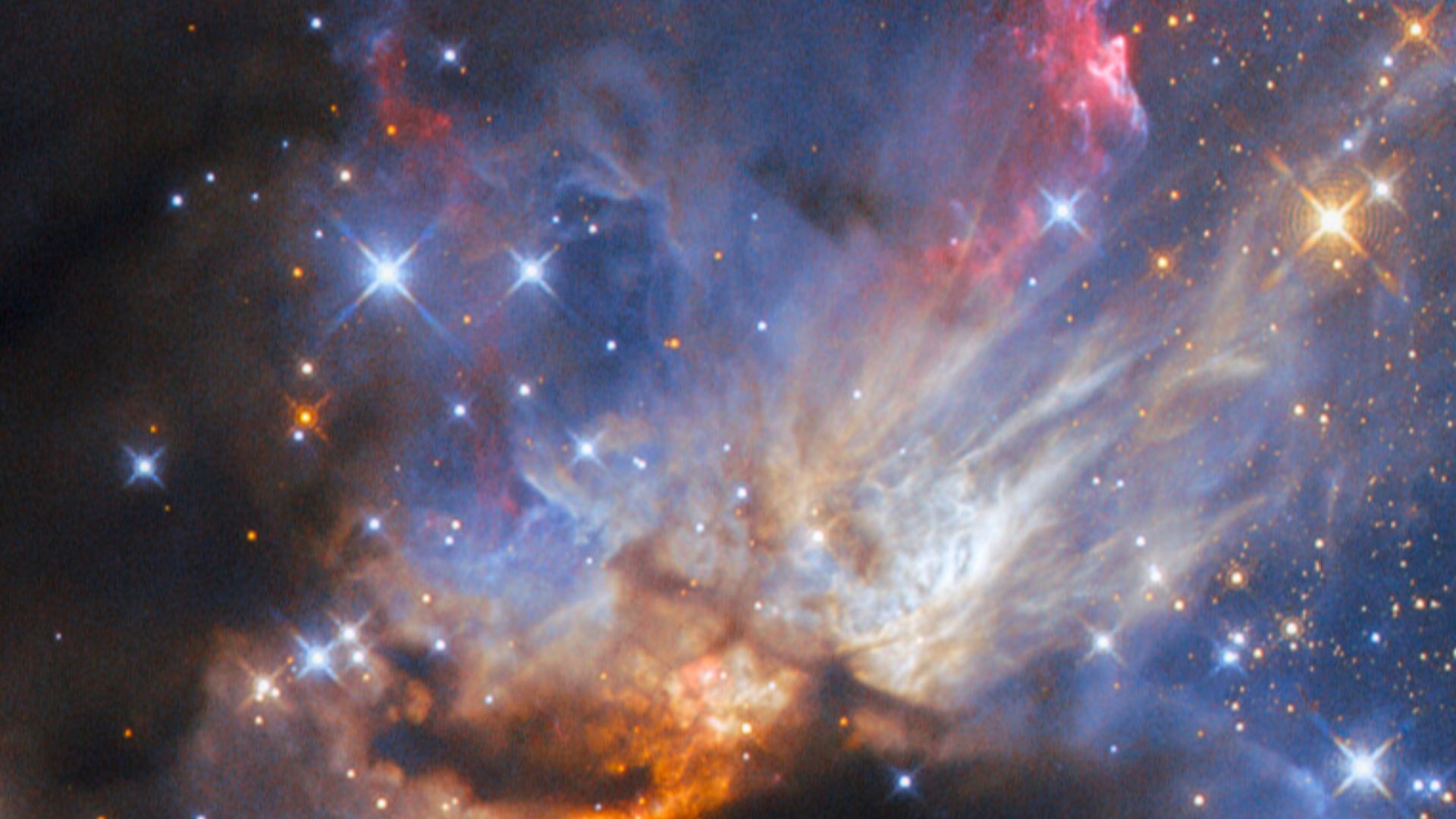 ESA/Hubble & NASA, R. Fedriani, J. Tan, Wikimedia Commons
Closed Timelike Curves For Backward Time Travel
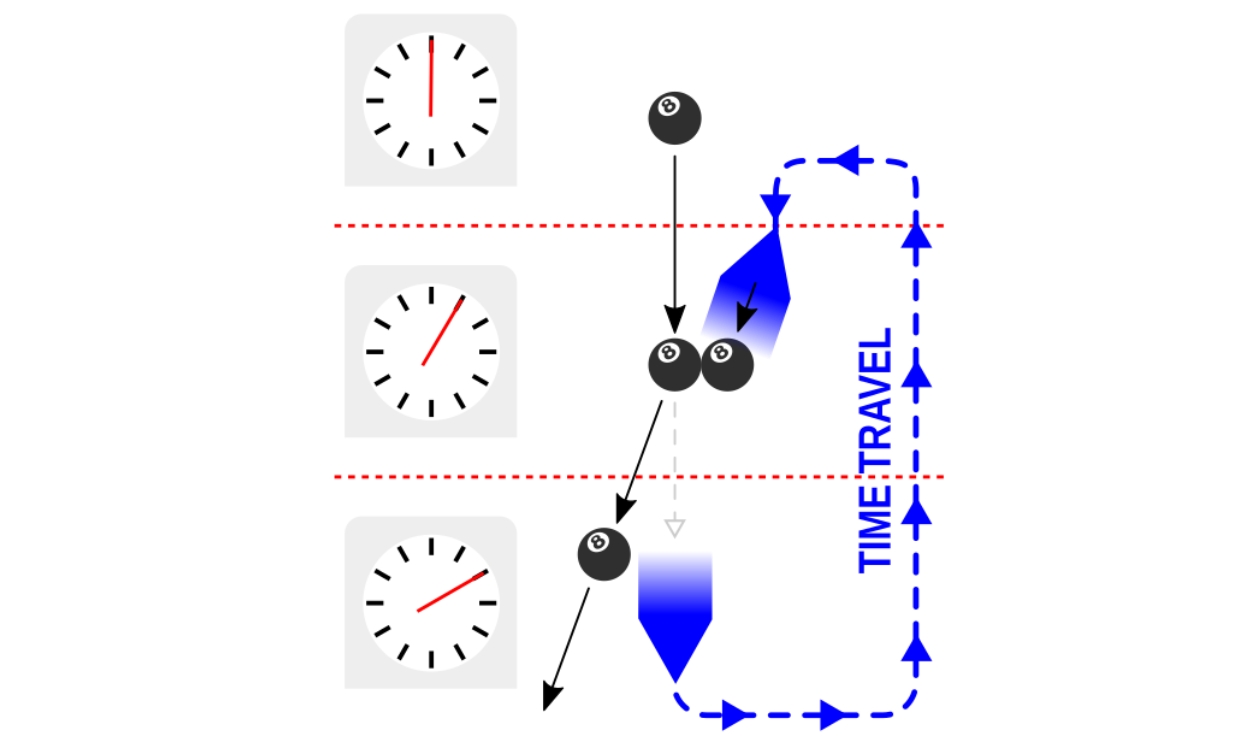
Einstein's equations allow for closed timelike curves—paths that loop back in time—which are theoretically possible in specific spacetime geometries such as those near rotating black holes. These curves stand as a mathematical basis for the possibility of traveling backward in time.
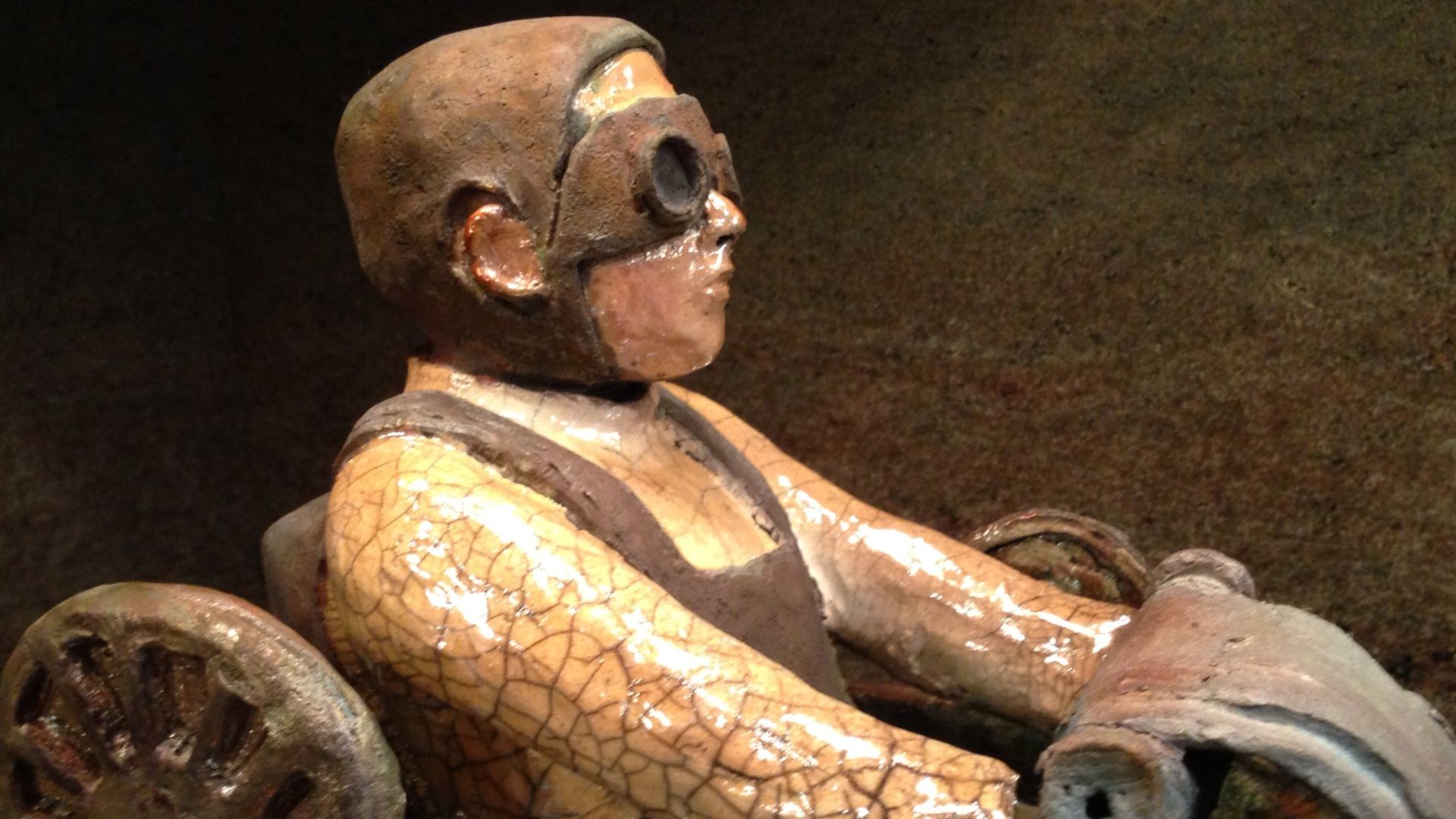 Aimeeperezsculptor, Wikimedia Commons
Closed Timelike Curves For Backward Time Travel (Cont.)
Such curves could enable time travel to the past, fundamentally challenging our understanding of causality. The theoretical possibility raises paradoxes, such as the "grandfather paradox," where time travelers could prevent their own existence, continuing to puzzle physicists studying the nature of time.
 BrightRoundCircle, Wikimedia Commons
Quantum Zeno Effect Freezing Quantum Evolution
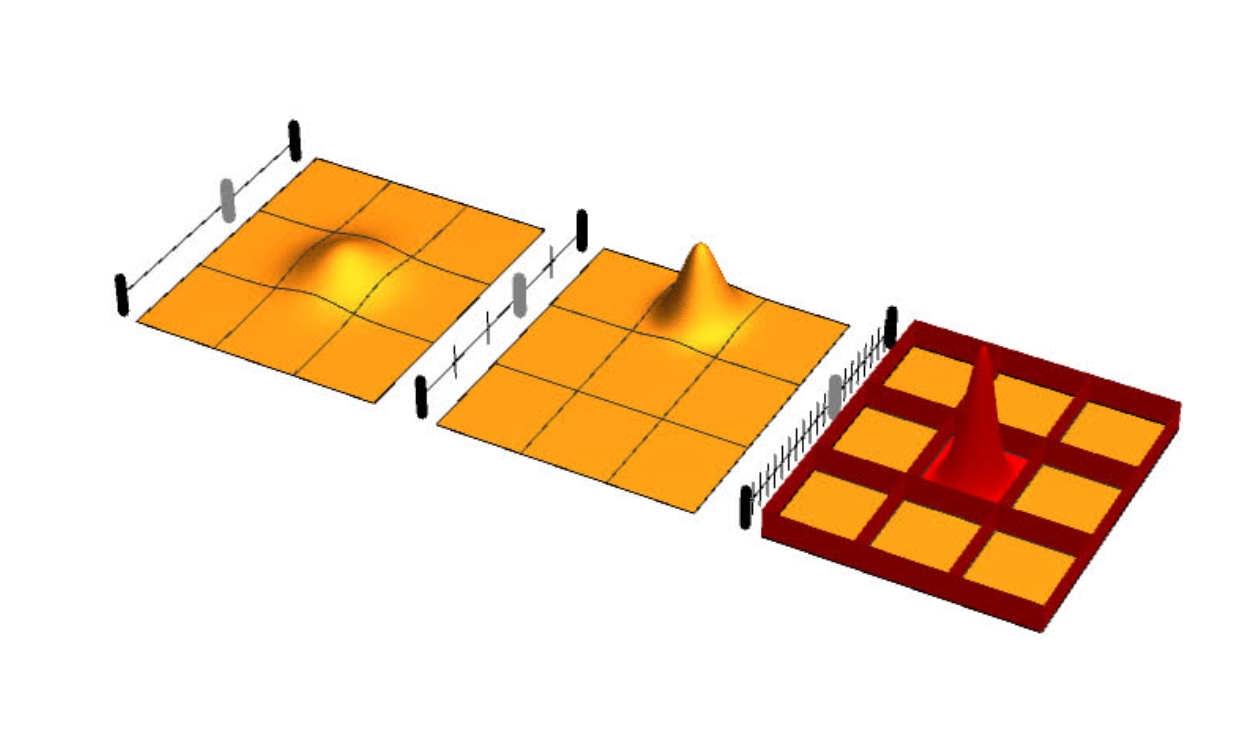
The Quantum Zeno effect occurs when frequent observation prevents quantum systems from evolving, essentially freezing them in time. This counterintuitive phenomenon has been experimentally observed in atomic and nuclear systems, named after Zeno's ancient paradoxes of motion.
Brane Worlds In Extra Dimensions
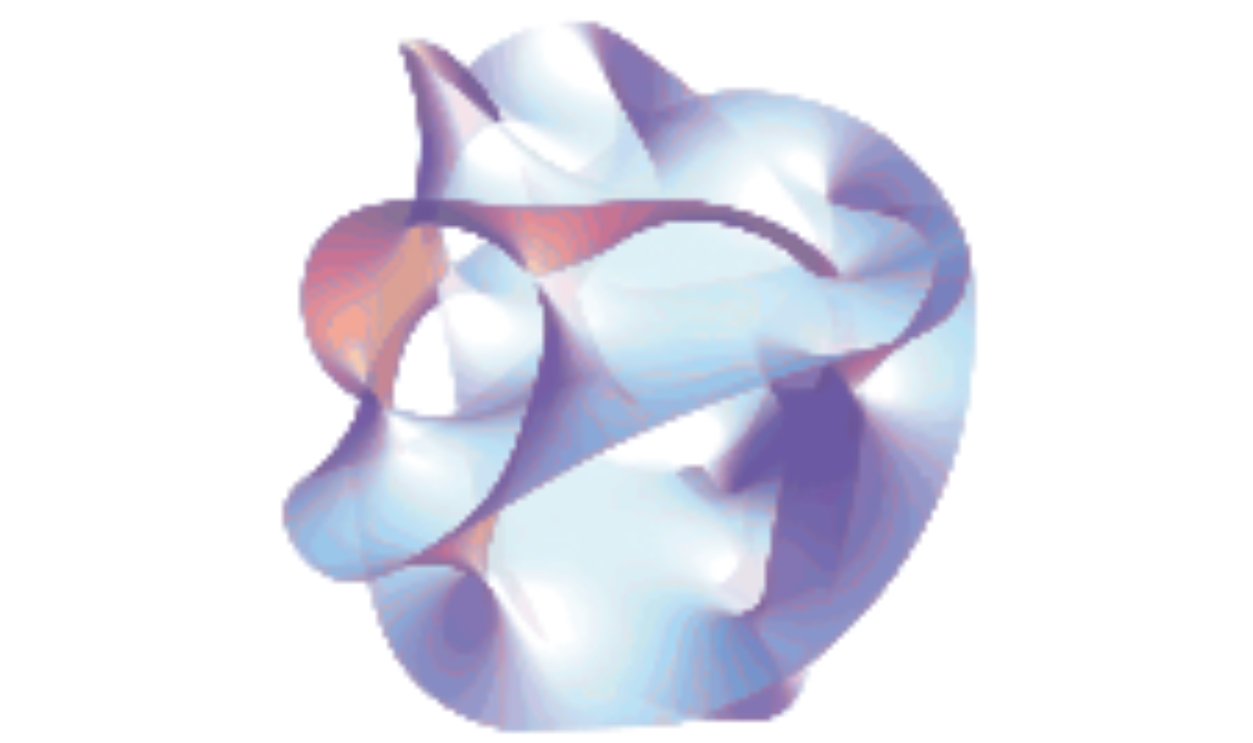
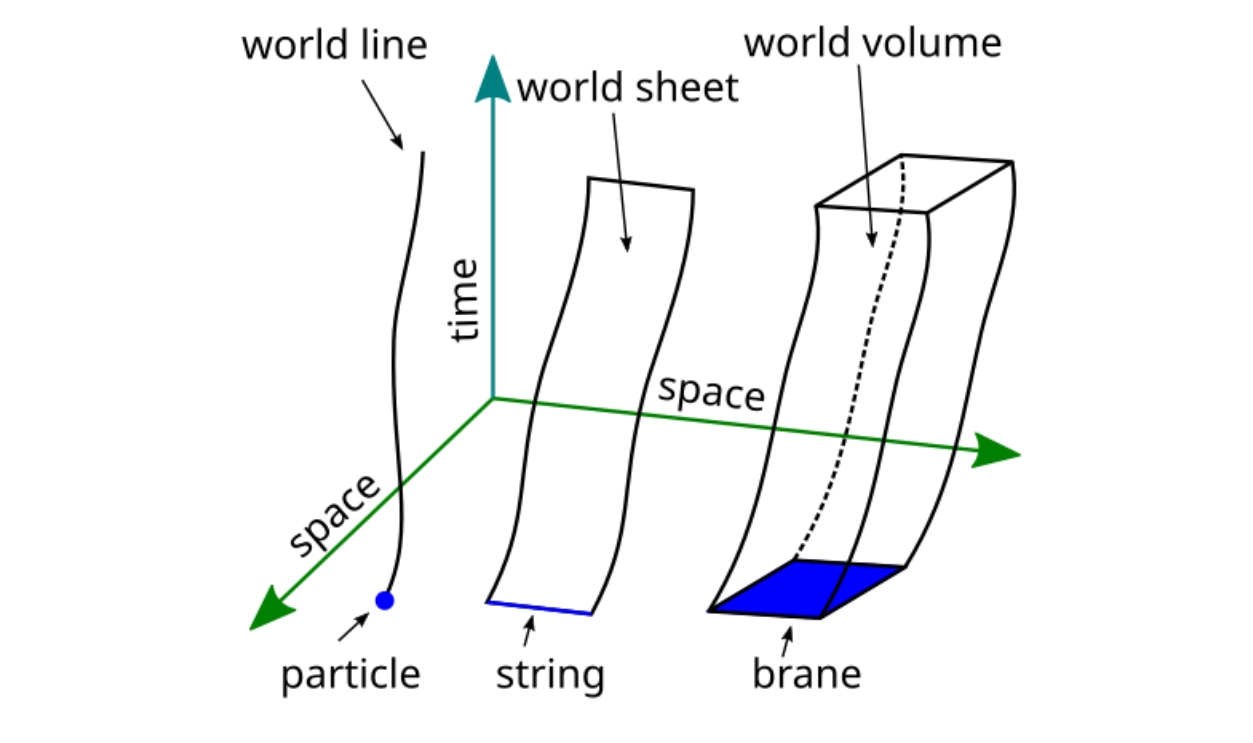
Brane world theories propose our universe exists as a three-dimensional "brane" embedded in higher-dimensional space. These models emerge from string theory and could explain why gravity seems weaker than other forces—it might be "leaking" into extra dimensions beyond our perceptual reach.
Brane Worlds In Extra Dimensions (Cont.)
According to these theories, other branes could exist parallel to ours, potentially hosting their own universes with different physical laws. This changes the sci-fi concept of parallel worlds into a sophisticated theoretical framework that physicists actively study to solve fundamental cosmological puzzles.
Exposed Singularities Without Event Horizons
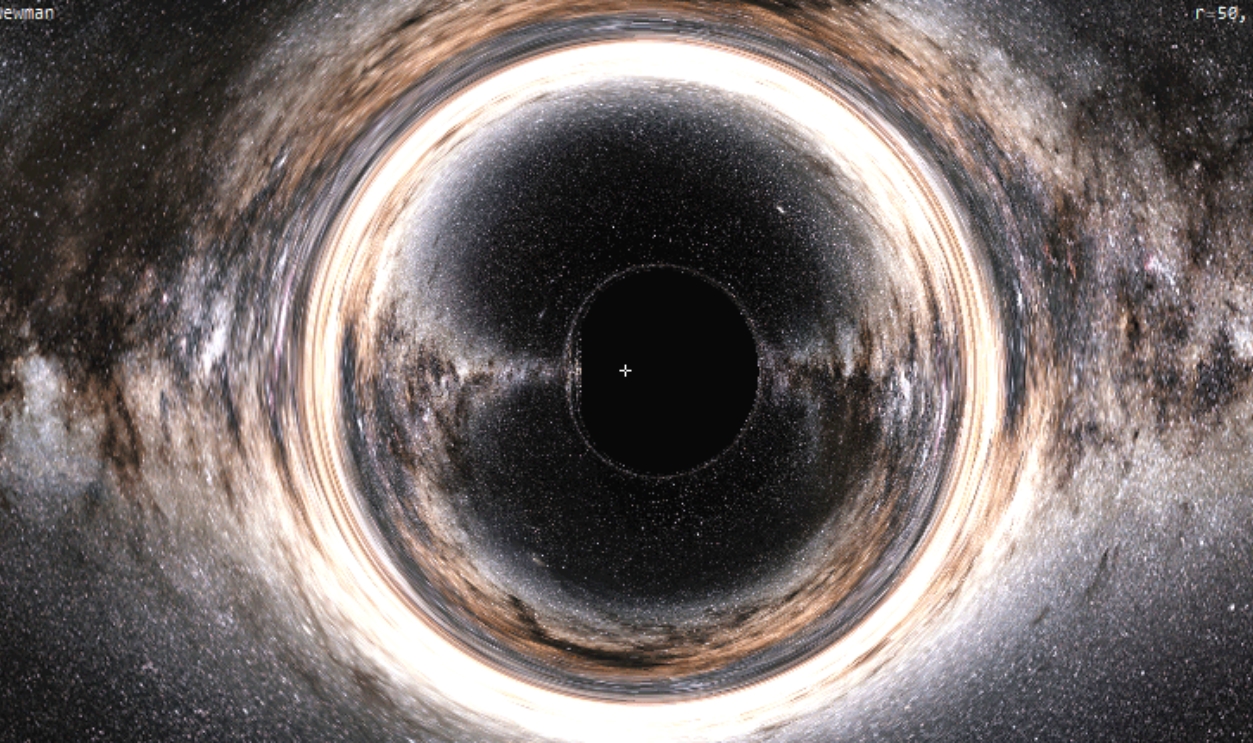
Exposed singularities are hypothetical points where gravity becomes infinite without an event horizon to hide them from the outside universe. Their existence would violate the cosmic censorship conjecture, a fundamental principle in general relativity that proposes nature always hides singularities.
 Yukterez (Simon Tyran, Vienna), Wikimedia Commons
White Holes As Time-Reversed Black Holes
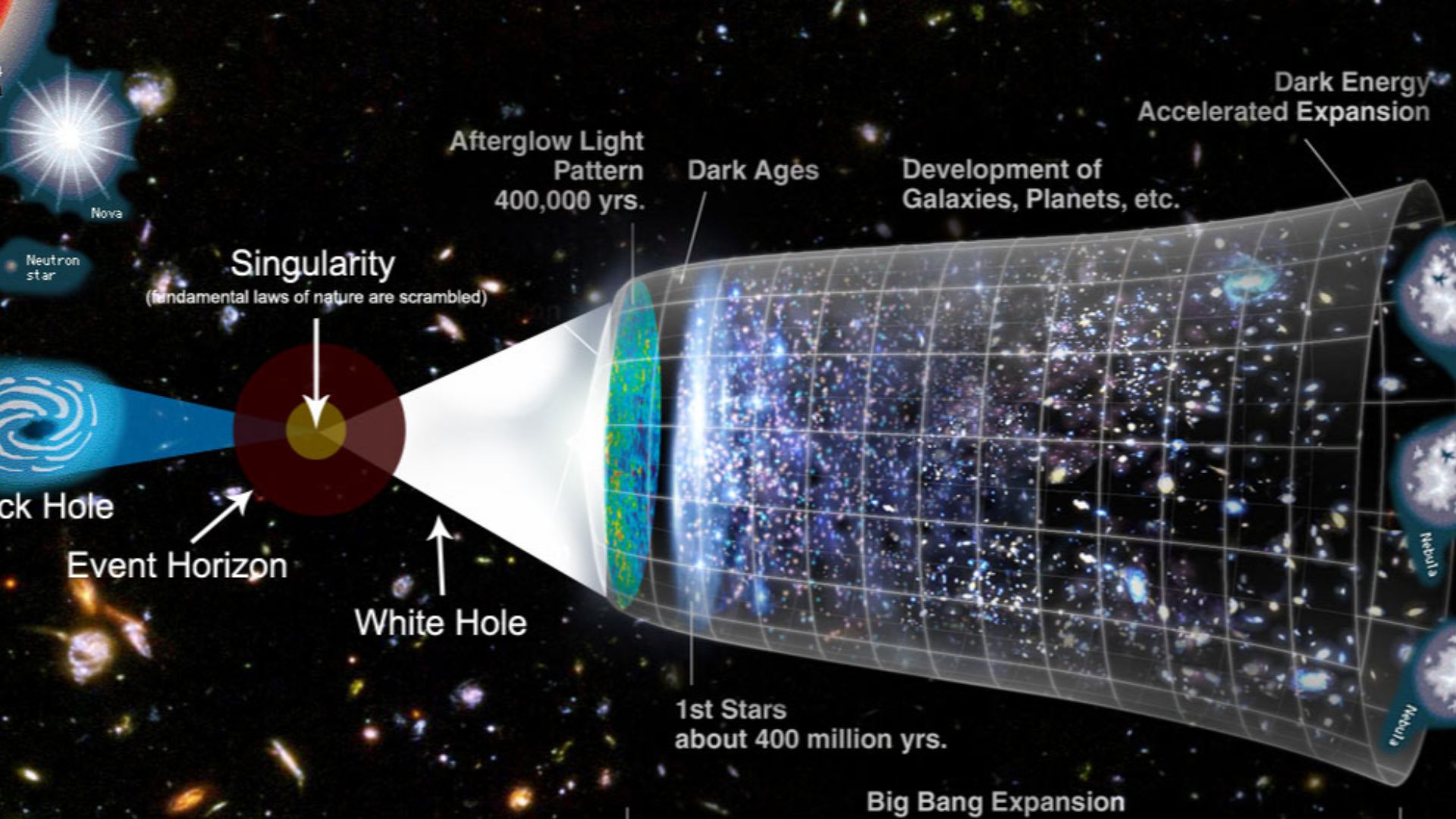
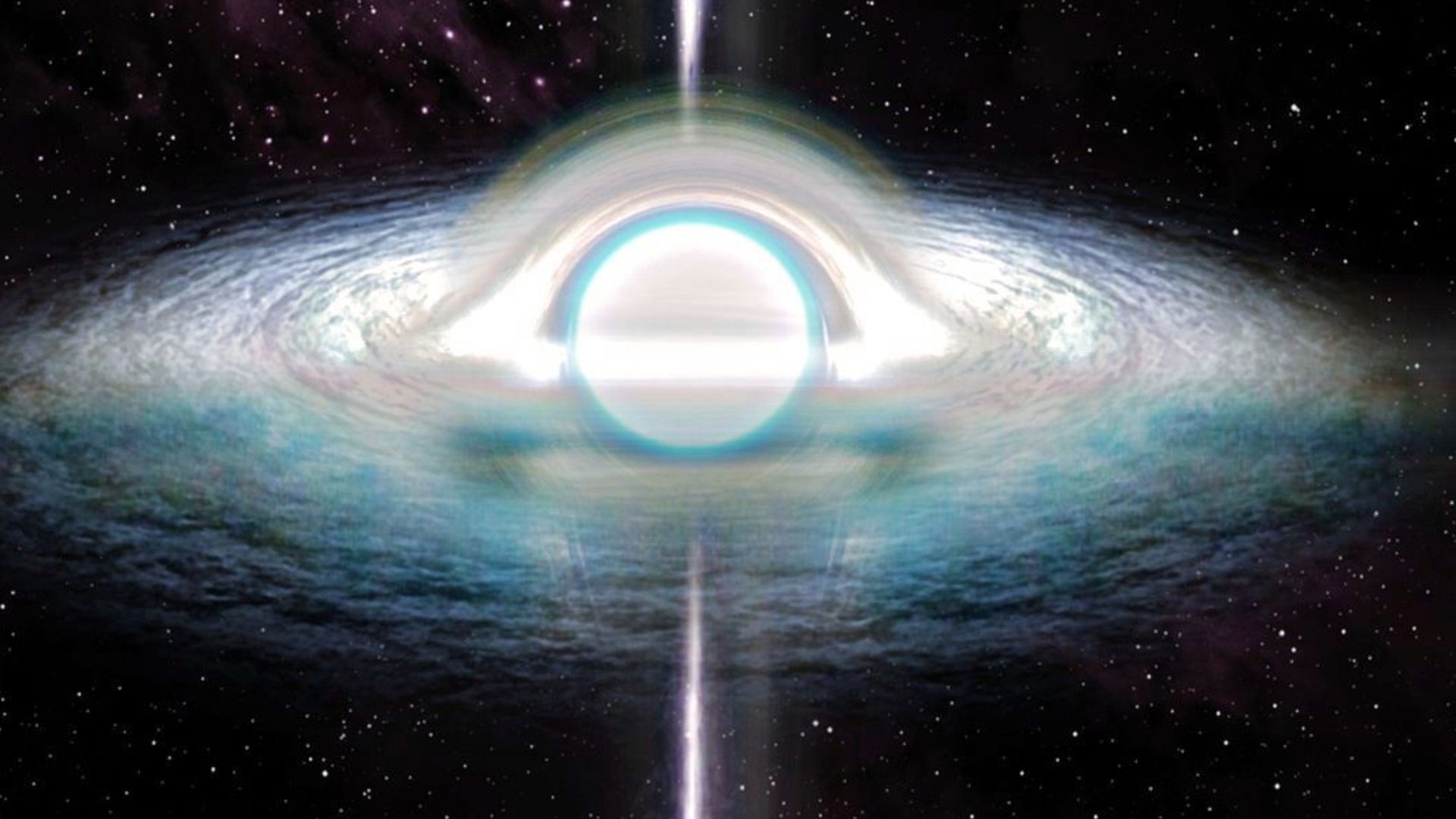
White holes are theoretical objects that act as the time-reversed counterparts of black holes, expelling matter and energy rather than consuming it. They emerge as valid solutions to Einstein's equations but have never been observed in nature, existing so far only in the realm of mathematics.
 Baperookamo, Wikimedia Commons
White Holes As Time-Reversed Black Holes (Cont.)
In theory, nothing can enter a white hole from the outside, making them the cosmic opposite of black holes. Some models propose that white holes could be connected to black holes via wormholes, crafting a complete system where matter consumed by one emerges from the other.
Cosmological Natural Selection For Universe Reproduction
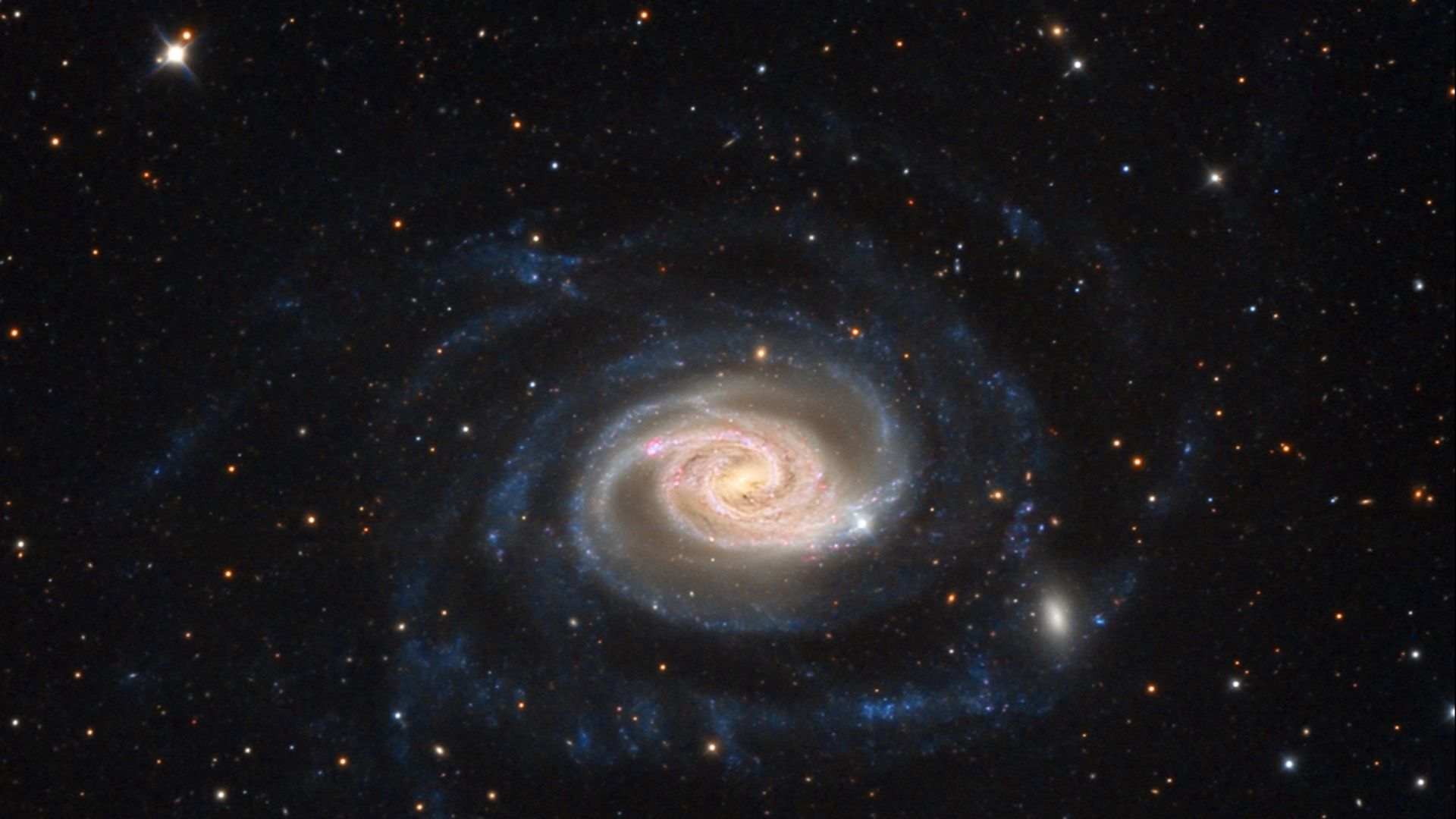
Cosmological natural selection suggests universes can reproduce via black holes, with physical constants evolving over successive generations. This speculative yet mathematically grounded theory offers a possible explanation for why the physical laws of our universe appear to be precisely tuned for complexity.