A Forgotten Genius
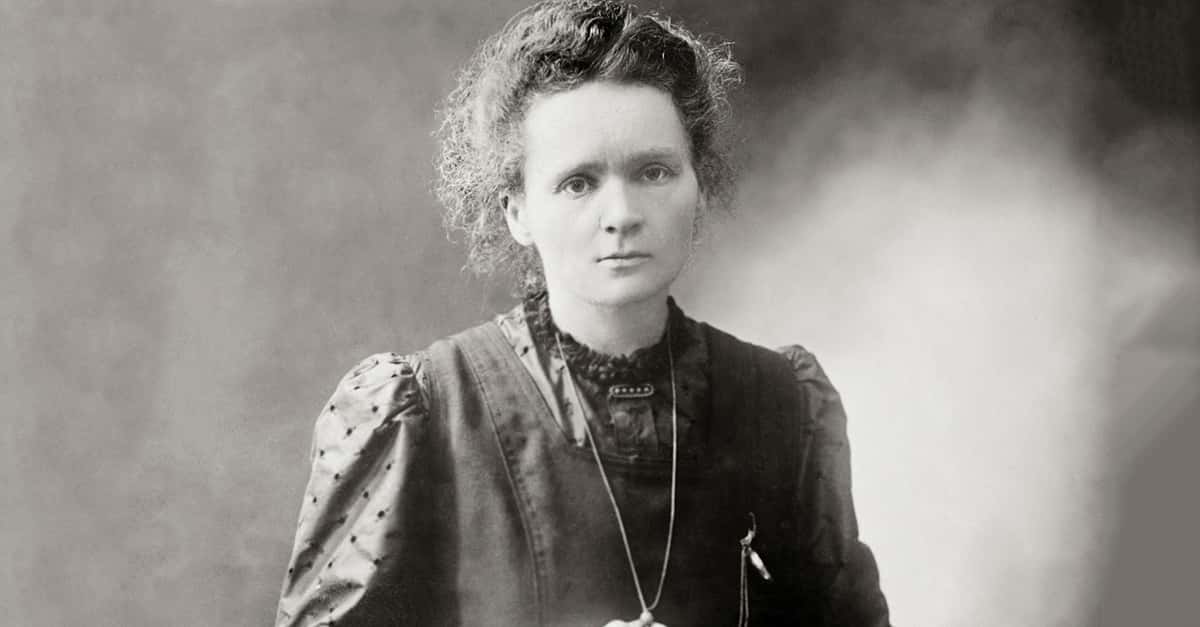
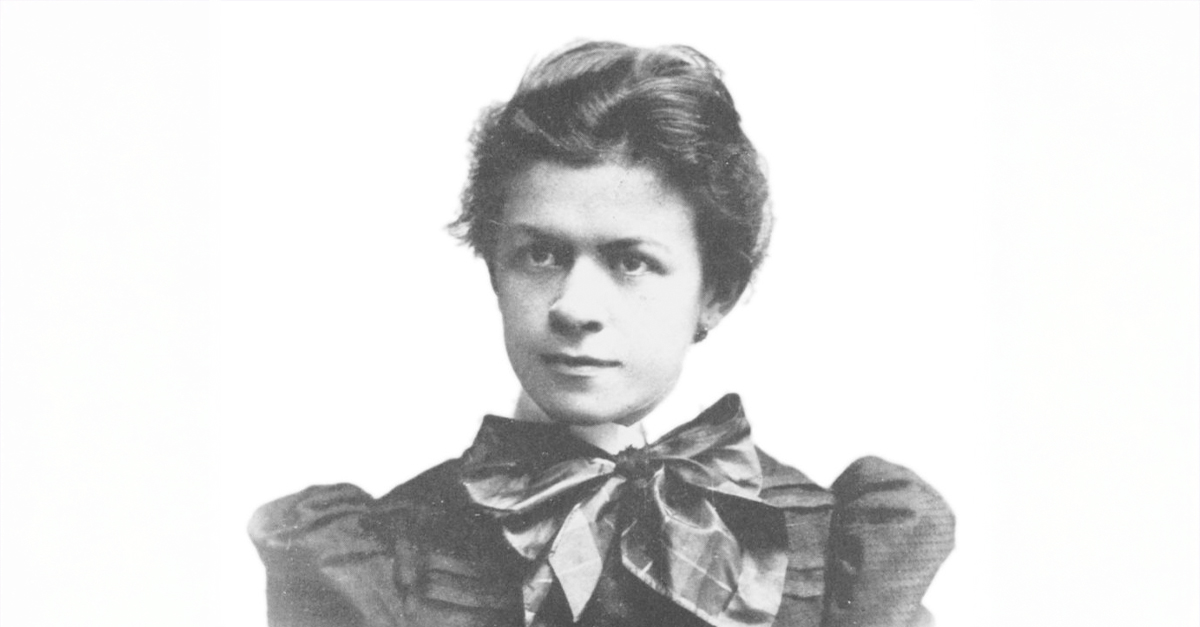
Mileva Marić was one of the first women in Europe to study physics and mathematics at a university level. She’s best known as Albert Einstein’s first wife, but she was a talented physicist in her own right. This is her story.
Early Life And Education
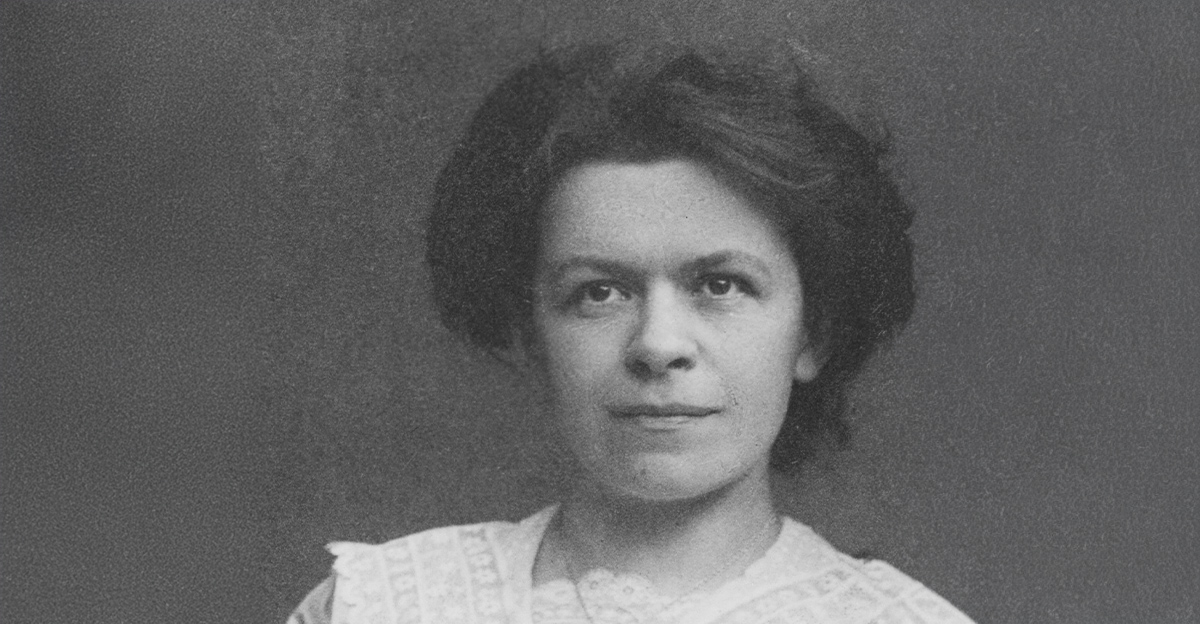
Mileva grew up in a time and culture that discouraged women from pursuing a career in science. Despite the obstacles, she excelled in all her studies. She attended the prestigious Swiss Federal Polytechnic in Zurich, where she was one of only a small handful of female physics students of her era, proof of her brains and determination to succeed.
 Unknown Author, Wikimedia Commons
She Met A Genius
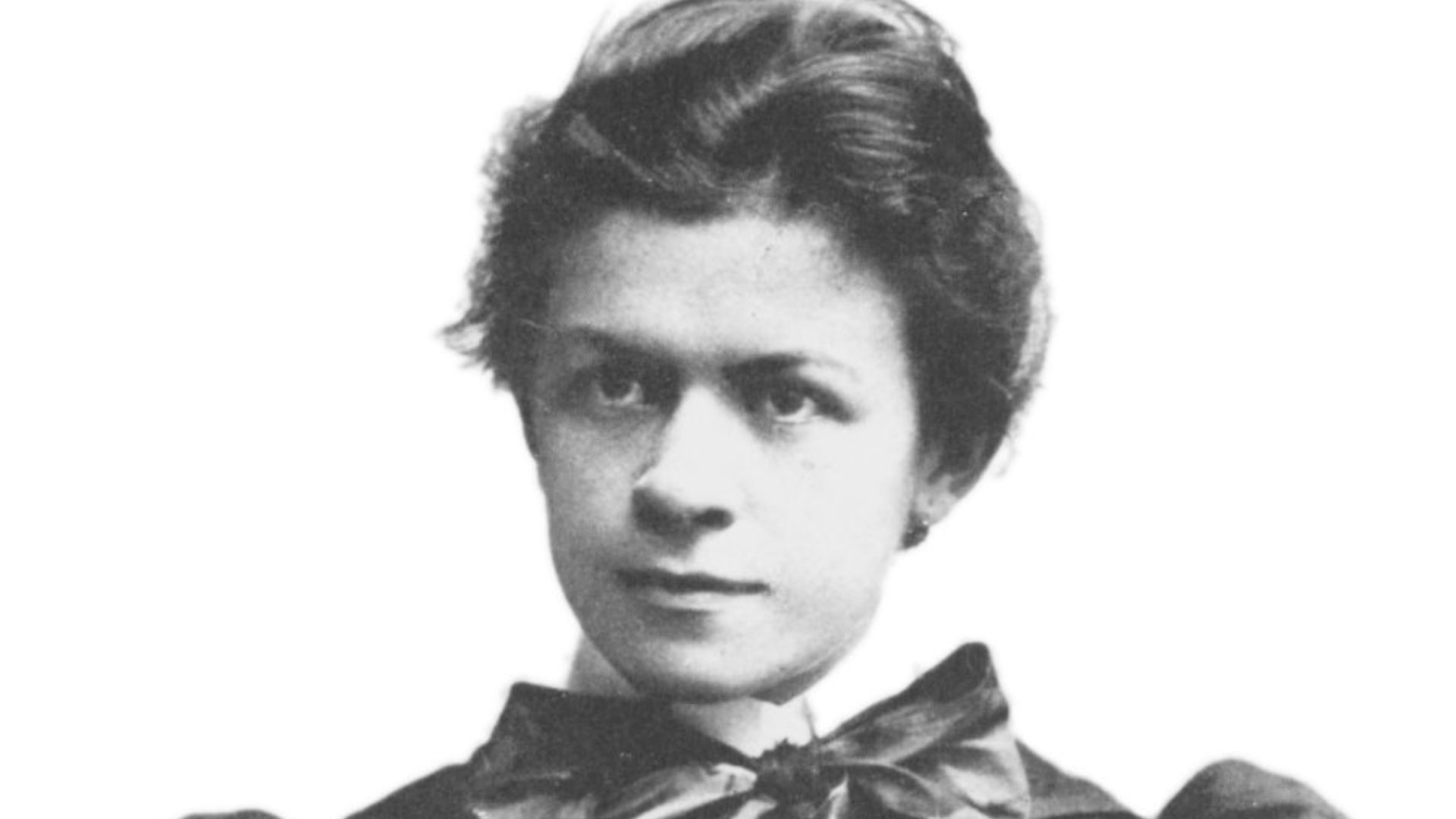
It was here at the Polytechnic where Mileva met Albert Einstein, a fellow physics student. They quickly bonded with each other over their shared intellectual passions, studying together and debating scientific ideas. Their scholastic partnership soon mixed romance as well, paving the way for what some historians argue was a joint intellectual enterprise.
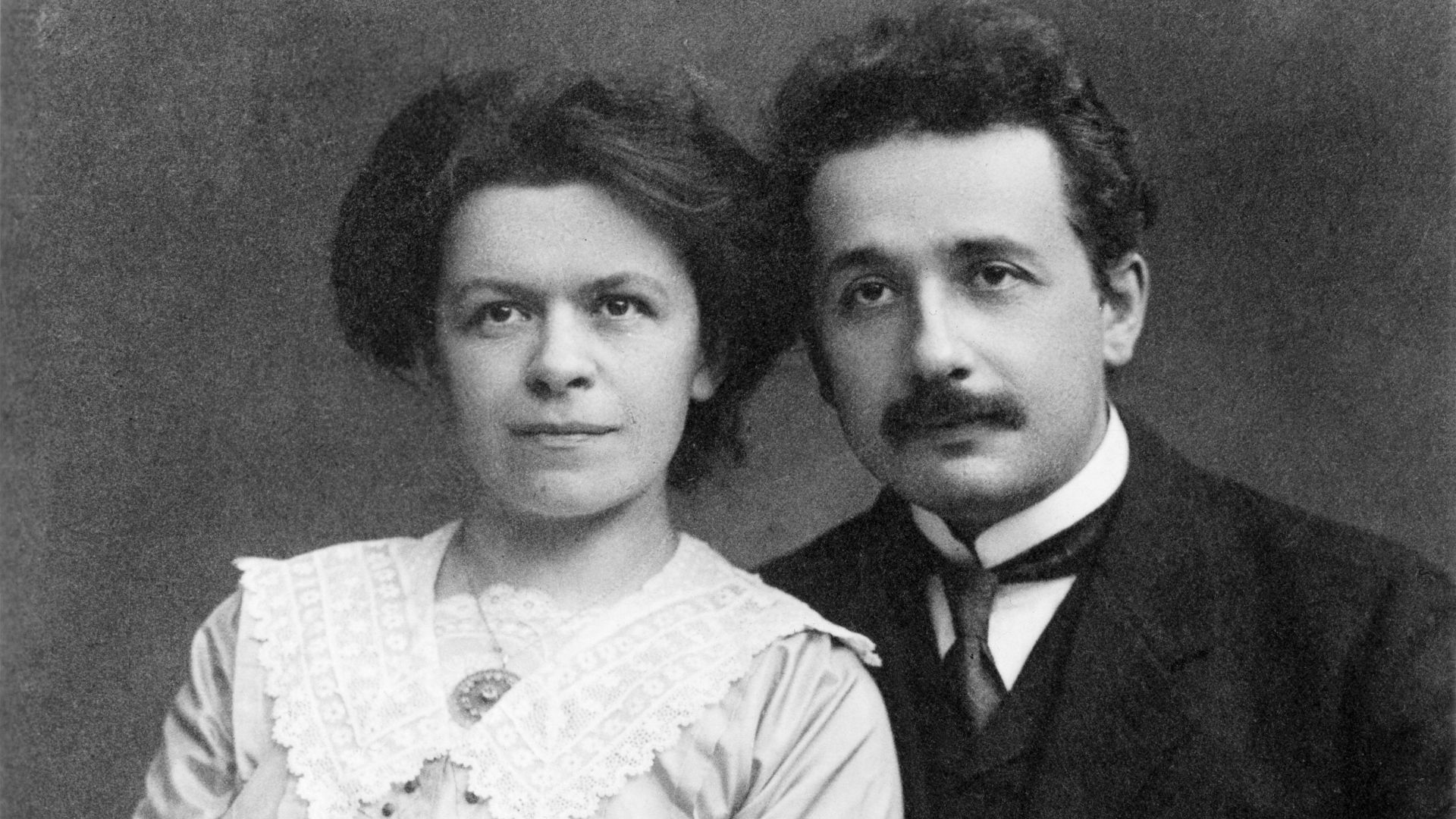 Unknown authorUnknown author, Wikimedia Commons
A Rare Female Scientist In Her Time
Women in science faced steep barriers to career advancement in the early 20th century. Mileva’s admission to the Polytechnic was groundbreaking enough on its own. She dealt with discrimination and skepticism, especially from professors who doubted women’s scientific potential. But through it all, she kept earning high marks in theoretical physics and math.
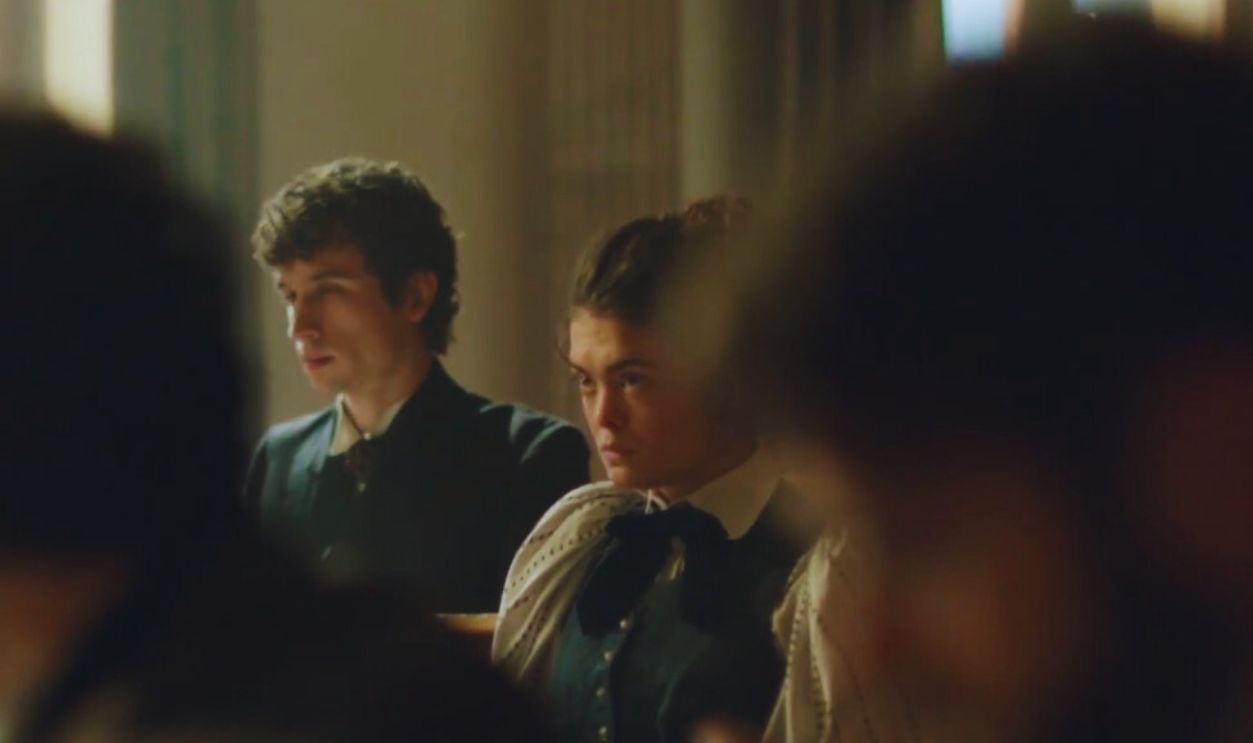 National Geographic, Genius (2017)
Academic Challenges And Exam Struggles
Despite her obvious abilities, Mileva failed her final exams twice, reportedly due to low marks in applied math. Her unfinished degree curtailed her formal career in science but in no way diminished her intellectual capabilities or contributions during her marriage.
 National Geographic, Genius (2017)
Marriage To Albert Einstein
In 1903, Mileva and Albert married, tying together their intellectual and personal lives. Their letters contain many lively discussions on physics and mathematics. They went through early struggles side by side, from financial hardship to academic uncertainty, all while raising a family in Europe during an era of rapid and enormous change in the physics field.
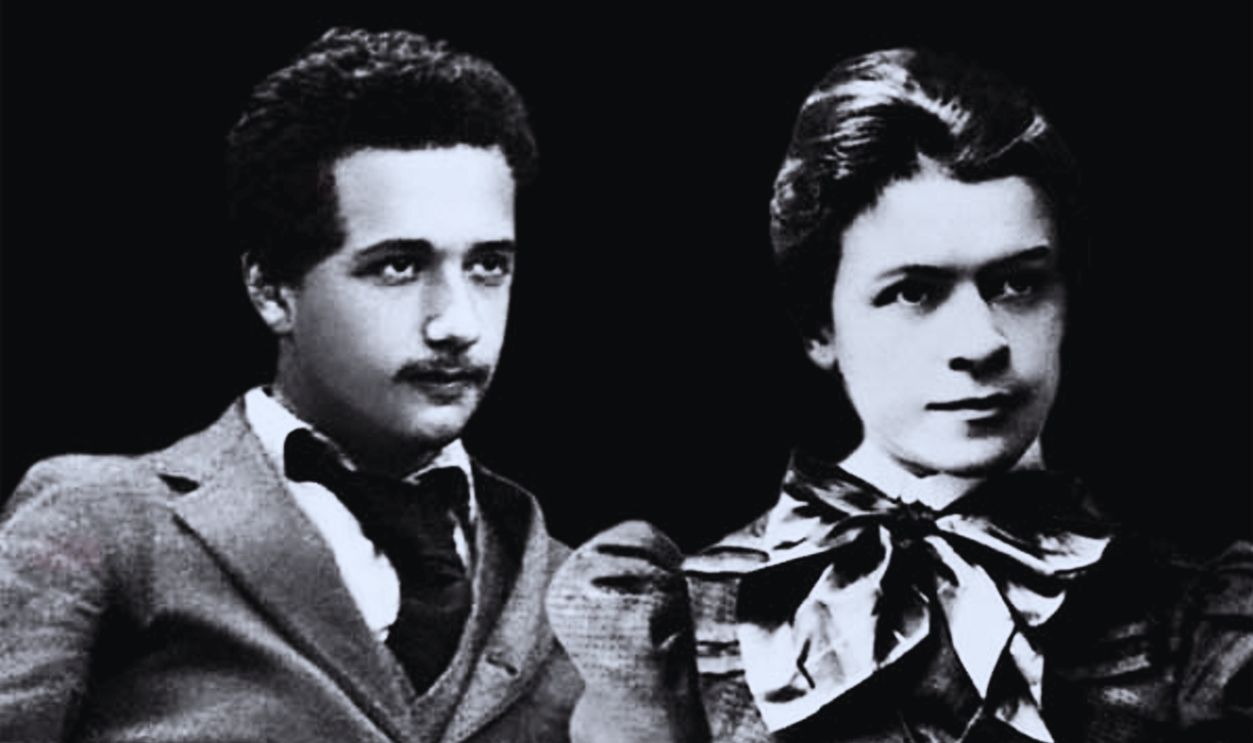 Pictures from History, Getty Images
Scientific Collaboration And Letters
Einstein’s letters with Mileva includes phrases like ‘our work’ and ‘our theory,’ which has fuelled speculation about how much of a role she played in developing key ideas. Historians and physicists still sift and analyze these letters; there is some uncertainty about whether she contributed directly to Einstein’s revolutionary papers of 1905, and if so, how much.
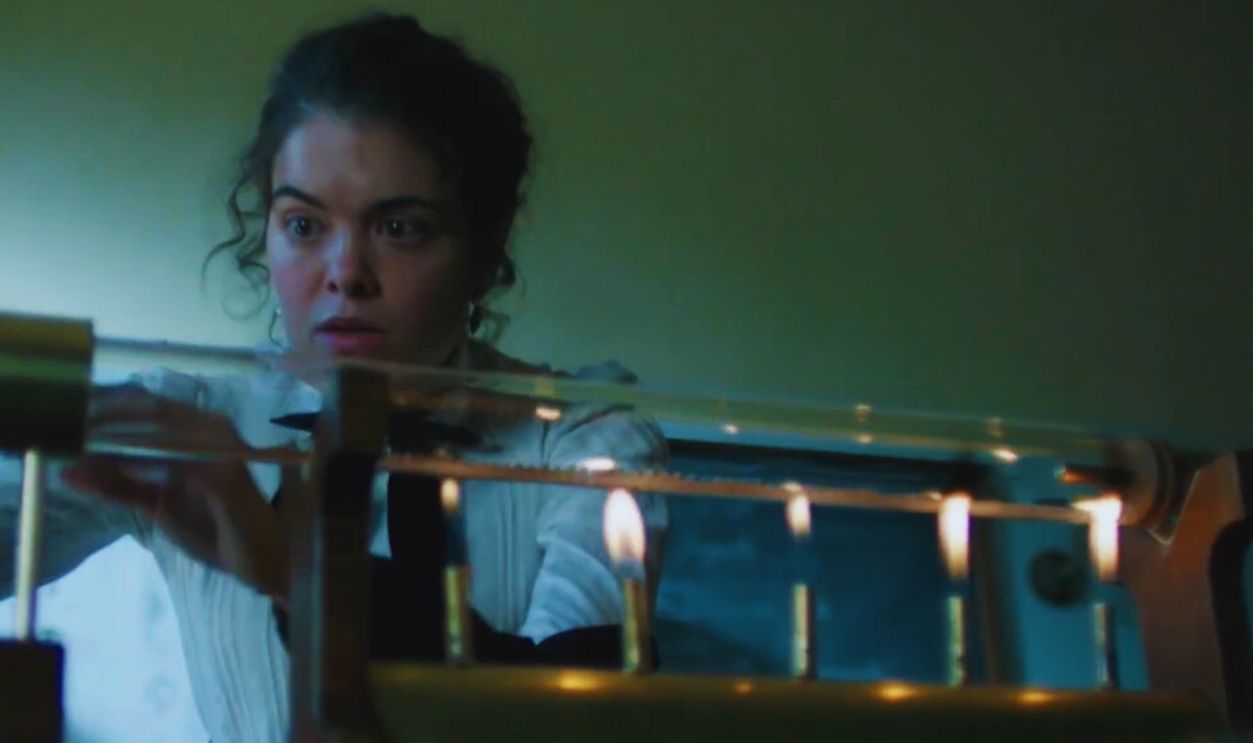 National Geographic, Genius (2017)
The 1905 Miracle Year Debate
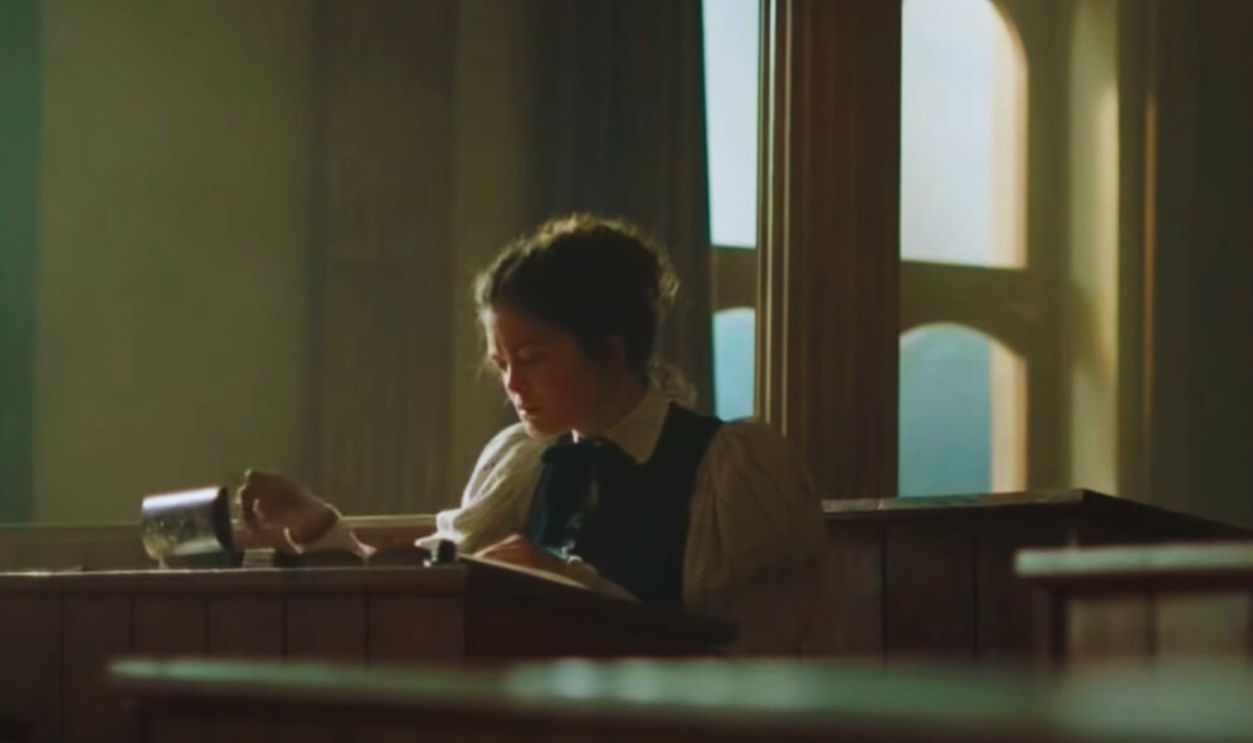
Einstein’s 1905 ‘Annus Mirabilis’ papers totally overturned modern physics. Some argue Mileva’s mathematical insights were influential in these breakthroughs, particularly for special relativity. While conclusive proof is elusive, her background in mathematics and physics suggests she was a meaningful collaborator, if not an acknowledged co-author.
 National Geographic, Genius (2017)
Mathematical Contributions Hypothesis
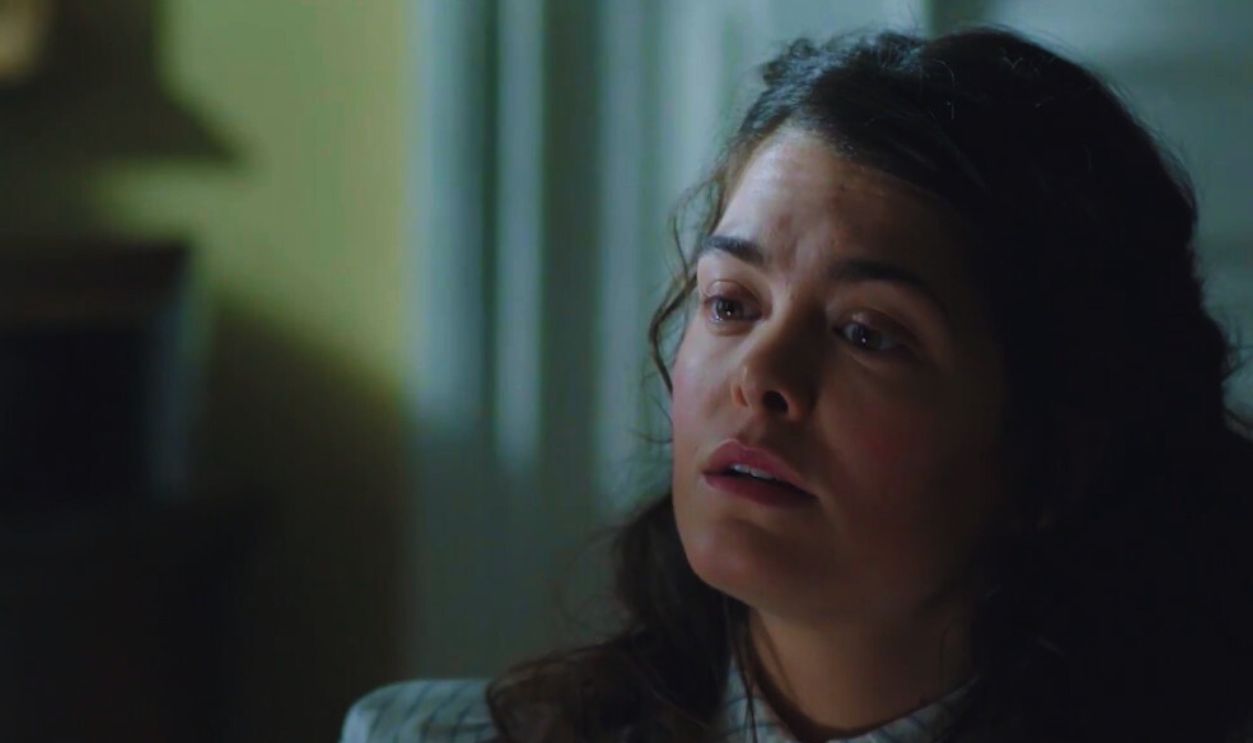
Supporters of the ‘collaboration hypothesis’ cite her expertise in advanced mathematics. It’s true that Einstein often relied on others to carry out the complex calculations needed for his theories, and Mileva’s skills could have complemented his conceptual thinking. Critics counter that no manuscript bears her signature, which leaves her exact role uncertain but still intriguing.
 National Geographic, Genius (2017)
Personal Struggles And Family Life
Amid all the scientific goings-on, Mileva faced her own personal challenges. The couple’s first child, Lieserl, born before their marriage, likely died young or was given up for adoption; a painful personal secret that was only revealed in 1986. Balancing motherhood, poverty, and Einstein’s blossoming career left Mileva isolated and emotionally burdened.
 National Geographic, Genius (2017)
Rising Fame And Marital Strain
As Einstein’s fame grew, their marriage went downhill. Financial pressures, Einstein’s demanding work, and the resulting emotional distance between the two strained their relationship. Letters reveal Einstein’s increasingly cold tone, which finally came to a head with a list of strict ‘rules’ Mileva was supposed to follow; the growing inequality in their marriage was now a gulf.
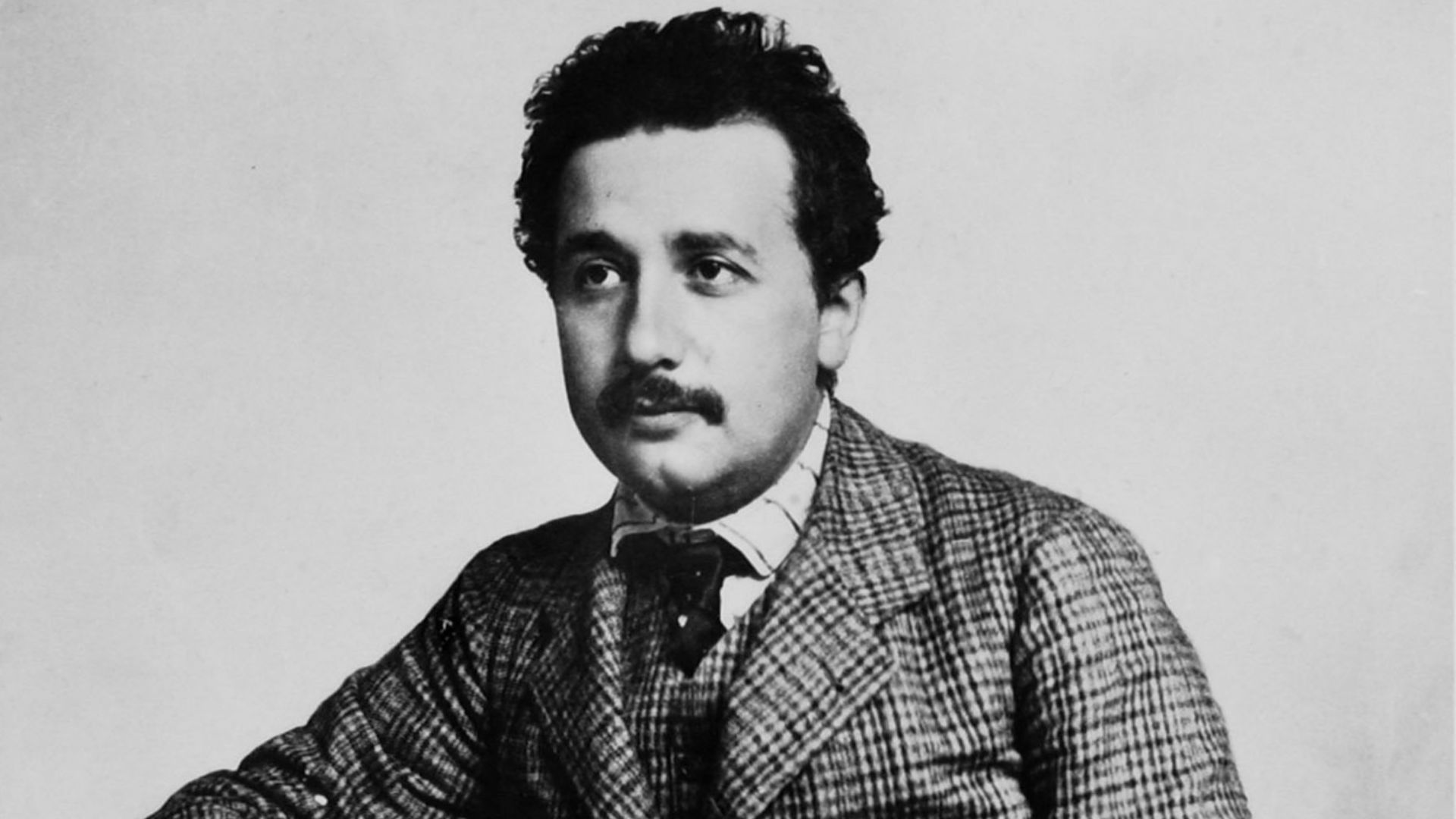
Separation And Divorce
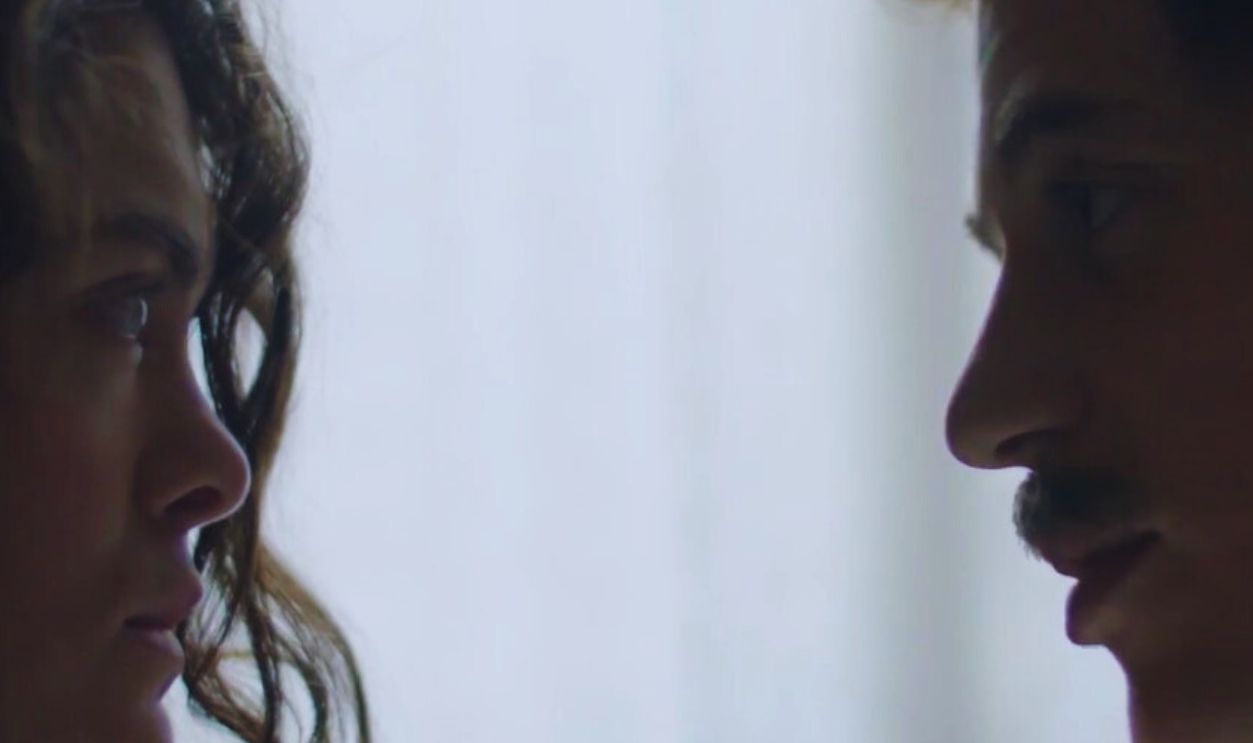
The couple separated in 1914 and finally divorced in 1919. Their settlement granted Mileva custody of their sons, Hans Albert and Eduard, and the promise of Einstein’s future anticipated Nobel Prize money. He did indeed win the prize in 1921. The settlement was financially helpful, but the divorce marked the sad end of their intellectual and emotional bond.
 National Geographic, Genius (2017)
Nobel Prize Settlement And Financial Security
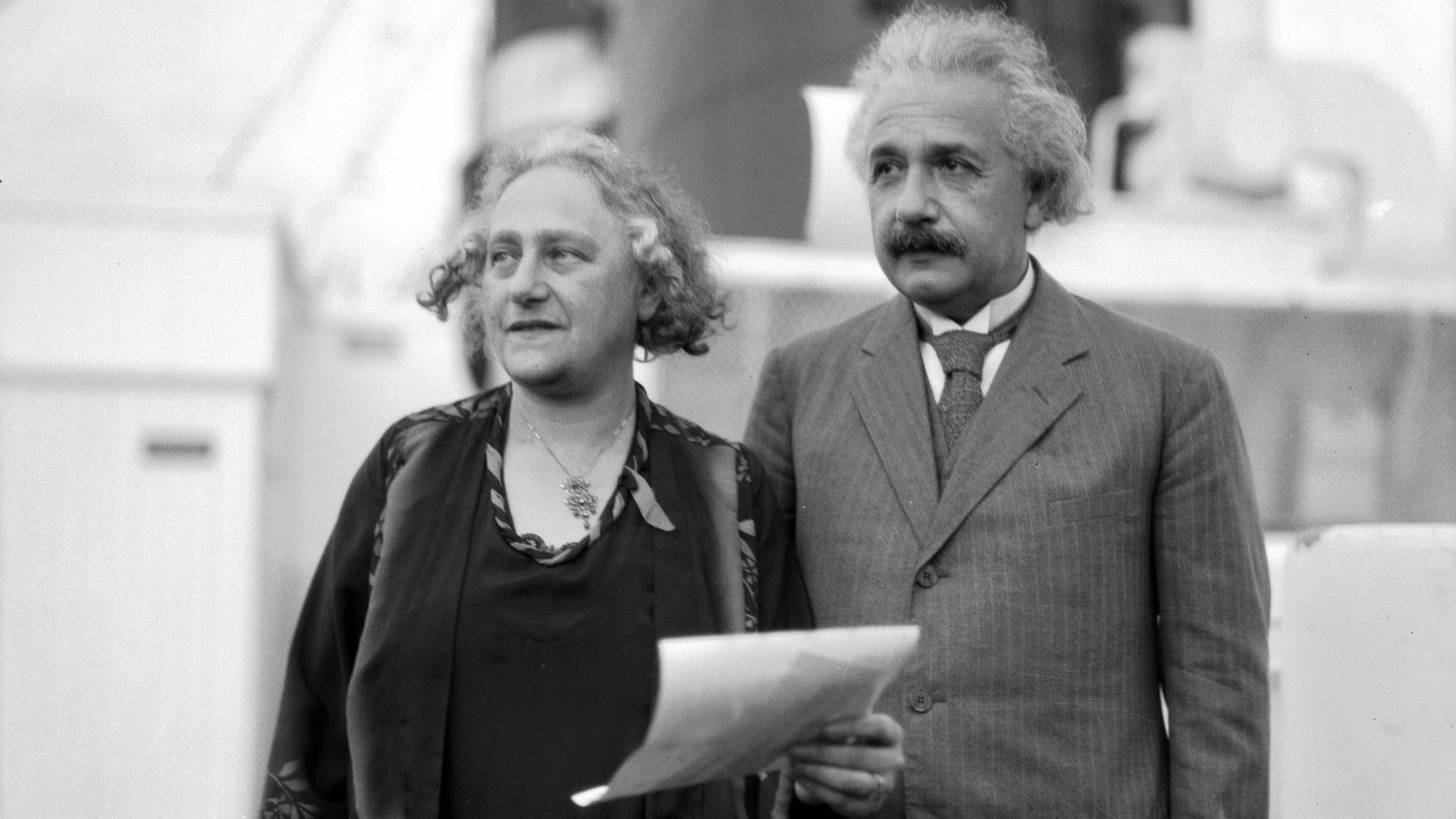
When Albert Einstein won the Nobel Prize in 1921, he held up his end of the divorce agreement by giving the prize money to Mileva. She used this money to buy three apartment buildings in Zurich, securing a modest but steady income from rent. The arrangement gave her some financial stability, allowing her to focus on raising their sons in spite of continuing hardships.
 Los Angeles Times, Wikimedia Commons
Life After Divorce
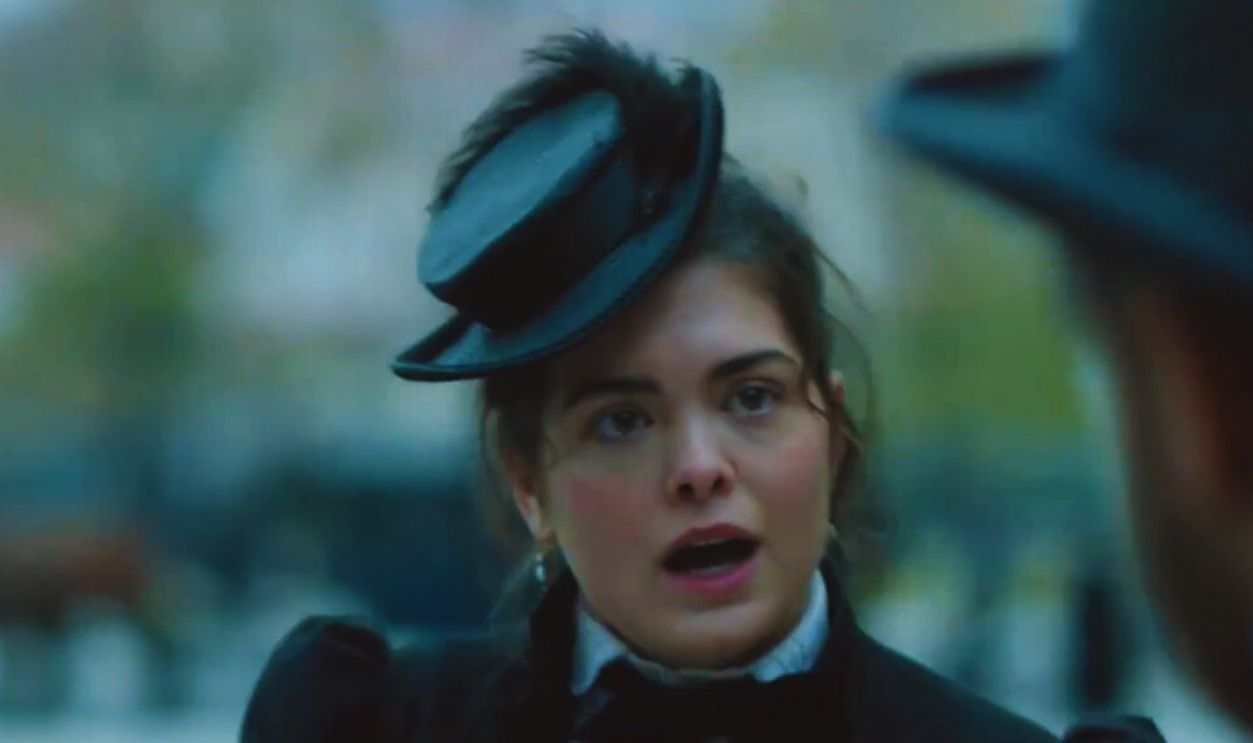
After the separation, Mileva lived a quiet life in Zurich, supporting herself and her children through tutoring and bringing in money from renters. She still experienced financial struggles and personal hardships, including the devastating news of her younger son Eduard’s diagnosis with schizophrenia in 1930.
 National Geographic, Genius (2017)
Hans Albert And Eduard
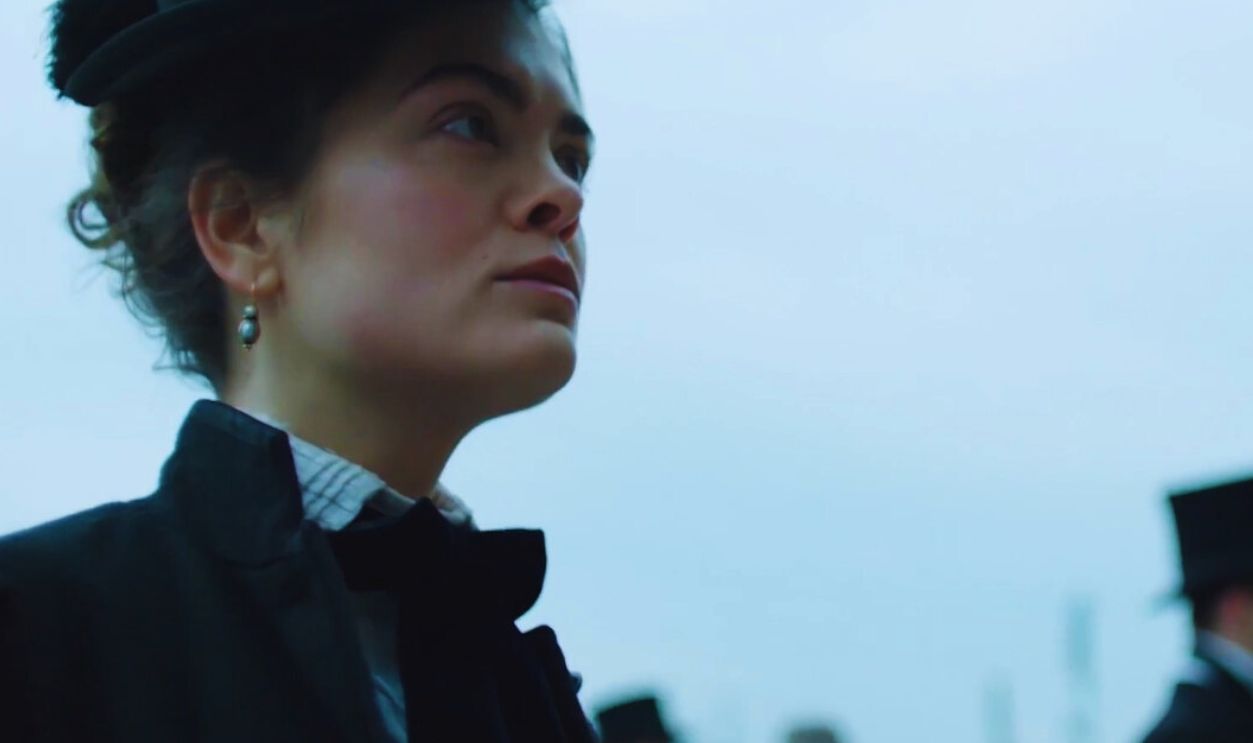
Mileva kept up a close relationship with her eldest boy, Hans Albert, who became a respected engineer. Her relationship with Eduard was defined by deep love and sorrow as his illness progressed and strengthened its grip on him. She dedicated a large part of her remaining life to looking after him, sacrificing her own personal comfort and whatever remote career ambitions she still might have had.
 National Geographic, Genius (2017)
Overlooked In History
For decades, Mileva was portrayed as no more than Einstein’s wife. Only recently have historians given her life a thorough re-examination and reassessment, recognizing her talent and potential. Gender bias and limited records have clouded her contributions, leaving unanswered questions about the real scope of her scientific involvement.
 National Geographic, Genius (2017)
A New Look At Her Legacy
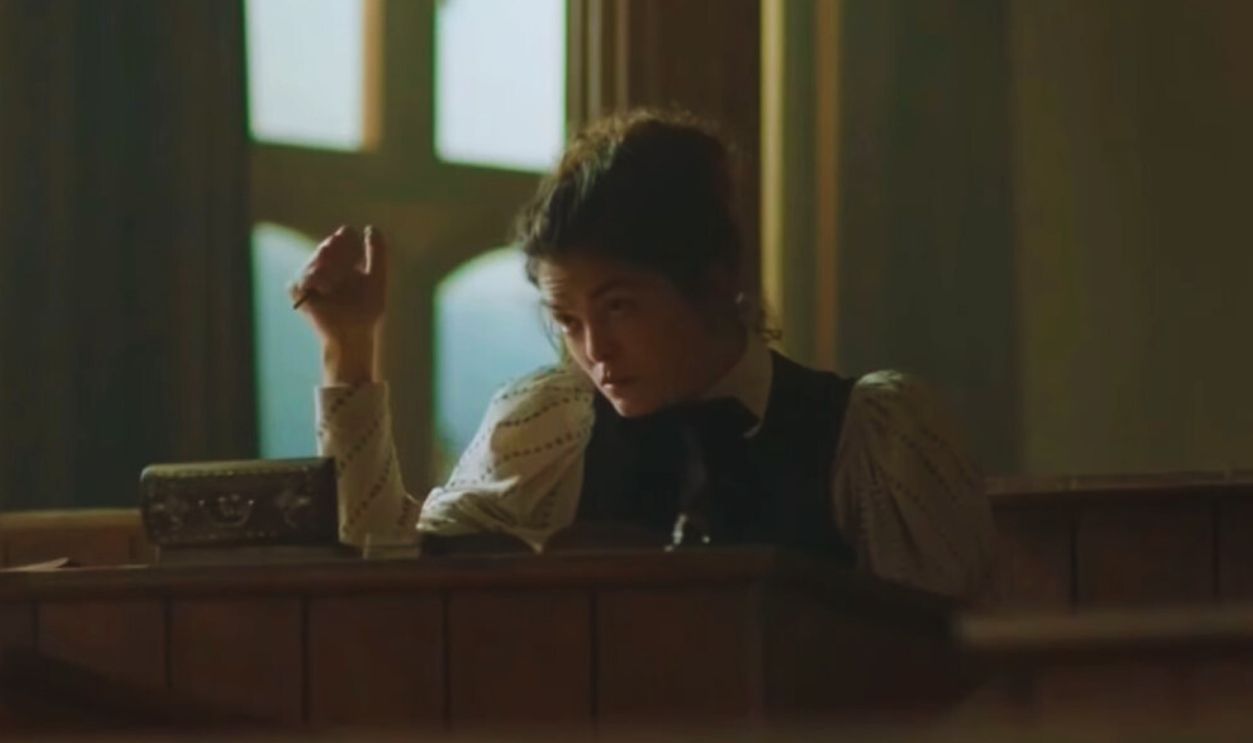
Modern scholars point to Mileva as a classic example of unacknowledged women in science. Whether or not she had a hand in co-authoring Einstein’s theories, her story shows how women’s intellectual contributions were often overshadowed. Her persistence in physics helped make the road to success a little bit easier for future generations of female scientists.
 National Geographic, Genius (2017)
Representation In Popular Culture
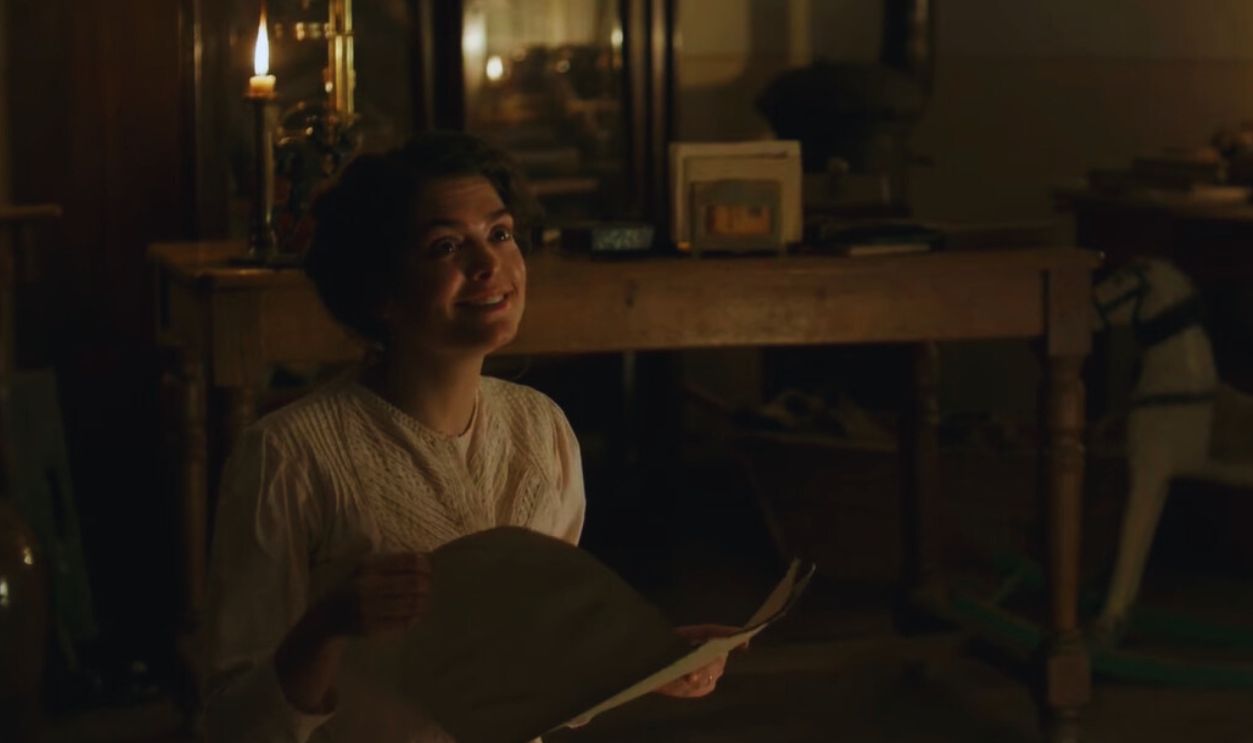
Mileva’s story has provided raw material for books, documentaries, and academic studies. Portrayed as both tragic and heroic, she is symbolic of the struggles of women balancing intellect, love, family duties, and societal barriers. Renewed interest in her life still affects our perceptions of Einstein’s personal and scientific world.
 National Geographic, Genius (2017)
Scientific Merit And Historical Context
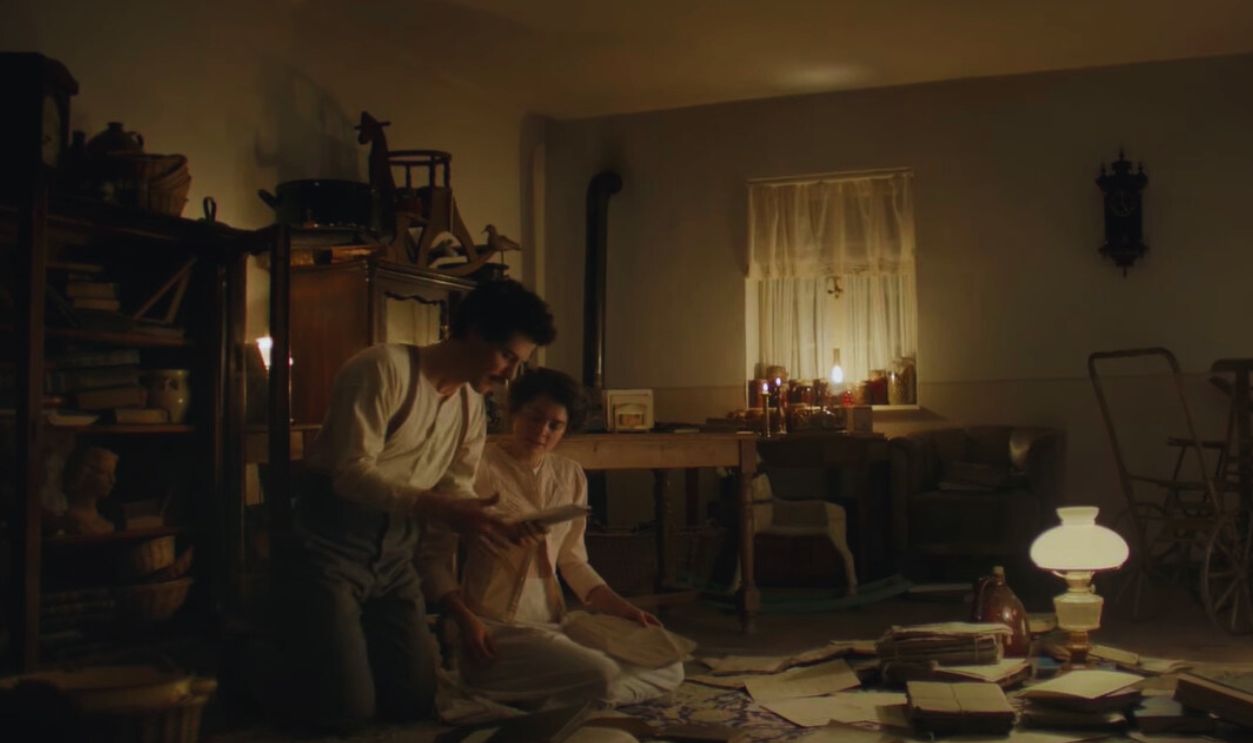
Beyond specific debates of authorship, Mileva’s mastery of physics and mathematics was undeniable. Her achievements, earned in an era of academic exclusion, are proof of her brain power. It’s fascinating to reflect on how changing historical context shapes personal recognition and memory in the sciences.
 National Geographic, Genius (2017)
Gone But No Longer Forgotten
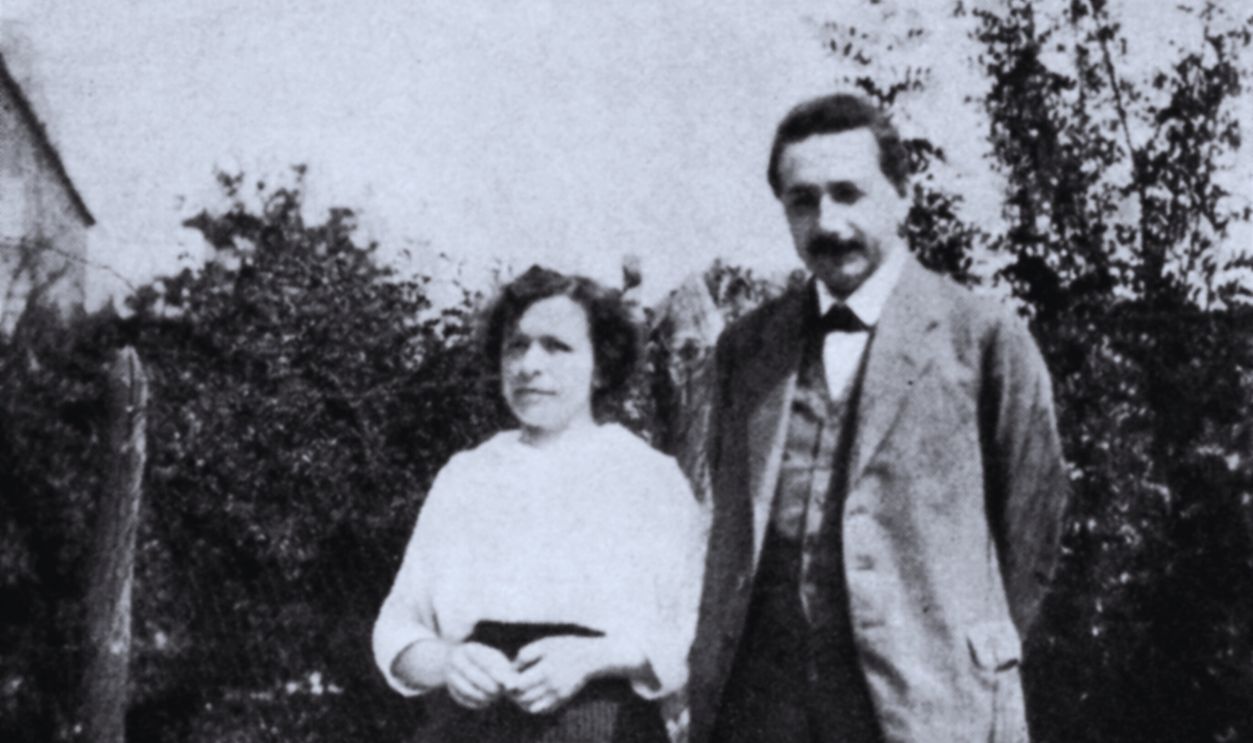
When Mileva Marić passed away in 1948, she was largely forgotten by history. Today, she represents both the promise and loss of women’s scientific potential in a society that discouraged women from pursuing the path to STEM fields. Her story adds complexity to the human narrative behind one of science’s most celebrated geniuses and his groundbreaking theories.
Rediscovering Mileva Marić
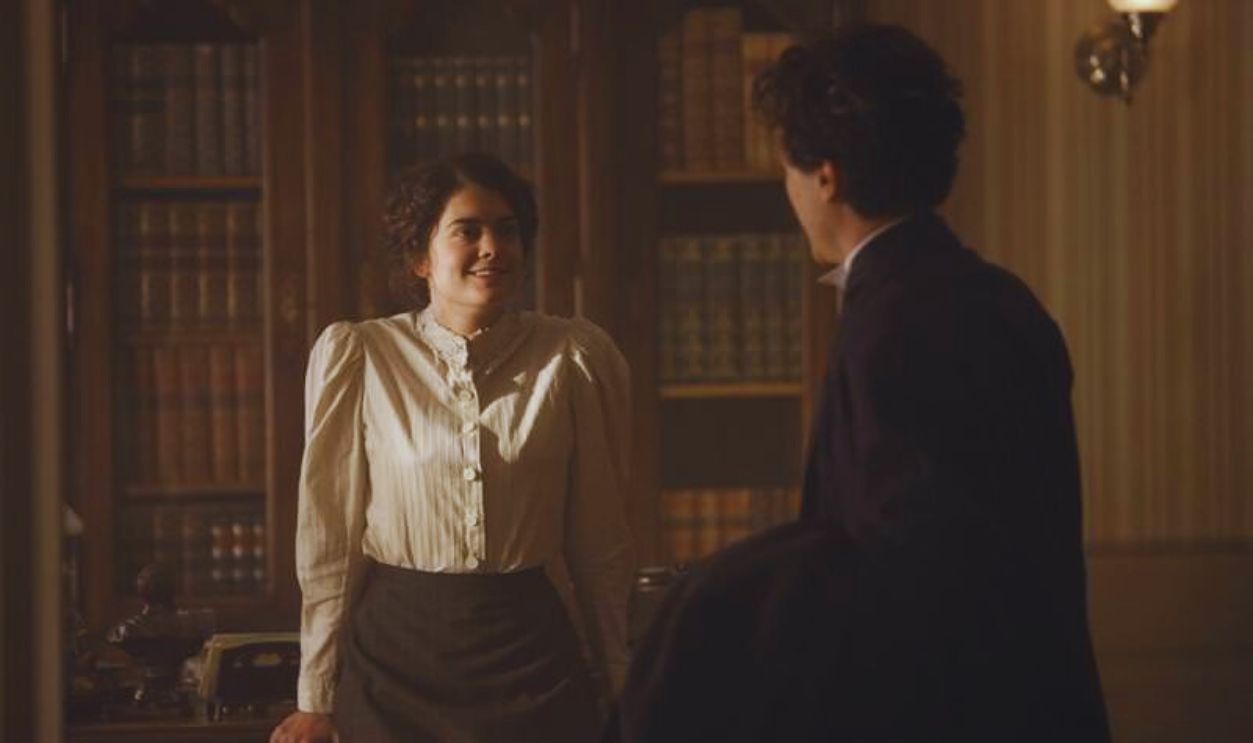
Mileva’s life was a story of hopeful brilliance eclipsed by the life vicissitudes of many women of her time. Her journey from pioneering student to overlooked partner helps us to understand the struggles faced by many women in science. By looking more closely at her life story, we honor her intellect but also challenge how history remembers her.
 National Geographic, Genius (2017)
You May Also Like:
41 Lucky Facts About Accidental Discoveries
37 Award-Winning Facts About the Nobel Prize