Winter Was Once America’s Refrigerator
The story begins when winter itself was part of America’s supply chain. Crews scored river and pond ice into cakes, hauled it to icehouses, and packed it in hay or sawdust. Icemen later carried those blocks to household iceboxes by horse-drawn wagon. By 1944, refrigerators stood in 85 percent of American homes, and the iceman’s once-familiar route was passing into history.
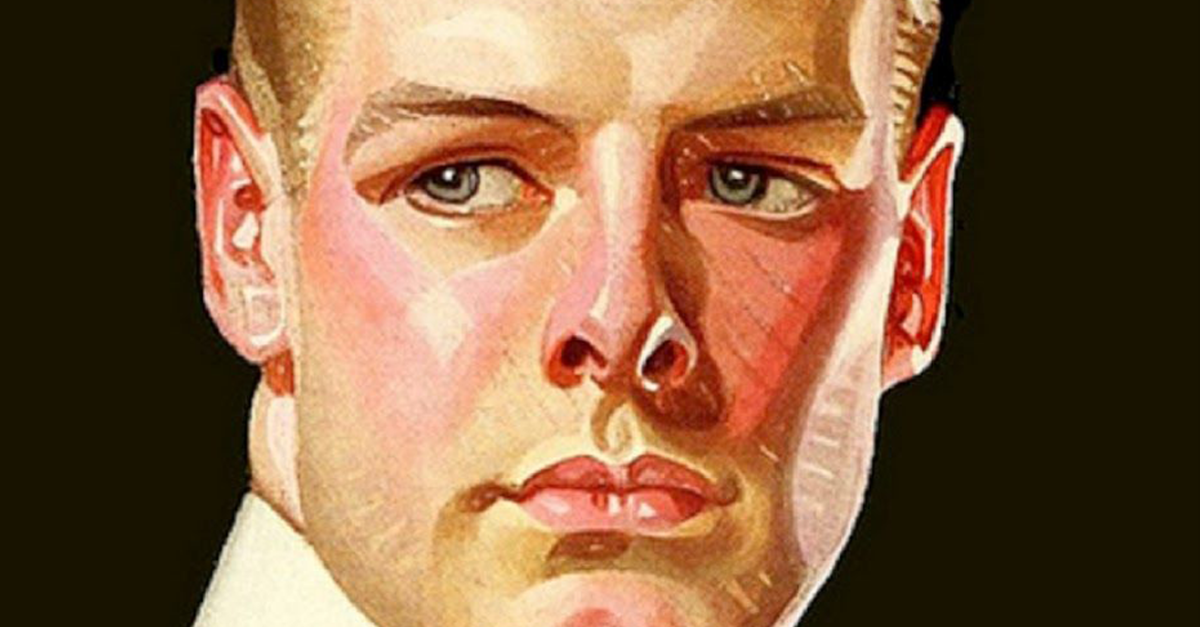
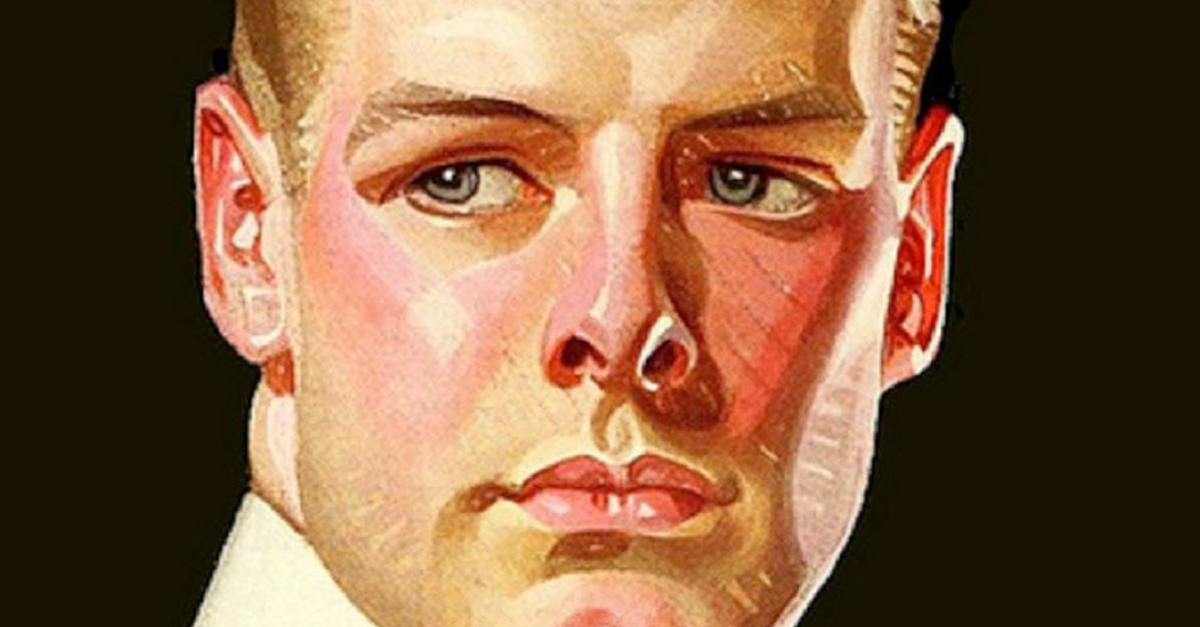 J.C. Leyendecker, for Cluett Peabody & Company (1918)
Whales Lit The Nation
Cold storage was not the only everyday system built on a natural resource. Whale oil burned in lamps, spermaceti became valuable candle wax, and baleen stiffened corsets, skirt hoops, buggy whips, and umbrella ribs. New Bedford’s whaling fleet peaked in 1857, two years before Edwin Drake’s petroleum well helped send whale-oil prices downward. By 1860, sperm oil cost $1.40 a gallon while kerosene cost 75 cents, and materials such as steel and plastic later took over many baleen uses.
 Genevieve Anderson, Wikimedia Commons
Settlers Turned Ashes Into Cash
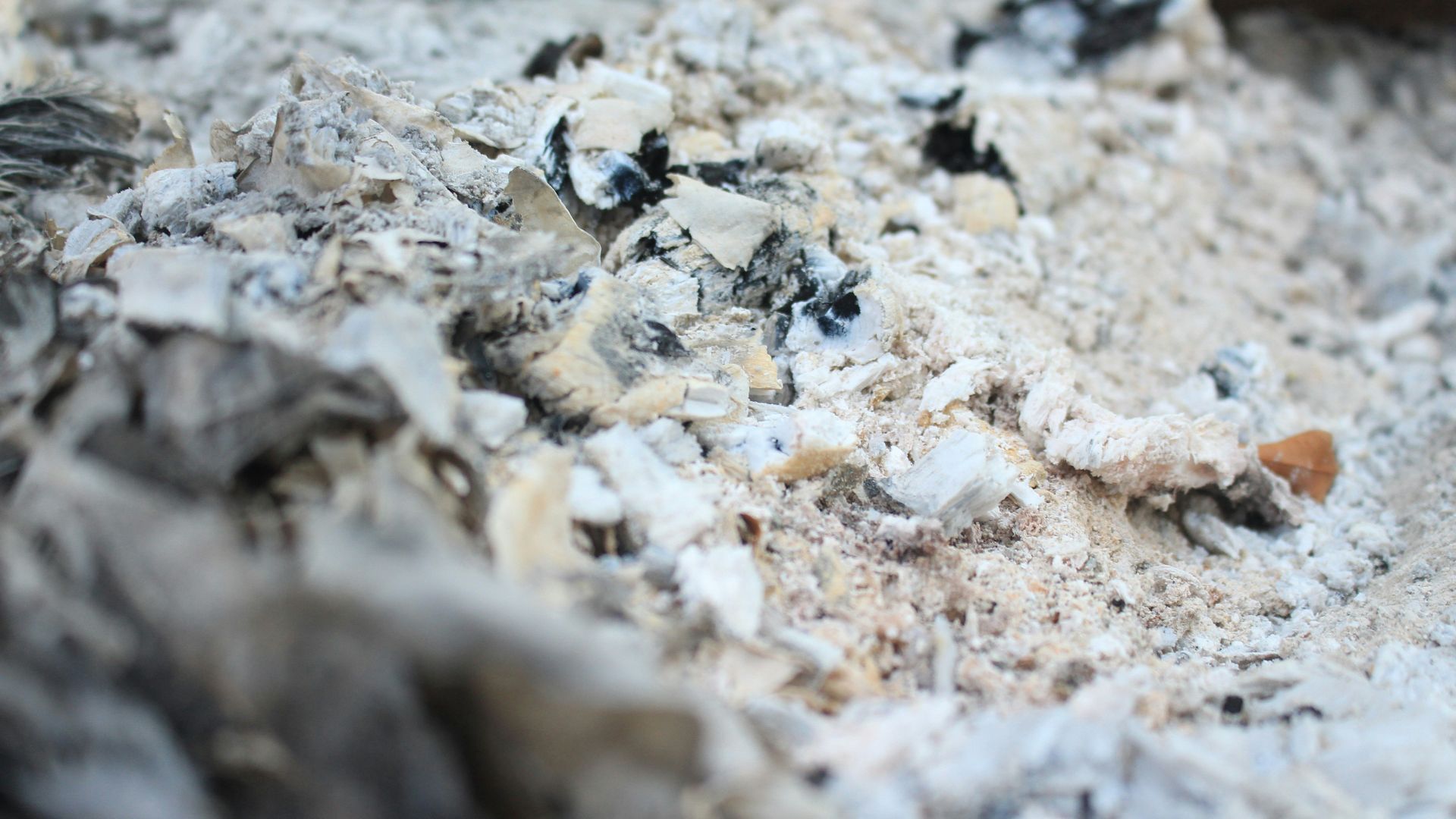
Back on land, settlers discovered that even fireplace ashes had market value. Families sold hardwood ash to local asheries, where workers leached and boiled it into potash or refined it into pearl ash. The trade mattered enough that Samuel Hopkins received the first United States patent in 1790 for an improved potash process. As nearby woods were depleted, the local industry waned, even though its products had reached soap, glass, textiles, fertilizer, and baking.
Forests Fed The Iron Furnace
Those same forests also fed America’s early iron furnaces. Before railroads made mineral coal practical, furnaces such as Hopewell relied on charcoal made by woodcutters and skilled colliers. Hopewell consumed about 800 bushels of charcoal a day and drew on more than 200 acres of woodland in a typical year. Most of the iron industry shifted to anthracite, and Hopewell finally blew out in 1883 after losing business to cheaper coal-fired furnaces.
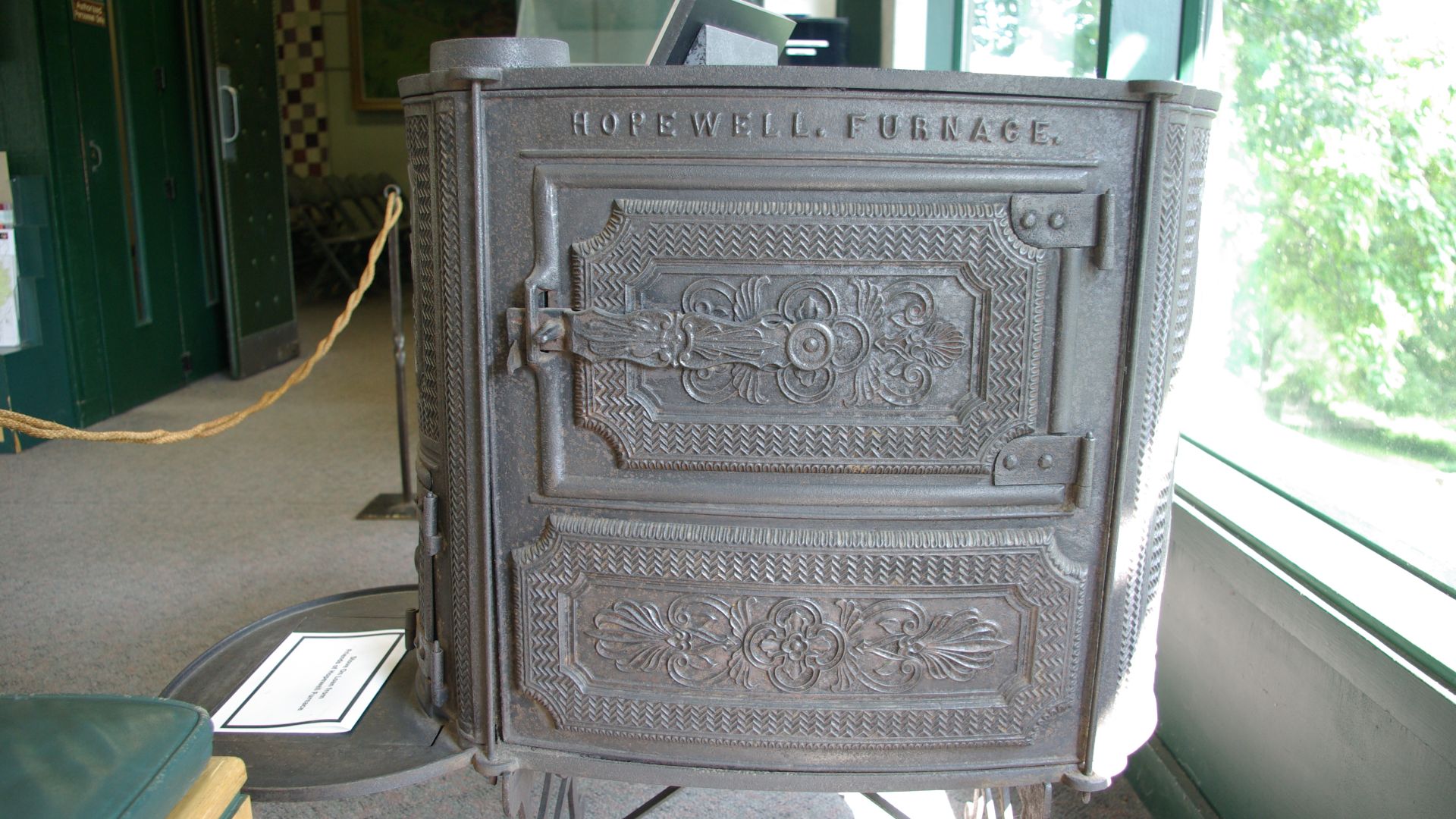 Brianschmult, Wikimedia Commons
Barrels Were The Original Shipping Container
Once goods were made, wooden casks moved and stored nearly everything. Tight coopers built watertight containers for spirits, molasses, and whale oil, while slack casks carried flour, apples, potatoes, and crockery. Whaleships even carried a cooper who assembled casks at sea and answered for leaks. The barrel was the era’s shipping container, and the cooper was its packaging engineer.
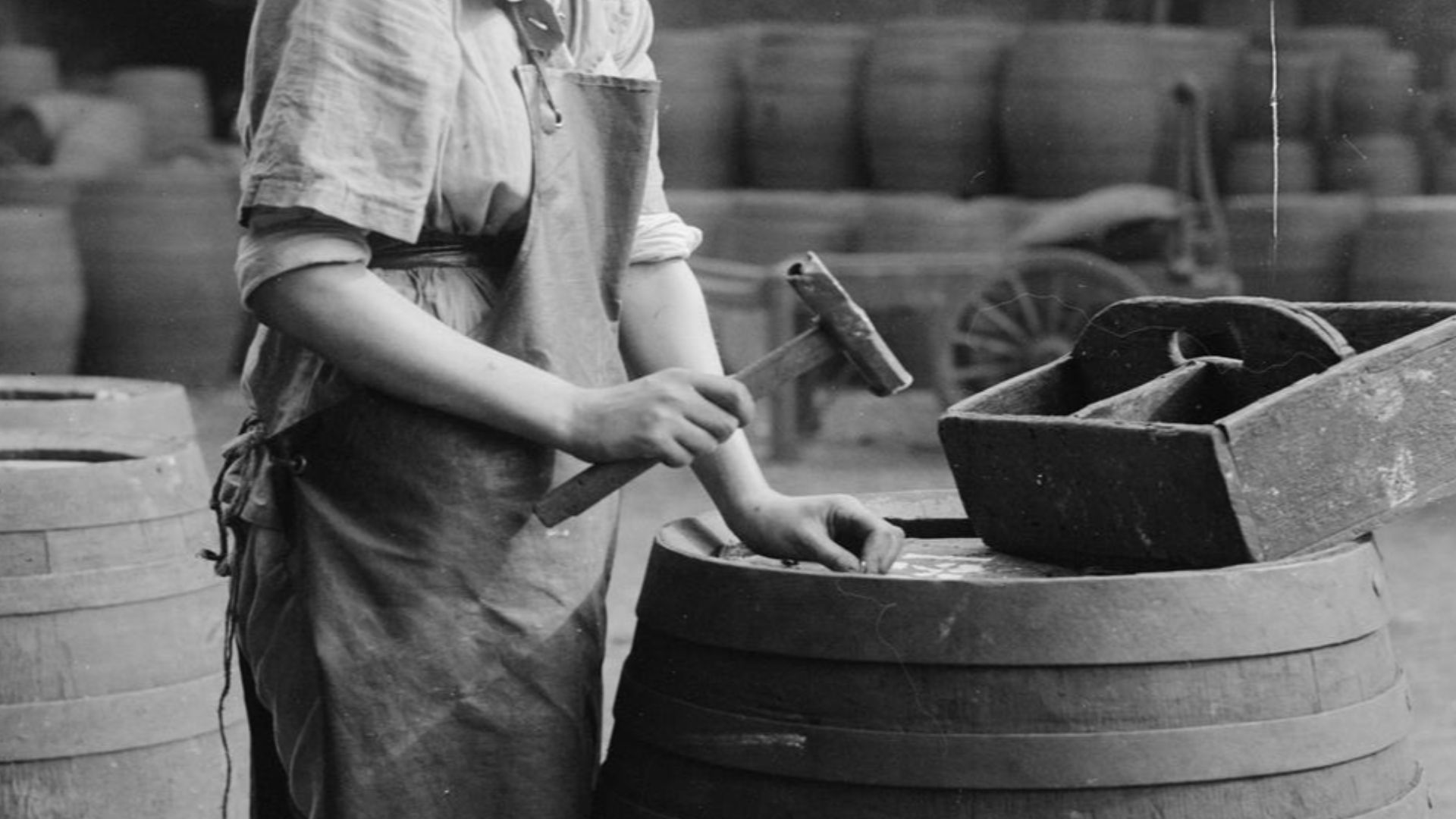 Horace Nicholls, Wikimedia Commons
Ropewalks Stretched For A Quarter Mile
Some factories were shaped by the product itself. Charlestown Navy Yard’s ropewalk was a quarter-mile-long building because workers needed long, straight runs to twist yarn into strands and strands into rope. A sailing warship such as USS Constitution required more than 40 miles of rope, and the complex supplied all the Navy’s rope for nearly 120 years. Nylon began replacing plant fibers, and all ropemaking there ended in 1971.
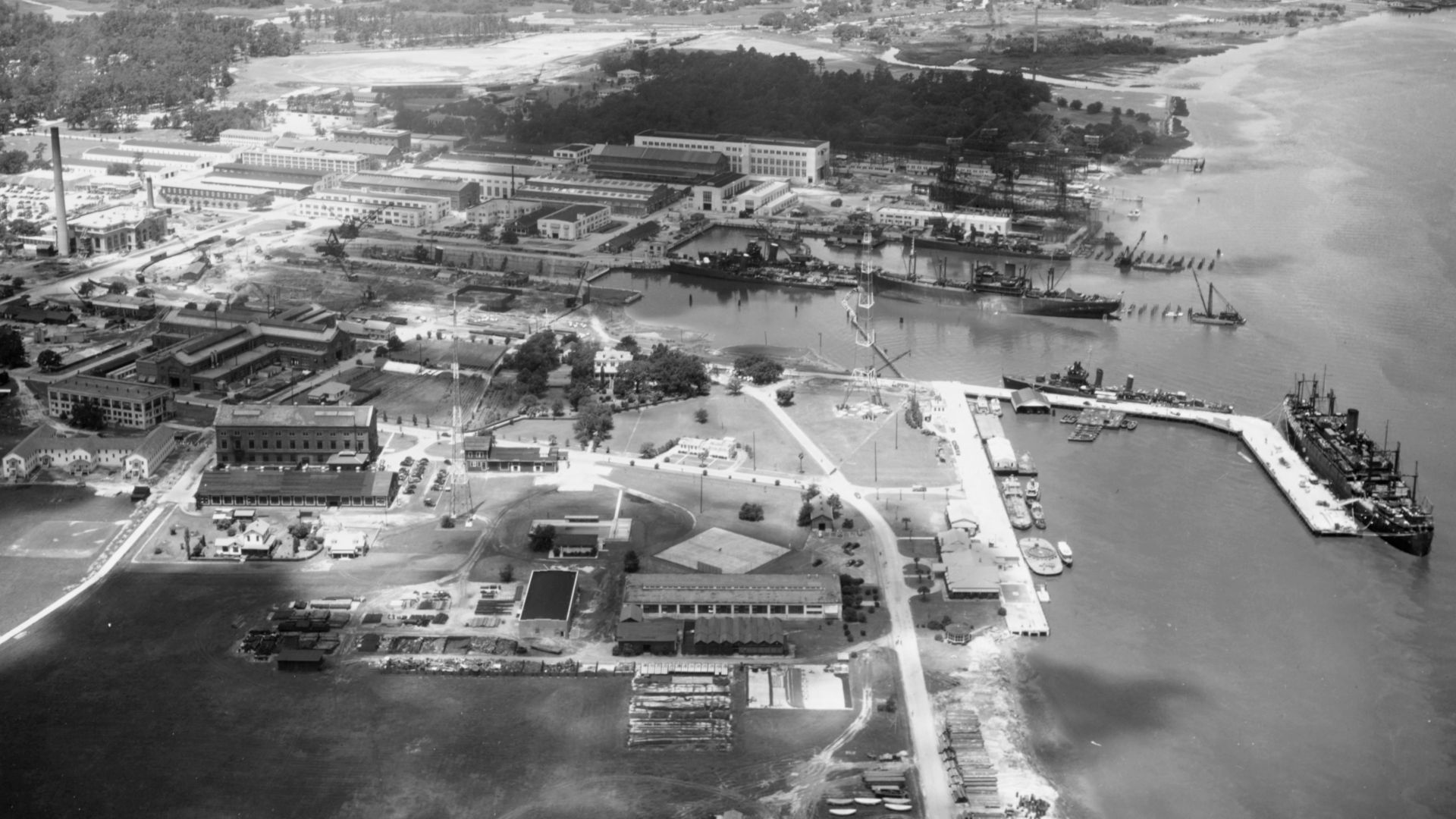
Tannins Came Straight From The Forest
Leather production once began with crews stripping bark from forest trees. Tanners layered hides with tannin-rich oak, beech, or willow bark in pits and kept the mixture moist for three months. In the Adirondacks, hemlock was treated as disposable because its bark was more valuable to tanneries than its wood. The trade turned a standing tree into a chemical ingredient, linking forest cutting directly to leather production.
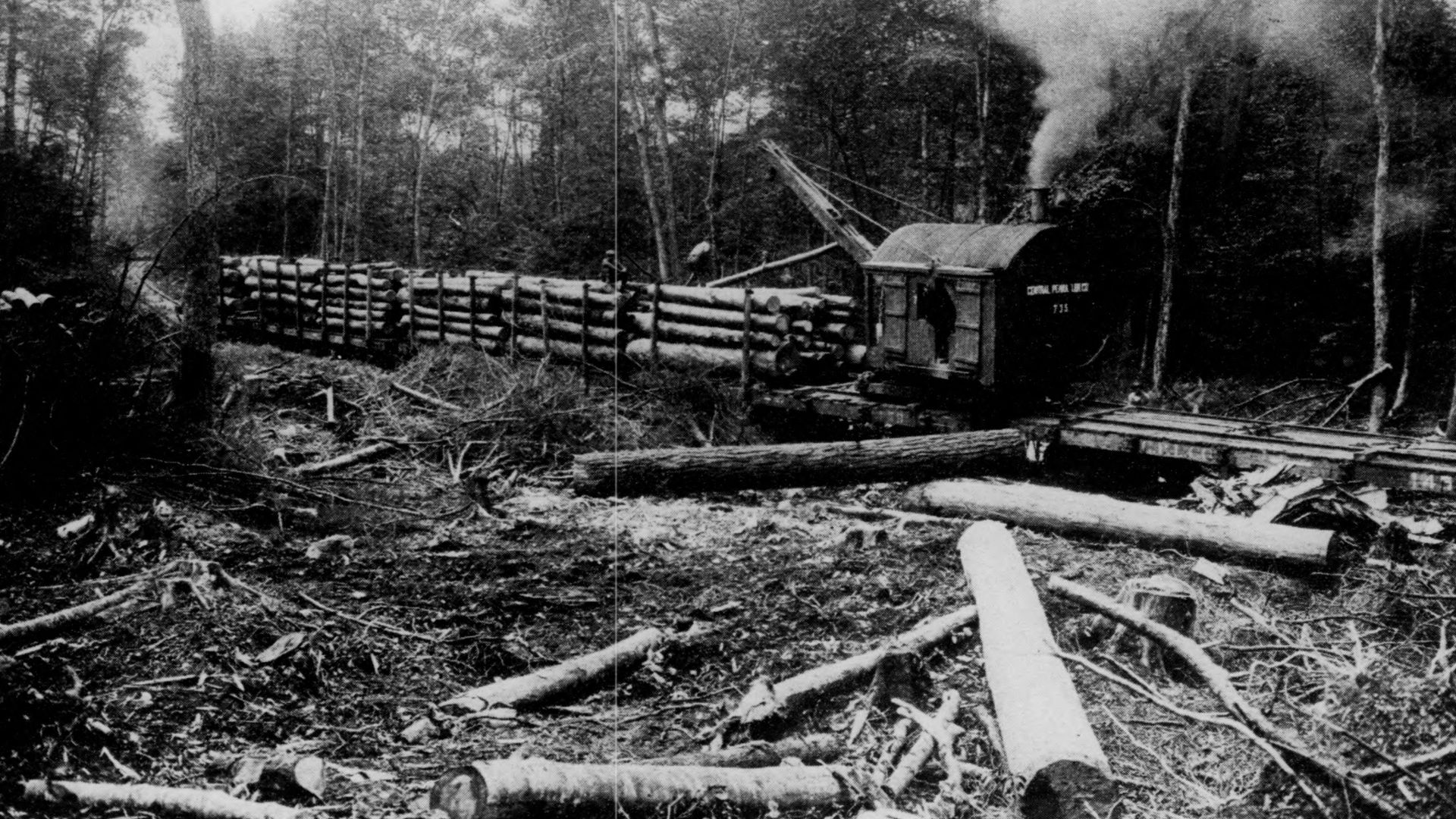 Pennsylvania. Dept. of Forests and Waters, Wikimedia Commons
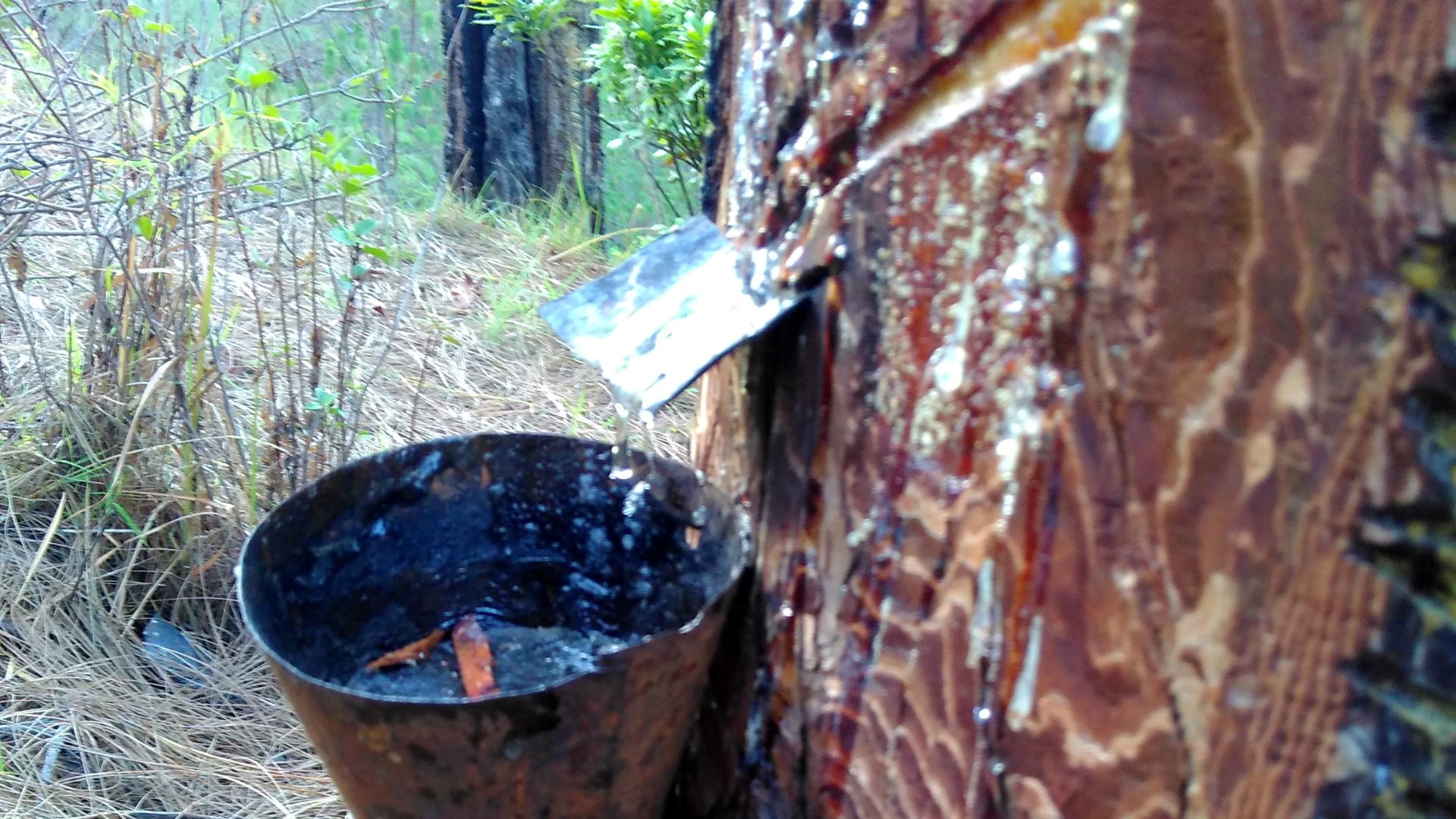
Pine Resin Kept Ships Afloat
Pine forests also supplied the strangely named naval-stores industry. Workers tapped resin and fired tar kilns to produce tar, pitch, rosin, and turpentine that protected ropes and sealed wooden hulls. Barrels traveled down tidal creeks to Wilmington, which became a major port for these products. Ironclads ended much of the old maritime demand, although pine chemicals later found uses in inks, adhesives, and perfumes.
Every Town Needed A Blacksmith
With so much wood, leather, rope, and iron in circulation, every town needed a repair specialist. Blacksmiths made household goods, tools, farm equipment, nails, and horseshoes, then spent much of their time fixing what broke. In Glen Haven, Michigan, the smithy also repaired carriages, shod horses, and served as a carpentry center. It closed in the 1920s as the local steamship and lumber businesses slowed, a reminder of how quickly an indispensable trade could become a museum piece.
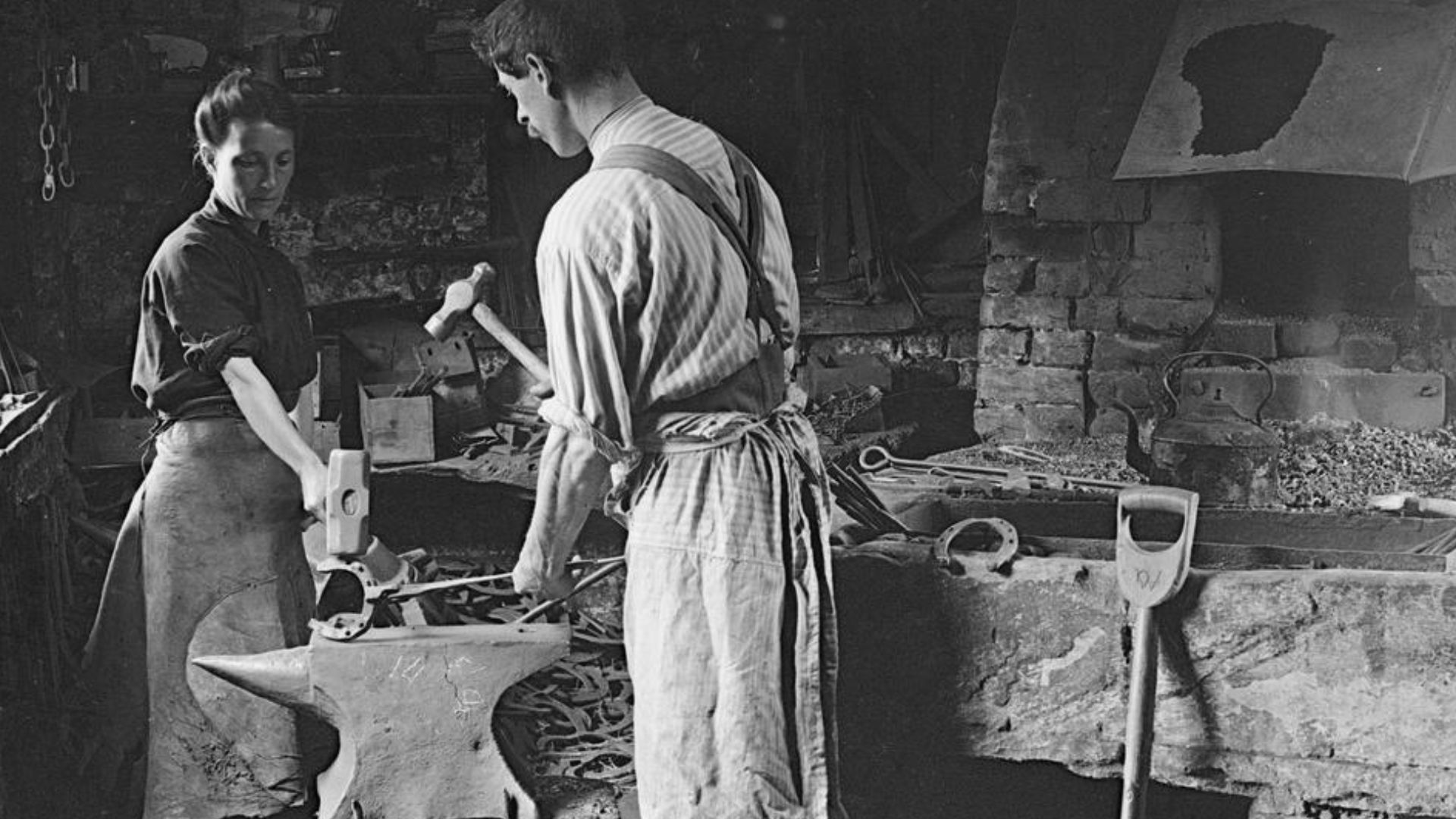 Horace Nicholls, Wikimedia Commons
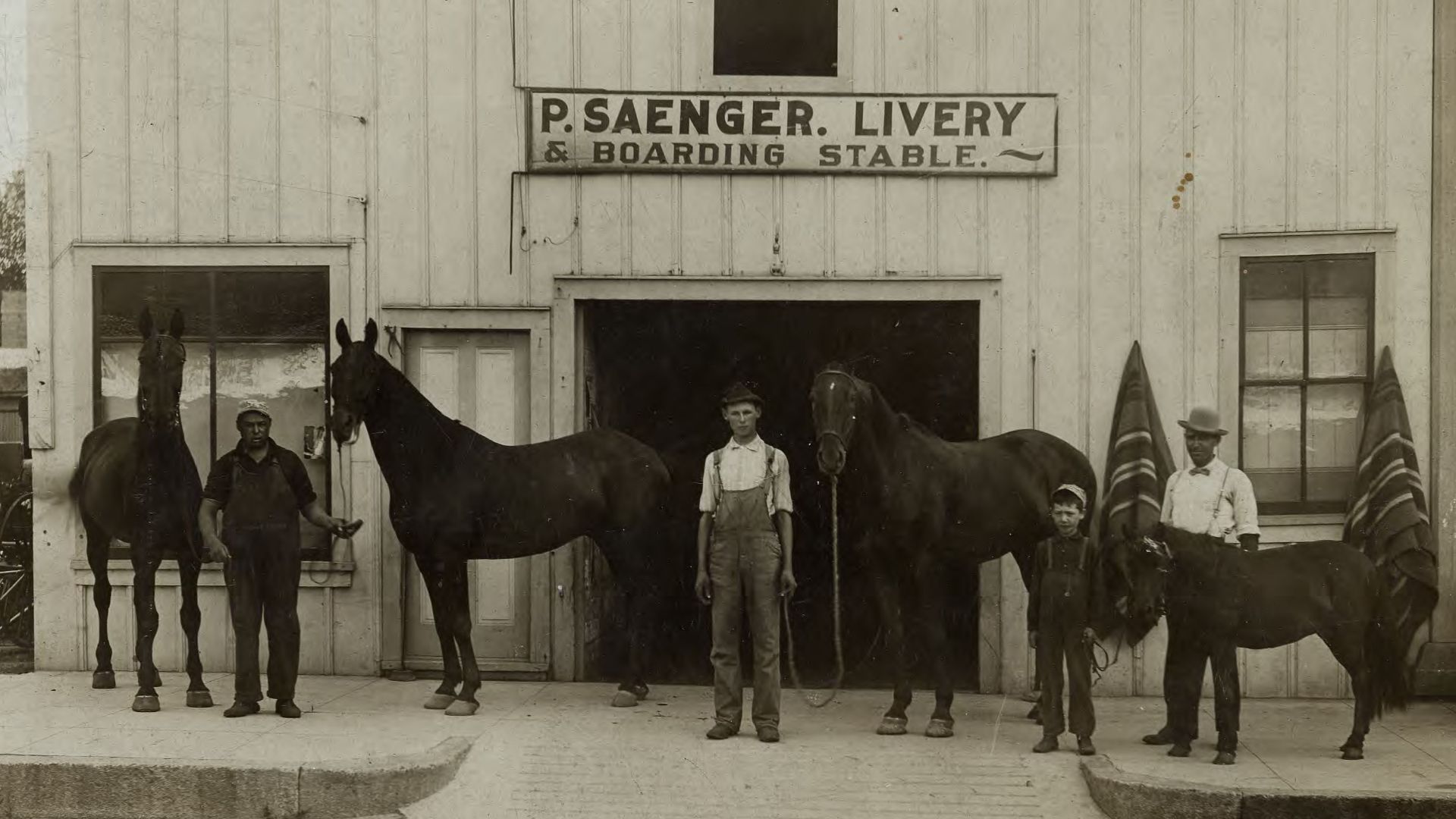
The Horse Economy Had Gas Stations Too
The blacksmith usually had a companion business nearby: the livery stable. It fed, watered, and housed travelers’ horses, while renting horses, buggies, wagons, and sleighs to people who needed transportation. Liveries also served as informal gathering places, making them part garage, part rental counter, and part neighborhood clubhouse. Automobiles took over city streets, and by the mid-1900s most communities no longer needed the horse economy’s version of a gas station.
Wagon Factories Became Car Companies
One company’s pivot captures the whole transportation shift. Studebaker began as a South Bend blacksmith shop in 1852, became a major carriage and wagon maker, and sold its first electric automobile in 1902. Its 1906 administration building went up while both horse-drawn vehicles and automobiles were still coming from the business. In 1920, Studebaker ended horse-drawn production and committed its factories to cars.
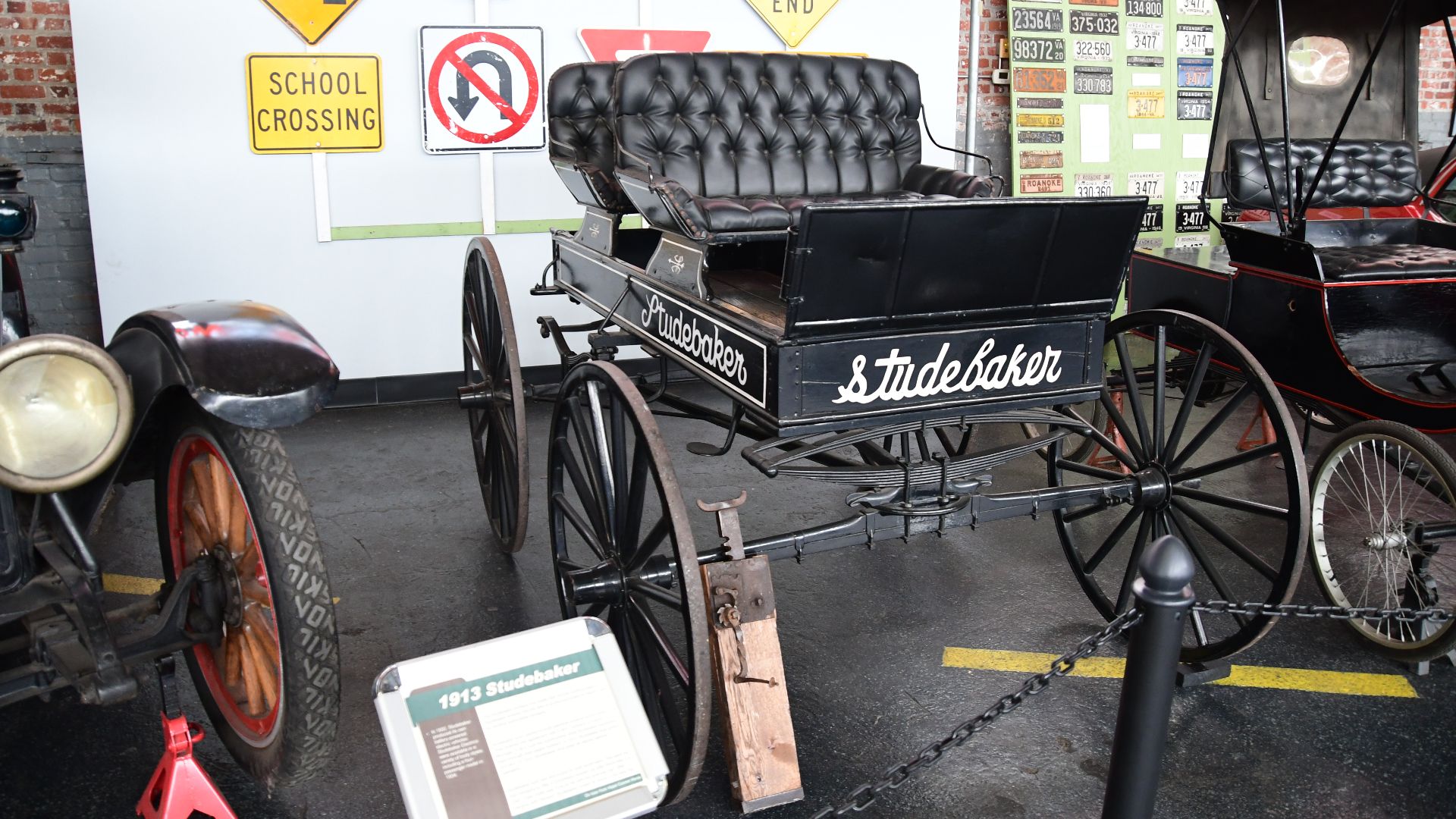 Corvair Owner, Wikimedia Commons
Broomcorn Built A Sweeping Empire
Even the household broom once supported a specialized farm economy. Broomcorn is not corn but a tall sorghum whose long, supple fibers were harvested, dried, sorted, and bound into brush. Illinois led United States production in the 1860s, but domestic acreage later stayed low because the crop demanded so much labor and served a limited market. Illinois production had virtually ceased by 1967, leaving most Americans unaware that sweeping once began in a field.
 Edal Anton Lefterov, Wikimedia Commons
River Shells Became Millions Of Buttons
Broomcorn led to another household object with a surprising rural origin: the button. Mississippi River fishers harvested freshwater mussels, and Muscatine factories cut, ground, drilled, polished, sorted, and carded the shell discs. Within a decade of John Boepple’s first factory, Muscatine was the world’s largest producer, and Iowa made 138,615,696 pearl buttons in 1898. River pollution, fashion changes, and cheaper plastic eventually broke the industry’s grip on American clothing.
 Hugh McCormick Smith, Wikimedia Commons
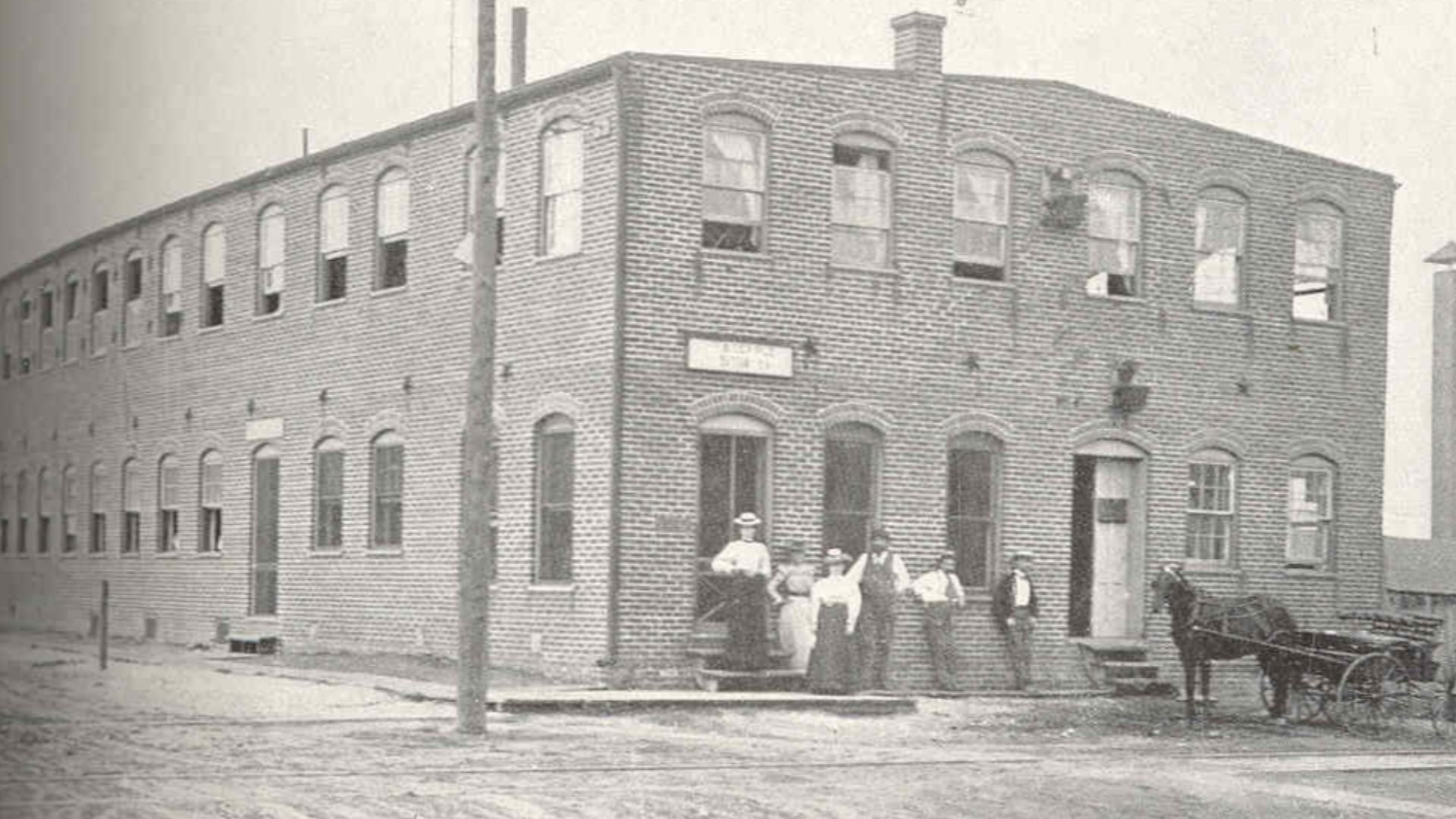
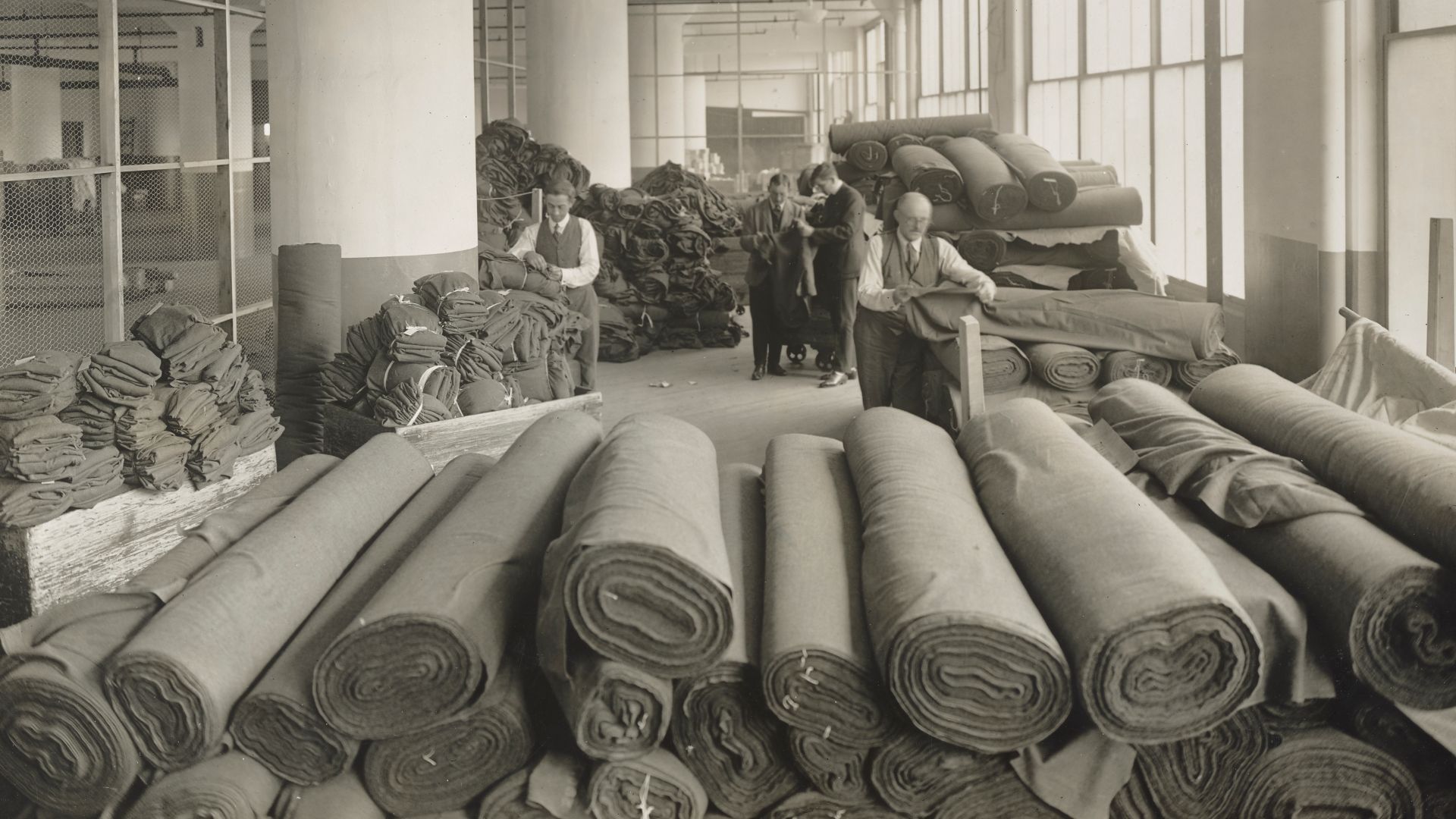
Troy Dressed America One Collar At A Time
Buttons were only one removable piece of a well-dressed shirt. Troy, New York, became the “Collar City” after detachable collars and cuffs grew from home sewing into factory production. By the late 19th century, Troy’s textile companies made more than 90 percent of the collars and cuffs produced in the United States. The mills later emptied or found new uses, although Cluett, Peabody kept making textiles in Troy into the 1980s.
 Unknown authorUnknown author or not provided, Wikimedia Commons
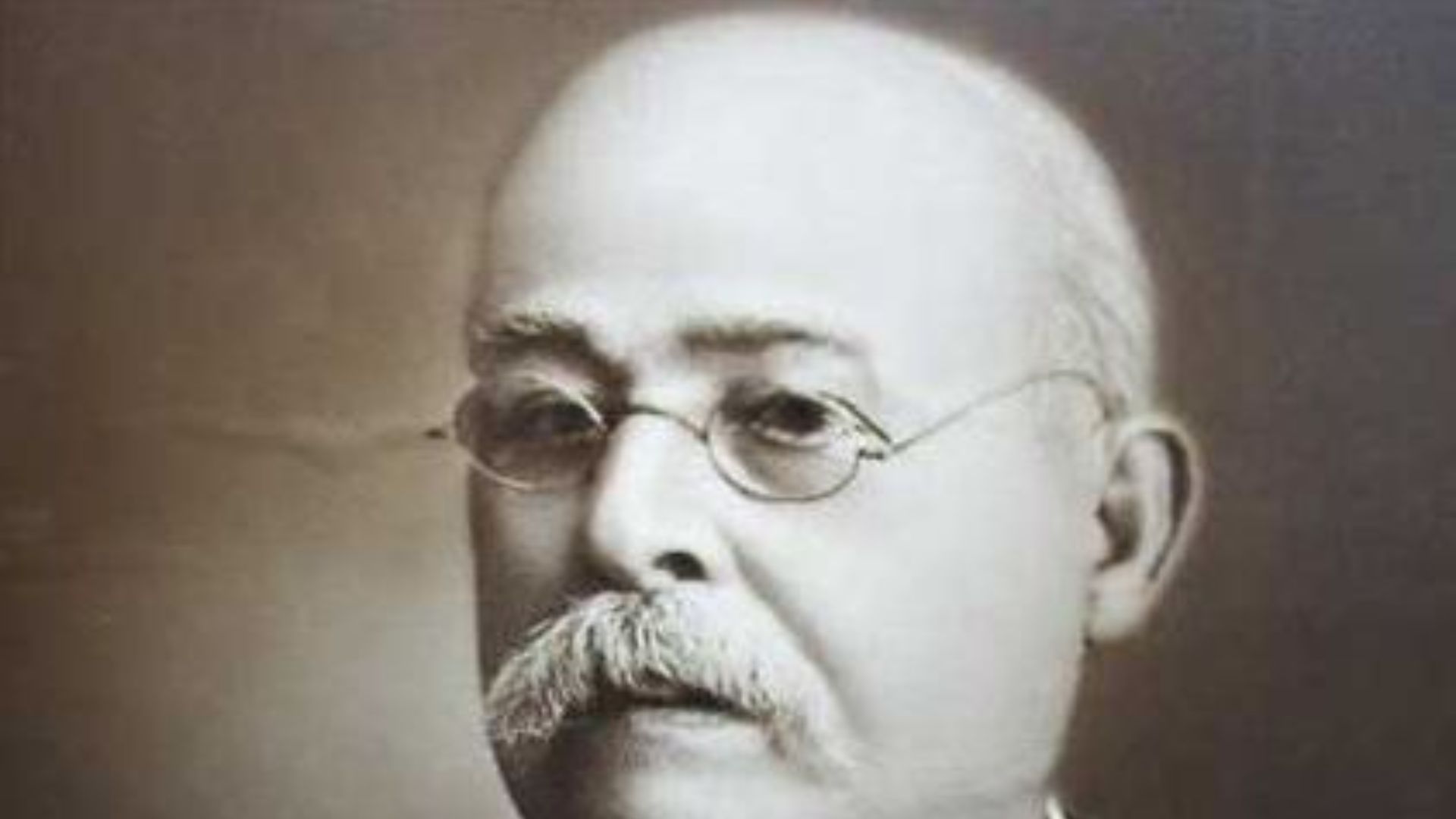
Cigar Factories Built Entire Neighborhoods
Troy’s factories organized a city around clothing, while Tampa’s Ybor City did the same around cigars. Vicente Martínez-Ybor and Ignacio Haya began developing a cigar-manufacturing town in 1885, and 176 worker houses followed in 1886. The wider district became home to Cuban, Spanish, Italian, Afro-Cuban, German, Romanian Jewish, and Chinese residents. Tampa’s hand-rolled cigar business peaked in the 1920s, then the Depression and mechanization cut deeply into the trade.
 Unknown authorUnknown author (personal portrait, uncredited at its source), Wikimedia Commons
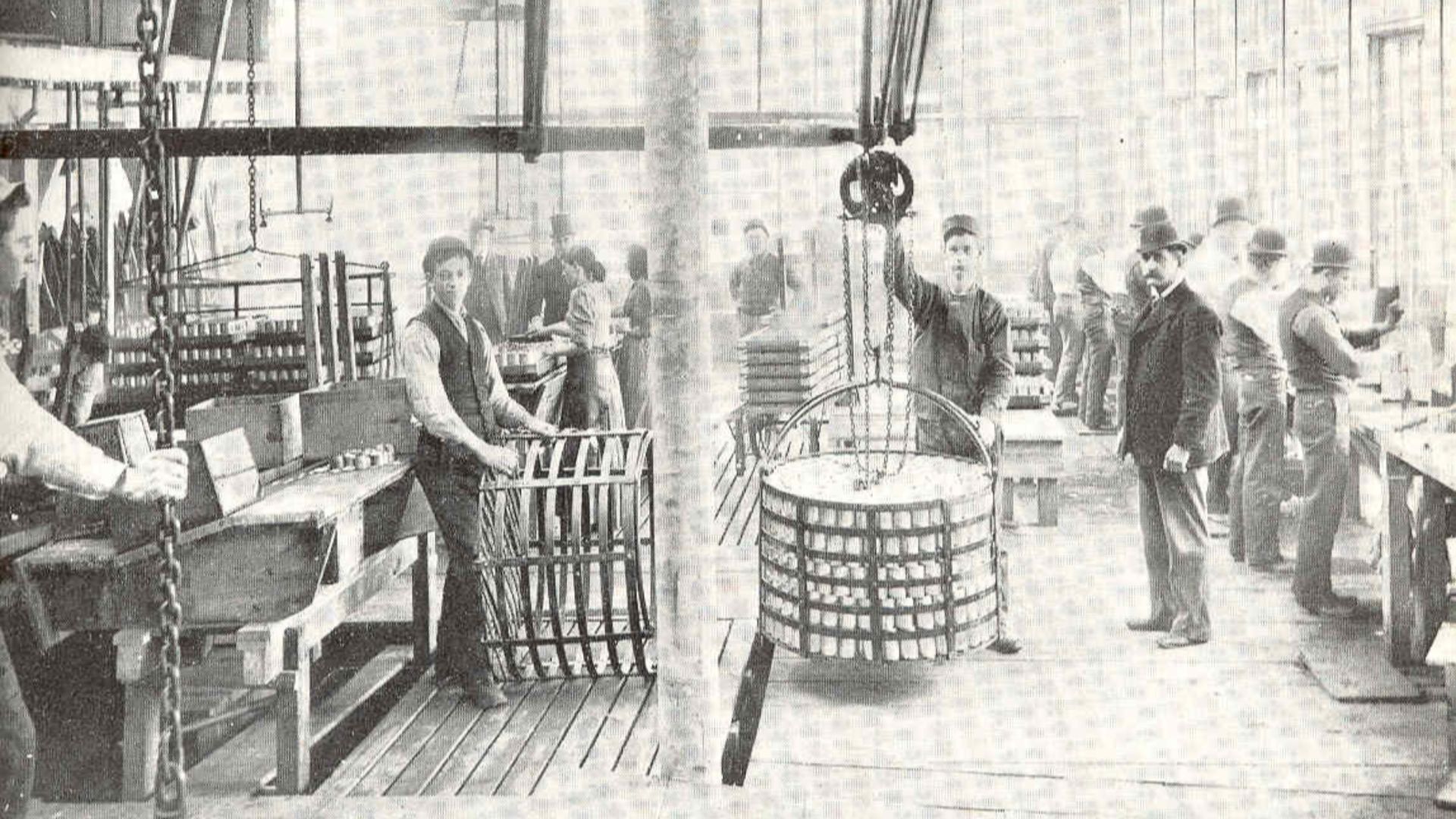
Baltimore Packed The Chesapeake Into Cans
Factories also transformed fresh seafood into a national commodity. Baltimore’s oyster-canning industry was established by the 1840s, and by 1870 the city had more than 100 packing houses. Thousands worked in the canneries, including immigrant women in Baltimore and African American women in Eastern Shore seafood towns. Disease, environmental change, depleted stocks, and unstable markets later shrank a Chesapeake industry that had once supplied most of the nation’s oysters.
 Charles Hugh Stevenson, Wikimedia Commons
Maine Put Sardines In America’s Lunchbox
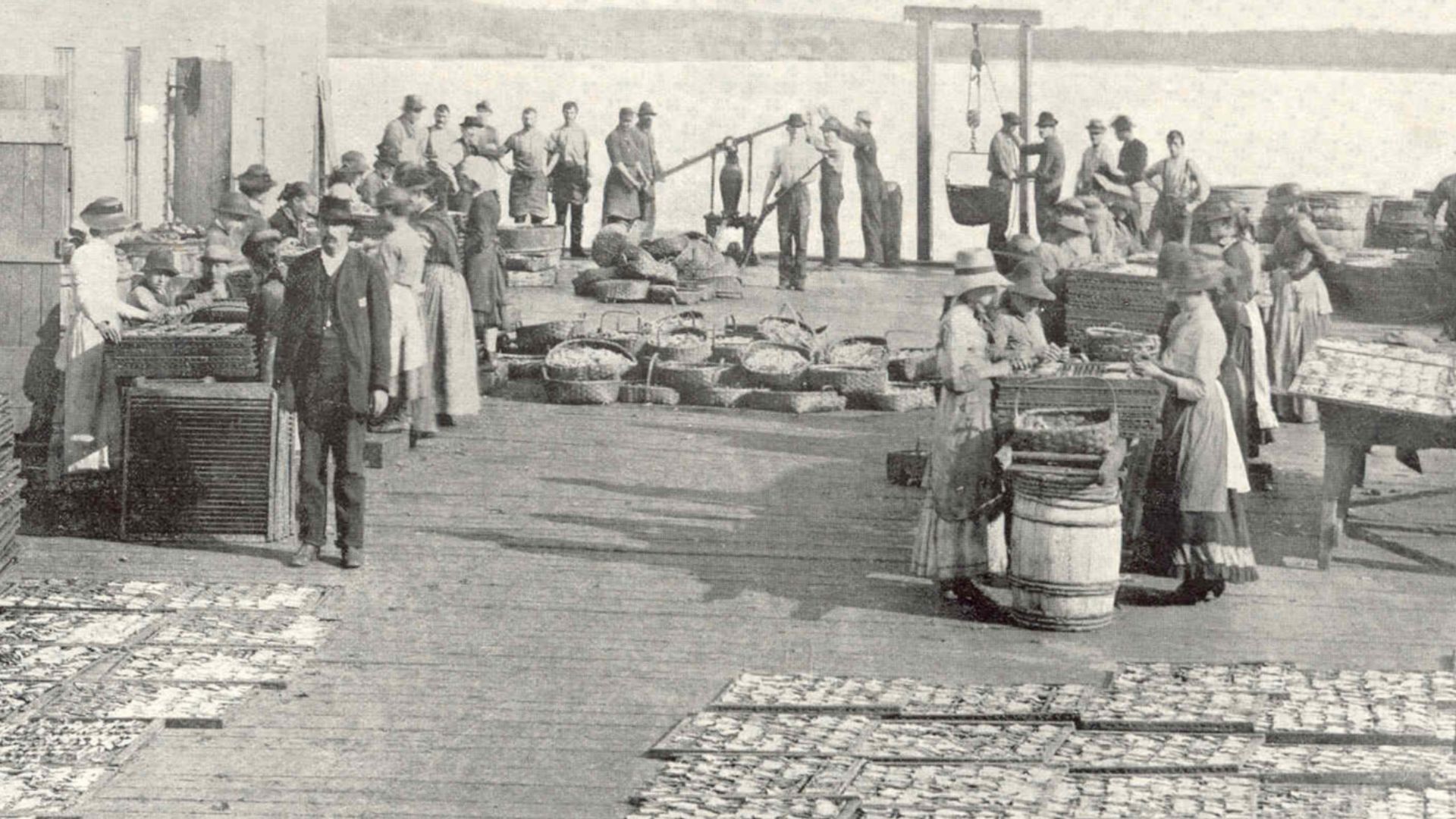
Farther north, Maine built another disappearing world inside a tin can. Its “sardines” were young Atlantic herring, packed for dinner tables, lunchboxes, school cafeterias, logging camps, and military rations. Coastal towns sometimes had several canneries, and the industry employed thousands of workers, especially women. Falling demand and tighter fishery management closed the plants one by one, ending with the last United States sardine cannery in Prospect Harbor in 2010.
 Charles Hugh Stevenson, Wikimedia Commons
The Milkman Ran A Neighborhood Supply Line
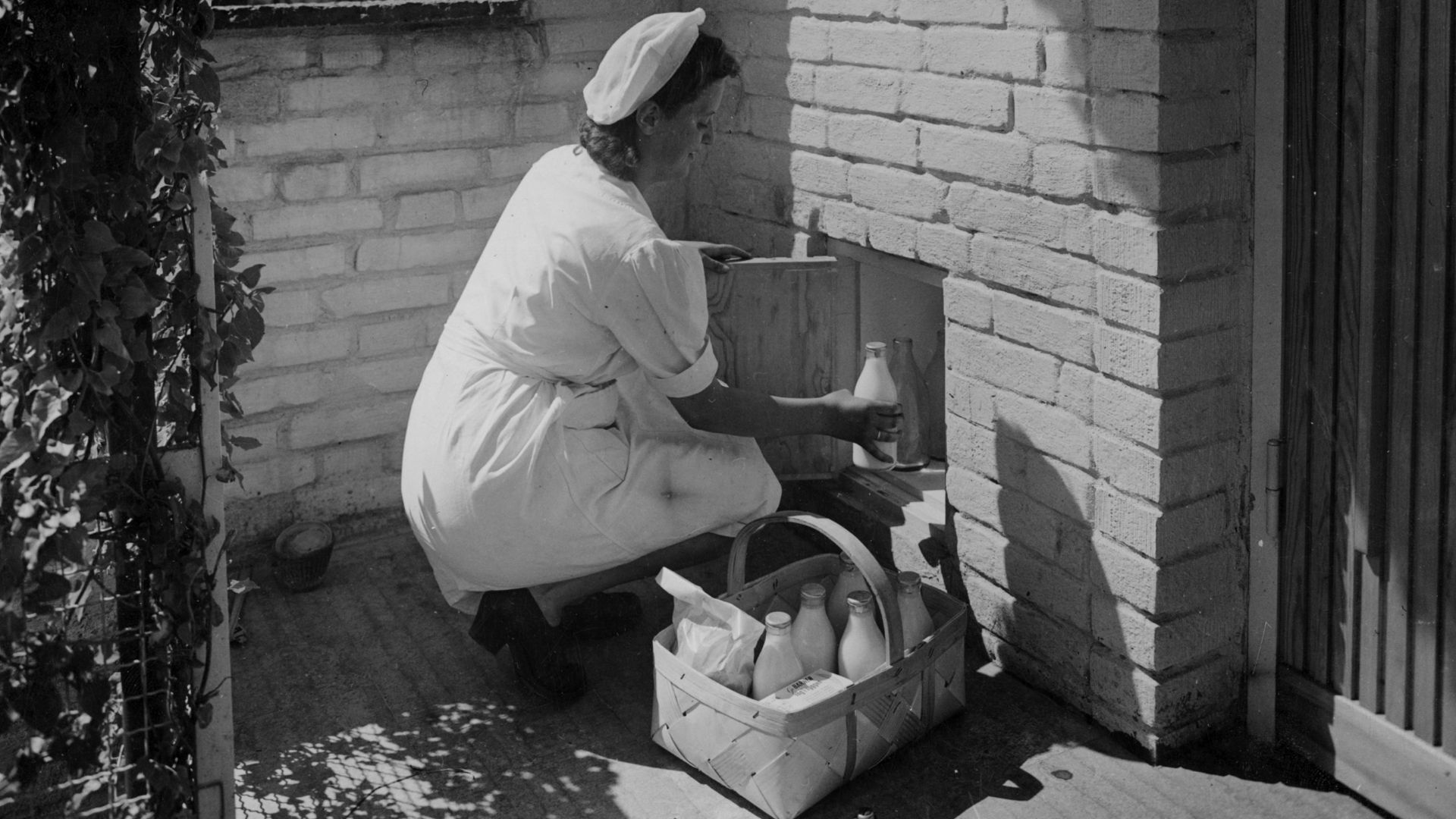
Canned food traveled far, but fresh milk depended on a route that repeated every morning. Milkmen left bottles and other dairy products by the side door, then collected orders written on notes tucked into the empties. Virtually all United States milk was home-delivered in the 1920s, but the share fell to about 15 percent by the early 1970s and below 1 percent in the 1990s. Refrigerators, supermarkets, automobiles, and spread-out suburbs made the familiar neighborhood route hard to sustain.
 Bewe eller Wigforss, Wikimedia Commons
Coal Wagons Powered Winter
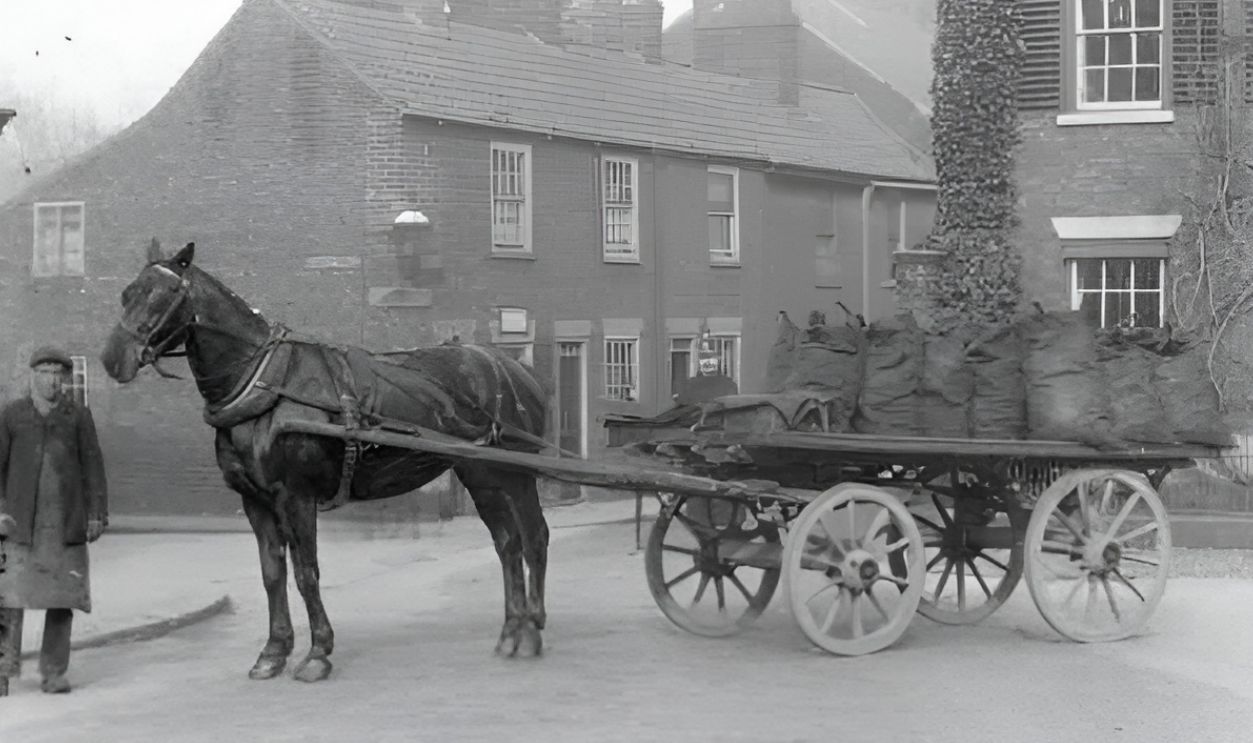
Milk bottles were light enough for a porch, but coal arrived by the wagonload. Dealers delivered coal to homes for household stoves and furnaces, using horse-drawn wagons well into the early 20th century. Coal was the country’s largest energy source from 1885 to 1950. Since the 1960s, nearly all United States coal consumption has shifted to electricity generation, so the neighborhood coal yard and delivery route disappeared from everyday life.
 East Riding Archives, Wikimedia Commons, Modified
Cities Manufactured Their Own Gas
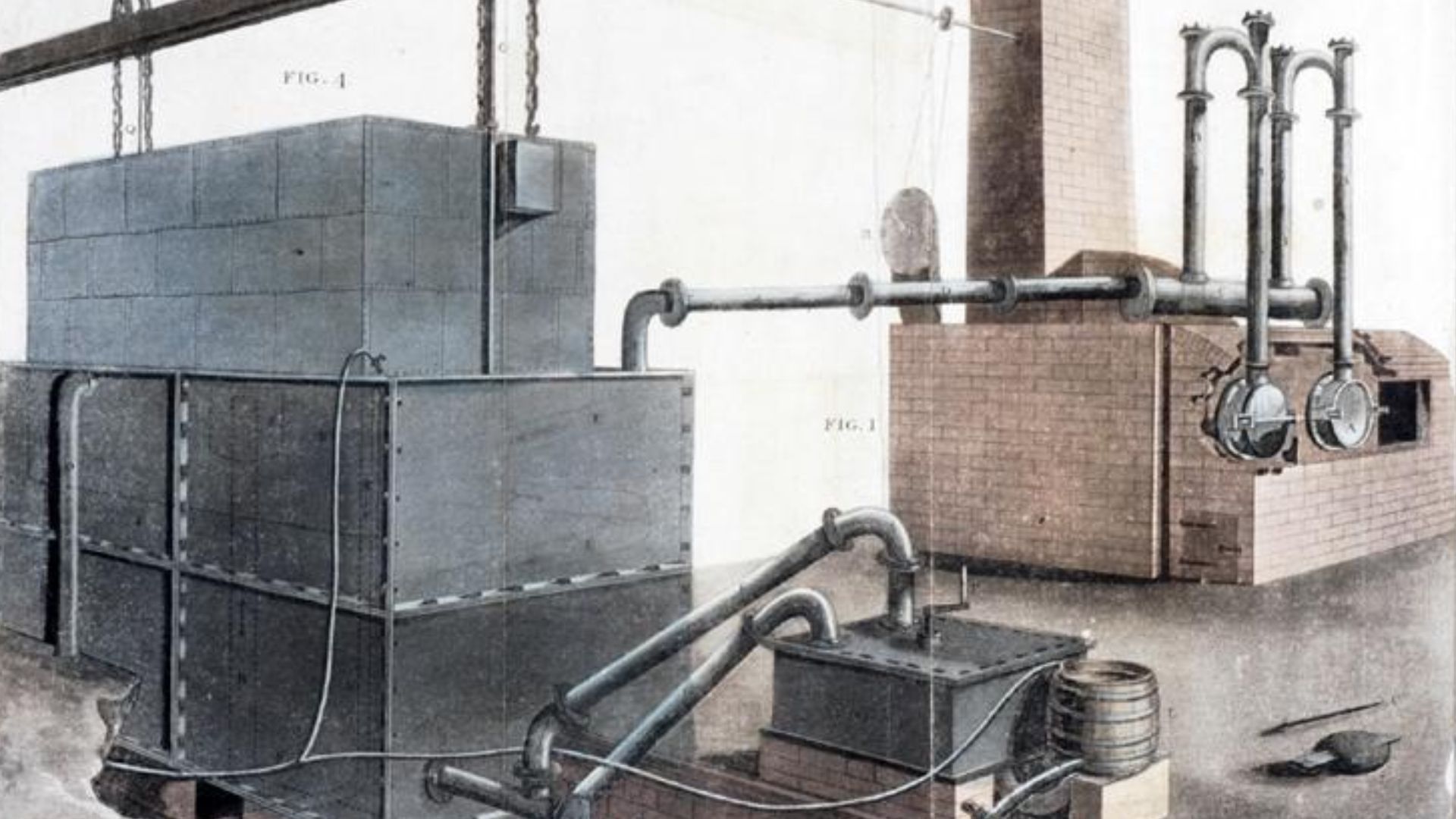
Cities did not always pipe gas from distant fields. From the mid-19th to the mid-20th century, local manufactured-gas plants produced fuel from coal for cooking and heating. After World War II, natural gas replaced that urban factory system. The industry faded, but tar, oil, cinders, coke, and contaminated soil and groundwater have kept its legacy alive in environmental cleanups.
 Unknown authorUnknown author, Wikimedia Commons
Streetcars Built The Modern Suburb
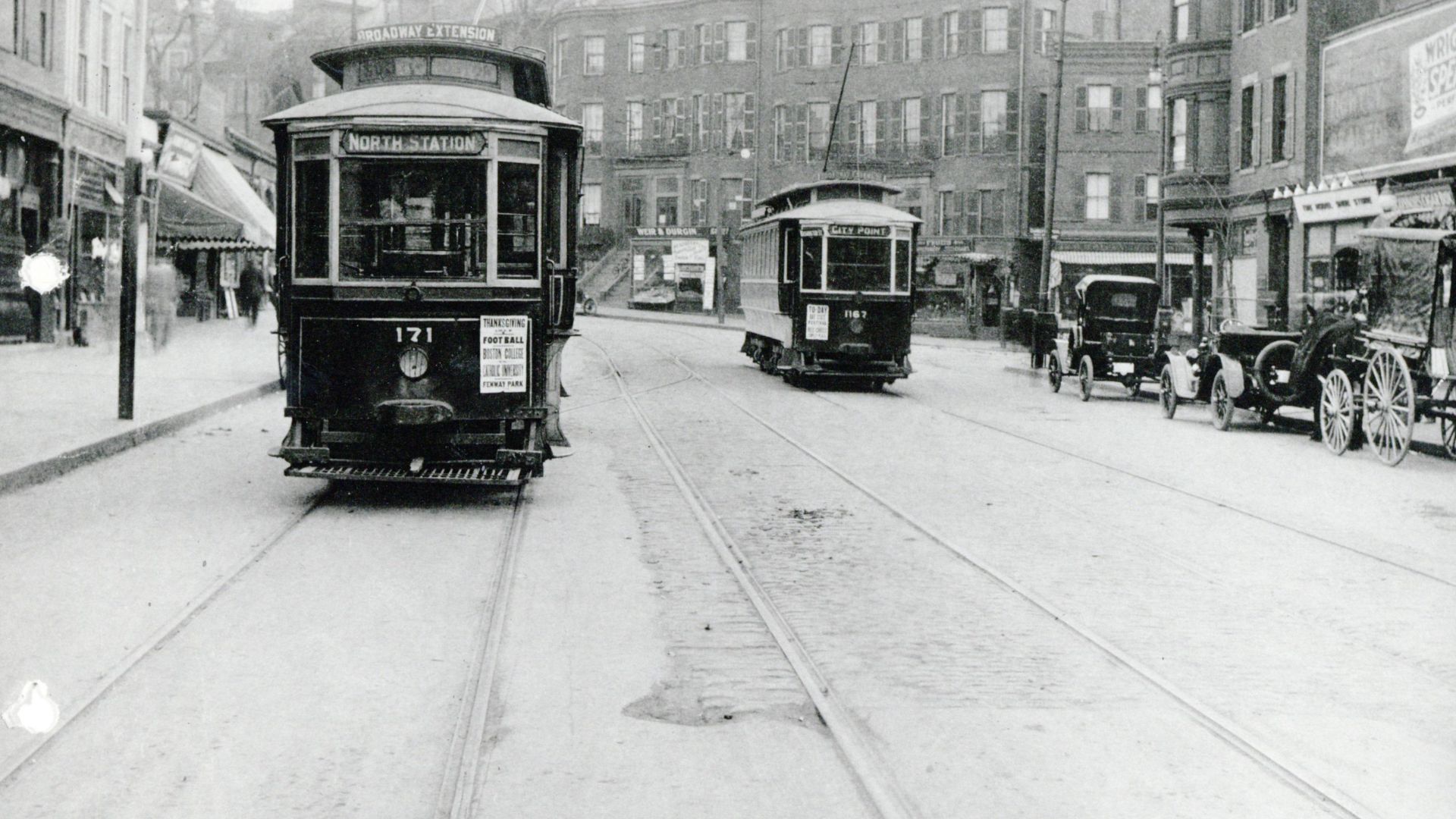
Gas and electricity changed the city, but streetcars redrew its map. Electric trolley lines created commuters and opened new suburbs, often because real-estate developers built tracks to promote their land. By 1917, the United States had about 45,000 miles of transit track and millions of streetcar riders. Buses and private cars gradually made most systems obsolete, and by 1937 half the cities with public transit were served by buses alone.
 City of Boston Archives from West Roxbury, United States, Wikimedia Commons
Telegrams Made Distance Feel Smaller
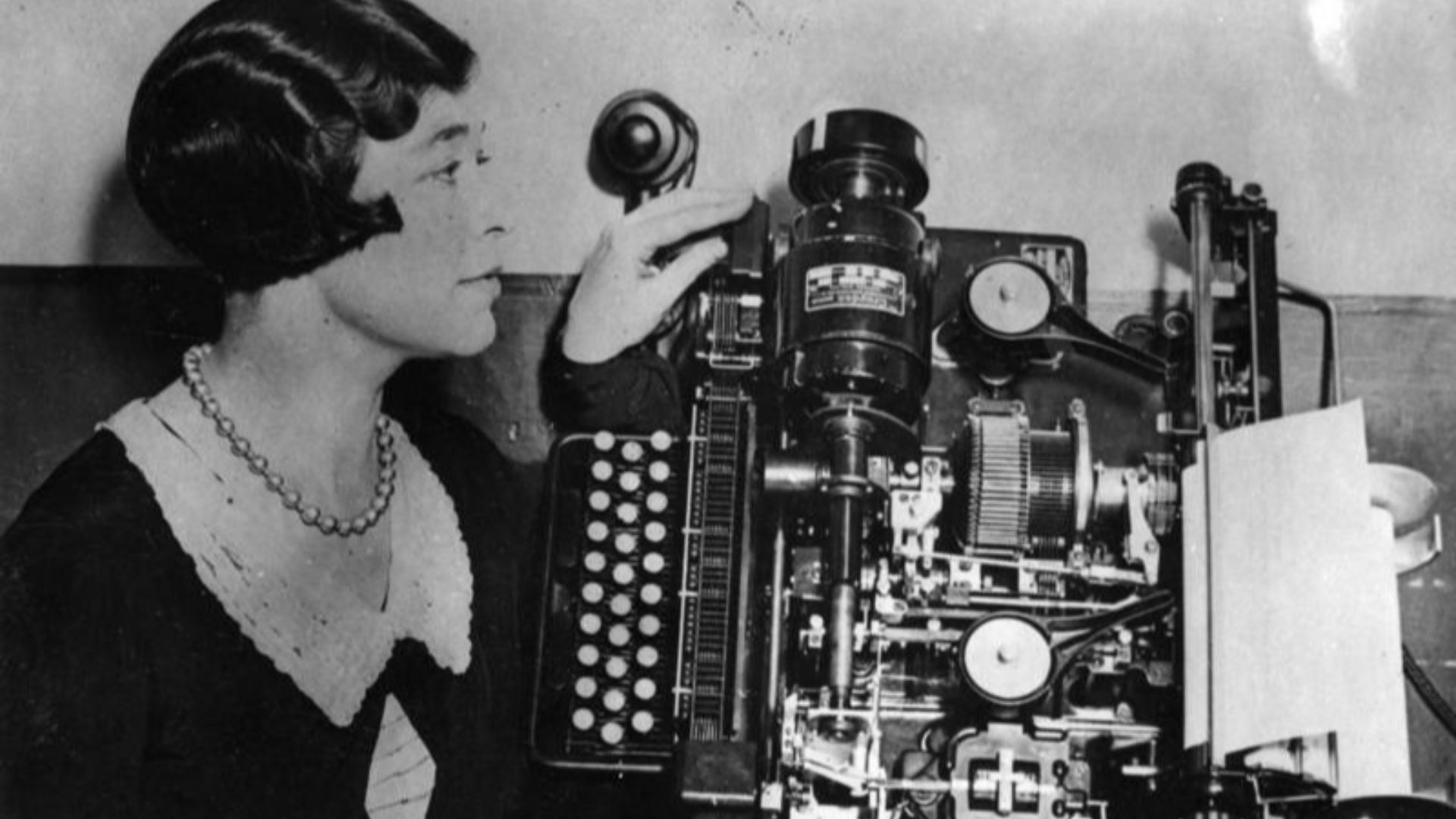
The streetcar shrank a city, while the telegraph shrank a continent. Completion of the transcontinental line in 1861 allowed messages to cross the country in a fraction of the time required by the Pony Express and stagecoach mail. Telegram use actually peaked in the 1920s and 1930s because it could still cost less than a long-distance telephone call. Western Union finally ended its telegram service in 2006, although the company continued as a money-transfer business.
 Illger, Willi, Wikimedia Commons
Operators Connected Every Call By Hand
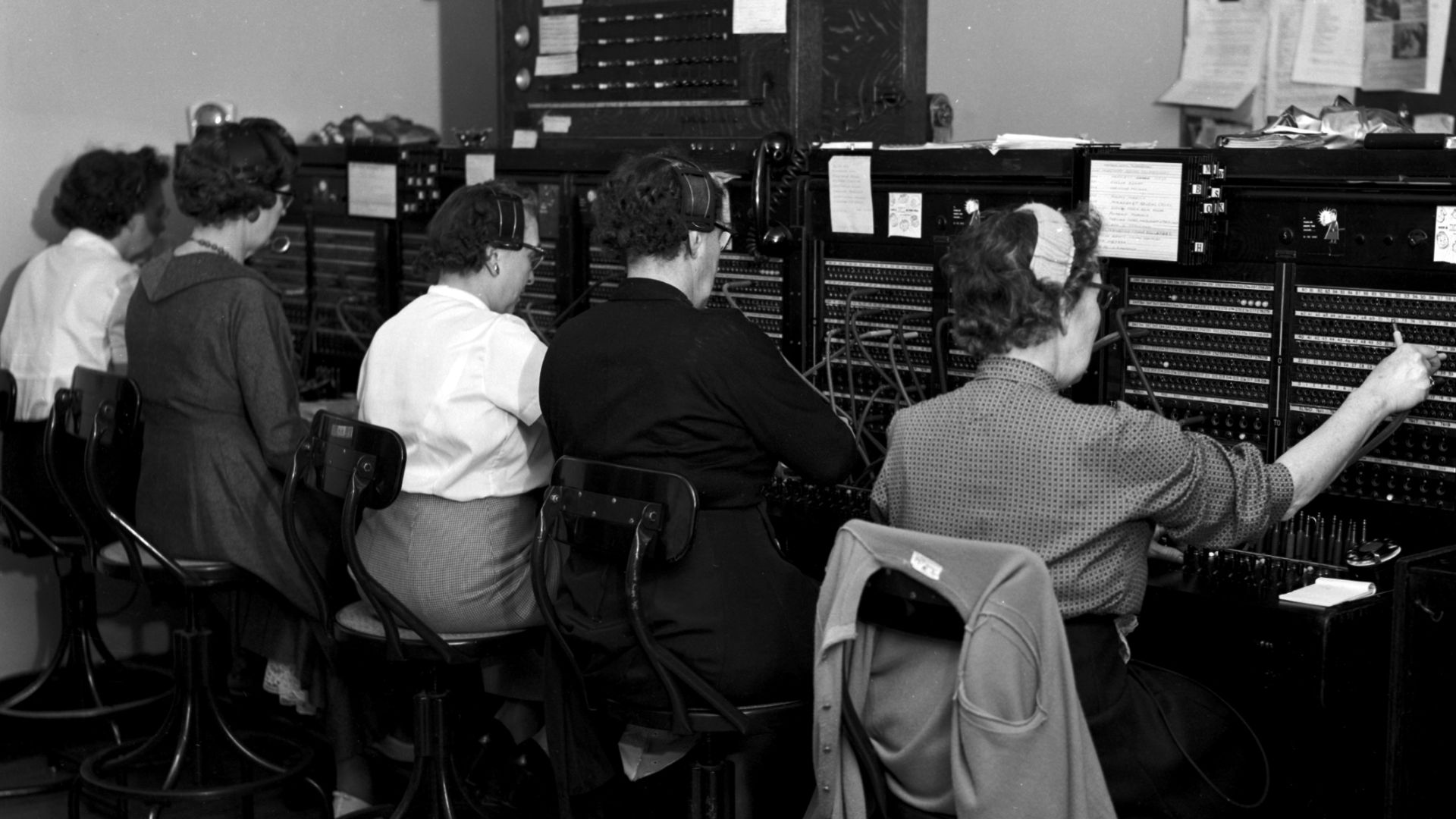
Telephones did not eliminate human labor at first. Switchboard operators manually worked jacks, sockets, ringers, and buzzers to connect callers, and women became widely known as the “Hello Girls.” Their skill was so valuable that French-speaking operators handled military telephone calls in France for the United States Signal Corps during World War I. By the late 1940s, automatic electromechanical switching was replacing the human operator in ordinary telephone service.
 Seattle Municipal Archives from Seattle, WA, Wikimedia Commons
Typewriters Mechanized The Office
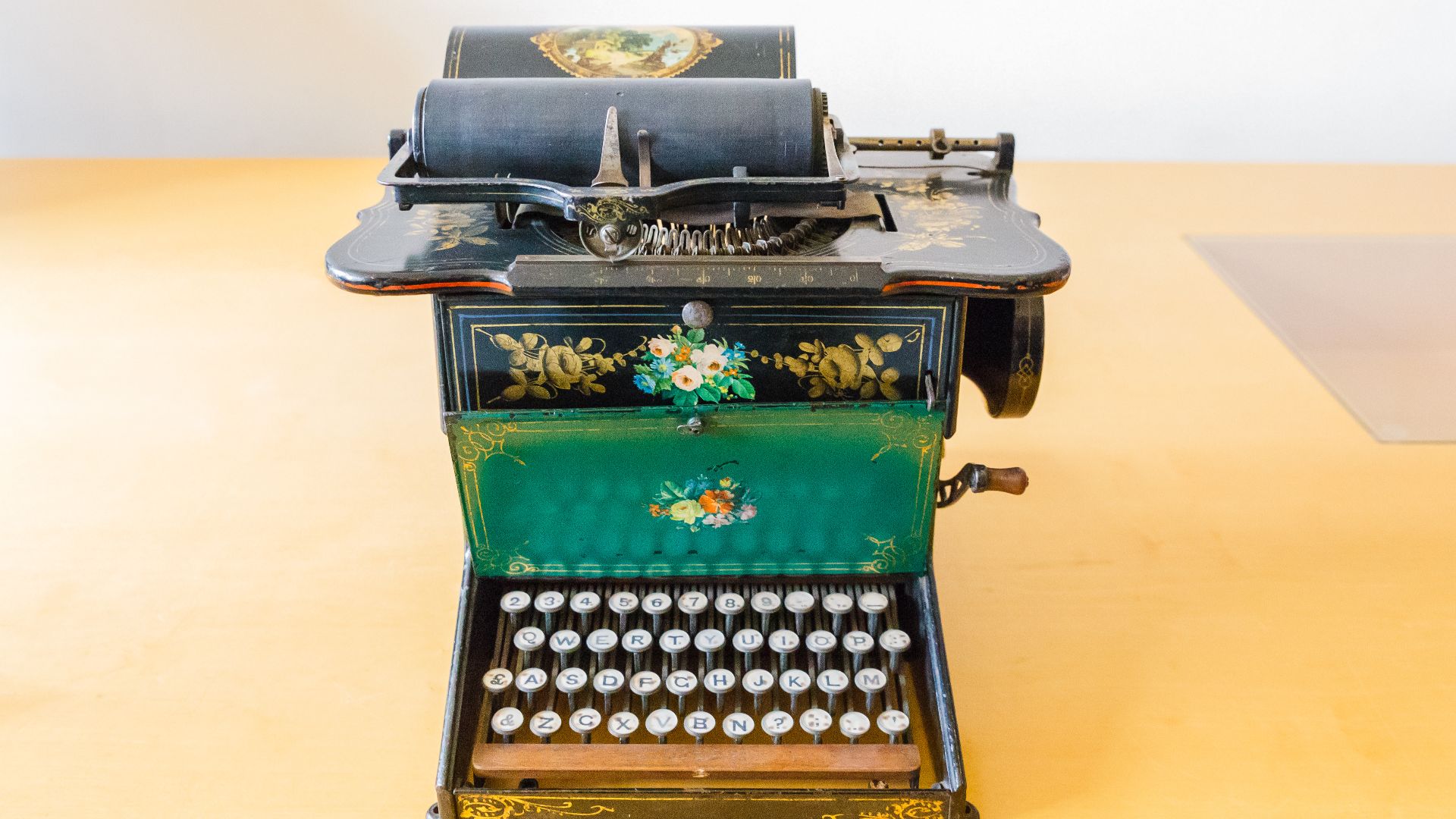
The same offices that housed switchboards soon filled with typewriters. The Sholes and Glidden machine became the earliest commercially successful model, introduced QWERTY, and helped turn written business into a mechanized process. As offices expanded, typing became a major occupation for women, with half a million American typists listed by the 1920 census. The machinery changed again, but QWERTY still carries the typewriter industry’s design into daily life.
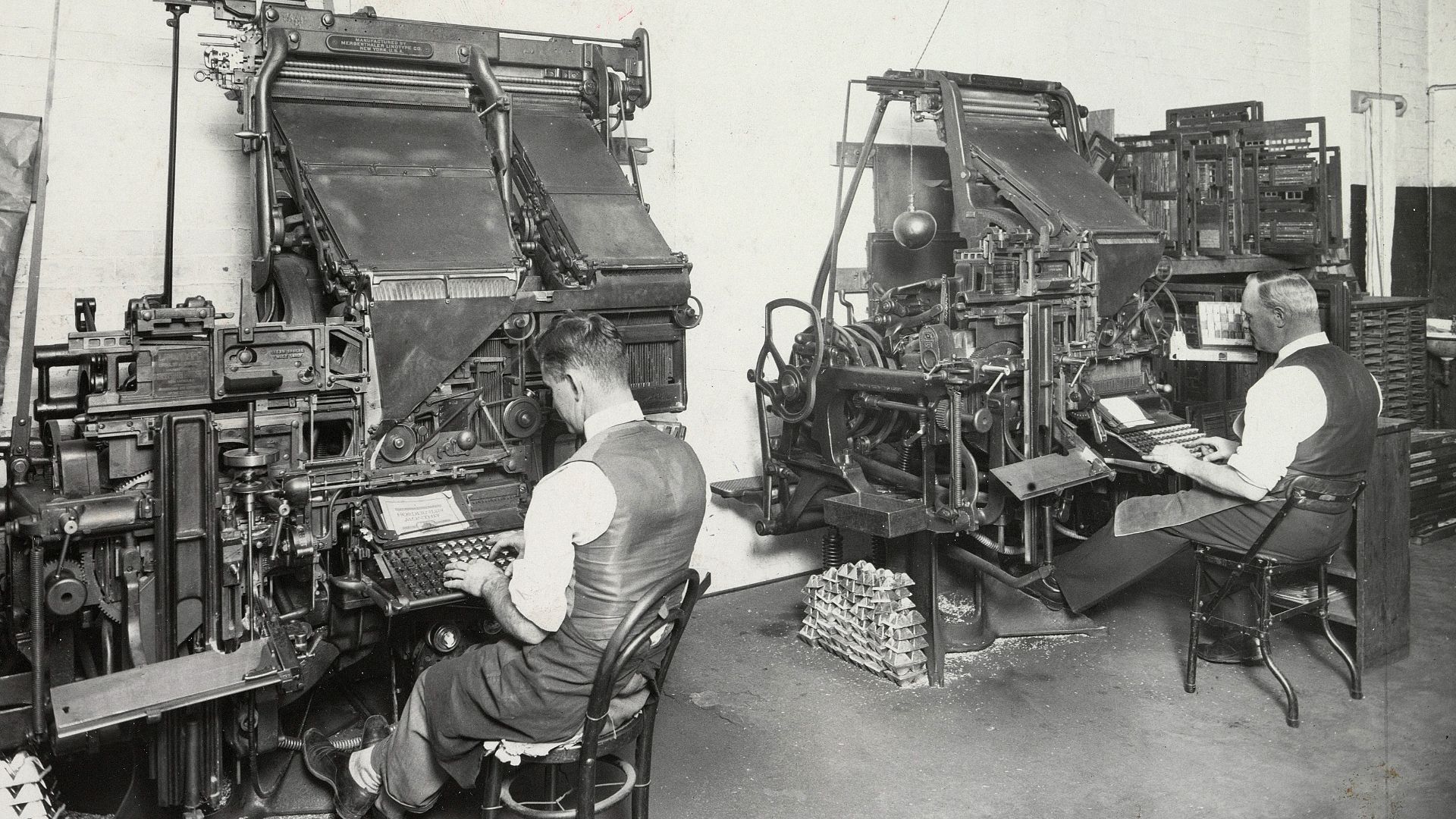
Linotype Put Newspapers On The Street
Typewriters produced copy, but Linotype machines turned it into mass print. Introduced in 1886, the machine let an operator use a keyboard to release letter matrices, then cast an entire line of type as a hot-metal slug. That speed allowed newspapers to set text more efficiently than hand composition. Cold type and computers took over, and The New York Times removed its final 61 Linotypes in 1978.
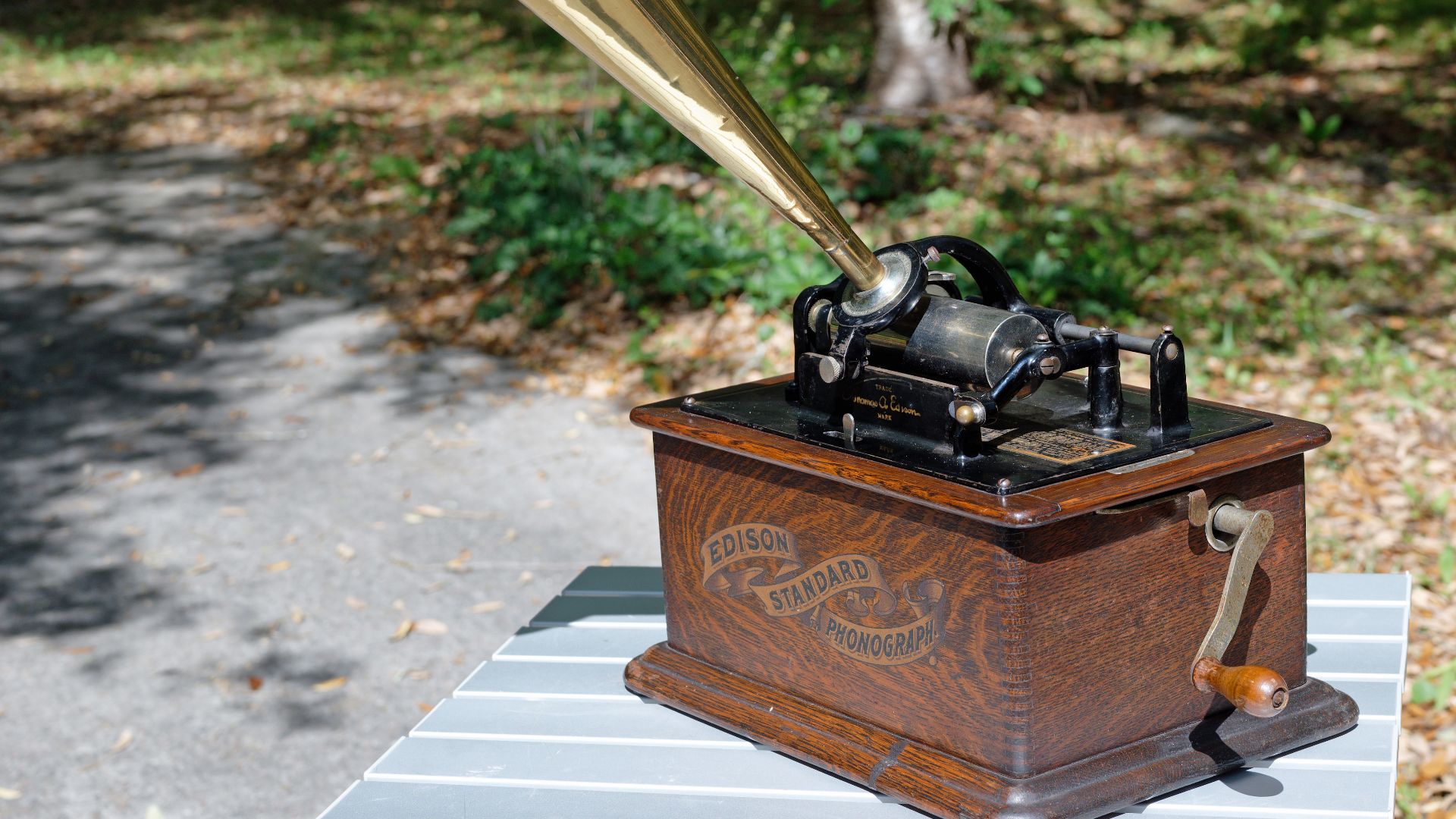
Cylinders Started America’s Record Business
Print was not the only medium built around a vanished format. Edison’s phonograph recorded sound on a cylinder, and wax cylinders became a home-entertainment business in the 1890s. Manufacturers learned to mold duplicate cylinders in 1901, but flat discs steadily grew more popular with consumers. Edison continued making Blue Amberol cylinders until the company’s demise in 1929.
Paper Rolls Turned Pianos Into Players
Another machine let a piano play without a pianist in the room. Paper rolls carried performances into home player pianos, and composers such as Scott Joplin recorded their own music for sale in the format. During the industry’s 1900 to 1930 heyday, American factories produced player pianos six times faster than the country’s population increased. The Library of Congress now describes piano rolls as a nearly obsolete sound-recording format.

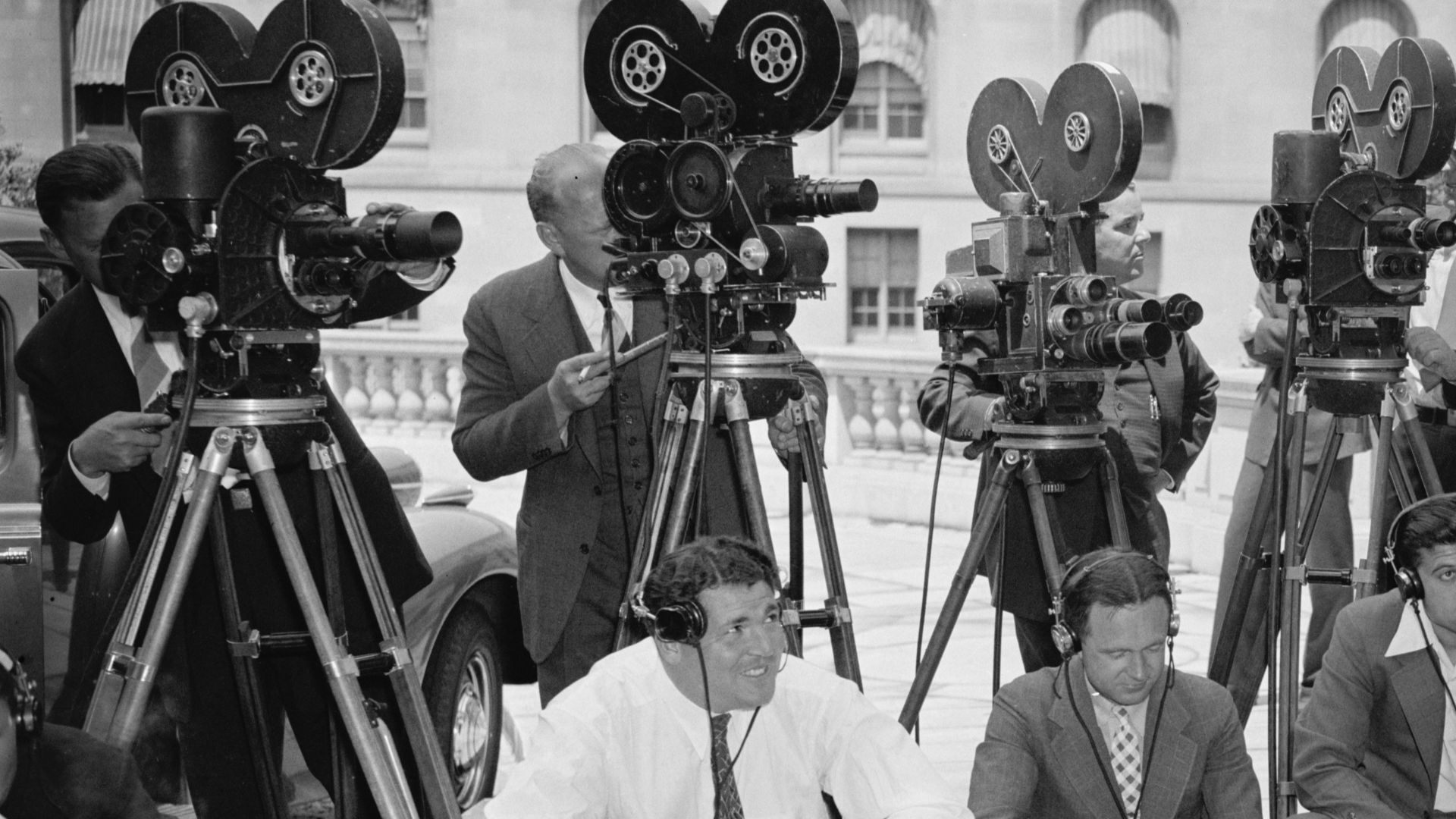
Newsreels Brought The World To The Movies
Before television news, moviegoers watched current events in theatrical newsreels. Universal released two newsreels a week from 1929 to 1967, usually combining five to seven short stories into a program lasting six to ten minutes. The reels brought politics, disasters, sports, fashions, and other national and international events to theaters. Universal’s series became the last United States theatrical newsreel to end regular production.
 Harris & Ewing, photographer, Wikimedia Commons
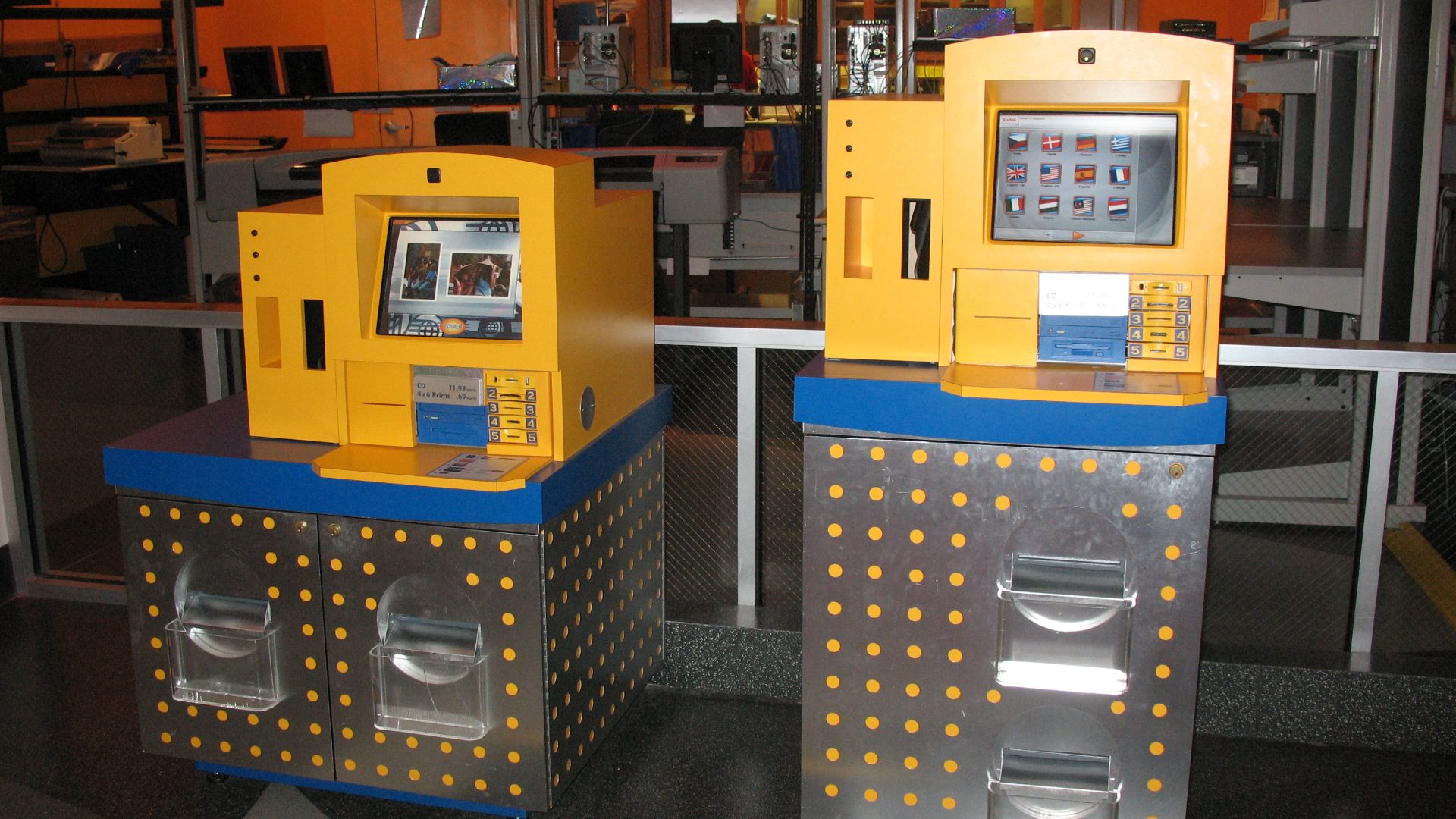
Photo Labs Finished Every Vacation
Every snapshot once triggered another industrial process after the shutter clicked. With the original Kodak, customers mailed the entire camera back to the factory, where the film was developed, prints were made, and the camera was reloaded. By 1988, Kodak was also selling a retail kiosk that let consumers crop and print enlargements in minutes. Kodak launched a consumer digital camera in 1995, then closed, sold, or spun off consumer film, paper, and kiosk operations in 2012 and 2013.
Local Bottlers Kept Glass In Circulation
The final lost industry was hiding in the bottle itself. In the 1950s, soft drinks came in deposit-bearing glass bottles that consumers returned and bottlers washed and refilled. Coca-Cola’s North American system likewise once consisted of a significant number of small, local bottlers. Plastic later replaced most glass bottles, while decades of consolidation reduced the system to far fewer bottlers.
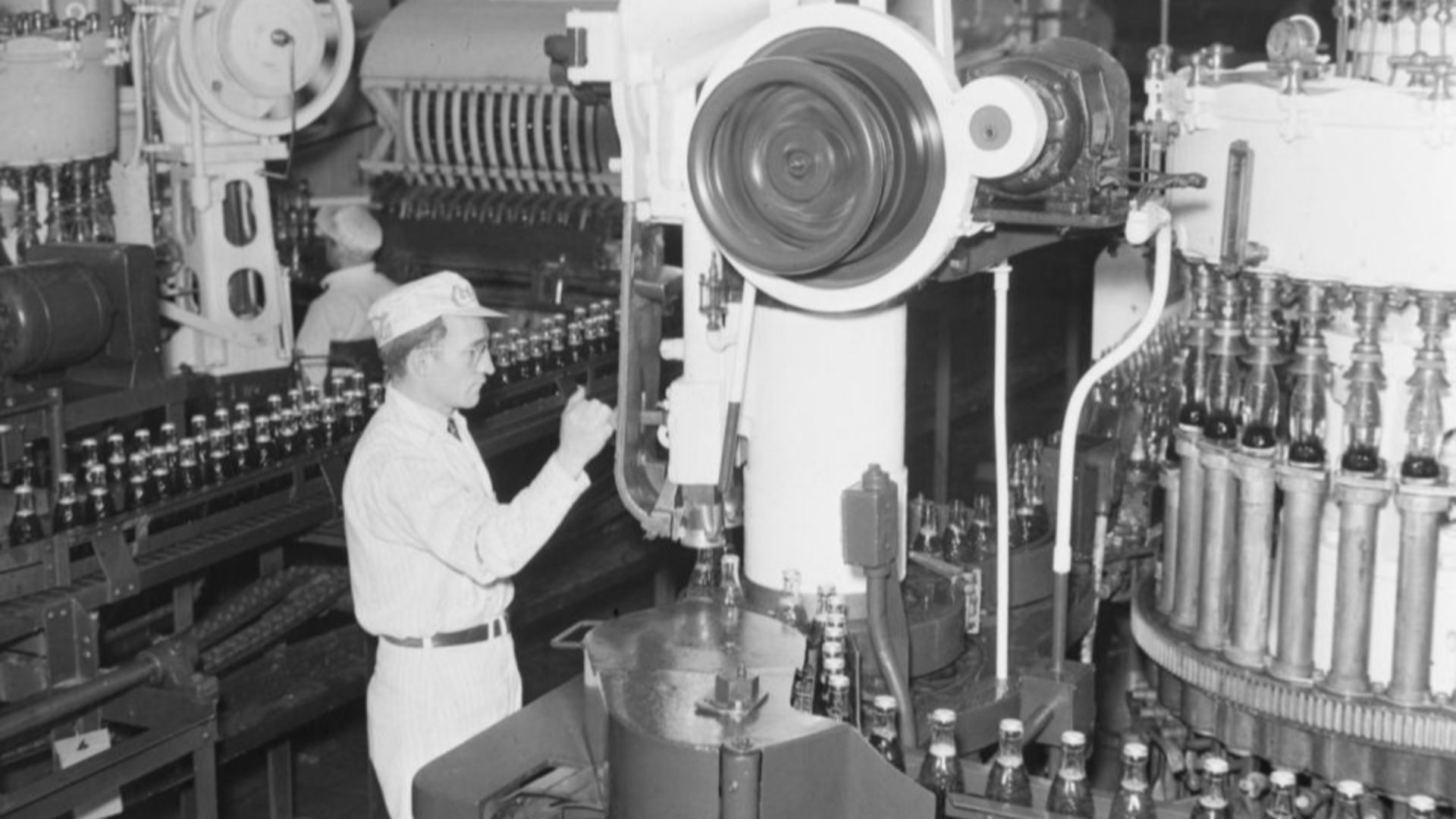 Conrad Poirier, Wikimedia Commons
You May Also Like:
The Weirdest Rules People Once Followed At Work
The Strangest Jobs That Disappeared With Modern Technology
24 Hard-Working Facts About The Great Depression
Sources 1, 2, 3, 4, 5, 6, 7, 8, 9, 10, 11, 12, 13, 14, 15, 16, 17, 18, 19, 20, 21, 22, 23, 24, 25, 26, 27, 28, 29, 30, 31, 32, 33, 34, 35, 36, 37, 38, 39, 40, 41, 42, 43, 44, 45, 46, 47, 48, 49, 50, 51