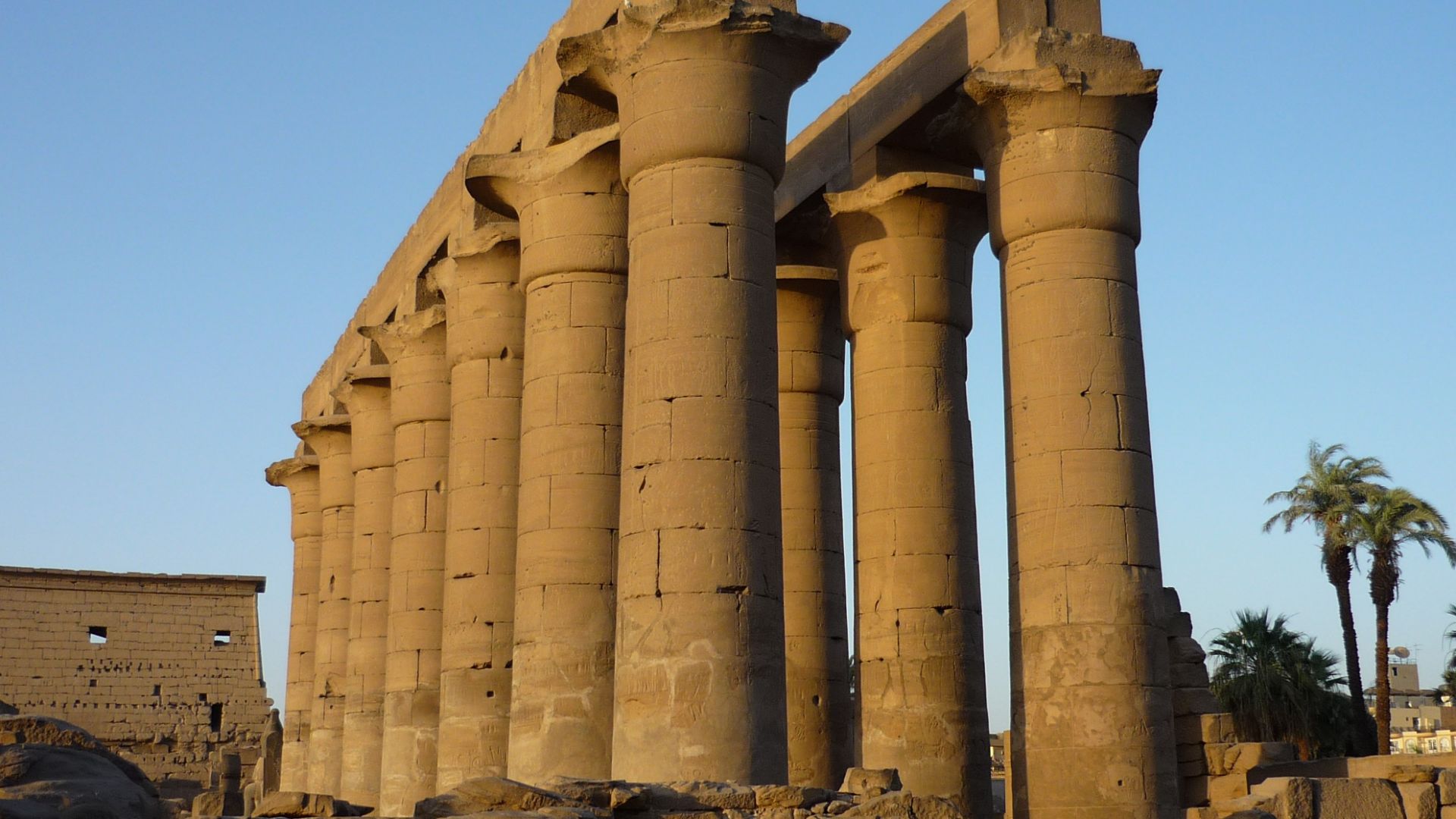
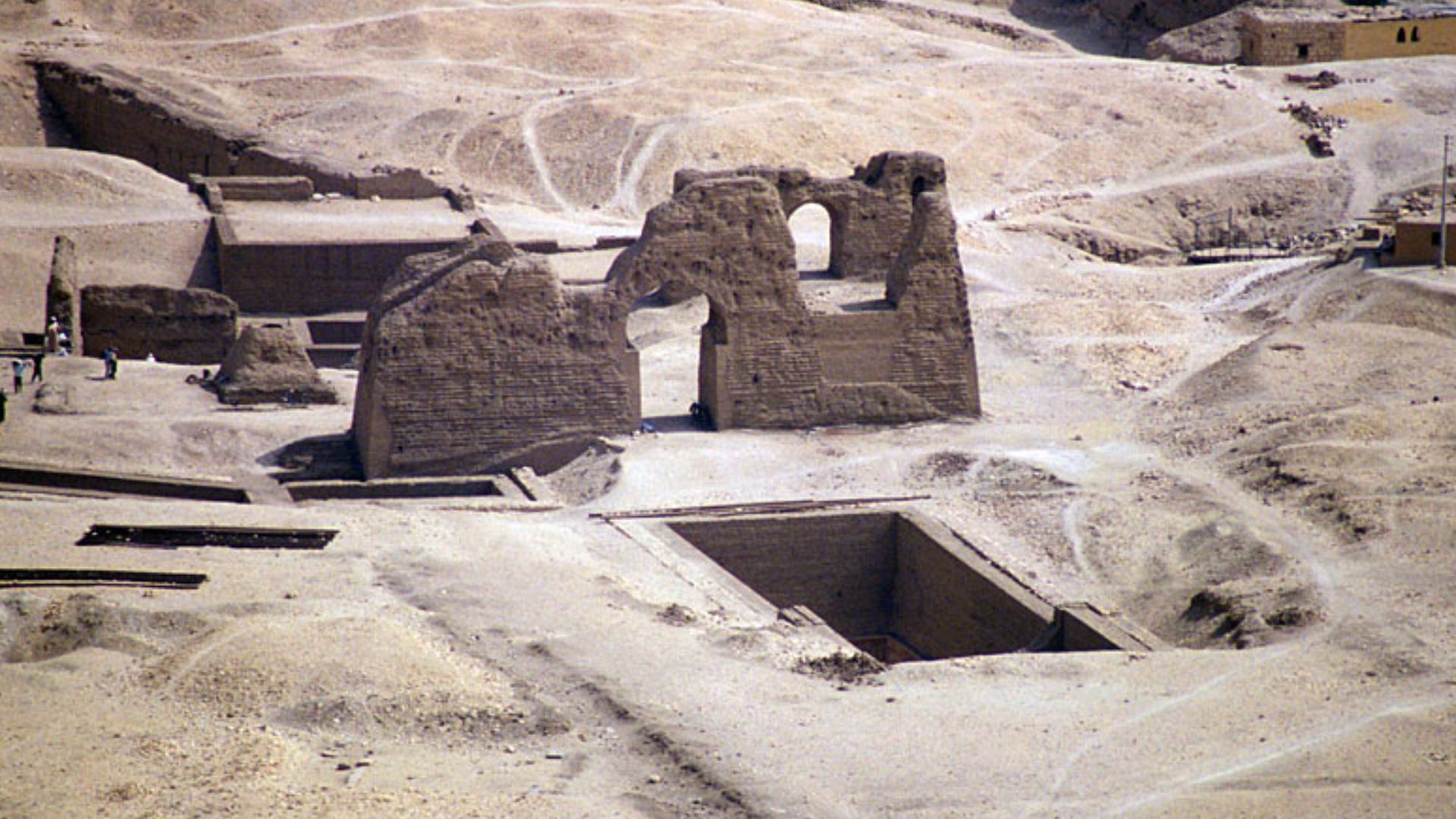
In a remarkable archaeological breakthrough, a joint Egyptian-American team uncovered a pristine Middle Kingdom tomb in Luxor's South Asasif necropolis. The discovery, dating back nearly 4,000 years, has revealed 11 sealed family burials complete with untouched artifacts.
A Family Preserved Through Time
The tomb contained the remains of five women, two men, three children, and one unidentified individual, suggesting a multi-generational family burial site. What makes this discovery particularly significant is that it's the first Middle Kingdom tomb found in the South Asasif area, forcing archaeologists to reconsider the historical timeline of the entire necropolis.
Although ancient floods had destroyed many of the wooden coffins and linen wrappings, the team—led by Dr Elena Pischikova of the South Asasif Conservation Project—found numerous items in pretty good condition. The female burials were particularly rich in well-preserved jewelry, including exquisite necklaces crafted from amethyst, carnelian, and faience.
Men weren't left out of the adornment tradition, as evidenced by one burial containing an elaborate necklace of 40 faience ball beads separated by cylinder beads, with two carnelian beads framing a hippo-head amulet—a symbol connected to rebirth and fertility in ancient Egyptian culture.
 Roland Unger, Wikimedia Commons
Mirrors, Amulets, And Fertility Figures
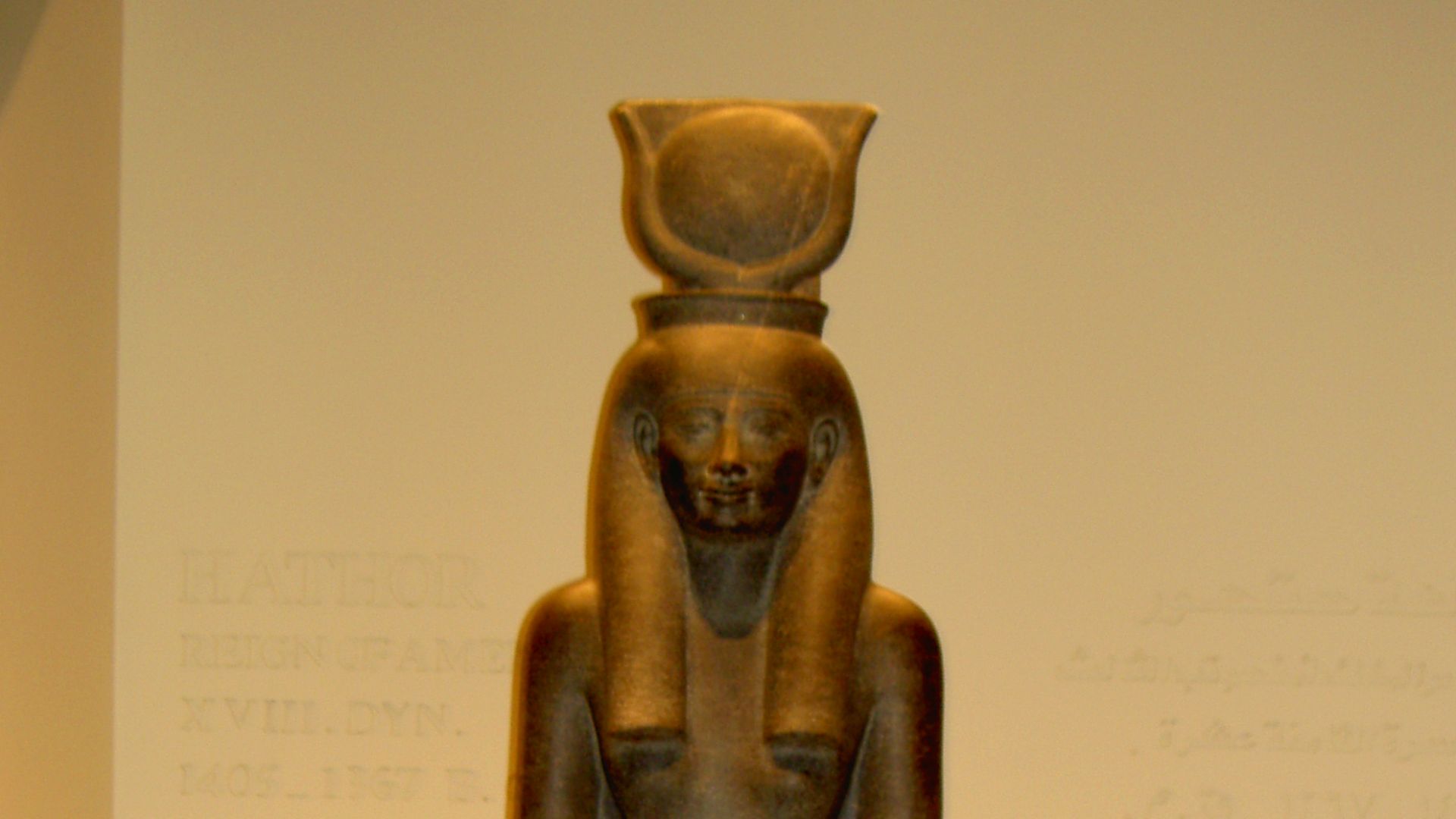
Perhaps the most intriguing finds were two copper mirrors with ivory handles. One mirror featured a lotus-shaped handle, while the other displayed a rare four-faced representation of Hathor, the goddess associated with the sky, women, fertility, and love.
The team also discovered a finely crafted green-blue glazed faience fertility figurine, described by researchers as “well-modeled and decorated with a variety of jewelry and lozenge markings”. The figurine's head was designed with holes for attaching "hair"—nearly 4,000 mud beads found nearby that once constituted its flowing locks.
Historical Significance
Katherine Blakeney, the lead American archaeologist working on the project, noted that this discovery fundamentally "alters the history" of South Asasif, placing it within the larger Theban Middle Kingdom necropolis. The find offers researchers unprecedented insights into burial practices and cultural expressions during a pivotal period of ancient Egyptian history.
As Egypt works to revitalize its tourism sector, discoveries like these provide invaluable connections to a civilization whose artistic sophistication, spiritual beliefs, and cultural practices continue to fascinate people worldwide nearly four millennia later.