Words Have Long Memories.
Some of the most ordinary labels in English began as jokes, slurs, sneers, or deliberately dismissive nicknames aimed at people considered foolish, radical, uncultured, or threatening. Over time, many targets embraced the insult, while other words simply became so familiar that speakers forgot anyone had once meant them to sting.
Nice Once Meant Ignorant
Calling someone “nice” is about as harmless as a compliment gets today. The word traces back to the Latin nescius, meaning ignorant, and its early English meanings included foolish, wanton, and dissolute. Over centuries, nice wandered through meanings such as precise, refined, and delicate before settling comfortably into “pleasant” and “agreeable.” One of English’s blandest compliments therefore has surprisingly insulting ancestors.
 Christina @ wocintechchat.com M, Unsplash
Yankee Began As A British Put-Down
The exact origin of Yankee remains uncertain, but its early American history is much clearer. Merriam-Webster notes that British General James Wolfe used the term disparagingly about New England troops in 1758, while British soldiers also used it as abuse for Bostonians. After Lexington and Concord in 1775, colonists proudly adopted the label for themselves. A sneer aimed at provincial Americans had become a declaration of identity.
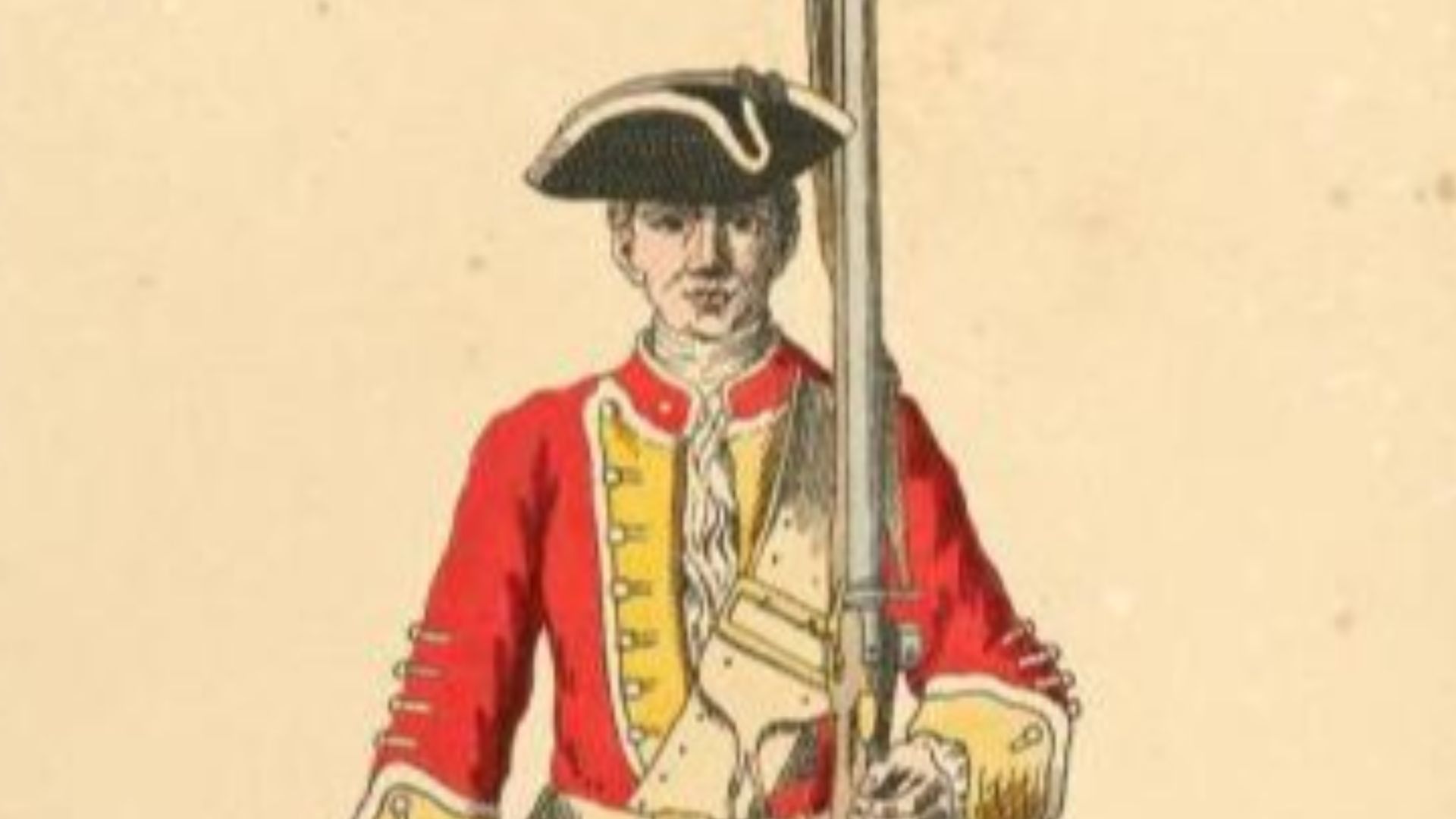 Unknown authorUnknown author, Wikimedia Commons
Yankee Doodle Called Americans Fools
The insult became even sharper in the song “Yankee Doodle.” British versions mocked colonial militiamen as unsophisticated provincials, and doodle could mean a fool or simpleton. American troops eventually appropriated the song, reportedly playing it proudly after victories over the British. What had been musical ridicule became one of the young country’s most recognizable patriotic tunes.
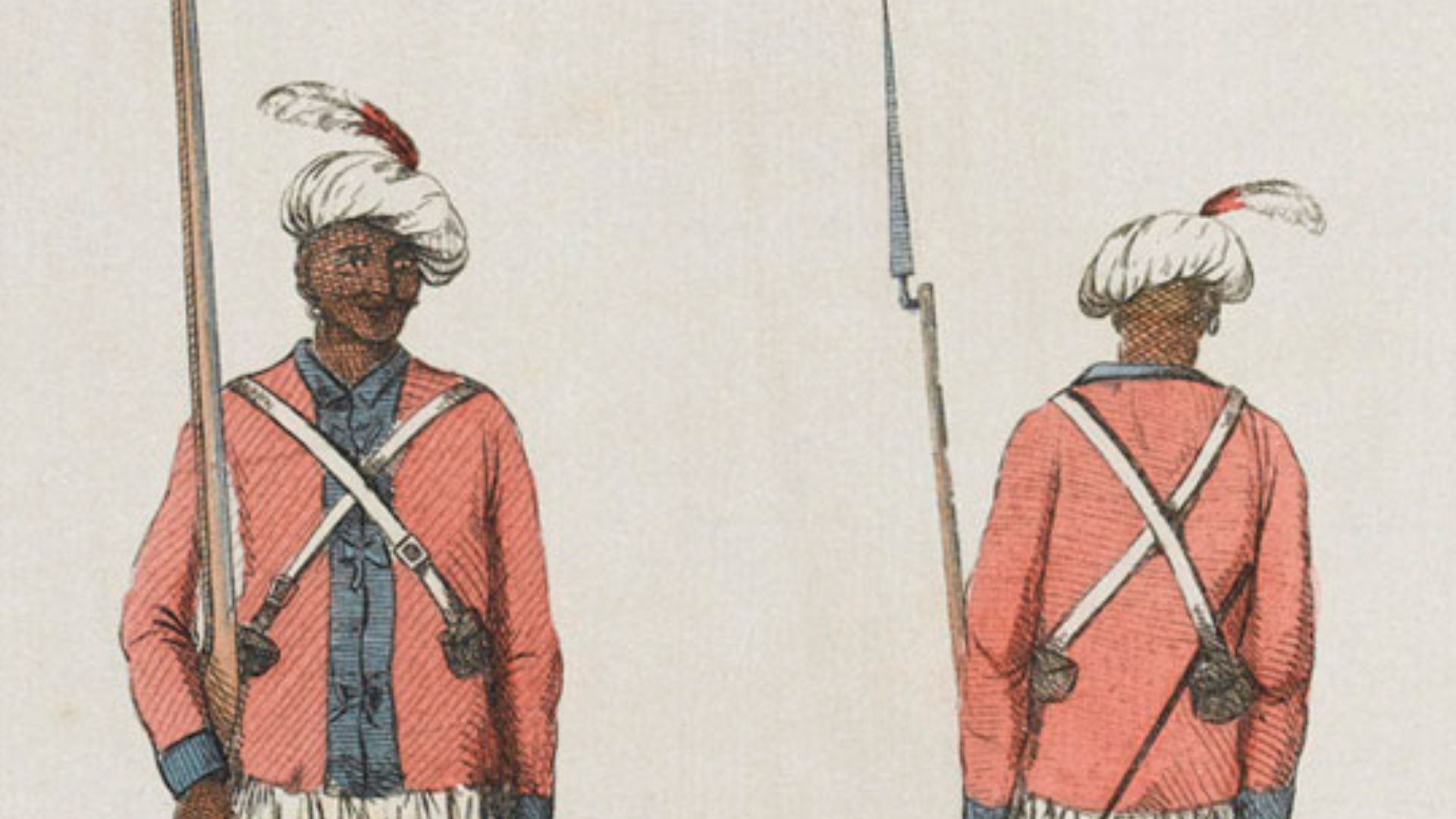 Matthew Darly, Wikimedia Commons
Tory Once Meant Outlaw And Robber
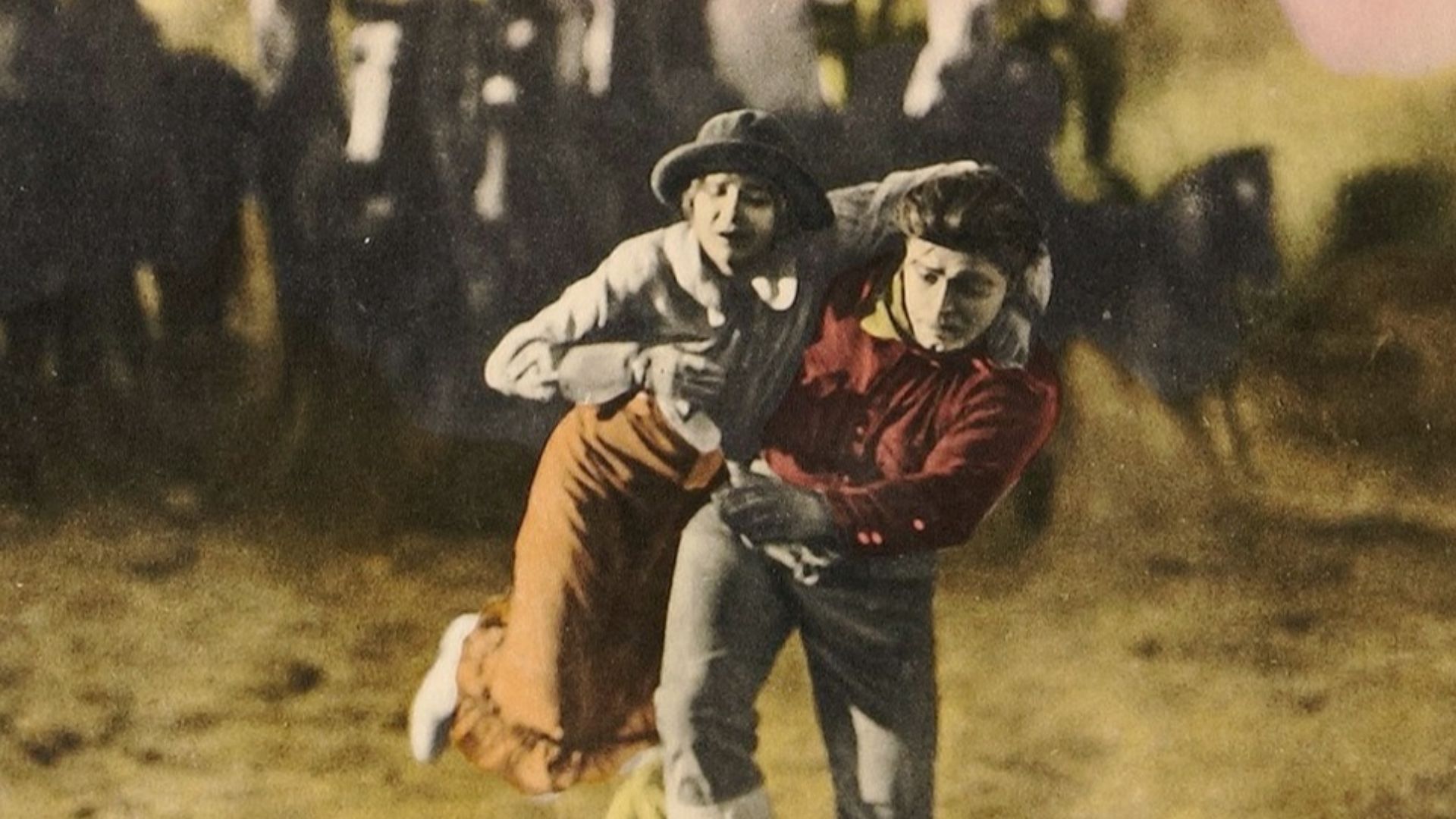
Few British political labels sound more respectable than Tory. Its linguistic ancestor was the Irish tóraidhe, however, meaning an outlaw or robber, and the word entered English political combat as a hostile label. It later became the standard name for a major British political tradition and remains closely associated with the Conservative Party. A word rooted in criminality eventually became parliamentary vocabulary.
 Universal Pictures, Wikimedia Commons
Quaker Came From Religious Mockery
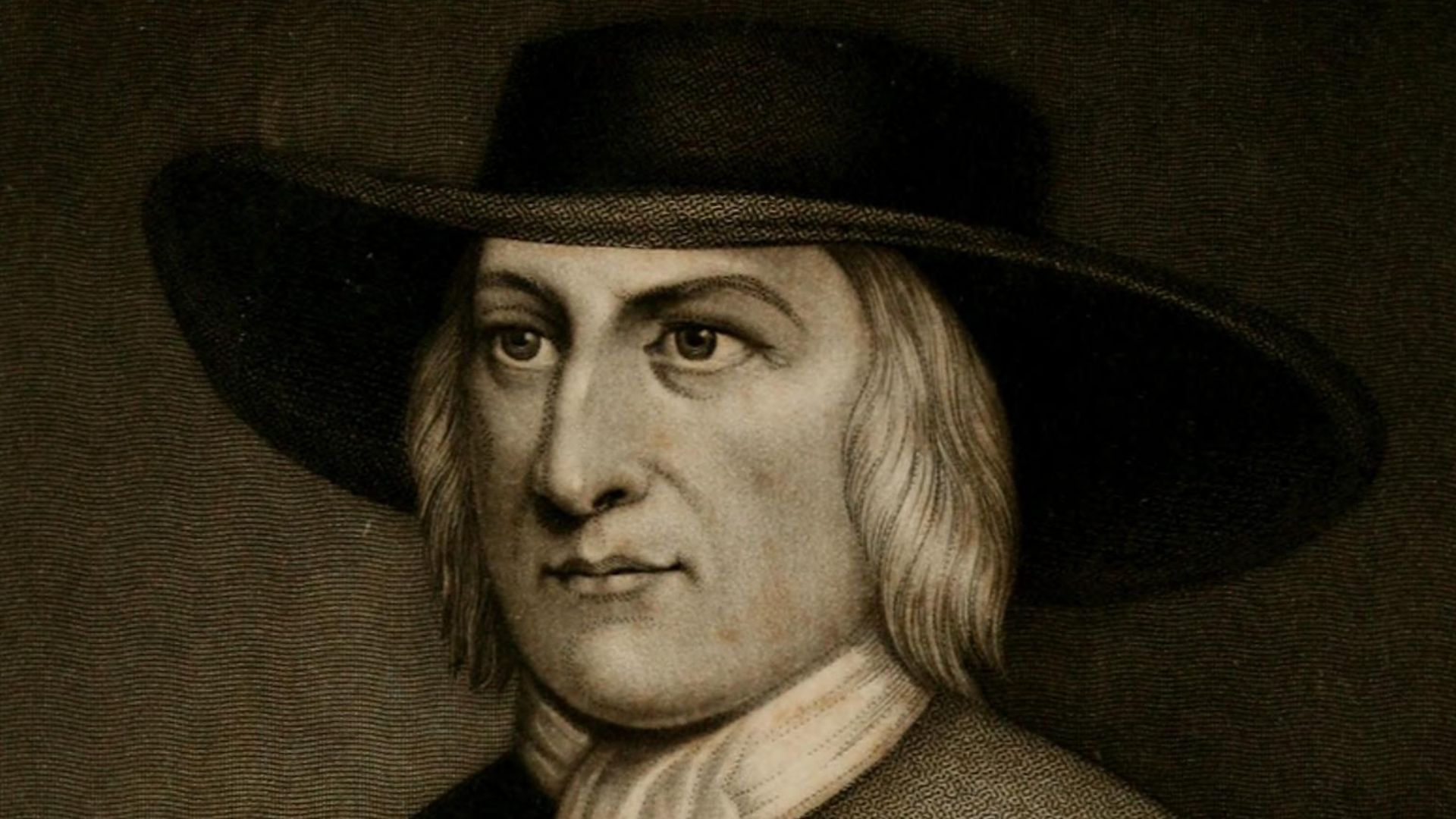
Members of the Religious Society of Friends did not originally choose the name most people now know them by. “Quaker” emerged from mockery of early Friends whose intense religious experiences could involve trembling, with George Fox recalling that a magistrate used the label after Fox told people to tremble at the word of the Lord. The nickname survived persecution and became the movement’s universally familiar informal name. An opponent’s taunt ended up being far more memorable than the insult behind it.
 Internet Archive Book Images, Wikimedia Commons
Methodist Was A Joke About Being Too Serious
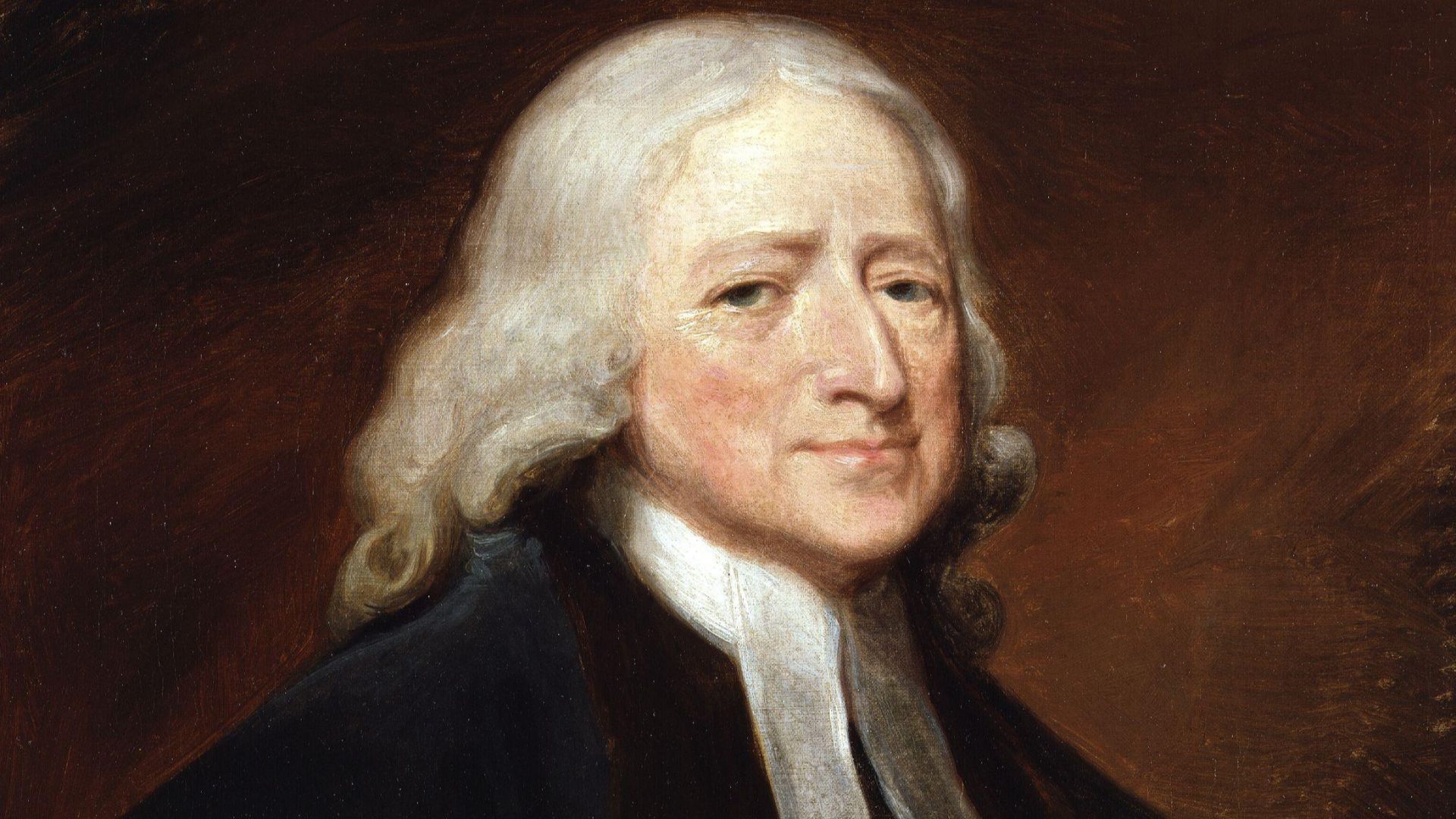
John Wesley and his Oxford associates were mocked for the unusually methodical way they practiced religion. Early opponents attached derisive names to the group, including “Methodists,” ridiculing their disciplined prayer, study, fasting, and charitable work. Wesley and his followers eventually accepted the label, and it became the name of a worldwide Christian tradition. The joke worked so well that the victims kept it.
 After George Romney, Wikimedia Commons
Puritan Was Not Originally A Compliment
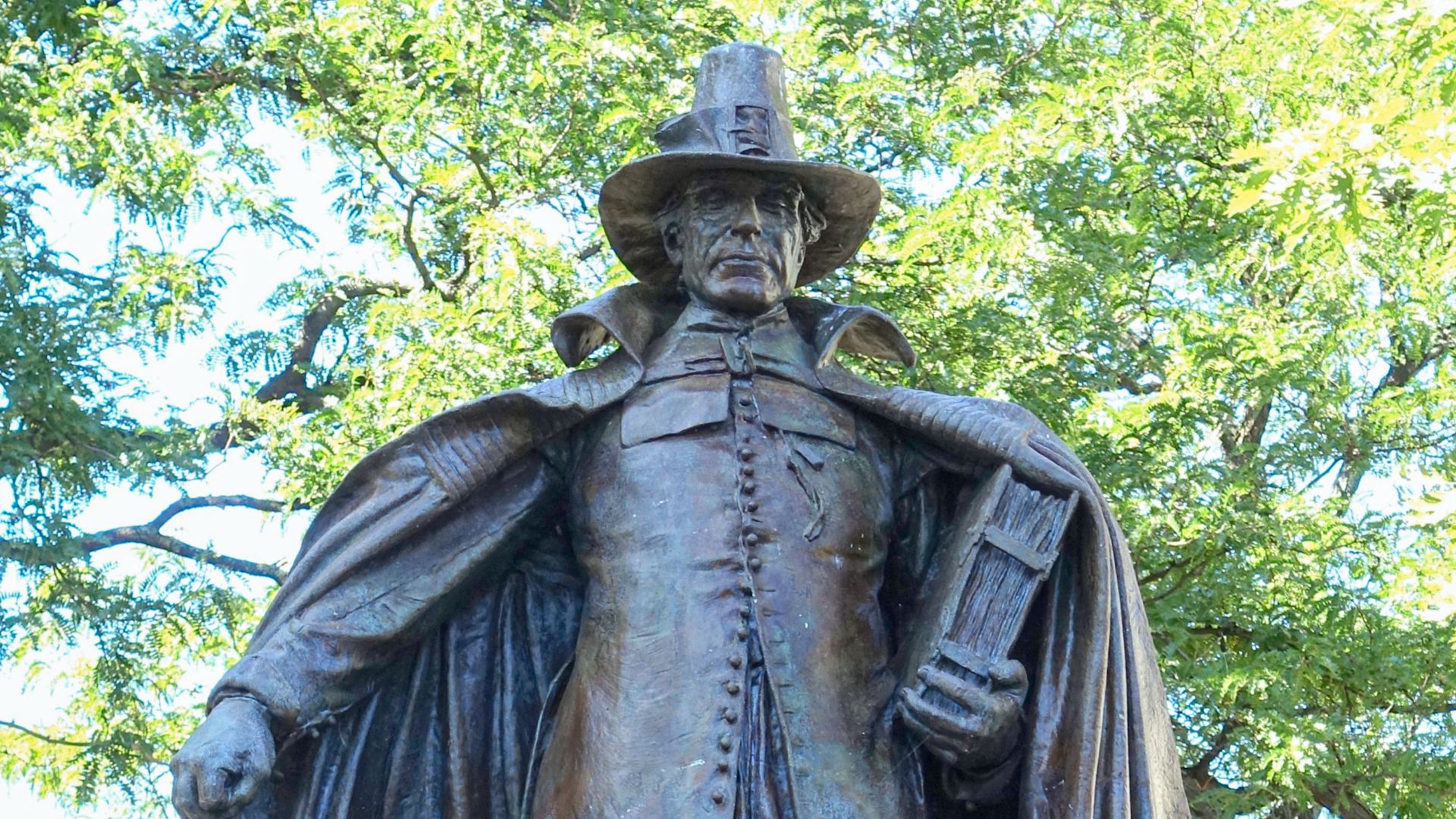
The religious reformers now routinely called Puritans did not invent the label as a proud description of themselves. Their opponents applied “Puritan” as a term of contempt to people they regarded as excessively strict about reforming the Church of England. Historians eventually adopted the word as a normal category for the movement. Ironically, puritan later developed another negative meaning for someone considered prudish or joylessly strict.
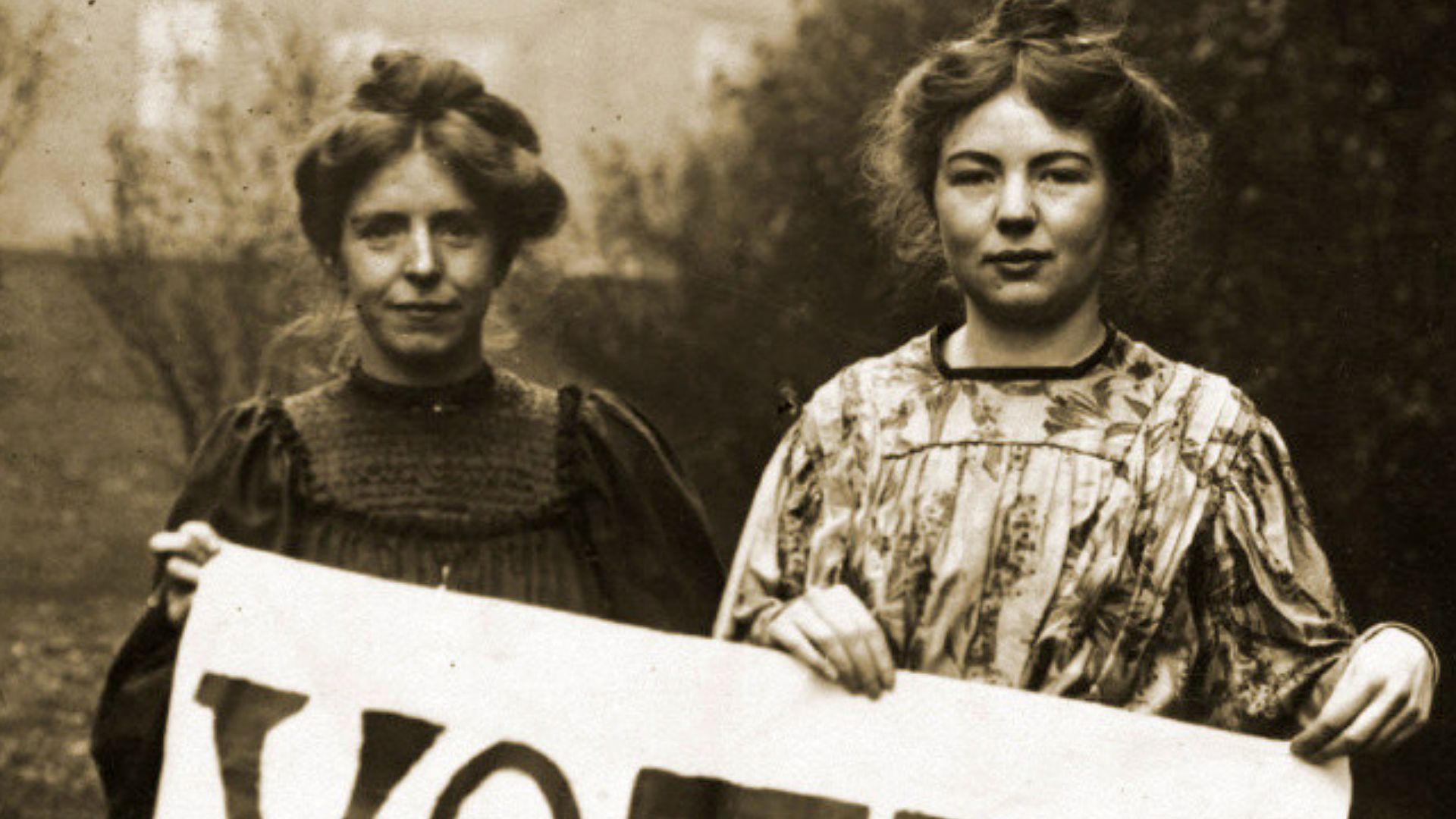
Suffragette Was Supposed To Belittle Women
British campaigners for women’s voting rights were commonly called suffragists. In 1906, the Daily Mail popularized suffragette as a belittling label for militant activists associated with the Women’s Social and Political Union. The women turned the insult around and embraced it, even emphasizing the ending as a reminder that they intended to “get” the vote. The diminutive sneer became one of history’s best-known names for political resistance.
 Unknown authorUnknown author, Wikimedia Commons

History's most fascinating stories and darkest secrets, delivered to your inbox daily.
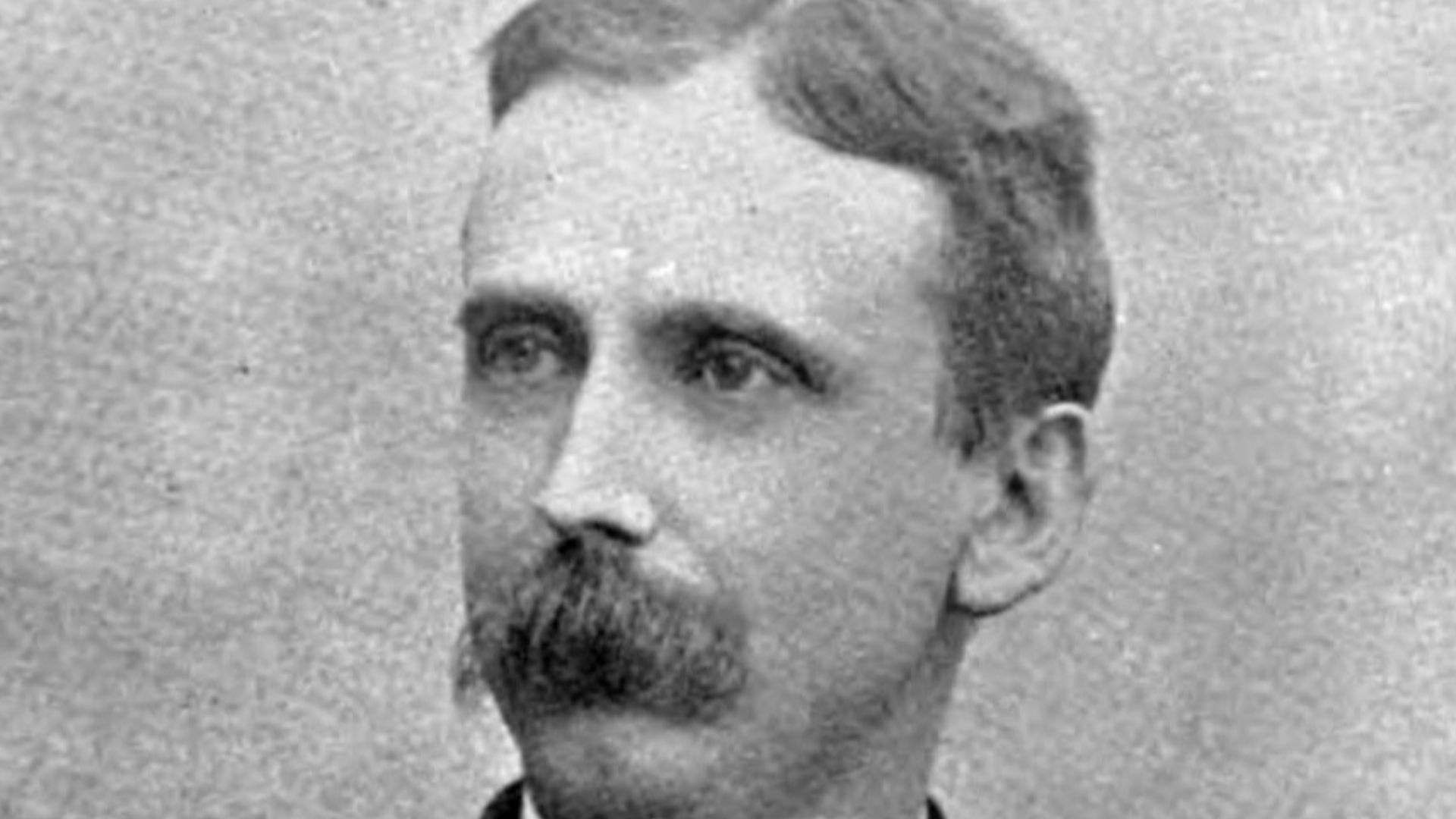
Muckraker Was Roosevelt’s Rebuke
Investigative journalists exposing corruption around the turn of the 20th century did not begin by calling themselves muckrakers. Theodore Roosevelt invoked the “Man with the Muck-rake” from Pilgrim’s Progress in a 1906 speech criticizing writers who focused relentlessly on society’s ugliness. Journalists soon adopted the word, and its reputation improved as exposés helped inspire reforms. Today, “muckraking” can sound almost admiring when applied to determined investigative reporting.
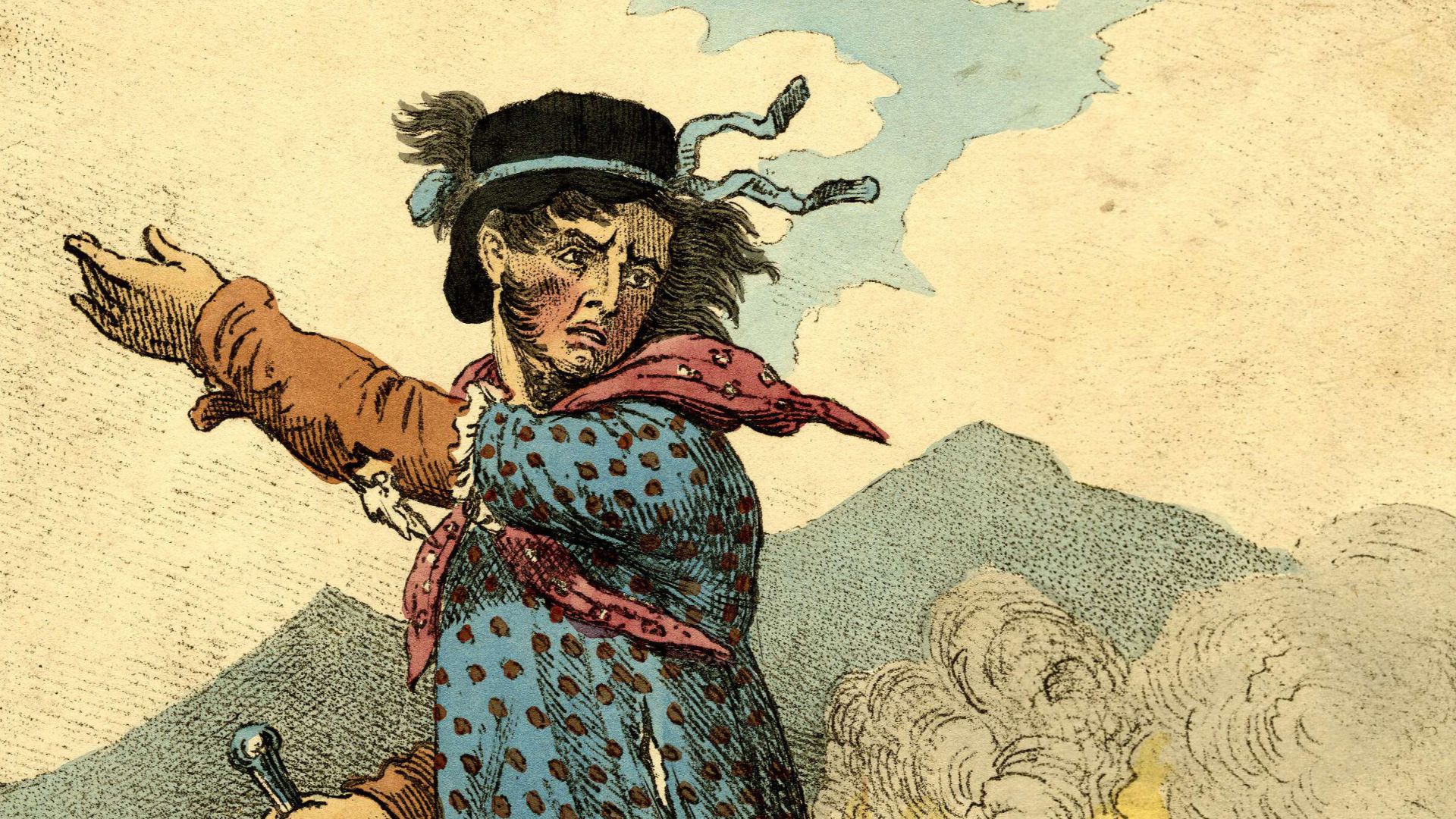
Luddite Became An Insult For Technophobes
The original Luddites were skilled textile workers who smashed certain machines during labor protests in early 19th-century Britain. They were not simply frightened of technology, and historians emphasize that their objections focused heavily on employers using machinery to undermine wages, apprenticeships, and established working practices. Nevertheless, Luddite evolved into a dismissive word for anyone resistant to new technology. The insult survived much better than the workers’ actual argument.
 Unknown. 195 years since publication, copyright extinguished, Wikimedia Commons
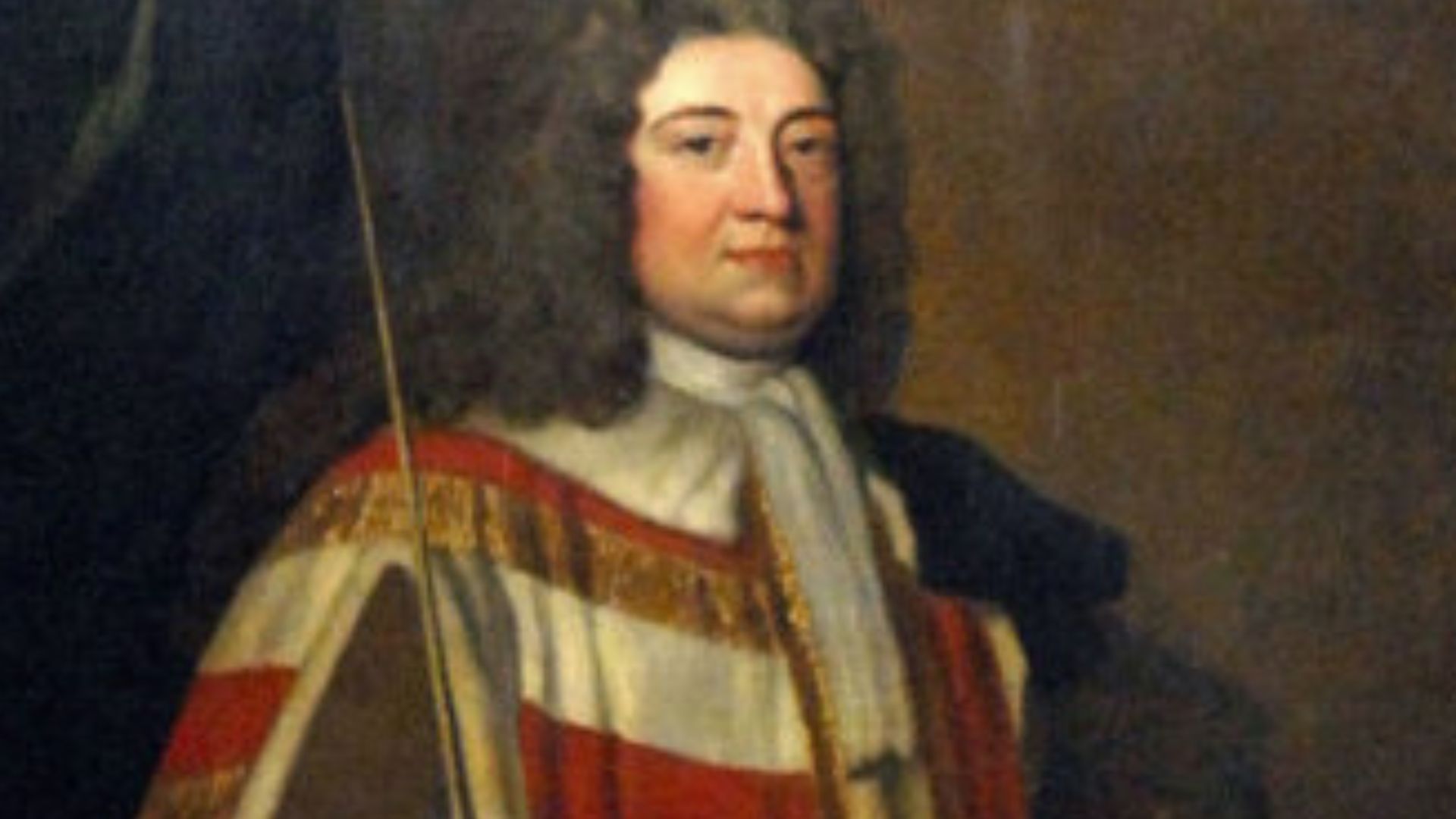
Lame Duck Insulted Failed Businessmen First
Politicians nearing the end of their terms are routinely called lame ducks. The phrase came from 18th-century Britain, where it was used contemptuously for stock-market traders who could not pay their debts. Americans later transferred the image of a wounded, ineffective duck to defeated or outgoing politicians. What began as financial mockery became standard political terminology.
 Attributed to Godfrey Kneller, Wikimedia Commons
Jaywalker Basically Meant Country Bumpkin
Crossing a street in the wrong place became jaywalking only after jay had already acquired an insulting human meaning. Around the turn of the 20th century, calling someone a jay suggested an inexperienced country person who did not understand city manners. As automobiles competed with pedestrians for control of streets, the humiliating label was applied to people who crossed carelessly. The insult helped turn a once-normal use of public streets into behavior associated with ignorance and rule-breaking.

Dude Mocked Men Who Tried Too Hard
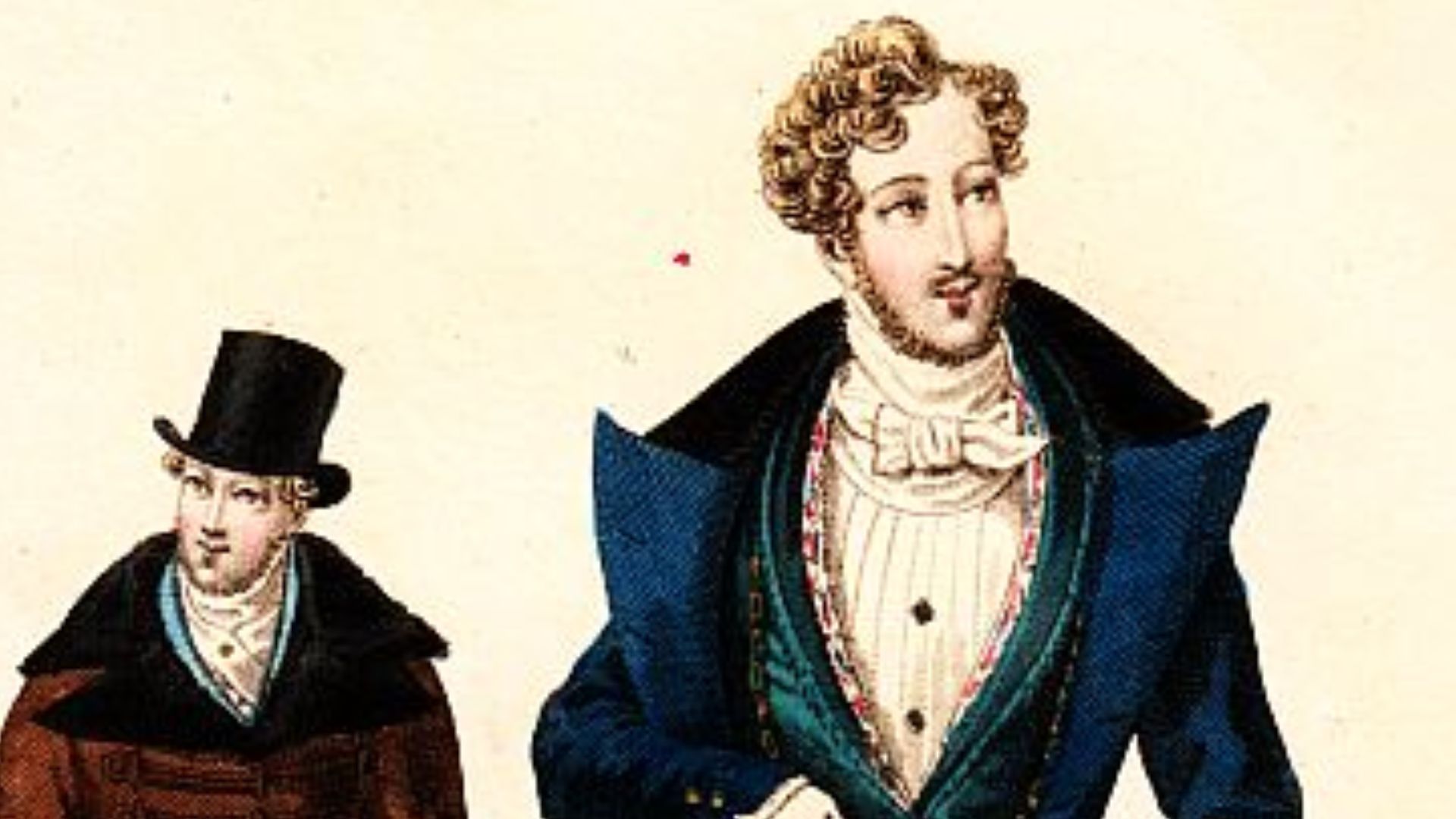
Today, dude can refer casually to almost anyone. In the late 19th century, however, it described a man conspicuously concerned with fashionable clothes and manners, much like a dandy. The word was later applied to Eastern city visitors who looked out of place in the American West, giving rise to expressions such as “dude ranch.” A mocking label for an overdressed outsider eventually relaxed into one of America’s friendliest forms of address.
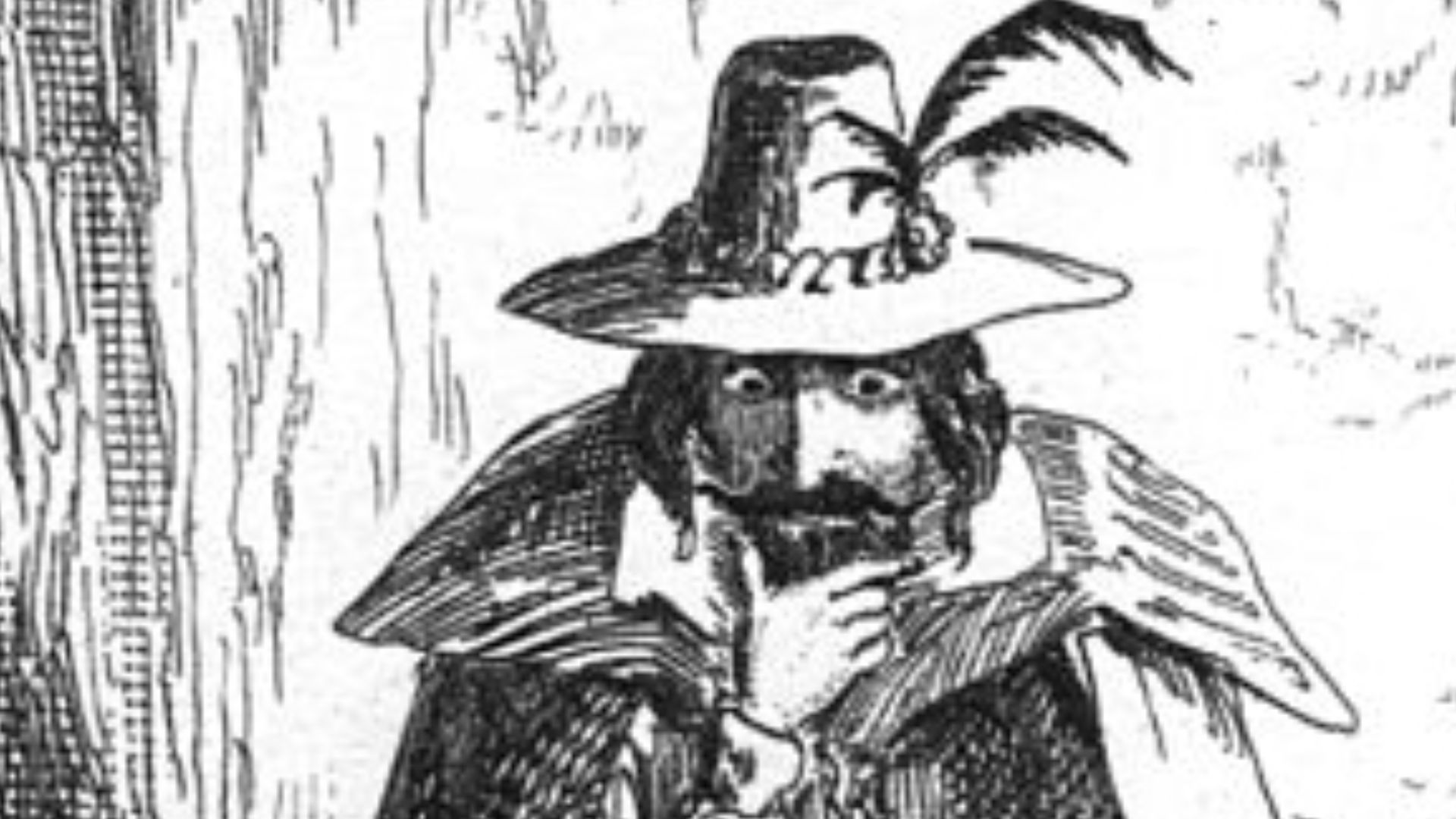
Guy Began With A Hated Effigy
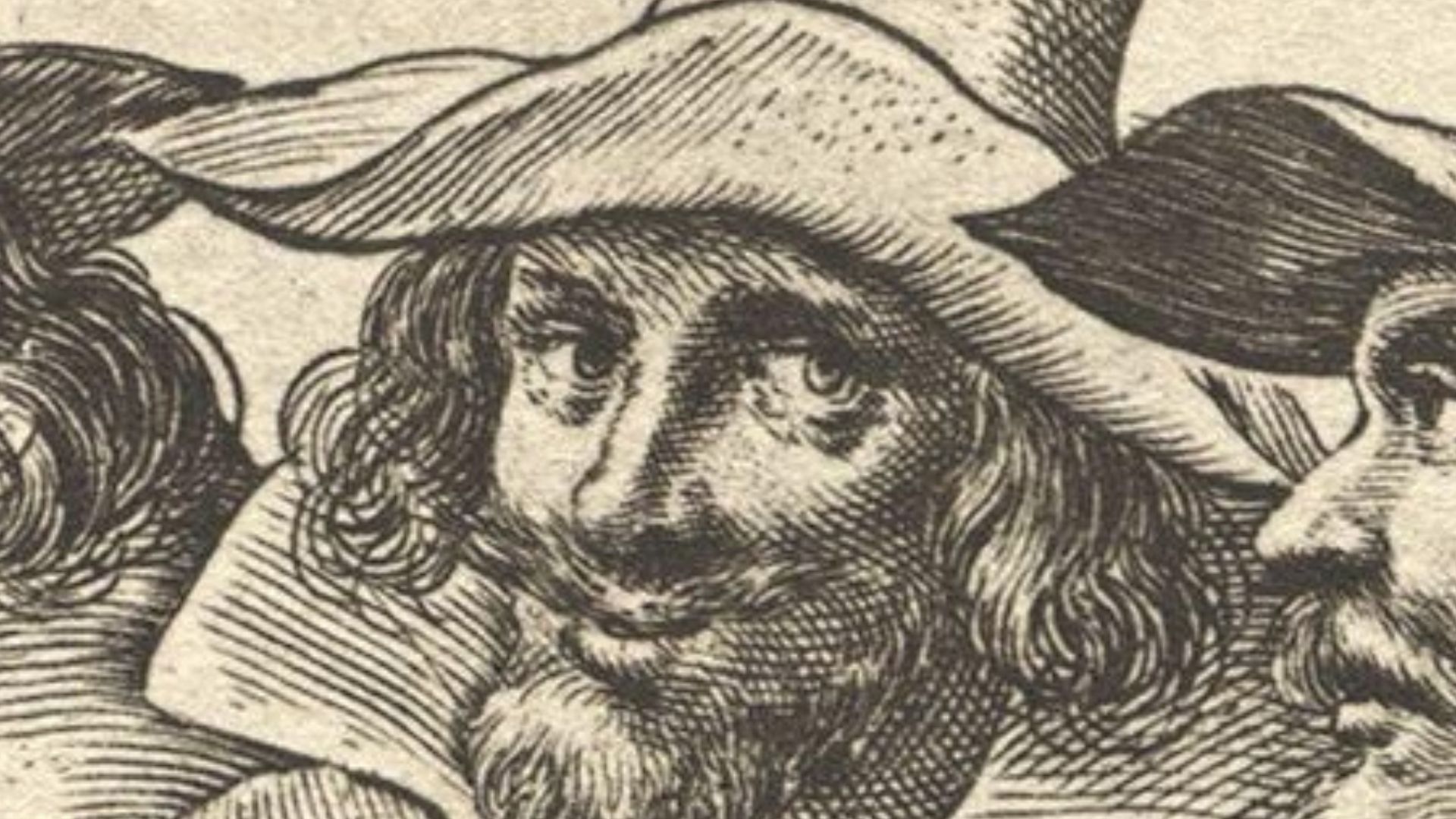
Modern speakers use guy so casually that its strange origin is nearly invisible. After the failed Gunpowder Plot of 1605, Britons made grotesque effigies of conspirator Guy Fawkes and burned them during November celebrations. Guy subsequently came to mean a person of odd or frightening appearance before broadening in American English to mean simply a man. A name attached to a despised traitor’s caricature became an everyday word for a person.
 Unknown authorUnknown author, Wikimedia Commons
Fan Was Short For Fanatic
Nobody thinks much of saying they are a baseball fan or a movie fan. Fan is generally understood as a shortening of fanatic, a word whose history includes ideas of frenzy, excessive enthusiasm, and unreasonable zeal. The shortened form emerged in the late 19th century and became especially associated with sports enthusiasts. The threatening fanatic had been domesticated into someone who buys tickets and cheers.

Geek Traveled From Freak Show To Compliment
Calling yourself a “history geek” can now be a statement of pride. Earlier uses of geek were far harsher, including “fool” and the name for a carnival performer whose shocking acts could include biting the heads from live animals. By the mid-20th century, it was being used for socially awkward or excessively intellectual people. Expertise eventually softened the word, allowing people to proudly identify as computer geeks, film geeks, and countless other varieties.
 Christian Velitchkov, Unsplash
Nerd Learned To Take A Compliment
Nerd became established in the 1950s as a disparaging term for an unfashionable or socially awkward person. Its exact origin is uncertain, although a creature called a Nerd appeared in Dr. Seuss’s If I Ran the Zoo in 1950. Decades of technological culture gradually changed the social status attached to intense knowledge and specialized interests. People now happily describe themselves as science nerds, book nerds, and word nerds without necessarily insulting themselves.
 National Cancer Institute, Unsplash
Punk Was An Insult Long Before Punk Rock
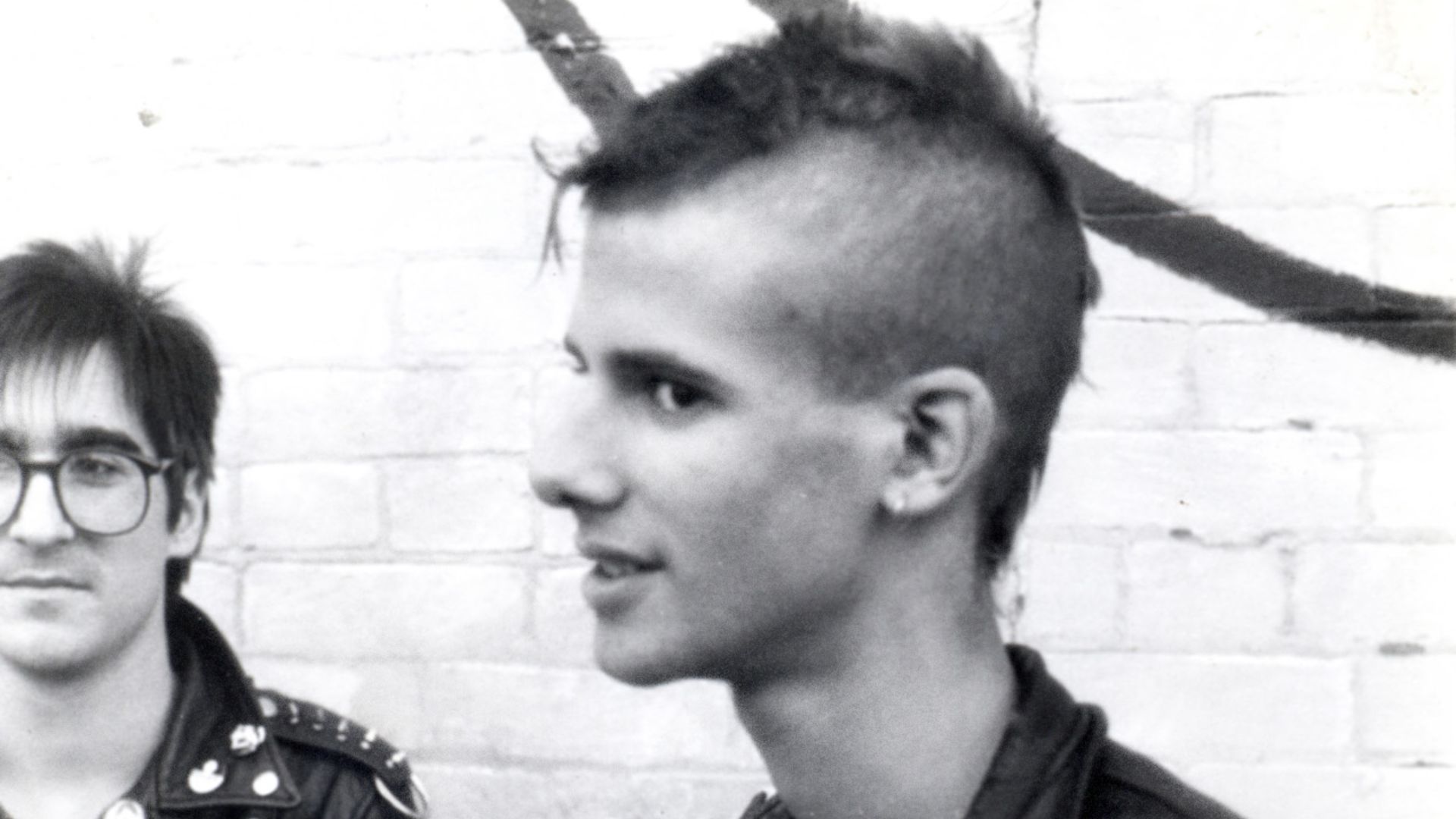
The word punk had centuries of disreputable history before anyone played a three-chord song under the label. Merriam-Webster records older meanings that included a lady of the night, a petty gangster or hoodlum, and an inexperienced young person regarded with contempt. The 1970s punk movement embraced a word already loaded with assumptions about worthlessness and delinquency. Musicians turned precisely that disreputable quality into part of the genre’s identity.
 Tim Schapker, Wikimedia Commons
Impressionist Was A Critic’s Sneer
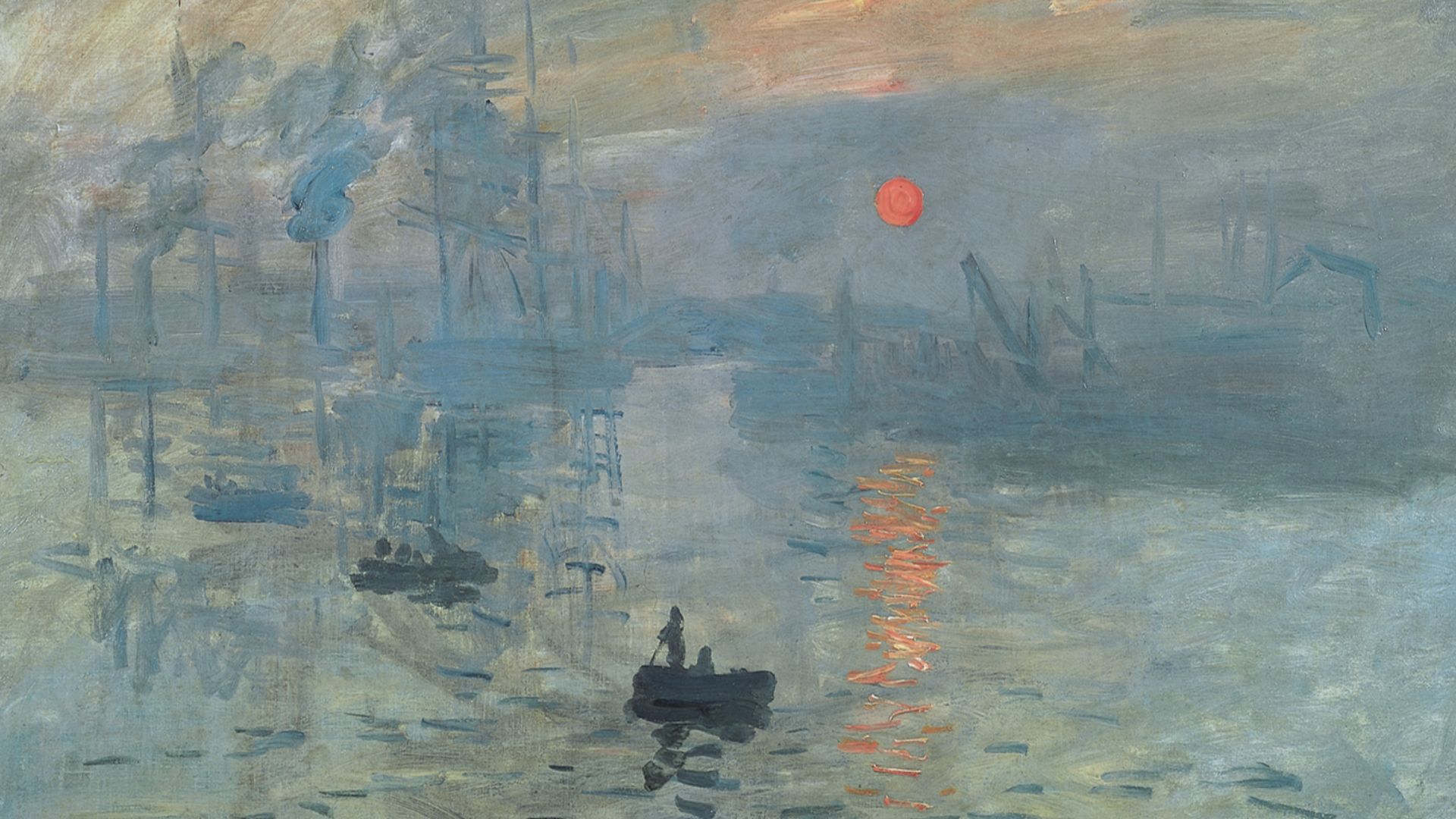
Claude Monet exhibited Impression, Sunrise at the first Impressionist exhibition in Paris in 1874. Critics ridiculed the loose, seemingly unfinished appearance of the new paintings, and the title of Monet’s work supplied them with a convenient insult. Tate notes that “Impressionist” was used by critics derisively before becoming the accepted name of the movement. One of the most respected labels in art history therefore began as a joke about paintings supposedly lacking finish.
 Claude Monet, Wikimedia Commons
Fauvist Literally Meant Wild Beast
Another generation of French painters received an even more colorful nickname. After seeing strongly colored paintings by Henri Matisse, André Derain, and others at the 1905 Salon d’Automne, critic Louis Vauxcelles called the artists les fauves, meaning “the wild beasts.” The description captured the shock their bright colors and loose brushwork produced in contemporary viewers. Soon, Fauvism was no insult at all, but the textbook name of an important modern-art movement.
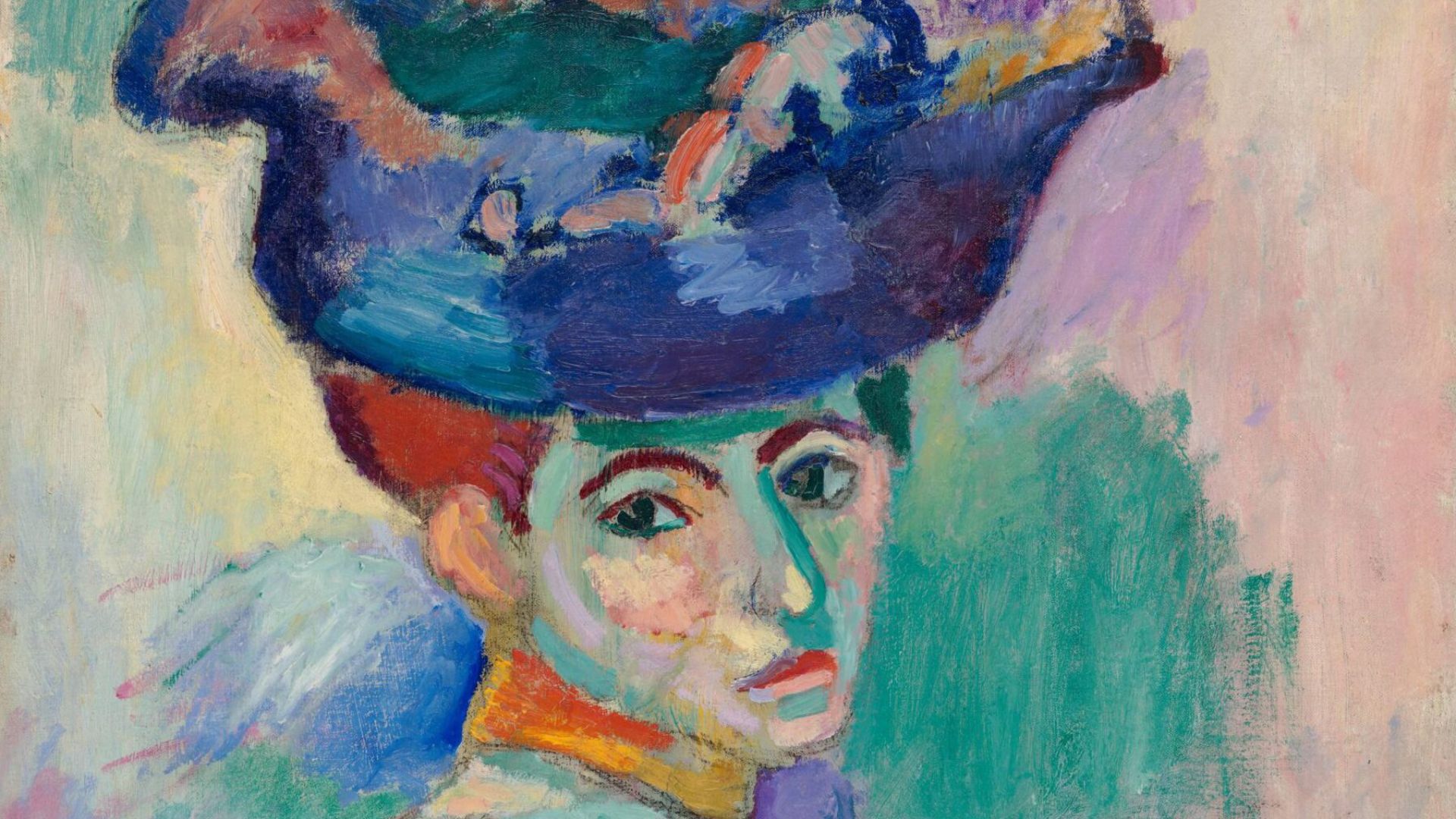 Henri Matisse, Wikimedia Commons
Cubist Grew From A Dismissive Remark
Louis Vauxcelles also helped name the movement that followed. After viewing Georges Braque’s work in 1908, he described the paintings as reducing objects to geometric outlines or cubes. The description became attached to Braque and Pablo Picasso’s radical experiments with fractured viewpoints. “Cubism” now sounds analytical and scholarly, but its name grew from a critic trying to characterize strange-looking new paintings.
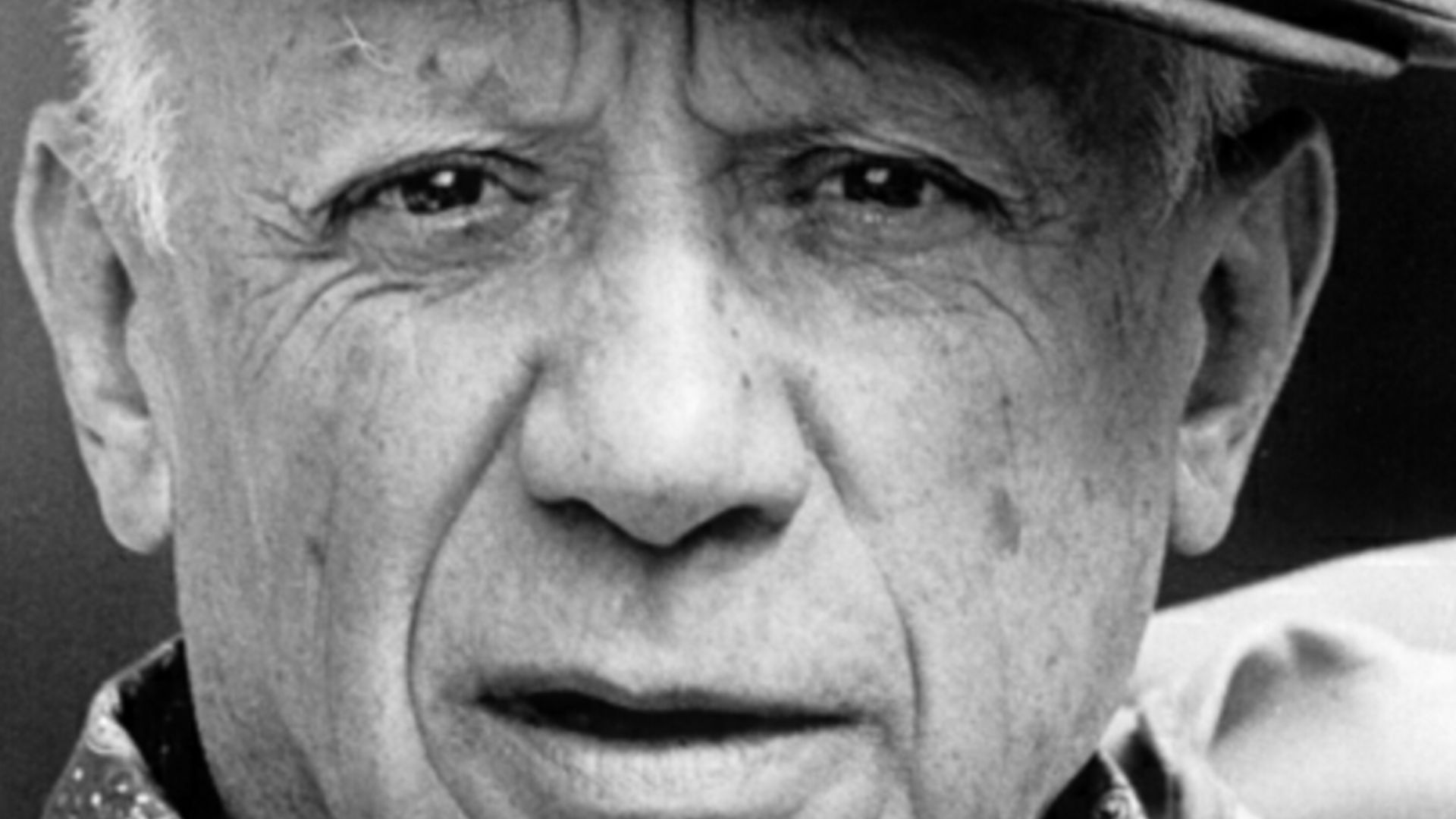 Argentina. Revista Vea y Lea, Wikimedia Commons
Gothic Meant Barbarian Architecture
“Gothic” now evokes magnificent cathedrals, pointed arches, novels, fashion, and an entire modern subculture. Renaissance writers applied the architectural label contemptuously, associating medieval buildings with the Goths who had helped overthrow Roman power. Giorgio Vasari used the term to contrast supposedly crude northern architecture with the classical forms he admired. The Metropolitan Museum notes that the label has long since lost those original derogatory connotations in art history.
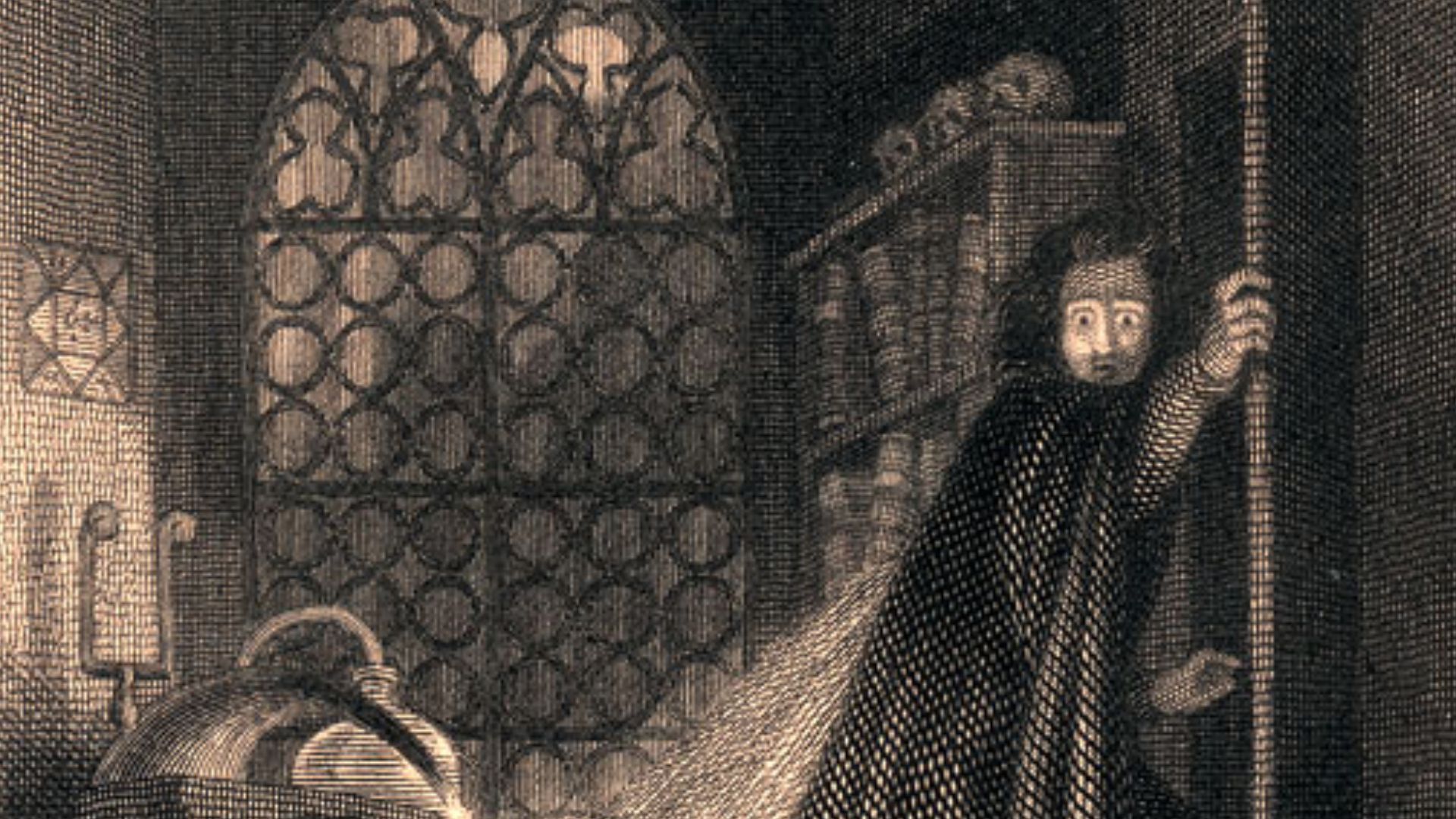 Theodor von Holst, Wikimedia Commons
Hillbilly Turned A Stereotype Into A Brand
Hillbilly was defined in print around 1900 through an insulting caricature of poor white mountain people. Popular culture amplified images of Appalachian and Southern rural residents as ignorant, disheveled, backward, and comic. Music promoters later used “hillbilly” as a commercial genre label, while some rural Americans also reclaimed it with pride. The sting has not disappeared completely, so context still matters, but many people who hear the word today do not know how aggressively stereotyped its earliest popular usage was.
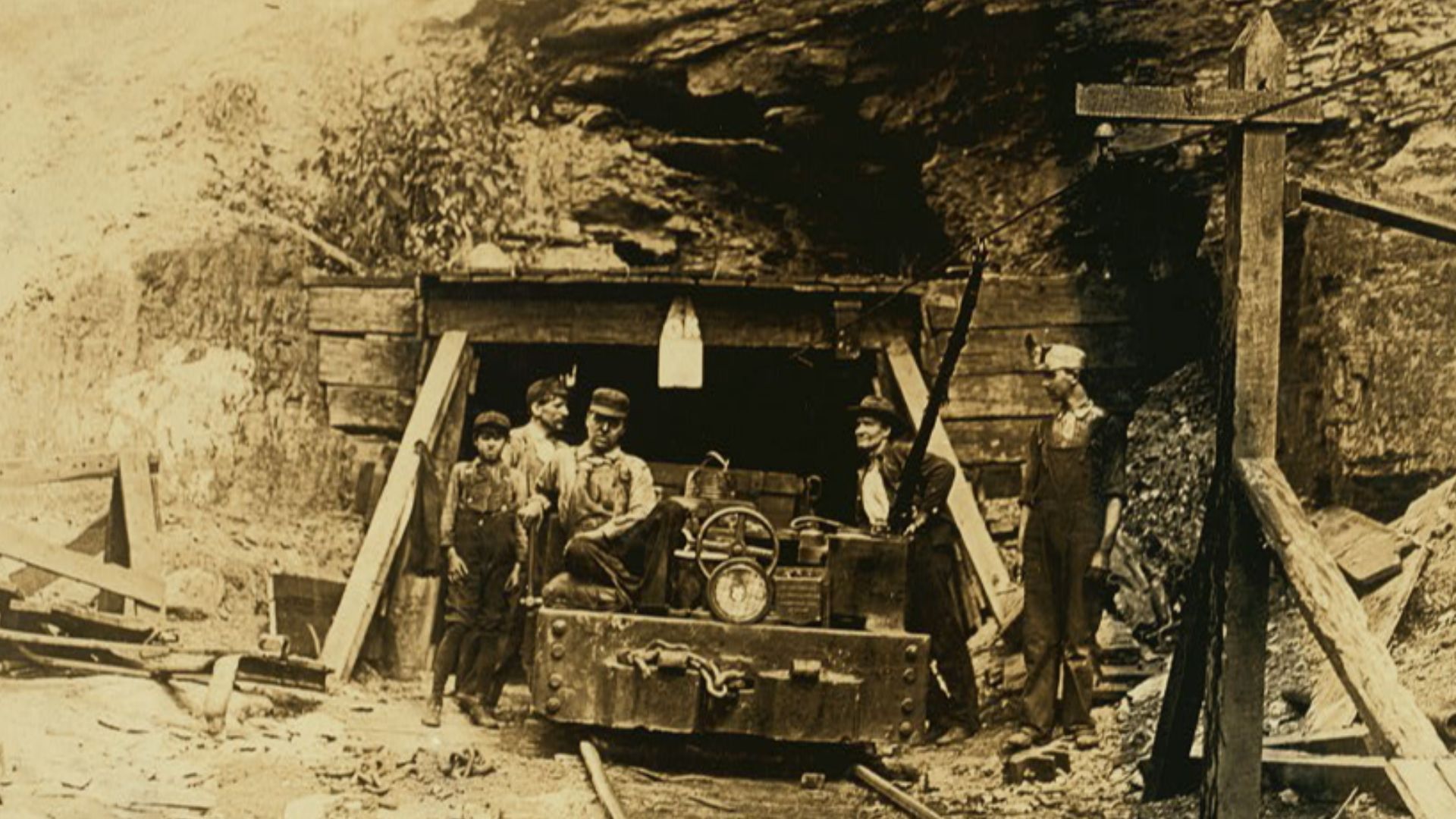
Okie Followed Migrants West
Okie could simply abbreviate Oklahoman, but during the Depression it acquired a much uglier meaning. Californians used it disparagingly for impoverished migrant farmworkers from Oklahoma and other states, and California even enacted an “Anti-Okie Law” targeting people who helped indigent newcomers enter the state. Later generations made repeated efforts to reclaim the name, and modern dictionaries can use it neutrally for an Oklahoma resident. The Oklahoma Historical Society notes, however, that some people still remember and resent its insulting history.
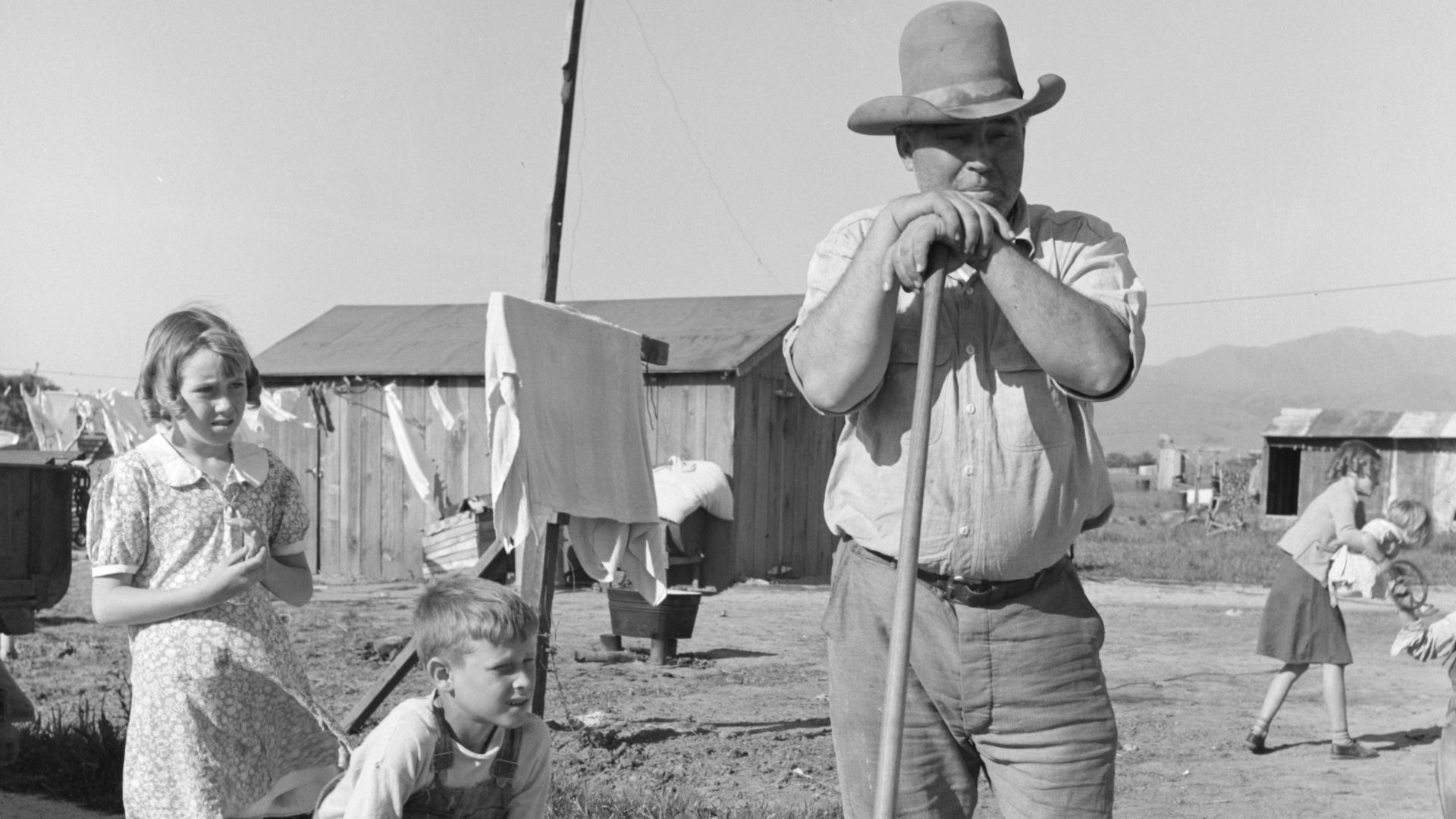 Dorothea Lange, Wikimedia Commons
Prime Minister Was Once Fighting Talk
“Prime minister” sounds like the driest possible constitutional title. In Britain, however, the expression originally carried an accusation that one minister had improperly elevated himself above colleagues and perhaps even rivaled the monarch’s authority. The British government’s own history describes the title as originally a term of abuse, and being treated as a “prime minister” could be politically damaging. Eventually the role became an accepted institution, and the insult turned into the official job description of Britain’s head of government.
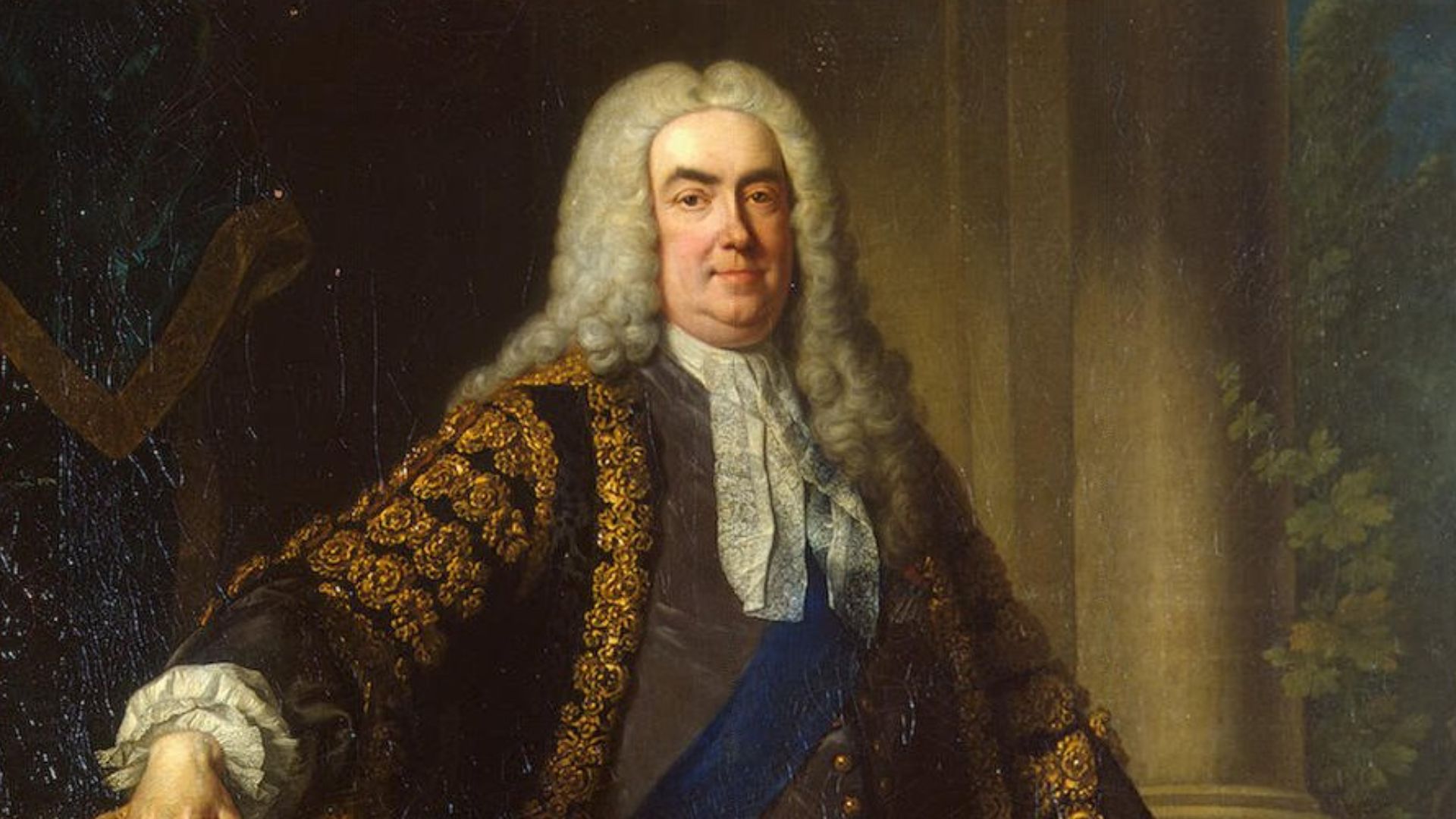 Workshop of Jean-Baptiste van Loo, Wikimedia Commons
Clown Originally Meant A Clumsy Fool
A clown is now most literally a professional comic performer, complete with costume, makeup, and carefully rehearsed routines. The word has older associations with a clumsy, rude, or foolish person, and Merriam-Webster links its likely roots to a Frisian term meaning “clumsy fellow.” Stage comedy converted that insulting social type into a recognizable theatrical character. The old insult survives when someone says, “What a clown,” but most children first encounter the word as the name of a profession.
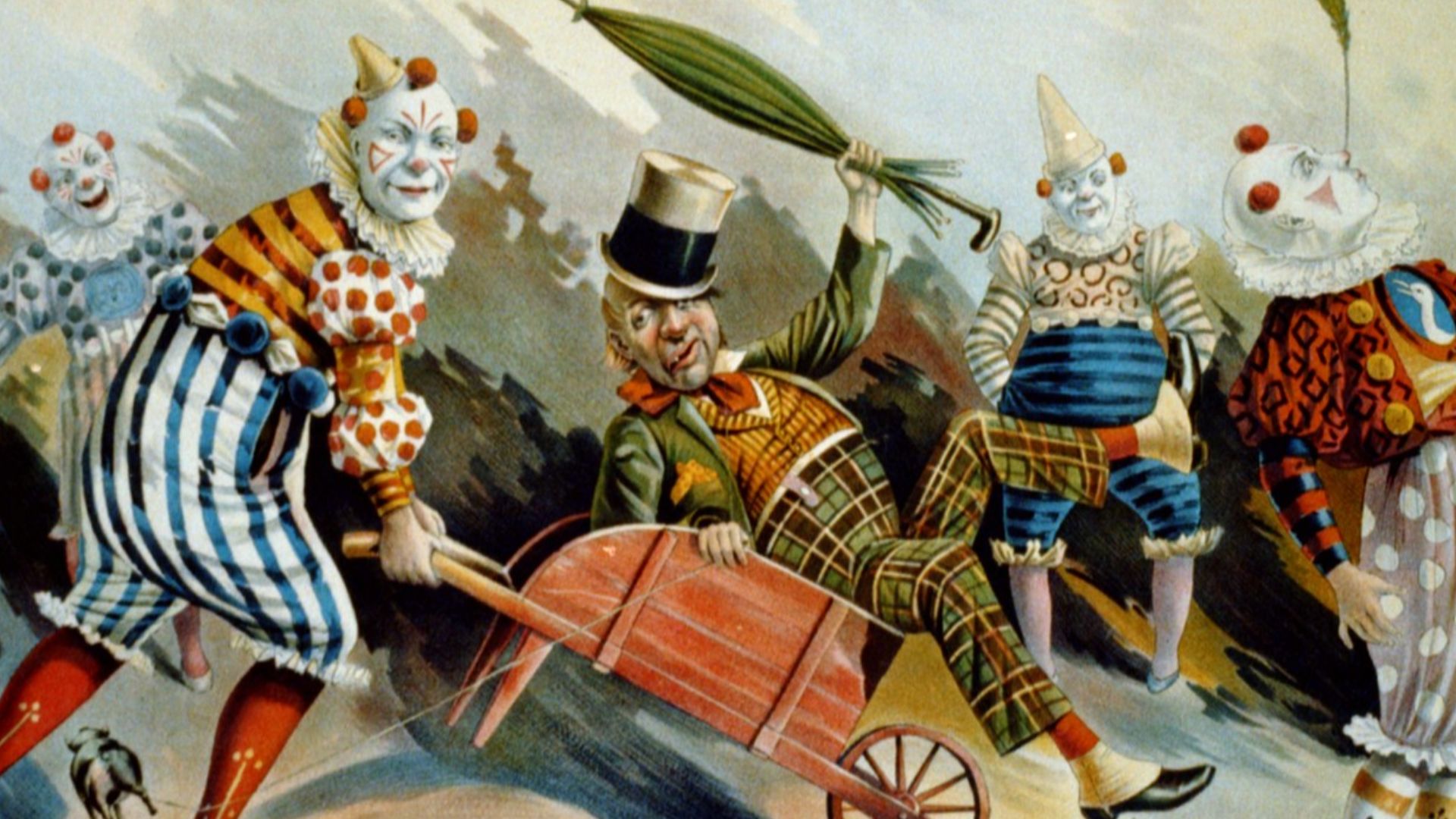 Miscellaneous Items in High Demand, PPOC, Library of Congress, Wikimedia Commons
The Insults Won By Losing Their Sting
These words changed for several different reasons. Some groups seized hostile nicknames and wore them proudly, while critics accidentally supplied permanent names to artistic and political movements they disliked. Other insults softened simply because speakers repeated them for generations after the original social target had vanished. Language has a habit of preserving the label while quietly throwing away the contempt that created it.
 George Cruikshank, Wikimedia Commons
You May Also Like:
Vengeful Facts About Joe DiMaggio, The Yankee Clipper
Scandal-Ridden Facts About Nan Britton, The President’s Mistress
Sources: 1, 2, 3, 4, 5, 6, 7, 8, 9, 10, 11, 12, 13, 14, 15, 16, 17, 18, 19, 20, 21, 22, 23, 24, 25, 26, 27, 28, 29