
Danger Was Hiding In Plain Sight.
For generations, families decorated nurseries, treated illnesses, cleaned homes, fueled cars, and entertained children with products already linked to poisoning, cancer, fires, or fatal accidents. These 26 everyday items reveal how convenience, advertising, weak regulation, and simple denial repeatedly kept hazardous goods in circulation long after the warning signs appeared.

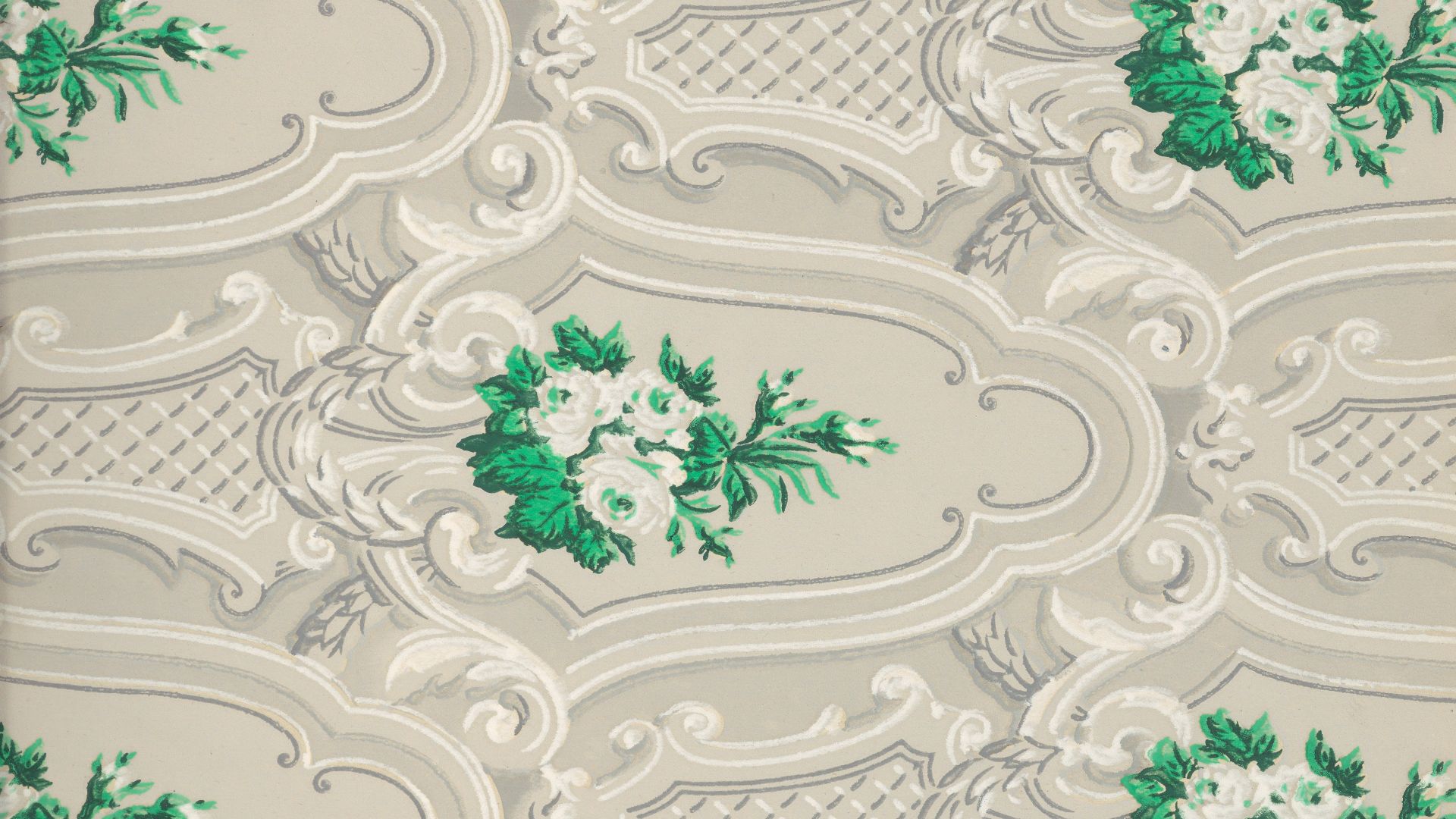
Arsenic Wallpaper Poisoned Beautiful Rooms
Victorian homeowners loved vivid green wallpaper, even after physicians connected arsenic pigments with chronic illness and unexplained deaths. Birmingham doctor William Hinds warned in 1857 that widespread slow poisoning was occurring, yet manufacturers and consumers continued debating whether ordinary rooms could truly be dangerous. Healthy adults sometimes tolerated exposure better than children or older people, which made the threat easier to dismiss. Fashion kept arsenic on walls long after the warnings had become disturbingly specific.
 Robert C. Kedzie (1823-1902), Wikimedia Commons
Lead Makeup Stayed In Fashion For Centuries
Lead-based cosmetics survived because they delivered the pale complexion that many societies associated with wealth and beauty. Historical users endured skin damage, hair loss, illness, and repeated exposure, yet the desired appearance often mattered more than the risks. Lead compounds continued appearing in cosmetics and other personal products long after poisoning was recognized. The beauty routine remained fashionable because its damage could be gradual, private, and blamed on something else.

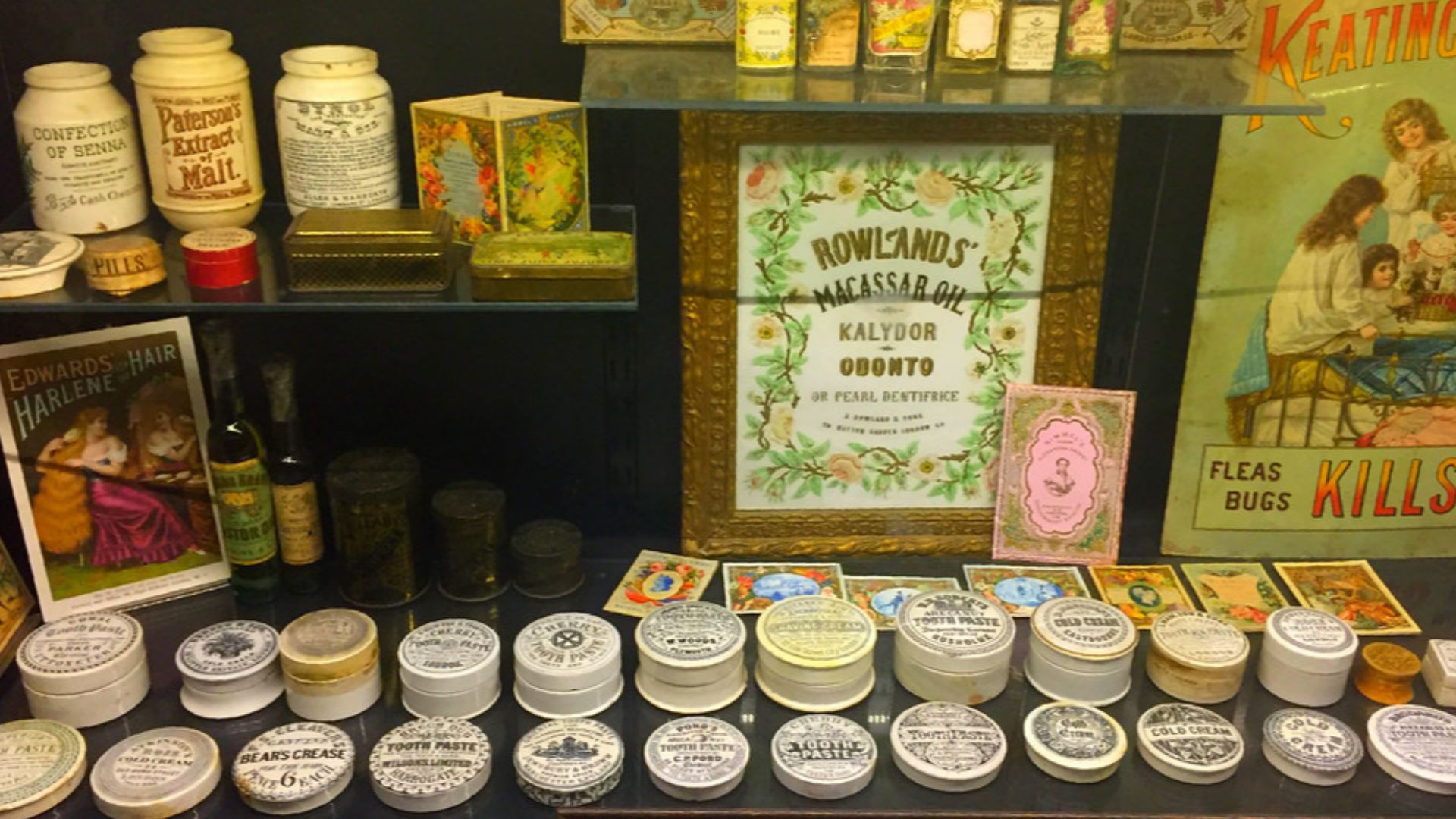
Mercury Creams Promised A Flawless Complexion
Mercury compounds were added to skin creams to lighten freckles, blemishes, and darker pigmentation. Physicians had long understood that mercury could cause serious harm, but cosmetics remained largely outside federal regulation in the United States until 1938. Consumers therefore encountered attractively packaged products that could injure the kidneys and nervous system while promising beauty. The danger was not hidden in an industrial setting, but sitting openly on dressing tables.
 Ben Sutherland, Wikimedia Commons
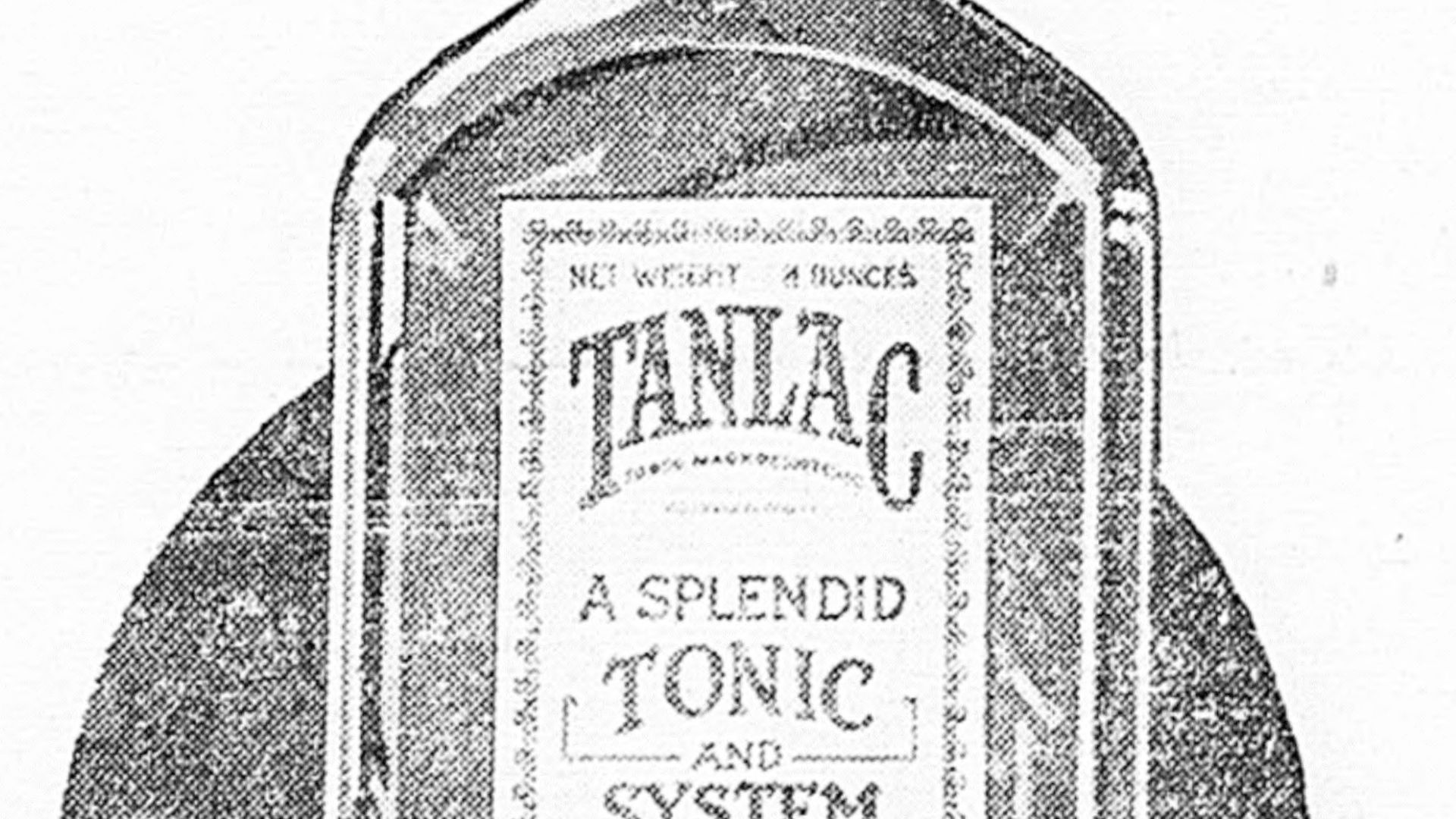
Patent Medicines Turned Poison Into A Cure-All
Before modern drug laws, bottles promising relief from nearly every complaint could contain alcohol, mercury, lead, or worse. The 1906 Food and Drugs Act required labels to disclose certain dangerous ingredients, but it did not immediately remove them from the market. Customers could therefore read that a product contained a powerful narcotic and continue buying it legally. Clearer labels represented progress, yet they also revealed how slowly consumer protection moved from warning people to protecting them.
 Unknown authorUnknown author, Wikimedia Commons
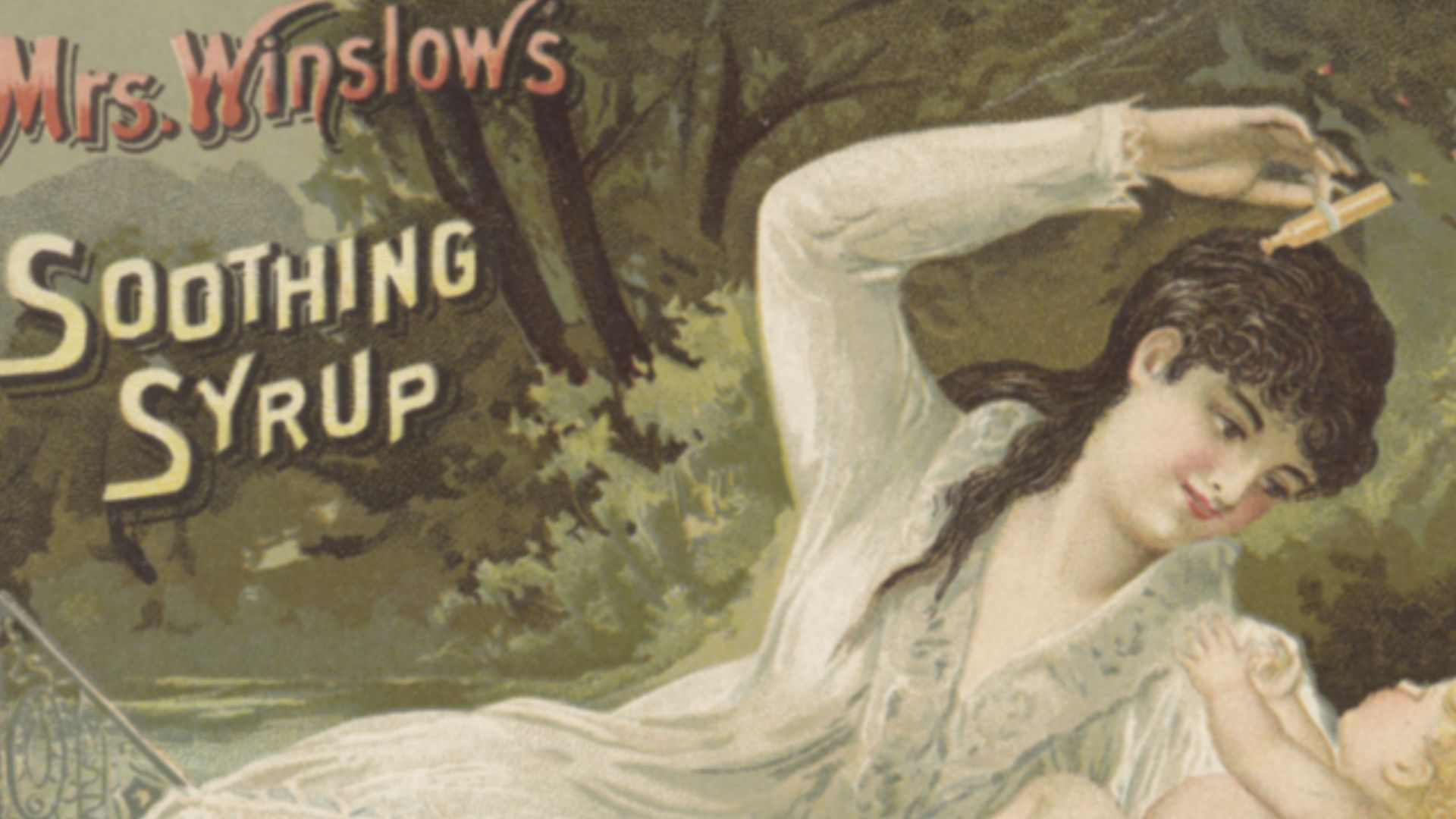
Soothing Syrups Quieted Babies With Narcotics
Parents once purchased soothing syrups to stop crying, ease teething, and help infants sleep. Some preparations contained opiates or other potent ingredients that could suppress breathing along with discomfort. Reformers and physicians warned about these medicines before strong national controls existed, but bottles remained available to exhausted families seeking quick relief. A product marketed as gentle domestic care could function more like an uncontrolled sedative.
 Miami U. Libraries - Digital Collections, Wikimedia Commons
Celluloid Combs Could Burst Into Flame
Celluloid offered an affordable substitute for ivory and appeared in combs, buttons, collars, dentures, toys, and billiard balls. Its disadvantage was dramatic because the early plastic was highly flammable and could ignite near heat or flame. Fires and factory accidents made that weakness difficult to ignore, yet celluloid goods remained common because they were cheap, attractive, and easily shaped. A fashionable hair comb could become a serious hazard beside a candle, stove, or curling iron.
 Rijksmuseum, Wikimedia Commons
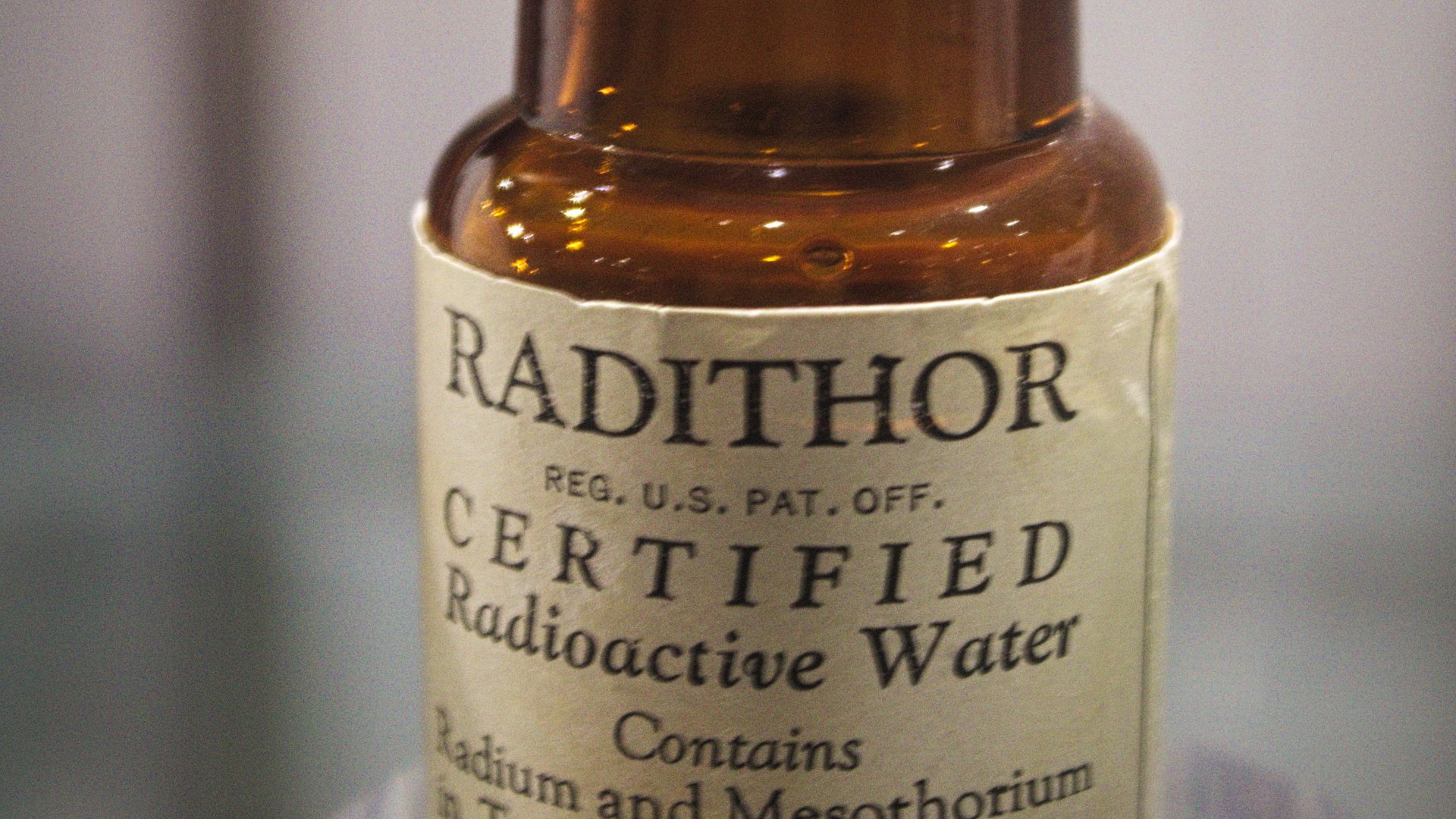
Radium Tonics Sold Radioactivity As Health
After radium’s discovery, marketers placed its name on medicines, cosmetics, waters, and supposed rejuvenating treatments. Radioactivity was presented as a mysterious source of energy rather than a cumulative biological hazard. Even as injuries among researchers and industrial workers demonstrated the danger, consumers continued encountering products that promised vitality through exposure. Many radium remedies disappeared by the early 1930s, but only after the health craze had turned a radioactive element into a household selling point.
 Sam LaRussa from United States of America, Wikimedia Commons
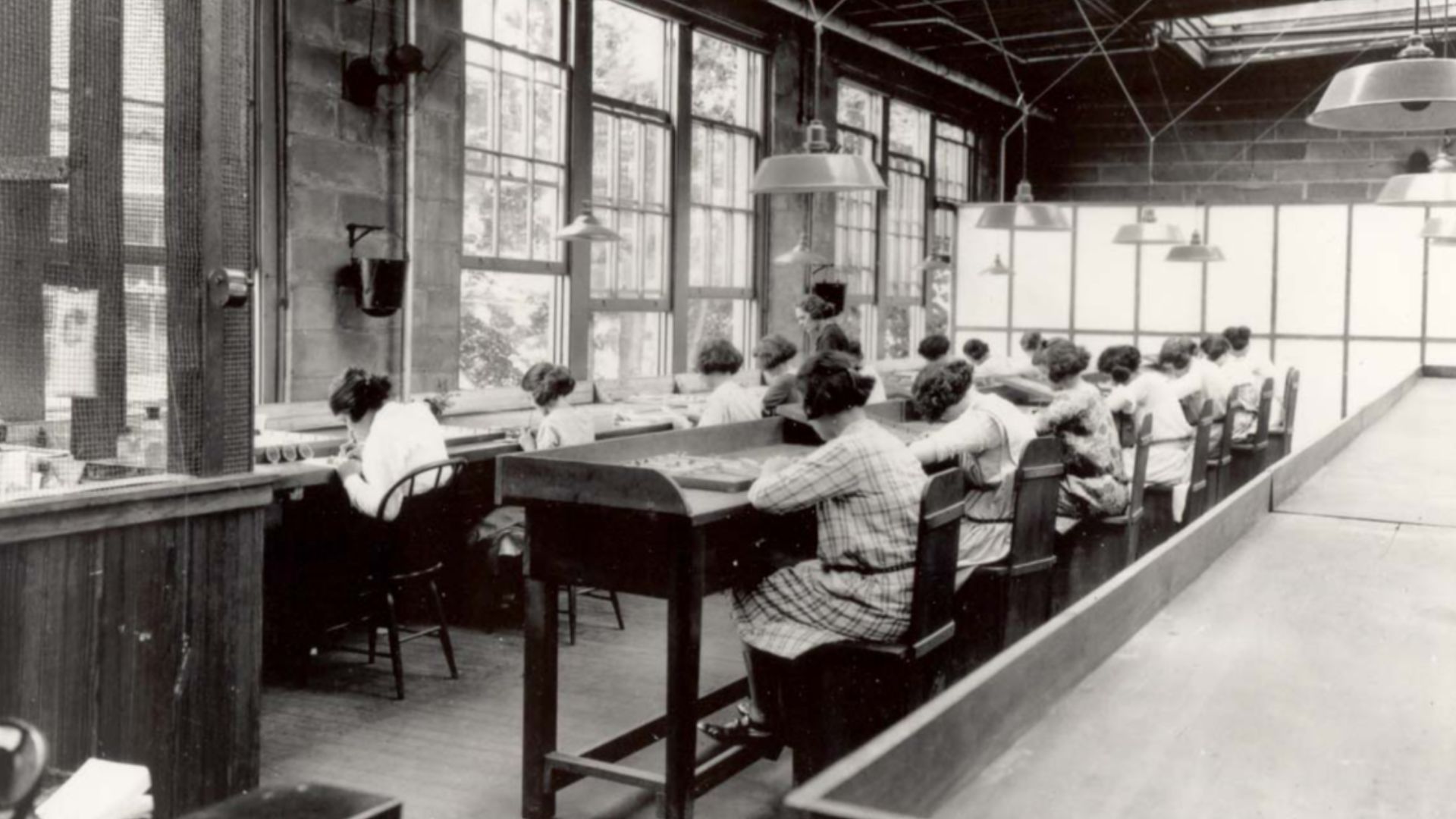
Glowing Watches Carried A Deadly Secret
Radium paint made watch and clock numbers glow without electricity. Dial painters suffered devastating illnesses after being encouraged to shape their brushes with their lips, exposing the consequences of working with the luminous material. Publicity surrounding the so-called Radium Girls made the threat famous, yet radium-painted instruments continued to be produced for specialized uses. The glow remained useful enough that industry accepted dangers that had already become tragically visible.
 Unknown authorUnknown author, Wikimedia Commons

History's most fascinating stories and darkest secrets, delivered to your inbox daily.
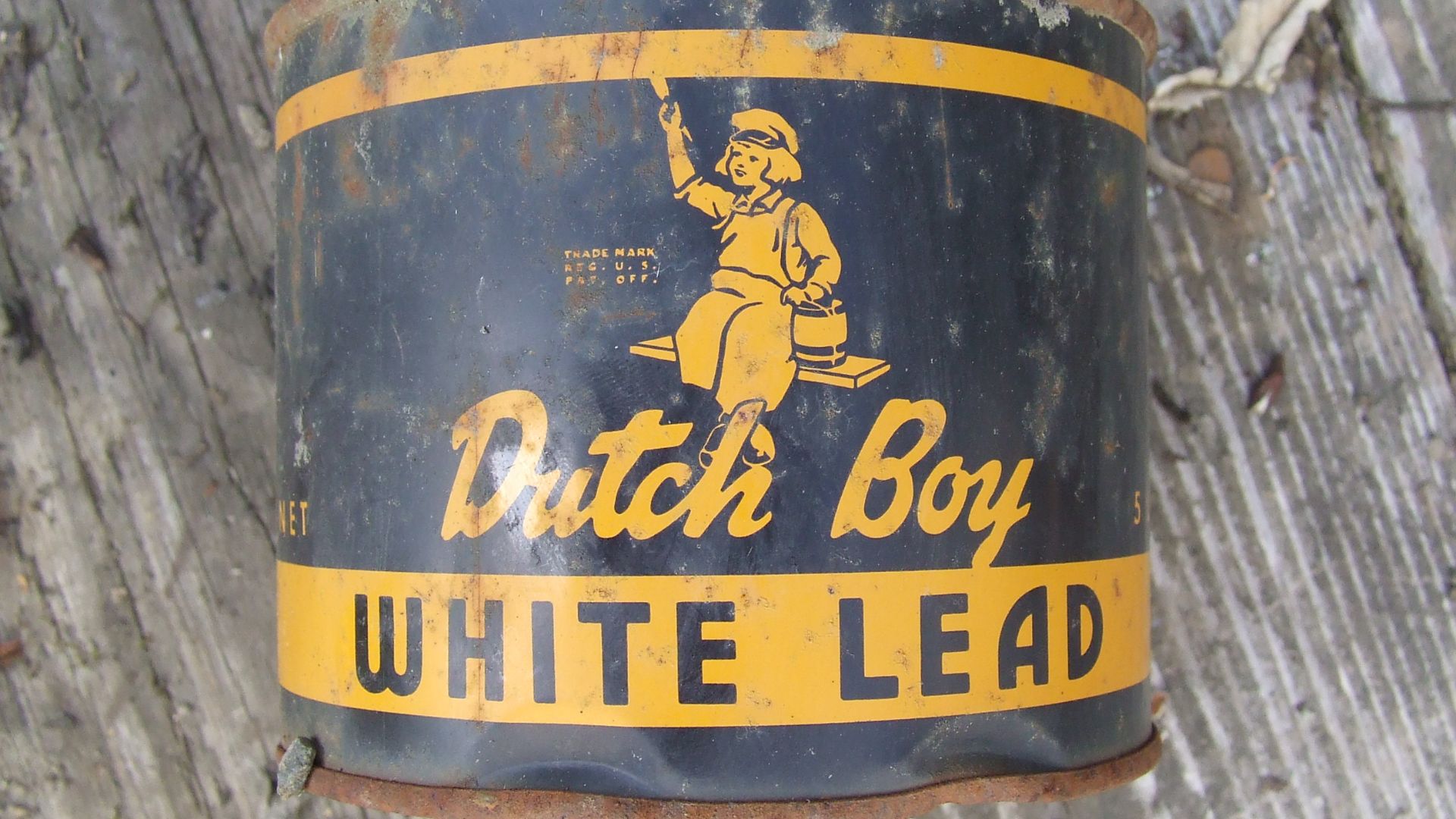
Lead Paint Covered Nurseries And Toys
Lead made paint durable, colorful, and resistant to moisture, which helped keep it on walls, furniture, and children’s products. Medical warnings about childhood lead poisoning accumulated for decades before the United States prohibited lead-based residential paint in 1978. Millions of older homes still contain it, especially beneath newer layers. The danger did not vanish with the ban because deteriorating paint and renovation dust continued exposing families to a hazard earlier generations had been slow to remove.
Asbestos Turned Homes Into Fireproof Traps
Asbestos seemed ideal for insulation because its fibers resisted heat, flame, electricity, and chemical damage. It entered roofing, floor tiles, cement, paper products, coatings, and countless building materials even as occupational disease evidence became increasingly serious. The long delay between exposure and illness helped companies and consumers treat the problem as uncertain or distant. Asbestos remains inside many older buildings, where disturbing it during maintenance can release the fibers people once welcomed as protection.

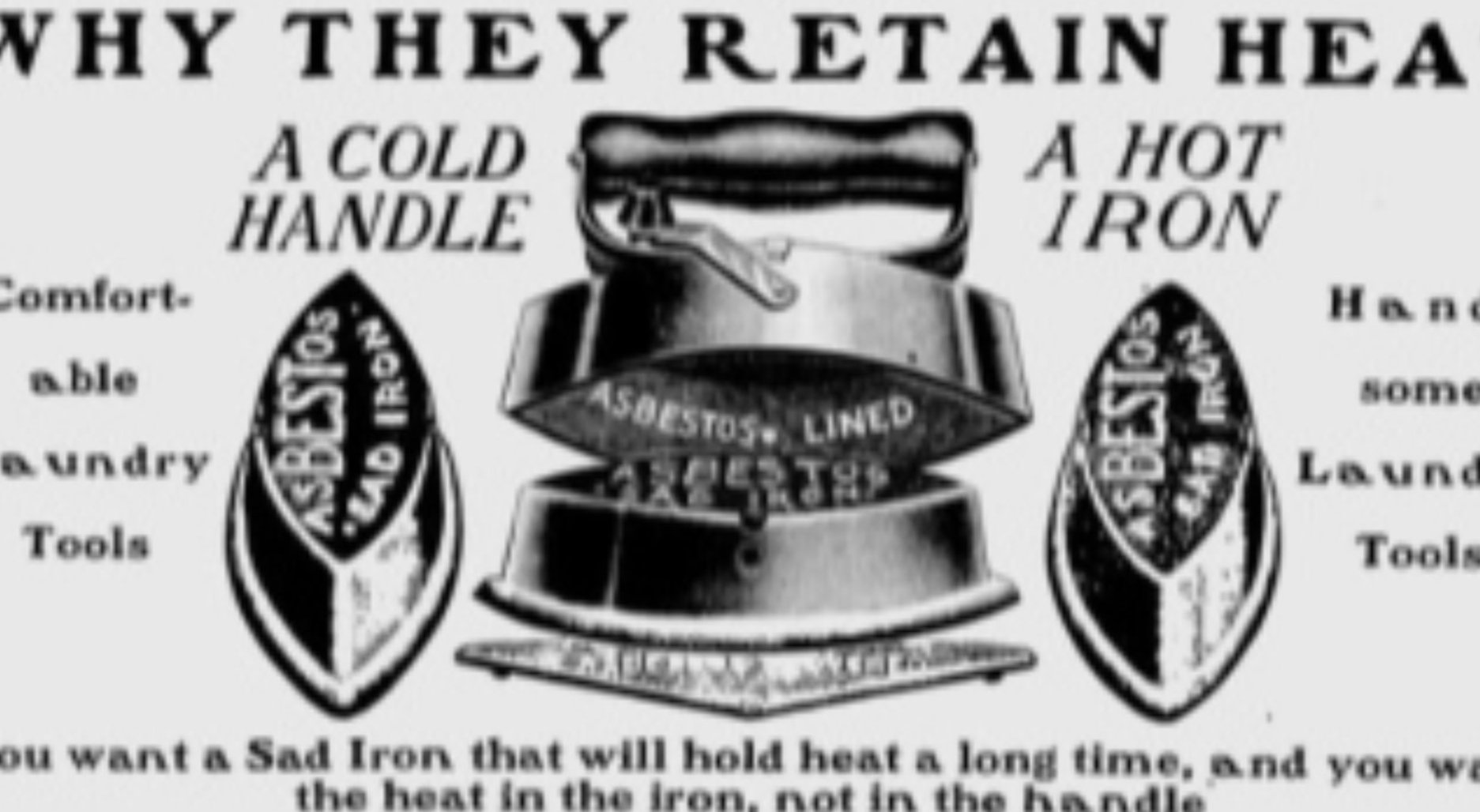
Asbestos Appeared Inside Household Appliances
Fire resistance also carried asbestos into products used close to the body and inside the home. Heat-producing appliances, ironing equipment, stove components, protective fabrics, and some older hair dryers relied on asbestos-containing materials. The same mineral meant to prevent a fire could release dangerous fibers as products aged or deteriorated. Consumers kept using many of these goods because the hazard was microscopic and often produced no immediate symptom.
 Company
(Life time: NA), Wikimedia Commons
Company
(Life time: NA), Wikimedia Commons
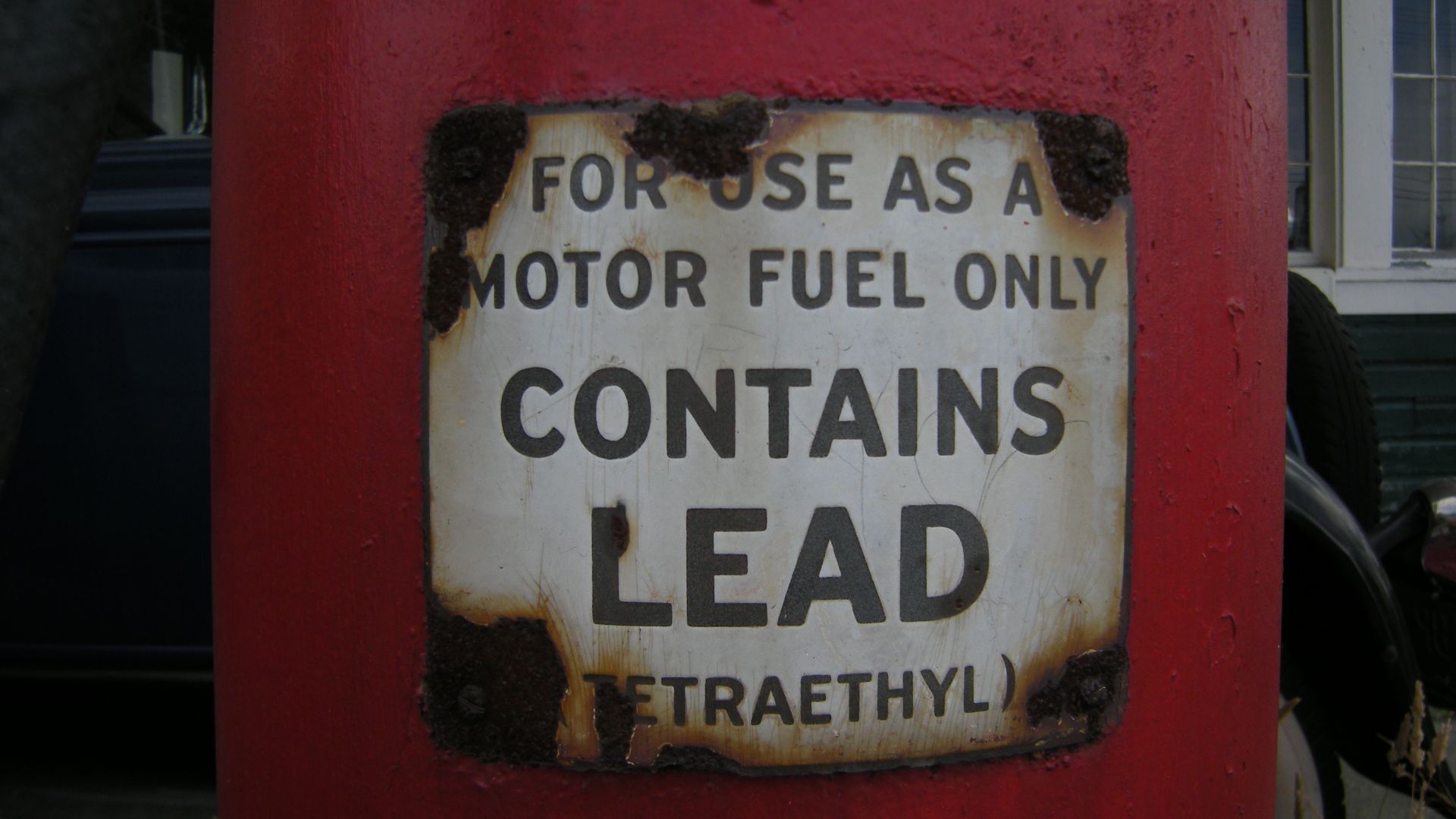
Leaded Gasoline Poisoned The Air By Design
Tetraethyl lead reduced engine knocking, but its toxicity was known from the beginning. Workers suffered severe poisoning during early production, and even one industry executive described the substance as highly poisonous before leaded gasoline reached filling stations in 1923. Nevertheless, motorists burned it for more than half a century, spreading lead through urban air and soil. The United States did not complete the phaseout of leaded gasoline for highway vehicles until 1996.
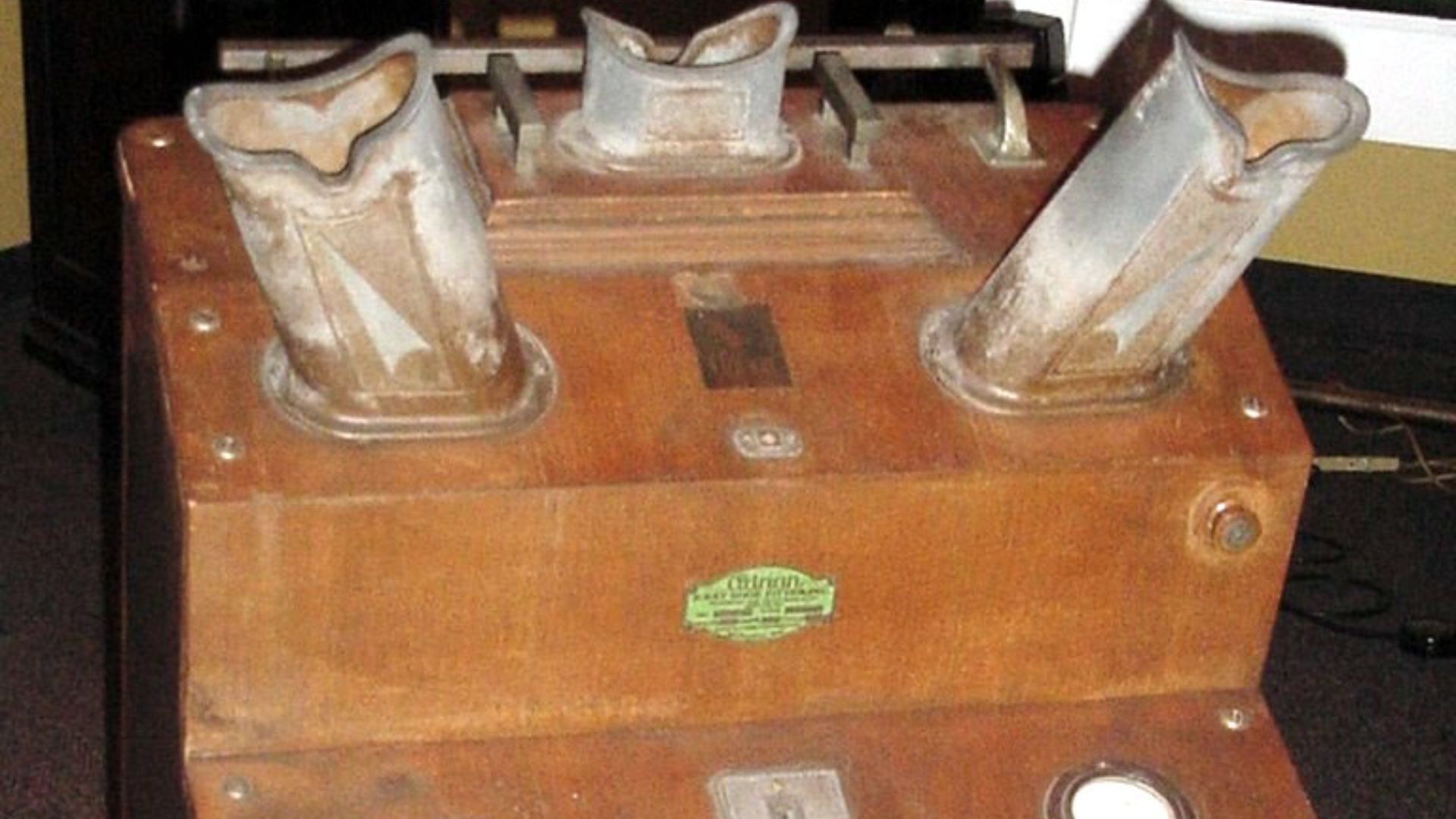
Shoe Stores X-Rayed Children For Fun
Beginning in the 1920s, shoe stores invited customers to place their feet inside fluoroscopes and watch their toes move under X-rays. Salespeople presented the machines as scientific proof of a good fit, and children often found the glowing images entertaining. Radiation injuries had already been documented among early X-ray workers, yet the retail machines remained in use for decades. A medical technology with known risks became a shopping attraction because customers could neither see nor feel the exposure.
 National Museum of Health and Medicine, AFIP, Wikimedia Commons
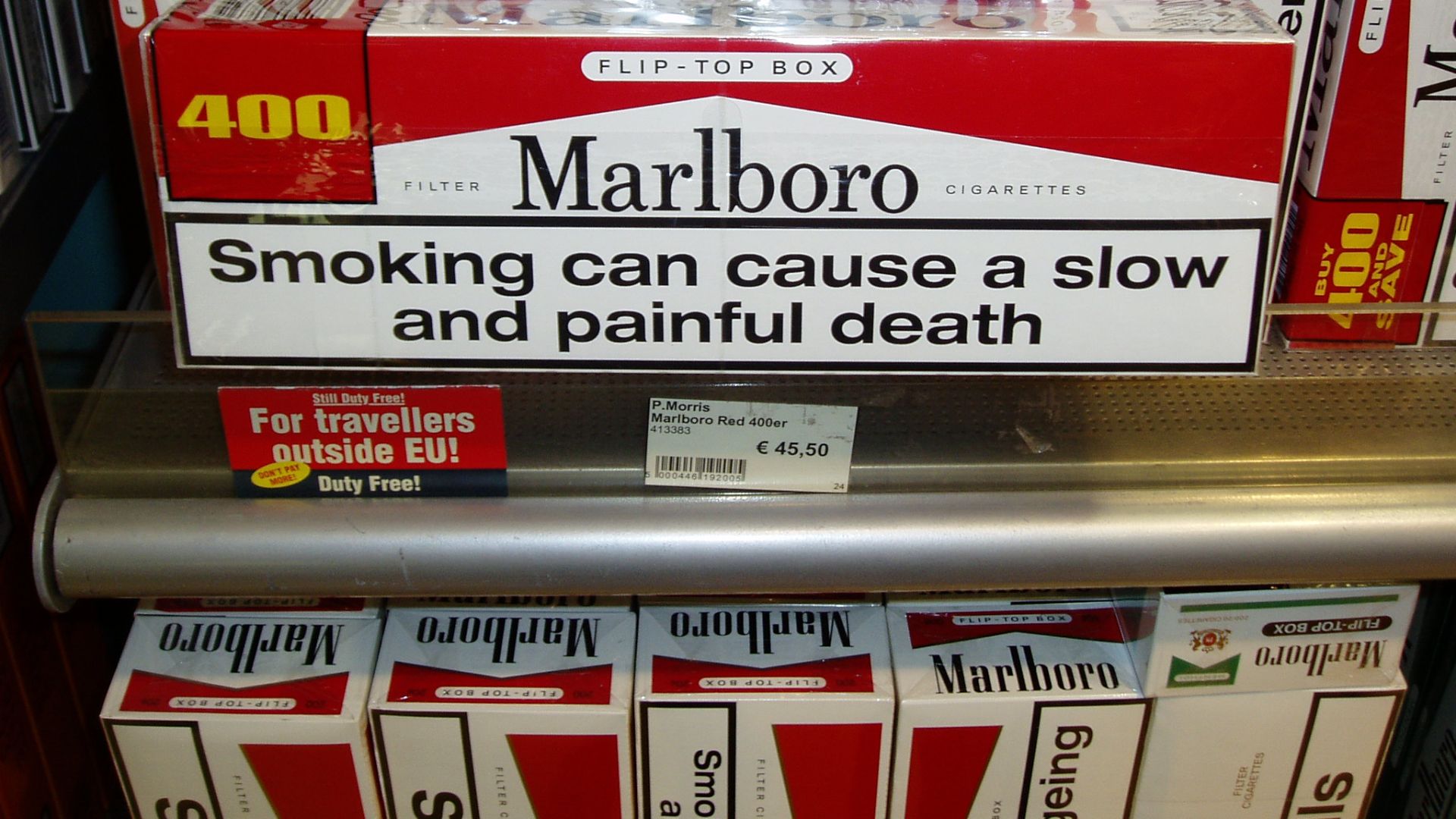
Cigarettes Survived The Definitive Warning
Evidence connecting smoking with serious disease accumulated long before the United States surgeon general issued the landmark 1964 report. That report publicly confirmed the relationship between cigarettes, lung cancer, and other illnesses, but smoking remained woven into offices, restaurants, airplanes, advertising, and popular culture. Nicotine addiction and powerful commercial promotion made the product extraordinarily resistant to health warnings. Decades of additional reports followed because one overwhelming body of evidence was not enough to end widespread use.
DDT Became A Household Miracle Spray
DDT earned acclaim during World War II for controlling insects that spread malaria and typhus. After the war, households and farms used it enthusiastically, often treating the pesticide as a modern miracle with few meaningful drawbacks. Evidence of environmental persistence, ecological damage, and harm to birds intensified during the 1950s and 1960s, but use continued amid fierce political and scientific debate. The Environmental Protection Agency finally canceled most United States uses in 1972.
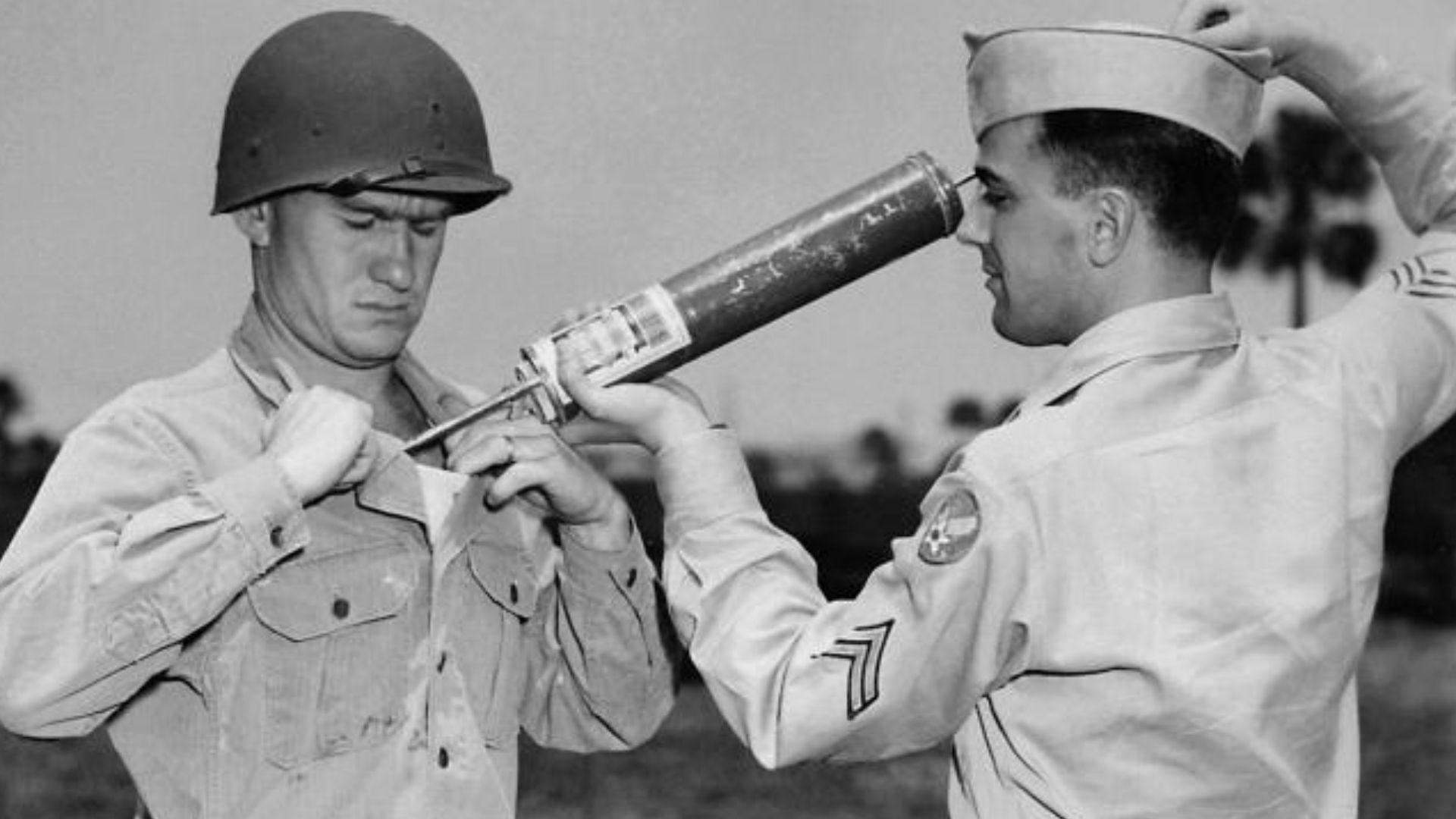 Image and description Content Providers(s): CDC, Wikimedia Commons
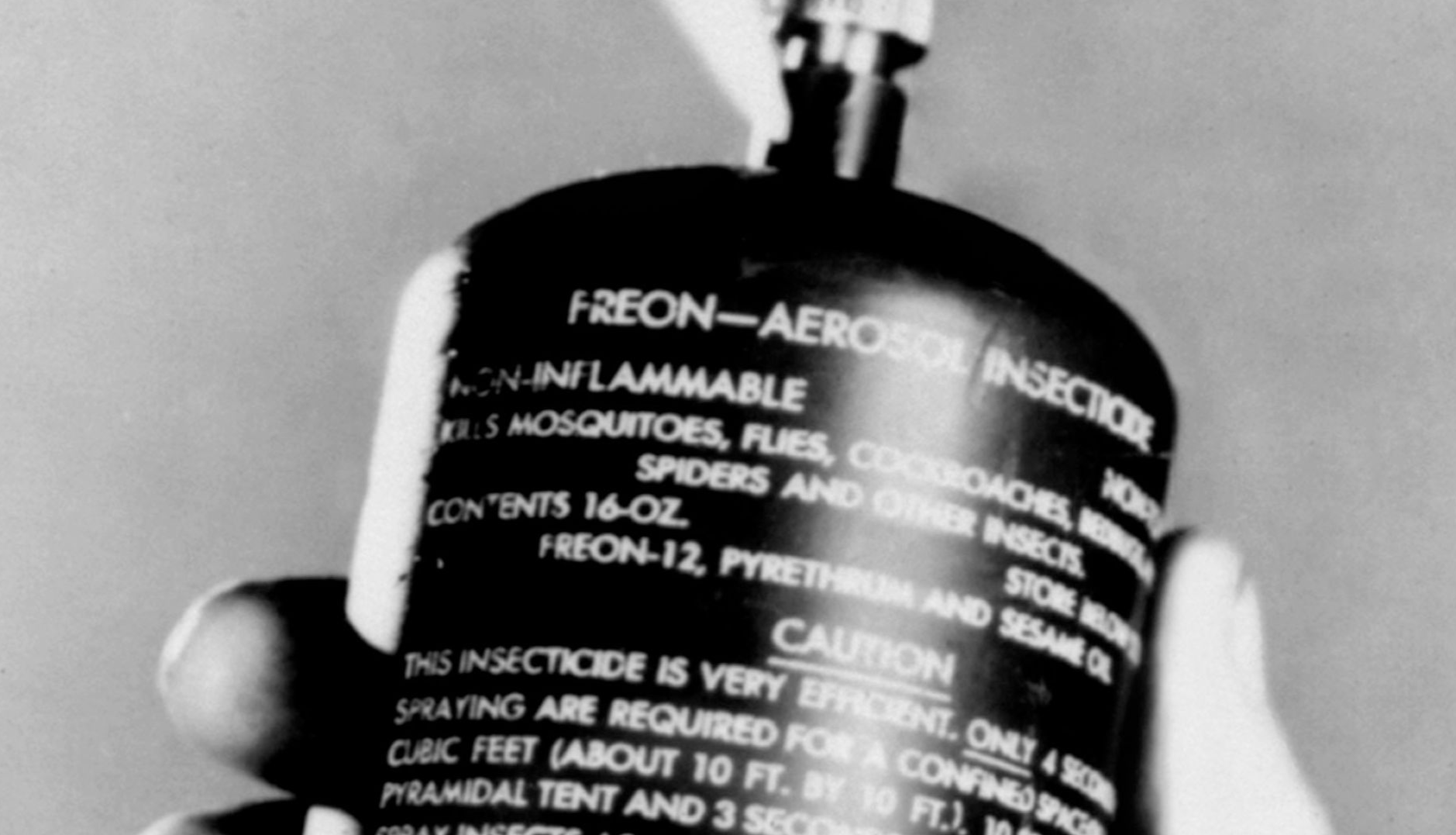
Aerosol Cans Sprayed Away The Ozone Layer
CFC propellants made deodorant, hairspray, pesticides, paint, and household polish easy to spray. Scientists warned in the 1970s that these chemicals could damage the stratospheric ozone layer, yet enormous numbers of aerosol products remained in bathrooms and cupboards. The United States banned CFC propellants in many nonessential consumer aerosols in 1978, while other ozone-depleting uses continued longer. An invisible atmospheric threat had to compete with the convenience of pressing a button.
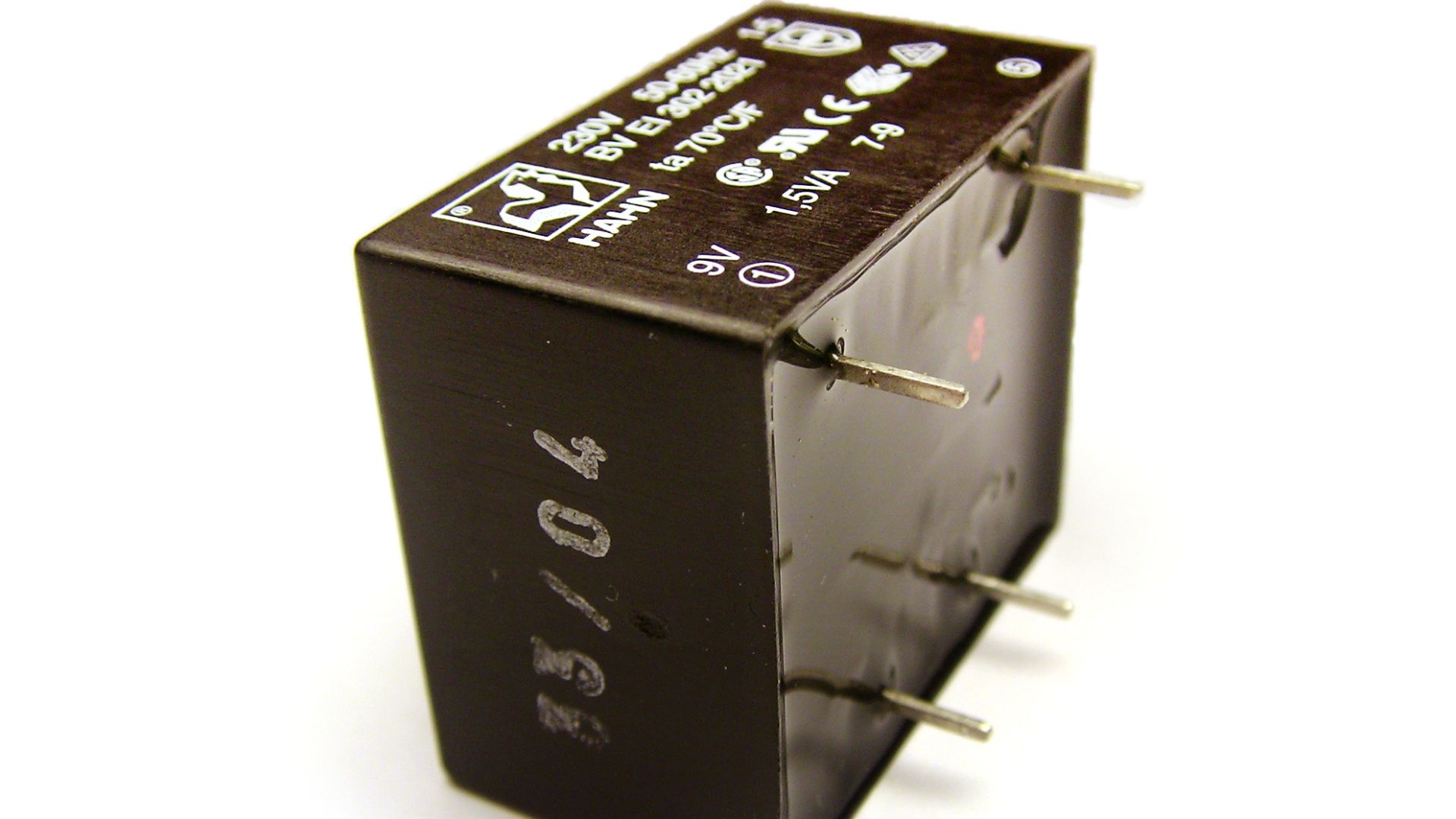
PCBs Kept Humming Above People’s Heads
Polychlorinated biphenyls were valued because they were chemically stable and resisted heat. They entered electrical transformers, capacitors, fluorescent-light ballasts, building materials, and industrial equipment before their environmental persistence and health risks drove a federal manufacturing ban in 1979. Existing equipment did not instantly disappear, so older buildings continued operating with PCB-containing components. The very durability that made PCBs useful also made them extraordinarily difficult to remove from daily environments.
 Petteri Aimonen, Wikimedia Commons
Flame-Resistant Pajamas Brought A New Hazard
Children’s sleepwear standards were intended to reduce terrible burn injuries. Manufacturers treated some pajamas with Tris, a flame resistant substance that later raised concerns as a potential human carcinogen. The Consumer Product Safety Commission acted in 1977, but investigators still found treated garments in stores after the warning and attempted ban. Families had been encouraged to trust the word “flame-resistant,” even though the chemical solution introduced a different kind of risk.

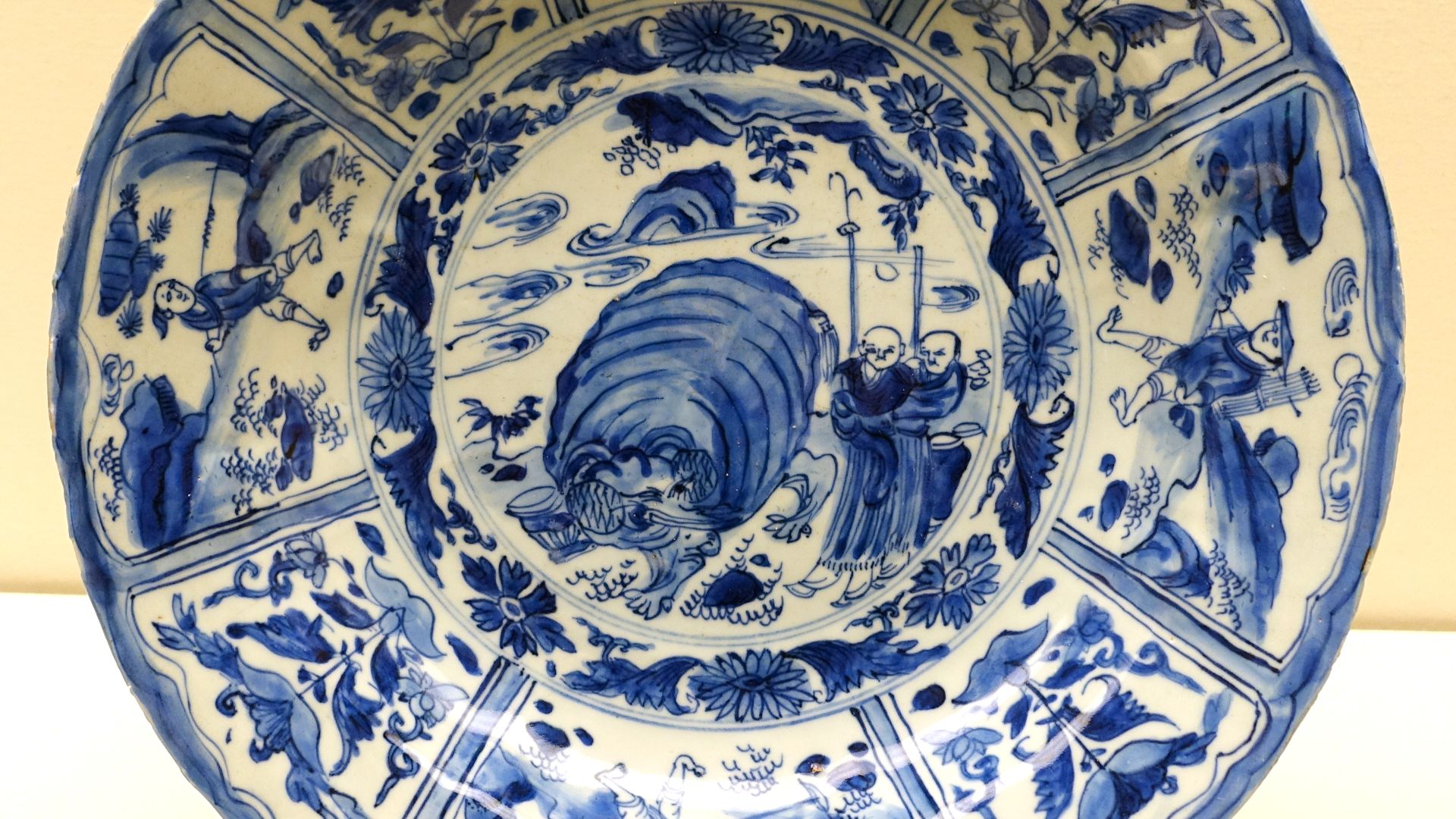
Vintage Dishes Served A Side Of Lead
Lead-based glazes produced bright, smooth, durable finishes on ceramic dishes. Researchers and regulators eventually demonstrated that lead could leach into food, especially from damaged, poorly fired, or highly decorated ware. Yet older plates, pitchers, and bowls remained in kitchens because they looked harmless and often carried sentimental value. A family heirloom could continue serving meals long after the chemistry behind its glaze was understood.
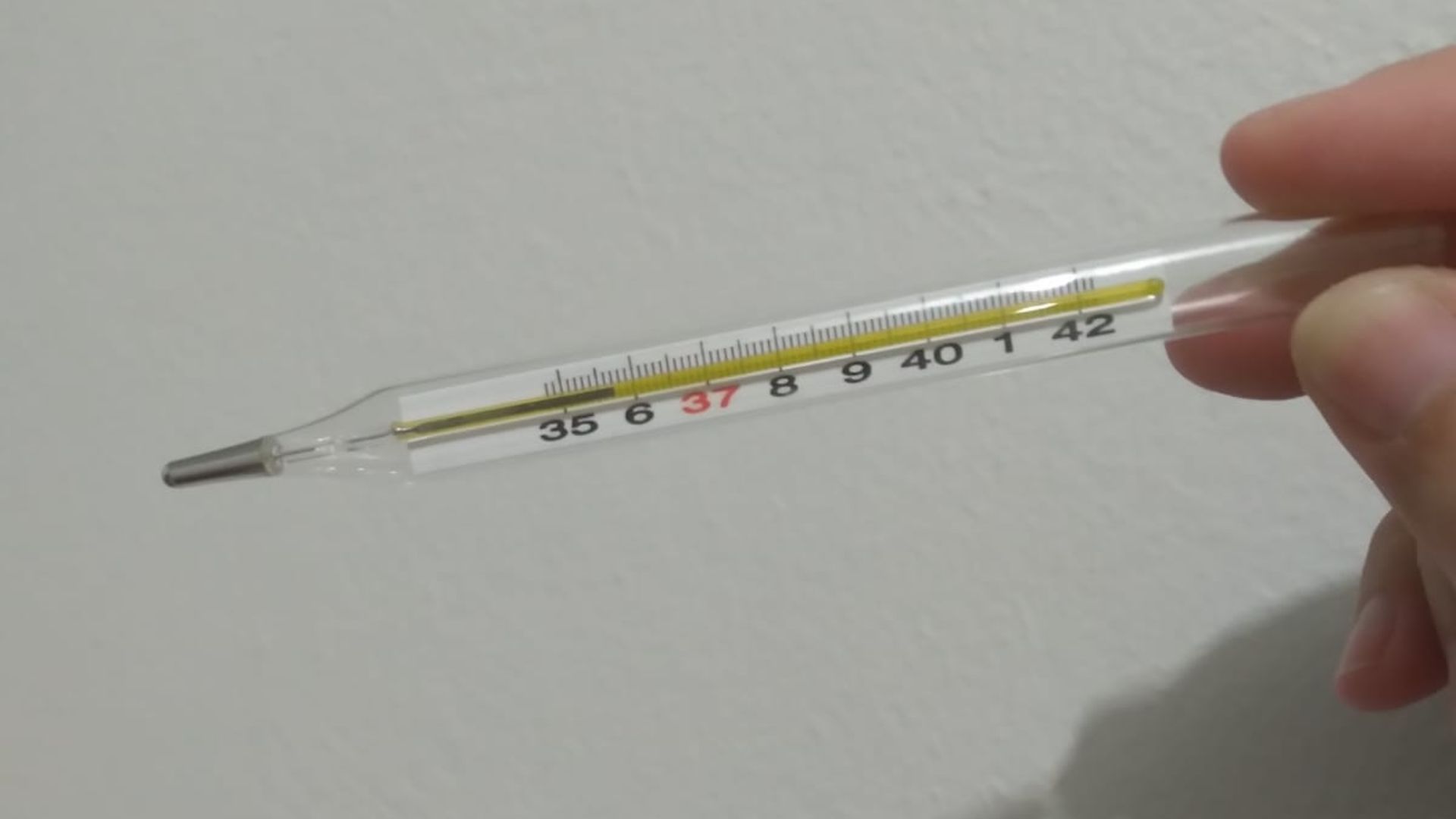
Mercury Thermometers Stayed In Medicine Cabinets
Mercury thermometers were accurate, inexpensive, and familiar, which made them difficult to displace. The danger appeared when the glass broke and released small beads of elemental mercury that could evaporate and contaminate indoor spaces. Concerns about mercury toxicity eventually led many health systems and jurisdictions to replace them with digital alternatives. Even then, old thermometers remained tucked inside household medicine cabinets because they still appeared to work perfectly.
 TCdeOLiveira, Wikimedia Commons
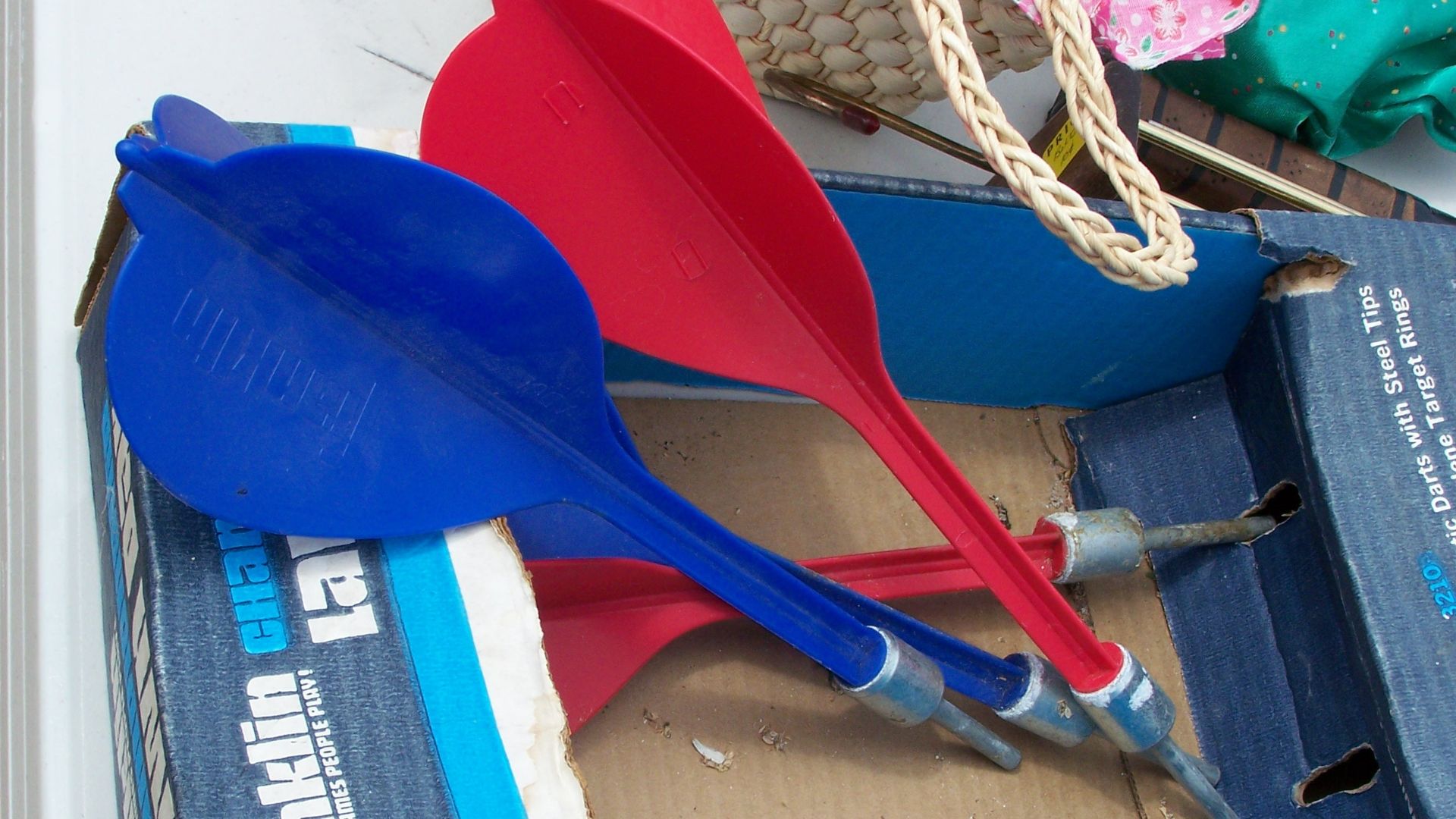
Lawn Darts Needed More Than Warning Labels
Pointed lawn darts turned a backyard target game into a contest involving heavy, sharp projectiles falling from above. After deaths and serious head injuries, regulators attempted to keep the darts away from children through warning labels and restrictions. Those measures failed, and retailers continued selling products improperly. The Consumer Product Safety Commission finally banned hazardous lawn darts in 1988 and later urged families to destroy sets still stored at home.
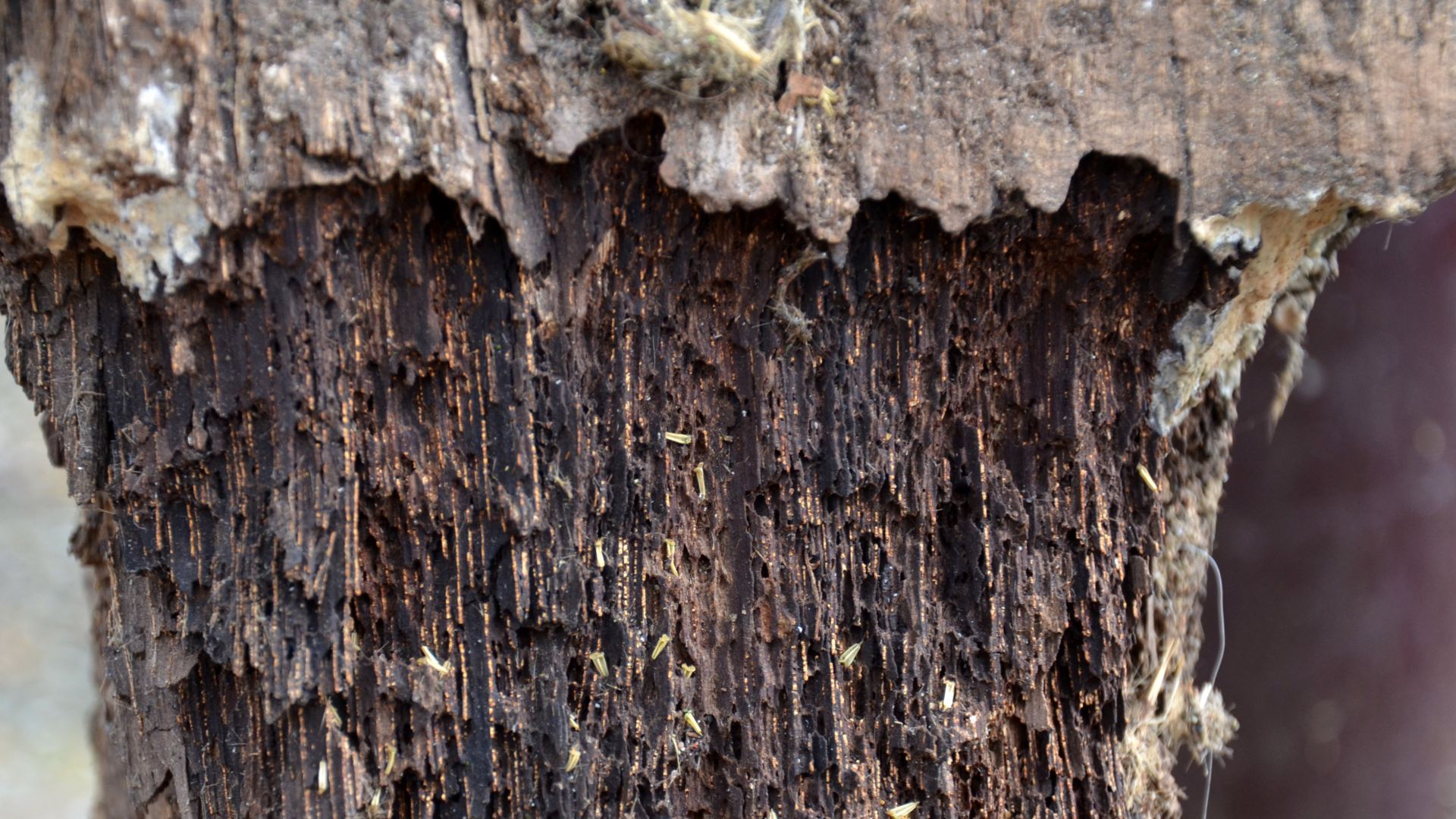
Arsenic-Treated Playsets Stayed In Backyards
Chromated copper arsenate protected wood from insects, fungi, and decay. From the 1970s into the early 2000s, much of the lumber used for residential decks, fences, picnic tables, and children’s playsets received the treatment. Concern focused on children contacting arsenic and chromium in the wood and surrounding soil. Manufacturers ended virtually all residential CCA uses in 2003, but existing structures remained in yards because the action did not require homeowners to tear them down.
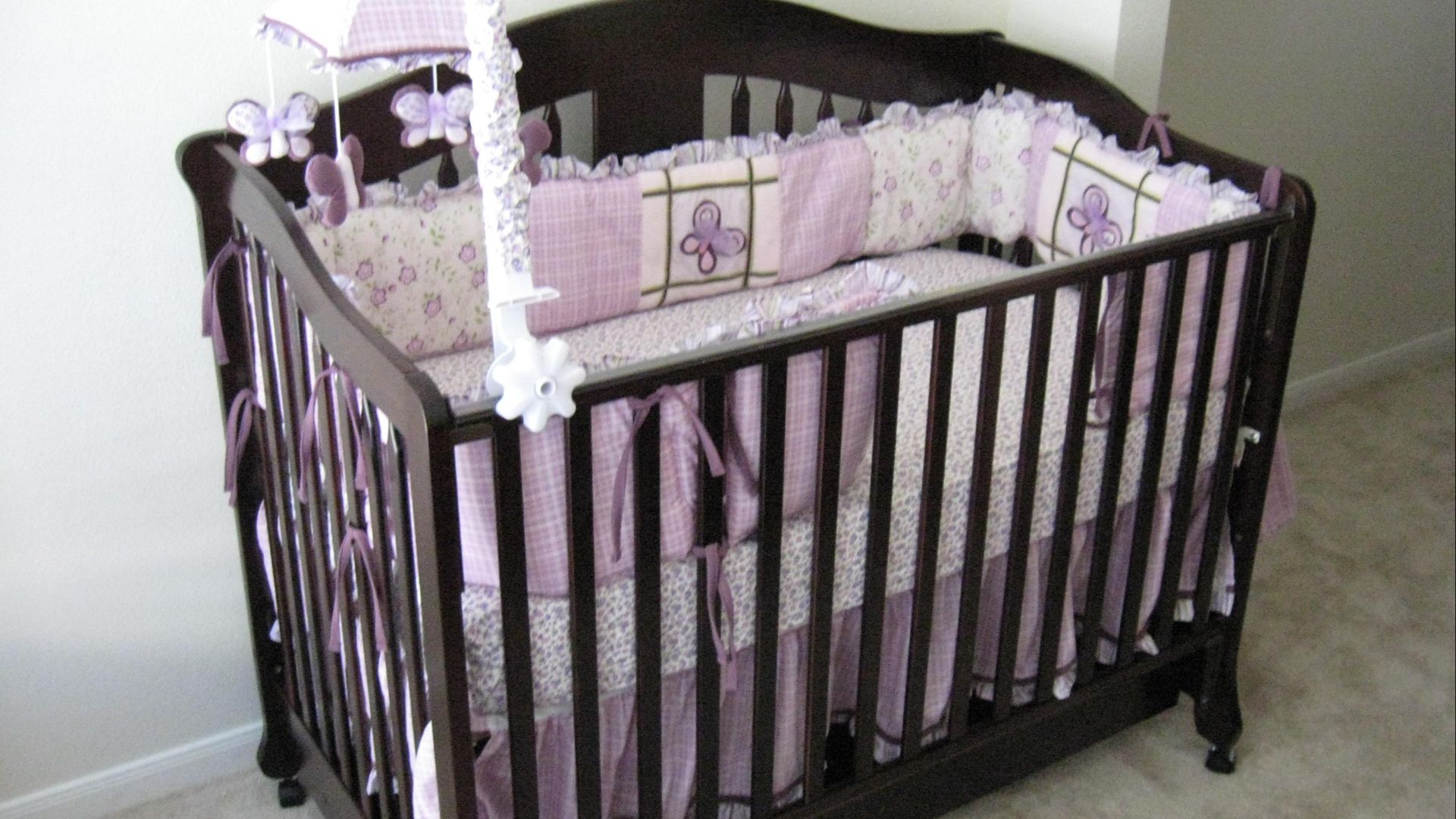
Drop-Side Cribs Kept Trapping Infants
Drop-side cribs appeared practical because one rail could be lowered to reach a baby more easily. Hardware failures allowed the movable side to detach, creating spaces where infants could become trapped, suffocate, or strangle. By 2010, the Consumer Product Safety Commission had identified at least 32 related deaths since 2000, along with hundreds of incidents. New federal standards prohibited traditional drop-side cribs in 2011, after millions of recalled units had already circulated through homes and secondhand markets.
 Ajay Suresh from New York, NY, USA, Wikimedia Commons
Crib Bumpers Looked Softer Than They Were
Crib bumpers were marketed as a way to cushion babies from hard rails and create a cozy nursery. Pediatric safety guidance increasingly warned that padded bedding could obstruct breathing or contribute to entrapment and suffocation. The visual appeal remained powerful, and bumpers continued appearing in stores and online even as safe-sleep campaigns urged parents to keep cribs bare. Their persistence showed how a comforting appearance could overpower a warning about an invisible breathing hazard.
 Cveleglg at Serbian Wikipedia, Wikimedia Commons
Teething Gels Offered Dangerous Relief
Parents naturally wanted fast relief when teething made infants miserable. Products containing benzocaine or lidocaine seemed convenient because they could be rubbed directly onto sore gums. Regulators warned that these medicines could cause serious injury and, in rare cases, death, yet teething products remained familiar and easily misunderstood. The Food and Drug Administration now recommends safer approaches rather than relying on numbing medicines for babies and young children.

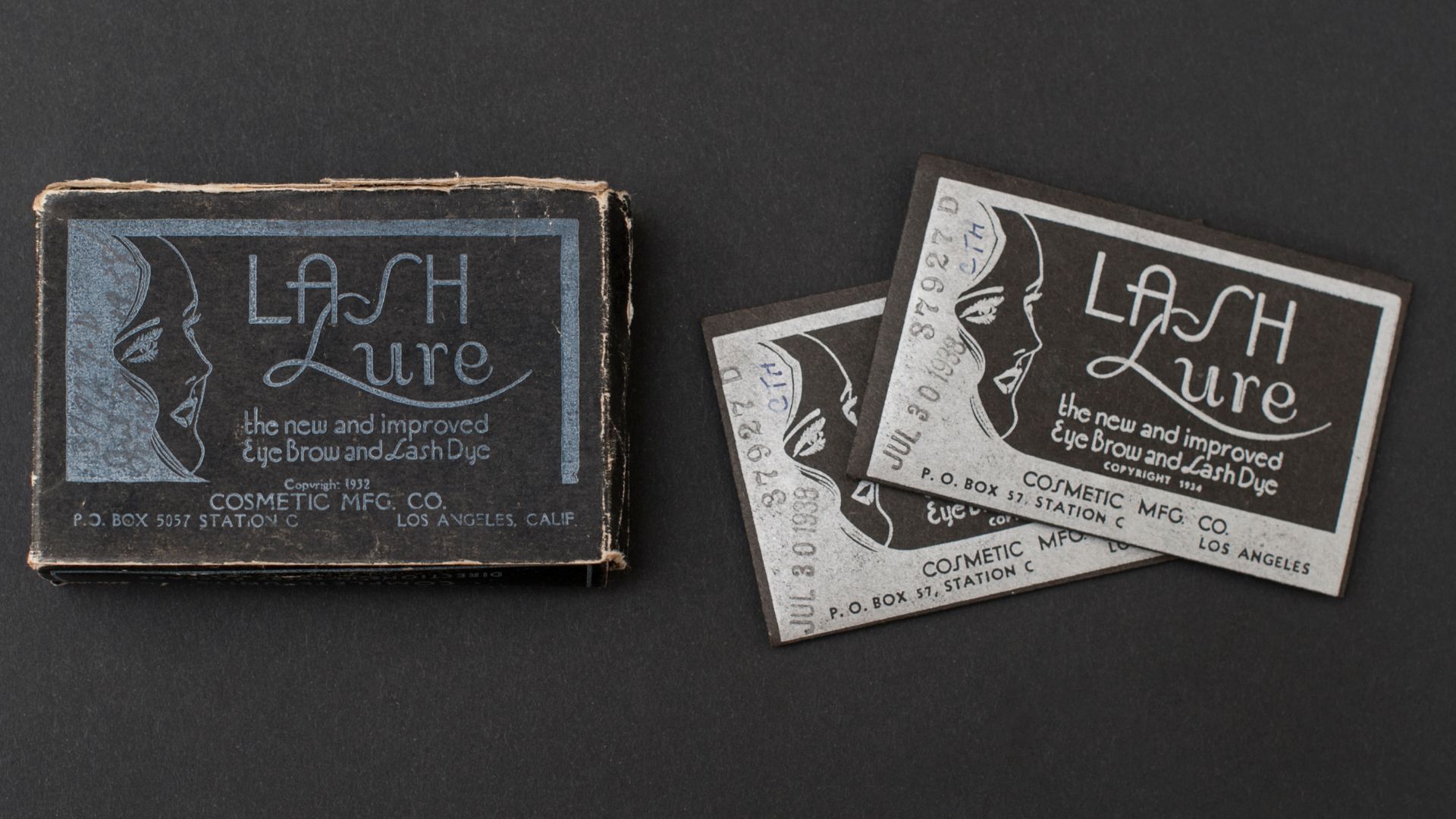
Lash Lure Injured The Eyes It Promised To Beautify
Lash Lure was marketed as a permanent eyelash and eyebrow dye during the 1930s. The product caused severe reactions, eye injuries, and at least one confirmed case of permanent blindness. Federal authorities had limited power over cosmetics, allowing a visibly dangerous beauty product to expose more consumers before the 1938 Food, Drug, and Cosmetic Act expanded regulation. Its packaging promised glamour while the injuries demonstrated how little protection buyers actually had.
 The U.S. Food and Drug Administration, Wikimedia Commons
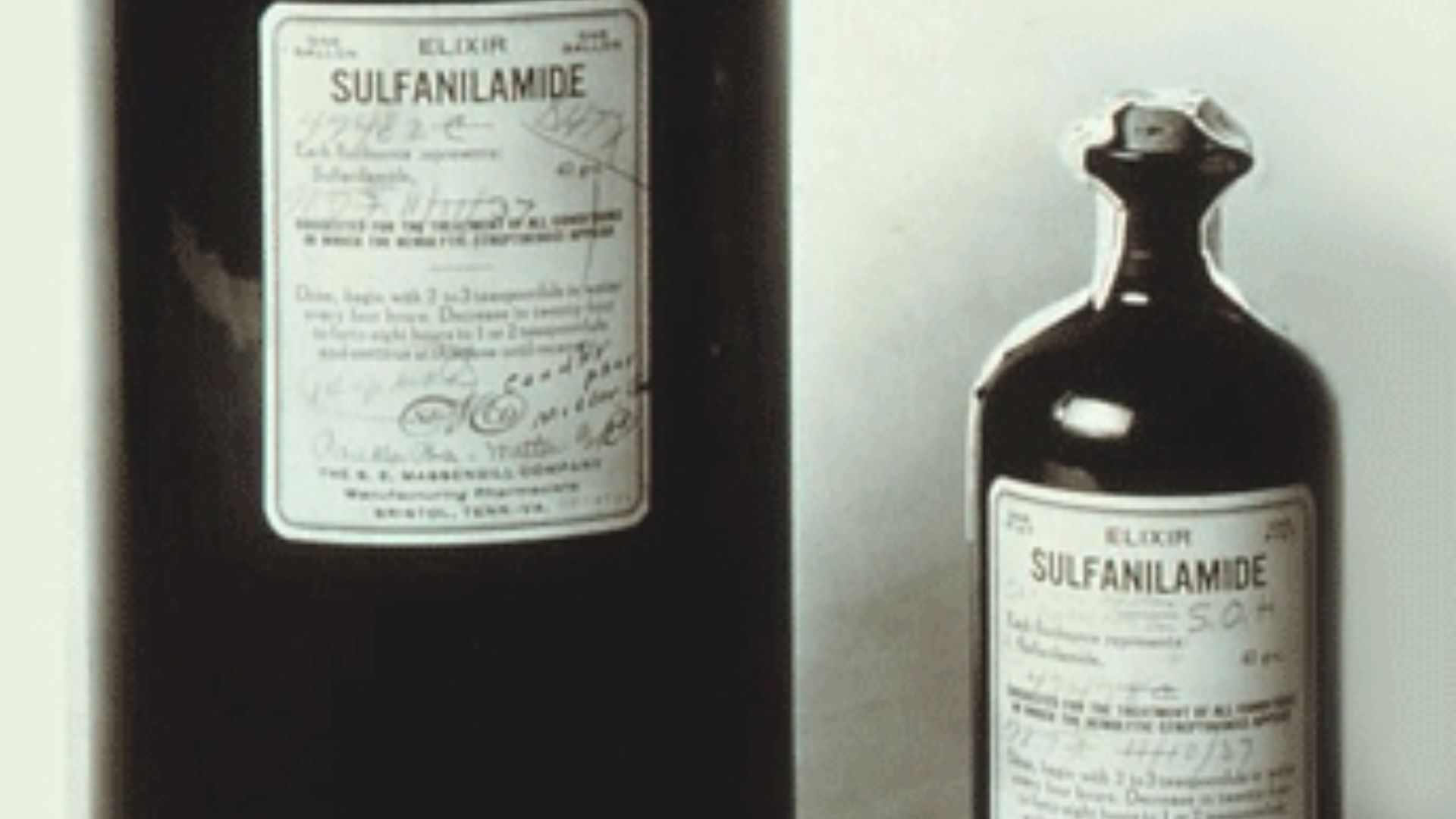
Elixir Sulfanilamide Proved Labels Were Not Enough
In 1937, a company dissolved sulfanilamide in diethylene glycol and distributed more than 600 shipments without testing the new mixture for toxicity. The medicine killed 107 people, many of them children, yet existing federal law did not require manufacturers to prove that a drug was safe before selling it. Investigators could pursue the product largely because its labeling violated technical rules, not simply because it was poisonous. The disaster finally helped drive the 1938 law requiring new drugs to demonstrate safety before reaching ordinary families.
 Unknown authorUnknown author, Wikimedia Commons
You May Also Like:
Toys So Dangerous, They Had To Be Banned Outright
These Once-Popular Products Practically Disappeared Overnight
Historical Inventions That Solved Problems Nobody Has Anymore
Sources: 1, 2, 3, 4, 5, 6, 7, 8, 9, 10, 11, 12, 13, 14, 15, 16, 17, 18, 19, 20, 21, 22, 23, 24, 25, 26, 27, 28, 29, 30, 31, 32, 33, 34, 35, 36, 37, 38, 39, 40, 41, 42, 43, 44, 45, 46, 47, 48