Gone Before You Knew It
Every generation has products that seem impossible to escape. They fill store shelves, dominate commercials, and become part of daily life. Then, sometimes surprisingly fast, they vanish. Whether because of changing tastes, new technology, corporate decisions, or fierce competition, these once-popular products largely disappeared from the mainstream almost overnight.
Crystal Pepsi
When Pepsi introduced Crystal Pepsi in 1992, the clear cola quickly became one of the most talked-about drinks in America. The novelty attracted millions of customers, and the product captured a notable share of the soft drink market. Yet by 1994, the original version had disappeared from stores after sales fell short of expectations.
 Mike Mozart from Funny YouTube, USA, Wikimedia Commons
Jell-O Pudding Pops
Jell-O Pudding Pops were a freezer staple throughout the 1980s and early 1990s. The frozen treats generated enormous sales during their peak years and became one of the most recognizable desserts in grocery stores. Despite that success, changing economics and declining profitability eventually led to their disappearance from most freezers.

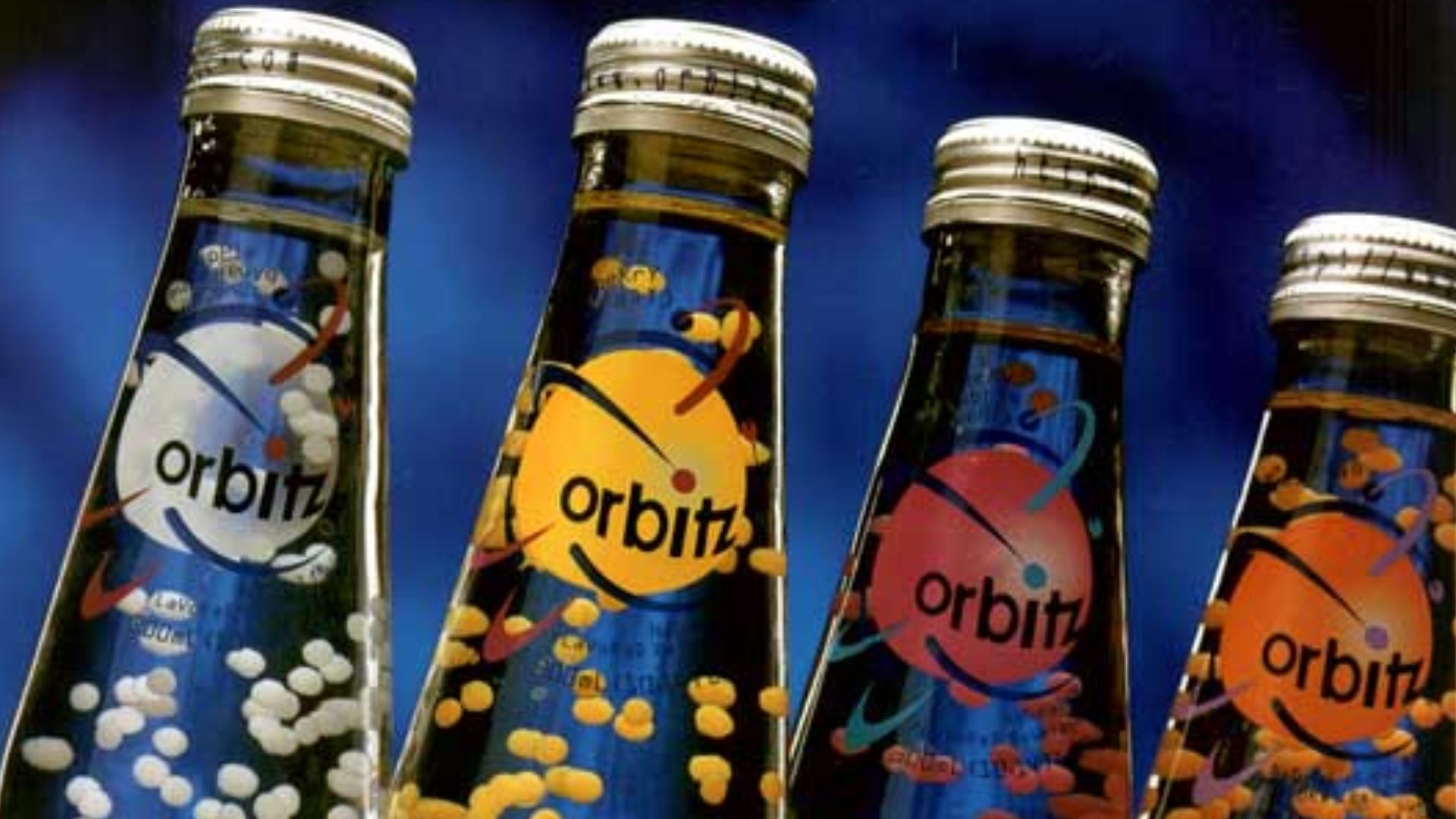
Orbitz
Orbitz looked less like a beverage and more like a science experiment. The drink contained colorful floating balls suspended in liquid, earning it the nickname "the drinkable lava lamp." Consumers were fascinated when it launched in 1997, but the novelty wore off quickly, and the product was gone within about a year.
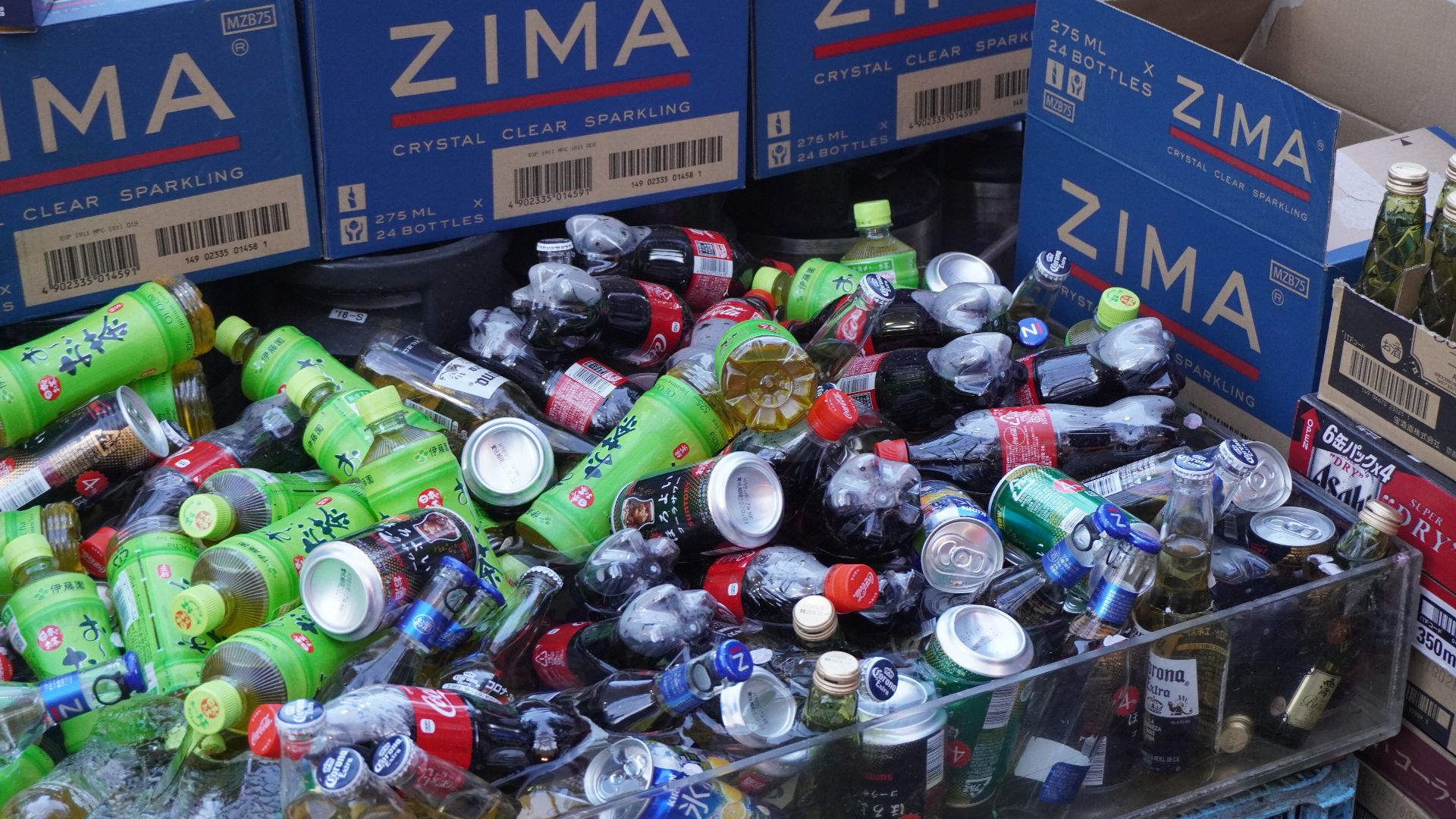
Zima
Coors introduced Zima in 1993 as a clear malt beverage aimed at drinkers looking for something different from traditional beer. Sales initially surged as consumers rushed to try the unusual product. Over time, however, interest faded, and Zima was discontinued in the United States, aside from a few brief comeback attempts.
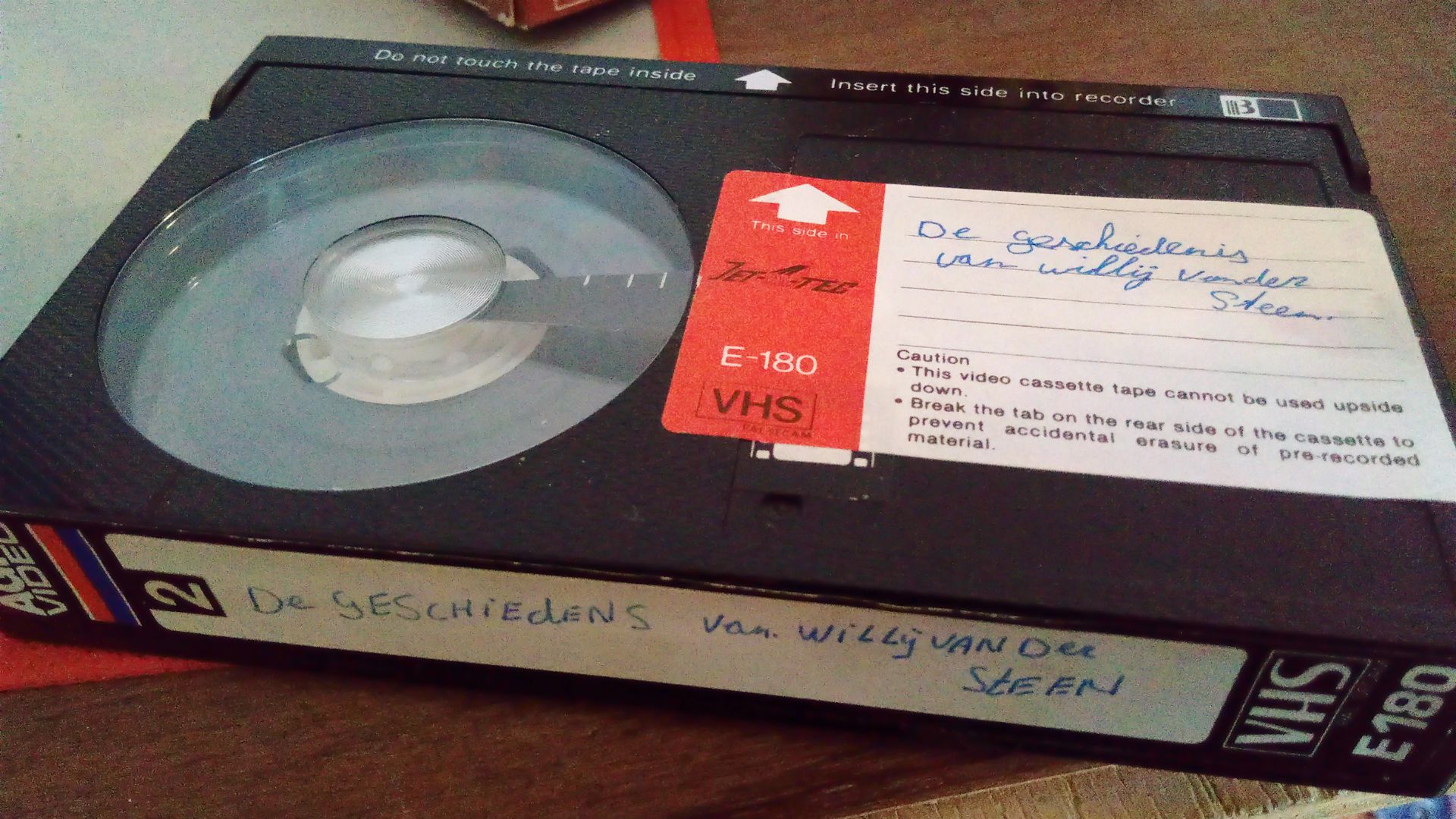
Betamax Tapes
Sony's Betamax format arrived in the 1970s and was once considered a major competitor to VHS. Many experts believed it offered superior picture quality. Unfortunately for Sony, VHS won the format struggle, and Betamax players and tapes rapidly disappeared from most households.
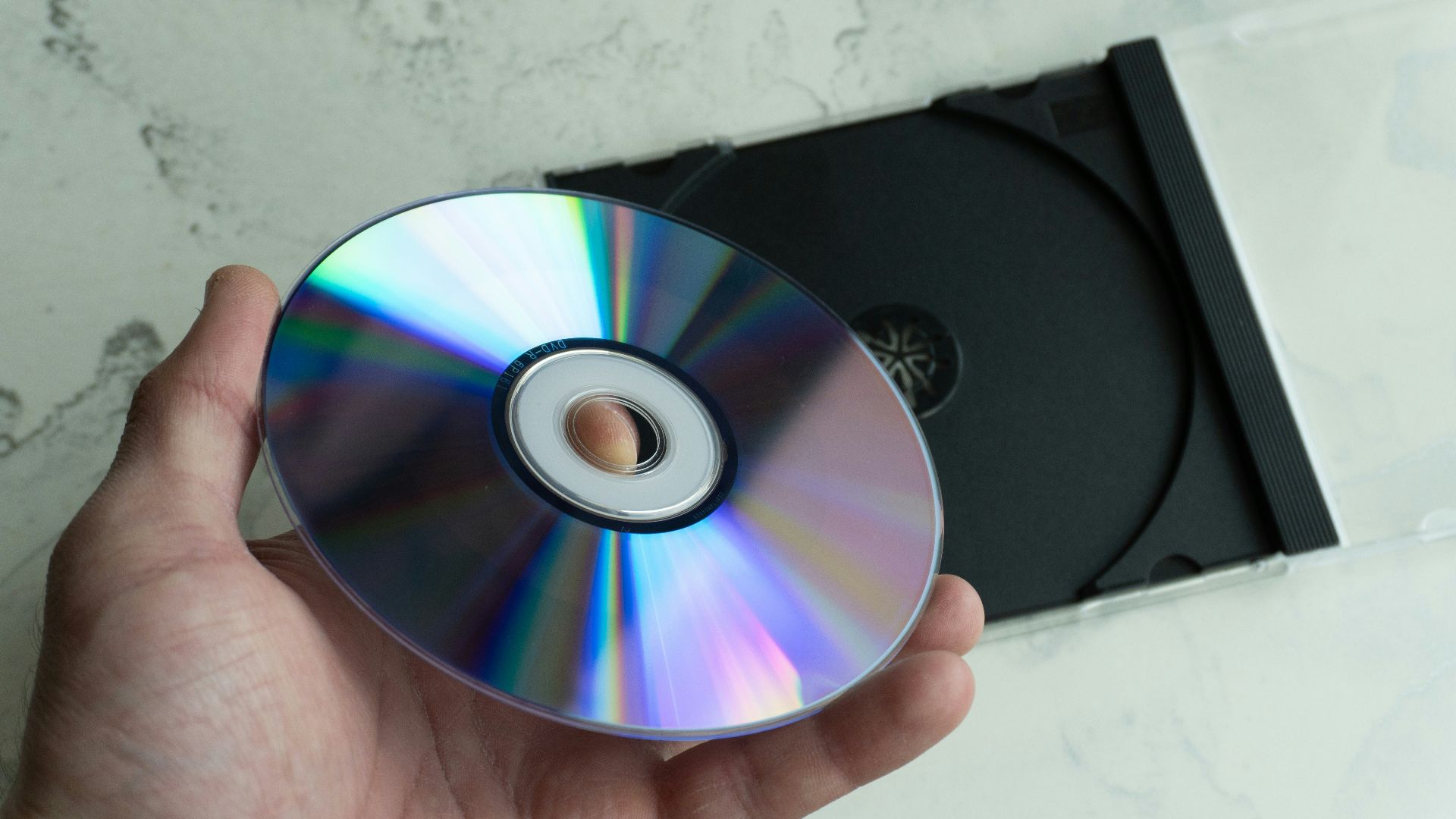
HD DVD
For a brief period in the 2000s, HD DVD looked like it might become the future of home entertainment. Major studios and electronics manufacturers supported the format. Once Blu-ray gained the upper hand, however, HD DVD effectively vanished almost overnight from retail stores.
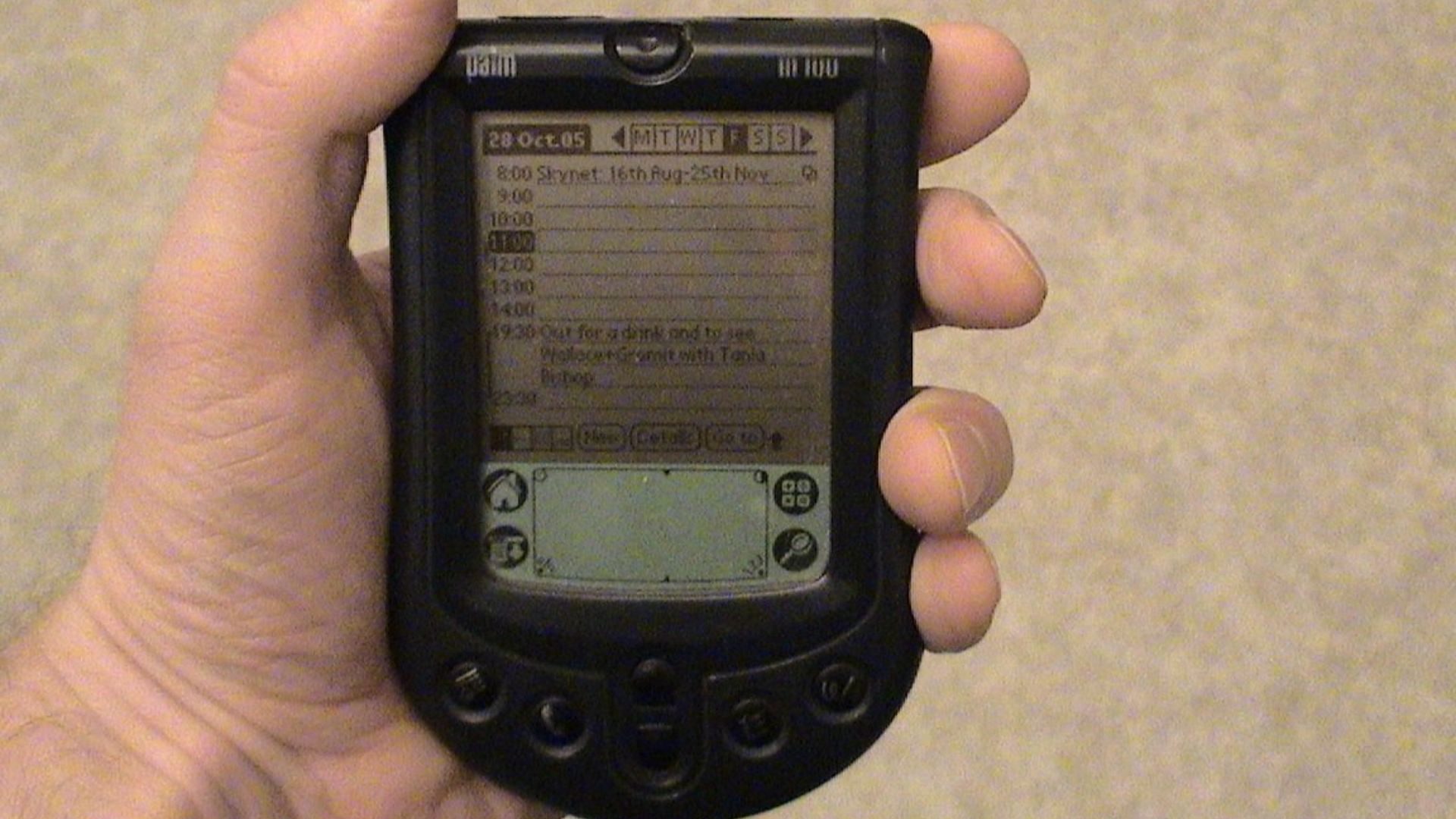
Palm Pilots
Before smartphones took over, Palm Pilots were the go-to digital organizers for millions of professionals. They helped users manage schedules, contacts, and notes long before apps became commonplace. The rise of powerful smartphones quickly made dedicated handheld organizers obsolete.
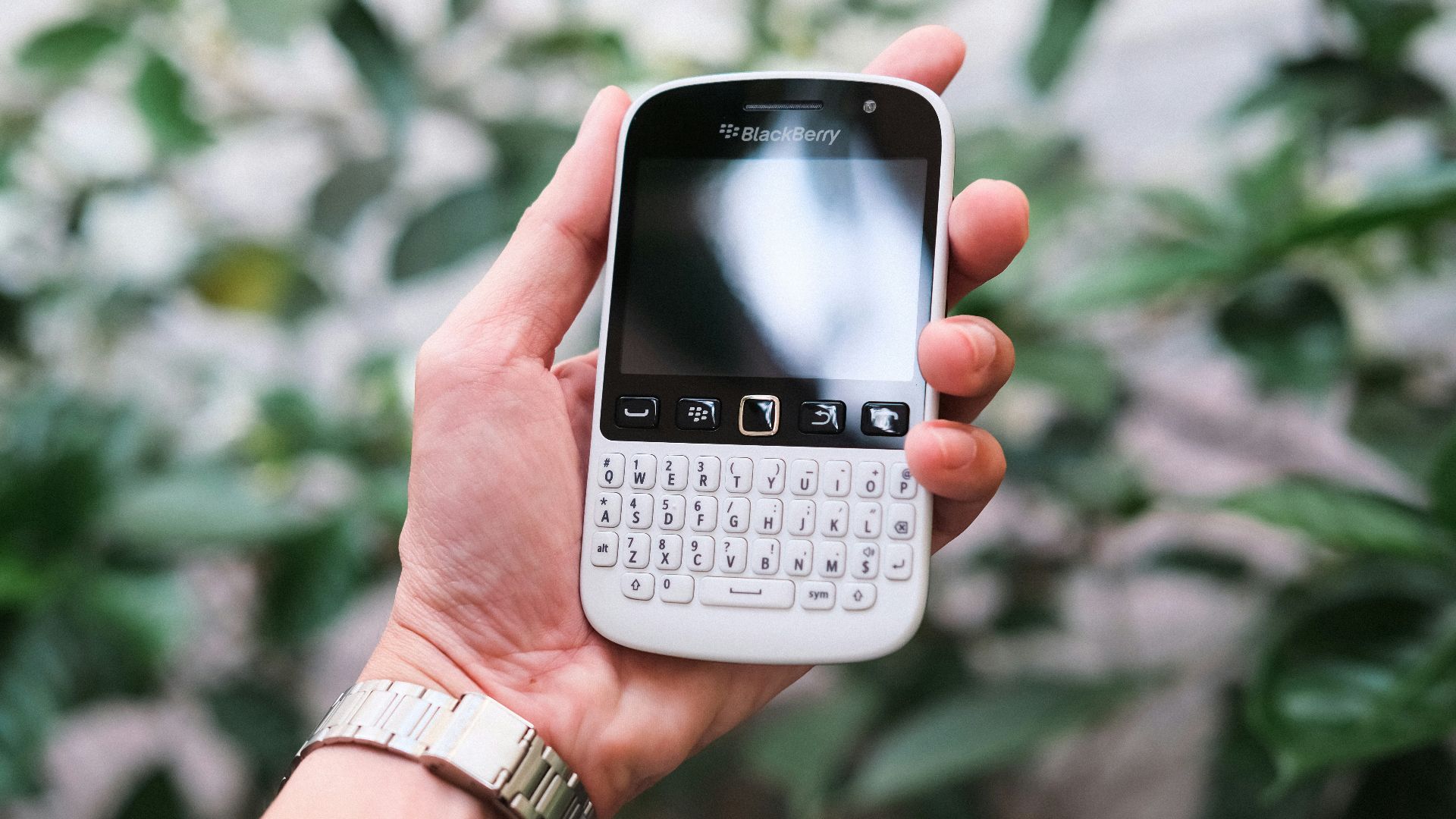
BlackBerry Phones
BlackBerry devices once dominated the business world. Their physical keyboards and secure messaging systems made them a favorite among executives, government officials, and corporations. The arrival of Apple's iPhone and Android devices dramatically changed consumer expectations, and BlackBerry's market share collapsed within a few years.

History's most fascinating stories and darkest secrets, delivered to your inbox daily.
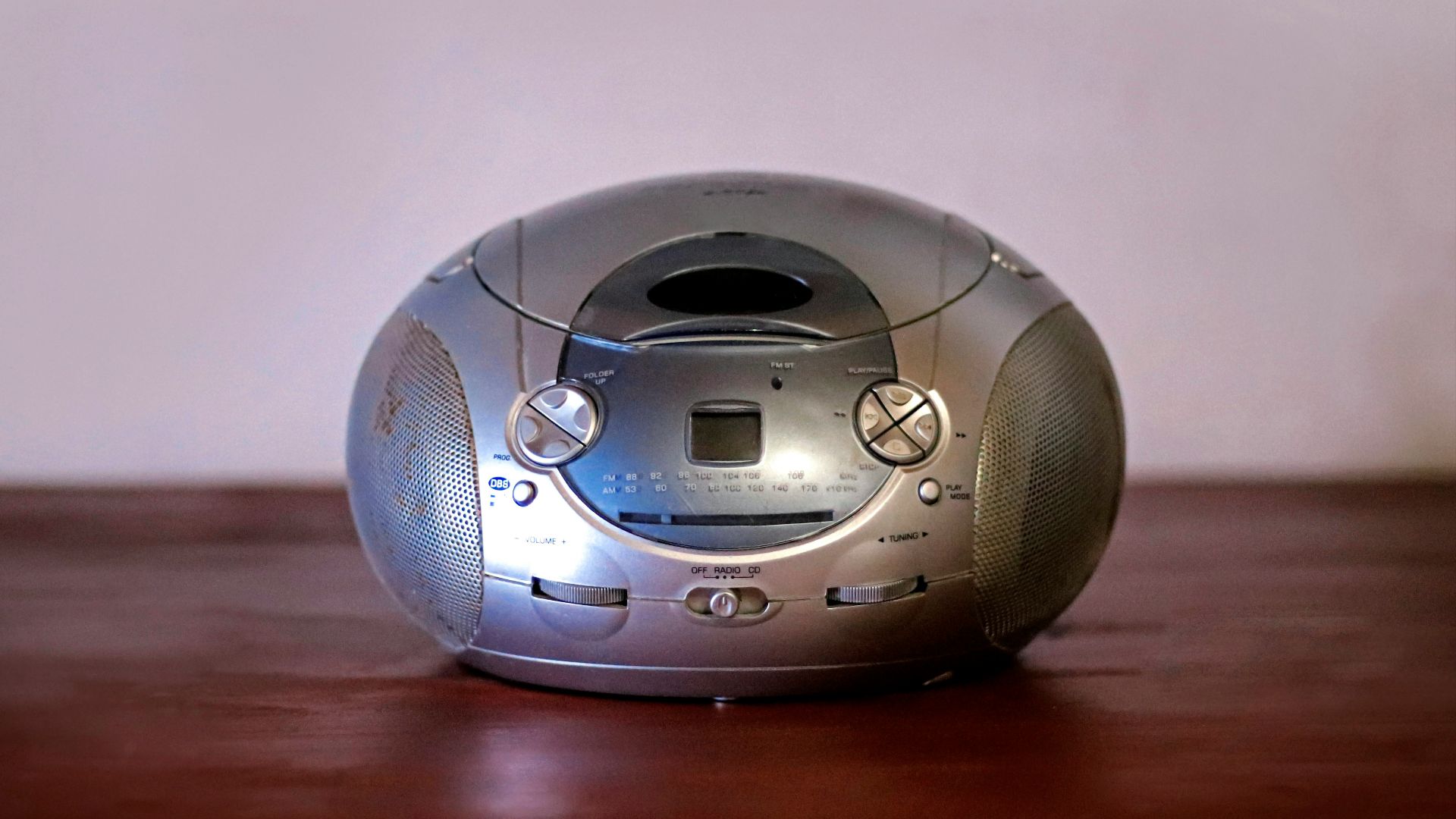
Portable CD Players
In the 1990s, portable CD players were everywhere. Students, commuters, and travelers carried them constantly. Once MP3 players and digital music services became mainstream, however, the bulky devices quickly lost relevance.
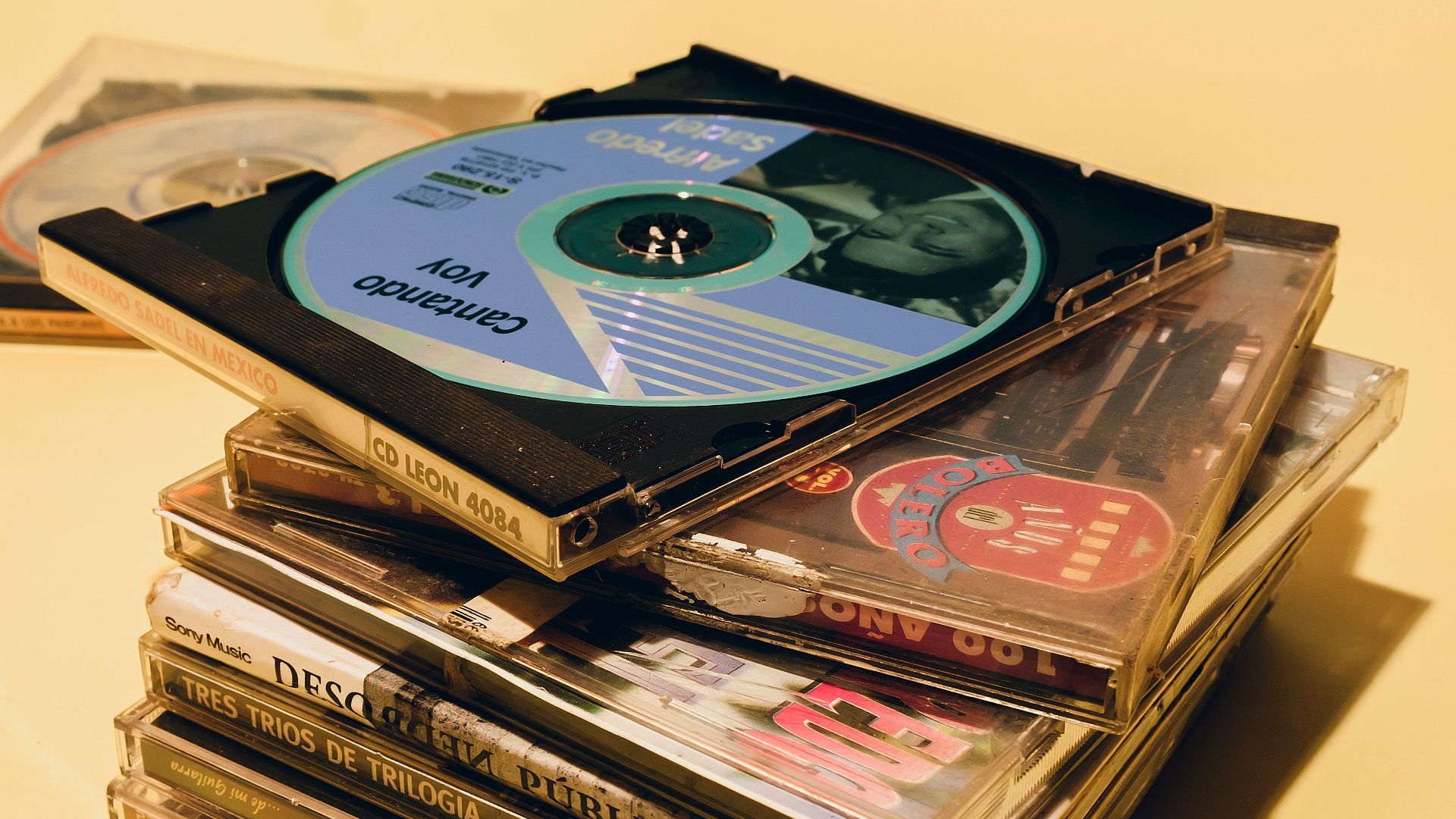
MiniDiscs
Sony hoped MiniDisc technology would replace cassette tapes and perhaps even CDs. The format attracted dedicated fans because of its portability and sound quality. Unfortunately, the rapid rise of digital audio files left MiniDisc with little room to grow.
Video Rental Membership Cards
There was a time when nearly every household had a membership card for a local video rental store. Chains such as Blockbuster became cultural institutions. Streaming services transformed home entertainment so quickly that video rental stores largely disappeared within a decade.
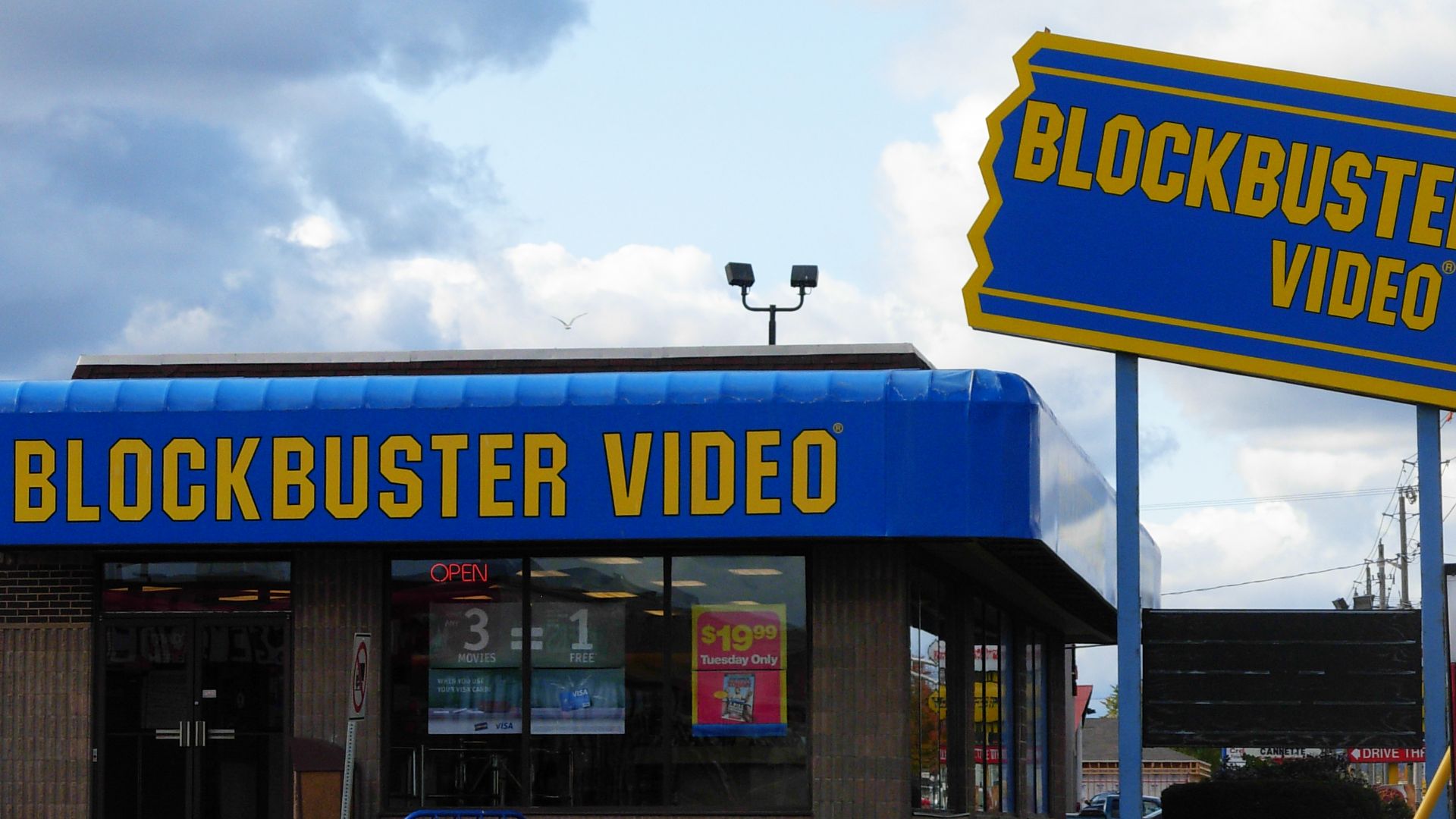 Stu pendousmat (talk), Wikimedia Commons
Disposable Film Cameras
Disposable cameras were once essential for vacations, weddings, and school trips. Their convenience made them incredibly popular with casual photographers. The spread of affordable digital cameras and later smartphones pushed them out of everyday use.

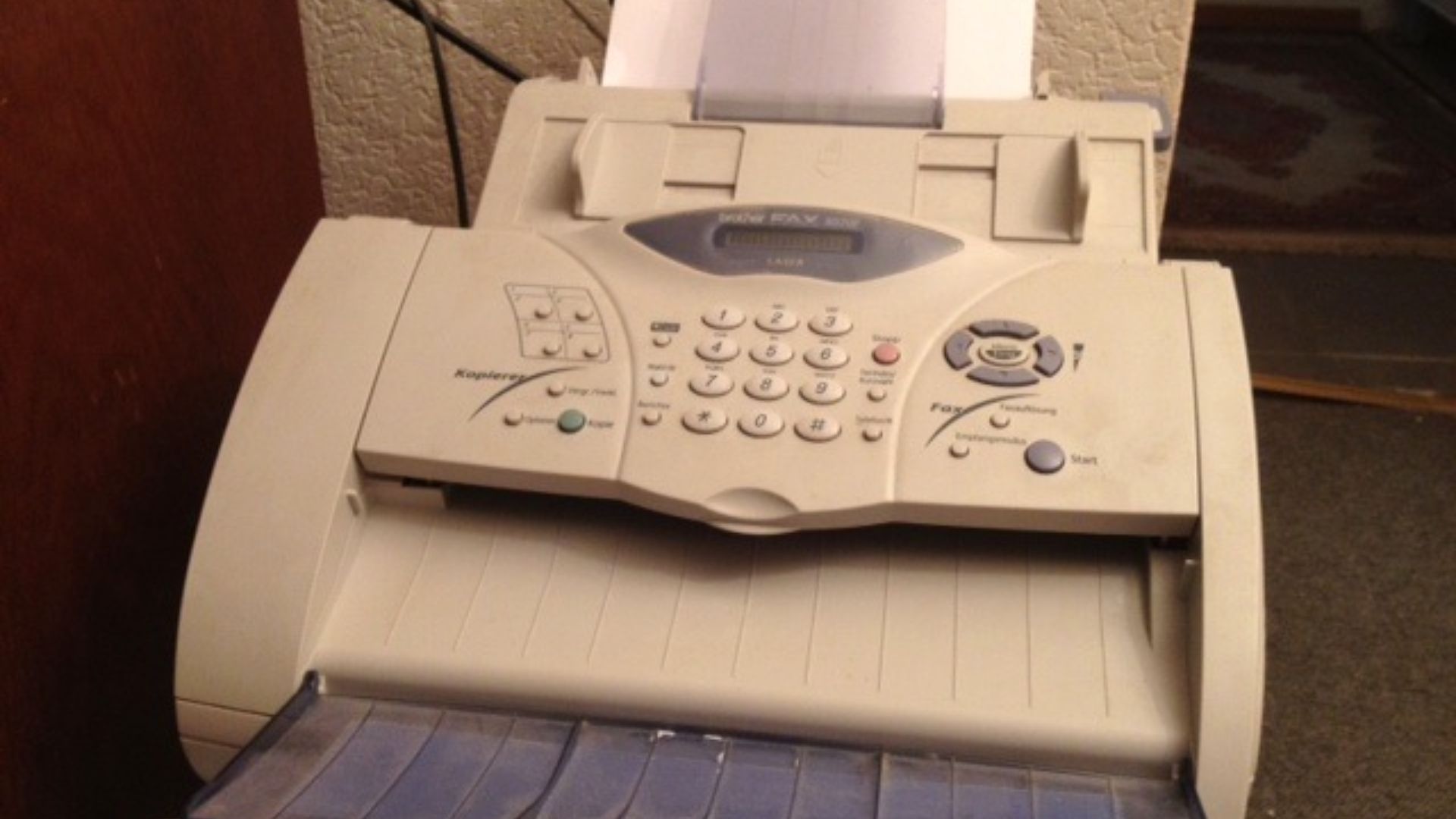
Fax Machines For Consumers
Fax machines were once marketed as must-have home office equipment. Families used them to send documents, forms, and messages before widespread internet access. Email and sending digital files quickly made most consumer fax machines unnecessary.
Encyclopedia Sets
Owning a multi-volume encyclopedia set was once a source of pride for many households. Families spent significant money building home reference libraries. The growth of online information sources made printed encyclopedia collections far less practical.
 Howardcorn33, Wikimedia Commons
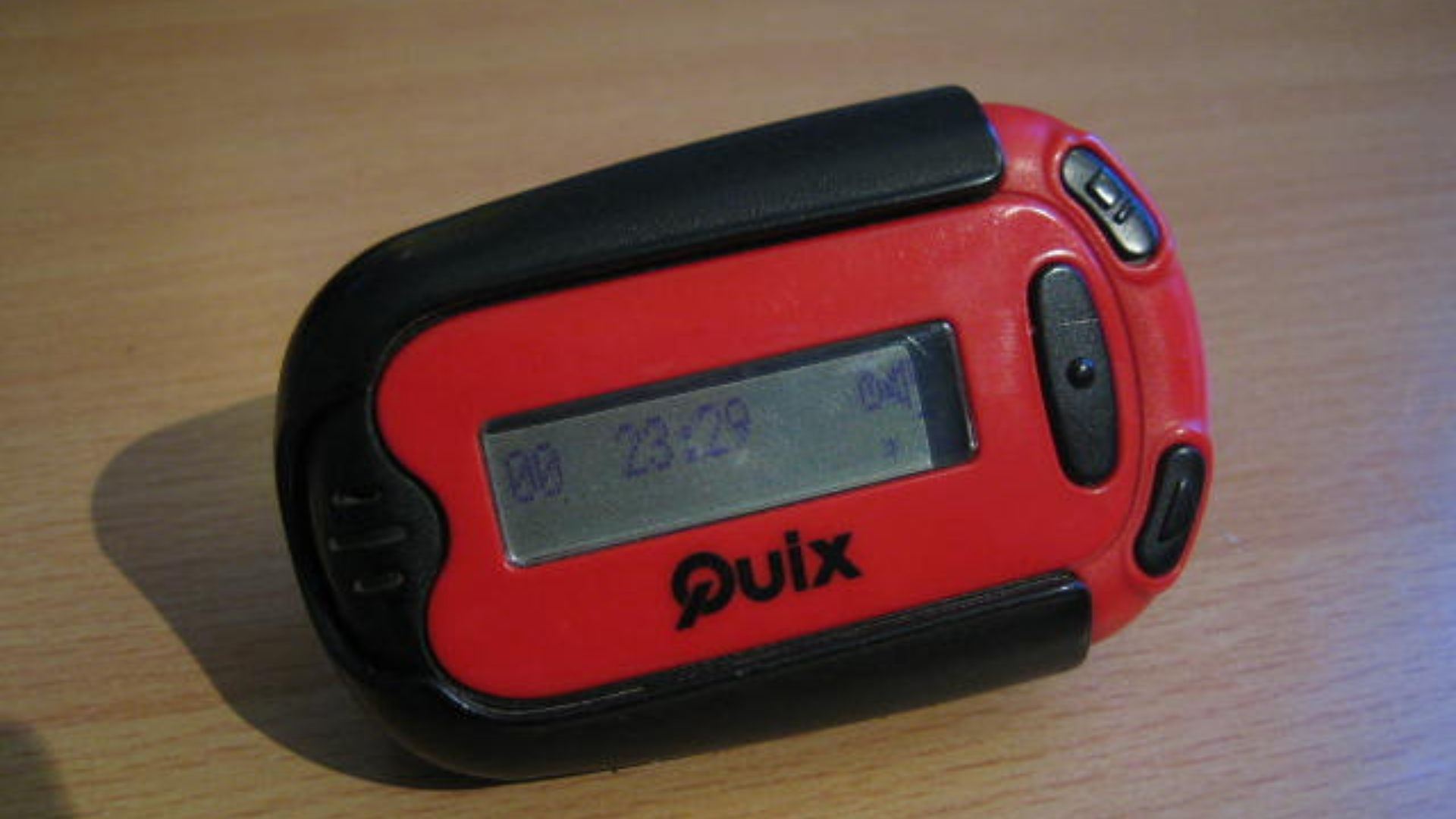
Pager Devices
Pagers became symbols of modern communication during the 1980s and 1990s. Doctors, business professionals, and emergency workers relied on them daily. Mobile phones eventually replaced most paging functions, causing the consumer market to evaporate.
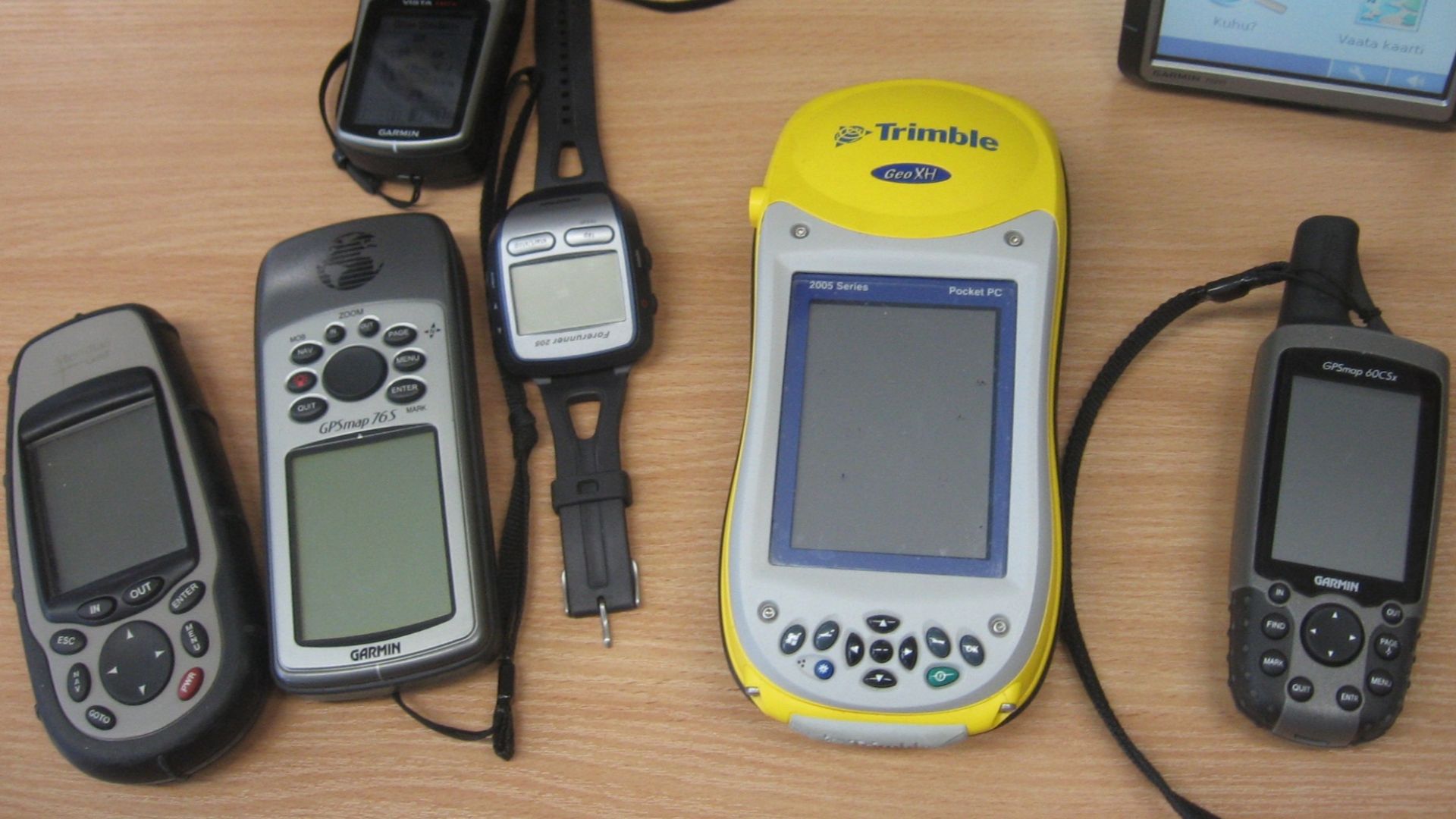
Dedicated GPS Units
Not long ago, standalone GPS devices were among the hottest products in electronics stores. Brands like Garmin and TomTom sold millions of units. Smartphone navigation apps dramatically reduced demand almost overnight.
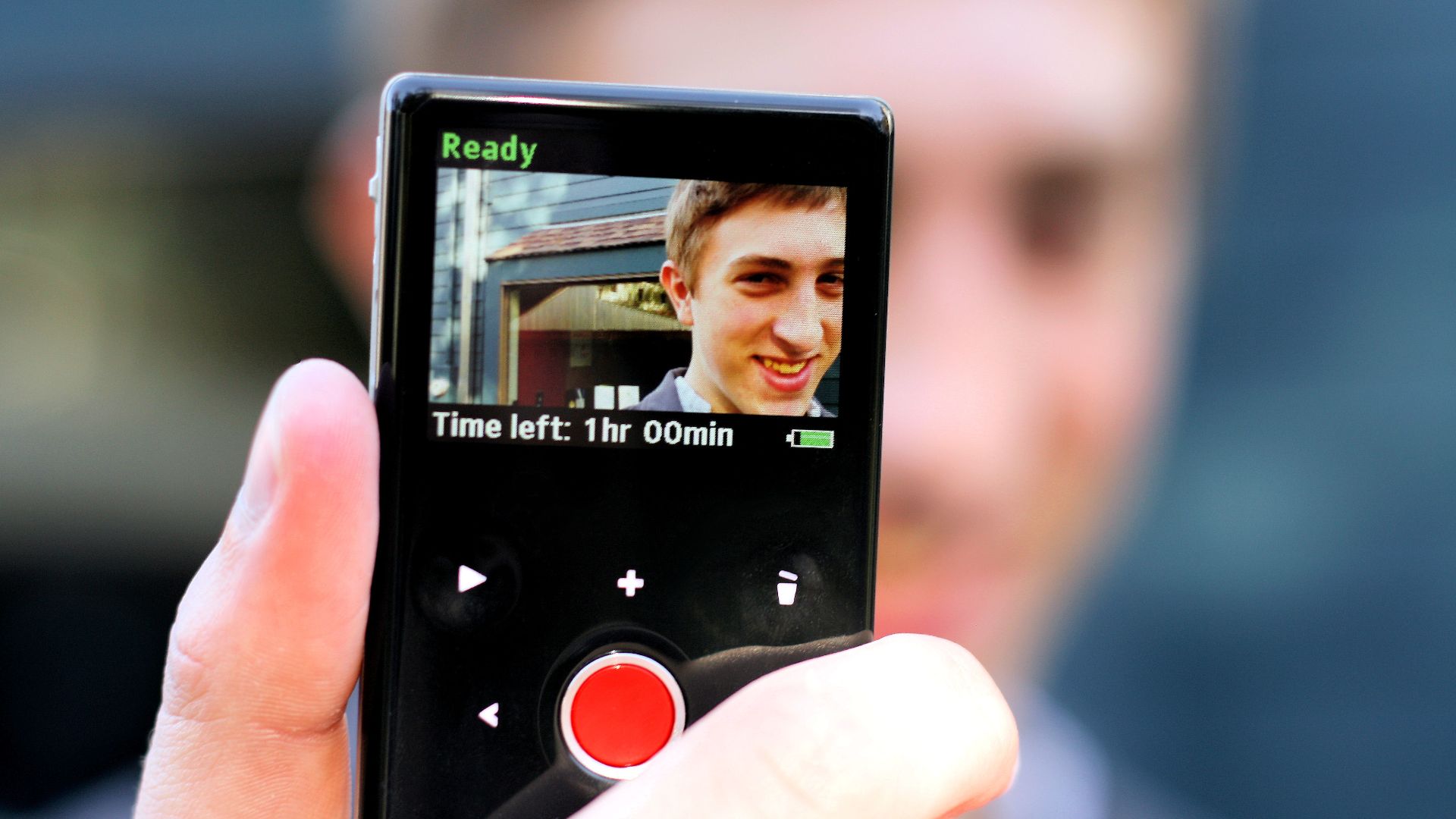
Flip Video Cameras
Flip Video cameras became hugely popular because they offered a simple way to record and upload videos. Their ease of use helped them gain widespread adoption during the late 2000s. Smartphones with increasingly capable cameras soon made separate pocket video recorders largely unnecessary.
 Phil Roeder, Wikimedia Commons
Squeezit Drinks
Squeezit fruit drinks were a lunchbox favorite for many children during the 1980s and 1990s. Their colorful bottles and quirky characters made them stand out on grocery shelves. The brand was eventually discontinued as beverage preferences changed.

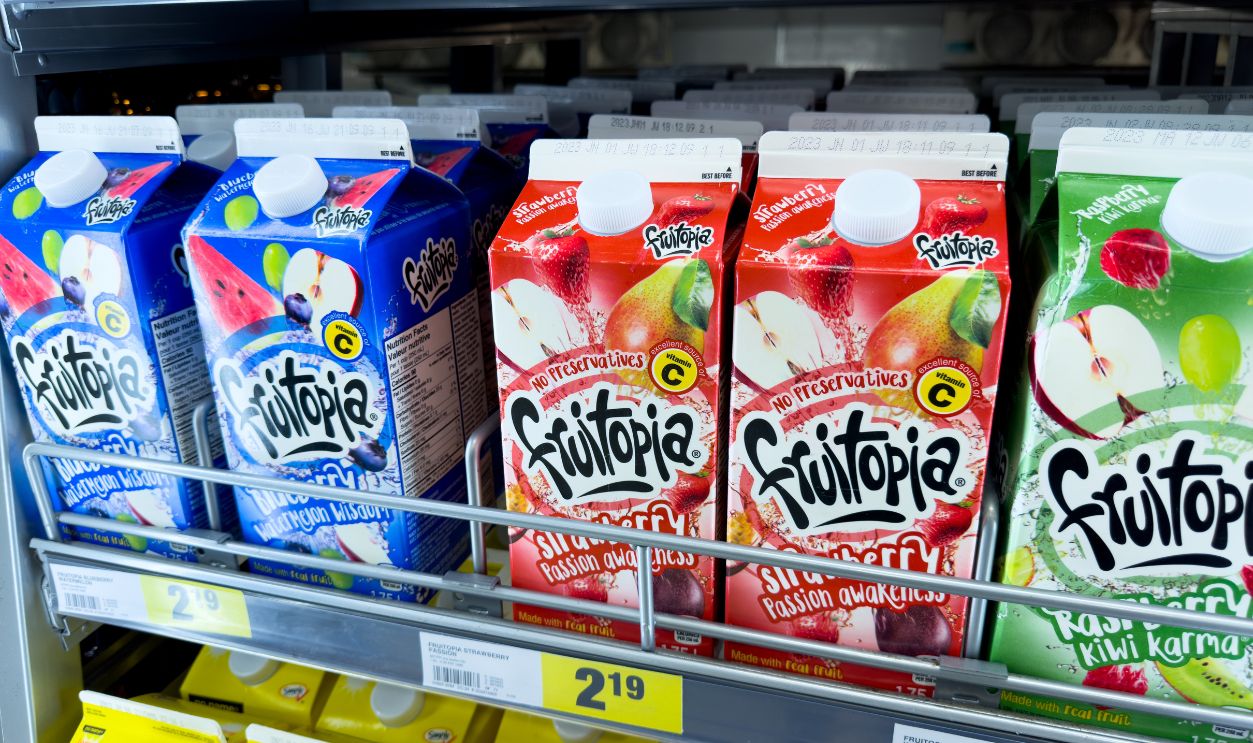
Fruitopia
Fruitopia became one of the defining beverage brands of the 1990s. Coca-Cola heavily promoted the fruit-flavored drinks, and they appeared in schools, convenience stores, and vending machines nationwide. By the early 2000s, the standalone U.S. product line had largely disappeared.
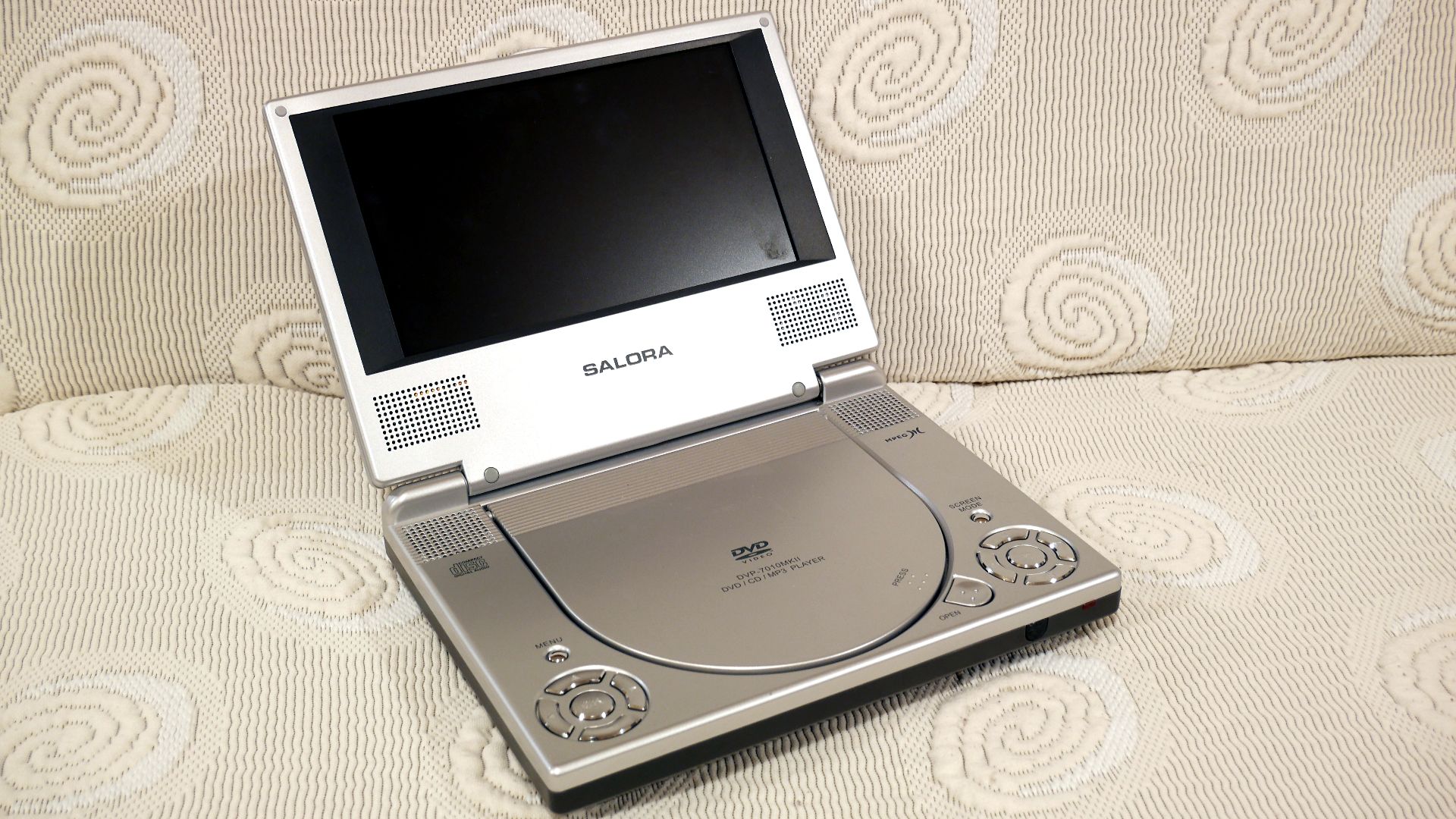
Portable DVD Players
Portable DVD players seemed revolutionary when they first appeared. Families brought them on road trips, flights, and vacations to keep passengers entertained. Tablets, smartphones, and streaming services eventually made carrying a separate DVD player far less appealing.
 Santeri Viinamaki, Wikimedia Commons
The Products That Time Forgot
Many of these products seemed untouchable during their peak years. Some were victims of changing technology, while others simply failed to keep consumer interest. Their stories are reminders that even the most familiar products can disappear far faster than anyone expects.

You May Also Like:
Historical Predictions That Sounded Ridiculous At The Time—But Turned Out To Be Correct
Common Things Americans Used To Do In Public That Would Shock People Today