 FactinateThe episode unfolding in central Assam, India, begins with ordinary labor and an unexpected interruption. In a paddy field near the Kopili River in Nagaon district, workers using an excavator to cut earth for a mud dam struck stone where only soil was expected. As the digging continued, the stones revealed deliberate shaping and alignment, unmistakable signs of construction. What lay beneath the cultivated surface was not debris carried by floods but the remains of a carefully planned structure. The discovery quietly opened a window into a medieval past that had endured beneath seasonal farming cycles and shifting riverbanks, unnoticed for centuries.
A Cultivated Field With Architectural Memory
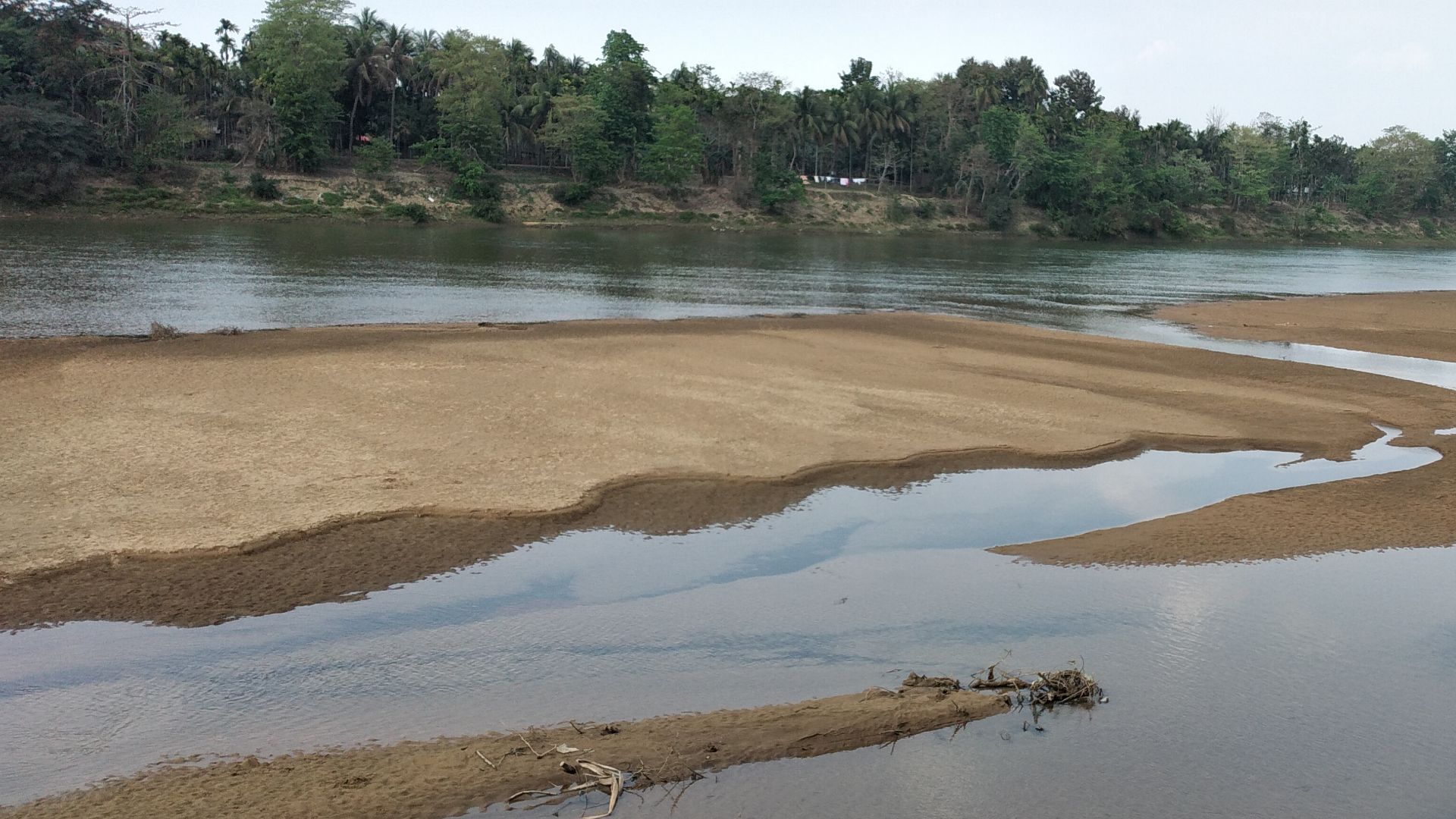
Once the exposed area widened, the pattern of the stones began to tell a clearer story. Archaeologists identified parts of a temple plinth, which included elements of the “Adhisthana” (Sanskrit term for foundation) and the lower wall section known as the “Jangha” (lower part of deity). These features are hallmarks of early medieval stone temples and point to a structure built with formal architectural knowledge. The site’s position near the Kopili River strengthens this interpretation, as temples were often placed close to rivers that supported ritual practice and settlement. The river functioned as a natural boundary and as a connector linking religious spaces to daily life.
This find also fits into a wider pattern emerging along the Kopili valley. About 9.32 miles upstream, similar stone remains have been documented. It suggests the presence of a broader sacred landscape rather than an isolated shrine. Archaeologists have noted that both sites share comparable stone types and construction techniques, which strengthens the case for contemporaneous temple activity along the river. Stylistic assessment places the temple between the 10th and 12th centuries, a period when temple-building activity increased across Assam under regional dynasties. The stonework reflects a mix of local craftsmanship and influences shared across eastern India to hint at networks of artisans and patrons operating along river corridors.
 Diganta Talukdar, Wikimedia Commons
Interpreting The Remains With Care
What distinguishes this discovery is the measured way it is being interpreted. No inscriptions have yet been found to name a deity or royal patron, and that absence has guided archaeologists toward cautious analysis. Broken sculptural fragments uncovered at the site indicate the presence of religious imagery, but their damaged condition prevents firm identification. Instead of forcing conclusions, researchers are allowing architectural form and material choice to guide understanding. This approach preserves the integrity of the evidence and keeps the site open to future discoveries that may clarify its original function if discovered in the future.
The response from the Assam Directorate of Archaeology has centered on careful documentation and immediate protection of the exposed remains. Archaeologists conducted a preliminary survey soon after the discovery to record the visible structural elements spread across roughly 1,722 square feet. Coordination with district officials followed to halt further earthmoving in the area and prevent additional damage to the stonework, some of which had already been affected during initial digging. Officials have stressed that the exposed plinth likely represents only a small section of the original temple complex. Given the site’s location within long-cultivated farmland, substantial portions of the structure may still remain buried and relatively intact beneath the surrounding fields, preserved by centuries of shallow agricultural use.
How This Discovery Reframes The Region
Placed within the historical record of medieval Assam, the Nagaon temple site adds concrete evidence to a pattern scholars have long suspected but rarely been able to document on the ground. Stone temples of this period were typically associated with administrative or religious hubs, yet this discovery suggests that such structures were also embedded within agrarian zones connected by river routes. The location along the Kopili indicates that temple patronage extended into fertile floodplain regions that supported stable settlements and surplus agriculture. This aligns with known medieval land-grant practices, where temples functioned as anchors of the local economy and seasonal ritual cycles tied to farming communities. Archaeologically, the site strengthens the case for dispersed temple-building activity in central Assam between the 10th and 12th centuries, challenging the idea that stone architecture was confined to a few elite locations. Scholars note that similar sites in the region declined amid broader historical shifts, such as changing dynasties in medieval Assam.