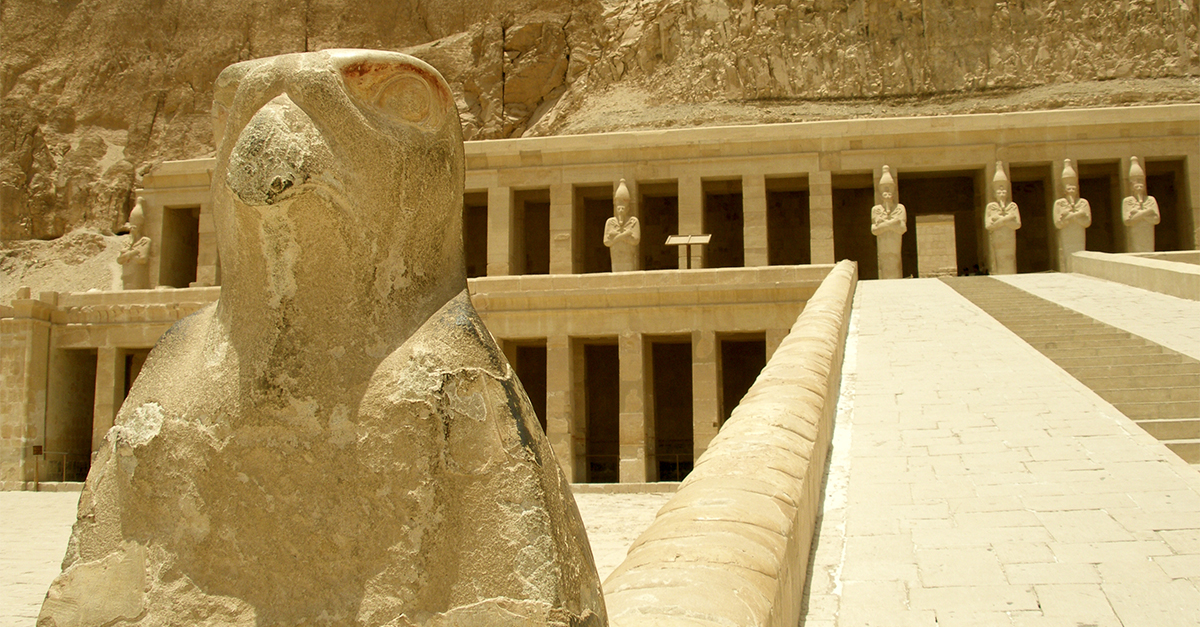
Archaeologists recently unearthed an amazing trove of more than 1,500 intricate and colorful decorative stone blocks from Queen Hatshepsut’s valley temple near Luxor’s Deir al‑Bahari. The blocks date back to Egypt’s 18th Dynasty but are well-preserved and vividly painted. The discovery adds to the legacy of Egyptian art and Egypt’s only female pharaoh, Hatshepsut.
History Bursts Forth In Colorful Array
Led by prominent Egyptologist Zahi Hawass, the dig revealed segments of the foundation wall of the valley temple. The blocks depict evocative scenes of the past, with colors that Hawass described as “the most beautiful…I’ve ever seen.” Their discovery is testimony to the original grandeur that so many of us took for granted as lost to the sands of time.
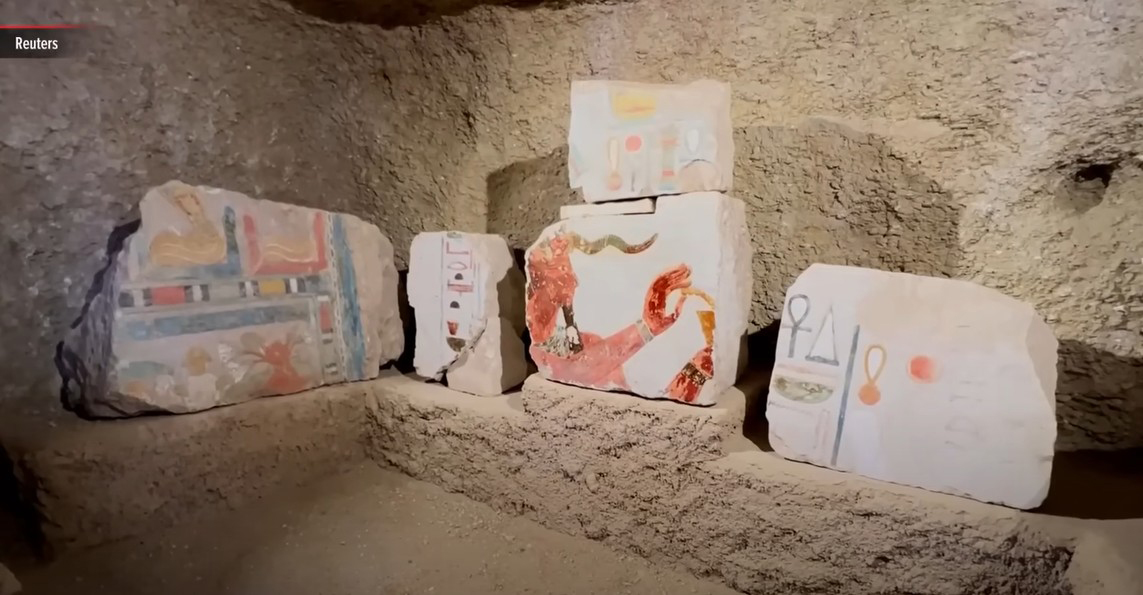 Egypt announces new discoveries at Temple of Hatshepsut in Luxor | ABS-CBN News
A Rediscovery After Centuries of Erosion
Hatshepsut’s valley temple had been deliberately torn down and covered in a mantle of debris over thousands of years. The rediscovery of these blocks with beautiful reliefs still intact allows us to marvel at the architectural splendor of a site once thought to totally destroyed.
Who Was Hatshepsut?
Hatshepsut, one of Egypt’s few female rulers, reigned in the 15th century BC and set down a legacy of architectural innovation and political stability. Her valley temple was part of a vast funerary complex intended to honor her divine lineage and power. These blocks are clear evidence of her era’s impressive religious and artistic heritage.
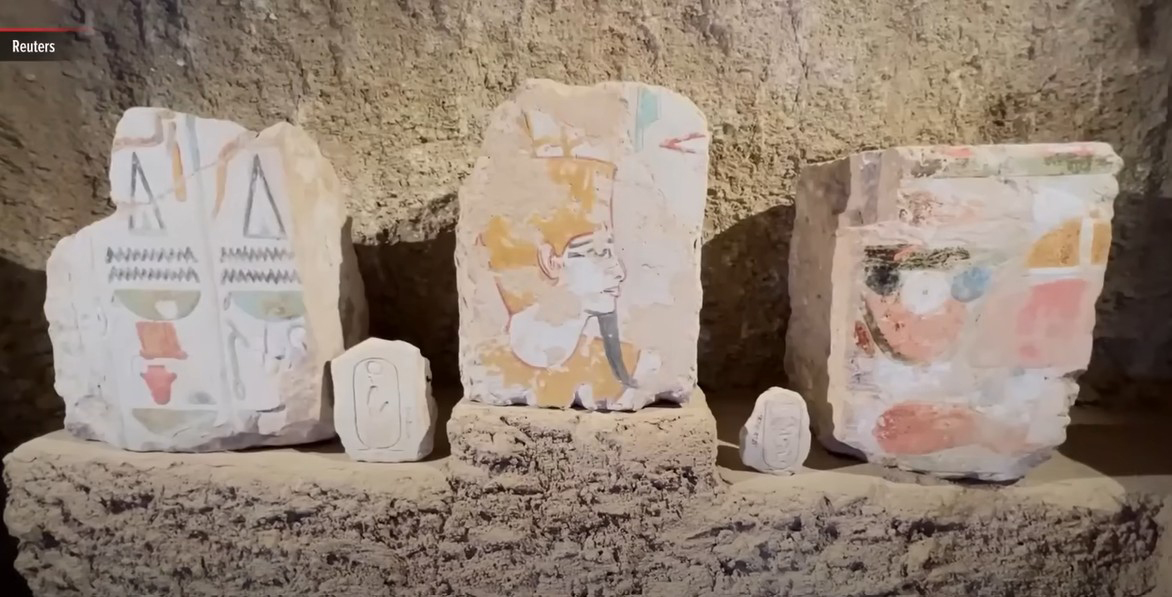 Egypt announces new discoveries at Temple of Hatshepsut in Luxor | ABS-CBN News
Other Artifacts Found
Beyond the decorative blocks, teams also came across tools like chisels, a wooden hammer, an adz, and a wooden brick mold, thought to have been buried during the construction of the mighty temple. These artifacts give us an understanding of the labor and building methods for Ancient Egyptian temples.
Signature Stone Of A Royal Architect
A carved limestone tablet found in the vicinity bears the name of Senenmut, the royal architect who oversaw the temple’s construction. This inscription is a clue to the temple’s design origins and proves the importance of Senenmut in building Hatshepsut’s architectural legacy.
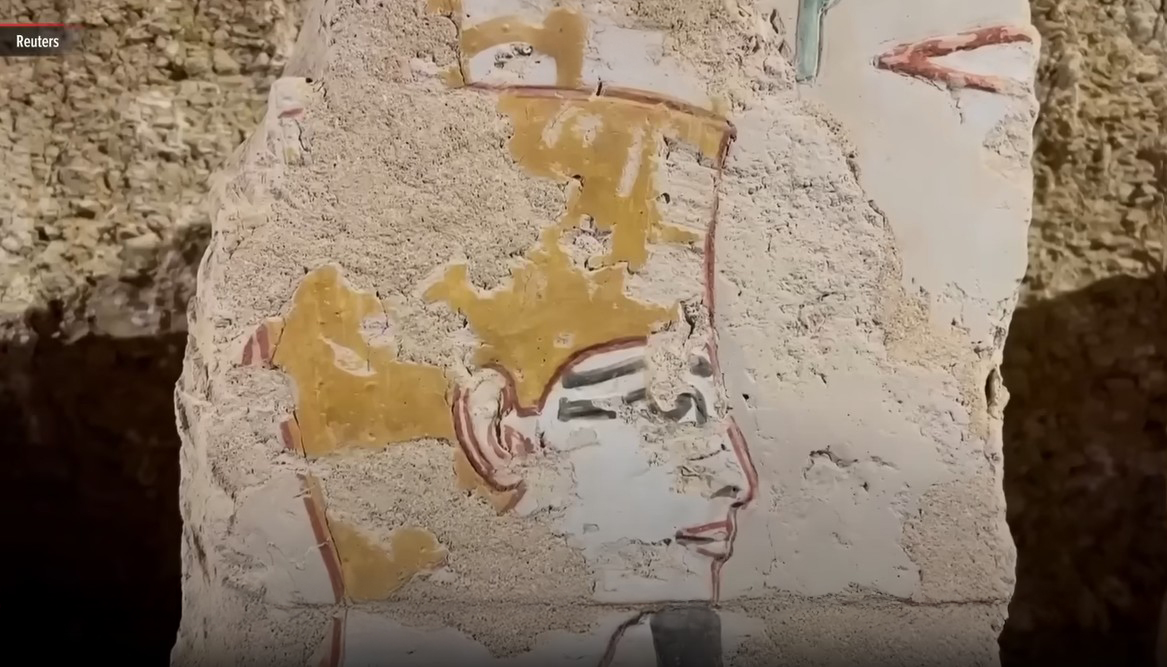 Egypt announces new discoveries at Temple of Hatshepsut in Luxor | ABS-CBN News
Part Of A Larger Luxor Effort
These finds are the outcome of three years of frantic digging in Deir al‑Bahari’s archaeological zone. Researchers also revealed nearby tombs, like that of Queen Teti Sheri, grandmother of Ahmose I. The exploration also hit pay dirt in the discovery of burial shafts containing coffins and funerary items from many different classic Egyptian eras. This kind of diversified series of discoveries gives us a larger scale understanding of the necropolis as a whole.
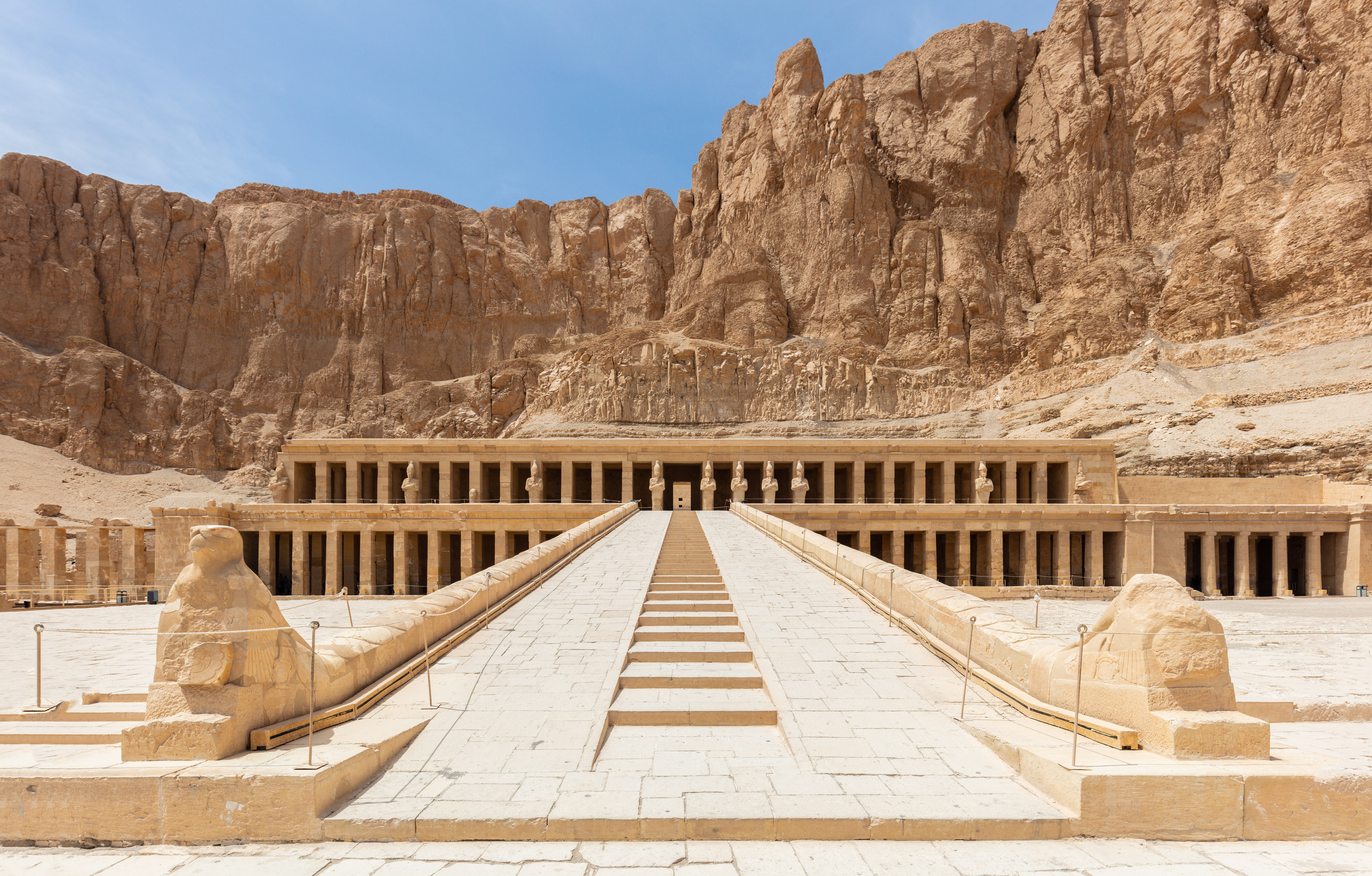 Diego Delso, Wikimedia Commons
A Discovery That Resonates
These newfound blocks are further symbols of the artistry and splendor of one of ancient Egypt’s rare successful female rulers. The vibrant artwork offers historians a chance to look anew at the temple’s design and the political and religious power it conveyed all those eons ago.
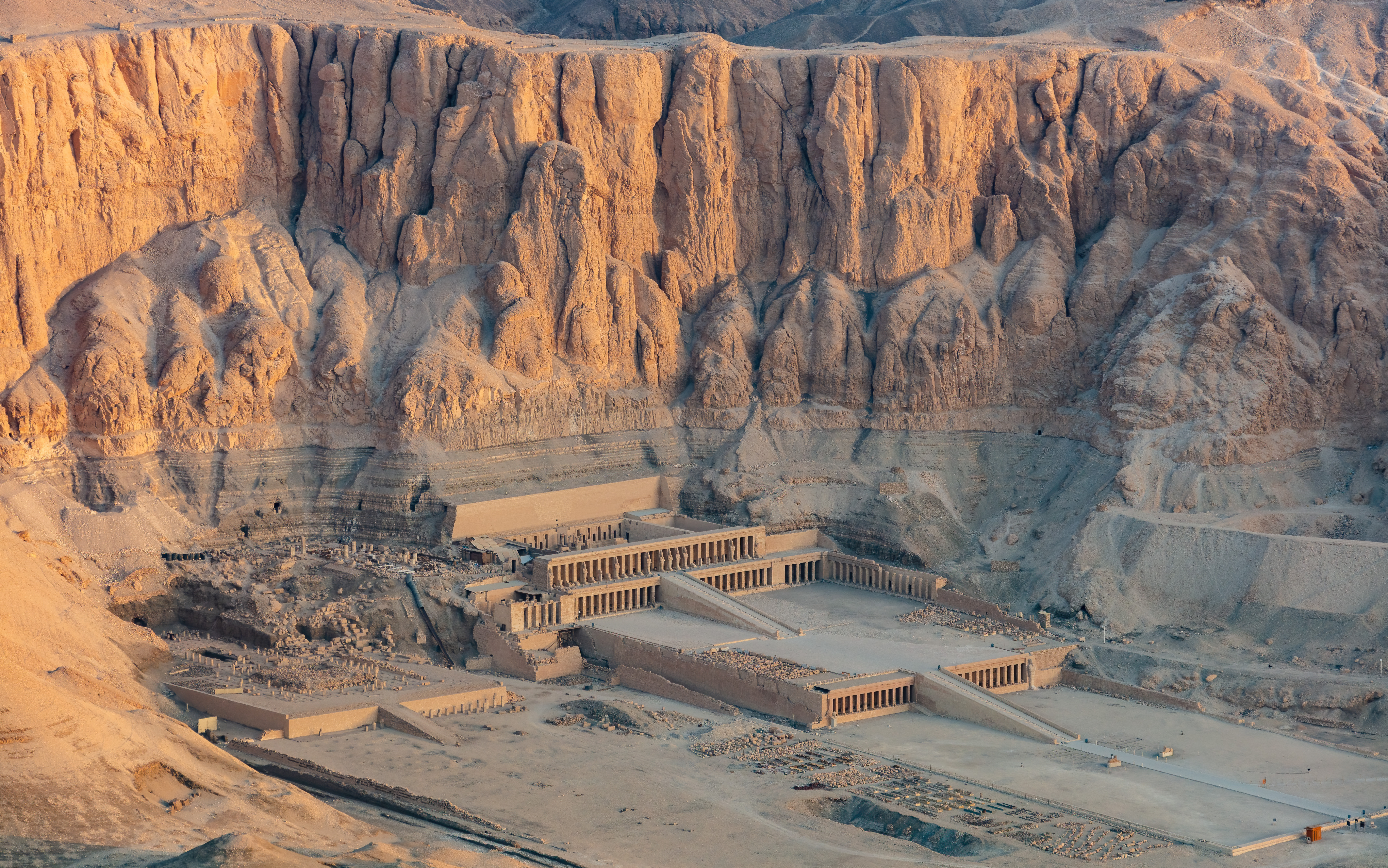 Diego Delso, Wikimedia Commons
Next Steps For These Blocks
Researchers are now putting the stones in order and preserving them for future study. Specialists are looking forward to detailed analysis of their pigments, motifs, and how they fit into the temple’s bigger structure. The ultimate goal is to restore at least some portion of the temple with historical fidelity and bring Hatshepsut’s reign back to life in its full visual glory.
You May Also Like:
Monumental Facts About Ancient Egypt
Powerful Facts About Egyptian Gods
A unique granite statue of the pharaoh Ramses II was discovered under a house in Giza.