New Technology Has Always Made People Nervous.
Long before arguments about artificial intelligence, Americans worried about telephones, cars, calculators, and machines that would eliminate whole categories of work. Some fears proved exaggerated, while others identified genuine problems that society eventually addressed with new rules, habits, and safeguards.
The Telephone Put Strangers Inside The House
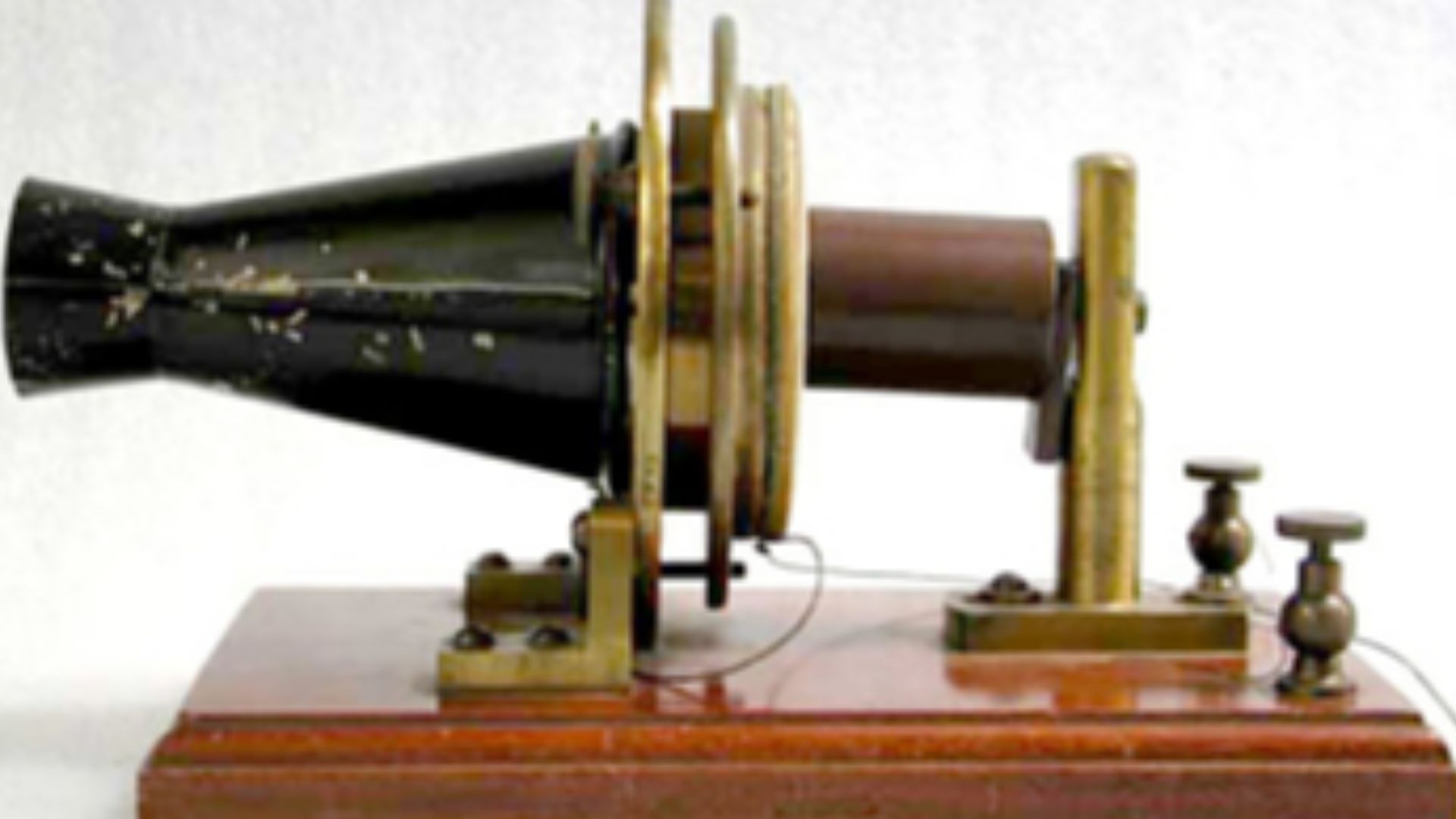
Alexander Graham Bell's telephone created a genuinely unsettling experience when it appeared in the 1870s. For the first time, someone miles away could suddenly project a voice into another person's home in real time. Early users marveled at the effect, while commentators struggled to decide what kinds of conversations were appropriate for such a powerful new device. The technology challenged social boundaries almost as dramatically as it changed communication.
 National Museum of American History, Wikimedia Commons
Critics Thought Phones Would Ruin Conversation
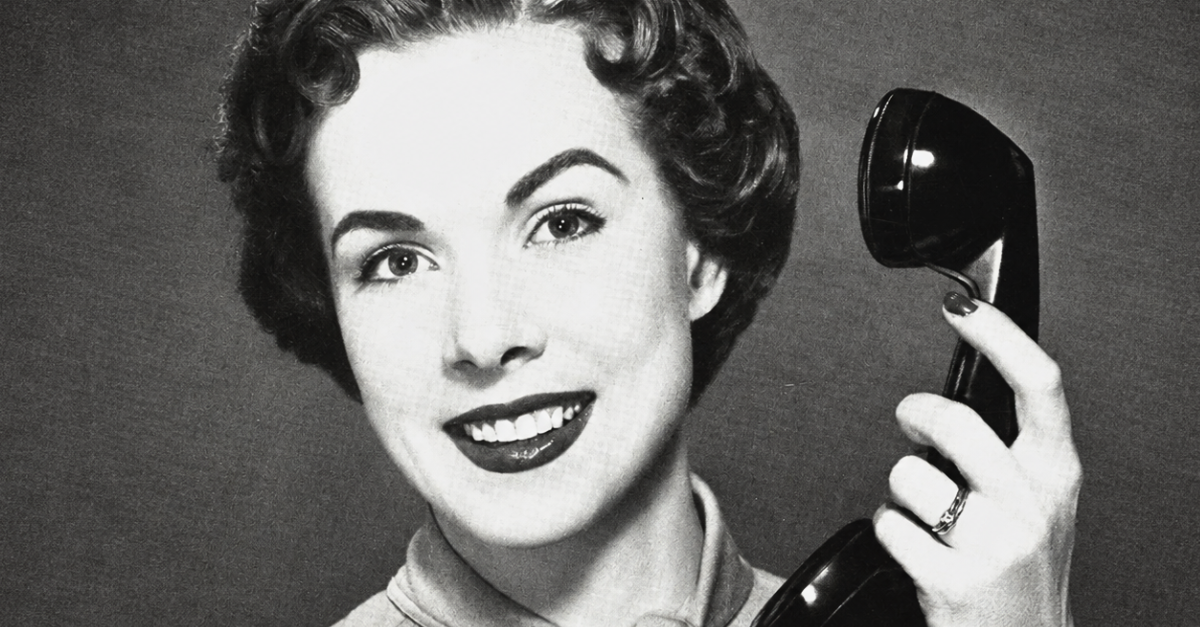
Early telephone companies initially marketed their networks heavily toward business rather than casual socializing. Critics complained when people, especially women, used the telephone for long personal conversations, with one writer dismissing such calls as the exchange of trivial chatter. Later generations worried about harassment, anonymity, interruptions, and the telephone invading domestic privacy. Many complaints now sound remarkably similar to arguments surrounding texting and smartphones.

Then Nobody Wanted To Live Without One
Despite the complaints, Americans rapidly discovered reasons to use the telephone socially. More than one million telephones were operating nationwide by 1900, and everyday conversation soon became central to the technology's appeal. People eventually used phones for emergencies, medical help, business, family news, and ordinary gossip without viewing every call as a dangerous social experiment. The frighteningly intimate machine became an ordinary fixture of home life.

Electricity Looked Powerful Enough To Kill You
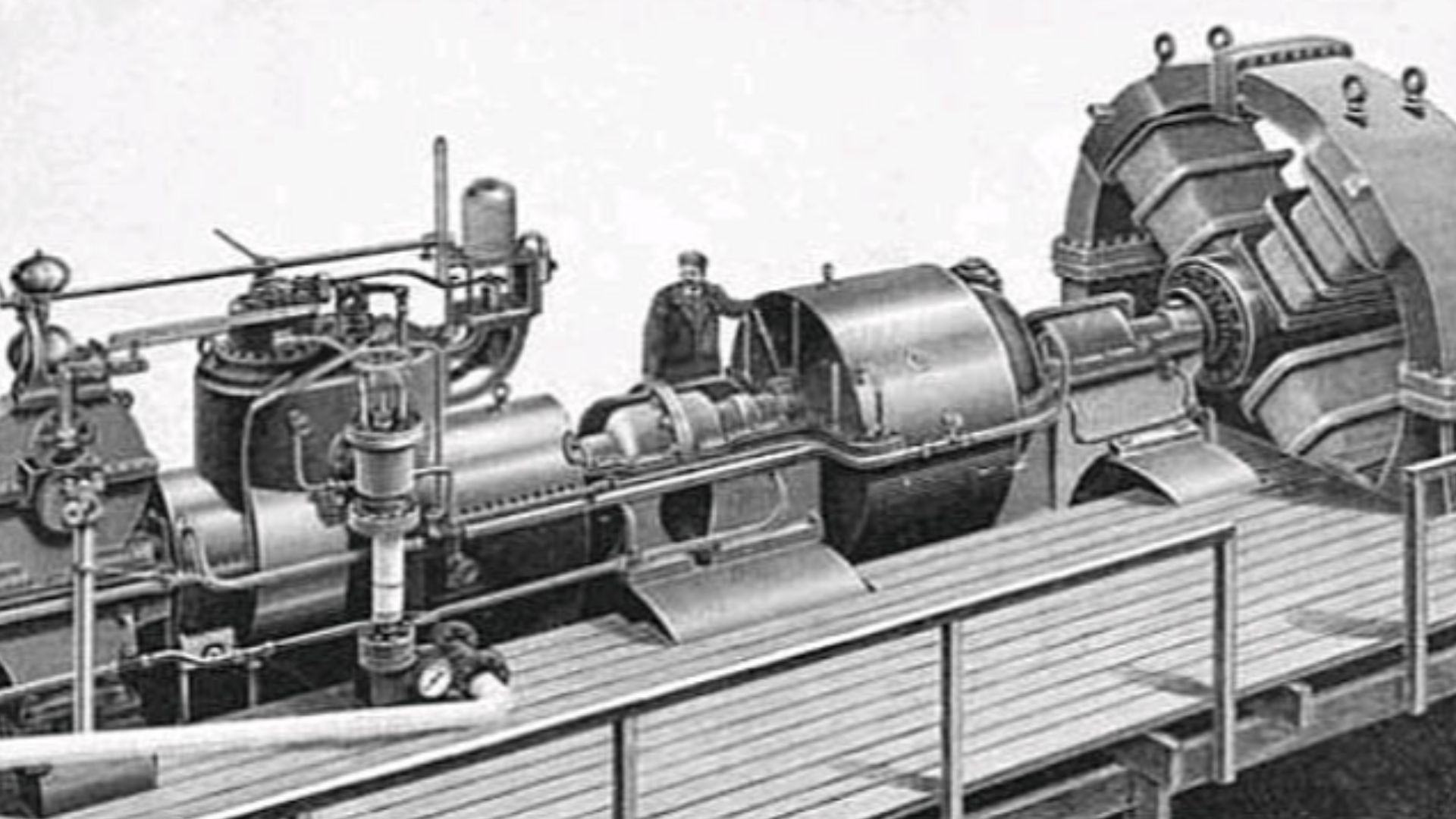
Electric lighting promised cleaner and more convenient illumination than oil or gas, but electricity also introduced hazards that ordinary consumers barely understood. Competing electrical systems appeared while wires, generators, and rapidly expanding networks entered American cities. Accidental electrocutions helped make the danger extremely visible. The public was being asked to bring a mysterious and potentially lethal force directly into homes and workplaces.
 Unknown authorUnknown author, Wikimedia Commons
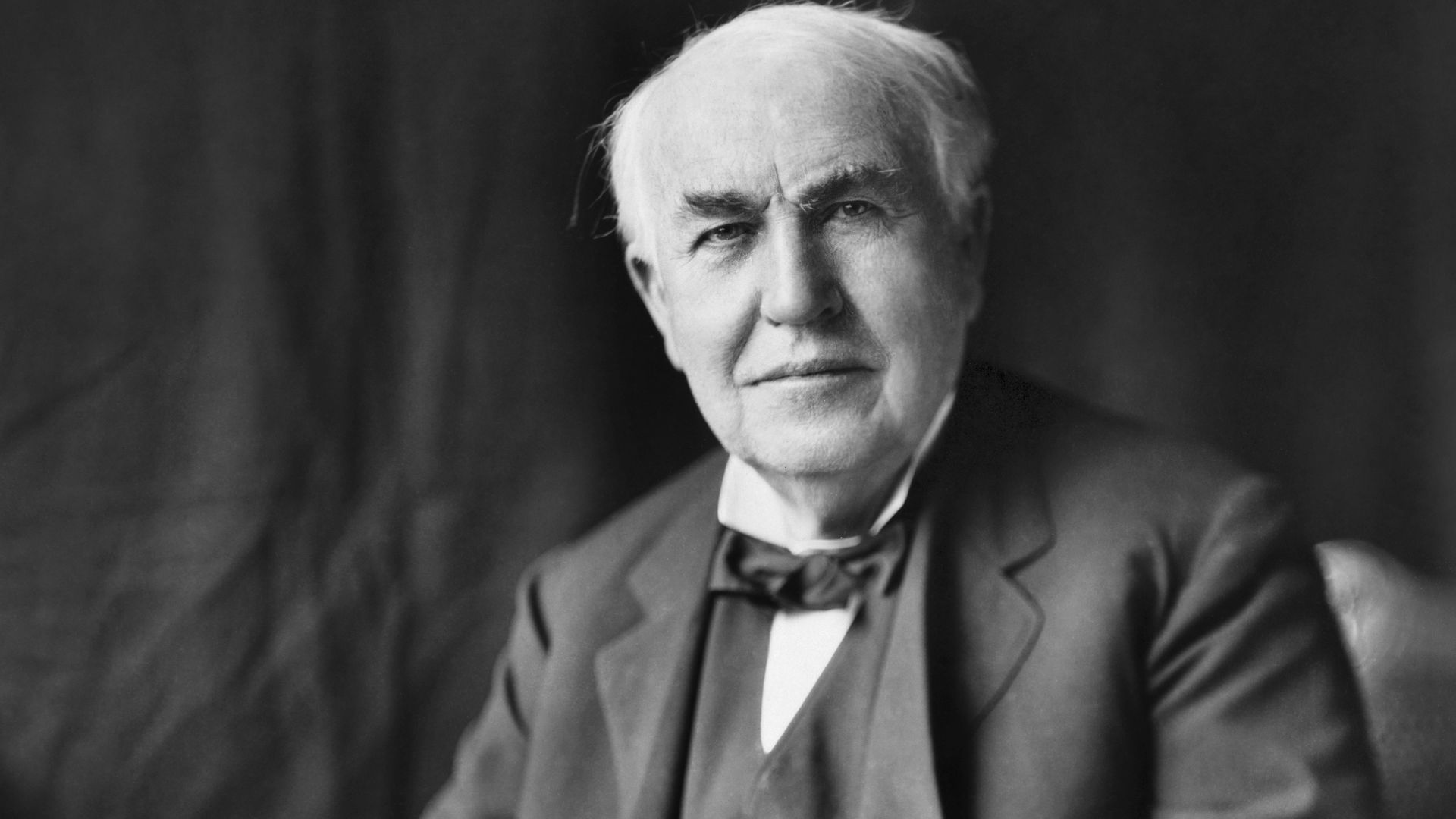
Edison Made The Fear Even Worse
During the famous War of the Currents, Thomas Edison tried to portray George Westinghouse's alternating-current system as dangerously deadly. Animals were publicly electrocuted with AC, and Edison supported its use in the newly developed electric chair. The campaign deliberately connected a rival technology with death at precisely the moment consumers were deciding whether electricity belonged in everyday life. Fear was not merely a reaction to the technology because competing businesses actively encouraged it.
 Louis Bachrach, Bachrach Studios, restored by Michel Vuijlsteke, Wikimedia Commons
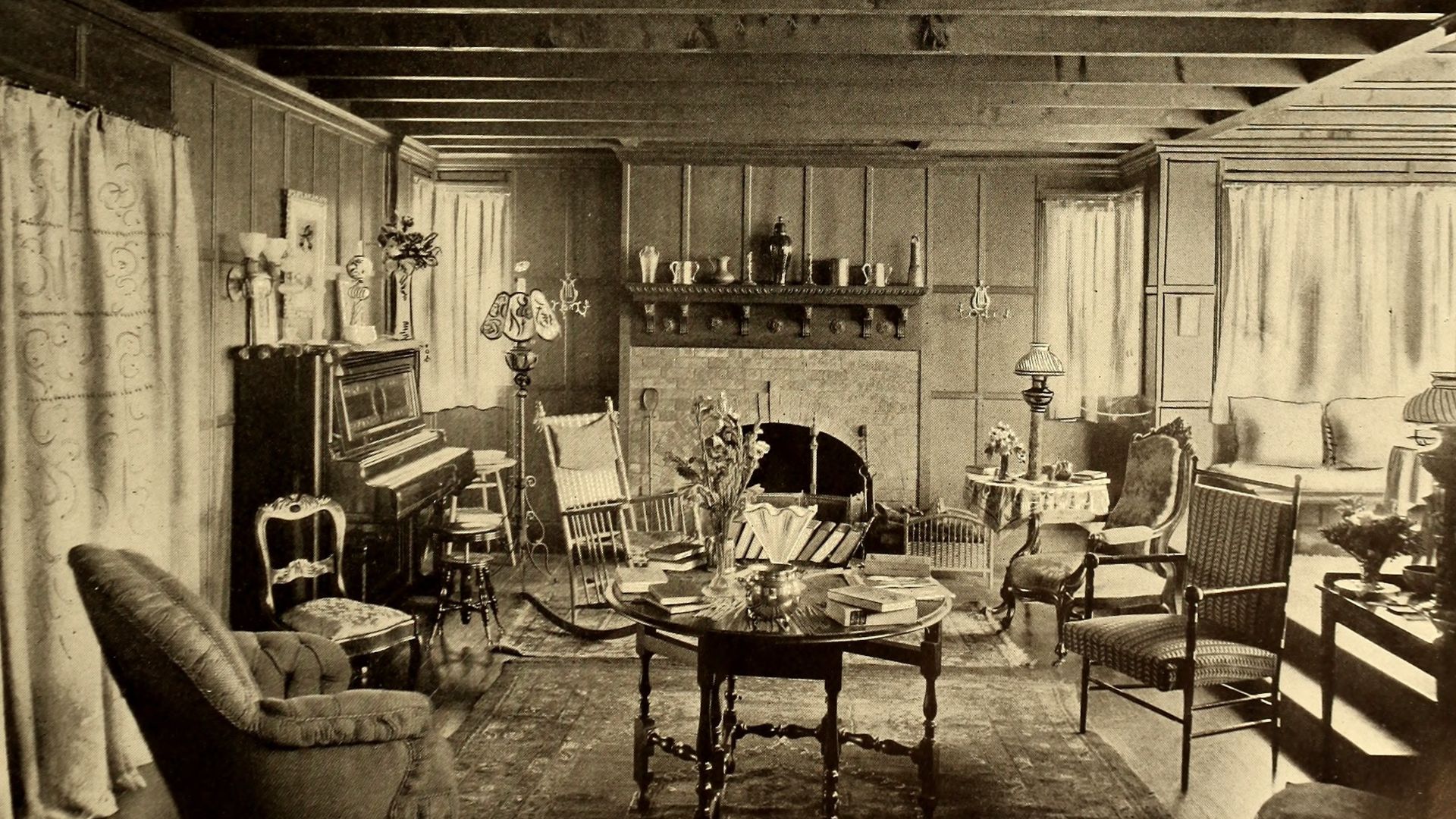
Soon Electricity Meant Modern Living
Alternating current ultimately became the dominant distribution system, while electric lighting spread through cities and homes. Cost and technical problems initially slowed residential adoption, but falling prices and improved equipment gradually made electricity more attractive. By the early 20th century, electric lighting was increasingly normal rather than exotic, and households eventually embraced electrical appliances as well. What had seemed frighteningly experimental became a foundation of modern domestic life.
 Internet Archive Book Images, Wikimedia Commons
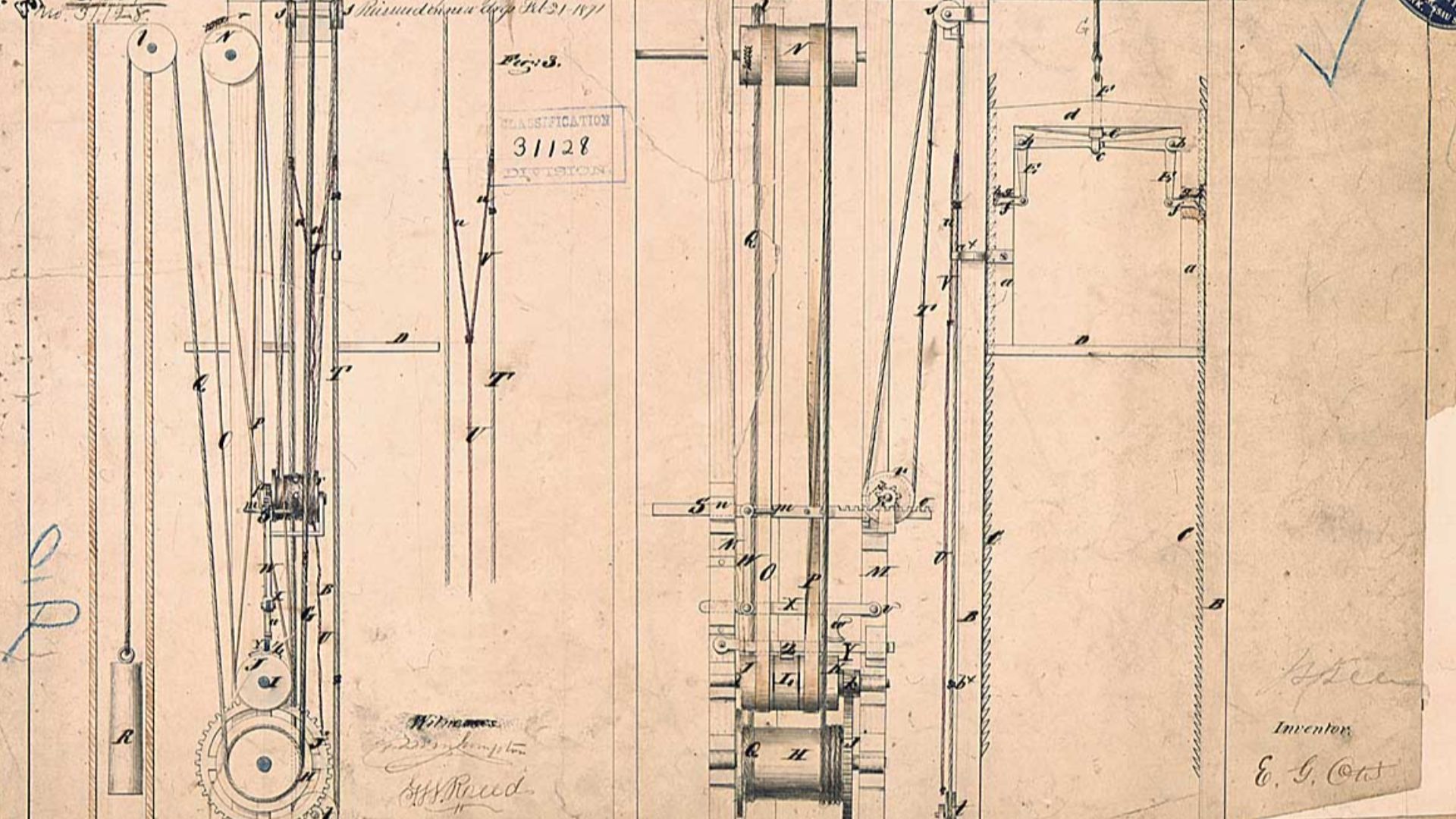
Elevators Asked People To Trust A Rope
Early lifting platforms had an obvious image problem. If the supporting rope broke, a platform carrying goods or people could plunge downward, making the idea of routine passenger elevators understandably unnerving. Elisha Graves Otis developed an automatic safety brake specifically designed to stop such a fall. The technology existed, but convincing people to trust it required something more dramatic than a patent drawing.
 Unknown authorUnknown author, Wikimedia Commons
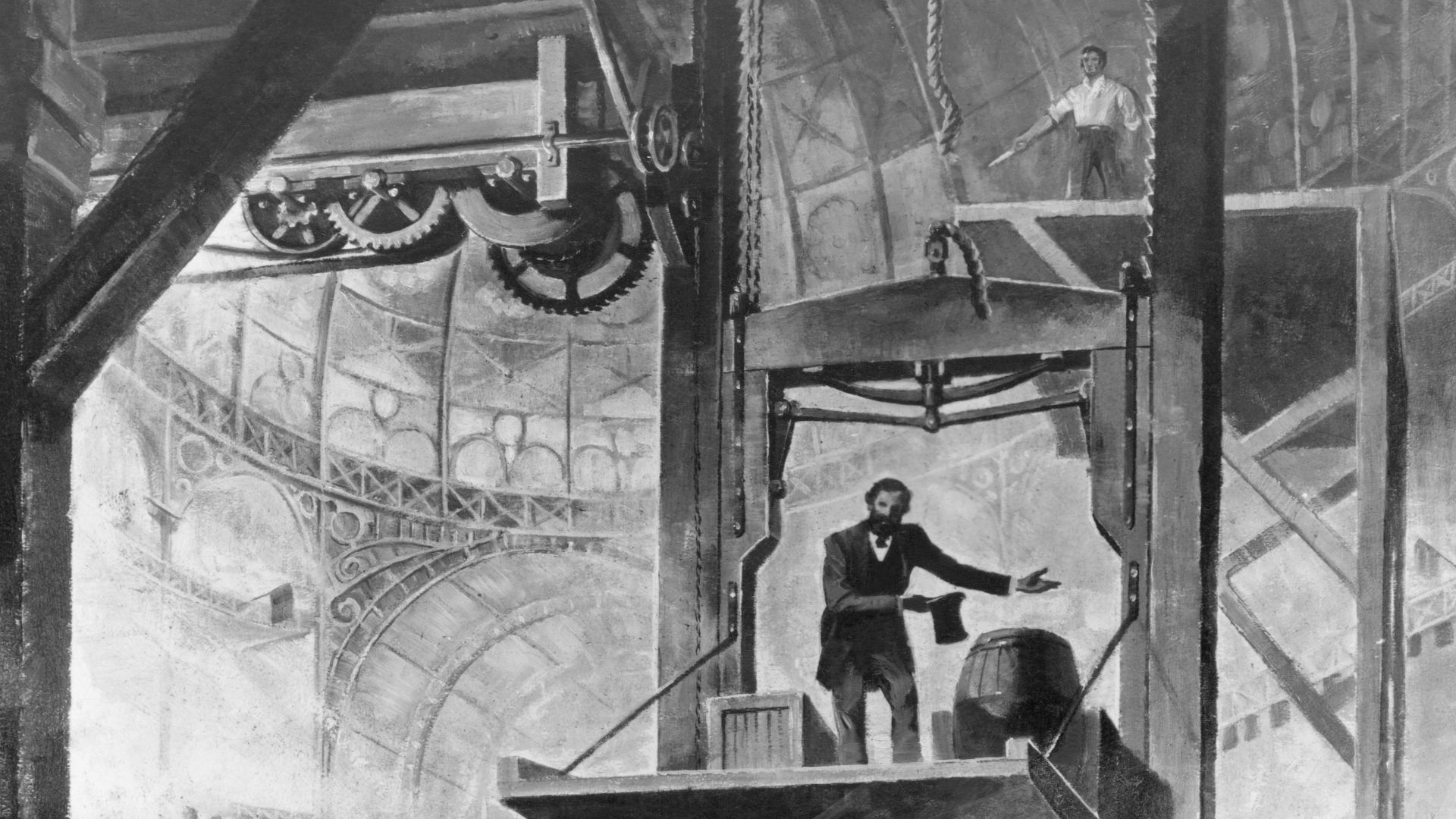
Otis Put His Own Body On The Line
At New York's Crystal Palace exhibition in 1854, Otis staged the kind of demonstration that modern safety departments might find alarming. He stood on an elevated platform and had its supporting rope cut in front of spectators. His braking system caught the platform instead of allowing it to crash, producing a memorable public demonstration of elevator safety. Orders increased afterward, showing that fear could sometimes be defeated by spectacle.

History's most fascinating stories and darkest secrets, delivered to your inbox daily.
Elevators Eventually Changed The Shape Of Cities
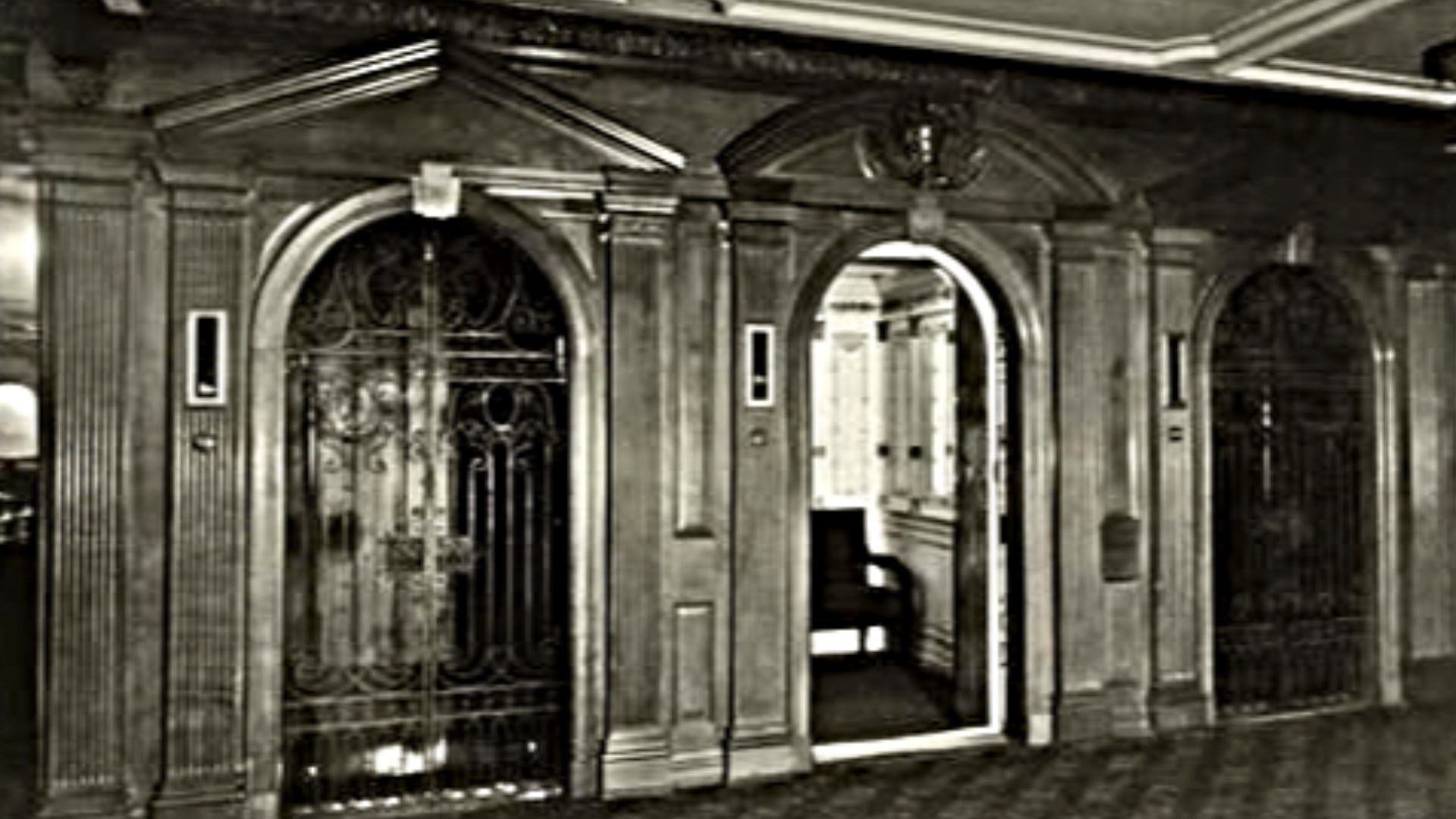
The first commercial passenger elevator using Otis technology was installed in New York in 1857. Elevators spread through hotels, department stores, and office buildings and eventually became essential to skyscraper construction. Buildings that once became impractical after several flights of stairs could now rise dozens of stories. A machine that had required a daredevil demonstration to earn trust became something millions of people enter without hesitation.
 Unknown authorUnknown author, Wikimedia Commons
The Automobile Was Called A New Terror
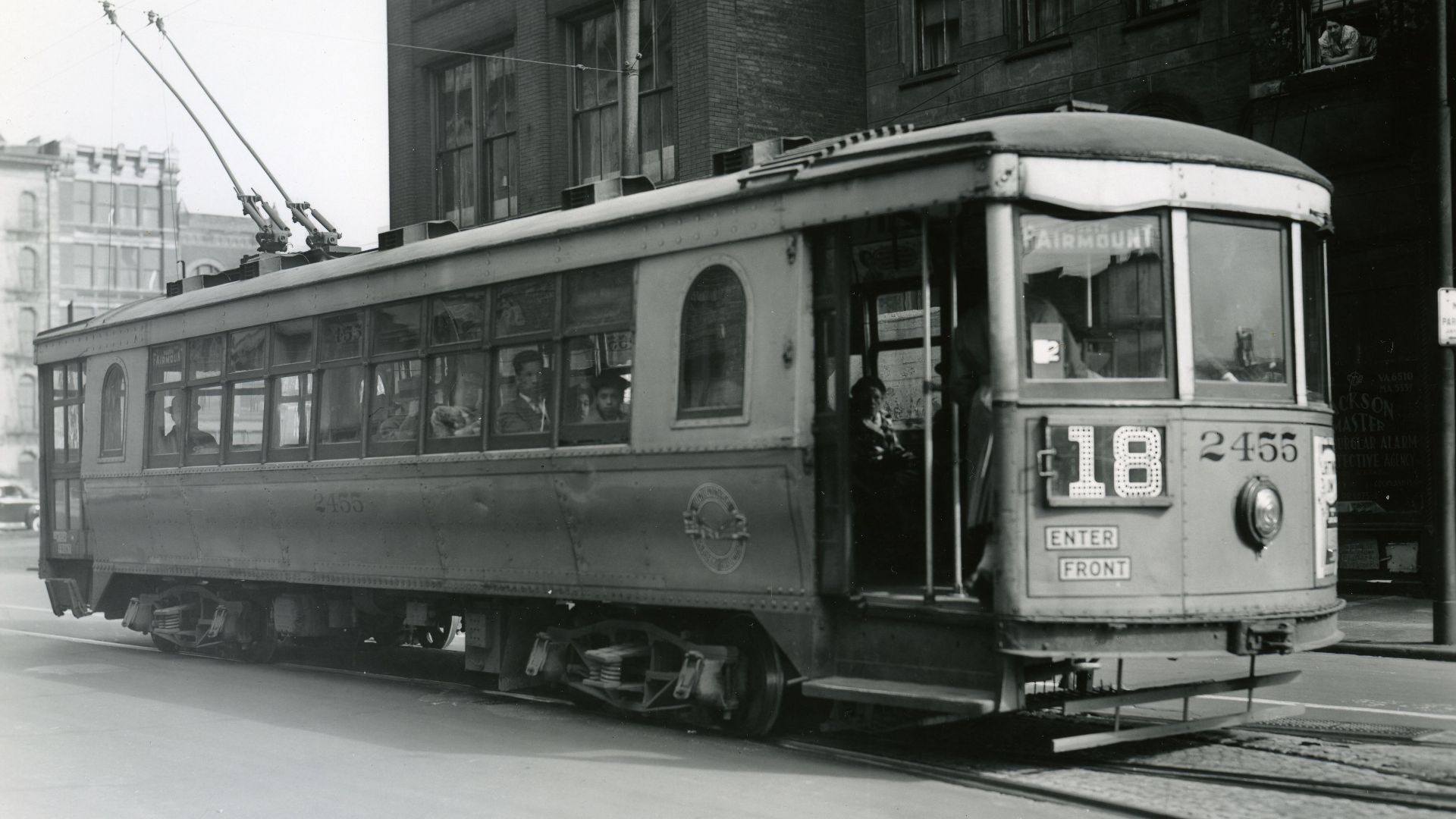
Early cars arrived in streets already shared by pedestrians, bicycles, streetcars, horses, and wagons. A San Francisco newspaper in 1901 called the automobile a new "terror of locomotion," reflecting genuine alarm about machines that could travel rapidly through crowded public space. Fatal collisions intensified hostility, and judges initially tended to place responsibility squarely on motorists. The automobile was not merely unfamiliar because it really did make city streets more dangerous.
Cities Nearly Put Hard Limits On Cars
As deaths increased, reformers proposed regulations that would have dramatically restricted automobiles. A 1923 Cincinnati campaign sought mechanical speed limiters on cars, and roughly 42,000 people signed the petition needed to put the proposal before voters. Automobile interests responded aggressively because speed was one of the car's strongest selling points. The battle over whether pedestrians or motorists should dominate urban streets became a fight over what cities themselves were for.
Eventually Society Rebuilt Itself Around Cars
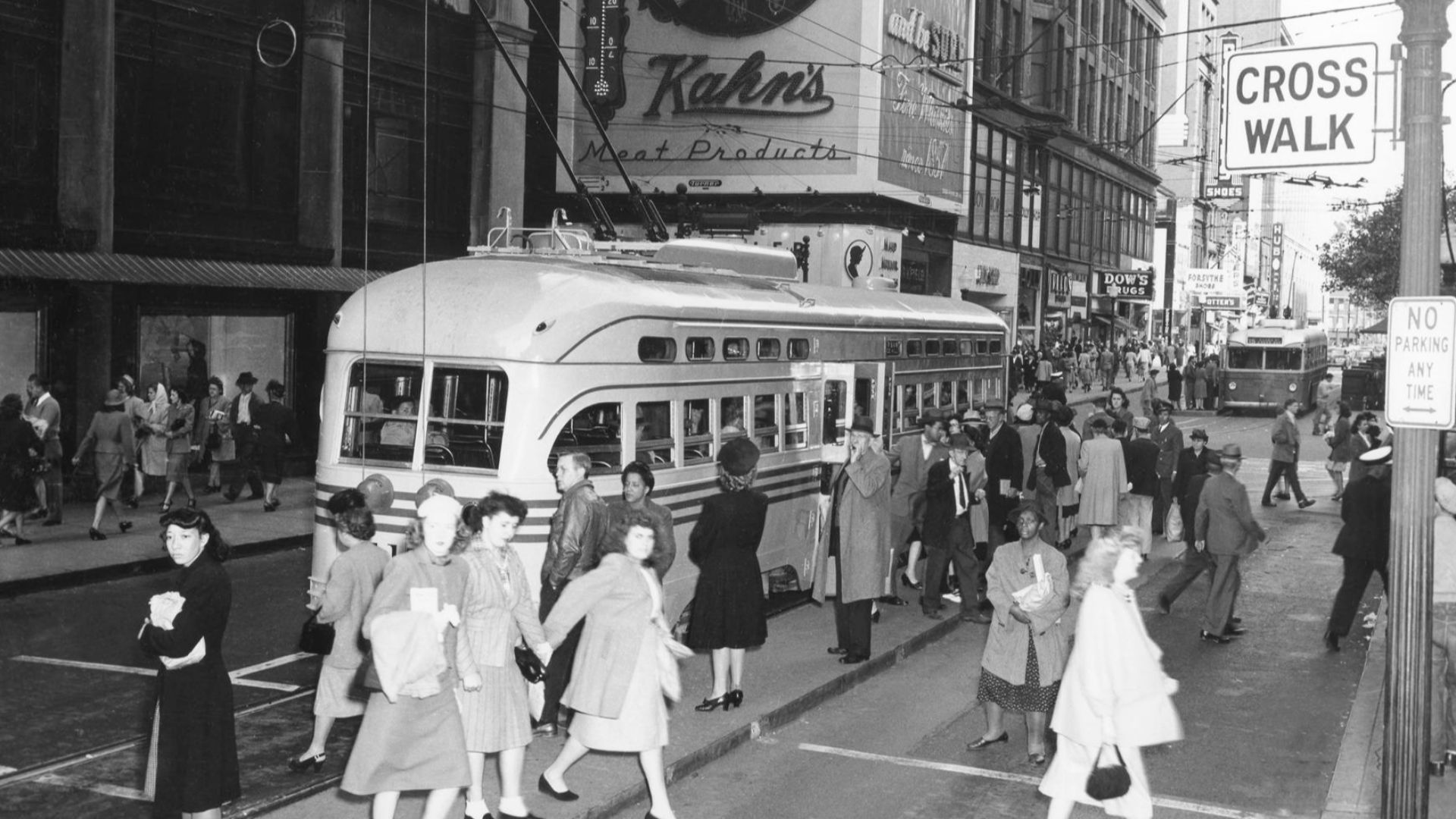
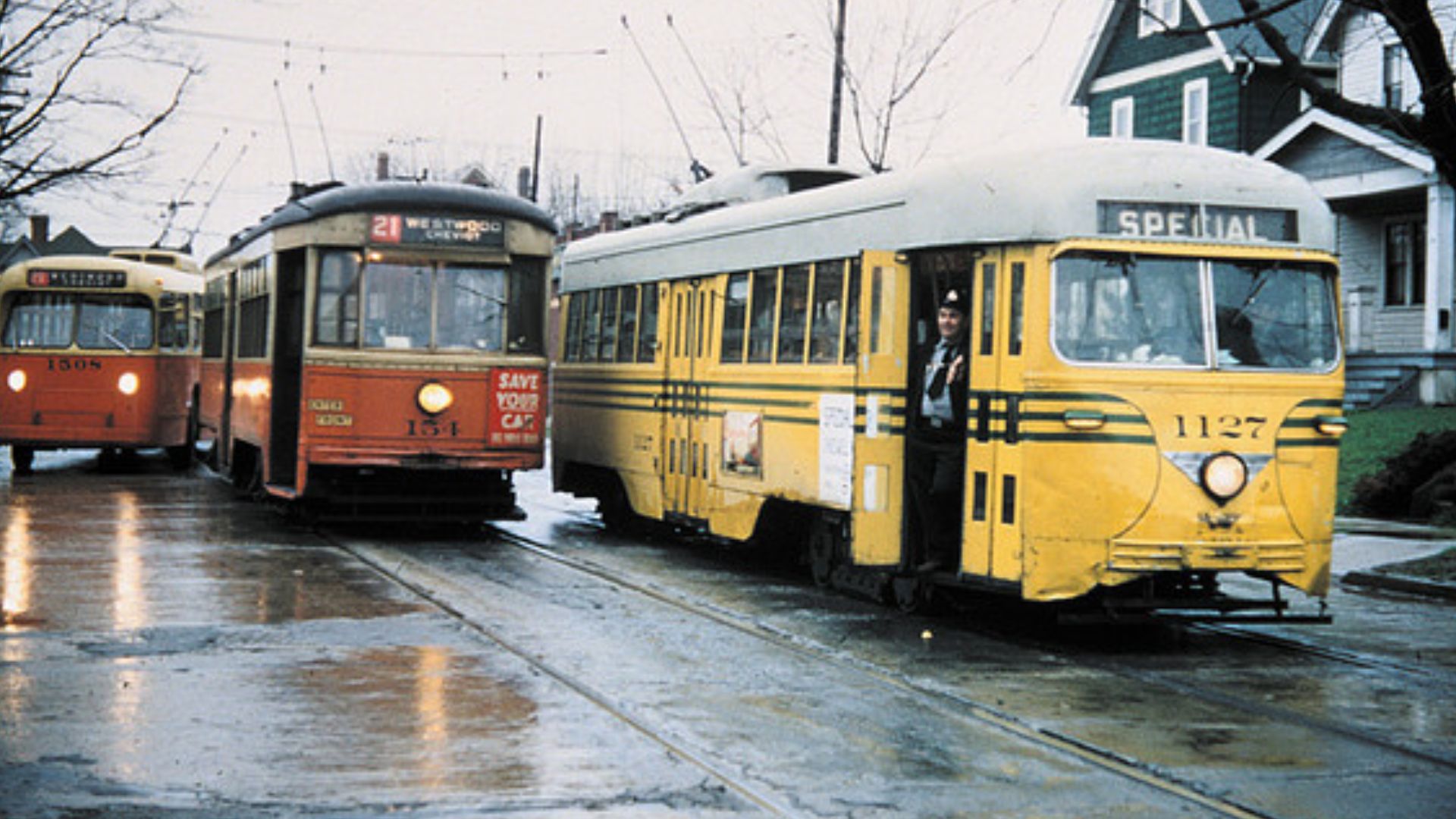
Cars became more reliable and affordable while governments introduced licenses, traffic laws, road markings, signals, and other systems for managing their risks. Streets and communities were gradually redesigned around motor traffic. By 1908 there was still serious debate about what ordinary Americans even needed automobiles for, but that question soon disappeared from mainstream life. A feared intruder became one of the defining technologies of the 20th century.
The Phonograph Made A Dead Voice Speak
Thomas Edison successfully demonstrated his phonograph in 1877, allowing sound to be recorded and reproduced in a way that astonished listeners. Even Edison later joked that he was surprised when the device worked on the first attempt. Early machines had severe technical limitations, but the idea of preserving a human voice fundamentally changed people's relationship with sound. Music and speech no longer had to disappear the instant a performance ended.
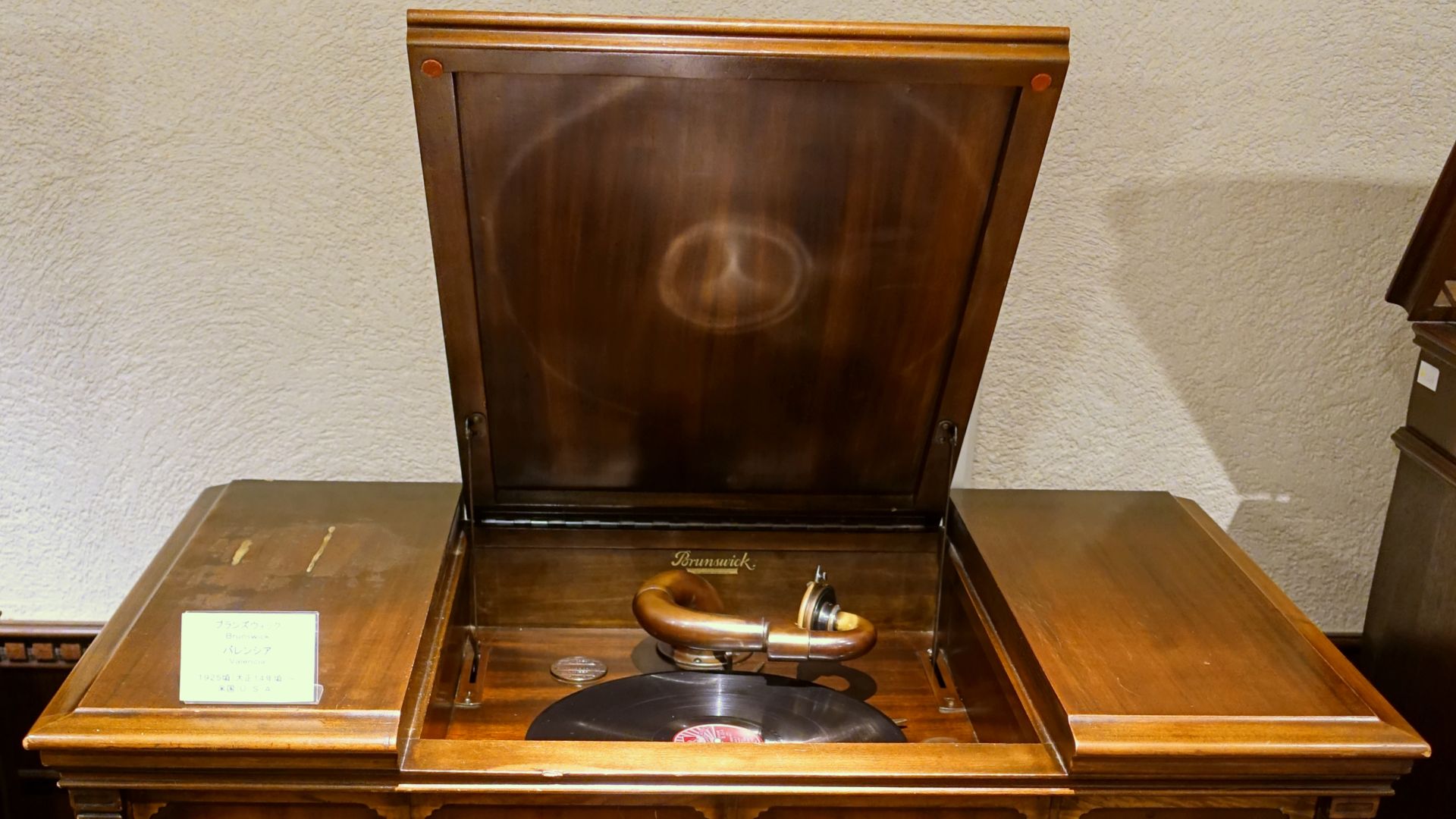
Musicians Feared Machines Would Replace Them
Recorded sound eventually created a serious employment conflict. Professional musicians worried that phonographs, jukeboxes, radio, and recorded movie soundtracks were replacing work that had once required live performers. The American Federation of Musicians became so concerned that it imposed a recording ban beginning in 1942. Union leader James Petrillo even resisted pressure from the Roosevelt administration while demanding economic protection for musicians.
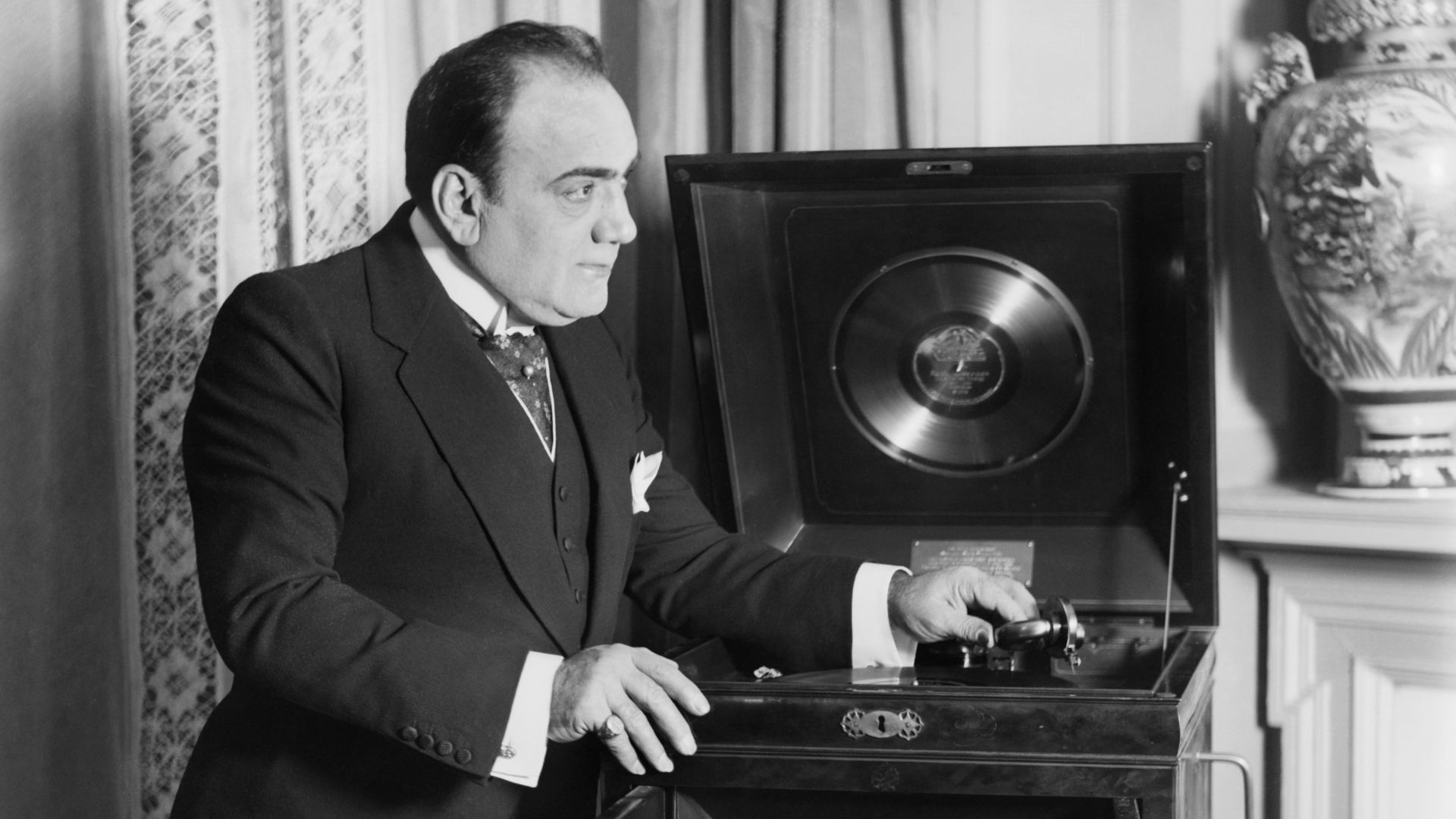 Unknown photographer; Bain News Service, publisher. Restored by Michel Vuijlsteke, Wikimedia Commons
Recorded Music Became An Industry Of Its Own
The feared technology did transform musical employment, but it also created enormous recording, broadcasting, publishing, manufacturing, and performance industries. By the late 19th century, companies were already commercializing improved cylinders and discs, and recorded entertainment became a major consumer business. People eventually stopped treating a record as a mechanical substitute for "real" music and simply treated recorded music as music. The argument shifted from whether recordings should exist to how artists should be compensated for them.
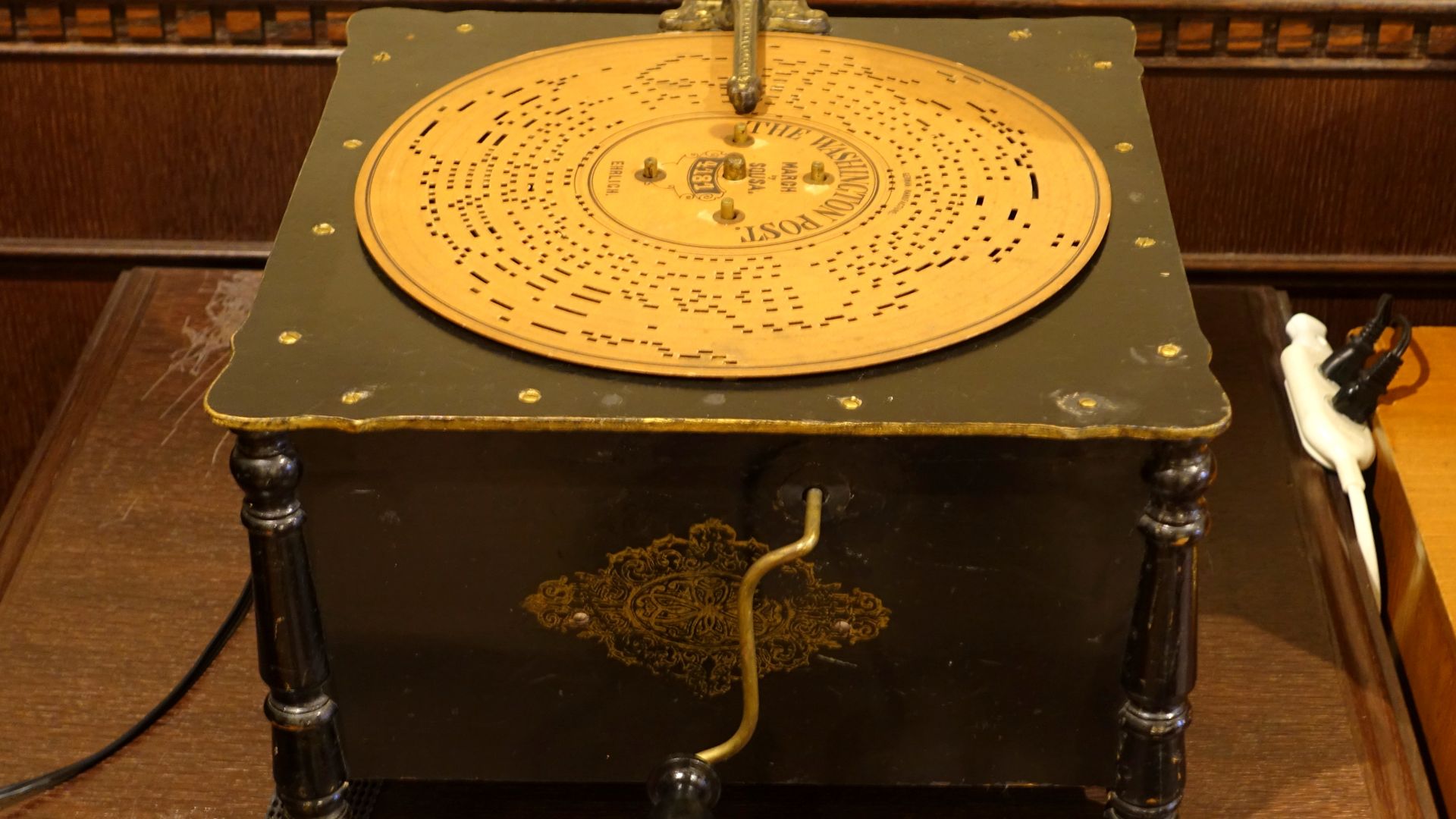
Radio Suddenly Filled The Living Room
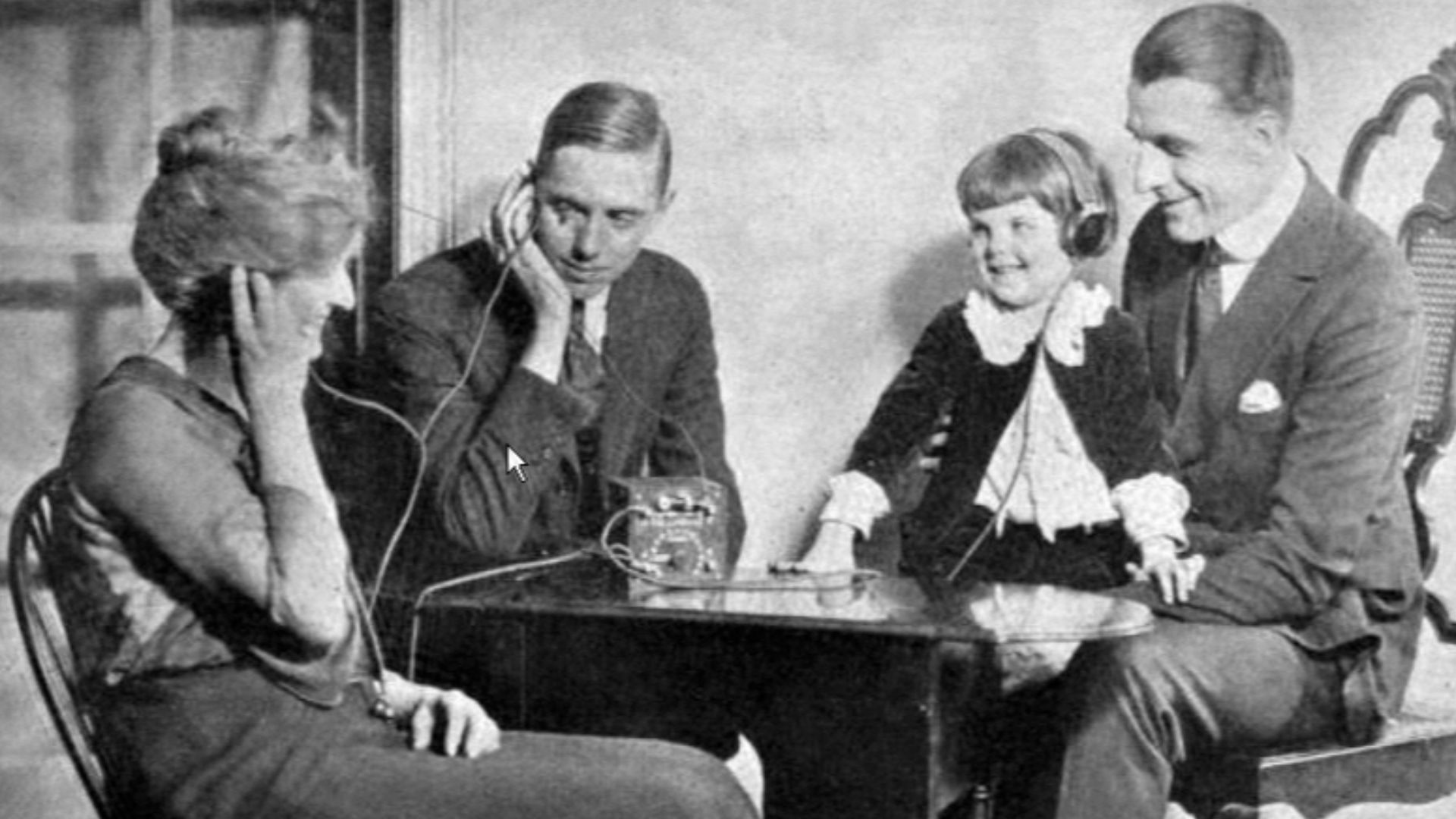
Commercial broadcasting expanded explosively during the 1920s. News, comedy, music, advertising, politics, and children's programming could now enter millions of homes simultaneously through a device controlled by broadcasters far away. Radio was praised as an educational tool, but its ability to command enormous audiences also raised questions about advertising, culture, and influence. Families were confronting one of the first electronic mass media inside the home.
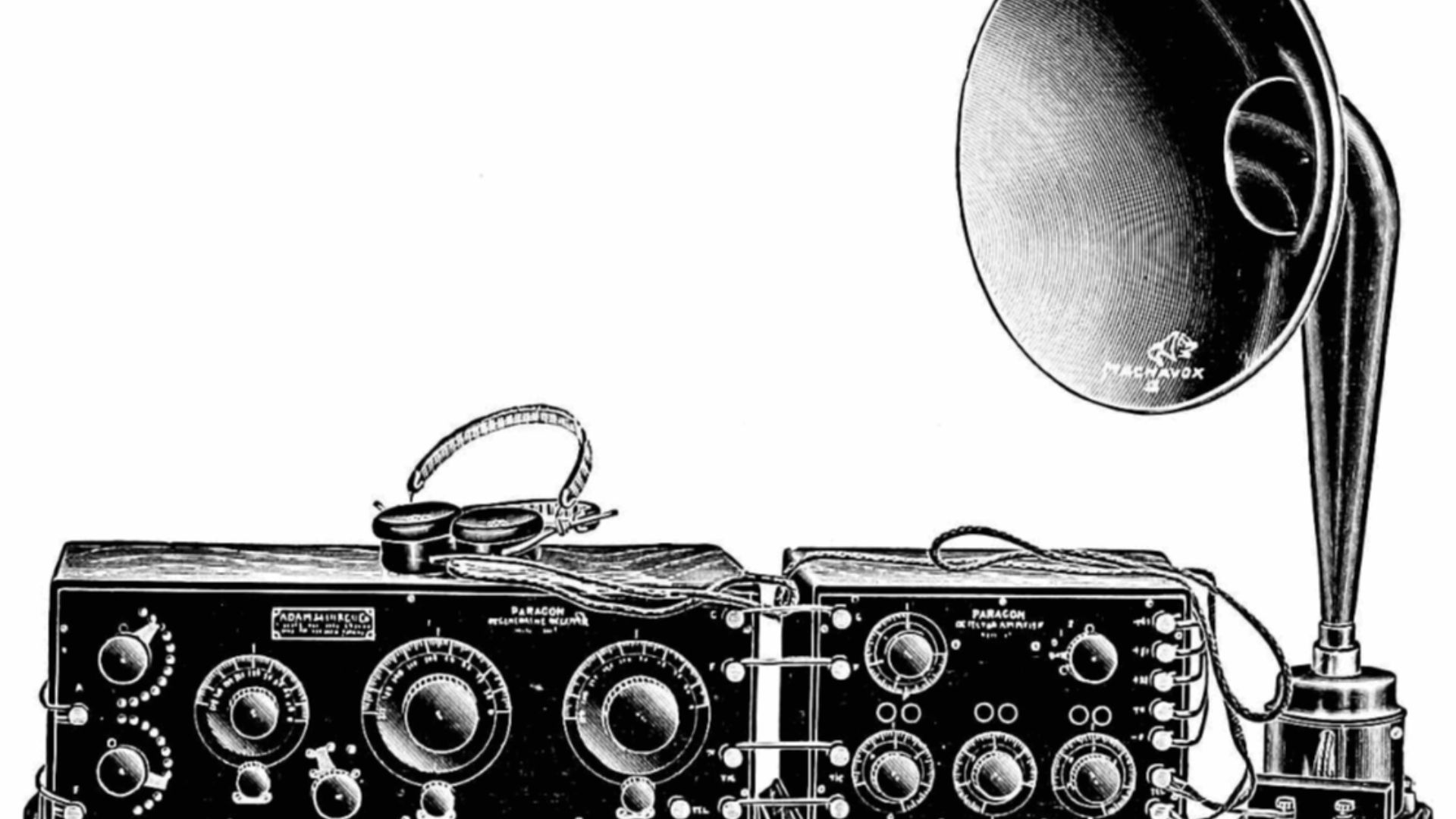 Charles William Taussig, Wikimedia Commons
Parents Thought Radio Was Frightening Children
Children's radio quickly provoked the same kinds of worries later directed toward television, video games, and the internet. Smithsonian documents parents complaining during the 1930s that suspenseful programs frightened children, disturbed sleep, and filled young minds with violent or disturbing ideas. Reformers debated whether exciting radio serials were psychologically unhealthy. The newest mass medium was accused of corrupting childhood before television had even entered most homes.
 Unknown authorUnknown author, Wikimedia Commons
War Of The Worlds Made Radio Look Almost Too Powerful
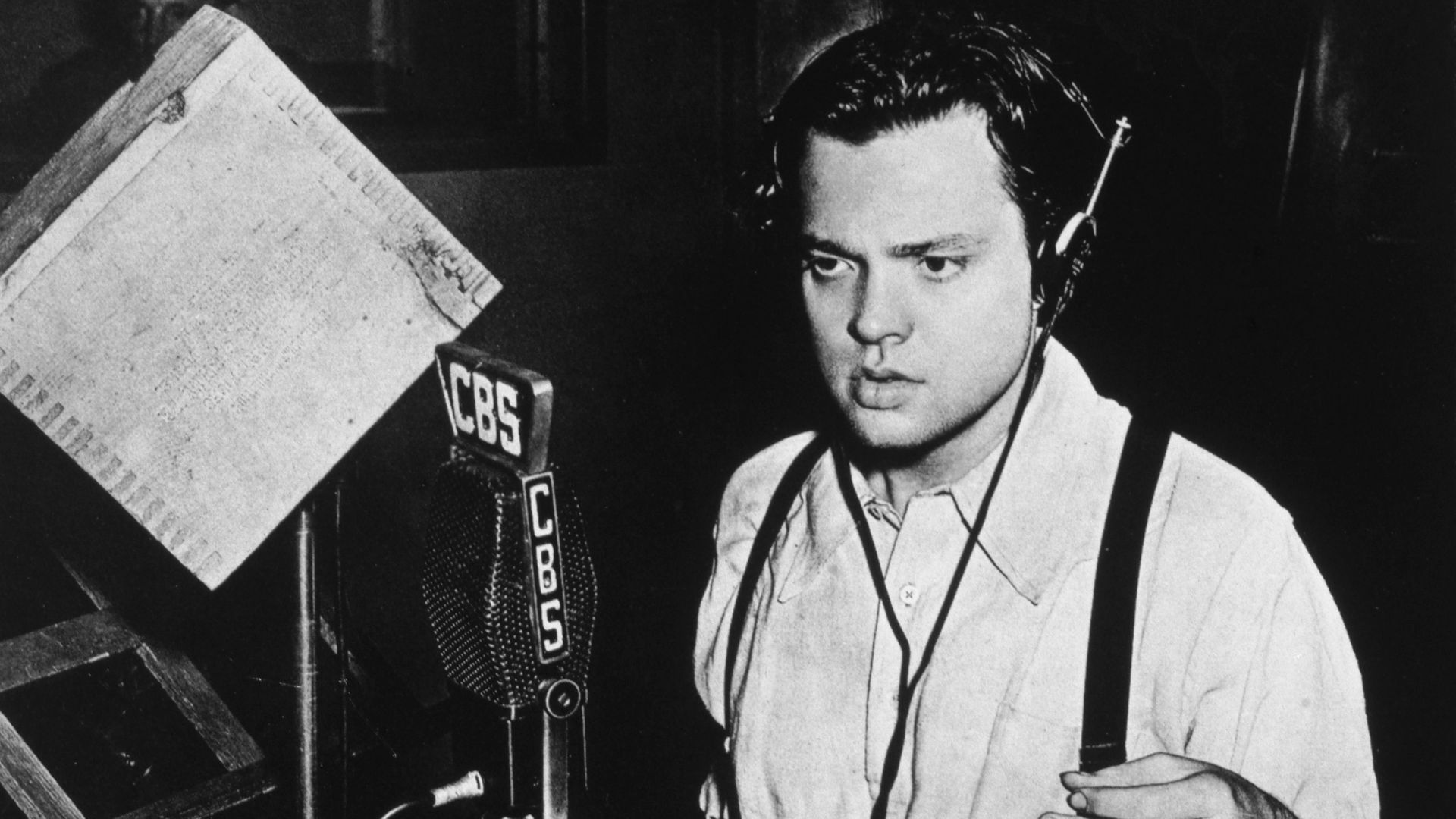
Orson Welles's 1938 broadcast of The War of the Worlds presented fictional Martian attacks through realistic news-style interruptions. Some listeners mistook portions of the drama for actual reports and contacted police, newspapers, and broadcasters, although later scholarship has shown that claims of nationwide hysteria were exaggerated. The episode nevertheless exposed how much authority audiences could assign to a voice coming through the radio. A household entertainment device had become powerful enough to imitate reality.
 Dallas Dispatch-Journal (no photographer credited), Wikimedia Commons
Television Was Accused Almost Immediately
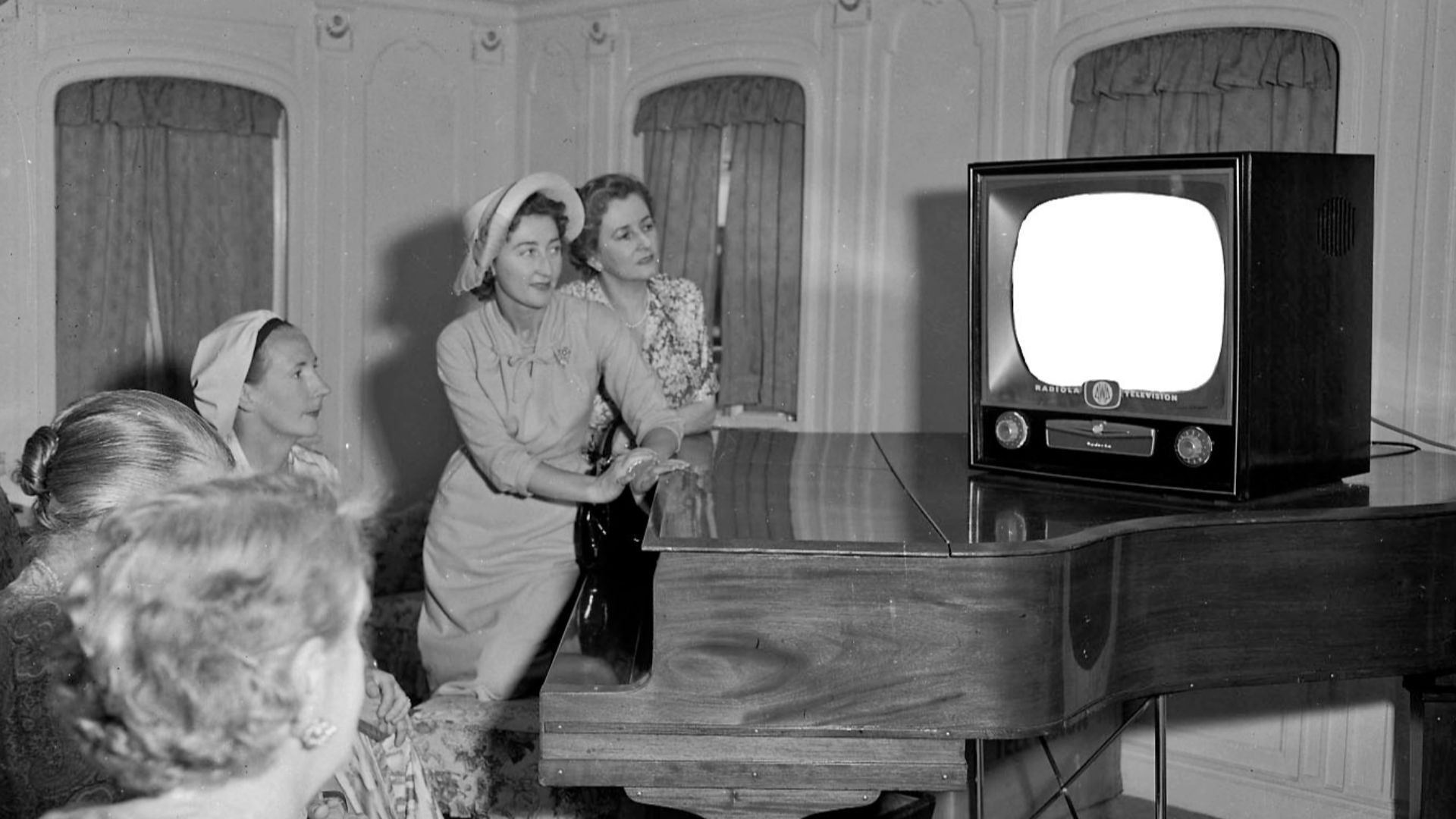
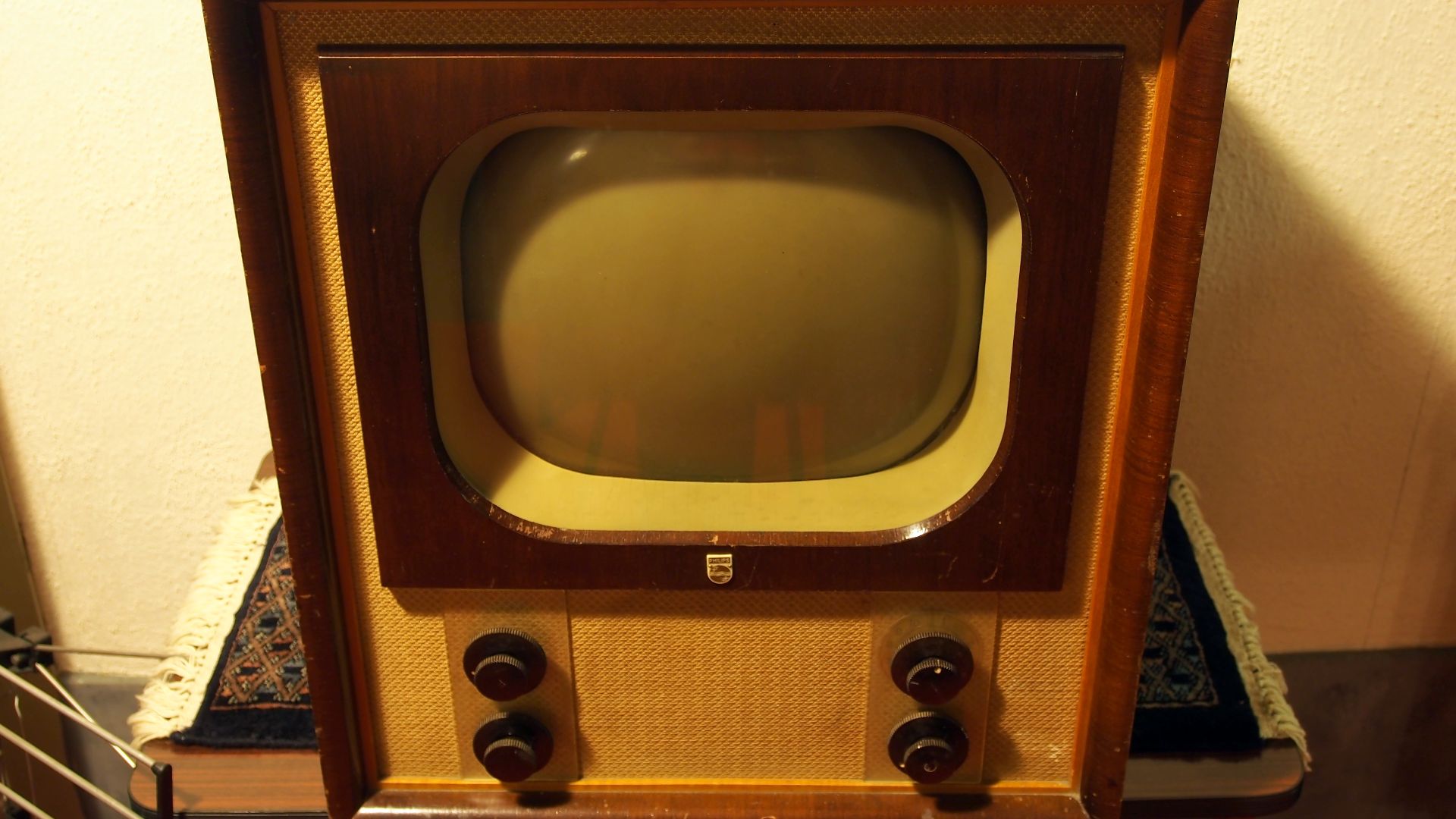
Television sets spread dramatically after World War II, entering American homes at extraordinary speed. Even before the medium was fully mature, commentators worried about appropriate language, clothing, advertising, and what children might see on the screen. Concerns about television's cultural influence appeared as early as the 1940s. The glowing box had barely reached mass adoption before adults were asking whether it was reshaping society for the worse.
 Australian National Maritime Museum on The Commons, Wikimedia Commons
Children Became The Center Of The Panic
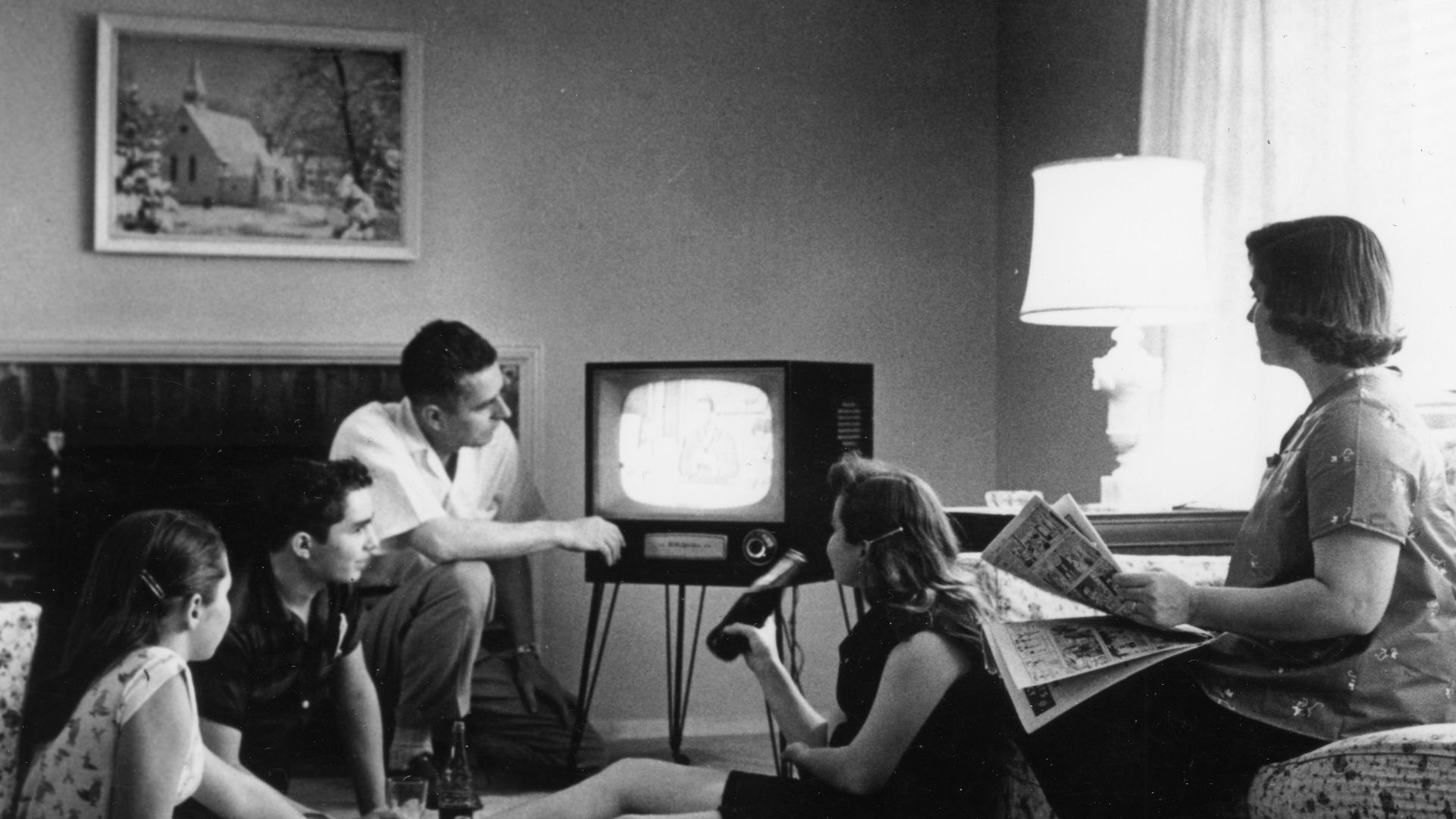
As children's programming expanded, fears focused increasingly on young viewers. Critics argued that television might pull children away from healthier activities or expose them to inappropriate violence and commercial manipulation. By the late 1960s, campaigns against violent children's television had become strong enough to reshape network programming. The recurring question was whether children could safely handle a technology adults themselves were eagerly adopting.
 Evert F. Baumgardner, Wikimedia Commons
Television Still Took Over The House
Whatever the anxieties, adoption was breathtaking. Smithsonian notes that only about 9 percent of American households had televisions in 1950, compared with roughly 87 percent by the end of that decade. Television became a primary source of entertainment, advertising, politics, and news despite decades of arguments over its effects. Society never stopped criticizing television, but it stopped treating the existence of television itself as unusual.
 Alf van Beem, Wikimedia Commons
Pocket Calculators Threatened Arithmetic
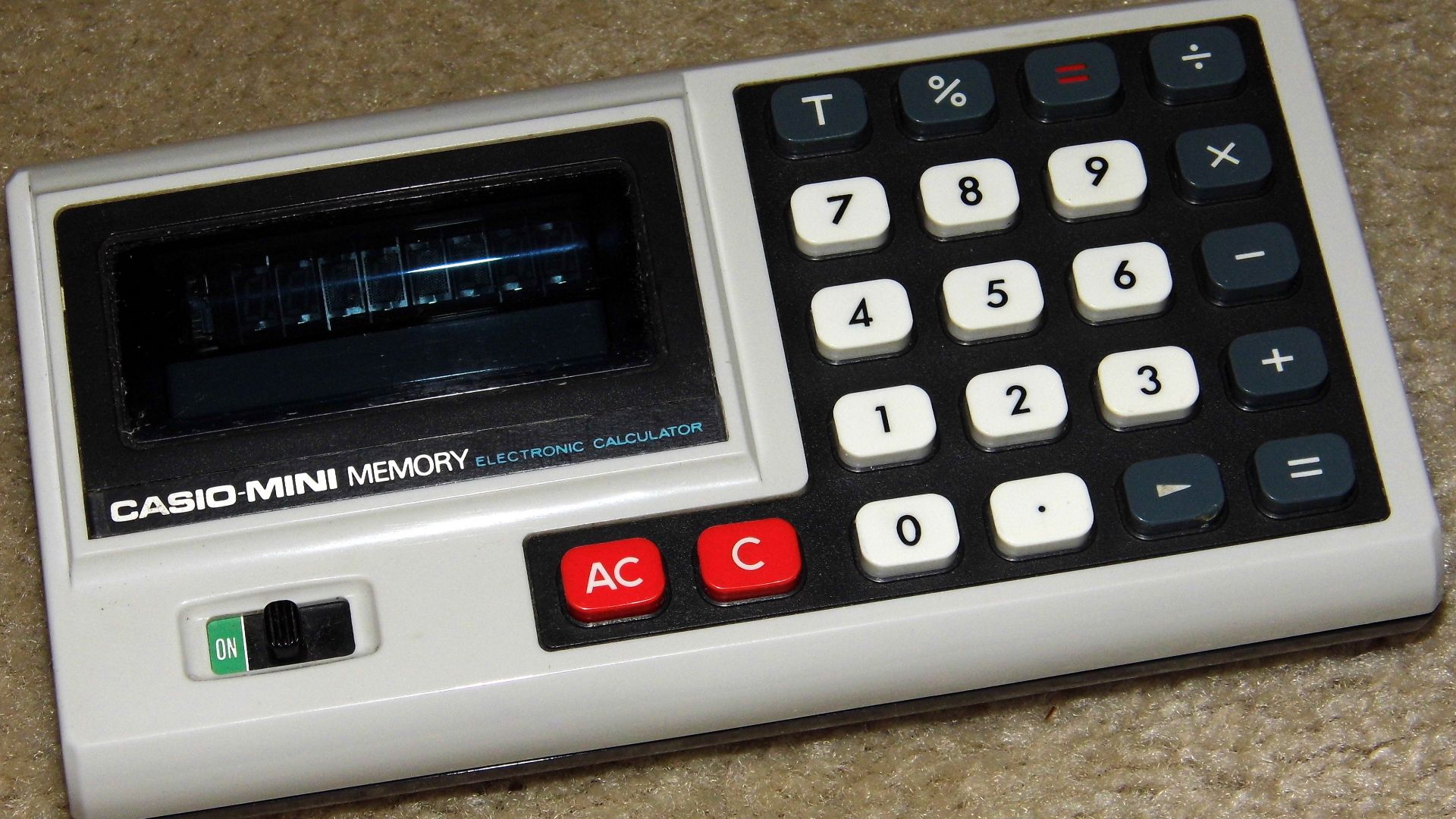
Handheld electronic calculators became commercially available in the early 1970s and rapidly fell in price. Smithsonian records that their spread forced educators to reconsider how much time students should spend learning written procedures for arithmetic. A machine capable of producing an answer instantly challenged traditions that treated manual calculation as a fundamental intellectual skill. Schools suddenly faced a question familiar from today's AI debate: if a machine can do the task, what should students still learn to do themselves?
 Joe Haupt from USA, Wikimedia Commons
Teachers Literally Protested Calculators
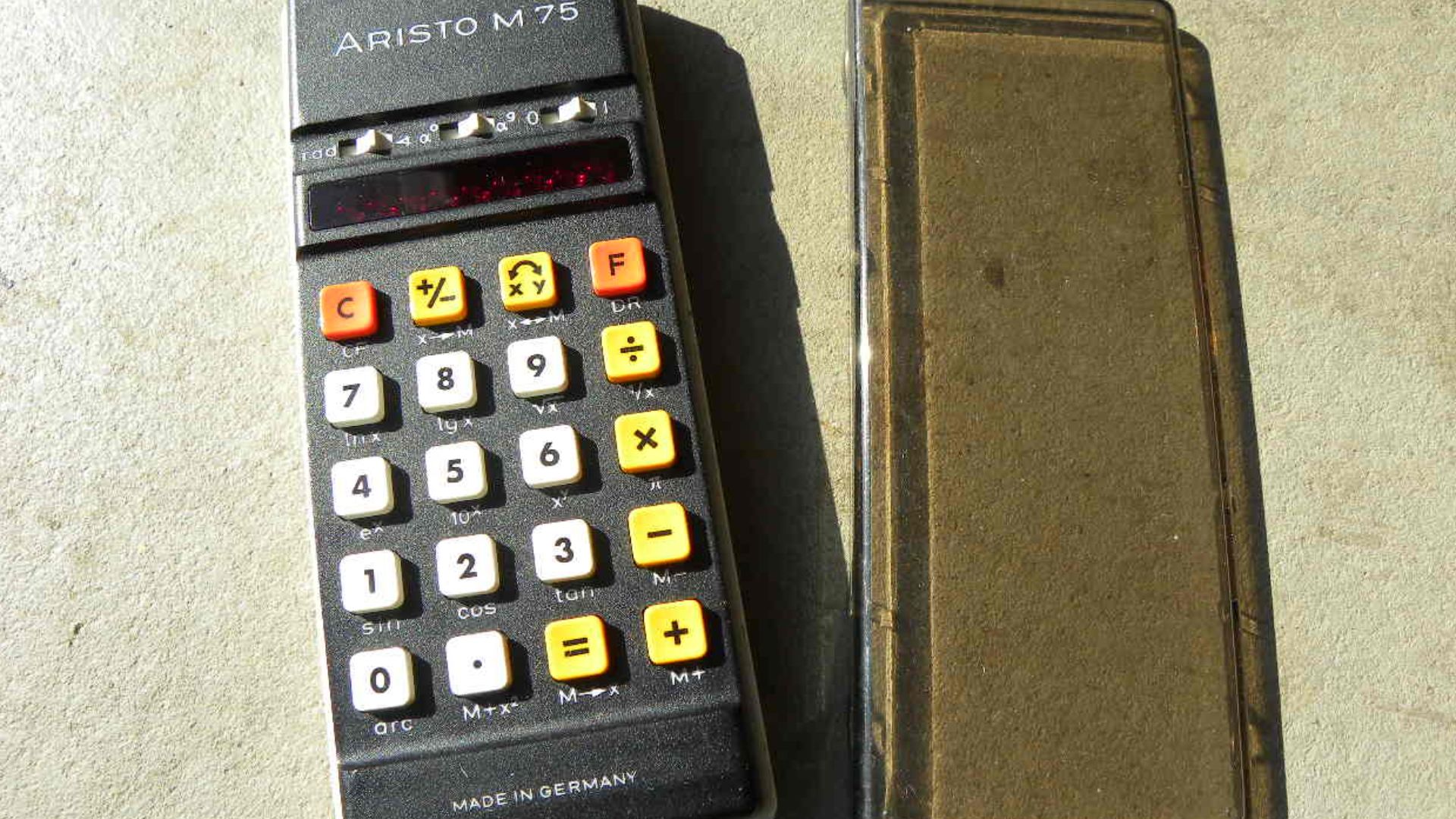
The debate became surprisingly heated. At a 1986 National Council of Teachers of Mathematics convention, demonstrators protested the organization's support for calculator use with signs warning that students needed trained brains before buttons. State education leaders were still fighting over classroom calculator policies in 1988, with critics arguing that students should master computation first. The device many adults now consider boring once inspired organized educational resistance.
 Joost J. Bakker IJmuiden, Wikimedia Commons
Eventually The Argument Became About When To Use Them
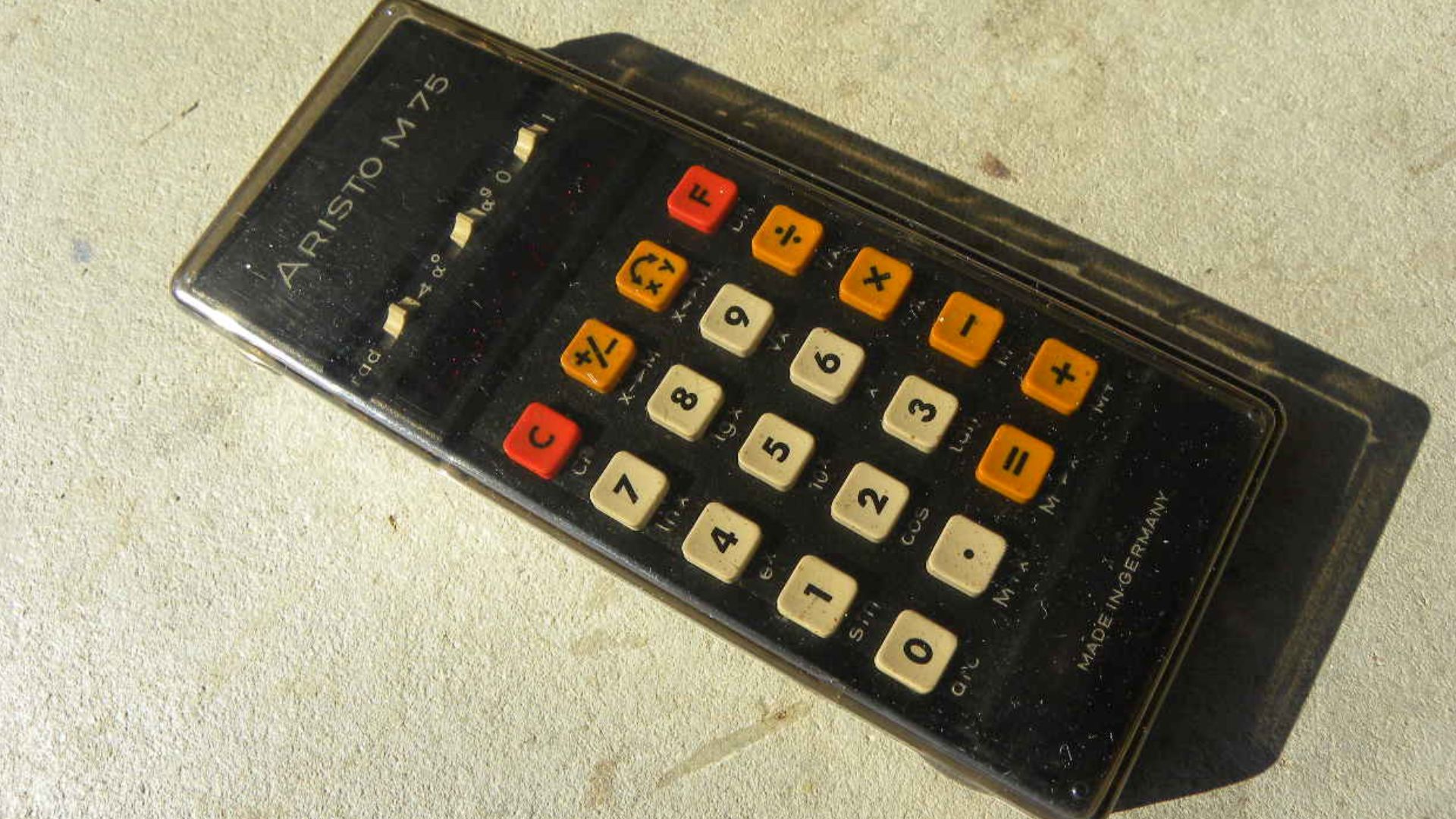
Calculators did not disappear from schools. By the 1990s, graphing calculators were becoming central tools in many secondary mathematics classrooms, and calculator use eventually became common on selected standardized tests and throughout higher-level math instruction. The debate gradually moved away from total acceptance versus rejection and toward appropriate use. That transition offers an unusually direct parallel with today's arguments about AI in education.
 Joost J. Bakker IJmuiden, Wikimedia Commons
Customers Did Not Immediately Trust Automatic Banking
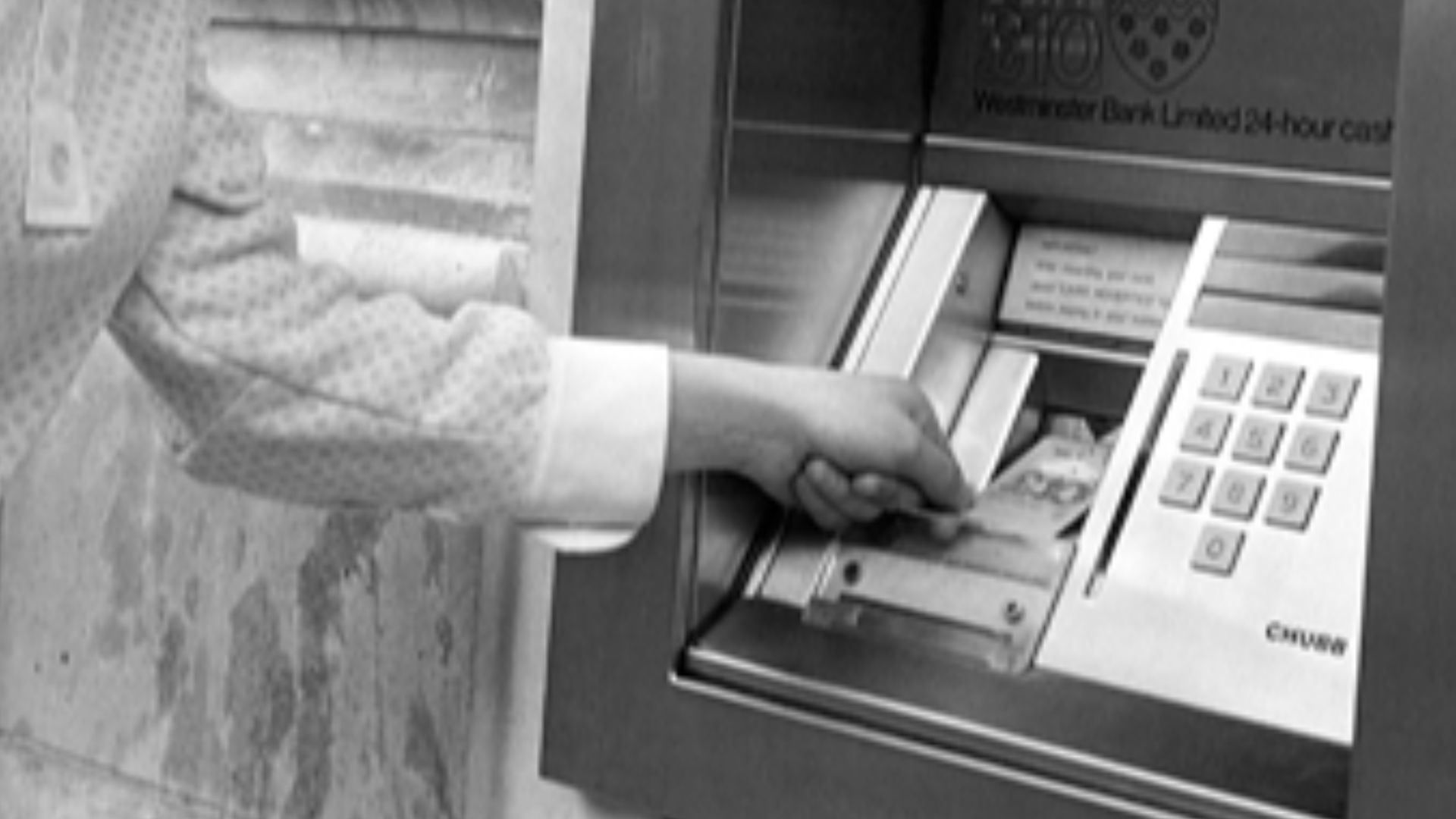
Before modern ATMs, inventor Luther Simjian tested an automated deposit machine called the Bankograph in New York around 1960. Customers largely ignored it, and Simjian later joked that its most reliable users were people who preferred avoiding face-to-face contact with tellers. The first successful cash-dispensing systems followed later in the decade. Asking people to hand money to a machine required a cultural adjustment as well as technical reliability.
 Nandithag569s, Wikimedia Commons
Bank Tellers Had An Obvious Reason To Worry
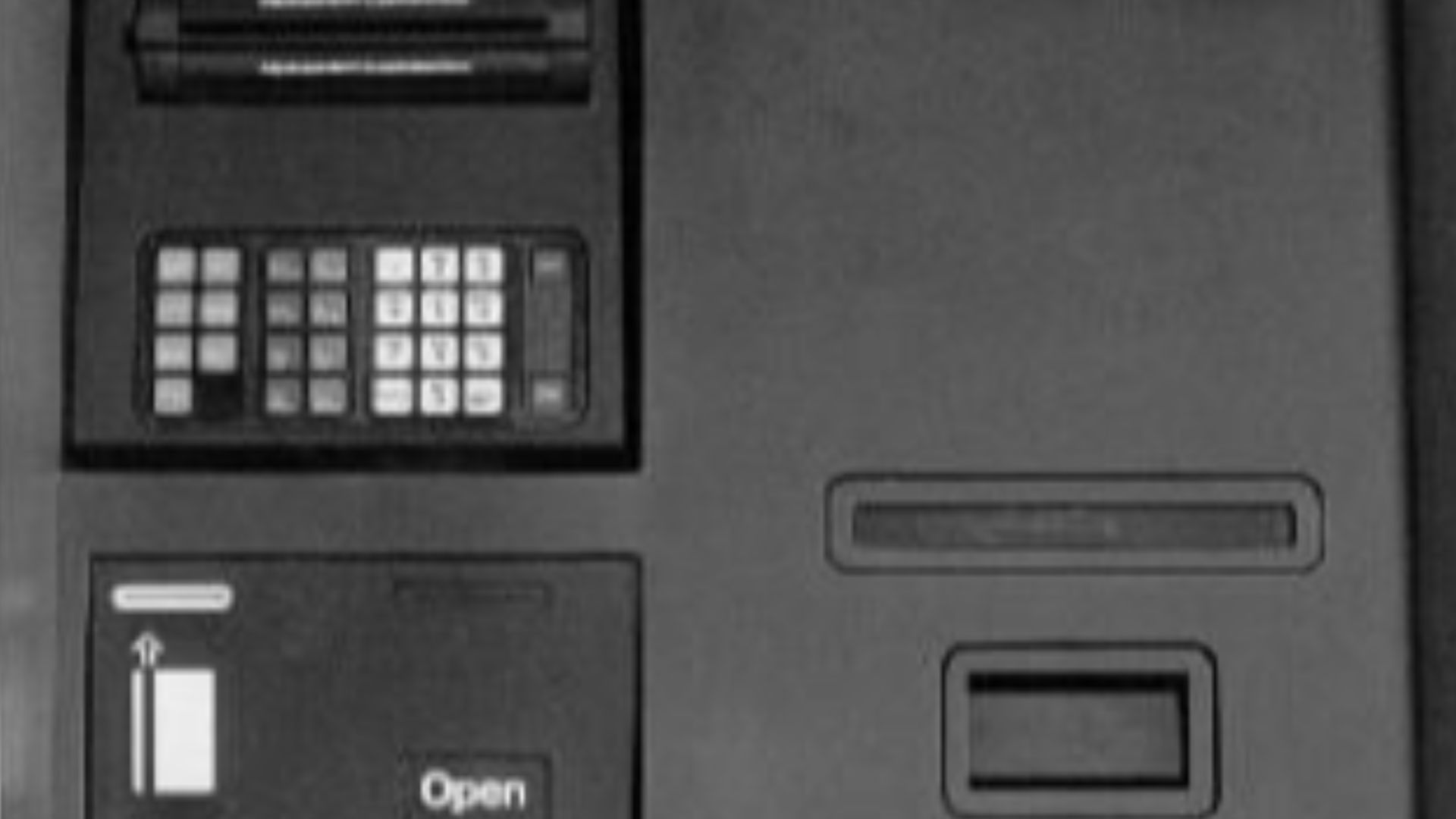
As ATMs spread, workers and commentators predicted that automated machines could eliminate traditional teller jobs. The machines could dispense cash, accept deposits, and perform routine functions previously handled across a counter. Employment fears remained strong enough that predictions of large-scale teller losses persisted well into the 1990s. The anxiety closely resembles today's concern that software will automate familiar white-collar tasks.
 Ihateyourfacex2, Wikimedia Commons
The ATM Story Turned Out To Be More Complicated
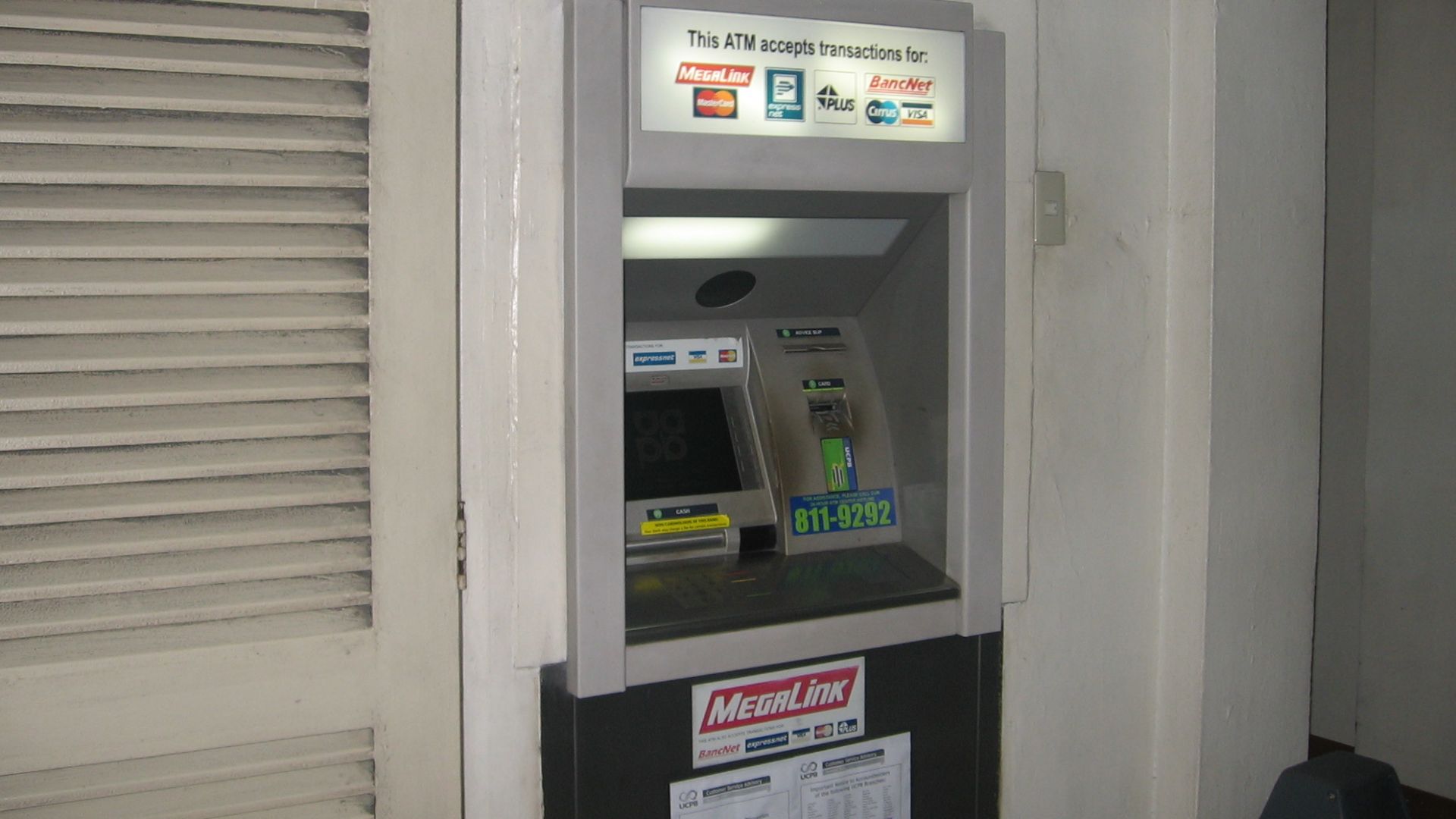
ATMs reduced the number of tellers required at individual branches, but they also lowered branch operating costs. Banks consequently opened more branches, and total U.S. teller employment did not collapse during the main decades of ATM expansion. Teller work shifted toward customer relationships and other tasks that machines handled poorly. Automation changed the occupation significantly without producing the immediate extinction many people expected.
The Internet Arrived With A Long List Of Nightmares
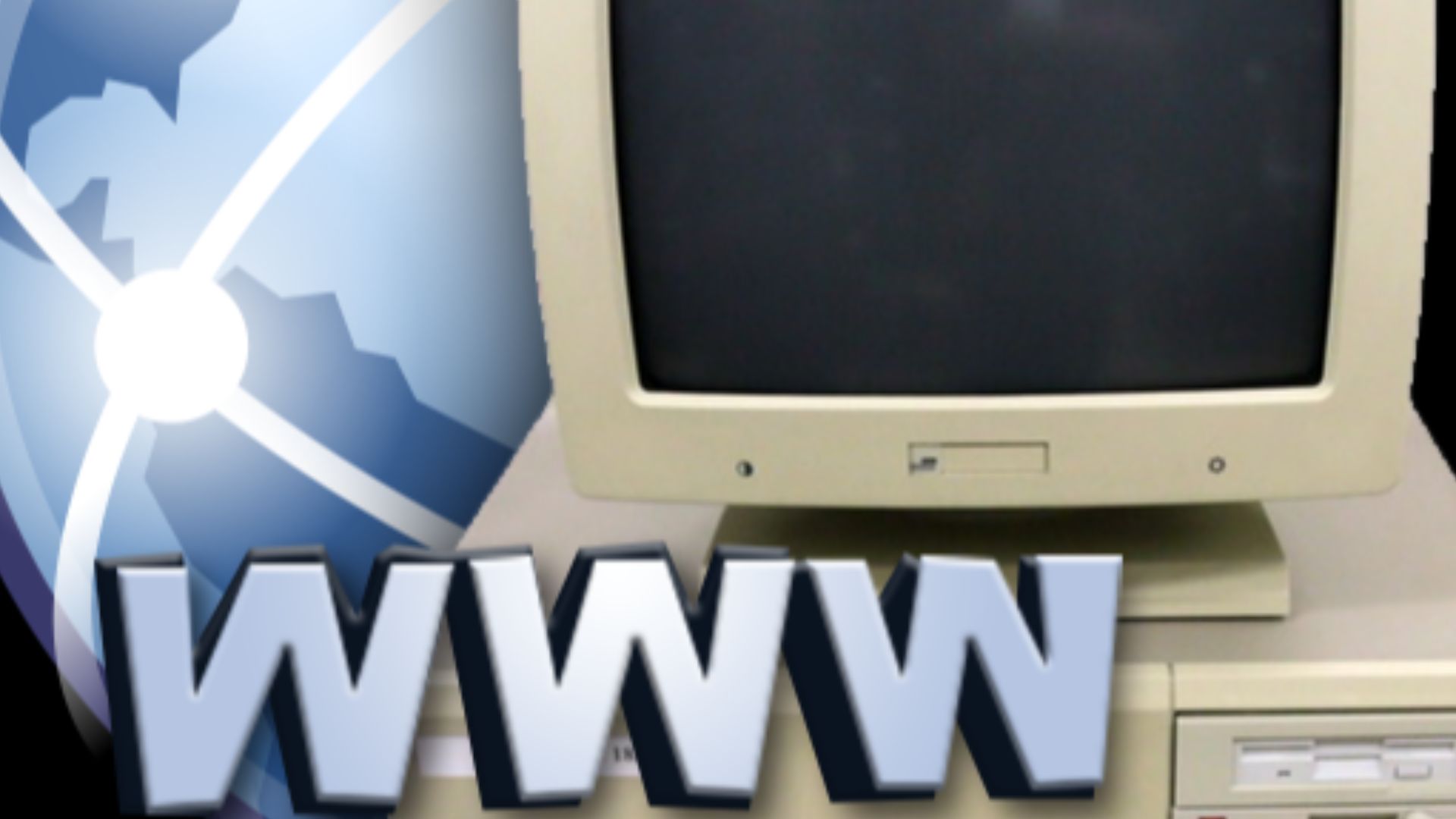
As household internet access expanded in the 1990s, excitement arrived alongside fears about privacy, viruses, strangers, harmful content, and social isolation. Pew found in 1999 that 54 percent of Americans worried at least somewhat that computers and technology were invading their privacy. Mainstream commentary also promoted the stereotype of isolated internet users retreating from real-world relationships. The network promised unprecedented connection while simultaneously being accused of making people dangerously disconnected.
Parents Feared What Children Would Find Online
The internet intensified parental anxiety because children could potentially communicate privately with strangers and access material adults could not easily control. Pew reported in 2000 that 57 percent of parents worried strangers would contact their children online. Federal lawmakers repeatedly attempted to regulate harmful online content, creating major legal battles over child protection and free speech. Fear did not stop families from connecting, but it strongly influenced how the early web was regulated and discussed.

Yesterday's Terrifying Technology Is Today's Background Noise
The internet eventually became so embedded in ordinary life that people now carry permanent connections in their pockets, while telephones, electricity, elevators, cars, recorded music, television, calculators, and automated banking barely register as technological novelties. That history does not prove today's worries about AI are mistaken because earlier technologies created real harms alongside real benefits. It does suggest that the most useful question is rarely whether society should simply fear or embrace a new technology, but how people, laws, businesses, and institutions will reshape themselves around capabilities that are unlikely to disappear.

You May Also Like:
Accidental Inventions That Changed Our Lives Forever
The 20th Century's Most Important Inventions
Things You Didn't Realize Were American Inventions
Sources: 1, 2, 3, 4, 5, 6, 7, 8, 9, 10, 11, 12, 13, 14, 15, 16, 17, 18, 19, 20, 21, 22, 23, 24, 25, 26, 27, 28, 29, 30, 31, 32, 33, 34, 35, 36, 37, 38, 39, 40, 41, 42