
Victorious dynasties, political enemies, religious propagandists, playwrights, and filmmakers have spent centuries turning complicated people into convenient villains. Modern scholarship has not necessarily declared these figures innocent, but closer examination of the evidence has made many of their darkest legends considerably harder to defend.

Long before arguments about artificial intelligence, Americans worried about telephones, cars, calculators, and machines that would eliminate whole categories of work. Some fears proved exaggerated, while others identified genuine problems that society eventually addressed with new rules, habits, and safeguards.
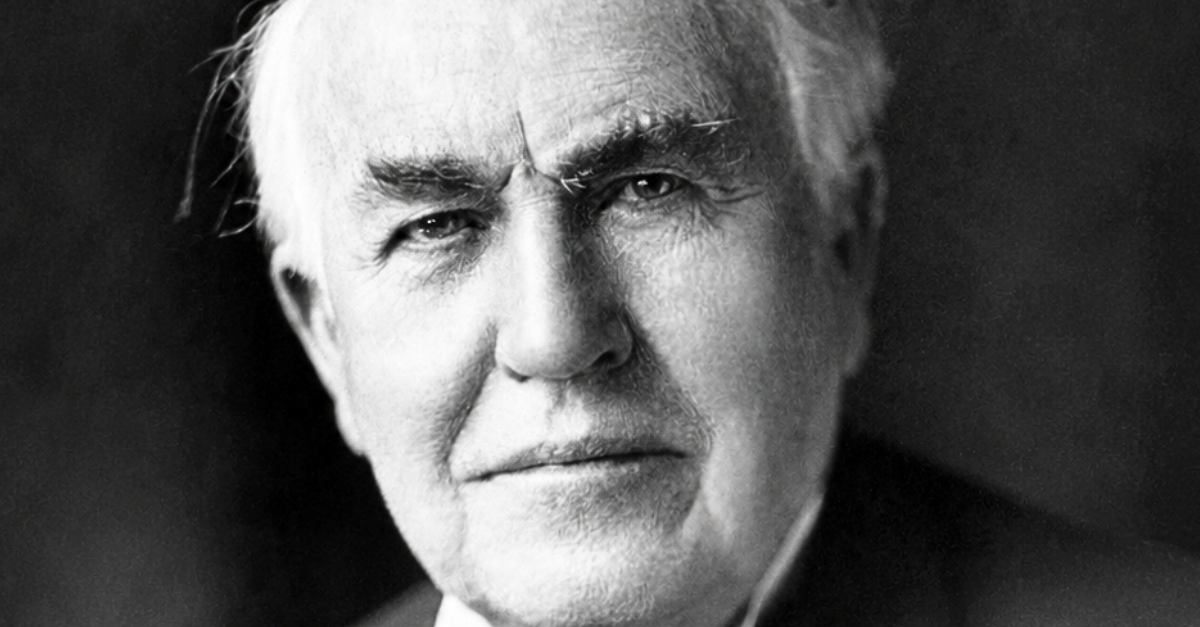
As a young telegraph operator, he designed an ingenious electrical machine that could record legislators’ votes almost instantly, only to discover that some politicians considered slowness a feature rather than a flaw. His failed invention taught him a lesson that shaped the rest of his career: technical brilliance means very little when the people expected to buy an invention do not actually want it.

Some people became ordinary words because they invented something, while others were immortalized through ridicule, military catastrophe, political protest, scientific controversy, or a lunch order whose true story is still debated. Long after the people disappeared, their names kept turning up in conversations spoken by people who often have no idea they are talking about a real person.

Most monarchs inherit a crown, marry into a royal family, or take power after a major political upheaval. A remarkable group of real people chose another route and simply announced that they were emperors, kings, or princes. Some became beloved eccentrics, while others used their new titles to reinforce very real political power.

Some of the most ordinary labels in English began as jokes, slurs, sneers, or deliberately dismissive nicknames aimed at people considered foolish, radical, uncultured, or threatening. Over time, many targets embraced the insult, while other words simply became so familiar that speakers forgot anyone had once meant them to sting.

If you like humaverse you may also consider subscribing to these newsletters:
