
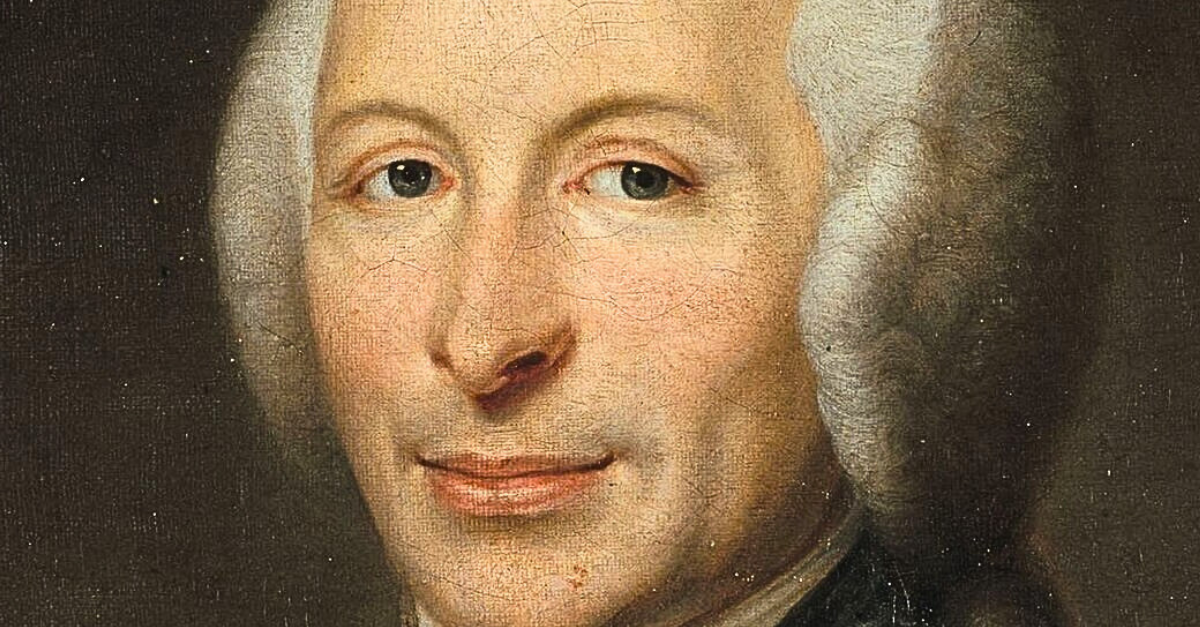
A Name Can Have A Strange Afterlife.
Some people became ordinary words because they invented something, while others were immortalized through ridicule, military catastrophe, political protest, scientific controversy, or a lunch order whose true story is still debated. Long after the people disappeared, their names kept turning up in conversations spoken by people who often have no idea they are talking about a real person.
Sandwich Got His Name Into Everyone's Lunch
The word “sandwich” comes from John Montagu, the 4th Earl of Sandwich, an influential 18th-century British politician and naval administrator. Merriam-Webster records the word in English from 1762, when food placed between pieces of bread became associated with his title. The basic idea of eating food with bread was obviously much older, but Montagu supplied the name that stuck.
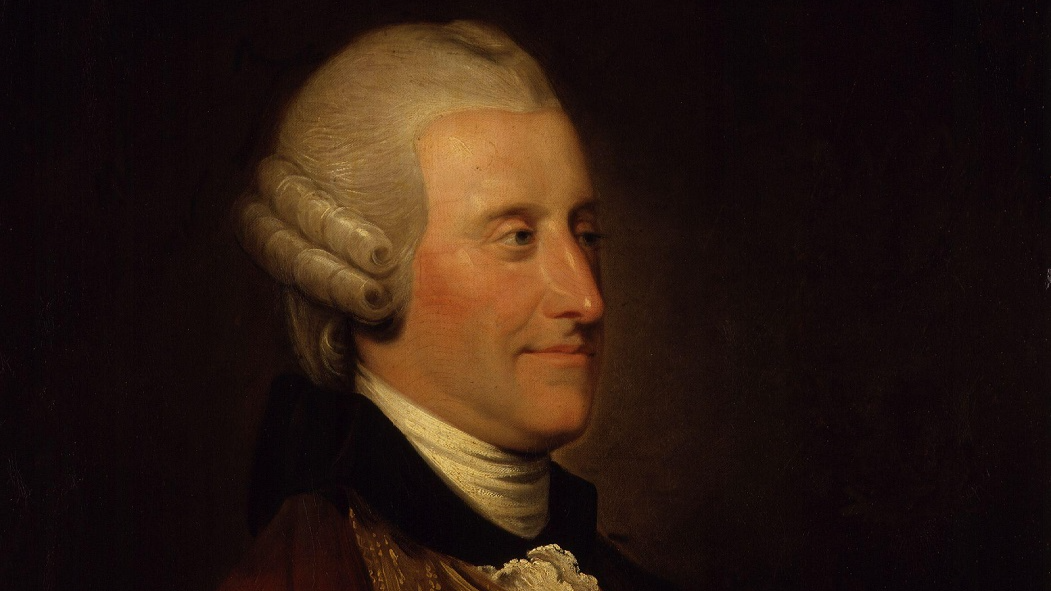 Johann Zoffany, Wikimedia Commons
The Gambling Story May Be Wrong
The famous story claims that Sandwich was such an obsessive gambler that he ordered meat between bread so he would not have to leave the gaming table. Royal Museums Greenwich argues that this version is probably unfair and that the hardworking politician was more likely eating that way while spending long hours at his Admiralty desk. Sandwich was also an important patron of Captain James Cook, who named the Sandwich Islands, now Hawaii, in his honor. Somehow the portable lunch proved far more durable than either his political career or his Pacific geography.
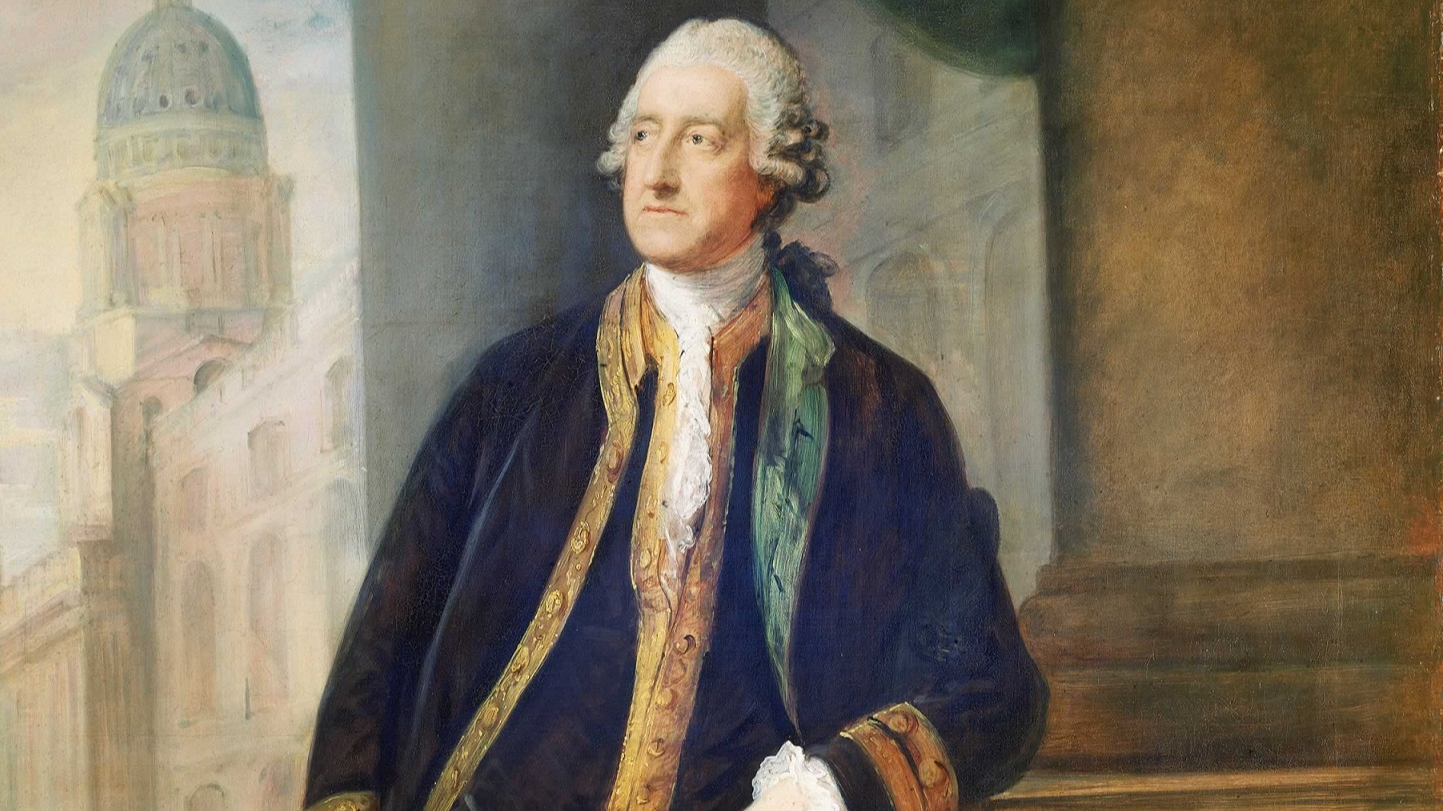 Thomas Gainsborough, Wikimedia Commons
Silhouette Became A Joke About Cheapness
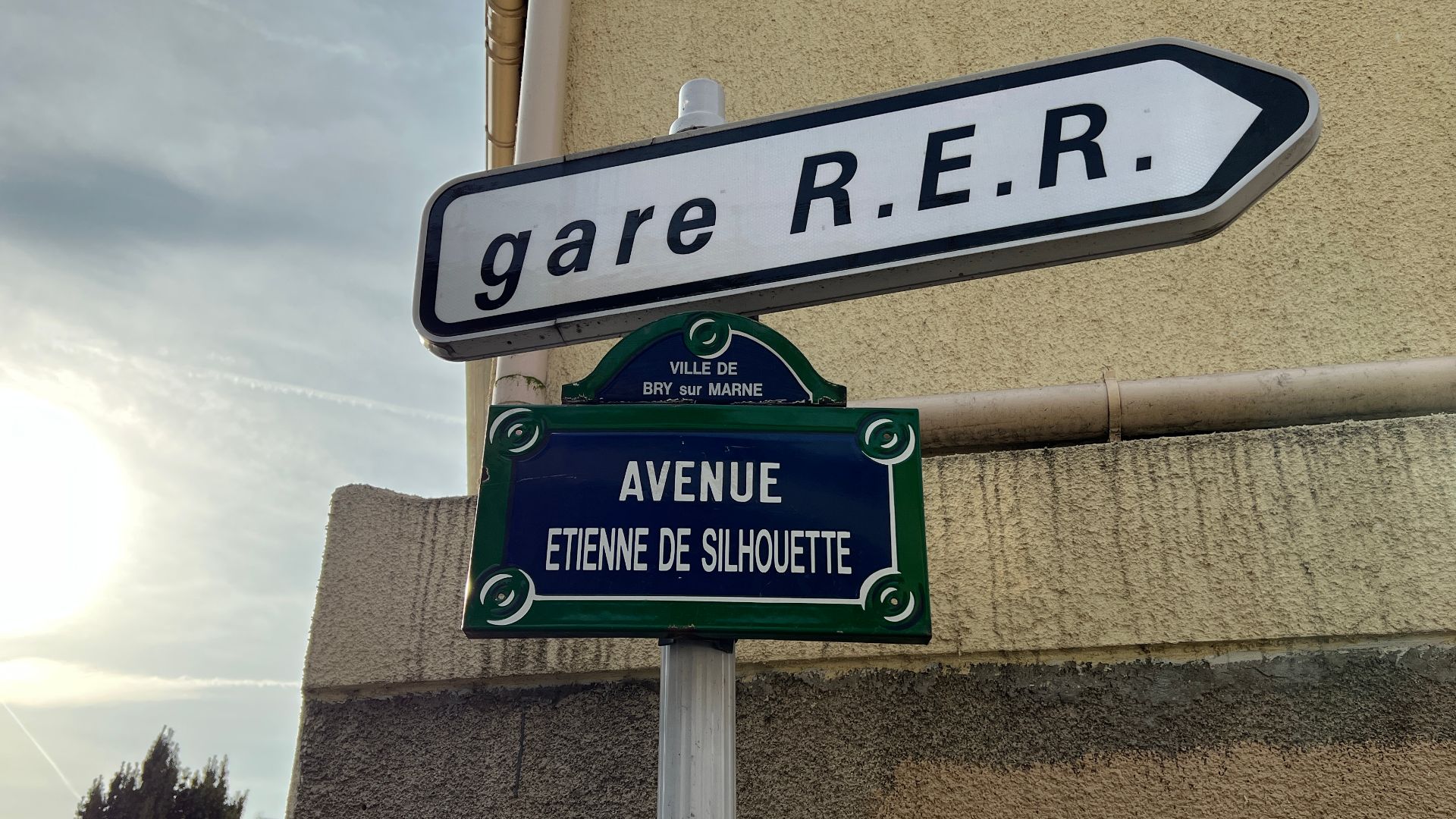
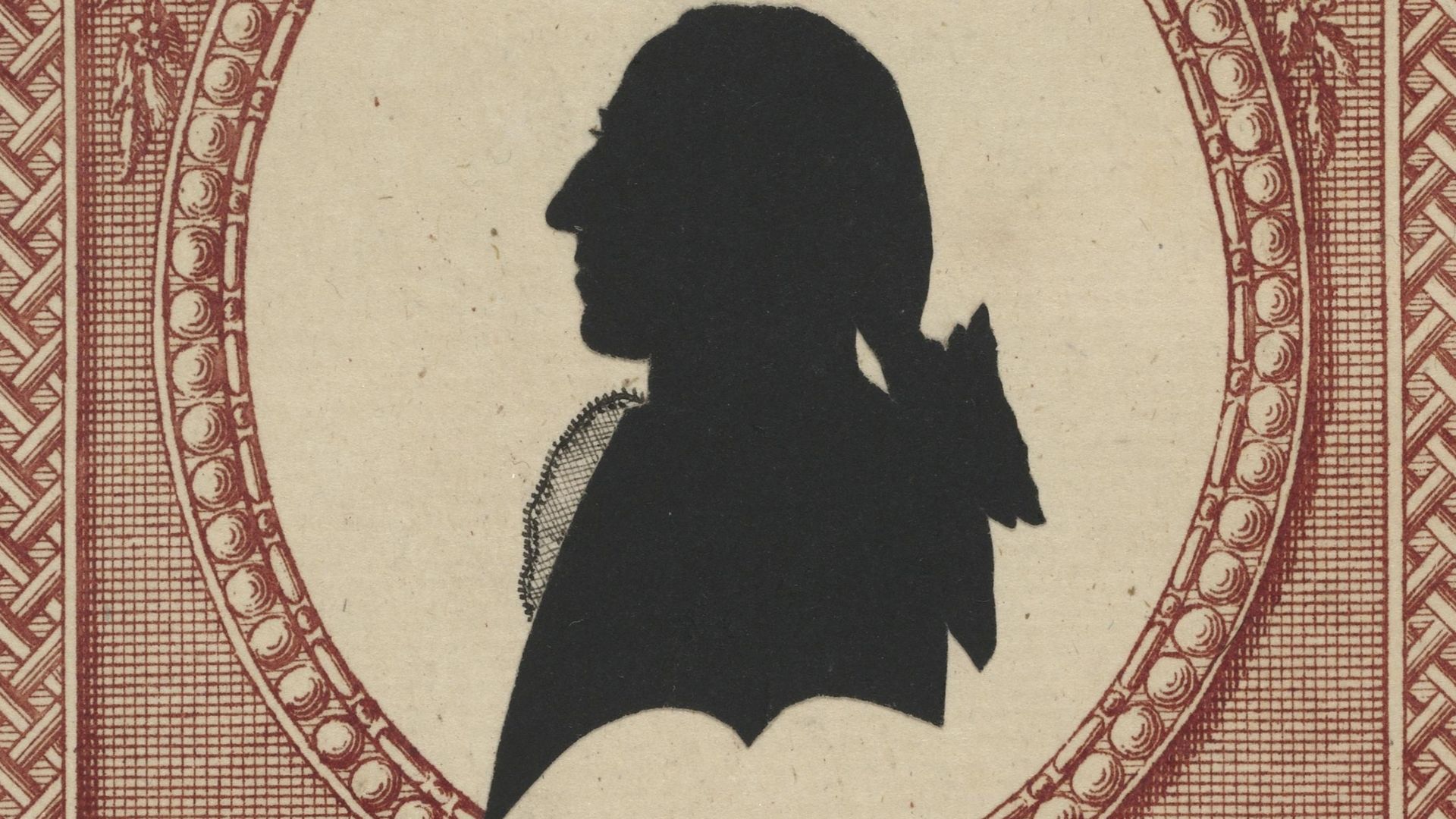
Étienne de Silhouette served briefly as France's controller general of finances in 1759, when the government badly needed money during the Seven Years' War. His attempts at taxation and economy made him deeply unpopular, particularly among wealthy people who disliked his cost-cutting measures. His surname soon became associated with things considered cheap, austere, or quickly executed. That association eventually attached itself to inexpensive profile portraits made from simple dark outlines.
His Insult Became An Art Form
Exactly why the portraits became known as silhouettes is not completely certain. Merriam-Webster notes both Silhouette's reputation for frugality and his own interest in cut-paper shadow portraits, while the Académie française connects the term with his unfinished or sketched financial measures. Whatever the precise path, the insult outlasted the political controversy that produced it. Today, “silhouette” can describe anything from a paper portrait to the outline of a city skyline.
 Unknown authorUnknown author, Wikimedia Commons
Guillotin Wanted Executions To Be Less Horrible
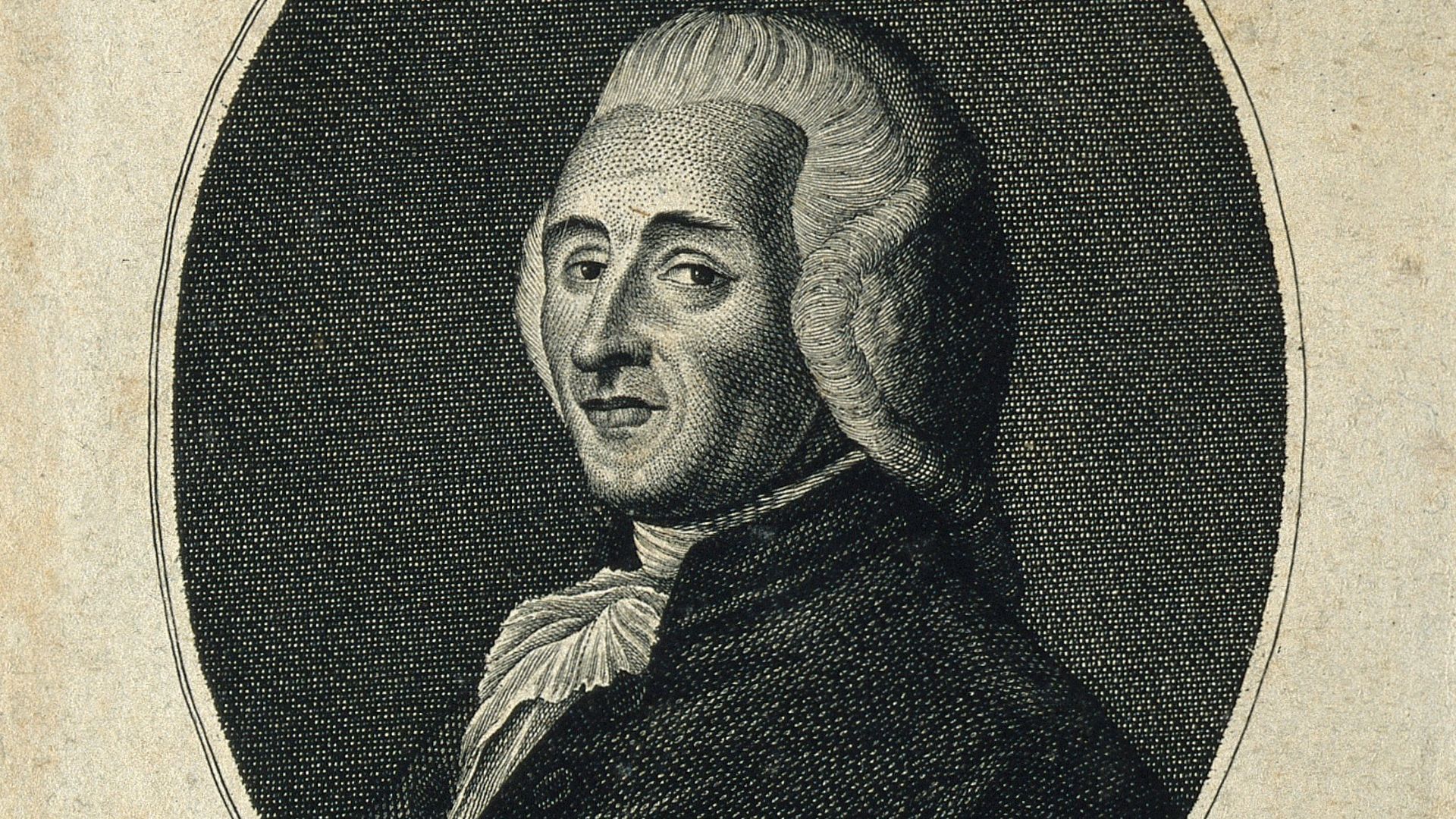
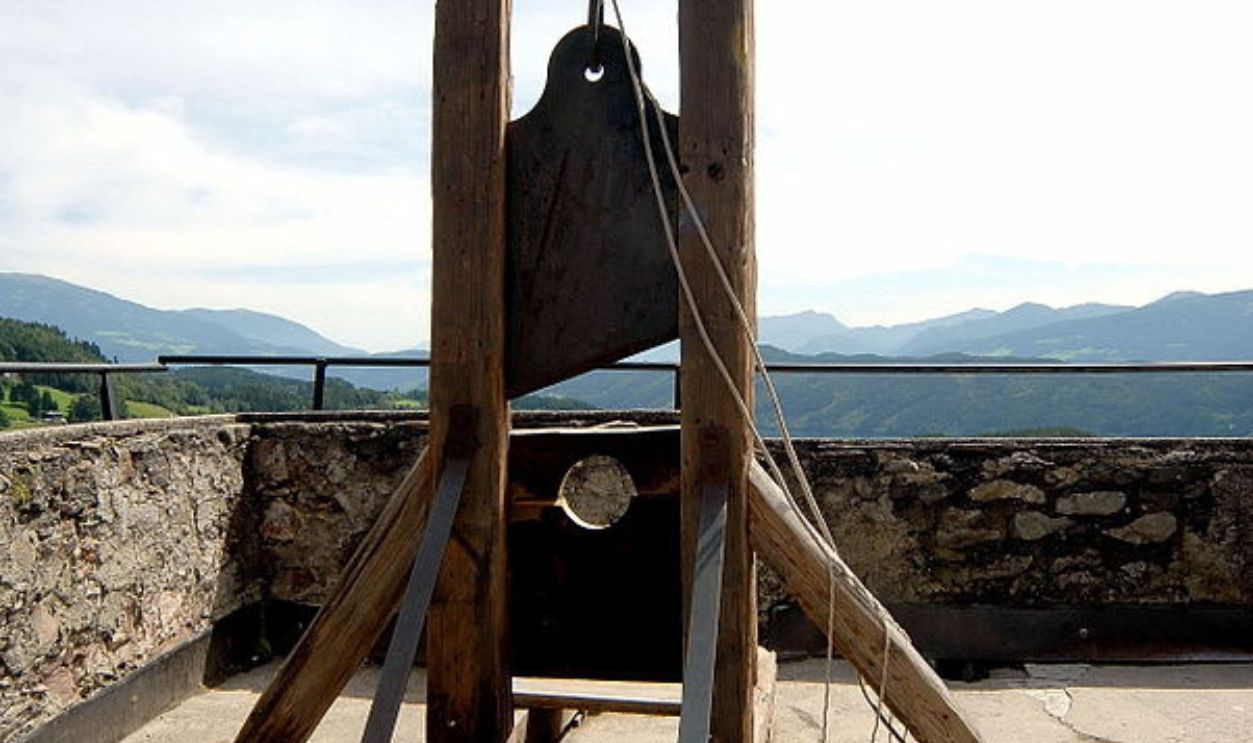
Joseph-Ignace Guillotin was a French physician and politician who personally opposed capital punishment. Recognizing that abolition was unlikely, he argued during the French Revolution that executions should at least be fast, standardized, and equal regardless of social rank. Before such reforms, aristocrats and ordinary people could face very different methods of execution. Guillotin therefore advocated a mechanical form of beheading intended to reduce suffering.
He Did Not Invent The Guillotine
The strangest part of Guillotin's linguistic immortality is that he did not actually design the machine bearing his name. Physician Antoine Louis developed the French prototype, yet Guillotin's public advocacy caused his surname to become attached to it. He was reportedly distressed that a proposal motivated by humanitarian reform became synonymous with the mass executions of the Reign of Terror. His family later tried unsuccessfully to have the machine renamed, leaving Guillotin permanently connected to an invention he neither created nor celebrated.
 Johann Jaritz, CC BY-SA 3.0, Wikimedia Commons
Boycott Became A Word Because Everyone Avoided Him
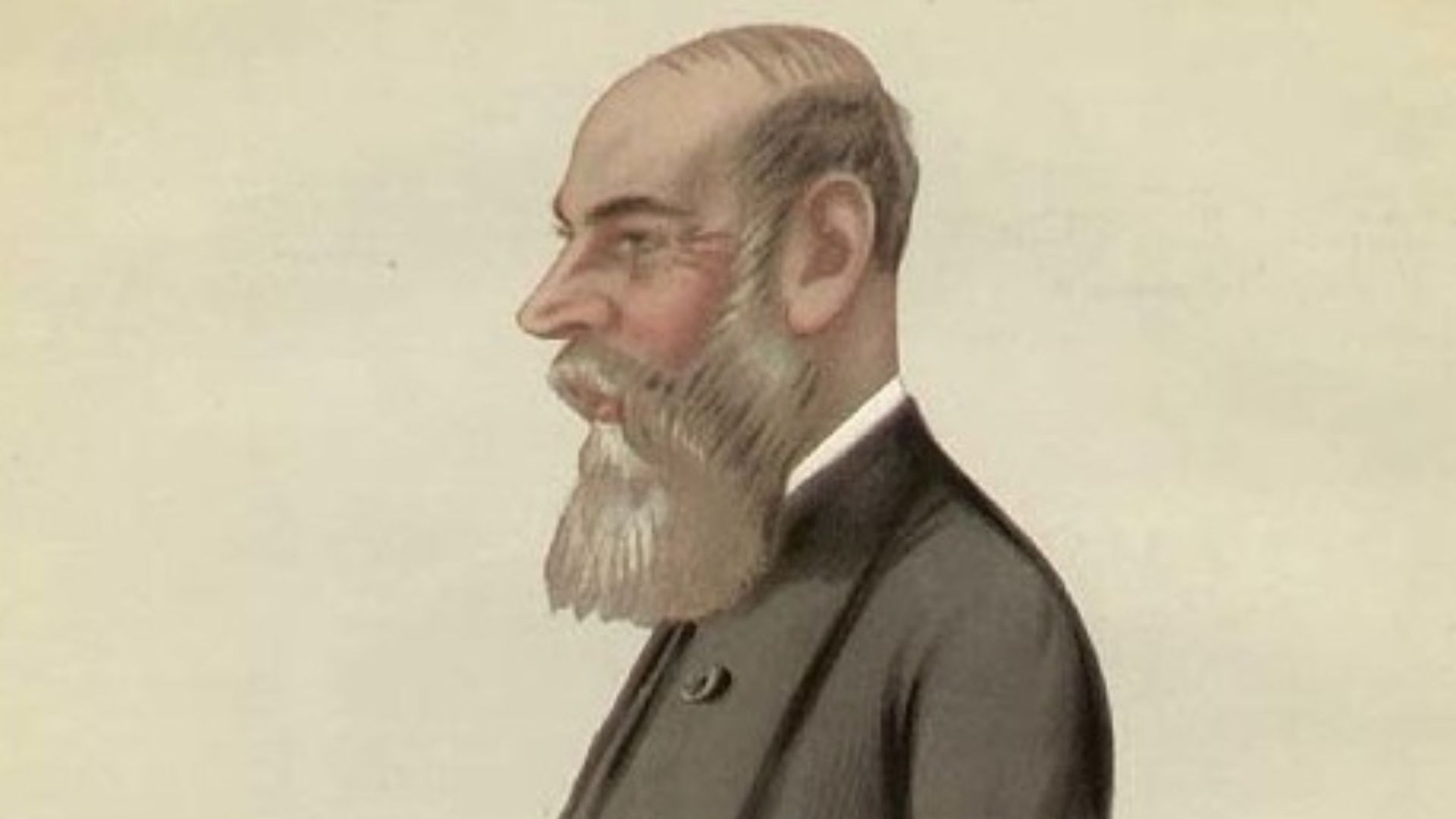
Charles Cunningham Boycott was a retired British army officer working as a land agent in Ireland during the turbulent Land War of the late 19th century. In 1880, tenants demanded lower rents, and Boycott attempted to evict those who refused to pay. Irish Land League supporters responded not with physical violence but organized social and economic isolation. Workers left his service, local businesses refused to deal with him, and neighbors largely stopped cooperating with him.
 Leslie Ward, Wikimedia Commons
His Enemies Invented A New Political Weapon
The campaign against Boycott became so famous that his surname almost immediately turned into a verb and noun. Merriam-Webster dates the first known English use of “boycott” to 1880, the same year the confrontation occurred. The strategy became far larger than one dispute over Irish rents and now describes organized refusals to buy from, work with, or otherwise support a person or institution. Few people have had the experience of hearing their own surname become a worldwide method of protest while they were still alive.
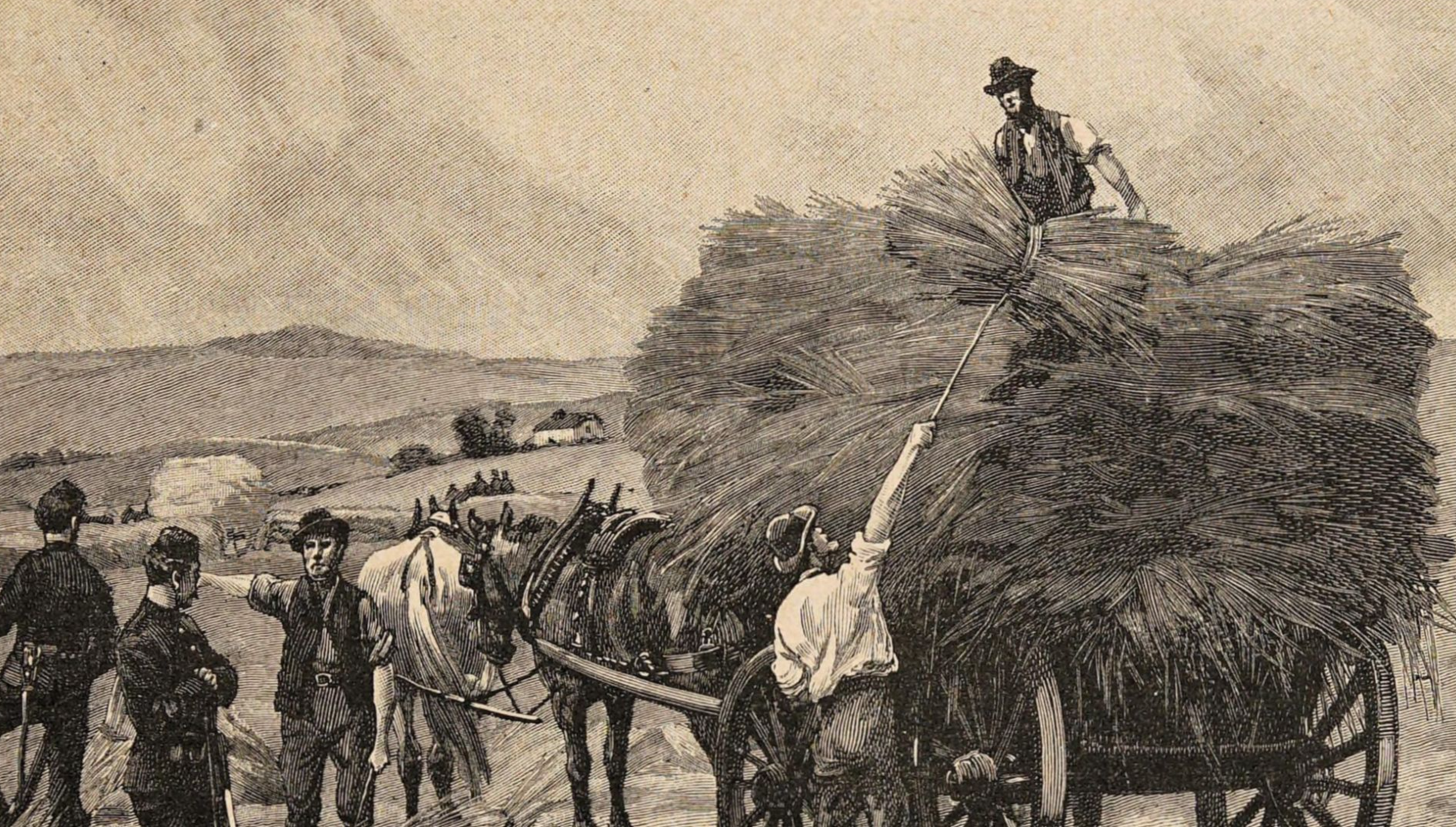 William Barnes Wollen, Wikimedia Commons

History's most fascinating stories and darkest secrets, delivered to your inbox daily.
Maverick Became Famous For Cattle He Barely Wanted
Samuel Augustus Maverick was a Texas lawyer, politician, landowner, and businessman who acquired several hundred cattle in the 1840s. Unlike neighboring ranchers, Maverick did not consistently brand his animals, and his cattle wandered freely across the South Texas range. Other stockmen began referring to unbranded cattle as “Maverick's.” The possessive gradually disappeared, leaving his surname as the generic term.
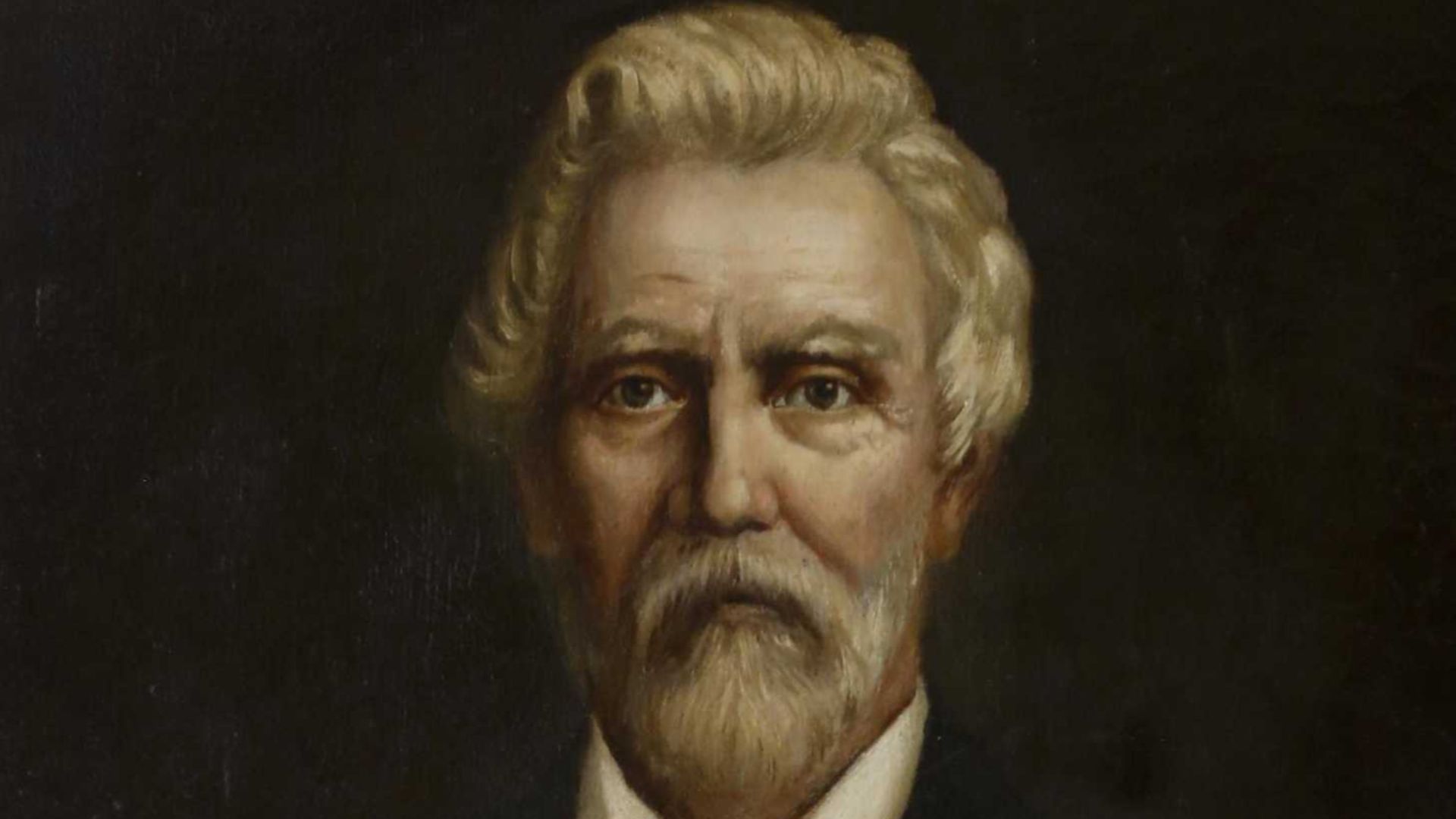 Unknown artistUnknown artist., Wikimedia Commons
The Cattle Word Escaped The Ranch
By 1866, “maverick” was appearing in English as a word for an unbranded range animal. It eventually expanded to describe an independent-minded person who refuses to follow the herd. There is an extra irony in the modern meaning because Maverick himself was not necessarily making some grand statement about rugged individualism when he failed to brand the cattle. A practical ranching oddity transformed him into the linguistic patron saint of nonconformists.

Cardigan Rode Into A Military Disaster
James Thomas Brudenell, 7th Earl of Cardigan, was the British cavalry commander who led the famous Charge of the Light Brigade during the Crimean War. On October 25, 1854, Cardigan led his men down a valley toward Russian artillery after a disastrous chain of confusing orders. The National Army Museum records that he rode courageously at the front, although the charge inflicted terrible losses and became one of Britain's most famous military blunders. Alfred Tennyson soon immortalized the action in poetry.
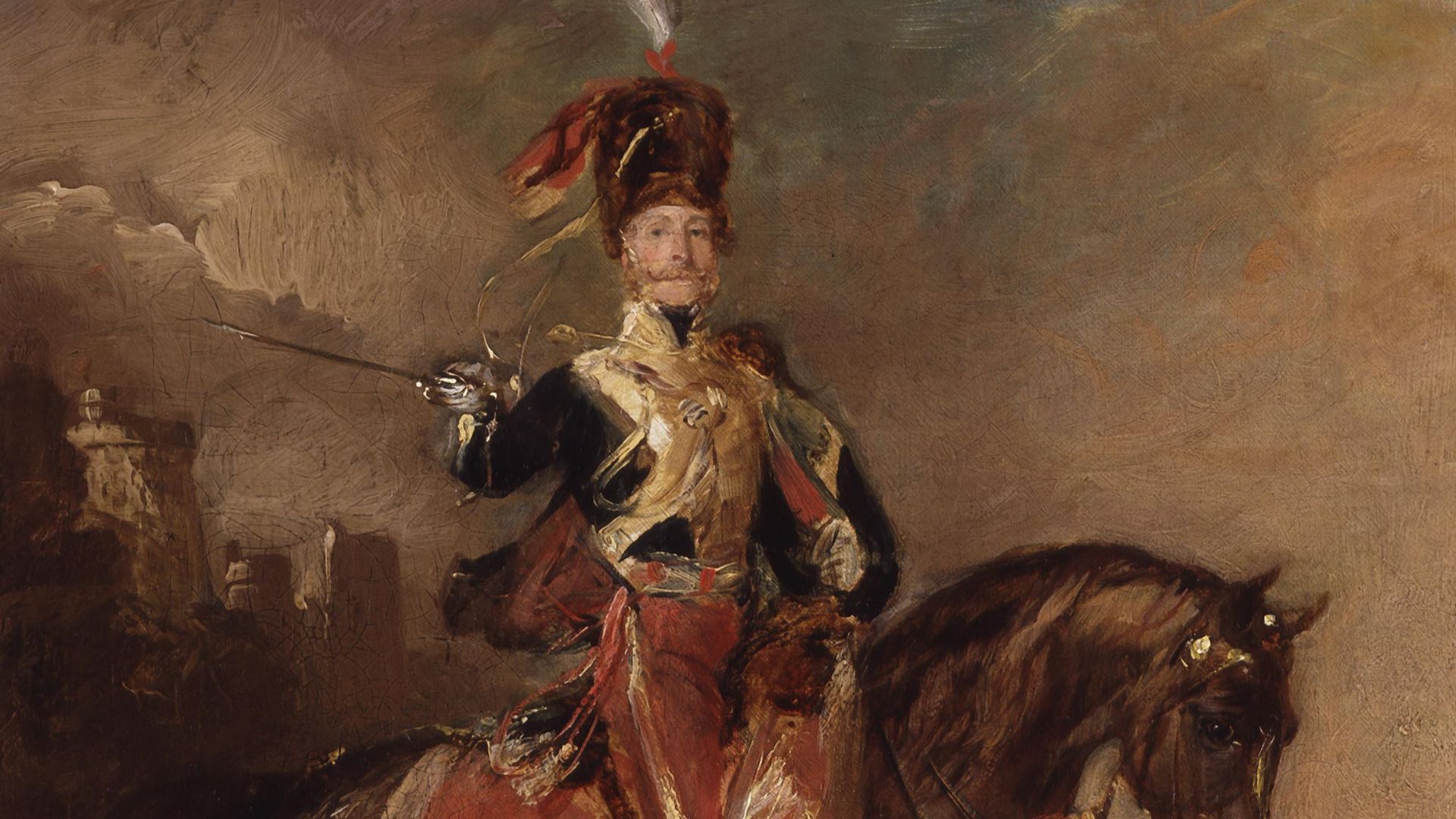 Francis Grant, Wikimedia Commons
His Sweater Had Better Luck Than His Cavalry
Cardigan's name also became attached to knitted jackets opening down the front. Merriam-Webster traces “cardigan” directly to the earl, whose fashionable clothing and Crimean service helped popularize the style. What began as a wool garment associated with a controversial cavalry commander evolved into one of the most ordinary pieces of modern clothing. Cardigan therefore achieved the rare feat of being remembered simultaneously for a catastrophic charge and comfortable knitwear.
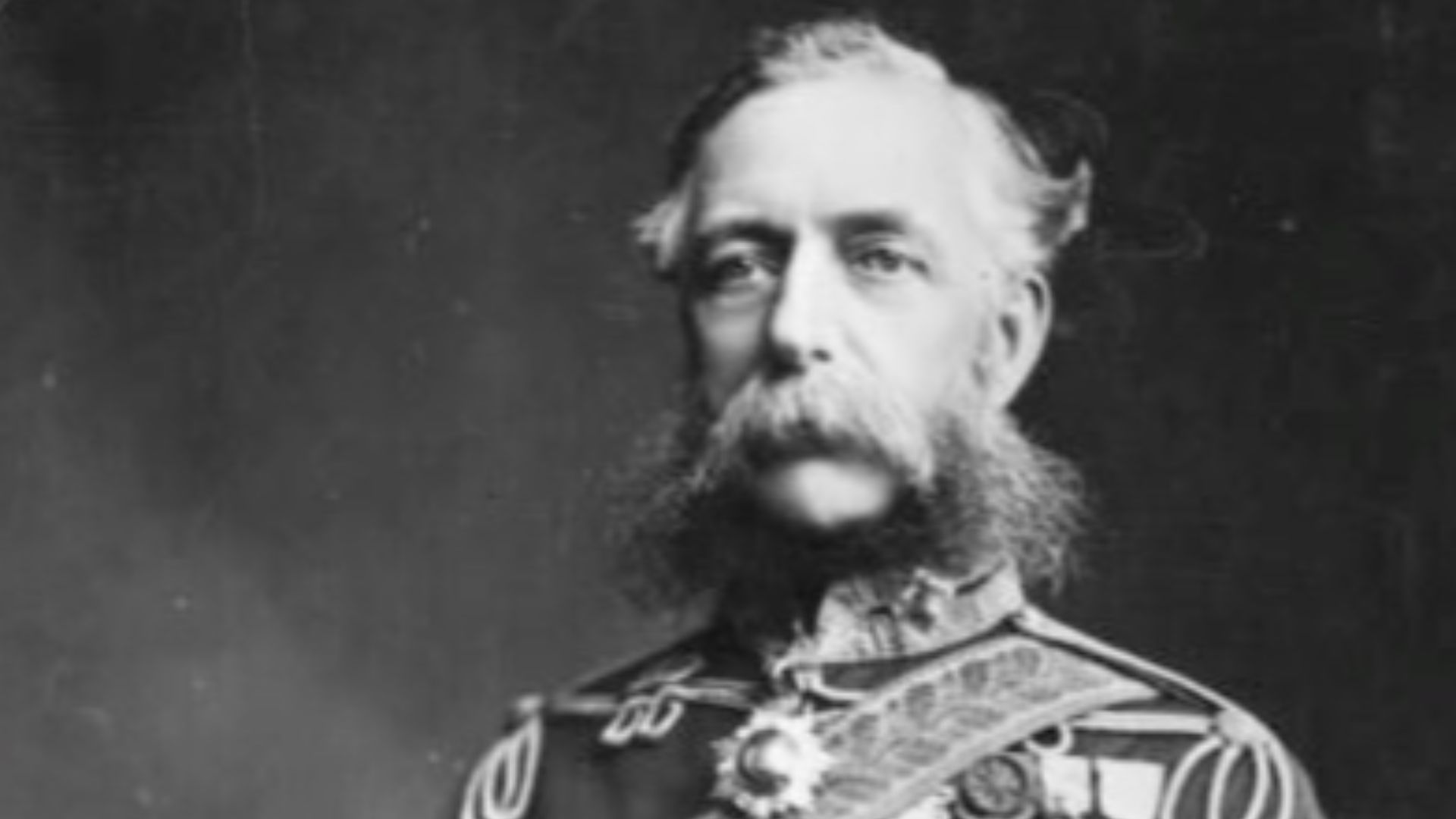 Unidentified photographer, Wikimedia Commons
Léotard Flew Above The Circus
French acrobat Jules Léotard helped revolutionize circus entertainment when he developed the flying trapeze. Smithsonian records that he performed his new act at Paris's Cirque Napoléon in November 1859. Léotard needed clothing that allowed unrestricted movement without loose fabric catching on equipment. His close-fitting one-piece costume became almost as famous as the aerial performance itself.
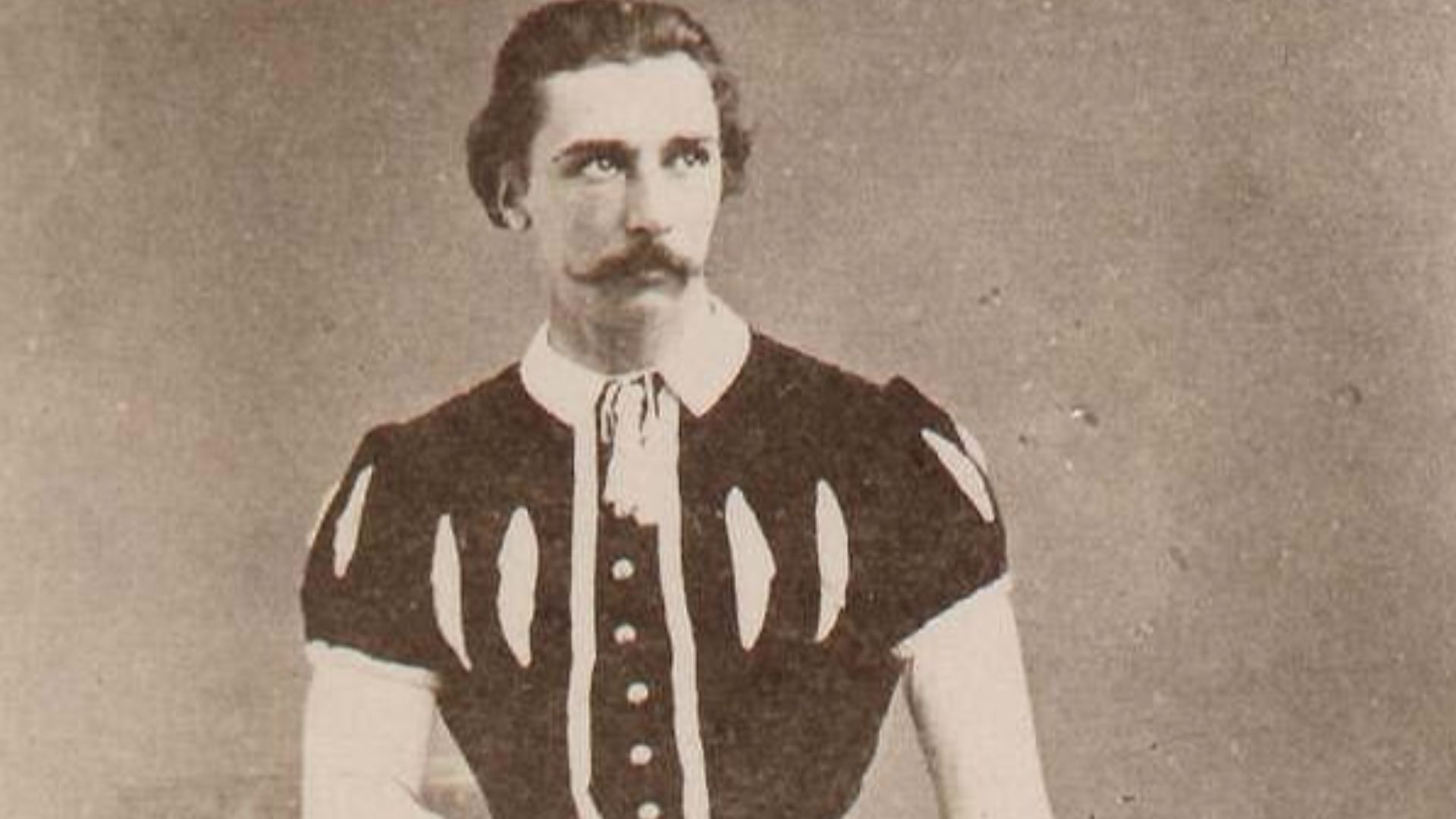 Unknown authorUnknown author, Wikimedia Commons
His Costume Outlived The Man
The garment eventually became known simply as a leotard. Merriam-Webster traces the term directly to the French aerial gymnast, with English usage emerging after his career. Léotard died in 1870, but dancers, gymnasts, acrobats, and athletes continued wearing variations of his practical costume. Millions of people consequently speak his surname without realizing they are invoking a 19th-century daredevil who helped invent the flying trapeze.
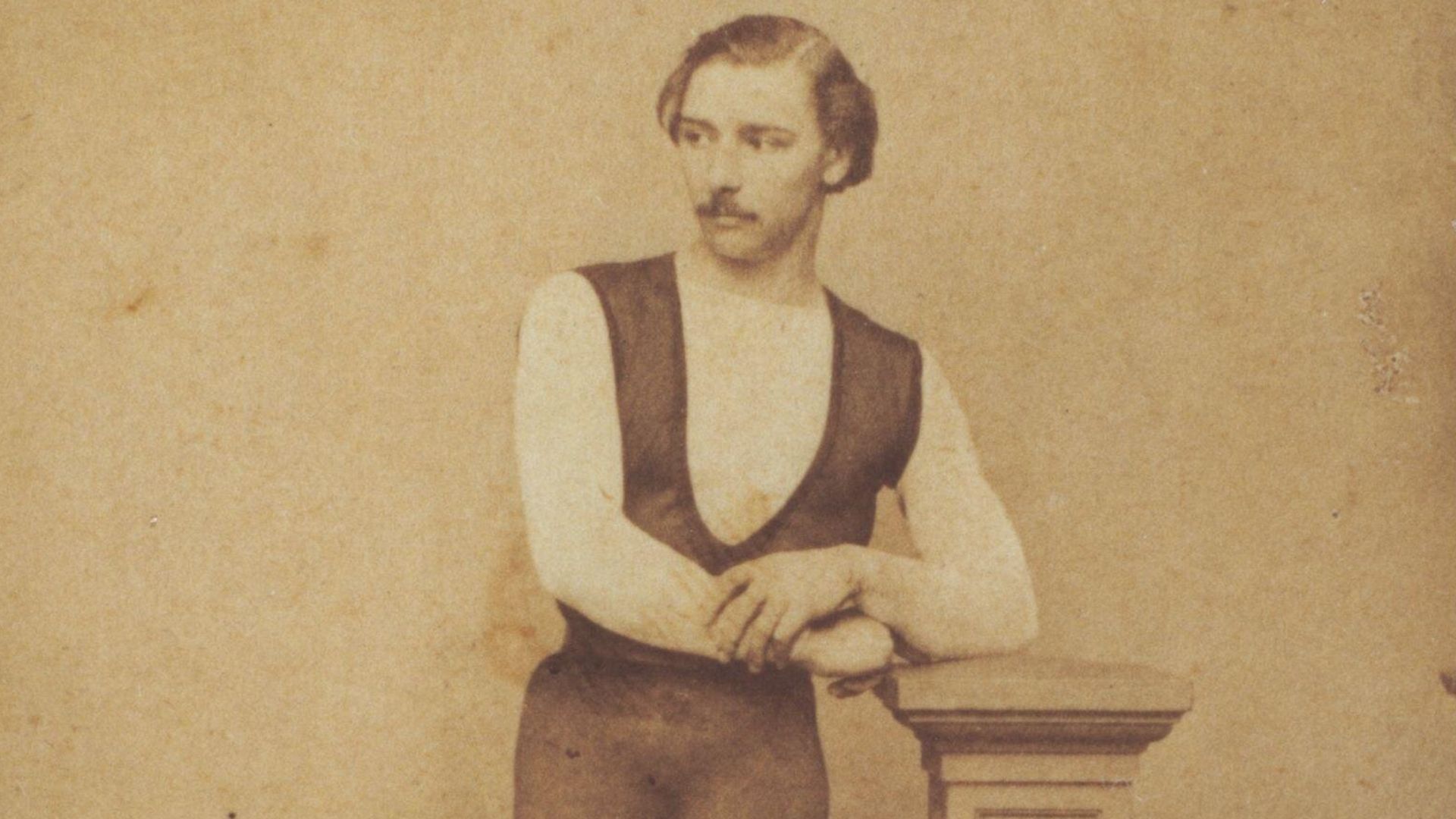 Unknown (photographer), Wikimedia Commons
Mesmer Claimed An Invisible Force Could Heal You
Franz Anton Mesmer was an 18th-century physician who believed living bodies were influenced by a mysterious force he called animal magnetism. In Paris, patients gathered around elaborate tubs filled with supposedly magnetized materials while Mesmer, sometimes dressed theatrically, attempted to manipulate this unseen fluid. Patients experienced convulsions, trances, and other dramatic reactions, and Mesmer acquired wealthy supporters. His treatments became one of the great medical crazes of the Enlightenment.
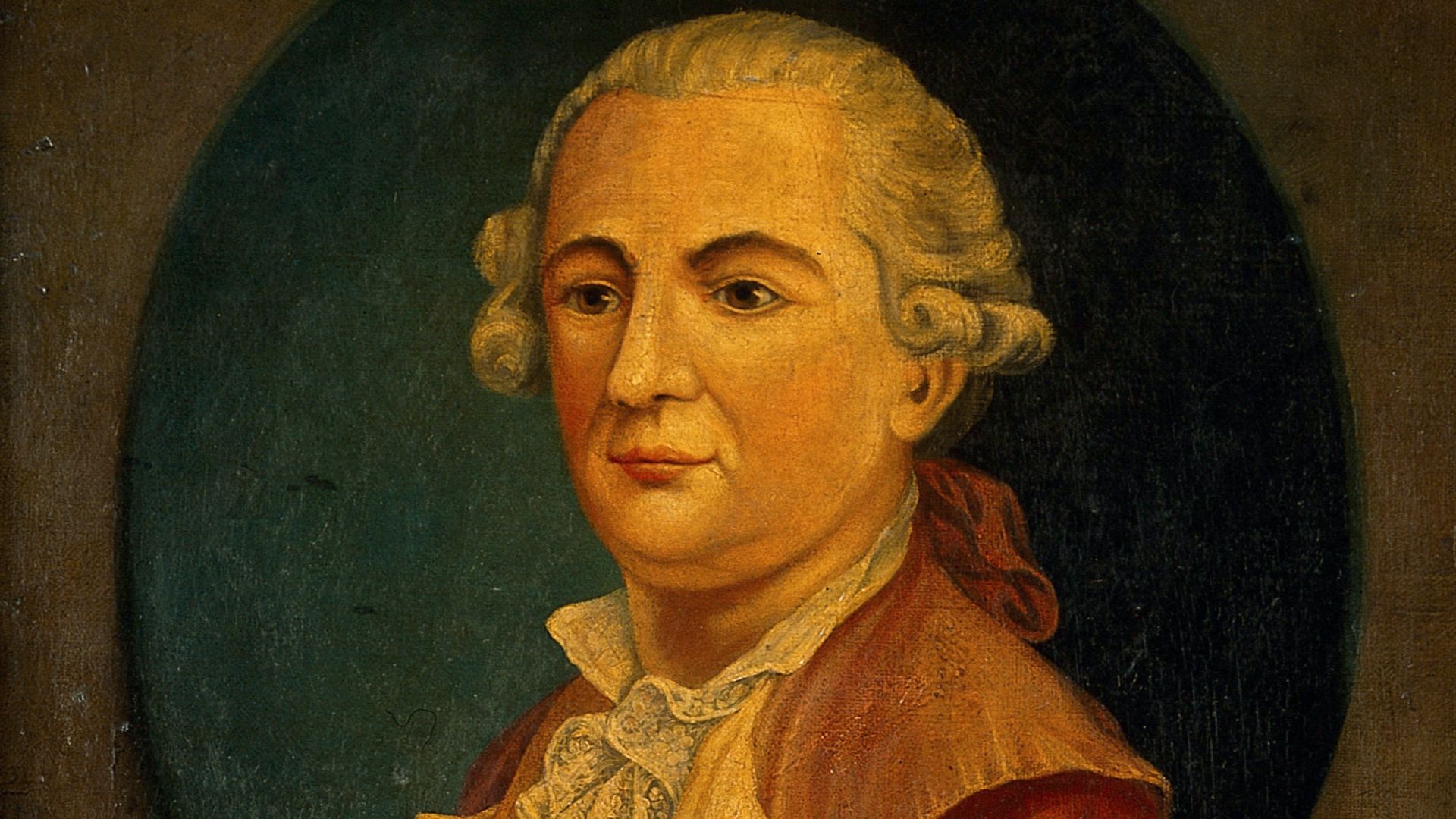
Benjamin Franklin Helped Bring Mesmer Down
In 1784, Louis XVI appointed a commission including Benjamin Franklin and Antoine Lavoisier to examine mesmerism. Their tests concluded that the effects could be explained by imagination and expectation rather than Mesmer's alleged magnetic fluid. Mesmer's reputation declined, but his name escaped the scientific wreckage. “Mesmerize” ultimately evolved from meaning to subject someone to mesmerism into the familiar sense of completely captivating someone's attention.
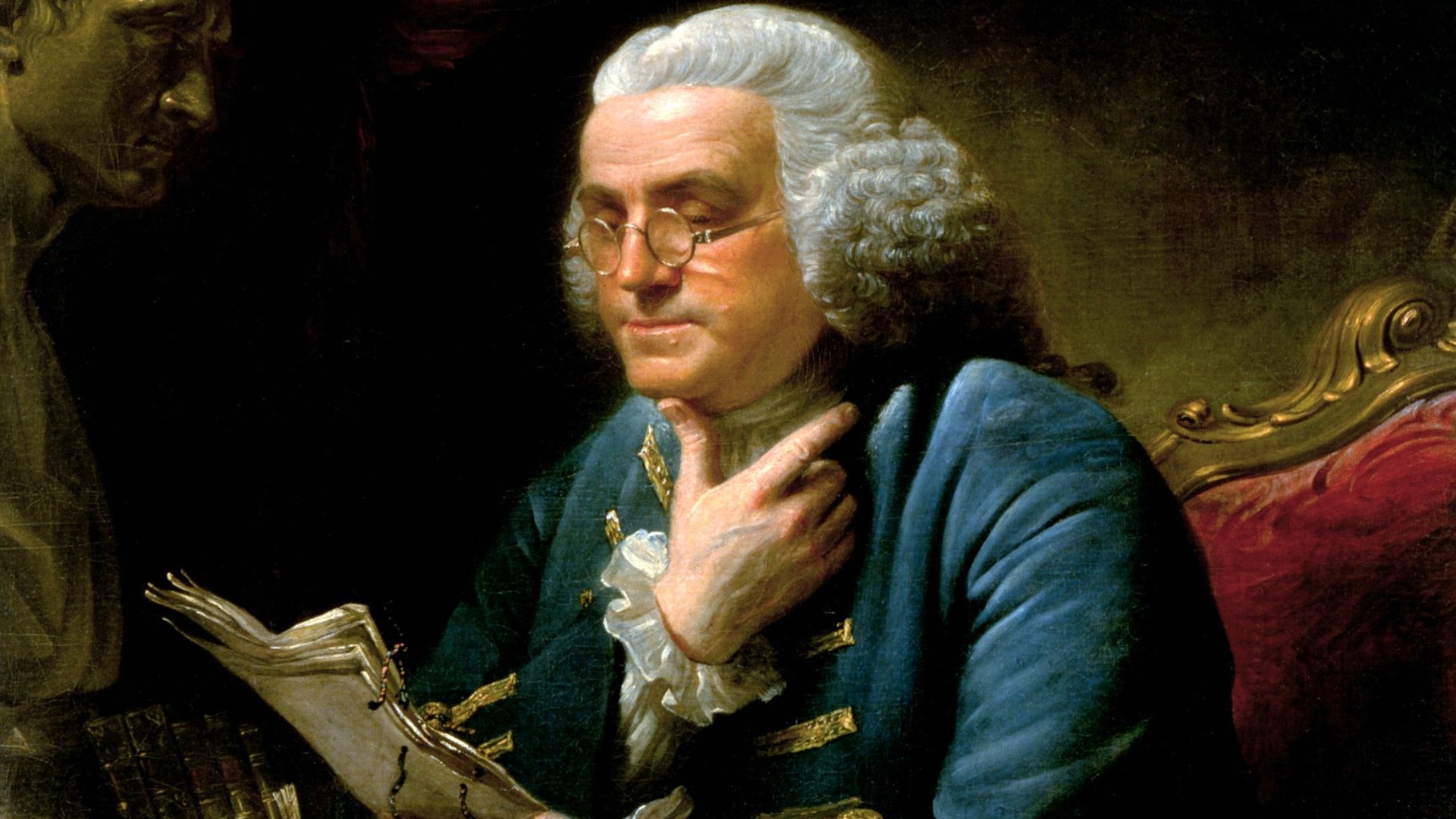 David Martin, Wikimedia Commons
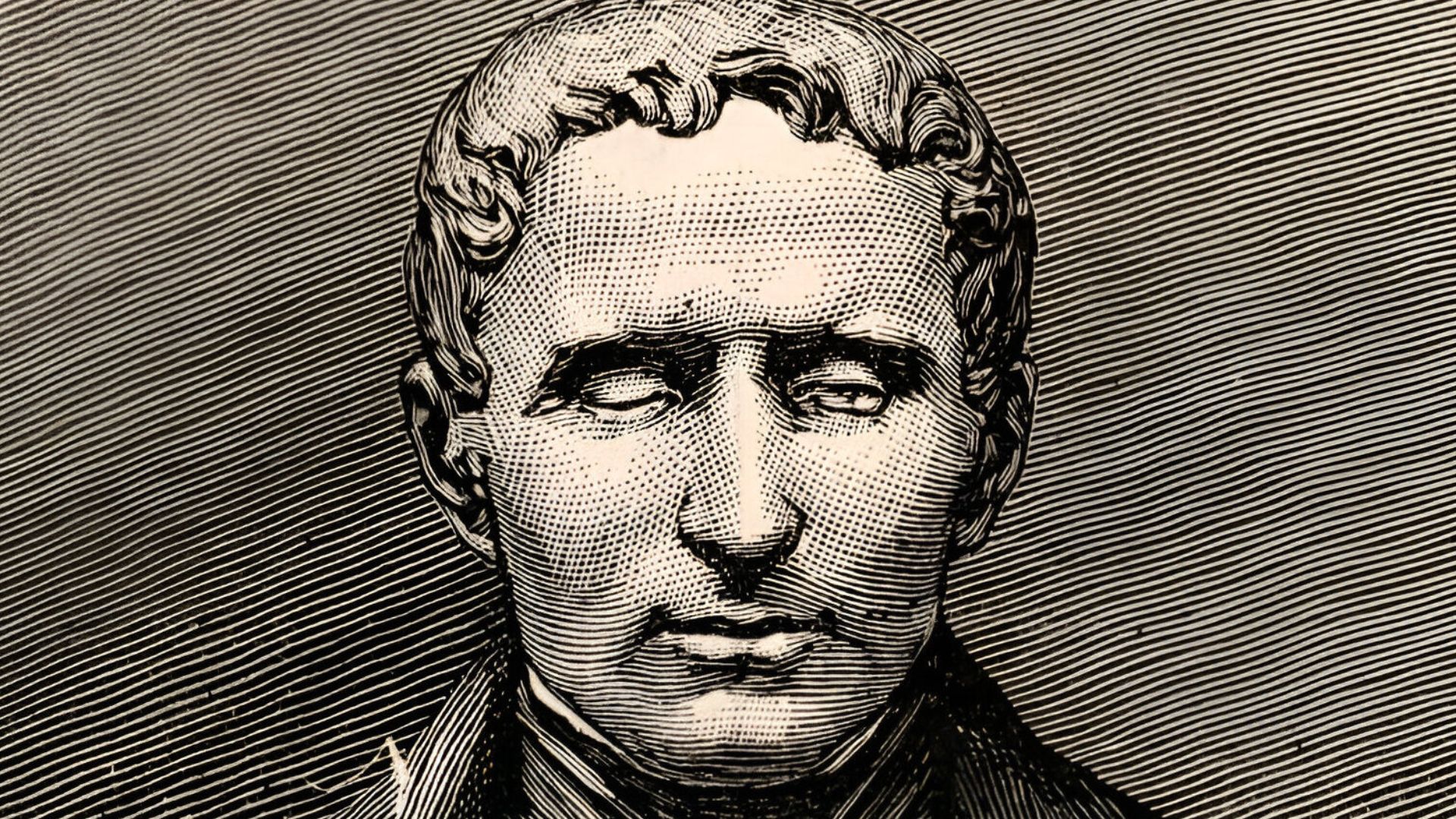
Braille Lost His Sight In His Father's Workshop
Louis Braille was born in Coupvray, France, in 1809. As a small child, an accident involving a tool in his father's workshop injured one eye, and complications eventually left him blind. His family nevertheless insisted on educating him, an unusually ambitious expectation for a blind child in rural France at the time. At ten, he entered the Royal Institute for Blind Youth in Paris.
 Henri Thiriat, Wikimedia Commons
The School Tried To Ban Braille
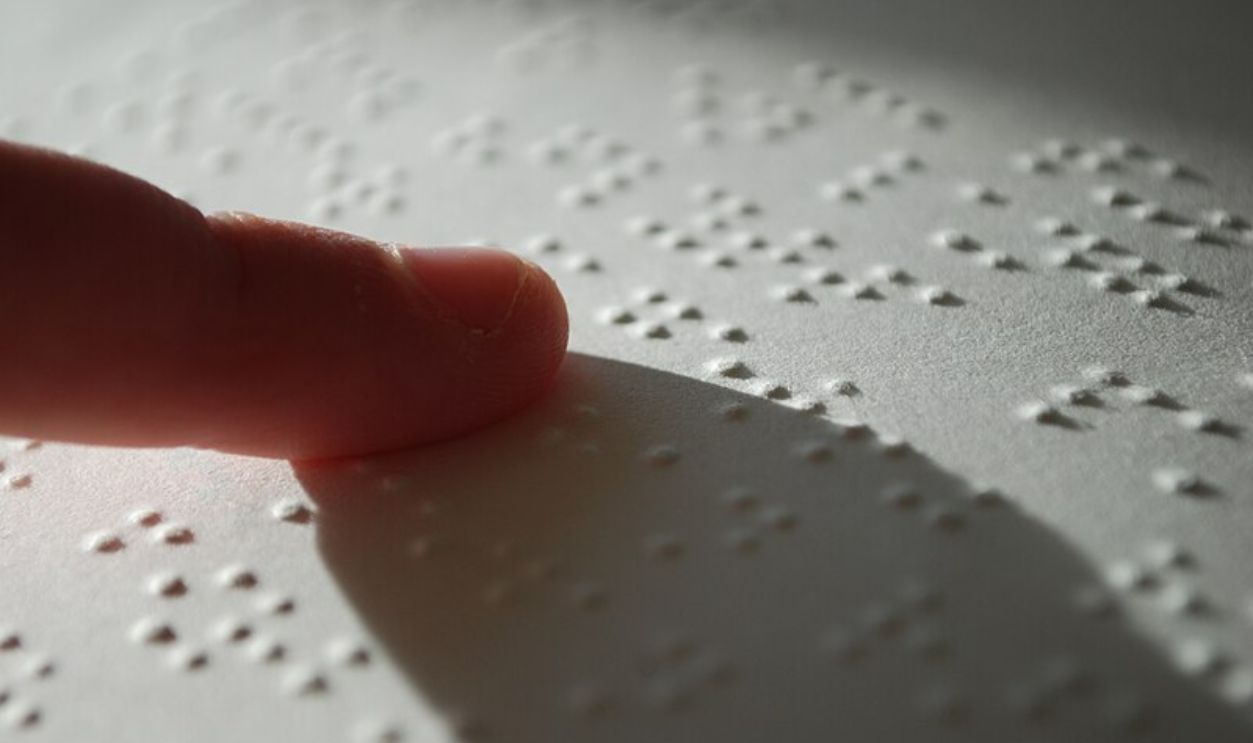
As a teenager, Braille adapted an existing raised-dot communication system into the elegant six-dot code that bears his name. Students embraced it, but institutional acceptance came slowly, and a later director of the school actually banned its use for a time. The system was publicly demonstrated at the institute in 1844, and France formally adopted braille shortly after its inventor's death in 1852. A method once resisted by educators ultimately put Louis Braille's surname beneath the fingertips of readers around the world.
 Stefan Malmesjo, CC BY 2.0, Wikimedia Commons
Nicot Sent Tobacco To The French Court
Jean Nicot was a 16th-century French diplomat stationed in Portugal. Around 1560, he helped introduce tobacco to the French court, where the plant was promoted for supposed medicinal properties, including relief from headaches. France's National Museum of Natural History records that the botanical genus Nicotiana was named in his honor. A diplomatic gift had attached Nicot's name to a plant with consequences he could never have imagined.
 Gravure publiee par l'editeur Albin Michel, Wikimedia Commons
Nicotine Preserved His Name Even More Completely
The tobacco plant's scientific name later gave rise to “nicotine,” the name for its principal addictive alkaloid. Merriam-Webster traces nicotine through French and New Latin Nicotiana, bringing the etymological trail back to Jean Nicot. Nicot himself did not discover nicotine and could not have understood its chemistry. Yet his surname became embedded in the vocabulary of addiction, medicine, toxicology, and public health centuries after his diplomatic career was forgotten.
 Jom / Joachim Mullerchen, Wikimedia Commons
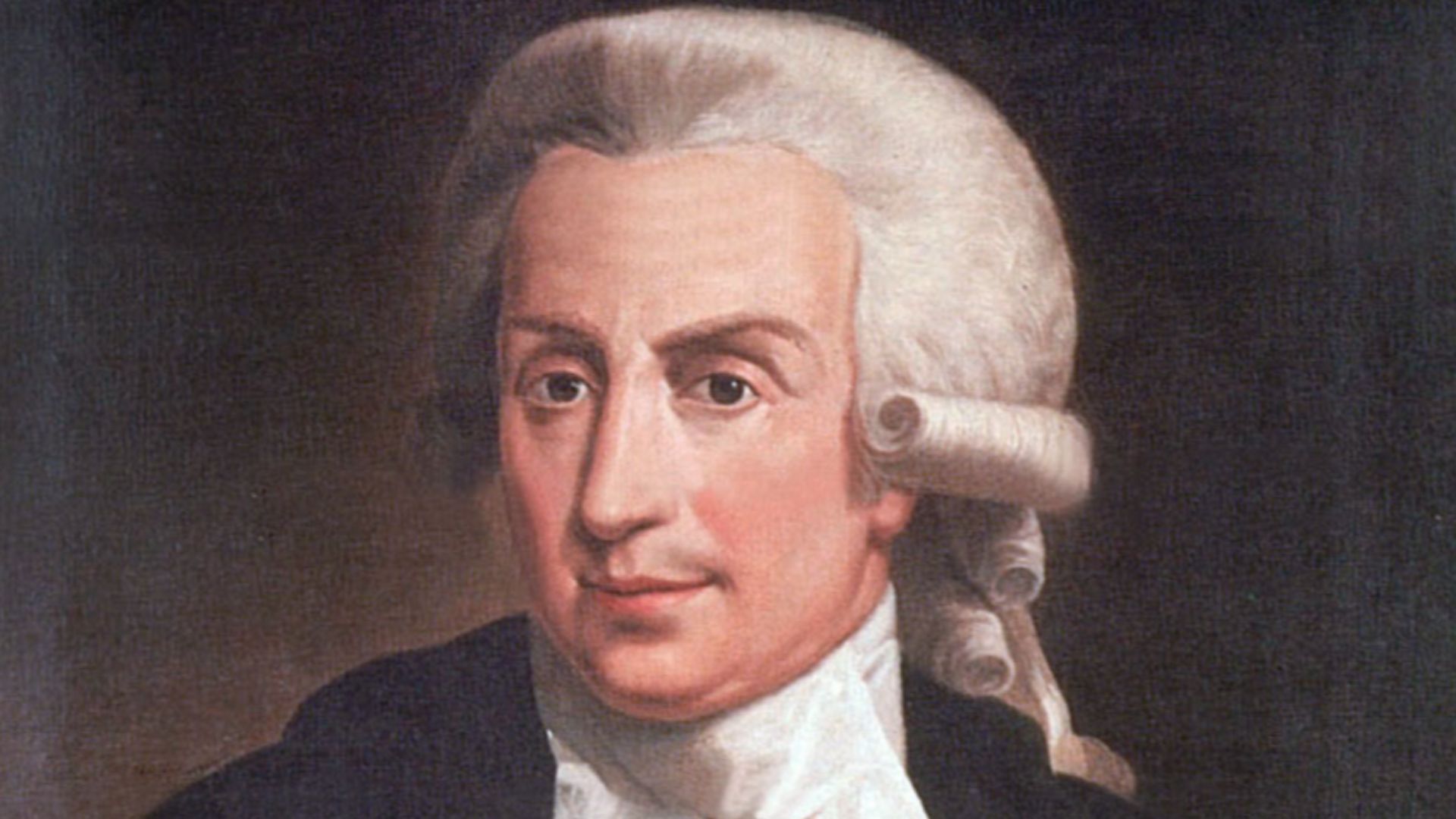
Galvani Made Dead Frog Legs Jump
Italian physician Luigi Galvani became fascinated by the relationship between electricity, nerves, and muscles. His experiments showed that frog legs could contract when electrically stimulated, leading him to develop his theory of “animal electricity.” Galvani did not completely understand the mechanism, but his work became foundational to the development of electrophysiology. More importantly for language, his twitching frogs supplied science with an extraordinarily memorable surname.
 Unidentified painter, Wikimedia Commons
Galvanize Jumped From Frogs To People
Words including “galvanism” and “galvanize” were formed from Galvani's name around the end of the 18th century. The verb originally referred to stimulating tissue with electricity, then developed the figurative sense of shocking or exciting people into action. It later acquired the industrial meaning of coating iron or steel with zinc. Galvani's name therefore wandered from dissected frogs to political movements and finally to rust-resistant nails.
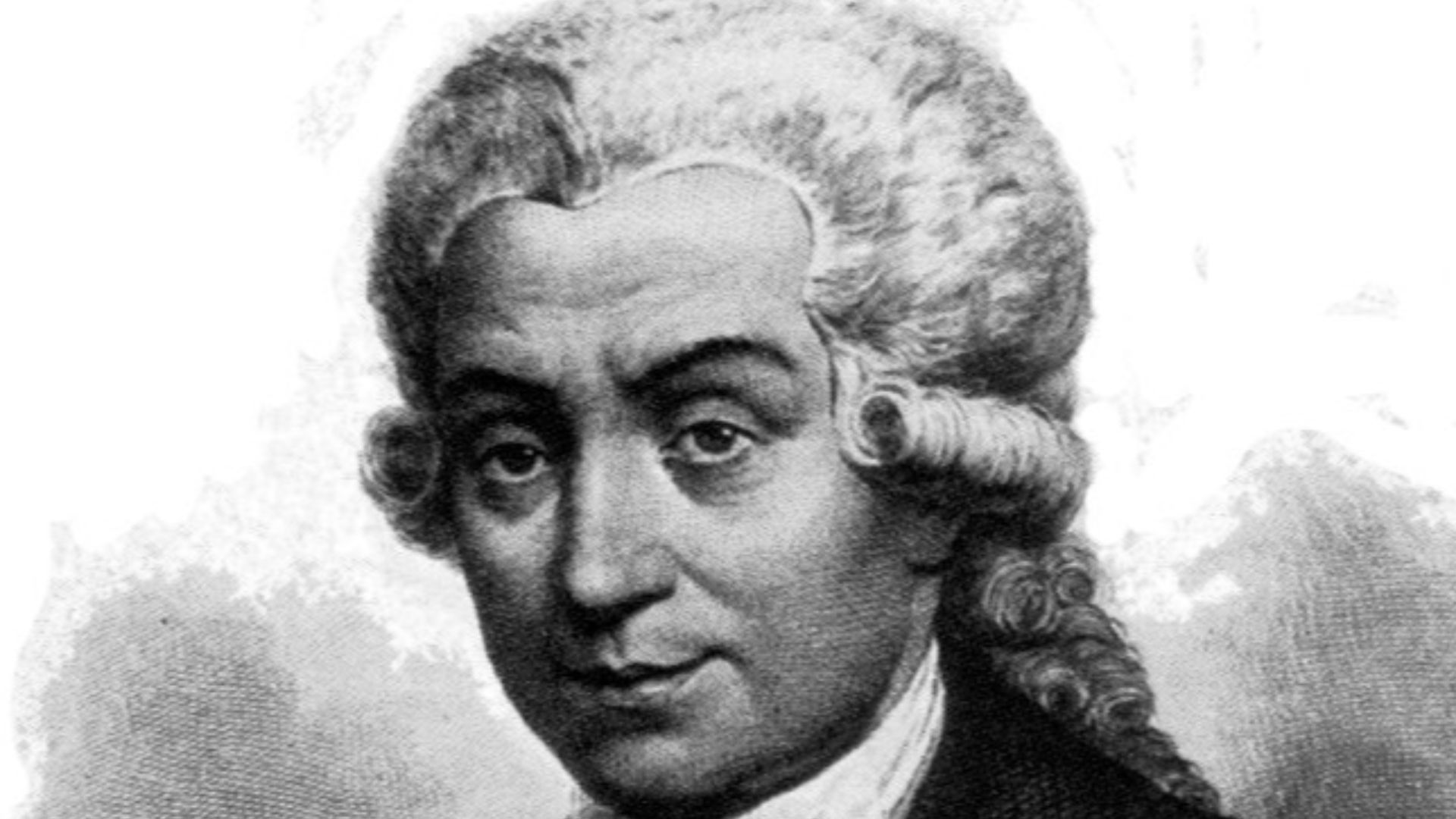
Diesel Wanted A Better Engine
German engineer Rudolf Diesel believed existing engines wasted too much energy. During the late 19th century, he developed a compression-ignition engine that could operate with greater efficiency than many contemporary designs. His surname quickly became attached to the engine itself, and Merriam-Webster records “diesel” in English from 1894. Today it describes engines, vehicles, and the fuel associated with them.
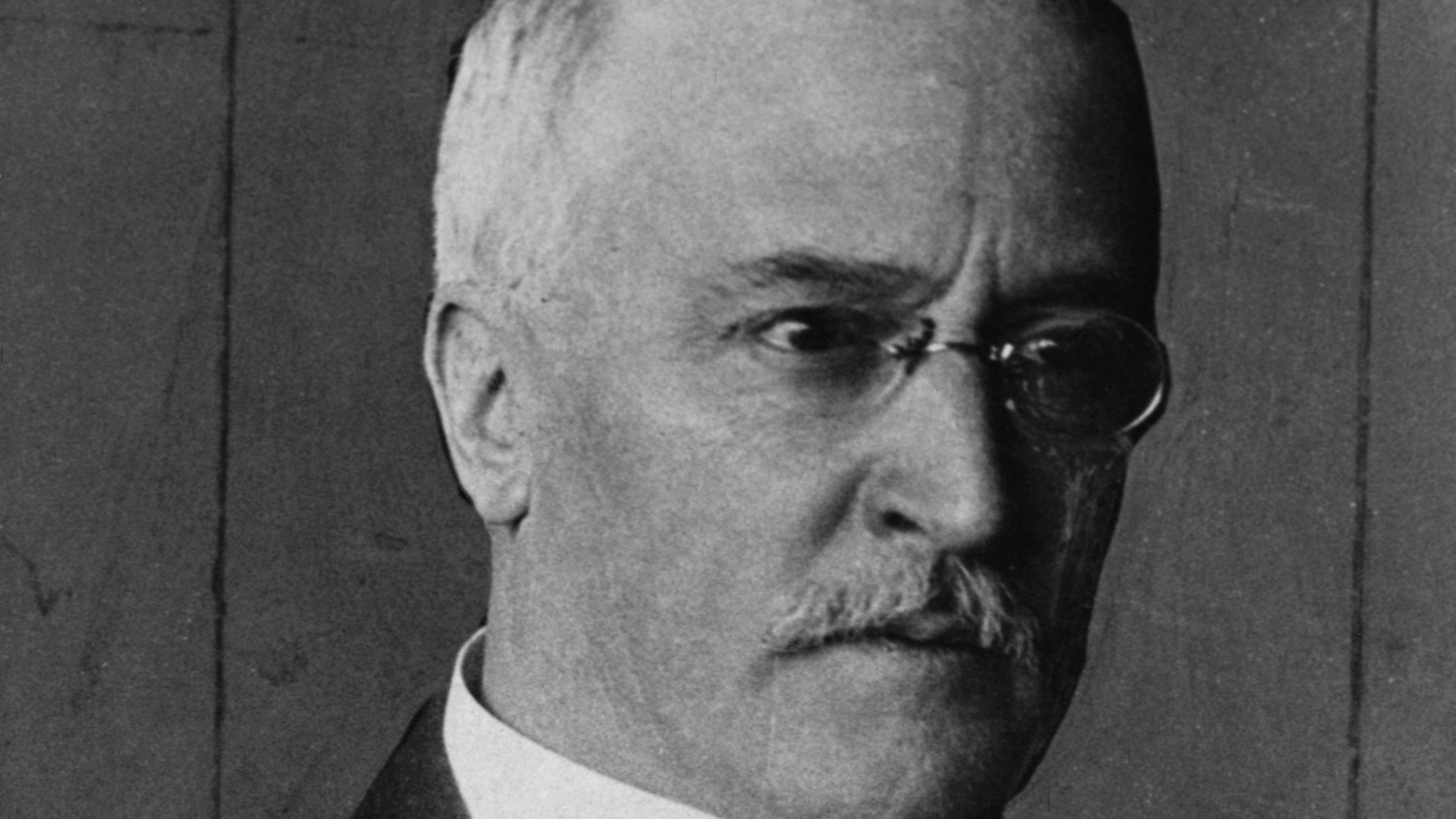
Then Diesel Vanished From A Ship
On September 29, 1913, Diesel boarded a steamship traveling from Belgium to England for a business meeting. By the following morning he had vanished, his bed apparently unused, and his disappearance became an international mystery. Smithsonian reports that financial problems and poor health strengthened the conclusion that he took his own life, although assassination and disappearance theories circulated for years. Diesel's body disappeared, but his surname became almost impossible to escape in the industrial world he had helped transform.
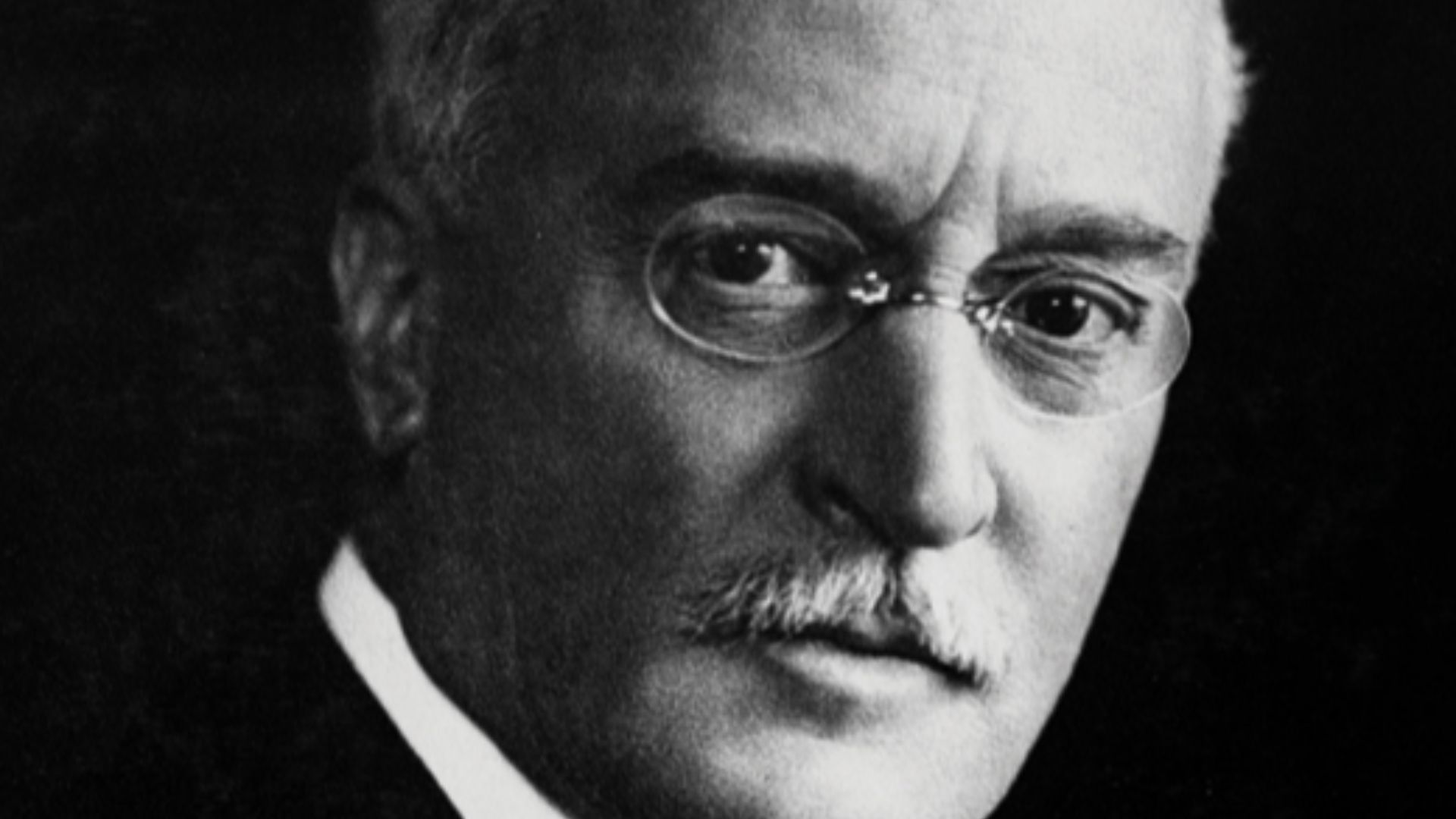 Unknown authorUnknown author, Wikimedia Commons
Sax Invented The Instrument With His Own Name
Belgian instrument maker Adolphe Sax wanted to create a wind instrument combining powerful projection with flexible playing characteristics. He moved to Paris and patented the saxophone in 1846. The Metropolitan Museum of Art notes that the instrument initially found more success in military bands than conservative orchestras. Jazz and popular music later turned Sax's invention into one of the world's most recognizable instruments.
 Unknown authorUnknown author, Wikimedia Commons
Sax's Rivals Tried To Ruin Him
Success brought Sax fierce opposition from competing instrument makers. Paris's Musée de la Musique records repeated lawsuits, press attacks, and financial difficulties, while his business eventually endured multiple bankruptcies. His personal instrument collection had to be auctioned after the 1877 bankruptcy. The man struggled repeatedly to keep his company alive, but the word “saxophone” carried his surname into musical cultures that did not even exist during his lifetime.
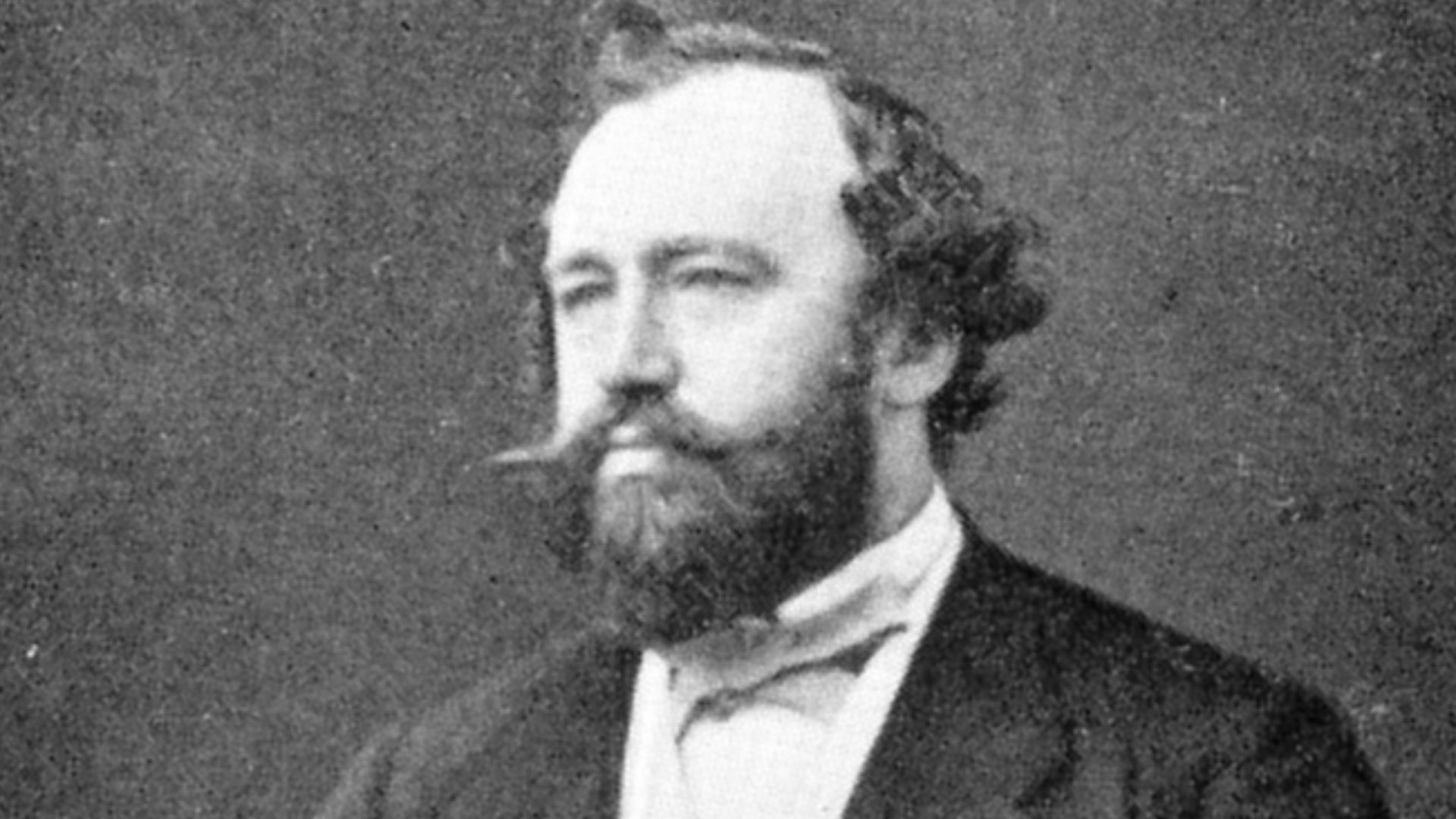
Duns Scotus Was Definitely Not A Dunce
John Duns Scotus was a highly sophisticated medieval philosopher and theologian whose work influenced generations of scholars. His followers became known as Dunsmen or Scotists. During the Renaissance and Reformation, however, humanist critics increasingly portrayed these traditional scholastic thinkers as hopelessly outdated opponents of new learning. A respected philosopher's surname slowly became ammunition in an intellectual culture war.
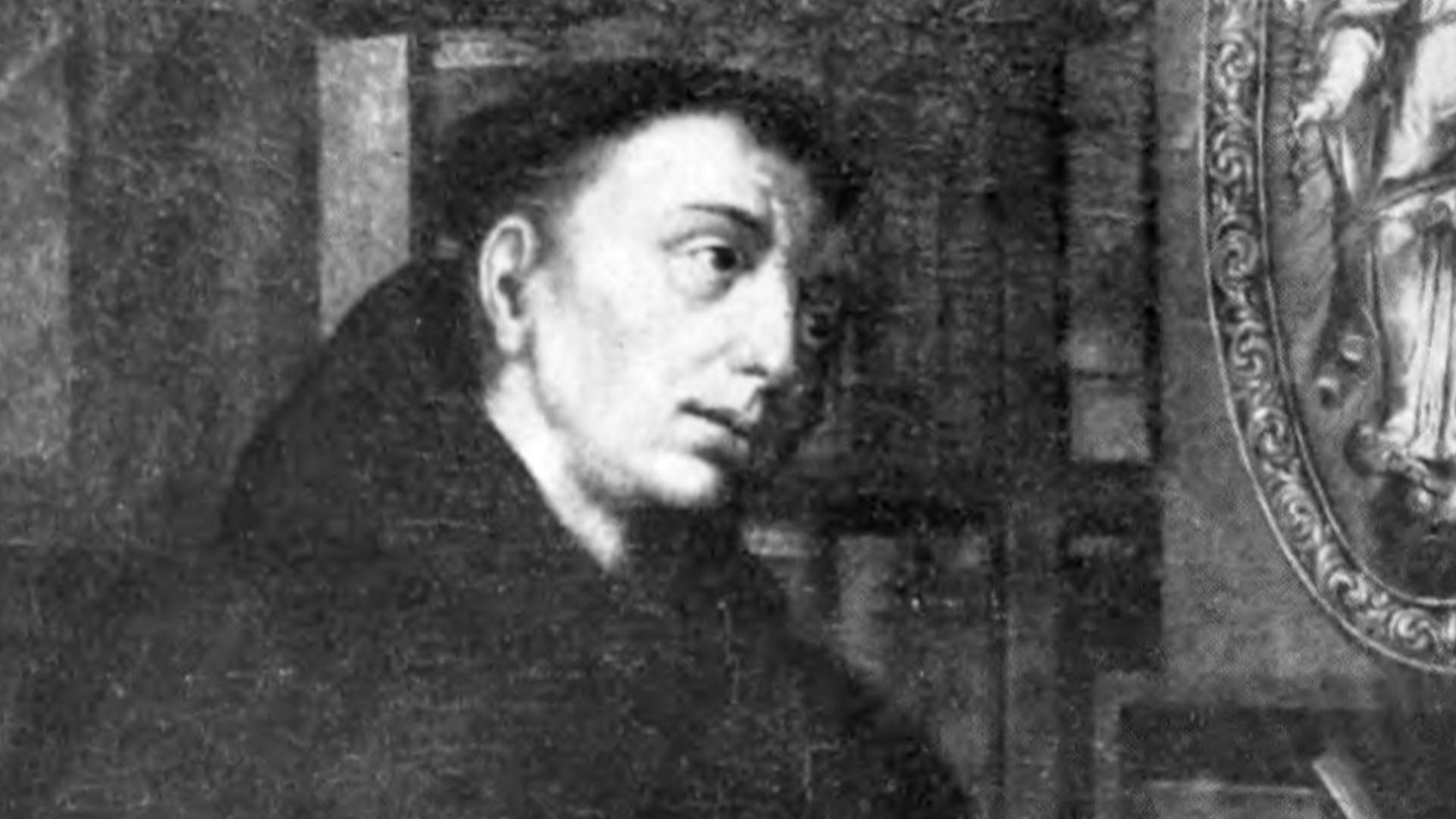 Author Berard Vogt Publisher St. Anthony Guild Press, Wikimedia Commons
His Admirers Accidentally Became Synonymous With Stupidity
By the 16th century, “dunce” had developed into an insult for someone regarded as stupid or slow to learn. Merriam-Webster directly traces it to Duns Scotus, whose once-respected writings had become objects of ridicule among later intellectuals. The transformation is particularly cruel because the historical Duns Scotus was famous precisely for intellectual sophistication. Few dictionary words reverse a person's actual reputation as completely as “dunce.”
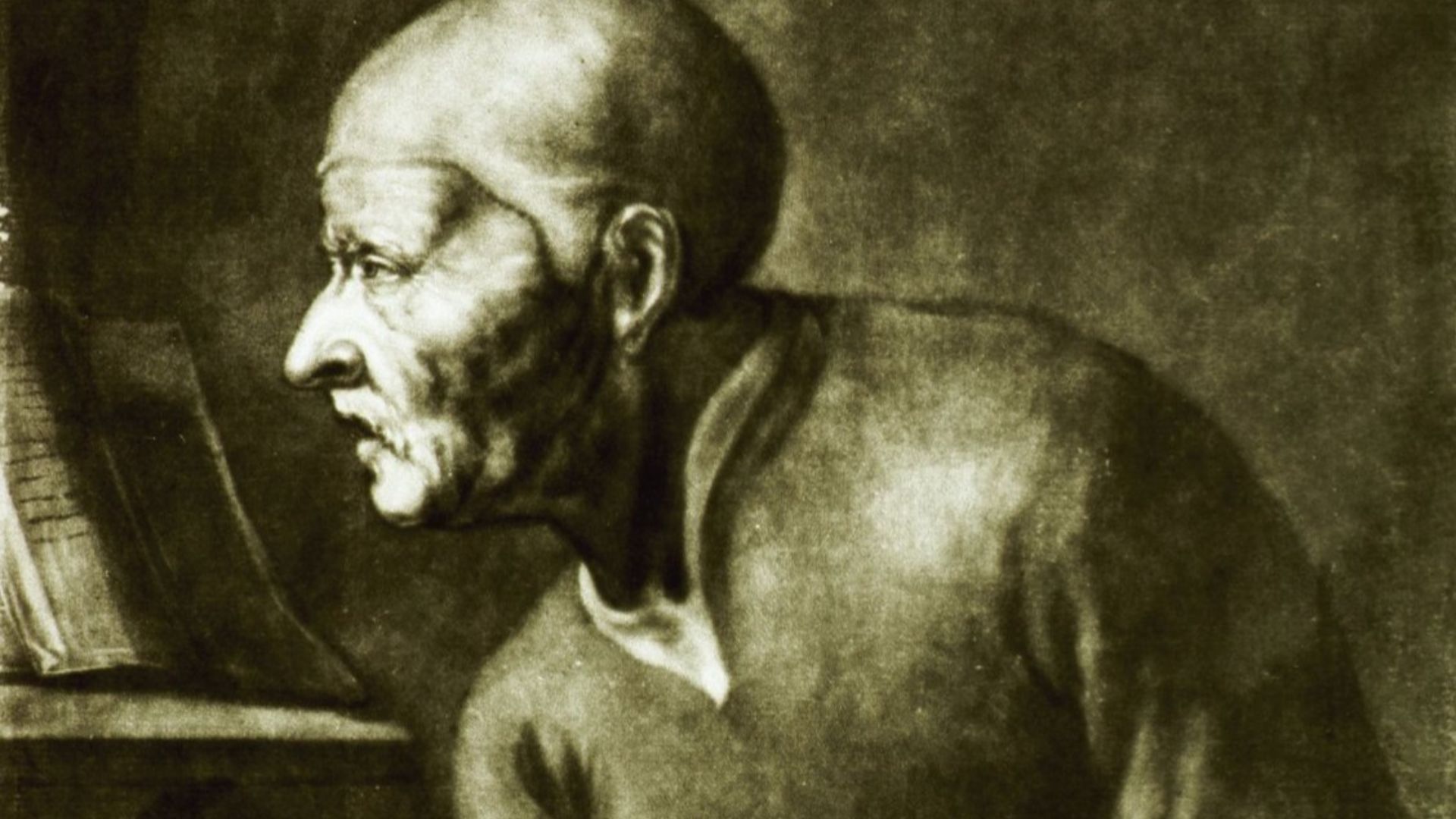
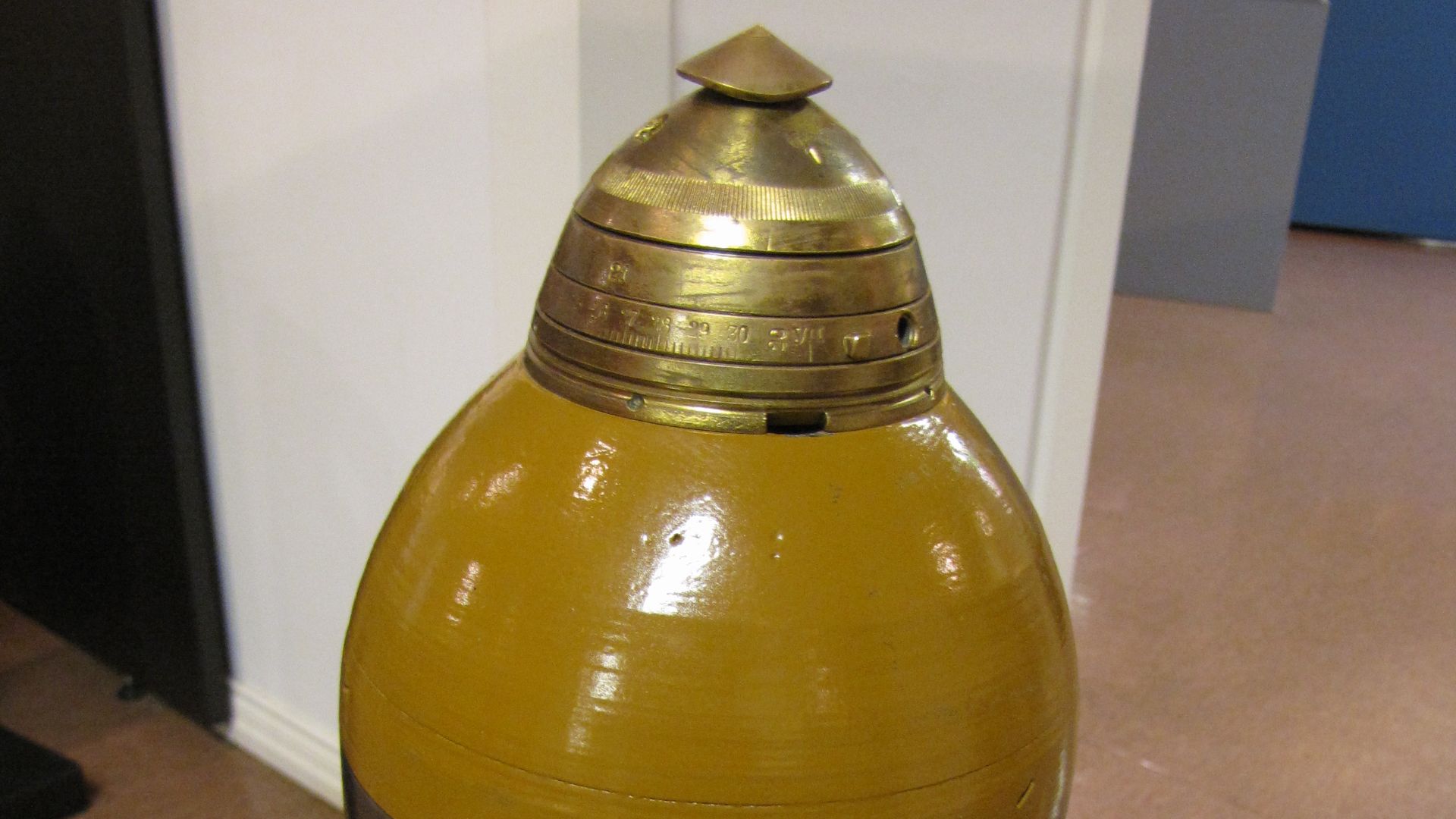
Shrapnel Spent His Own Money On A Deadlier Shell
British artillery officer Henry Shrapnel began experimenting in the 1780s with hollow projectiles containing bullets and a bursting charge. His goal was to deliver the destructive effect of close-range canister fire at much greater distances. Library and Archives Canada preserves Shrapnel's correspondence, reports, and drawings documenting the development of his spherical case ammunition. The British Army eventually adopted the weapon in 1803.
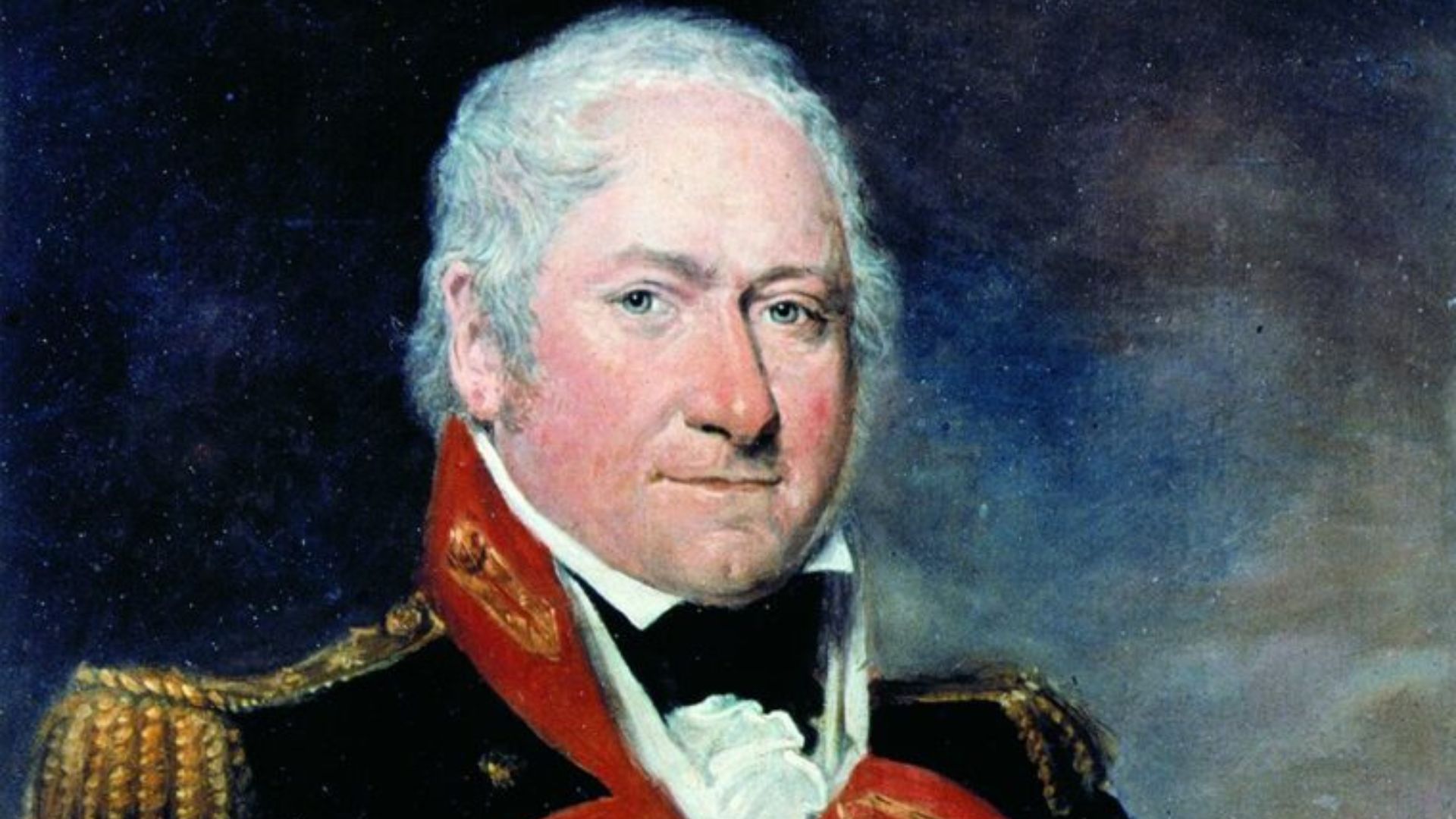 Unknown authorUnknown author, Wikimedia Commons
Shrapnel Became Something He Did Not Quite Invent
The weapon became known as a shrapnel shell, permanently attaching Henry Shrapnel's surname to battlefield destruction. Modern usage is slightly different because people commonly call fragments from an exploding shell “shrapnel,” although Shrapnel's original design primarily scattered prepared bullets rather than relying on jagged casing fragments. Library and Archives Canada notes that he nevertheless died a poor and disappointed man despite the military importance of his invention. His fortune faded, but his surname became one of the grimmest common nouns in the English language.
You May Also Like:
History's Most Bone-Chilling Events
Sources: 1, 2, 3, 4, 5, 6, 7, 8, 9, 10, 11, 12, 13, 14, 15, 16, 17, 18, 19, 20, 21, 22, 23, 24, 25, 26, 27, 28, 29, 30, 31, 32, 33, 34, 35, 36, 37, 38, 39, 40, 41, 42, 43, 44, 45, 46









,_m%C3%A9decin_et_homme_politique._-_P1052_-_Mus%C3%A9e_Carnavalet_(cropped).jpg)


