Apparently, We Were The Problem
Companies can spend years designing the perfect product, complete with instructions explaining exactly how we’re supposed to use it.
Then they hand it to actual people. And that’s usually when things get interesting.
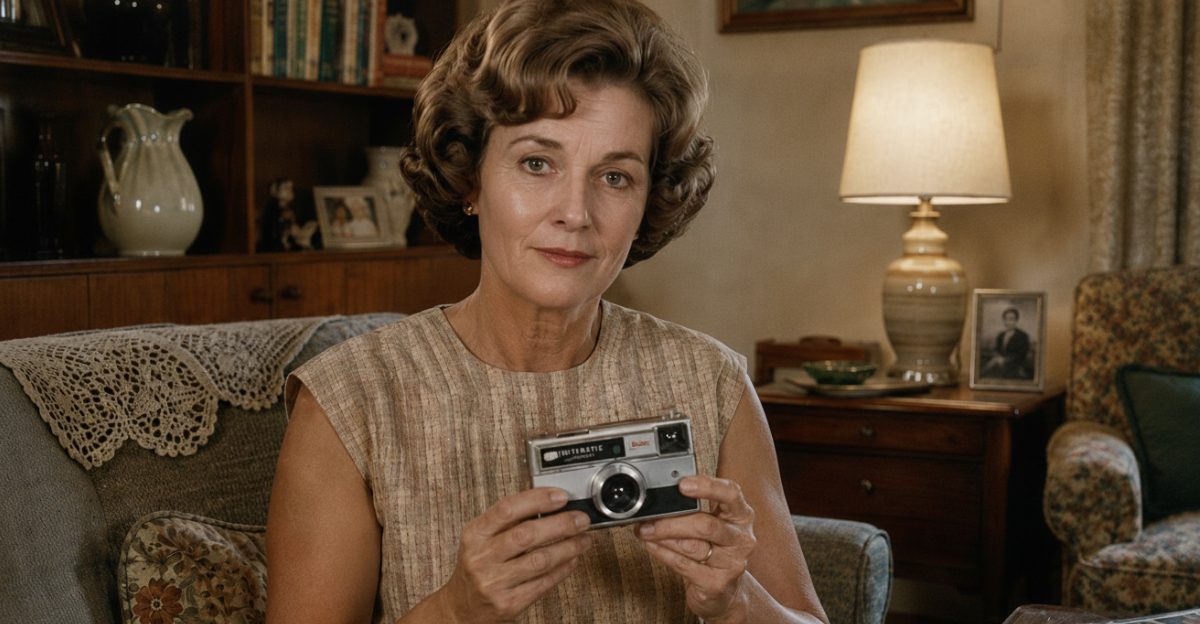
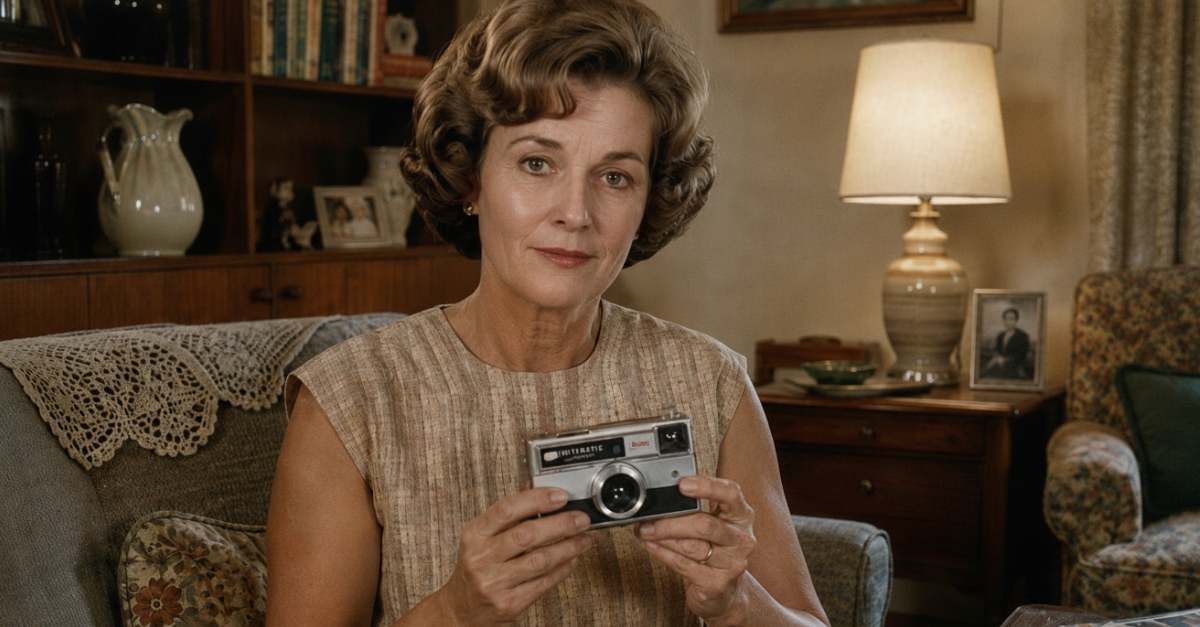
Kodak Made Loading Film Almost Foolproof
Loading film once meant threading it correctly, advancing it properly, and hoping you hadn’t somehow taken 24 pictures of absolutely nothing. Kodak’s Instamatic changed that in 1963 with its drop-in 126 film cartridge. Instead of teaching millions of casual photographers to get better at loading film, Kodak made the camera much harder to load incorrectly.
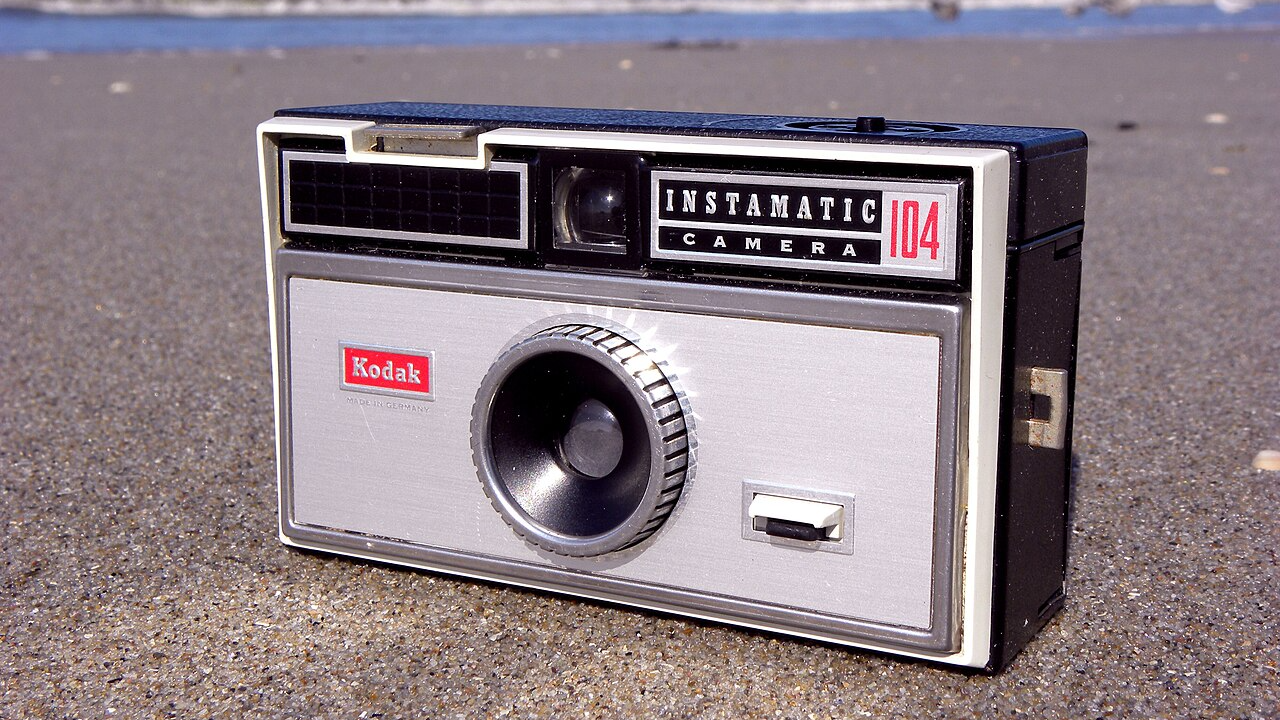 Joost J. Bakker, CC BY 2.0, Wikimedia Commons
The Dustbuster Learned We’d Forget To Charge It
Black & Decker’s 1974 Mod 4 cordless system had a problem: owners often forgot to recharge its battery. Researchers also noticed women borrowing its little vacuum attachment to clean kitchen spills. Black & Decker redesigned the idea into the Dustbuster, complete with a wall-mounted charging base that made storing it and recharging it essentially the same thing.
Nintendo Strengthened The Wii Strap
Nintendo wanted Wii players to swing the controller. Some players apparently heard, “Throw this thing at your television as hard as possible.” Soon after the Wii launched in 2006, reports appeared of wrist straps breaking when players used excessive force and accidentally released the remote. Nintendo offered replacement straps with thicker cords. Your flatscreen could finally relax a little.
 Rob Fahey from London, United Kingdom, Wikimedia Commons
Gas Pumps Made The Wrong Fuel Not Fit
When catalytic converters arrived in the mid-70s, putting leaded gasoline into cars designed for unleaded fuel could damage the emissions equipment. Drivers still managed to do it, so those cars got smaller filler openings that the larger leaded-gas nozzle simply couldn’t fit into. Sometimes instructions aren’t enough. Sometimes you have to change the hole.

Netflix Watched Us Skip
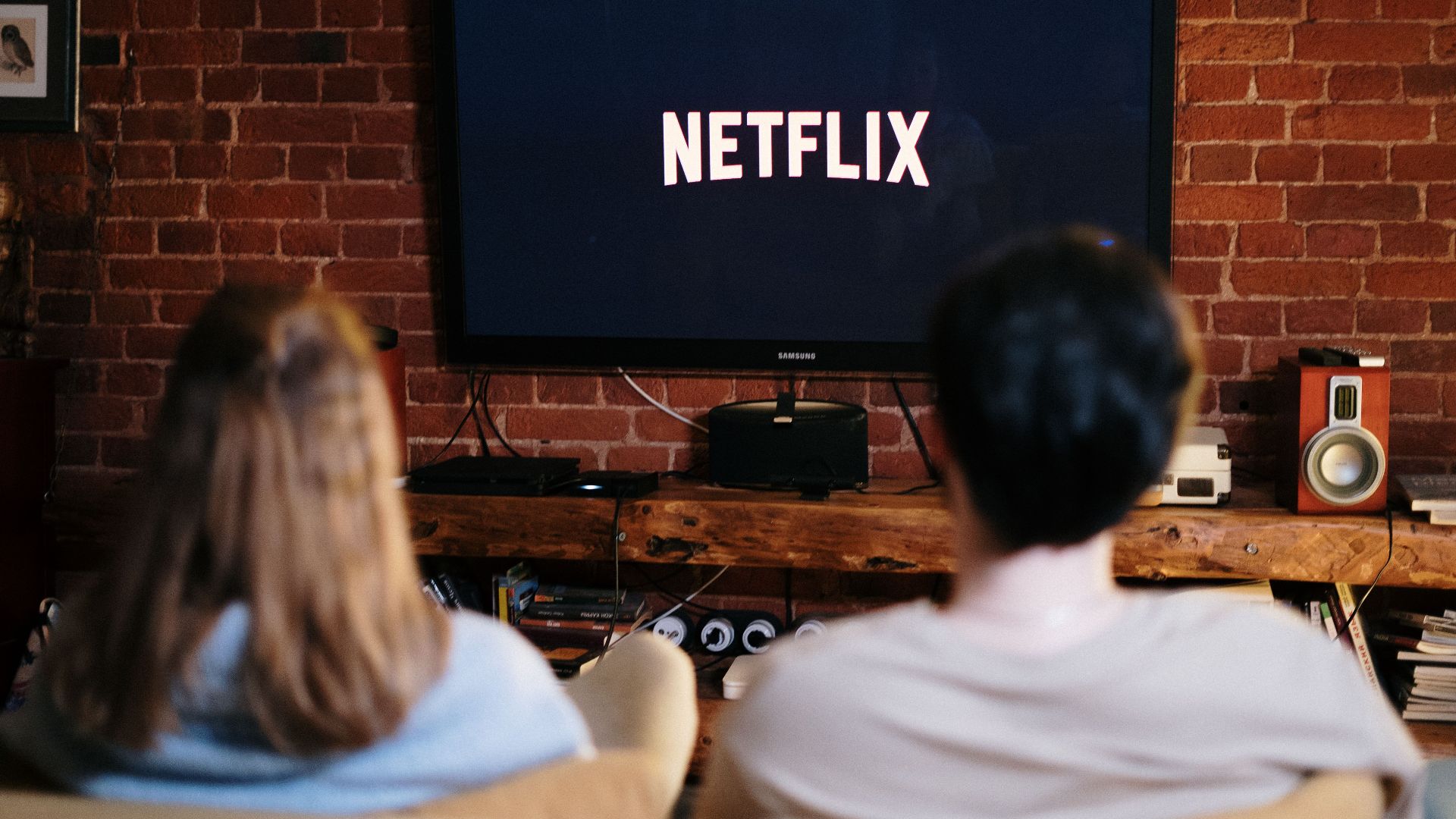
Before Netflix had a “Skip Intro” button, viewers were already doing it themselves. They would manually scrub forward, inevitably going too far, coming back, then going too far again. Netflix studied the behavior and eventually gave viewers a much easier solution. In 2017, it essentially said, “Fine. Here’s a button.”
Washing Machines Moved The Controls
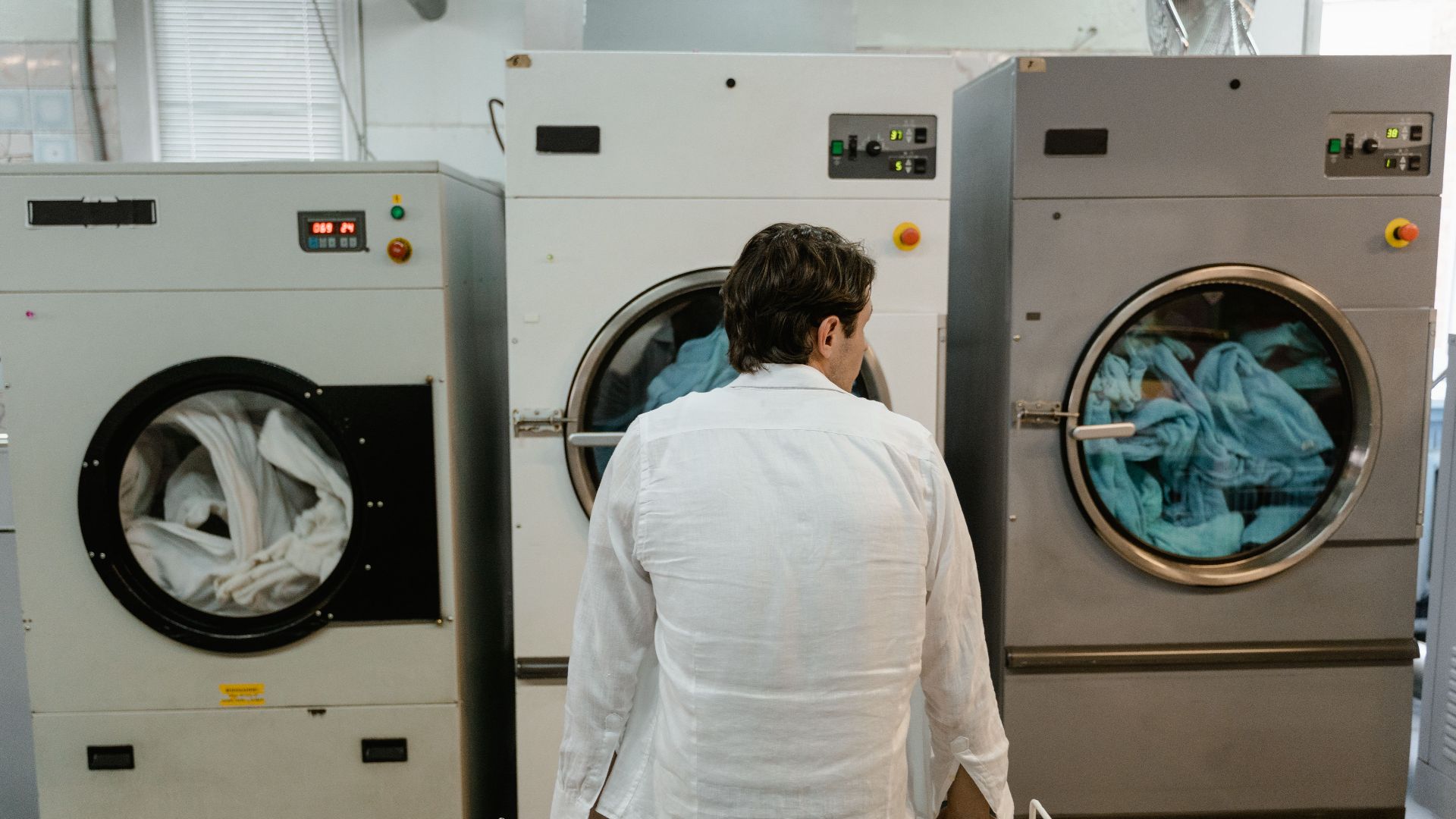
In Japan, some early washing machines put their controls on the front, forcing users to crouch down just to read the dials. Consumers complained about the awkward setup, and manufacturers listened. Newer machines increasingly moved the controls to the top, where people could actually see them while standing. Revolutionary idea, apparently: put the buttons near the person pressing them.
USB Finally Stopped Making Us Guess
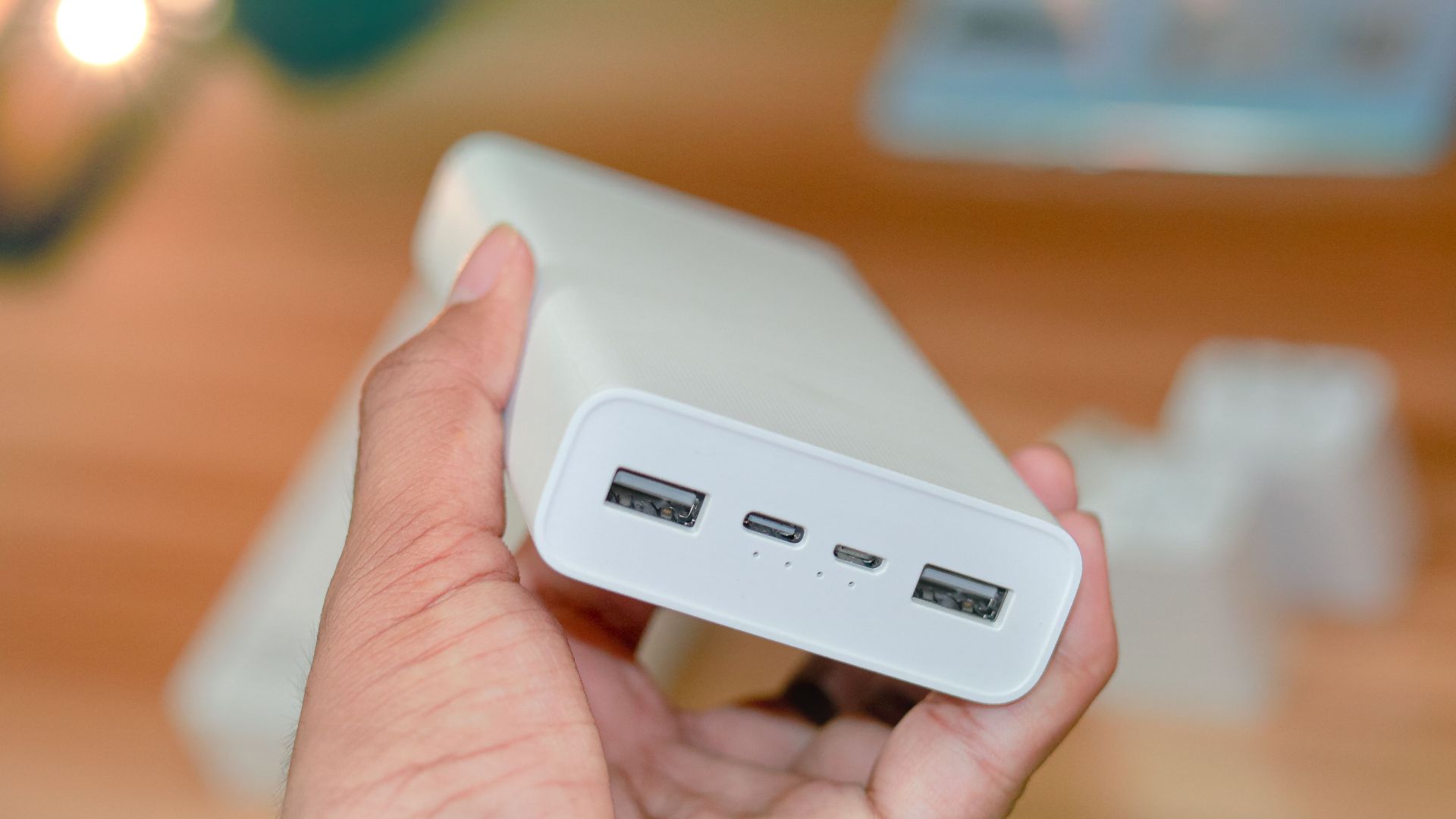
The old USB connector had one simple requirement: put it in the right way. Humanity proved surprisingly bad at this. After generations of people plugging it in, flipping it, then discovering the first direction had somehow been correct, USB-C arrived with one very welcome usability upgrade: a reversible connector. Either side works. Civilization had advanced.
Ford Added That Tiny Gas-Gauge Arrow
You know the little arrow beside the gas-pump symbol that tells you which side of the car your fuel door is on? Ford designer Jim Moylan came up with the idea in 1986 after pulling up to a gas pump on the wrong side. Rather than expecting drivers to remember, he proposed putting the answer right on the dashboard. Thank you, Jim.

Gmail Created A Panic Button
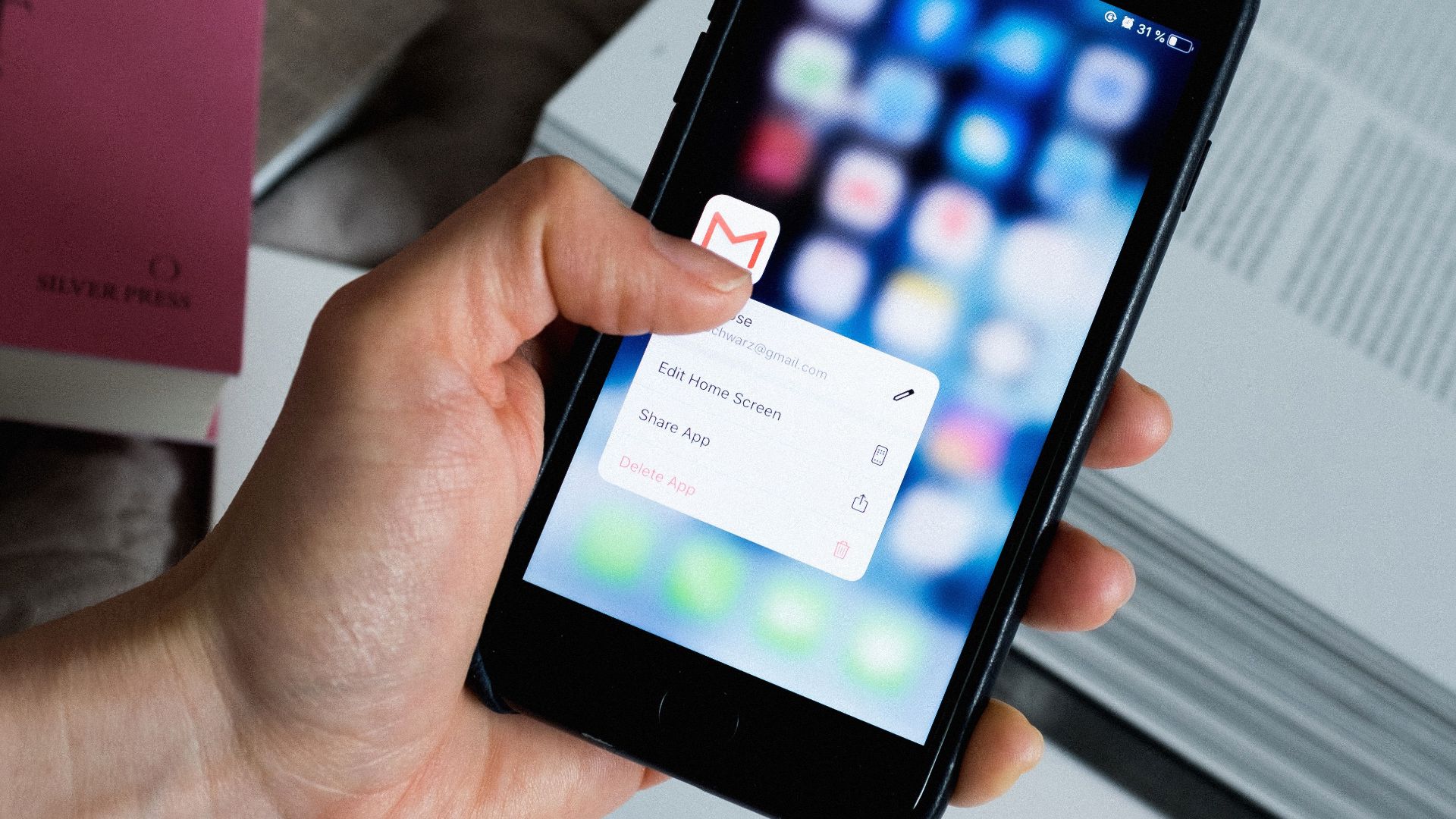
People had been sending emails too quickly since approximately five minutes after email was invented. Wrong attachment. Wrong person. Terrible typo. Reply All. Immediate regret. One Gmail designer said accidentally emailing the wrong Larry helped inspire “Undo Send.” Instead of expecting everyone to suddenly become careful, Gmail eventually built our inevitable mistakes directly into the design.
Cars Finally Agreed On Where Reverse Was
Automatic shifters weren’t always arranged in the familiar pattern drivers know today, meaning jumping into an unfamiliar car could create some unpleasant surprises. Federal rules eventually standardized key parts of the shift sequence to reduce shifting mistakes. Apparently letting every automaker put Reverse wherever it felt right wasn’t the brilliant idea everyone initially thought it was.

Twitter Users Invented Retweets Before Twitter Did
Early Twitter didn’t initially give users a nice little Retweet button, so users built their own system. They copied someone else’s post, pasted it into a new one, and added “RT” plus the original account’s name. Eventually Twitter turned the behavior into an official feature. Sometimes users don’t misuse a product. They finish designing it.
Lawn Mowers Learned To Stop When You Let Go
Older walk-behind lawn mowers could keep the blade spinning after the operator released the controls. That became a particularly bad feature when people stepped away or moved around the mower. Safety standards eventually required controls that stop the blade shortly after they’re released. The mower finally learned that no hands should probably mean no mowing.

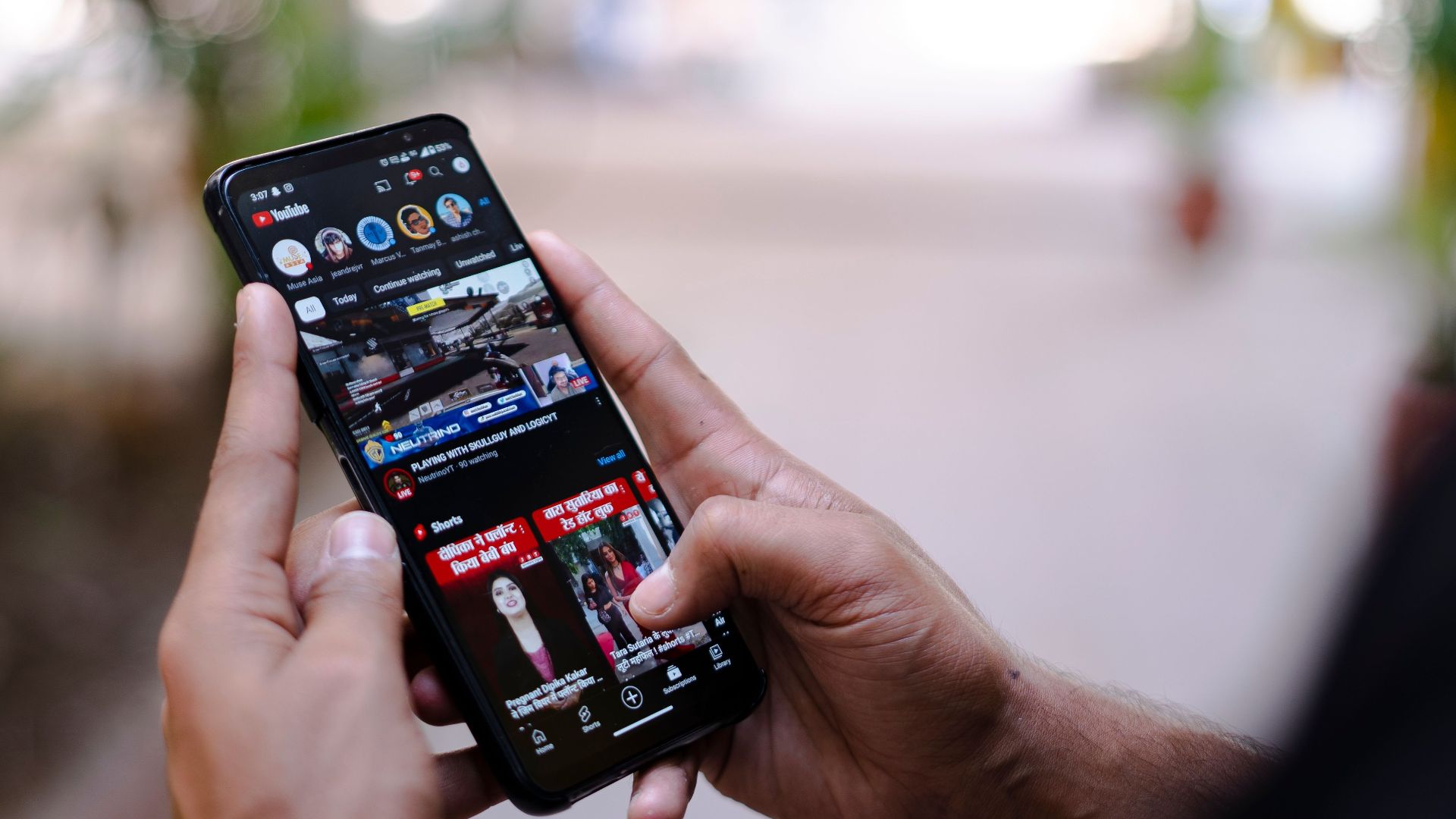
YouTube Surrendered To Vertical Video
For years, filming video vertically was treated like one of the great technological sins. YouTube was built around widescreen video, and portrait clips often appeared surrounded by awkward empty space. Then vertical video kept becoming more common anyway. Eventually YouTube redesigned its mobile player to adapt. The internet didn’t convince people to turn their phones sideways. The internet turned sideways instead.
Shopping Carts Got Tired Of Leaving Home
The shopping cart has one job: carry groceries around a store and parking lot. Apparently some people viewed that as more of a suggestion. Stores have spent decades dealing with carts wandering surprisingly far from where they belong, and one solution is wheel-locking technology that stops them after crossing a designated boundary. The cart now knows when your shopping trip has gone too far.

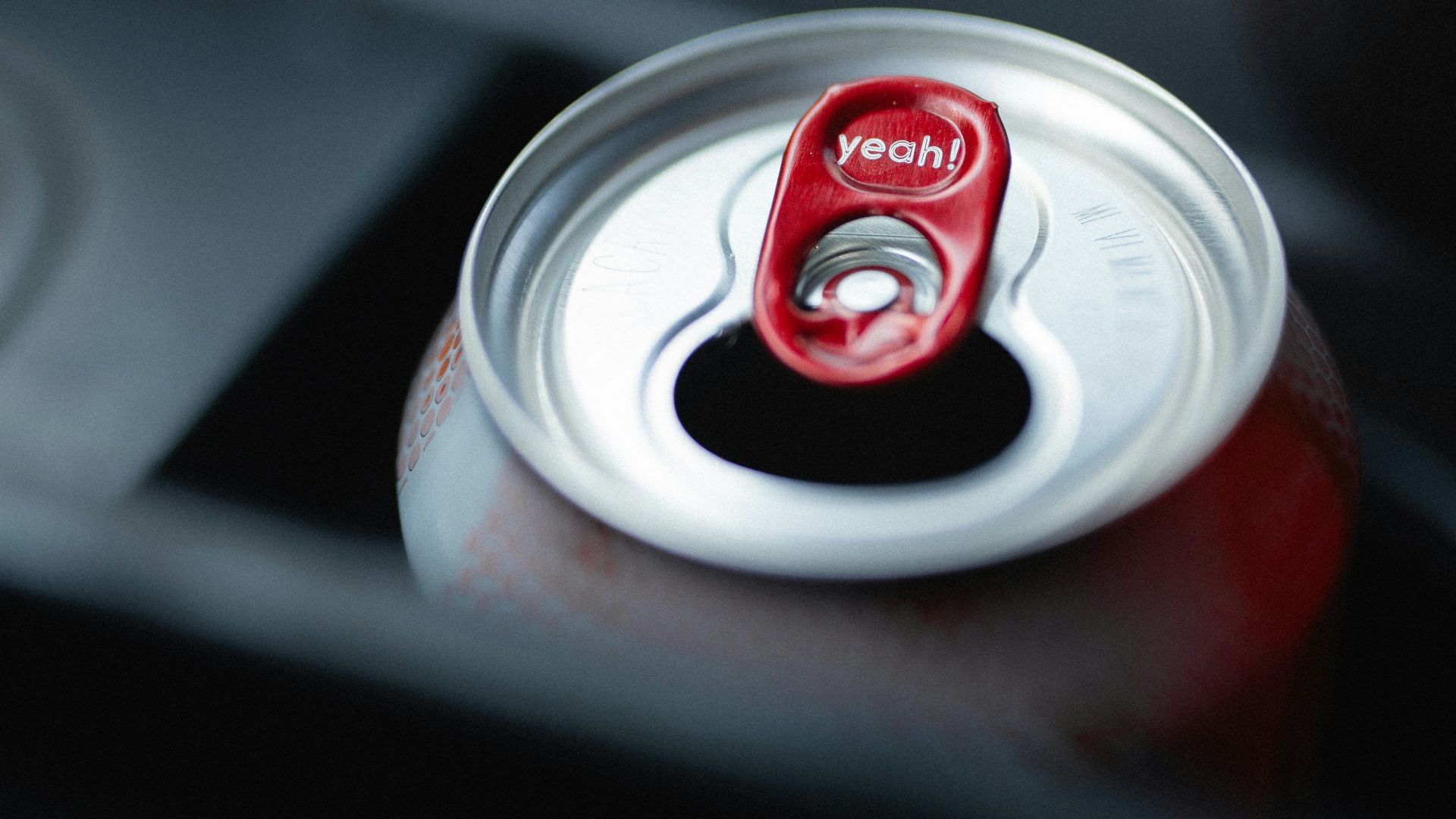
Soda Tabs Stopped Coming Off
Early pull-tabs came completely off beverage cans, and naturally, people dropped them everywhere. Some also dropped the tabs into their cans after opening them, apparently deciding loose pieces of aluminum belonged next to their mouth. Reports emerged of tabs being accidentally swallowed. The modern stay-tab solved both problems by remaining attached to the can.
Laptop Makers Accepted The Piece Of Tape
At some point, millions of laptop owners looked at their webcams and thought, “I don’t trust you.” So they covered them with tape, sticky notes, little plastic sliders, and whatever else was nearby. Manufacturers noticed, and built-in physical camera shutters eventually became common. Users had basically designed the feature themselves...with office supplies.

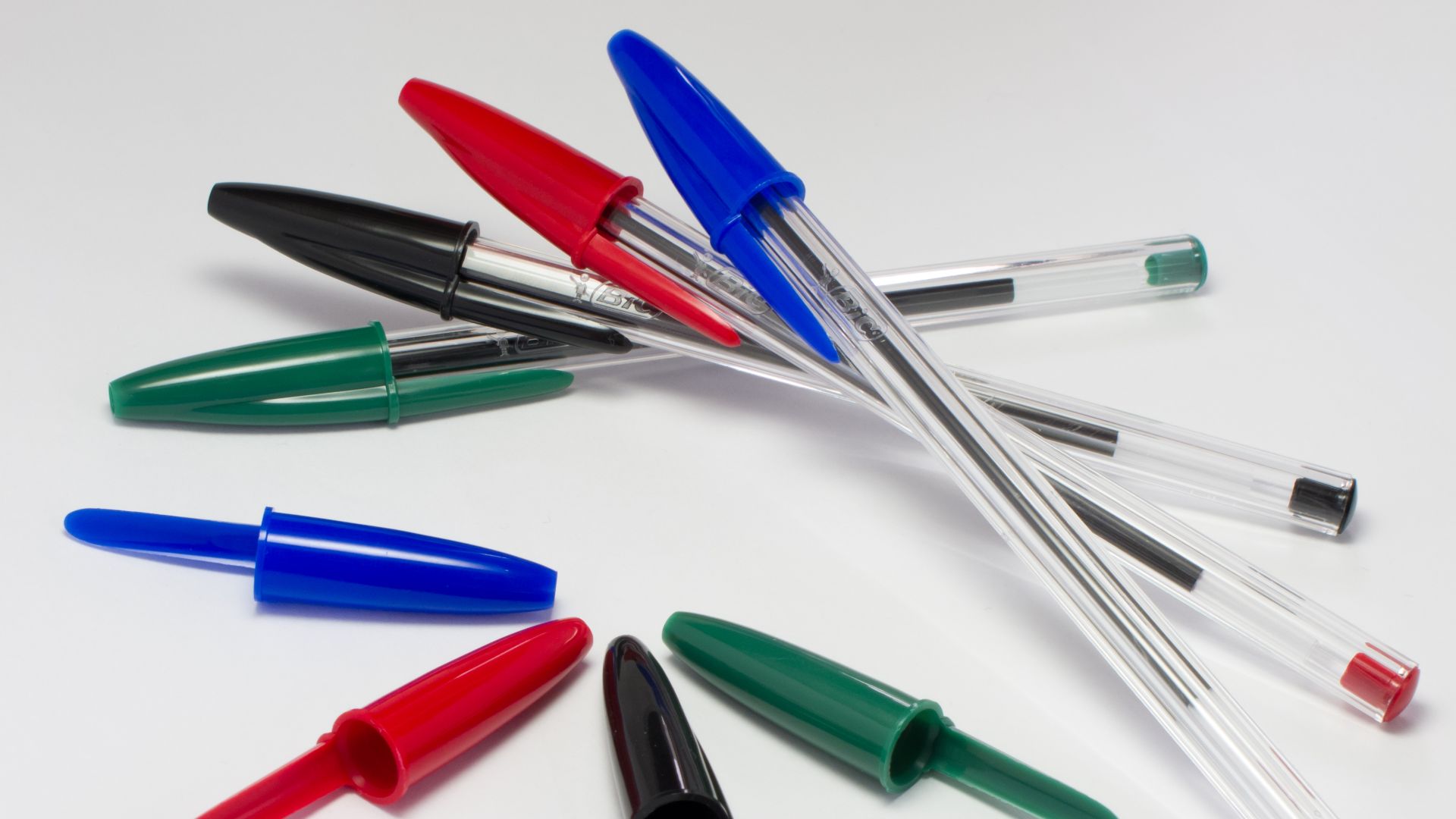
BIC Put A Hole In The Cap
Look closely at the cap of many BIC pens and you’ll notice a hole in the top. That isn’t decoration. Pen caps have a habit of ending up in people’s mouths, particularly children’s, and BIC says its vented caps meet safety standards intended to reduce the risk if one is accidentally inhaled. Even the pen company knew people were going to chew on them.
 Carlos Delgado, Wikimedia Commons
Apple Made The Power Cord Give Up First
Laptop cords have an unfortunate tendency to stretch across rooms at exactly ankle height. Before MagSafe, catching one with your foot could send the entire computer toward the floor. Apple introduced its magnetic MagSafe connector on the MacBook Pro in 2006 so the cable could detach when pulled instead of dragging the laptop along with it. Catch the cable with your foot, and the idea was for the connector to give up before your expensive laptop did.
 https://kaboompics.com/, Pexels
Cars Started Nagging Us About Seat Belts
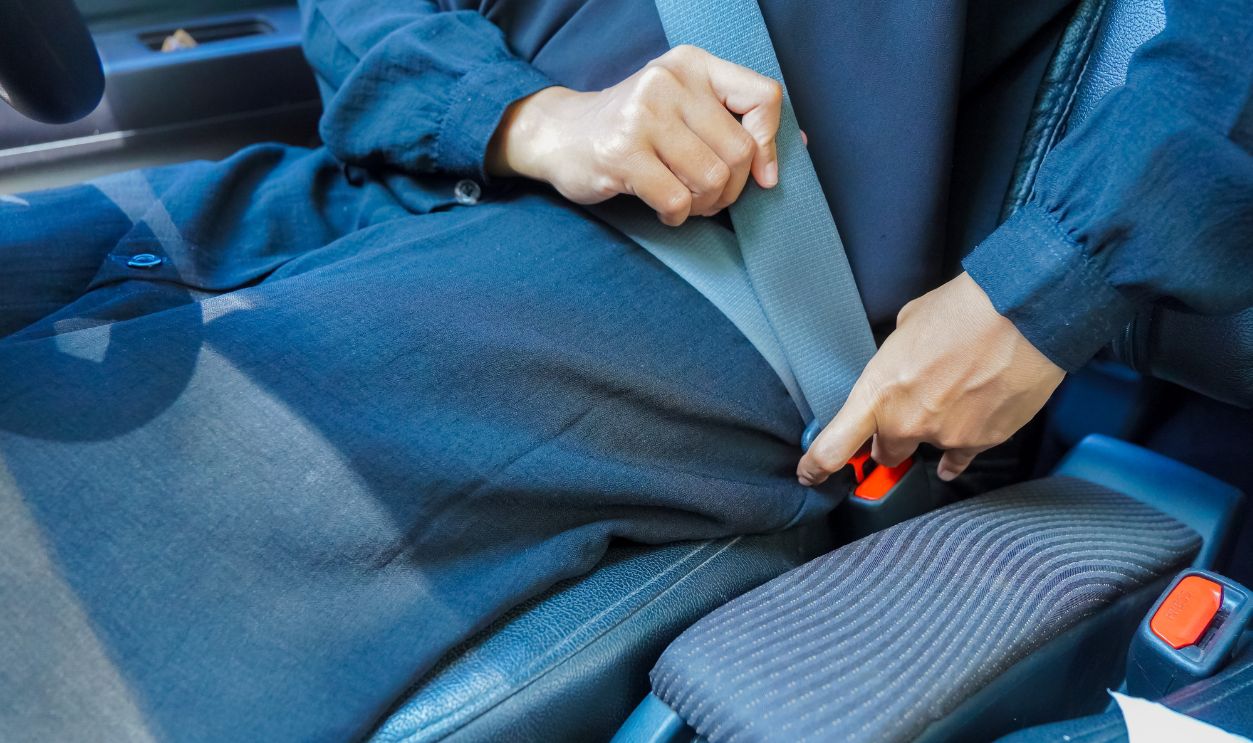
By the early 70s, automakers were already installing seat belts. There was just one small problem: plenty of people weren’t wearing them. Cars began getting warning lights and buzzers, and 1974 models even briefly used hated ignition interlocks that could stop a car from starting until occupants buckled up. The interlocks didn’t last, but the nagging definitely did.
Keurig Tried To Stop People Using The “Wrong” Pods
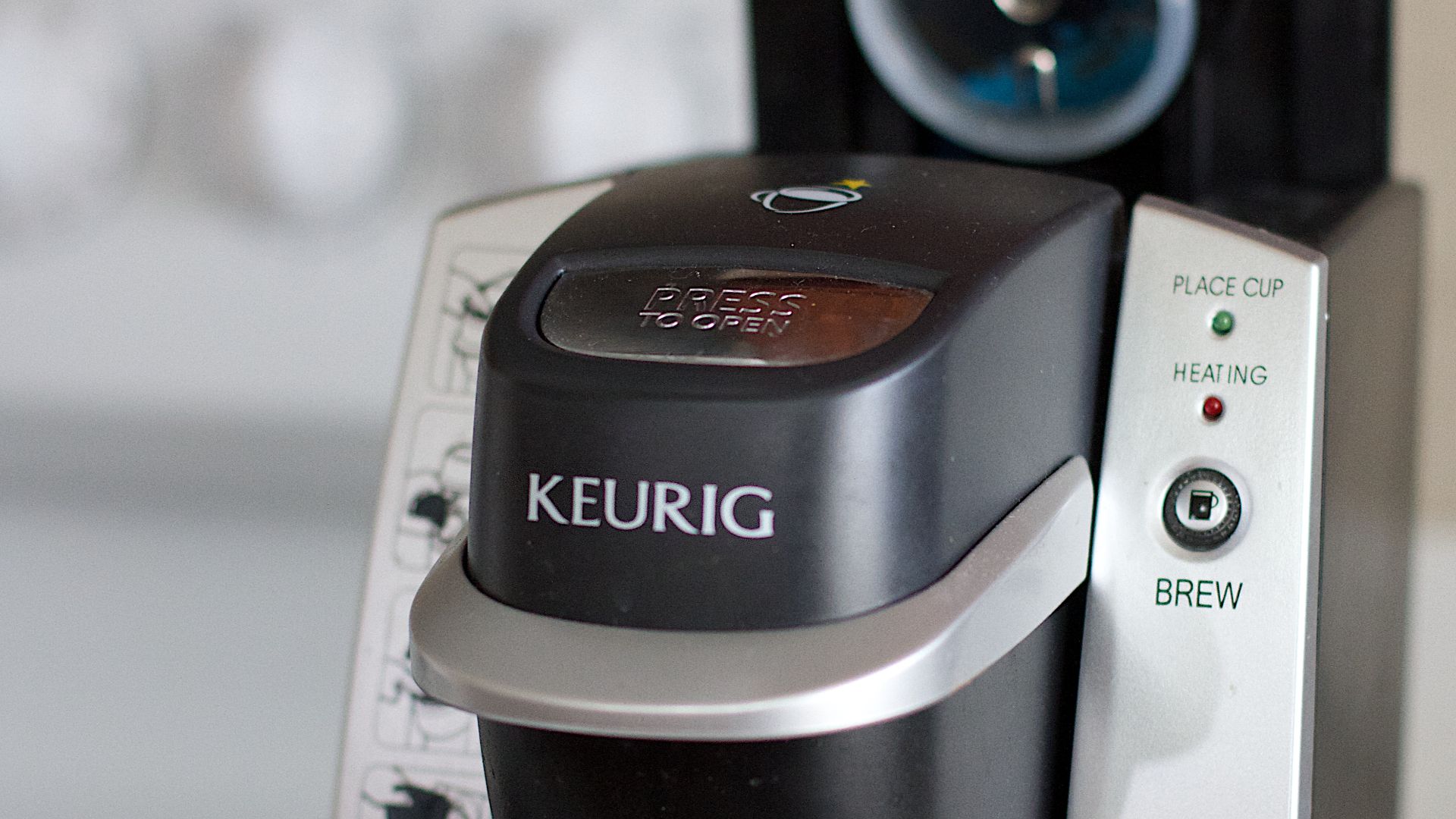
When Keurig released its 2.0 machines, the brewers could recognize approved K-Cup lids and reject many unofficial pods. Customers responded exactly as engineers probably should have expected. Workarounds quickly appeared, including tricks involving approved lids placed over other pods. After backlash, Keurig brought back a reusable My K-Cup accessory. Customers had effectively hacked their coffee maker until the company backed down.
Sometimes The Customer Is Always Wrong...And Still Wins
Good product design is supposed to tell people how something should be used. Great product design eventually notices how people actually use it. We flip things over, ignore instructions, invent shortcuts, lose pieces, press the wrong button, and create problems no engineer saw coming. Eventually, the designers do the sensible thing: they redesign the product around us.

You Might Also Like:
Modern Conveniences That People Fiercely Opposed When They Were Introduced
The Bizarre Inventions People Thought Would Change The World