Deadly Encounter
In December 1944, the Pacific War against Japan was at its height when Typhoon Cobra hammered the US Navy’s Third Fleet in the Philippine Sea. The tropical cyclone caused immense loss of life and equipment, forced changes in naval weather prediction, and exposed vulnerabilities in fleet operations. The disaster is still to this day one of the worst natural events to strike a US naval force.
Strategic Setting In Late 1944
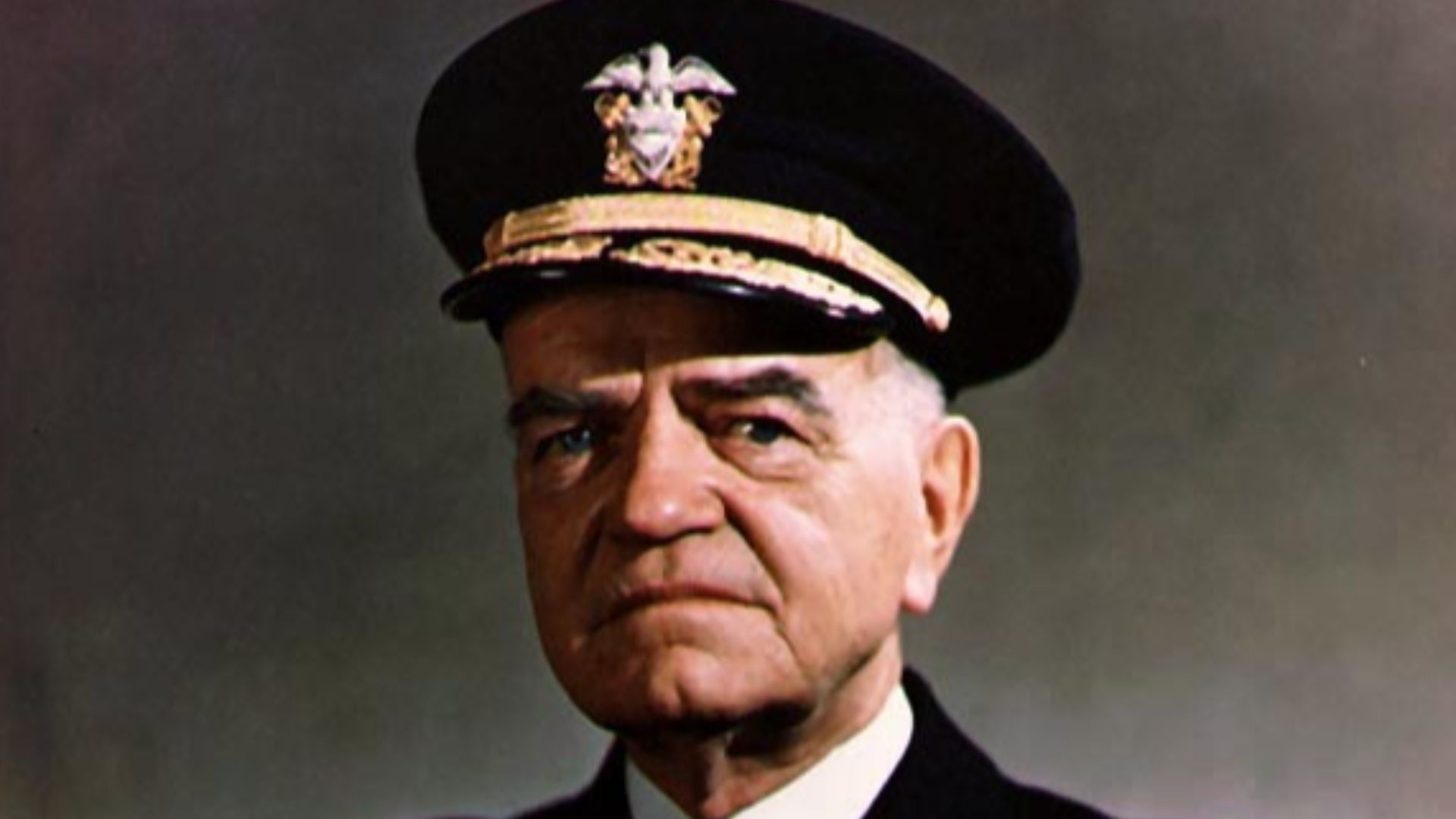
As 1944 waned, the US Third Fleet under Admiral William “Bull” Halsey Jr. supported operations in the Philippines, pushing Japanese forces into retreat across the vast Pacific theater. The fleet had conducted air attacks and was getting ready for follow-up offensive operations when resupply became necessary due to low fuel and aircraft needs.
Task Force 38 At Sea
Task Force 38, a massive strike fleet with battleships, carriers, cruisers, and destroyers, steamed about 300 miles east of the large Philippine island of Luzon to rendezvous with oil tankers and other support ships. The fleet was looking to stay close enough to support ground operations but outside the range of Japanese ground-based aircraft.
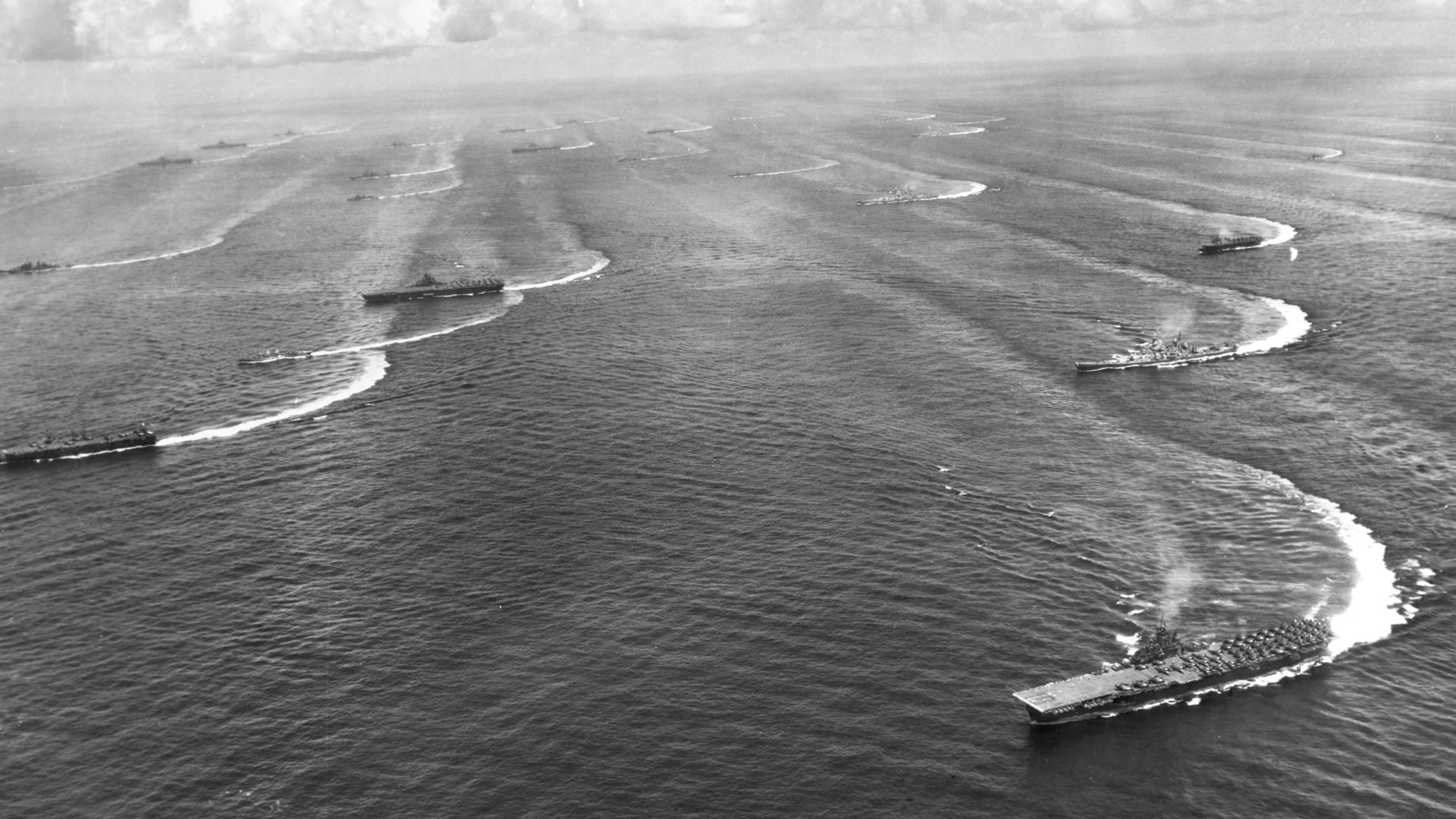 Taken by a USS Shangri-La (CV-38) photographer., Wikimedia Commons
Refueling In Deteriorating Weather
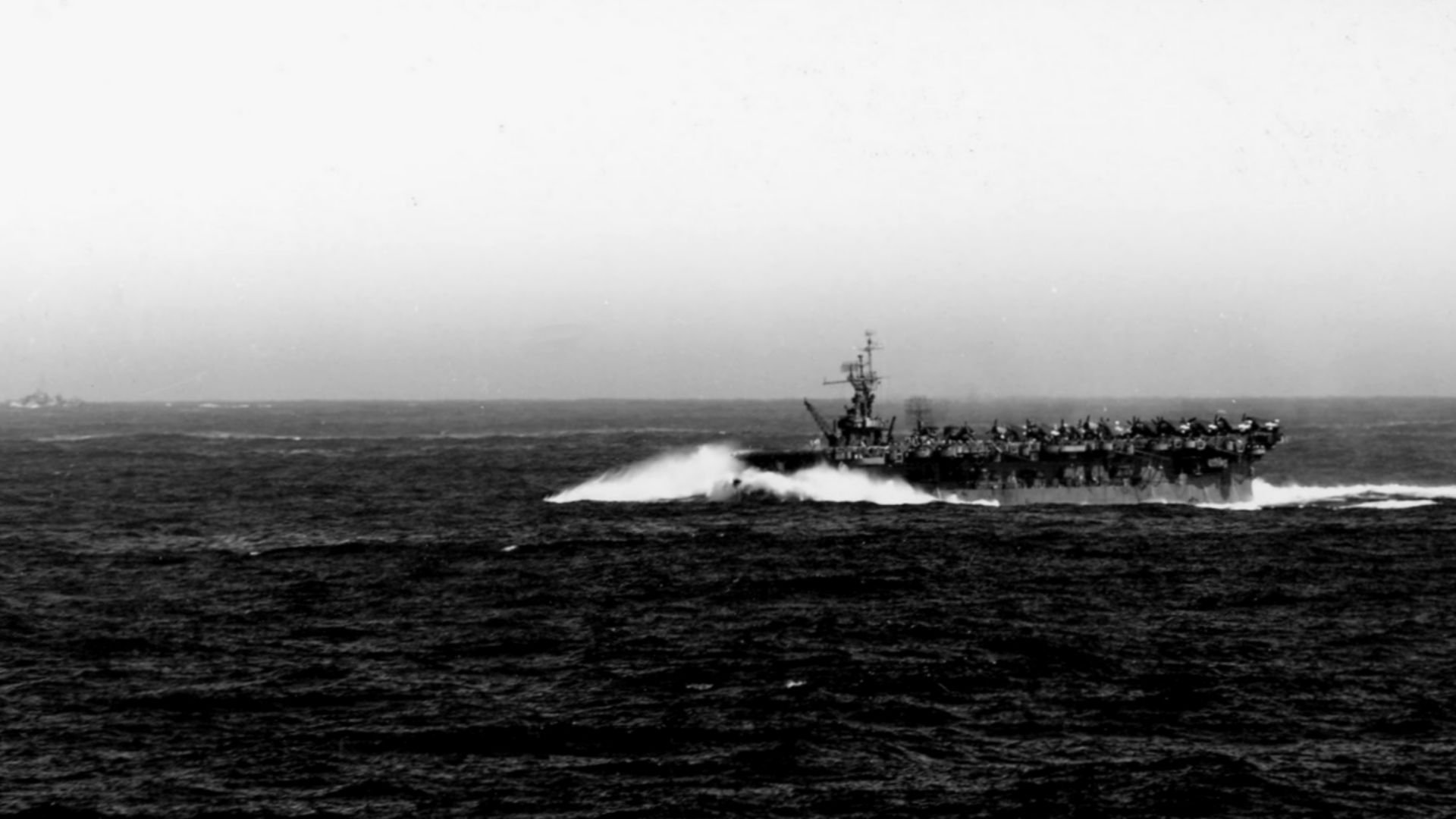
On December 17, 1944, destroyers and carriers attempted underway refueling. High seas and turbulent weather made these operations perilous, with fuel lines and gear straining under increasingly appalling conditions. Refueling failures caused the commanders of the fleet to revise their plans as weather kept getting worse.
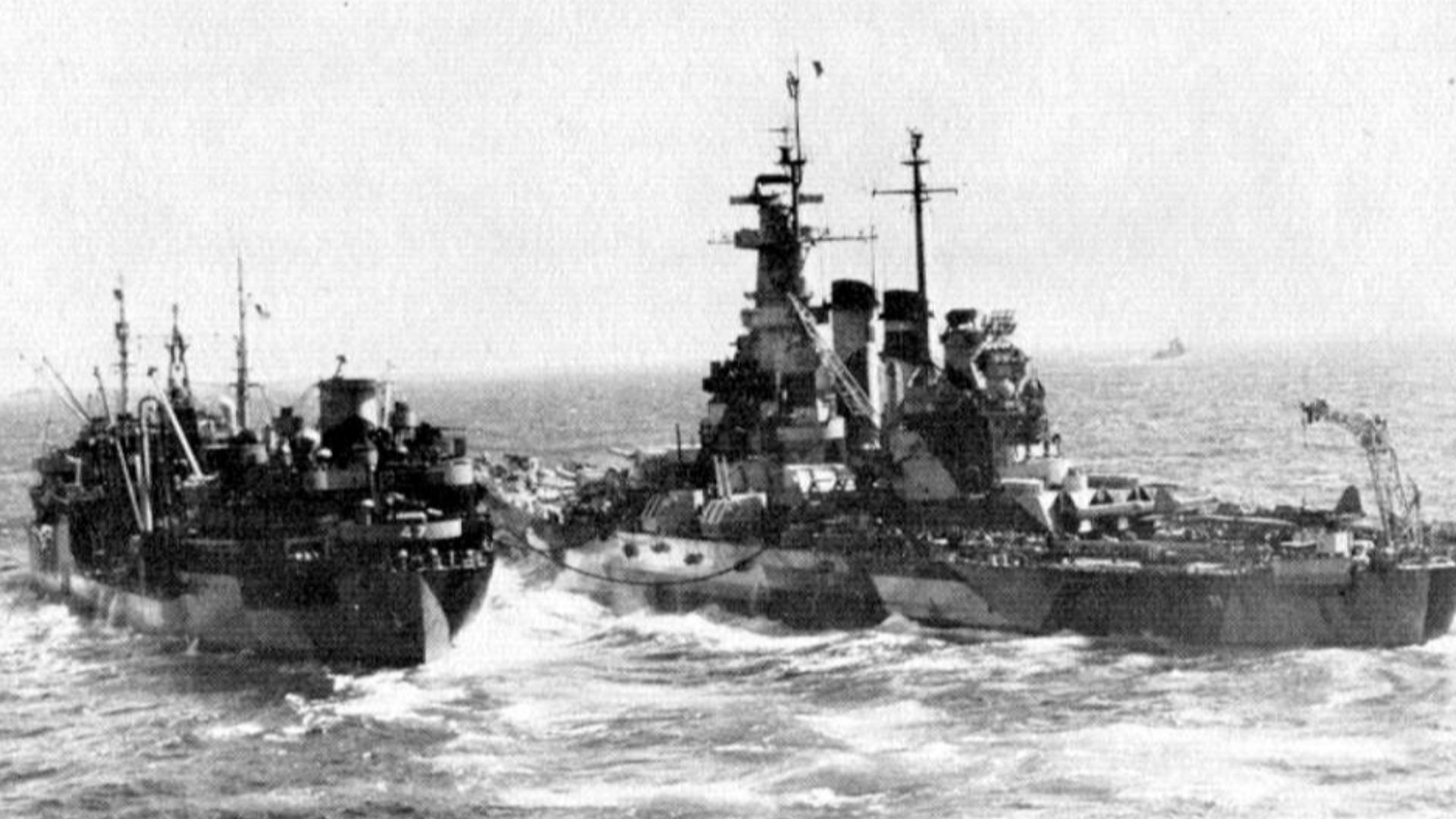 U.S. Navy photo, Wikimedia Commons

History's most fascinating stories and darkest secrets, delivered to your inbox daily.
Initial Weather Reports Fail To Warn
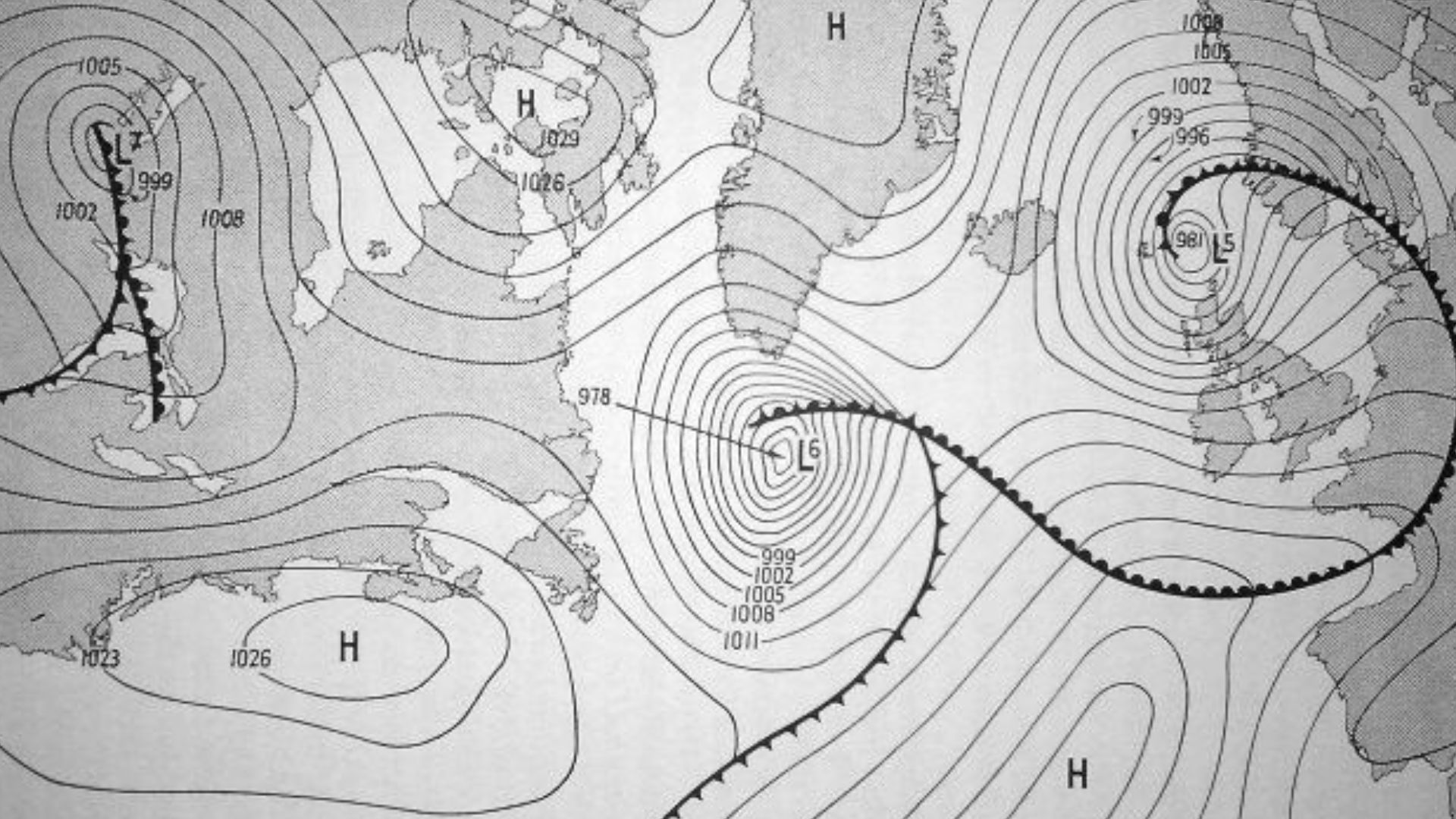
At the time, naval weather forecasting relied on surface reports, aircraft observations, and limited radio data. Early forecasts accounted for a disturbance far east of the fleet but were not able to pinpoint a powerful typhoon, leaving commanders underprepared.
Course Changes And Rising Seas
In response to the worsening conditions, Halsey ordered multiple course changes in search of calmer waters. Ships zigzagged as seas got higher and more chaotic. Unknown to the commanders, the fleet was steering closer to the typhoon’s path.
Crowded Weather Information And Misinterpretation
Conflicting data from on-ship meteorologists and weather stations complicated the decision-making process. Squadron forecasters badly underestimated the storm’s proximity and intensity, leading to the fleet’s increasingly dangerous position.
December 18: Cobra Strikes
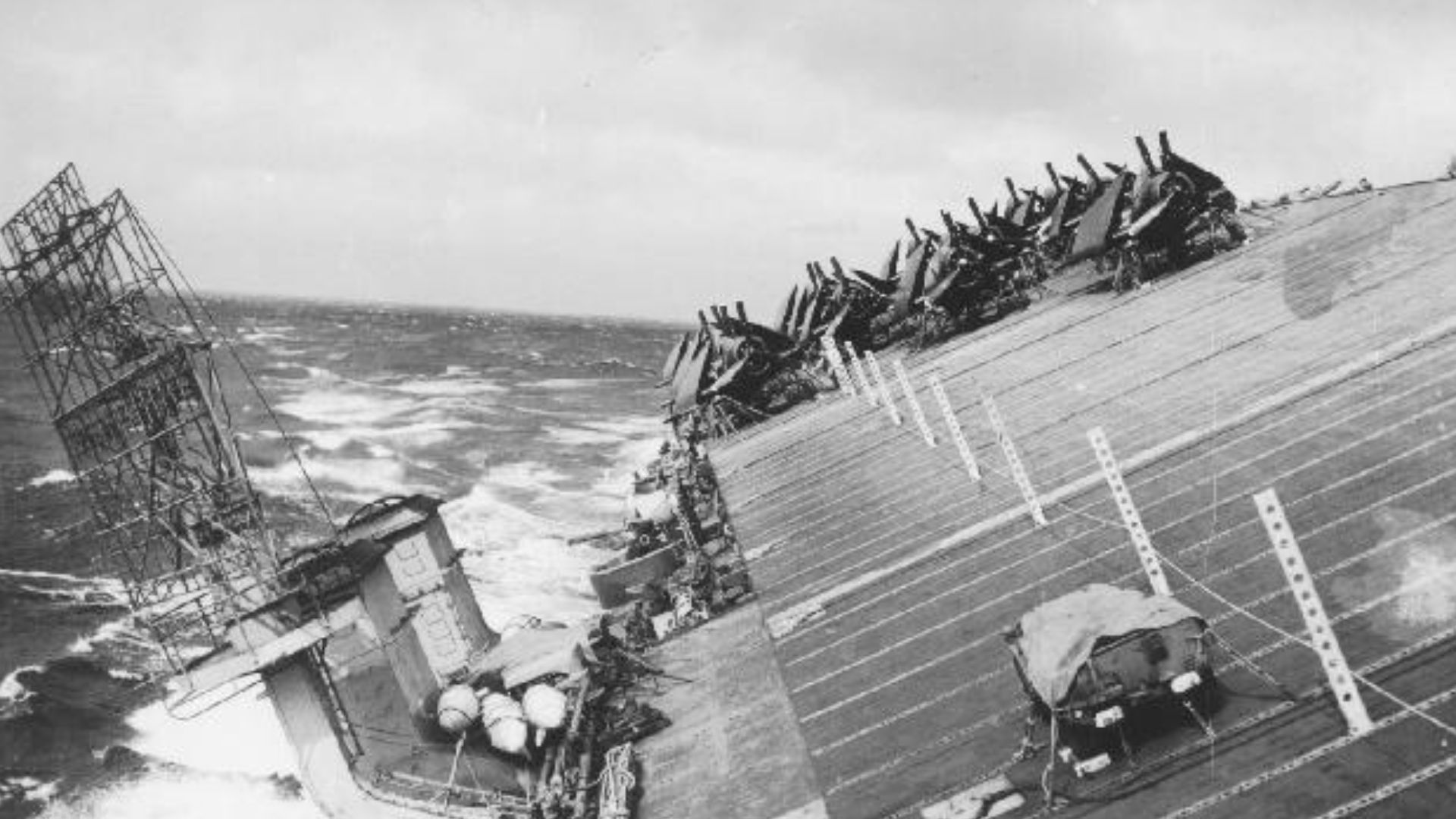
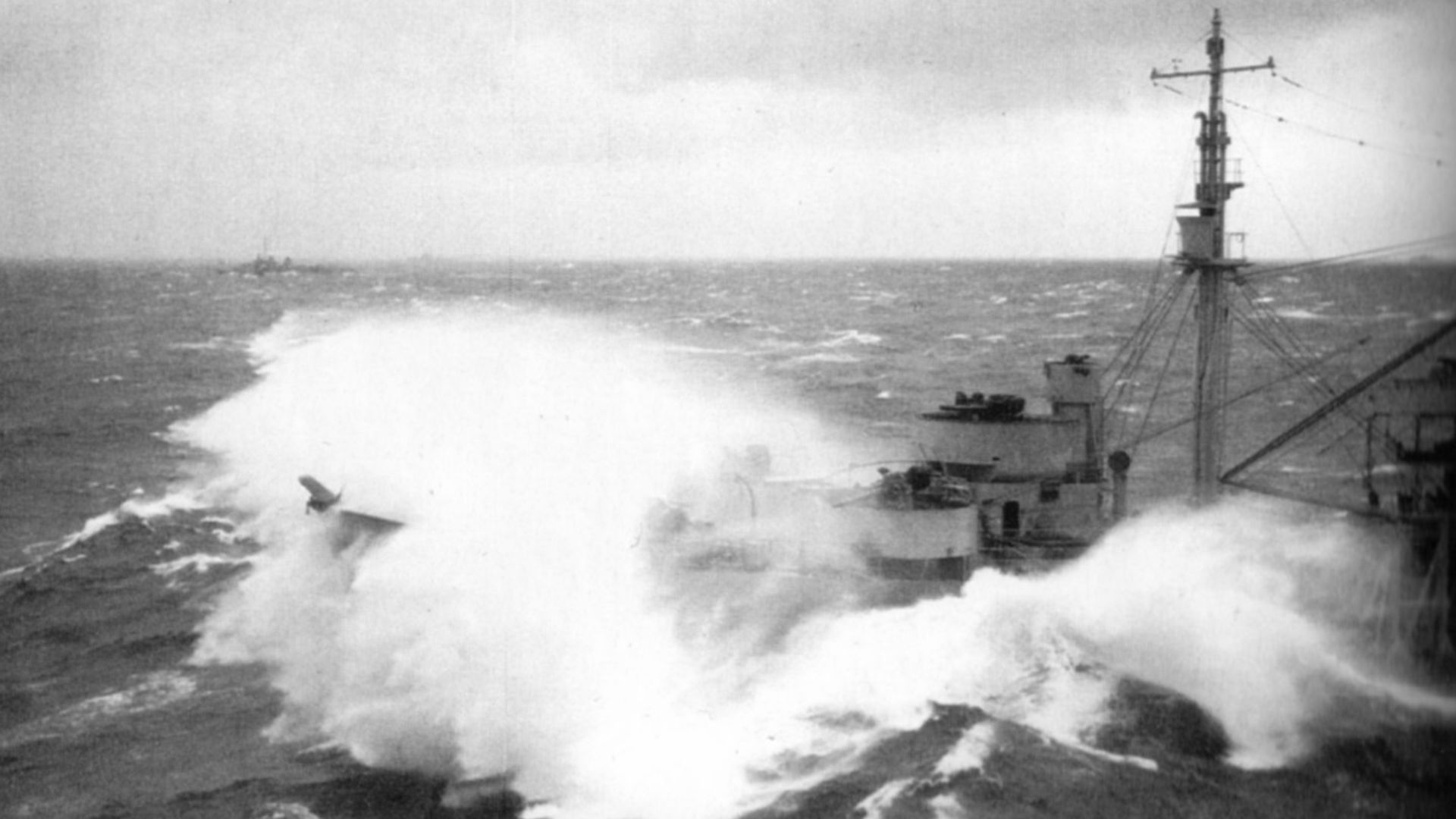
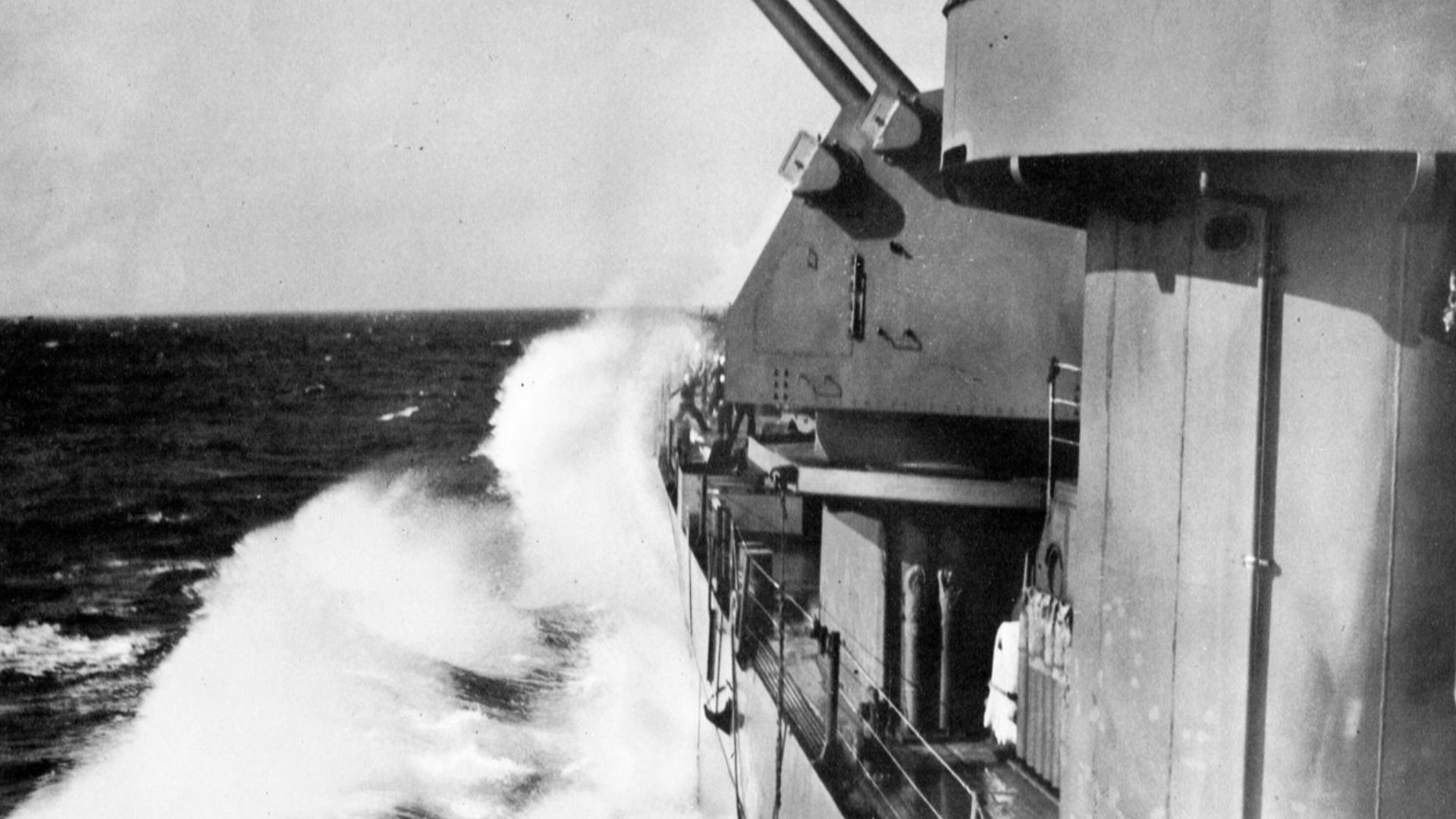
On December 18, 1944, Typhoon Cobra’s strongest winds and towering seas absolutely engulfed the fleet. Wind gusts in excess of 100 knots and massive waves battered ships from multiple directions.
 Felix Stember, Wikimedia Commons
Ships In Peril
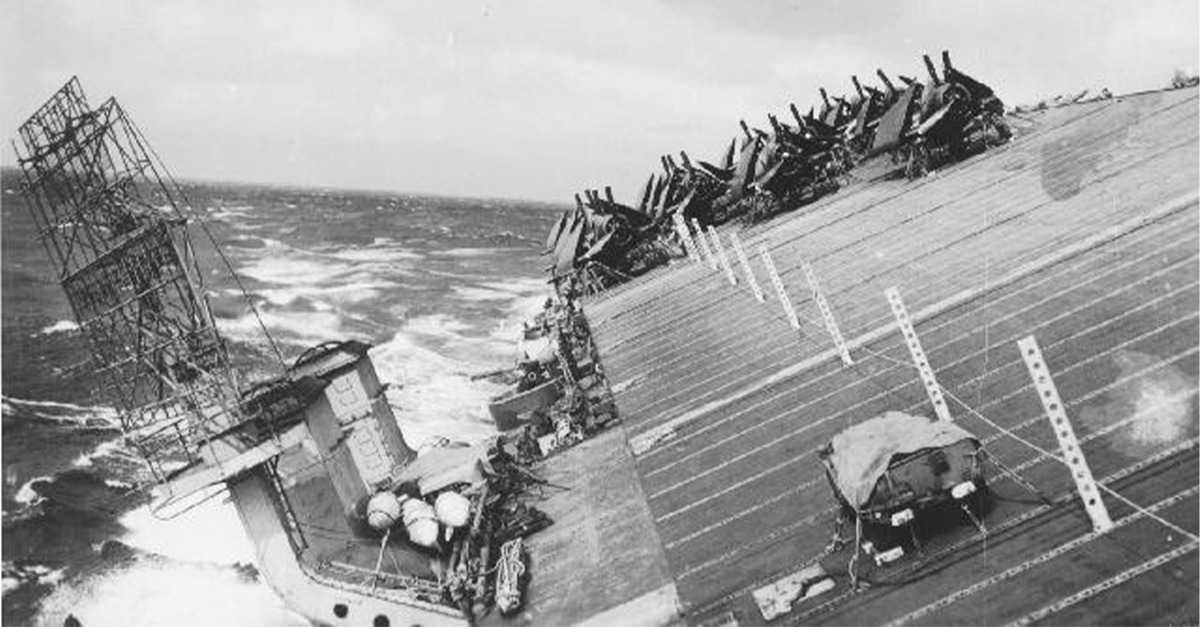
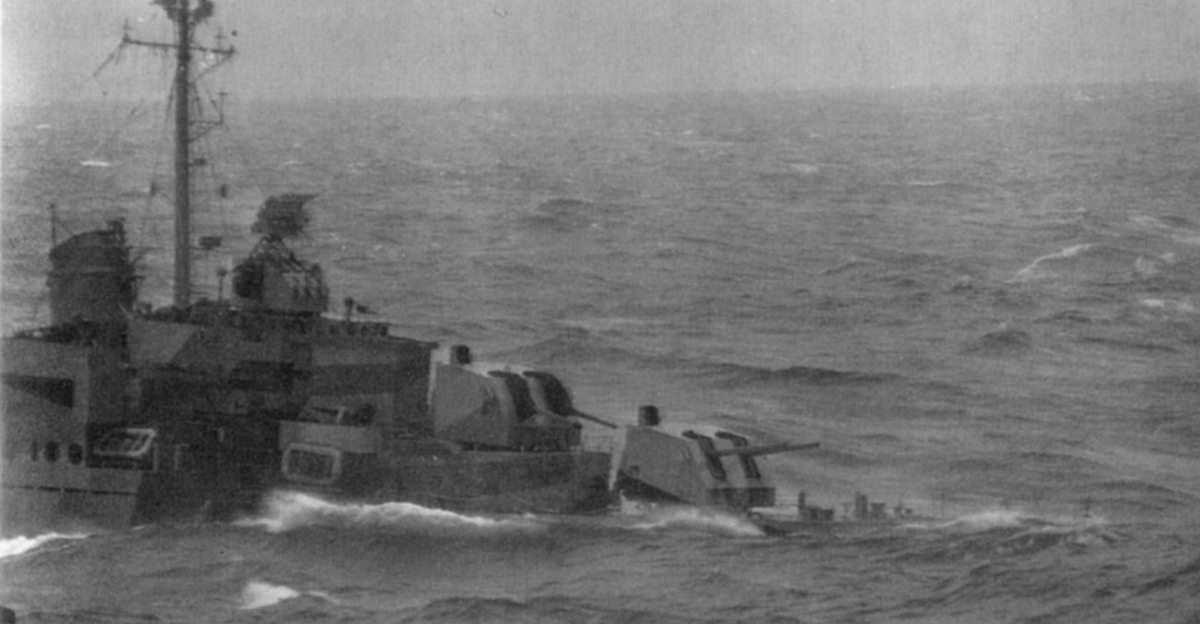
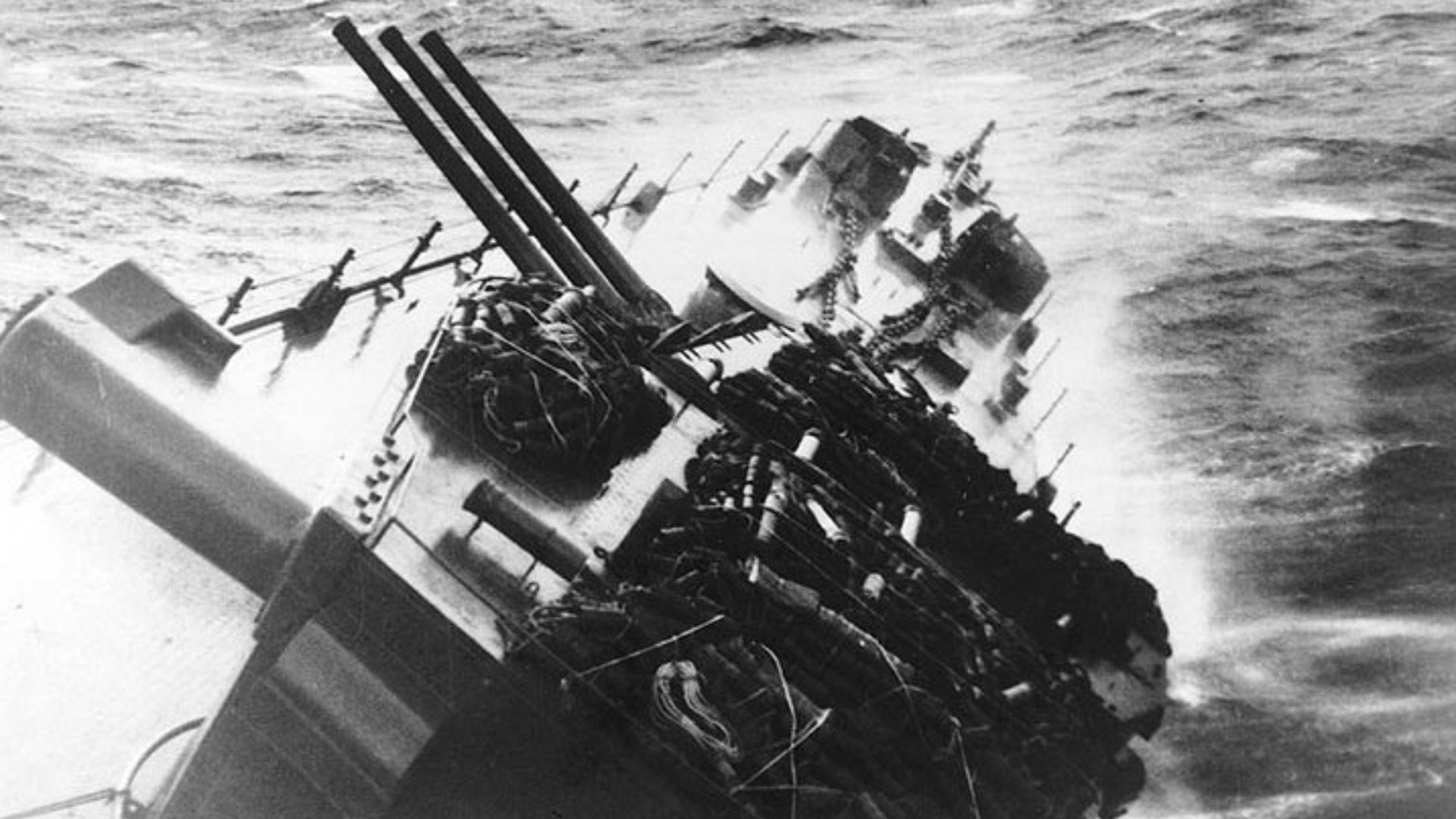
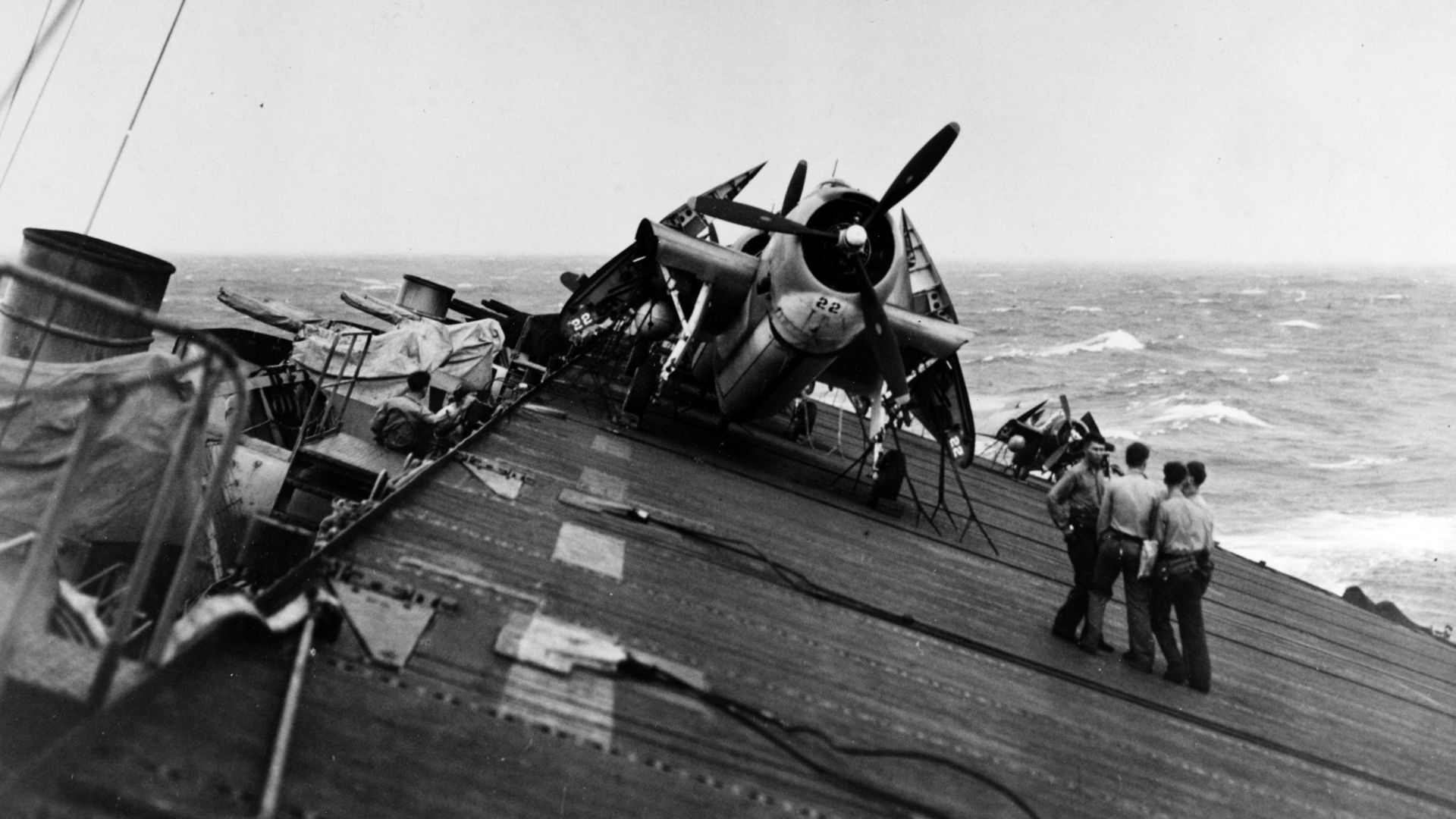
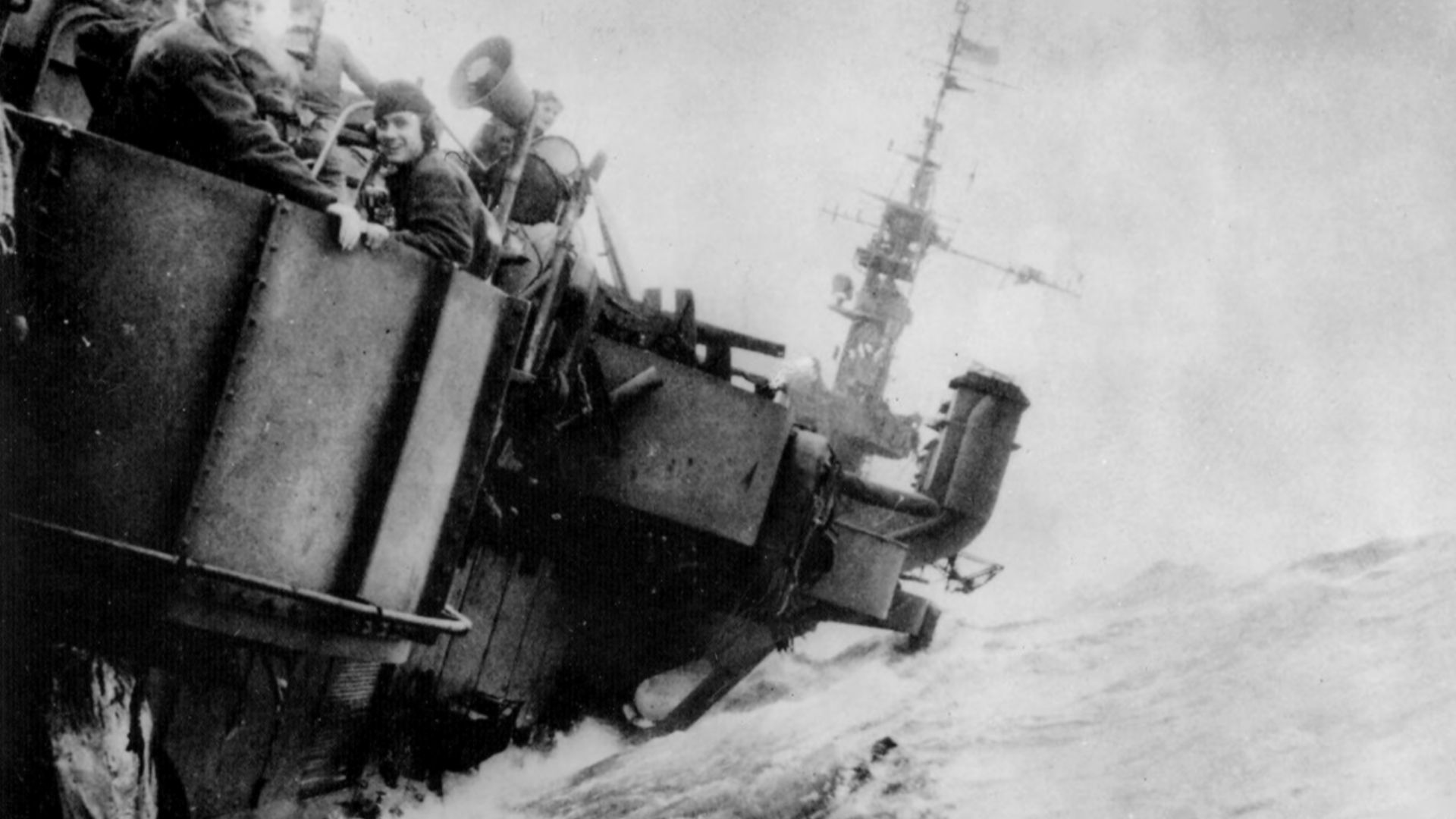
Smaller vessels, especially the destroyers that were already low on fuel, were in grave danger. Some of these ships rolled more than 60 degrees. Aircraft broke free from their restraints and were swept overboard from the decks of their aircraft carriers, causing additional damage and hazards.
 Official U.S. Navy photo 80-G-700122, Wikimedia Commons
Destroyers Capsize And Sink
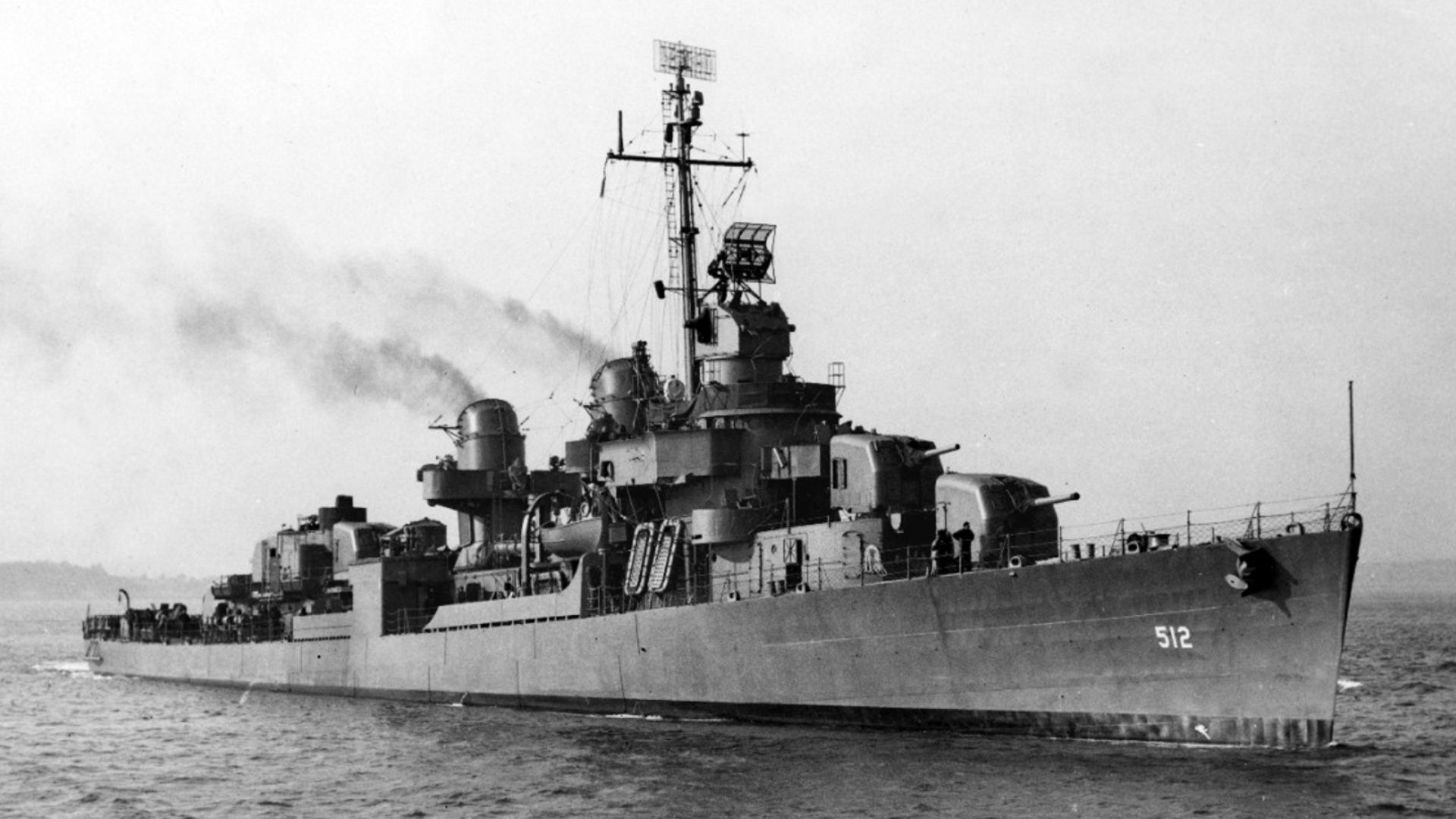
Three destroyers, USS Spence, USS Hull, and USS Monaghan, all capsized as flooding and extreme rolls overwhelmed their stability. Their loss marked one of the most terrible wartime ship disasters in US naval history.
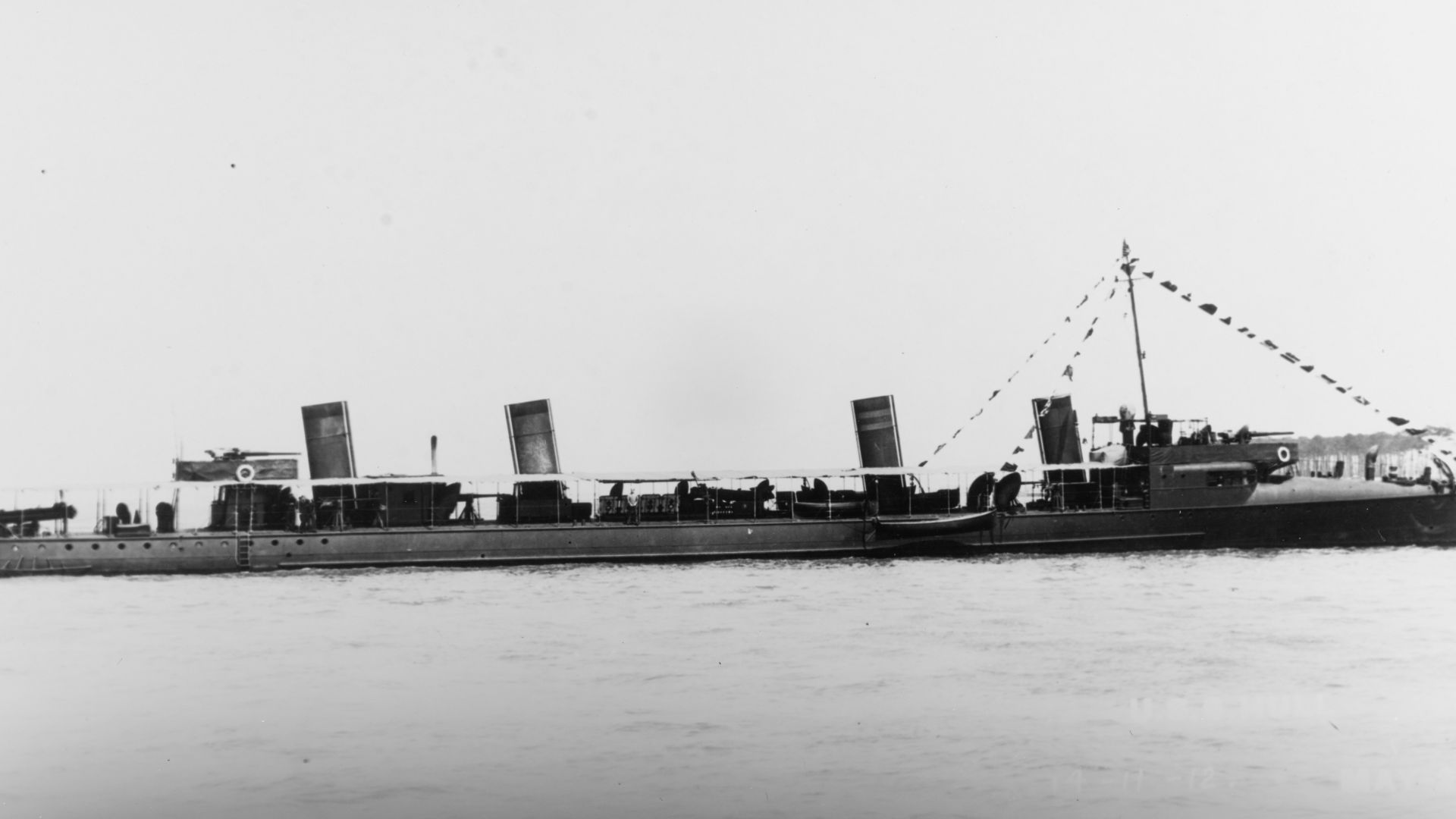 Unknown authorUnknown author, Wikimedia Commons
History's most fascinating stories and darkest secrets, delivered to your inbox daily.
Lives Lost And Total Damage
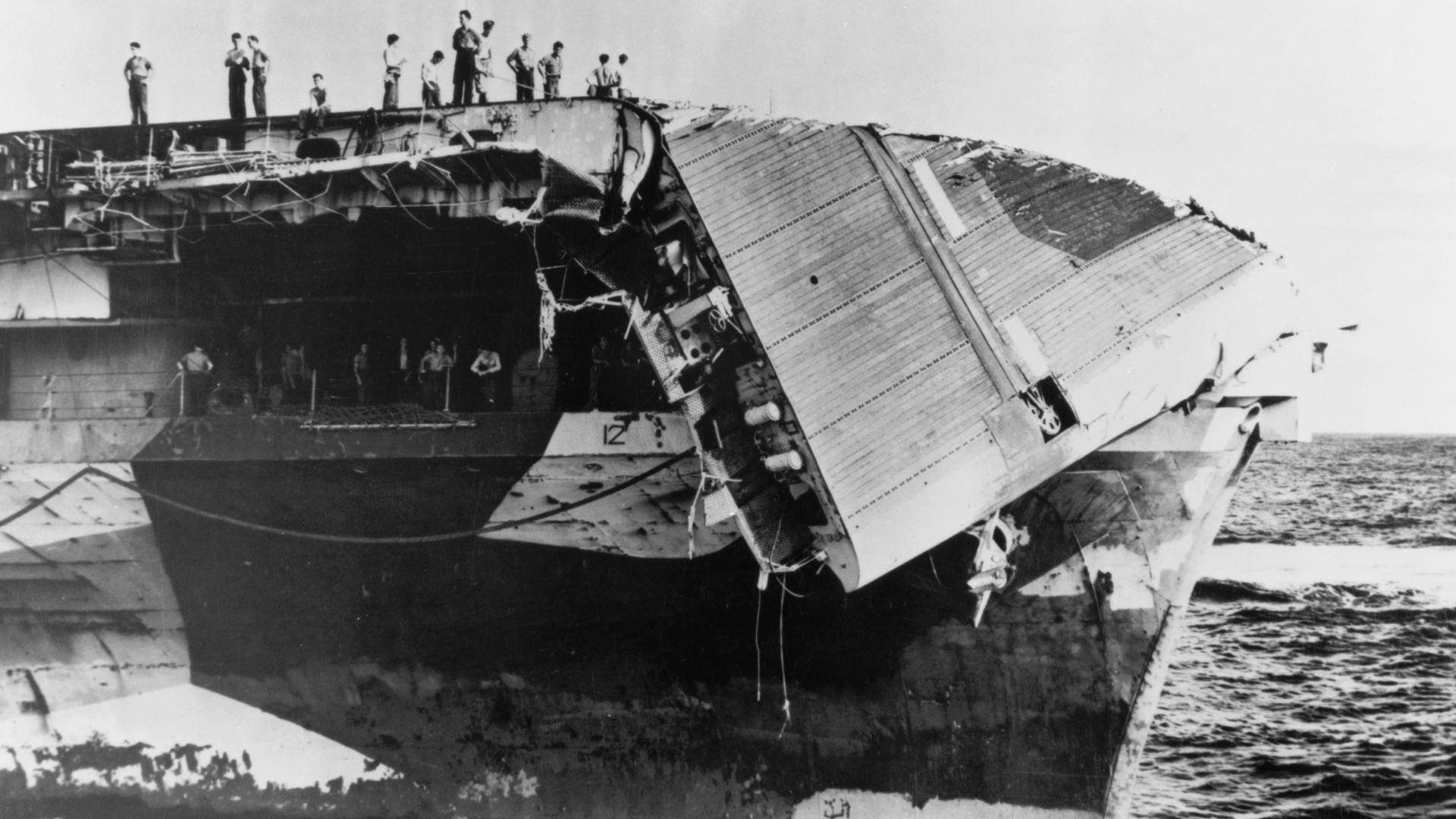
Approximately 790 sailors lost their lives and many more were injured. Dozens of ships sustained damage, and around 146 aircraft were destroyed or heavily damaged.
Aircraft And Flight Deck Havoc
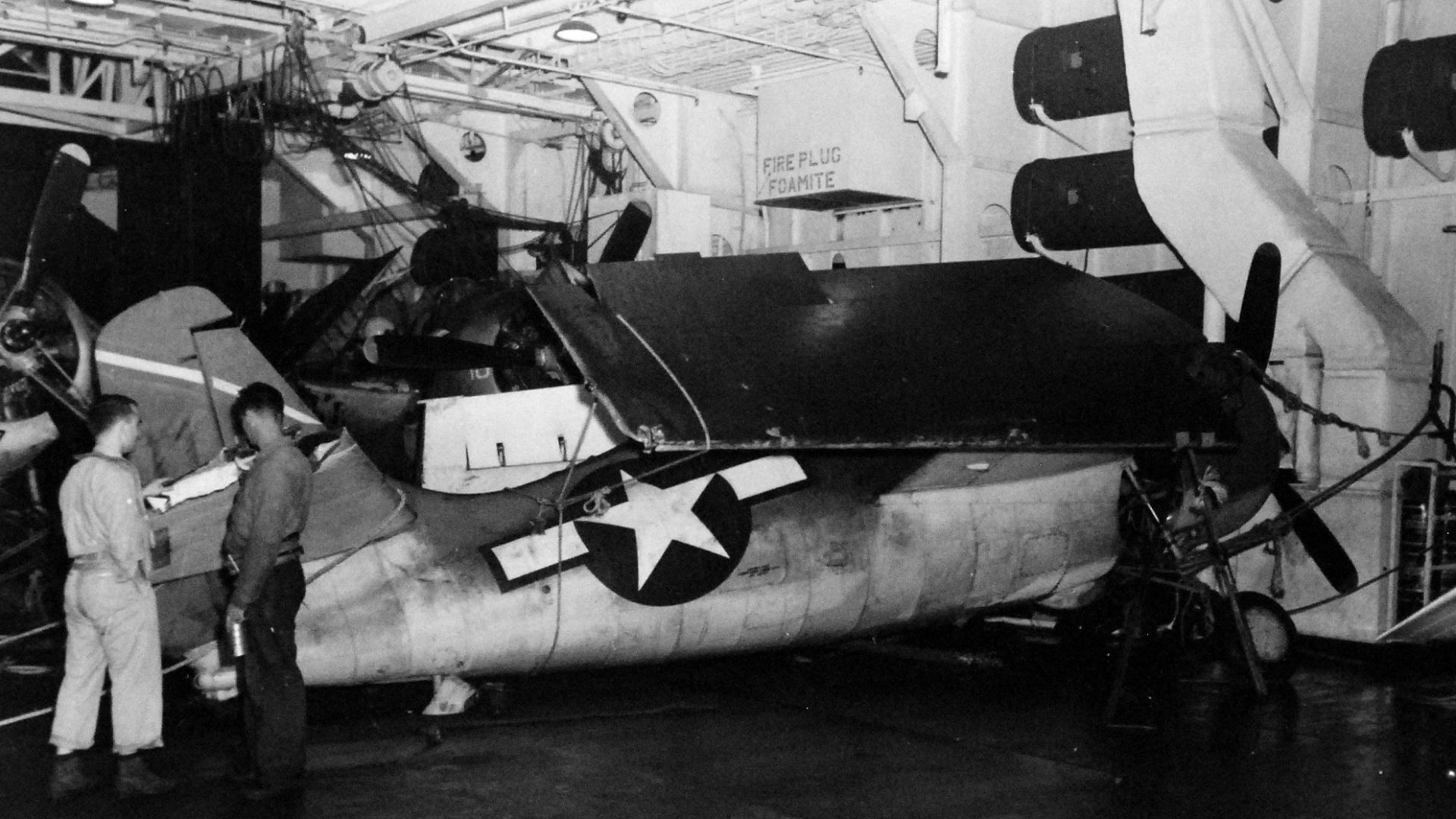
Aircraft on flight decks of carriers such as the USS Cowpens and others collided in hangars, or were swept overboard. Even with the most rigorous lashings, the planes became deadly obstacles or even flying projectiles during the storm.
Crew Experiences In The Storm
Sailors’ accounts described impossibly high waves, blinding rain, and violent buffeting from every side. One man described not being able to see the bow of his own ship in the storm’s fury, revealing how extreme, disorienting, and terrifying the conditions had become.
Rescue Efforts Begin
As the seas finally began to calm down in the storm’s aftermath, surviving ships commenced search and rescue operations. Destroyer escorts and other ships scoured the area relentlessly for survivors, bringing desperate sailors from lifeboats and floating debris into safety.
Tempers And Tactics After The Storm
The disaster sparked frustration and anger among crews and commanders alike. Confusion over the misinterpreted weather data, orders, and fleet dispersion drew increased scrutiny as naval leadership sought to piece together how such a tragedy had been able to unfold amid the rigor of wartime operations.
 National Museum of the U.S. Navy, Wikimedia Commons
Court Of Inquiry And Blame
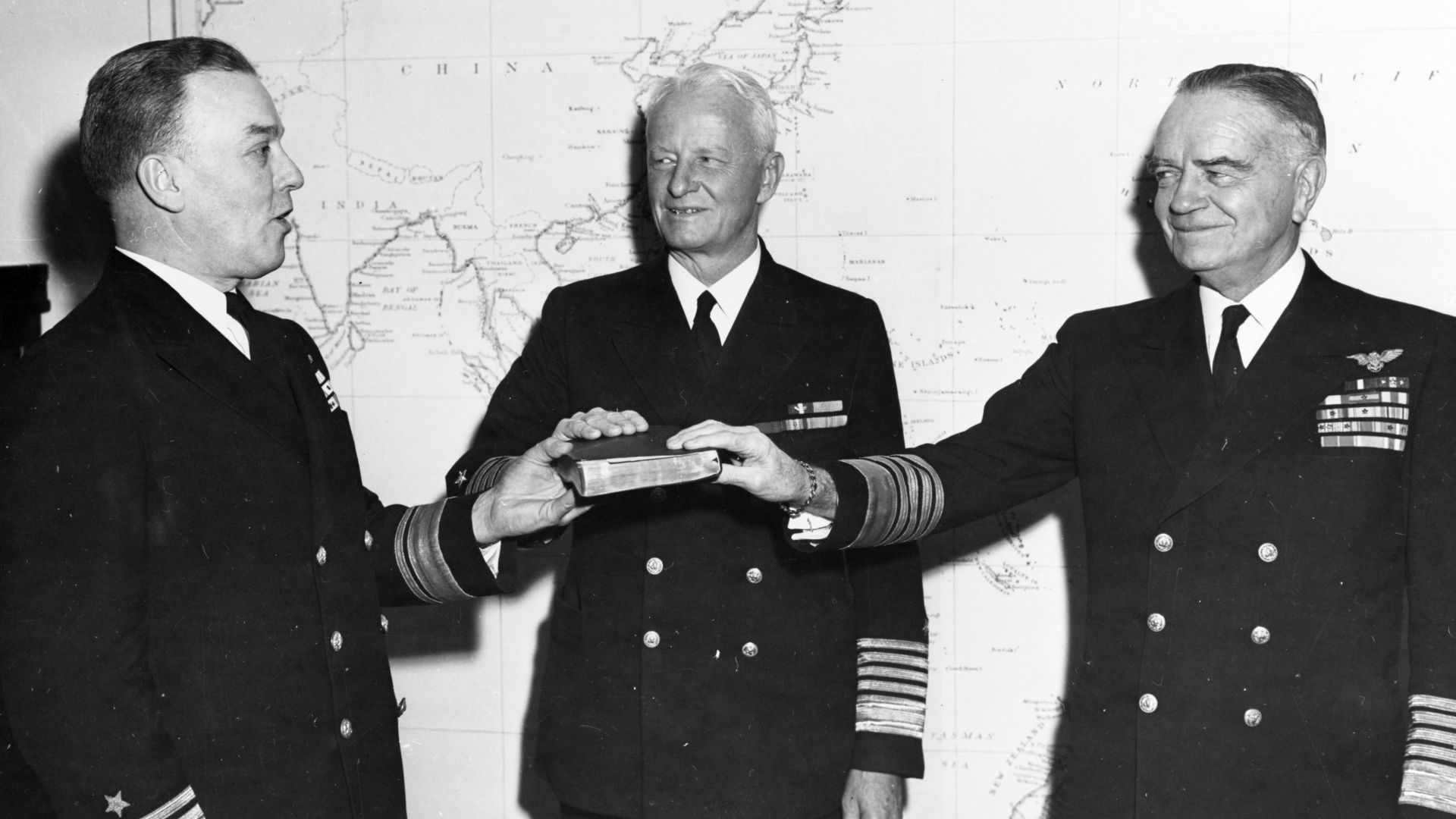
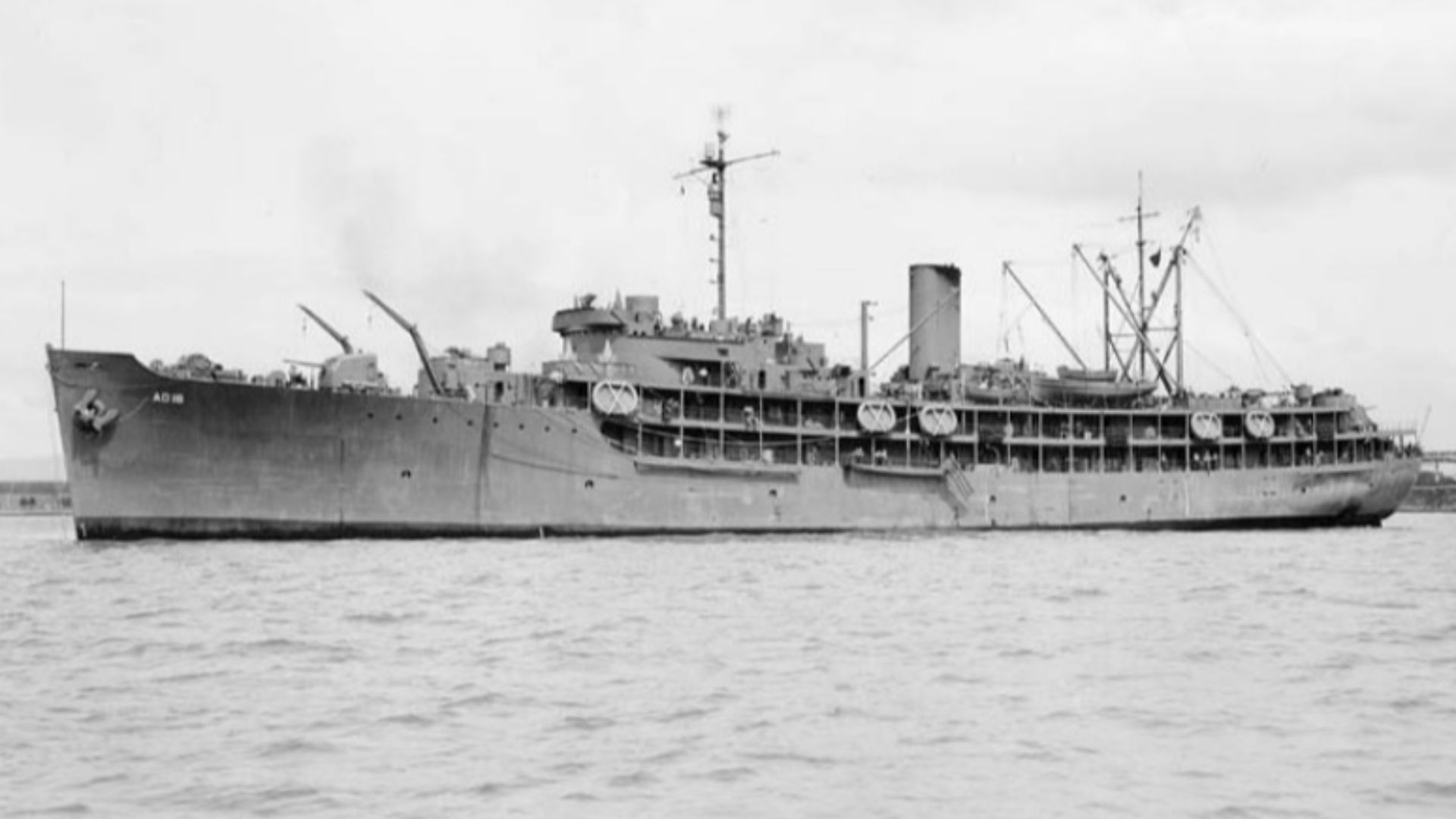
A Court of Inquiry convened aboard the USS Cascade at the Pacific island of Ulithi. The Court reviewed the disaster in its various aspects. The panel found that Halsey had made an “error of judgment” by keeping the fleet on station, but they stopped short of recommending formal punishment for the pugnacious admiral.
History's most fascinating stories and darkest secrets, delivered to your inbox daily.
Establishing Better Weather Response
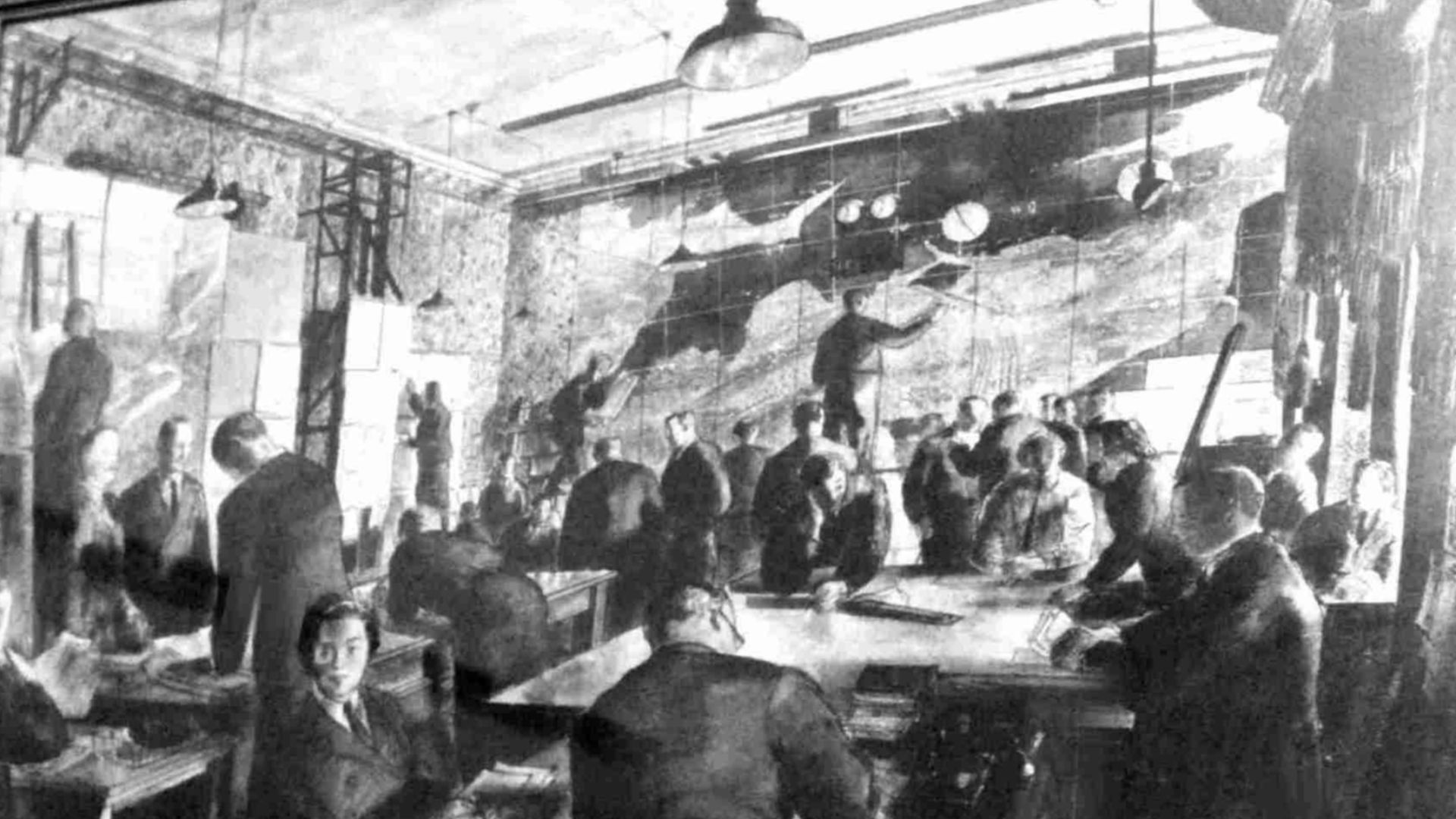
Increased emphasis on weather monitoring followed in the aftermath of Typhoon Cobra. The US Navy and Army Air Forces later collaborated to improve forecasting, leading to better weather infrastructure in general that became part of what is now the Joint Typhoon Warning Center.
Radar And Meteorological Advances
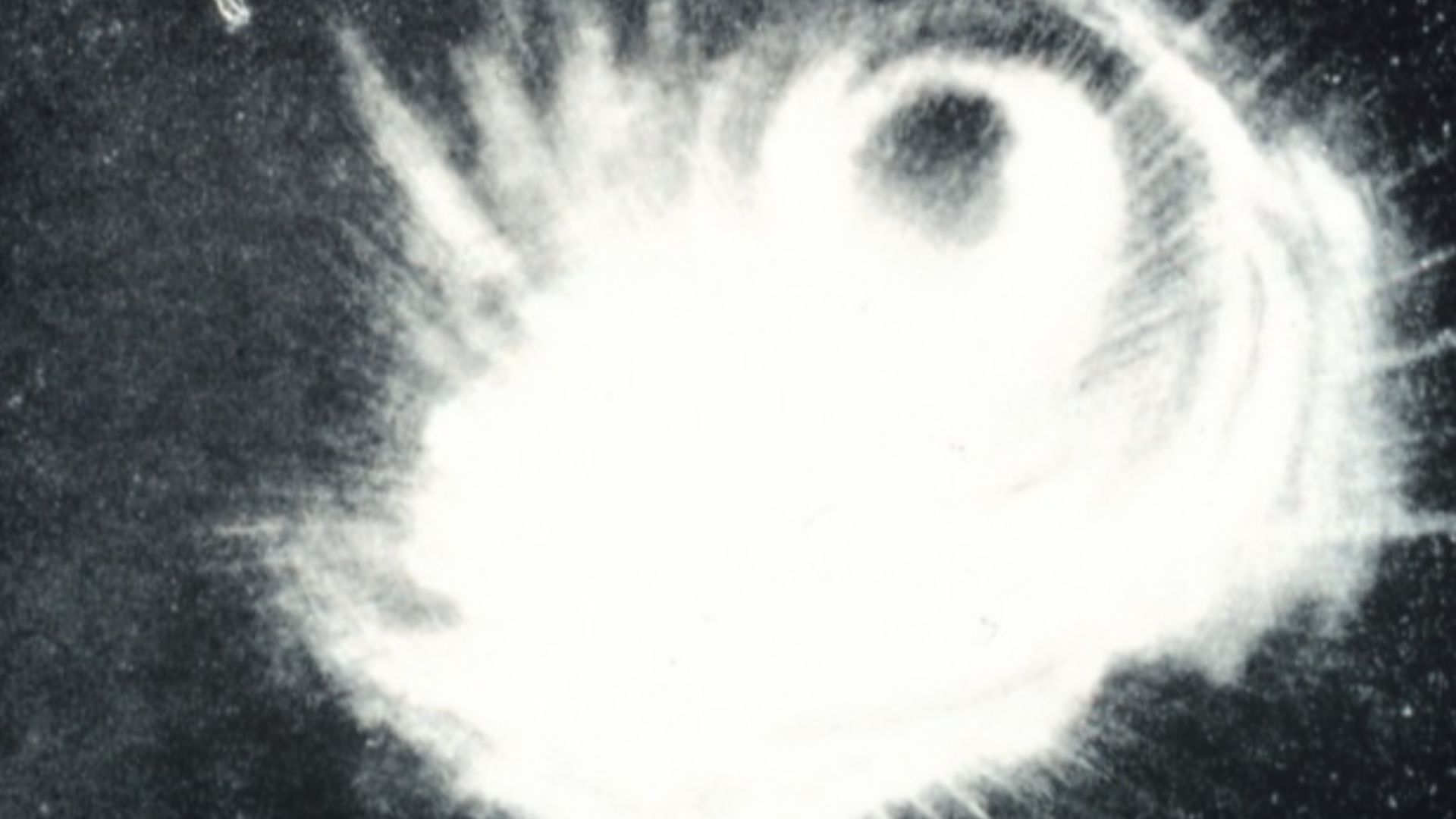
Radar images captured during Cobra were studied to mark some major advancements in storm observation. This data demonstrated the urgent need for reliable meteorological tracking for fleets at sea, especially for vast areas like the Pacific where typhoons frequently develop.
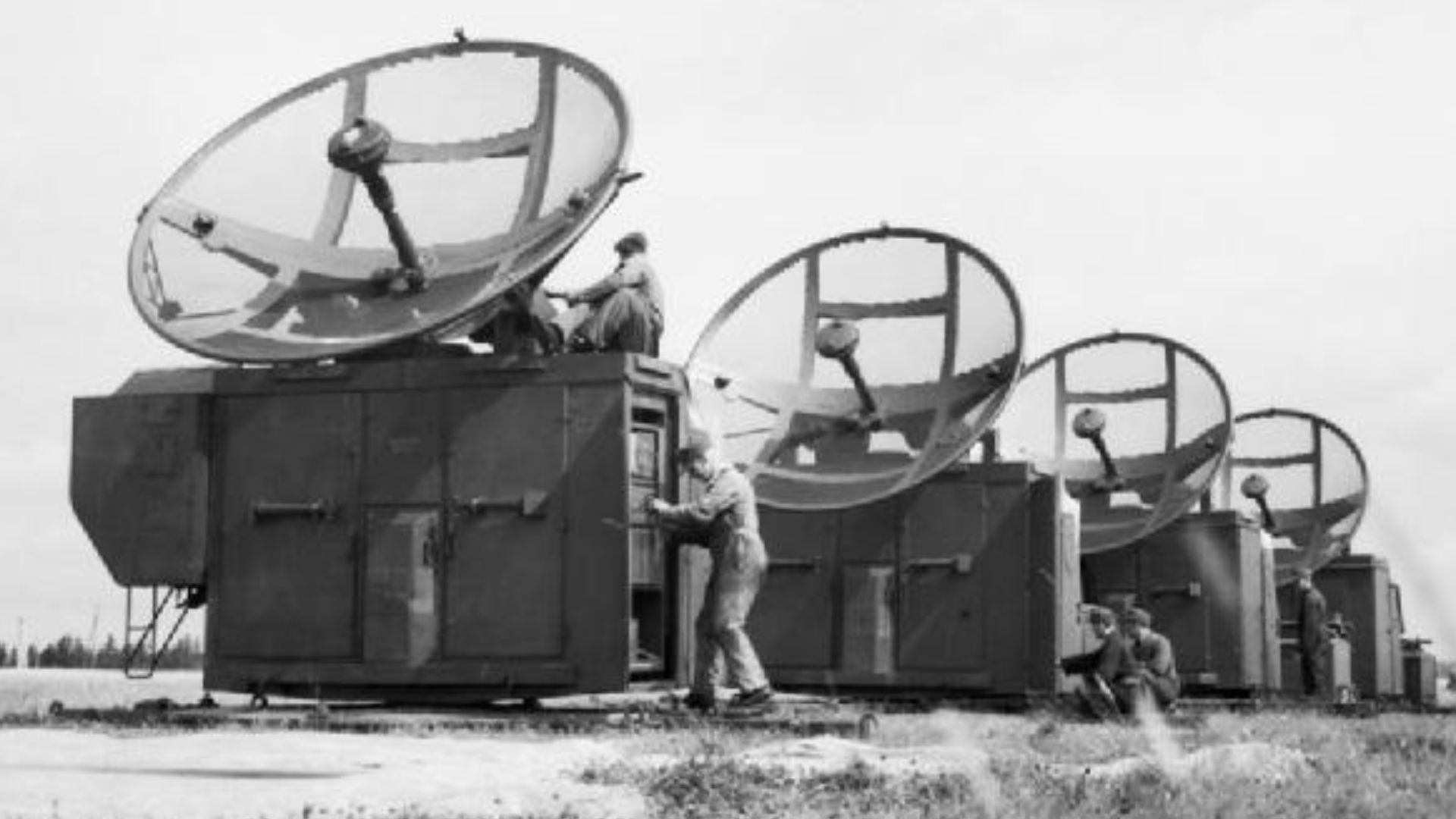 Saidman, RAF official photographer, Wikimedia Commons
Logistics And Fleet Operations Revised
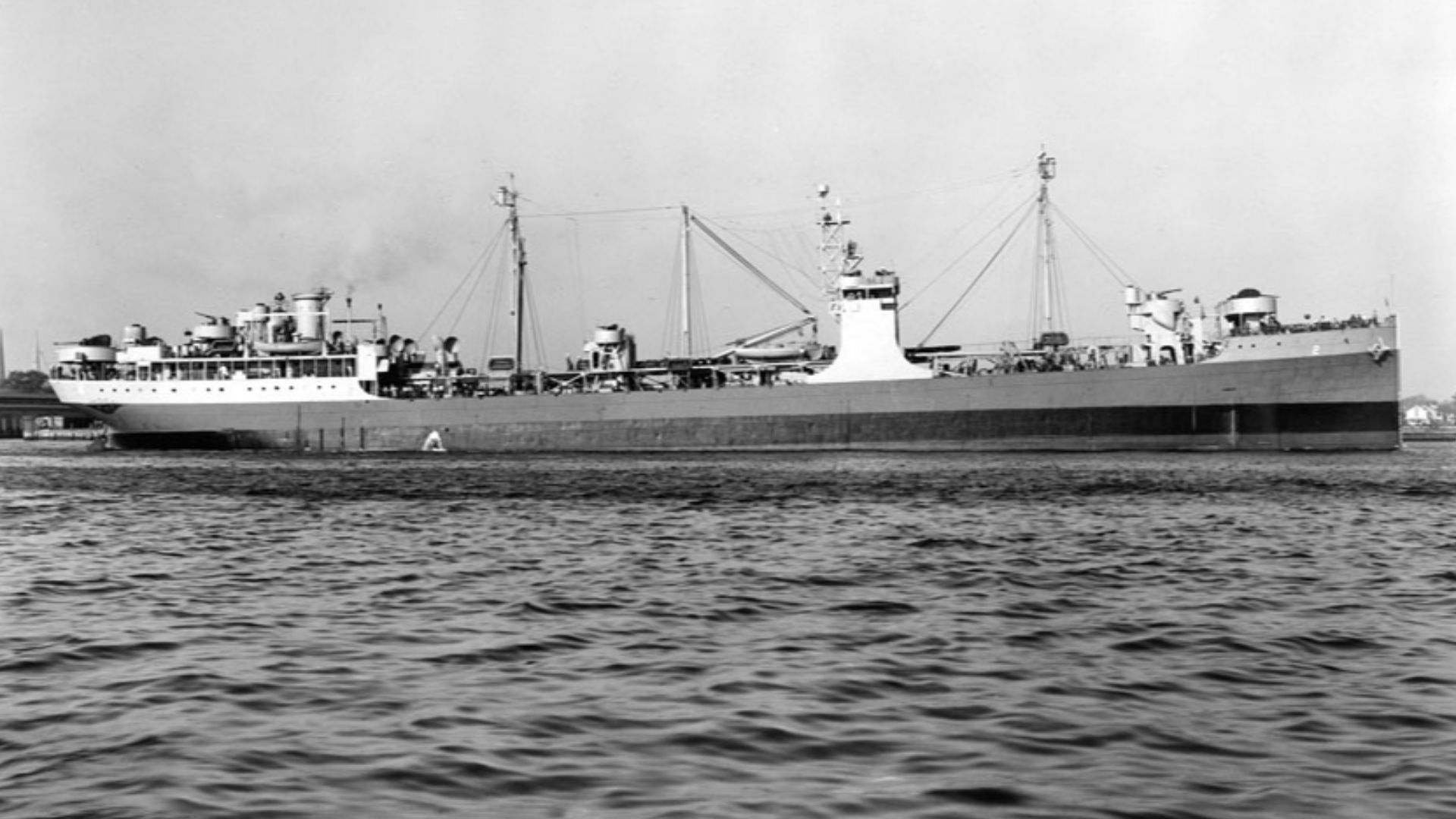
The Navy made a major revision of its replenishment procedures and tactical approaches in extreme weather, ensuring that future operations would try to better factor in weather threats more explicitly, including safer routing when storms were clearly approaching the area of operations.
Lessons Used In Further Pacific Campaigns
With later typhoons like Connie in 1945 also causing havoc, the Navy was in an era of continuous learning from its past mistakes. But Typhoon Cobra’s importance was in its effect on how fleets should prepare for and respond to weather hazards in future Pacific operations.
Impact On Japanese Navy Operations
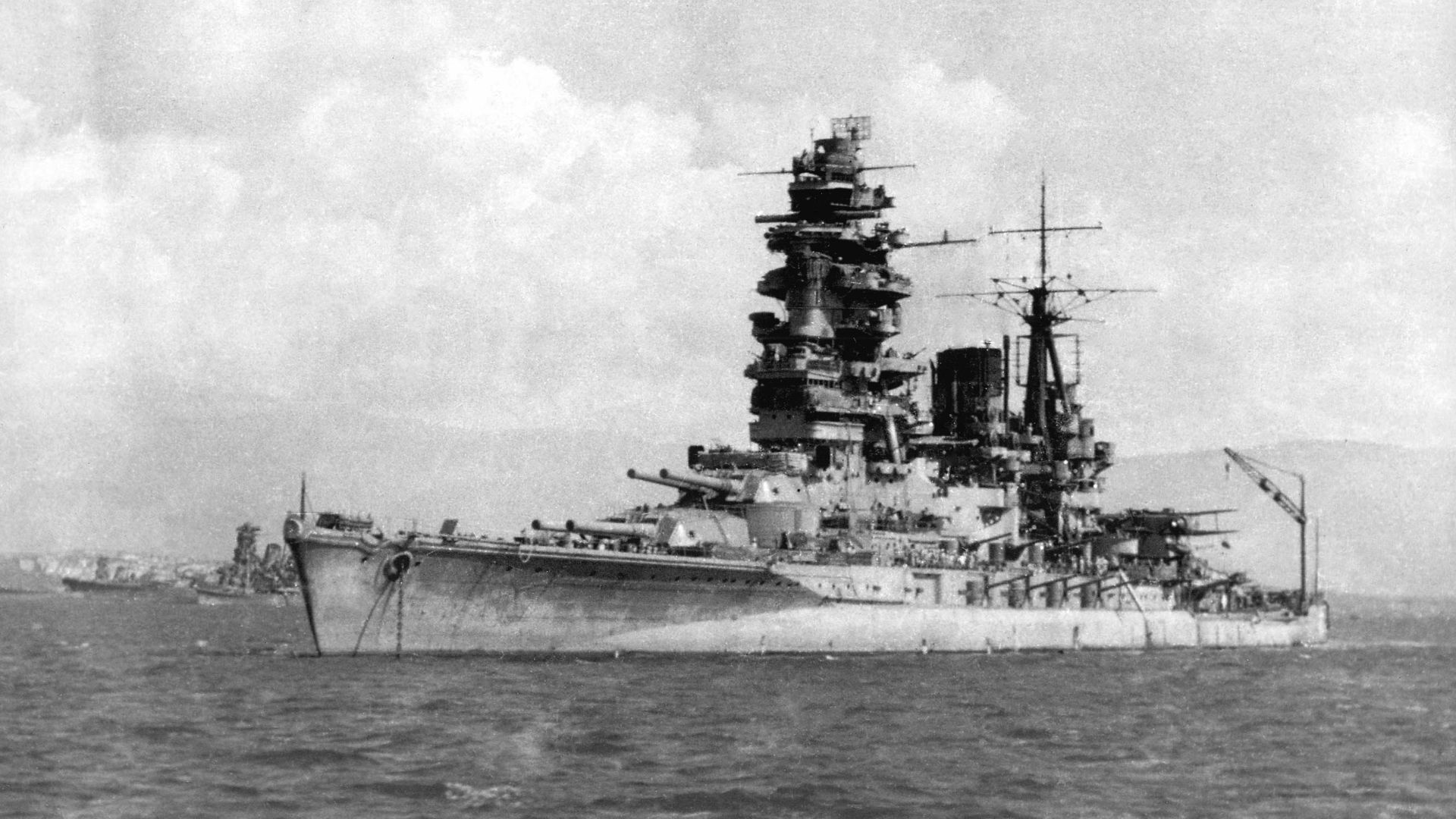
Typhoon Cobra’s primary impact was on the US fleet. There is very little evidence that the Japanese navy suffered any real direct consequences from this storm; at this point of the war they were conducting operations closer to home waters. Many of the Imperial Japanese Navy’s surface ships had already been lost in battle by that stage of the war.
Popular Memory And Military History
Because Typhoon Cobra was a weather event, it tends to get brief (if any) coverage in most conventional accounts of WWII in the Pacific. But the storm influenced popular and military history alike. The firsthand accounts of the sailors involved, books, and more academic naval analyses have preserved the tale of how nature brewed up a crisis right smack dab in the middle of a human conflict, reminding historians of weather’s role in war.
History's most fascinating stories and darkest secrets, delivered to your inbox daily.
A Deadly Natural Foe
Typhoon Cobra was one of the deadliest weather-related events in US Navy history. The storm killed hundreds, sank ships, and reshaped naval planning. Its story is a hard-earned historical lesson for which many ended up paying the ultimate price.
You May Also Like:
24 Titanic Facts About Shipwrecks