
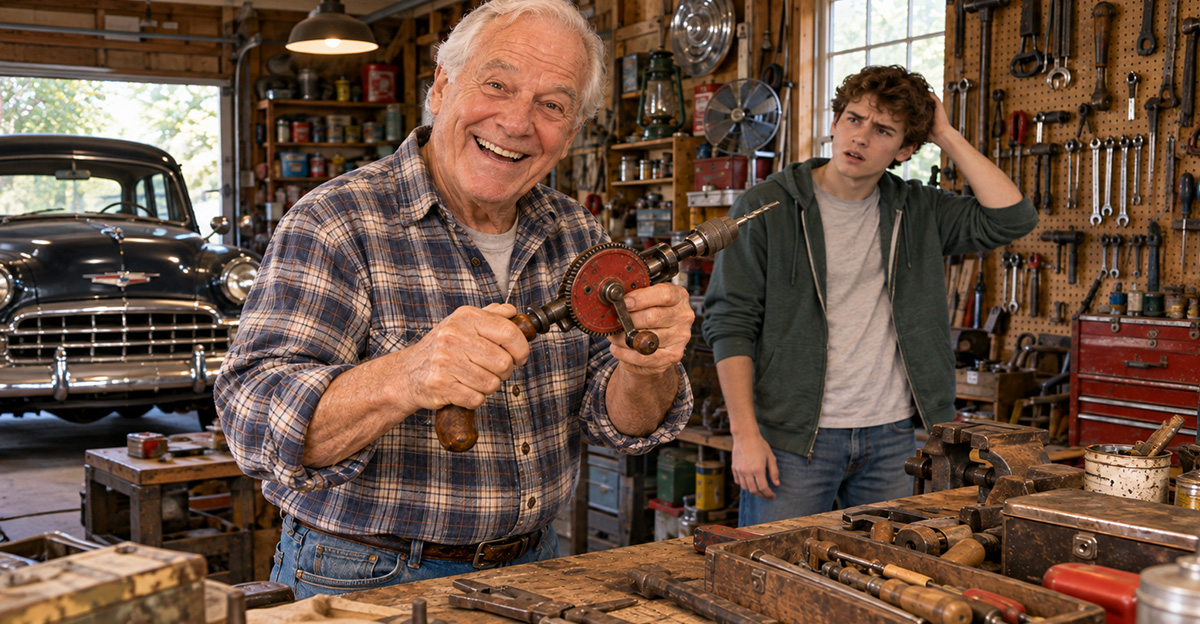
When Your Garage Was Your Workshop
Remember when a garage was somewhere you actually fixed things, rather than somewhere you stored Amazon packages? For Baby Boomers, a well-stocked garage meant having the right tool for practically anything. Some of those gadgets have since disappeared, while others look downright prehistoric to younger generations. How many of these old favorites do you remember using?
The Hand-Crank Drill
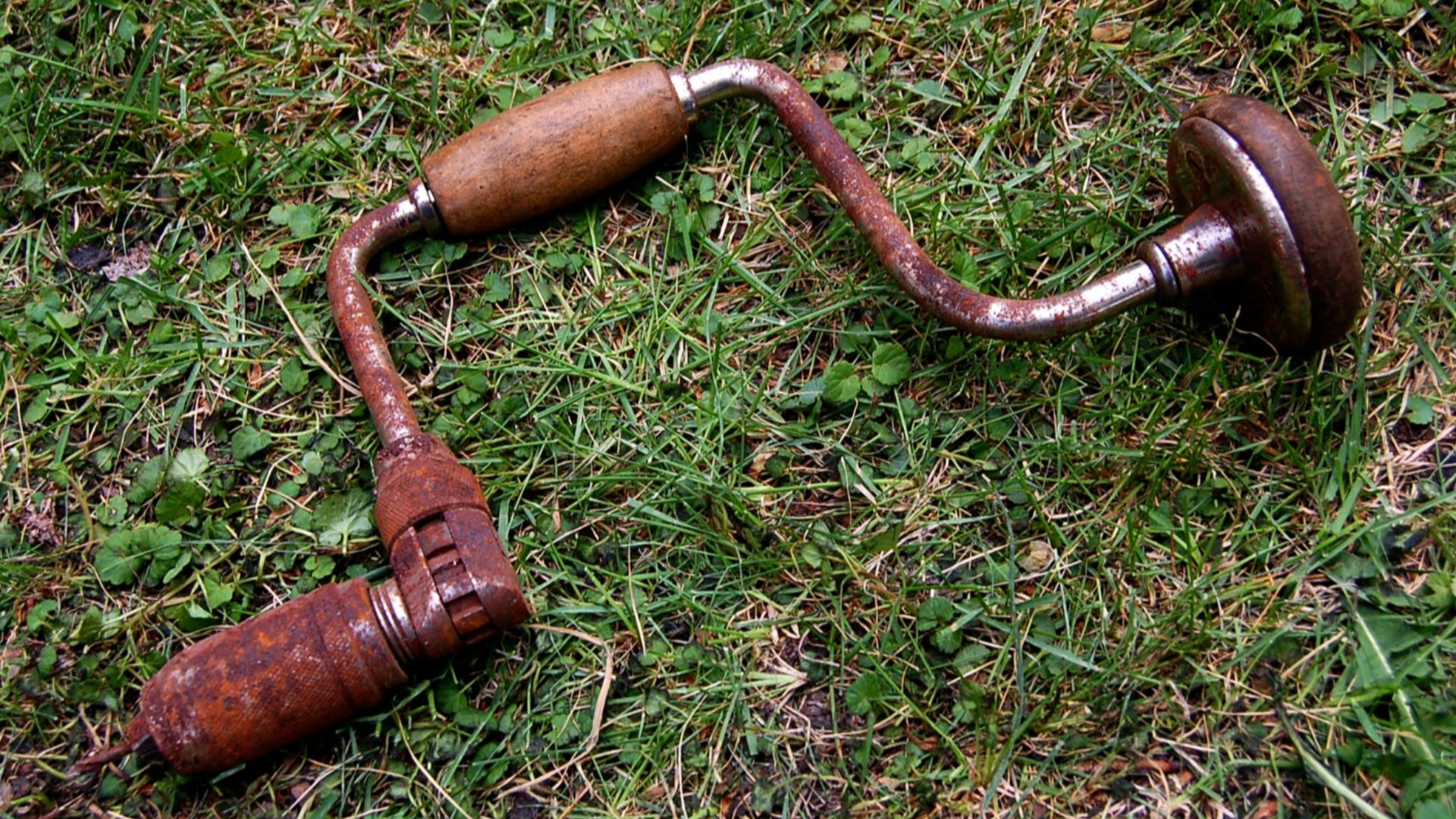
Before cordless drills took over, you had to supply the horsepower yourself. The hand-crank drill, sometimes called an eggbeater drill, required plenty of patience and a steady hand. Turn the handle, watch the gears spin, and hope your drill bit stayed straight. Your grandfather probably made it look ridiculously easy.
 Dan McKay from Winnipeg, Canada, Wikimedia Commons
The Brace And Bit
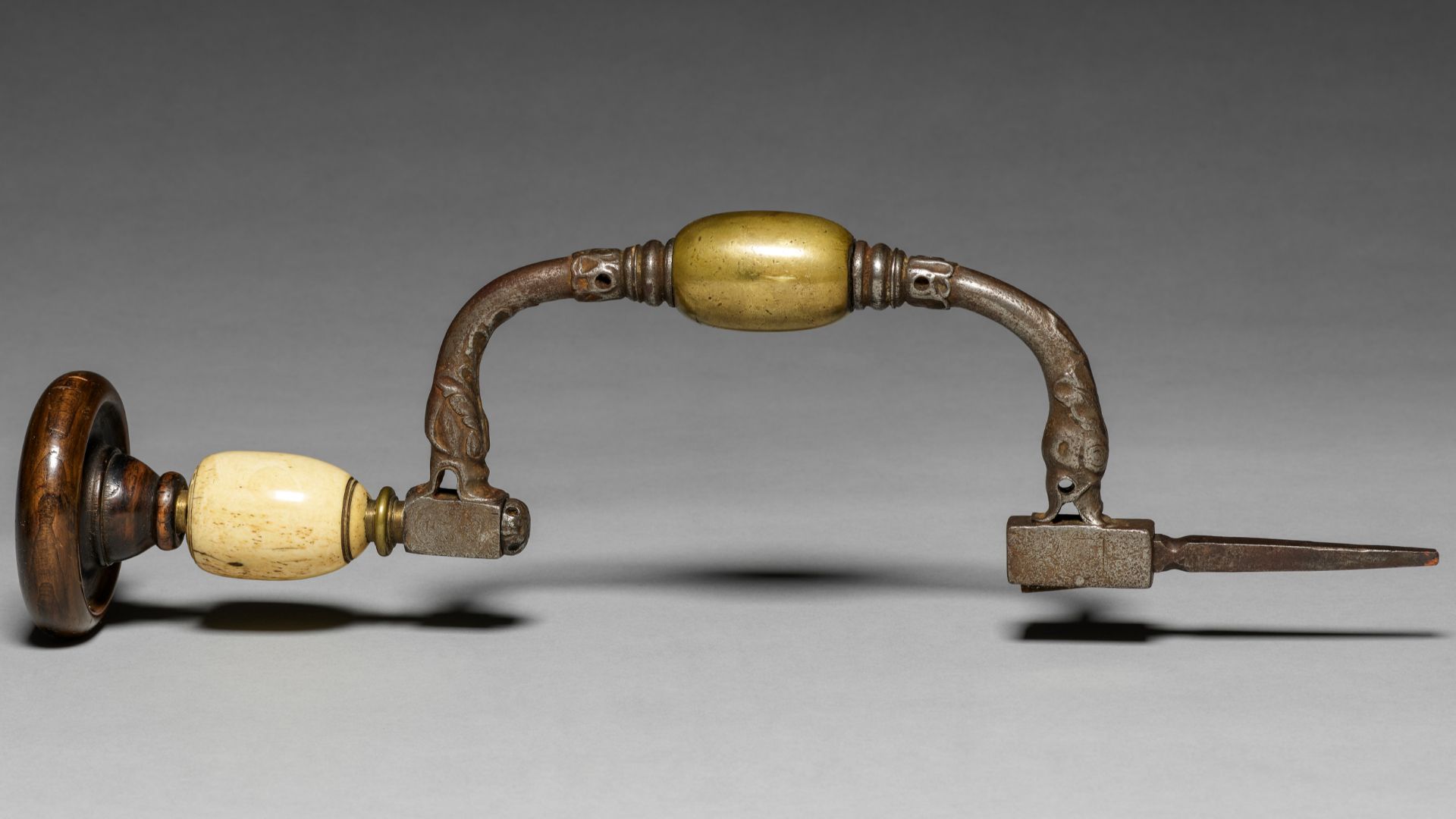
If you thought a hand-crank drill looked old-fashioned, wait until you see this contraption. The brace and bit featured a curved metal crank and a wooden handle that you pushed downward while turning. It was perfect for boring large holes through wood. No batteries, no electricity, and absolutely no excuses about forgetting to charge your tools.
 BotMultichill, Wikimedia Commons
The Timing Light
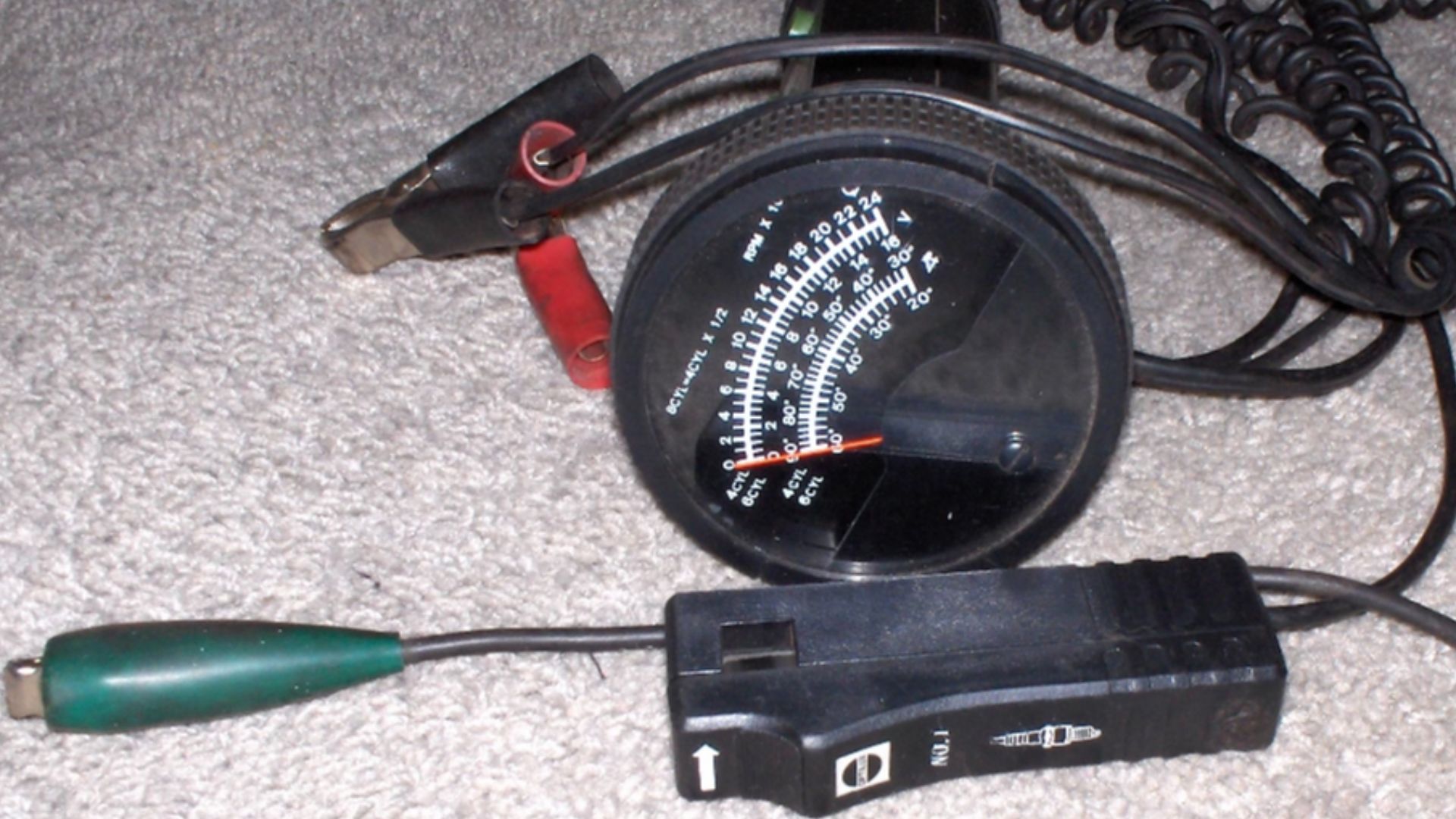
Remember pointing a flashing light at your car's engine and feeling like a professional mechanic? Timing lights helped drivers check ignition timing using marks on the engine. For anyone who grew up maintaining a carbureted Chevy or Ford, this was standard garage equipment. Today, the strange flashing gadget might as well be something from a science-fiction movie.
 Sonett72 at English Wikipedia, Wikimedia Commons
The Feeler Gauge
This innocent-looking collection of thin metal strips was once essential for maintaining your car. Feeler gauges measured tiny gaps between mechanical parts, including spark plug electrodes and valve components. Each blade had a different thickness, and choosing the right one mattered. They were simple, accurate, and surprisingly satisfying to use.
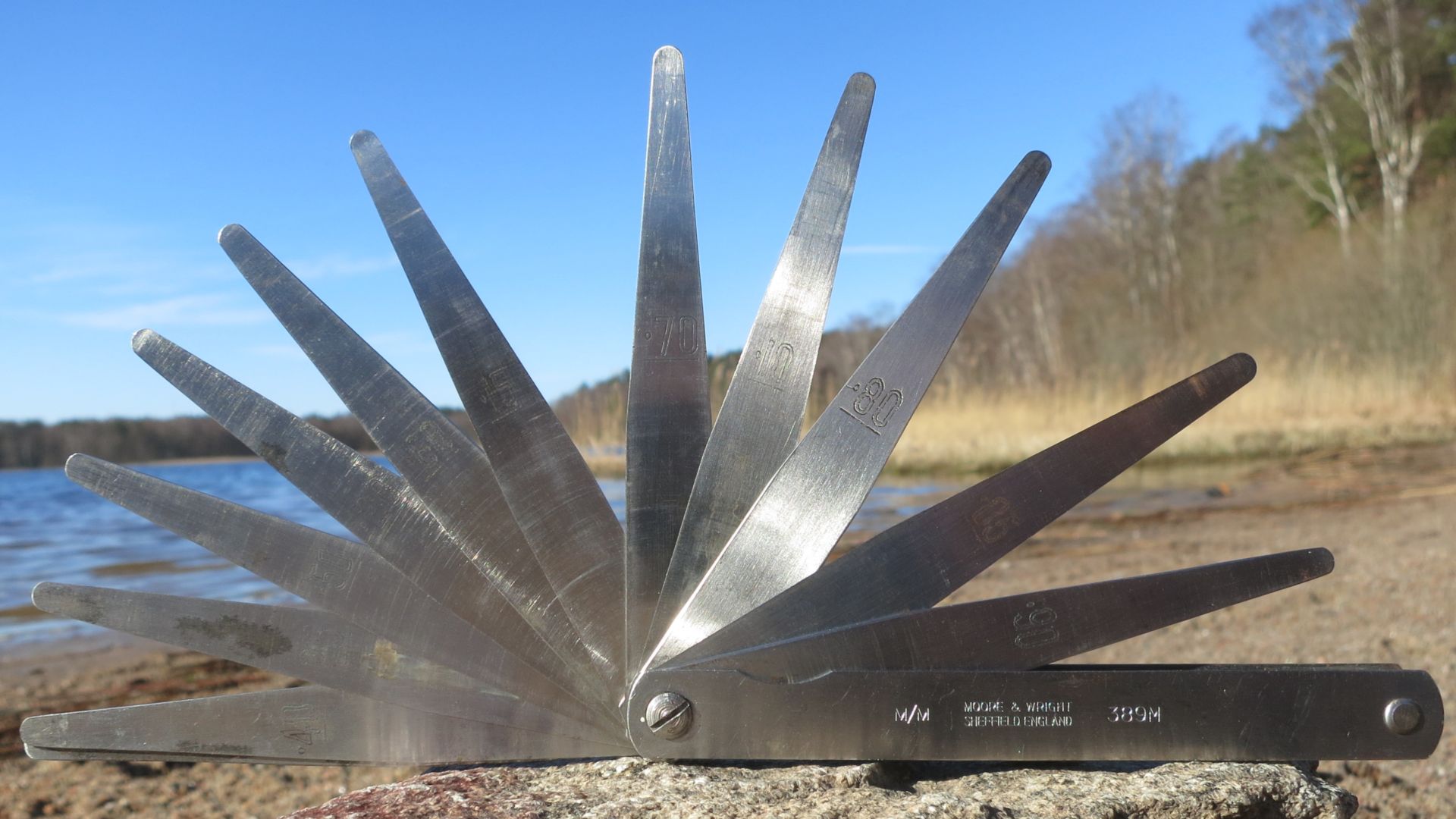 R. Henrik Nilsson, Wikimedia Commons
The Grease Gun
Back when cars needed regular lubrication, a grease gun was practically a garage necessity. Drivers used these awkward-looking devices to pump grease into suspension and steering components through special fittings. It was a messy business, especially when the grease went everywhere except where you wanted it. At least you knew you'd accomplished something afterward.
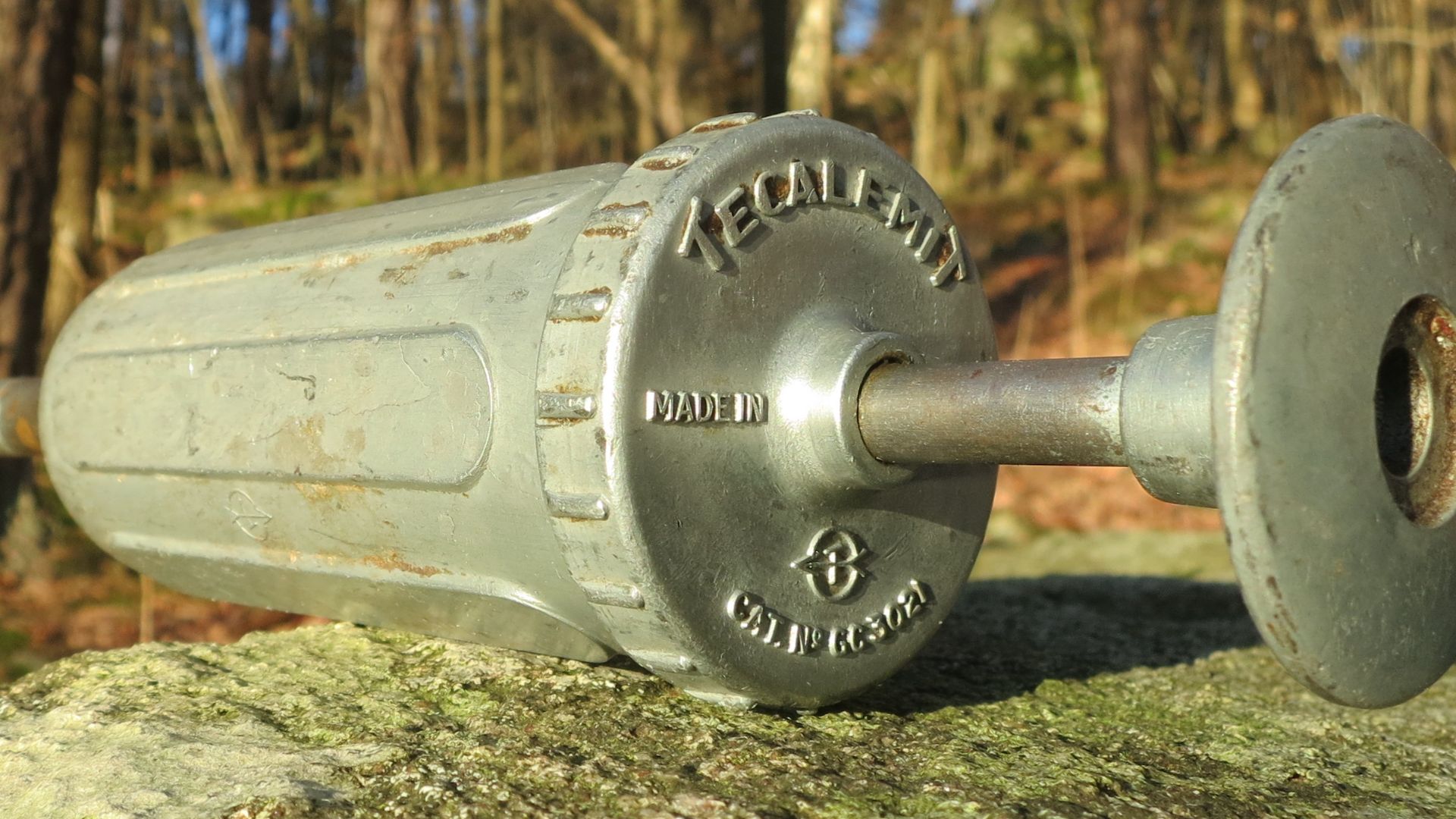 R. Henrik Nilsson, Wikimedia Commons
The Spark Plug Gap Tool
There was a time when changing spark plugs involved more than simply screwing in replacements. You also checked the gap between their electrodes, sometimes using a little coin-shaped measuring tool. Every home mechanic knew the routine. Hand one of these gadgets to someone unfamiliar with older engines, and they might mistake it for a strange souvenir.
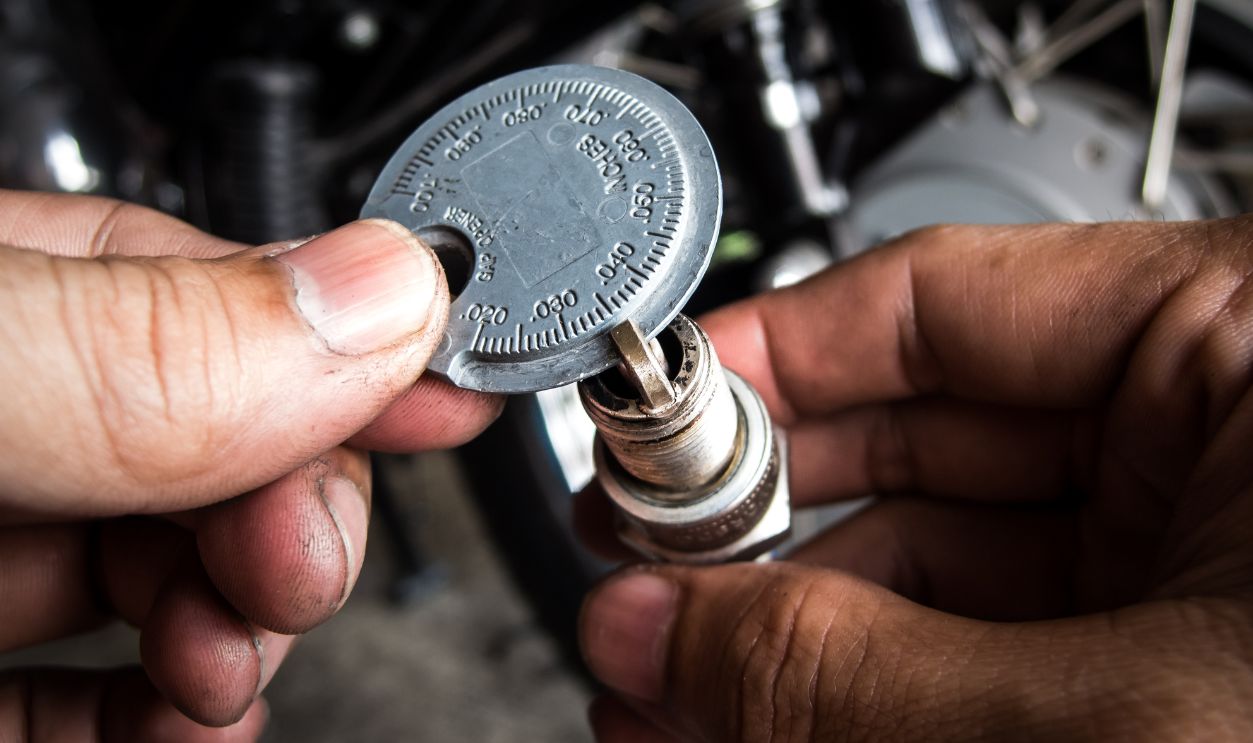 Ekkarat Khongrot, Shutterstock
The Manual Tire Bead Breaker
Modern tire shops use powerful machines to separate tires from their rims. Older DIY mechanics sometimes did the job with a manual bead breaker, using leverage to loosen the stubborn rubber. It wasn't glamorous work, and it certainly wasn't effortless. But for someone determined to fix everything at home, it was another challenge worth tackling.
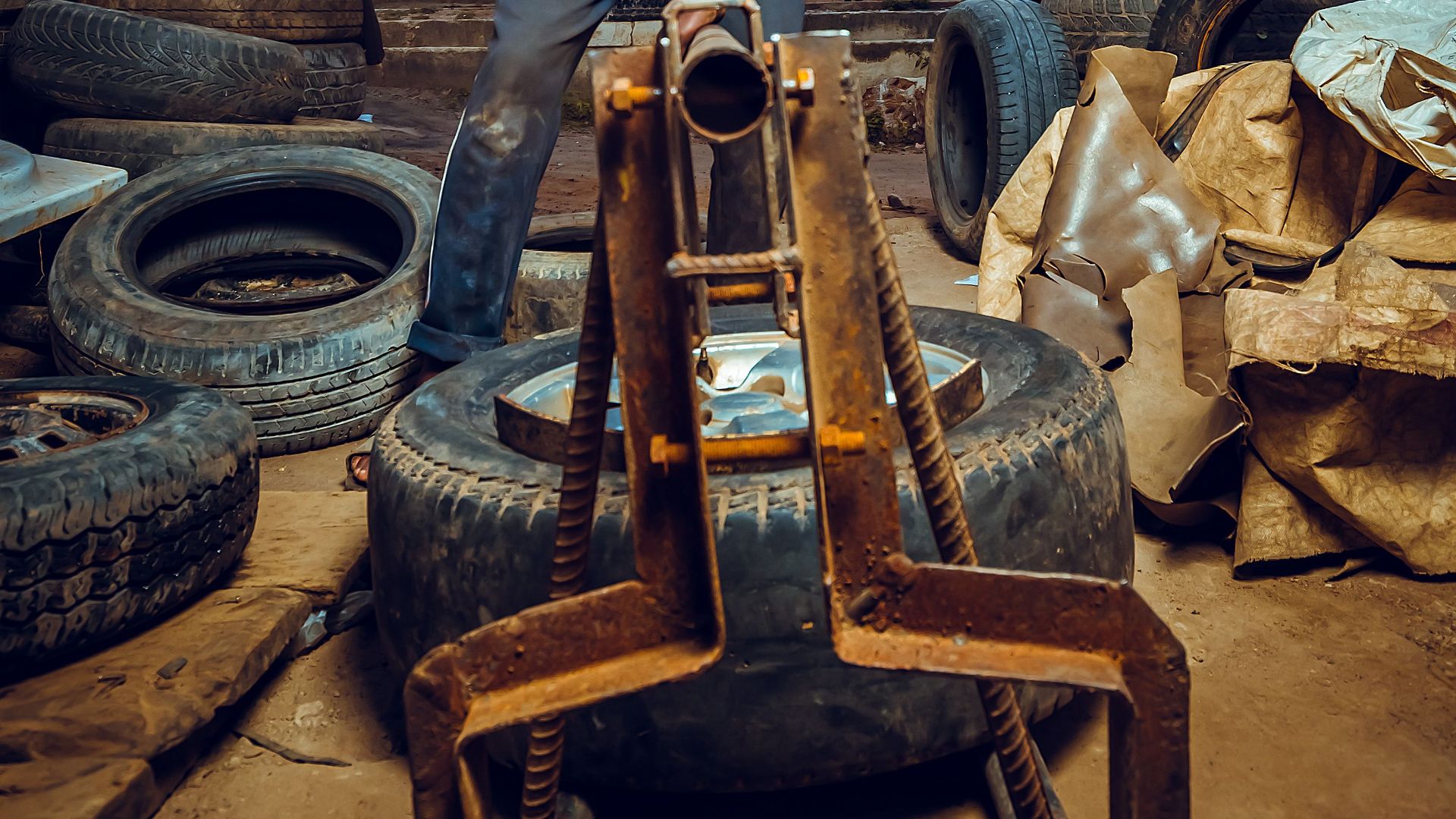
The Oil Filter Strap Wrench
Changing your own oil was practically a weekend ritual for countless American families. Unfortunately, removing a stubborn oil filter could test anyone's patience. Enter the strap wrench, which wrapped around the filter and tightened as you pulled. It looked simple enough, but getting the right grip was half the battle.
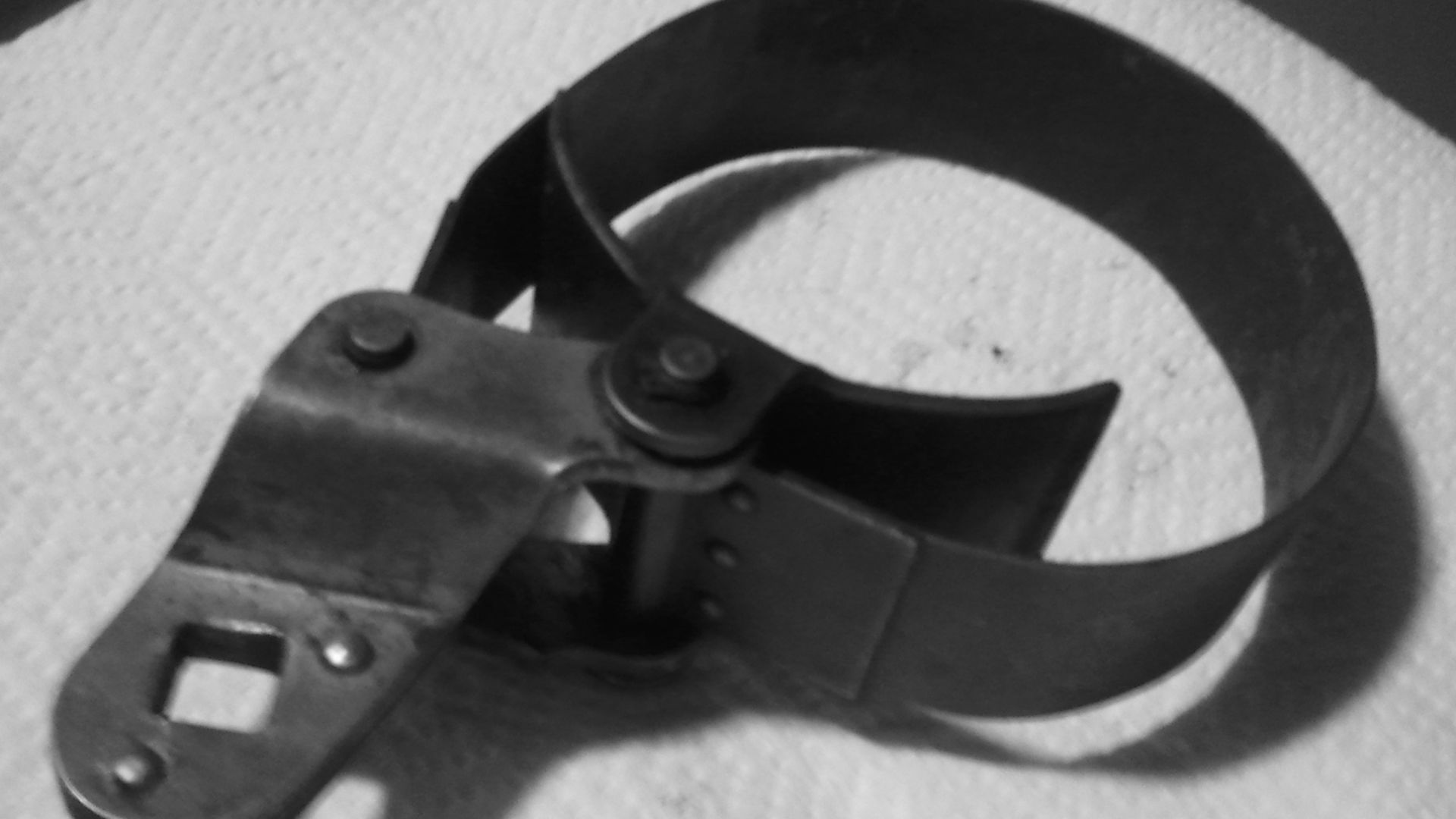 Three-quarter-ten, Wikimedia Commons

History's most fascinating stories and darkest secrets, delivered to your inbox daily.
The Dwell Meter
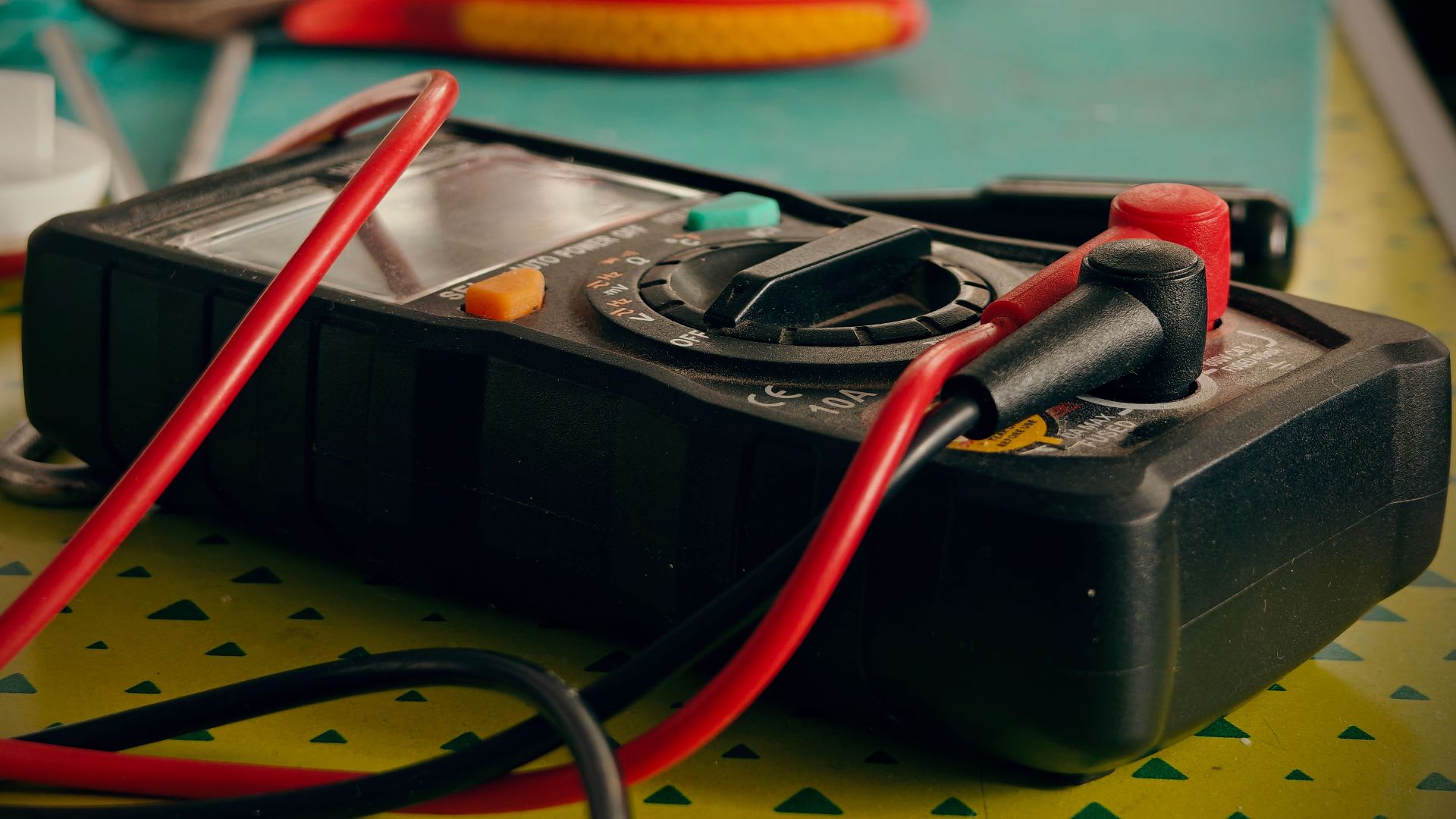
If you remember what a dwell meter does, you've earned some serious garage credibility. These instruments measured the amount of time ignition breaker points remained closed during an engine's ignition cycle. They helped mechanics fine-tune older vehicles before electronic ignition became standard. Today, they're largely relics of an age when cars required constant tinkering.
The Distributor Cap Puller
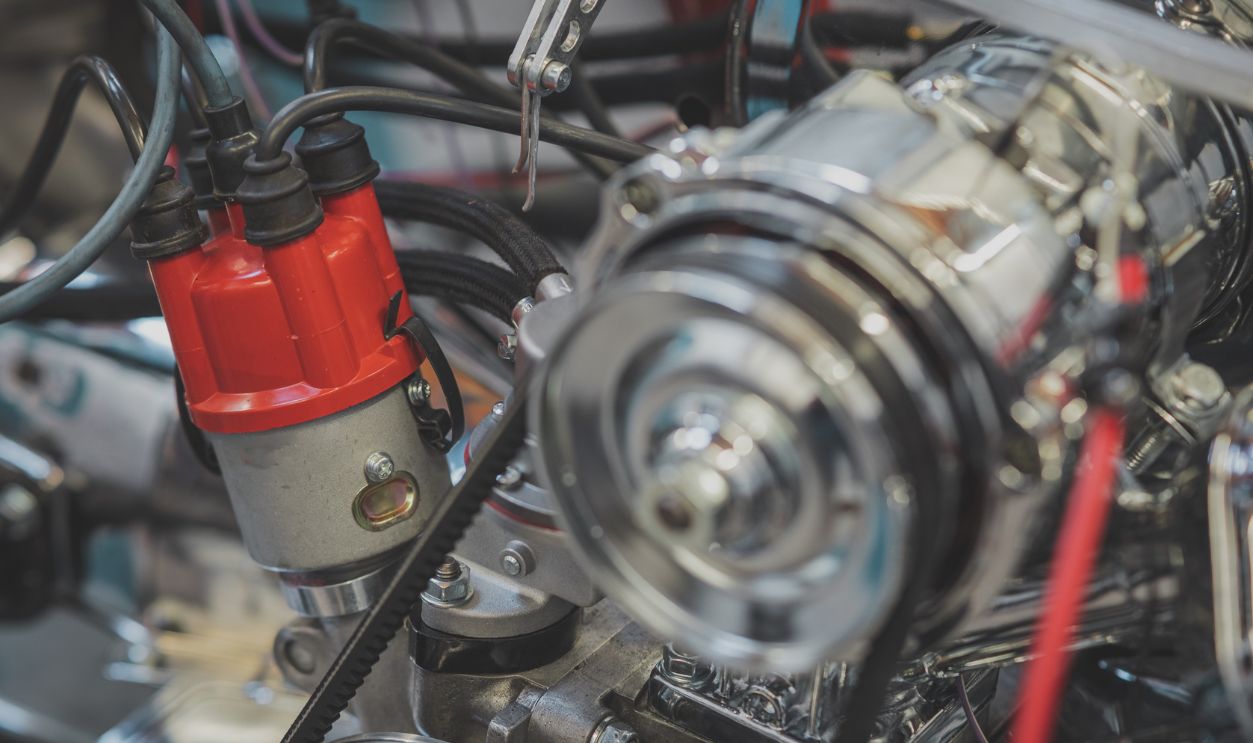
Older cars had ignition distributors, and getting to certain components could involve removing a stubborn distributor cap. Specialized pullers and small removal tools made the job easier on some designs. Younger drivers accustomed to modern electronic ignition systems might not even recognize the part, never mind understand why someone kept a dedicated tool for it.
The Manual Impact Driver
Not every impact driver needs a battery. The old manual version looked like a chunky metal screwdriver, but it worked by converting a hammer blow into twisting force. It was especially handy for loosening stubborn screws. One good strike could accomplish what several frustrating minutes with an ordinary screwdriver couldn't. Sometimes brute simplicity really worked.
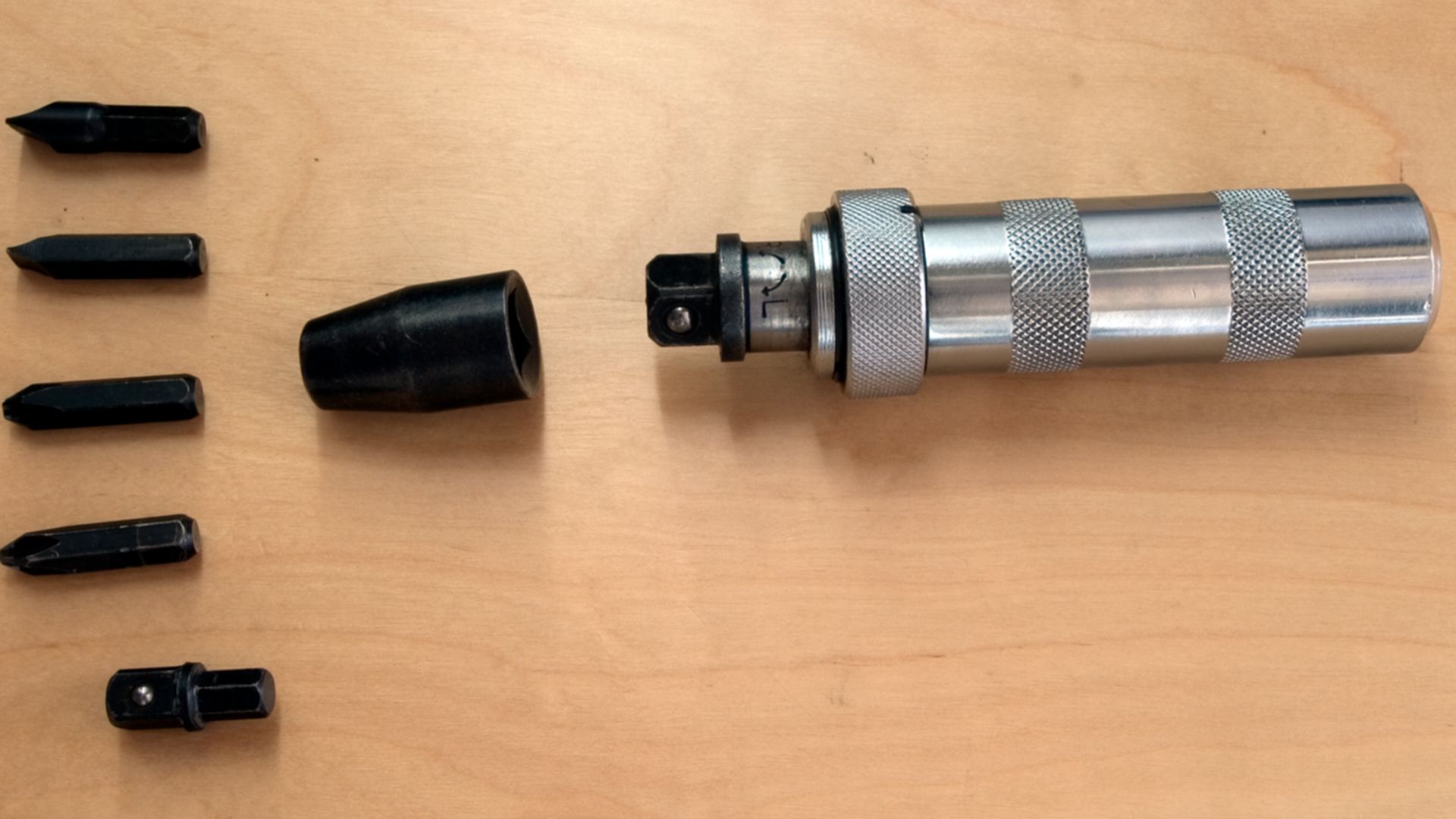 Hooperbloob at English Wikipedia, Wikimedia Commons
The Hand-Crank Bench Grinder
Long before inexpensive electric grinders became common, manual grinding wheels offered a practical way to sharpen tools. You clamped the grinder to a workbench and turned its crank while carefully positioning your blade. Keeping everything steady took practice. It was a reminder that even sharpening your tools once required a little elbow grease.
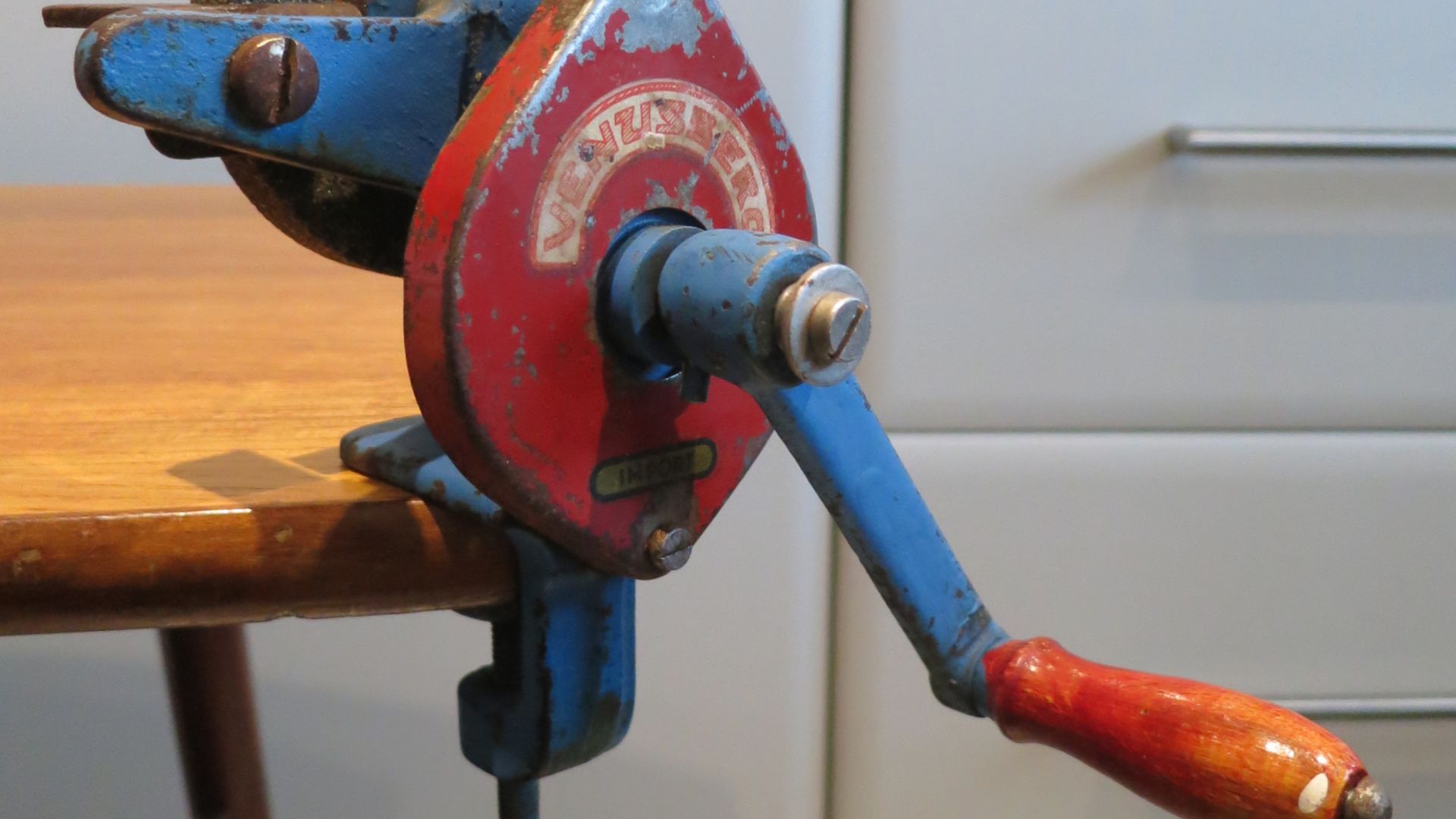 R. Henrik Nilsson, Wikimedia Commons
The Yankee Screwdriver
This clever tool looked like an oversized screwdriver until you pushed its handle. The internal spiral mechanism turned the bit automatically, making repetitive screwdriving much faster. Yankee screwdrivers were particularly popular before cordless electric drivers became commonplace. Watching one work was oddly entertaining, especially when someone really knew how to handle it.
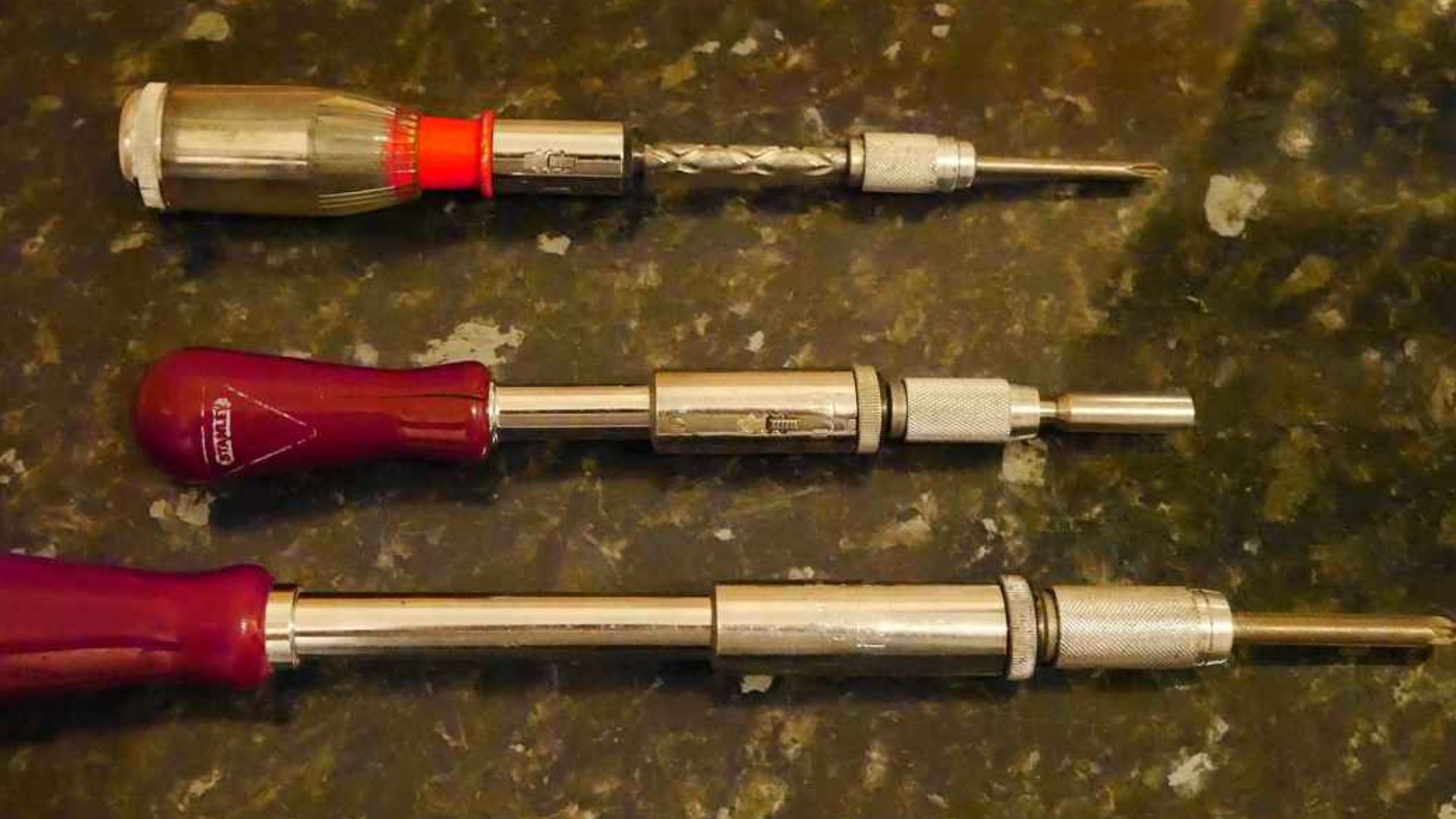 Taz trooper, Wikimedia Commons
The Carpenter's Folding Ruler
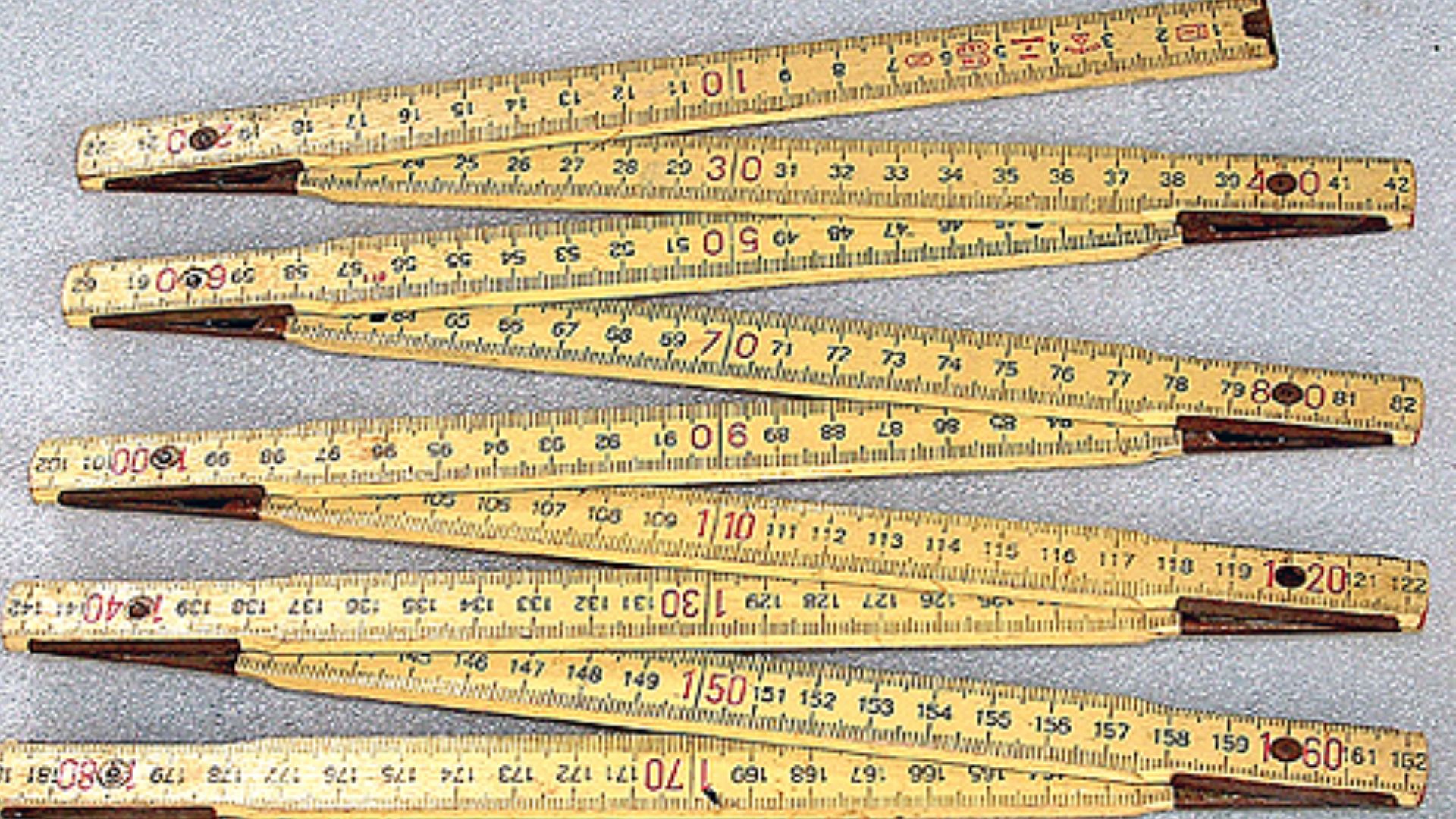
Before retractable tape measures became practically universal, folding wooden rulers were a workshop staple. These hinged measuring tools unfolded into a straight measuring stick and collapsed neatly for storage. They were particularly useful for carpentry and detailed measurements. Unlike a modern tape measure, there was no annoying spring mechanism trying to snap back at your fingers.
The Plumb Bob
Sometimes the simplest tools are the cleverest. A plumb bob is just a pointed weight attached to a string, but it provides a perfectly vertical reference using gravity. Builders relied on them for everything from framing walls to hanging doors. Younger generations might wonder why anyone needed a dangling piece of metal to measure something.
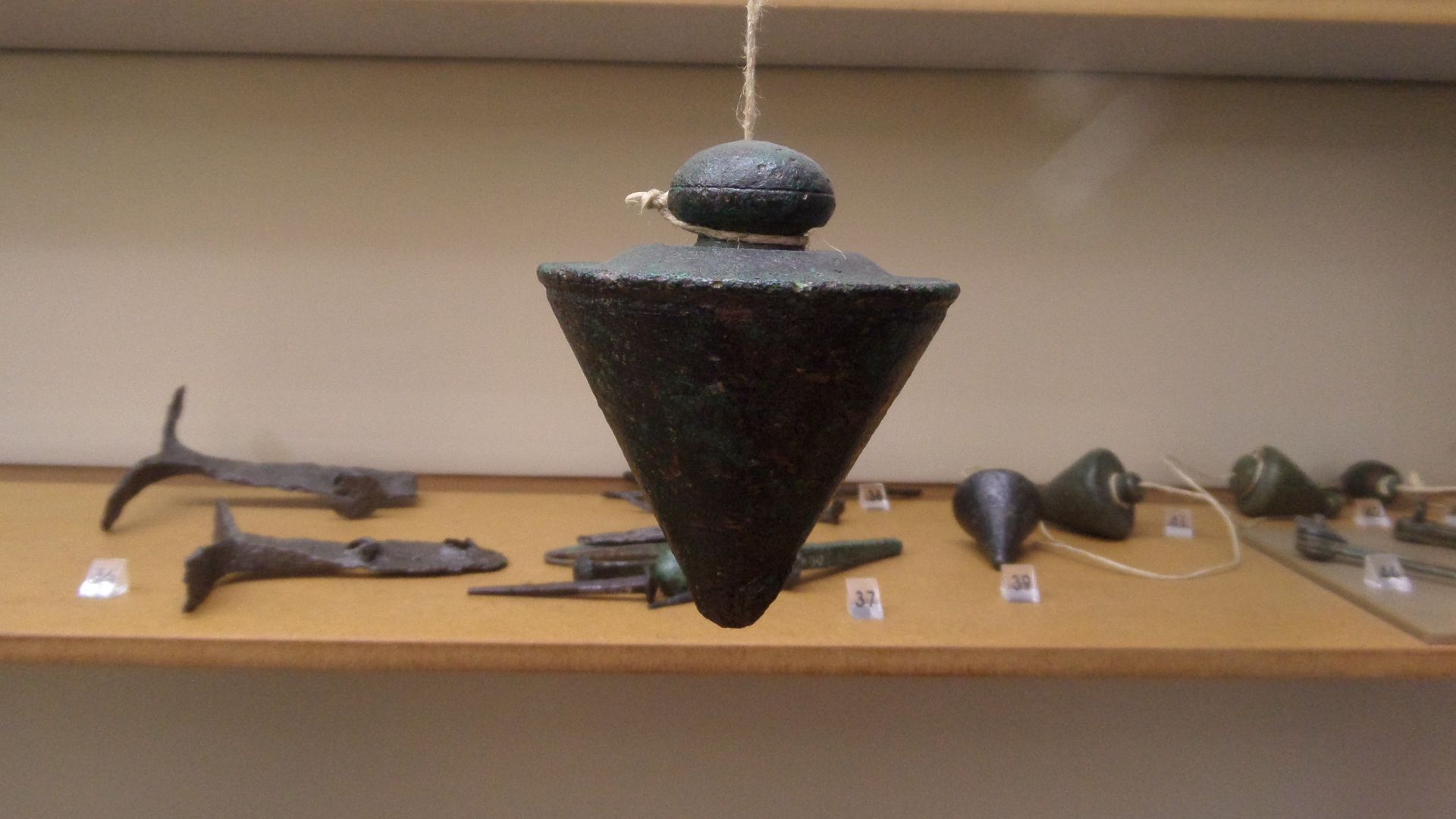 Gaius Cornelius, Wikimedia Commons
The Hand Saw Set
A hand saw set didn't actually cut anything. Instead, it adjusted the tiny teeth of a traditional handsaw, bending them alternately to create the correct cutting width. Maintaining a saw properly was once a valuable skill. These little plier-like gadgets were familiar sights in garages where people sharpened their tools instead of replacing them.
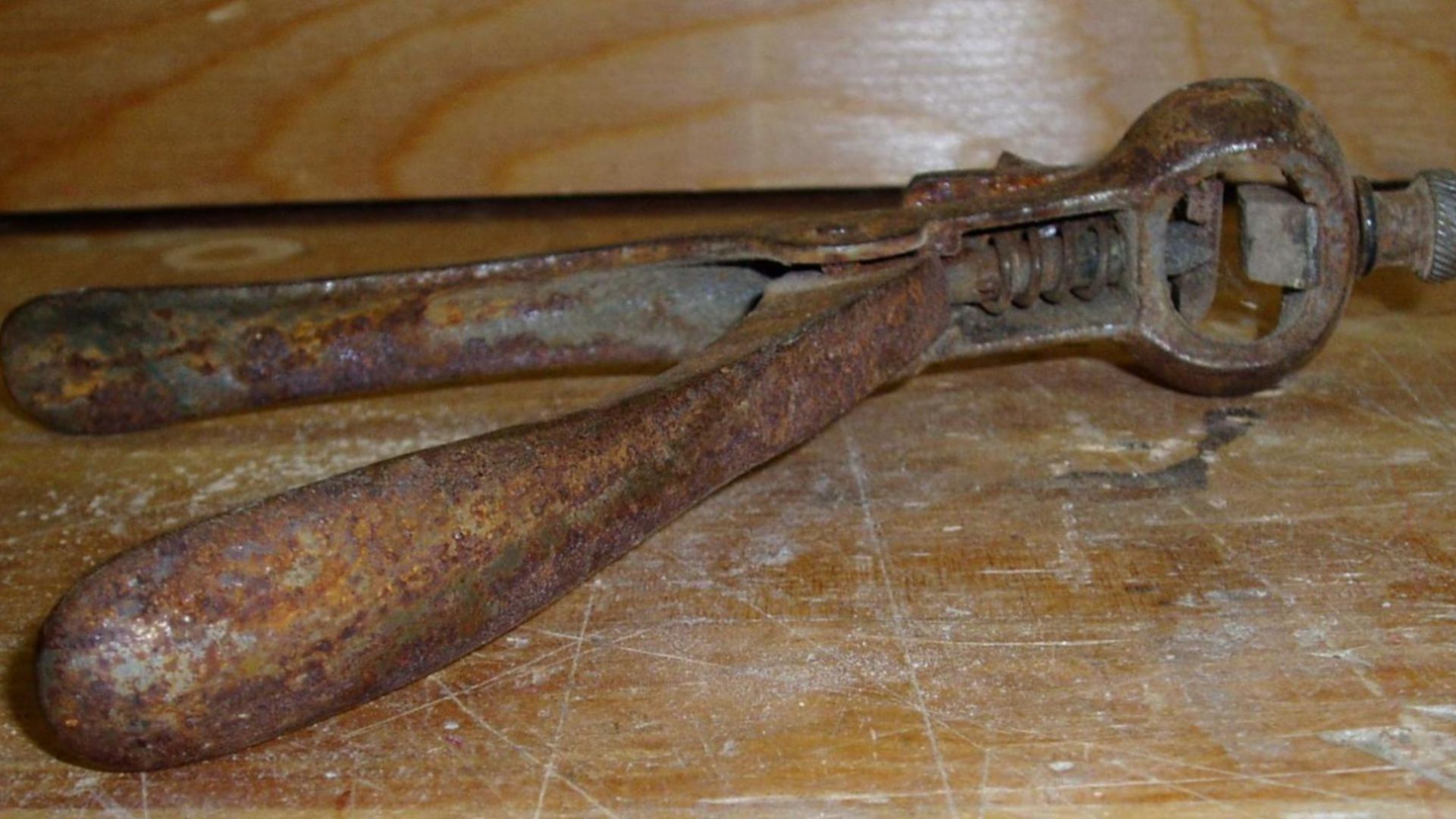 Luigi Zanasi, Wikimedia Commons
The Blowtorch With A Pump
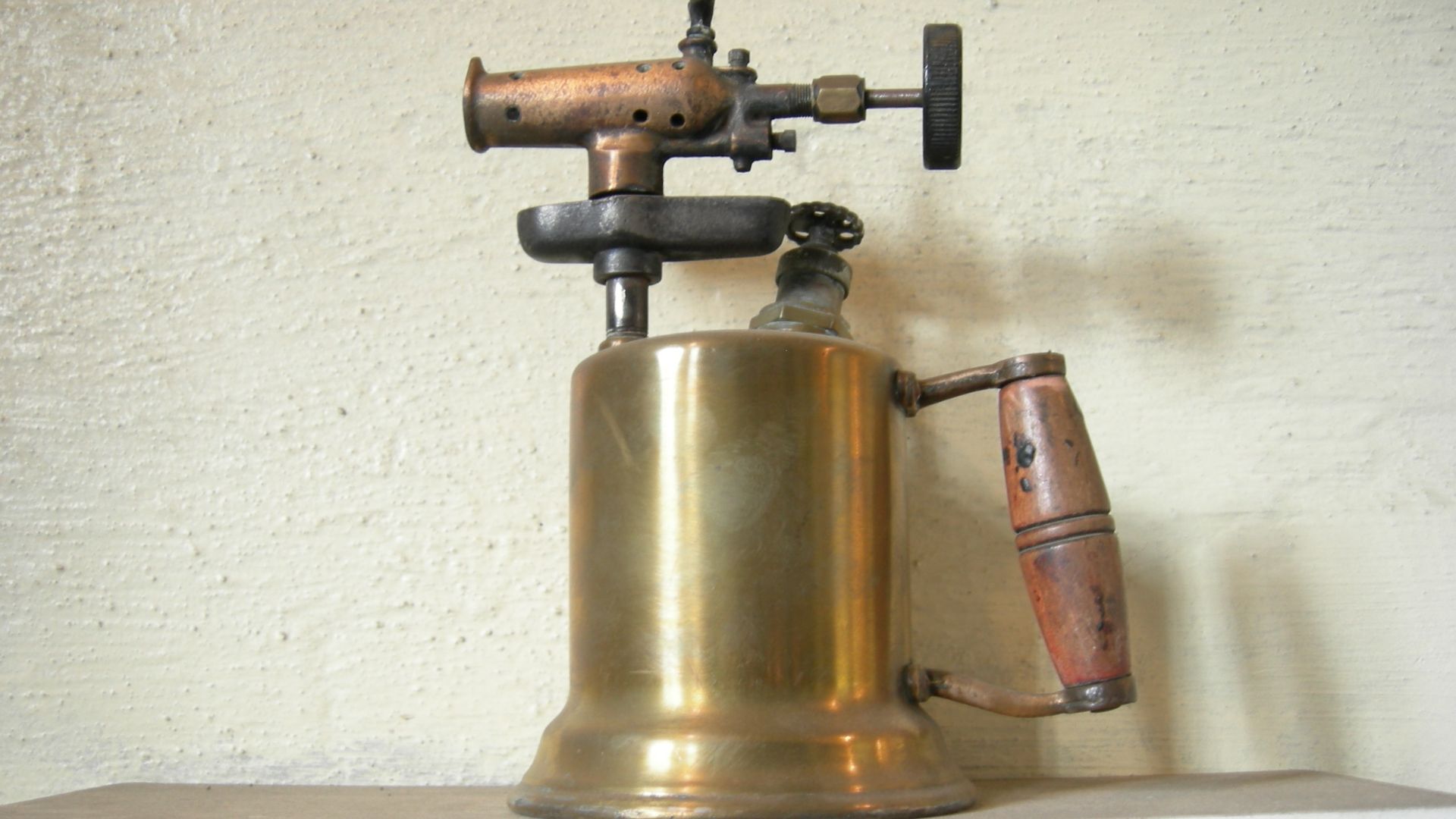
Before modern propane torches became widespread, some homeowners used liquid-fuel blowtorches with built-in pressure pumps. They were used for soldering and heating metal, although operating them demanded considerable care. The brass versions looked particularly impressive. These days, their complicated appearance alone is enough to make many people prefer a modern alternative.
The Hand-Crank Pipe Threader
Plumbing repairs once involved plenty of serious manual labor. A hand-crank pipe threader cut screw threads onto the ends of metal pipes, allowing them to connect with fittings. It was heavy, mechanical, and not especially forgiving. For a homeowner accustomed to working with threaded steel pipe, however, it was an incredibly useful piece of equipment.
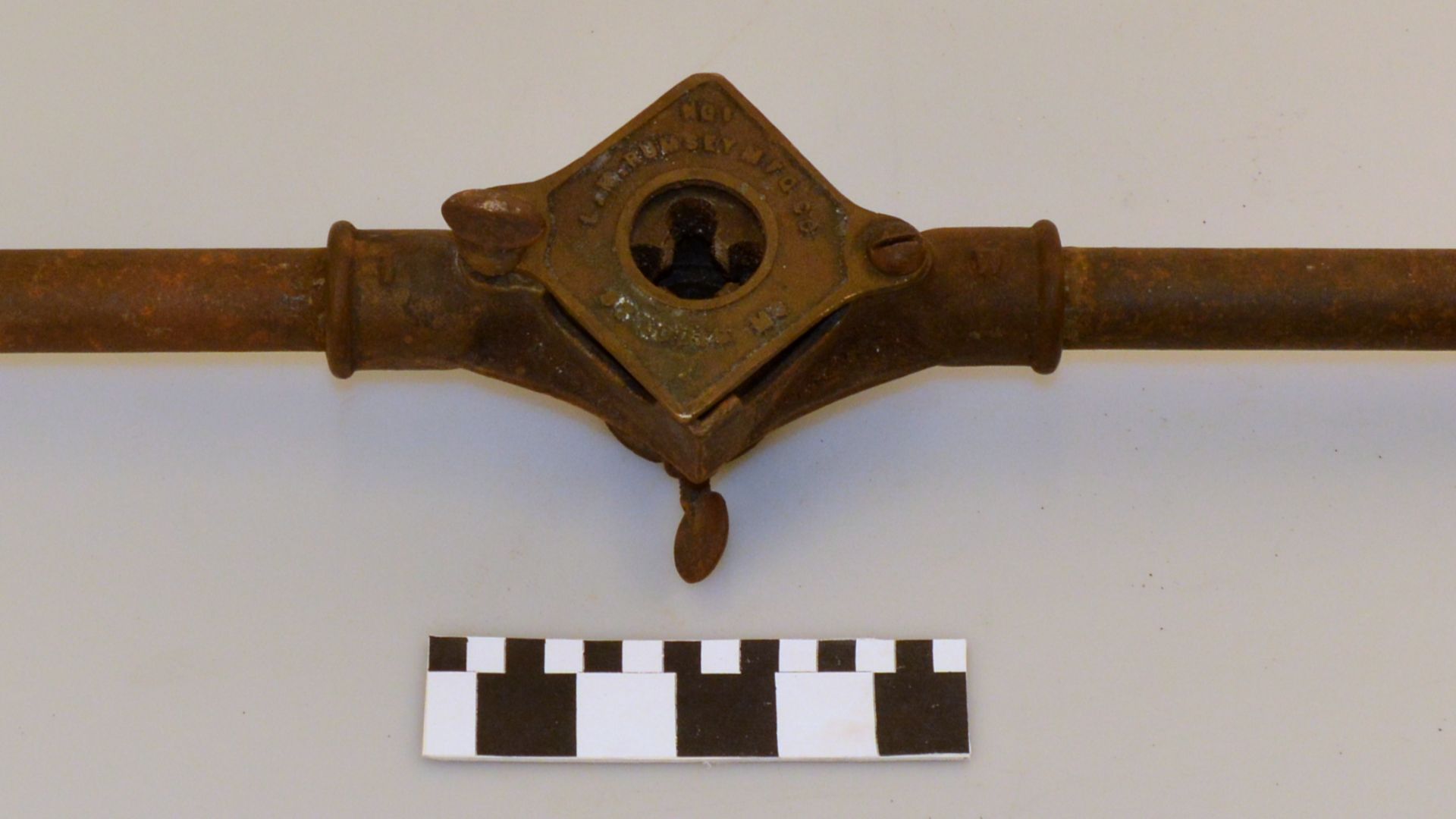 L.M. Rumsey Mfg. Co., Wikimedia Commons
The Tubing Flaring Tool
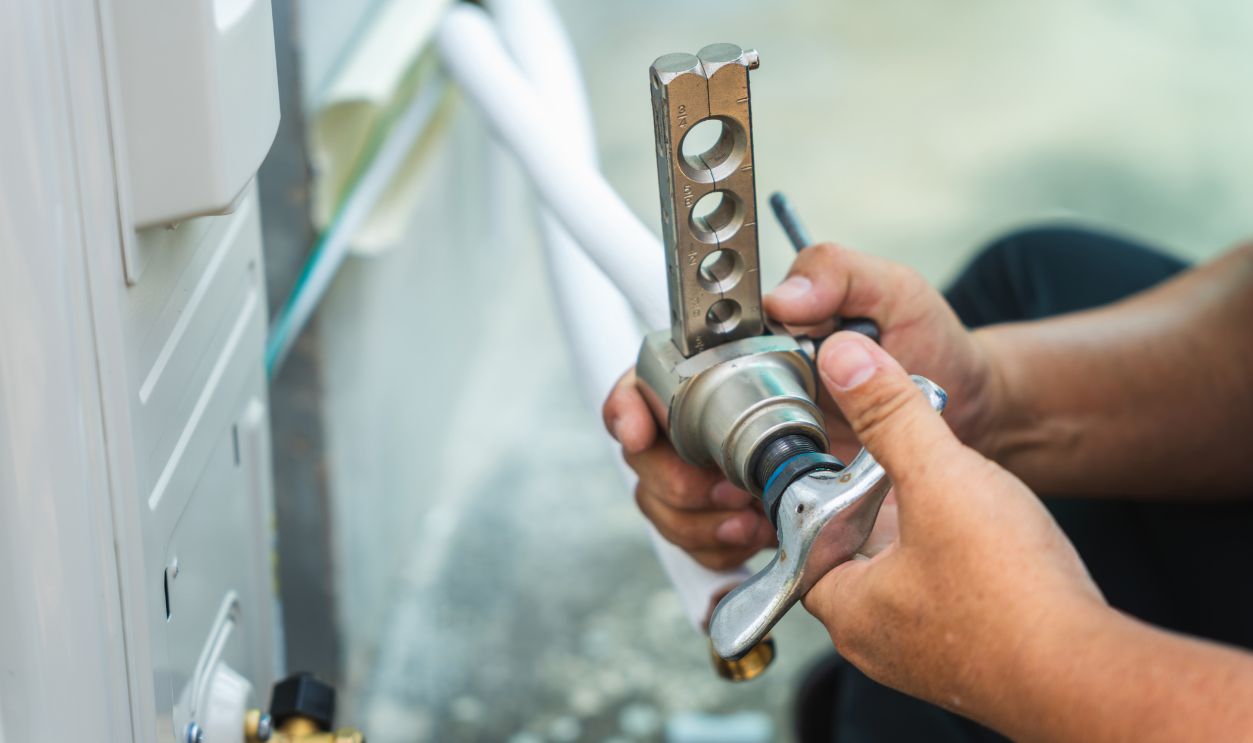
If your father worked on brake lines or household plumbing, he might have owned a tubing flaring kit. These tools shaped the ends of metal tubing so they could form proper connections with fittings. The process required precision and patience. Today, many younger drivers would probably struggle to identify the tool, let alone its purpose.
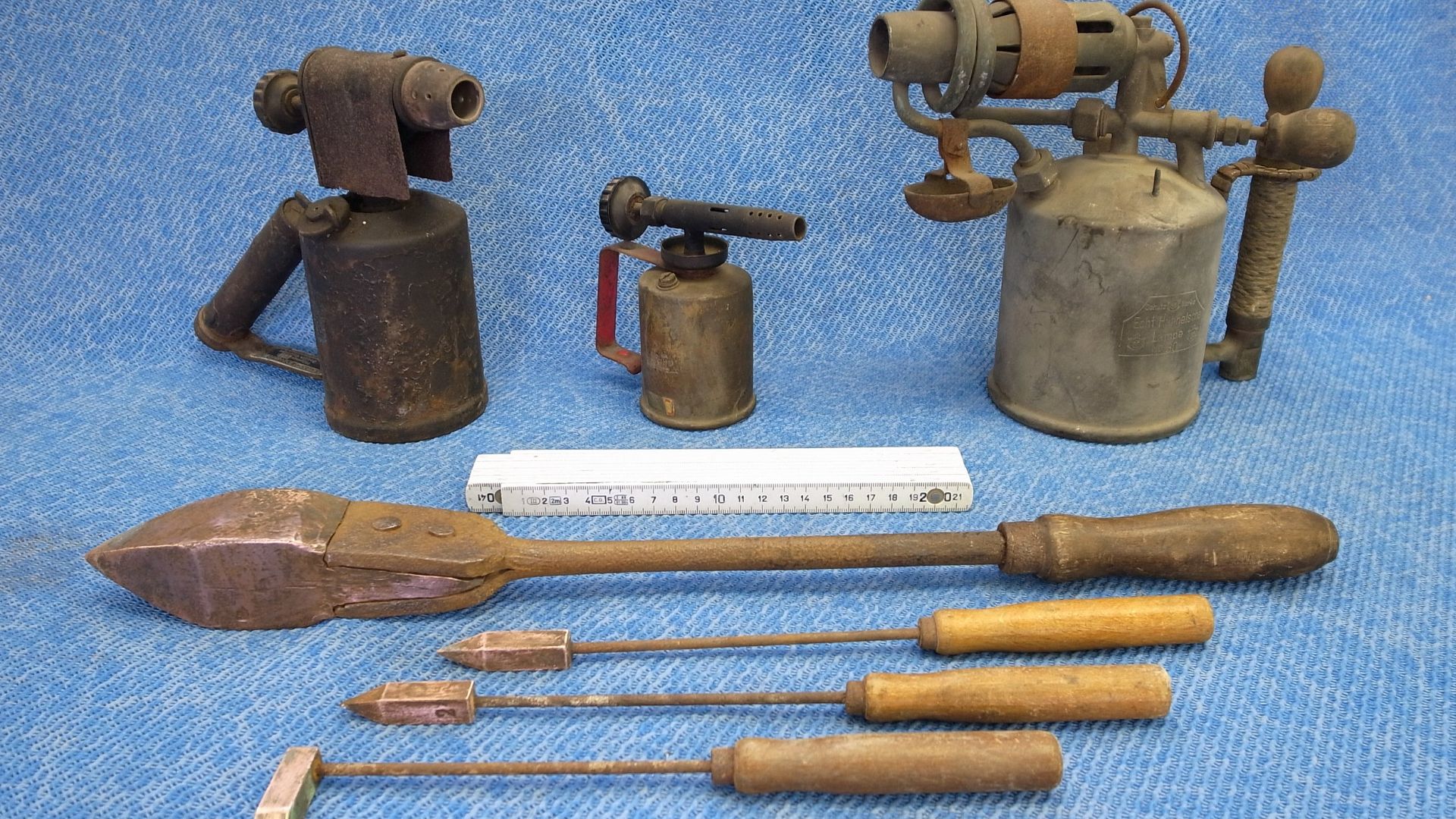
The Soldering Iron Heated By Flame
Not every soldering iron came with an electrical cord. Earlier models featured a substantial copper tip that had to be heated externally, often with a flame. These tools remained familiar to older tradespeople and hobbyists. Compared with today's temperature-controlled soldering stations, they required considerable judgment about just how hot the metal had become.
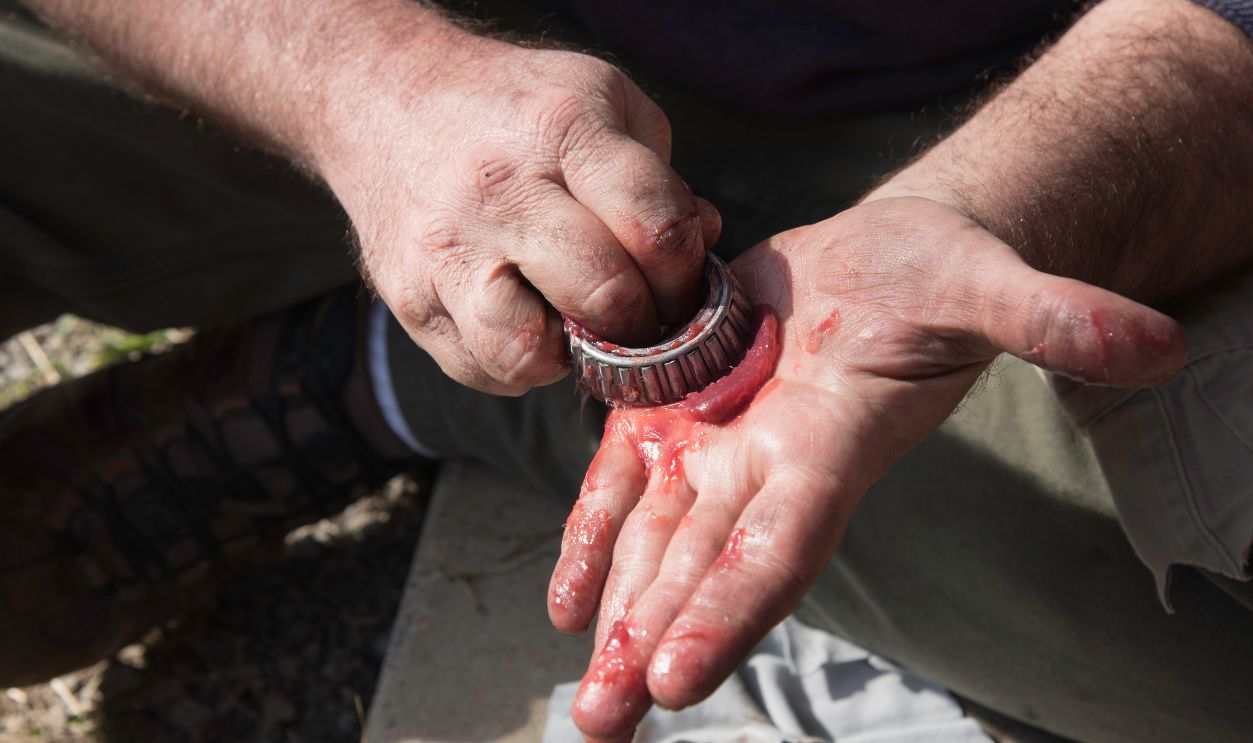
The Wheel Bearing Packer
Remember the days when servicing wheel bearings meant getting grease all over your hands? A bearing packer made the task easier by forcing fresh grease into the spaces between the bearing rollers. Many DIY mechanics still preferred doing it manually. Either way, the job was practically guaranteed to leave evidence under your fingernails.
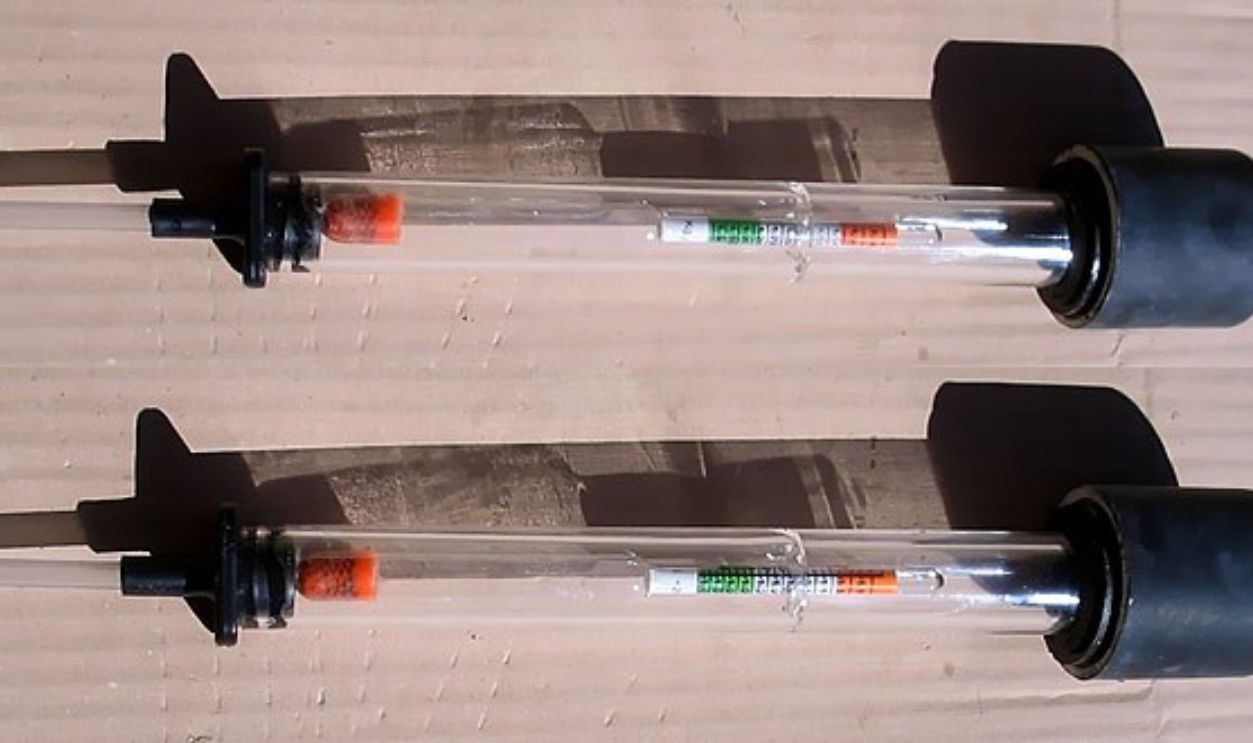
The Battery Hydrometer
Before maintenance-free car batteries became the norm, checking battery condition could involve testing the electrolyte. A battery hydrometer measured its specific gravity, helping reveal how well the battery was charged. It resembled an oversized eyedropper and required careful handling. Modern drivers accustomed to sealed batteries might have no idea why such a thing existed.
 A7N8X, CC BY-SA 4.0, Wikimedia Commons, Modified
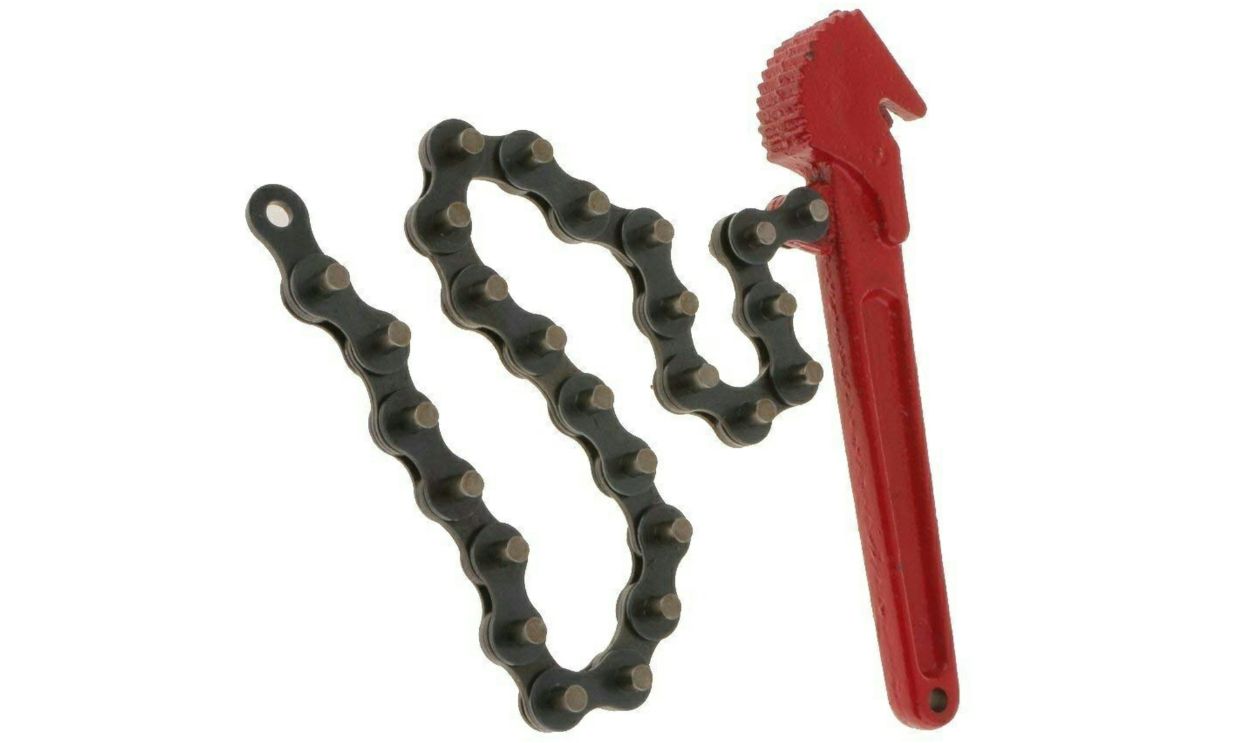
The Chain-Type Pipe Wrench
Ordinary pipe wrenches weren't always enough for stubborn plumbing jobs. Chain-type pipe wrenches wrapped a heavy chain around the pipe, providing a firm grip on awkward or oversized surfaces. They looked like something from an industrial factory rather than a suburban garage. But anyone wrestling with old iron plumbing appreciated their usefulness.
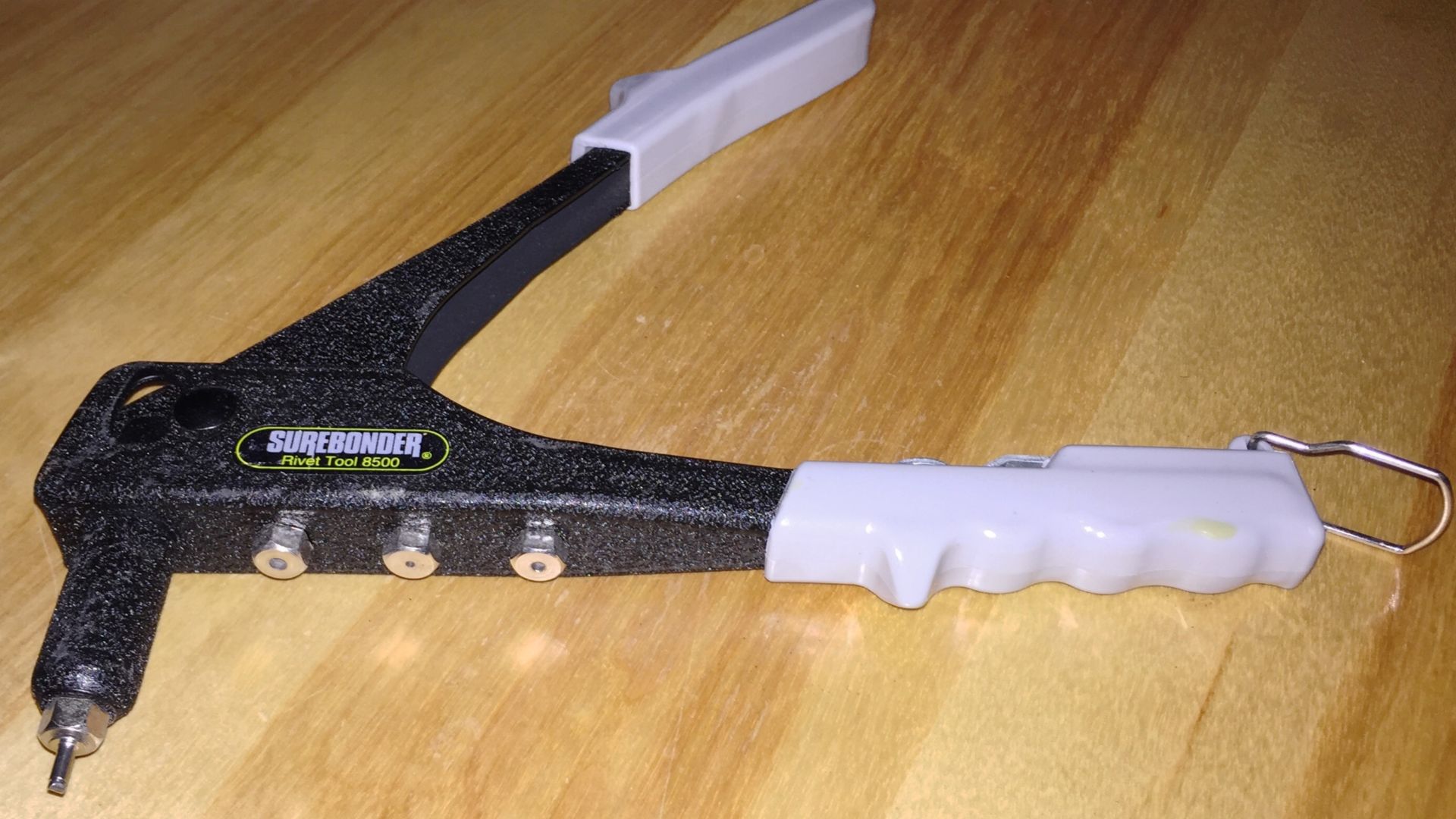
The Manual Rivet Gun
Long before every household repair involved glue or disposable hardware, a pop-rivet gun was a handy addition to the toolbox. You squeezed its handles to fasten pieces of thin metal together using special rivets. It was especially useful for sheet-metal repairs. That satisfying snap at the end made the whole process feel rather official.
 20px|link=User:Kcida10|Kcida10 Kcida10 (talk) (Uploads)., Wikimedia Commons
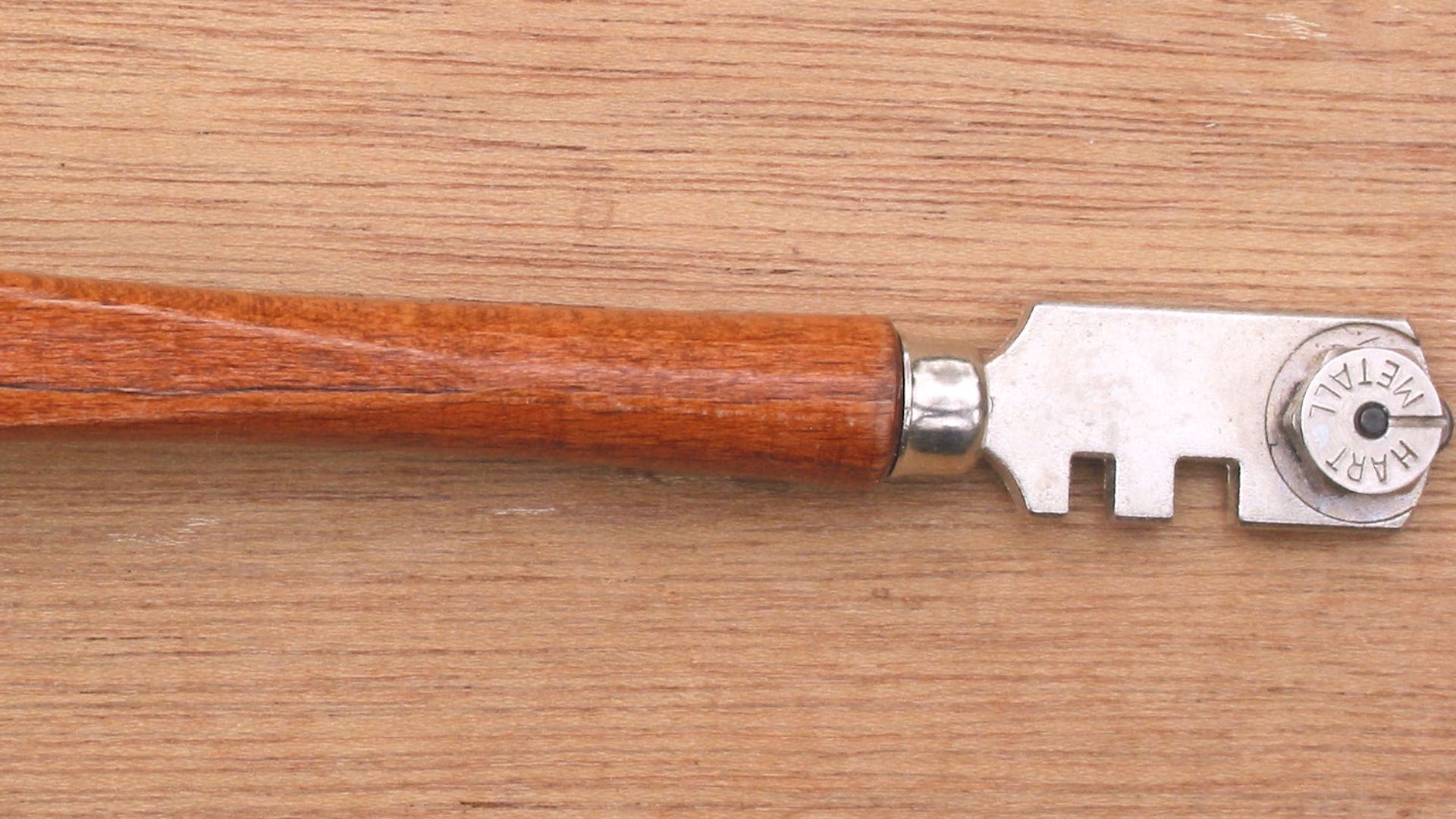
The Glass Cutter
Replacing a broken windowpane was once a job many homeowners attempted themselves. A glass cutter used a tiny hardened wheel to score the surface, allowing the glass to break along a controlled line. It required a steady hand and plenty of practice. One wrong move could mean starting over with a fresh piece
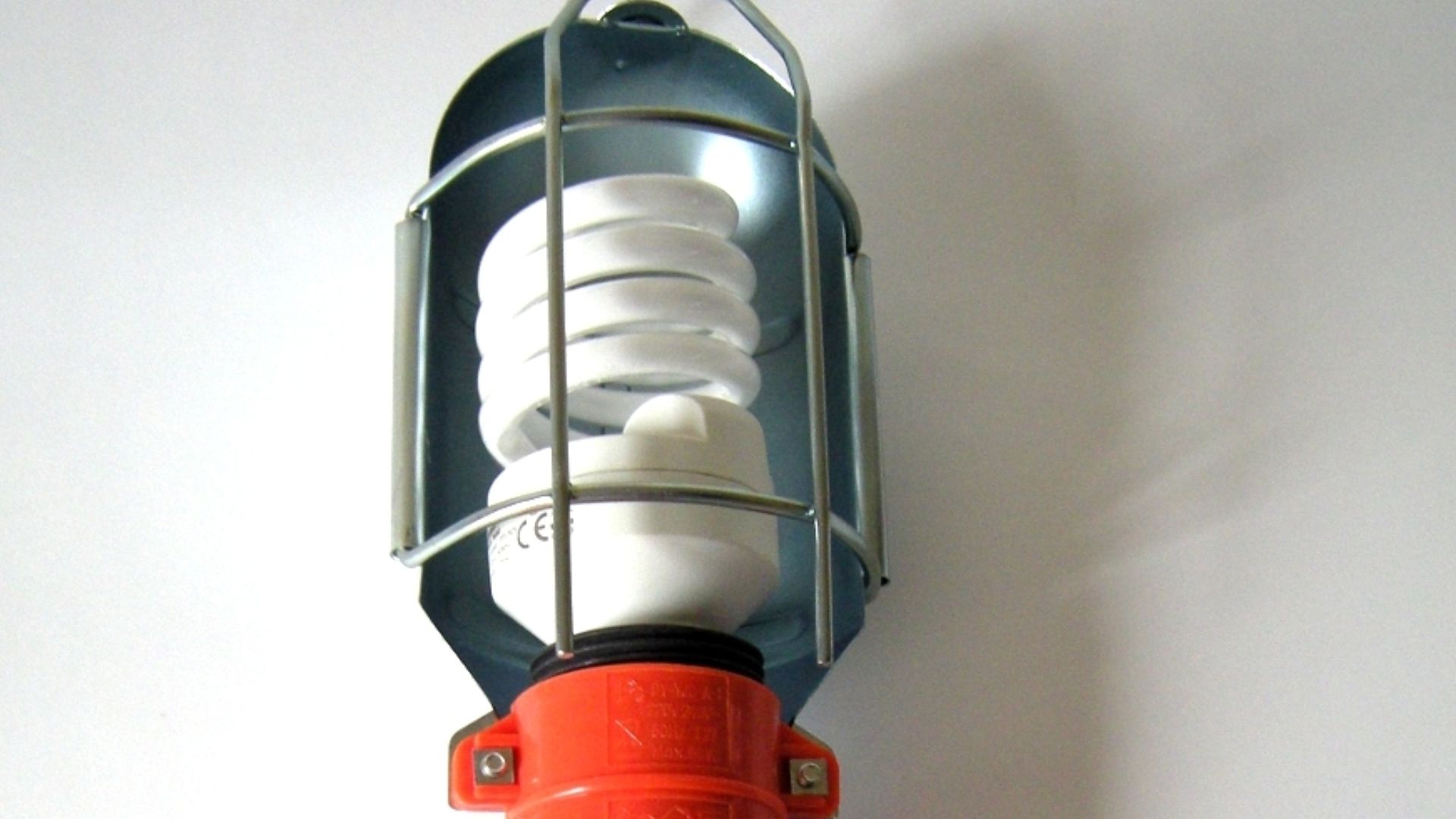
The Trouble Light
Before rechargeable LED work lights, garage mechanics relied on corded trouble lights. These usually featured an incandescent bulb inside a protective metal cage, with a hook for hanging them under the hood. The cord was forever getting tangled, and the bulb could become surprisingly hot. Still, no properly equipped garage seemed complete without one.
So, How Many Did You Recognize?
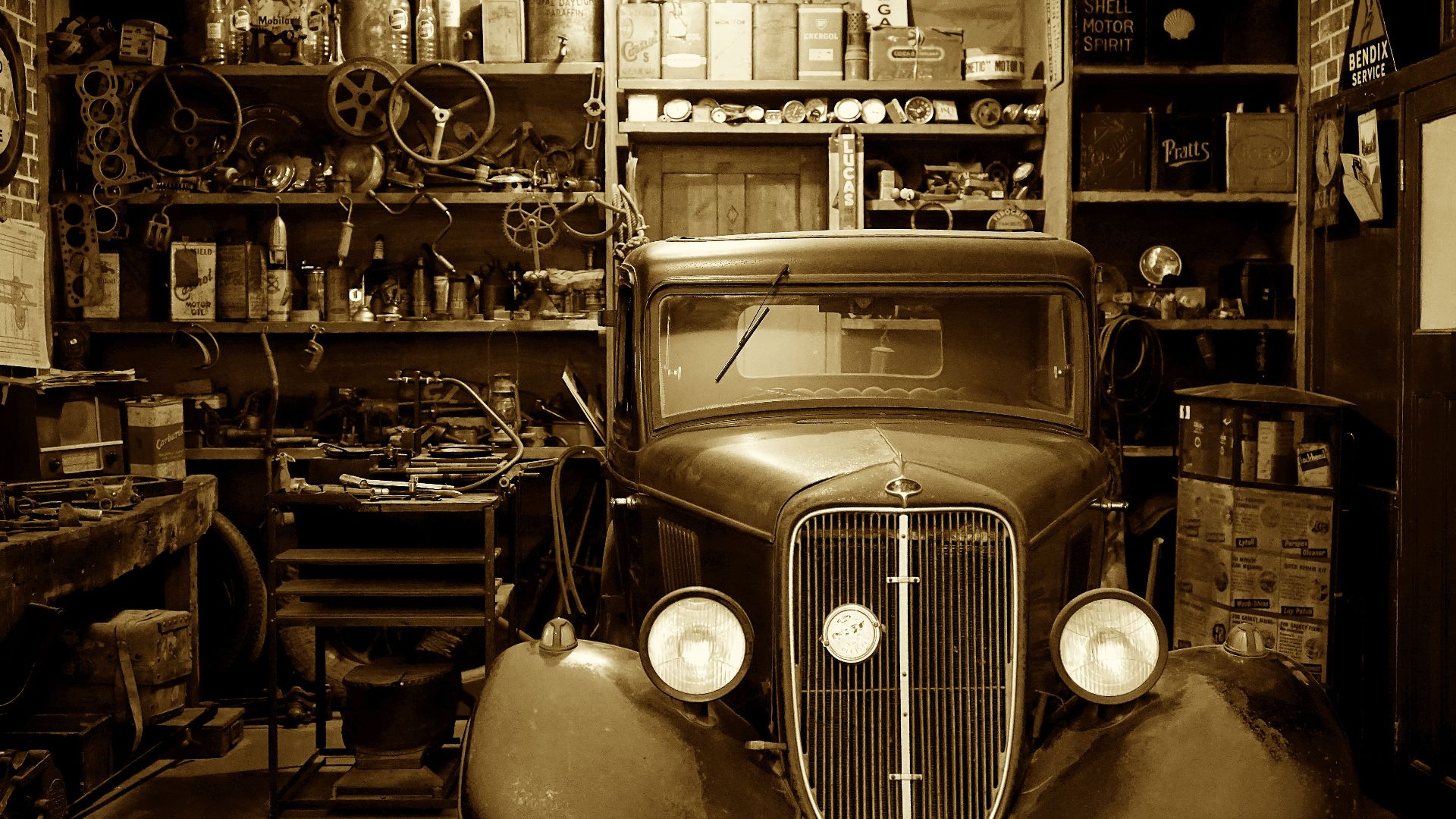
If you recognized most of these tools, congratulations—you probably grew up when fixing something yourself was a point of pride. Of course, plenty of younger people still enjoy working with their hands. But there's something special about remembering an era when garages smelled of motor oil, every tool had its place, and a little know-how could save you a trip to the repair shop.
You May Also Like:
Famous American Landmarks That Were Almost Built Somewhere Completely Different
Medical Treatments Praised As Major Breakthroughs—Until The Long-Term Effects Became Known