They Nearly Put That Where?
Famous landmarks often seem impossible to imagine elsewhere. Yet plans changed, cities competed, and presidents intervened. These destinations nearly transformed other skylines.
 William Perugini, Shutterstock Images
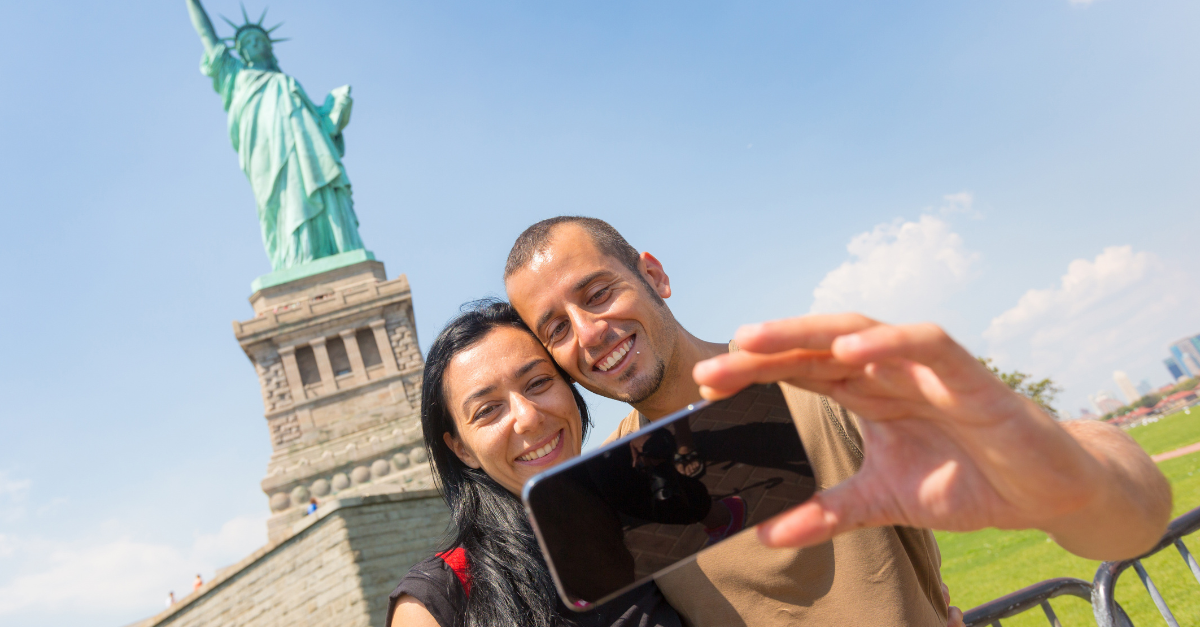
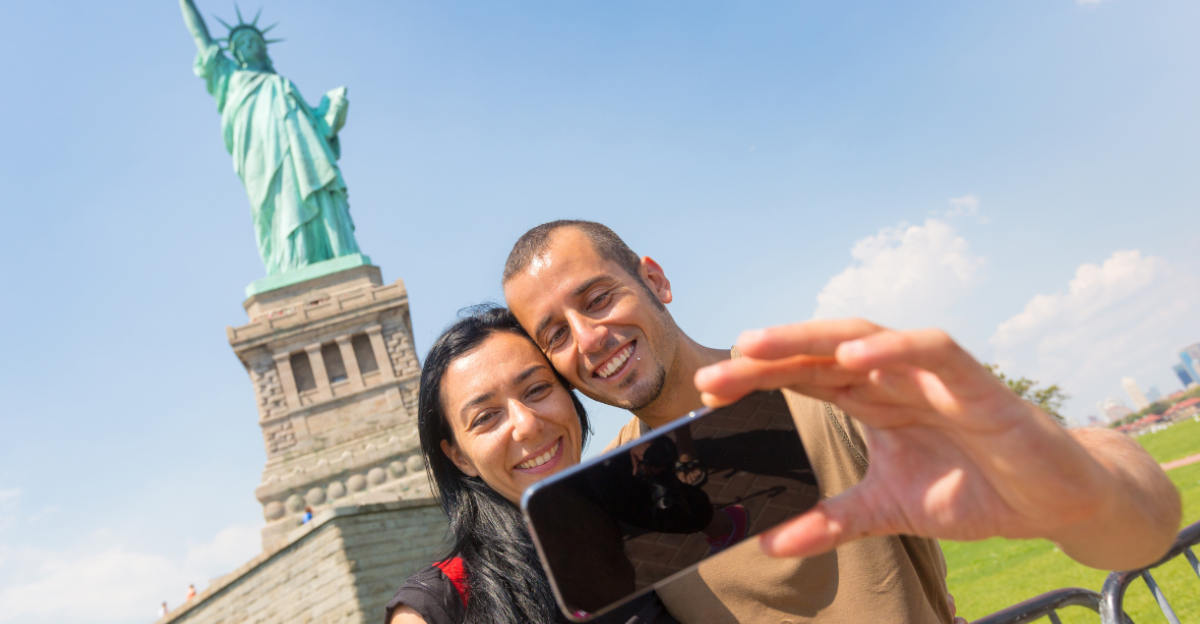
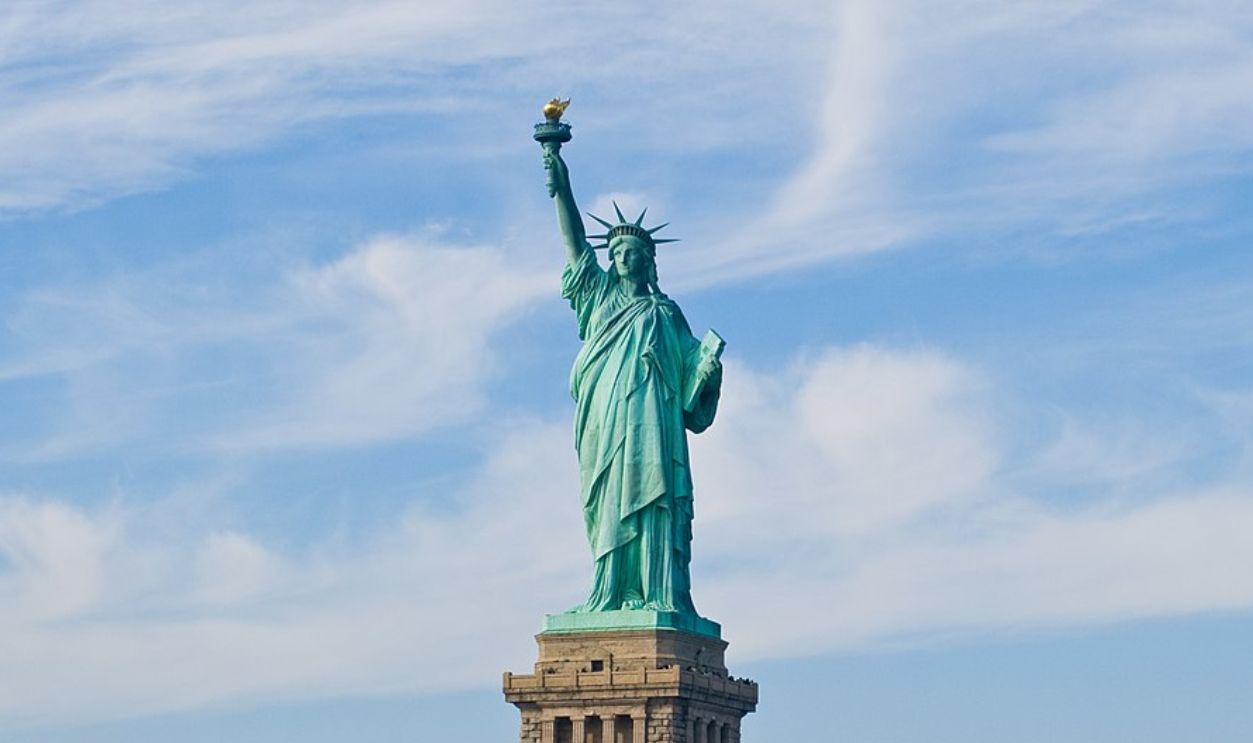
Lady Liberty Had Other Suitors
The Statue of Liberty was destined for New York Harbor, but pedestal funding fell short. Boston and Philadelphia expressed interest in financing the base, provided the French gift moved to their cities.
 William Warby, CC BY 2.0, Wikimedia Commons
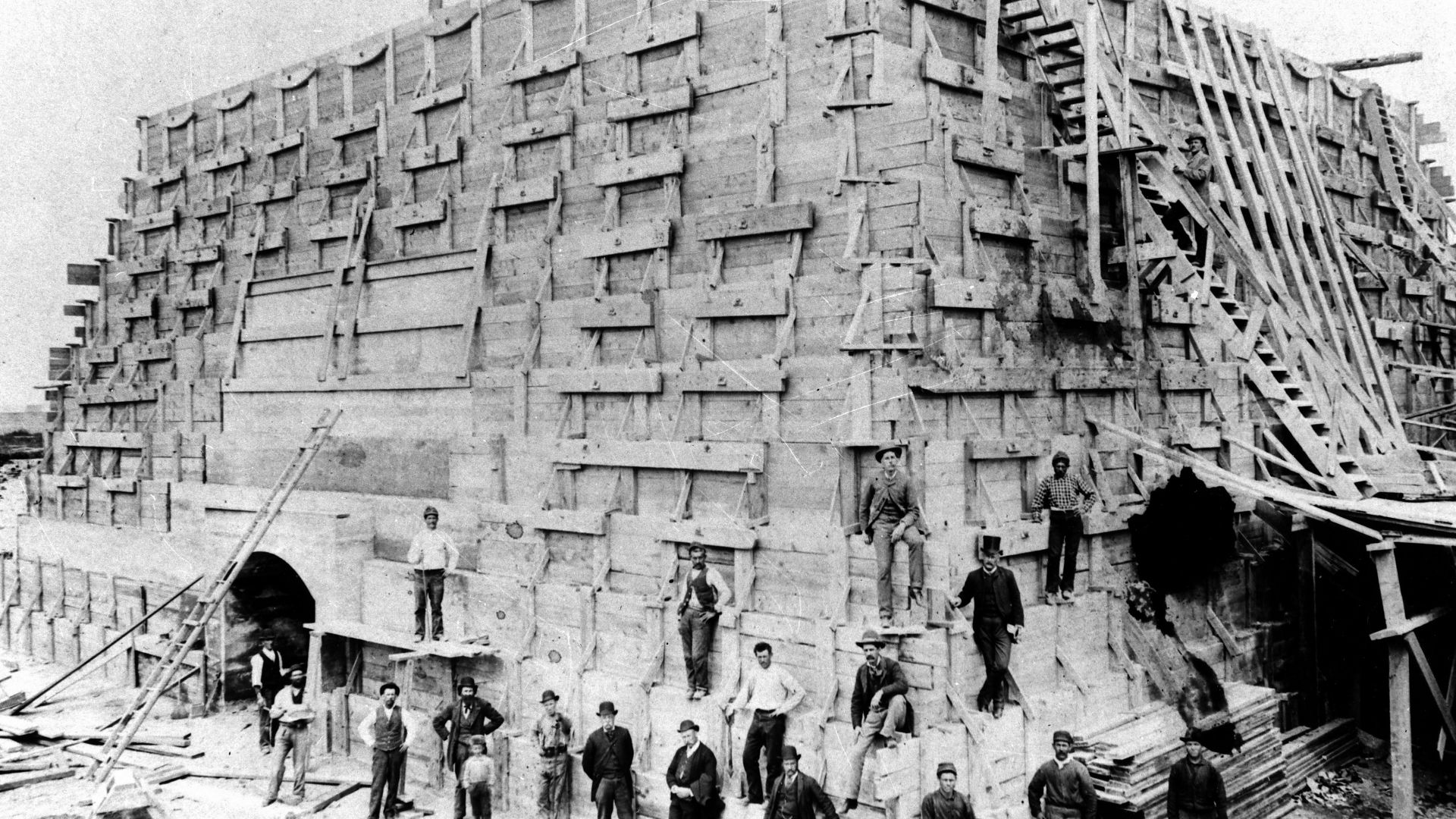
A Newspaper Saved Her New York Address
Publisher Joseph Pulitzer appealed to New York World readers for donations. More than 120,000 contributors provided enough money to finish the pedestal in 1885, keeping the monument in New York for its 1886 dedication.
 Unknown photographer, Wikimedia Commons
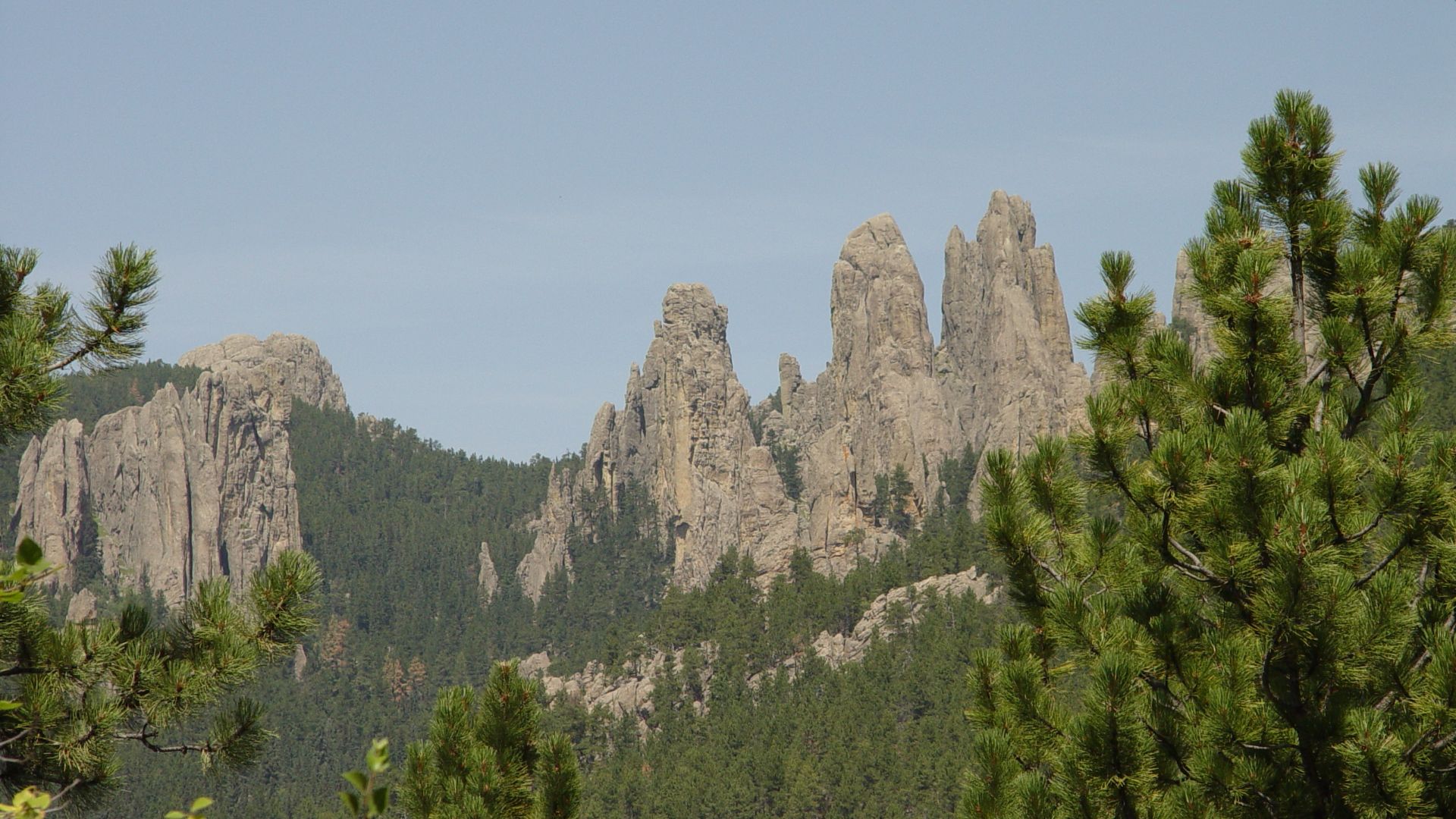
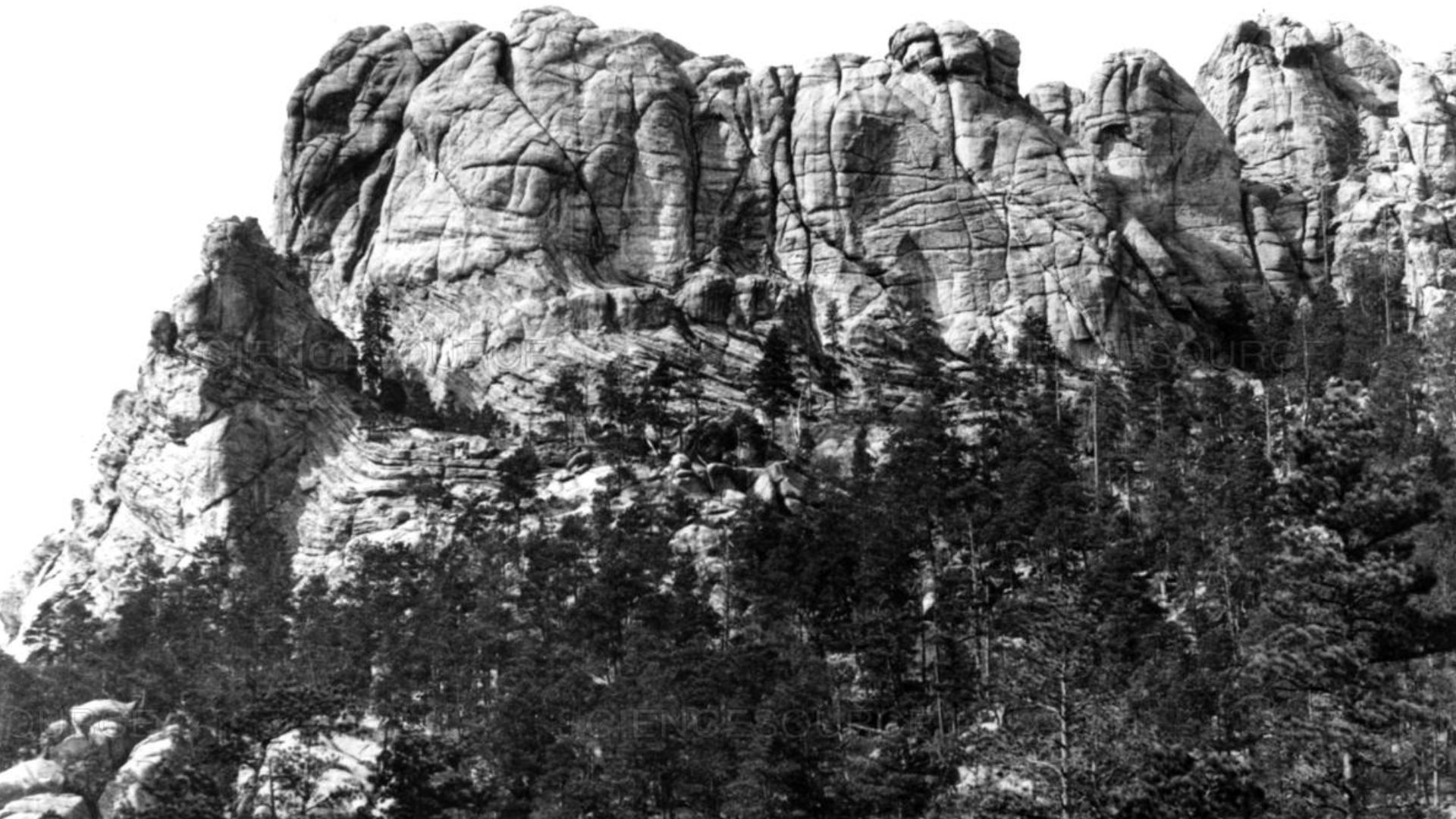
Mount Rushmore Was First Imagined At The Needles
South Dakota historian Doane Robinson envisioned a carving among the Needles, granite spires in Custer State Park. His proposal emphasized figures from Western history, rather than today's familiar four presidential faces.
 Mailseth's wife, Wikimedia Commons
The Sculptor Picked A Different Mountain
Gutzon Borglum rejected the Needles and chose Mount Rushmore. The selected mountain was sacred to the Lakota, who knew it as Six Grandfathers, making the location decision controversial.
 National Park Service, Wikimedia Commons
Hoover Dam Almost Occupied Boulder Canyon
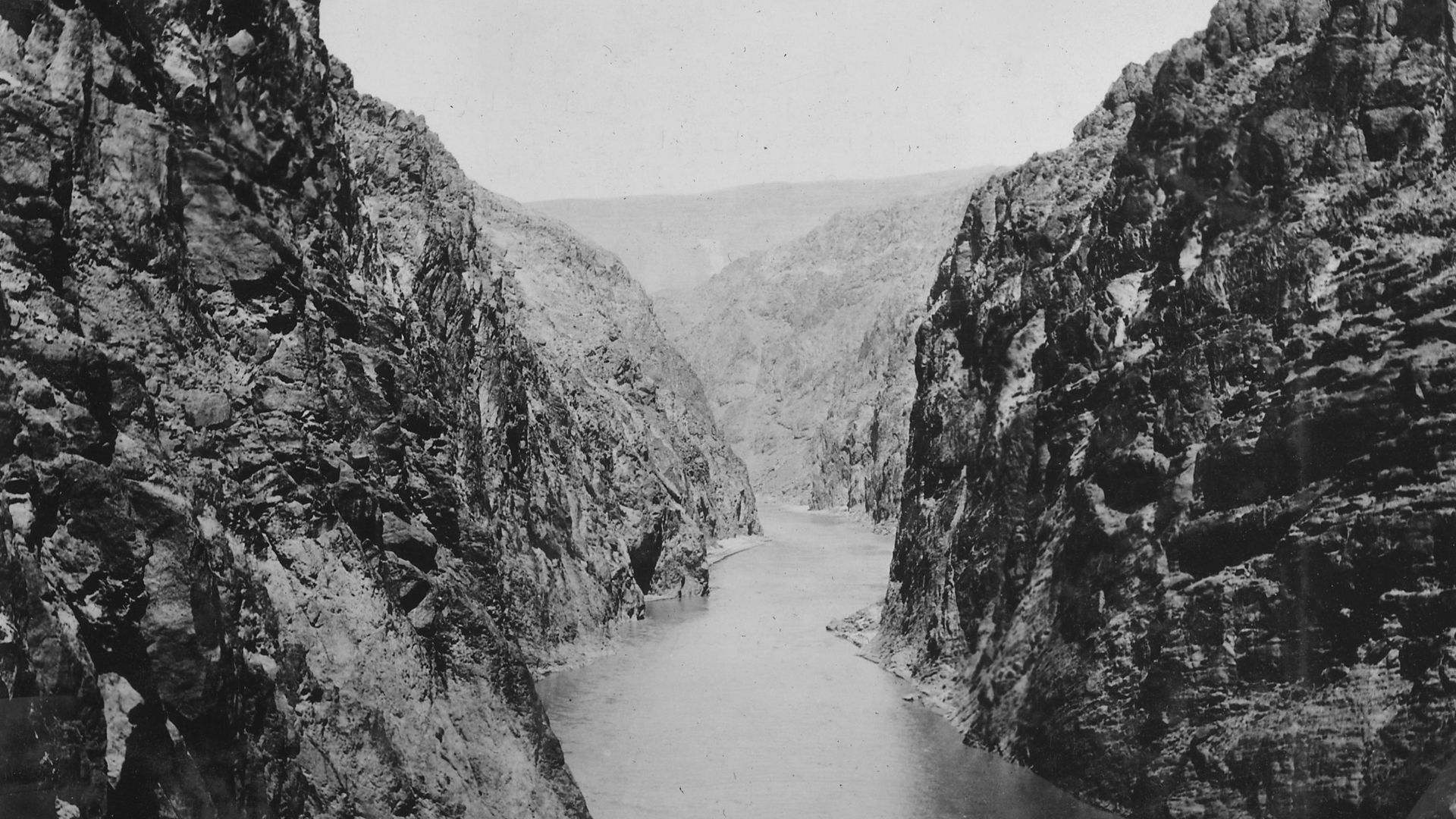
Engineers evaluated several Colorado River sites for Hoover Dam. Boulder Canyon was a serious contender: federal legislation authorizing construction explicitly named it alongside Black Canyon as a possible location.
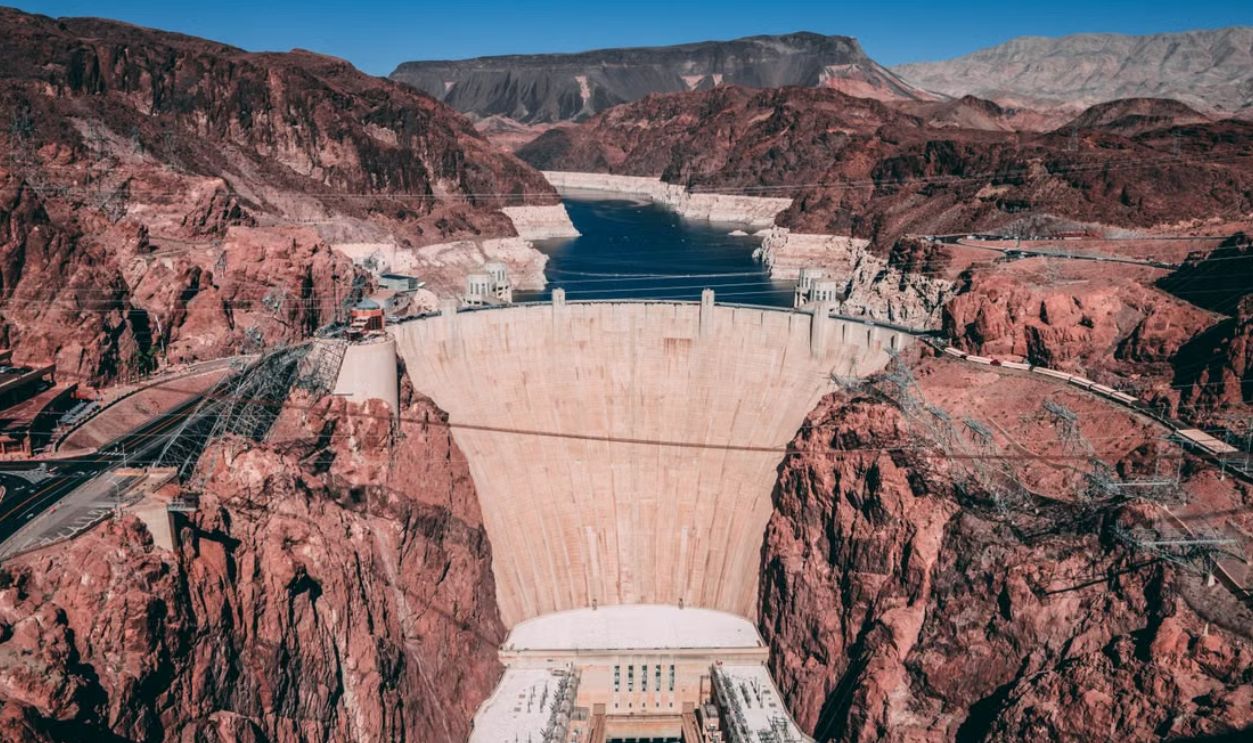
Black Canyon Won On Engineering
The Bureau of Reclamation recommended Black Canyon in 1924, citing better foundations, accessibility, and reservoir capacity. Curiously, officials kept the Boulder Canyon Project name despite building the dam elsewhere.
 Unknown authorUnknown author or not provided, Wikimedia Commons
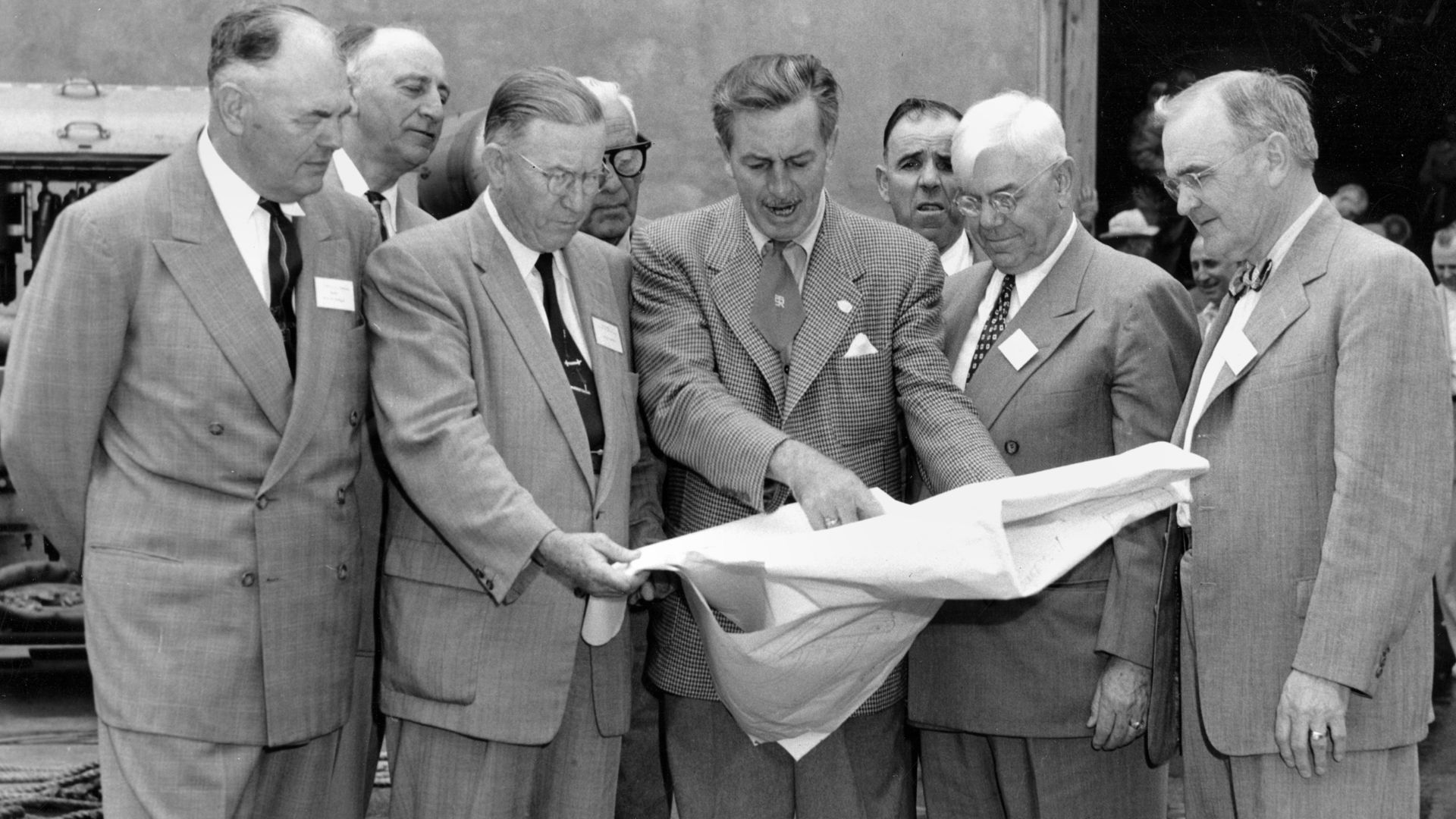
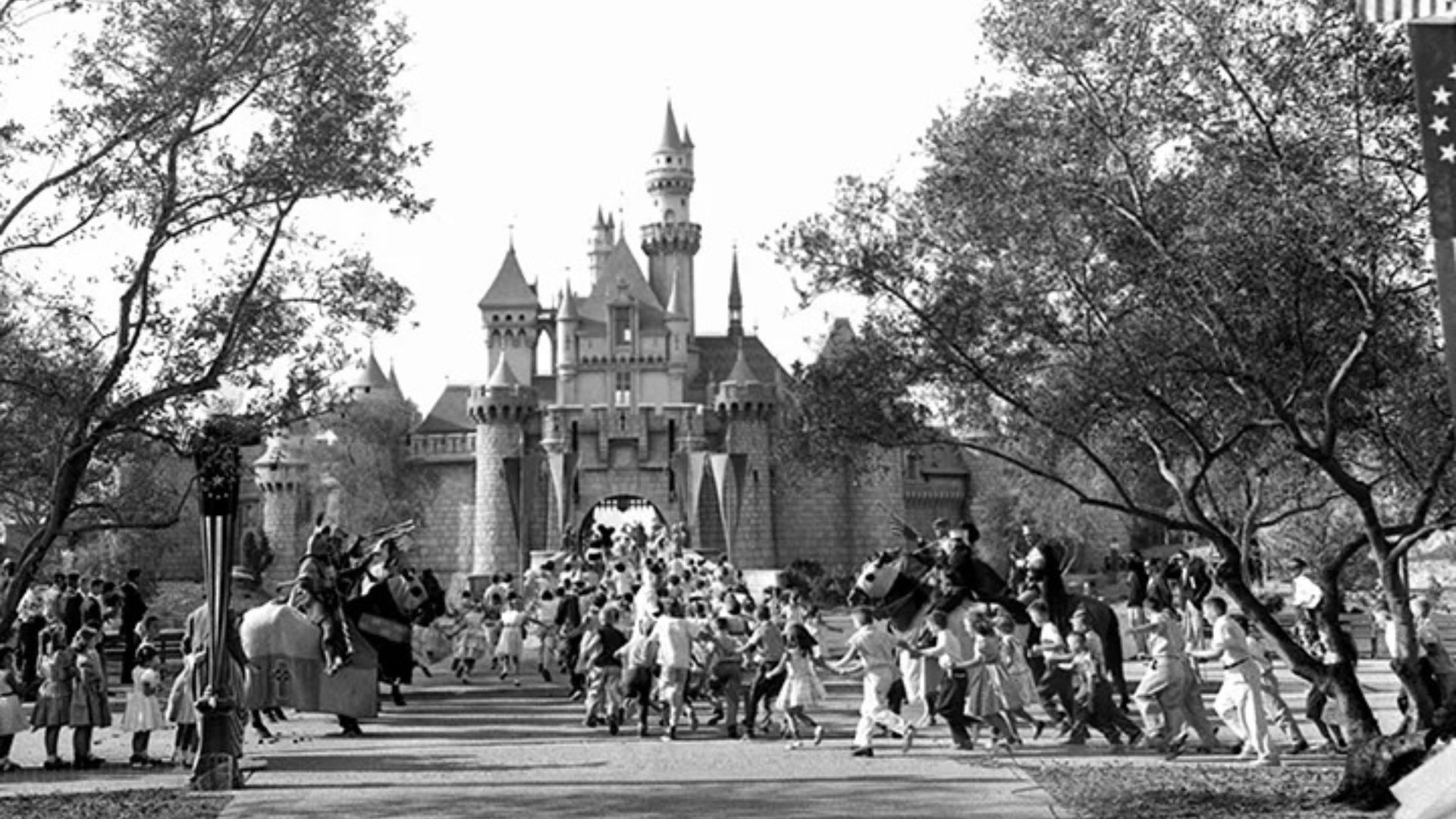
Disneyland Was Almost A Studio Neighbor
In March 1952, Walt Disney unveiled plans for a sixteen-acre park beside his Burbank studio. That would have placed Disneyland within walking distance of the studio producing Disney's animated films.
 Orange County Archives, Wikimedia Commons
Anaheim Offered Room To Dream Bigger
The Burbank parcel proved too small. Researchers studied population growth and future freeways, recommending a 160-acre Anaheim site in 1953. Disneyland opened there in July 1955, far from its original planned home.
 Unknown authorUnknown author, Wikimedia Commons

History's most fascinating stories and darkest secrets, delivered to your inbox daily.
The Pentagon Was Drawn For Arlington Farms
The Pentagon's outline began at Arlington Farms, beside Arlington National Cemetery. Five roads bordered the proposed tract, inspiring architects to design a five-sided headquarters building.
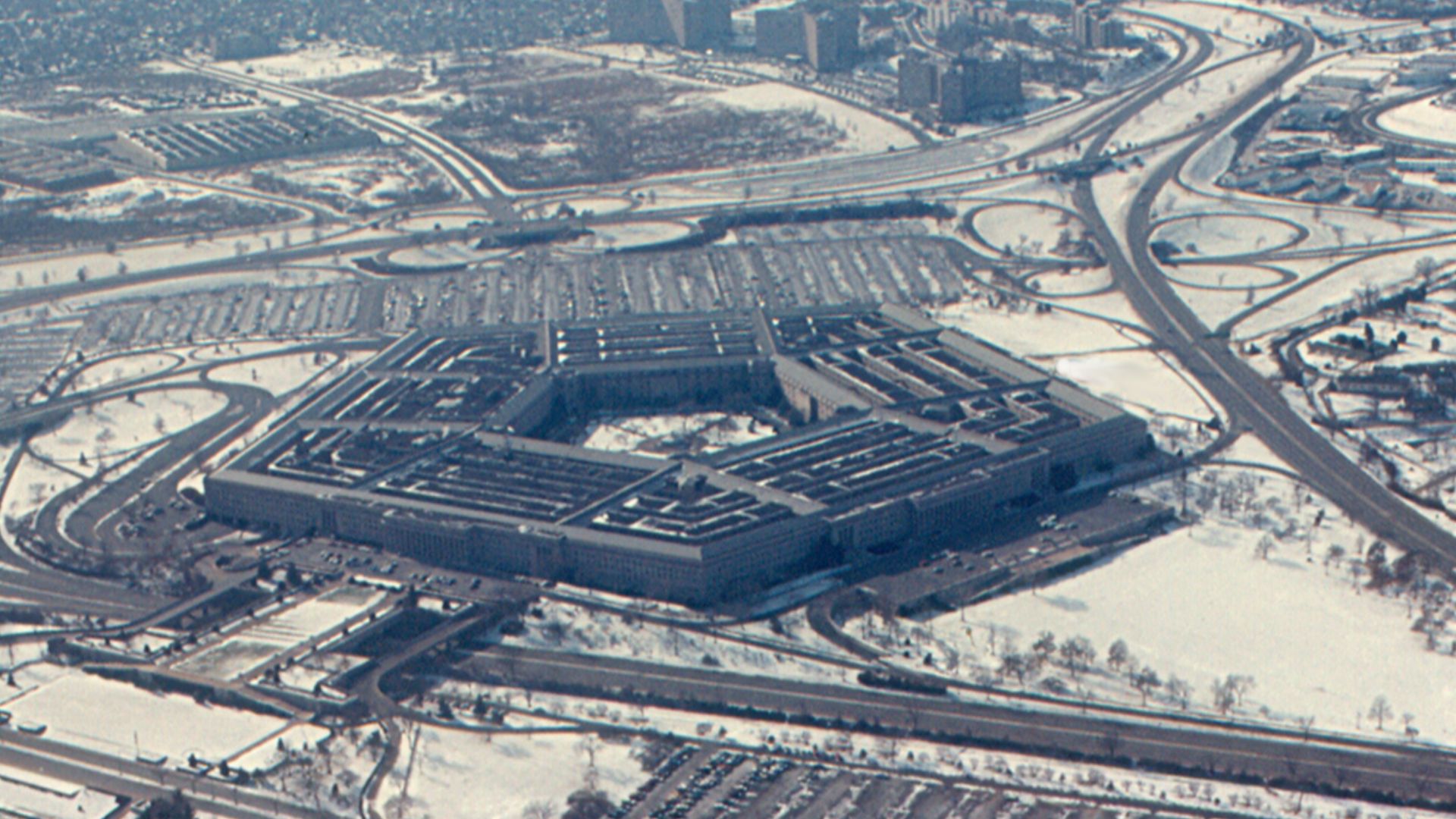
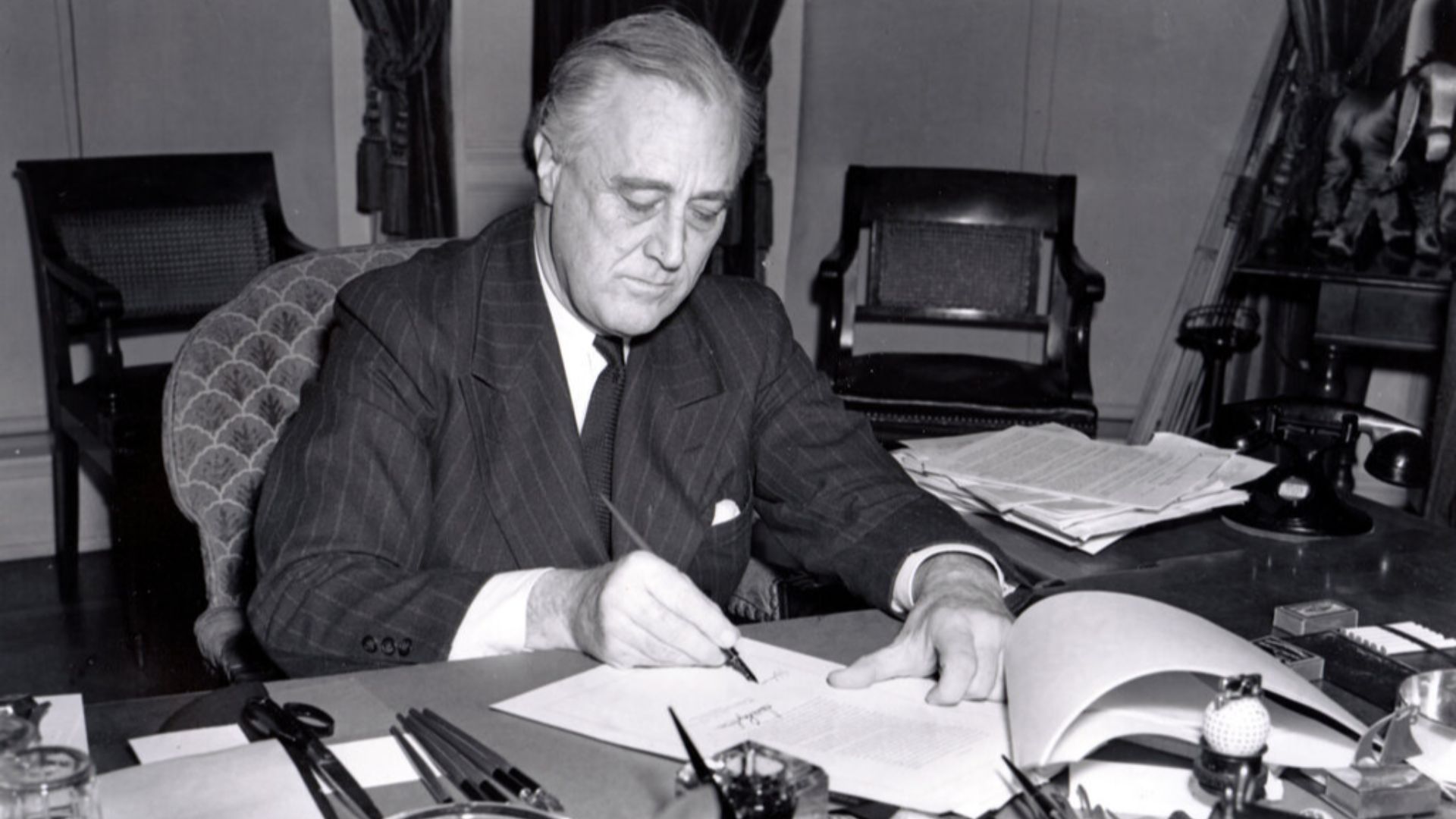
Roosevelt Moved The Building, Not The Shape
Franklin D. Roosevelt opposed the site's impact on views toward Washington. The building shifted roughly three-quarters of a mile south, but architects retained its distinctive shape.
 Caddyshack01, Wikimedia Commons
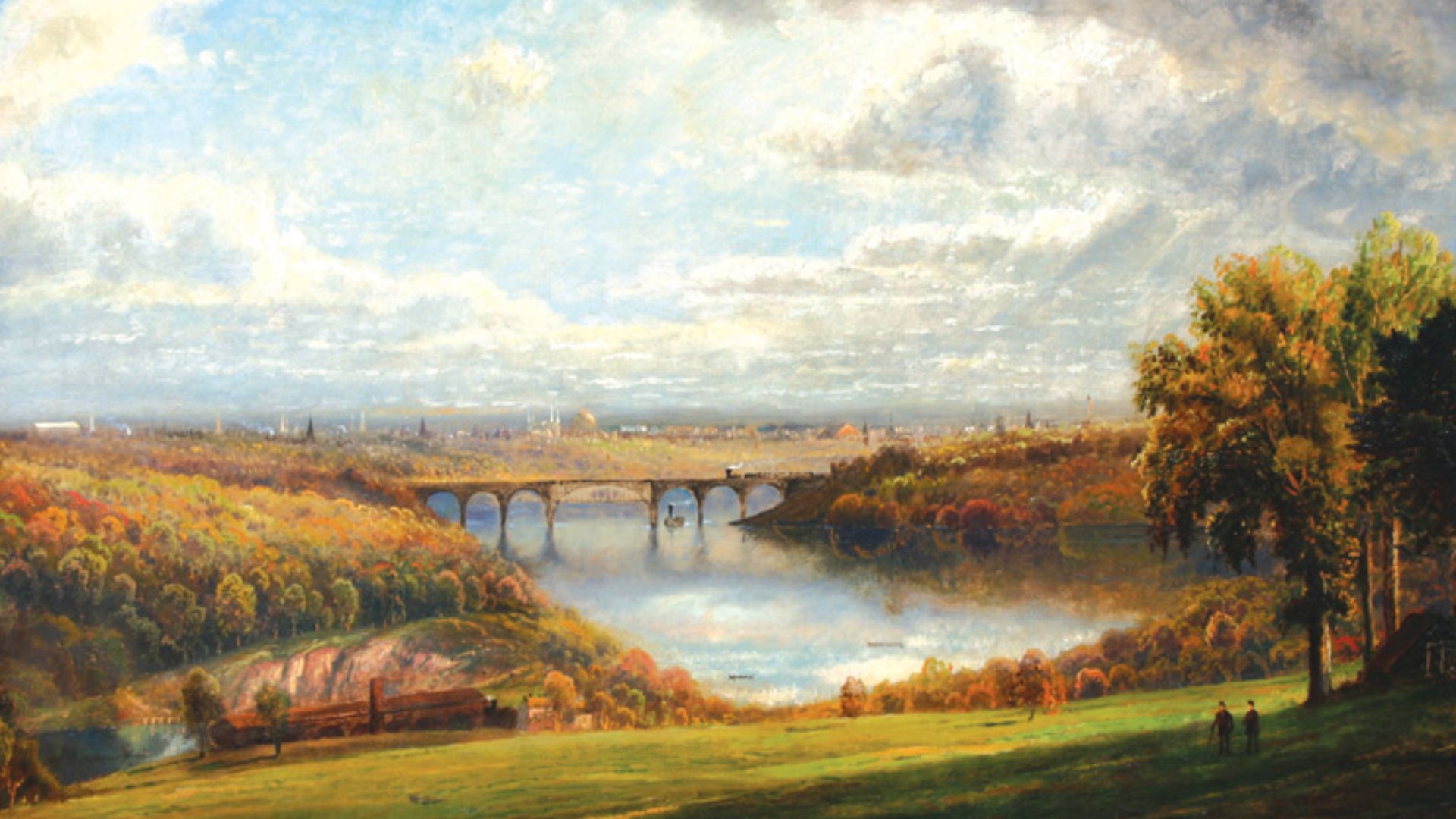
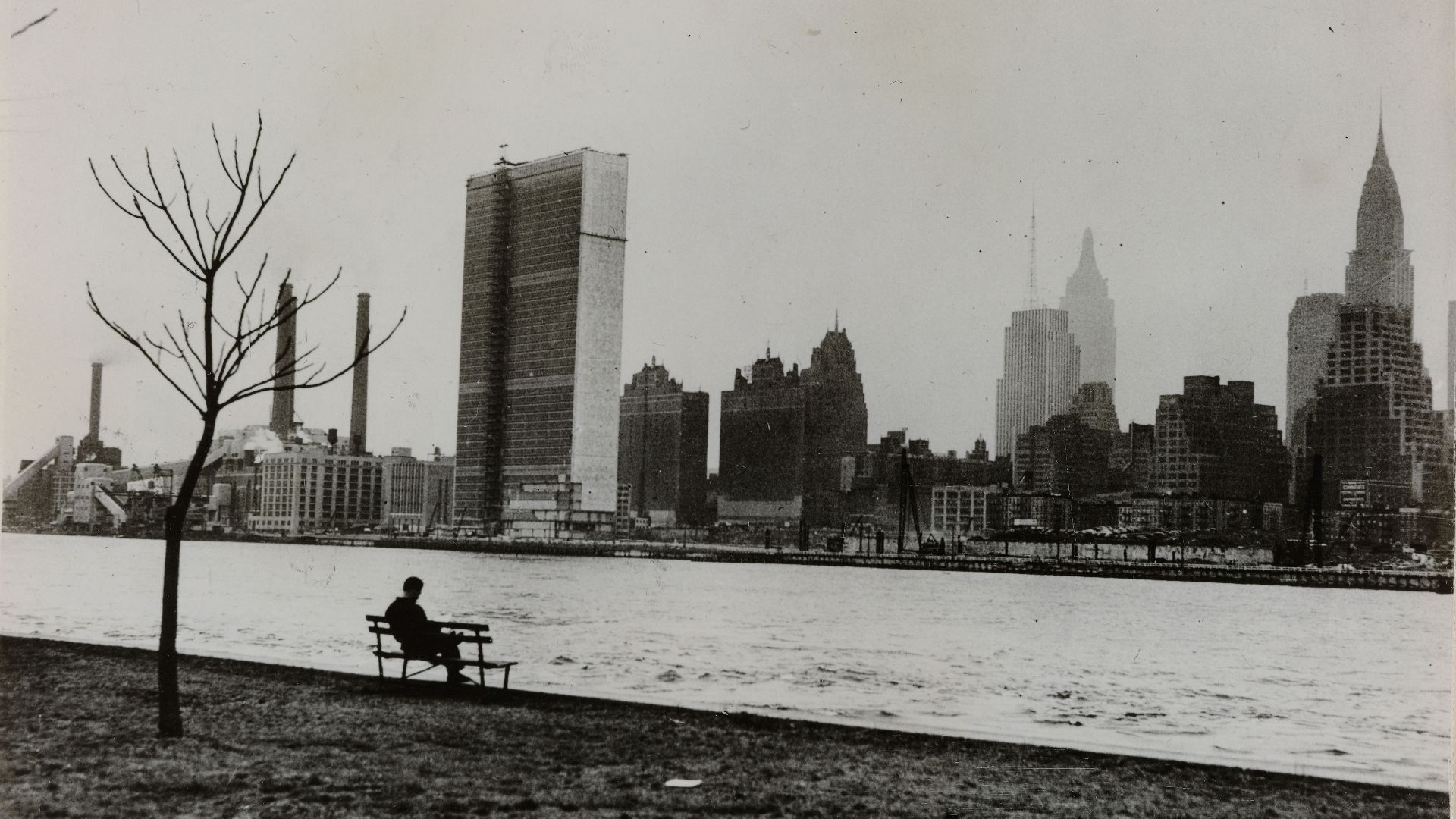
Philadelphia Nearly Hosted The United Nations
Manhattan wasn't guaranteed the United Nations headquarters. Philadelphia proposed Belmont Plateau in Fairmount Park; San Francisco and sites around New York and Connecticut also drew serious consideration.
 Edmund Darch Lewis, Wikimedia Commons
Rockefeller Changed The Headquarters Race
In 1946, John D. Rockefeller Jr. supplied $8.5 million to purchase an East River site. The offer secured Manhattan's advantage and dramatically redirected plans for the United Nations headquarters.
 Rijksmuseum, Wikimedia Commons
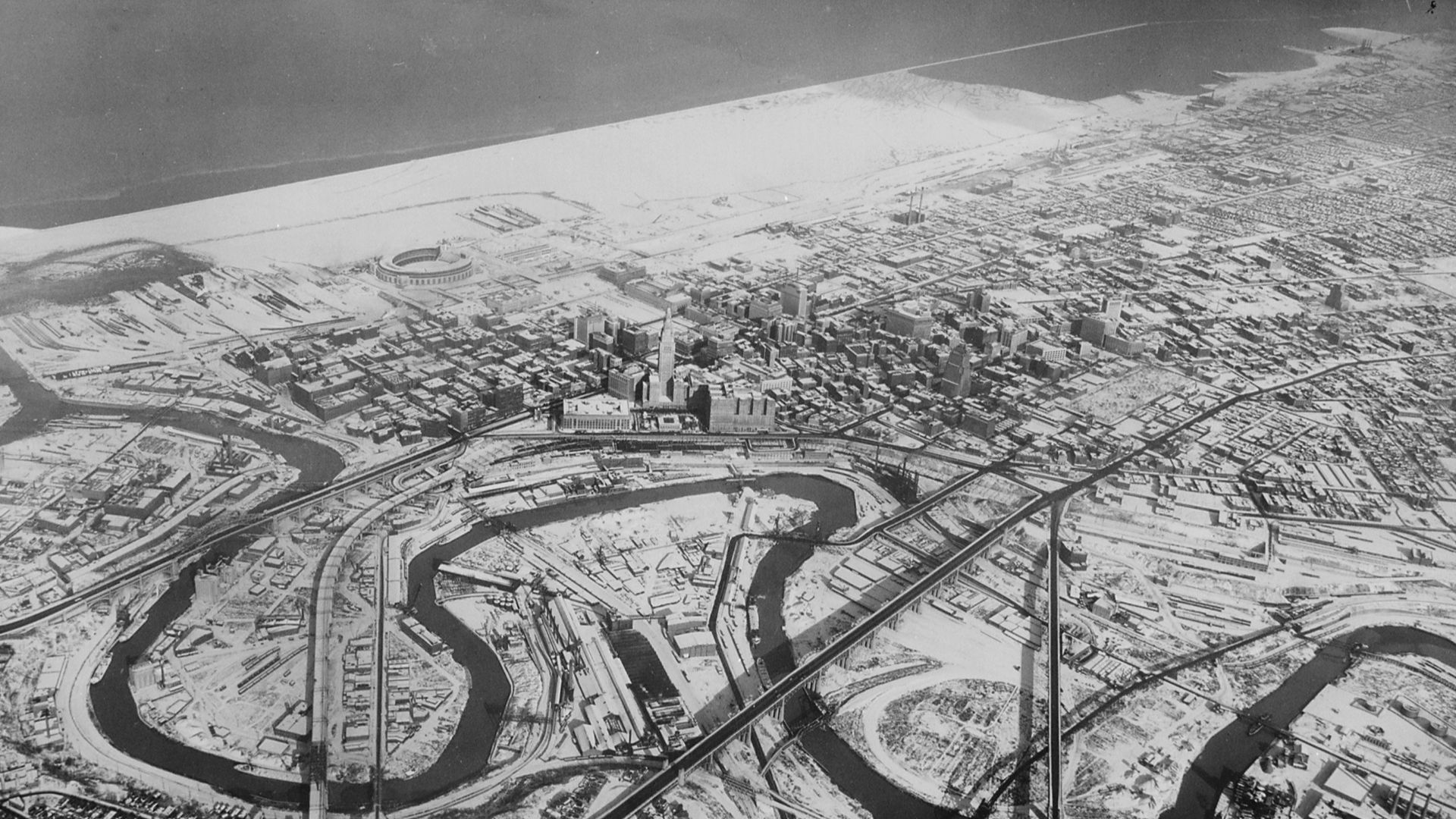
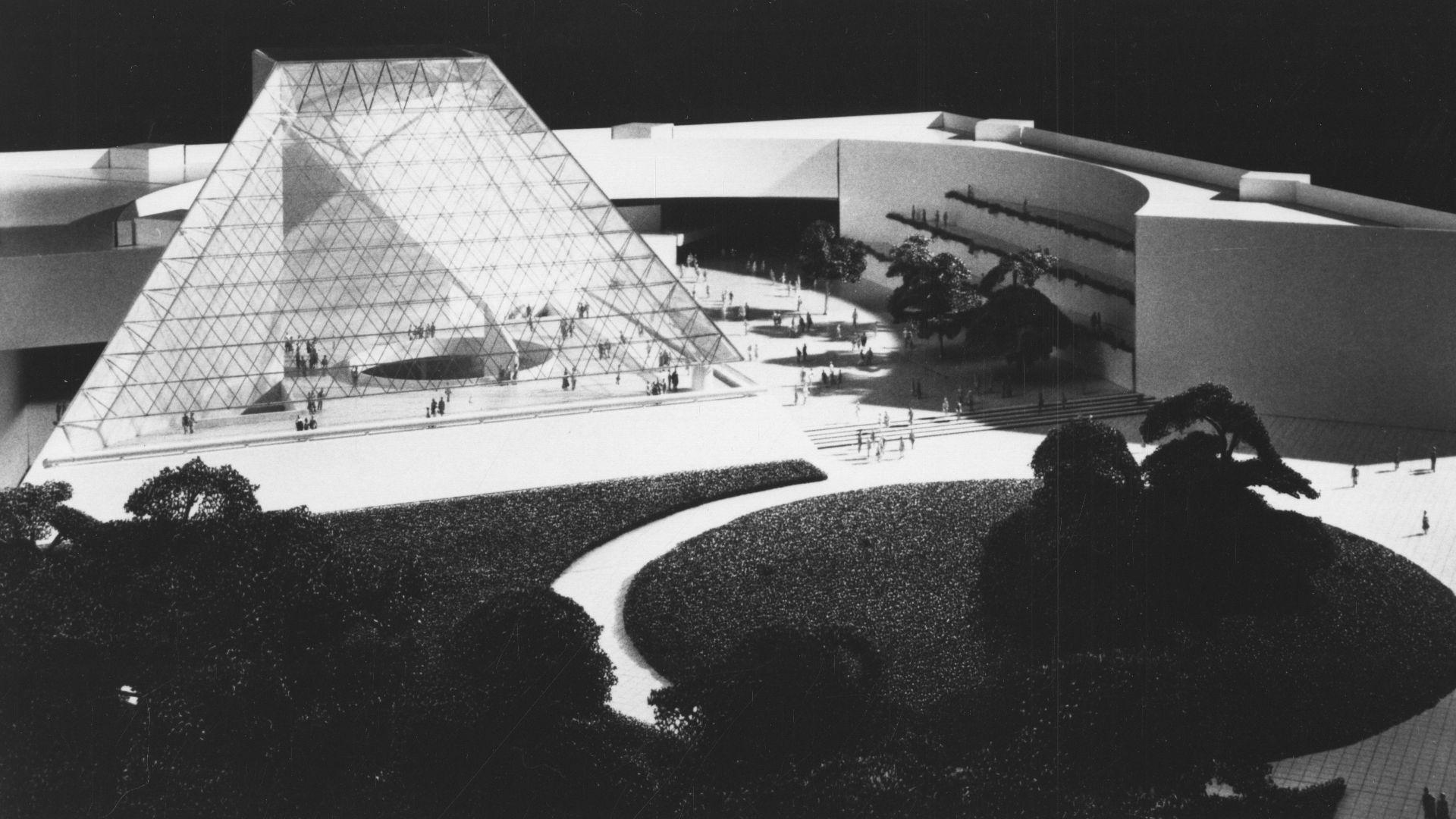
Cleveland Had Serious Rock Hall Competition
New York, Memphis, San Francisco, and Chicago competed to host the Rock and Roll Hall of Fame museum. Cleveland prevailed with a public campaign and a $65 million commitment.

Even Cleveland's First Location Changed
Winning the city contest didn't settle the address. An early design overlooked Cleveland's Flats behind Tower City Center. Ultimately, I. M. Pei's distinctive glass museum rose beside Lake Erie.
 Unknown authorUnknown author or not provided, Wikimedia Commons
NASCAR's Hall Could Have Gone To Daytona
In 2006, Charlotte beat fellow finalists Daytona Beach and Atlanta to host NASCAR's Hall of Fame. The selection placed the museum in North Carolina rather than Florida's city of the Daytona 500.
 Jeffrey Hayes, Wikimedia Commons
Kennedy Personally Chose A Cambridge Library Site
John F. Kennedy selected a Cambridge site for his presidential library in 1963. The plan connected his future presidential papers with Harvard, his alma mater, making the location seem especially fitting.
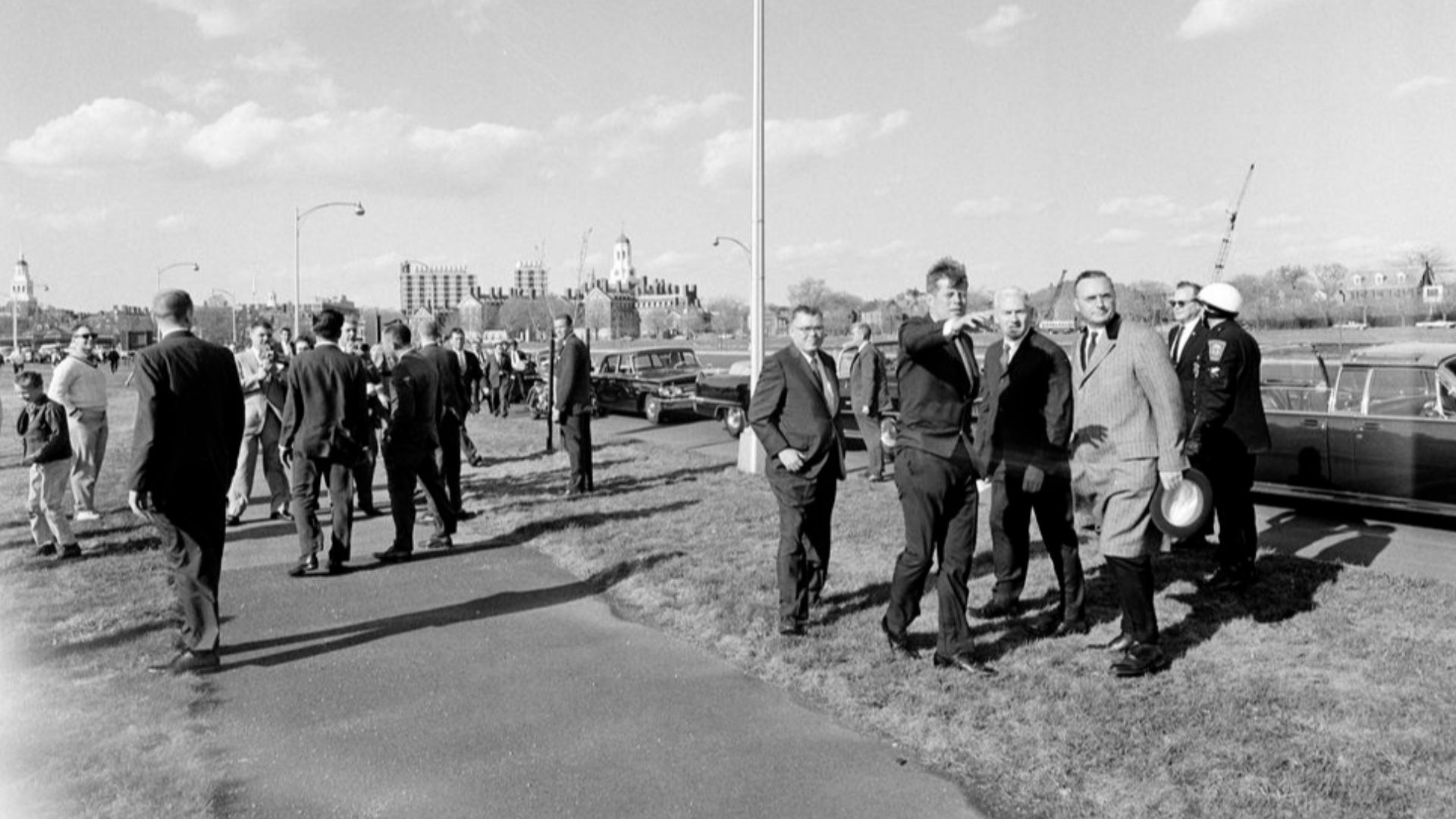
Columbia Point Became The Unexpected Winner
Difficulty obtaining the Cambridge property forced a rethink. In 1975, the Kennedy Library Corporation abandoned the Harvard site for Columbia Point in Boston's Dorchester neighborhood, where the museum stands today.
 The U.S. National Archives, Wikimedia Commons
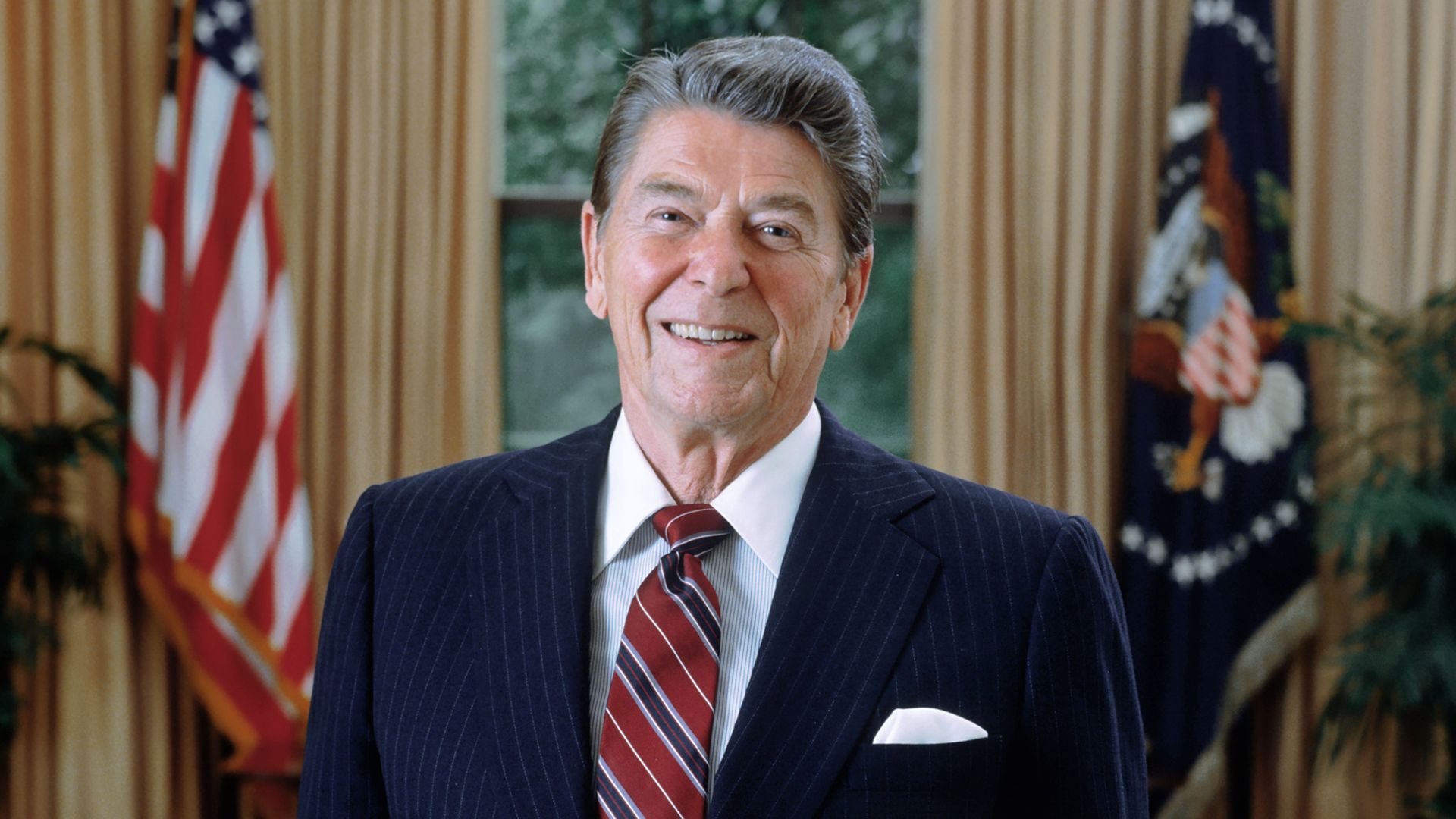
Reagan's Presidential Library Was Headed To Stanford
Ronald Reagan's foundation reached an agreement with Stanford in 1984. Opposition from students and faculty helped derail the plan in 1987, sending the presidential library instead to Simi Valley.
The Lincoln Memorial Had A Meridian Hill Proposal
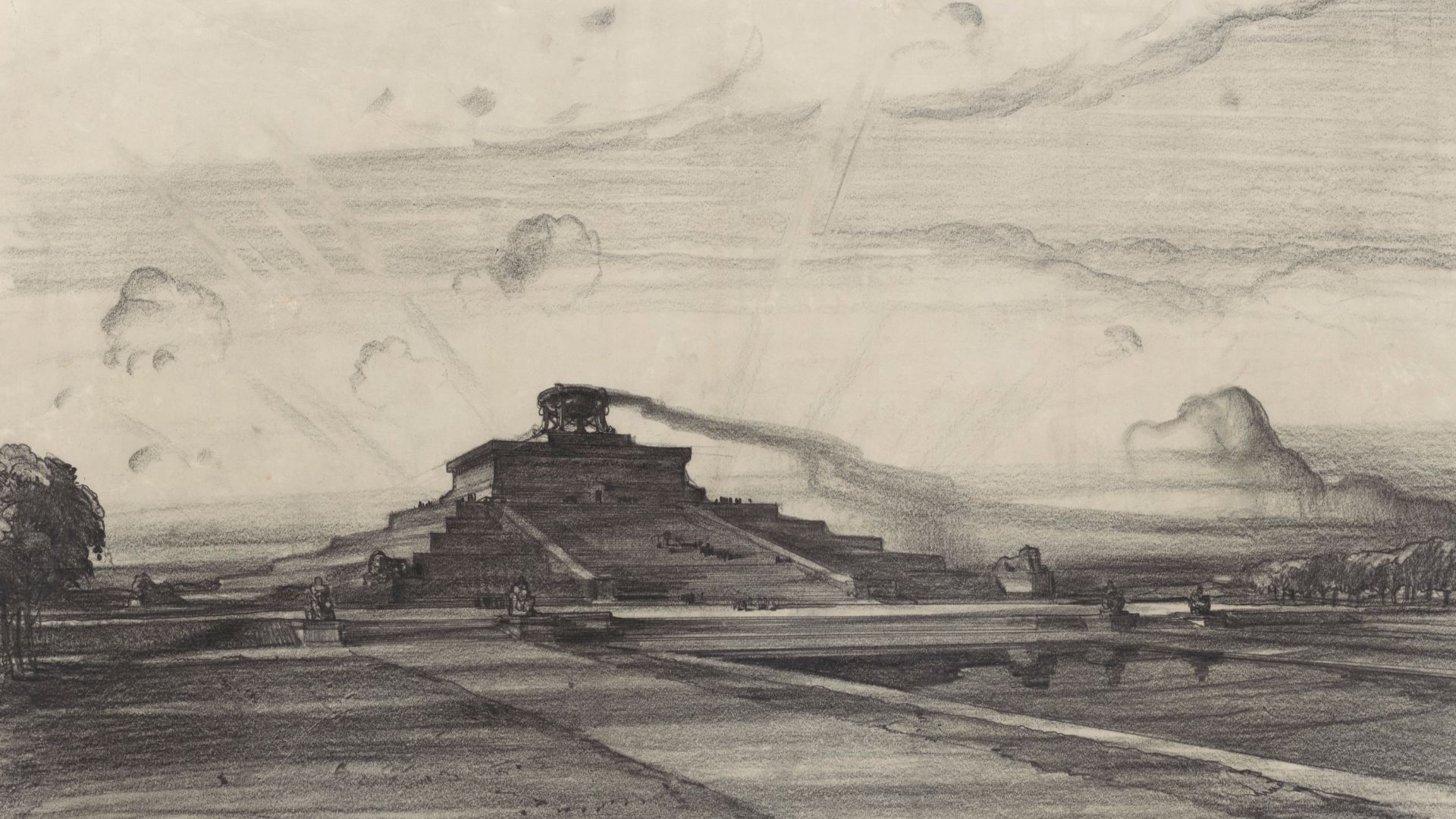
Mary Foote Henderson promoted Meridian Hill for Abraham Lincoln's memorial. Architect John Russell Pope proposed a towering structure straddling Sixteenth Street, away from the familiar Potomac-side setting.
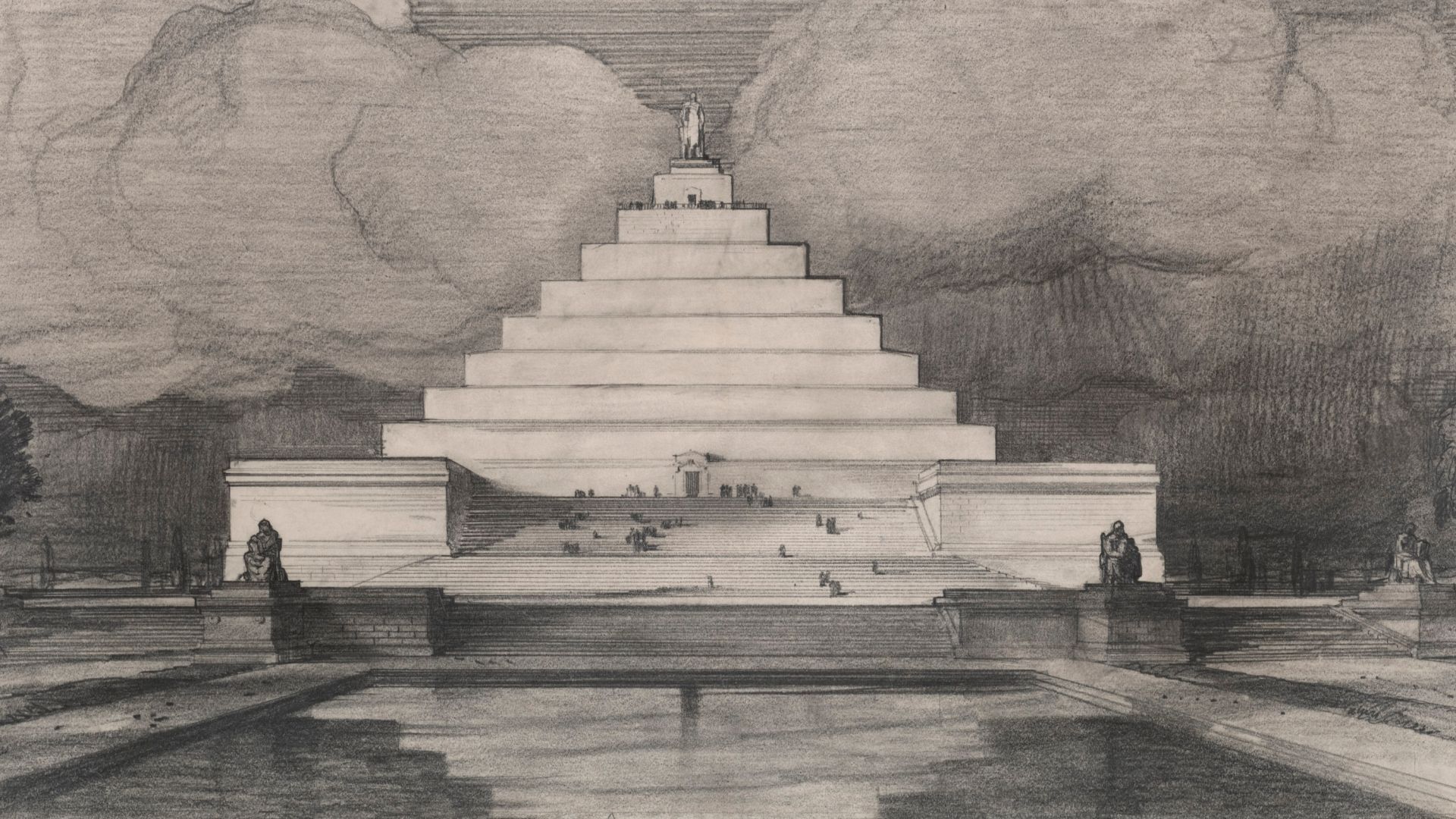 Unknown authorUnknown author or not provided, Wikimedia Commons
That Monumental Plan Didn't Fit The Neighborhood
The Commission of Fine Arts rejected Pope's design as overwhelming for the neighborhood. Henderson kept lobbying, but the familiar temple-style memorial rose at the National Mall's western end.
 Unknown authorUnknown author or not provided, Wikimedia Commons
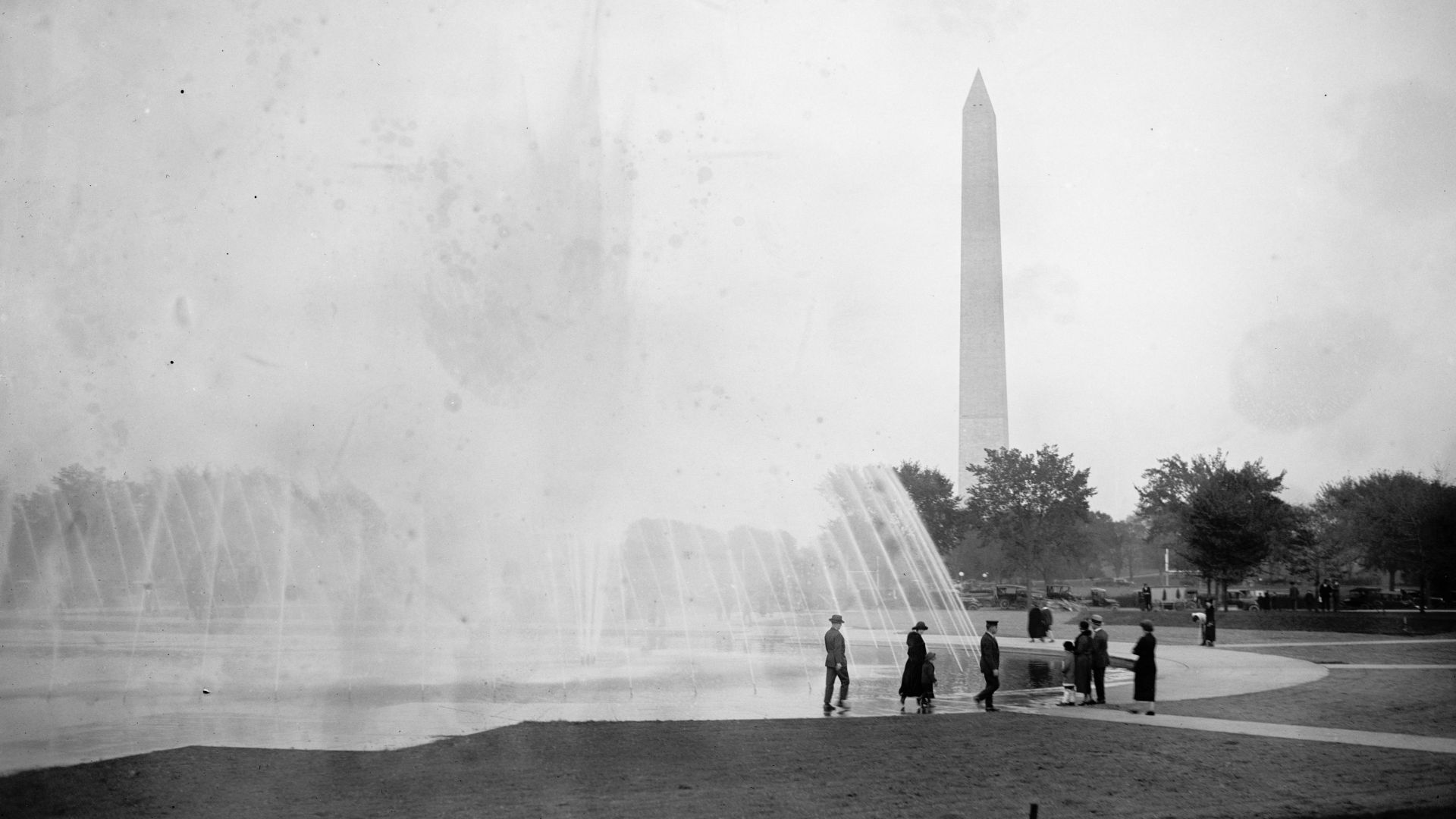
The World War II Memorial First Chose Constitution Gardens
In March 1995, planners selected Constitution Gardens for the World War II Memorial. Other possibilities included Freedom Plaza and the Capitol Reflecting Pool, but officials eventually chose the Rainbow Pool site.
 Unknown authorUnknown author, Wikimedia Commons
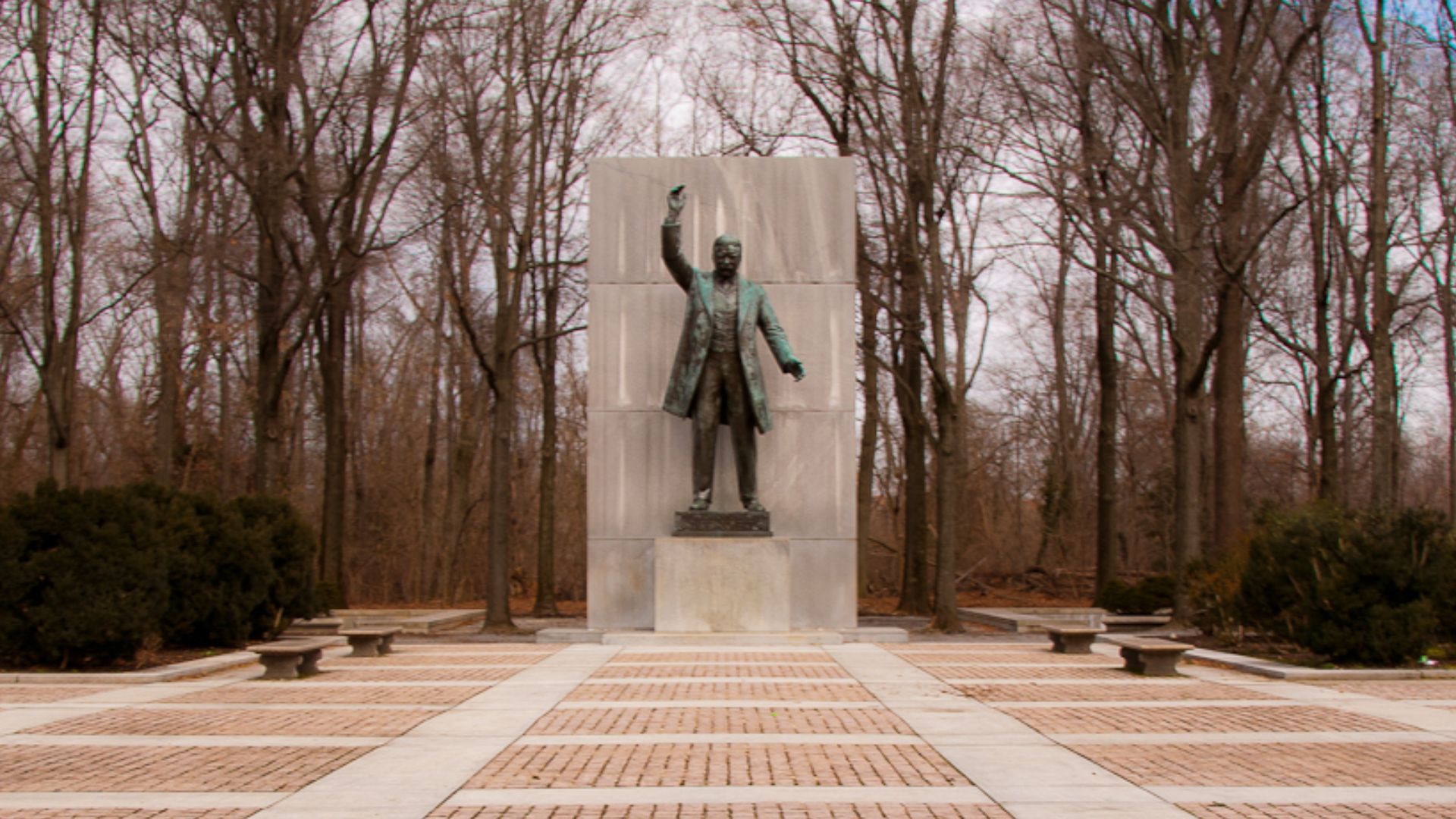
Theodore Roosevelt Nearly Got A Tidal Basin Memorial
A Theodore Roosevelt memorial was proposed along Washington's Tidal Basin, but that land was reserved for Thomas Jefferson. Roosevelt's supporters instead purchased Analostan Island in 1932, establishing his wooded memorial setting.
 Carole J. Buckwalter, Wikimedia Commons
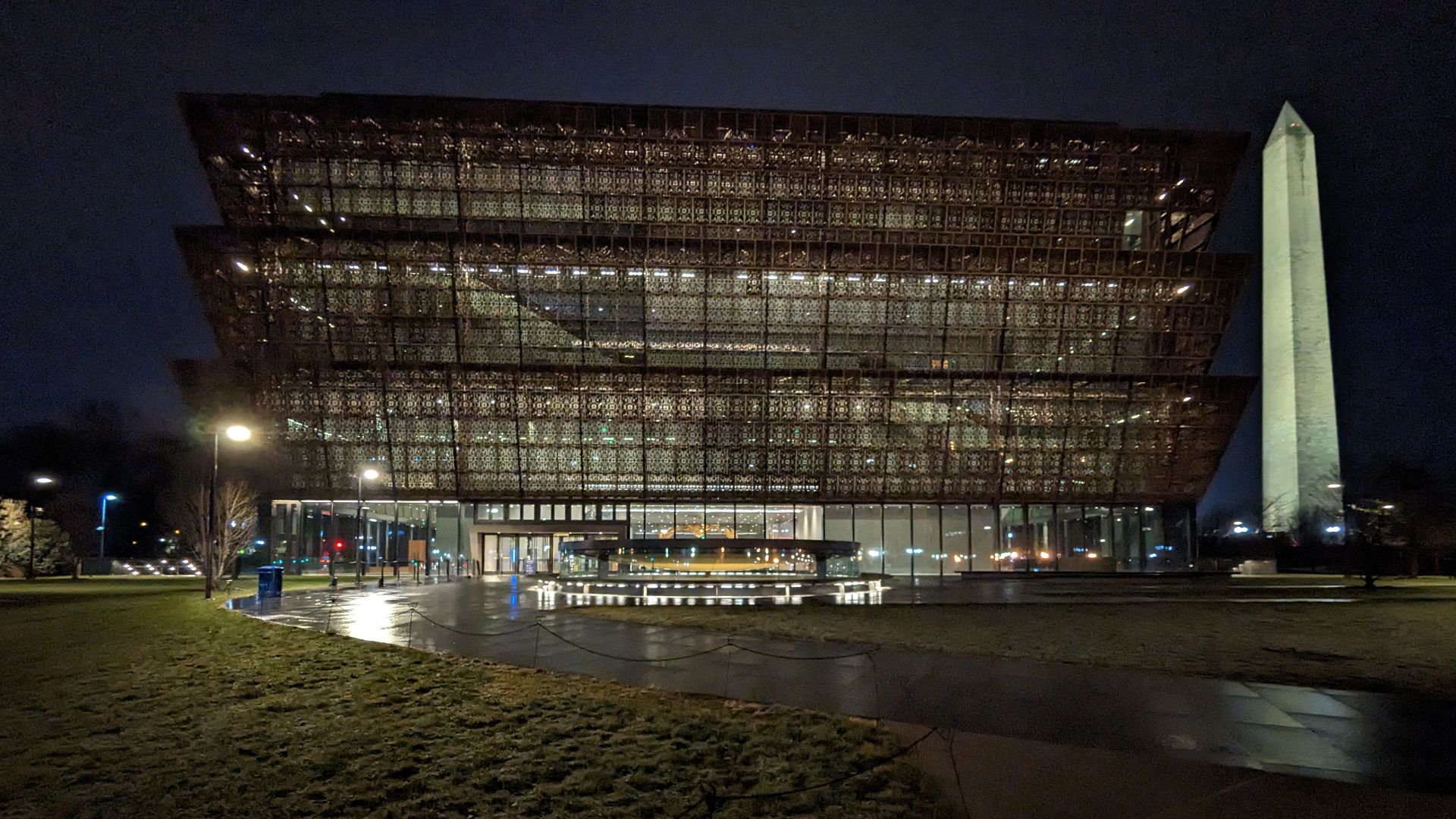
The African American History Museum Had A Capitol Plan
A planning commission recommended Capitol grounds for the National Museum of African American History and Culture in 2003. It named a Washington Monument-area site as an alternative.
Several Smithsonian Sites Were Still In Contention
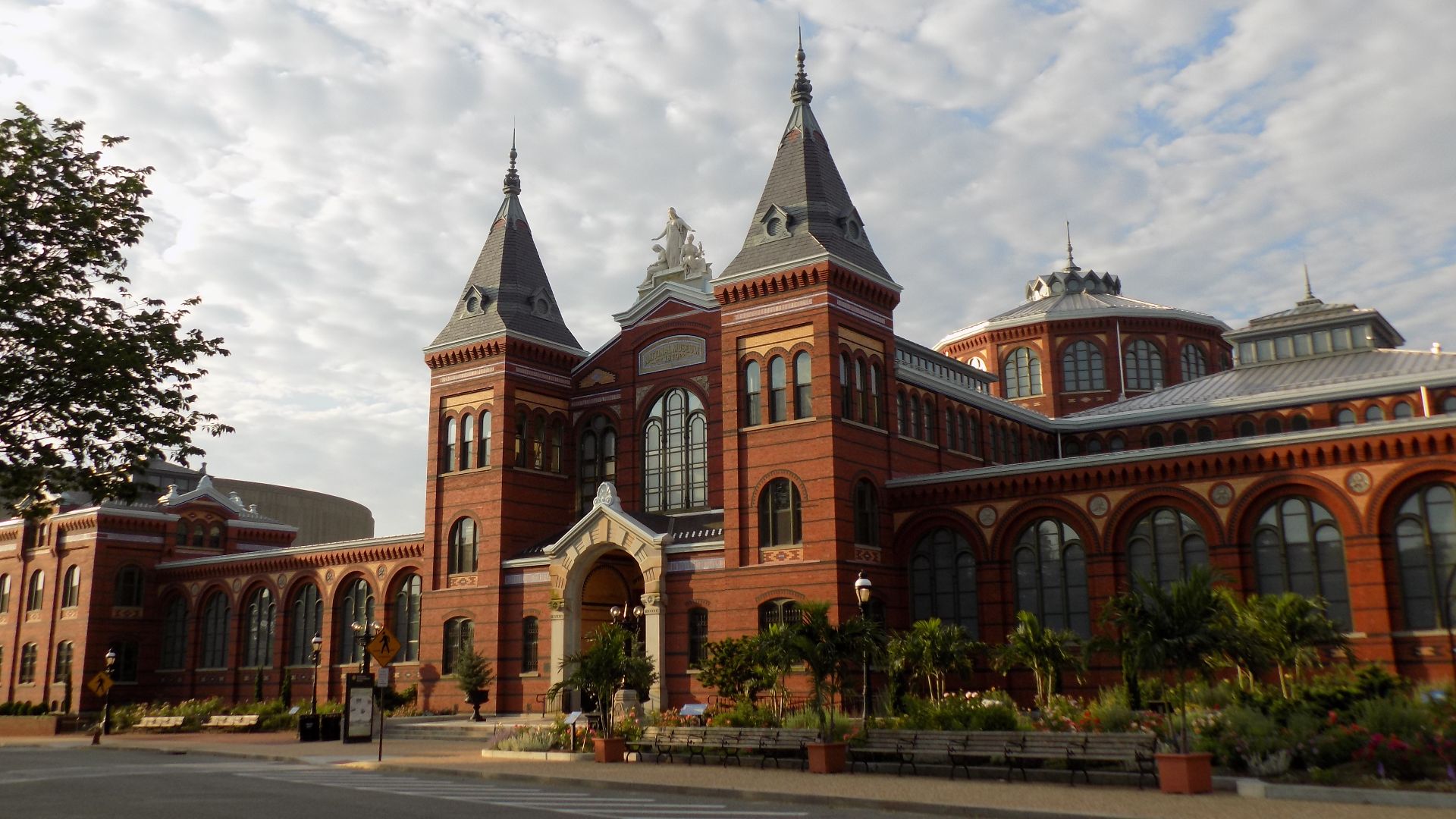
The Smithsonian also considered the Liberty Loan Building, Banneker Overlook, and Arts and Industries Building. Trustees chose a National Mall site at Fourteenth Street and Constitution Avenue in 2006.
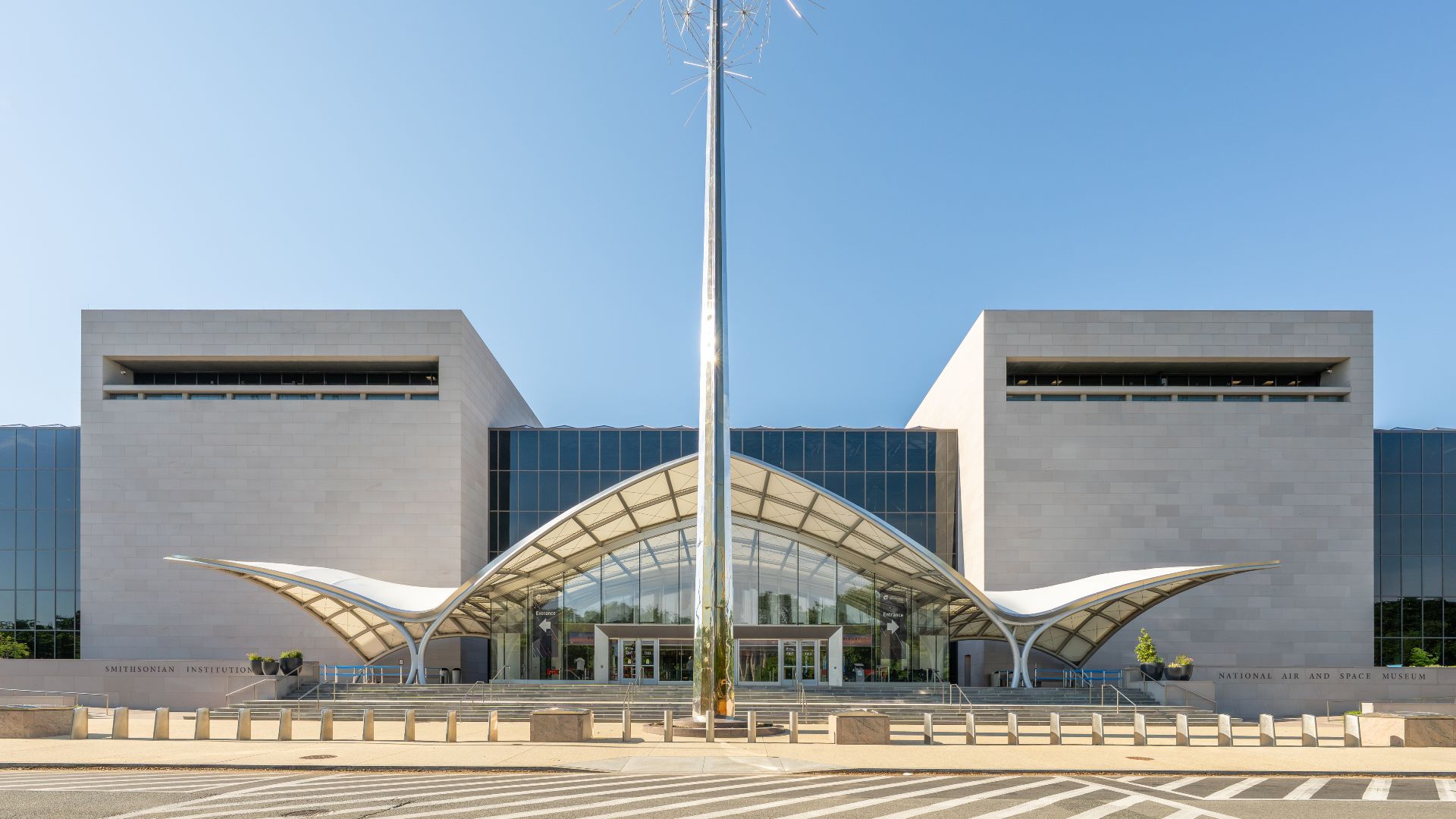
Air And Space Nearly Took Over Tenth Street
Early planners considered southwest Washington's Tenth Street corridor for the National Air and Space Museum. Competing development proposals complicated that plan, and the museum eventually opened on the National Mall.
 ajay_suresh, Wikimedia Commons
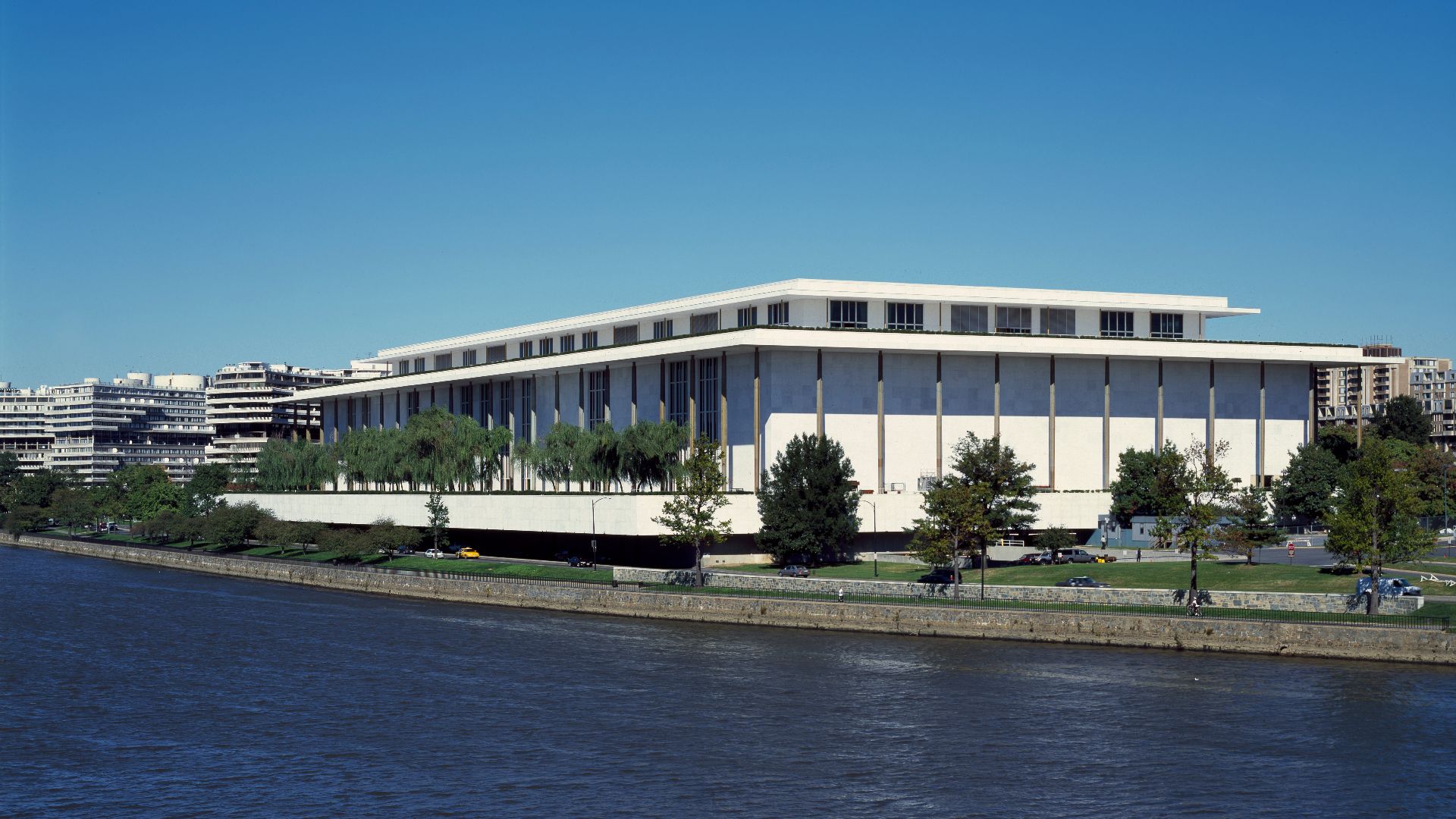
The Kennedy Center Had A Southwest Washington Alternative
Before the Kennedy Center occupied Foggy Bottom's Potomac waterfront, planners explored southwest Washington. One alternative even targeted the land now occupied by the National Air and Space Museum.
 Carol M. Highsmith, Wikimedia Commons
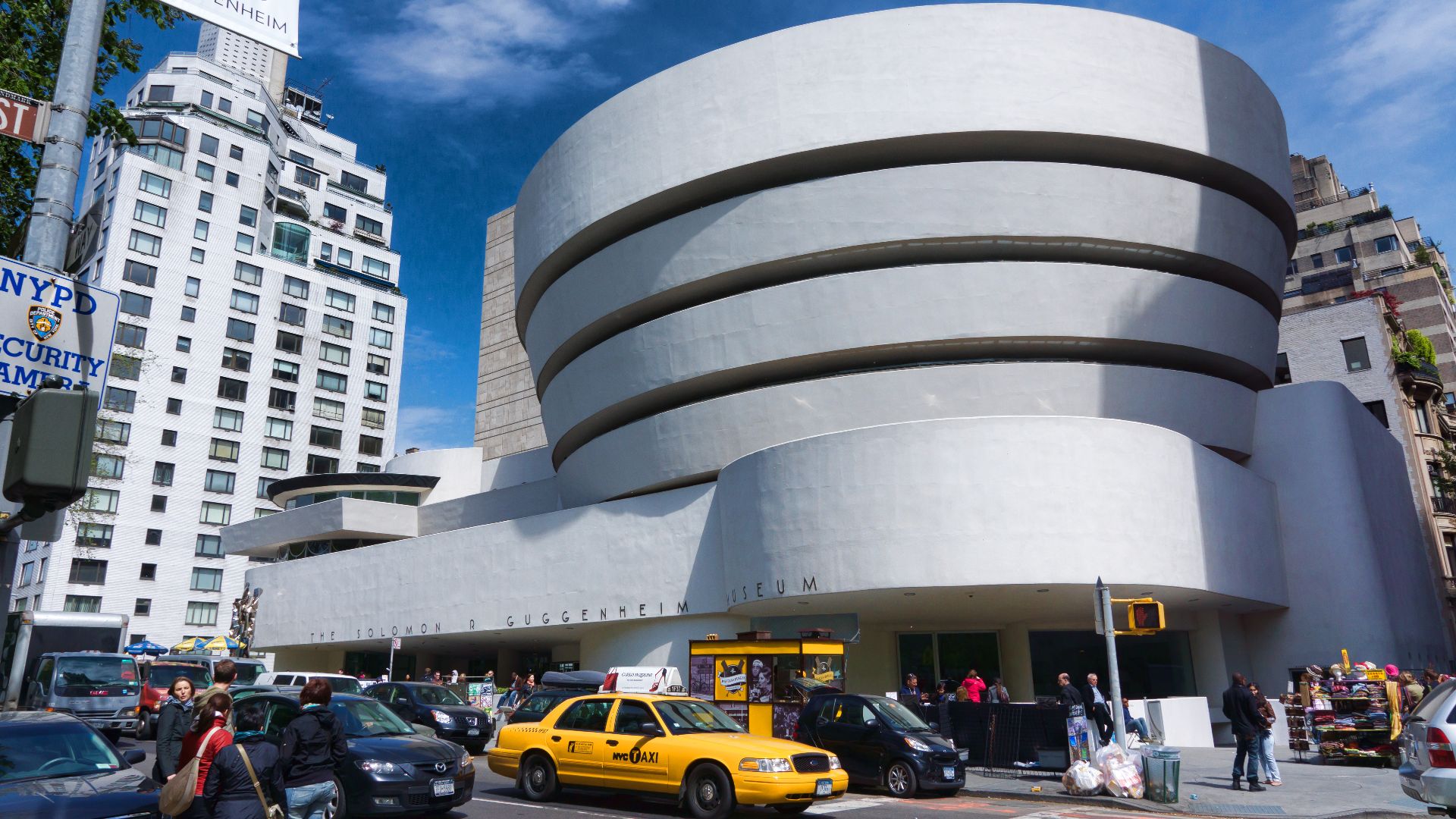
The Guggenheim Museum Might Have Overlooked The Hudson
Frank Lloyd Wright favored a Riverdale location in the Bronx for the Guggenheim Museum, overlooking the Hudson. Solomon Guggenheim preferred central Manhattan and secured the famous Fifth Avenue site.
 Jean-Christophe BENOIST, Wikimedia Commons
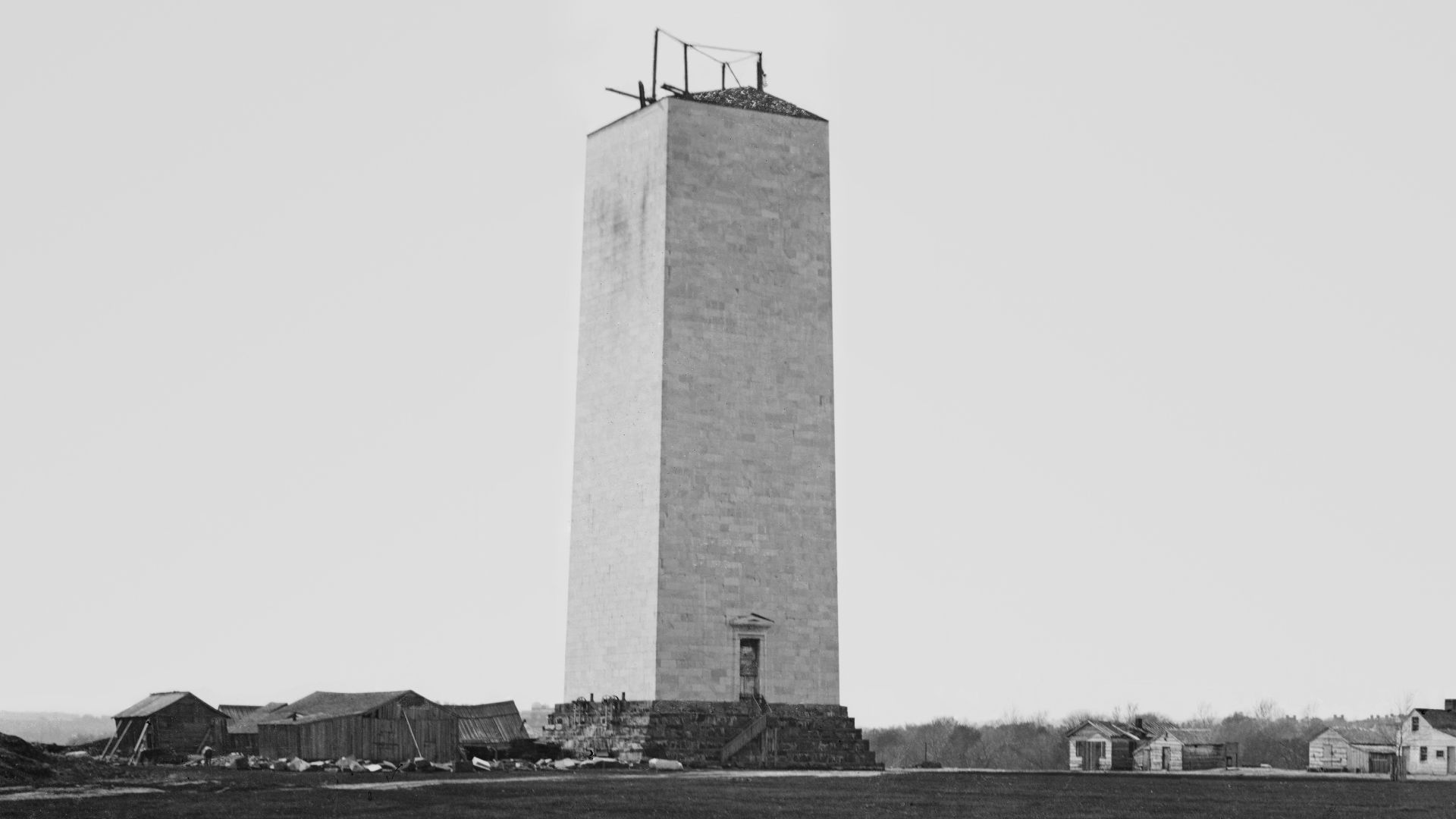
The Washington Monument Missed Its Intended Spot
The Washington Monument was planned at the crossing of axes from the White House and Capitol. Builders shifted it southeast. Marshy conditions are often blamed, although historians say the exact reason remains uncertain.
 Mathew Benjamin Brady / Levin Corbin Handy, Wikimedia Commons
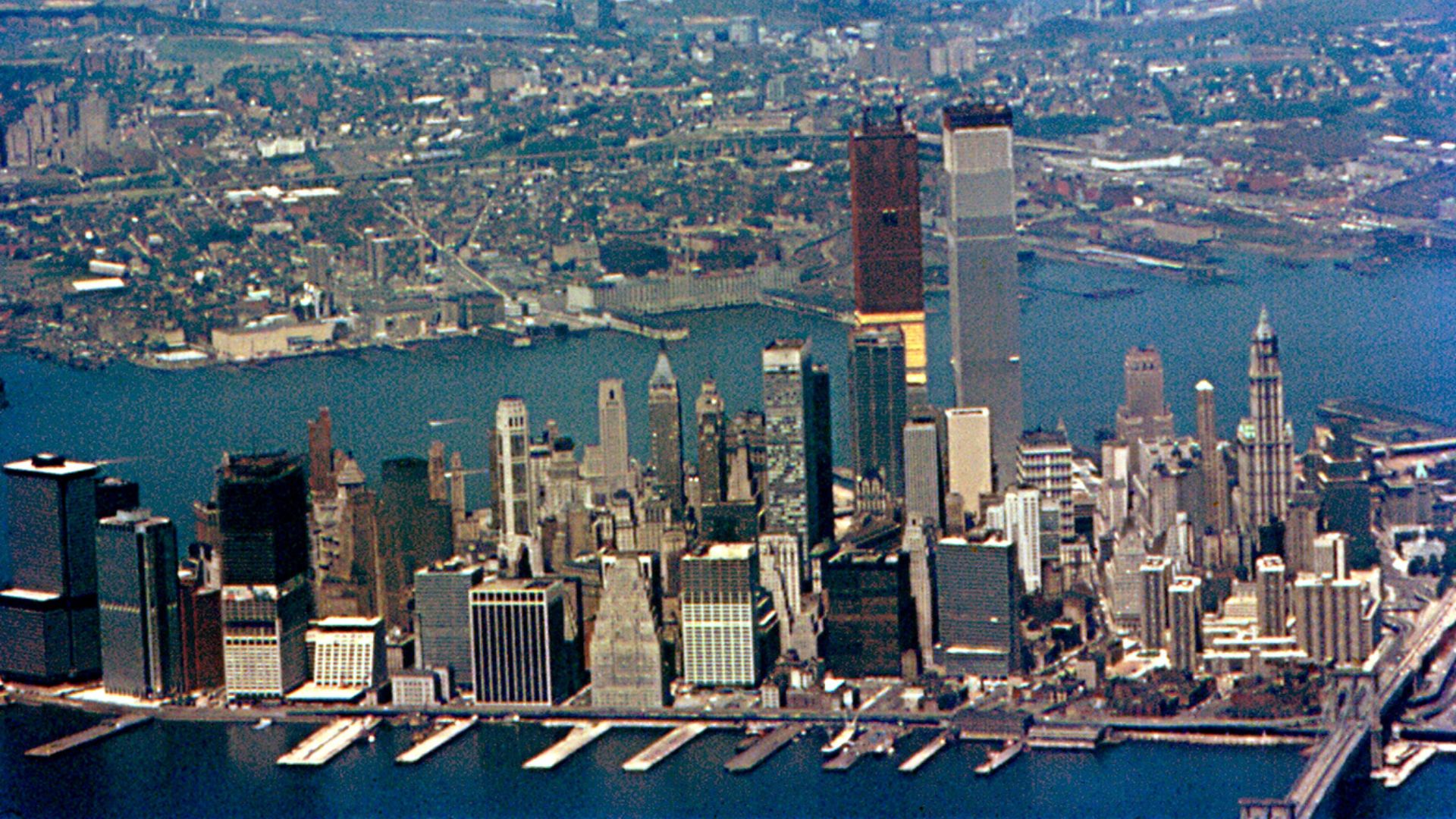
The World Trade Center Nearly Faced The East River
The original World Trade Center proposal occupied Manhattan's East River waterfront between Old Slip and Fulton Street. Planners shifted the complex west to strengthen ties with New Jersey, ultimately locating the Twin Towers.
You May Also Like:
Riveting Facts About The World’s Most Iconic Buildings
Historical Decisions That Made Sense At The Time But Look Insane Today
Things About The Statue Of Liberty Most Americans Were Never Taught
Sources: 1, 2, 3, 4, 5, 6, 7, 8, 9, 10, 11, 12, 13, 14, 15, 16, 17, 18, 19, 20, 21, 22