A Stone Message From An Empire’s Edge
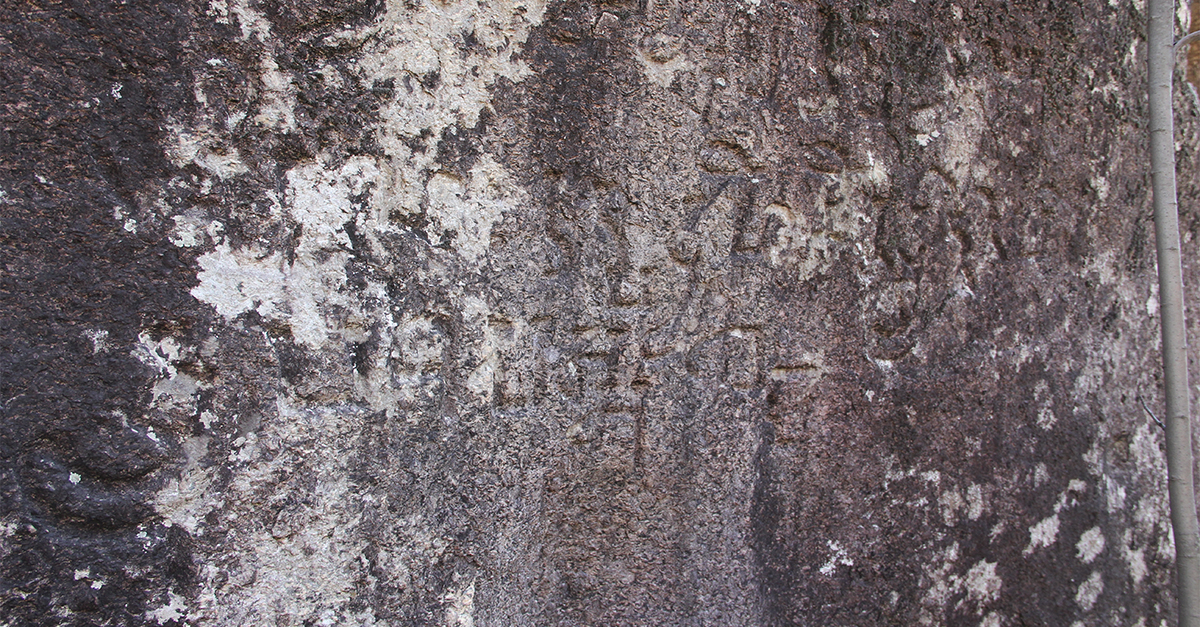
On the high windswept Tibetan Plateau, researchers have authenticated a stone inscription that offers direct evidence of Emperor Qin Shi Huang’s fabled expedition for the elixir of immortality. The carving pinpoints the imperial quest far beyond court mythology and onto the rugged terrain of reality. The revelation also ties that mission to the famed Terracotta Army that was intended to guard the emperor in the afterlife.

The Terracotta Army: Guardians Eternal
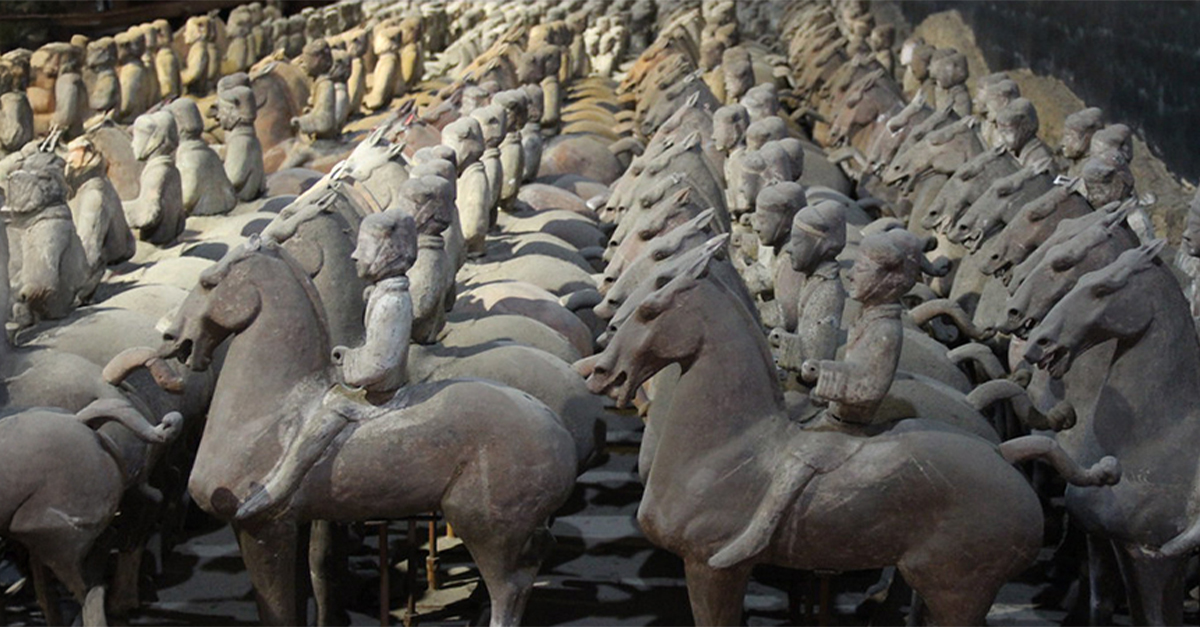
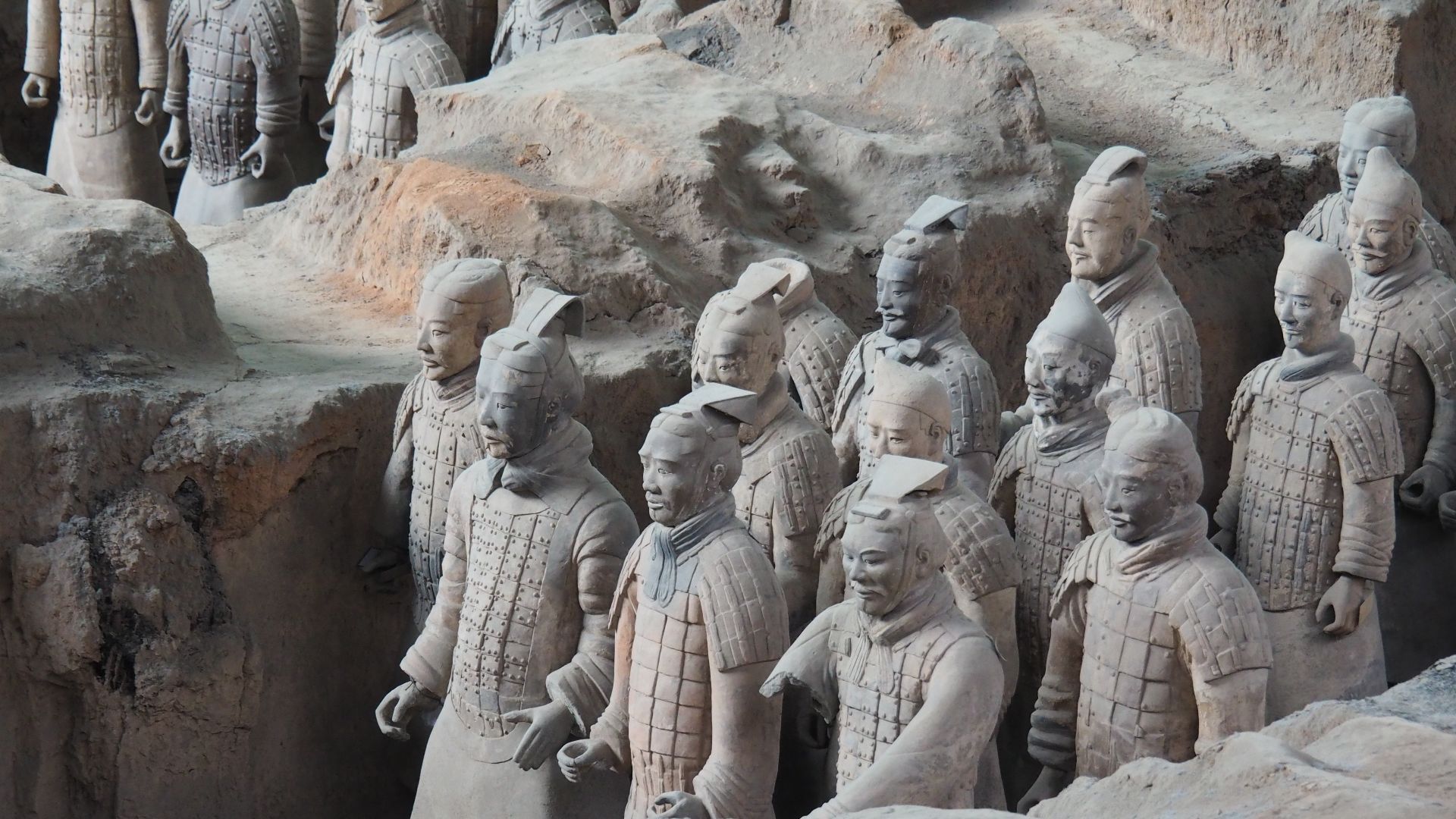
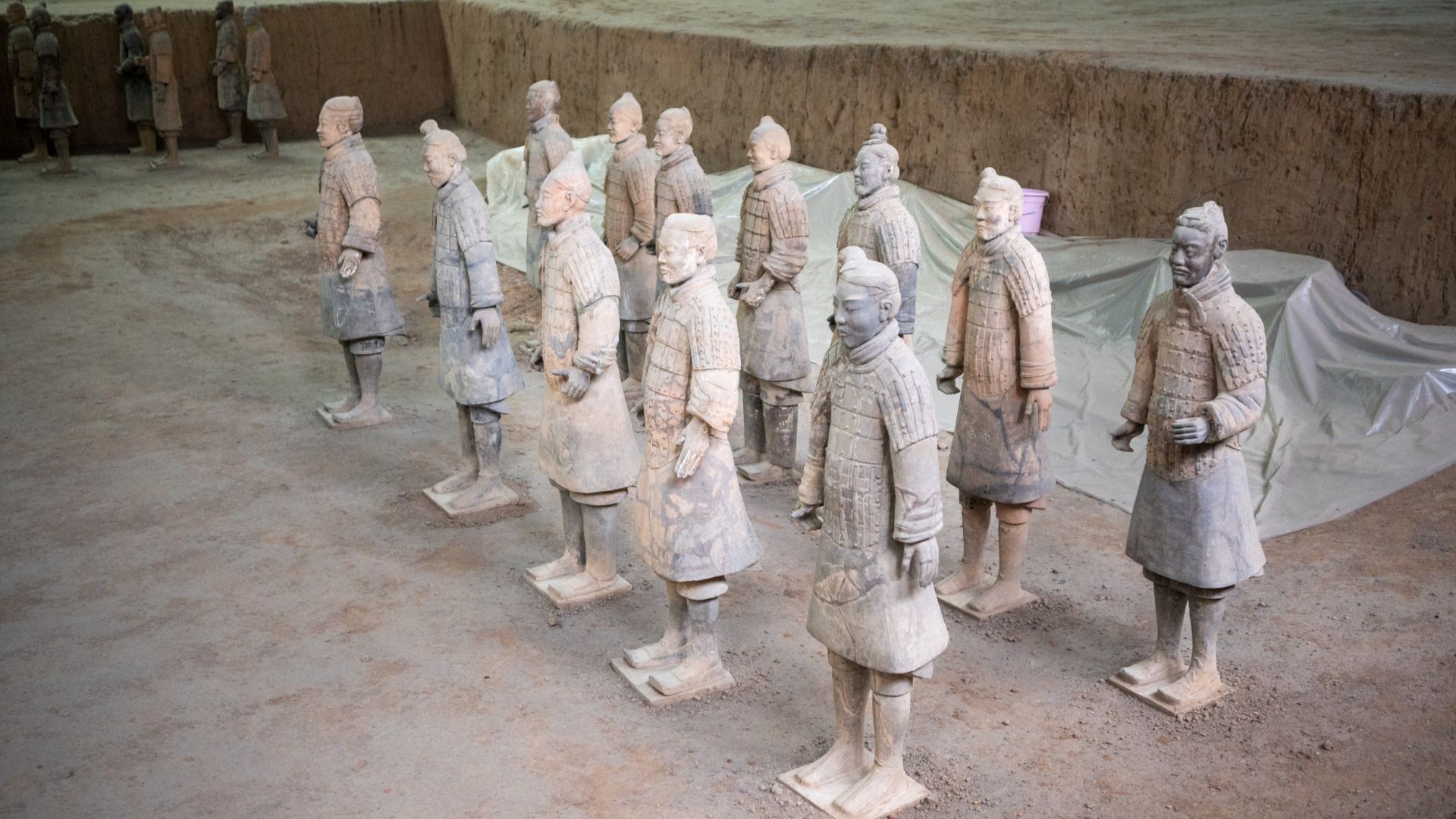
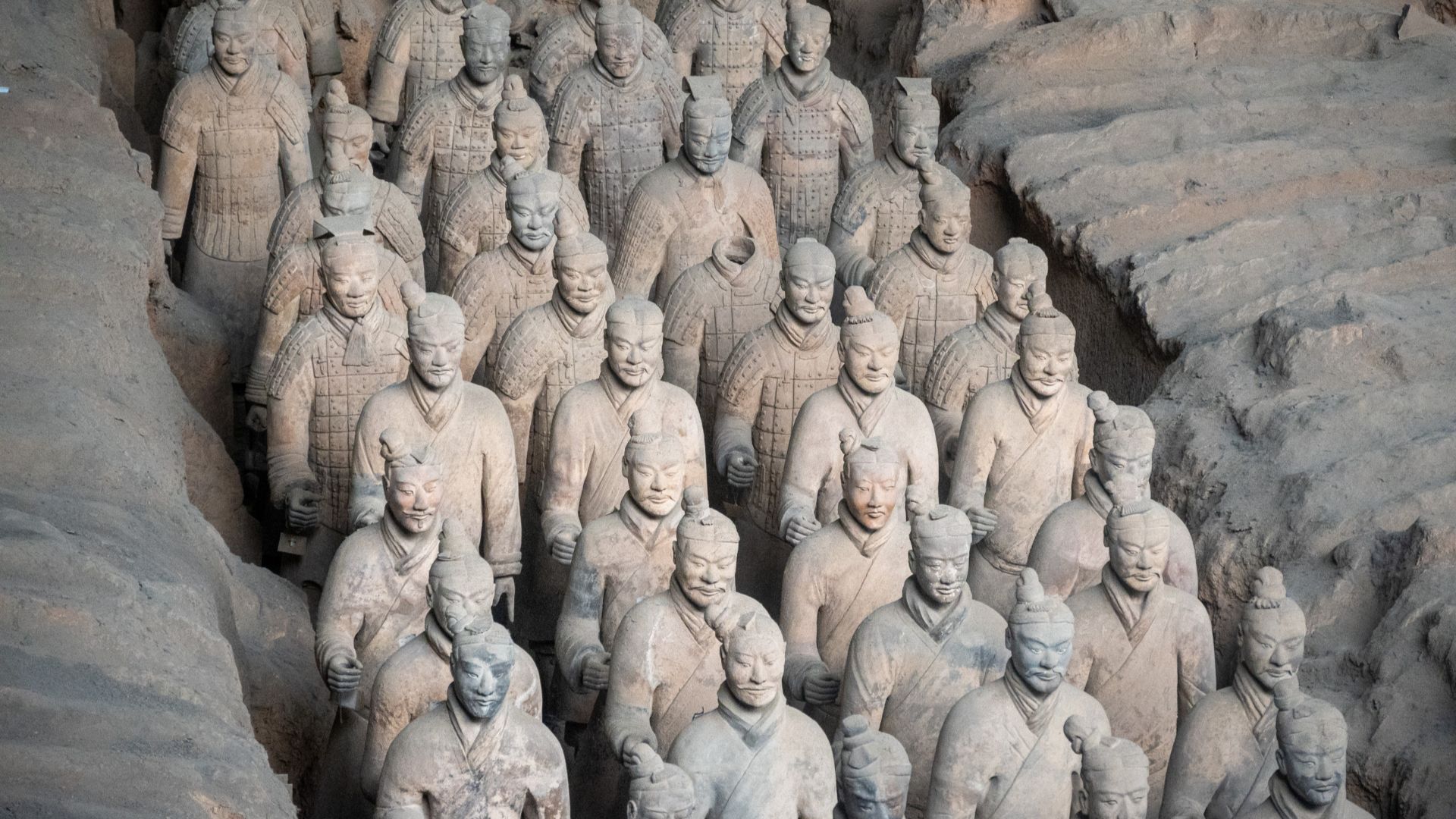
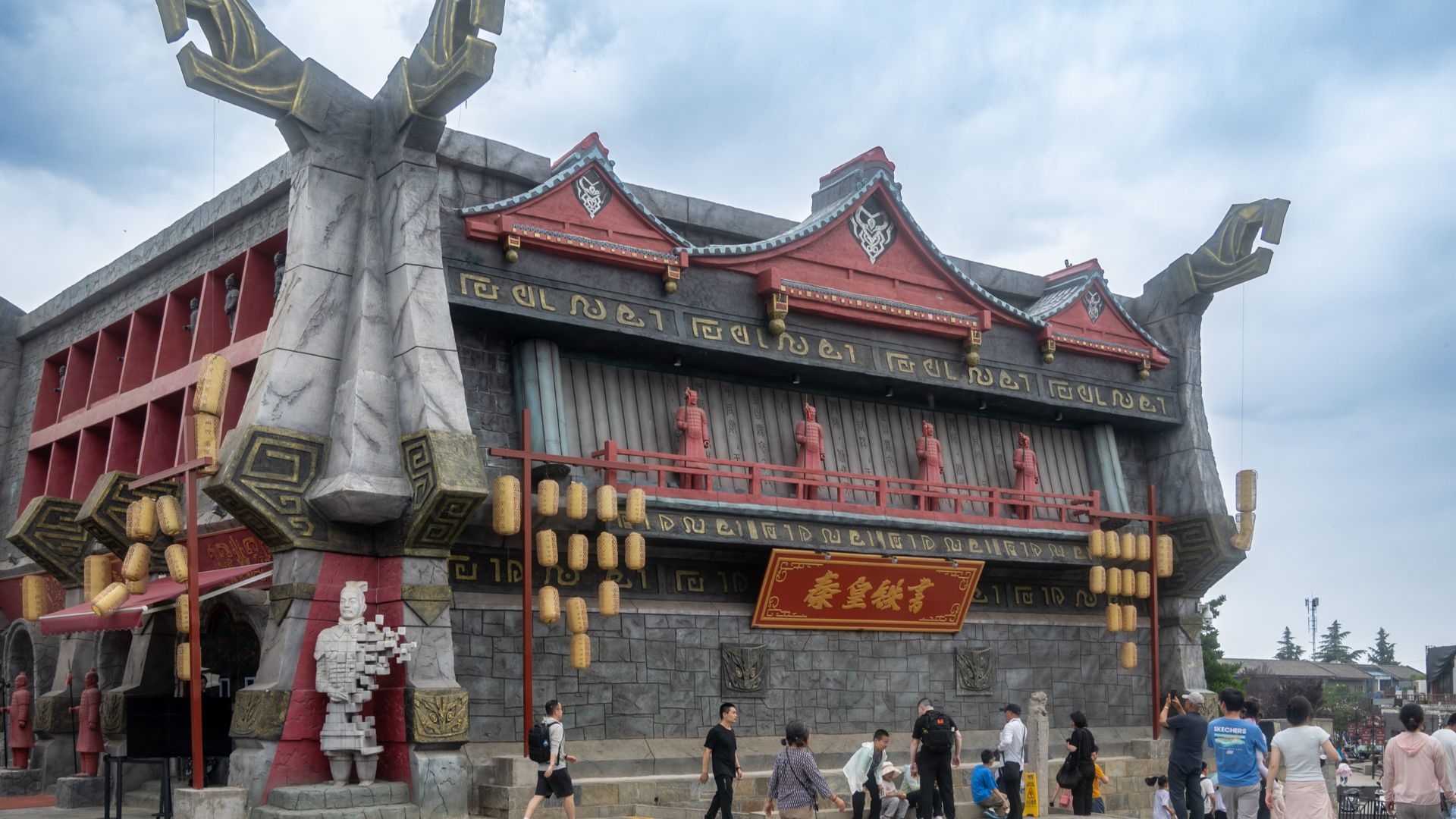
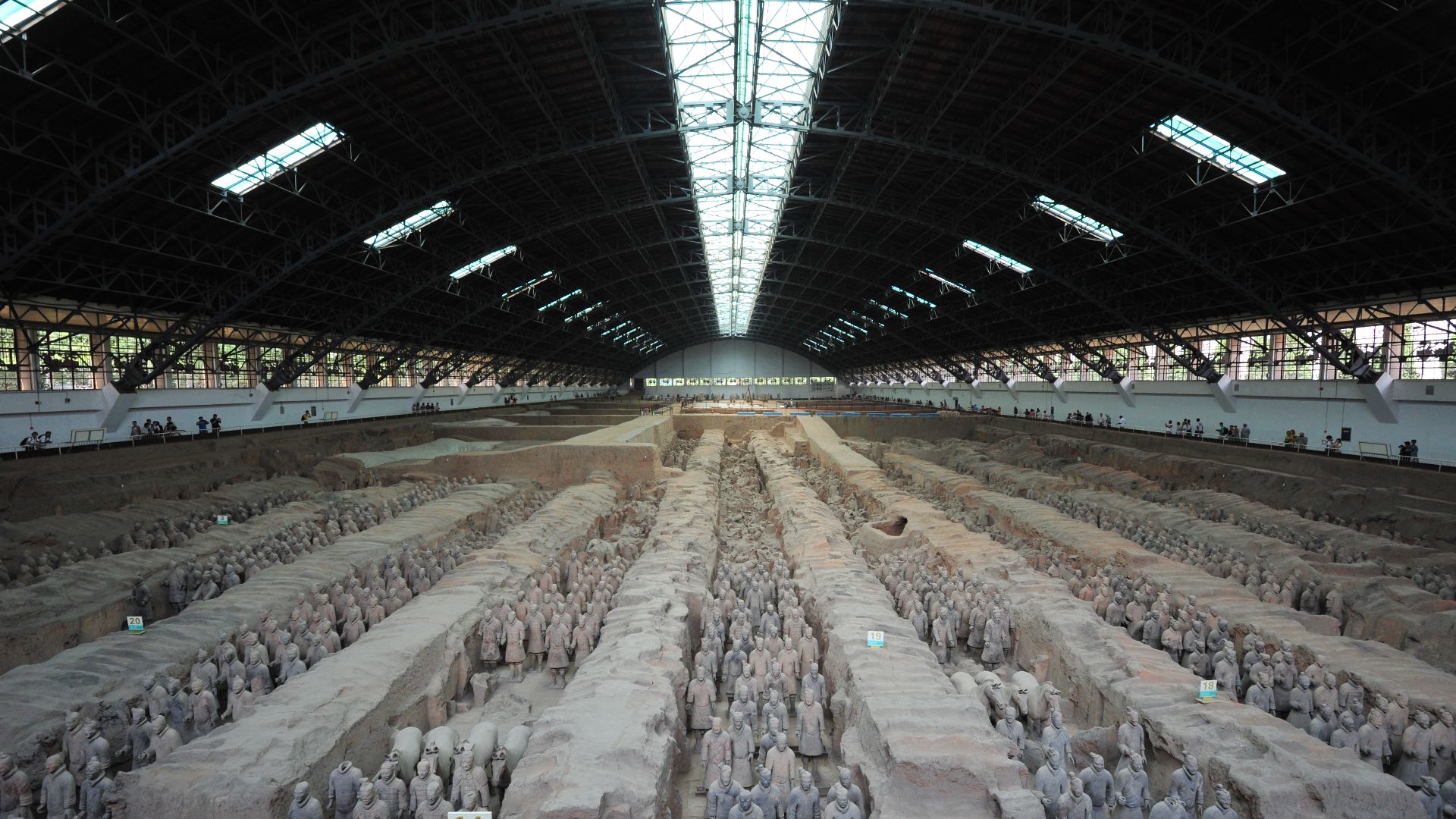
Qin Shi Huang’s famous Terracotta Army consists of thousands of clay soldiers buried near his tomb in Shaanxi, China. The clay army has long symbolized his fear of oncoming death and his consuming desire to secure infinite power in the afterlife. The newly authenticated Tibetan inscription gives tangible shape to what was once only a myth: the living quest for immortality that preceded his burial.
 Laika ac from UK, Wikimedia Commons
Immortality Denied
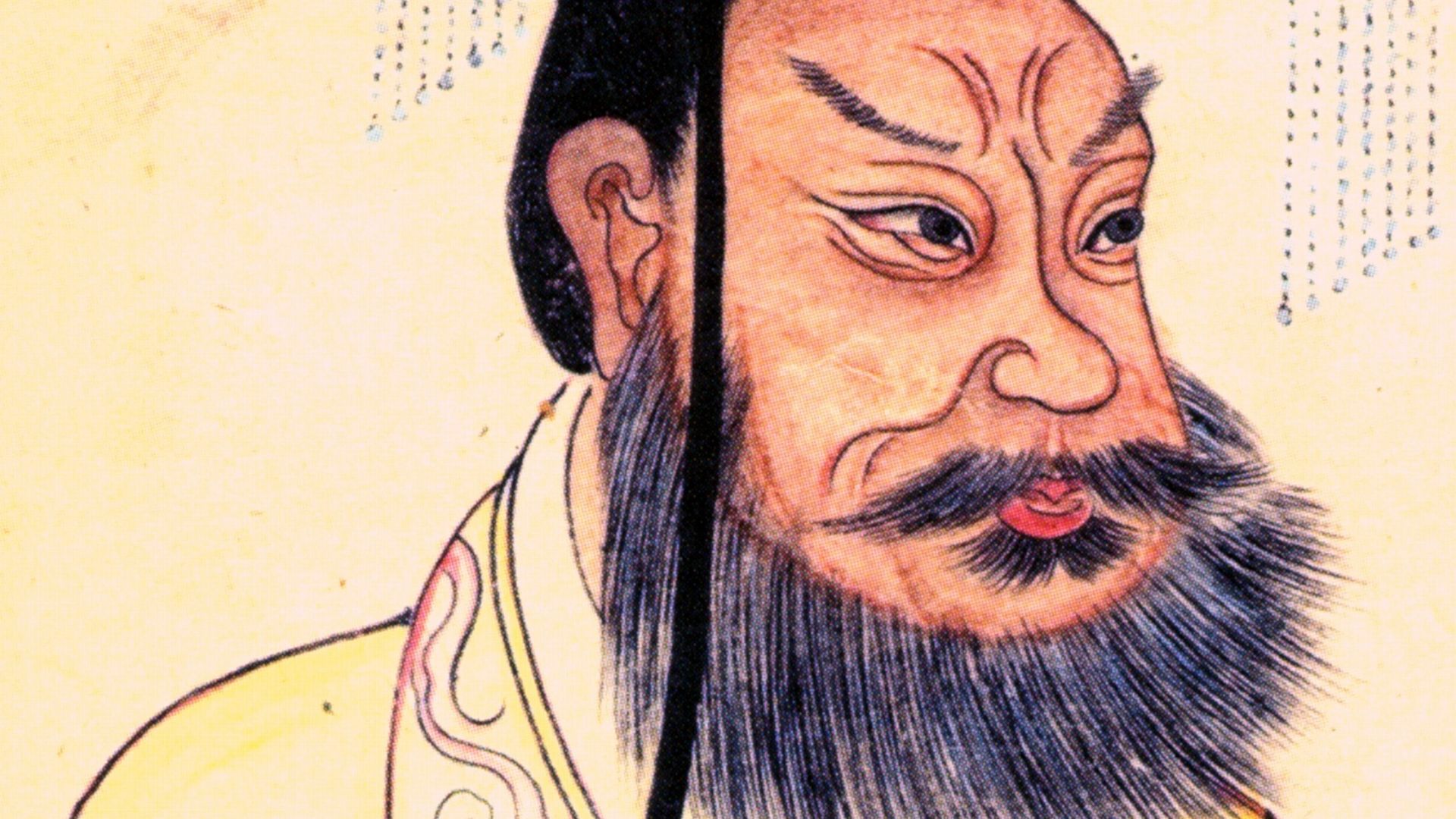
Qin Shi Huang died suddenly in 210 BC while he and his envoys scoured far and wide for the elixir of eternal life. When he died near present-day Hebei, Japan, his court concealed the news to prevent widespread public panic. They had his body secretly transported back to the capital. His demise ended the empire’s ambitious quest for eternal life and revealed the utter futility of the emperor’s obsession. Meanwhile, another one of his imperial hosts was in far off Tibet, where more than 2,000 years later the mysterious insciption was found.
 Unknown (18??–18??), Wikimedia Commons
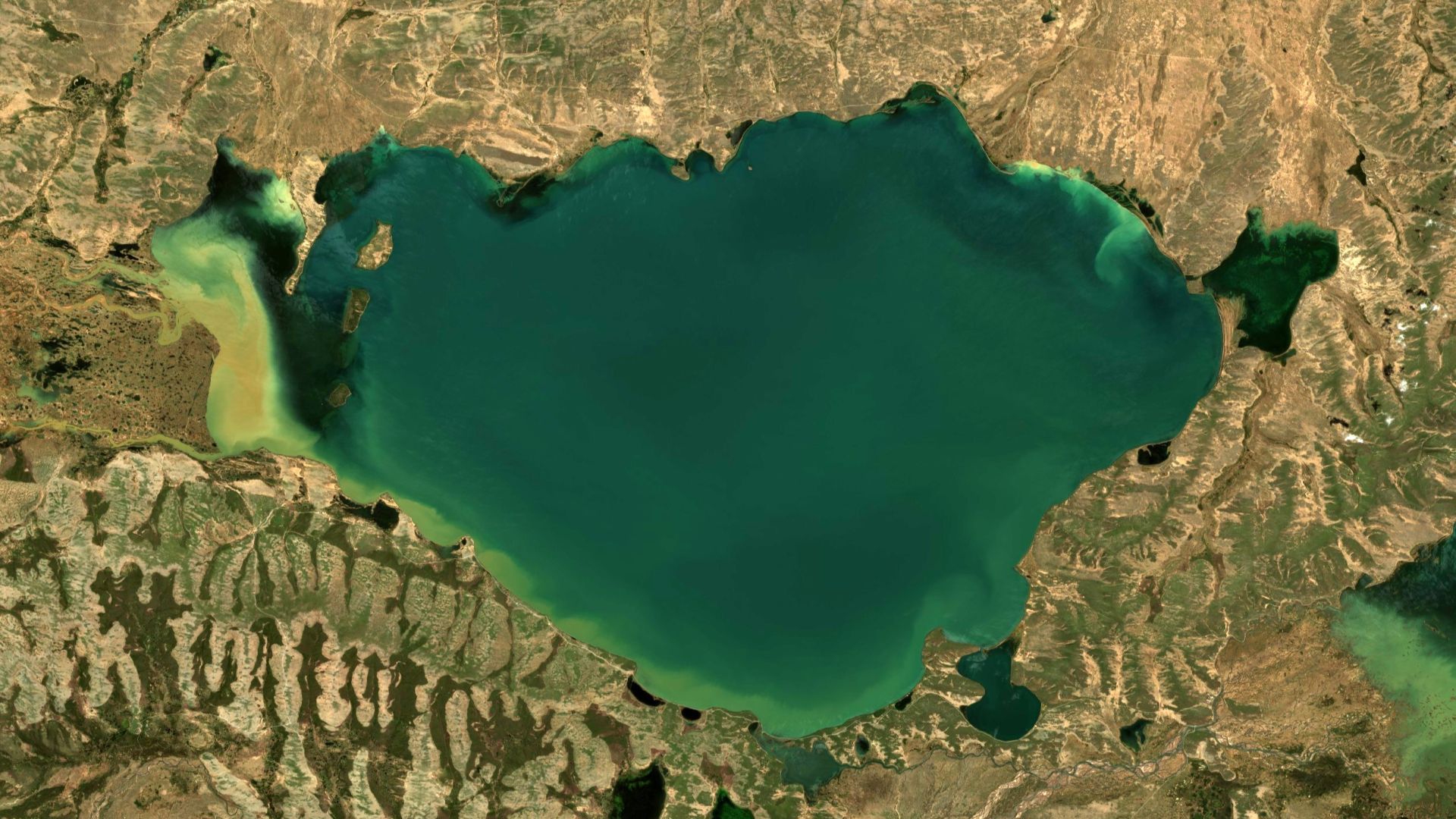
Discovery Site: Gyaring Lake On The Tibetan Plateau
The inscription was first discovered near Gyaring Lake in Maduo County, Qinghai Province, perched an incredible 4,300 metres above sea level. Its remote setting indicates that the imperial mission was by no means limited to the heartland of Chinese imperial power; the quest also extended into frontier lands.
 European Space Agency, Wikimedia Commons
The Inscription Text And Script
Chinese language supersleuths have identified the carving as small‑seal Chinese script redolent of the Qin era; the text clearly references an imperial order to a “Grand Master Yi” and a team of alchemists sent to collect yao, which translates as “elixir” or “medicine.”

The Meaning Of Yao: Mere Medicine Or Elixir Of Life?
The term yao could possibly denote medicine, a mineral, or the mythical life‑essence. Context and location suggest a much more dramatic reading of the evidence: an alchemical pursuit of the elusive elixir of immortality that has always been just beyond human grasp.

Dating The Inscription: Matching The Historical Timeline
The carving mentions the “37th year,” which aligns with records of Qin Shi Huang’s late‑life obsession with cheating death. This date is a crucial piece of evidence that anchors the long whispered-about myth into the material world.

Tool Marks And Weathering: Authentication Evidence
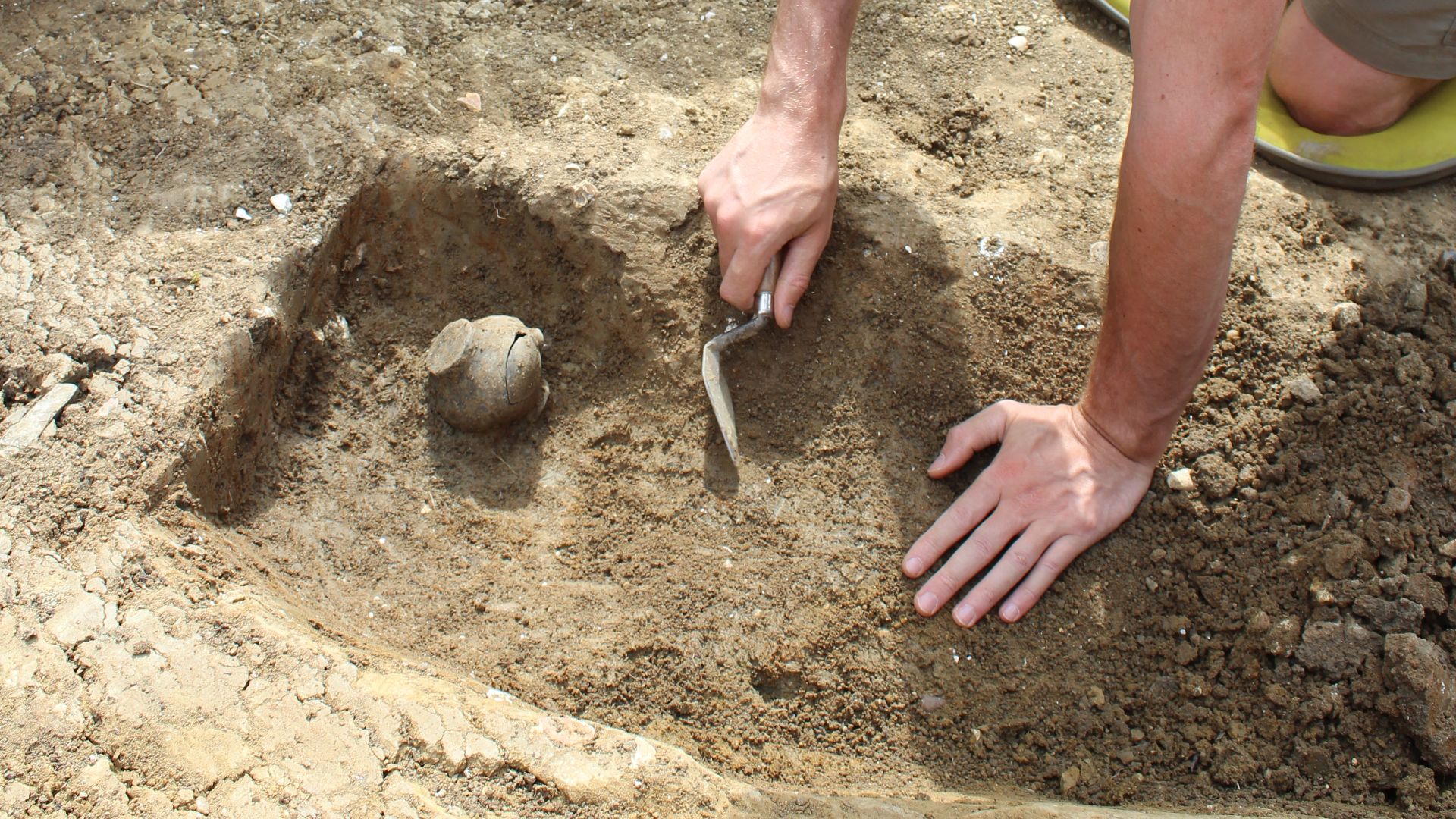
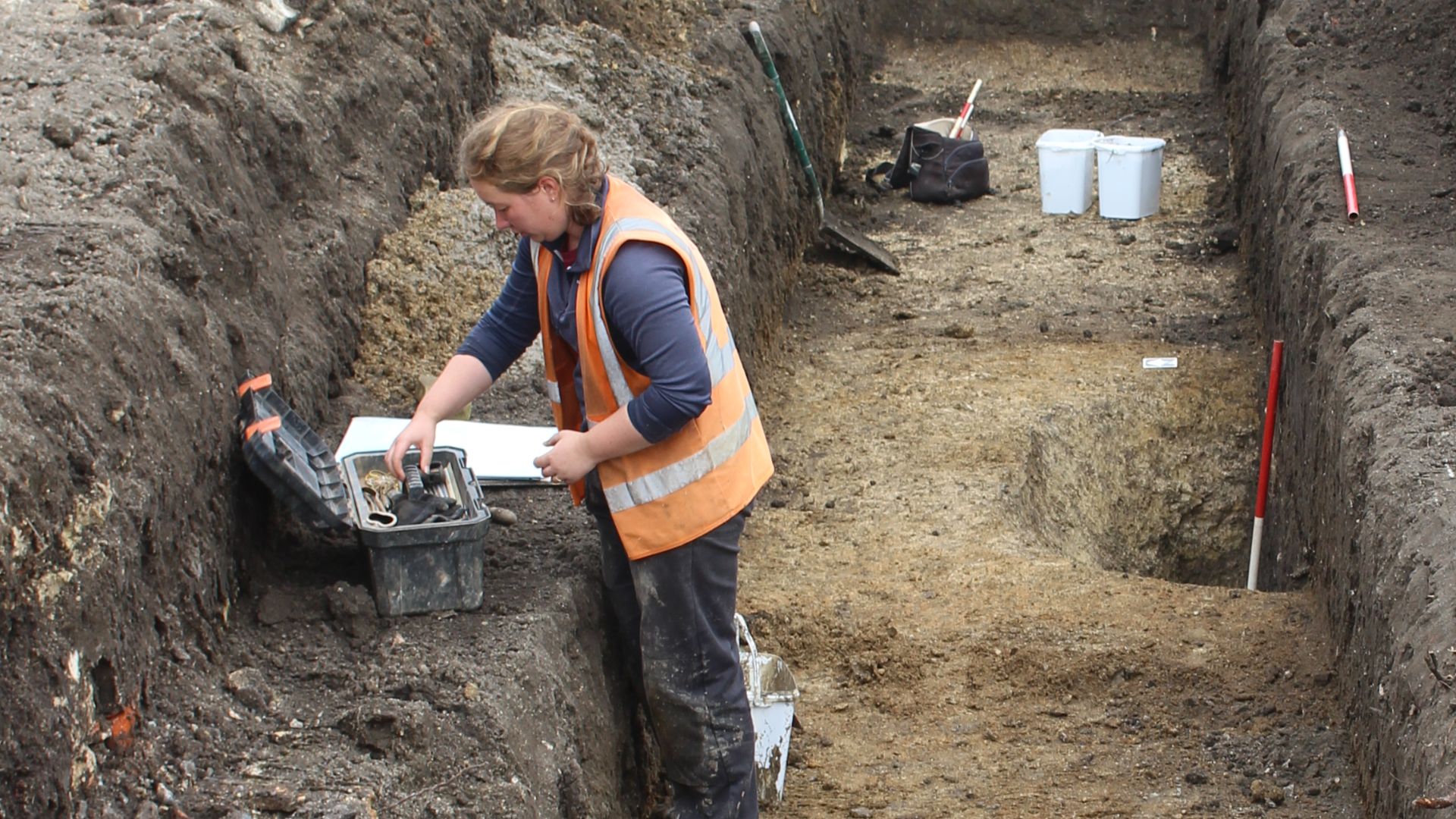
Field teams painstakingly documented chisel marks consistent with the bronze tools popular in that time period, and the weathering patterns indicate centuries of exposure to the elements. These are all strong arguments against modern forgery.
 Cotswold Archaeology, Wikimedia Commons
Why The Western Frontier Matters
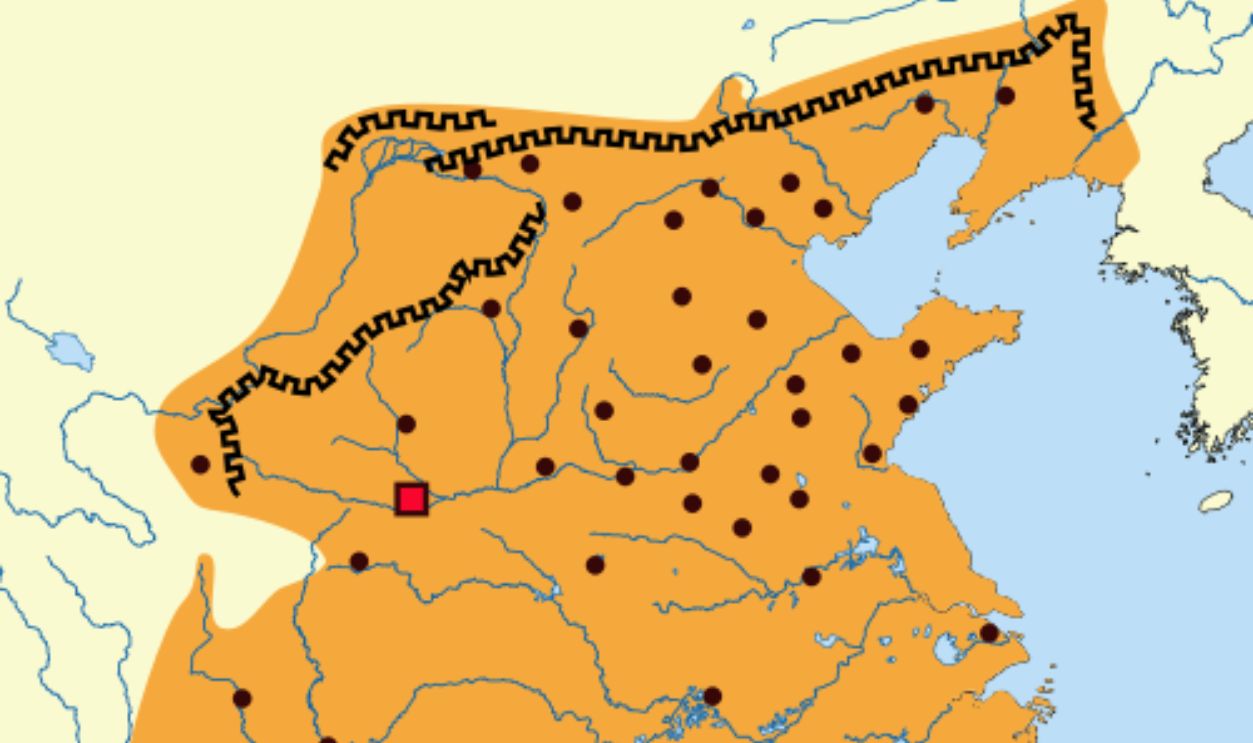
The Tibetan location places the Qin mission far beyond the Yellow River basin. It suggests the emperor’s reach extended to high‑altitude frontiers, where he sought to expand his extraordinary power.


History's most fascinating stories and darkest secrets, delivered to your inbox daily.
Linking The Quest To The Terracotta Army
The Terracotta Army has stood guard over the emperor’s tomb for more than 2,000 years; the inscription suggests that the quest into the wilderness was part of the same fear of death. One manifestation of this fear is physical (clay guardians); the other one spiritual (immortality expedition).
 xiquinhosilva, Wikimedia Commons
Political And Cultural Meaning
For the Qin dynasty, this inscription reveals how state mythology, expansionist aggression on the frontiers, and the force of spiritual ambition converged. This discovery rewrites longstanding assumptions about imperial scope and intent.
 Ian Remsen, CC0, Wikimedia Commons
Frontiers, Infrastructure, And Imperial Might
The mission implied by the stone inscription required a major logistical effort: roads, support, men, and supplies. This strongly hints that Qin’s empire had more advanced frontier infrastructure than we ever previously thought.

High-Stakes History
This find invites historians to reconsider the Qin state’s relationship to its high‑altitude hinterland regions and to the use of alchemy as an instrument of state policy. It also becomes a model for how inscriptions can validate narratives long dismissed as folklore.
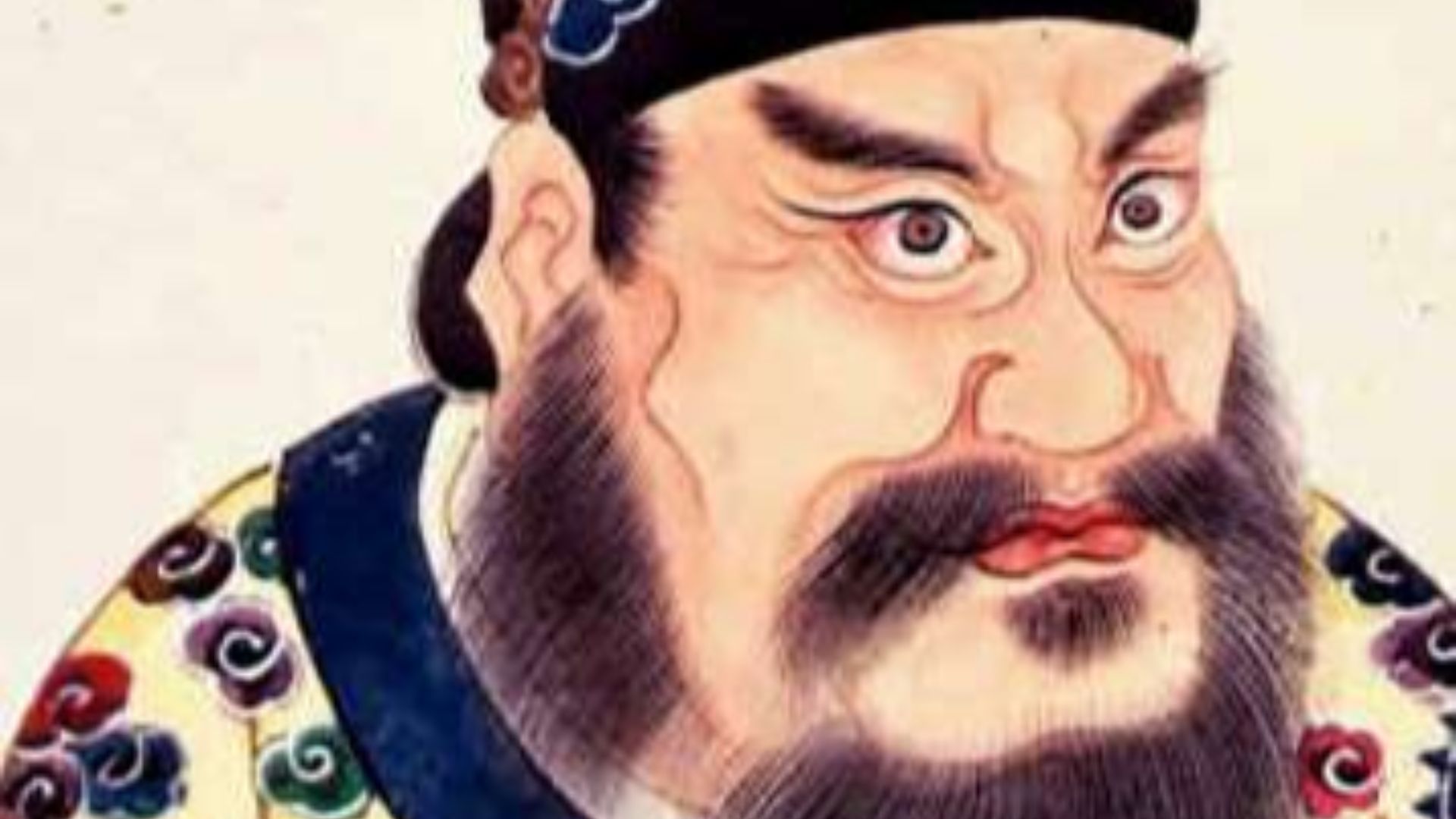 Anonymous artist of the Qing dynasty, Wikimedia Commons
What The Inscription Doesn’t Tell Us (Yet)
We still don’t know how long and how far the expedition progressed in its quest, where exactly the alchemists went beyond the lake, or what ever became of them. These unanswered questions open wide avenues for future research.
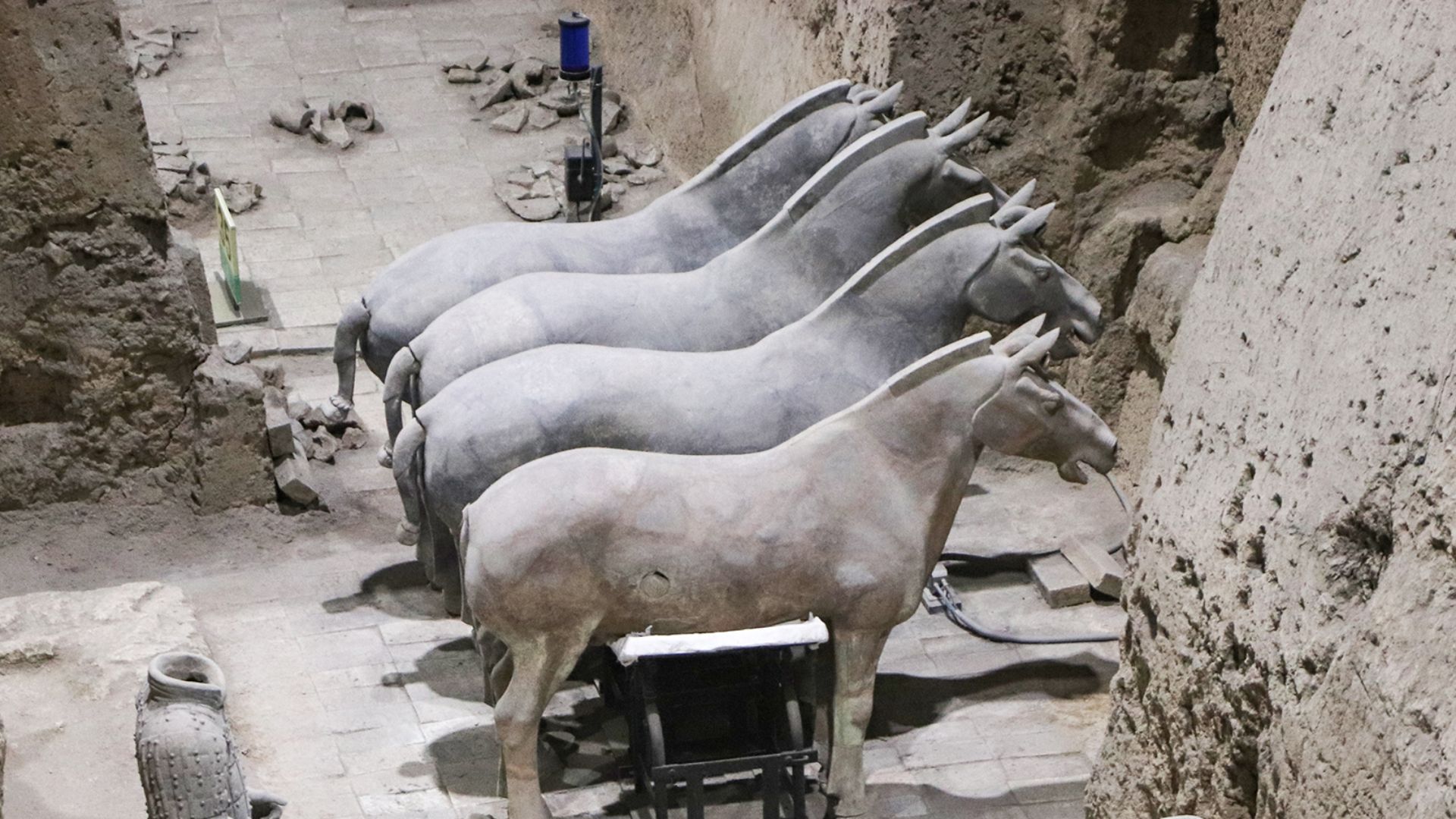 Windmemories, Wikimedia Commons
Cultural Heritage As Economic Catalyst
The authentication of the Tibetan inscription is an amazing triumph and additional proof that cultural heritage can fuel modern economies. Discoveries like this draw global attention, boost tourism, and strengthen regional identity. When ancient history gets verified in a physically visible way, it captures people’s attention. This can transform remote sites into living assets, in which past civilizations provide present-day opportunites.
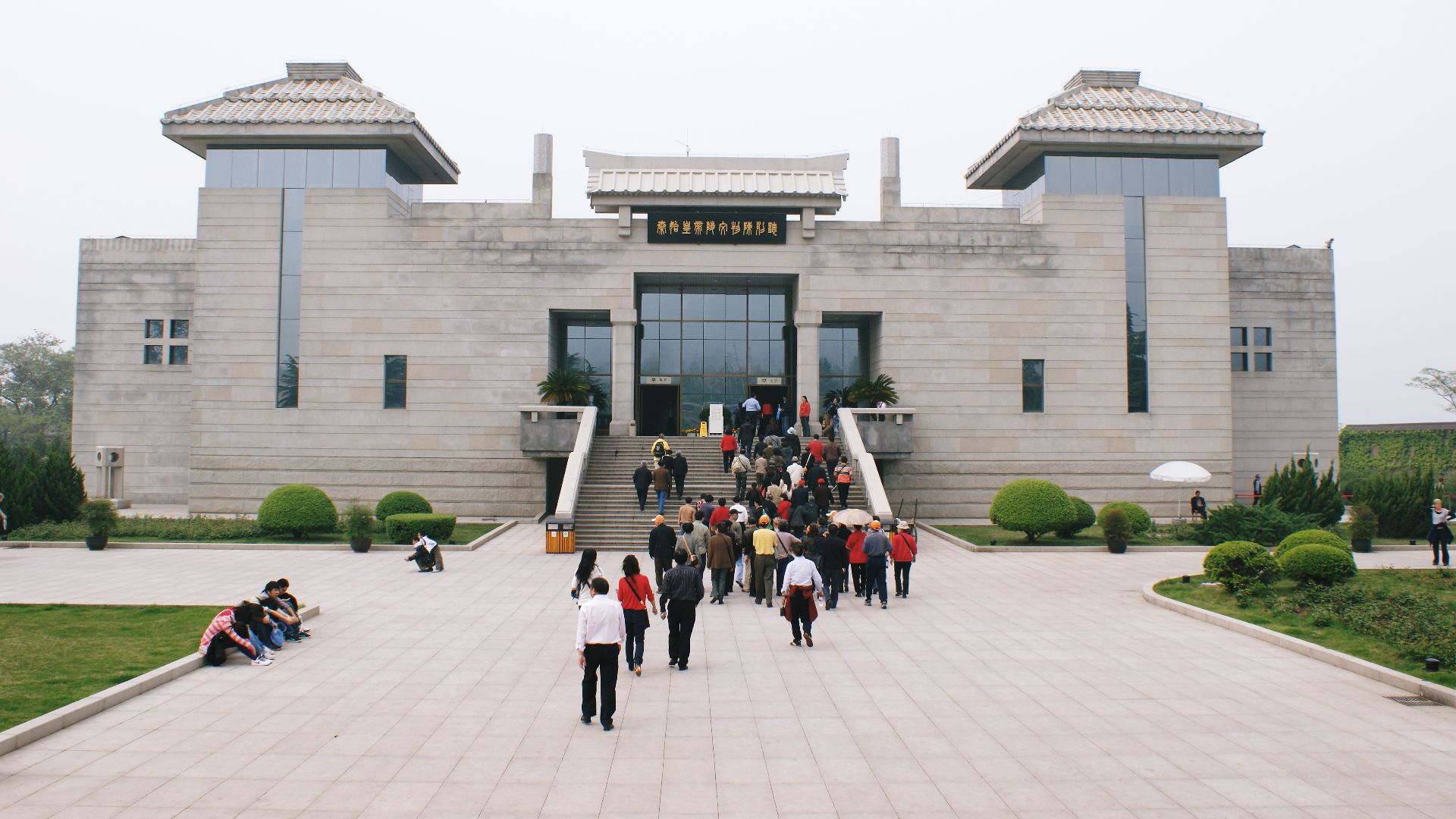 Hugh Llewelyn from Keynsham, UK, Wikimedia Commons
Empowering Local Communities Through Discovery
When major archaeological finds are made in such remote regions as this, the benefits shouldn’t stop at headlines. Authentic discoveries like the Tibetan inscription can generate education programs, conservation jobs, and sustainable tourism networks that keep revenue in local hands. Protecting and interpreting these sites helps these far-flung frontier communities be the active agents of their own heritage rather than passive bystanders.
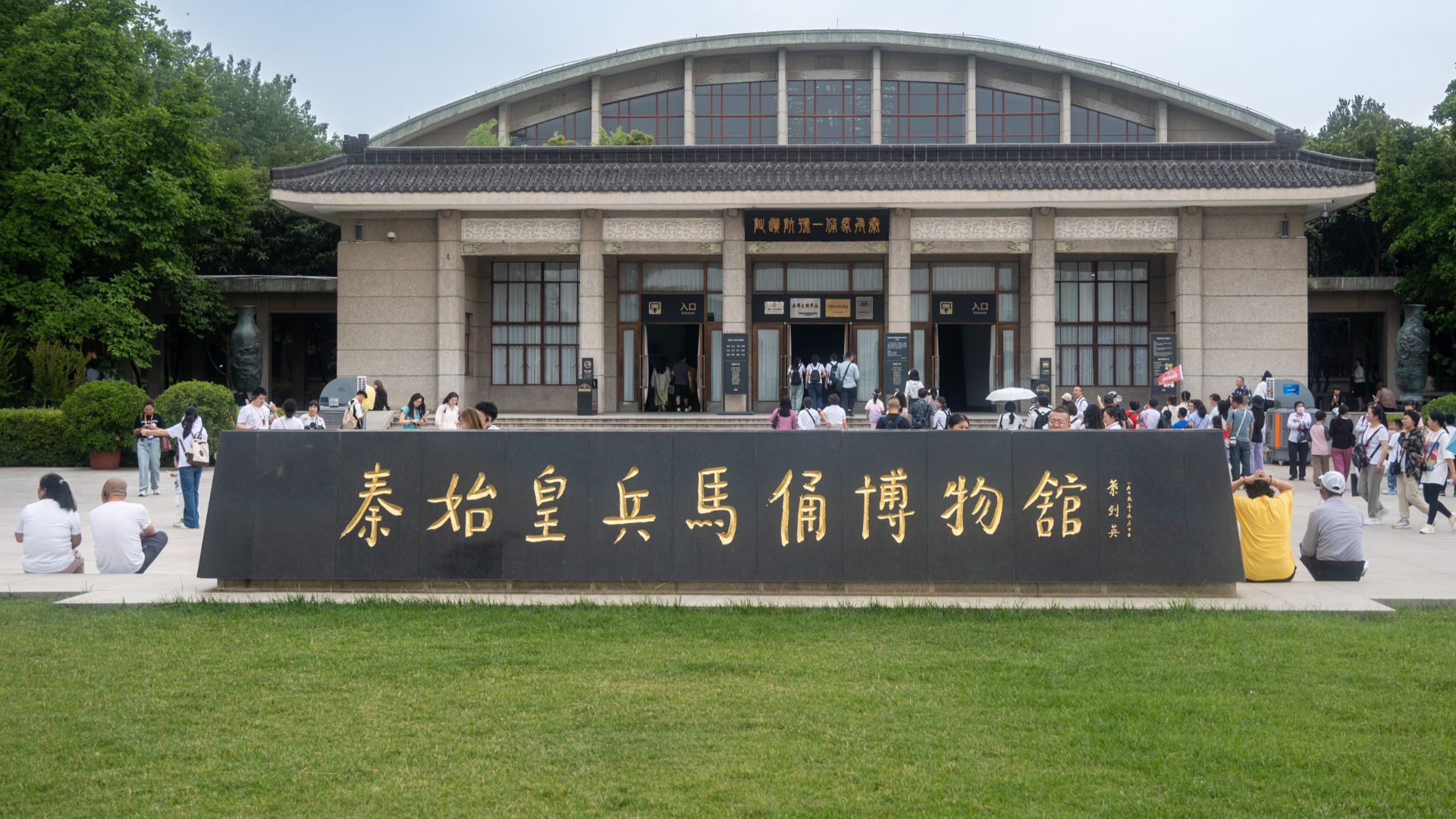 xiquinhosilva, Wikimedia Commons
Symbolism And Cultural Memory
The Tibetan inscription is like the Terracotta Army in that it spans history, mythology, and statecraft. It proves how ancient symbols can evolve into powerful narratives that shape national identity for thousands of years. For scholars, it’s a textbook case of how memory, material evidence, and meaning reinforce one another through the generations.
 xiquinhosilva, Wikimedia Commons
Contemporary Relevance: Memory And Myth
Today’s global culture values regional identity and authenticity more than ever. The inscription promises the potential of a historical reinterpretation on a grand scale. It also buttresses global heritage tourism narratives by being the physical proof of the power of myth, hewn into the very rock itself.
 xiquinhosilva , Wikimedia Commons
Lessons For Research, Conservation, And Interpretation
The find shows the value of multidisciplinary work: geology, epigraphy, archaeology, and nature conservation joined hands to validate and conclusively authenticate an ancient narrative thought to be nothing more than an old tale. It highlights standards for future frontier finds.
 Worcestershire Archaeology, Wikimedia Commons
Bridge Between Myth And Reality
The Tibetan‑plateau inscription is a tangible link between myth and empire. It anchors the emperor’s insatiable quest for immortality, the creation of the famed Terracotta Army, and the ambition to conquer new frontiers all in one stone. In doing so, the inscription shows how past power struggles shape today’s narratives.
 Unknown (18??–18??), Wikimedia Commons
You May Also Like:
Facts About Ancient Archaeological Discoveries
Imperial Facts About Qin Shi Huang, The Dragon Emperor