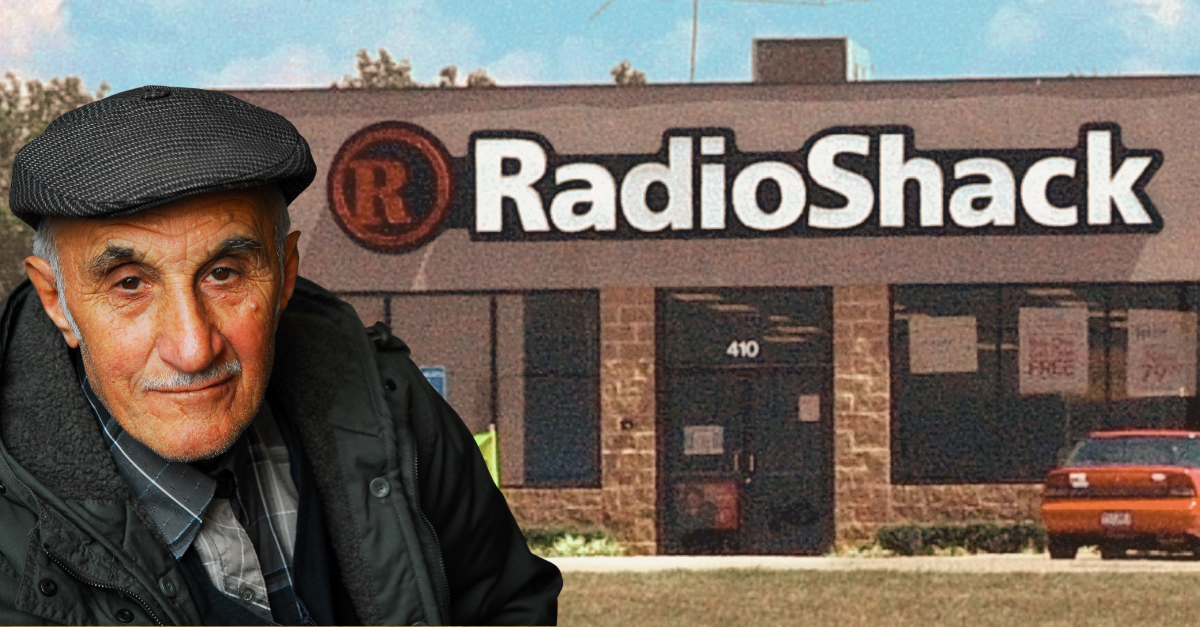
When Waiting Was Just Part Of The Deal
Waiting used to be built into ordinary life. Information traveled on paper, entertainment followed schedules, photos hid inside undeveloped film, and even getting online could occupy the household telephone. These experiences did not disappear overnight, but for Americans born in the late 1990s or later, many were already becoming optional during childhood.

The Internet To Actually Connect
Dial-up was not instant. In June 2000, Pew found 34% of American adults used dial-up while only 3% had broadband; broadband did not overtake dial-up in Pew’s tracking until the mid-2000s. Going online meant connecting first.
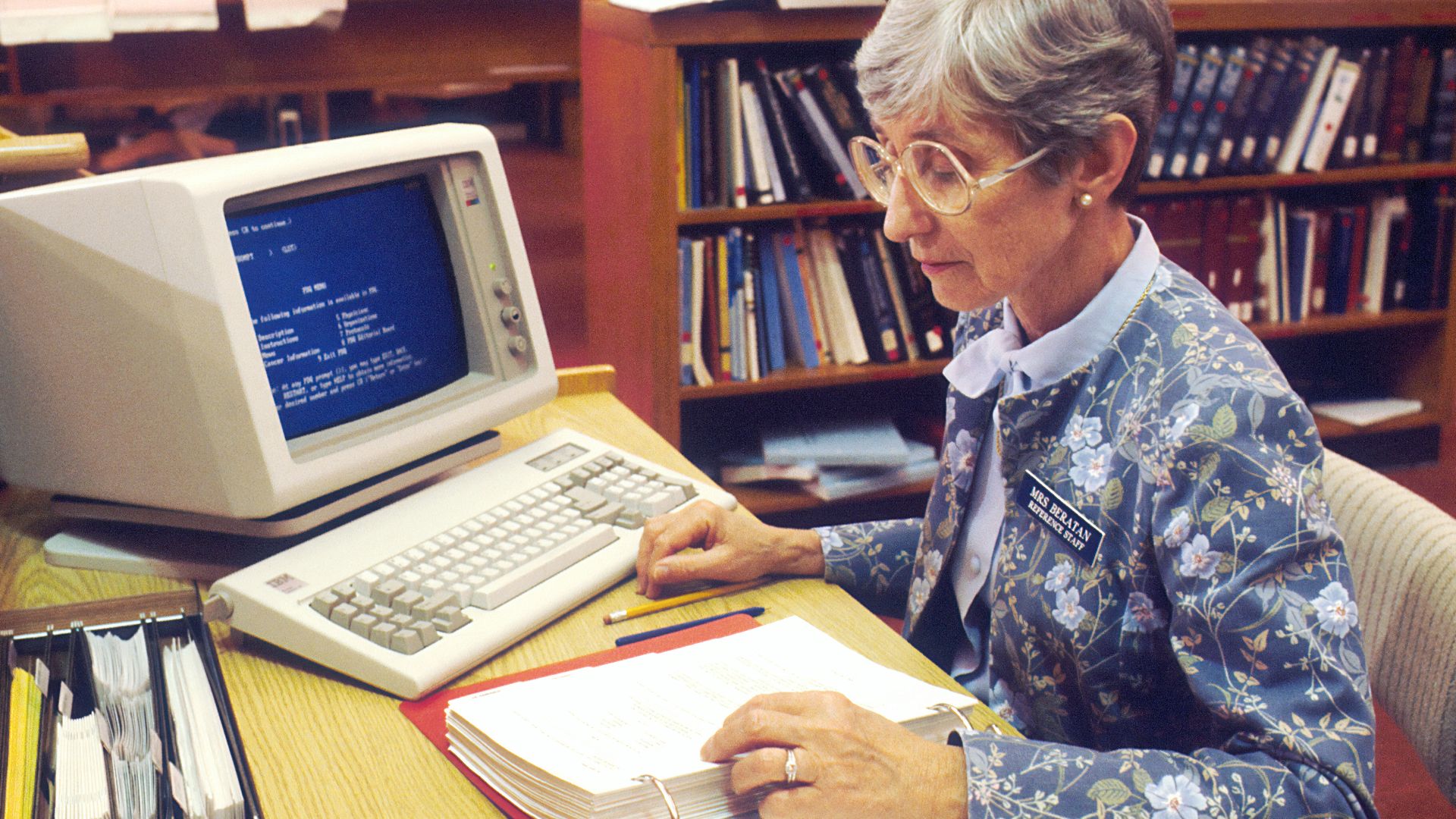 National Cancer Institute, Unsplash
The Phone Line To Be Free
Dial-up internet commonly ran through a standard telephone line, the same network used for voice calls. That created a household conflict: the line could be needed for either a modem session or a conversation. Broadband largely ended that negotiation.
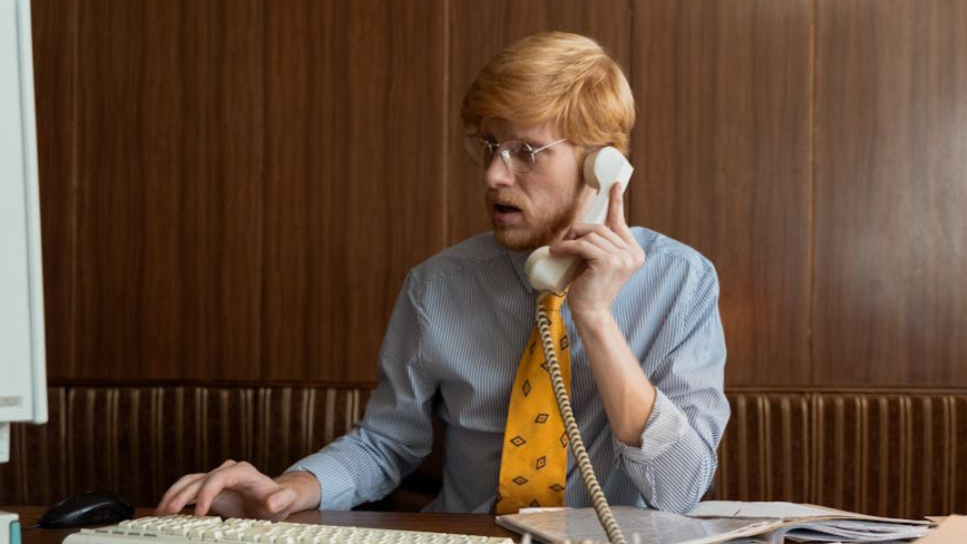
A Photo To Be Developed
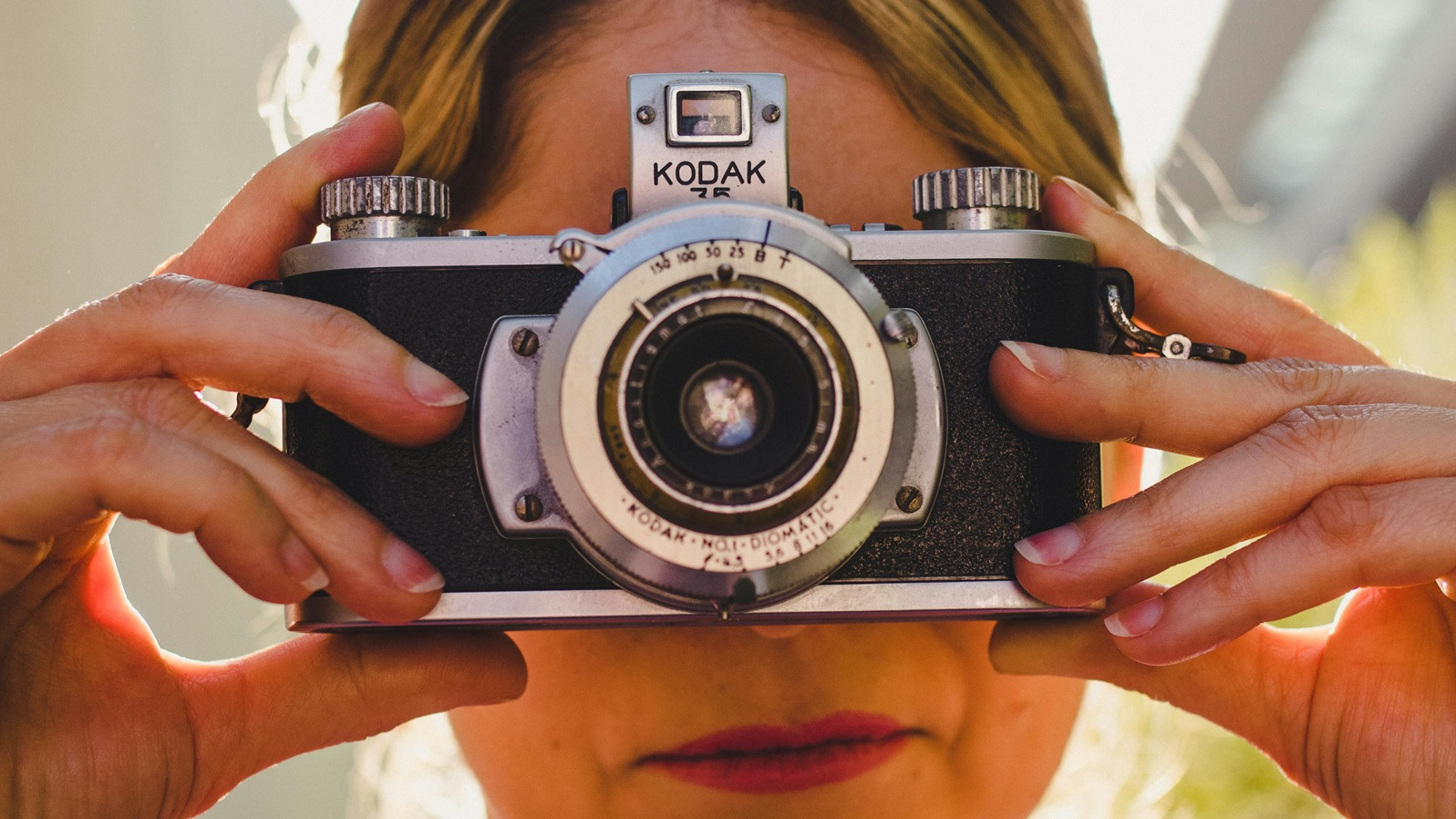
Film cameras offered no instant preview. Kodak’s original consumer camera came loaded with film that had to be returned and developed before prints were produced. There was no screen showing whether the shot worked the second you pressed the button.
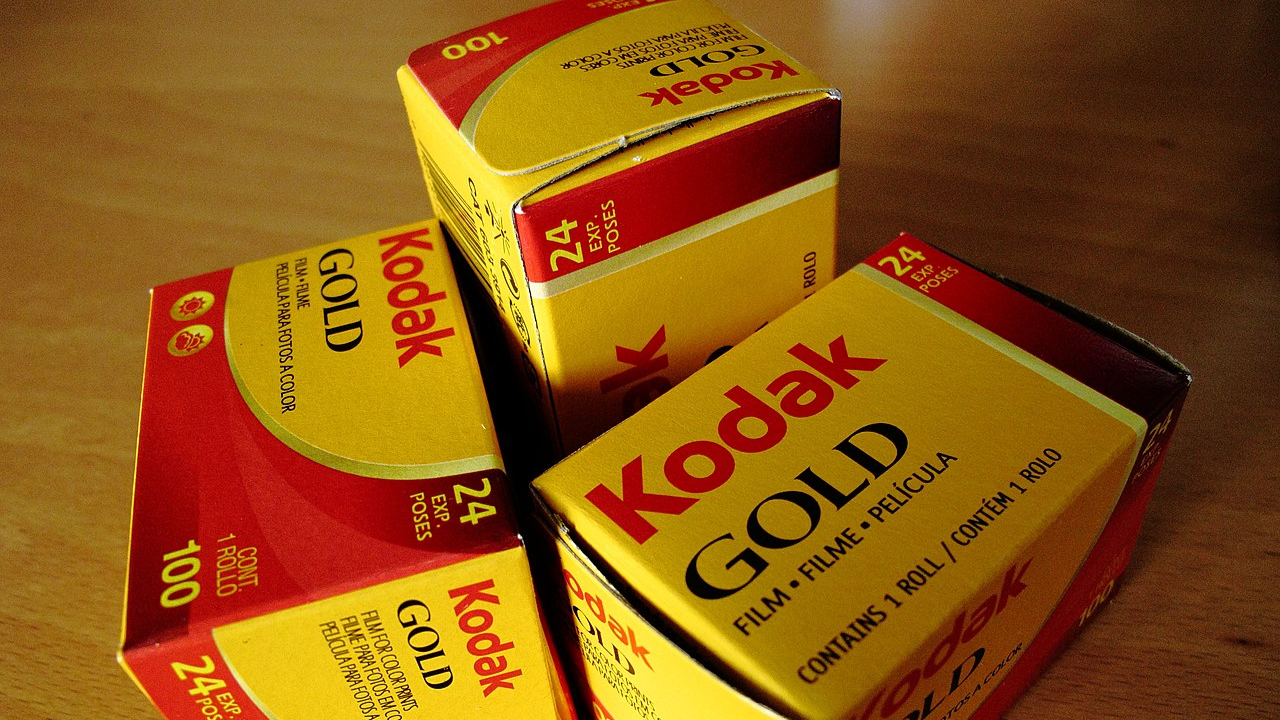 MIKI Yoshihito, CC BY 2.0, Wikimedia Commons

History's most fascinating stories and darkest secrets, delivered to your inbox daily.
The Rest Of The Roll Before Seeing One Picture
Early Kodak users took as many as 100 exposures before returning the still-loaded camera for developing and printing. That meant a questionable photo could remain a complete mystery until the available exposures were used and the film went through processing.
A Movie To Arrive In The Mail
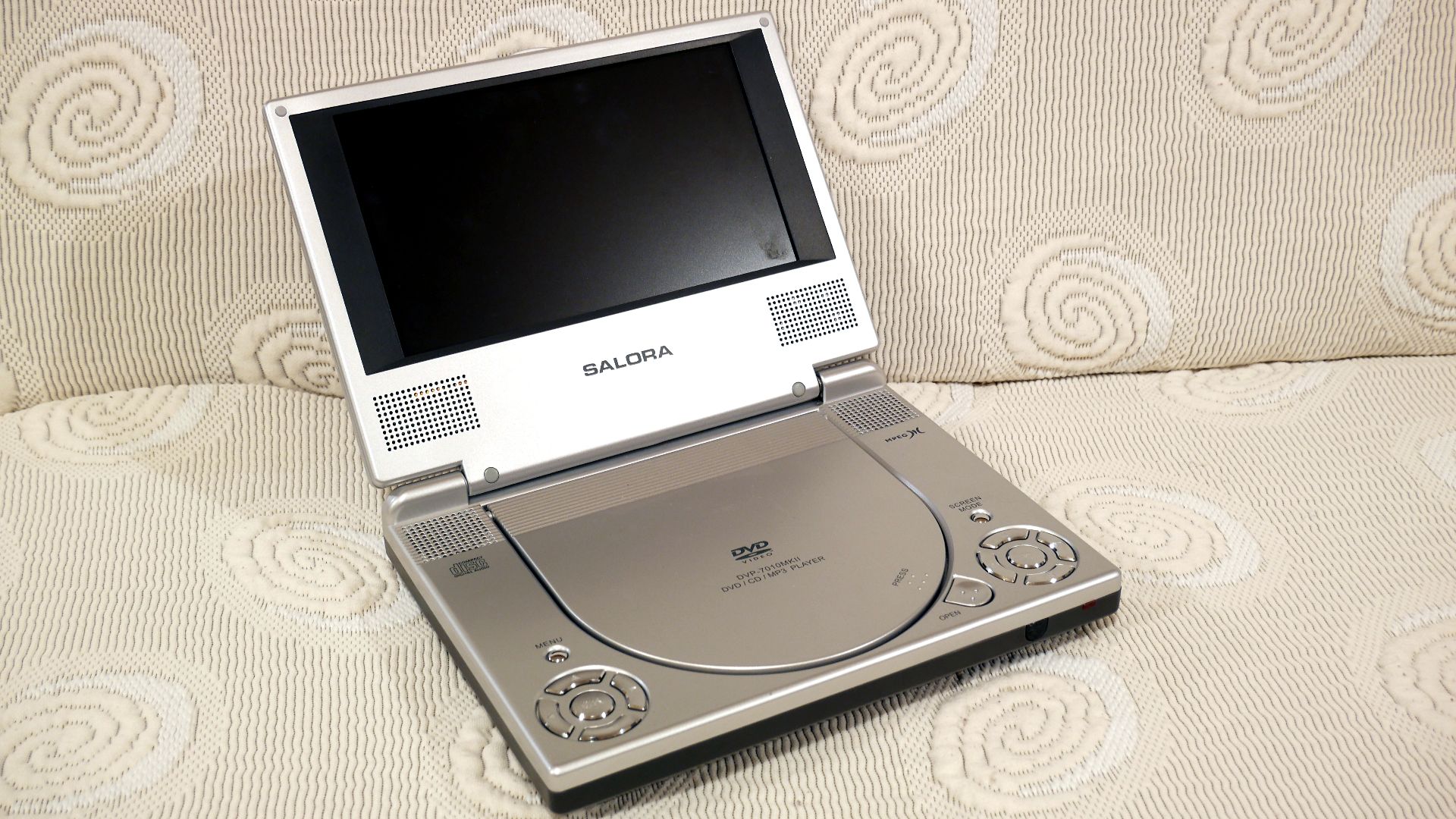
Netflix began as a DVD-by-mail business, so choosing a movie did not mean watching immediately. When streaming arrived in 2007, subscribers gained instant PC access to about 1,000 titles while the company’s DVD catalog contained more than 70,000.
 Santeri Viinamäki, Wikimedia Commons
A TV Show To Come On
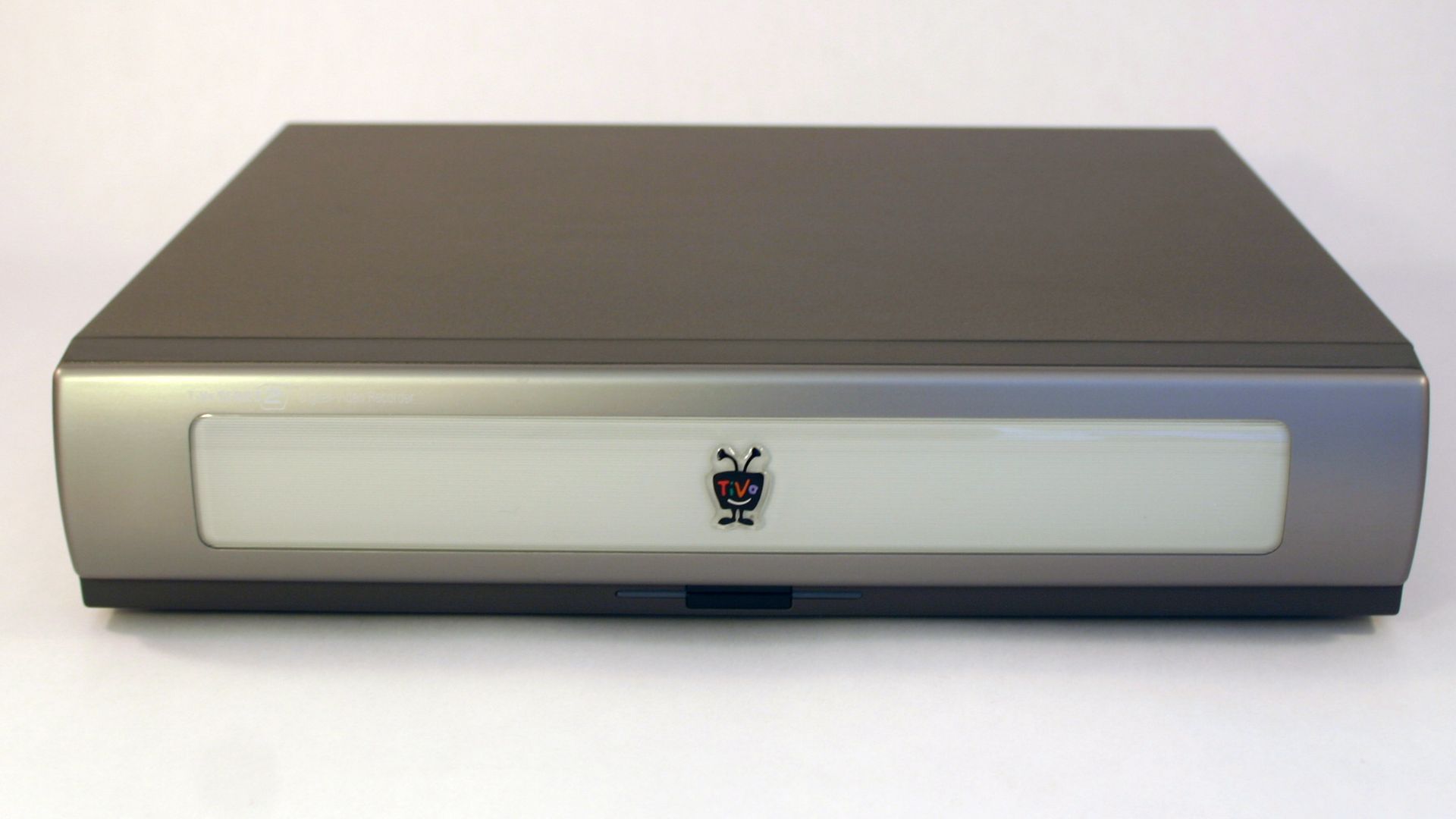
Television once asked viewers to organize themselves around the schedule. DVRs such as TiVo, introduced in 1999, expanded time-shifting, while streaming later made shows available on demand. Missing an episode no longer automatically meant waiting for another broadcast.
 Jared C. Benedict, Wikimedia Commons
A Recording To Finish Before Starting It
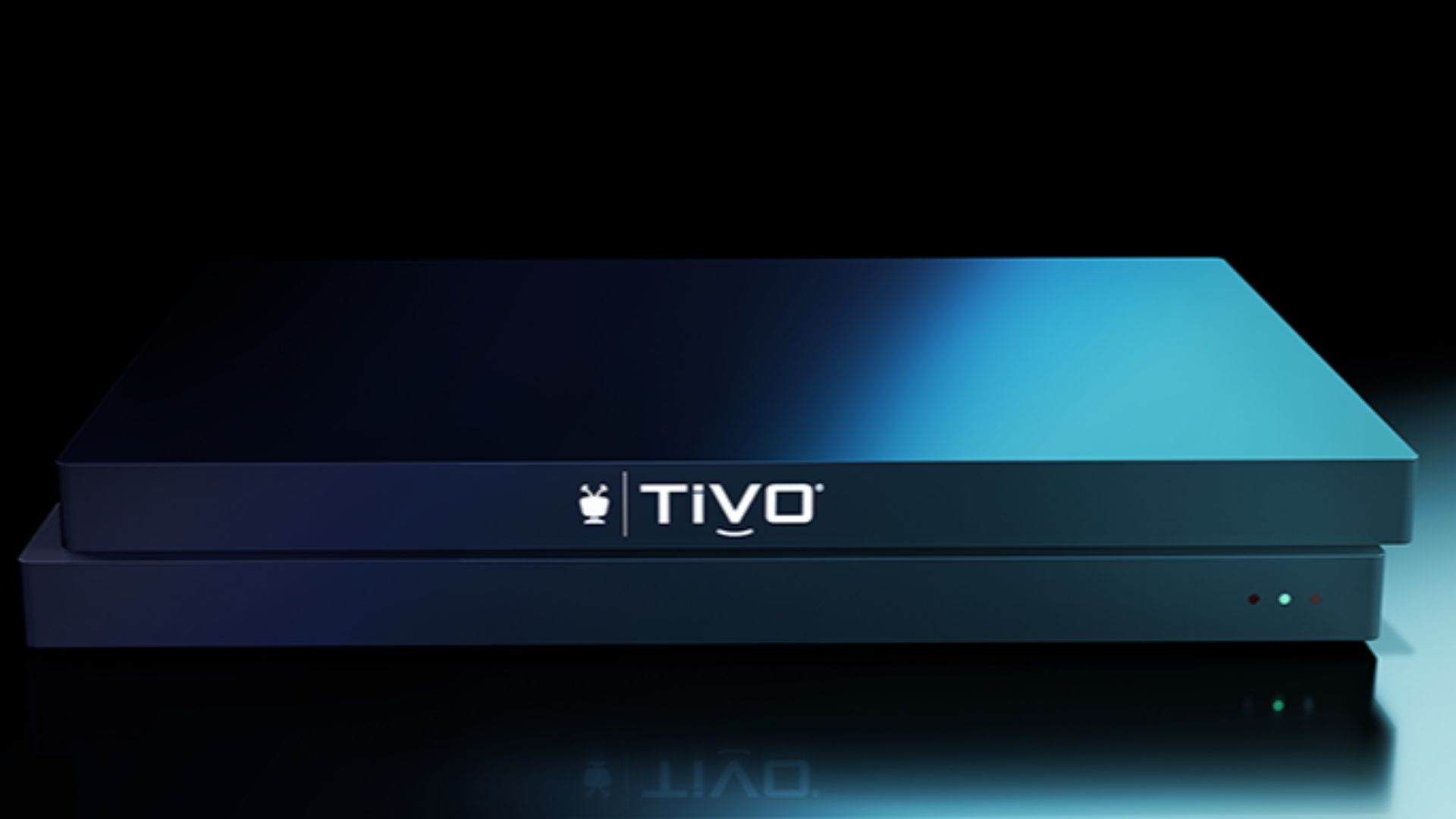
With a single VCR, viewers who missed the beginning of a program being recorded generally had to wait until recording finished to watch from the start. TiVo changed that, allowing playback from the beginning while the broadcast continued recording.
A Commercial Break To End
Traditional live television made commercial breaks unavoidable pauses. DVR buffering offered a workaround: viewers could watch slightly behind the broadcast and fast-forward through advertisements. TiVo helped normalize the idea that television time could belong to the viewer.
 Evgeniy Medvedev, Shutterstock
A Trip To The Store For One Song
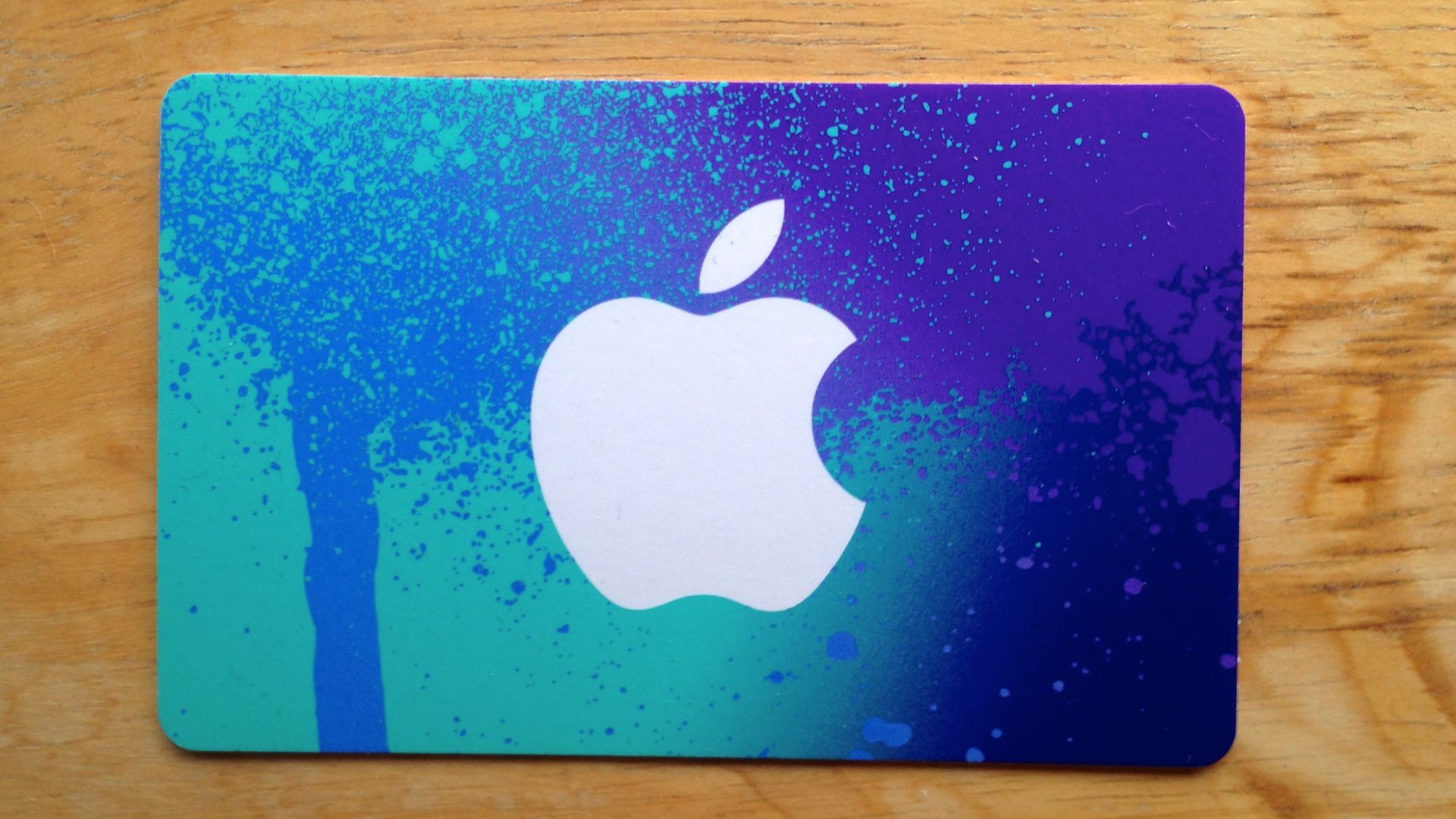
Apple launched the iTunes Music Store in 2003 with individual songs priced at 99 cents and available for download. Getting a desired track no longer necessarily meant finding the right CD at a store or purchasing an entire album.
History's most fascinating stories and darkest secrets, delivered to your inbox daily.
Directions Before Leaving The House
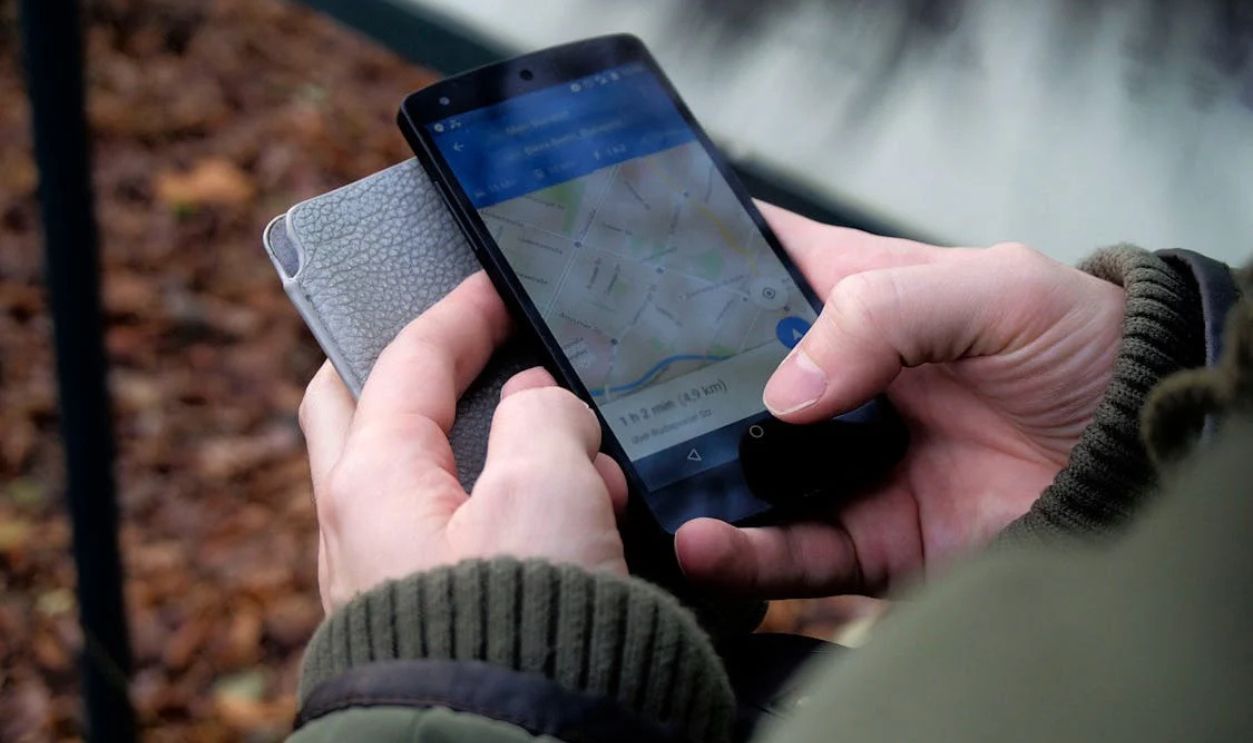
Google Maps launched on desktop in February 2005 to help users get from point A to point B. Its origins as a desktop service are a reminder of the period when digital directions were something you consulted before traveling rather than constantly from your phone.
A Bank To Open
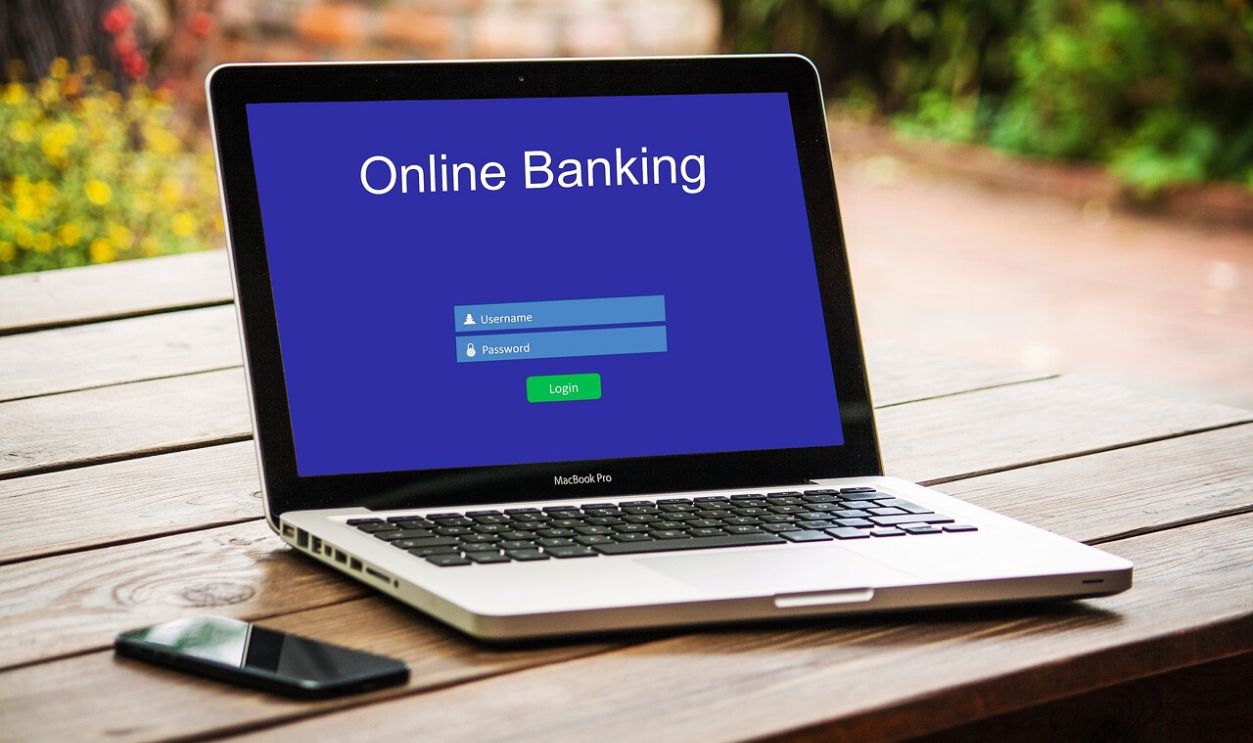
Pew noted that in 1994 most Americans still visited bank branches for many routine transactions. By 2005, 53 million Americans were banking online. For everyday account chores, the spread of online banking made “business hours” much less important.
A Check To Physically Travel
Paper checks once had to be transported between banks during clearing. The Check 21 law, effective in 2004, enabled more electronic processing. By 2010, the Federal Reserve said almost 99% of its processed checks were handled as images.
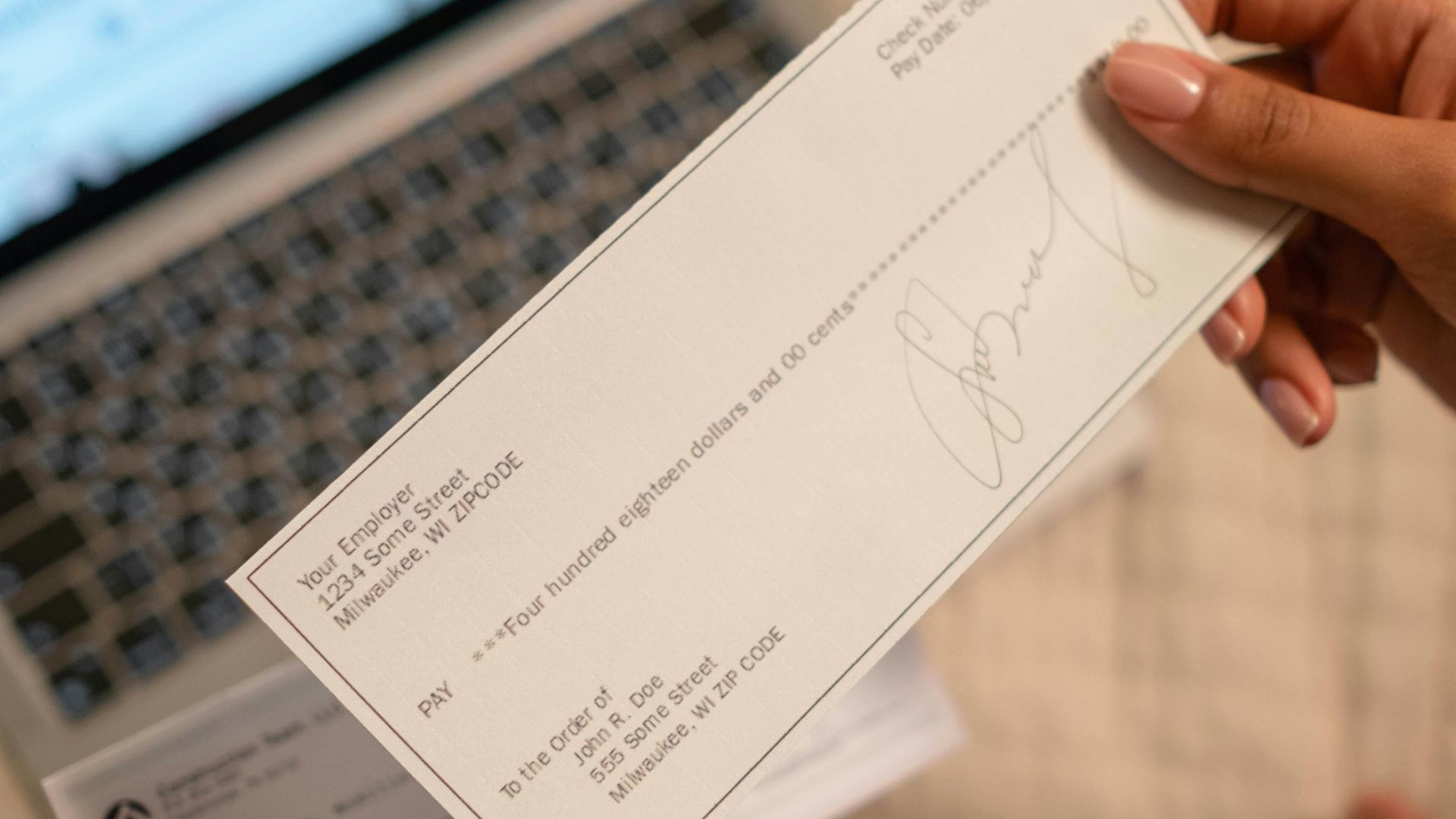
A Bill Payment To Arrive
USPS gives First-Class Mail an estimated delivery window of one to five business days. Online bill payment grew rapidly in the 2000s, replacing the familiar process of writing a check, finding a stamp, and mailing it before the due date.
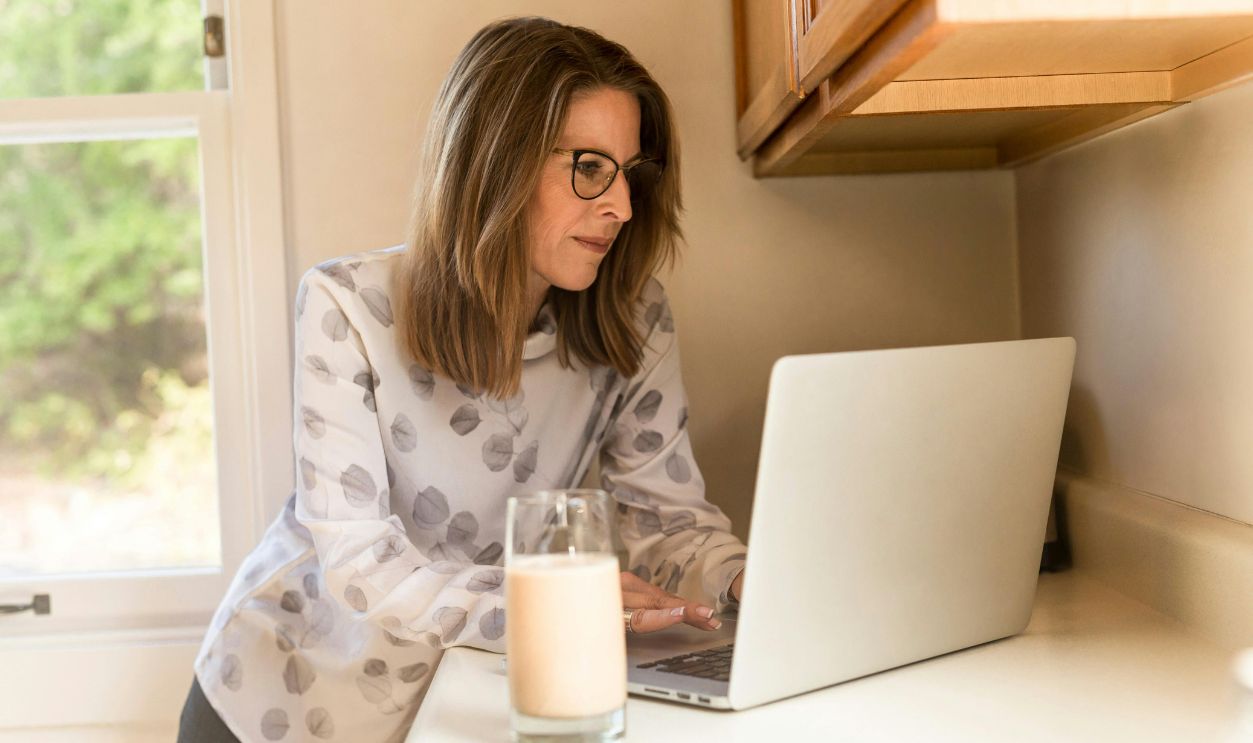 LinkedIn Sales Navigator, Pexels
A Package Update From A Human
FedEx says customers once called a toll-free number to ask about shipment progress. In 1994, fedex.com became the first transportation website to offer online package-status tracking. Now, checking a package usually requires a screen instead of a conversation.

Tomorrow’s Newspaper
Breaking news once depended much more on broadcasts and printed editions. In 2000, one-third of Americans were going online for news at least weekly. By 2010, 65% of adults under 30 named the internet as a main national and international news source.

History's most fascinating stories and darkest secrets, delivered to your inbox daily.
The Local Forecast Segment
Weather information escaped the schedule, too. The National Weather Service launched its Internet Service Interactive Weather Information Network in 1995. Online distribution increasingly gave people another option besides waiting for television, radio, or printed weather updates.
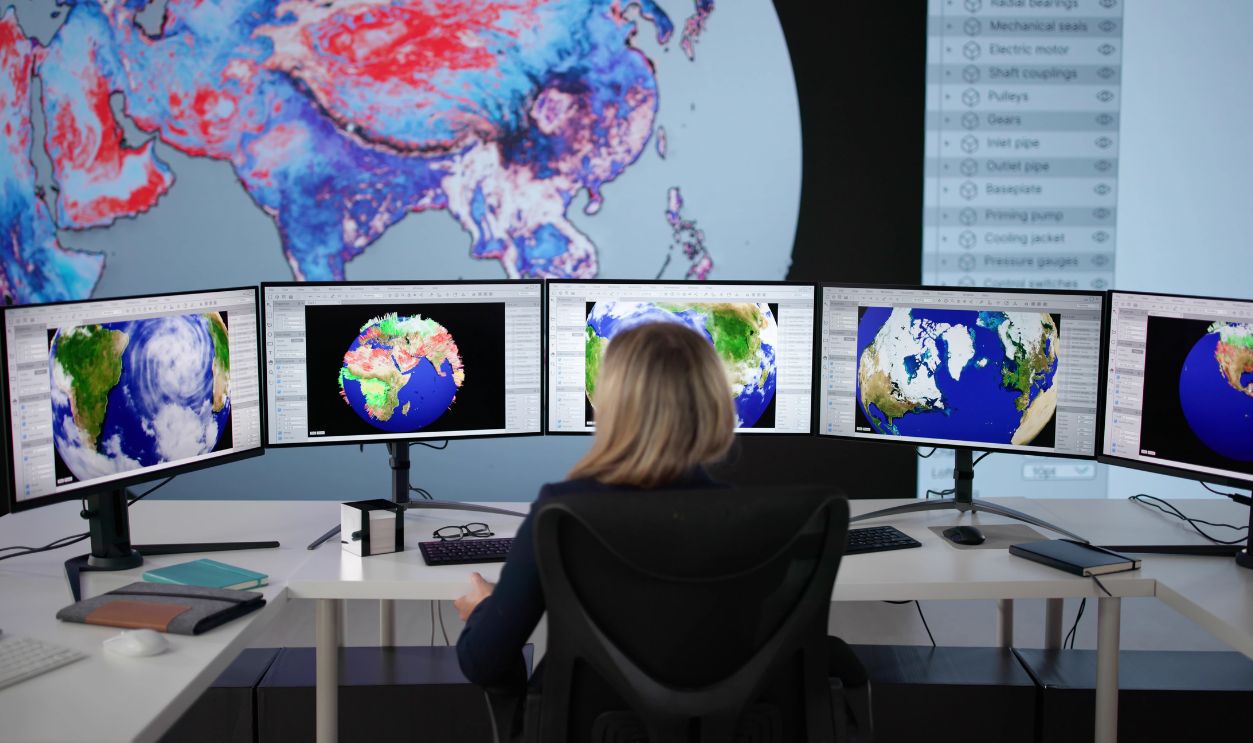
A Library Card Catalog Search
Before online catalogs, finding a library book could mean searching drawers of cards by author, title, or subject. The Library of Congress Main Card Catalog contains records for most books cataloged through 1980, illustrating how physical searching once worked.

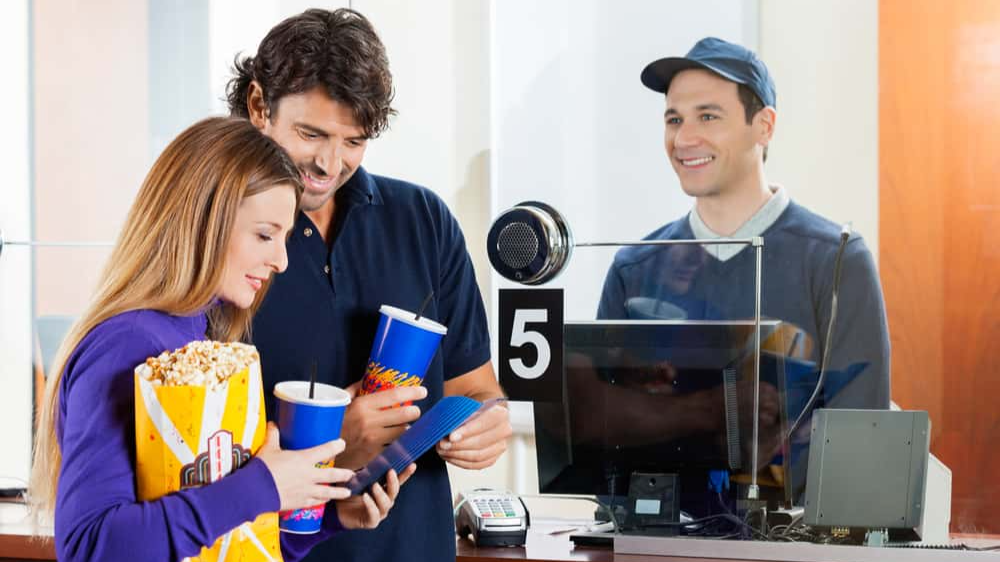
The Movie-Theater Ticket Line
Online movie ticketing was still novel in 2000. Fandango began selling tickets that year, while contemporary coverage promoted internet purchasing as a way around box-office lines and sold-out screenings. Reserving seats before leaving home soon became increasingly normal.
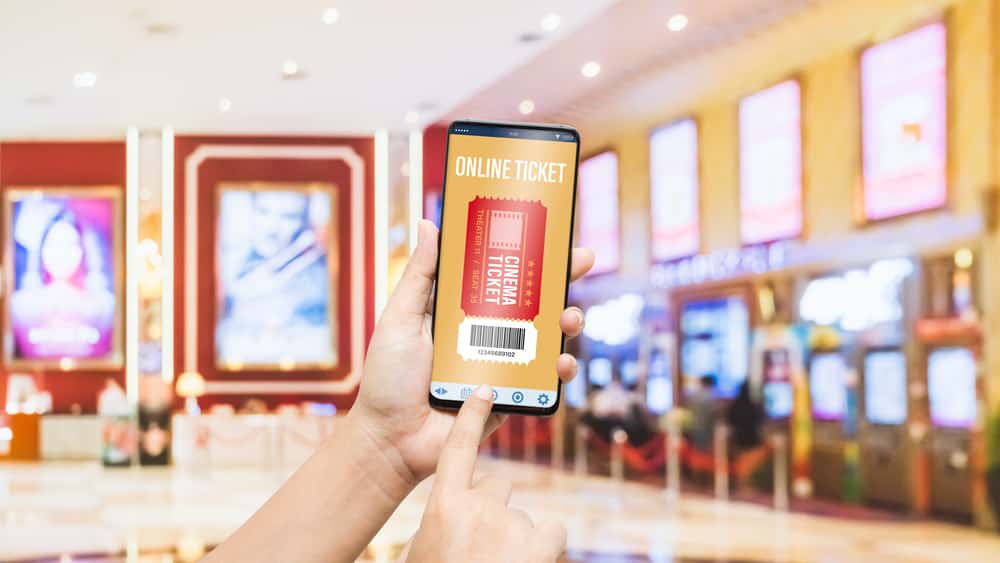
A Live-Event Ticket Without The Web
Ticketmaster’s filings say its online ticket sales began in November 1996. The web therefore became an important sales channel for concerts, sports, theater, and family entertainment only near the end of the 1990s. Younger fans inherited online queues instead.
An Airline Ticket Printed On Special Stock
Air travel once revolved around physical ticket documents. IATA launched its Simplifying the Business program in 2004 and reported achieving 100% electronic ticketing in 2008. Paper airline tickets rapidly shifted from standard travel equipment to technological relics.
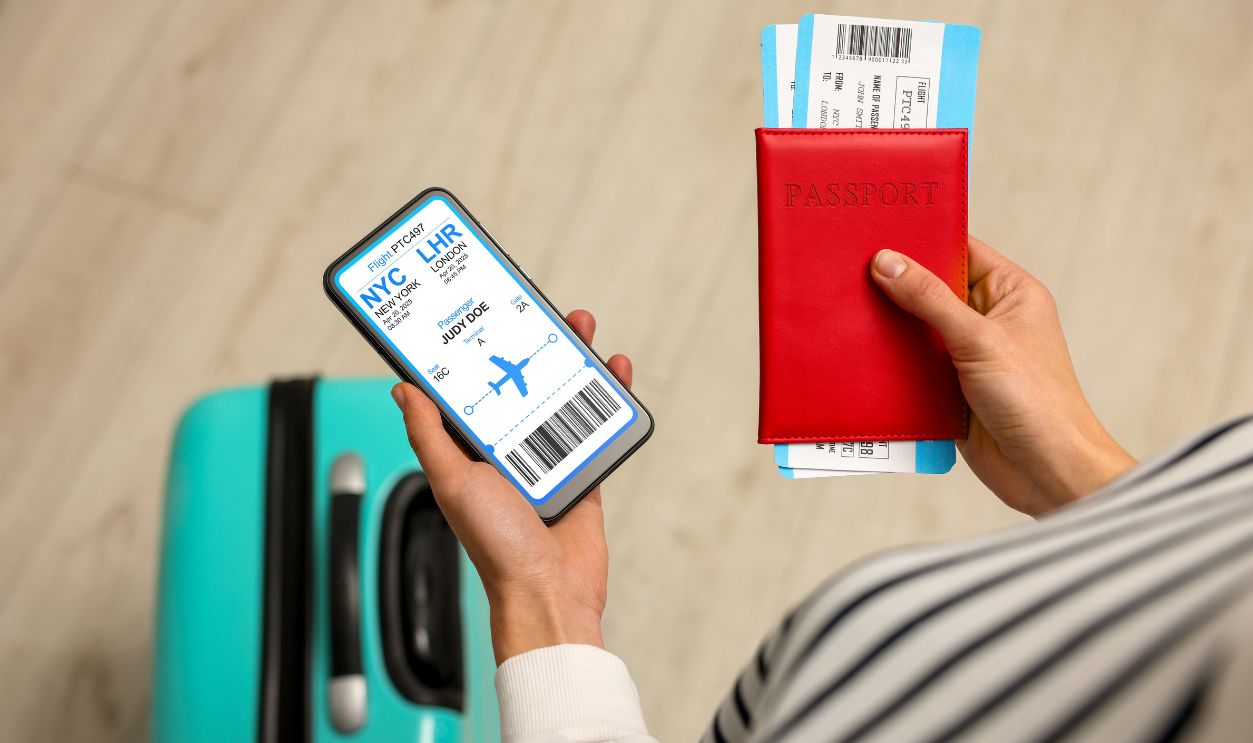
A Boarding Pass From The Airport Printer
Even after e-tickets arrived, boarding passes remained paper for a while. American Airlines says it introduced mobile boarding passes in 2008, and IATA soon reported standardized boarding-pass barcodes appearing on phones. A document collected at the airport moved onto a screen.

History's most fascinating stories and darkest secrets, delivered to your inbox daily.
Someone To Get Home And Check Their Messages
Answering machines stored missed calls on recording media long before voicemail became a phone feature. Smithsonian examples from the 1960s used tape systems for incoming messages. If nobody was home, hearing the message could wait until somebody returned.
 Krakenimages.com, Shutterstock
A Friend To Be Near A Phone
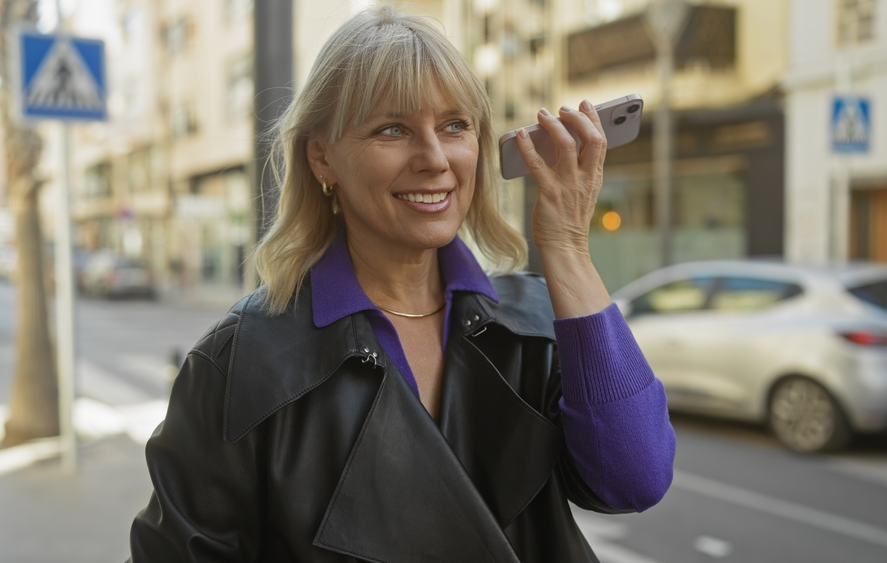
By 2010, Pew found 75% of American teens owned cell phones, and texting had become their preferred basic communication channel with friends. Reaching someone increasingly meant contacting the person directly, not calling a place and hoping they were there.

You May Also Like: