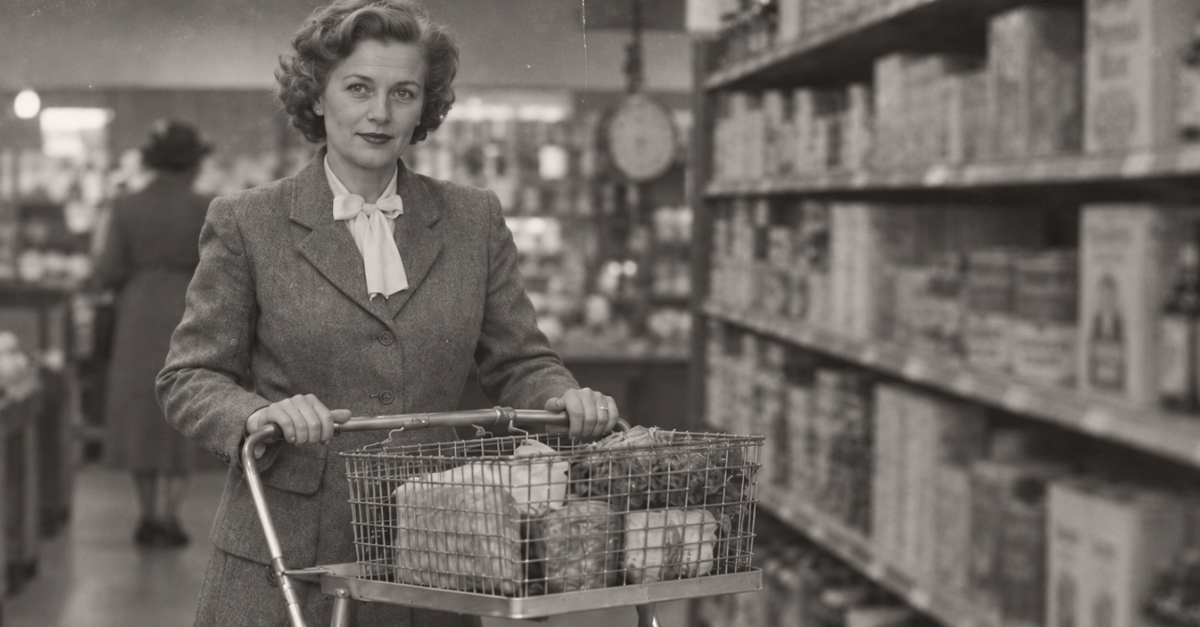
It Seemed Like An Obvious Winner
The idea was simple, practical and designed to solve a problem almost every shopper had. Store owners stood to make more money, customers would have an easier time, and there seemed to be almost no downside. Except for the fact that customers hated them. But, how does anyone hate a shopping cart you ask?
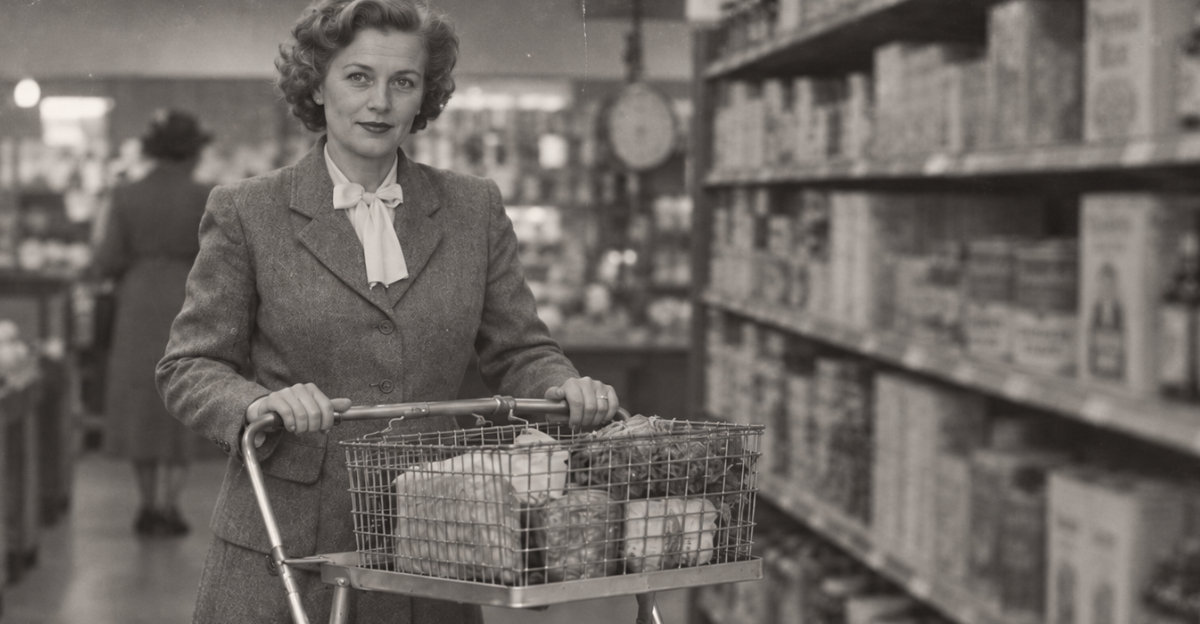
Grocery Shopping Used To Work Very Differently
For much of grocery-store history, shoppers did not wander aisles collecting their own food. They told a clerk what they wanted, and the clerk fetched it. That began changing dramatically in 1916, when Piggly Wiggly opened its pioneering self-service store in Memphis.
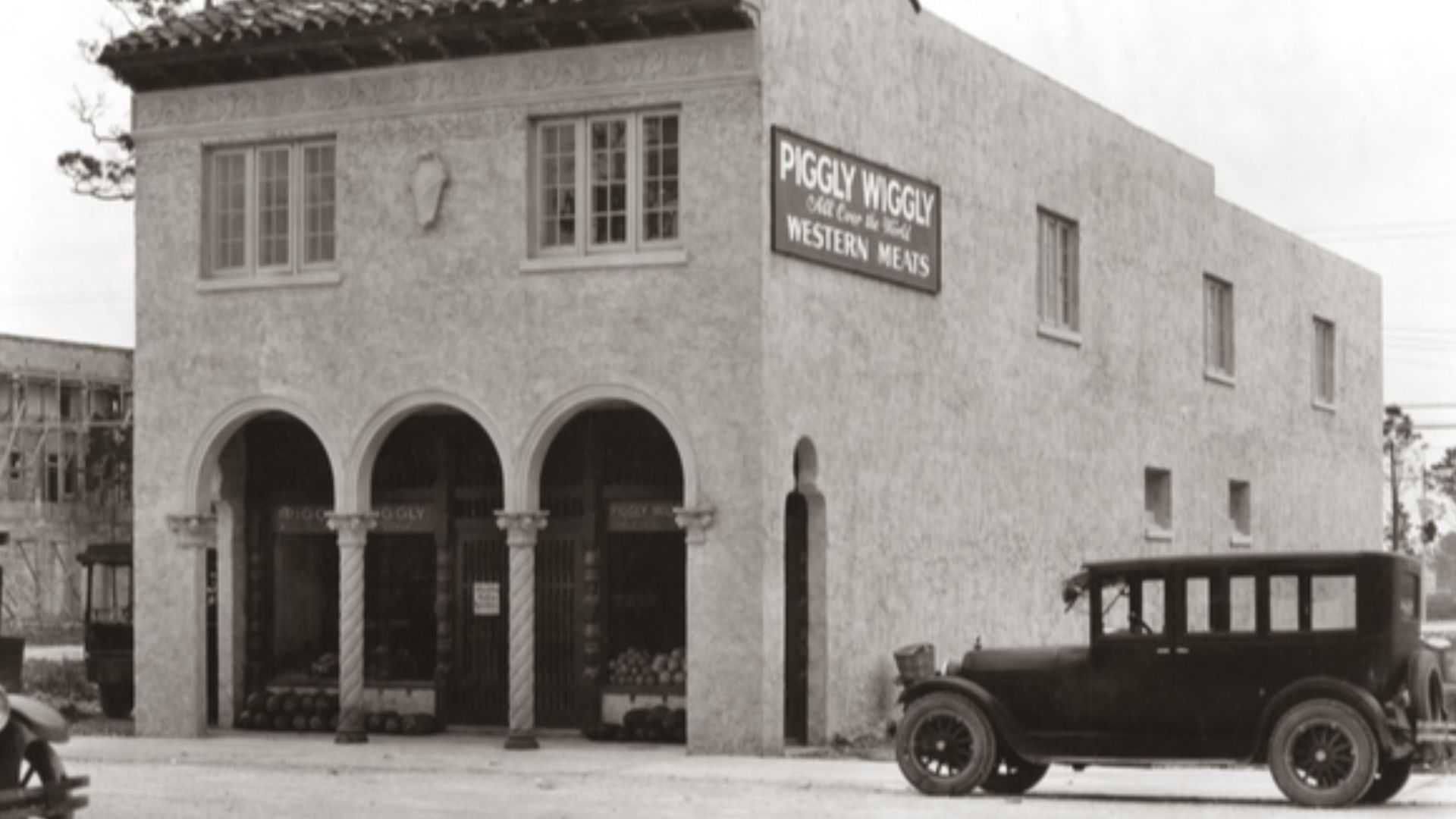 State Library and Archives of Florida, Wikimedia Commons
Then Self-Service Changed Everything
Self-service was a retail breakthrough. Customers could walk the aisles, compare products and put what they wanted into a hand basket. It also meant stores needed fewer clerks filling individual orders. But the new system created one very obvious problem.
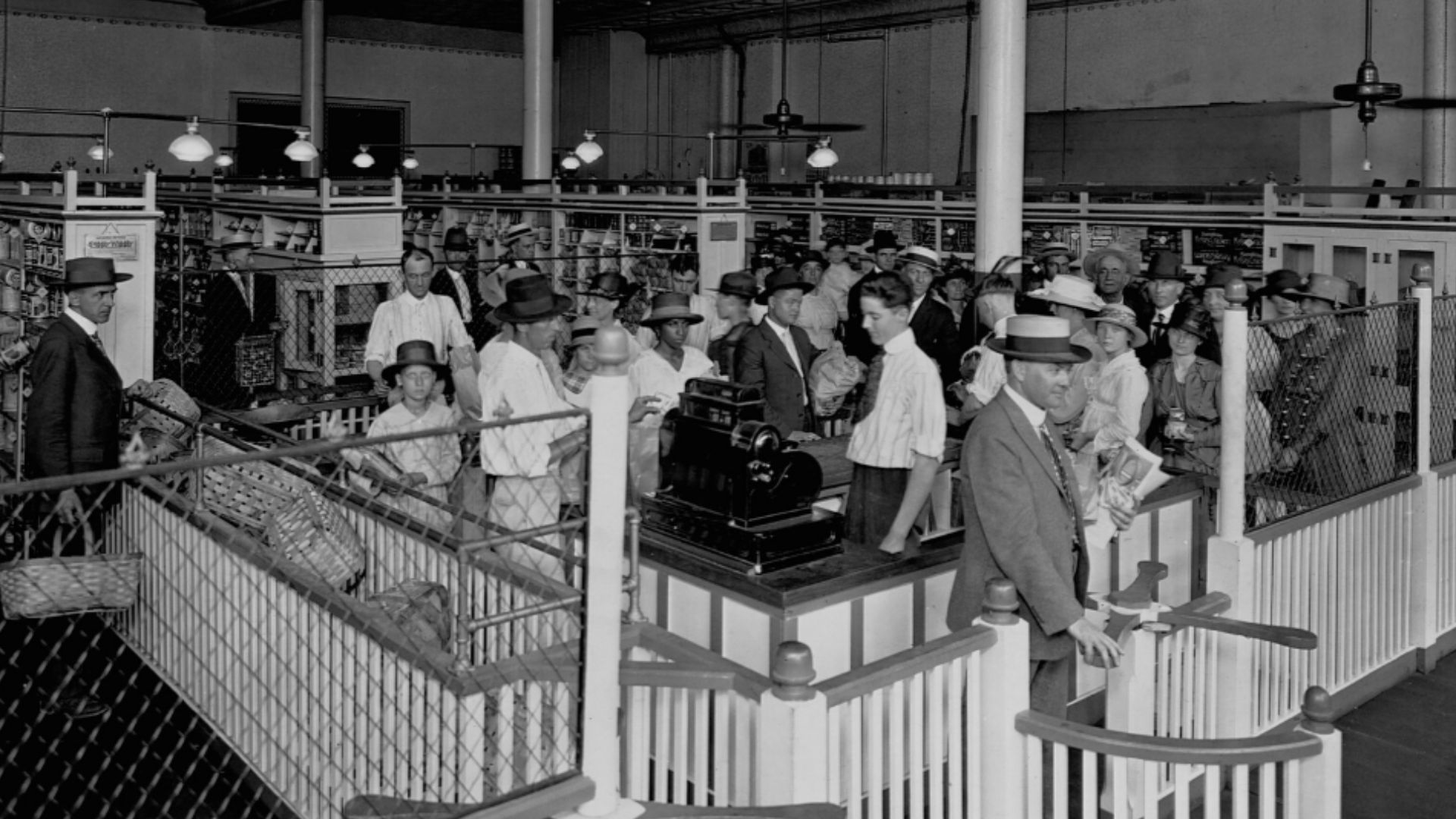 Clarence Saunders, Wikimedia Commons
But There Was A Problem
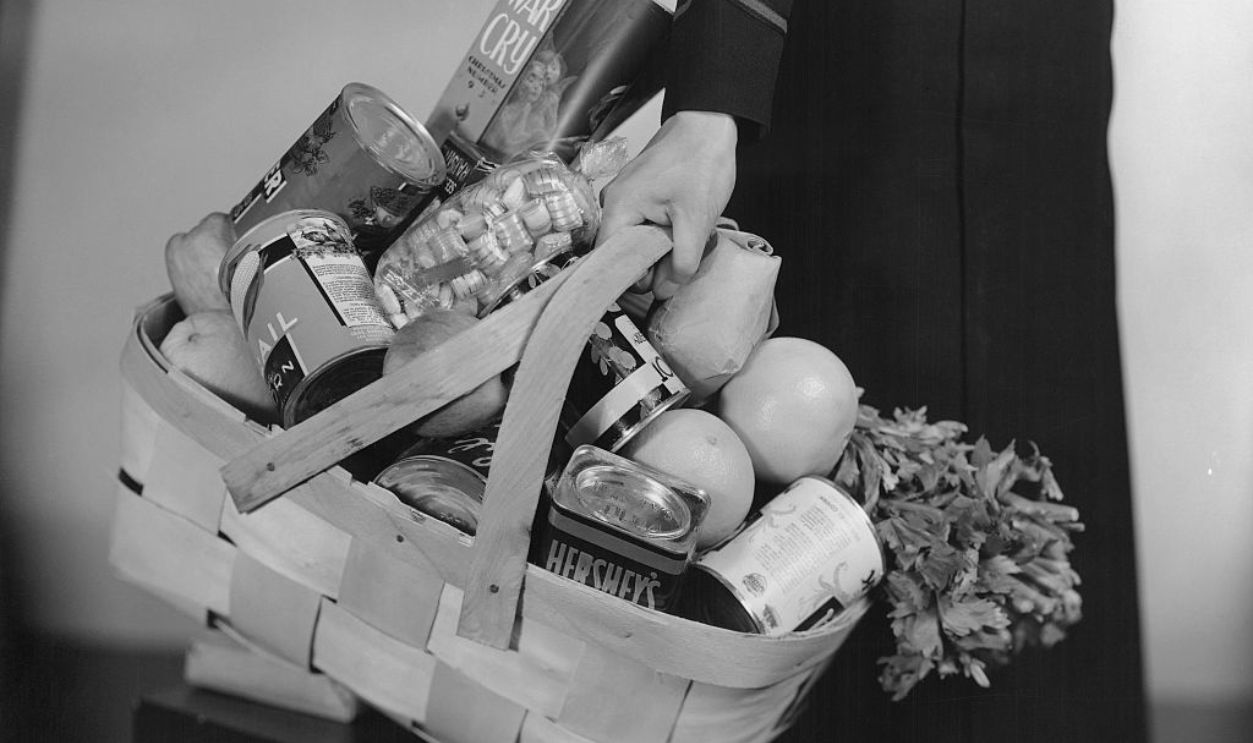
A shopper could buy only as much as they could comfortably carry. Once a wicker or wire basket became full or painfully heavy, there was a powerful reason to head for the checkout. For a grocer hoping to sell more food, that was money walking out the door.
Sylvan Goldman Saw Lost Money In Every Full Basket
Sylvan Goldman noticed exactly that. He owned grocery stores in Oklahoma City and watched customers, especially women, stop shopping when their baskets became too heavy. If he could remove that physical limit, shoppers could keep moving through the aisles...and keep adding groceries.
 Unknown authorUnknown author, Wikimedia Commons
He Knew The Grocery Business
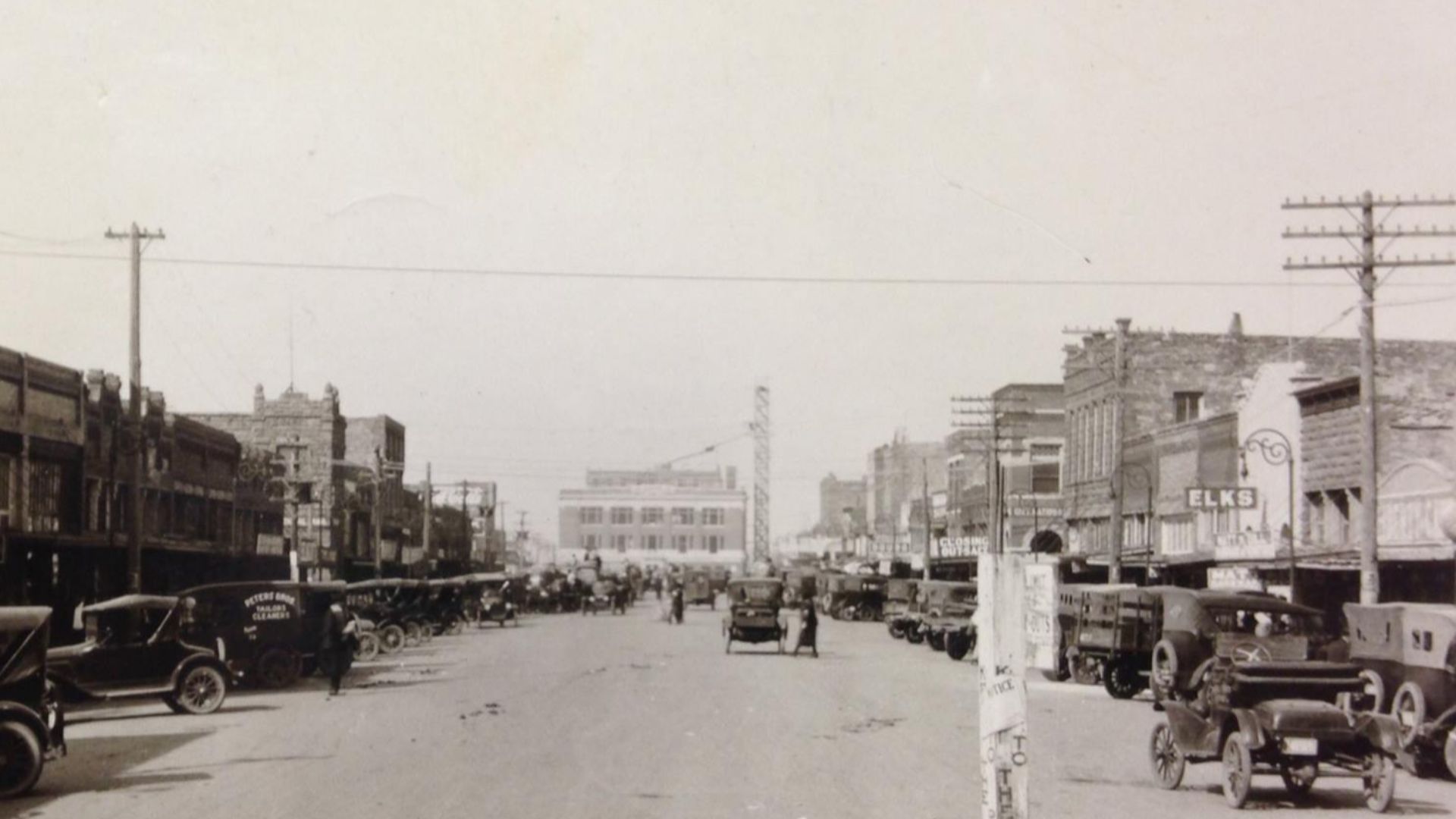
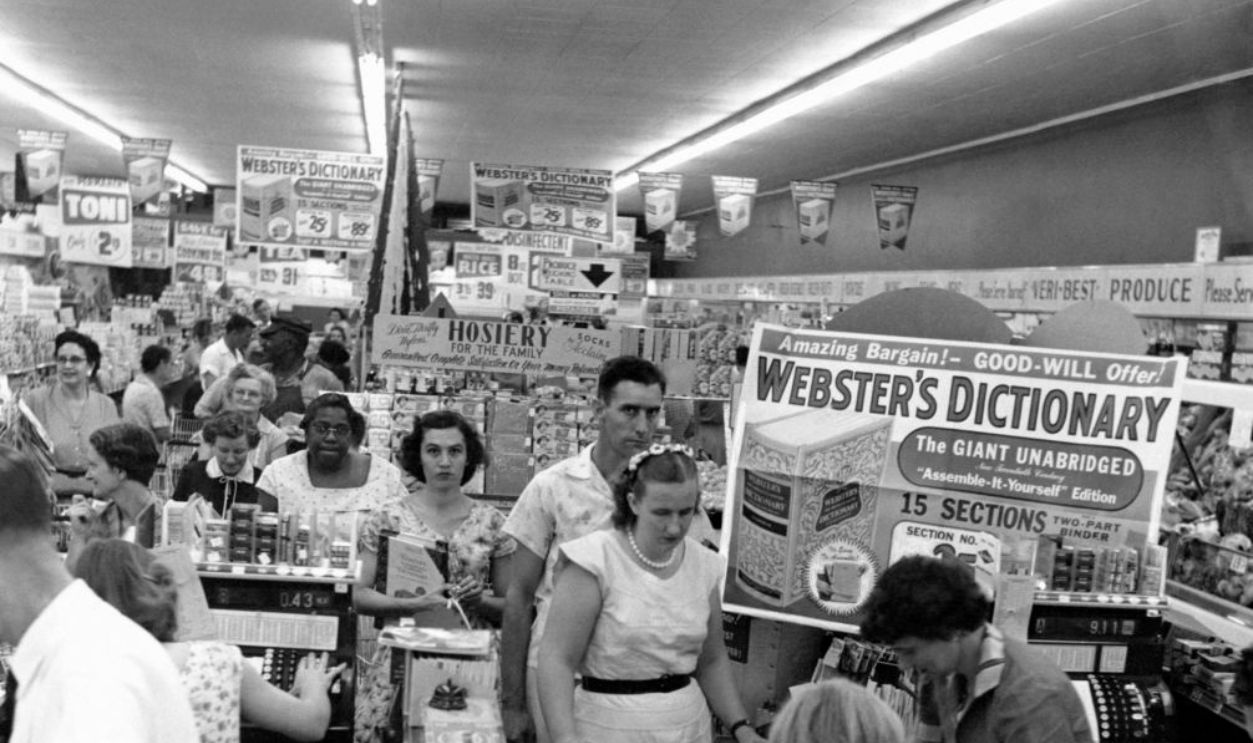
Goldman was not some tinkerer who wandered into retail by accident. He and his brother Alfred had spent years in the grocery business and eventually bought the struggling Humpty Dumpty chain in 1934. Goldman understood supermarkets, advertising and, most importantly, how valuable it could be to keep customers shopping longer.
 Bernhard MOOSBRUGGER, Getty Images
He Wasn’t Actually The First To Try
Goldman is usually credited with inventing the shopping cart, but other grocers had already experimented with ways to move heavy baskets. Texas grocer Joseph Weingarten reportedly tried wheeled carriers in the 1910s, while Houston’s Henke & Pillot later installed tracks that let customers roll baskets around part of the store.

But Those Ideas Had Problems Of Their Own
The earlier solutions never really caught on. Henke & Pillot’s system, for example, tied shoppers to a fixed track through the store. Goldman needed something customers could steer wherever they wanted, that could carry plenty of food and, just as importantly, wouldn’t consume half the store when nobody was using it.
Folding Chairs Gave Him The Idea
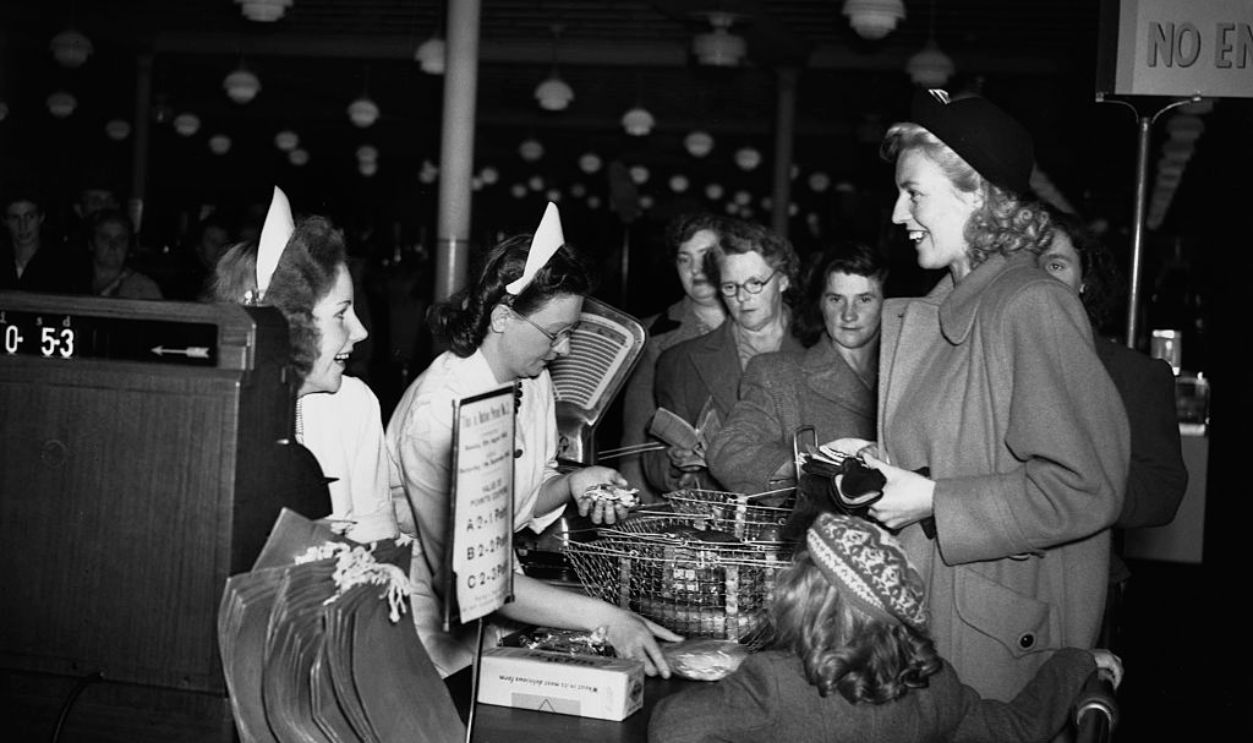
In 1936, inspiration reportedly struck while Goldman was looking at folding chairs. The basic thought was wonderfully simple: instead of forcing customers to carry a basket, why not put the basket on a folding frame with wheels and let the customer push it?
 ContinueWithCaution, Wikimedia Commons

History's most fascinating stories and darkest secrets, delivered to your inbox daily.
A Mechanic Helped Make It Real
Goldman worked with Fred Young, a mechanic and carpenter employed by his grocery business, to turn the idea into something shoppers could actually use. Their design became a wheeled metal frame that could carry grocery baskets while still folding up when the store needed to save space.

It Barely Looked Like A Modern Shopping Cart
The first version did not look much like the deep wire cart parked outside supermarkets today. Goldman’s “folding basket carriage” held two removable wire baskets, one above the other. It was essentially a mobile rack for the same kinds of baskets customers were already using.

June 4, 1937 Was Supposed To Be The Big Day
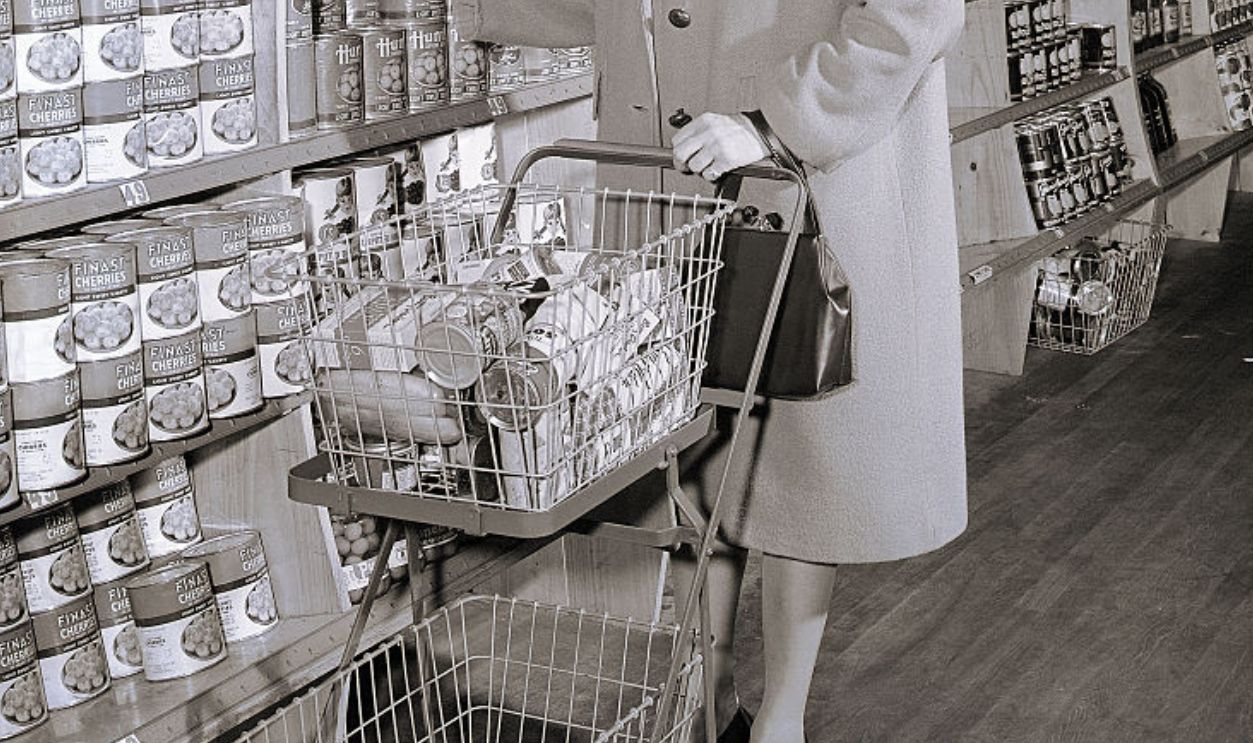
Goldman introduced the cart in Oklahoma City on June 4, 1937. He had every reason to think shoppers would love it. No more aching arms. More room for groceries. An easier trip through the store. From a retailer’s point of view, it seemed almost impossible to dislike.
Goldman Gave It A Proper Product Launch
Goldman promoted the new idea aggressively. A newspaper advertisement teased shoppers with the promise that they would no longer need to lug heavy baskets around the store. He called the concept his “No Basket Carrying Plan.” The sales pitch sounded pretty irresistible.
And Then...Almost Nobody Wanted One
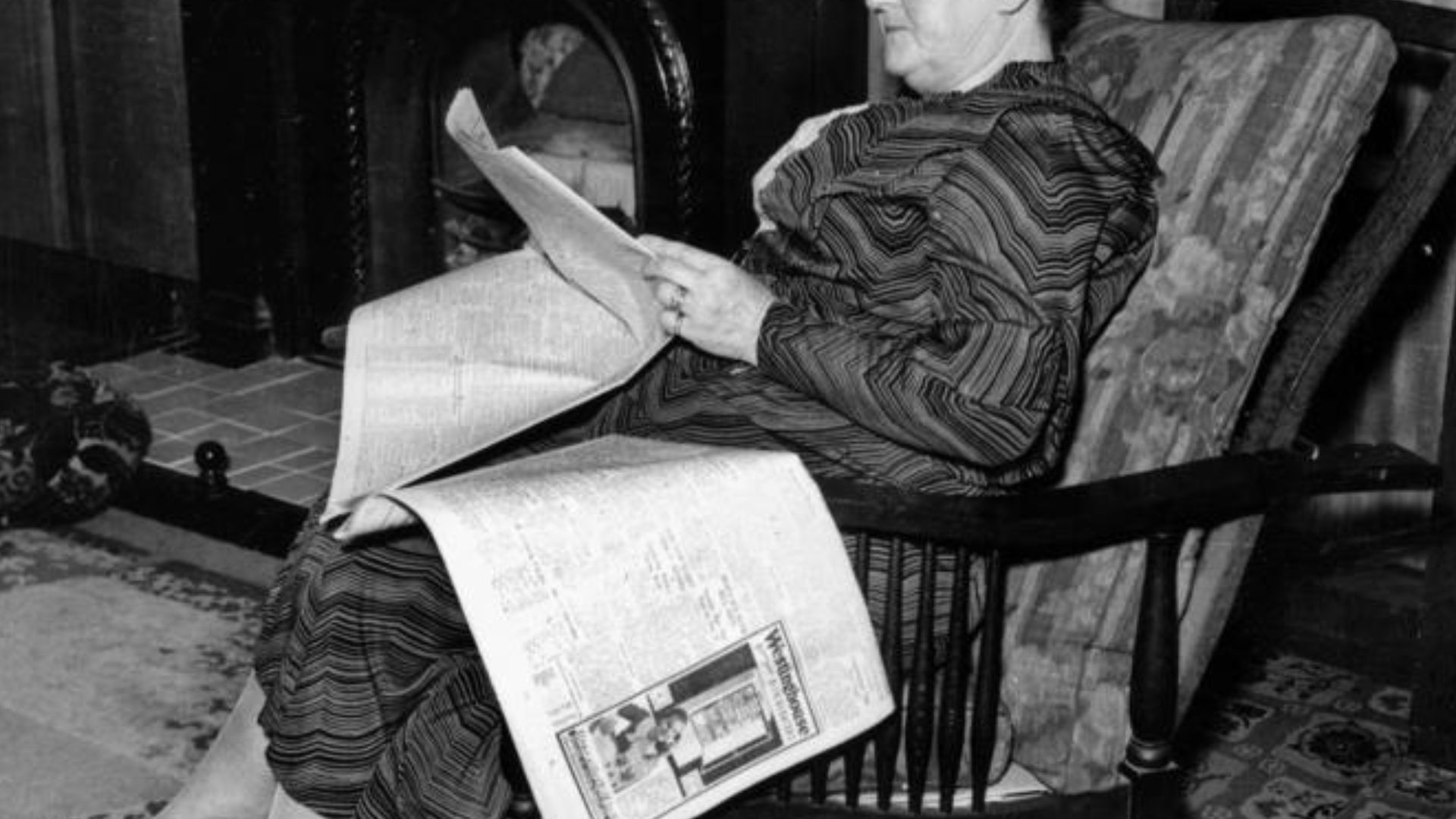
Then customers actually saw the carts. Instead of racing to grab one, many shoppers simply walked past them. The device Goldman thought would immediately make shopping easier had somehow created a completely different problem: people worried about what pushing one of these strange contraptions said about them.
Women Saw A Baby Carriage
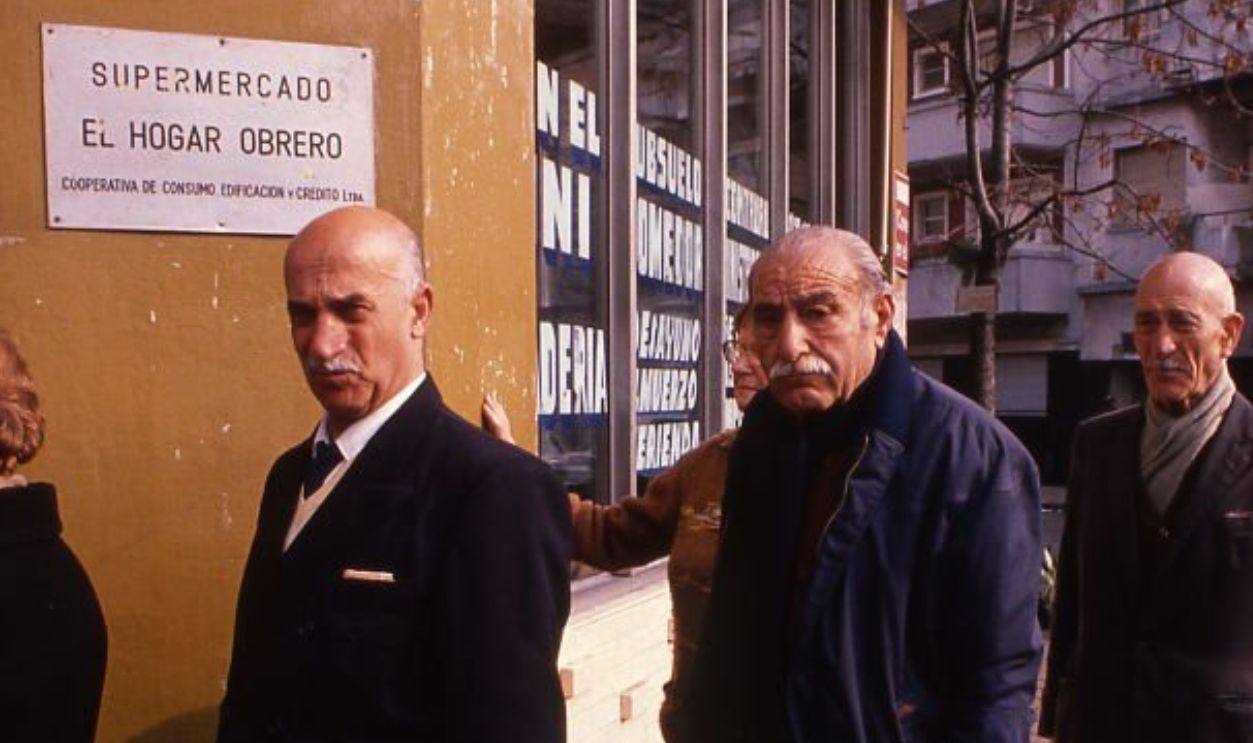
Many women wanted nothing to do with the cart because it reminded them of a baby carriage. After years of pushing children around in prams and strollers, the last thing some wanted was to push something similar while buying groceries. Convenience had accidentally collided with a very personal association.

Men Had Their Own Problem With It
Men resisted for a different reason. Historical accounts say many believed pushing the contraption made them look weak, while others dismissed it as women’s work. Carrying a heavy basket apparently felt more masculine. Goldman had solved the physical problem perfectly and run straight into the psychology of 30s shoppers.
The Few People Using Them Didn’t Help
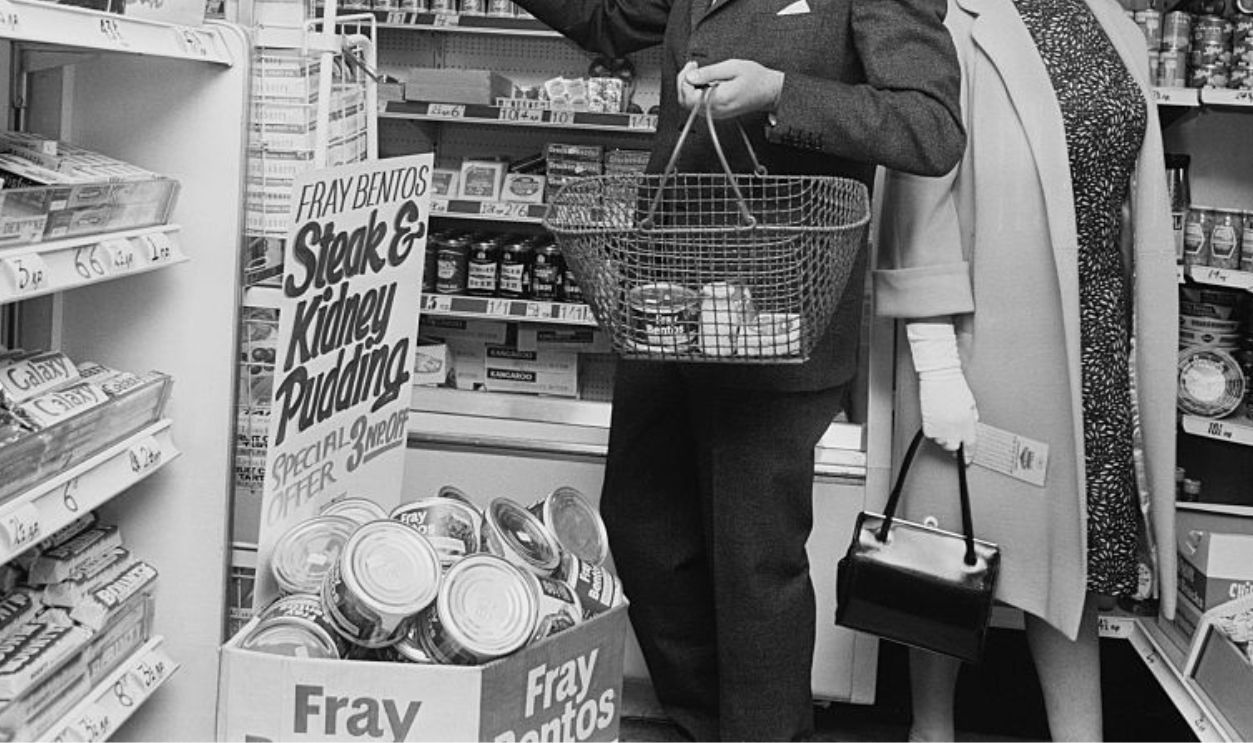
Older customers were reportedly among the few willing to try the carts at first. That did not exactly help Goldman’s cause with everyone else. His futuristic new invention risked becoming associated not with convenience or modern shopping, but with people who physically needed help carrying their groceries.
 Evening Standard, Getty Images
Goldman Refused To Accept The Flop
A lot of inventors might have blamed the public, changed the design or quietly abandoned the whole thing. Goldman did none of those. He believed the problem was not the cart itself. Customers simply needed to see that using one was normal...so he decided to manufacture that feeling.
First, He Pretended The Launch Had Gone Great
Goldman kept selling the idea in print. After the rough launch, he even ran an advertisement claiming his “No Basket Carrying Plan” had met with instant approval. That was certainly optimistic. But his newspaper campaign was nothing compared with what he was about to do inside the stores.

Then He Hired Shoppers Who Weren’t Really Shoppers
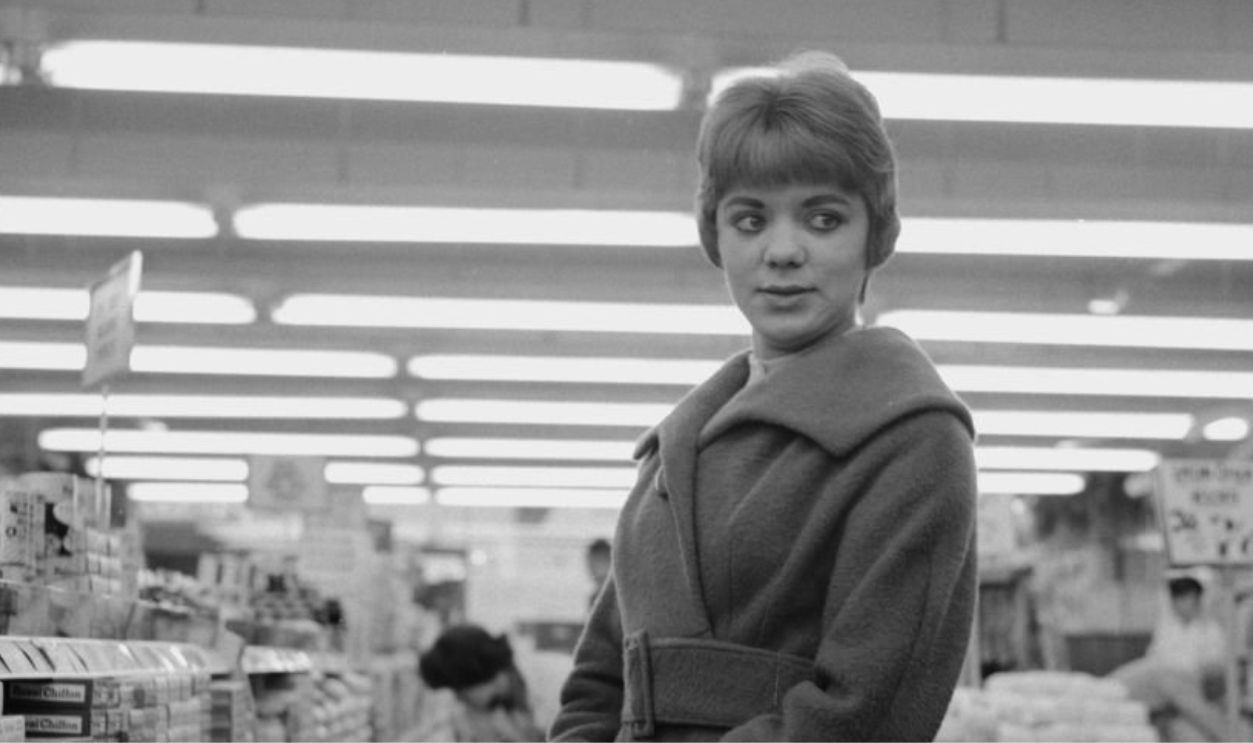
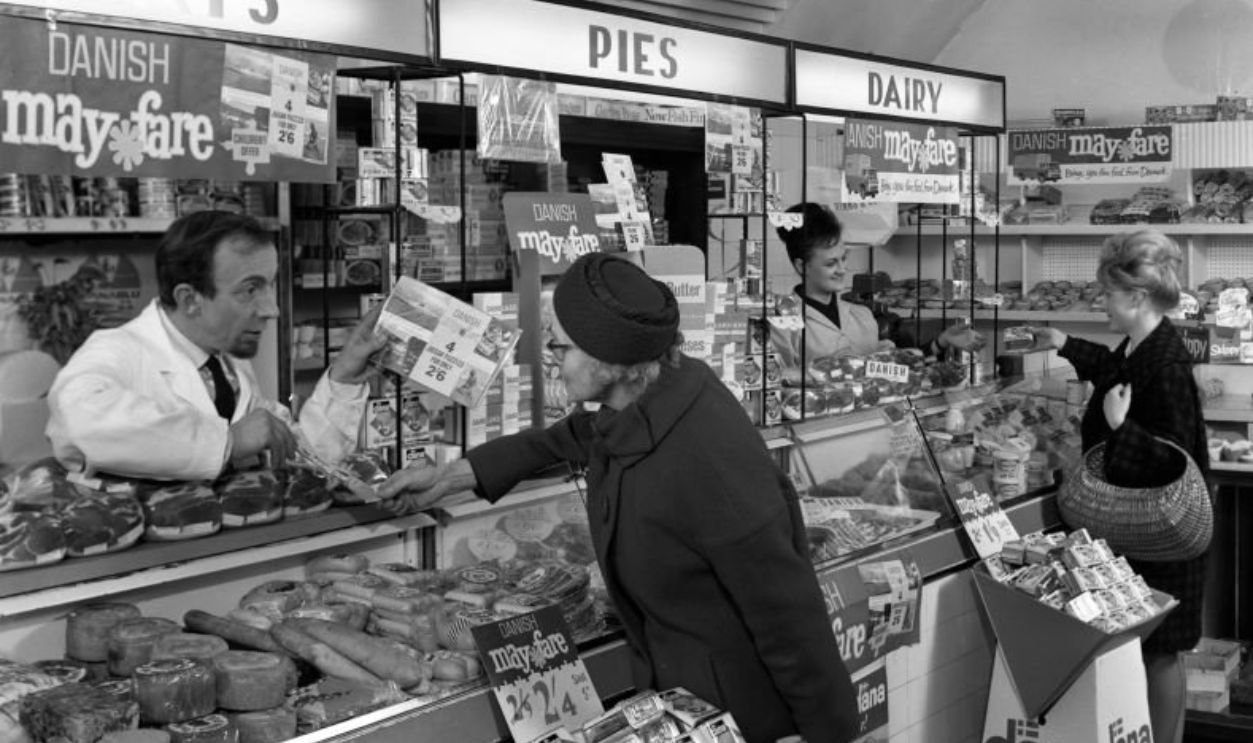
Goldman hired male and female models of different ages to walk through his stores pushing carts and pretending to shop. They weren’t customers who had suddenly fallen in love with his invention. Their job was to make actual customers look around and think...apparently everyone else is doing this.
The Greeter Finished The Trick
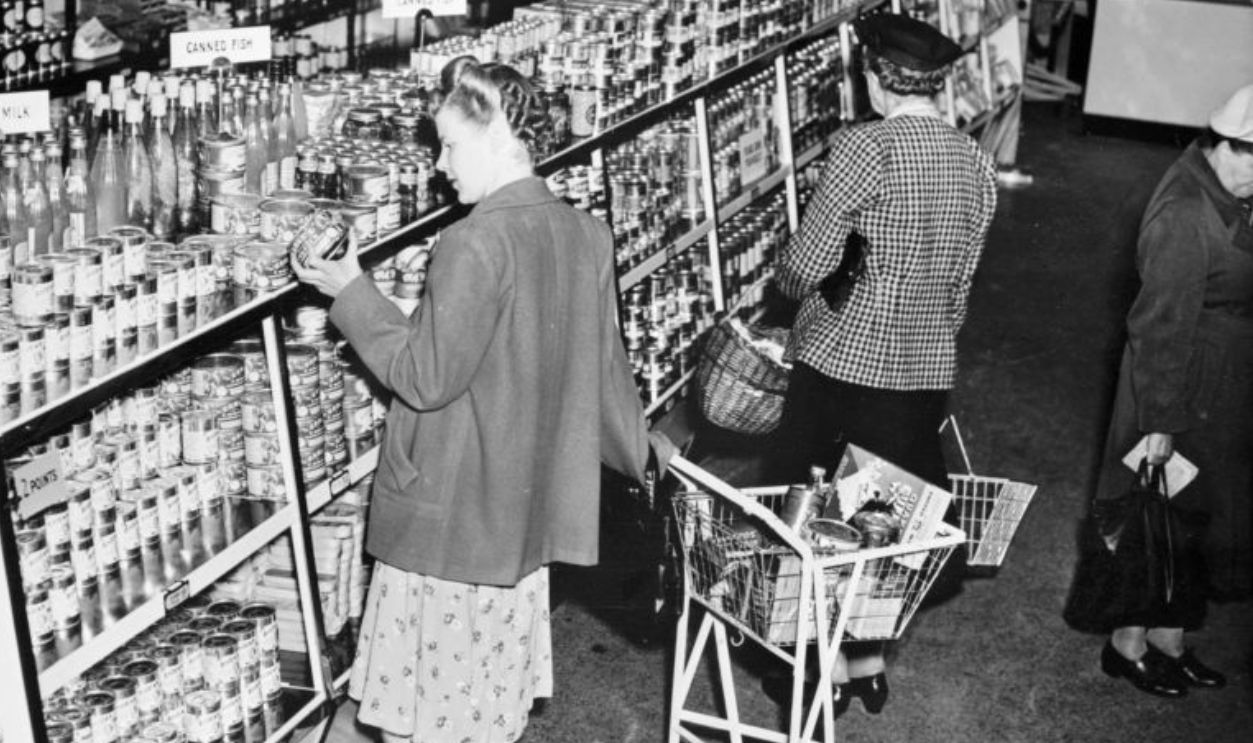
Goldman also stationed an employee near the entrance to encourage customers to take a cart and point out that other shoppers were already using them. Long before marketers talked constantly about social proof, Goldman was manufacturing it right inside his grocery stores.
 Kirn Vintage Stock, Getty Images
And Somehow, It Worked
Seeing ordinary-looking men and women confidently pushing the carts made the contraption seem less strange. The same shoppers who had worried about looking weak, old or motherly could now see people like themselves doing it without embarrassment. The cart had barely changed. What people thought of it had.
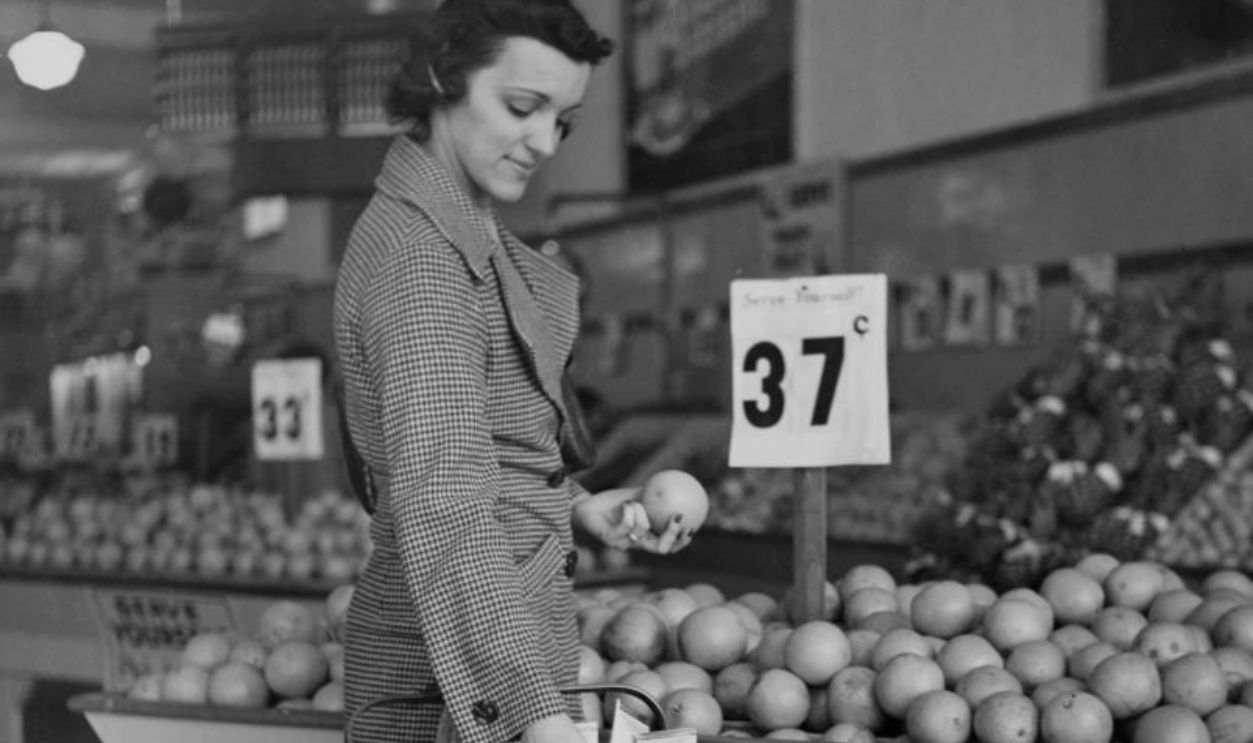
Within Weeks, Everything Had Changed
Accounts of the rollout say that within weeks, customers began accepting the carts. Goldman put them into all his stores. What had looked like an embarrassing failure was turning into exactly what he had imagined: a device that kept customers moving through the aisles while carrying more groceries.
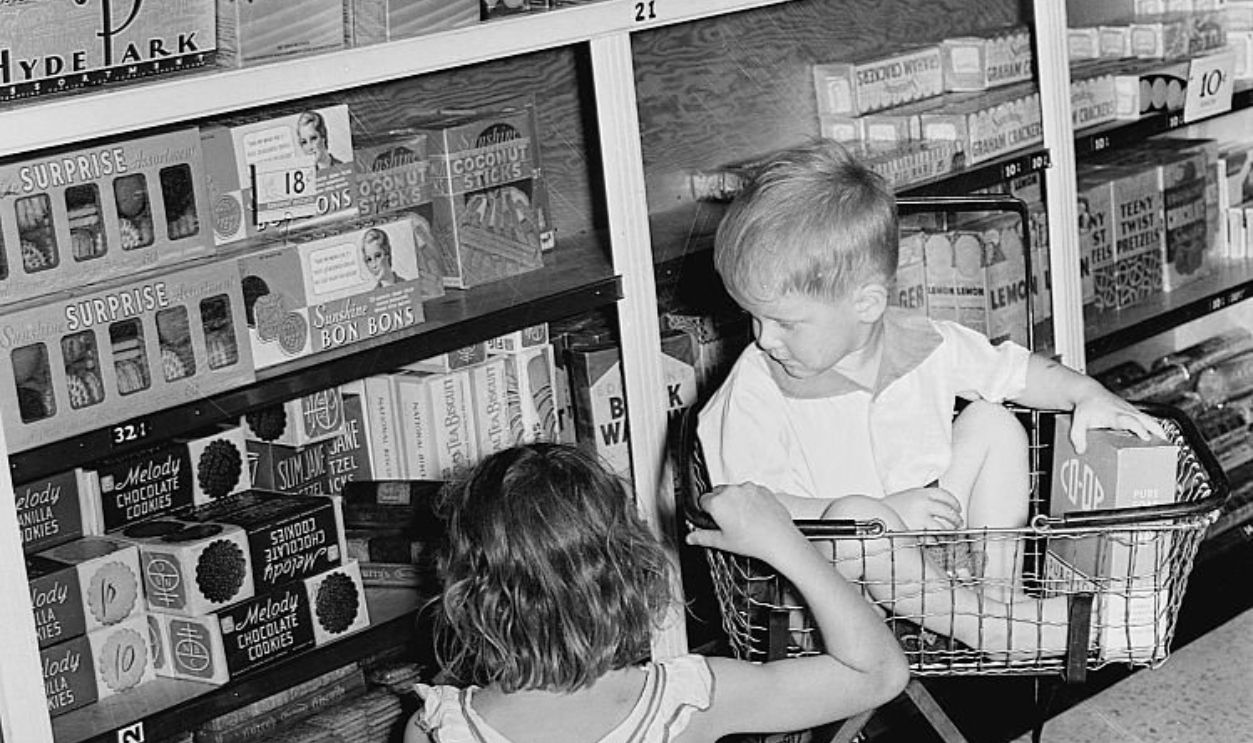
Then Goldman Took It To The Grocery Industry
Goldman quickly realized the opportunity went far beyond his own supermarkets. In September 1937, he presented the cart at the first Super Market Convention and promoted it to other grocers. He was no longer just fixing a problem in his own stores. He was selling a new piece of retail infrastructure.

The Patent Made The Idea Official
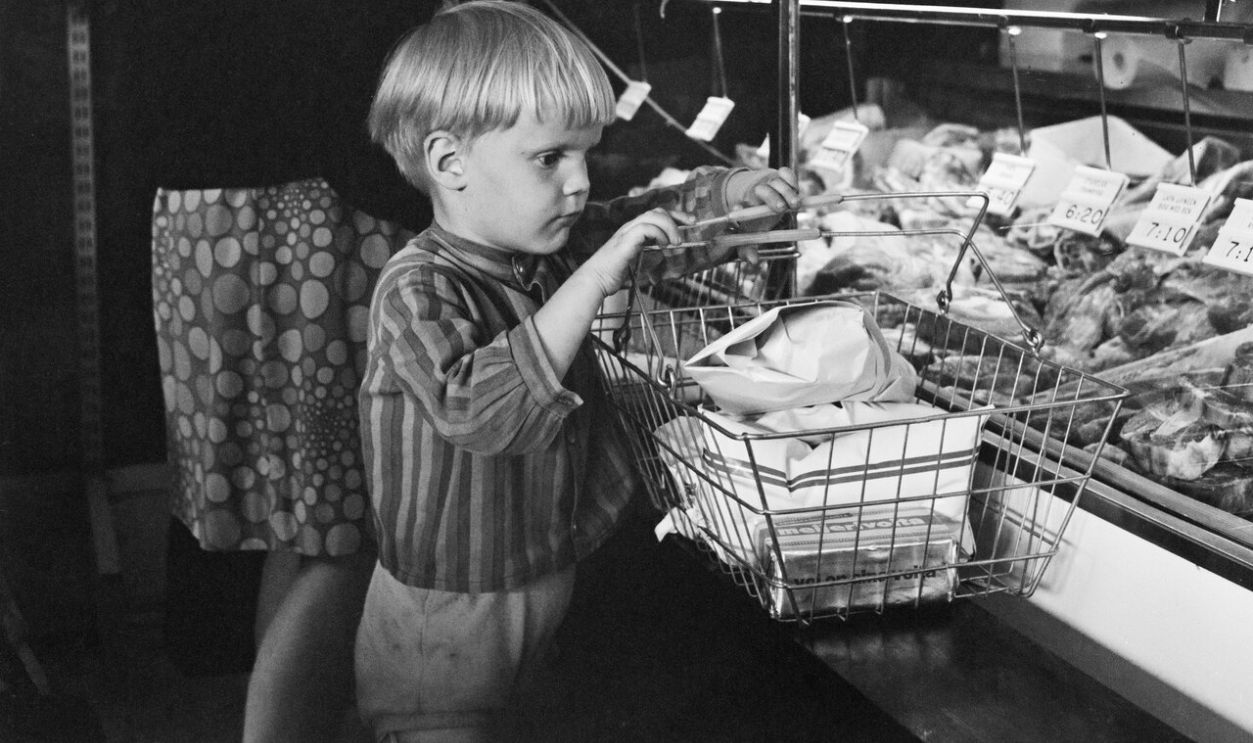
Goldman filed his patent application for a “Folding Basket Carriage for Self-Service Stores” on March 14, 1938. It was granted on April 9, 1940. The patented design used a folding wheeled frame with two shelves capable of holding two removable wire baskets.
 Finnish Heritage Agency, Wikimedia Commons
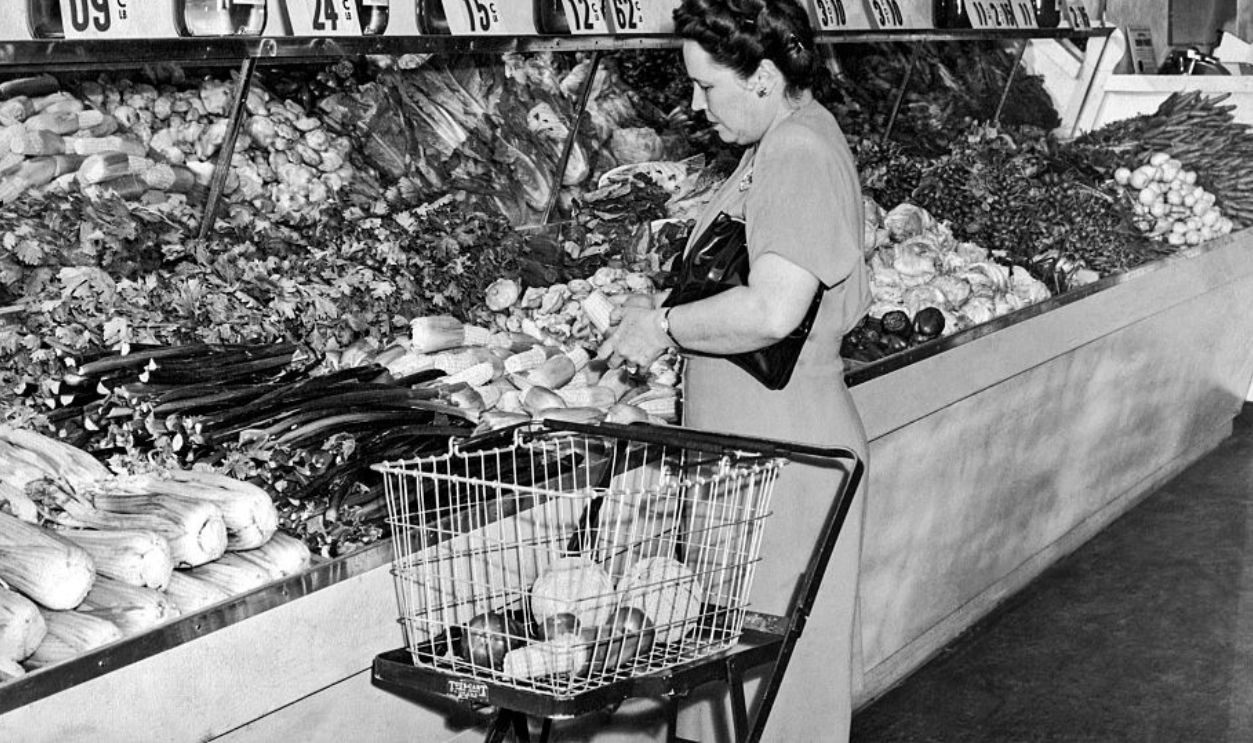
Three Years Later, Stores Were Desperate For Them
The turnaround was astonishing. By 1940, grocers trying to order shopping carts reportedly faced a waiting list of about seven years. The contraption customers had refused to touch just three years earlier had become something store owners apparently couldn’t get quickly enough.
 Underwood Archives, Getty Images
Shopping Habits Started Changing Too
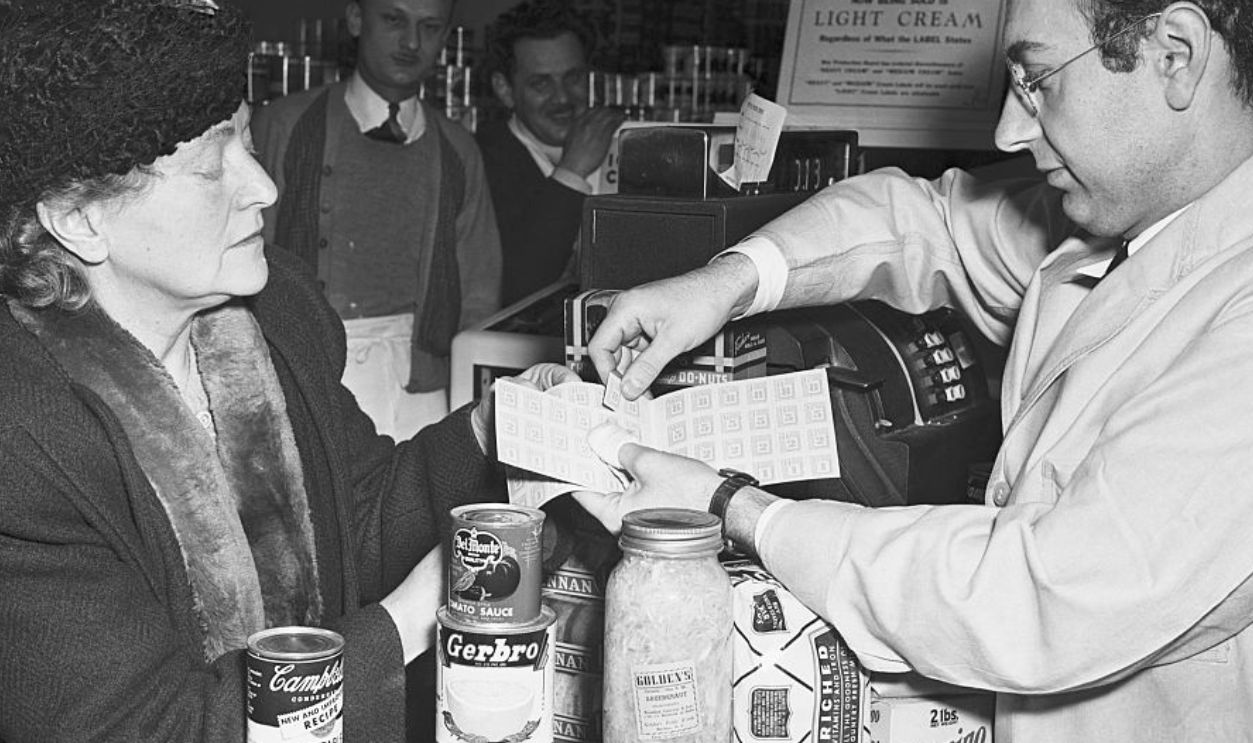
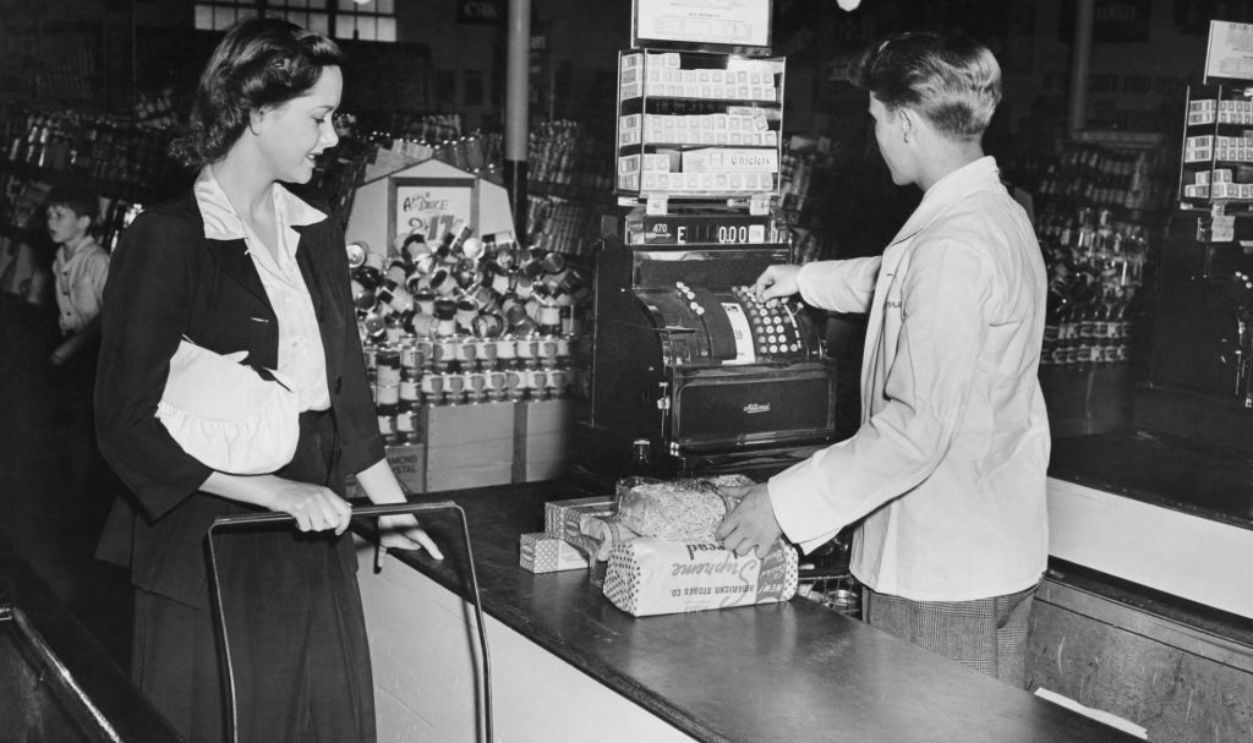
Once customers no longer had to worry about carrying everything in their arms, retailers and manufacturers could think bigger. Food producers began offering larger package sizes because shoppers could now move bulkier purchases through the store without having to physically carry them.
But The Modern Cart Still Had One Big Problem
Goldman’s folding design solved the carrying problem, but storing large numbers of carts was still awkward. The familiar solution arrived from another inventor. In 1946, Kansas City inventor Orla E. Watson filed for a new kind of shopping cart that would fundamentally change their shape.
 Harold M. Lambert, Getty Images
Watson Figured Out How To Make Them Nest
Watson’s breakthrough was a hinged rear gate that allowed carts to telescope, or nest, inside one another. Instead of folding them up or removing baskets, store employees could simply push a row of carts together. Suddenly dozens of carts could occupy the space that previously held only a handful.

Naturally, That Led To A Patent Fight
Goldman soon introduced a competing nesting cart of his own, leading to a lengthy dispute over the design. The conflict was eventually settled, with Goldman obtaining licensing and manufacturing rights while Watson received royalties. The shopping cart had become valuable enough to fight over.

Goldman Also Tackled The Child-Seat Problem
Goldman kept tinkering with the shopping cart long after its initial success. In 1949, he filed a patent for a dedicated “baby seat for store carts,” giving parents a separate place for a small child without surrendering the cart’s main grocery basket. The patent was granted in May 1950.
 Jomjakkapat Parrueng, Unsplash
The Cart Changed The Supermarket
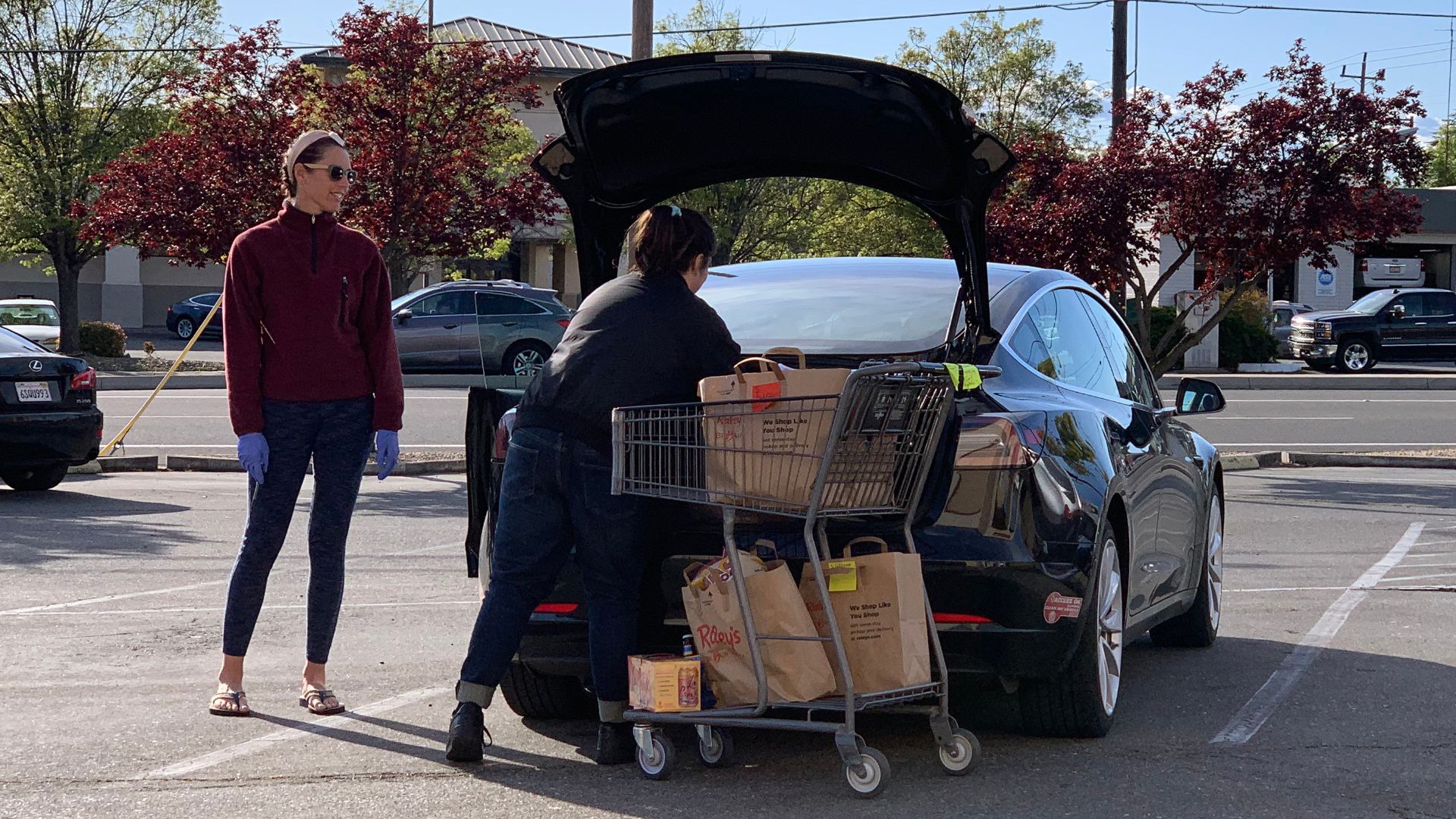
The effect went well beyond tired arms. Stores could accommodate larger purchases, aisles and checkout areas evolved around wheeled carts, and consumers became accustomed to buying quantities that would have been difficult to haul around in a hand basket just a generation earlier.
 Robert Couse-Baker, Wikimedia Commons
And There Are Millions Of Them Today
Nearly 90 years after shoppers initially rejected Goldman’s carts, they are almost impossible to imagine supermarkets without. Smithsonian reported in 2025 that an estimated 20 million to 25 million shopping carts were in use across American retail stores at any given time—roughly one for every 13 Americans.

Goldman Still Made A Fortune
Goldman’s Folding Carrier business became a major cart manufacturer, and his inventions helped make him a multimillionaire. The man whose customers initially refused to use his strange wheeled baskets had helped turn that same idea into one of the most recognizable objects in retail.

The Customers Were Wrong...Eventually
And that may be the strangest part of the whole story. Goldman correctly predicted that shoppers would buy more if stores gave them an easier way to carry it. What he didn’t predict was that before customers would embrace the shopping cart, he would first have to convince them that everybody else already had.

You Might Also Like: