Your Name May Work
Long before standardized surnames, identifying somebody by occupation was wonderfully practical. John who made barrels became John the Cooper; another John might be distinguished by an obscure textile or horse-related trade. Centuries later, those vanished jobs remain hidden inside surnames whose original meanings many families have forgotten.
 John Tarlton/Fox Photos/Getty Images
Fletcher
A Fletcher wasn't simply someone associated with archery. He was specifically an arrow maker, with the name deriving through Anglo-French from a word for arrow. Producing reliable arrows was a specialized occupation when hunting and warfare depended upon them, leaving an obsolete craft preserved in a remarkably familiar surname.
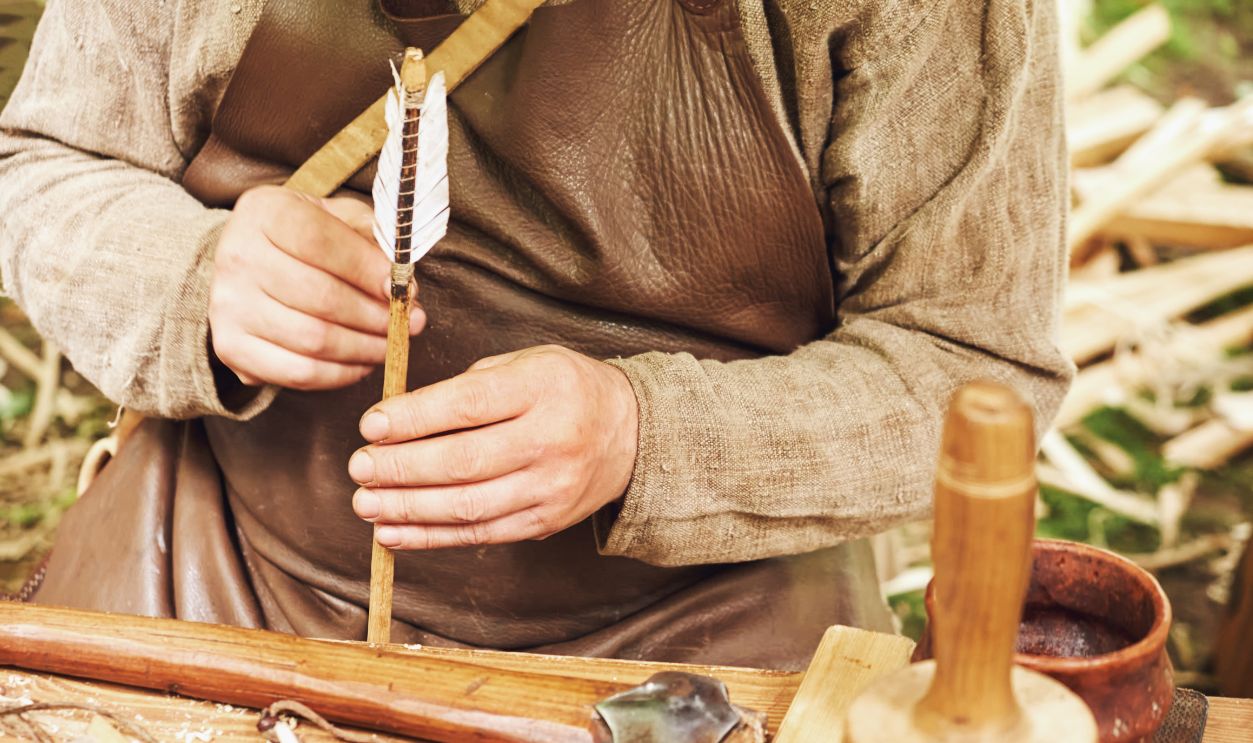 Zhuravlev Andrey, Shutterstock
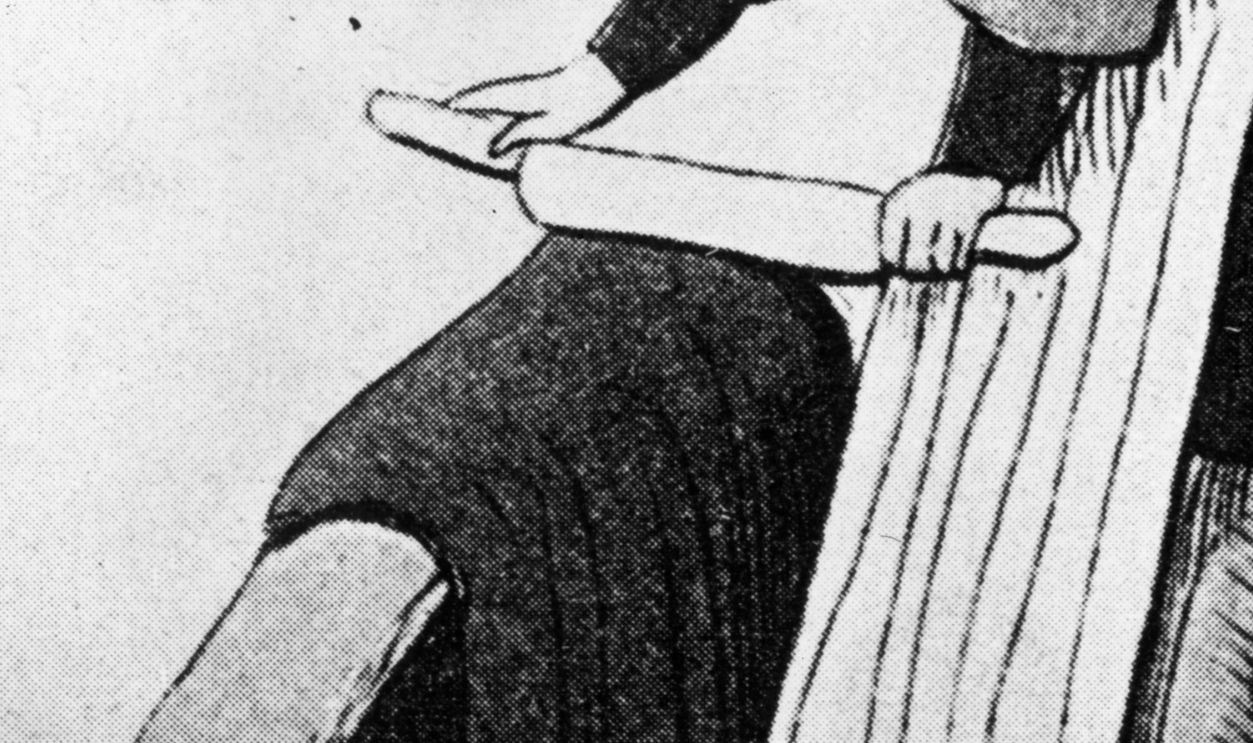
Fuller
Before industrial textile production, freshly woven woolen cloth required considerable additional processing. A fuller cleaned, thickened, and finished that fabric, historically using water and other substances while beating or trampling it. The trade became sufficiently important and recognizable that Fuller survived as an occupational surname long after mechanization transformed the work.
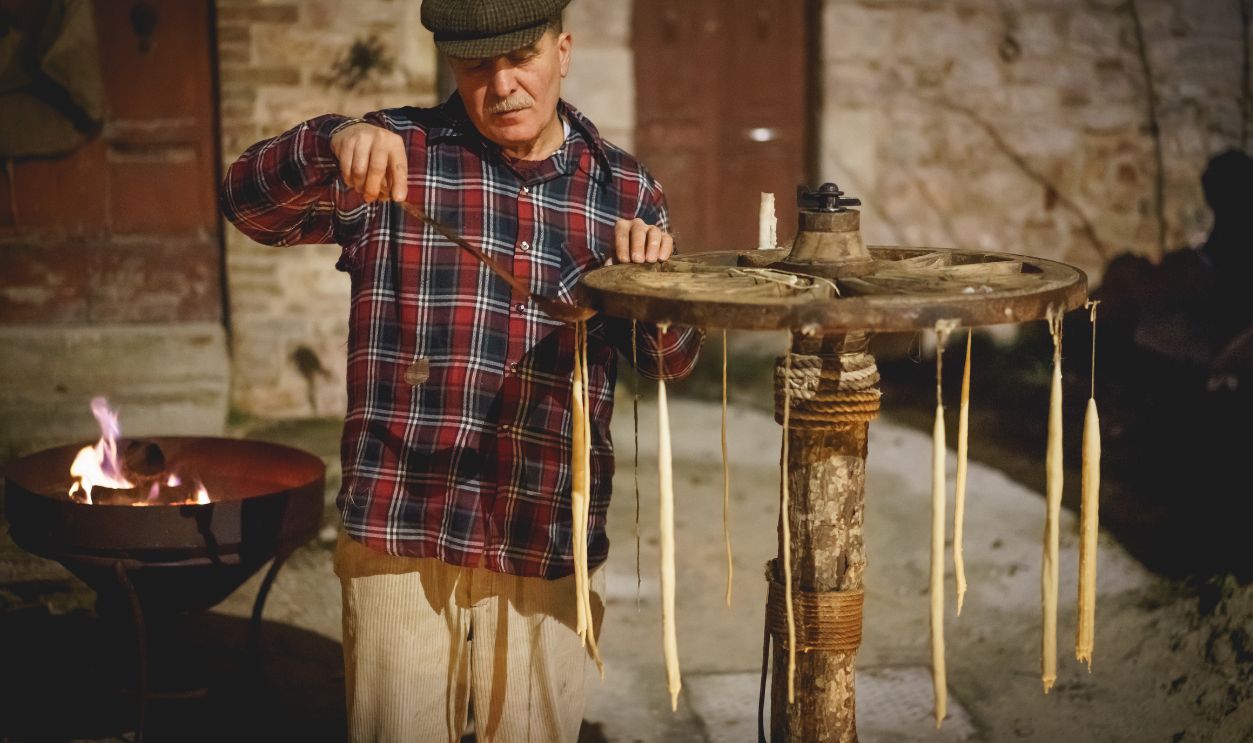
Chandler
Today Chandler sounds more like a first name than a medieval profession. A chandler originally made or sold candles, indispensable products in a world without electric lighting. The occupational surname appears in medieval English records by the 13th century, quietly preserving a business that once illuminated countless homes, churches, and workshops.

History's most fascinating stories and darkest secrets, delivered to your inbox daily.
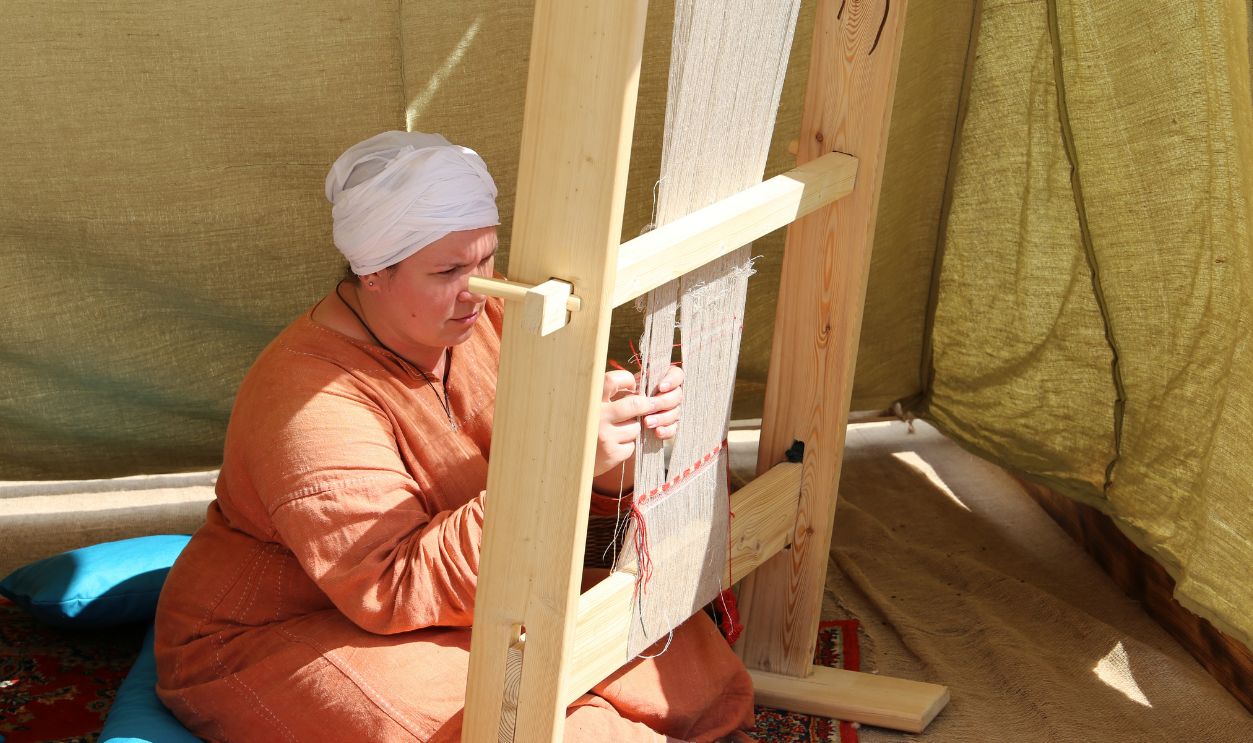
Webster
Long before Webster's Dictionary, a webster was a weaver. Historically, the word could particularly denote a female weaver, making it an intriguing survivor from medieval textile production. Cloth-making employed enormous numbers of people, so it is unsurprising that several textile occupations eventually became hereditary family names.
Baxter
Baxter looks nothing like Baker to modern eyes, but historically the two occupations were closely connected. Baxter developed from an old term for a baker, traditionally a female baker in English and Scots usage. What now sounds like an ordinary surname therefore preserves both an everyday medieval occupation and an older linguistic distinction.
Lorimer
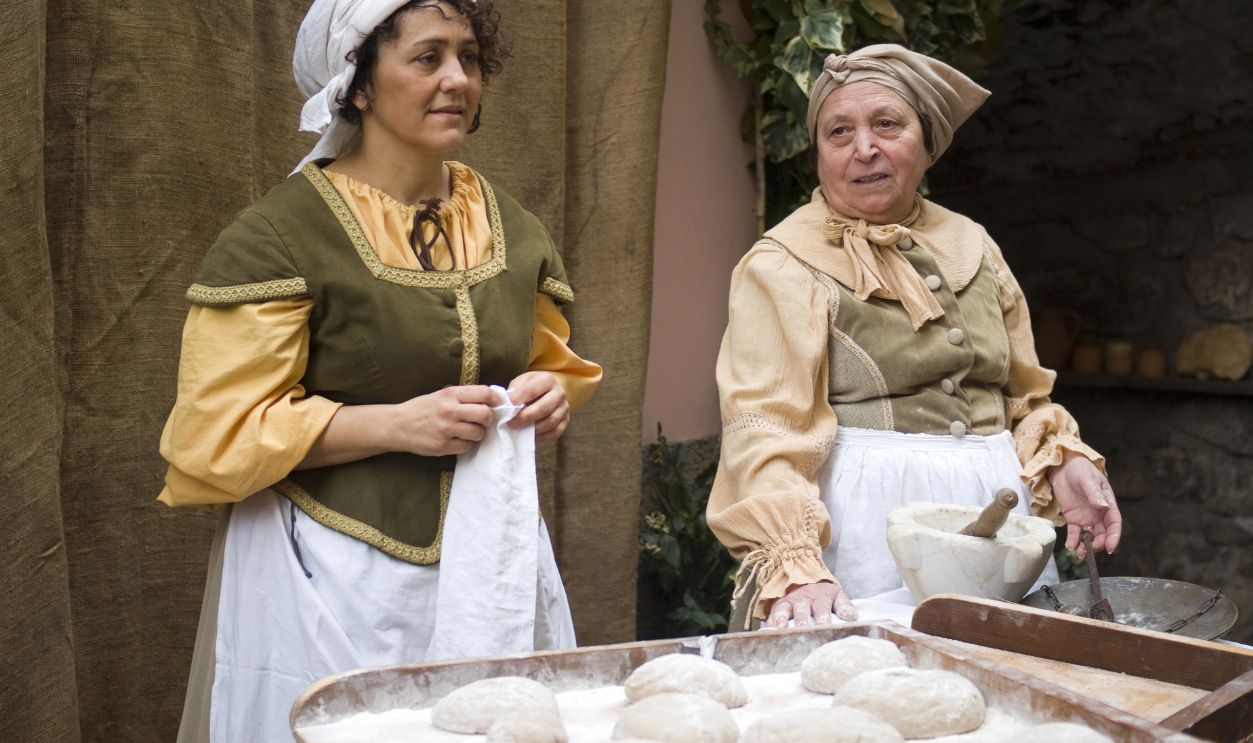
A horse required considerably more than somebody to shoe it. Lorimers specialized in making pieces of horse equipment, particularly bits, bridles, spurs, and related metal fittings. Horses powered transportation, farming, communication, and warfare, making this obscure occupation much more important to medieval society than the surviving surname might suggest.
Currier
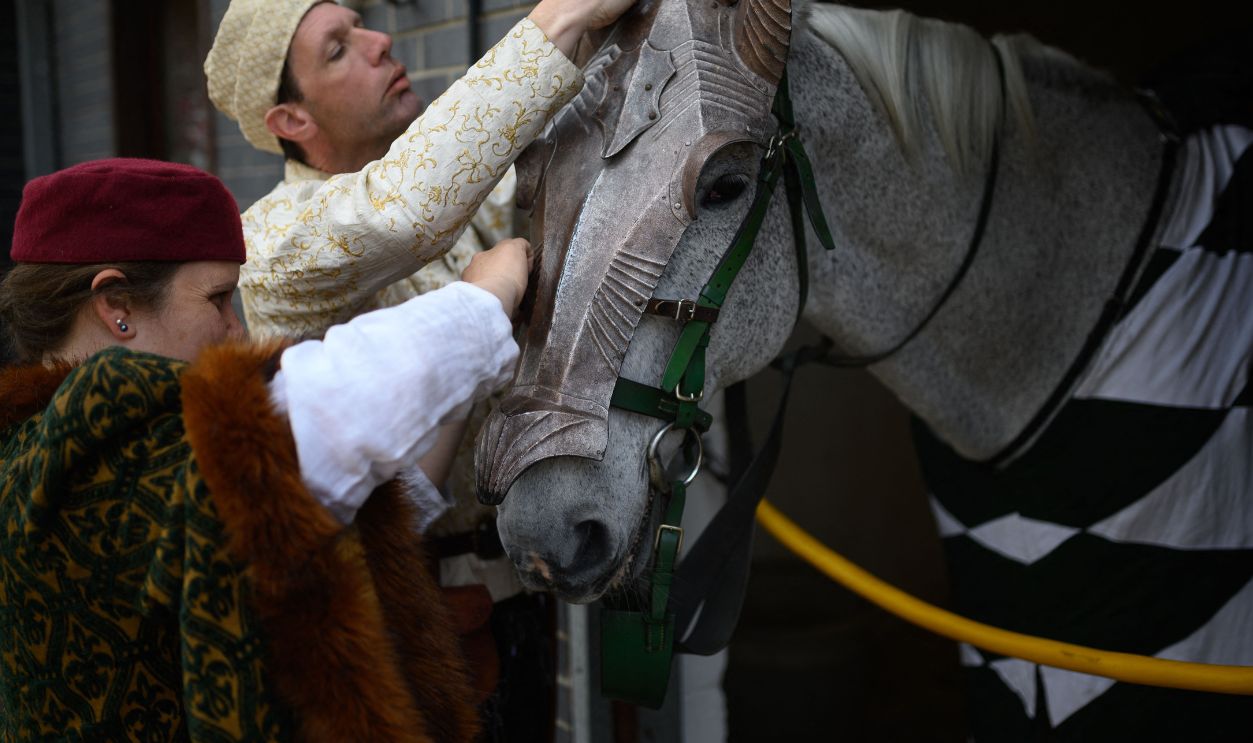
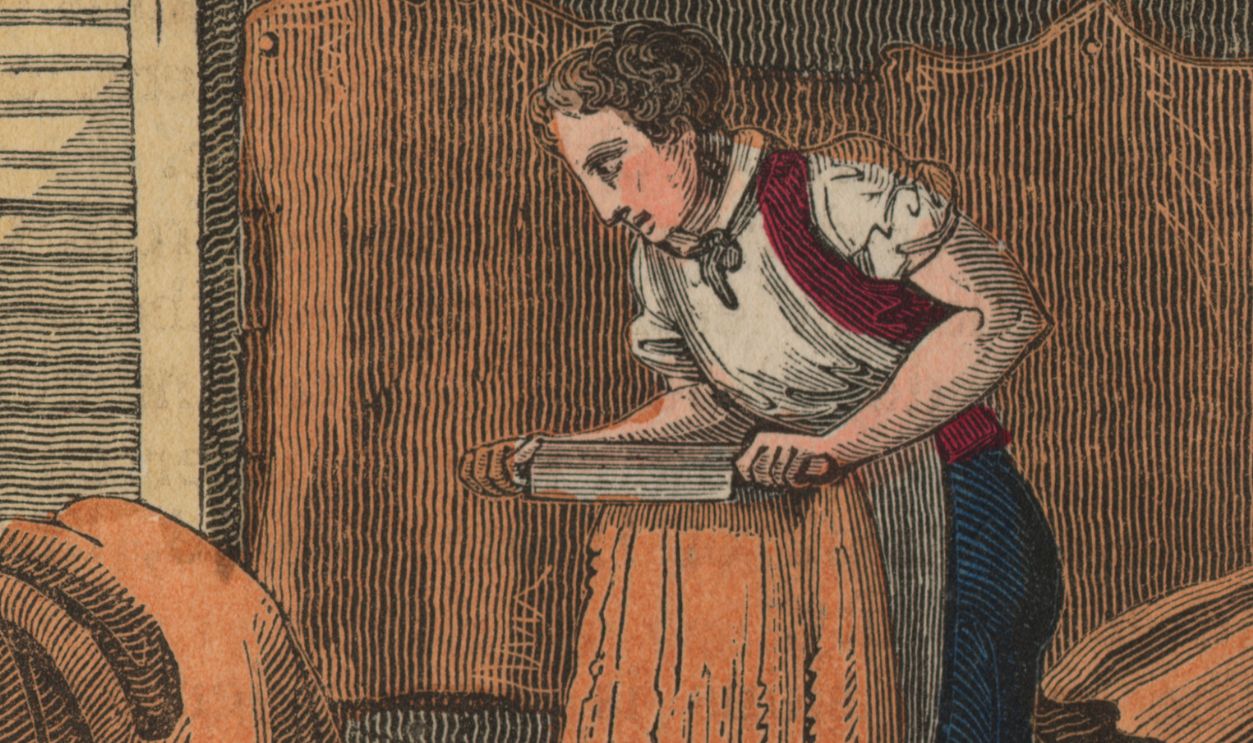
Tanners didn't necessarily perform every step required to turn an animal hide into usable leather. A currier took tanned leather and further dressed, finished, stretched, and colored it. Currier consequently became an occupational surname representing one specialized stage within a leather industry containing trades that modern consumers rarely encounter separately.
 UniversalImagesGroup, Getty Images
Mercer
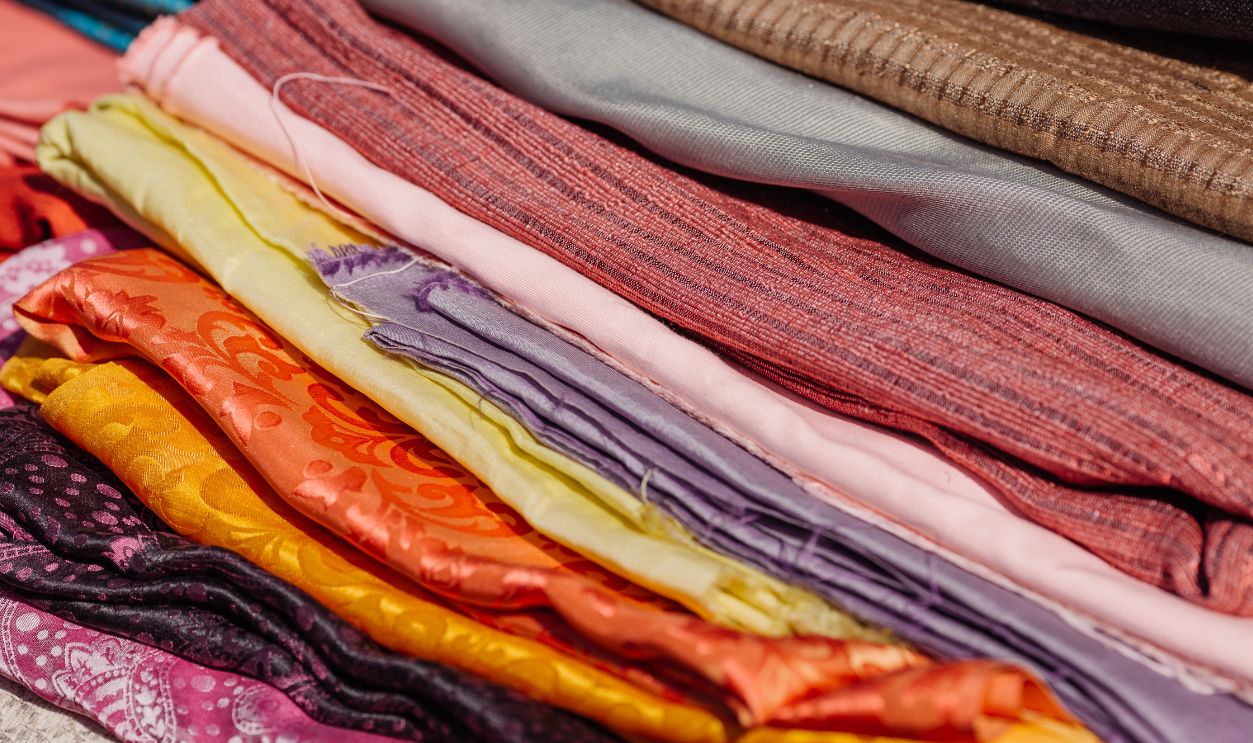
A Mercer wasn't simply a generic merchant. The name became especially associated with dealers in textiles and valuable cloth, including silk and other luxury fabrics. In medieval commercial centers, such merchants could become wealthy and influential citizens, leaving behind a surname that sounds far less obviously occupational than Baker or Miller.
Wainwright
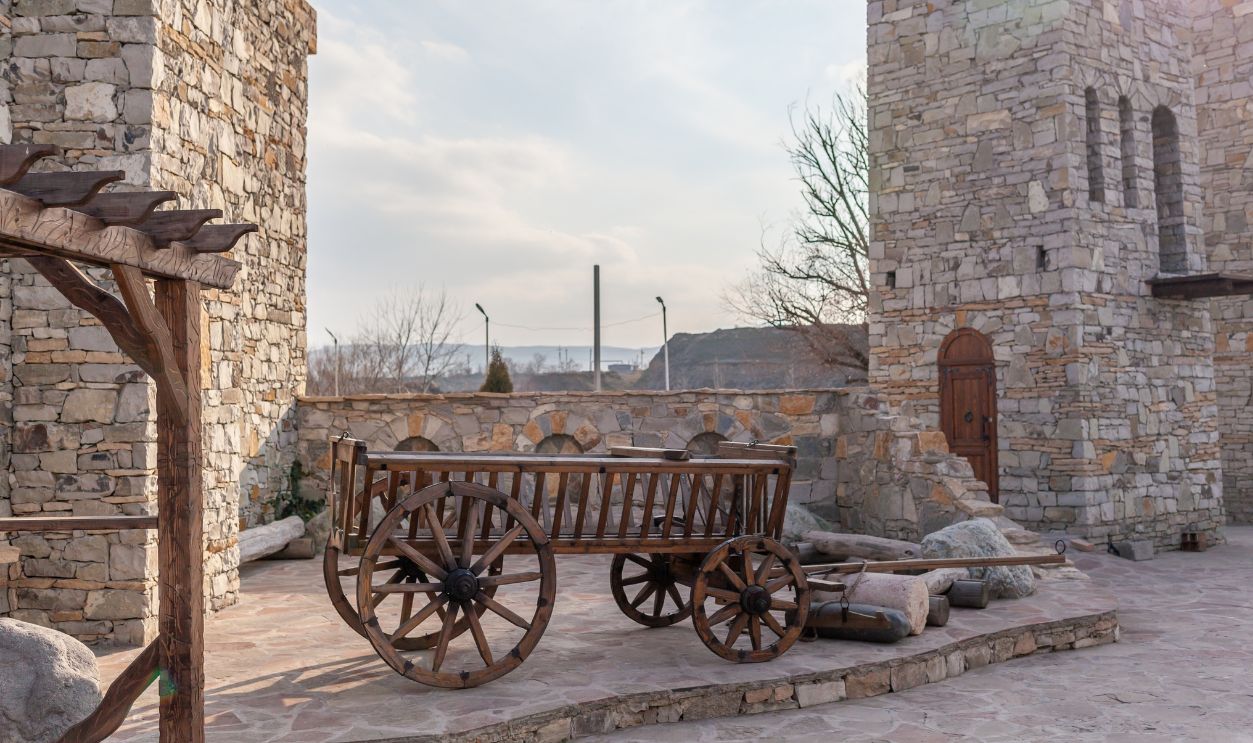
A wain was a wagon, while a wright was a maker or craftsman. Put them together and a Wainwright was someone who built wagons, complicated wooden vehicles essential for moving agricultural produce and other goods. The English surname can be traced to the medieval period and preserves both words centuries later.
History's most fascinating stories and darkest secrets, delivered to your inbox daily.
Arkwright
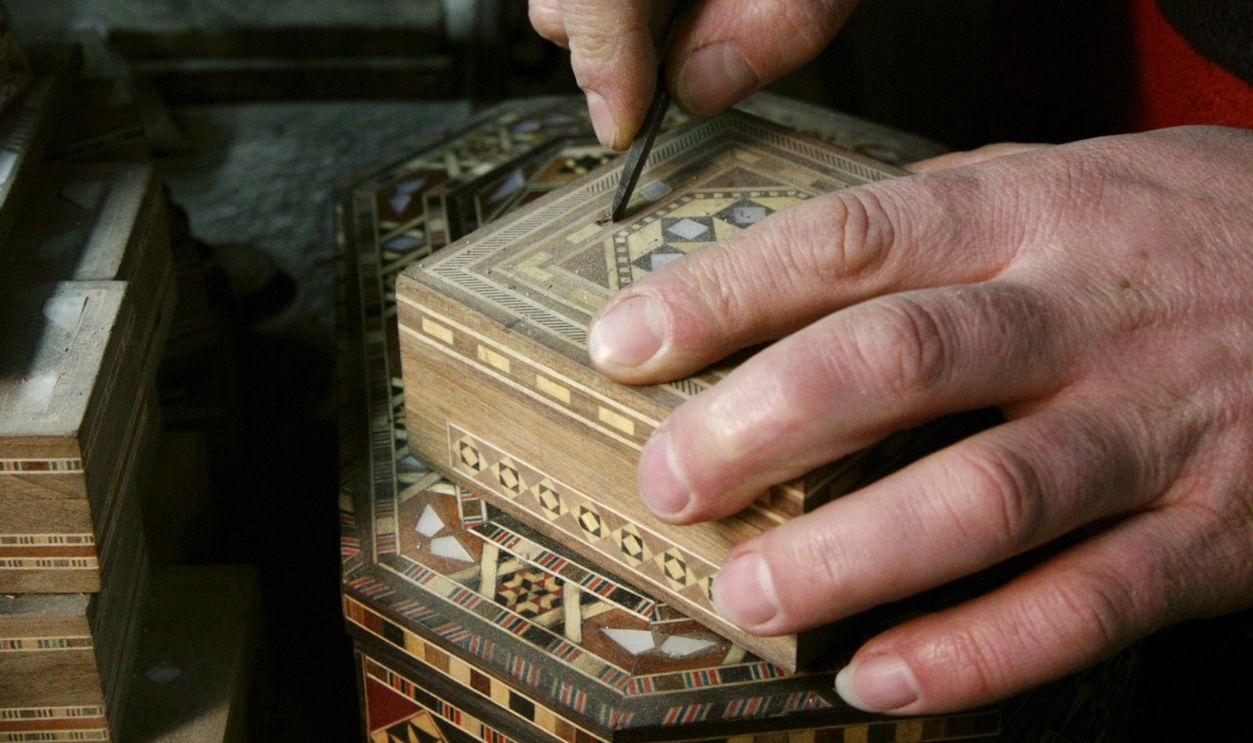
Richard Arkwright made this surname famous during the Industrial Revolution, but he didn't invent its meaning. An “ark” could mean a chest or coffer, while a wright was a skilled maker. An Arkwright was therefore originally a craftsman who produced wooden chests, boxes, and similar containers.
Cartwright
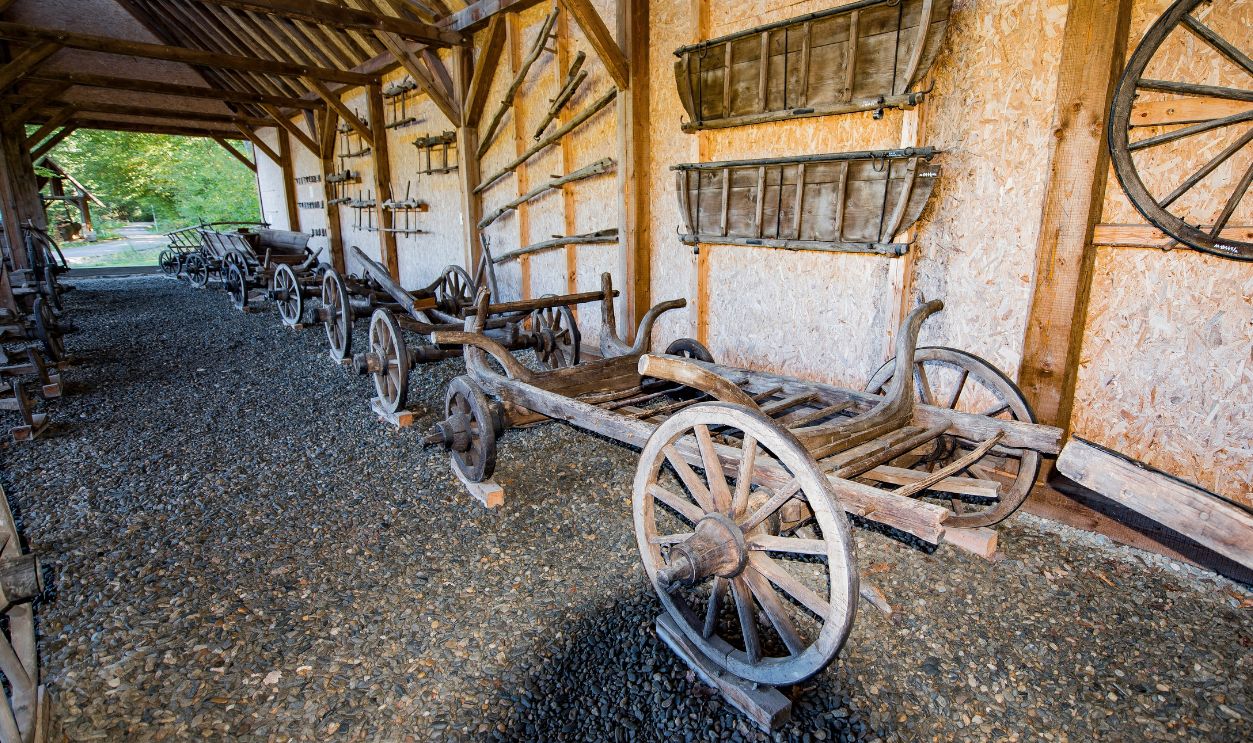
The Cartwright family of Bonanza inadvertently carried an occupational history straight into American popular culture. A cartwright was exactly what its components suggest once you know “wright”: a craftsman specializing in making carts. Such vehicles required sophisticated woodworking skills to withstand heavy loads and punishing medieval and early-modern roads.
Collier
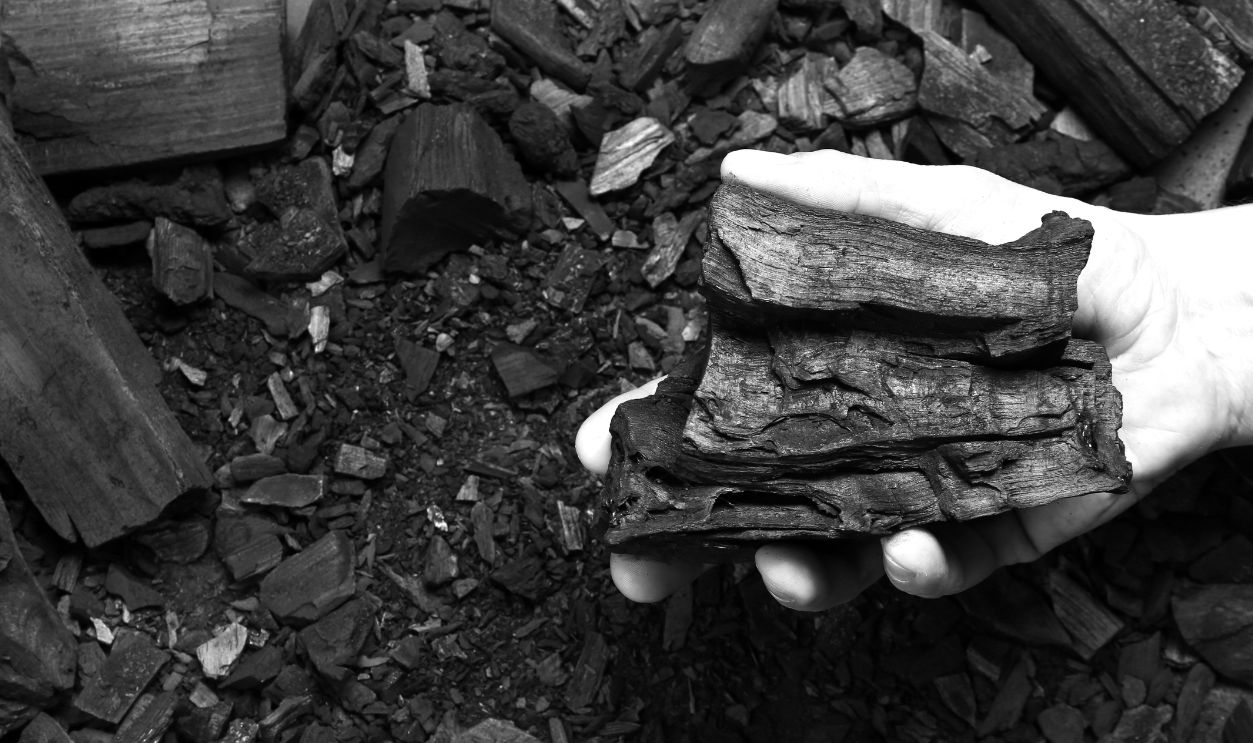
Modern readers may associate Collier with publishing or simply recognize it as a surname. Historically, a collier worked with coal, although earlier usage could specifically describe someone who made or sold charcoal. Before modern fossil-fuel industries, charcoal production required skilled workers who slowly converted wood into valuable concentrated fuel.
Sawyer
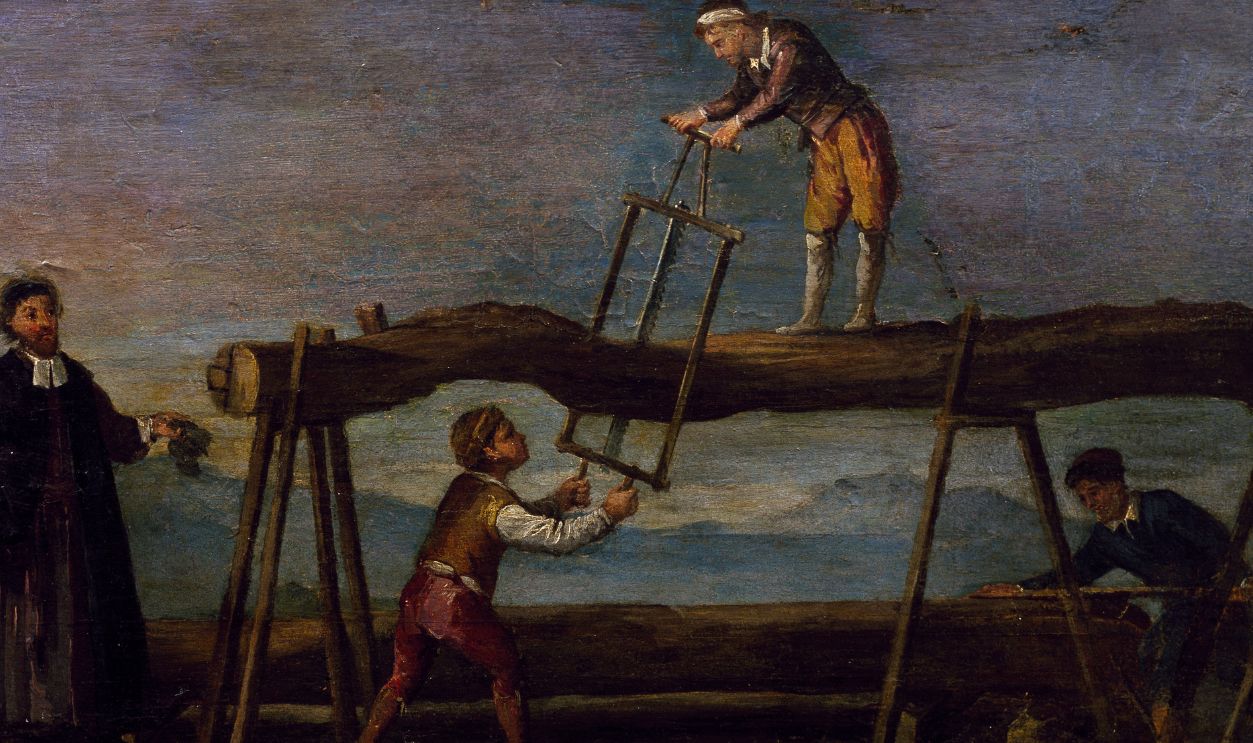
Tom Sawyer wasn't named after somebody wandering around with a paintbrush. A sawyer was a worker who sawed timber, frequently using large two-person saws before powered sawmills revolutionized production. Converting felled trees into usable boards was arduous skilled labor, and the occupation remains immediately recognizable once the surname's origin is explained.
 DEA / A. DAGLI ORTI, Getty Images
Turner
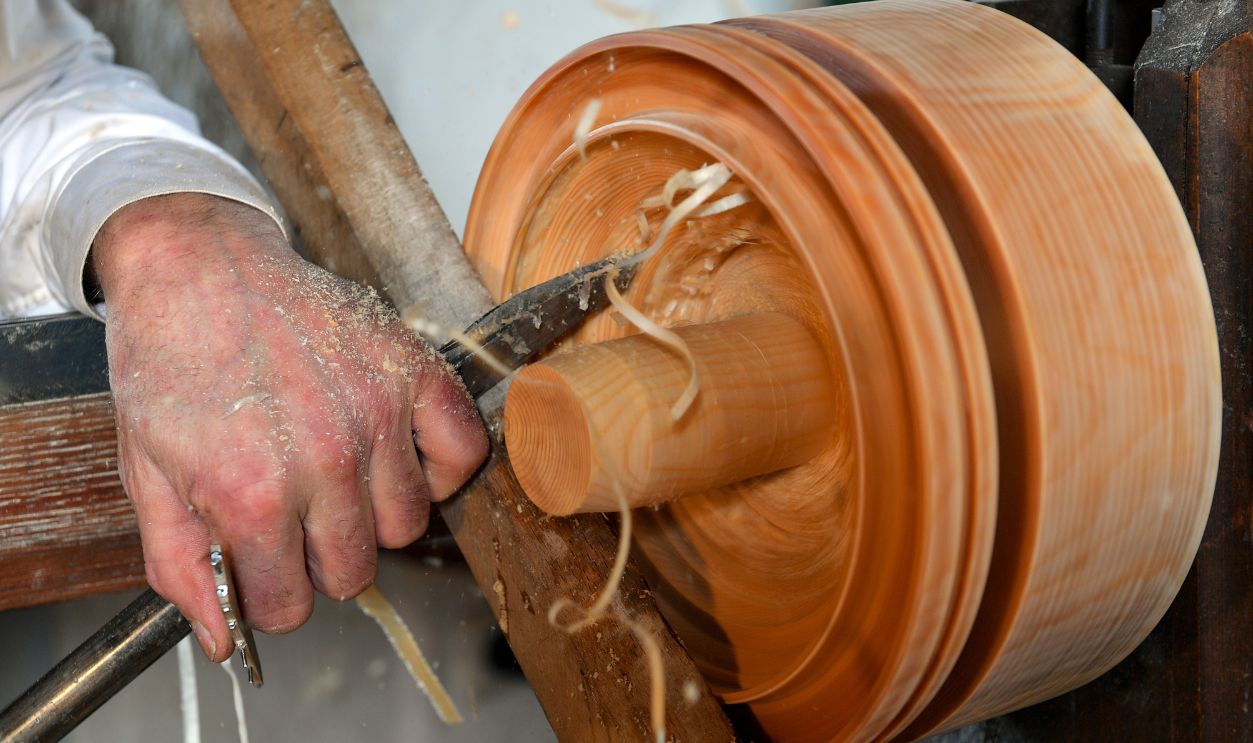
Tina Turner, Ted Turner, and countless other Turners carry the name of an old skilled trade. A turner shaped wood, bone, metal, or other materials using a lathe, producing everything from bowls to furniture components. The machinery became increasingly sophisticated, but the occupational surname survived largely unchanged.
 picture alliance, Getty Images
Salter
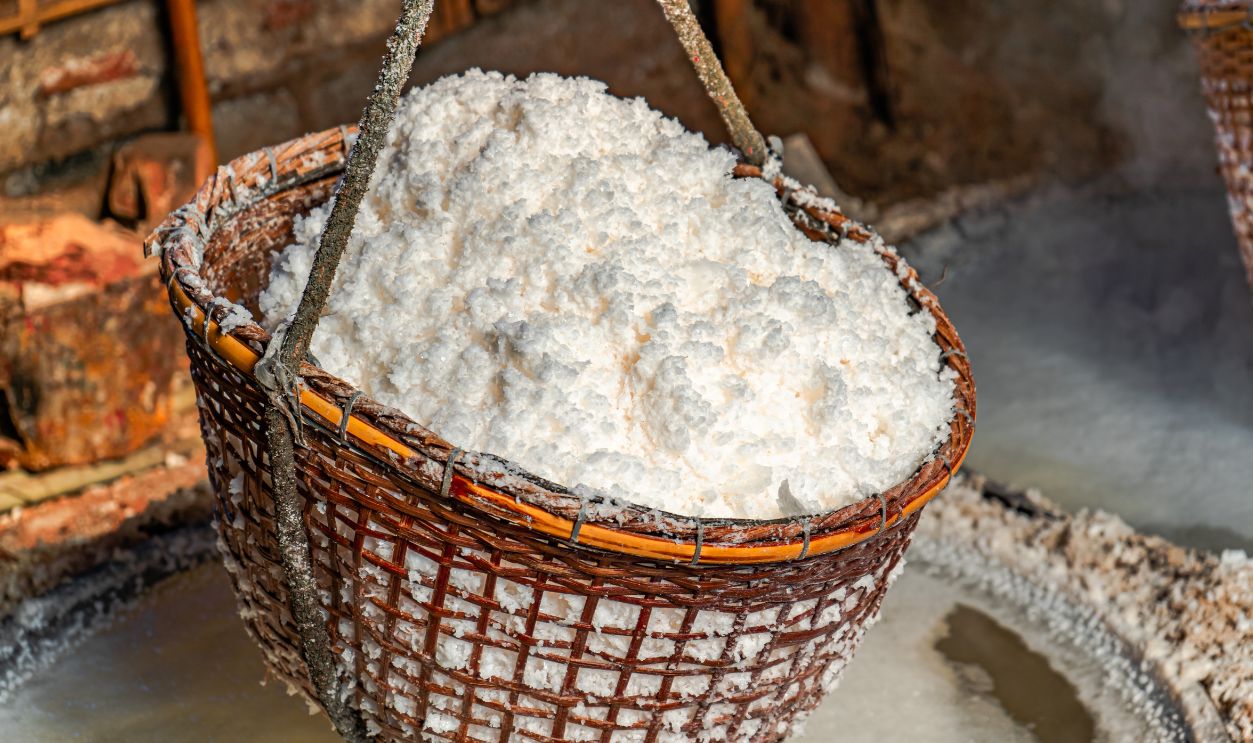
Salt was an enormously important commodity before refrigeration, essential for preserving meat and other foods as well as seasoning them. A Salter was involved in producing, dealing, or trading in salt. What now sounds like an unremarkable family name therefore recalls an occupation connected to one of history's most indispensable commodities.
 Rodphothong Mr.Patchara, Shutterstock
History's most fascinating stories and darkest secrets, delivered to your inbox daily.
Chapman
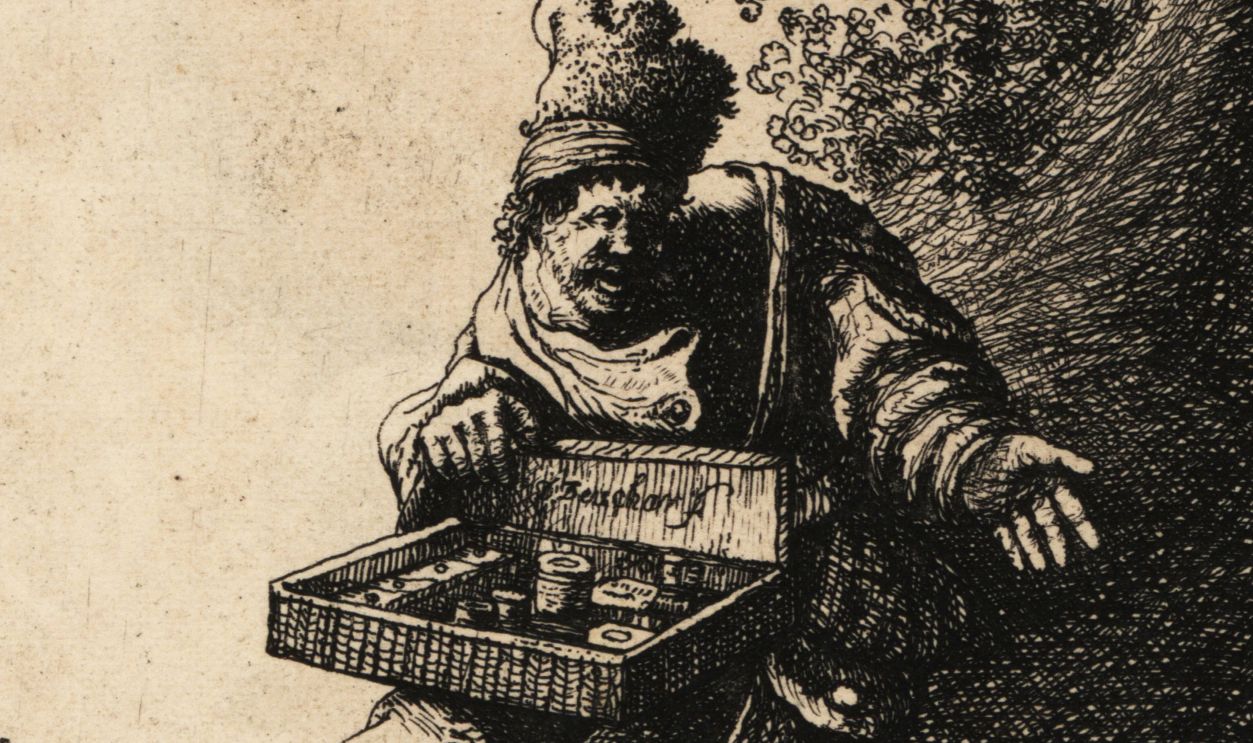
Before Chapman became simply a surname, a chapman was a merchant, trader, or itinerant dealer. Such people carried goods between communities and sold items to customers without easy access to permanent shops. The old occupational word largely disappeared, but its descendants include “cheap” and familiar expressions involving shopping and commerce.
Cutler
Anyone eating dinner with a knife is unknowingly using a word connected with this old occupation. A cutler made, repaired, sharpened, or sold knives and other cutting implements. Producing good blades required considerable expertise, making Cutler an important specialist trade before industrial manufacturing turned cutlery into inexpensive mass-produced merchandise.
Hooper
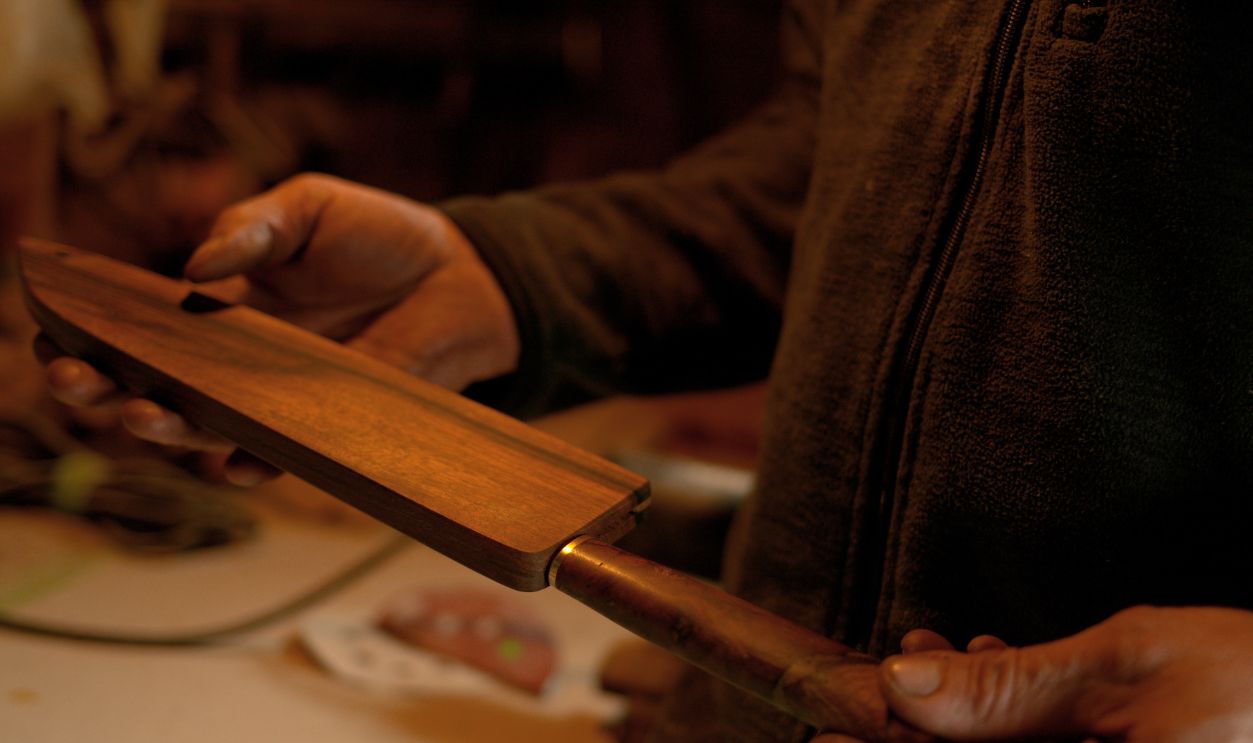
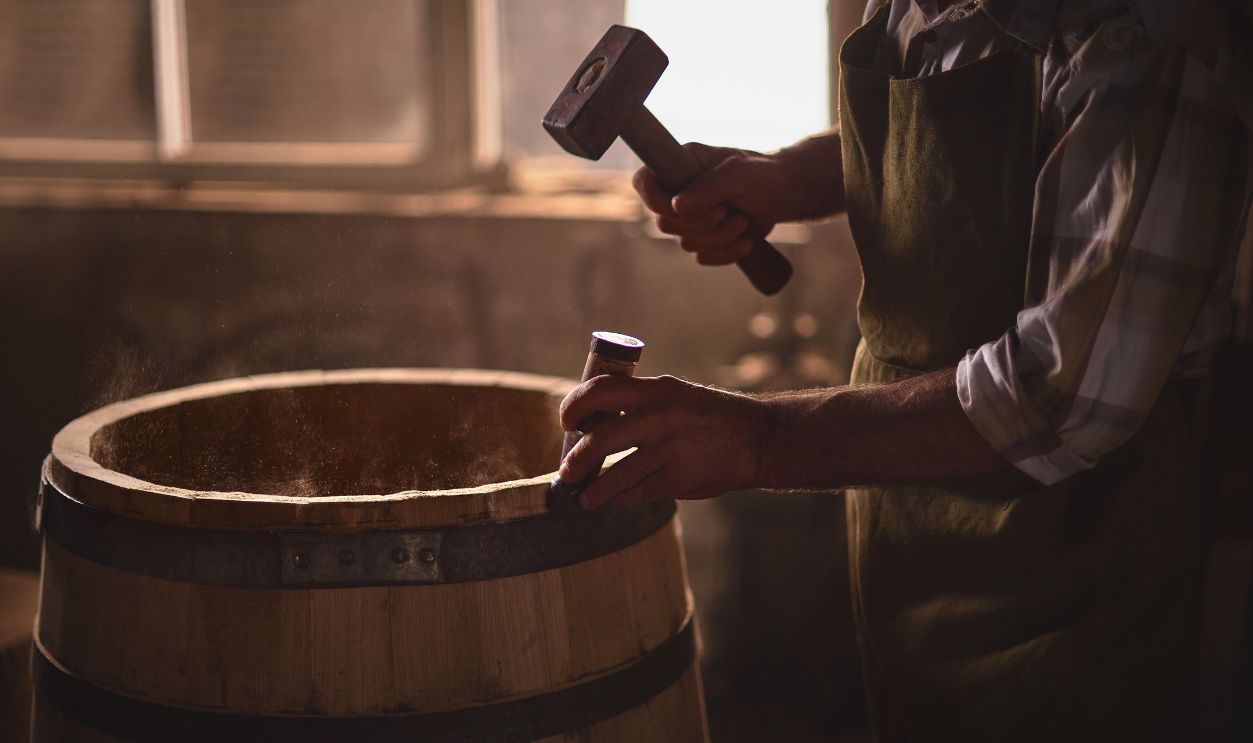
Barrels weren't made only by coopers. Another specialist could manufacture the hoops that held wooden casks together, giving rise to the occupational surname Hooper. When barrels were essential containers for shipping everything from ale to preserved foods, making their structural components was important enough to identify a craftsman by his trade.
Slater
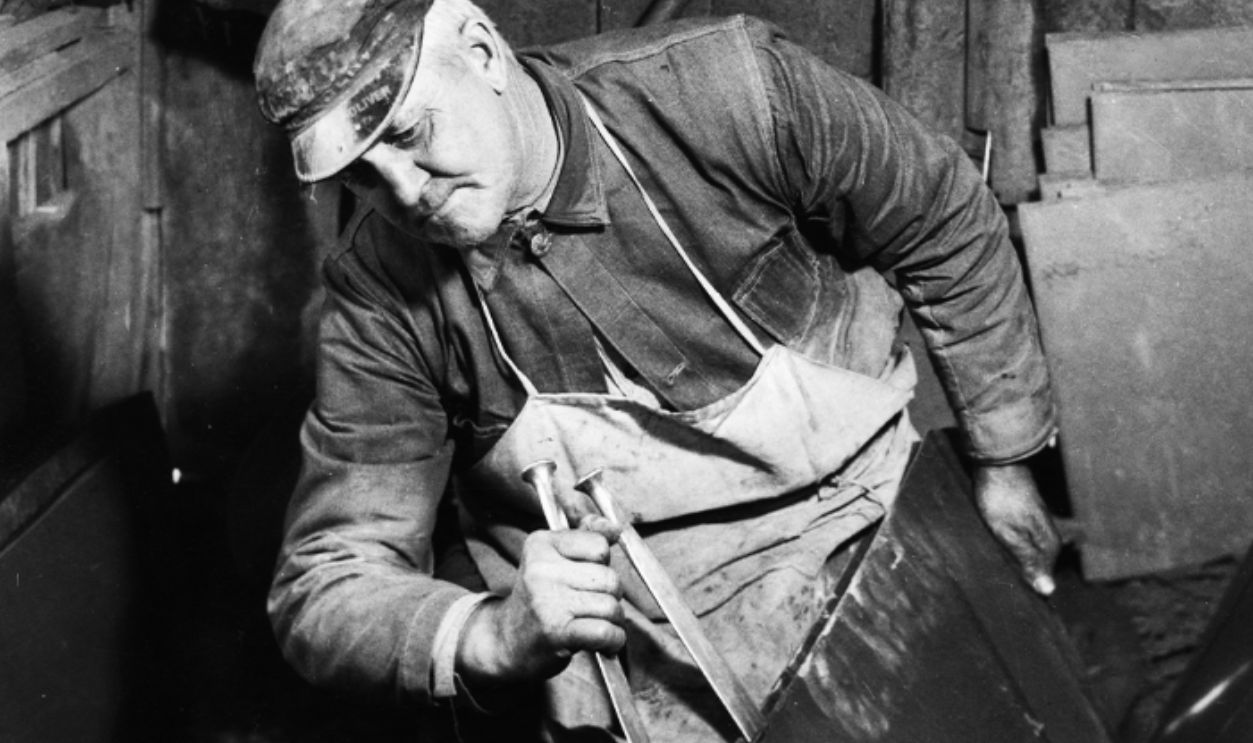
Before inexpensive modern roofing materials, skilled tradesmen covered buildings with locally available materials requiring very different techniques. A Slater worked with slate, installing or repairing slate roofs. The resulting surname preserves an occupation that still exists, although most people encountering the name today probably don't immediately imagine somebody working on a medieval rooftop.
Roper
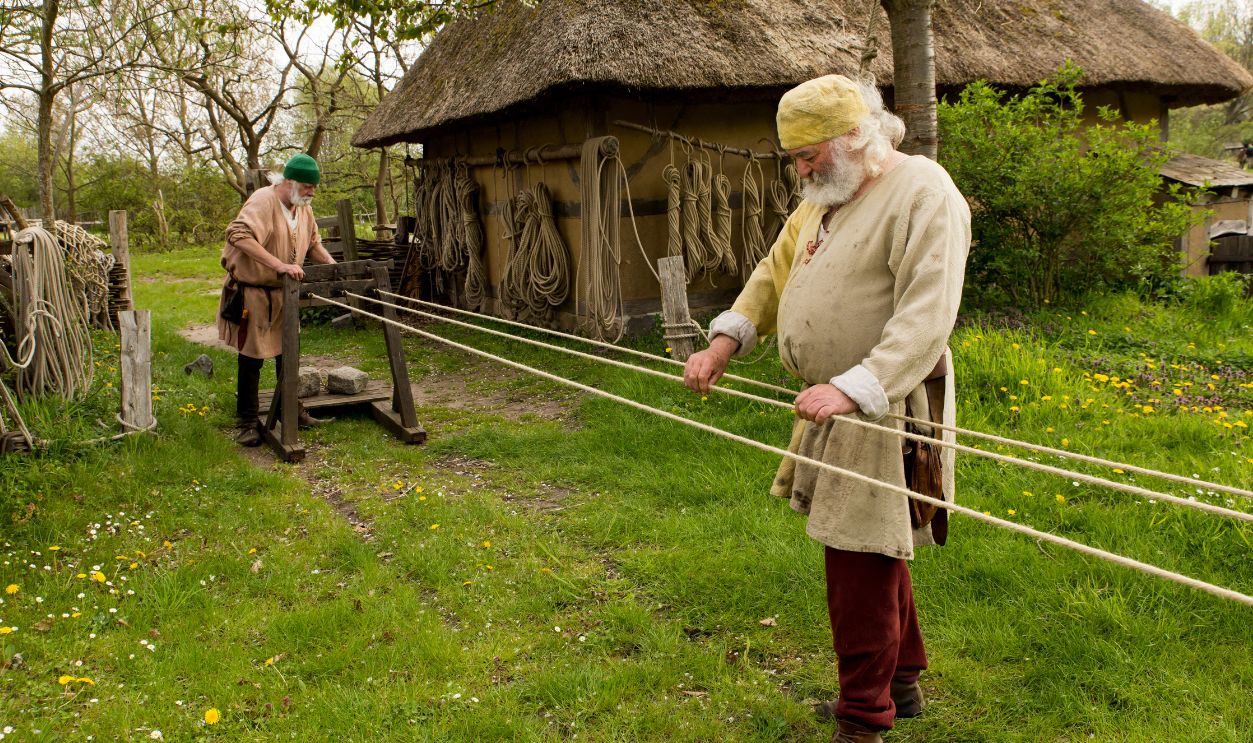
Rope was essential technology in agricultural, maritime, military, construction, and domestic life. A Roper manufactured rope, often twisting fibers together in long workshops or outdoor “ropewalks.” It sounds like a simple product today, but producing strong, consistently constructed rope was once a specialized occupation important enough to become a surname.
Dempster
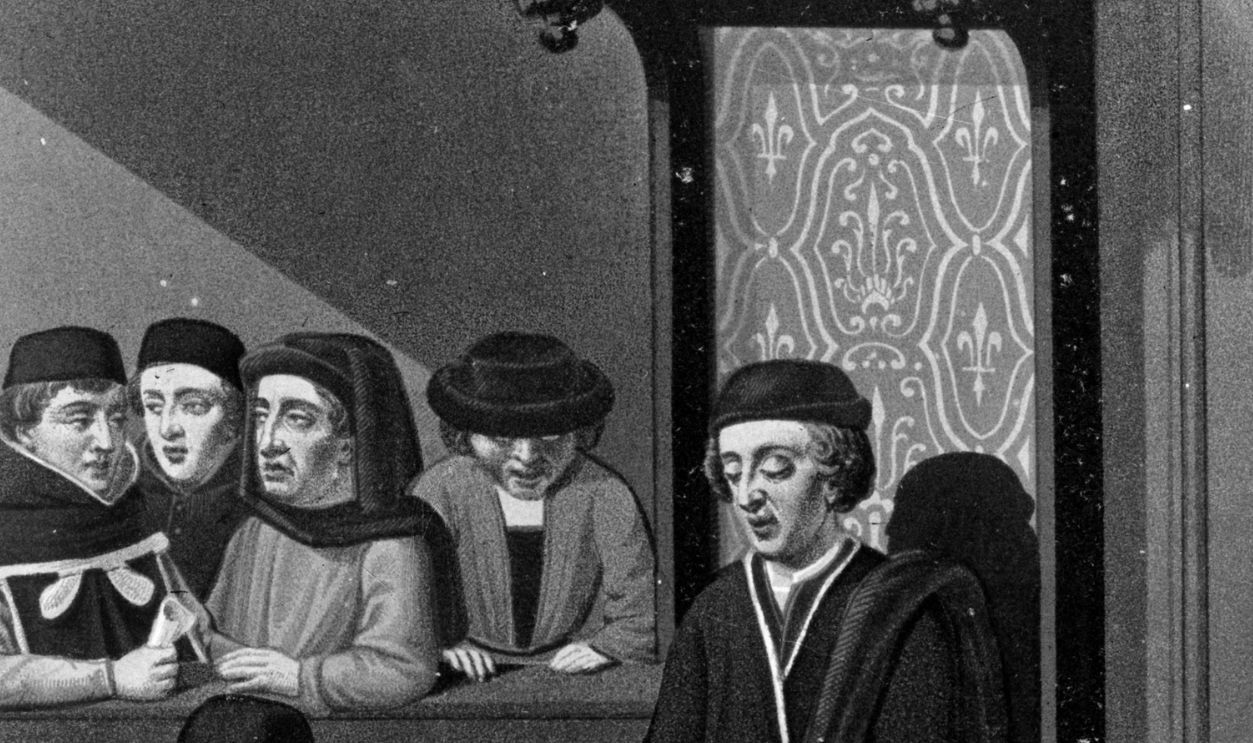
Dempster hides one of the more surprising occupations on this list. In medieval Scotland, a dempster or deemster was associated with judicial office, effectively functioning as a judge or pronouncer of judgments. The term largely vanished from everyday British English, but the surname preserved this connection with medieval law and administration.
History's most fascinating stories and darkest secrets, delivered to your inbox daily.
Hayward
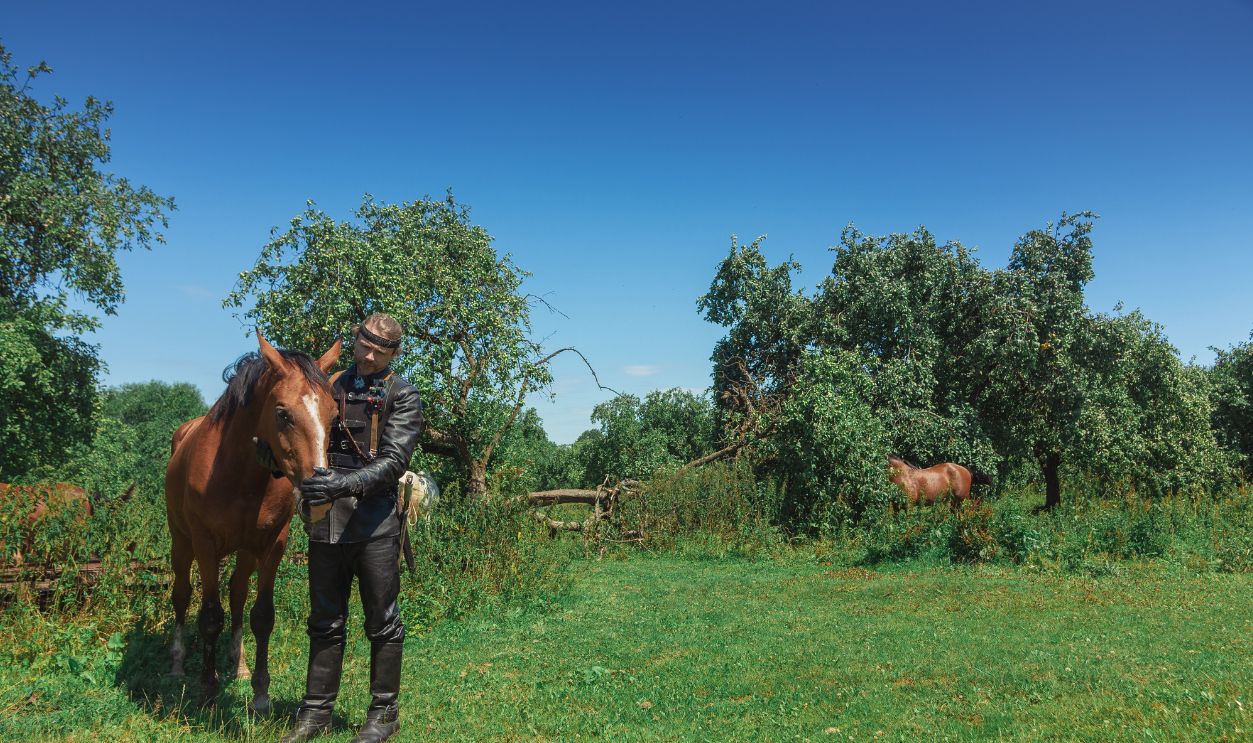
The name Hayward has nothing to do with somebody being pointed toward hay. A hayward was an official responsible for fences, enclosures, hedges, and sometimes stray livestock within a community. In an agricultural society where damaged boundaries could produce serious disputes between neighbors, that seemingly modest responsibility actually mattered enormously.
Crowther
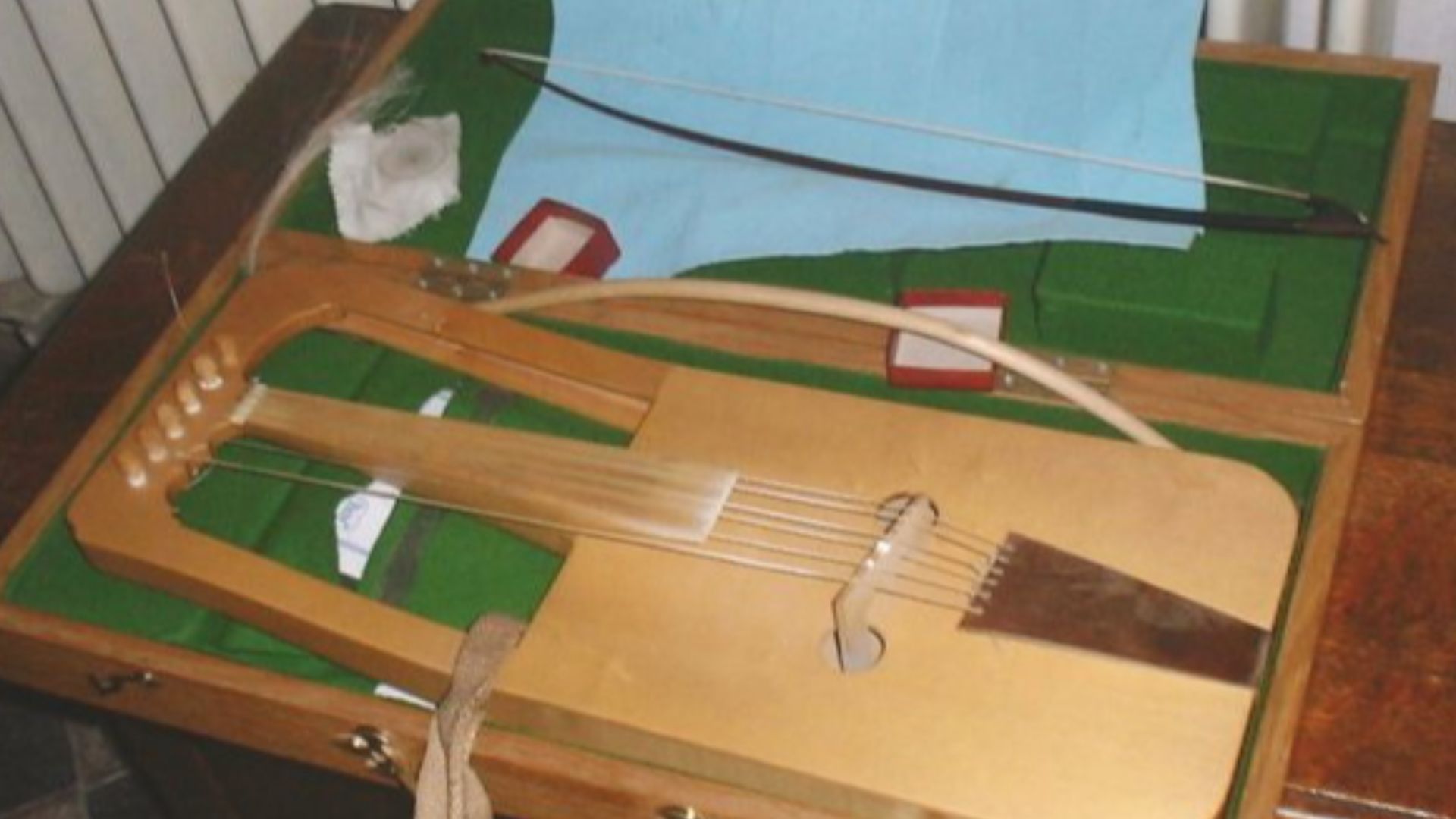
Crowther provides a musical time capsule. The surname could denote somebody who played the crwth, also called a crowd, an old bowed string instrument particularly associated with Wales. The instrument itself became increasingly obscure, but descendants of professional medieval musicians continued carrying a surname created by their ancestors' performances.
 Harry Campbell, Wikimedia Commons
Lister
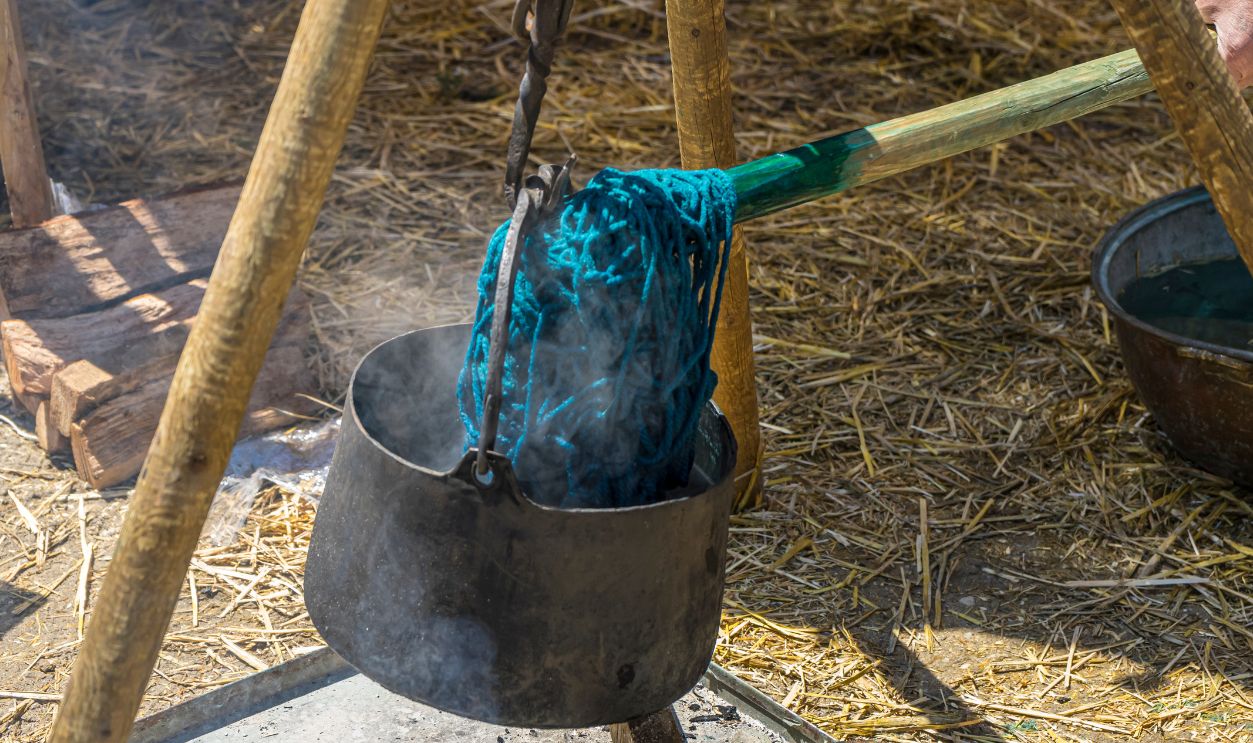
Lister may bring surgeon Joseph Lister immediately to mind, but the surname can have a much more colorful occupational meaning. A lister was associated with dyeing textiles. Before synthetic dyes and mechanized factories, producing consistently colored fabric required specialized knowledge, making textile dyeing another important medieval occupation preserved in family names.
Glover
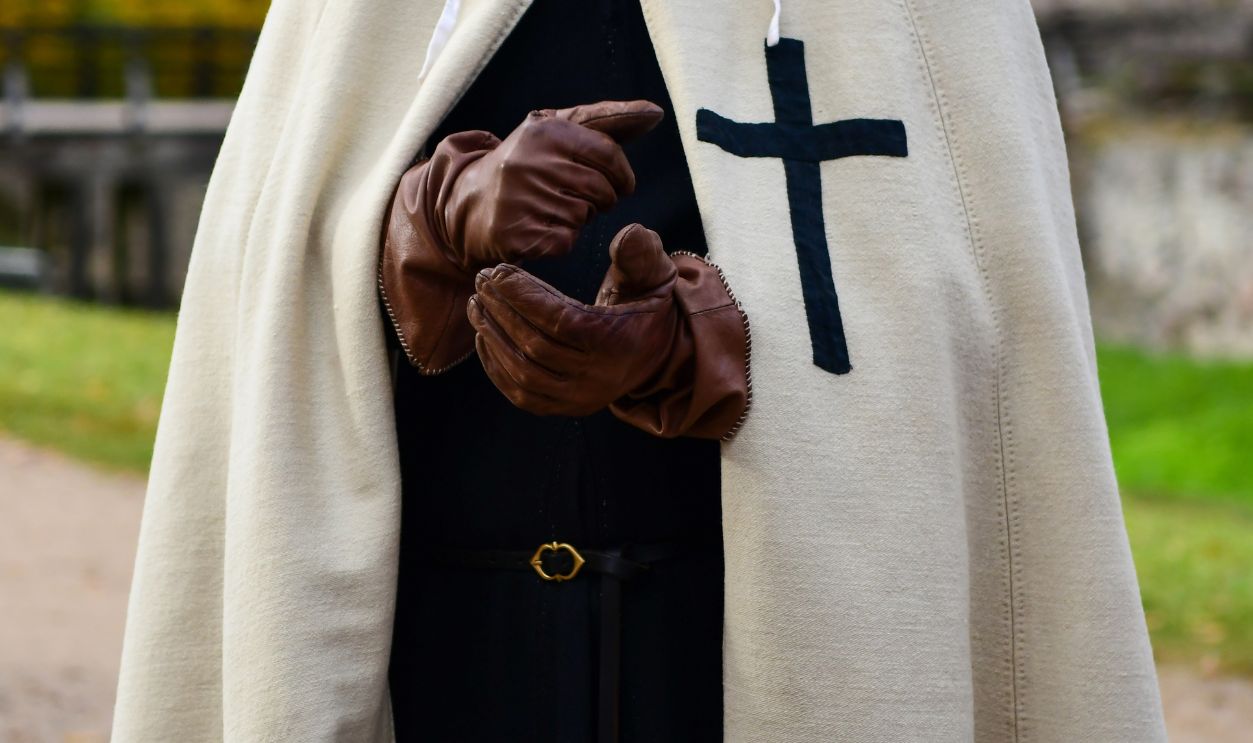
This one becomes obvious only after somebody points it out. A Glover made or sold gloves. Medieval gloves could serve practical, ceremonial, military, and fashionable purposes, and producing fitted leather handwear required specialized skills. The trade became a surname even though modern English no longer ordinarily calls someone manufacturing gloves a “glover.”
Trotter
Trotter sounds like a nickname describing somebody's peculiar way of walking, but one occupational interpretation is considerably more interesting. Trotters could serve as messengers, carrying information from one location to another in an age before electronic communication. Speed and reliability made human message carriers indispensable to commerce and administration.
Causer
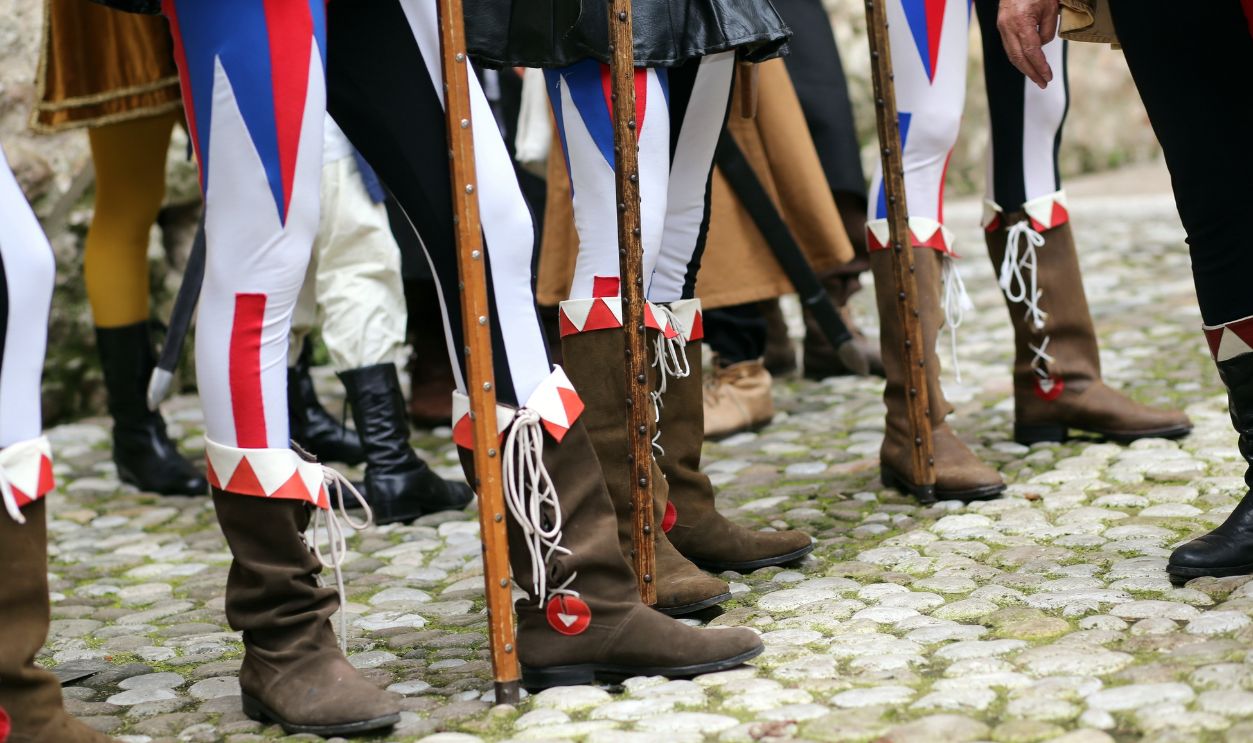
Few modern Causers would guess their surname may have begun below the knee. Derived from an Old French term connected with chausse, a Causer was someone who made leggings or similar garments. Specialized clothing trades proliferated in medieval towns, creating occupational labels whose meanings became thoroughly obscured as fashions and language changed.
History's most fascinating stories and darkest secrets, delivered to your inbox daily.
Case
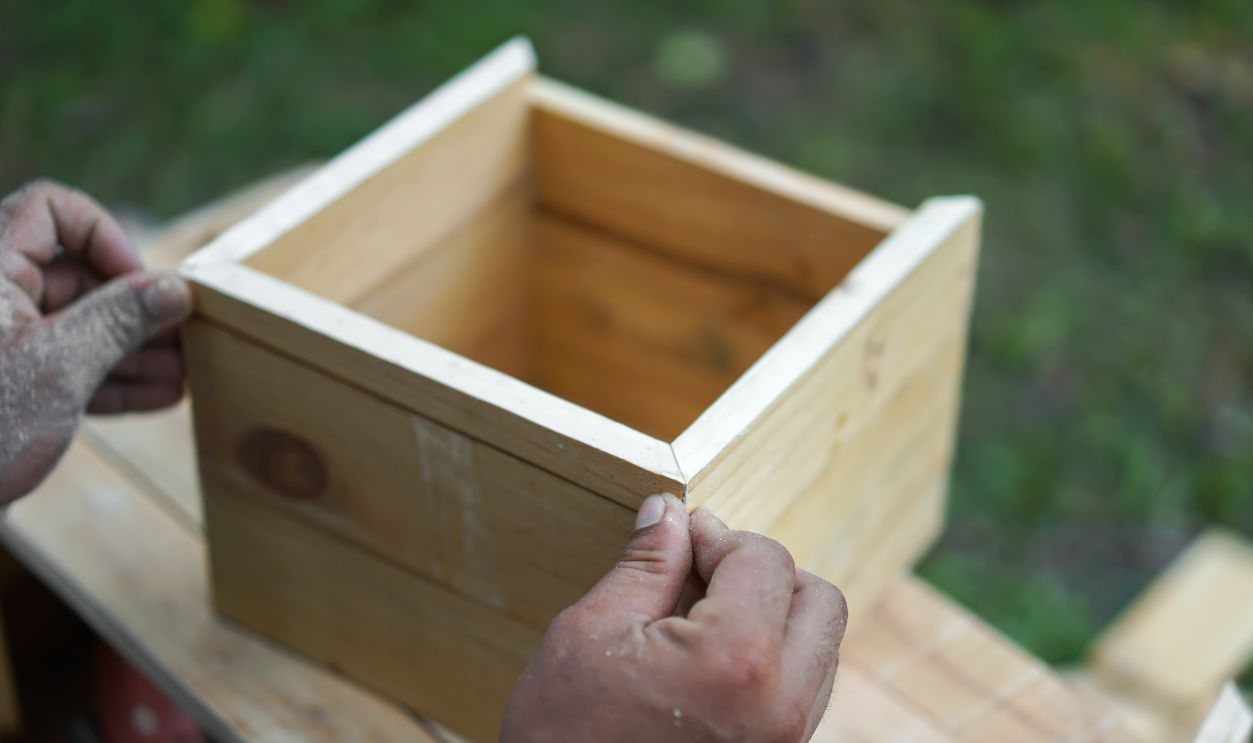
Case appears so ordinary that its occupational meaning is easily overlooked. One origin traces it through Norman French and Latin words referring to a case or box, identifying someone who manufactured containers. Before standardized packaging and factory production, sturdy wooden boxes and cases required the work of specialized craftsmen.
Reeve
A Reeve wasn't originally a craftsman at all. The title referred to an administrative official who supervised estates or communities, collected obligations, and exercised local authority. England's famous “shire-reeve” eventually gave the English language “sheriff,” while the shorter occupational title survived independently as the surname Reeve or Reeves.
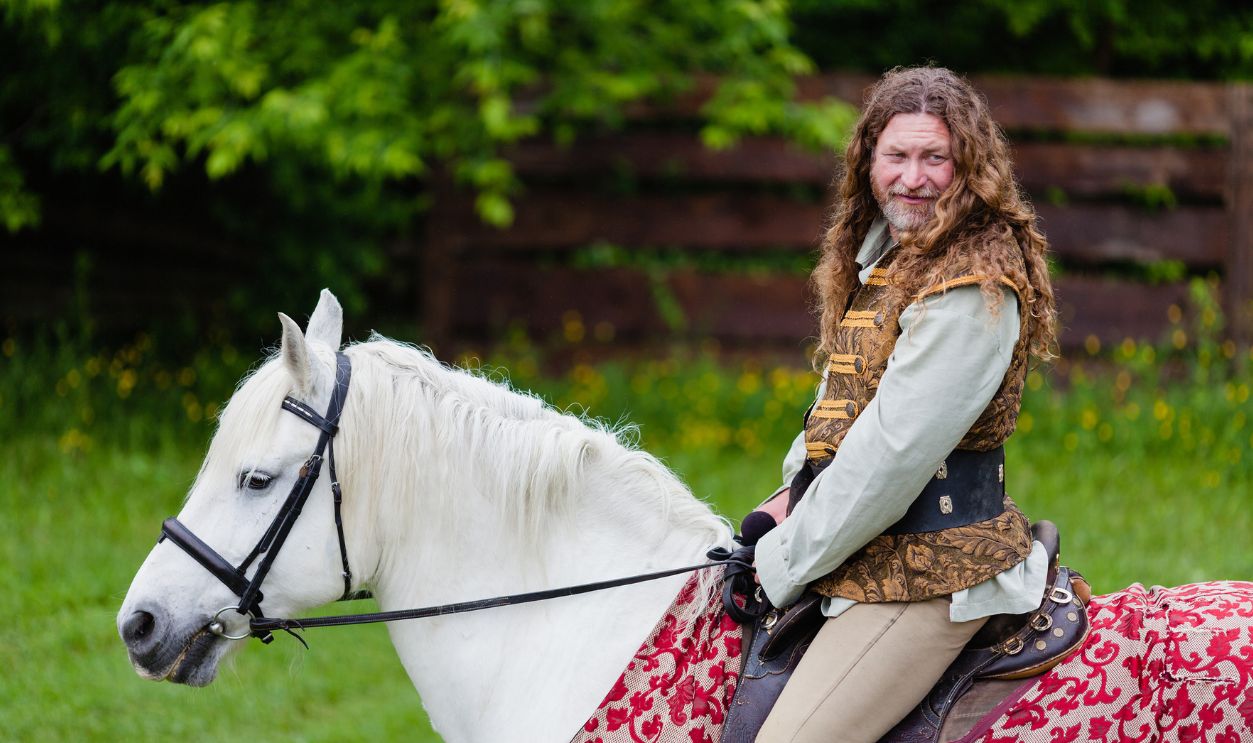
Latimer
Latimer preserves an occupation essential wherever people speaking different languages needed to communicate. The medieval term referred to an interpreter, originally someone knowledgeable in Latin or able to mediate linguistically between speakers. Diplomacy, trade, law, and administration all needed such people, even if “Latimer” no longer sounds remotely occupational.
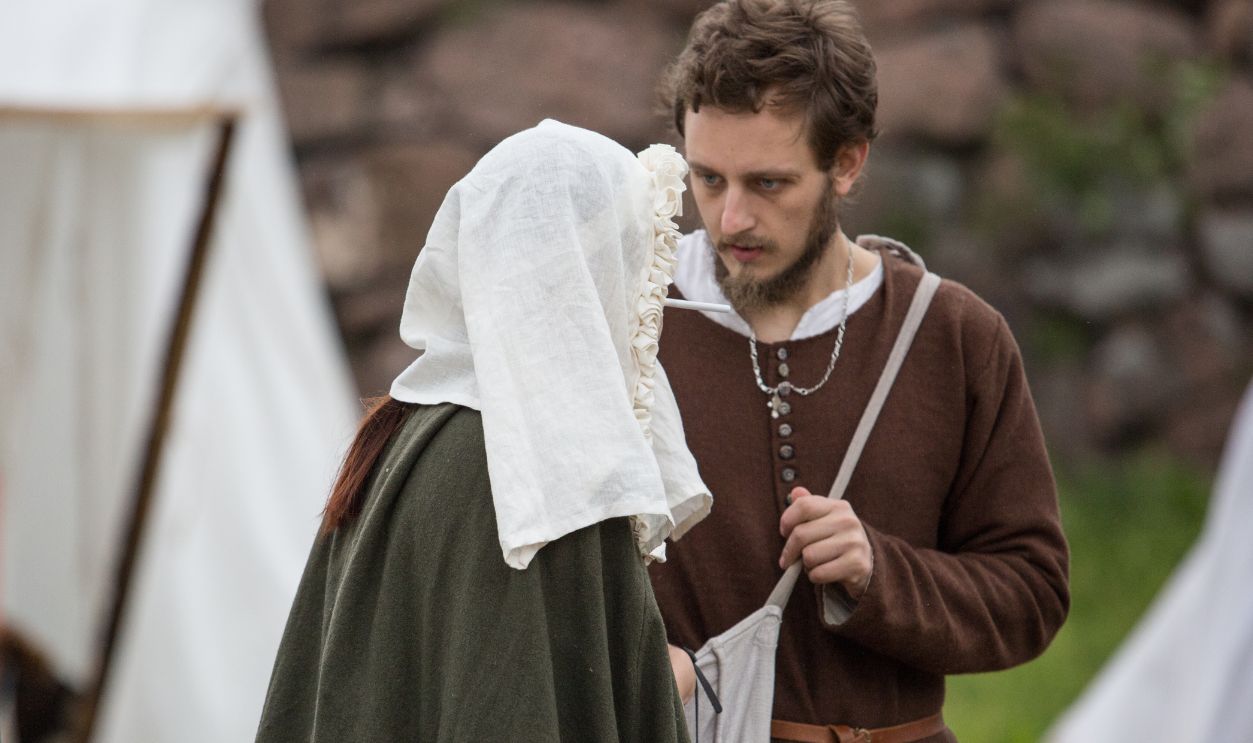
Scrivener
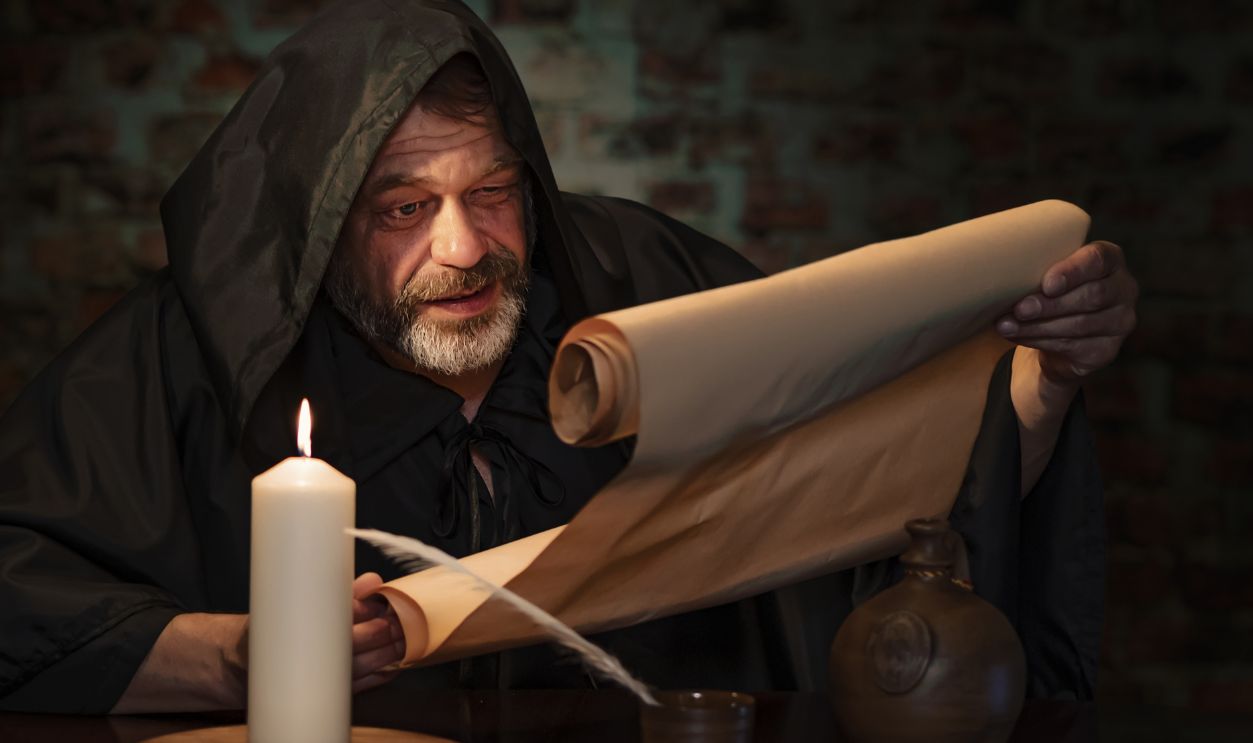
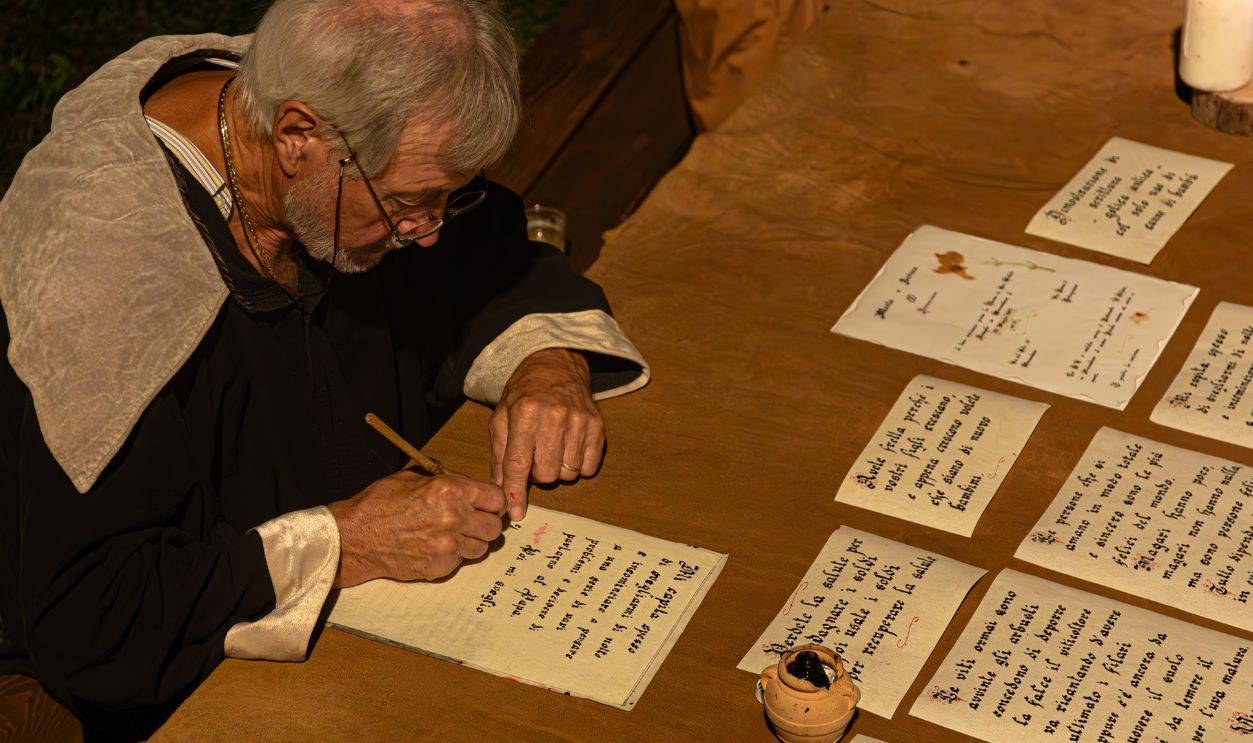
Before photocopiers, printers, and word processors, important documents had to be written out by hand. A scrivener was a professional writer or scribe who copied and prepared documents, contracts, and other texts. Literacy itself was specialized enough that being professionally skilled with the written word could define an entire family name.
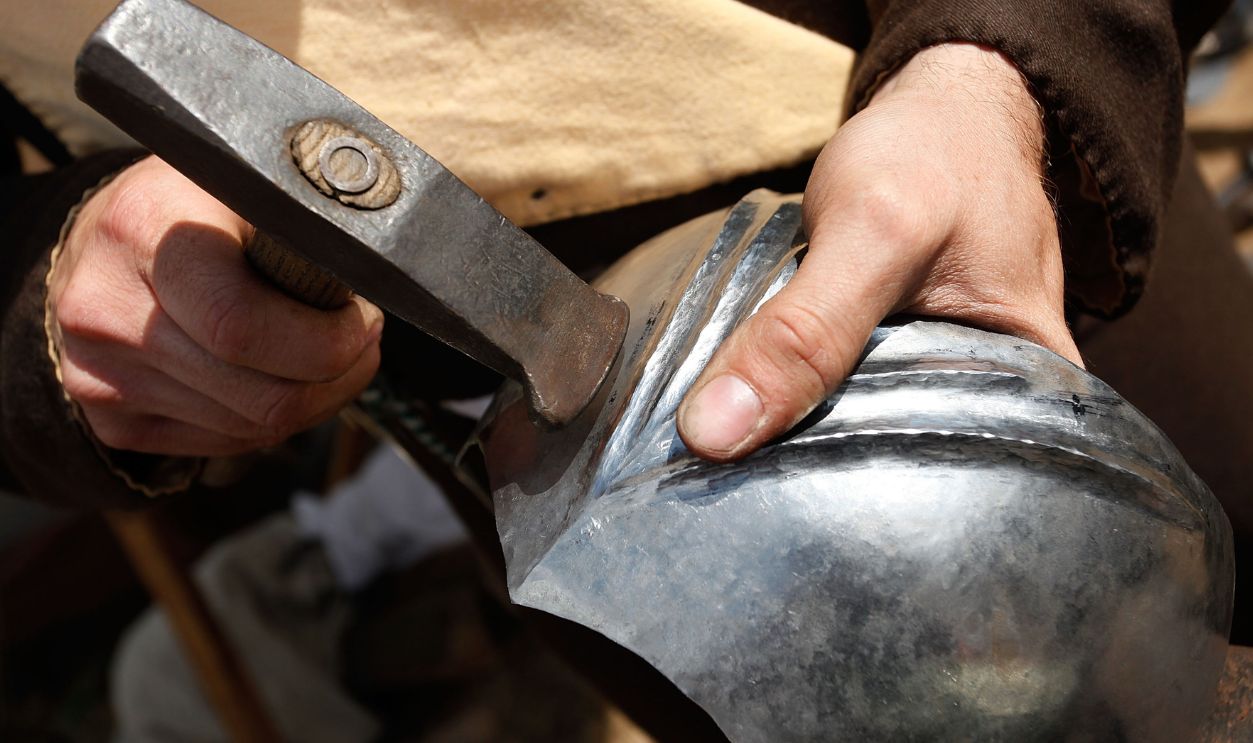
Furbisher
A furbisher restored, polished, or finished metal objects, particularly weapons and armor. Maintaining expensive equipment was crucial when a sword or suit of armor represented a substantial investment. The word has nearly vanished, but surnames such as Furbisher and Frobisher preserve traces of craftspeople whose job was essentially making old metalwork serviceable again.
You May Also Like:
Everyday Words That Came From People Whose Names Most Of Us Have Forgotten
Real People Whose Names Became Everyday Words
Everyday Expressions From The Middle Ages That People Still Say Today