
A Disease With A Much Longer History
Plague is usually associated with medieval cities, infected rats, and the Black Death. New genetic evidence shows that the disease was already killing people thousands of years earlier. Its earliest known outbreaks struck small hunter-gatherer communities in Siberia roughly 5,500 years ago.

A Mystery Buried Near Lake Baikal
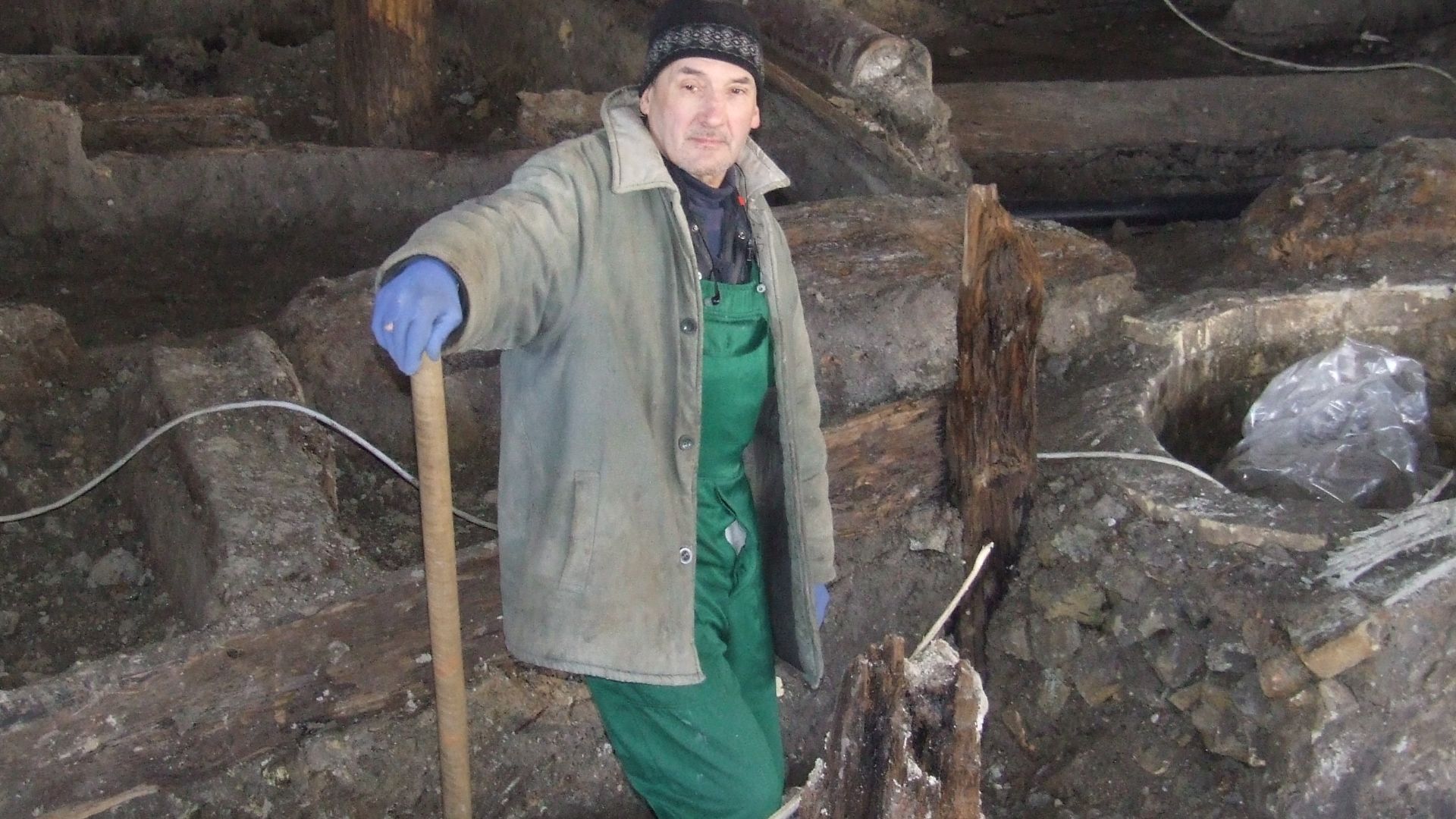
The evidence came from four prehistoric cemeteries near Lake Baikal in southeastern Siberia. Archaeologists had long wondered why some of these burial grounds contained unusually large numbers of children. Ancient DNA preserved inside the victims’ teeth finally offered an explanation.
 Vyacheslav Argenberg, Wikimedia Commons
Teeth Preserved The Crucial Evidence
Researchers generated genetic data from 46 people buried at the four sites. They searched the samples for traces of pathogens that might have infected the individuals before death. DNA belonging to the plague bacterium appeared far more frequently than evidence of any other disease.
 Nataliya Shestakova, Wikimedia Commons
Eighteen People Tested Positive
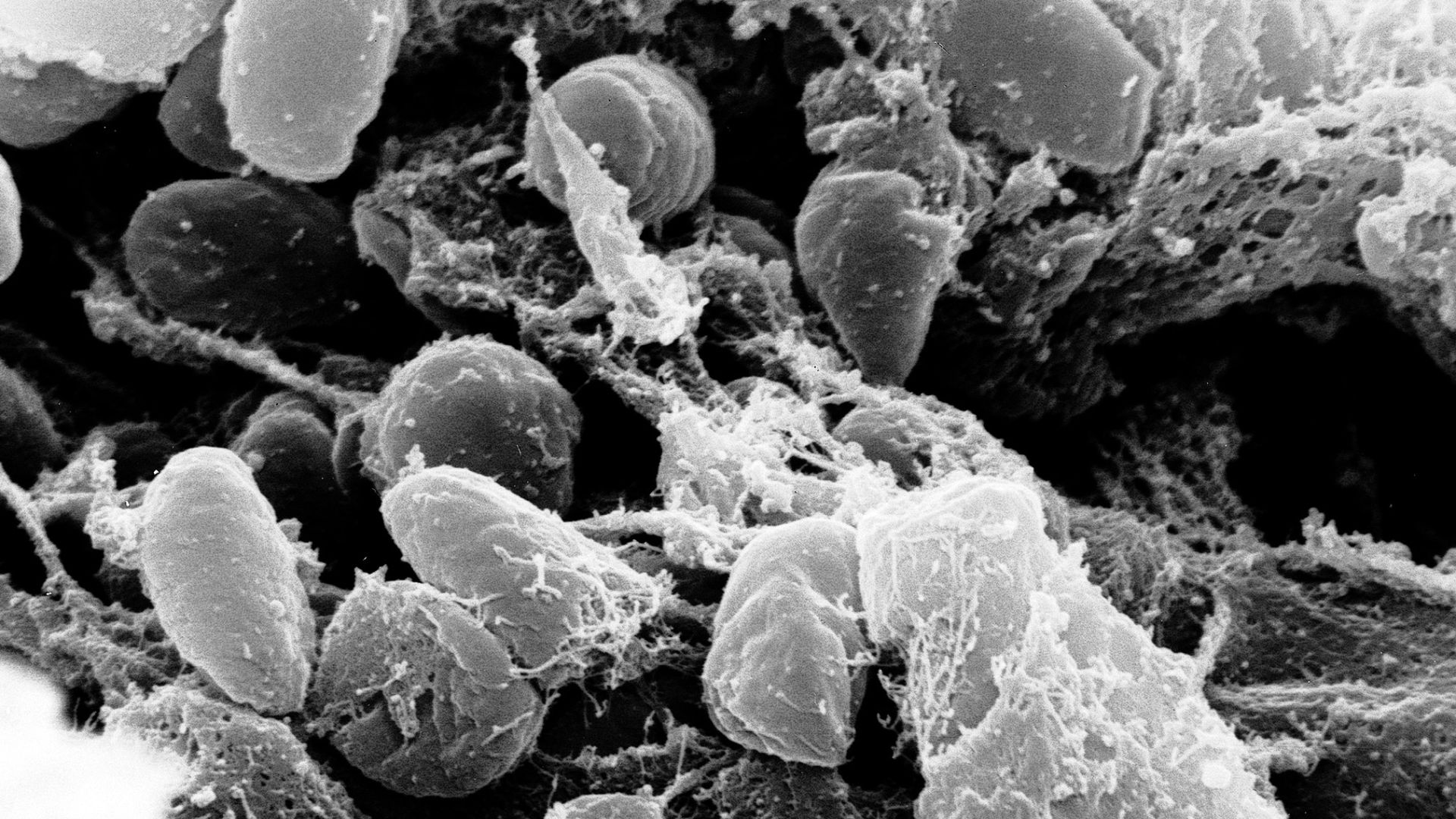
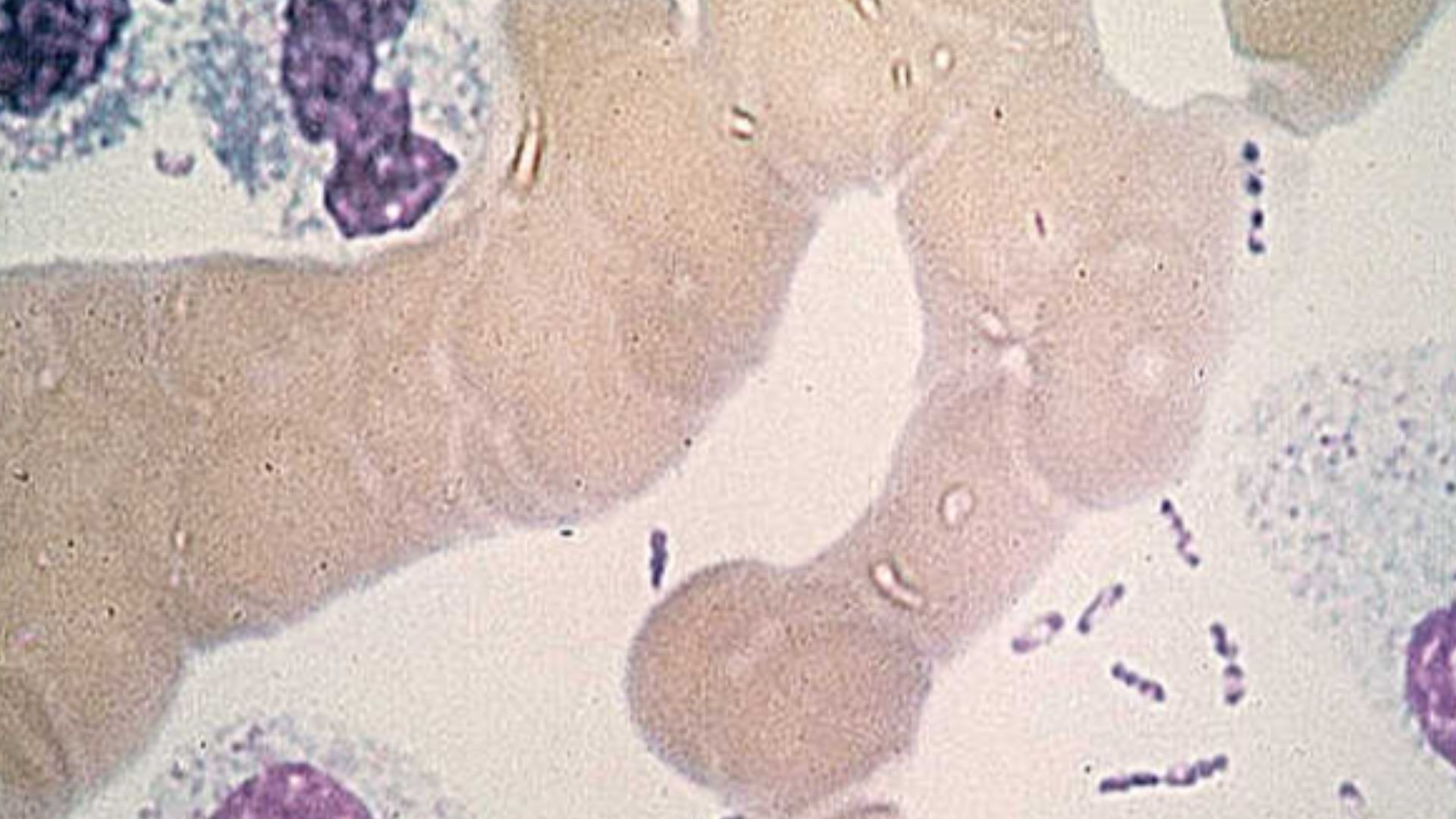
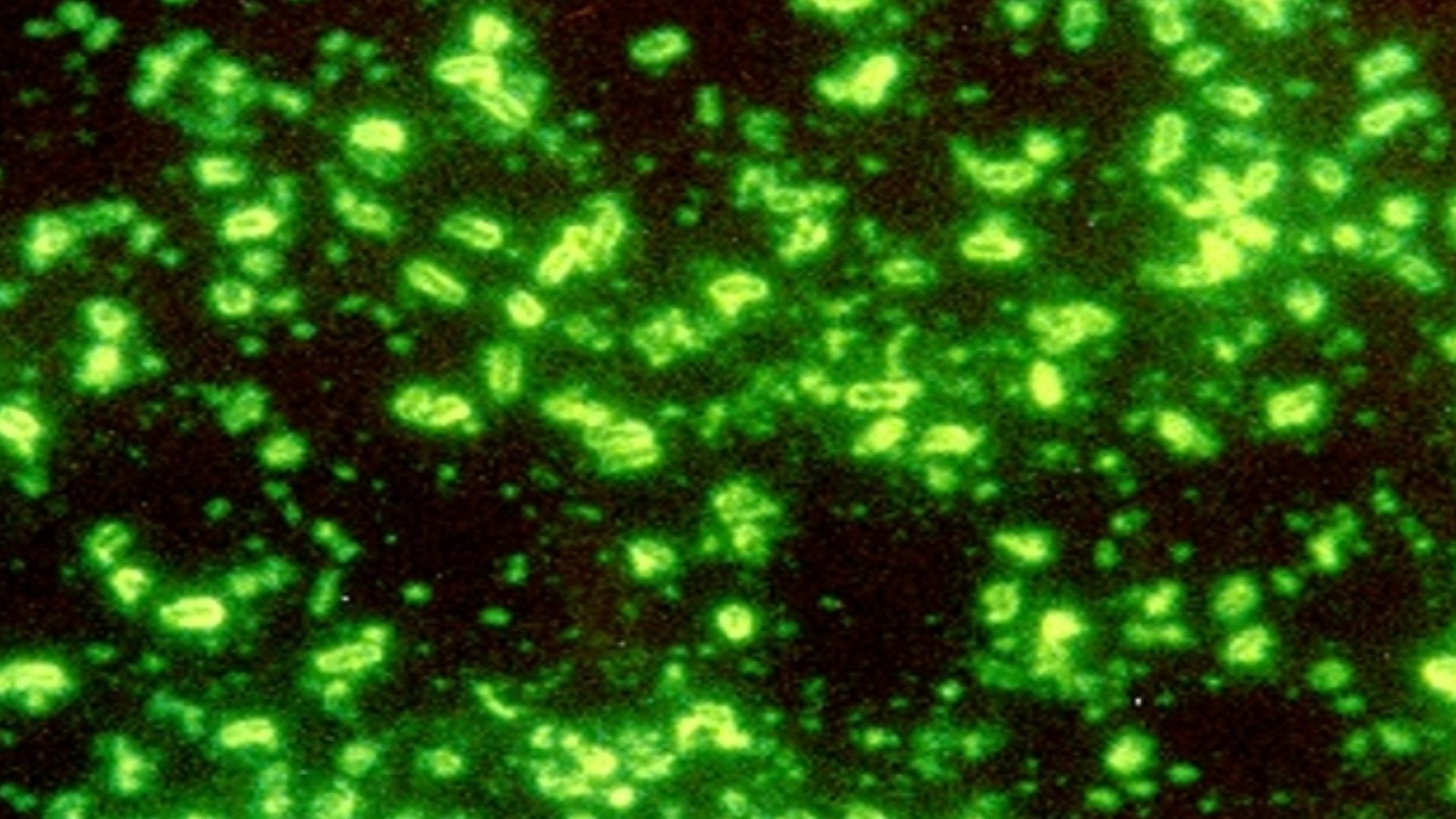
Scientists detected DNA from Yersinia pestis, the bacterium that causes plague, in 18 individuals. That represented approximately 39 percent of the people examined. The detection rate was remarkably high for remains that had spent more than five millennia underground.
The True Number May Have Been Higher
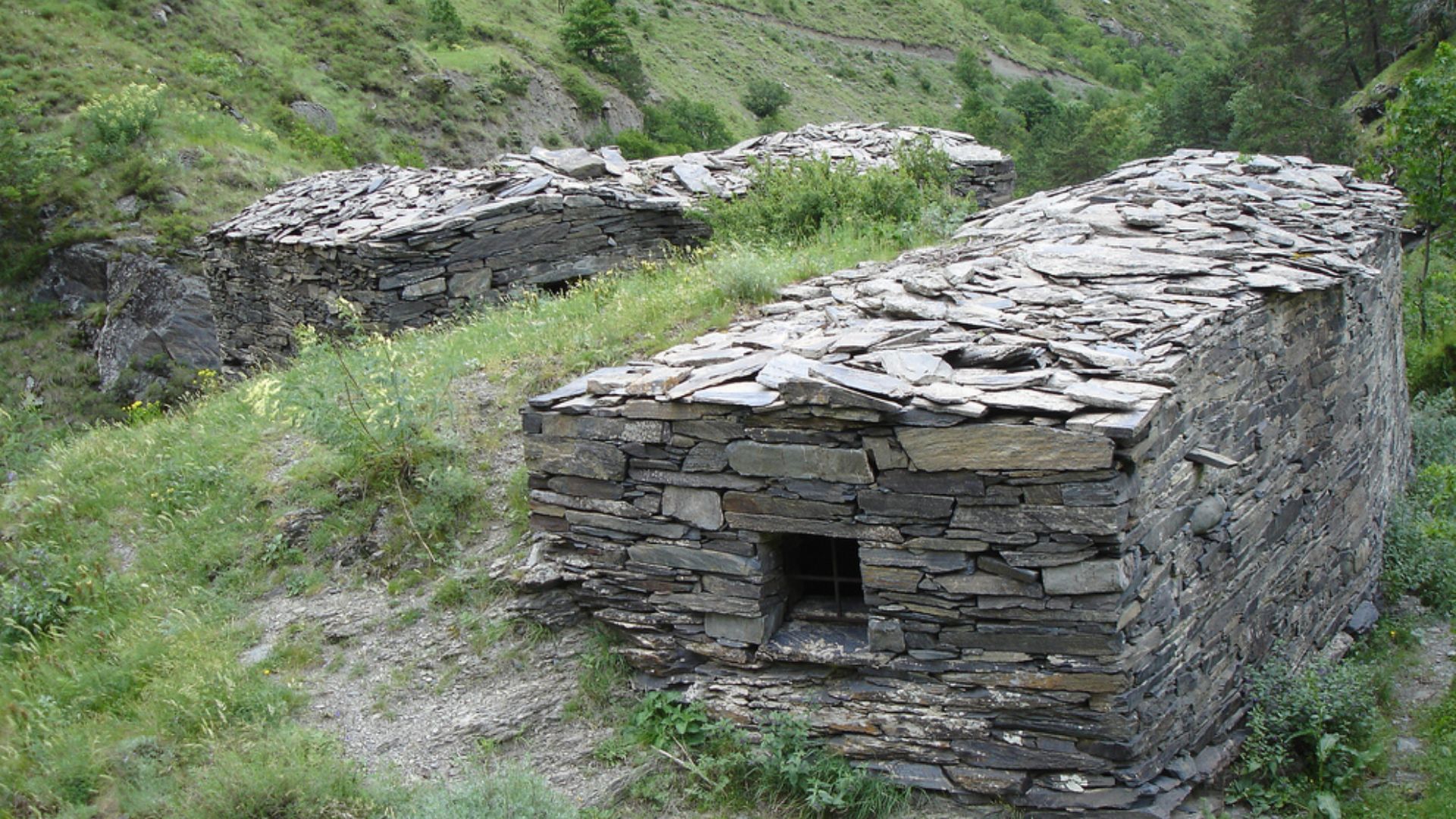
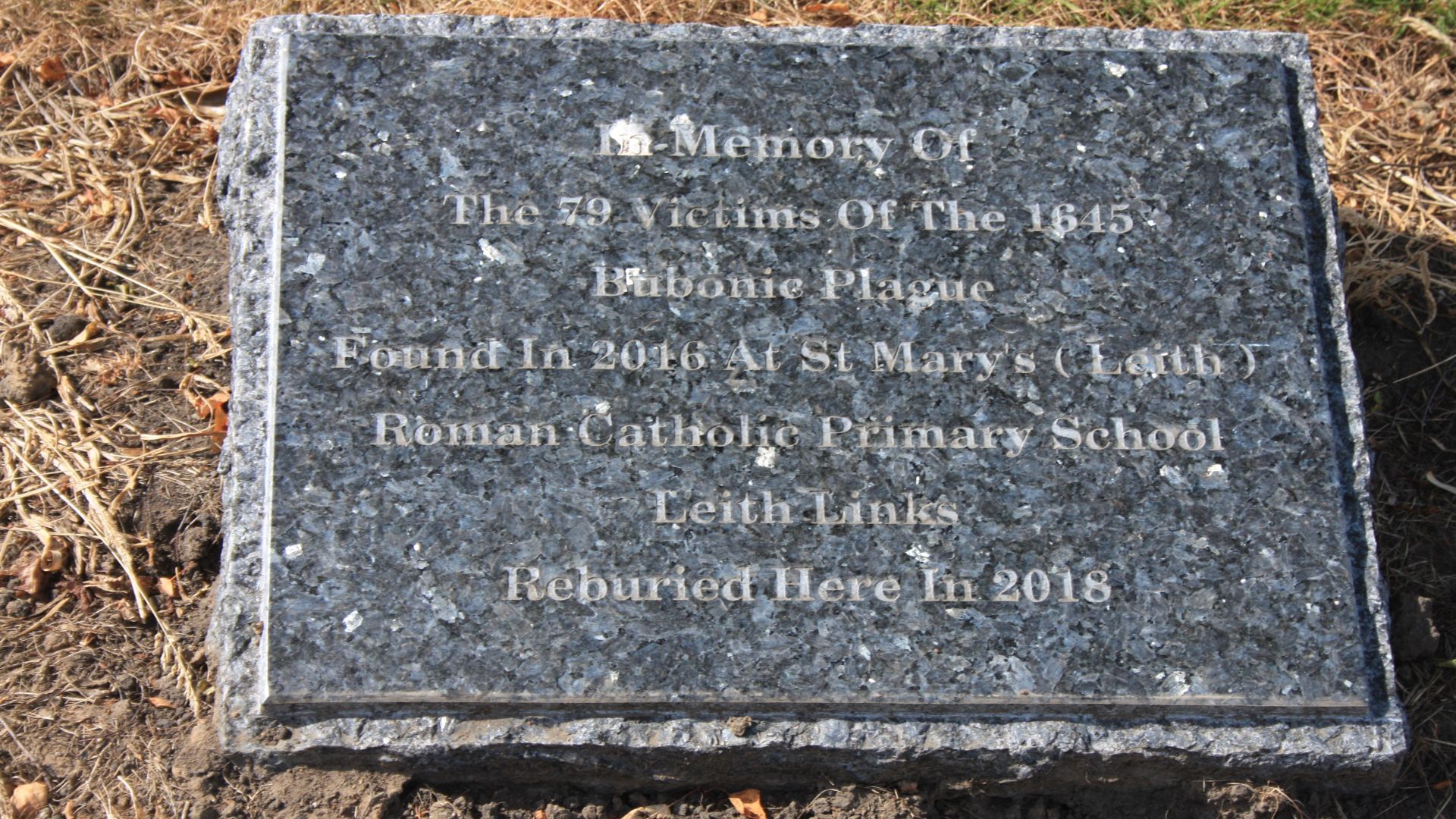
Ancient pathogen DNA breaks down over time and can easily escape detection. Even confirmed medieval plague graves sometimes produce many negative test results. Researchers therefore believe that additional people in the Siberian cemeteries may also have been infected.
 ben van der ploeg from devizes, uk, Wikimedia Commons
Two Separate Outbreaks Emerged
The genetic and radiocarbon evidence revealed two distinct phases of plague infection. The first began about 5,500 years ago, while the second occurred roughly 400 to 600 years later. Related but genetically distinguishable bacterial strains appeared during each phase.
 Artwork: Franconian painter of the Nuremberg School, cover: CDC staff, Wikimedia Commons
The Disease Was Older Than Expected
Before this discovery, the oldest known plague evidence came from remains approximately 5,000 years old. The Siberian cases pushed the confirmed timeline back by several centuries. Genetic modelling also suggested that Yersinia pestis had emerged by at least 5,700 years ago.
 U.S. Center for Disease Control, Wikimedia Commons
These Were Not Crowded Cities
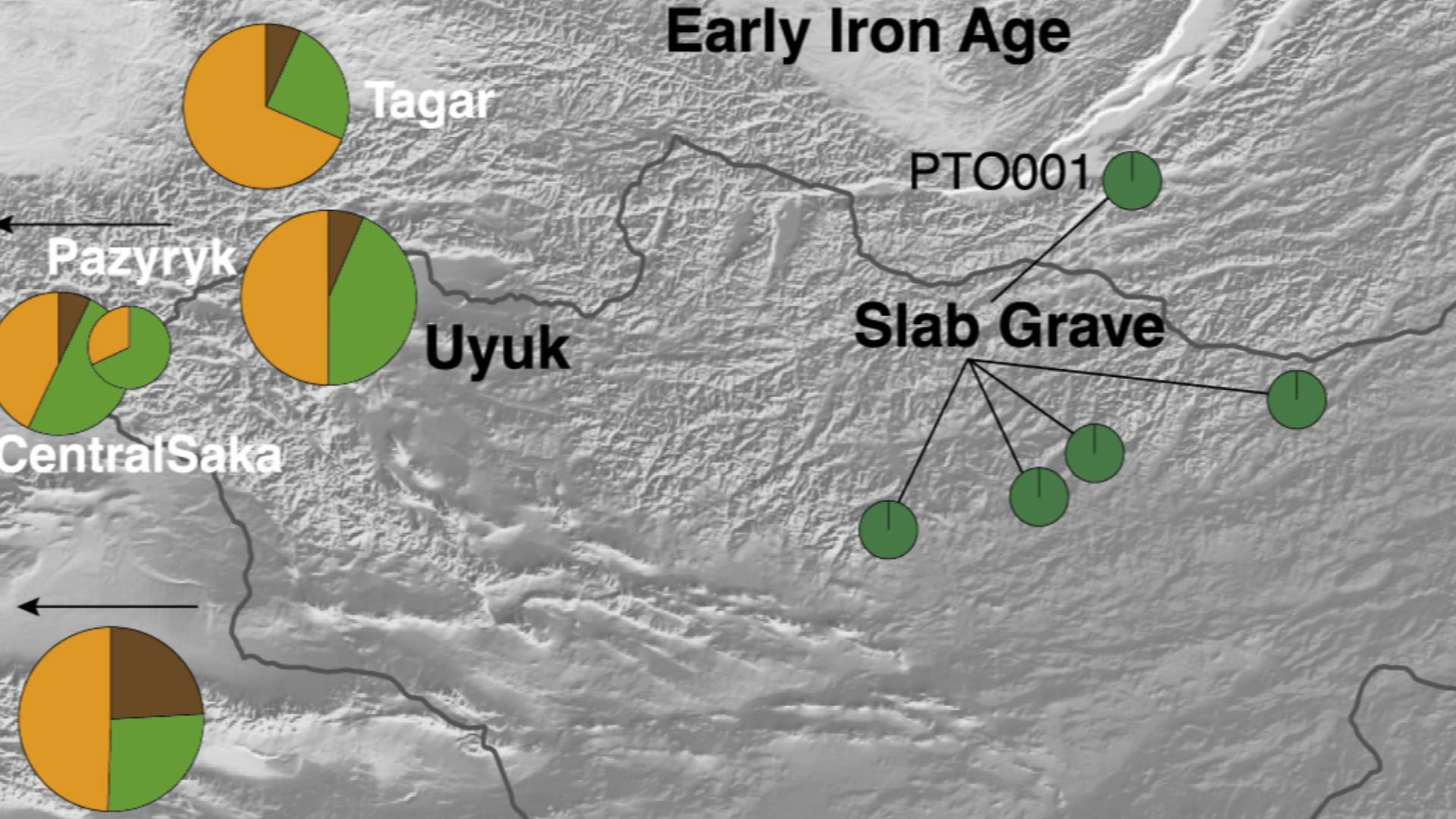
The people affected were mobile hunter-gatherers rather than residents of permanent farming settlements. They lived in small communities spread across the Lake Baikal region. Their experience challenges the idea that severe epidemics required crowded villages or growing cities.
 Jacques Descloitres, MODIS Land Rapid Response Team, NASA/GSFC, Wikimedia Commons
Farming Was Not A Requirement
Researchers once suspected that major plague outbreaks became possible only after agriculture transformed human life. Permanent settlements placed more people, animals, waste, rodents, and fleas in close proximity. The Siberian graves show that lethal outbreaks could happen even before those conditions existed.
 Choongwon Jeong, Ke Wang, Wikimedia Commons

History's most fascinating stories and darkest secrets, delivered to your inbox daily.
The Angara River Connected Communities
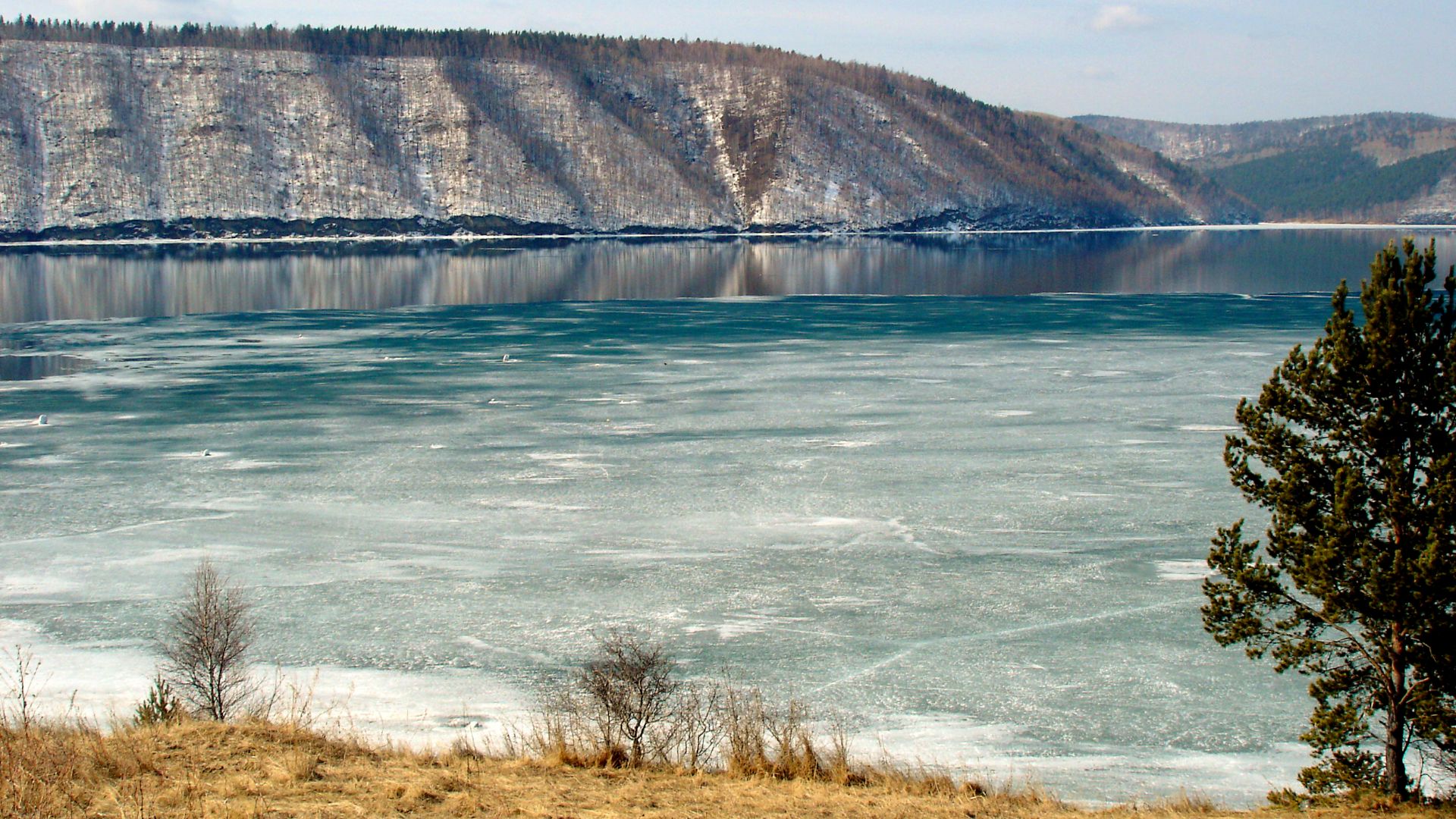
All four cemeteries were located along the Angara River, which flows from Lake Baikal. The river provided access to rich fishing grounds and may also have served as a natural travel route. Communities separated by considerable distances could therefore have remained socially connected.
These Groups Were Highly Mobile
Genetic evidence indicated that the people buried at the sites belonged to a broad and mobile population. Their communities showed little evidence of close inbreeding, suggesting that people regularly formed relationships beyond their immediate groups. Travel along the river may have helped families, goods, and infections move through the region.
 Stephencdickson, Wikimedia Commons
Their Diet Came From The Landscape
Chemical evidence from the human remains showed that these hunter-gatherers consumed local fish and terrestrial animals. Hunting and processing wild game would have placed them in direct contact with animal blood, organs, hides, and bodily fluids. That contact may have created an opening for plague to cross into humans.
 Neanderthal-Museum, Mettmann, Wikimedia Commons
Marmots Are The Leading Suspect
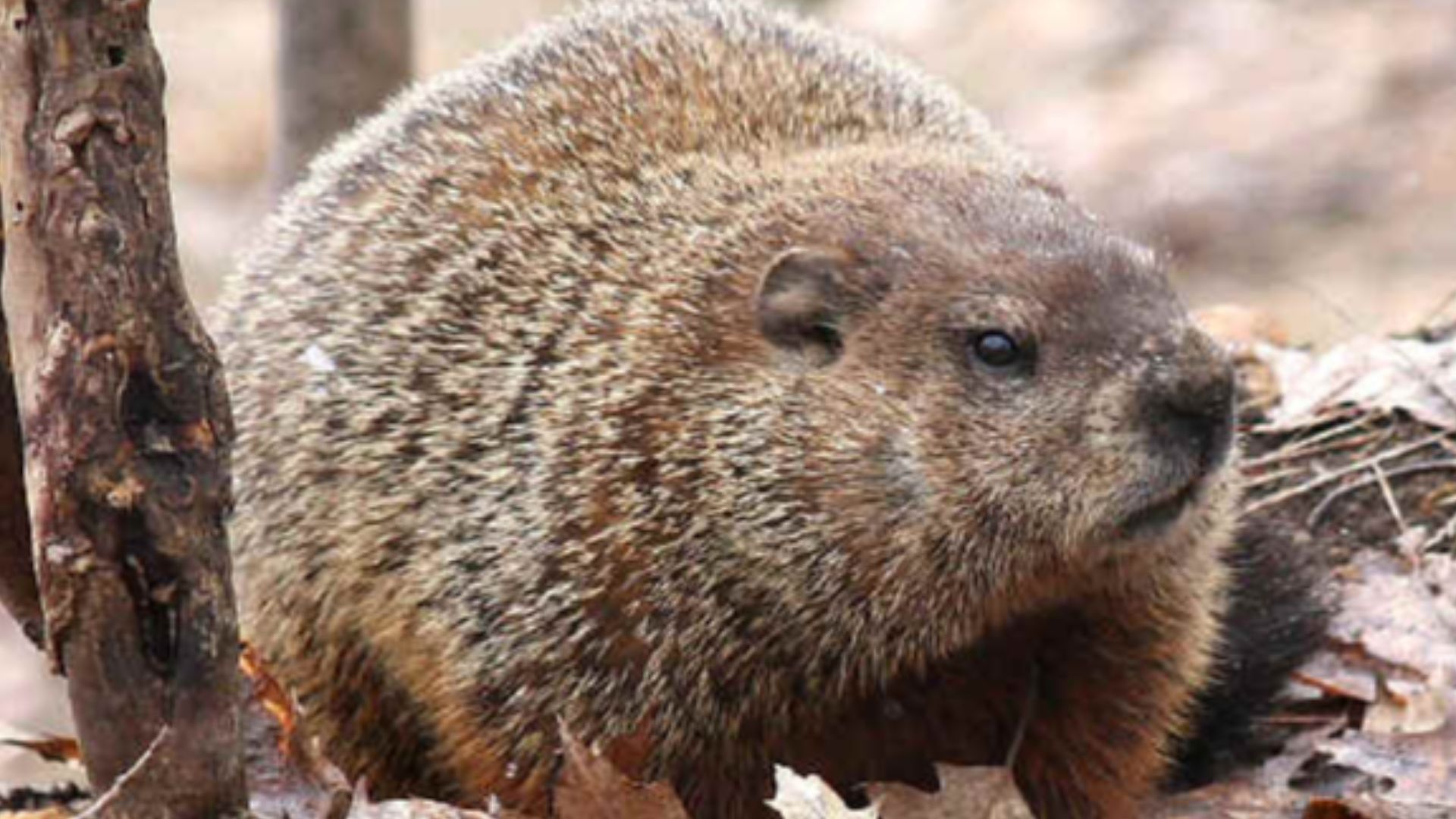
Siberian marmots remain an important natural reservoir for plague around Lake Baikal. People can become infected while skinning sick animals, handling contaminated tissue, or eating raw or undercooked organs. Researchers consider marmots the most likely source of the prehistoric outbreaks, although another wild animal cannot be completely excluded.
 Stéphane Magnenat, Wikimedia Commons
Hunting Could Turn Dangerous
Marmots would have offered meat, hides, and other useful materials to prehistoric communities. Archaeological evidence shows that hunter-gatherers in the broader region interacted with the animals. A single infected carcass could have exposed several people during butchering or food preparation.
 https://www.mundoecologia.com.br/author/rafael/, Wikimedia Commons
The Infection May Have Attacked The Lungs
The ancient bacterial strain lacked some of the adaptations that later helped fleas spread bubonic plague. Researchers believe person-to-person transmission may instead have occurred through a pneumonic form of the disease. Once the lungs were infected, coughing and close contact could have spread bacteria between people.
Families Were Hit Together
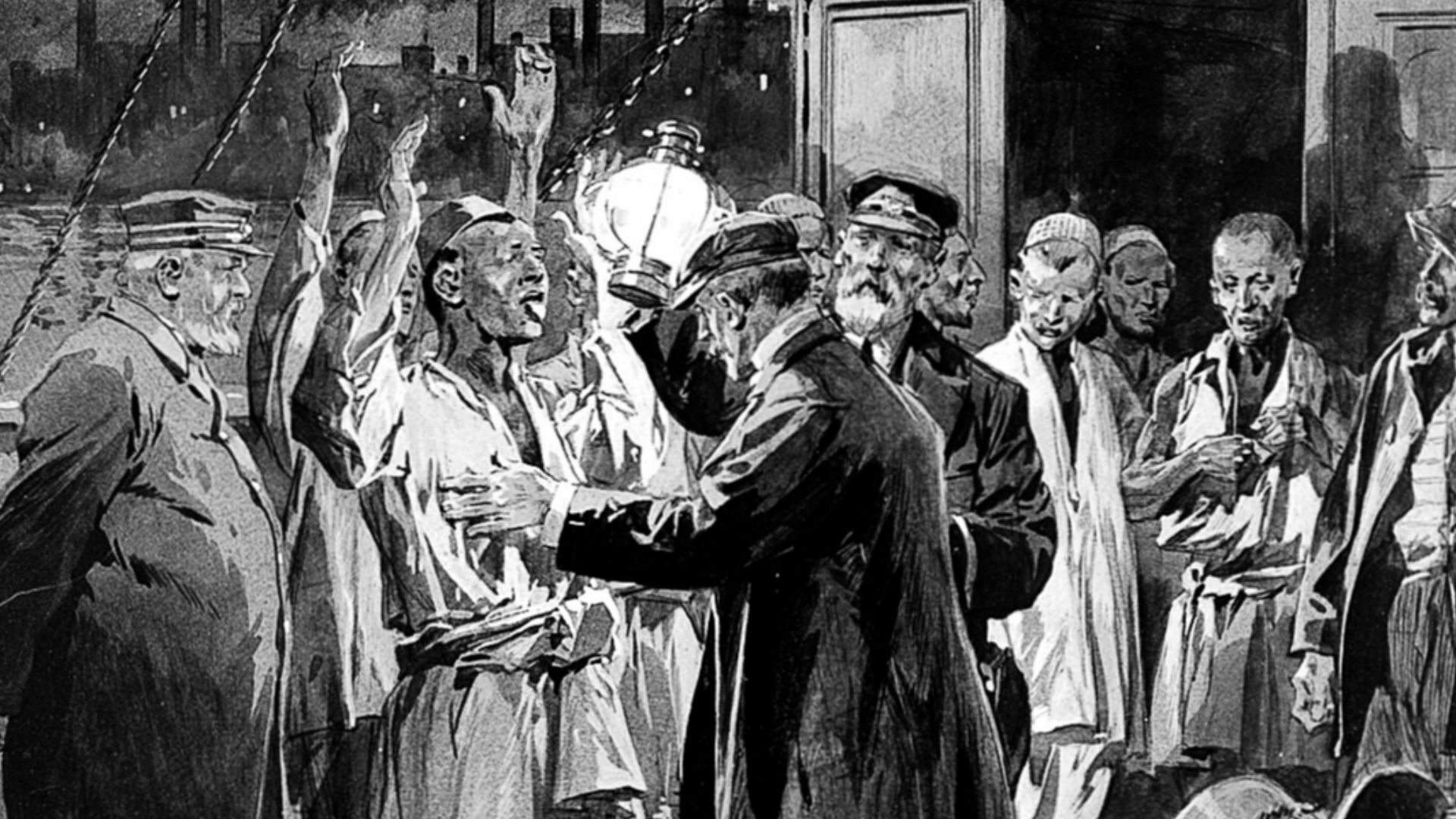
Genetic analysis allowed researchers to reconstruct biological relationships among several of the dead. Close relatives often appeared in the same graves or in nearby burials created during the same period. These family patterns are consistent with an infectious disease moving through households and other close social groups.
 William Allen Rogers, Wikimedia Commons
Three Young Girls Shared One Grave
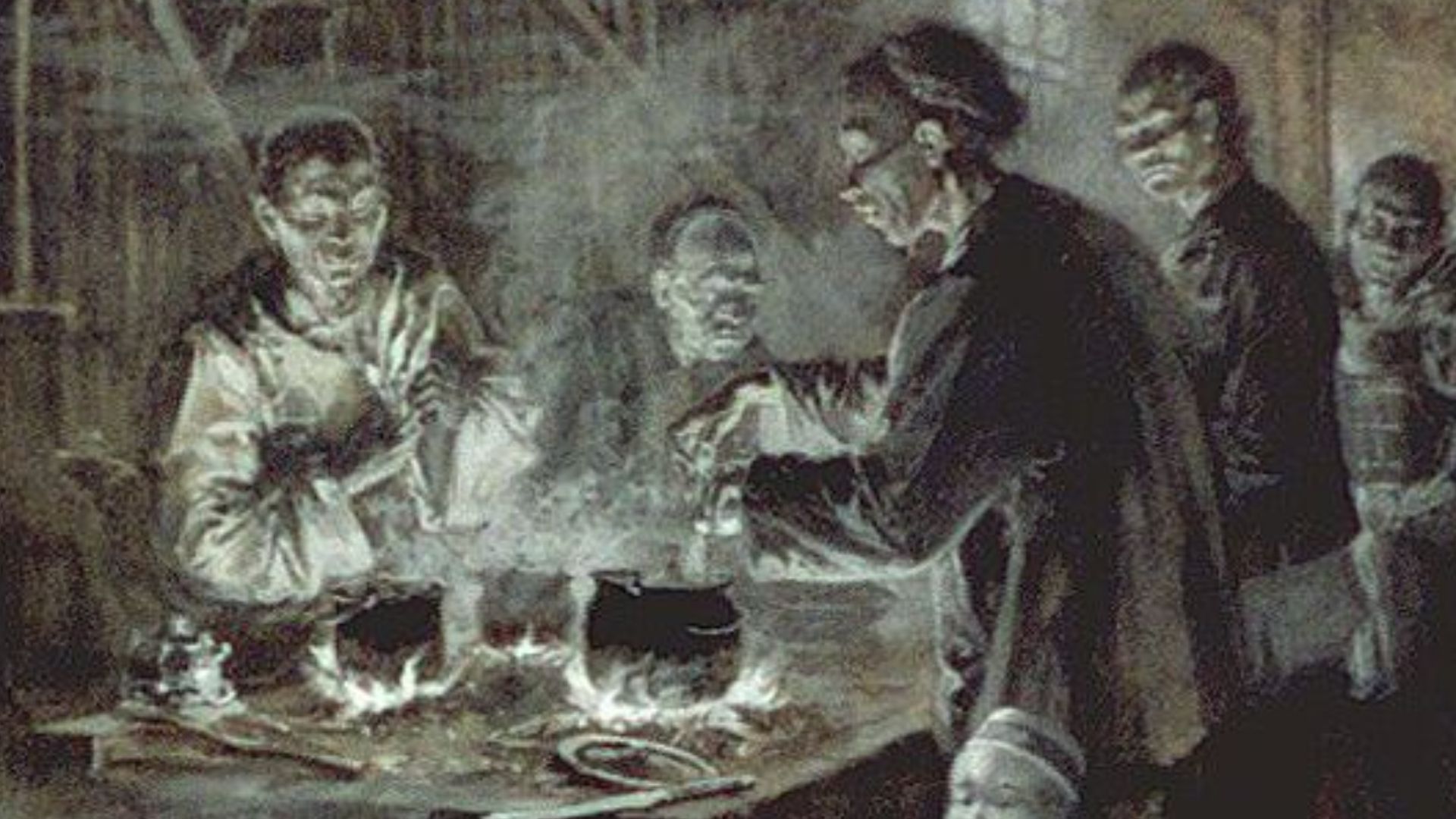
At Bratskii Kamen, archaeologists uncovered three girls buried together. They were between approximately four and nine years old, and genetic evidence suggested that at least two were probably cousins. All three carried DNA from Yersinia pestis.
 A.Myasnikov for Wiki, Wikimedia Commons
An Aunt And Nephew Died Together
Another shared grave at Ust-Ida contained an aunt and her nephew. Both tested positive for the plague bacterium. Other close relatives were buried elsewhere in the cemetery, suggesting that deaths may have unfolded over days or weeks rather than at one exact moment.
Survivors Still Honoured The Dead
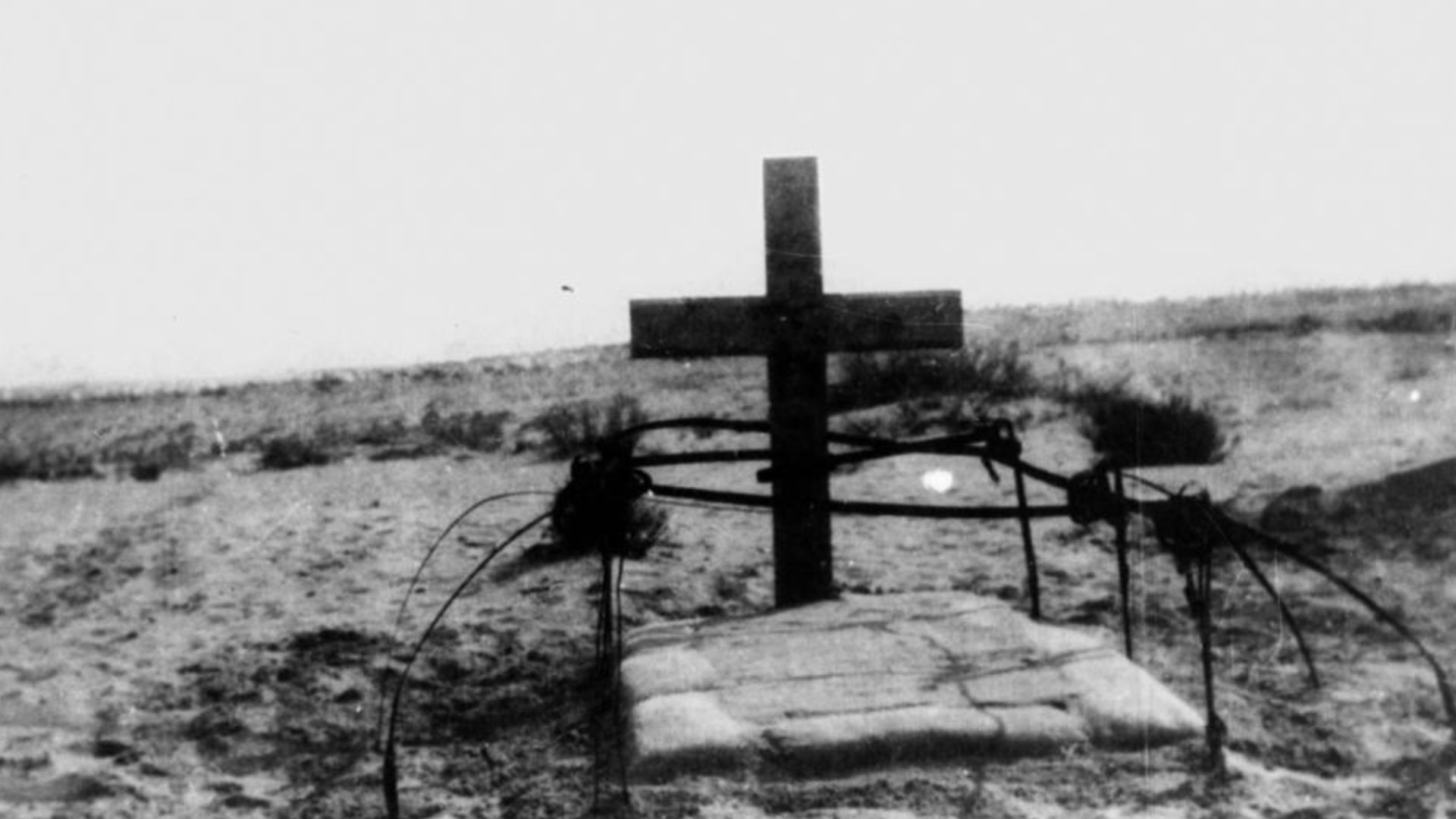
The graves were not careless pits created without ceremony. Bodies were arranged according to established burial traditions and were accompanied by culturally meaningful objects. Someone survived long enough to identify relatives, prepare graves, and perform the expected rituals.
 See the description, Wikimedia Commons
One Outbreak Struck Quickly
Radiocarbon dates from the first outbreak were tightly clustered within a relatively short period. The ages and relationships of the victims also fit a mortality event lasting less than one generation. The evidence points to an acute crisis rather than centuries of unrelated infections.
 George Cruikshank, Wikimedia Commons
Children Suffered Most
The cemeteries displayed an unusually high proportion of children and young adolescents. Mortality was especially concentrated among children between roughly eight and eleven years old. At two of the affected burial sites, at least two-thirds of the dead were younger than 15.
The Pattern Had Puzzled Archaeologists
Researchers had noticed the concentration of young deaths years before the plague DNA was identified. Normal childhood mortality alone did not seem sufficient to explain the unusual burial profile. The discovery of widespread infection provided a credible cause for the long-standing archaeological mystery.
 Unknown authorUnknown author, Wikimedia Commons
An Ancient Gene May Offer A Clue
The Siberian plague strains carried a gene known as ypm, which produces a superantigen capable of triggering powerful immune responses. Similar immune reactions can contribute to severe inflammation and complications. Researchers believe this genetic feature may have increased the danger for young children.
 John Everett Millais / Joseph Swain, Wikimedia Commons
The Evidence Is Not Yet Complete
Scientists cannot recreate every symptom experienced by people who died 5,500 years ago. They also cannot prove precisely how each infection passed from animals to humans or between individuals. Functional studies would be needed to determine exactly how the ancient bacterial genes affected the body.
 Unknown authorUnknown author, Wikimedia Commons
It Was Not Yet Medieval Plague
The Lake Baikal strains existed long before the form of plague associated with medieval flea-borne pandemics. Important genetic changes that improved transmission through fleas appeared much later. Even without those adaptations, however, the prehistoric bacterium was clearly capable of causing lethal outbreaks.
 Giuseppe Maria Crespi, Wikimedia Commons
The Black Death Came Thousands Of Years Later
The Black Death devastated Europe, North Africa, and parts of Asia during the 14th century. That pandemic belonged to a much later chapter in the evolutionary history of Yersinia pestis. The Siberian discovery shows that the bacterium had already been experimenting with hosts and transmission routes for millennia.
 William Cotton, Wikimedia Commons
Plague Evolved In Stages
The ancient genomes sit near the base of the known plague family tree. They help researchers trace how Yersinia pestis diverged from its less dangerous relative, Yersinia pseudotuberculosis. Over time, different lineages gained and lost genetic traits that changed how they infected animals and humans.

Prehistory Was Never Disease-Free
Small population sizes did not protect hunter-gatherers from infectious catastrophe. Frequent interaction with wildlife created opportunities for unfamiliar pathogens to spill into human communities. Once an infection became transmissible between people, close family networks could help it spread rapidly.
 Friedrich Hottenroth, Wikimedia Commons
Ancient DNA Changed The Story
The people buried near Lake Baikal left no written account of the disaster they experienced. Their teeth nevertheless preserved fragments of bacterial DNA that survived for thousands of years. Those fragments revealed the earliest known plague outbreaks and pushed one of history’s most feared diseases deeper into the human past.
 Svante Pääbo, Max Planck Institute for Evolutionary Anthropology, Wikimedia Commons
You May Also Like:
Scientists recreated Neanderthal hunting techniques, and the results were unexpectedly dangerous.