
Ice Age Animals Didn’t Vanish When We Thought—And New DNA Evidence Is Rewriting The Timeline
For years, scientists believed Ice Age animals disappeared from certain regions pretty quickly after glaciers retreated. It made for a clean, easy timeline. But new DNA evidence—especially from Scandinavia—is showing that the story is way messier, and honestly, a lot more interesting.

A Discovery Coming Out Of Scandinavia
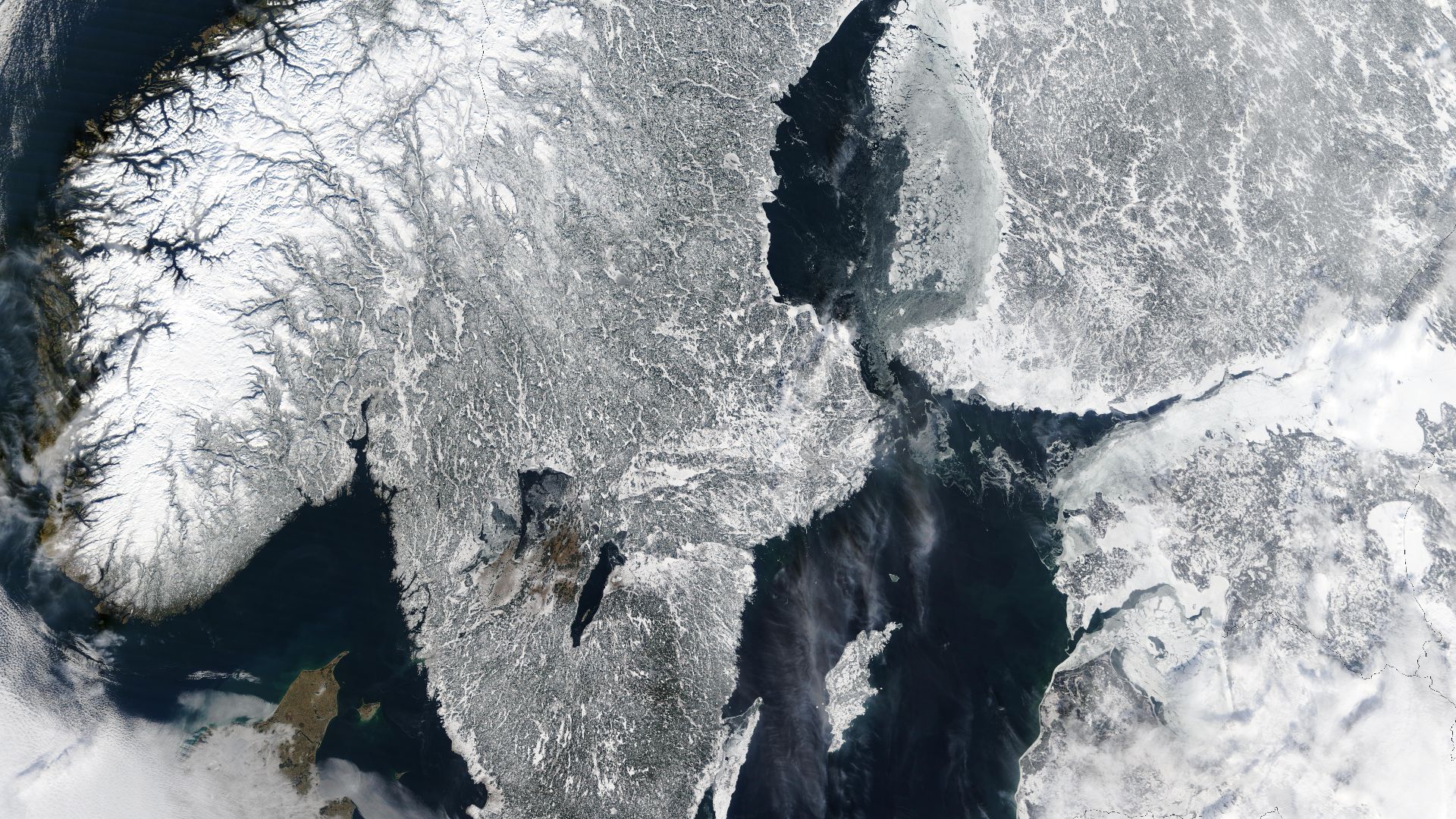
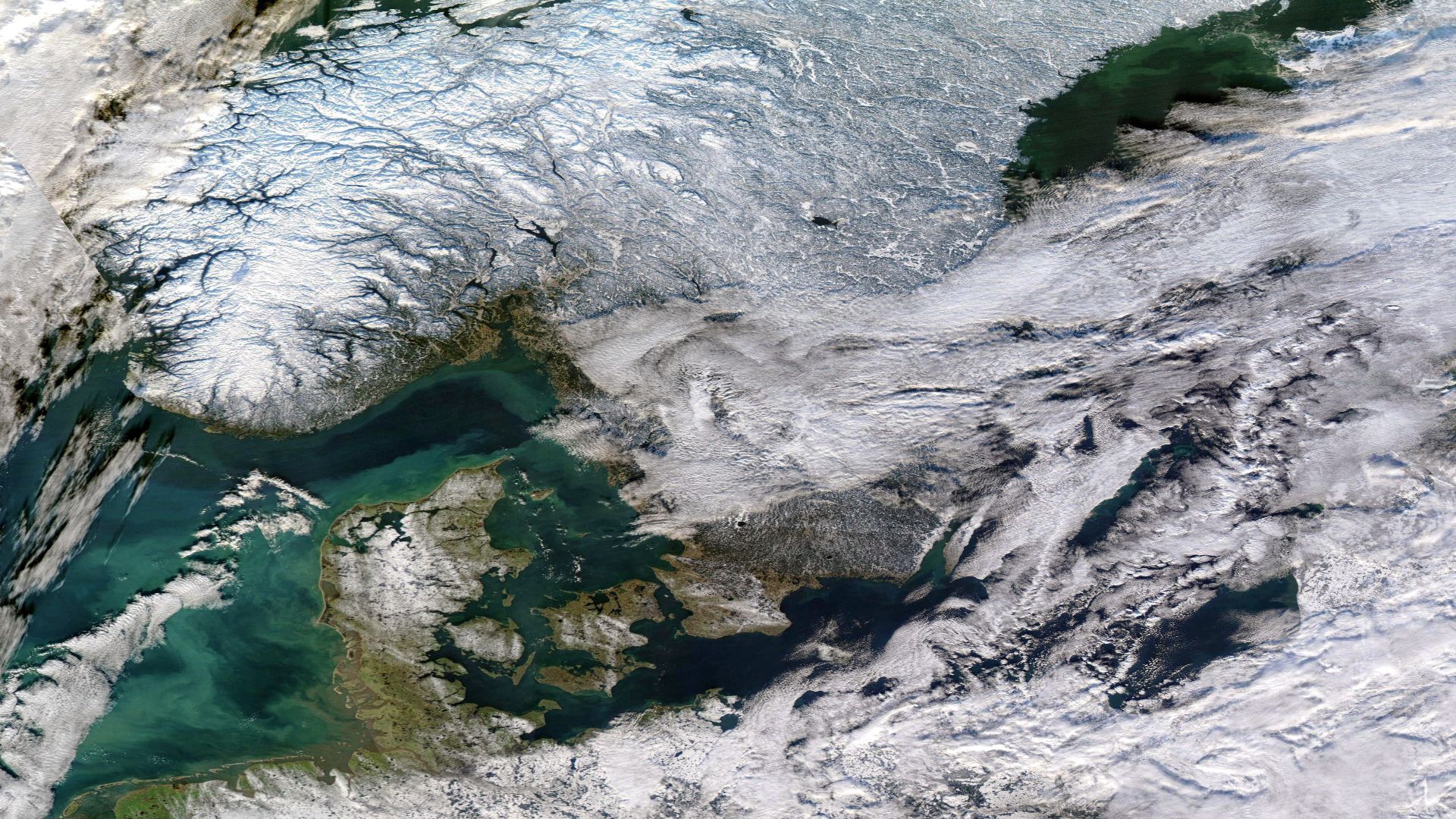
The latest research comes from sites across Scandinavia, particularly in Norway and Sweden, where ancient animal remains have been preserved in cold environments. Studies published between 2022 and 2024 have focused on extracting DNA from bones and sediments dating back to the late Ice Age, roughly 12,000 to 8,000 BCE. These regions are key because they were among the last to be covered by glaciers.
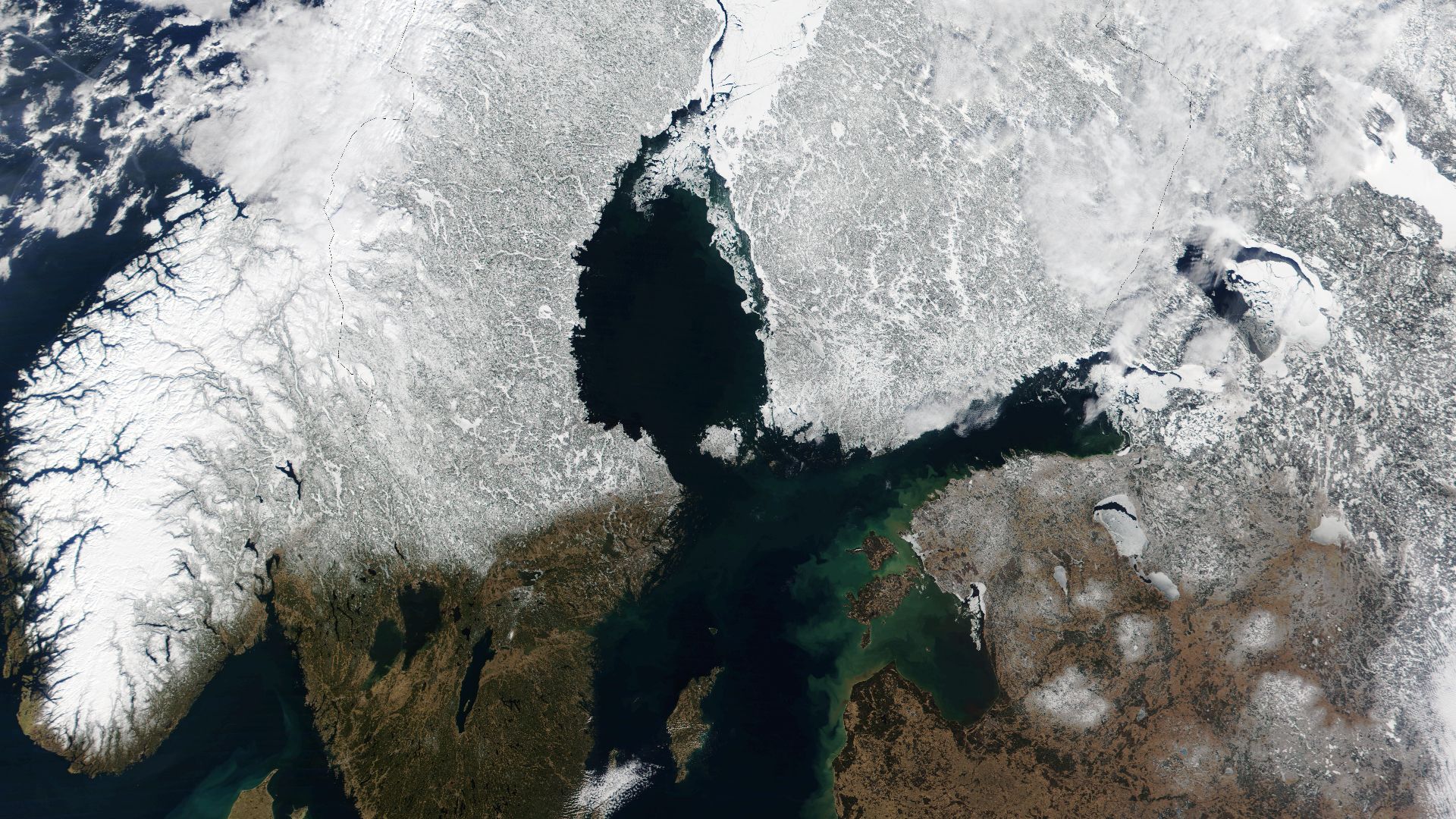 Image courtesy Jacques Descloitres, MODIS Land Rapid Response Team at NASA GSFC, Wikimedia Commons
The Scientists Behind The Research
Teams from institutions like Stockholm University and the University of Copenhagen have been leading this work. Researchers such as Dr. Love Dalén, a well-known evolutionary geneticist, have been involved in studying ancient DNA from Ice Age animals. Dalén has noted that “ancient DNA is allowing us to track species in ways that fossils alone never could.”
 Astra Travasso, Wikimedia Commons
DNA Changes What We Can See
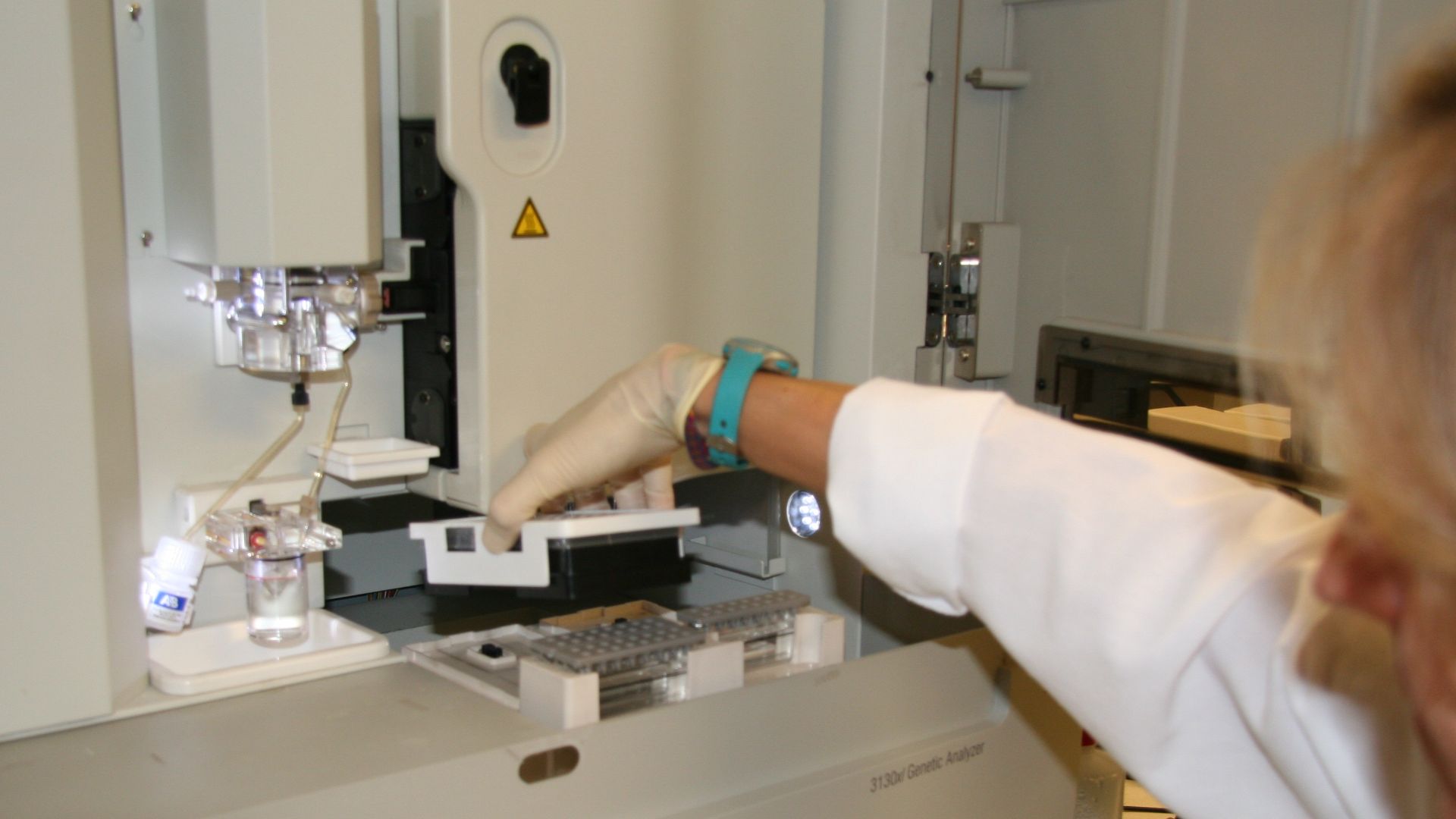
Instead of relying only on visible fossils, scientists are now extracting genetic material from bones and even soil. This allows them to identify species that may not have left behind clear skeletal evidence. It’s like finding footprints where you didn’t even know someone had walked.
 National Cancer Institute, Unsplash
Animals Showing Up Where They Shouldn’t
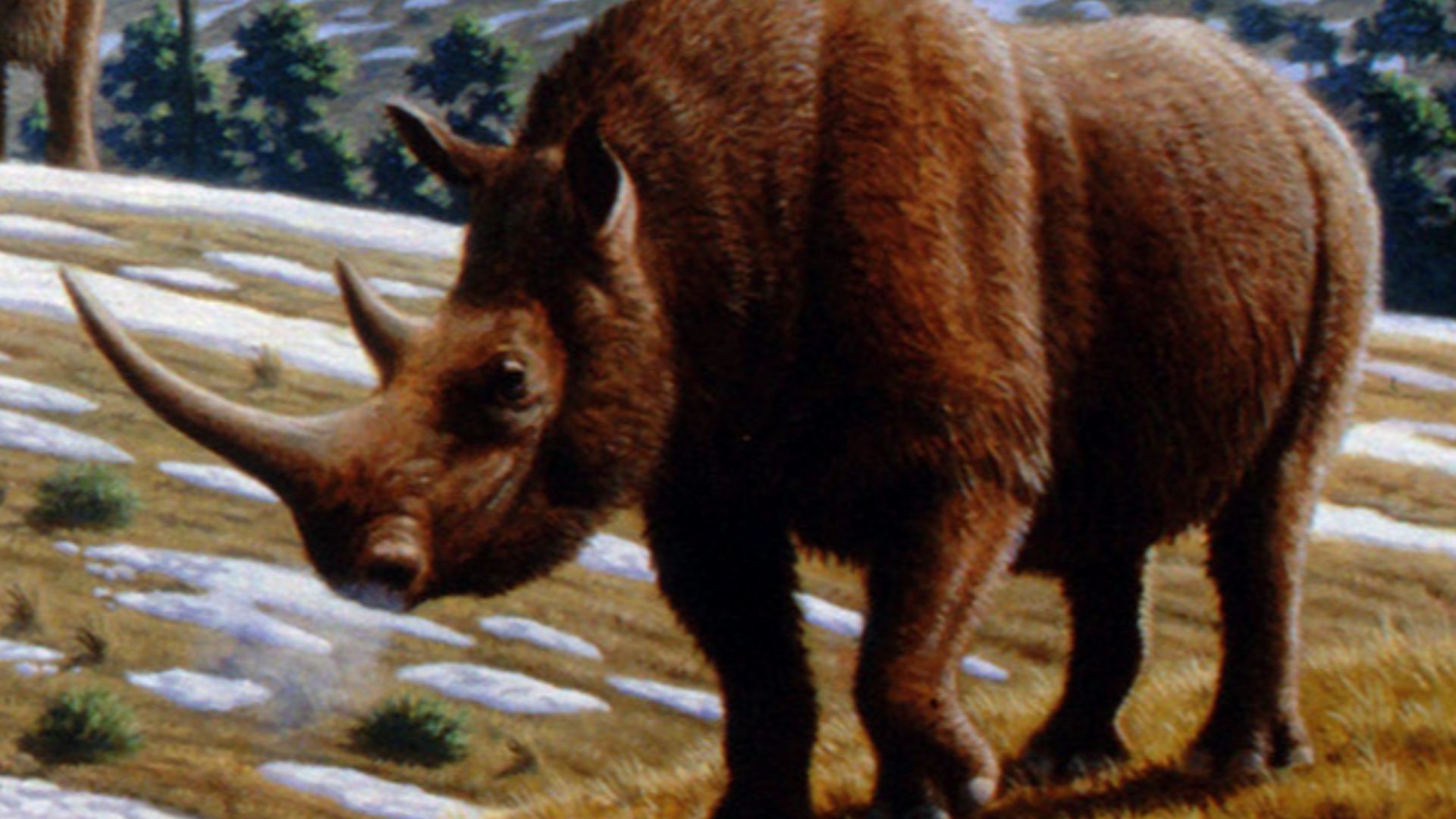
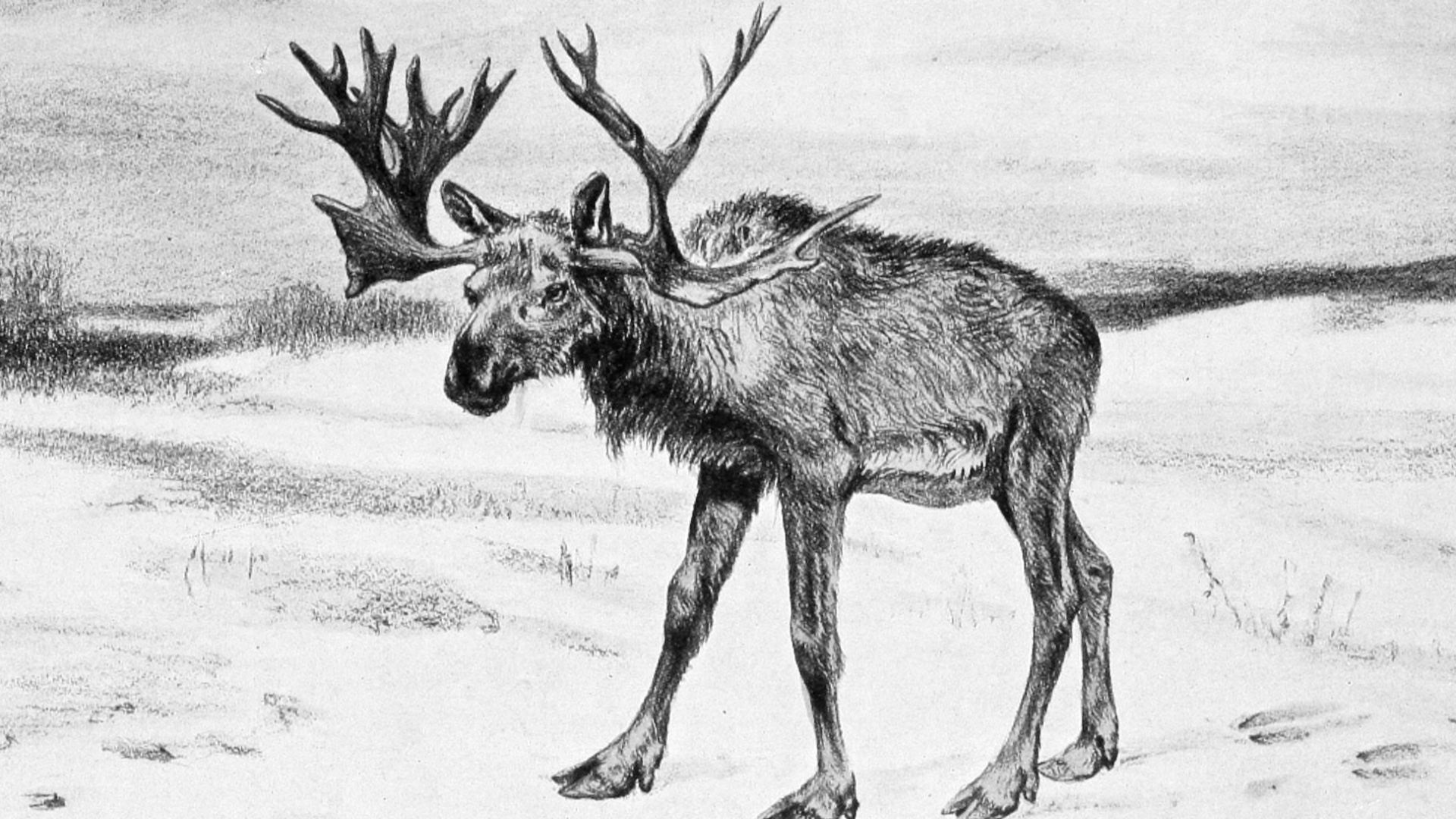
One of the biggest surprises is that DNA evidence shows Ice Age species in areas where they were thought to have already disappeared. For example, reindeer and other cold-adapted animals appear to have survived in parts of Scandinavia later than expected. That suggests these species didn’t vanish as quickly as scientists once believed.
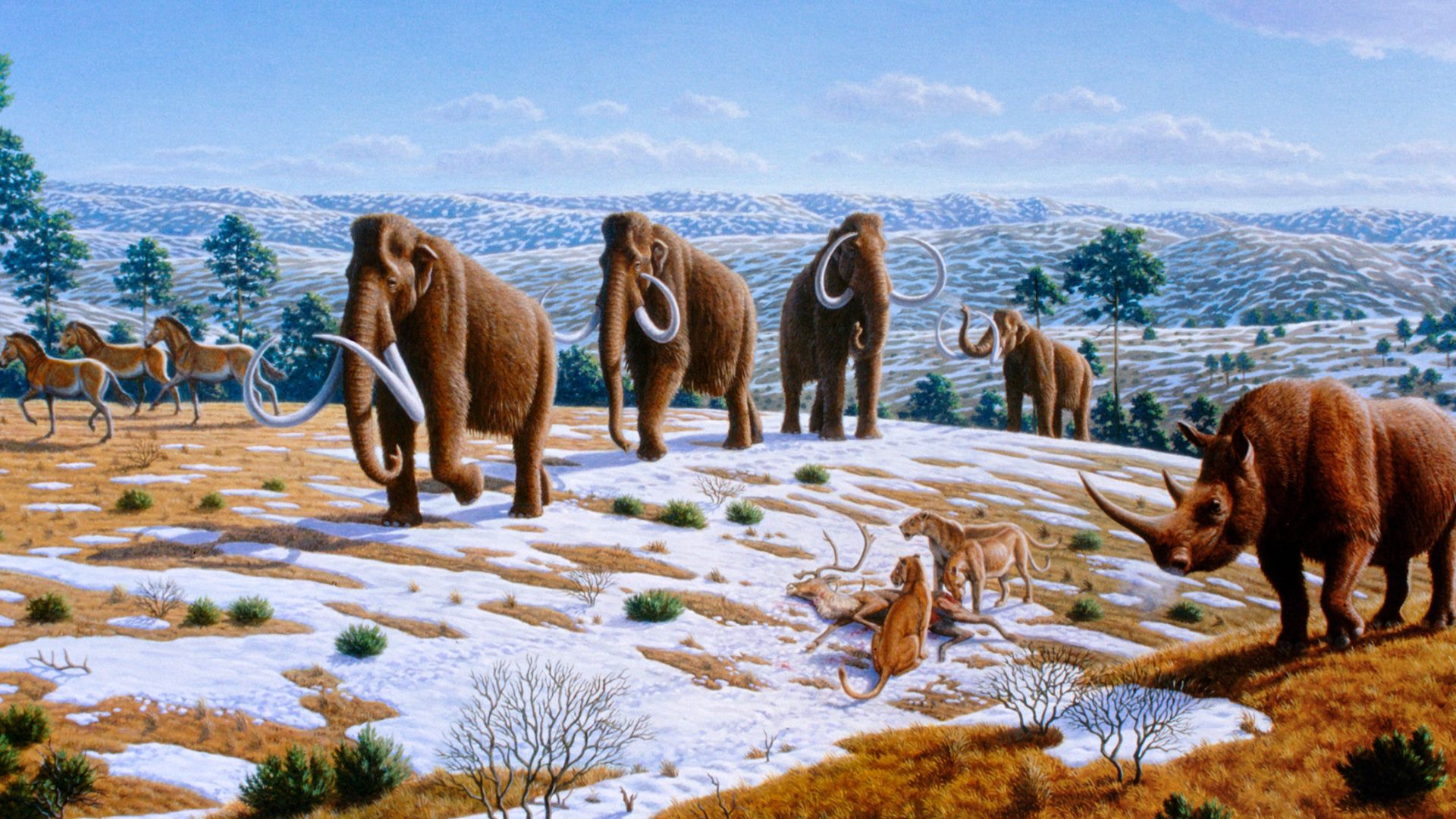 Mauricio Antón, Wikimedia Commons
Extinction Timelines Are Being Rewritten
Traditionally, scientists estimated extinction dates based on the last known fossils. But those dates can be misleading if fossils simply haven’t been found. DNA evidence is now pushing some of those timelines forward, showing species may have survived hundreds—or even thousands—of years longer.

Survival In “Refugia”
Researchers believe some species survived in small, isolated pockets known as refugia. These were areas where the environment remained stable enough to support life even as the surrounding climate changed. According to studies published in journals like Nature Ecology & Evolution, these refugia played a major role in species survival.
 Stefan Karpiniec, Wikimedia Commons
The Ice Age Didn’t End Overnight
We often imagine the Ice Age ending quickly, but in reality, it was a gradual process that took thousands of years. During that time, ecosystems shifted slowly, giving animals opportunities to adapt or relocate. This new DNA evidence fits perfectly into that more complex timeline.
 Thomas Quine, Wikimedia Commons
Not All Species Disappeared At The Same Time
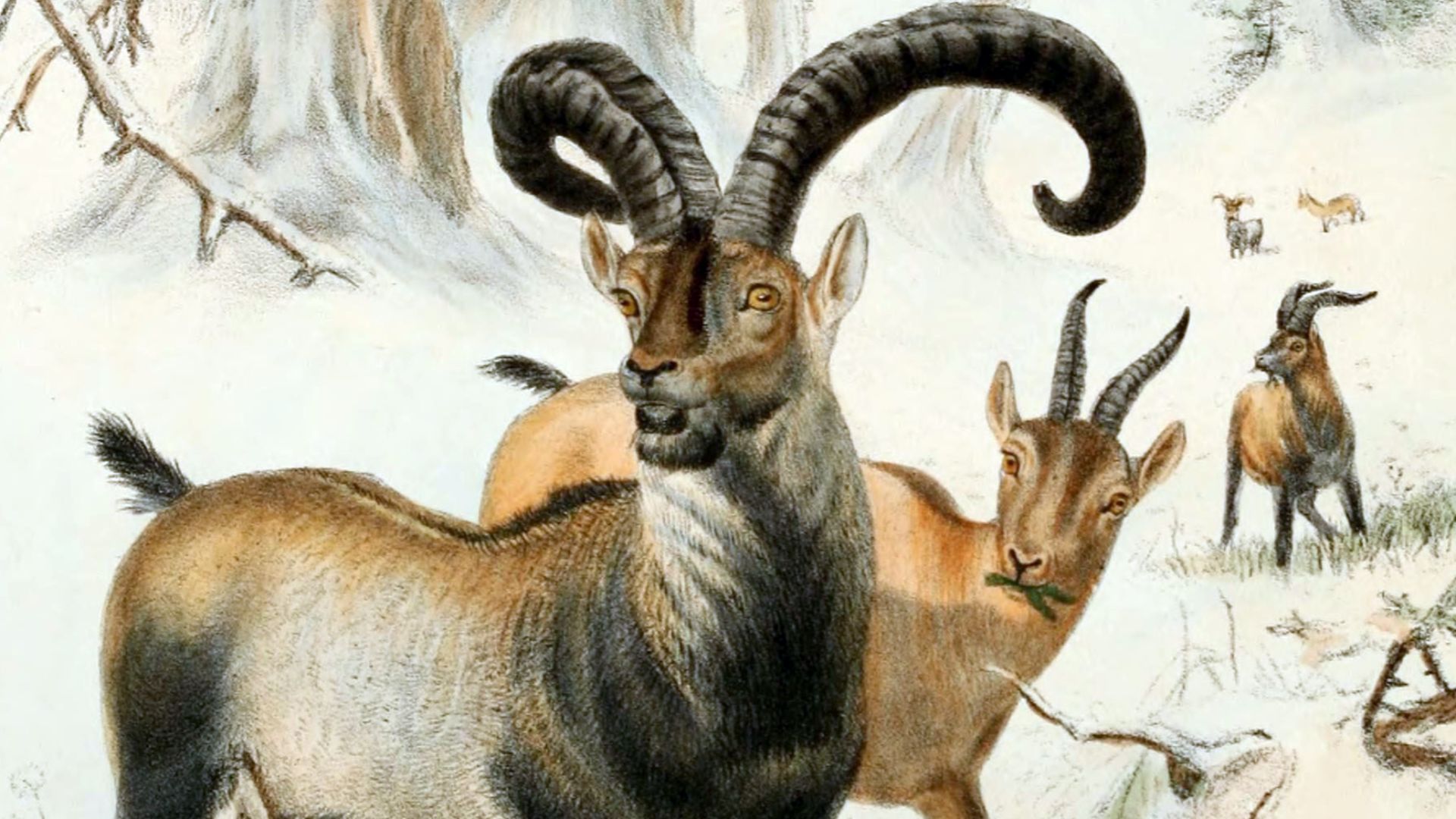
The idea that Ice Age animals vanished in one big extinction event is becoming outdated. Instead, different species declined at different rates depending on their environment and adaptability. Some held on much longer in specific regions before finally disappearing.
 Joseph Wolf, Wikimedia Commons
Fossils Don’t Tell The Whole Story
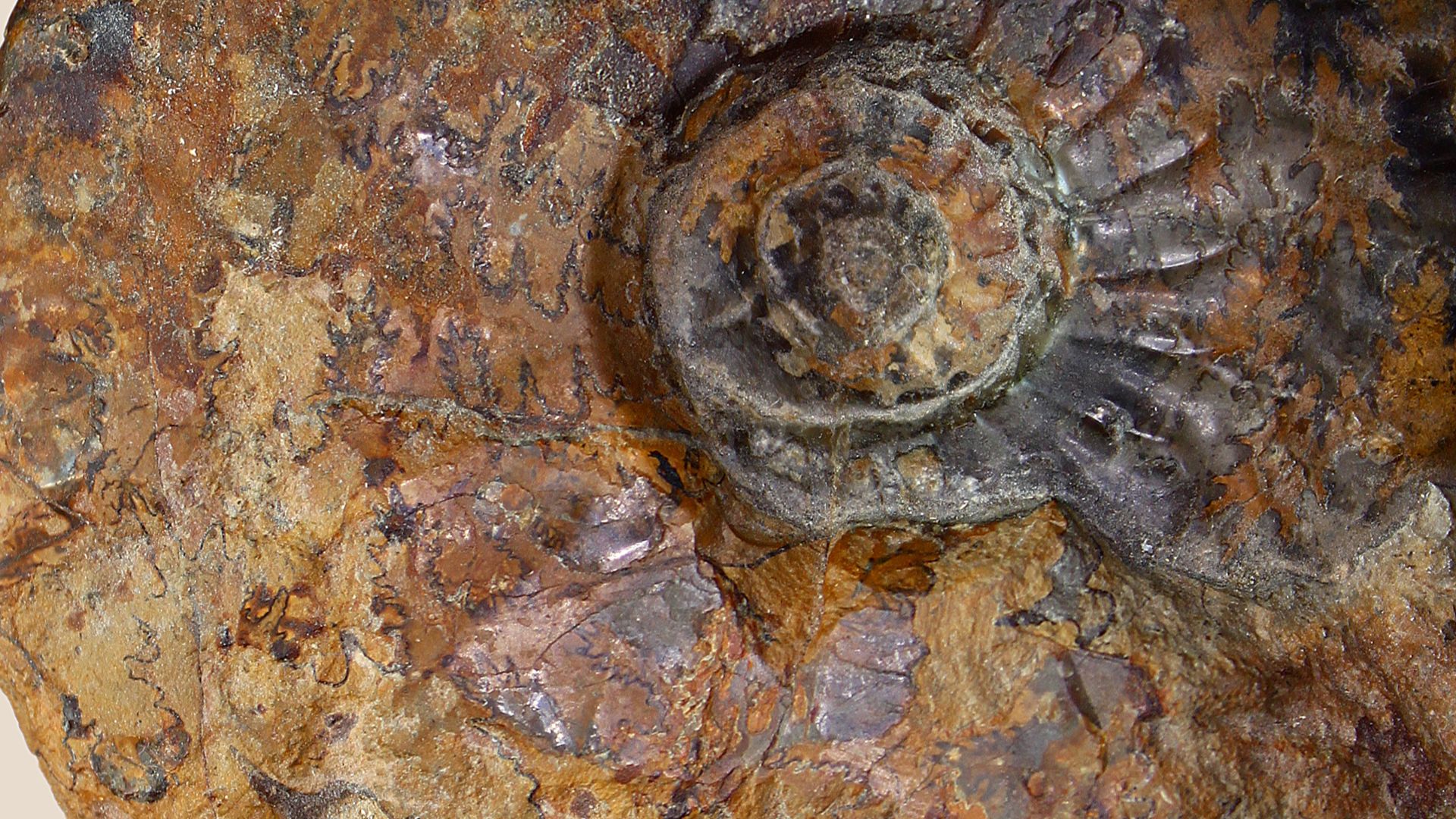
Fossils are incredibly useful, but they’re also incomplete. Just because we haven’t found bones in a location doesn’t mean animals weren’t there. DNA helps fill in those gaps, giving scientists a more accurate picture of past ecosystems.
What Animals Are We Talking About?
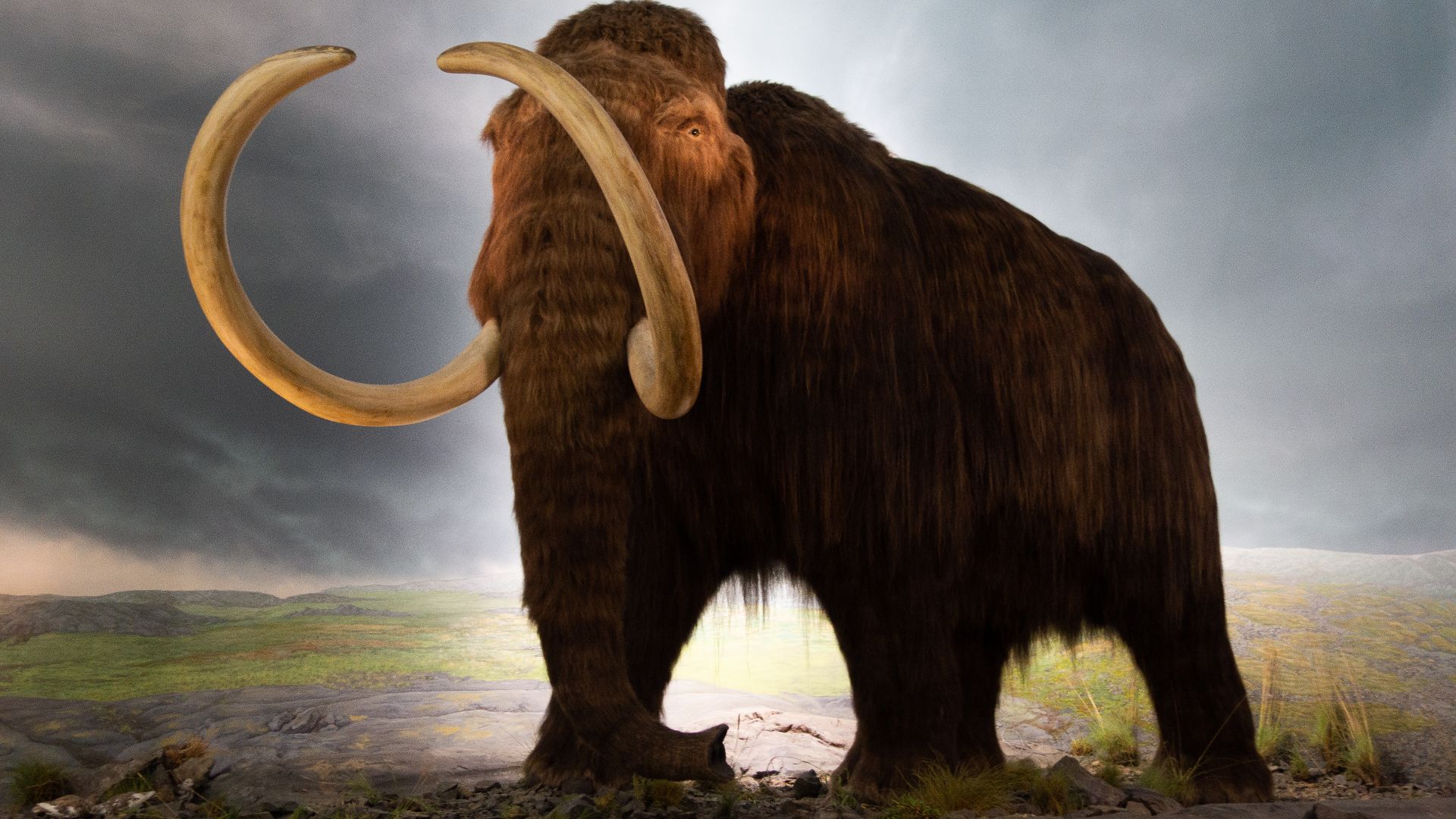
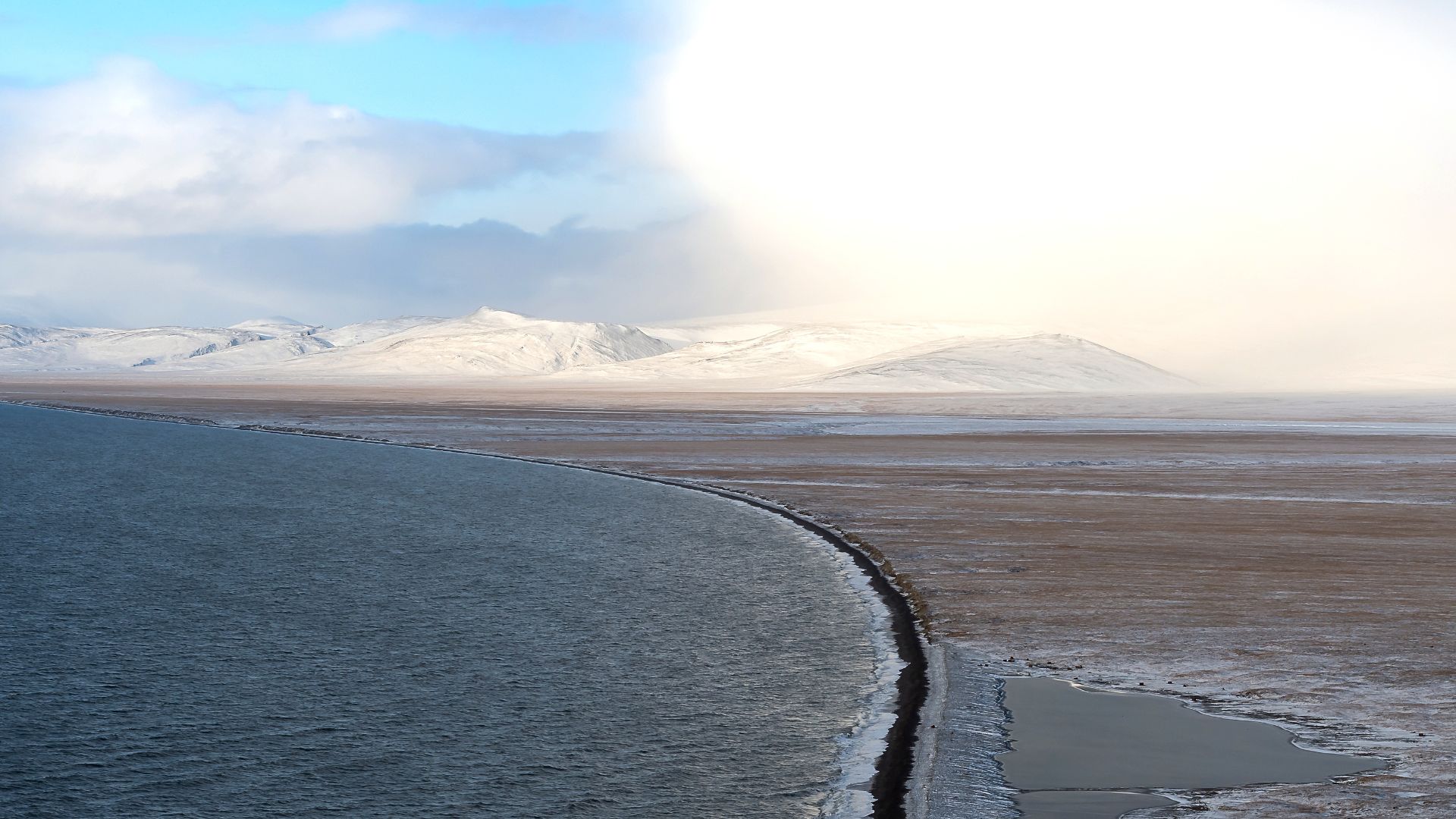
The research includes species like reindeer, woolly mammoths, and other cold-adapted animals. While mammoths are known to have gone extinct around 4,000 years ago in isolated areas like Wrangel Island, DNA evidence suggests similar “late survival” patterns may have happened in mainland regions too.
 Vitaly Dvoryachenko, Wikimedia Commons
Why This Challenges Old Assumptions
Many scientific models assumed that once climates warmed, Ice Age species quickly retreated or died out. But this new data suggests some species were more resilient than expected. They didn’t just disappear—they adapted, moved, and sometimes lingered in unexpected places.

The Role Of Human Activity
Another big question is how much humans contributed to these extinctions. If animals survived longer than previously believed, it could mean human hunting or habitat changes played a bigger role than climate alone. Researchers are still working through that possibility.
 William Holman Hunt, Wikimedia Commons
Technology Made This Possible
This kind of discovery wouldn’t have been possible without modern DNA sequencing techniques. Scientists can now extract usable genetic material from extremely degraded samples. Even 10–15 years ago, this level of analysis would have been nearly impossible.
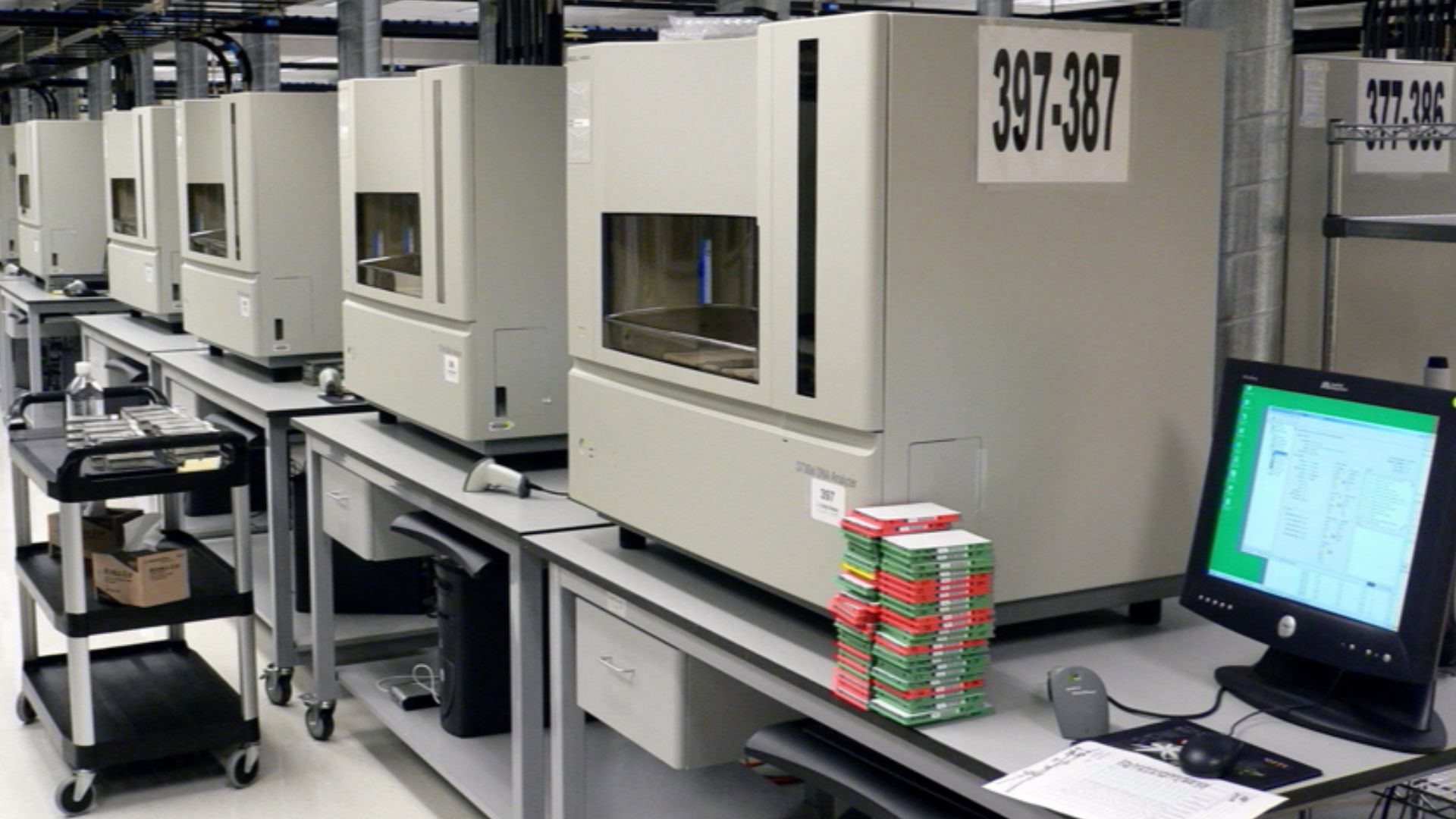 Flickr user jurvetson, Wikimedia Commons
A Growing Field Of Research
Ancient DNA studies have expanded rapidly in the past decade. From Neanderthals to prehistoric animals, researchers are using genetics to revisit long-standing questions. Scandinavia has become one of the most important regions for this kind of work.
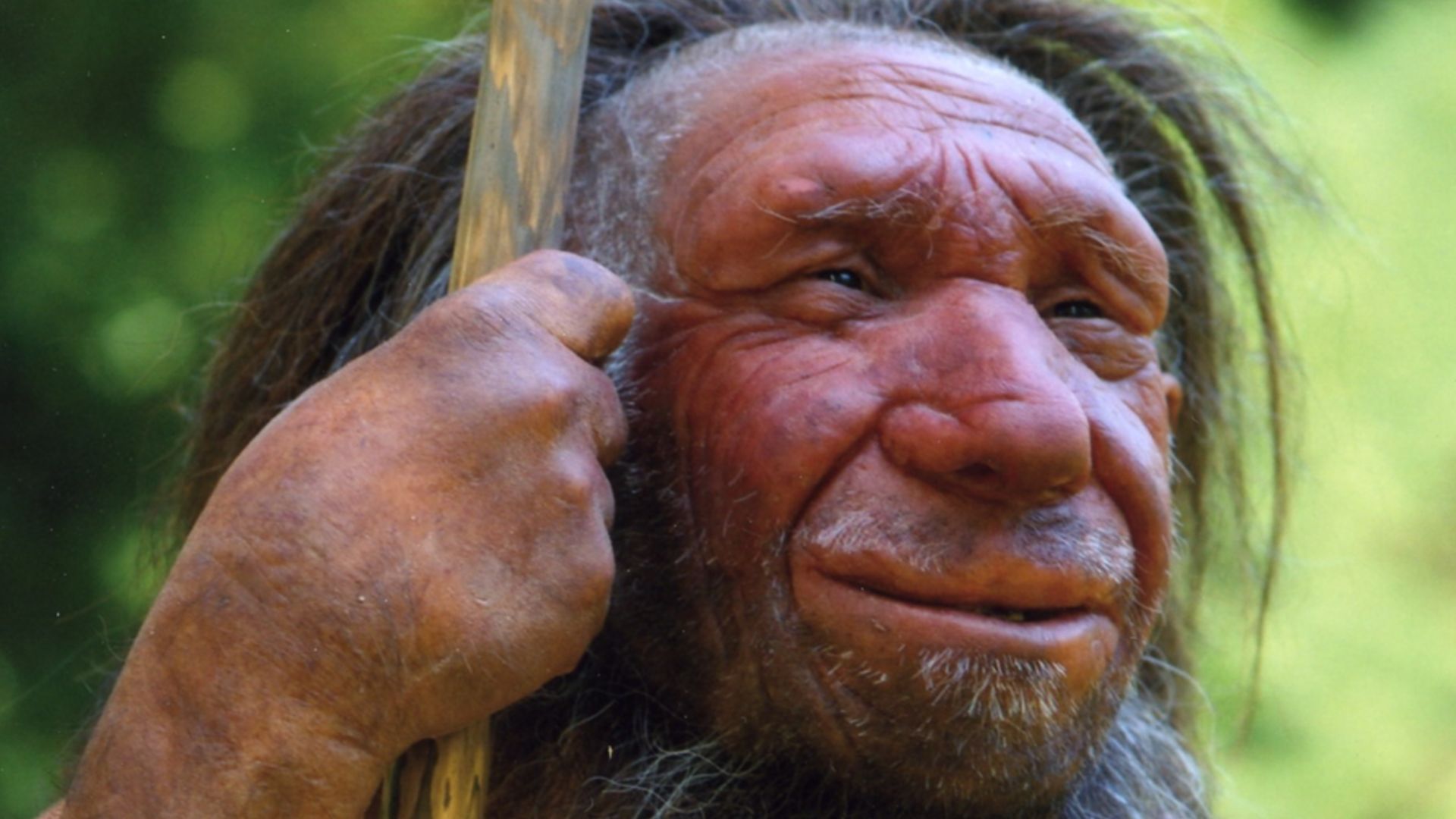 Neanderthal-Museum, Mettmann, Wikimedia Commons
Migration Patterns May Need Revising
If animals survived longer in certain areas, it changes how scientists think about migration. Species may not have moved as quickly as once believed. Instead, they may have stayed in place longer, adapting to changing conditions.
 Jacques Descloitres, MODIS Land Rapid Response Team at NASA GSFC, Wikimedia Commons
A Messier Ending To The Ice Age
The end of the Ice Age now looks less like a clear-cut transition and more like a slow, uneven process. Some species adapted successfully, while others struggled. It’s a reminder that nature rarely follows simple timelines.
 Mauricio Anton, Wikimedia Commons
Why This Matters Today
Understanding how animals responded to past climate change can help scientists predict future trends. If species were more adaptable than we thought, that could influence conservation strategies. It’s basically history offering a warning—and maybe a bit of hope.

Scandinavia’s Unique Role
Scandinavia provides ideal conditions for preserving ancient DNA due to its cold climate and geological history. That’s why so many discoveries are coming from this region. It’s like a natural archive of Ice Age life.
 Antti Lipponen, Wikimedia Commons
Not Everyone Is Surprised
Some researchers have long suspected that extinction timelines were oversimplified. This new DNA evidence gives them solid proof. As Dr. Dalén put it, “We’re starting to see that the story is far more complex than we once believed.”
 California Department of Fish and Wildlife from Sacramento, CA, USA, Wikimedia Commons
What Comes Next
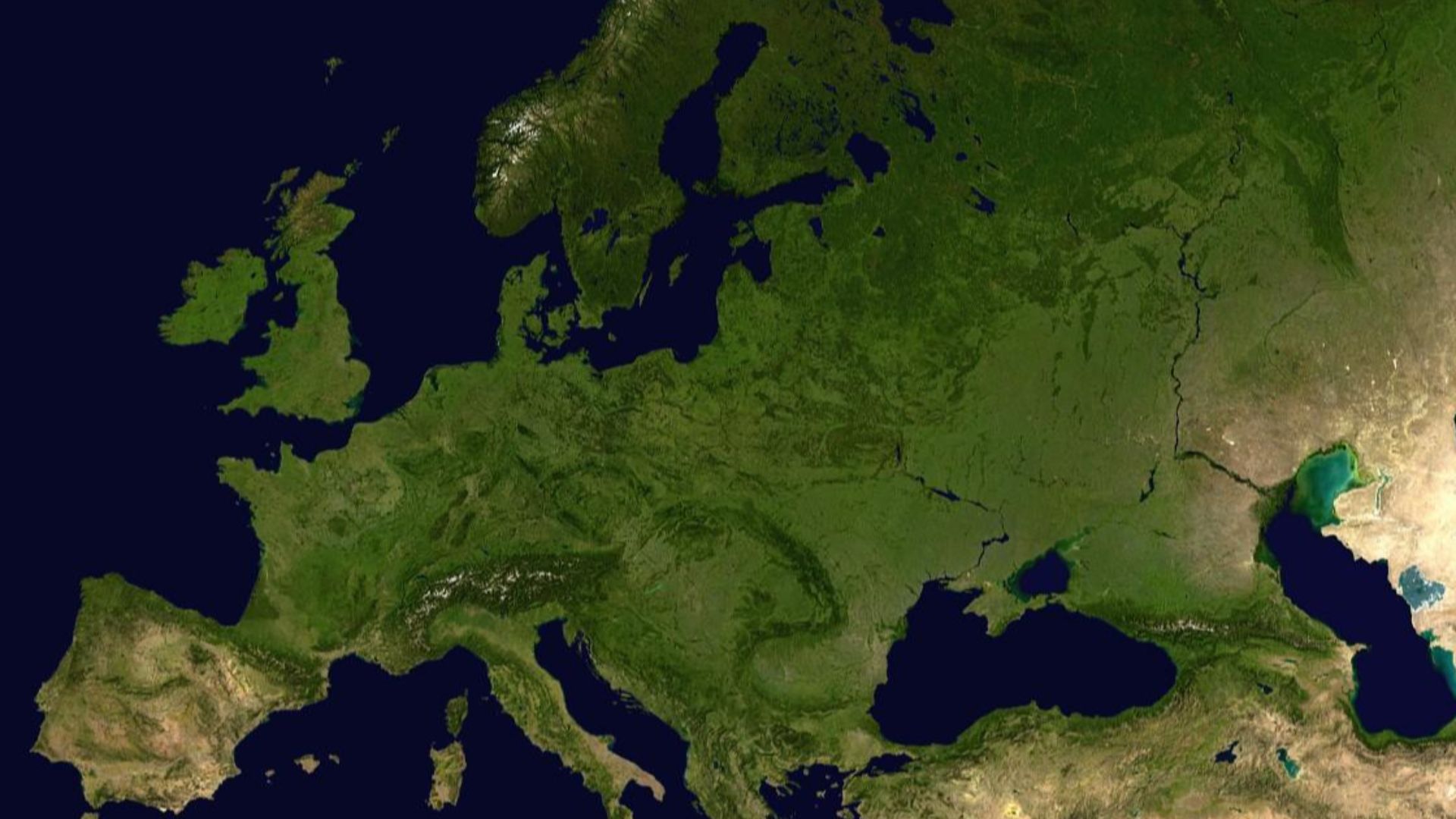
Scientists are now expanding their research across Europe and into other regions. If similar patterns are found elsewhere, it could lead to a major revision of Ice Age extinction models. And yes, that would be a pretty big deal.
Science Is Always Updating Itself
One of the best things about science is that it evolves with new evidence. What seemed certain 20 years ago can change with better tools and data. This discovery is a perfect example of that process in action.

Ice Age Animals Were Tougher Than We Thought
At the end of the day, this research shows that some Ice Age animals were more resilient than expected. They didn’t just disappear when conditions changed. They adapted, survived, and held on longer than anyone realized.
 R. Bruce Horsfall, Wikimedia Commons
The Past Just Got More Complicated
If there’s one takeaway here, it’s that history isn’t as simple as we like to think. The more we dig—and analyze DNA—the more complicated the story becomes. And honestly, that’s what makes it so fascinating.

When DNA Rewrites Natural History
This discovery is another reminder that modern technology is reshaping how we understand the past. DNA isn’t just confirming old ideas—it’s challenging them. And if this trend continues, we’re probably only at the beginning of what we’ll uncover.

You May Also Like: