Ancient Israelite DNA Has Finally Been Found
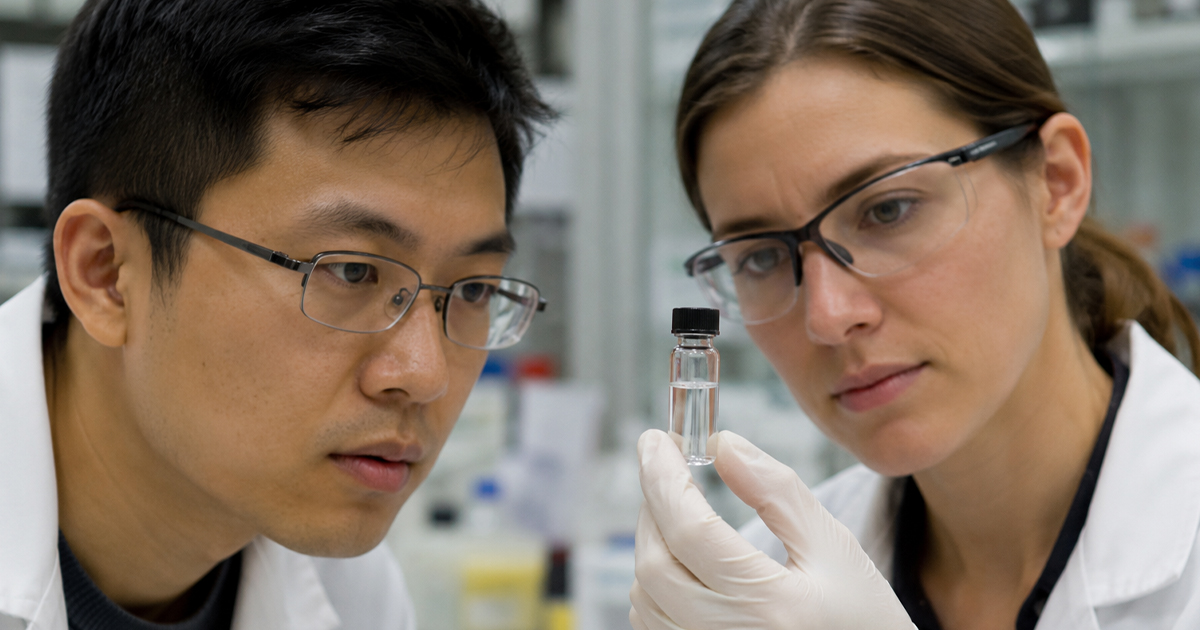
For years, historians have debated who the ancient Israelites really were, but they’ve been missing one key piece of the puzzle: actual DNA. Now, for the first time, scientists have managed to recover genetic material from people who lived during the biblical era. This is the kind of breakthrough researchers have been waiting a long time for.

A Breakthrough That Took Decades To Happen
Between 2023 and 2024, researchers successfully extracted DNA from human remains buried near Jerusalem. These individuals lived during the First Temple period, roughly 1000–586 BCE. That places them right in the heart of what many consider the biblical Israelite timeline.
Why This Was So Hard To Pull Off
Getting DNA from ancient remains isn’t easy, especially in a place like the Middle East. Heat, humidity, and time tend to destroy genetic material pretty quickly. So the fact that scientists managed to recover usable DNA at all is impressive—and took years of improving technology.
 Adam Jones from Kelowna, BC, Canada, Wikimedia Commons
Why Jerusalem Is Such A Big Deal Here
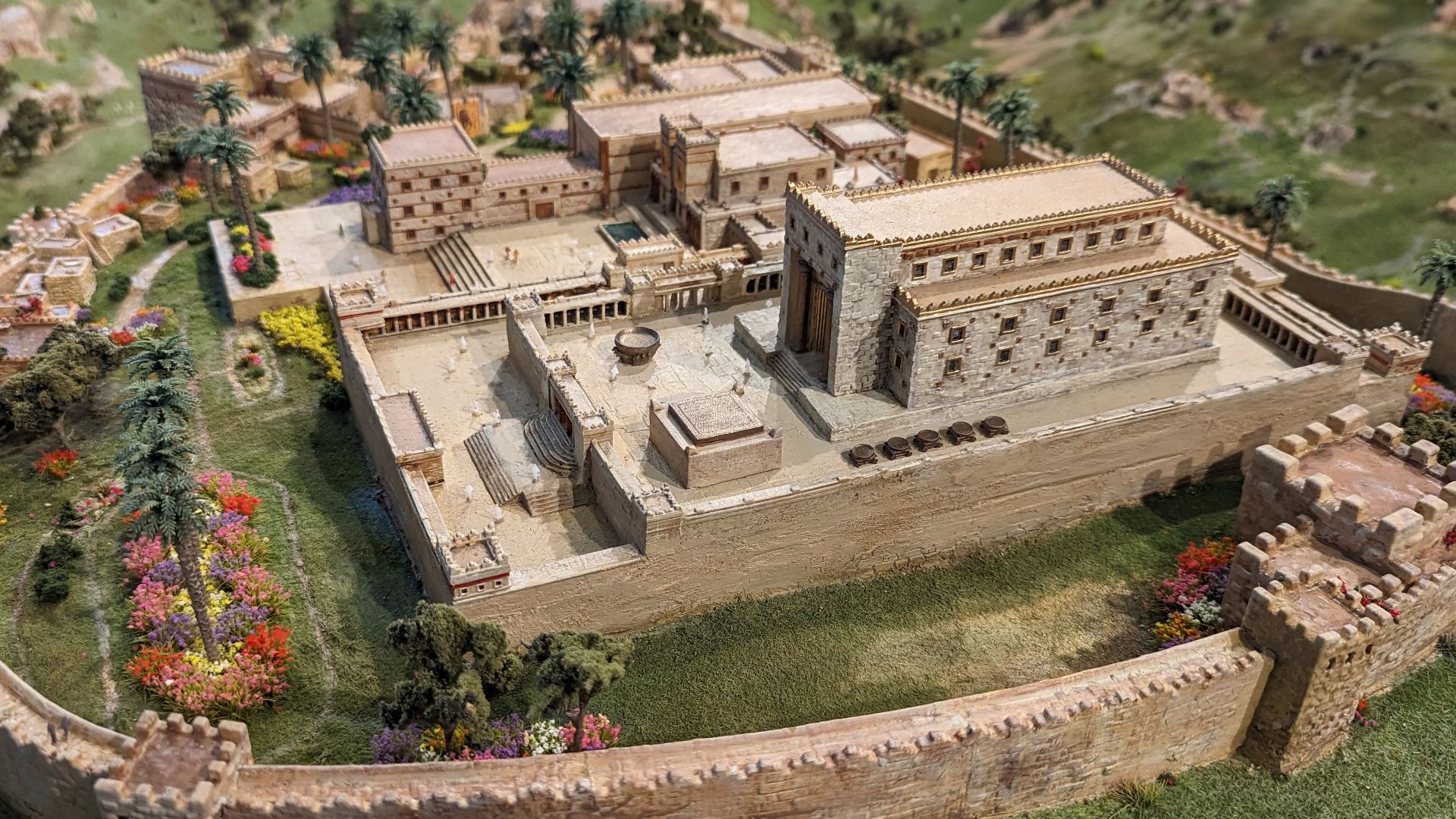
The remains were found near Jerusalem, which is about as central as it gets when talking about ancient Israel. This isn’t DNA from a distant or unrelated group—it’s from people living in the region tied directly to biblical history. That makes the findings much more meaningful.
 AVRAHAM GRAICER, Wikimedia Commons
What The First Temple Period Actually Means
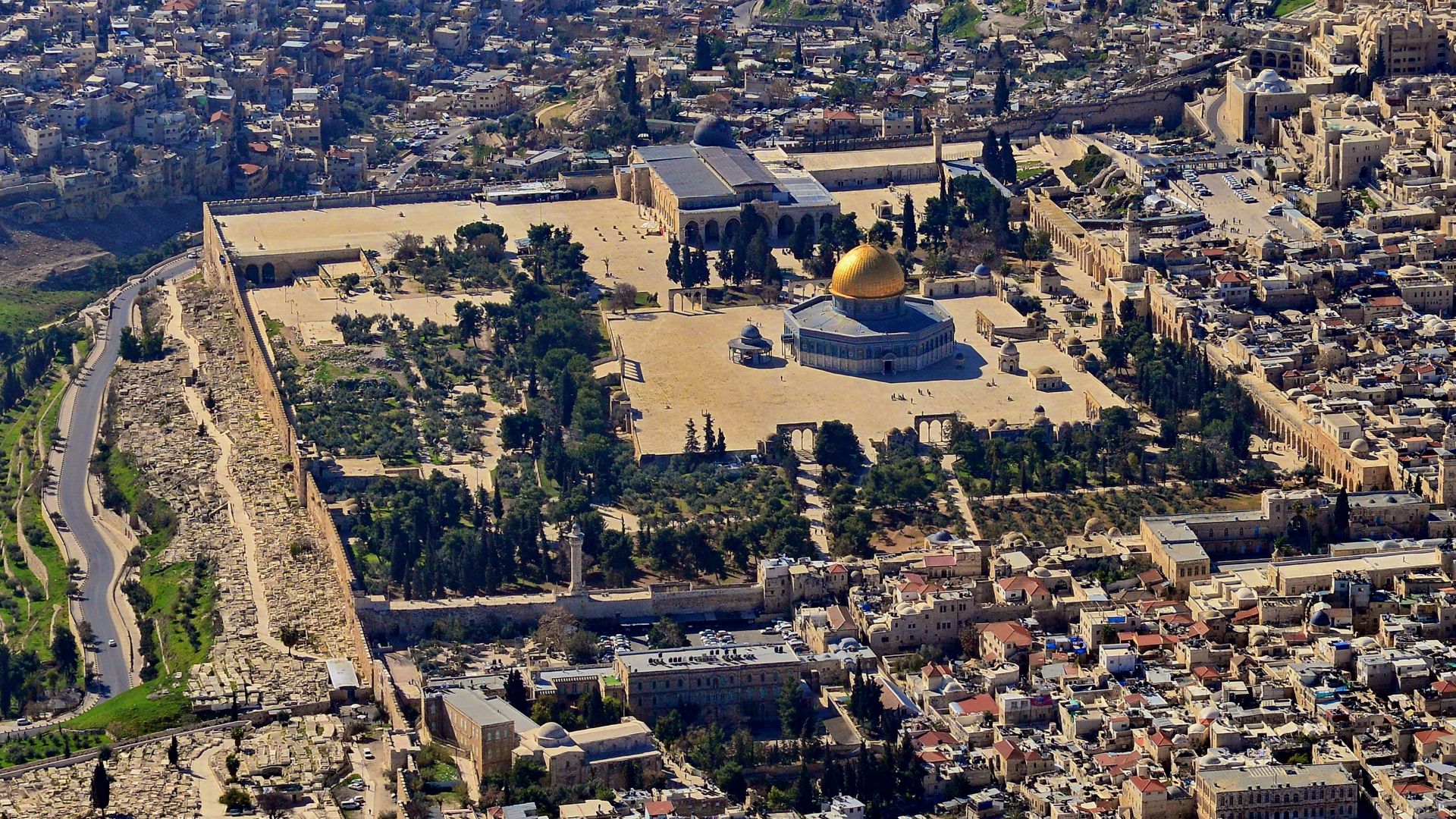
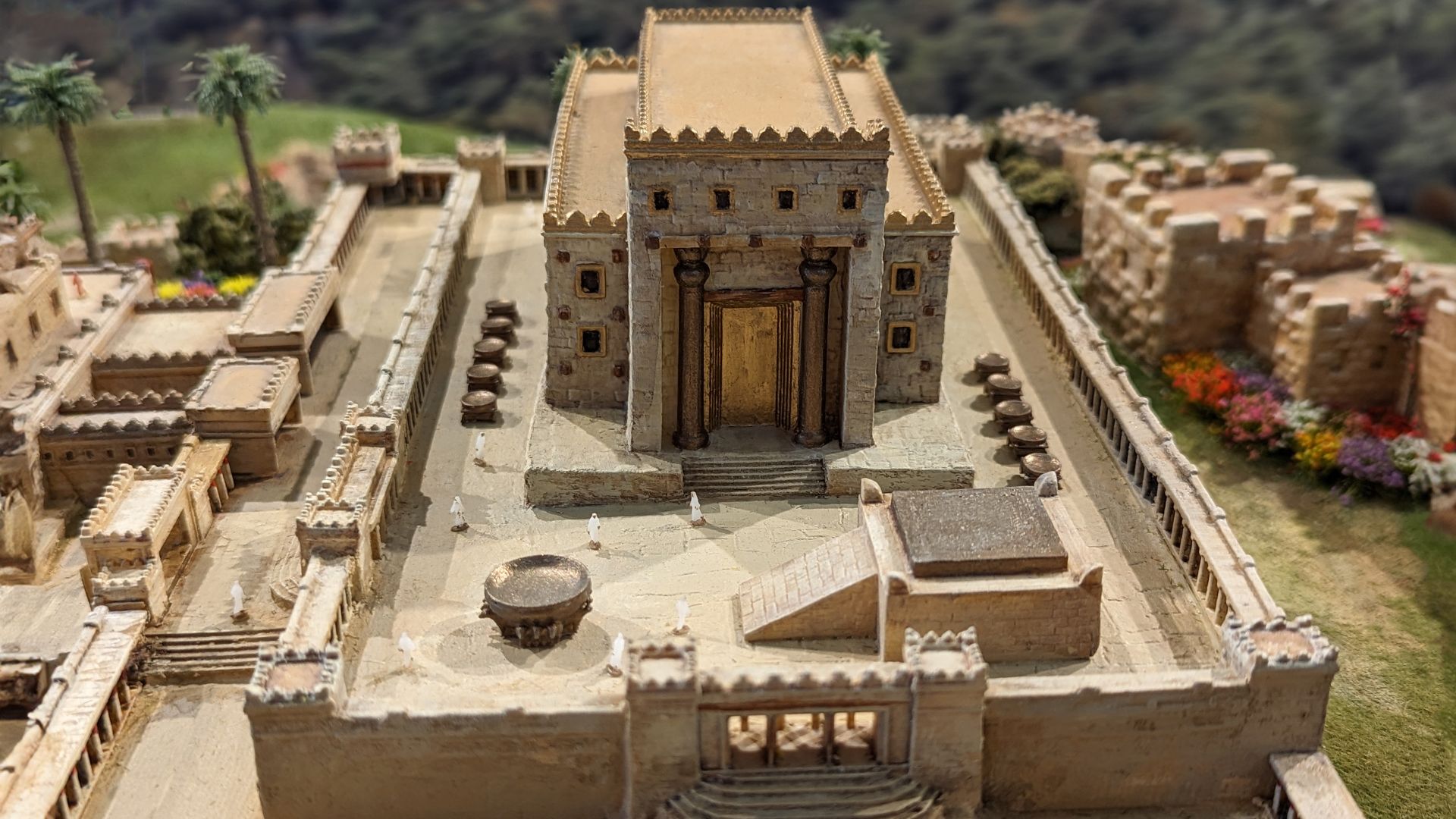
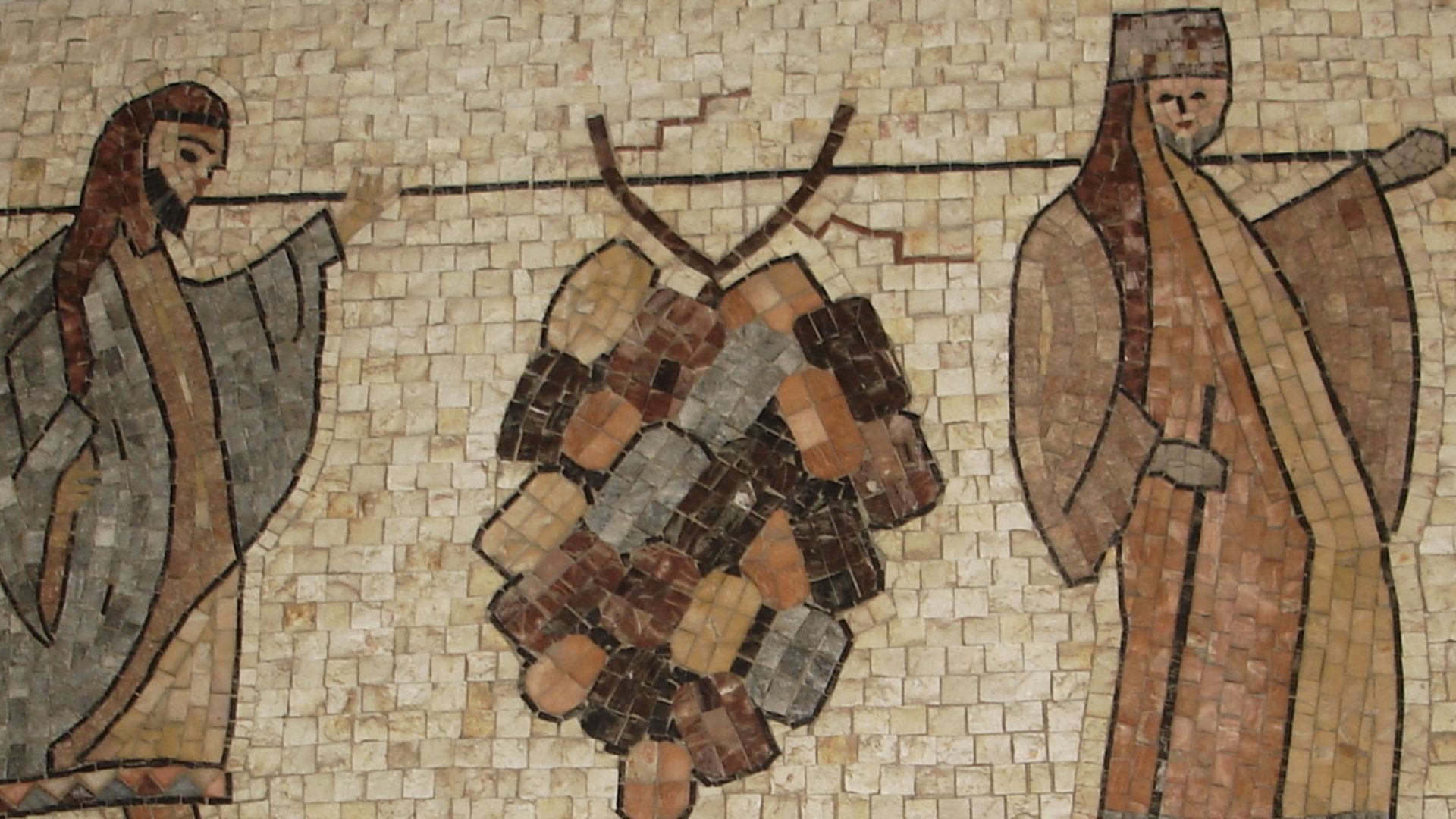
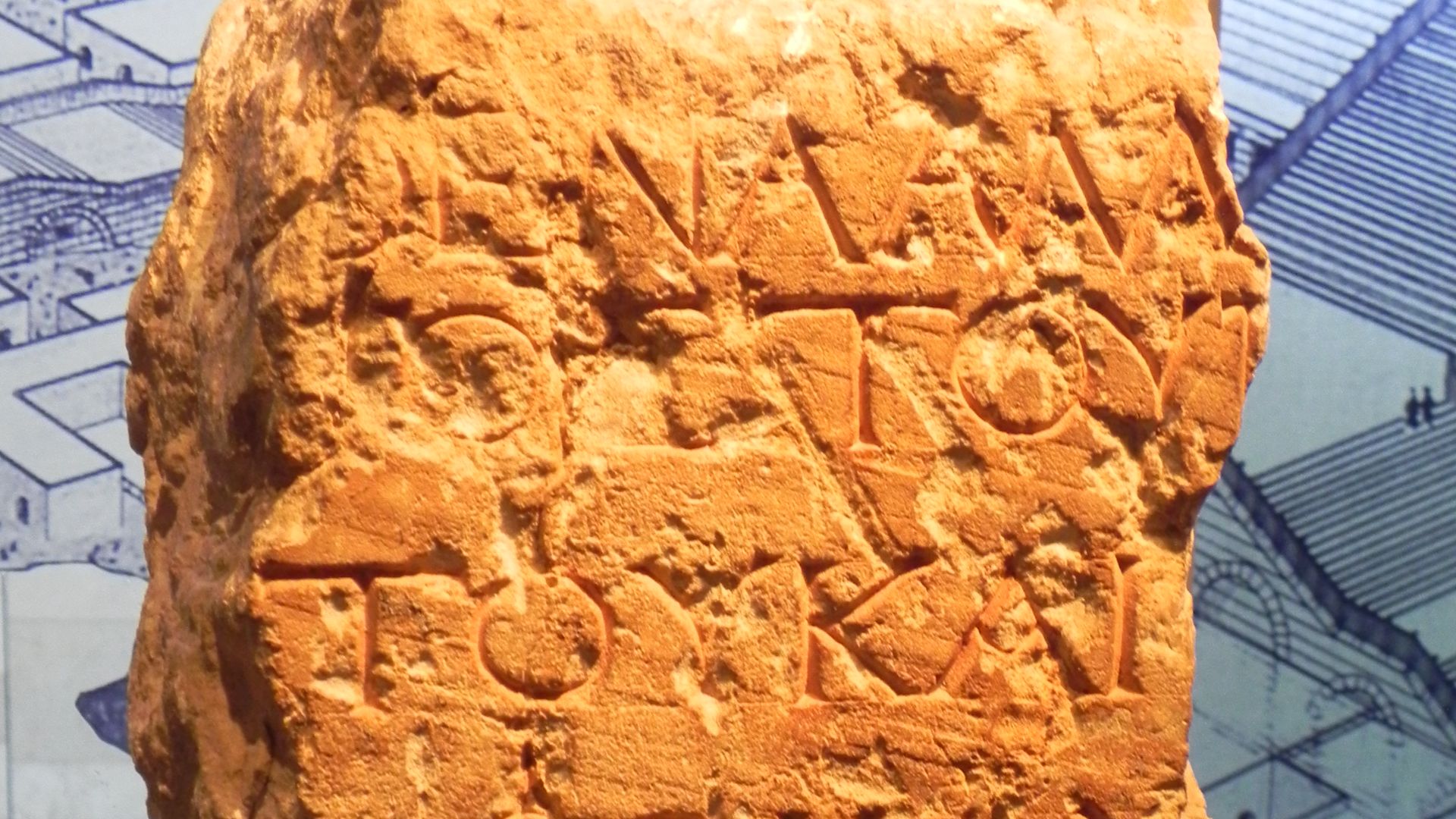
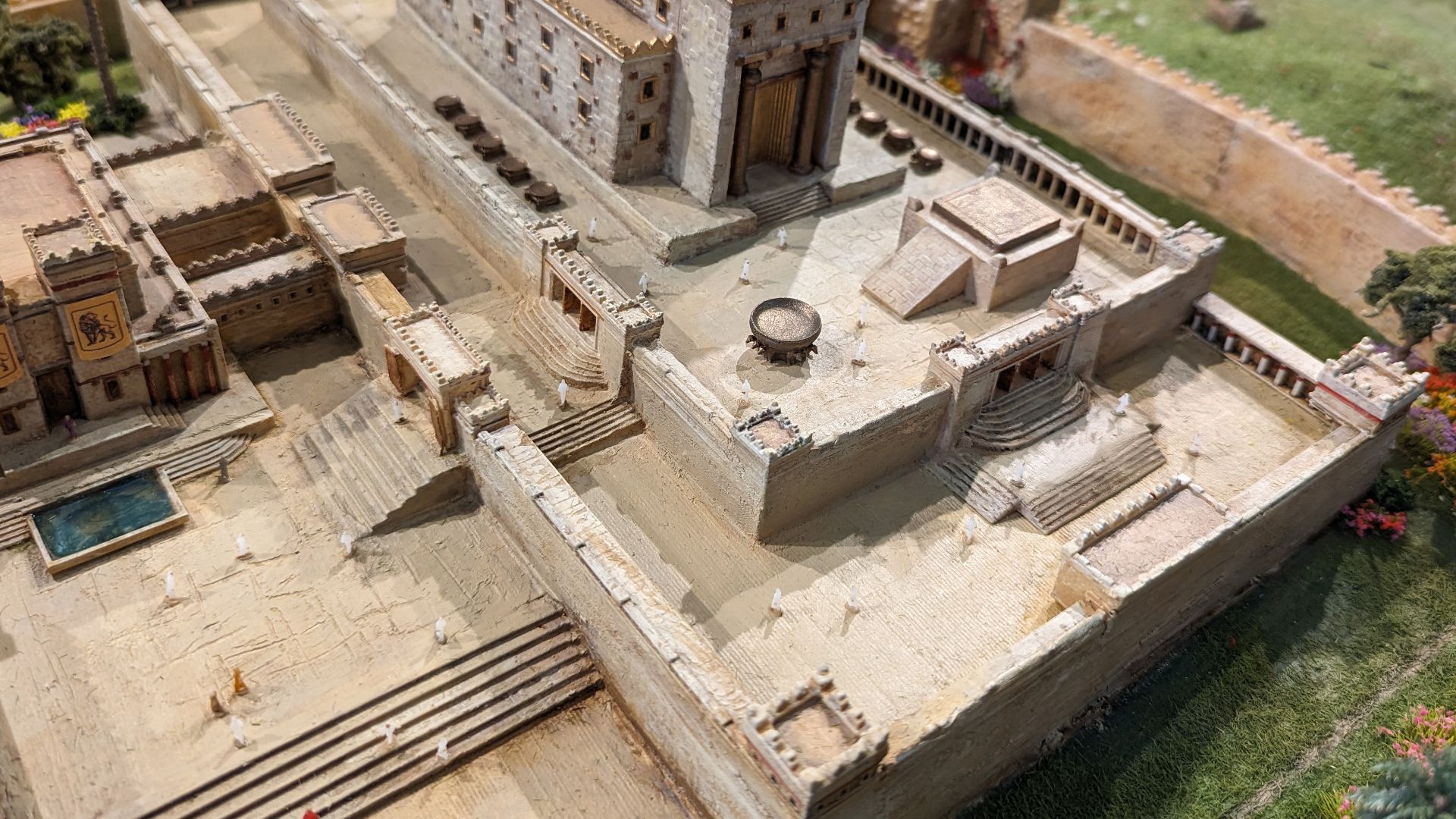
The First Temple period refers to the time when Solomon’s Temple stood in Jerusalem before it was destroyed by the Babylonians in 586 BCE. This era is central to many biblical accounts. So having DNA from people who lived during this time gives researchers something they’ve never had before—real biological evidence.
How Scientists Actually Did It
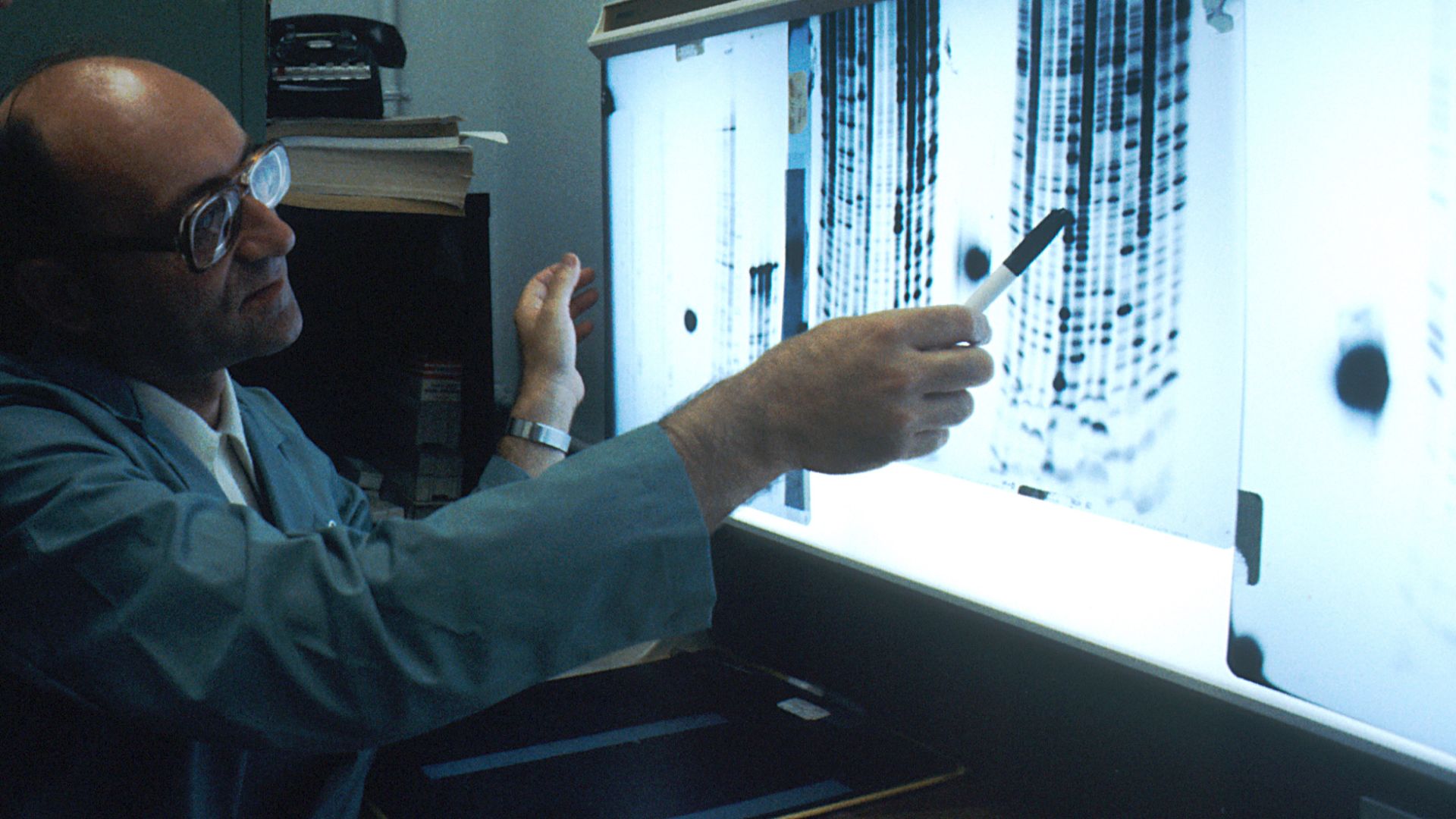
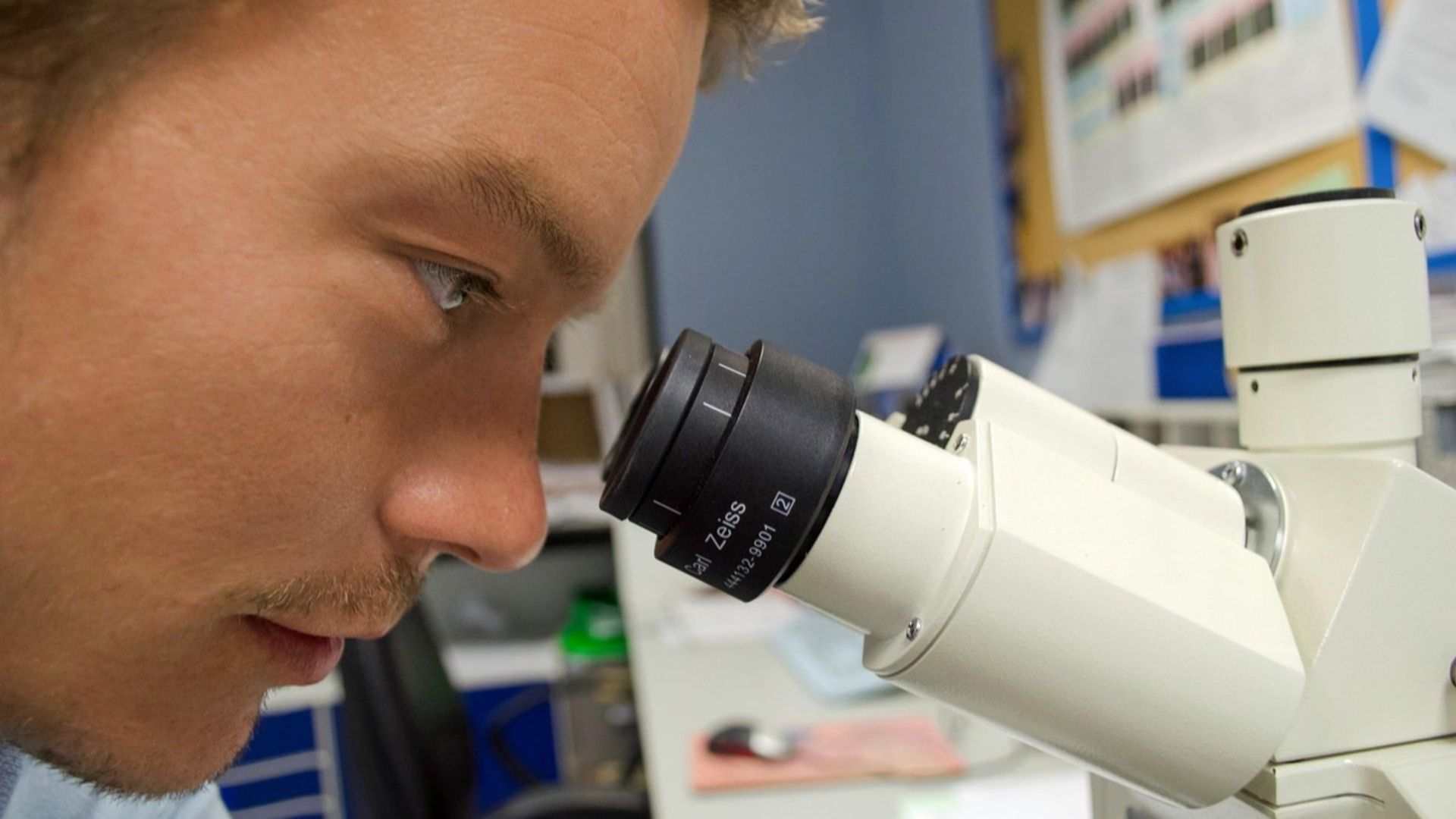
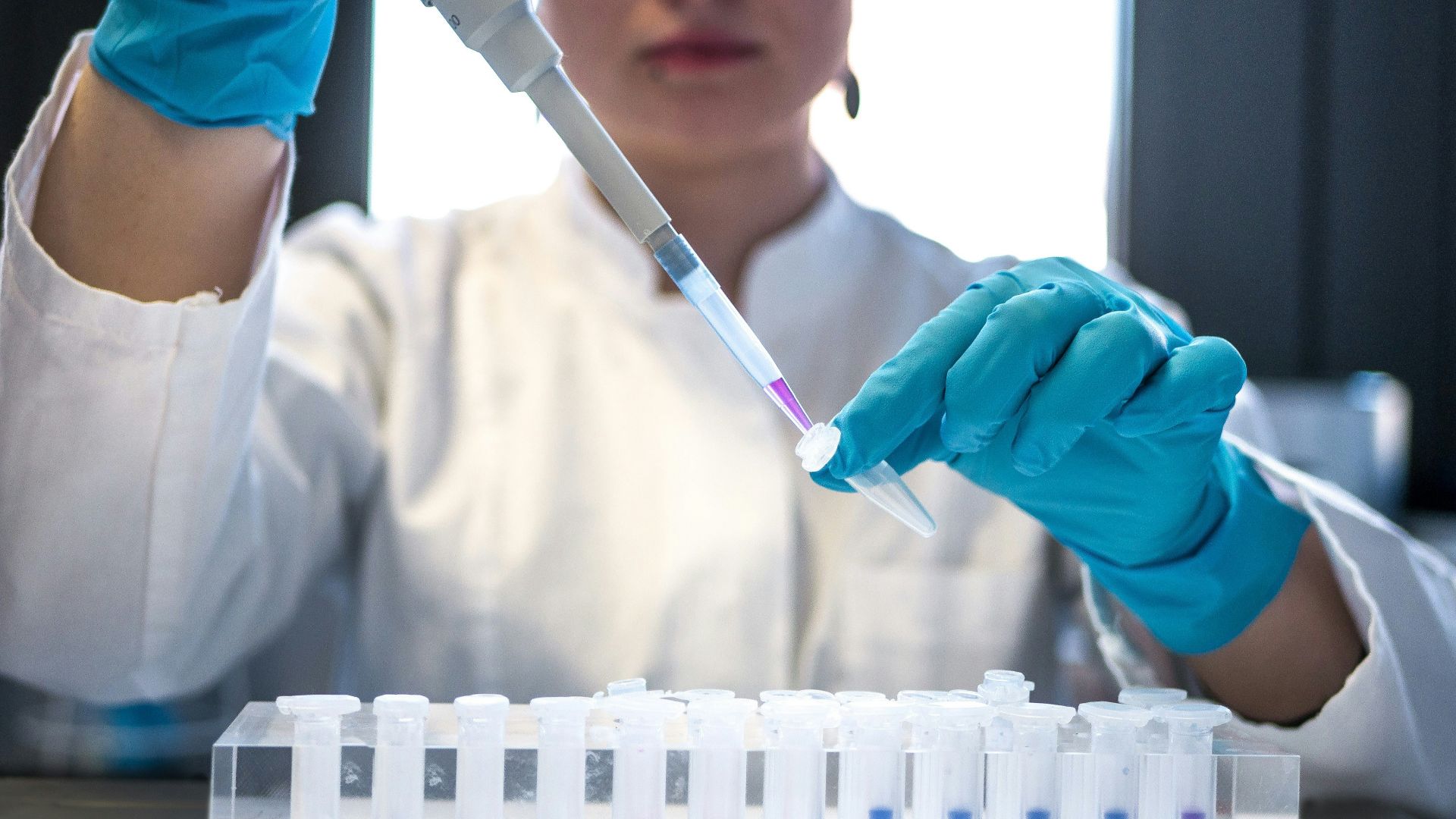
Researchers focused on dense bones, especially parts of the inner ear, because they tend to preserve DNA better. Using advanced sequencing methods, they carefully extracted and analyzed the genetic material. It’s a slow process, and one mistake can contaminate the whole sample.
 Linda Bartlett (Photographer), Wikimedia Commons
What They’re Trying To Find Out
The goal isn’t just to say “we have DNA.” Scientists want to understand how these individuals were related to other ancient populations. They’re looking at ancestry, migration patterns, and how connected these people were to groups in surrounding regions.

Why This Changes The Game
Up until now, most discussions about ancient Israelites were based on texts and artifacts. DNA adds a completely different kind of evidence—one that can actually be measured and compared. It takes some of the guesswork out of long-standing debates.
Connecting Ancient Populations
By comparing this DNA to other ancient samples, researchers can see how different groups were related. This could help answer questions about whether Israelites emerged from local populations like the Canaanites or came from somewhere else. That’s been a big debate for a long time.


History's most fascinating stories and darkest secrets, delivered to your inbox daily.
Early Findings Are Already Interesting
Initial results suggest there may be genetic continuity with populations already living in the region. In simpler terms, the data points toward local origins rather than large outside migrations. That doesn’t settle everything, but it definitely shifts the conversation.
 National Cancer Institute, Unsplash
Not Everyone Is Ready To Jump To Conclusions
As exciting as this is, researchers are being careful not to overstate the findings. Ancient DNA studies take time, and results need to be compared with more samples. It’s one of those situations where the discovery is huge, but the answers are still unfolding.

Why This Matters Beyond Archaeology
This isn’t just about ancient history—it also touches on identity and heritage. Understanding where ancient Israelites came from can influence how modern populations view their roots. That’s part of why this research gets so much attention.
 TimeTravelRome, Wikimedia Commons
The Challenges Of Ancient DNA Work
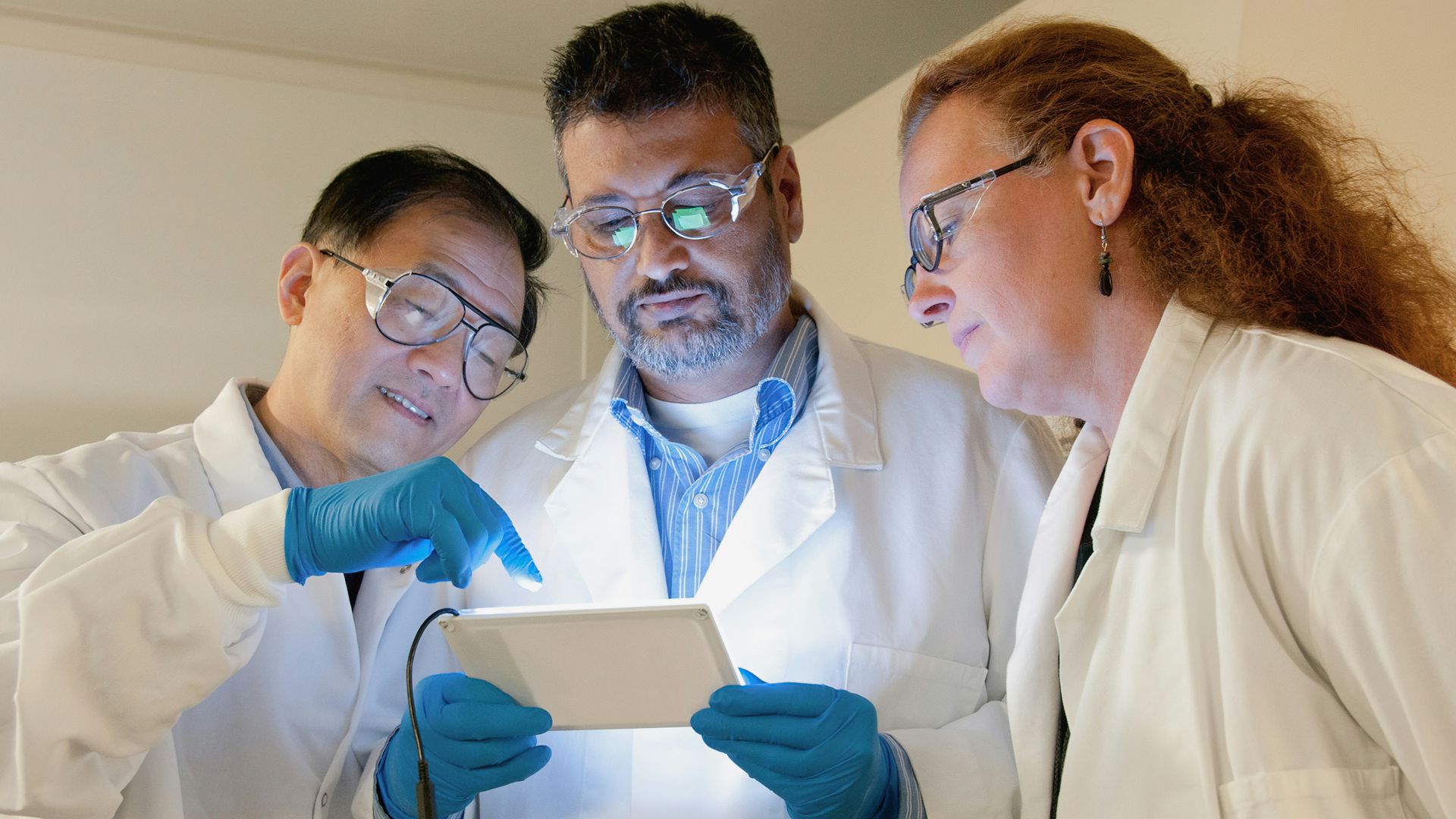
Ancient DNA is fragile, fragmented, and easy to contaminate. Scientists have to work in controlled environments and follow strict procedures. Even then, not every sample produces usable results.

A Field That’s Growing Fast
Ancient DNA research has taken off in the last decade. Scientists have used it to study everything from prehistoric humans to ancient European populations. Now it’s finally being applied to one of the most historically important regions in the world.
 Neanderthal-Museum, Mettmann, Wikimedia Commons
Why This Discovery Stands Out
This is the first time DNA has been directly recovered from individuals tied to the biblical Israelite period. That alone makes it a major milestone. It takes the discussion from theory into something you can actually test.
Rethinking Old Theories
Some older ideas suggested Israelites arrived in the region through large migrations. New genetic evidence may challenge that by showing stronger local continuity. It’s a reminder that history doesn’t stay fixed forever.
What Researchers Want To Do Next
Scientists are planning to analyze more samples from different sites and time periods. The goal is to build a clearer genetic picture of the region over time. The more data they collect, the more confident their conclusions will be.

How This Fits With Archaeology
DNA doesn’t replace traditional archaeology—it works alongside it. Artifacts, buildings, and written records still matter. When combined with genetic data, they help create a more complete picture of the past.
 yoav dothan, Wikimedia Commons
Technology Made This Possible
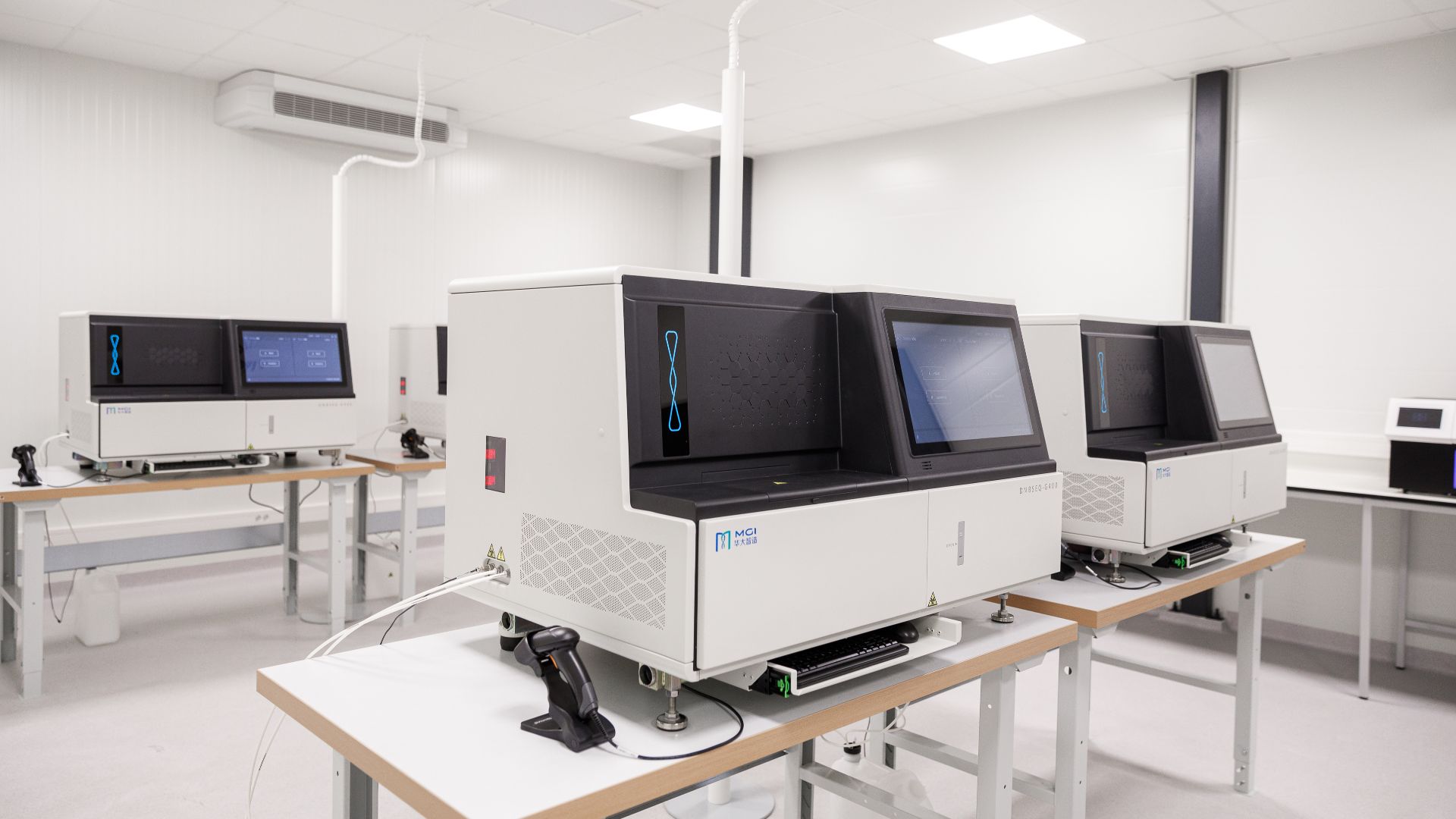
This discovery wouldn’t have been possible even a couple of decades ago. Advances in DNA sequencing have completely changed what researchers can do. It’s a great example of how modern tools can unlock ancient mysteries.
Why Jerusalem Keeps Delivering
Jerusalem has always been a key location for archaeological discoveries. Its long and complex history means there’s always more to uncover. Adding DNA evidence to that mix just makes it even more important.
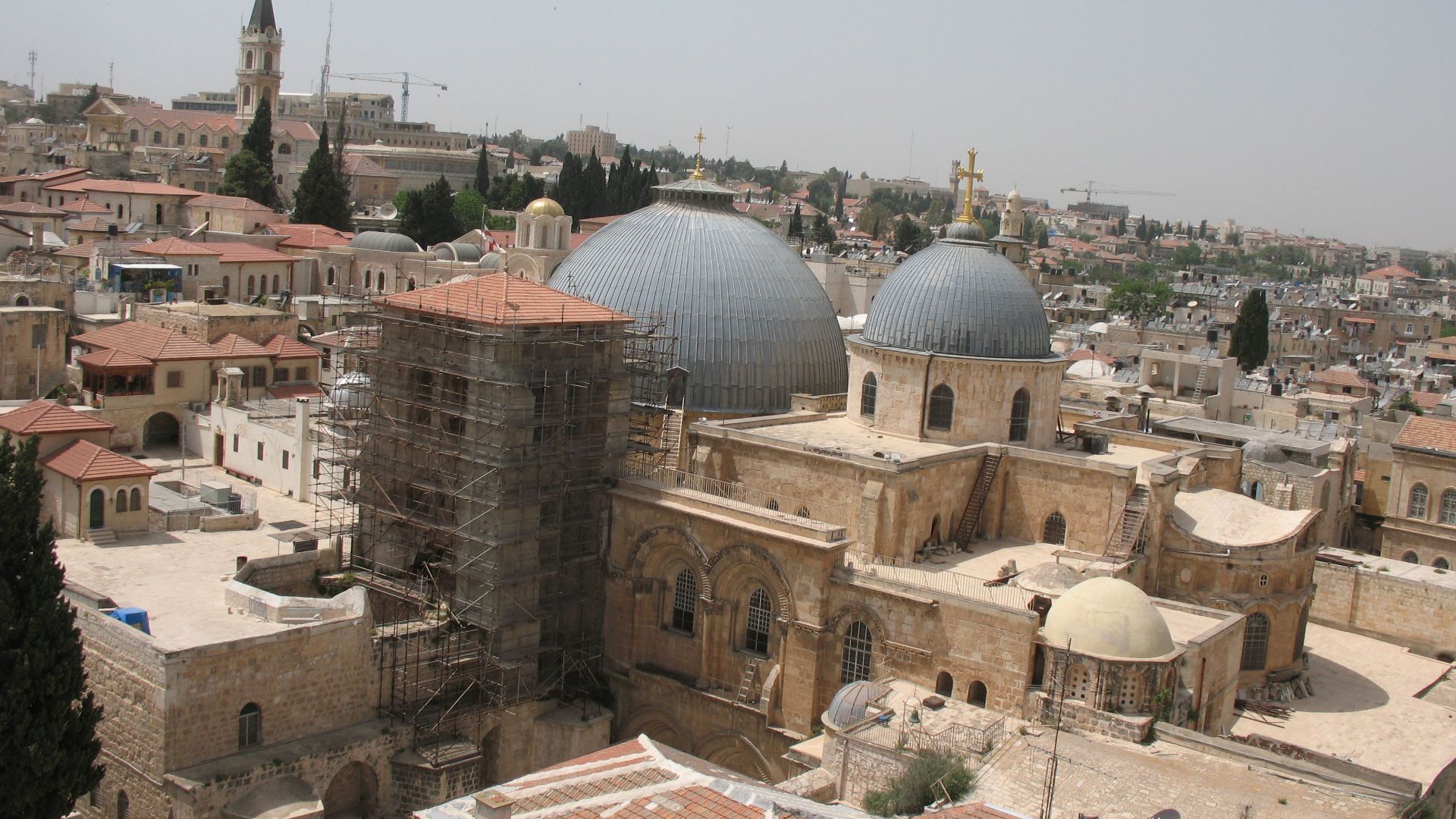 James Emery from Douglasville, United States, Wikimedia Commons
Making History Feel More Human
It’s easy to think of ancient history as just stories and timelines. DNA reminds us that these were real people with families and communities. It brings a more personal angle to something that can feel distant.

The Debate Isn’t Going Anywhere
This discovery won’t settle every question about ancient Israelites. In fact, it’s probably going to spark even more discussion. That’s usually how science works—one answer leads to ten new questions.
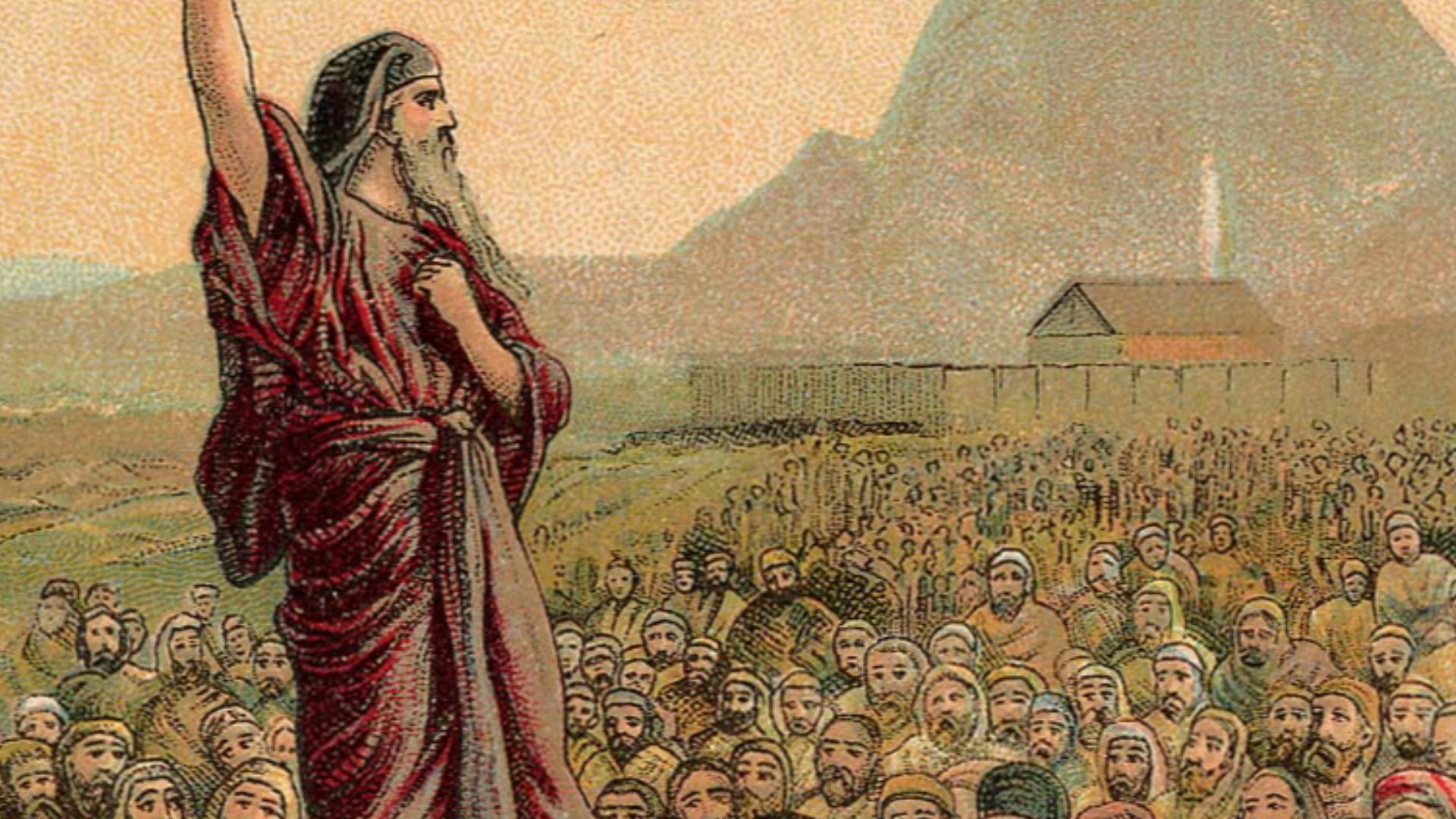 the Providence Lithograph Company, Wikimedia Commons
What This Means For Biblical Studies
For scholars studying the Bible, this opens up new ways to explore historical context. It doesn’t prove or disprove religious texts, but it adds real-world data to the conversation. That’s a valuable tool for interpretation.

The Bigger Picture Of Human History
This research is part of a larger effort to map how ancient populations moved and interacted. The Near East is a key region in that story. Understanding it better helps fill in gaps across human history.
The Past Is Getting Clearer—Slowly
Each new DNA sample adds another piece to the puzzle. It won’t all come together overnight, but progress is happening. Little by little, the picture is becoming sharper.
When Science Meets Ancient Questions
This discovery shows what happens when modern science takes on ancient mysteries. It doesn’t replace history—it adds depth to it. And if this is just the beginning, there’s a lot more still waiting to be uncovered.
 YAKOBCHUK VIACHESLAV, Shutterstock
You May Also Like: